

The Old Mysteries That Baffle Us
Ancient technology has a way of humbling us. You can read all the usual lines about simple tools and early ingenuity, but so often, scholars come across something that completely shifts our historical understanding. Some of these things are hard to pin down because no text bothered to explain them. Others are better understood in broad outline, though archaeologists still argue over the missing pieces, the manufacturing steps, or the reason somebody made them this way in the first place. These 20 artifacts and technologies all come with that same frustrating pull: we know enough to be impressed, and not quite enough to feel settled.
 Ana Paula Grimaldi on Unsplash
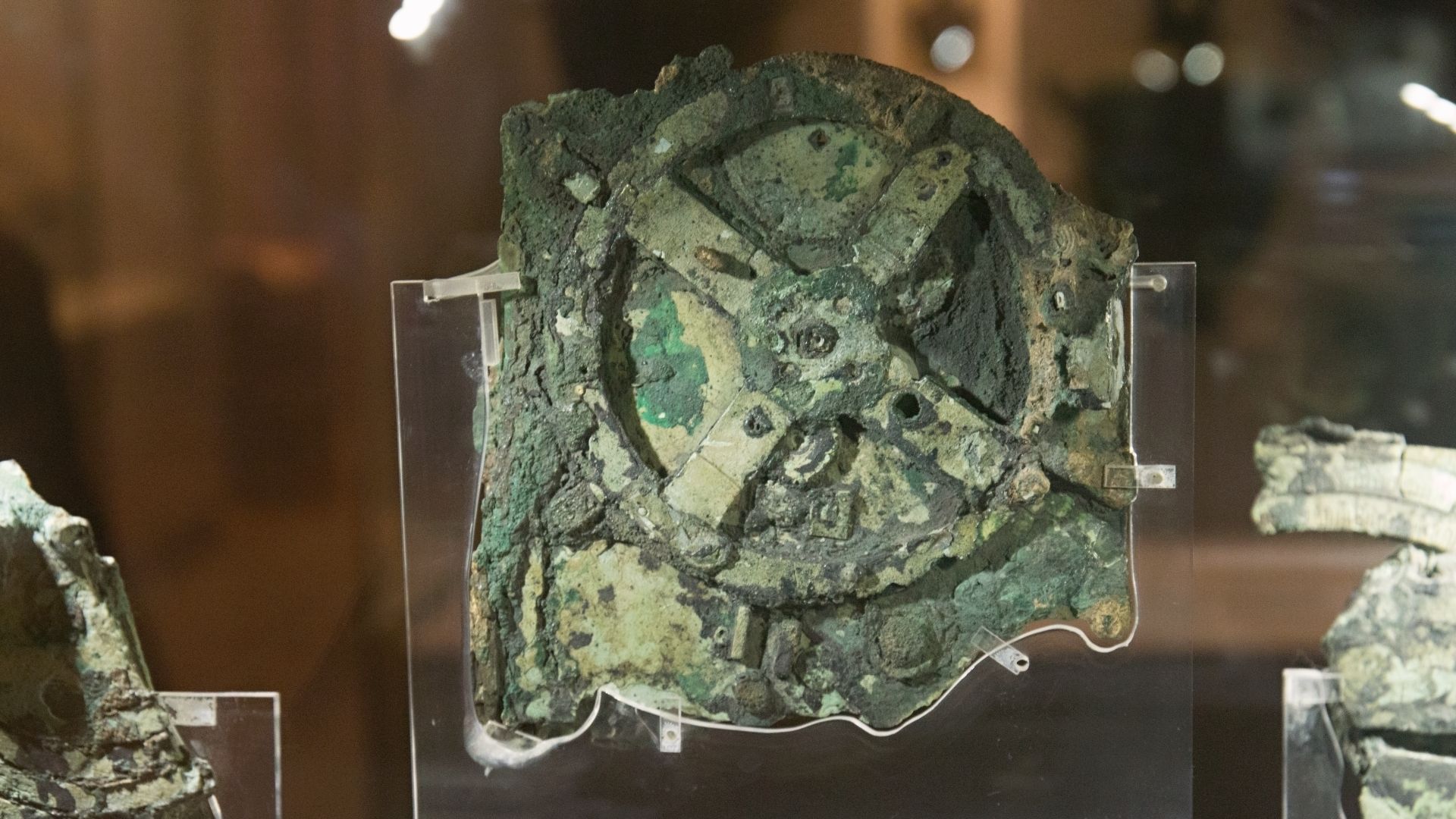
1. The Antikythera Mechanism
Pulled from a shipwreck off the Greek island of Antikythera and dated to around the second or first century BCE, this bronze device used interlocking gears to track astronomical cycles. Researchers have made huge progress on it, though some missing parts, possible planetary displays, and the full manufacturing process still leave us questioning.
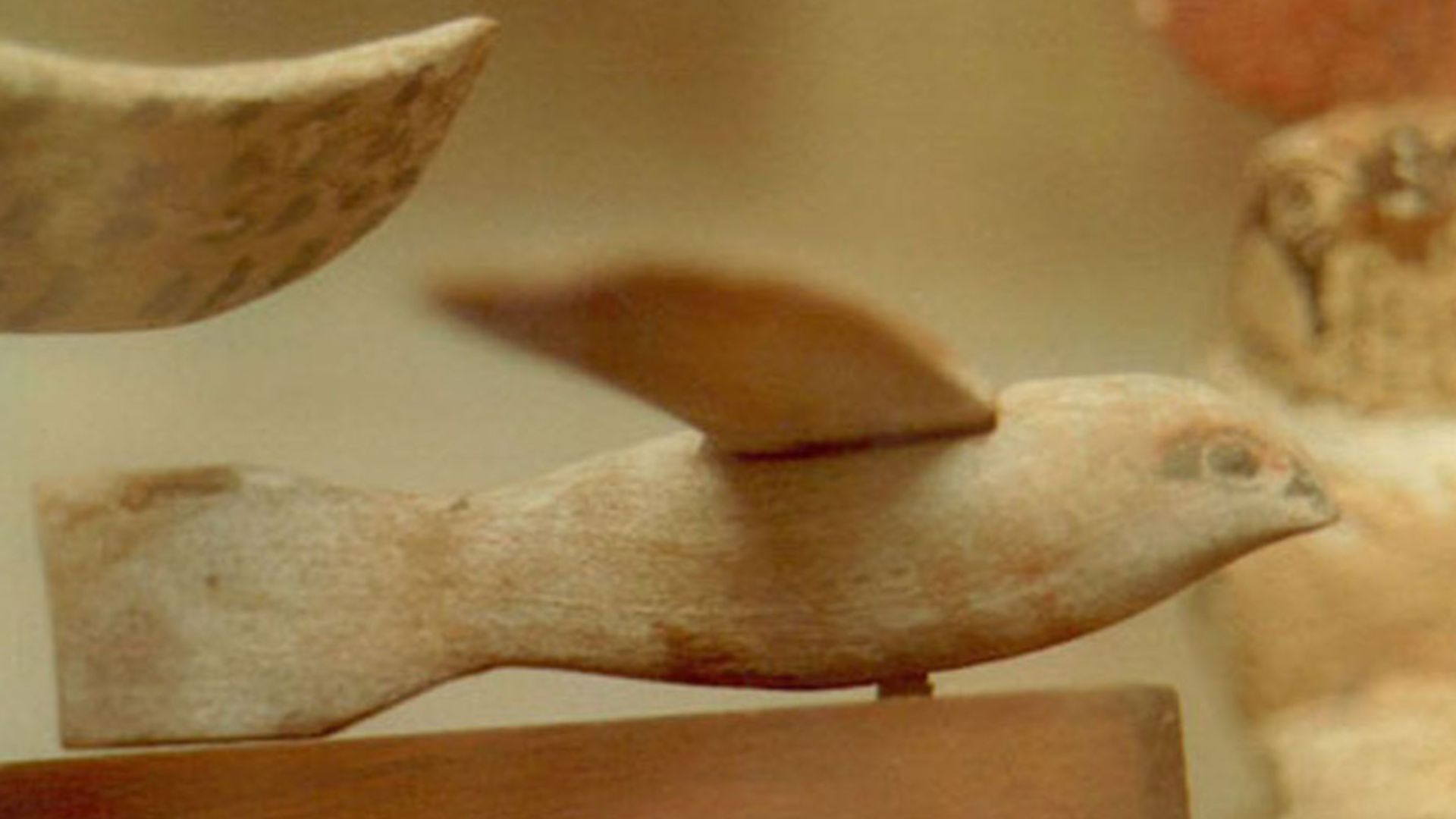
2. The Saqqara Bird
Found in 1898 in a tomb at Saqqara, south of Cairo, this carved wooden bird from around 200 BCE keeps drawing people back into the same argument. Recent testing hasn’t confirmed its exact purpose, which leaves it hovering somewhere between toy, ritual object, and model with a lost meaning.
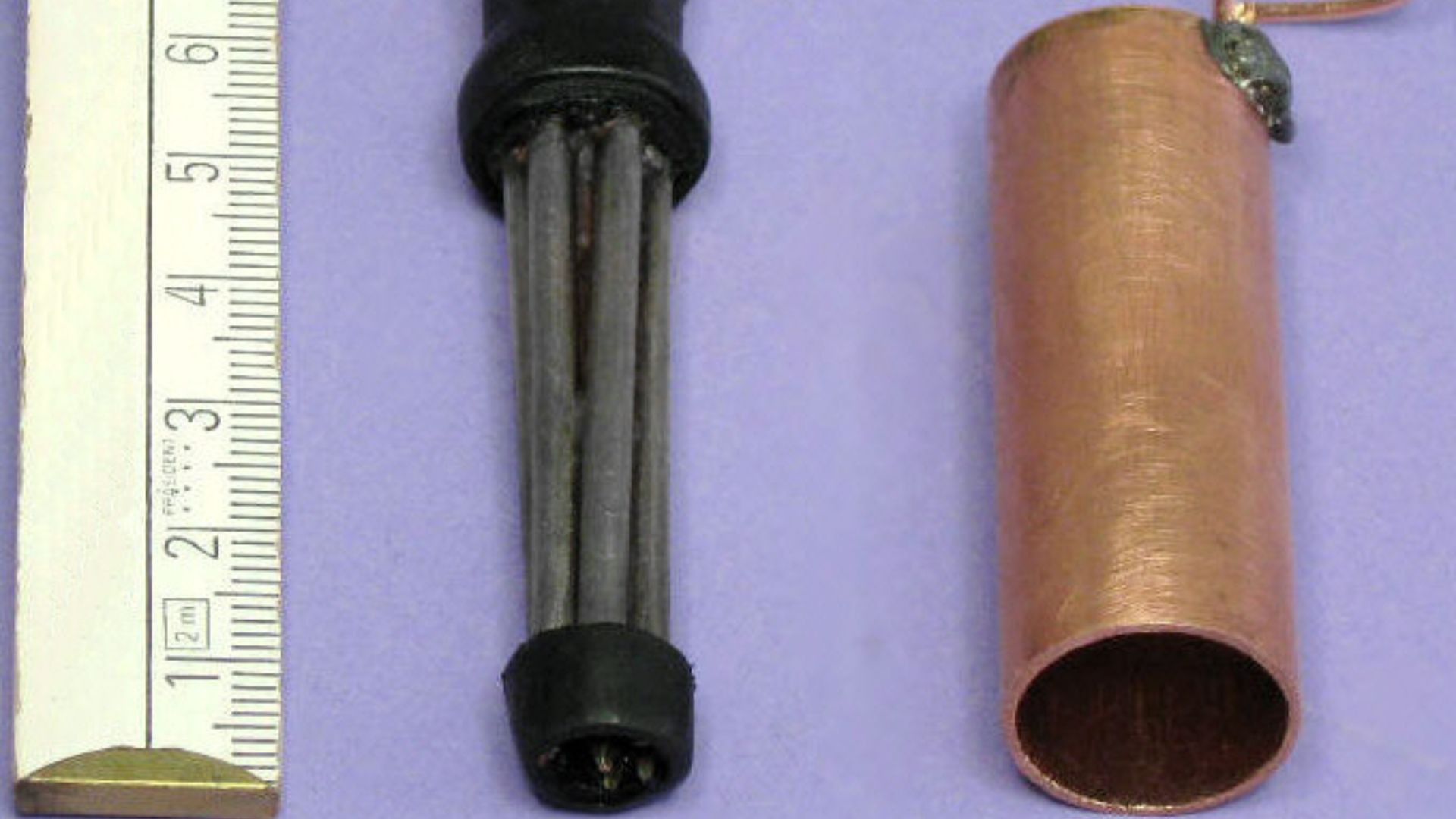
3. The Baghdad Battery
This small jar, reportedly found near Khujut Rabu, contains a copper cylinder and an iron rod, which is why people have spent decades calling it an ancient battery. The trouble is that the find context was poorly recorded, and the electrical explanation still hasn’t been proven, so the object remains in archaeological limbo.
4. Roman Dodecahedrons
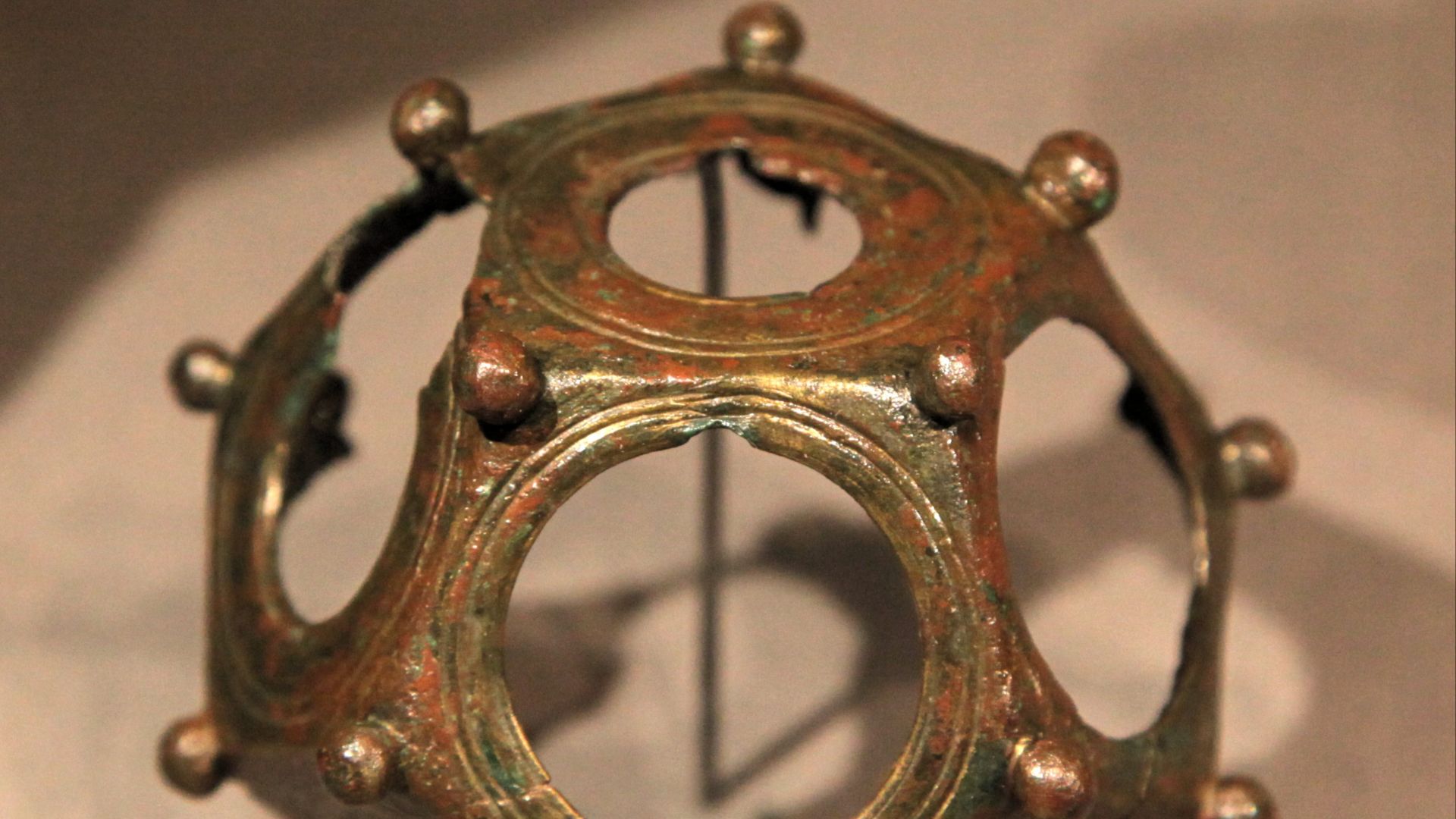
More than a hundred bronze dodecahedra have been found across the northwestern Roman Empire, dated to the second through fourth centuries CE. There's still no convincing consensus on whether they were measuring tools, ritual objects, knitting aids, or something else entirely.
5. Greek Fire Siphons
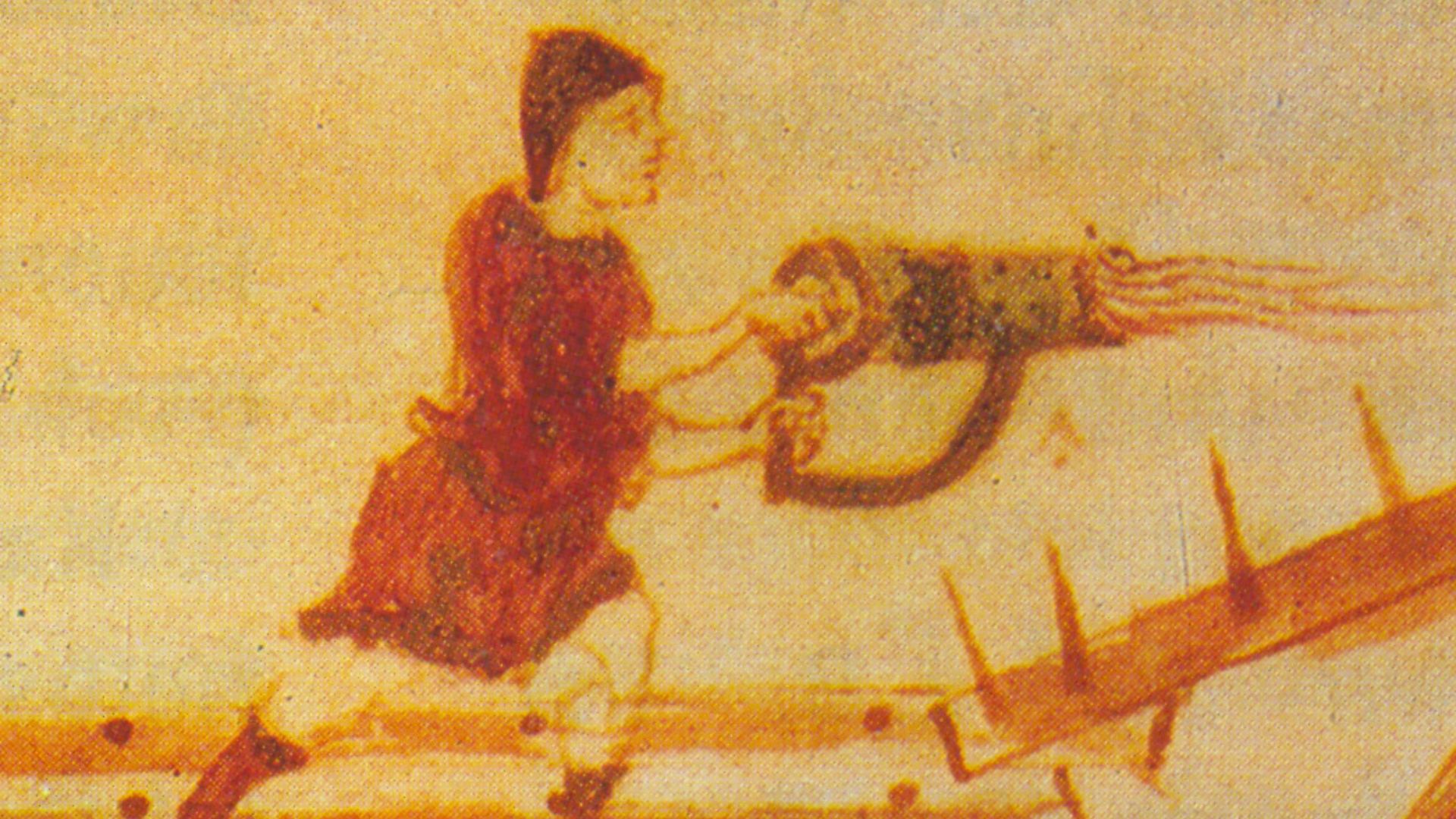
Byzantine forces used Greek fire from the late seventh century onward, and the delivery system often involved siphons that projected the burning liquid outward. We know the weapon existed and terrified people, though the exact formula and the mechanics of how the pressurized system worked still haven't been found.
 Unknown authorUnknown author on Wikimedia
6. Ulfberht Swords
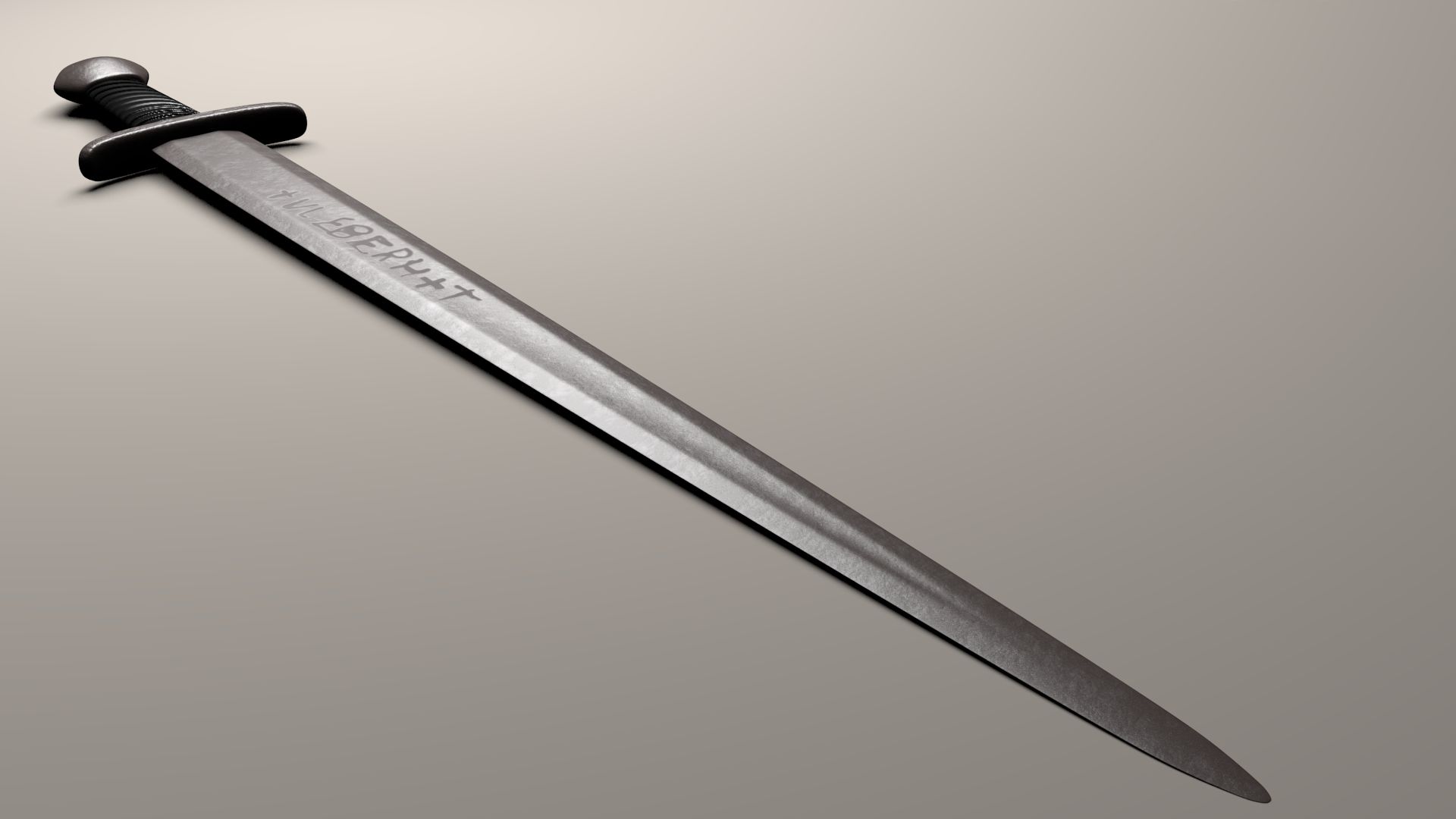
These Viking Age blades, dated roughly from the ninth to eleventh centuries, were made from exceptionally high-quality steel. Historians still debate how that metal reached northern Europe, how much came through trade routes linked to the Islamic world, and how many of the surviving examples were true originals rather than copies.
7. Katanda Bone Harpoons
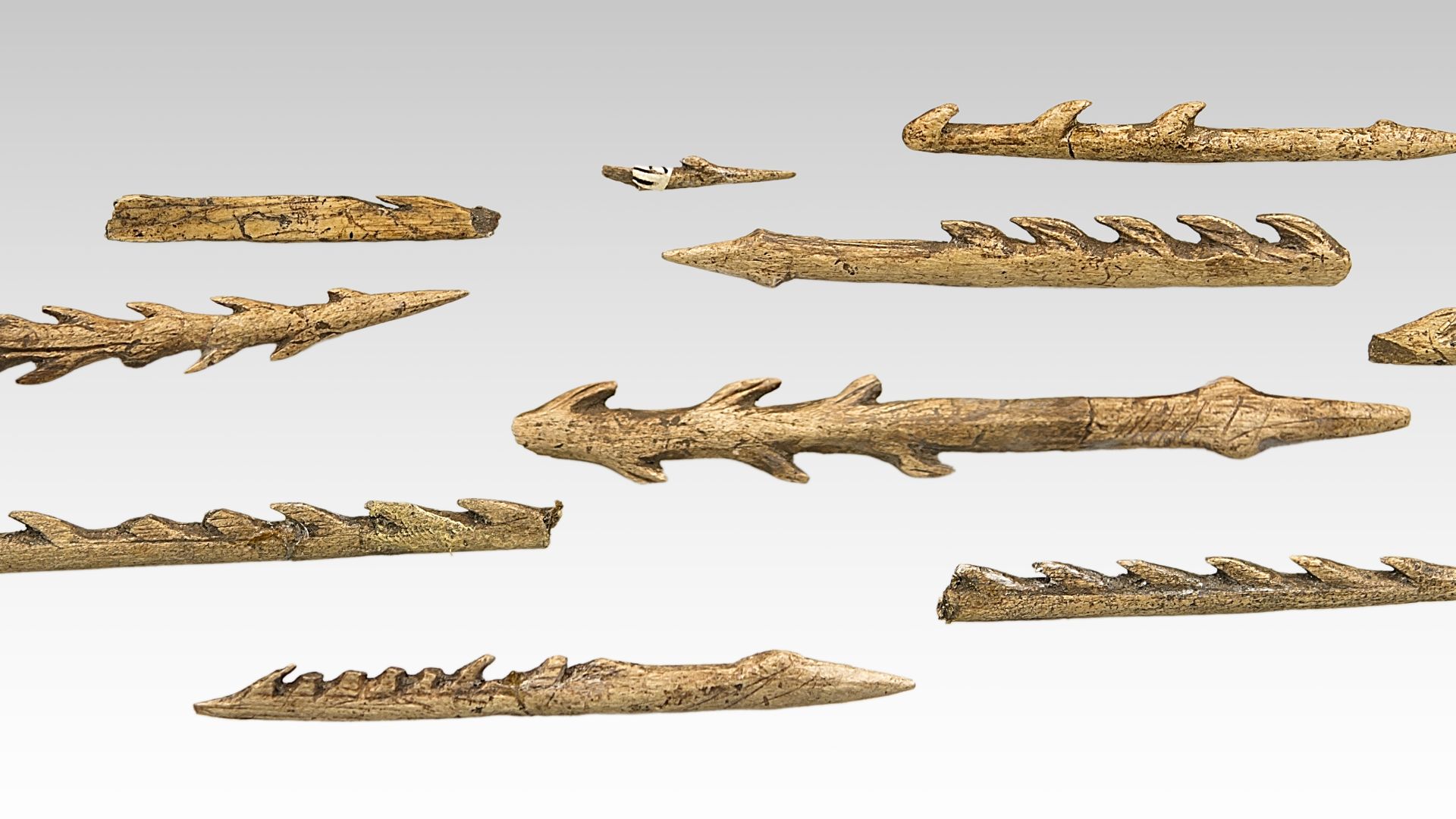
In the Upper Semliki Valley of what is now the Democratic Republic of the Congo, barbed bone harpoons dating to around 90,000 years ago show a very early fishing technology. Their broad purpose is clear enough, though the exact hafting method, the fishing setup, and the species most often targeted are still reconstructed based on scholarly guesswork.
8. Heat-Treated Silcrete Blades
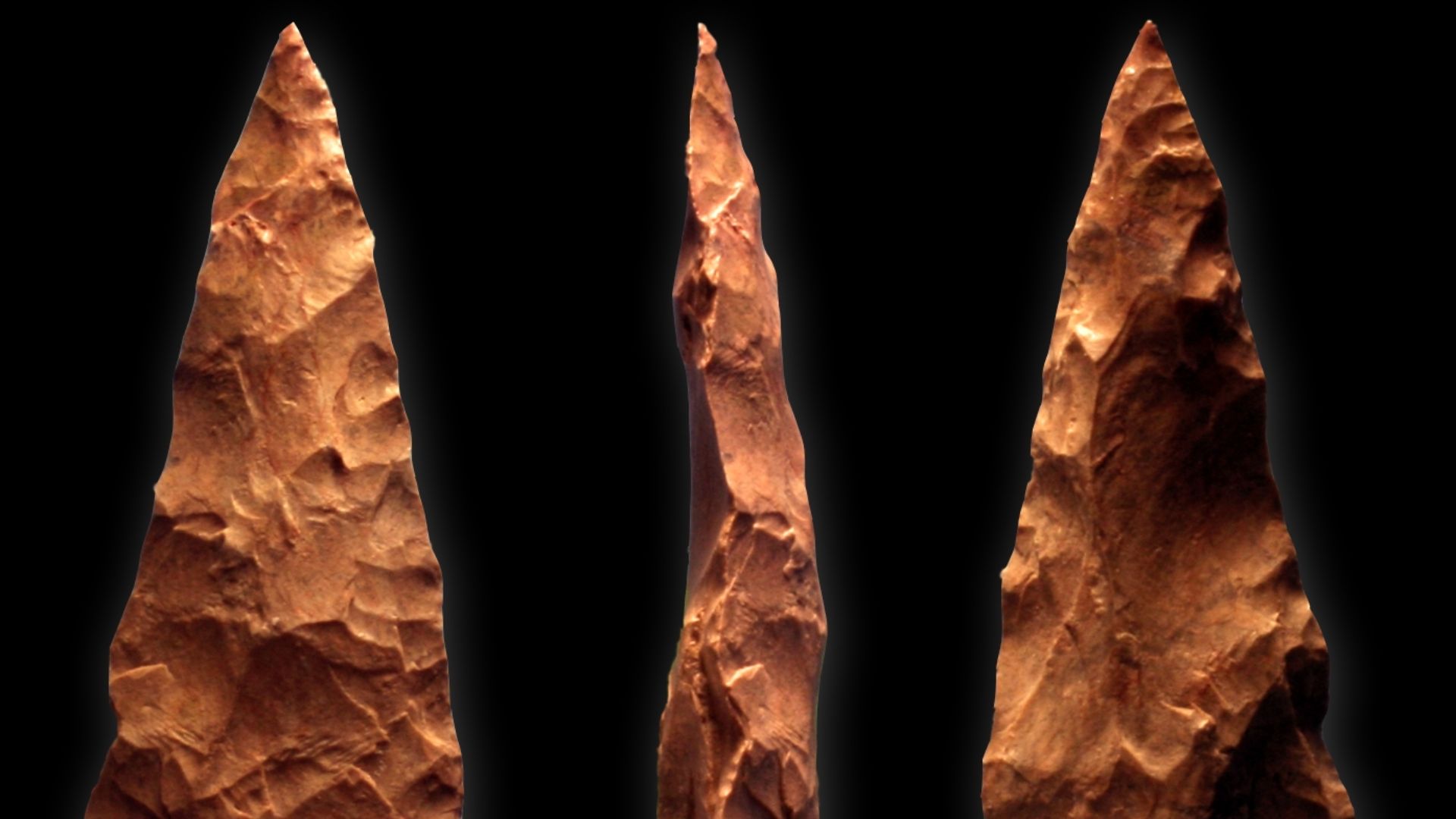
At Pinnacle Point on South Africa’s southern coast, people were heat-treating silcrete more than 70,000 years ago so it would flake more predictably. What still gets debated is the exact pyrotechnic sequence, how tightly the heating was controlled, and how routine this knowledge really was across the wider region.
 Vincent Mourre / Inrap on Wikimedia
9. Clovis Fluted Points
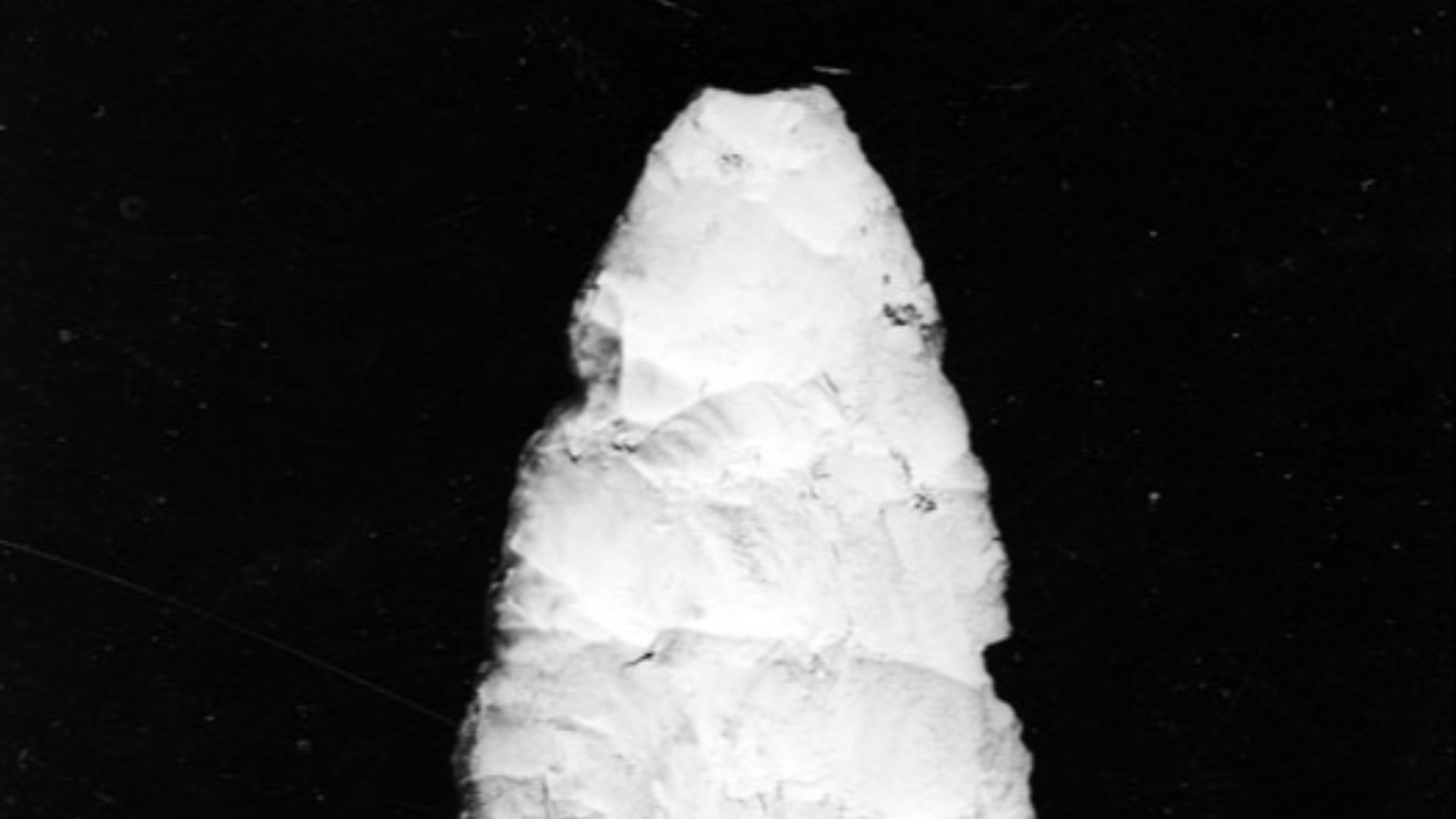
Across North America, around 13,000 years ago, toolmakers produced fluted spear points with a long channel flake removed from the base. Scholars still argue over whether the flute’s main job was hafting efficiency, shock absorption, or something more complicated.
 Galt Museum & Archives on The Commons on Wikimedia
10. Egyptian Hard-Stone Cutting Tools
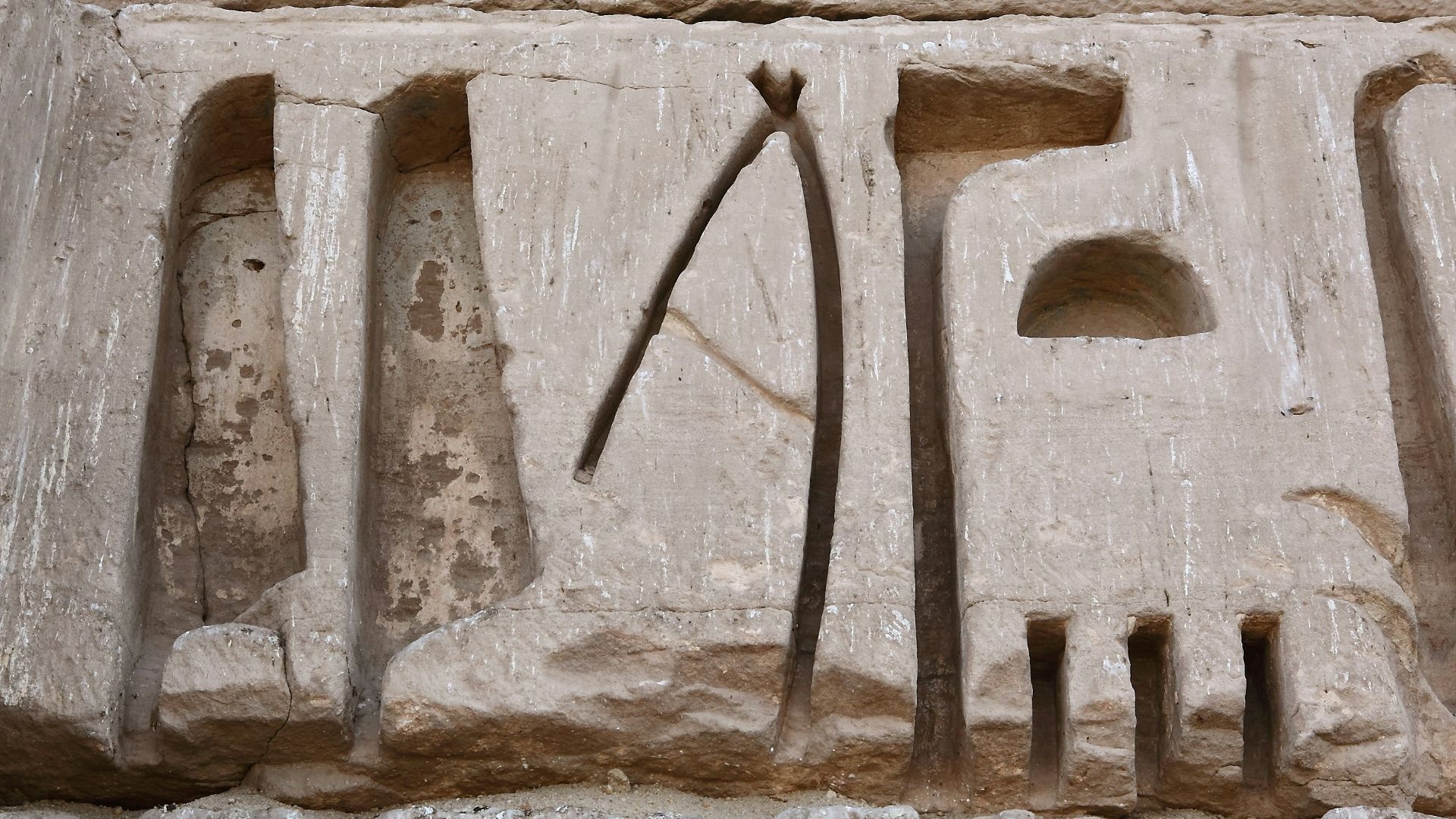
Old Kingdom Egyptian stoneworkers cut granite, basalt, and other hard stones with a precision that still sparks arguments today. The real debate isn’t about fantasy machines. It’s about copper tools, abrasive sand, drilling methods, and how much skill and repetition it took to leave those neat saw and core marks behind.
 Nacho Díaz Latorre on Unsplash
11. Stonehenge Joinery
On Salisbury Plain in southern England, the great sarsen stones were shaped with mortise-and-tenon and tongue-and-groove joints more familiar from woodworking. What we still don't understand is that the workflow for carving, lifting, and fitting those stones around 2500 BCE still leaves archaeologists with some gaps they’d very much like filled.

12. Roman Surgical Instruments
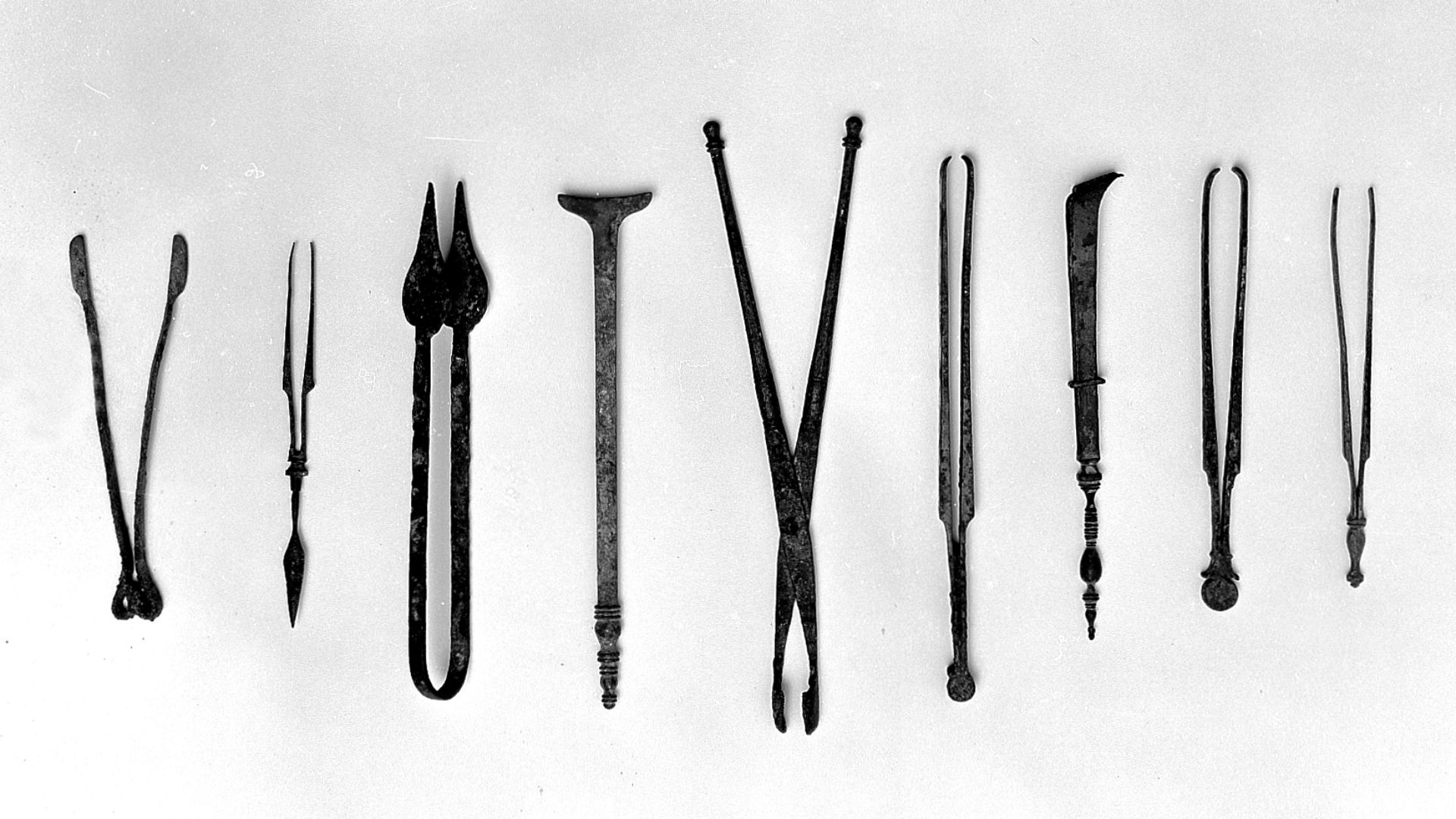
Roman surgical kits from places such as Pompeii and Londinium include hooks, scalpels, probes, and forceps made with impressive care. Scholars are still sorting out how specialized some tools really were, or how standard the instrument sets might've been.
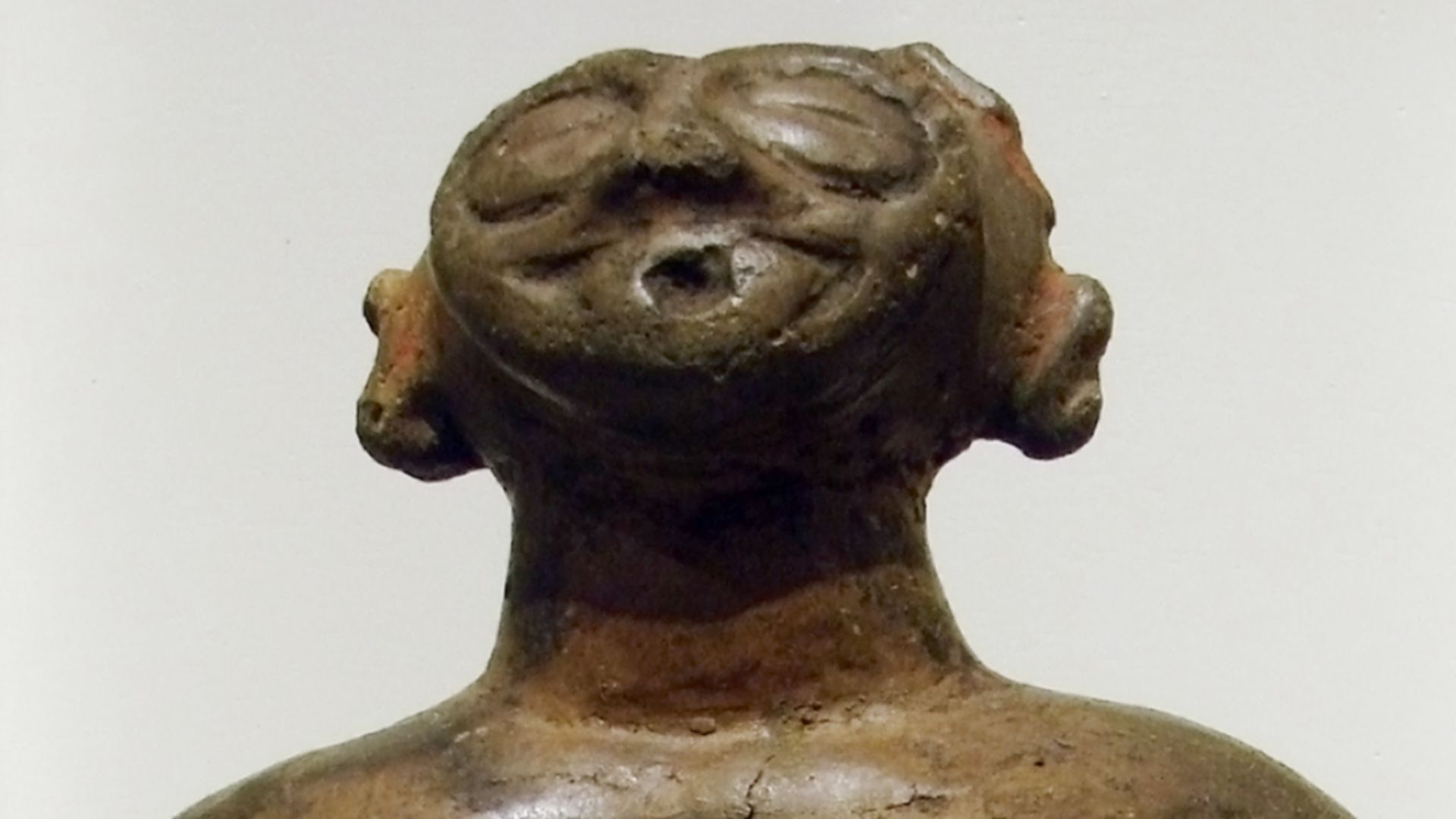
13. Dogū Figurines
These clay figures from Jōmon Japan, made over a long span ending around the first millennium BCE, weren't everyday tools, though they clearly belonged to some repeated human practice. The problem is that nobody can say whether they're tied to healing, fertility, protection, ritual breakage, or something a little more mundane.
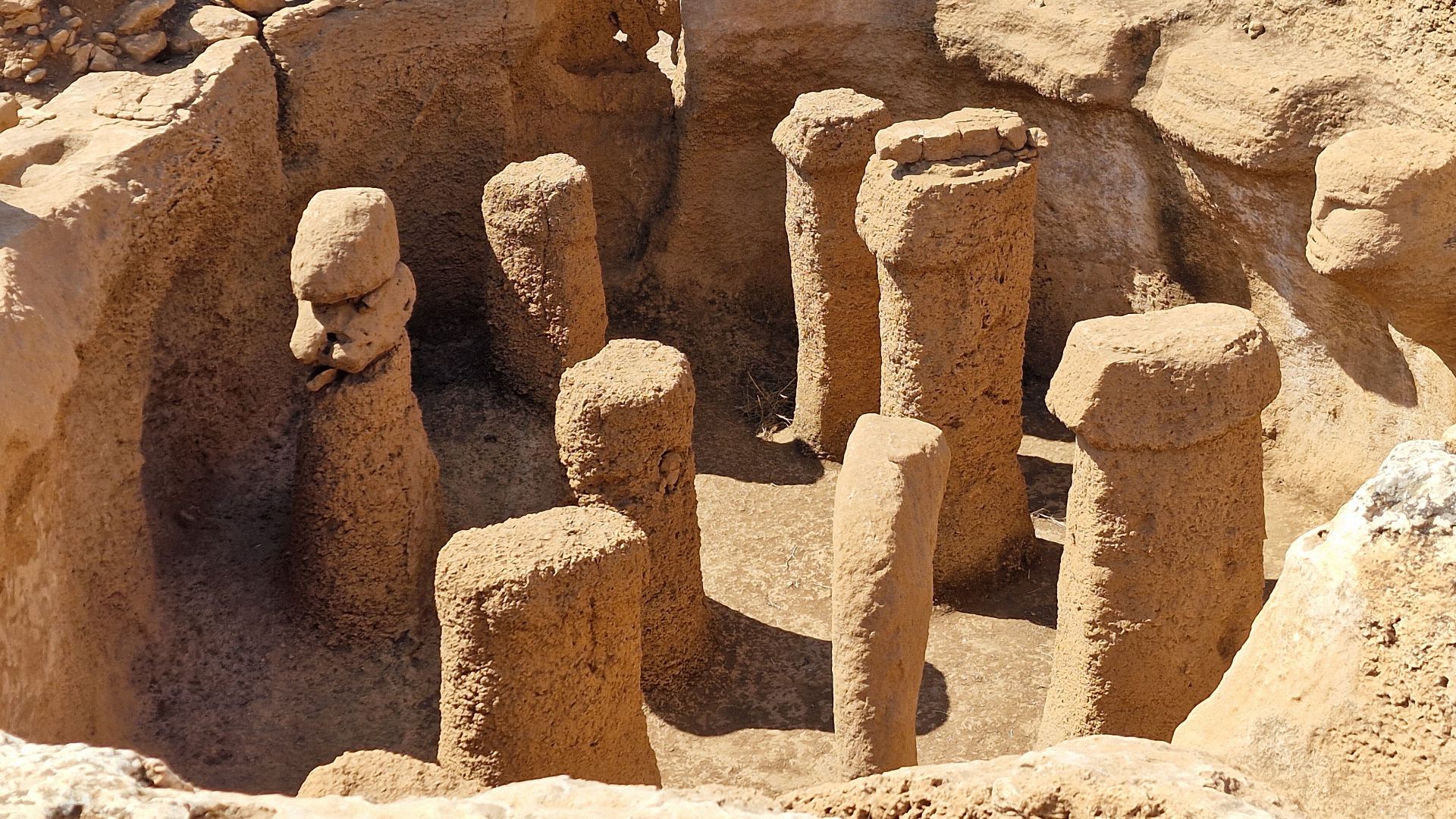
14. Göbekli Tepe’s T-Shaped Pillars
At Göbekli Tepe in southeastern Turkey, communities around 9600 to 8000 BCE quarried, carved, and raised limestone pillars weighing several tons. Archaeologists have workable ideas about labor teams, quarrying, and transport, though the exact logistics still feel just a bit out of reach.
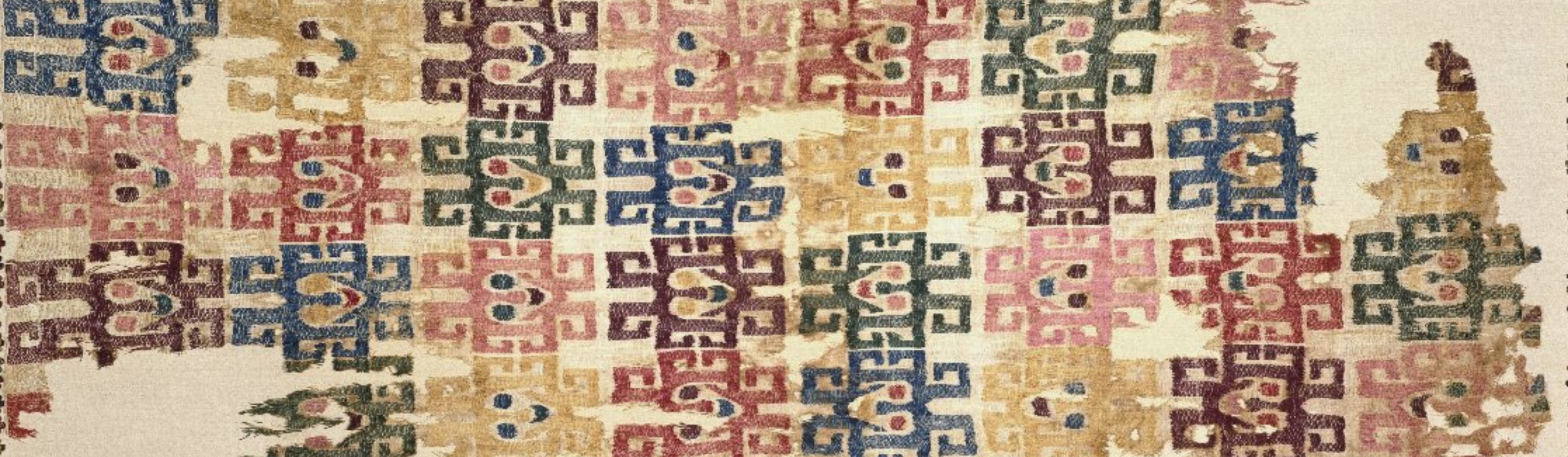
15. The Paracas Textile
This famous embroidered mantle from Peru’s south coast, now generally tied to the related Nasca tradition and dated around 100 to 300 CE, is a technical feat in cloth. Researchers understand a lot about its stitching and color work, though not every image, workshop condition, or production stage is settled.
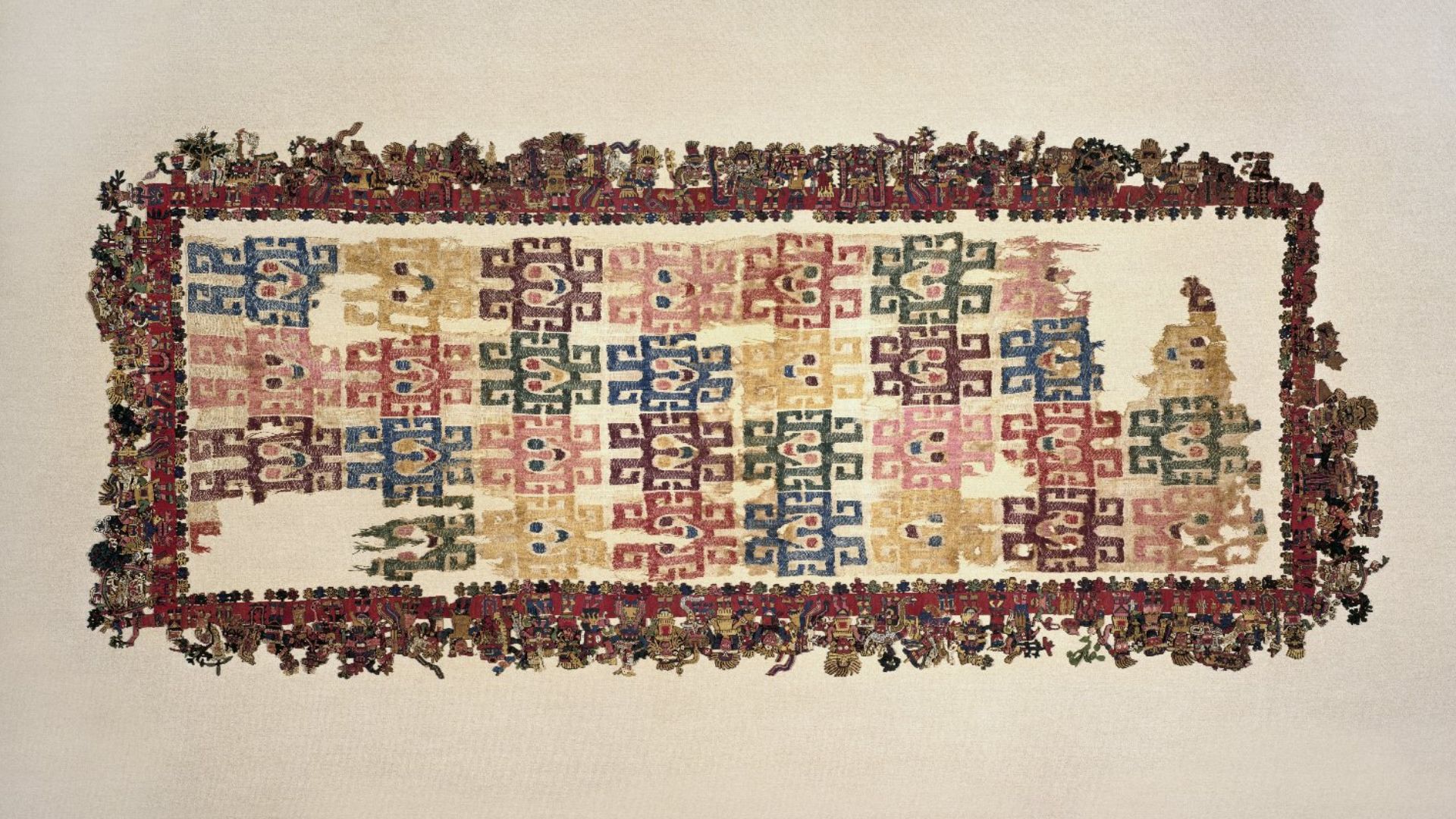 Unknown creatorUnknown creator, Nasca Culture, Peru on Wikimedia
16. Neanderthal Birch Tar
Neanderthals in Europe were making birch tar as an adhesive around 200,000 years ago. Experimental archaeology has shown several ways this could’ve been done, though scholars still debate how elaborate the original process was and whether it required more planning than people once assumed.

17. Acheulean Hand Axes
Acheulean hand axes spread across Africa and later into Eurasia, and many were shaped with a level of symmetry that still catches the eye. Their practical uses are obvious enough, though archaeologists still debate why some makers invested so much effort in the final form and whether symmetry had a social or religious role, as well as a functional one.
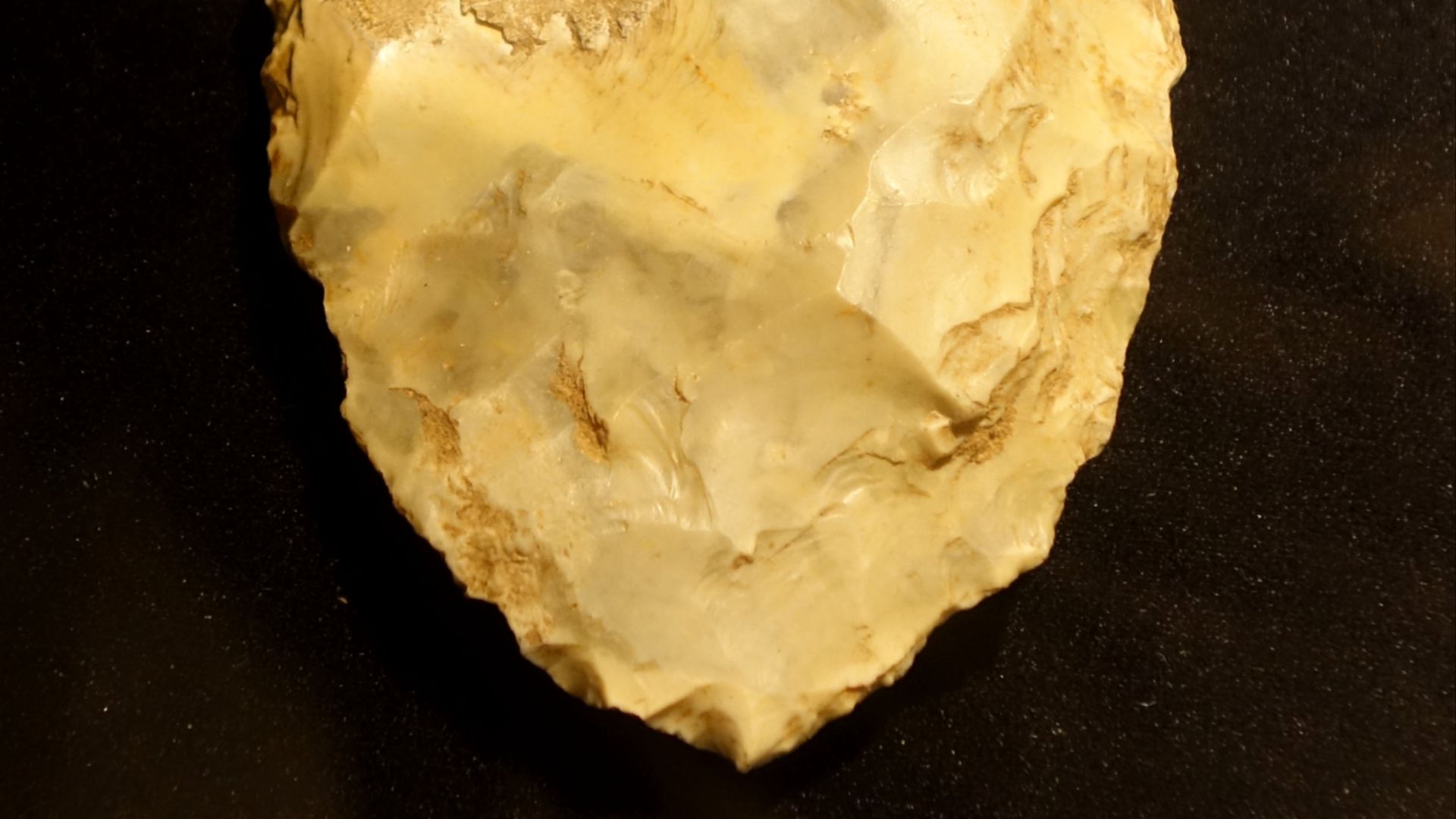
18. Levallois Prepared Cores
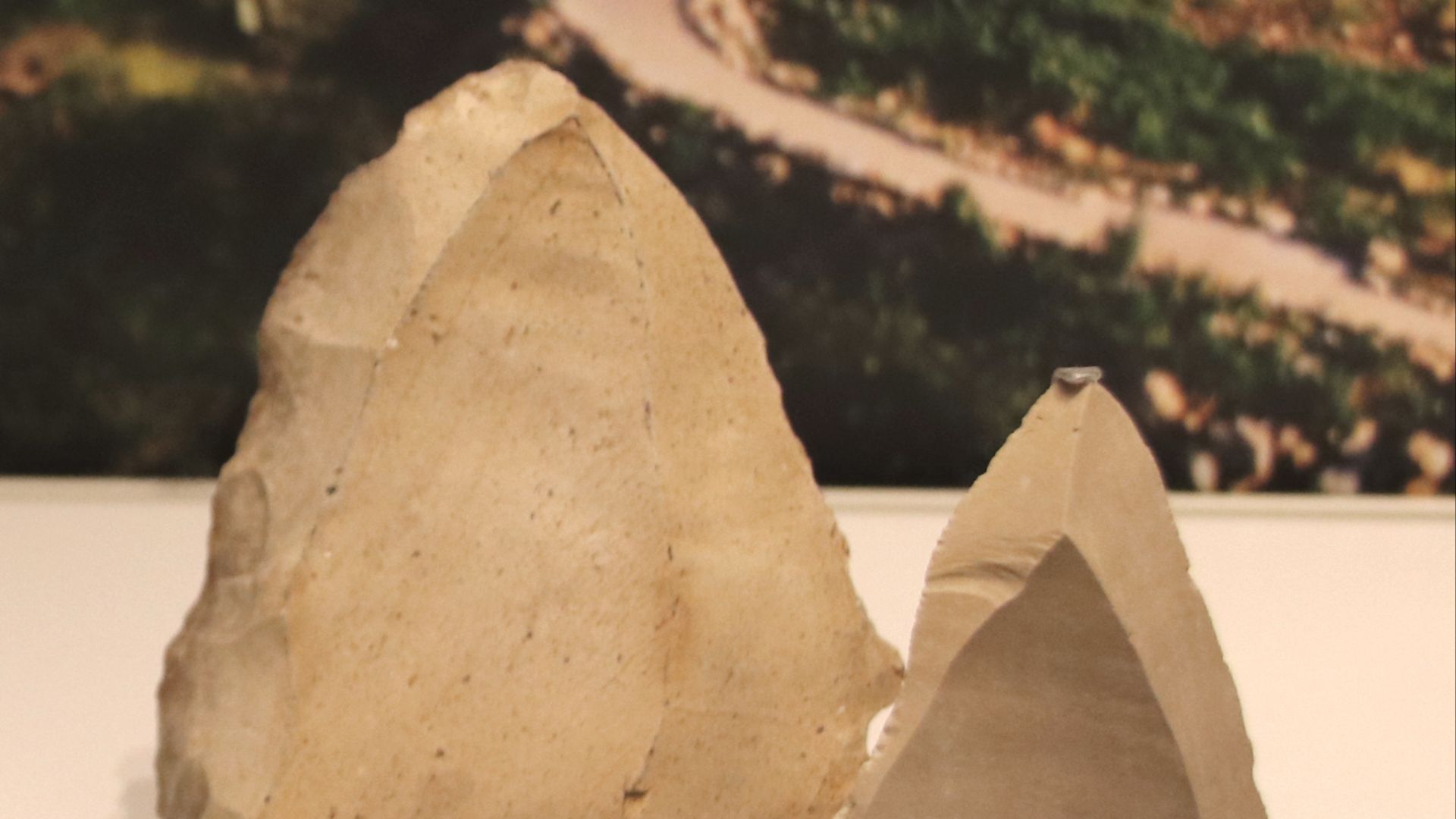
The Levallois method appears across Africa and prehistoric Europe, and it involved shaping a stone core so that one strike would release a flake of controlled form. It marks a serious technical shift, though scholars still argue over how the method spread, whether it arose independently more than once, and how much direct teaching it required.
19. The South-Pointing Chariot
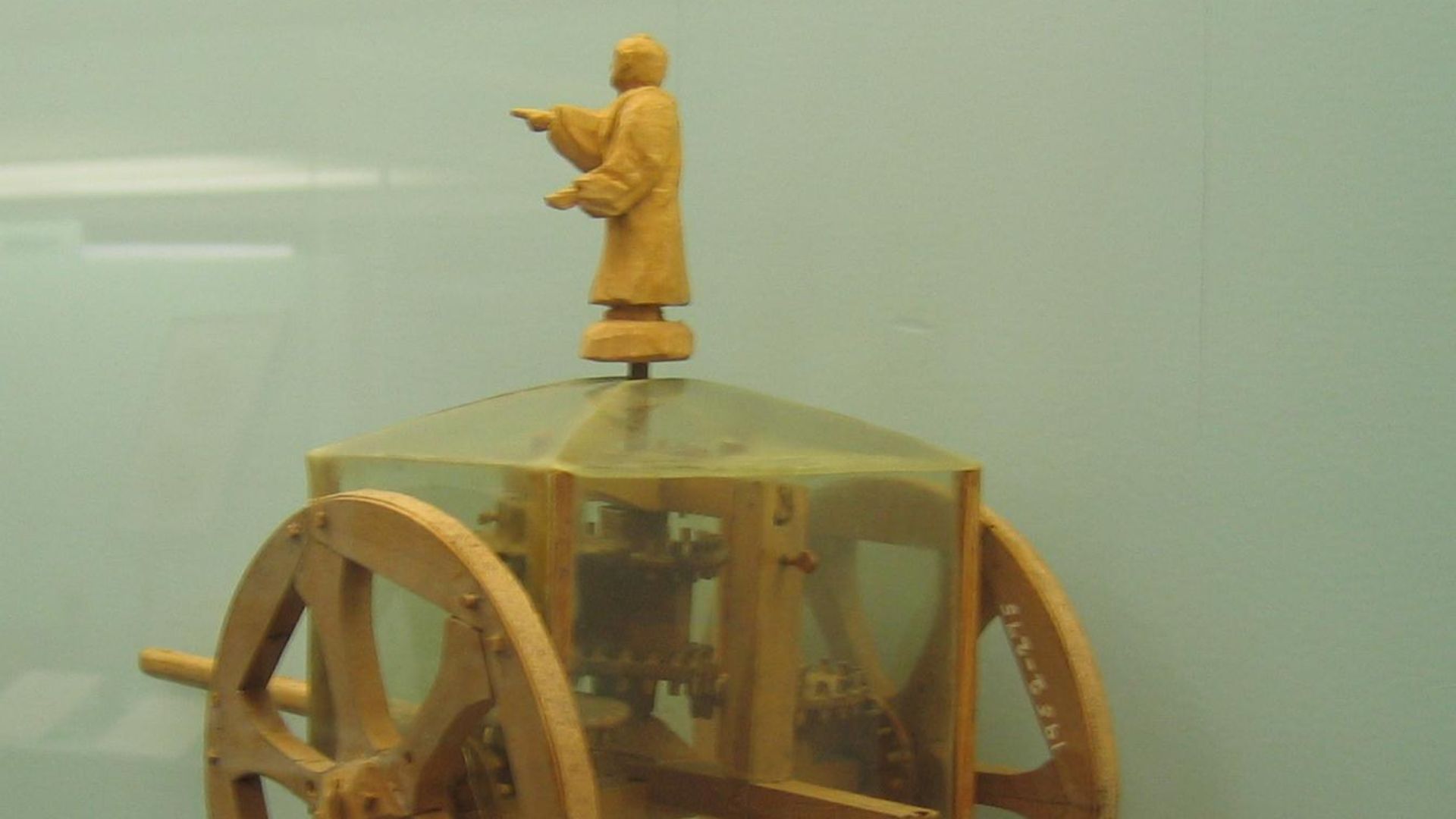
Ancient Chinese texts describe a chariot whose pointer stayed aimed south regardless of turns, usually through a gear system that later writers connected to an early differential mechanism. The problem is that no original example survives, so every reconstruction has to lean on texts and engineering knowledge of the era.
20. Lydian Lion Coins
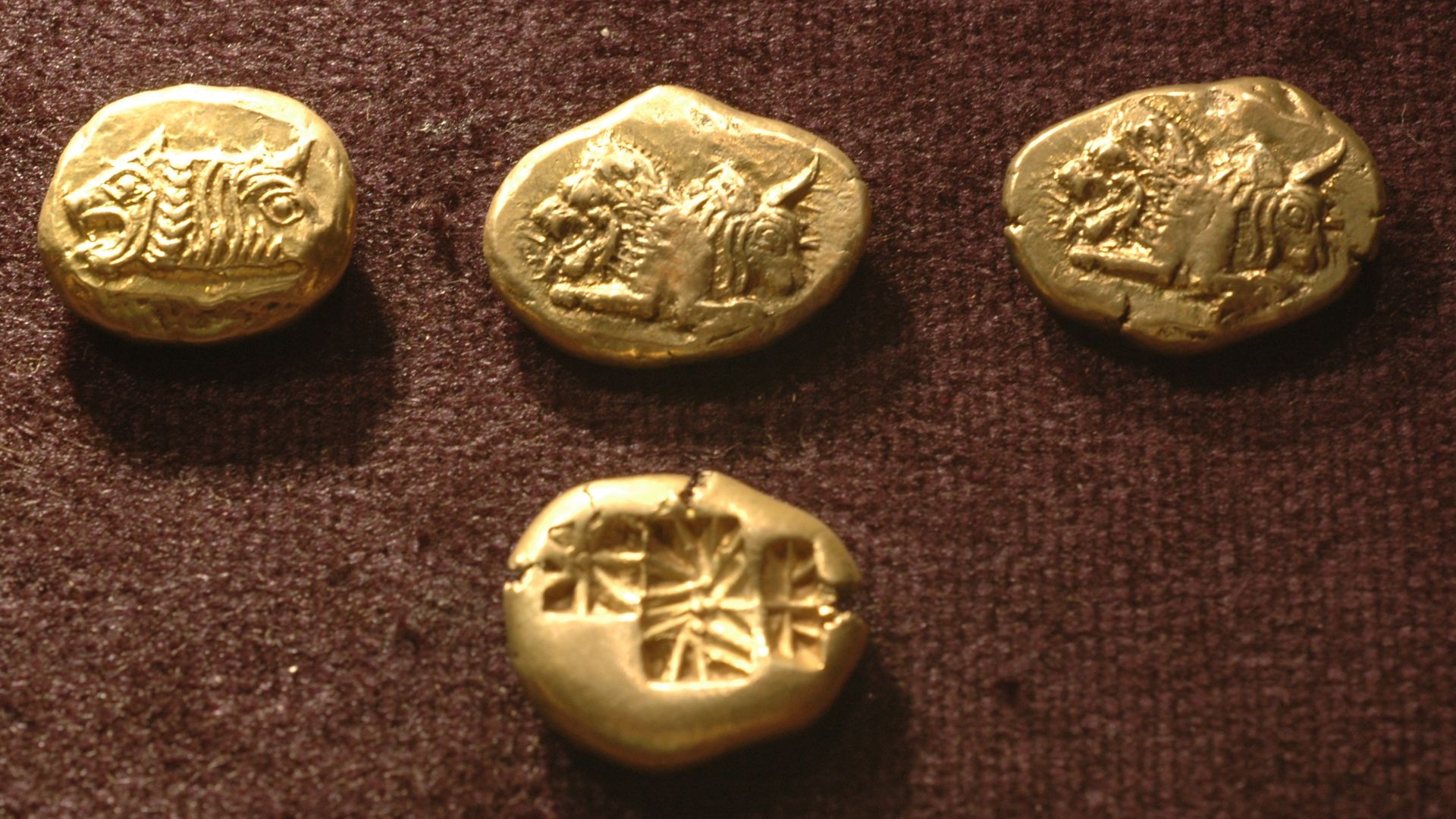
The electrum coins of western Anatolia appeared during the seventh and sixth centuries BCE. They're often treated as the beginning of true coinage. While their historical importance is evident, historians still argue over how quickly standardization happened, how these coins were first trusted in exchange, and what problem these coins actually solved.
KEEP ON READING

20 Times A Pest Changed Human History
Small Creatures, Enormous Consequences. History tends to credit kings, generals,…
By Cameron Dick Jun 9, 2026
How Franz Reichelt Architected His Own Demise
Unknown authorUnknown author on WikimediaHistory is full of eccentric inventors…
By Sara Springsteen Jun 9, 2026
When People Could Commit The Crime of Celebrating Christmas
Rawpixel on WikimediaChristmas is such a staple in North America…
By Elizabeth Graham Jun 9, 2026
20 People In History Who Were Betrayed By Their Closest…
When Trust Became the Dangerous Part. History is full of…
By Emilie Richardson-Dupuis Jun 9, 2026
The Origins Of Public Holidays And How They Began
Fatih Güney on PexelsPublic holidays are so deeply woven into…
By Rob Shapiro Jun 9, 2026
20 Historical Figures Who Died Of A Broken Heart
Grief Became Too Much. The phrase “died of a broken…
By Annie Byrd Jun 9, 2026