Mystery In History
The mighty halls of the British Museum showcase humanity's greatest achievements, but controversy shadows many of its exhibits. Increasingly, more and more nations are beginning to challenge Britain's right to display treasures they say were wrongfully taken during imperial expansion. Behind every disputed artifact lies a fascinating tale of creation, acquisition, and competing claims of ownership. Let’s step into the debate with 20 extraordinary objects that are claimed to have been stolen.
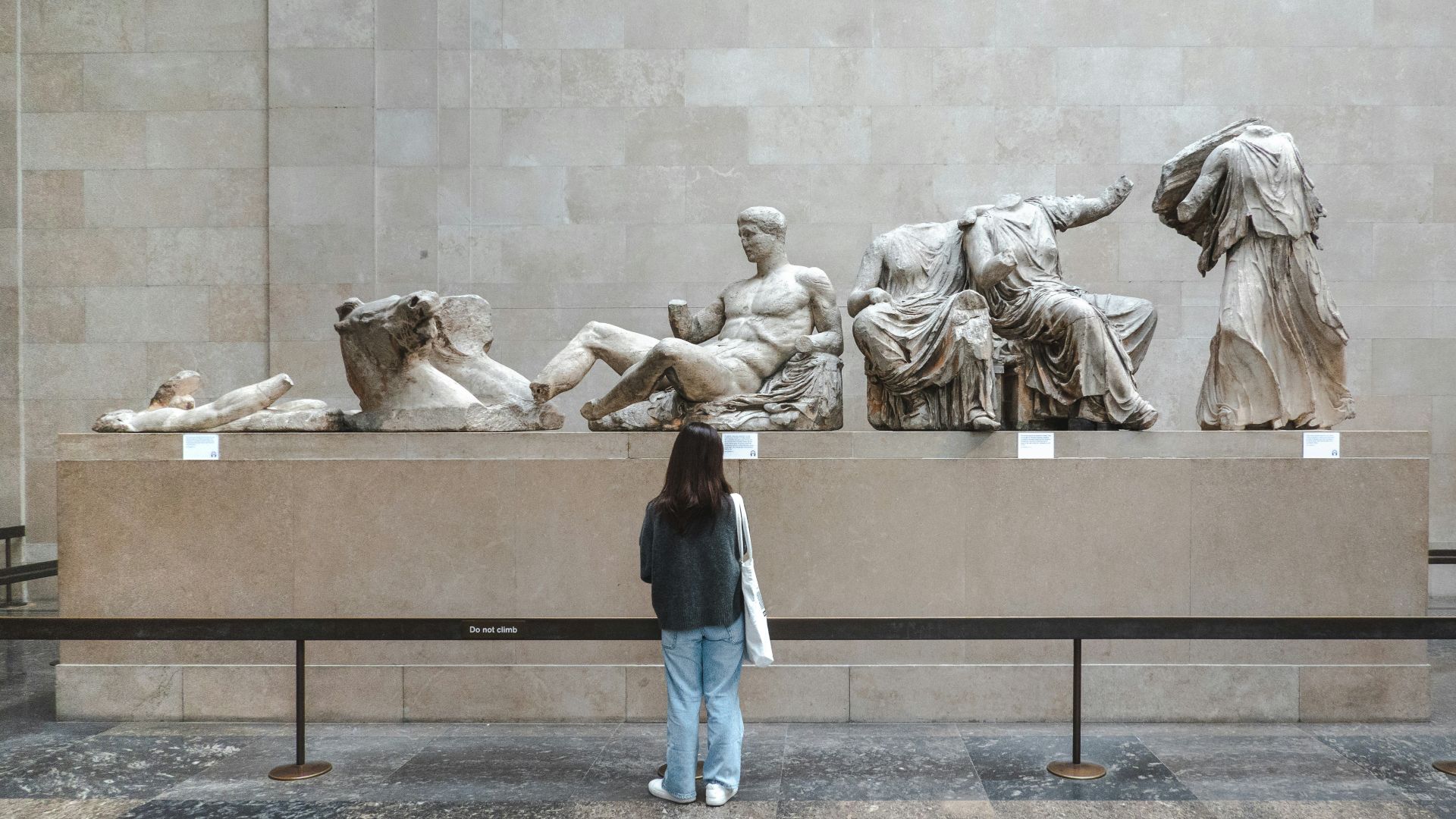
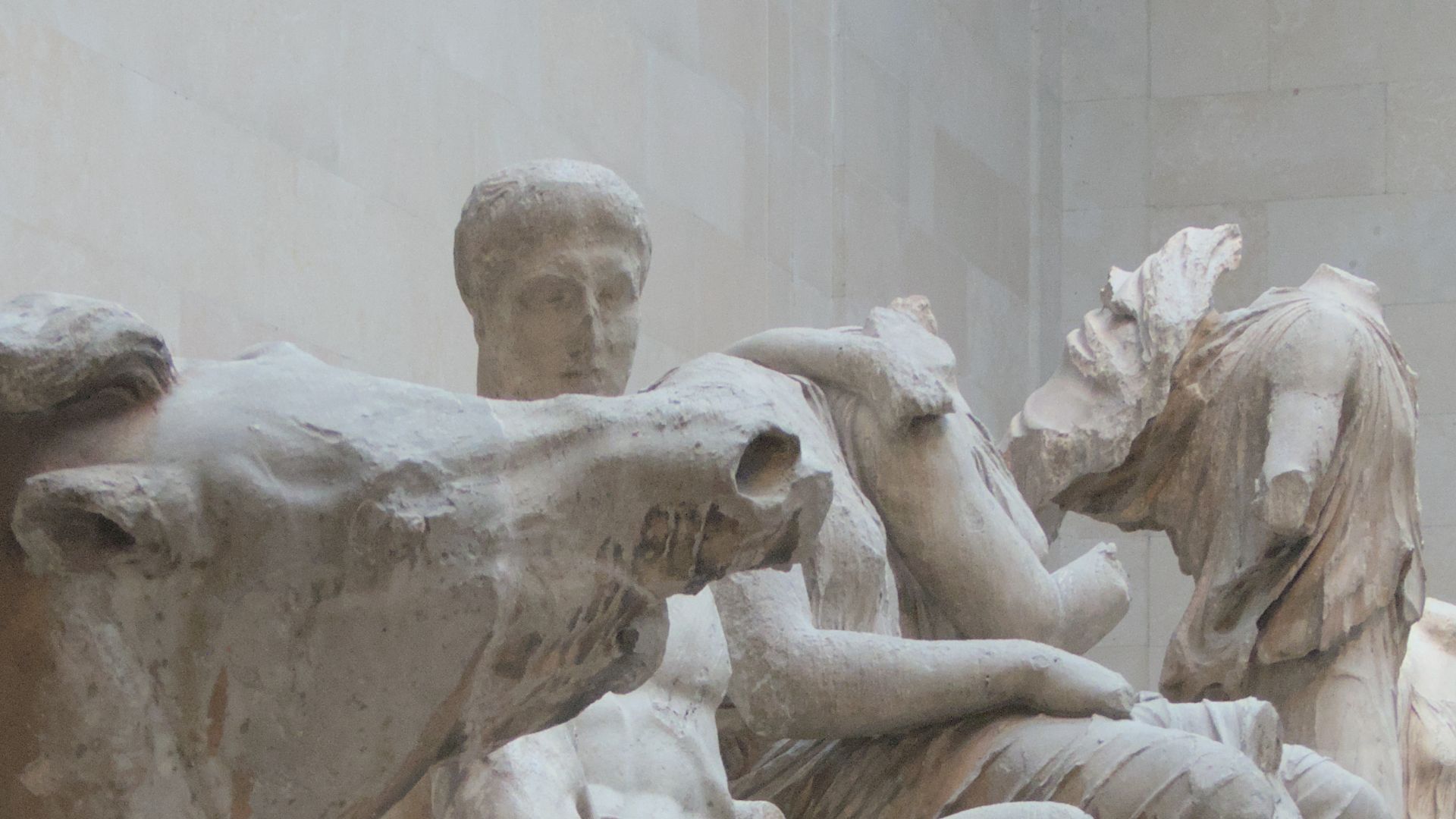
1. Parthenon Marbles (Elgin Marbles)
These magnificent marble sculptures, crafted for Athens' Parthenon between 447–432 BC, represent classical Greek artistry at its peak. The British Museum acquired them after Lord Elgin's controversial removal in 1801. The vast collection features 15 metopes, 17 figures, and an extensive frieze.
2. Rosetta Stone
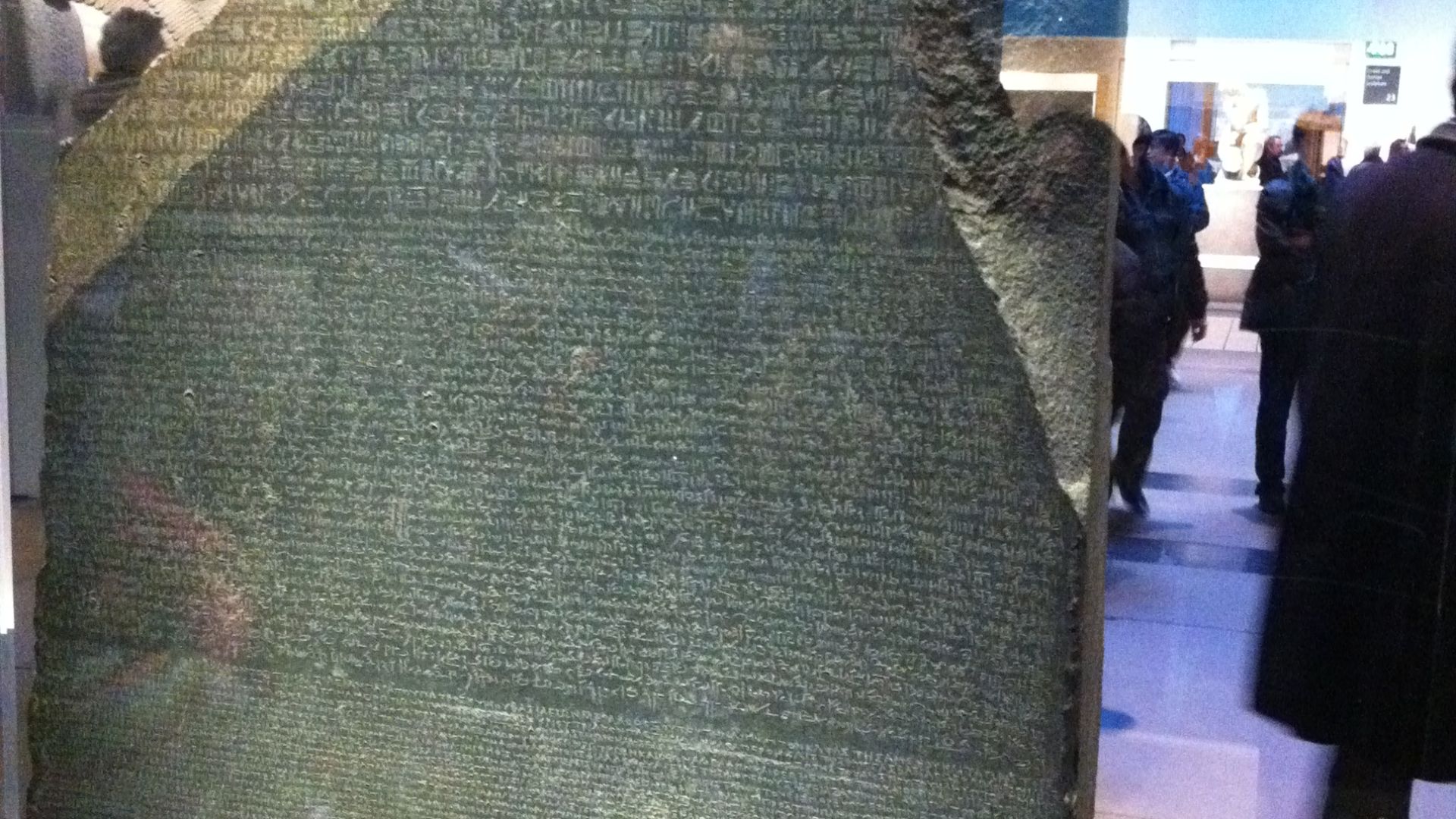
The Rosetta Stone, a critical key to understanding ancient Egyptian writing, changed hands through colonial conquest twice. Napoleon's forces first seized it from Egypt. Later, British troops claimed it as spoils after defeating the French in 1815. Egypt has demanded its return multiple times.
 McKay Savage from London, UK on Wikimedia
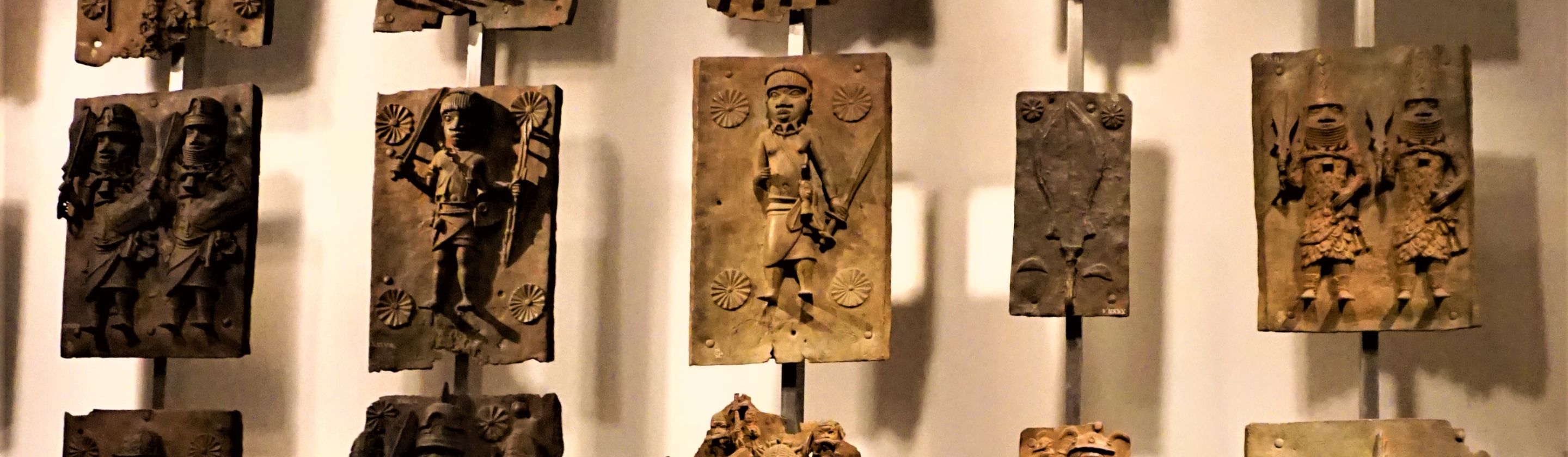
3. Benin Bronzes
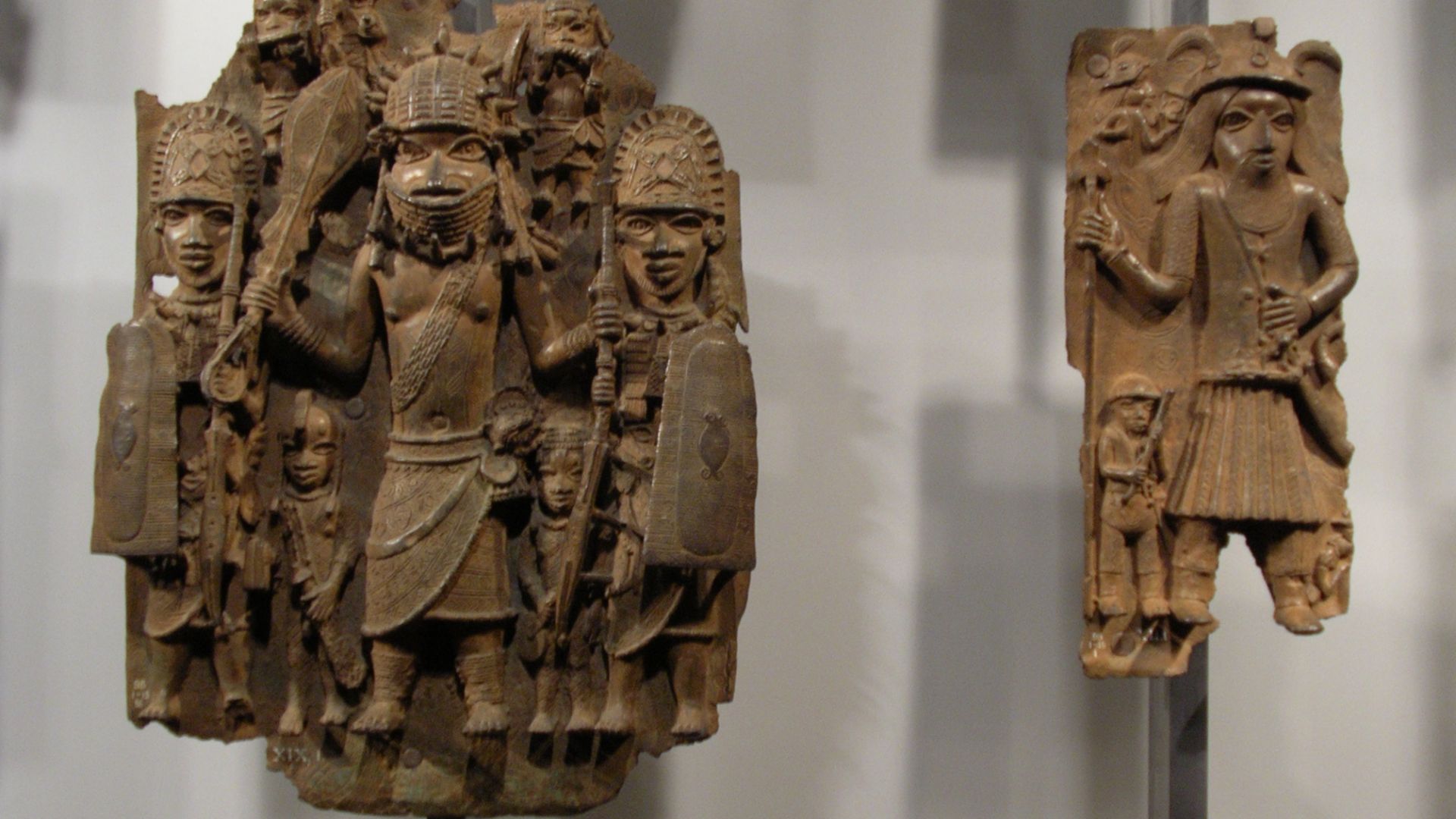
In 1897, British forces stormed the Kingdom of Benin, violently seizing its precious bronzes. These 16th-century pieces, crafted mainly from brass, represent the pinnacle of African artistry. Following the invasion, around 900 pieces were sent to the British Museum.
 en:User:Warofdreams on Wikimedia
4. Hoa Hakananai'a (Easter Island Moai)
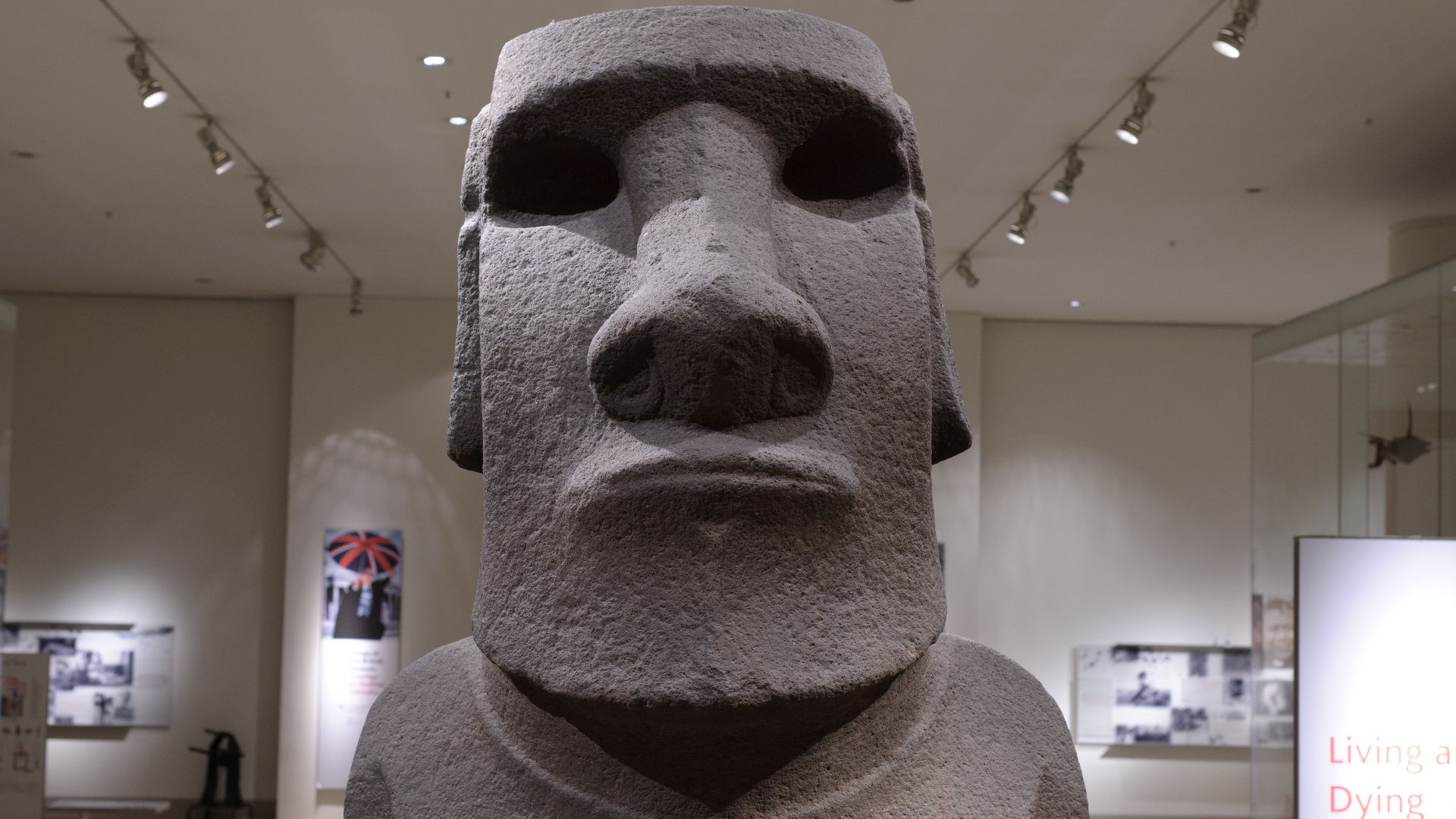
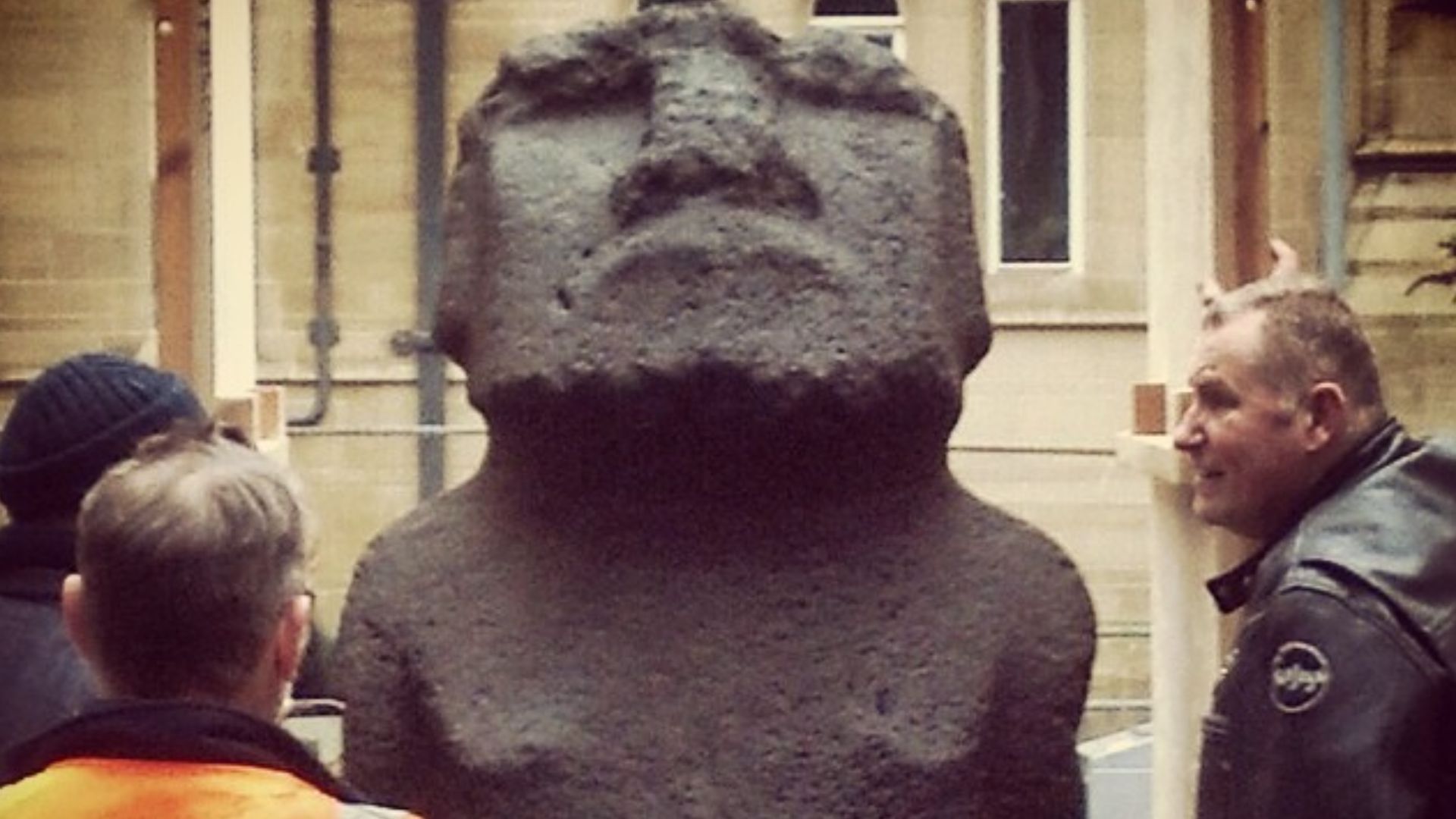
British sailors picked out the revered Moai statue Hoa Hakananai'a from Easter Island in 1868, transporting their 4-ton prize to England. The statue was removed by the crew of the British Royal Navy ship HMS Topaze under the command of Captain Richard Powell.
5. Maori Taonga (Sacred Objects)
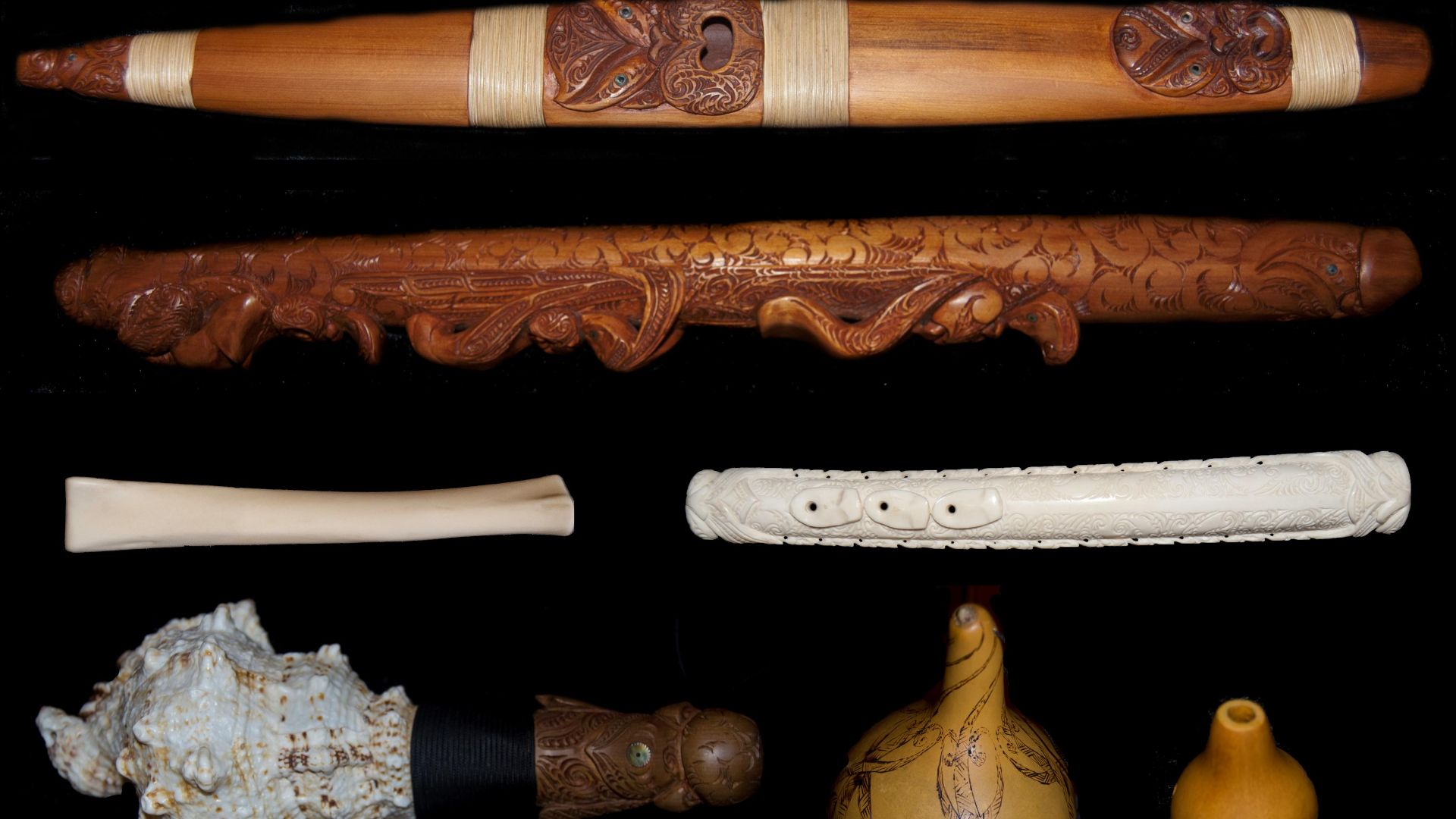
Sacred Maori artifacts in the Museum tell a story of colonial acquisition and modern controversy. These Taonga, including preserved ancestral remains and ceremonial objects, remain the focus of ongoing repatriation discussions between New Zealand's indigenous leaders and museum authorities.
6. Ethiopian Tabots
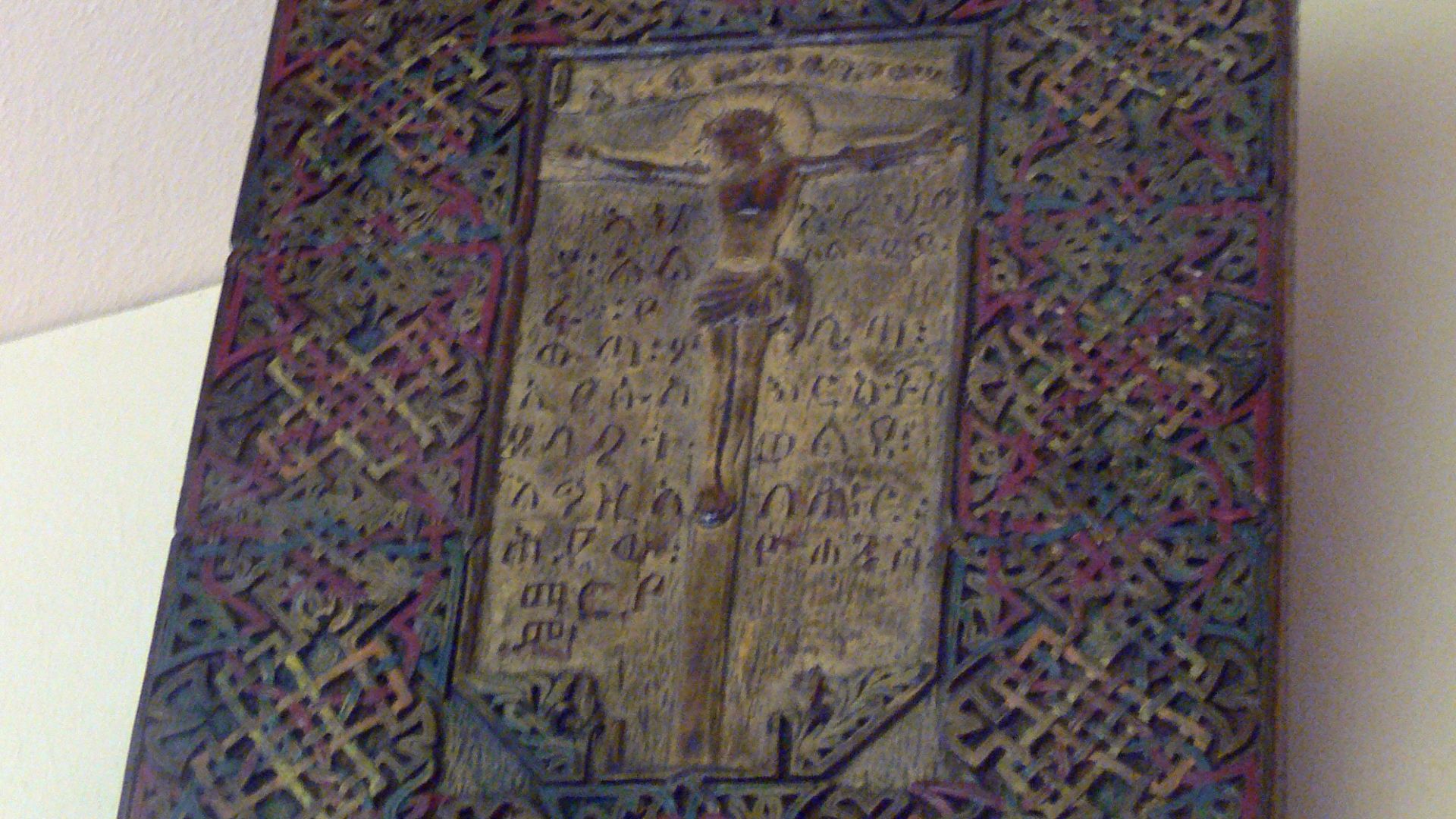
The 11 Tabots represent more than religious artifacts. They basically mirror a colonial legacy that Ethiopia wants erased. These sacred tablets, seized during the 1868 Maqdala raid, are believed to symbolize the Ark of the Covenant. Only Ethiopian Orthodox priests may view them.
 User:KarlHeinrich on Wikimedia
7. Amaravati Marbles
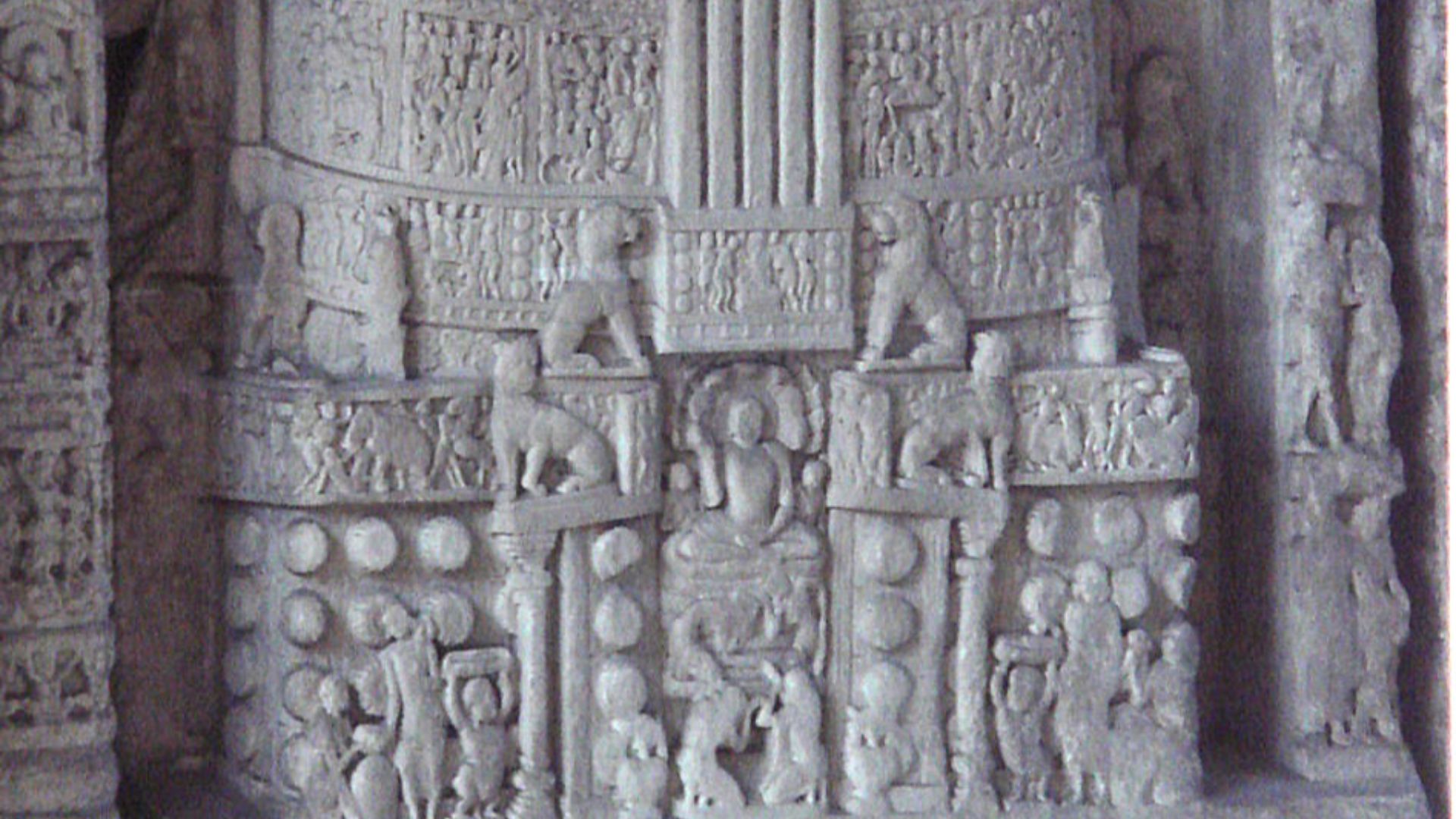
Created over 2,000 years ago, Amaravati marbles display early Indian architectural brilliance and religious narratives. British authorities took substantial portions of London during colonial rule. As sacred Buddhist sculptures from Amaravati, they tell powerful stories through stone.
8. Moai Hava
Moai Hava is seen as a profound cultural loss for the indigenous people of Easter Island. The British Museum acquired this sacred statue in 1868, despite its spiritual importance to the Rapa Nui. Their formal requests for a second Moai remain unresolved.
9. Chinese Summer Palace Artifacts
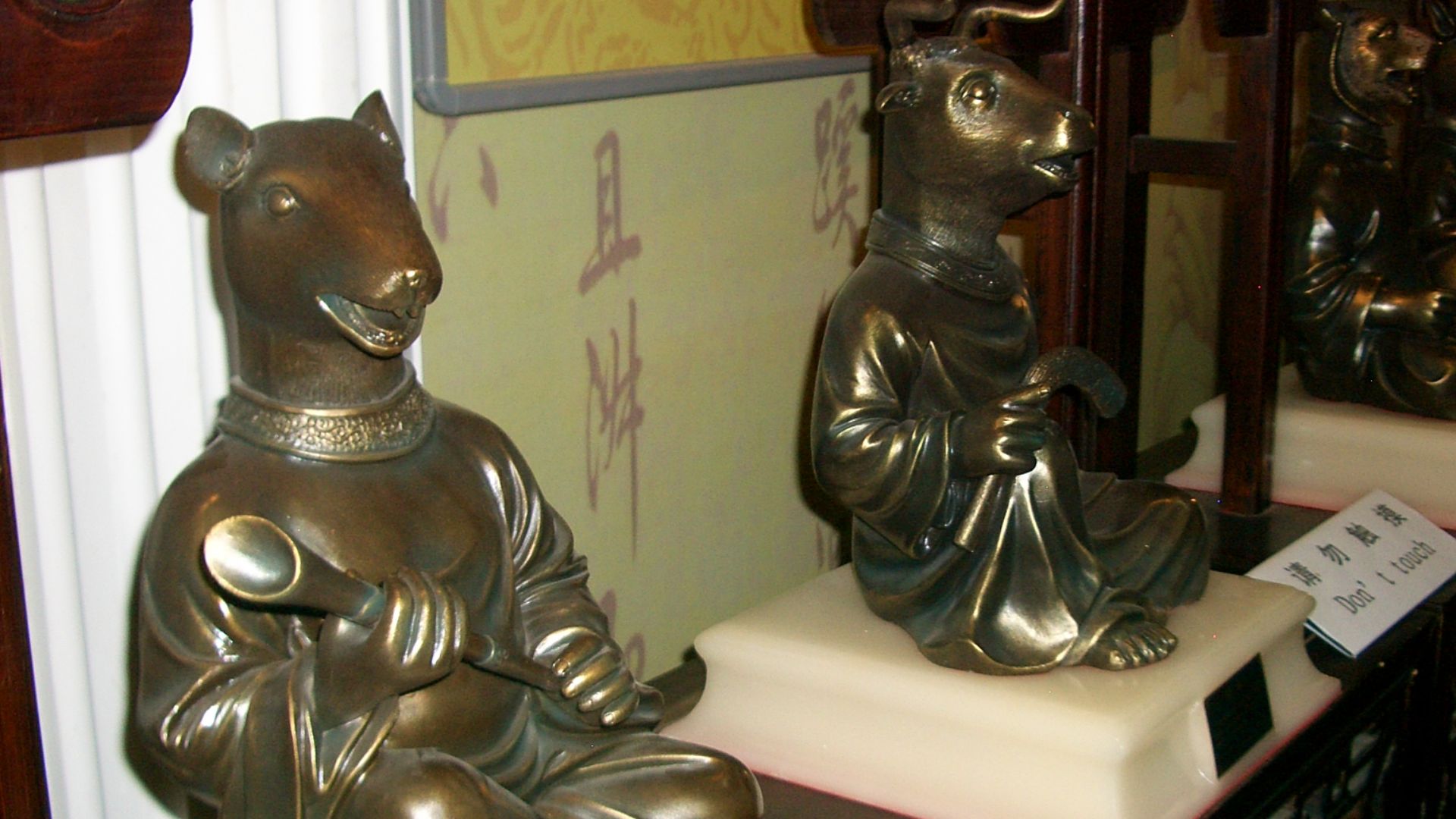
The Chinese Summer Palace artifacts chiefly refer to imperial treasures looted from Beijing’s Yuanmingyuan (Old Summer Palace) in 1860 during the Second Opium War. Twelve bronze animal heads once formed a famous water clock fountain at the palace’s Haiyantang.
10. Akan Drum
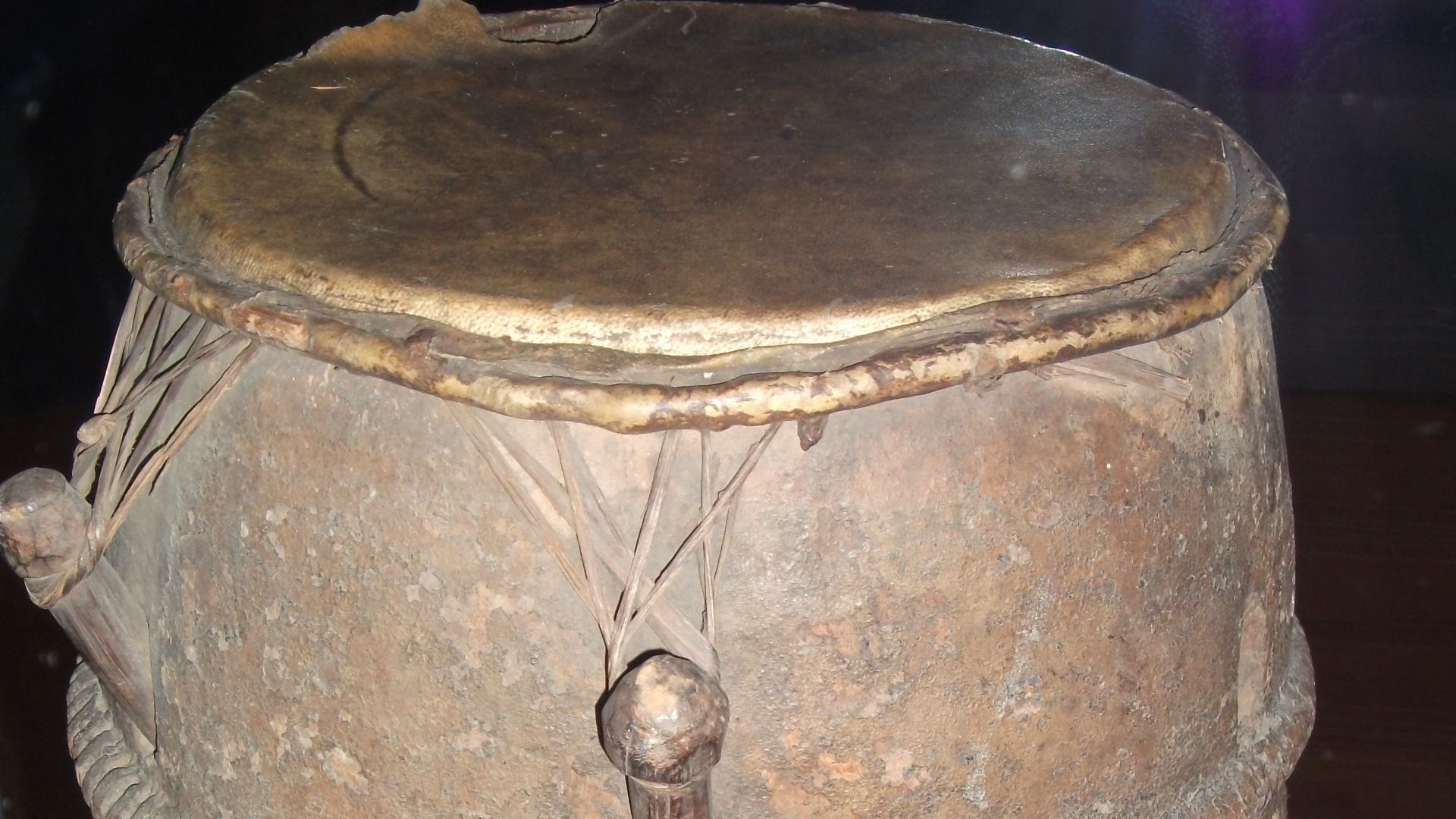
This historic instrument made its way to Virginia in the early 1700s during the dark period of slave trading. Now in London, it bridges musical traditions across Africa, North America, and Europe. The Akan Drum was constructed from a deer skin in Ghana.
11. Ashurbanipal Palace Reliefs
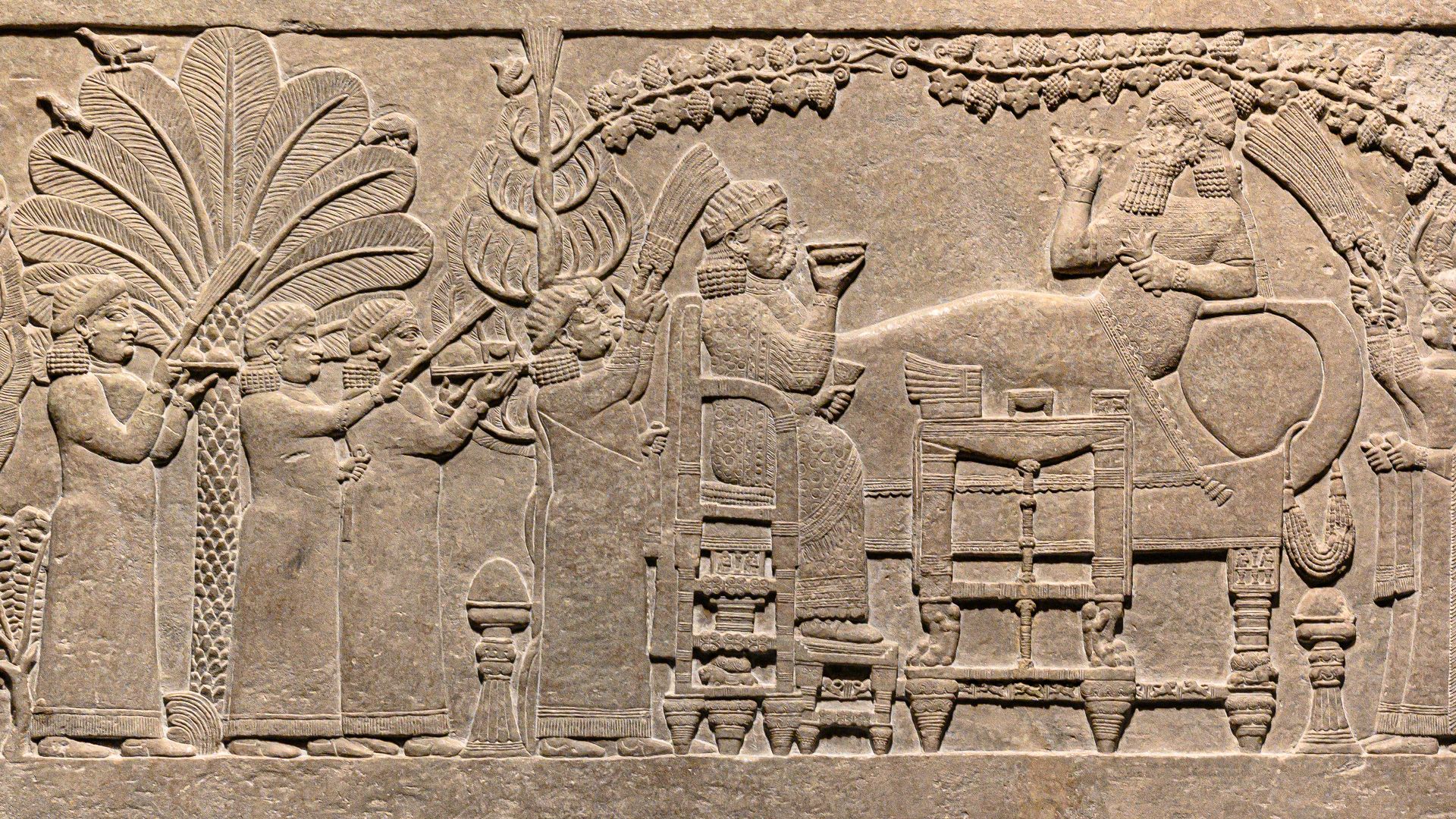
The magnificent Ashurbanipal Palace Reliefs, created in the 7th century BCE, showcase the grandeur of ancient Assyria through intricate stone carvings. These pieces from Nineveh, Iraq, feature dramatic scenes of lion hunts and royal ceremonies. British archaeologists removed them in the 1800s.
12. Cambodian Hindu Sculpture
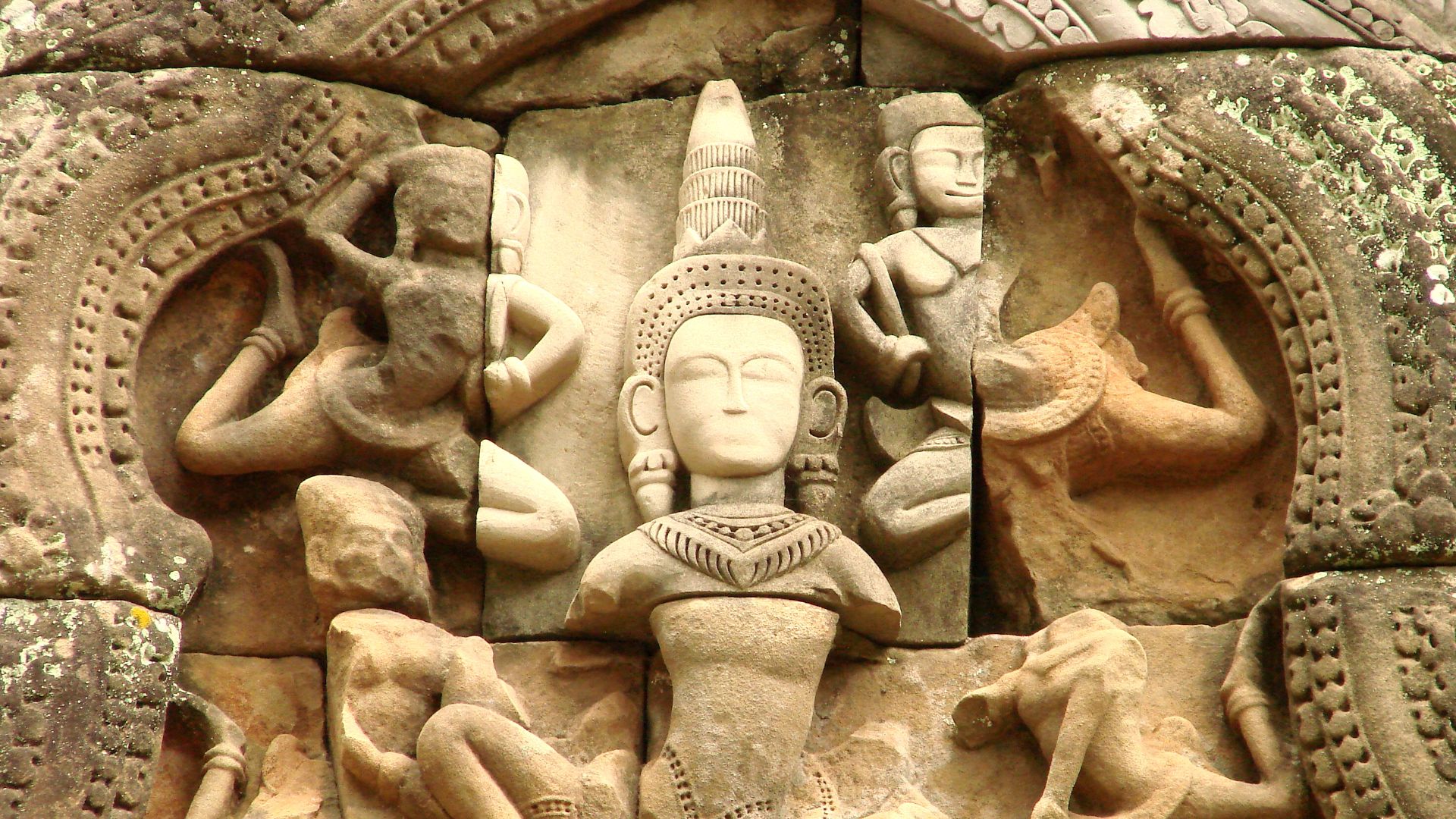
One notable example is a sandstone standing male figure from Cambodia, dated around 1050 AD, sculpted in the Baphuon style. It is accessioned under the number 1976,1101.1 in the British Museum collection. This statue may represent the Hindu god Vishnu.
 Adam Jones Adam63 on Wikimedia
13. Thai Buddhist Sculptures
Many Thai Buddhist sculptures date from the Dvaravati period (6th to 11th centuries CE), a time when Buddhism was prominent in northeastern Thailand. Notably, bronze statues from the Prakhon Chai hoard personify this era, depicting slender forms of Bodhisattvas.
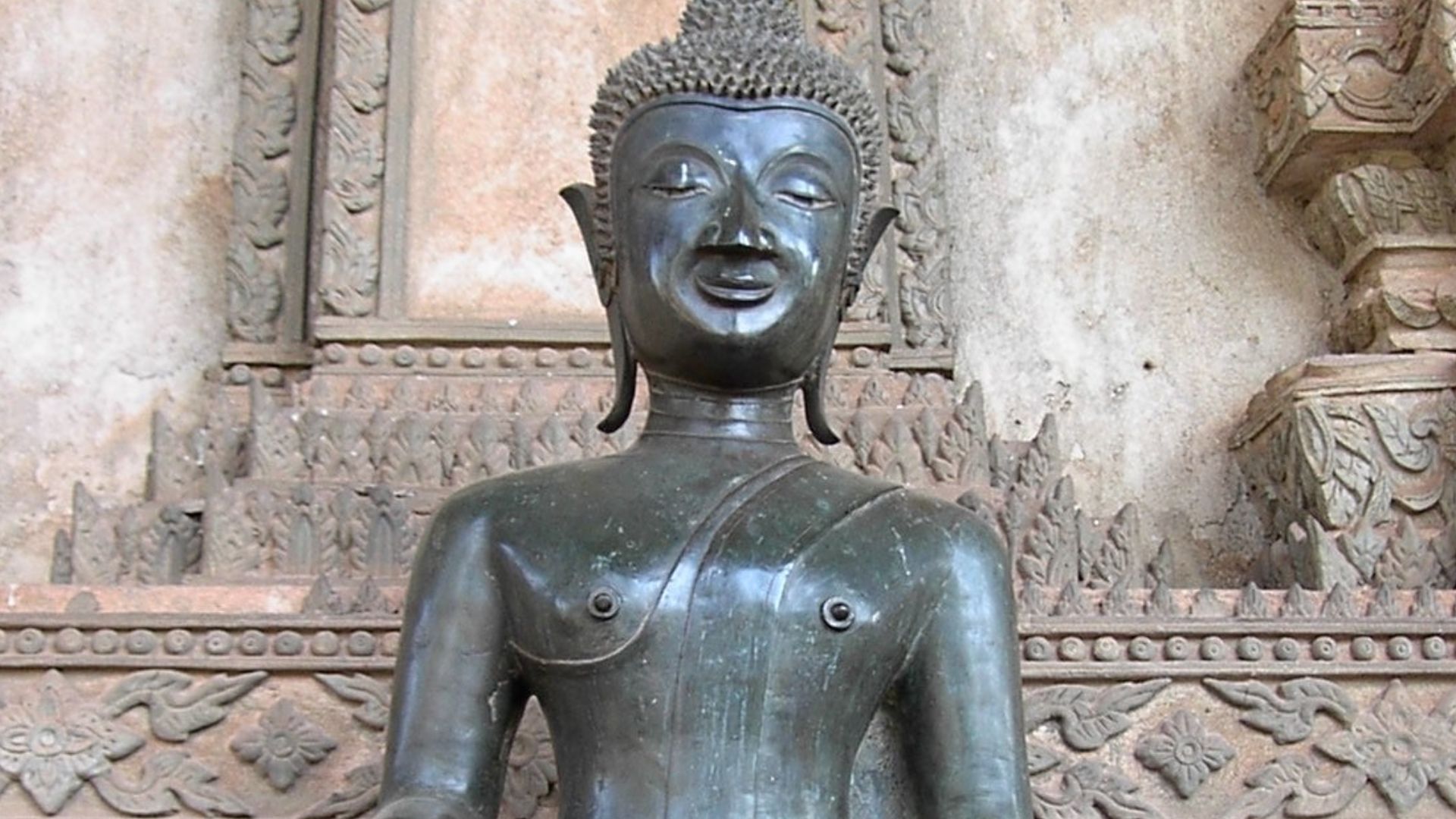 Adam Carr at English Wikipedia on Wikimedia
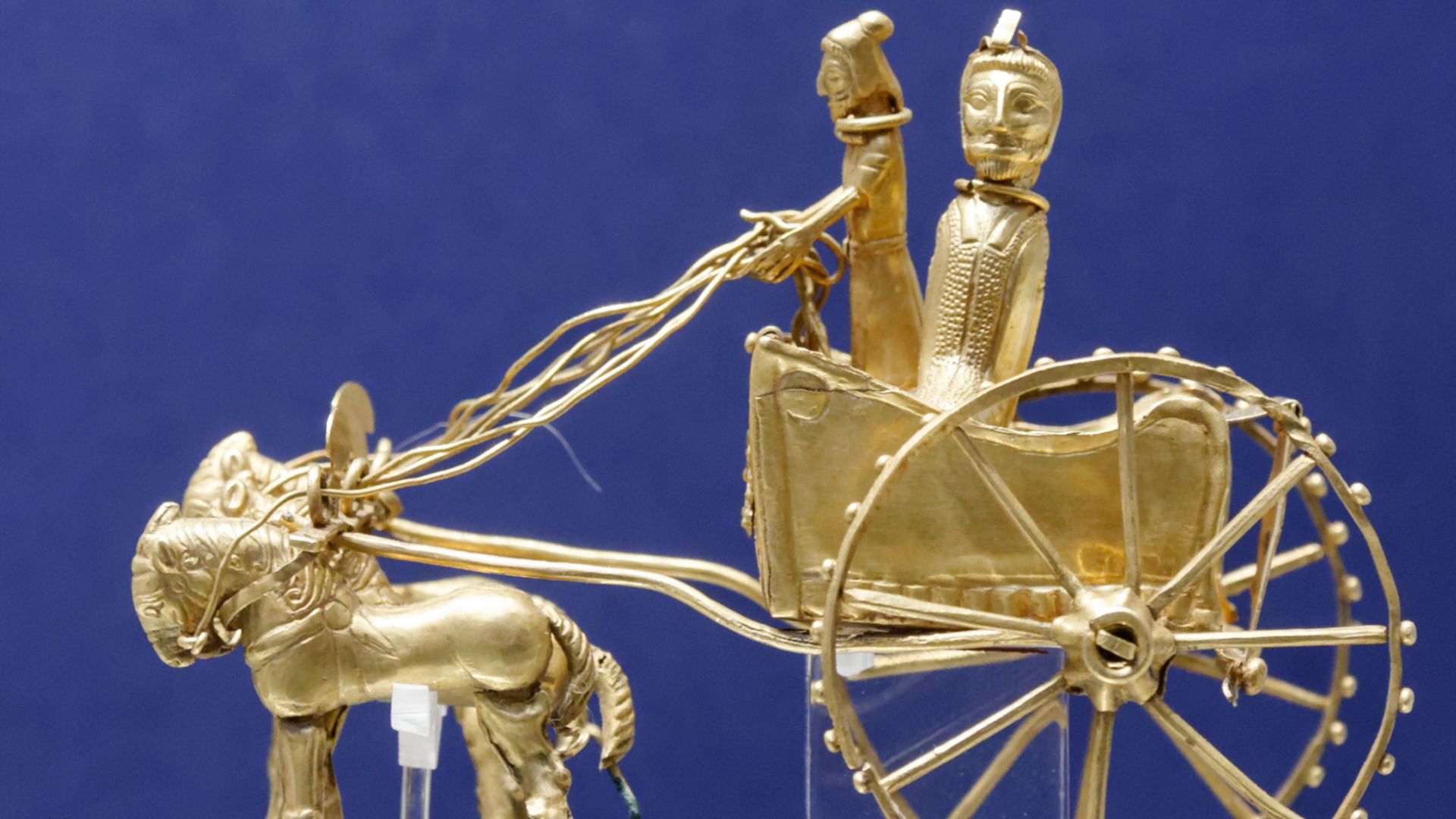
14. Oxus Treasure
The Oxus Treasure is an extraordinary selection of over 180 ancient gold and silver objects, mainly jewelry, votive plaques, figurines, and model chariots, dating from the Achaemenid Persian Empire. The treasure was discovered between 1876–1880 on the north bank of the Oxus River.
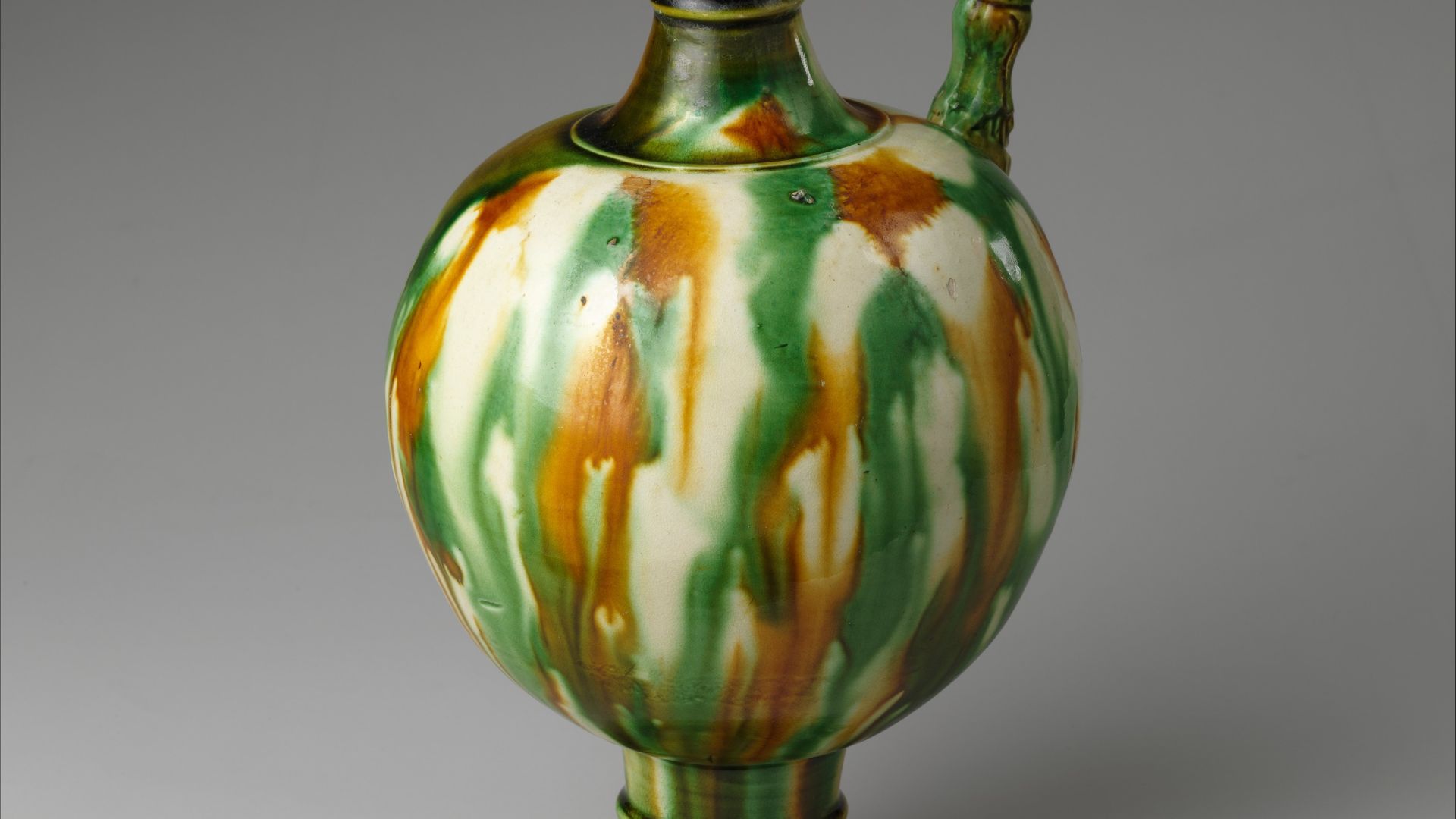
15. Chinese Tang Dynasty Ceramics
While many British Museum items face demands for repatriation, their Tang Dynasty ceramic collection stands out as an exception. These masterpieces, which have stunning glazes and animal-shaped vessels, were tomb offerings for wealthy families. Their provenance continues to remain controversial.
16. Aboriginal Sacred Objects Collection
This collection comprises objects, including ritual equipment, shields, wood and bark artifacts, and other cultural items of Indigenous Australian and Torres Strait Islander peoples. Many of these objects date from the early colonial era (late 18th century) through the early 20th century.
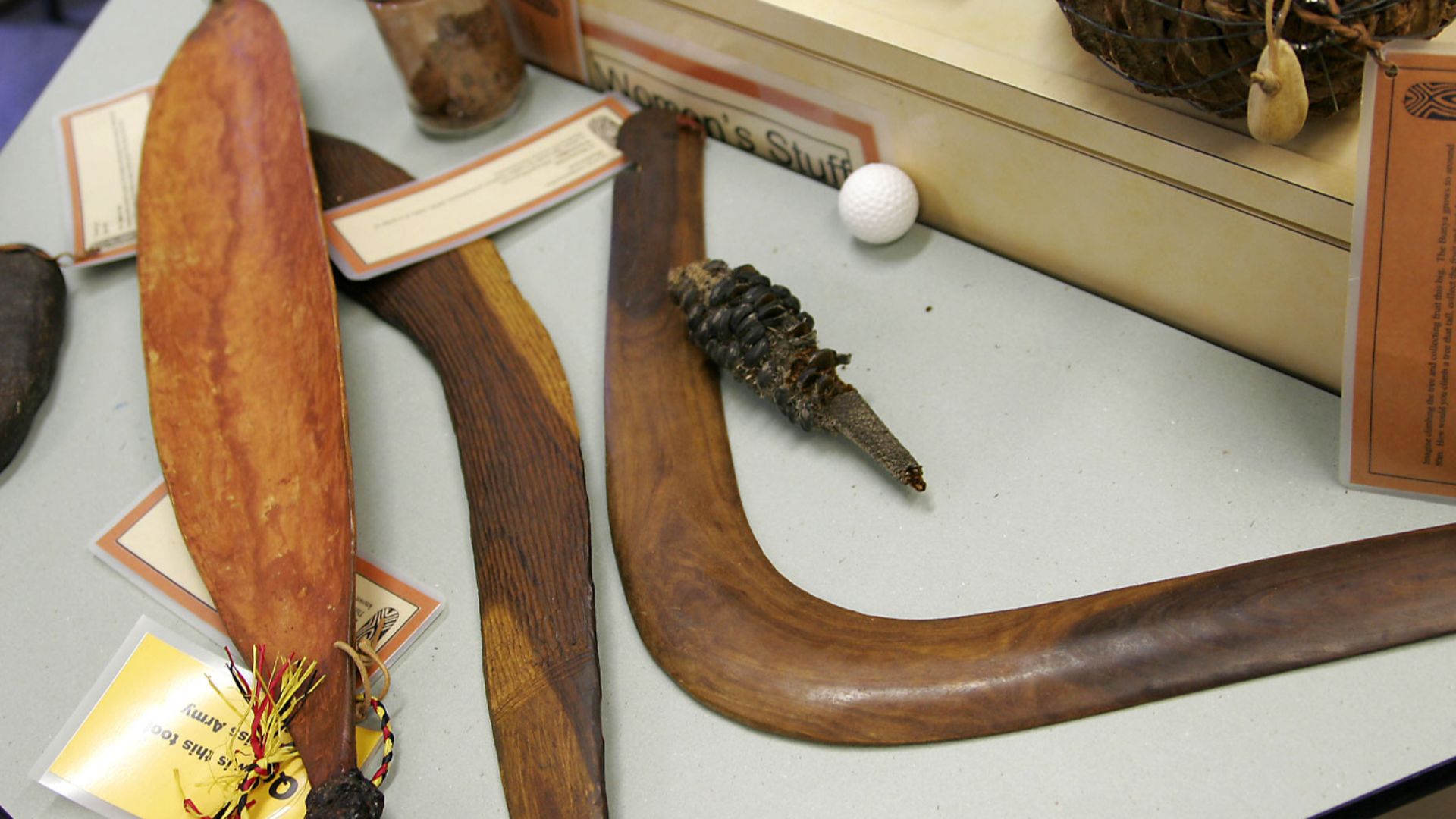 fir0002 flagstaffotos [at] gmail.com Canon 20D + Tamron 28-75mm f/2.8 on Wikimedia
17. Indian Bronze Sculptures
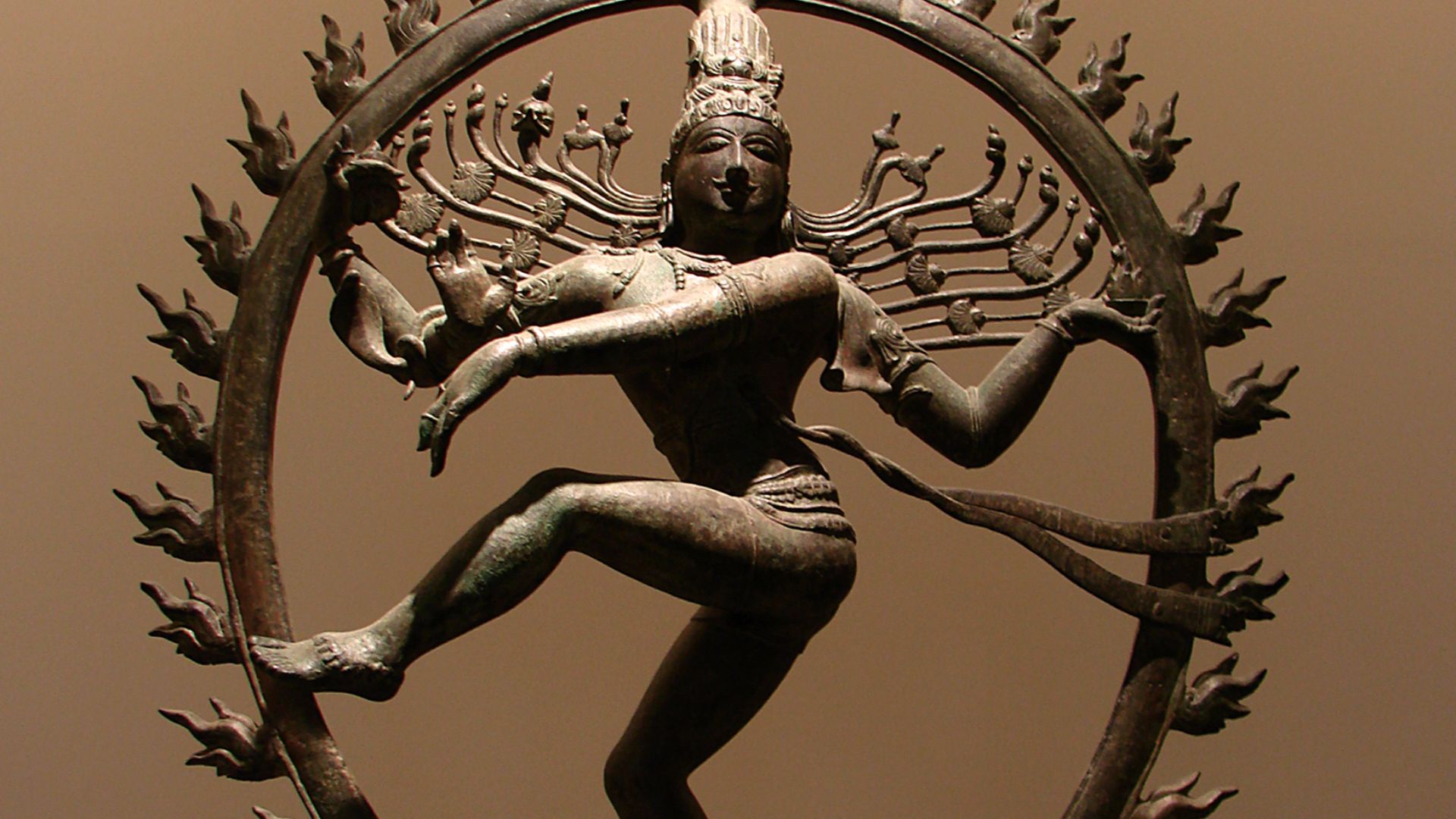
Magnificent Hindu bronze sculptures line the South Asia gallery of the British Museum. Some of the most exquisite and famous pieces are from the Chola dynasty (9th to 13th centuries), including the iconic Nataraja (Shiva as the cosmic dancer).
 Unknown authorUnknown author on Wikimedia
18. Aztec Turquoise Mosaics
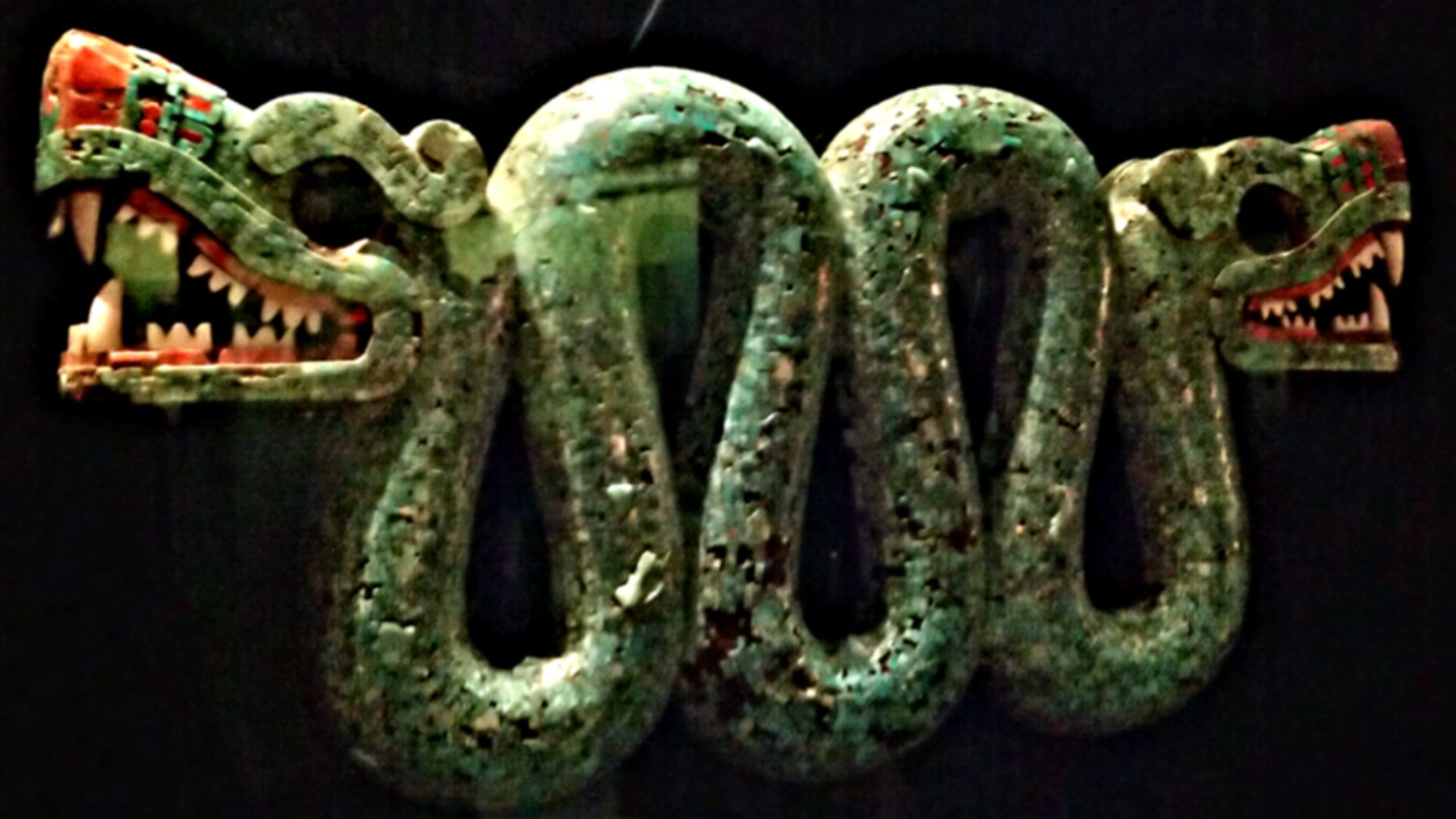
The sacred Aztec turquoise mosaics present here stand as pinnacles of pre-Columbian artistry. Such mosaics, including the famous double-headed serpent, played vital roles in religious rituals and royal ceremonies. Mexico maintains that the treasures were wrongfully taken through colonial-era transactions.
19. Benin Ivory Mask
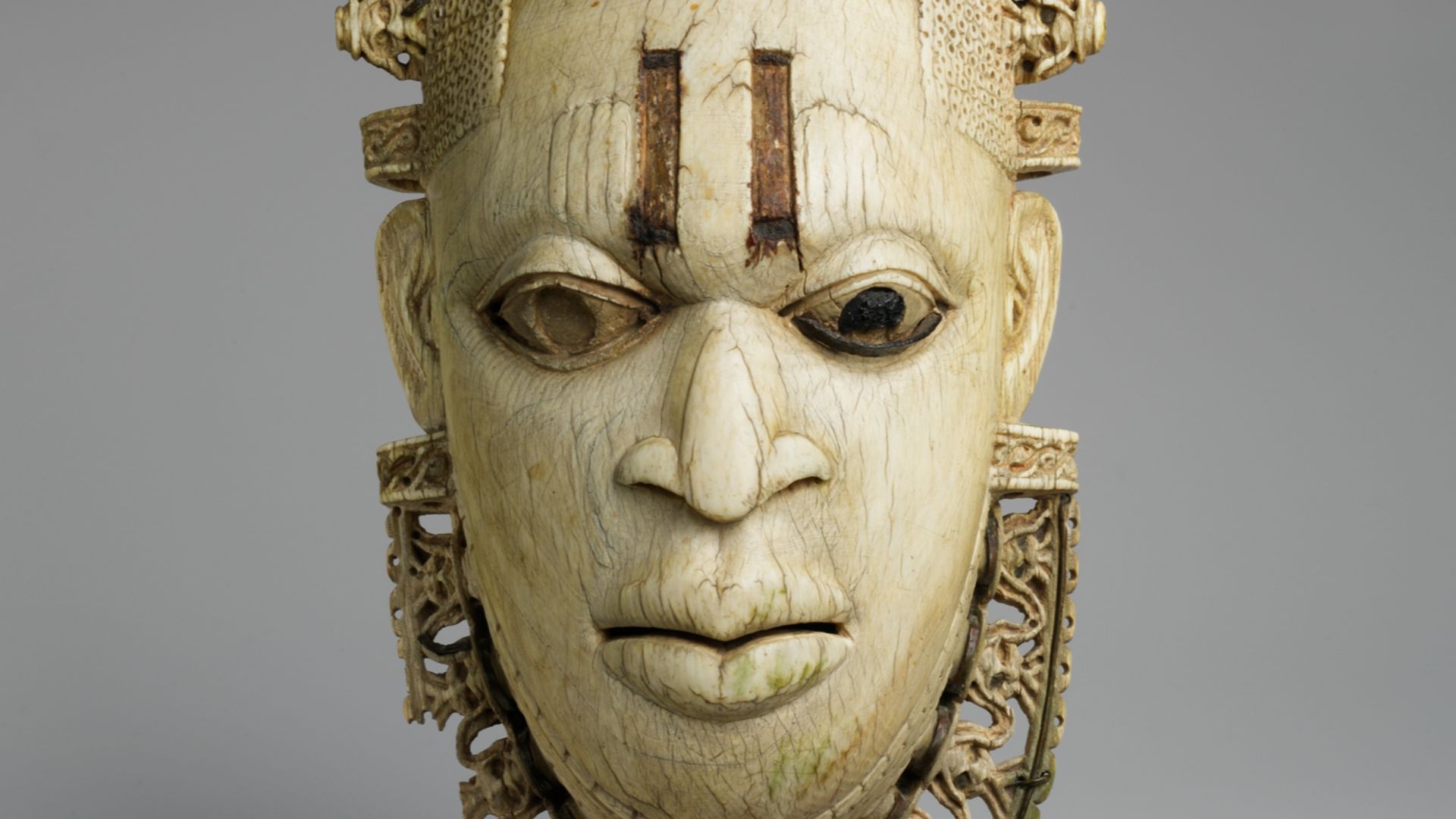
During the violent 1897 British raid on Benin City, soldiers seized numerous treasures. In this was an ornate ivory mask of Queen Idia. As a ceremonial piece, it was crafted with precious inlays that celebrate the mother of Oba Esigie.
20. Persian Cylinder Seals
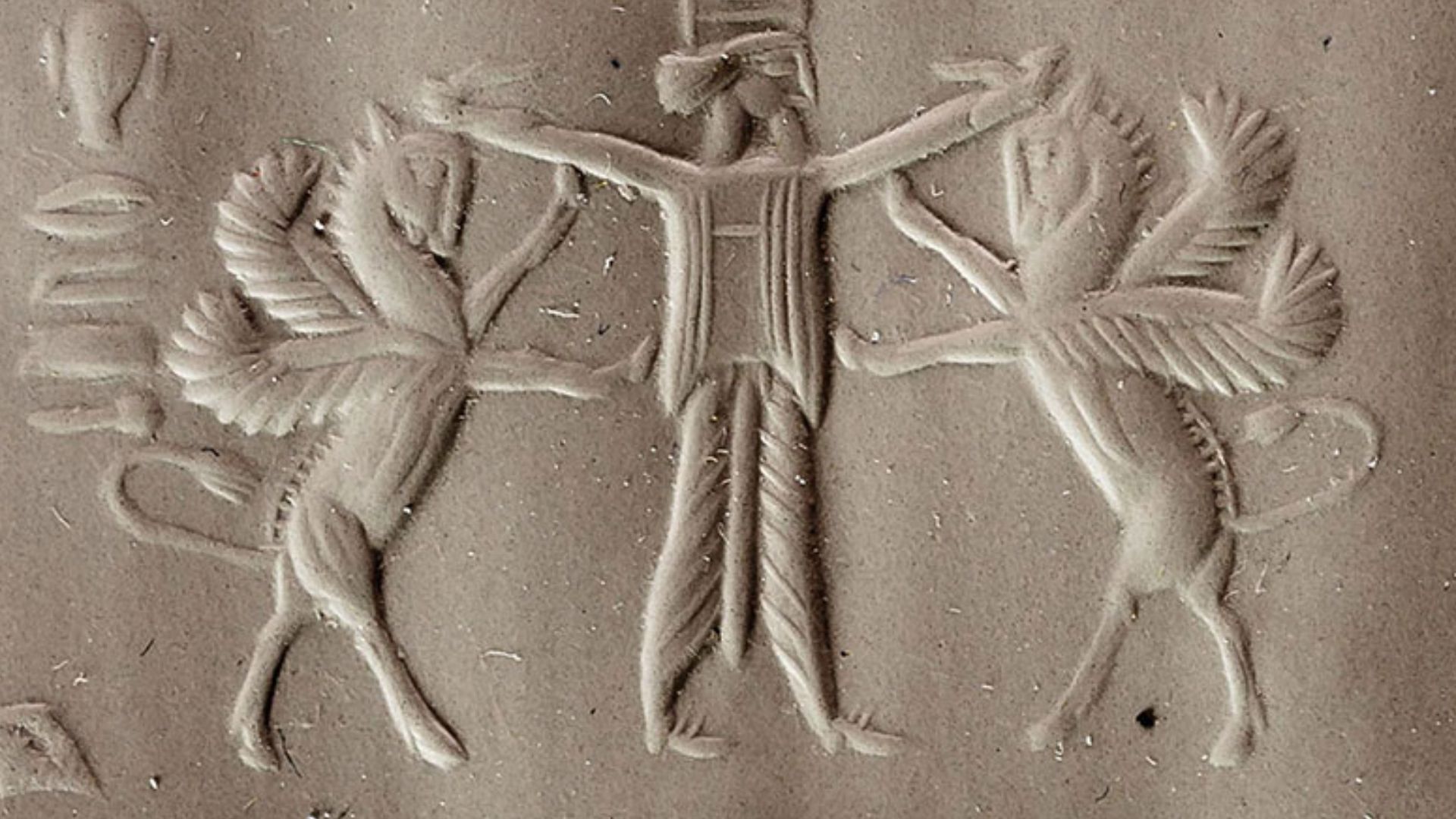
These carved stones from ancient Persia served multiple purposes in their time. The British Museum's collection features seals depicting worship scenes and daily life. Acquired during the period of Middle Eastern influence, the artifacts were essential tools for marking ownership.
KEEP ON READING