

Where Water Meant Survival
For most of human history, rivers were far more than convenient sources of water. They provided transportation, fertile farmland, reliable food supplies, and trade routes that allowed settlements to grow into powerful civilizations. Yet while some societies flourished beside flowing water for centuries, others faced a very different fate when shifting climates, expanding deserts, or environmental changes gradually swallowed their cities and left little behind except ruins buried beneath sand. Here are 10 civilizations built on rivers and 10 that vanished into sand.

1. Ancient Egypt
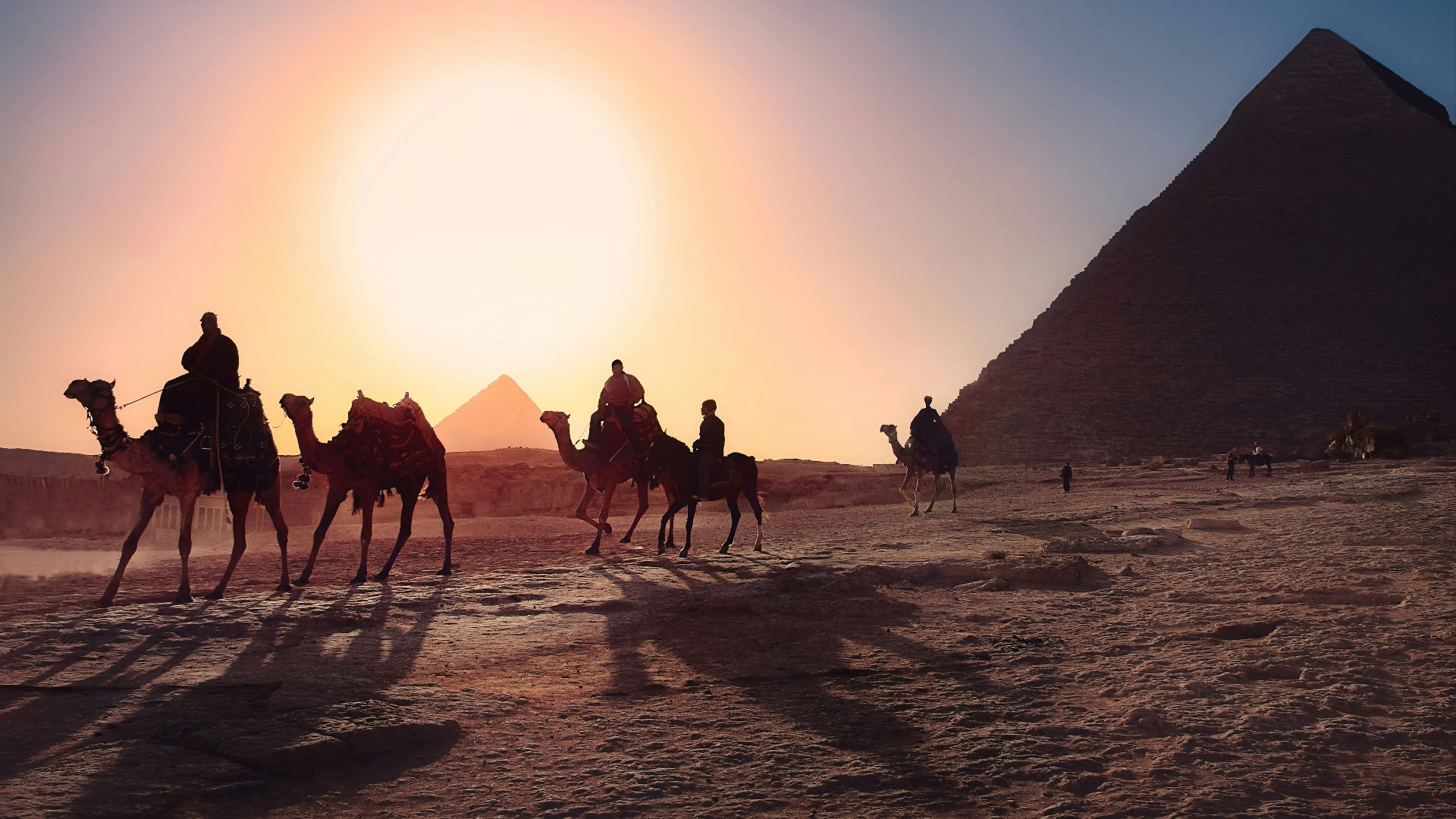
Ancient Egypt developed along the Nile River, which flooded each year predictably and enriched nearby farmland with fertile soil. Those dependable harvests supported large populations and allowed rulers to organize ambitious construction projects, including the pyramids. Without the Nile, it's difficult to imagine Egypt becoming one of the most influential civilizations of the ancient world.
2. Mesopotamia
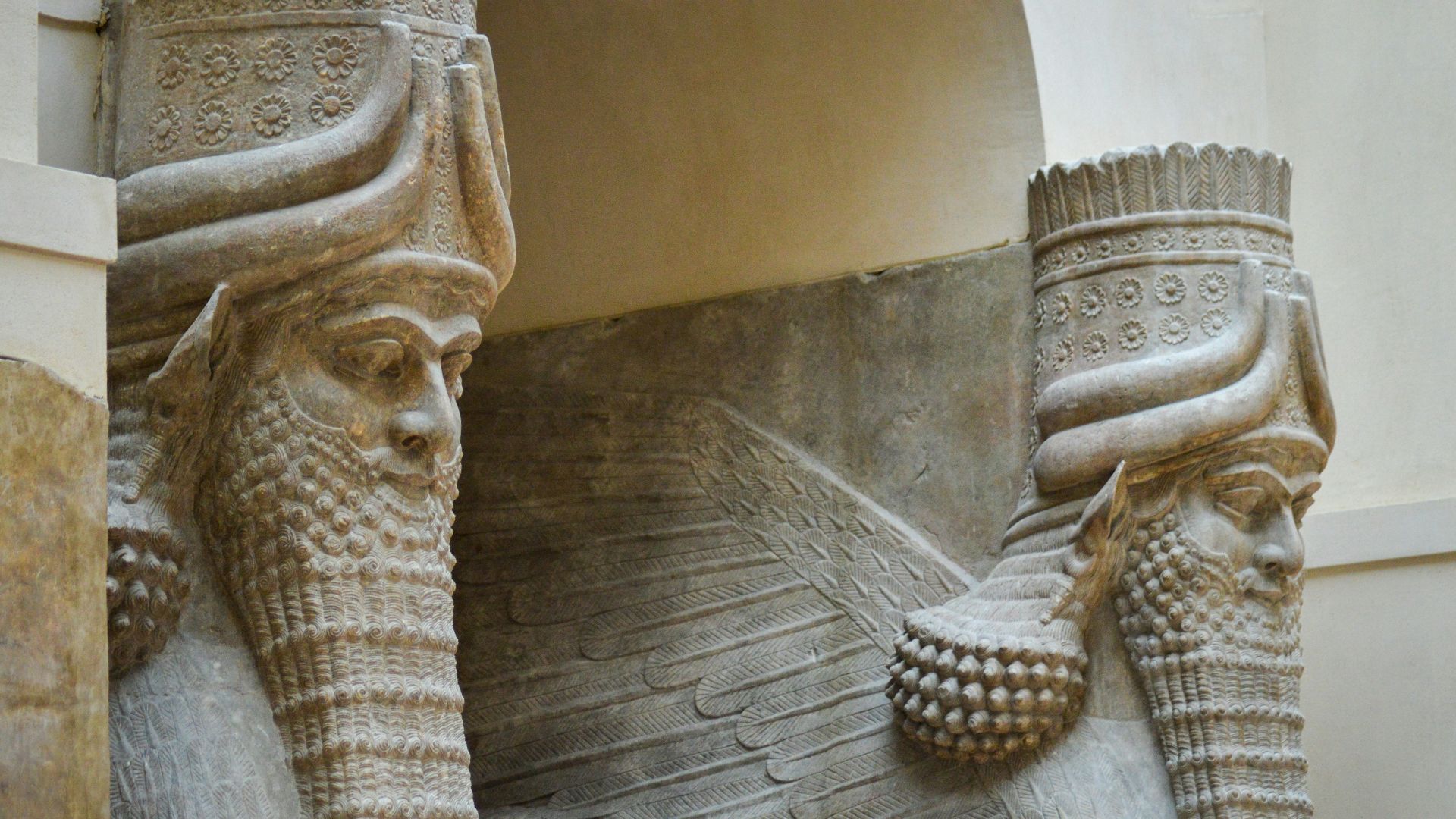
The civilizations of Sumer, Akkad, Babylon, and Assyria emerged between the Tigris and Euphrates Rivers in present-day Iraq. Farmers created extensive irrigation systems that helped turn dry land into productive agricultural fields. Many of humanity's earliest cities, legal codes, and writing systems appeared in this river-fed region.
 Richard Multimedia on Unsplash
3. The Indus Valley Civilization
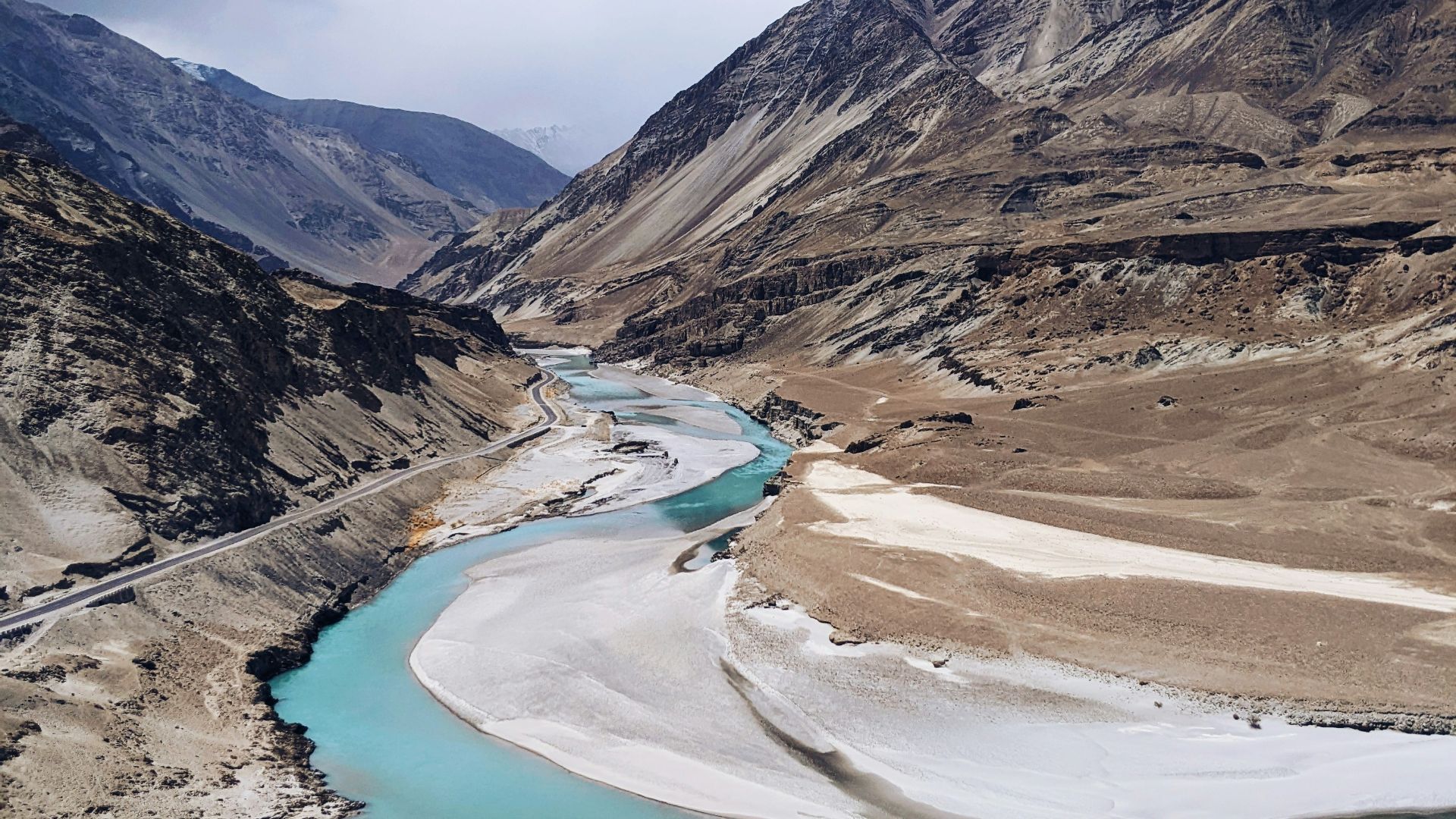
The Indus Valley Civilization thrived along the Indus River and its tributaries between roughly 2600 and 1900 BCE. Cities such as Harappa and Mohenjo-daro featured remarkable urban planning, including drainage systems and organized streets.
The river network helped support trade, agriculture, and communication across a vast territory.
4. Ancient China
Several early Chinese dynasties grew along the Yellow River, often called the cradle of Chinese civilization. Rich deposits of loess soil made farming highly productive, even though flooding could sometimes be devastating. These river valleys supported the growth of complex governments, technologies, and cultural traditions that continue to influence China today.

5. The Kingdom of Kush
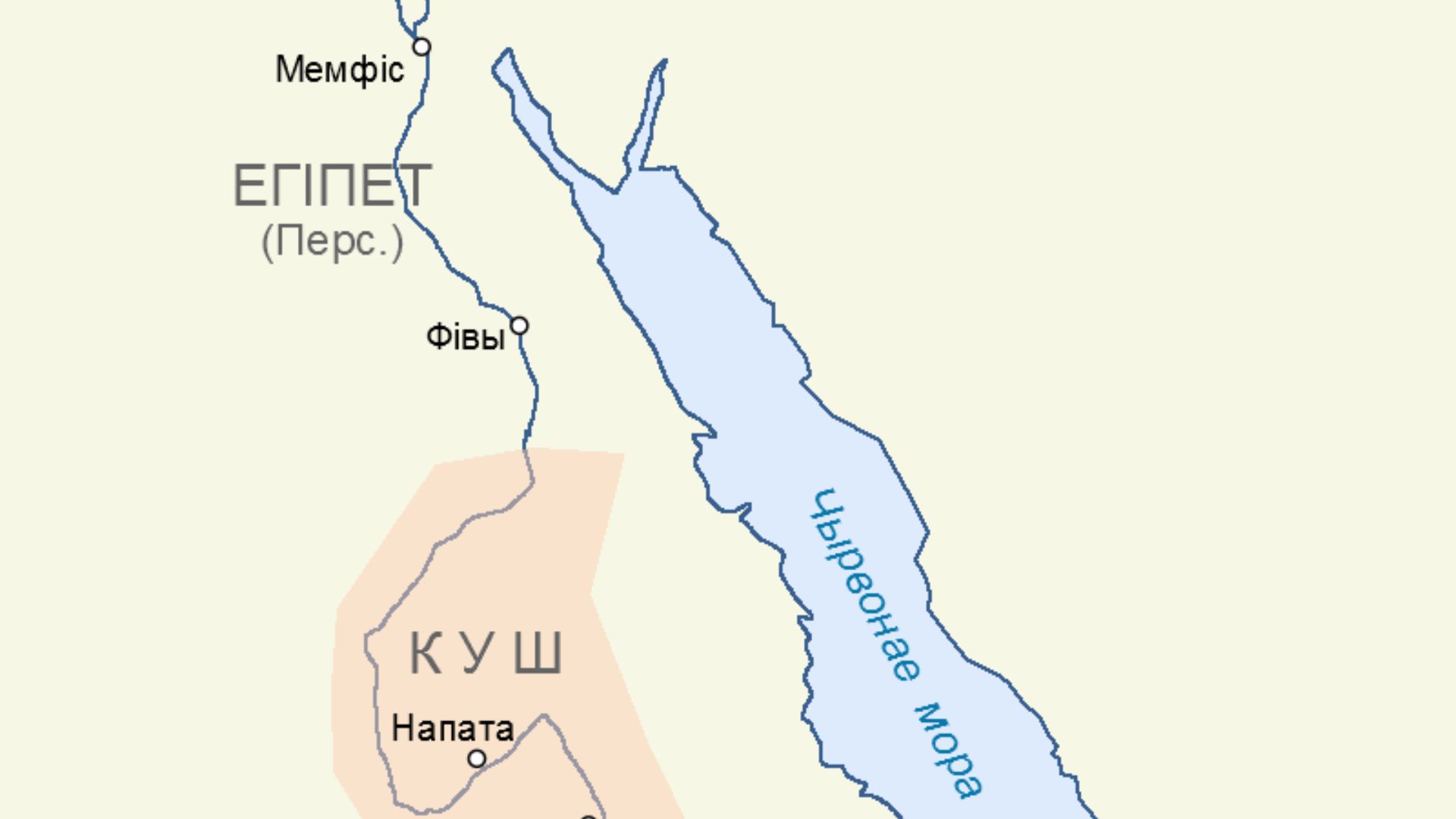
South of Egypt, the Kingdom of Kush developed along stretches of the Nile in what is now Sudan. Access to river transportation and fertile agricultural land helped Kush become a major regional power. Its rulers sometimes controlled Egypt itself and built impressive pyramids of their own.
6. The Khmer Empire
Although best known for Angkor Wat, the Khmer Empire relied heavily on the rivers of Southeast Asia, especially the Mekong River system. Engineers built canals, reservoirs, and water-management networks that supported large populations. This sophisticated control of water played a key role in the empire's success for centuries.

7. The Mississippian Culture
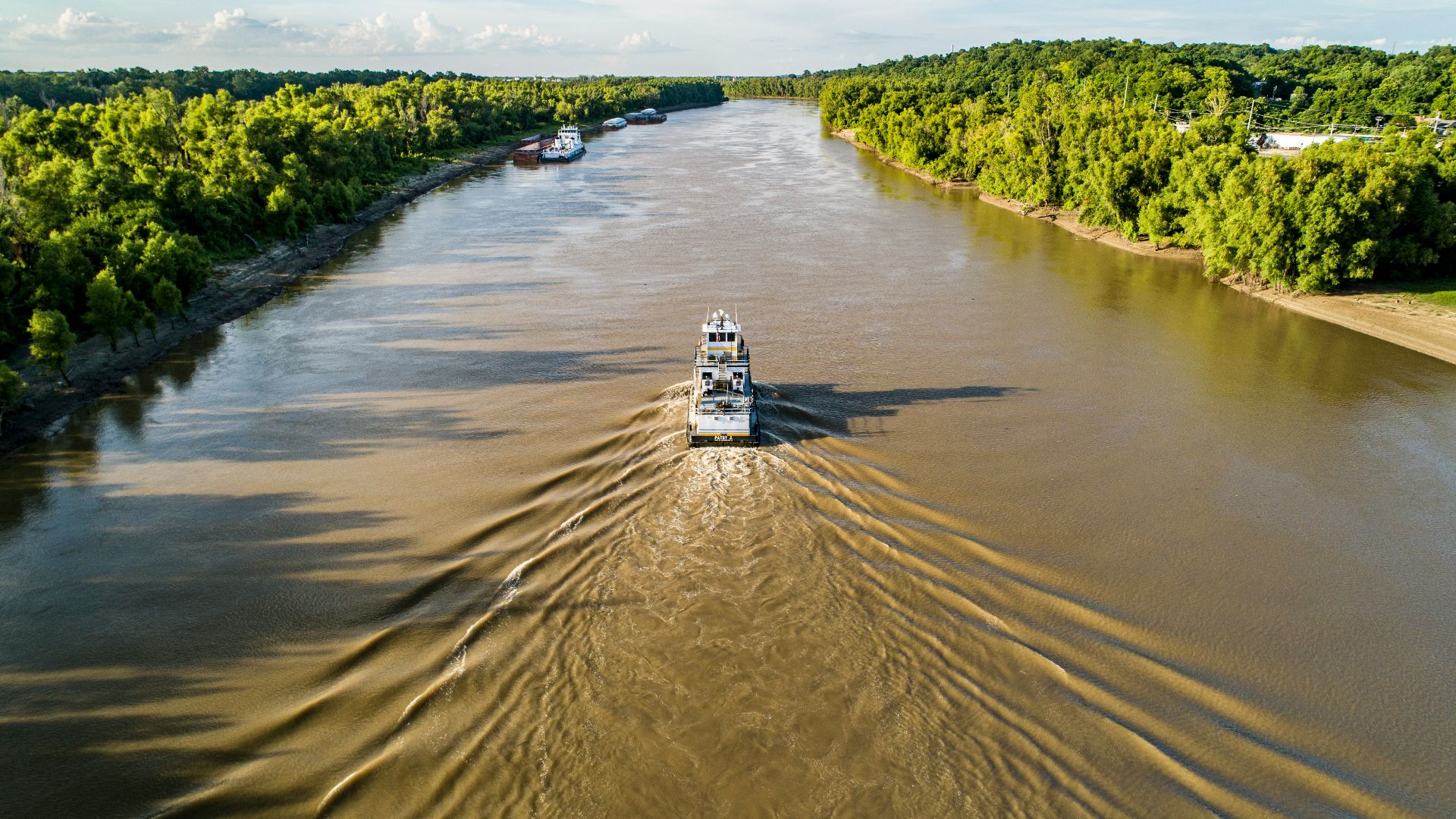
The Mississippian peoples established major settlements along the Mississippi River and its tributaries in North America. Cahokia, near present-day St. Louis, became one of the largest urban centers north of Mexico before European contact. River transportation connected communities and supported extensive trade networks.
8. Ancient Rome
While Rome expanded across much of Europe and the Mediterranean, its original growth was closely tied to the Tiber River.
The river provided access to inland trade routes while remaining close enough to the sea for commerce. This strategic location helped transform a small settlement into a vast empire.

9. The Ghana Empire
The Ghana Empire of West Africa benefited from river systems connected to the Senegal and Niger regions. These waterways supported agriculture and helped facilitate trade across the Sahel. Wealth generated through commerce allowed Ghana to become one of Africa's earliest major states.

10. The Songhai Empire
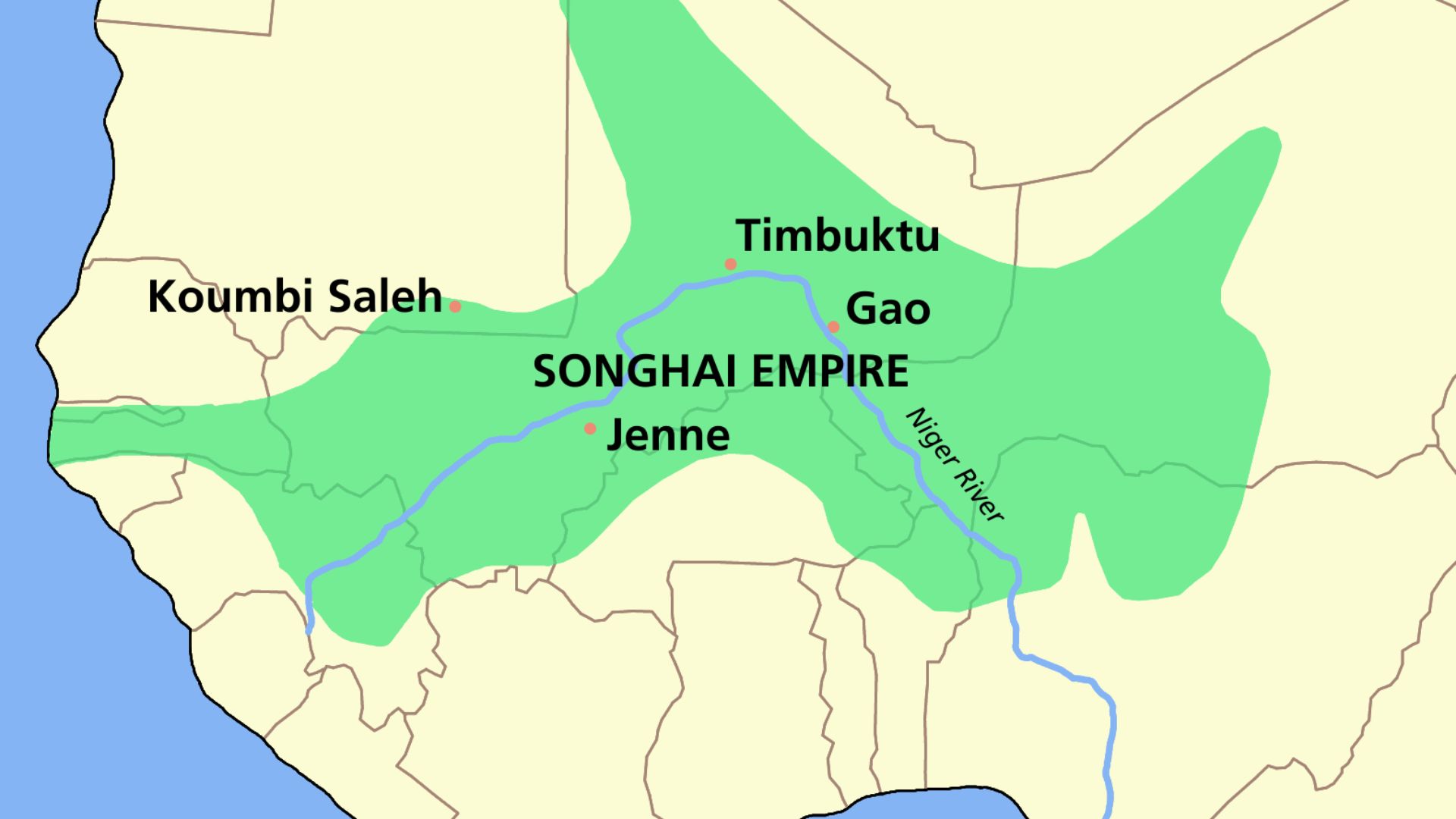
The Songhai Empire rose along the Niger River and became one of the largest empires in African history. Important cities such as Gao and Timbuktu prospered through trade and scholarship. The river served as a crucial transportation corridor across a challenging landscape.
1. The Garamantes
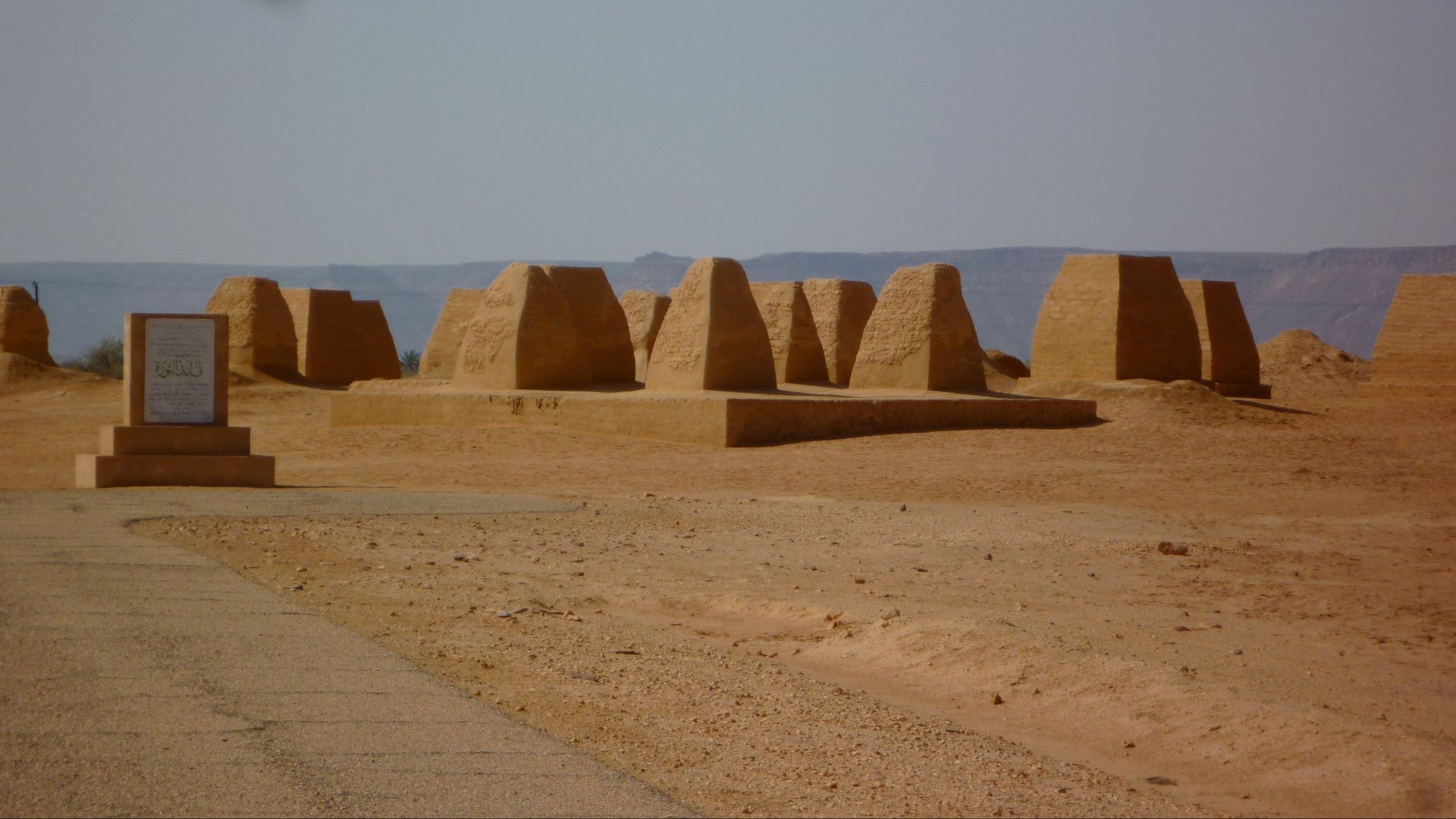
The Garamantes built an advanced civilization in the Sahara Desert of present-day Libya. As water resources declined and trade patterns shifted, their settlements were gradually abandoned and reclaimed by desert sands.
2. The Nabataean Kingdom
The Nabataeans are famous for constructing Petra, a city carved into sandstone cliffs in modern Jordan. Over time, changing trade routes reduced the city's importance, and desert conditions contributed to its decline.
 Vyacheslav Argenberg on Wikimedia
3. The Kingdom of Aksum's Desert Outposts
While Aksum itself remained influential for centuries, some of its settlements near the Horn of Africa's arid regions eventually disappeared as environmental conditions changed. Today, archaeologists continue to uncover remains that were long hidden beneath sand and sediment.
4. The Civilization of the Ubari Region
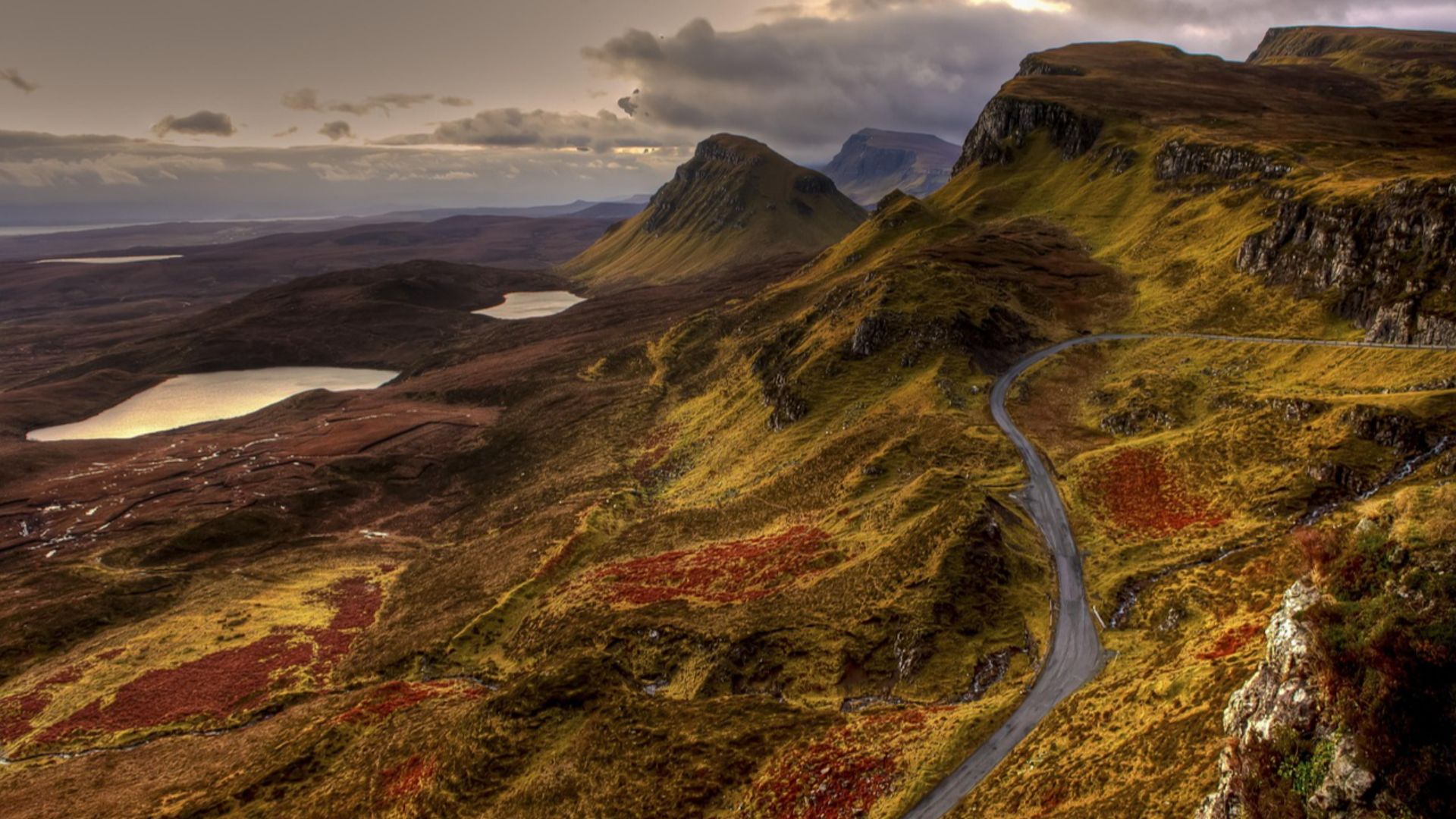
Ancient communities once flourished around lakes in what is now one of the driest parts of the Sahara. As the climate became increasingly arid, settlements were abandoned and gradually buried by shifting dunes.

5. The Ancient City of Ubar
Often associated with legends as the "Atlantis of the Sands," Ubar was likely a prosperous caravan center in Oman. Eventually, environmental pressures and changing commercial networks contributed to its disappearance beneath desert terrain.

6. The Medieval Settlement of Tichitt
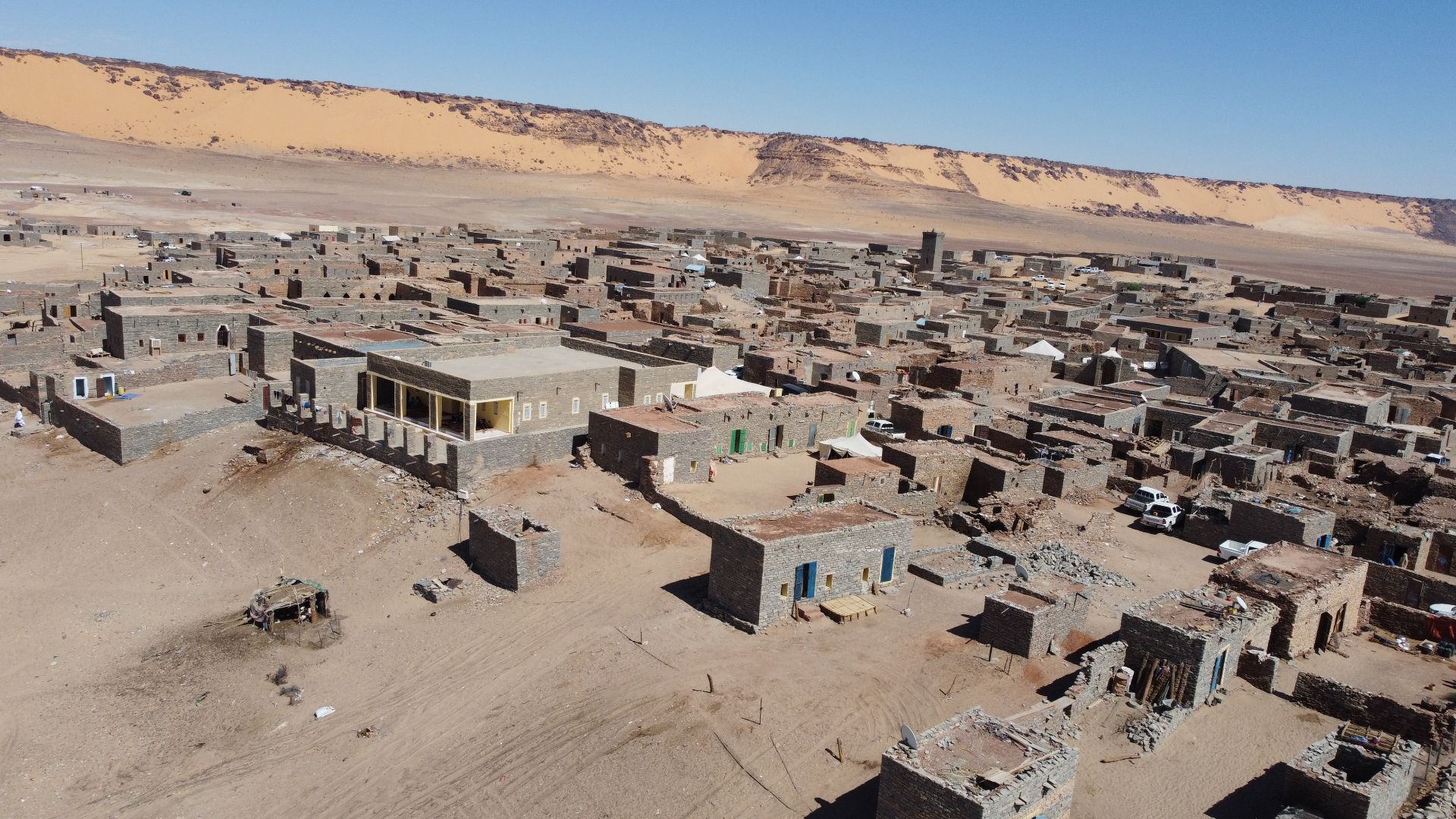
The Tichitt culture developed stone-built settlements in present-day Mauritania long before the rise of many later African kingdoms. Increasing desertification forced communities to relocate, leaving their settlements exposed to the advancing Sahara.
7. The Ancient Communities of the Eastern Sahara
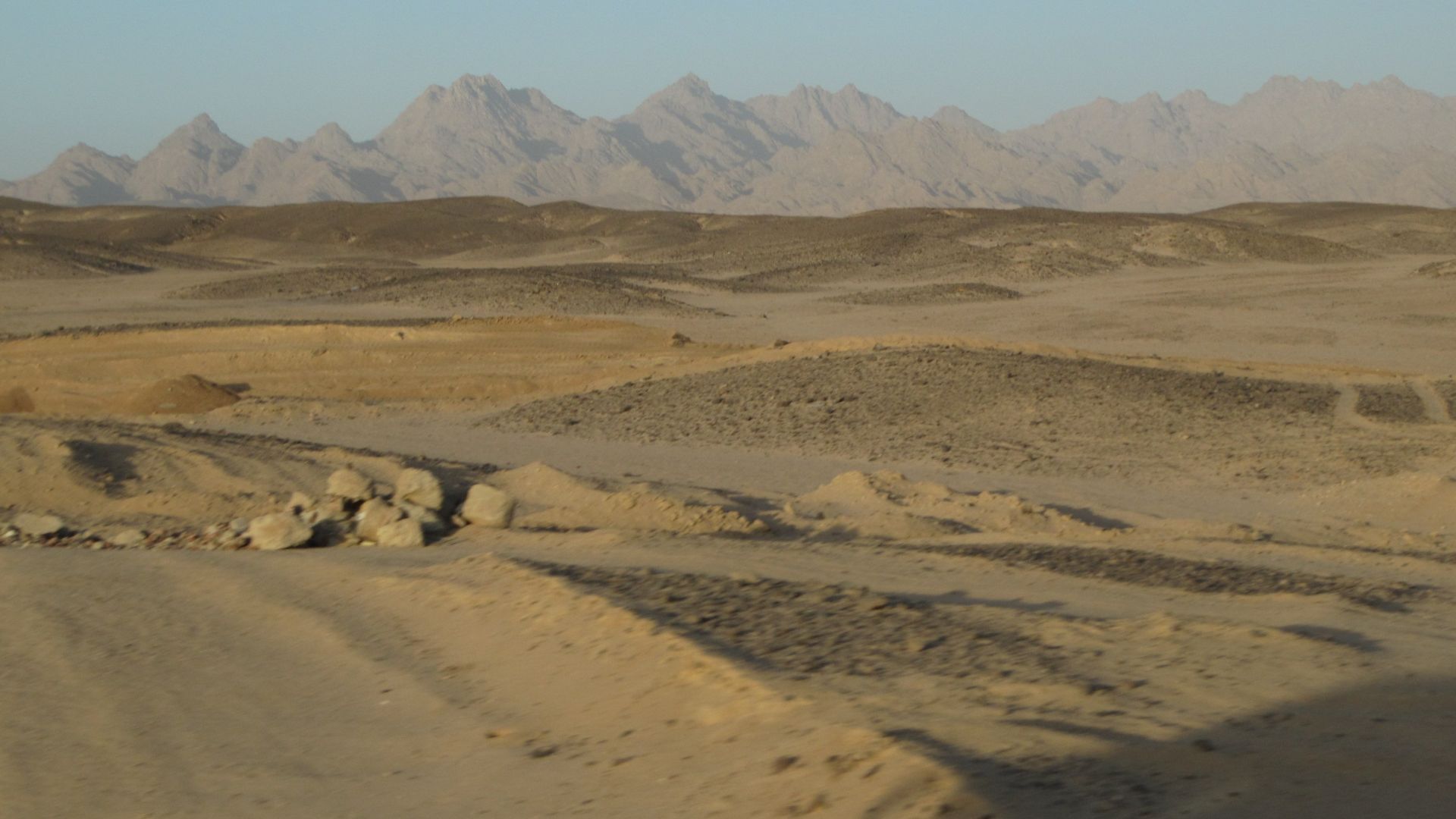
Across Egypt and Sudan, numerous prehistoric settlements existed during periods when the Sahara was significantly wetter. As the climate shifted over thousands of years, these communities disappeared into an increasingly harsh desert environment.
8. Loulan
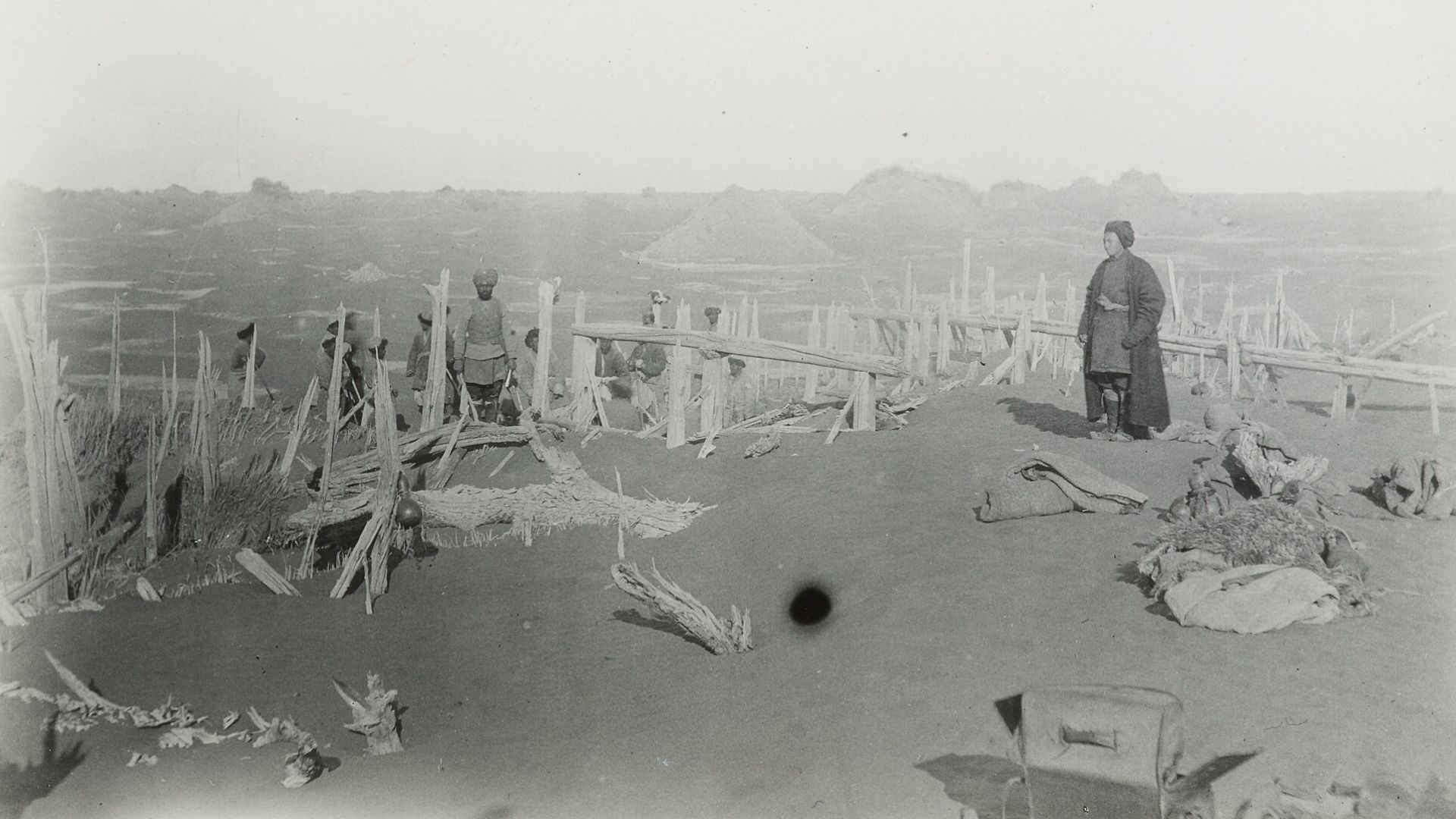
Loulan stood along important trade routes near the edge of the Taklamakan Desert in western China. When water sources changed course and environmental conditions worsened, the city was abandoned and eventually covered by desert sands.

9. Niya
Niya was another Silk Road settlement located in what is now China's Xinjiang region. The gradual loss of reliable water supplies appears to have played a major role in the community's disappearance.
10. The Kingdom of Ghana's Northern Settlements
Although the Ghana Empire itself did not vanish entirely into sand, several northern settlements faced increasing pressure from desert expansion along the Sahara's edge.
Many sites were abandoned, and some now survive only as archaeological remains scattered across sandy landscapes.
KEEP ON READING
The story of Ching Shih, the Woman Who Became the…
Unknown author on WikimediaFew figures in history are as feared…
By Emilie Richardson-Dupuis Dec 29, 2025
Einstein's Violin Just Sold At An Auction—And It Earned More…
A Visionary's Violin. Wanda von Debschitz-Kunowski on WikimediaWhen you hear…
By Ashley Bast Nov 3, 2025
This Infamous Ancient Greek Burned Down An Ancient Wonder Just…
History remembers kings and conquerors, but sometimes, it also remembers…
By David Davidovic Nov 12, 2025
The Mysterious "Sea People" Who Collapsed Civilization
3,200 years ago, Bronze Age civilization in the Mediterranean suddenly…
By Robbie Woods Mar 18, 2025
20 Greatest Ancient Athletes In History
Ancient Olympics. Long before modern stadiums and multimillion-dollar endorsements, athletes…
By Sara Springsteen May 1, 2026
20 Soldiers Who Defied Expectations
Changing the Rules of the Battlefield. You’ve probably heard plenty…
By Annie Byrd Feb 10, 2026