

When My Friends Started Receiving Letters From Dead Relatives, I Decided To Investigate
When My Friends Started Receiving Letters From Dead Relatives, I Decided To Investigate
The Thursday Ritual
We'd been meeting on Thursdays for going on thirty-two years, and I couldn't tell you exactly when it stopped being something we did and started being something we were. The church fellowship hall on Maple Street, the same folding tables pushed together in the center of the room, the same smell of coffee that had been sitting on the burner a little too long. Margaret always arrived first and had the chairs arranged before anyone else pulled into the parking lot. That was just Margaret — tall, purposeful, moving through a room like she had a checklist in her head and was quietly satisfied to be ticking things off. Carol would come in right behind me most weeks, already talking before she got through the door, usually about one of her grandchildren or something she'd seen on the morning news. She'd have her floral tote over one arm and a tin of something baked over the other, and the room always felt warmer the moment she walked in. Ruth came too, every single Thursday, even in the months after Harold passed. She didn't say much those first weeks, just sat with her hands moving over the fabric, and we let her. That's the thing about a group that's been together long enough — you learn when to talk and when to just be present. We weren't just a quilting club. We were each other's Thursday, week after week, year after year. The afternoon light came through the side windows at the same angle it always did, and the familiar weight of it all settled over the room like a well-worn quilt.
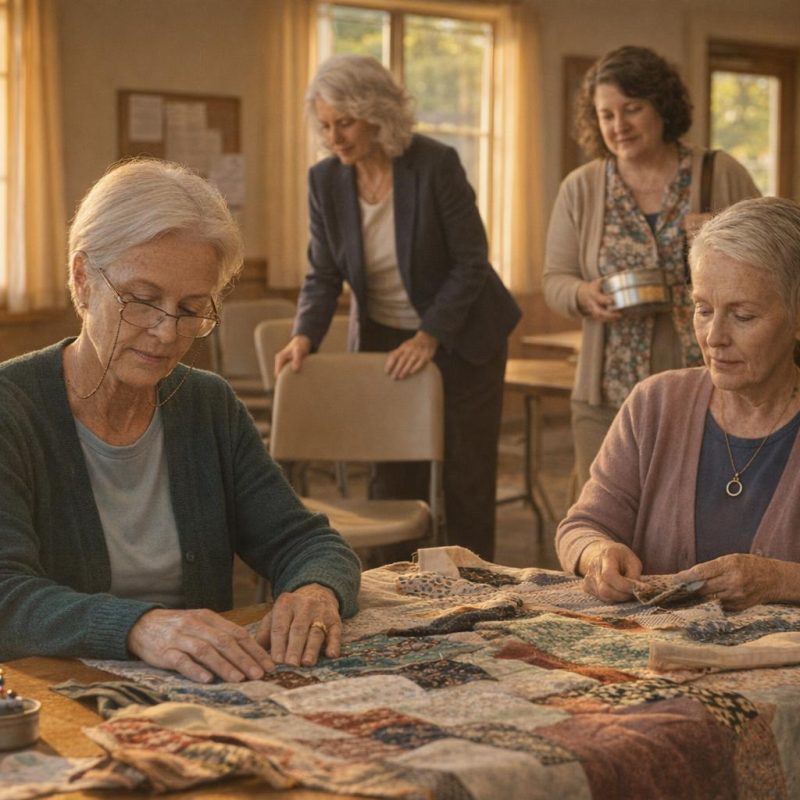 Image by RM AI
The Woman with the Floral Tote
She came in on a Thursday in early October, and the first thing I noticed was the tote bag — bright sunflowers on a white canvas background, the kind of bag that announces itself before the person carrying it does. She was young, early thirties maybe, with dark hair pulled back and a smile that took up most of her face. Margaret was on her feet before the woman had even cleared the doorway. Apparently she'd mentioned to Margaret at the library the week before that she'd always wanted to learn to quilt, and Margaret, being Margaret, had told her to come on Thursday and see for herself. Her name was Jenna Collins. She shook hands with everyone, remembered each name after hearing it once, and asked Carol about the pattern she was working on with what seemed like genuine curiosity. She wasn't stiff the way newcomers sometimes are, waiting to see if they'll be accepted. She just settled in, pulled up a chair, and watched Carol's hands move over the fabric like she was studying something she actually wanted to learn. Ruth smiled at her, which was more than Ruth had offered most people lately, and I thought that said something. By the end of the meeting, Jenna had helped stack the folding chairs without anyone asking her to, and then turned to Margaret and offered to carry the coffee urn back to the kitchen.
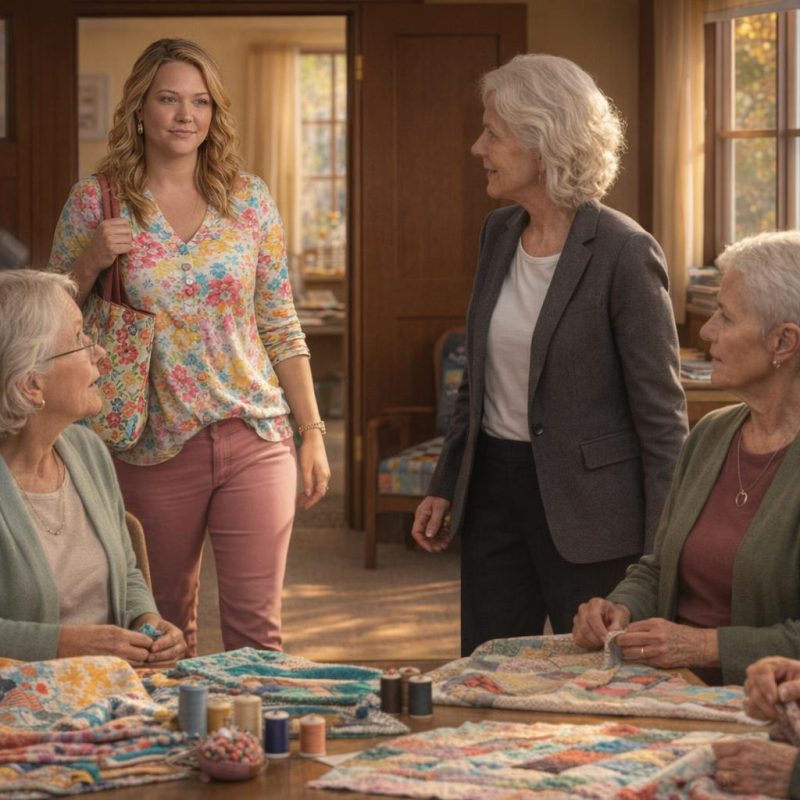 Image by RM AI
Instant Belonging
She was back the following Thursday, and the one after that. What struck me wasn't just that she returned — plenty of people try a new thing twice before drifting away — it was how quickly she seemed to already belong. She remembered that Carol's granddaughter was applying to nursing school. She asked Ruth how the rosebush Harold had planted along the back fence was doing, because Ruth had mentioned it once, briefly, in passing. Margaret had suggested at the second meeting that Jenna help organize the charity quilt auction in the spring, and Jenna had said yes before Margaret finished the sentence. Even Dorothy, who had a gift for finding fault with most things and most people, said she seemed like a nice enough young woman, which from Dorothy was practically a standing ovation. I watched all of this with something I couldn't quite name at the time. It wasn't suspicion — I want to be clear about that. It was more like the mild puzzlement you feel when a piece fits into a puzzle a little too easily, and you find yourself turning it over just to make sure it's the right one. I'd been part of this group for over three decades, and it had taken me the better part of a year before I stopped feeling like a guest. Jenna had managed it in two Thursdays. I sat with my needle and thread and watched her laugh at something Carol said, and I thought about the ease with which she had become part of something that had taken most of us years to join.
 Image by RM AI
The Volunteer
By November, Jenna had become the person we called when something didn't work. Margaret's tablet froze up during a meeting when she was trying to show us a pattern she'd found online, and Jenna had it running again in under three minutes, doing something with the settings that Margaret said she never would have found on her own. She offered to update the club's email list, which had been a mess of outdated addresses and bounced messages for at least two years, and to build a simple website so people could find us. Carol mentioned offhand that she'd been trying to figure out how to video call her granddaughter in Auckland, and the following Thursday Jenna sat beside her and walked her through it step by step until Carol was waving at a small face on a screen and crying a little. When Ruth needed a ride to a cardiology appointment and her usual neighbor wasn't available, Jenna drove her without making it into anything. She just showed up at the right time with the car running. I appreciated all of it. I did. She was genuinely useful in ways that made people's days easier, and there was nothing showy about how she did it. She didn't wait for thanks. She just moved on to the next thing. I sat across the table from her one afternoon and watched her help Carol untangle a particularly stubborn spool of thread, patient and unhurried, and what stayed with me afterward was the quiet competence in everything she touched.
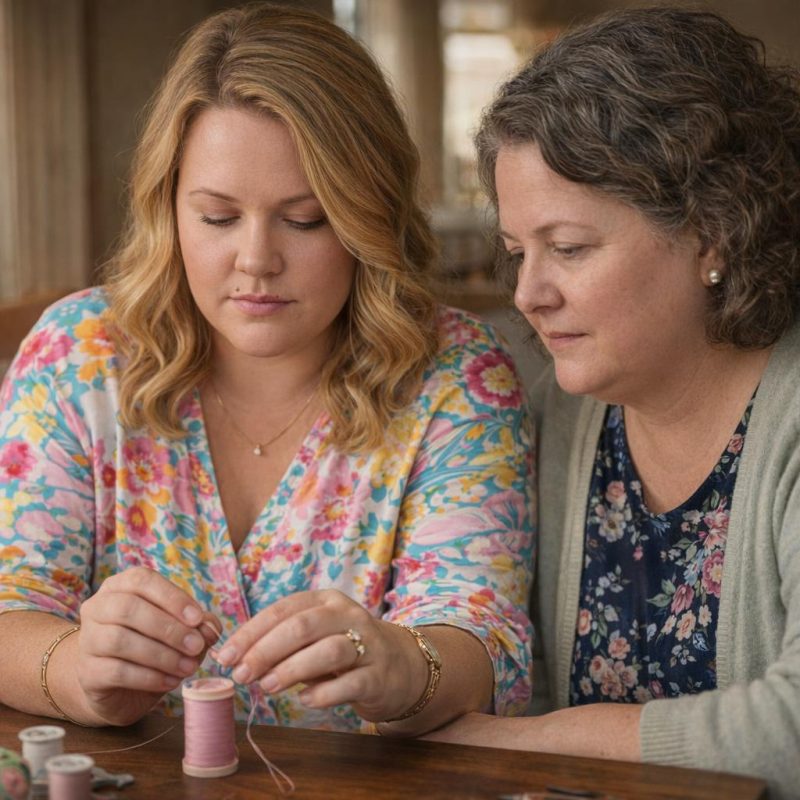 Image by RM AI
The Listener
Somewhere around the sixth or seventh week, I noticed that the conversations at the table had shifted. We'd always talked — that was half the point of Thursday — but the talking had changed in a way that was hard to pin down. People were sharing more. Not just the usual news about grandchildren and doctor's appointments, but the deeper things, the stories that usually took years of trust to surface. Carol brought in a shoebox of old photographs one afternoon and spread them across the table for Jenna, pointing out her father in his army uniform, telling stories I'd never heard in all our years of friendship. Margaret talked about her daughter in a way she almost never did — the estrangement, the grandchildren she saw only at Christmas if she was lucky. Ruth was the one who surprised me most. She'd been so quiet since Harold died, so careful with herself, and yet there she was one Thursday telling Jenna about the trip she and Harold had taken for their fortieth anniversary, her voice soft and full of something that was equal parts grief and sweetness. Jenna listened the way very few people actually listen — still, attentive, asking the kind of follow-up questions that showed she'd heard every word. I was threading a needle on the other side of the table when I heard Jenna ask Ruth, gently, what Harold used to call her when it was just the two of them at home — and Ruth's eyes filled with tears.
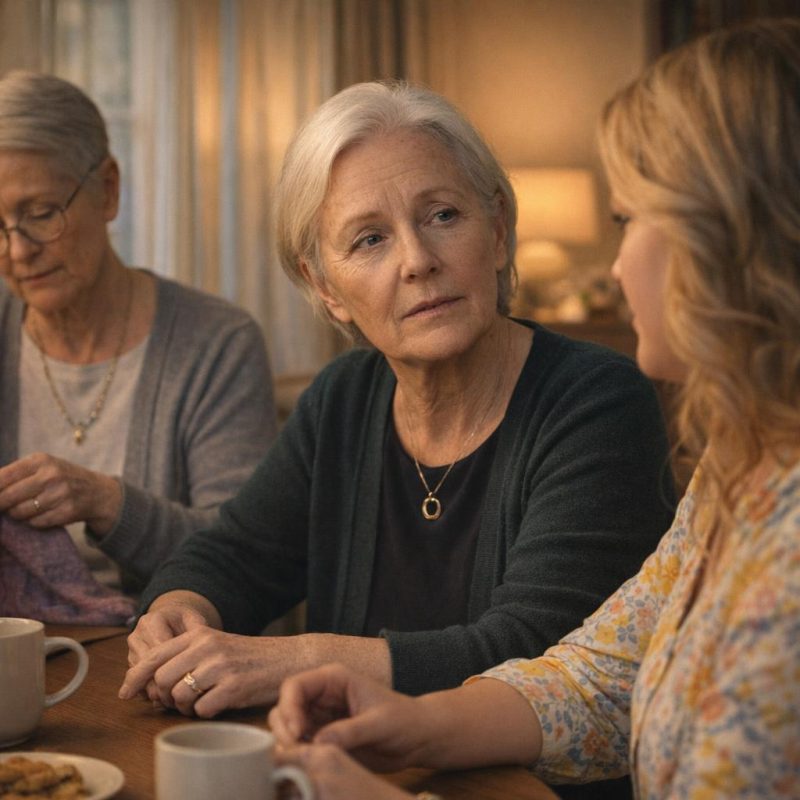 Image by RM AI
The Digitization Project
It was Jenna who brought up the scanner. She mentioned it the way she mentioned most things — casually, as if the idea had just occurred to her, as if she wasn't sure it would even be useful. She said she had a high-quality flatbed scanner at home and had been meaning to offer, because old photographs had a way of fading faster than people expected. Ruth's face changed immediately. She had a box of photographs from her and Harold's early years together, she said, some of them already going soft at the edges, and she'd been meaning to do something about it for ages but hadn't known where to start. Jenna said it was no trouble at all. She could scan everything, make digital copies, even print a few if Ruth wanted. She mentioned she could do documents too — letters, journal pages, anything on paper that someone wanted preserved. Carol said she had a whole folder of her father's old papers she'd been meaning to sort through. Margaret called it a wonderful idea and suggested anyone with old family materials take Jenna up on the offer before the holidays. I didn't say anything. I wasn't sure what I would have said. It was a generous thing to do, and Ruth clearly wanted it done. The following Thursday, Ruth came in with a shoebox tied with kitchen twine, and after the meeting she handed it to Jenna with both hands, the way you hand someone something fragile. I watched Jenna walk out to her car with the box of Ruth's most precious family photographs tucked under her arm.
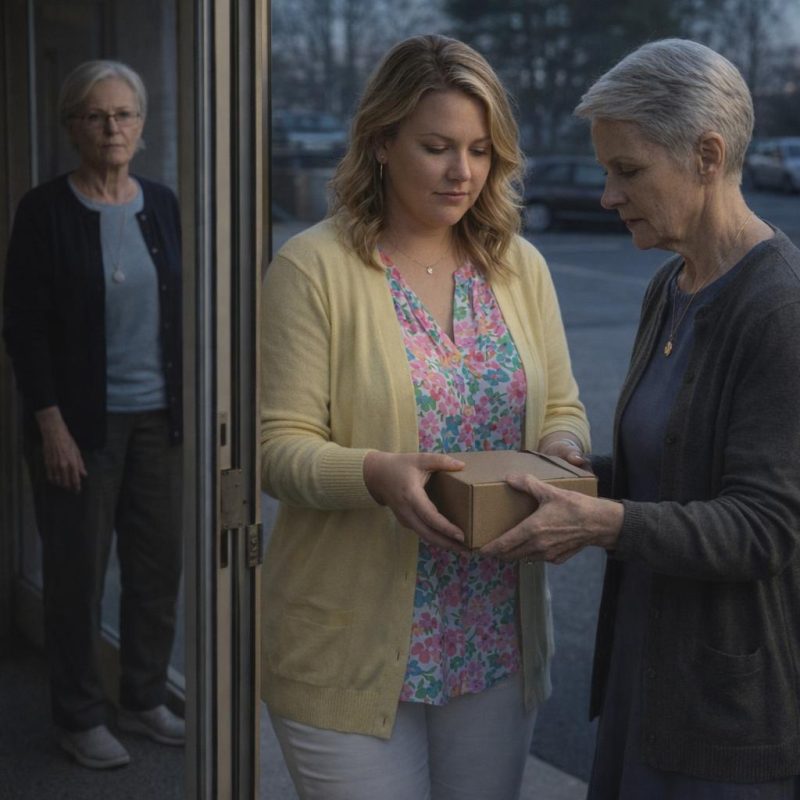 Image by RM AI
Perfect Memory
The birthday card for Margaret appeared on a Thursday in late November, propped against the coffee urn when we arrived. Jenna had written something personal inside — not just a signature, but a note referencing a specific story Margaret had told weeks earlier about her mother's garden. Margaret read it twice and pressed it to her chest. The following week, Jenna asked Carol how the granddaughter's college application had gone, and Carol looked startled, then pleased, because she'd mentioned it only once and briefly. Jenna knew Ruth's wedding anniversary to the day and the number of years she and Harold had been married. She knew Dorothy preferred her coffee with just a splash of cream and no sugar. She knew which members had bad knees and which ones preferred the chairs with armrests. The group marveled at it openly. Carol said she wished her own children paid that kind of attention. Margaret said Jenna had a gift. I smiled and agreed and said nothing else. I'd been trying to remember if I'd ever mentioned my birthday at the club, and I was fairly certain I hadn't — not the date, not even the month. So when I got home that Thursday evening and found a card from Jenna in my mailbox, with the correct date written on the envelope in her neat handwriting, I stood at the end of my driveway for a long moment and couldn't account for how she'd known.
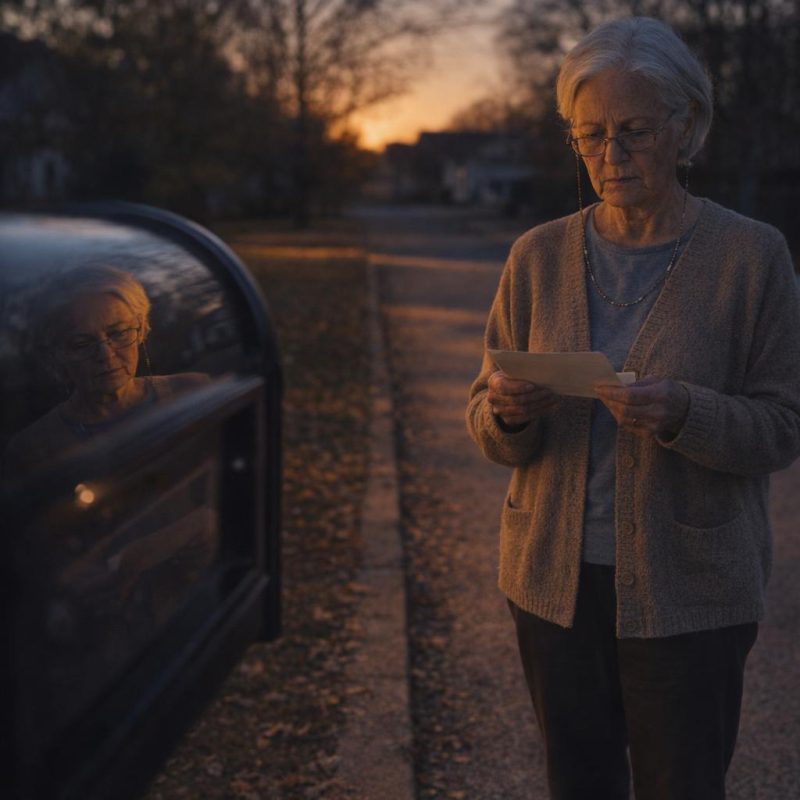 Image by RM AI
The Uneasy Observer
I tried to talk myself out of it, the way you do when you suspect you might be the problem. Carol had said as much, gently, one Thursday when I'd been quieter than usual. She'd touched my arm on the way to the parking lot and said she hoped I'd give Jenna more of a chance, that she was one of the kindest people she'd met in years. I'd nodded and said of course, and I meant it, or I tried to. The thing was, I couldn't point to a single thing Jenna had done wrong. She was helpful and warm and remembered everything and made people feel seen, and every one of those was a good quality. I knew that. But I'd sit at the table on Thursdays and watch her move through the room — refilling coffee, asking the right questions, laughing at the right moments — and something in me stayed at arm's length without my permission. I couldn't explain it to Carol. I couldn't explain it to myself. Maybe it was the birthday card. Maybe it was the shoebox of Ruth's photographs riding home in a stranger's car. Maybe it was nothing at all, and I was a sixty-seven-year-old woman who'd gotten too set in her ways to welcome someone new without manufacturing a reason to be cautious. I sat with that possibility for a long time. Every other woman at that table adored Jenna Collins, and I was the only one who felt something was off — and I couldn't prove it was anything more than my own stubbornness.
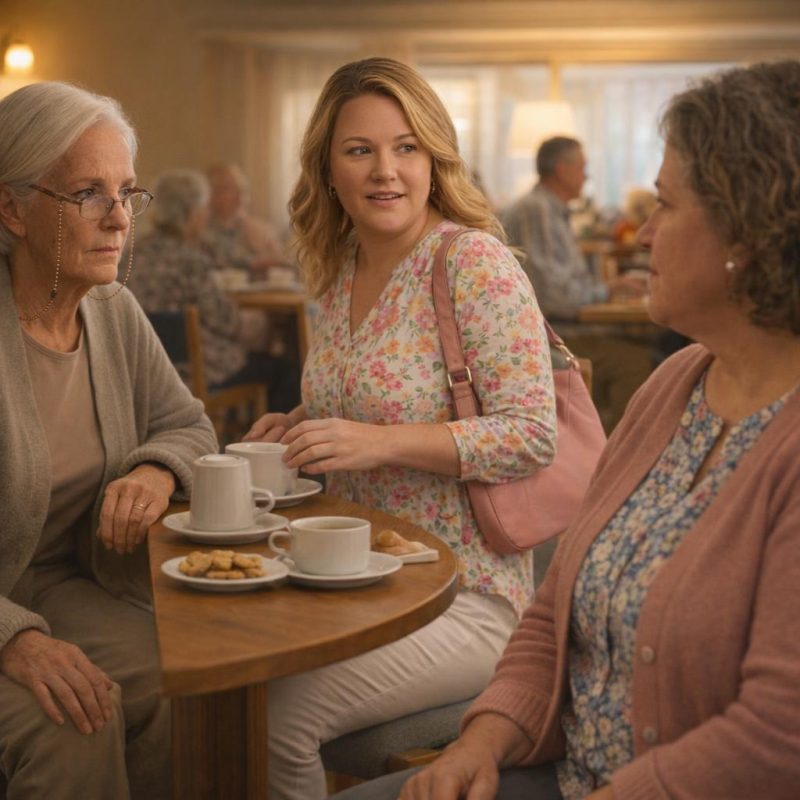 Image by RM AI
The First Letter
Ruth came in that Thursday holding an envelope against her chest like it might fly away if she loosened her grip. I noticed it right away — she was usually the first one to set her bag down and reach for the coffee, but that morning she just stood in the doorway with this look on her face I couldn't quite name. Margaret asked if she was all right, and Ruth said she needed to show us something. She sat down slowly and set the envelope on the table, and we all leaned in without meaning to. She said she'd found it in her mailbox three days ago and hadn't been able to sleep since. The handwriting on the front was her name, in an old-fashioned cursive she said she'd know anywhere. Her husband Harold had been gone fifteen years. She pulled the letter out carefully, like it was something fragile, and started reading portions aloud in a voice that kept catching. The phrases were gentle and specific — the way he used to say her name, a joke only the two of them shared, the particular way he'd signed off his notes to her. Carol had her hand over her mouth. Margaret sat very still. I didn't know what to think. I'd never seen Ruth cry like that, quietly and without apology, and the room held the weight of her grief the way a quilt holds warmth — completely, without any gaps.
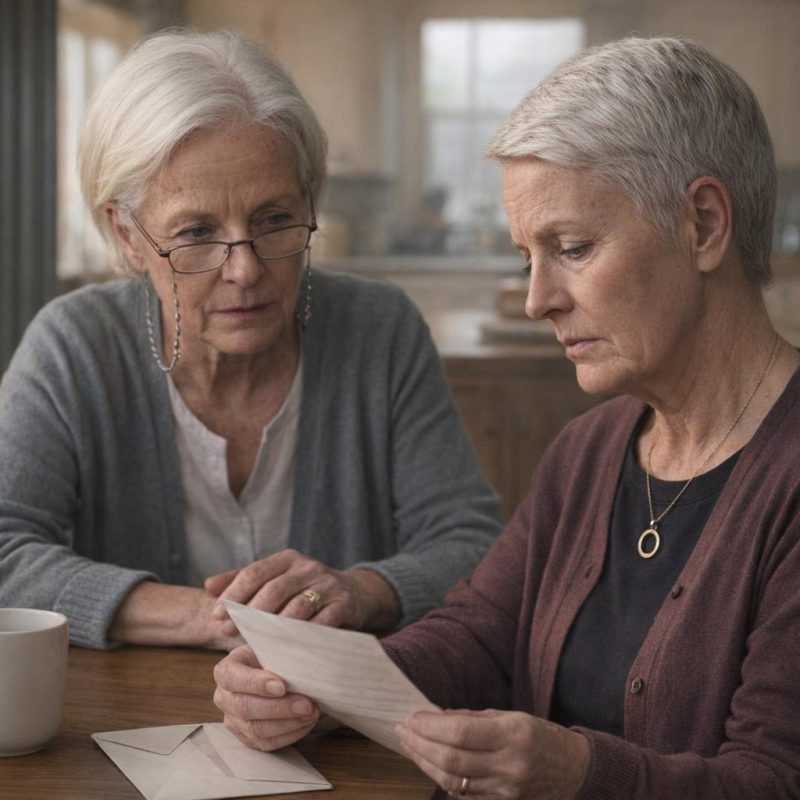 Image by RM AI
Impossible Details
We sat with Ruth for a long time after she finished reading. Carol kept passing her tissues, and Margaret refilled her tea without being asked. Eventually Ruth said there was something else, something she hadn't mentioned yet, and the room went quiet again. She said the letter referenced a specific afternoon from early in her marriage — a picnic by a creek outside of town, a thunderstorm that came up fast, the two of them sheltering under a willow tree and laughing until they couldn't breathe. She said Harold had carved something into that tree, just the two of them there, and she had never told a single soul about it. Not her children, not her sister, not anyone. She'd never written it down. It wasn't the kind of story you tell at dinner parties — it was just hers, tucked away somewhere private. Margaret asked if maybe she'd mentioned it once and forgotten. Ruth shook her head with a certainty that was hard to argue with. Carol asked about old journals, letters she might have kept. Ruth said no. Jenna asked gently whether Harold might have told someone, a brother or a close friend, and Ruth considered it for a moment before saying she didn't think so — it had been their thing, she said, just theirs. I turned the question over in my mind on the drive home, and I still couldn't find a satisfying answer for how those words had ended up on paper.
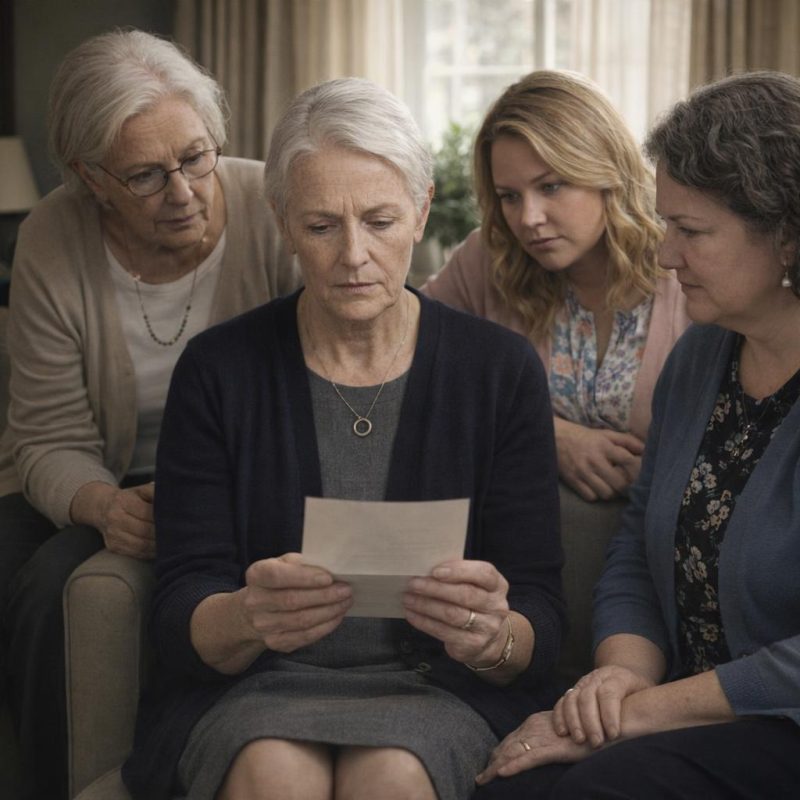 Image by RM AI
Divine Intervention
The following Thursday the letter was all anyone wanted to talk about. Margaret had clearly been thinking about it all week, because she arrived with a kind of settled conviction I recognized in her — the look she got when she'd made up her mind about something and wasn't interested in being talked out of it. She said she believed the letter was exactly what it appeared to be, a message Ruth was meant to receive, and that some things simply couldn't be explained by ordinary means. Carol nodded along, and then she started talking about her own mother, how she'd smelled her perfume in the hallway the morning after the funeral, clear as anything. That opened a door, and one by one the others shared their own stories — a clock that stopped at the moment of a death, a dream so vivid it felt like a visit, a cardinal that appeared every morning for a year. Ruth sat in the middle of it all looking both comforted and undone, like someone who'd been carrying something heavy for a long time and had finally been given permission to set it down. Jenna listened with her chin in her hand, nodding at each story, her expression soft and open. I listened too. I didn't have a story to offer, and I didn't feel the same certainty the others seemed to feel, but I kept that to myself and just sat with the sound of their voices, so sure of what they believed.
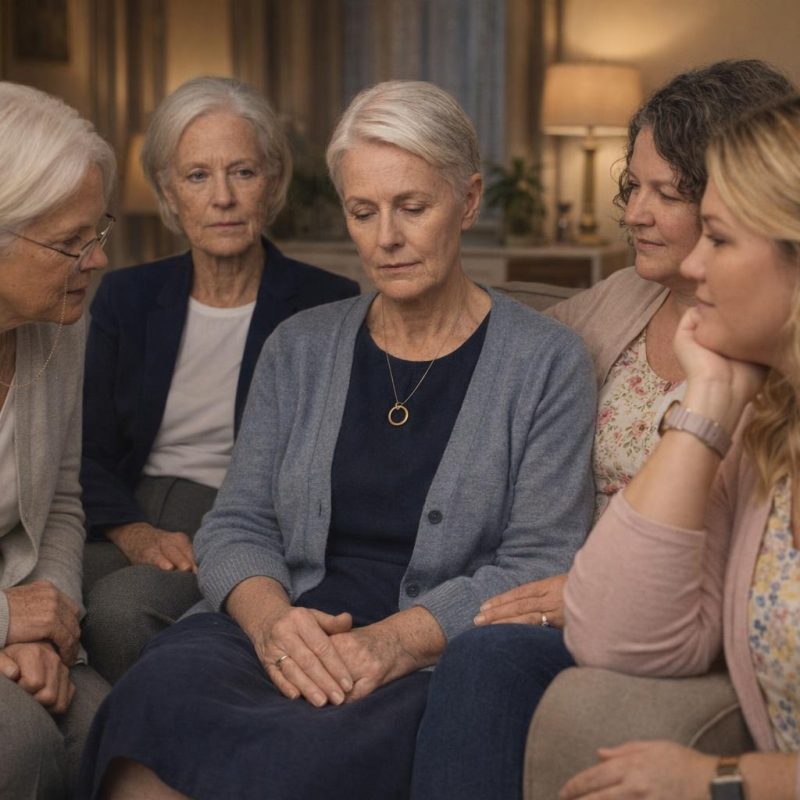 Image by RM AI
Wide-Eyed Wonder
I'd been watching Jenna all morning, not obviously I hoped, just the way you watch someone when you're trying to take their measure. She'd asked Ruth careful questions about the letter — what the envelope looked like, whether there was a postmark, how the paper felt — and her curiosity seemed genuine, the kind that leans forward rather than performs. When Ruth passed the letter around, Jenna held it with both hands and studied the handwriting for a long moment. She said it was remarkable, that the loops on the capital letters had a very particular style, almost old-fashioned, and she wondered aloud whether Harold had learned penmanship in school the way people used to. It wasn't a strange thing to say. It was the kind of observation a thoughtful person makes. She suggested Ruth keep the letter somewhere safe, maybe with her important documents, somewhere she could find it easily. Ruth said she'd already put it in the cedar box where she kept Harold's watch and their wedding photo. Jenna smiled at that, a warm and uncomplicated smile, and said that sounded exactly right. I watched her face through all of it — the questions, the examination, the smile — and I could not find a single thing in her expression that looked like anything other than genuine wonder.
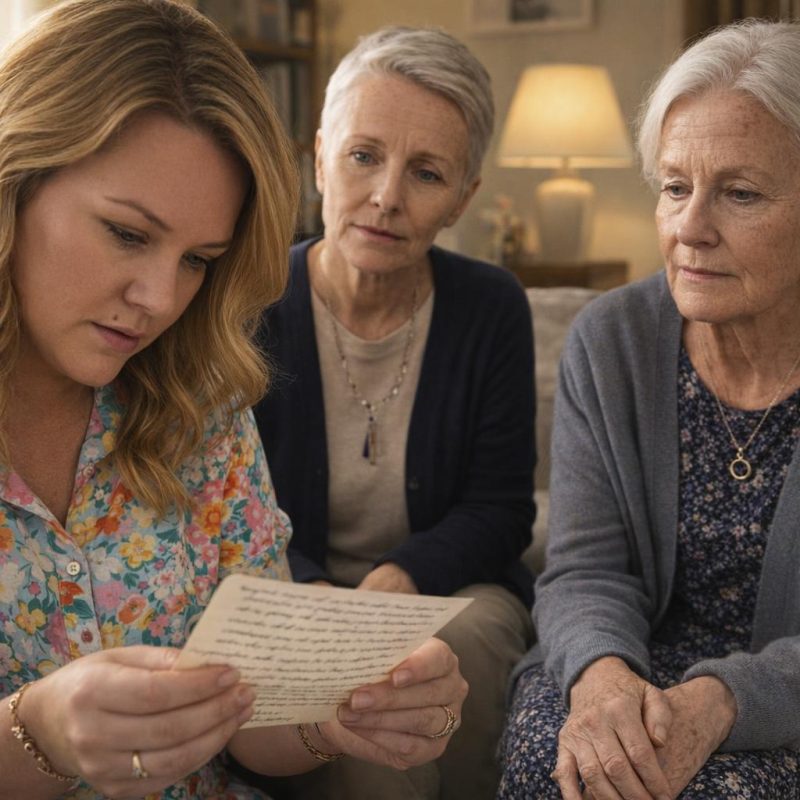 Image by RM AI
The Second Arrival
It was about three weeks later when Helen came in with an envelope of her own. Helen wasn't a regular — she filled in when someone was traveling — but she'd been coming more often lately, and that morning she walked in with the same careful way of holding an envelope that Ruth had, pressed against her coat like something precious. She said she'd received a letter that appeared to be in her mother's handwriting. Her mother had been gone for eleven years. The group gathered around the way they had with Ruth, and Helen read portions aloud in a halting voice, stopping twice to collect herself. The handwriting was distinctive, she said — her mother had always made her lowercase e's in an unusual way, almost like a backwards 3, and every one of them in the letter was exactly right. Carol said it was another miracle, just like Ruth's, and Ruth reached across and took Helen's hand. Margaret said she wasn't surprised, that once a door like that opened it tended to stay open. Jenna sat beside Helen and listened with the same attentive expression she'd had when Ruth shared her letter. I sat across the table and kept my thoughts where they belonged, inside my own head. But I noticed the timing — Ruth's letter, and now Helen's, arriving within the same month — and I turned that over quietly, the way you worry at a loose thread without quite pulling it.
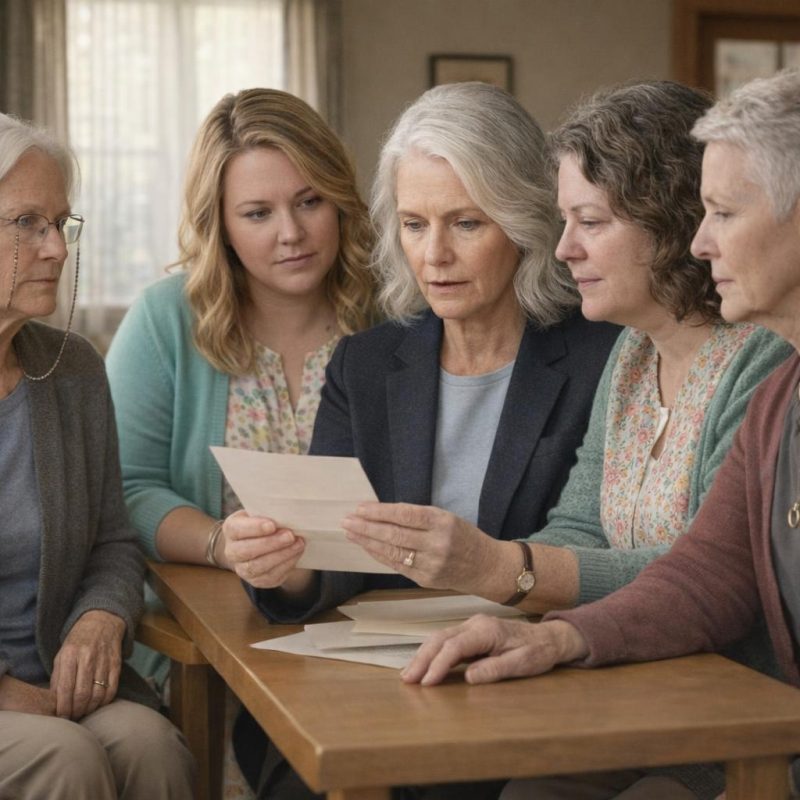 Image by RM AI
Authentic Memories
Helen came back the following week with more to say about the letter. She'd been going through it carefully, she told us, and there was a detail in it that had stopped her cold. Her mother had written about a summer when Helen was seven years old, a specific afternoon when the two of them had picked blackberries along the fence line behind her grandmother's house and Helen had dropped the whole bucket trying to carry it herself. Her mother had laughed, she said, not unkindly, and they'd gotten down on their knees together and picked every berry back up out of the grass. Helen said she hadn't thought about that afternoon in decades. She'd never written it down, never told her own children about it, never mentioned it at any family gathering she could remember. Margaret asked whether her mother might have kept a diary. Helen said her mother wasn't a diary keeper, never had been. Carol asked about letters between family members, old correspondence. Helen shook her head. Jenna asked whether any siblings might have been there that day, and Helen said no, it had just been the two of them. I sat there listening and mentally lining up what I knew — Ruth's private memory, Helen's private memory, both of them specific and small and the kind of thing that doesn't survive in any record. The precision of those details sat with me long after I got home, like something I couldn't quite put down.
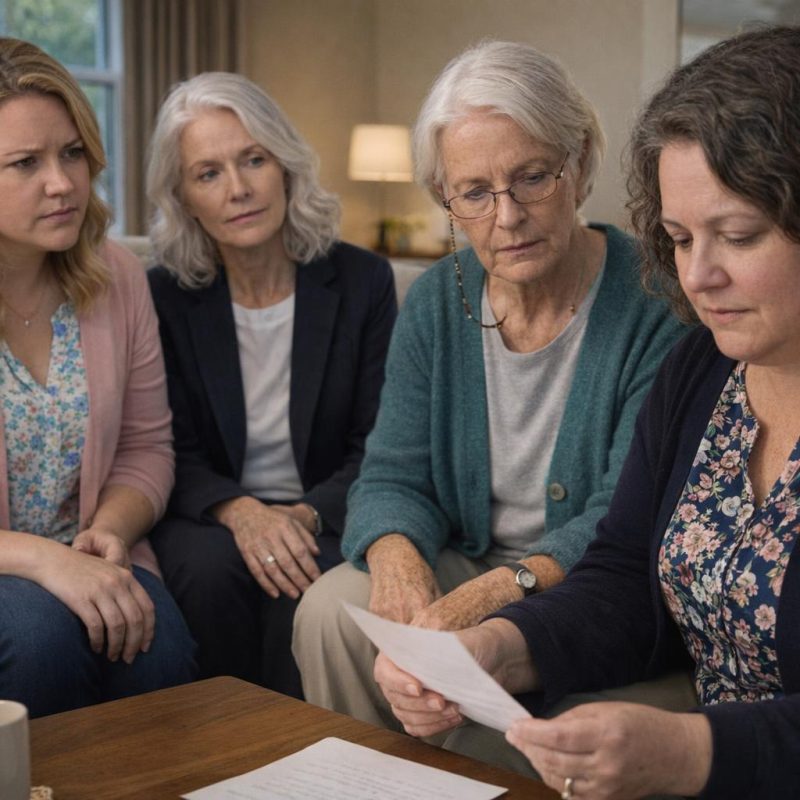 Image by RM AI
The Third Letter
The third letter came through Barbara, who was one of Margaret's oldest friends and had been part of the club longer than almost anyone. She brought it in on a Tuesday, which was unusual — we didn't meet on Tuesdays — but Margaret had called an informal gathering at her kitchen table and Barbara had driven over with the envelope in her purse. The letter was from her late sister Diane, who had died of cancer eight years ago. Barbara read it aloud and her voice only broke once, near the end, where Diane had apparently written something about a shared childhood game the two of them had played. The group responded the way they had twice before — with hushed voices and careful hands and the particular tenderness people show when grief surfaces unexpectedly in a room. Margaret said three letters was no longer coincidence, it was something else entirely. Carol agreed. Ruth nodded. Jenna sat with her hands folded on the table and said she didn't know what to make of it, that it was beyond anything she could explain. I was watching the room and half-listening and half-thinking, and then Barbara mentioned, almost as an aside, that the letter had arrived the same week Jenna had come over to help her sort through the boxes in her attic.
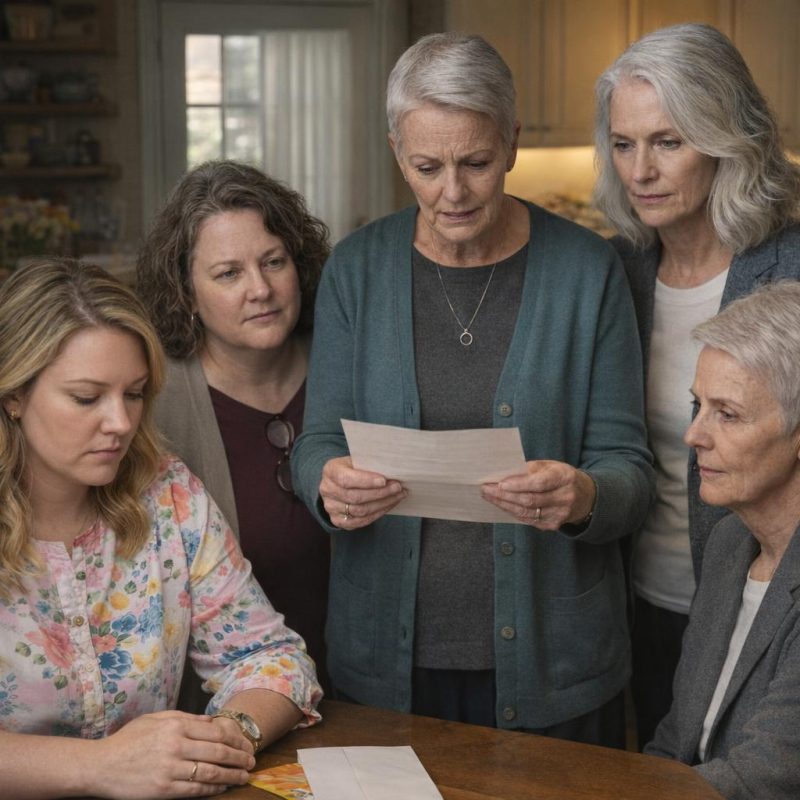 Image by RM AI
The Common Thread
I didn't say anything when Barbara mentioned it. I just filed it away and kept my face neutral, the way you do when something lands differently than you expected and you need a moment to think. On the drive home I went back through what I knew. Ruth had let Jenna take her photographs home to scan them, weeks before the letter arrived. Helen had mentioned, back when she first started coming regularly, that Jenna had helped her digitize her mother's recipe cards and handwritten notes — a whole box of them, she'd said, going back forty years. And now Barbara, with her attic boxes and her sister's belongings, and a letter that appeared the same week Jenna had been there sorting through them. Three letters. Three women. Three separate occasions when Jenna had spent time with personal family materials before something arrived in the mail. I hadn't gone looking for that pattern. It had just assembled itself in front of me on the drive home, one piece at a time, and by the time I pulled into my driveway the shape of it was sitting there plain as anything — Jenna's visits came first, and the letters came after.
 Image by RM AI
Scanning and Secrets
The next meeting I watched more carefully than I had before. Jenna arrived early, as she usually did, with her laptop bag over one shoulder and that warm, unhurried smile she seemed to carry everywhere. Margaret had set out the good coffee cups, which meant she was in a welcoming mood, and Carol had brought her lemon squares. Everything looked exactly the way it always looked. I kept my hands busy with my quilting and my eyes moving. About halfway through the afternoon, a woman named Diane — she'd been coming to the club for maybe two years, quiet, dependable, always brought her own thread — pulled a cardboard box from under her chair and slid it across the table toward Jenna. Her late aunt's correspondence, she said. Birthday cards, old letters, a few postcards from the 1960s. She'd been meaning to get them digitized before they deteriorated further. Jenna's face lit up the way it always did when someone handed her something to preserve. She said she'd treat them carefully, that old paper needed humidity control, that she had archival sleeves at home. Carol nodded along like this was the most natural thing in the world. Margaret said something about what a gift it was to have someone so knowledgeable in the group. I watched Diane push the box the rest of the way across the table, and Jenna lifted the lid just enough to peek inside before setting it gently beside her bag.
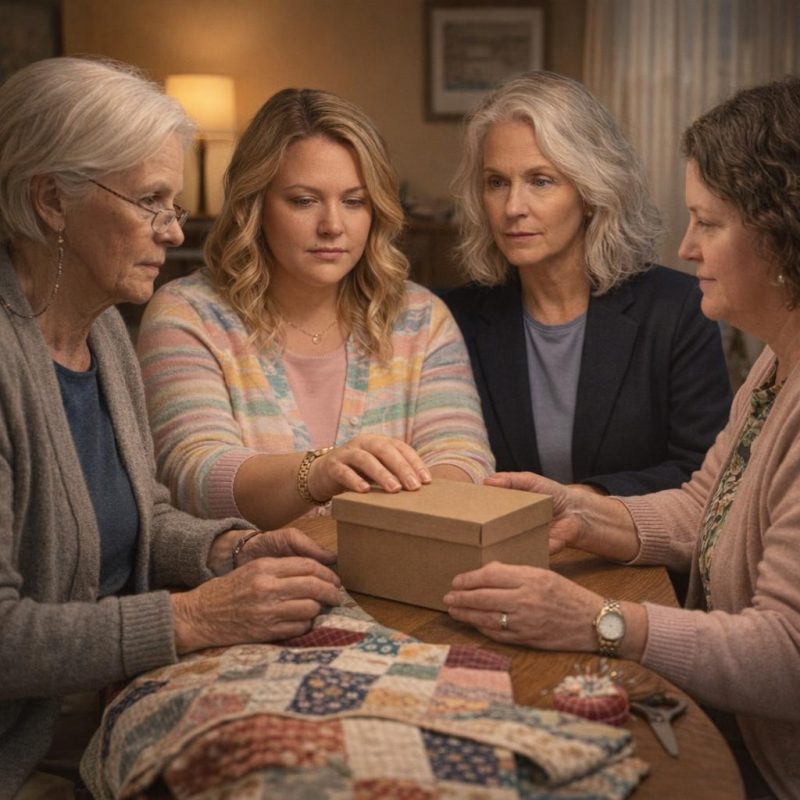 Image by RM AI
The Skeptic's Silence
I thought about saying something to Carol on the drive home that Thursday. I had her number pulled up on my phone before I even got to the car, and then I just stood there in the parking lot for a moment and put it back in my pocket. What would I have said? That I'd noticed a pattern? That three women had handed Jenna their family papers and three letters had arrived afterward? Carol would have looked at me with that gentle, patient expression she uses when she thinks I'm being difficult, and she would have said something kind about how grief makes people want explanations. And she wouldn't have been entirely wrong. I didn't have proof of anything. I had a sequence of events and a feeling that wouldn't settle. At the next meeting I watched Margaret talk about Ruth's letter like it was a confirmed miracle, her voice full of that particular certainty that comes from wanting something to be true. Ruth sat beside her looking peaceful in a way she hadn't looked in years. Carol was laughing at something Jenna had said. Everyone was warm and easy and happy, and I was sitting at the end of the table counting backwards through a timeline that no one else seemed to find troubling. I drove home alone and made myself a cup of tea I didn't really want, and the quiet of my kitchen felt different than it usually did — heavier, somehow, and entirely my own.
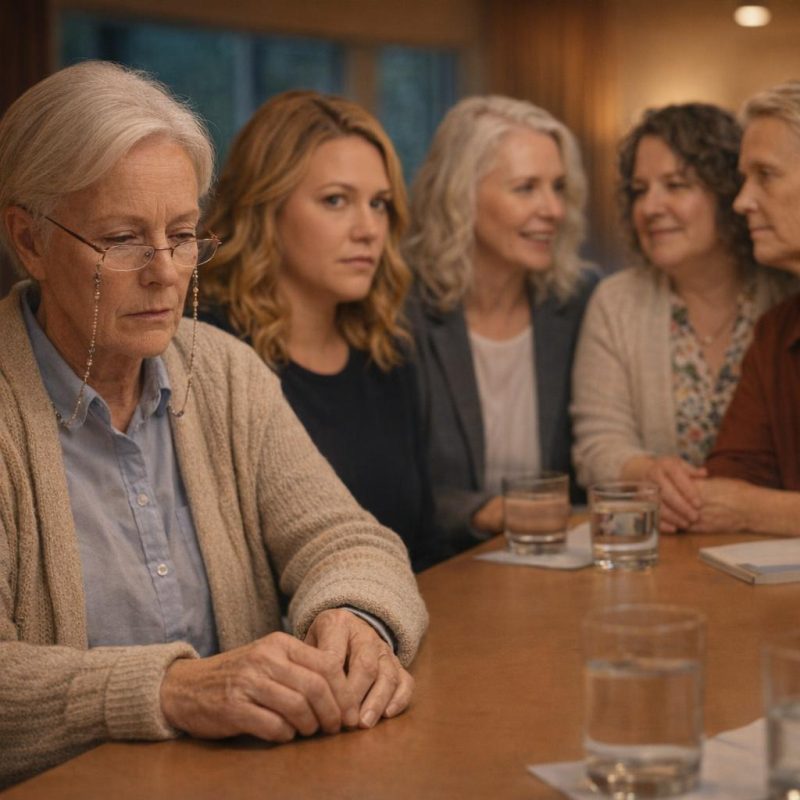 Image by RM AI
Watching and Waiting
I gave myself permission to watch her properly after that. Not obviously — I wasn't going to sit there staring — but I paid attention in a way I hadn't let myself before. I noticed how Jenna listened when people talked about their families. She had a way of leaning in slightly, asking the kind of follow-up questions that made people feel heard, and they would open up further, filling in details they might not have offered otherwise. I noticed it, and I filed it away, and then I felt a little ashamed of myself for noticing it, because it also just looked like someone being kind. That was the frustrating part. I watched her for three meetings running and I couldn't find a crack anywhere. She didn't slip up. She didn't say anything that contradicted itself. She was patient with Margaret when Margaret got opinionated, and she was gentle with Ruth, and she laughed at Carol's jokes in a way that seemed completely genuine. I kept waiting for something to feel wrong in a way I could point to, and it never did. Whatever I was looking for, it wasn't showing on the surface. By the end of the third meeting I was starting to wonder if the problem was me — if I'd built a story out of coincidences because I was the sort of person who needed things to make sense, and sometimes things just didn't. Jenna packed up her bag and said her goodbyes, and her face was as open and easy as it had ever been.
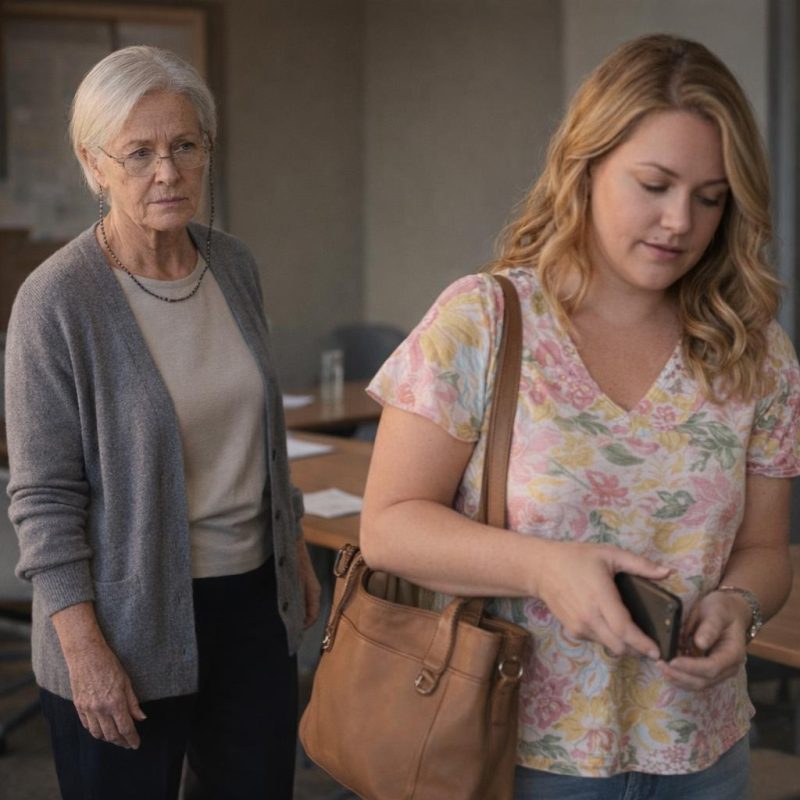 Image by RM AI
The Letter That Broke the Spell
Carol got her letter on a Tuesday. She called me before she'd even finished reading it, her voice doing that thing it does when she's trying not to cry in front of people, which meant she was already crying. Her father had been gone eleven years. The letter was written in what she said looked exactly like his handwriting — the loopy capital letters, the way he always underlined words for emphasis. She brought it to the next meeting and passed it around the table, and I watched Ruth press her hand to her heart and Margaret blink too many times. I asked Carol, as gently as I could manage, if I could take a closer look. She said of course, that she wanted me to see it, that she thought it would mean something to me too. I held it carefully by the edges the way you handle something old and important. The paper had a particular weight to it. The handwriting was consistent all the way through, no hesitations I could see, no places where the pen had lifted awkwardly. I read it slowly, the way you read something you're trying to understand rather than just absorb. Most of it was what you'd expect — love, pride, a few specific memories. And then, near the bottom of the second page, I came to a phrase that stopped me cold, a nickname for Carol that I had never once heard her father use in all the years I'd known her family.
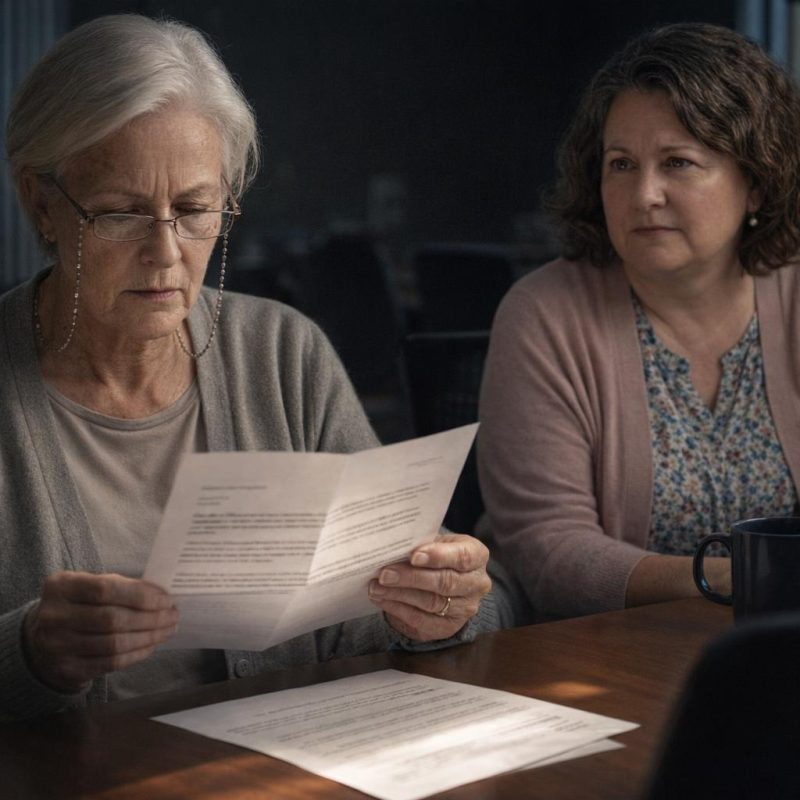 Image by RM AI
The Invented Nickname
I didn't say anything at the meeting. I folded the letter carefully and handed it back to Carol and told her it was beautiful, which wasn't entirely untrue — whoever had written it had done it with real care. But I kept thinking about that nickname all the way home. The next morning I called Carol on the pretense of asking about the pattern for our spring project, and after a few minutes I steered the conversation around to her father. I asked her, as casually as I could, about the nickname in the letter — where it had come from, whether it was something her father had used often. There was a small pause on the line. Then Carol laughed, a little surprised, and said that was funny, because her brother Danny had made that up as a joke at her fiftieth birthday party. It had stuck in the family after that, she said, become a running thing at holidays. Her father had been gone for three years by the time Danny came up with it. I said something about how sweet that was, and we talked for a few more minutes about the quilt pattern, and then I got off the phone and sat down at my kitchen table. The letter had used a name that hadn't existed until after the man who supposedly wrote it was already buried. I sat with that for a long time, the weight of it settling somewhere behind my sternum, quiet and unmovable.
 Image by RM AI
The Illusion Shattered
I went back through everything I could remember after that. Ruth's letter had mentioned her husband's preference for a particular brand of instant coffee — but Ruth had told me once, in passing, that Harold had switched to that brand only in his last year, after his doctor restricted his caffeine. A detail someone might pick up from a conversation, but easy to get slightly wrong if they hadn't lived it. Helen's letter had referred to her mother's recipe box as being kept on the counter by the window, but Helen had mentioned the box had only moved there after a kitchen renovation, years after her mother passed. Small things. The kind of errors that wouldn't register unless you already had a reason to look. Each letter had the texture of authenticity — the right emotional register, the right general knowledge — but underneath, if you pressed on the details, something gave way. The details were close but not quite right, as though drawn from secondhand accounts rather than lived memory. I didn't know how it had been done, and I didn't know why, and I was careful not to let myself jump ahead of what I actually had. But the letters weren't what they appeared to be. I sat at my kitchen table with my notes spread out in front of me, and the afternoon light moved across the floor, and I held the stillness of knowing something I couldn't yet prove and wasn't ready to say out loud.
 Image by RM AI
The Investigation Begins
I'm not someone who goes looking for trouble. I've lived long enough to know that most things have ordinary explanations, and that the instinct to find a pattern can lead you somewhere embarrassing if you're not careful. But I also know what it feels like when something won't leave you alone no matter how many times you try to set it down. I'd been carrying this for weeks. I'd watched and waited and second-guessed myself, and I still kept coming back to the same place. The letters weren't right. The timing wasn't coincidental. And Jenna was the only person who had been present in all of it, the only one who had handled the family materials, the only name that appeared in every instance I could account for. I didn't know what that meant yet. I wasn't going to walk into the next meeting and say something I couldn't support. But I needed to know more about who Jenna Collins actually was before she'd walked into our quilting club with her laptop bag and her archival sleeves and her very particular interest in other people's family histories. I needed to know if there was anything in her past that might help me understand what I was looking at. I made myself a cup of tea, sat down at the kitchen table, and opened my laptop to search for Jenna Collins.
 Image by RM AI
No Financial Motive
I spent the better part of two evenings going through everything I could find. I checked the club's records, went back through the emails Margaret had forwarded when Jenna first joined, looked at what little existed of her online presence. Then I started watching more deliberately at meetings — not just Jenna's behavior with the materials, but the whole shape of her involvement with the group. And the thing that kept stopping me was this: she never asked for anything. Not once. I went back through every interaction I could account for and there was no request for money, no suggestion of a fee for the digitization work, no hint of anything financial changing hands. When Dorothy had tried to give her a gift card after the letter arrived, Jenna had declined it twice before Dorothy finally stopped offering. When Margaret had suggested the club pay for her archival supplies, Jenna had waved it off and said she already had everything she needed. She accepted coffee and lemon squares and the ordinary warmth of the group, and nothing else. I'd gone into those two evenings half-expecting to find something that would make the whole picture click into place — a history of similar situations, a financial angle, something that would tell me what this was. Instead I found a woman who appeared to be giving something away for free, and I had no idea what to do with that.
 Image by RM AI
Access and Opportunity
I'd been keeping notes in a small spiral notebook — dates, names, what materials each member had shared with Jenna and when. It started as a way to organize my thinking, but somewhere around the third page it became something else. I went back through what I could piece together from conversations, from things people had mentioned in passing at meetings, from the few emails I'd saved. Ruth had shown Jenna her box of old photographs and her husband's letters sometime in early March. Her letter arrived in the last week of March. Helen had brought in her mother's recipe cards for digitizing in mid-April. Her letter came two weeks later. Barbara had asked Jenna to help sort through her sister's belongings — some documents, some photographs, a small journal — and that was a Tuesday. The letter showed up that Friday. I sat at my kitchen table with the notebook open in front of me and went through each one slowly, checking my notes against what I remembered, making sure I wasn't filling in gaps with wishful thinking. I wasn't. Every single letter recipient had given Jenna access to personal family materials before the letter appeared. Not after. Not at the same time. Before. I turned back through the pages I'd already filled and looked at the dates I'd written down — access on the left, letter arrival on the right — and the two columns lined up like a ladder, rung by rung, all the way down the page.
 Image by RM AI
The Uncomfortable Truth
I spent the next morning going over the notebook again, slower this time, looking for anything I might have gotten wrong. I checked the dates I was less certain about, thought back through conversations, tried to poke holes in my own timeline. The thing about wanting to be fair is that it cuts both ways — I didn't want to accuse someone of something based on a pattern I'd half-invented. But the more carefully I looked, the more solid it held. Every letter had been preceded by access. Not one exception in the whole list. I tried the obvious alternative explanations. Maybe the timing was coincidence — people share materials, people receive unexpected things, life doesn't always follow a logical order. But coincidence stretches only so far before it stops being a reasonable explanation and starts being a comfortable one. I tried to think of any letter recipient who hadn't recently shared something personal with Jenna, and I couldn't find one. I closed the notebook and set it on the table beside my coffee cup. I didn't know what Jenna had done with the access she'd been given. I didn't know how the letters were made or why, and I was careful not to let myself jump ahead of what I actually had. What I had was a pattern — clean, consistent, and impossible to talk myself out of — and sitting with that felt like standing at the edge of something I hadn't yet found the bottom of.
 Image by RM AI
Hidden Messages
Carol had mentioned once, almost in passing, that she'd kept a copy of Ruth's letter because it had moved her so much. I asked if I could borrow it, said I found the whole thing touching and wanted to read it again. She handed it over without a second thought. Dorothy's letter I'd seen briefly at a meeting. Barbara had read hers aloud to the group. Between what I'd heard and what I could piece together from memory, I had enough to work with. I sat down one evening and read through them carefully, not for comfort this time, but for content. The first thing I noticed was how specific they were — not vague reassurances, but particular details that would only mean something to the recipient. The second thing I noticed took longer to see. Ruth's letter mentioned, gently, that her son and daughter hadn't spoken in years and that it would ease the writer's heart to know they'd found their way back to each other. Dorothy's touched on a piece of property that had caused friction in her family for as long as I'd known her, suggesting the time had come to let it go. Another letter I'd heard described encouraged reconnecting with a granddaughter who'd drifted away. Each suggestion was wrapped in warmth, tucked inside expressions of love, easy to receive as comfort. But reading them together, one after another, I sat with the slow, unsettling sense that comfort hadn't been the only thing these letters were offering.
 Image by RM AI
Patterns of Influence
I made a separate list — just the suggestions, stripped of the affectionate language around them. Written out plainly like that, away from the warmth of the letters themselves, they looked different. Reconcile with estranged sibling. Reconnect with distant granddaughter. Sell the disputed property. Settle the inheritance question before it causes more harm. Reach out to the cousin you haven't spoken to in years. There were seven suggestions across the letters I'd been able to review, and not one of them was random. Each one mapped onto something specific — a real fracture, a real dispute, a real distance that the recipient had mentioned at some point, usually in the ordinary way people mention things at quilting club, not thinking anyone is keeping track. I turned the list over in my mind, trying to decide if I was reading too much into it. People who loved their families would naturally want those families to be whole. It wasn't strange for a letter from a deceased spouse or parent to encourage healing. I could see how each suggestion, taken alone, looked like nothing more than the kind of thing a loving person might say. But I kept coming back to the list as a whole — seven suggestions, seven specific situations, seven nudges in particular directions — and I looked at what I'd written on that page and couldn't find a way to make it feel like coincidence.
 Image by RM AI
Coordinated Outcomes
I spread everything out on the dining room table — the notebook, the list of suggestions, the dates, the names. I'd been circling the same question for days and I needed to look at it all at once. The suggestions in the letters weren't just comforting. They were pointed. And when I mapped them against what I knew of each family's situation, something else came into focus. Ruth's letter encouraged her children to reconcile — and Ruth had mentioned more than once that her son controlled the family home and her daughter had been shut out of decisions about it. Dorothy's letter nudged her toward selling the disputed property — and Dorothy had said the standoff over that land had been dragging on for years, affecting her relationship with her nephew. The granddaughter letter, the inheritance letter, the estranged cousin letter — each one touched a pressure point that, if resolved a certain way, would shift something real in that family's arrangements. I didn't know who stood to gain from any of it. I didn't know whether the outcomes the letters were nudging toward would benefit anyone in particular, or whether there was even a single thread connecting them. But the letters weren't just offering peace to grieving people. It seemed possible that someone was using them to move specific families toward specific decisions, and I had no idea yet what any of it was meant to accomplish.
 Image by RM AI
The Midpoint Question
I went back to the beginning and tried to think about it plainly. Jenna had access to personal family materials before every letter arrived. The letters contained specific suggestions that mapped onto real family situations. The suggestions appeared to nudge people toward particular decisions. And Jenna, as far as I could tell, gained nothing from any of it. No money had changed hands. No property had come her way. She had no apparent connection to any of the families involved — not a relative, not a creditor, not someone with a stake in how any of these disputes resolved. I'd looked. I'd looked carefully. The effort required to do what I suspected she'd done was considerable — the research, the writing, the knowledge of handwriting and paper and the particular way people expressed themselves in letters decades old. That wasn't a casual undertaking. And yet there was no obvious reward waiting at the end of it. I'd spent enough years watching people to know that most schemes, even complicated ones, had a legible motive underneath them somewhere. Money, or power, or the settling of a grudge. I could usually find the thread if I pulled long enough. But I'd been pulling at this one for weeks and the thread kept going without arriving anywhere I recognized. I sat at the table with my notes spread out around me and turned over the one question I couldn't answer: what was Jenna actually trying to accomplish.
 Image by RM AI
Researching the Past
I decided to start with what I could verify. I'd been working from what Jenna had told the group about herself — the digitization work, the interest in family history, the easy familiarity with old documents. But people present themselves selectively, and I wanted to know what existed outside of what she'd chosen to share. I spent an evening searching online, starting with her name and the town she'd mentioned growing up in, then broadening out. It took longer than I expected. She wasn't someone with a large public footprint — no active social media, no personal website. But she wasn't invisible either. I found a mention of her name in a regional newsletter from several years back, attached to a historical preservation project that had run for about eighteen months. There was a brief description of the work: cataloging and organizing historical documents from private collections, creating digital archives, preserving materials that might otherwise be lost. Her name appeared in the acknowledgments alongside two others. I found a second reference in a local historical society's annual report, listing her as a project contributor. Neither source told me much beyond the bare fact of her involvement, but the bare fact was enough to be useful. She had experience with old documents, with family papers, with the particular work of handling materials that people kept because they mattered. I wrote her name and the project name in my notebook and sat back, feeling the small, quiet satisfaction of finding something solid to follow.
 Image by RM AI
The Preservation Project
The project name gave me more to work with than her name alone had. I searched for it directly and found a longer write-up in a county historical society archive — a summary of the project's scope and methods, posted sometime after it concluded. The work had been substantial. Over eighteen months, the team had cataloged private family archives donated or loaned by local families: letters, journals, photographs, oral history recordings, household documents going back generations. Jenna's role, as described, had involved organizing and transcribing handwritten materials, assessing condition, and creating finding aids so families could navigate what they had. It was painstaking work, the kind that required patience and a careful eye and a genuine familiarity with how people wrote and what they kept. I read through the summary twice. The skills it described — reading old handwriting, understanding the structure of personal correspondence, knowing what made a letter feel like it belonged to a particular time and place — were skills she had clearly developed over years of careful work. I couldn't say what she'd done with them since. I didn't have that. But I sat with the connection between the work she'd done years ago and the access she'd been given now, and it didn't feel like two separate things anymore.
 Image by RM AI
The Nonprofit Connection
The nonprofit's name appeared at the bottom of the archive summary, listed as the primary funder — a small organization called the Heartland Family Records Initiative. I searched for it separately and found a modest website, the kind that hadn't been updated in a few years but still had enough information to tell me what I needed to know. Their mission, as stated plainly on the about page, was to recover and preserve family records that might otherwise be lost — letters, photographs, journals, legal documents, anything that connected living people to the generations before them. They'd partnered with county historical societies across three states. The preservation project Jenna had worked on was one of several they'd funded. What stopped me was the scope. The project summary I'd already read mentioned dozens of families, but the nonprofit's own materials described something much larger — hundreds of participating families over the course of several years, contributing materials that spanned multiple generations. Some of the surnames listed in the project documentation were familiar to me. Not all of them, but enough. I recognized a few from the quilting club, names that had come up in conversation over the years, family stories shared over fabric and coffee. I sat with that for a long time. The work had touched so many families, gathered so much of what people kept private and precious, and I had no way of knowing yet how far that reach had actually extended.
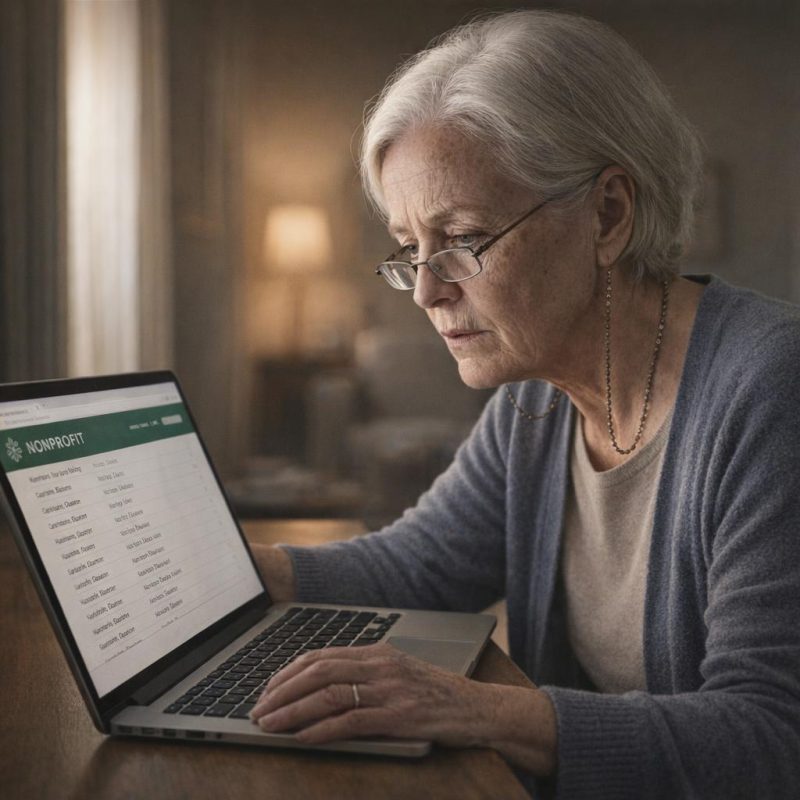 Image by RM AI
Reaching Out
Thomas Reed's name had appeared twice in the project documentation — once in the staff listing and once in the acknowledgments section of a published summary, where he was credited for his work on handwritten correspondence assessment. That was enough for me to start looking. It took most of an afternoon, but I found a contact listing for him through a county historical society where he apparently still consulted part-time. There was an email address and a phone number. I wrote down both and then sat at my kitchen table for a while, turning the notepad over in my hands. Calling a stranger to ask questions about someone I knew felt like crossing a line I hadn't fully thought through. I wasn't sure what I'd say, or how much I'd explain, or whether he'd even remember Jenna well enough to be useful. I went back and forth on it. But the alternative was sitting with what I had, which wasn't enough, and I'd already decided I wasn't going to do that. I wrote out a few questions on a separate sheet of paper — nothing too pointed, just things I could ask naturally, the way you might if you were simply curious about someone's professional background. Then I picked up the phone, dialed the number, and listened as it began to ring.
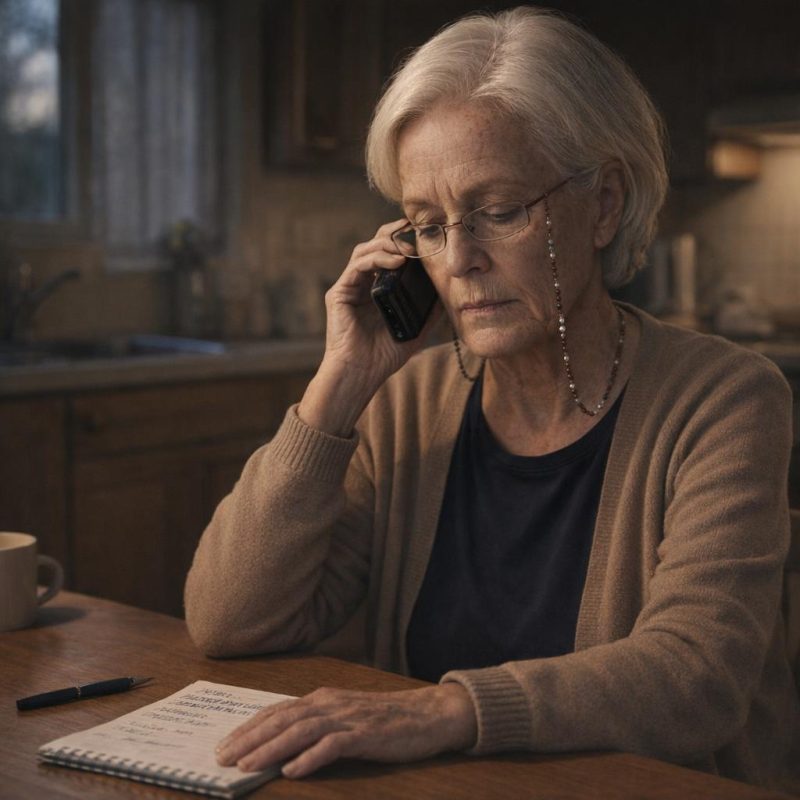 Image by RM AI
The Grandmother's Archive
Thomas Reed answered on the third ring, and within a few minutes I could tell he was the kind of person who chose his words carefully — not evasive, just precise. He remembered Jenna. He said she'd been one of the more capable people on the project, patient with difficult handwriting, good at understanding context. I asked a few of my prepared questions and he answered them straightforwardly. Then I mentioned that I'd been curious about how she'd developed such a strong background in historical documents, and that's when the conversation shifted. He paused before answering. He said her grandmother had been a private genealogist — not affiliated with any institution, just someone who had built up a substantial collection of family materials over the years. Letters, journals, photographs, oral history recordings. He said the woman had been extraordinarily thorough, that she'd worked with families across the region and kept everything she gathered with the intention of eventually creating some kind of community archive. He described the collection as extensive in a way that made me think he was choosing that word carefully, the way you do when the accurate word might sound like an exaggeration. Then he said that the grandmother had died unexpectedly a few years ago, and that Jenna had inherited the entire collection.
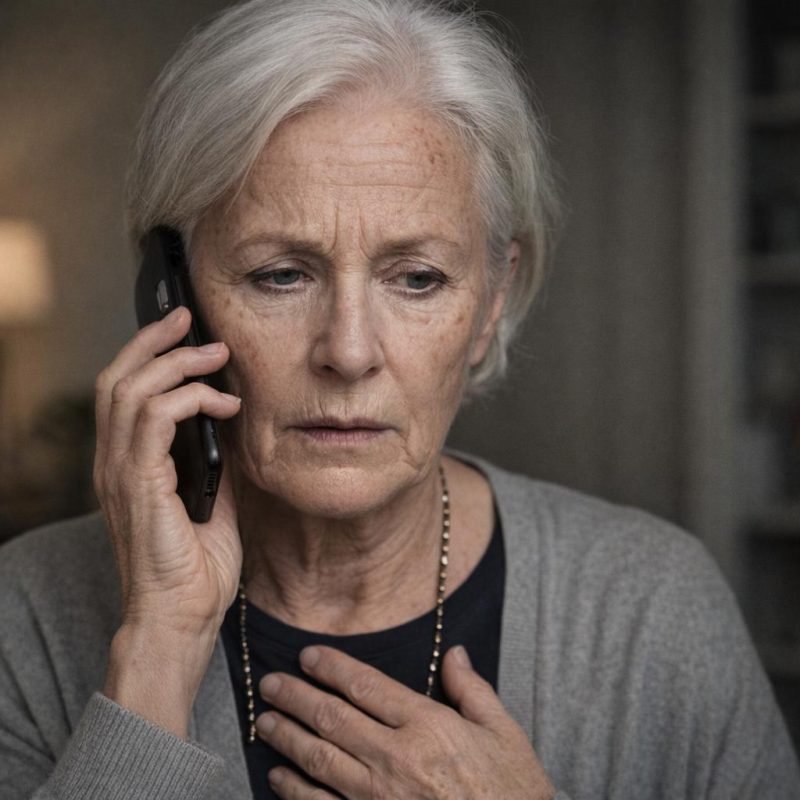 Image by RM AI
The Vanished Collection
I asked Thomas what had happened to the collection after that, and I could hear something shift in his voice — not quite frustration, but something close to it. He said there had been talk, before the grandmother died, of the materials eventually going to a regional archive — conversations with a couple of institutions, nothing that had been formalized. When she died, those conversations stopped. He'd reached out to Jenna himself, he said, early on, to ask about the materials and whether she intended to honor what her grandmother had wanted. She'd been polite. She'd said she was still going through everything, that it was a lot to process, that she'd be in touch. He'd followed up twice more over the following year. Each time she'd said something similar — still sorting, still deciding, she'd let him know. After that, he said, he'd lost track of it. He didn't know what she'd done with the collection, whether she'd donated any of it, stored it, or something else entirely. The institutions that had been expecting it had eventually moved on. He said it plainly, without editorializing, but the weight of it came through anyway. I held the phone and let the silence sit for a moment before I thanked him. Then he said that as far as he knew, no one had ever found out what happened to the collection after Jenna inherited it.
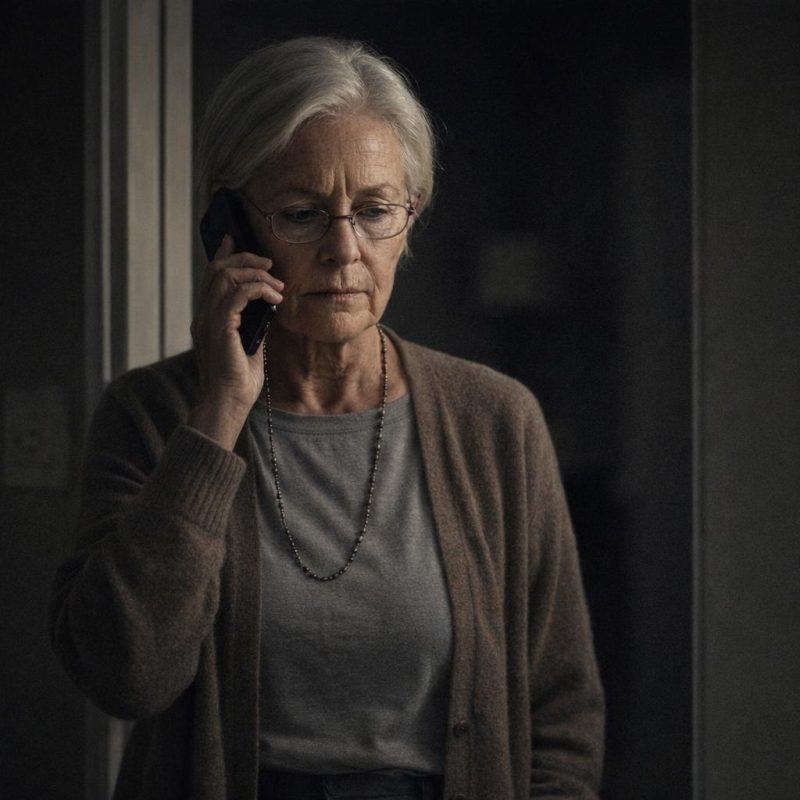 Image by RM AI
The Source of Knowledge
I sat at my kitchen table after I hung up and didn't move for a while. I'd been trying to work out how Jenna had known the things she knew — the specific details in those letters, the names and dates and small personal facts that had made Ruth and the others believe so completely. I'd been turning over the question of where that information came from, whether she'd gathered it through conversations at the club, whether she'd asked the right questions at the right moments and pieced things together. But that explanation had always felt thin to me, even when I couldn't say exactly why. What Thomas had described changed the shape of the whole thing. The grandmother had built up a collection of family materials from across the region — letters, journals, photographs, the kind of documents that held the details people never thought to mention out loud because they assumed everyone already knew. That collection had passed to Jenna. The accuracy of the letters, the intimacy of the details, the way they'd felt so unmistakably real — I'd been looking for the source of that knowledge in the wrong direction entirely. Jenna had had access to those family histories before she ever sat down at one of our tables.
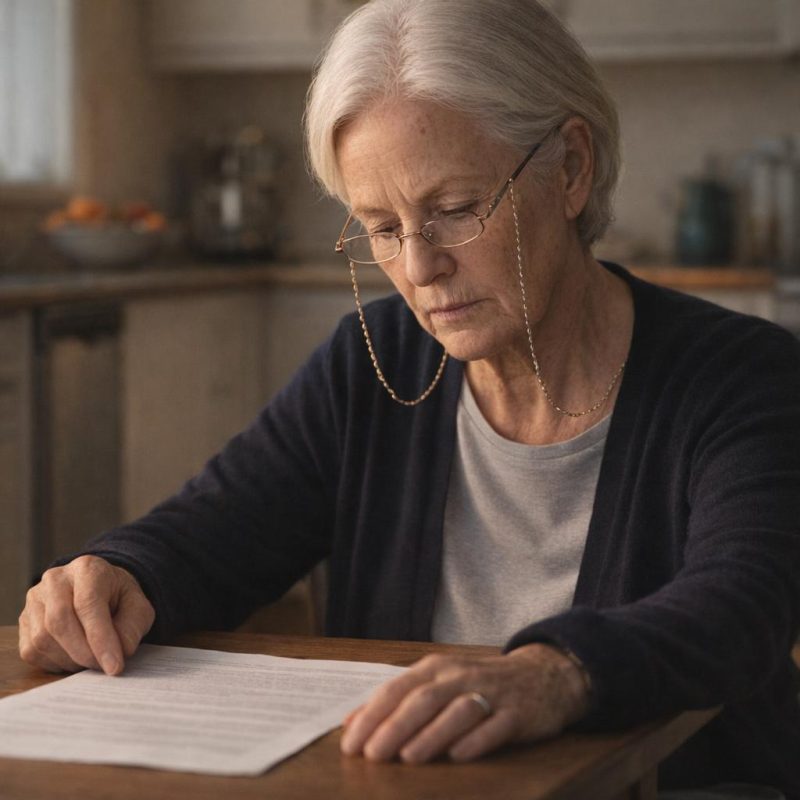 Image by RM AI
The Inheritance Letter
The letter came up at the next meeting, and it wasn't like the others. Dorothy had been quiet through most of the first hour, which wasn't like her — she was usually the one keeping the conversation moving, redirecting it when it wandered too far. When she finally spoke, she set down her scissors and said she'd received something she needed to talk through. She pulled an envelope from her bag and held it without opening it. The letter, she said, was from her late aunt. It addressed a dispute that had been sitting in her family for years — an inheritance question involving a piece of property that two branches of the family had been disagreeing about since her aunt's death. The letter, as Dorothy described it, encouraged her to step back from her claim and let the other branch have it. She said it in a flat voice, like she was reading from a list. Margaret asked if she was all right. Carol reached over and touched her arm. Jenna sat across the table with her hands folded, her expression attentive and gentle. I watched Dorothy's face as she talked — the way she kept looking down at the envelope, then back up at the group, like she was trying to decide something she hadn't finished deciding yet. Whatever the other letters had meant to people, they had been about grief and memory and comfort. This one was about money and legal standing, and the difference between those two things felt very serious to me.
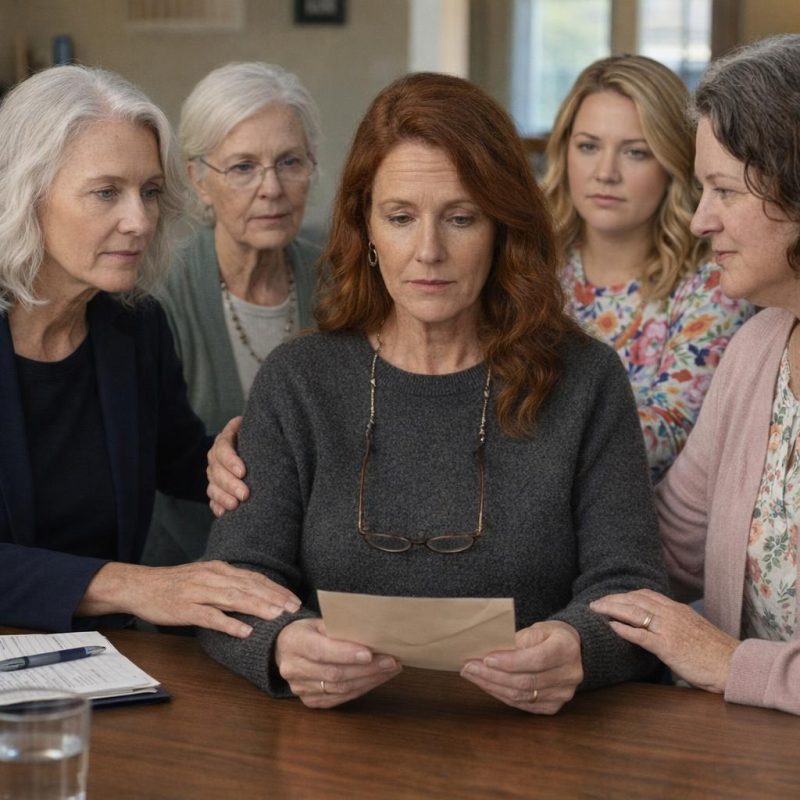 Image by RM AI
Legal Scrutiny
Dorothy came to the following week's meeting looking like she hadn't slept well. She sat down, got her project out, and then said without much preamble that things had gotten complicated. Her brother had seen the letter. He'd had questions about it — about the handwriting, about the timing, about why something like this would surface now, years after their aunt had died. He'd taken it to the family's attorney. I watched Margaret's expression go careful and still. Carol set down her needle. Dorothy said the attorney had looked at it and wanted to examine it more formally — the paper, the ink, the postmark, all of it. She said it in the same flat voice she'd used the week before, like she was still processing what it meant. I kept my hands moving on my quilt block and didn't say anything. I'd been sitting with what I knew for weeks now, turning it over, waiting to understand what the right moment looked like. I hadn't found it yet. But the situation was moving on its own now, faster than I'd expected, and I wasn't sure I'd have the luxury of waiting much longer. Dorothy folded the letter back into its envelope and said her lawyer wanted to see it and verify whether it was authentic.
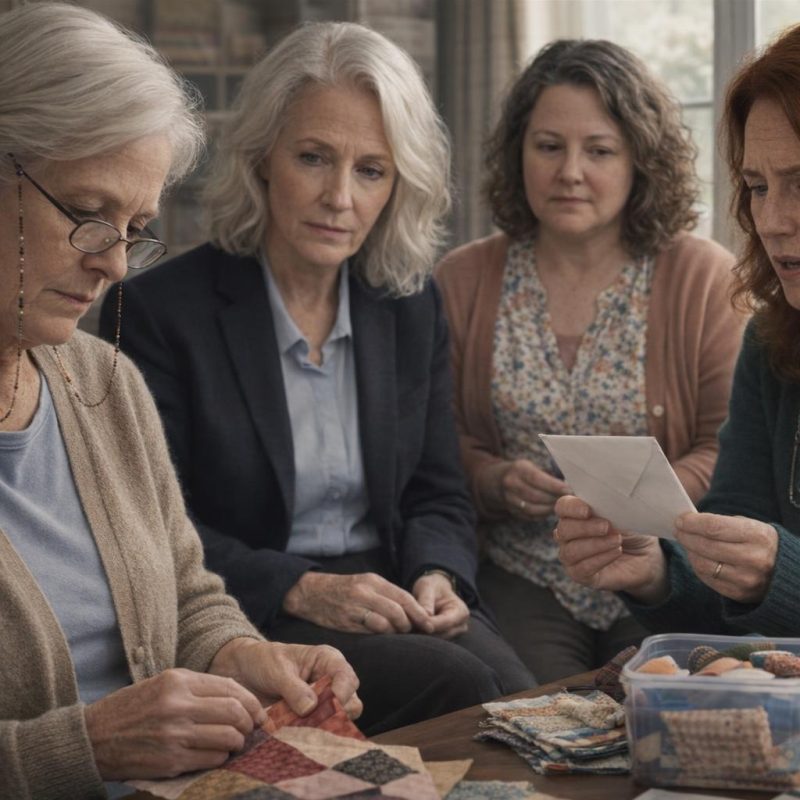 Image by RM AI
The Weight of Evidence
That evening I spread everything out on my dining room table — the notes I'd taken, the printed pages from my research, the timeline I'd been building since the beginning. I'd written down the names of the families mentioned in the nonprofit's documentation and circled the ones I recognized from the club. I had Thomas's account of the grandmother's collection and what had happened to it after Jenna inherited it. I had the pattern of the letters themselves — Ruth's first, then others, each one arriving at a moment of grief or uncertainty, each one containing details that shouldn't have been so easy to know. And now I had Dorothy's letter, which had moved the whole thing into territory that couldn't stay quiet. An attorney asking questions about authenticity was a different kind of pressure than anything that had come before. I didn't know exactly how it would unfold, or how quickly, but I could feel the shape of it. Whatever had been contained within the quilting club — the wonder of it, the comfort people had taken from it, the trust that had built up around Jenna over months — all of that was sitting on ground that was about to shift. I straightened my notes into a neat stack and left them on the table, and the stillness of the house around me felt like the last quiet moment before something broke open.
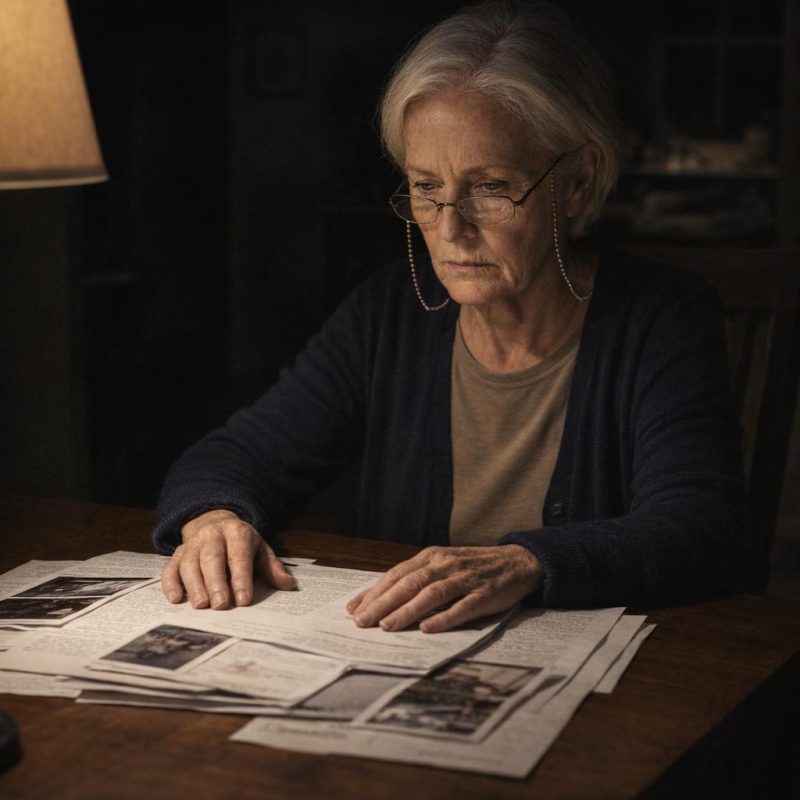 Image by RM AI
The Inherited Archive
I spent the next morning following up on what Thomas had told me, pulling at threads I hadn't fully unraveled yet. The county probate records were accessible online if you knew where to look, and I'd learned a few things about searching public databases over the past weeks. Jenna's grandmother — a woman named Evelyn, according to the records — had died unexpectedly about four years ago, a stroke that came without warning. There was no surviving spouse, no siblings, no other children. Jenna was listed as the sole heir. I found a brief notice in a small regional historical society newsletter from around that time, mentioning that a private genealogical collection assembled over several decades would remain in family hands rather than being donated to any public archive. I read that sentence twice. The collection had never been transferred to a library, a historical society, or any institution where researchers might have catalogued it or made it accessible. It had gone entirely to Jenna. Hundreds of families' worth of records — letters, documents, photographs, whatever Evelyn had gathered over a lifetime of careful work — all of it sitting in Jenna's possession, with no inventory anyone outside could consult. I leaned back in my chair and looked at the ceiling for a long moment. The weight of what that meant settled over me slowly, the way cold air settles into a room when a window has been left open all night.
 Image by RM AI
Documents and Voices
I started reading about genealogical archives that afternoon, trying to understand what a collection like Evelyn's might actually contain. I'd always thought of family research as birth certificates and census records, the dry official kind of documentation. But the more I read, the more I understood that serious genealogists collected something far more personal than that. Unfinished letters were common — correspondence that had been drafted but never sent, tucked away in drawers and passed down without anyone knowing quite what to do with them. Journal entries that stopped mid-thought. Handwritten recipes with notes in the margins that were really small confessions. And then there were the oral history recordings. Genealogists of Evelyn's generation had understood that the elderly carried knowledge that would vanish with them, and many had made a practice of sitting down with aging relatives and recording their voices — stories, memories, explanations of old photographs, messages they wanted to leave behind. I sat with that for a while. Those recordings would have been made by people who were now gone. Their voices preserved on tape or disc, saying things they'd meant for family members to eventually hear. The archive Jenna had inherited wasn't just paper and ink. I pulled up the newsletter notice again and read the description of the collection more carefully, and that's when I noticed a line I'd skimmed past the first time — a reference to dozens of recorded oral history interviews included among the materials.
 Image by RM AI
Real Fragments
I went back to my notes on the letters that evening and read through them again with different eyes. Ruth's letter had contained details about her late husband's childhood that she'd said felt exactly right — small specific things, the kind of thing a person wouldn't invent. At the time I'd wondered how Jenna could have known them. Now I found myself wondering something else entirely. What if she hadn't invented them? What if some of what appeared in those letters had come from genuine documents — real fragments of real people's words, pulled from Evelyn's archive? The handwriting in Ruth's letter had been described as similar to her husband's. I'd assumed that meant Jenna had practiced or copied it somehow. But what if there had been an actual sample to work from? An old letter, a journal page, something Evelyn had collected years before Ruth's husband ever got sick? I turned the idea over carefully, not wanting to get ahead of myself. I couldn't prove any of it. But the more I sat with it, the more the letters started to look different to me — not purely invented, maybe, but something stranger and harder to categorize. The thought that real pieces of people's lives might be woven through with things that had never happened at all left me sitting very still at my kitchen table, not quite sure what I was looking at anymore.
 Image by RM AI
The Unanswered Why
I made a fresh pot of coffee and sat down with my notes spread out in front of me, trying to work through the part I still couldn't explain. If Jenna had access to genuine historical materials — real letters, real voices, real fragments of people's lives — why not simply share them? Why not contact the families directly and say, I have something that belonged to your grandfather, would you like it? That would have been a gift. That would have been straightforward and kind and entirely above reproach. Instead she had done something far more complicated, something that required enormous effort and carried enormous risk. The letters she'd delivered weren't just forwarded documents. They were constructed things, shaped to land at specific moments in specific people's lives. That took time. That took knowledge of the recipients. That took a kind of deliberate attention I still couldn't fully account for. I kept circling back to the same wall. The effort didn't match any motive I could name. It wasn't money — I'd found no evidence of that. It wasn't simple attention-seeking, because she'd kept the whole thing quiet rather than taking credit. I wrote the word WHY in capital letters at the top of a blank page and stared at it. The attorney's questions were going to force this into the open whether I had answers or not, and I still didn't have the one answer that mattered most — why any of this, why at all.
 Image by RM AI
Finishing Interrupted Conversations
The answer came from an unlikely place — a short personal essay Jenna had written for a small community newsletter about three years ago, which I found buried in a search I almost didn't bother running. She'd written it after her grandmother's death, describing the experience of going through Evelyn's archive. She wrote about finding letters that had never been sent, conversations that had been started and then interrupted by illness or distance or death, words that had been meant for someone and had never arrived. She described sitting on the floor of her grandmother's spare room surrounded by boxes, reading fragments of things that felt unbearably incomplete. And then she wrote something that stopped me cold. She wrote that she had begun, slowly and carefully, to finish them. Not to deceive anyone, she said — to complete what death had interrupted. She believed the people who had written those fragments had meant to say more, had meant to reach their families, and that the only thing standing between those words and the people who needed them was the accident of timing. She saw herself, I understood now with complete clarity, not as someone creating false documents but as someone delivering messages that had simply been delayed. She had spent years combining the real fragments with conclusions she believed the writers would have wanted to reach. She wasn't forging letters. In her own mind, she was finishing interrupted conversations that had been waiting years for someone to complete them.
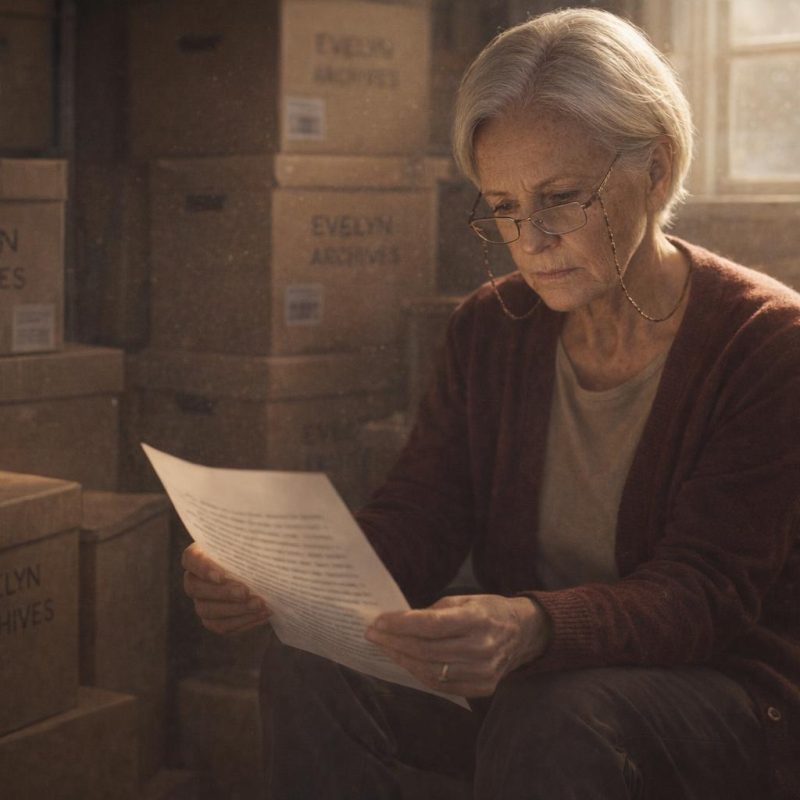 Image by RM AI
The Idealist's Deception
I read the essay twice more and then set my phone down on the table and just sat there. I'd spent weeks building a case against Jenna in my mind — cataloguing the deceptions, tracing the methods, documenting the harm. And all of that was still true. Dorothy's situation with the attorney was real. The legal complications were real. Ruth's belief in something that hadn't happened the way she thought it had — that was real too. None of what I'd found was wrong. But the picture I'd been carrying of Jenna as someone cold and calculating, someone who had looked at grieving people and seen an opportunity — that picture didn't fit anymore. She had sat on her grandmother's floor surrounded by the unfinished words of the dead and felt something I recognized, even if I wished I didn't. She had felt the unbearable weight of things left unsaid. She had wanted to fix it. The road from that feeling to what she'd actually done was a road I couldn't follow her down, and the harm she'd caused was real regardless of what she'd intended. But I found I couldn't hold the simple version of this anymore — the clean story of a con artist preying on vulnerable women. What I was left with instead was something far more difficult: the question of how to judge a person who had caused genuine damage while genuinely believing, with what seemed like her whole heart, that she was doing something good.
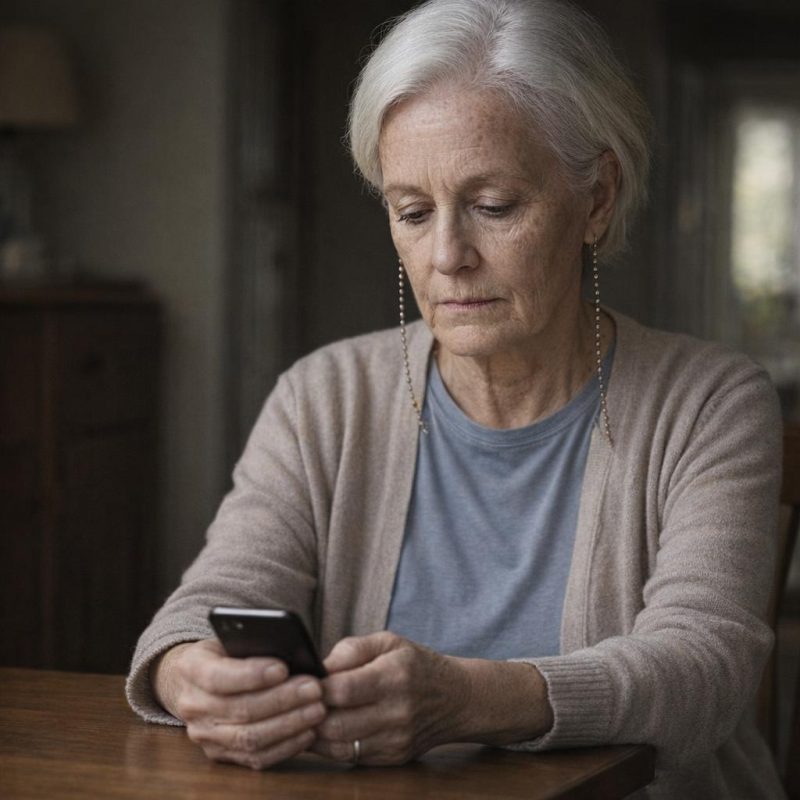 Image by RM AI
Customized Comfort
I pulled out the copies I'd made of the letters — the ones I'd been able to review — and went through them again with everything I now knew. The care in them was unmistakable once I knew what I was looking at. Ruth's letter hadn't just contained accurate details about her husband's childhood. It had addressed the specific grief Ruth carried about their last conversation, the one she'd told the club about months before Jenna arrived. Helen's letter had spoken to the estrangement from her daughter in language that echoed things Helen had said aloud at meetings, things Jenna had been present to hear. Each letter was fitted to its recipient the way a good quilt pattern is fitted to the person it's made for — not generic comfort, but something shaped to the exact dimensions of a particular loss. Jenna had listened carefully. She had paid attention in a way most people don't bother to. She had taken the authentic fragments from Evelyn's archive and then done the additional work of learning enough about each woman's present life to make the message land where it needed to. The digitization project had given her access to family records and photographs, and she'd used that access to fill in the gaps. It was meticulous work. It was also, I reminded myself, still a lie — and the care she had taken to make each message feel personal and irreplaceable only made that harder to sit with, not easier.
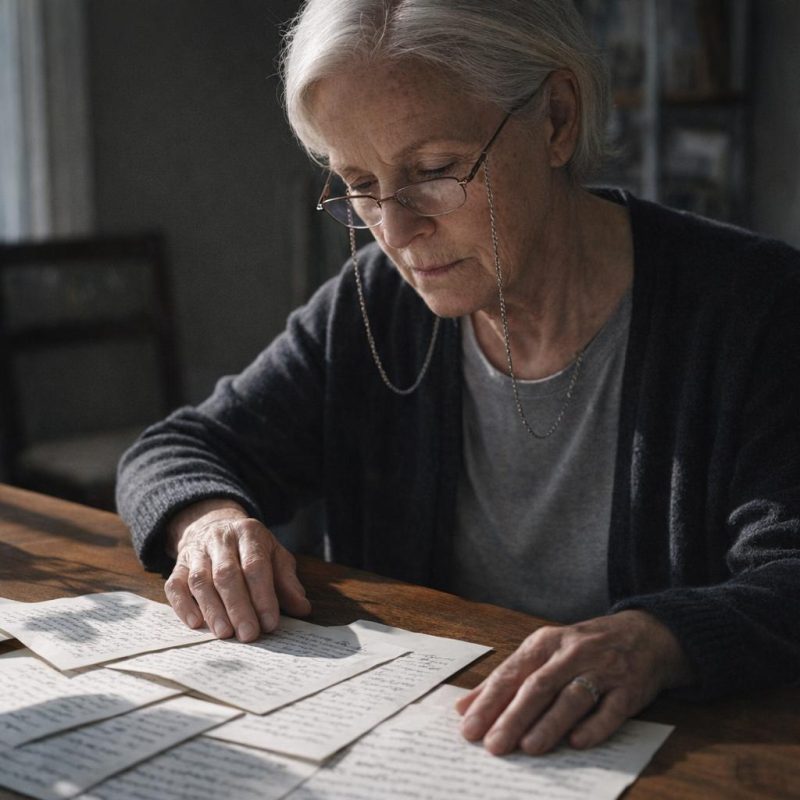 Image by RM AI
The Healing Lie
I thought about Ruth, who had stopped wearing her late husband's wedding ring on a chain around her neck after her letter arrived — who had told us at the next meeting that she finally felt she had his blessing to let herself be happy again. I thought about Helen, who had called her daughter after years of silence, and how the two of them had apparently spent three hours on the phone. I thought about Barbara, who had made peace with a decision she'd been torturing herself over for a decade. Those things had happened. The relief those women felt was real, whatever its source. And yet the foundation of all of it was something that hadn't been true — messages shaped and completed by someone who had no actual knowledge of what the dead had wanted to say. Ruth's peace rested on words her husband had never written. Helen's reconciliation had been nudged along by a letter her father had never finished in the way Jenna had finished it. I kept turning the question over and couldn't find a place to set it down. The comfort was genuine. The deception was genuine. I didn't know how to weigh one against the other, and I wasn't sure anyone could — but I found myself wondering whether good intentions, however sincere, could ever truly justify the kind of deception that reached into people's deepest grief and reshaped what they believed about the dead.
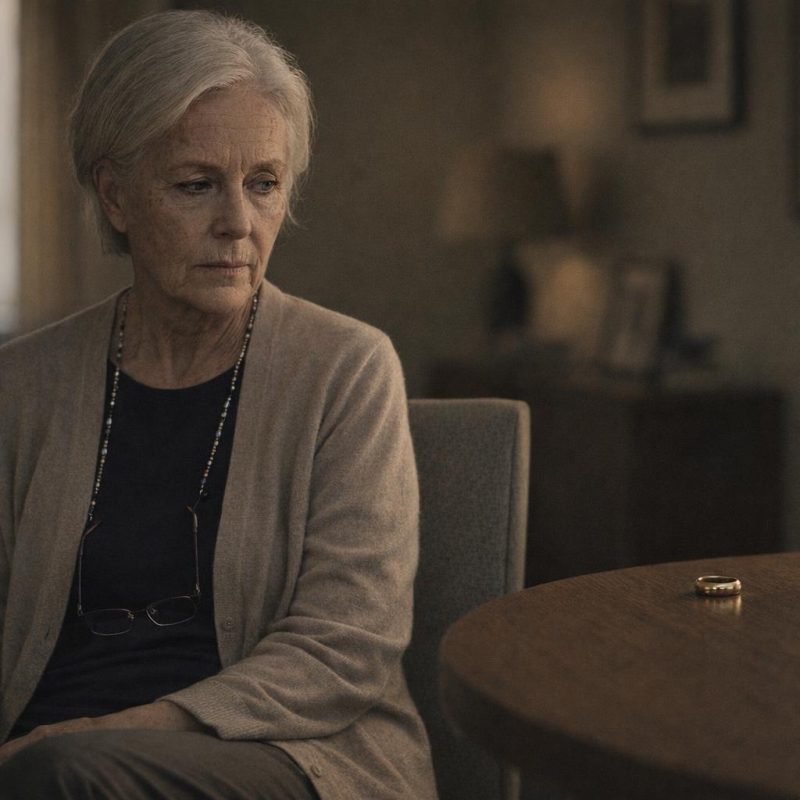 Image by RM AI
The Pressure Mounts
I sat with all of it for a long time after Thomas left — the timeline, the photocopies, the careful notes I'd made in the margins of my yellow legal pad. Dorothy's lawyer had the letter now. That was the part I kept coming back to. Whatever I decided to do or not do, the legal process had its own momentum, and it didn't care about the quilting club or Ruth's peace of mind or Carol's feelings about Jenna. A handwriting examiner would look at that letter, compare it against samples of Dorothy's brother's actual writing, and the forgery would surface. It was only a matter of days, maybe a week or two at most. And once that finding landed in a lawyer's office, it wouldn't stay contained to Dorothy's family. Questions would follow questions. Someone would start pulling threads, and the whole pattern — Ruth's letter, Carol's letter, Helen's, Barbara's — would unravel in a courtroom context rather than among people who loved each other. I thought about what that would feel like for Ruth, hearing the truth for the first time from a stranger in a legal proceeding. I thought about Carol, who trusted Jenna completely and would be blindsided in the worst possible way. The decision wasn't really mine to make anymore — the truth was already moving toward the surface on its own, and all I could do was decide whether to meet it or wait for it to arrive.
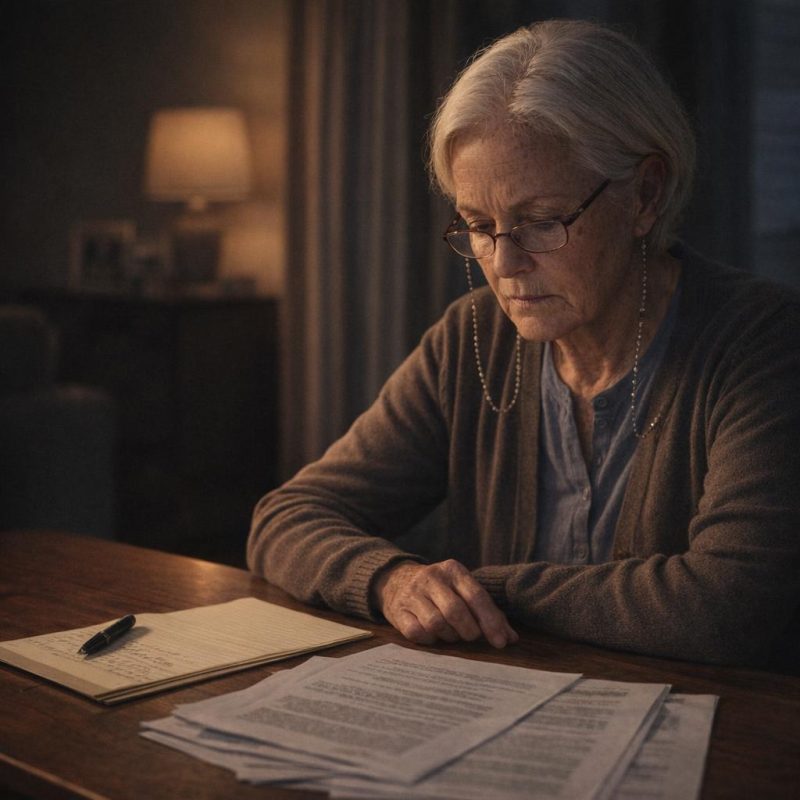 Image by RM AI
The Decision to Act
I made up my mind on a Tuesday morning, standing at my kitchen counter with a cup of coffee going cold beside me. I'd been turning the question over for days — whether to speak, when to speak, how to speak — and somewhere between the second cup and the third I stopped turning it. The Thursday meeting was four days away. Dorothy's lawyer had the letter. The handwriting analysis could come back any time. If I waited and let the legal process break this open, the women in that room would hear the truth in the worst possible way — through rumor, through a phone call from Dorothy in tears, through a news item if it went that far. They deserved better than that. Ruth deserved better. Carol deserved better, even if she was going to be furious with me for a while. I went to my desk and pulled out the legal pad and the folder I'd been keeping — the timeline, the photocopies of the envelopes, the notes from my conversation with Thomas, the detail about the nickname in Carol's letter. I laid everything out on the kitchen table and looked at it the way I imagined a jury would. It was enough. It was more than enough. I didn't feel righteous about it. I felt tired and sad and absolutely certain that there was only one thing left to do. I picked up my pen and wrote Thursday at the top of a clean page.
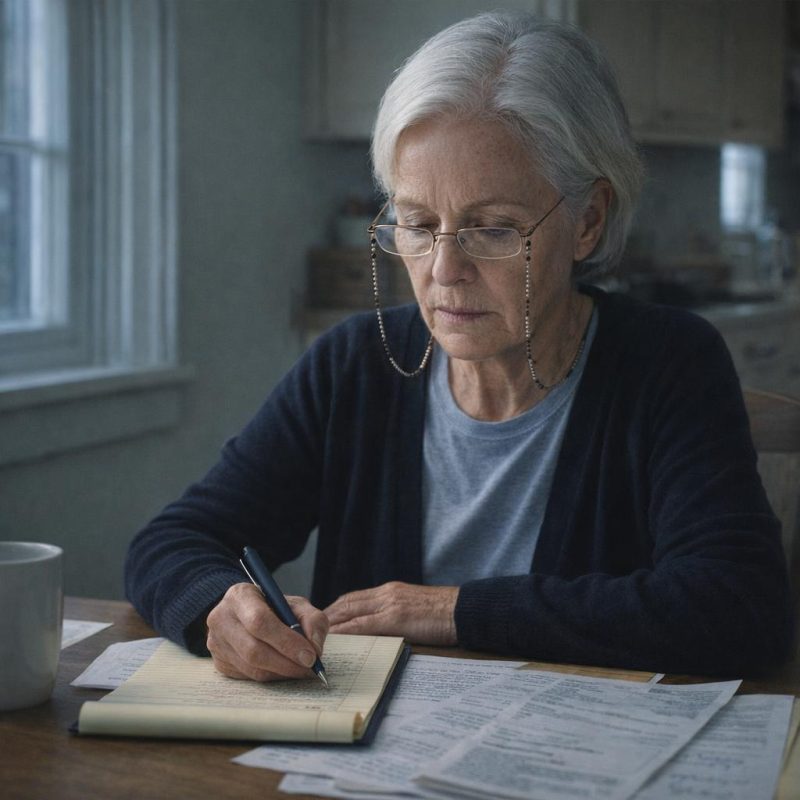 Image by RM AI
The Gathering Storm
There were more women in Margaret's living room that Thursday than I'd seen at any meeting since the holiday potluck two years ago. Word had gotten around — not the full story, but enough. Dorothy's situation had leaked through the usual channels, a phone call here, a worried question there, and by the time I arrived with my folder tucked under my arm, the room was already humming with something that wasn't quite conversation. People were talking in low voices and stopping when someone new walked in. Margaret had set out extra chairs. Ruth sat near the window in her usual spot, her hands folded in her lap, looking smaller than I remembered. Dorothy was there too, her jaw set, her eyes moving around the room with the careful attention of someone waiting for something they weren't sure they wanted. Carol arrived a few minutes after me and found a seat near the front, and I watched her scan the room with a small uncertain smile, the way she does when she senses a mood she can't quite name. Then Jenna came in. She was dressed in yellow, which struck me as either oblivious or very deliberate, and she took her usual chair near the window as though it were any other Thursday. Her face was composed. Her hands were still. She looked at no one in particular and no one in particular looked at her, and the silence that had been building in that room for weeks settled over all of us like something with real weight.
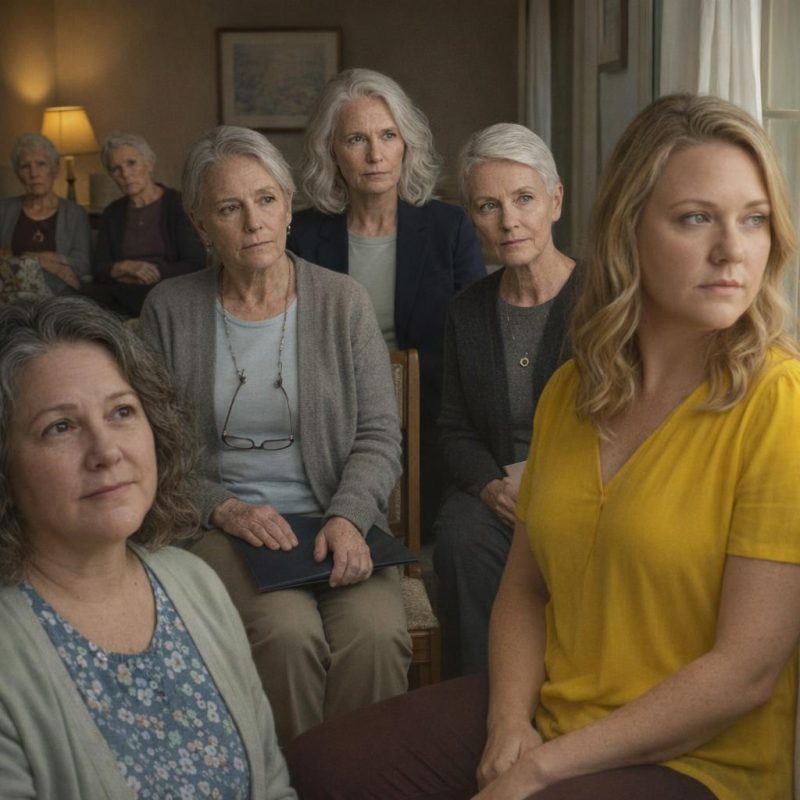 Image by RM AI
The Evidence Presented
I stood up before Margaret could call the meeting to order. My voice came out steadier than I expected. I said I needed to share something with the group before we got started, and that I was sorry for what some of them were about to hear. I laid the folder on the coffee table and I walked them through it — not dramatically, not with any satisfaction, just the way you'd explain a thing you'd spent weeks making sure you understood correctly. I told them about the timeline: how each letter had arrived within weeks of Jenna spending time with family materials, photographs, documents, the kinds of things people share when they're excited about genealogy and history. I told them about the nickname in Carol's letter — the one only a handful of people would have known, the one that appeared in a photograph caption Jenna had digitized. I explained what Thomas had told me about the paper and the ink. I described the pattern, letter by letter, family by family, and I watched the room change as I spoke. Margaret's expression went very still. Dorothy stared at the table. Ruth's hands unfolded in her lap and she pressed them flat against her knees. Carol's face went through something I didn't have a word for — not anger yet, not grief yet, something in between that I knew would settle into one or the other before the day was out. When I finished, I sat back down. Nobody spoke. The silence that followed was heavy and absolute, the kind that fills a room completely and leaves no space for anything else.
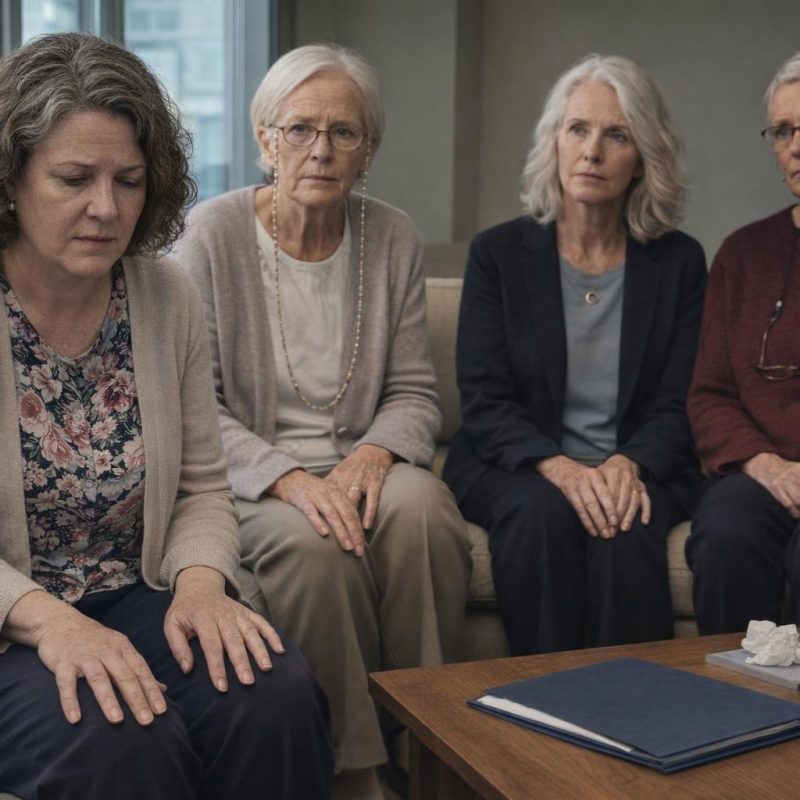 Image by RM AI
The Confession
Jenna sat without moving for what felt like a very long time. I watched her look at Margaret, then at Ruth, then at Dorothy, then at Carol — working her way around the room the way you do when you're trying to find something to hold onto. Carol was staring at her hands. There was nothing for Jenna to hold onto. When she finally spoke, her voice was quiet and even, and she didn't look at me. She said she hadn't meant to hurt anyone. She said she'd told herself it was kindness. She said the letters were meant to give people something they needed and couldn't get any other way. Dorothy said, very flatly, that her brother had never written that letter, and Jenna said she knew. Margaret asked whether she had written all of them, every single one, and Jenna looked down at the table and said yes. Ruth made a small sound that wasn't quite a word. Carol finally looked up, and I could see from across the room that she was crying without making any noise about it. Jenna said she had used things people shared with her — stories, names, details from the materials she'd helped digitize — and that she had tried to make each letter feel true to the person it came from. She said she was sorry. She said it more than once. The room stayed silent around her apologies, not accepting them, not rejecting them, just holding them at a distance. Then she said the part I hadn't expected — that the letters weren't the only thing she needed to tell us about.
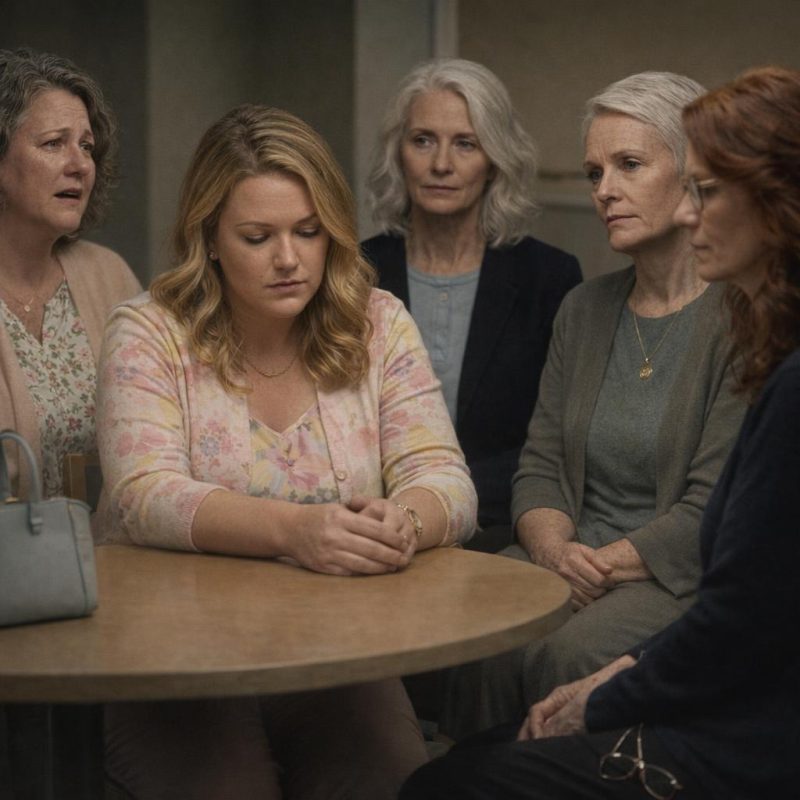 Image by RM AI
The Archive Revealed
Jenna told us about her grandmother. She said it slowly, like someone choosing each word carefully, and the room stayed quiet enough that I could hear the clock on Margaret's mantle. Her grandmother had spent forty years as a genealogist — not a hobbyist, a serious one, the kind who corresponded with county clerks and church archivists and distant cousins twice removed on three continents. When she died two years ago, unexpectedly, she left Jenna everything. Not money. Records. Boxes and boxes of them — letters, journals, photographs, audio recordings on old cassette tapes, handwritten family trees going back generations. Jenna said she'd been trying to figure out what to do with it all ever since. She said some of the materials in those boxes belonged to families right here in this room — that her grandmother had been quietly collecting and preserving documents for decades, including records connected to families in this community. She said she had used fragments of genuine historical material as the foundation for the letters she wrote. Not invented wholesale, she said. Built on real things. Dorothy asked what that meant, exactly, and Jenna said it meant that some of what was in those letters — the details, the references, the particular turns of phrase — had come from actual documents her grandmother had preserved. The room shifted. I could feel it, the way you feel a change in air pressure before a storm. Margaret said, very carefully, that she wanted to see these boxes. Jenna looked up for the first time in several minutes and said she had brought some of them with her.
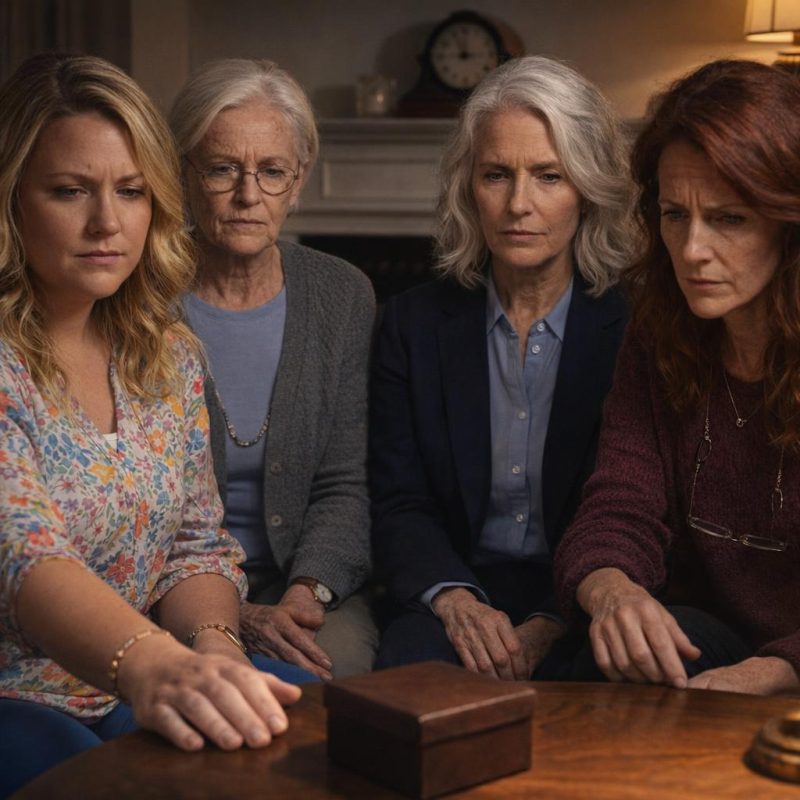 Image by RM AI
Voices from the Past
Jenna brought in four boxes from her car, setting them on Margaret's dining room table one at a time while the rest of us stood back and watched. They were archival boxes, the acid-free kind, labeled in a small precise handwriting that wasn't Jenna's. Her grandmother's, I assumed. Jenna explained the labeling system — family name, approximate date range, document type — and then she stepped back and let people approach on their own. Dorothy went first, finding a box labeled with her family name and opening it with the careful hands of someone who wasn't sure what they were about to touch. Carol found her father's name on a folder inside the second box and sat down with it at the table, not speaking. Margaret stood over one of the boxes reading through what looked like a stack of correspondence, her reading glasses pushed up on her nose, her expression unreadable. I stayed near the edge of the room and watched all of it, trying to take in what was happening — that beneath the deception, beneath the forged letters and the borrowed grief and the months of careful misdirection, there had been something real sitting in boxes in Jenna's spare room the whole time. Ruth had been quiet since Jenna's confession. She stood at the far end of the table, not reaching for anything, just looking. Then she pulled a box toward her, lifted the lid, and drew out a single envelope — and the handwriting on the front stopped me cold.
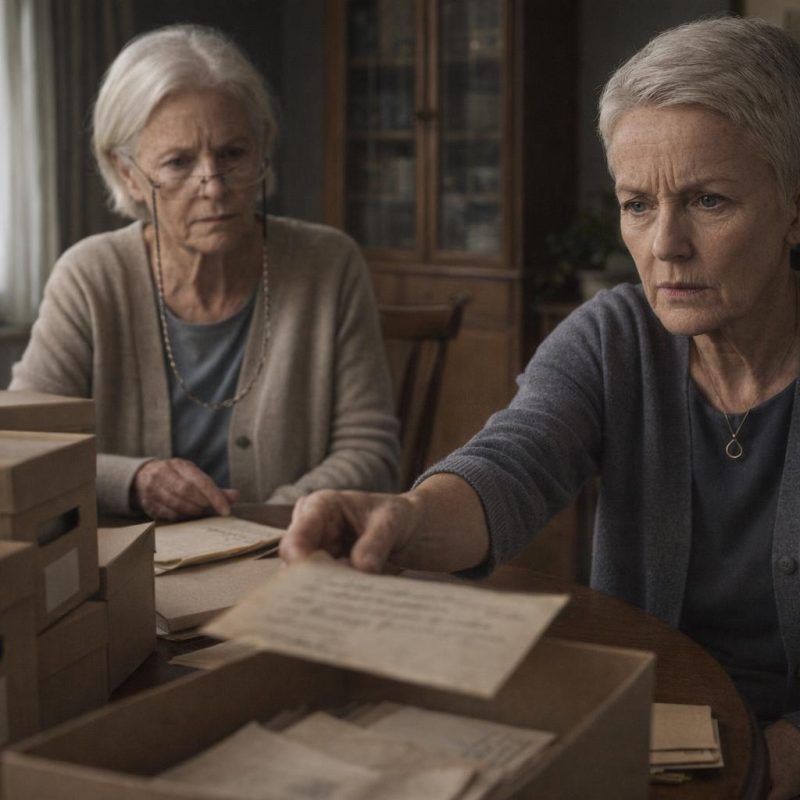 Image by RM AI
Real Mysteries Solved
Ruth held the envelope for a long moment before she opened it. The handwriting was her husband's — she confirmed it in a whisper, to no one in particular, just the room. Inside were two pages, written before they were married, addressed to his mother. Ruth read them standing up, and none of us spoke. When she finished she folded them carefully and held them against her chest, and her face had something in it that the forged letter had never quite managed to put there — not comfort exactly, but recognition. The real thing. Dorothy found three letters in her box that explained a family estrangement she'd grown up hearing about in fragments and half-sentences, never the full story. She sat at the table reading them with her reading glasses on and her hand pressed flat over her mouth. Carol discovered a photograph tucked inside her father's journal — him as a young man, standing with a woman none of us recognized, on the steps of a building Carol said she knew. She said she'd been trying to find out about that building for years. Margaret found a recording, a cassette tape in a labeled sleeve, and held it up without saying anything, just looked at it. I stood in the middle of all of it and thought about the question I hadn't been able to set down for weeks — the one about good intentions and genuine deception and whether one could ever justify the other. I still didn't have a clean answer. But I understood, standing there, that Jenna had been sitting on something genuinely valuable the whole time, and the tragedy was that she hadn't trusted it to be enough.
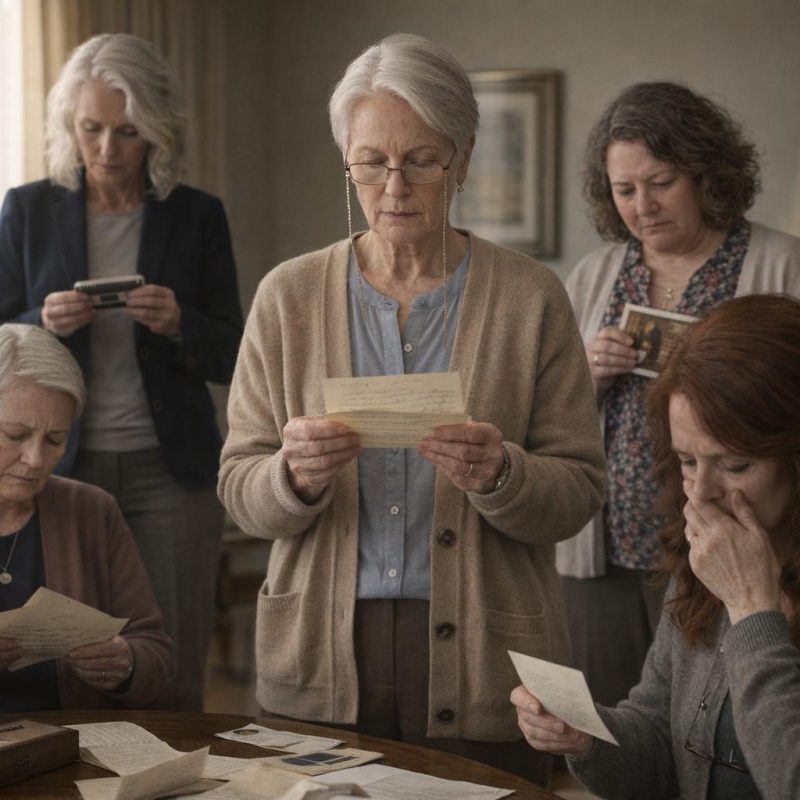 Image by RM AI
The Complicated Truth
The argument started quietly, the way the worst ones always do. Margaret said what she'd been holding since the moment Jenna admitted everything — that trust, once broken that way, doesn't just mend because the person meant well. Dorothy agreed, her voice flat and tired, and said that good intentions didn't change the fact that her family had nearly gone to court over a letter Jenna had written at a kitchen table somewhere. Ruth didn't say anything for a long time. Then she said, very quietly, that she knew the first letter was false, had known it for weeks, and that it had still given her something she couldn't name and wasn't ready to give back. Carol started crying at that, not dramatically, just the kind of crying that happens when something is too complicated to hold any other way. Jenna sat with her hands in her lap and didn't try to defend herself, which I thought took more courage than anything she'd said in the weeks before. I watched all of it and felt the weight of what none of us could cleanly resolve — that the harm was real, and the archive was real, and they didn't cancel each other out. The forged letters had been wrong. The grandmother's collection was extraordinary. Both of those things sat on the table between us, and no amount of arguing was going to separate them into something tidier than what they were.
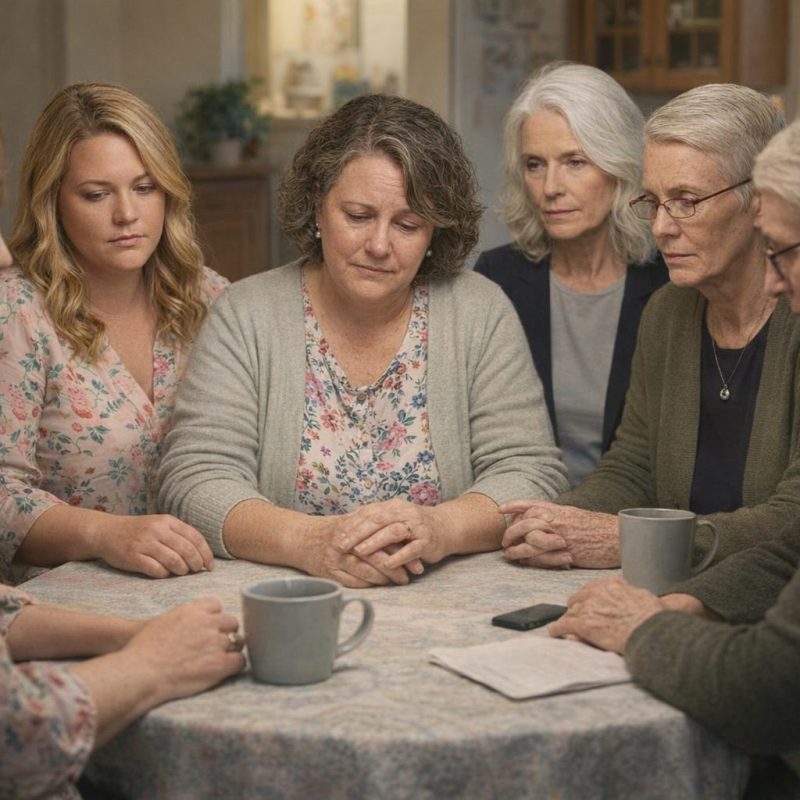 Image by RM AI
Preservation and Partnership
It was Margaret who made the call to the historical society, which surprised no one who knew her. She had the number inside of twenty minutes and an appointment scheduled by the end of the week. Two staff members came out to assess the collection — a younger woman with a clipboard and an older man who kept putting on and taking off his glasses as he worked through the boxes. They were careful with everything, which I appreciated. The older man held one of the letters up to the light and said, without looking up, that some of this material predated the county's own records on certain families. The younger woman said the genealogical research value alone was significant. They used words like provenance and cataloging and public access, and I watched Ruth's face while they talked. She was listening hard, nodding at the parts about families being able to find their own histories through proper channels. Jenna sat near the window and didn't speak much, but she answered every question they asked her about where the materials had come from and how she'd acquired them. She was honest, completely, even about the parts that didn't reflect well on her. The museum agreed to take the collection on partnership terms — the quilting club named as the community liaison, the archive to be publicly accessible within eighteen months. We walked out into the afternoon and I thought that something good was quietly taking root in ground that had been badly torn up.
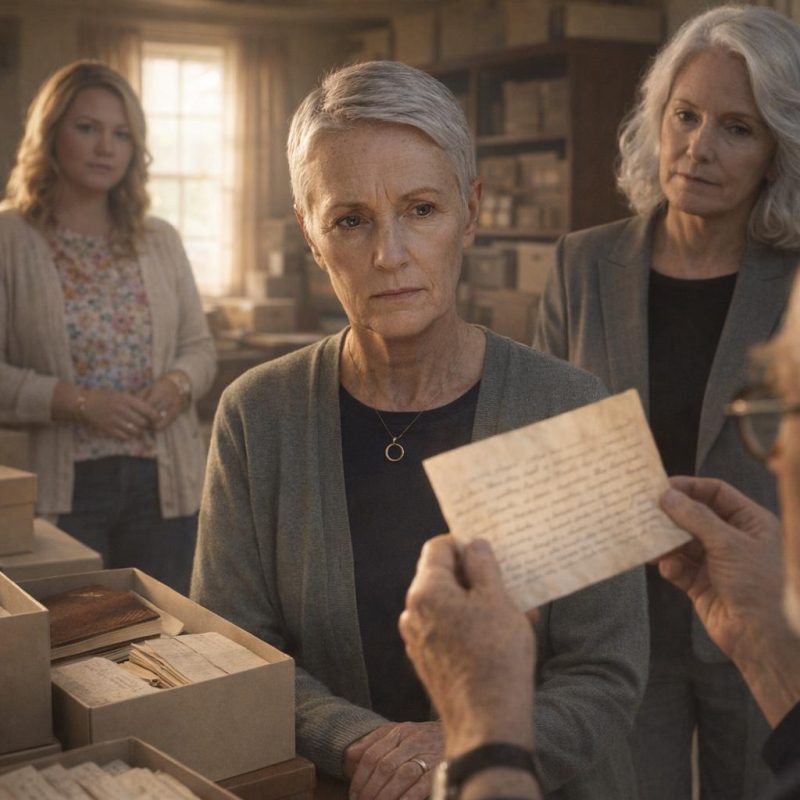 Image by RM AI
Apologies and Divisions
Jenna met with each family separately, which I heard about in pieces over the following weeks. She didn't send letters — I thought that was the right instinct, under the circumstances. She showed up in person, sat across from people, and said what she'd done and why, and then she stopped talking and let them respond however they needed to. Some of them didn't want to hear it. One family, people I didn't know well, told her not to come back and meant it. Dorothy's situation had been untangled through a lawyer and a mediator, not through anything Jenna said, and Dorothy was civil when they finally spoke but not warm, and I didn't think she was going to become warm. Ruth told me she'd accepted the apology, that she understood Jenna had been trying to give people something real even when the method was dishonest, and that she'd chosen to hold onto what the archive had given her rather than let the forgery poison it. Carol forgave her completely and immediately, which was exactly what I expected from Carol. The quilting club kept meeting. Jenna stopped coming, and no one formally asked her to leave — it was just understood, and she seemed to understand it too. I thought about what it costs to do something you believe is right and have it go wrong in ways you didn't anticipate, and I sat with the knowledge that some of the damage she'd caused had simply settled into the shape of things and would stay there.
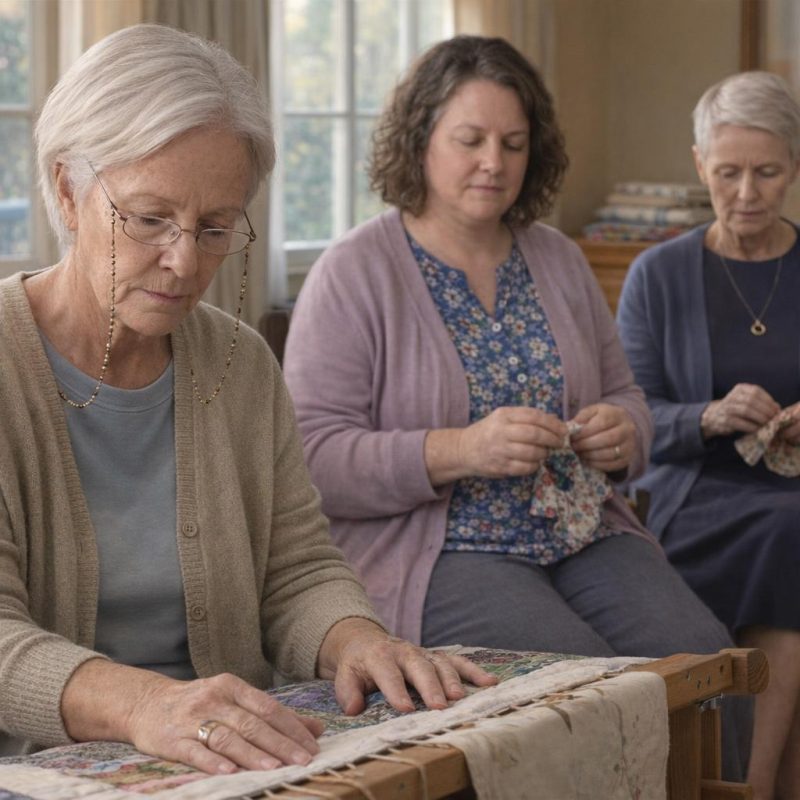 Image by RM AI
Fragments and Voices
Carol and Ruth came over on a Thursday afternoon, and we sat with tea and the kind of quiet that only happens between people who've been through something together and don't need to fill it. At some point Ruth said she still thought about the first letter sometimes — not because she believed it anymore, but because of what it had felt like to hold it. I understood that. I'd spent weeks convinced I was looking at a fraud, and I was right, but being right hadn't prepared me for what the truth actually turned out to be. I'd expected something simpler — a con, a scheme, a clear line between the deceiver and the deceived. What I found instead was a young woman who had stumbled into a genuine archive of lost voices and decided, for reasons I still didn't entirely understand, that the only way to give people access to their own history was to dress it up in something miraculous. The forgeries were wrong. The archive was real. And underneath all of it, there were actual people — grandmothers and fathers and estranged cousins — who had written things down and trusted that someone, eventually, would find them. I thought about that more than I thought about Jenna. The three of us sat there as the afternoon light moved across the floor, and I turned it all over one more time: that everyone else had believed in miracles, I had believed in fraud, and the truth had been stranger than either of us.
 Image by RM AI
KEEP ON READING

20 Greek Gods We Don't Often Talk About
Step Aside, Zeus. Greek mythology isn’t only about Zeus and…
By Elizabeth Graham Jan 16, 2026
10 Historic Courtship Practices That Should Be Brought Back &…
Old-School Dating Was a Mix of Charming & Unhinged. Historic…
By Emilie Richardson-Dupuis Jan 20, 2026
Pooches Of The Past: Extinct Dog Breeds
Unknown authorUnknown author on WikimediaDogs have been showing up in…
By Elizabeth Graham Jan 27, 2026
The 20 Craziest Silent Films Ever Made
When Silence Let the Madness Speak. Silent cinema didn’t just…
By Chase Wexler Jan 5, 2026
Legendary Tales: 20 Most Fascinating Mythical Creatures from Folklore
Mythological Beasts. Stories about mythical creatures endure for a simple…
By Christy Chan Jan 16, 2026
The three most expensive historical artifacts ever sold at auction
Attributed to Leonardo da Vinci on WikimediaAuctions are where history…
By Emilie Richardson-Dupuis Jan 9, 2026