

Crowned Rivalries
Royal courts were built on ceremony and carefully staged public unity, but behind the palace doors, competition got vicious fast—even if royalty tried to hide their affairs from the prying public. These 20 moments show how personal rivalry inside circles didn’t just ruin relationships; it changed dynasties and completely destroyed families.
1. Cleopatra and Her Sister Arsinoe IV
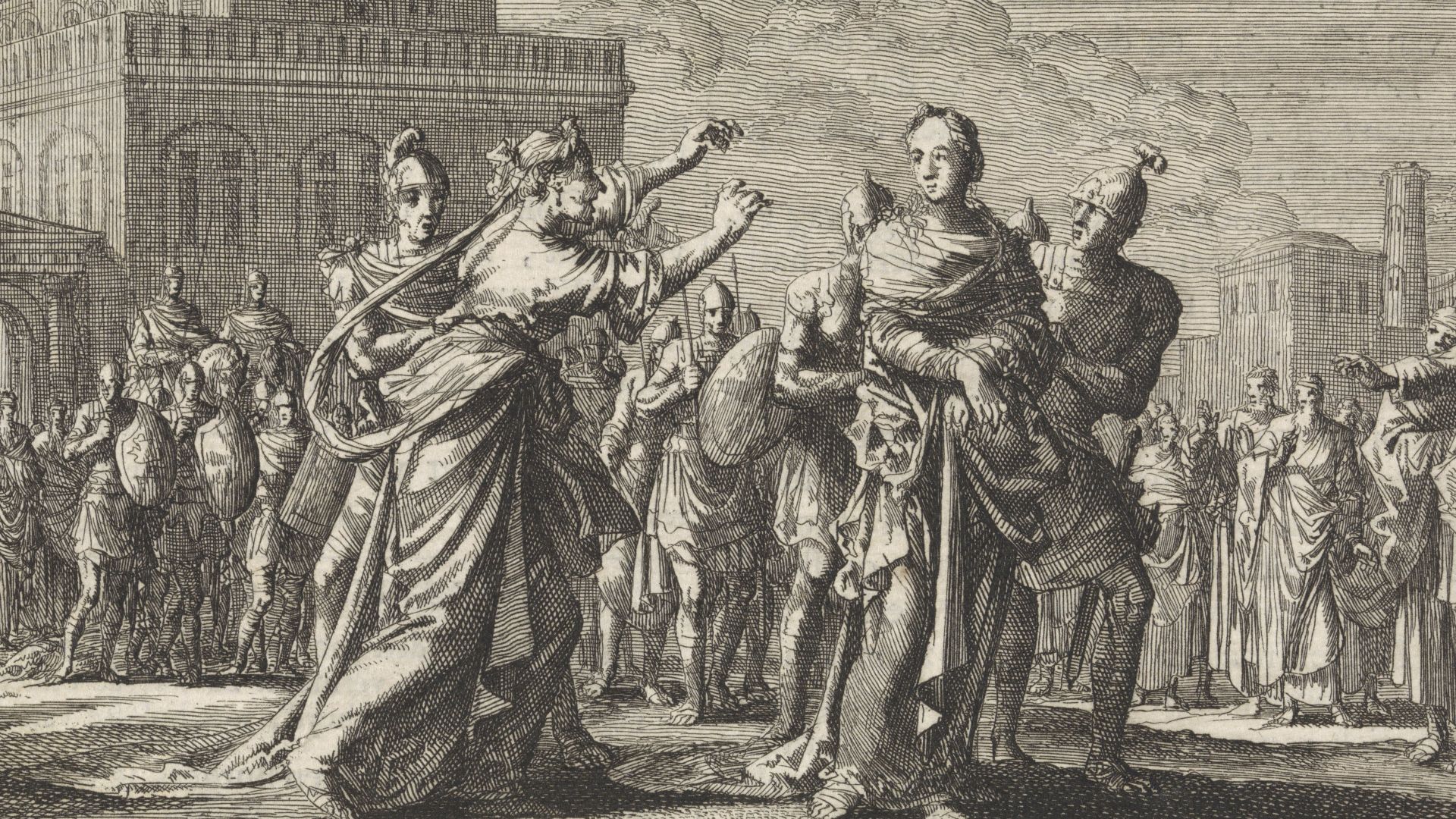
On paper, Arsinoe IV was just Cleopatra’s younger sister. In reality, she was a public spectacle, once paraded through Rome in Julius Caesar’s triumph after challenging Cleopatra’s position during Egypt’s civil war. She later took refuge at the Temple of Artemis in Ephesus, but in 41 BCE, Cleopatra persuaded Mark Antony to have Arsinoe executed.
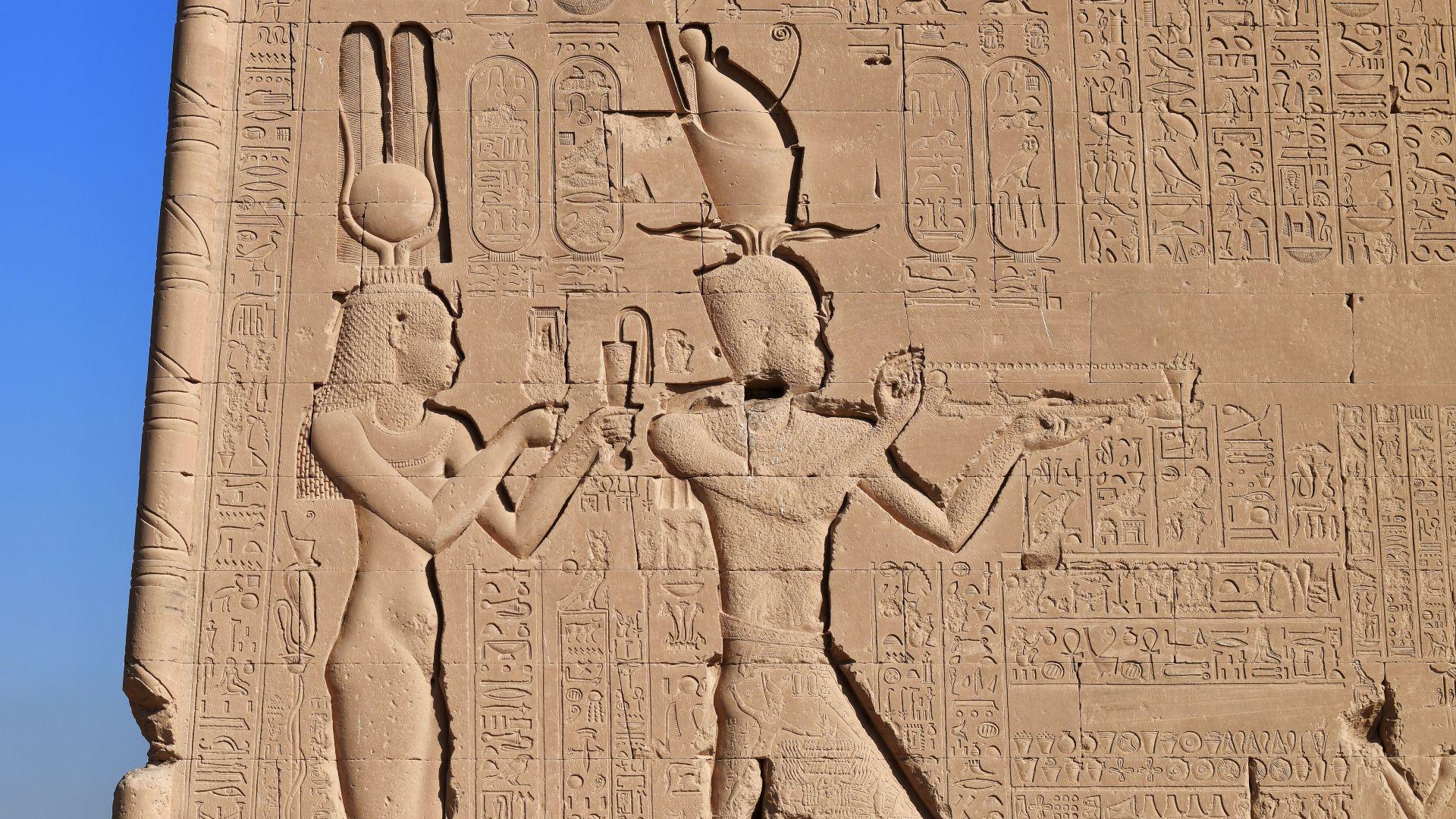 Panegyrics of Granovetter on Wikimedia
2. Elizabeth I Kept Mary, Queen of Scots, Locked Away
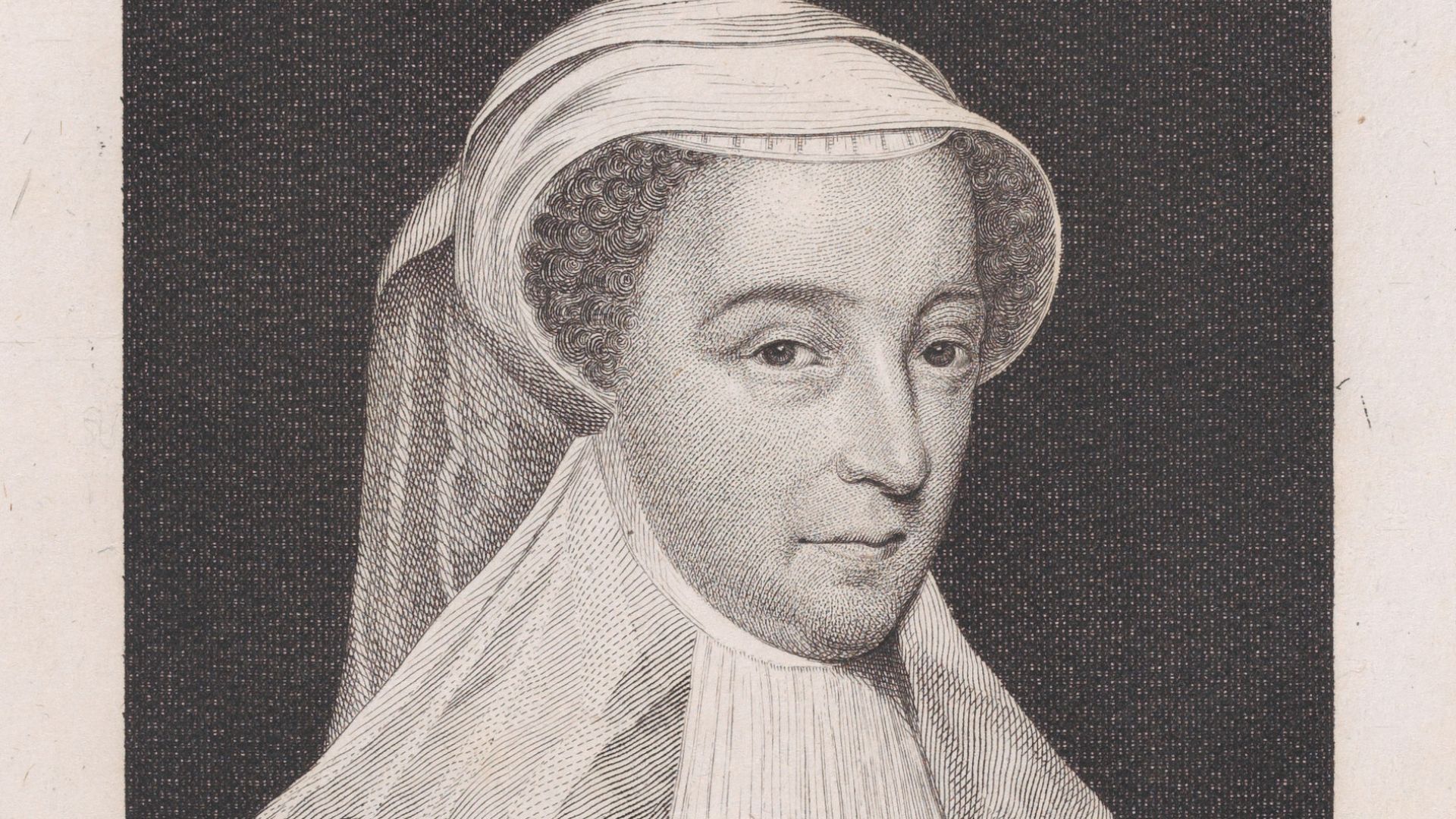
When Mary, Queen of Scots, arrived in England in 1568, she’d already been through a lot. She’d been forced from her own throne, hoping her cousin Elizabeth I would help restore her. Instead, Elizabeth kept her in custody for nearly two decades. The drama finally ended at Fotheringhay Castle in 1587, where Mary was beheaded.
3. Mary I Sent Princess Elizabeth to the Tower
That’s not to say that Elizabeth I didn’t endure her fair share of hurdles. Before she became one of England’s most famous monarchs, her half-sister Mary I treated her as a dangerous political problem. After Wyatt’s Rebellion in 1554, Elizabeth was suspected of involvement and sent to the Tower of London, the same spot where her mother, Anne Boleyn, had also awaited execution.
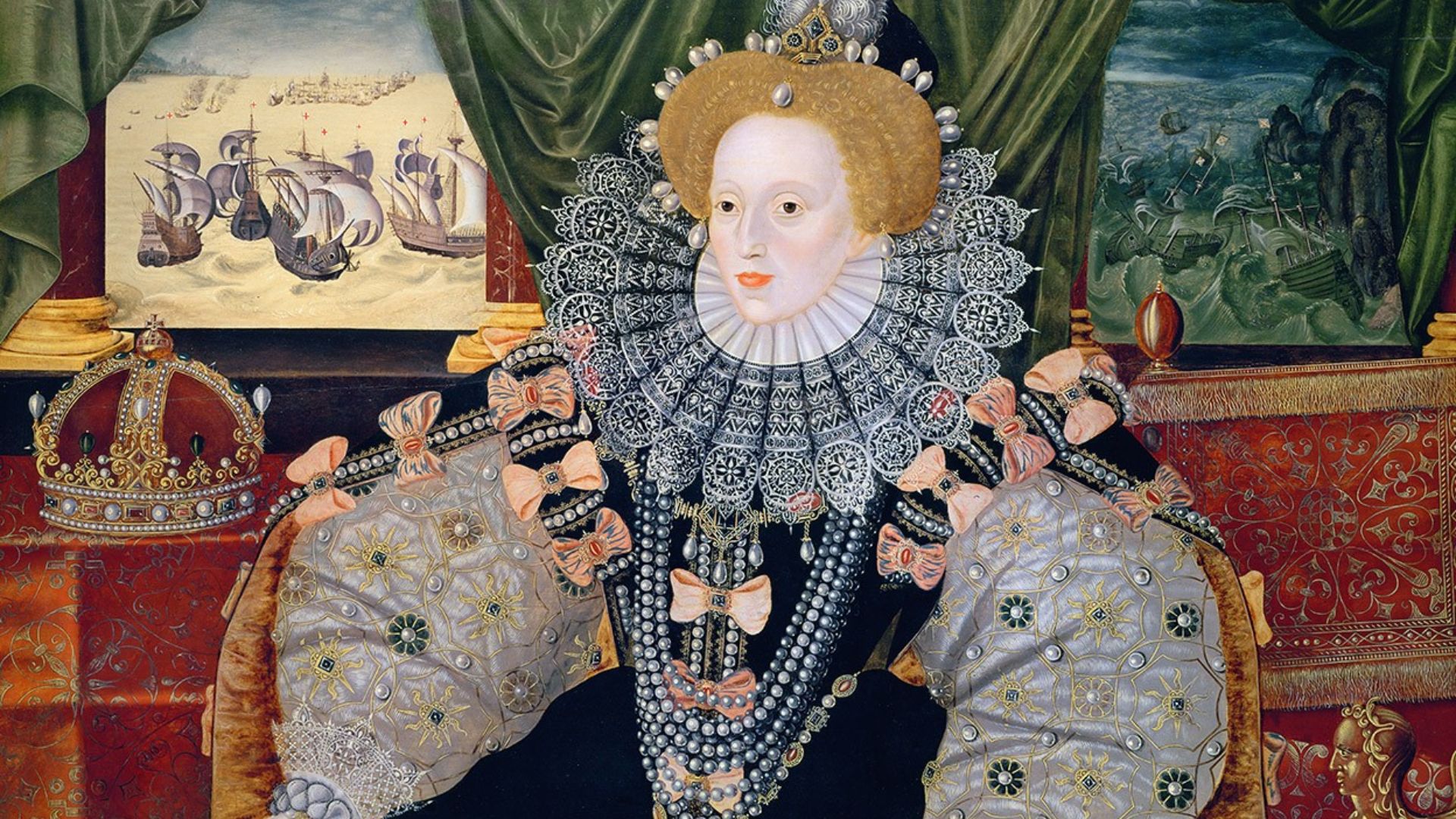 Formerly attributed to George Gower on Wikimedia
4. Catherine de’ Medici Took Chenonceau
Diane de Poitiers had been King Henry II of France’s favorite for years, and being that close to the king came with perks—like Henry giving her the Château de Chenonceau as a royal gift. When he died in 1559, his widow, Catherine de’ Medici, moved quickly and forced Diane to give up the château in exchange for Chaumont-sur-Loire. Catherine then turned the place into one of her own power centers.
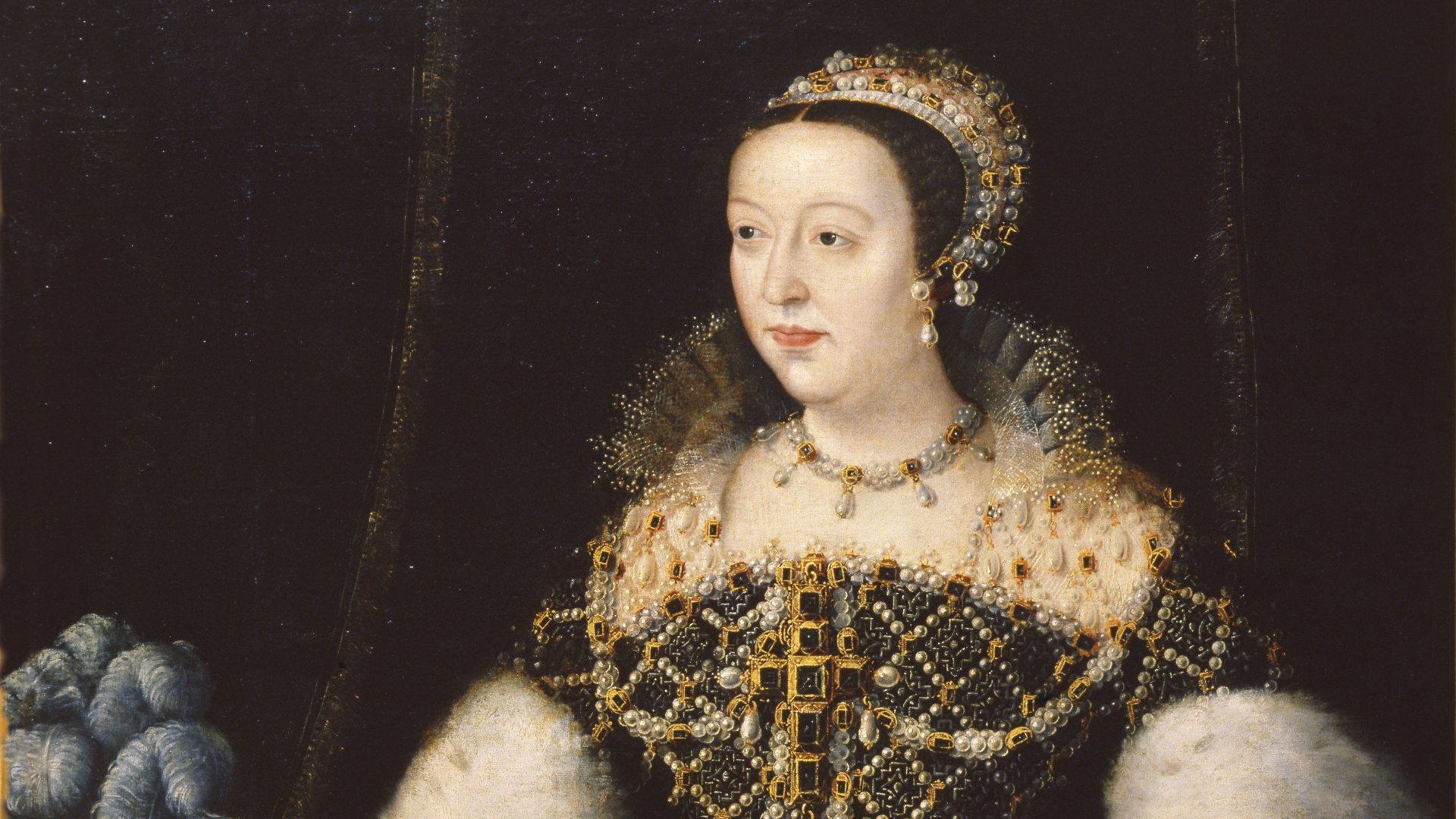 Attributed to Germain Le Mannier on Wikimedia
5. Anne Boleyn Pushed Princess Mary Out of Her Old Life
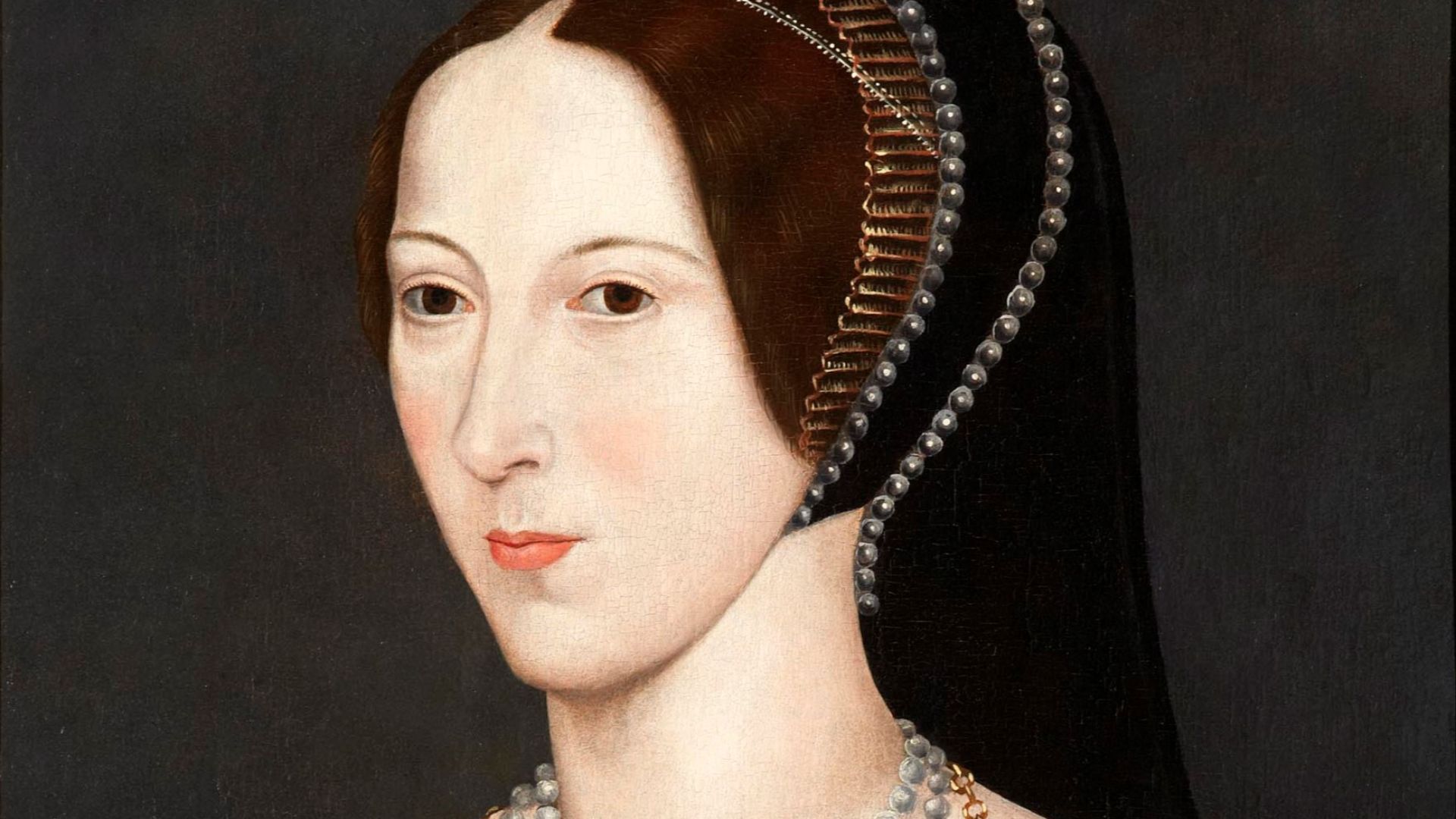
After Henry VIII broke with Catherine of Aragon and married Anne Boleyn, Princess Mary caught a lot of heat. She was declared illegitimate and removed from the center of royal attention, where she was then sent to serve in the household of Anne’s daughter, Princess Elizabeth. Things got even uglier when Mary refused to accept the new order, and Anne’s allies only turned up the heat.
6. Nero’s Rise Left Britannicus Dead
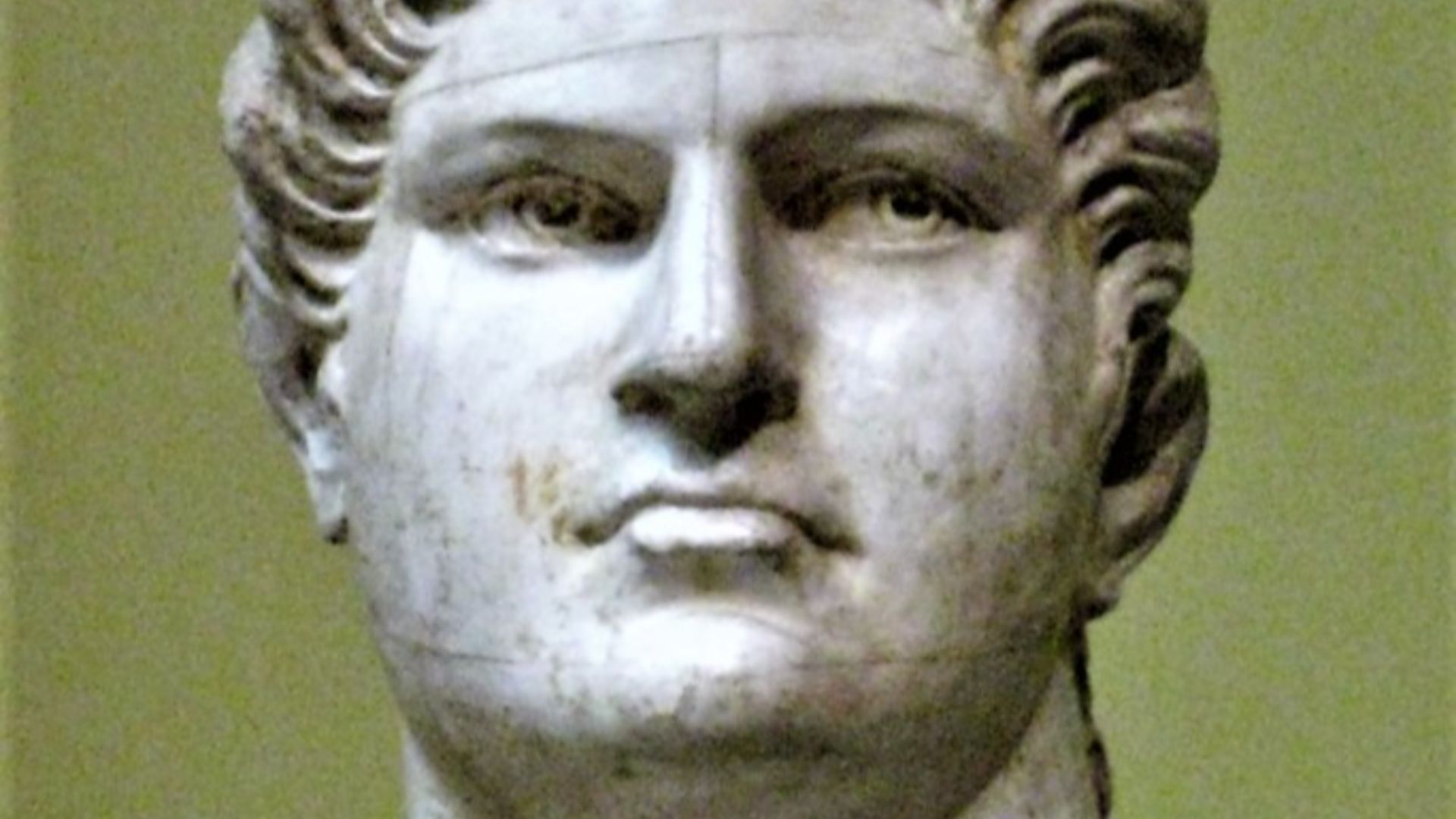
Britannicus was Emperor Claudius’s biological son, but that didn’t mean much. Nero actually reached the throne first after Claudius adopted him and promoted him as heir. Sure enough, Britannicus then died suddenly at a banquet in 55 CE, shortly before his fourteenth birthday. The whole time, Nero told the guests that Britannicus was merely having a seizure, but the writing was on the wall.
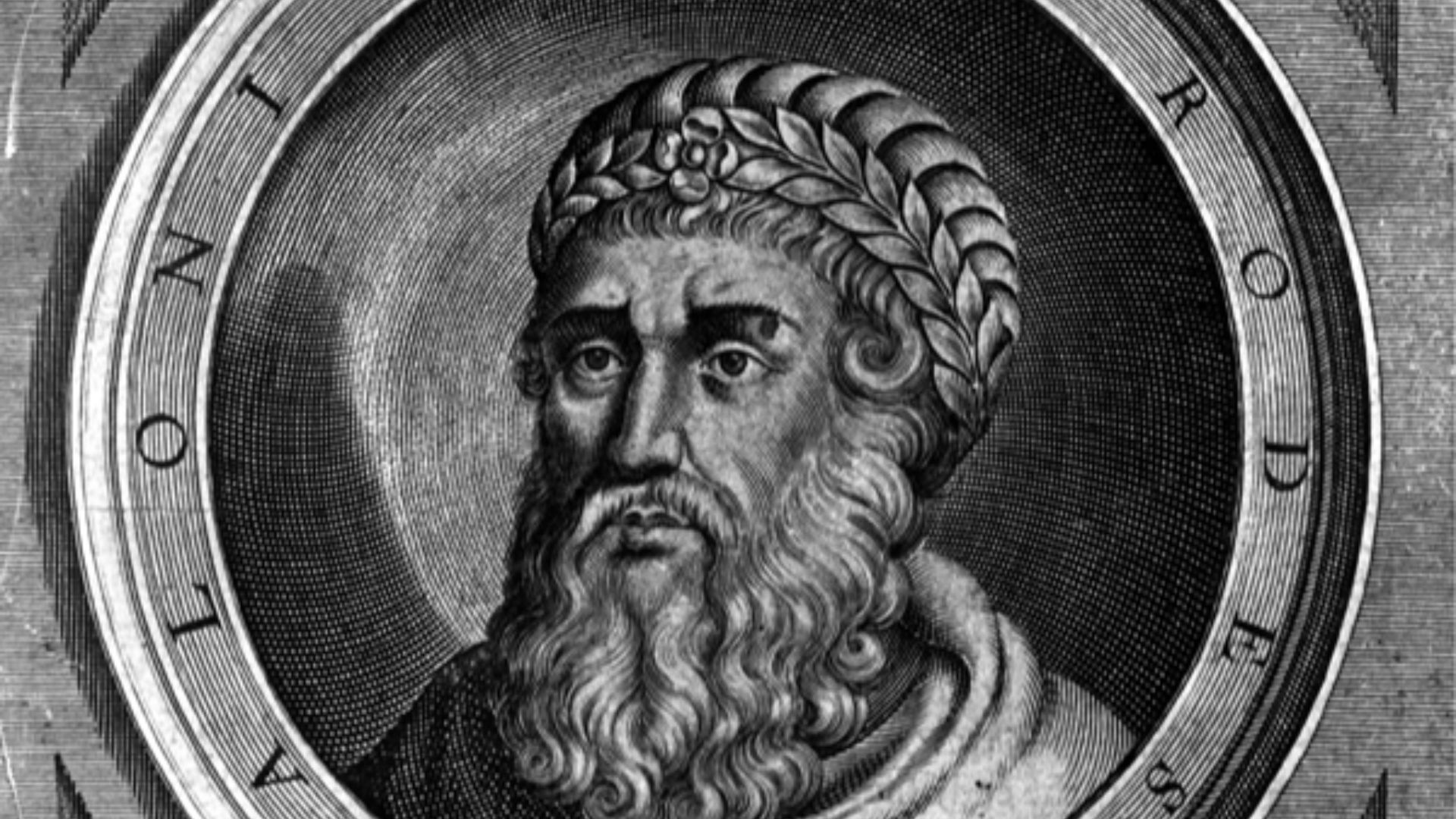
7. Herod the Great Turned on Mariamne and Their Sons
Herod the Great didn’t exactly marry Mariamne I for love; he did it because her Hasmonean blood helped legitimize his rule over Judea. That wasn’t enough to save her, though, especially as court accusations against her grew lethal. Herod then had her executed in 29 BCE on charges of adultery, and later executed their sons, too.
8. Mehmed III Had 19 Brothers Strangled
And here we thought turning on just one family member was bad enough. When Mehmed III became Ottoman sultan in 1595, he followed a brutal dynastic practice meant to prevent civil war among royal brothers. Long story short, he ordered the execution of 19 male siblings, becoming one of the most infamous nights in Ottoman history.
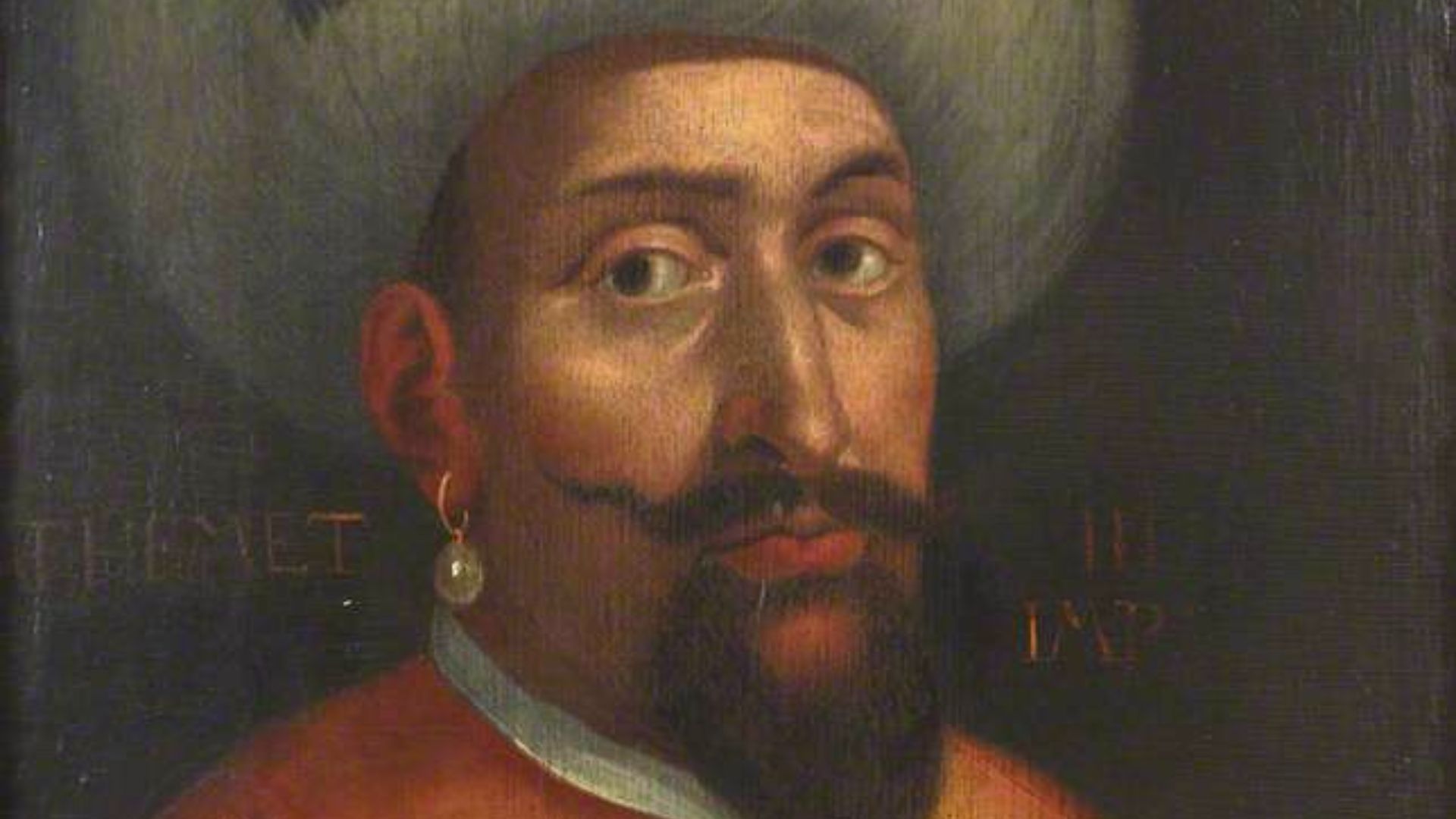 Cristofano dell'Altissimo on Wikimedia
9. Suleiman the Magnificent Killed Şehzade Mustafa
Şehzade Mustafa, Suleiman the Magnificent’s eldest surviving son, was widely admired by soldiers and officials, all of whom saw him as a strong possible successor. Well, that didn’t sit right with everyone, and in 1553, Suleiman summoned Mustafa to his tent and had him executed on accusations of treason.
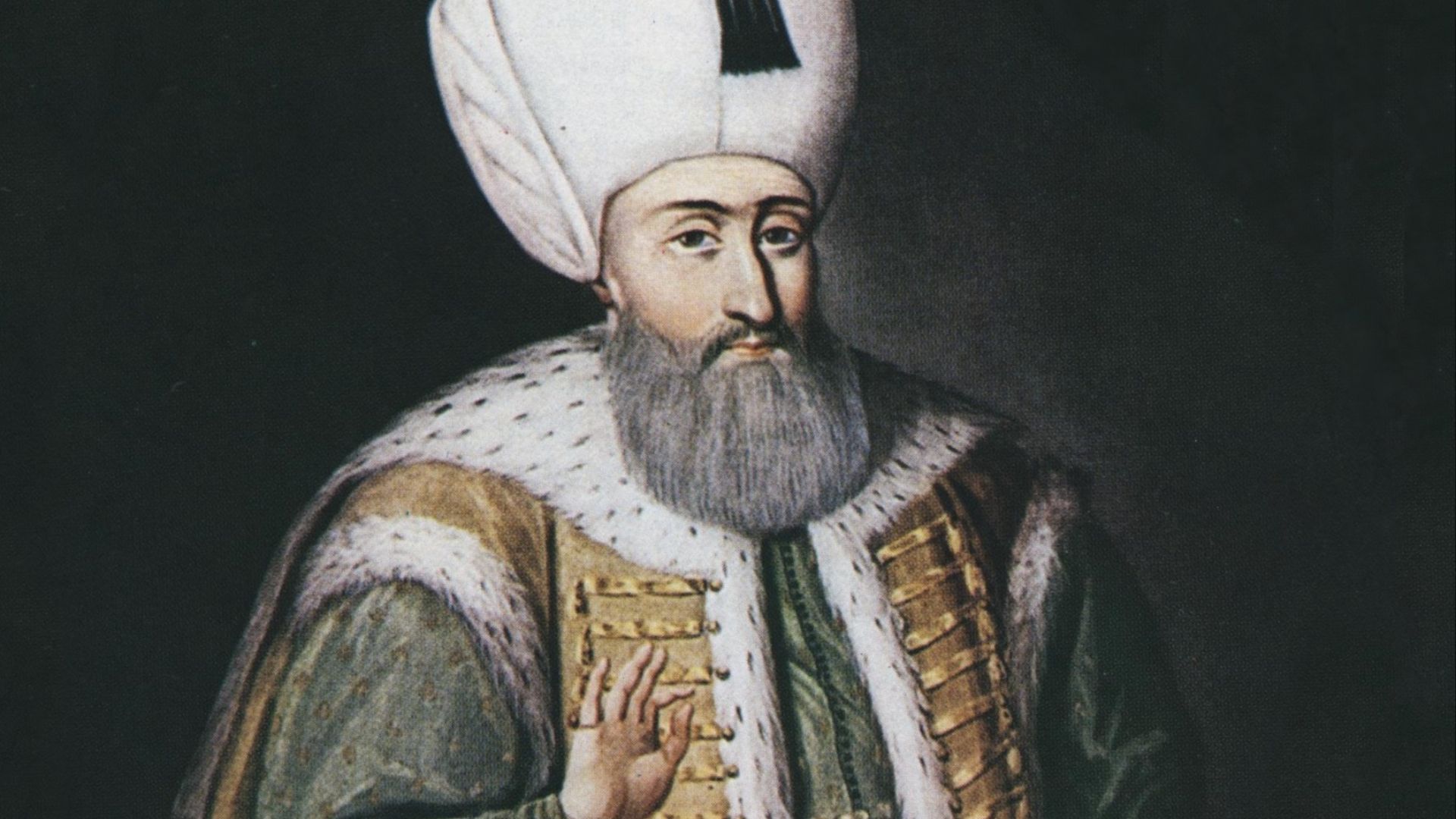 Konstantin Kapıdağlı on Wikimedia
10. Aurangzeb Defeated Dara Shikoh and Imprisoned Shah Jahan
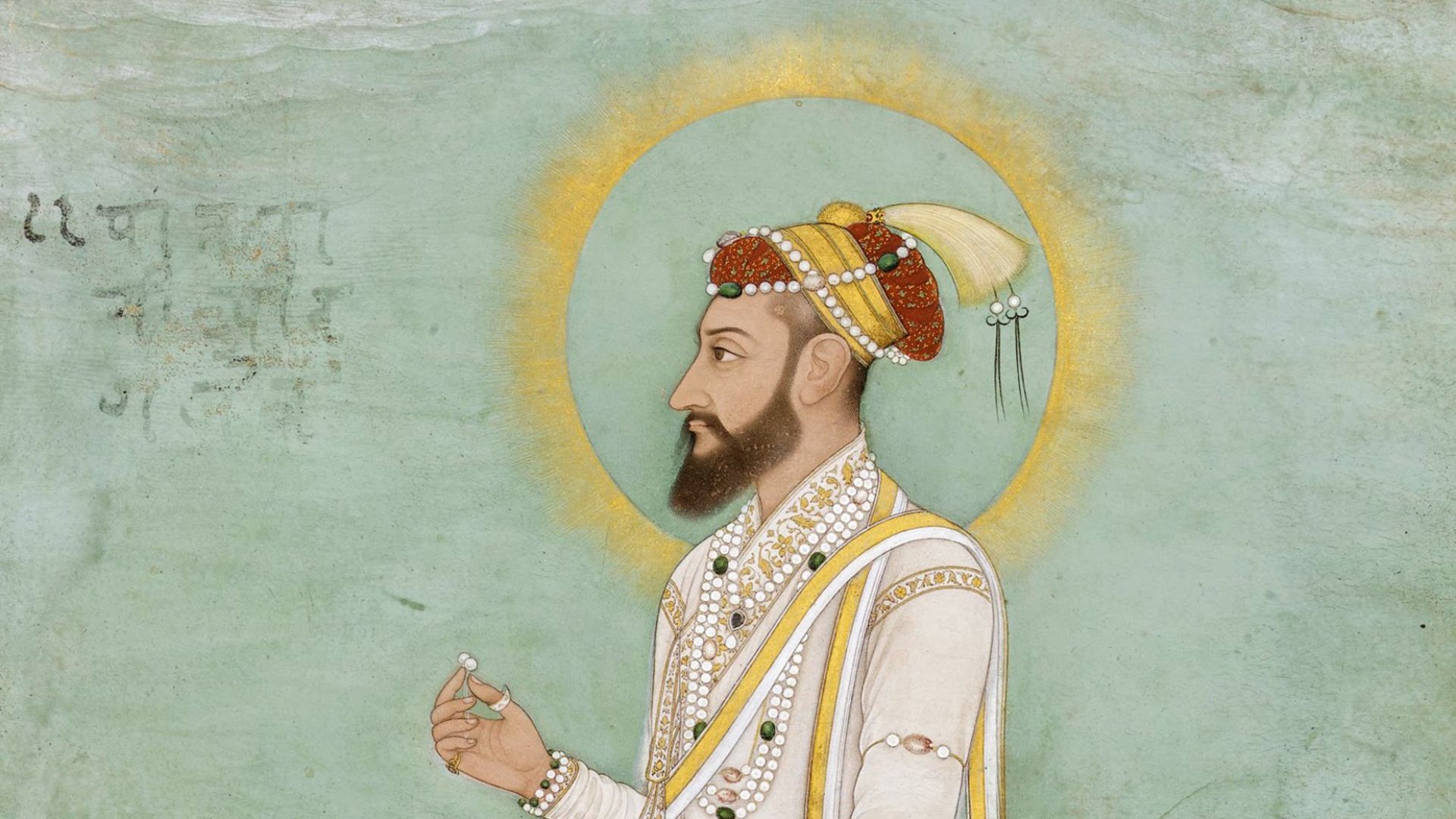
When Mughal emperor Shah Jahan got sick in 1657, his sons plunged the empire into a succession war. Things then turned inward when Aurangzeb defeated his elder brother Dara Shikoh, had him executed in 1659, and placed their father under confinement in Agra Fort.
11. Jahangir Had Prince Khusrau Put in Chains
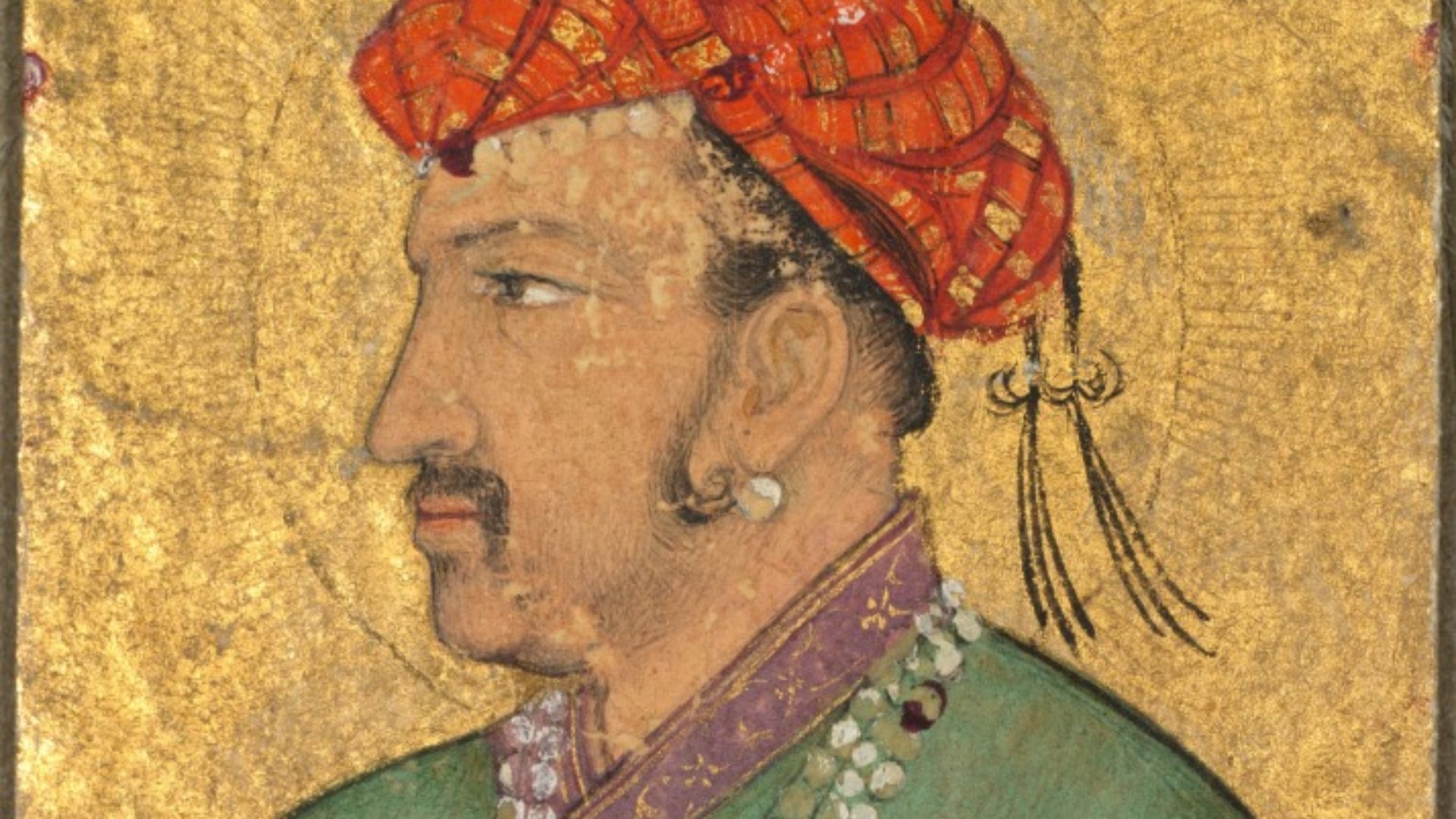
Mughal emperor Jahangir was barely on the throne when his eldest son, Prince Khusrau, rebelled in 1606 (along with powerful figures in northern India). Khusrau was eventually defeated near Lahore, brought before his father in chains, and later blinded. Supporters didn’t have it any easier; anyone connected to the revolt also faced harsh punishment.
12. Henry II Rebelled Against His Own Father
Henry II had his eldest surviving son crowned during his lifetime, which really meant that the prince had the grand title of king without any real authority. Either way, in 1173, that so-called power went to his head, and Henry the Young King rebelled, joined by his brothers Richard and Geoffrey and also their mother, Eleanor of Aquitaine. The revolt failed, and his mother was imprisoned for years.
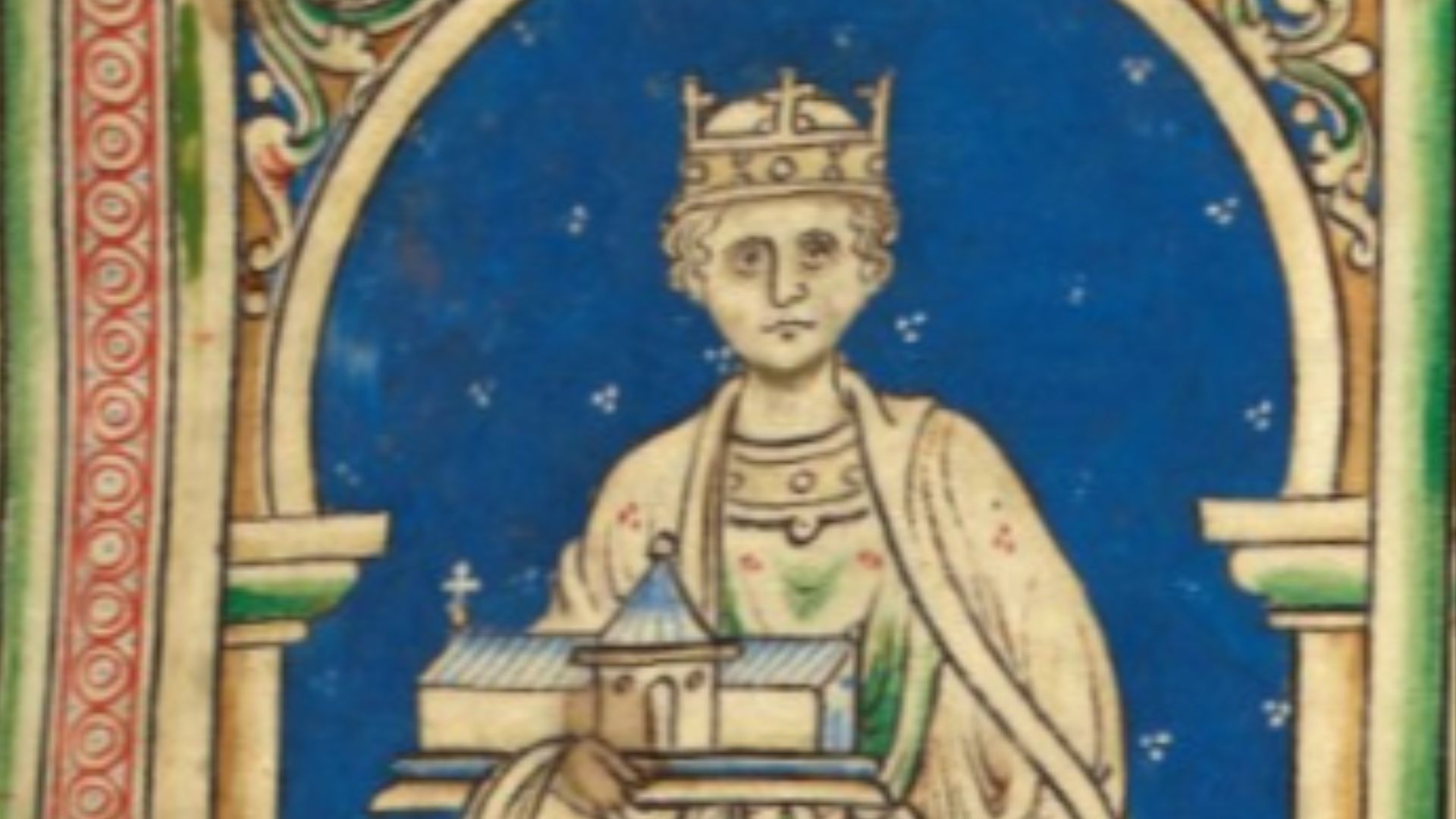 Matthaeus Parisiensis on Wikimedia
13. King John’s Nephew Vanished
Arthur of Brittany wasn’t just King John’s nephew—he was a serious rival for parts of the Angevin inheritance, especially after Richard the Lionheart died in 1199. John knew it, too, and captured Arthur in 1202. He then held him in custody, and the young duke suddenly disappeared the next year under suspicious circumstances.
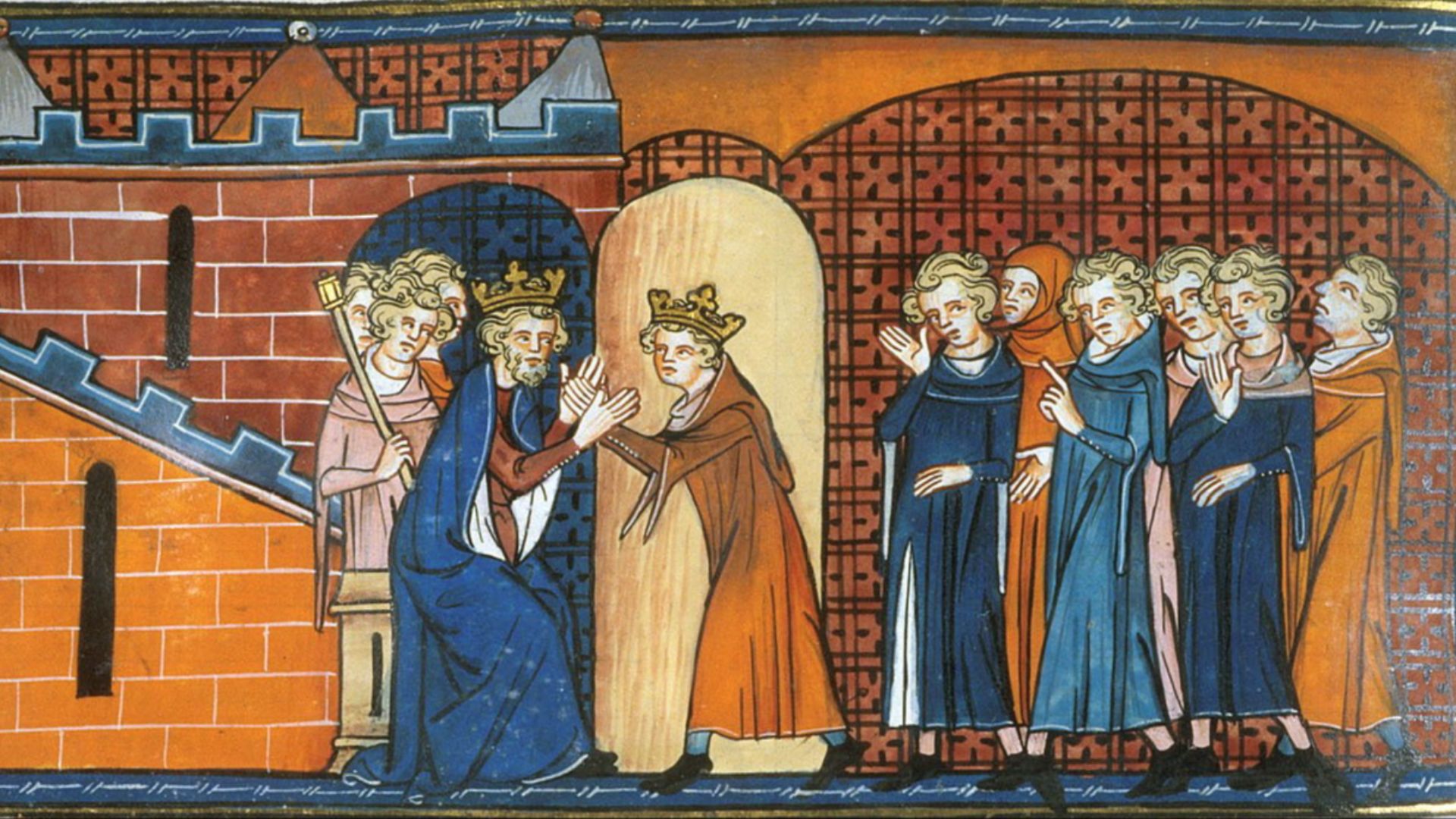 Chroniques de Saint-Denis on Wikimedia
14. Edward IV Had His Brother Executed
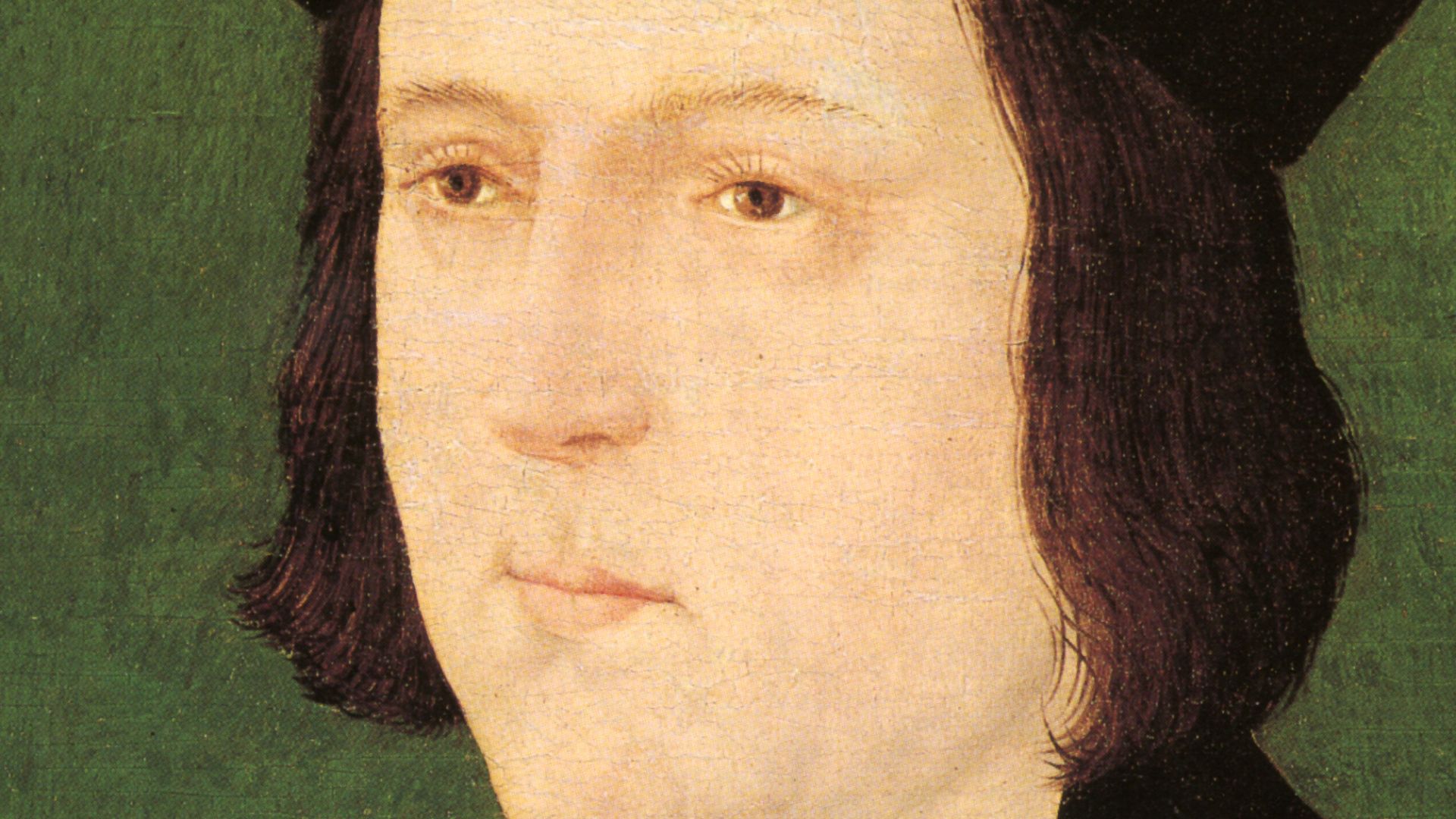
George, Duke of Clarence, flip-flopped a lot during the Wars of the Roses, shifting alliances over the years and even conspiring against his brother King Edward IV. Well, by 1478, Edward had finally had enough, and Clarence was condemned for treason and executed in the Tower of London.
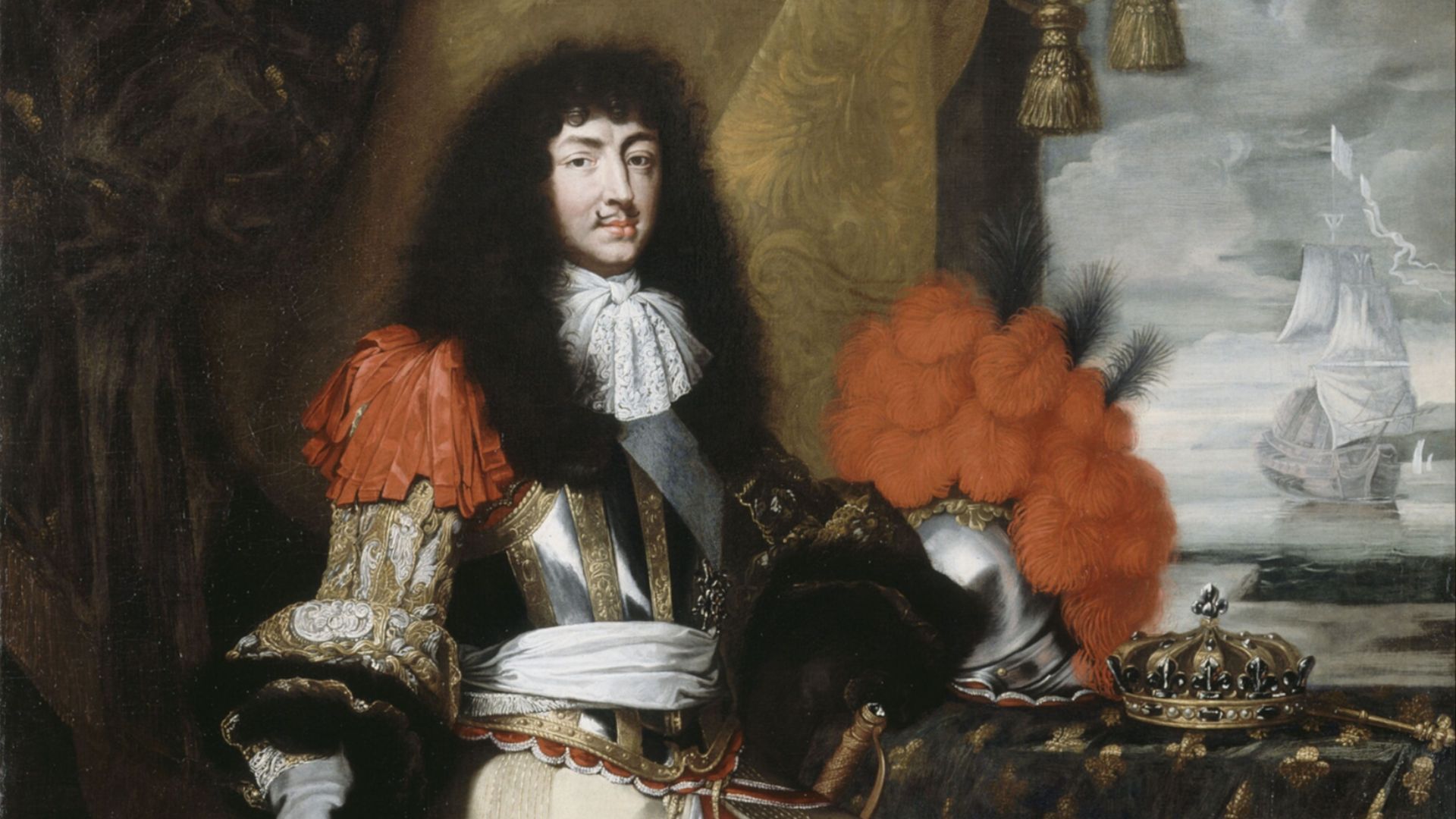
15. Louis XIV Destroyed Nicolas Fouquet
Who knew one château could cause this many problems? (Try to stay with us on this one!) Nicolas Fouquet, Louis XIV’s finance minister, built Vaux-le-Vicomte with the help of architect Louis Le Vau, painter Charles Le Brun, and garden designer André Le Nôtre. However, in 1661, Fouquet hosted a dazzling fête for the young king, and it didn’t take long for Louis to have him arrested, tried, and imprisoned for life. He then used the team behind Vaux-le-Vicomte to help build his own royal image at Versailles.
16. Irene of Athens Had Her Son Blinded
Irene of Athens ruled as regent for her young son Constantine VI after the death of Emperor Leo IV. This is the past we’re talking about, though, and when Constantine tried to rule in his own right, they fought for control of the Byzantine Empire—a squabble that ended with Irene’s supporters seizing him in 797. He was then blinded, and Irene ruled as emperor in her own name.
17. Peter the Great’s Son
Tsarevich Alexei, son of Peter the Great, had an issue with his father’s reforms, resisting them and eventually fleeing to Russia for Habsburg territory. Well, Peter lured him back, forced him to renounce his claim, and put him before a special court that condemned him to death. Alexei died in 1718 after torture.
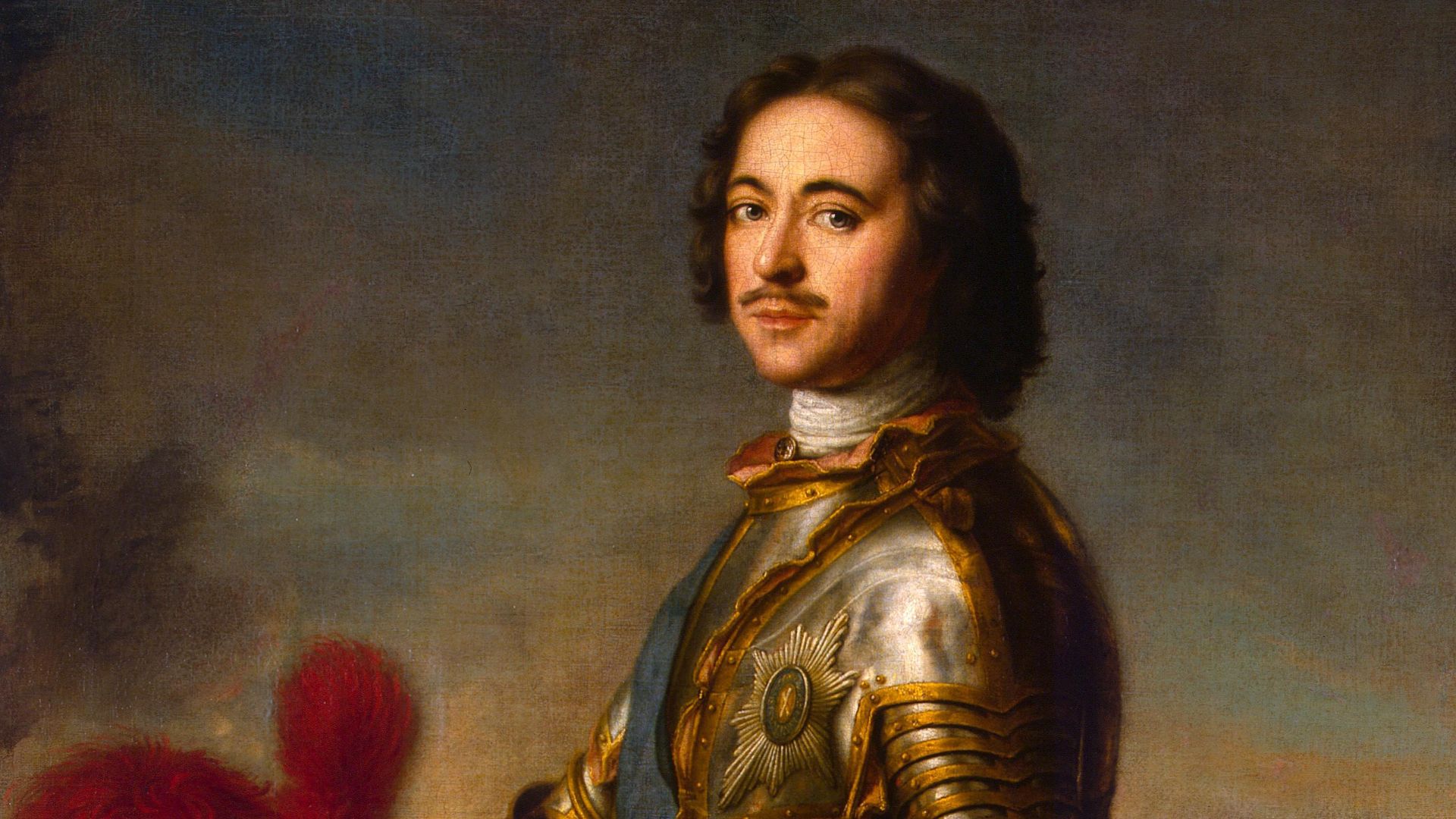 Attributed to Jean-Marc Nattier on Wikimedia
18. Nero Had Agrippina Killed
You wouldn’t think you’d turn on someone who helped make you emperor—especially your own mother—but here we are. Agrippina the Younger maneuvered with impressive skill to place her son Nero on the Roman throne, but once he began ruling, he turned on her almost immediately. He pushed her away from power, stripped her of influence, and eventually ordered her murder in 59 CE.
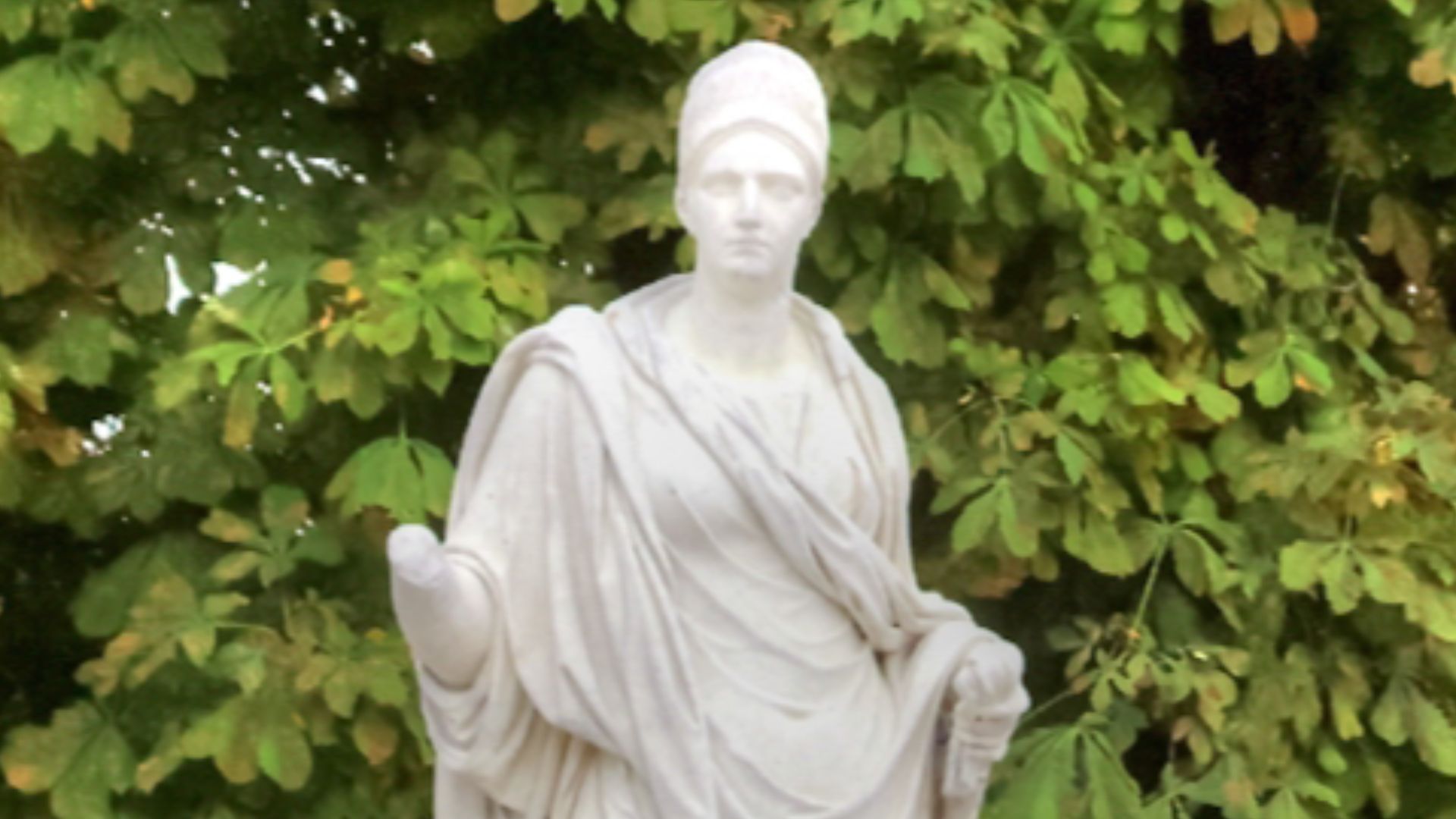 Dr Murali Mohan Gurram on Wikimedia
19. George I’s Marriage Scandal
Before he became king of Great Britain, George Louis of Hanover was married to Sophia Dorothea of Celle. It definitely wasn’t a love marriage, and her alleged affair with Count Philip Christoph von Königsmarck ended in 1694 when Königsmarck disappeared. He was presumed dead, and as for Sophia, she was locked away in Ahlden Castle, where she stayed for nearly 30 years.
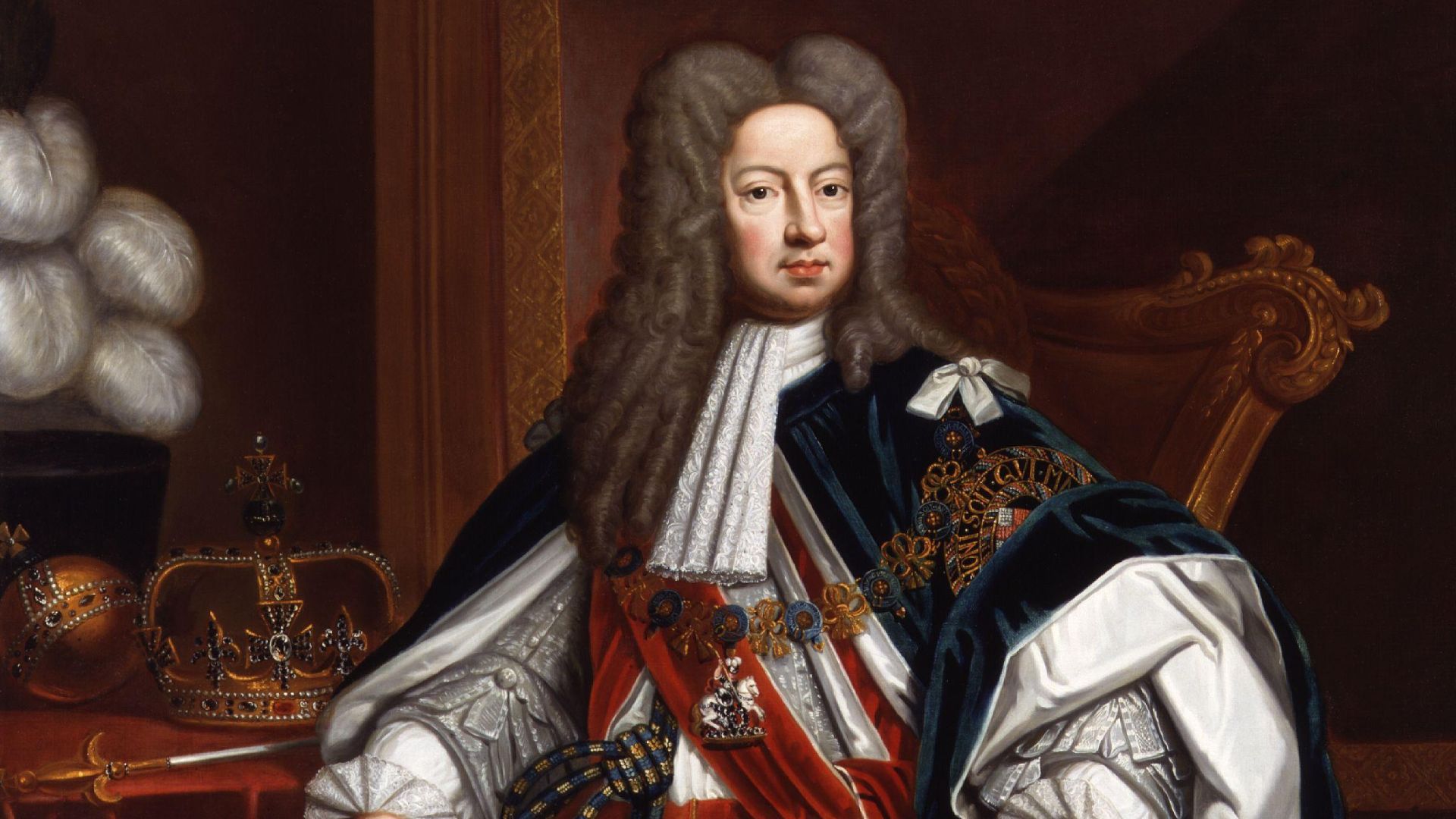 Workshop of Godfrey Kneller on Wikimedia
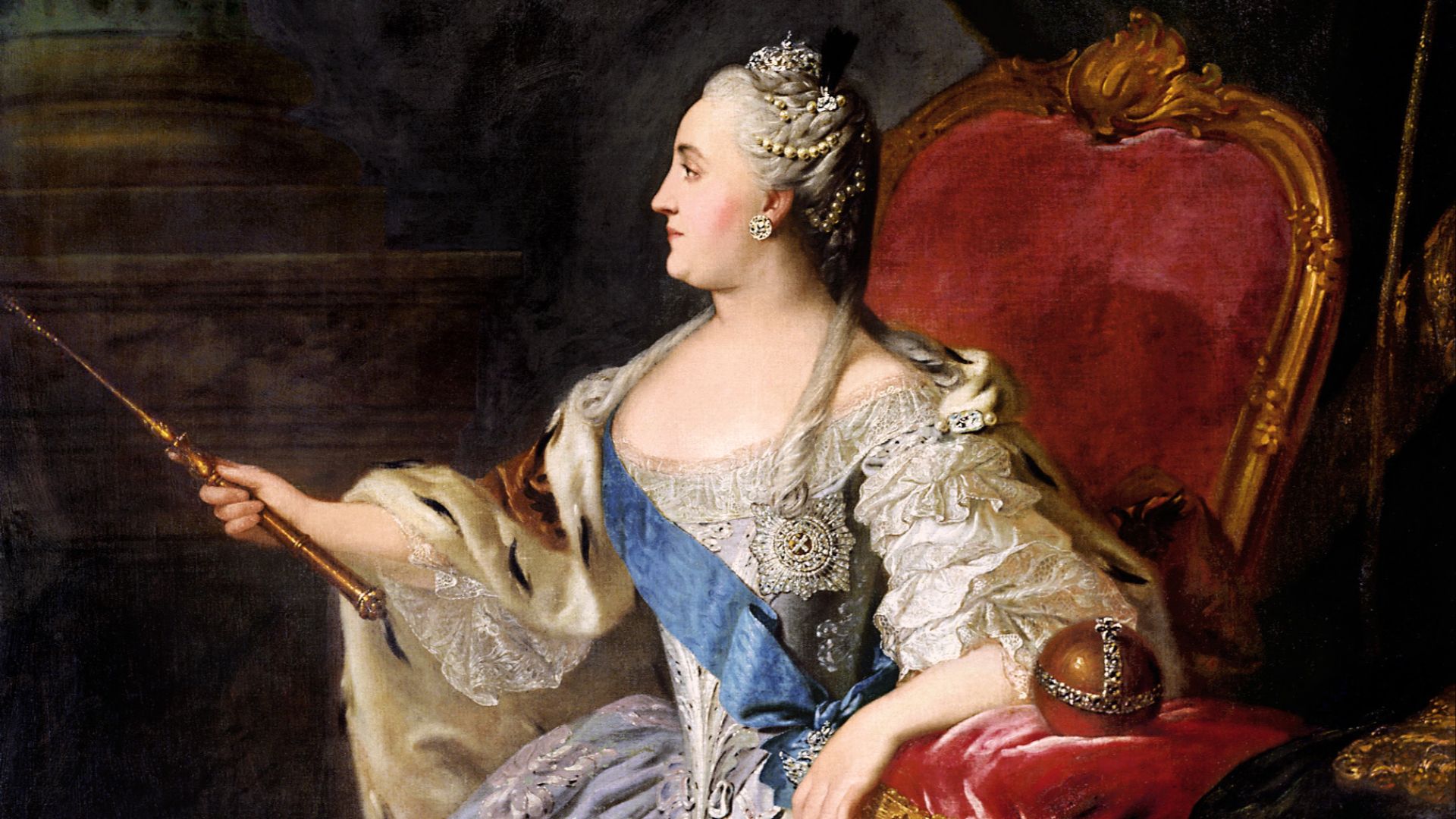
20. Catherine the Great Kept Paul Waiting for Decades
Paul I of Russia grew up in the shadow of his mother, Catherine the Great. She took control after the overthrow and death of Paul’s father, Peter III, and she didn’t exactly want to relinquish control. She even kept Paul away from any authority for most of her reign, and there were reports that she considered bypassing him in favor of his son. That didn’t work, and when Paul finally became emperor in 1796, he changed Russia’s succession law to favor male-line inheritance.
KEEP ON READING

10 Greatest Quarterbacks Of All Time & 10 That Are…
Do You Disagree?. Few topics in sports generate as much…
By Farva Ivkovic Dec 2, 2025
The story of Ching Shih, the Woman Who Became the…
Unknown author on WikimediaFew figures in history are as feared…
By Emilie Richardson-Dupuis Dec 29, 2025
20 Shakespearean Words, Translated For A Modern Audience
What’s In A Word?. Shakespeare was a wordsmith of the…
By Breanna Schnurr Dec 17, 2025
20 Inspiring Stories From Native American History
Incredible Stories Of Resilience And Endurance. Many of us didn't…
By Ashley Bast Dec 17, 2025
You Think You Have Problems? These Royal Families Were Cursed
Boasson and Eggler St. Petersburg Nevsky 24. on WikimediaHeavy is…
By Ashley Bast Dec 5, 2025
MH370: The Plane That Can't Be Found
Anna Zvereva from Tallinn, Estonia on WikimediaEleven years after Malaysia…
By Christy Chan Dec 10, 2025