


A Closer Look at Infamy
History is fraught with horrible people, the crimes they committed so corrupt they became faces you likely still recognize today. From notorious serial killers to mafia lords and financial fraudsters, each of the names on this list left behind a record that either shaped public memory, changed legal systems, or forced people to confront uncomfortable stories and truths. Here are 20 of history's most infamous criminals.
 Unknown photographer on Wikimedia
1. Al Capone
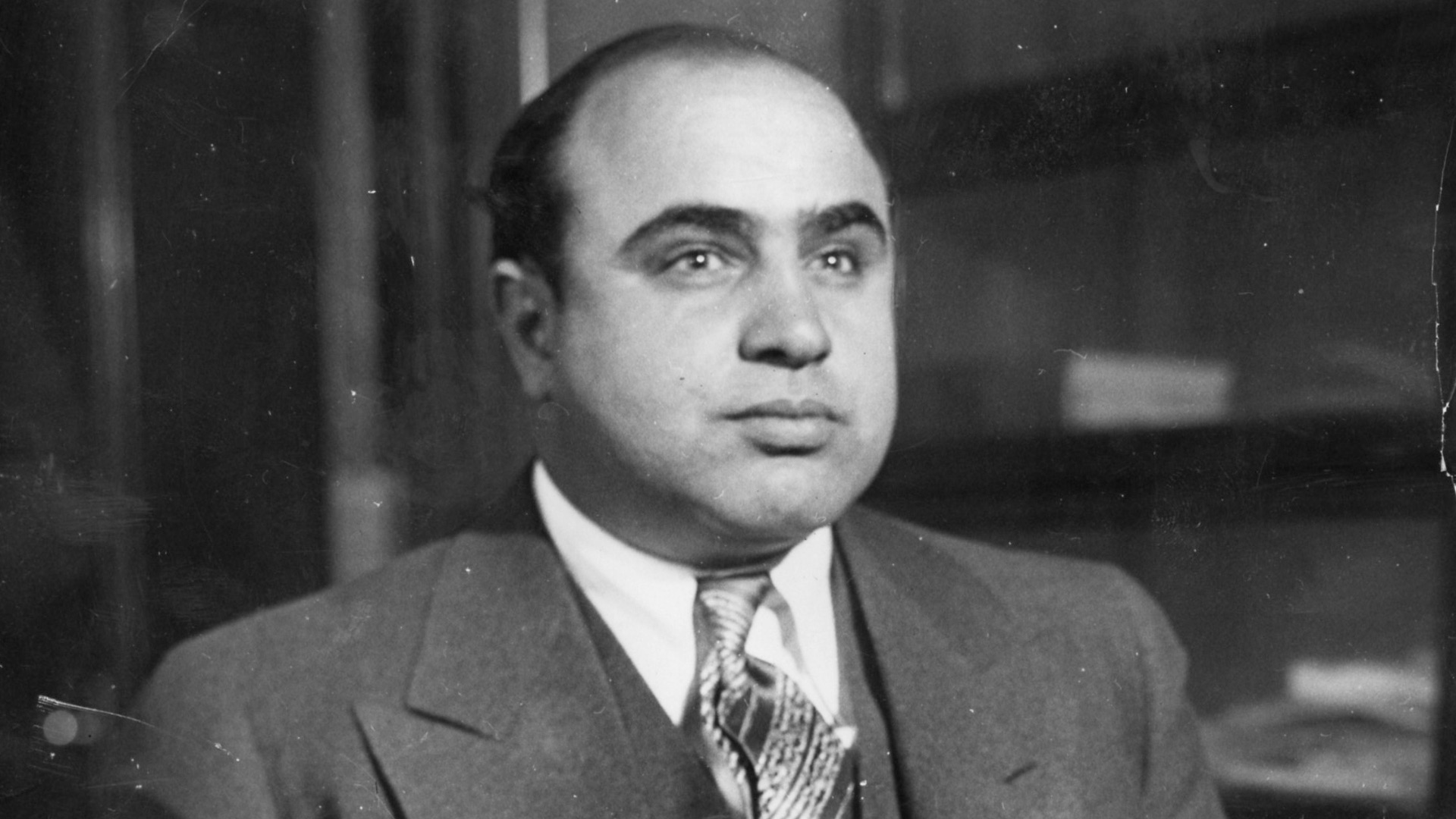
Al Capone became the defining face of organized crime in Prohibition-era America, especially in Chicago, where illegal liquor, gambling, and racketeering made him enormously powerful. He understood public image almost as well as he understood criminal enterprise, presenting himself as a generous businessman while his organization operated through intimidation and corruption. What made Capone so notorious was the gap between his public persona and the damage linked to his empire. In the end, authorities brought him down not through the violent crimes associated with his syndicate, but through a tax evasion conviction that exposed his wealth in a way the law could prove.
 Chicago Bureau (Federal Bureau of Investigation) - Wide World Photos. on Wikimedia
2. Pablo Escobar
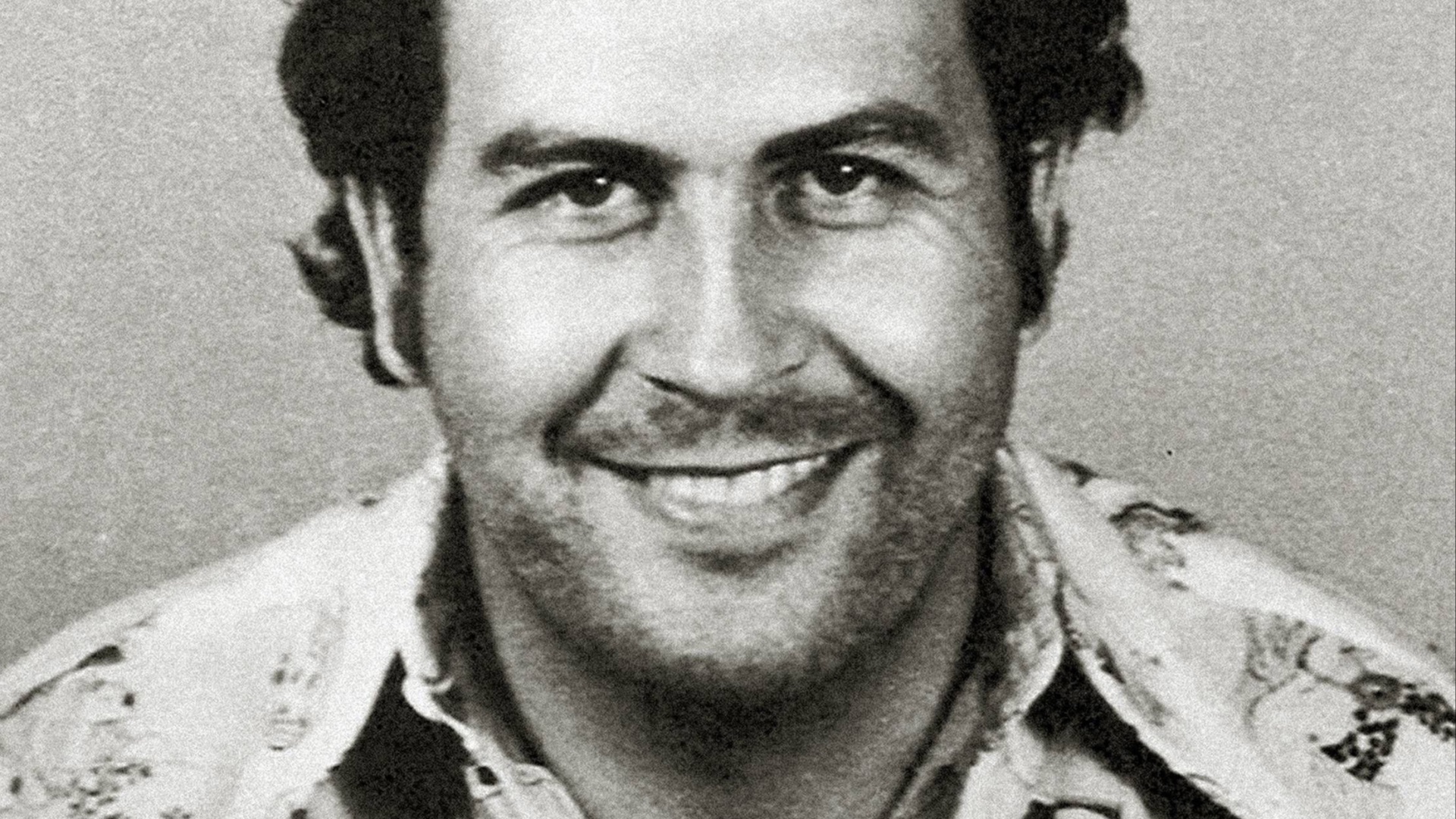
Pablo Escobar rose from smuggler to one of the most powerful drug traffickers in modern history as the head of the Medellín Cartel. His operation moved vast quantities of cocaine while relying on bribery, political pressure, and ruthless intimidation to protect its reach. Escobar also tried to style himself as a defender of the poor, funding housing and community projects that complicated how some people viewed him. Still, the violence and instability tied to his cartel made his name inseparable from one of Colombia’s most turbulent criminal eras.
 Colombian National Police on Wikimedia
3. John Dillinger
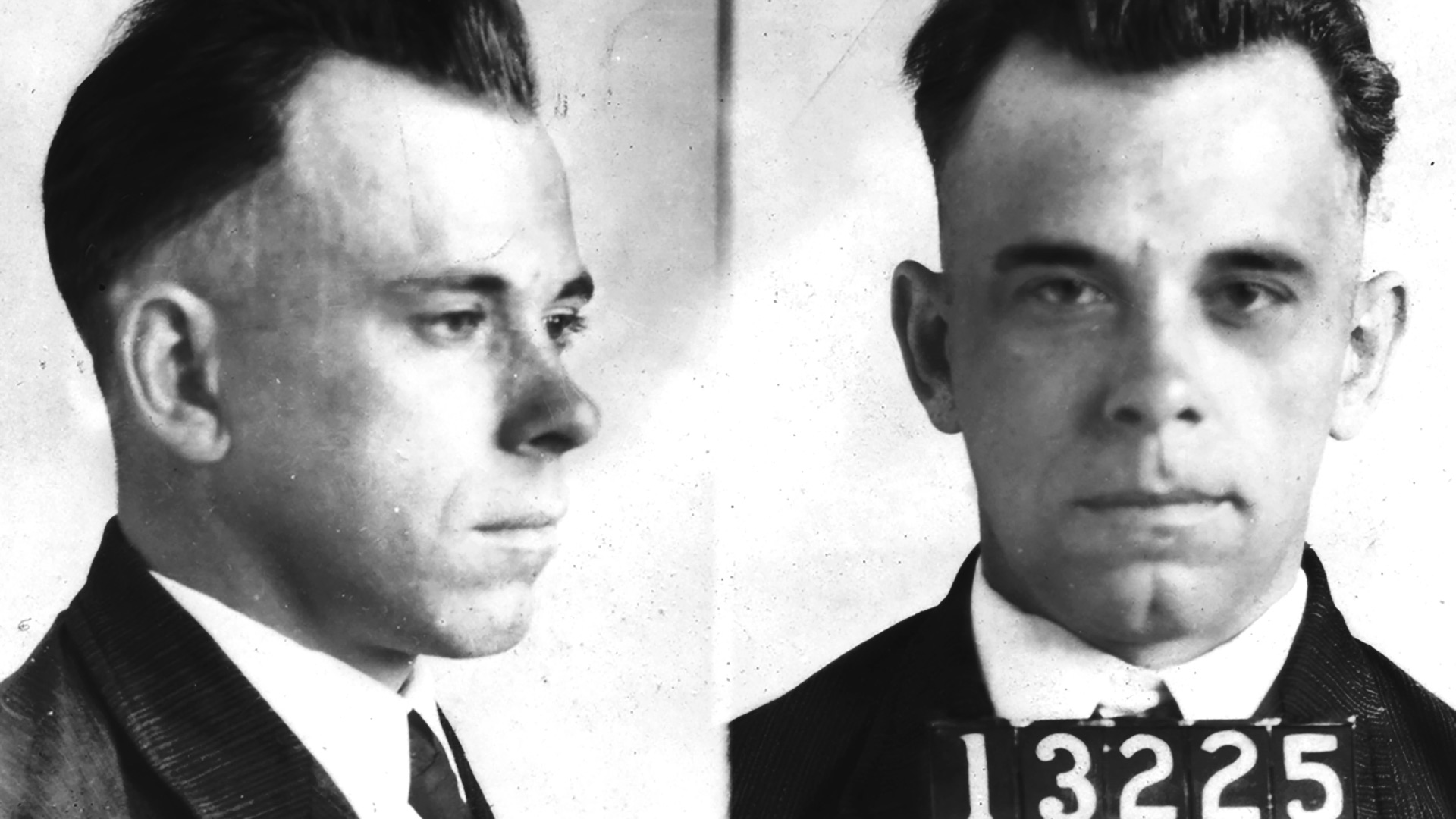
John Dillinger became a national obsession during the Great Depression, when his bank robberies and escapes turned him into one of America’s most wanted men. Newspapers tracked his movements with relentless attention, and his reputation grew each time he slipped away from custody. Some members of the public, angry at banks during a time of widespread hardship, saw him through a distorted kind of sympathy. Law enforcement saw something far more immediate: a dangerous fugitive whose crimes helped push the federal government toward a more aggressive national policing strategy.
 Indiana State Penitentiary on Wikimedia
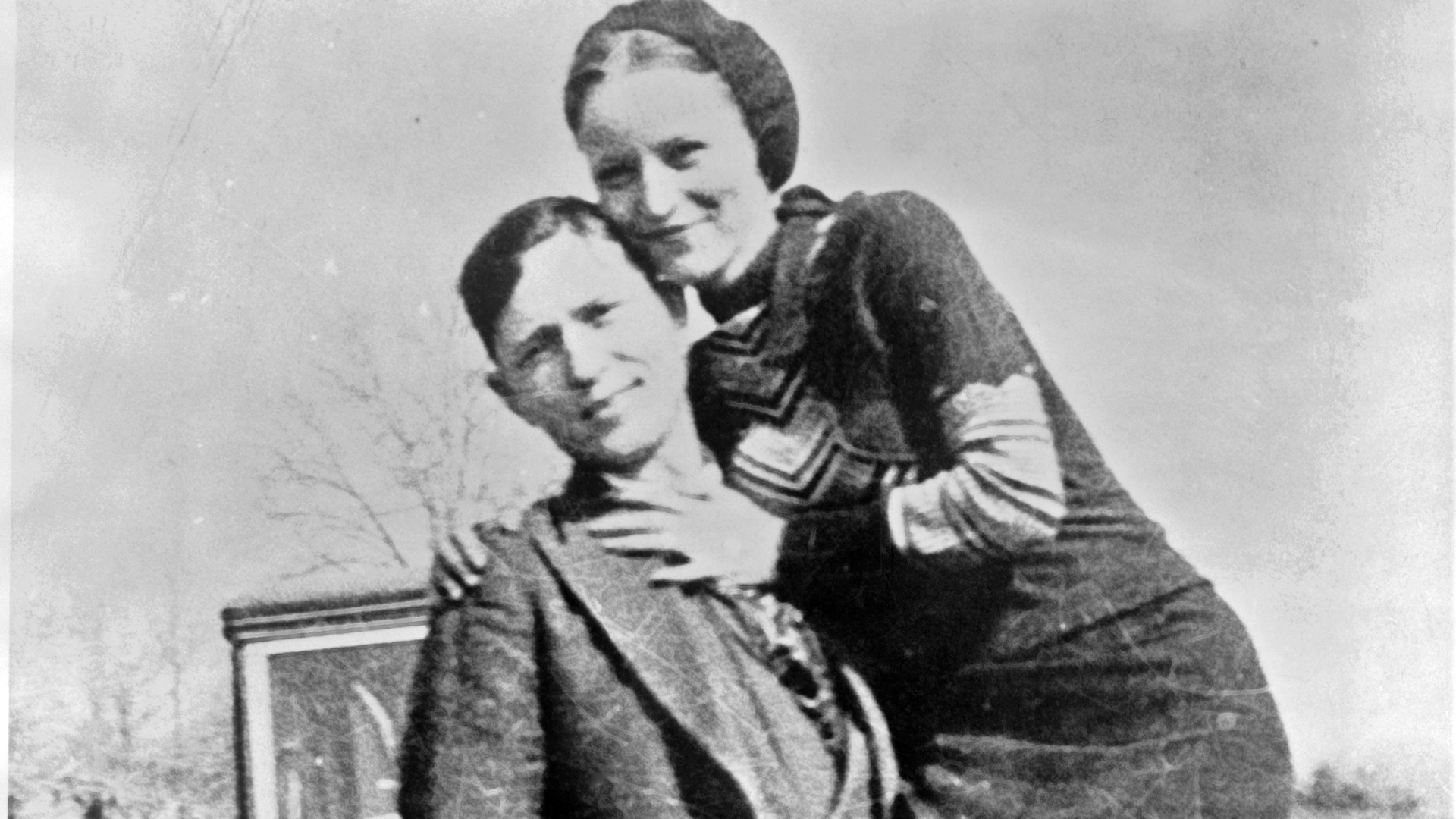
4. Bonnie Parker and Clyde Barrow
Bonnie Parker and Clyde Barrow became two of the most infamous outlaws of the Great Depression, though the popular image of them has often softened the reality of their crimes. From 1932 to 1934, they traveled across several states with members of the Barrow Gang, committing robberies, stealing cars, and repeatedly clashing with law enforcement. Newspapers helped turn them into public figures, but the attention often obscured the fear and harm connected to their crime spree. Their story remains a clear example of how fame can distort criminal history when the legend becomes better known than the facts.
5. The Zodiac Killer
The Zodiac Killer became one of America’s most infamous unidentified criminals after a series of attacks in Northern California in the late 1960s. He was linked to at least five confirmed murders and became even more notorious by sending letters and ciphers to newspapers. The case drew lasting attention because the killer appeared to taunt authorities while keeping his identity hidden. More than half a century later, the Zodiac case remains one of the most recognizable unsolved crimes in modern American history.
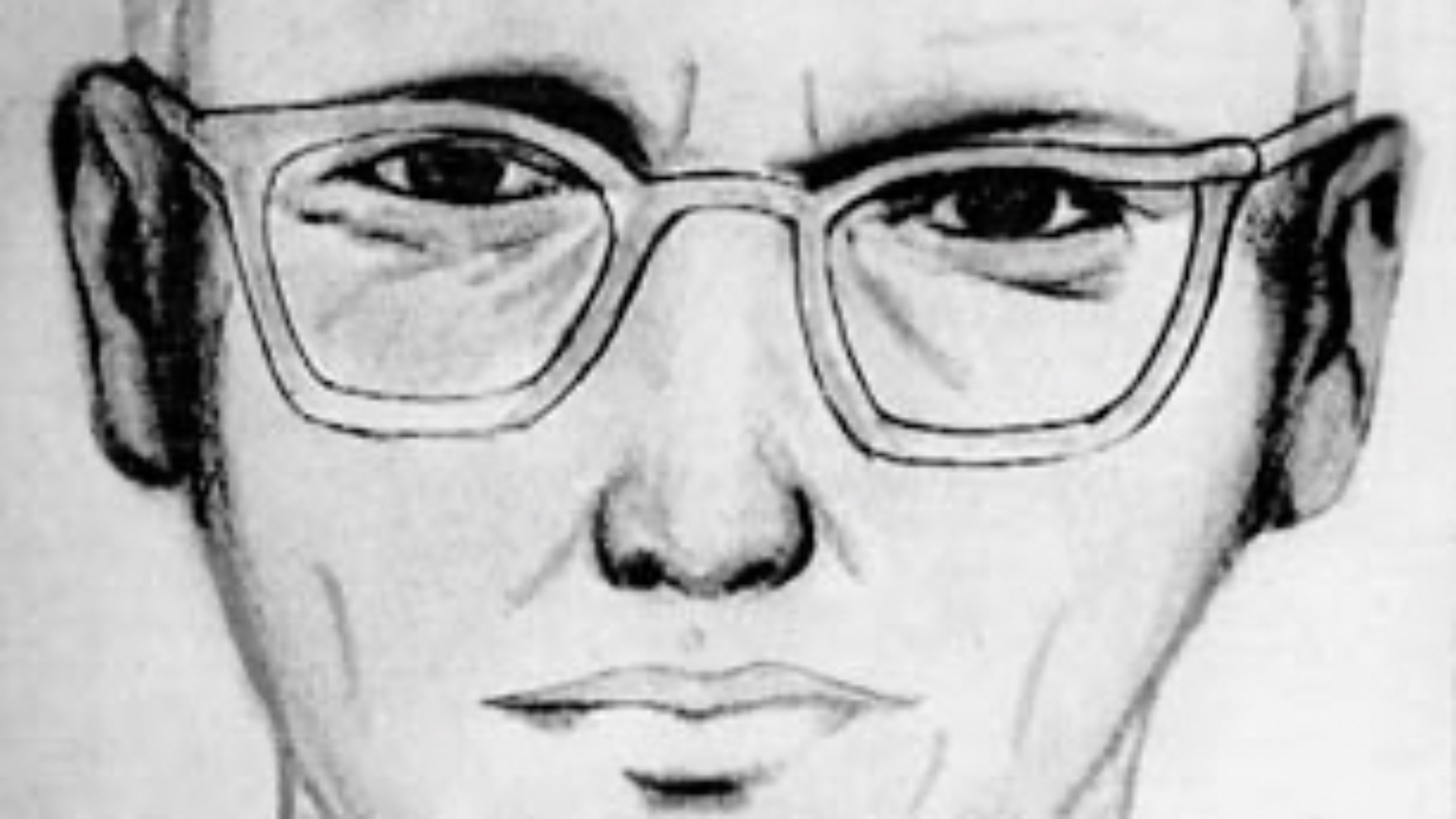 San Francisco Police Department on Wikimedia
6. Charles Ponzi
Charles Ponzi became infamous not because he invented financial fraud, but because his scheme became the shorthand for an entire category of deception. In the early 1920s, he promised investors extraordinary returns through a plan supposedly based on international postal reply coupons. The money was never being earned in the way he claimed; instead, new investments were used to pay earlier investors and maintain the illusion of success. When the scheme collapsed, Ponzi’s name became permanently attached to the seductive danger of impossible promises.
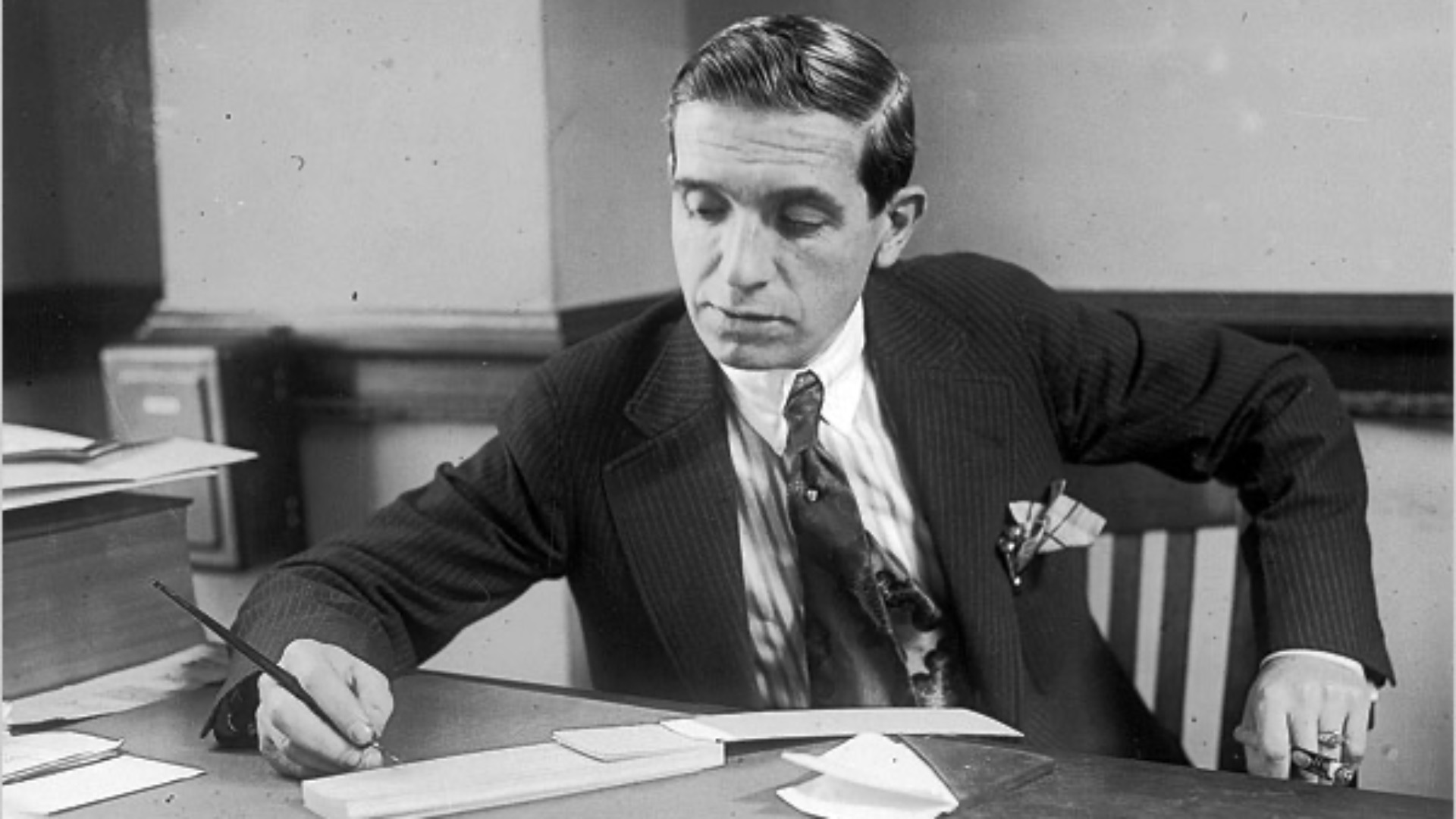 Boston Library (NYT); en.wikipedia.org on Wikimedia
7. Bernie Madoff
Bernie Madoff’s crimes shook the financial world because they came from a man who had spent decades cultivating trust and respectability. His massive Ponzi scheme devastated individual investors, charitable foundations, and institutions that believed their money was in safe hands. What made the case so jarring was not only the scale of the fraud, but the length of time it continued under the surface of legitimate finance. Madoff became a modern symbol of how reputation, confidence, and weak oversight can combine into catastrophic deception.
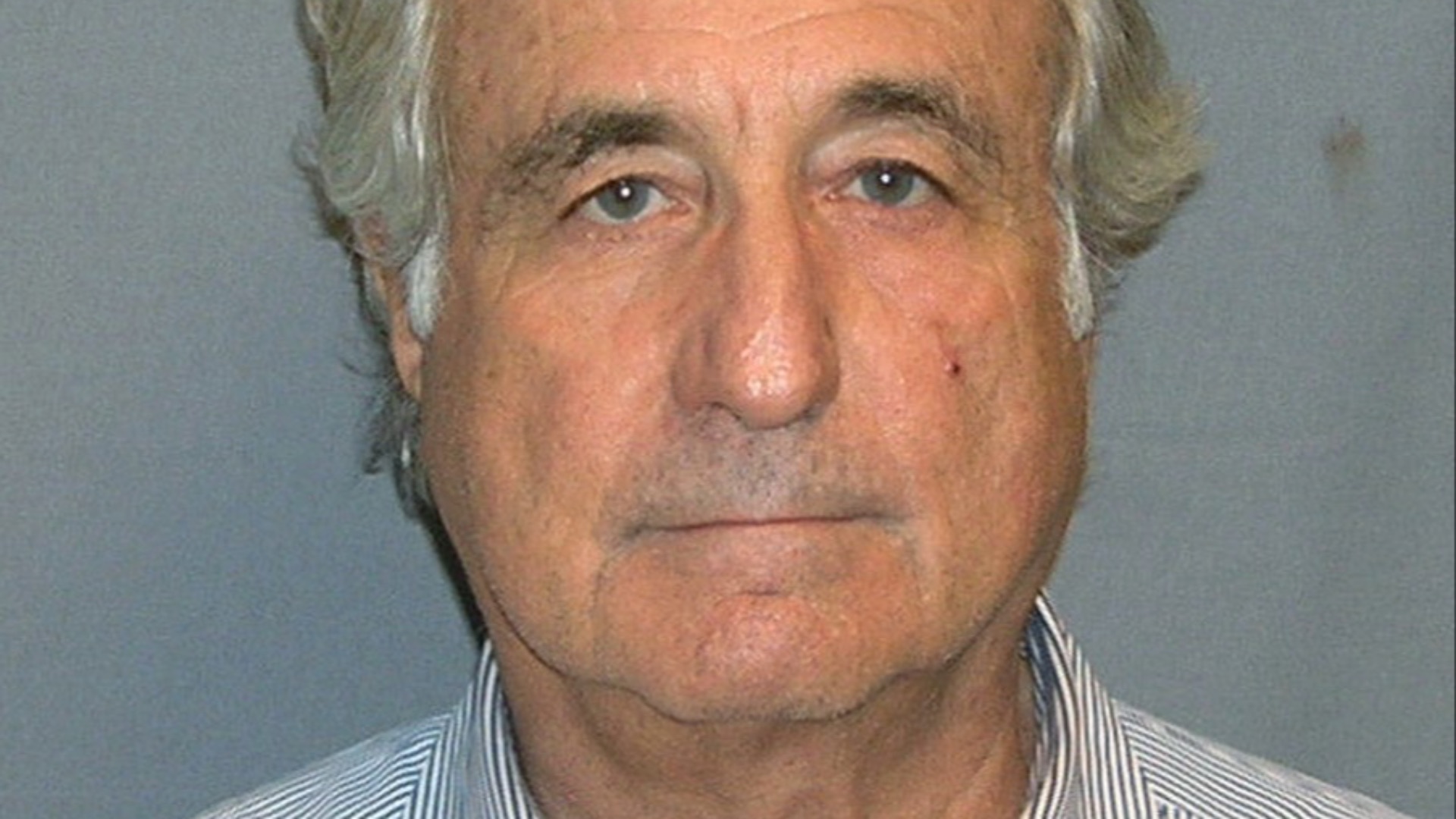 U.S. Department of Justice on Wikimedia
8. Jesse James
Jesse James became one of the most famous outlaws of the American West and Midwest, though his reputation has often been shaped as much by legend as by fact. He and his gang robbed banks, trains, and stagecoaches, creating fear while also attracting sensational attention. After his death, sympathetic portrayals and folklore blurred the brutality of his crimes, turning him into a figure some people wrongly treated as rebellious or heroic. A clearer view of Jesse James reveals not a folk champion, but a criminal whose notoriety grew through violence and storytelling alike.
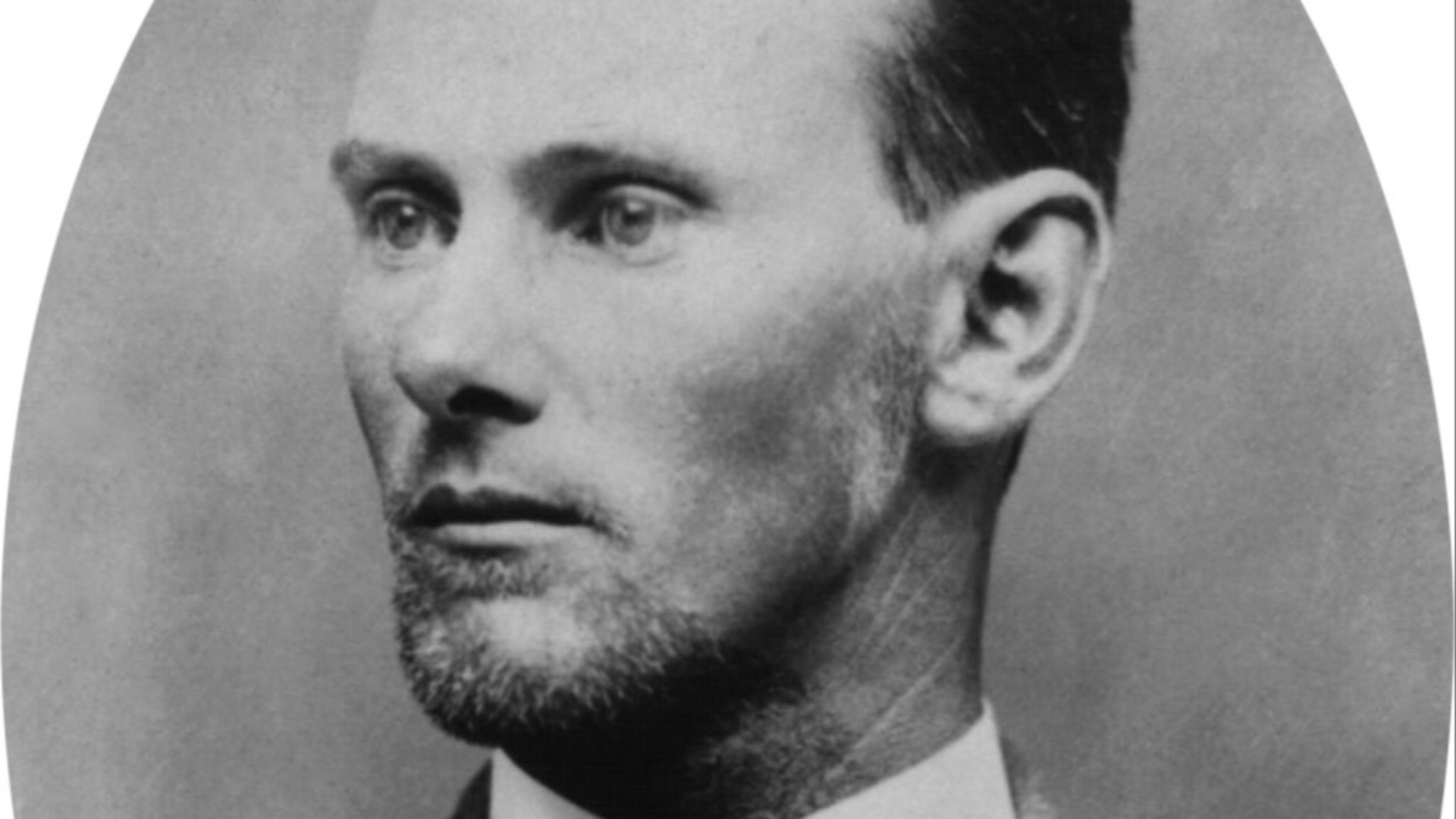 Photographer unknown. Scan by LoC. on Wikimedia
9. Billy the Kid
Billy the Kid, born Henry McCarty and later known as William H. Bonney, became one of the enduring names of the American frontier. His reputation was built around cattle conflicts, shootings, escapes, and confrontations with lawmen in New Mexico. Because he died young, his life left plenty of room for exaggeration, and later accounts often stretched him into something larger than the documented record supports. Even stripped of legend, he remains a striking example of how quickly a fugitive can become a lasting figure in criminal history.
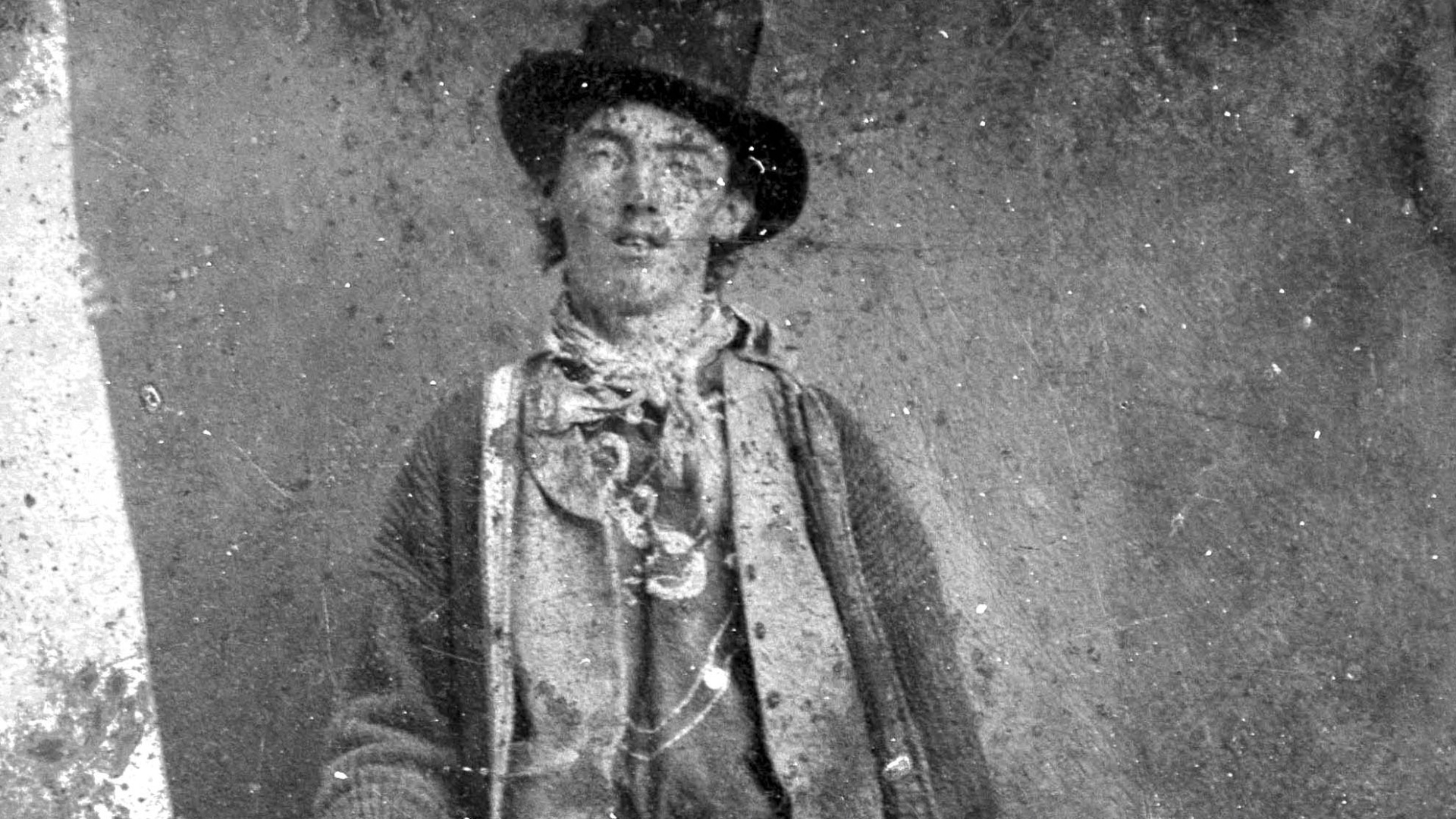 Ben Wittick (1845–1903) on Wikimedia
10. Jack the Ripper
Jack the Ripper remains infamous partly because the identity behind the name was never conclusively discovered. The murders associated with the case took place in London’s Whitechapel district in 1888 and created intense fear across the city. The mystery drew enormous press attention, and newspapers helped turn the case into one of the first true modern crime obsessions. More than a century later, the unanswered questions still matter, but so does the social reality the case exposed: poverty, vulnerability, and public institutions that often failed those most at risk.
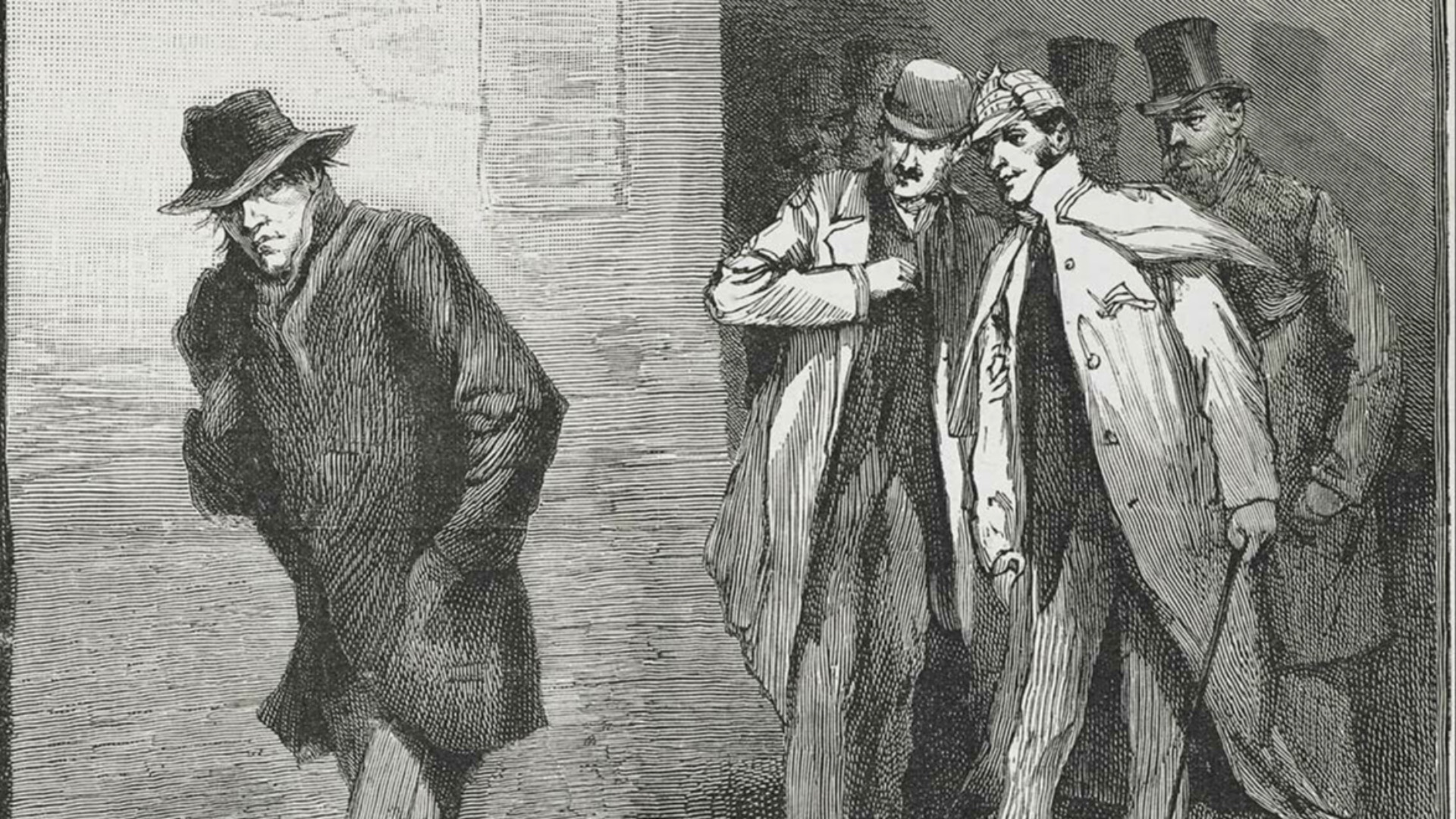 R. Taylor (R. & E. Taylor (Firm)) on Wikimedia
11. H. H. Holmes
H. H. Holmes became one of America’s most notorious 19th-century criminals through a mixture of fraud, manipulation, and murder. His connection to Chicago during the era of the 1893 World’s Fair gave later writers a dramatic setting, and over time, some parts of his story were exaggerated beyond the evidence. Even with those embellishments removed, Holmes remains deeply unsettling because of the calculated way he deceived people for money and control. His case also reveals how sensational reporting can turn a criminal into something almost larger than the historical record itself.
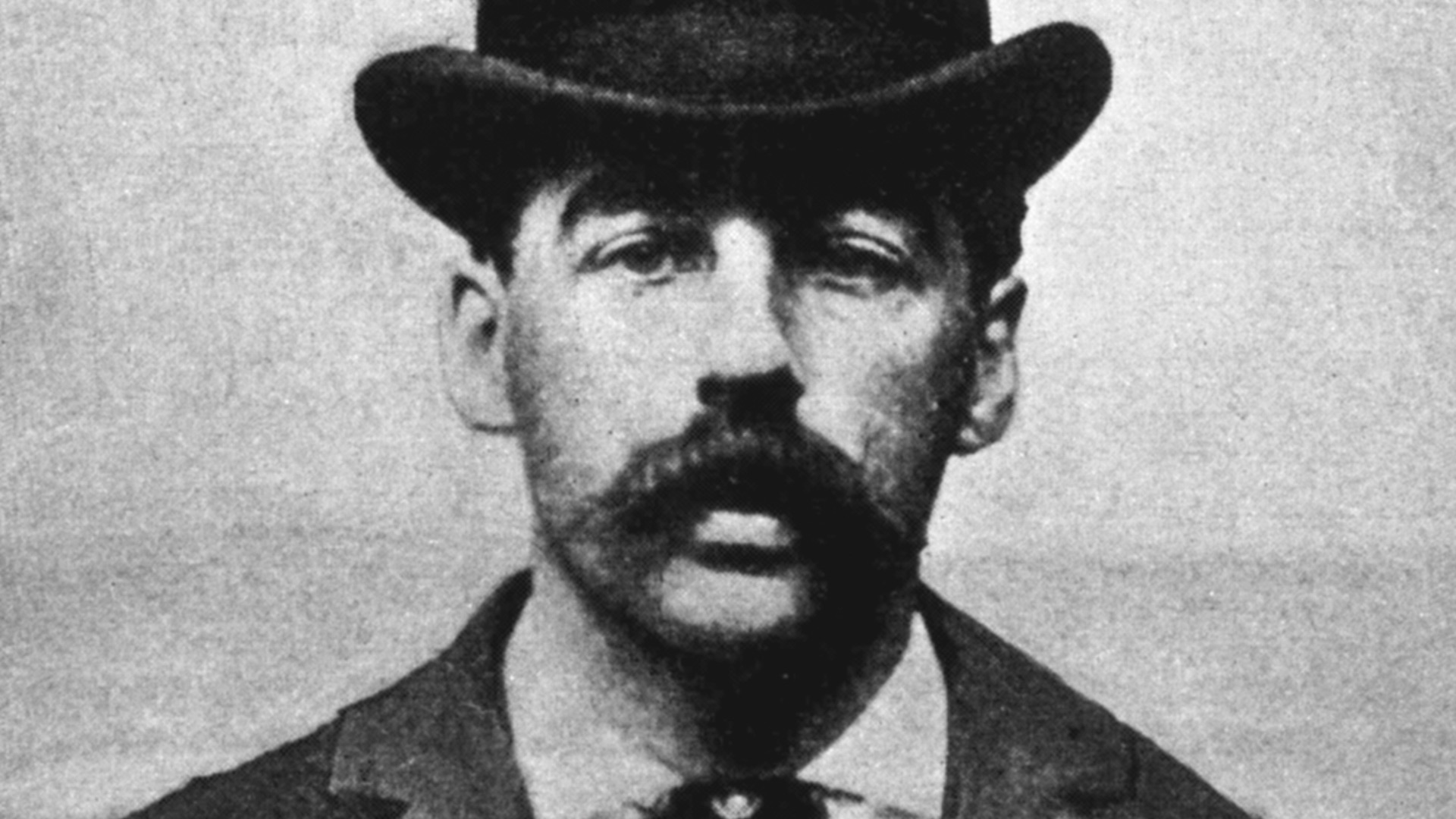 though likely a mugshot. on Wikimedia
12. Ted Bundy
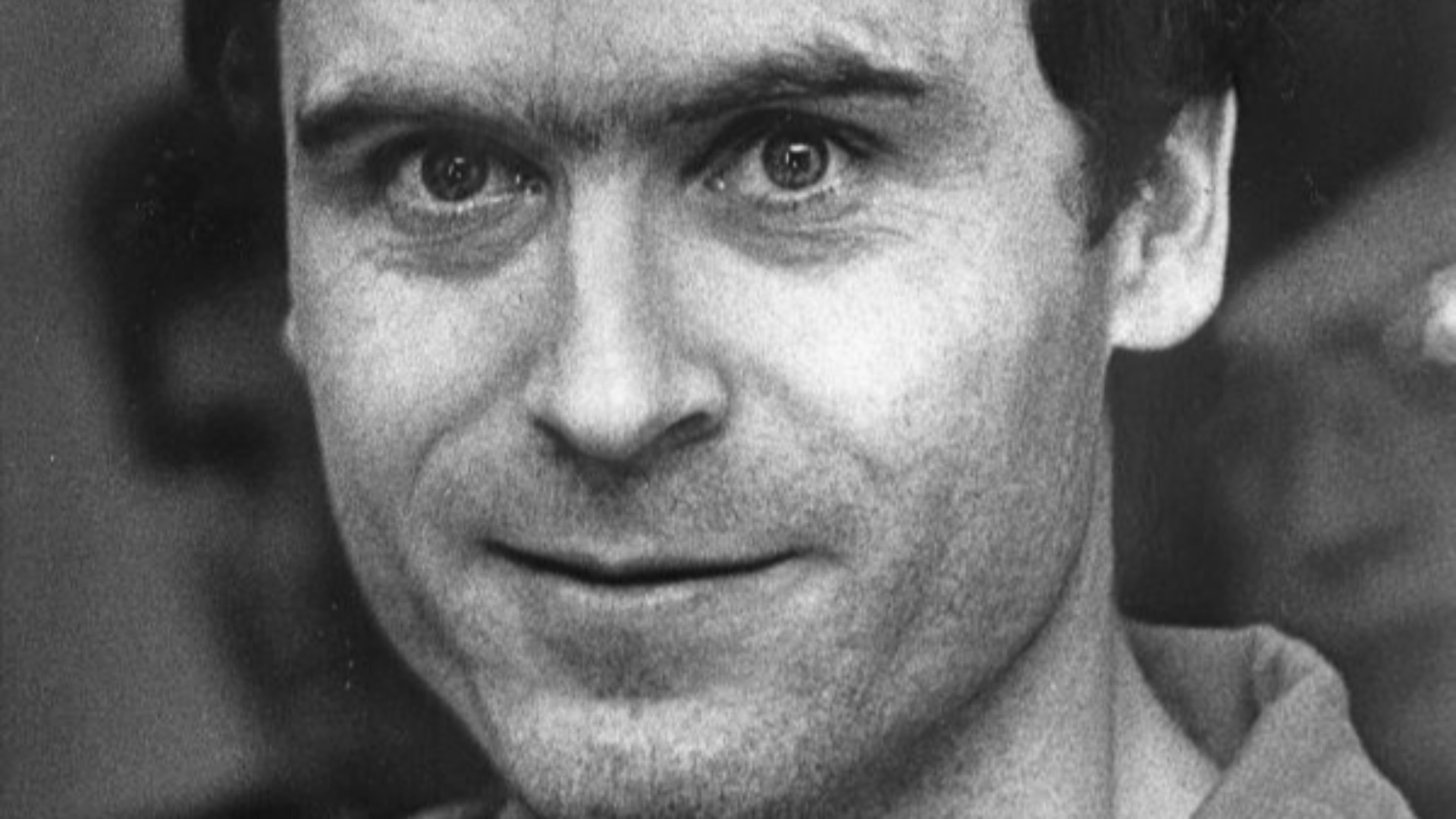
Ted Bundy became one of the most infamous serial killers in American history because his crimes forced people to rethink their assumptions about danger. He often presented himself as educated, polite, and harmless, using that appearance to manipulate victims and the people around him. His trials drew national attention and turned him into a disturbing media figure during a period when the public was becoming more aware of serial crime. Bundy’s notoriety still rests on the unsettling truth that charm and respectability can be used as tools of predation.
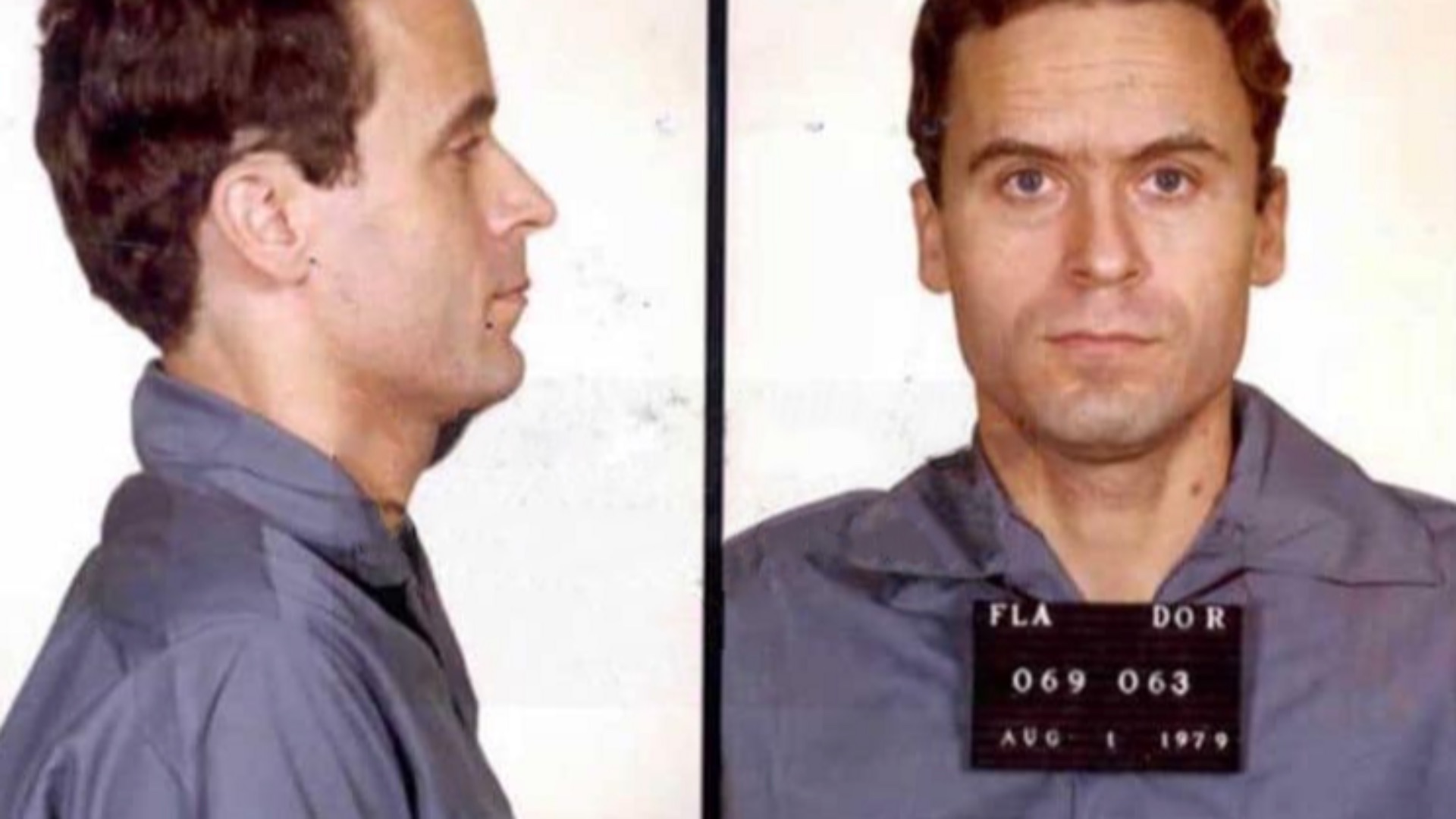 Florida Department of Corrections on Wikimedia
13. Jeffrey Dahmer
Jeffrey Dahmer’s crimes horrified the United States when they were uncovered in 1991, but the lasting importance of the case goes beyond shock. His victims included people whose disappearances did not always receive the urgency they deserved, raising painful questions about policing, prejudice, and vulnerability. Public attention has often focused heavily on Dahmer himself, which risks pushing the lives of the victims out of view. Any serious look at his place in criminal history has to remember that the real story is not fascination, but failure, loss, and accountability.

14. Aileen Wuornos
Aileen Wuornos became one of the most widely known female serial killers in the United States, in part because her case challenged familiar assumptions about gender and violent crime. Her life was marked by trauma, instability, and hardship, factors that shaped public debate but did not erase the crimes for which she was convicted. Wuornos claimed that she acted in self-defense, though courts rejected that argument in the cases that led to her convictions. Her story remains difficult because it sits at the intersection of violence, victimhood, punishment, and the limits of public sympathy.
 Florida Department of Corrections on Wikimedia
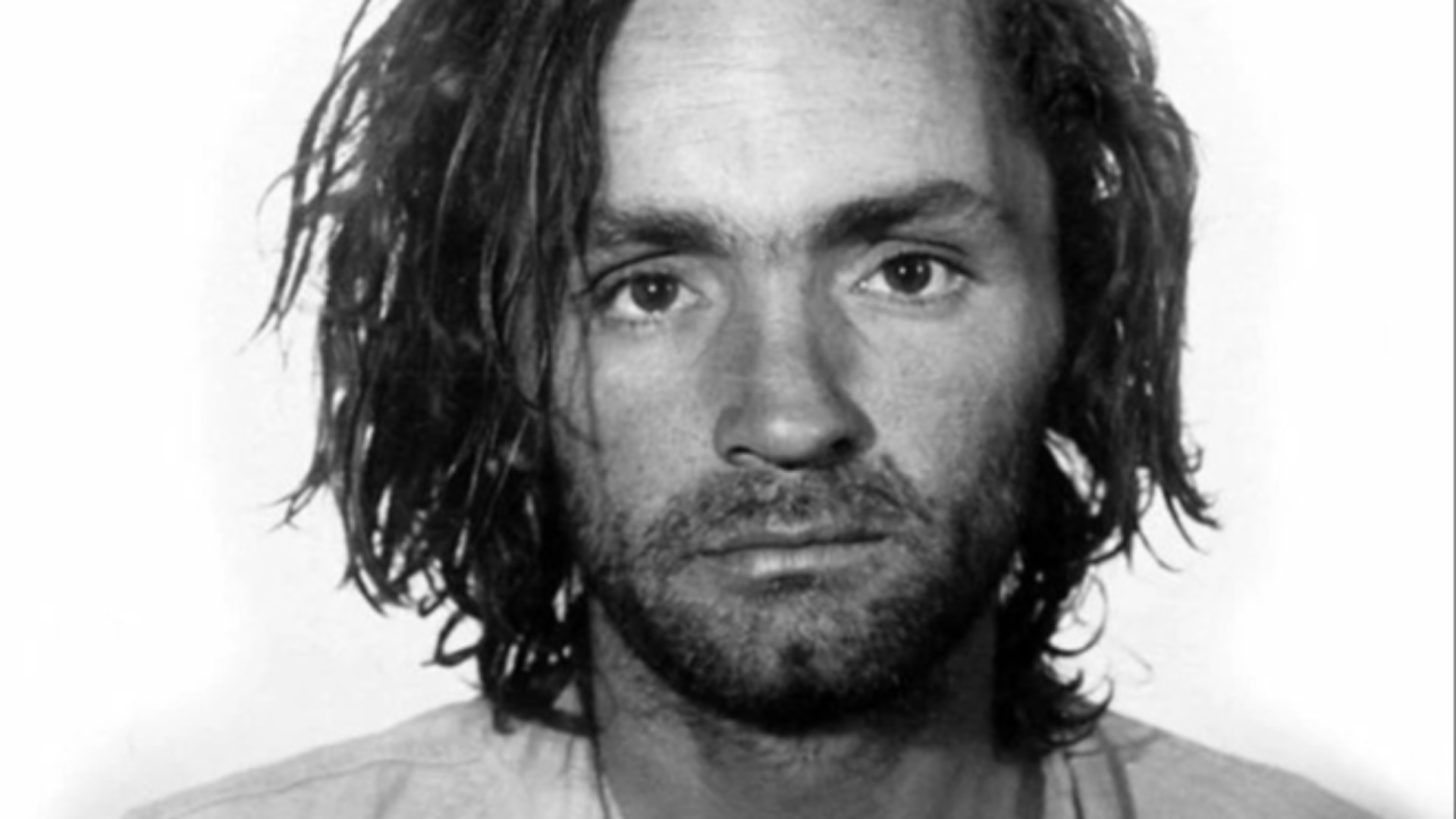
15. Charles Manson
Charles Manson became infamous less as a direct perpetrator and more as a manipulator who pushed others toward devastating violence. He led a cult-like group known as the Manson Family in California during the late 1960s, using control, isolation, and ideology to shape the behavior of his followers. The crimes connected to the group shocked the country and became tied to broader anxieties about the era. Manson’s place in criminal history comes from the frightening power he held over others and the destruction that followed from it.
16. Griselda Blanco
Griselda Blanco became one of the most notorious figures in the cocaine trade, especially through her connection to trafficking networks and the Miami drug wars. She operated in a criminal world dominated by men, yet built a reputation for power, strategy, and extreme ruthlessness. Media accounts often emphasized her nicknames and mystique, but those details can distract from the real consequences of the trade she helped expand. Her story is a stark part of the late 20th-century drug economy and the violence that accompanied it.
 Metro Dade Police Department on Wikimedia
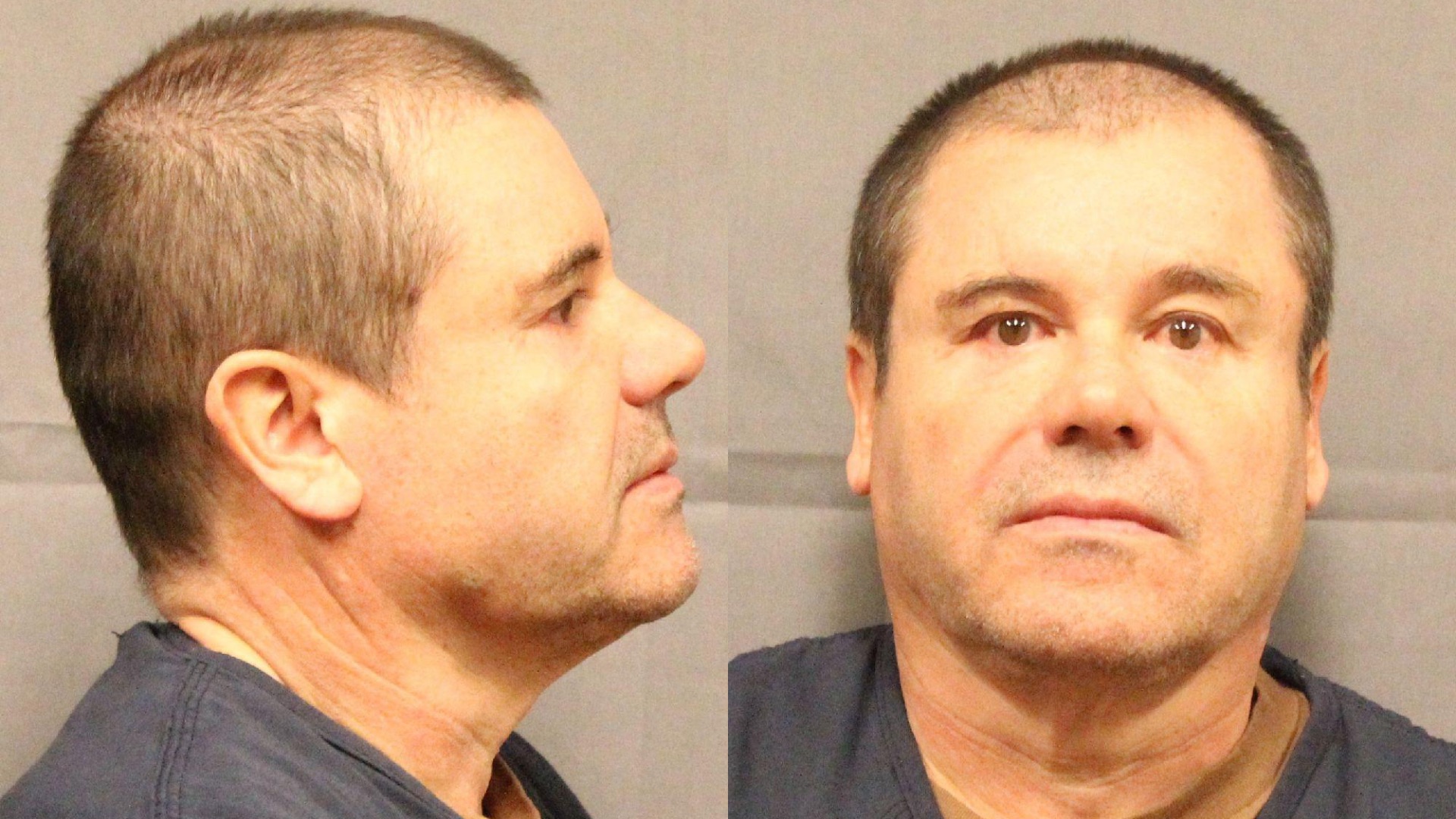
17. Joaquín "El Chapo" Guzmán
Joaquín "El Chapo" Guzmán became internationally known as a leader of the Sinaloa Cartel, one of the most powerful drug trafficking organizations in the world. His criminal network moved drugs across borders on a massive scale while using corruption, intimidation, and complex logistics to protect its operations. Guzmán’s prison escapes added to his notoriety and made him a symbol of both criminal resourcefulness and institutional weakness. His conviction in the United States marked a major moment in the long fight against transnational drug trafficking.
18. Frank Abagnale Jr.
Frank Abagnale Jr. became famous for fraud rather than violence, and that distinction made his story unusually captivating to the public. He was associated with check forgery and impersonation schemes, including claims that he posed as professionals such as a pilot and a doctor, though some details of his account have been questioned. The fascination around Abagnale comes from the boldness of the deception and the way he seemed to exploit confidence, paperwork, and social trust. His later career in fraud prevention added a complicated second act to a life first defined by criminal reinvention.
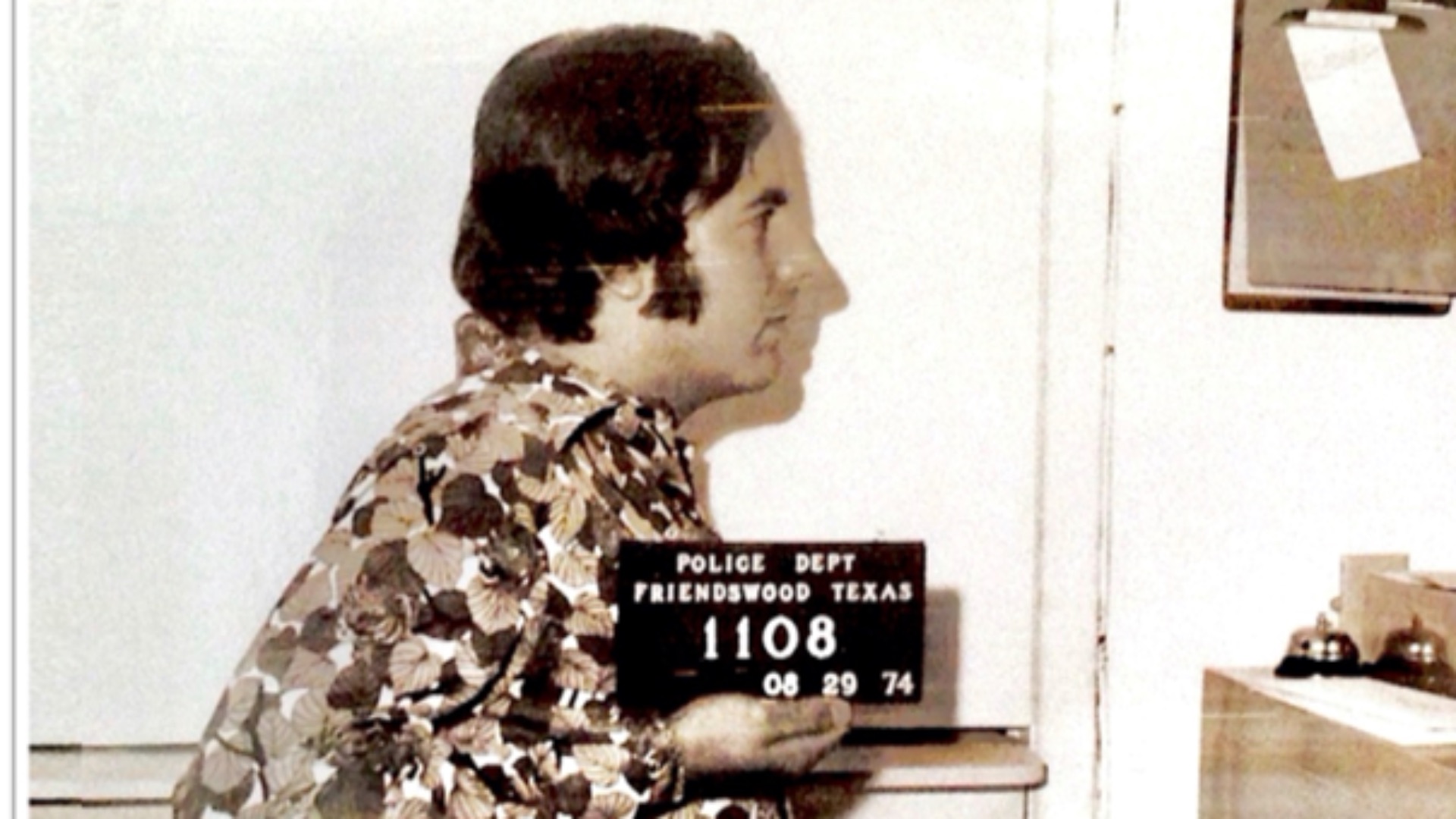 Friendswood Police Department on Wikimedia
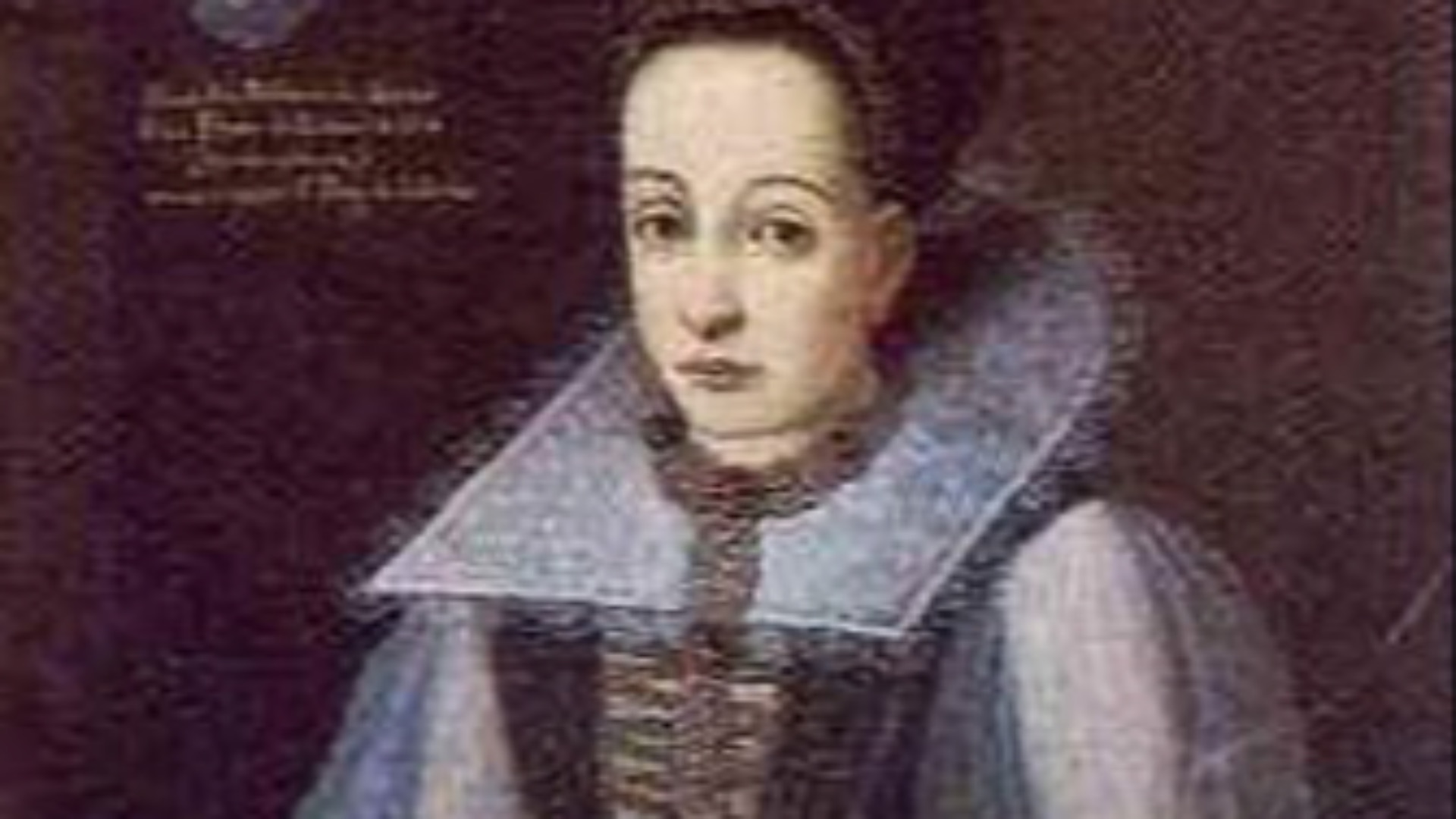
19. Elizabeth Báthory
Elizabeth Báthory, a Hungarian noblewoman from the late 16th and early 17th centuries, became one of Europe’s most infamous accused criminals. She was alleged to have abused and killed young women, though historians continue to debate parts of the evidence and the political context surrounding the accusations. Her aristocratic status made the case especially explosive, since it suggested that rank and privilege could shield terrible conduct. Over time, legend surrounded her so heavily that any careful account has to separate documented history from later invention.
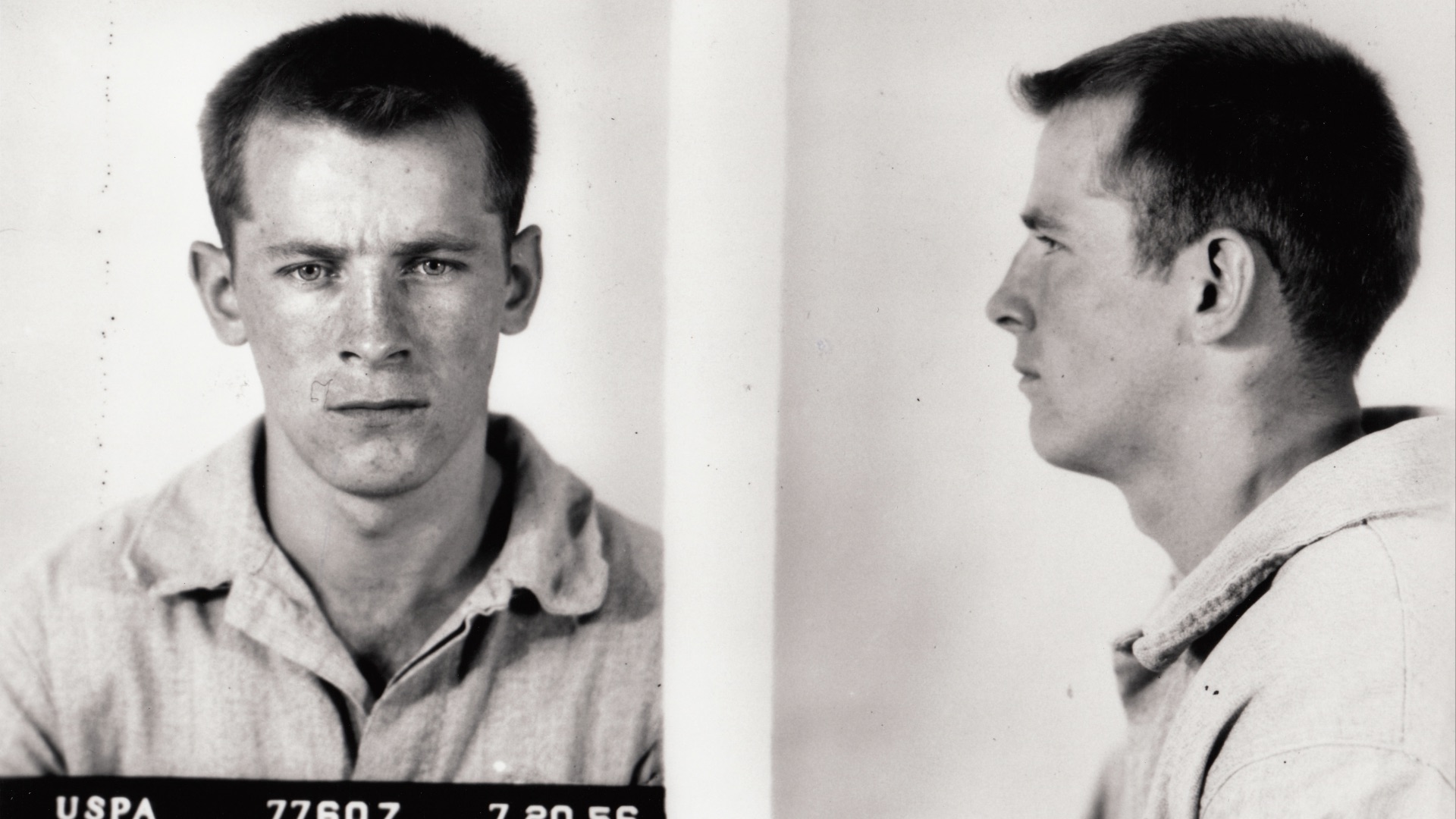
20. Whitey Bulger
Whitey Bulger became infamous not only as a Boston crime boss, but as a figure whose story exposed serious corruption within law enforcement. As the leader of the Winter Hill Gang, he was tied to organized crime, extortion, and multiple grave offenses over many years. His relationship with compromised federal agents allowed him to evade consequences for far too long, deepening public anger once the full picture emerged. Bulger’s case remains one of the clearest reminders that criminal power becomes even more dangerous when institutions fail to police themselves.
KEEP ON READING
The Brutal Realities Of Gladiator Life Beyond the Arena
David Cruz asenjo on PexelsWhen most people think of gladiators,…
By Rob Shapiro Mar 31, 2026
The Volcano Winter That Nearly Toppled Europe
Collin Ross on UnsplashMost people, if asked to name a…
By Cameron Dick Mar 31, 2026
From School Plays To Starting A Cult: 20 Of The…
The Books That Made Us. Many people will tell you…
By Farva Ivkovic Jan 31, 2025
20 Facts About Jane Grey, The Forgotten Queen Of England
A Quick, Messy, and Tragic Reign. Lady Jane Grey never…
By Maria Cruz Jan 31, 2025
20 Priceless Historical Art Pieces Rescued By The Monuments Men
Protecting Human History. While the soldiers on the front lines…
By Sara Springsteen Mar 31, 2026
Almost Every Ancient Statue Has a Missing Nose, And It's…
Gary Todd from Xinzheng, China on WikimediaWalk through the classical…
By Elizabeth Graham Mar 31, 2026