

They Showed Up The Day After The Funeral Demanding My House—But My Husband Left Them Something They Never Saw Coming
They Showed Up The Day After The Funeral Demanding My House—But My Husband Left Them Something They Never Saw Coming
The Day After
I woke up the morning after Daniel's funeral still wearing yesterday's black dress, the fabric twisted around my waist where I'd fallen asleep on top of the covers. The house felt different in a way I couldn't name—not just empty, but waiting. Like it was holding its breath. I moved through the rooms in bare feet, noticing things I'd walked past a thousand times before. Daniel's reading glasses on the side table, folded exactly how he always left them. Two coffee cups in the sink from the morning before he went to the hospital, when I still thought we had more time. The silence pressed against my ears, heavier than grief, more deliberate than absence. I picked up his glasses and set them back down in the exact same spot. Around eleven-thirty, I was standing in the kitchen staring at the coffee maker, trying to remember if I'd eaten anything since the reception, when I heard it. A knock at the front door. Not the soft, apologetic tap of neighbors bringing casseroles. Not the hesitant rhythm of someone offering condolences. This knock was firm, expectant, like whoever stood on the other side had every right to be there. Something in my chest tightened before I even moved toward the hallway.
 Image by RM AI
No Condolences
I opened the door to find Ethan and Marissa standing on my front step, and the first thing I noticed was how sharply they were dressed. Not funeral clothes—Ethan wore expensive jeans and a blazer that looked like it cost more than my car payment, and Marissa had on a tailored pantsuit in charcoal gray, her leather bag probably designer. They looked like they'd come from a business meeting, not their father's burial. "Claire," Ethan said, not "how are you holding up" or "we wanted to check on you." Just my name, flat and businesslike. Marissa nodded, her expression neutral, controlled. Neither of them mentioned Daniel. I stood there for a beat too long, reading the absence of grief in their faces, before I stepped back and said they should come in. They moved past me into the entryway with a kind of certainty that made me feel like a guest in my own home. I offered coffee, asked if they wanted to sit down, and Ethan shook his head. "We won't be long," he said. They both stayed standing, Marissa's arms at her sides, Ethan's hands in his pockets. The air between us felt charged, like we were all waiting for someone to say what we were really doing here.
 Image by RM AI
Their Assumptions
Ethan didn't waste time. "We need to discuss the house," he said, his eyes moving past me to take in the living room, the hallway, like he was already appraising it. "And the other assets. We want to handle this properly." Marissa shifted her weight, her expression softening into something that might have looked like sympathy if her eyes had matched. "Dad would have wanted things settled quickly," she added. "Fairly." I watched them both, tracking the assumptions beneath their words. Ethan kept saying "we need to" like it was a collective decision we'd all already made. He mentioned timelines for sorting through belongings, dividing property, using phrases like "the estate" and "equitable distribution" with a smoothness that made my jaw tight. Marissa nodded along, occasionally adding comments about what their father would have wanted, speaking with a certainty that made me wonder how long they'd been discussing this. They'd clearly talked about this between themselves, maybe even before Daniel died. I could see it in how smoothly they traded off, how Ethan would start a thought and Marissa would finish it. They'd already decided how this would go, what belonged to whom, what I'd be keeping and what I wouldn't. I just stood there, listening, my hands folded in front of me.
 Image by RM AI
Wait for the Lawyer
"I think we should wait for the will reading," I said, my voice quieter than I'd intended but steady enough. "Let the lawyer handle the details." Ethan's jaw tightened, just a small movement, but I caught it. Marissa's eyes narrowed slightly, and she exchanged a look with her brother that I wasn't supposed to notice—a look that said I was being difficult, that I was stalling. "This is pretty straightforward," Marissa said, her tone still controlled but with an edge now. "There's no reason to drag things out." I didn't argue. Didn't explain myself or justify the boundary I'd just set. I just held her gaze and said, "The lawyer will contact us when it's time." Ethan pulled his keys from his pocket, the jingle loud in the quiet entryway. They left without much ceremony, Marissa's heels clicking across the hardwood, Ethan already halfway to the door before she'd finished saying goodbye. I watched through the front window as they walked to his car, saw them stop before getting in, their heads bent together in conversation. Ethan gestured toward the house. Marissa shook her head, said something I couldn't hear. Then they drove away, and I stood there in the empty entryway, feeling like the ground beneath the house had started to shift.
 Image by RM AI
The Folder
After they left, I sat in Daniel's chair, the one by the window where he used to read in the afternoons, and my mind drifted back to three weeks before he died. He'd called me into his office, his voice tired but focused, and asked me to bring him a specific folder from the filing cabinet. The blue one, third drawer down, he'd said. I'd found it exactly where he described and handed it to him without looking inside. I figured it was medical paperwork, maybe insurance documents, the kind of administrative burden that comes with dying. He'd spent hours with that folder spread across his lap, reading through pages, making notes in the margins with his careful handwriting, signing documents I never saw. When I'd asked what it was, he'd waved me off gently. "Just taking care of things," he'd said. "Making sure everything's in order." I hadn't pressed him. He'd looked so serious, so deliberate in his focus, and I'd trusted that whatever he was doing, he had his reasons. Before he'd closed the folder, he'd reached for my hand and held it, his grip weaker than it used to be but still warm. "I'm taking care of things," he'd repeated, his eyes on mine. Now, sitting in his empty chair, I wondered what exactly had been in that folder.
 Image by RM AI
Nina's Visit
Nina showed up the next afternoon with enough food to feed me for a week and the kind of directness that cut through the fog I'd been moving through since the funeral. She didn't ask if I was okay or tiptoe around Daniel's name. She just unpacked containers into my fridge and said, "He would've hated that casserole Linda brought. Too much mayo." I laughed, surprising myself, and something in my chest loosened. We sat at the kitchen table with coffee neither of us really drank, and Nina asked how I was managing, not in the polite way people do, but like she actually wanted to know. I found myself telling her about Ethan and Marissa's visit, how they'd shown up talking about the house like it was already theirs to divide. Nina set her cup down carefully, her face shifting from sympathy to something sharper. "What did they want, exactly?" she asked. I described their assumptions, the timelines they'd mentioned, the way they'd looked at me when I suggested waiting for the lawyer. Nina listened without interrupting, her expression darkening. "Do you know what's in the will?" she asked. I shook my head. "But something about how they acted doesn't sit right," I admitted. Nina reached across the table and squeezed my hand. "Trust whatever Daniel decided," she said.
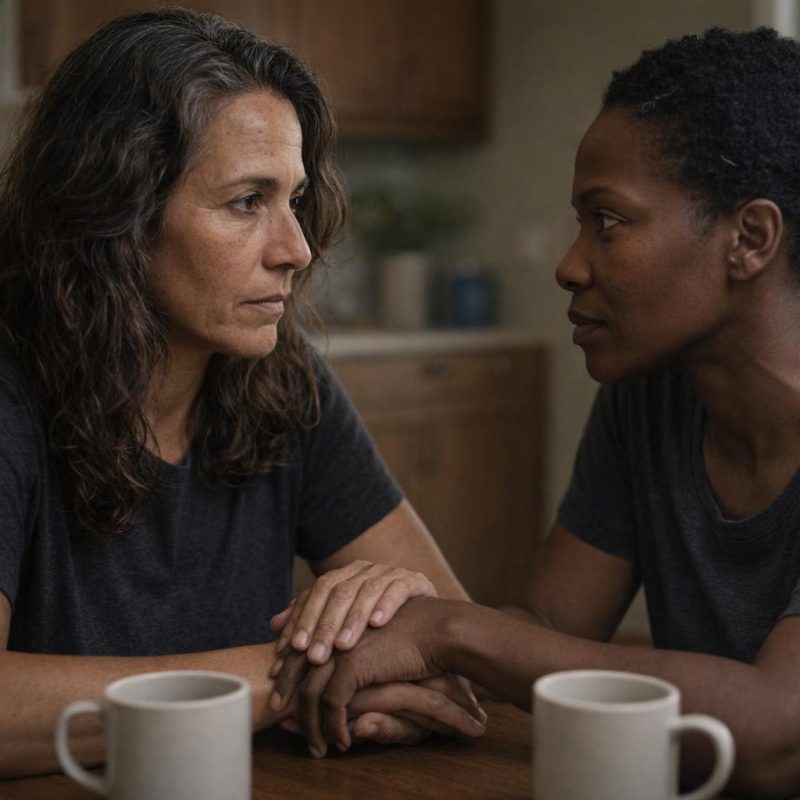 Image by RM AI
Three Parties Gather
The morning of the will reading, I drove to Robert Chen's office in the professional district downtown, my hands tight on the steering wheel. I'd dressed carefully—nothing too formal, nothing that looked like I was trying to prove anything. When I walked into the waiting area, Ethan and Marissa were already there, sitting side by side in the leather chairs, both dressed like they were heading to a board meeting. Ethan wore a dark suit, Marissa a cream blouse and tailored slacks. They looked up when I entered, and we exchanged the kind of greeting you give strangers in an elevator. Stiff. Minimal. No one mentioned Daniel, no one asked how anyone was doing. I took a seat across from them and noticed how relaxed they seemed, almost comfortable, like this was a formality they were humoring. A few minutes later, Robert emerged from his office—a man in his sixties with graying temples and reading glasses on a chain around his neck. He greeted me with genuine sympathy, his handshake warm, then acknowledged Ethan and Marissa with professional courtesy. "Please, come in," he said, gesturing toward the conference room. We filed in and took our seats, an unspoken arrangement that put me on one side of the long table and the stepchildren on the other. Robert sat at the head with a stack of folders in front of him, everything closed and waiting.
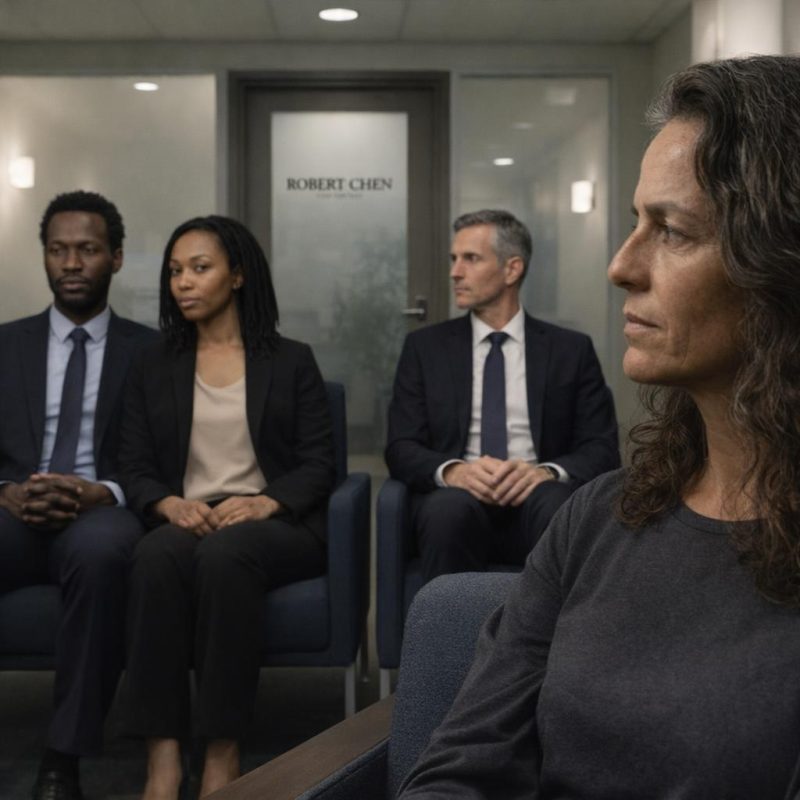 Image by RM AI
Formal Language
Robert opened the top folder and began reading in the measured, precise tone of someone who'd done this a hundred times before. He identified Daniel's will, confirmed its validity, stated the date it was executed. The language was formal, almost rhythmic—whereas and heretofore and provisions herein. He worked through the opening sections methodically: small personal items left to old friends, a donation to the hospital that had cared for Daniel in his final weeks, his book collection to the local library. Ethan leaned back in his chair, his expression somewhere between bored and impatient, like he was waiting for Robert to get to the point. Marissa pulled out her phone, glanced at the screen, then set it face-down on the table when Robert paused to look at her over his glasses. I sat very still, listening to every word, watching both of them from the corner of my eye. Robert continued through several more pages, his voice steady, unhurried. Standard provisions, legal language that revealed nothing and everything at once. Then, halfway through a sentence about personal property, he stopped. He looked up at the three of us, his expression shifting slightly, something almost apologetic in his eyes. "There's an addendum," he said, "that Daniel added two weeks before his death."
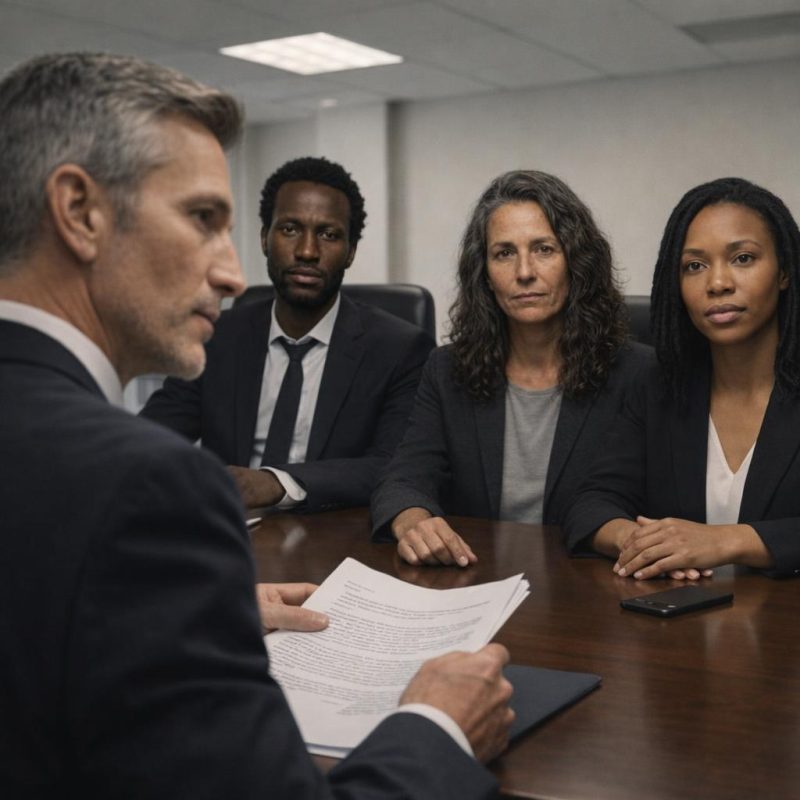 Image by RM AI
The Addendum
Robert cleared his throat and adjusted his reading glasses, the small gesture somehow making the moment feel more significant. 'This addendum was executed three weeks before Mr. Hartwell's passing,' he said, his voice taking on that careful, measured tone lawyers use when they know the words matter. 'It was properly witnessed by two independent parties and notarized by a certified notary public.' He began reading, and I forced myself to breathe normally, to keep my hands still in my lap. The language was different from the earlier sections—still legal, still formal, but underneath it I could hear Daniel's voice. He referenced his recent health challenges, his reflections on what mattered in the end. He wrote about gratitude and presence, about who had been there and who hadn't. Across the table, Ethan sat forward, his casual slouch evaporating like it had never existed. Marissa's hand stopped halfway to her water glass and just hung there in the air. I felt my heartbeat in my throat but kept my face neutral, kept my eyes on Robert. He continued reading, building toward something, and I watched Ethan and Marissa exchange a quick glance that told me they were starting to understand this wasn't going to go the way they'd assumed.
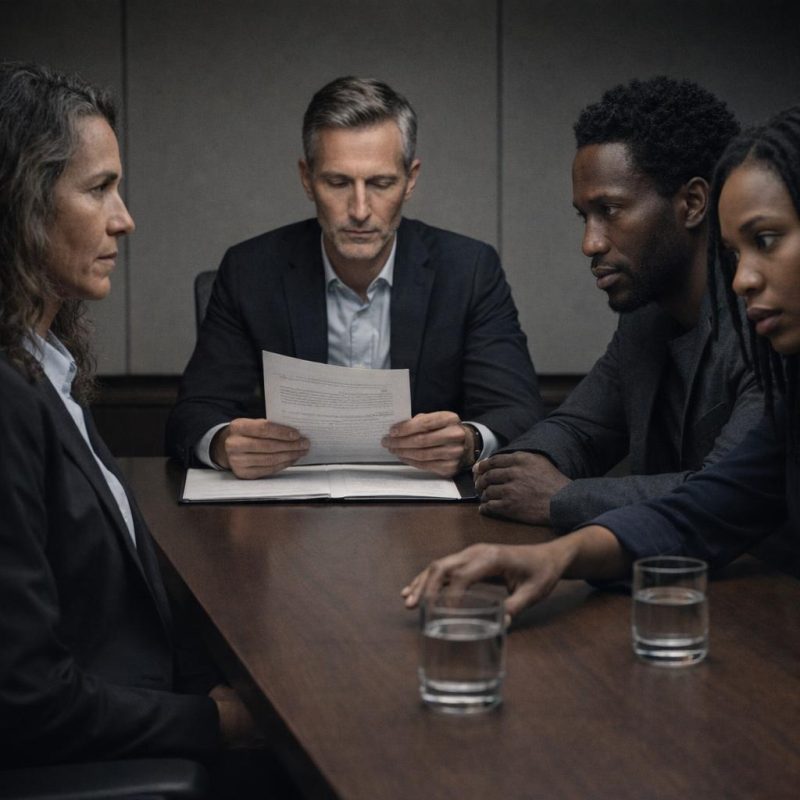 Image by RM AI
The House
Robert's voice didn't change, didn't dramatize, just stated the facts as written. 'I leave the primary residence located at 847 Maple Ridge Drive, along with all furnishings, personal property therein, and the majority of liquid assets including investment accounts detailed in Appendix C, to my wife, Claire Hartwell.' The words landed in the room like physical objects. He continued reading—the house was mine, no ambiguity, no conditions, no splitting it down the middle. The investment accounts, the savings, the personal property Daniel had accumulated over a lifetime—all designated to me. Ethan and Marissa would receive monetary bequests, Robert explained, reading the specific amounts. They weren't small, exactly, but they were a fraction of what the estate was actually worth. The will stated explicitly that this distribution reflected Daniel's wishes and his assessment of the situation. I felt a rush of something—relief, vindication, grief, gratitude—all tangled together in my chest, but I forced myself to sit perfectly still. Marissa's face had gone pale, her lips pressed into a thin line. Ethan stared at the papers in front of Robert like if he looked hard enough the words might rearrange themselves into something different. Robert finished reading the provision and set the document down carefully. No one spoke.
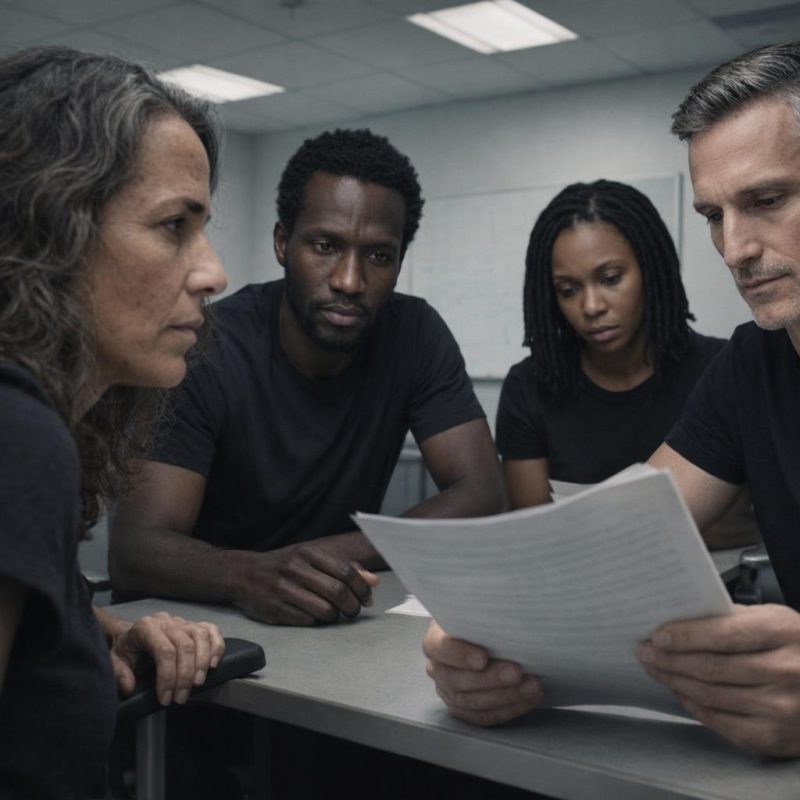 Image by RM AI
Stunned Silence
The silence stretched out, thick and uncomfortable, until Ethan broke it. 'What.' It wasn't quite a question, wasn't quite an accusation—just a single word that contained his complete disbelief. He leaned forward, his hands flat on the table. 'Read that again. The part about the house.' Robert didn't hesitate, didn't show any reaction to the demand. He picked up the document and read the provision again, word for word, with the same result. Marissa shook her head, a small repetitive motion like she was trying to physically reject what she was hearing. 'This can't be right,' she said, her voice tight. 'Our father wouldn't have done this. He wouldn't have left us with almost nothing.' I sat motionless, not engaging, letting Robert handle this the way he'd probably handled a hundred similar situations. Ethan started arguing about their father's intentions, about what Daniel would have really wanted if he'd been thinking clearly. Robert maintained his professional demeanor, his voice calm and firm. 'The will is clear, and it was executed with full legal validity.' The stepchildren looked at each other, then at me, then back at Robert, like they were trying to find the angle that would make this make sense.
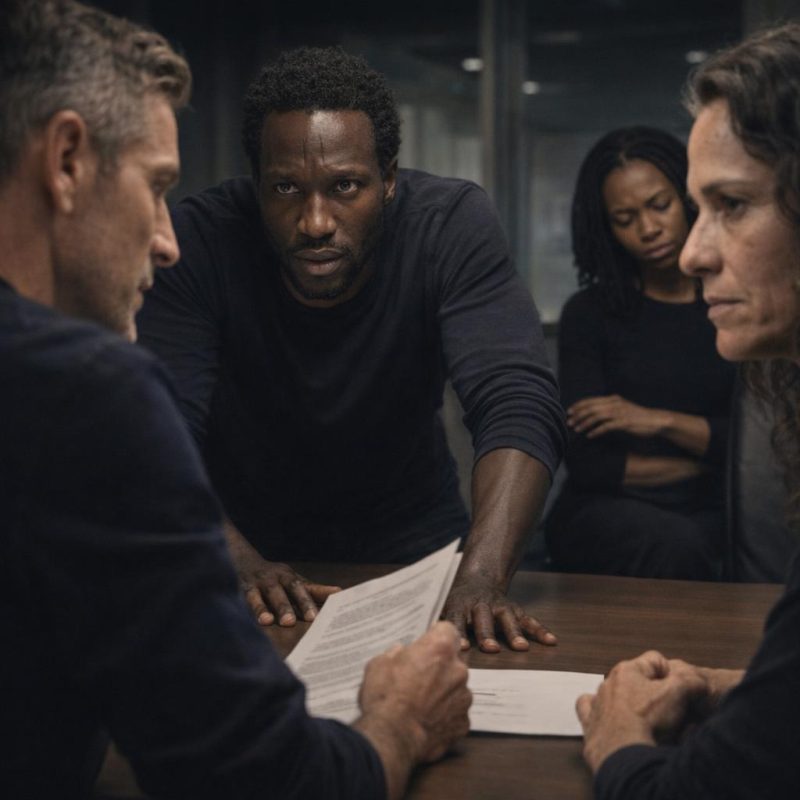 Image by RM AI
Claims of Coercion
Marissa's shock was hardening into something sharper, something with edges. 'He wasn't himself those last few weeks,' she said, her tone shifting from disbelief to accusation. 'The medication, the pain levels—he was confused, he wasn't thinking straight.' She looked directly at me for the first time since Robert had read the provision. Ethan picked up the thread immediately, like they were tag-teaming. 'Claire was the only one there during those final weeks,' he said carefully, his words precise. 'The only one with access, the only one he was talking to.' He didn't quite say 'undue influence' but the implication hung in the air between us. Robert interrupted, his voice cutting through the building tension. 'Mr. Hartwell was evaluated by his physicians and found to be mentally competent at the time the will was executed. The witnesses were independent, and there was full legal oversight.' I finally spoke, my voice calmer than I felt. 'Daniel made his own choices.' Marissa actually scoffed, her composure cracking. 'What did you say to him?' Ethan demanded, leaning forward. 'What did you do to convince him to cut us out?' The room had become a battlefield, and I could feel the battle lines being drawn.
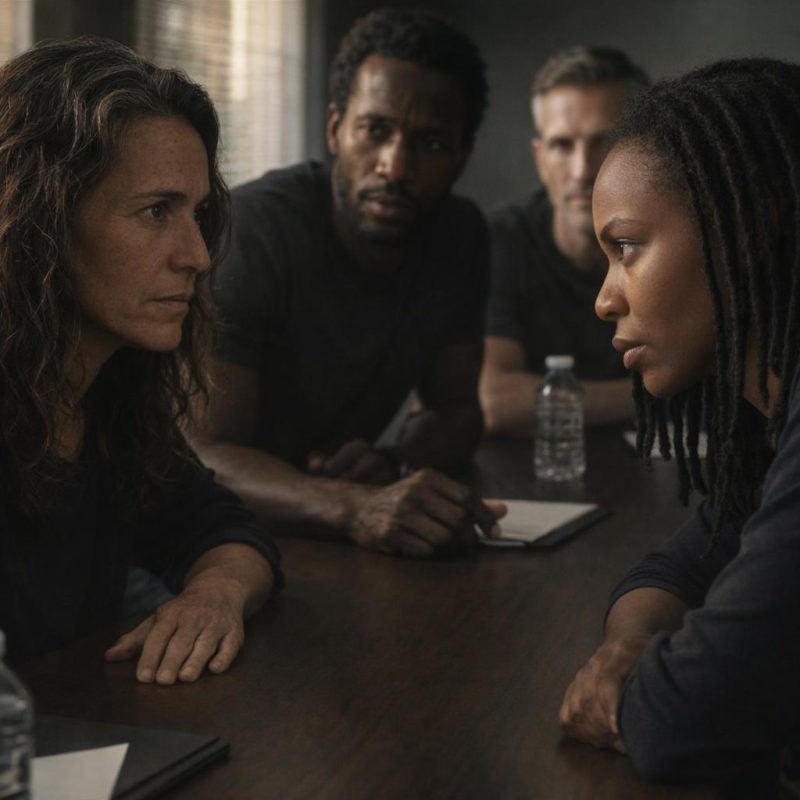 Image by RM AI
Threats and Validity
Robert cut through the rising tension with the kind of firm statement that reminded everyone he was the authority in the room. 'The will is legally sound and will be executed as written.' He looked at both Ethan and Marissa, his expression professional but unyielding. 'Mr. Hartwell's mental competency was documented by medical professionals. The witnesses were independent parties with no stake in the outcome. Everything was done properly.' Marissa's jaw tightened. 'We want to see those competency evaluations,' she said. 'We have a right to see them.' Ethan stood abruptly, his chair scraping back against the floor. 'We're going to contest this,' he said flatly. 'We have grounds. This whole thing is suspicious.' Robert nodded once, acknowledging the threat without flinching. 'That is your right. However, the will stands as written until any legal challenge is resolved through the courts.' I asked Robert a quiet question about what happened next, about the timeline for probate. Ethan's head snapped toward me. 'You're already acting like you've won,' he said, his voice cold. The hostility in the room had gone from simmering to boiling. Marissa gathered her things with sharp, angry movements. Ethan made a vague threat about what their lawyers would uncover, about how the truth would come out.
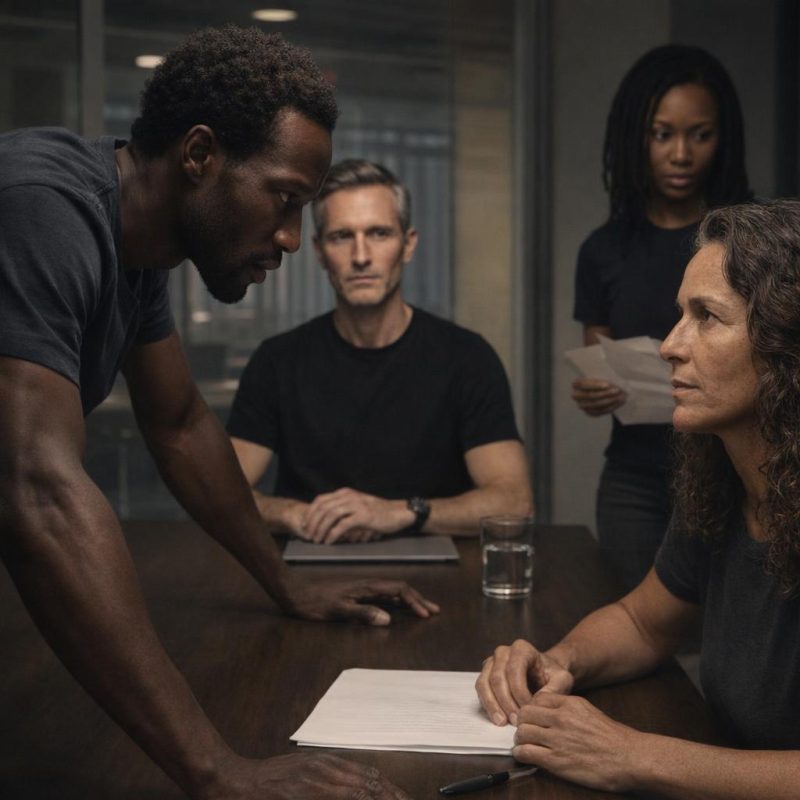 Image by RM AI
Promises of Battle
Ethan moved toward the door, his movements abrupt and final, and Marissa followed, both of them gathering papers and belongings with barely controlled anger. 'We'll be getting our own attorney,' Ethan said, not looking at me, directing the statement at Robert. 'Someone who'll actually look out for our father's real interests.' Marissa paused at the door, her hand on the frame. 'Dad deserved better than this,' she said, and I couldn't tell if she meant the will or me or something else entirely. They left without saying goodbye, without even acknowledging I was in the room. I could hear their voices in the hallway, sharp and angry, the words indistinct but the tone unmistakable. Robert closed the door quietly after they'd gone, waited a moment, then turned to me. 'You should prepare for a fight,' he said, his professional mask slipping just enough to show concern. He explained what a will contest involved—discovery, depositions, potentially a trial. It could take months, maybe longer. 'Did Daniel expect this might happen?' I asked. Robert's expression gave me the answer before he spoke. 'He thought it was possible,' he said carefully. 'That's why he was so thorough with the documentation.'
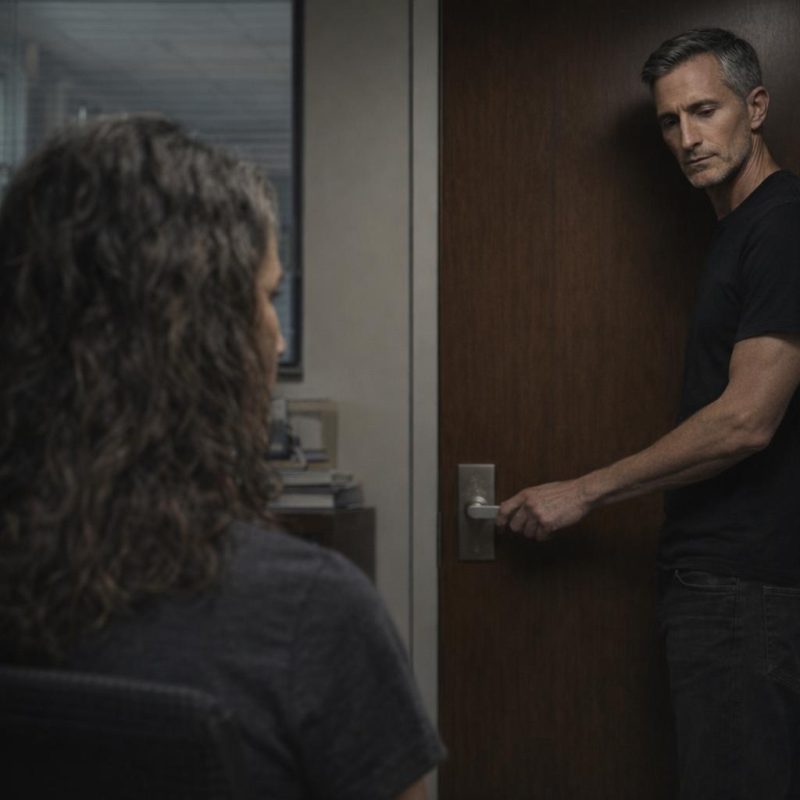 Image by RM AI
Notice Served
The legal notice arrived by courier three days later, a thick envelope with a law firm's return address embossed in the corner. I opened it standing in the hallway, and the formal language hit me like a slap—Ethan and Marissa Hartwell were officially contesting Daniel's will. The document alleged undue influence, questioned Daniel's mental capacity in his final weeks, claimed I'd isolated him from his children during a vulnerable time. It demanded the will be set aside and the estate distributed according to intestacy laws, which would give them everything. I called Robert immediately, my hands shaking as I held the papers. He came to the house that afternoon, sat at the kitchen table reviewing the filing page by page. 'Thomas Brennan,' he said when he reached the signature page, and something in his tone made me look up. 'He's the attorney of record?' Robert grimaced. 'He's a litigator. Known for aggressive tactics, for dragging things out.' He explained what came next—discovery, depositions, possibly a trial if it went that far. 'What are our chances?' I asked. Robert was quiet for a moment, choosing his words. 'The will is solid. Daniel's competency is well-documented. But these cases can be unpredictable.' He met my eyes. 'You need to prepare yourself for a fight.'
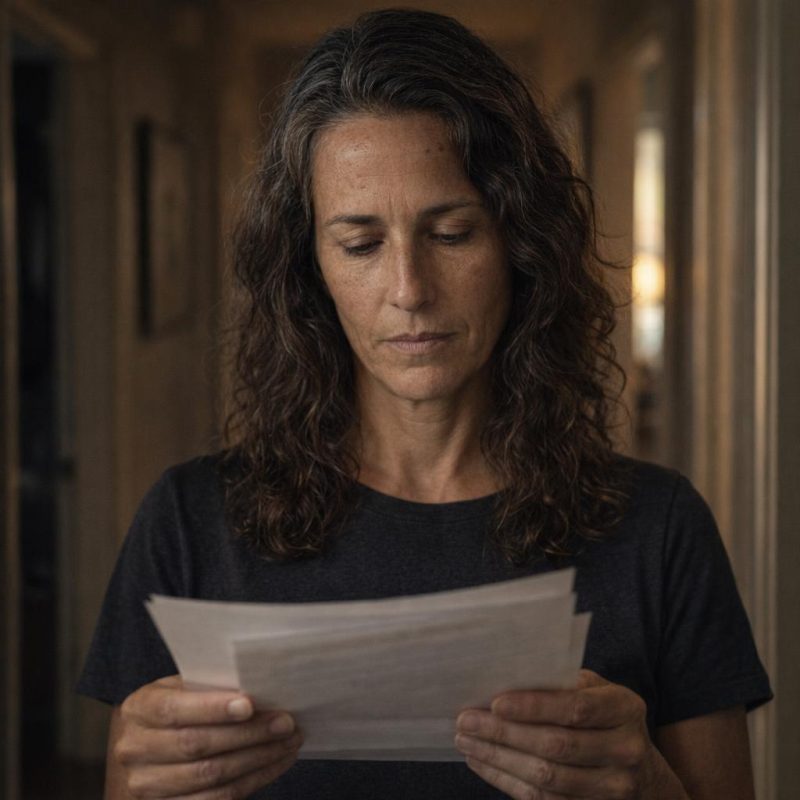 Image by RM AI
How We Met
Sitting in the quiet house that had become a battlefield, my mind drifted back ten years to the bookstore where I first met Daniel. It was a Saturday afternoon, the kind of lazy weekend day where I'd browse for hours without buying anything. I'd noticed him in the philosophy section, both of us reaching for the same book at the same moment—some dense thing about Stoicism that I'd been meaning to read. He'd apologized, smiled, and we'd started talking about the author, about Marcus Aurelius and whether ancient wisdom actually applied to modern life. We talked for an hour right there in the aisle, then got coffee at the place next door. He told me he was recently divorced, adjusting to life alone after thirty years of marriage. He was honest about his baggage, about his grown children, about the complicated past he was carrying. I appreciated that directness, the lack of pretense. He didn't try to impress me or hide the messy parts. We exchanged numbers, agreed to meet again the following week. The memory was warm, genuine, untainted by everything that would come later. He'd been recently divorced, cautious but open, and when he smiled at my comment about the book in his hand, something shifted.
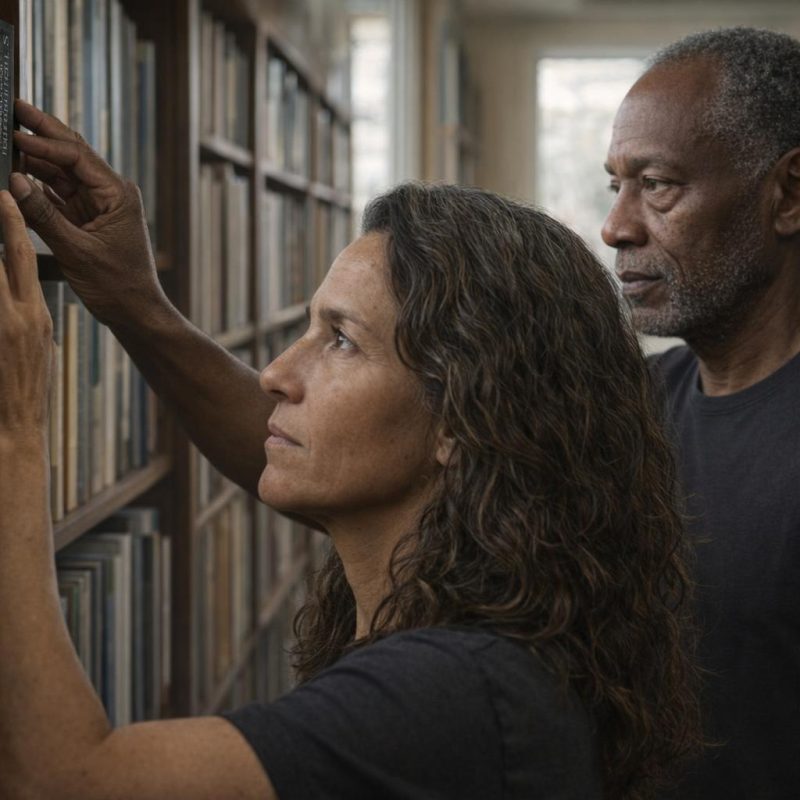 Image by RM AI
Early Attempts
Six months into my relationship with Daniel, I walked into that upscale Italian restaurant with my heart hammering and my best dress on, genuinely believing I could win them over. Daniel had talked about his kids constantly—Ethan's career success, Marissa's sharp mind—and I'd prepared conversation topics, read up on their industries, even practiced seeming casual about it all with Nina beforehand. The moment they arrived, I stood up too quickly, knocked my water glass, caught it before it spilled. Ethan shook my hand with the grip of someone completing a business transaction. Marissa's smile was perfect, the kind you'd give a client you didn't particularly like but needed to impress. I asked about Ethan's work in finance, got three-sentence answers. I mentioned an article I'd read about Marissa's field, got a polite nod and a subject change. Daniel kept trying, mentioning that I loved hiking too, that Marissa and I both collected vintage books, but every bridge he built seemed to dissolve before we could cross it. The warmth I'd hoped for never materialized. They checked their phones. They had early meetings tomorrow. The dinner ended before dessert arrived. In the parking lot afterward, Daniel squeezed my hand under the streetlight and whispered that they'd come around, but even then, watching their taillights disappear, I wasn't sure I believed him.
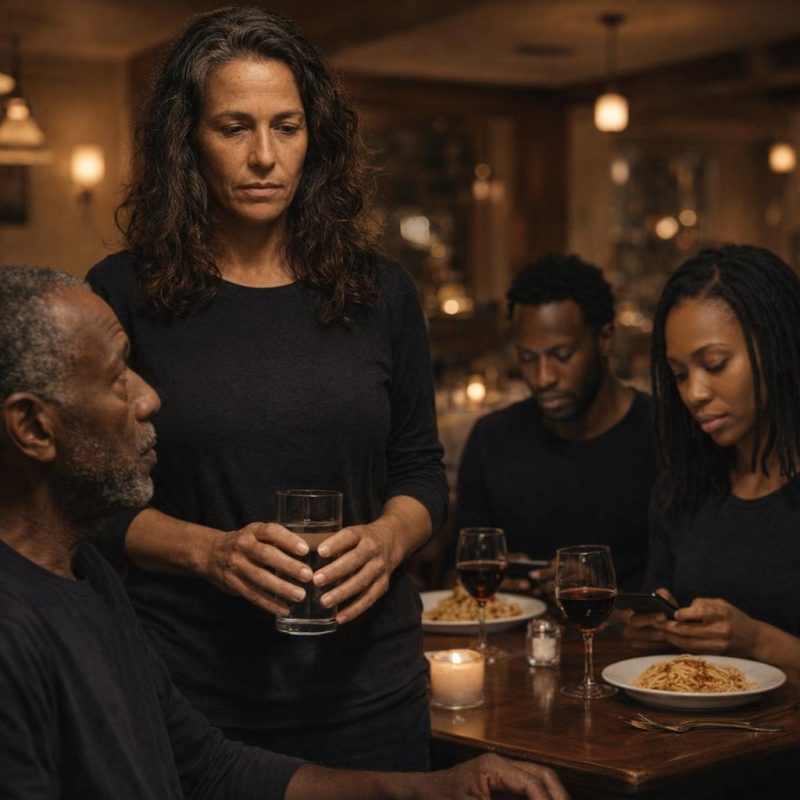 Image by RM AI
Jennifer's Shadow
I learned about Jennifer Morrison not from Daniel but from a charity gala two years into our relationship, one of those black-tie events where everyone air-kissed and pretended to care about the cause. Daniel had mentioned his ex-wife might attend, and I'd noticed how his jaw tightened when he said it, how he'd adjusted his tie three times in the car. I spotted her across the room before the introduction—impossible to miss, really, with her rigid posture and the way people seemed to orbit her carefully. When Daniel finally made the introduction, her handshake was brief, her smile never reaching those cold, assessing eyes. She looked at me the way you'd examine a piece of furniture you were considering purchasing, then deciding against. The whole interaction lasted maybe ninety seconds before Daniel steered us toward the bar, but I felt her gaze following us for the rest of the evening. Later, I overheard two women at our table discussing Jennifer's 'incredibly close relationship' with her children, how she'd 'sacrificed everything' for them during the divorce. I started connecting dots I hadn't even known were there—the way Ethan's voice changed when he mentioned his mother, the careful distance Marissa maintained. Daniel wouldn't discuss it when I brought it up that night, just said the past was past and we should focus on our future. But Jennifer's cool assessment of me had lasted only a moment, and it carried the weight of someone who had already decided the outcome.
 Image by RM AI
Legal Counsel
Robert spread the documents across my dining table like he was laying out a battle plan, which I suppose he was. He walked me through discovery first—they'd request every email, text message, financial record from the past three years. Depositions would come next, where Ethan and Marissa's attorney would ask me questions under oath, picking apart every decision Daniel and I had made together. Medical records would be crucial, he explained, particularly the cognitive assessments from Daniel's oncologist and the notes from his treatment team. We'd need testimony about our relationship, about Daniel's state of mind, about his capacity to make decisions right up until the end. Robert explained 'undue influence' in legal terms—it wasn't enough for them to prove I benefited from the will, they had to show I'd manipulated or coerced Daniel when he was vulnerable. We'd counter by demonstrating his mental clarity, his independent decision-making, the consistency of his wishes over time. He asked about witnesses who could testify to Daniel's lucidity during those final months, people who'd seen us together, heard him talk about his plans. I began to understand that this wasn't about what Daniel wanted or what was fair—it was about reconstructing his final months in language a court would accept. When I asked about my chances, Robert was quiet for a long moment, adjusting his reading glasses before saying that truth didn't always win, but preparation helped.
 Image by RM AI
Building the Record
I spent the entire afternoon turning my grief into evidence, which felt both necessary and somehow wrong. Nina sat across from me at the dining table, creating labeled folders while I requested visitor logs from the hospital's records department. My calendar told the story in stark black ink—every single day marked with Daniel's treatment times, medication schedules, doctor appointments. I'd documented everything without even realizing I was building a case, just trying to keep track of what he needed and when. The hospital sent the visitor logs within hours, and seeing them in official print made something twist in my chest. My name appeared daily, sometimes multiple times when I'd left to get him specific foods he could tolerate, then returned. Ethan's name showed up twice in three months. Marissa's, three times. Nina organized the phone records next—my calls to Daniel's doctors, to the pharmacy, to the insurance company, dozens of them. There were texts between us, mundane things about whether he wanted soup or if the nausea had eased. I found notes from nurses tucked into the files, little comments thanking me for my attentiveness, for keeping such detailed records of his symptoms. The contrast was undeniable, laid out in timestamps and signatures. The stack of evidence grew on my dining table, and with it, a clearer picture of just how absent Ethan and Marissa had been when their father needed them most.
 Image by RM AI
Allegations in Black and White
The formal complaint arrived in a manila envelope thick enough to stop a door, and I made myself read every page before calling Robert. They'd painted me as a calculating predator who'd isolated a vulnerable man from his loving children. The document claimed I'd systematically controlled access to Daniel during his illness, screening calls and discouraging visits. It alleged I'd exploited his fear of dying alone to manipulate him into changing his will. There were phrases like 'undue influence during a period of diminished capacity' and 'exploitation of a fiduciary relationship.' I read it twice, my hands shaking the second time through, trying to find the truth somewhere in their version of events. When Robert arrived, he went through it methodically, his pen marking sections we'd need to address specifically. He explained which allegations would be hardest to counter—not because they were true, but because absence of evidence wasn't the same as evidence of absence. I'd never prevented them from visiting, but could I prove that? They claimed I'd kept Daniel from them, but the visitor logs showed they simply hadn't come. The complaint requested the will be invalidated entirely, not just modified or split. They weren't asking for half. Reading through the claims, I found myself wondering if Ethan and Marissa actually believed what they were saying or if this was simply what their attorney told them to do.
 Image by RM AI
Mounting the Defense
Robert transformed my dining table into a war room, spreading out the response strategy like a general planning a campaign. We needed witnesses—doctors who'd evaluated Daniel's mental state, nurses who'd seen him make decisions, friends who'd heard him discuss his wishes. Medical records would be our foundation, particularly the cognitive assessments his oncologist had performed every month, standard protocol for cancer patients on certain medications. My calendars and journals provided timeline evidence, showing the pattern of care and Daniel's active participation in his own treatment decisions. Robert had already requested the visitor logs officially through discovery, which would force the hospital to provide them under oath. Phone records would demonstrate communication patterns with everyone involved, or the lack thereof. I drafted a timeline of Daniel's final six months, marking every major decision, every conversation about the future, every moment that showed his clarity of mind. Each allegation in their complaint needed a specific counter with supporting evidence—we couldn't just deny, we had to prove. Robert kept emphasizing factual responses over emotional ones, which was harder than it sounded when they were calling me a manipulator in legal language. The response was due in thirty days. When Robert mentioned we'd need witnesses to testify about Daniel's state of mind, my thoughts immediately went to the doctors who had seen him in those final weeks.
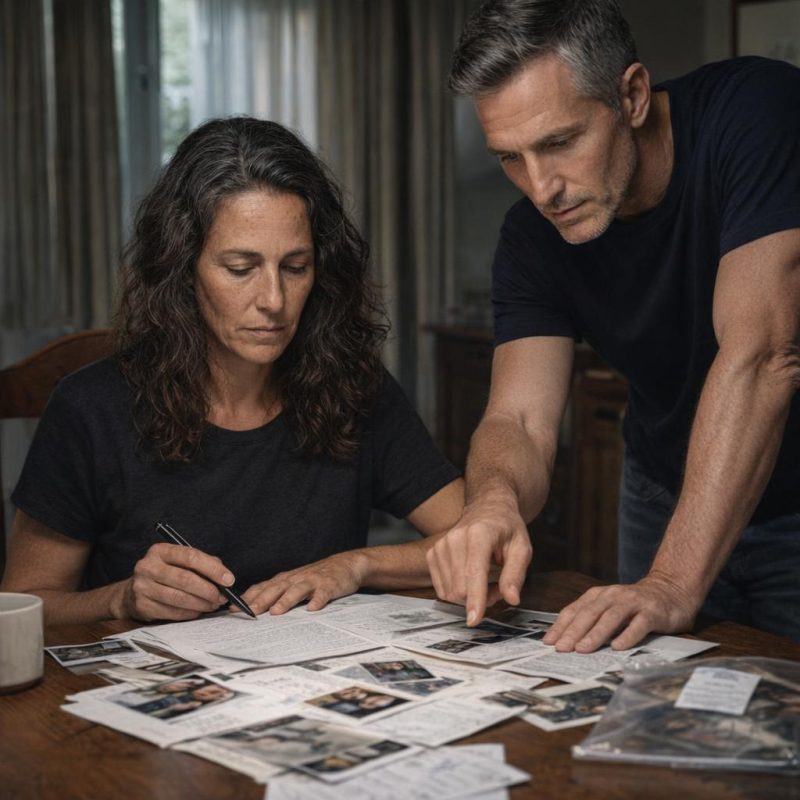 Image by RM AI
The Day Everything Changed
Eighteen months before Daniel died, we sat in Dr. Patel's office while she explained that the mass they'd found was stage three pancreatic cancer. Daniel had been ignoring symptoms for weeks—the weight loss, the back pain, the fatigue he'd attributed to getting older. I watched his face as Dr. Patel walked through treatment options, saw him processing the information with that same methodical calm he brought to everything. He asked about survival rates, about quality of life during treatment, about clinical trials. I sat beside him, my hand in his, already mentally rearranging my work schedule, figuring out how to be there for every appointment. The doctor emphasized that Daniel was otherwise healthy, mentally sharp, a good candidate for aggressive treatment. Chemotherapy would start within two weeks, followed by radiation if the tumors responded. Daniel wanted to tell Ethan and Marissa himself, in person, not over the phone. I suggested we call them that evening to arrange it. Dr. Patel gave us folders full of information, support group details, nutritional guidelines. In the parking lot afterward, Daniel was quieter than I'd ever seen him, just standing by the car looking at nothing. He turned to me finally and said he couldn't do this without me, thanked me for being there like I'd had any choice in the matter. I remembered how I'd taken his hand in the parking lot and promised we'd face this together, and how I'd believed we'd have more time.
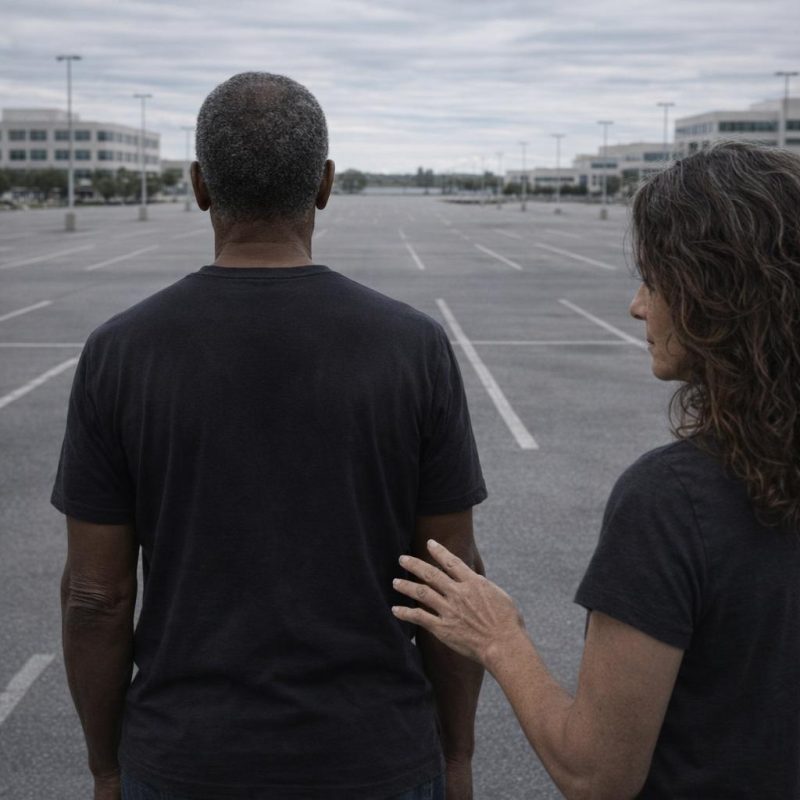 Image by RM AI
Empty Chairs
The pattern of empty chairs during Daniel's chemotherapy sessions became so routine that the nurses stopped asking if anyone else was coming. I brought books, crossword puzzles, the ginger tea that sometimes helped with his nausea. Daniel had called both Ethan and Marissa before the first treatment, given them the schedule, told them he'd love the company. Ethan showed up that first time, stayed maybe thirty minutes, kept checking his phone, seemed relieved when I said I'd be there for the duration. Marissa texted that she'd try to make the next one. The second session, neither appeared. Daniel checked his phone periodically, said they were probably busy with work, that he understood. By the fourth treatment, the nurses knew only my name, brought me coffee without asking, saved the chair beside Daniel's recliner. Marissa did come once, around the sixth session, stayed briefly, looked uncomfortable around the IV poles and the other patients. Ethan called occasionally but rarely visited in person. I brought it up gently once, suggested maybe they didn't realize how much their presence would mean, but Daniel deflected, changed the subject. Other patients had families that crowded the treatment rooms, brought balloons, took shifts. Daniel and I developed our own routine, just the two of us. After the third treatment session where neither child appeared despite being invited, Daniel stopped mentioning them and I stopped asking.
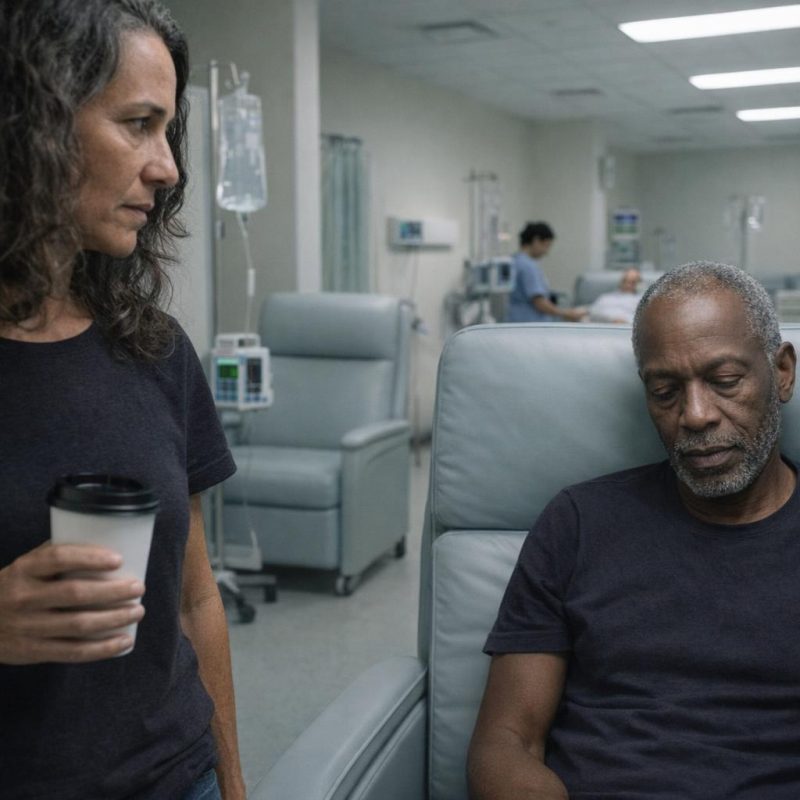 Image by RM AI
The Numbers Don't Lie
The manila envelope arrived on a Tuesday, thick with the weight of six months reduced to paper. Robert spread the hospital visitor logs across my dining table, pages and pages of names and timestamps that documented Daniel's entire illness in a way I'd never seen before. The records were comprehensive—every person who'd signed in, how long they'd stayed, whether they'd been there during the day or overnight. I started reading through them while Robert made coffee, my finger tracing down the columns. My name appeared again and again, sometimes twice in one day when I'd gone home to shower and returned. The overnight notations were marked with asterisks—forty-three times I'd slept in that chair beside his bed. Robert returned with two mugs and sat across from me, watching as I continued through the pages. Ethan's name appeared on the second page, dated three days after Daniel's diagnosis. The next entry for him was three months later, a visit that lasted ninety minutes according to the log. Marissa showed up three times total, her longest visit clocked at fifty-five minutes. The phone records told a similar story—my daily calls to Daniel when I couldn't be there physically, the children's sporadic contacts that grew less frequent as the months progressed. Robert photographed each page methodically, building his evidence file while I sat there counting. I went through the logs twice to be sure, my coffee going cold beside me. One hundred forty-seven times my name appeared in those records, and I could remember almost every single visit, but seeing it quantified like this made something in my chest tighten in a way I hadn't expected.
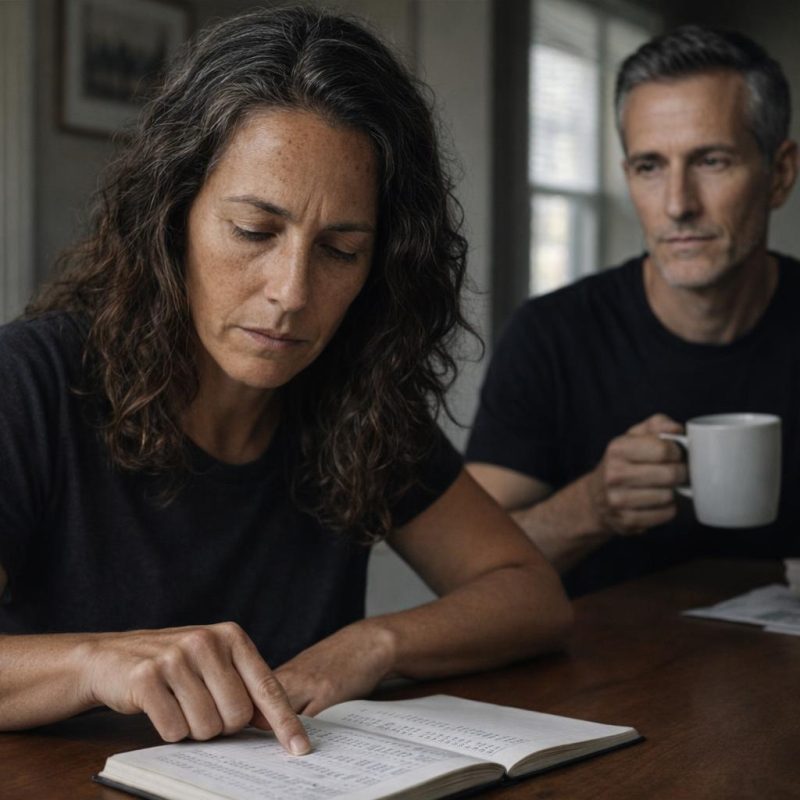 Image by RM AI
Preparation
Robert transformed my living room into a courtroom the following Saturday, moving furniture to create the sterile geometry of a deposition. He sat across from me with a legal pad, his reading glasses catching the afternoon light, and explained that Thomas Brennan had a reputation for making witnesses feel like defendants. We started with the easy questions—my background, my work history, how I'd met Daniel. Then Robert shifted his tone, leaning forward slightly the way he said Thomas would. "When exactly did you gain access to Mr. Hartwell's financial accounts?" The phrasing made my spine straighten defensively before I caught myself. Robert stopped me, explained that brief factual answers were better than explanations that sounded like justifications. We practiced for six hours, covering every angle Thomas might take. Robert asked about the folder Daniel had requested, and I described bringing it to him honestly, but realized as I spoke that I didn't actually know everything that had been inside it. "How would you characterize your relationship with the stepchildren?" Robert asked, and I found myself wanting to explain all the early attempts I'd made, the invitations they'd declined, the distance they'd maintained. Robert shook his head gently—too much detail, too defensive. When he asked me to describe my relationship with Daniel without sounding like I was trying to prove something, I opened my mouth and realized I didn't know how to talk about love in a way that wouldn't be twisted into something uglier under cross-examination.
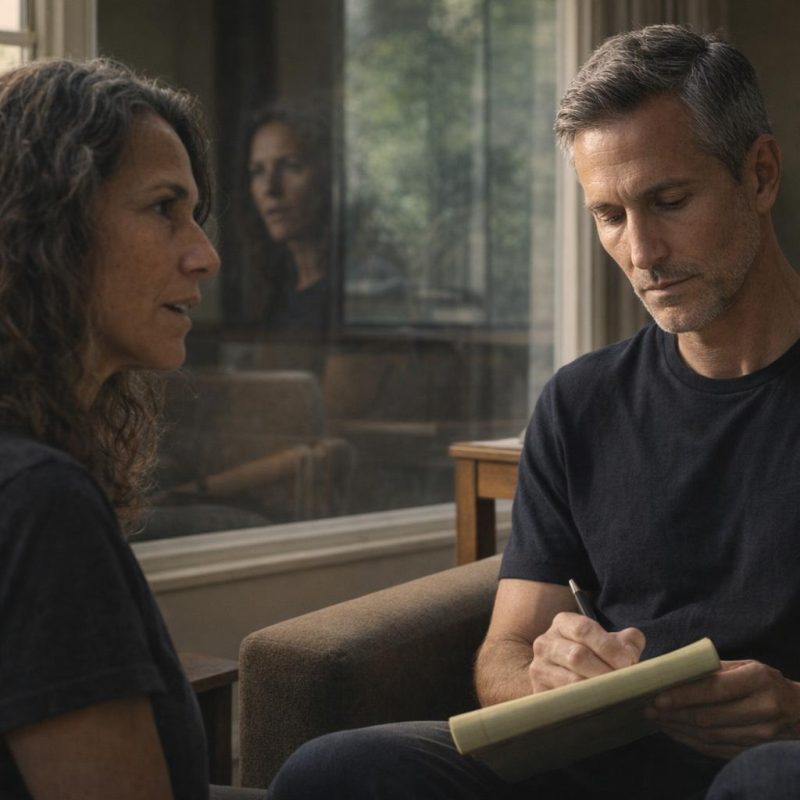 Image by RM AI
Under Oath
The conference room at Thomas Brennan's firm was all glass and steel, designed to intimidate. I raised my right hand and swore to tell the truth while the court reporter's fingers hovered over her machine, and Ethan and Marissa sat against the far wall watching me like I was a specimen under examination. Thomas started gently enough—background questions, timeline establishment, the kind of things Robert and I had practiced. But three hours in, after we'd covered how I'd met Daniel and my financial situation before and after marriage, Thomas's questions started feeling like accusations dressed in professional language. He asked why I'd always accompanied Daniel to medical appointments, and when I explained that Daniel had wanted me there, Thomas suggested I might have been controlling the information flow to the family. Robert objected, his voice sharp, but the question hung in the air anyway. We took a break and I went to the bathroom, splashed cold water on my face, reminded myself to answer briefly and factually the way we'd practiced. When we resumed, Thomas asked about my relationship with the stepchildren, and I described my early attempts to connect with them, the dinners I'd organized, the invitations I'd extended. "But you didn't persist when those attempts weren't successful," Thomas said, making it sound like I'd given up too easily. I explained that I'd respected their boundaries, and he made a note that felt pointed. Then he leaned forward, his expression shifting into something that felt like concern but wasn't, and asked me to explain why I'd never encouraged Daniel to spend more time with his children, and I felt every possible answer I could give turning into a trap before I even opened my mouth.
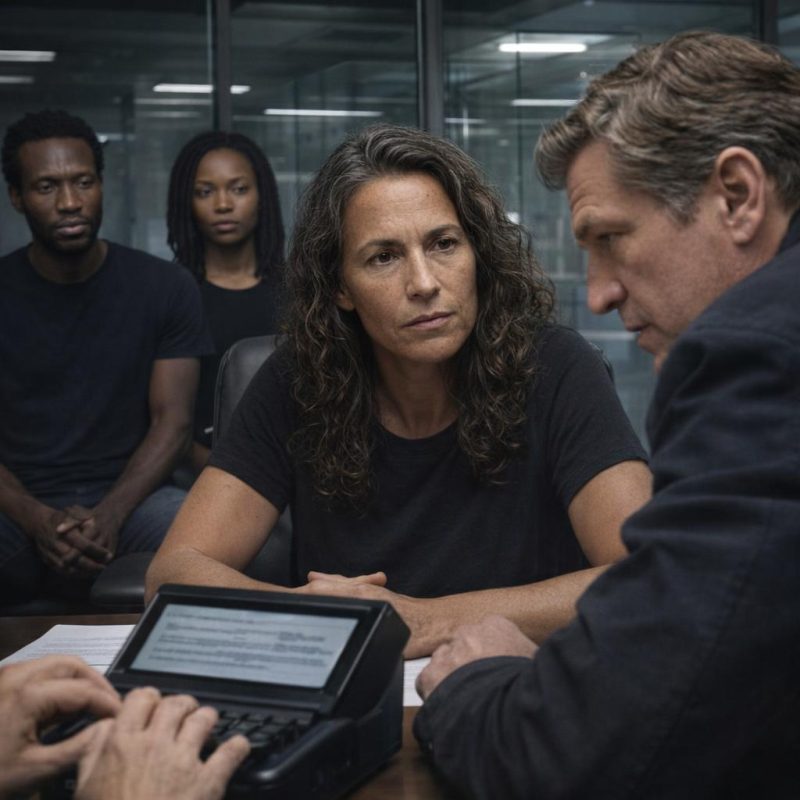 Image by RM AI
His Story
Ethan's deposition happened the following week, and I sat beside Robert watching him testify about a father I barely recognized in his words. Thomas guided him through their relationship with practiced ease, and Ethan described a close bond that had existed before I'd entered the picture, phone calls every week, regular dinners, the kind of connection that had somehow evaporated after Daniel's remarriage. He talked about visiting during the illness, about feeling unwelcome in ways he couldn't quite articulate, about phone conversations where his father had seemed confused about basic facts. "What kind of confusion?" Thomas asked, and Ethan described a call where Daniel had mixed up dates, seemed uncertain about medication schedules, hadn't sounded quite like himself. Robert took notes, his pen moving steadily across his legal pad. When it was his turn to question, Robert asked Ethan to specify which visits he was referring to, and Ethan's certainty wavered slightly when pressed for exact dates. "You testified you felt unwelcome," Robert said. "Can you describe specific instances?" Ethan talked about subtle signals, tones of voice, the sense that he was interrupting something, but the examples felt vague when he tried to pin them down. Thomas objected twice during Robert's cross-examination, protecting his witness from questions that pushed too hard. I watched Ethan's face as he answered, trying to determine if he actually remembered things the way he was describing them or if he'd convinced himself of a version that made sense of his absence. When he claimed his father had been confused about basic facts in their last conversation, Robert made a note in the margin of his pad, and I couldn't quite read his expression.
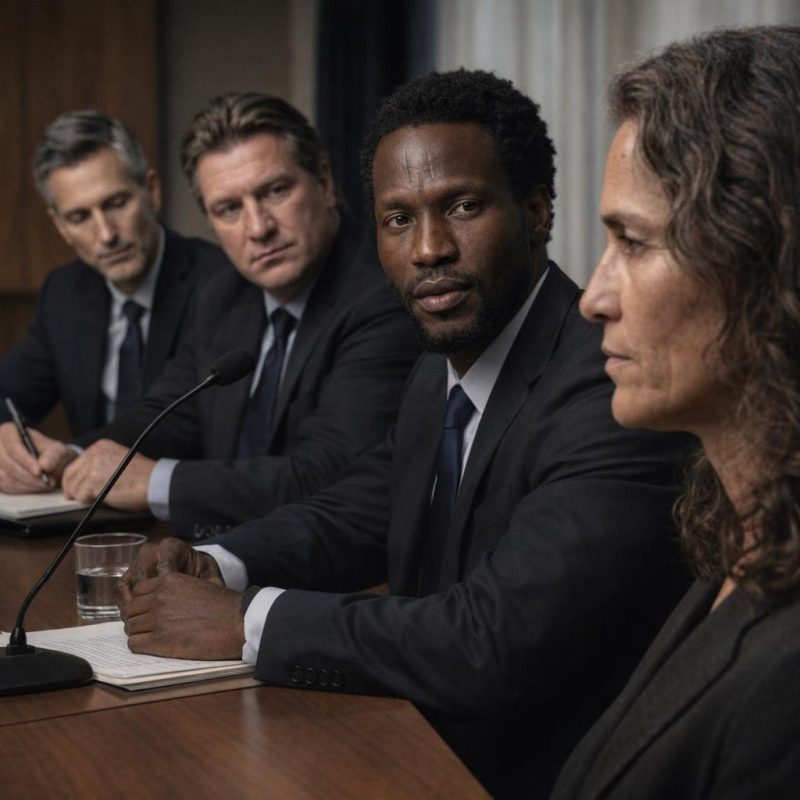 Image by RM AI
Her Performance
Marissa arrived at her deposition three days later with visible signs of grief, tissues already in hand before Thomas asked his first question. He took a gentler approach with her than he had with me, his voice softening as he guided her through memories of her childhood with Daniel, the relationship she described as close and loving before it had been disrupted. Her voice broke when she talked about feeling replaced, about watching her father build a new life that didn't seem to have room for the old one. Thomas asked about her involvement during the illness, and Marissa's tears came exactly on cue, describing how she'd wanted to be there more but had been made to feel like an outsider through signals she couldn't quite name. She testified about a conversation with Daniel where he'd spoken about me in terms that hadn't sounded like him, though she couldn't remember his exact words. Robert's cross-examination was careful, respectful of her emotional state, but he pressed on specifics—which visit was she referring to, what date had that conversation occurred. Marissa couldn't always recall the details, her certainty dissolving into approximations when pushed. She described feeling unwelcome but struggled to provide concrete examples beyond a general sense of being in the way. I sat there watching her cry, watching Thomas hand her tissues at precisely the right moments, and I genuinely couldn't tell what was real grief and what was performance. When she said she'd tried to warn people about my influence but no one would listen, the weight of a narrative I couldn't fully counter settled over me like something physical.
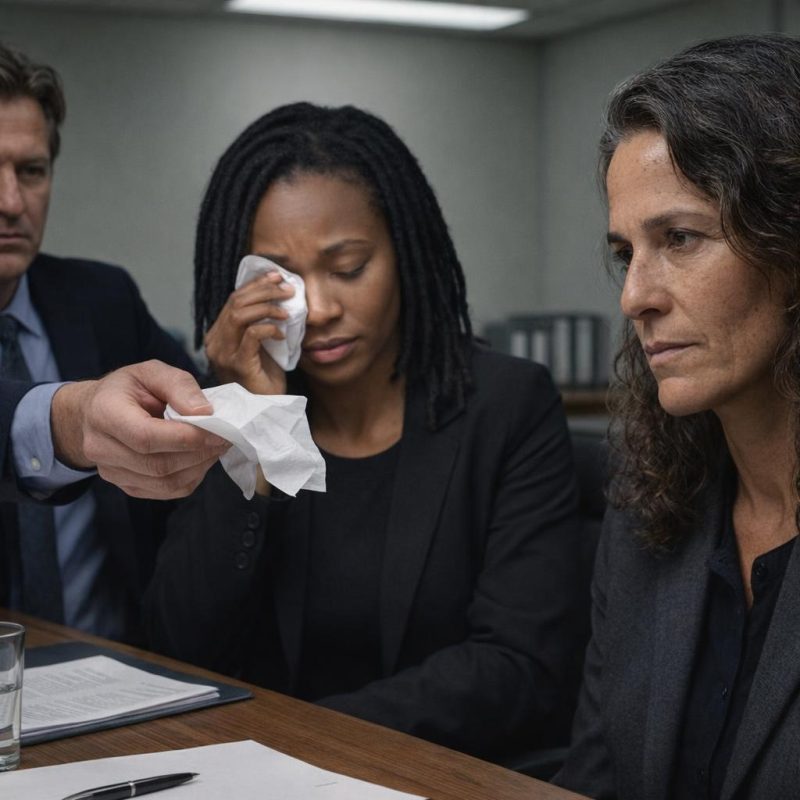 Image by RM AI
The Architecture of Doubt
Robert's office felt smaller with Thomas's case file spread across the conference table, each deposition transcript adding another layer to a story that sounded disturbingly plausible even though I'd lived the truth. Robert walked me through how the opposing narrative was constructed, showing me how my constant presence at the hospital could be reframed as controlling access rather than providing care. The visitor logs that proved my devotion could also suggest I'd isolated Daniel from his children. My management of his medications, which the nurses had appreciated, could be painted as manipulation of a vulnerable man. "They're not lying about most of the facts," Robert explained, his reading glasses sliding down his nose as he reviewed the transcripts. "They're just framing them differently." He showed me how Thomas had witnesses ready to testify about Daniel's pain levels, medical experts who could argue that the medication might have affected his judgment even though Dr. Rahman had said otherwise. Every phone call I'd screened, every visit I'd been present for, every decision I'd helped Daniel make—all of it could be reinterpreted through a lens of suspicion. I protested that I'd just been caring for my husband, and Robert agreed, but explained that perception mattered more than intent in a courtroom. We discussed the challenge of proving someone's state of mind, of demonstrating that Daniel had wanted things exactly as he'd arranged them. "Cases aren't won on truth alone," Robert said, closing the thickest folder. "They're won on what can be proven, and sometimes those aren't the same thing."
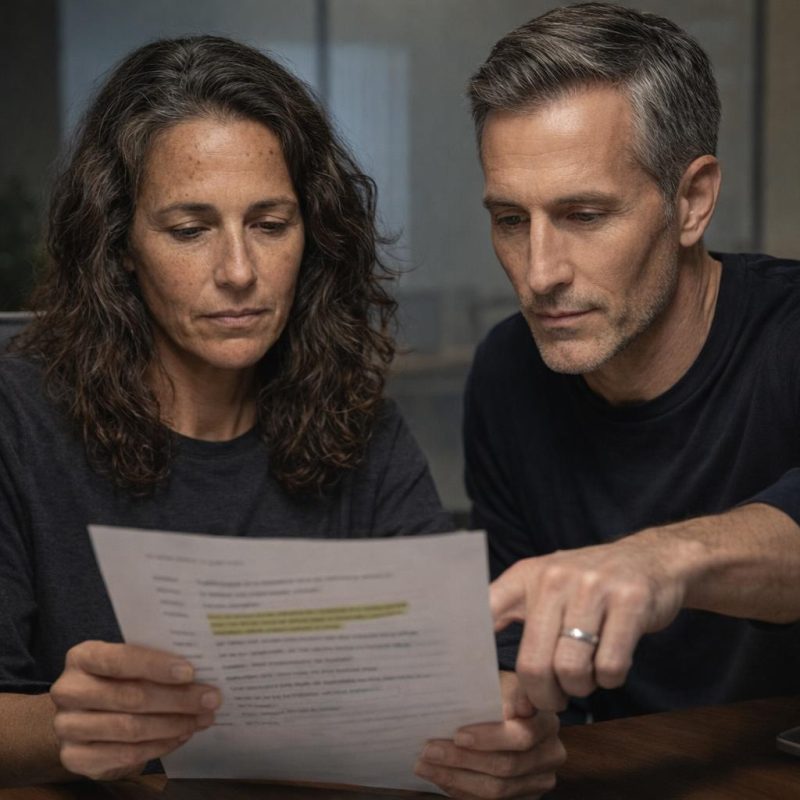 Image by RM AI
Competent Until the End
Dr. Rahman's deposition cut through Thomas's carefully constructed narrative like a scalpel through tissue. Robert established the doctor's credentials methodically—twenty-three years in oncology, hundreds of patients treated, regular cognitive assessments as part of standard care protocols. Dr. Rahman had detailed notes from every appointment with Daniel, documentation of conversations that demonstrated clear, rational thinking even as the cancer progressed. "Mr. Hartwell discussed complex treatment decisions with full understanding of the implications," the doctor testified, his voice carrying the weight of professional certainty. "He asked informed questions, weighed options carefully, and made decisions that were entirely consistent with his values and personality." Thomas tried to challenge the testimony during cross-examination, asking about the effects of pain medication on judgment and decision-making. Dr. Rahman explained the dosing carefully, the balance between pain management and mental clarity, the monitoring protocols that ensured Daniel remained cogent. "At the levels Mr. Hartwell was taking, there would be no impairment of judgment," he stated flatly. Thomas pressed about possible confusion in the final weeks, and Dr. Rahman confirmed that Daniel had been clear-minded until the last few days, when the cancer had finally overwhelmed everything else. The doctor's notes included observations about my presence at appointments, questions I'd asked that he characterized as appropriate and supportive. "I observed their interactions regularly," Dr. Rahman said. "What I saw was a caring relationship between two people facing a difficult situation together." When Thomas tried one more time to suggest the pain medication could have affected Daniel's competence, Dr. Rahman's response left absolutely no room for misinterpretation.
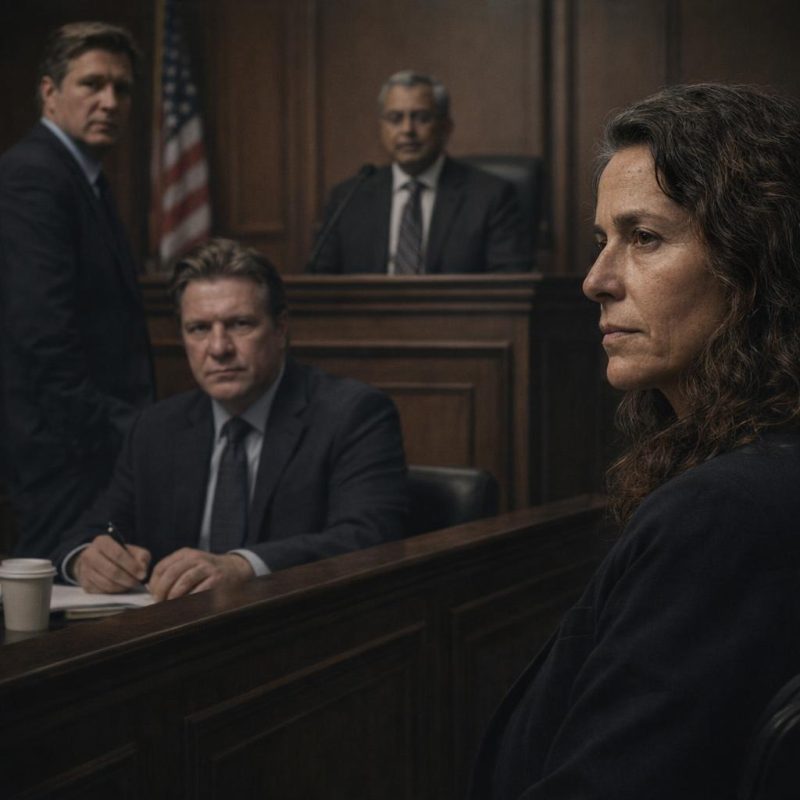 Image by RM AI
Three Weeks Before
The memory came back to me that night as I sat in Robert's office reviewing transcripts—Daniel propped up in bed three weeks before he died, his laptop open beside him, asking me to bring him a specific folder from his office. "Bottom drawer of the desk," he'd said. "Red label on the tab." I'd found it easily, thick with documents and sticky notes marking various pages, and brought it to him along with his reading glasses. He'd thanked me and set it on the bed, and I'd offered to help with whatever he was working on, but he'd said he could manage. I'd left him alone for several hours, respecting his privacy the way I always had, bringing him lunch later and noticing the folder still open, pages marked with new notes in his careful handwriting. He was signing documents, dating them precisely, his focus intense despite the fatigue that shadowed everything by then. When I'd asked what he was working on, he'd said he was taking care of things, and I'd assumed it was standard estate organization, the kind of administrative tasks that needed handling. He hadn't seemed stressed about it, just methodical, completing something that mattered to him. Later that evening he'd put the folder aside and taken my hand, and we'd watched the sunset through the bedroom window without talking about whatever he'd been documenting. I remembered thinking it was strange that he'd needed that particular folder, the one with the red label, but I'd brought it without question because that's what you did when someone you loved was running out of time.
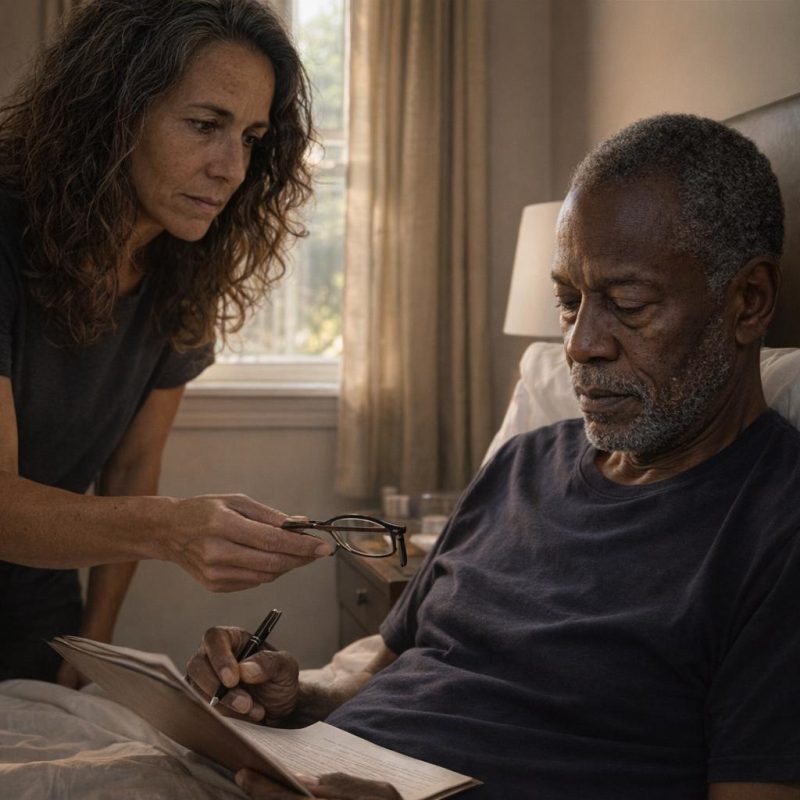 Image by RM AI
What He Left Behind
The red-labeled folder sat exactly where I'd left it weeks ago, bottom drawer of Daniel's desk, and when Robert suggested I look through Daniel's office for any personal notes he might have made, I knew immediately what he meant. I'd brought Daniel that folder three weeks before he died, watched him work through it for hours, signing documents and making notes in his careful handwriting. At the time I'd assumed it was standard estate paperwork, the kind of administrative tasks that needed handling. I pulled open the drawer and lifted out the thick folder, its weight familiar in my hands. Robert stood beside me as I opened it on the desk, and the first page made my breath catch. It was a timeline, meticulously documented in Daniel's precise script. Hospital visits listed with dates and times, duration of each stay, notes about who came and who didn't. Phone calls logged with brief summaries of conversations. Holidays marked with invitations extended and responses received. I turned page after page, years of careful documentation spanning back further than I'd imagined. Every missed birthday, every declined dinner invitation, every brief obligatory call—Daniel had recorded it all. His handwriting was steady, the observations factual rather than angry, but the pattern they revealed was devastating. Robert leaned over my shoulder, his reading glasses catching the light, and I heard him exhale slowly. The folder contained a timeline of every hospital visit, every missed call from his children, every holiday they'd skipped, all recorded in Daniel's precise handwriting.
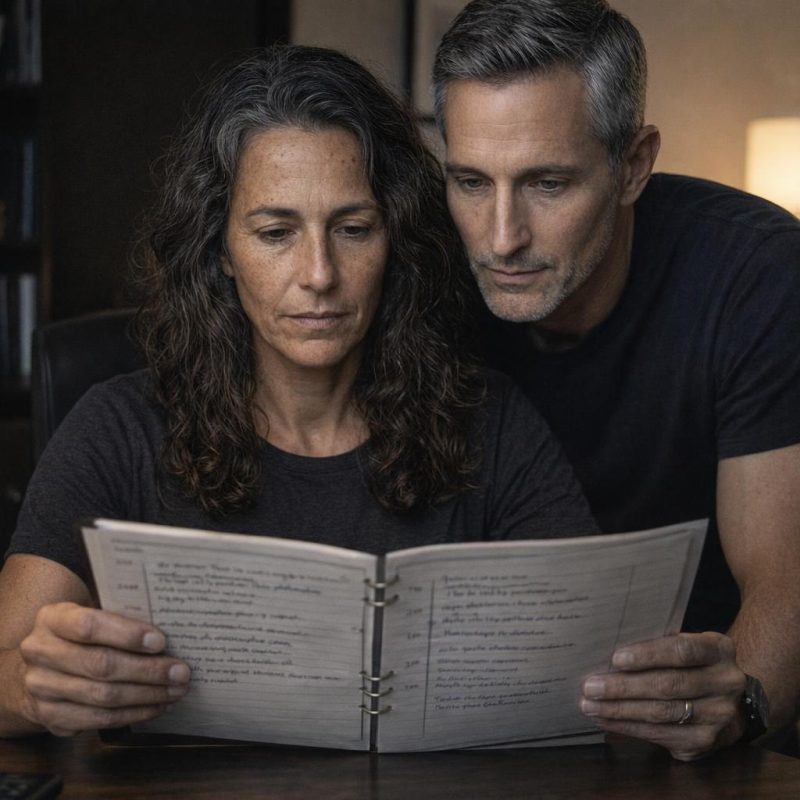 Image by RM AI
He Saw Everything
Reading through Daniel's notes felt like hearing his voice again, those quiet observations he'd make while we sat together in the evenings. The earliest entries went back five years, long before his diagnosis, tracking patterns I hadn't fully recognized while living through them. He'd noted when he initiated contact versus when Ethan or Marissa reached out first—the ratio was stark. There were entries about attempts to bridge the growing distance, invitations to dinner that went unanswered for weeks, suggestions for family gatherings that never materialized. He'd documented their discomfort around me with the same careful neutrality he applied to everything else, describing conversations that felt performative, visits that seemed obligatory. But interspersed with observations about his children were notes about me—my presence during his hospital stays, the way I'd rearranged my work schedule to drive him to appointments, small kindnesses he'd noticed and recorded. Robert photographed each page methodically, his camera clicking in the quiet office. One entry from eight months ago simply said: 'Called Marissa three times this week, finally reached her on Thursday, conversation lasted four minutes.' Another noted: 'Ethan visited for twenty minutes between meetings, seemed anxious to leave.' The documentation wasn't vindictive, just factual, but the accumulation of facts told a story Daniel had seen clearly. One entry, dated two months before his death, simply said: 'They've already decided what they want, not what I want,' and I wondered if he'd suspected what might happen after he was gone.
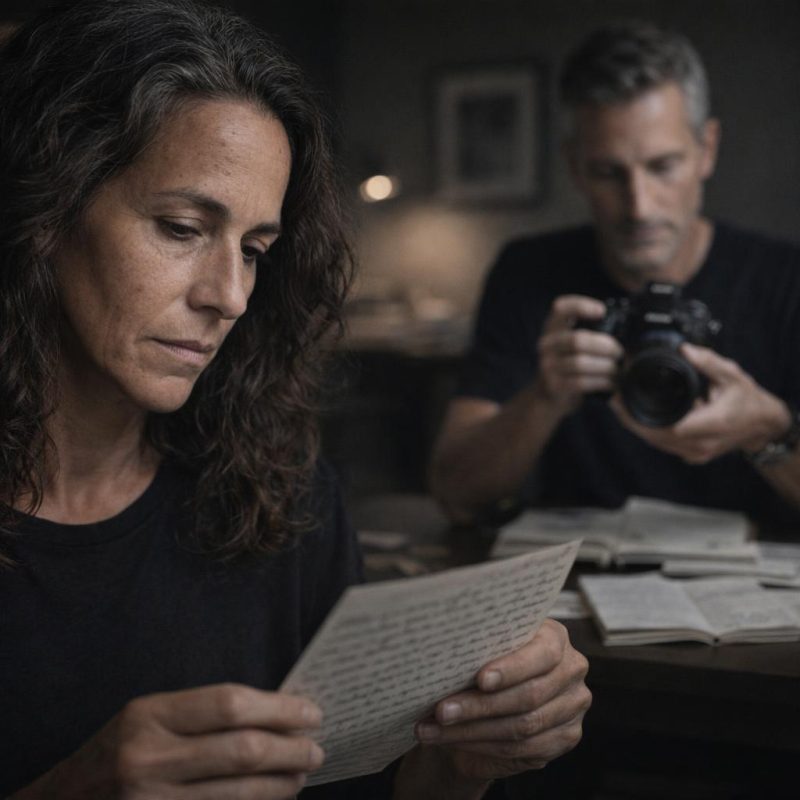 Image by RM AI
The Offer
The settlement proposal arrived on a Wednesday, Thomas's signature at the bottom of three pages of legal language that Robert translated for me in his office. Twenty percent of the estate's value, paid out in cash within sixty days, in exchange for vacating the house and signing away any future claims. I'd also have to agree never to speak publicly about the will or the family, a non-disparagement clause that would legally silence me. Robert set the pages on his desk between us, his reading glasses sliding down his nose as he watched my reaction. Twenty percent was substantial money—enough to buy a smaller house outright, enough to live comfortably for years. I could end this fight today, walk away from the courtroom battle and the social media attacks and the weight of strangers judging me. The offer sat there like a test I hadn't studied for. I thought about how exhausting the legal battle had become, how every day brought new stress, new public scrutiny. But accepting would mean saying Daniel's wishes didn't matter, that his careful planning and documentation meant nothing. It would validate everything Ethan and Marissa had claimed about me, confirm the narrative that I was just after money and would take whatever I could get. I looked at Robert, whose expression remained professionally neutral, and asked what Daniel would want. He said Daniel had made his wishes clear in the will, his tone suggesting an answer without stating it outright. I declined the settlement offer, and Robert set the proposal down and asked what I wanted to do, his expression making clear what he thought I should do.
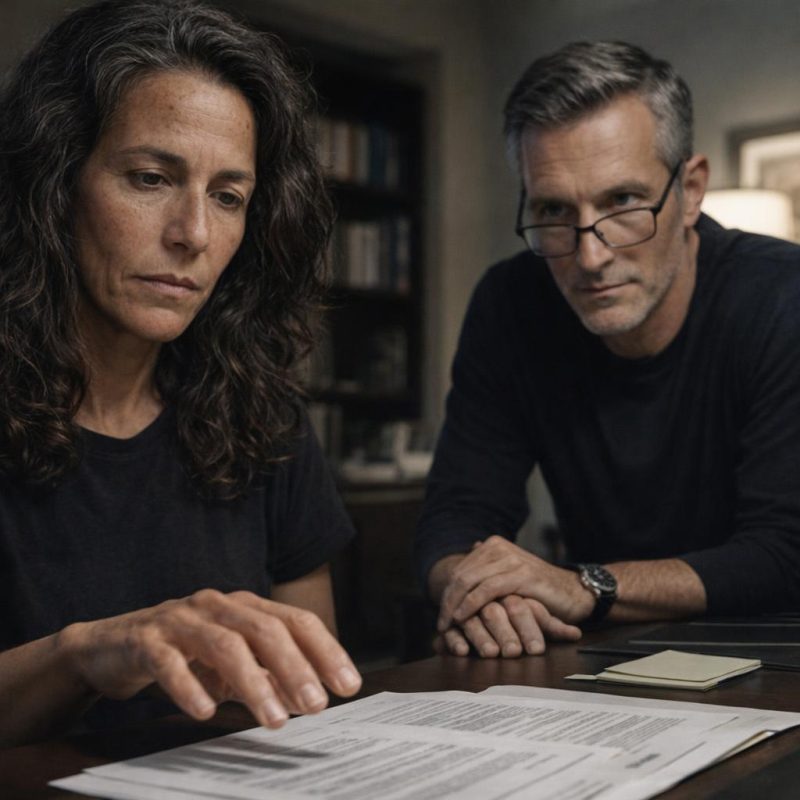 Image by RM AI
The Court of Public Opinion
The Facebook post from Marissa appeared on a Tuesday, and I didn't see it until Nina called to warn me. Her voice carried that careful sympathy people use when they're about to tell you something awful, and I knew before she explained that this was worse than I'd imagined. The post was carefully worded, nothing technically false, just implications stacked on implications until they built a narrative I barely recognized. Marissa wrote about a grieving daughter fighting to honor her father's true wishes, about trying to care for him during his illness but being prevented, about watching helplessly as he changed in ways that broke her heart. She never mentioned my name directly, but the comments filled in the blanks enthusiastically. By Thursday it had been shared three thousand times. I made the mistake of reading the comments—strangers offering opinions about greedy second wives, about vulnerable elderly men, about gold diggers who prey on grief. Someone created a hashtag. Local news picked up the story from social media, framing it as a human interest piece about family and inheritance. Nina came over that evening and found me sitting at the kitchen table with my phone face-down, unable to look at it anymore but unable to stop thinking about the thousands of people who'd decided I was a villain. She made tea I didn't drink and told me not to engage, that responding would only make it worse. I felt the weight of all those judgments pressing down, all those certainties from people who'd never met Daniel or me or witnessed a single moment of our marriage. Nina called to warn me before I saw it myself, and the sympathy in Nina's voice told me this was worse than I'd imagined.
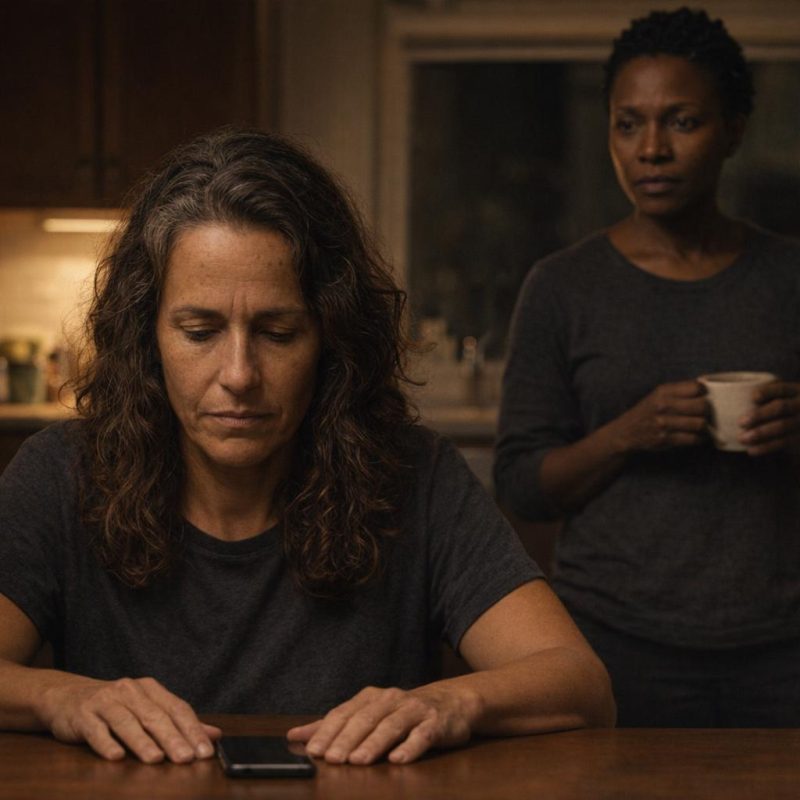 Image by RM AI
Character Assassination
The social media campaign expanded beyond Marissa's original post into something that felt coordinated, though I couldn't prove it. Multiple accounts shared variations of the same narrative, and a Facebook group formed specifically to discuss the case—strangers analyzing my marriage, dissecting the age difference between Daniel and me, sharing old photos they'd found online and commenting on everything from my expression to what I'd been wearing. Someone created a blog post that presented half-truths and speculation as investigative journalism, and suddenly I was defending my marriage to acquaintances who'd read about it and wanted to hear my side. Nina suggested I stay off social media entirely, but the damage was spreading beyond platforms I could avoid. My friends were seeing it, Daniel's former colleagues were seeing it, and Robert called to say the public attention was becoming a factor he needed to consider in trial strategy. A jury pool could be tainted by this kind of coverage, he explained, his voice carrying a concern I hadn't heard before. I was fighting on multiple fronts now—the legal battle, the court of public opinion, the constant pressure of being watched and judged by thousands of strangers. Nina stayed with me that evening, physically blocking my phone when I reached for it, reminding me that the truth would come out in court. But sitting there in my living room, watching my life become entertainment for people who'd already decided I was guilty, I asked her if the truth even mattered anymore when everyone had already made up their minds. When Robert called to say the public attention was becoming a factor he needed to consider in trial strategy, I realized I was losing a battle I hadn't even known I was fighting.
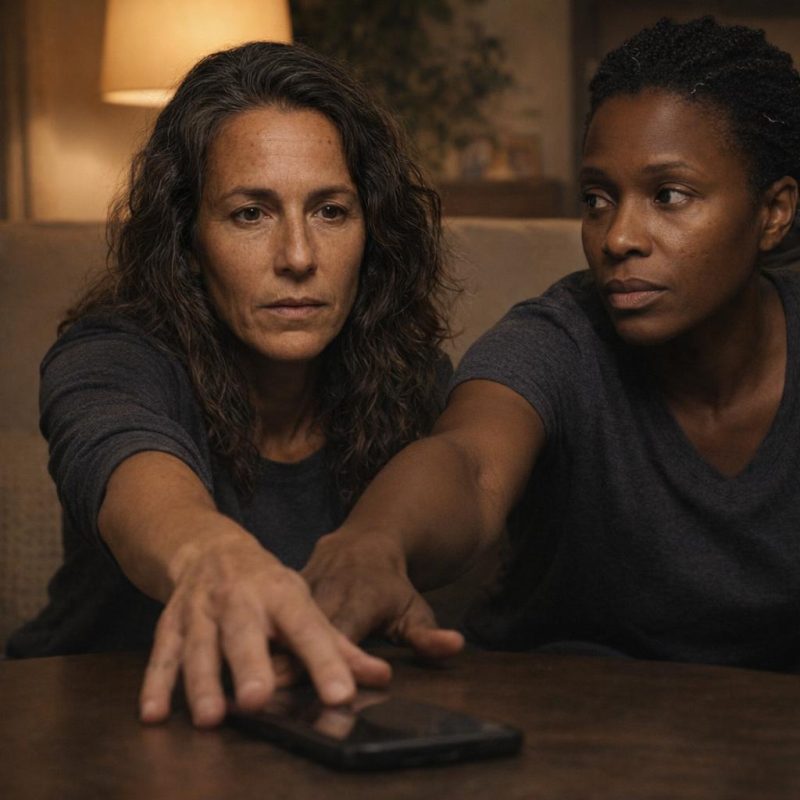 Image by RM AI
Sealed Evidence
Robert arrived at my house on a Friday afternoon with an expression I hadn't seen before, something between relief and apprehension that made me invite him in before he'd even said why he'd come. He sat at my kitchen table and told me Daniel had left instructions about evidence that could only be used if the will was contested. The information had come through another attorney, someone Daniel had worked with separately, and Robert had spent the past two days confirming the details. The evidence was sealed, held by a third party, with specific instructions about when and how it could be released. Robert explained this wasn't unprecedented but it was unusual—Daniel had anticipated a legal challenge and prepared for it in ways Robert was still discovering. I asked what the evidence contained, and Robert admitted he didn't know the specifics, only that it existed and was properly preserved. He seemed cautiously optimistic in a way that made my pulse quicken, but he wouldn't speculate about what Daniel might have documented or recorded. The evidence would be presented at trial, he said, when the time was right and the legal requirements were met. I sat there trying to process what this meant, wondering what Daniel had known that he hadn't told me, what he'd seen coming that I'd missed entirely. Robert's careful optimism suggested the evidence was significant, but his refusal to elaborate left me with more questions than answers. When I asked what kind of evidence, Robert said he'd only been told it existed and that it would be presented at trial, and the way he said it made me wonder what Daniel had seen coming that I hadn't.
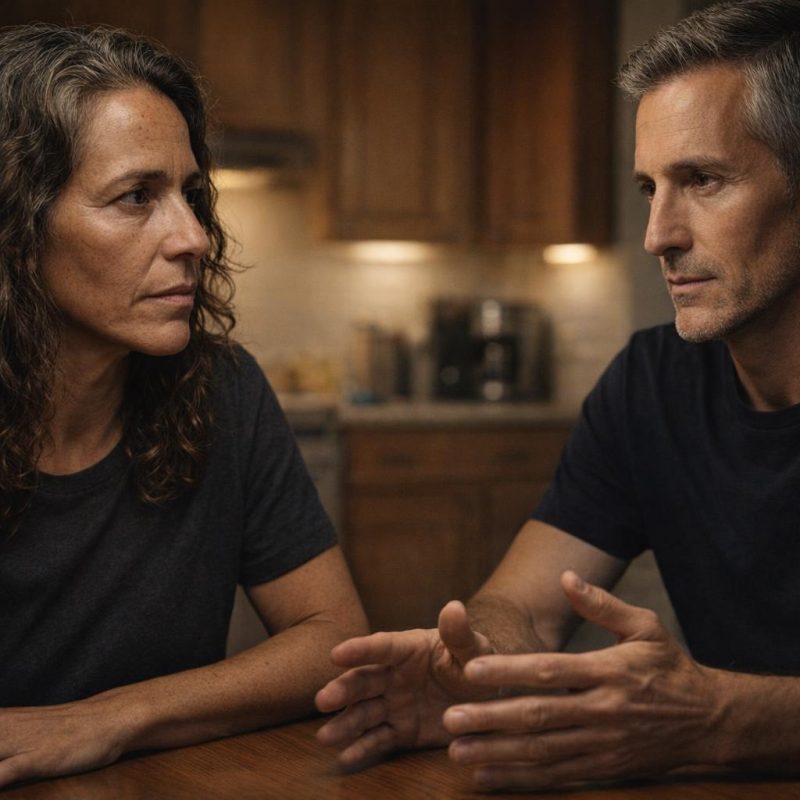 Image by RM AI
Trial Date Set
The trial date arrived like a deadline I both dreaded and needed, marked on Robert's calendar in red ink with the weight of everything converging on a single week. Three weeks out, he said, and we had intensive preparation ahead of us. We spent hours in his office reviewing every piece of evidence—the visitor logs from the hospital, Daniel's medical records, the red-labeled folder with its careful documentation. Robert walked me through courtroom procedure, explaining where I'd sit, how to address the judge, what to expect when Thomas cross-examined me. We practiced my testimony until I could recite the timeline of Daniel's illness without my voice breaking, until I could describe our marriage in terms that sounded factual rather than defensive. Robert planned to call medical witnesses first to establish Daniel's competency, then character witnesses who could speak to his state of mind. I would testify about our relationship and the care I'd provided. Near the end, Robert said, he'd present the sealed evidence Daniel had arranged. His voice carried a gravity when he mentioned it that made my pulse quicken, but he still wouldn't elaborate on what it contained. I asked repeatedly, and he stayed vague, saying we'd see it when the time was right. The trial was expected to last a full week, every day bringing new testimony, new confrontations. I'd have to sit in the same room as Ethan and Marissa, listen to them testify about their version of events, watch them perform grief for a judge. Robert walked me through what each day would bring, but when he got to the day he'd present Daniel's sealed evidence, his voice carried a gravity that made my pulse quicken.
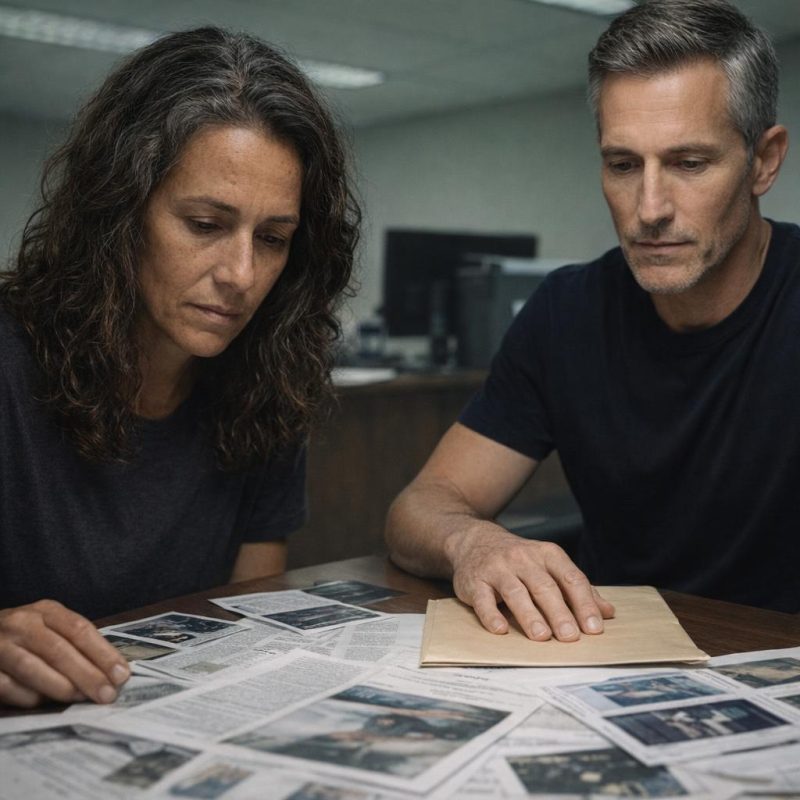 Image by RM AI
The Night Before
The night before trial began, I sat alone in the house that had become the center of a legal battle, walking through rooms that held memories I'd been too busy fighting to properly revisit. The living room where Daniel and I had watched movies on quiet evenings, the kitchen where we'd cooked together on weekends, the bedroom where I'd cared for him those final months—all of it felt both familiar and strange, like looking at my life through glass. I thought about how much had changed since his funeral, how the home he'd wanted me to have had become a battleground neither of us could have predicted. Or maybe he had predicted it—the sealed evidence suggested he'd seen more than I'd realized. I walked into his office and stood there in the doorway, remembering him at that desk, working through the red-labeled folder with such focus. The folder still sat where Robert and I had left it after photographing every page. I thought about Daniel's careful planning, his documentation, his quiet preparation for a fight he wouldn't be here to witness. Tomorrow I'd walk into a courtroom and face his children, and somewhere in that process the sealed evidence would be revealed. I trusted Daniel had his reasons for everything he'd done, but standing there in the empty office, I felt the full weight of not knowing what he'd prepared. I found myself standing in Daniel's office, hand on the red-labeled folder, whispering to the empty room that I hoped he'd really thought of everything.
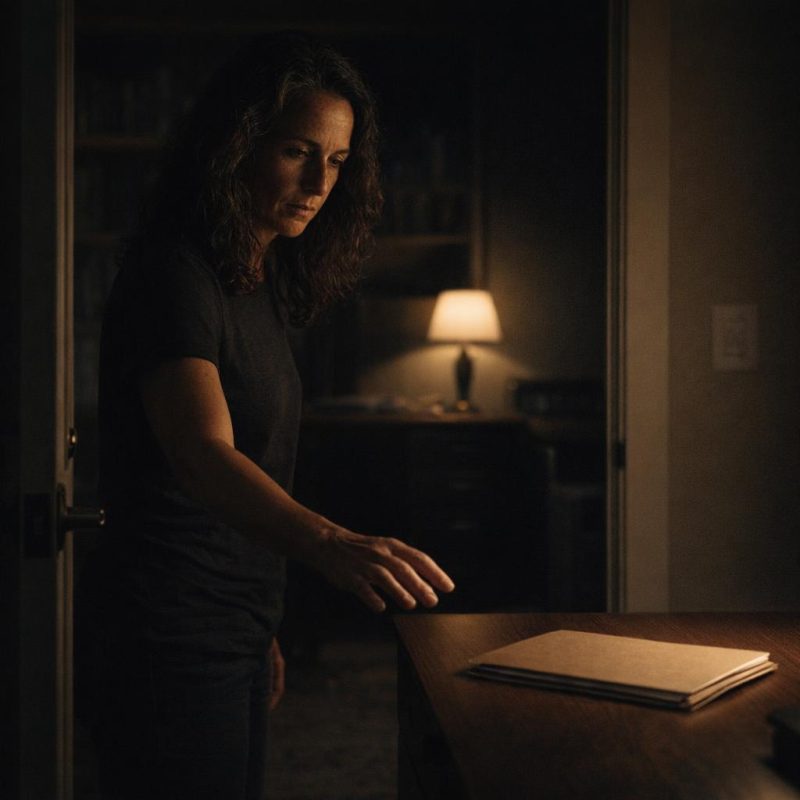 Image by RM AI
Opening Statements
The courtroom was smaller than I'd imagined, wood-paneled walls that seemed to close in as we took our seats at the defendant's table. Robert adjusted his reading glasses and arranged his files with the same methodical care he'd shown throughout this entire process, while I sat beside him trying to remember how to breathe normally. The gallery behind us was full—I recognized some faces from the social media campaign, people who'd come to watch the woman who'd supposedly stolen a dying man's fortune. Ethan and Marissa sat directly behind Thomas Brennan, both dressed in muted colors that suggested mourning without being theatrical about it. When the judge entered and called the case, Thomas rose with the kind of confidence that comes from believing you've already won. His opening statement painted me exactly as I'd expected—the opportunist who'd isolated a vulnerable man, the caregiver who'd leveraged access into inheritance, the wife who'd turned a dying father against his own children. He promised evidence of undue influence, of diminished capacity, of a will that reflected manipulation rather than genuine intent. Robert's response was measured and precise, emphasizing Daniel's documented competency, my years of devoted care, and evidence that would reveal the truth about family dynamics. But as I watched the jury's faces, trying to read their expressions, I couldn't tell if they saw through Thomas's narrative or if they saw exactly what he wanted them to see.
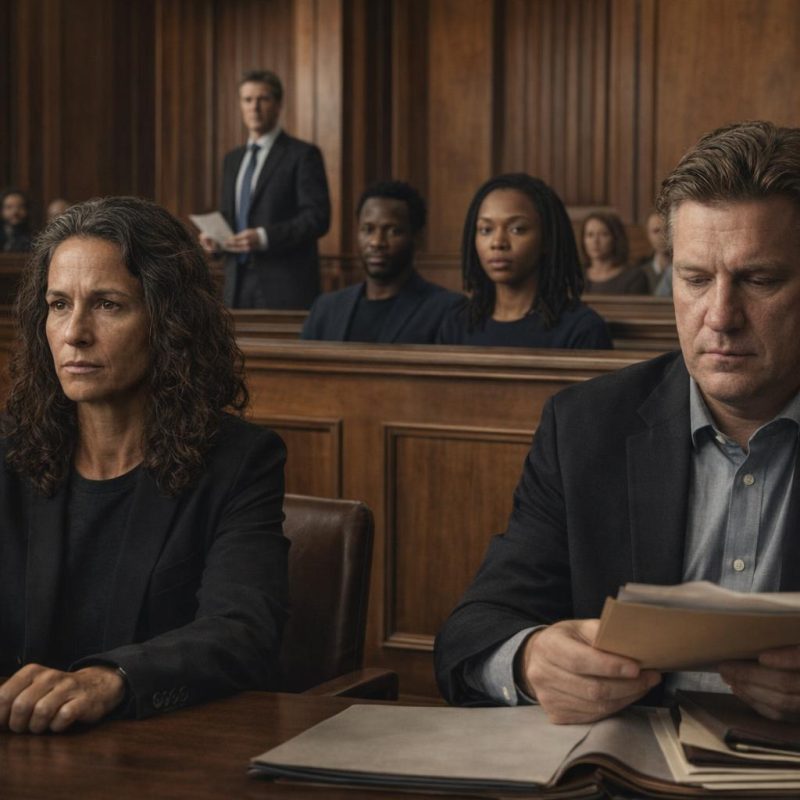 Image by RM AI
Their Version
Ethan took the witness stand first, and I had to admit he was good at this. His voice broke at carefully chosen moments as he described a father who'd been warm and present before I came along, then gradually distant and unavailable after our marriage. He talked about phone calls that went unreturned, about feeling excluded from his father's life, about conversations where Daniel seemed confused or unlike himself. Thomas guided him through it all with gentle questions that made every answer sound damning. When Robert stood for cross-examination, he pressed on specifics—exact dates of visits, duration of phone calls, documented attempts to connect. Ethan became defensive, his composure cracking slightly when confronted with the visitor log numbers, but he recovered quickly enough. After a brief recess, Marissa took the stand, and her performance was even more polished. The tears came readily as she spoke about trying to reach out to her father during his illness, about feeling unwelcome at the hospital, about watching him slip away while I controlled access. Thomas asked about her father's state of mind in those final weeks, and she described a man who seemed unlike himself, making decisions that didn't align with the father she'd known. Robert's cross-examination was gentle but probing, and I sat through hours of testimony that painted me as the villain in Daniel's final chapter. When Marissa made a sound that could have been a sob or a protest, describing her last conversation with her father, I found myself wondering whether grief could look so polished or whether something else was at work.
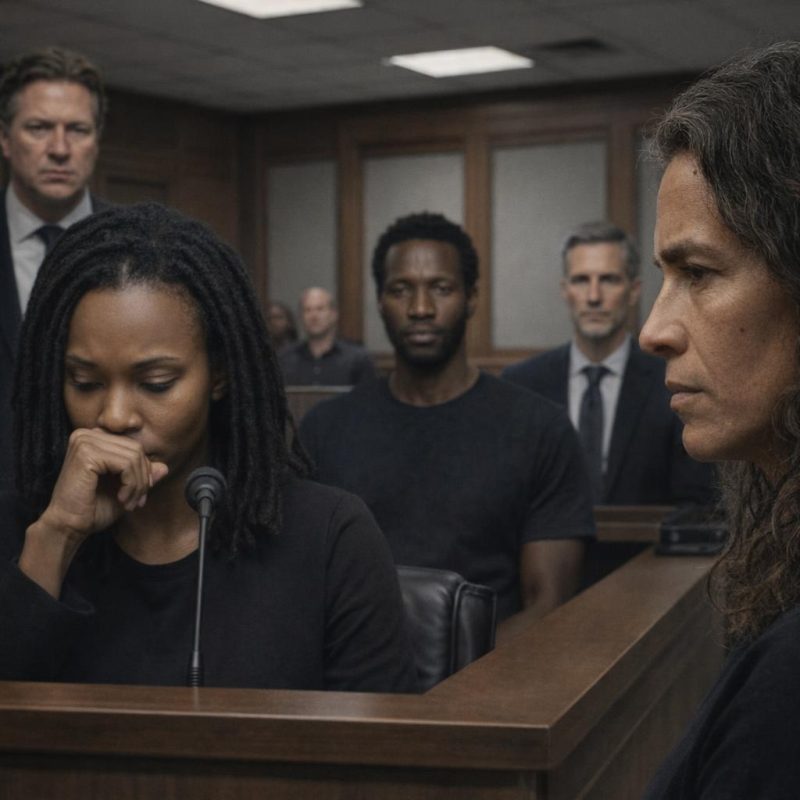 Image by RM AI
My Turn
I took the witness stand the next morning and swore to tell the truth, my hand steady on the Bible even as my heart hammered against my ribs. Robert's questions were straightforward—how I'd met Daniel, our courtship, our marriage, my early attempts to connect with his children. I described the diagnosis, the hospital visits, the nights I'd slept in that uncomfortable chair because I couldn't bear to leave him alone. I explained how Daniel had remained mentally sharp throughout his illness, how he'd made his own decisions about treatment and visitors and everything else. Robert introduced the visitor logs as exhibits, and I walked the jury through what they showed—the pattern of my presence, the scarcity of his children's visits. Then Thomas stood for cross-examination, and the temperature in the room seemed to drop. He asked about my financial situation before marrying Daniel, about access to his accounts and passwords, about who controlled the visitor list at the hospital. He suggested I'd prevented the children from seeing their father, and I denied it clearly, but his questions were designed to make truth sound like lies. When he asked about the folder Daniel had requested in his final weeks, I answered honestly that I'd brought it to him but didn't know all its contents. The day ended with me still on the stand, drained but standing, and when Thomas asked me point-blank if I had ever discouraged Daniel from seeing his children, I answered no, but his smile suggested he had more questions designed to make truth sound like lies.
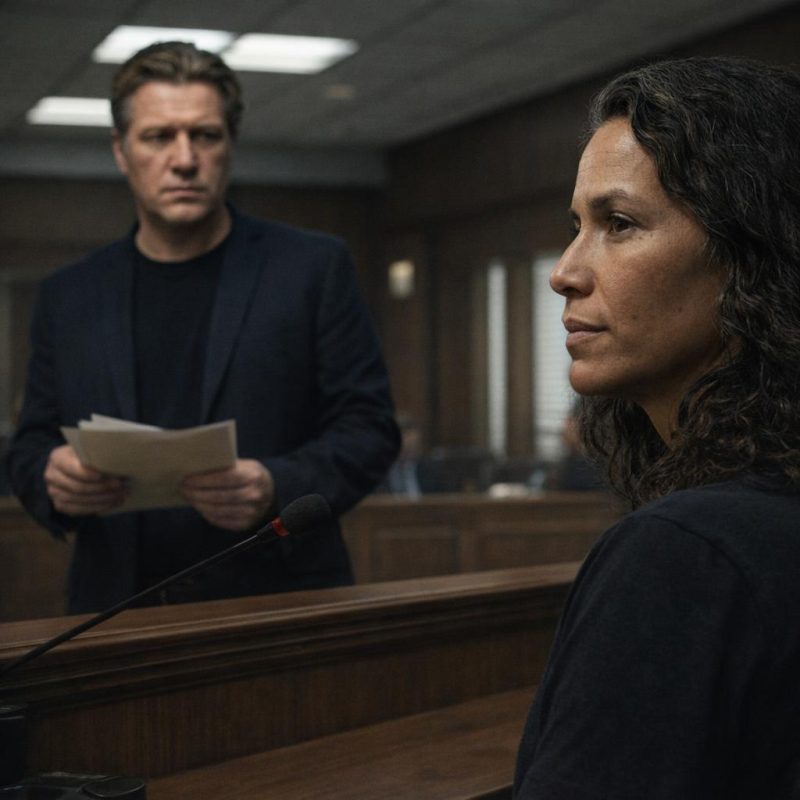 Image by RM AI
Daniel's Instructions
The trial resumed the next morning with tension so thick I could feel it pressing against my skin. Robert stood and addressed the judge about additional evidence, his voice carrying the same measured professionalism it always did, but something in his posture suggested this mattered. He explained that Daniel had left sealed materials with specific instructions—evidence that was only to be opened if the will was contested. Thomas immediately objected, calling this a procedural surprise, his controlled demeanor cracking slightly. Robert produced documentation showing proper legal custody of the materials, chain of custody records, notarized statements. The judge reviewed the paperwork carefully, then overrules the objection. Robert explained the evidence was video testimony recorded by Daniel himself, and Thomas objected again, questioning authenticity and timing. But Robert had anticipated every challenge, presenting documentation that satisfied the judge's concerns. The judge ruled the evidence admissible pending authentication, and I sat there watching the proceedings with growing confusion and hope. I hadn't known Daniel had recorded anything—he'd never mentioned a video, never hinted at this kind of preparation. Ethan leaned forward in his seat, his composure cracking slightly as he stared at Robert. Marissa whispered urgently to Thomas, her polished exterior showing its first real cracks. When the judge approved the presentation and Robert produced a sealed envelope and a portable media device, I saw Ethan and Marissa exchange a look that suggested they hadn't anticipated this at all.
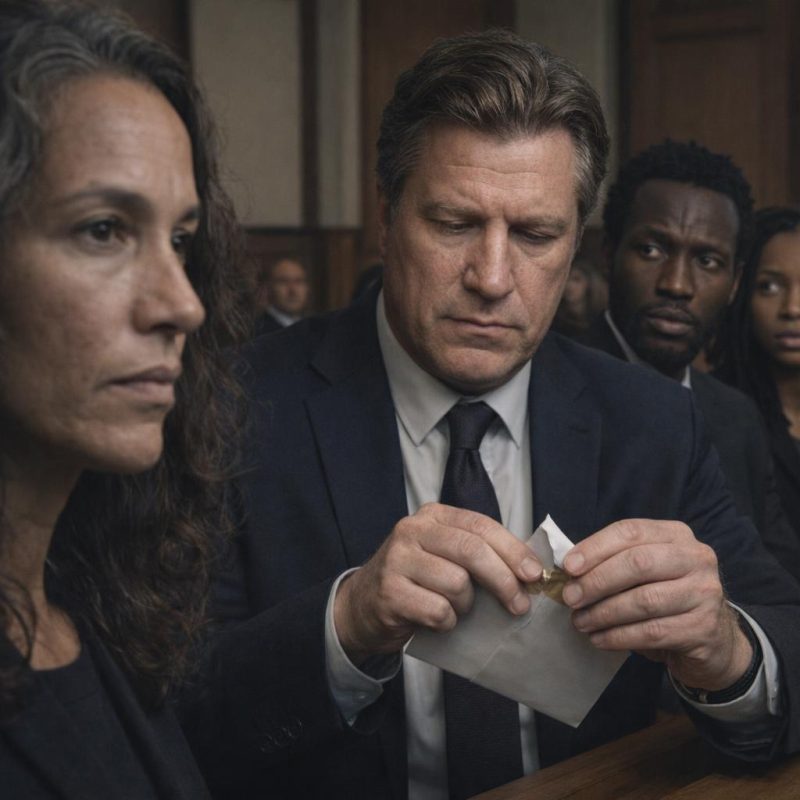 Image by RM AI
His Voice
Daniel's face appeared on the courtroom screen, thin from illness but clear-eyed, and the sight of him hit me like a physical blow. The date stamp showed three weeks before his death. He introduced himself clearly, stating his full name and the date, explaining that he was recording this in case his will was contested. His voice was steady as he stated he was of sound mind and making this recording freely, acknowledging the camera operator as an independent witness. Then he began explaining his decision to leave the estate to me, and I realized I was watching my husband speak from beyond the grave, addressing the exact scenario we were living through. He described his children's gradual withdrawal over the years—specific birthdays forgotten, holidays declined with excuses that became patterns. He transitioned to his illness and documented their absence with the same precision I'd seen in the red-labeled folder. He referenced the visitor logs, the brief phone calls, the promises to visit that never materialized. Daniel's voice remained calm as he described feeling abandoned by his children, and he contrasted this with my constant presence and care. The courtroom was silent except for his recorded voice, and I watched Ethan's face go pale while Marissa visibly shook in her seat. Thomas sat very still, his legal pad untouched, his expression showing dawning concern. When Daniel began listing dates and incidents with precise detail, I finally understood what had been in that folder—not just documentation, but preparation for a battle he knew I would have to fight alone.
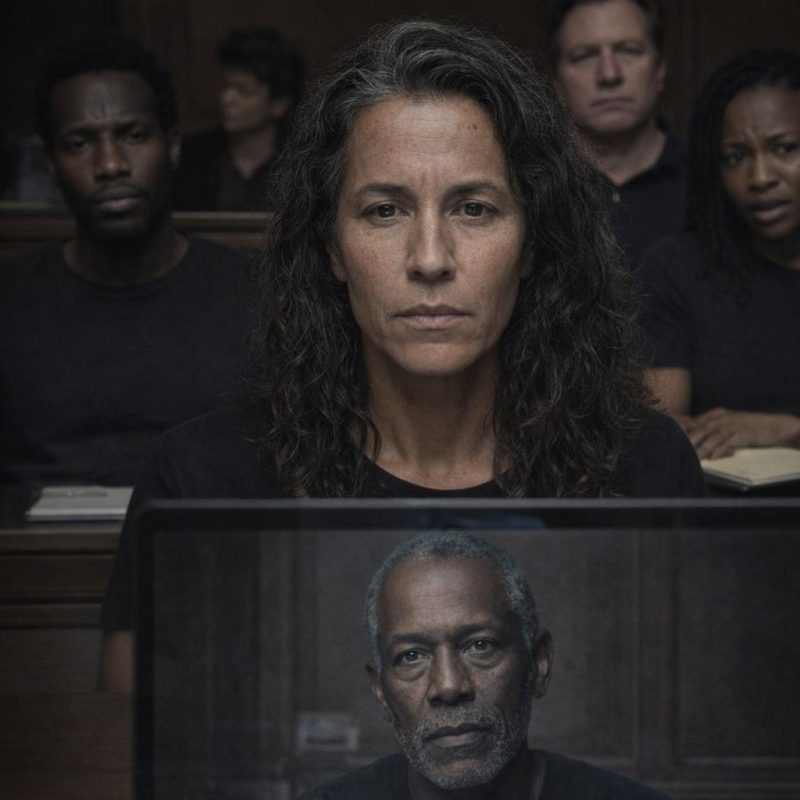 Image by RM AI
The Record He Kept
The video continued without interruption, and Daniel held up the red-labeled folder, visible on camera. He explained he'd begun documenting three years ago when he noticed the pattern of absence becoming undeniable. Then he started reading specific entries with devastating precision—dates his children didn't call, hospital visits with exact times and durations. Ethan had visited twice: October 15th for twenty-two minutes, January 3rd for thirty-one minutes. Marissa had visited three times, never staying longer than an hour. Daniel read his notes about calls that went unanswered, about holiday invitations declined with excuses that sounded reasonable individually but formed a pattern collectively. He contrasted each absence with my corresponding presence, reading entries about me sleeping in the hospital chair, managing his medications, talking to his doctors, holding his hand through difficult treatments. His tone remained factual rather than angry, which somehow made it more powerful—he wasn't attacking his children, just stating what had happened. I watched the jury's faces change as they absorbed the details, saw them glancing between the screen and Ethan and Marissa. Ethan stared at the table, refusing to look at the screen where his father's voice cataloged his absence. Marissa wiped her eyes, but the tears looked different now, less like grief and more like something else. When Daniel read the entry from his daughter's birthday—the one where he'd called and been sent to voicemail for three days straight while I held his hand through a particularly difficult round of treatment—Marissa made a sound that could have been a sob or a protest.
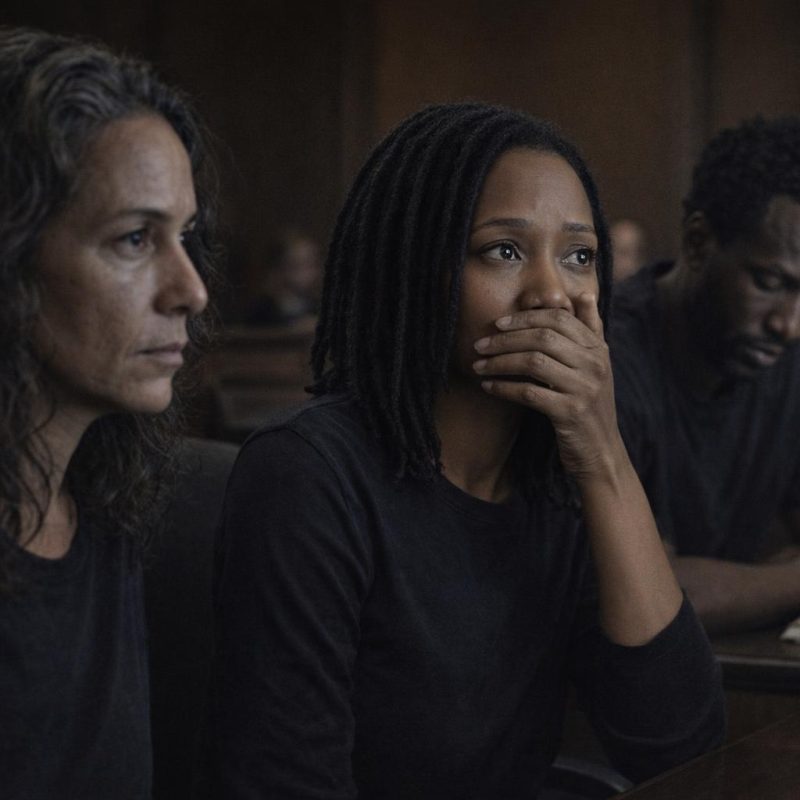 Image by RM AI
What Love Looked Like
The final portion of Daniel's video shifted from documentation to declaration, his voice warming despite his illness as he spoke directly about me. He described meeting me ten years ago, what our life together had meant to him, the quiet joy of finding companionship when he'd thought that chapter of his life was over. He acknowledged his children and said he loved them despite everything, but then he said something that made my breath catch—that love requires presence, not just genetics. He described watching me care for him through his illness, noting that I never complained, never faltered, that I stayed awake through nights so he could sleep. Daniel addressed his children directly on camera, saying he'd hoped they would be there, that he'd waited for them, but he explained his decision wasn't punishment—it was recognition of reality. He stated clearly that I'd earned everything he was leaving me through years of partnership and months of devoted care. He thanked me for the time we'd had together, his eyes bright with emotion but his voice steady. Then he expressed hope that his children might someday reflect on their choices and understand that presence matters more than blood. He said goodbye to the camera with clear eyes and a steady voice, and the video ended. The courtroom sat in heavy silence, and I was crying quietly, but they were tears of connection rather than despair. When Daniel looked into the camera and said that he hoped his children might someday understand that presence matters more than blood, I felt his hand in mine across the distance of death.
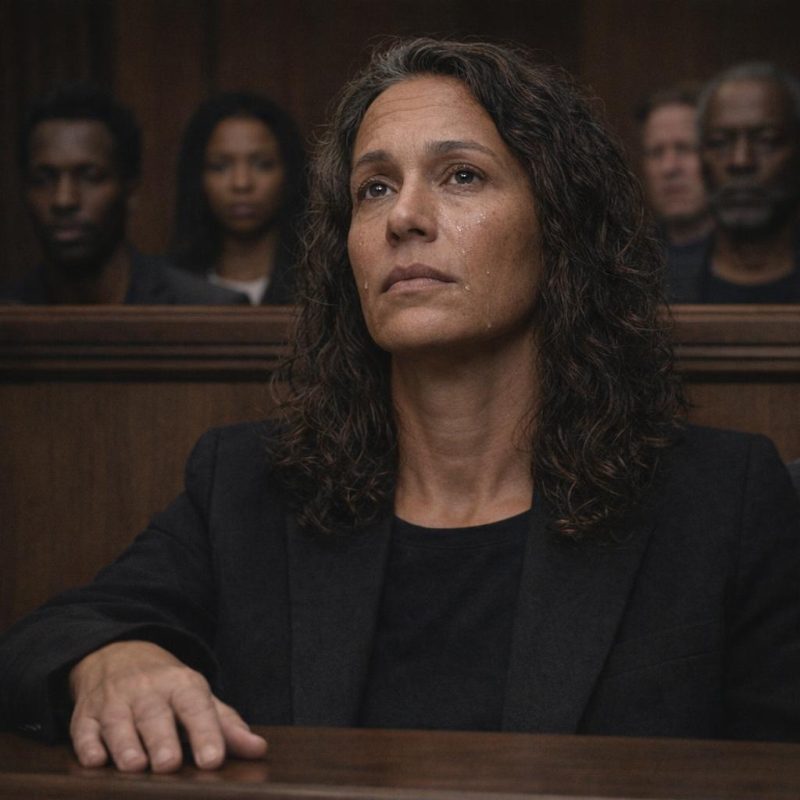 Image by RM AI
The Collapse
The silence after Daniel's video ended lasted only seconds before Thomas requested a recess in a voice stripped of its earlier confidence. The judge granted it immediately, and I watched as Ethan and Marissa left the courtroom quickly, their carefully constructed case falling apart in the faces of everyone watching. Thomas followed them, his posture completely different than it had been during opening statements—shoulders slightly hunched, the aggressive forward lean replaced by something that looked almost like retreat. Robert turned to me and allowed himself a small nod, and I asked what happens now. He said the video changes everything but cautioned against assumptions, reminding me that trials can be unpredictable. During the recess, I saw jury members talking quietly among themselves, and one juror glanced at me with an expression I couldn't quite read—sympathy, maybe, or reassessment. The recess extended beyond thirty minutes, then forty-five, and when we finally reconvened, Thomas approached the bench immediately. He requested a private conference with the judge, and both attorneys were called forward for a hushed conversation I couldn't hear. I watched their body language—Thomas gesturing carefully, Robert standing still and listening, the judge's expression neutral but attentive. When they returned from recess and Thomas approached the bench asking to speak with the judge privately, I knew from Robert's expression that something had shifted decisively.
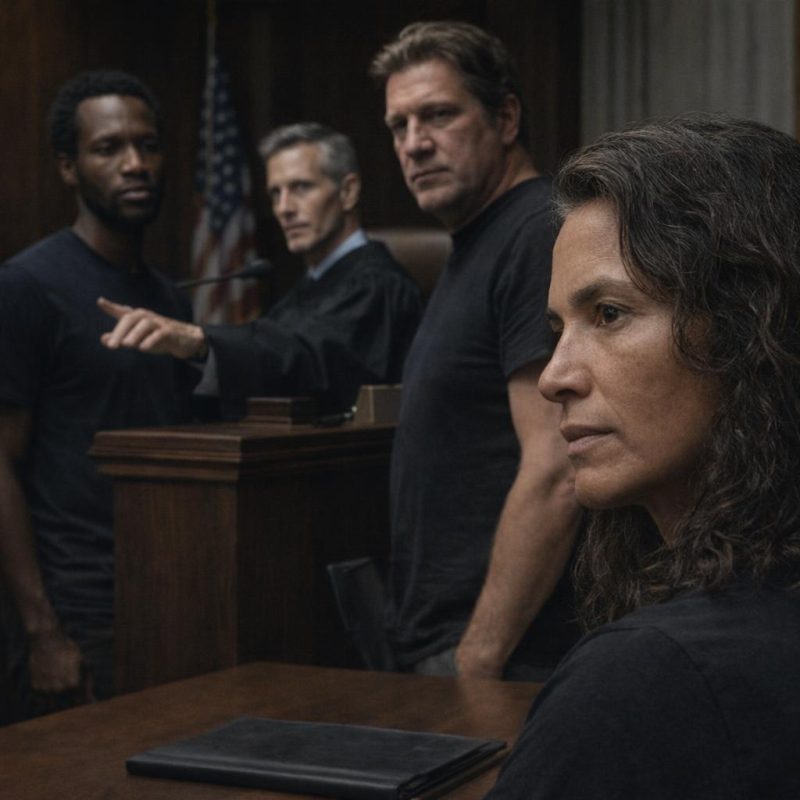 Image by RM AI
Desperate Measures
Thomas emerged from the sidebar with his shoulders squared, and though his confidence looked partially restored, I could see the calculation in his eyes—he was regrouping, not recovering. He announced he would call character witnesses to testify about the woman I really was, the one who had supposedly isolated a dying man from everyone who loved him. The first witness was a former colleague of Daniel's, someone I vaguely recognized from a company dinner years ago. She testified that Daniel had seemed different in recent years, more withdrawn, less engaged with old friends. Robert's cross-examination was surgical—he established she hadn't actually seen Daniel in five years, hadn't called during his illness, hadn't sent a card. The second witness was a neighbor who described me as private and unwelcoming, someone who kept to herself. Robert pointed out that this neighbor had never been inside our home, had never had a conversation longer than a weather comment, barely knew either of us beyond waves across driveways. A third witness, some distant cousin I'd met once at a holiday gathering, offered vague testimony about family dynamics that dissolved under the slightest scrutiny. Robert objected to hearsay and speculation repeatedly, and the judge sustained most of them with visible impatience. I watched Thomas's frustration emerge in small gestures—a tightening jaw, fingers drumming once against his notepad—as each witness failed to counter what Daniel's own voice had established. The jury seemed less engaged with this testimony, a few members checking the clock, and I realized Thomas was throwing everything at the wall to see what might stick, but nothing was sticking anymore.
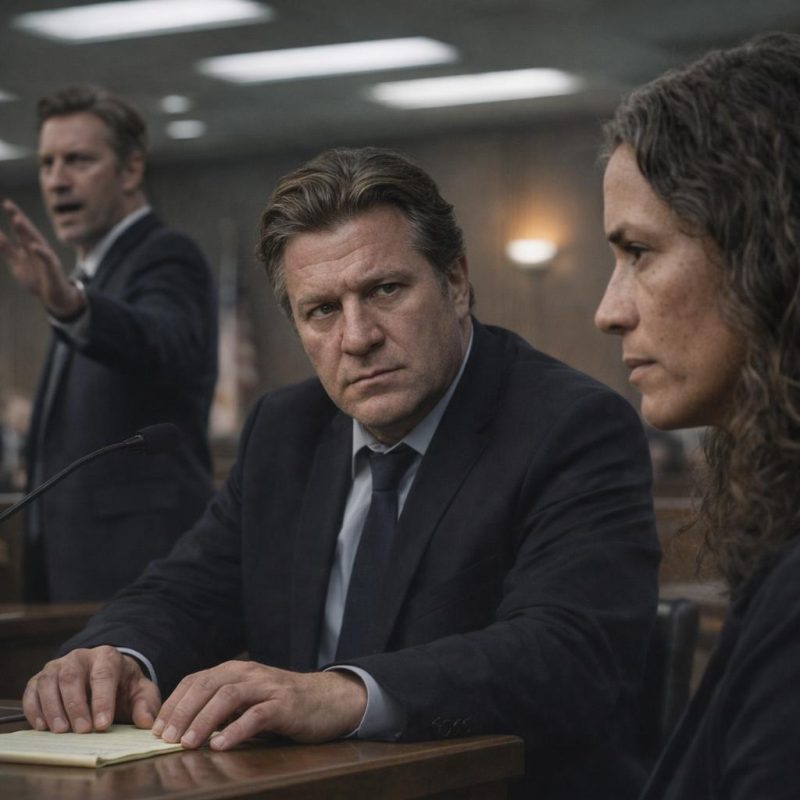 Image by RM AI
The Full Picture
Robert stood and brought the trial back to focus with the kind of methodical precision that made Thomas's desperation look even more obvious by contrast. He introduced hospital visitor logs as official exhibits, and they were projected onto a screen where the jury could see every entry. Robert had highlighted my daily presence in yellow—page after page of my name, my signature, the times I'd arrived and left. Ethan and Marissa's sparse visits were marked in red, and there weren't many red marks to see. Phone records came next, displayed as charts showing call frequency and duration throughout Daniel's illness. The pattern was undeniable—my number appeared hundreds of times, theirs barely registered. Robert called Dr. Rahman back briefly, and the doctor confirmed that Daniel had discussed his family situation during treatment, had expressed disappointment about his children's absence in words that matched everything we'd already heard. Then Robert introduced Daniel's handwritten notes from the folder, each entry read aloud and entered into evidence. The documentation matched the video testimony precisely—dates, observations, the same quiet hurt in different formats. Thomas objected repeatedly, grasping at procedural straws, but the judge overruled him each time with decreasing patience. Robert summarized the pattern for the jury, letting the comprehensive timeline speak for itself, and when he finished his presentation and turned to face them, I saw several members looking directly at Ethan and Marissa with expressions that had absolutely nothing to do with sympathy.
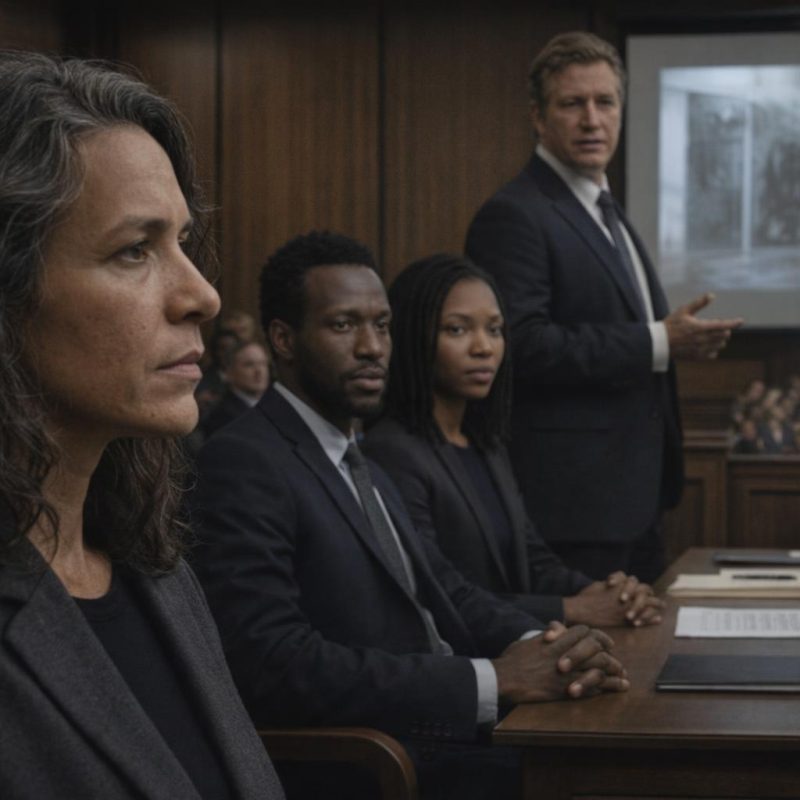 Image by RM AI
Final Words
The judge announced it was time for closing arguments, and Robert stood with the kind of quiet conviction that didn't need volume to carry weight. He thanked the jury for their attention and summarized what we'd established—medical testimony confirming Daniel's competency, visitor logs documenting who had actually been present, phone records showing who had stayed in touch, and Daniel's own words explaining exactly why he'd made the choices he made. Robert emphasized that Daniel had anticipated this challenge and prepared for it, that he'd known his children would contest his wishes and had taken extraordinary steps to make his reasoning clear. He noted that the children's absence wasn't speculation or interpretation but documented, undeniable fact. Robert asked the jury to honor a man's final, carefully considered wishes, then sat down after speaking for forty minutes that felt both longer and shorter than they were. Thomas rose for his closing, and though his words were forceful, I could see the jury had already made up their minds. He attempted to reframe the video as a man in pain being encouraged to blame, argued I'd had opportunity and motive to influence Daniel, asked them to consider whether a loving father would really cut off his children completely. His argument was passionate but lacked the documentary support that Robert had built brick by brick. Robert's rebuttal was brief—he simply let the evidence speak for itself. The judge thanked both attorneys and began preparing jury instructions, and I felt the weight of everything finally coming to its conclusion.
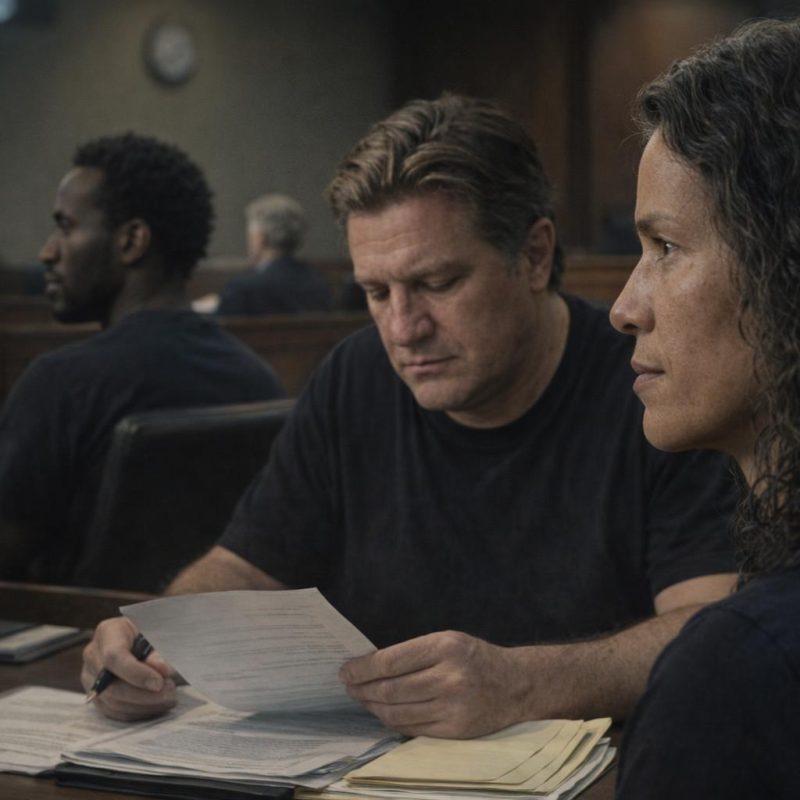 Image by RM AI
Waiting
The jury filed out to deliberate, and I sat in the hallway outside the courtroom counting ceiling tiles and trying not to imagine every possible outcome. Nina had come to be with me during the wait, and she sat beside me holding my hand without speaking, which was exactly what I needed. Robert checked his phone and responded to office messages, maintaining his professional calm while I felt like I might vibrate out of my skin. Ethan and Marissa sat at the opposite end of the hallway with Thomas, and no one spoke across that divide—we existed in the same space but completely separate realities. Robert explained that quick verdicts can go either way, which didn't help my anxiety at all. Nina brought me a sandwich I couldn't eat, and I watched the closed courtroom doors obsessively, as if staring at them might make the jury decide faster. Hours passed slowly, marked by trips to the restroom and water fountain, by the sound of other cases being called in adjacent courtrooms. I thought about Daniel, about our life together, about what I'd do if I lost everything he'd tried to give me. The hallway felt suspended in time, like we were all trapped in amber waiting for reality to resume. Then the bailiff appeared and announced a verdict had been reached after only three hours, and I stood on legs that felt completely disconnected from my body.
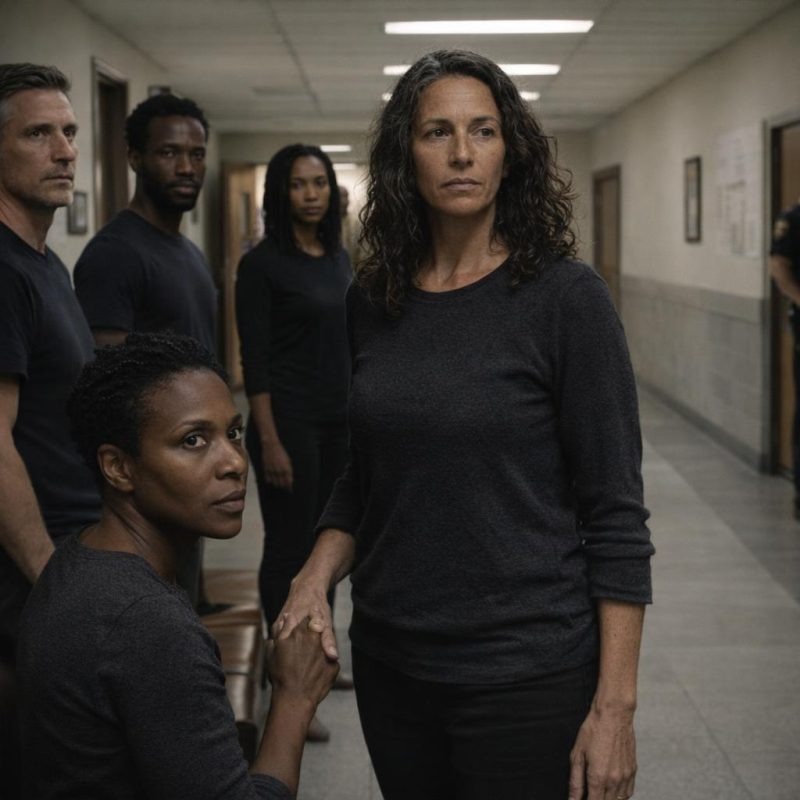 Image by RM AI
The Verdict
The courtroom reconvened with everyone present, and the silence felt different than it had before—heavier, more final. The judge asked the foreperson if the jury had reached a verdict, and she confirmed they had, handing the verdict form to the bailiff. The judge reviewed it silently, his expression revealing nothing, before handing it back. The foreperson stood to read the verdict aloud, and I stopped breathing. On the question of mental competency: Daniel Hartwell was found to be of sound mind. On the question of undue influence: no undue influence was found to have been exerted. The will was declared valid and enforceable as written. The words landed like physical objects, solid and real, and I felt tears on my face but wasn't sure what kind they were. The judge added his own remarks, noting that the evidence of the children's absence during their father's final months had been compelling, observing that contesting a parent's final wishes carries certain responsibilities that hadn't been met here. His tone suggested clear disapproval of the challenge itself. Ethan sat rigidly, staring at the table in front of him. Marissa covered her face with her hands. Thomas gathered his papers without looking at anyone. Robert placed a hand on my shoulder, and Nina was crying quietly in the gallery behind me. As the words sank in, I felt something I hadn't expected—not triumph, not even relief exactly, but a profound sadness that it had taken a courtroom to prove what Daniel had always known about who really loved him.
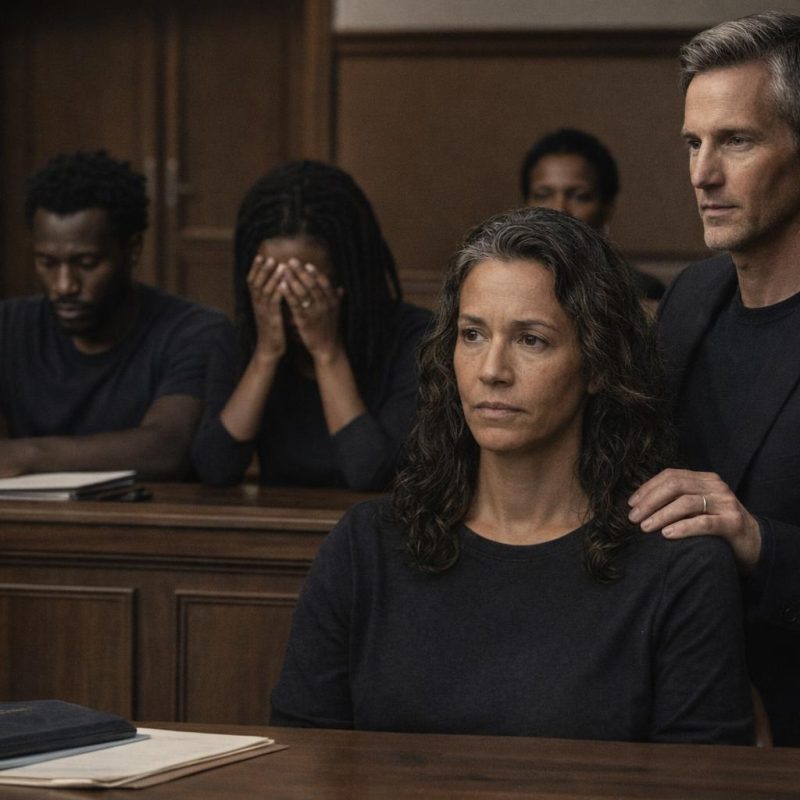 Image by RM AI
Public Reckoning
The courthouse steps were crowded with reporters when I emerged with Robert and Nina flanking me like protective barriers. Microphones extended toward us, and questions were shouted about the verdict, the video, the will. Robert spoke briefly on my behalf, stating simply that the will had been upheld and justice had been served. Reporters asked about Daniel's video testimony, and some quoted specific details they'd witnessed in court—the narrative had shifted entirely. Headlines were already appearing on phone screens people held up: 'Widow Vindicated,' 'Dead Man's Video Exposes Children's Absence.' I saw Ethan and Marissa exit through a side door, and some reporters peeled off to pursue them with questions. Marissa's earlier social media posts were being quoted back at them now, the hashtag that had targeted me trending with completely different commentary. Public opinion had reversed dramatically, and the story they'd tried to tell about me was being rewritten by journalists who had watched Daniel's video and recognized the truth. I didn't speak to the press myself—I just walked to the car with Nina, letting Robert handle the questions that kept coming. The victory felt both hollow and necessary at the same time, and as cameras captured Ethan and Marissa hurrying to their car with coats over their heads, I realized the social media campaign they had launched had become the story of their own unmasking.
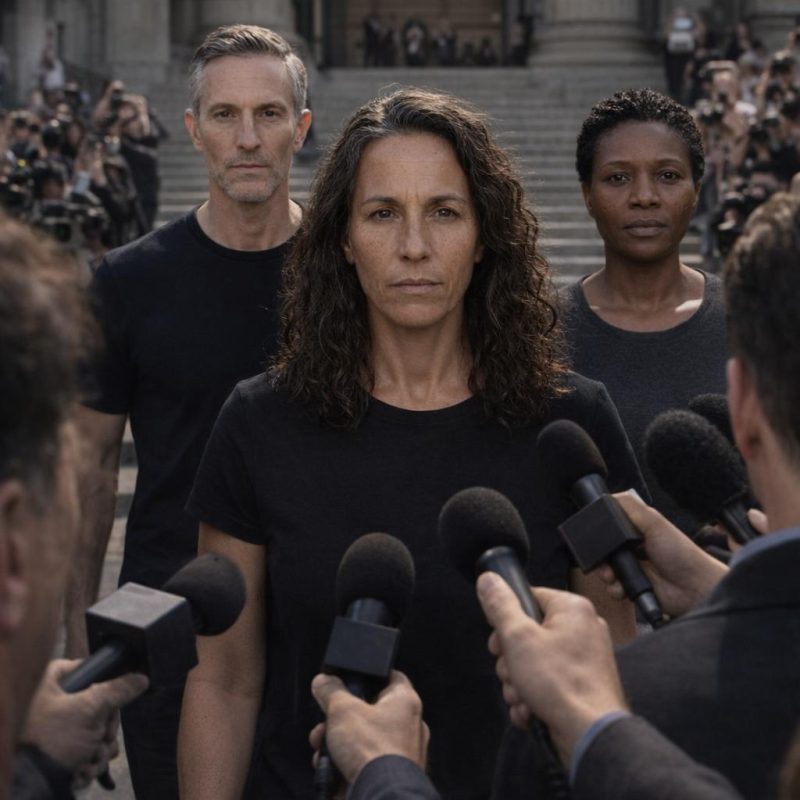 Image by RM AI
What I Chose Not to Take
Robert met with me at the house a few days after the verdict, bringing paperwork for what he called post-trial options. The documents would allow me to pursue legal fees from Ethan and Marissa, to claim additional damages for harassment and defamation. The social media campaign alone constituted actionable behavior, he explained, and the strength of these potential claims was significant. Robert advised me carefully, laying out exactly what I could pursue and what I might win. I listened and considered, then asked what Daniel would have wanted. Robert admitted that Daniel's video hadn't called for punishment, just recognition—just the acknowledgment that he'd made his choices for reasons that mattered. I decided not to pursue additional legal action. I didn't want to spend more time in courtrooms, didn't want Daniel's legacy to be an extended family war that outlived him. Robert accepted my decision without argument, noting this was the more peaceful path, and I signed documents declining to pursue further claims. When he asked if I was sure, I said that Daniel wouldn't have wanted me to destroy his children, just to be recognized by them, and that was already more than I'd gotten. The choice felt right—not weak, but finished. I felt lighter after making it, like I'd set down something heavy I'd been carrying without realizing the weight.
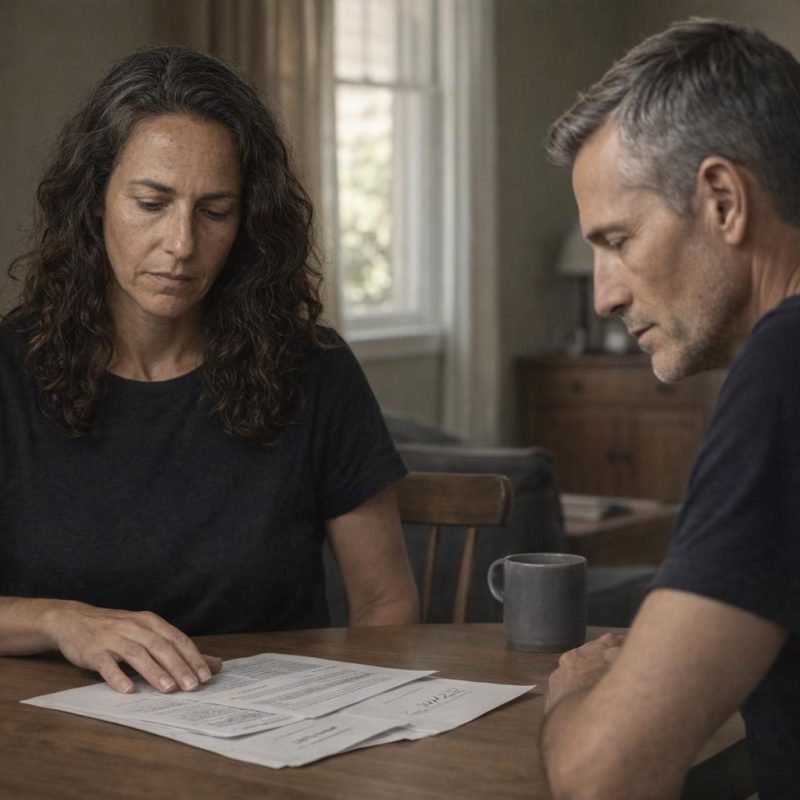 Image by RM AI
Signed and Sealed
I arrived at Robert's office for the final estate processing, and the conference room was set up with documents requiring signature—stacks of them, organized in neat folders. Robert walked me through each form methodically: property deeds transferred to my name, bank accounts and investments formally assigned, personal property and vehicles documented, insurance policies updated. I signed each document carefully, actually reading what I was signing rather than just trusting the process. Robert notarized and witnessed where required, and the process took nearly two hours of careful, deliberate work. When the last document was signed, Robert closed the folder with a finality that felt both administrative and symbolic. He handed me a set of keys—house, safe deposit box, storage unit—and said it had been an honor to represent me. He mentioned that Daniel would be proud of how I'd handled everything, and I believed him. We shook hands formally, then Robert offered a brief hug that felt appropriate for what we'd been through together. I left the office carrying the weight of everything Daniel had left me, and when Robert handed me those keys to everything Daniel had intended me to have, I realized I was finally free to grieve without fighting at the same time.
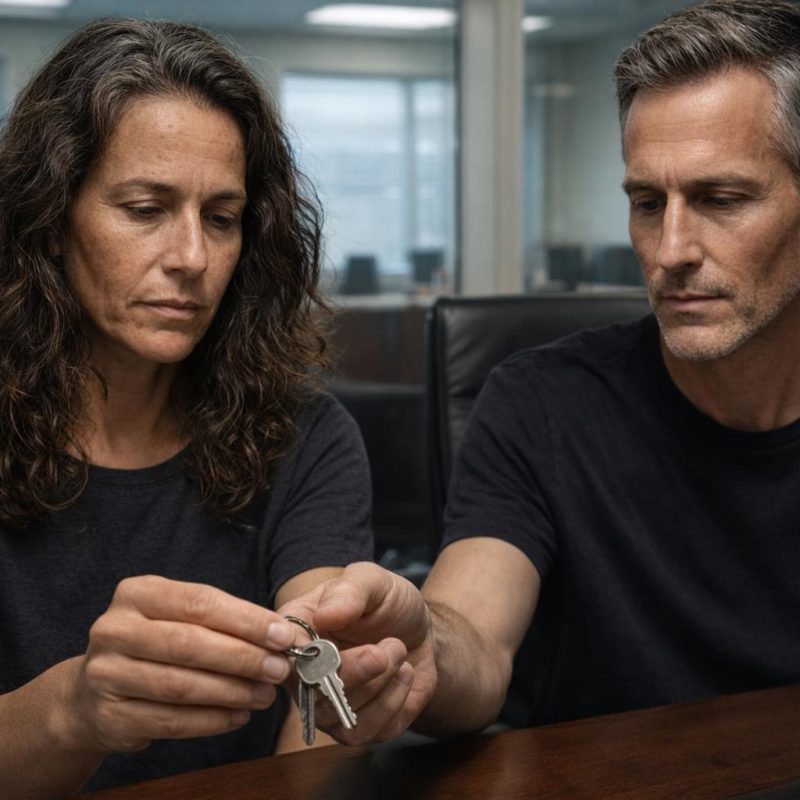 Image by RM AI
Final Words
The knock came on a Tuesday afternoon, three weeks after Robert handed me those final keys. I'd been reorganizing the kitchen—moving things to where they made sense for one person instead of two—when I heard it. Through the front window, I saw Ethan standing alone on the porch, no Marissa beside him, no lawyer trailing behind. He looked different. The sharp edges were still there, but something had worn down—his clothes less precisely arranged, his posture less rigid. I stood in the hallway for a long moment, my hand on the doorknob, deciding. I could pretend I wasn't home. I could open the door just to close it again. Instead, I opened it and waited. He didn't launch into demands or accusations. He just stood there, looking at me like he was trying to remember how normal conversations started. "I watched it again," he said finally. "Dad's video. Without Marissa talking over it." I didn't invite him in, but I didn't close the door either. He told me they'd convinced themselves of a different story, that they'd needed me to be the villain so they could be the victims. He didn't apologize—not directly—but he acknowledged that things had gone too far. I listened without interrupting, and when he asked if I'd ever be willing to talk again, I told him I didn't know, but not now. When Ethan turned to leave, I told him the door wasn't locked forever, just closed for now, and I saw him pause before walking away without looking back.
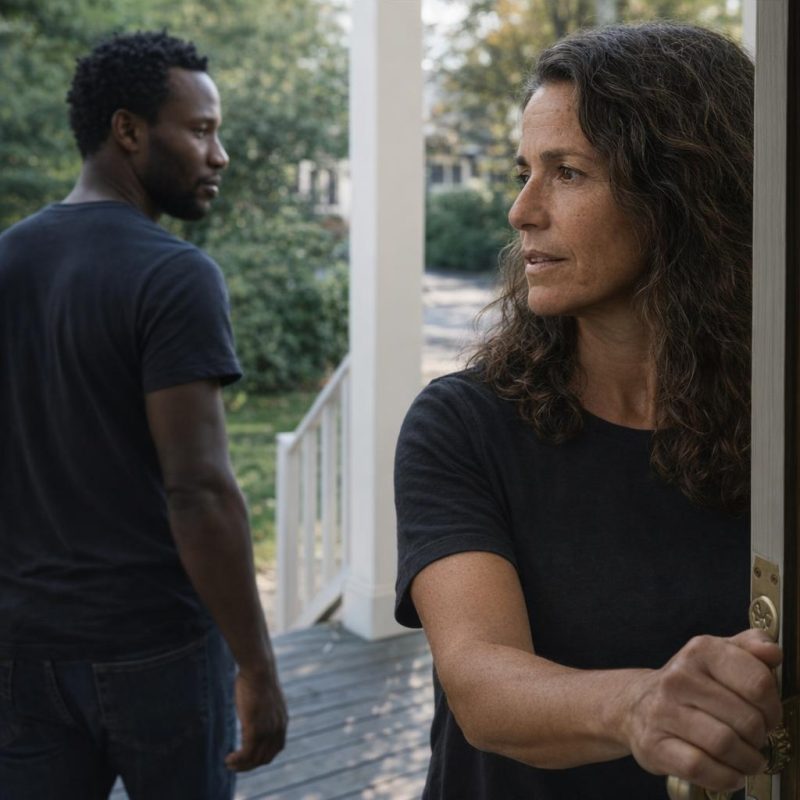 Image by RM AI
Alone in Our Home
I woke up the next morning in a house that was finally, completely mine, and the silence felt different. It wasn't the waiting silence from the day after the funeral, when everything felt suspended and temporary. This was space—room to breathe, room to feel, room to fall apart if I needed to. I moved through the rooms without that constant low-grade anxiety, without mentally cataloging what might be taken from me. In the living room, I looked at photos of Daniel I'd been avoiding—not because they were evidence anymore, but because I hadn't been ready. Now I touched the frames, traced his smile with my finger, let myself remember without armor. His office door was open. I'd left it that way after the trial, but I hadn't gone inside. Now I walked in and sat in his chair for the first time since he died. The red-labeled folder still sat on the desk where I'd left it. I opened it and read his notes again, not as evidence but as letters he'd written to me. His handwriting blurred through my tears, and I realized I hadn't truly grieved—I'd been fighting. Now the fight was over and the grief rushed in like water through a broken dam. I cried for Daniel, for our life together, for everything we'd lost and everything we'd never have. I stayed in his office for hours, and by evening, I felt emptied out but somehow lighter, like I'd finally set down a weight I'd been carrying so long I'd forgotten it was there.
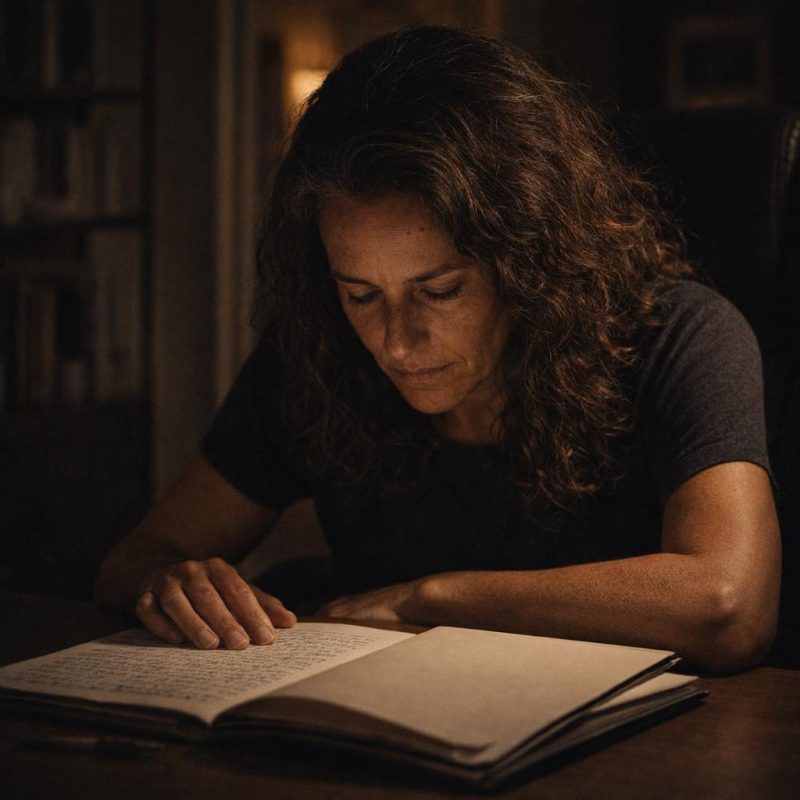 Image by RM AI
His Name Lives On
The dedication ceremony was held on a bright Saturday morning in October, six months after the trial ended. I'd used part of Daniel's estate to establish the Daniel Hartwell Memorial Scholarship for first-generation college students—kids who were the first in their families to go to college, just like Daniel had been. Nina came with me, squeezing my hand as we walked into the university's reception hall. I spoke briefly about Daniel's life, about his belief that education opened doors and that everyone deserved a chance to walk through them. My voice only shook once. The first three scholarship recipients were announced, and I met each one, shaking hands and offering encouragement. A young woman named Maria asked me what my husband was like, and I found myself smiling instead of crying. "He was the kind of person who noticed who showed up," I told her, and meant it. "He remembered the people who were there when it mattered." The ceremony concluded with applause and photographs, and I felt Daniel's presence in the room—not as grief, but as something good continuing. Nina told me he would be proud, and I believed her. The scholarship would continue indefinitely, helping students for years to come, and that felt like the right way to honor what he'd left behind.
 Image by RM AI
Moving Forward
A year had passed since Daniel died, and the house had become mine in ways that went beyond legal documents. Some rooms I'd redecorated—new curtains in the living room, different paint in the guest bedroom. Others remained exactly as Daniel left them, and that felt right too. The scholarship had awarded its second round of recipients. I'd reconnected with friends I'd lost touch with during the legal battle, and Nina remained my closest confidant, the person who'd stood beside me when standing was hardest. I'd begun considering what came next—maybe travel, maybe volunteering, maybe pursuits I hadn't had time to imagine while I was fighting. I no longer defined myself by that battle. The social media attention had faded; the story was old news, and I was grateful for the anonymity. One morning I walked through the house with my coffee, pausing in Daniel's office. His photo sat on the desk beside the red-labeled folder, and I touched the frame briefly—a daily ritual that had become comfort rather than pain. At the front door, I looked out at the day ahead. The future was uncertain, but it wasn't threatening anymore. It was just open, full of possibilities I hadn't been able to see when I was looking backward. I stepped outside, ready to begin whatever came next. The house was quiet behind me and the world was open ahead, and for the first time in longer than I could remember, I felt ready for both.
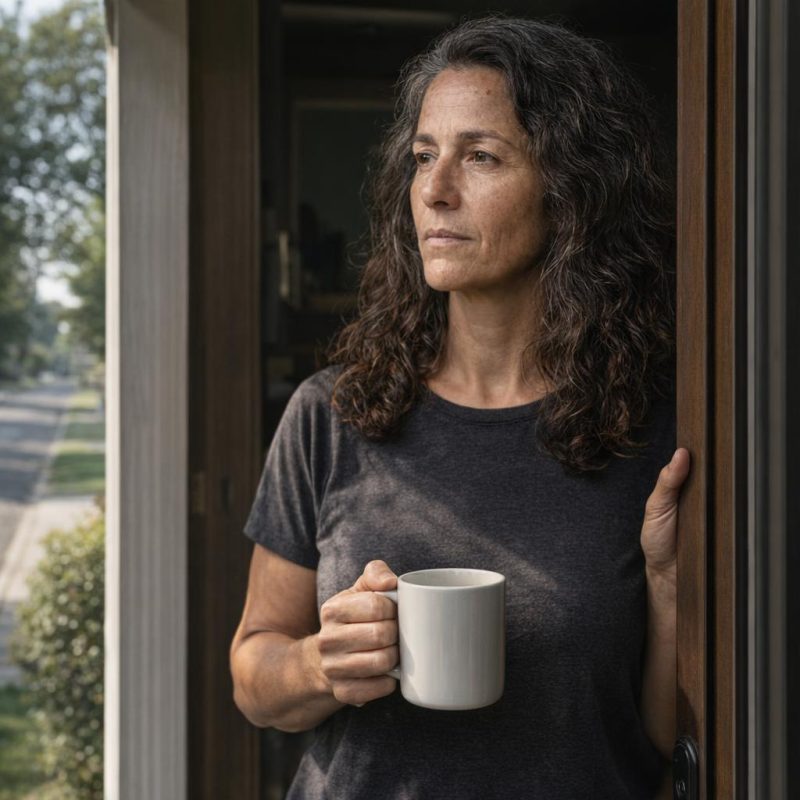 Image by RM AI
KEEP ON READING

The story of Ching Shih, the Woman Who Became the…
Unknown author on WikimediaFew figures in history are as feared…
By Emilie Richardson-Dupuis Dec 29, 2025
Einstein's Violin Just Sold At An Auction—And It Earned More…
A Visionary's Violin. Wanda von Debschitz-Kunowski on WikimediaWhen you hear…
By Ashley Bast Nov 3, 2025
This Infamous Ancient Greek Burned Down An Ancient Wonder Just…
History remembers kings and conquerors, but sometimes, it also remembers…
By David Davidovic Nov 12, 2025
The Mysterious "Sea People" Who Collapsed Civilization
3,200 years ago, Bronze Age civilization in the Mediterranean suddenly…
By Robbie Woods Mar 18, 2025
A Common Historical Myth Most People Still Believe
Trnava University on UnsplashHistory is often described as a collection…
By Sara Springsteen Apr 21, 2026
20 Soldiers Who Defied Expectations
Changing the Rules of the Battlefield. You’ve probably heard plenty…
By Annie Byrd Feb 10, 2026