


Twenty Years of Quiet
My name is Alice, I'm 57, and I've lived on the same quiet cul-de-sac for nearly twenty years. Long enough to know which floorboards creak in my own house and which neighbors take their trash out too early on Sundays. I can tell you exactly when Mrs. Peterson's sprinklers will turn on (5:30 AM, like clockwork) and which days the mail carrier switches his route (every other Wednesday). The house next door belongs to Elaine, a woman a few years younger than me who keeps mostly to herself but has always been polite—the kind who waves but never lingers for conversation. We've existed side by side in that comfortable neighbor dance: close enough to borrow sugar, distant enough to respect privacy. I've watched the seasons change from my kitchen window, marked the years by neighborhood kids growing taller, and settled into the predictable rhythm that comes with middle age in suburbia. Nothing much happens here, and that's exactly how I've liked it. Or at least, that's what I thought until last Tuesday, when Elaine knocked on my door looking more flustered than I'd seen her in all our years as neighbors, and everything I thought I knew about my quiet little corner of the world turned upside down.
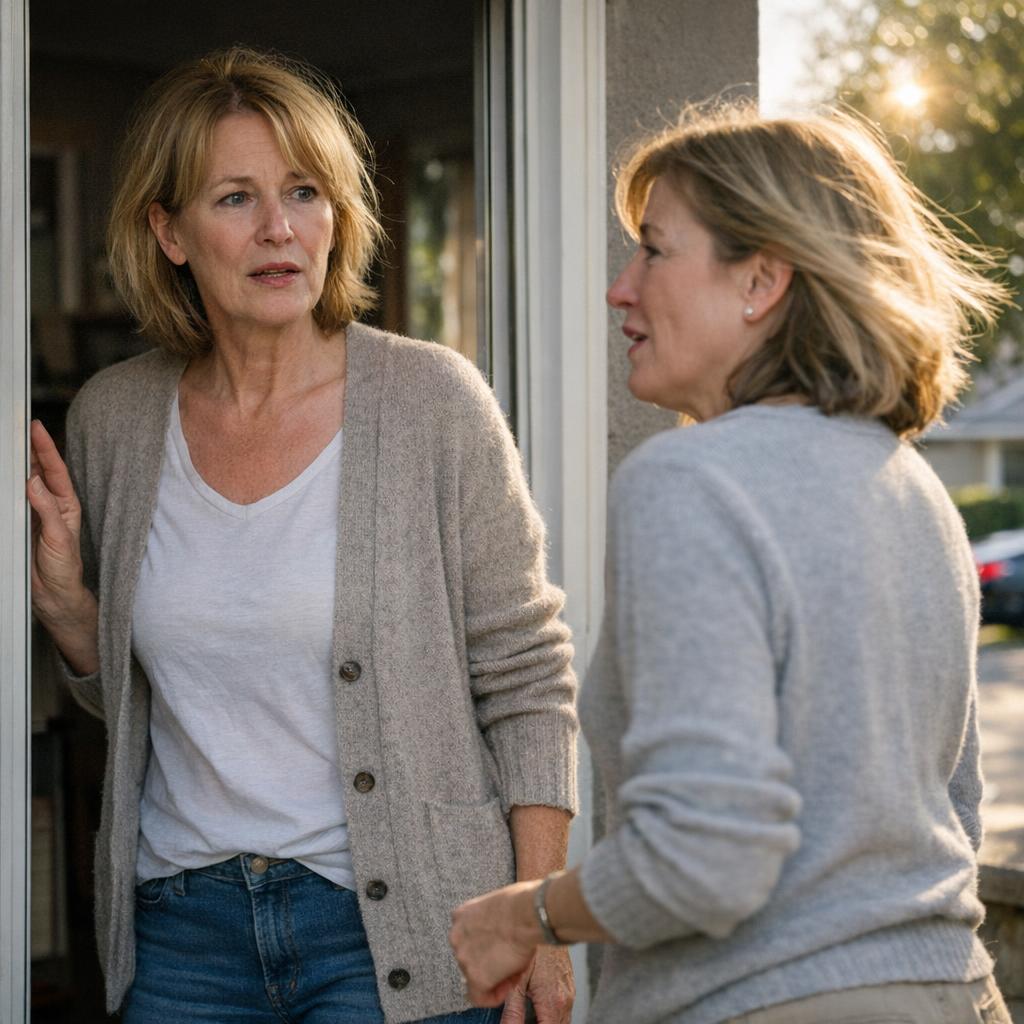 Image by RM AI
The Favor
Elaine stood on my doorstep Tuesday afternoon, her normally composed face pinched with worry. Her fingers twisted the strap of her purse as she explained that her sister in Tucson had fallen ill—something about complications after surgery. "I hate to impose, Alice, but could you possibly keep an eye on my place for a few days?" she asked, her voice slightly higher than usual. "Just collect any packages and maybe check that everything looks normal?" Of course I agreed. That's what neighbors do, especially at our age when we're supposed to look out for one another. She handed me a spare key, thanking me profusely before hurrying to her car where I noticed a small overnight bag already waiting on the passenger seat. As she backed out of the driveway, something made me pause—the way she glanced back at her house, a fleeting look that seemed more like dread than the concern of someone simply leaving home for a few days. I waved as she drove away, telling myself I was imagining things. After all, what could possibly be wrong in a neighborhood where the biggest drama was usually Mr. Henderson's dispute with the HOA about his garden gnomes? But as I turned to go back inside, I couldn't shake the feeling that Elaine wasn't telling me everything about this sudden trip.
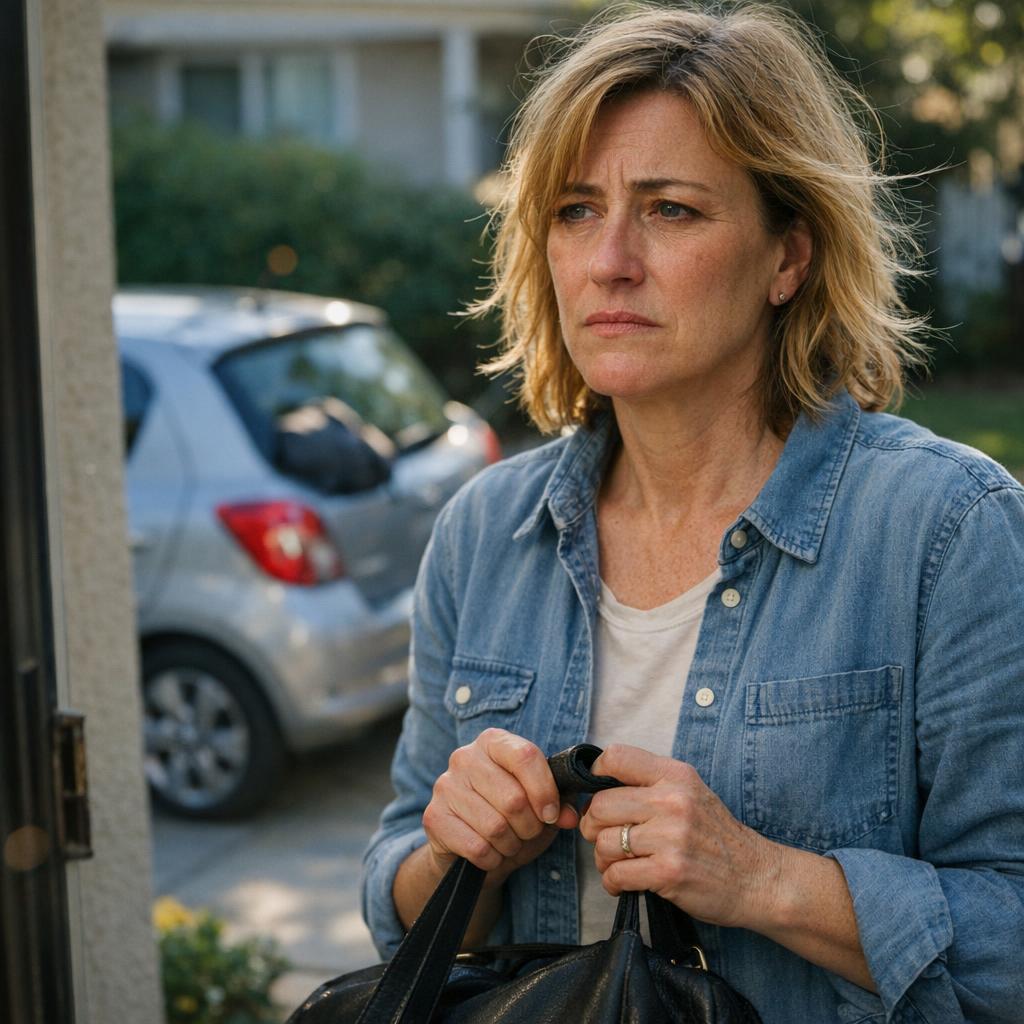 Image by RM AI
The First Night
The first night after Elaine left, I settled into my evening routine with one eye on her darkened house across the way. I collected her mail—just a Bed Bath & Beyond coupon and a water bill—and watered the sad-looking potted fern on her porch that had clearly seen better days. Everything was quiet, almost too quiet, like that moment in horror movies right before something jumps out (I watch too many of those with my grandson when he visits). Before heading to bed, I stood at my bedroom window with a cup of chamomile tea, studying Elaine's house. In twenty years, she'd never once mentioned a sister in Tucson or any family at all, come to think of it. We'd exchanged Christmas cards and the occasional wave, but our conversations never ventured beyond weather complaints and neighborhood gossip. I pulled my curtains closed, feeling oddly like I was being watched instead of doing the watching. As I climbed into bed, my phone pinged with a text from Elaine: "Everything ok at the house?" I replied yes, of course, but couldn't help wondering why she'd ask when nothing had happened. It was just an empty house sitting quietly in the dark—wasn't it?
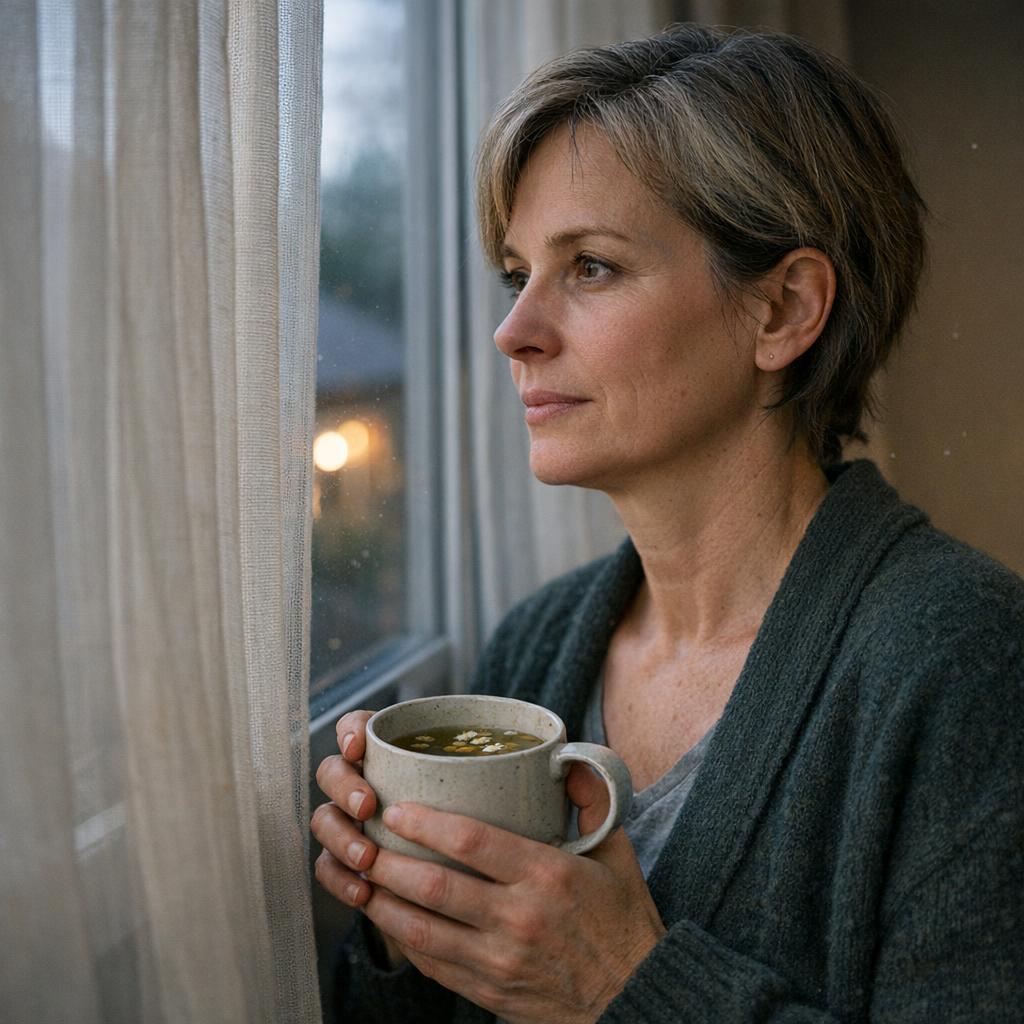 Image by RM AI
Things That Go Bump
I jolted awake at 11:17 PM to a distinct thump from Elaine's direction. Not the gentle settling of an empty house, but something solid, like furniture being moved. I sat up, ears straining in the darkness. There it was again—footsteps, slow and deliberate, moving across what would be her living room. My rational brain offered explanations: pipes expanding, the furnace kicking on, maybe a raccoon had found its way inside. But raccoons don't walk with measured human steps. I slipped out of bed and padded to my window, parting the curtains just enough to peer across the short distance between our homes. No lights. No car in the driveway. Just darkness and those persistent sounds. I grabbed my phone and called Elaine, my thumb trembling slightly as I tapped her contact. Straight to voicemail. "It's nothing," I whispered to myself, the way you do when you're trying to talk yourself out of fear. Then came another bang, louder this time, echoing through the stillness of our sleepy cul-de-sac. My heart hammered against my ribs as I dialed 911, apologizing repeatedly to the dispatcher for what might be nothing at all. But as I waited for the police to arrive, watching Elaine's dark house from my window, I couldn't shake the feeling that whatever—or whoever—was inside knew I was watching.
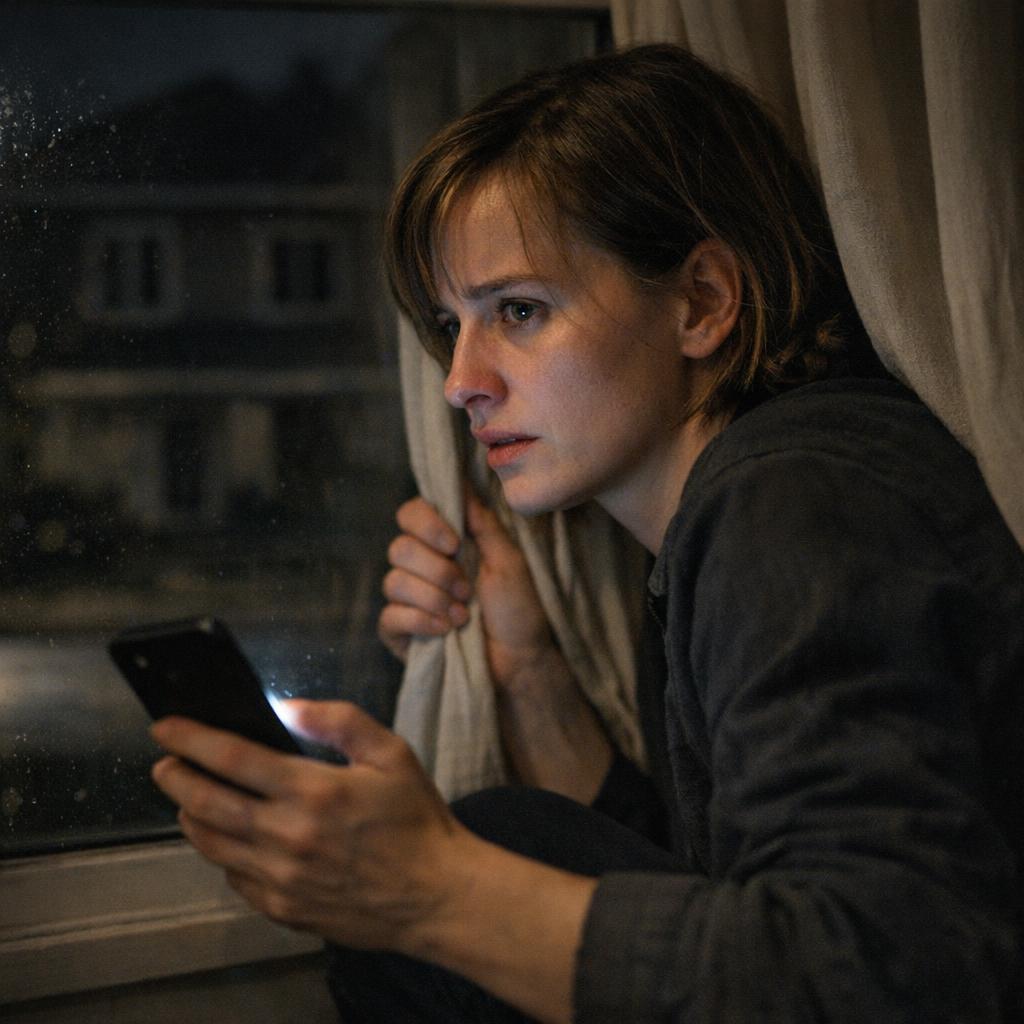 Image by RM AI
Straight to Voicemail
I clutched my phone so tightly my knuckles turned white as Elaine's cheerful voicemail greeting played in my ear for the third time. "Hey, it's me again," I said, trying to sound casual despite my racing heart. "Just wondering if maybe you asked someone else to check on the house too? No big deal, just...call me back when you can." I hung up and immediately regretted how fake my voice sounded. Another loud BANG from next door made me physically jump. What was that? A falling picture frame? Someone dropping something heavy? I paced my living room in my flannel pajamas, chewing my thumbnail like I used to do before I quit smoking fifteen years ago. The rational part of my brain said I was being ridiculous—probably just the house settling or maybe a squirrel got in somehow. But the part of me that's watched every true crime documentary on Netflix knew better. After ten more minutes of internal debate and another suspicious thud, I dialed 911, my voice shaking as I explained the situation. "I'm so sorry to bother you with this," I told the dispatcher, feeling like the neighborhood busybody. "I'm probably overreacting, but..." The dispatcher assured me they'd send someone right away, and as I hung up, I wondered what Elaine would think of me calling the cops on her empty house. That's when I noticed something that made my blood run cold—the curtain in her upstairs bedroom window had just moved.
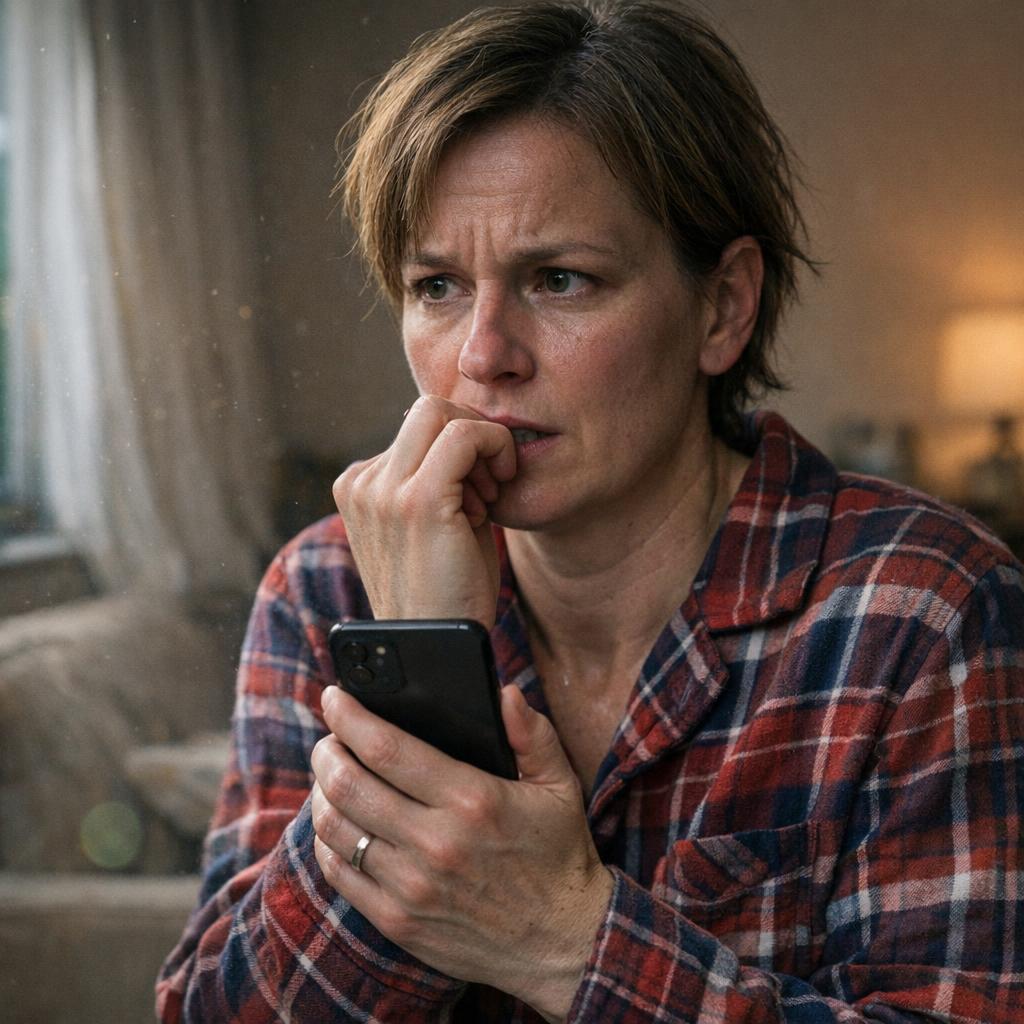 Image by RM AI
The Officers Arrive
Two police cruisers pulled up outside my house, their lights cutting through the darkness but mercifully without sirens. I stood on my porch in my robe, arms wrapped tightly around myself against the night chill and my own nerves. "I'm so sorry to drag you out here," I said as the officers approached, one older with salt-and-pepper hair, the other barely older than my nephew. "I'm probably being ridiculous." The older officer—his nameplate read Daniels—smiled kindly. "Better safe than sorry, ma'am. You did the right thing." They took my statement, nodding seriously as I described the noises, my failed attempts to reach Elaine, and the moving curtain. Officer Daniels and his partner, Rodriguez, headed next door with flashlights in hand. I watched from my porch as they knocked firmly, announcing themselves as police. When no one answered, they circled the house, shining their lights through windows, checking doors. My stomach tightened when they disappeared around back. Minutes stretched like hours in the silence. When they finally reappeared, their expressions had changed from professional politeness to something that made my hands go cold. Officer Daniels approached me slowly, his face grim in the porch light. "Mrs. Alice," he said, "we need to ask you a few questions about your neighbor. How well would you say you know Elaine?"
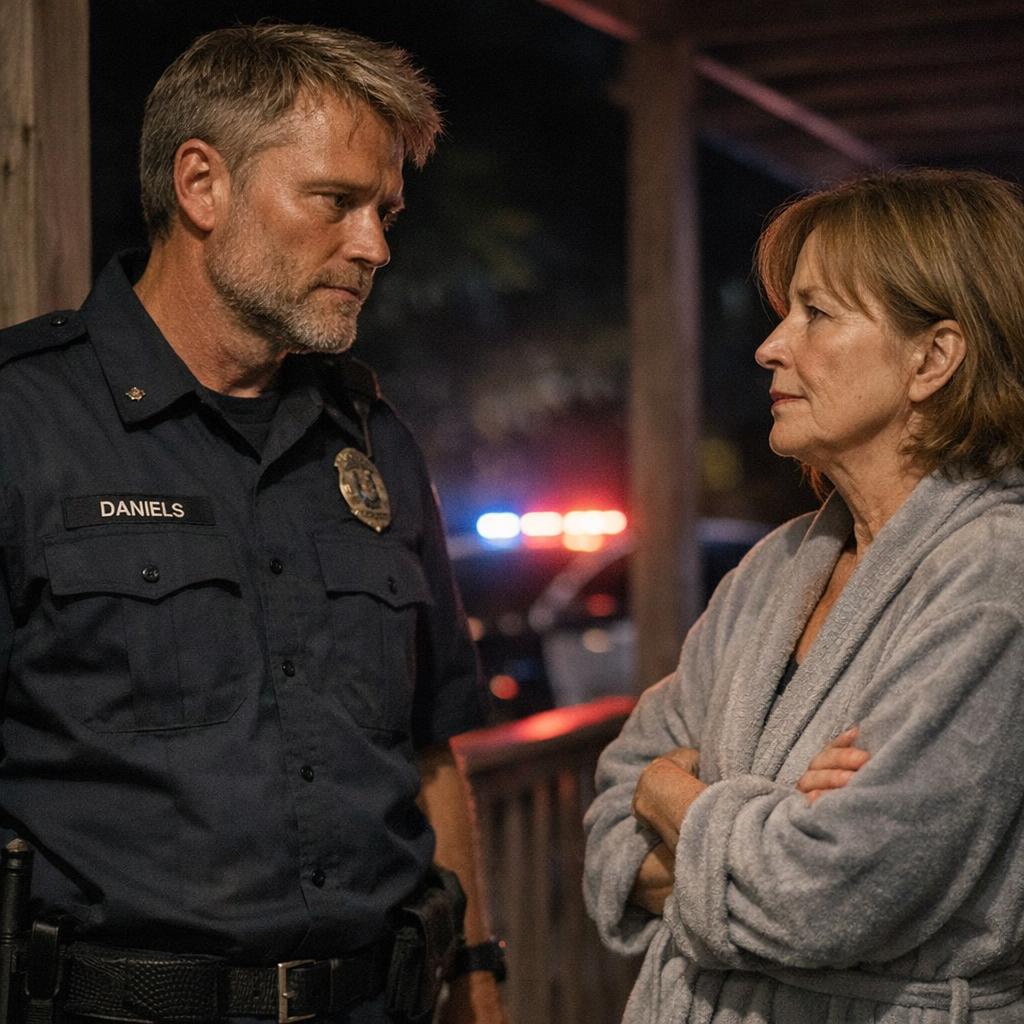 Image by RM AI
Not Technically Empty
I laughed nervously and said, "Not that well, I suppose." The words felt hollow as they left my mouth. Officer Daniels exchanged a look with his partner that made my stomach drop. "Mrs. Alice," he said carefully, "according to our records, the house isn't technically empty." I blinked, not comprehending. "What do you mean? Elaine lives alone." Officer Rodriguez consulted his tablet. "The property is still partially listed under another name—a family member who's legally barred from contact with Ms. Elaine but was never officially removed from the residency records." My mind raced, trying to process this information. Twenty years of living next door, and I'd never once seen anyone else. The officers asked if I'd noticed any other visitors, any signs someone else might have access to the house. I shook my head, then stopped mid-motion as memories surfaced—curtains shifting late at night when Elaine's car was gone, a shadow passing by a window during her work hours, the occasional muffled voice I'd attributed to her television. Small things I'd brushed off over the years suddenly took on new, unsettling significance. "There's an ongoing dispute," Officer Daniels explained gently. "We can't share all the details, but you should know this situation is... complicated." As they prepared to search the house, I stood frozen on my porch, wondering how well you can really know someone whose life unfolds just feet away from yours for two decades.
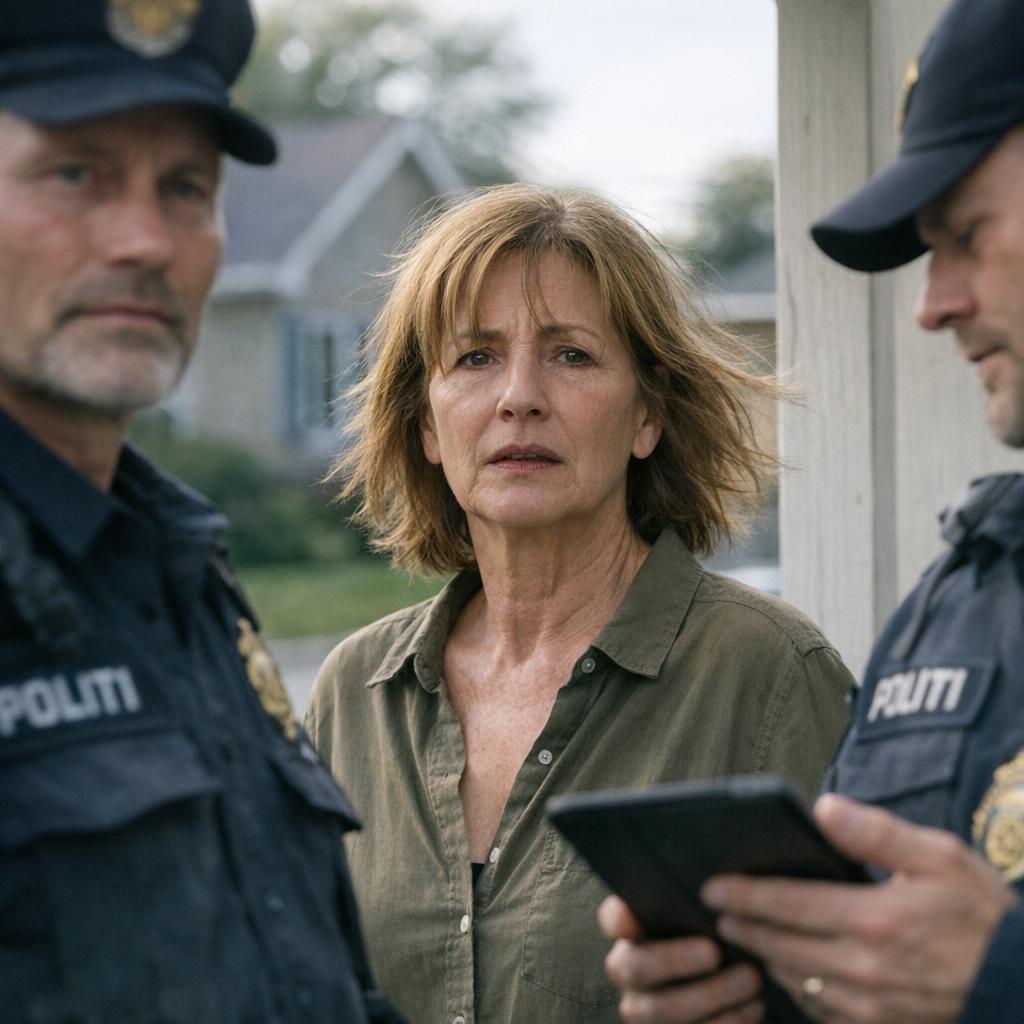 Image by RM AI
Small Things Brushed Off
As the officers questioned me further, my mind began piecing together a disturbing puzzle I'd been ignoring for years. "Have you ever noticed anyone else around the property?" Officer Daniels asked. I started to say no, but then stopped myself. "Well, there were things..." I admitted, my voice trailing off. Like the time three winters ago when I saw curtains moving at 2 AM during a snowstorm when Elaine's car was buried under eight inches of snow at her office parking lot—she'd called to say she was staying at a hotel downtown. Or the shadow that would sometimes pass by her kitchen window on Wednesday afternoons when she taught her community college class. The occasional muffled voices I'd convinced myself were just her TV turned up too loud. The way her garbage sometimes contained food containers for meals she claimed to hate. "I thought I was imagining things," I whispered, wrapping my robe tighter around myself. "You start to doubt yourself at my age." Officer Rodriguez nodded sympathetically while typing notes into his tablet. All those little oddities I'd dismissed as nothing suddenly formed a pattern too deliberate to ignore. Twenty years living next door, and I'd never once questioned why Elaine always kept her basement windows covered with cardboard "for energy efficiency."
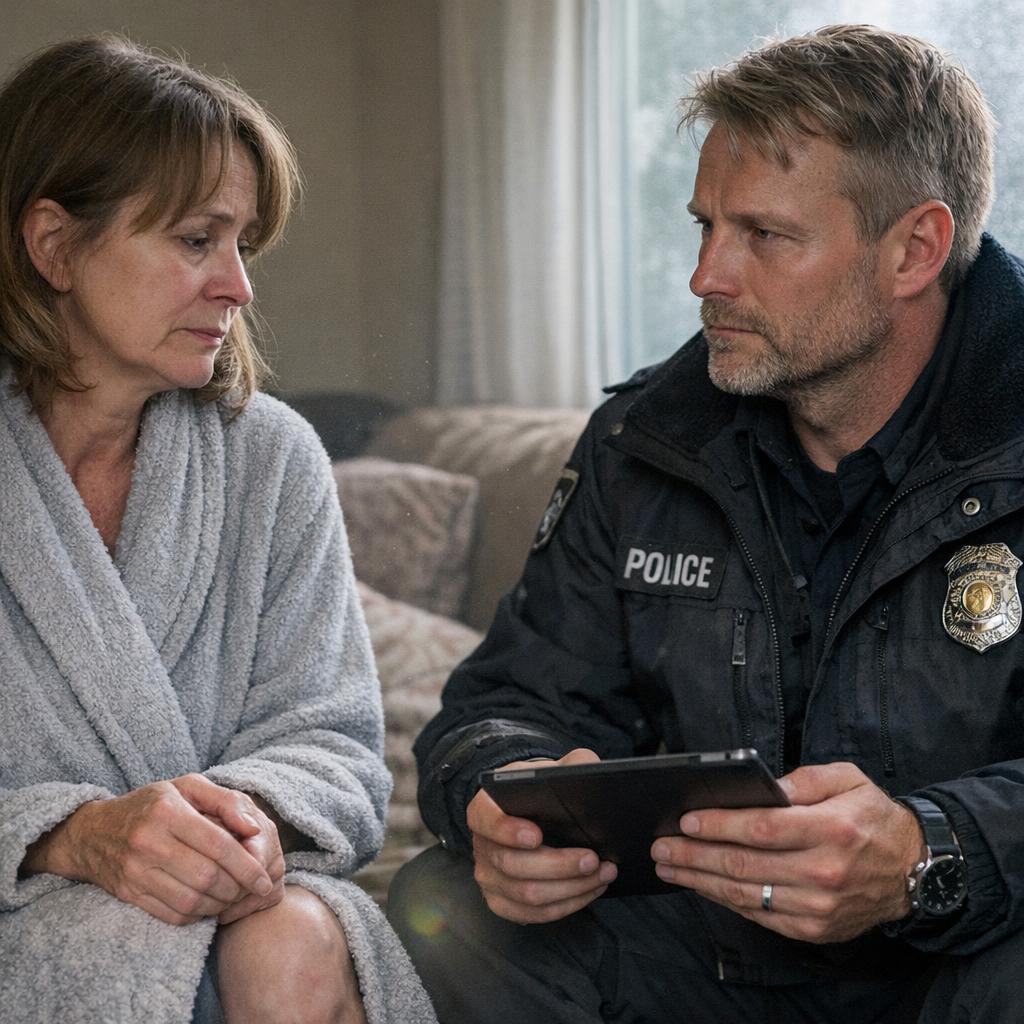 Image by RM AI
Signs of Entry
The officers searched Elaine's house for nearly an hour, flashlight beams dancing across windows like fireflies. When they finally emerged, their expressions told me everything I needed to know before they even spoke. "We didn't find anyone inside," Officer Daniels said, "but someone's definitely been there recently." He explained they'd found a half-empty glass of water still cold enough to have condensation, a kitchen chair pulled away from the table, and—most disturbing—the back door's lock had been jimmied. "Could be a break-in," Rodriguez offered, but his tone suggested he didn't believe that any more than I did. They advised me to keep my doors locked and call immediately if I heard anything else. After they left, I sat in my darkened living room, staring across at Elaine's house like it was a puzzle box I couldn't solve. I texted her again: "Police checked your house. Everything ok?" No response. I made a pot of coffee even though it was nearly 2 AM—no way I was sleeping now. Every creak of my own house made me jump, every shadow seemed to shift. I kept thinking about what Officer Daniels had said before leaving: "Sometimes people have arrangements we don't understand." What kind of "arrangement" involved someone sneaking around in the dark? And why did I have the sinking feeling that Elaine's sudden trip wasn't about a sick relative at all?
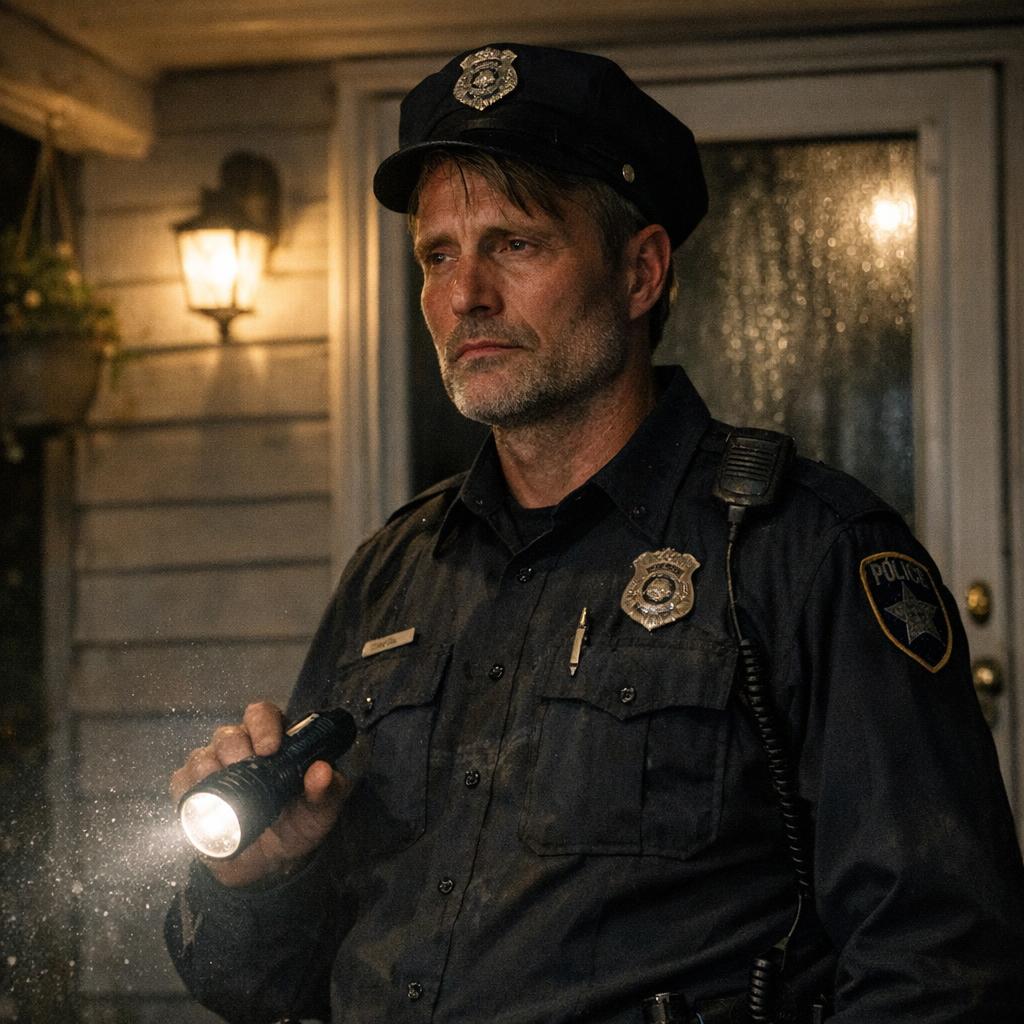 Image by RM AI
Sleepless Night
I spent the night in my living room recliner, jumping at every sound my usually comforting house made. The tick of the hallway clock seemed unnaturally loud, and the ice maker's sudden clunk at 3:17 AM nearly gave me a heart attack. Sleep was impossible. Instead, I scrolled through our neighborhood Facebook group and Nextdoor app, searching for any mention of strange occurrences on our street over the years. Had anyone else noticed oddities at Elaine's? A post from three years ago caught my eye—someone asking if anyone had seen a man walking through backyards at night. The thread died quickly, dismissed as probably just a teenager taking shortcuts. Around 5:45 AM, as the first gray light of dawn filtered through my kitchen window, I stood stretching my stiff back when something made me freeze mid-reach. Elaine's back door—the one the officers had checked just hours earlier—was now slightly ajar. Not wide open, just a few inches, as if someone had slipped out and failed to pull it completely closed. My coffee mug slipped from my fingers, shattering against the tile floor, but I barely noticed the hot liquid splashing my bare ankles as I stared at that door, wondering if whoever had opened it was watching me right now.
 Image by RM AI
The Open Door
I stood frozen at my window, staring at that open door like it was a mouth ready to speak terrible secrets. My first instinct was to march over there and investigate, but every true crime podcast I've ever binged screamed at me not to be 'that person' who walks straight into danger. Instead, I grabbed my phone with trembling fingers and called Elaine again. "Elaine, it's Alice. Your back door is open. Not wide open, just... ajar. The police were here last night and now... please call me back. It's urgent." My voice cracked on the last word. I hung up and positioned myself at my bay window with a fresh cup of coffee and my reading glasses, turning my home into an impromptu surveillance station. Hours ticked by. The mail carrier came and went. Mrs. Peterson's grandson dropped off groceries. Normal suburban life continued while I sat paralyzed, watching that slightly open door like it might suddenly reveal whatever secrets Elaine had been keeping all these years. Not once did anyone enter or exit. By noon, my back ached from sitting so rigidly, but I couldn't tear myself away. What if I missed something? What if someone was in there right now, watching me watch them? The thought sent a chill down my spine that no amount of coffee could warm. As the afternoon shadows lengthened across our quiet cul-de-sac, my phone finally lit up with Elaine's name—but the message that appeared made my blood run cold.
 Image by RM AI
Strained Voice
My phone finally rang at 3:42 PM, Elaine's name lighting up the screen. I nearly dropped it fumbling to answer. "Alice, I got your messages," she said, her voice oddly flat, like someone trying too hard to sound normal. "Everything's fine. You really don't need to worry." When I mentioned the police visit and the open door, there was a silence so long I checked to see if we'd been disconnected. "Elaine?" "Oh, that," she finally responded with a forced laugh. "The back door sticks sometimes. I should have warned you." Her explanation felt rehearsed, hollow. I pressed further, telling her about the noises, the cold water glass the officers found. "It's nothing," she insisted, her voice suddenly sharp. "Please stop calling the police, Alice. It's... complicated." Before I could respond, she pivoted abruptly. "Did any important mail come?" I described the few envelopes while scribbling 'LYING' on my notepad. As we spoke, I noticed her curtains move again, just slightly, though no breeze stirred the trees outside. When I hung up, I couldn't shake the feeling that someone had been listening to our entire conversation—and it wasn't just Elaine.
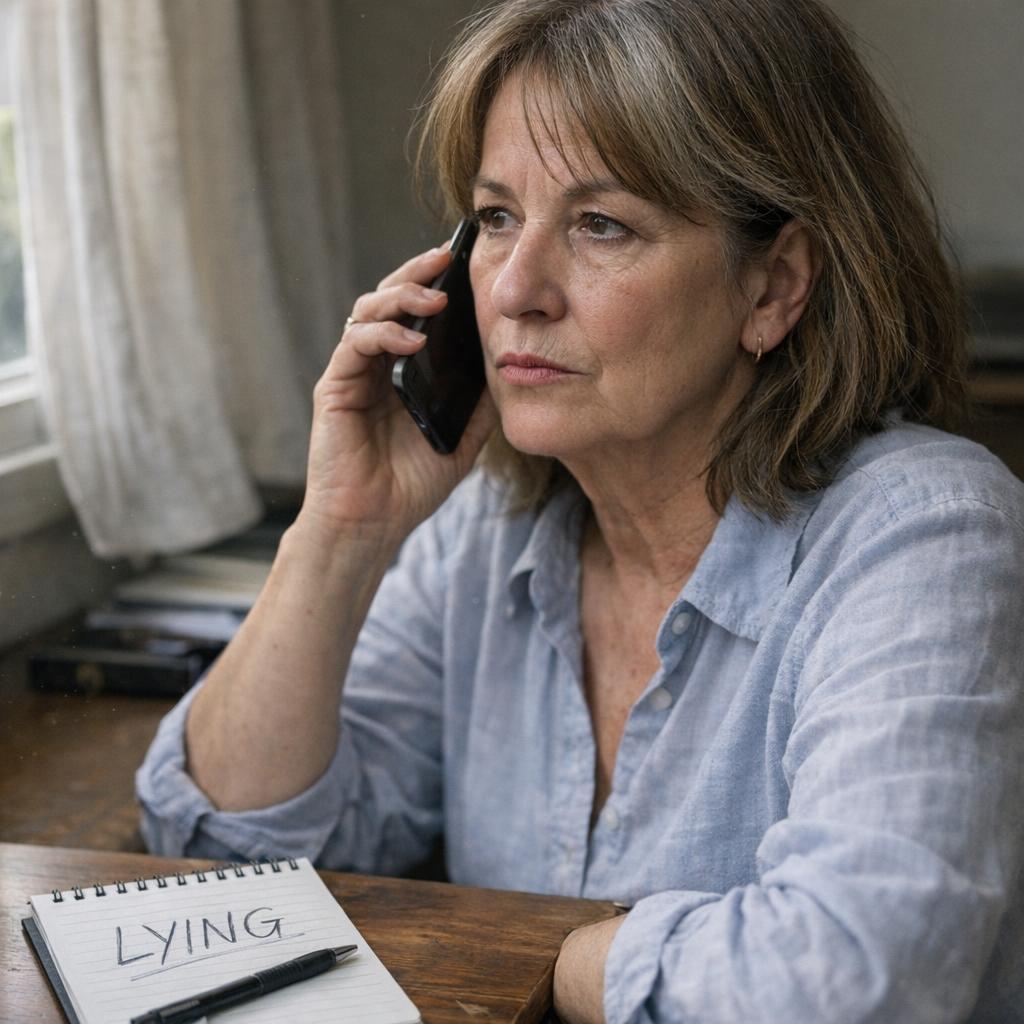 Image by RM AI
Keeping Notes
Over the next few days, I became something I never expected at 57—an amateur detective. I bought a small leather-bound notebook from Target (on sale, thankfully) and began documenting everything. 11:42 PM: dragging sound from east side of house. 2:17 AM: footsteps upstairs, pacing. 3:04 AM: what sounded like whispering. I sketched Elaine's floor plan from memory, marking X's where noises originated, like those crime shows my daughter keeps telling me to watch on Netflix. During daylight hours, I felt ridiculous—a middle-aged woman playing Nancy Drew, complete with reading glasses perched on my nose as I squinted at my increasingly paranoid notes. But when darkness fell and those sounds started again, my notebook felt like the only thing keeping me sane. "You're not imagining things," I whispered to myself, running my finger over the pattern emerging in my documentation. The noises always started in the basement, then moved upward, like someone climbing stairs, wandering rooms, searching for something—or hiding from someone. Last night, I added a new entry: 1:23 AM: crying? The question mark bothers me more than the word itself, because I'm not sure if it was crying or laughter, and honestly, I don't know which would be worse.
 Image by RM AI
The Package
I was sipping my third cup of coffee, eyes burning from lack of sleep, when the FedEx truck rumbled down our street. I watched absently as the driver hopped out, package in hand, and jogged up Elaine's walkway. It wasn't until he was driving away that I realized he'd left something on her porch. I grabbed my binoculars (bird-watching equipment that was finally proving useful for something else) and focused on the label. My stomach dropped. The package wasn't addressed to Elaine at all, but to that other name Officer Daniels had mentioned. I lowered the binoculars, my hands suddenly clammy. Elaine had specifically asked me to bring in her mail and packages, but this... this felt different. Evidence of whatever strange arrangement she had with this mystery person. I paced my living room, glancing repeatedly at that brown box sitting innocently on her porch. What if it contained medication? Or something illegal? Or worse—what if retrieving it was exactly what someone was waiting for, watching to see who would take the bait? The responsible neighbor in me said to follow Elaine's instructions, but the woman who'd been documenting strange noises for days knew better. That package wasn't just cardboard and tape—it was Pandora's box, and I wasn't sure I was ready to see what would happen once it was opened.
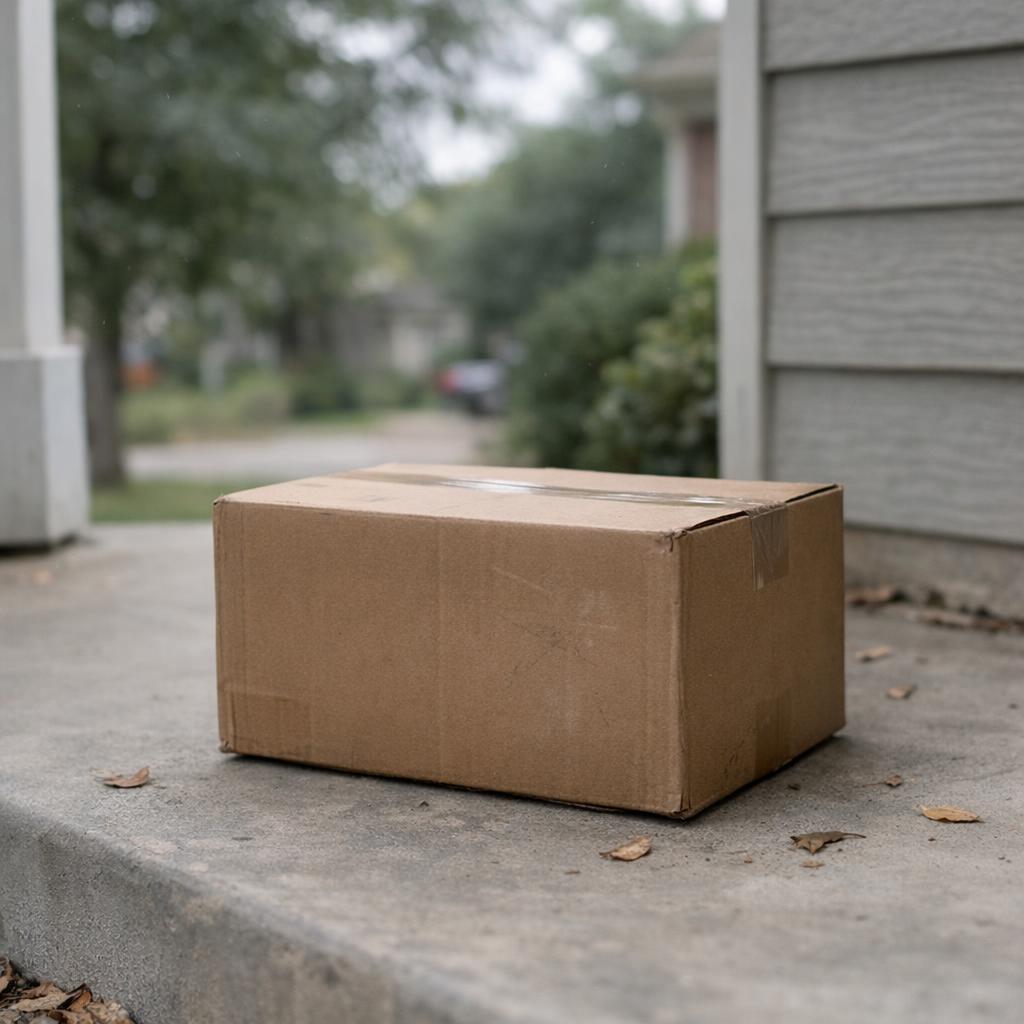 Image by RM AI
Second Call
I called the police again the next morning, my notebook clutched in my hand like a lifeline. This time, a different officer showed up—Officer Mercer, younger than Daniels but with the same careful eyes that missed nothing. "I've been keeping track," I told him, feeling both ridiculous and vindicated as I handed over my Target notebook. He flipped through my meticulous entries, nodding slowly, his expression changing from polite interest to genuine concern. "This is actually very helpful, Mrs. Alice," he said, studying my hand-drawn floor plan with the X's marking sound locations. When I mentioned the package addressed to the mystery name, he straightened up immediately. "Show me." We stood at my window, looking at the brown box still sitting on Elaine's porch. Officer Mercer's jaw tightened almost imperceptibly. "Excuse me a moment," he said, walking briskly to his patrol car. Through my window, I watched him make a call, gesturing animatedly. When he returned, his face had that same serious expression I'd seen on Officer Daniels. "Mrs. Alice," he said quietly, "I think you should know that Elaine has a history we need to discuss—one involving a relative who disappeared years ago under circumstances that were never fully resolved."
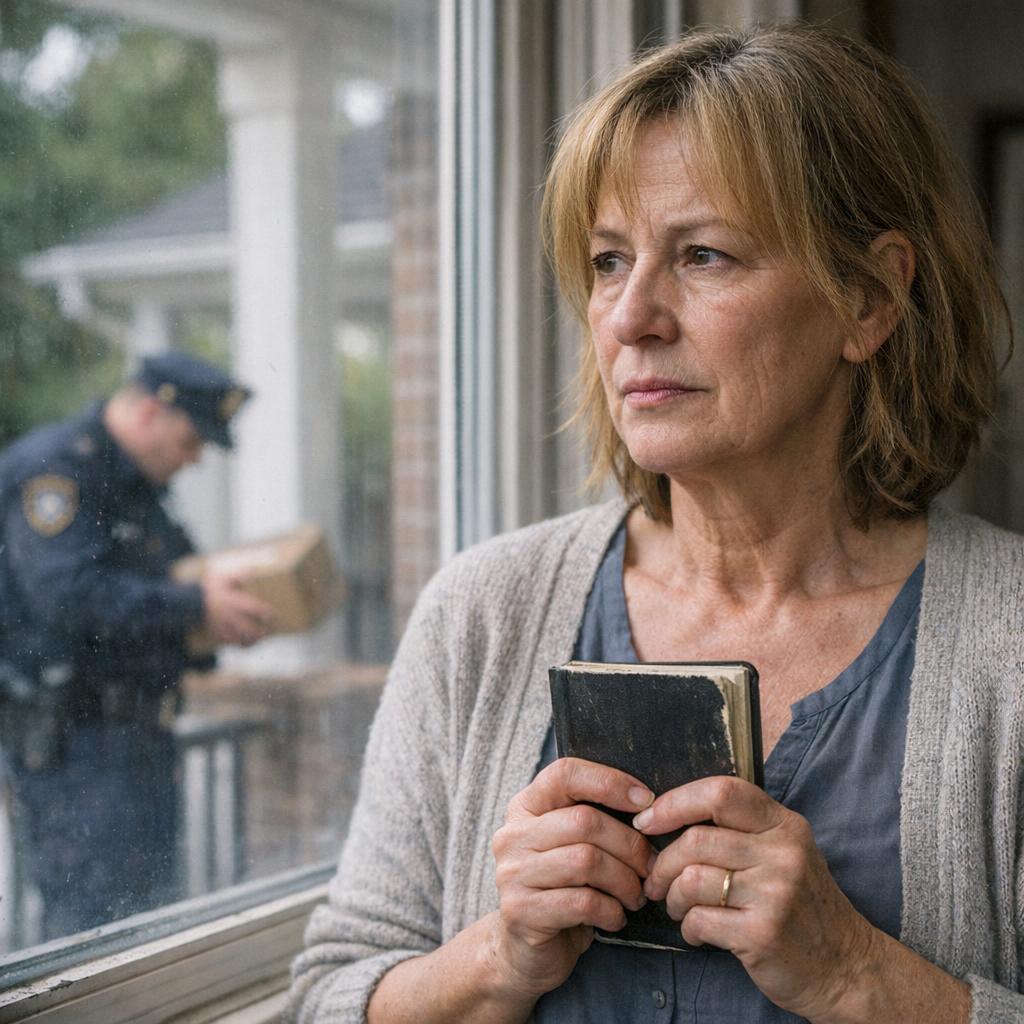 Image by RM AI
Unresolved Case
Officer Mercer returned from his car, his face now set in that careful expression police officers use when they're about to say something they wish they didn't have to. He sat down across from me at my kitchen table, hands folded. "Mrs. Alice, there's something you should know about Elaine." He paused, choosing his words deliberately. "She has a history she might not want shared." My stomach tightened as he explained that years ago, a relative of Elaine's had disappeared under what he called "suspicious circumstances." The case was officially unresolved, the file technically still open. "Unofficially," he said, lowering his voice, "many of us in the department believe this person is still alive." I felt the blood drain from my face. "Still alive where?" I asked, though I already suspected the answer. Officer Mercer's eyes met mine. "Possibly in the area," he said carefully. "Possibly much closer than that." He wouldn't elaborate further, citing ongoing investigation protocols, but the way his gaze drifted toward Elaine's house told me everything. I thought about all those noises I'd documented, the package with the strange name, the twenty years of curtains moving when no one should have been home. "So when you say the house isn't technically empty..." I began, but couldn't finish the thought as a chill ran through me. Officer Mercer nodded grimly. "Some ghosts," he said, "aren't actually dead."
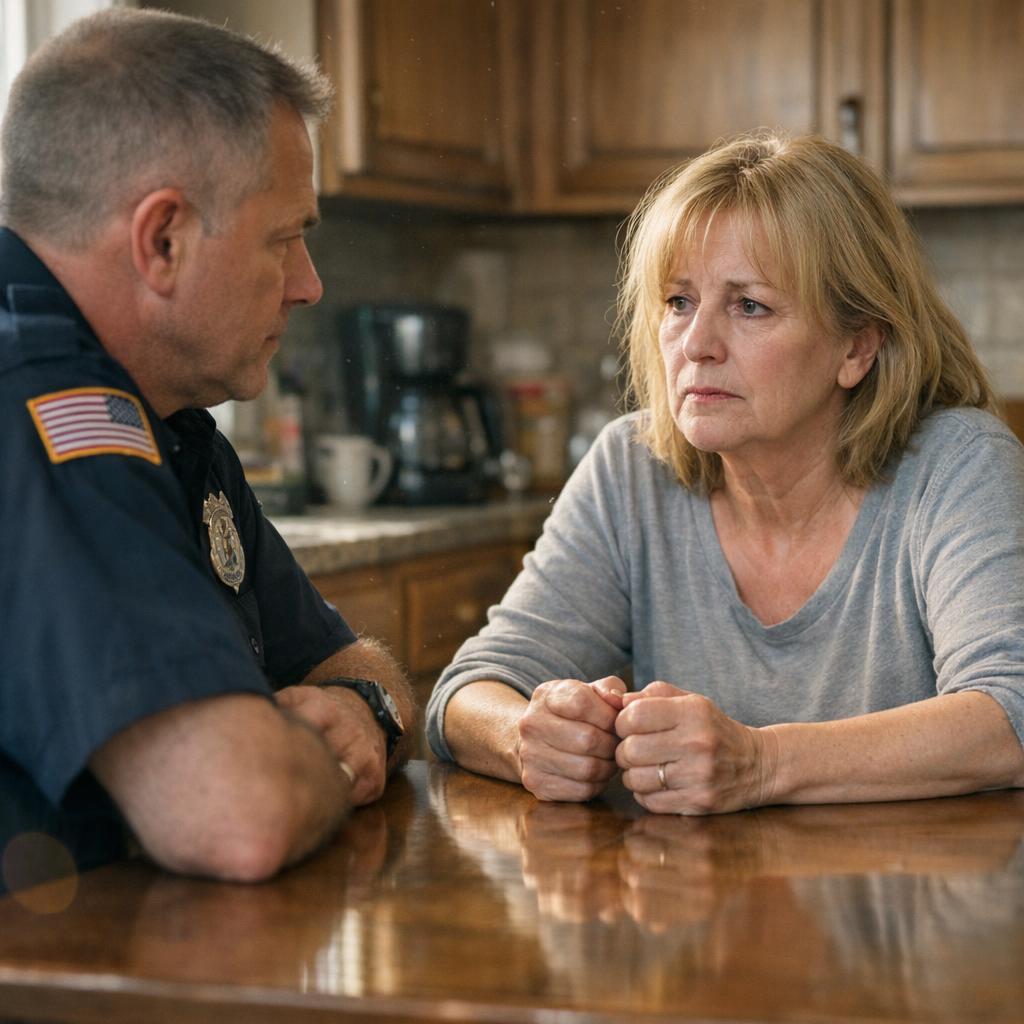 Image by RM AI
Unexpected Return
I was washing dishes when the doorbell rang, sending my heart into my throat. Through the peephole, I saw Elaine standing on my porch, looking like she hadn't slept in days. Dark half-moons hung beneath her bloodshot eyes, and her normally neat bob was disheveled. "Alice, thank you for watching the house," she said when I opened the door, her voice strained like a rubber band about to snap. "But I need to ask you to stop calling the police." Her hands trembled violently as she clutched her purse against her chest like a shield. I noticed dirt under her fingernails—Elaine, who always had a perfect manicure. "Would you like to come in for tea?" I offered, stepping aside. She shook her head quickly, glancing over her shoulder at her own house as if expecting to see someone watching from the windows. "I can't. I just... I need you to understand some situations are complicated." When I asked her directly who else had access to her home, she didn't answer right away. Instead, she looked down at her shaking hands and said something that made my skin crawl: "Some things are easier to live with if you don't name them, Alice." Before I could respond, she was already backing away, nearly stumbling down my porch steps in her haste to return to the house that wasn't technically empty.
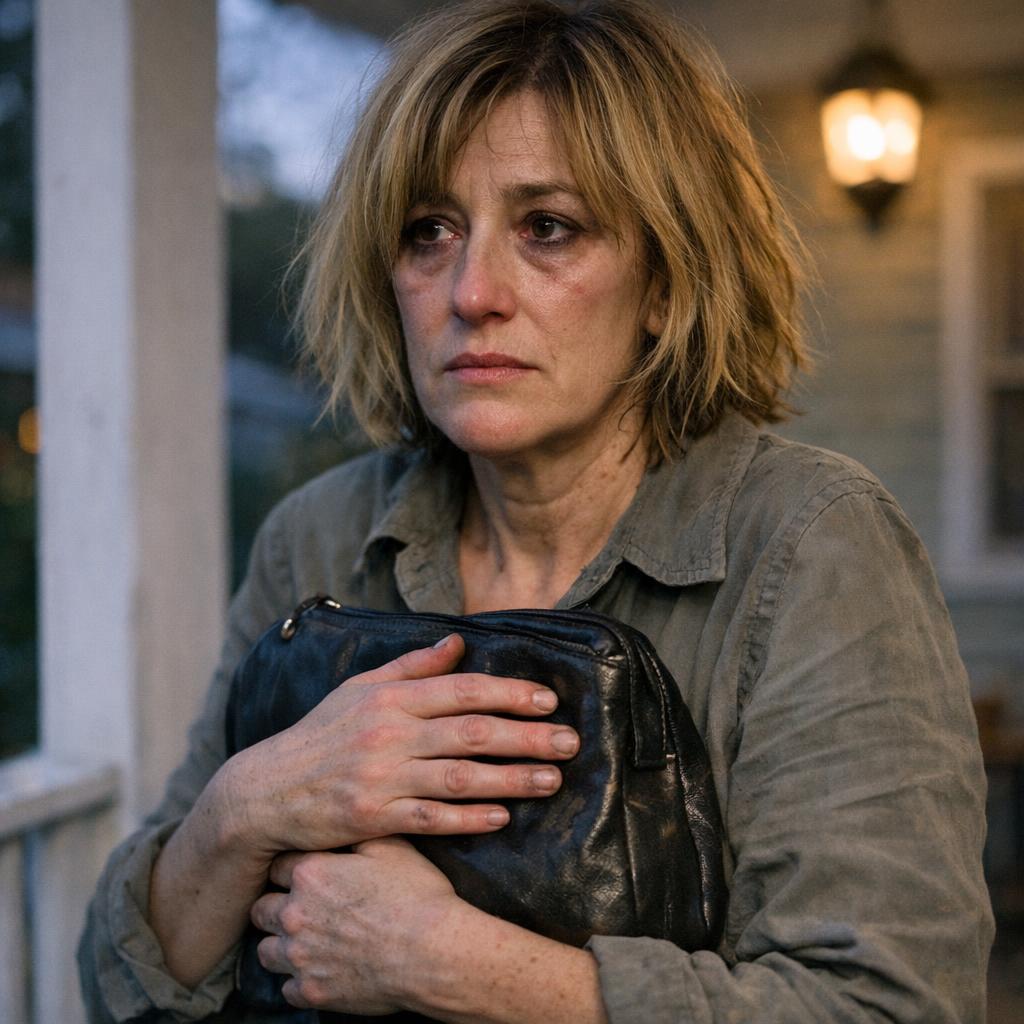 Image by RM AI
Things Unnamed
I watched Elaine's face carefully as I asked the question that had been burning in my mind. "Who else has access to your house, Elaine?" The silence that followed felt heavier than the humidity that hung in the summer air between us. She looked down at her trembling hands, the dirt under her fingernails suddenly fascinating to her. When she finally spoke, her voice was barely above a whisper. "Some things are easier to live with if you don't name them, Alice." A chill ran through me despite the warmth of the evening. She adjusted her purse strap, her knuckles white from gripping it so tightly. "I'll be staying at home tonight," she added, though the way she said 'home' made it sound like anything but. Her eyes darted toward her house, and I caught something in her expression I'd never seen before—resignation mixed with dread. As she turned to leave, she paused at the bottom of my porch steps. "Thank you for caring, Alice. Not many would." Then she walked back to her house with the careful steps of someone approaching a sleeping predator, and I couldn't shake the feeling that whatever—or whoever—waited for her inside had been watching our entire conversation through those perpetually moving curtains.
 Image by RM AI
Sharper Sound
I was halfway through a rerun of Golden Girls when it happened—a sound so different from the usual creaks and footsteps that I actually dropped my mug of chamomile tea. CRASH! It wasn't muffled or subtle like before; this was sharp, violent, like something heavy being thrown against a wall. I muted the TV instantly, my heart hammering against my ribs. Seconds later, Elaine's living room lights flashed on, illuminating her front windows in a sudden burst that disappeared just as quickly, plunging the house back into darkness. "Oh God," I whispered, fumbling for my phone. My fingers trembled so badly I had to try twice to unlock it. No more second-guessing, no more wondering if I was overreacting. Something was very wrong next door. I dialed 911, surprised by how steady my voice sounded as I explained the situation. "I need officers at 427 Maple Court immediately," I told the dispatcher. "My neighbor's house—there are noises, violent ones, and the lights just went on and off." As I peered through my blinds, I could have sworn I saw a shadow move past Elaine's upstairs window, too tall and broad to be her. The dispatcher asked if I was safe, and I realized with a chill that I wasn't sure anymore. What if whoever was in Elaine's house decided to come here next?
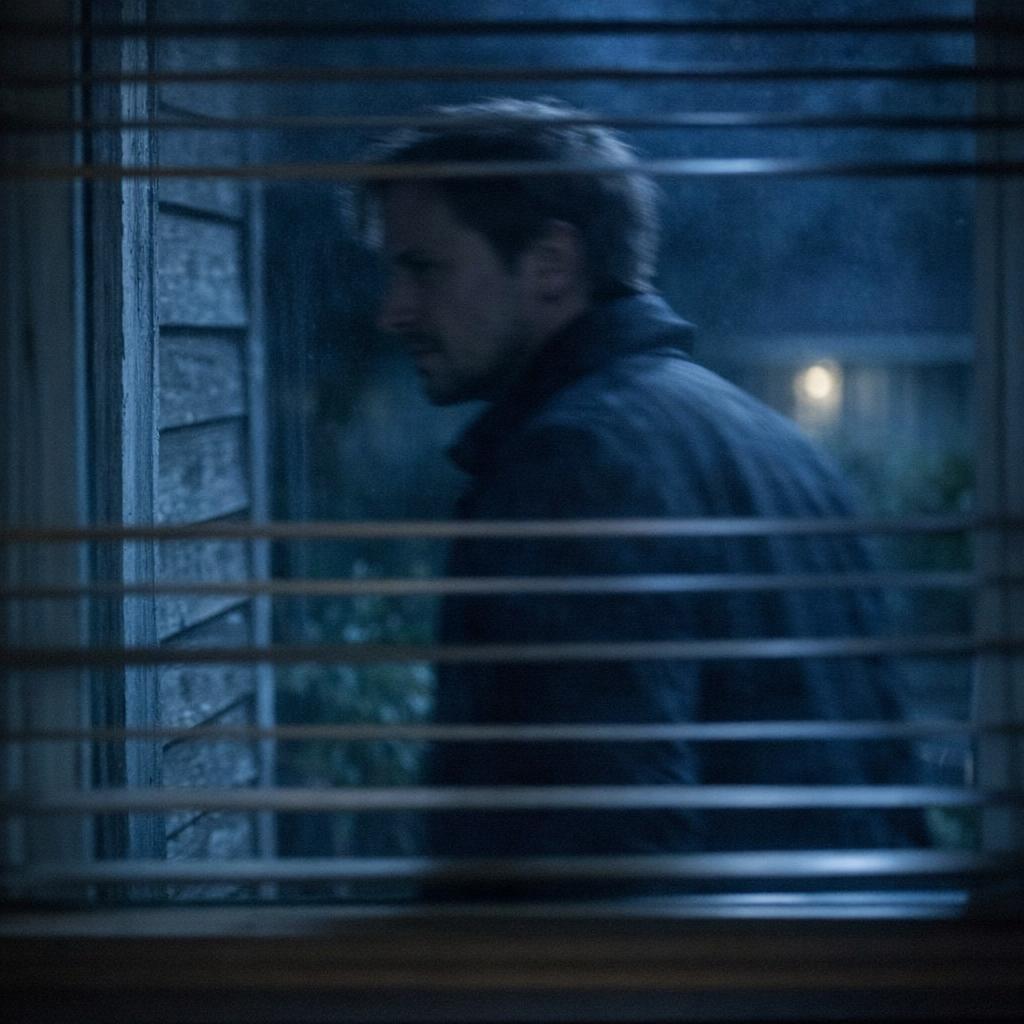 Image by RM AI
The Specialist
I stood on my porch wrapped in my old cardigan, watching as three police cruisers pulled up with their lights flashing but sirens silent—somehow making the whole scene even more ominous. Officer Mercer approached with a woman I'd never seen before, dressed in plain clothes but carrying what looked like specialized equipment. "This is Dr. Reeves from the Behavioral Analysis Unit," he explained, his voice low. "She specializes in... unusual living situations." I noticed the officers communicating through earpieces, their faces set in expressions that made my stomach knot. They surrounded Elaine's house with practiced efficiency, drawing weapons before entering. I clutched my mug of cold tea, unable to look away as flashlight beams danced through Elaine's windows, sweeping methodically from room to room. The neighbors had started to notice—Mrs. Peterson across the street stood in her doorway in a bathrobe, and the young couple two doors down watched from their driveway. Nobody spoke. We all just stared as those lights moved upstairs, then back down, until they converged in one spot and stayed there. When I saw Officer Mercer emerge from the back door and speak urgently into his radio, I knew they'd found something. The specialist hurried inside with her equipment bag, and that's when I realized this wasn't just about noises in the night anymore—this was about whatever had been hiding in Elaine's house all these years.
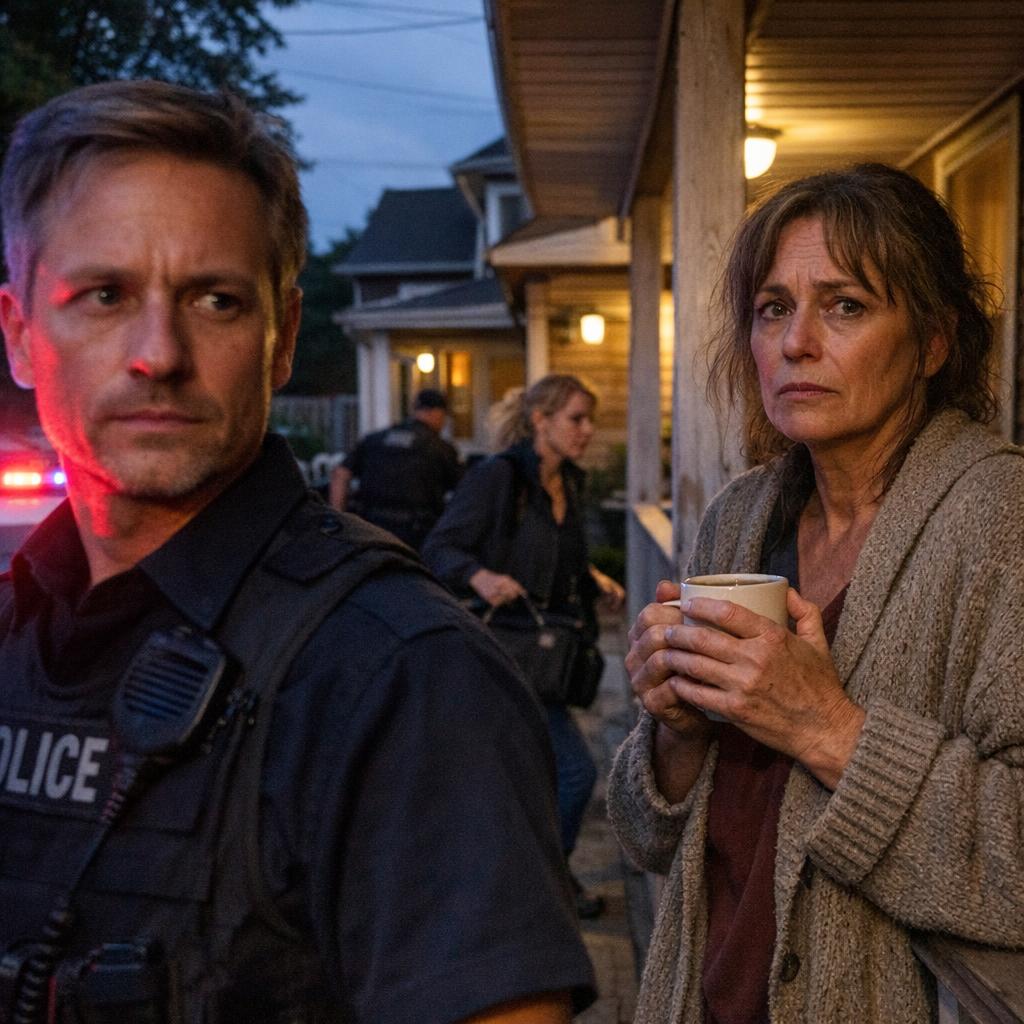 Image by RM AI
Hidden Room
Hours later, I was sitting on my porch swing, clutching a cup of tea that had long gone cold, when Officer Mercer approached with a grim expression that made my stomach drop. "Mrs. Alice, we need to talk," he said, guiding me to a spot away from the gathering crowd of neighbors. "We found something in Elaine's basement." He explained in a low voice that behind a carefully arranged shelving unit, they'd discovered a hidden room—not just a storage space, but a fully functioning living area. "There was a mattress, food wrappers, even a makeshift toilet," he said, his professional demeanor slipping just enough to reveal his own discomfort. "From the evidence, someone's been living there recently—very recently." I felt dizzy, gripping the porch railing as twenty years of neighborly waves and polite small talk with Elaine rearranged themselves in my mind. All those curtain movements, all those unexplained sounds—they weren't paranoia or an overactive imagination. They were real. "Who?" I managed to ask, though part of me already knew the answer. Officer Mercer's response confirmed my worst fears: "We believe it's the relative mentioned in our records—the one who was supposed to be missing." As they brought Elaine out in handcuffs, she looked straight at me with an expression I'll never forget, and said seven words that made my blood freeze: "I hoped you'd never hear him."
 Image by RM AI
I Hoped You'd Never Hear Him
I watched in stunned silence as they led Elaine to the police car, her wrists bound in handcuffs that caught the flashing blue lights. She didn't struggle or protest—just walked with the defeated posture of someone who'd been carrying a secret too heavy for too long. As she passed me, she turned her head, her eyes meeting mine with an expression that wasn't anger or fear, but something worse: resignation. "I hoped you'd never hear him," she said, her voice barely audible above the murmurs of the gathering neighbors. Those seven words sent ice through my veins. Officer Kowalski approached me as the car door closed on Elaine, his face grim. "There's something you should know, Mrs. Alice," he said, guiding me away from curious ears. "The person in that hidden room—he's not a trespasser or squatter." He lowered his voice. "According to our records, he's Elaine's brother, who legally co-owns the property. There was never any missing persons report filed for him, despite what Elaine told people." I felt dizzy, gripping the officer's arm. "But why would she...?" I couldn't finish the question. The officer's expression darkened. "That's what we need to find out. But one thing's clear—he's not planning on leaving quietly now that he knows someone's been watching." As if on cue, I turned to see a figure standing in Elaine's upstairs window, staring directly at my house.
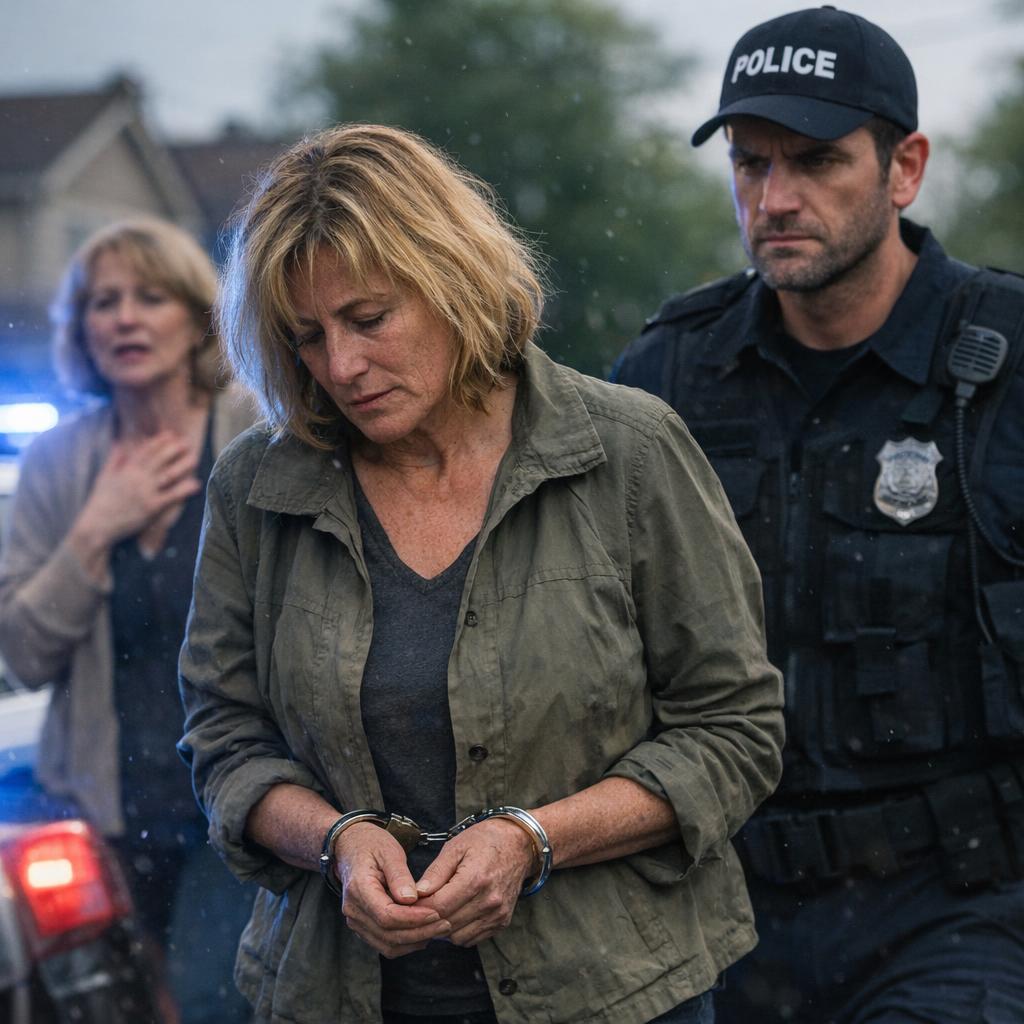 Image by RM AI
The Name on the Package
I stood in my kitchen, hands trembling as I held my mug of lukewarm tea. "Officer Kowalski, that package on Elaine's porch—the name on it. Who is Thomas Brenner?" The officer's face tightened as he set down his notepad. "Thomas Brenner is Elaine's brother," he explained, his voice dropping to that official-but-gentle tone cops use when delivering bad news. "He was reported missing seven years ago, but the case went cold. No body, no leads." I nearly dropped my mug. Seven years? The property, he told me, had originally belonged to their parents—a modest inheritance split between siblings. On paper, both names remained on the deed, but Elaine had been living there alone since his disappearance. "So the person in the hidden room..." I couldn't finish the sentence. Officer Kowalski nodded grimly. "DNA will confirm, but we believe it's Thomas." I sank into my kitchen chair, mind racing through twenty years of neighborly waves and polite small talk. Had Thomas been there all along? Or had he returned at some point, only to be hidden away? And the most terrifying question of all—had Elaine been his caretaker or his captor?
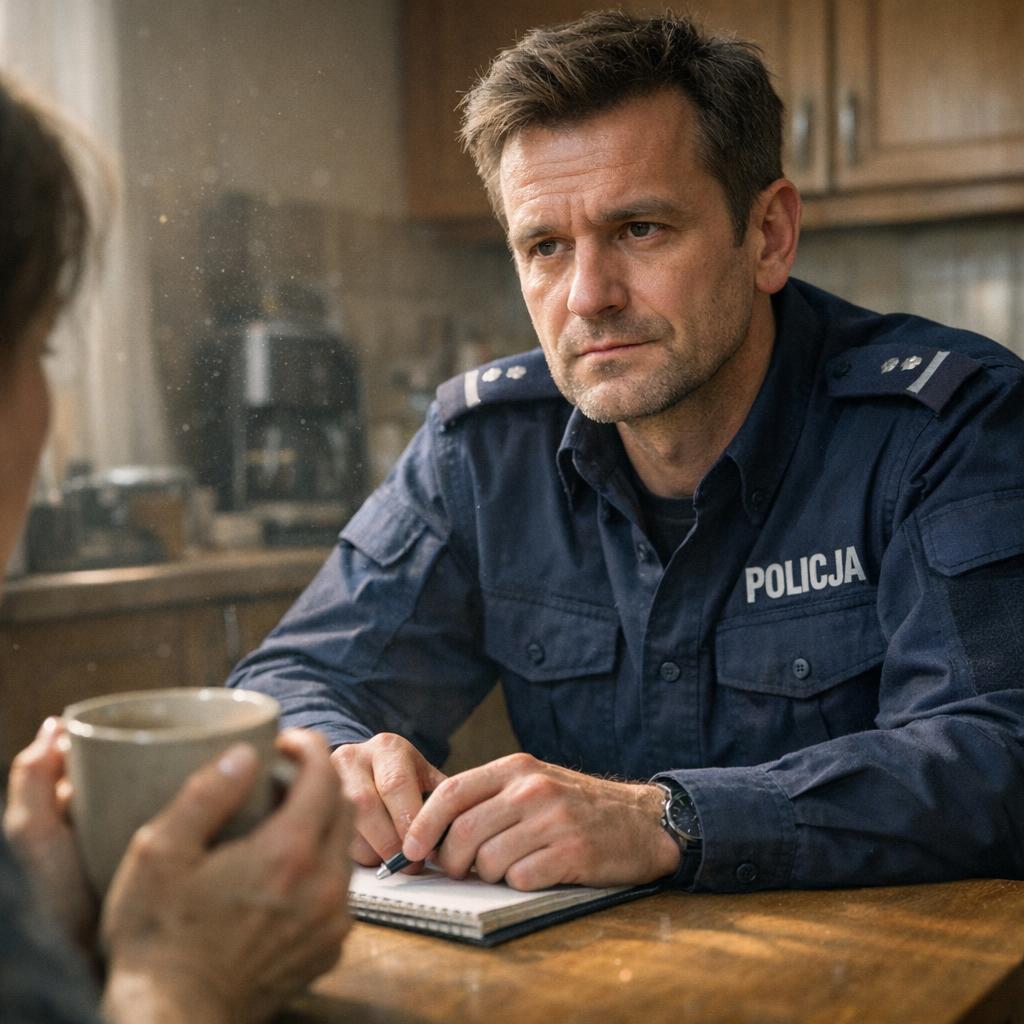 Image by RM AI
Sleepless Again
Sleep was a lost cause. I sat at my kitchen table, laptop open, the blue light harsh against the darkness as I scrolled through archived news articles about Thomas Brenner. There wasn't much—just a few brief mentions in the local paper from seven years ago. 'Local Man Missing, Family Concerned.' No follow-up stories, no resolution, just another person who vanished into thin air. Or so everyone thought. I rubbed my burning eyes, wondering how many nights Elaine had sat up like this, listening to her brother moving around in that hidden room. Had she been protecting him or imprisoning him? The question churned in my stomach. Around 5:30 AM, I got up to make yet another pot of coffee and glanced out my kitchen window. My heart nearly stopped. There, at the edge of Elaine's property, stood a tall figure, motionless in the gray pre-dawn light. Not a police officer—they'd all left hours ago. The figure was just... watching. Watching my house. I ducked away from the window, my pulse hammering in my ears. Should I call 911 again? Would they even believe me after everything? As I reached for my phone, I heard something I hadn't heard in twenty years of living here: someone trying the handle of my back door.
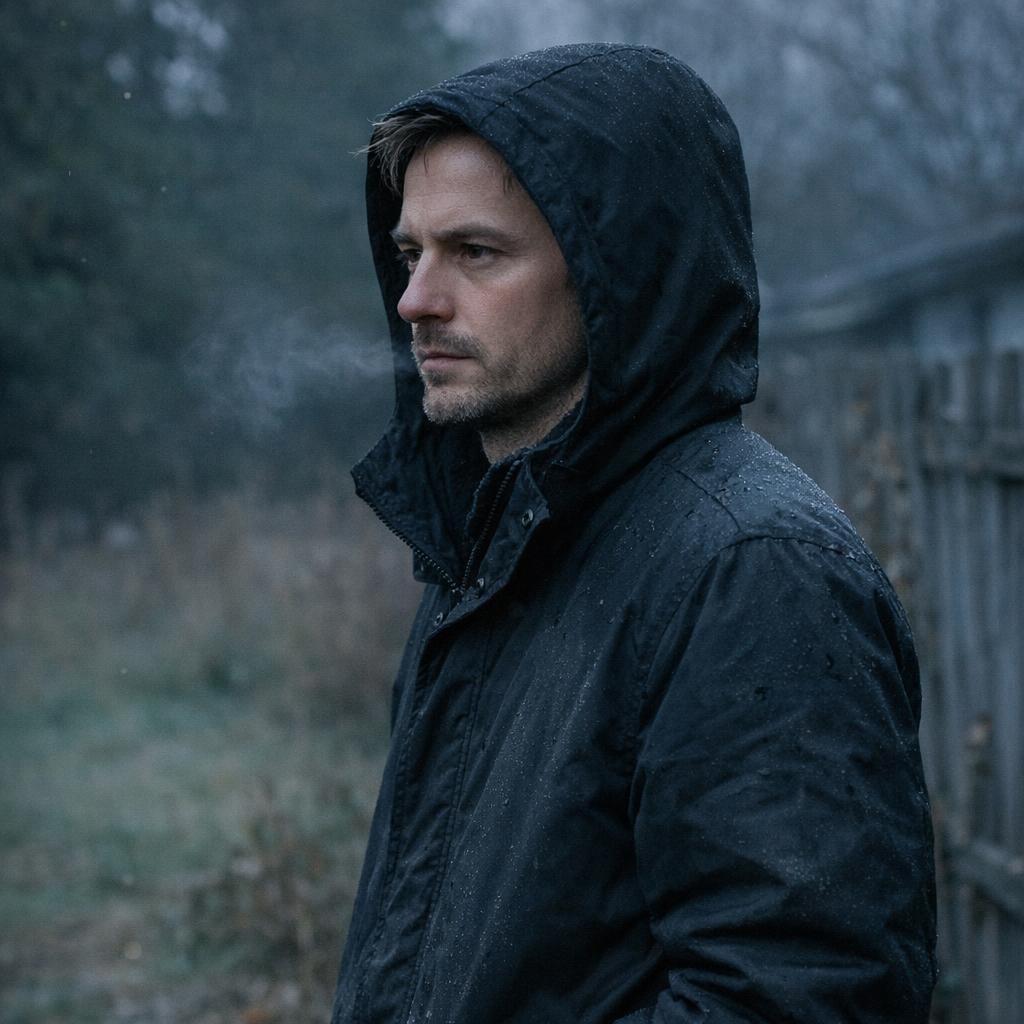 Image by RM AI
Morning Visitor
The doorbell rang at 7:15 AM, startling me from my half-doze at the kitchen table. I peered through the peephole to see a tall man with salt-and-pepper hair holding up a badge. Detective Rousseau introduced himself with a firm handshake and apologetic eyes. "Sorry for the early call, Mrs. Alice," he said, settling into my kitchen chair like a man who'd had even less sleep than I had. He had questions—so many questions about Elaine. How often did we speak? Had I ever met any family members? Did she ever mention Thomas? I clutched my coffee mug, trying to piece together twenty years of mundane interactions that suddenly felt significant. "We haven't located Thomas yet," he said, his voice dropping. "But what we found suggests he's been in that room for years." He hesitated, tapping his pen against his notepad. "Initially, we believe, against his will." The implication hung in the air between us. "Where do you think he is now?" I asked, dreading the answer. Detective Rousseau's expression darkened as he glanced toward my window facing Elaine's house. "That's what concerns us, Mrs. Alice. Someone who's been hidden away that long, who suddenly has freedom..." He didn't finish the sentence, but the way his hand moved subtly toward his holstered gun told me everything I needed to know.
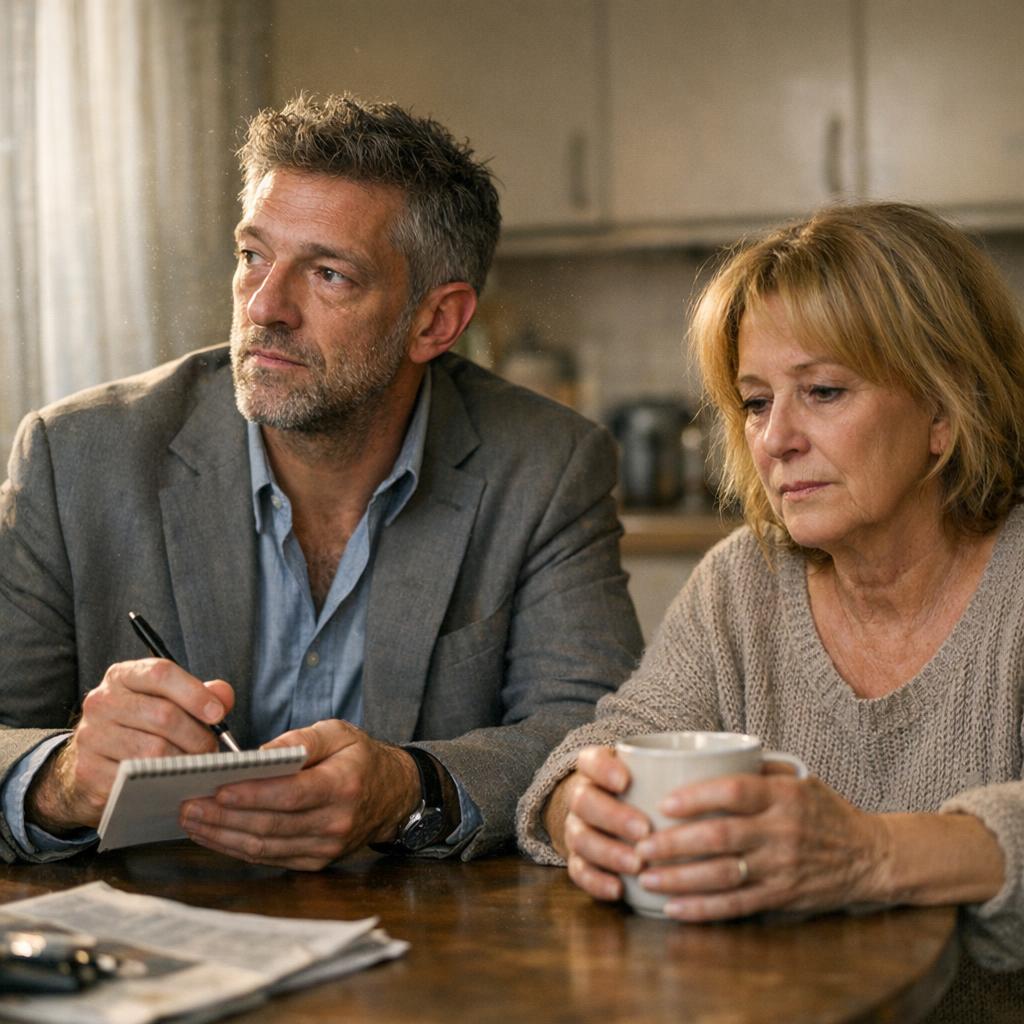 Image by RM AI
The Restraining Order
Detective Rousseau sighed heavily as he flipped through a manila folder. "There's something else you should know, Alice. Elaine had filed a restraining order against Thomas years before he supposedly disappeared." My eyebrows shot up as he explained that Thomas had been diagnosed with a severe mental illness that, when unmedicated, made him volatile and unpredictable. "The situation was complicated by their joint ownership of the house," he continued. "Legally, he had every right to live there, but the restraining order meant he couldn't be near Elaine." I sat back, memories suddenly clicking into place like puzzle pieces. Those first few years after I'd moved in, I'd occasionally heard shouting from their house—angry, male shouting that I'd dismissed as television noise or maybe a boyfriend. Elaine had always seemed so composed, so private. "Did you ever witness any confrontations between them?" Rousseau asked, pen poised over his notepad. I shook my head, feeling a strange guilt wash over me. For twenty years, I'd lived next door to a woman who was either protecting or imprisoning her mentally ill brother, and I hadn't noticed a thing. What else had I missed while I was busy picking up her mail and watering her plants?
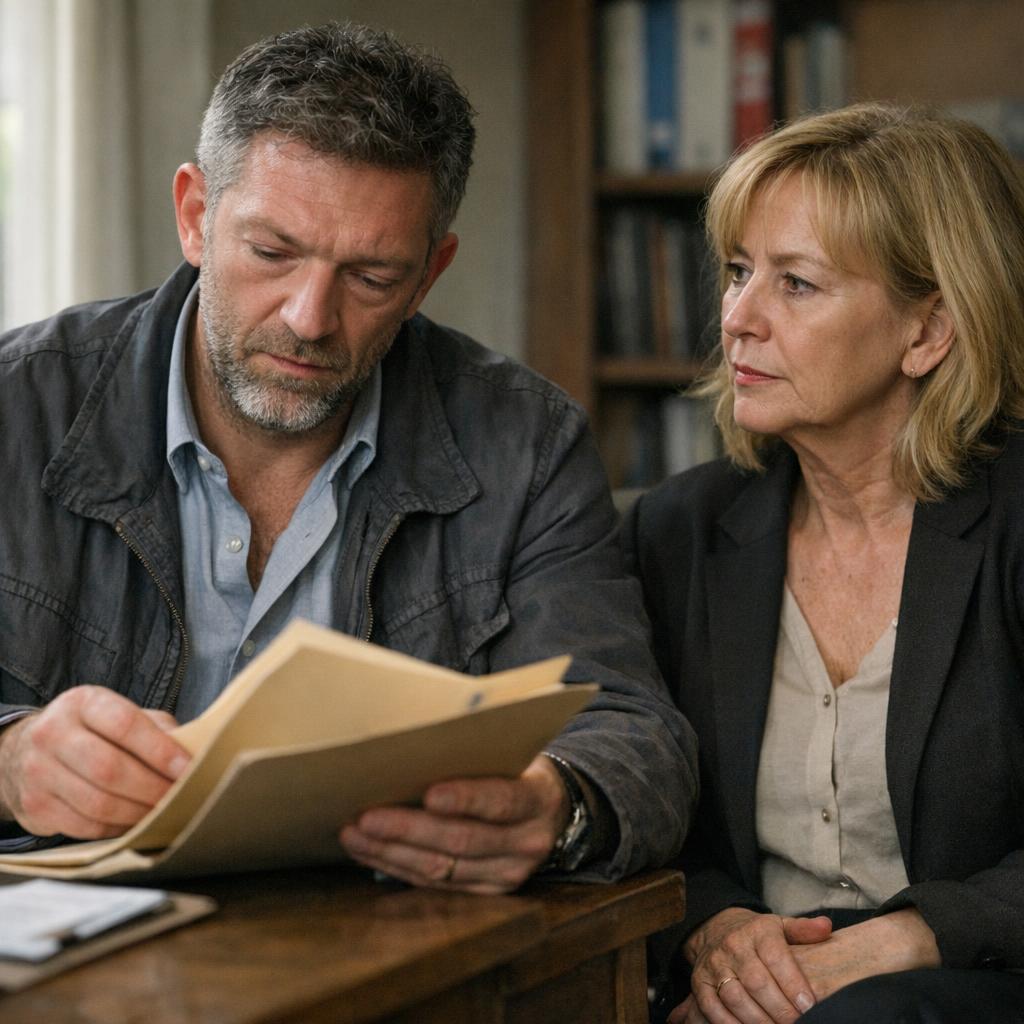 Image by RM AI
Police Protection
Detective Rousseau's face grew serious as he gathered his notes. "Mrs. Alice, I don't want to alarm you, but there's a possibility Thomas might associate you with his sister's arrest." He leaned forward, his coffee untouched. "Do you have any friends or family you could stay with for a few days?" I laughed—a hollow sound that surprised even me. My daughter lived across the country, and my closest friend was on a Mediterranean cruise. "Not really an option," I admitted. Rousseau nodded, already pulling out his radio. "Then we'll arrange for a patrol car to monitor your house until we locate him." He made the call right there in my kitchen, using words like "priority surveillance" and "potential risk situation" that made my stomach clench. Before leaving, he handed me his card, his personal number scrawled on the back. "Day or night, Mrs. Alice. Anything unusual—even if it seems small." I clutched the card like a lifeline as I watched him walk to his car. Through my window, I could see Elaine's house sitting quiet and empty, its secrets now exposed. The patrol car arrived twenty minutes later, parking discreetly down the street. I should have felt safer, but all I could think about was Thomas—a man I'd never met who now knew exactly where I lived and what I'd done.
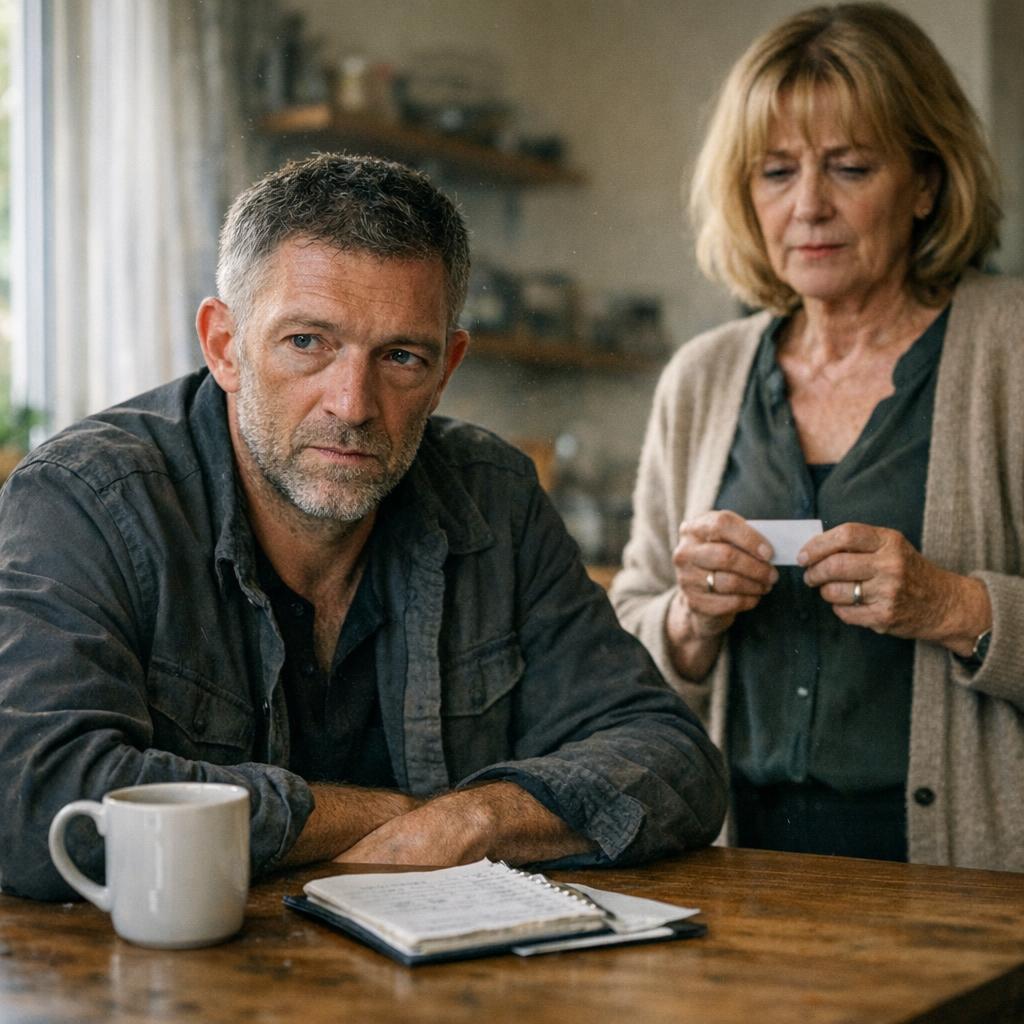 Image by RM AI
Neighborhood Whispers
By noon, my quiet cul-de-sac had transformed into a buzzing hive of curiosity. Mrs. Peterson brought over a blueberry cobbler as her entry ticket to hear the full story. The Johnsons, who I've exchanged maybe ten words with in five years, suddenly remembered they needed to return a garden hose they'd borrowed in 2019. "You know, Thomas was brilliant," Mrs. Peterson whispered, leaning so close I could smell her lavender perfume. "Designed that beautiful library downtown before... well, before he changed." Apparently, after their parents died in a car accident, Thomas had spiraled. His architecture career collapsed alongside his mental health. "They were inseparable as kids," Mr. Dawson from three doors down told me, his rheumy eyes distant with memory. "Elaine would follow him everywhere. She was the only one who could calm him down when the episodes started." I sat on my porch, collecting these fragments of the siblings' history like puzzle pieces, wondering how the devoted sister in these stories had become the woman who kept her brother hidden in a basement room. Each neighbor left with more questions than answers, their faces a mixture of shock and that unmistakable excitement people get when tragedy strikes close enough to observe but far enough to avoid. As twilight settled over our street, I noticed something unsettling – while everyone was busy talking about Thomas, nobody seemed concerned about where he might be now.
 Image by RM AI
The Architect's Plans
The doorbell rang around 2 PM, revealing Mrs. Novak—a tiny woman with a steel-gray bob who's outlasted three husbands and witnessed forty years of neighborhood drama. "I brought something you should see," she announced, clutching a weathered photo album to her chest like a shield. We sat at my kitchen table as she carefully turned brittle pages filled with snapshots of our street from decades past. "That's Thomas," she said, tapping a photo of a tall, handsome man standing proudly in front of Elaine's house—except it wasn't quite the house I knew. "He redesigned the whole place after their parents died. Was quite the architect." I stared at his smiling face, his arm draped casually around a younger Elaine's shoulders. In another photo, he was measuring the basement walls, laughing at something off-camera. "He built that basement himself," Mrs. Novak said softly. "Every inch of it." My stomach twisted as I realized the implications—Thomas had created the very room that would later become his prison. Looking at his bright eyes and confident smile, I couldn't reconcile this man with the monster Elaine apparently feared enough to lock away. "What happened to him?" I asked. Mrs. Novak's face darkened. "That's the question, isn't it? One day he was designing libraries and renovating houses, the next..." She trailed off, then leaned closer. "But there's something about those basement plans nobody else knows."
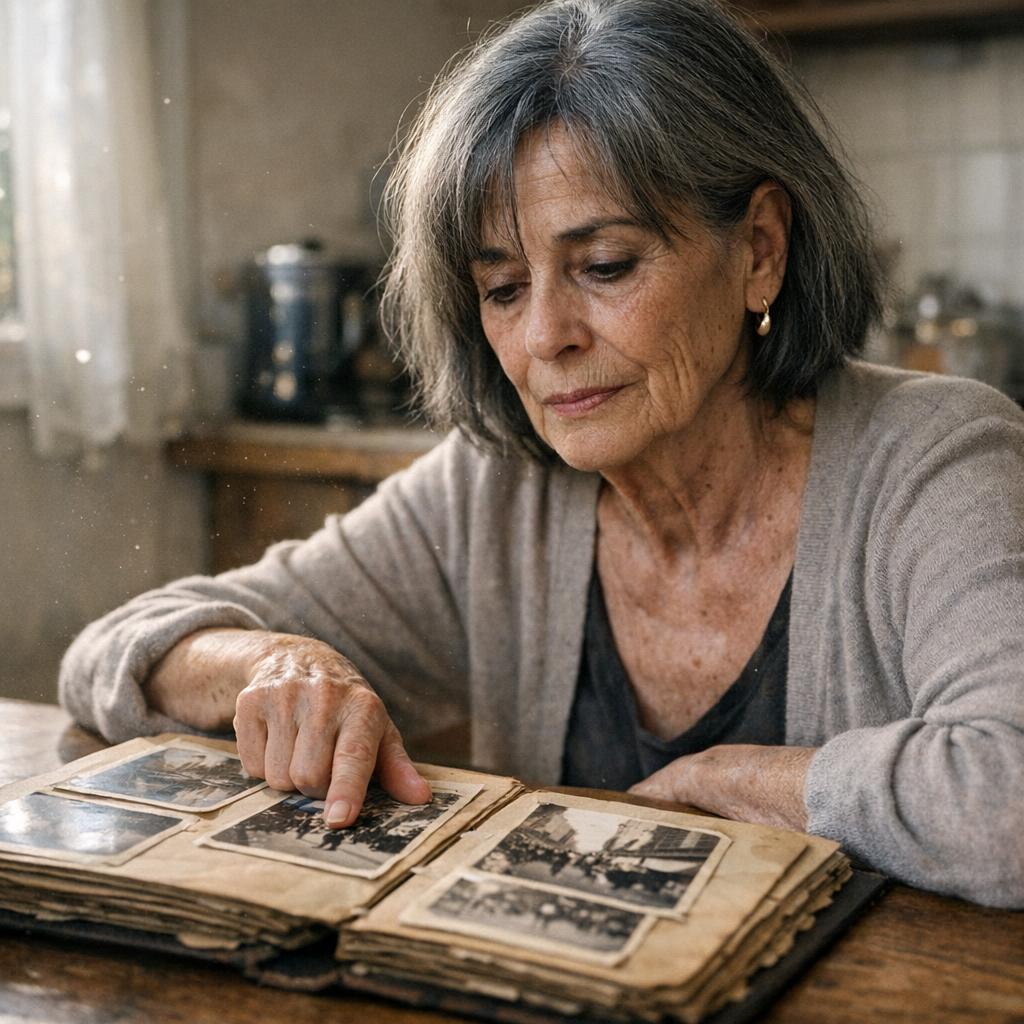 Image by RM AI
Elaine's Bail Hearing
The courthouse was colder than I expected, or maybe it was just my nerves. I slipped into the back row of the courtroom for Elaine's bail hearing, clutching my purse like it might somehow shield me from the reality unfolding before me. When they brought her in, I barely recognized her. My neighbor of twenty years—the woman who'd borrowed my hedge clippers and returned them with a plate of lemon squares—looked like a shell of herself in that orange jumpsuit. Her shoulders hunched forward, her usually neat hair hanging limp around her face. Then she spotted me. Her eyes widened, and something flickered across her expression—not anger as I'd feared, but something that looked strangely like relief. She gave me the smallest nod before turning to face the judge. The proceedings moved quickly, legal terms flying back and forth that I barely understood. The prosecutor spoke about 'unlawful imprisonment' and 'psychological torture,' words that made my stomach turn. When the judge denied bail, calling Elaine a flight risk and citing the 'heinous nature of the alleged crimes,' I watched her shoulders slump even further. As they led her away, she glanced back at me one last time, and I could have sworn she mouthed two words that made my blood run cold: 'He's coming.'
 Image by RM AI
Visitation Request
I was gathering my purse to leave the courthouse when a woman in a crisp navy suit approached me. "Mrs. Alice? I'm Jennifer Reeves, Elaine's attorney." She handed me her card with a practiced motion. "My client has requested to speak with you." My stomach dropped. What could Elaine possibly want to tell me after everything that had happened? "She's been asking since they brought her in," Jennifer added, her voice softening. "You're the only person she wants to see." Despite every instinct screaming at me to walk away, I heard myself agreeing to visit tomorrow afternoon. That night, I moved through my house like a security guard, checking locks twice, testing window latches, even wedging a chair under my bedroom doorknob like they do in those suspense movies my daughter loves. Every creak made me freeze. Every shadow seemed to shift. Around 2 AM, I heard what sounded like footsteps on my back porch, but when I peeked through the blinds, the motion-sensor light revealed nothing but empty space and swaying tree branches. Still, I couldn't shake the feeling that someone was out there, watching and waiting—someone who knew exactly where I lived and what I'd done.
 Image by RM AI
Behind Glass
The county jail visiting room was nothing like the cozy TV versions—just a sterile, fluorescent-lit space with scratched plexiglass dividers and phones that looked like relics from the 90s. When they brought Elaine in, my heart sank. Her orange jumpsuit hung loose on her frame, and the dark circles under her eyes had deepened to bruise-like shadows. But there was something different about her now—a strange calmness that hadn't been there at the hearing. "Thank you for coming, Alice," she said, her voice tinny through the ancient receiver. "Have you seen any sign of him? Of Thomas?" When I shook my head no, she nodded slowly, as if confirming something she already suspected. "That's good," she whispered, glancing nervously at the guard. "But it doesn't mean he's not watching." She pressed her palm against the glass, and I found myself mirroring the gesture before I could think better of it. "There are things about Thomas you need to understand," she continued, leaning closer to the partition. "Things I should have told you years ago." Her eyes darted to the clock on the wall. "We don't have much time, and there's something in my house you need to find before he does."
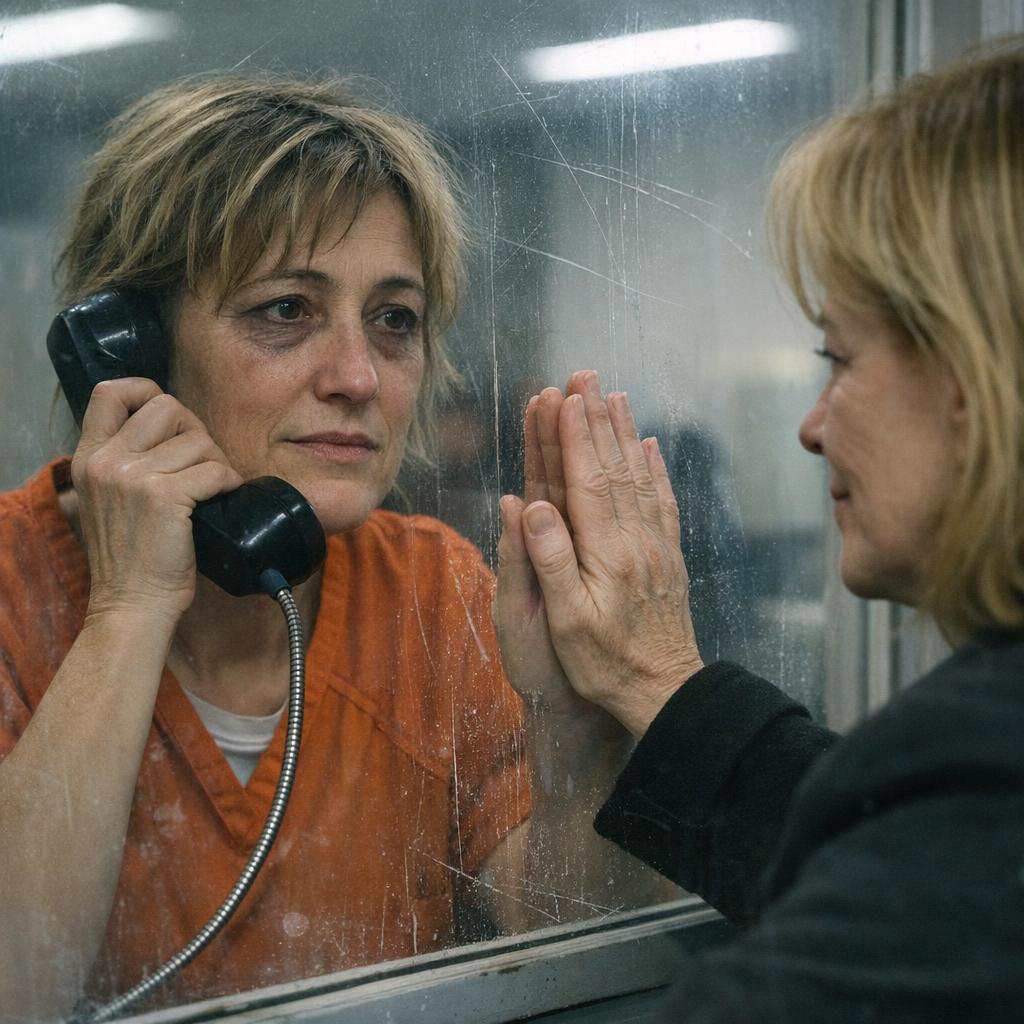 Image by RM AI
The Beginning of Truth
Elaine leaned forward, her voice dropping to barely above a whisper. "Thomas was brilliant before the illness took hold," she began, her fingers nervously tracing patterns on the visiting room table. "Diagnosed with paranoid schizophrenia at 32, right after our parents died." I listened, transfixed, as she described her brother's gradual unraveling—how the talented architect who designed libraries became convinced that government agents were monitoring him through the electrical outlets. "At first, it was just odd behaviors," she explained, her eyes distant with painful memories. "Then he stopped taking his medication." Her voice cracked as she described finding her kitchen knives hidden throughout the house, Thomas screaming that she was poisoning his food. "The night he held a screwdriver to my throat, accusing me of replacing his brain while he slept—that's when I got the restraining order." She looked up at me, tears streaming down her face. "But how do you keep someone away when they legally co-own your house? When they're family?" I felt a chill run through me as she leaned even closer to the glass. "Alice, what I did was wrong, but you need to understand—what Thomas did to me before I locked that door was so much worse."
 Image by RM AI
The Night He Disappeared
Elaine's voice trembled as she described that stormy night seven years ago. 'It was pouring rain, thunder so loud it shook the windows,' she said, her fingers white-knuckled around the phone. 'Thomas broke in through the kitchen window. I found him standing there, soaking wet, holding my largest kitchen knife.' She explained how his eyes were wild, unfocused, as he accused her of planting microphones in his teeth while he slept. 'He lunged at me, Alice. I ran downstairs, thinking I could escape through the basement door, but he followed.' In the struggle that followed, she somehow managed to push him into the hidden room he'd built—originally designed as a panic room, ironically—and locked the reinforced door. 'I sat on the basement steps all night, listening to him scream and pound on the walls,' she whispered. 'I swear I was going to call for help in the morning.' But when dawn came and she checked on him, Thomas was sitting calmly in the corner, almost lucid. 'Please don't send me back there, Lainie,' he'd begged, using her childhood nickname. 'They'll strap me down again. They'll put the electricity in my brain.' What started as one night of protection became a week, then a month, then years—a prison built of fear and misguided love that neither could escape. But what Elaine said next made my blood run cold.
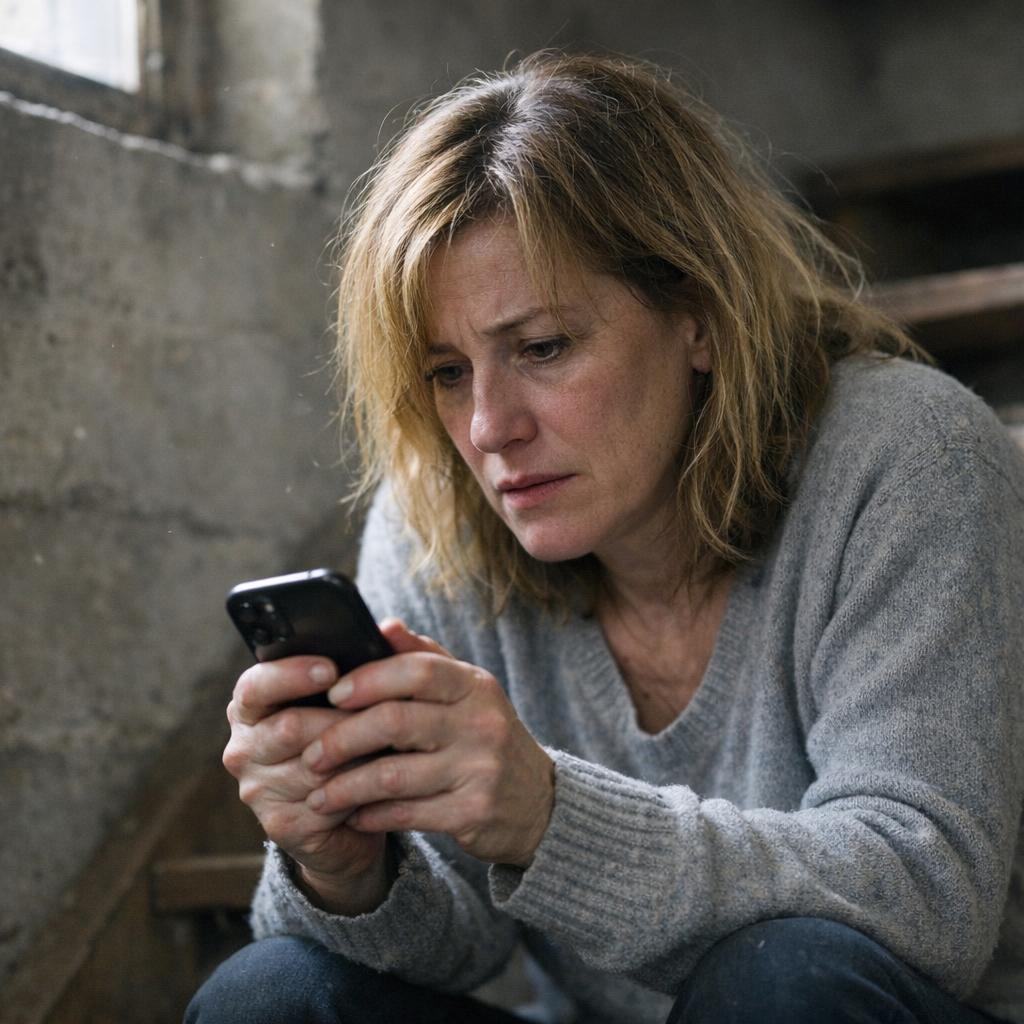 Image by RM AI
Seven Years of Secrets
Elaine's voice cracked as she described how one night of protection morphed into something unimaginable. 'I'd bring him meals three times a day,' she whispered, wiping tears with her sleeve. 'At first, I told myself it was temporary—just until he stabilized.' Days became weeks, then months stretched into years. She'd furnished the room with books, a small TV, even family photos. 'Some days, he was my Thomas again—brilliant, gentle, talking about architecture and asking about the neighborhood.' Her eyes clouded. 'Other days, he'd become someone else entirely—screaming that I'd implanted devices in the walls, that I was poisoning his food.' She explained how she'd filed a missing persons report, creating the perfect alibi. 'I became two people, Alice. To the world, I was the worried sister whose brother had vanished. Behind that locked door, I was his caretaker, his warden.' She leaned forward, her voice barely audible. 'Do you know what the worst part was? After a while, he stopped asking to leave. It was like we both forgot there was any other way to live.' What she said next made me question everything I thought I knew about their arrangement.
 Image by RM AI
The Warning
The guard announced our time was almost up, and Elaine's face transformed with sudden urgency. She pressed closer to the glass, her voice dropping to a desperate whisper. 'There's something else you need to know, Alice.' Her eyes darted nervously to the guard before locking back on mine. 'That room I kept him in—it has a small window. High up, near the ceiling.' My stomach dropped as she continued. 'It looks directly at your kitchen window. Your dining room. He's been... watching you for years.' I felt the blood drain from my face as memories flooded back—all those evenings cooking dinner, reading at my table, talking on the phone with my daughter. 'Thomas knows you're the one who called the police,' she whispered, her eyes wide with genuine fear. 'He kept a journal. Your name is all over it. What you wear, when you leave for groceries, which chair you sit in to watch TV.' She swallowed hard. 'He thinks you betrayed him too. That we were in this together until you turned on us both.' The guard approached, signaling our time was up. As Elaine was led away, she called back one last sentence that made my knees weak: 'Don't go home alone, Alice—he won't just be watching anymore.'
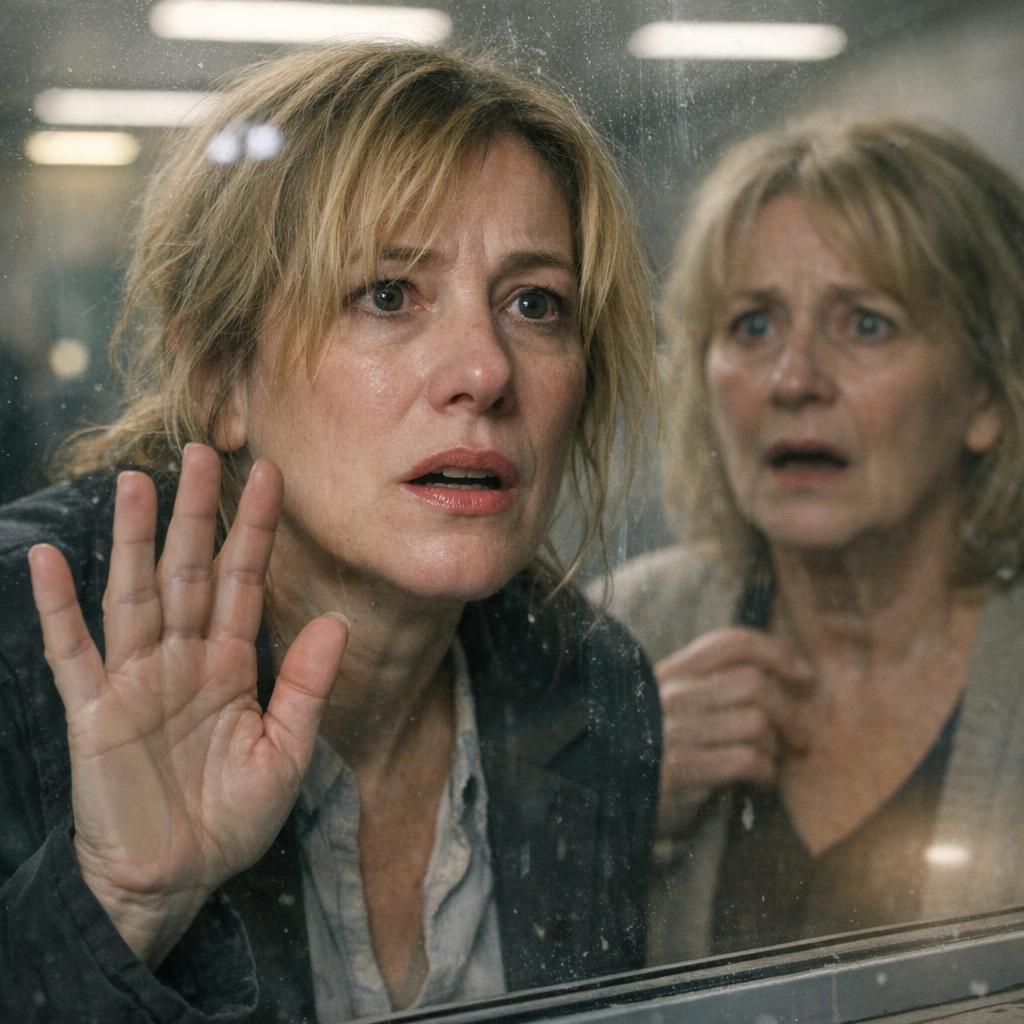 Image by RM AI
Watched
The drive home from the jail felt like one of those horror movies where the monster is always just out of frame. I kept checking my rearview mirror, convinced a car was following me—sometimes a blue sedan, sometimes a black SUV. Paranoia? Maybe. But after what Elaine told me about Thomas watching me for years, even paranoia felt justified. I took three wrong turns deliberately, doubled back twice, and even pulled into the Safeway on Maple Street—a store I never shop at—just to see if anyone followed me inside. No one did, at least not obviously. By the time I finally turned onto our cul-de-sac, my knuckles were white from gripping the steering wheel. That's when I saw it—a small paper object on my front step, bright white against the dark welcome mat. My heart hammered as I approached. An origami bird, perfectly folded, its paper wings spread as if ready to take flight. I hadn't left it there. The patrol car that was supposed to be watching my house was nowhere in sight. With trembling fingers, I picked up the delicate paper creation, turning it over in my hand. The realization hit me like a physical blow—someone had been here while I was gone, standing on my porch, touching my door. And I knew exactly who it was.
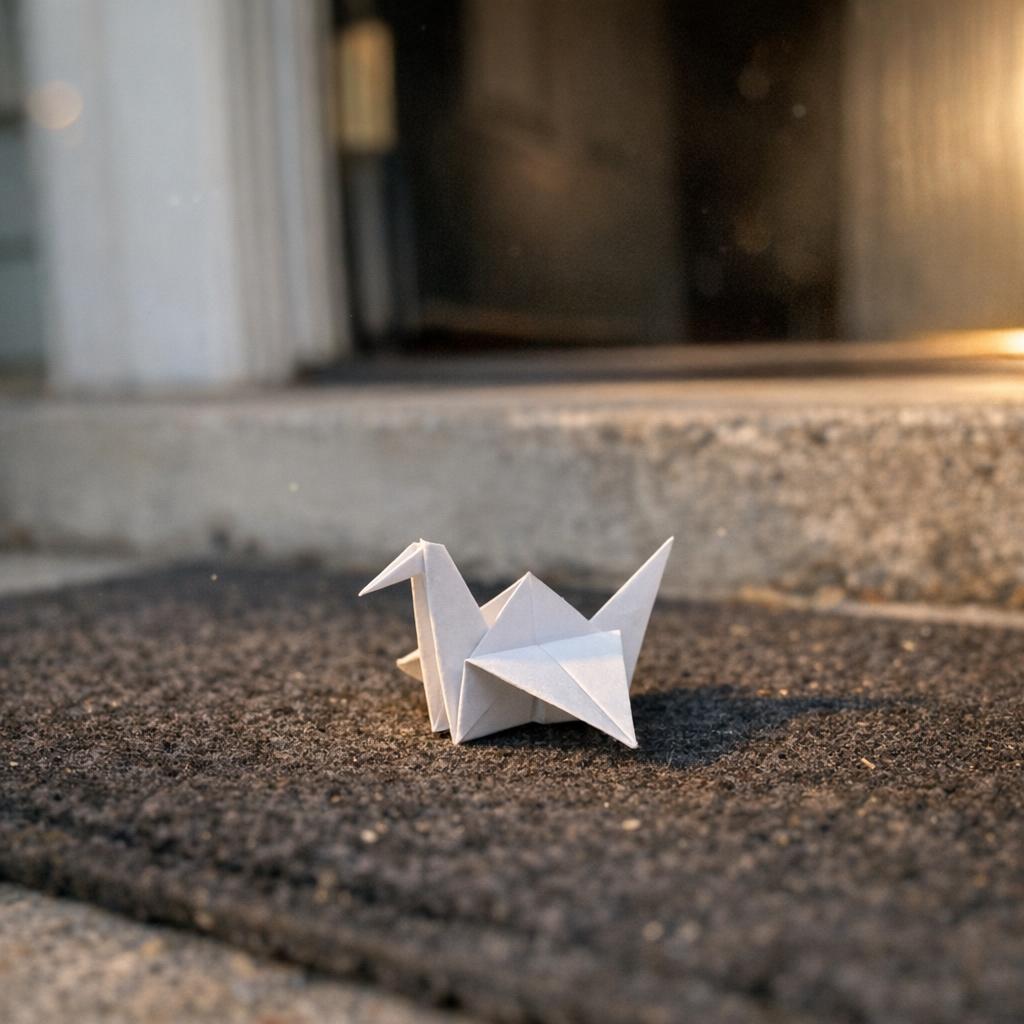 Image by RM AI
The Origami Connection
My hands shook as I dialed Detective Rousseau's number, the origami bird sitting on my kitchen counter like a tiny white threat. He arrived within twenty minutes, his weathered face grim as he carefully placed the paper creation into an evidence bag. "Thomas was quite the artist with these," he explained, sealing the bag. "Started folding them as a kid. He and Elaine used to make dozens together after school." Something about this detail—this glimpse of childhood innocence—made everything more disturbing. The detective promised increased patrols around my cul-de-sac and gave me his personal cell number. "Mrs. Alice," he said, his voice gentle but firm, "I strongly recommend you consider a hotel for a few nights. Just until we locate him." I shook my head, feeling that stubborn streak my daughter always teases me about. "This is my home," I told him, crossing my arms. "I've lived here for twenty years. I'm not letting anyone chase me out of it." As the detective's car pulled away, I double-checked every lock, drew every curtain, and tried not to think about how Thomas had watched me through my windows for years. What I didn't tell the detective was that I'd unfolded the bird—and found tiny, meticulous handwriting inside that simply read: "I forgive you for watching. Now I'll show you what it feels like."
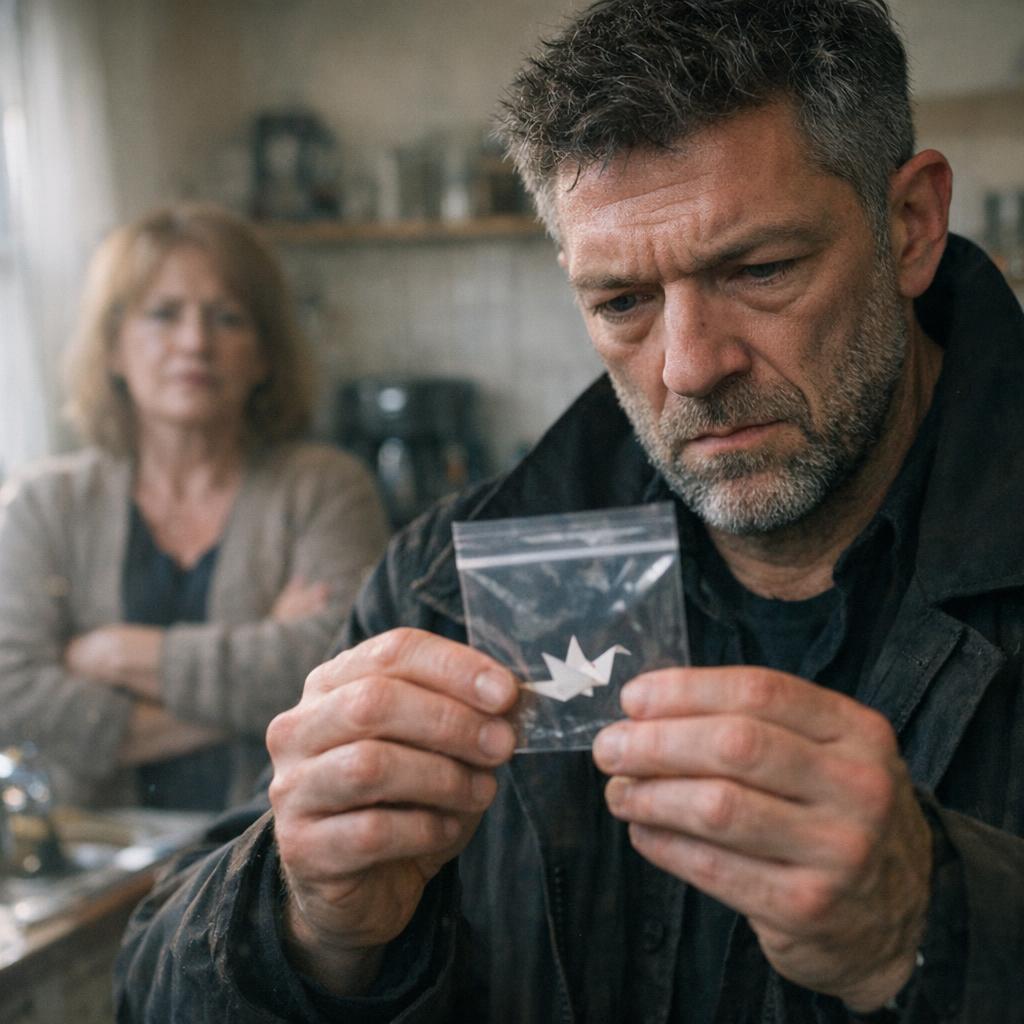 Image by RM AI
Night Terrors
I bolt upright in bed, my nightgown damp with sweat. In my dreams, dozens of paper birds had been circling my bedroom, their origami wings slicing through the air like tiny knives, leaving paper cuts on my skin. The digital clock reads 3:17 AM when a loud crash from downstairs jolts me fully awake. My hand fumbles for my phone, 9-1-1 already punched in, my thumb hovering over the call button. 'It's just the wind,' I whisper to myself, but my racing heart knows better. I ease out of bed, grabbing the heavy flashlight I've kept on my nightstand since Elaine's warning. Each step down the stairs feels like walking toward my own doom, the wood creaking beneath my weight in a house that suddenly feels foreign. In the living room, moonlight spills across shattered ceramic—my grandmother's vase in pieces on the hardwood floor. My cat Milo sits nearby, looking almost apologetic. Relief floods through me until I notice something that makes my blood freeze: the back door stands slightly ajar, the deadbolt in the unlocked position. I know—I KNOW—I checked that lock three times before bed. I even put a chair against it. The chair now sits neatly pushed aside, as if someone wanted to be polite while breaking into my home. As I slowly approach the door, my flashlight beam catches something on the kitchen table that wasn't there when I went to bed: another origami bird, this one made of black paper.
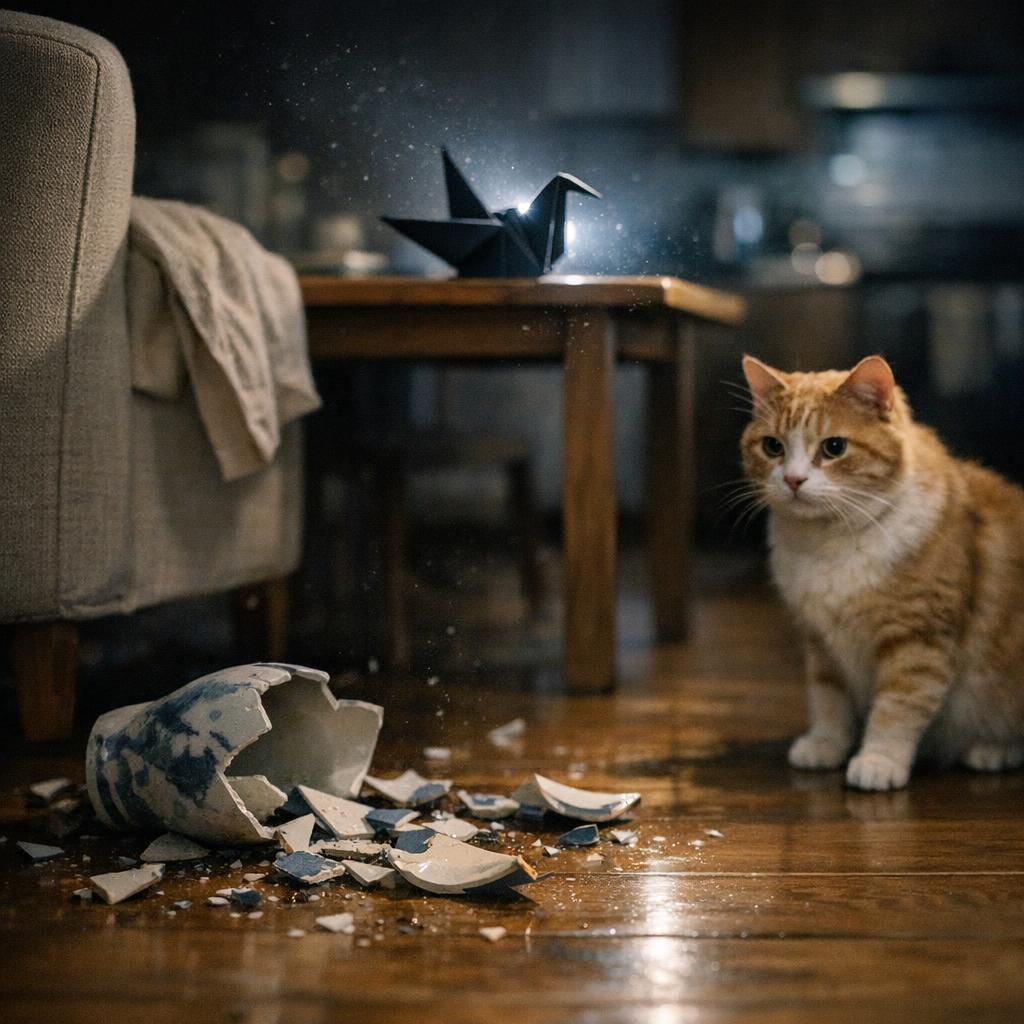 Image by RM AI
Missing Cat
I woke up to silence—no familiar weight on my chest, no insistent meowing for breakfast. 'Milo?' I called, my voice echoing through the empty house. By 9 AM, after checking every closet, cabinet, and hiding spot, panic set in. Milo NEVER missed breakfast. I grabbed my coat and headed outside, shaking his treat bag while calling his name. The November air bit at my cheeks as I circled the house, peering under bushes and checking the garage. When I knelt to look under the porch, my heart stopped. There, placed with deliberate precision on the dirt where I couldn't miss it, sat another origami figure—this one unmistakably a cat, folded from pristine white paper. My hands trembled as I picked it up, noticing the meticulous creases that formed pointed ears and a curled tail. This wasn't random. Thomas hadn't just been in my house last night; he'd taken something I loved. With shaking fingers, I dialed Detective Rousseau's number. 'He has my cat,' I whispered when he answered, tears streaming down my face. 'And he wants me to know it.' The detective's long pause told me everything I needed to know—this wasn't just about scaring me anymore. Thomas was escalating, and we both knew what that meant for Milo... and eventually, for me.
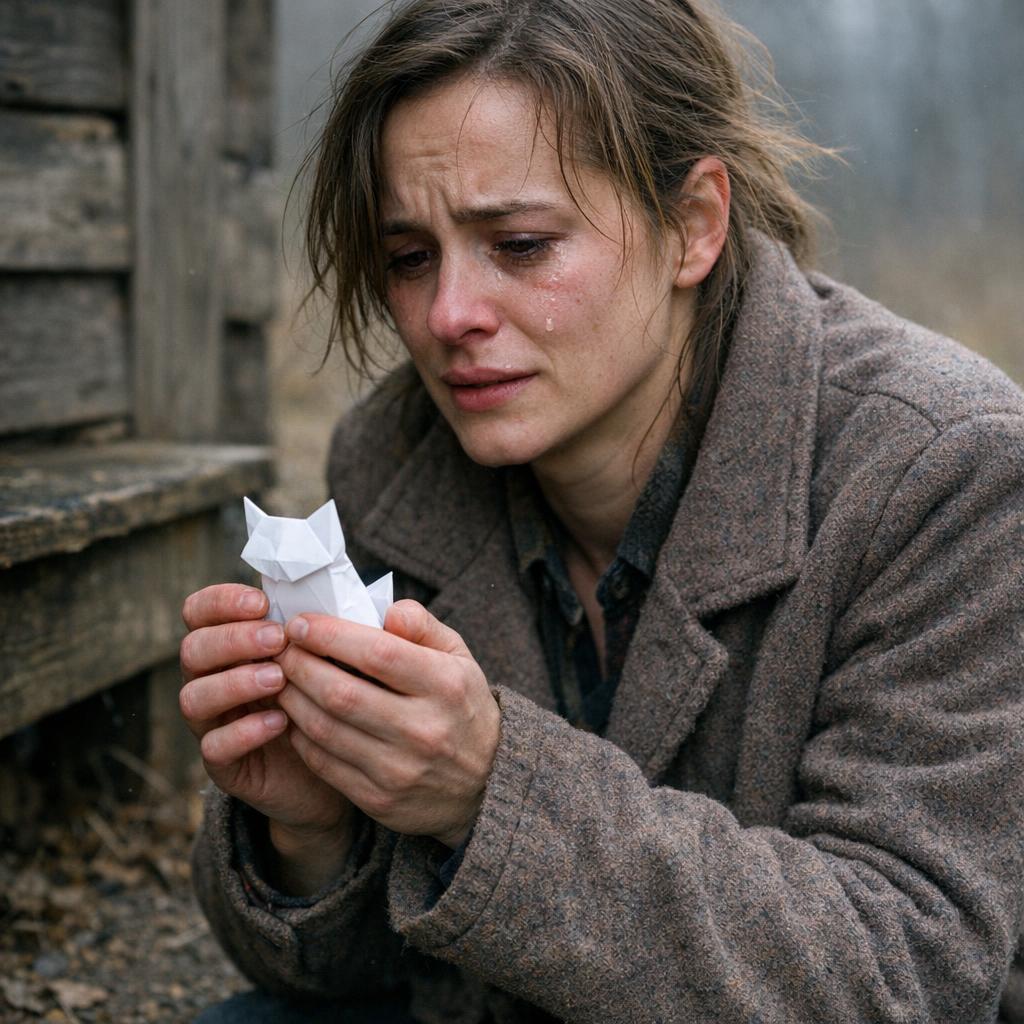 Image by RM AI
Safe House
Detective Rousseau arrived at my door the next morning, his face grim as he surveyed the origami cat. "Mrs. Alice, this isn't a request anymore," he said, his tone leaving no room for argument. "We need to get you to a safe house. Today." I wanted to protest—this was MY home, after all—but the memory of Milo's absence hollowed my chest. As I packed a small suitcase with trembling hands, throwing in essentials and a framed photo of my daughter, something caught my eye through my bedroom window. There, in Elaine's upstairs room, a face appeared briefly behind the curtain—pale, male, watching. My blood turned to ice water in my veins. I blinked, and the face vanished, the curtain falling back into place as if nothing had happened. "Detective!" I called out, my voice embarrassingly shrill. By the time he reached my room, there was nothing to see but empty windows and swaying curtains. "I saw him," I whispered, clutching my half-packed suitcase. "He was right there, watching me pack." The detective didn't dismiss me or suggest I was imagining things. Instead, he calmly took my bag, guided me downstairs, and radioed for backup. As we pulled away from my cul-de-sac—my home of twenty years—I couldn't shake the feeling that Thomas wasn't just watching anymore. He was sending me a message: no matter where I went, he would find me.
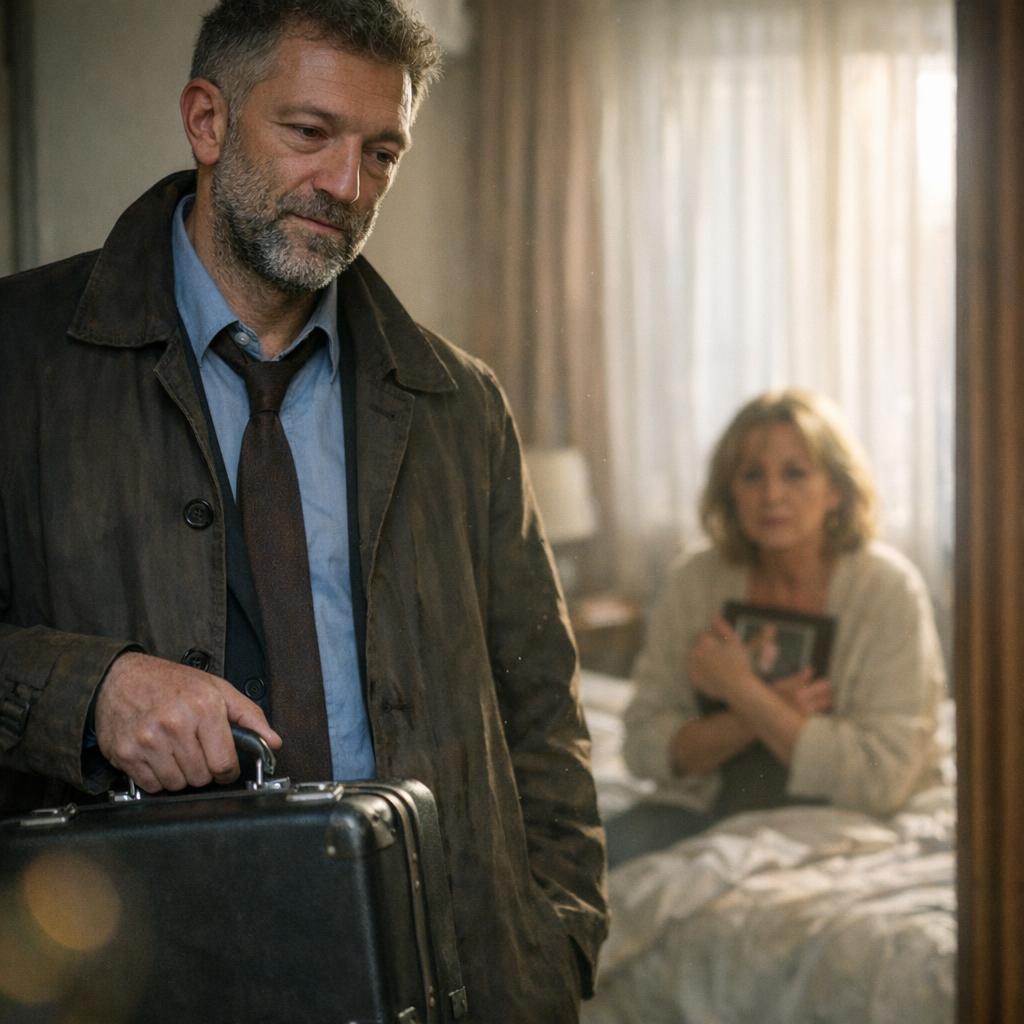 Image by RM AI
The Farmhouse
The farmhouse sits on a hill surrounded by fields of tall grass that whisper in the evening breeze. It's the kind of place that would be charming under different circumstances—weathered wooden siding, a wraparound porch with a swing, windows that catch the sunset just right. Henrik, the retired officer assigned to protect me, has the watchful eyes of someone who's seen too much but the gentle hands of a grandfather as he shows me around. "Main floor's got motion sensors," he explains, pointing to discreet black boxes in the corners. "Panic buttons in every room." He demonstrates the security system with practiced efficiency, then leaves me to settle in with a gruff but kind, "Holler if you need anything, ma'am." Now I'm sitting on the porch swing, watching the sun melt into the horizon, painting the sky in shades of orange and pink that would normally bring me peace. Just days ago, I was picking up Elaine's mail and watering her plants. Now I'm in witness protection, essentially, hiding from a man who's been secretly watching me for years. My fingers trace the wooden armrest, worn smooth by who knows how many others who've sat here before me, probably hiding from their own nightmares. I wonder if any of them felt this hollow ache of displacement—this sense that your life has been stolen not just by threat of violence, but by the shattering of everything familiar. As darkness falls across the fields, I can't shake the feeling that somewhere in those shadows, paper birds are taking flight.
 Image by RM AI
Thomas's Journal
Detective Rousseau arrived at the farmhouse this morning, his face grim as he placed a worn leather-bound notebook on the kitchen table. "We found Thomas's journal," he said quietly. "You should see this, Alice." My hands trembled as I opened it, immediately recognizing the neat, architectural handwriting. Page after page documented my life with clinical precision—when I watered my hydrangeas on Tuesdays, how I always checked my mailbox at 2:15 after the carrier came, even which chair I preferred when reading on my porch. "April 17: Alice spoke with UPS man for 3 minutes, 42 seconds. Laughed twice. They're planning something." My stomach lurched as I flipped through years of my life, seen through Thomas's distorted lens. "June 8: Alice planted new roses. Poison garden expanding. Must be careful." The most chilling entries came after I'd called the police about the noises. "She betrayed us. Watching her watch me. The circle completes." I closed the journal, feeling violated in ways I couldn't articulate. "He turned my ordinary life into evidence of conspiracy," I whispered. Detective Rousseau nodded solemnly. "There's something else you should know about what we found with the journal," he said, sliding a photograph across the table that made my blood freeze.
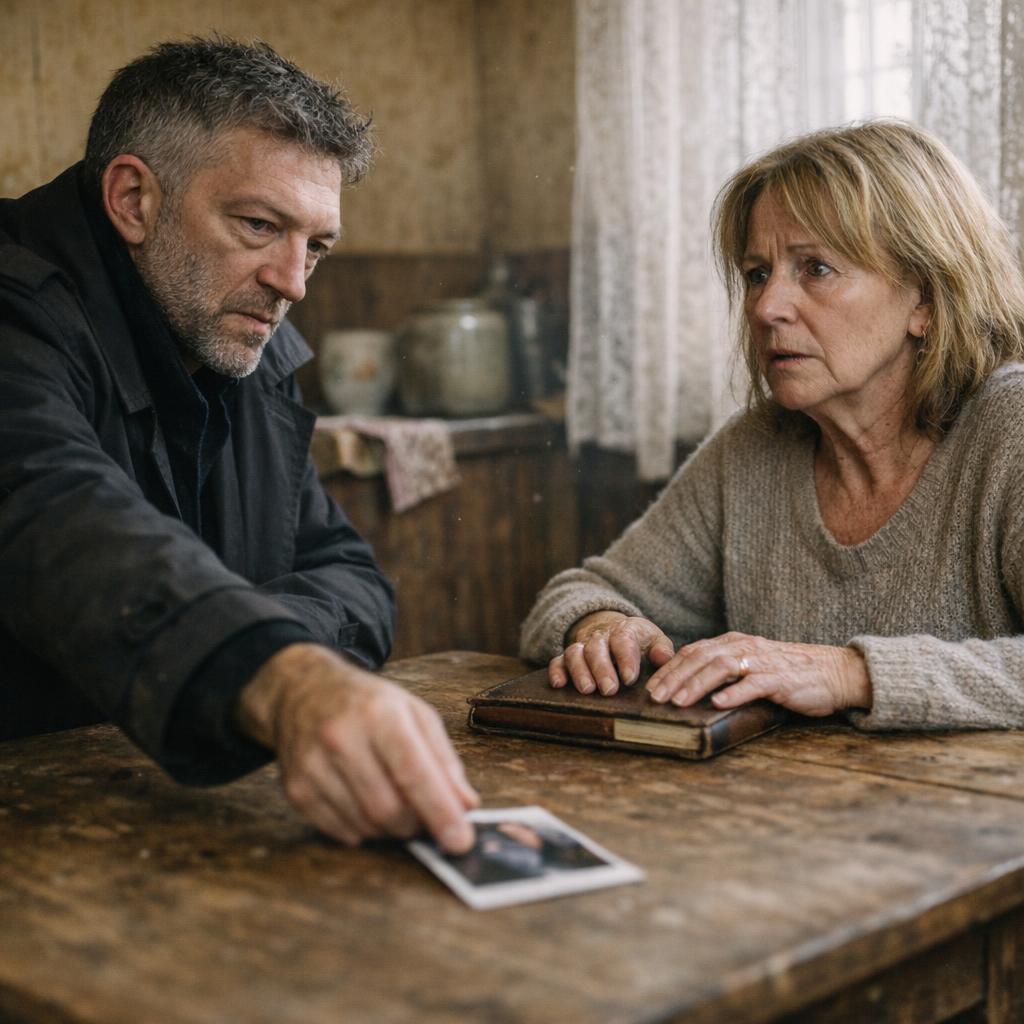 Image by RM AI
The Conspiracy Theory
The photograph showed a wall in Thomas's hidden room covered with newspaper clippings, photos of me, and red string connecting everything in a web of paranoia. Detective Rousseau flipped through the journal, pointing to passages that made my skin crawl. "He believes you and Elaine orchestrated his confinement as part of a decades-long plot to steal his inheritance," he explained. "In his mind, your friendly waves to each other were coded signals. Your gardening? He thought you were planting surveillance devices disguised as flowers." I felt physically ill reading how Thomas had twisted my ordinary life into something sinister. According to his writings, the time I helped Elaine carry groceries was actually us "exchanging documents about him." My bird feeder was supposedly a signal transmitter. Even my cat Milo was implicated—Thomas believed I'd trained him to spy through windows. "This is why he took your cat," Rousseau said quietly. "He thinks Milo was carrying a microchip with evidence." The most disturbing part was how meticulously Thomas had constructed this alternate reality, complete with timestamps, diagrams, and what he called "proof." It was all so absurd, yet terrifying in its detail. As I closed the journal, Rousseau's phone buzzed. The color drained from his face as he read the message. "We need to move you again," he said urgently. "Right now."
 Image by RM AI
The Escape Theory
Detective Rousseau paced the farmhouse kitchen, his coffee untouched as he laid out their working theory. "We believe Thomas slipped away during the chaos when we arrested Elaine," he explained, spreading photos across the table. "The neighbors reported multiple squad cars, onlookers—it was the perfect distraction." He showed me bank statements they'd uncovered—an account in Thomas's name that had remained active all these years. "He's been making small withdrawals every few weeks since his supposed disappearance," Rousseau said, tapping the paper. "Never enough to trigger alerts, but sufficient to survive." What terrified me most was hearing about Thomas's mental state. "Elaine confirmed he hasn't taken his prescribed medication in seven years," Rousseau said, his voice grave. "Without it, his paranoid delusions intensify. He can function—even appear normal for short periods—but his perception of reality is severely distorted." I thought about the origami birds, the stolen cat, the meticulous journal entries. These weren't random acts; they were calculated moves in whatever game Thomas believed we were playing. "So what you're saying," I whispered, "is that we're dealing with someone who's both deeply unstable and surprisingly resourceful." Rousseau nodded slowly. "And based on his journal," he added, "he believes you're the mastermind behind everything that's happened to him."
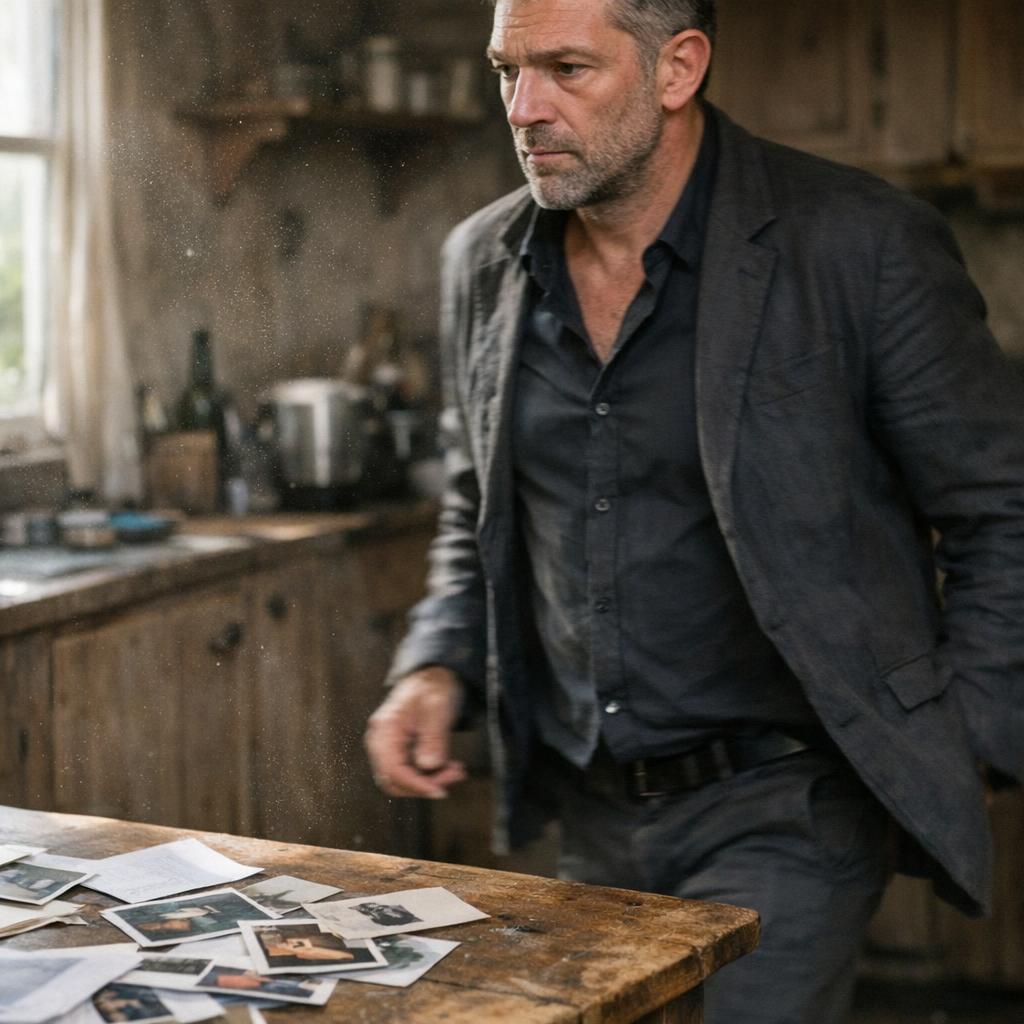 Image by RM AI
The Phone Call
The farmhouse phone rang just after midnight, its shrill tone cutting through the silence like a knife. Henrik answered it in the kitchen while I sat frozen on the couch, my hands clutching a mug of tea that had long gone cold. When he appeared in the doorway, his face had that careful blankness that law enforcement uses when they're trying not to alarm you. 'It's for you,' he said, extending the cordless receiver. My heart hammered against my ribs as I took it. 'Hello?' I whispered. Nothing but silence greeted me, then the soft sound of paper rustling—the unmistakable crinkle of something being folded. 'You shouldn't have looked in the window, Alice.' The voice was soft, almost gentle, but it sent ice water through my veins. I knew instantly it was Thomas. Before I could respond, the line went dead. I stared at Henrik, the phone still pressed to my ear. 'He knows I saw him,' I managed to say, my voice barely audible. 'He knows exactly where I am.' Henrik immediately radioed it in, but we both understood what this meant: no matter how far I ran, Thomas was always one step ahead. And now he was done watching—he was ready to act.
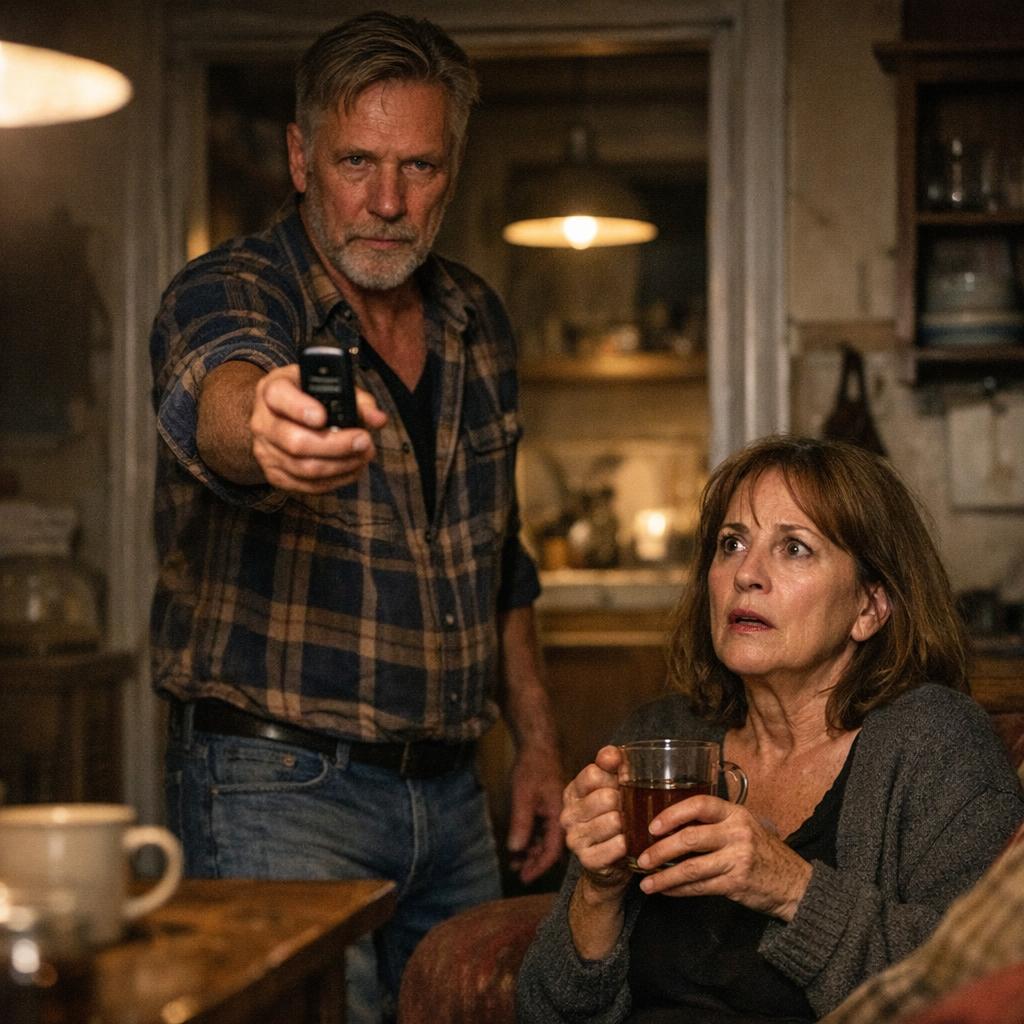 Image by RM AI
Trace Attempt
Henrik was on the phone with headquarters before I even set the receiver down, his voice low and urgent. 'We need a trace on that call. Now.' But I already knew what they'd find—nothing. Thomas was too careful for that. Detective Rousseau arrived within the hour, his face grim as he paced the farmhouse's creaky floorboards. 'Disposable phone,' he confirmed, running a hand through his thinning hair. 'Purchased with cash at a convenience store two counties over.' The revelation that Thomas had somehow found this supposedly secure location sent waves of nausea through me. 'How did he find me?' I whispered, wrapping my cardigan tighter around my shoulders. No one had an answer, but the implications were clear—nowhere was truly safe. They stationed another officer outside, a young woman with sharp eyes who introduced herself simply as 'Officer Chen.' I nodded gratefully, but the additional security did little to calm my frayed nerves. That night, I lay in bed staring at the ceiling, counting the hours as they crawled by. Every creak of the old farmhouse sent my heart racing—was that the wind, or footsteps on the porch? The settling of pipes, or someone testing a window latch? By morning, my eyes burned from exhaustion, and I couldn't shake the feeling that Thomas wasn't just watching anymore—he was closing in, like a predator who'd finally cornered his prey.
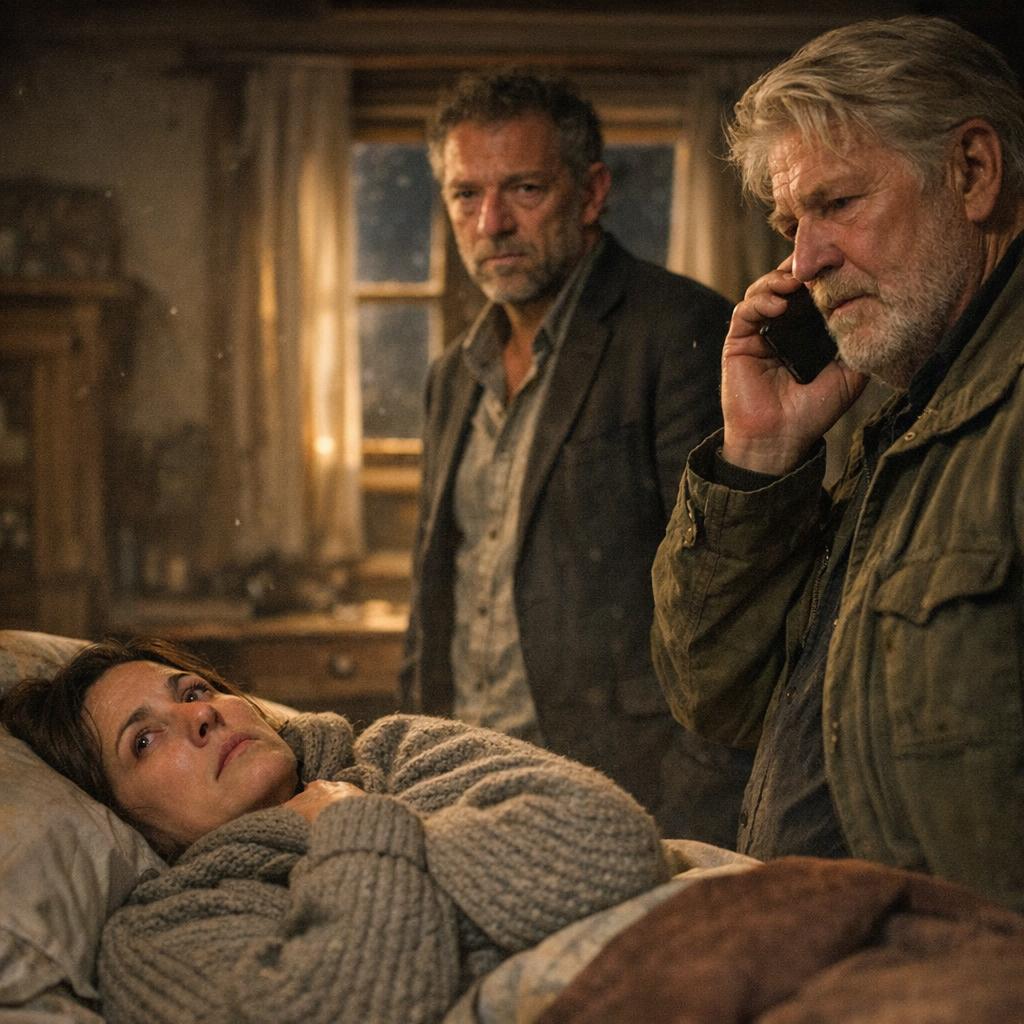 Image by RM AI
The Second Visit
I requested another visit with Elaine, desperate for any clue that might help me understand Thomas's next move. The county jail's fluorescent lights cast harsh shadows across her face as she sat across from me, separated by scratched plexiglass. She looked smaller somehow, her shoulders slumped in resignation. 'He called me,' I told her, my voice barely above a whisper. 'He knows where I am.' Elaine didn't look surprised—just nodded slowly as if this was inevitable. 'There are places he would go,' she said, her fingers nervously tracing patterns on the metal table. 'Places from before.' When I pressed her for details, her eyes grew distant. 'We had a cabin once, near Blackwater Lake. Our parents took us there every summer until...' She trailed off, swallowing hard. 'Thomas believed it was the only place where people weren't watching him. He called it his sanctuary.' She scribbled an address on a scrap of paper and slid it under the glass. 'Be careful, Alice. When Thomas feels cornered, he doesn't just hide—he plans.' As the guard led her away, she turned back with an expression that made my blood run cold. 'And Alice? If you find origami swans there, leave immediately. That's how I always knew he was about to...' The heavy door slammed shut before she could finish.
 Image by RM AI
Childhood Haunts
Detective Rousseau drove me back to the jail the next morning, where Elaine sat with a map spread before her. 'There's a place,' she whispered, her finger tracing along the shoreline of Blackwater Lake. 'Our parents had this little A-frame cabin tucked away in the pines. Thomas loved it there.' She described a weathered dock where they'd fish for hours, a stone fireplace where their father told ghost stories. 'After Mom and Dad died, I thought the property was sold,' she said, her voice catching. 'But Thomas always had ways of hiding money, even as a teenager.' She scribbled directions on a napkin, her hand trembling. 'If he's anywhere, he's there. It was the only place he ever felt... normal.' As she slid the napkin across the table, her eyes locked with mine. 'Alice, promise me you'll only tell Rousseau. If Thomas thinks a team is coming...' She didn't finish, but I understood. 'The boathouse has a hidden compartment under the floorboards,' she added. 'That's where he used to hide things he didn't want anyone to find.' What she said next made my skin crawl: 'If you see paper cranes hanging from the ceiling, run. Don't look back, just run.'
 Image by RM AI
The Lake House Lead
Detective Rousseau leaned against his car, squinting at the map Elaine had drawn. 'I don't want to burst your bubble, Alice, but property records show the lake house was sold to Blackwater Development years ago.' His skepticism was written all over his face, but he promised to check it out anyway. 'Sometimes these leads go nowhere,' he warned gently. I nodded, trying not to let disappointment show. That night, Henrik's urgent knock jolted me awake. 'Mrs. Alice,' he said, his voice tight, 'you need to see this.' He led me to the porch, flashlight beam fixed on a small object placed precisely on the middle step—an origami boat, folded from pristine white paper. 'Found it during my perimeter check,' Henrik explained, already on his radio calling for backup. I stared at the paper boat, its perfect folds mocking our security measures. 'He's been here,' I whispered, wrapping my arms around myself as the night air suddenly felt twenty degrees colder. 'Right outside, while we were sleeping.' The boat wasn't random—it was Thomas's response to our interest in the lake house. A message that said: I know what you're planning. I'm always one step ahead. And most terrifying of all: I can reach you whenever I want.
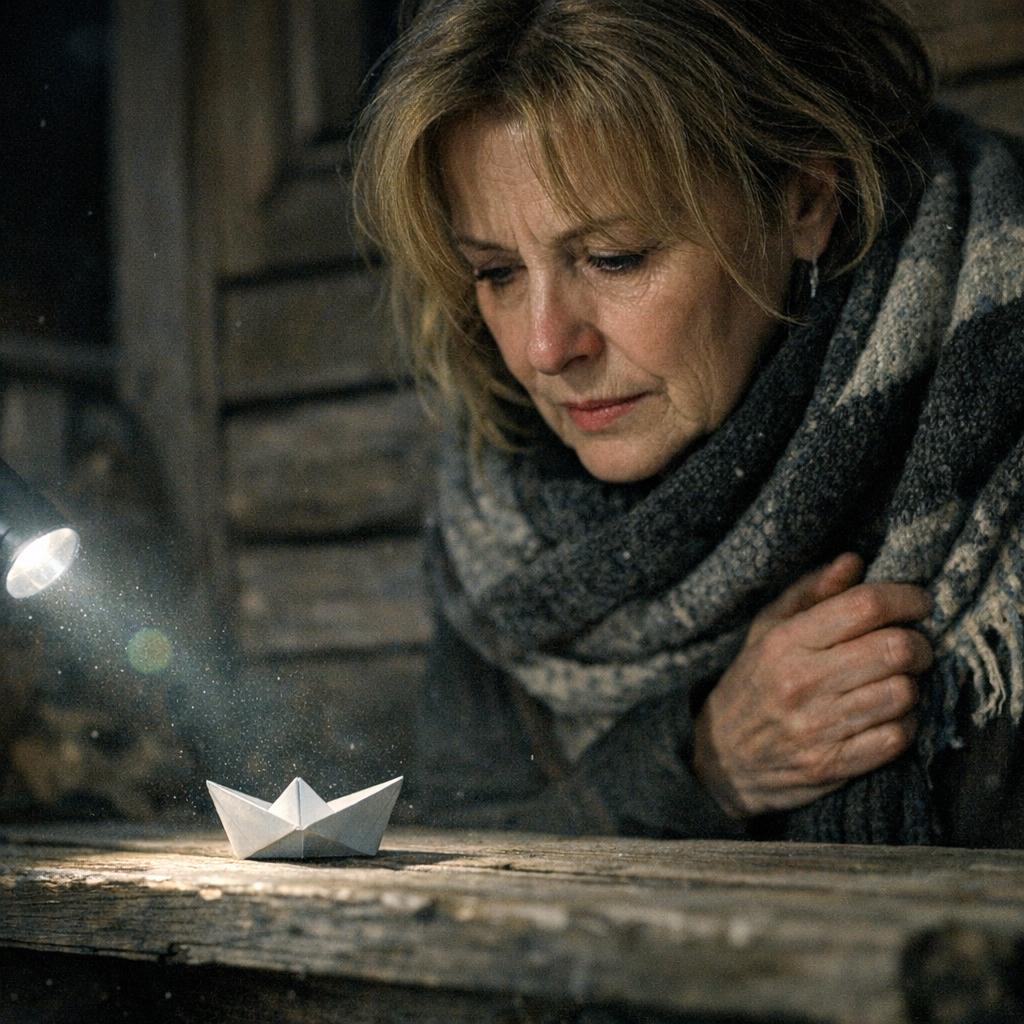 Image by RM AI
The Development Company
Detective Rousseau burst into the farmhouse the next morning, clutching a folder of papers with an intensity that made my coffee go cold in my hands. "Alice, we've got something," he said, spreading documents across my kitchen table. "Blackwater Development isn't just some random company—it's registered to a Thomas Bennett." My breath caught in my throat as he tapped the name. "Too close to Brenner to be coincidence." He showed me property records, tax filings, all the paper trail of a man who'd been hiding in plain sight. "He's been smart," Rousseau continued, running a hand through his hair. "Just enough activity to look legitimate—annual reports filed, minimal improvements documented, a skeleton website." I stared at the satellite photos of the lake property, the tiny A-frame cabin barely visible among the pines. It looked so innocent, so ordinary—just like my quiet life on the cul-de-sac had seemed before all this started. "We're assembling a team now," Rousseau said, already on his phone. "Small group, unmarked vehicles." He paused, his eyes meeting mine. "Alice, we think this is it—we think we've found him." What he didn't say, what hung in the air between us, was the question neither of us dared voice: if Thomas had been clever enough to hide for years under a paper-thin alias, what else might he have prepared for anyone who came looking?
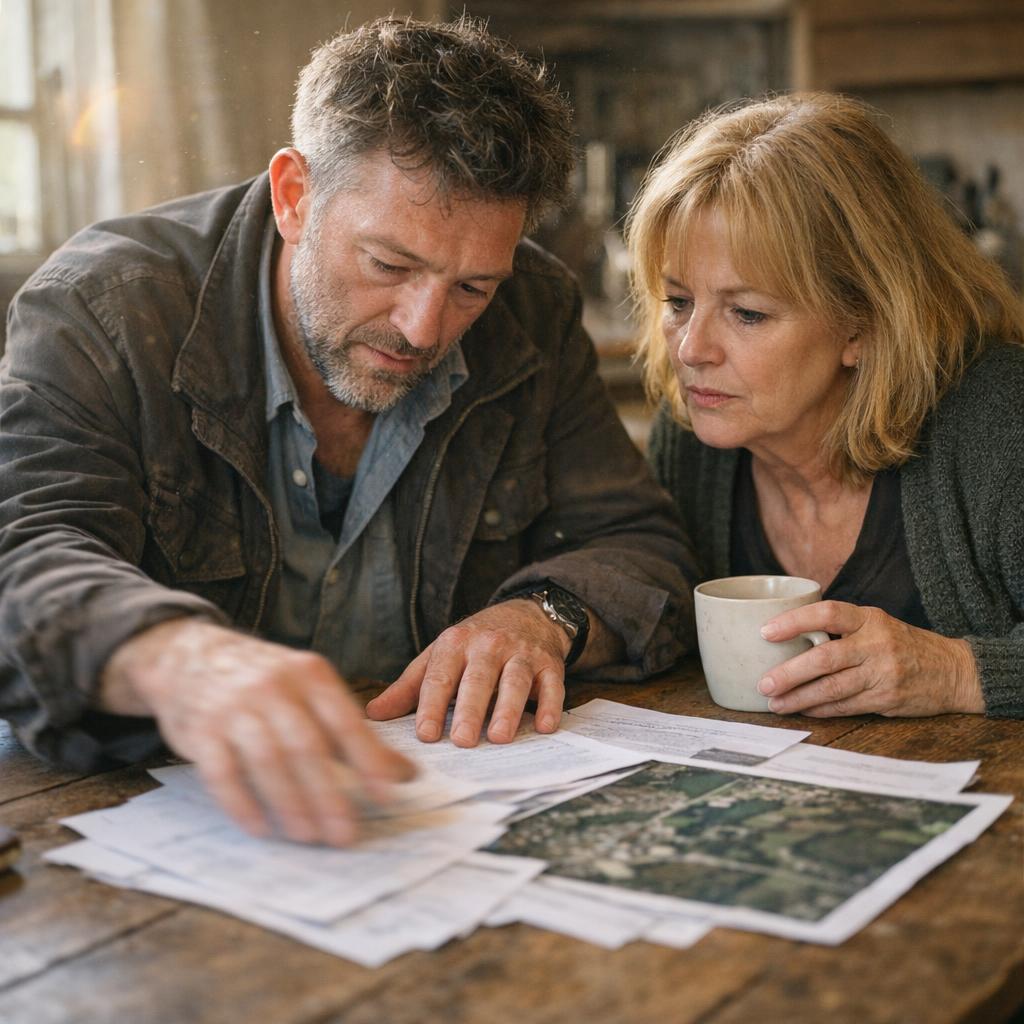 Image by RM AI
Waiting Game
The hours crawl by like wounded animals. Henrik deals another hand of gin rummy, his weathered hands shuffling cards with practiced ease while I pretend to concentrate. "I once staked out a suspect for 72 hours straight," he tells me, clearly trying to normalize this excruciating wait. "Nothing but beef jerky and cold coffee." I force a smile but can't stop checking my watch every few minutes. Four hours since Rousseau's team left for the lake house. Five hours. Six. The farmhouse creaks and settles around us, each sound making me flinch. When the phone finally rings, we both jump like we've been shocked. Henrik answers, his face carefully neutral as he listens, then hands me the receiver. "Alice," Rousseau's voice sounds tired, strained. "We found evidence someone's been living here recently—food wrappers, a makeshift bed, even a notebook with more of those... observations." He pauses, and I can hear wind whistling through the line. "But Thomas himself? Gone. Looks like he cleared out in a hurry, maybe just hours before we arrived." My stomach drops as Rousseau continues, his next words making my blood run cold: "There's something else you should know—we found dozens of origami birds hanging from the ceiling, and every single one has your name written inside."
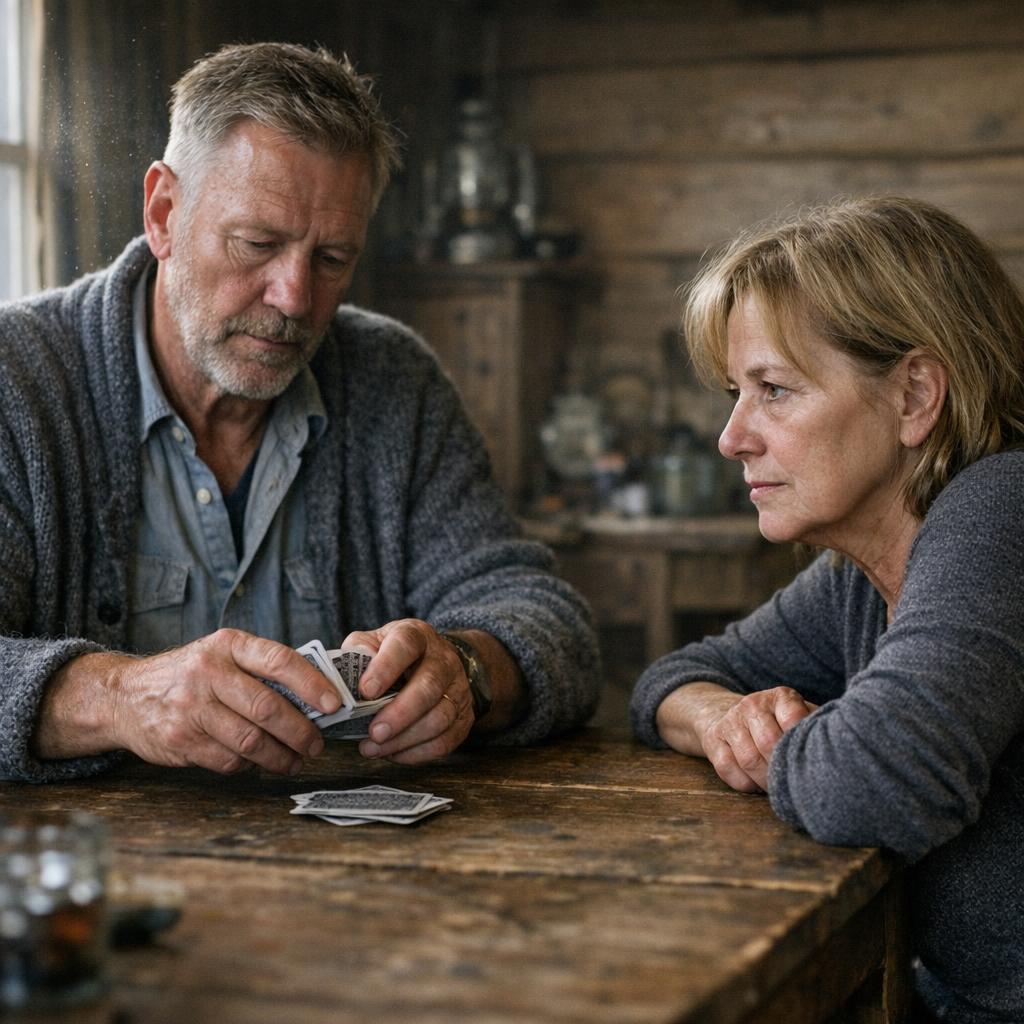 Image by RM AI
Power Outage
The storm hit without warning, rain lashing against the windows like someone throwing handfuls of pebbles. Then, with a sickening flicker, the farmhouse plunged into darkness. I froze, my breath catching in my throat. "Don't worry," Henrik called from the kitchen, his voice steady. "Generator should kick in any second now." But seconds stretched into minutes, and the darkness remained absolute. I fumbled for my phone, its blue light casting eerie shadows across the living room. "I'm going to check the breaker," Henrik announced, flashlight beam bouncing as he moved toward the back door. I wanted to tell him not to go, but the words stuck in my throat. The door creaked open, then closed. Minutes passed. Then I heard it—a dull thud from outside, followed by complete silence. "Henrik?" I called, my voice embarrassingly small in the empty house. No response. Just the drumming of rain and my own thundering heartbeat. Then, unmistakably, the sound of the back door opening again. Footsteps. Slow, deliberate. Not Henrik's confident stride but something more measured, more purposeful. I bolted to the bathroom, locking the flimsy door behind me. My trembling fingers dialed 911, but the call wouldn't connect—no signal. The footsteps stopped right outside the bathroom door, and I heard something sliding across the wood—the soft, unmistakable sound of paper being folded.
 Image by RM AI
Face to Face
I heard the lock click, then watched in horror as the bathroom doorknob turned despite my desperate attempts to hold it shut. The door swung open with terrible slowness, revealing a man I'd only seen in photographs standing in the darkened hallway. Thomas Brenner. He was gaunt, his clothes hanging loosely on his frame, with wild, darting eyes that somehow still managed to focus intently on me. His hair was unkempt, longer than in the photos, but there was something unnervingly controlled about how he stood there, hands steady at his sides. 'We need to talk, Alice,' he said, his voice surprisingly soft, almost reasonable. 'About what you and my sister have done.' My back pressed against the cold tile wall as I searched frantically for anything I could use as a weapon. The bathroom window was too small to escape through, and Thomas blocked the only exit. My phone lay useless in my trembling hand, the 'No Service' message mocking me. 'Where's Henrik?' I managed to ask, my voice barely above a whisper. Thomas's lips curved into what might have been a smile on anyone else, but on him, it looked like a wound. 'Officer Henrik is taking a little nap,' he replied, pulling something from his pocket. 'Now, I believe it's time we discussed your role in the conspiracy.' As he unfolded a piece of paper, I realized with sickening clarity that I was completely alone with a man who believed I had orchestrated his entire downfall.
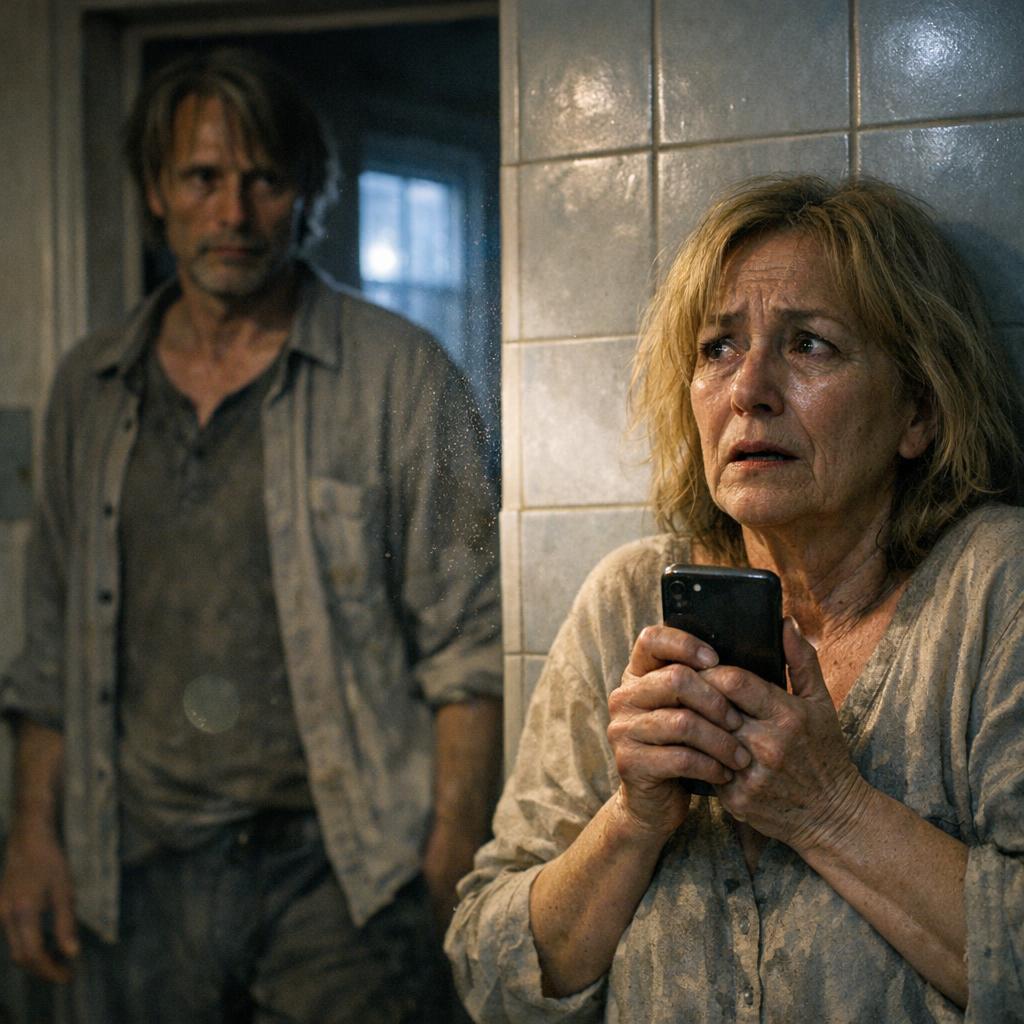 Image by RM AI
Thomas's Truth
Thomas forced me into one of the kitchen chairs, his thin fingers digging into my shoulder with surprising strength. 'You need to understand what really happened,' he said, pacing back and forth like a caged animal. His eyes never stopped moving, darting from me to the windows to the doorways. 'Elaine wasn't protecting me—she was keeping me prisoner.' He described how his sister had tricked him during a rare moment of clarity, luring him into that basement room with promises of safety. 'She kept me drugged,' he whispered, his voice breaking. 'Just enough medication to keep me confused but conscious.' What chilled me most was how he described watching me through his window for years, convinced I was part of some elaborate conspiracy. 'You would stand there with your coffee cup every morning at 7:15,' he said, his voice eerily calm. 'I knew you were signaling to them.' His story wove together actual events with bizarre fantasies—surveillance devices in the light fixtures, government agents disguised as mail carriers, coded messages in my garden arrangements. The terrifying part wasn't just his delusions; it was how perfectly logical they seemed in his carefully constructed reality. And as he leaned closer, I realized something that made my blood run cold: in Thomas's mind, I wasn't just a witness to his imprisonment—I was its architect.
 Image by RM AI
Henrik's Intervention
A shadow fell across the kitchen doorway, and my heart nearly stopped when I saw Henrik standing there, blood matting his gray hair on one side, but his service weapon held steady in both hands. 'Thomas Brenner, put your hands where I can see them,' he commanded, his voice remarkably calm despite the situation. Thomas reacted with startling speed, yanking me up from the chair and pulling me against him like a shield. 'You're one of them too,' he hissed at Henrik, his breath hot against my ear. 'You've been watching me for years.' I could feel Thomas's heart hammering against my back, his grip on my arm so tight I knew it would leave bruises. Henrik took a careful step forward, his eyes never leaving Thomas's face. 'Son, nobody's watching you. You're sick, and you need help.' Thomas laughed, a hollow sound that made the hairs on my neck stand up. 'That's what Elaine said before she locked me in that room.' Henrik's gaze briefly met mine, a silent message passing between us. I understood what he needed me to do, but with Thomas's arm now snaking around my throat, I wasn't sure I'd get the chance. The standoff stretched into seconds, then minutes, the only sound in the room our collective breathing and the distant rumble of thunder. What Thomas didn't notice was Henrik's free hand slowly reaching for his radio.
 Image by RM AI
The Negotiation
I swallowed hard, my throat dry against Thomas's arm. 'Thomas,' I said, my voice steadier than I felt, 'I never knew you existed until the police told me.' His grip tightened momentarily, then relaxed just enough for me to continue. 'I'm not part of any conspiracy. I'm just your sister's neighbor who waters her plants sometimes.' I could feel him listening, his breathing changing slightly. 'Elaine told me things,' I continued carefully. 'About how scared she was, how she thought she was protecting you.' I didn't mention the medications or the basement room—not yet. Instead, I acknowledged what must have been real: his isolation, his fear, the betrayal he felt. 'I can't imagine what it's been like for you,' I said softly. Henrik remained perfectly still, his eyes never leaving us. Thomas's fingers flexed against my arm, and I felt something shift in him—a hairline fracture in his certainty. 'If you were watching me,' he said, his voice suddenly vulnerable, 'why did you never report the signals?' It was a test, I realized. One wrong answer and whatever tenuous connection we'd formed would shatter. And in that moment, I understood that my survival depended on navigating the labyrinth of Thomas's mind without triggering any of the traps he'd laid along the way.
 Image by RM AI
Sirens in the Distance
The wail of sirens cut through the tension like a knife, growing louder with each passing second. Thomas's head snapped toward the window, his eyes wild with panic. 'You called them,' he hissed, his grip on my arm tightening painfully. 'You've been stalling this whole time!' Before I could respond, he yanked me toward the back door, his movements frantic and jerky. 'We need to go NOW!' I stumbled behind him, my feet barely keeping up. Henrik, who'd been waiting for precisely this kind of distraction, lunged forward with surprising agility for a man his age. His body slammed into Thomas with enough force that I was violently thrown sideways. My hip hit the kitchen table first, sending a jolt of pain up my side, but it was the corner of the granite countertop that caught my temple as I fell. The world tilted sideways, sounds becoming muffled and distant. I saw Henrik and Thomas wrestling on the floor, a blur of limbs and desperate grunts. Thomas's face contorted with rage, a vein pulsing at his temple as he fought with the strength of a man who believed he was fighting for his life. The last thing I remember was the taste of copper in my mouth and the thought that after twenty years of living next door to Elaine, I never really knew her at all. Then darkness swallowed everything.
 Image by RM AI
Hospital Lights
I woke to the rhythmic beeping of hospital monitors, my head throbbing like I'd gone ten rounds with a heavyweight. The fluorescent lights above me seemed impossibly bright, making me squint as consciousness slowly returned. Detective Rousseau sat beside my bed, his weathered face a mix of relief and exhaustion. 'Welcome back,' he said, offering a paper cup of water. 'You've been out for about eighteen hours.' When I asked about Henrik, Rousseau assured me he was in stable condition down the hall, being treated for a concussion and three broken ribs. 'He's tough as nails—already complaining about the hospital food.' Then I asked the question that had been haunting me since this nightmare began: 'And Elaine?' Rousseau's expression softened. 'She's cooperating fully. Turns out she's been managing Thomas's schizophrenia for years after their parents died. When he stopped taking his medication and became violent, she felt trapped—no money for proper care, afraid he'd hurt someone.' He paused, choosing his words carefully. 'She thought the basement room was the only solution. She's provided records of his condition, his medications, everything.' I closed my eyes, remembering Thomas's wild eyes, his absolute conviction in his delusions. 'What happens to him now?' Rousseau sighed deeply. 'Mental health evaluation, then likely a secure psychiatric facility.' What he didn't say, but what I could read in his tired eyes, was that the system had failed both Thomas and Elaine long before I ever heard those first mysterious thumps from next door.
Return to the Cul-de-sac
Six weeks after the nightmare with Thomas, I finally pulled into my driveway on the cul-de-sac, my hands still trembling slightly on the steering wheel. The familiar sight of my own front door nearly brought me to tears. As I unloaded my suitcase, Mrs. Novak appeared like clockwork, casserole dish in hand, her curiosity barely contained behind her sympathetic smile. "We've missed you, Alice," she said, eyes darting toward Elaine's empty house. "Such a terrible business." She filled me in on six weeks of missed gossip while carefully avoiding direct questions about what had happened. That night, after she left, I sat on my porch swing watching the sunset paint the sky in shades of orange and pink. The neighborhood looked exactly the same—manicured lawns, basketball hoops, porch lights flickering on as dusk settled. Yet everything had changed. I turned the small origami bird over in my palm, the last one Thomas had made before they took him away. I'd found it in my mailbox upon returning, placed there by Detective Rousseau as evidence I could keep. "A reminder," he'd said. Now, as crickets began their evening chorus, I realized what he meant. Behind every familiar facade, every friendly wave, every ordinary life, there might be extraordinary secrets. And sometimes, the monsters aren't hiding under the bed—they're living right next door, folding paper birds and watching from windows we never think to look at.
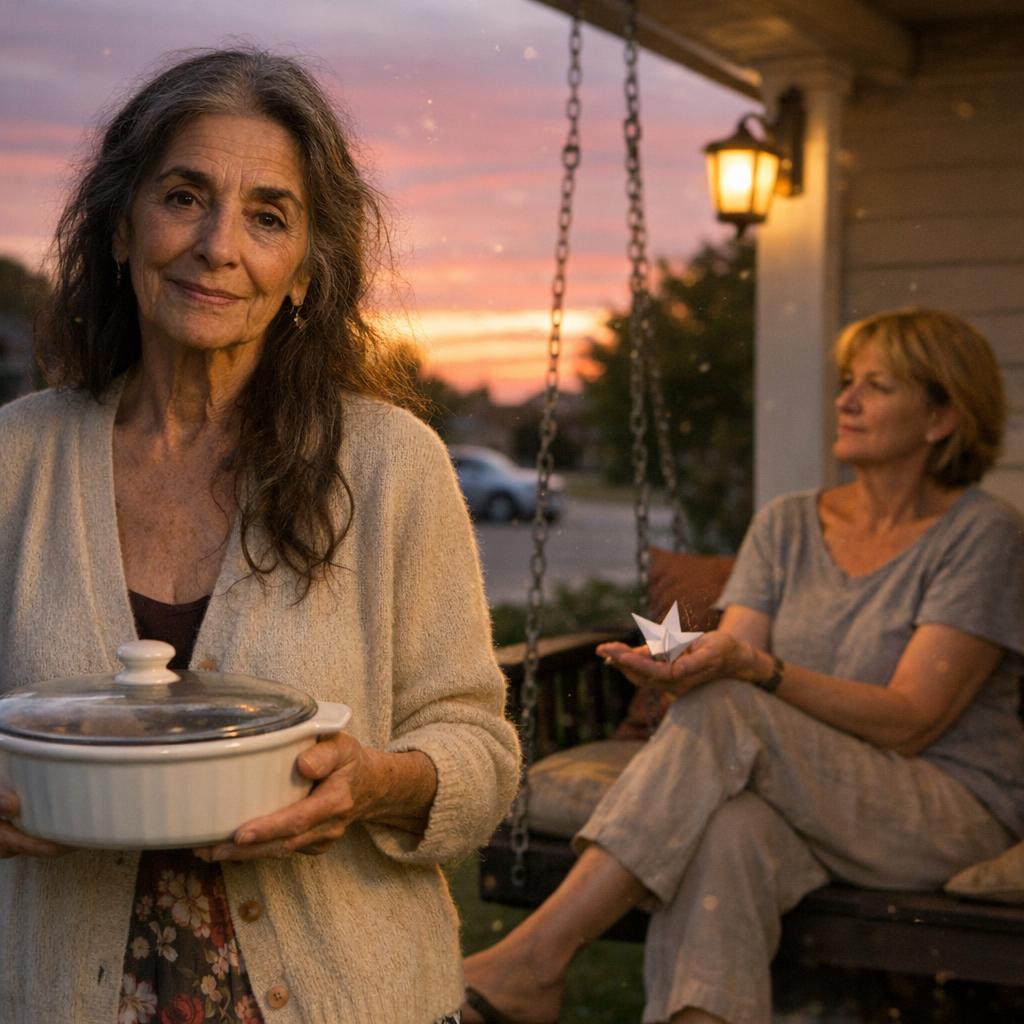 Image by RM AI
KEEP ON READING

New Moon, Old Red Paint: A History Of The Chinese…
Ancient Emperors Ate Dumplings. The Chinese New Year is a…
By Megan Wickens Jan 28, 2025
20 Reasons It Sucked To Be A Chinese Dynasty Empress
Behind the Silk Curtains. The role of empress in a…
By Farva Ivkovic Jan 9, 2026
Helios Airways Flight 522: The Plane That Went Silent
Mila Daniel on WikimediaOn the surface, Helios Airways flight 522…
By Christy Chan Jan 5, 2026
20 Famous Historical Figures Named George
A Name That Keeps Showing Up in History. If you’ve…
By Cathy Liu Jan 5, 2026
The 20 Craziest Silent Films Ever Made
When Silence Let the Madness Speak. Silent cinema didn’t just…
By Chase Wexler Jan 5, 2026
The Greatest Nobodies of History
Credited to 'Mr. Grey' in Crispin Tickell's book 'Mary Anning…
By Cameron Dick Jan 9, 2026