

Yes, Even The Financial Records
China’s official history dates back 5,000 years, but it has evidence of human civilization from 10,000 years ago. It was also an incredibly successful civilization, meaning we have plenty of art, architecture, and writing to look back on. Throughout the centuries of existence, we’ve been able to uncover pieces of a very, very large puzzle. Here are just a few of these major pieces.
 Max van den Oetelaar on Unsplash
1. The Terracotta Army
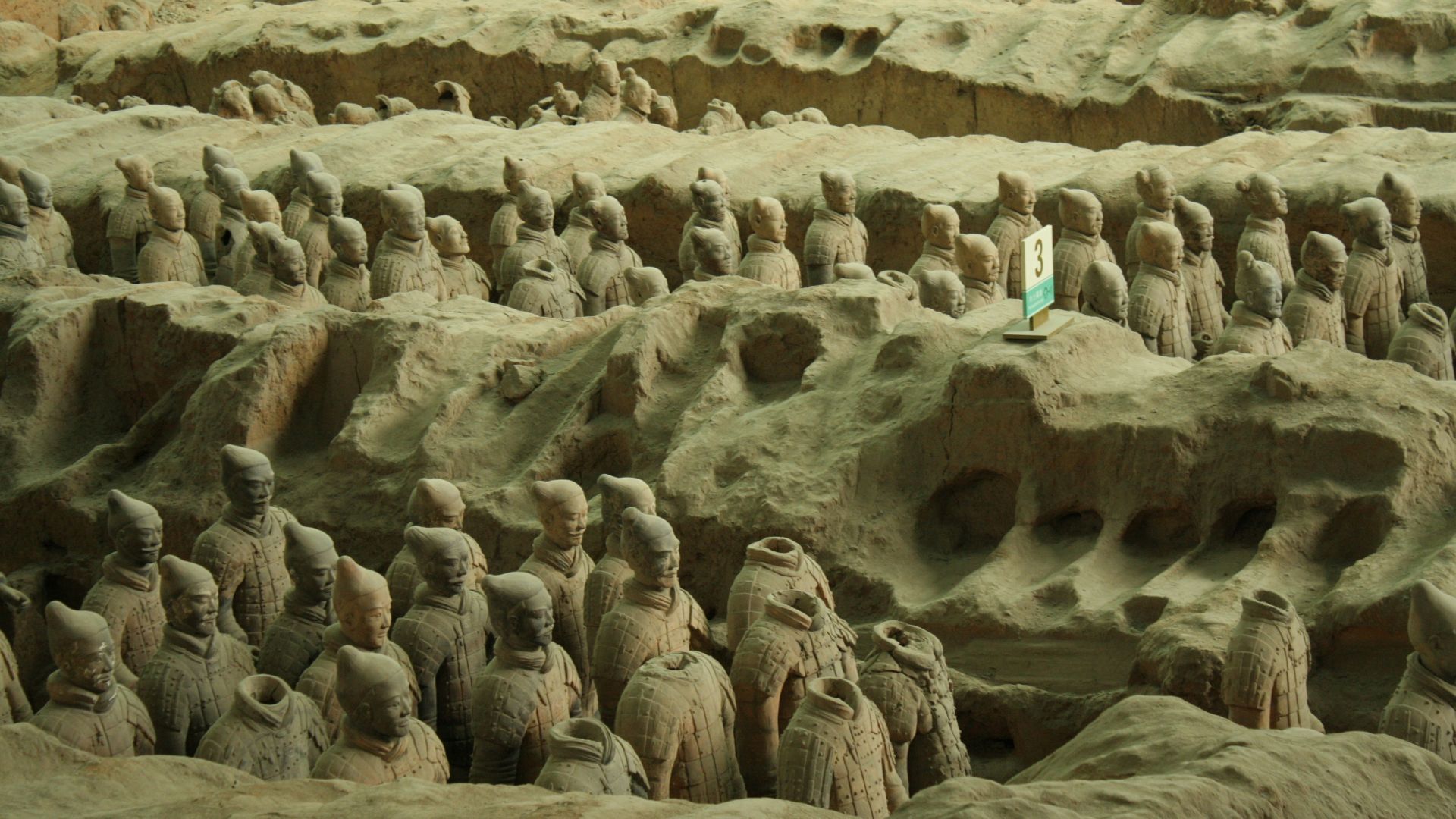
Likely one of the more familiar finds, this massive clay army sat in the tomb of Qin Shi Huang, the first emperor of China. Qin passed around 210 BCE, and with him, over 8,000 soldiers, 130 chariots, 520 horses, and 150 cavalry horses. This massive project took over 30 years to complete, with over 700,000 workers.
2. Sanxingdui Ruins
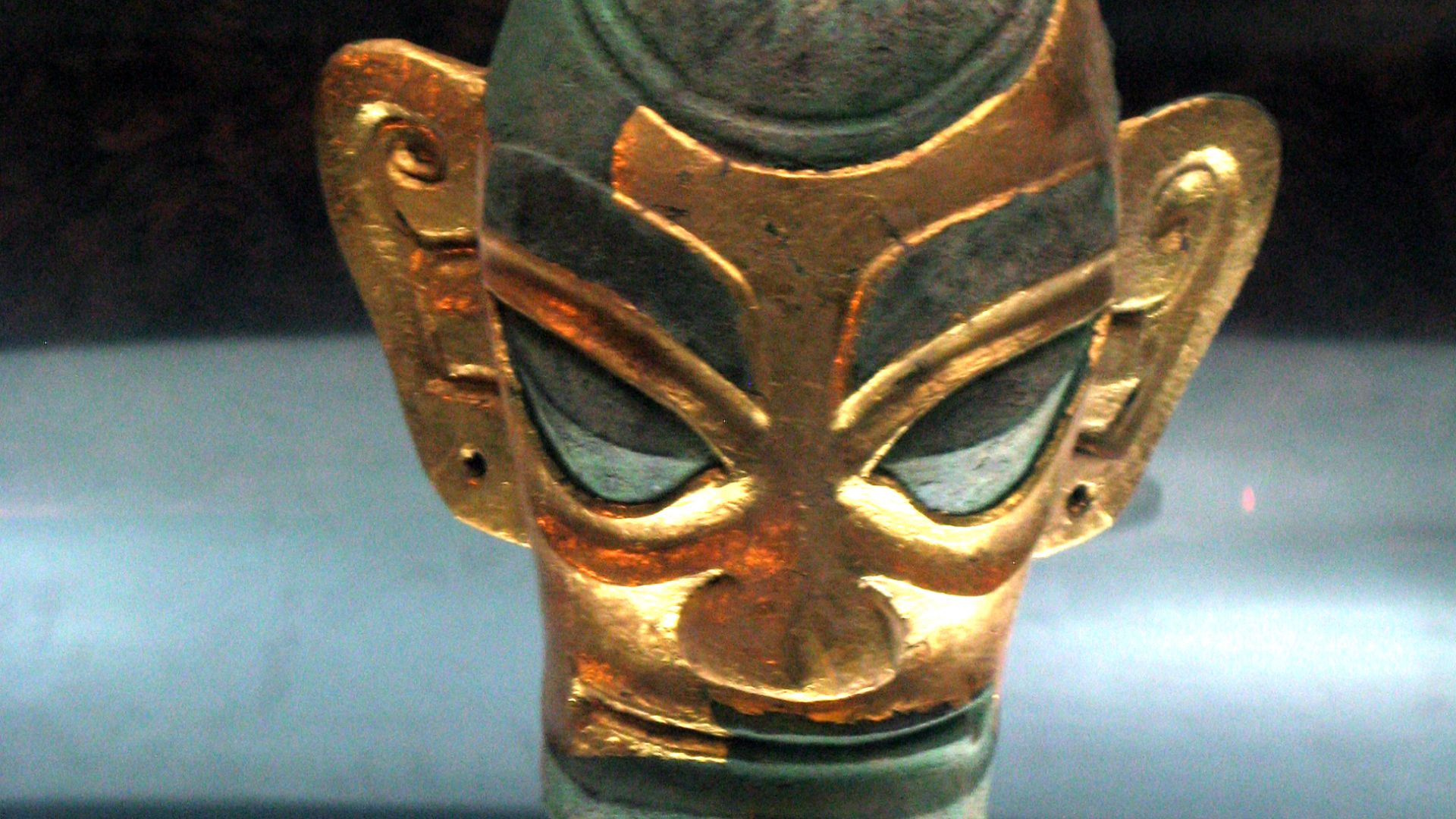
This archaeological site was discovered in 1986 in modern-day Guanghan. It details a large-scale Bronze Age culture, around the 12th and 11th centuries BCE. It was likely that this particular area was associated with the ancient kingdom of Shu before Qin's conquest in the 300s BCE.
3. The Tombs of the Mawangdui
Located in the Changsha region, this 2nd-century site contains the bodies of Chancellor Li Cang, his wife Xin Zhui, and another male. The three lived during the Western Han dynasty, and their tombs feature beautiful designs with lacquered pieces.
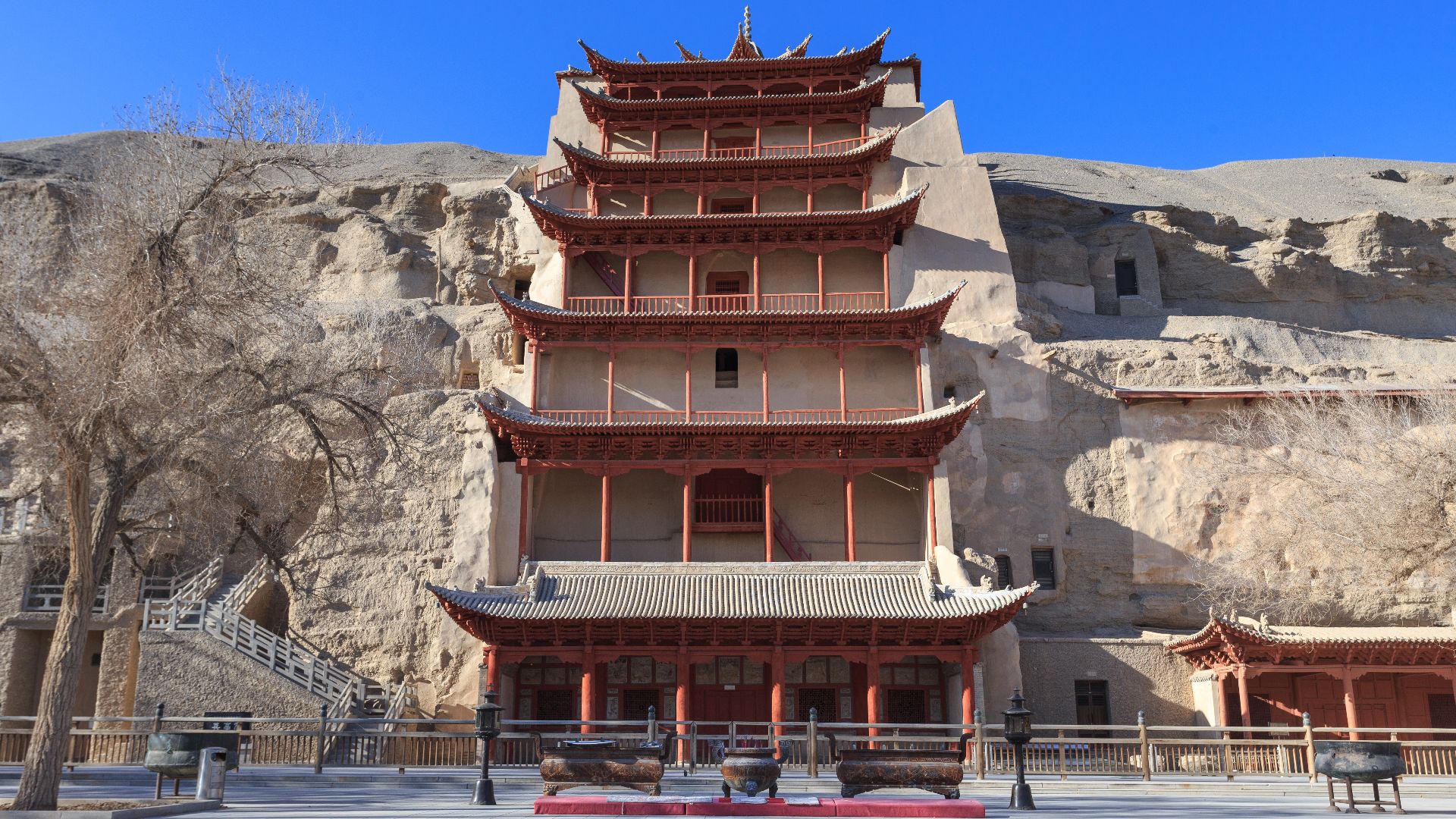
4. The Mogao Caves
Also known as the Thousand Buddha Grottoes, this elaborate cave system contains over 500 temples from the 4th century CE. It’s a popular tourist destination, and was classified as a UNESCO World Heritage Site back in 1987.
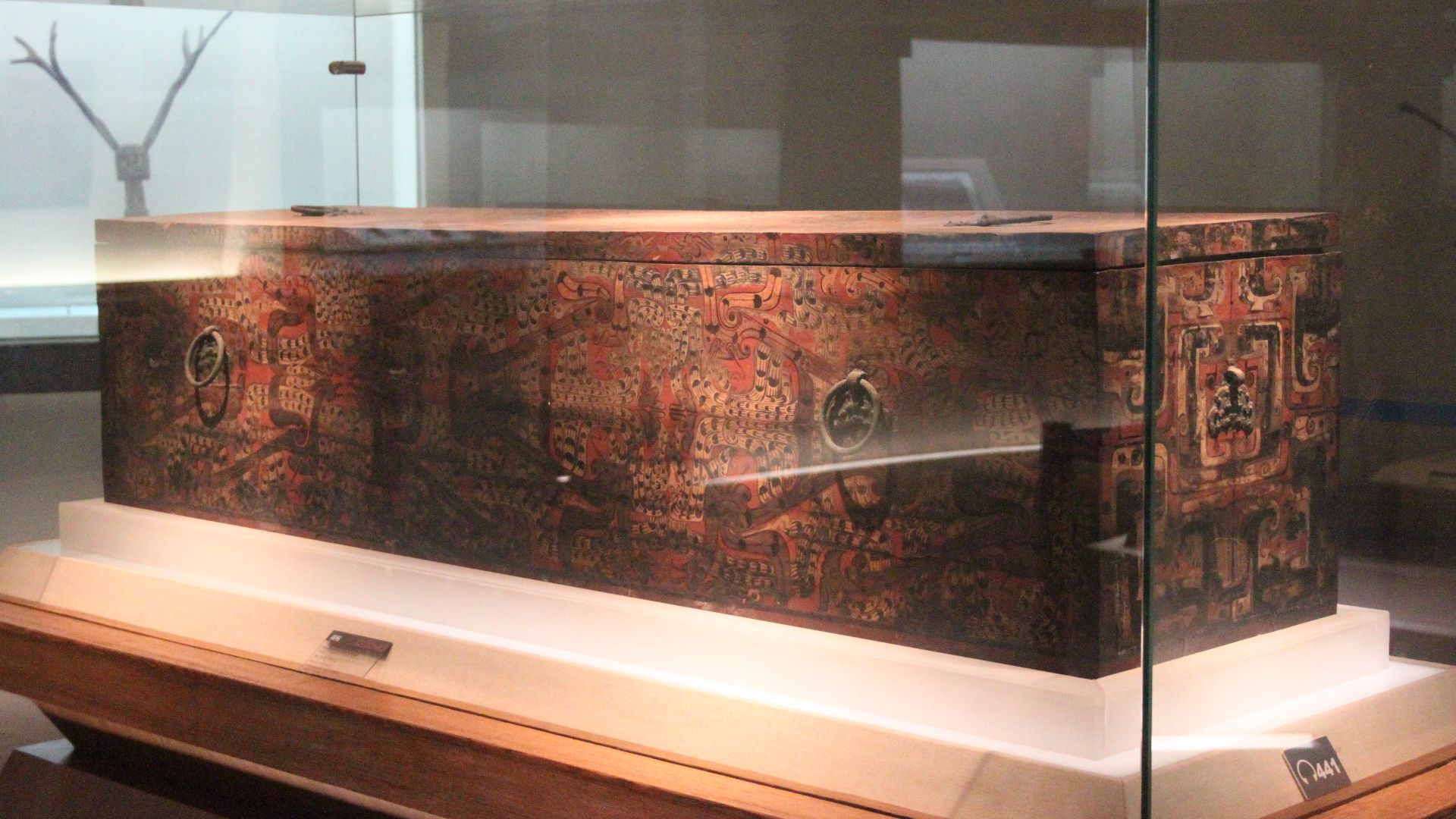
5. The Wuwangdun Tomb
We’re not entirely sure who this guy is, but he must’ve been someone important. This tomb, found in China’s Anhui province, is said to be the largest ever discovered in this particular area. It was likely built for a Chu ruler during the Warring States era.
 Gary Todd from Xinzheng, China on Wikimedia
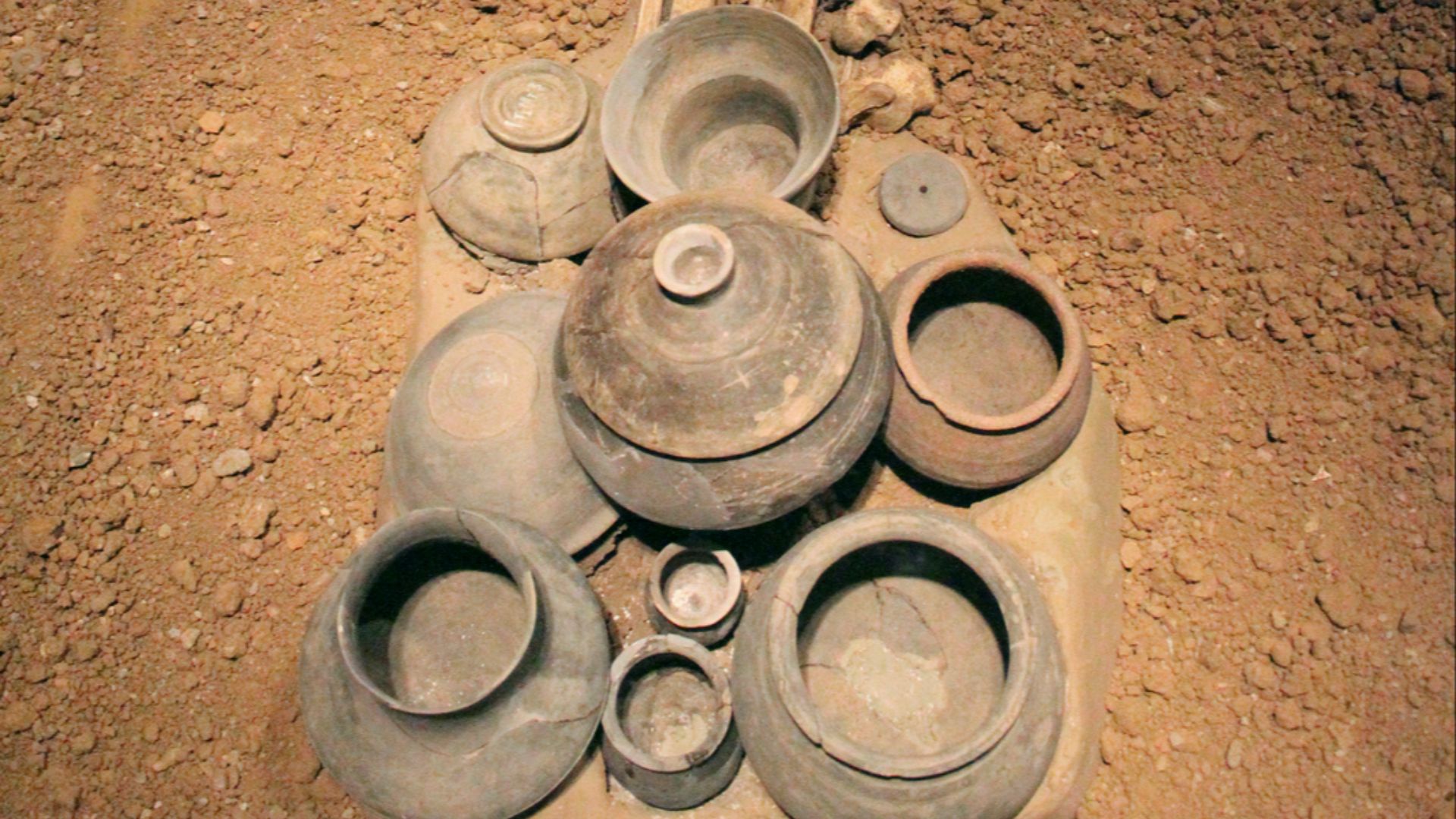
6. Qujialing
This Neolithic civilization is in modern-day Hubei, and tells the tale of advancements in early human civilization. According to scholars, this ancient group lasted between 3400 to 2500 BCE. The site contains evidence of large-scale settlements, advanced agricultural practices, and craftsmanship.
 Prof. Gary Lee Todd on Wikimedia
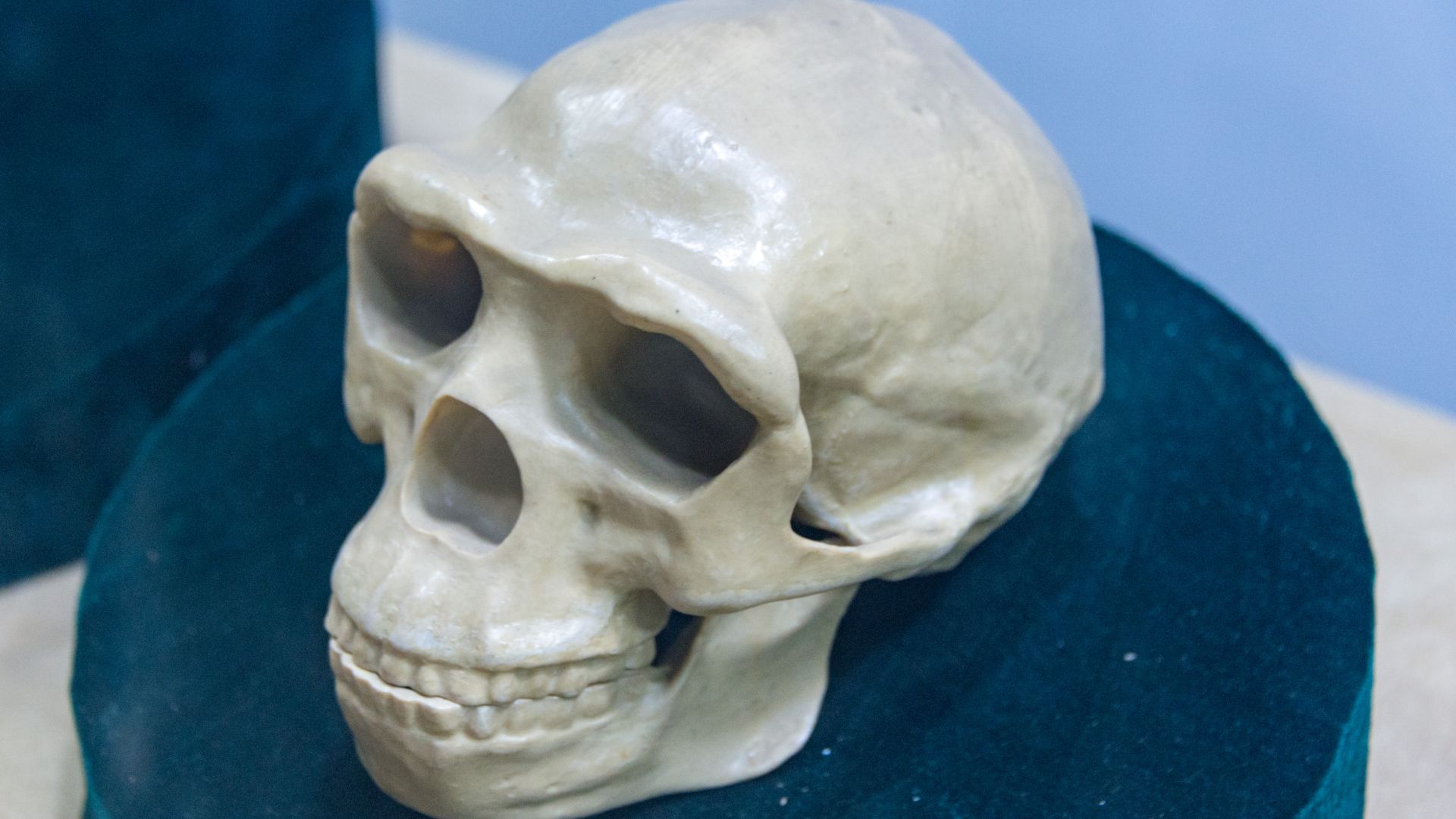
7. The Peking Man
Located only 50 km (31 mi) southwest of Beijing, this fossil sheds light on another species of human that lived during the Middle Pleistocene age, between 130 thousand and 80 thousand years ago. The Peking Man was a part of the homo erectus subgroup, confirmed by his pronounced jaw ridge.
8. The Dingling Mausoleum
Built between 1584 and 1590 CE, this mausoleum is the final resting place of Emperor Wanli and his two empresses, Wang Xijie and Dowager Xiaojing. Emperor Wanli was the 13th emperor of the Ming Dynasty.
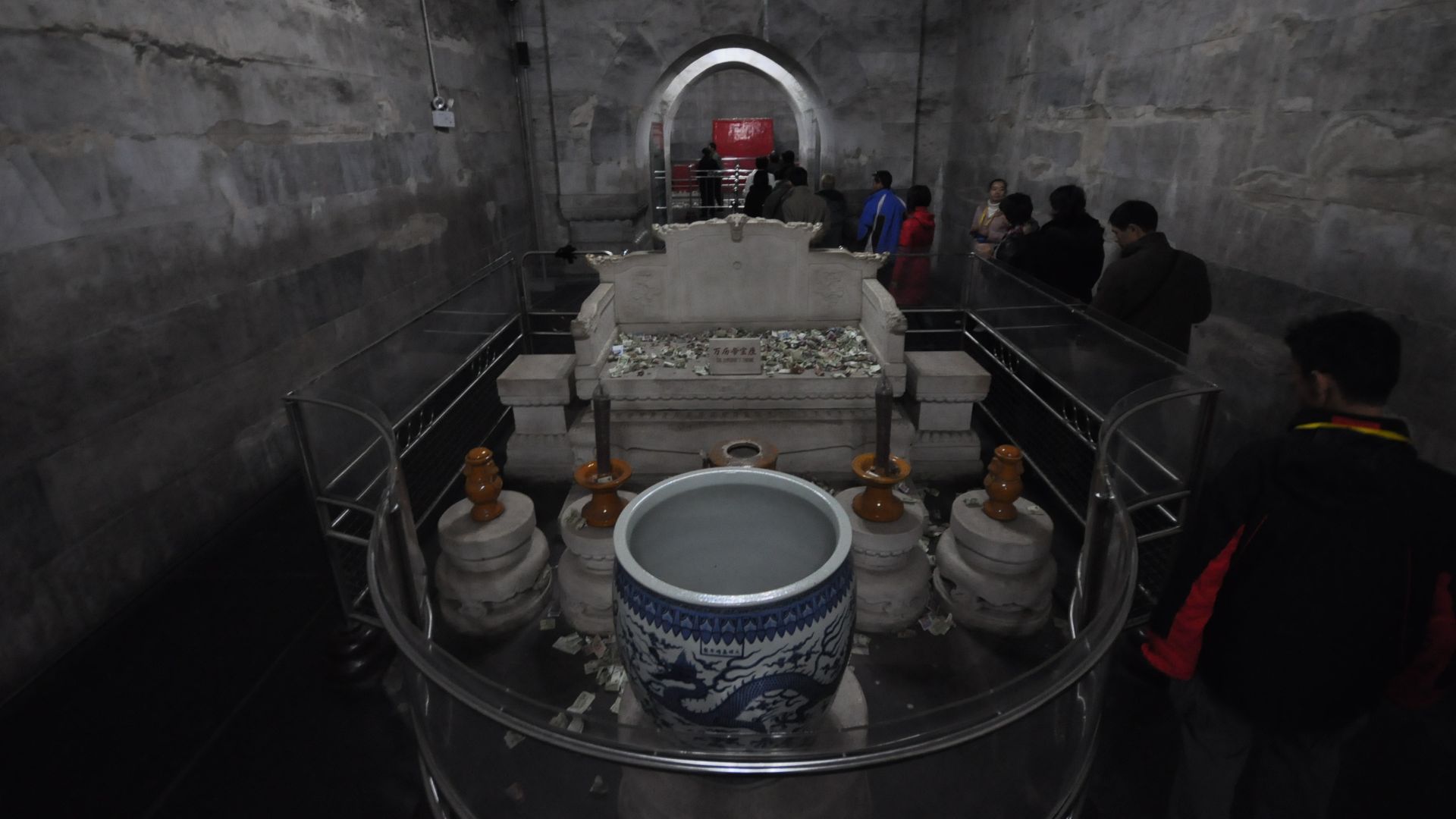 Jorge Láscar from Australia on Wikimedia
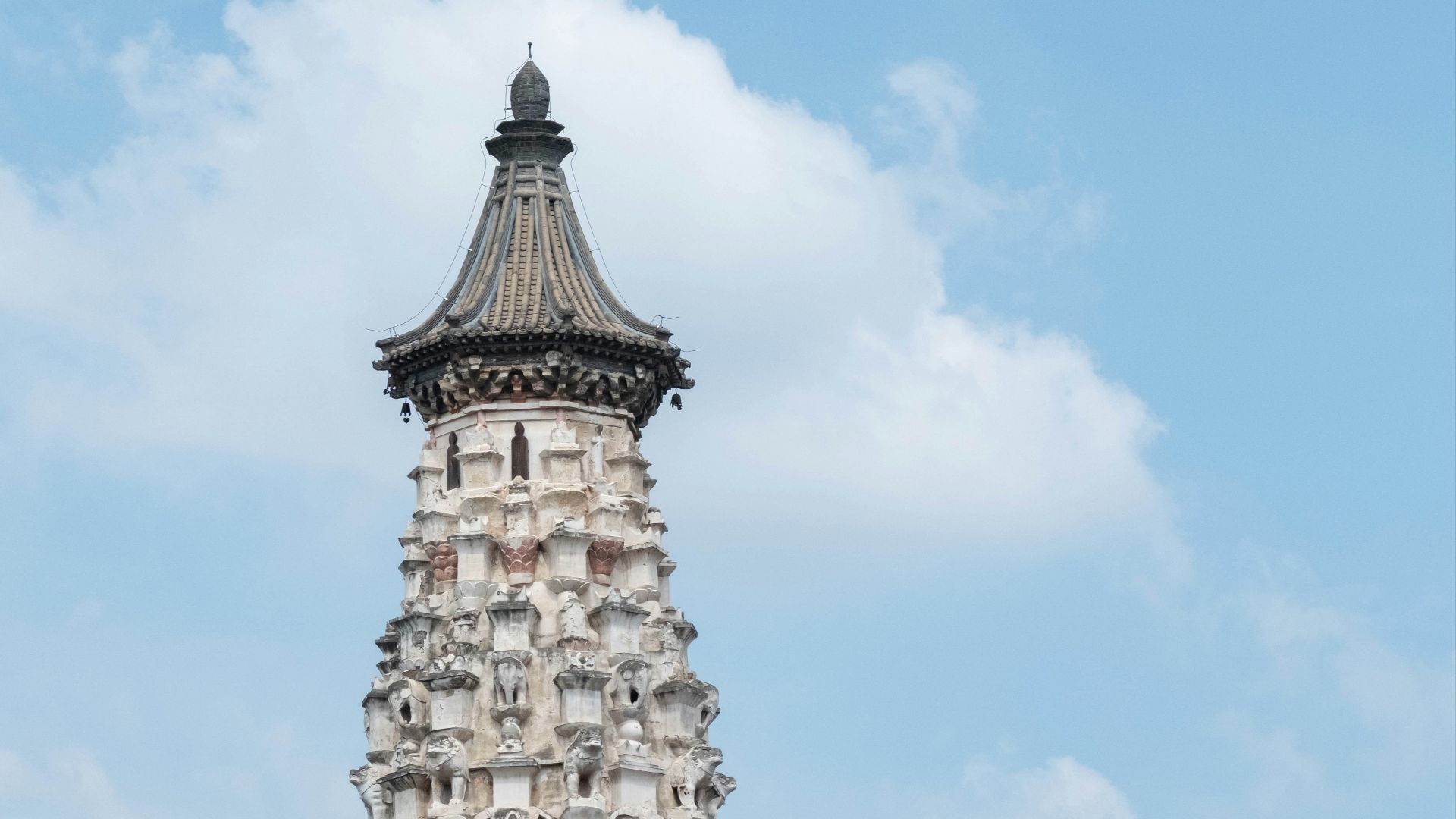
9. The Famen Temple
Located in the Shaanxi region, this Buddhist temple's history dates back to the first centuries CE, or sometime during the Han dynasty. The temple stood tall for many years, even undergoing rebuilding processes in the 6th, 7th, 14th, and 17th centuries. It was completely reconstructed in 1987 and is now a prominent tourist attraction.
10. Yanshi Shang City
King Wu of Zhou founded this town in the mid-11th century BCE, and it still stands as a prominent part of Luoyang City today. It’s nearly 200 hectares large, and contains art and pottery styles associated with Erligang Culture. It's often identified as the first Shang dynasty capital.
 Jaeyoung Geoffrey Kang on Unsplash
11. The Yu Hong Tomb
This discovery contains the bodies of Yu Hong and his wife. Yu was a government official and prominent figure along the Silk Road, so it’s no surprise that his tomb is positively decked out in porcelain, marble, and elaborate epitaph covers. As it currently stands, this tomb is the only archaeological discovery from the central Plains region that has to do with Central Asian culture.
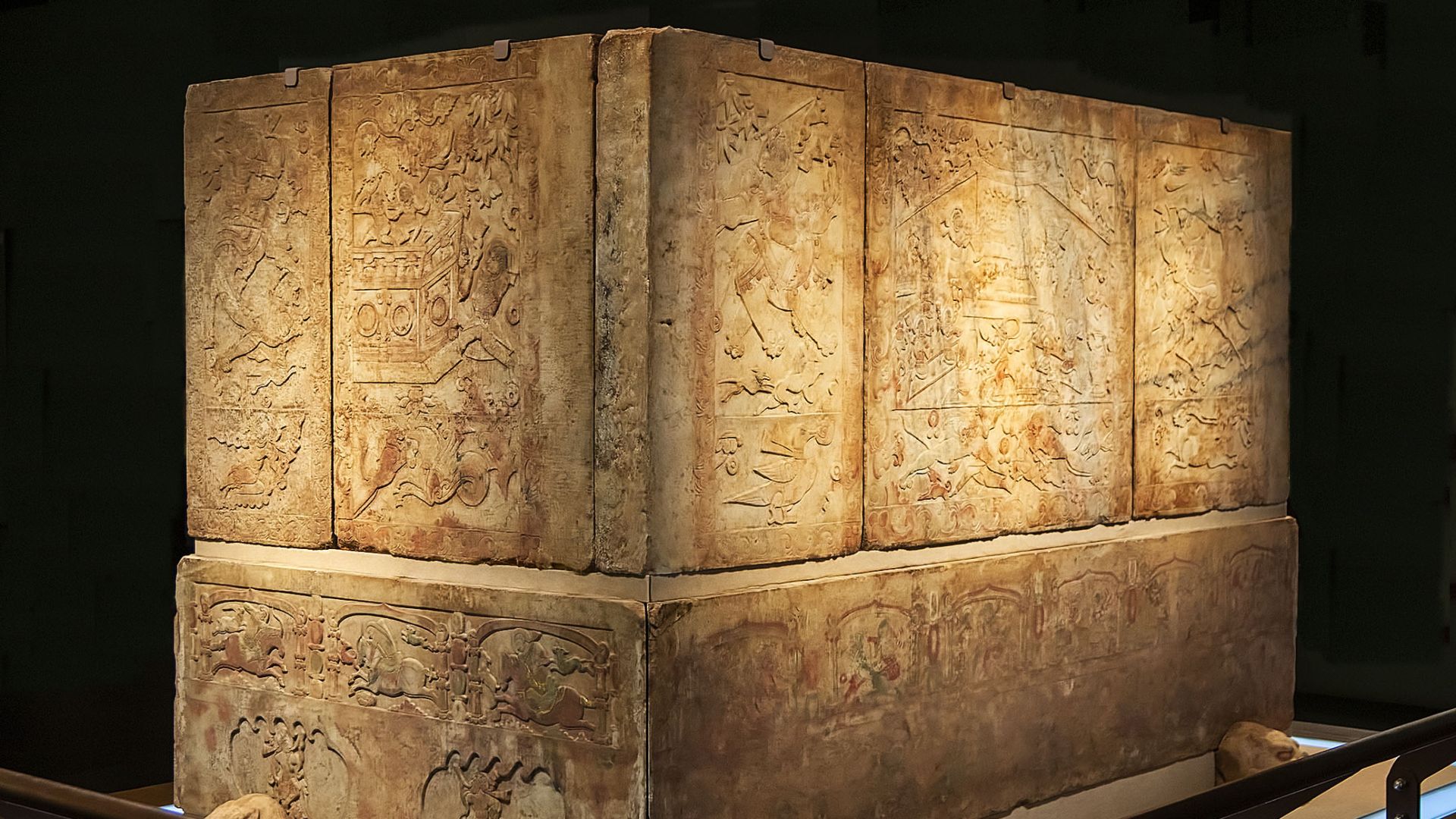
12. The Wucheng Culture Site
This cultural site contains historical evidence of the early Bronze Age, around 1600 BCE. Since the 1970s, researchers have discovered over 120 inscriptions, pottery shards, bronze vessels, and 39 graphs.
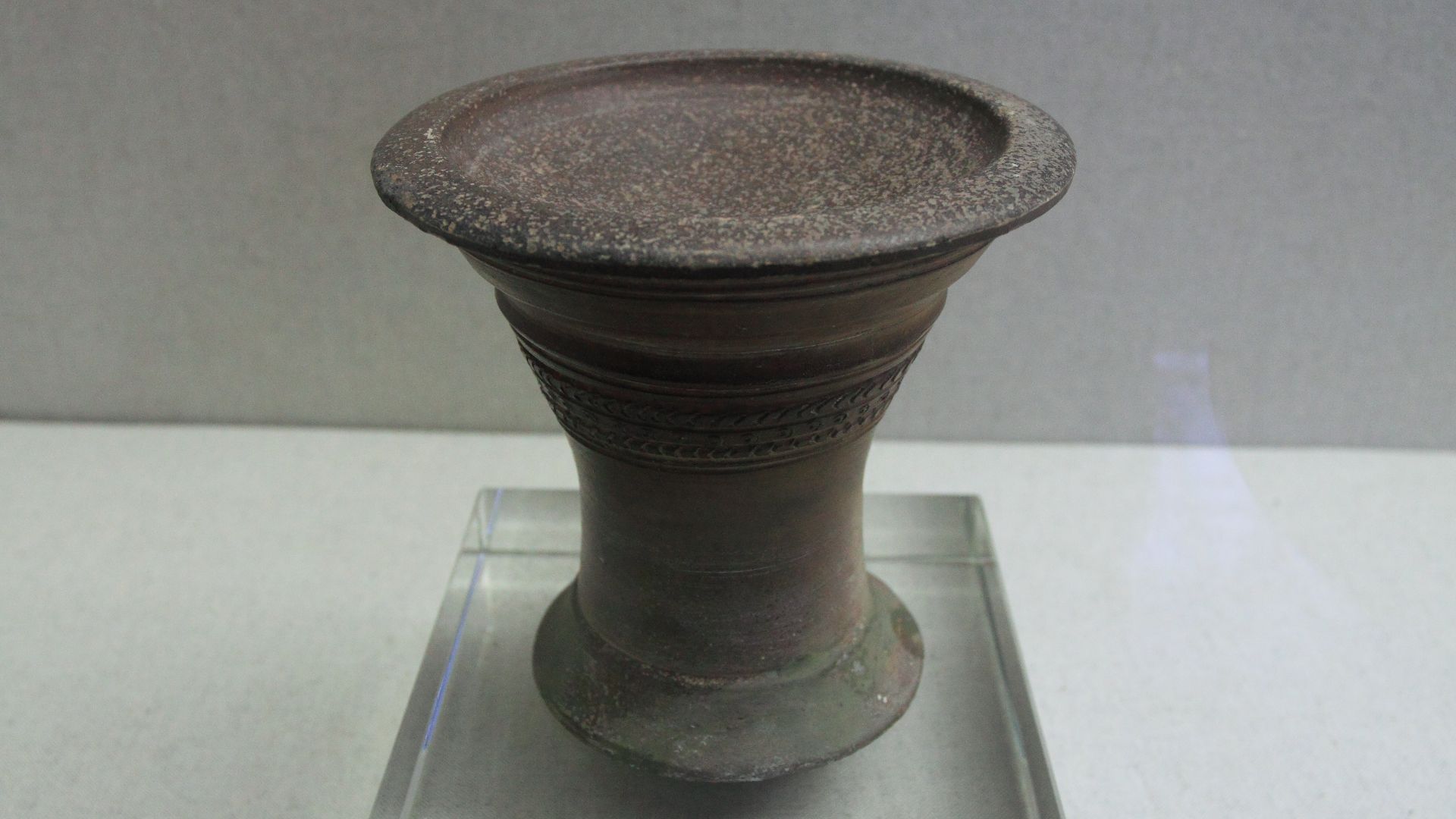
13. Xianren Cave
Located in the Jiangxi province, this archaeological site was crucial to understanding rice cultivation in early civilization. Carbon dating estimates that the pottery discovered at this site dates back 20,000 years.
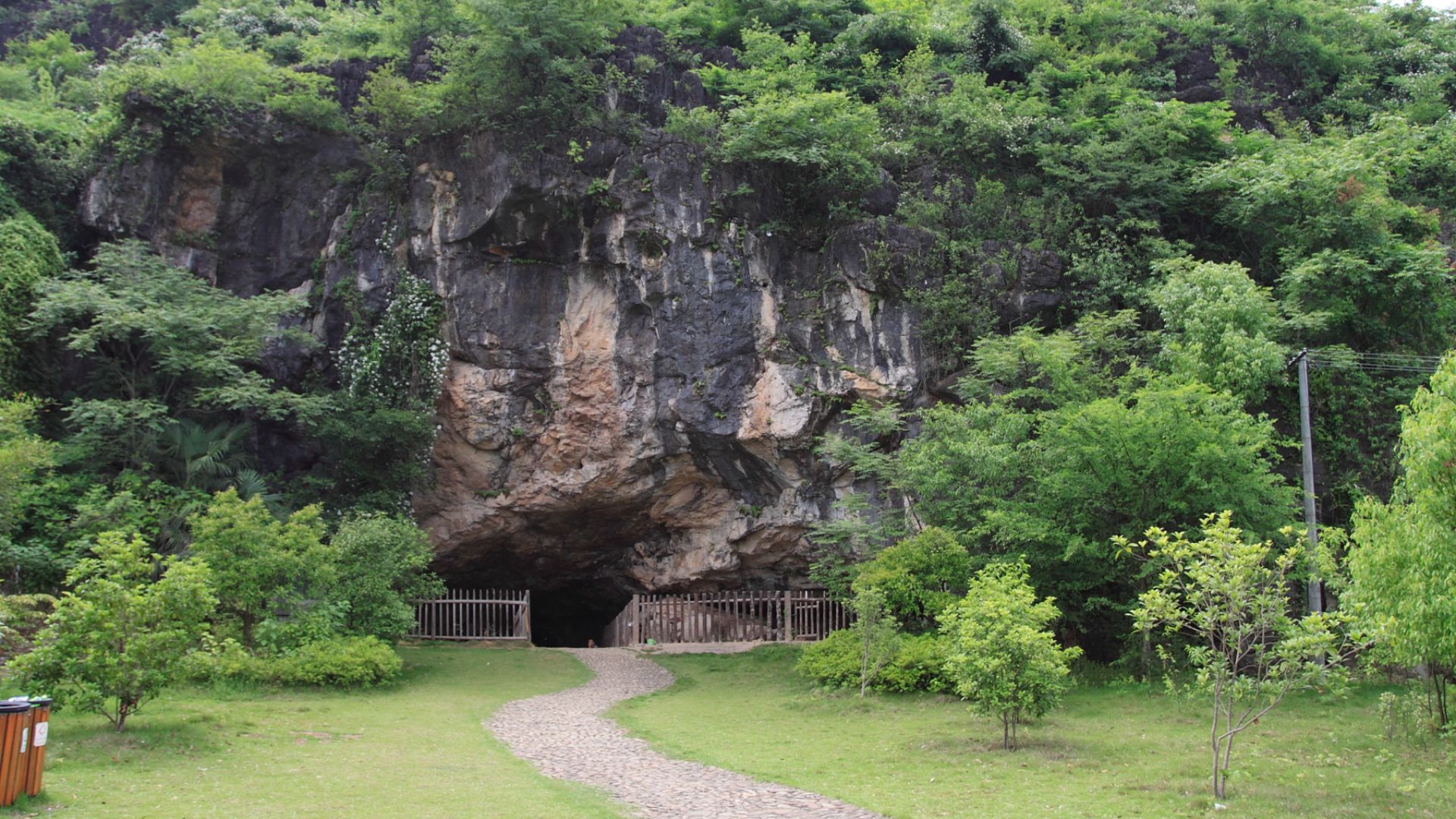
14. The Capital of Fenghao
These twin cities were the capitals of the Western Zhou dynasty, which lasted from 1046 to 771 BCE. Residents abandoned the cities in 771 BCE after a particularly nasty Quanrong invasion. The remains are located in what is now the Shaanxi region.
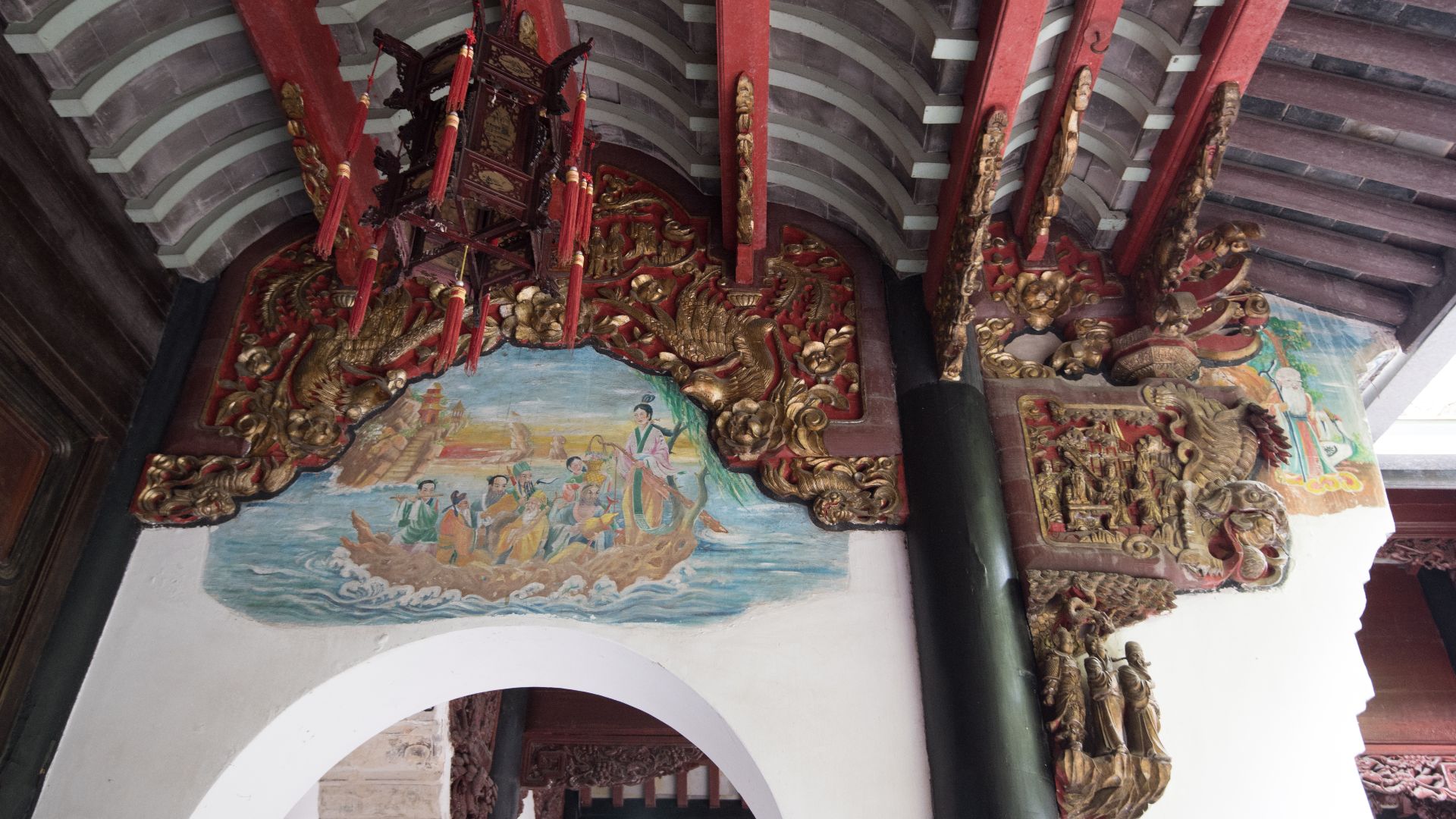
15. Xiachangliang
Located in Hebei province, this site contains some of the earliest Paleolithic-era remains ever discovered in East Asia. It was first discovered in 1923, and researchers have found stone and flint tools from 1.36 million years ago. Yes, a million.
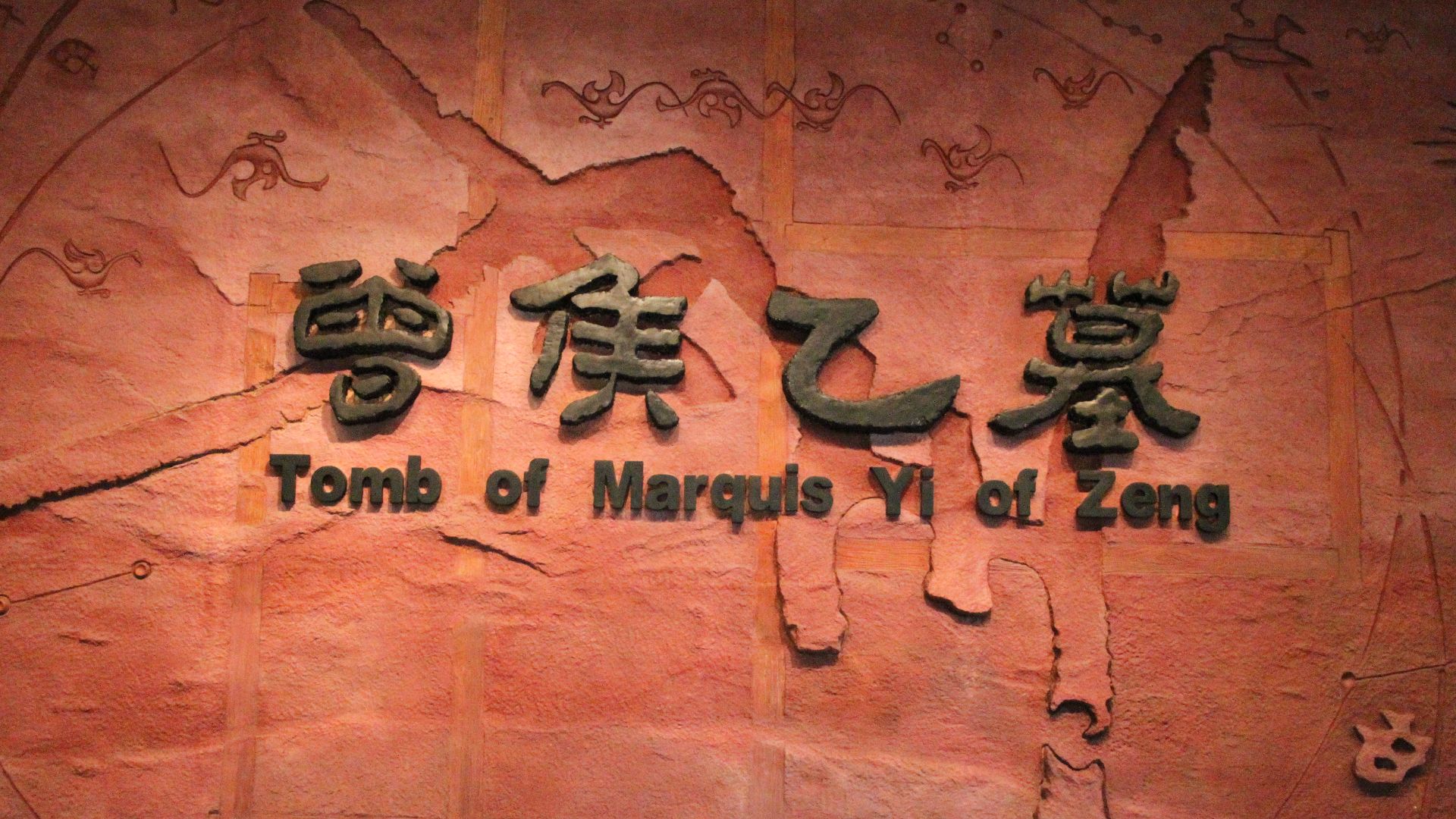
16. Tomb of Marquis Yi of Zeng
Created sometime in the 5th century BCE, this tomb contains the remains of Marquis Yi of Zeng, or “Duke Yi.” While we don’t have a lot of information on who this individual was, his lavish tomb clearly means he was someone important.
 Gary Todd from Xinzheng, China on Wikimedia
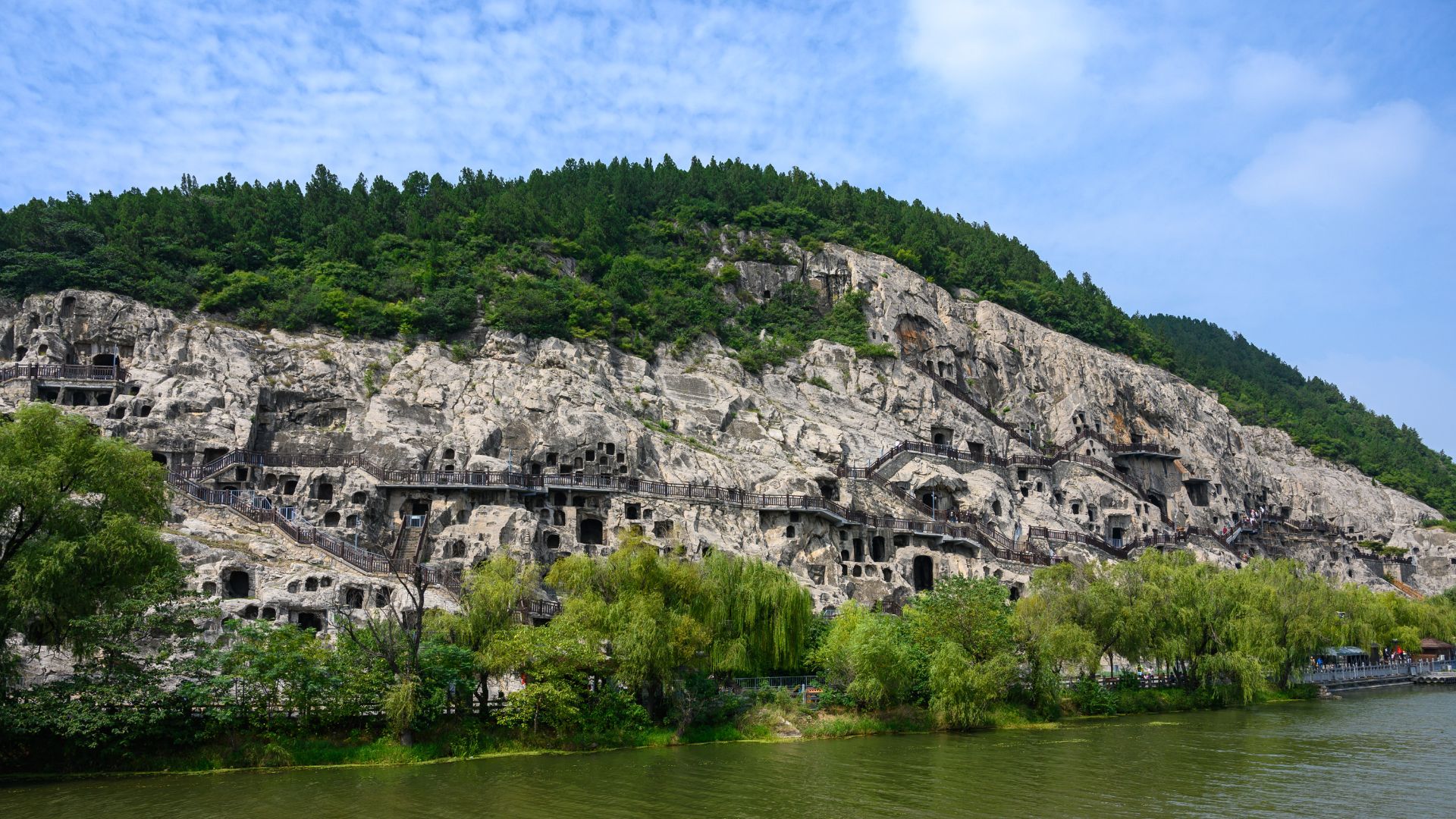
17. The Longmen Grottoes
This gorgeous tourist attraction became a UNESCO World Heritage Site in 2000, and for good reason. This 331 ha-protected area covers almost 2,350 caves and tens of thousands of Chinese Buddhist art. It’s likely that these statues started popping up in 493 CE.
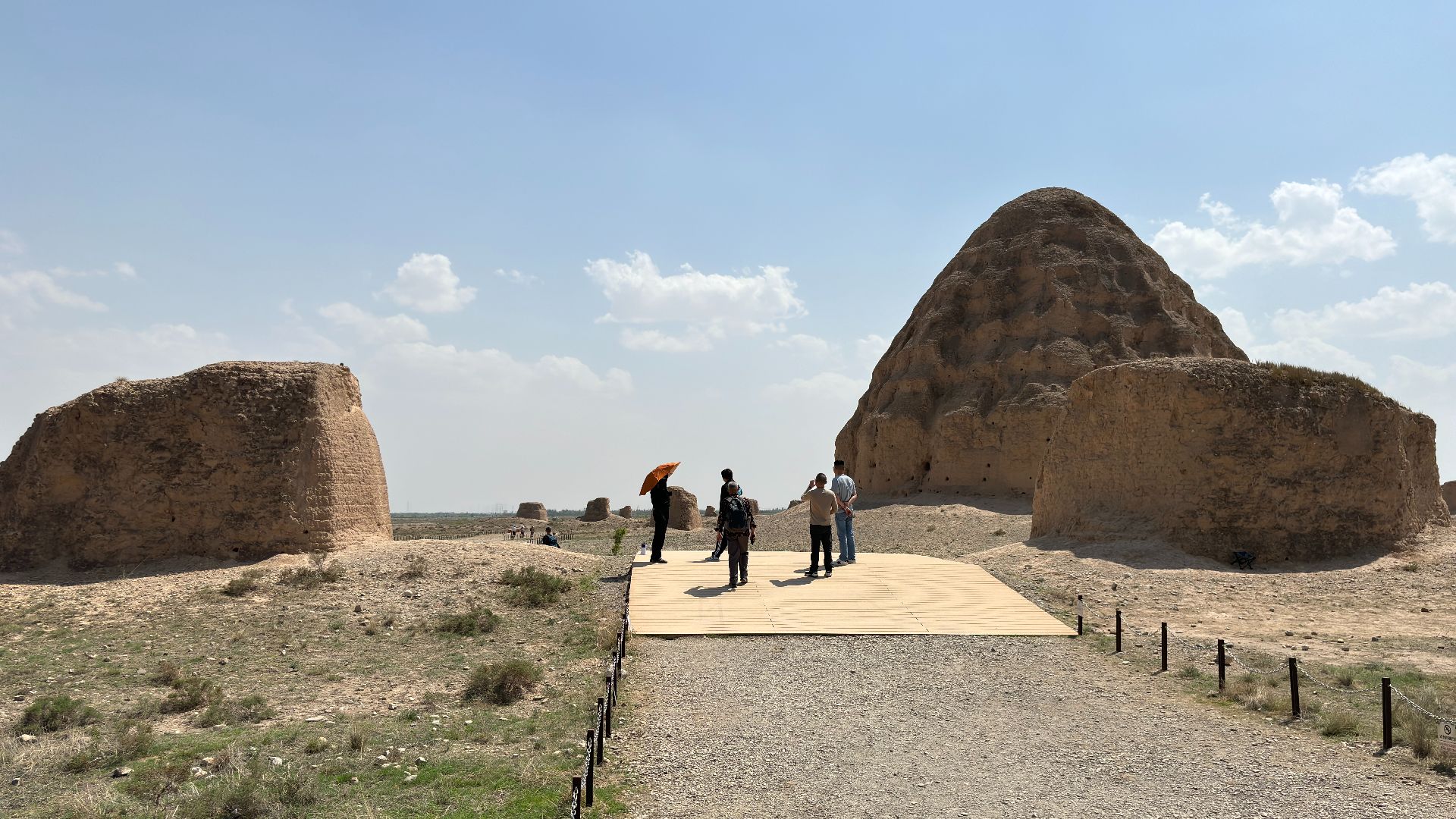
18. Western Xia Mausoleums
This geographical area contains about 250 tombs of prominent figures of the Western Xia dynasty. It’s around 50 km² (19 sq mi) and located close to modern-day Yinchuan. The Western Xia dynasty was the last dynasty before the Mongol occupation of the 13th century.
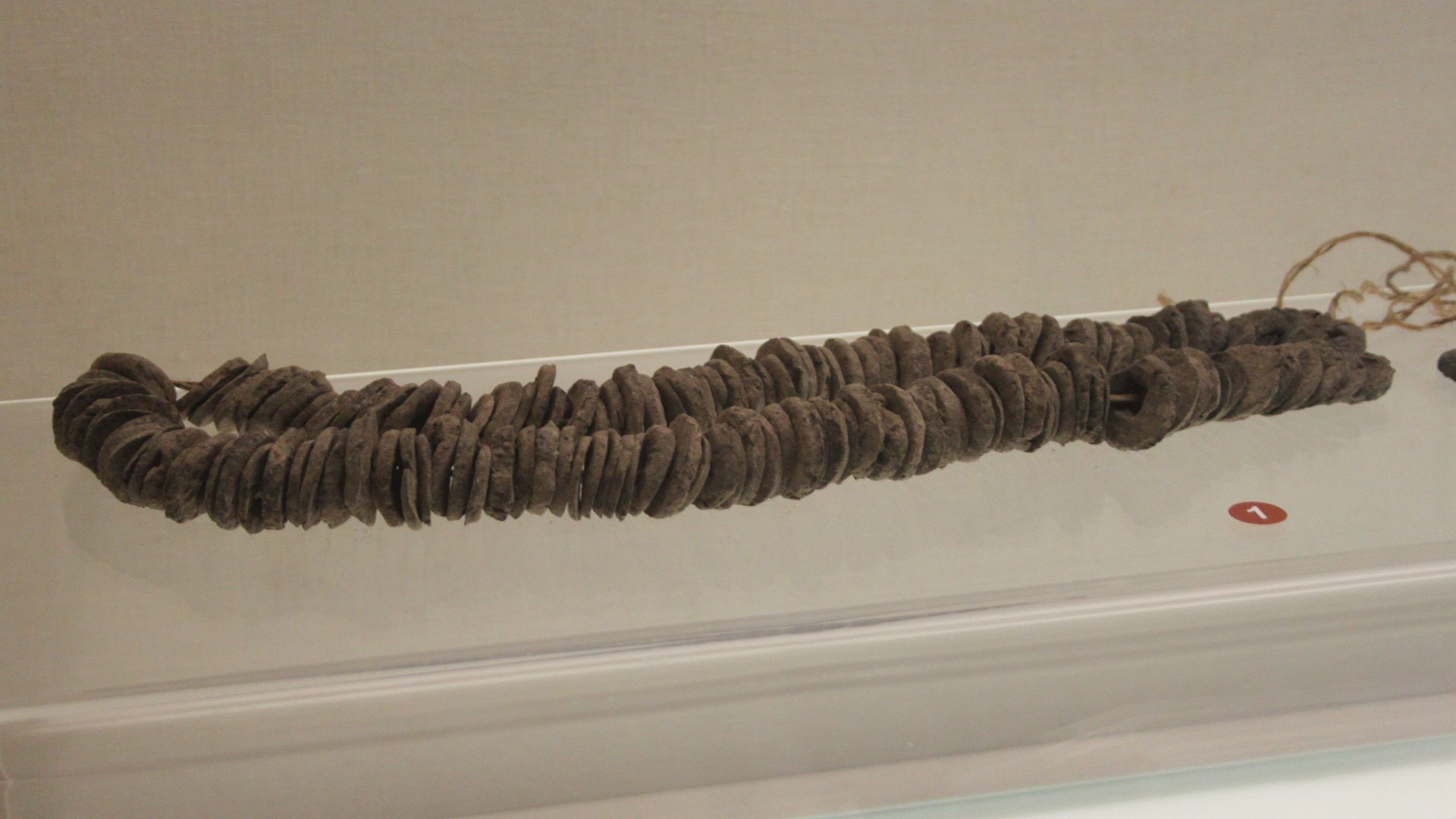
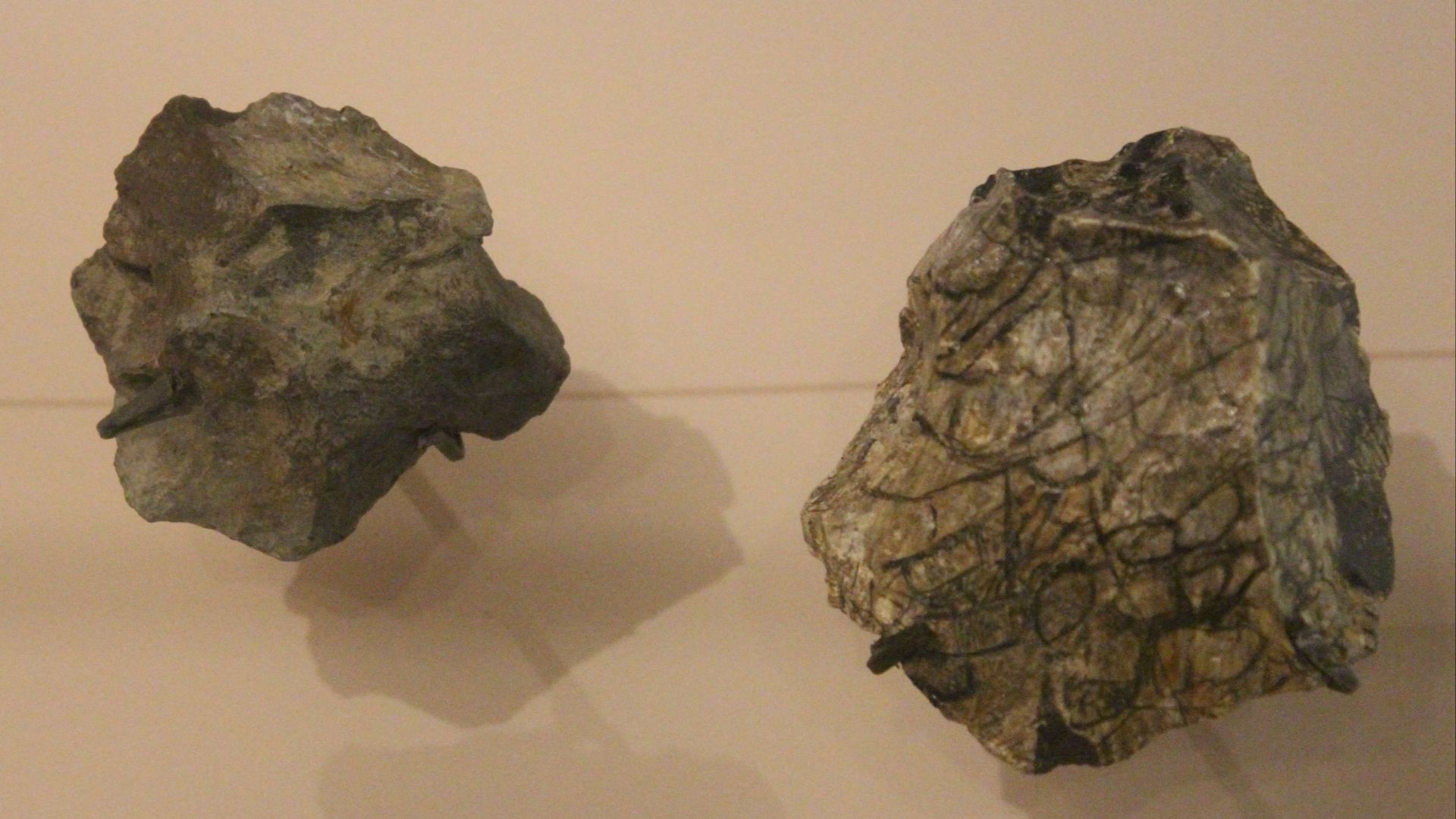
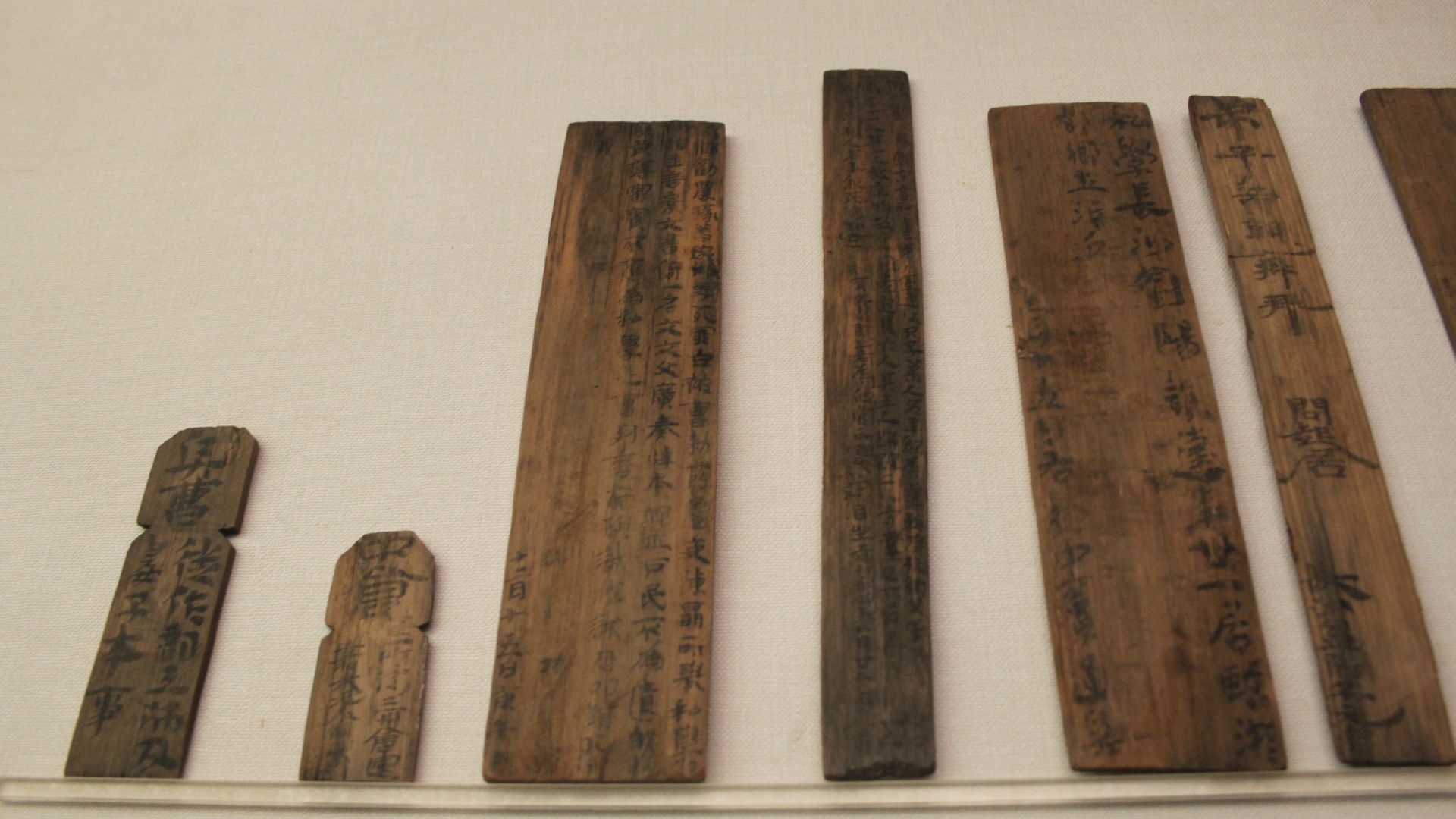
19. Zoumalou Bamboo Slips
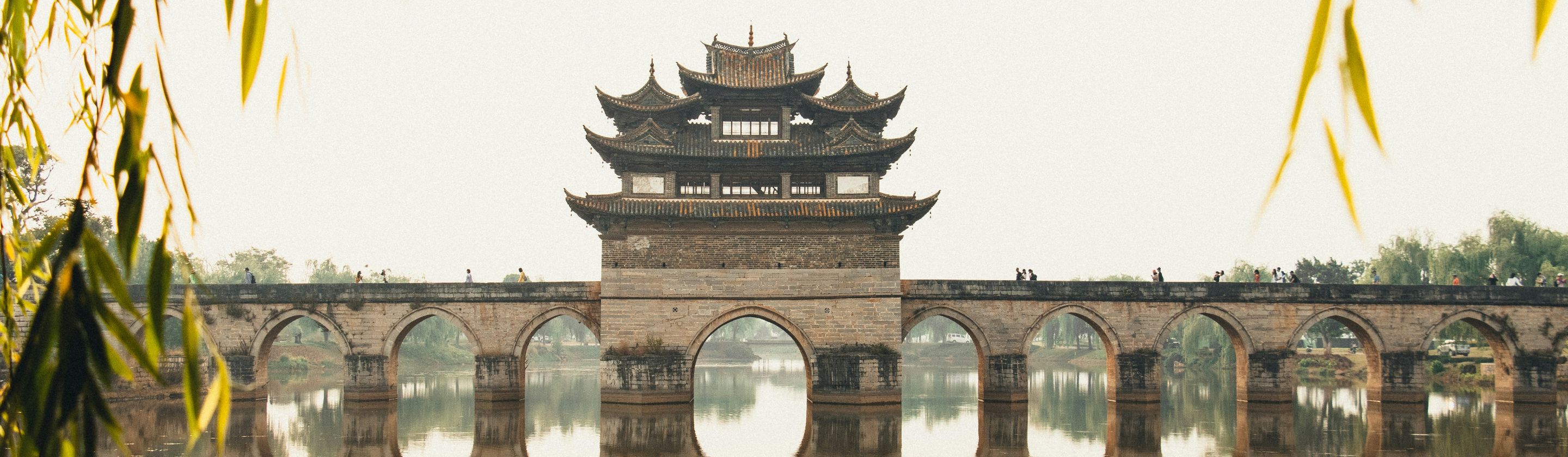
Located in modern-day Hunan, this 1996 discovery is often cited as one of the most important during the 1990s. At first glance, you may think it's just some rotting bamboo slips, but a closer look shows that it provides in-depth record-keeping of finances during the Three Kingdoms Period.
 Gary Todd from Xinzheng, China on Wikimedia
20. Lower Capital of Yan
This ancient capital existed during China’s Warring States period, and was possibly the largest city in the world 3400 years ago. The city was built into the side of the Taihang Mountains, and during its height, it was well known for its work with iron and bronze.
KEEP ON READING
The story of Ching Shih, the Woman Who Became the…
Unknown author on WikimediaFew figures in history are as feared…
By Emilie Richardson-Dupuis Dec 29, 2025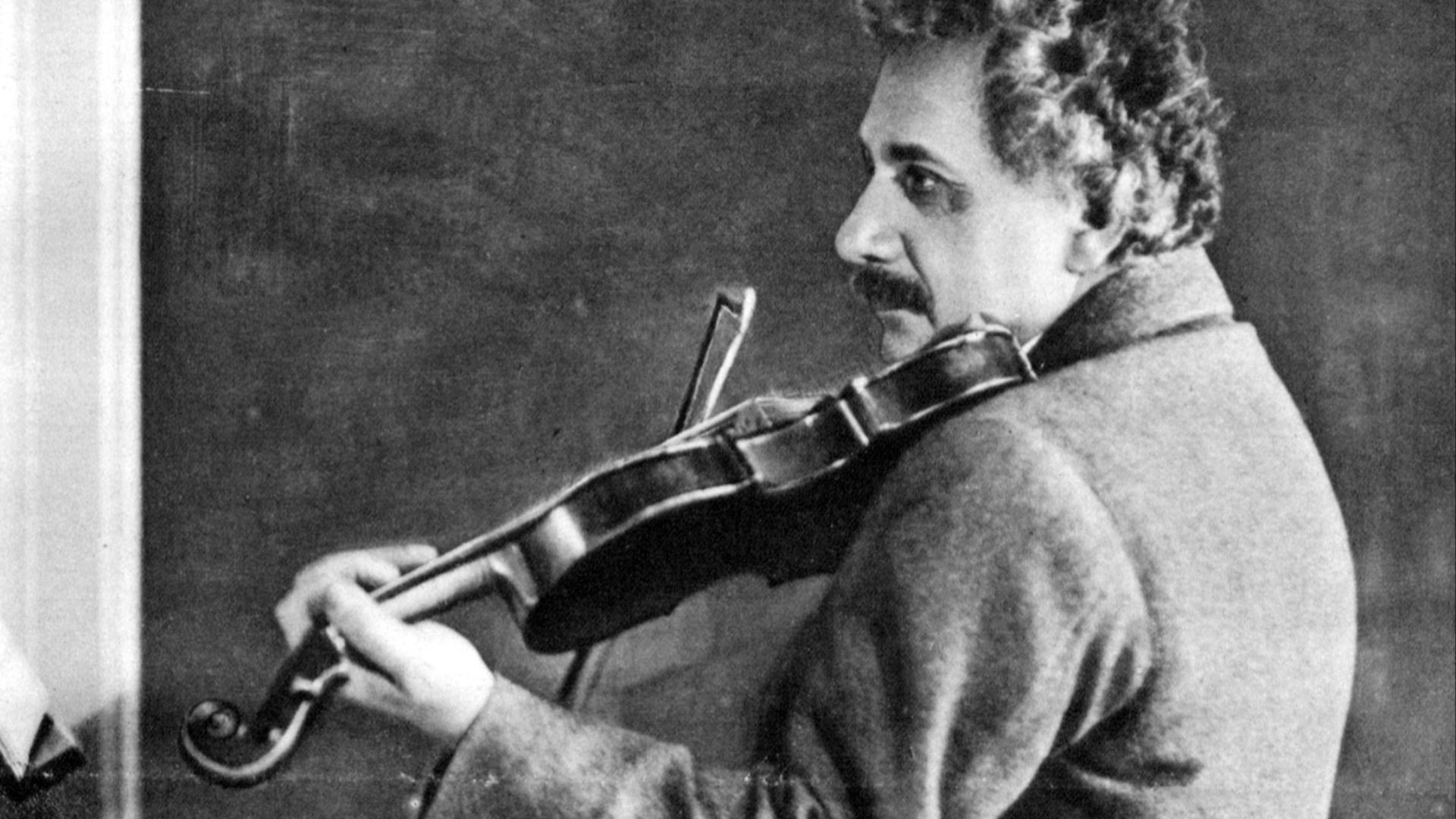
Einstein's Violin Just Sold At An Auction—And It Earned More…
A Visionary's Violin. Wanda von Debschitz-Kunowski on WikimediaWhen you hear…
By Ashley Bast Nov 3, 2025
This Infamous Ancient Greek Burned Down An Ancient Wonder Just…
History remembers kings and conquerors, but sometimes, it also remembers…
By David Davidovic Nov 12, 2025
The Mysterious "Sea People" Who Collapsed Civilization
3,200 years ago, Bronze Age civilization in the Mediterranean suddenly…
By Robbie Woods Mar 18, 2025
20 Greatest Ancient Athletes In History
Ancient Olympics. Long before modern stadiums and multimillion-dollar endorsements, athletes…
By Sara Springsteen May 1, 2026
20 Soldiers Who Defied Expectations
Changing the Rules of the Battlefield. You’ve probably heard plenty…
By Annie Byrd Feb 10, 2026