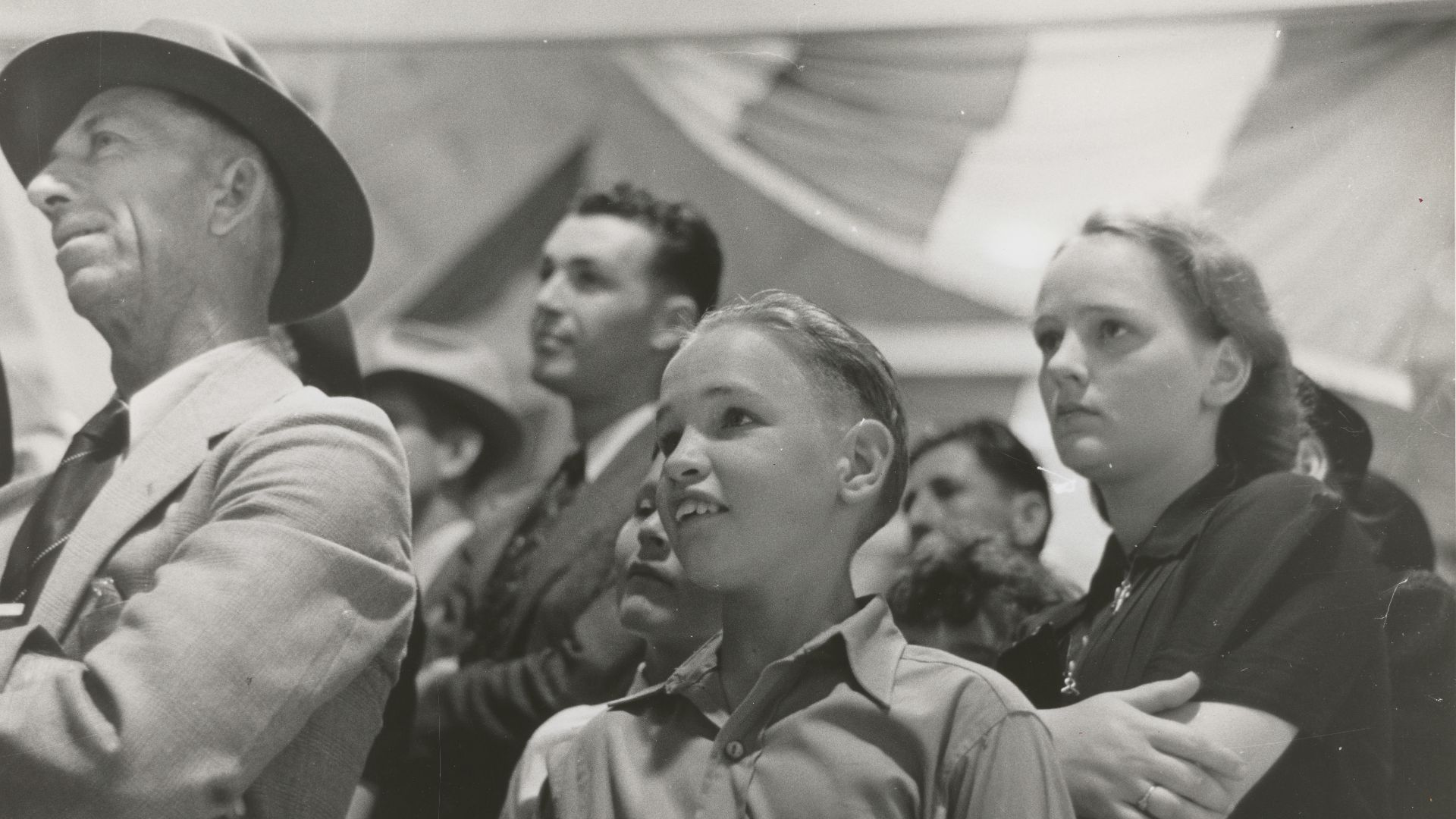
 The New York Public Library on Unsplash
The Red Scare is a period in U.S. history during which the fear of communism was the most pervasive influence on politics, culture, and everyday life. While there were two major Red Scares, the first after WWI and the second during the early stages of the Cold War, the term is most often associated with the late 1940s and 1950s.
During the Red Scare, fears of the Soviet Union and its influence fueled the ideology beyond communist expansion. This created a widespread anxiety that permeated the U.S. and its politicians and institutions. Policies were reshaped, civil liberties were affected, and a lasting impact was left.
Let’s explore how the Red Scare impacted the U.S. and how its legacy is still felt today.
Political Shifts
One of the most pivotal ways the Red Scare changed the U.S. was through increased government involvement and monitoring of political beliefs. As tensions mounted with the Soviets, U.S. leaders introduced loyalty programs to screen federal employees for suspected communism.
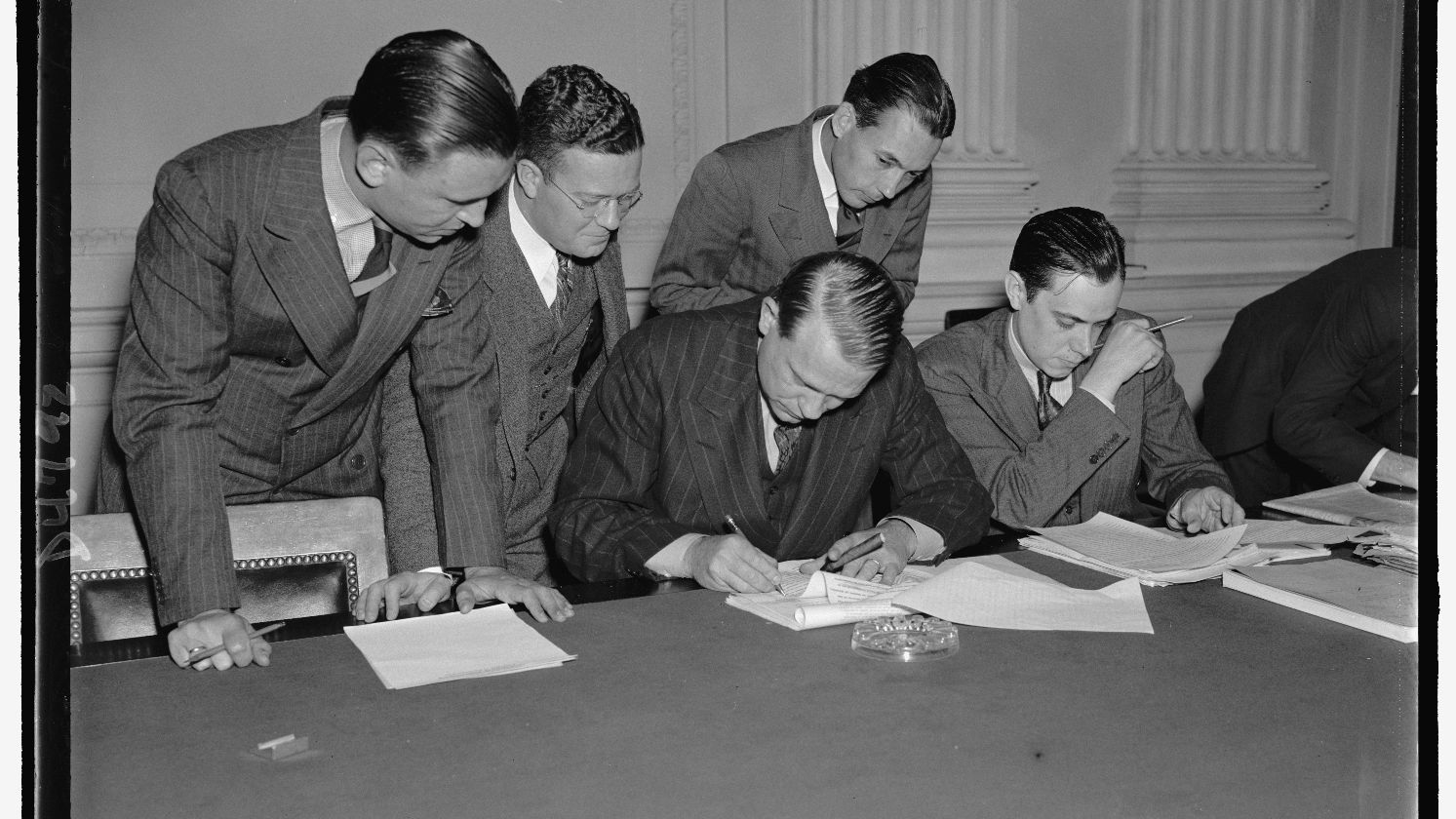
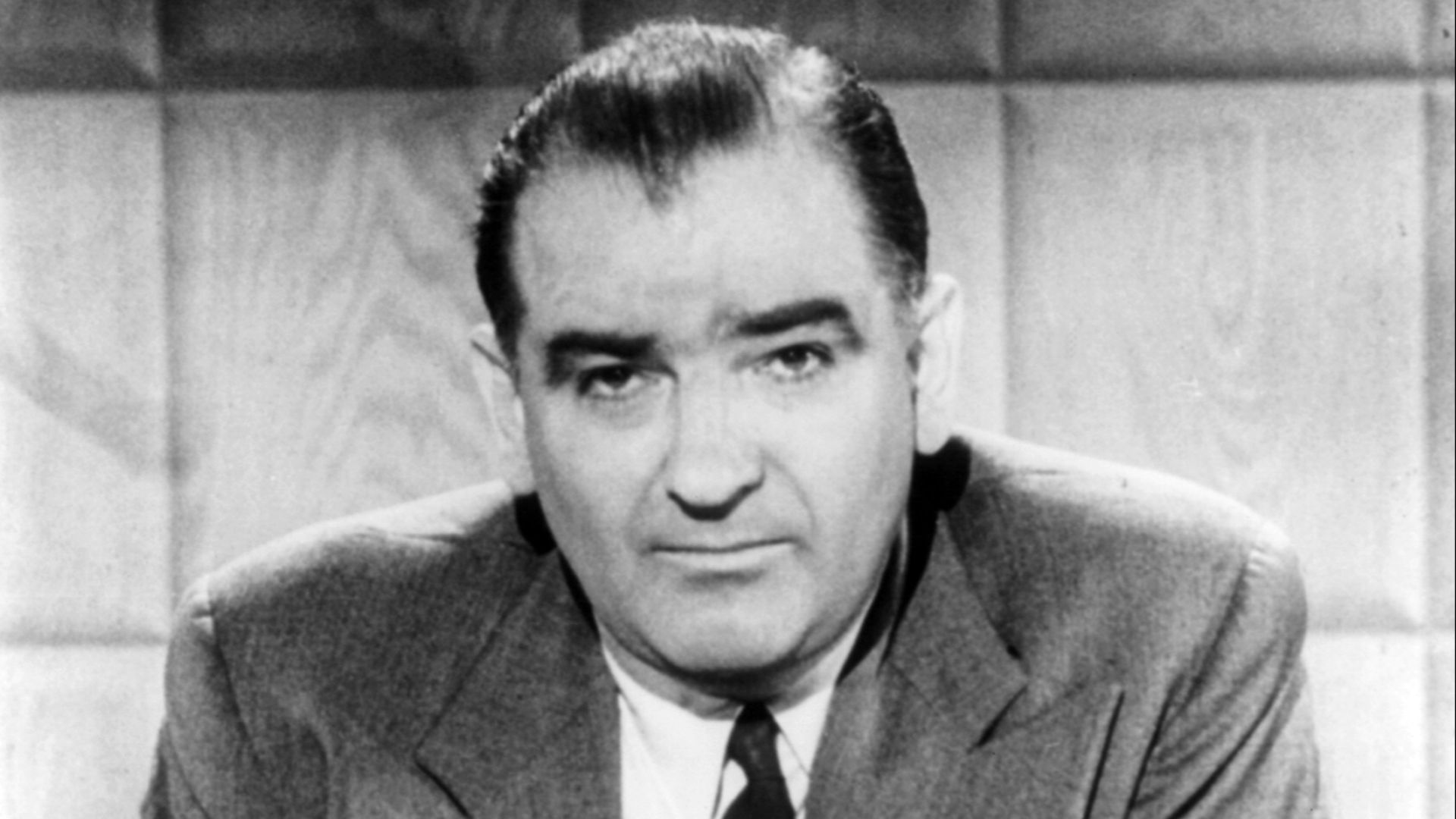
Congress was heavily involved, including efforts led by the House Un-American Activities Committee (HUAC). This committee questioned citizens about their ties to the communist party and their political beliefs. Joseph McCarthy was a central figure during this period, and his belief that communists were working with the U.S. government and throughout institutions fueled the climate of fear.
Impact on Civil Liberties
The Red Scare profoundly affected civil liberties, especially a citizen’s right to freedom of speech and association. Many Americans were wrongly labeled as disloyal for attending certain parties or expressing an unpopular opinion.
Industries, such as education and entertainment, were vastly affected. Blacklists were created to prevent citizens suspected of communist involvement from being employed. Actors, writers, producers, directors, and academics lost their careers often without a formal trial. These blacklists were introduced to protect the nation, but only created tension between foreign security and constitutional rights, a tension that still exists today.
Cultural and Social Changes
The Red Scare also influenced U.S. culture and social behavior. Mainstream media reflected the overarching fear of communism through films, literature, and news coverage. They portrayed communists as both domestic and foreign enemies, and a cause every American should fight against.
The Red Scare also encouraged conformity. Many U.S. citizens were pressured to fit into social norms to avoid standing out and drawing suspicion. This attitude and perception shaped the atmosphere around patriotism and national identity. While this was driven by fear, it ultimately succeeded in fostering a shared sense of purpose among many who were steadfast in their desire to protect democracy against perceived threats.
The Red Scare was instrumental in reshaping American politics, testing its commitment to civil liberties, and changing culture. This era proved how quickly anxiety can alter democratic values. Looking back, the Red Scare serves as a vital historical lesson. It’s imperative to balance national security with individual rights and civil liberties. By understanding its impact, Americans should better appreciate the importance of protecting freedoms even during tense periods of uncertainty.
KEEP ON READING