This Strange Plague Made People Dance Uncontrollably to Their Deaths
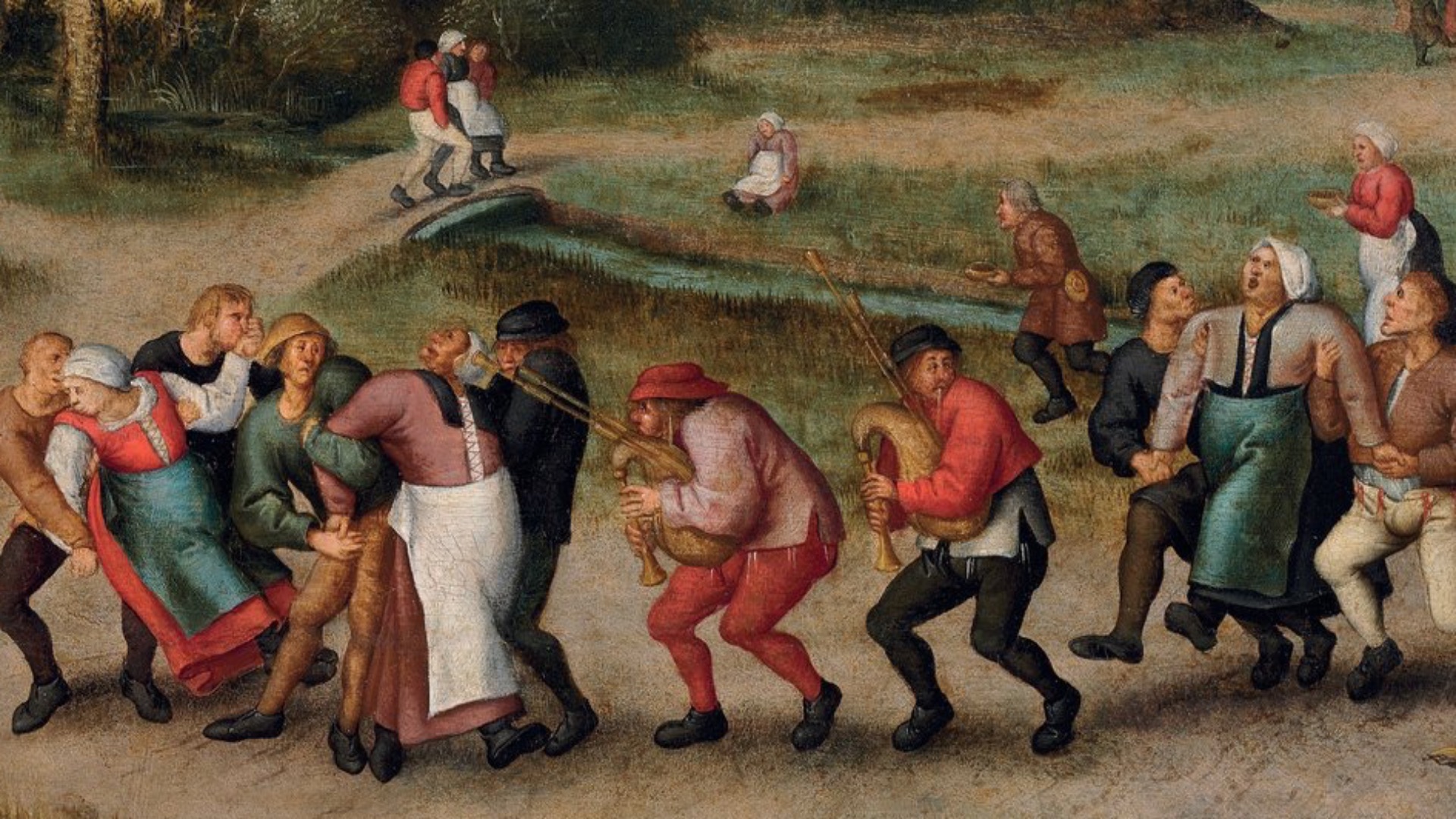 Pieter Brueghel the Younger on Wikimedia
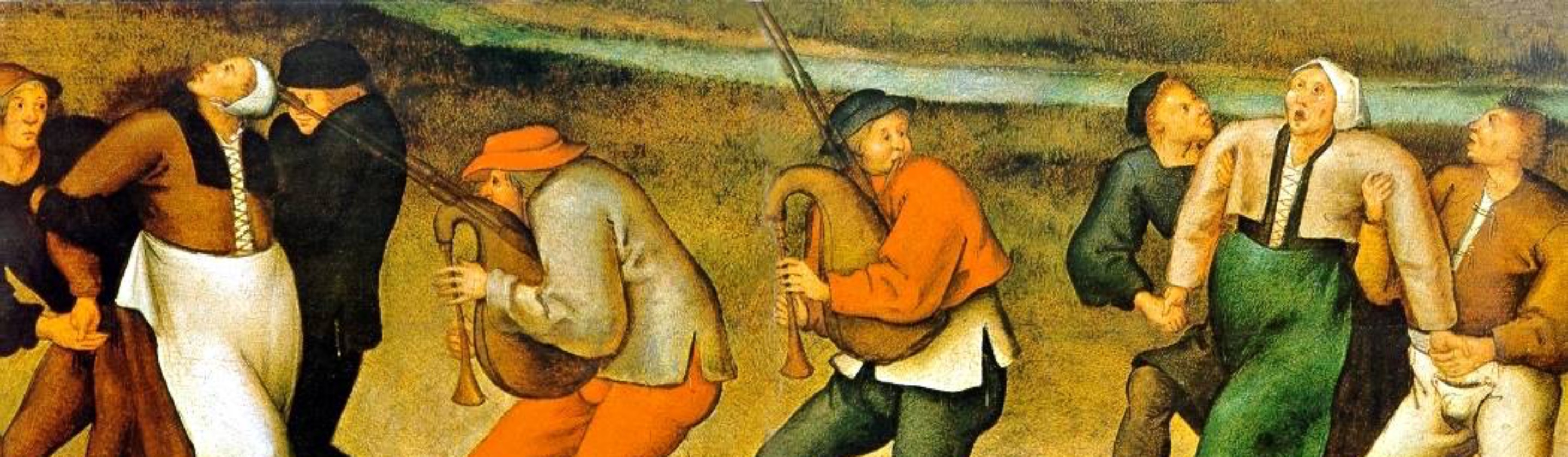
In the summer of 1518, hundreds of citizens in the city of Strasbourg were suddenly overcome by a strange plague that made them dance uncontrollably. They danced, unwillingly, for hours on end; for some, even days without stopping, except when overcome by extreme exhaustion, in which case they would collapse—only to resume dancing after a period of rest.
It sounds bizarre, almost infathomable. How could a small town of people randomly start dancing without stopping? What on earth could have caused it? And how could dancing become so deadly? Let's take a deeper look into what triggered the dancing plague of 1518.
How Did It Start?
The hysteria started with one woman. In the summer of July 1518, Frau Troffea stepped onto the street and began dancing. Only, this wasn't out of excitement. In fact, her body convulsed completely out of her own will. She was uncontrollable, unstoppable, dancing for hours and days on end for nearly a full week. Bystanders could only watch from the perimeter of the square, transfixed, bewildered, curious. What was making this woman dance for so long, to the point of exhaustion, without any music to accompany it?
And then, it suddenly wasn't just her. A week later, 30 new victims joined, as if under an odd spell. They, too, danced feverishly without stopping, continuing despite injury to the point of death by either starvation, exhaustion, or heart attack. When authorities caught on, they only made it worse by arranging a space for the mob to dance more, thinking that it was somehow the cure. This led to hundreds more being consumed by the strange, eerie phenomenon, and as many as 400 people were eventually affected in total. The mania, it seemed, was contagious.
What Could Have Caused It?
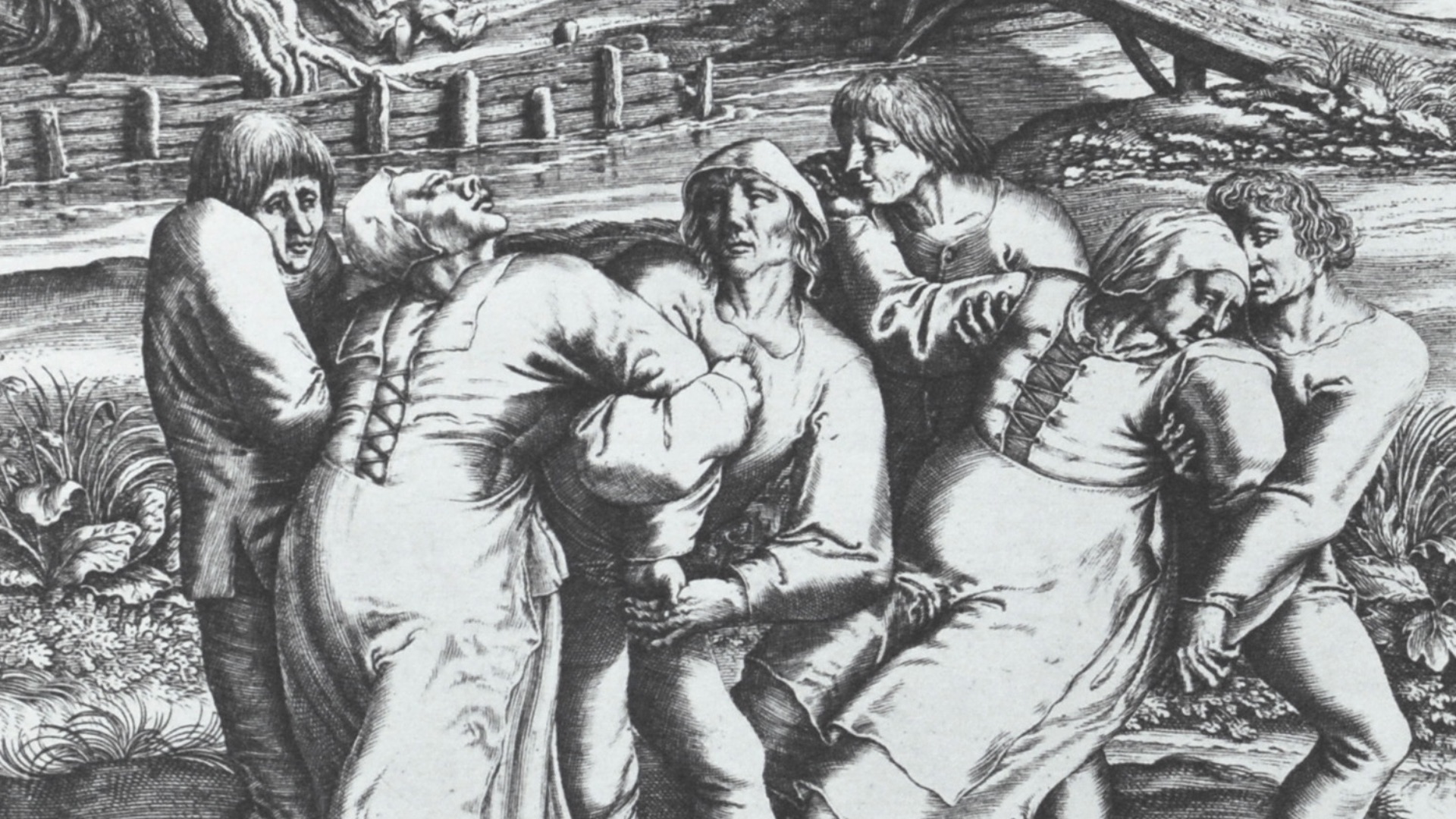 Pieter Brueghel the Elder on Wikimedia
This isn't the first time the medieval world had been struck by choreomania. In fact, there had been records of something similar happening in other areas, too, such as in Germany and other parts of the Holy Roman Empire. Those earlier accounts were often written off as either demonic possession or a punishment from the Gods, and none of them were documented as in-depth as the Strasbourg instance.
Experts still aren't sure what caused the hysteria. Some theorized that it might have been due to consuming rye bread that had been contaminated with ergot, a fungal disease known to produce convulsions. Supposedly, the most accepted hypothesis is one by American historian John Waller, who posited that the dancing plague was a type of psychic contagion: the more people did it, the more it spread, sometimes purely out of fear and stress. Unless given a credible reason not to worry, people are more likely to believe that they, too, have contracted something terrible. It certainly didn't help, either, that in the years leading up to 1518, there was a rise in famines, floods, and deaths from malnutrition. Perhaps, as one scholar put it, the dancing plague was a "collective mourning response," a way to understand and process the uncertainty and upheaval around them.
Strange as it was, we may never fully understand what brought on the dancing mania that erupted across medieval Europe, but it leaves something fascinating in its wake. For one, it reveals just how fragile the human mind can be under extreme fear and psychological stress.
KEEP ON READING