
10 Space Missions That Succeeded & 10 That Crashed Spectacularly
When Humanity's Reach Both Exceeded and Met Its Grasp
Space exploration operates on razor-thin margins where a single miscalculation means billions of dollars vaporizing in seconds. We've sent robots to Mars, humans to the Moon, and probes beyond our solar system. Some missions exceeded every expectation, rewriting textbooks and expanding human knowledge in ways that still echo decades later. Others provided expensive lessons in what not to do. What follows are ten space missions that succeeded and ten that fell short.
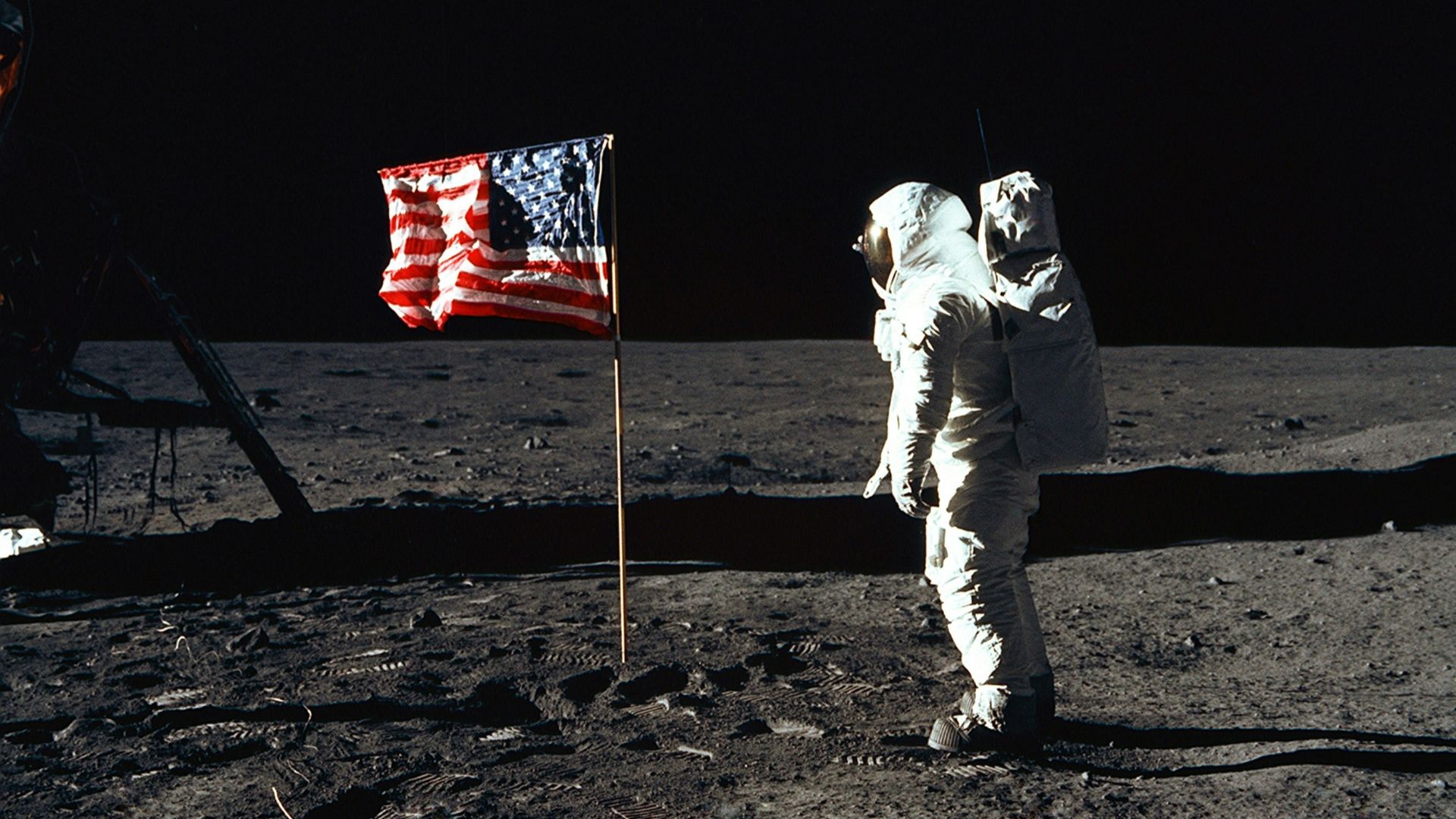
1. Apollo 11
On July 20, 1969, Neil Armstrong and Buzz Aldrin walked on the Moon while Michael Collins orbited above. The mission succeeded against absurd odds, with the lunar module's guidance computer throwing alarms during descent and fuel running so low that Armstrong had only about 25 seconds of hover time remaining when he finally touched down.
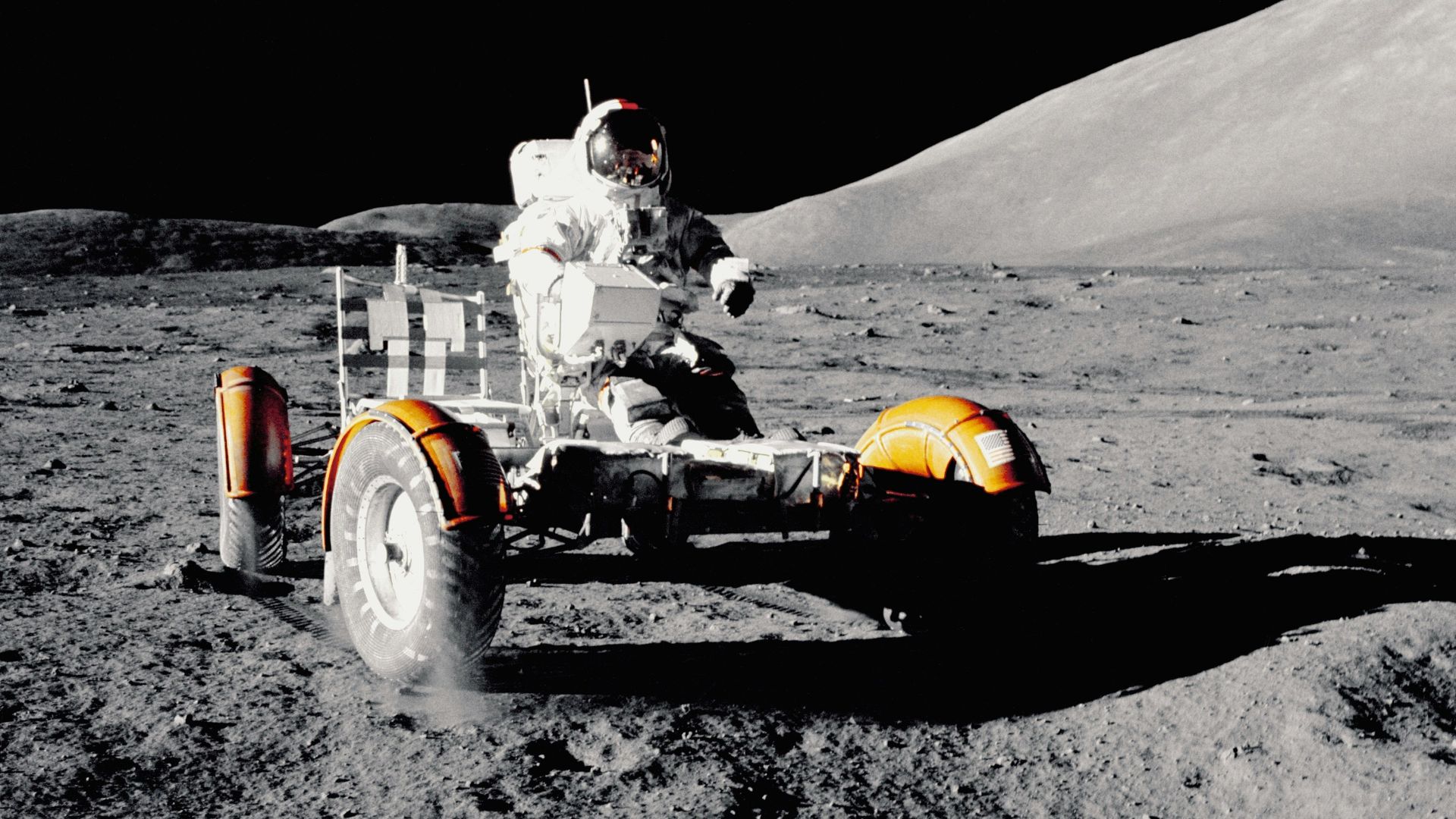
2. Voyager 1 and 2
Launched in 1977, both Voyager spacecraft were designed for a five-year mission to Jupiter and Saturn. They're still transmitting data nearly 50 years later. Voyager 1 is now more than 15 billion miles from Earth, officially in interstellar space since 2012.
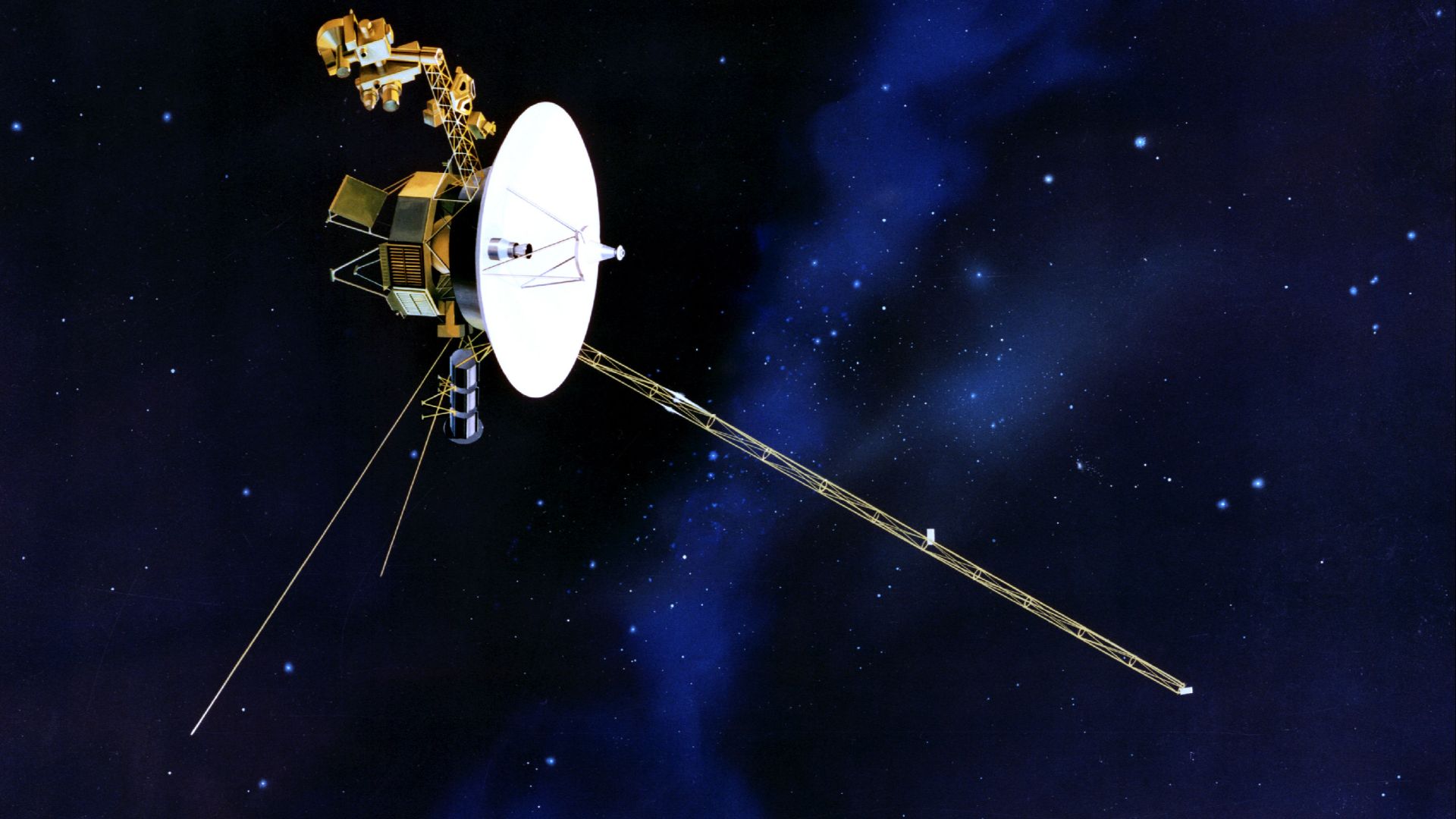
3. Mars Curiosity Rover
Landing a rover the size of a car on Mars using a sky crane system sounded insane when NASA proposed it. The "seven minutes of terror" during Curiosity's August 2012 landing had engineers watching helplessly as the rover descended, knowing any commands from Earth would arrive too late to help. The rover landed perfectly in Gale Crater and immediately started doing geology.
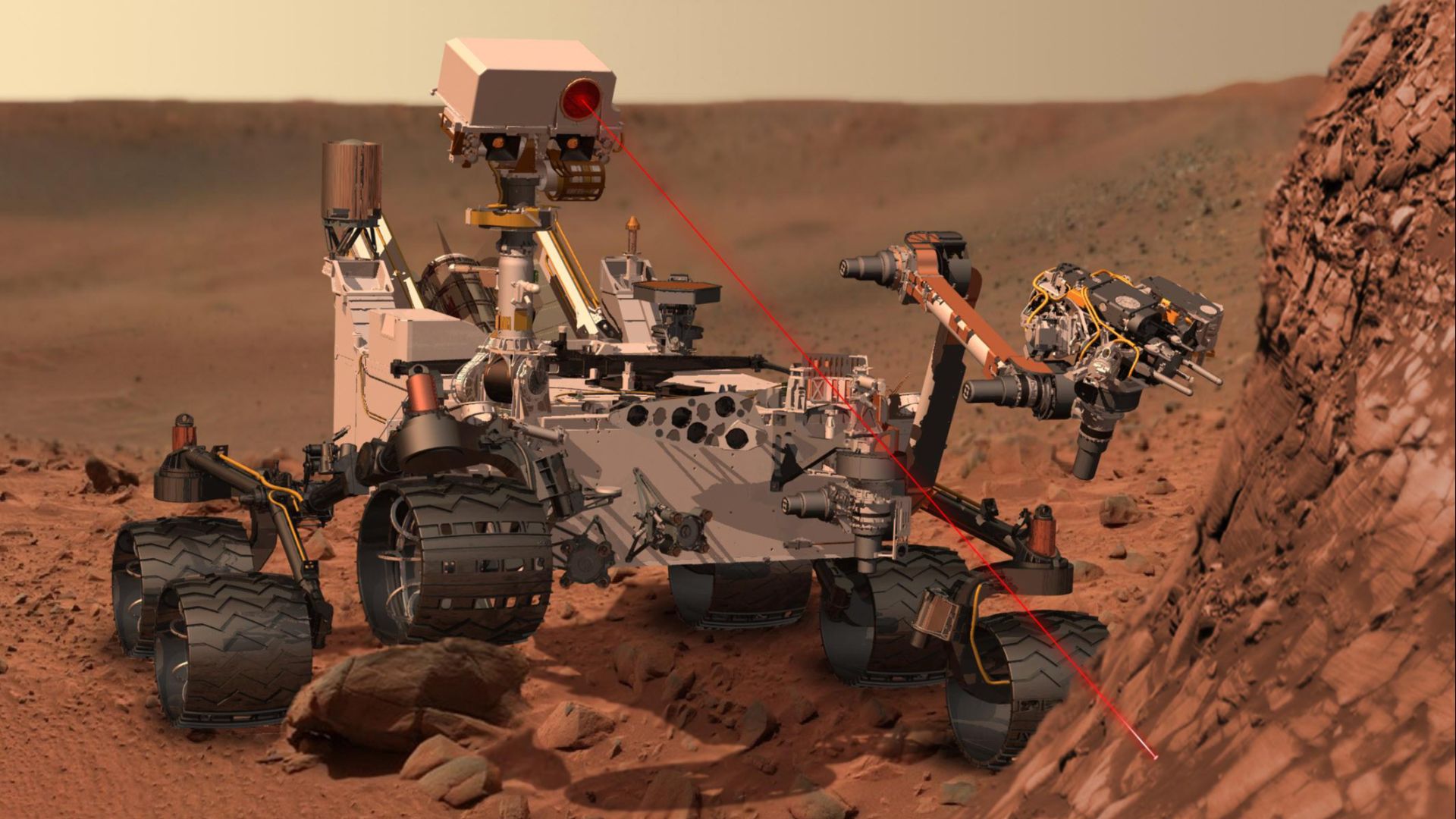
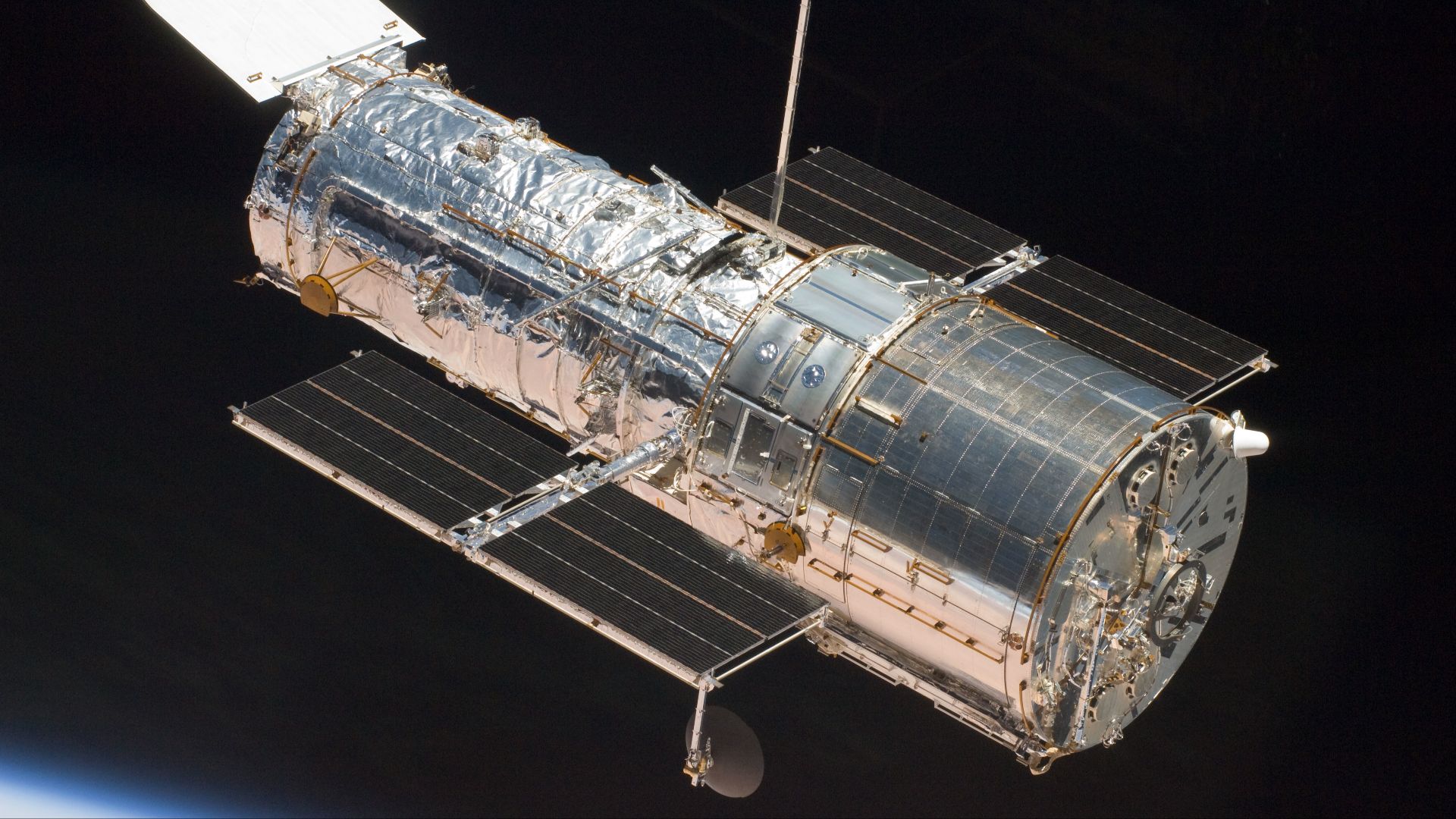
4. Hubble Space Telescope
The telescope has observed over 50,000 celestial objects, helped calculate the universe's expansion rate, captured the deepest images of space ever taken, and fundamentally changed astronomy. Those Deep Field images showing thousands of galaxies in what looked like empty sky are all thanks to Hubble.
5. Apollo 13
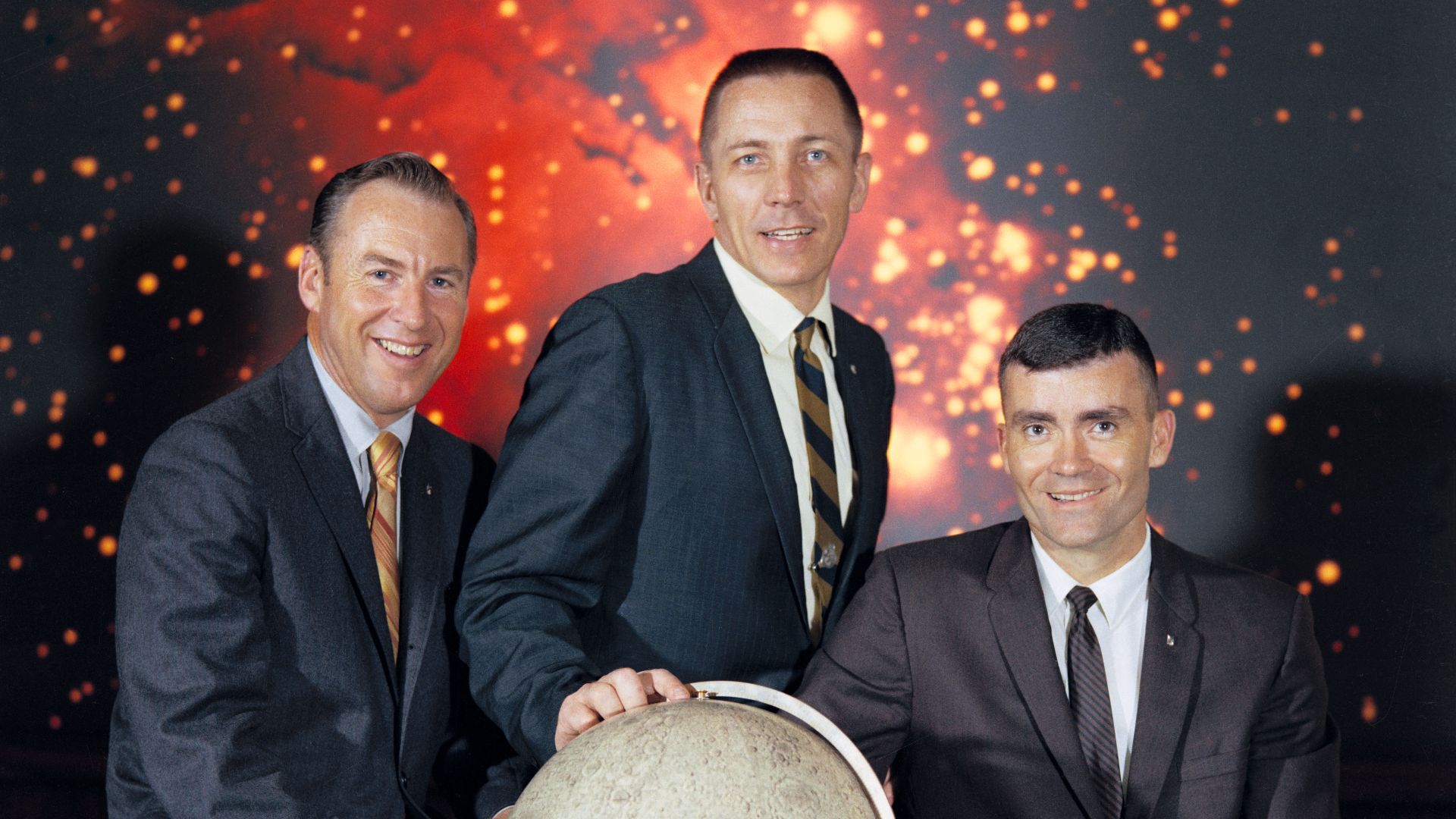
When an oxygen tank exploded 200,000 miles from Earth, the mission to land on the Moon became a mission to survive. NASA engineers and the crew jury-rigged carbon dioxide scrubbers using duct tape, plastic bags, and suit hoses. Space exploration's finest hour didn't involve reaching a destination but making it home.
6. Cassini-Huygens
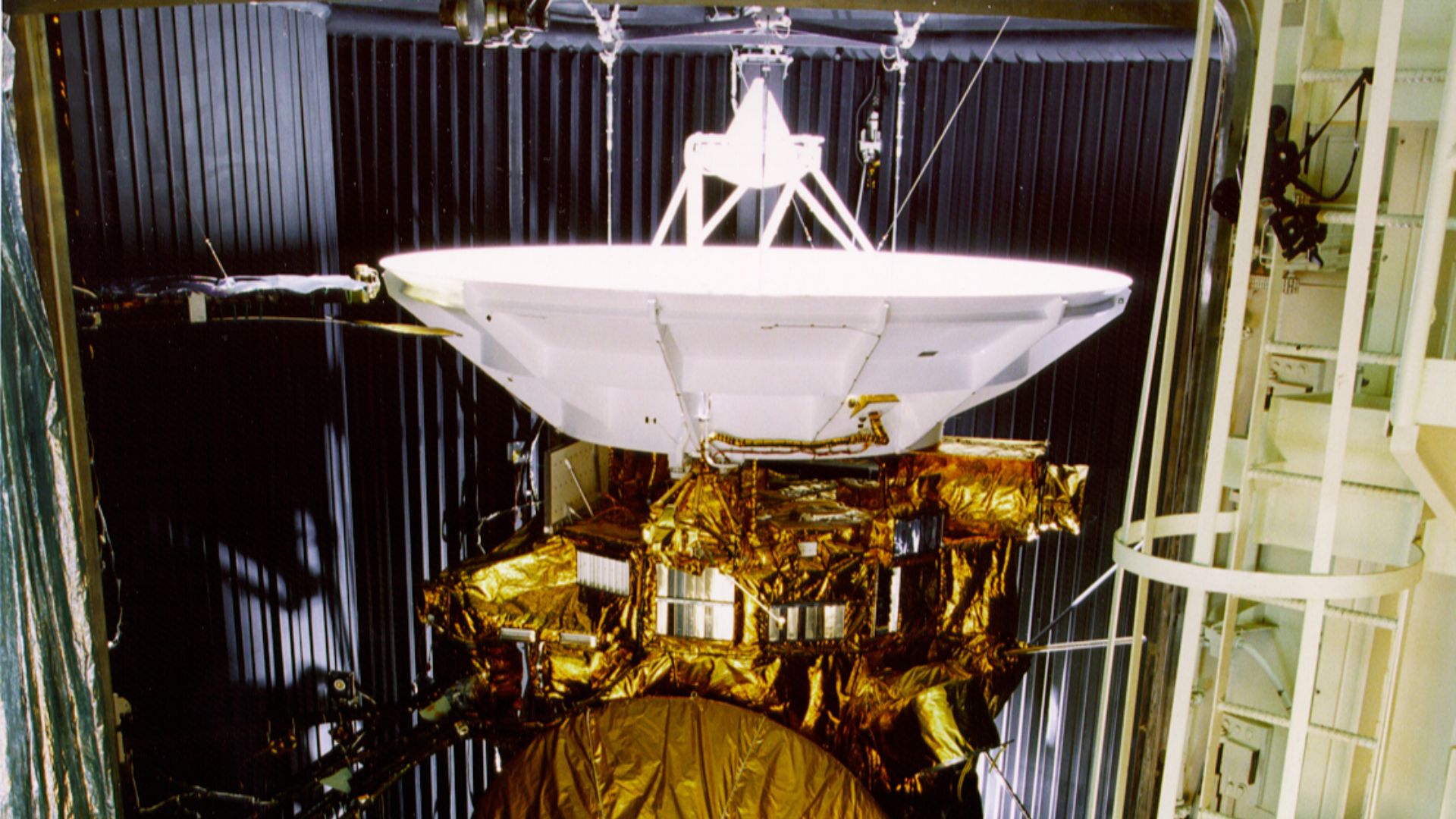
Cassini orbited Saturn for 13 years, far exceeding its four-year mission. The probe discovered geysers on Enceladus suggesting a subsurface ocean, found liquid methane lakes on Titan, and sent back over 450,000 images. The data it collected will take decades to fully analyze.
7. SpaceX Falcon Heavy
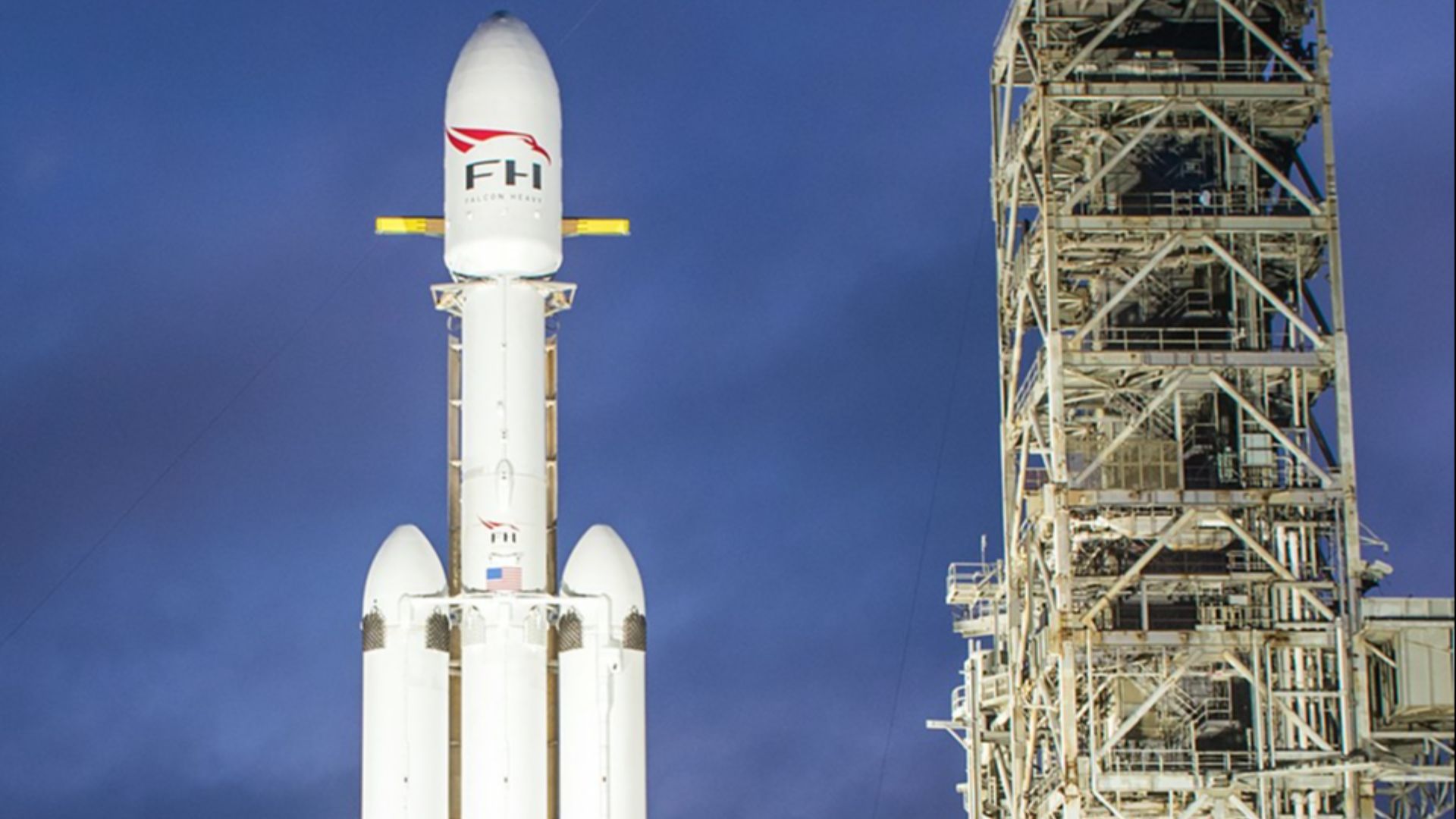
When SpaceX launched Falcon Heavy in February 2018, Elon Musk publicly stated he'd be happy if it just cleared the launch pad without exploding. Instead, the rocket performed flawlessly, two of three boosters landed simultaneously back at Cape Canaveral, and the payload headed toward Mars orbit.
8. Mars Pathfinder and Sojourner
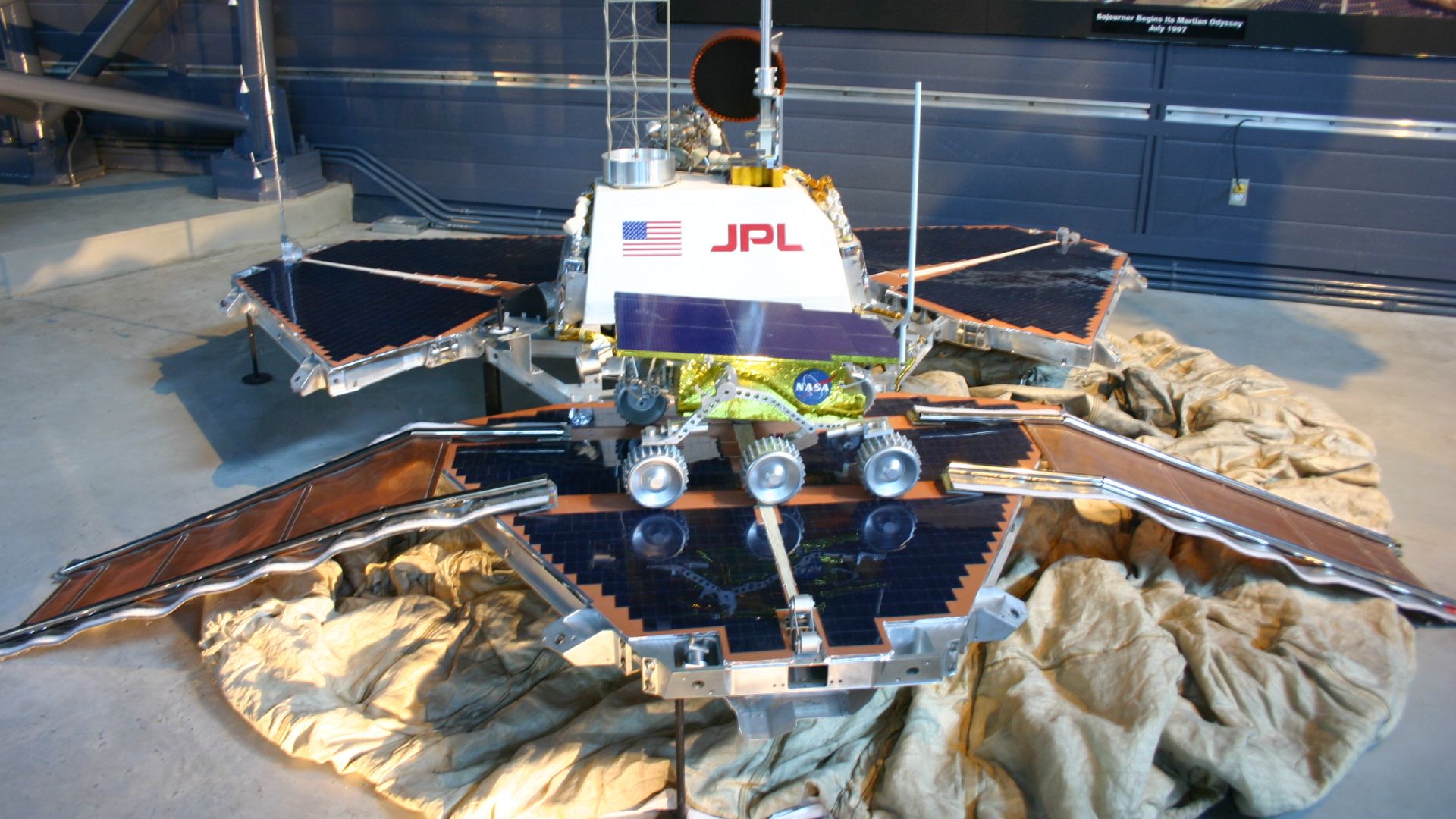
NASA landed Pathfinder on Mars in 1997 using airbags, a technique that seemed almost comically simple compared to previous landing methods. The tiny Sojourner rover, about the size of a microwave oven, was designed to last seven days. It operated for 83 days, analyzing Martian rocks.
9. New Horizons
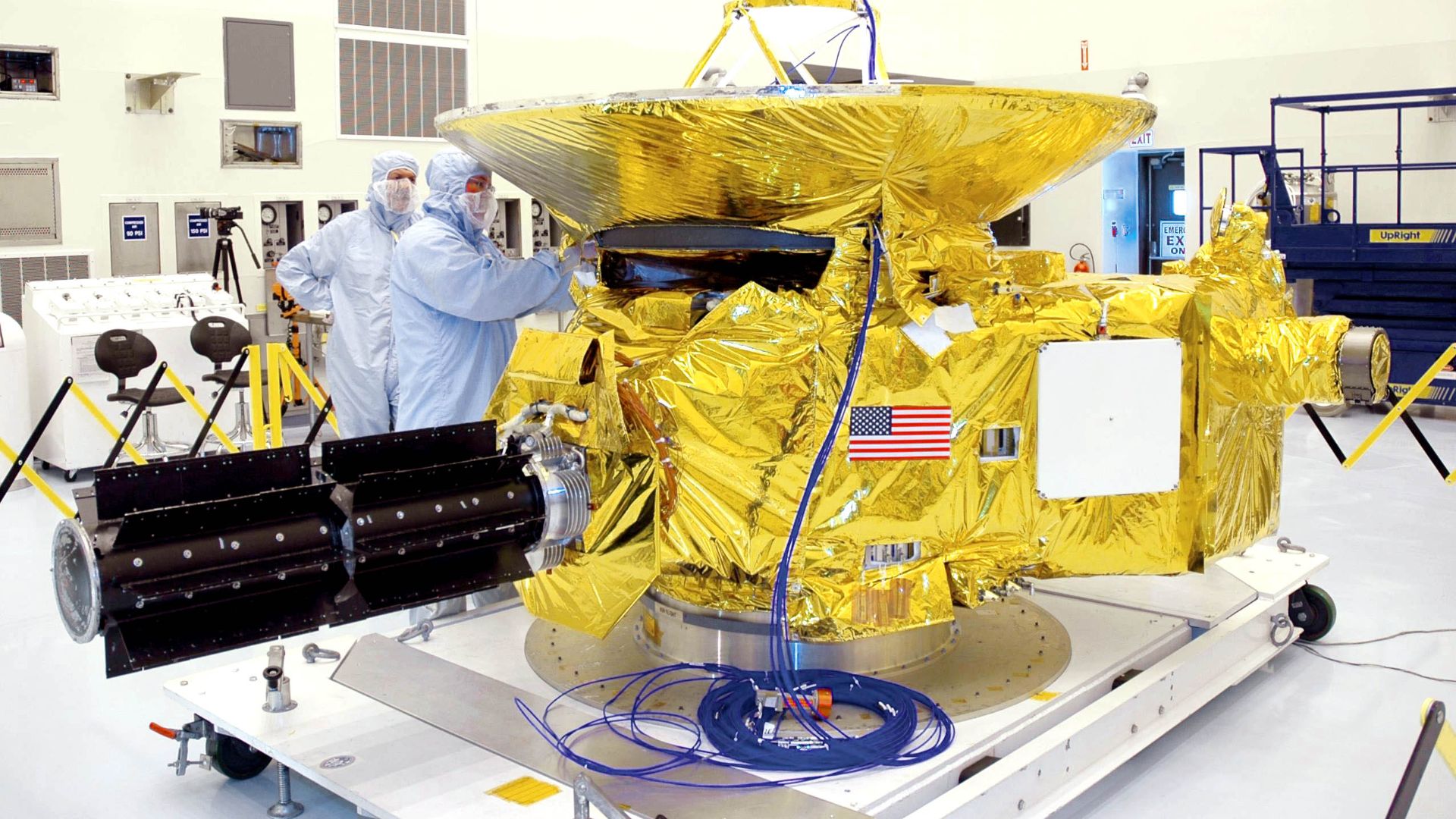
After a nine-year journey covering 3 billion miles, New Horizons flew past Pluto in July 2015, taking the first close-up images of the dwarf planet. Those images revealed a world far more geologically active and complex than anyone expected, with nitrogen ice plains, frozen water mountains, and a huge heart-shaped region.
10. International Space Station
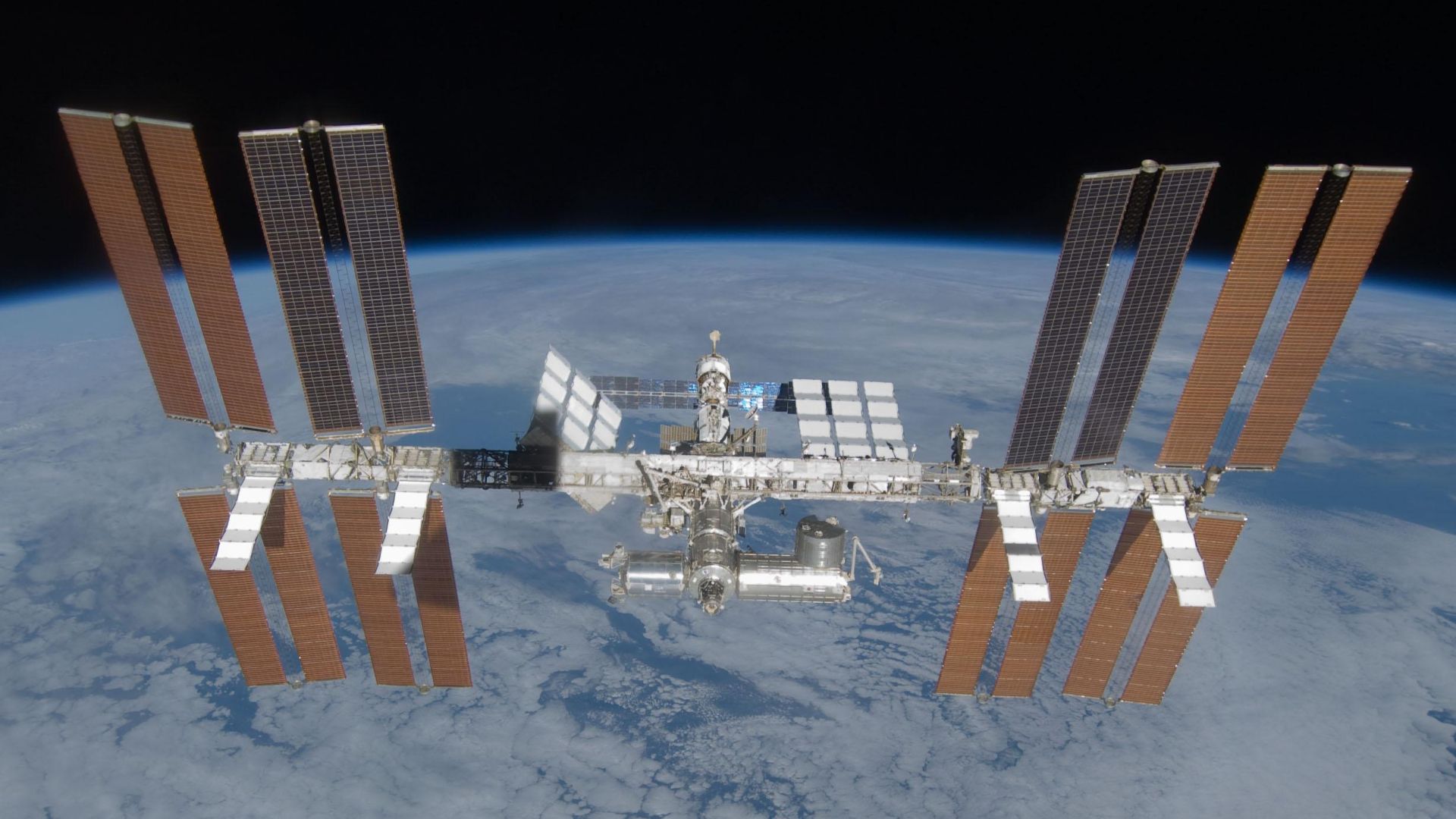
Assembling the ISS required 42 flights and more than a decade of construction beginning in 1998. The station has hosted over 260 people from 20 countries, orbiting Earth over 100,000 times. Scientists have conducted thousands of experiments in microgravity, advancing research in a variety of fields.
And now, here are ten occasions when a space mission failed.
 National Aeronautics and Space Administration (Q23548) on Wikimedia
1. Mars Climate Orbiter
In September 1999, NASA's Mars Climate Orbiter approached the red planet, ready to study Martian weather and atmosphere. Unfortunately, Lockheed Martin engineers used pound-force seconds while NASA's team used newton-seconds for crucial thrust calculations. The orbiter came in too low, hit Mars's atmosphere at the wrong angle, and either burned up or skipped off into space.
2. Soviet Mars 3 Lander
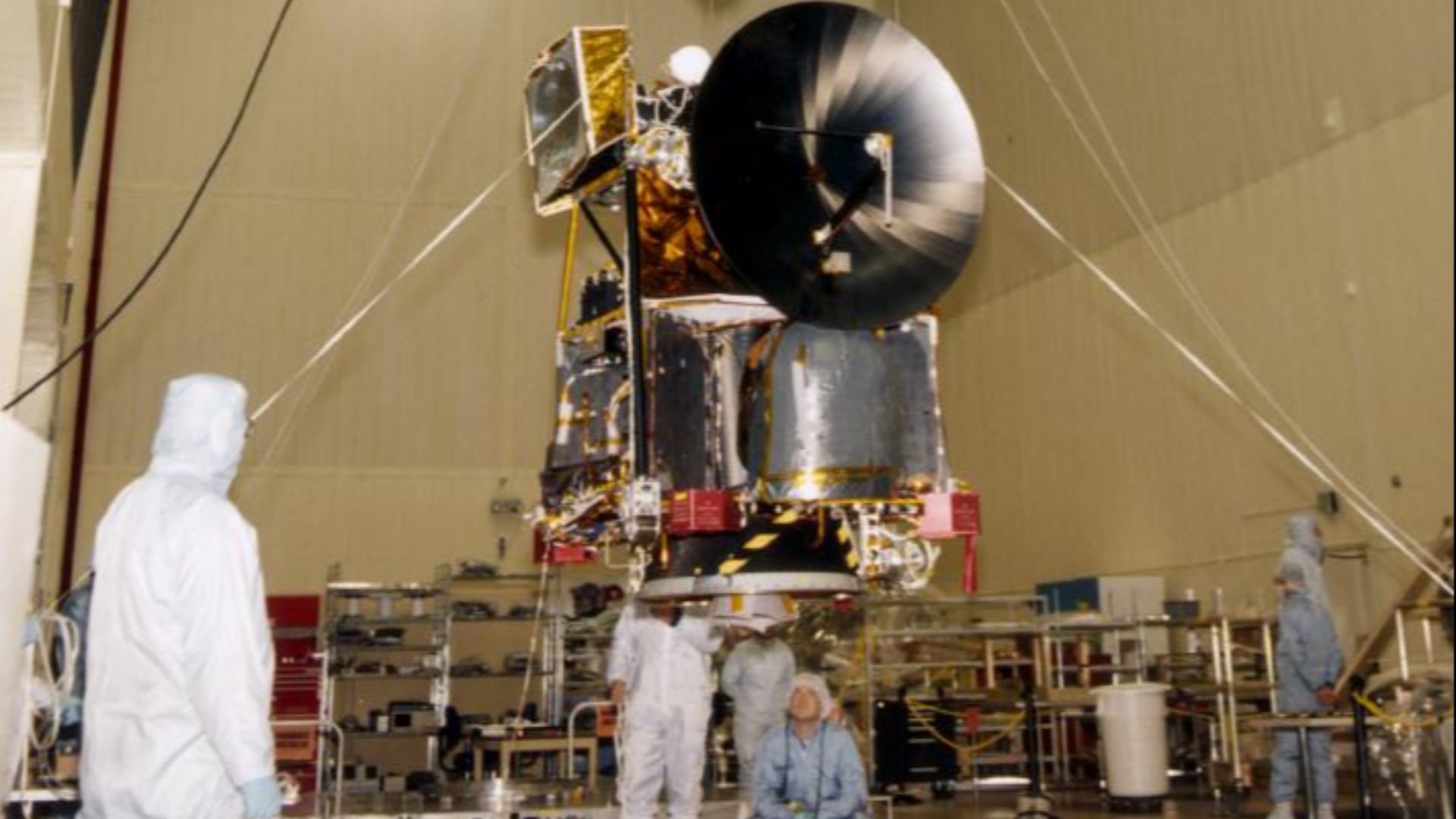
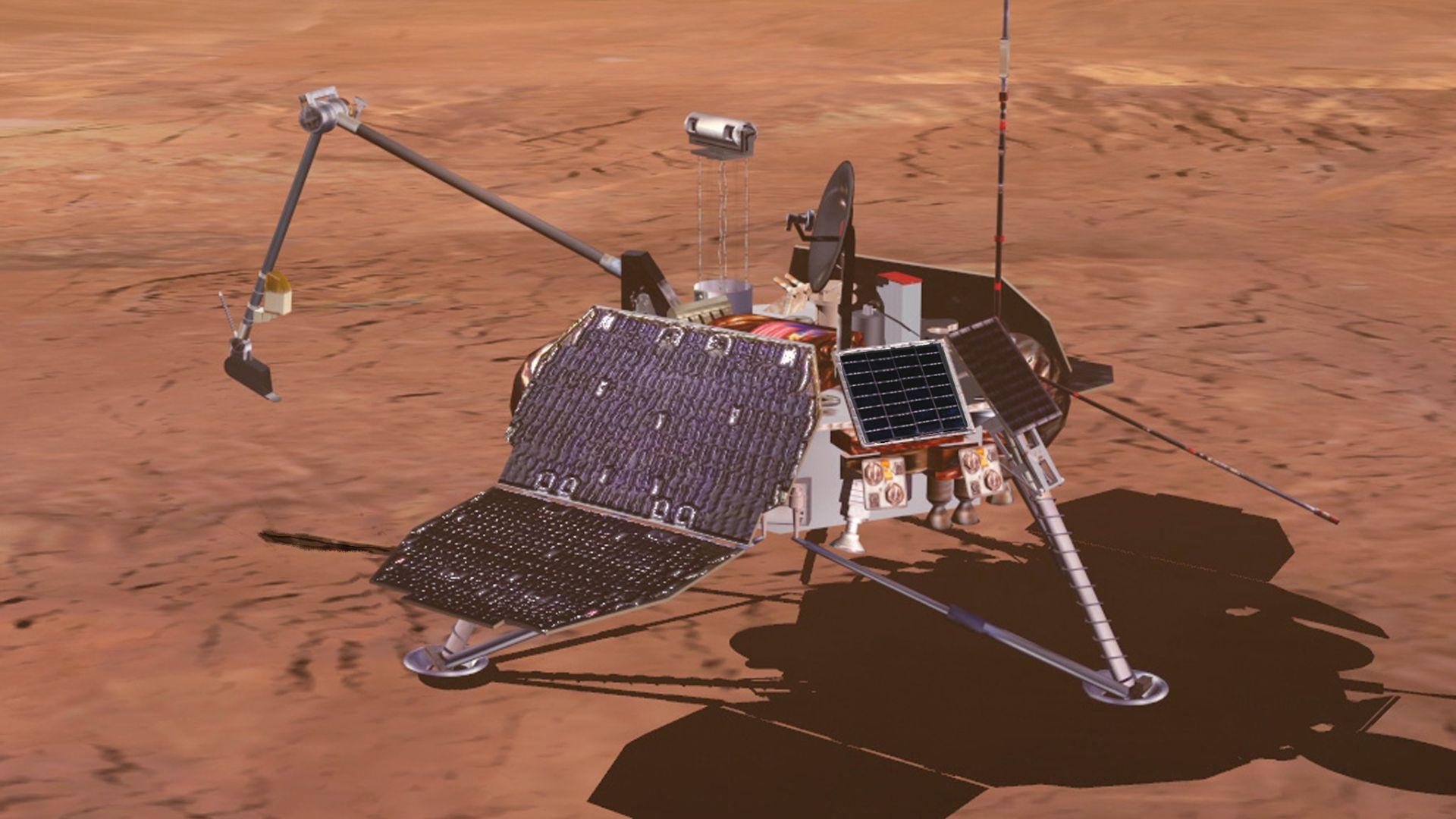
The Soviets actually beat everyone to successfully landing on Mars in December 1971. Mars 3 touched down, began transmitting, and then...nothing. After twenty seconds of garbled data, there was silence.
 NASA/JPL/Corby Waste on Wikimedia
3. Challenger
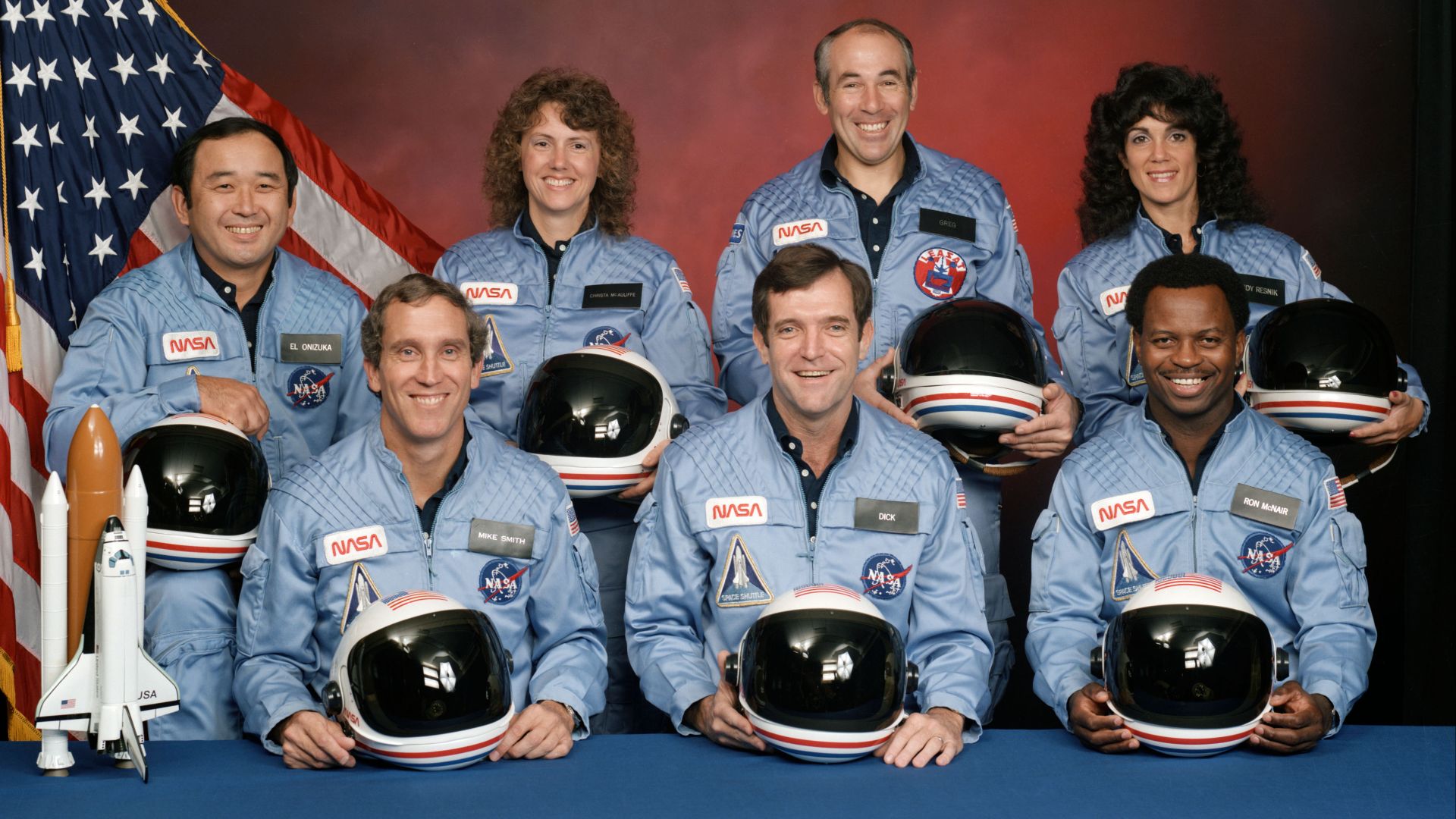
On January 28, 1986, seven astronauts died 73 seconds after launch when Challenger disintegrated as the O-ring seals failed in the frigid temperatures. Engineers at Morton Thiokol had warned against launching that morning with temperatures below freezing. Management overruled them.
4. Columbia
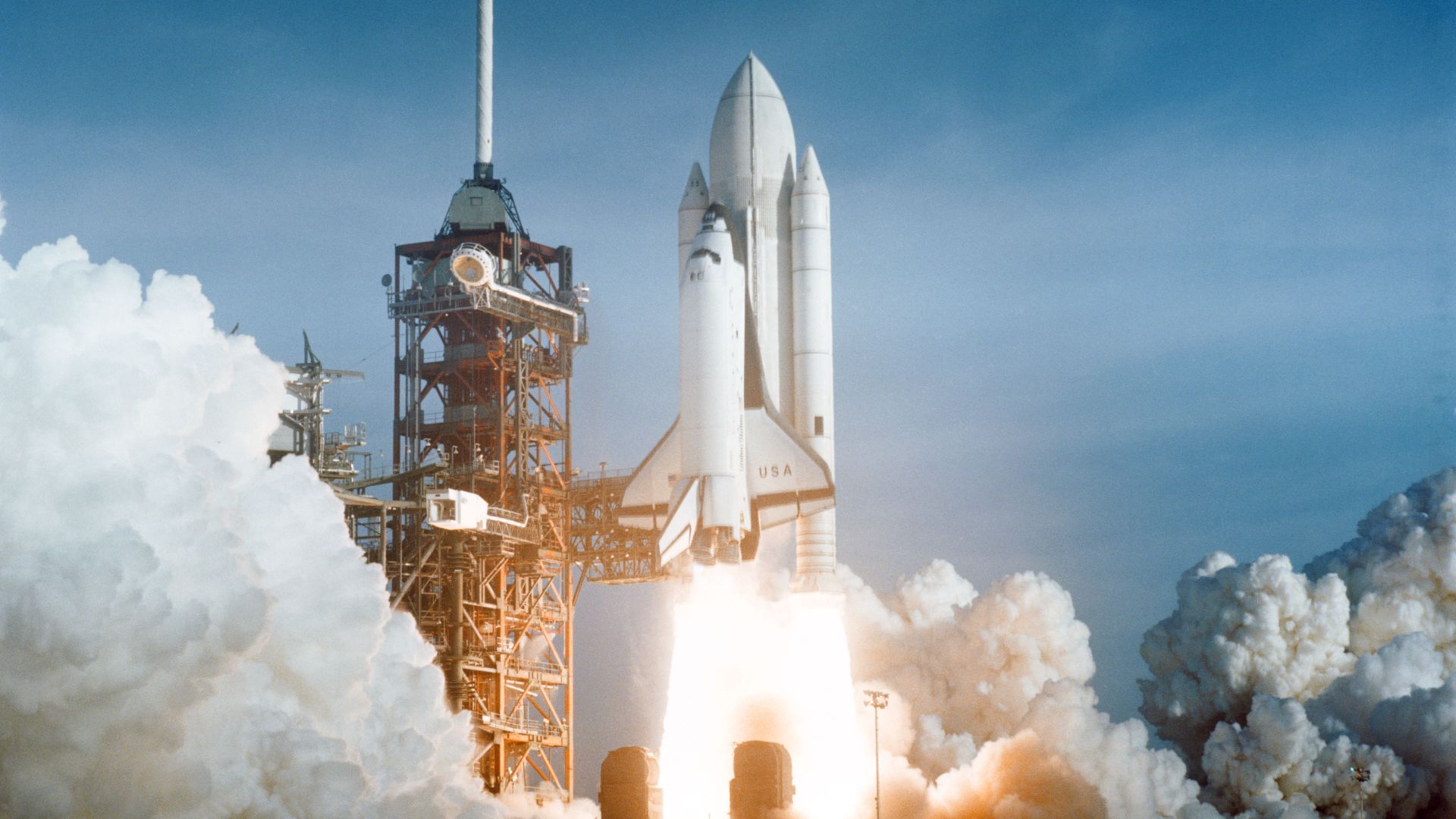
On February 1, 2003, Space Shuttle Columbia disintegrated during reentry, killing all seven crew members. A piece of foam insulation had broken off during launch 16 days earlier, striking Columbia's left wing and damaging its heat-resistant tiles. Engineers noticed the strike but believed it wasn't serious.
5. Phobos-Grunt
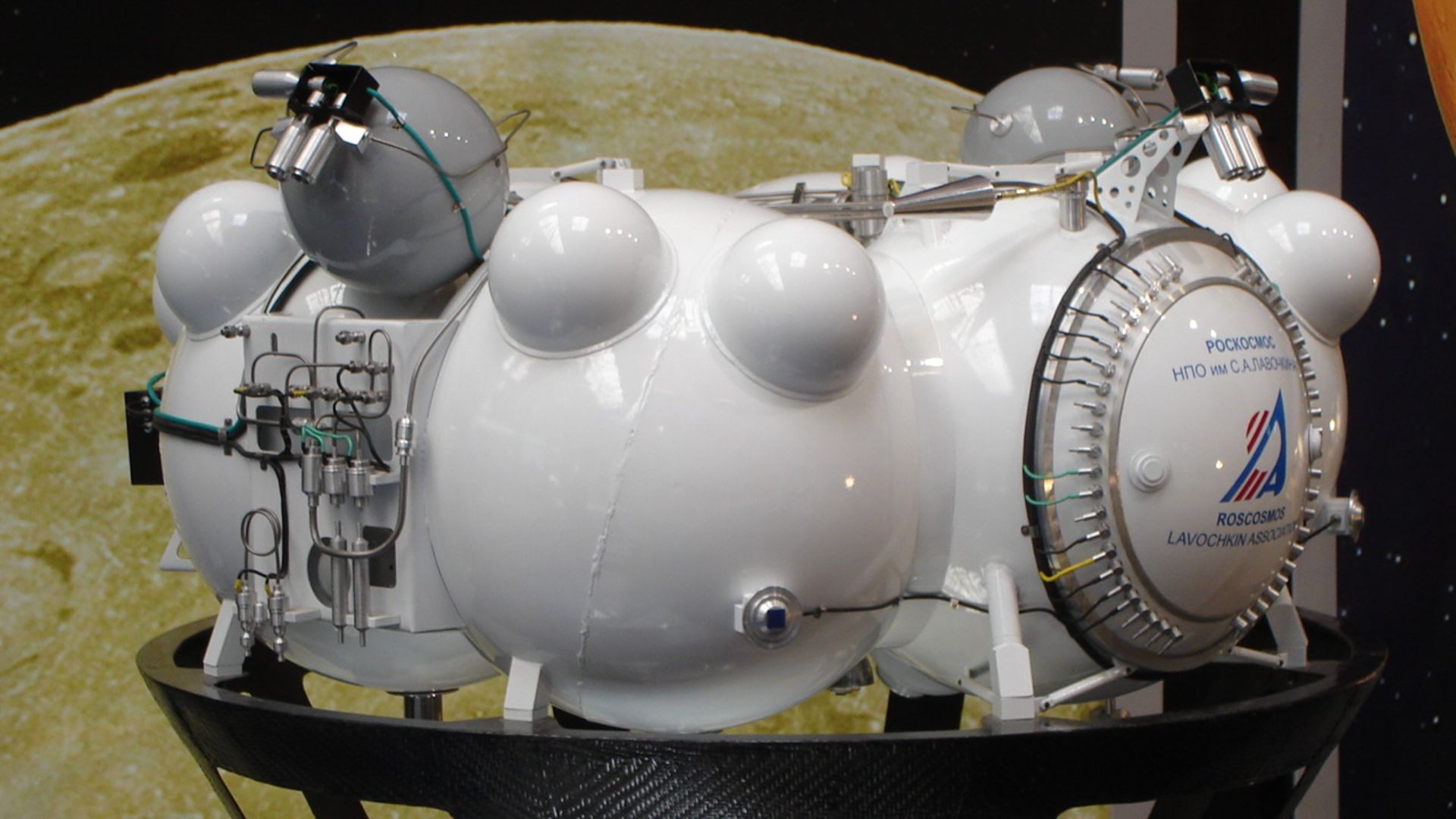
Russia's most ambitious Mars mission in decades launched in November 2011, destined for Phobos, one of Mars's moons. The probe reached Earth orbit, then its main engine failed to fire. It continued circling the planet before finally crashing into the Pacific Ocean in January 2012.
6. Genesis
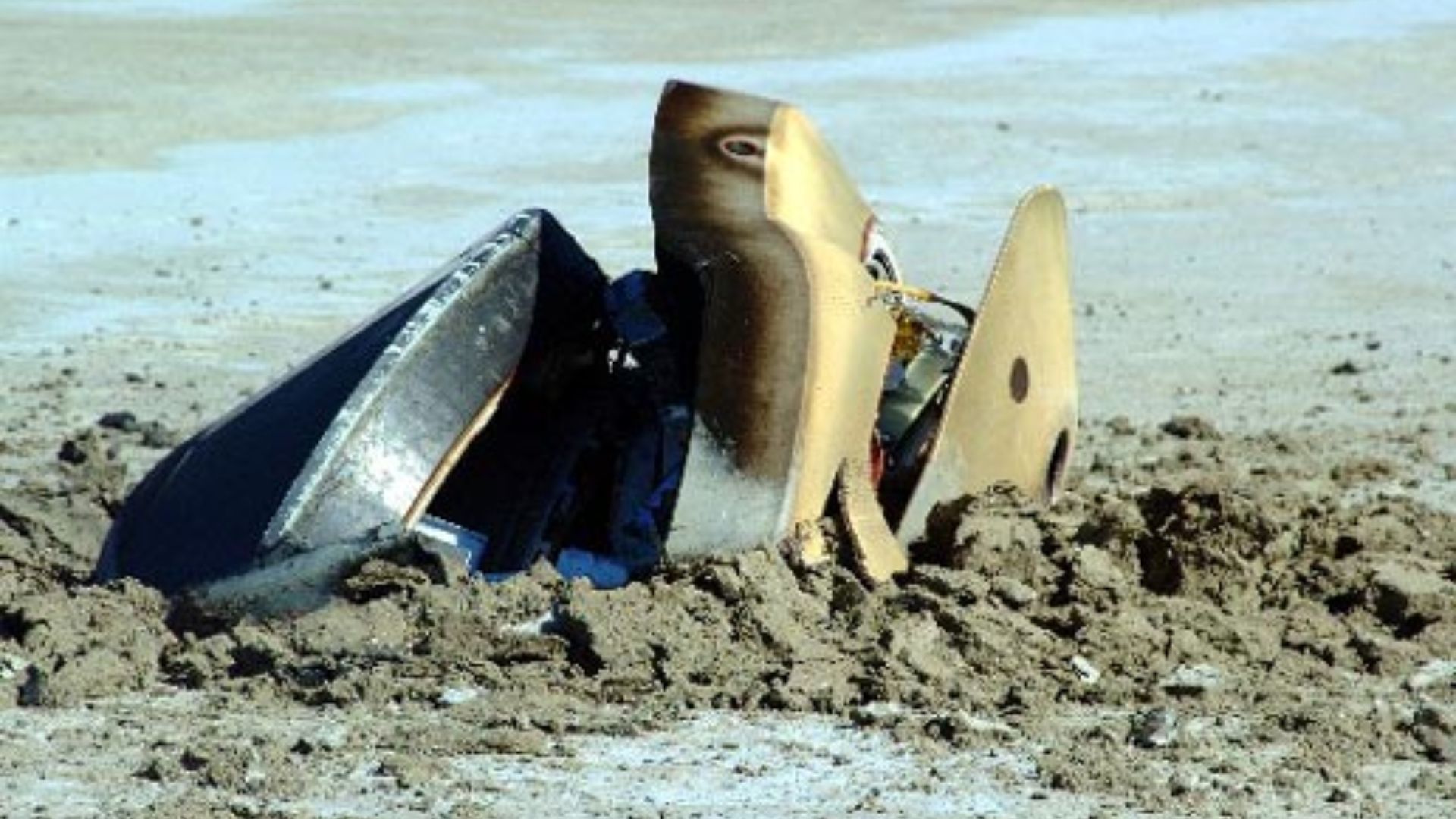
Genesis spent over two years collecting solar wind particles, then headed home in September 2004. The capsule entered Earth's atmosphere over Utah, where helicopters waited to snag its parachute midair. Except the parachute never deployed.
 USAF 388th Range Squadron on Wikimedia
7. Hitomi
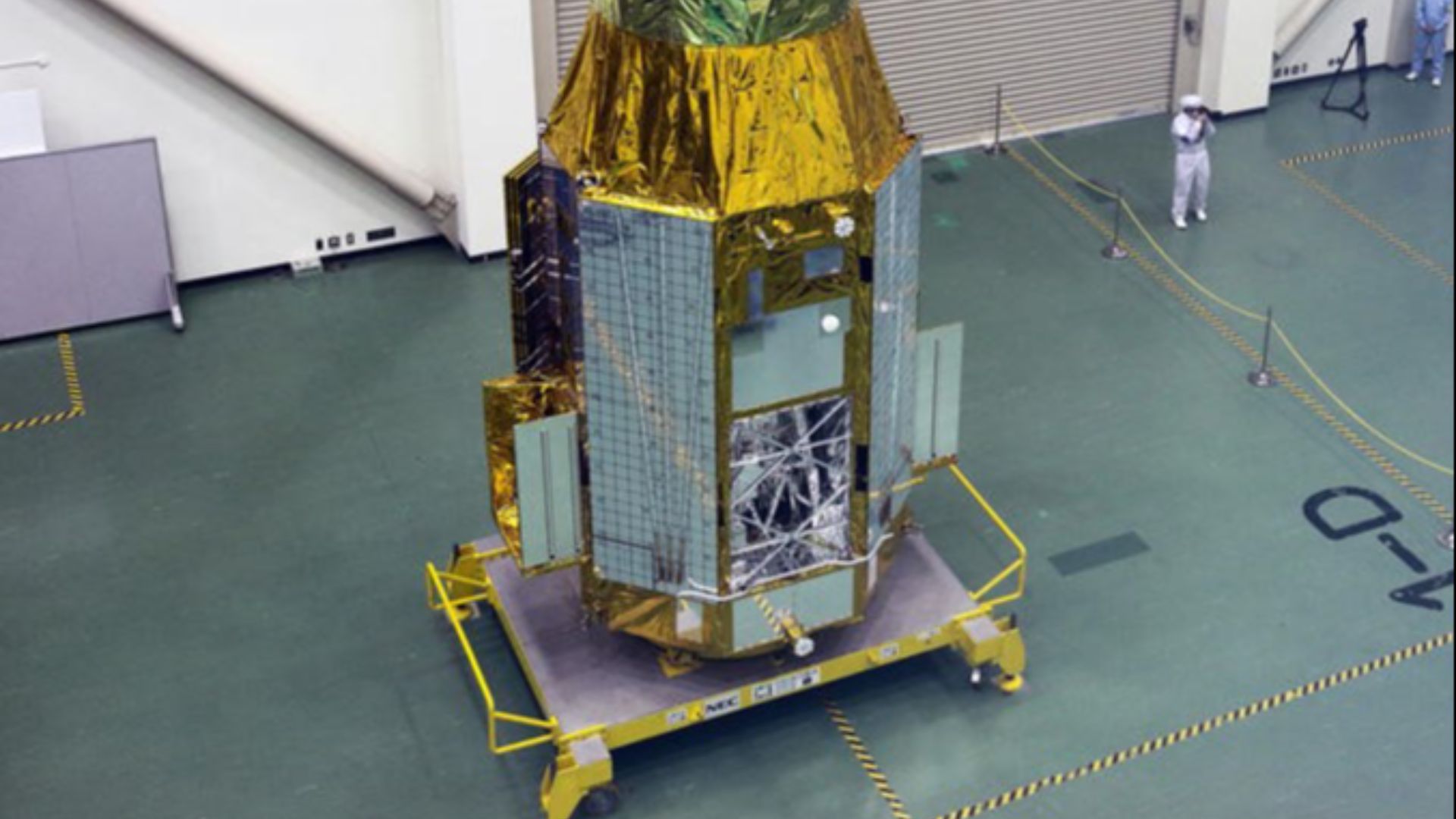
Japan's advanced X-ray telescope launched in February 2016, representing years of international collaboration. Five weeks later, Hitomi's thrusters fired based on faulty data from its attitude control system, sending the satellite into an uncontrolled spin and breaking it into pieces.
8. Schiaparelli EDM
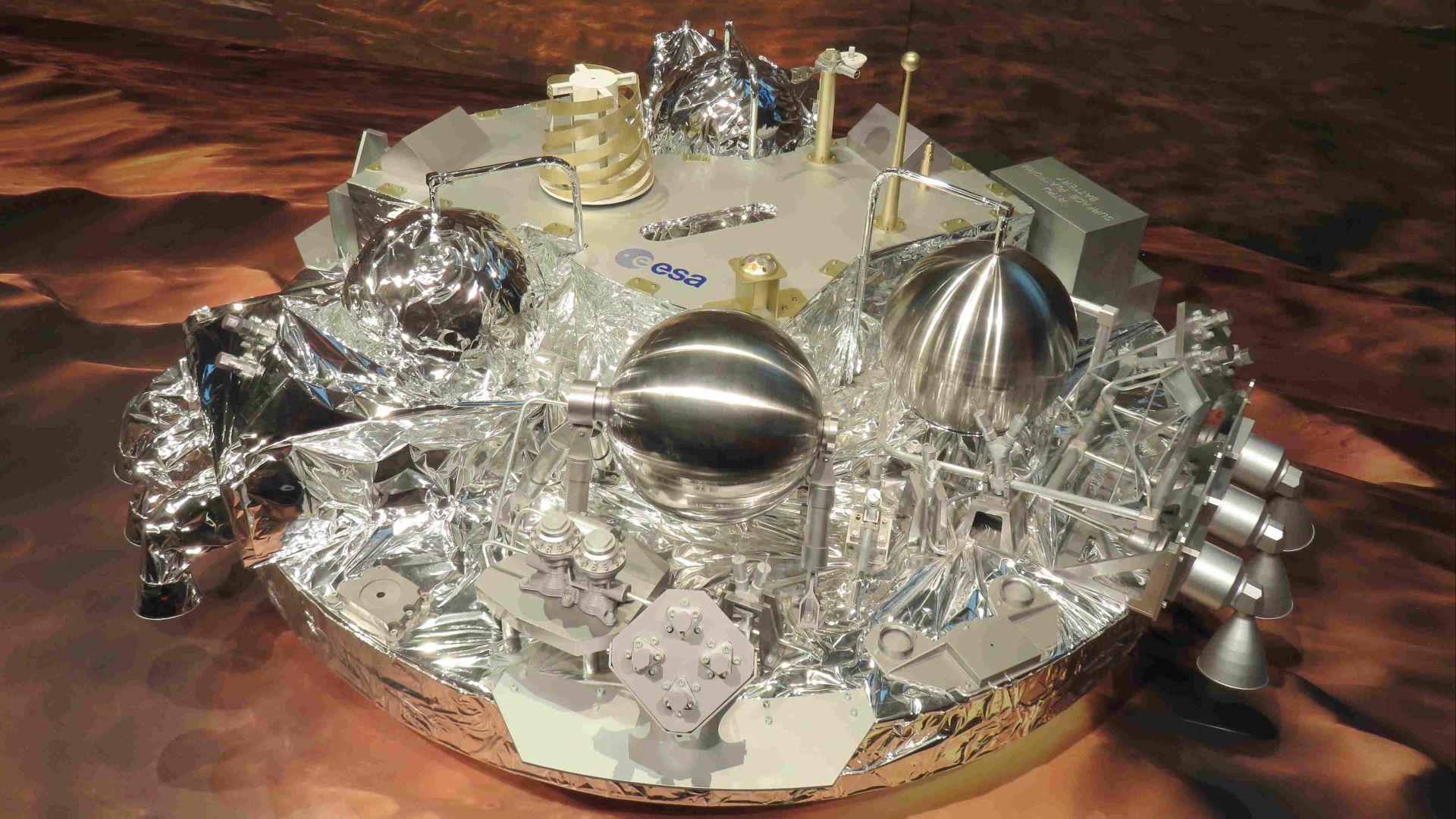
The European Space Agency's Schiaparelli lander approached Mars in October 2016. During descent, the navigation system glitched, telling the computer that Schiaparelli was below ground level while still 2.3 miles up. The thrusters shut off, and the lander exploded on impact.
9. Luna 25
Russia launched Luna 25 in August 2023, aiming to land near the Moon's south pole. The spacecraft fired its engine too long, entered an uncontrolled orbit, and crashed into the lunar surface.
 NASA/GSFC/Arizona State University on Wikimedia
10. Israeli Beresheet Lander
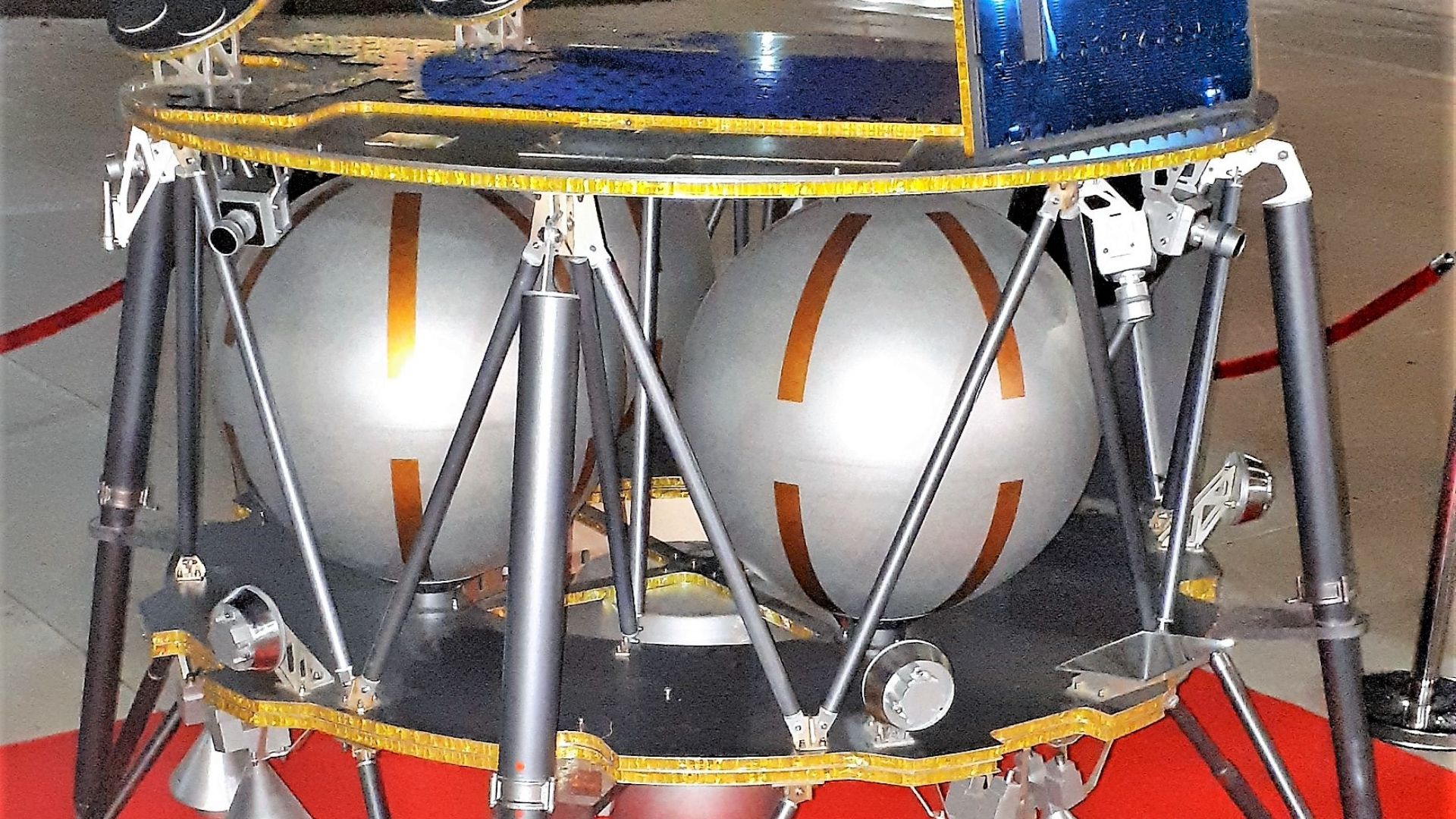
SpaceIL, a nonprofit organization, built Beresheet on a shoestring budget of around $100 million, hoping to make Israel the fourth country to soft-land on the Moon. In April 2019, during final descent, the main engine failed, causing Beresheet to crash.
KEEP ON READING