The Great Depression started with the stock market crash of 1929, and was the most severe economic downturn in modern history. At its peak in the early 1930s, unemployment in the U.S. reached around 25%, banks failed by the thousands, and millions of people lost their savings and homes.
For nearly a decade, survival required adaptability, resilience, and a willingness to live with very little. Imagining yourself during the Great Depression raises an uncomfortable question: could you survive the worst years of this era if faced with the same circumstances and conditions today?
Let's explore some of the worst aspects of the Great Depression to help you determine how you'd handle it.
Scarcity and Unemployment
The most defining reality of the Great Depression was sustained unemployment. Jobs practically disappeared overnight, especially in the manufacturing, construction, and agriculture sectors. Even those willing to work couldn't find employment, and there was no guarantee of government support during the early years.
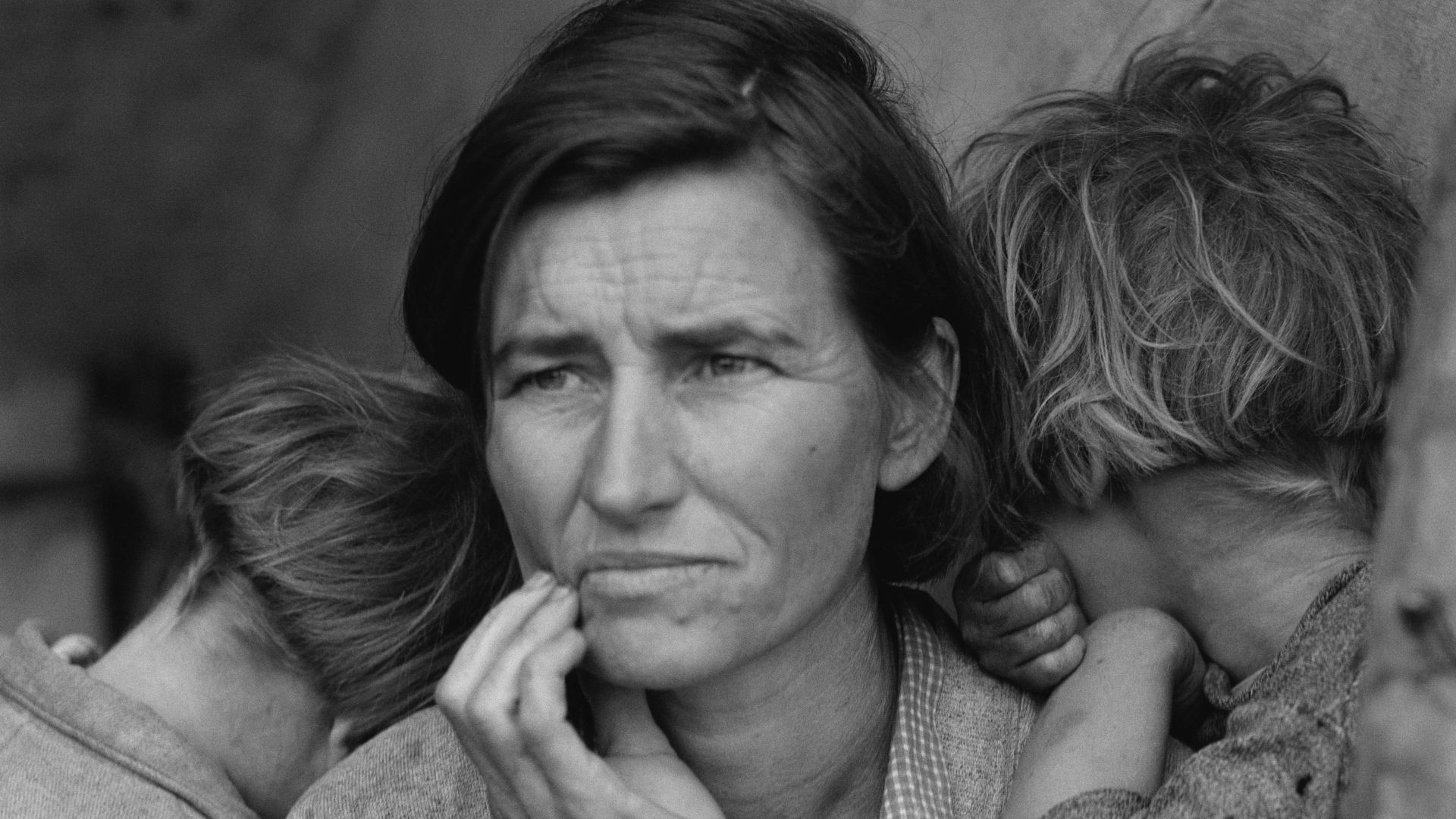
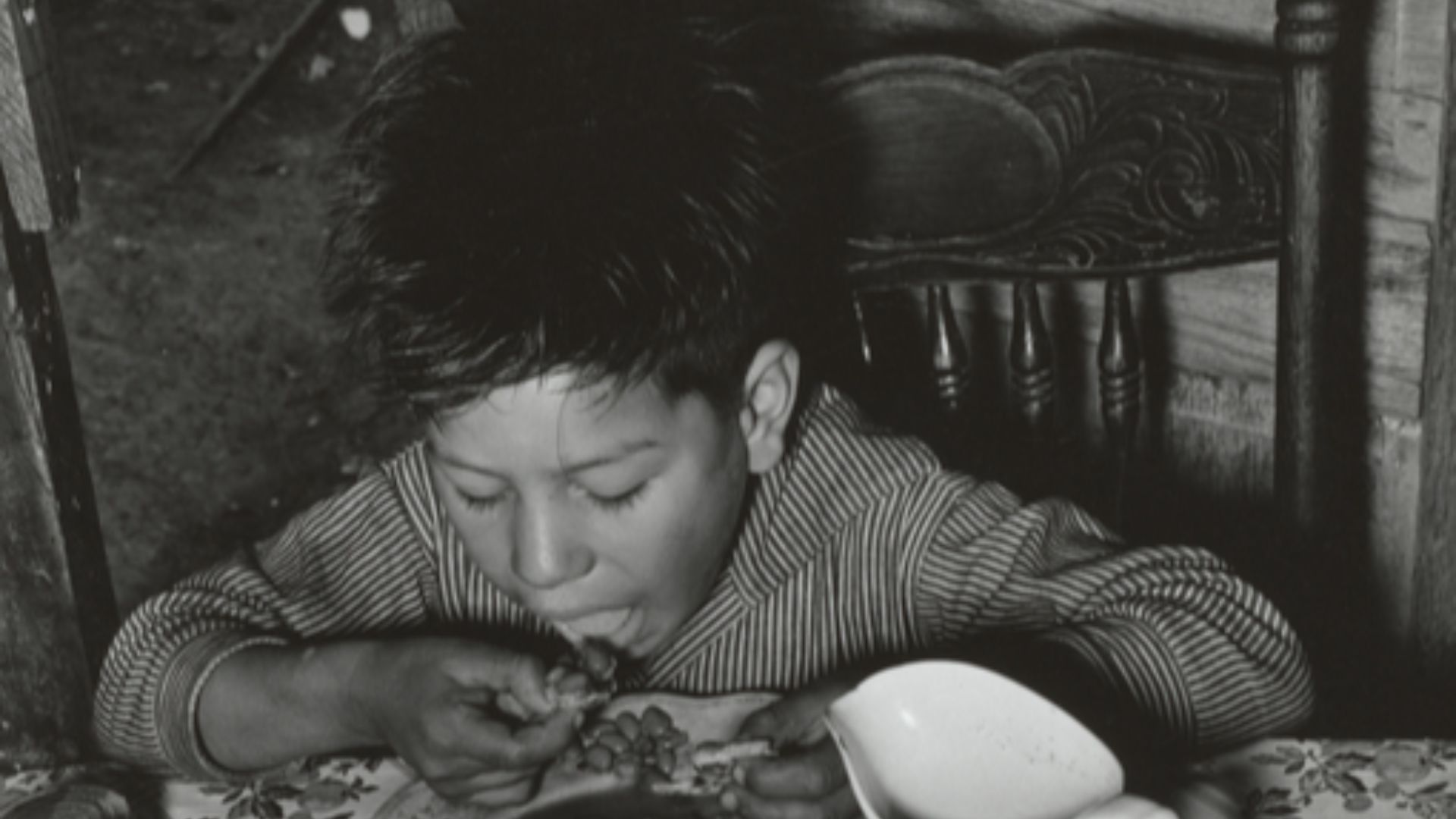
Families had to rely on savings — if they had any— or the kindness of relatives, friends, and neighbors. Food was scarce, and many households simply survived on simple meals made from cheap staples like beans and bread. Meat was rare, and nothing could go to waste. Furthermore, clothing was patched and reused, and children were forced to wear hand-me-downs for years.
Banking Failures and Lack of Security
Before federal deposit insurance existed, bank failure was a devastating proposition. When a bank collapsed, depositors lost their entire savings. This forced people to rely on cash, barter, or informal credit, which was extremely risky. The Great Depression saw trust in financial institutions erode, and many Americans avoided banks like the plague.
Homeownership, which previously was the symbol of stability, was an instant liability as foreclosures surged. Families lost their homes and were forced to move in with relatives or join migrant communities. Without modern safety nets like unemployment insurance or food banks, survival required resourcefulness and emotional endurance.
Collective Effort and Government Response
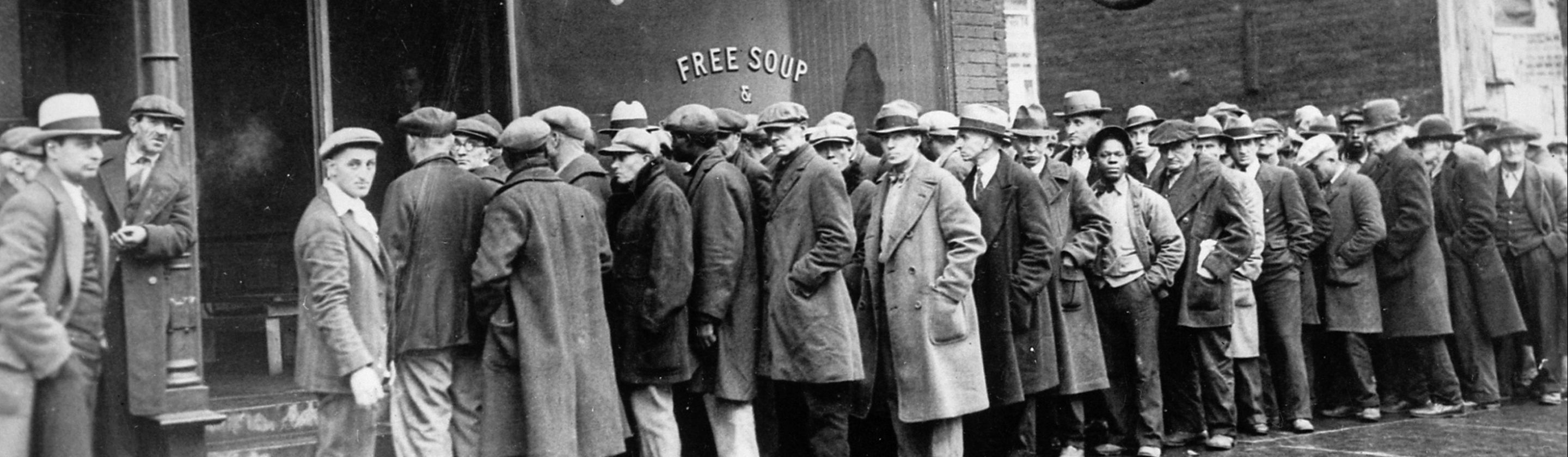
As the Depression carried on and worsened, survival increasingly depended on the collective effort. Communities organized soup kitchens, bread lines, and mutual aid networks. Neighbors shared what little they had, and over time, government intervention expanded through New Deal programs that were introduced in the mid-1930s.
Public works projects offered employment, while Social Security and labor protections became the foundation for long-term stability. It's important to note that these programs didn't resolve the economic issues overnight. Many still struggled for years, and recovery was wonky and uneven. You had to move where work was available, learn new skills, or accept whatever job came your way.
Surviving the worst parts of the Great Depression required an enormous shift in expectations. Comfort, convenience, and financial security were replaced by humility and cooperation. Those who endured often did so by redefining their perception of success—not as growth or wealth, but simply getting by. The Depression is an unpleasant reminder of how quickly economic stability can collapse. The question remains: could you survive it?