

The Third Cancellation
The text came in just before noon on a Thursday, and honestly, I should've been used to it by then. 'Hi Carol! So sorry, but we need to reschedule this weekend. Lucas has a little cold and I don't want Emma catching it. Let's find another time soon! xo Amanda.' I read it twice, standing in my kitchen with flour still on my hands from making Emma's favorite chocolate chip cookies. This was the third time in two months they'd canceled our planned visit, and each time Amanda's message sounded perfectly reasonable, perfectly apologetic. But something felt different this time, something I couldn't quite name. The kisses and exclamation points were all there, the same friendly tone Amanda always used. Still, I found myself staring at that little 'xo' like it was evidence of something, though I didn't know what. I set my phone down and looked at the mixing bowl on the counter, at all those ingredients I'd pulled out specifically for my grandkids. I stared at the message, and for the first time, I let myself think the thought I'd been avoiding: What if this wasn't about the kids at all?
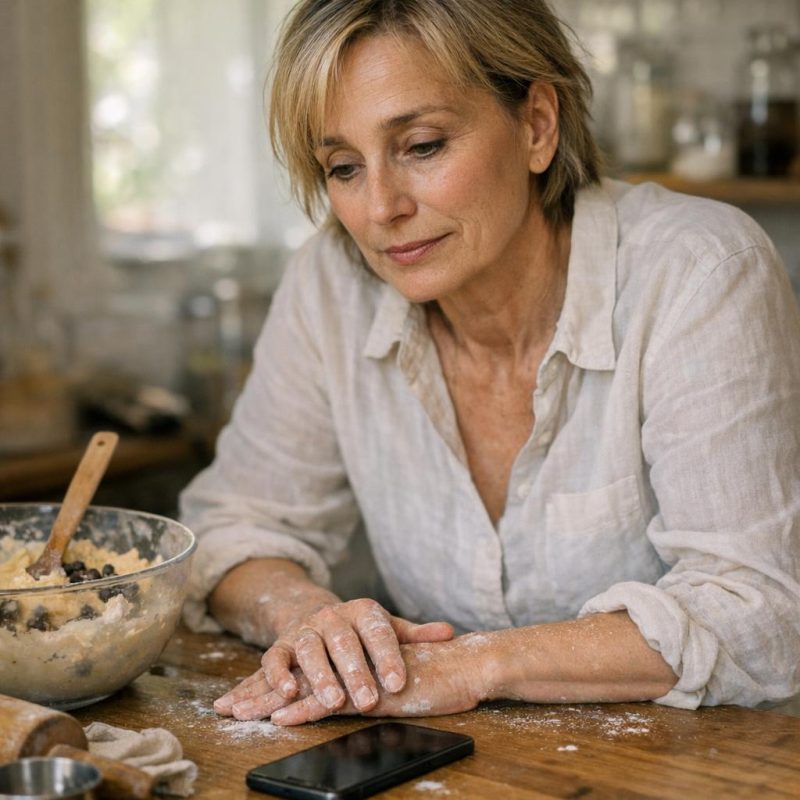 Image by RM AI
How It Used to Be
God, I remember when Emma was born six years ago, how Amanda actually called me from the hospital to come meet her granddaughter. I'd walked into that room and she was sitting up in bed, exhausted but glowing, and she'd handed Emma to me without hesitation. 'She needs to know her grandma,' Amanda had said, and I'd felt this rush of love for my daughter-in-law in that moment. When Lucas came along two years later, it was the same—Amanda would text me photos almost daily, ask me to come over whenever I wanted, genuinely seemed to enjoy having me around. I'd show up with groceries or little gifts for the kids, and she'd make coffee while we watched Emma do puzzles or chase Lucas around the living room. Daniel would come home from work and find all of us together, and he'd smile like this was exactly how he'd pictured his family. Those first years felt so natural, so easy. Looking back, I couldn't pinpoint when things changed—only that they had, slowly, like seasons shifting without warning.
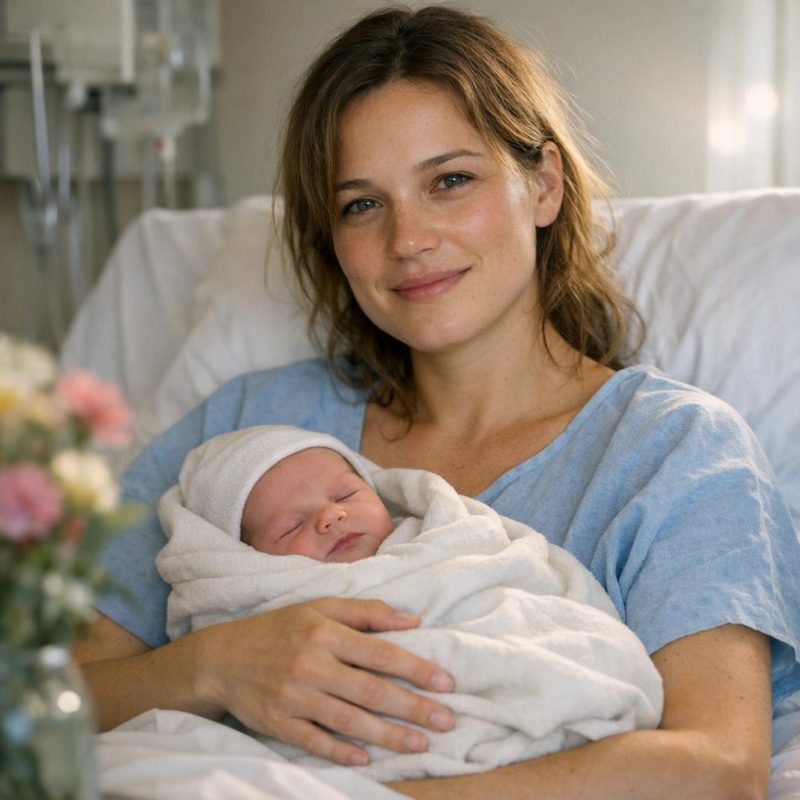 Image by RM AI
Just Checking In
I waited two days before calling Daniel, trying not to seem desperate or pushy. When he picked up, I kept my voice light, casual. 'Hi honey, just checking in. How are my babies doing? Is Lucas feeling better?' There was this tiny pause before he answered, barely noticeable, but I noticed. 'Yeah, he's fine, Mom. Just a little sniffle, you know how it is.' I asked when might be good for a visit, maybe next weekend, and he said they'd been pretty busy lately, maybe the weekend after. I suggested a weekday afternoon instead, just an hour or two, and he said he'd have to check with Amanda about their schedule. We used to not need schedules, I thought but didn't say. When had seeing my own grandchildren become something that required scheduling and checking and approval? He promised he'd get back to me, said he loved me, and hung up before I could ask anything else. He said they'd been busy, but there was something in his voice—something careful, rehearsed—that made my stomach tighten.
 Image by RM AI
The Last Good Day
That last visit kept running through my mind like a film I could rewind and study for clues. It had been six weeks ago, a Saturday afternoon, and everything had seemed perfectly fine. I'd brought coloring books for Emma and this little truck Lucas had been wanting, and both kids had been so happy to see me. Amanda had been in the kitchen when I arrived, and I'd offered to help with dinner prep while the kids played. She'd said she had it under control, but I noticed she was cutting the vegetables kind of thick, so I'd just gently mentioned that the kids might eat them better if they were smaller. She'd smiled and said okay, and I'd helped her recut them properly. Later, Emma had been frustrated with a puzzle, and Amanda was about to help her, but I'd jumped in because I'd always been good at puzzles. Amanda had just stepped back and started folding laundry instead. At the time, I'd thought we'd had a lovely afternoon together. I replayed every moment, every word—and found nothing that could explain why I was now being kept away.
 Image by RM AI
The Text Message
I finally sent Amanda a text on Monday morning, keeping it friendly and warm. 'Hi Amanda! Hope everyone's feeling better. I miss those little faces so much. Would love to see some photos when you get a chance! Love you! xo.' I watched my phone on and off all day, trying not to obsess over it. The reply came six hours later, just three lines. 'Hi Carol! Kids are good, back to their usual chaos. Attaching a photo from yesterday. Hope you're well!' The photo showed Emma and Lucas playing in their backyard, both smiling, both looking so much bigger than I remembered. I typed back immediately, asking how school was going for Emma and if Lucas was still into dinosaurs, trying to start a real conversation. She responded two hours later with short answers and no follow-up questions. No suggestions for when we could visit. No 'we should get together soon.' Just information, delivered politely and efficiently, like I was someone she barely knew. Her reply was perfectly nice, perfectly normal—and somehow, that made it worse.
 Image by RM AI
Second-Guessing Everything
I started losing sleep over it, lying awake replaying every interaction I'd had with Amanda over the past year. Had I said something critical without realizing it? Had I overstepped somehow? I went through our text history, reading every message I'd sent, looking for anything that might have offended her. Everything seemed fine—I complimented her constantly, always said thank you, always told her what a good mother she was. I thought about the times I'd offered advice about the kids' sleep schedules or eating habits, but that's what grandmothers do, isn't it? We share our experience. I'd raised Daniel, after all, and he'd turned out wonderful. I asked my sister if she thought I'd done anything wrong, and she said I was overthinking it, that young mothers just get weird sometimes about boundaries. But I kept circling back to those canceled visits, those polite but distant texts, Daniel's careful voice on the phone. Maybe I'd said something, something small that I didn't even remember—but what?
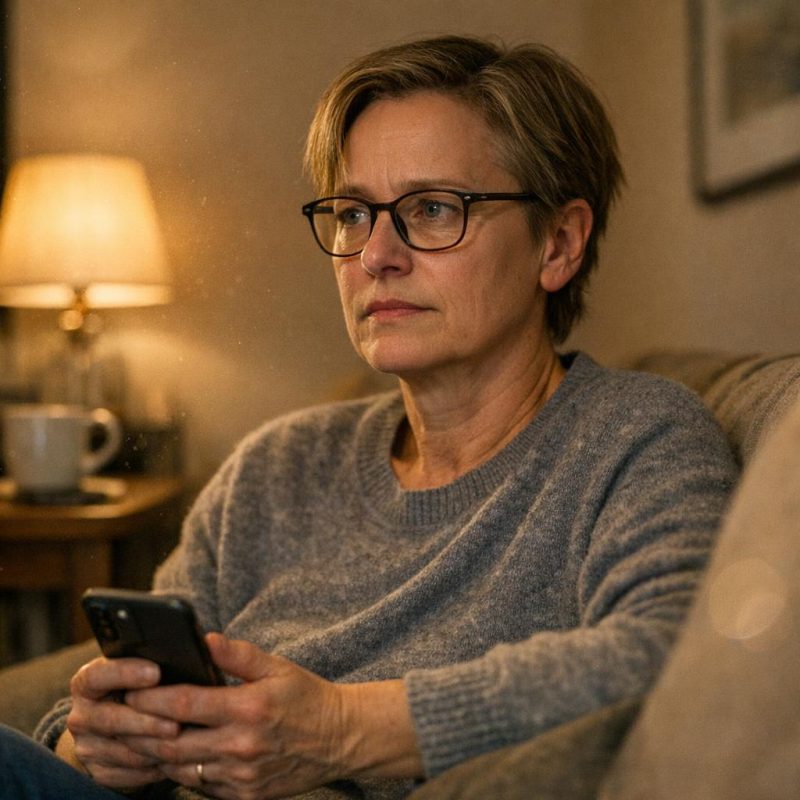 Image by RM AI
The Birthday Party That Wasn't
I found out about Emma's birthday party from Facebook, of all places. I wasn't even looking for it—just scrolling through my feed on a Thursday evening when Amanda's cousin posted photos from what was clearly a big celebration. There was Emma in a princess dress, surrounded by balloons and a cake shaped like a castle, her face lit up with pure joy. I felt like I'd been punched in the chest. The party had been last weekend, the same weekend Amanda had told me they were 'keeping it low-key this year' when I'd asked about plans. I scrolled through fifteen photos, my hands actually shaking. There was Daniel's brother with his kids, Amanda's parents, neighbors I recognized from previous visits, even some of Daniel's coworkers. Everyone was there, celebrating my granddaughter's sixth birthday, and I was sitting at home with the wrapped present I'd been waiting to give her. There were photos of other grandparents, aunts, uncles, friends—everyone but me.
 Image by RM AI
Reaching Out Again
I called Daniel that night, and I tried so hard to keep my voice level, to not sound accusatory or hurt. 'Honey, I saw some photos from Emma's party. It looked wonderful.' Another pause, longer this time. 'Oh, yeah. Mom, I'm sorry, we should've mentioned it. We kept it really small this year, just immediate family.' I wanted to scream. Instead, I said very calmly that the photos showed at least thirty people. He stumbled over his words, said it got bigger than they'd planned, that Amanda's parents had invited some people, that it had been kind of last-minute. Every excuse sounded more hollow than the last. I asked why I hadn't been invited to my own granddaughter's birthday party, and he got quiet. Then he said Amanda had been stressed about the planning and they'd just wanted to keep it simple. Simple, with thirty guests and a custom cake and a bounce house I could see in the background of one photo. He apologized, said they'd kept it small—but I'd seen the pictures, and small wasn't the word I'd use.
 Image by RM AI
The Whisper of Doubt
I started noticing things I hadn't before. The way Daniel's excuses always came back to what Amanda wanted, what Amanda thought was best. The way he'd stopped saying 'we decided' and started saying 'Amanda feels.' It crept into my mind slowly, this ugly thought I didn't want to have—that maybe Amanda had been working on him, turning him against me. I'd heard about women like that, mothers-in-law would whisper about them at church. Women who isolated their husbands from their families, who made themselves the center of everything. I felt sick even thinking it. Amanda had always been quiet, a little distant maybe, but manipulative? That seemed extreme. Still, I couldn't shake the pattern I was seeing. Every obstacle between me and my grandchildren seemed to have Amanda's fingerprints on it. I told myself I was being paranoid, that I was hurting and looking for someone to blame. But the thought was there now, growing roots. I hated the thought, hated myself for thinking it—but it was there now, lodged in my mind like a splinter.
 Image by RM AI
The Excuse About School
I texted Amanda directly about visiting the following weekend. Figured maybe going through Daniel wasn't working. She responded within an hour, which surprised me. 'Hi Carol! That weekend won't work—Emma just started a new enrichment program on Saturdays and we're trying to keep her schedule consistent. Maybe in a few weeks?' I read it three times. The tone was friendly enough, even included an exclamation point. Emma's schedule made sense—consistency was important for kids. I knew that. But something about it felt rehearsed, like she'd had this excuse ready. I suggested Sunday instead, thinking I was being flexible. 'Sundays are family rest day now,' she wrote back. 'We're trying to have more downtime together.' More downtime together. Without me, apparently. I put my phone down and stared at the wall. Everything she said was reasonable. Good parenting, even. I couldn't argue with wanting stability for Emma or family time for the four of them. It was a reasonable explanation—so why did it feel like just another wall going up?
 Image by RM AI
Coffee With Beth
I met Beth for coffee on a gray Thursday afternoon. We'd been friends since our kids were in elementary school together—she knew Daniel, had watched him grow up. I'd been holding everything in for weeks, but when she asked how the grandkids were, it all came pouring out. The missed birthday party, the canceled visits, the excuses that seemed endless. She listened without interrupting, which I appreciated. When I finished, she was quiet for a moment, stirring her latte. 'That sounds really hard,' she said carefully. 'Have you talked to Daniel about how you're feeling?' I told her I'd tried, but he just made more excuses for Amanda. Beth nodded slowly. 'And Amanda—what does she say when you ask directly?' I explained that Amanda was always polite, always had a reason, but nothing ever changed. Beth set down her spoon and looked at me with those gentle eyes that somehow made me feel exposed. 'Carol, I'm going to ask you something, and I want you to really think about it.' My chest tightened. Beth asked me gently, 'Have you thought about what you might have done?'—and I felt my defenses rise.
 Image by RM AI
What Beth Said
I couldn't stop replaying Beth's question. It followed me home from the coffee shop, sat with me through dinner, kept me up that night. What might I have done? The implication stung. Like I was the problem, like I'd somehow caused my own daughter-in-law to shut me out from my grandchildren. Beth didn't understand—she couldn't, because her daughter-in-law adored her, sent her pictures daily, invited her to everything. Easy to be philosophical when you weren't the one being excluded. I went through our interactions in my mind, looking for whatever Beth seemed to think I'd find. I'd been nothing but helpful since Emma was born. Supportive. Present. Maybe a little opinionated sometimes, but that's what mothers do—we share wisdom, we guide. Was I supposed to just stand back and say nothing when I saw things that could be done better? I made myself tea and tried to let it go. Beth meant well, but she was wrong about this. This was about Amanda, not me. Still, I couldn't quite convince myself. I wanted to believe Beth was wrong—but the question lingered, uncomfortable and insistent.
 Image by RM AI
The Holidays Approaching
November arrived cold and gray. I was putting away Halloween decorations when it hit me—I hadn't heard anything about Thanksgiving. Every other year, we'd had plans finalized by now. I'd host, or Daniel and Amanda would, or we'd all go to Amanda's parents' place together. There was always a plan, always a conversation. This year? Nothing. Silence. I checked my calendar like the date might have somehow changed, like maybe I'd missed something. But no, there it was—Thanksgiving was three weeks away. I picked up my phone twice to call Daniel, then set it down both times. What would I even say? 'Am I invited to Thanksgiving or have you erased me from the family?' I couldn't bear to ask and have him confirm what I already suspected. The thought of spending the holiday alone, of Emma and Jack sitting around a table somewhere without me, made my stomach turn. I'd never missed a Thanksgiving with my son. Not once in thirty-six years. Thanksgiving was three weeks away, and for the first time in years, I had no idea if I'd see my grandchildren.
 Image by RM AI
The Direct Ask
I finally worked up the nerve to text Amanda. Kept it casual, breezy. 'Hi! Hope you're all doing well! Wanted to check in about Thanksgiving—are you hosting or should I plan something?' I watched those three dots appear and disappear twice before her response came through. 'Hi Carol! We're actually still figuring things out. Daniel's work schedule has been unpredictable and we're not sure yet what makes sense. I'll let you know when we decide!' The exclamation points felt aggressive somehow, like forced cheerfulness masking something else. Still figuring things out. Three weeks before Thanksgiving and they were still figuring things out. I'd never known Amanda to be a last-minute planner—she had Emma's activities scheduled months in advance, color-coded in a shared family calendar Daniel had shown me once. But Thanksgiving? That was apparently still up in the air. I wrote back something about understanding and to keep me posted. She sent back a thumbs up emoji. Just that. No timeline, no 'of course you'll be included,' nothing. She said they were 'still figuring things out,' and I knew—I just knew—I wasn't part of those plans.
 Image by RM AI
Daniel's Silence
I called Daniel the next day. It went to voicemail. I left a message trying to sound casual, asking about Thanksgiving, saying I wanted to coordinate schedules. He didn't call back that day. Or the next. By the third day, I was checking my phone constantly, making sure the ringer was on, convinced I'd somehow missed his call. I hadn't. On the evening of the second day, I called again. Voicemail again. This time I didn't leave a message—what was the point? My son was avoiding me. That truth sat heavy in my chest. Finally, late on the second evening, my phone rang. Daniel. I answered so fast I nearly dropped it. 'Hey Mom, sorry, work's been crazy.' His voice was different—tight, strained, like he was bracing for something. We made small talk about the weather, about nothing. I waited for him to mention Thanksgiving. He didn't. I asked how the kids were. He said fine, great, busy. The conversation lasted maybe four minutes. When he finally called back, his voice was tight, distracted—and he didn't mention the holiday at all.
 Image by RM AI
The Memory of Helping
Lying in bed that night, I found myself thinking about last spring. Amanda had been exhausted—Jack was going through a phase where he wouldn't sleep, and she'd mentioned being overwhelmed. I'd immediately offered to take the kids for an afternoon, give her time to rest or catch up on things. I remembered feeling so helpful, so generous with my time. She'd smiled—that polite, careful smile—and said, 'That's so kind, Carol, but I think we're okay. I'm trying to get Jack into a routine and it helps if we keep things consistent.' I'd pushed a little, said I'd be happy to follow whatever routine she had, that she really looked like she needed a break. She'd thanked me again and changed the subject. I'd felt a little hurt at the time, like she didn't trust me with my own grandchildren, but I'd let it go. Now, lying there in the dark, I turned that memory over like a stone. She'd refused my help when she desperately needed it. Why? At the time, I thought she was just being independent—now I wondered if she simply didn't want me around.
 Image by RM AI
The Dinner Suggestion
I was on the phone with Amanda a few days later, and she mentioned that Lucas had barely touched his dinner. I didn't even think—the words just came out. 'You know, toddlers need more protein than we realize. Maybe try giving him some chicken or eggs earlier in the meal when he's hungriest.' There was a pause. Then she said, 'We give him plenty of protein, Carol. He's just being picky right now.' Her voice had this edge to it that I couldn't quite place. I tried to soften it: 'Of course, I'm sure you do. I just meant, you know, sometimes they need more than we think.' Another pause. 'Thanks for the tip.' Her tone was so flat I actually pulled the phone away from my ear to check if we were still connected. She thanked me curtly and changed the subject—asking if I'd gotten my garden ready for spring—and I realized I'd done it again, whatever 'it' was.
 Image by RM AI
Sleepless Nights
I stopped sleeping properly. I'd lie there in the dark, staring at the ceiling, replaying every conversation I'd had with Amanda over the past year. Every phone call. Every text exchange. Every visit. I kept searching for the moment where things went wrong, the exact instant when I'd said or done something unforgivable. But nothing stood out. I'd been helpful. I'd been supportive. I'd offered advice when I saw she needed it. That's what mothers do, isn't it? What grandmothers do? By three in the morning, the memories would blur together—had I said that, or just thought it? Had her face looked hurt, or was I imagining that now? I'd get up, make tea, sit at the kitchen table with my phone in my hand, scrolling through old photos of the kids. Sometimes I'd start typing a message to Daniel or Amanda, then delete it before sending. What would I even say? The harder I looked, the more everything blurred together—until I couldn't tell what was real and what I was imagining.
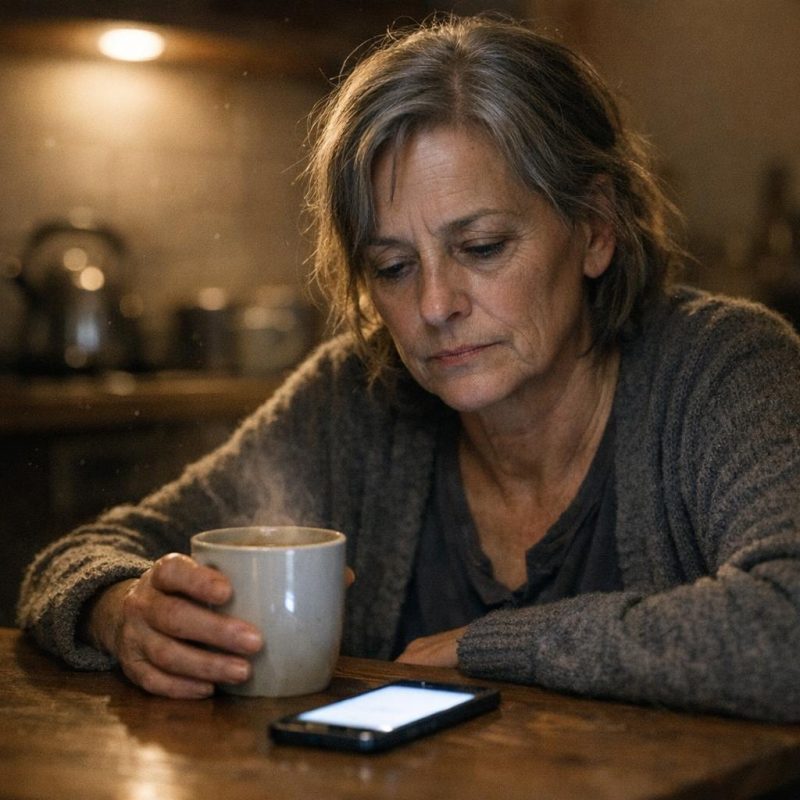 Image by RM AI
Janet's Story
Beth called and asked if I wanted to meet for coffee with a friend of hers. 'Her name's Janet,' Beth said. 'I think you two might have some things to talk about.' I almost said no—I wasn't in the mood for pleasantries with a stranger—but something in Beth's voice made me agree. We met at the same café where Beth and I usually went. Janet was older than me, maybe late sixties, with kind eyes and that careful way of moving that some people develop after they've been hurt. Beth introduced us, and we made small talk about the weather, about Beth's book club. Then Janet said, 'Beth tells me you're having trouble seeing your grandchildren.' My chest tightened. I nodded. 'I don't know what I did wrong,' I admitted. Janet's expression shifted—recognition, maybe. Or sympathy. Or something darker. She glanced at Beth, then back at me. Janet looked at me with sad, knowing eyes and said, 'Let me tell you what I wish someone had told me.'
 Image by RM AI
Janet's Mistake
Janet told me she hadn't seen her grandson for five years. Five years. The words hit me like a punch. She explained how it happened—slowly, then all at once. Her son had married a woman Janet thought was too young, too inexperienced. 'I kept offering help,' Janet said. 'Telling her how to get the baby to sleep, what foods to introduce first, how to handle tantrums. I thought I was being useful.' Her daughter-in-law started making excuses why Janet couldn't visit. Then the calls became shorter. Then they stopped altogether. 'I was furious at first,' Janet said. 'I thought she was keeping my grandson from me out of spite. But years later, my son finally told me the truth. She felt like I was always criticizing her, always implying she wasn't good enough.' Janet's hands trembled slightly around her coffee cup. 'I never meant it that way. But intention doesn't matter if the impact is the same.' She said, 'I thought I was helping—but to her, every suggestion felt like judgment.'
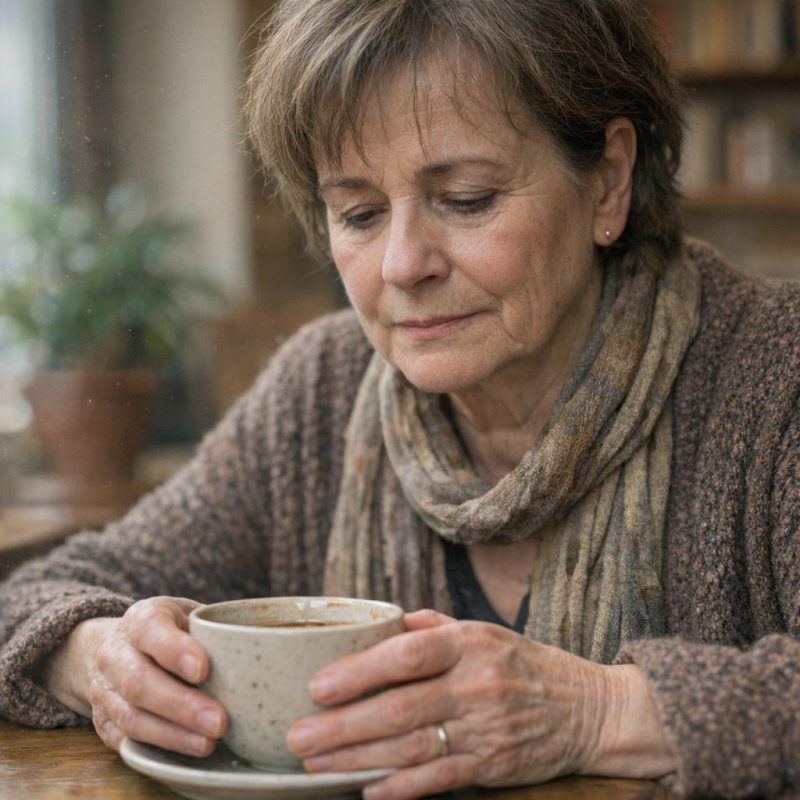 Image by RM AI
Too Close to Home
I left the café feeling like I'd been turned inside out. Beth hugged me goodbye, but I barely registered it. In the car, I gripped the steering wheel and tried to breathe. Janet's story was sad—it really was—but it wasn't the same as mine. She'd been critical. Openly critical. I'd never done that. I'd been supportive. Encouraging. Helpful. There's a difference between offering guidance and attacking someone's parenting. I knew that difference. I did. But driving home, Janet's words kept echoing in my head. 'I thought I was helping.' That's what I'd been doing too. Helping. Wasn't it? I pulled into my driveway and sat there for a long time, engine off, staring at nothing. My hands were shaking. I wanted to call someone—Beth, maybe, or even Amanda—and explain that I wasn't like Janet. I wasn't. I told myself my situation was different—but the words rang hollow even in my own mind.
 Image by RM AI
The Facebook Post
Two days later, I was scrolling through Facebook—something I did more often now, looking for any glimpse of my grandchildren—when I saw Amanda's post. It was one of those shared articles with a caption. The article was titled 'Why Setting Boundaries with Family Isn't Selfish,' and Amanda had written: 'Needed this reminder today. Protecting your kids' peace is part of parenting.' My stomach dropped. Was this about me? I read the article—it talked about relatives who overstepped, who gave unsolicited advice, who made parents feel inadequate. I read Amanda's caption again. And again. 'Protecting your kids' peace.' What did that mean? Was I somehow threatening their peace? The post had twelve likes and three comments, all supportive. I wanted to comment too—to say something, defend myself, ask if this was directed at me. But what would I even say? My finger hovered over the keyboard. I closed the app instead. The post felt like a message I was meant to see—but I couldn't be sure, and that uncertainty gnawed at me.
 Image by RM AI
Counting the Weeks
That night, I counted backward on my calendar. The last time I'd seen Lucas and Lily was February 10th—that brief, awkward visit when Amanda had seemed so distant. Today was May 3rd. Nearly three months. Twelve weeks. How had it been that long? At first, it had seemed like bad timing. Amanda was busy. Daniel was traveling for work. The kids were sick. But three months? You don't accidentally go three months without seeing your grandchildren. Not when you live in the same city. Not when you used to see them every couple of weeks. I sat on my bedroom floor with the calendar in my lap, feeling the weight of those empty weeks. This wasn't about scheduling conflicts. This was something else. Someone had made a decision—a deliberate choice—to keep me away. And I was starting to understand who. Three months—and suddenly that number felt less like bad timing and more like a choice.
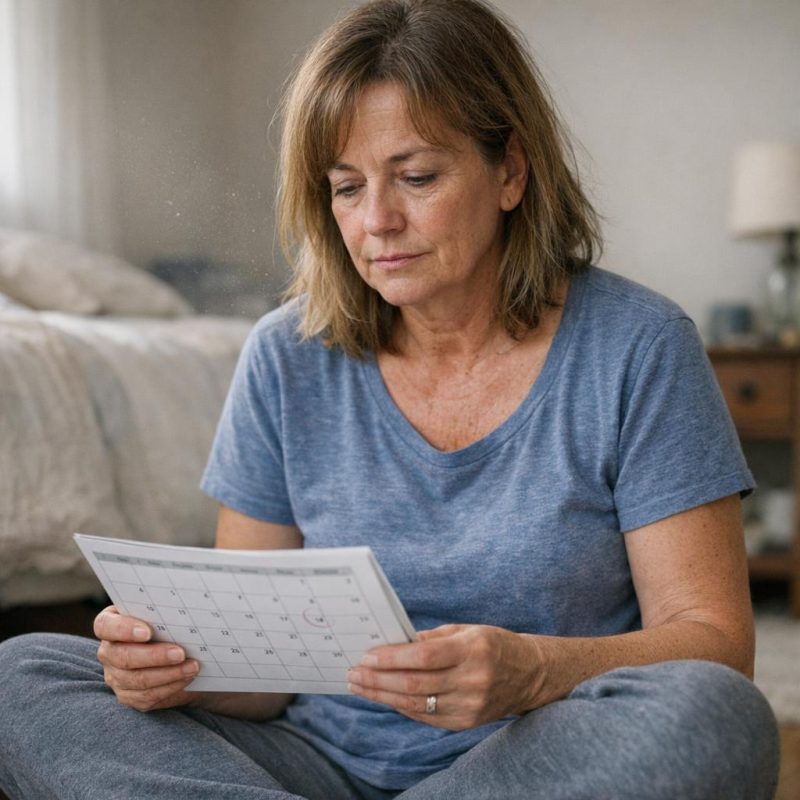 Image by RM AI
The Confrontation Call
I called Daniel the next morning. My hand was shaking when I dialed. He answered on the third ring, sounding distracted. 'Hey, Mom. What's up?' I didn't ease into it. 'Daniel, I need you to be honest with me. Why haven't I seen my grandchildren in three months?' Silence. 'It's not—' he started. 'Is Amanda keeping them from me?' I asked. 'Because it feels like she is, and I deserve to know why.' More silence. I could hear him breathing. 'Mom, it's not that simple.' 'Then explain it to me,' I said, my voice cracking. 'Please. I don't understand what I did wrong.' I heard him sigh, long and heavy. 'You didn't do one thing wrong,' he said quietly. 'It's... accumulated.' 'What does that mean?' He didn't answer right away. His silence stretched so long I thought the call had dropped—and then he said, 'Mom, it's complicated.'
 Image by RM AI
Complicated
I kept turning Daniel's word over in my mind. Complicated. What did that even mean? Complicated because Amanda was difficult to please? Complicated because I'd somehow offended her without realizing it? Or complicated because—and this thought made my stomach twist—because I'd done something genuinely hurtful that everyone could see except me? I paced my living room for hours that day, rewinding every conversation, every visit, every moment I could remember. Had I said something wrong? Done something inappropriate? I'd always thought of myself as helpful, supportive, the kind of grandmother who actually showed up. But maybe that was the problem. Maybe I'd shown up too much, inserted myself where I wasn't wanted. Or maybe Amanda had always resented me and was finally getting her way. I didn't know. I genuinely didn't know. And that uncertainty felt worse than any answer could have been. Complicated how? Complicated because of Amanda? Complicated because of me?
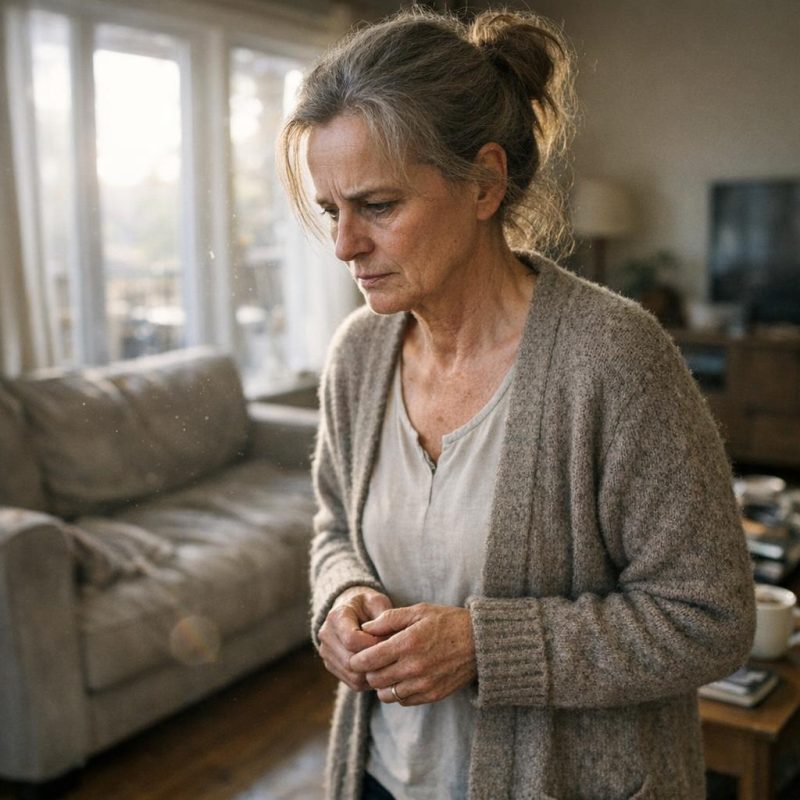 Image by RM AI
The Thanksgiving Invitation That Never Came
Thanksgiving came on a Thursday that felt like any other day. I woke up expecting—hoping—that maybe Daniel would call. Maybe invite me over at the last minute. Maybe say they'd had a change of plans. But my phone stayed silent. I thought about reaching out first, but the humiliation of that felt unbearable. So I didn't. I went to the grocery store mid-morning and bought a turkey breast meal for one. The cashier wished me a happy holiday. I smiled and said, 'You too,' like everything was normal. Back home, I heated the meal in the microwave and set a single place at my kitchen table. I tried to imagine where they were. Whose house. Whose table my grandchildren were sitting around, laughing and making memories I'd never be part of. I picked at the rubbery turkey and pushed the stuffing around my plate. I sat at my kitchen table with a frozen dinner, imagining my grandchildren around someone else's table—and I'd never felt more invisible.
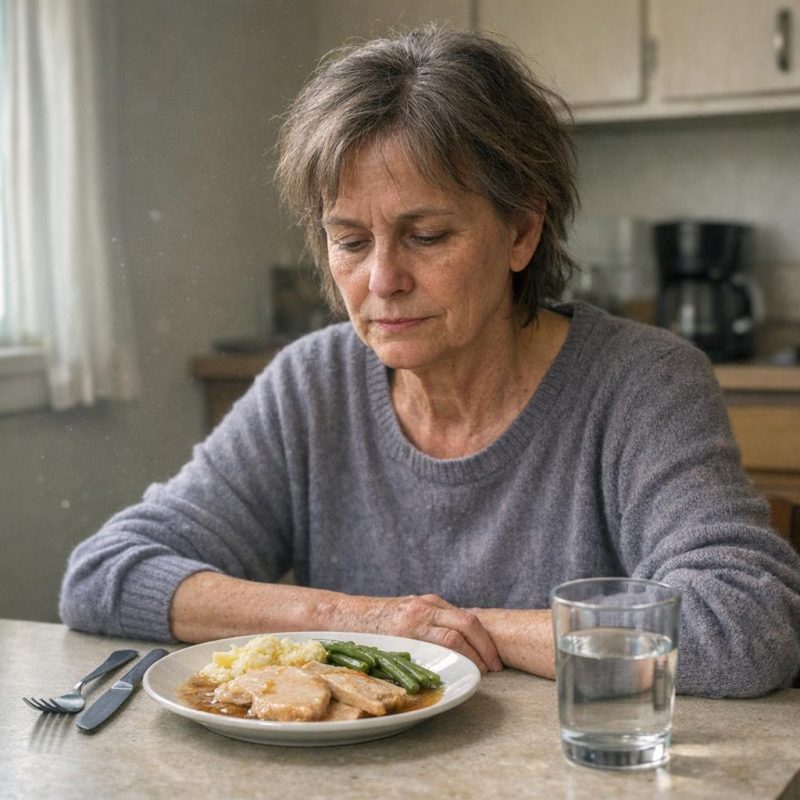 Image by RM AI
The Text After
The text came Friday afternoon. 'Hey Mom, hope you had a good Thanksgiving.' That was it. Ten words. No mention of where they'd been or what they'd done. No acknowledgment that I'd spent the holiday alone. I stared at my phone for a long time before responding. Part of me wanted to ask directly: Why wasn't I invited? Where were you? Do my grandchildren even remember me? But I couldn't bring myself to type those questions. The answers would hurt too much. So I wrote back, 'It was fine. Hope yours was nice too.' Polite. Distant. Safe. He sent back a thumbs-up emoji. That was the whole exchange. I set my phone down and looked around my quiet house. This was what we'd become. Careful. Superficial. Two people avoiding the conversation we desperately needed to have. He didn't say where they'd been or who they'd seen—and I didn't ask, because I already knew I hadn't been wanted there.
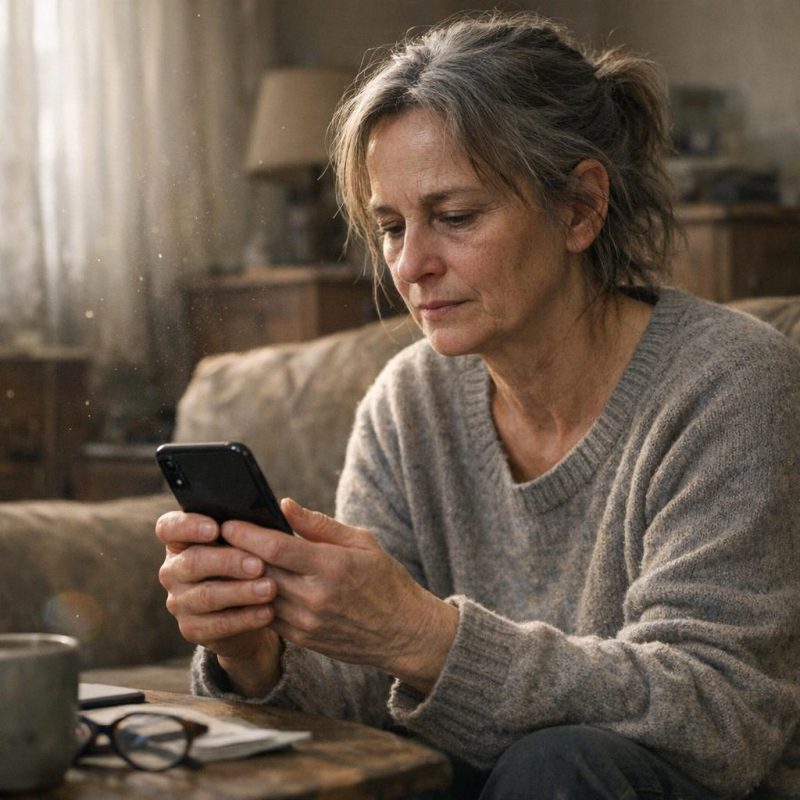 Image by RM AI
Beth's Question
Beth came over Saturday morning with coffee and bagels. We sat in my kitchen, and she listened while I told her about Daniel's text, about Thanksgiving, about how lost I felt. She was quiet for a while after I finished. Then she asked, 'Have you thought about just apologizing?' I looked at her. 'For what?' 'I don't know,' she said carefully. 'That's kind of the point. Sometimes you apologize for the hurt, even when you don't fully understand what caused it. You open the door.' I felt defensive immediately. 'So I'm supposed to grovel without even knowing what I did wrong?' 'Not grovel,' Beth said. 'Acknowledge. There's a difference.' I shook my head, but something in her words got under my skin. She was right that I didn't know what I'd done. But somewhere, in a place I wasn't ready to examine yet, I was starting to have suspicions. I wanted to ask, 'Apologize for what?'—but the truth was, I was starting to suspect I knew.
 Image by RM AI
The Discipline Incident
That night, a memory surfaced. Lucas had been maybe three years old, playing with blocks in Amanda and Daniel's living room. He'd knocked over a tower and laughed, then immediately started throwing blocks across the room. I'd said, without thinking, 'Lucas, no. We don't throw toys. That's not how we behave.' Amanda had been in the doorway. I'd seen her face change—something shuttering closed behind her eyes. She'd walked over calmly, picked up Lucas, and said to me in this very even voice, 'I've got it, Carol. Thank you.' Then she'd taken him upstairs. At the time, I'd thought she was being oversensitive. I was just helping. Just correcting a behavior that needed correcting. But now, remembering the coldness in her expression, the way she'd physically removed Lucas from the room, I saw it differently. I'd undermined her. In her own home. In front of her child. At the time, I'd thought Amanda was being oversensitive—but now I wondered if that was the moment everything changed.
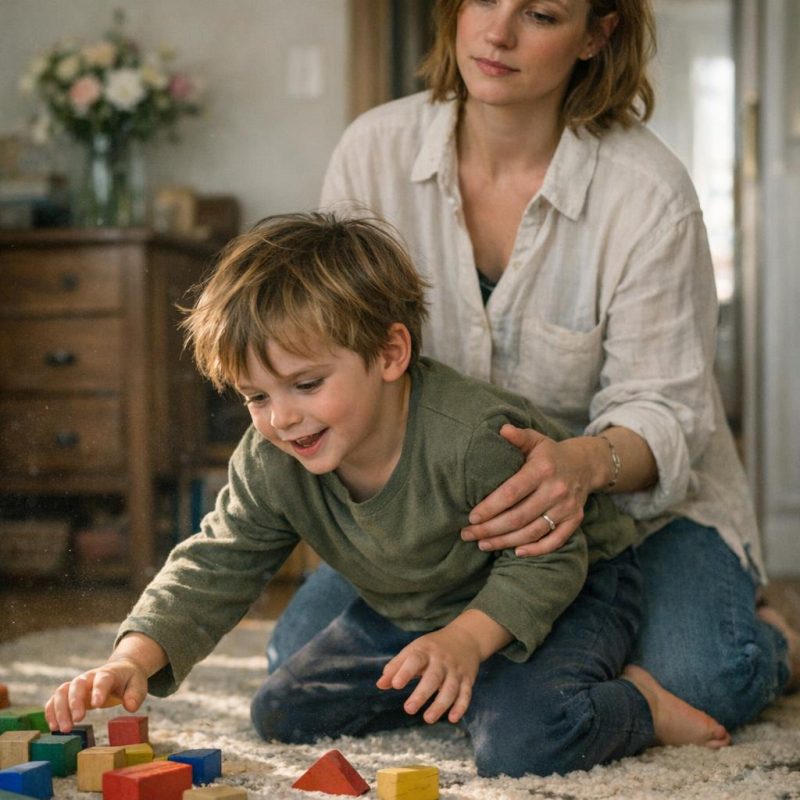 Image by RM AI
The List
I couldn't sleep that night. Around two in the morning, I got up and found a notebook. I started writing. Times I might have overstepped. Things I might have said. Moments that might have hurt Amanda without my realizing. The Lucas discipline incident. The time I'd rearranged their diaper bag because 'it would be more efficient this way.' The time I'd suggested Amanda might want to try a different brand of formula. The time I'd commented that Emma's outfit didn't match. The time I'd brought over a parenting book I thought might be helpful. The time I'd corrected how Amanda was holding the baby. I kept writing. The list grew. Some things seemed minor—just passing comments, helpful suggestions. But as the page filled, I started seeing a pattern I'd been blind to. Each individual moment was small. But together? Together they told a story about a woman who thought she knew better. Who couldn't let her daughter-in-law just be a mother. By the time I finished, the list was longer than I'd expected—and each item felt like a tiny cut I hadn't realized I'd made.
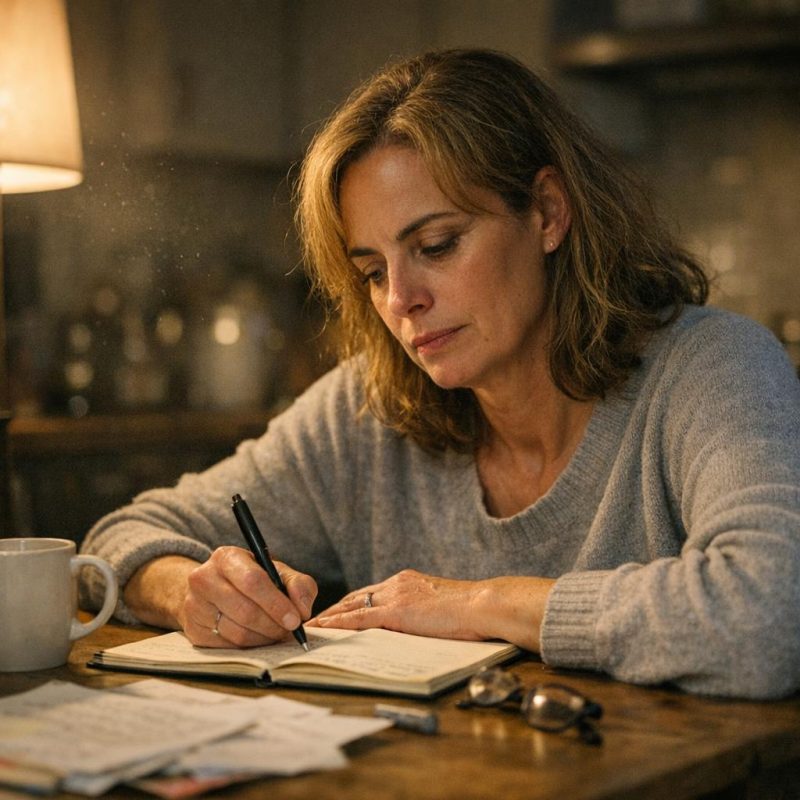 Image by RM AI
The Food Comment
One memory in particular made me cringe. Lucas's fourth birthday party, just a few months before everything fell apart. Amanda had been rushing around, managing two kids and a house full of guests. She'd put out store-bought cookies on a tray. I'd been helping in the kitchen when I saw them and said, loud enough for others to hear, 'Oh, you didn't have time to bake? Store-bought is fine, of course, but homemade always tastes so much better. I could give you my recipe if you'd like.' Amanda had smiled and said, 'Thanks, Carol,' and kept moving. I'd thought nothing of it. Just a casual comment. A helpful offer. But now, sitting with my list in the middle of the night, I could see how it must have sounded to her. Like criticism. Like judgment. Like nothing she did was ever quite good enough. I'd said it so casually, so offhandedly—never thinking how it might have sounded to a working mother doing her best.
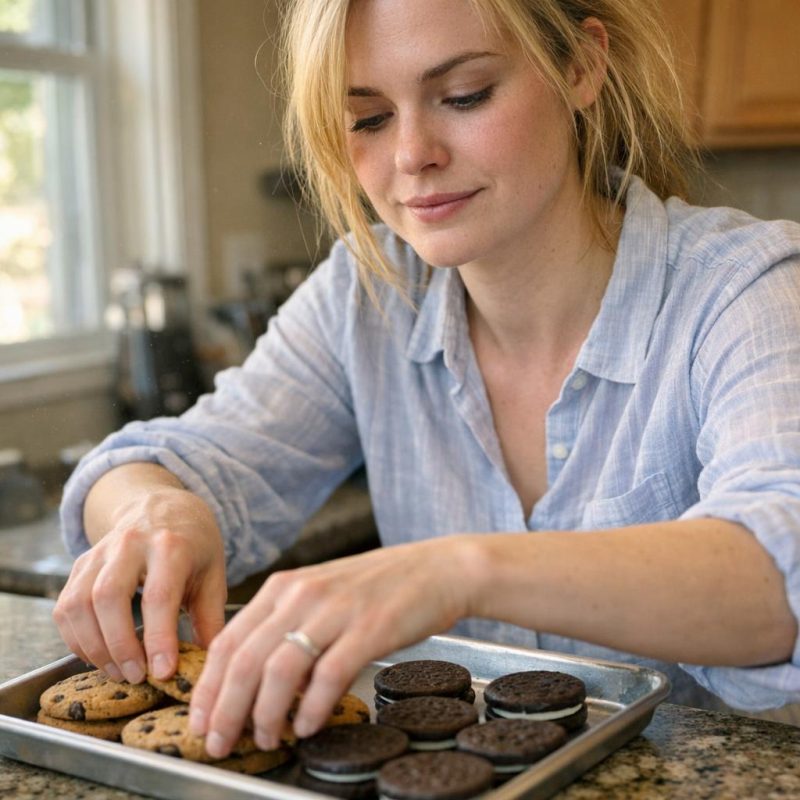 Image by RM AI
The Schedule Suggestion
Another memory: Emma was maybe six months old, and I'd been visiting for dinner. She'd been fussy, crying in her bouncer while Amanda tried to finish cooking. I'd watched for a few minutes, then said, 'You know, babies really need consistent bedtimes. Emma seems overtired. Have you thought about establishing a stricter routine? It made such a difference with Daniel.' Amanda had nodded. Smiled. Said something like, 'Yeah, we're working on it.' But I remembered now how her smile had looked strained. How she'd turned back to the stove a little too quickly. How Daniel had changed the subject. At the time, I'd felt satisfied that I'd offered good advice. Wisdom from experience. I hadn't noticed that Amanda had gone very quiet for the rest of the evening. Hadn't noticed that she'd barely made eye contact with me after that. I'd been too focused on being helpful to see that she didn't want my help. Amanda had nodded and smiled, but her smile hadn't reached her eyes—and I'd been too focused on being right to notice.
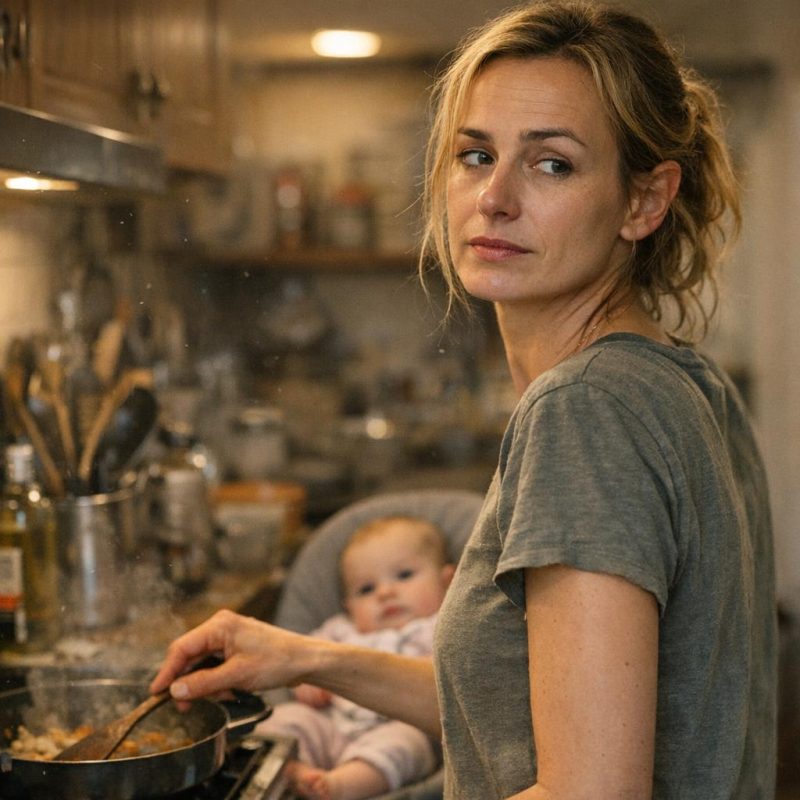 Image by RM AI
What I Thought Was Help
I sat there on my couch going through memory after memory, and with each one, something fundamental shifted inside me. All those times I'd offered advice about sleep schedules, or feeding, or discipline—I'd thought I was being helpful. Generous with my knowledge. A supportive mother-in-law sharing the wisdom I'd earned through experience. But what if every single suggestion had landed differently than I'd intended? What if when I said, 'Have you tried a stricter bedtime routine?' Amanda heard, 'You're doing it wrong'? What if when I said, 'Emma seems a bit behind on her words—have you talked to the pediatrician?' Amanda heard, 'You're failing her'? I felt physically sick. Because now that I was really thinking about it, I couldn't remember a single visit where I hadn't offered some kind of correction. Some observation about what could be better. Some gentle suggestion about what Amanda should try differently. I'd thought I was being helpful, sharing maternal wisdom across generations. But oh God—every suggestion, every tip, every well-meaning comment—what if they'd all sounded like 'you're not good enough'?
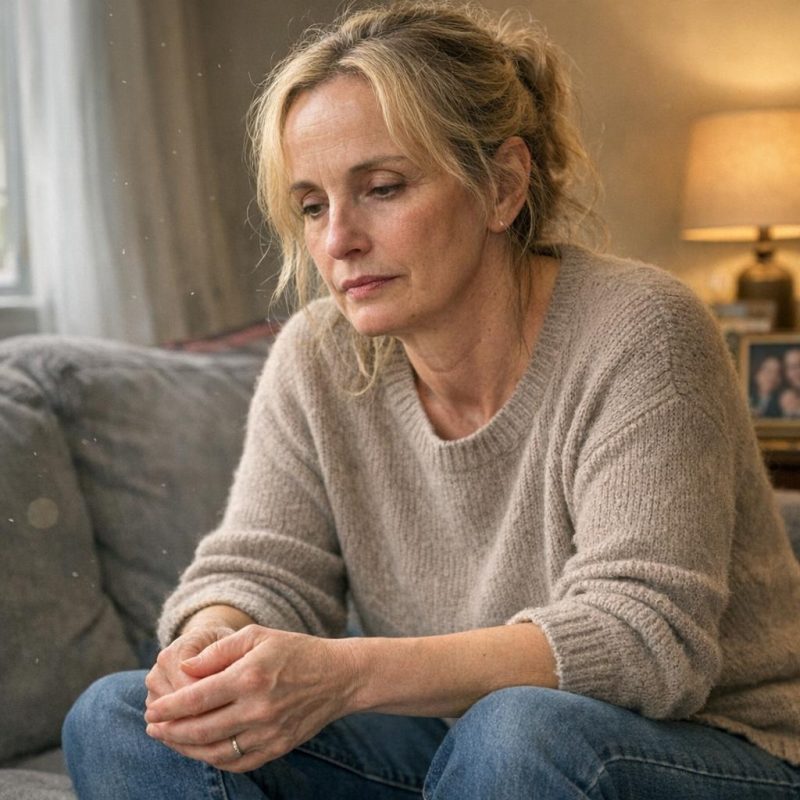 Image by RM AI
The Email Draft
I opened my laptop that night and started writing an email to Amanda. 'Dear Amanda, I'm so sorry for...' But then I stopped. Sorry for what, exactly? For offering advice? For caring about my grandchildren? The cursor blinked at me accusingly. I tried again. 'I realize now that I may have...' May have what? Hurt her feelings? Made her feel criticized? I deleted it and started over. And over. And over. Each version felt either too defensive or too vague. Too much justification or not enough understanding. The problem was, I still didn't fully grasp what I was apologizing for. I had suspicions now, uncomfortable ones, but I needed to hear it from Amanda herself. I needed her to tell me what I'd done, how I'd made her feel, because everything I wrote felt like I was guessing. Like I was apologizing for something I thought might be the problem rather than what actually was. I saved the draft and closed the laptop. I couldn't send it until I really understood—and to understand, I needed Amanda to tell me what I'd done.
 Image by RM AI
Daniel's Visit
Three days later, I heard a knock at my door around ten in the morning. I wasn't expecting anyone, and when I opened it, Daniel stood on my porch looking like he'd rather be anywhere else. His hands were in his pockets, shoulders slightly hunched. 'Hi, Mom,' he said. 'Can I come in?' My heart immediately started racing. Daniel rarely just dropped by—we usually planned our visits, coordinated around his work schedule and the kids' activities. This felt different. Wrong, somehow. 'Of course,' I said, stepping aside. He walked past me into the living room but didn't sit down right away. Just stood there by the window, looking out at the street. The silence stretched between us, thick and uncomfortable. I wanted to fill it with small talk, ask about the kids, offer coffee—all the normal things. But something about the set of his jaw stopped me. He stood in my doorway looking uncomfortable, and I knew he'd come to say something he didn't want to say.
 Image by RM AI
I Need to Know
I couldn't take the silence anymore. 'Daniel, please,' I said. 'I need to know the truth. Why won't Amanda let me see Emma and Sophie?' He finally turned away from the window, and I saw him struggling with something. His mouth opened, then closed. He ran a hand through his hair—a gesture he'd done since he was a little boy when he was stressed. 'Mom, it's complicated,' he started. 'No,' I interrupted. 'No, it's not. Either I did something wrong or I didn't. Either Amanda has a reason or she's being unreasonable. Which is it?' The words came out harsher than I meant them to, but I was desperate. I'd been living in this limbo for weeks now, torturing myself with memories and maybes. 'Please, Daniel. I'm your mother. I deserve to know what I'm being accused of.' He looked at me for a long moment, and I saw something in his expression I'd never seen before—pity.
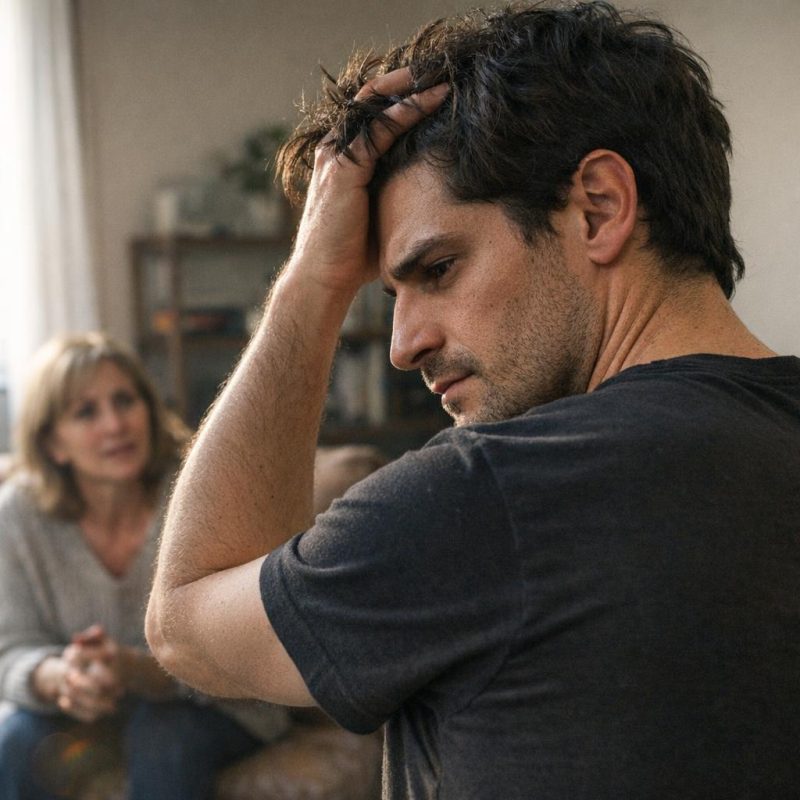 Image by RM AI
It's Not What You Think
Daniel sat down heavily on the couch, elbows on his knees, head in his hands. 'Amanda doesn't want to hurt you,' he said quietly. That confused me even more. 'Then why is she doing this?' I asked, hearing the edge in my own voice. 'If she doesn't want to hurt me, why is she keeping my grandchildren away from me? Why won't she even talk to me?' Daniel looked up at me, and there was such sadness in his eyes. Such reluctance. 'Because you've hurt her, Mom.' The words hung in the air between us. I felt like I'd been slapped. 'I... what? How have I hurt her? Daniel, I've only ever tried to help. I've been supportive and involved and—' 'I know,' he said. 'I know you think that.' Think that? As if my intentions were just some delusion? I said, 'Then why is she doing this?'—and he said, 'Because you've hurt her, Mom.'
 Image by RM AI
How Could I Have Hurt Her?
My hands were shaking. 'How could I have possibly hurt her? Give me one example, Daniel. One actual thing I did that was so terrible.' He looked miserable, like every word was being dragged out of him. 'Mom, it's not... it's not one thing. It's a thousand small things.' 'Like what?' I demanded. 'Tell me. Because I honestly have no idea what you're talking about.' He took a deep breath. Started to speak. Stopped. Tried again. 'It's the way you... when you visit, you always... God, this is hard.' 'Just say it,' I said. He met my eyes. 'It's the way you talk to her. The way you question everything she does with the kids. The way you...' He trailed off, looking for words. Then he found them, and they cut right through me: 'The way you make her feel like she's not enough.'
 Image by RM AI
I Never Meant To
I felt like the floor had dropped out from under me. 'I never meant to make her feel that way,' I said. 'Daniel, you have to know I never meant—' 'I know,' he said quietly. 'I know you didn't mean it like that. But Mom, that doesn't change how it felt to her.' I shook my head. 'But I was just trying to help. Just offering advice, sharing what worked for me when I was raising you. How is that making her feel inadequate?' Daniel's expression was so sad. 'Do you remember when Emma was a baby and you told Amanda she was holding her wrong when she was trying to breastfeed?' I did remember. Emma had seemed uncomfortable, and I'd suggested a different position. 'I was trying to help her,' I said. 'She was struggling.' 'She was learning,' Daniel said. 'And she felt like you were telling her she was failing.' He looked at me with such sadness and said, 'Intent doesn't erase impact, Mom.'
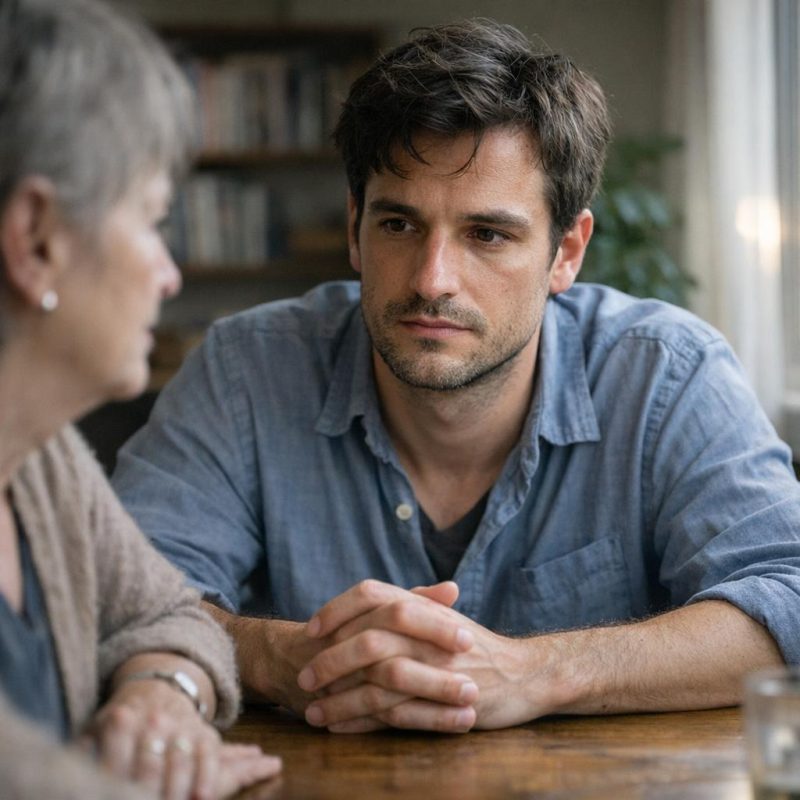 Image by RM AI
The Examples
Daniel started listing examples then, one after another, and each one hit me like a physical blow. 'You told her Emma's bedtime was too late. That Sophie should be potty-trained earlier. That organic food was just expensive marketing. That she was being too anxious about screen time. That the kids needed more structure. That they needed more free play. That she was too strict about sugar. That she was too lenient about tantrums.' I opened my mouth to defend myself, to explain the context of each comment, but he kept going. 'You corrected how she buckled Sophie into the car seat. You suggested a different pediatrician. You asked if Emma's speech delay concerned her, when there was no delay—Emma was perfectly normal, just quieter than I was as a kid.' With each example, I could see the moment he was describing. Could remember saying those exact things. And the worst part? I'd thought every single comment was helpful. Caring. Each example felt like a slap—not because they were lies, but because they were true.
 Image by RM AI
Every Visit
'Every single visit,' Daniel said, his voice cracking. 'Every time you came over, she'd brace herself. She'd plan what topics to avoid, what parts of the house to keep you out of, which parenting decisions not to mention.' I felt my chest tighten. 'That can't be—' 'Mom, she loved you. She wanted the girls to know their grandmother. But she started getting tension headaches the day before your visits.' He rubbed his face with both hands. 'I'd find her in the bathroom, taking deep breaths, giving herself pep talks before you arrived.' The image of Amanda hiding in her own bathroom, steeling herself to see me, made me feel physically sick. 'She tried so hard to let things roll off her back,' Daniel continued. 'She'd tell herself you meant well. That you were just trying to help. But the comments added up, Mom. Every visit left her feeling smaller.' My eyes burned with tears I couldn't quite release. 'I never wanted that.' 'I know you didn't,' he said quietly. 'But that doesn't change what happened.' He looked at me with such sadness. 'She dreaded your visits, Mom—and I didn't know how to fix it without losing one of you.'
 Image by RM AI
The Boundaries She Tried to Set
'She did try to tell you,' Daniel said. 'Multiple times.' I stared at him, certain he was wrong. I would have remembered. I would have listened. 'She'd say things like, 'I've got it handled,' or 'Our pediatrician says this is normal,' or 'This works for our family.'' He was watching my face carefully. 'You remember those conversations?' I did. Vaguely. I'd thought those were just... responses. Information. Not boundaries. 'Those were her trying to set limits gently,' Daniel explained. 'Trying to say 'please stop' without actually saying it.' My throat felt tight. 'If she'd just been direct—' 'Would you have heard her?' The question stopped me cold. I opened my mouth to say of course I would have, but the words wouldn't come. Because I remembered those moments now. Remembered thinking Amanda was being defensive. Oversensitive. That she didn't understand I was only trying to help. 'She tried being subtle because she didn't want to hurt your feelings,' Daniel said. 'She didn't want to be the difficult daughter-in-law. So she hinted. She redirected. She used soft language.' I wanted to argue, to say I would have listened—but even as I thought it, I knew it wasn't true.
 Image by RM AI
Why She Stopped Trying
'Eventually, she just... stopped trying,' Daniel said. His voice was so tired. 'It wasn't worth the energy anymore. You weren't hearing her anyway.' I felt something break inside my chest. 'So she started finding reasons to be busy when you wanted to visit. Started saying the kids were napping or had activities. Started limiting how long you stayed.' Each word was like a stone dropping into water, ripples spreading outward. 'It wasn't punishment, Mom. It was self-preservation.' I thought about all those declined invitations. The shortened visits. The times Amanda had seemed distant or distracted. I'd thought she was being cold. Rude, even. But she'd been protecting herself. 'She didn't know how else to make it stop,' Daniel continued. 'You wouldn't hear her boundaries, so she created physical distance instead.' I could barely breathe. She'd tried to tell me. She'd tried to make me understand without confrontation. And I'd bulldozed right past every single attempt. 'It was easier for her,' I whispered. 'Distance was easier than confrontation—and I'd made confrontation impossible by never listening in the first place.'
 Image by RM AI
Protecting Her Children
'But it wasn't just about her,' Daniel said carefully. 'It was about Emma and Sophie too.' I looked up at him, confused. 'What do you mean?' 'She didn't want them growing up in that environment,' he explained. 'Watching their mom get subtly corrected all the time. Learning that Grammy's love came with constant suggestions for improvement.' The words hit me like ice water. 'She was worried they'd internalize it,' Daniel continued. 'That they'd learn that nothing they did would ever be quite good enough. That there was always a better way, a right way—and they weren't doing it.' I thought about Emma's shy smile. Sophie's enthusiastic hugs. Those beautiful, perfect girls. 'Amanda wanted them to feel secure,' he said. 'To trust their own judgment. To know that their home was a place where they were accepted exactly as they were.' My hands were shaking. I'd thought Amanda was keeping me from my grandchildren out of spite or anger. But she'd been protecting them. Teaching them something I'd apparently failed to teach Daniel. She wasn't keeping me from the kids—she was keeping them from learning that love comes with conditions and corrections.
 Image by RM AI
The Question I Couldn't Ask
I sat there in Daniel's living room, my coffee long cold, trying to find words that wouldn't come. The question burning in my chest was so simple, so desperate: Is it too late? Can I fix this? But I was terrified of the answer. What if Daniel said yes, it was too late? What if years of damage couldn't be undone? What if Amanda had decided I wasn't worth the risk anymore? My throat felt tight with unshed tears. I'd come here expecting explanations, maybe even vindication. Instead, I'd been handed a mirror, and the reflection was almost unbearable. Daniel was watching me with something that looked like cautious hope mixed with exhaustion. He'd carried this weight—the tension between his wife and his mother—for so long. I could see it in the lines around his eyes. I opened my mouth, ready to ask if reconciliation was even possible, if Amanda would ever give me another chance. But before I could form the words, Daniel leaned forward, his expression serious. 'She needs you to really understand before anything can change.'
 Image by RM AI
What Understanding Really Means
'What does that mean?' I asked, my voice barely above a whisper. 'Understanding?' Daniel chose his words carefully. 'It means acknowledging what happened without defending yourself. Without explaining your intentions or making excuses.' I felt myself bristle instinctively. 'But I never meant to hurt her—' 'That's exactly what I'm talking about,' he interrupted gently. 'The 'but.' The 'I didn't mean to.' Those things might be true, Mom, but they don't erase the hurt. They just make Amanda feel like you're minimizing what she experienced.' I pressed my lips together, fighting the urge to explain myself further. 'She needs to hear that you hurt her and it was wrong,' Daniel continued. 'Not 'I'm sorry you felt hurt' or 'I'm sorry if my comments came across wrong.' Just... ownership. Acknowledgment.' It sounded so simple. And yet everything in me wanted to add context, to make him understand that I'd been trying to help. That I'd acted out of love. 'No justifications,' Daniel said, reading my face. 'No context. No intentions.' He met my eyes directly. 'No 'buts,' no explanations—just acknowledgment that you hurt her and it was wrong.'
 Image by RM AI
Alone With the Truth
After Daniel walked me to the door, I sat in my car for a long time before starting the engine. My hands were shaking. The drive home was a blur—I moved on autopilot, my mind replaying every word of our conversation. When I finally walked through my front door, the silence of my house felt suffocating. I poured myself a glass of water I didn't drink. Sat on the couch where I'd spent so many evenings feeling wronged and confused. The same couch where I'd complained to friends about being cut off. Where I'd constructed elaborate theories about Amanda's motives. Where I'd positioned myself as the victim in this story. But I wasn't the victim. The truth sat heavy in my chest, making it hard to breathe. For months, I'd told myself I was the one who'd been hurt. The loving grandmother unfairly excluded. The well-meaning mother-in-law whose helpfulness had been misinterpreted. I'd built an entire narrative around my innocence, my good intentions, my wounded feelings. And all of it—every bit of it—had been wrong. I'd spent months thinking I was the victim—and now I had to face the possibility that I'd been the problem all along.
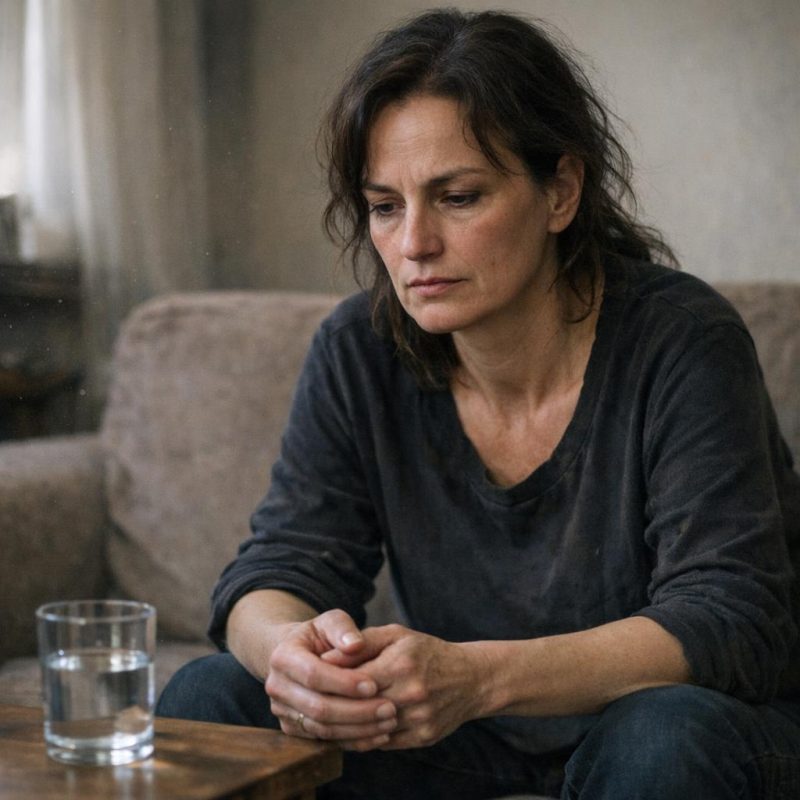 Image by RM AI
The Pattern I Created
Sitting alone in my living room, I finally saw it. The full picture. Not isolated incidents but a pattern—a relentless, systematic pattern I'd created without even realizing it. Every visit, every interaction, I'd found something to comment on. Something to gently suggest could be done differently. Better. The way I thought was right. I'd chipped away at Amanda's confidence, one helpful comment at a time. Made her feel like she was never quite measuring up in her own home, with her own children. Like she was constantly being evaluated and found wanting. No wonder she'd stopped inviting me over. No wonder she'd created distance. How could she possibly feel respected when I'd spent years treating her judgment as something that needed my correction? When I'd positioned myself as the authority on her life, her choices, her children? She hadn't kept the girls from me out of cruelty. She'd done it out of necessity. Because I'd made her feel inadequate every single time we were together. And she'd finally had enough. It wasn't about one comment or one moment—it was about the cumulative weight of never feeling respected in her own home, with her own children.
 Image by RM AI
Every Memory Reframed
I started pulling up memories, one by one, and looking at them through a different lens. That time I'd suggested Amanda try my sleep training method because 'it worked wonders with Daniel'—I'd felt like I was sharing valuable wisdom. But what had she heard? That her way wasn't working, that she was doing it wrong, that I knew her baby better than she did. When I'd reorganized her kitchen during that long visit, explaining how much more efficient my system was—I'd thought I was being helpful. She must have felt like I was telling her she couldn't even arrange her own cabinets properly. Every 'have you tried this?' had been a subtle message that what she was trying wasn't good enough. Every story about how I'd done things with Daniel had been an implicit criticism of how she was doing things with Olivia and Emma. I'd thought I was building bridges, sharing my experience, being a supportive mother-in-law. What I'd actually been doing was demolishing her confidence, brick by brick, comment by comment. What I'd remembered as helping, Amanda had experienced as constant judgment—and I'd been too self-assured to see it.
 Image by RM AI
The Apology I Need to Write
I opened my laptop and started typing, determined to get it right this time. 'Dear Amanda,' I began, then stopped. Deleted it. Started again. I wrote about specific moments—the sleep training comment, the kitchen reorganization, the potty training advice. I named them. Owned them. I didn't explain why I'd said those things or try to make her understand my intentions. I just acknowledged that I'd said them, that they were wrong, that they'd hurt her. No 'but I meant well' or 'you have to understand.' Just responsibility. Full, complete, uncomfortable responsibility. I wrote that I'd made her feel inadequate in her own home, with her own children, and that nothing could excuse that. That I'd positioned myself as an authority when I should have been a support. That I'd damaged our relationship through my own arrogance. I read it over three times, adding and refining. It was the most honest thing I'd written in years. This time, I didn't delete it—but I also didn't send it yet, because words on a screen couldn't carry the weight of what I needed to say.
 Image by RM AI
Asking for a Meeting
I called Daniel on a Tuesday evening, my hands shaking as I held the phone. 'I need to ask you something,' I said. 'And I'll understand if the answer is no.' I told him I wanted to meet with Amanda face to face, to apologize properly, to take responsibility for everything I'd done. I could hear him breathing on the other end of the line, processing. 'I can ask her,' he said slowly. 'But Mom, I need you to understand something. She might not be ready. She might say no. And if she does, you have to respect that.' I swallowed hard. 'I know. I will.' The words felt strange in my mouth because for so long, I wouldn't have accepted that answer. I would have pushed, found a way, insisted on being heard. But this wasn't about what I needed anymore. It was about respecting Amanda's boundaries, even if it meant I never got the chance to apologize in person. Daniel agreed to ask—but he warned me that Amanda might not be ready, and I had to respect that answer.
 Image by RM AI
The Wait
The waiting was excruciating. Day one, I checked my phone every fifteen minutes, convinced I'd somehow missed Daniel's call. Day two, I paced my living room, picking up a book and putting it down without reading a single page. I wanted so badly to text Daniel, to ask if he'd talked to her yet, to know what she'd said. But I didn't. This was my first real test of respecting boundaries—not pushing, not demanding information I wasn't entitled to, not making my anxiety everyone else's problem. I sat with the discomfort instead. Let it wash over me without trying to control it or make it go away faster. I'd spent so many years believing that my need to fix things, to resolve conflicts immediately, was a strength. Now I understood it had been another form of control. Sometimes people need time. Sometimes you have to wait without knowing the outcome. Sometimes respecting someone means accepting their silence. Three days passed with no word—and every hour felt like a test of whether I could really accept her boundaries, even now.
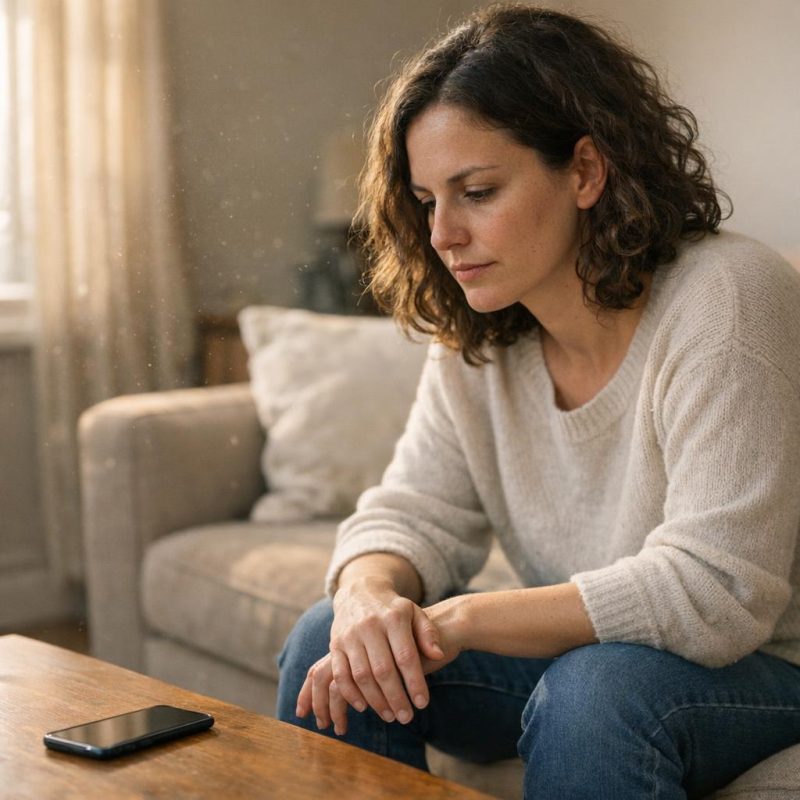 Image by RM AI
She Said Yes
When Daniel finally called on day four, my heart nearly stopped. 'She'll meet with you,' he said, and I felt a rush of relief so intense I had to sit down. But then he continued. 'She has conditions, though. It needs to be somewhere neutral—a coffee shop, not your house or theirs. And she wants you to understand that this is a chance for you to listen and apologize, not to defend yourself or explain your intentions.' I nodded, even though he couldn't see me. 'I understand. Completely.' 'She's doing this because she wants to believe you've changed,' he added quietly. 'Don't prove her wrong.' His words stung, but they should have. I'd earned every bit of his caution. I thanked him, wrote down the details—Saturday at ten, a café halfway between our neighborhoods. After we hung up, I sat there holding my phone, feeling both grateful and terrified. Amanda was giving me a chance, but it came with clear boundaries. She would meet me—but only if I understood this was my chance to listen, not to defend myself.
 Image by RM AI
The Coffee Shop
The café was bright and modern, with exposed brick and too-loud espresso machines. I arrived fifteen minutes early, ordered a coffee I couldn't drink, and chose a table near the back. When Amanda walked in, I stood awkwardly, not sure whether to hug her or wave or what. She nodded, a small acknowledgment, and sat across from me. She looked tired. Beautiful, always beautiful, but there were shadows under her eyes I'd never noticed before. Or maybe I'd just never really looked. 'Thank you for coming,' I said, my voice barely steady. She wrapped her hands around her coffee cup but didn't drink. 'I almost didn't,' she said honestly. The silence between us was thick with everything unsaid, everything that had built up over years of me talking and her enduring. I could feel my heart pounding in my chest, could taste the metallic edge of fear on my tongue. This was it. My one chance to make this right, or to lose my son's family forever. We sat across from each other, and I realized this was the most important conversation of my life.
 Image by RM AI
I'm Sorry
I took a breath and began. 'Amanda, I owe you an apology. A real one, without excuses.' I listed the specific moments—the sleep training comment, the kitchen reorganization, the constant suggestions disguised as help. I told her I'd made her feel inadequate in her own home, with her own children. That I'd treated her judgment as something that needed my correction instead of respecting her as Olivia and Emma's mother. 'I was wrong,' I said. 'Completely, inexcusably wrong. I damaged our relationship and hurt you, and I take full responsibility for that.' My voice cracked on the last words. I'd practiced this speech a dozen times, but actually saying it to her face, seeing her sitting there listening, made it real in a way practice never could. I didn't explain my intentions or try to make her understand where I was coming from. I just apologized for the harm I'd caused. When I finished, Amanda's eyes filled with tears, and she looked away, blinking rapidly. I said the words I'd been practicing—but when Amanda's eyes filled with tears, I realized I'd only scratched the surface of her pain.
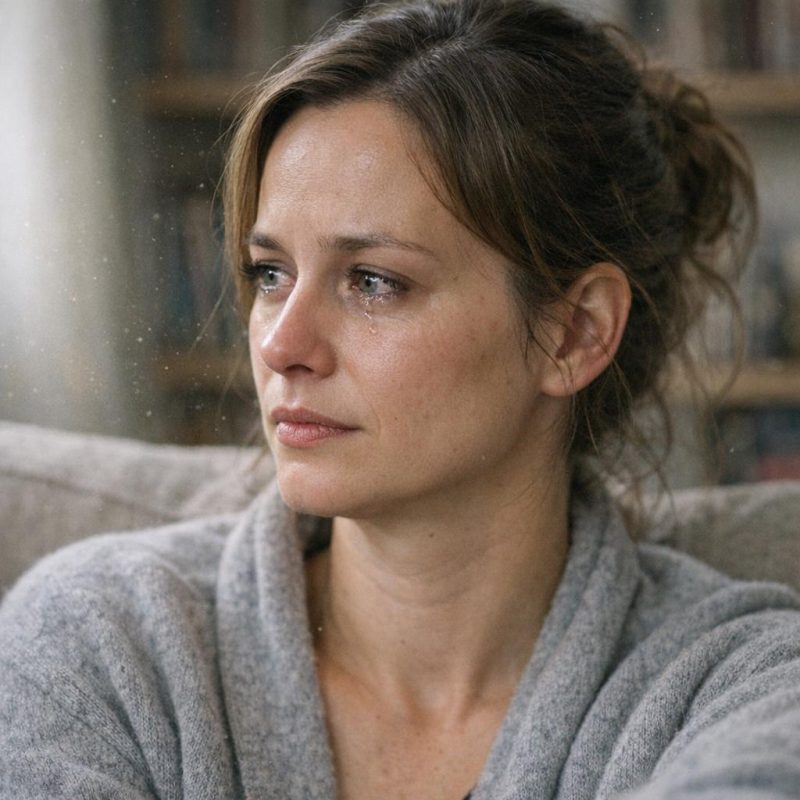 Image by RM AI
Amanda's Truth
Amanda was quiet for a long moment, staring at her coffee. When she finally spoke, her voice was soft but steady. 'Do you know what it's like to have someone in your home who makes you feel like you're constantly being graded? Like nothing you do is quite right?' She looked up at me, and I saw years of hurt in her eyes. 'Every visit, I'd brace myself. Wondering what you'd comment on this time. What I'd be doing wrong. I'd second-guess everything—how I dressed the girls, what I fed them, how I talked to them. Because I knew you'd have a better way.' A tear slid down her cheek. 'I'm a good mother, Carol. I love my daughters. But you made me doubt that constantly. And the worst part? You seemed so sure you were helping. So convinced your way was right that it never occurred to you I might actually know what I'm doing.' She wiped her eyes. 'I needed you to see me as a good mother—and instead, every visit felt like an exam I was failing.'
 Image by RM AI
No Promises
Amanda looked at me for a long time after I apologized. Her expression was unreadable—not angry, not forgiving, just... considering. 'I appreciate you saying that,' she finally said. 'I really do. But Carol, you need to understand—this isn't something that gets fixed with one conversation.' I nodded, trying not to let the disappointment show on my face. I knew she was right, but part of me had still hoped for immediate forgiveness, for things to just go back to normal. 'I've spent years feeling judged in my own home,' she continued. 'And even though I believe you're sorry now, I don't know if you can actually change. If you can stop yourself from falling back into those same patterns.' She twisted her wedding ring around her finger. 'I need to see that this is real. That it's not just temporary guilt that'll fade once you're back in our lives.' Her eyes met mine, and I saw both hope and fear there. 'I can't promise anything will change—but I'm willing to see if you really mean this.'
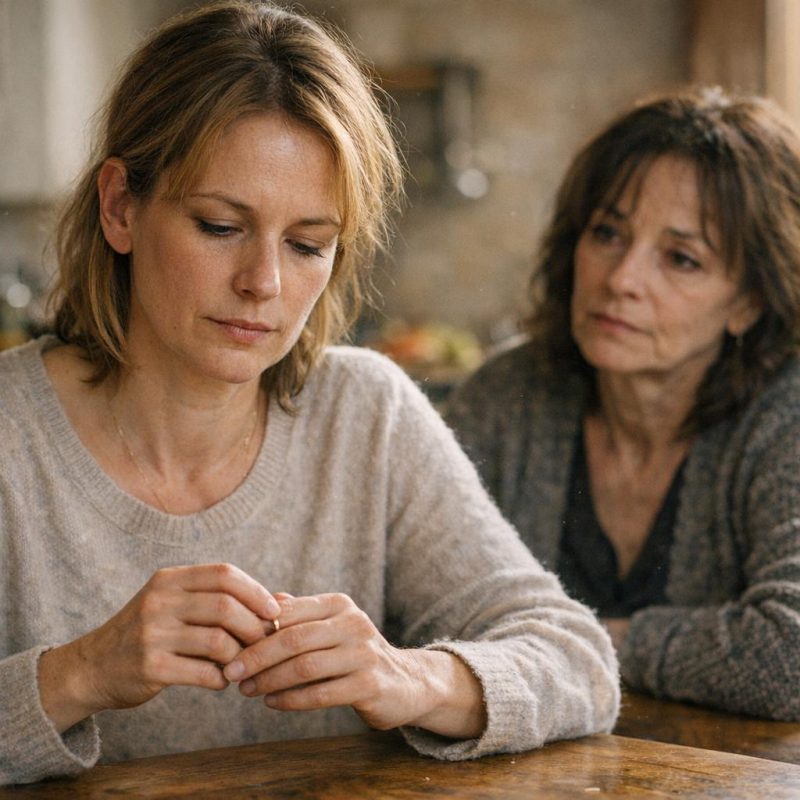 Image by RM AI
The Long Road
The weeks after that conversation were some of the hardest of my life. Amanda had agreed to periodic phone calls, but nothing more—not yet. I had to sit with the uncertainty of not knowing if I'd ever get another chance. Some days I wanted to push, to ask when I could see the kids, to plead my case again. But I forced myself to be patient, to respect her timeline instead of my own needs. I started seeing a therapist, which honestly felt embarrassing at first. Admitting to a stranger that my daughter-in-law had cut me off because I'd been too controlling? It stung. But Dr. Martinez helped me see patterns I'd never noticed—how my anxiety about being a good grandmother had translated into micromanaging, how my fear of not being needed had made me invasive. I practiced biting my tongue, literally. Practiced asking questions instead of offering solutions. Practiced saying 'that sounds like it's working for you' instead of 'have you considered.' Small changes, but they felt massive. I knew this wasn't a happy ending—it was just the beginning of trying to earn back what I'd lost.
 Image by RM AI
Small Steps
Three months later, Amanda called to say I could come for a visit—supervised, for an hour, in their living room. My hands shook as I drove to their house. I'd rehearsed a dozen times what I wouldn't say, what I wouldn't do. When Emma and Lucas ran to the door, I knelt down instead of scooping them up, letting them decide how close they wanted to be. Lucas was shy at first, hiding behind Amanda's legs, but Emma chattered away about her new school and her best friend Sophie. I listened. Really listened, without interrupting to share stories about Daniel at that age. When Emma showed me a drawing, I said 'I love all the colors you used' instead of suggesting where she might add more detail. Amanda watched from the couch, Daniel beside her, both of them visibly tense. At one point Emma spilled juice on her dress, and I physically bit my tongue to keep from commenting. Amanda handled it calmly, and I just smiled and said nothing. When Emma hugged me goodbye, I felt a flicker of hope—but I also knew one good visit didn't erase months of harm.
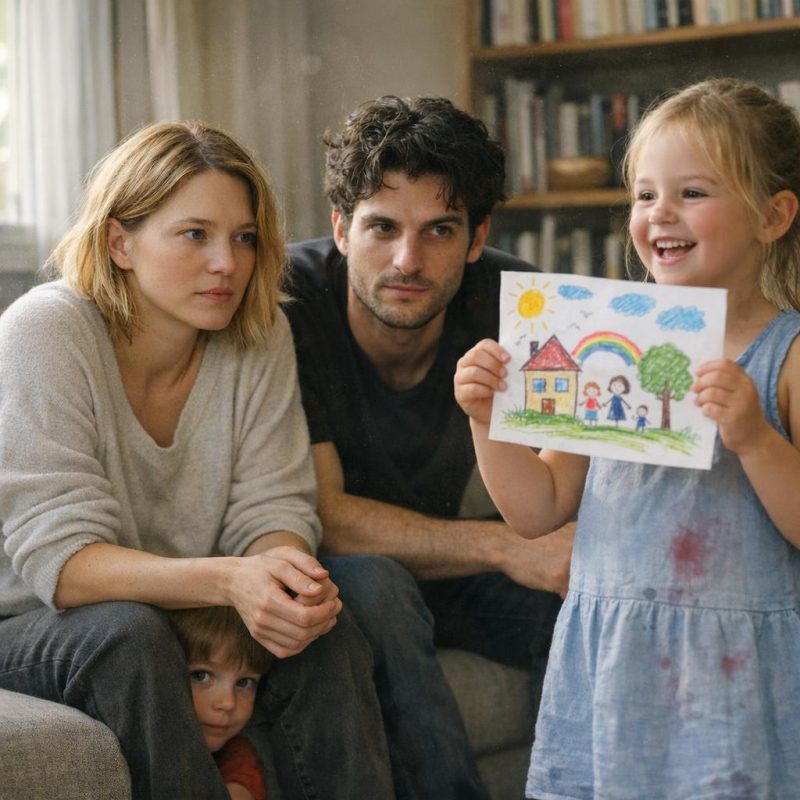 Image by RM AI
What I Learned
Looking back now, I realize how arrogant I'd been. I'd genuinely believed that because I'd raised Daniel successfully, I knew better than Amanda about everything. I'd confused loving my grandchildren with having ownership over how they were raised. The truth I had to face was brutal: respect isn't something you get just because you're the elder. It's something you earn by actually treating people as capable, autonomous adults. Amanda didn't need my constant input—she needed my support. She didn't need my corrections—she needed my trust. And I'd been so focused on proving my value, on feeling necessary, that I'd made her feel inadequate in her own home. The road ahead is still uncertain. We have visits now, twice a month, and they're getting easier. But there are still moments when I have to physically stop myself from offering unsolicited advice. Still times when I see Amanda stiffen, waiting for criticism that I'm learning not to give. I lost access to my grandchildren because I couldn't accept that loving someone doesn't mean knowing better than them—and that lesson, as painful as it was, might have been the most important one of my life.
 Image by RM AI
KEEP ON READING
The 20 Most Recognized Historical Figures Of All Time
The Biggest Names In History. Although the Earth has been…
By Cathy Liu Oct 4, 2024
10 of the Shortest Wars in History & 10 of…
Wars: Longest and Shortest. Throughout history, wars have varied dramatically…
By Emilie Richardson-Dupuis Oct 7, 2024
10 Fascinating Facts About Ancient Greece You Can Appreciate &…
Once Upon A Time Lived Some Ancient Weirdos.... Greece is…
By Megan Wickens Oct 7, 2024
20 Lesser-Known Facts About Christopher Columbus You Don't Learn In…
In 1492, He Sailed The Ocean Blue. Christopher Columbus is…
By Emilie Richardson-Dupuis Oct 9, 2024
20 Historical Landmarks That Have The Craziest Conspiracy Theories
Unsolved Mysteries Of Ancient Places . When there's not enough evidence…
By Megan Wickens Oct 9, 2024
The 20 Craziest Inventions & Discoveries Made During Ancient Times
Crazy Ancient Inventions . While we're busy making big advancements in…
By Cathy Liu Oct 9, 2024