

My Son Asked Me to Help Fund My Grandkids' College — What I Discovered at My Grandson's Baseball Game Made My Blood Run Cold
My Son Asked Me to Help Fund My Grandkids' College — What I Discovered at My Grandson's Baseball Game Made My Blood Run Cold
The Call That Changed Everything
It was a Sunday afternoon in late October, the kind of quiet day I'd learned to treasure since retiring — a mug of chamomile going cold on the side table, a library book open in my lap, the radiator ticking its familiar rhythm against the chill outside. When my phone buzzed and David's name lit up the screen, I smiled and picked up without a second thought. He was my only son, and Sunday calls weren't unusual. But something in his voice stopped me almost immediately. It wasn't what he said — he kept it brief, just that he and Michelle needed to come by, that there was something important they wanted to discuss in person. It was the tone underneath the words. Measured. Careful. Like he'd rehearsed the opening line a few times before dialing. I told him of course, come Sunday evening, I'd put on coffee. He thanked me in that same careful voice and we said our goodbyes. I set the phone down on the side table next to my cold mug and stared at the far wall for a long moment. The book stayed closed in my lap. Whatever David had sounded like in that call, it wasn't the easy warmth I was used to, and the weight of it hung in the quiet room long after the line went dead.
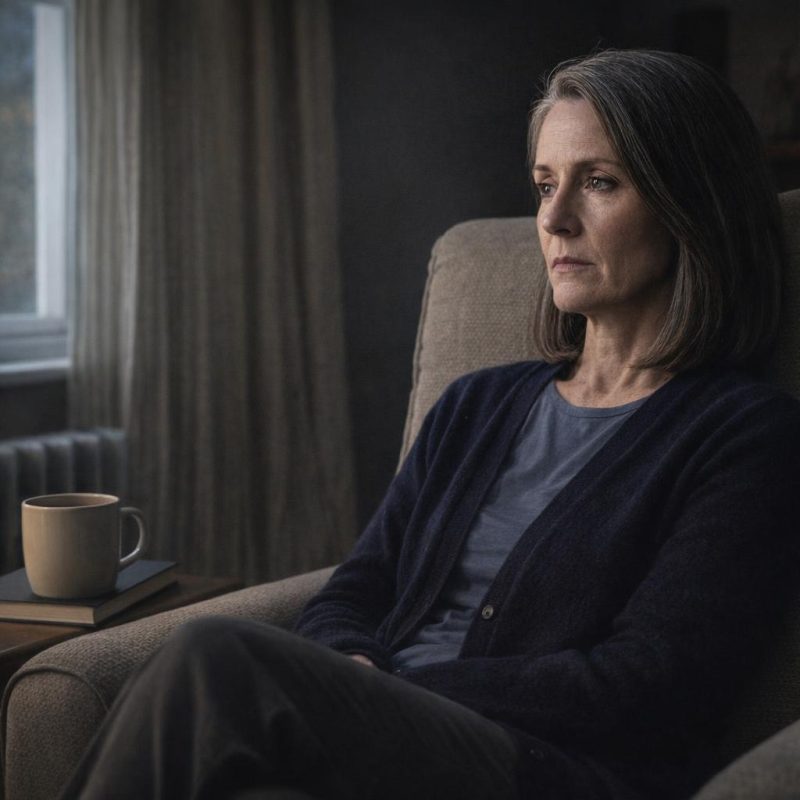 Image by RM AI
Preparing for the Unknown
I had a full hour before they were due to arrive, and I spent every minute of it moving. I wiped down the scarred oak table in the kitchen — the one that had hosted thirty years of family dinners and homework sessions and holiday arguments — even though it didn't really need wiping. I straightened the cushions on the chairs twice. I brewed a fresh pot of coffee, stronger than I usually made it, and set out the good mugs instead of the everyday ones. I wasn't sure why I did that. Some instinct, maybe, that whatever was coming deserved the good mugs. I checked the clock on the microwave more times than I could count. The flutter in my chest wouldn't settle no matter how many small tasks I invented to keep my hands busy. I told myself it was nothing — David had probably just hit a rough patch at work, or maybe they were thinking about moving and wanted my opinion on the neighborhood. There were a hundred ordinary explanations. I rinsed the coffee pot I'd already rinsed. I folded the dish towel and hung it straight. And then, just as I was smoothing my hands down the front of my cardigan and telling myself to breathe, I heard the low crunch of tires rolling up the driveway.
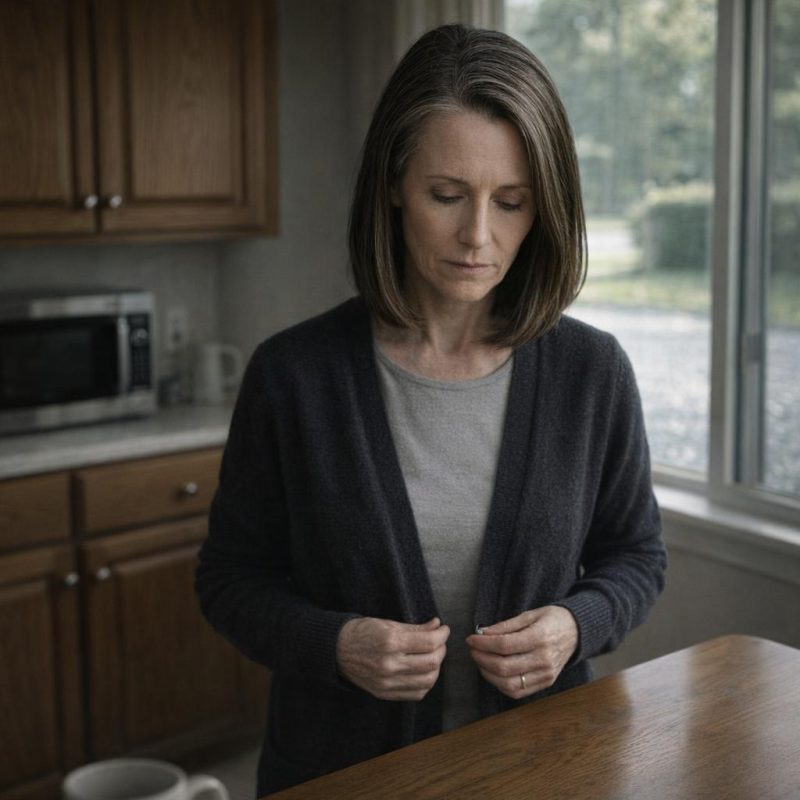 Image by RM AI
The Weight of Their Words
They came in out of the cold looking like people who hadn't slept properly in weeks. I noticed it right away — the gray tinge under David's eyes, the way Michelle held her coat closed even after she'd stepped into the warm kitchen, like she was still bracing against something. We exchanged hugs that felt a little stiff, a little careful, and I poured the coffee and we all sat down at the oak table. For a moment nobody said anything. Steam curled up from the three mugs between us, and I watched it drift and dissolve and waited. David was the one who finally spoke. He laid it out methodically — tuition costs had climbed far beyond what they'd projected when the kids were small, their savings weren't going to stretch the way they'd hoped, and with Jake only two years from college and Emma not far behind, they were looking at a gap they didn't know how to close. He kept his voice even, but I could hear the strain underneath it. Michelle nodded along, her hands wrapped around her mug, and at one point she mentioned the spreadsheets — how she'd been up past midnight more than once, running numbers that never quite added up the way she needed them to. The thought of Jake and Emma starting their adult lives buried in debt sat heavy in my chest. And when I looked at Michelle's face — the genuine exhaustion pooled beneath her eyes — I felt my concern settle into something quieter and more certain.
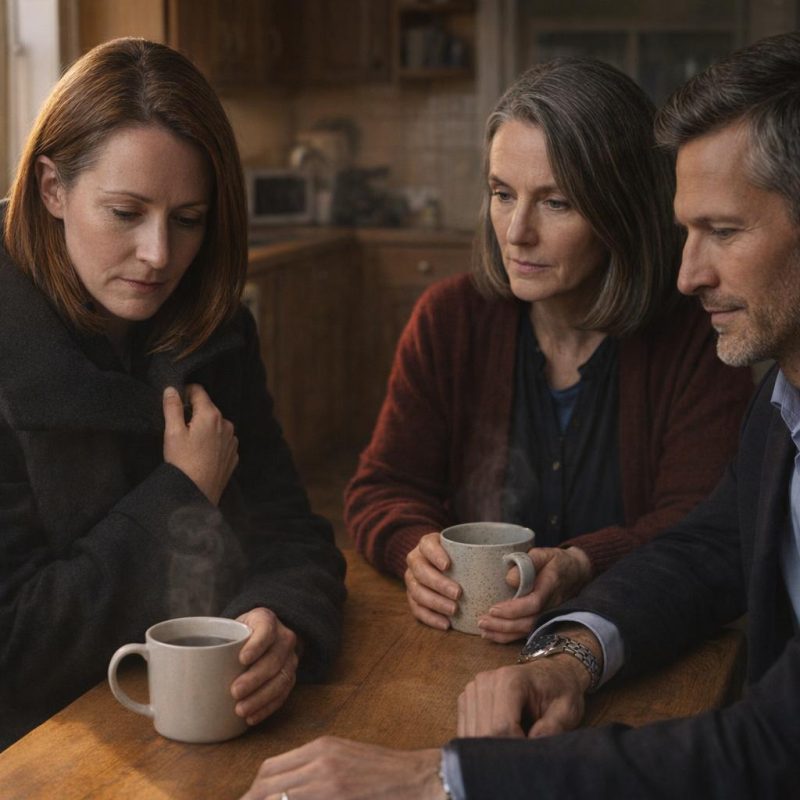 Image by RM AI
A Grandmother's Promise
I didn't wait for them to ask. I'm not sure I could have. I sat there looking at their tired faces across that old oak table and I thought about Jake — the way his eyes lit up whenever he talked about how things worked, the engineering books he'd started checking out of the library at thirteen. I thought about Emma, so quiet and watchful, always with a pencil in her hand, filling sketchbooks faster than I could buy them. Those two kids had never asked me for a single thing in their lives, and the idea that something as ordinary as money might stand between them and the futures they deserved felt genuinely wrong to me. So I told David and Michelle that I wanted to help. I said I'd spent enough years wishing I'd had a cushion when I was young, and if I could be that cushion for Jake and Emma, then that was exactly what I intended to do. I told them I wanted to be more than the grandmother who showed up with cookies and a card on birthdays. I wanted to matter in a real way, while I still could. The relief that moved across David's face when I said it was something I hadn't expected to feel so deeply — a loosening, like a knot coming undone — and I held onto that feeling like it was proof I'd made exactly the right call.
 Image by RM AI
Building the Cathedral
Once the decision was made, the mood in the kitchen shifted entirely. David opened the leather folder he'd brought in from the car — I hadn't noticed it until then, tucked under his arm when he came through the door — and we spread papers across the oak table and got to work. We talked through what I could comfortably contribute each month without straining my own budget, and David was thoughtful about it, pushing back gently when I suggested a higher number, saying he didn't want me to feel any pressure. Michelle pulled out her phone and did some quick calculations, nodding as the numbers came together. We discussed where the fund would be held, how the transfers would work, what the timeline looked like before Jake's first tuition bill would arrive. It felt collaborative in a way I hadn't expected — like we were building something together, brick by careful brick, something that would outlast the afternoon. I felt useful in a way I hadn't in years. By the time we walked to the front door, the evening had gone a deep blue outside, and I stood on the porch and watched them head toward their car. David paused at the passenger door and looked back at me with a small, grateful smile. Then he flipped open the leather folder against the car roof and I watched his pen move across the page as he wrote down the account details we'd agreed on.
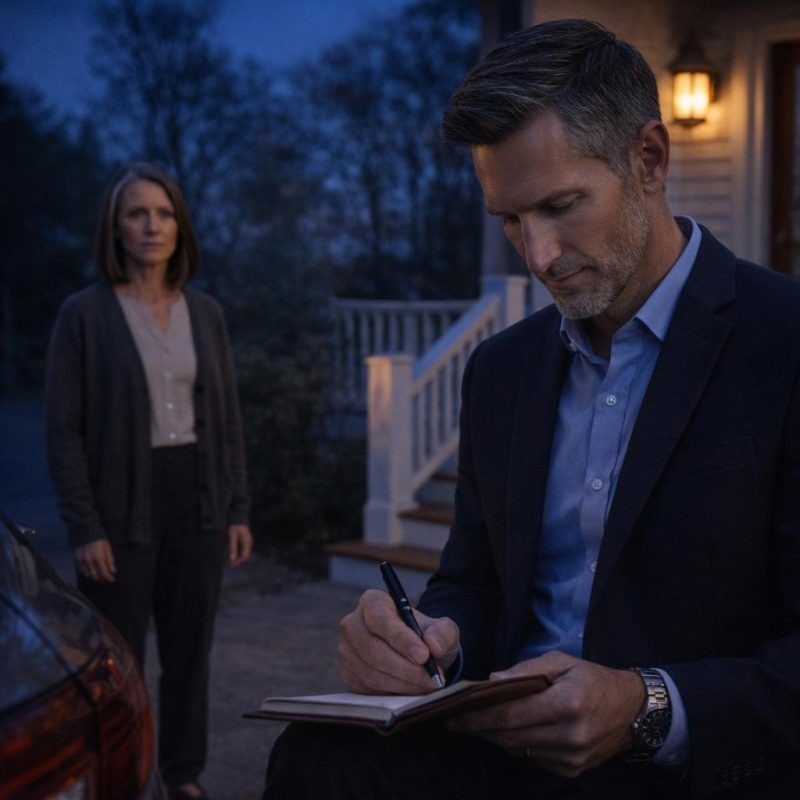 Image by RM AI
The First Investment
I made the first transfer on a Tuesday morning, sitting at the small desk in my spare bedroom with a second cup of coffee going warm beside the keyboard. I'd written the account number on a notepad in my own handwriting the night before, double-checking it twice against the paper David had left me. I logged into my bank account, entered the amount we'd agreed on, and sat for a moment with my finger hovering over the confirm button. Not from hesitation — more from wanting to mark the moment properly. This wasn't paying a utility bill. This was the beginning of something. I thought about Jake standing on a college campus two years from now, and Emma a few years behind him, and I pressed confirm. The screen refreshed and the confirmation number appeared in a neat blue box at the top of the page. I wrote it down on the same notepad, underlined it, and tucked the page into the folder I'd started keeping for these records. Then I sat back in my chair and let the quiet of the room settle around me. I'd spent decades wishing someone had done this for me when I was young. Now I was the someone. The confirmation number sat there on the screen, small and official and real.
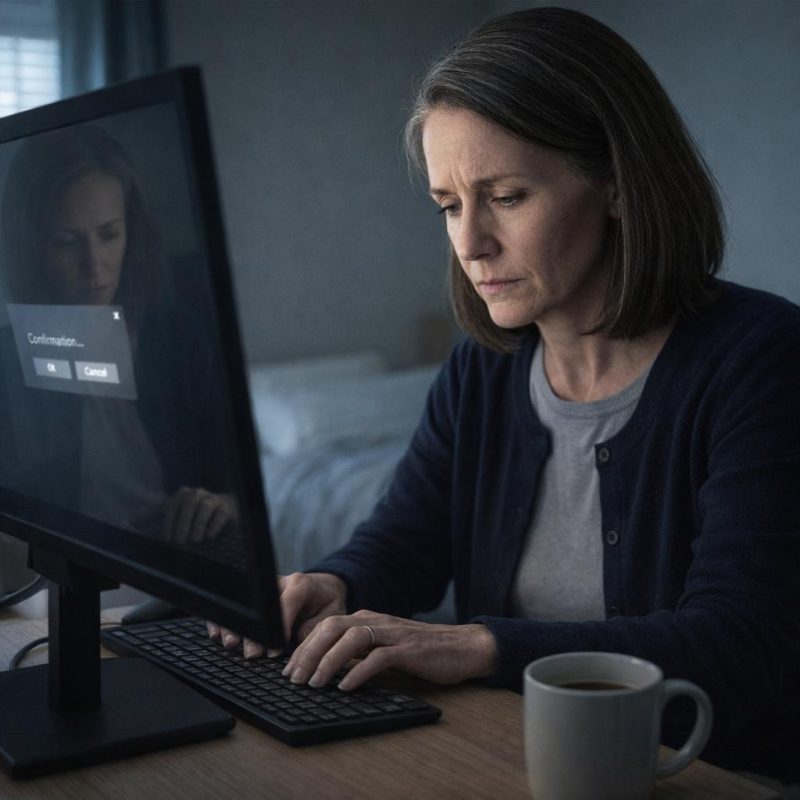 Image by RM AI
Progress and Projections
David came by exactly four weeks after the first transfer, right on schedule, with the leather folder tucked under his arm again. I made coffee and we sat at the oak table the same way we had the first time, except the atmosphere was entirely different — lighter, almost celebratory. He opened the folder and slid a printed sheet across to me: a progress report showing the fund balance, the interest rate it was earning, and a simple line graph projecting growth over the next several years. He walked me through it carefully, explaining how compound interest would work in the children's favor the longer the money sat untouched, how the rate they'd secured was better than average for this type of account. He spoke about it with a kind of reverence that I found genuinely moving — like he understood that what we were doing together was more than a financial transaction. I asked a few questions and he answered each one patiently, without making me feel foolish for not knowing the terminology. The line on the graph climbed steadily upward from left to right, and when David leaned forward and traced its arc with his finger, following the curve toward the projected balance at Jake's enrollment date, I felt something settle warmly in my chest — the particular satisfaction of watching something you've built begin to take its shape.
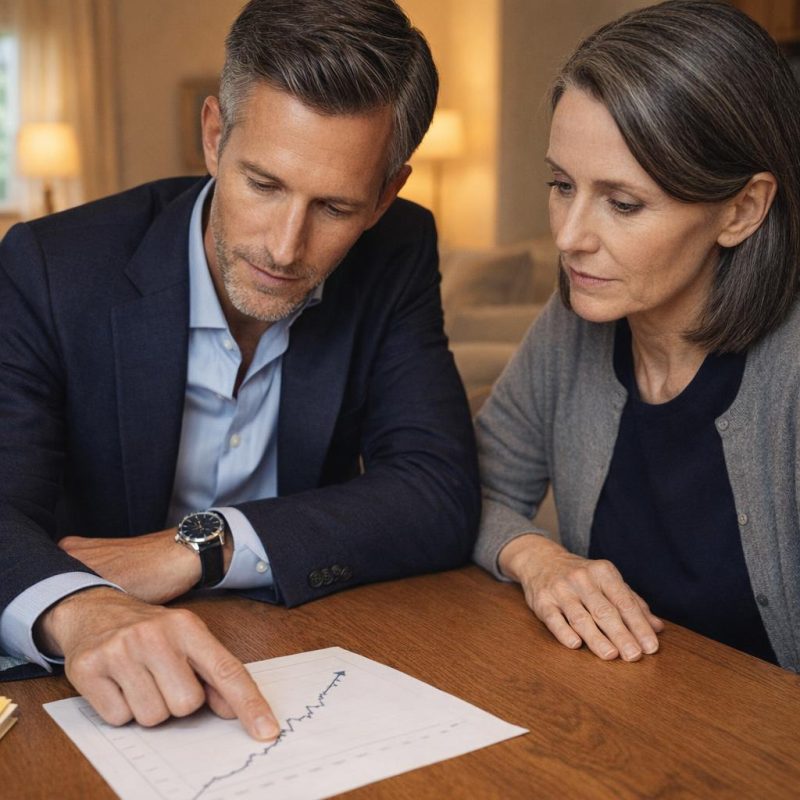 Image by RM AI
Watching Them Grow
A few weeks later I drove over on a Saturday afternoon, no particular occasion, just wanting to see them. Jake was out in the backyard running through his pitching motion, throwing into the net his parents had set up along the fence, and I stood at the kitchen window for a few minutes just watching him before I went outside. He had his grandfather's shoulders — broad and square — and a focus when he was on the mound that made him look older than seventeen. Emma was sitting cross-legged on the patio steps with her sketchbook open across her knees, pencil moving in quick, confident strokes, barely looking up when I came through the back door. I sat in one of the lawn chairs and watched them both for a long while. Jake paused between throws to explain to me, unprompted, the mechanics of a curveball, and I listened and nodded and understood almost none of it, and loved every second. Emma tilted her sketchbook toward me at one point to show me a drawing of the oak tree at the back of the yard, rendered in more detail than I would have thought possible in pencil. I drove home that evening with the windows cracked and the cool air coming in, and the warmth I carried in my chest had nothing to do with the season — it was the quiet, settled certainty that the money I was sending each month was finding its way to exactly the right place.
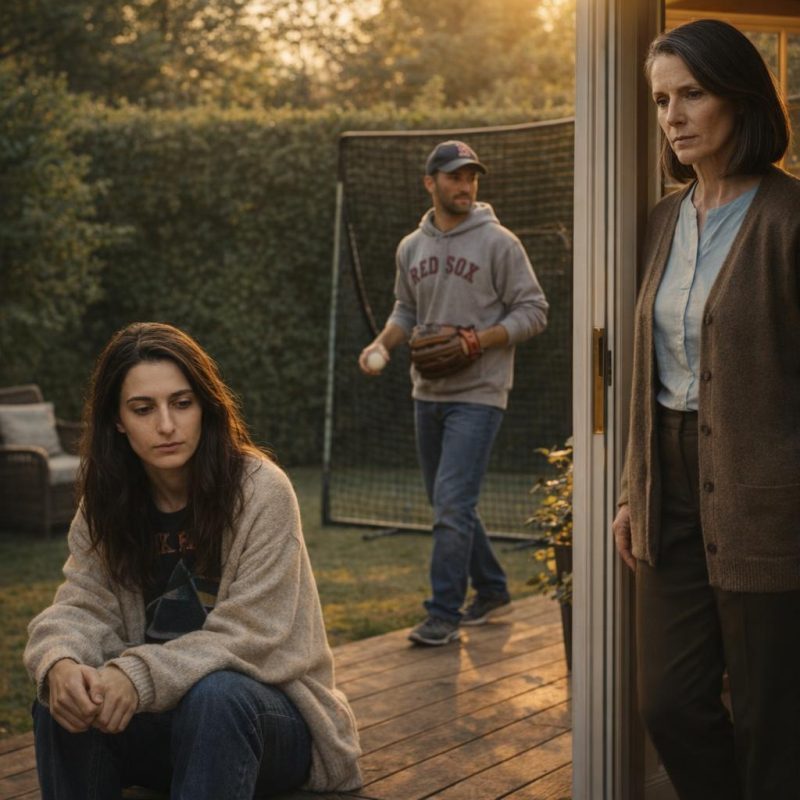 Image by RM AI
Small Sacrifices Begin
I sat at the kitchen table that Saturday evening with my monthly budget spread out in front of me — not a spreadsheet, just a yellow legal pad with columns I'd been keeping since my husband passed. The numbers were honest, the way numbers always are. I went through each line slowly, circling the ones with any give in them. The premium cable package was an easy target. I had maybe three channels I watched with any regularity, and two of those were just background noise while I folded laundry. I picked up the phone and called the cable company, sat on hold for eleven minutes, and then walked a very patient young man through the cancellation. He offered me a reduced rate twice. I said no both times, politely but firmly, because I'd already made up my mind. The savings weren't dramatic — forty-two dollars a month — but forty-two dollars was forty-two dollars, and over a year it added up to something real. I wrote the new total at the bottom of the page and circled it. Jake's face came to me then, that focused look he got on the mound, and I thought: this is nothing. This is less than nothing. The television sat dark and quiet across the room, and the house settled into a stillness I found I didn't mind at all.
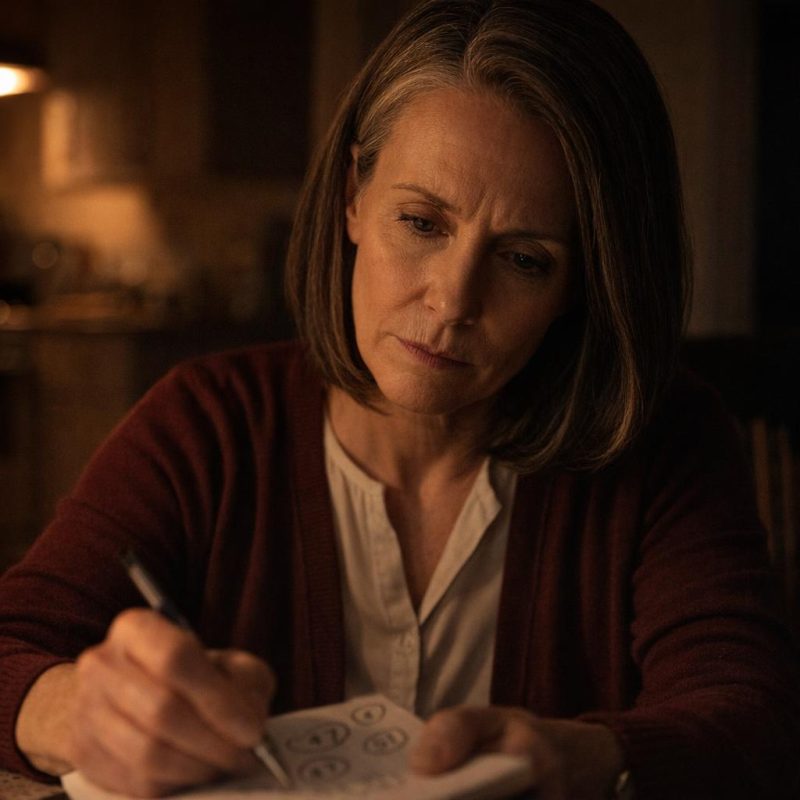 Image by RM AI
The Grocery Store Calculus
I'd been shopping at the same grocery store for going on twenty years, and I had my habits the way anyone does after that long — the good coffee beans from the small-batch display near the entrance, the organic produce in the bins along the far wall, the particular brand of olive oil that cost twice what the store brand did and probably tasted the same. That Tuesday I pushed my cart through the store with a different kind of attention. I picked up the coffee beans, held them for a moment, then set them back and reached for the house brand in the plain brown bag. I did the same at the produce section — conventional carrots, conventional apples, conventional everything. I made the same calculation at least a dozen times before I reached the checkout lane, each one small, each one adding up. There was a moment in the cereal aisle where I almost talked myself back into the granola I liked, and then I thought about Jake's engineering program and put the generic box in the cart instead. The cashier read out my total and I looked at the number on the screen, then glanced at the receipt she handed me. Thirty-seven dollars less than my usual run.
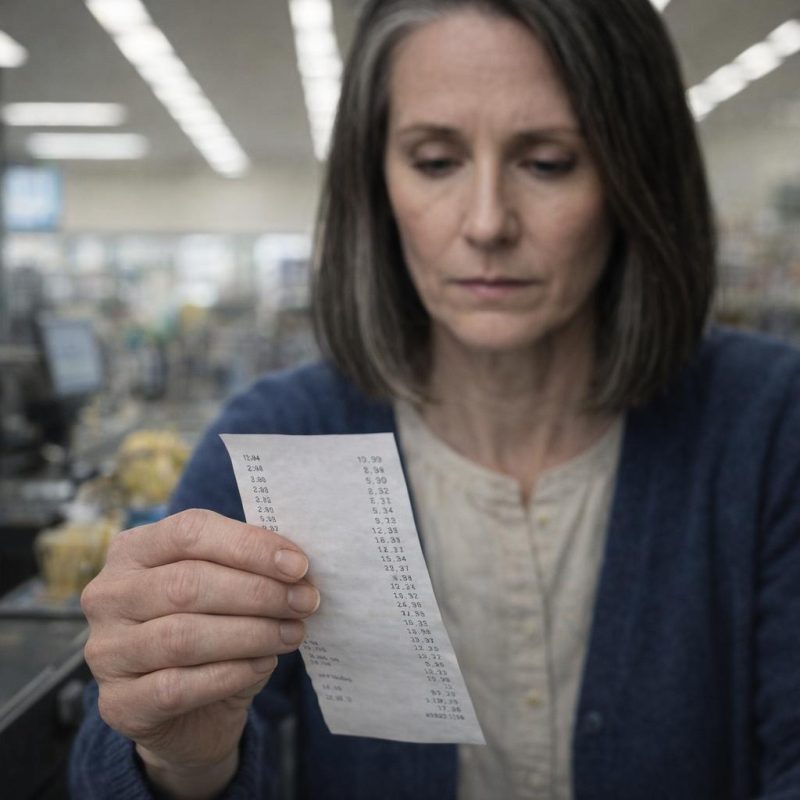 Image by RM AI
The Plumbing Hiccup
David called on a Thursday evening, right around the time I usually sat down with a cup of tea, and his voice had that easy, organized quality it got when he was delivering good news. The fund was growing steadily, he said. The second month's numbers looked solid. I was listening and nodding along, genuinely pleased, when I heard Michelle's voice somewhere behind him — not quite in the room, more like a doorway — and she said something about the plumbing. David covered the phone briefly, then came back and explained it with a kind of careful calm: a pipe under the kitchen had gone, the repair had cost more than they'd expected, and their contribution for the month had gone toward that instead. He said they'd make it up. I told him not to worry about it before he'd even finished the sentence. Emergencies happen — I knew that better than most. A house will always find a way to remind you who's in charge. I told him the important thing was that the kids were taken care of, and that a missed month wasn't the end of anything. He thanked me, and I heard the relief in his voice, and after we hung up I sat for a while with my tea going cool in my hands, glad I'd been in a position to say what I'd said.
 Image by RM AI
Stepping Up
After I hung up with David I sat at my desk for a few minutes, just thinking. The plumbing emergency was nobody's fault — those things happen without warning and they cost what they cost. What mattered was that the fund kept moving forward, and if I could make sure of that, then I should. I opened my laptop and logged into my bank account, pulling up the transfer I had scheduled for the end of the month. I looked at the original amount, then did the arithmetic on a notepad beside the keyboard — David and Michelle's usual share, divided by the weeks remaining, added to my own contribution. It wasn't a small adjustment. But I looked at the number and thought about Jake explaining curveball mechanics in the backyard, and Emma tilting her sketchbook toward me with that quiet pride, and the math stopped feeling like a burden. I thought of myself as a kind of silent partner in something that mattered. Not the loudest voice in the room, not the one who'd get any credit, but the one holding things steady when they needed steadying. I adjusted the transfer amount in the field, checked it twice, and moved my cursor to the confirmation button.
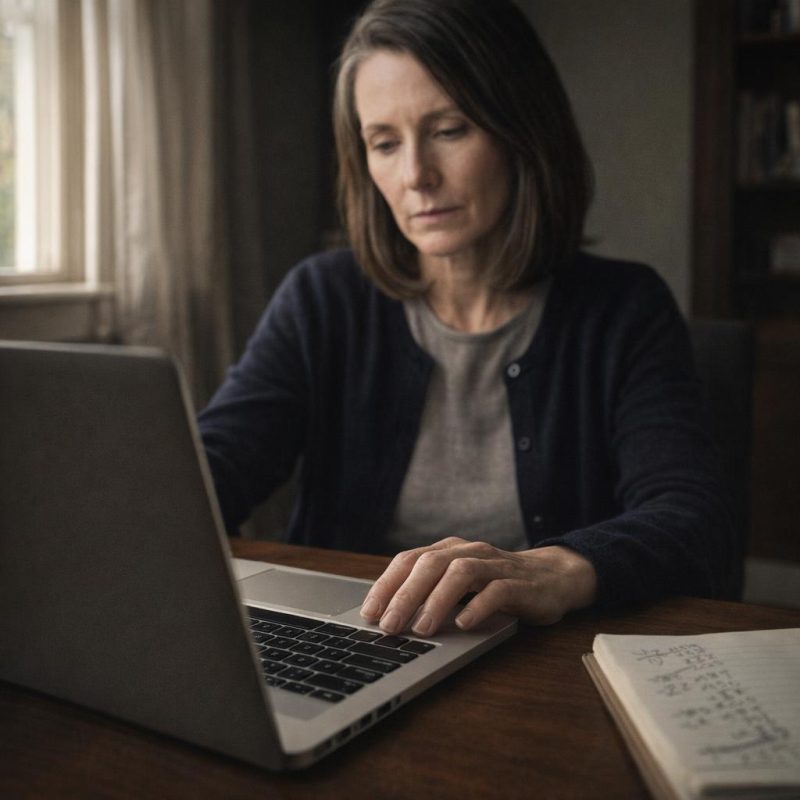 Image by RM AI
The Coastal Trip I Didn't Take
The group texts started on a Wednesday morning, my phone buzzing on the kitchen counter while I was washing up the breakfast dishes. Carol had found a rental on the coast — four bedrooms, a deck facing the water, available the last weekend of the month. The messages came fast after that, everyone chiming in with exclamation points and talk of salt air and staying up too late with wine and the books we'd all been meaning to discuss for months. I dried my hands and read through the whole thread twice, smiling at the familiar voices of women I'd known for thirty years. Then I sat down at my computer and opened the bank account. I looked at the fund balance, the scheduled transfer, the number that had become the fixed point my budget rotated around. Then I looked up Carol's rental link and found my share of the cost. I sat there for a long moment with both numbers on the screen at the same time. They were, near enough, identical. One month's contribution, or one weekend with the people who had known me longest — who had sat with me through my husband's illness, through the hard years after, through everything. I didn't close either window. I just sat there, holding the weight of it.
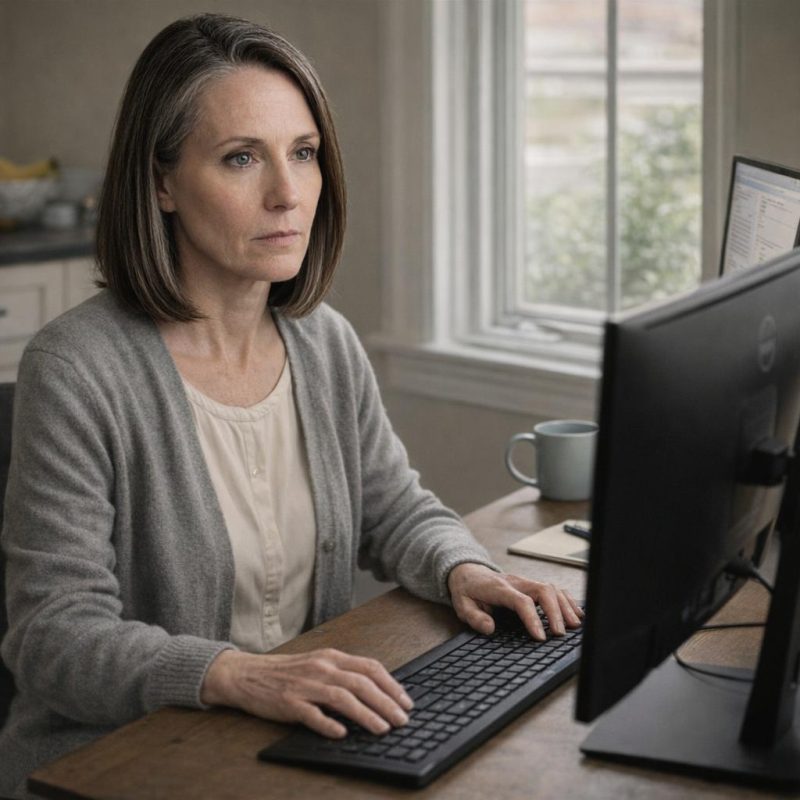 Image by RM AI
The Cheerful Lie
I sat with it for two days before I opened the group thread again. Everyone had confirmed by then — Carol, Diane, Ruth, the others — and the messages had moved on to packing lists and who was bringing what for the first night's dinner. I read through all of it, then opened a reply and typed that I had a prior commitment that weekend, that I was so sorry to miss it, that they should take pictures of everything. I kept my tone light. I used an exclamation point. I sent it before I could think about it too long. Then I closed the laptop and sat at the kitchen table for a minute, just breathing. I opened my banking app, found the transfer screen, and moved the money — the exact amount my share of the rental would have cost — over to David's account for the fund. It took about forty-five seconds. I made myself a simple dinner that evening, ate it at the table instead of in front of the television I no longer had, and washed the single plate and the single glass and set them in the rack to dry. The house was very quiet that night, the kind of quiet that has a particular texture to it, and I sat in it and told myself this was what choosing family looked like.
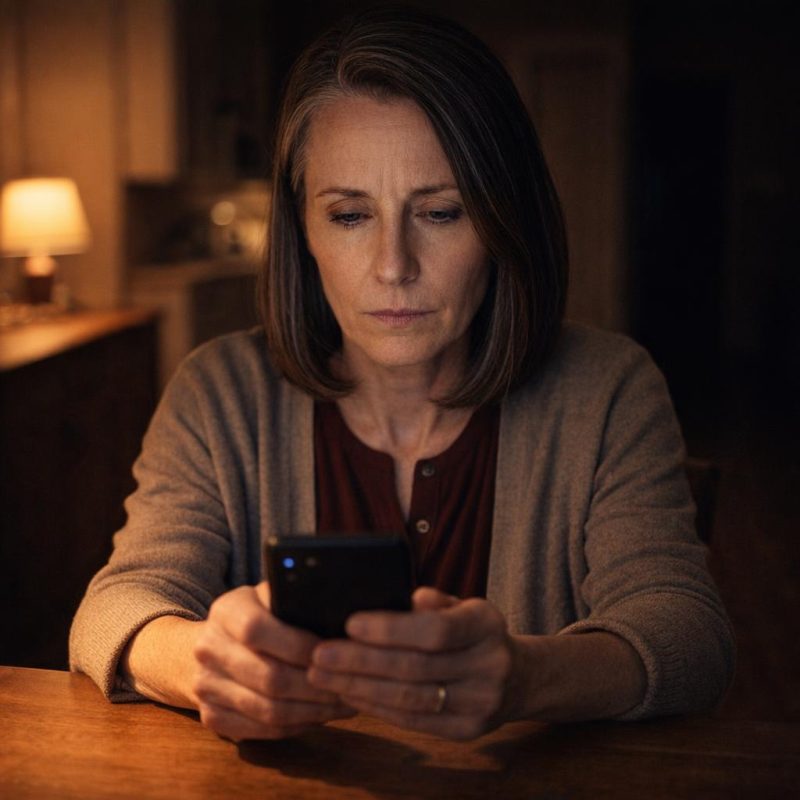 Image by RM AI
The Weekend Alone
The weekend arrived the way quiet weekends do — slowly, with too much space in it. I kept myself busy on Saturday morning, pulling weeds along the front walk, reorganizing the linen closet, tasks I'd been putting off for months. My phone buzzed just after noon: Carol had sent a photo of the deck, the ocean flat and gray-blue behind it, everyone's coffee mugs lined up on the railing. Another came an hour later — Ruth and Diane laughing at something out of frame, the rental's kitchen bright behind them. I looked at each one for a moment, then set the phone face-down on the counter and went back to whatever I was doing. I thought about Jake. I thought about the engineering program he'd talked about with that particular light in his eyes, the way he'd described the kind of problems he wanted to solve someday. A weekend at the coast was a weekend. His future was something else entirely. I told myself that clearly and meant it. By Sunday afternoon the messages had slowed, and I was sitting in the backyard with a book I wasn't really reading when my phone lit up on the arm of the chair — a group photo, all of them together on the beach, squinting into the sun and smiling.
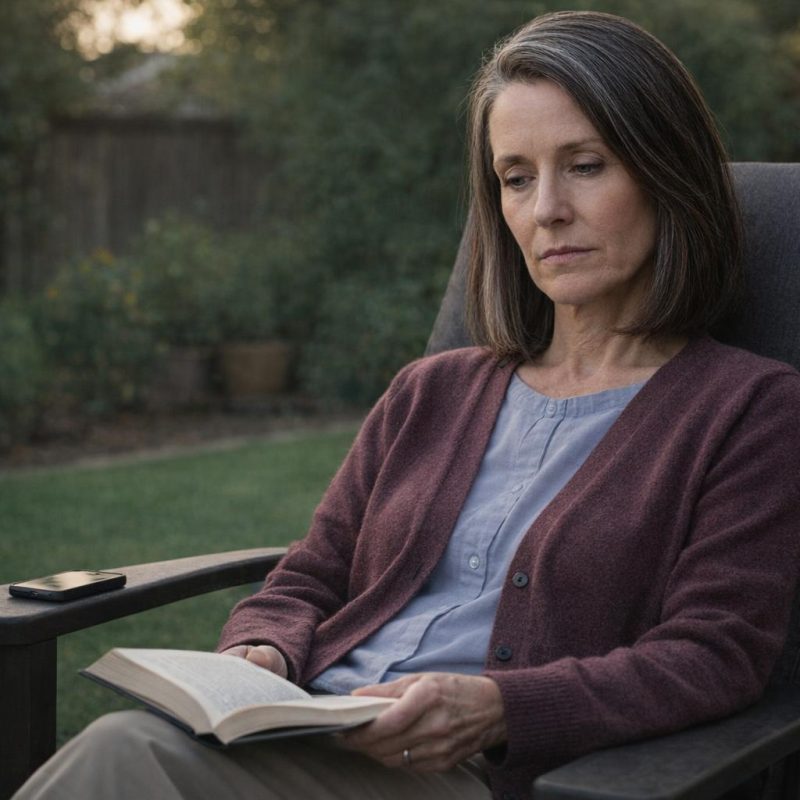 Image by RM AI
David's Enthusiasm
David called the following Tuesday, and I could hear the energy in his voice before he'd finished his first sentence. He said the fund was performing better than he'd projected, that the structure they'd set up was working exactly as he'd hoped. He used words like momentum and trajectory, and I found myself sitting up a little straighter at the kitchen table, the way you do when someone's enthusiasm is genuinely contagious. He asked how I was doing, and I told him fine, and he said he knew the contributions weren't nothing, that he understood what it meant for me to be doing this. Then he said something I wrote down on the notepad beside my coffee cup, because I wanted to keep it. He said: "Mom, your belief in these kids is the reason any of this works. You're the reason Jake gets to dream as big as he does." I sat with that for a moment after we hung up, the notepad in front of me, his words in my own handwriting looking back at me from the page.
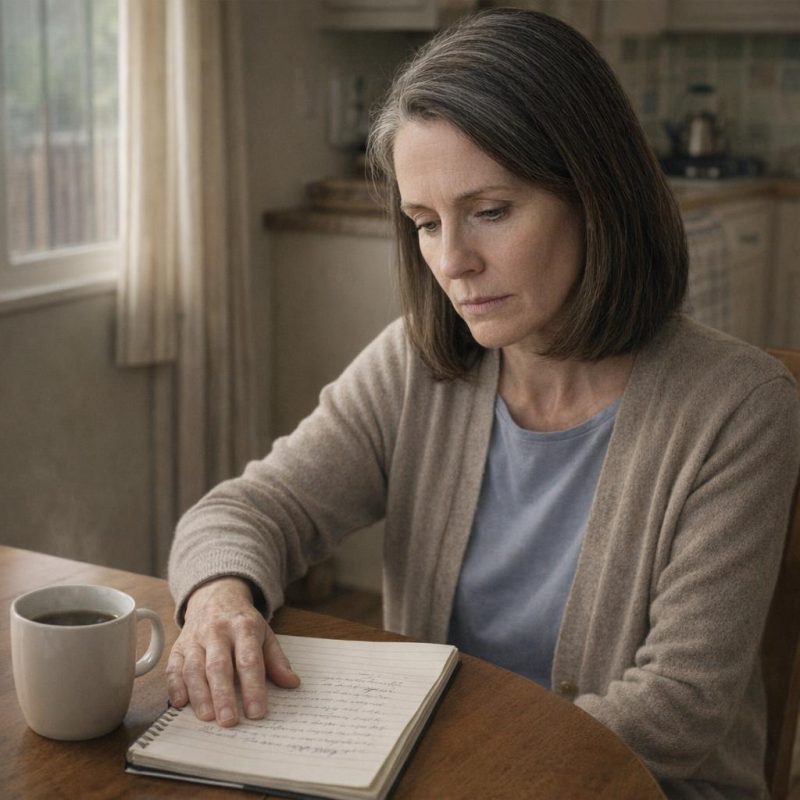 Image by RM AI
The Insurance Spike
Michelle called on a Thursday afternoon, and I almost didn't pick up because I was in the middle of repotting a plant on the back porch. Something about her voice made me set the pot down and give her my full attention. She said their insurance premiums had spiked — something about a policy renewal and a rate adjustment she hadn't seen coming. Her voice had that slight tremor in it, the one that made you want to reach through the phone and tell her everything was going to be fine. She explained that the spike had created a gap in what they'd planned to put into the fund this month, and she was so sorry, she hated even asking. I noticed, somewhere in the back of my mind, that this was the second time in a few months that something had come up on their end. The plumbing, and now this. But I didn't say that out loud. I told her not to worry, that these things happen, that I'd cover the shortfall. There was a pause, and then her voice dropped lower, almost to a whisper, and she asked if I could also manage a small bridge loan to help them get through until the next paycheck cleared.
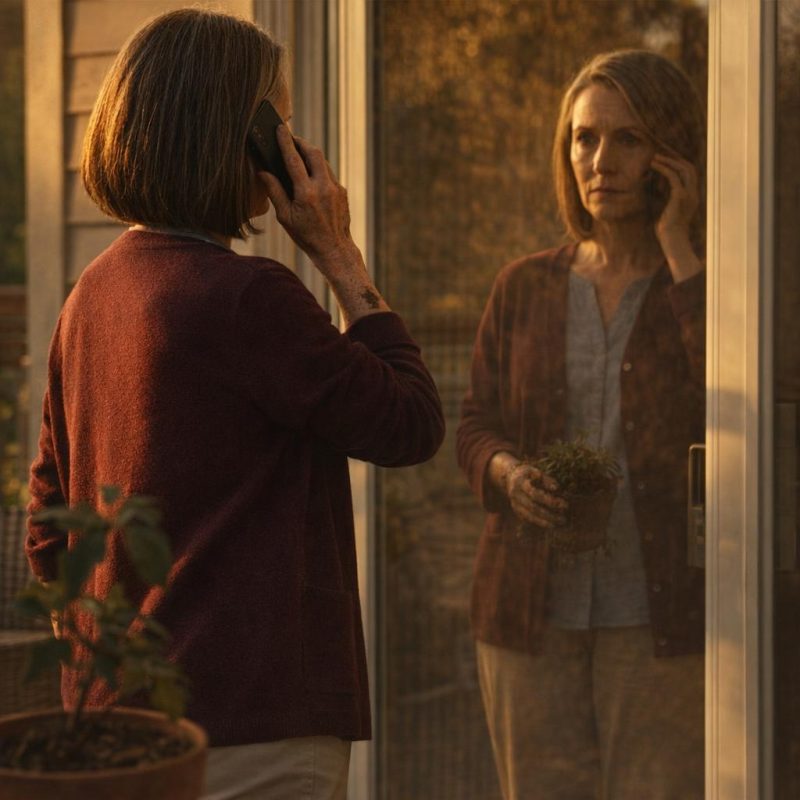 Image by RM AI
Telling Myself Stories
After I hung up, I sat at the kitchen table with my hands wrapped around a mug that had gone cold without my noticing. I thought about the plumbing emergency back in the spring, and now the insurance spike, and I turned both of them over in my mind the way you turn a stone over to see what's underneath. Nothing alarming was there. Just life. Life had a way of throwing things at people in clusters — I'd learned that well enough in my own years. The furnace that died the same winter the car needed a new transmission. The medical bill that arrived the same month the roof started leaking. David and Michelle were in their forties with two kids and a mortgage and all the invisible machinery of a household running at full tilt. Of course things broke down. Of course gaps appeared. I told myself I was in a position to help, and that helping was exactly what I was supposed to do. The small voice that had started to form a question somewhere in the back of my thoughts went quiet when I reminded myself of that. I rinsed my mug, set it on the drying rack, and let the rationalization settle over me the way a blanket settles when you pull it up around your shoulders on a cold night.
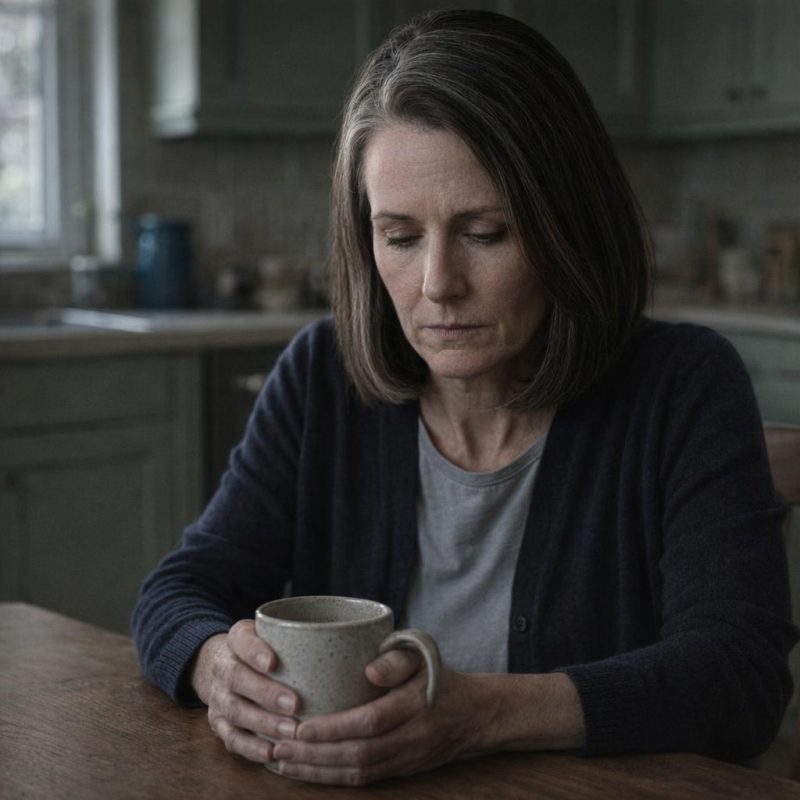 Image by RM AI
The Theater Season
The mail came on a Wednesday, and the theater brochure was right on top — glossy and thick, the kind of thing that used to make me stop whatever I was doing and sit down with a cup of tea to read it properly. I'd had a subscription for ten years. Ten years of circling dates in my calendar, of planning outfits weeks in advance, of that particular pleasure of settling into a velvet seat in a darkened hall and feeling the world outside go quiet. I stood at the kitchen counter and looked at the cover. A new season, promising and full. I didn't open it all the way. I already knew what I'd find inside, and I already knew what the subscription cost, and I already knew that I couldn't hold both numbers in my hands at once anymore. I walked to the recycling bin by the back door, the brochure still in my hand. I stood there for a moment longer than I needed to. Then I let it go. It dropped straight down into the empty bin, and the sound it made — that single flat thud against the plastic bottom — was smaller than I expected, and somehow that made it worse.
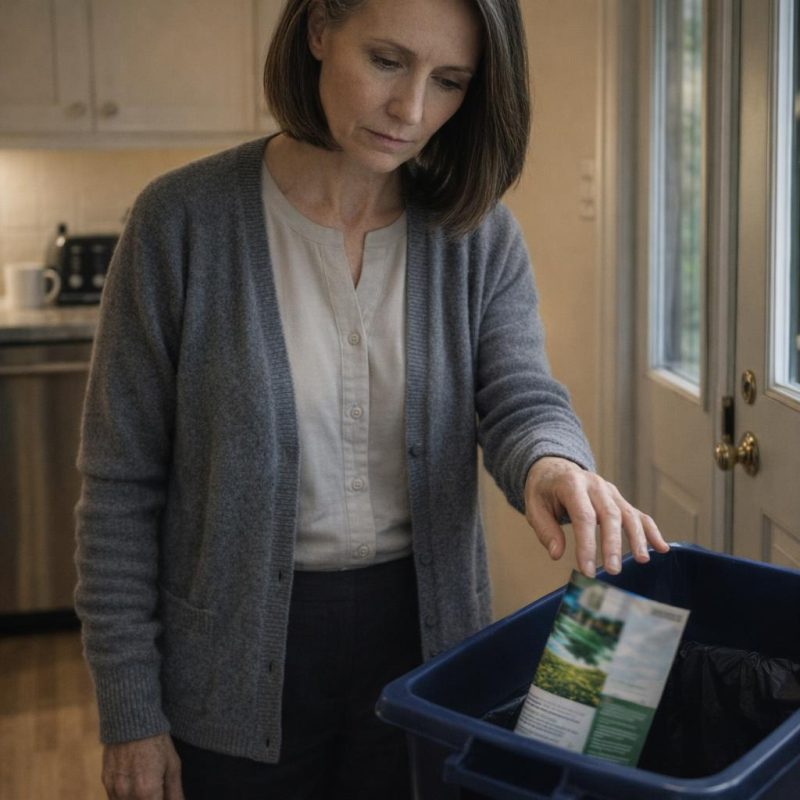 Image by RM AI
Reminding Myself Why
There were moments, usually in the early evening when the house was quiet and I'd run out of things to keep my hands busy, when the losses stacked up on me a little. The book club trip to Savannah that I'd passed on. The theater subscription sitting in a recycling bin somewhere. The lunch with my friend Carol that I'd rescheduled twice and then quietly let drop. In those moments I had a habit I'd developed without quite meaning to. I'd close my eyes and picture Jake. Not as he was now — seventeen and loud and still leaving his cleats by the back door when he visited — but as he would be. Taller somehow, in the way that graduation days make everyone look taller. Standing in a cap and gown on some green campus lawn, holding a degree in engineering, squinting into the sun with that wide honest smile of his. I'd imagine the weight that wouldn't be on his shoulders. The debt he wouldn't carry into his twenties because someone had loved him enough to make room. Every time I held that image in my mind, the empty calendar pages and the cancelled subscriptions shrank back down to their actual size. That picture of Jake — cap and gown, diploma in hand, that wide honest smile aimed at the sky — was the thing that kept me going.
 Image by RM AI
The Comfort of His Voice
David called on a Sunday evening, and I was glad for it. He asked how I was doing and actually waited for the answer, which I appreciated more than I would have admitted. Then he told me about a conversation he'd had with Jake about the future, about how Jake had started talking seriously about which engineering programs he wanted to apply to, about how that kind of focused thinking in a seventeen-year-old didn't happen in a vacuum. He said my belief in the family was the thing underneath all of it, the foundation nobody saw but everybody stood on. I know that sounds like the kind of thing people say, and maybe it was. But I was tired that evening in a way that had been building for weeks, and his voice was warm and certain, and I needed to hear it. I held onto his words after we said goodbye, turning them over quietly while the kitchen light hummed above me. The weariness was still there when I went to bed, but it sat differently — less like a weight pressing down and more like something I'd chosen to carry. The warmth of what he'd said had settled somewhere in my chest, and I let it stay there.
 Image by RM AI
The Narrowing World
I pulled my calendar off the wall one afternoon and sat with it at the kitchen table, the way you sit with something when you're finally ready to look at it honestly. The pages ahead were mostly white. Not the white of a life that was restful and open, but the white of a life that had been quietly cleared. The book club dates were gone — I'd stopped renewing my spot when the monthly dues started feeling like a luxury. The theater column was empty. The lunch dates with Carol and with my friend Patrice had thinned out to almost nothing; it was harder to say yes to things when you were watching every dollar, and after a while people stopped asking. I told myself it was temporary. I told myself the fund was growing somewhere, accumulating quietly the way good things do when you're patient enough to let them. I couldn't see it — David handled all of that, and I trusted him to — but I knew it was there, and I told myself that was enough. I set the calendar back on its hook and stood in the kitchen for a moment, looking at it. The white space on the pages ahead stretched out in every direction, and I let myself believe it was the shape of something being built.
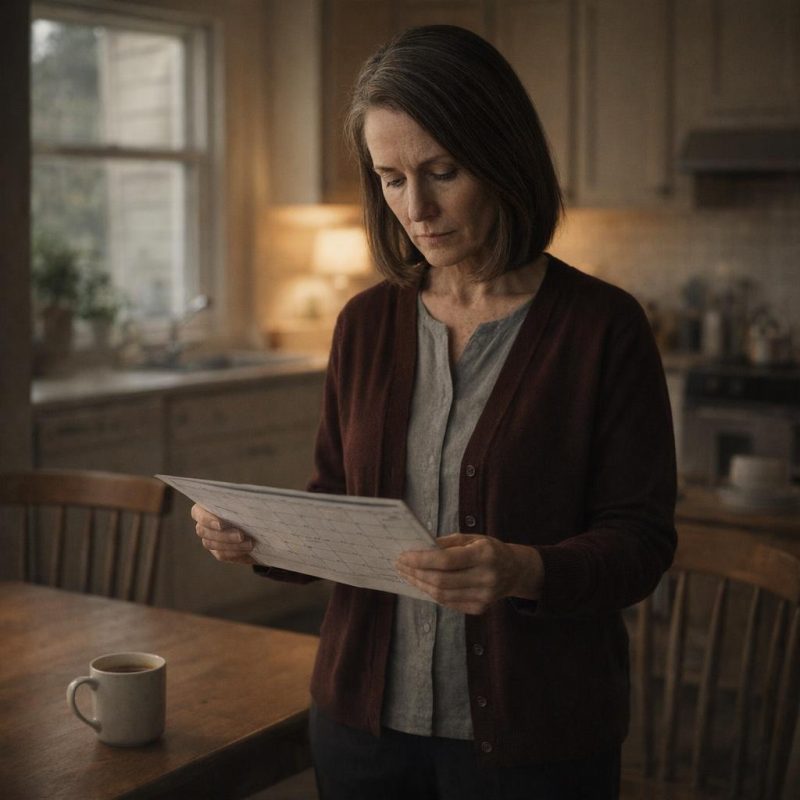 Image by RM AI
Words That Sustain
The email from David came on a Tuesday morning, and I read it twice before I got up to refill my coffee. He wrote about commitment — about what it looked like in practice, in the daily choices that nobody applauded because nobody saw them. He said he saw mine. He said the kids would understand one day, even if they couldn't yet, what it meant to have someone in their corner who showed up the way I did. He used the word extraordinary, and I sat with that for a moment, feeling slightly embarrassed by it and also, if I'm honest, grateful. On the harder days — and there had been harder days — I'd found myself wishing for something to hold onto, some proof that what I was doing was landing somewhere, that it mattered to someone beyond my own quiet conviction that it did. I read the email a third time. Then I got up, went to the printer on the desk in the spare room, and printed it out. The paper was still warm when I folded it. I smoothed the crease carefully, the way you handle something you intend to keep, and tucked it into the top drawer of my desk — folded and held like a talisman against the harder days still to come.
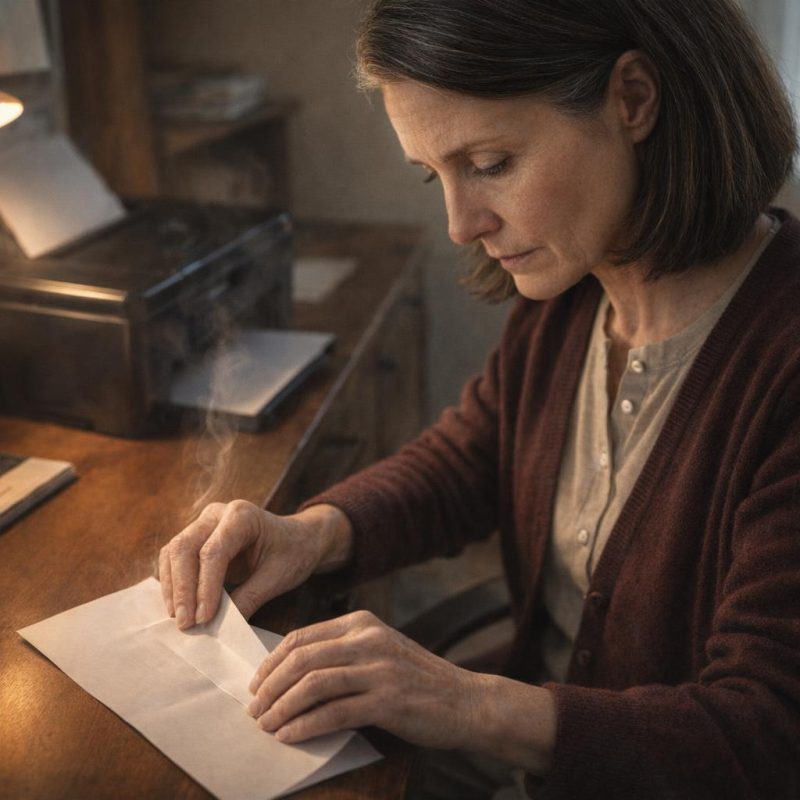 Image by RM AI
Fuel for Lean Months
The lean months had a texture to them that I hadn't anticipated. It wasn't dramatic — no single moment of crisis, no alarm going off. It was more like the slow tightening of a belt, one notch at a time, until you noticed one morning that you were standing differently than you used to. I'd started buying the store-brand versions of things I'd always bought by name. I'd stopped running the heat as high in the evenings. Small adjustments, the kind that feel manageable until you add them all up. On the harder mornings I'd think of David's words, the ones from the email folded in my desk drawer, and they'd steady me the way a handrail steadies you on an uneven step. I reminded myself that the fund was growing. That Jake's future was taking shape somewhere I couldn't see yet. That the lean months were the cost of something that would matter long after I'd forgotten the discomfort. Then one evening I sat down at my laptop to pay a bill and pulled up my bank account the way I always did, out of habit more than anything. The number on the screen was lower than it had been in years — lower, I realized with a slow, cold stillness, than I had understood it to be.
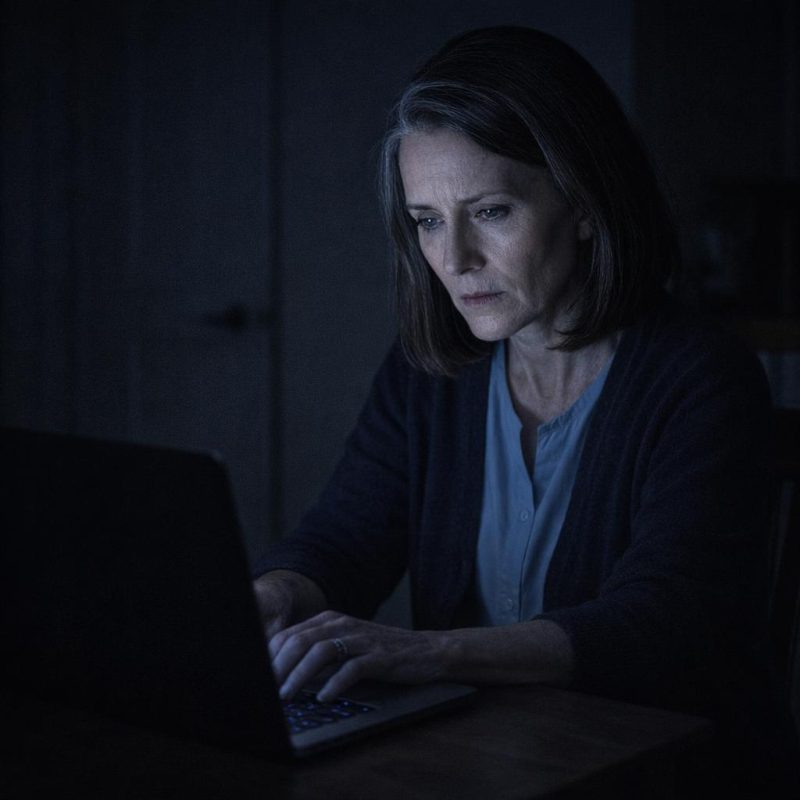 Image by RM AI
Becoming a Ghost
I stood in the middle of my living room one evening and just looked at it. Really looked. The side table where I used to keep a small arrangement of fresh flowers — gone, because flowers were a luxury now. The cable box dark and unplugged in the corner. The thermostat set lower than I'd ever kept it in thirty years of living in this house. I'd told myself each change was small, each one barely worth noticing. But standing there in the quiet, I could see them all at once, and the sum of them was something I hadn't quite prepared for. I was living like a woman passing through her own life. Eating less, going out less, spending less, wanting less — or at least telling myself I wanted less. I thought about the fund, the way I always did when the discomfort got too loud. Jake's future. Emma's future. The cathedral I was building one stone at a time. And then a thought surfaced that I hadn't let myself think before: I had never actually seen the account. Not once. I'd sent the money, every month, faithfully — but I had never seen a statement, a balance, a number with my name attached to it. I told myself that was fine. That trust was the whole point. The window across the room had gone dark with the evening, and the woman looking back at me from the glass was someone I almost didn't recognize.
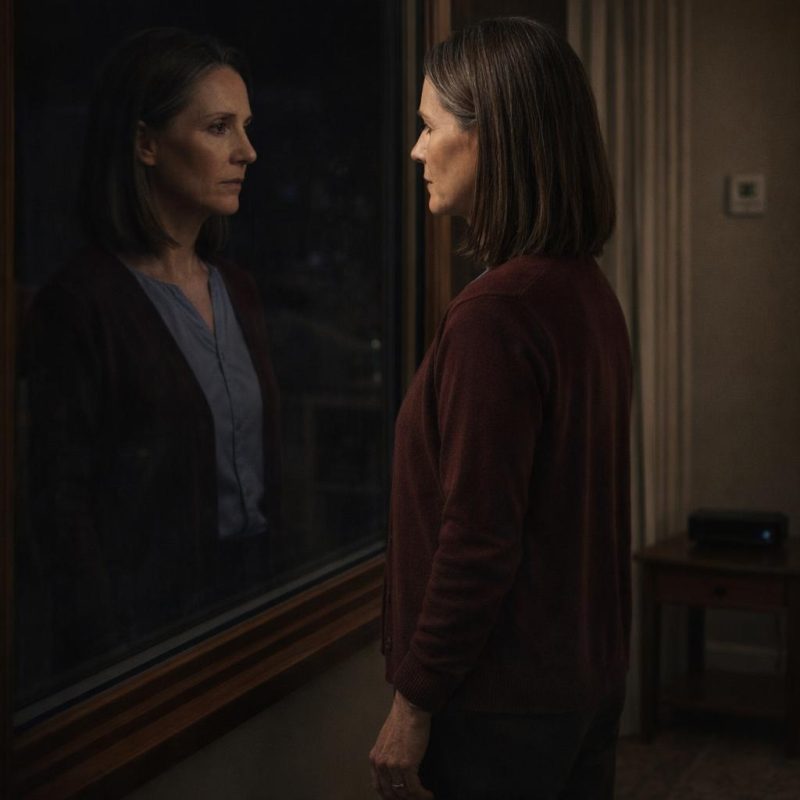 Image by RM AI
The Grinding Sound
The sound started somewhere near the front left wheel, low and metallic, like something grinding against something it wasn't supposed to touch. I heard it the moment I backed out of the driveway, and my stomach dropped before my brain had even finished processing what it was. Brakes. I knew that sound. My late husband had described it to me once, years ago, standing in a parking lot with his hand on the hood of our old station wagon — that's the sound of metal on metal, he'd said, and you don't ignore it. I gripped the wheel a little tighter and kept driving, because I needed milk and my blood pressure medication and I was already halfway down the block. The sound wasn't constant. It came and went, a low complaint that rose when I pressed the pedal and faded when I eased off. I told myself it wasn't that bad. I told myself I'd look into it when I got home. The grocery store was only two miles away, and I took the route I always took, past the elementary school and the little park with the broken fountain. By the time I turned into the parking lot, the grinding had grown steadier, a persistent metallic protest that filled the car and sat in my chest like a stone.
 Image by RM AI
The Math of Safety
I sat in my driveway for a long time after I got home, engine off, hands still on the wheel. The house was quiet. The street was quiet. And every few seconds I'd replay that sound in my head, that low grinding complaint, and I knew I couldn't keep pretending it was nothing. I pulled up my bank balance on my phone. The number looked back at me the way bad news always does — flat and indifferent. I did the math the way I always did now, carefully, in my head. A brake job on a car this age would run at least four hundred dollars, probably closer to six. Maybe more if the rotors needed replacing. That was a month's contribution to the fund, maybe more. I sat with that for a while. I thought about calling David, about explaining, about asking if we could pause just one month. But I couldn't picture the words coming out of my mouth. I couldn't picture his face on the other end of that call. The fund was the one thing I was doing right, the one thing that felt like it mattered, and I wasn't going to be the one to interrupt it over a car noise. The brakes still worked. They were just loud. I'd take the side streets, keep my speed down, leave extra stopping distance. I told myself that was a reasonable plan, and I put the phone back in my pocket and got out of the car.
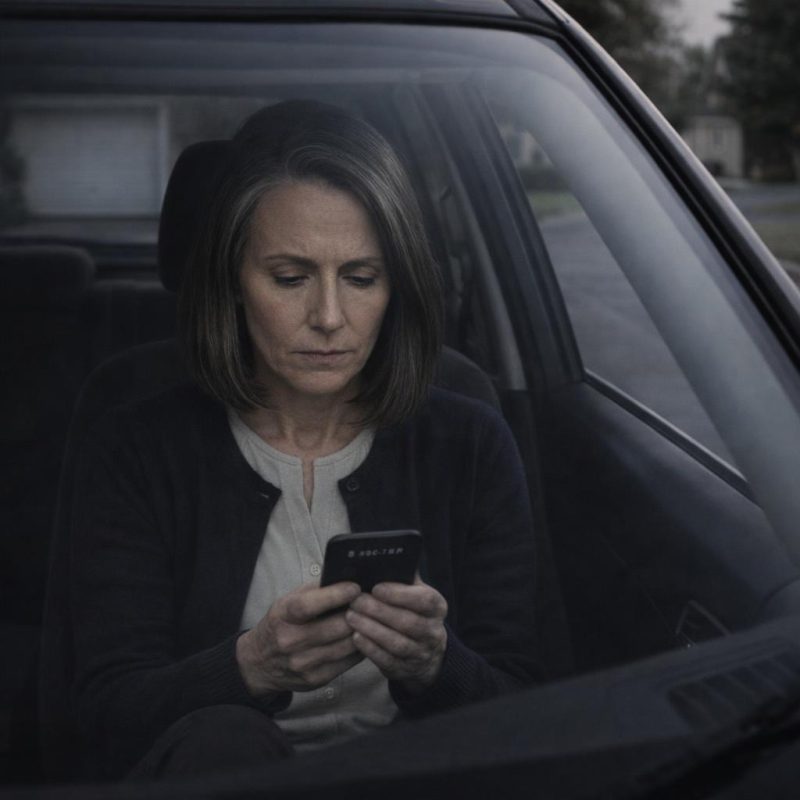 Image by RM AI
Driving Carefully
The pharmacy was four miles away, but I found a route that kept me entirely on side streets — quiet residential blocks where the speed limit was twenty-five and nobody was in a hurry. I drove at twenty, maybe twenty-two, both hands on the wheel, sitting forward the way my mother used to sit when she was nervous about something. Every time I approached a stop sign I started braking earlier than I needed to, giving myself twice the distance, feeling for the moment the car would respond. It always did. Slower than it should have, maybe, with that low metallic complaint rising up through the floorboard, but it stopped. I made it to the pharmacy. I picked up my prescription and a bottle of hand lotion I'd been putting off buying for two weeks. I made it back out to the car. I made it home. I pulled into the driveway and sat there for a moment with the engine running, and something in my chest loosened just slightly — the particular relief of a thing you were afraid of that didn't happen. I told myself this was manageable. I told myself I'd get the brakes looked at as soon as the timing was better. The car sat in the driveway, ticking quietly as the engine cooled, and I went inside and put the kettle on.
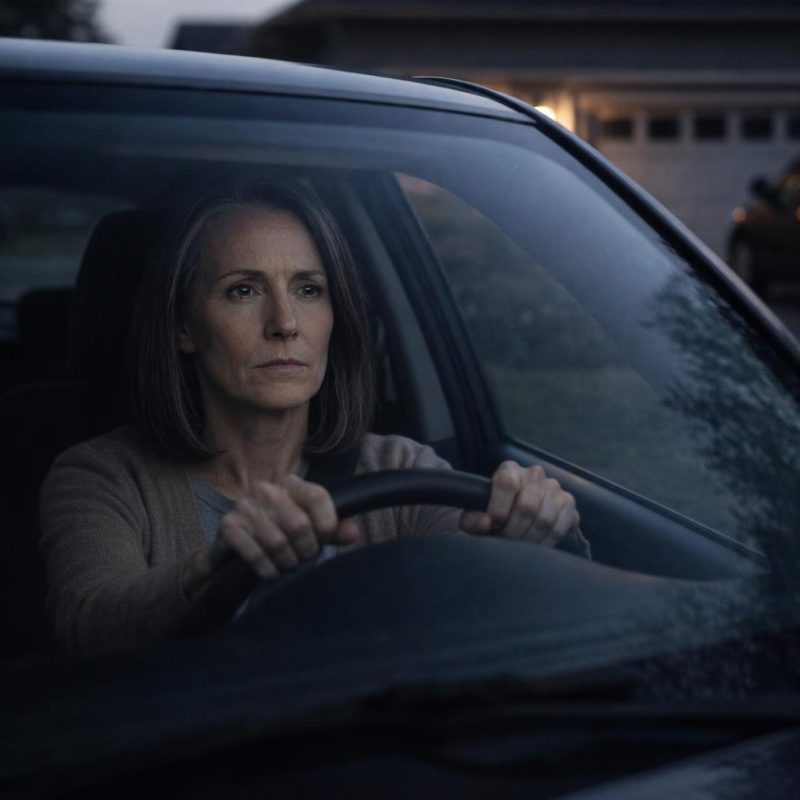 Image by RM AI
Michelle's Trembling Voice
Michelle called on a Tuesday afternoon, while I was folding laundry in the bedroom. I almost didn't answer — I'd been in the middle of a thought, something quiet and private — but I picked up on the third ring the way I always did when her name appeared on the screen. Her voice, when it came, had that particular trembling quality I'd heard before, the kind that made me set down whatever I was holding and pay attention. She said there was a gap. A timing issue with the fund, she called it — contributions that hadn't cleared the way they were supposed to, and a window that needed covering before the end of the month. She used the phrase bridge loan, and I wrote it down on the notepad I kept by the phone out of habit. I asked her how much. She told me. I said I'd see what I could do. We talked for a few more minutes, the way we always did, about Jake's upcoming games and Emma's art class, and then we said goodbye. I stood there after I hung up, the notepad in my hand, and I turned the conversation over in my mind the way you turn a stone to look at the underside. Michelle had asked for help before. The trembling voice wasn't new. But something about the quality of it this time felt different — not worse, exactly, just different in a way I couldn't find the right word for.
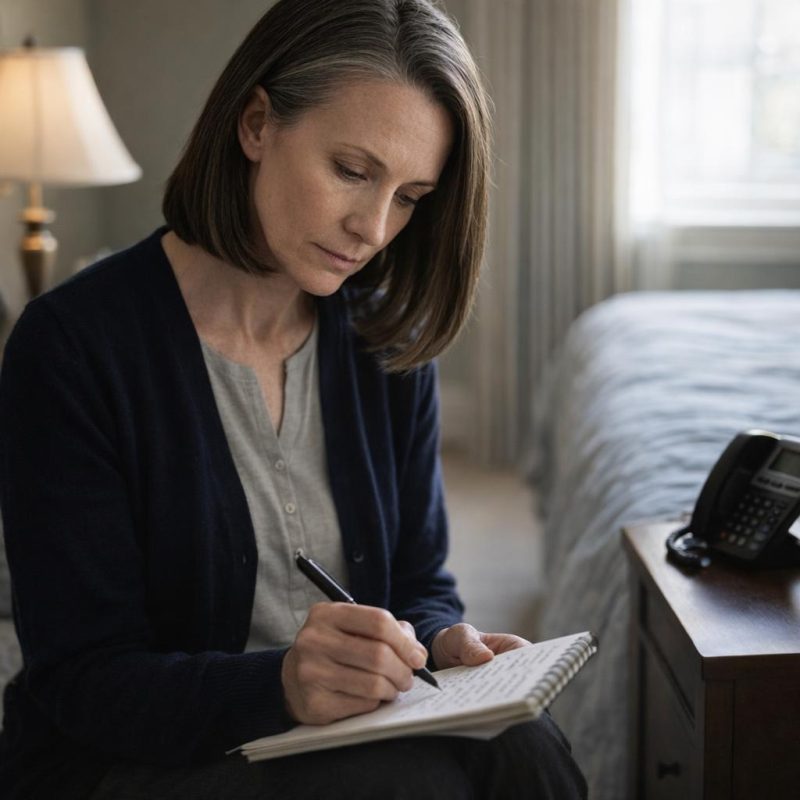 Image by RM AI
Moving the Last Savings
I sat at my desk for a long time before I opened the laptop. The house was very still. I'd made a cup of tea I hadn't touched, and it had gone cold on the corner of the desk while I sat there thinking about Michelle's voice, about the phrase bridge loan, about the number she'd given me. It wasn't a small number. It was the last of what I thought of as my cushion — the small reserve I'd kept back from the monthly contributions, the amount I told myself was there for emergencies. I suppose this was an emergency. That's what I kept telling myself as I logged in and navigated to the transfer screen. I looked at the balance for a moment. I moved the cursor to the transfer button and left it there, hovering, while I thought about whether there was another way. I couldn't think of one. I thought about Jake's scholarship applications, about Emma's art supplies, about Michelle's trembling voice on the phone, and I clicked confirm. The screen refreshed. A confirmation number appeared in a small blue box at the top of the page, and below it, where my savings balance had been, the number now read zero.
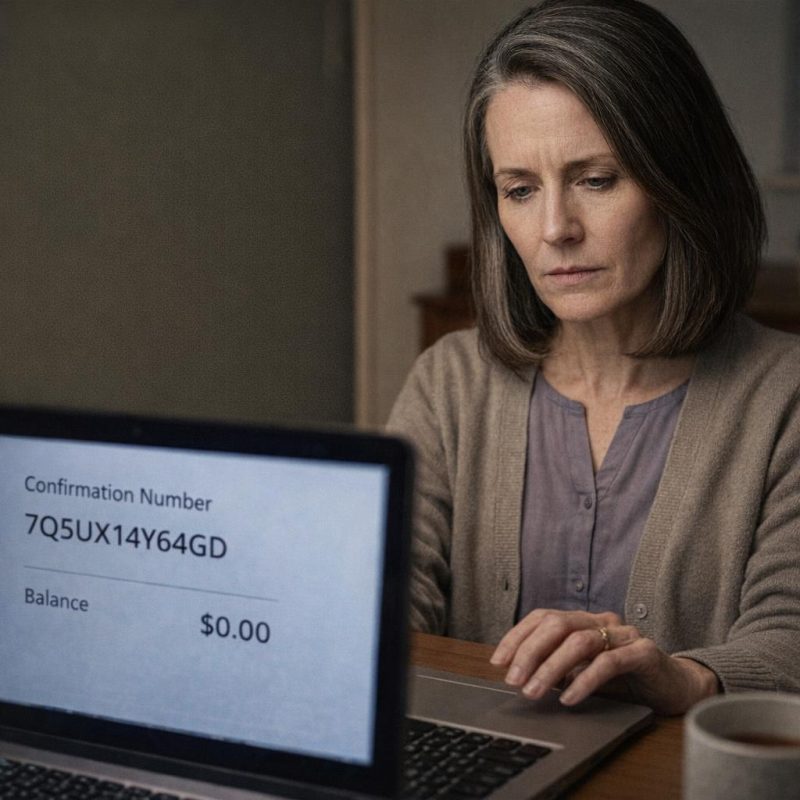 Image by RM AI
The Whispered Thanks
She called back within the hour. I was still at my desk, the cold tea untouched, the confirmation number still visible on the screen in front of me. When I picked up, her voice was barely above a whisper — the kind of quiet that feels deliberate, like someone speaking in a room where they don't want to be overheard. She said she didn't know what they would do without me. She said it twice, actually, in slightly different words, and both times her voice had that same hushed, careful quality. I told her it was fine. I told her that's what family was for. She said she knew, and she said it like she meant it, and I wanted to believe that she did. After we hung up I sat there for a while, not moving, the phone still warm in my hand. There was something about the way she'd said thank you — not the words themselves, but the texture of them, the particular softness — that I couldn't quite settle. I told myself I was being uncharitable. I told myself that gratitude sounds different on different people, and that Michelle had always been quieter than most. I set the phone down on the desk. The room was very still, and her whispered thanks seemed to linger in it, just at the edge of something I couldn't name.
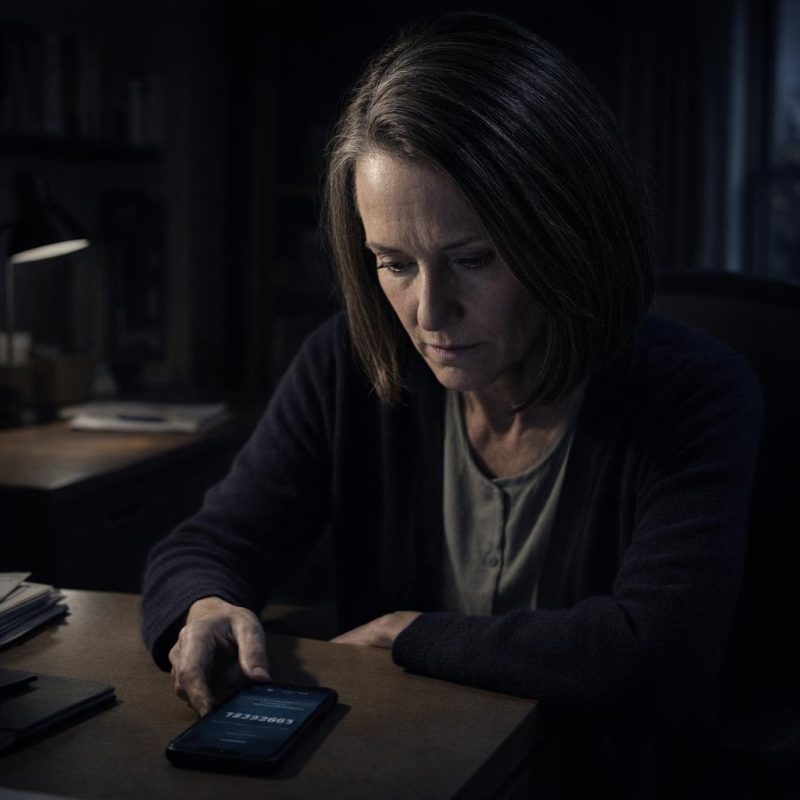 Image by RM AI
Silent Partner
Later that evening I sat at the kitchen table with nothing in front of me — no book, no phone, no cup of anything. Just the table and the quiet and the particular quality of light that comes from a single overhead bulb in an empty room. I thought about the money. All of it, added up — the monthly contributions, the bridge loan, the small amounts I'd sent when Michelle called with a timing issue or a gap that needed covering. It was a significant sum. More than I'd ever held in my hands at one time in my life, and I'd given it away in pieces so small that each one had felt manageable. I thought of myself as a silent partner in something important. A benefactor working from the background, invisible by design, whose name wouldn't appear anywhere but whose contribution would show up in the shape of two young lives. Jake at some university with a good baseball program. Emma in an art school somewhere with tall windows and good light. I wouldn't be the one standing in the photograph at graduation, but I'd be the reason the photograph existed. There was something in that thought that felt like pride, and I held onto it there in the empty kitchen, in the thin yellow light, alone with everything I'd given and everything I was still telling myself it was for.
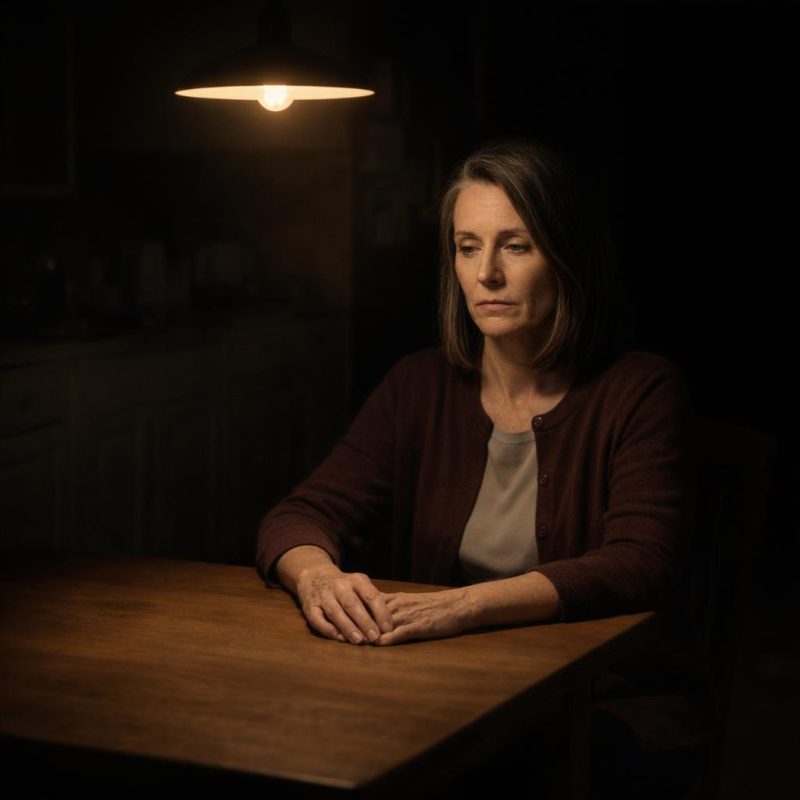 Image by RM AI
The Question I Didn't Ask
I sat at the kitchen table with my phone face-up in front of me, the screen glowing in the dim room. It had been three days since I'd added up all the transfers in my head, and the number kept sitting there, patient and heavy, waiting for me to do something with it. I thought about calling David. Not to accuse him of anything — just to ask if I could see the account login, maybe watch the balance update the way you'd watch a plant grow, just to feel connected to where the money was living. It seemed like a reasonable thing to want. I picked up the phone and found his name in my contacts. My thumb hovered. And then something shifted in my chest — a small, cold thing — because I understood what asking would mean. It would mean I needed proof. It would mean I didn't trust my own son. It would mean that somewhere underneath all the pride and the purpose and the careful monthly transfers, there was a question I hadn't let myself finish. I set the phone down without making the call.
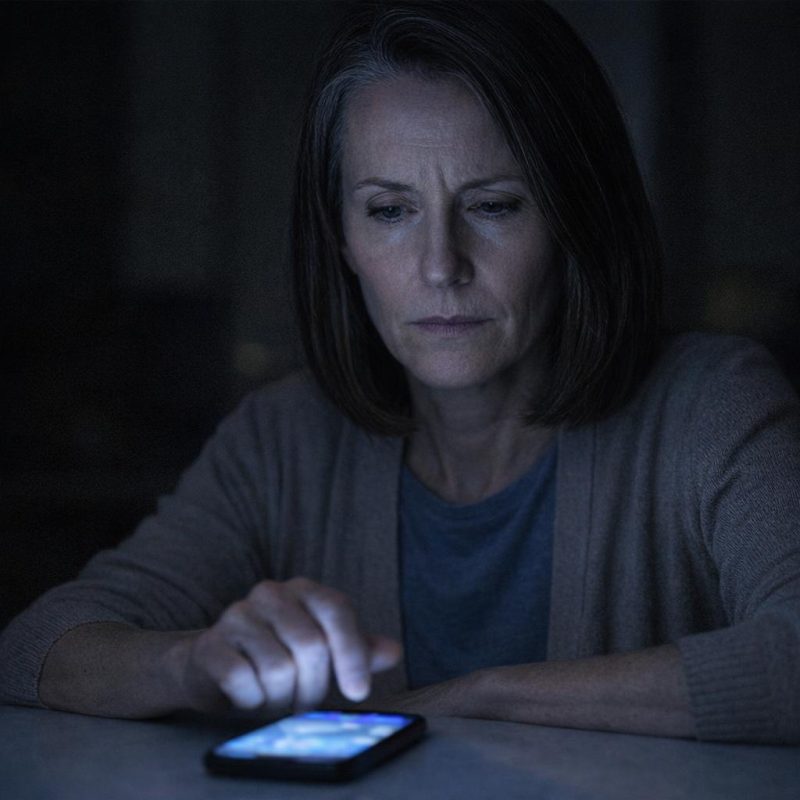 Image by RM AI
Pushing Doubts Away
The next morning I made coffee and stood at the window and gave myself a talking-to. A real one, the kind my own mother used to give — firm and a little impatient, no room for self-pity. David was my son. I had known him since the moment he existed. I had watched him learn to walk, helped him through his first heartbreak, sat in the front row at his college graduation. The idea that I needed a login and a password to verify his honesty felt like an insult — not to him, but to everything we were to each other. Family didn't operate on receipts. Family operated on history, on shared blood, on the kind of trust that didn't require documentation. I thought about what it would feel like to call him and ask for access, to hear the pause on the other end of the line, to know he understood what I was really asking. I couldn't do that to him. I couldn't do that to us. I pushed the doubts back down — firmly, deliberately, the way you press a lid onto something that doesn't want to stay closed — and told myself I was being a good mother by letting it go.
 Image by RM AI
Justified by Their Success
What helped, more than anything, was thinking about Jake and Emma. Not in the abstract — in the specific. Jake at seventeen, already talking about structural engineering, already the kind of kid who read about load-bearing calculations for fun. I could picture him on a university campus somewhere, walking between buildings with that easy confidence of his, carrying textbooks instead of a baseball bag, building something real with his mind. And Emma — quiet, watchful Emma with her sketchbooks and her careful eye for the way light fell across a surface. I imagined her in a studio somewhere with tall windows and good northern light, doing the thing she was born to do without the weight of debt pressing down on her. Both of them getting to start their adult lives without the particular exhaustion of owing money they hadn't yet earned. That was what I was building toward. That was what every transfer, every small sacrifice, every month of careful budgeting was actually for. When I held that picture in my mind — really held it, let it fill the room — the doubts felt small and mean and unworthy of me. Their futures sat in front of me, clear and bright, and everything else fell away.
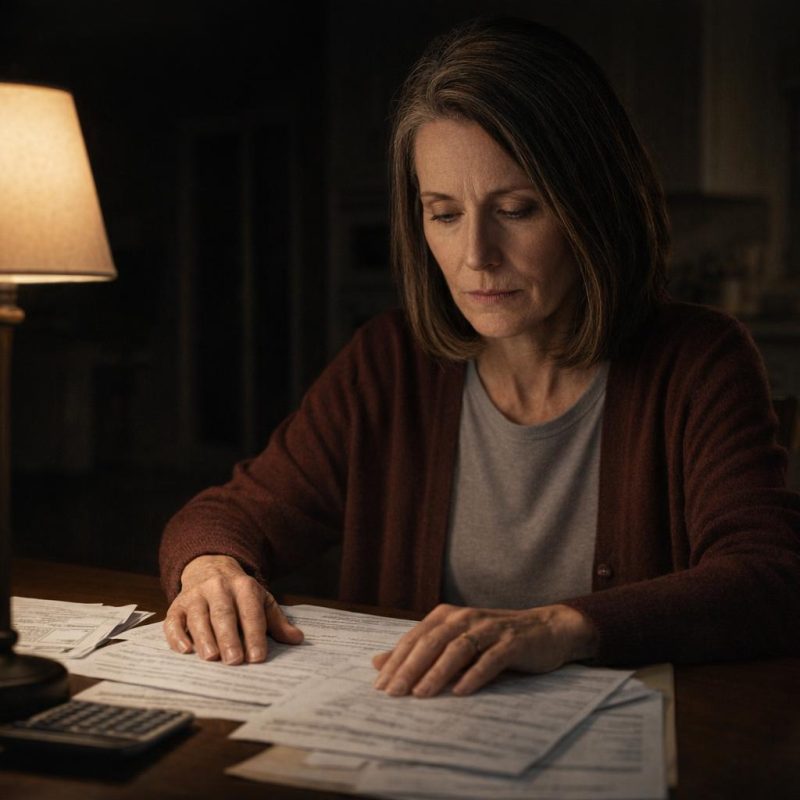 Image by RM AI
The Thinner Folder
David came on a Tuesday, the way he usually did — punctual, put-together, carrying the leather folder he'd brought to every monthly visit since we'd started this arrangement. I had the kettle on and the table cleared, the same small ritual we'd settled into. He set the folder down and we talked for a few minutes about nothing in particular, the easy surface conversation that families use to warm up a room. Then he opened it. I don't know exactly when I noticed, but at some point my eyes went to the folder and stayed there. It seemed thinner. Not dramatically — not empty — but thinner than I remembered from the last visit, and the one before that. Fewer pages, maybe. Less to show. I wanted to ask about it. The question was right there, already formed, sitting just behind my teeth. But I thought about how it would sound — *is that all you brought?* — and I could hear the implication in it, the suggestion that I was checking up on him, auditing him, treating my own son like a contractor who needed to justify his hours. So I said nothing. I poured the tea and listened to what he told me, and the folder sat on the table between us, thin and quiet.
 Image by RM AI
Numbers That Don't Add Up
He spread the projection charts across the table the way he always did — organized, confident, each page placed with the ease of someone who'd done this many times. I leaned in and tried to follow along. He walked me through the growth curves, the compounding timelines, the projected balances at the point when Jake would be ready to enroll. I nodded in the right places. But somewhere in the middle of it, something snagged. I'd been keeping a rough mental record of what I'd sent — not precise, but close enough — and I tried to match those numbers against what the chart was showing me. The growth line on the page didn't quite line up with what I was expecting. The timeline or the balance or some combination of the two seemed off in a way I couldn't pin down — every time I tried to hold the discrepancy still long enough to look at it directly, it slipped sideways. I told myself I was no good with compound interest, that fund management worked in ways I didn't fully understand. But then I looked again at the projection dated from the first quarter, and the number printed there was larger than anything I could account for from what I'd sent by that point in the year.
 Image by RM AI
Telling Myself I Don't Understand
After David left I sat at the kitchen table with the copy he'd given me — a single printed page, the growth projection with its neat ascending line — and I tried again to make it make sense. I went over it slowly, the way you re-read a sentence that won't parse, hoping the meaning will arrive if you're patient enough. It didn't. The numbers still felt slippery, still seemed to point somewhere I couldn't quite follow. But then I put the page down and I thought: I am not a financial person. I never have been. I balanced a household budget for thirty years and I did it well, but compound interest and fund management and projected growth curves — that was a different language, one I'd never been fluent in. David had studied this. He understood how money moved in ways I simply didn't. What I thought I'd seen was probably just my own ignorance showing, a gap in my understanding that I didn't have the vocabulary to close. I folded the page in half and set it on the counter. The alarm I'd felt during his visit softened at the edges, and then softened further, until it was something quieter and more manageable — not gone, exactly, but covered over, the way a blanket covers the shape of something without making it disappear.
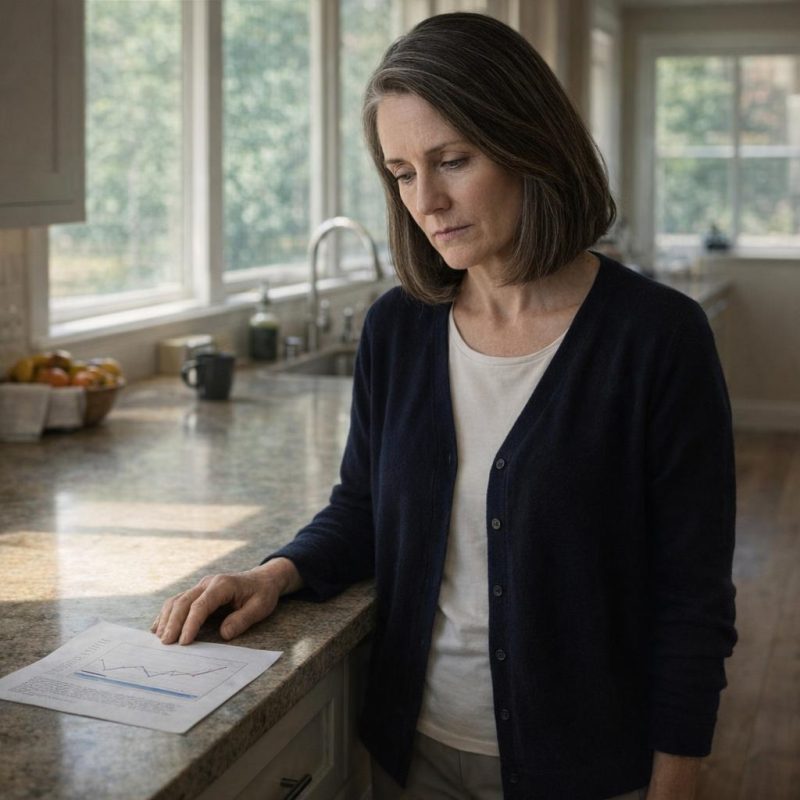 Image by RM AI
Never Seeing the Login
A few nights later I sat down at my computer to pay a bill, and in the few minutes I had to wait for the page to load, my mind drifted back to the arrangement. I thought about all the transfers — the monthly ones, the bridge amounts, the small gap-fillers Michelle had called about. I thought about the folder David brought, the printed pages, the charts with their ascending lines. And then a thought arrived that I hadn't let myself finish before: I had never once seen the actual account. Not the login screen, not a balance updating in real time, not my name attached to a contribution in any system I could access myself. Everything I knew about where the money was came from pages David had printed and carried to my kitchen table — and I had never thought to ask for anything more than that. I sat with that for a moment. Then longer. I had sent a significant sum of money — more than I wanted to add up precisely — into something I had never directly seen. No account number I'd verified. No portal I'd logged into. No confirmation email addressed to me. Just David's word, and his folder, and his confident voice explaining things I'd told myself I didn't understand well enough to question. The cold started in my fingers and moved up through my hands, and I sat there in the glow of the screen and couldn't make it stop.
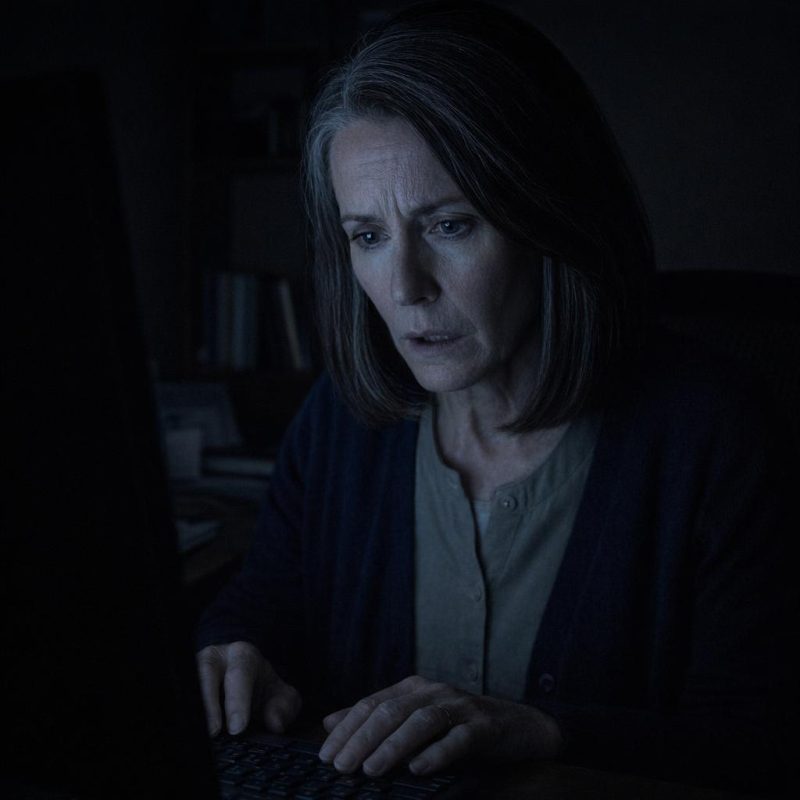 Image by RM AI
The Question I'm Afraid to Ask
I picked up my phone the next morning with something close to resolve. I was going to call David and ask him — calmly, reasonably, as his mother — to show me the account. Not the printed pages. The actual account. A login, a balance, something I could see with my own eyes in real time. It was not an unreasonable thing to ask. Any financial advisor would expect it. Any sensible person would have asked months ago. I found his name in my contacts and my thumb moved to the call button. I got that far. And then I stopped. Because underneath the resolve there was something else, something I hadn't wanted to look at directly: the fear of what asking might uncover. Not a specific fear I could name or describe — just a shapeless dread that lived in the space between the question and the answer. As long as I didn't ask, I didn't have to know. As long as I didn't know, the picture I'd been carrying — Jake at university, Emma in her studio, all of it built on what I'd given — could stay intact. I set the phone down on the counter, screen-side up, David's name still on the display.
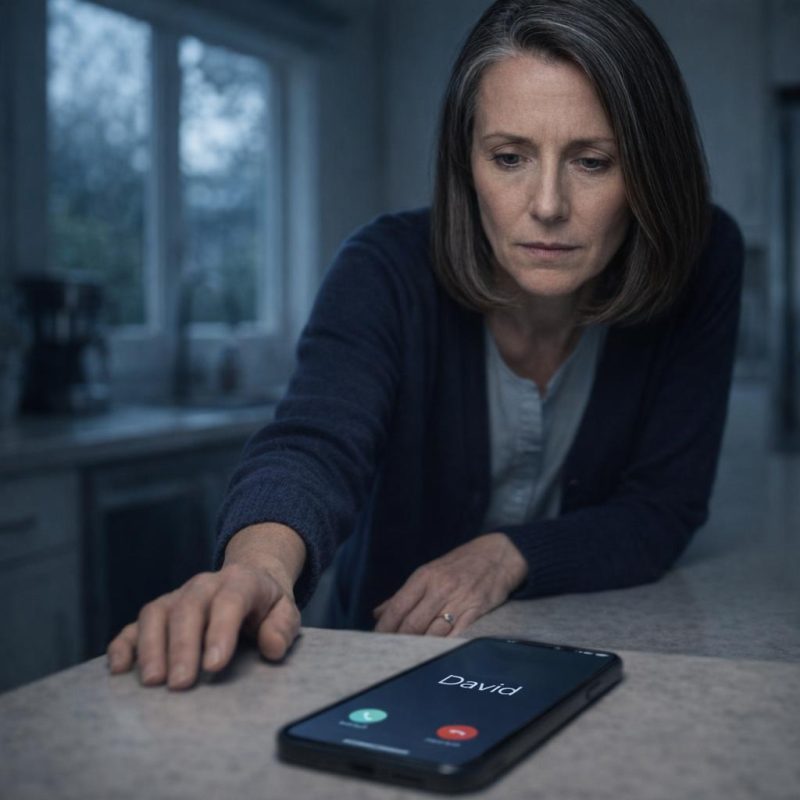 Image by RM AI
Third Row Bleachers
I found a parking spot two rows back from the diamond and walked toward the bleachers with my water bottle already going warm in my hand. The sky was that particular shade of Saturday blue that makes everything feel like it matters more than it does. I spotted Jake on the mound during warm-ups before I even found my seat — third row, center, close enough to see his face. He'd gotten broader across the shoulders since Christmas. His wind-up was slow and deliberate, all that coiled energy waiting for the right moment to release. I sat down and gripped my water bottle and told myself to breathe. Whatever was happening with the fund, whatever I hadn't been able to bring myself to ask — none of it was on that mound. He was. The first inning went fast. Jake struck out two batters on six pitches combined, and the parents around me made the kind of noise that travels up through your feet. By the fourth inning I'd stopped thinking about anything else entirely. I just watched him. The way he reset after every pitch, shoulders dropping, chin coming up. The fullness in my chest when he struck out the side in the sixth inning was something I hadn't felt in months — clean and uncomplicated and entirely his.
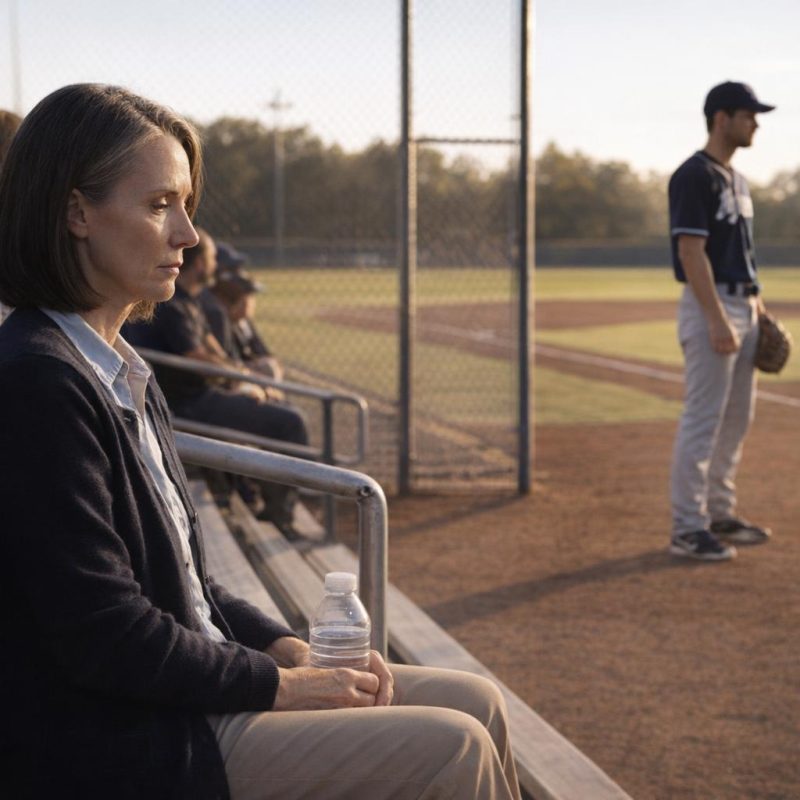 Image by RM AI
The Smell of Victory
Jake's team won by four runs and he came off the field with that loose-limbed walk that only teenagers who've just done something brilliant can manage. He spotted me in the bleachers and raised his glove, and I waved back like I hadn't been holding my breath for nine innings. We ended up at a diner two blocks from the diamond — the kind of place with laminated menus sticky at the corners and a deep-fryer working overtime somewhere behind the counter. The smell hit you the moment you walked in: hot oil and coffee and something sweet underneath. Jake slid into the vinyl booth across from me and ordered a double cheeseburger, fries, and a chocolate shake without looking at the menu. I ordered coffee and watched him pull the paper off his straw with his teeth the way he'd done since he was nine. He was still buzzing from the win, replaying the third-inning strikeout with his hands, the salt shaker standing in for the batter. I laughed at the right moments and meant every one of them. The diner clattered and hummed around us, and the vinyl booth held us both, and for a little while there was nothing in the world except my grandson and the smell of something frying and the particular ease of sitting across from someone you love without needing to explain a thing.
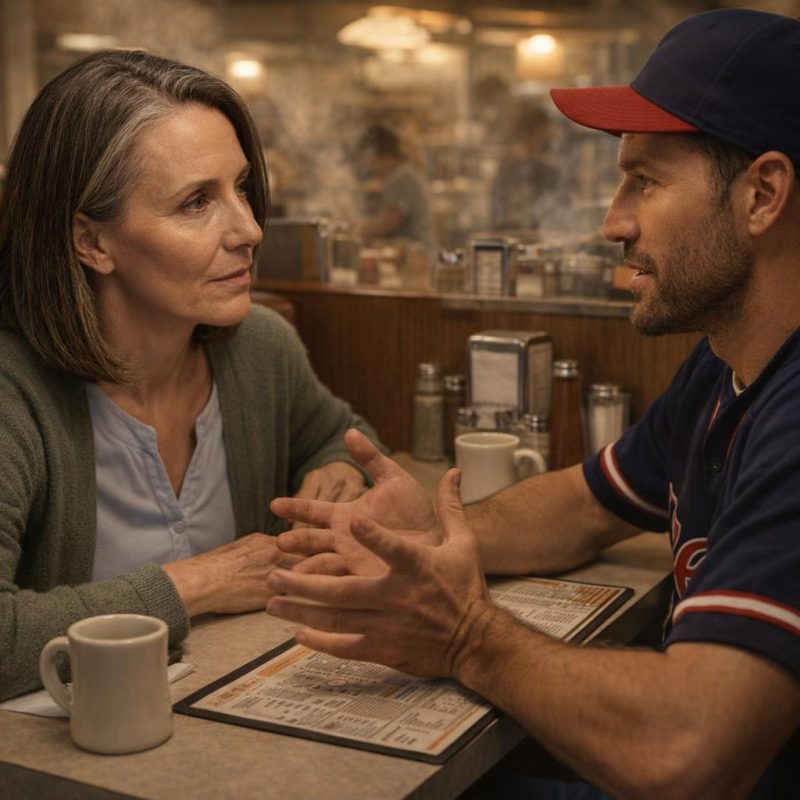 Image by RM AI
Dreams of Sports Medicine
The shake arrived and Jake wrapped both hands around the tall glass and got serious in that way teenagers do when they're about to say something they've been thinking about for a while. He started talking about his classes — AP Biology, which he was actually enjoying, and a business elective that had surprised him. Then he mentioned sports medicine. His voice dropped half an octave when he said it, the way it does when something matters enough to be careful with. He wanted to understand the body the way he understood pitching mechanics — from the inside out. Maybe combine it with a business track, he said, run a practice someday. I listened with everything I had. Every dollar I'd transferred, every month I'd gone without replacing the kitchen faucet that dripped — it was all pointing at this moment, at this boy with his chocolate shake and his careful plans. He was mapping a future and it was a good one. Then his expression shifted, just slightly. He set the glass down and said college was going to be expensive, that he knew that, that he wasn't counting on anything he hadn't earned himself. Something in the way he said it — the flatness of it, the practiced resignation — made me set down my coffee cup.
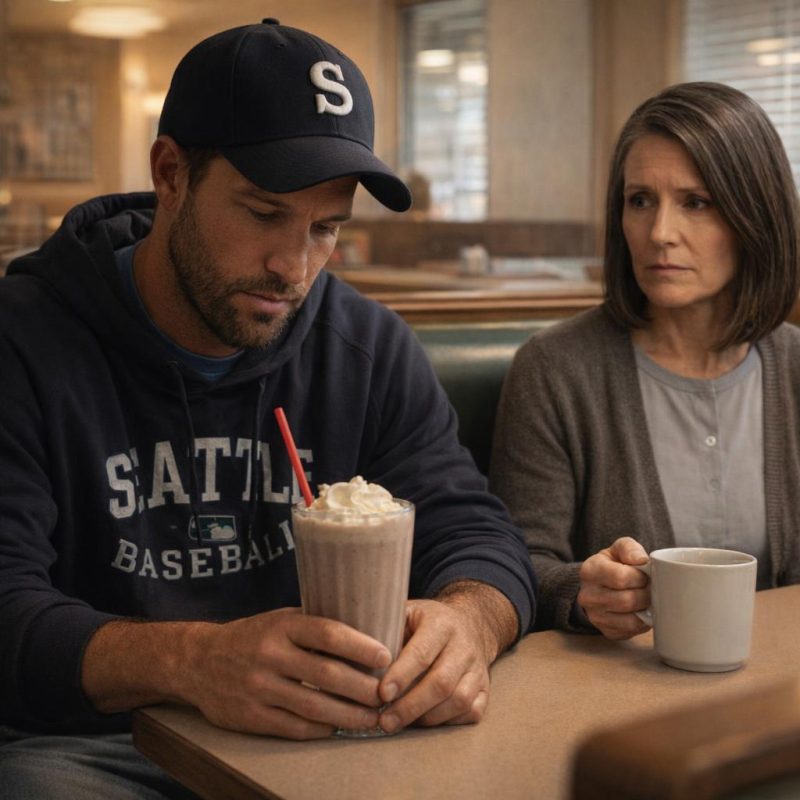 Image by RM AI
Scholarship Applications
I told him he didn't need to carry it all himself. I said it gently, the way you say something you've been waiting to say for a long time. I told him there was a fund — that I'd been contributing to it, that it wasn't everything but it was a start, that he had more of a foundation than he knew. I watched his face as I said it. He didn't smile. He didn't look relieved. He went very still, the way a person goes still when they're trying to make sense of something that doesn't fit the shape of what they already know. His brow pulled together slowly, not in frustration — in genuine confusion. He looked at me the way you look at someone who's just said something in a language you almost speak. The shake sat between us, untouched. I stopped talking. The diner noise kept going around us — plates, voices, the bell above the door — but at our table something had gone quiet that I didn't know how to fill. His brow stayed furrowed, his eyes searching my face, and I had no idea yet what he was searching for.
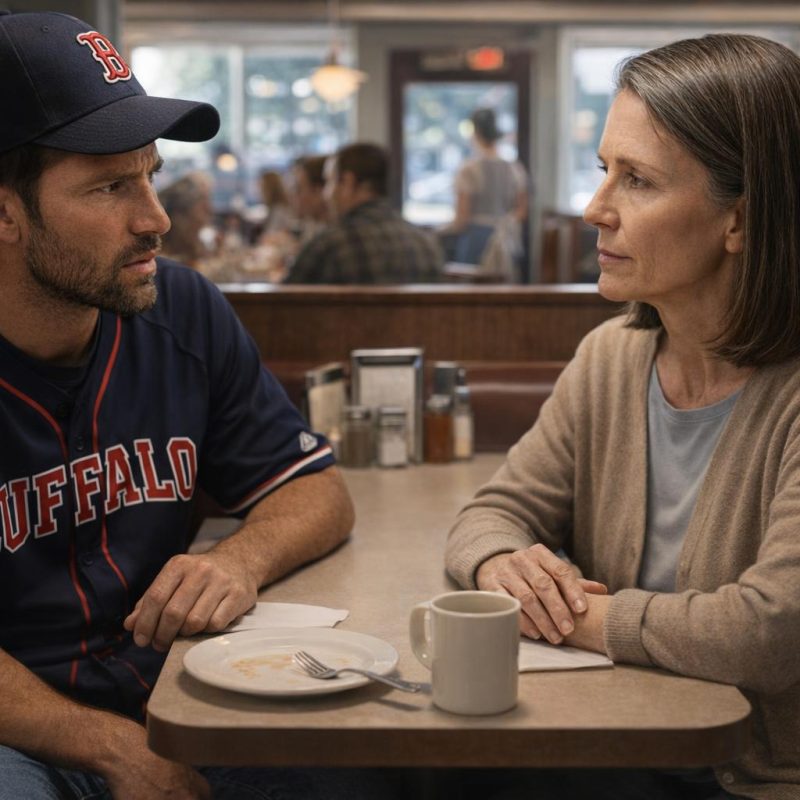 Image by RM AI
The Word Selfish
He said it carefully, like he was worried about hurting me. He said his parents had been very clear. That I had been asked, and that I had refused. That the word they used — more than once, he said, looking down at the table — was selfish. He said they'd told the whole family. Aunts, cousins, people I hadn't spoken to in years. They'd used it as a kind of lesson, he said, his voice going quieter. About not counting on people who won't come through. He believed every word of it. I could see that. He wasn't angry at me — he'd already processed the anger, already built his plans around the fact of my refusal, already decided to be the kind of person who didn't need what I'd withheld. He was telling me this gently because he thought I might feel guilty. He had no idea. I sat there with my coffee going cold and the diner noise pressing in from all sides, and I thought about every transfer confirmation sitting in my files at home, every month I'd gone without so that fund could grow. Jake looked up from the table, his voice steady and certain, and said his parents had told everyone — the whole family — that I'd refused to help.
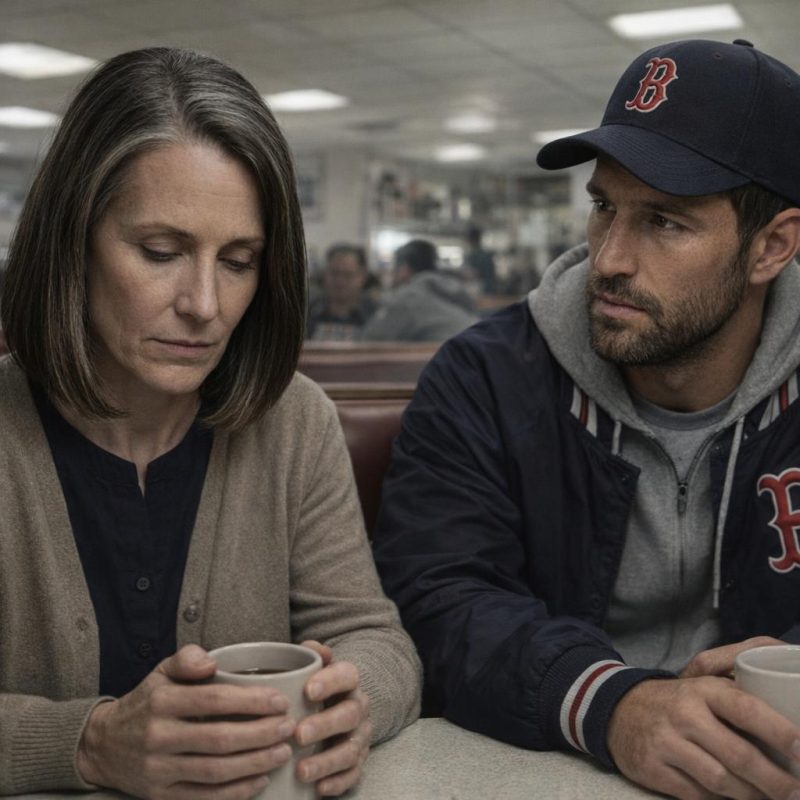 Image by RM AI
Maintaining the Mask
I nodded. I don't know how, but I nodded. I made my face do something that wasn't horror and I kept my hands flat on the table so they wouldn't shake. Jake was still talking — about his part-time job at the sporting goods store, about picking up extra shifts before the season got busy, about a scholarship application that needed two more recommendation letters. I heard all of it from somewhere slightly outside myself, like the sound was traveling through water. He was proud of his self-reliance. He'd built it on a lie his parents had told him, and he was proud of it, and he had every right to be, and I could not take that from him. Not here. Not like this. He deserved to find out the truth in a way that didn't shatter him in a vinyl booth over a half-eaten cheeseburger. So I kept nodding. I asked him about his pitching mechanics, whether his shoulder had been holding up. He lit up again, the way he had after the game, and I held onto that — his face going bright — like it was something I could carry out of the diner with me. Then I smiled and asked when his next game was.
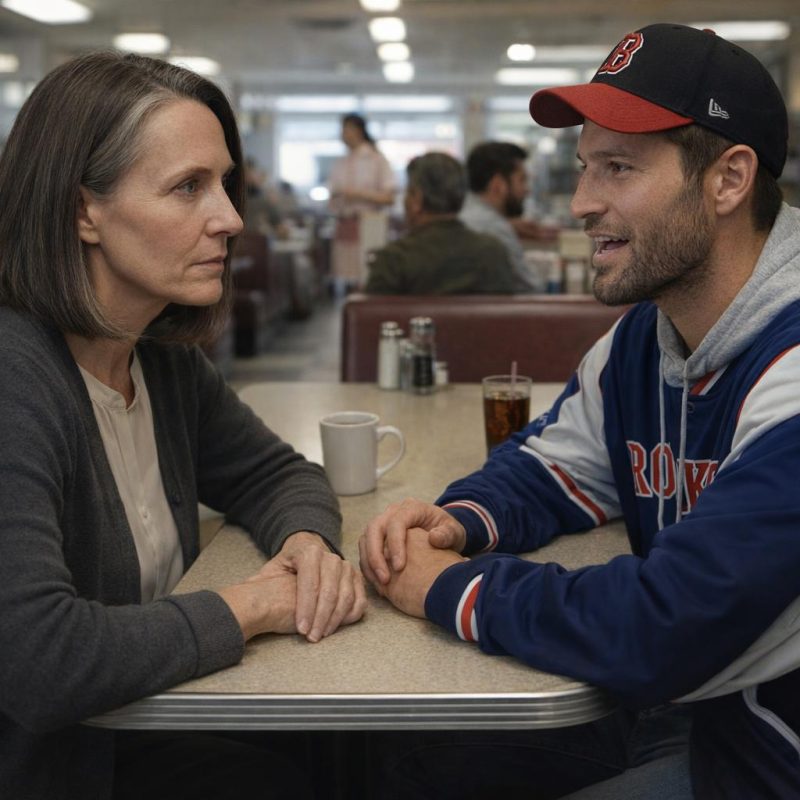 Image by RM AI
The Drive Home
I made it to my car before my hands started shaking. I sat in the driver's seat for a moment with the door closed and the engine off and just breathed. Then I started the car because sitting still felt worse. The brakes caught on the way out of the parking lot — that low metallic groan they'd been making for two months, the repair I'd put off because the money had gone somewhere else. I drove the long way home without meaning to. My hands were tight on the wheel, knuckles pale, and Jake's voice kept replaying in my head. The word they used was selfish. More than once. Told the whole family. I thought about the transfer confirmations in my filing cabinet. I thought about the month I'd skipped my own dentist appointment. I thought about David sitting across from me at this same oak table, folders open, voice warm, telling me this was for the kids. The brakes groaned again at the light on Mercer Street and I didn't flinch. By the time I pulled into my driveway the sky had gone the color of old pewter, and the house sat dark at the end of the walk, every window unlit, waiting for no one but me.
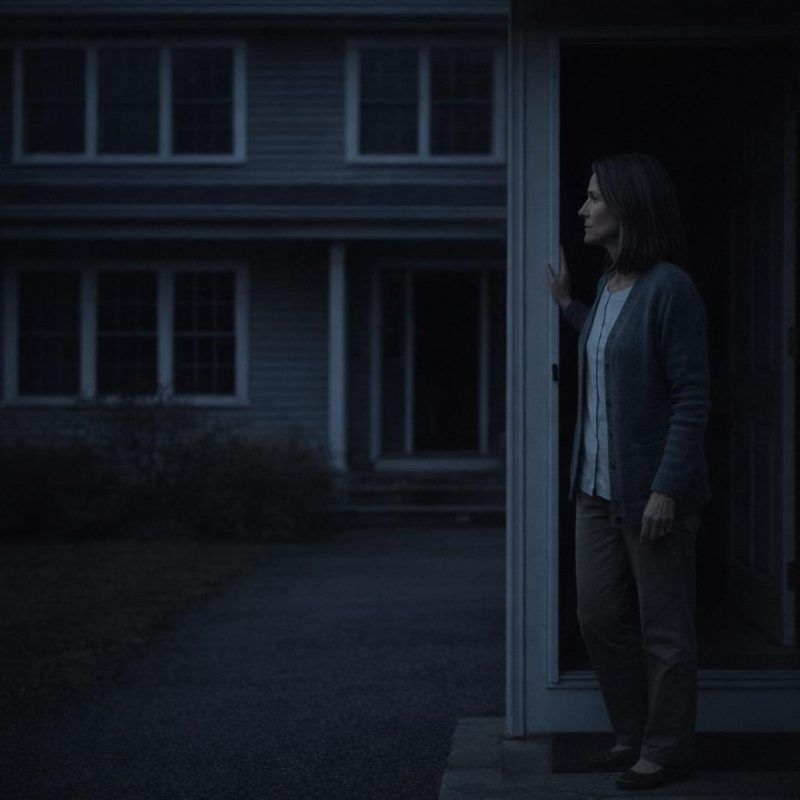 Image by RM AI
The Kitchen Table Reckoning
I didn't take my coat off. I went straight to the filing cabinet in the hallway and pulled the accordion folder I'd kept since the beginning — every transfer confirmation, every bank statement with the withdrawals circled in pen. I carried the whole stack to the oak table and set it down and stood there for a moment looking at it. Then I sat. I spread everything out the way you lay out pieces of a puzzle when you already know what the picture is going to be and you're just making yourself look at it anyway. Fourteen months of statements. Eleven transfer confirmations. The amounts were right there in black ink — some months more than others, one month where I'd transferred twice because David had called and said the fund's investment window was closing. I lined them up in order. I smoothed the creases out of the ones that had been folded. The kitchen was very quiet. No television, no radio, just the tick of the wall clock and the faint drip of the faucet I still hadn't fixed. The numbers on the page didn't lie and didn't soften and didn't offer any explanation. I sat with my hands resting on either side of the statements, and the full weight of what I'd given — and where it hadn't gone — settled over me like something I'd been carrying for a long time without knowing its name.
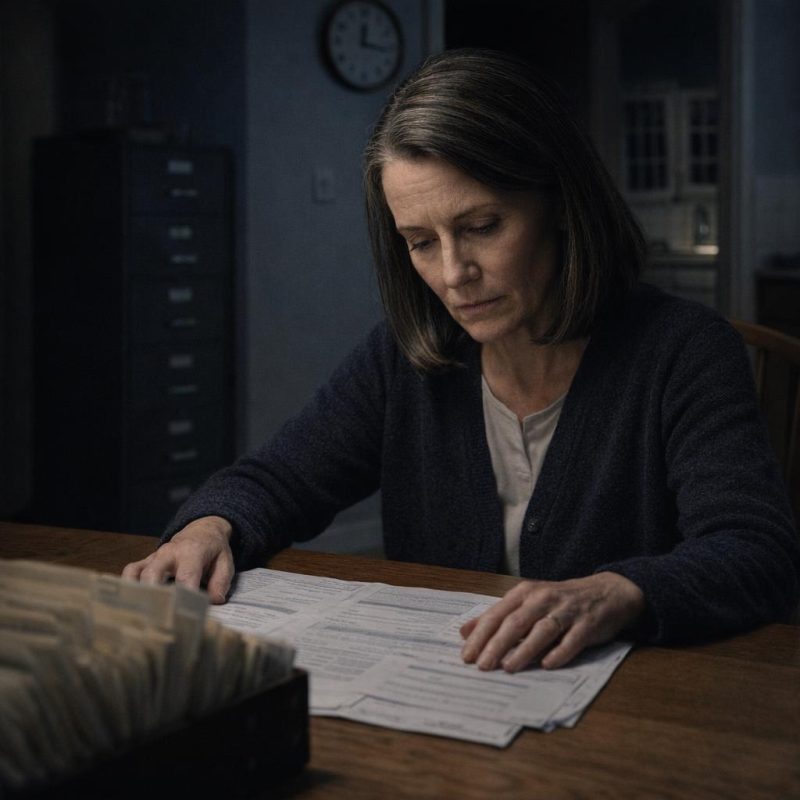 Image by RM AI
The Arithmetic of Betrayal
I pulled the calculator out of the kitchen drawer — the old one with the worn keys I'd had for twenty years — and I set it next to the stack of statements. Then I started at the beginning. January, fourteen months ago. I keyed in the first transfer. Then the second. I went line by line, month by month, not rushing, not skipping anything. The emergency bridge loan in March when David called and said the investment window was closing. The extra I'd sent in July because Michelle had cried on the phone about the fund being underfunded. The gap I'd covered in October without being asked because I thought that was what a good mother did. I added every single one. The calculator's little screen kept climbing. My chest got tighter with each entry. I told myself to just keep going, just finish the arithmetic, just see the whole picture. When I reached the last statement, I pressed the equals key. I looked at the number on the screen for a long moment. Then I picked up the pen and wrote it at the bottom of the page — and my hands were shaking so badly the ink came out jagged.
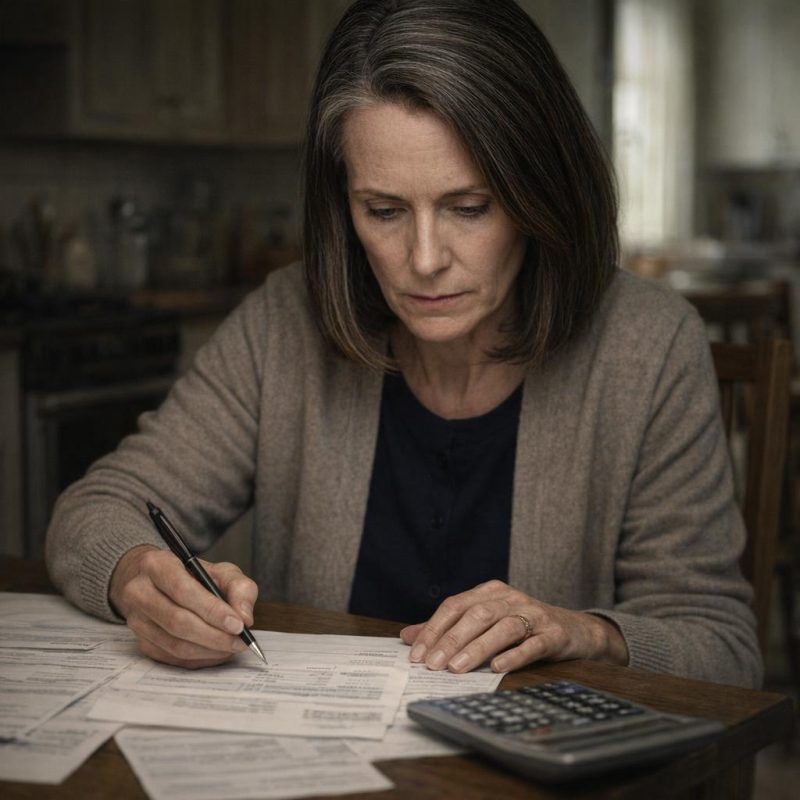 Image by RM AI
Simultaneous Crimes
I sat there staring at that number for a long time. It didn't get smaller the longer I looked at it. I thought about Jake standing at that baseball diamond, his voice tight with something that sounded like old hurt, telling me his grandmother had refused to help. I thought about how certain he'd been. How long he must have been carrying that. And then something clicked into place that I hadn't fully seen before — the lie and the theft weren't two separate things. They were the same thing. By telling Jake, and probably everyone else who asked, that I had refused, David and Michelle had answered the only question that mattered: where's the college fund? There was no fund because I'd said no. That was the story. Clean, simple, and it pointed every finger directly at me. They could take my money month after month and simultaneously have an explanation ready for why there was nothing to show for it. One crime made the other invisible. I sat back in my chair and felt something move through me that wasn't hot anger — it was colder than that, and steadier, and it settled into my bones like it intended to stay.
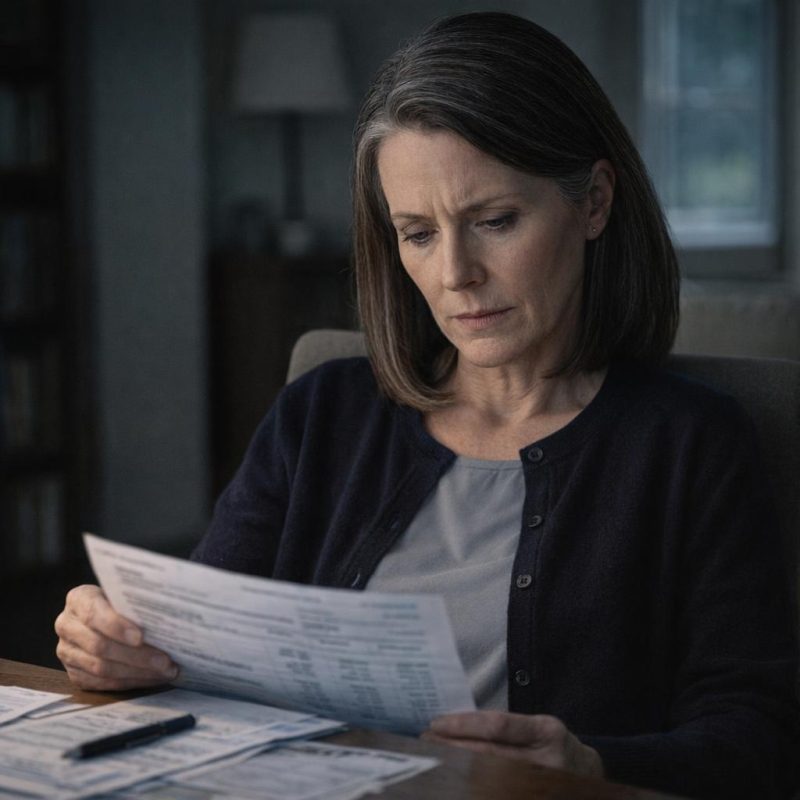 Image by RM AI
The Evidence File
I got up from the table and went to find a folder — a plain manila one from the desk drawer — and I started putting everything in it. The bank statements first, all fourteen months, in order. Then the transfer confirmations I'd printed and kept, each one with the date and the amount. Then I went to my phone and scrolled back through my messages with David, and I printed every text where he'd thanked me. There were more than I expected. So grateful, Mom. You're making their futures possible. We couldn't do this without you. I printed every one. I found two emails as well, longer ones, where he'd described the fund growing, used words like compounding and long-term security, words designed to sound like he knew what he was talking about. I printed those too. I organized everything chronologically, oldest to newest, and I closed the folder. I stood at the kitchen table holding it. It wasn't thick — maybe a quarter inch of paper — but it held the weight of fourteen months of trust and every dollar I'd given because I believed I was building something real for my grandchildren. I stood there, and the folder sat heavy in my hands.
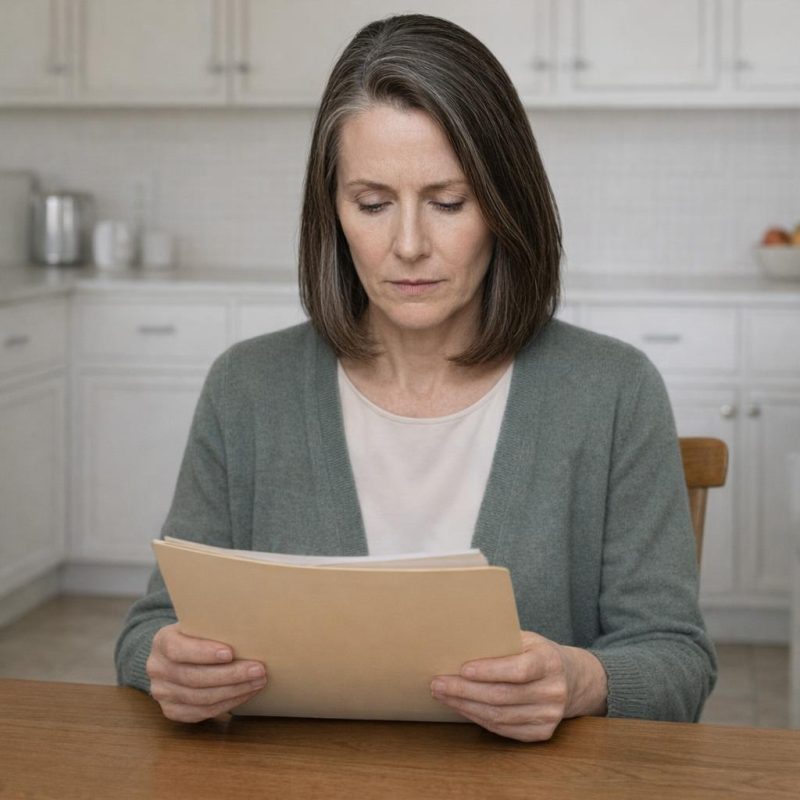 Image by RM AI
The Call
I set the folder on the table and picked up my phone. My hands were steady. I noticed that — how steady they were — because I'd half expected them to shake the way they had the night before when I'd written down the total. But there was nothing shaky about what I was about to do. I found David's name in my contacts and I pressed call. He answered on the third ring, his voice carrying that easy, practiced warmth he'd always had. "Mom, hey — " I didn't let him finish. I told him he and Michelle needed to come to my house. Today. I said it the way you say something that is not a request. He started to ask what this was about, and I told him it wasn't something I was going to discuss on the phone. He tried again — "Mom, we've got plans this afternoon" — and I said, very quietly, that he needed to cancel them. There was a pause. I didn't fill it. I just waited, and let the silence do what silence does when someone knows they've run out of room to maneuver. "Okay," he said finally. "We'll be there." I set the phone down on the table next to the folder, and the quiet that settled over the kitchen felt like the moment before a door opens.
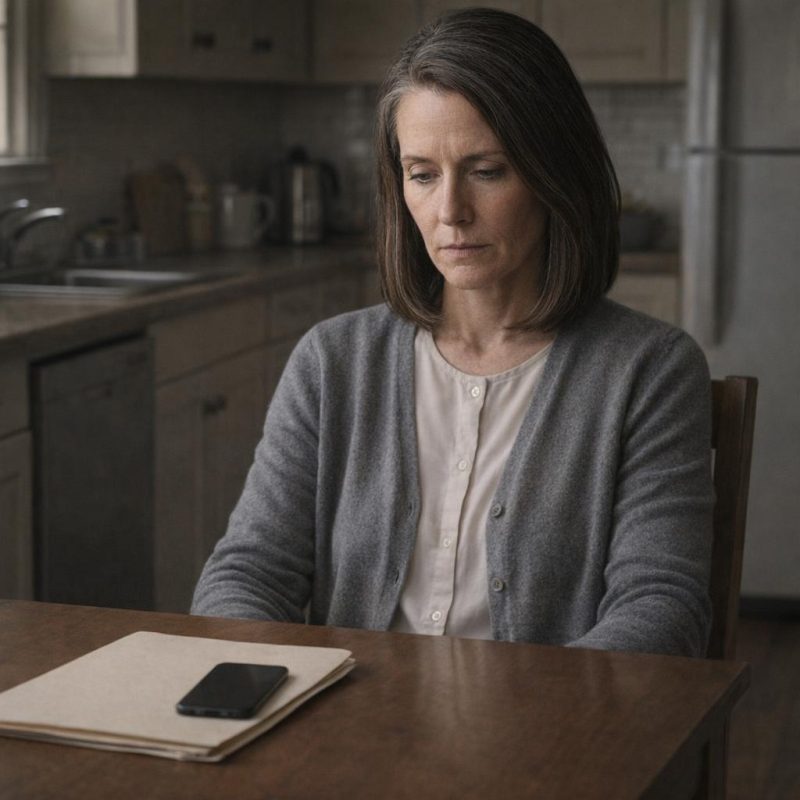 Image by RM AI
The Oak Table Confrontation
They arrived forty minutes later. I heard the car in the driveway and I didn't go to the door — I sat at the oak table and waited for them to knock. When I let them in, they both had that careful look people wear when they know something is wrong but haven't decided yet how wrong it is. I didn't offer coffee. I didn't say it was good to see them. I just walked back to the kitchen and they followed. I pointed to the two chairs across from me and they sat. It was the same table where David had first spread out his papers and talked about investment windows and compounding interest and his children's futures. I wondered if he remembered that. I set the folder on the table between us and opened it. I didn't say a word. I just turned it so the first bank statement faced them — the one with the initial transfer circled in red pen — and I let them look. I watched David's eyes move across the page. I watched Michelle's hands go still in her lap. They knew exactly what they were looking at, and the look that passed between them told me everything I needed to know about how long they'd been waiting for this moment to arrive.
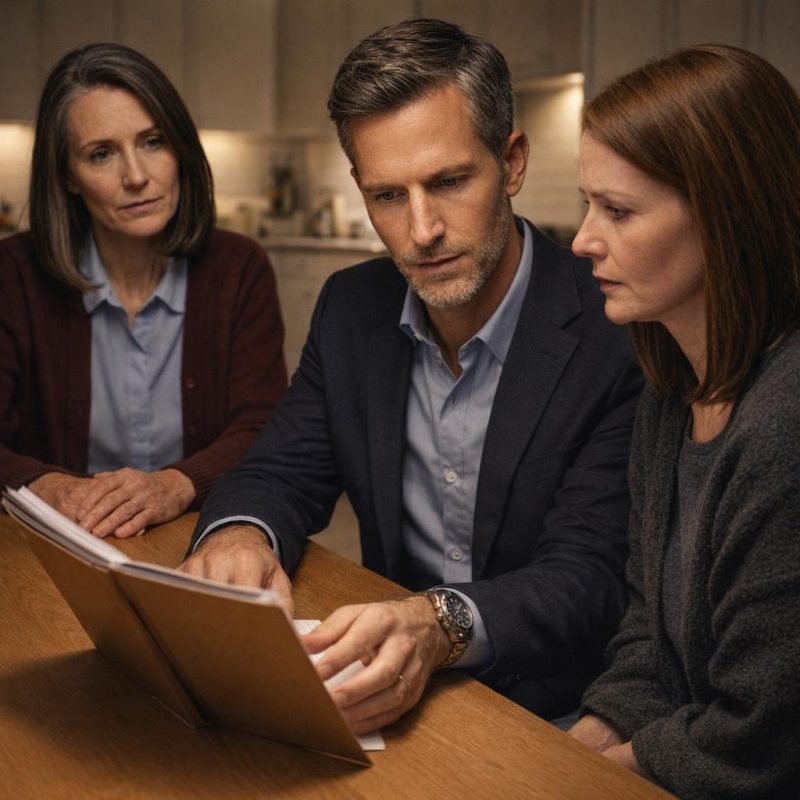 Image by RM AI
Watching Them Scramble
David spoke first. Of course he did. He said there must be some misunderstanding, and the words came out smooth and almost convincing, the way they always did with him. Michelle jumped in right behind him, her voice pitched low and earnest, saying the accounts had been restructured, that there were fees I didn't know about, that the paperwork would explain everything. They talked over each other. David said one thing and Michelle said something slightly different and neither version matched the statements sitting open on the table between us. I didn't say a word. I just sat with my hands folded and let them go. I watched David's eyes flick to the folder and away again. I watched Michelle's fingers twist together in her lap. Their stories kept shifting — first it was a banking issue, then it was a timing problem, then it was something about a financial advisor who had given them bad guidance. Each explanation arrived and collapsed almost immediately under its own weight. I felt something I can only describe as contempt — not the hot, wounded kind, but the flat, clear-eyed kind that comes when you watch someone lie to your face and you already know every word of it is false. Then David looked up at me and said, his voice pulling itself back toward steady, that he was sure there was a reasonable explanation for all of this.
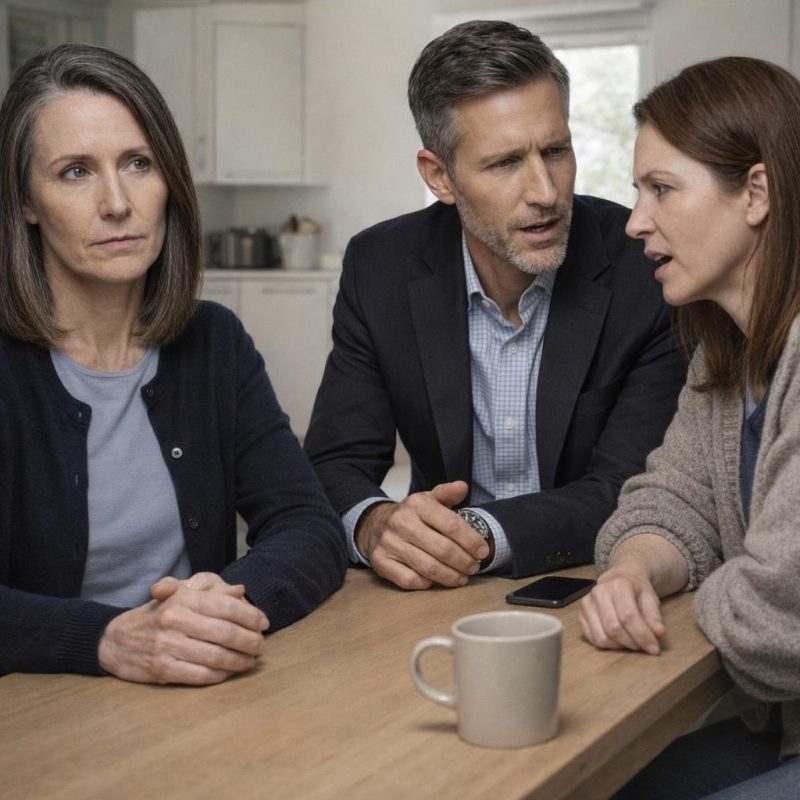 Image by RM AI
The Question
I let the word "explanation" sit in the air between us for a moment. Then I unfolded my hands and placed them flat on the table, on either side of the open folder, and I looked at David. Not at the statements. At him. He held my gaze for about two seconds before he looked away. Michelle had gone very still. I'd been quiet through all of it — through the denials and the contradictions and the shifting stories — and I think they'd started to believe that silence was all I had. I let them think that a little longer. Then I spoke. My voice came out low and even, and I said four words: where did it go. Not a question, really. More like a door closing. David opened his mouth and I said it again, the same four words, the same flat tone, and I told them the explanations were finished. I told them I had fourteen months of statements, eleven transfer confirmations, and every text message where David had thanked me for my generosity, and I wanted one answer. Just one. Where did the money go. The silence that followed stretched across the table like something with weight and edges, and neither of them moved.
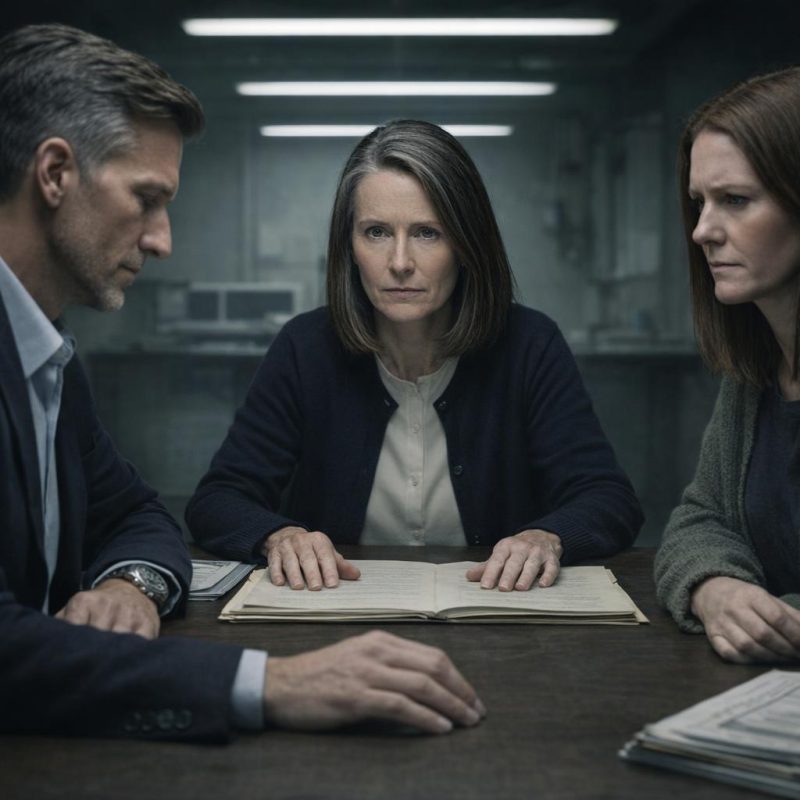 Image by RM AI
Gambling Debts and Lifestyle
Michelle broke first. I'd half expected it — she'd always been the one whose composure cracked under pressure, even when she was trying to use that cracking as a tool. But this wasn't performed. Her voice split open on the first sentence and didn't recover. She said they had debts. Gambling debts, she said, and the word sat in the room like something dropped from a height. She said it had started small, years ago, and then it hadn't been small anymore. She said they'd been living beyond what David's income could cover for longer than she wanted to admit, and that my contributions had been going toward keeping everything from collapsing. The college fund, she said, had never — and she stopped there, and pressed her hand over her mouth, and David made a sound beside her that wasn't quite a word. He was sitting with his elbows on the table and his face in his hands, and he looked, for the first time in my memory, like a man who had run completely out of road. Michelle said they hadn't known what else to do. She said they'd told themselves they would fix it before I ever found out. I sat and listened to every word without moving. Then David lifted his head, and in a voice pulled flat and hollow, he said they had never intended to tell me.
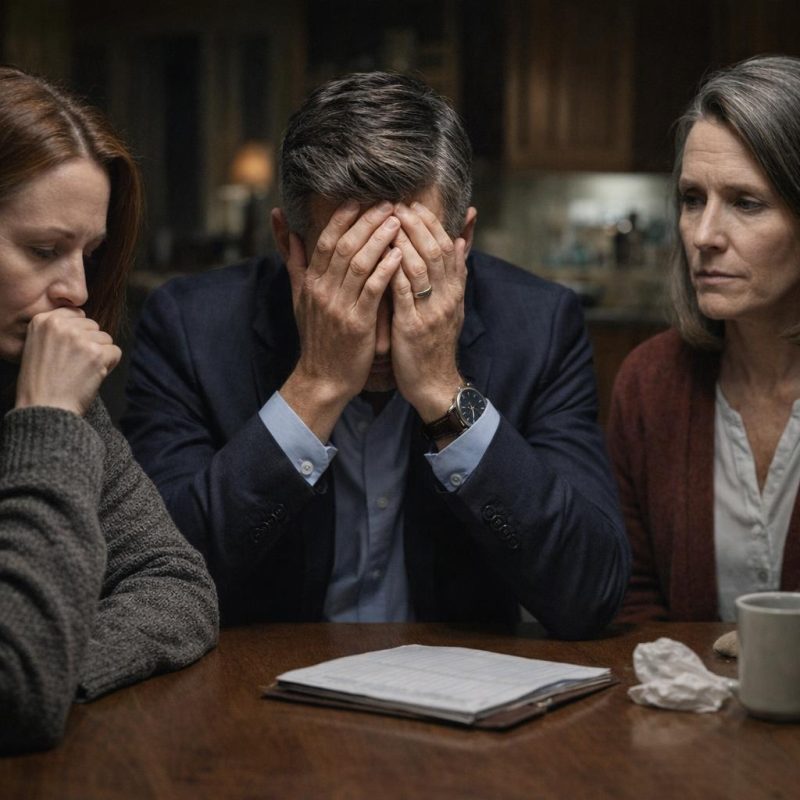 Image by RM AI
What Happens Next
I didn't raise my voice. I didn't need to. I sat across from them at my own kitchen table and I told them, in the flattest, clearest voice I had left, exactly what was going to happen next. They were going to sit down with Jake and Emma — both of them, together — and they were going to tell those kids the truth. Every dollar. Every lie. Every year of it. I told them they would not soften it, they would not frame it as a mistake or a misunderstanding, and they would not let my grandchildren spend one more day believing I had turned my back on them. I told them I would not be pressing charges, not because they deserved that mercy, but because I would not put Jake and Emma through it. I told them that any future contact between us would happen only if I chose to initiate it, and that I would not be choosing anytime soon. David opened his mouth. I don't know what he meant to say. I held up one hand and pointed to the door, and the words died before they reached the air. Michelle stood first. David followed. Neither of them looked back. The door closed behind them, and my arm was still raised, still pointing, long after the sound of their car had faded from the street.
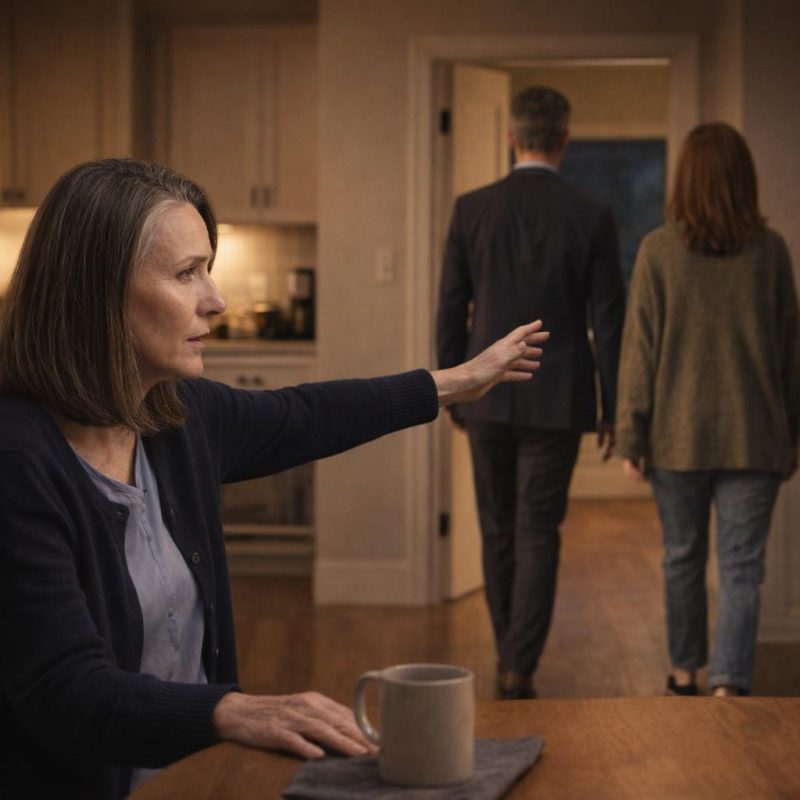 Image by RM AI
Telling the Truth
I chose a coffee shop three towns over — neutral ground, no memories attached to it. I got there early and took a corner booth and ordered two hot chocolates along with my coffee, because I still remembered what they liked. Jake arrived first, still in his practice jacket, and Emma came in right behind him, her sketchbook tucked under one arm the way it always was. They slid into the booth across from me and I could see it in their faces already — the careful, braced look of kids who had been told something was coming. I set the folder on the table between us. I didn't make them wait. I told them I had been sending money for years, that I had believed every word their parents told me about where it was going, and that none of it had gone where I was told. I showed them the bank statements. I showed them the transfer records. I watched Jake's jaw go tight and Emma's hand go still on her sketchbook. I told them this was not their fault — not one single piece of it — and that nothing between us had ever changed and nothing would. Jake pressed his hands flat on the table and stared at the papers. Emma looked up at me, and her eyes were full, and she didn't say anything at all. The three of us sat there in that corner booth while the coffee shop moved around us, and the weight of what they now understood settled into the space between us like something finally set down after a very long carry.
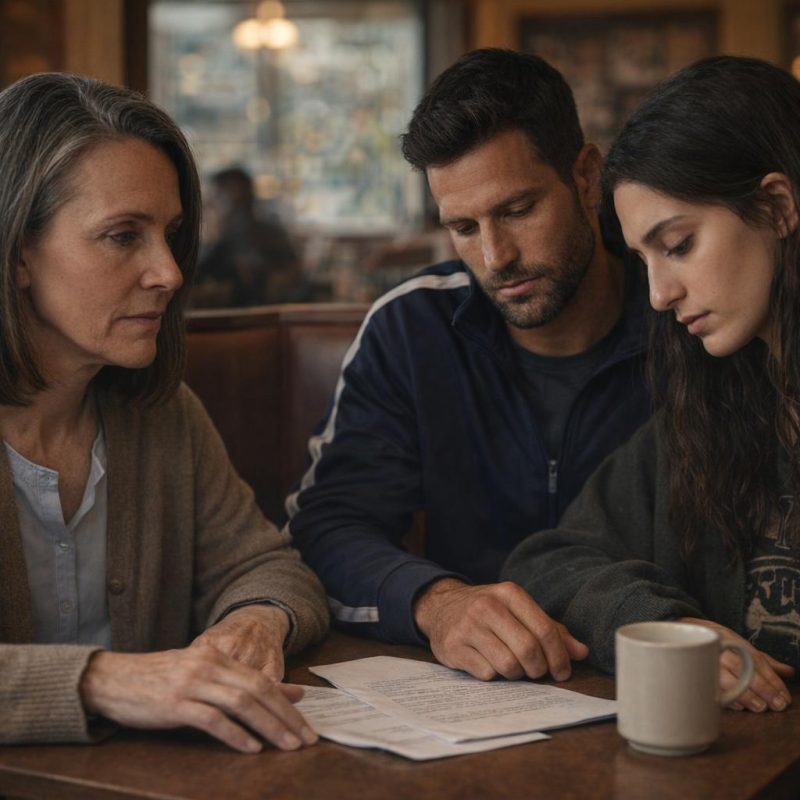 Image by RM AI
Reclaiming My Name
It was Jake who asked first. He wanted to know what to tell people — the cousins who'd heard things, the teammates he'd vented to, the family members who thought they knew the story. Emma asked about the cousins specifically, the ones who'd been told I had refused to help, that I'd chosen not to show up for them. I looked at both of them and I didn't hesitate. I told them to tell the truth. All of it. I told them I had tried to help, that I had sent money for years believing it would reach them, and that it had been taken from all of us — from me, and from them. I said I would not carry shame that belonged to their parents. I had spent enough time as the villain in a story I hadn't written, and I was done with it. Jake nodded slowly, like something was settling into place for him. Emma reached across the table and put her hand over mine. She said she was sorry she had ever doubted me, even for a second, and I told her she had no reason to have done anything else — her parents were the adults in that house, and she had trusted them the way a child is supposed to. I told them both that my name was mine, and my story was mine, and I intended to keep it. The steadiness in my own voice surprised me — quiet and unhurried, like something that had been waiting a long time to be said out loud.
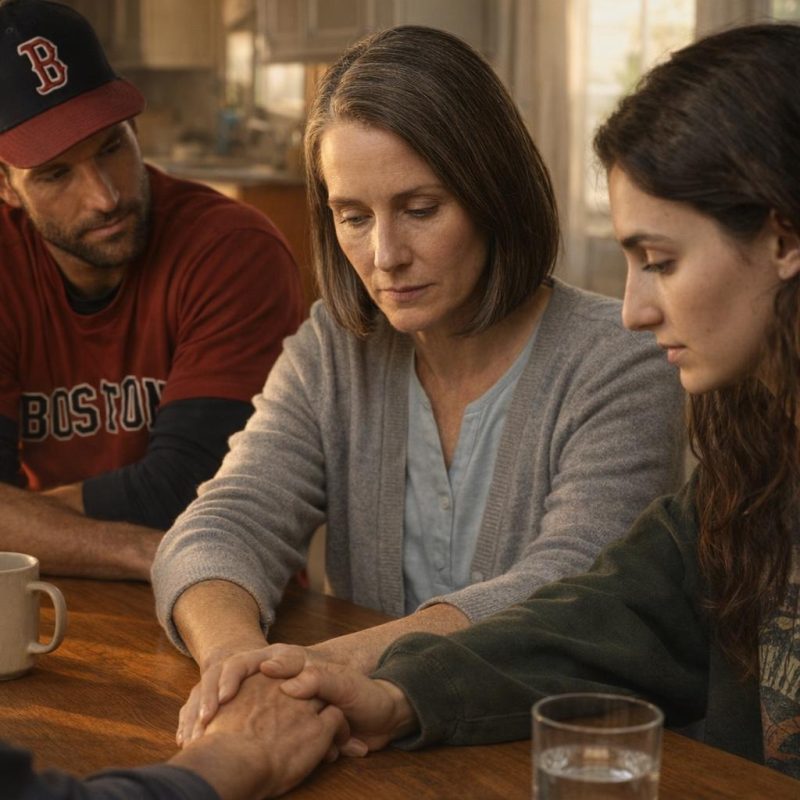 Image by RM AI
Building Something Real
I did my research first. I spent two evenings reading about 529 accounts, about custodial structures, about exactly what access and control looked like on paper before I touched a single dollar. I was not going to do this the old way — handing money to someone else and trusting it would land where I aimed it. This time I sat at my kitchen table with Jake and Emma on either side of me, my laptop open between us, and we set up the accounts together. Their names on the accounts. My login. My visibility into every transaction, every balance, every dollar in and every dollar out. Emma leaned in close to read the screen and Jake asked good questions — practical ones, the kind that told me he'd been thinking about this for a while. When the accounts were set up, I made the first deposit. It was smaller than what I'd sent before, and it was every bit as real as the other had been false. Jake said thank you in the quiet way he had, the way that meant it. Emma squeezed my arm. I hit confirm, and the screen refreshed, and there it was — two account balances, both of them showing my grandchildren's names, both of them showing exactly what I had put in, every cent of it accounted for and visible and real.
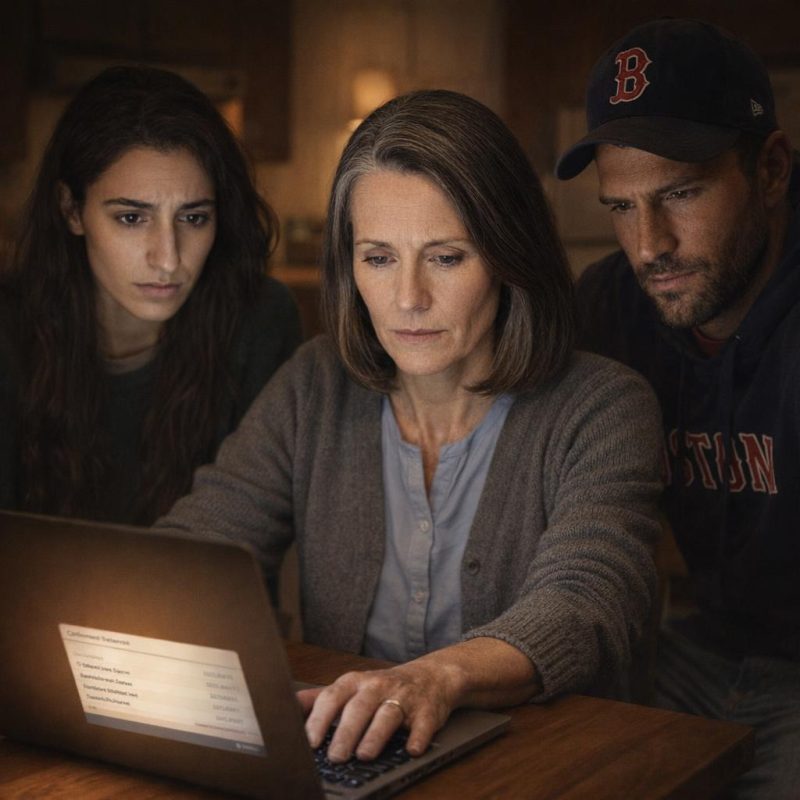 Image by RM AI
KEEP ON READING
The Origins Of 3 Common Sayings You Still Use Today
Etienne Boulanger on UnsplashMany of the phrases you use every…
By Rob Shapiro Apr 28, 2026
Was Caligula The Most Ruthless Roman Emperor?
Artur Matosyan on UnsplashRoman Emperor Caligula is one of ancient…
By Rob Shapiro Dec 18, 2025
1 Weird Fact About Every President
Washington, Lincoln, FDR. Most people know something about the lives…
By Robbie Woods Dec 3, 2024
10 Accidental Discoveries That Changed Maps & 10 That Changed…
Mistakes That Mattered. A lot of major discoveries did not…
By Cameron Dick Apr 15, 2026
10 Actors Who Perfectly Played a Historical Figure & 10…
Which Performance is Your Favorite?. Playing the role of a…
By Rob Shapiro Sep 15, 2025
10 Actors Who Perfectly Played a Historical Figure & 10…
Portraying a real person from history is one of the…
By Noone Dec 17, 2025