

My Dad Brought His 'Friend' to Mom's Memorial—Then Her Best Friend Pulled Me Aside and Destroyed Everything I Thought I Knew
My Dad Brought His 'Friend' to Mom's Memorial—Then Her Best Friend Pulled Me Aside and Destroyed Everything I Thought I Knew
The Day Everything Changed
I stood at the church entrance shaking hands with people whose names I couldn't remember, nodding at condolences that sounded like they were coming from underwater. Mom had been gone for three days. Three days since the cancer finally won, since I'd held her hand while she took her last breath, since the world stopped making sense. I kept thinking if I just got through the memorial, if I just smiled and thanked everyone and made it to the end of the day, maybe I could fall apart in private. That's what Mom would have wanted—she'd held it together through eighteen months of chemo, never complained, never made it about her suffering. The least I could do was get through her memorial without breaking down. I was doing okay until I saw Dad's car pull into the parking lot. He got out of the driver's side, and I felt this wave of relief because at least we'd get through this together, right? Then the passenger door opened. A woman stepped out—someone I'd never seen before. She had highlighted hair and wore a navy dress that looked expensive, understated. She walked around the car and stood next to Dad, and they moved toward the church entrance together. Not like strangers. Not like a coworker offering support. The woman walked beside him like she belonged there, and something in the way they moved together made my stomach drop.
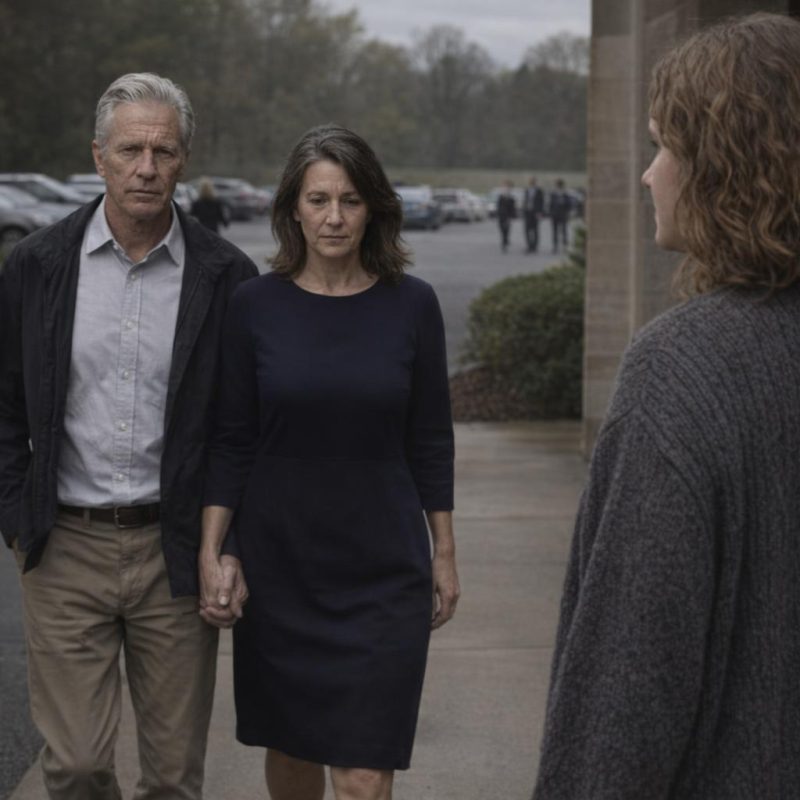 Image by RM AI
A Friend, He Said
Dad reached me first, and I searched his face for some explanation. His eyes were red-rimmed but he wouldn't quite look at me. "Emma, this is Diane," he said, gesturing to the woman beside him. "She's... a friend. She wanted to pay her respects." A friend. The word hung there, not quite fitting. I nodded because what else could I do? "Thank you for coming," I heard myself say, the autopilot politeness Mom had drilled into me taking over. Diane smiled—this calm, composed smile—and murmured something about being so sorry for my loss. Before I could process it, Aunt Jeannie appeared at my elbow, her pearls clicking as she fidgeted with them. "Robert! And you must be Diane, how wonderful that you could be here for him during this difficult time." Her voice was too bright, too enthusiastic, like she was overcompensating for something. Her eyes kept darting between Dad, Diane, and me, waiting for a reaction I didn't know how to give. Other relatives approached, offering polite smiles to Diane, but I caught the confused glances they exchanged when they thought no one was watching. Dad guided Diane through the room, introducing her to people, and she moved through the crowd with this easy confidence that felt completely wrong. This was my mother's memorial. Aunt Jeannie smiled too brightly and said how nice it was that Dad had support, but her eyes kept darting to me like she was waiting for something.
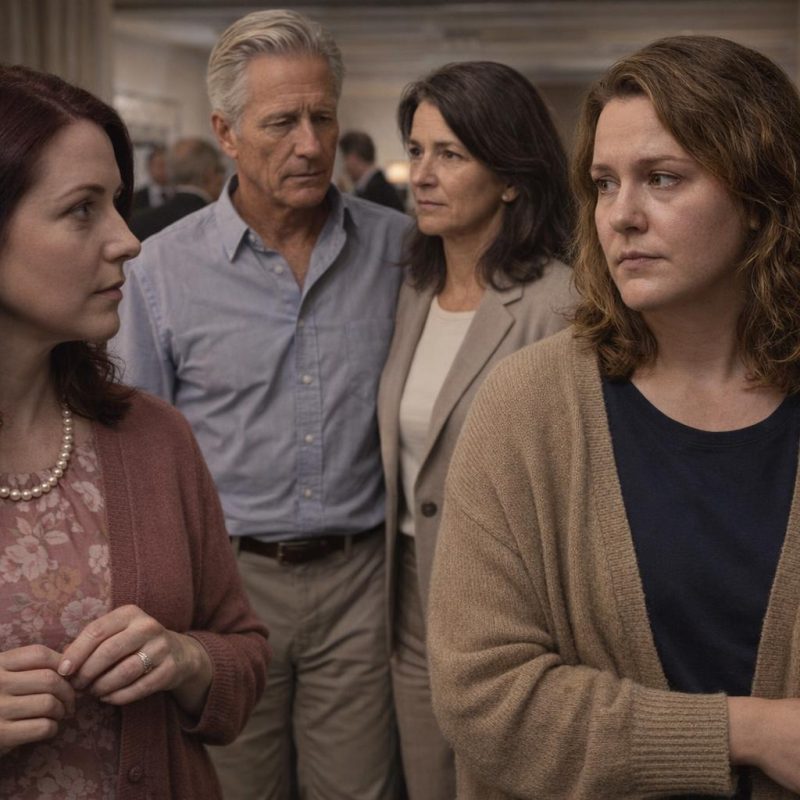 Image by RM AI
Carol's Warning
I was standing near the memory table, staring at photos of Mom without really seeing them, when Carol grabbed my arm. Mom's best friend since college, Carol had been a constant presence during the worst months, bringing meals, sitting with Mom during chemo, holding her hand when I couldn't be there. Now her grip was tight enough to hurt, and her face had gone pale. "You don't know, do you?" she whispered, pulling me toward the hallway. My heart started racing. "Know what?" Carol glanced back toward the main room where Dad and Diane stood talking to relatives. "That woman. Diane. I've seen her before." The way she said it made my skin prickle. "What do you mean you've seen her?" "With your dad. Months ago." Carol's voice dropped even lower. "I was at that Italian place downtown, the one on Fifth Street. They were at a corner table. This was back in February, Emma. Your mom was still alive." I felt the floor tilt. "Maybe it was a work thing," I said, but the words sounded hollow even to me. "I saw them again in March. At the park near the lake. They were walking together." Carol's eyes were wet now. "I didn't want to believe it either, but the way they were together... it wasn't professional." I looked across the room at Dad and Diane standing close, their shoulders almost touching. Carol's voice dropped to a whisper: "I've seen her before—with your dad—months ago, while your mom was still alive."
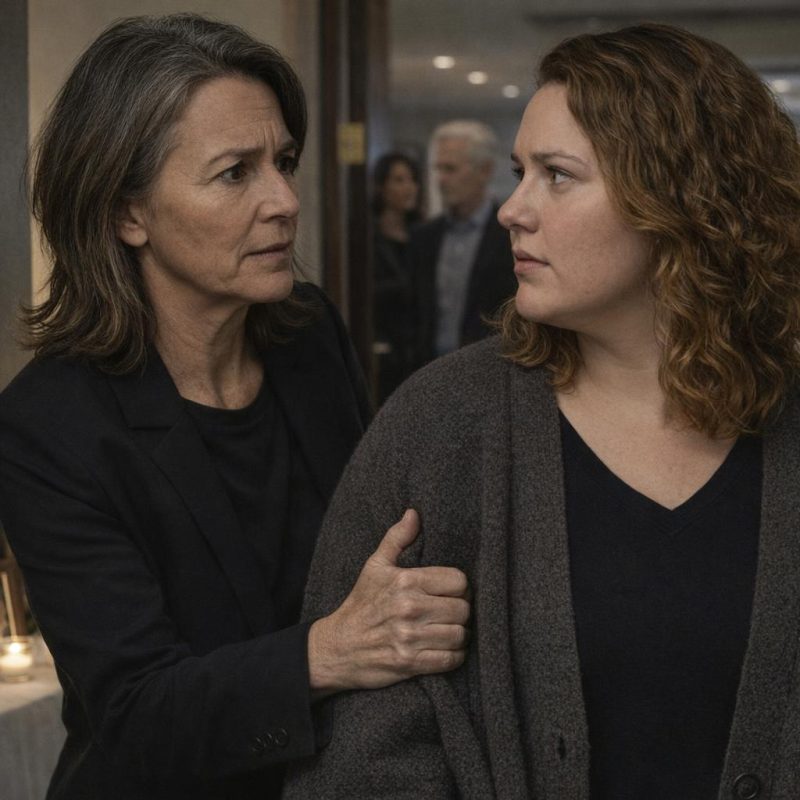 Image by RM AI
Before the End
I couldn't move. People flowed around me, offering condolences I didn't hear, while my brain tried to rewrite the last year of my life. Carol stayed close, her hand on my shoulder, anchoring me. February. Mom had still been doing chemo then, still fighting. I remembered that month because I'd taken time off work to drive her to appointments, and Dad had said he couldn't make as many because of a big project at work. A big project. How many times had he used that excuse? I started counting backward through the months. The late nights he'd come home smelling like restaurant food, claiming he'd grabbed dinner at his desk. The weekends he'd volunteered for extra shifts. The way he'd started checking his phone constantly, angling the screen away when I walked past. I'd thought he was struggling with Mom's illness, withdrawing because he couldn't handle watching her fade. That's what I'd told myself when he'd miss her doctor appointments, when he'd stay late at the office instead of sitting with her. God, I'd even defended him to Mom when she'd seemed hurt by his absence. "He's dealing with it in his own way," I'd said. What an idiot I'd been. Carol squeezed my shoulder but didn't say anything else. She didn't need to. Every late night, every vague excuse, every moment he'd seemed already gone—it all pointed to something that had started while Mom was still fighting.
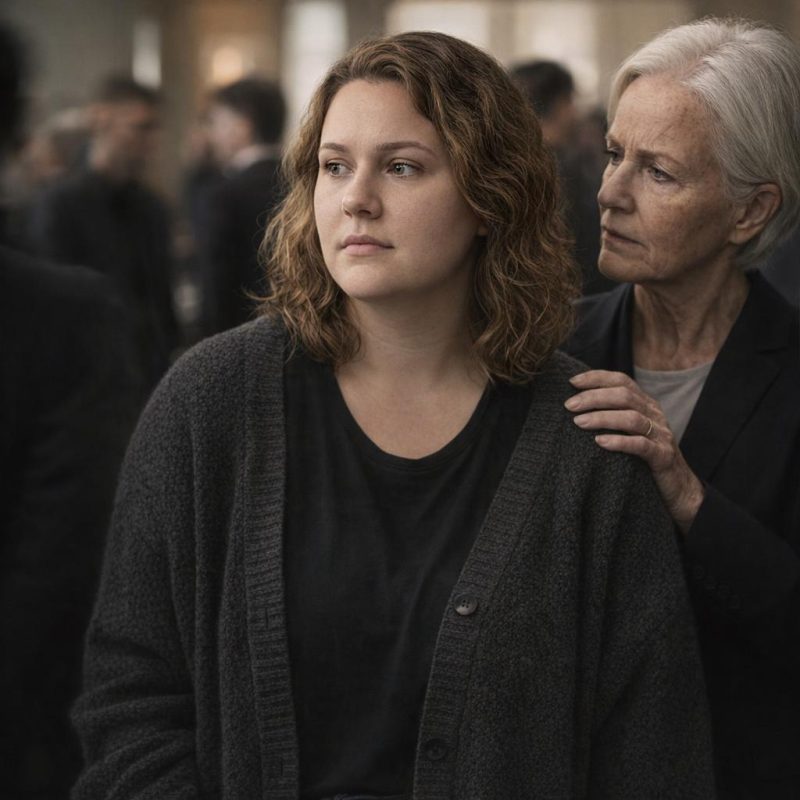 Image by RM AI
Finishing the Performance
Somehow I made it to the podium. Somehow I delivered the speech I'd written about Mom's strength, her grace, her determination to live fully even when dying. The words came out steady even though my hands shook holding the paper. I talked about her garden, her terrible jokes, the way she'd made everyone around her feel loved. Every sentence felt like a lie now, or maybe not a lie but incomplete—because how could I talk about her strength without mentioning what she might have been enduring that I'd been too blind to see? People cried. They hugged me afterward, sharing their own memories. I smiled and thanked them, playing the role of grieving daughter while my mind screamed questions I couldn't ask. Not here. Not now. Carol stayed near me the whole time, a quiet presence that kept me from floating away entirely. I watched Dad and Diane across the room. Some guests approached them together, seeming comfortable with her presence. Others gave them a wide berth, their discomfort obvious. How many people knew? How long had I been the only one in the dark? The memorial wound down. People started leaving, offering final condolences. Dad and Diane moved toward the exit together, and I watched them go, watched how naturally they moved as a unit. As guests offered final condolences, I smiled and thanked them, all while watching Dad and Diane leave together—and wondering how long I'd been the only one who didn't know.
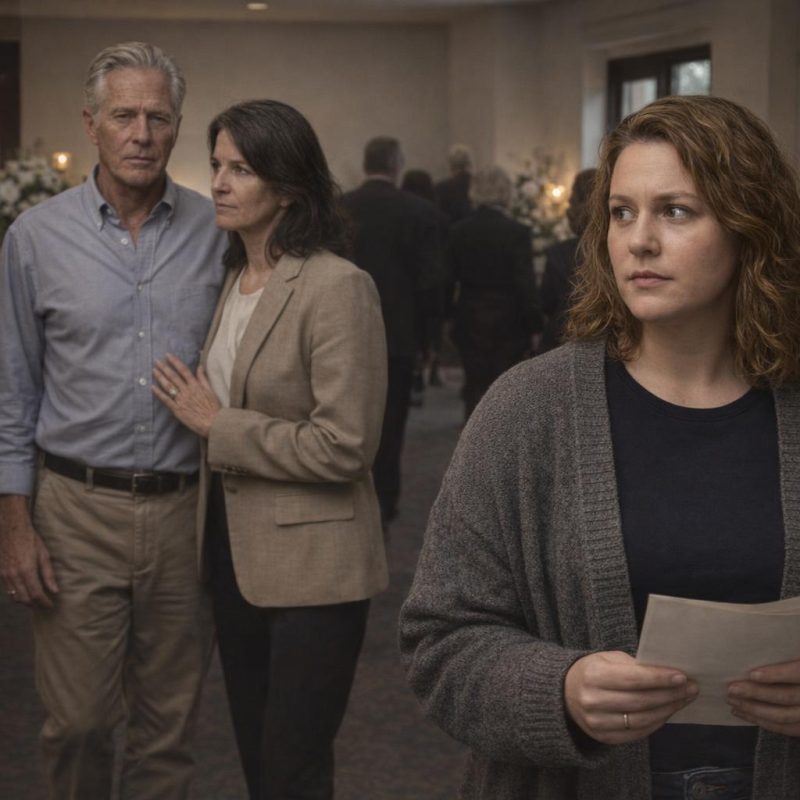 Image by RM AI
The Search Begins
I waited two hours after Dad left the house. He'd mumbled something about needing to clear his head, needing to drive, and I'd nodded like I understood. The moment his car disappeared down the street, I went to his study. My hands were shaking so badly I had to clasp them together. This was Dad's private space—I'd been taught since childhood not to snoop, to respect boundaries. But Mom was gone and nothing felt sacred anymore. I started with his desk. Bank statements, utility bills, nothing unusual. His filing cabinet held tax returns and insurance documents. I was about to give up when I moved to his bedroom, to the dresser Mom used to joke was his junk drawer. Under old receipts and expired coupons, my fingers hit something glossy. A photograph. I pulled it out and my breath caught. Dad and Diane at a restaurant, sitting close, both smiling at the camera like they didn't have a care in the world. She was wearing a red dress I'd never seen. He looked happier than I'd seen him in years. I flipped it over with trembling hands. The date stamp was printed on the back from the photo lab. March fifteenth. Mom had been alive. She'd been in the hospital that week for complications from chemo, and I'd stayed with her every night because Dad said he had to work. In the back of his drawer, under old receipts and forgotten papers, I found a photo—Dad and Diane at a restaurant, smiling, and the date stamp made my blood run cold.
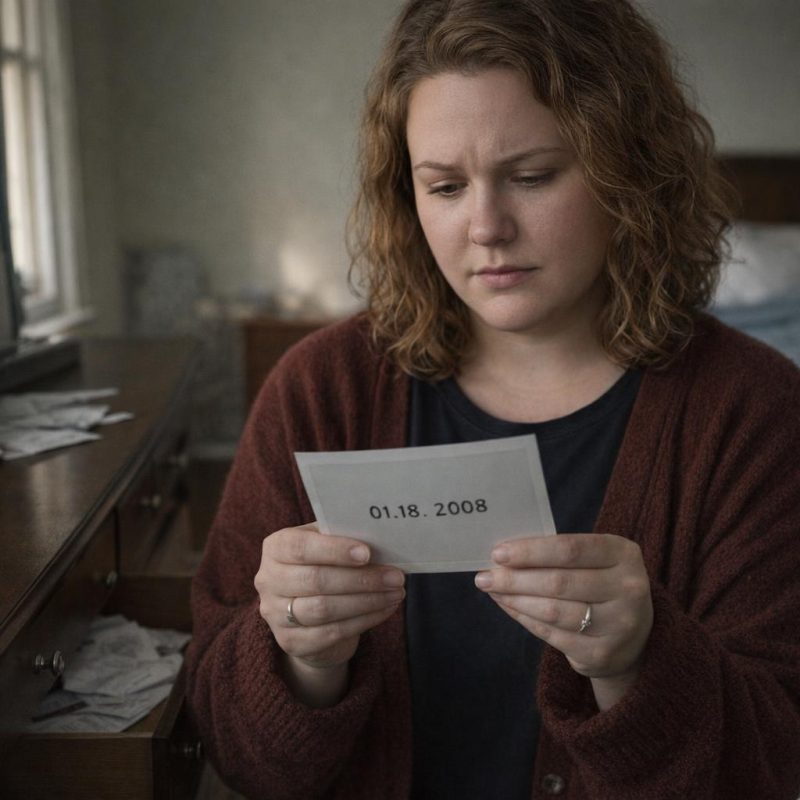 Image by RM AI
Digital Footprints
I couldn't sleep that night, so I did what any millennial would do—I went digital. Dad and I shared a family phone plan, something we'd set up years ago to save money. I'd never looked at the account details before, never had a reason to. Now I logged in and pulled up his call and text history. The records went back a year. I started scrolling. There was a number that appeared over and over, no name attached. The texts started last January, just a few times a month at first. By March they were daily. Multiple times a day. Late at night, early in the morning. I cross-referenced the dates with my own memories. The night Mom had her worst chemo reaction and I'd called Dad frantically—he'd texted that number twice before calling me back. The weekend of Mom's birthday when he'd disappeared for three hours—seventeen texts to that number. I pulled up the bank statements I'd photographed from his desk. Restaurant charges on nights he'd claimed to be working late. A florist charge in February. A jewelry store in April. I created a spreadsheet, documenting everything, building a timeline that made me feel sick. The evidence was circumstantial, nothing explicit, but the pattern was undeniable. The frequency of late-night texts to an unlisted number matched perfectly with the nights Dad said he was working, and I knew I'd found her.
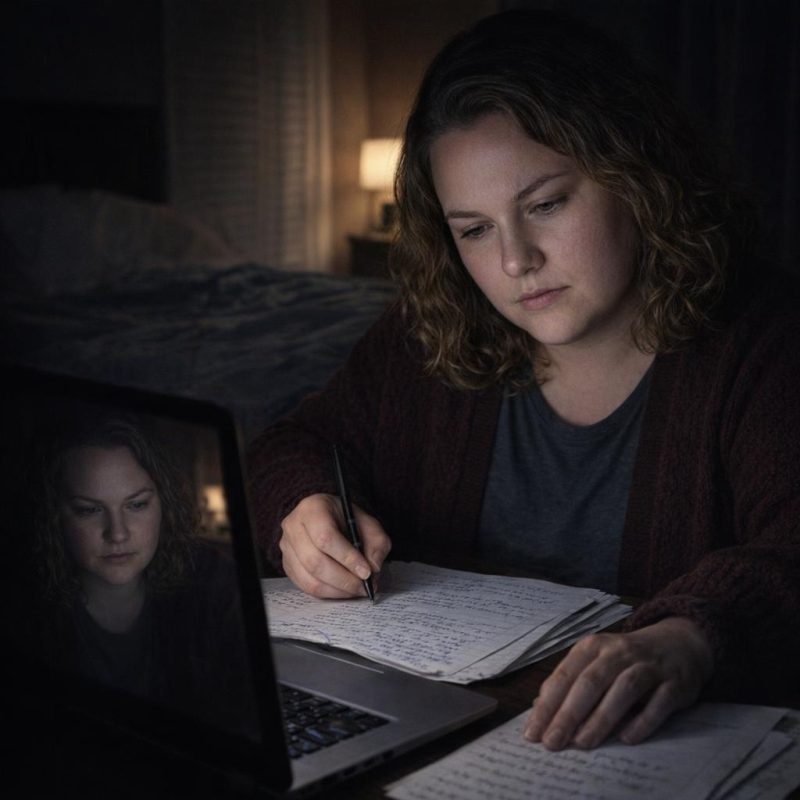 Image by RM AI
A Friend's Perspective
I texted Michael at two in the morning: "Can we meet tomorrow?" He'd been my friend since college, one of the few people who'd stayed in touch through everything. We met at the coffee shop near campus, far enough from the house that I wouldn't run into anyone who knew my family. I sat across from him and couldn't figure out how to start. "How are you holding up?" he asked, and something about the gentleness in his voice broke through my careful composure. "I think my dad was cheating on my mom before she died." The words came out flat, factual. Michael's expression shifted from concern to shock. I showed him everything—the photo, the phone records, the timeline I'd built. He listened without interrupting, his warm brown eyes steady on mine. When I finished, he sat back and let out a long breath. "Emma, I'm so sorry." "I don't know if I'm crazy," I said. "Maybe I'm seeing patterns that aren't there because I'm grieving and looking for someone to blame." "You're not crazy," Michael said firmly. "This is... this is a lot of evidence." We sat in silence for a moment. Then Michael leaned forward, his expression shifting from sympathy to something more practical. "What are you going to do about it?"
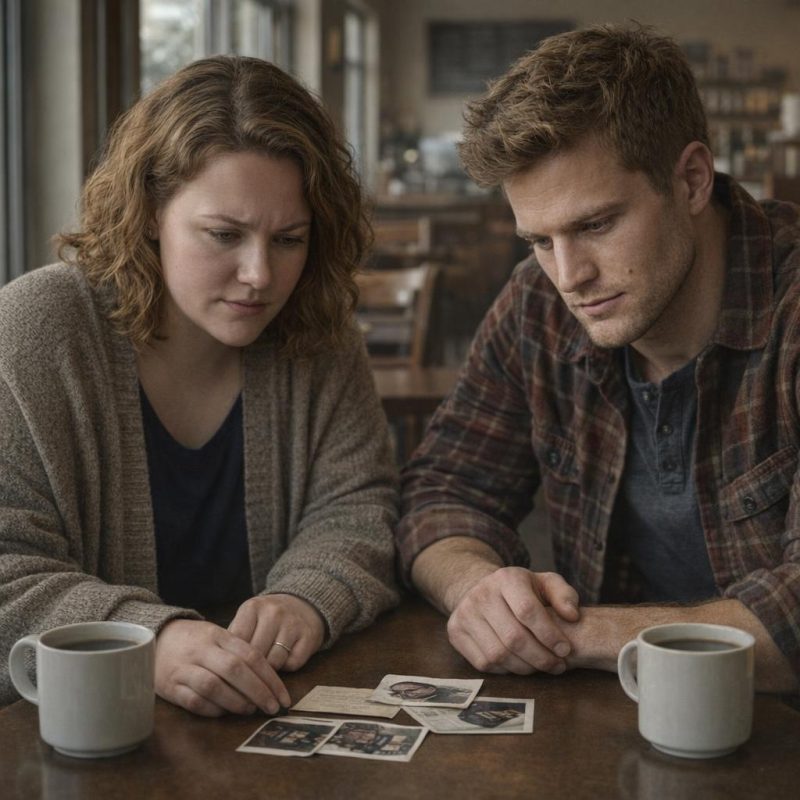 Image by RM AI
The Conversation
Dad found me in the kitchen the next morning and said we needed to talk. My stomach dropped. I'd been avoiding him since the memorial, but apparently he was done waiting. We sat across from each other at the table where we'd eaten a thousand family dinners, and the silence stretched between us like a chasm. I decided I wasn't going to let him control this conversation. "I need to ask you about Diane," I said, my voice steadier than I felt. He didn't look surprised. That was the first tell. He just nodded slowly, his hands folded on the table in front him. "How long have you known her?" I asked. He hesitated, and I watched him choose his words like he was picking through a minefield. "We've been friends for a while," he said carefully. "But Emma, it's not what you think." "Then tell me what it is," I said. "Tell me when it started." His body shifted in the chair, shoulders turning slightly away from me. "There is a relationship," he admitted. "But the timing—" "When did it start?" I interrupted. He looked down at his hands, and I felt my suspicions crystallizing into something harder, colder. His jaw tightened and his eyes wouldn't meet mine, and I knew before he spoke that whatever he said next would be a carefully measured version of the truth.
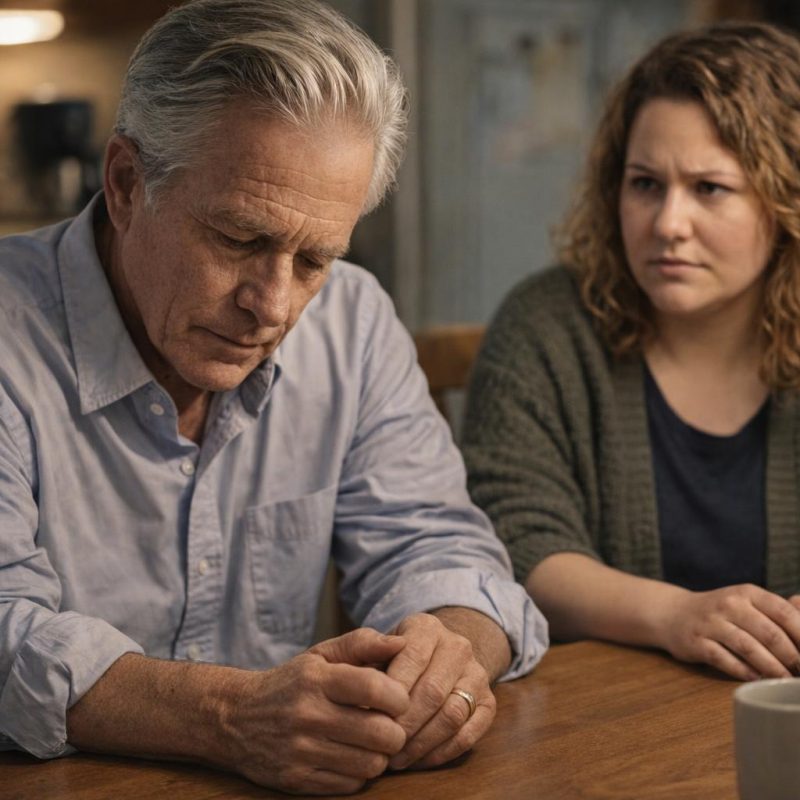 Image by RM AI
His Version
"After your mother's diagnosis," he said finally. "After we knew she wasn't going to recover." I sat there listening to him explain how he'd found comfort during an impossible time, how Diane had been a friend who understood what he was going through, how it had evolved naturally from support into something more. The words came out smooth, almost too polished for someone supposedly speaking from the heart. "I was faithful to your mother for thirty-two years," he said, and I noticed he was still wearing his wedding ring. "But when we got the diagnosis, everything changed. She was already terminal, Emma. The doctors gave her six months." He described it like it was a story he'd told before, maybe to himself, maybe to Diane, maybe to anyone who'd asked. Finding solace. Impossible circumstances. Human connection during grief. I watched his face as he talked, looking for cracks in the narrative. "Your mother was already dying," he said, like that justified everything. "I know how it looks, but I need you to understand—it wasn't some affair. It was two people trying to survive an unbearable situation." He said it started after they knew Mom wouldn't recover, like that timing somehow made it acceptable, and I felt something between us break that couldn't be repaired.
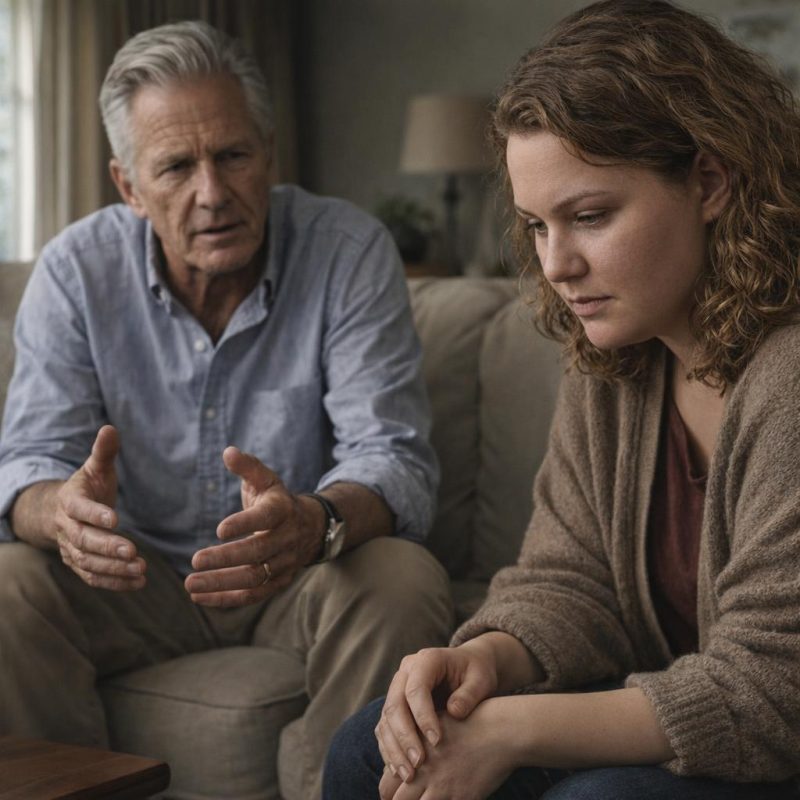 Image by RM AI
Poking Holes
I pulled out my phone and opened the photo I'd found in his office. "This was taken in March," I said, sliding it across the table. "Mom wasn't diagnosed until July." His face went pale. He picked up the phone, stared at the image, and I watched his carefully constructed timeline start to crumble. "The date stamp must be wrong," he said, but his voice had lost its certainty. "Or I'm remembering wrong. It's been a difficult year." "Carol saw you together," I said. "Multiple times. During Mom's treatment." His expression shifted from defensive to something harder. "Carol was dealing with her own grief. She was your mother's best friend—of course she's going to see things in the worst possible light." "So Carol's lying?" "I'm saying grief distorts memories," he said. "Everyone's looking for someone to blame, something to make sense of losing Linda. But you're seeing patterns that aren't there." I pressed him about specific dates, specific places. He deflected every question, turned every piece of evidence into a misunderstanding or a mistake. I realized he'd only admit what I could prove definitively, and even then he'd find a way to reframe it. When I mentioned the photo's date stamp—months before Mom's diagnosis—Dad's face went pale, and he claimed he must have remembered wrong.
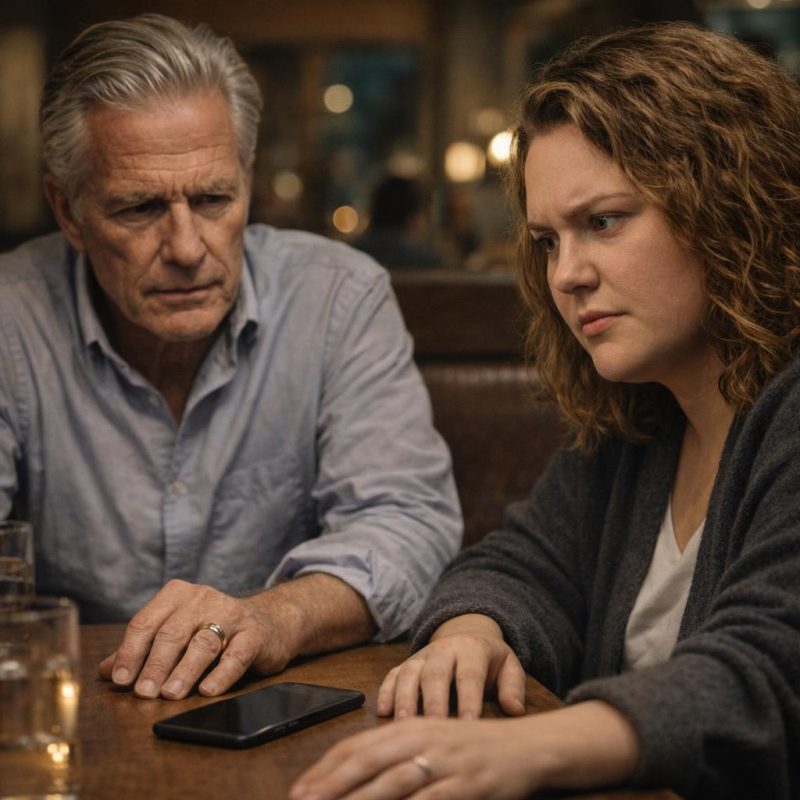 Image by RM AI
Losing Ground
I lay in bed that night replaying every word he'd said, and none of it held up. The timeline didn't work. The explanations were too convenient. I pulled out my notebook and went through everything again—the photo dates, Carol's sightings, the phone records I'd found. Dad's version required me to believe that dates were wrong, that Carol was mistaken, that my own eyes were deceiving me. I thought about Mom's last months, how withdrawn she'd become. I'd attributed it to the cancer, to the treatments, to facing her own mortality. But what if it was something else? What if she'd known? The grief I'd been carrying for six months suddenly had a new weight to it. It wasn't just loss anymore—it was betrayal, and I didn't know how deep it went. Dad had been controlling the narrative since Mom died. He'd shaped how we talked about her illness, her death, her memory. And I'd trusted him because he was my father, because we were both grieving, because I couldn't imagine he'd lie about something so fundamental. But now I couldn't trust anything. I'd spent months trusting Dad's version of grief, of coping, of reality—and now I couldn't trust anything he'd told me about Mom's final year.
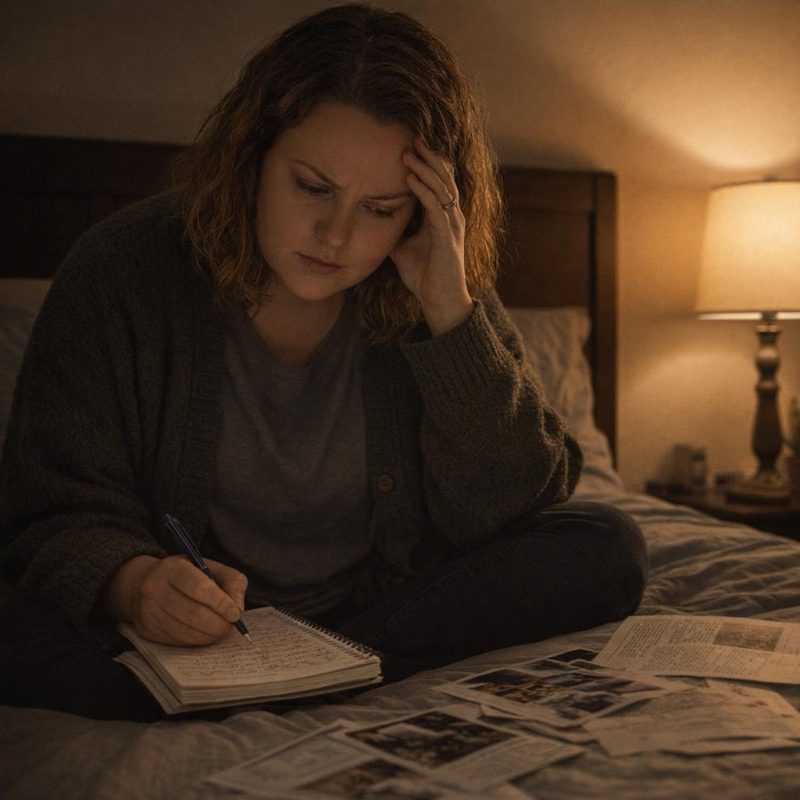 Image by RM AI
Carol's Coffee
I called Carol the next morning and asked if we could meet. She suggested a café on the other side of town, somewhere we wouldn't run into anyone from the family. When I arrived, she was already there, her silver hair catching the afternoon light through the window. She looked older than I remembered, or maybe just more tired. "Thank you for meeting me," I said, sliding into the booth across from her. "I need you to tell me everything you remember. About Dad and Diane. I know it's painful, but I need the truth." Carol's expression shifted through several emotions—sympathy, guilt, resignation. She stirred her coffee for a long moment, and I could see her weighing something internal. Loyalty to my mother's memory against the instinct to protect me from ugly truths. "Your mother was my best friend for forty years," she said finally. "I've been carrying this since before she died, and I don't know if telling you now helps anyone." "It helps me," I said. "Please." She took a breath and met my eyes. Carol stirred her coffee and said, "The first time I saw them together was almost a year before Linda died—they were at that Italian place on Fifth Street."
 Image by RM AI
Multiple Sightings
Carol described the scene in detail—how she'd been meeting a friend for lunch and spotted them through the window. Dad and Diane sitting close, leaning toward each other, laughing. "I almost convinced myself it was innocent," Carol said. "A colleague, maybe. A friend. But something about it felt off." The second time was six months before Mom died. Carol had stopped at a coffee shop and seen them at a corner table, deep in conversation. "They looked comfortable together," she said. "Like they'd done this a hundred times before." She saw them again at a bookstore, browsing the aisles together, and the domesticity of it had made her feel sick. But the worst was the final sighting. Carol's voice dropped. "Two weeks before Linda died, I was at the hospital visiting her. When I left, I saw them in the parking lot." She paused, and I could see the memory still hurt her. "They were standing by his car. And they were holding hands." I felt fury rising in my chest, hot and sharp. "Why didn't you say something?" "I almost did," Carol said, her voice breaking. "I walked toward them, ready to confront him. But then I thought about Linda, how sick she was, how little time she had left. And I lost my nerve." The final sighting was two weeks before Mom died, and Carol's voice broke when she said, "They were holding hands in the parking lot at the hospital."
 Image by RM AI
Legal Protection
I spent two days researching estate attorneys before I found Patricia Thornton's name in Mom's papers. She'd handled the will. I called and made an appointment, telling the receptionist I had questions about my mother's estate. Ms. Thornton's office was downtown, all dark wood and leather chairs. She greeted me with a firm handshake and a professional warmth that felt genuine. "I'm sorry for your loss," she said. "Your mother was a remarkable woman." I explained that I had concerns about Dad's new relationship, about the timing, about protecting Mom's legacy. Patricia pulled a thick file from her cabinet and set it on the desk between us. "Your mother was a very careful client," she said. "Very thoughtful about how she structured things." "What do you mean?" Patricia flipped through pages of legal documents. "She made several specific provisions in her will. Certain assets were designated specifically for you. She was very particular about protections." My heart started beating faster. "What kind of protections?" "We should schedule a longer meeting to review everything in detail," Patricia said. "But I can tell you that your mother took steps to ensure certain things would be preserved according to her wishes." Ms. Thornton pulled out Linda's file and said, "Your mother was very specific about certain provisions—almost as if she anticipated complications."
 Image by RM AI
Red Flags in the Books
Patricia opened the file wider and ran her finger down a page of notes. "I should mention that your father has called this office several times since your mother's passing," she said. My stomach dropped. "What did he want?" "He had questions about accessing joint accounts. About which assets he could liquidate. About the timeline for estate settlement." Patricia's tone remained carefully neutral, but I could hear the subtext. "When did he call?" "The first time was about three weeks after Linda's death," she said. "He's called four times since then." I felt sick. While I'd been drowning in grief, barely able to function, Dad had been making phone calls to attorneys, asking about money. "Your mother structured her estate very deliberately," Patricia continued. "Some accounts were transferred to your name before she died. It's unusual, but perfectly legal. She wanted certain assets protected." "Protected from what?" I asked, though I was starting to understand. "From being accessed or liquidated without your consent," Patricia said. She looked at me directly. "I recommend you review all financial accounts associated with the estate. And soon." The attorney's expression turned carefully neutral: "Your father seemed quite focused on understanding what assets he could access immediately after your mother's death."
 Image by RM AI
Following the Money
I drove home from Patricia's office with my hands gripping the steering wheel so hard my knuckles went white. The attorney's words kept replaying in my head—Dad calling about liquidating assets, about accessing accounts, about timelines. I went straight to my laptop when I got home and logged into the family banking portal. Mom had added me as an authorized user years ago, back when she'd first gotten sick and wanted to make sure I could help manage things if needed. I started with the joint checking account and worked backward through two years of statements. At first, everything looked normal. Grocery stores, utilities, medical bills. Then I noticed them. Small transfers, a few hundred dollars at a time, going to an account I didn't recognize. They started appearing about eighteen months ago. Regular as clockwork, every month. The notation was minimal—just two initials: D.R. I downloaded every statement, my heart pounding harder with each click. The amounts were substantial when you added them up. Three hundred here, five hundred there. Month after month, while Mom was getting sicker, while I was helping her to appointments, while Dad was supposedly working late. One recurring transfer, marked simply as 'D.R.,' had been happening monthly since the previous spring—and the amounts were substantial.
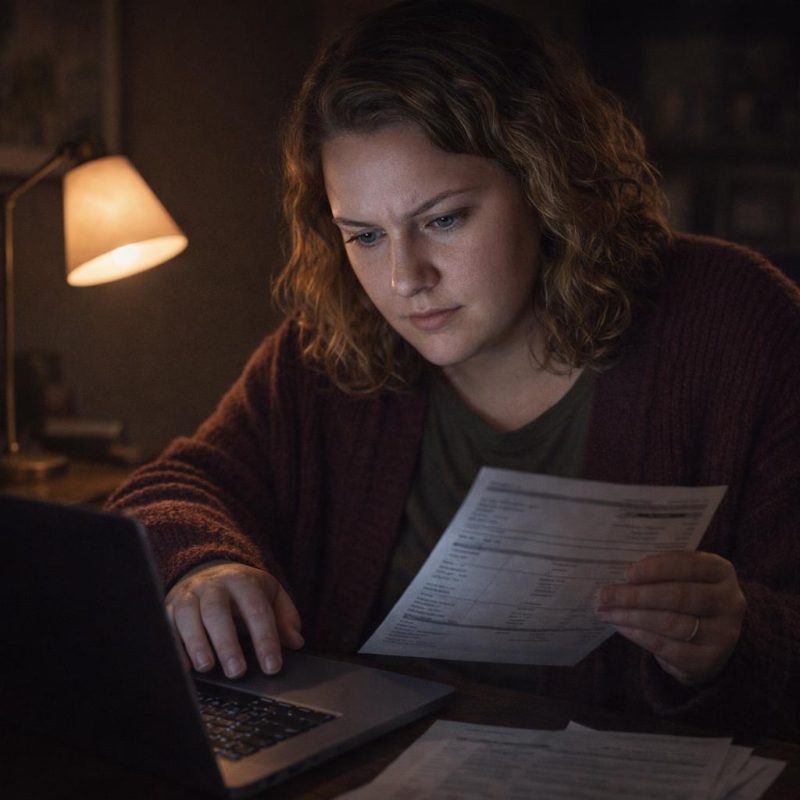 Image by RM AI
Larger Sums
I couldn't stop looking at the screen. The monthly transfers were bad enough, but as I kept digging through the statements, I found something worse. Larger amounts. One-time transfers that made my stomach drop. Five thousand dollars moved three months before Mom died, right when she'd been in the hospital for that week-long stay. I remembered that time—I'd practically lived in that hospital room while Dad said he needed to keep working, needed to maintain normalcy. Another three thousand had disappeared a month before she died. I had to zoom in to make sure I was reading the numbers correctly. Then I found the big one. The transfer that made me push back from the desk and put my head between my knees. Nearly ten thousand dollars, moved to that same unknown account. The date stamp showed it had happened one week before Mom died. One week. While she was in hospice, while I was reading to her and holding her hand, while she was saying goodbye to everyone she loved. Dad had been moving money. Preparing his future. Setting up his life with someone else while his wife was dying. The largest transfer, for nearly ten thousand dollars, occurred one week before Mom died, and I had to sit down as the room spun around me.
 Image by RM AI
Connecting the Dots
I spent the next two hours becoming a detective. I copied the account number from the statements and started searching. It took some digging—public records databases, property searches, cross-referencing information I could find online. The account was registered to Diane Richards. Diane. The woman from the memorial. The 'friend' Dad had brought to say goodbye to my mother. I felt sick, but I kept going. If there was more, I needed to know. I searched property records next, looking for any connection between Dad's name and Diane's. It took three different databases before I found it. A lease agreement, filed with the county eight months ago. Robert Chen and Diane Richards, co-lessees on a two-bedroom apartment across town. Eight months ago. Mom had still been alive. She'd still been going to her book club, still been making dinner most nights, still been believing her husband when he said he was working late. I screenshot everything. I created a folder on my desktop and started organizing it all—bank statements, property records, dates, amounts. A timeline of betrayal, documented and undeniable. I found property records showing Dad had co-signed a lease on an apartment eight months ago, and Diane's name was right there beside his.
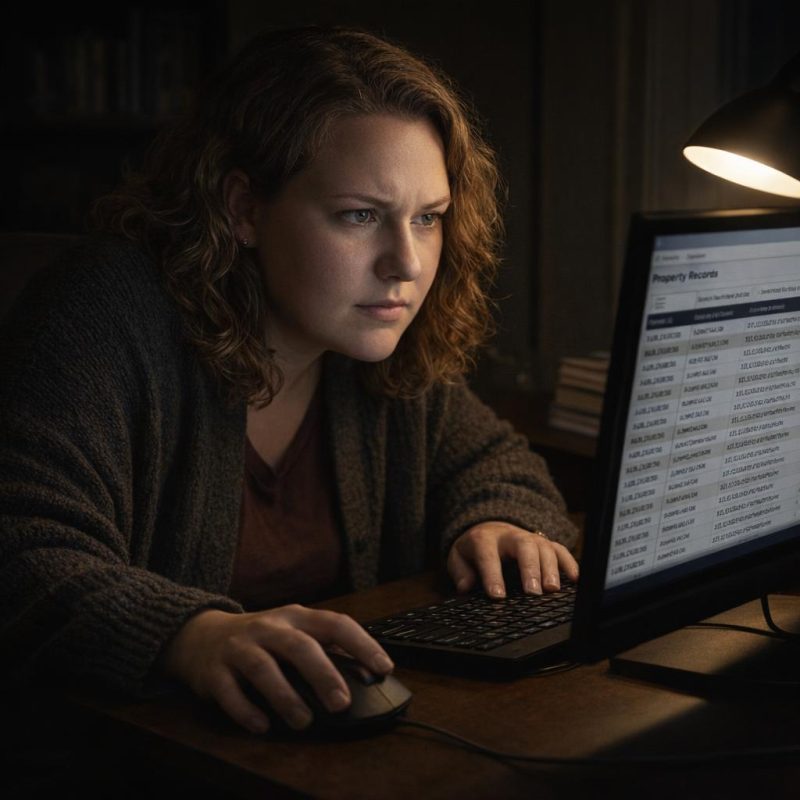 Image by RM AI
Invasion
I came home three days later to find a silver Lexus in the driveway. I didn't recognize it at first, but something about it made my chest tighten. I parked on the street and walked up to the house slowly. The front door was propped open. There were boxes in the hallway. Moving boxes, stacked against the wall where Mom's console table used to be. I heard footsteps upstairs and then I saw her. Diane, carrying a lamp I didn't recognize, walking across the landing like she belonged there. She saw me and froze. For a second, neither of us moved. Then Dad appeared at the top of the stairs, and his expression was almost casual, like this was completely normal. Like I'd just come home on any ordinary day. He came down a few steps and said Diane was moving in. Just like that. Matter-of-fact. As if it had been weeks instead of days since we'd buried Mom. As if the house wasn't still full of her things, her presence, her memory. I couldn't find words. I just stood there in the entryway, surrounded by boxes that didn't belong, staring at my father. Dad appeared at the top of the stairs and said Diane was moving in, as if I'd have no objection, as if Mom's absence had left a vacancy that needed filling.
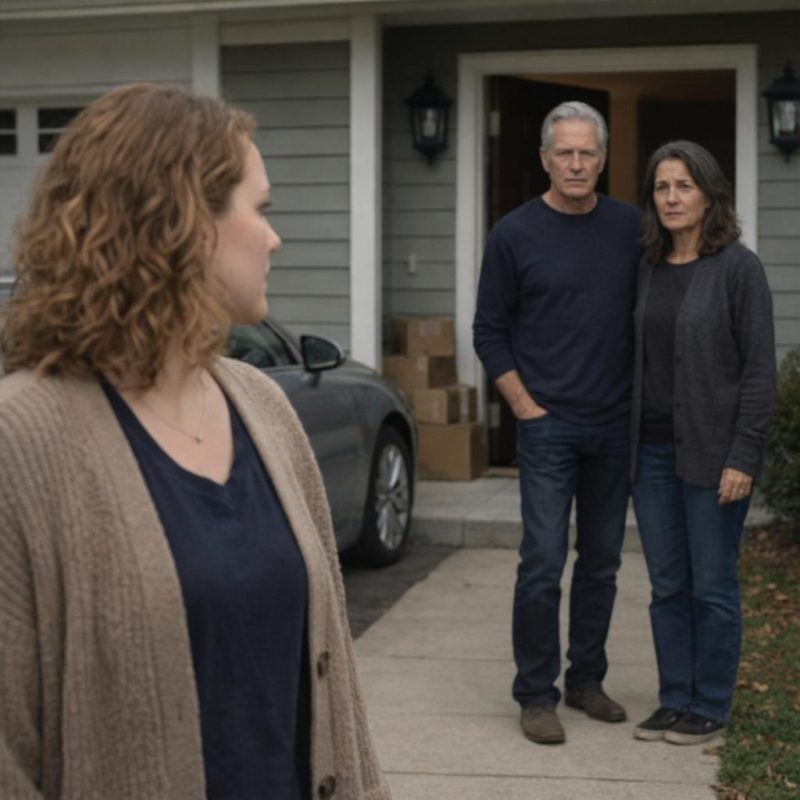 Image by RM AI
This Is My Home
I found my voice in the living room. The room still smelled like Mom's lavender sachets, the ones she kept in the couch cushions. I told Dad this was too soon. Too fast. Too wrong. He crossed his arms and said he understood I was grieving, but he had a right to move forward with his life. I asked him how he could do this in Mom's house, in the space she'd made home for thirty years. Diane stood in the doorway, silent, watching us like this was a play she'd seen before. Dad's voice got harder. He said the house was in his name. That he'd been making the mortgage payments. That I needed to understand he wasn't asking my permission. I felt something crack inside me. This was my home. These were my memories. Every room held pieces of Mom—her books on the shelves, her paintings on the walls, her garden visible through the kitchen window. Dad said if I was uncomfortable with the new arrangement, maybe it was time I found my own place. Like I was the problem. Like I was the one making things difficult. Diane shifted her weight but didn't speak. She didn't have to. Dad's expression hardened, and he said the house was his to do with as he pleased—as if thirty years of Mom's life here meant nothing.
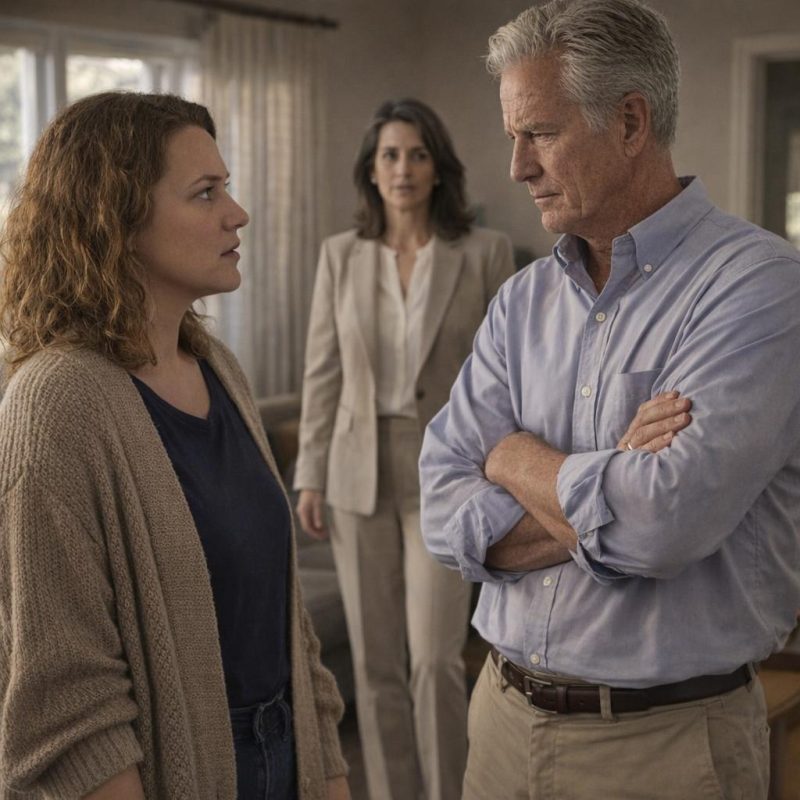 Image by RM AI
Professional Help
I left the house that night and didn't go back. I stayed with a friend and spent the next morning researching private investigators. I needed help. I needed someone who could find things I couldn't, document things that would hold up if this got legal. Tom Chen's office was in a strip mall between a tax preparer and a nail salon. He was maybe mid-fifties, with a weathered face and steady eyes that didn't judge when I walked in looking like I hadn't slept. I sat across from his desk and told him everything. The memorial. The apartment lease. The bank transfers. Carol's testimony about the affair timeline. Tom listened without interrupting, taking notes in neat handwriting. When I finished, he asked if I had copies of the financial records. I pulled out my folder—printed statements, screenshots, the property records. He reviewed each page methodically, nodding occasionally. He explained what he could do. Surveillance if needed, though it sounded like I already had enough for a timeline. Public records searches. Witness interviews. Credit card statements if I could provide account numbers. I asked how long it would take. Tom closed his notepad and said it would take a few weeks, but if the timeline was what I suspected, he'd find the proof.
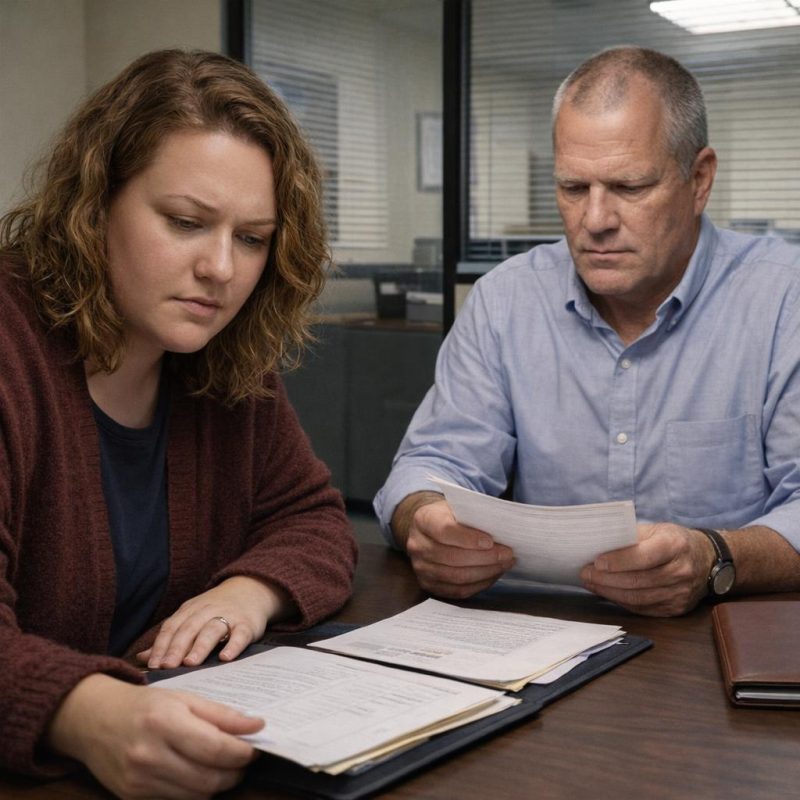 Image by RM AI
The Paper Trail
Tom called me exactly two weeks later. I met him at his office the next morning, my hands shaking as I pulled into the parking lot. He had a file folder waiting on his desk, thicker than I'd expected. He opened it and started laying out documents. Restaurant receipts first—the same Italian place in the downtown area, over and over again. Always two entrees, always wine. Credit card statements showing hotel charges. Not cheap places, either. Nice hotels, the kind with room service and valet parking. The charges appeared regularly, sometimes twice a month. Tom had organized everything chronologically, color-coded tabs marking different types of evidence. He walked me through it methodically, his voice calm and professional while my world tilted. Dinner dates going back over a year. Hotel stays during weekends Dad had claimed he was at conferences. Flowers ordered and delivered to an address that matched the apartment lease. The pattern was undeniable. This wasn't new. This wasn't something that had started after Mom got sick, or even after her diagnosis. This had been going on for a long time. The earliest hotel receipt he found was dated fourteen months before Mom died—when she was still healthy, still trusting, still unaware.
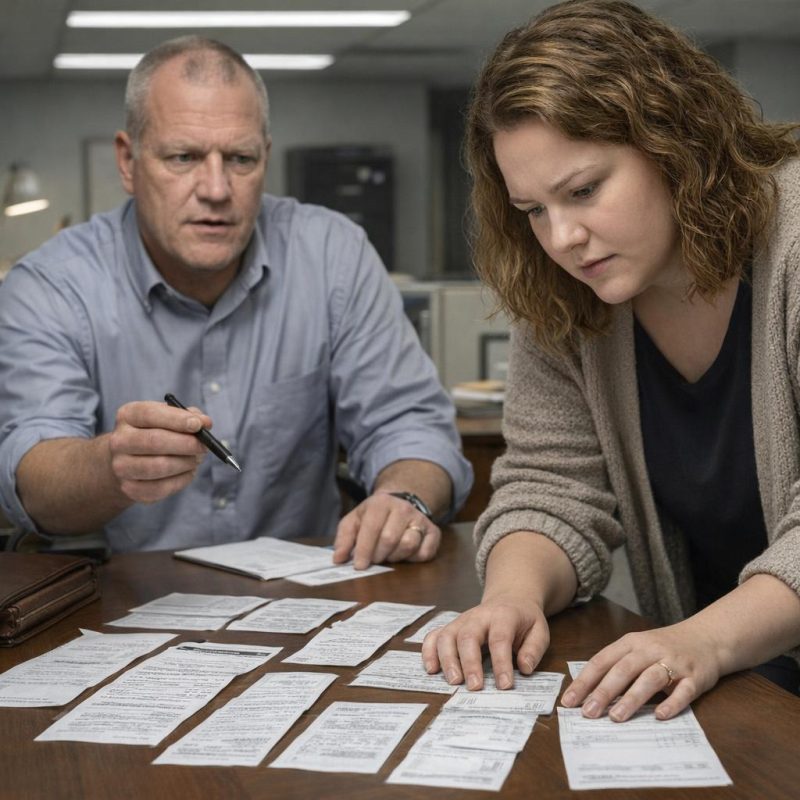 Image by RM AI
The Healthy Months
I sat in Tom's office and stared at the timeline he'd constructed. A visual representation of betrayal, laid out in neat columns with dates and locations. The affair had started at least fourteen months before Mom died. That meant it had begun eight months before her cancer diagnosis. Eight months when everything had seemed normal. I remembered that time. Mom had been happy. She'd been going to her book club every Thursday. She'd been planning a garden renovation. We'd had family dinners where Dad had sat across from her and smiled and asked about her day. Every late meeting, every business trip, every evening he'd come home smelling like cologne and claiming he'd been at the office—all of it had been lies. Tom pointed out the frequency of hotel visits during those early months. Two or three times a month, regular as clockwork. I thought about Mom during that period, making dinner for one when Dad didn't come home, watching TV alone, going to bed in an empty house. Not knowing. Never suspecting. Believing in her marriage while it was already over. Tom confirmed the documentation was solid, verifiable, legally sound if I needed it. I thought of all those ordinary evenings Mom had spent alone, not knowing Dad was with someone else, and I wanted to scream.
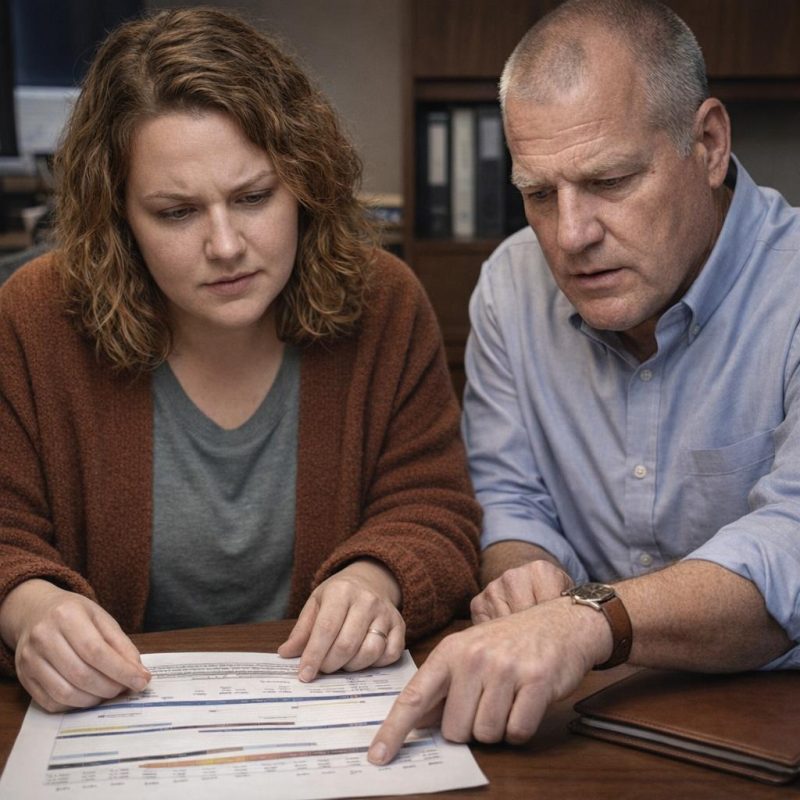 Image by RM AI
Proof Laid Bare
I waited until Diane left for her yoga class before I spread Tom's evidence across the kitchen table. Hotel receipts. Credit card statements. The timeline laid out in neat rows, dates highlighted in yellow. Fourteen months of documentation. I sat there staring at it all, my hands shaking, and when I heard Dad's car in the driveway, I didn't move. He walked in carrying groceries and stopped when he saw me. His eyes went to the table. I watched his face change as he recognized what he was looking at. "Emma, what—" "The affair started fourteen months before Mom died," I said. My voice sounded steadier than I felt. "Eight months before her diagnosis." He set the groceries down slowly. "Where did you get this?" "Does it matter?" I pushed the earliest receipt toward him. "February. Mom was healthy. You were already sleeping with Diane." He picked up the paper, looked at it, set it down. "These could be anything." "They're your credit card statements, Dad. Your signature." I showed him three more. "Different hotels. Different dates. All before Mom got sick." He was quiet for a long moment. Then he pushed the papers away from him, not meeting my eyes. "It doesn't matter when it started," he said. "Your mother's gone now. Nothing we say or do will change that." He walked out of the kitchen, leaving me sitting there with the evidence scattered across the table like pieces of a life I'd never actually known.
 Image by RM AI
Turning It Around
He came back an hour later. I was still at the table, staring at the receipts, when I heard his footsteps. "I can't believe you're doing this," he said. His voice was different now. Harder. "Doing what?" "Trying to destroy my chance at happiness. Your mother's been gone four months, Emma. Four months. Do you have any idea how difficult that's been?" I looked up at him. "Difficult for you?" "Yes, for me. I'm grieving too. I'm trying to move forward, and you're—you're attacking me. Digging through my private life. Making me feel like a criminal in my own home." "You lied about when it started." "Because I knew you'd react like this! I knew you'd judge me instead of trying to understand how hard things were. How lonely I was." The words hit me sideways. For a second, I felt it—that maybe I was being too harsh, too rigid, too focused on dates and timelines when he was just a man who'd been struggling. Then I looked down at the receipt in my hand. February fourteenth. Valentine's Day. Eight months before Mom's diagnosis. While she'd been home alone, believing in her marriage, he'd been at a hotel with Diane. "You're trying to make me doubt myself," I said quietly. "I'm trying to make you see reason!" He threw his hands up. "But you can't talk to anyone when you're like this." He left again. This time he didn't come back.
 Image by RM AI
Family Loyalty
Aunt Jeannie called the next afternoon. I almost didn't answer, but she'd keep calling until I did. "Sweetheart, I heard you and your father are having some difficulties," she said. Her voice had that careful, overly gentle tone people use when they think you're being unreasonable. "We had a disagreement." "About Diane." It wasn't a question. "Your father's been through so much, Emma. He deserves some peace now. Some happiness." I closed my eyes. "He was having an affair before Mom got sick." "People make mistakes. Marriages are complicated. You're young, you don't understand how—" "When did you find out about Diane?" Silence. Too long. "Aunt Jeannie. When did you know?" "I... your father mentioned he'd met someone a few months ago. Before the memorial. But Emma, that doesn't—" "You knew. At Mom's memorial, you already knew he was bringing her." "I thought it would be good for him to have support! Your mother would want him to be happy. She'd want you to forgive and move forward, not hold onto all this anger." My throat felt tight. "Did Mom know? About the affair?" "That's not—Emma, you need to let this go. Holding grudges only hurts you. Everyone makes mistakes, and your father—" "Did she know?" "I think we should focus on healing the family, not dwelling on—" I hung up. Sat there staring at my phone. She'd known. They'd all known. And nobody had thought to tell me.
 Image by RM AI
Pressure from All Sides
The calls started coming after that. Tuesday, my cousin Rachel—who I hadn't spoken to in two years—called to say she'd heard I was having trouble accepting Dad's new relationship. Wednesday, another aunt suggested I was being too hard on him during his grief. Thursday, a family friend I barely remembered left a voicemail about the importance of moving forward. Each conversation followed the same script. Dad deserved happiness. The past was the past. I needed to stop creating drama. By Friday, I'd received six calls, and I finally understood what was happening. Dad had been talking to everyone. Telling his version. In his story, he was the grieving widower trying to rebuild his life. I was the angry daughter who couldn't let go, who was punishing him for finding comfort after loss. Nobody mentioned the timeline. Nobody asked about the affair starting before Mom got sick. They all spoke about his right to move on, his need for companionship, how difficult it must be for him. The language was too similar across all the calls. The same phrases. The same framing. He'd shaped the narrative before I'd even known there was one to shape. I stopped answering my phone. Let the calls go to voicemail. Listened to them pile up, each one another voice telling me I was wrong, I was cruel, I needed to forgive. I'd never felt so alone.
 Image by RM AI
Seeking Refuge
I drove to Carol's house Saturday morning without calling first. I'd been crying in my car for twenty minutes and couldn't go home. When she opened the door, I just stood there, and whatever she saw in my face made her pull me inside immediately. She made tea while I sat at her kitchen table trying to breathe. "Everyone's on his side," I finally said. "The whole family. They all think I'm being vindictive." "Of course they do. Robert's been working on them." She set a mug in front of me. "He's good at that. Always has been." "I feel like I'm going crazy. Like maybe I am being too harsh, too—" "You're not." Carol's voice was firm. "You're the only one asking the right questions. I've been waiting for you to realize you can't fight this alone." I looked up at her. She was the first person in days who'd looked at me without judgment. "I don't know what to do." "You keep looking for the truth. And you let me help." She sat down across from me. "I should have spoken up sooner. I've been thinking about it since the memorial. About your mom's last few months." Something in her tone made me go still. "What about them?" "She changed. Pulled back. I didn't understand it at the time, but now..." Carol shook her head. "Now I wonder what she knew."
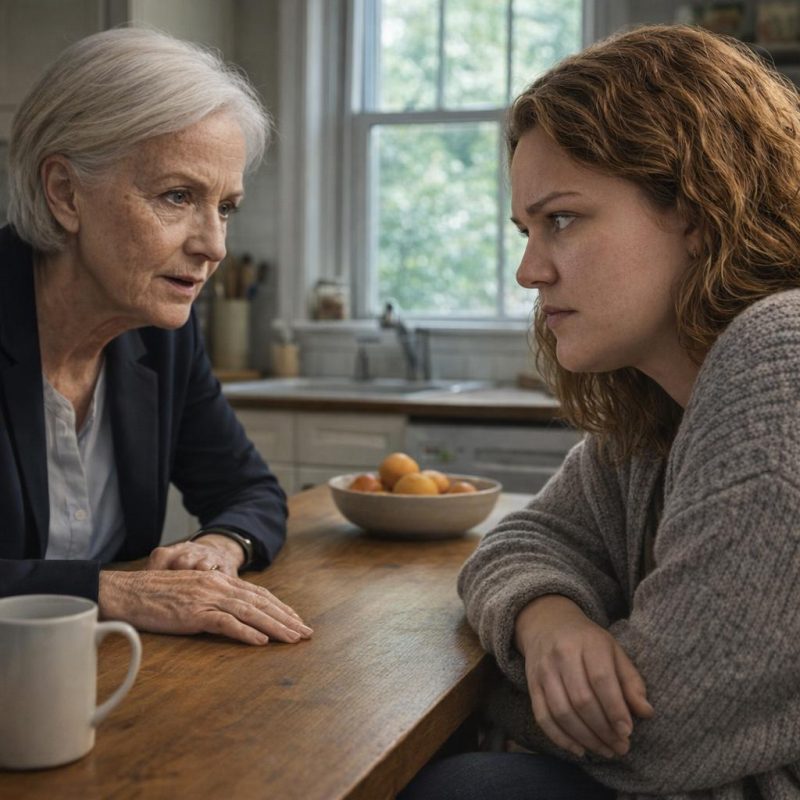 Image by RM AI
Changed Behavior
"She stopped returning my calls as quickly," Carol said. "We used to talk three, four times a week. Then suddenly she'd take days to call back. And when we did talk, she seemed... distracted. Like she was only half there." I wrapped my hands around the tea mug. "Maybe it was the illness." "Maybe. But it started before the diagnosis. She'd make excuses why she couldn't meet for coffee. She stopped sharing things the way she used to. Little details about her day, about your dad, about what she was planning. She just... closed off." Carol stared into her own mug. "I remember one time I asked about Robert, just casual conversation, and she changed the subject so fast. Started talking about her garden instead." "You think she knew." "I don't know. But she started keeping this planner, writing everything down. Your mom never used a planner before. And she'd make these comments about Robert being busy, having late meetings, but her voice was... flat. Like she was stating facts she didn't want to examine too closely." I thought about Mom in those final months. How quiet she'd been. How she'd seemed to be carrying something heavy. "Did you ever ask her directly?" "No." Carol's voice broke slightly. "I assumed it was the cancer. The fear. I thought she was just trying to stay strong. I should have pushed harder. Should have asked what was really wrong." We sat there in silence, both of us wondering if my mother had died knowing the truth and never telling anyone.
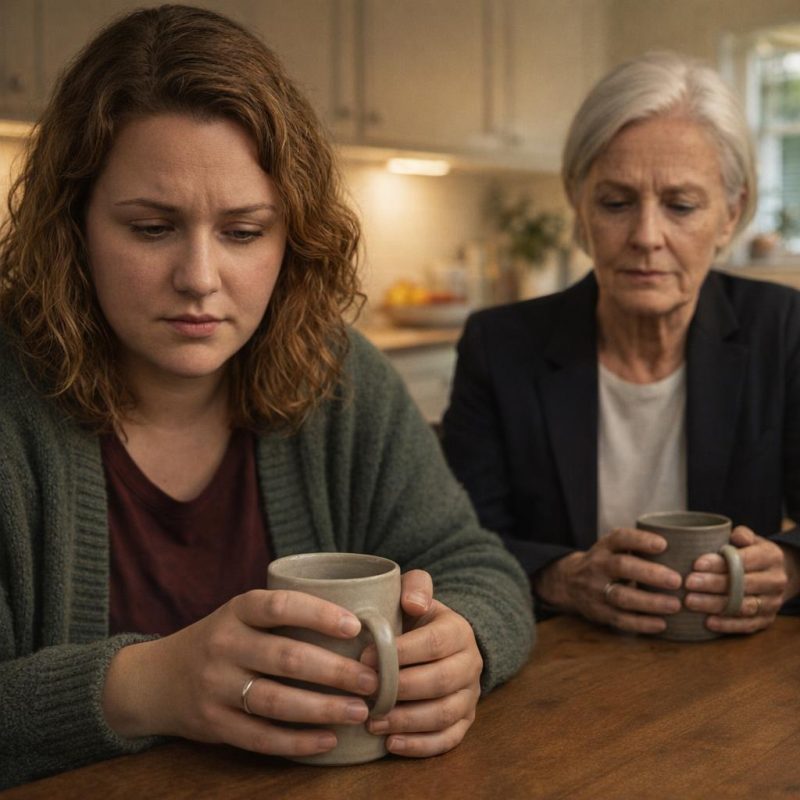 Image by RM AI
Reviewing the Past
I couldn't sleep that night. I kept replaying memories, seeing them differently now. Mom insisting I come with her to update her will. At the time, I'd thought she was just being responsible, facing her mortality head-on. But she'd been so focused on the details. So specific about what I needed to know. She'd asked me questions about my understanding of inheritance law. Made me promise to review all the documents carefully. "Just so you know where everything is," she'd said. "Just so there are no surprises." I'd thought she meant surprises about her estate. Now I wondered what else she'd been preparing me for. I remembered her asking about my finances. Whether I had enough saved. Whether I understood how to access her accounts if something happened. She'd seemed sad but resolved, like she was checking items off a list. And she'd met with her attorney privately. I'd waited in the lobby while they talked for over an hour. When Mom came out, her eyes had been red, but she'd smiled and said everything was handled. Everything was in order. At the time, I'd been grateful she was being so organized. Now I lay in the dark wondering what she'd known. What she'd been protecting me from. Whether she'd spent her final months not just fighting cancer, but carrying the weight of my father's betrayal alone.
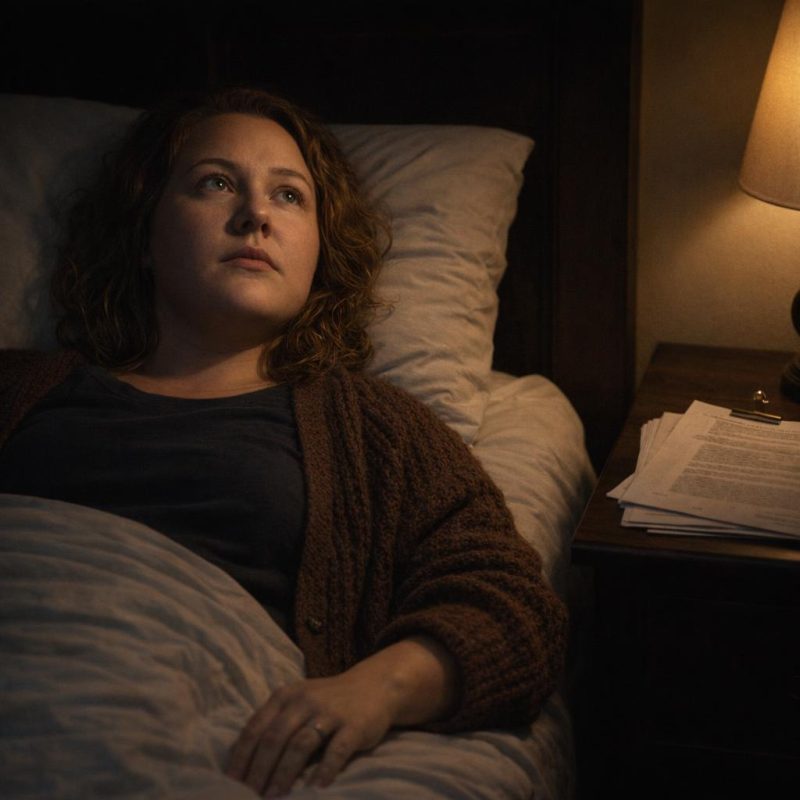 Image by RM AI
The Calendar
Sunday afternoon, I started going through the boxes of Mom's things I'd been avoiding. Her desk items. Personal papers. Things I'd packed up from her home office and hadn't been able to look at. In the third box, I found her appointment calendar. The one she'd started keeping in her final year. I opened it carefully. Medical appointments were marked clearly—oncologist, treatment dates, follow-ups. But scattered between them were other entries. Initials I didn't recognize. Appointments with no description. Regular Tuesday entries that just said "meeting" with no other details. I flipped through the months. February, March, April. The entries continued. Some marked "P.T." with times listed. Others left cryptically blank. Then I found one from three months before she died. "P.T. - important" with the time underlined twice. I stared at the initials. P.T. I didn't know anyone with those initials. Not in Mom's life. Not in her social circle. I went back through the calendar, counting. She'd met with P.T. at least six times in her final months. Always on Tuesdays. Always at the same time. I pulled out my phone and started photographing every page. Whatever Mom had been doing, whoever she'd been meeting, she'd kept it private. And now I needed to figure out why.
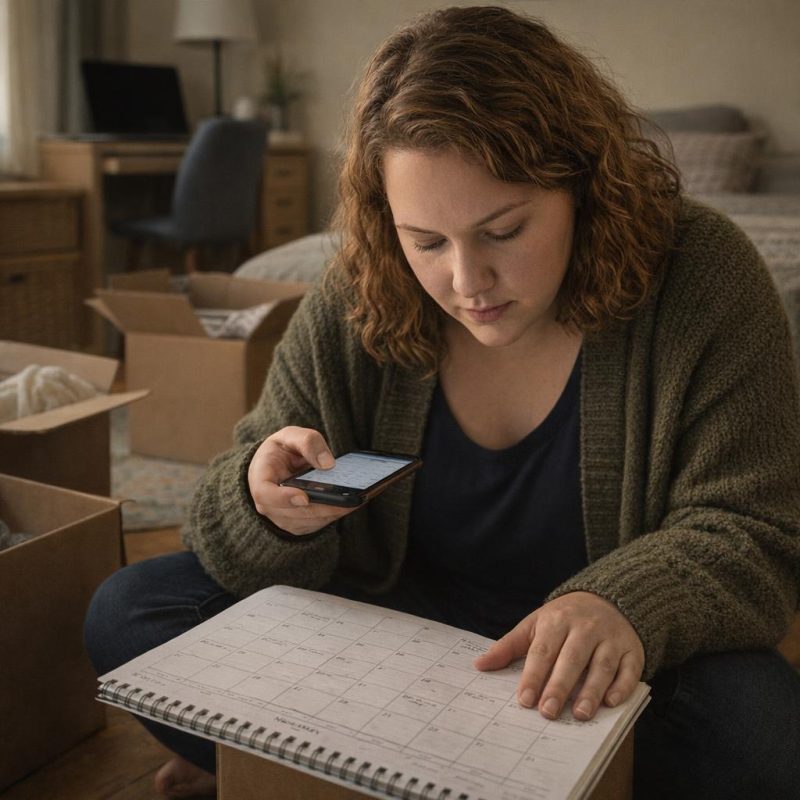 Image by RM AI
Hidden Meetings
I spread the bank statements across Michael's coffee table next to Mom's calendar, looking for anything that matched those Tuesday entries. It took me an hour of cross-referencing dates, but then I saw it. Small withdrawals on Tuesday afternoons. Five dollars here, eight dollars there. Parking meters. Coffee shops. The kind of expenses you'd have if you were traveling somewhere specific. I went back through five months of statements, matching them to the calendar entries. Every single Tuesday that Mom had marked with those cryptic initials, there was a corresponding expense. She'd been going somewhere. Meeting someone. Doing something she'd kept completely private. I photographed every statement, every calendar page, building a timeline I didn't understand yet. The pattern was so clear once I saw it. Regular. Purposeful. Whatever Mom had been doing, she'd planned it carefully. She'd made time for it even when she was exhausted from treatment. Even when leaving the house took everything she had. Then I noticed something that made my stomach drop. The last Tuesday entry was two weeks before she died. After that, nothing. The pattern just stopped. I stared at that final date, trying to understand what it meant. Had she gotten too sick to continue? Or had she finished whatever she'd set out to do? I didn't know, and the not knowing was eating me alive.
 Image by RM AI
Eviction Threat
I came down for breakfast Tuesday morning and found Dad and Diane at the kitchen table. They had coffee. Toast. The newspaper spread between them like they were any normal couple on any normal morning. Dad looked up when I walked in. "Emma, we need to talk about your living situation." I stopped halfway to the coffee maker. "My what?" "You need to find your own place," he said. Matter-of-fact. Like he was telling me to pick up milk. "It's time for you to establish some independence." I looked at Diane. She was studying her coffee cup. "Dad, what are you talking about?" "Thirty days is reasonable notice," he continued. "That gives you time to find something suitable." "Why now?" My voice came out smaller than I wanted. "The house is too crowded. You're almost thirty, Emma. You should have your own space." I realized then that they'd discussed this. Planned it. Decided together that I needed to go. "Where exactly do you expect me to go on a month's notice?" "You're old enough to figure that out," Dad said. He folded his newspaper. End of discussion. I went back upstairs, my breakfast forgotten. He was pushing me out of my childhood home, and I had thirty days to disappear.
 Image by RM AI
Erasing Her
I spent all day looking at apartments I couldn't afford, filling out applications that asked for employment I didn't have. When I got home that afternoon, I smelled paint before I even opened the door. The living room had been transformed. The walls were no longer the soft cream Mom had chosen. Now they were gray. Modern. Cold. Diane stood in the center of the room, directing where new furniture should go. And Mom's reading chair was gone. The chair where she'd sat every evening with her book and her tea. The chair I'd curled up in as a kid when I was sick. Just gone. "Where's Mom's chair?" I asked. Diane turned, paintbrush in hand. "Oh, that old thing? It was so worn. The new sectional fits the space much better." I looked around. Photos had been taken down. Mom's bookshelf was missing. The throw pillows she'd made were nowhere to be seen. "You're erasing her," I said. "I'm updating the décor," Diane corrected. "The house needed a refresh." I wanted to scream. To demand she put everything back. But I had no standing here anymore. This wasn't my house. I was just a guest with an eviction notice. I went upstairs and started making a list of everything that still mattered, everything I needed to save before Diane decided it didn't fit her aesthetic either.
 Image by RM AI
Rescue Mission
I waited until I heard Dad's car pull out of the driveway. They were going to dinner, Diane had mentioned it that morning. I had maybe two hours. I started in Mom's old bedroom, the one Dad had already cleared out months ago. But he'd missed things. The jewelry box tucked in the back of the closet. The quilt folded on the top shelf. I took them both. Then I went through the house systematically, gathering everything that still held Mom's presence. Photo albums from the hall closet. The recipe box from the kitchen. Letters and cards I found in the desk drawer. Anything with her handwriting. I worked quickly, loading boxes and carrying them to my car in the garage. My hands were shaking but I couldn't stop. If I didn't take these things now, they'd be gone. Donated. Thrown away. Erased like that chair. I was on my last trip, carrying Mom's Bible and a box of her personal papers, when I heard it. The garage door motor engaging. They were home early. I shoved the box into my trunk and slammed it shut, my heart pounding. I had maybe thirty seconds before they pulled in and found me taking things Dad probably didn't even realize still mattered.
 Image by RM AI
Hidden Message
I managed to slip back inside before they saw me in the garage. Told them I'd just gotten home myself. Then I drove straight to Michael's apartment with everything I'd saved. He helped me carry the boxes inside without asking questions, just squeezed my shoulder and said I could store whatever I needed. I started going through everything that night, carefully cataloging what I'd rescued. Mom's jewelry box. Her recipe cards in her handwriting. The quilt from her bed. When I opened her Bible, a folded piece of paper fell out. I picked it up, recognizing Mom's handwriting immediately. It was just a few lines. A bank name I didn't recognize. The words "for Emma, when you're ready." That was it. I turned the note over. On the back, she'd written a date—three months before she died. Below that, a series of numbers. They looked like they might be an account number. Or maybe a box number. I sat there staring at the note, my hands trembling. Mom had left this for me to find. She'd tucked it in her Bible, knowing I'd eventually go through her things. Knowing I'd need whatever she'd left behind. I just had no idea what I was supposed to do with it.
 Image by RM AI
Branch Search
I looked up the bank name the next morning. It was a branch across town, nowhere near the bank our family had always used. I pulled up the address on my phone and stared at it. Why would Mom go all the way across town? Then I grabbed her calendar and started comparing. The bank's location. The Tuesday appointments. I mapped them against each other, and my breath caught. They matched. Every single Tuesday that Mom had marked in her calendar, she'd been traveling to this bank. She'd driven across town, away from anyone who might recognize her, away from her normal routines. This wasn't random. Mom had chosen this specific branch for a reason. She'd wanted privacy. Distance. I checked the bank's hours and policies on their website. They had safety deposit boxes. You needed identification to access them. I gathered Mom's note, my driver's license, anything that might help. I felt like I was following breadcrumbs Mom had left deliberately, a trail she'd laid out knowing I'd eventually need to walk it. I didn't know what I'd find at the end. But Mom had gone to this bank regularly in her final months, and she'd left me the information to follow. That had to mean something.
 Image by RM AI
The Box Exists
The bank was smaller than I expected. Quiet. I walked up to the counter and asked to speak with someone about safety deposit boxes. The representative was a woman in her fifties with kind eyes. I showed her Mom's note. "My mother passed away," I said. "I found this in her things." She looked at the note, then at me. "Let me check our records." She typed something into her computer. Waited. Then nodded. "Yes, there's a box registered under Linda Morrison's name." My heart started pounding. "And you're listed as co-holder," she continued. "You have full access." I stared at her. "I'm listed?" "Yes. The box was opened three months ago. Your mother added you as authorized the same day." Three months before she died. The same date on the note. "Would you like to access the box today?" the representative asked. My hands started shaking. I gripped the edge of the counter. "When did my mother last access it?" She checked the screen. "Two weeks before her death, according to our records." Two weeks. Right when the Tuesday appointments stopped. "Miss Morrison? Would you like to see the box?" I couldn't breathe. Whatever Mom had left inside, she'd made sure I could find it. But I didn't know if I was ready for whatever truth she'd hidden away.
 Image by RM AI
Preparing for Truth
I told the representative I needed to come back. She said that was fine, just bring identification whenever I was ready. I walked out to my car and sat there. Just sat. Staring at the bank entrance. My phone was in my hand but I couldn't remember picking it up. Twenty minutes passed. Maybe more. I kept thinking about Mom making that drive across town. Opening that box. Leaving something inside for me to find. Finally, I scrolled through my contacts and called Carol. She answered on the second ring. "Carol, I found something," I said. "Mom left me a note. There's a safety deposit box. At a bank across town. I'm listed as co-holder." "Oh, honey," Carol said softly. "I'm sitting outside right now and I can't go in alone. Will you come with me? Tomorrow?" "Of course," she said immediately. "What time?" "Ten?" "I'll be there." Her voice was gentle. Understanding. "Whatever's in that box, your mother wanted you to have it. And you don't have to face it alone." I ended the call and drove to Michael's apartment. I tried to sleep that night but couldn't. Tomorrow I'd open that box. Tomorrow I'd find out what Mom had been protecting. What she'd been planning. What she'd left behind for me to discover.
 Image by RM AI
Before the Lock Turns
Carol was waiting in the parking lot when I pulled in the next morning. She got out of her car and walked over, pulling me into a hug before I could even say hello. I held on longer than I probably should have. We stood there for a moment, then she stepped back and looked at me. "Ready?" she asked. I nodded, but I wasn't. We walked toward the entrance together, and I made it about halfway across the lot before my feet just stopped moving. Carol didn't push. She just stood beside me while I stared at the glass doors. Ten minutes passed. Maybe longer. People walked around us, in and out of the bank, living their normal Tuesday mornings while I tried to find the courage to walk through a door. Finally, I took a breath and moved forward. Inside, I handed my ID and Mom's note to the representative. She verified everything, processed some paperwork, asked me to sign a few forms. Carol held my hand while we waited. My heart was pounding so hard I could feel it in my throat. The representative stood and gestured for us to follow. We walked through a heavy door into the vault area. Rows and rows of identical metal doors lined the walls, each one holding someone's secrets. She stopped at one specific box and stepped aside. I stared at the small metal door with my mother's name on it, wondering if I was truly ready for whatever waited behind it.
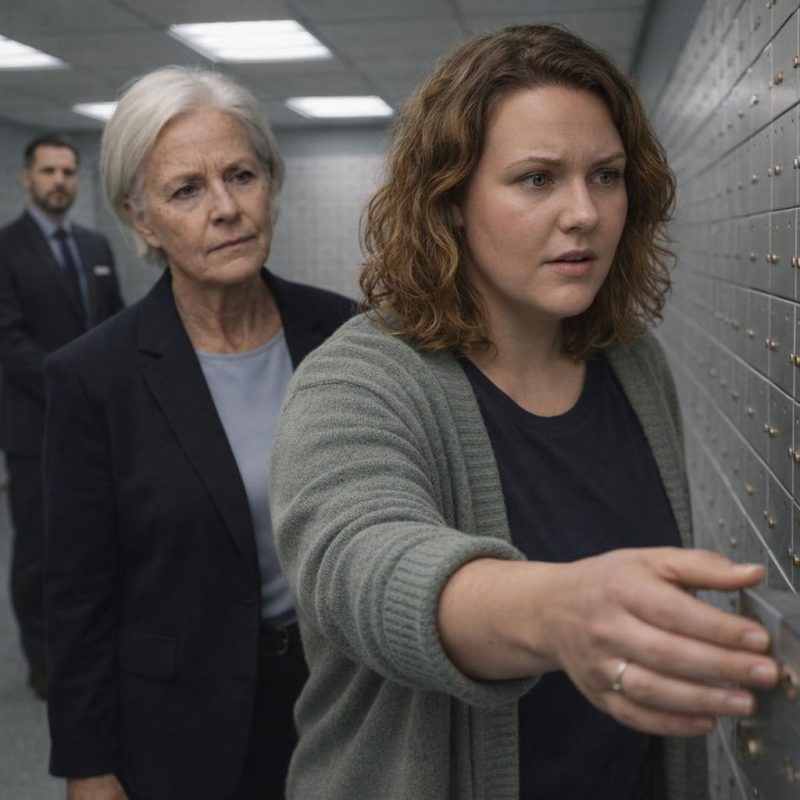 Image by RM AI
What She Left Behind
I turned the key with hands that wouldn't stop shaking. The box slid open smoothly, like Mom had just been here yesterday. Inside, everything was organized with the kind of care that made my chest ache. Three leather journals were stacked neatly on one side. Several flash drives sat beside them, each one labeled with dates in Mom's precise handwriting. And on top of everything was a sealed envelope with my name written across the front. I lifted each item carefully, almost afraid they'd disappear if I moved too fast. Carol gasped softly behind me. "Oh, Linda," she whispered. I realized Mom had spent significant time preparing all of this. Planning it. Making sure I'd find it. The envelope was thick with folded papers. I broke the seal and pulled out the letter, and Mom's familiar handwriting covered multiple pages. The first words at the top made everything blur. 'My Dearest Emma.' I had to grab the edge of the vault door. Carol asked if I wanted to read alone, but I shook my head. I needed her here. I needed someone to anchor me to the ground. When I saw the words 'My Dearest Emma' at the top of the first page, I had to sit down before my legs gave out.
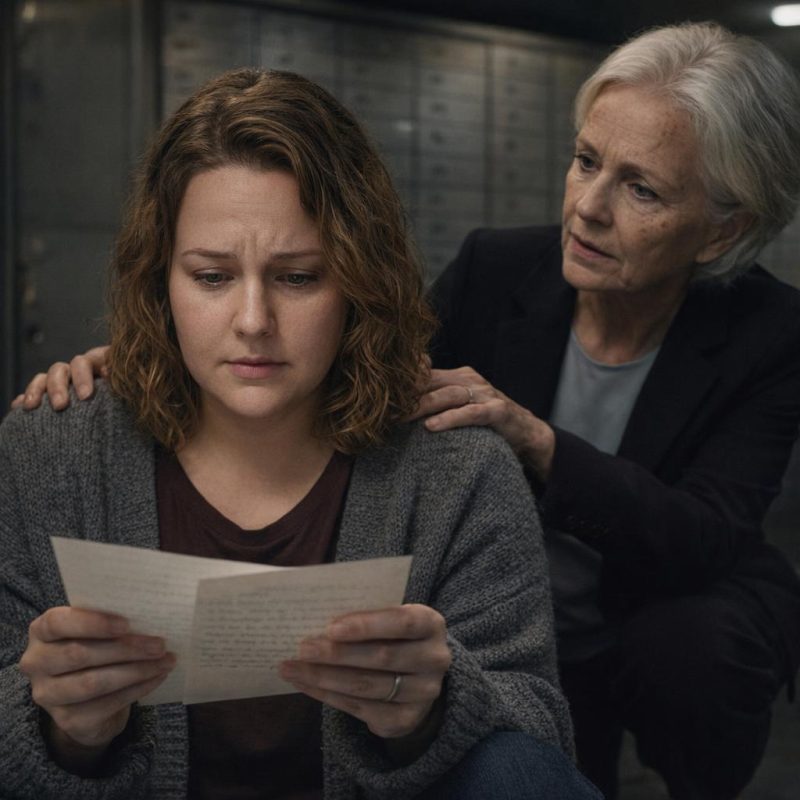 Image by RM AI
In Her Own Words
We went to Carol's house because I couldn't go home and I couldn't stay in that vault. I spread everything across her kitchen table—journals, flash drives, the letter. My hands were still shaking when I opened the first journal. The entries started over a year before Mom died. At first, they seemed normal. Daily observations. Things she noticed. What she made for dinner. A book she was reading. But gradually, page by page, the tone shifted into something more watchful. She started writing about Dad's behavior. Late nights at the office. Conversations where he seemed distracted, distant. She documented specific dates and times, like she was keeping a record. One entry from ten months ago asked pointed questions about where he'd been, why he'd changed his routine. I could barely breathe reading her words. Carol read over my shoulder in complete silence. Then I found the entry from eight months ago. Mom had written Dad's name—Robert—and then a question that made everything inside me go cold. The entry from eight months ago mentioned Robert's name alongside a question that made my blood run cold: 'How long has this been going on, and does he think I don't see?'
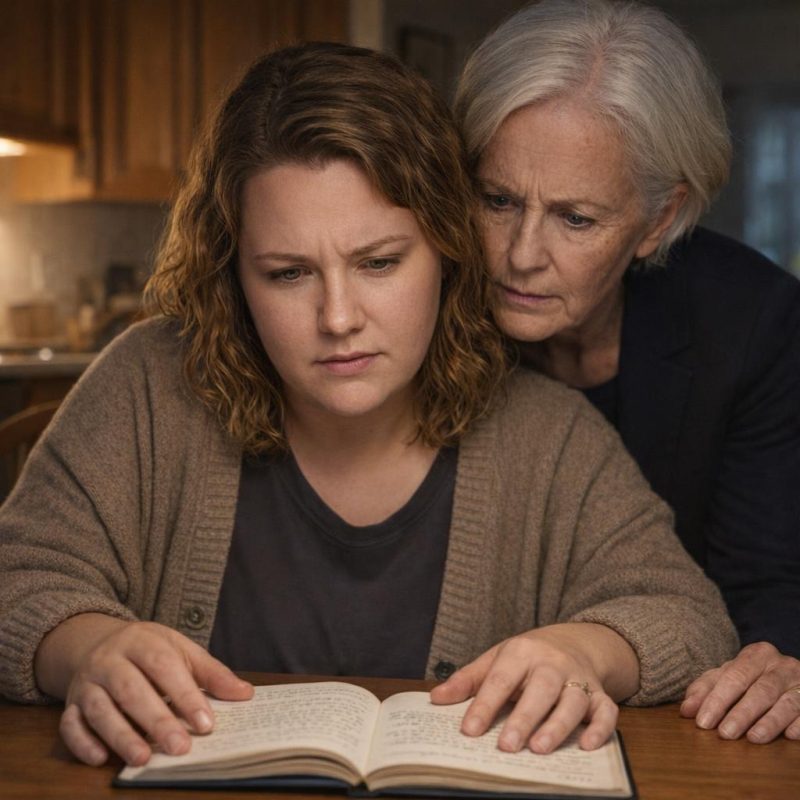 Image by RM AI
The Timeline of Knowing
I kept reading, moving through the journals chronologically while Carol sat beside me. Mom's entries became more detailed with each passing week. More specific. She wrote about following Dad one evening after he said he was working late. She described seeing him with another woman at a restaurant. An Italian place on Fifth Street. I stopped breathing. Carol leaned forward. "That's the same restaurant," she said quietly. "The one I told you about." I flipped back through my phone to the date Carol had mentioned seeing them. Then I checked Mom's journal entry. The dates matched perfectly. Mom had been there too. She'd seen them together, just like Carol had. Six months before she died, Mom knew. She knew everything. I kept reading, and the entries revealed her internal struggle. Should she confront him? Should she tell me? She wrote about wanting to protect me from the truth. About not wanting my final memories of our family tainted by his betrayal. But she was also gathering evidence. Documenting everything. Building a case I didn't understand yet. Mom wrote that she saw them together at that Italian restaurant on Fifth Street—the same place Carol had described—and the date matched perfectly with Carol's memory.
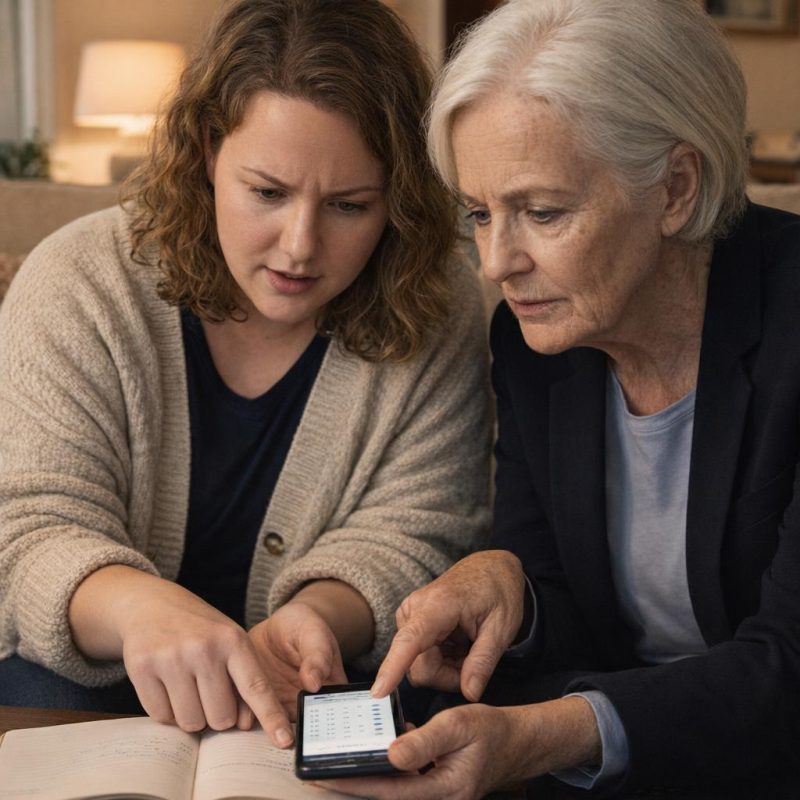 Image by RM AI
Her Voice
I inserted the first flash drive into Carol's laptop with hands that wouldn't stay steady. Audio files appeared on the screen, organized by date. I clicked on the earliest one. Then Mom's voice filled the room. Clear. Composed. Alive. I broke down immediately. Carol wrapped her arm around my shoulders while I sobbed, but I couldn't stop the recording. I needed to hear this. Mom explained she was recording these messages for me. That she'd discovered the affair and made a decision to document everything. She'd consulted with an attorney—secretly, without Dad knowing. She described the legal steps she was taking to protect assets. To protect me. Her voice carried grief, but also this fierce determination I'd never heard before. She told me she'd changed her will. That she'd moved things around to make sure Dad couldn't claim what belonged to me. She apologized for not telling me while she was alive, but she didn't want my final memories with her ruined by his betrayal. The recording ended with her saying she loved me. I sat there in complete silence, understanding everything now. Mom's voice said, 'If you're listening to this, Emma, then I'm gone, and you've found the truth—but you need to know that I spent my last months making sure he couldn't take anything else from either of us.'
 Image by RM AI
A Mother's Shield
I played recording after recording, and Carol stayed beside me through all of it. Mom's voice explained each step she'd taken. She'd transferred certain accounts directly into my name. Moved inherited assets from her parents into trusts I didn't even know existed. She'd documented Dad's financial transfers to Diane—actual bank records showing money moving from our accounts to hers. Mom had kept copies of everything. The recordings revealed she'd been meeting with Patricia Thornton. P.T. from the calendar. The estate attorney. Those Tuesday appointments I thought were medical check-ups or lunch with friends—Mom had been building a legal fortress around my future. She explained how she'd structured the protections. Which accounts were untouchable. Which assets Dad couldn't claim. She'd worked while sick, while dying, to make sure I'd be okay. Carol was crying openly now. "She was so strong," she whispered. "So incredibly strong." I felt overwhelming love mixed with devastating grief. Mom had fought until the very end, not against the cancer, but against Dad. Against what he was doing to our family. Mom had spent her final months in secret meetings with lawyers and accountants, building a fortress around my future while I thought she was just resting between treatments.
 Image by RM AI
The Legal Fortress
I spread the legal documents across Carol's table, trying to make sense of the paperwork Mom had left. Trust documents showed the house had been transferred into my name. Not jointly with Dad. Just mine. Mom had established the trust six weeks before she died. I found the signed and notarized paperwork, everything properly witnessed and filed. Bank accounts had been restructured. Investment accounts moved into the trust. Mom's retirement funds listed me as sole beneficiary. Each document was dated, signed, executed perfectly. I found correspondence with Patricia Thornton, pages of emails discussing strategy and timing. The attorney had helped Mom do all of this while she was sick. Carol kept shaking her head in amazement. "The effort this took," she said. "While she was going through treatment. While she was..." She didn't finish. I felt this fierce pride in my mother. In her strength. In her refusal to let Dad take everything from me. The legal fortress she'd built was thorough and complete. I understood now that Dad couldn't touch any of this. Mom had put the house in a trust for me six weeks before she died, signed and notarized while Dad thought she was at a routine medical appointment.
 Image by RM AI
What He Doesn't Know
I found multiple versions of Mom's will in the documents. She'd changed it three times in her final months. The first revision had reduced Dad's share significantly. The second moved even more assets to me. But the third version—the final one, signed two weeks before she died—that's what made me stop breathing. Dad inherited his car and his personal belongings. That was it. Everything else came to me. The house through the trust. All savings. All investments. All retirement funds. Everything Mom had worked for, everything she'd protected, went to me. And Dad had no idea. The will had been filed properly with Patricia Thornton. Legally binding. Uncontestable. Dad thought he was inheriting equally, or maybe even more since he was the surviving spouse. He had no idea Mom had stripped almost everything away from him in those final weeks. I felt my anger crystallize into something harder. Something more focused. I had leverage now. I had power. Mom had given me the tools I needed to fight back. Carol was watching my face. "What are you thinking?" she asked. I looked at her. "I'm thinking I need to call Patricia Thornton." The final will, signed two weeks before Mom died, left Robert nothing but the car and personal effects—everything else went to me.
 Image by RM AI
Presenting the Evidence
Patricia Thornton's office felt different this time. Last time I'd been here, I was numb, signing papers I barely understood while Dad sat beside me pretending to grieve. Now I sat across from her desk alone, a canvas bag full of Mom's secrets weighing heavy on my lap. Patricia greeted me with professional warmth, but I could see the curiosity in her eyes when I'd called asking for an urgent meeting. I didn't waste time. I opened the bag and started spreading everything across her polished desk—journals, recordings, bank statements, the safety deposit box key still attached to its little envelope. Patricia's expression shifted as she took it all in. She picked up one of the journals, flipped through a few pages, then reached for another. Her fingers moved to the recordings, then to the legal documents Mom had annotated in her careful handwriting. I watched her face change from surprise to something that looked like respect. She looked up at me, and I saw recognition there—not just of the documents, but of what they meant. Of what Mom had done. 'Your mother was one of the most prepared clients I've ever had,' Patricia said quietly, still holding one of the journals. 'She made sure you would have everything you need to fight this.'
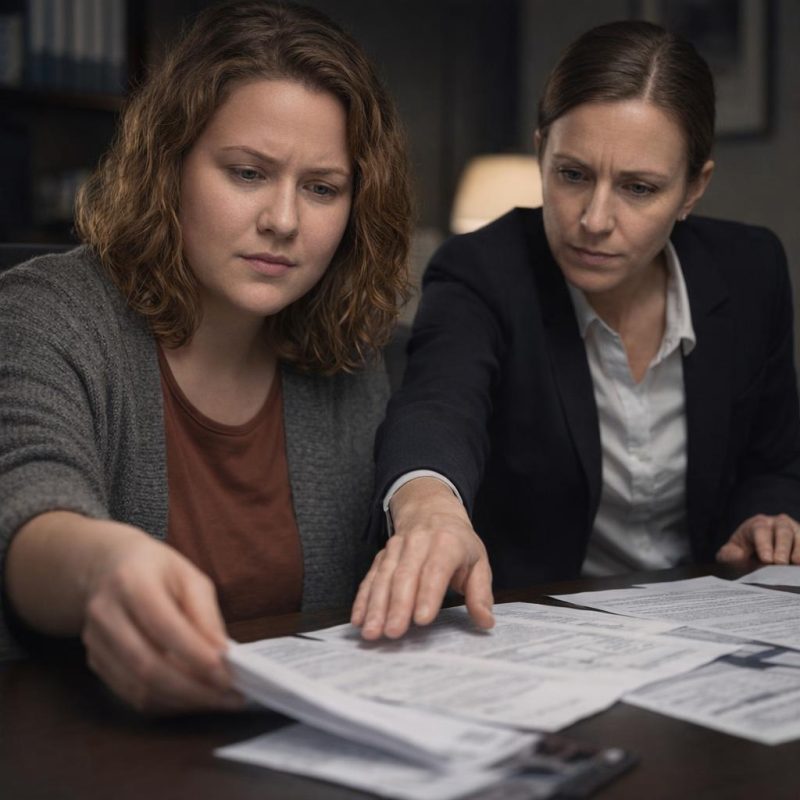 Image by RM AI
Legally Sound
Patricia spent the next hour going through every document with meticulous care. She confirmed the trust was properly established, filed, and legally binding. The house had been transferred to me through the trust three months before Mom died. Everything had been done correctly, witnessed, notarized, filed with the county. Robert had been living in my house. My property. The thought made my hands shake. Patricia explained that the will was valid and properly executed—she'd witnessed Mom's signature herself. Robert had no legal standing to challenge it. None. She walked me through my options, her voice calm and methodical. I could require Robert to vacate the property. If he refused, legal action would follow, but Patricia was confident it wouldn't come to that. Not once he understood his position. She prepared a folder while we talked, filling it with copies of everything I'd need. Trust documents. The will. Transfer records. A formal notice requiring him to vacate. I felt something shift inside me as I watched her work. This wasn't just anger anymore. This was power. Mom had given me the tools to fight back, and Patricia was showing me exactly how to use them. When she handed me the folder, she asked a simple question: 'When do you want to proceed?' I looked at the documents in my hands—my house, my inheritance, my mother's final gift—and I knew exactly when. Tomorrow.
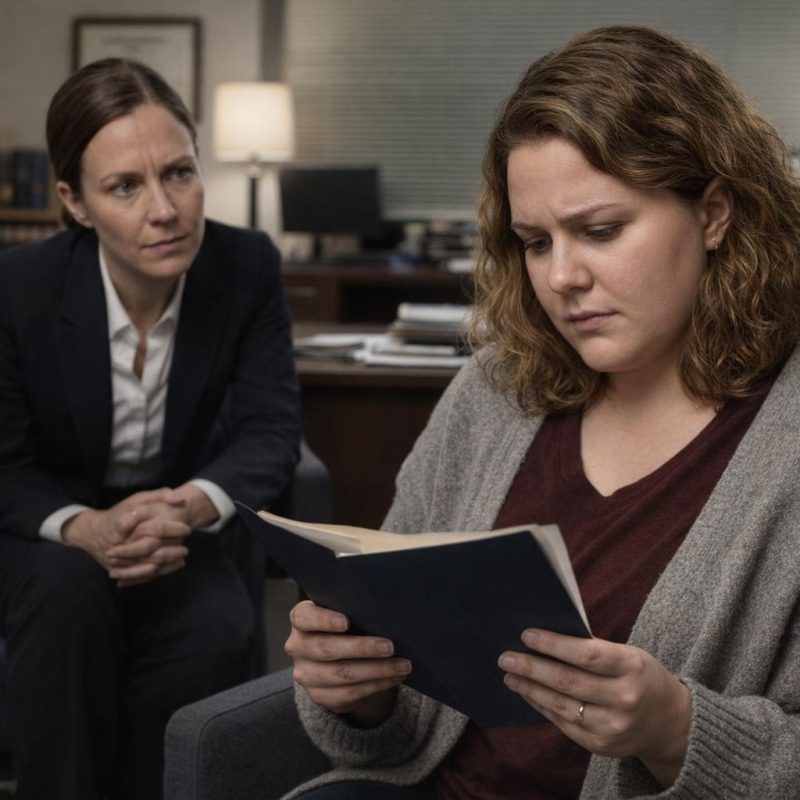 Image by RM AI
The Reckoning
I walked into the house the next afternoon with Patricia beside me. My house, I kept reminding myself. Robert and Diane were in the living room, sitting close together on the couch like they belonged there. Like this was their home. Robert looked up when we entered, his expression shifting from confusion to irritation when he saw Patricia. 'Emma, what's this about?' he asked, already defensive. I didn't answer. I just pulled out my phone, found the first recording, and pressed play. Mom's voice filled the room. Clear. Steady. Describing the affair she'd discovered. The evidence she'd found. The betrayal she'd documented. I watched Dad's face drain of color. All the blood just left, leaving him gray and frozen. Diane's eyes went wide, darting between the phone and Robert. He tried to stand, tried to reach for my phone, but I held it away from him. Patricia stood perfectly still beside me, a silent witness to everything. The recording continued. Mom's voice describing dates, times, places. Things she'd found. Things she'd known. Robert sank back onto the couch, his mouth opening and closing without sound. And then Mom's voice said his name—'Robert has been lying to both of us'—and he looked at me with an expression I'd never seen before. Pure, undeniable fear.
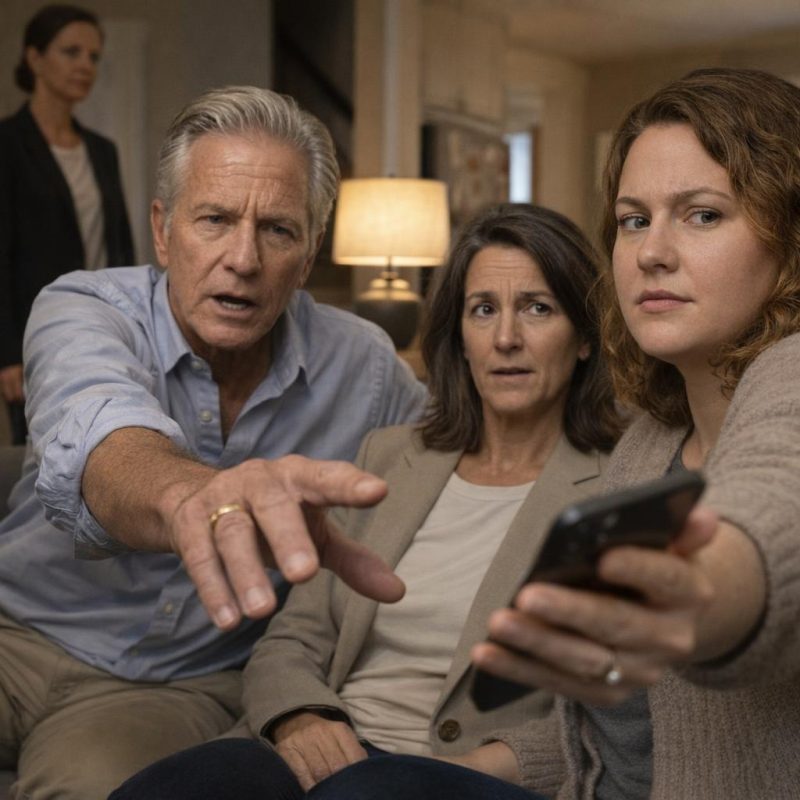 Image by RM AI
Crumbling Defenses
I played another recording. Then another. Each one added another layer of evidence, another piece of the truth Mom had carefully documented. Robert stopped trying to interrupt. He just sat there, his shoulders curling inward, his hands gripping his knees. Diane looked like she wanted to disappear into the couch cushions. Finally, I stopped the recordings and asked the question I needed answered. 'When did she confront you?' My voice was steady. Cold. Robert's mouth worked for a moment before words came out. 'Four months,' he whispered. 'Four months before she died.' The room went silent. Even Patricia, who'd maintained perfect professional composure, looked shocked. 'She asked me to end it,' Robert continued, his voice breaking. 'She begged me to come back to our marriage. To remember what we had.' I felt rage building in my chest, hot and sharp. 'And what did you say?' Robert looked at the floor. 'I told her I needed time. Time to figure out what I wanted.' Time. He'd asked his dying wife for time. Time he'd spent with Diane while Mom got sicker. While she documented everything. While she protected me because she knew—she knew he'd chosen Diane over her.
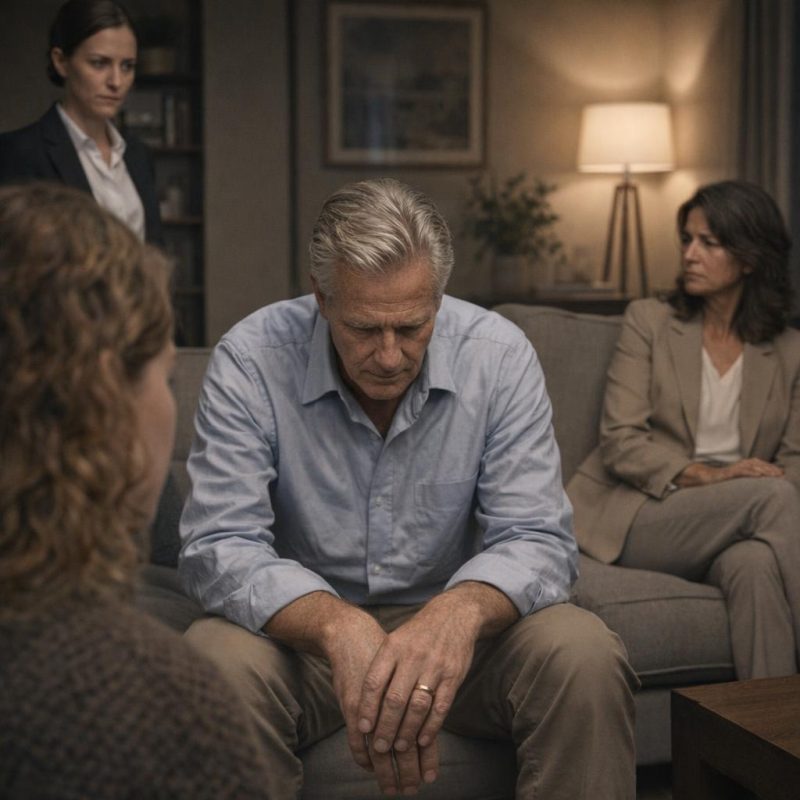 Image by RM AI
The Terms
I opened Patricia's folder and started laying documents across the coffee table. One by one. Methodical. The trust transferring the house to me. The revised will. Bank statements showing account transfers. Robert's eyes followed each paper, and I watched his expression shift from guilt to confusion to dawning panic. 'What is this?' he asked, his voice thin. 'This is what Mom did while you were asking for time,' I said. 'She worked with Patricia for months. She made sure everything was protected.' Patricia stepped forward, her voice professional and firm. 'These documents are legally binding, Robert. The house was transferred to Emma through an irrevocable trust. The will was properly executed and filed. You have no legal claim to any of these assets.' Robert's face went white again. 'That's not—she couldn't—' 'She could,' I interrupted. 'And she did.' Diane finally spoke, her voice barely audible. 'The house isn't yours?' Robert shook his head, still staring at the documents like they might change if he looked long enough. I leaned forward, making sure he heard every word. 'The house is mine. The accounts are mine. Everything Mom worked for is mine. And if you want to challenge it, you can explain to a judge why you were cheating on your dying wife while she was quietly protecting her daughter.'
 Image by RM AI
Mom's Final Gift
Patricia pulled the final document from her briefcase—an official legal notice requiring Robert to vacate the property within thirty days. She placed it on the table with a pen. 'You need to sign this,' she said. 'It acknowledges receipt of the notice and the terms.' Robert stared at the paper. His hands were shaking when he finally picked up the pen. I watched him sign his name, the letters barely legible, his whole body trembling. Patricia notarized it immediately, her stamp making a solid thunk that felt final. Permanent. Diane stood frozen by the couch, her face pale. She'd been living in my house, sleeping in my house, probably imagining a future here with my father. Now she understood she had no standing. No claim. Nothing. Robert set down the pen and looked around the living room like he was seeing it for the first time. Or maybe for the last time. I looked around too, but I saw something different. I saw Mom's careful decorating choices. Her favorite reading chair by the window. The photos she'd arranged on the mantel. This was her house. She'd filled it with love and care and years of her life. And now it was mine. She'd made sure of it. Even from beyond, Mom was still protecting me. Still making sure I'd be okay. Still fighting for me when she couldn't fight for herself anymore.
 Image by RM AI
Thirty Days
Over the next few days, I watched from various doorways as Robert and Diane packed boxes. They moved through the house like ghosts, careful not to look at me, not to speak unless necessary. The atmosphere was tense but controlled. Robert took his clothes, his books, some furniture that had been his before the marriage. Diane packed quickly, efficiently, like she wanted to be gone as fast as possible. I was in the kitchen doorway when Diane approached me. She'd been avoiding me since the confrontation, but now she stopped a few feet away, her hands twisting together. 'Emma,' she said quietly. 'I'm sorry things happened this way.' I looked at her. Really looked at her. This woman who'd been sleeping with my father while my mother was dying. Who'd come to the memorial like she had a right to be there. Who'd been living in my mother's house. 'You're not sorry it happened,' I said, my voice flat. 'You're just sorry you got caught.' Diane's face flushed. 'That's not fair. You don't understand—' 'I understand perfectly,' I cut her off. 'You knew he was married. You knew Mom was sick. You did it anyway.' She opened her mouth, closed it, then retreated back to the living room where Robert was taping up boxes. He didn't look up. Didn't defend her. The boundary between us was clear now, and it wasn't going anywhere.
 Image by RM AI
Truth Travels
Aunt Jeannie called three days later. I almost didn't answer, but something made me pick up. She started with her usual speech about family and forgiveness and how I needed to let go of my anger. I let her talk for about thirty seconds. Then I interrupted. 'Do you want to hear the truth, Aunt Jeannie? The actual truth?' She paused, confused. 'What do you mean?' I pulled up one of Mom's recordings and held the phone to the speaker. Mom's voice filled the line, describing the affair, the timeline, how she'd confronted Robert and he'd asked for time while she was dying. I didn't say anything. Just let Mom speak. The silence on the other end was absolute. I could hear Jeannie breathing, the sound changing as the recording continued. When it finished, I waited. 'I didn't know,' Jeannie finally said, her voice shaking. 'Emma, I swear I didn't know it was like this. I thought—I thought it was just grief, just complicated feelings after loss. I didn't know he did this to Linda while she was sick.' Something in my chest loosened slightly. Not forgiveness. Not yet. But acknowledgment. 'Now you know,' I said quietly. There was a long pause. Then Jeannie asked something she'd never asked before: 'How can I help? What do you need?' For the first time since the memorial, someone in my family was asking how to support me instead of telling me to forgive.
 Image by RM AI
Departure
The thirty days were up. I stood on the front porch watching Dad load the last box into his car, the morning air cold enough that I could see my breath. Diane sat in the passenger seat already, her face turned away from the house. Away from me. Dad closed the trunk with a solid thunk that seemed to echo in the quiet street. He stood there for a moment, his hand still on the car, and then he turned to look at me. We stared at each other across the driveway. I saw guilt in his expression, but also resentment—like I was the one who'd done something wrong by not forgiving him fast enough. Like I'd ruined everything by refusing to pretend. He opened his mouth like he wanted to say something. I waited. The words didn't come. Maybe there weren't any words left that would matter. He closed his mouth, shook his head slightly, and got in the car. The engine started. I watched them pull out of the driveway, watched the car disappear down the street until I couldn't see it anymore. Then I stood there alone in front of my mother's house—my house now—with relief and grief mixing together in my chest until I couldn't tell them apart. He drove away with Diane beside him, and I stood in the doorway wondering if I would ever see my father again, and whether I even wanted to.
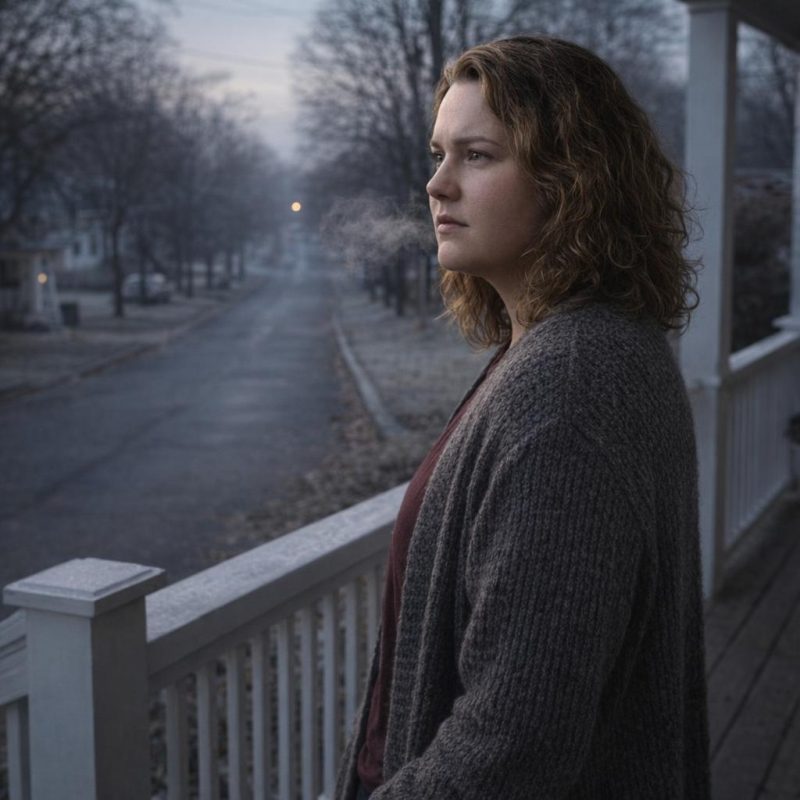 Image by RM AI
Learning to Breathe
I scheduled the therapy appointment three days after Dad left. The waiting room smelled like lavender and had those generic peaceful landscape paintings on the walls. I filled out forms with shaking hands, checking boxes about depression and grief and family conflict. When the therapist called me back, I almost bolted. But I didn't. I sat down in her office and started talking. I told her about losing Mom. About discovering the affair. About Dad's betrayal while Mom was dying. About the house and the recordings and the thirty days that felt like thirty years. She listened without judgment, without telling me what I should feel or do. I described finding all of Mom's protective preparations—the legal documents, the recordings, the evidence she'd gathered. How I felt grateful and devastated at the same time. How I didn't know if what I felt was grief or anger or some twisted combination of both. The therapist helped me identify the emotions tangled together in my chest. Grief. Anger. Love. Relief. All of them real. All of them valid. She asked what I wanted to work toward. I thought about it for a long moment. 'I want to remember my mom without it hurting so much,' I said quietly. 'And maybe someday understand how my dad became a stranger.'
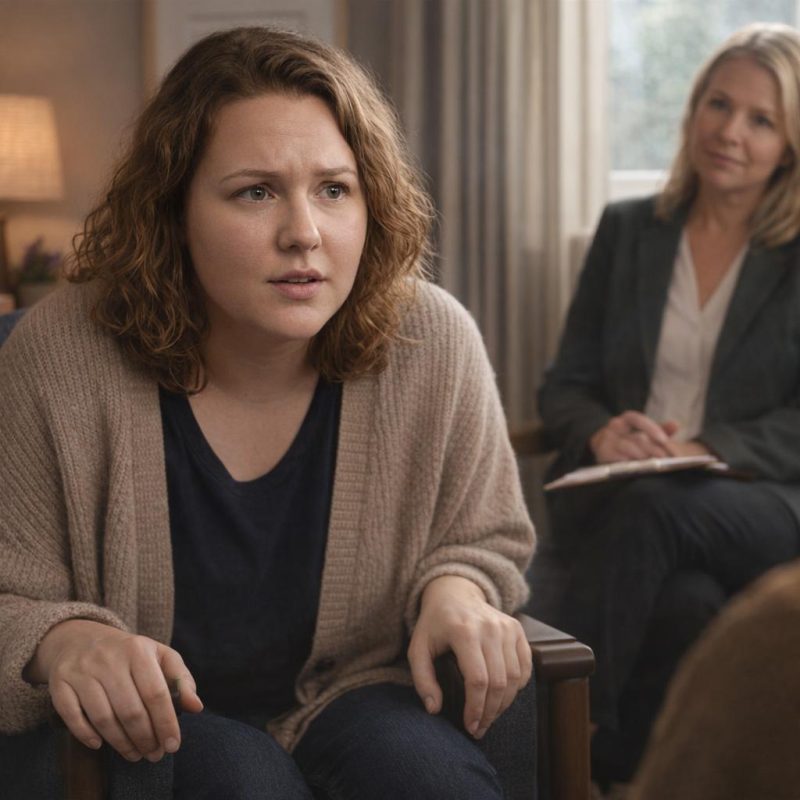 Image by RM AI
A Space for Her
Carol came over the following weekend to help me with a project I'd been planning. Mom's old sewing room had been sitting empty since Dad left, and I wanted to transform it into something meaningful. We brought out all the items I'd rescued—the photo albums, the handmade quilt, the journals that told Mom's real story. I framed my favorite photographs of her: Mom laughing at the beach, Mom in her garden, Mom holding me as a baby. Carol shared stories while we worked, telling me about young Linda before marriage, before everything got complicated. I learned my mom had wanted to be a teacher. That she'd loved thunderstorms. That she'd once driven to the coast alone just to watch the sunrise. We arranged the journals on a shelf where I could reach them easily. The jewelry box sat on a small table by the window. Mom's quilt hung on the wall like the work of art it was. The room transformed as we worked, becoming a celebration instead of a tomb. Carol handed me Mom's reading glasses and her stack of favorite books. I placed them on the shelf carefully, and something shifted in my chest. I placed her reading glasses on the shelf beside her favorite books, and for the first time since she died, I felt like she was close again—not gone, just in the next room.
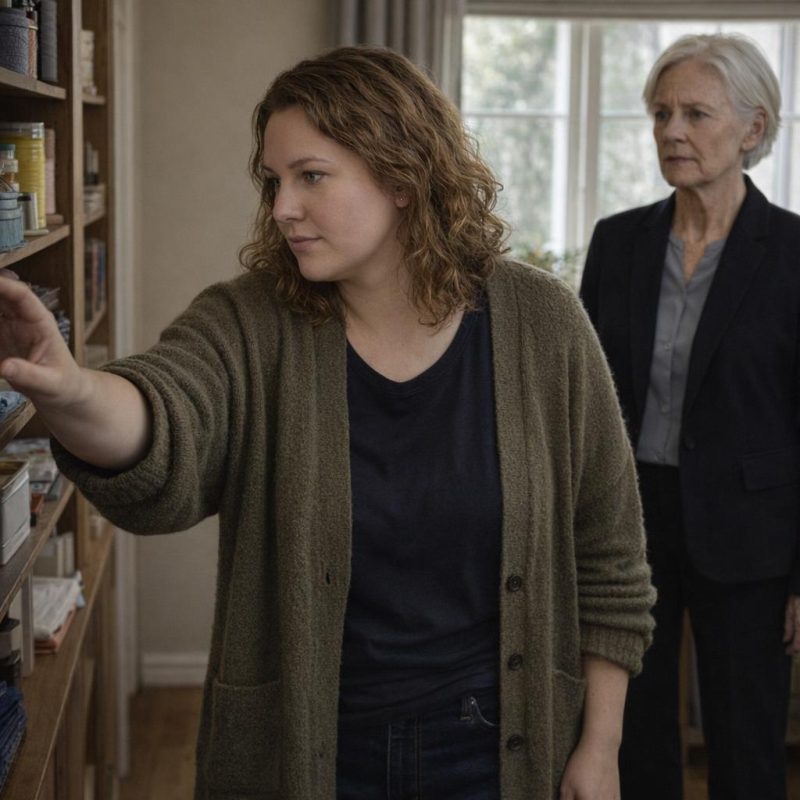 Image by RM AI
What She Gave Me
I sat alone in Mom's memorial room as evening light filled the windows, turning everything soft and golden. The house was quiet around me. Peaceful. I thought about everything that had happened since the memorial—the discovery, the confrontation, the recordings, Dad leaving. What I'd lost and what I'd gained. For so long, I'd thought Mom's gift was the house. The money. The security she'd fought to protect. But sitting there surrounded by her presence, I finally understood. The real gift was showing me how to be strong. How to stand up for myself even when it hurt. How to protect what mattered. Mom had spent her final months making sure I'd be okay, and she'd done it while carrying the weight of Dad's betrayal alone. That was love. Real, fierce, protective love. I picked up her final journal, the one I'd read a dozen times already. I opened to the last entry, her handwriting growing shakier toward the end. My eyes found the words I'd memorized: 'Emma will be okay. I've made sure of it. And one day, she'll understand that protecting her was the easiest decision I ever made.' Tears blurred my vision, but they felt different now. Not just grief. Peace, too. I picked up Mom's final journal and read her last entry one more time: 'Emma will be okay. I've made sure of it. And one day, she'll understand that protecting her was the easiest decision I ever made.'
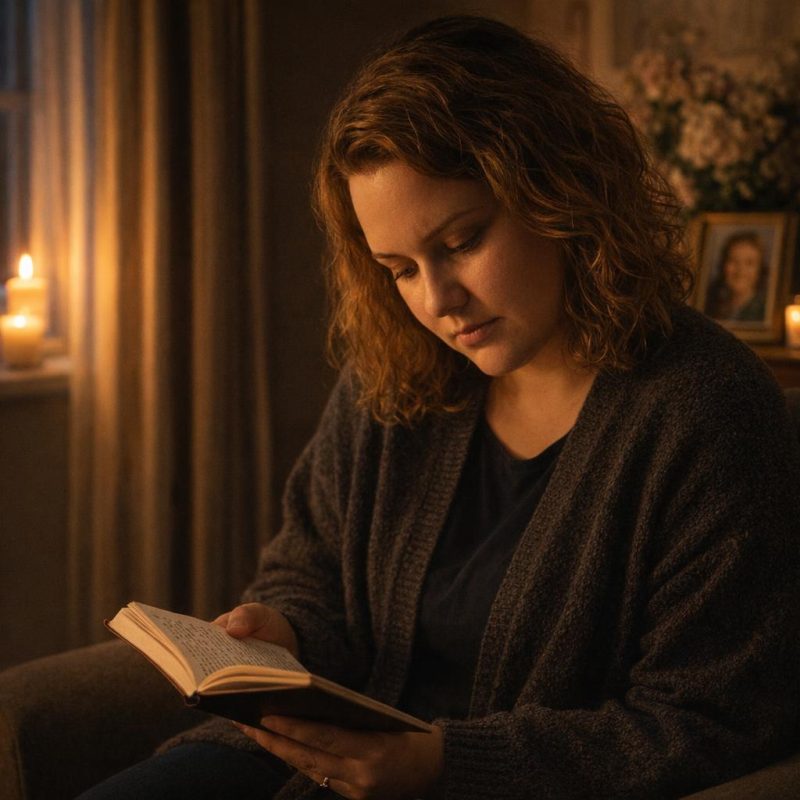 Image by RM AI
KEEP ON READING

20 Greek Gods We Don't Often Talk About
Step Aside, Zeus. Greek mythology isn’t only about Zeus and…
By Elizabeth Graham Jan 16, 2026
10 Historic Courtship Practices That Should Be Brought Back &…
Old-School Dating Was a Mix of Charming & Unhinged. Historic…
By Emilie Richardson-Dupuis Jan 20, 2026
Pooches Of The Past: Extinct Dog Breeds
Unknown authorUnknown author on WikimediaDogs have been showing up in…
By Elizabeth Graham Jan 27, 2026
The 20 Craziest Silent Films Ever Made
When Silence Let the Madness Speak. Silent cinema didn’t just…
By Chase Wexler Jan 5, 2026
Legendary Tales: 20 Most Fascinating Mythical Creatures from Folklore
Mythological Beasts. Stories about mythical creatures endure for a simple…
By Christy Chan Jan 16, 2026
The three most expensive historical artifacts ever sold at auction
Attributed to Leonardo da Vinci on WikimediaAuctions are where history…
By Emilie Richardson-Dupuis Jan 9, 2026