My Brother's Landlord Was a Famous Influencer Who Built Her Brand on Kindness—Until I Learned What She Does When the Cameras Stop Rolling
My Brother's Landlord Was a Famous Influencer Who Built Her Brand on Kindness—Until I Learned What She Does When the Cameras Stop Rolling
The Tuesday Morning Call
I was on my second cup of coffee when my phone rang, and the moment I saw Danny's name on the screen I felt that old familiar pull in my chest — the one that's been there since we were kids and he needed me to fix something. He's fifty-four years old, my younger brother, but some things don't change. I picked up and said his name, and what came back at me wasn't his usual quiet hello. It was something thinner, more frightened. He told me his landlord was threatening to evict him. Not someday, not eventually — now. Over rent that was seven days late. Seven days. He explained it in that careful way he has, like he was afraid I'd think less of him for it: his monthly assistance payment had been held up by some kind of administrative delay, a processing problem on the agency's end, nothing he'd done wrong. The money was coming. He just needed one more week. He'd even told the landlord that, explained the whole situation, asked for a little grace. She'd refused. Wouldn't discuss it, wouldn't negotiate, just demanded immediate payment or he'd be out. I kept my voice steady for him, told him we'd figure it out, told him not to panic. But after we hung up, I sat there with my coffee going cold, and the weight of his fear had settled somewhere in my chest and wasn't moving.
 Image by RM AI
The Cold Voice on the Phone
I found the landlord's number in the copies of Danny's rental documents he'd sent me years ago — I keep everything, always have — and I called that same afternoon. I wasn't angry. I want to be clear about that. I was calm, I was polite, I had my notes in front of me. I introduced myself as Danny's sister, explained that his assistance payment had been delayed through no fault of his own, and asked whether there was any possibility of a short extension, just one week, while the funds cleared. There was a pause on the other end. Then a woman's voice came back, smooth and even, and told me that personal circumstances weren't her concern. I tried again, gently, explaining that this was a documented administrative delay, not a pattern of missed payments. She said she ran a business, not a charity. I remember the exact words because they landed so strangely — not cruel exactly, just utterly flat, like she was reading from a script. I told her I understood that, and asked if there was any flexibility at all given the situation. She said there wasn't. I asked if I could follow up later in the week once I had more information about the payment timeline. Her voice didn't change. She told me that if I called again, she'd stop taking my calls altogether.
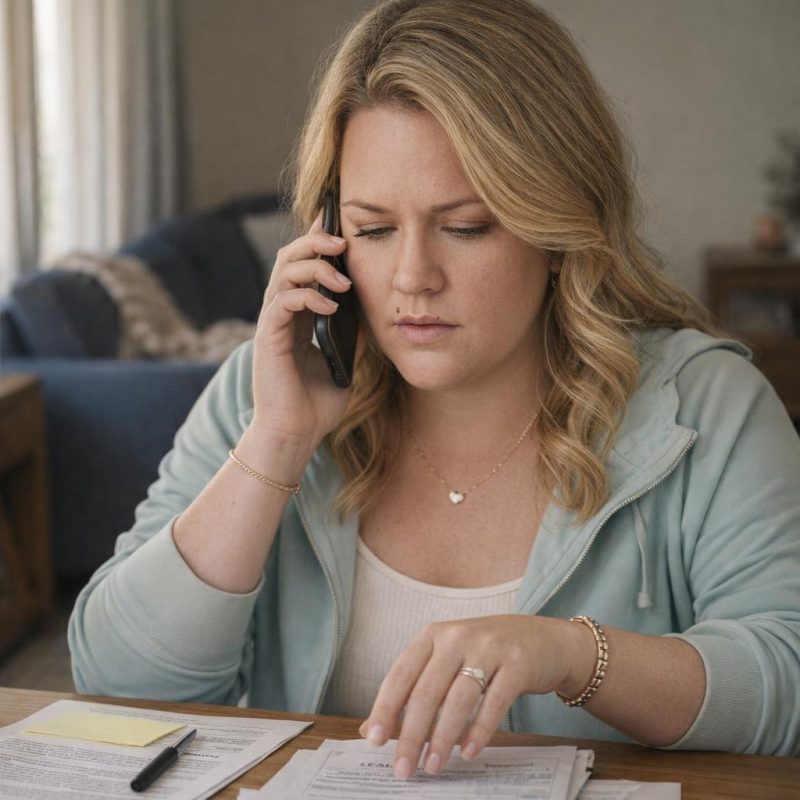 Image by RM AI
Business, Not Charity
I sat at my kitchen table for a long time after that call, just turning it over in my head. I'd been reasonable. I'd been polite. I'd explained everything clearly and given her every opportunity to show even a small amount of flexibility, and she'd shut every door before I could finish knocking. Seven days. That's what we were talking about. Not a month behind, not a pattern of problems — seven days, with documentation, with a clear explanation, with the money already on its way. I kept coming back to that phrase she'd used. Running a business, not a charity. I understood the sentiment, I did. Landlords have expenses, mortgages, obligations. But there's a difference between running a tight ship and refusing to hear a human being out. What kind of person doesn't give someone a week? I thought about the warning at the end of the call, the part about not contacting her again, and something about it felt off to me — not just cold, but almost practiced, like she'd said it before. I couldn't do anything with that feeling, couldn't point to anything specific. But I sat there at my table with the afternoon light coming through the window, and her words kept circling back, flat and final, running a business, not a charity, running a business, not a charity.
 Image by RM AI
The First Place He Called His Own
I called Danny back that evening, and I tried to soften it as much as I could, but there's no gentle way to tell someone that the person holding their home over their head refused to budge. He went quiet for a moment, and then I heard something in his breathing that I hadn't heard in years — that particular kind of panic he gets when the ground shifts under him. He started talking fast, which Danny almost never does. He told me I didn't understand, that this wasn't just an apartment, that it was the first place he'd ever really felt like his own. He'd lived with family, he'd lived in group situations, he'd spent years in places where nothing was quite his. This apartment was different. He knew every neighbor's name. The grocery store was four blocks away and he knew which checkout lanes moved fastest. His doctor's office was a twelve-minute bus ride, and he'd timed it. The bus stop was right outside the building. He'd built his whole life around that corner of the world, and the thought of losing it was pulling everything apart at once. His voice broke a little near the end, not dramatically, just that small crack that's worse than crying, and he said he didn't know what he'd do if he lost it. I told him I wasn't going to let that happen. I meant it. I just didn't know yet how I was going to keep that promise.
 Image by RM AI
Looking for Patterns
The next morning I sat down at my computer with a cup of tea and a legal pad and I told myself I was going to be methodical about this. Calling the landlord directly hadn't worked. Getting emotional wasn't going to help Danny. What I needed was information. I wanted to know if this was just how this woman operated — if there were other tenants who'd been through something similar, other complaints, other situations where she'd refused any kind of flexibility and people had been left scrambling. If there was a pattern, I wanted to find it. I pulled out Danny's rental paperwork and found the landlord's full legal name on the lease agreement. I wrote it down carefully on my legal pad, double-checked the spelling. Then I thought about where to start — tenant review sites, maybe, or local housing complaint records, or just a general search to see what came up. I'd never done anything like this before, not in any organized way. But I'd raised two kids, managed a household for thirty years, and figured out harder things than a property search. I opened the browser, positioned my fingers over the keyboard, and typed her name into the search bar.
 Image by RM AI
Rachel's Warning
I'd been staring at the search results for about twenty minutes, my tea going cold beside me, when I picked up the phone and called my daughter Rachel. I was angry by then — not shouting angry, but that low, steady kind of angry that makes you want to do something immediately. I told Rachel everything: Danny's call, the conversation with the landlord, the phrase about running a business not a charity, the warning about not calling again. Rachel listened without interrupting, which she's good at. When I finished, I told her I was thinking about posting about it publicly, putting the landlord's name out there so other people could know what kind of person they were dealing with. There was a pause. Then Rachel, in that careful measured way she has, told me to slow down. She said that going after someone publicly without solid evidence was the kind of thing that could backfire badly, that I could end up looking like the problem instead of exposing one. She said I needed more than one bad phone call. She said I needed documentation, a pattern, something that would hold up if anyone pushed back. I didn't love hearing it, but I knew she was right. I told her I'd already started looking into the landlord's property records. Rachel said that was exactly the right instinct. I agreed to keep digging before I said a single word publicly.
 Image by RM AI
Public Records and Paper Trails
I spent the better part of two days on county websites that looked like they hadn't been updated since 2003, clicking through property records and business registration databases with the patience of someone who has filled out a lot of forms in her life. I started with Danny's building, found it listed under a company name I didn't recognize — an LLC with a bland, forgettable name that told me nothing. I wrote it down. Then I searched that company name and found it connected to two other properties in the same county. I searched those addresses and found a second LLC, different name, same registered agent. I kept pulling threads. By the end of the first afternoon I had four company names on my legal pad, all connected, all pointing back to the same person. I searched the county's tenant complaint records next, which took another hour just to figure out how to navigate, and found a handful of filings against properties in that cluster — nothing dramatic, but enough to tell me this wasn't a one-building operation. This was someone who had built something deliberately, spread across multiple entities. I sat back and looked at my notes. Then I searched her name one more time, this time across all the LLCs together, and her name appeared connected to six separate property companies.
 Image by RM AI
The Woman Who Helps Strangers
I almost missed it. I was so focused on the property records that when the search results shifted and started showing social media links, I nearly scrolled past them. But her name was right there, attached to a profile with a blue checkmark, and I clicked it without thinking. The page that loaded stopped me cold. There were videos — dozens of them, each with view counts in the millions. I clicked the first one and watched a woman I recognized immediately from her voice walk up to a family in a parking lot and hand them bags of groceries, her face open and warm, the family crying, the whole thing scored with soft music. I sat there with my mouth open. I clicked another one. She was at a restaurant, leaving a tip so large the server burst into tears on camera. Another one: she was giving an emotional speech about how we all have a responsibility to look out for each other, how kindness costs nothing, how she believed in the fundamental goodness of people. Millions of views. Millions of followers. Comments full of people calling her an angel, saying she'd restored their faith in humanity. I pushed back from my desk and just stared at the screen. The woman in those videos had the same voice as the woman who'd told me she ran a business, not a charity — and I couldn't make those two things fit together in my head.
 Image by RM AI
Everyone Deserves a Little Grace
I kept watching. I told myself I'd stop after one more video, and then one more after that, and before I knew it two hours had passed and I'd worked my way through her most popular uploads. There was one where she sat across from an elderly woman at a kitchen table and paid off the woman's overdue utility bill, both of them crying by the end. There was another where she stood outside a community center and gave a speech — a real speech, the kind with pauses for effect — about how grace wasn't something you earned, it was something you gave freely, no conditions attached. She looked straight into the camera and said it like she meant every word: everyone deserves a little grace. The comments were full of people tagging their friends, writing things like 'this is why I still believe in people.' I sat there watching her face on that screen, warm and open and completely convincing, and I thought about the phone call. The flat voice. The seven days Danny had asked for. The way she'd said she ran a business, not a charity, like those were the only two options. I didn't close the laptop. I just sat with the distance between those two things, and it didn't get any smaller.
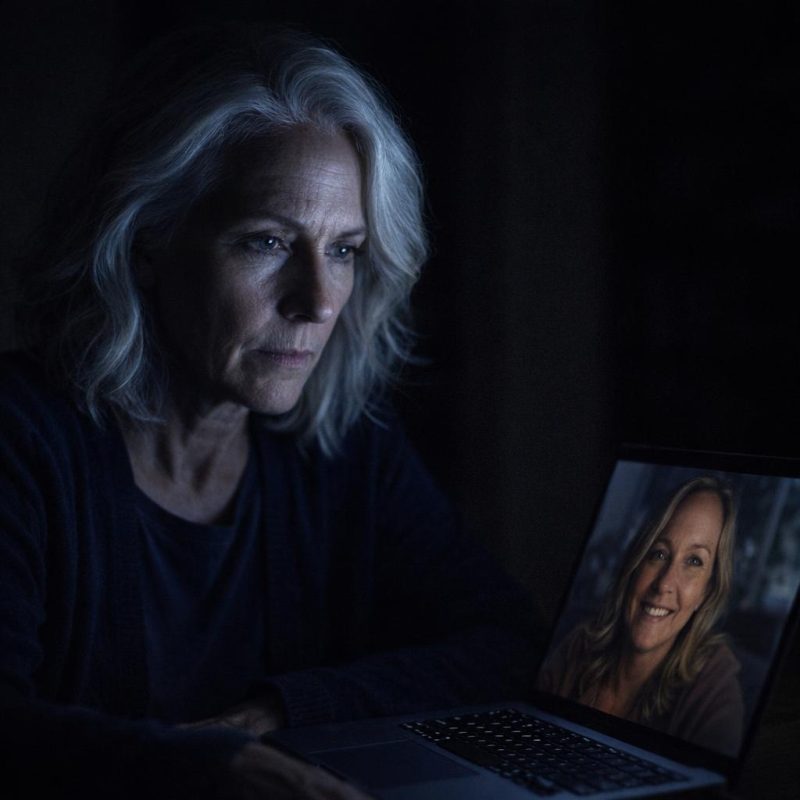 Image by RM AI
The Hidden Empire
The next morning I went back to the property records, but this time I wasn't just looking at Danny's building. I started cross-referencing Melissa's name against every company listed in those filings, and what came back surprised me. It wasn't one building. It wasn't two. I found four separate LLCs, each with slightly different names, each tied back to her through registered agent filings and shared addresses. Between them, those companies owned eleven apartment buildings spread across three different towns. Eleven. I wrote each one down on a legal pad, the addresses, the company names, the filing dates. Some of the buildings were modest, the kind of places working people rent when they're trying to get by. Others were in neighborhoods that had clearly been gentrifying for a while. None of it appeared anywhere on her social media. Not a mention. Her online presence was built entirely around the idea that she was an ordinary woman who'd found her calling in kindness, someone who'd built a following by showing up for strangers. There was nothing about property management, nothing about LLCs, nothing about being a landlord to hundreds of people across the region. I looked at my legal pad and then back at her profile photo, that practiced warm smile, and the two images sat side by side in my head without connecting.
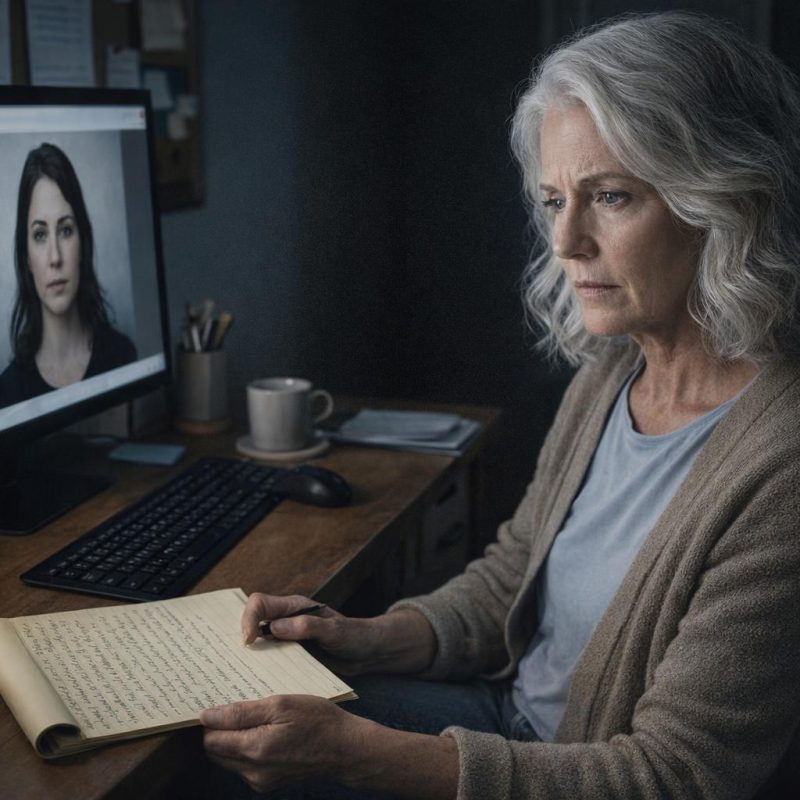 Image by RM AI
Digging Deeper
I gave myself a day to think before I did anything else. Then I made a spreadsheet. I listed every building, every address, every company name I'd found. I searched each address on social media, looking for anyone who'd tagged a location, posted a move-in photo, complained about a landlord in a neighborhood group. I went through old apartment review sites, the kind where tenants leave comments that nobody reads until they need them. I pulled up public court records and searched for eviction filings connected to the company names. It was slow work, the kind that makes your eyes ache after a few hours, and most of what I found was nothing — dead ends, profiles with no useful information, reviews that said things like 'fine, no complaints.' But I kept a separate column for names that came up more than once, people who'd listed one of the addresses in a bio or a post, anyone who seemed like they might actually remember living there. I drafted a message, short and careful, explaining that I was looking into a property management company and asking if they'd be willing to share their experience. I read it over probably six times before I felt like it didn't sound strange. I saved it as a template and closed the laptop. Whatever was coming next was going to take time, and I'd made my peace with that.
 Image by RM AI
The First Responses
I sent the first round of messages on a Tuesday and spent the next three days trying not to check my inbox every twenty minutes. I'd reached out to nine people total — a mix of names from review sites, court records, and social media profiles that matched the addresses. By Thursday I had five responses. Two of them were brief and friendly: one woman said her experience had been completely normal, maintenance was slow sometimes but nothing unusual, and she'd moved out on her own terms. A man from one of the other buildings said roughly the same thing — no complaints, no drama, he'd actually renewed his lease twice before relocating for work. A third person didn't answer my question at all, just asked how I'd found their name, and when I explained, they didn't write back. The fourth response was a little different. It was short, only two sentences, and the person said they'd had some issues but weren't sure they wanted to get into it in writing. I wrote back and told them I understood completely and that any conversation would be entirely confidential. I wasn't sure they'd respond. Then, on Friday evening, a message came in from someone I hadn't even contacted yet — a woman who said she'd seen my inquiry forwarded through a private renters' group and that she needed to talk about what happened to her.
 Image by RM AI
Reaching Out
I read her message three times before I set my phone down. She hadn't said much — just that she'd been a tenant in one of the buildings, that her experience had been difficult, and that she'd be willing to talk if I could keep things between us. I told her yes, absolutely, and we agreed on a time for a phone call two days out. Those two days were harder than I expected. I kept turning the conversation over in my head before it had even happened, trying to figure out how to ask questions without steering her toward answers I was already half-expecting. I'd read enough about interviewing people to know that the worst thing you can do is lead someone, especially someone who's already nervous. I wanted to hear what she remembered, not a reflection of what I was looking for. I wrote down a few open-ended questions, things like 'can you walk me through your time there' and 'was there anything that surprised you about how things were handled.' I also wrote myself a note at the top of the page: listen more than you talk. I didn't know yet whether what she'd experienced was part of something larger or just one bad situation. I sat with that uncertainty the night before the call, the not-knowing settling over me like something I'd have to carry for a while longer.
 Image by RM AI
Generous When There's a Camera Around
Sarah answered on the second ring, and her voice had that careful quality people get when they've decided to say something they've been holding back for a long time. She'd lived in one of the buildings for just under two years, she told me. For most of that time things were fine — not great, but fine. Then her rent was three days late one month, a banking error she caught and corrected almost immediately, and the response was a formal notice and a late fee that felt out of proportion to what had happened. She'd pushed back, politely, and the tone from the management office shifted in a way she described as 'sudden and permanent.' After that, maintenance requests she'd been submitting for months — a heating issue, a window that wouldn't seal properly — stopped getting any response at all. She filed a complaint through the city and things got worse before they got better. I asked her if she'd ever had any direct contact with the owner, and there was a pause. 'I knew who she was,' Sarah said. 'I'd seen the videos. My sister used to send them to me.' Another pause. 'She's very generous,' she said, 'when there's a camera around.' I thanked her and told her I'd keep everything she'd shared in confidence. After I hung up, I sat with those words for a long time.
 Image by RM AI
The Geographic Pattern
Sarah's comment stayed with me, and I found myself going back to the videos with a different kind of attention. I had my property list open in one window and Melissa's channel open in another, and I started paying attention to backgrounds — street signs, storefronts, building facades, anything that might tell me where a video had actually been filmed. Most of them were too vague to place. But a few had enough detail that I could work with them. I pulled up a map and started comparing. Three videos had been filmed in neighborhoods that showed up on my property list. That could have been coincidence — those were busy areas, the kind of places you'd naturally go if you were looking for people to help. But then I found one that stopped me. It was one of her more emotional uploads, a video she'd titled something about unexpected kindness on an ordinary afternoon. In the background, slightly out of focus but readable if you paused at the right moment, was a building number on a brick facade. I wrote it down and checked it against my spreadsheet. Then I checked it again. The building number in the background of that video matched an address listed under one of Melissa's LLCs.
 Image by RM AI
Too Close to Be Random
I watched that video four more times. Each time I paused at the same moment, the frame where the building number was clearest, and each time the address matched. The video had been posted eighteen months ago and had close to three million views. In it, Melissa approached a woman sitting on a bench near the building entrance, struck up a conversation, and ended up covering what she described as an unexpected expense the woman was facing. The caption described it as a chance encounter, the kind of thing that just happens when you move through the world with an open heart. I studied the woman in the video. She looked to be in her early fifties, tired in the way people get when they've been managing something difficult for a long time. She seemed genuinely emotional, which made the whole thing harder to read, not easier. I couldn't tell from watching what the full story was, and I knew I wasn't going to be able to tell from watching alone. The building address was confirmed. The video was real. But the woman on that bench had a story I didn't have yet, and I needed to find her and hear it directly from her.
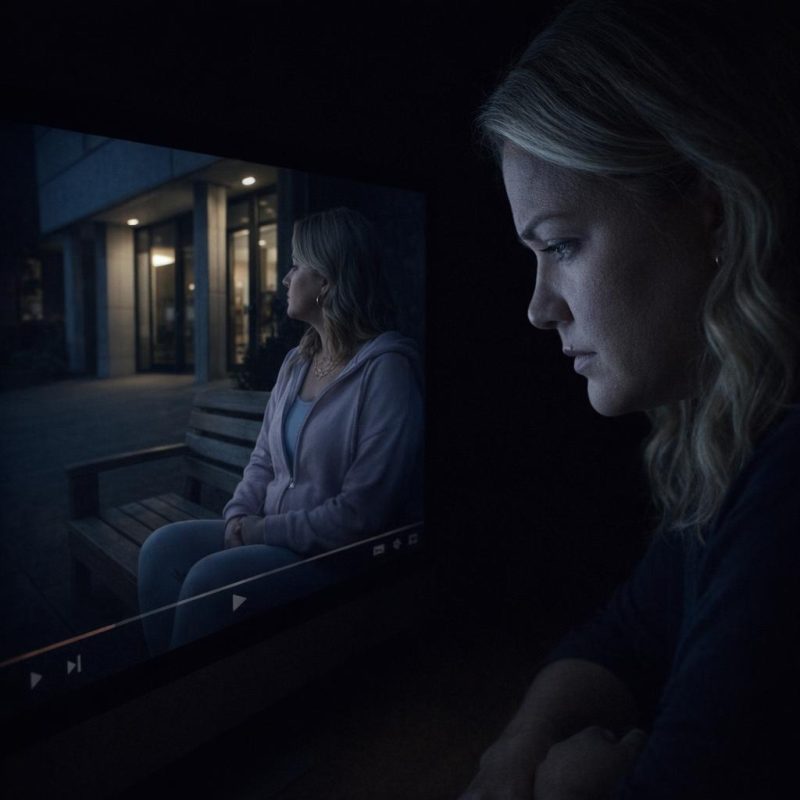 Image by RM AI
The Search for Patricia
Finding her name took most of an afternoon. I started with the neighborhood Facebook groups near the building address — there were three of them, and I joined all three with a quick explanation that I was looking for community information about the area. Then I started scrolling back through months of posts, searching for anything connected to that bench, that building, that woman's face. It was slow, tedious work, the kind that makes your eyes blur after a while. But about two hours in, I found it — a post from eighteen months ago, someone tagging a neighbor to say they'd seen her on a local news segment. The commenter called her Patricia. I cross-referenced the name against the profile photo, and there she was: Patricia Williams, same tired eyes, same coat she'd been wearing in the video. Her profile was mostly private, but her name was there. I sat with it for a minute before I started drafting the message. I kept it simple and honest — I told her I was trying to understand a situation involving a family member, that I'd seen the video, and that I wasn't a reporter or looking to cause trouble. I just wanted to hear her experience if she was willing to share it. I read it over three times, changed two words, and hit send. Then I set my phone face-up on the table and waited to see if she would write back.
 Image by RM AI
Waiting for Answers
Three days passed and nothing came back. I checked my messages every morning before I even got out of bed, and then again after breakfast, and then again mid-afternoon like I was expecting a package that kept not arriving. The little notification icon stayed stubbornly empty. I told myself Patricia probably got dozens of strange messages from strangers and had every right to ignore mine. I told myself I'd been careful and respectful and that was all I could control. It didn't help much. In the meantime, I kept working. I went back through Melissa's social media accounts and started cataloging the videos — dates, locations, descriptions, view counts. I made a spreadsheet. It felt useful, even when it wasn't producing anything new. I looked up her business entity registration and found two LLCs connected to her name, which I noted down without knowing yet what to make of them. I thought about sending Patricia a follow-up message and then talked myself out of it twice. Pushing too hard felt like the fastest way to lose her entirely. So I waited. I wondered if she'd seen my message and decided I wasn't worth the risk, and I couldn't say I'd blame her. The not-knowing sat with me in a way that was hard to shake.
 Image by RM AI
The Callback
On the fifth day, my phone rang with a number I didn't recognize — area code I didn't know, no name attached. I almost let it go to voicemail out of habit, but something made me pick up. The voice on the other end was quiet and a little careful, the way people sound when they've rehearsed what they're going to say but aren't sure how it'll land. She said her name was Patricia Williams and that she'd gotten my message. I thanked her for calling and tried to keep my own voice steady. She said she'd been going back and forth about it for days, that she wasn't sure what I was looking for or whether talking to me was a good idea. I told her I understood completely and that I wasn't trying to put her in a difficult position. There was a pause, and then she said she'd been thinking about the video a lot lately anyway, that there were things about it she'd never really talked about with anyone. She said she was willing to tell me what really happened, but that she'd need a little time to get her thoughts together first. We agreed to talk again in a couple of days. After we hung up, I sat in the kitchen with my phone still in my hand, and the quiet that followed felt like the first real breath I'd taken all week.
 Image by RM AI
The Truth About the Random Act
When I called Patricia back two days later, she picked up on the second ring. She started by saying she wanted me to understand something first — the help she'd received had been real. The money had been real. She didn't want anything she said to come across as ungrateful, because she wasn't. I told her I understood, and I meant it. Then she took a breath and started talking. She said the encounter in the video hadn't happened the way it looked. About a week before the filming, she'd gotten a call from someone on Melissa's team. They'd explained who Melissa was, described what they were doing, and asked if Patricia would be willing to participate. They told her where to be and when to show up. They told her which bench to sit on near the building entrance. When the day came and the cameras were rolling, parts of the conversation didn't go the way the team wanted, so they asked her to repeat certain exchanges — to say some things again, slightly differently. Patricia said she'd felt awkward about it at the time but had gone along because the assistance they were offering was something she genuinely needed. She paused after that, and I didn't fill the silence right away. I was still absorbing the part where they'd told her exactly where to stand and what to say.
 Image by RM AI
The Commercial Paperwork
Patricia kept going after a moment, and what she said next was the part that stuck with me longest. Before any of the help came through, she'd had to sign paperwork. She described it as several pages, more than she'd expected, and she'd read through it as carefully as she could at the time. The documents gave Melissa's company the right to use her story and her image commercially — in videos, in promotional materials, across social media platforms. Patricia said she hadn't fully understood how the footage would be edited or presented to viewers. She'd assumed it would be clear that the encounter had been arranged. When the video went up and the comments were full of people calling it a beautiful random moment, she said she'd felt strange about it but hadn't known what to do. She was quick to add, again, that the money had helped her through a genuinely hard stretch and she didn't regret accepting it. I asked her directly whether she'd known the video would be presented as spontaneous. She was quiet for a second and then said no, not exactly. I thanked her for being honest with me, and I meant that too. After we said goodbye, I sat with what she'd told me — the help had been real, and so had the paperwork, and I wasn't sure yet what to make of the distance between them.
 Image by RM AI
The Business of Generosity
I spent the rest of that evening at my kitchen table with my notebook open and my laptop beside it, trying to work through what Patricia had told me. The thing that kept snagging my attention was the economics of it. A video with three million views generates real money — ad revenue, brand partnerships, sponsorship deals. I'd looked up enough about how the platform worked by that point to have a rough sense of the numbers, and the math wasn't subtle. The cost of whatever help Patricia had received was almost certainly a fraction of what that single video had earned. I wasn't saying the help wasn't genuine. Patricia had been clear that it was, and I believed her. But I kept turning over the question of how those two things could sit side by side — real help, and a transaction that worked out very well for one side of it. I didn't have evidence of other videos following the same shape, just the one story from one woman who'd been willing to talk to me. The complexity of it was uncomfortable in a way I hadn't expected. Exposing something that also helped people wasn't as clean as I'd imagined it would feel. I closed my notebook and sat there in the quiet, and the weight of that didn't lift.
 Image by RM AI
The Formal Notices
Danny called on a Thursday morning, and I could hear it in his voice before he said a single word about what had happened. He told me papers had arrived at his apartment — not just a letter this time, formal legal documents, multiple pages. I was in my car within twenty minutes. When I got to his place, he had them spread out on his small kitchen table, and he looked like he hadn't slept. I picked up the first document and started reading. The language was exactly what I'd been afraid of — formal notice of eviction proceedings, a timeline for response, references to applicable statutes. There were three separate notices, each addressing a different aspect of the situation, and together they made it clear this had moved well past a phone call or a warning. Danny stood near the window with his arms crossed, not saying much. I read through all three documents twice, slowly, making sure I understood what each one was actually requiring and by when. The response deadline was closer than I wanted it to be. I set the papers back down on the table and looked at the legal language one more time — the kind of language that turns a person's home into a line item in a proceeding.
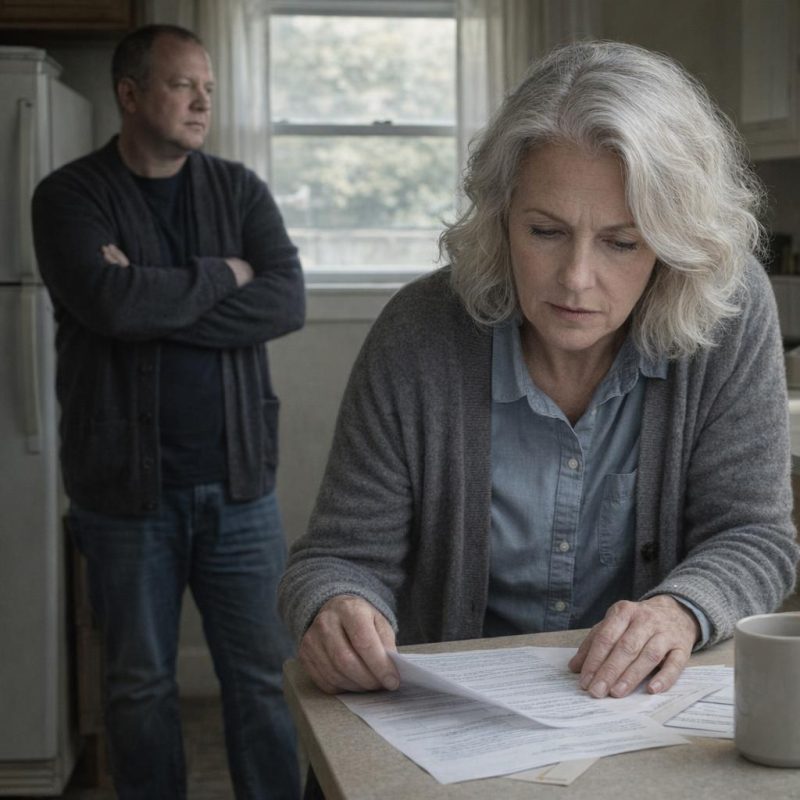 Image by RM AI
The Offer to Pay
I told Danny I'd pay it. Whatever the amount was, I'd cover it, and we could sort out the rest later. It seemed like the simplest way to stop the clock and give us room to think. He looked at me for a long moment and then shook his head. I thought at first he was just being proud in the way he sometimes got, but this was different — there was something firmer underneath it. He said he was tired of being rescued, that he'd been leaning on me his whole life and he didn't want to do it again. I started to argue and he cut me off, which he almost never does. He said the money wasn't even the point. He said the landlord needed to honor what had been promised to him, that he wasn't going to just pay and pretend the promise hadn't been made. I asked him what promise he was talking about. He said that before the rent had come due, he'd spoken with the building manager, and the building manager had told him he had more time. I hadn't heard anything about a building manager before that moment. Danny said it like it was something I already knew, but I didn't — and the name he mentioned next stopped me cold.
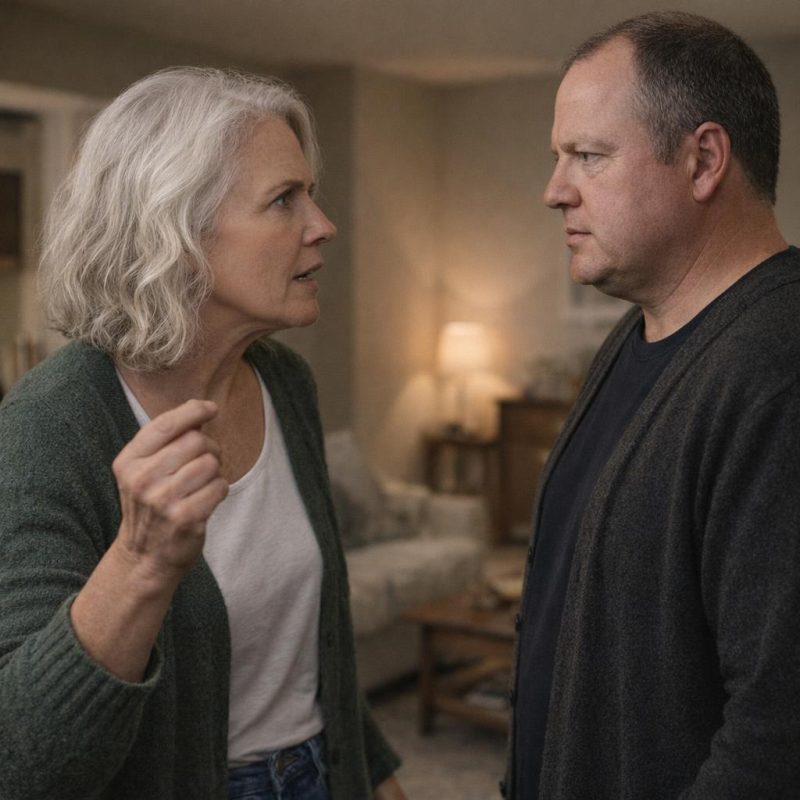 Image by RM AI
The Detail That Changes Everything
The name stopped me cold. Tom Hendricks. I asked Danny to say it again, and he did, like it was the most ordinary thing in the world. I asked him why he hadn't mentioned a building manager before, and he shrugged in that way he does when he thinks he's already explained something. He said he'd called the building's main number before rent was even due — before the deadline, not after — and asked to speak with whoever handled tenant concerns. Tom had picked up. Danny told him the payment was going to be about a week late because of a gap between his freelance checks, and Tom had told him not to worry about it, that one week wasn't going to be a problem. I sat there trying to absorb that. Not a request for forgiveness after the fact. Not a missed payment with no warning. A call made in advance, a delay explained, and a specific assurance given. That wasn't the same situation I'd been picturing. I asked Danny if he had anything in writing, and he shook his head — it had been a phone call, nothing more. But the assurance had been clear enough that he'd relied on it. I needed to find Tom Hendricks and hear what he remembered for myself.
 Image by RM AI
Preparing the Questions
I sat at my kitchen table that evening with a legal pad and a cup of tea that went cold before I touched it. I'd looked up enough about rental law to know that verbal agreements were tricky — not impossible, but tricky. The question wasn't just whether Tom had said what Danny claimed. The question was whether Tom would say it again, to someone who wasn't his tenant, with nothing to gain from it. I wrote down everything I wanted to ask him. Whether he remembered the call. What date it had been. What exactly he'd told Danny. Whether that kind of extension was something he had authority to grant, or whether it had to go through someone above him. That last part felt important, though I couldn't have said exactly why yet. I also wrote down what I needed to avoid — I didn't want to sound accusatory, didn't want to put him on the defensive before he'd said a word. Tom hadn't done anything wrong as far as I could tell. If Danny's account was accurate, Tom had tried to help. I needed him to feel safe enough to confirm it. I read back over my questions twice, crossed out two that felt too leading, and set the pad beside the phone. The list sat there in the quiet, waiting.
 Image by RM AI
Finding Tom
Finding Tom's contact information took most of the next morning. The building's main number was listed on the property management company's website, but when I called it I got a general voicemail with no name attached. I went back to the county property records I'd pulled earlier and cross-referenced the management company's registered agent filings. Tom Hendricks appeared there as a listed contact for building operations — not the owner, not the LLC, just a name attached to a phone number that looked like a direct line rather than a main switchboard. I wrote it down carefully. I sat with it for a few minutes before I did anything else. I thought about how the call might go. Tom might not remember Danny at all — there were probably dozens of tenants in that building. He might remember but say he couldn't discuss it. He might confirm everything and then immediately regret having done so. Or he might be the kind of person who, when asked a direct question, just answered it. I didn't know which version of Tom I was about to reach. I picked up my phone, pulled up the number, and sat there with my thumb over the call button. The apartment was very quiet around me.
 Image by RM AI
Tom's Confirmation
He picked up on the third ring. I introduced myself carefully — Danny's sister, calling because I was trying to understand what had happened with his tenancy. There was a pause, and then Tom said he remembered Danny. Not hesitantly, not like he was searching for the name. He said it like it was already sitting near the surface. I asked him if he recalled a phone call Danny had made before the rent due date, and Tom said yes, he did. He said Danny had called to let him know a payment would be about a week late, that he'd explained the situation clearly, and that Tom had told him it wouldn't be a problem. His voice was even and direct, the way people sound when they're telling you something they know to be true and aren't trying to dress it up. I asked him if he'd meant that as a formal extension or just a reassurance, and he said he'd meant it as a reassurance — that in his experience, a tenant calling ahead to explain a short delay was exactly the kind of thing that didn't need to become an issue. He went quiet after that, and I could hear something careful in the silence. I thanked him and asked if I could call again if I had more questions, and he said, slowly, that he supposed that would be fine.
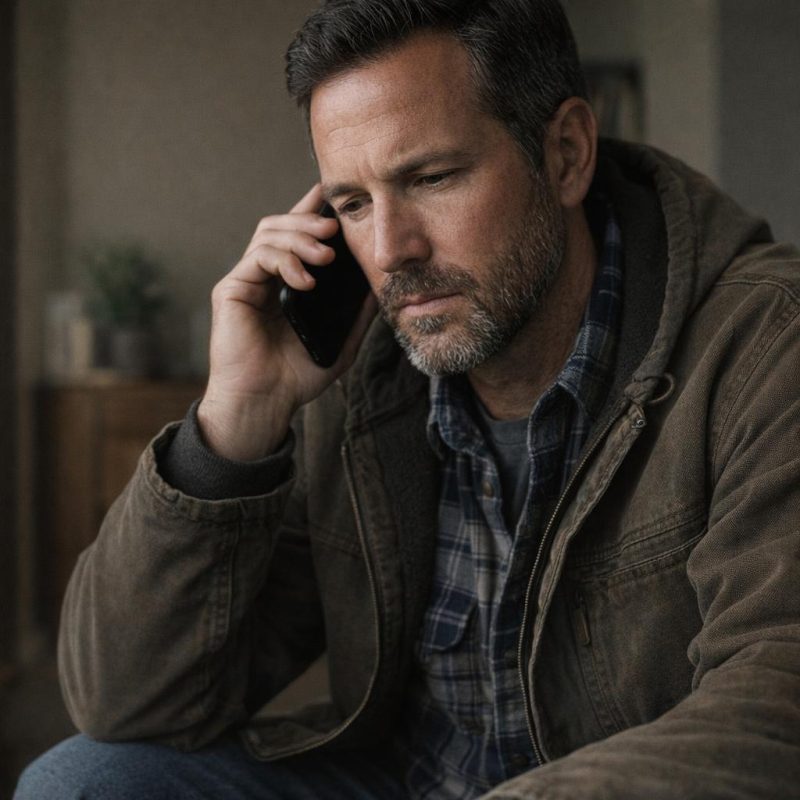 Image by RM AI
The Broken Agreement
I sat with the phone in my lap for a long time after the call ended. Tom had confirmed it. Not reluctantly, not with qualifications that made it sound like Danny had misunderstood — he'd confirmed it plainly. Danny had called ahead. Danny had explained the situation. Tom had told him a week wouldn't be a problem. And then, somewhere between that phone call and the eviction notice, something had changed. I didn't know what had changed or why. I didn't know who had made the decision to reverse course, or whether Tom had even been consulted. But I knew that Danny had done everything right. He'd been proactive. He'd been honest. He'd been given a specific assurance and had relied on it, the way any reasonable person would. The anger I felt wasn't loud — it was the quieter kind, the kind that settles in and stays. This wasn't a story about a tenant who'd fallen behind and hoped for sympathy. This was a story about a promise that had been made and then, for reasons I still didn't understand, hadn't been kept. That felt like a different thing entirely. I wasn't asking anyone for grace anymore. I was asking for an explanation.
 Image by RM AI
The Reversal
I spread everything out on the table and tried to put it in order. Danny's call to Tom had come before the rent due date — that was the starting point. Tom had given him a verbal assurance that a one-week delay was acceptable. Danny had relied on that and hadn't scrambled to find the money by the original deadline. Then the eviction notice had arrived anyway, as if the call had never happened. I wrote the dates down in a column: the due date, the approximate date of Danny's call, the date the notice arrived. The gap between Tom's assurance and the eviction notice was less than two weeks. Whatever had happened in that window, it hadn't been a slow drift toward enforcement — it had been a reversal. Someone had known about the extension and decided not to honor it. I didn't know who, and I didn't know why, but the timeline made the sequence plain. Danny had been told one thing and then treated as though he'd been told nothing at all. I looked at the column of dates for a while. Then I opened my laptop and started searching for consumer reporters who covered housing and tenant issues.
 Image by RM AI
Assembling the Evidence
I cleared the kitchen table completely and started over. Property records in one stack — the LLC filings, the registered addresses, the portfolio of buildings I'd traced back to Melissa's management company. Sarah's account in another pile, the notes I'd taken during our conversation, her specific complaints about the way small issues had been handled. Patricia's story beside that — the details she'd shared about the video, the way the moment had been set up rather than stumbled upon. And then Tom's confirmation, which I'd written out longhand right after the call while it was still fresh, including the dates as best I could reconstruct them. I read through all of it twice. Separately, each piece was something you could argue with. A disgruntled former tenant. A woman who felt uncomfortable about a video she'd agreed to be in. A building manager who'd given an informal assurance. But together, laid out across the table, they described something that felt like a pattern — a gap between the public image and the way things actually worked. I wrote a two-page summary, as plainly as I could, and then I researched three reporters who covered consumer and housing issues for local outlets. I printed the summary and set it on top of the pile. The table looked like evidence. I wasn't sure yet if it was enough.
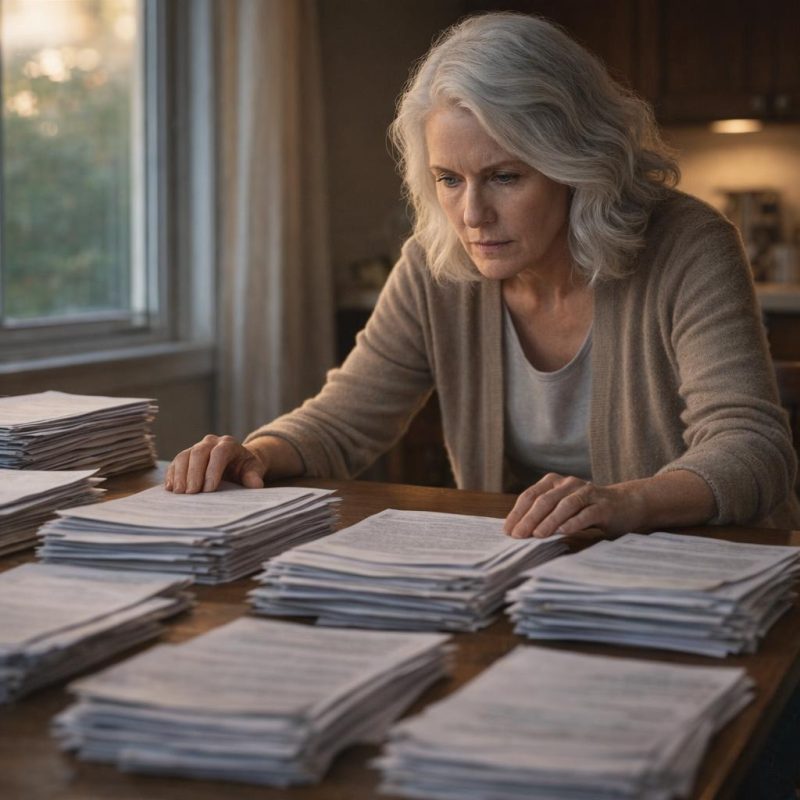 Image by RM AI
The Legal Warning
The certified letter arrived two days before I'd planned to make any calls. I almost didn't open it right away — the return address was a law firm I didn't recognize, and my first thought was that it was something to do with my own finances, some bureaucratic thing I'd forgotten about. But I opened it standing at the kitchen counter, and by the second paragraph I understood what it was. The letterhead was formal and dense, the language precise in the way legal language gets when it's trying to sound inevitable. It warned me against making false or damaging public statements about the named party — Melissa was named, her company was named — and it outlined potential legal consequences if I proceeded. The attorney's name was printed at the bottom above a signature I couldn't read. I set the letter down on the counter and stood there. I hadn't contacted a single reporter. I hadn't posted anything publicly. I hadn't done anything except ask questions of people who already knew the situation. I picked the letter back up and read it again from the beginning, and the question of how Melissa had learned what I was doing sat with me long after I'd set it down a second time.
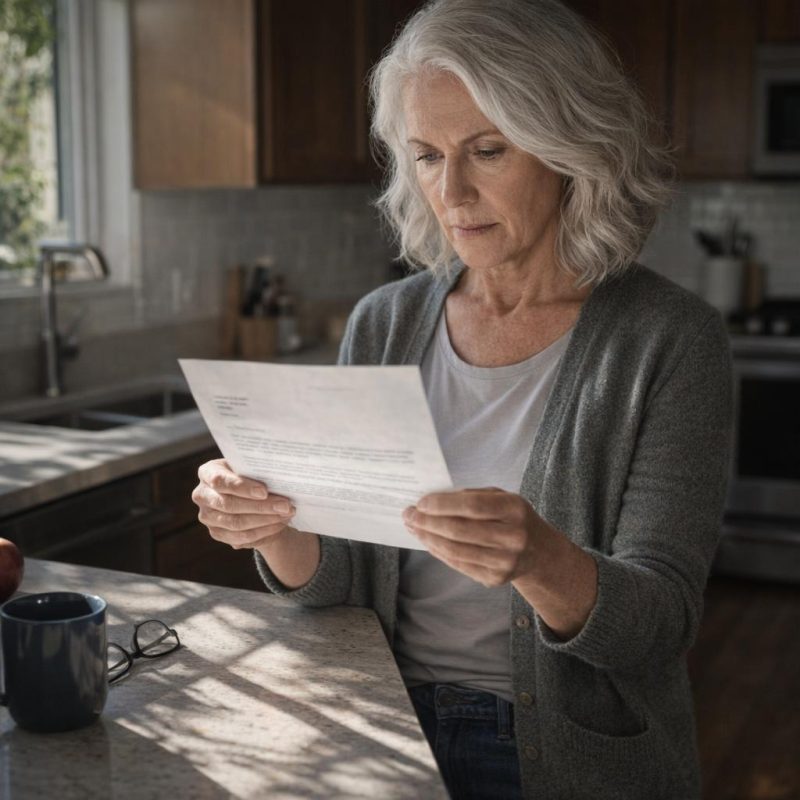 Image by RM AI
The Leak
I sat down at the kitchen table with a legal pad and wrote down every name. Every single person I'd reached out to since this started. Sarah, who'd told me about her own experience as a former tenant. Patricia, who'd talked to me about the video. Tom, who'd confirmed things from the inside. The other former tenants I'd found through property records and Facebook groups — two women I'd messaged, one man who'd called me back and then gone quiet. I went through each conversation in my head, trying to remember exactly what I'd said, exactly what they'd said back. Had I mentioned I was gathering information for a reporter? Had I used that word — reporter — with any of them? I couldn't be sure. I'd been careful, I thought, but careful and airtight aren't the same thing. Any one of them could have told Melissa. Any one of them could have panicked, or felt guilty, or decided protecting themselves mattered more than anything I was trying to do. And the worst part was I had no way to know which one. I couldn't call them and ask. I couldn't trust the answer even if I did. I stared at the list of names on the legal pad, and I had no idea which one of them had made that call.
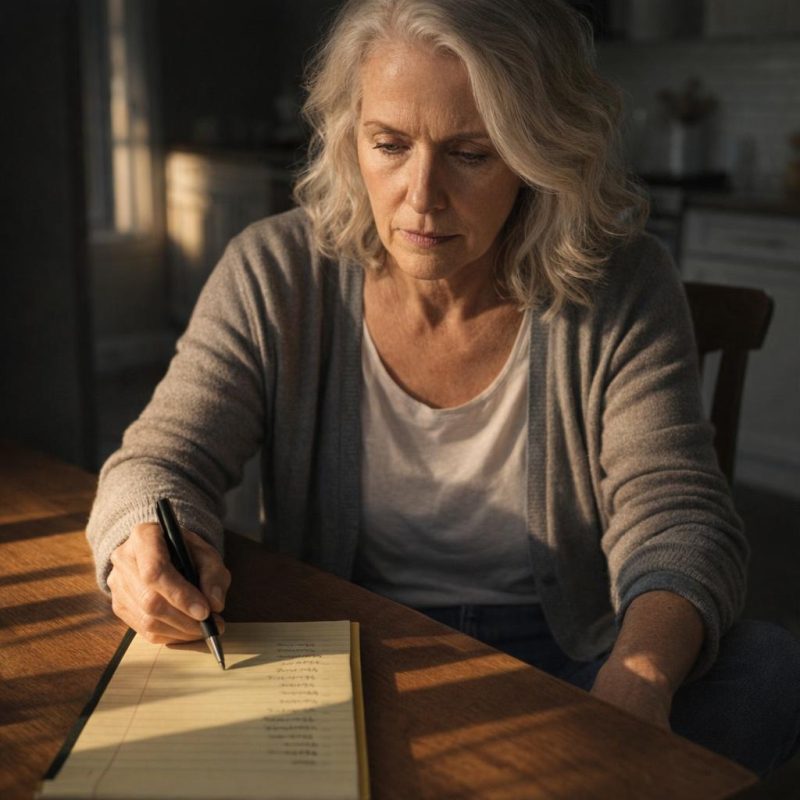 Image by RM AI
The Decision to Continue
I read the cease-and-desist letter a third time that morning, slower than before, trying to find the part that would tell me to stop. It wasn't there. What was there was legal language designed to sound like a wall, and I'd spent enough years dealing with bureaucratic systems to know the difference between a wall and a warning. It was a warning. That didn't mean it wasn't serious — it was — but a warning meant someone was worried. And someone being worried meant I was closer to something real than I'd understood. I thought about Danny. I thought about him sitting in that apartment, managing his days carefully, trying not to need too much from anyone. I thought about what would happen to him if I stopped now and nothing changed. I went to my laptop and opened a new browser tab. I started searching — investigative reporters, consumer journalists, local news teams that covered housing stories. I looked for bylines on tenant rights pieces, on landlord accountability stories, on anything that suggested someone who knew how to handle documentation and wasn't afraid of a legal threat. My hands weren't entirely steady. But I kept typing.
 Image by RM AI
The Late Night Call
My phone rang at twenty past ten on a Tuesday night, and I almost didn't answer it because I didn't recognize the number. Something made me pick up anyway. The voice on the other end was quiet, almost too quiet, like whoever it was had stepped somewhere private to make the call. It took me a second to place him. Tom. He asked if I had a few minutes to talk, and something in the way he said it — careful, measured, like he was choosing each word — made me sit up straighter. He said he'd been thinking about our conversation since we'd spoken. He said there were things he hadn't told me, things he wasn't sure how to say over the phone. I asked him what kind of things. He didn't answer that directly. Instead he said he'd been doing a lot of thinking about his job, about what he was part of, and that he'd made a decision. I waited. He said he was preparing to quit, and that before he did, there was something he needed to show me — and that it had to be in person.
 Image by RM AI
The Meeting
Tom was already there when I arrived, sitting at a corner table with a coffee he hadn't touched. He looked tired in a way that went past one bad night — the kind of tired that comes from carrying something for a long time. I sat down across from him and didn't rush him. He started slowly, said he'd been with the company for almost three years, that he'd told himself for most of that time that what he saw was just how property management worked. He said there'd been a point, maybe six months ago, where he stopped being able to tell himself that. He'd started keeping records then — screenshots of internal messages, copies of communications he wasn't supposed to take home. He said he didn't know what he was going to do with them at first. He just knew he needed to have them. He looked down at his coffee cup and said he felt like he'd been complicit in something, and that the only way he knew how to stop being complicit was to stop being there and to make sure someone else knew what he knew. He slid a folded piece of paper across the table — a list of what he'd brought. The weight of what he was risking sat between us, quiet and enormous.
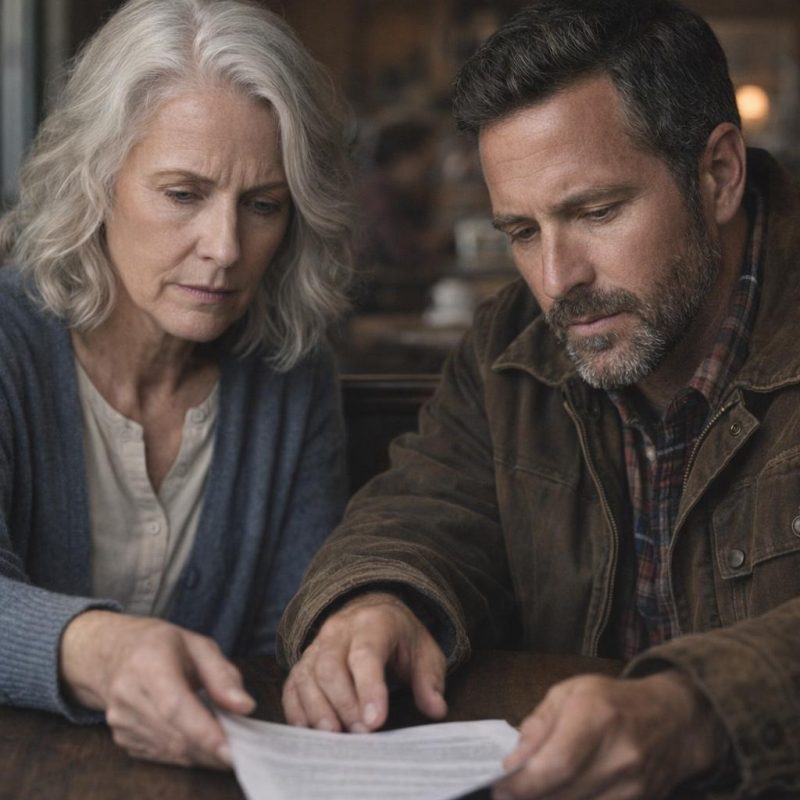 Image by RM AI
The Flagging System
Tom opened his laptop and turned it toward me. The screen showed a message thread — internal, from what I could tell, the kind of shorthand people use when they're talking to colleagues and not thinking about how it looks from the outside. He walked me through it slowly. There was a process, he explained, that ran across all the properties. When a tenant fell behind on rent, or flagged a financial hardship, or came to the office with a problem they couldn't solve on their own, employees were instructed to log it in a specific way. Not just as a maintenance note or a payment issue. There was a separate category. He pointed to the field label on the screen. I leaned in and read it. The instructions in the thread were matter-of-fact, almost administrative — identify the situation, note the details, forward to the designated contact. Tom said it was presented to staff as a tracking system, a way of keeping organized records on tenants who might need additional attention. I asked him what kind of additional attention. He said that was the part nobody explained clearly. What he knew was that once a tenant was flagged, the information moved somewhere else, somewhere above his level, and he'd never been told exactly where it went. I sat back and looked at the screen, and the systematic tidiness of it all sat uneasily in my chest.
 Image by RM AI
The Content Team
Tom scrolled down and opened a second thread, this one with a different header — a team name I didn't recognize at first. He told me it was the content team. I asked him what that meant in this context, and he said it was the group that handled Melissa's social media, her videos, her brand output. I looked at the messages on the screen. They were responses to the flagged tenant reports — but they weren't about rent adjustments or payment plans. They were evaluations. One message discussed a family's situation in terms of how it would land emotionally with an audience. Another weighed whether a particular hardship had enough visual elements to work on camera. A third used the phrase 'engagement potential' next to a description of a woman who'd lost her job and was three months behind. Tom said this was how a lot of the videos started — not from Melissa driving around and stumbling onto someone in need, but from this. From the list. I kept reading. Each flagged tenant had been assessed the same way, their circumstances laid out and then run through whatever the content team was looking for. Then Tom scrolled to a cluster of messages that stopped me cold — families described by the emotional pull of their stories, rated against how audiences might respond.
 Image by RM AI
The Evaluation
Tom scrolled further and then stopped. He said, quietly, that this next part was why he'd called me specifically. I looked at the screen. Danny's name was there — his full name, his unit number, a brief description of his situation that was accurate in every detail. His disability. His fixed income. The payment extension he'd been granted. Someone had written it all out in a few flat sentences, the way you'd fill in a form. Below that was a response from the content team. It said Danny's circumstances were compelling and that his story had strong emotional foundations. It suggested his situation could make powerful video material — the kind of content, the message said, that performed well with their core audience. I read it twice. I read my brother described in terms of what he might produce for someone else, his hardship measured against what it could generate, his private struggle laid out and assessed by people he'd never met and never agreed to speak to. Tom didn't say anything. He just watched me read. I didn't have words for what I felt sitting there — it wasn't quite anger yet, or maybe it was past anger, something heavier and colder that settled into me and stayed.
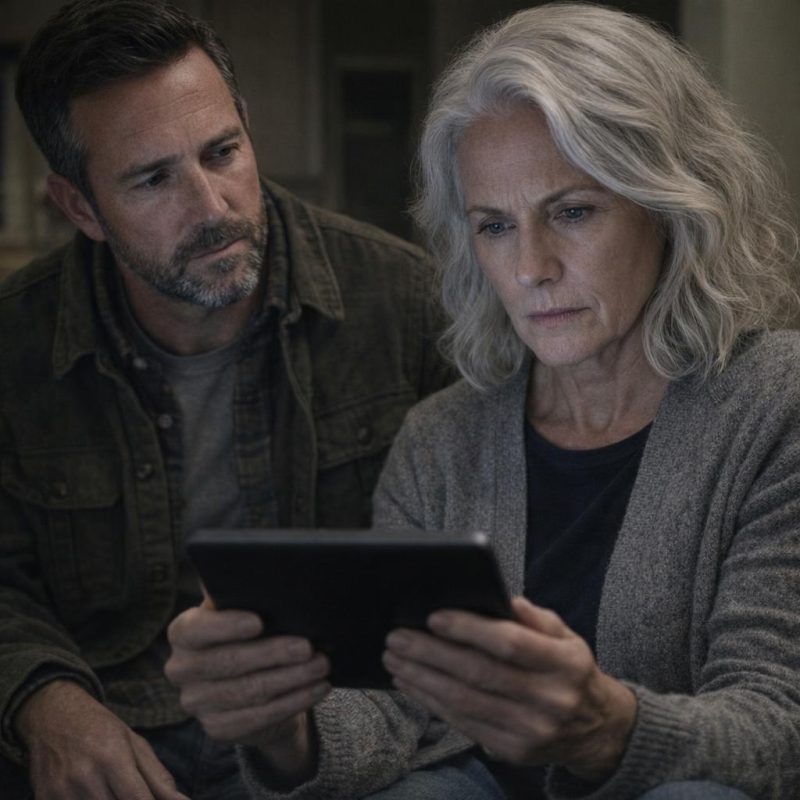 Image by RM AI
Not Camera-Comfortable Enough
I asked Tom what happened after that message. He scrolled down one more time and let me read the response. It was short. The content team had followed up on Danny's case and concluded he wasn't a good fit. The language was efficient and impersonal — he wasn't sufficiently comfortable on camera, one line said, and his situation lacked the visual elements that made for strong content. There was a note that his circumstances, while sympathetic, didn't translate well to the format. That was it. That was the whole of it. My brother — his disability, his careful quiet life, the way he'd managed for years on very little without asking anyone for much — had been looked at, measured, and set aside because he wasn't dramatic enough to be useful. I sat with that for a long moment. Tom closed the laptop gently, like he understood there was nothing more to say. Outside the coffee shop window, the street was ordinary and unhurried, and I sat in the particular stillness of someone who has just seen something they cannot unsee.
 Image by RM AI
Processing the Rejection
I asked Tom to pull up the dates one more time. Not the content of the messages — just the timestamps. He turned the laptop back toward me and I went through them slowly, writing the dates on the back of a receipt I'd found in my purse. Danny's case had been flagged by the content team on a Tuesday. The internal evaluation — the one that measured his situation against their filming criteria — had come back three days later. The rejection note, the one that said he lacked visual elements and wasn't comfortable on camera, was dated that Friday. I wrote that down too. Then I looked at the date I already had from Danny's paperwork: the date the friendly extensions stopped and the formal notices started. I sat back and looked at what I'd written. The rejection came first. The shift in how Danny was being handled came after. I asked Tom if he'd noticed anything like that in other cases — whether the timing ever looked similar. He was quiet for a moment, turning his coffee cup in his hands. He said he wasn't sure, that he'd have to think about it. But then he said something that made me set my pen down: he told me the dates on Danny's file weren't the only ones that had caught his attention.
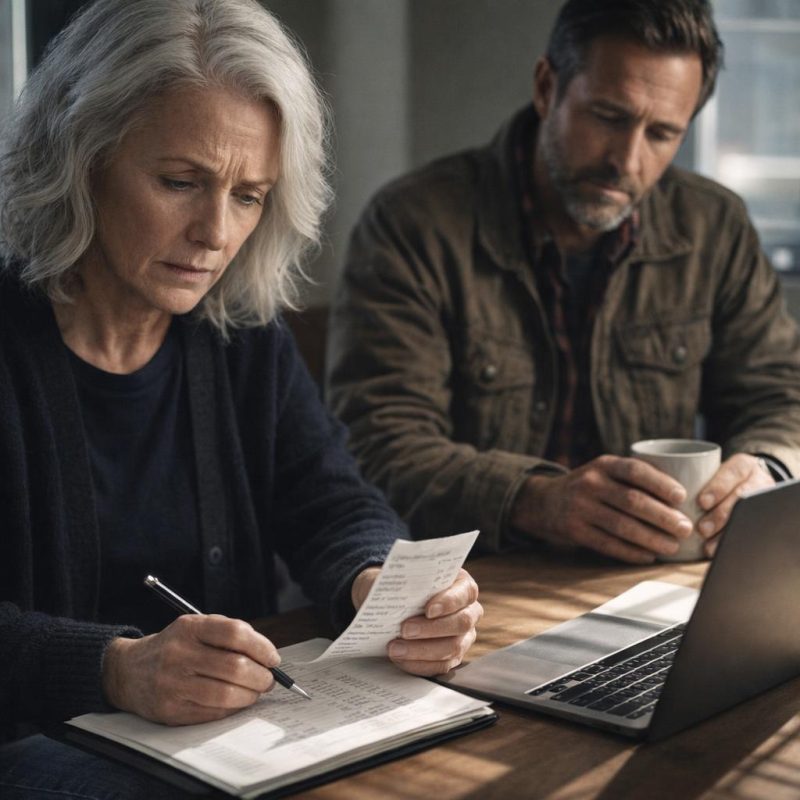 Image by RM AI
The Pattern Tom Noticed
Tom didn't answer right away. He looked out the window for a moment, like he was deciding how much to say. Then he told me Danny's case wasn't the only one where he'd noticed that kind of sequence. He said there were a handful of others — tenants who'd had some flexibility early on, who'd been approached about filming at some point, and who seemed to get less accommodation afterward. He was careful about how he said it. He kept repeating that he couldn't prove any of it was connected, that there could be other explanations, that he wasn't trying to make accusations he couldn't back up. I appreciated that. It made me trust him more, not less. He said sometimes the shift was subtle — a maintenance request that took longer than usual, a lease renewal that came with new conditions. Other times it was more abrupt. He said he'd noticed it enough that it had started to bother him, which was part of why he'd started keeping his own records. I asked him how many cases he was talking about. He thought for a second and said at least four that he could point to with documentation. Four other tenants who had gone through something that looked, on paper, like what Danny had gone through.
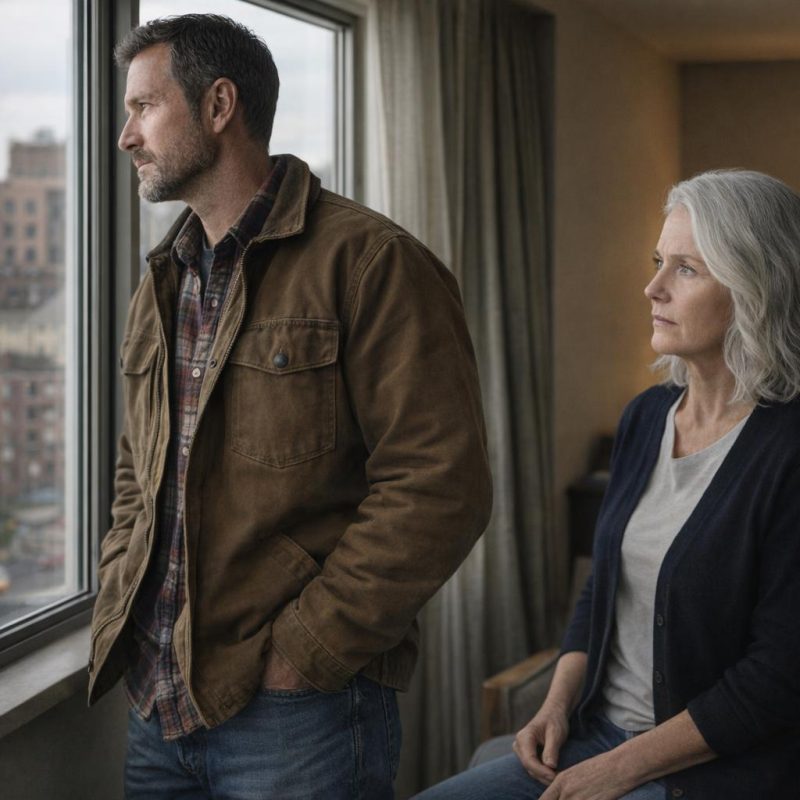 Image by RM AI
Preparing to Go Public
I told Tom I wanted to take everything to a reporter. Not a blogger, not someone chasing clicks — a real consumer reporter, someone who knew how to verify documents and protect sources. Tom nodded slowly, like he'd been expecting me to say it. I asked him directly if he'd be willing to go on record. He was quiet for a long moment. I didn't push. I watched him turn his coffee cup again, that same slow rotation, and I could see him working through it. He said he'd already been thinking about quitting. He said staying had started to feel like being part of something he didn't want to be part of anymore. Then he looked up and said yes. Just like that — yes. I told him I'd find someone careful, someone who would take the time to verify everything independently before publishing a word. I told him I'd do everything I could to make sure his name wasn't out there before he was ready. He pulled a flash drive out of his jacket pocket and set it on the table between us. He said he'd already made copies of everything — the internal messages, the evaluation notes, the dates. He'd been carrying it around for two weeks, he said, not sure what to do with it. Then he slid it across the table toward me, and I understood that he'd already made his decision before I'd even asked.
 Image by RM AI
The Weight of What Comes Next
The drive home felt longer than it was. I had the flash drive in my jacket pocket and I kept one hand on the wheel and one hand pressed flat against my side, like I needed to feel it was still there. I went through everything in my head — Tom's documentation, the dates I'd written on the receipt, the four other cases he'd mentioned. It was a lot to carry. But what kept pulling me back wasn't the evidence. It was Danny. I kept thinking about how he'd sounded the last time we talked — careful, a little distant, the way he gets when he's managing something he doesn't want me to see. I'd told myself it was just his pride. He'd always been private, even as a kid. He didn't like being the one who needed help. But sitting in that car, I started to wonder if there was something more specific he hadn't told me. I thought about his medical information, about how much of his situation would have to come out if this went public, and whether he'd even had a chance to think about that. I decided I needed to talk to him before I called anyone. Whatever came next, Danny deserved to know what was coming first. The thought of him finding out from a stranger — from a headline — sat in my chest like something I couldn't put down.
 Image by RM AI
The Deal Danny Refused
Danny let me in without saying much. I sat down at his kitchen table and told him what I'd learned from Tom — the evaluation, the rejection note, the dates. He listened with his hands folded in front of him and didn't interrupt. When I finished, he was quiet for a long time. He wouldn't look at me. I asked him if there was anything he hadn't told me. He didn't answer right away. Then he said, quietly, that there was something. He said a woman from the content team had called him a few months back. She'd been friendly, he said, very warm. She told him the team had heard about his situation and wanted to help. The offer was that if he agreed to be part of a filmed surprise — something they'd put together for him, a moment of generosity on camera — they would cover several months of future rent. He said he'd thought about it for two days. Then he'd said no. He told me he didn't want strangers knowing about his disability, didn't want his life turned into something people watched on their phones. He said he'd felt guilty about it afterward, like he'd turned down a lifeline he had no right to refuse. And then he told me that within days of his refusal, the extension he'd been promised quietly disappeared.
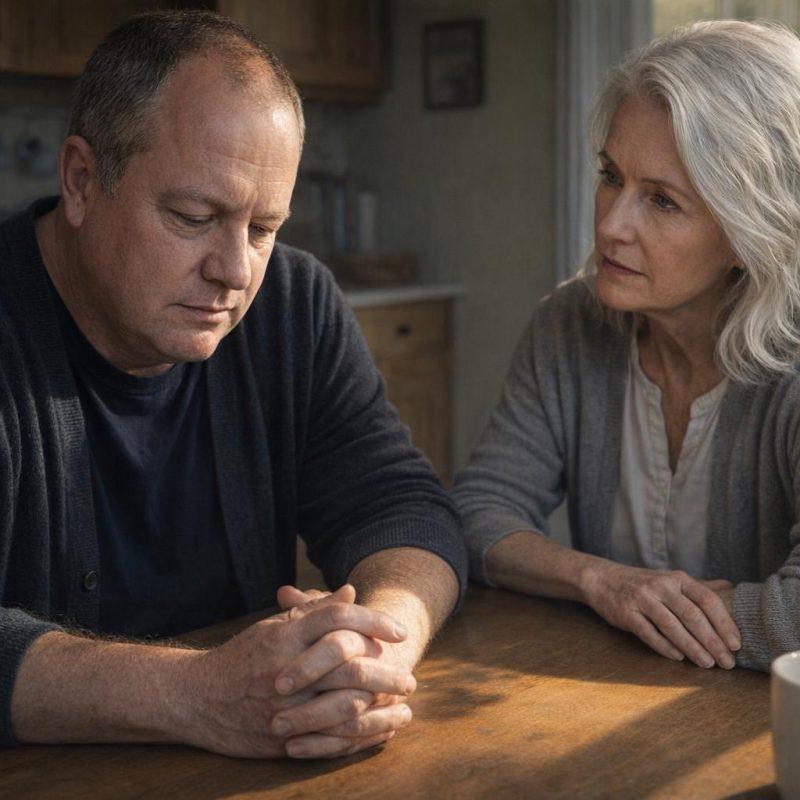 Image by RM AI
Understanding the System
I didn't say anything for a while. I just sat there with what Danny had told me, turning it over. The offer had come before the rejection note Tom showed me. The extension had disappeared after Danny said no. I thought about the four other cases Tom had described — the tenants who'd had flexibility early on, who'd been approached about filming, who'd found things harder afterward. The shape of it was the same. Generosity was on the table, but it came attached to something: a camera, an audience, a moment that would live on someone else's platform forever. Danny had looked at that offer and decided his privacy was worth more than the help. He'd made a quiet, dignified choice that nobody had asked him to explain. And what followed that choice was the withdrawal of something he'd already been told he had. I reached across the table and put my hand over his. I told him he hadn't done anything wrong. Not one thing. He looked up at me and I could see how long he'd been carrying the weight of believing otherwise. The anger I felt wasn't loud — it didn't need to be. It settled into me like something solid, something that wasn't going anywhere.
 Image by RM AI
Why Danny Stayed Silent
I asked Danny why he hadn't told me about the offer when it happened. He looked down at the table. He said he was embarrassed. I asked him what he meant by that, and he took a breath and said he thought I'd be angry that he'd turned it down. He said he figured I'd tell him he was being stubborn, that he should have taken the help when it was offered, that pride wasn't worth losing his home over. He said he'd been so tired of being the one who needed rescuing that he couldn't stand the thought of me looking at him like he'd made things worse on purpose. I had to stop myself from interrupting him. I waited until he was done. Then I told him I was proud of him. I said it plainly, without softening it. I told him that what he'd been asked to give up — his privacy, his dignity, control over his own story — was not a small thing, and that no one had the right to make that the price of keeping a roof over his head. His eyes went red at the edges. He pressed his lips together and looked away. I felt the fury in me go very still and very clear, because the thing that had broken me wasn't the scheme itself — it was the look on my brother's face when he said he thought I'd tell him he should have just said yes.
 Image by RM AI
The Coercion Pattern
I tried to explain to Danny what I saw when I looked at the whole sequence. I told him nobody had to say the words out loud for it to be pressure. The offer came. He said no. The thing he'd been promised disappeared. That was the shape of it, and the shape was enough. He asked me if I thought it was intentional — if someone had actually decided to do this to him. I told him honestly that I couldn't prove what anyone had decided. What I could point to was what happened, and when, and in what order. I told him that when you offer someone extraordinary help and then withdraw ordinary fairness after they decline, you don't need a signed document for that to be coercion. The timing does the work. He nodded slowly, like he was letting himself believe it wasn't his fault for the first time. I told him this was exactly what the reporter needed to hear — not accusations, just the sequence, just the dates, just what was offered and what disappeared. He asked me quietly if his name would have to be part of it, if his disability would end up in the story. I didn't have an easy answer for him, and I didn't pretend to. I just sat with him in the quiet of his kitchen, the two of us on the same side of something for the first time in a long time.
 Image by RM AI
Protecting Danny's Privacy
Before I left Danny's kitchen that evening, I made him a promise I intended to keep. I told him I would give James everything — the timeline, the offer, the withdrawal, the pattern — but that his medical history would not be part of it. Not his diagnosis, not the specifics of his disability, not anything that would let a stranger piece together who he was from a news article. He asked me twice if I was sure that was possible, and I told him yes, because the story didn't need those details to be true. The truth was in the dates and the documents, not in his private life. I told him James would need to independently verify everything before a single word went to print — that I wasn't handing over accusations, I was handing over a paper trail, and a good reporter would follow it himself. Danny sat quietly for a moment and then nodded. He said okay. Just that — okay. Two letters that cost him something, I could tell. I drove home with his trust sitting in the passenger seat beside me, heavier than anything I'd carried in a long time, and I knew I couldn't afford to be careless with it.
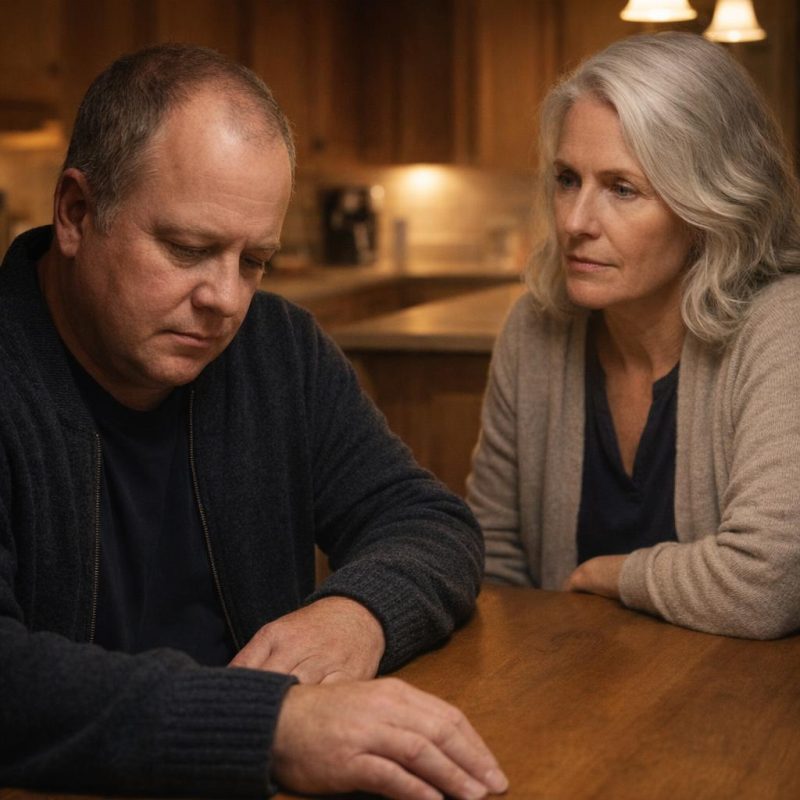 Image by RM AI
Contacting the Reporter
I'd spent two evenings reading bylines before I found James. He covered consumer protection and housing issues for a regional outlet with a solid reputation, and three of his recent pieces had resulted in actual policy changes. That felt like the right kind of reporter. I called him on a Tuesday morning, gave him the short version, and he asked me to come in. We met at a coffee shop near his office, and I brought everything — the property records, the screenshots of Tom's messages, the notes from my conversations with Sarah and Patricia, the timeline I'd built showing the sequence of events around Danny's case. I kept Danny's name out of it and described his situation in general terms. James didn't push for the name. He asked careful questions about how I'd obtained each piece of evidence, whether I'd kept originals, whether anyone had spoken to me on the record. He said he would need to contact the tenants directly, verify the property records independently, and reach out to Melissa's team for comment before anything moved forward. I told him that was exactly what I wanted. He closed his notebook, looked at me steadily, and said he'd be in touch. I walked out into the afternoon feeling something I hadn't felt in weeks — like the evidence was finally in hands that knew what to do with it.
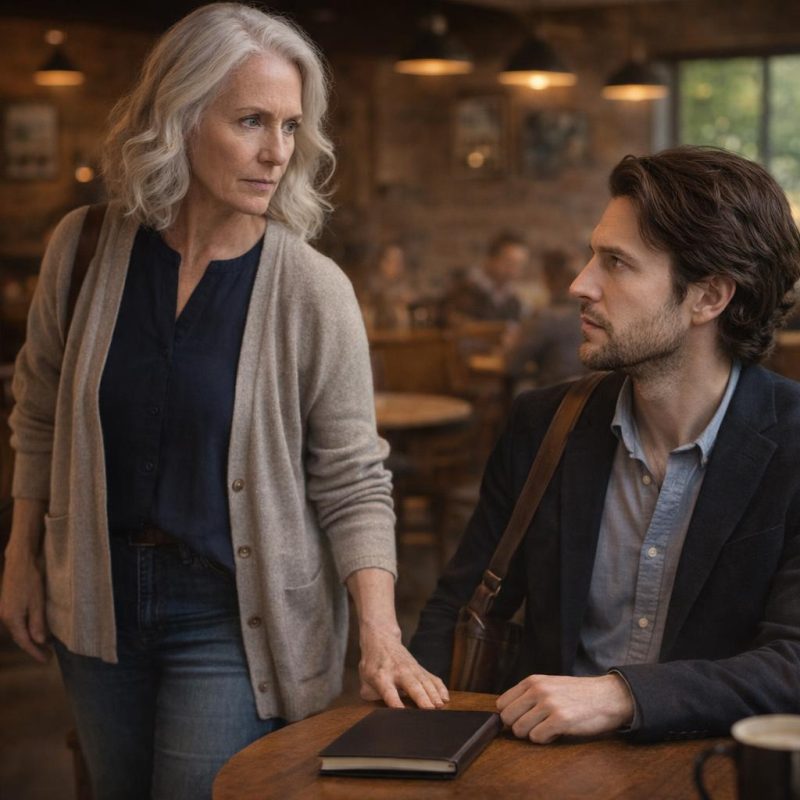 Image by RM AI
The Preemptive Strike
The notification came on a Thursday night while I was washing dishes. Melissa had posted a new video. I dried my hands and watched it standing at the kitchen counter, and within the first thirty seconds my stomach dropped. She was crying — not dramatically, just enough, the kind of tears that read as genuine on a small screen. She said she'd recently learned that someone was spreading misleading allegations about her, trying to tear down everything she'd built. She didn't say my name. She didn't have to. She mentioned a concerned family member of a tenant, a woman who had misunderstood a routine business decision and taken it somewhere it didn't belong. She talked about how painful it was to be attacked by someone she'd only ever tried to help. By the time the video ended, the comments were already moving fast — thousands of them, people who loved her, people who felt protective of her, people who were angry on her behalf. I watched the number climb. Within an hour, messages started arriving in my own accounts. Some of them were just angry. Some of them knew enough details to make clear they'd figured out who I was. I called James and told him what had happened, my voice steadier than I felt, and then I sat in the quiet of my kitchen with the full weight of what her platform could do pressing down on me.
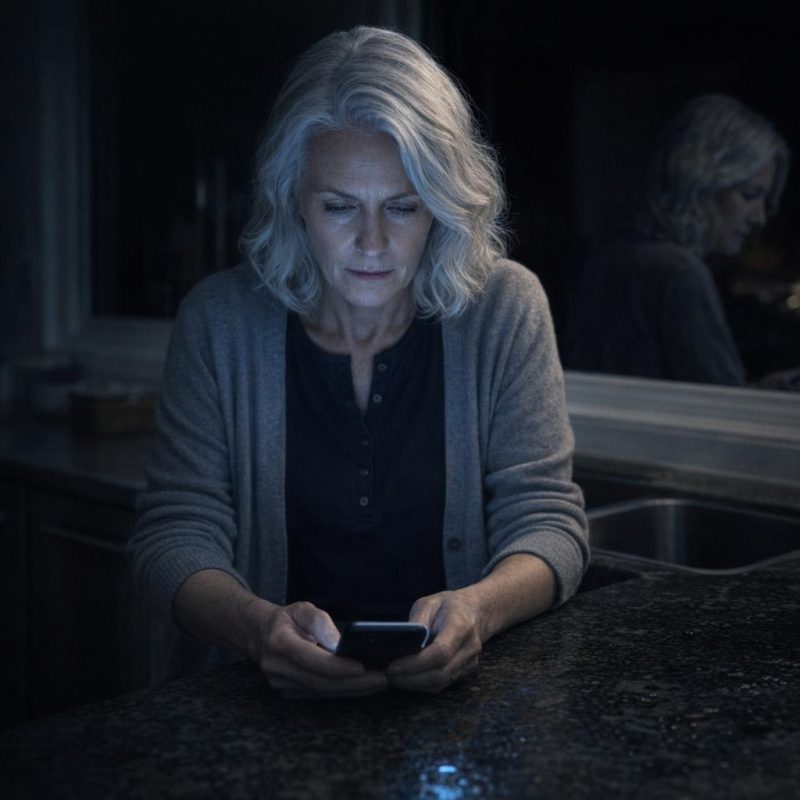 Image by RM AI
The Flood of Anger
By the next morning my phone had stopped feeling like a phone and started feeling like something I was afraid to pick up. The notifications came in waves — comments, messages, tags in posts I couldn't even find. People called me jealous. They called me vindictive. One woman wrote a paragraph about how shameful it was to go after someone who fed families and housed people in need, and that paragraph got shared four hundred times before noon. I read more of them than I should have. Most were just angry, the kind of anger that comes from loving someone you've never met and feeling like they've been wronged. But some of them were different. Some of them had a specific, focused quality that made my hands go cold. I made my accounts private, which helped with the volume but not with the feeling. I kept thinking about Danny — whether any of this had reached him, whether I'd made his situation worse by trying to make it better. Rachel called and I told her what was happening, and she stayed on the phone with me for an hour, talking me through it in that steady way she has. I was grateful for her. I was also still frightened. Then one message came through before I'd finished locking everything down — short, specific, and it said they were going to find out where I lived.
 Image by RM AI
Questioning Everything
Three days passed and James published nothing. Then four. I checked the outlet's website every morning before I got out of bed, which I knew was not a healthy habit but I couldn't stop. The harassment had slowed to a trickle after I locked my accounts, but it hadn't stopped entirely, and the quiet felt fragile rather than safe. I started running through the whole sequence in my head at odd hours — the property records, Tom's messages, Sarah's account, Patricia's story, the timeline I'd built around Danny's case — and I kept asking myself whether I'd actually proven anything or just assembled a collection of things that looked connected. Maybe I'd seen a pattern because I'd wanted to see one. Maybe a reporter with more distance would look at the same documents and find a dozen innocent explanations. Danny hadn't called, which could mean anything. I thought about calling James and asking him to set it aside, to let the whole thing go quiet. I thought about it seriously, not as a passing impulse. I sat at my kitchen table one evening with my phone in my hand and the draft of that message half-composed in my head, and I couldn't tell anymore whether stopping would be protecting Danny or just protecting myself from the cost of continuing.
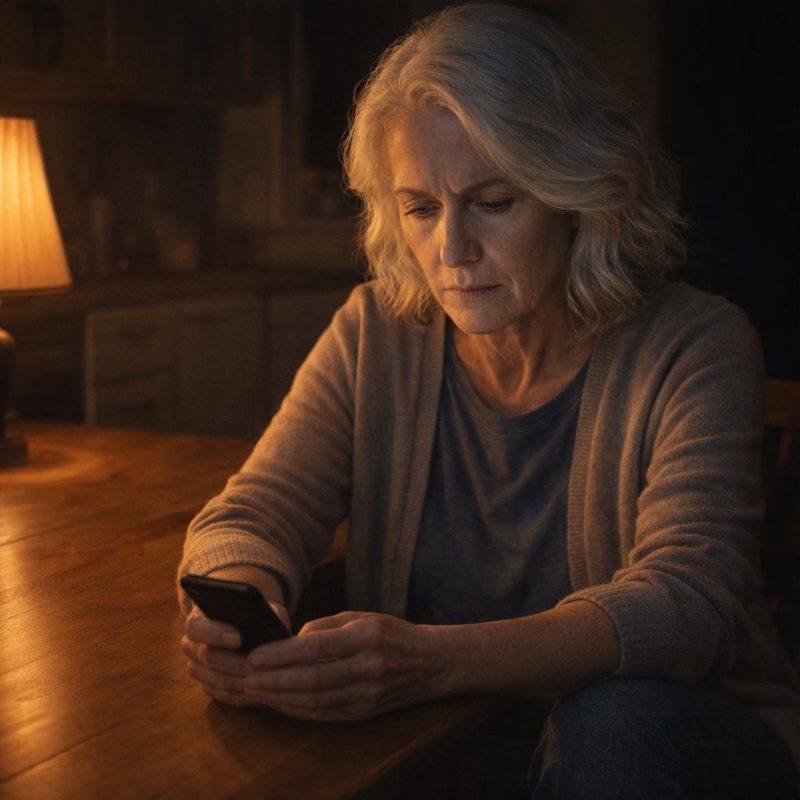 Image by RM AI
Danny's Plea
Danny called on a Friday afternoon and I knew from the first word that something had shifted. His voice was tight in a way I hadn't heard since the early days of the eviction notice, that particular kind of tight that means he's been holding something for a while before saying it. He told me people had been asking him questions — neighbors, someone at the pharmacy, a person he didn't recognize who'd knocked on his door. He said he didn't know how they'd found him but they had, and he didn't want to talk to any of them. I told him I was sorry, that I hadn't expected it to reach him directly. He said he knew I hadn't meant for it to happen that way. Then he said what he'd actually called to say. He told me he wanted me to stop. Not pause, not slow down — stop. He said he didn't care about justice the way I did, that he'd never cared about it the way I did, and that what he wanted was for his life to go back to being quiet and ordinary and his own. He said the attention was worse than the eviction notice had been, and he meant it. I told him I heard him and that I would think carefully about what he'd said. There was a long silence, and then he said, quietly but clearly, that he was begging me to let it go.
 Image by RM AI
The Unexpected Shift
James called the next morning before I'd had a chance to decide anything. He said he had something I needed to hear. After Melissa's video went up, two former tenants had contacted him independently — people who had seen the video, recognized the shape of what she was describing, and decided to speak up. Both of them had experienced something similar to what I'd documented. Both described being approached by someone from Melissa's content team during a period of financial difficulty, asked whether they'd be willing to appear in a video. One of them had agreed and said the experience had felt off in ways she hadn't been able to articulate at the time. The other had declined, and she told James that her lease renewal had become complicated shortly afterward. James said their accounts matched the timeline patterns I'd given him, and that he'd already begun verifying their records independently. He said neither of them had spoken to me, had no connection to Danny, and had come forward entirely on their own after watching Melissa's video. I sat with that for a moment. Melissa had posted that video to get ahead of the story, to frame herself as the one being wronged — and instead it had reached people who recognized their own experience in her words, and sent them straight to the reporter she'd been trying to stop.
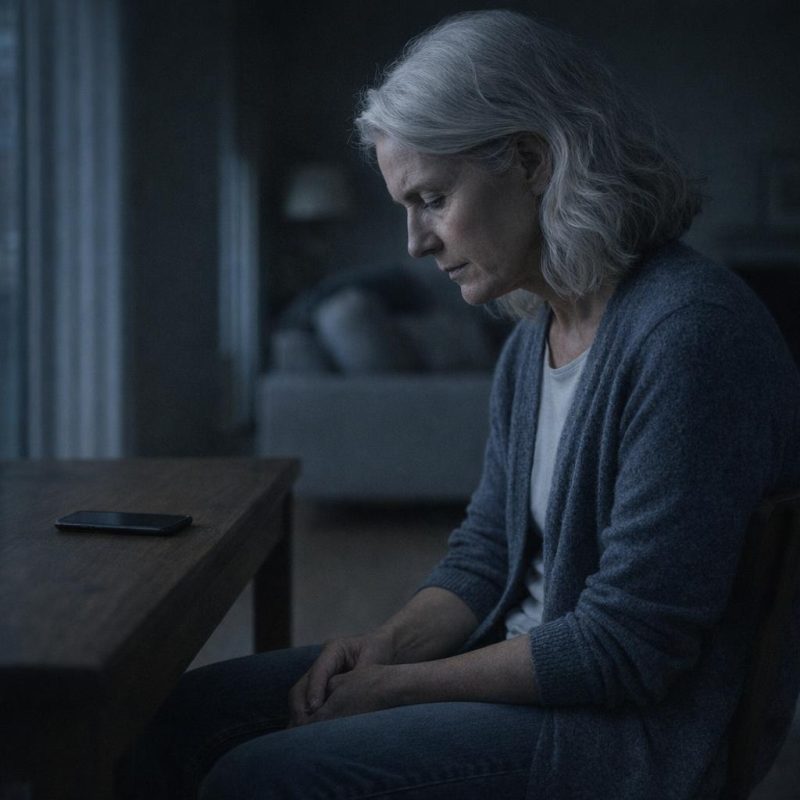 Image by RM AI
The Corroborating Voices
James walked me through both accounts carefully. The first tenant had been three months behind on rent when someone from Melissa's team reached out asking if she'd be open to sharing her story on camera — framed as a chance to inspire people. She'd agreed, appeared in a video that got hundreds of thousands of views, and said afterward that the whole thing had felt staged in ways she couldn't fully explain at the time. Her rent situation had resolved, but she'd always felt uneasy about how it had unfolded. The second tenant had been approached in similar circumstances and had said no. James said her lease renewal had been delayed by two months with no clear explanation, and that the property records confirmed the timeline she described. He told me he'd pulled the documents himself, cross-referenced the dates, and spoken to both women more than once. Their accounts were consistent and independent. Neither had coordinated with the other. Neither had coordinated with me. James said the pattern I'd documented wasn't an isolated case — it was the third instance he could now verify. He told me the investigation would publish within the next few days, pending final editorial review. I set the phone down on the table and sat in the stillness of knowing that what I'd found hadn't been a story I'd invented — it had been a story waiting for enough voices to tell it.
 Image by RM AI
The Investigation Goes Public
The article went live on a Tuesday morning. James had texted me the link at 6:47 a.m., and I sat at my kitchen table with my coffee going cold beside me and read every word twice. It was careful — methodical in the way I'd come to expect from him — built on property records, internal communications, and four tenant accounts laid out in plain, documented sequence. The piece didn't editorialize. It didn't need to. The records spoke clearly enough on their own. Danny's situation was described without his name, identified only as a tenant in his fifties who had received a written extension approval, then watched that approval withdrawn within two weeks of declining a filming proposal. The timeline was there in black and white, cross-referenced against the property management system's own records. Melissa's public content ran alongside screenshots of the internal communications — the warmth of one set against the language of the other. By mid-morning, the article had been shared thousands of times. I sat back in my chair and let out a breath I felt like I'd been holding for months. The investigation was out. The documents were public. The timeline of Danny's withdrawn extension sat on the record for anyone to read.
 Image by RM AI
The Consequences Unfold
The first sponsor announcement came within forty-eight hours — a home goods brand that posted a brief statement saying they were reviewing their partnership with Melissa's platform. Two more followed by the end of the week. I watched it unfold from my living room, not with satisfaction exactly, but with the quiet recognition that documented evidence had done what it was supposed to do. Former employees began reaching out to reporters — three of them, according to a follow-up piece James shared with me — describing internal pressure to keep tenant complaints off the record and away from the content team. Then, four days after the investigation published, Melissa posted a video. She sat in a softly lit room, no ring light visible, hair pulled back simply. She said the separation between her content work and her property management business had been inappropriate, that she took full responsibility for the confusion it had caused, and that she was implementing a formal hardship policy for tenants going forward, with an independent review process. She didn't use the word wrongdoing. She didn't name anyone. The language was careful in the way that language gets when attorneys have reviewed every sentence. I watched it once, then set my phone down on the arm of the couch. It was the kind of apology that acknowledged a problem without quite admitting one had ever existed.
 Image by RM AI
Danny's New Beginning
The company honored Danny's original extension within ten days of the article publishing. The disputed penalties — three months' worth — were removed from his account without explanation or negotiation. He called me when the letter arrived and read it to me over the phone, his voice steady in a way it hadn't been in months. I told him I was glad. He said he was too. He stayed in that apartment through the winter and into the spring, and I thought maybe that was the end of it — that he'd settled back into his life and that would be enough. Then in April he called again. He told me he'd been thinking about it for a while, that he'd found a place across town, smaller but with a good landlord he'd already spoken to twice, and that he'd signed the lease that morning. He said he just didn't feel comfortable there anymore, and that he wanted to leave on his own terms rather than because someone had pushed him out. I didn't argue. I understood exactly what he meant. We spent a Saturday in May loading boxes into a rented van, and by early afternoon I was carrying the last of them up a narrow staircase into his new apartment, Danny holding the door open at the top.
 Image by RM AI
Kindness Without an Audience
His new kitchen was small and bright, with a window that looked out over a quiet street lined with maples just coming into leaf. We worked through the afternoon unpacking boxes — dishes wrapped in newspaper, the old cast-iron pan he'd had since his thirties, the framed photo of our parents that had sat on his windowsill in every apartment he'd ever lived in. Danny was quieter than usual, but it was a good quiet, the kind that comes from being settled rather than worried. At some point my phone buzzed on the counter. I glanced at the screen out of habit. Melissa had posted a new video — the thumbnail showed her with her hand on someone's shoulder, her expression soft and open, the caption something about showing up for people when it matters most. I looked at it for a moment. Then I turned the phone face down on the counter and picked up the next box. Danny was trying to figure out where to hang the photo of our parents, holding it up against two different walls and asking me which one caught better light. I told him the one by the window. He nodded and reached for the hammer. The truest things I'd ever done for the people I loved had never needed a caption.
 Image by RM AI
KEEP ON READING