

I Spent 3 Years Renovating a Lake House—My Mother-in-Law Just Tried to Evict Me From My Own Property
I Spent 3 Years Renovating a Lake House—My Mother-in-Law Just Tried to Evict Me From My Own Property
The Keys to Lakeshore Drive
I signed my name on the last page and the notary slid the folder across the table like it weighed nothing, but my hand was shaking a little when I picked up the pen. The title company was quiet except for the hum of the air conditioning and the sound of pages turning. David sat beside me the whole time, knee pressed against mine under the table — his version of saying he was there without making a thing of it. When the realtor finally set the keys on the table and said congratulations, I just stared at them for a second. Two keys on a plain metal ring, nothing special about them at all. The deed had my name on it — just mine — and that still felt strange to say out loud, that I owned something this real, this permanent. We drove out to the lake together, windows down, David with his hand on my shoulder for most of the ride. He didn't say much. Neither did I. When we pulled into the gravel driveway and I got out and stood there looking at the overgrown yard and the peeling siding and the sagging porch, I just held those keys in my palm and felt the full weight of what I'd just done settle quietly into my chest.
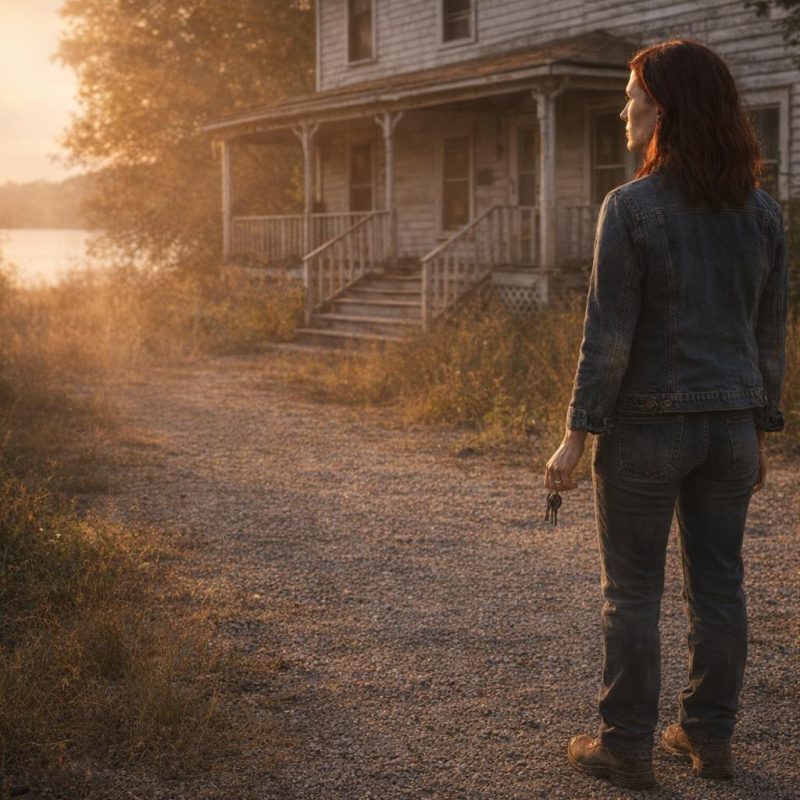 Image by RM AI
What We'd Bought
We pushed the front door open and it stuck halfway, swollen in the frame from years of moisture, and that was pretty much the tone for everything that followed. I had my phone out taking photos before we even made it past the entryway. The ceiling in the living room had two brown water stains the size of dinner tables, and when I pressed my hand against the drywall beneath them it gave like wet cardboard. The kitchen was worse — the cabinet doors had warped so badly some of them wouldn't close, and the refrigerator had a smell I wasn't going to investigate. Every window we checked was single-pane, and at least three had cracks running corner to corner. The bathroom plumbing groaned when David turned the faucet handle, and a rust-colored trickle came out before he shut it off fast. But under the ruined carpet in the hallway, I could see the edge of original hardwood, and that kept me going room to room. David stayed close, holding the flashlight when I needed it, not saying anything discouraging even when I know he was doing the math in his head. I was making notes on my phone, trying to stay systematic, when I stepped toward the back bedroom and the floor shifted under my foot — and then dropped.
 Image by RM AI
Evelyn's First Visit
About three weeks into demo prep, Evelyn pulled up in her car with a cardboard tray of coffees and a white bakery box balanced on top, and honestly it was a welcome surprise. I hadn't expected her, but the site was presentable enough and David lit up the moment he saw her walking across the gravel. She moved through the house the way someone does when they're genuinely curious — touching doorframes, tilting her head at the ceiling height, pausing in the dining room to look at the original window casings. She said the bones were beautiful, and she meant it, you could hear it. She pointed out a set of vintage light fixtures in the upstairs hallway that I'd been planning to pull out, and she made a case for restoring them instead that was actually pretty convincing. She had a contractor's name written on a card in her purse — someone who'd done tile work for a friend of hers — and she handed it over without making it a big deal. David thanked her for being supportive, and she waved it off like it was nothing, said she just wanted to see it done right. She took photos of almost every room, said she wanted to show her friends what we were working with. Standing there listening to her describe what the dining room could look like with the right lighting, her voice warm and unhurried, I felt genuinely glad she'd come.
 Image by RM AI
Breaking Ground
The foundation crew showed up on a Monday with equipment I didn't fully understand and a foreman who explained everything twice without being asked, which I appreciated. I was on-site every day that first week, walking the perimeter with my coffee while they worked, learning the vocabulary of footings and drainage and load distribution. The roofers came in right behind them, and watching the old shingles come off in strips felt like the house finally exhaling. David drove out after work most evenings to review invoices with me at the folding table I'd set up in the kitchen, and we'd go line by line until the light got bad. Evelyn stopped by three times that week alone — once with sandwiches for the crew, which they seemed genuinely happy about, and twice just to see how things were progressing. She'd walk the perimeter, ask the foreman a question or two, then find me to say something encouraging before she left. I didn't think much of it. She seemed interested in the same way family sometimes gets interested in a project — present, enthusiastic, a little proud. The first major draw from my renovation account cleared that Friday, a number that made me sit with the spreadsheet for a while, but I'd planned for it. By the end of the week, the new roof decking was going down in clean rows, and I stood in the driveway at dusk just watching it take shape.
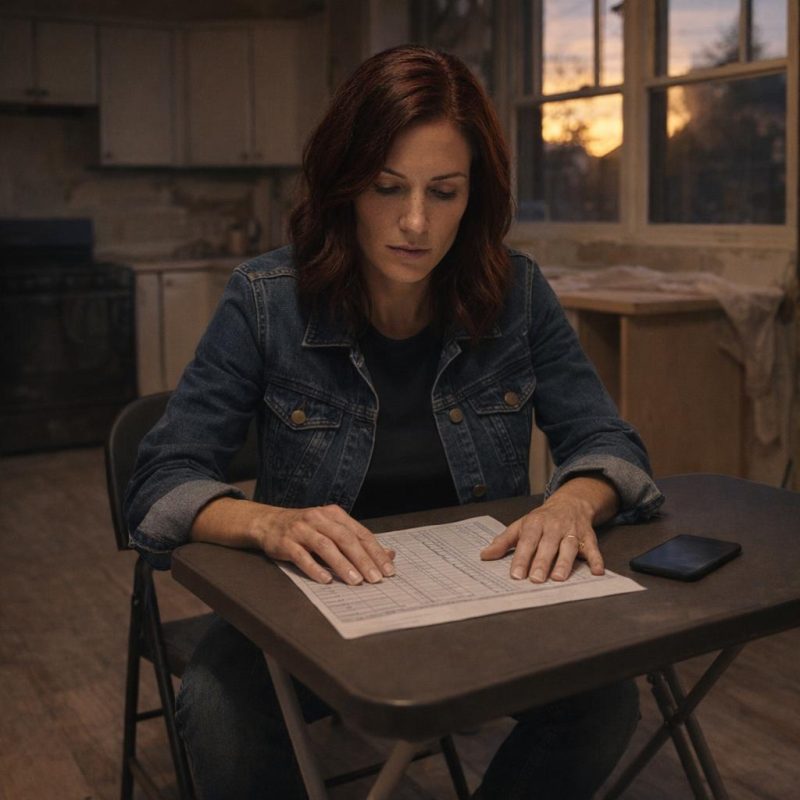 Image by RM AI
Walls Coming Down
There's something deeply satisfying about tearing out drywall, and I say that as someone who spent two full weekends doing exactly that until my shoulders stopped working properly. David came out both Saturdays and we worked side by side with pry bars and dust masks, filling contractor bags and hauling them to the dumpster in the driveway. We found the load-bearing walls right where the original blueprints said they'd be, marked them in red tape, and left them alone. The dining room gave us the best surprise — behind a layer of cheap paneling from what looked like the seventies, the original wood was still there, intact, just waiting. We took a lot of photos that day. By Sunday evening the interior was stripped down to studs and subfloor, and the house felt bigger and more honest somehow, like it had stopped pretending. David ordered Thai food and we sat cross-legged on the subfloor eating pad thai out of the containers while I sketched out the next phase on a legal pad. He kept saying he couldn't believe how much we'd gotten done, and I kept saying we because it felt right even though most of the planning was mine. I was pulling up the last section of damaged flooring near the hallway closet, just doing a final check before we called it a night, when my pry bar caught on something solid above the baseboard — and there it was, a full run of original crown molding hidden behind decades of drywall.
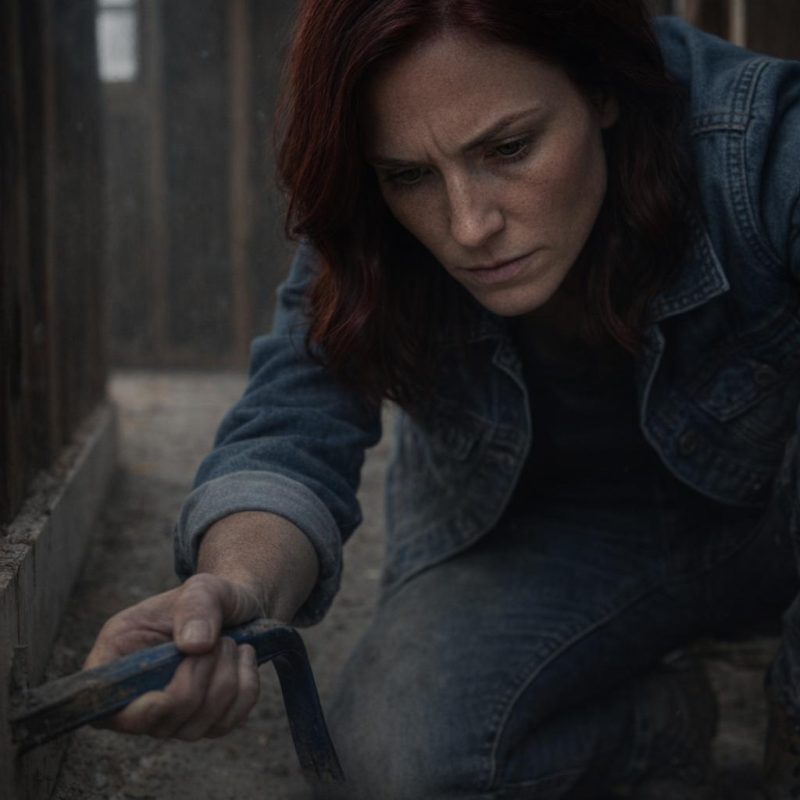 Image by RM AI
The Family Tour
I was on my knees measuring the kitchen window opening when I heard tires on the gravel and looked up to see Evelyn's car, and then a second car pulling in right behind it. She came through the front door with Claire and two other women I recognized vaguely from family gatherings, all of them in nice shoes that were not remotely appropriate for a construction site. I set down my tape measure and went to say hello, and David came in from the back room looking genuinely pleased. I hadn't been expecting anyone, but the house was in decent shape for a visit, so I just went with it. Evelyn took the lead almost immediately, walking the group through each room and pointing things out — the restored window casings, the crown molding we'd uncovered, the new subfloor. Claire was warm and asked good questions about the timeline, and I found myself enjoying the conversation more than I'd expected. I stepped into the hallway to grab my phone so I could show them the before photos, and that's when I heard Evelyn's voice carrying from the dining room. She was explaining the phased approach to the two women — the sequencing of structural work before cosmetic, the decision to delay the kitchen until year two. The dates she used were exact. The reasoning she gave was word for word what I'd told David one evening when we were alone going over the plan.
 Image by RM AI
Pipes and Wires
The electrician and the plumber showed up the same week, which I'd scheduled on purpose to get the rough-in work done before the insulation went in, and for about four days the house sounded like controlled chaos. I was on-site every morning with my clipboard, signing off on inspection points and answering questions and trying not to get in anyone's way. The electrician found two additional junction boxes behind the walls that weren't on any diagram, both of them wired in a way that made him shake his head slowly, which is never what you want to see. That added two days and a permit amendment to the schedule. The plumber replaced every corroded pipe in the house, which was the right call and also expensive. David came out Thursday evening and we sat at the folding table with the budget spreadsheet open between us, and we made the call to push the finish carpentry and the deck rebuild to the following spring. It wasn't a crisis, just a recalibration. I'd been careful with the contingency fund, and we still had room. I felt tired in the specific way that comes from doing something hard and doing it right, and David brought coffee and didn't make the numbers feel worse than they were. I drove home that night feeling okay about where things stood, and then I sat down at the kitchen table and opened the credit card statement — and the balance had climbed past the number I'd set as my ceiling.
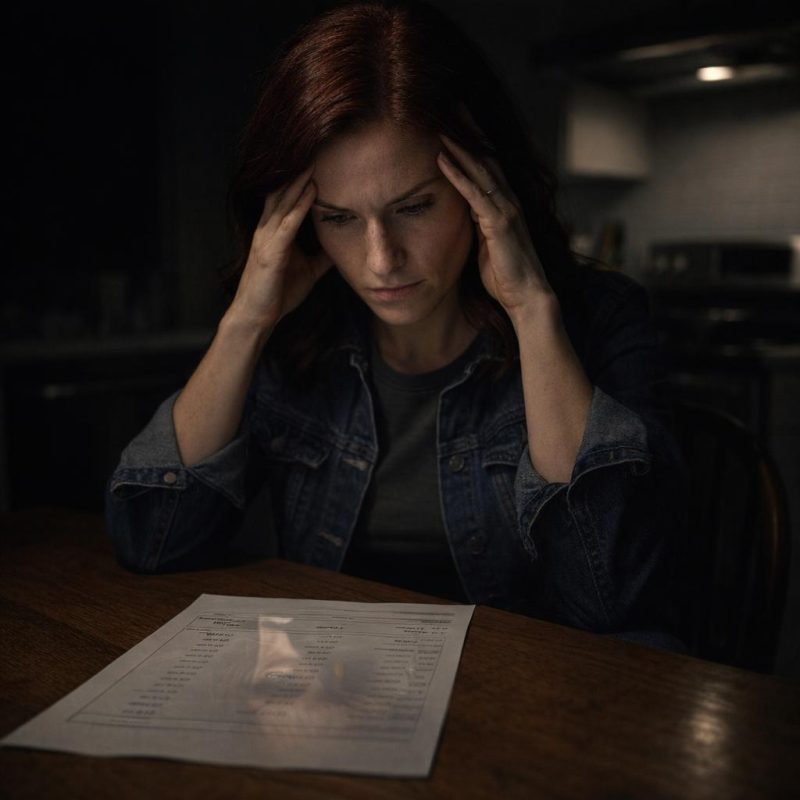 Image by RM AI
The Numbers
I didn't close the laptop that night. I just sat there and started building the spreadsheet properly, the kind where every line has a source and every projection has a note explaining the assumption behind it. David came and sat across from me around nine and didn't say anything for a while, just looked at the screen. We went through everything — every receipt I'd photographed, every invoice I'd filed, every permit fee and inspection cost and material order. When we got to the projections, the number that kept coming back was three years. Not two, the way I'd originally hoped. Three years to do this right without going into debt we couldn't manage, pacing the work to match what we could actually afford. David said we could do three years. He said it like he meant it, not like he was trying to make me feel better. I identified six phases where I could do the labor myself and cut the contractor cost significantly, and I wrote those down in a separate column. Before I went to bed I backed everything up to the cloud and emailed myself a copy, just as a habit. The house was worth it — I believed that without any doubt. But sitting there with the screen still glowing, looking at three years of work mapped out row by row, I felt the full size of what I'd taken on settle around me like the walls of the house itself.
 Image by RM AI
The Neighbor's Comment
I'd stopped at the hardware store on Route 9 to pick up more sandpaper and a new set of brushes when a woman I vaguely recognized from down the road came up beside me in the paint aisle. She had one of those warm, easy smiles that made you feel like you'd known her for years. She said she'd seen me out at the lake house a few times and asked how the work was going. I told her it was going well, slow but steady. Then she said she'd run into Evelyn at the community center the previous week and that Evelyn had been talking about the renovation project. I nodded and said something like, yes, Evelyn was involved with the family. The woman seemed genuinely enthusiastic — said it sounded like a beautiful undertaking. I thanked her and moved toward the register, picking up the last few things on my list a little faster than I'd planned. On the drive back I kept turning the conversation over in my head, not sure what to make of it exactly. It wasn't anything alarming. It was just a small, odd note — the way she'd said the renovation project, like it belonged to a story I hadn't been told.
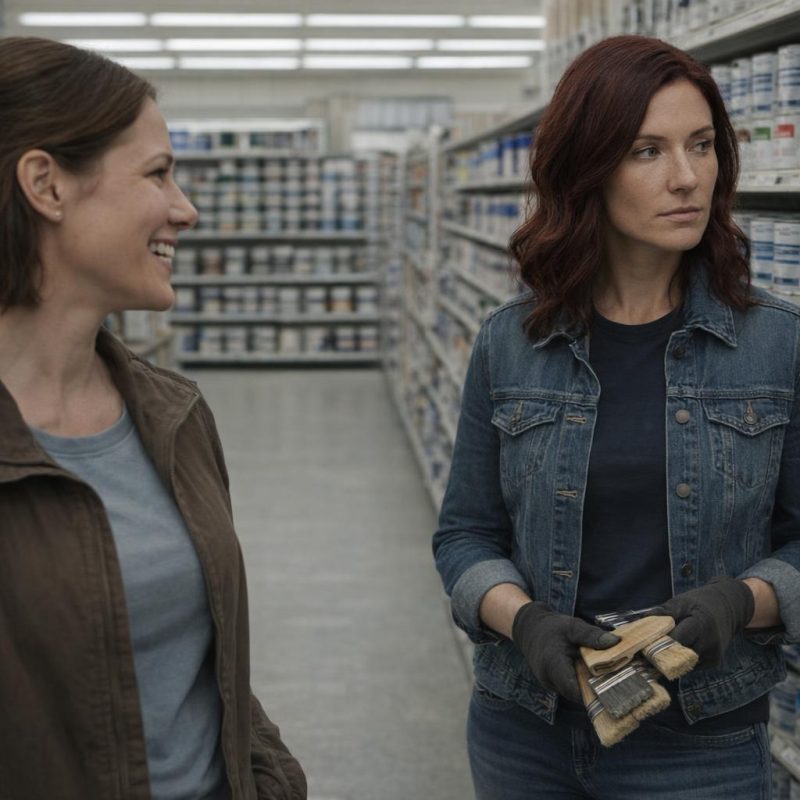 Image by RM AI
Congratulations
Evelyn had come by that Saturday while I was working on the back porch railing, and I didn't think much of it at first. She did that sometimes — showed up, walked through the rooms, made comments about the light or the trim. A neighbor from two houses down, a retired man whose name I never quite caught, came across the lawn with his hands in his pockets and a big smile on his face. He said the place was really coming along and that the whole street looked better for it. Evelyn smiled and said she was glad it showed, that these old houses deserved to be treated with care. I stood there with a paintbrush in my hand and waited. I kept thinking she would say something — a small correction, a gesture toward me, anything. The neighbor mentioned property values and Evelyn nodded and said historic preservation was something she felt strongly about. I didn't say a word. Then the neighbor turned to Evelyn, shook his head appreciatively, and thanked her for her investment in the neighborhood.
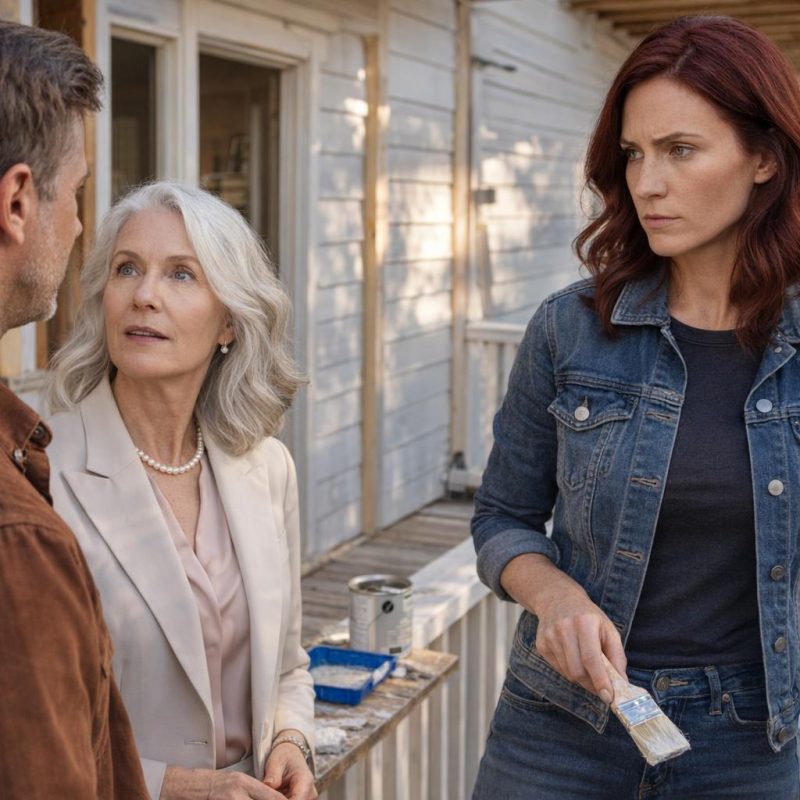 Image by RM AI
Design Choices
I was on my knees in the front room working on the window frames, stripping layers of old paint down to the original wood, when I heard Evelyn come through the front door with someone. A friend, from the sound of it — a woman whose voice I didn't recognize. I kept working and let the conversation wash over me from the next room. Evelyn was giving a tour, walking her through the space, and I heard her say she had decided to preserve the original hardwood floors rather than replace them, that it had been important to her to keep the character of the house intact. Her friend said something admiring. Then Evelyn explained that she had chosen to restore the original fixtures rather than modernize, that the whole vision had been about honoring what was already there. Her friend said she had such a good eye, that not everyone would have the patience for it. I set down the scraper and sat back on my heels for a moment. I wasn't sure what I was feeling exactly — not quite anger, not quite anything I could name. I heard them move toward the back of the house, their voices fading. The room went quiet, and I stayed there in the silence after Evelyn finished speaking, not moving.
 Image by RM AI
Mom's Lake House
Claire came by on a Sunday afternoon when David and I were both at the property. She was in good spirits, asking questions about the timeline and walking through the rooms with genuine interest, running her hand along the restored trim and saying it looked incredible. David was proud — I could see it in the way he walked her through each space, explaining what we'd done and what was still left. I was in the kitchen going through a supply list when I heard Claire say to David, from somewhere down the hall, that she hadn't realized how far along Mom's lake house project had gotten. I stopped writing. David said something back, something about how much work had gone into it, and Claire said their mother had real vision for the place. I stood there holding my pen. I thought about walking down the hall and saying something light, something easy that would just set the record straight without making it a moment. But by the time I'd worked out what I might say, the conversation had already moved on, and Claire was asking David about the roof, and the moment passed. I heard Claire say it again as they came back through — Mom's lake house project — like it was simply the name of the thing.
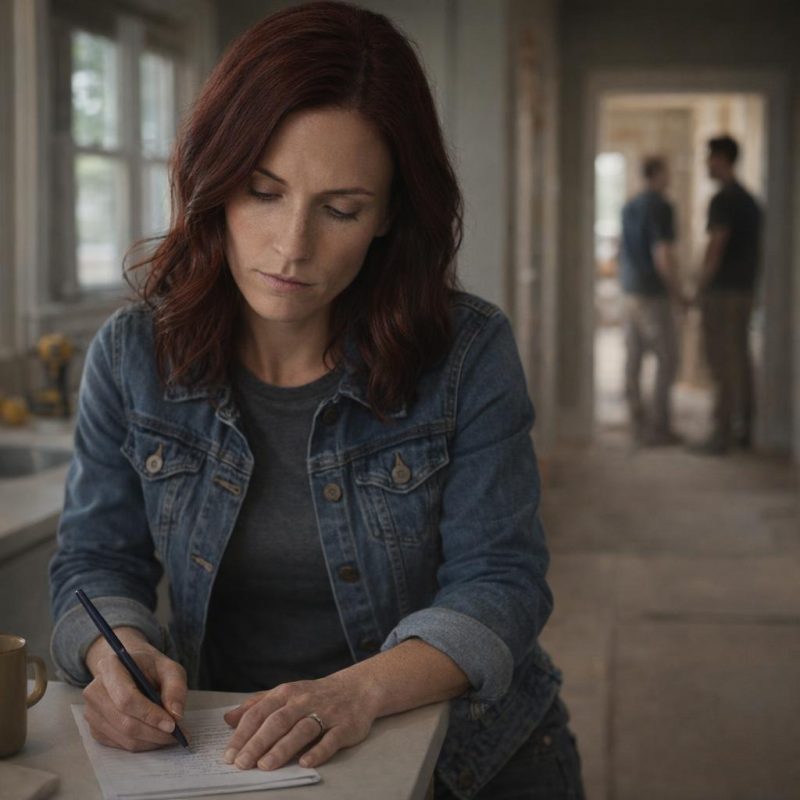 Image by RM AI
Small Corrections
Later that afternoon, when the three of us were sitting on the back porch with coffee, I found an opening and took it. I mentioned, as casually as I could manage, that I had actually purchased the property myself — that it was in my name, that I'd been the one to find it and close on it. Claire looked at me with a polite expression and said, oh, right, of course. I waited to see if she'd say more. She didn't. I tried again, a little more directly, and said I was the sole owner on the deed, that the renovation was something I'd been planning and funding on my own. Claire nodded and asked whether I was thinking about going with a warmer white or a cooler tone for the exterior trim. David shifted in his chair and looked out at the water. I sat with the words I'd just said, wondering if they'd landed anywhere at all. I tried one more time, gently, explaining the ownership structure and how the financing worked. Claire said she understood, and her voice was perfectly pleasant, and then she asked David if he thought the dock needed replacing. The conversation moved on the way water moves around a stone — without pausing, without acknowledging the shape of what it had passed.
 Image by RM AI
Paper Trail
After that Sunday I started keeping records the way I should have been keeping them all along — not just receipts in a folder but a real system. Every purchase photographed the day I made it, logged with the date, the amount, and what it was for. I built out the labor spreadsheet so it tracked not just contractor invoices but my own hours, the work I was doing myself, week by week. I scanned the deed and the title documents and saved copies in three separate places. David came into the kitchen one evening while I was organizing a stack of contractor invoices into chronological order and asked what I was doing. I told him it was good practice for any major project — that if we ever needed to pull records for insurance or resale, it would save us a lot of trouble. He accepted that and went back to what he was doing. It wasn't untrue. It just wasn't the whole reason. I kept working through the stack until everything was filed and labeled and backed up. When I finally closed the folder and set it on the shelf, it was thicker than I'd expected — months of work made solid and countable, sitting there in the quiet of the kitchen.
 Image by RM AI
The Gathering
I'd planned to spend that Saturday finishing the trim work on the upstairs windows. I left the house early, stopped for coffee, and drove out to the lake with my tools in the back of the car. I turned onto the road that ran along the water and saw the first car before I even reached the driveway — parked on the shoulder, then another one, then three more in the gravel lot. I pulled in slowly and sat with the engine running, looking at the cars lined up along the road and the shapes moving behind the front windows. David appeared from the hallway when I came in and pulled me gently toward the back door, and he said he was sorry, that he should have called me, that his mother had mentioned wanting to show the house to some family and he hadn't realized it had turned into this. Evelyn looked up from the kitchen and said, oh good, I was hoping you'd make it. I nodded and stayed. I moved through the rooms with a coffee cup I didn't remember picking up, and every room had people in it, and none of them were mine.
 Image by RM AI
Credit Where It's Due
I spent most of that gathering near the edges of rooms, listening. Family members I recognized and some I didn't were moving through the house asking Evelyn questions — about the floors, the fixtures, the paint colors, the timeline. Evelyn answered each one with the ease of someone who had thought about it for a long time. Claire stood near the fireplace telling a cousin that their mother had put so much into the planning of this place, that it had been her vision from the start. I watched David across the room. He caught my eye once and looked away. At some point I was standing in the doorway between the kitchen and the living room when a woman I didn't know — someone's aunt, I thought — reached out and touched Evelyn's arm and said she just wanted to say thank you, that Evelyn's vision for this property was something special, that it was clear how much love had gone into it. Evelyn smiled and said it meant everything to hear that.
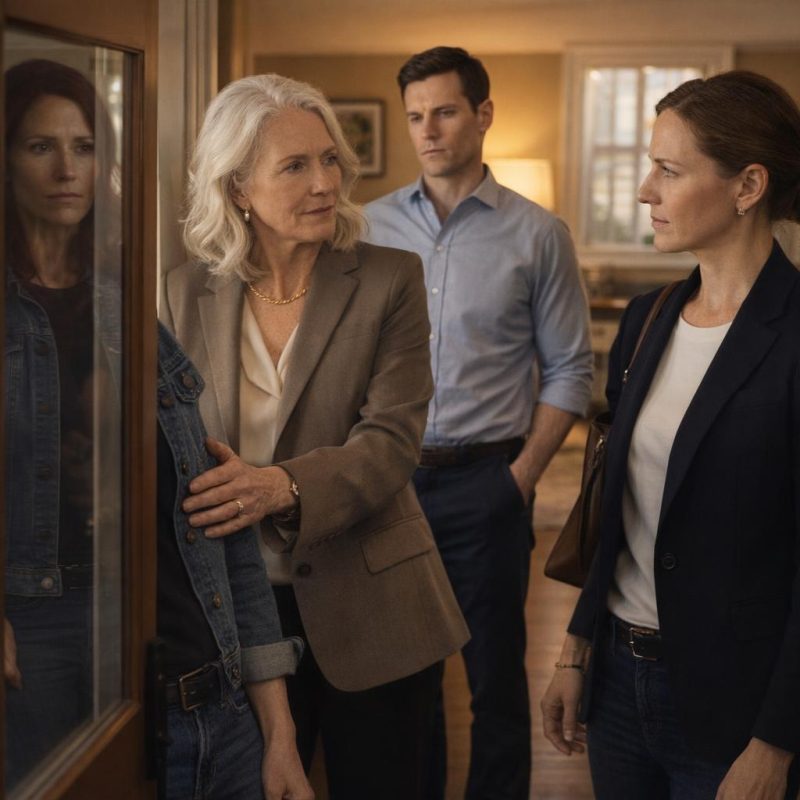 Image by RM AI
The Tour Guide
At some point the gathering shifted into something that felt like a formal tour, and Evelyn was leading it. I fell in with the group because it seemed easier than standing apart, and I told myself I was just curious how she'd handle the rooms I knew best. She moved through the downstairs with the confidence of someone who had drawn up the blueprints herself, pausing at the restored window casings to explain that she had insisted on keeping the original wood rather than replacing it with vinyl. She described the paint palette in the hallway as something she had spent weeks selecting, holding swatches up to the light at different times of day. Claire walked just behind her, nodding, occasionally writing something in her phone. I kept my face neutral. I had spent four months on that hallway alone — the stripping, the patching, the primer coats, the color tests on brown paper taped to the wall. Evelyn described the fireplace surround as a preservation decision she had made after consulting with a specialist. I had found that specialist through a historic homes forum and driven two hours to meet him. I stayed quiet and kept moving with the group. Then Evelyn reached the end of the hall, turned the handle, and pushed open the door — the room I had been working in alone for the past six weeks, now open to the group as though it had always been hers to show.
 Image by RM AI
Keeping the Peace
After everyone left, David and I moved through the rooms collecting glasses and folding chairs without saying much. I waited until we were in the kitchen before I said anything. I told him I had stood there listening to his mother describe my work as her own decisions, in front of people who had no reason to question her, and that it had been hard to stay quiet. He set down the stack of plates he was carrying and looked at me with an expression I recognized — the one that meant he already knew what I was going to say and had been hoping I wouldn't say it. He told me his mother had always needed to feel central to things, that it was just how she was, that it didn't change anything real about what we had built here. I said it felt like it changed something. He asked me, carefully, not to make an issue of it with her directly. He said it would turn into a family conflict that would outlast whatever the original problem was, and that he didn't want that for us. I understood what he was asking. I didn't fully agree with it, but I understood it. I told him I'd let it go for now. We finished cleaning up in silence, and the weight of what he'd asked me to carry settled somewhere between us in the quiet of that kitchen.
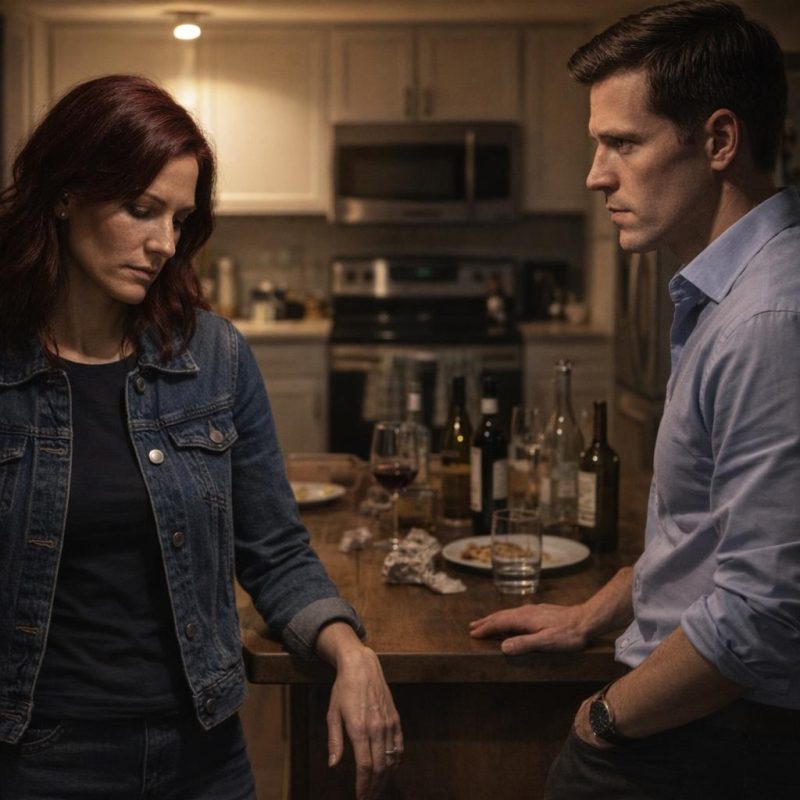 Image by RM AI
Specifics
A few weeks later I was on the back porch working on the exterior trim when I heard Evelyn's voice carrying across the yard. She was standing near the property line talking to the neighbor who kept a vegetable garden along the fence — a retired man whose name I'd never caught clearly. I kept my brush moving and listened. Evelyn was telling him about the foundation work. She mentioned a specific dollar figure — not a rounded estimate, but the actual number, the one from the contractor's final invoice. Then she described the electrical phase, the sequence of it, the weeks it had taken, the permit number she referenced almost in passing. I set the brush down on the edge of the can. Those numbers were in my records. The permit documentation was in a folder I kept in the house. I couldn't account for how she had those specifics. The neighbor asked her something about what the property might be worth now, and she answered him with a projection that was close enough to the figure David and I had discussed privately that I felt something go still in me. I picked the brush back up and kept painting. I didn't know what to make of the precision in the numbers she was using, and I wasn't sure I wanted to.
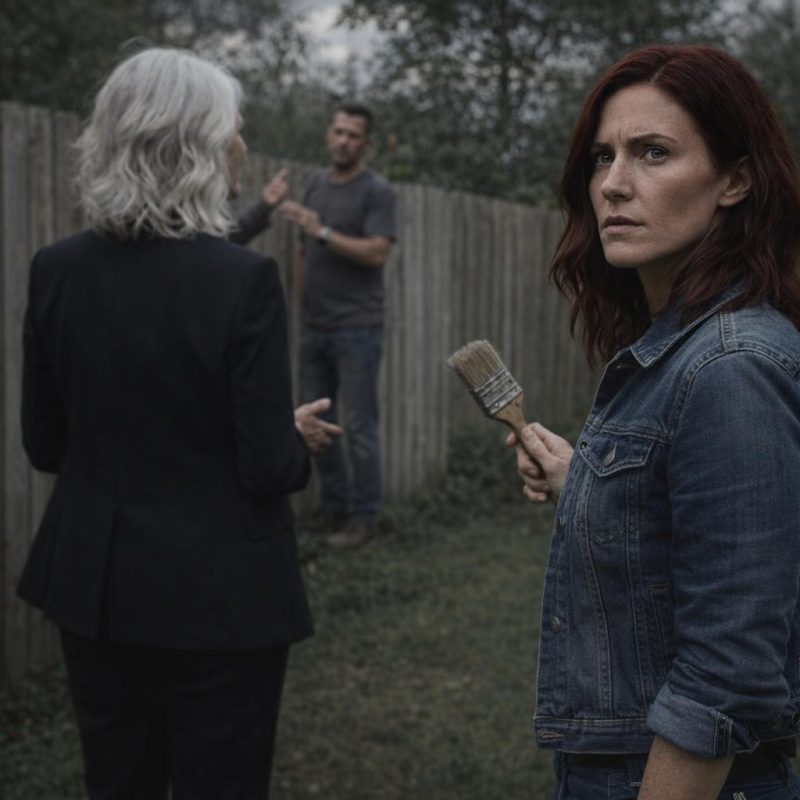 Image by RM AI
Measurements
I was sanding the second-floor landing when I heard the front door and then Evelyn's footsteps on the stairs. She came up carrying a small canvas tote and greeted me the way she always did — warmly, like she was stopping by to check on a project she had a stake in. I went back to sanding. A few minutes later I noticed she had a measuring tape out and was running it along the window frame at the end of the hall. I watched her write something in a small notebook. She moved to the doorway of the corner bedroom and measured that frame too. I asked her what she was working on. She said she wanted to show some friends photos of the restoration quality, that people were always asking her about the details. It was a reasonable enough answer. She put the tape away and took out her phone. She photographed the ceiling medallion in the hallway, then the original brass door hardware, moving close and adjusting the angle to get the detail. I had spent an afternoon on those fixtures — photographing each one, noting the manufacturer's marks, cross-referencing them against period records. I watched her crouch down and photograph the antique sconces from the same angles I had used, her phone moving slowly across each one.
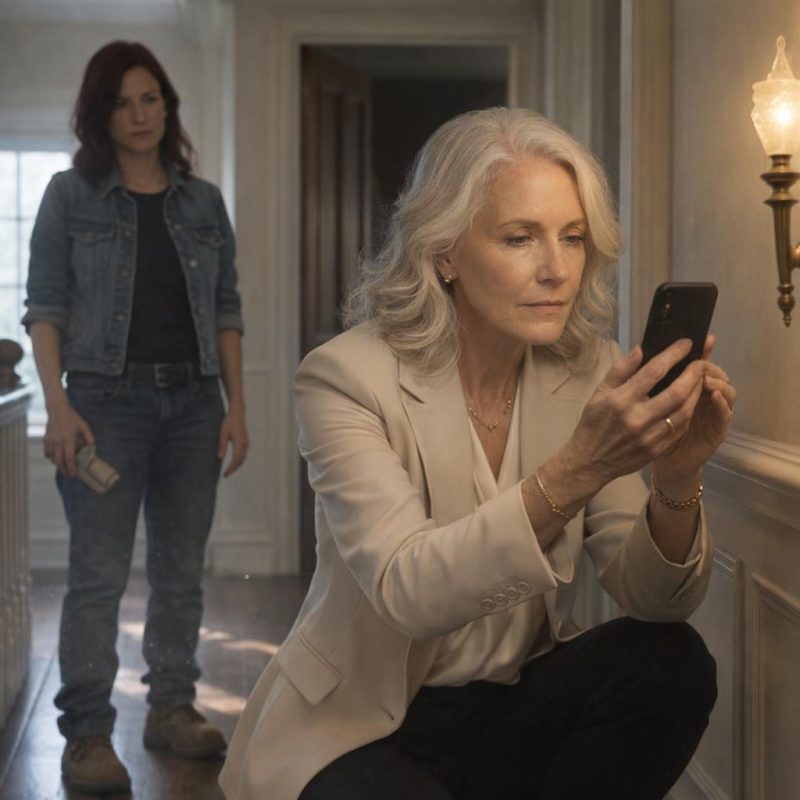 Image by RM AI
Year Two
The second year started with a sledgehammer. David and I had been talking about the kitchen remodel since before we closed on the property, and the morning we finally started demo felt like something releasing. We pulled the cabinet doors off first, stacking them by the back door, and then David went at the upper boxes with a pry bar while I worked the lower ones loose from the wall. The old cabinets were particle board under a veneer that had been painted over at least twice, and they came apart without much resistance. By midday the kitchen was down to bare walls and exposed plumbing stubs, and the floor was covered in a layer of dust that turned our footprints white. David stood in the middle of it and said it looked like a disaster, and I told him that was exactly what progress looked like. I had kept my distance from Evelyn since the gathering, not coldly, just carefully, and the kitchen felt like mine again in a way the rest of the house had started not to. I took measurements for the new cabinet run while David hauled the last of the debris out to the dumpster. The walls were bare and the room smelled like old wood and plaster dust, and I stood there for a moment with my tape measure in my hand, just taking it in.
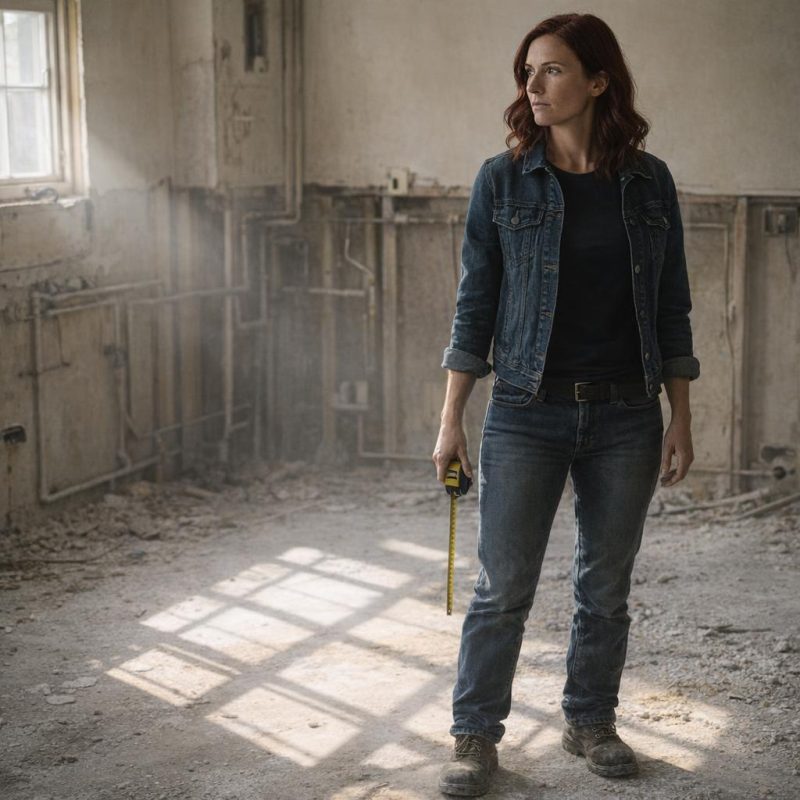 Image by RM AI
New Codes
I noticed the paint supplies first — two gallons of the exterior trim color and a box of brushes I had left in the storage room off the back hallway. I went through the shelves twice before I checked my inventory list. Three boxes of the subway tile for the kitchen backsplash were also gone. I stood in the storage room for a while going over the list against what was in front of me, trying to account for whether I had moved anything myself and forgotten. I hadn't. I told David that evening and he went through the room himself, same result. We stood there looking at the shelves without saying much. The next morning I drove to the hardware store and bought an electronic keypad lock for the storage room and a second one for the main entry. David helped me install both of them that afternoon. I programmed the codes myself and gave David the numbers. I wrote the missing items into my records with dates and quantities, the same way I documented everything else. I didn't make accusations. I didn't have anything solid enough to point at. I just stood in the back hallway after David left, looking at the new keypad mounted flush against the door frame, its small green light steady in the dim.
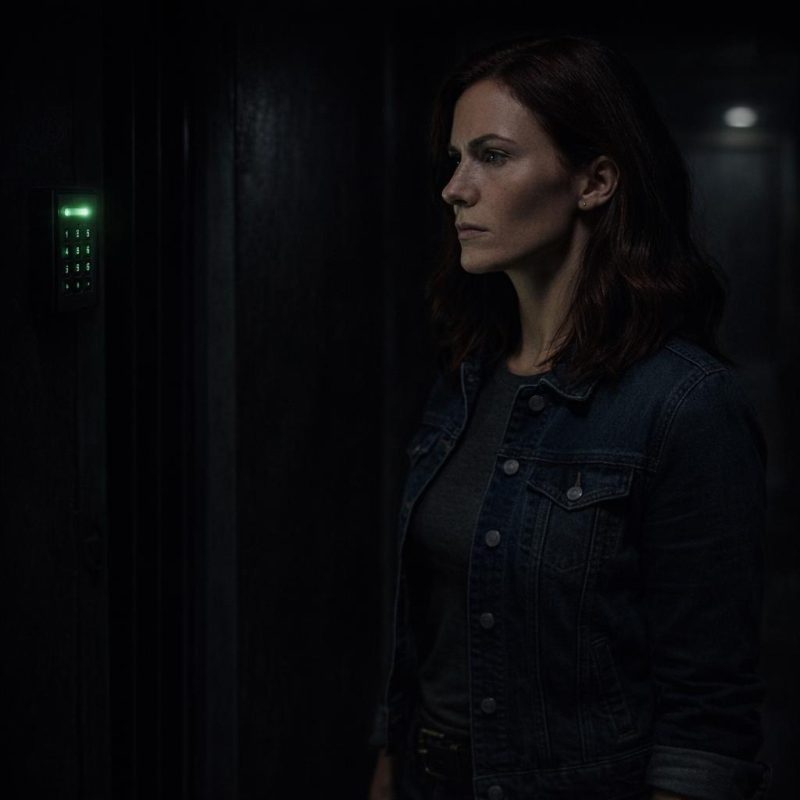 Image by RM AI
The Missing Fixtures
I had been planning to reinstall the antique sconces in the upstairs hallway that weekend, so I went to the storage room to pull them out. I had packed them carefully — each fixture wrapped in moving blankets and labeled, set on the middle shelf where I could reach them without moving anything else. The shelf was empty. I checked the shelf above it and the one below. I moved the boxes stacked in front of the far wall and looked behind them. I went through the entire storage room twice, methodically, the way I do when I'm sure I'm about to find what I'm looking for. I wasn't going to find them. I called David in from the yard and he came and stood in the doorway and looked at the empty shelf the same way I had. He asked if I had moved them somewhere else in the house. I hadn't. I pulled up the inventory photos on my phone — the ones I had taken when I first catalogued the fixtures, each sconce documented with its shelf location and condition notes. The photos showed exactly what I remembered. David and I stood there in the storage room going through every possible explanation, and none of them held. I had changed the codes. I had documented everything. And the shelf where the fixtures had been was empty.
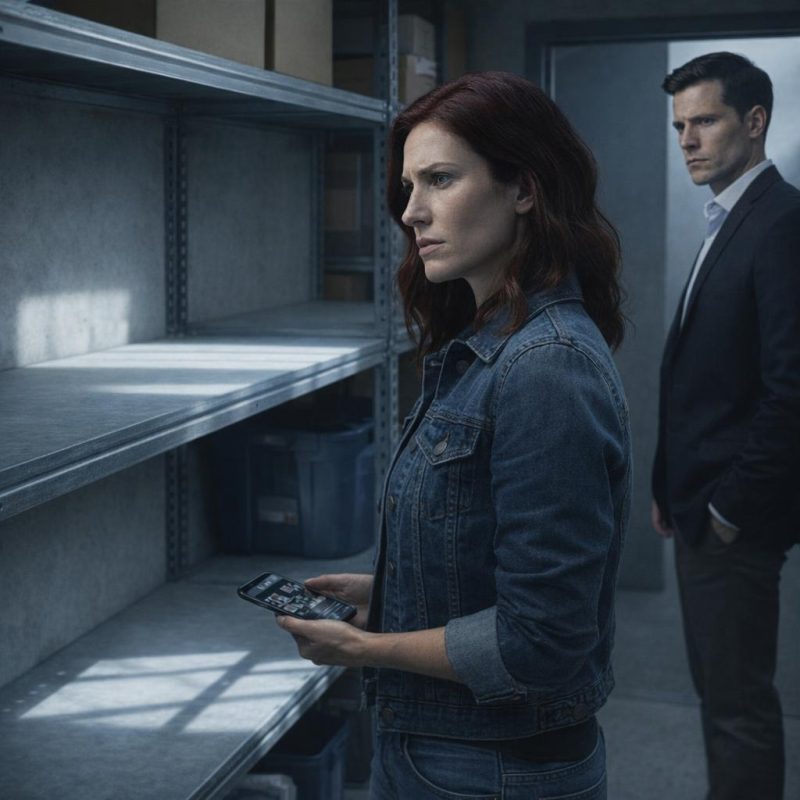 Image by RM AI
Donated
I called Evelyn that evening and kept my voice even. I told her the antique sconces were missing from storage and asked if she knew anything about them. There was a pause, and then she said she would come by the next day to talk. She arrived mid-morning, dressed like she was stopping in between other appointments, and she sat down at the kitchen table with the ease of someone who had nothing to account for. She said she had donated the fixtures to a historical preservation society. She said it calmly, the way you'd mention returning a library book. I told her those fixtures were original to the house, that I had documented them, that they were part of the restoration. She said she had been advised they weren't original, that a specialist had told her they were later additions, and that the society had a better use for them. David asked her which society. She said the name of an organization I had never heard of, something regional-sounding, and added that she would get us the contact information when she found it. I looked at David. He was watching his mother with an expression I couldn't read. I turned back to Evelyn. She had donated them, she said again, folding her hands on the table — and that was that.
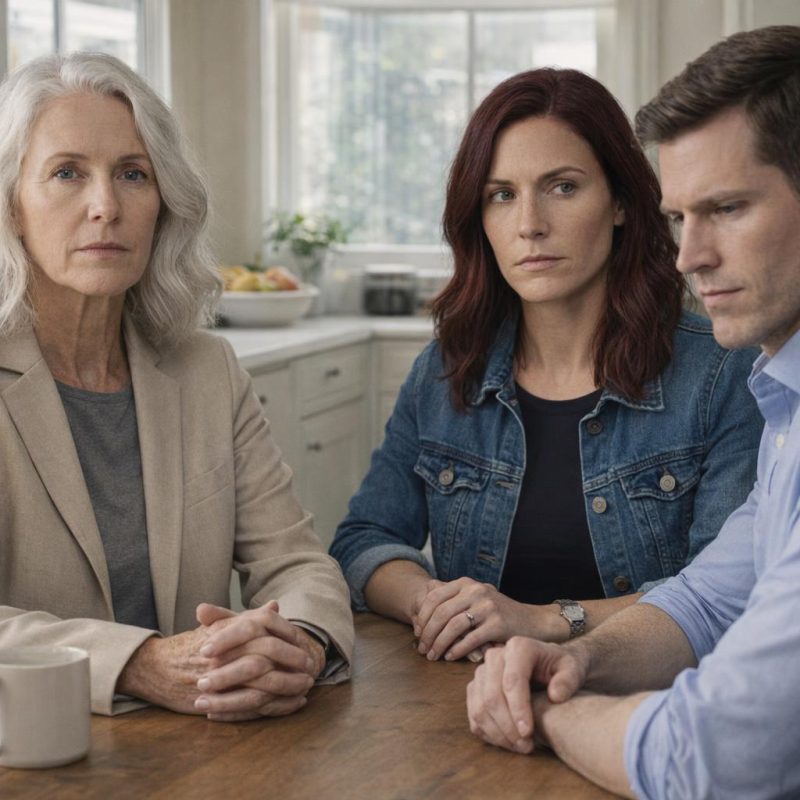 Image by RM AI
Hardware Gone
After the conversation with Evelyn about the sconces, I went back to my inventory binders. I had a kitchen installation coming up and needed to pull the vintage brass door hardware — the original handles and backplates I'd sourced from an estate sale two years in. I went to the storage room and opened the flat organizer where I kept them sorted by room. The first tray was empty. I checked the second. Also empty. I pulled every tray out and laid them on the workbench, going through each compartment the way you do when you're sure you just misplaced something. I hadn't misplaced anything. I cross-referenced against my catalogue photos on my laptop, matching each tagged piece to its assigned slot. The brass door handles were gone. The original cabinet pulls were gone. A set of hand-forged hinges I'd paid three hundred dollars for at an architectural salvage auction — gone. I counted the empty compartments twice. David came in while I was on my third count and asked what I was doing. I told him to come look. He stood beside me and neither of us said anything for a moment. Then I asked him if we should file a police report, and he didn't answer right away. I counted twenty-three empty spaces in that organizer.
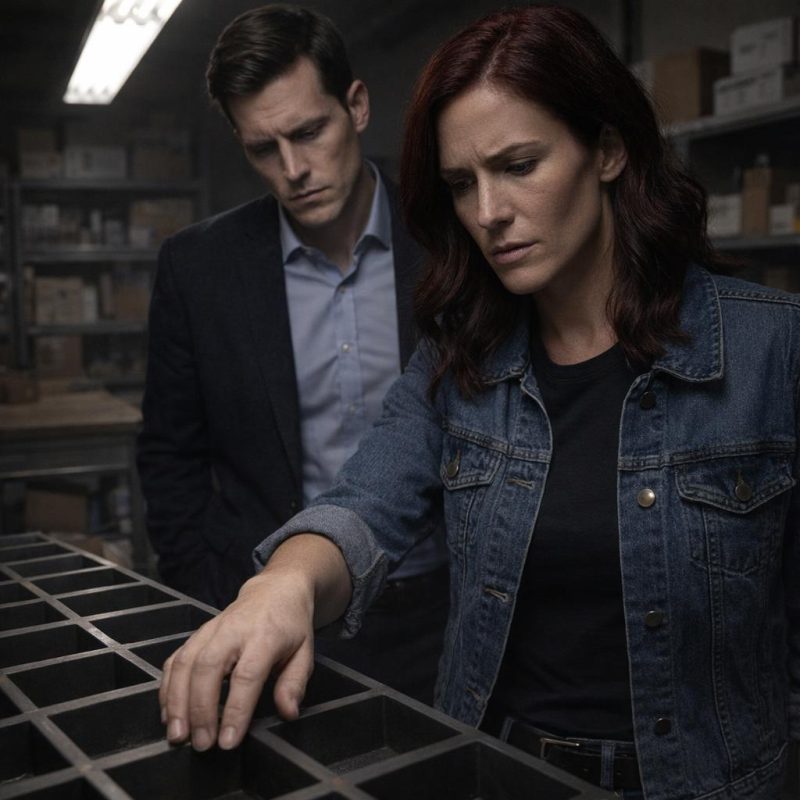 Image by RM AI
Sole Owner
I drove to the county records office the morning after I found the missing hardware. I hadn't slept well and I needed something solid in my hands — something that couldn't be moved or donated or explained away. The clerk at the counter was efficient and unhurried, and she pulled up the parcel record without any fuss. I asked for a certified copy of the deed and the full title history. She printed them, stamped them, and slid them across the counter in a manila envelope. I sat down at one of the public tables and read through every line. My name. Only my name. No co-owners, no listed interests, no liens, no encumbrances of any kind. The property had transferred to me cleanly at closing and nothing had changed that. I paid for three certified copies. One I sealed in an envelope to take to a safe deposit box. One I put in my document binder at home. The third I kept loose in my bag, like I might need to show it to someone at any moment. I wasn't sure yet what I was building toward. But sitting there under the fluorescent lights of that county office, my name printed in official ink on a government document, I felt something in my chest go quiet and still.
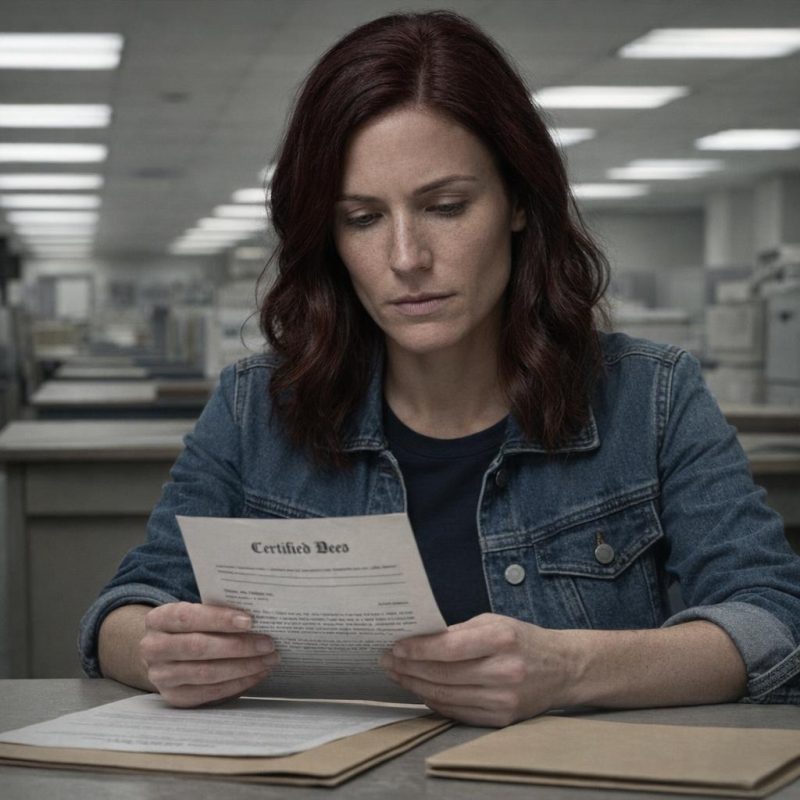 Image by RM AI
Investment Portfolio
I was on my knees inside the kitchen, fitting the last of the lower cabinet frames into place, when I heard Evelyn's voice outside. She'd arrived without calling ahead, which had become a pattern I'd stopped remarking on. I could hear her through the window I'd propped open for ventilation — she was talking to the neighbor from two lots down, a retired man named Walt who walked his dog past the property most mornings. I kept working, but I couldn't help catching pieces of the conversation. Evelyn was talking about the house. She mentioned figures — appreciation percentages, what the land alone was worth now versus three years ago. Walt asked something I couldn't fully make out, and Evelyn answered clearly: she called it a family estate investment, said she'd put significant capital into the project from the beginning. Walt said something approving. Evelyn laughed, warm and easy, the way she did when a room was going exactly the way she wanted. I set down my drill and sat back on my heels. I hadn't confronted her about the sconces yet, not really — not in any way that had landed. And now she was outside my window, describing my house to my neighbor in a voice that carried the quiet confidence of someone describing something they owned.
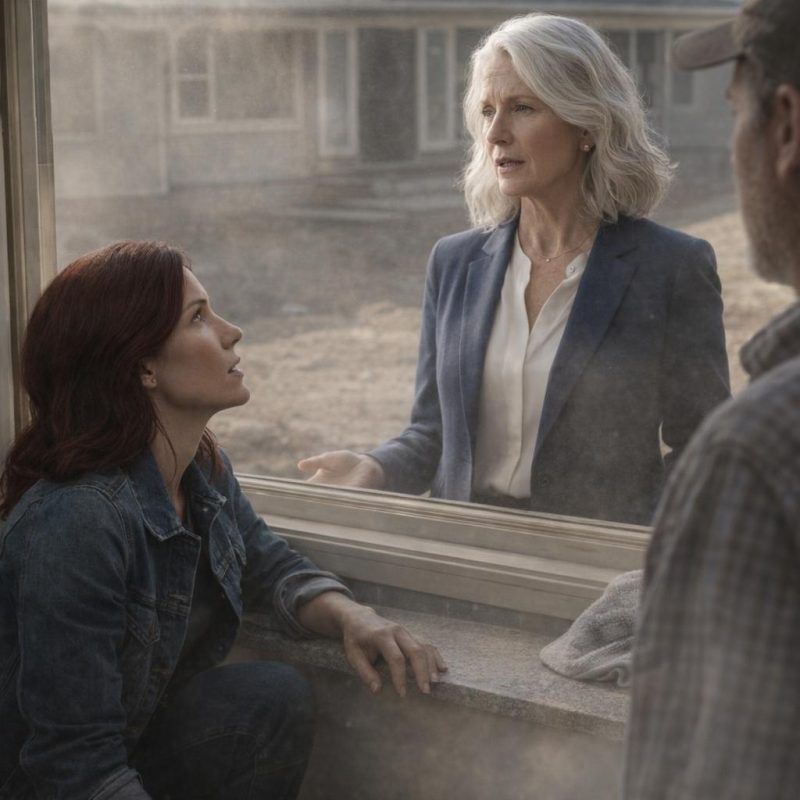 Image by RM AI
Evelyn's Version
David's family came out to the property on a Saturday in early fall — his aunt and uncle, a couple of cousins, and Claire, who I hadn't seen since a tense dinner back in the spring. The visit was framed as a progress tour, a chance to see how far the renovation had come. I was glad to show the work. I walked people through the rooms, pointed out the restored millwork, the refinished floors. For a while it felt almost normal. Then I drifted toward the back hallway and heard Claire talking to one of the cousins near the kitchen doorway. She was describing the house — how it had come to be in the family, who had made it possible. I stepped closer. She said Evelyn had bought it, that it had been Evelyn's vision from the start. I walked into the doorway and said, as evenly as I could, that I was actually the one who had purchased the property — that it was in my name. Claire looked at me with an expression I couldn't quite read, somewhere between surprise and uncertainty, like I'd said something that didn't quite compute. Before I could say anything else, Evelyn appeared at the end of the hall and smoothly steered the conversation toward the new porch railing. The cousins followed her. David appeared at my elbow and quietly asked me to let it go for now. Then, from the other room, I heard Claire tell someone that Evelyn had bought the house.
 Image by RM AI
Evidence File
The Sunday after the family visit, I started photographing everything. I went room by room with my camera and a notepad, and I didn't rush. Every original fixture still in the house got documented — multiple angles, close-ups of maker's marks, serial numbers where they existed. The cast iron radiator covers. The transom hardware above the front door. The original newel post at the base of the stairs. I wrote descriptions alongside each photo: dimensions, condition, estimated age, where I'd sourced it if it hadn't come with the house. I dated every entry. When I finished a room I backed the photos up to cloud storage immediately, then to an external drive. David came upstairs while I was photographing the bathroom fixtures and stood in the doorway watching me for a moment. He asked why I was being so thorough. I told him I wanted a complete record of everything still here. He nodded slowly, like he understood more than I'd said, and didn't push further. I kept going until the light outside went gray. By the time I sat down at the kitchen table that evening, the folder on my laptop had grown to nearly four hundred photos. I didn't name what I was preparing for. I just kept adding to it, page by page, image by image, until the record felt like something that couldn't be argued with.
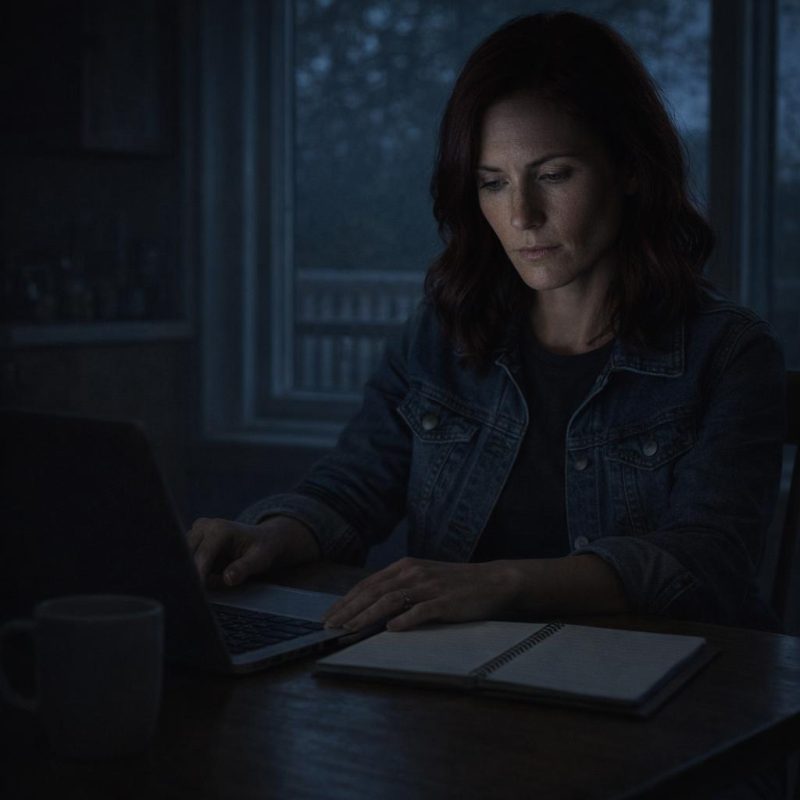 Image by RM AI
Third Year
The third year started with the exterior. I'd been dreading it and looking forward to it in equal measure — it was the most visible work left, the part that would tell the whole neighborhood the house was becoming what it was supposed to be. I repaired the original clapboard siding section by section, replacing only what couldn't be saved, matching the profile exactly. New shutters went up on every window, period-appropriate, painted the color I'd chosen from a historic paint deck eighteen months earlier. The front porch came down to its bones and went back up with hand-turned balusters and a rebuilt railing that matched the original photographs I'd found in the county historical archive. I cleaned up the landscaping, cleared the overgrown beds along the foundation, planted things that belonged there. One afternoon a woman walking past stopped and told me the house looked like it had woken up. David came out one evening while I was cleaning my brushes on the porch steps, and we both stood there looking at it from the yard. Three years of weekends and evenings and every vacation day I hadn't taken. The siding was straight, the paint was clean, the porch was solid under our feet. From the road, the house looked finished.
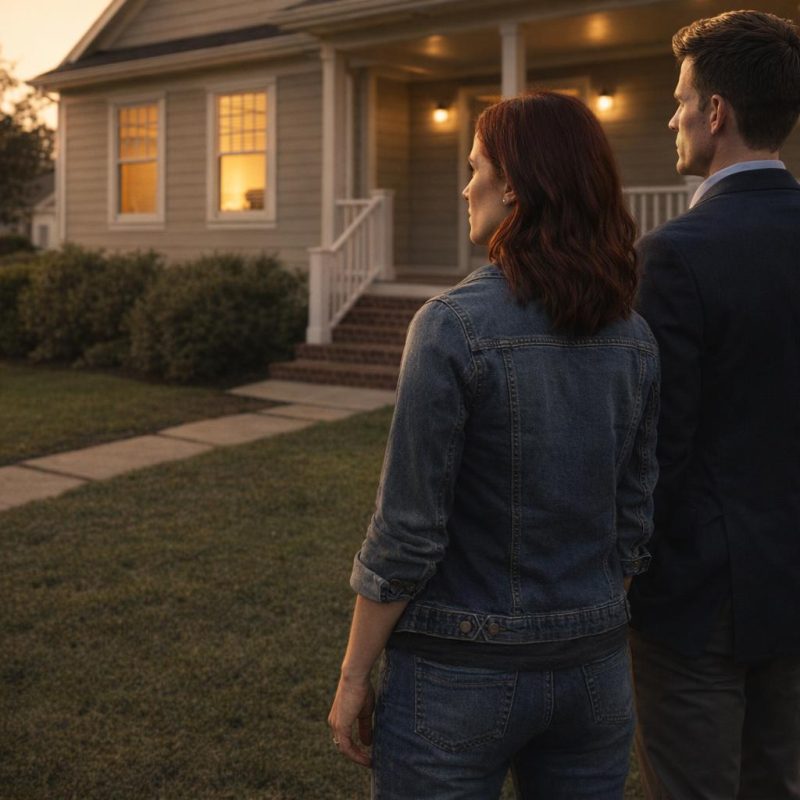 Image by RM AI
Legal Consultation
I scheduled the attorney consultation for a Tuesday morning and told David I had an errand to run. I brought the certified deed, the title history, and my documentation binder. The attorney — a property specialist whose name I'd gotten from a colleague — reviewed everything without rushing. I told her I owned a property outright and wanted to understand what protective measures were available to me as a sole owner. I asked about unauthorized access, about what it meant legally if someone removed items from the property without permission. I asked about what documentation I should be maintaining. She walked me through it carefully: a no-trespass notice, a formal access log, the importance of a paper trail for any items removed or damaged. She said the deed and title were clean and that sole ownership was straightforward to defend if it ever came to that. She recommended I keep certified copies in multiple locations and suggested a safe deposit box. I wrote everything down. I didn't tell her the full shape of what had been happening — I wasn't ready to name it that way yet, and I wasn't sure I had enough to name it clearly. But I left her office with a typed list of steps and a clearer sense of the ground I was standing on. The drive home was quiet, and her words about sole ownership settled into me like something I could actually hold onto.
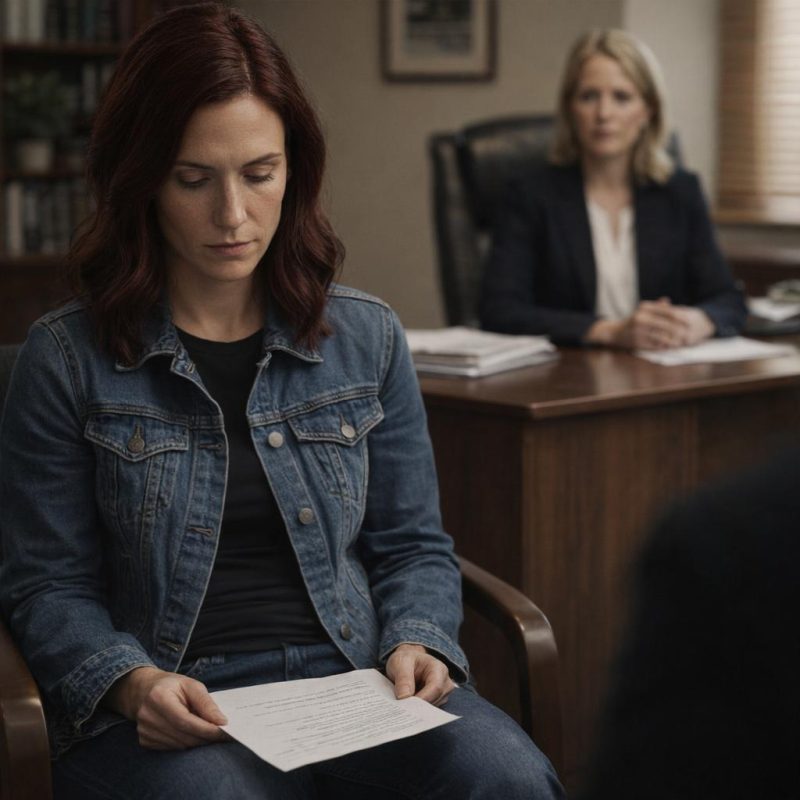 Image by RM AI
Secured
David helped me spread everything across the dining room table that weekend — the deed, the certified title history, the closing documents, every renovation invoice and receipt going back to the first contractor I'd hired in year one. We sorted them chronologically, then by category. I made two complete sets of copies. The originals went into a fireproof accordion folder. The digital backup took most of an afternoon: I scanned every page, organized the files by date and type, and uploaded them to two separate cloud accounts. Then I drove to the bank and rented a safe deposit box. I put the originals inside — the deed, the title, the closing papers, the three certified copies I'd gotten from the county office. I set the folder in the box, closed the lid, and turned the key. David had asked me that morning, while we were sorting receipts, whether I thought it would actually come to something. I told him I didn't know. What I did know was that every piece of paper in that box had my name on it, and now it was somewhere no one could reach without me. I walked out of the bank into the afternoon light, and for the first time in weeks, the tightness across my shoulders had eased just slightly.
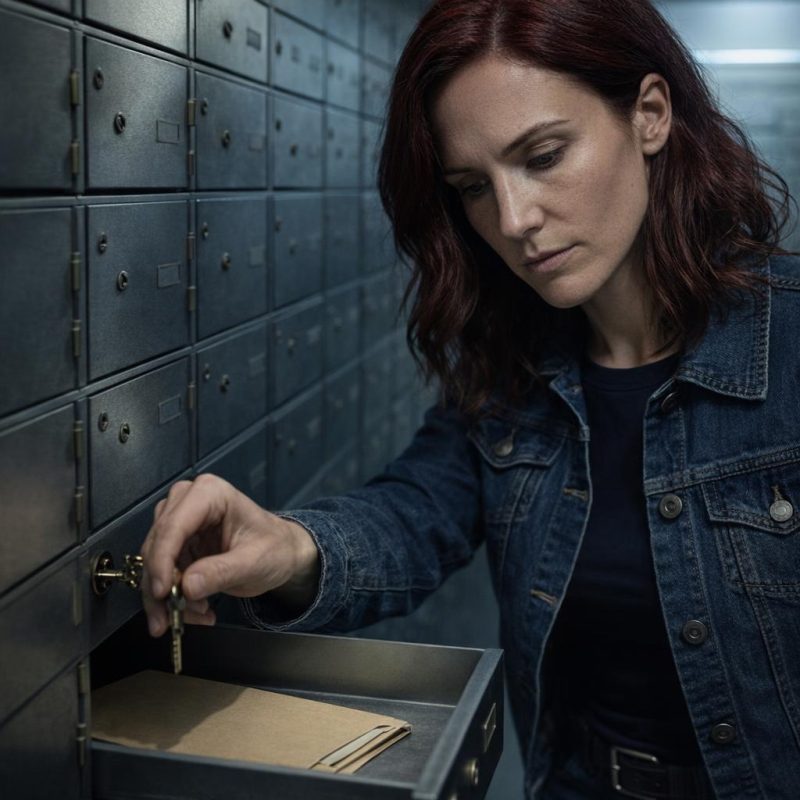 Image by RM AI
Family Estate
The holiday dinner at Evelyn's was the kind of evening that starts warm and ends somewhere you didn't expect. The table looked beautiful — her good china, candles, the whole production. David and I arrived early to help, and for a while it felt almost normal. Claire was there, and a few cousins, and everyone was talking over each other the way families do when they're trying to make things feel fine. Then Evelyn tapped her wine glass and said she had something she wanted to share. She'd been working with an estate attorney, she said, to get everything properly organized. She talked about the family properties, the accounts, what would go to whom. Her voice was warm and measured. Claire asked a few questions about the structure — how the assets would be held, whether there was a trust involved. Evelyn answered each one smoothly. David's hand found mine under the table and held it. I sat very still, keeping my face neutral, because I didn't trust what expression might come out if I let it. Then Evelyn smiled and said the lake house, of course, would remain part of the family estate — and something cold moved through me as I understood exactly what she was doing with those words.
 Image by RM AI
Redirected
I'd been so focused on the locks and the legal documents that I almost missed it. It was a small thing at first — I hadn't gotten a utility bill in a few weeks, then no contractor invoices, then nothing at all. I figured the post office was just slow. But when I drove to the lake house and checked the box, it was completely empty, and it had been weeks since I'd picked up anything there. I went to the post office the next morning and asked a clerk to check the delivery records for my address. She pulled up the account and went quiet for a second. There was a change-of-address form on file, she said. Filed about six weeks ago. I asked her to show me. She turned the screen so I could read it — my name, my lake house address, and a forwarding address I recognized immediately. I told her I hadn't filed that form. She printed the original submission record and slid it across the counter. I stood there looking at the forwarding address printed in black and white: Evelyn's house.
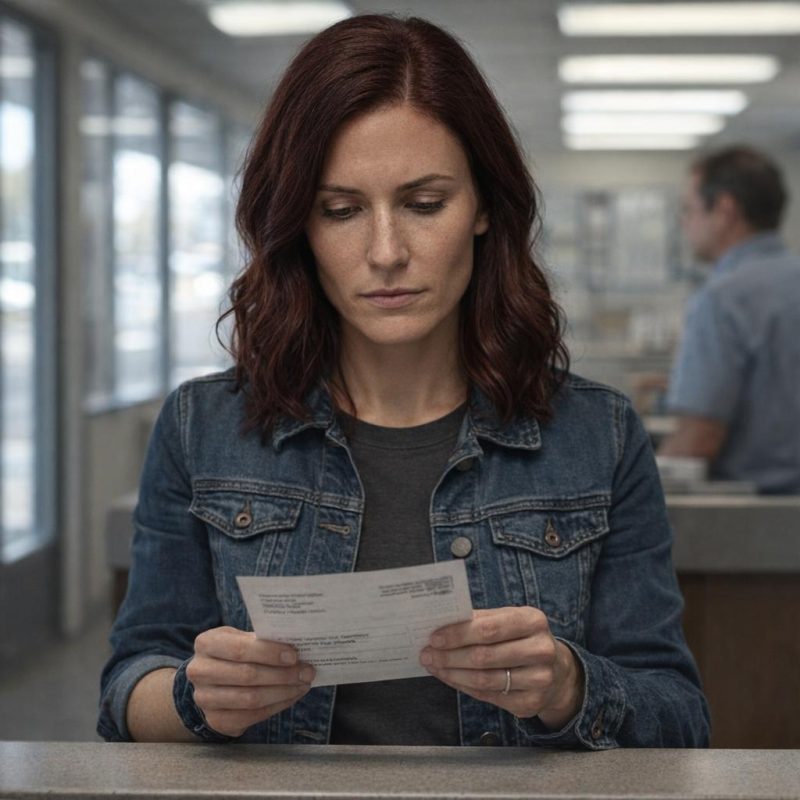 Image by RM AI
Locked Out
We drove out to the lake house on a Saturday morning to check on the trim work in the back bedroom — something I'd been meaning to finish for two weeks. The drive was quiet, the kind of quiet that feels ordinary until it doesn't. I got to the front door, put my key in the lock, and it didn't turn. I pulled it out and tried again. Nothing. I checked the key — right one, same ring I'd carried for three years. David tried it too, just to be sure. Same result. I went around to the back door and tried that key. Also wrong. The side entrance off the mudroom: same thing. Every lock on the property had been changed. David called his mother while I stood on the porch. It rang through to voicemail. I called a locksmith and he was there within the hour. He looked at the hardware and told us the locks had been replaced recently — within the last week or two, he thought, based on the finish. I had him change every single one while we waited. He handed me the new keys when he was done, and I stood there on my own front porch holding them, turning my original key over in my other hand — the one that no longer fit anything.
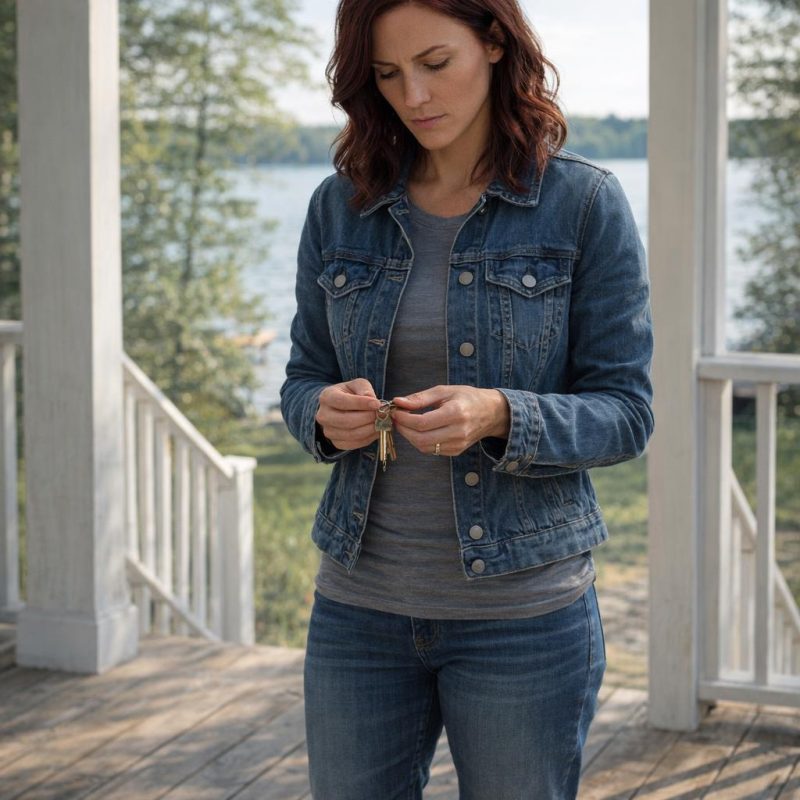 Image by RM AI
Emergency Response
The locksmith finished by early afternoon and I didn't stop moving after that. I photographed every door, every new lock, every old keyhole — close-up shots with timestamps on my phone. David helped me check the windows and the garage while I updated the alarm code from the keypad inside. Then I called the postal inspector's office and filed a formal complaint about the change-of-address form, referencing the submission record the clerk had printed for me. The woman I spoke to was thorough — she asked for dates, the forwarding address, confirmation that I hadn't authorized the change. I gave her everything. She told me the redirect had been cancelled and that my mail would resume normal delivery within two business days. I wrote that down. David and I sat at the kitchen table afterward and talked through whether to call Evelyn directly. He thought we should give her a chance to explain. I wasn't sure what explanation would cover any of it, but I agreed to wait one more day. I set the new keys on the table in front of me — four of them on a plain ring, each one cut fresh that afternoon — and for a moment the tightness in my chest eased just slightly.
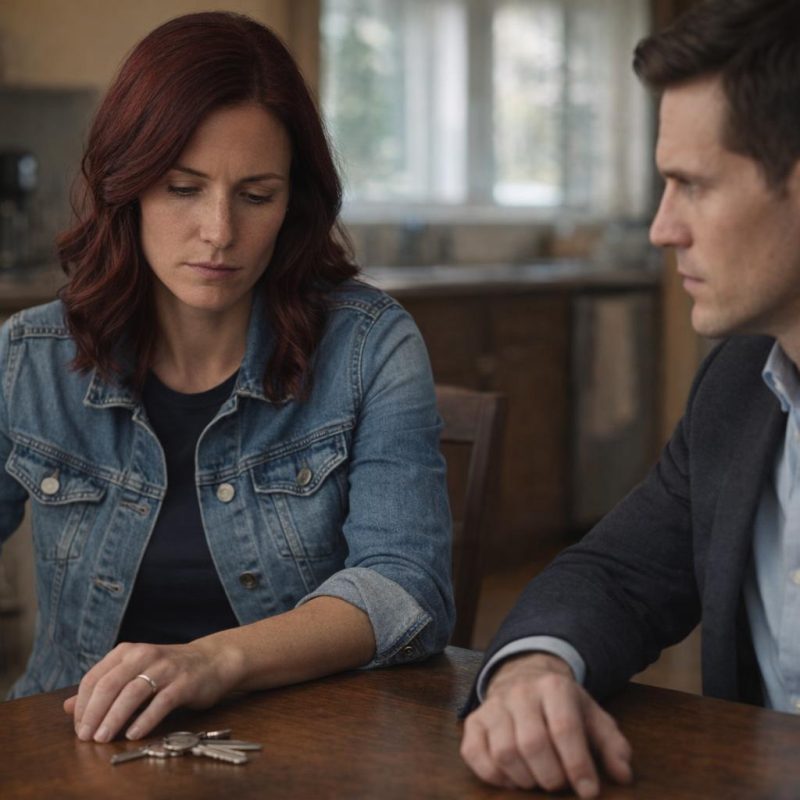 Image by RM AI
Security Purposes
Evelyn came to the property the next afternoon. She arrived in her car, unhurried, dressed like she was stopping by after lunch somewhere nice. I'd asked her to come in person and she had, which I hadn't entirely expected. David stood beside me near the kitchen counter while I asked her directly why the locks had been changed without my knowledge. She didn't hesitate. There had been break-ins in the area, she said — a neighbor two roads over had their garage entered, and she'd been worried about the property sitting empty during the week. She said she'd arranged for a locksmith as a precaution and had meant to call me right away. I asked her why she hadn't. She said she'd tried — twice, she thought — but hadn't been able to reach me. I checked my phone while she was still talking. No missed calls from her number. No voicemails. I showed her the screen. She glanced at it and said maybe she'd called the wrong number by mistake, and offered to cover the cost of the new locks as an apology. David didn't say anything. I didn't say anything either. I just stood there listening to how easily the whole explanation came out of her, each piece fitting neatly against the next.
 Image by RM AI
Concern
The next family gathering was at Evelyn's, a few weeks later. I'd told myself I would stay calm and just listen. I brought it up carefully — the mail redirect, the lock change, the fact that I hadn't authorized either one. Claire tilted her head and said I seemed really stressed lately. Evelyn folded her hands on the table and said she was worried about me, that the renovation had been a lot to carry and maybe I needed some time to step back. Someone else at the table — one of David's cousins — asked if I was sleeping okay. I said I was sleeping fine. Claire said, gently, that stress could do strange things to a person's perception, make small things feel bigger than they were. David said that wasn't fair, that I had documentation. But even as he said it, I could see the uncertainty in his face — the way he glanced at his mother, then back at me, like he was trying to hold two things at once. Nobody at that table looked at me like they believed what I was describing. They looked at me like they were concerned. Claire leaned forward and said, quietly, that maybe it would help to talk to someone.
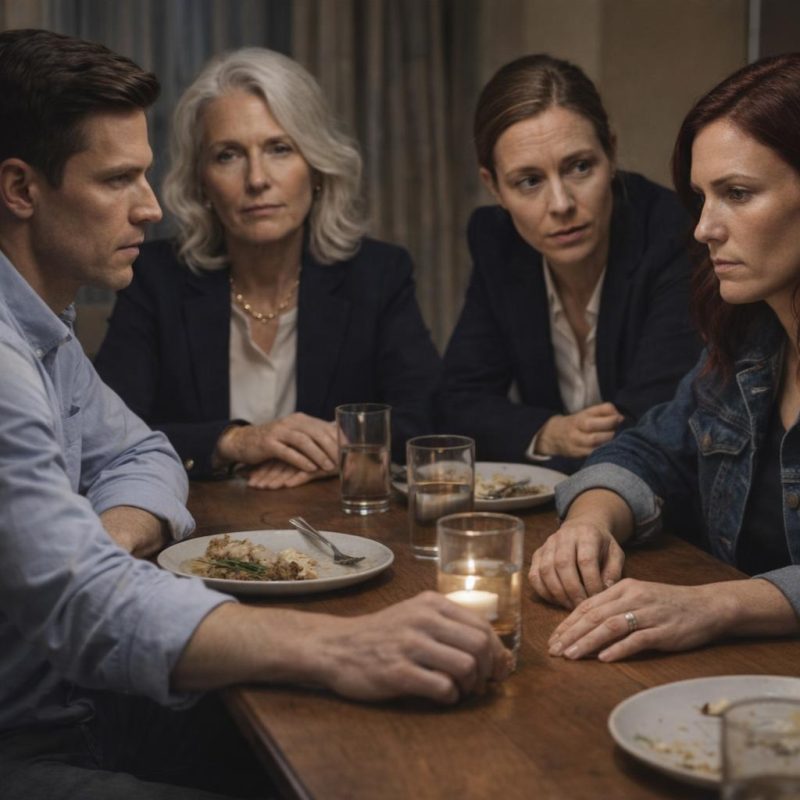 Image by RM AI
Frank Rivera
I didn't tell David what I was doing. I told myself it was because I hadn't decided anything yet, but that wasn't entirely true. I'd spent two evenings reading reviews and checking credentials before I found Frank Rivera. His name came up on three different forums — people who'd needed property documentation, boundary disputes, that kind of thing. Professional, thorough, discreet. I emailed him and he responded within a few hours. We met at a coffee shop about twenty minutes from the lake house, a place neither of us had any reason to be recognized. He was quiet and methodical, the kind of person who takes notes without making it feel like an interrogation. I explained the situation in general terms — unauthorized access to a property I owned, changes made without my knowledge, a pattern I couldn't document on my own. He asked specific questions: square footage, access points, how often the property was occupied, whether I had existing security infrastructure. He quoted me a retainer and explained what the surveillance setup would look like and how long initial monitoring typically ran. I wrote him a check before I left. He handed me his card and told me he'd be in touch once equipment was in place. I put the card in the inside pocket of my wallet, behind everything else, and drove home.
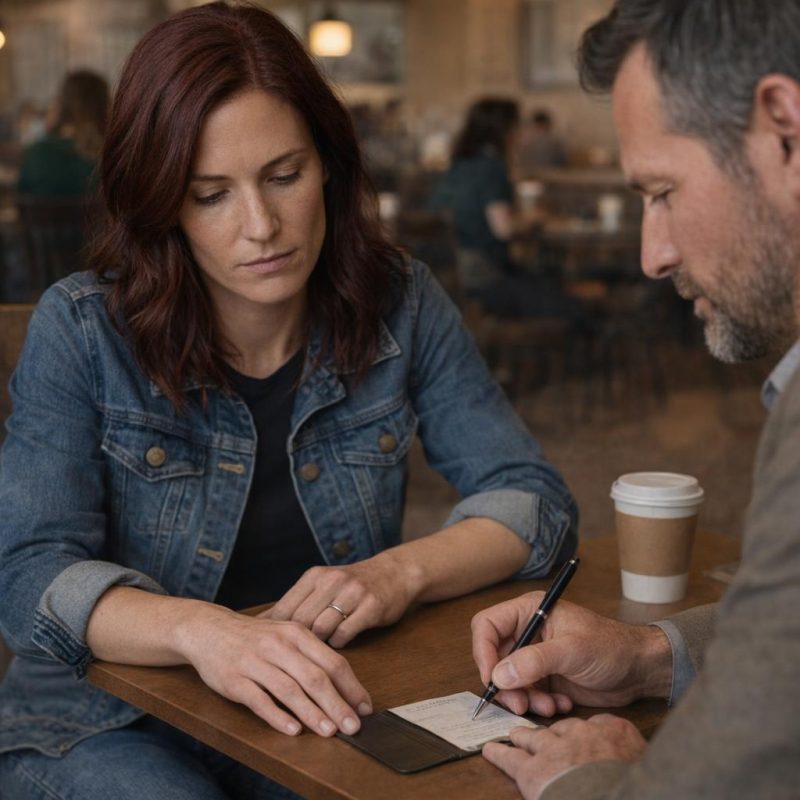 Image by RM AI
Under Watch
Frank moved faster than I expected. He told me he'd need a few days to assess the property perimeter and identify placement, but by the end of the week he texted to say the equipment was going in. I drove past the lake house twice that week without stopping, just to keep my routine looking normal. David noticed I seemed distracted and I told him I was thinking through next steps on the renovation. That wasn't entirely a lie. On Sunday evening I sat down with him and told him the truth — that I'd hired an investigator to document any unauthorized access to the property. He went still for a moment. Then he asked me why I hadn't told him sooner. I said I needed to be sure I was doing it before I talked about it. He didn't argue. He sat with it for a while, and then he said he understood, even if it scared him a little. I told him it scared me too. We didn't talk much after that. I kept my phone on the table beside me all evening, screen up. Just before ten o'clock, it lit up with a message from Frank: equipment active, all positions confirmed.
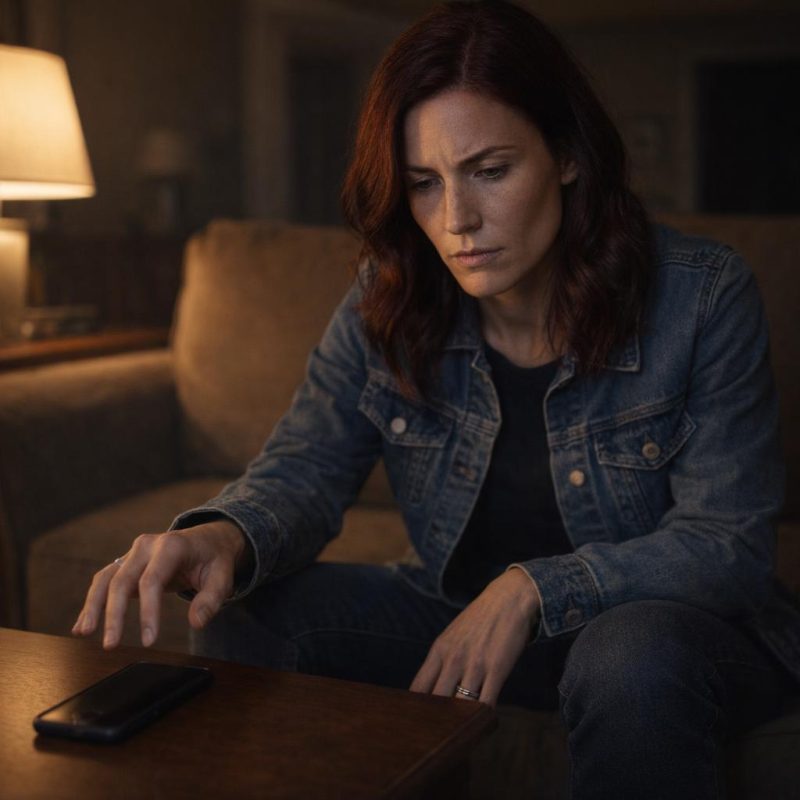 Image by RM AI
The Antique Dealer
Frank sent the photos on a Tuesday morning, no message attached, just a folder link and a timestamp. I opened them at the kitchen table with my coffee going cold beside me. The first few were exterior shots — a narrow storefront downtown, the kind of place with gilt lettering on the window and a bell above the door. Then Evelyn, stepping out of a car I didn't recognize, carrying a large canvas bag over one shoulder. The bag looked full, the handles pulled taut. Frank had captured her going in, then a series of shots through the window showing her talking with a man behind a glass display case — older, gray-haired, the kind of person who knew what things were worth. Forty minutes later, she came out. The bag was gone. I scrolled through every photo twice, then saved them all to the evidence folder I'd set up on my laptop. Frank had included timestamps and the shop's address in a separate document. I cross-referenced the dates against my renovation notes, matching them against the weeks I'd been away from the property. I didn't write anything down yet. I just sat there with the photos open on my screen, the timestamps blinking at me, and let the weight of what they might mean settle in slowly.
 Image by RM AI
Multiple Sales
Frank asked to meet in person this time. We sat across from each other at a corner table in a coffee shop two towns over, and he slid a manila envelope across to me without preamble. Inside were dealer receipts — printed on shop letterhead, itemized, dated. Antique light fixtures. Brass wall sconces. A pair of pendant lights with hand-blown glass shades. I had photographed every one of those pieces when I sourced them. I had the catalog numbers written in my renovation notebook. The descriptions on the receipts matched mine almost word for word. The sale dates lined up with stretches when I hadn't been at the lake house, weeks I'd assumed the property was sitting empty. Frank had also pulled photos from the dealers' own records — inventory shots taken for insurance purposes — and I recognized my fixtures in every single one. Then he turned to the last page. Evelyn's name appeared on the transaction records. Not once. Multiple times, across multiple sales, multiple shops. Frank explained that dealers in this market kept detailed provenance documentation as standard practice. It protected them. I sat there holding the receipts, my catalog numbers running through my head like a checklist, and the sick certainty of it settled into my chest and stayed there.
 Image by RM AI
Following the Money
Frank had one more layer. He spread the documents across the table in a sequence — dealer payment records on the left, a printed bank analysis on the right. He walked me through it methodically, the way he did everything, without editorializing. Deposits into an account tied to Evelyn's name. He pointed to the dates first, then the amounts. I looked at the dealer receipts, then back at the bank column. The numbers matched. Not approximately — exactly. Each sale corresponded to a deposit made within two to three days. He had mapped it across a six-month window, item by item, payment by payment. I counted the entries. I added the column in my head twice because I didn't trust the first total. The sum exceeded thirty thousand dollars. Thirty thousand dollars worth of fixtures I had sourced, purchased, and installed, or planned to install, gone through dealers and into an account I had never known existed. Frank slid a clean summary sheet toward me — a timeline he'd built showing each missing item, its sale date, and the corresponding deposit. Every line had a match. I stared at the deposit amounts lined up against the sale prices, each one exact to the dollar.
 Image by RM AI
Mandatory Attendance
David took the call in the kitchen while I was going through renovation files in the next room. I could hear his side of it — short answers, a long pause, then a quiet 'okay' that didn't sound okay at all. He came and stood in the doorway afterward with his phone still in his hand. Evelyn had called to announce a family brunch at the lake house the following Sunday. Not suggested — announced. All family members were expected to attend. She had important family business to discuss, and she wanted everyone present. David said he'd asked what it was about and she hadn't answered, just repeated that it was important and that attendance wasn't optional. He said the word 'optional' like it tasted strange in his mouth, because Evelyn didn't usually talk that way. She was usually warmer on the surface, softer in how she framed things. This had been different. He was watching me carefully as he told me, the way he did when he was trying to read how I was taking something. I told him we'd be there. I kept my voice even. But after he went back to the kitchen, I sat very still for a moment, because the message he'd read aloud to confirm the details had been written in a tone that felt less like an invitation and more like a summons.
 Image by RM AI
The Investment Scheme
Frank asked us both to come. David sat beside me at the same corner table, and I watched his face as Frank laid it out. Evelyn had approached at least seven family members over the past four years with what she described as a family estate investment opportunity. She told them the family was acquiring properties to build generational wealth, and that early contributors would hold equity stakes. She collected money — wire transfers, checks, cash in some cases. She provided updates. She showed photographs of the lake house as proof the project was real and progressing. No properties were ever purchased with those funds. The money went into personal accounts. Frank had bank records, copies of emails Evelyn had sent to contributors, and statements from three family members who had agreed to speak on record. The total across all seven investors exceeded two hundred thousand dollars. David didn't say anything for a long time. He sat with his hands flat on the table, staring at the bank records like he was waiting for them to say something different. I reached over and put my hand on his arm. Frank waited. Then David looked up and asked Frank to explain it again from the beginning, and Frank did, quietly and without rushing, laying out the full scope of what Evelyn had done.
 Image by RM AI
The Victims
Frank had prepared a breakdown by victim — names, amounts, dates, method of payment. He slid it across to us after David asked to see everything. David's uncle had contributed thirty-five thousand dollars over eighteen months. Two cousins on Evelyn's side had each given between ten and twenty thousand. A family friend who had known Evelyn for decades had wired fifty thousand in a single transfer after receiving a detailed prospectus. Evelyn had sent all of them progress reports. She had included photographs of the lake house renovation — my renovation, work I had done — as evidence that the estate project was active and producing results. That was why so many people had believed her. The property was real. The improvements were real. They just weren't hers. David read through each entry without speaking. I watched him stop at one name and go still. He turned the page toward me slowly, his finger resting under a line near the middle of the list. Claire had invested forty thousand dollars across two years, in four separate payments, the last one made only eight months ago. I looked at the number, then at David's face, and then back at the page where his sister's name sat next to a figure she had no idea she would never see returned.
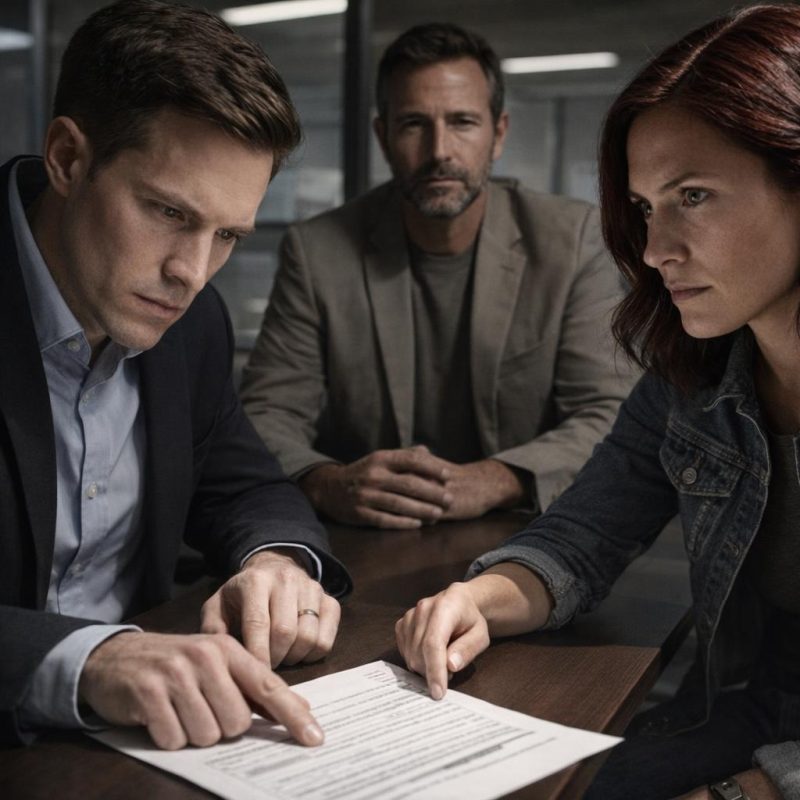 Image by RM AI
Criminal Charges
We met with the attorney the morning after Frank gave us the full picture. She went through the evidence file methodically, asking clarifying questions, making notes in the margins of Frank's summary document. When she finished, she set her pen down and told us plainly what we were looking at. The fixture sales supported theft charges. The investment scheme — the emails, the fake prospectus, the wire transfers — supported criminal fraud. If any of the solicitations had gone through the mail, mail fraud applied on top of that. She mentioned forgery as a possibility depending on what the document review turned up. She said the word 'prison' without softening it. David sat very still beside me. He asked her what would happen to the family members who had given money, whether they could recover anything, and she said civil recovery was possible but complicated. On the drive home, David didn't say much. He stared out the passenger window for most of it. I told him we didn't have to decide everything today. He said he knew. He said he just needed a little time to sit with the fact that his mother had looked his sister in the eye and taken forty thousand dollars from her. I didn't have an answer for that. We sat with it together, the decision still ahead of us, heavy and unresolved.
 Image by RM AI
The Briefcase
I started with the property deed — the original, pulled from the fireproof box where I'd kept it since closing. I laid it on the kitchen table and built the file outward from there. The surveillance photos went in next, organized by date, Frank's timestamps on each one. Then the dealer receipts, the bank analysis, the timeline Frank had built matching every missing fixture to a corresponding deposit. Behind that, the investor breakdown — names, amounts, the fake prospectus Evelyn had circulated, the emails Frank had obtained. I had printed everything in duplicate and put the copies in a separate folder in case anything got challenged. David helped me arrange the sections in order, handing me documents without being asked, checking that nothing was out of sequence. We didn't talk much while we worked. When it was done, I went through the whole stack once more from the front, making sure every page was there. Then I closed the briefcase, pressed the latches until they clicked, and set it beside the door where I would see it first thing Sunday morning.
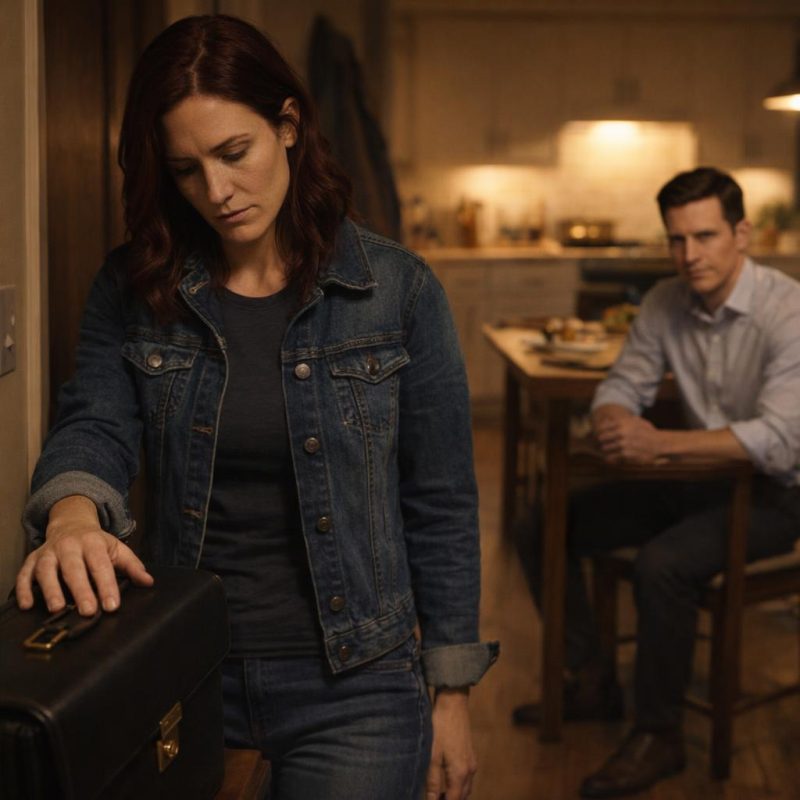 Image by RM AI
Sunday Morning
I was up before six. The house was quiet, the lake still, and I stood in the kitchen with my coffee going cold on the counter while I went through the briefcase one last time. Every page in order. Every timestamp where it needed to be. I closed it and pressed the latches and left it by the door. David came downstairs around seven, already dressed, tie slightly crooked, and I straightened it without saying anything. He asked me, quietly, if I was sure about doing this in front of everyone. I told him yes. I told him it needed to be in front of everyone — that was the whole point. He nodded and didn't push back. We ate breakfast standing at the counter because neither of us wanted to sit down. I changed into the clothes I'd laid out the night before, checked my bag, and carried the briefcase to the car myself. David drove. I watched the road and kept my hands flat on my knees and breathed. I wasn't calm exactly, but I was ready. When we turned onto the lake house road and the tree line opened up, there were already four cars in the driveway.
 Image by RM AI
Taking Position
The front door was unlocked and the smell of coffee and something baked hit us the moment we stepped inside. The main room was already full — cousins I recognized, an aunt whose name I always mixed up, two of David's older relatives settled into the armchairs by the window. Claire was near the entry and she pulled David into a hug first, then turned to me with her arms open. I hugged her back and kept my expression easy. I set the briefcase down beside my chair when I found one — a seat along the side wall with a clear line of sight to the whole room. Evelyn had arranged the table herself, clearly. The spread was formal: linen napkins, the good china, a tiered tray of pastries in the center. She moved through the room with the ease of someone who had been rehearsing this for weeks, touching shoulders, laughing at the right moments, making sure everyone had a plate. David sat beside me. I kept one hand resting on top of the briefcase and watched. Evelyn circled the table, said something that made the aunt laugh, and then, from across the room, her eyes found mine.
 Image by RM AI
Center Stage
She held my gaze for just a moment before she smiled — the kind of smile that didn't reach anything — and turned back to the room. I watched her work her way to the head of the table. She didn't rush. She refilled someone's coffee, accepted a compliment about the pastries, touched Claire's shoulder as she passed. When she finally took her place at the head, she didn't sit. She stood with both hands resting lightly on the back of her chair and waited until the room noticed. It didn't take long. Conversations tapered. Forks went down. The aunt set her napkin in her lap. Claire looked up from her plate. David's hand found mine under the table and I let him hold it. The briefcase was at my feet. I kept my back straight and my face neutral and I watched Evelyn survey the room the way someone surveys a room they believe belongs to them. She thanked everyone for coming on such short notice. She said she had some important family matters to address. She said she hoped everyone would hear her out. Then she paused — a long, deliberate pause — and the room went completely quiet around her.
 Image by RM AI
The Eviction Notice
She reached into the leather portfolio she'd set beside her plate and pulled out a document — several pages, clipped together, printed on what looked like legal letterhead. She held it up briefly so the room could see it, then set it on the table and slid it toward me. She said, in a voice pitched for the whole room, that I had been living in the property without legal standing. She said the deed I believed I held was not valid. She said a lawyer named Robert Hutchins had reviewed the matter and determined the property belonged to the family estate, and that the document in front of me was a formal notice to vacate. I picked it up. I read it. The letterhead looked official enough at a glance, but the address was a suite number I didn't recognize and the bar number printed beneath Robert Hutchins's name was formatted wrong. Claire said, quietly, that she wasn't sure this was necessary. Evelyn said it was a legal matter and that it had to be resolved properly. She looked at me directly and said I had until sunset to remove my personal belongings from the premises. David's hand tightened around mine under the table. I set the document down in front of me and said nothing. The room held its breath around us.
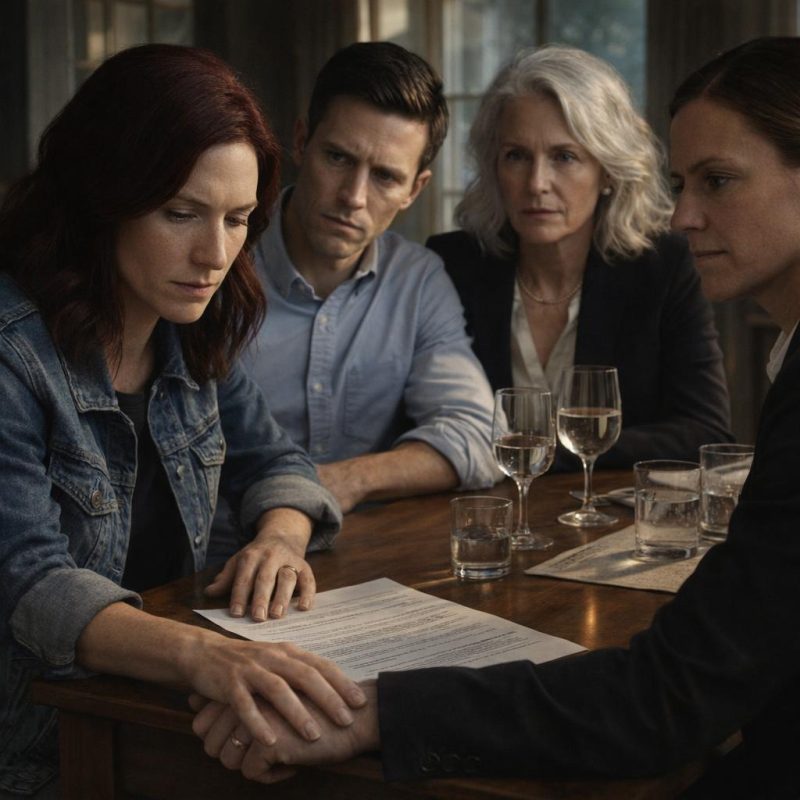 Image by RM AI
Mentally Unstable
Evelyn didn't stop there. She turned to address the rest of the table — not me, the rest of them — and her voice shifted into something softer, something that sounded almost like concern. She said she wanted everyone to understand that this wasn't easy for her. She said she had watched me become increasingly overwhelmed over the past year, that the renovation had taken a toll, that I had started making accusations that didn't hold up. She used the word paranoid. She used the phrase losing her grip on reality. She said she had tried to speak to David privately about getting me some support, that she had been worried about my mental state for some time, that she only wanted what was best for everyone involved. I watched Claire's expression shift — not to agreement exactly, but to something uncertain, something that looked like it was trying to decide. David's face had gone white. He was very still beside me. Evelyn said she wasn't doing this to be cruel. She said she was doing this because someone had to. She said she hoped I would get the help I clearly needed. Then she folded her hands in front of her and stopped talking, and the silence that followed settled over the room like something heavy and cold.
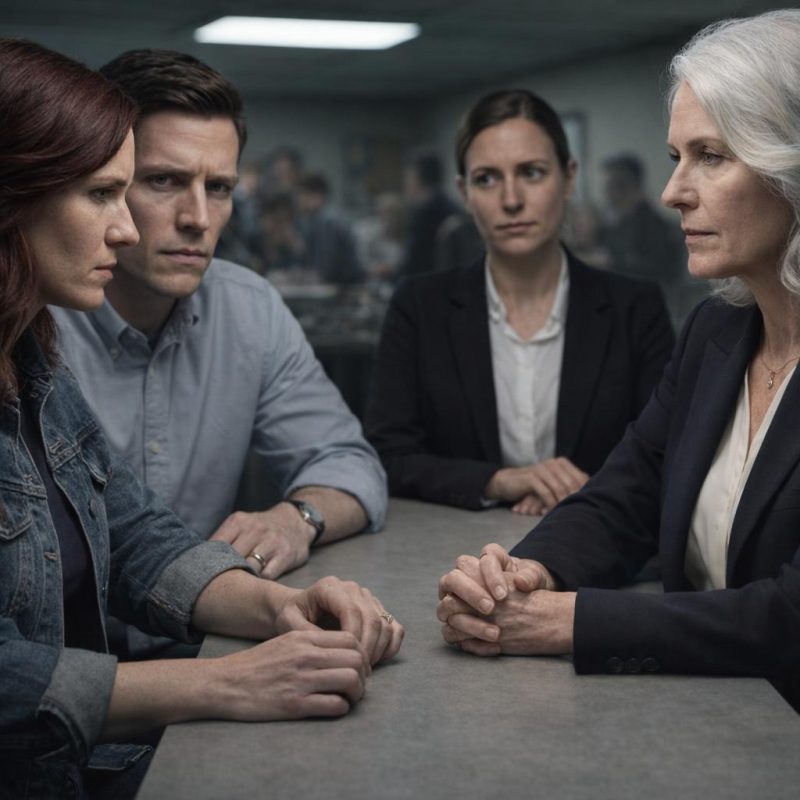 Image by RM AI
By Sunset
Evelyn let the silence sit for a moment, then straightened and said she wanted to be clear about the timeline. Sunset. She said it again — sunset — like the repetition made it more official. She said she had already arranged for the locks to be changed, that a set of keys was with her attorney, and that my belongings would be packed and sent to David's apartment within the week. She said this was for my own good. She said it was for the family's good. Claire asked, in a small voice, where I would go in the meantime. Evelyn said I could stay with David, that David had his own place, that this didn't need to be complicated. David stood up. He said her name — just her name, nothing else — and his voice came out tight and low. Evelyn turned to him and said, very calmly, that this was necessary to protect the family, that he would understand in time, that she needed him to trust her on this. The room was watching. Everyone was watching. I felt the briefcase handle under my fingers. I looked at Evelyn once, then reached down and lifted the briefcase onto the table.
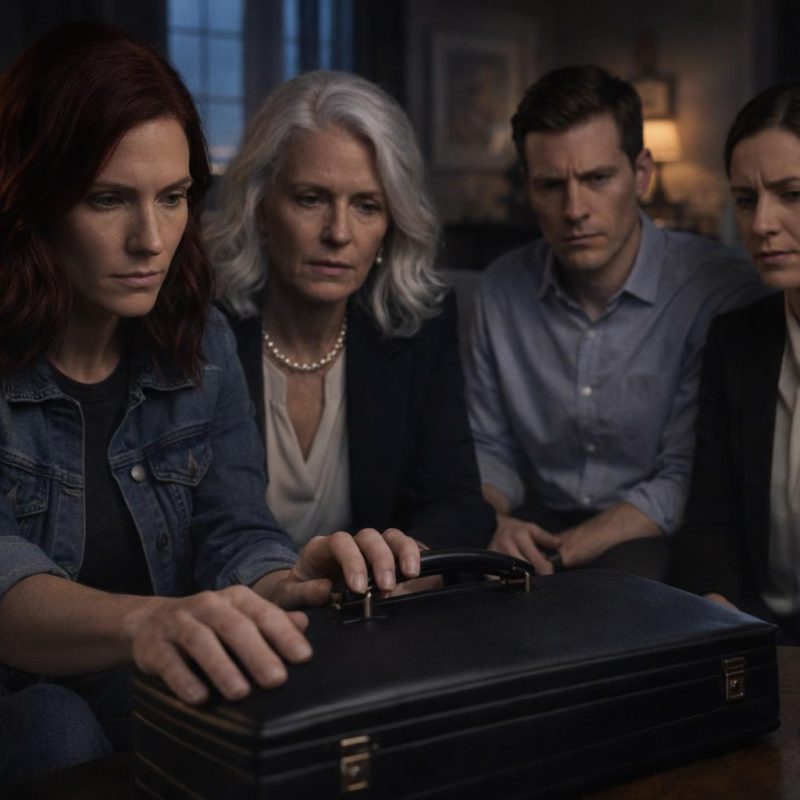 Image by RM AI
The Evidence
The room went quiet in a different way than it had before. I unlatched the briefcase and opened it flat on the table. The property deed was on top. I lifted it out and set it in front of Evelyn — the original, with the county seal, my name on the title line, the closing date three years back. I said I purchased this property outright. I said here was the deed, and here were the closing documents behind it, and that Robert Hutchins did not appear in any bar association directory I had been able to find. Then I reached back into the briefcase and started laying down photographs. Surveillance photos, dated and timestamped, printed clear. Evelyn at the door of an antique dealer on Merchant Street. Evelyn carrying a canvas bag into a shop on Route 9. Evelyn at a counter, items spread in front of her. The fixtures from my renovation — the brass hardware, the original sconces, the cast iron pulls — laid out for sale. I set the dealer receipts beside each photo. The amounts matched the missing inventory line by line. The room leaned in. Then the door opened and Frank stepped inside, introduced himself by name, and said he had conducted the surveillance and could verify every image in the file. Evelyn looked down at the photographs, and the color left her face.
 Image by RM AI
The Investment Fund
I gave the room a moment. Then I reached back into the briefcase and pulled out the last section — the investment records. I said Evelyn had been soliciting money from family members for a property investment fund over the past two years. I said no properties had ever been purchased. I laid the fake prospectus on the table, then the list of contributors with amounts beside each name. Frank set the bank statements down beside mine — Evelyn's personal accounts, the deposit dates, the transfer amounts. The total across all contributors came to just over two hundred thousand dollars. Every dollar had moved into accounts in Evelyn's name. I said the lake house had been used to make the fund appear legitimate — that Evelyn had brought investors here, shown them the renovation, let them believe it was an example of what their money would build. David stood with both hands flat on the table, not speaking. Evelyn opened her mouth once and closed it. The family members around the table looked from the documents to each other, the math working through them slowly. I slid Claire's page toward her — her name, the date, forty thousand dollars. I watched her face as she looked down at her own investment records.
 Image by RM AI
Withdrawal
Claire was the first to speak. She looked at her own name on the page, then up at Evelyn, and asked her mother to explain it. Just that — explain it. Evelyn said the documents were fabricated, that I had manufactured the whole thing to destroy the family. Frank set his folder on the table and said every record had been pulled directly from verified financial institutions, that he could provide source contacts for each one. Evelyn's voice shifted. She said she'd had expenses, that no one understood the pressure she was under, that she'd intended to pay everyone back. Claire said she had trusted her completely. Her voice didn't rise — it just went flat and quiet, which was somehow worse. David told his mother he didn't know who she was anymore. One of the uncles pushed back from the table without a word. Then another. A cousin gathered her papers and walked toward the door. Claire stood, looked at Evelyn for a long moment, and turned away. The room emptied in pieces — not dramatically, just steadily, the way a tide goes out. Evelyn stood at the head of the table with no one left beside her.
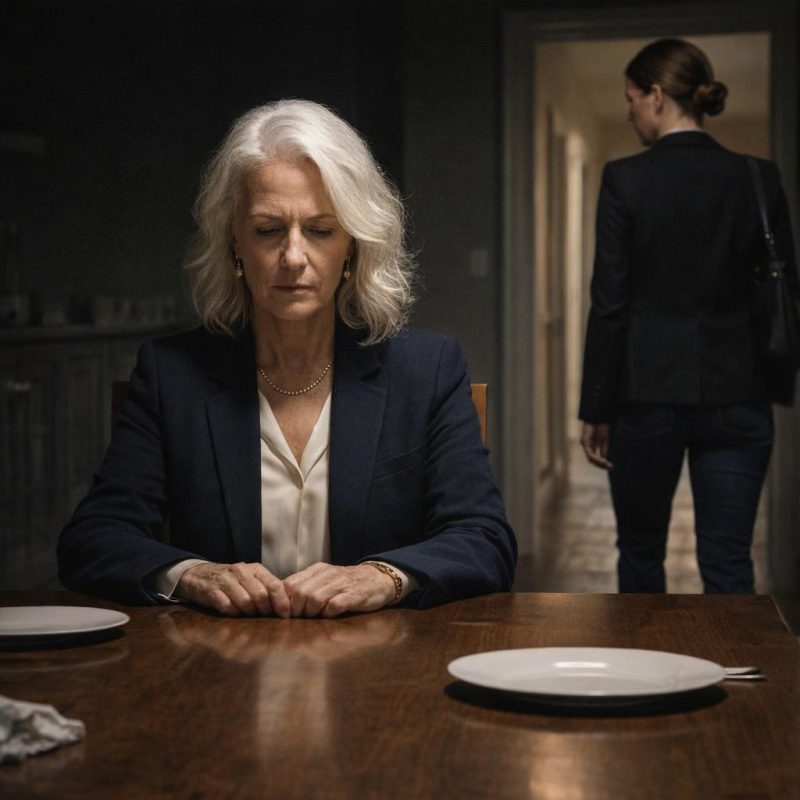 Image by RM AI
Alone
People moved through the house collecting their things without much conversation. A bag zipped in the hallway. Car keys clinked. Claire walked past Evelyn in the kitchen without stopping, without looking up. One of the aunts paused at the door and said she was sorry — not to Evelyn, to David — and then she was gone. Evelyn tried twice to get someone to stop and listen. The first time, no one answered. The second time, a cousin said quietly that she needed to talk to a lawyer, not to them. The house emptied faster than I expected. When the last relative's car pulled out of the drive, it was just the three of us. Evelyn stood in the living room and said the property was still hers by right of family. I walked to the side table, picked up the deed, and held it out without speaking. David told her she needed to go. She looked at him for a long moment, then at me, then she picked up her bag. She didn't say anything else. She walked out the front door and down to her car. David and I stood on the porch and watched her reverse down the drive and disappear around the tree line, and the silence that settled after her taillights vanished felt like the first clean breath I'd taken in months.
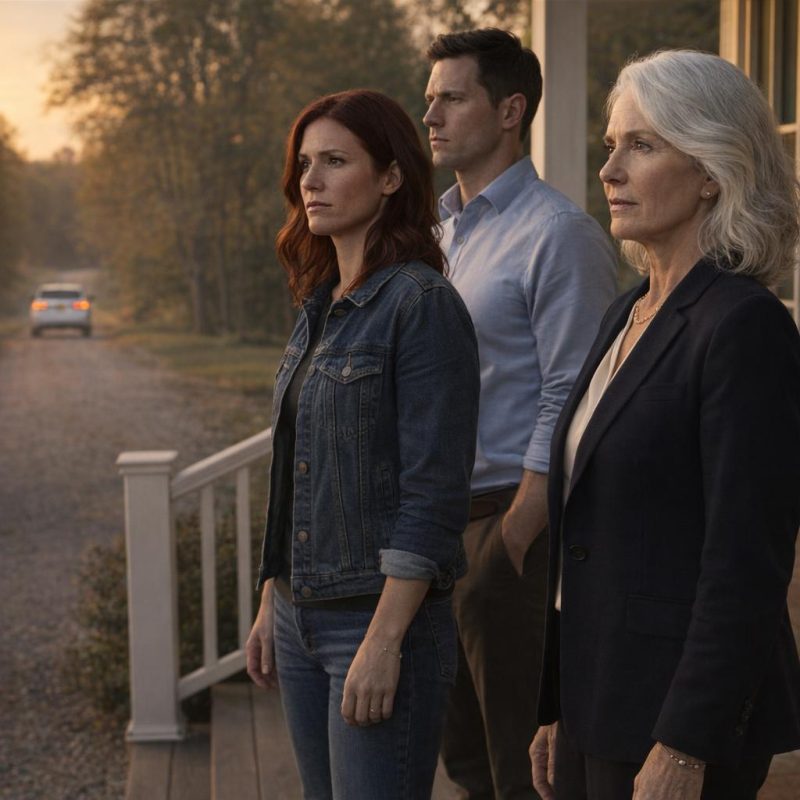 Image by RM AI
Reclaimed
We walked through the house together after she left — slowly, room by room, like we were relearning it. David ran his hand along the kitchen counter I'd refinished and didn't say anything for a while. Then he said he was sorry he hadn't seen it sooner, that he should have pushed harder, asked more questions. I told him she was good at what she did and that it wasn't on him. He nodded, but I could tell he was still working through it. We talked about the family members who'd lost money — whether we could help them recover any of it, whether pressing charges was the right move. David said he'd support whatever I decided. I told him I wasn't letting it go. Standing in the hallway outside the room I'd spent six weeks replastering, I felt something I hadn't felt in a long time — like the walls actually belonged to me. We talked about changing the locks again in the morning, about finally having people over without dread sitting in my chest the whole time. David pulled me in and held on, and I let him. Outside, the lake was still. The house held the quiet the way it was always supposed to, and the door Evelyn had walked through for the last time stayed closed behind her.
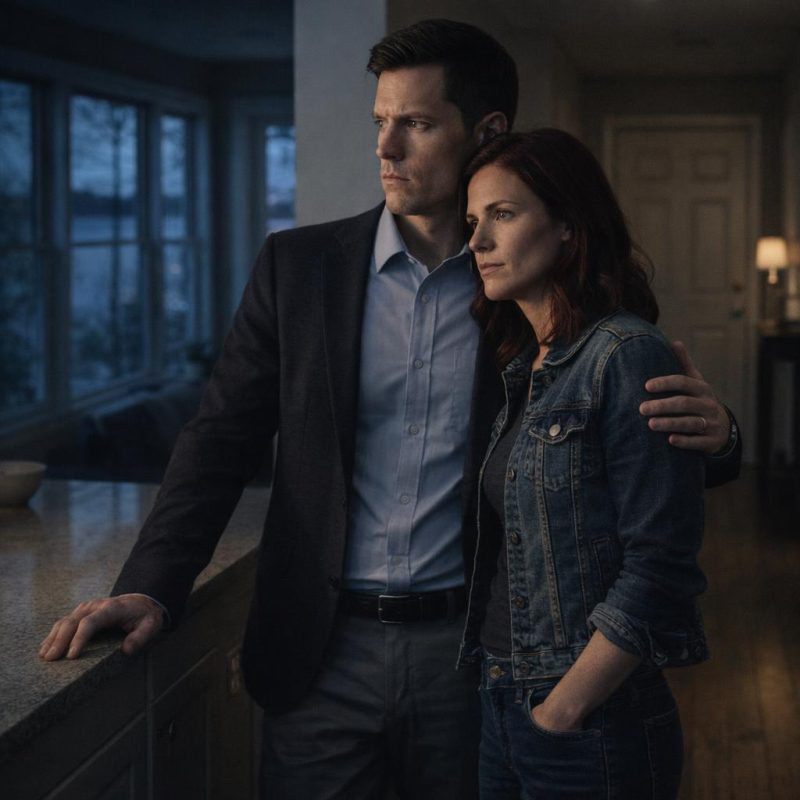 Image by RM AI
Home
We didn't do much that evening. We sat in the living room — the one with the reclaimed-wood ceiling I'd sourced from a salvage yard two states over — and just existed in it for a while. David mentioned that Claire had already called him, that she was shaken and angry and wanted to talk about next steps. I said I was glad she'd called. We talked about the fixtures Evelyn had taken, about what a legal claim would look like, about whether the family members who'd been defrauded wanted to pursue restitution together. David said he was proud of me. I told him I was just tired. But it was a different kind of tired — the kind that comes after something is finished, not the kind that comes from carrying something you can't put down. I walked through the rooms one more time before dark, touching things I'd built or fixed or chosen — the window casings, the tile work in the bathroom, the stair rail I'd sanded by hand. Three years of weekends and early mornings and arguments with contractors and one very long winter with no heat. All of it still standing. I came back to the living room and stopped at the window, and the lake caught the last of the sunset in the glass I had reglazed myself, the light spreading across the water in long copper lines.
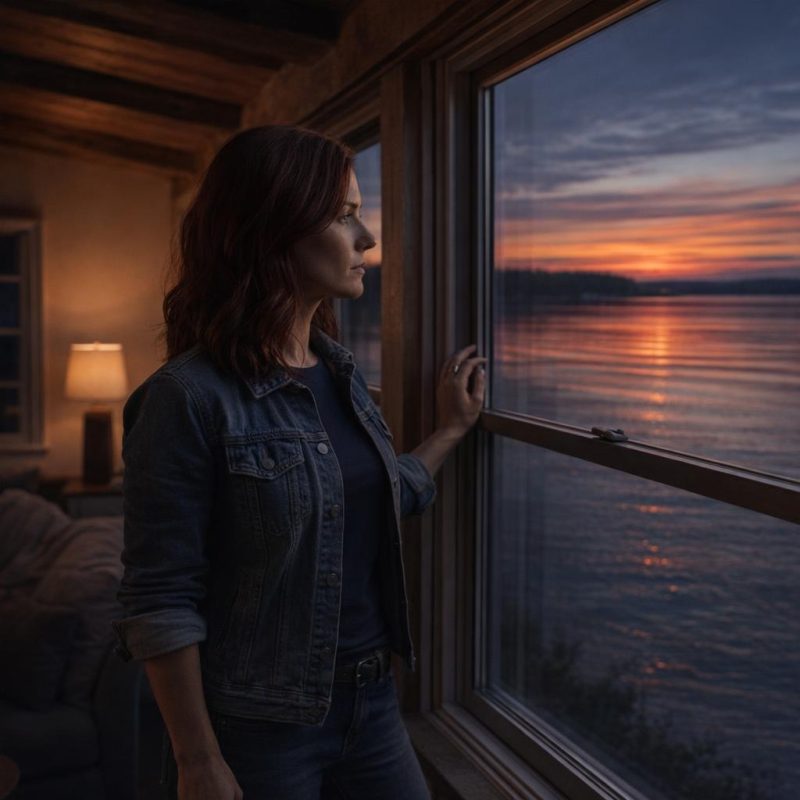 Image by RM AI
KEEP ON READING

20 Powerful Ancient Egyptian Gods That Were Worshipped
Unique Religious Figures in Ancient Egypt. While most people are…
By Cathy Liu Nov 27, 2024
The 10 Scariest Dinosaurs From The Mesozoic Era & The…
The Largest Creatures To Roam The Earth. It can be…
By Cathy Liu Nov 28, 2024
The 20 Most Stunning Ancient Greek Landmarks
Ancient Greek Sites To Witness With Your Own Eyes. For…
By Cathy Liu Dec 2, 2024
10 Historical Villains Who Weren't THAT Bad
Sometimes people end up getting a worse reputation than they…
By Robbie Woods Dec 3, 2024
One Tiny Mistake Exposed A $3 Billion Heist
While still in college, Jimmy Zhong discovered a loophole that…
By Robbie Woods Dec 3, 2024
30 Lost Treasures That Vanished From History
Buried treasure, missing artefacts, legends of ancient gold in them…
By Robbie Woods Dec 3, 2024