

I Refused to Cook Christmas Dinner for 25 Strangers My Sister Invited—So I Fled the Country Instead. My Mother's Reaction Was More Twisted Than I Could Have Imagined.
I Refused to Cook Christmas Dinner for 25 Strangers My Sister Invited—So I Fled the Country Instead. My Mother's Reaction Was More Twisted Than I Could Have Imagined.
Thirty Thousand Feet Above Regret
I left a note on the kitchen counter that said almost nothing — something like 'I need some time, don't worry about dinner' — and then I walked out the back door with my suitcase before I could talk myself out of it. That was three hours before Barbara would have expected me elbow-deep in a twenty-pound turkey, and I spent those three hours on a red-eye to the coast, heart hammering the whole way to the gate. On the plane, I kept replaying the moment the back door clicked shut behind me — the specific sound of it, quiet and final. I imagined her walking into the kitchen and finding the cold stove, the untouched roasting pan, the note that explained nothing and everything. The guilt sat in my chest like a stone for the first hour. I'd spent so many years being the one who stayed, the one who handled it, the one who made sure every guest had a full plate and a warm seat, and now I was thirty thousand feet above all of it. Somewhere over the clouds, the stone in my chest started to loosen. I pressed my face toward the window, and when the plane broke through the last layer of gray into open, brilliant morning sunlight, something in me went very still and very quiet.
 Image by RM AI
Salt Air and Second Chances
The airport doors slid open and the air hit me like something I hadn't known I was missing — warm, thick, carrying salt and something floral I couldn't name. Back home it was twenty-eight degrees and smelled like frozen pavement. Here, Christmas garlands were draped over palm trees, and I stood on the curb for a full minute just breathing. The taxi driver had a reggae station on low and didn't try to make conversation, which felt like a gift. I watched the streets scroll past — pastel storefronts, tourists in shorts, a nativity scene set up outside a surf shop — and I felt like I'd landed on a different planet. My phone buzzed somewhere in my bag. I fished it out and saw Chloe's name on the screen. I let it go to voicemail. A minute later the notification appeared, and I could see the preview — 'where are you??' — in that particular tone of confused inconvenience she does so well, like the world had malfunctioned. I put the phone face-down on the seat and looked back out the window. The driver turned down a narrow road that ran parallel to the water, and there it was: a small two-story hotel with a sun-faded sign, a neon vacancy light buzzing pink in the afternoon, and a second-floor window that looked straight out at the ocean.
 Image by RM AI
The Weight of Silence
I woke up without an alarm for the first time in what felt like years, and I lay there for a while just listening to the waves, trying to remember the last time I hadn't woken to a list. There wasn't one. I pulled on clothes without thinking about what anyone else needed and walked down to the beach barefoot, letting the sand push up between my toes with each step. It was warm enough that I rolled my jeans to the knee. A street vendor near the boardwalk was selling paper cups of fried dough dusted in sugar, and I bought one and sat on a bench and ate it slowly, watching pelicans cruise low over the water. I had nowhere to be. That sentence kept surfacing in my head like something foreign — nowhere to be, nothing to prepare, no one waiting on me. I passed couples and families building sandcastles and a group of older men playing chess under a palm tree, and I felt no particular longing for any of it. The solitude felt chosen rather than imposed, which was new. By late afternoon I was back on the shore, shoes off, watching the sun drop toward the horizon. It went slowly, the way good things do, bleeding orange and deep pink across the water until the whole sky looked like something I didn't deserve but was going to keep anyway.
 Image by RM AI
Christmas Without Obligation
Christmas morning arrived with the sound of waves and a distant steel drum somewhere down the beach, and I lay in bed smiling at the ceiling like a person who had briefly lost her mind in the best possible way. No kitchen timer. No mental checklist of who was lactose intolerant and who needed a gluten-free option. I put on my swimsuit and walked down to the water and stood in the surf up to my shins while other tourists did the same, all of us slightly giddy at the wrongness of it. I bought myself a fish taco from a cart near the pier and ate it on a low wall overlooking the water, and it was the best thing I'd tasted in months, maybe because I hadn't cooked it and no one was going to critique it. I thought about home once — briefly, involuntarily, the way you think about a dentist appointment you've rescheduled — and then I let the thought go. Back at the hotel in the afternoon, I kicked off my sandals and reached for my phone to check the time. The screen lit up before I could even unlock it. Seventeen missed calls, all from Barbara, stacked in a column that scrolled past the edge of the screen.
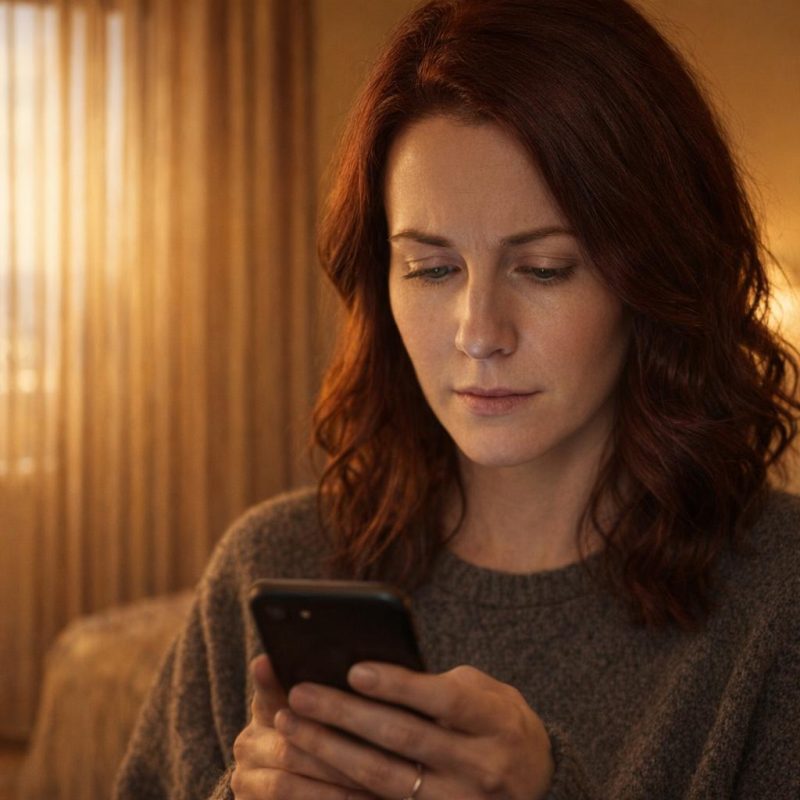 Image by RM AI
The Café on the Corner
I found the café by accident on the morning after Christmas, following the smell of dark roast down a side street lined with bougainvillea. It was small — maybe eight tables, a chalkboard menu, a ceiling fan turning slow overhead — and almost empty. The man behind the counter looked up when I came in and smiled like he'd been expecting someone pleasant. He had sun-weathered skin and the kind of easy posture that comes from genuinely not being in a hurry. 'Coffee?' he said, already reaching for a cup. His name was Marcus, and he owned the place, and within about four minutes he'd asked where I was from, what I thought of the town, and whether I'd tried the beach at the north end yet. I gave vague answers — 'up north,' 'it's beautiful,' 'not yet' — but I didn't feel interrogated. It was more like he was just actually curious, which was a sensation I'd apparently forgotten. I told him I was taking some time for myself and braced for the follow-up questions, but he just nodded like that was a completely reasonable thing for a person to do. We talked about the town, about the café, about nothing in particular, and I drank two cups of coffee and didn't look at my phone once. When I finally stood to leave, he said she was welcome back anytime, and the warmth in his voice settled over me like the morning sun coming through the window.
 Image by RM AI
The First Barrage
I sat on the edge of the hotel bed that evening and made myself open the voicemail inbox. There were nine messages from Barbara, and I played them in order like someone pressing on a bruise to see how bad it still was. The first two were clipped and cold — 'Call me immediately' and 'This is completely unacceptable, Emma' — delivered in the voice she used when she wanted you to understand that your inconvenience had become her emergency. The middle ones shifted, asking where I was, whether I'd told anyone where I was going, whether I was being irresponsible on purpose. I noticed she didn't ask if I was okay until the fifth message, and even then it was sandwiched between accusations. I deleted them one by one, which felt both satisfying and terrible. The last message was different. Her voice was still controlled, but something underneath it had gone thin — not soft exactly, but strained, like a wire pulled too tight. She said she didn't understand why I would do this to the family. She said she was worried. I sat with the phone in my lap after it ended, not sure what to do with the fact that her worry and her anger had arrived in the same package, and that I couldn't tell anymore where one ended and the other began.
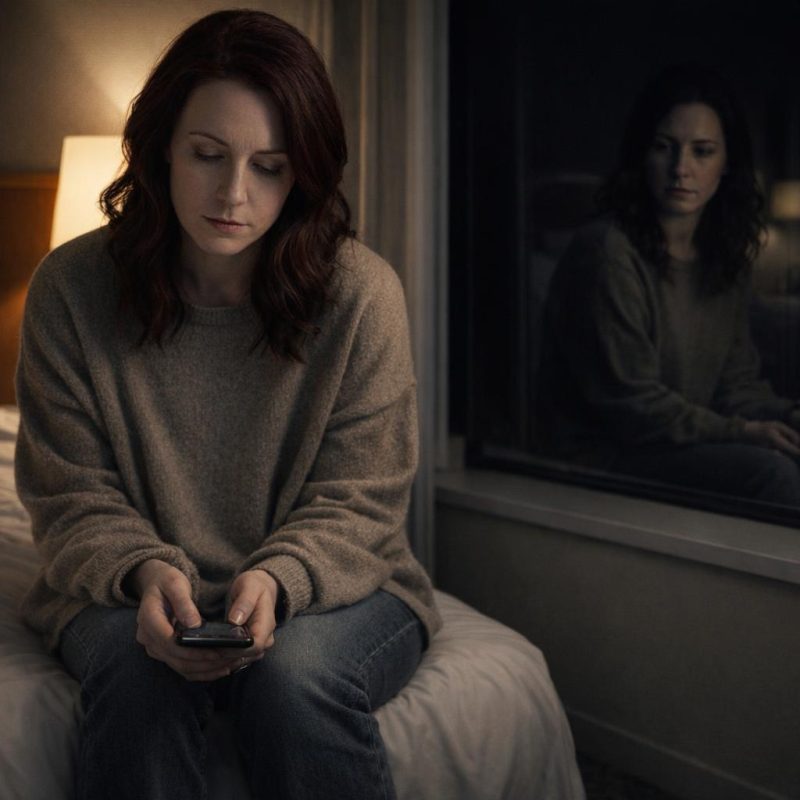 Image by RM AI
Guilt and Manipulation
I woke the next morning to a screen full of texts from Barbara, and I made the mistake of reading them before I'd even sat up properly. The first few were variations on a theme — I had abandoned the family, I had humiliated her in front of guests, I had ruined Christmas for everyone who mattered. One message said Chloe had cried. Another said the guests had been 'devastated,' which I found hard to picture given that most of them were strangers my sister had invited without asking me. Then there was the one that landed differently: 'You have always put yourself first. You have always been selfish and ungrateful and I don't know where I went wrong with you.' I read that one twice. I knew, on some level, that it wasn't a fair characterization of a person who had spent the last decade making sure everyone else's needs came before her own. But knowing something and feeling it are different countries, and the guilt had already crossed the border before I could stop it. I put the phone down and stared at the ceiling fan. My resolve, which had felt solid as concrete two days ago, had developed a crack I could feel but not quite see. Then a new message arrived, and I picked the phone back up: 'The family is in crisis and your absence is making everything worse.'
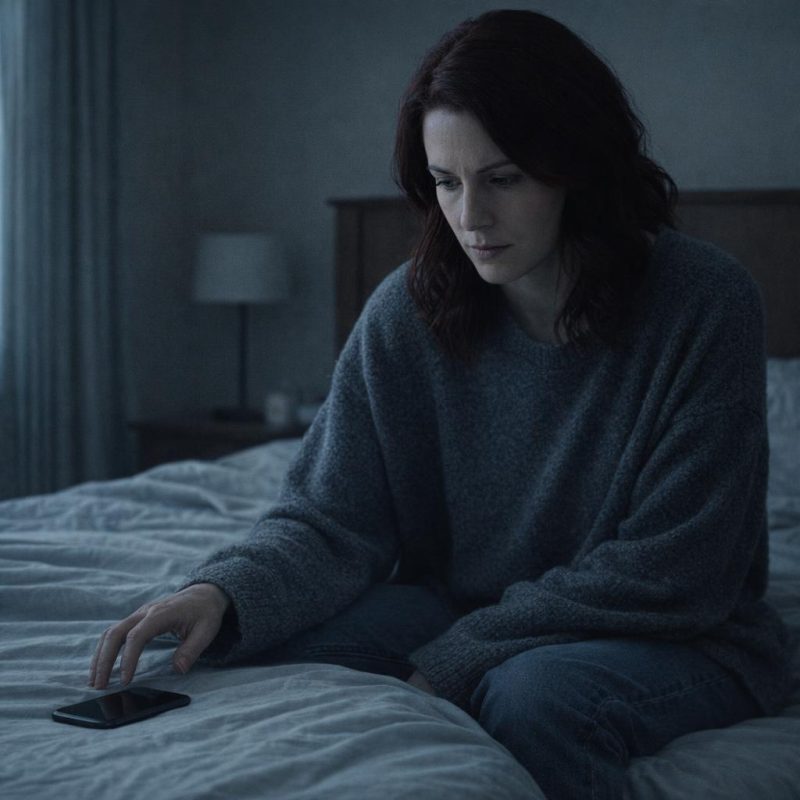 Image by RM AI
A Stranger's Kindness
I ended up on a bench near the water that afternoon, phone in my lap, not really looking at anything. I'd read Barbara's messages enough times that I had them memorized, which wasn't helping. A woman sat down at the other end of the bench — early fifties, silver-streaked dark hair, a paperback open in her hand — and said something about the clouds coming in from the south. I made a sound of agreement without really engaging. She didn't push. We sat in companionable silence for a few minutes, which I appreciated. Then she glanced over and said, 'You doing all right?' in the direct, unhurried way of someone who actually wanted to know but wasn't going to make it weird if the answer was no. I said I was fine. She nodded slowly, like she was filing that away for later. 'You've been staring at that phone like it owes you money,' she said. I laughed, which surprised me. I told her it was family stuff, over the holidays, nothing unusual. She said she understood that particular flavor of complicated. I started to say something else — something deflecting and polite — but my voice caught on the way out, just slightly, just enough. Her expression shifted, the easy friendliness pulling back to make room for something steadier and more careful.
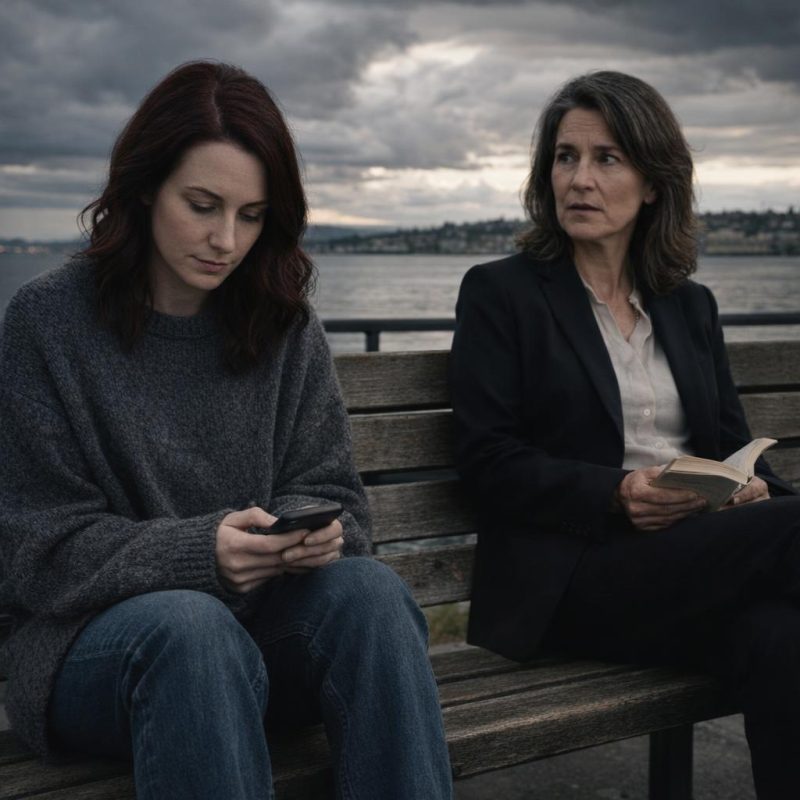 Image by RM AI
Confessions Over Coffee
Diane steered us toward a small café tucked off the main drag, the kind of place with mismatched chairs and a chalkboard menu and no ambient music fighting for space in your head. We ordered coffee and she didn't rush me, just waited with her hands wrapped around her mug while I figured out where to start. I told her about the Christmas dinner — the twenty-five guests, the call from my mother Barbara, the way the whole thing had been presented as a given rather than a request. Then I kept going, because once I started I couldn't seem to stop. I told her about the years of it: the last-minute obligations, the holidays that were never actually holidays for me, the way I'd learned to read the temperature of a room before I'd even taken my coat off. Diane listened without interrupting, which was its own kind of gift. Her expression didn't stay neutral, though. It shifted, slowly, the way weather changes — something moving in behind her eyes that looked a lot like concern. She set her mug down carefully. She said she didn't want to overstep, but that what I was describing — the cooking, the planning, the being on call — she said, 'That doesn't sound like a family. That sounds like a job.'
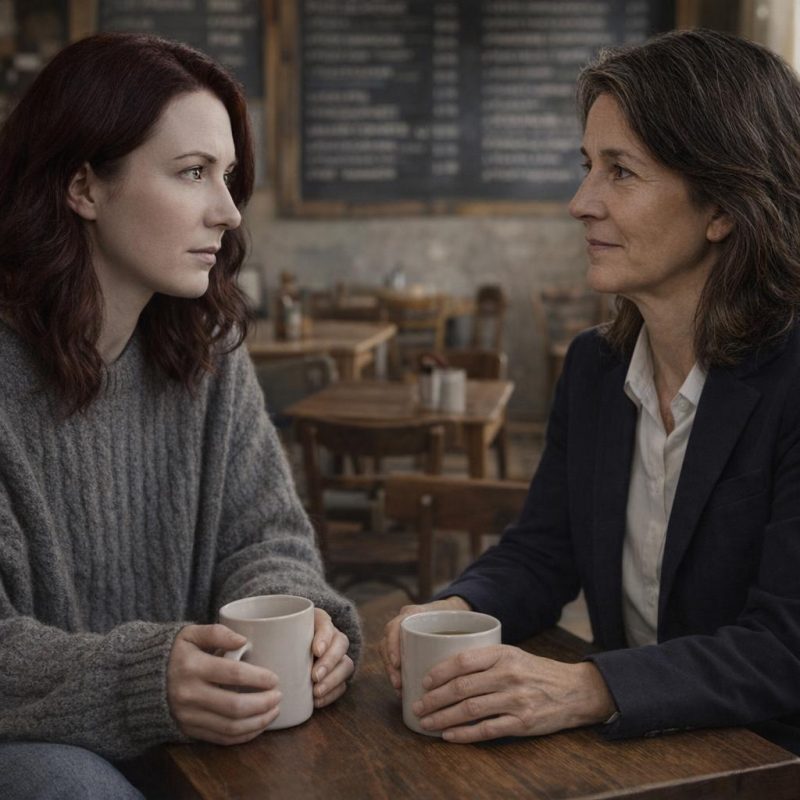 Image by RM AI
Chloe's Tears
I was sitting on the small balcony of my hotel room when my phone buzzed and Chloe's name came up on the screen. I almost let it go to voicemail. I didn't. She was crying before I'd finished saying hello — that particular kind of crying that comes in waves, audible and effortful, the kind that used to make me drop everything and fix whatever needed fixing. She said the holiday was ruined. She said everyone was upset and the house felt wrong and nobody knew what to do with themselves. I asked if everyone was okay, meaning physically, and she said yes, obviously, but that wasn't the point. The point, as far as I could tell, was that my absence had created a problem and she wanted me to come back and solve it. She asked why I'd left. She asked when I was coming home. I told her I wasn't — not yet, maybe not for a while. The crying shifted register, went quieter, and then the line just sat there between us, neither of us filling it. I could hear her breathing. I could hear the faint sound of the television somewhere in the background of whatever room she was in. The silence after I said I wasn't coming home settled over the call like something heavy being set down gently.
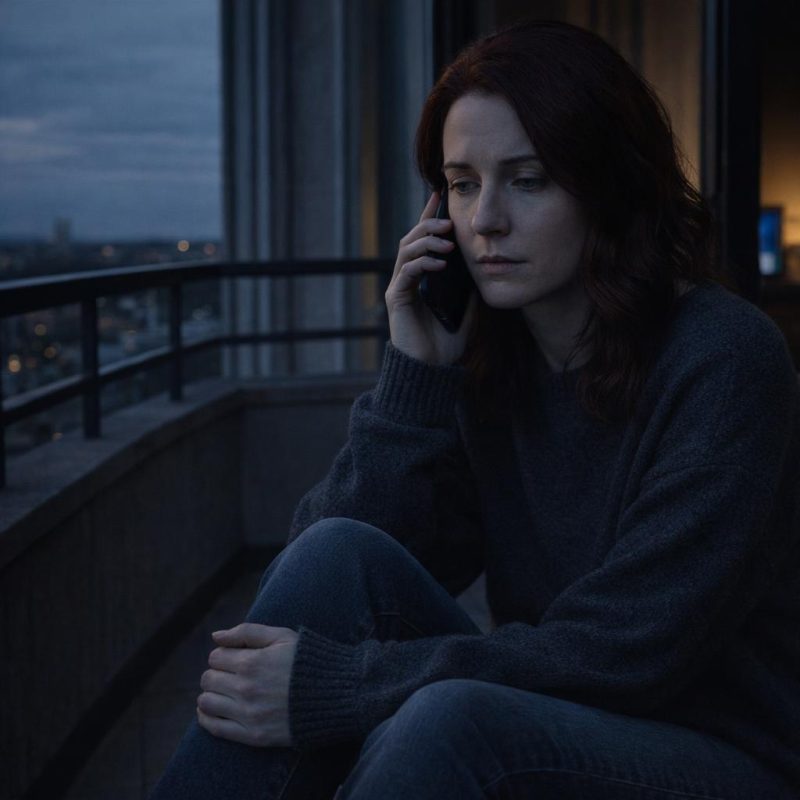 Image by RM AI
The Financial Emergency
Barbara called the next morning, early enough that I was still in bed with the curtains half-drawn. I knew it was her before I looked — there's a particular dread that arrives ahead of certain phone numbers, like weather you can feel in your joints. Her voice was tight when I answered, clipped in a way that was different from her usual controlled coolness. She said there was a financial situation. She said it had come up suddenly and it needed to be handled quickly and it required my presence. I asked what kind of situation. She said it was complicated, that it wasn't something she could walk me through over the phone, that there were papers involved and I needed to be there in person to sign them. I asked what papers. She said she'd explain when I got home. I told her I wasn't coming home right now and asked her to send me whatever documents she was referring to. Her voice sharpened then, the tightness pulling into something harder. She said I was being irresponsible. She said I didn't understand the urgency. I stayed quiet and let her talk, but something about the whole exchange sat wrong with me — the vagueness of it, the pressure without specifics, the way she kept circling back to the word papers without ever saying what they were for. That vague, urgent tone when she said she needed me to sign some papers stayed with me long after I'd hung up.
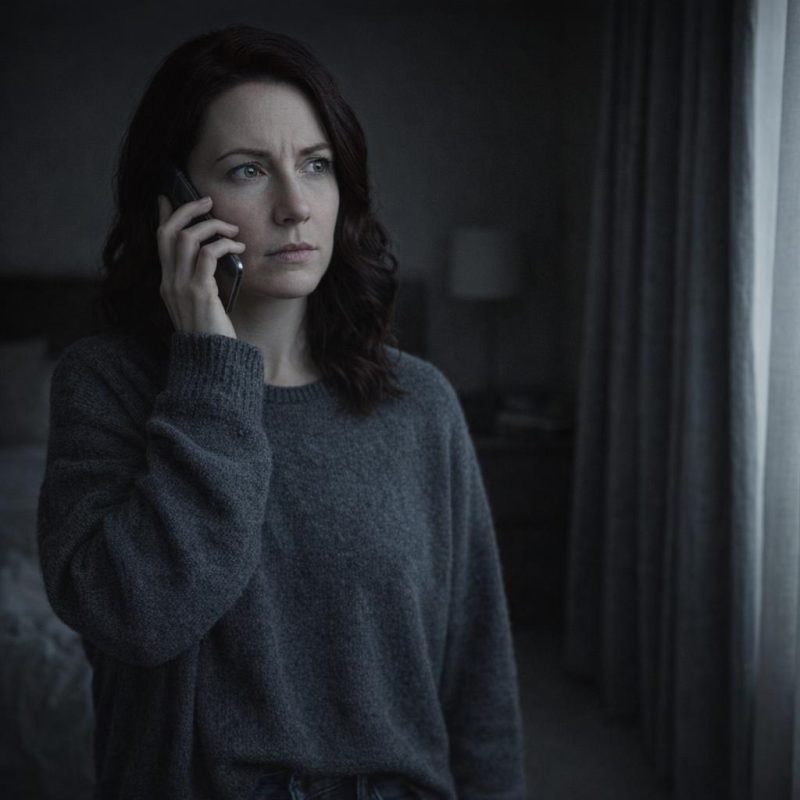 Image by RM AI
An Unexpected Offer
I ended up back at Marcus's café that afternoon without really planning to. It was the kind of place that felt the same regardless of what was happening outside it — the same salt-tinged air coming through the propped door, the same low hum of the espresso machine, the same unhurried pace that made the rest of the world feel like it was running a fever. Marcus was wiping down the counter when I came in and he looked up with that easy, unguarded smile of his. He asked if I was all right, and I said I was fine, and he gave me the same slow nod Diane had given me on the bench, the one that meant he wasn't entirely convinced but wasn't going to push. I told him I was thinking about staying a bit longer but hadn't worked out the details. He was quiet for a moment, refilling the sugar canisters with the focused calm of someone who thinks better when his hands are busy. Then he mentioned, almost as an aside, that his part-time person had just quit — moved back to the city for a boyfriend situation, he said, with a small shrug that suggested he'd seen it coming. He said the timing was probably terrible and he didn't want to put me on the spot, but he could use the help if I was interested in staying a while longer.
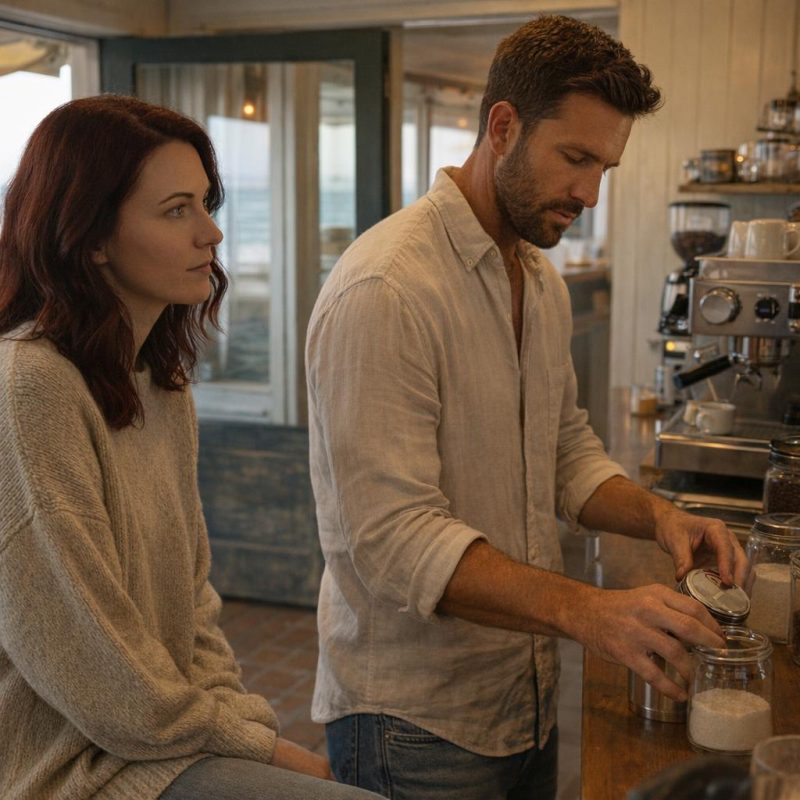 Image by RM AI
The Weight of Two Worlds
I lay on the hotel bed that night with the ceiling fan turning slow overhead, and I tried to think it through the way I'd always been taught to think things through — practically, responsibly, with appropriate weight given to obligations. The reasons to go home arranged themselves neatly: the guilt, the familiarity, the sense that things would spiral further if I wasn't there to manage them. Barbara's call about the papers nagged at me in a way I couldn't quite settle. And underneath all of it, the old pull of just being the person who showed up, who smoothed things over, who made the problem smaller so everyone else could breathe. Then I tried the other side. The quiet here. The way my shoulders had dropped about two inches since I'd arrived. Marcus's offer, sitting there like a door left open rather than a demand. The fact that I'd slept through the night twice in a row for the first time in longer than I could remember. I thought about the life I'd left — the apartment that felt like a staging area, the calendar full of other people's needs, the version of myself that had gotten very small and very efficient and very tired. I'd made plenty of decisions in my life, but lying there in the dark with the fan turning, I couldn't think of a single one I'd made purely because I wanted something for myself.
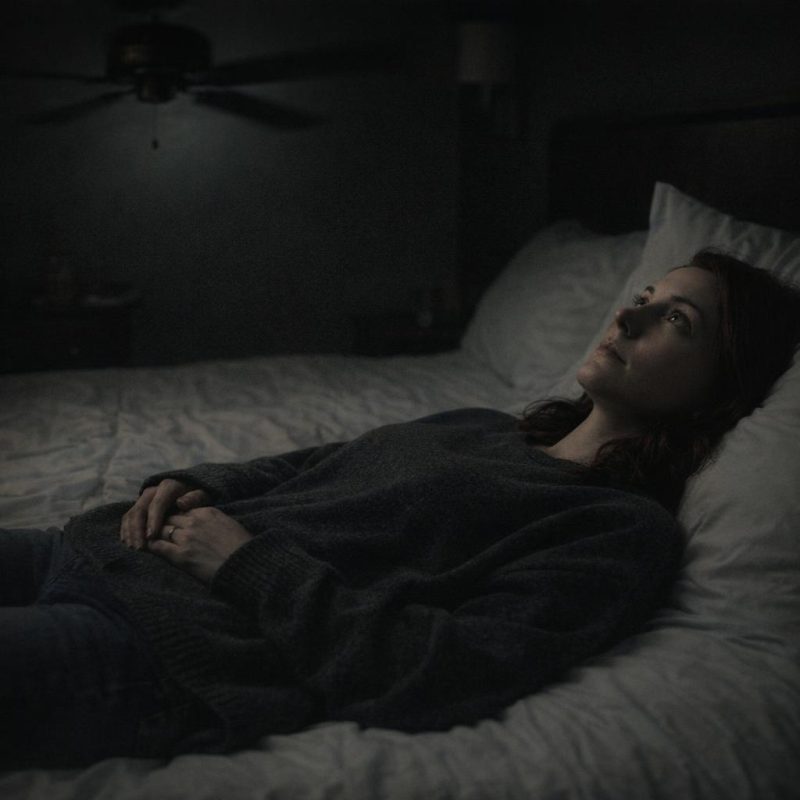 Image by RM AI
Drawing the Line
I made the call standing at the window with the ocean visible between the rooftops, which felt either symbolic or ridiculous, I wasn't sure which. Barbara picked up on the second ring. I told her I wasn't coming home yet — that I was staying in the coastal town for a while longer, that I needed the time, and that I'd be in touch about the paperwork once she could give me actual details. There was a pause, the kind that has texture to it, and then she asked what exactly I thought I was doing. I said I was taking care of myself for once, which came out steadier than I expected. She said I was being selfish. She said I was abandoning my family. She said I had responsibilities and obligations and that I clearly didn't understand what was at stake. I kept my voice even and said I understood she was upset, and that I was still not coming home. That was when her voice climbed — past sharp, past cold, into something louder and less controlled than I'd heard from her in years. I didn't catch all of it. The line went dead before she finished the sentence. I stood there for a moment with the phone against my ear, the ocean still visible between the rooftops, her voice still ringing somewhere at the back of my skull.
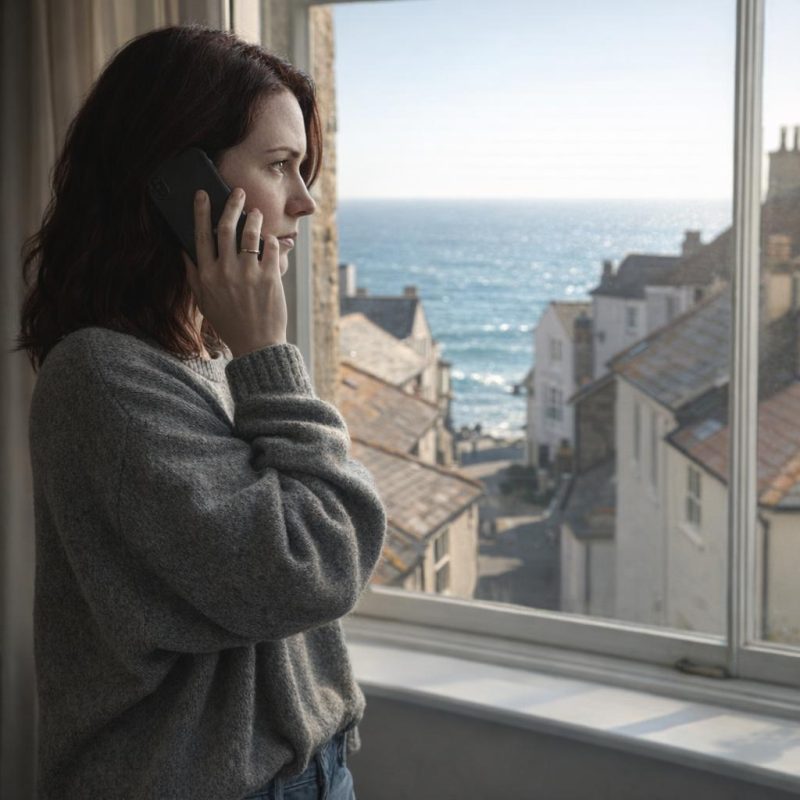 Image by RM AI
A New Routine
I showed up for my first shift at the café on a Tuesday morning with my hair pulled back and a nervousness in my chest that felt almost comically out of proportion to the task. Marcus walked me through the register, the coffee orders, the rhythm of the morning rush, and he did it without making me feel slow or watched. The work was simple and physical and it asked nothing of me except attention, which turned out to be exactly what I needed. I liked the repetition of it — the way each order had a beginning and an end, the way a clean counter stayed clean until it didn't and then you wiped it down again. The customers were mostly regulars, easy and unhurried, the kind of people who said thank you and meant it. By mid-morning I'd stopped second-guessing every transaction and started just doing the job, which felt like a small but genuine victory. Marcus caught my eye at one point and gave me a nod that I took to mean I was doing fine. I was refilling the napkin holders near the window when two women at the corner table started talking, their voices carrying in the lull between orders. One of them laughed and said it must be nice, just being able to run away from your problems like that.
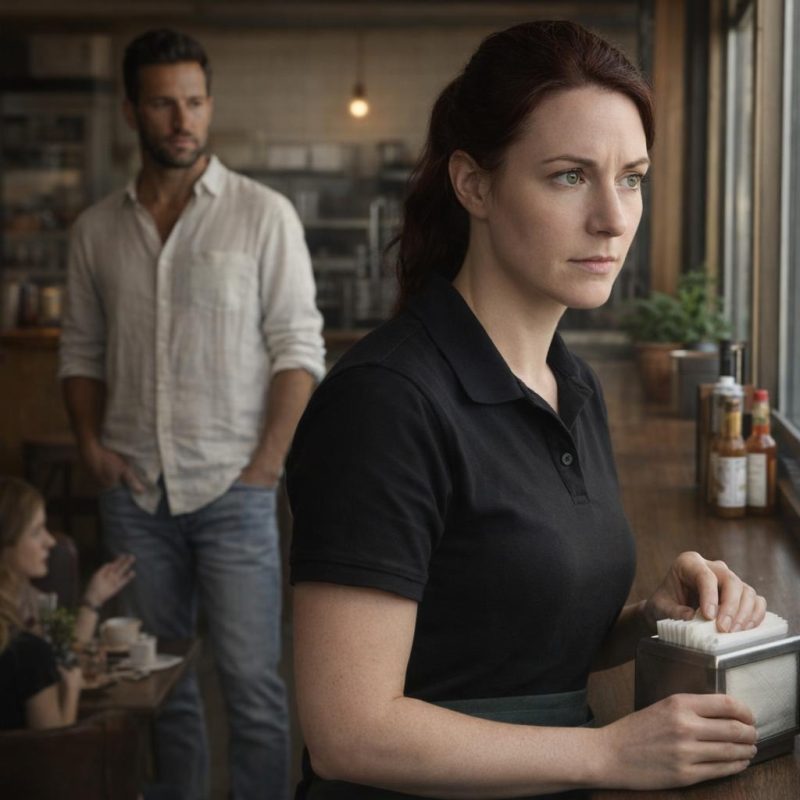 Image by RM AI
Settling Into the Unfamiliar
The days started to take on a shape I hadn't expected. Morning shifts at the café, the walk home along the shore path with my shoes off and the wet sand cold under my feet, afternoons that belonged to no one but me. I ran into Diane at the café one morning mid-week and she stayed for an hour, asking about the job with genuine interest, laughing when I described my first attempt at the espresso machine. Marcus told her I was a natural with the regulars, which made me feel something warm and slightly unfamiliar in my chest. I was sleeping better. The low-grade hum of anxiety that had lived behind my sternum for years had quieted to something I could almost ignore. I wasn't fixed — I knew that — but I was breathing differently, moving through the day without bracing for the next thing. One evening I came back to the hotel room after a long walk, poured a glass of water, and sat down to check my email out of habit. There were the usual things — a newsletter, a bank notification, a message from a friend back home asking how I was doing. And then, below all of it, an email from an address I didn't recognize, with a subject line that made me read it twice.
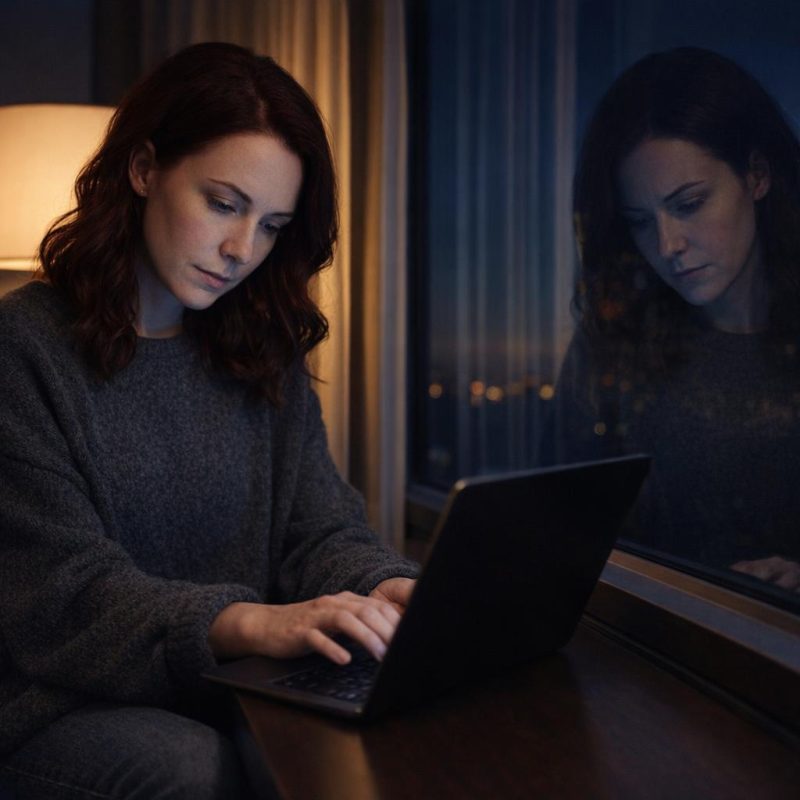 Image by RM AI
Legal Threats
The email wasn't from Barbara directly — that was the first thing I noticed. The sender address was something generic, a string of letters and numbers that didn't resolve to any name I recognized. But Barbara's name was right there in the CC line, which felt deliberate in a way I couldn't quite articulate. I read it once, then again, slower. The language was formal in that particular way that's designed to sound official without actually being official — lots of 'whereas' and 'pursuant to' and 'obligations of a familial nature.' There were no case numbers. No court names. No specific statutes cited. Just a dense paragraph about how my absence had created 'undue burden' on the family unit and that continued non-compliance could result in 'appropriate legal remedies being pursued.' I sat there on the edge of the hotel bed, the screen glowing in the dim room, trying to figure out if I was scared or just confused. Both, probably. The email felt like a hand closing around my wrist in the dark — firm enough to stop me, vague enough that I couldn't explain to anyone exactly what had happened. Then my eyes dropped back to a phrase I'd skimmed past the first time — 'breach of familial duty' — and my stomach dropped.
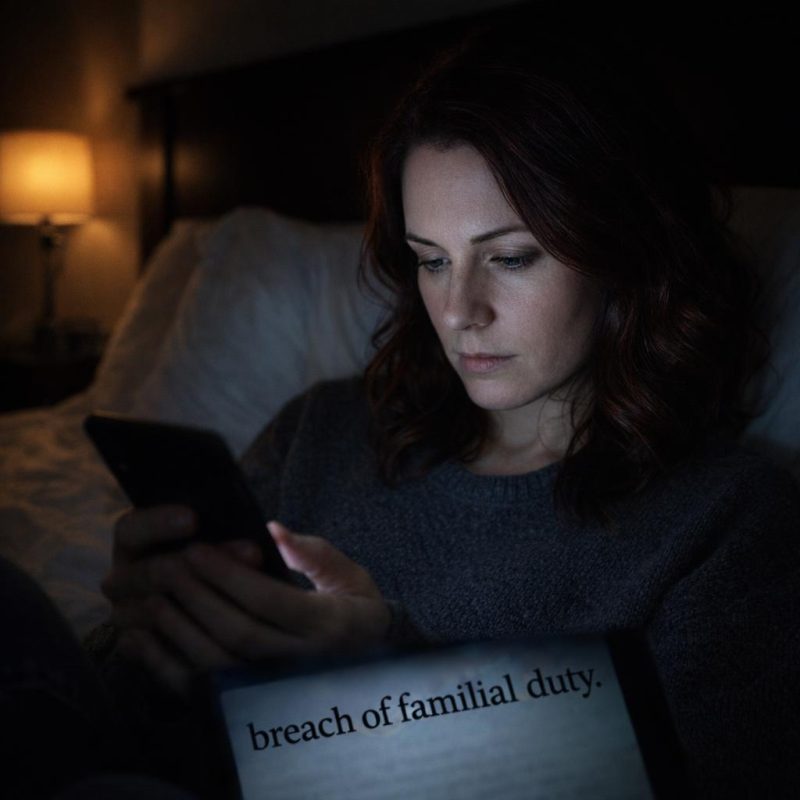 Image by RM AI
Diane's Observations
I found Diane at her usual corner table the next morning and slid my phone across to her without saying anything. She read the email the way I imagined she read everything — carefully, without reacting, her coffee going cold beside her. When she set the phone down, she didn't look alarmed. She looked like someone who had seen this before. 'There's nothing in here,' she said. 'No law. No court. No actual claim.' I told her I knew that, but it still made my stomach hurt. She nodded like that was exactly the right response. Then she asked me something I wasn't expecting: had Barbara done things like this before? Not necessarily emails, but — pressure. Vague warnings. The suggestion that something bad would happen if I didn't fall in line. I opened my mouth to say no, and then I stopped. Because the answer, when I actually thought about it, was yes. The time she told me my father's family would 'cut us off' if I didn't behave at a funeral. The way she'd implied, more than once, that my financial stability depended on her goodwill. I'd never strung those moments together before. Diane didn't label any of it. She just asked the questions and let me fill in the answers myself. By the time I walked back to the hotel, the fear hadn't gone away, but something else had moved in beside it — something quieter and heavier, like a fog settling in around the edges of everything I thought I'd known.
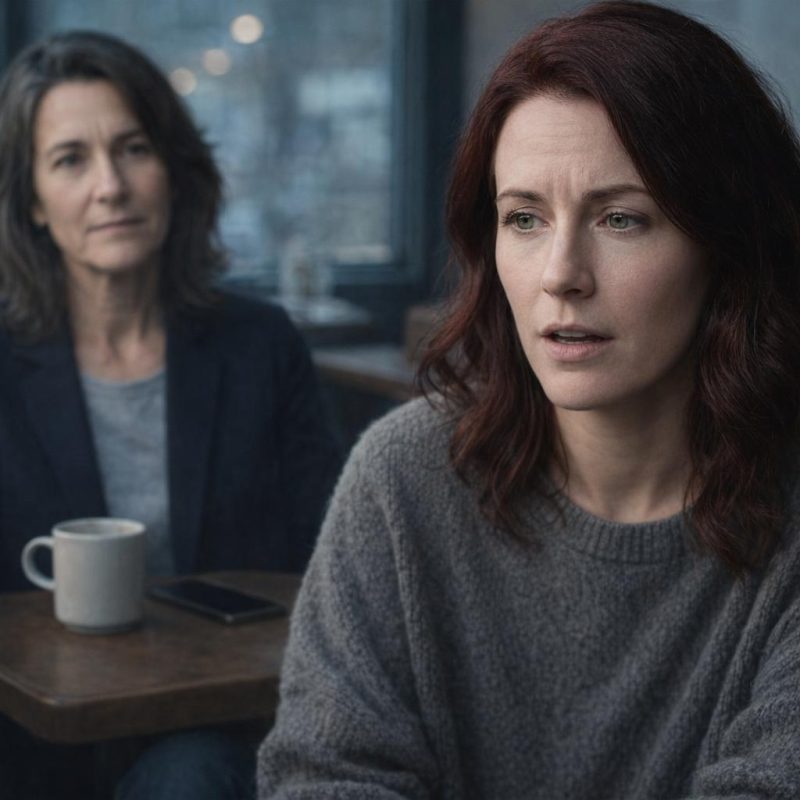 Image by RM AI
Fragments of the Past
That evening I sat on the narrow balcony of my hotel room with a glass of wine I barely touched and let the memories come without trying to organize them. Barbara had always been vague about money in a way I'd accepted as normal because I didn't have anything to compare it to. When I was in college and asked about savings accounts or whether my father had left anything behind, she'd wave the question off — 'everything's been handled,' she'd say, or 'you don't need to worry about that.' I'd believed her, mostly because worrying about it felt ungrateful. But sitting there in the dark with the sound of the ocean below me, I kept snagging on the same memory: my grandmother, the last Christmas before she got sick, pulling me aside in the kitchen while everyone else was in the living room. She'd held both my hands and told me she was going to make sure I was taken care of. Not Chloe. Not 'the family.' Me, specifically. She'd said it with the kind of quiet certainty that people use when they mean something precisely. I'd been twenty-two and embarrassed by the tenderness of it, and I'd squeezed her hands and changed the subject. I never asked her what she meant. I never followed up. And after she died, Barbara handled everything, and I let her, because that was what I always did. The memory of my grandmother's hands around mine, warm and steady, stayed with me long after the wine had gone warm.
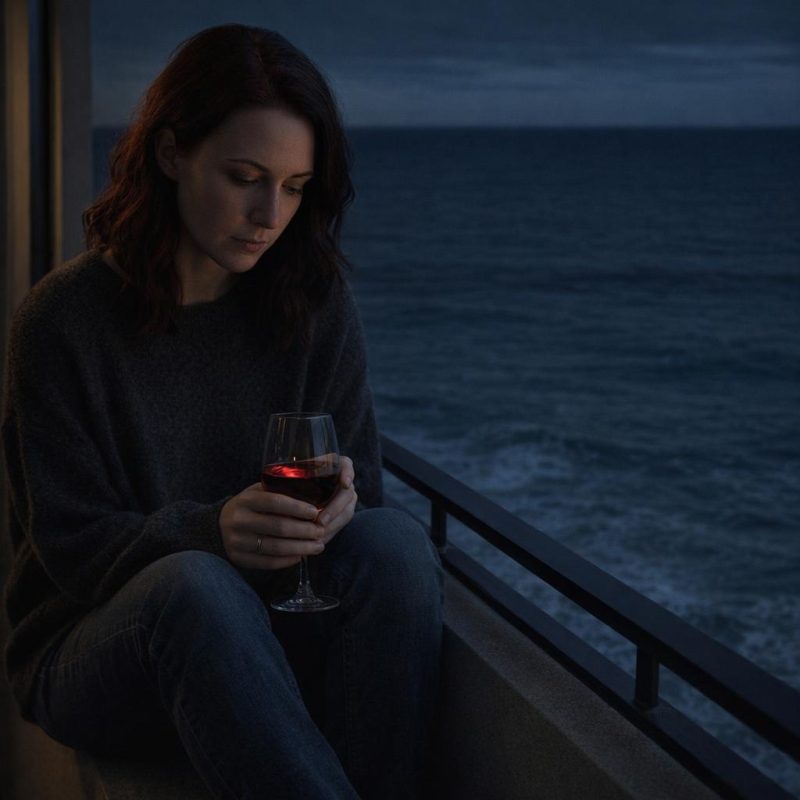 Image by RM AI
The Locked Door
I woke up the next morning with the kind of clarity that only comes after a bad night's sleep — not rested, but sharp in a brittle way. I kept turning over the same question: if my grandmother had meant to take care of me, what had that actually looked like? She'd owned a house. She'd had savings, investments — I remembered overhearing adults talk about it at family gatherings when I was a teenager. And then she died, and Barbara said everything had been 'handled,' and I'd nodded and helped carry casserole dishes and never once asked to see a document. I'd been twenty-six. Old enough to ask. I just hadn't. The more I sat with it, the more the silence around her estate felt strange rather than ordinary. I'd never received a letter from a lawyer. Never been asked to sign anything. Never seen a will or a statement or even a sympathy card from a financial institution. Barbara had stood between me and all of it, and I had let her, because I trusted her the way you trust the ground under your feet — not because you've tested it, but because it's always been there. I was afraid of what I might find. I was more afraid of not looking. I opened my laptop, pulled up a search engine, and started looking for any public record of my grandmother's estate.
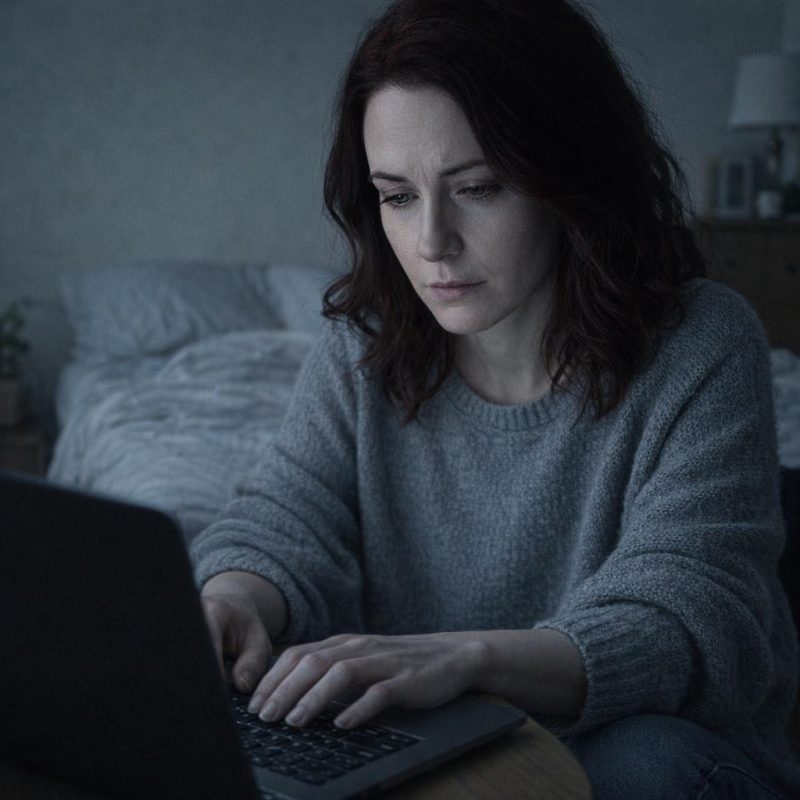 Image by RM AI
Searching for Ghosts
I found a reference to my grandmother's estate in a county probate index — just a line, her name and a case number and a filing date from eleven years ago. But when I clicked through to the actual documents, the portal asked for credentials I didn't have. I tried creating an account, but the case was flagged as restricted access, requiring either a court order or proof of named beneficiary status. I didn't know if I was a named beneficiary. That was the whole problem. I switched tabs and tried something else — an old savings account I'd had since college, one my grandmother had helped me open. I remembered the bank, remembered the branch. I typed in my username and the password I'd used for years. Incorrect. I tried the security questions. The answers didn't match what the system had on file. I sat back and stared at the screen. Then I tried a second account, a small investment account I'd opened in my mid-twenties and mostly forgotten about. Same result. Wrong password, security questions that felt subtly off, like someone had changed the answers to things that were almost right but weren't. I tried a third account. The page loaded, asked for my credentials, and returned the same two words in plain red text at the center of the screen: Access Denied.
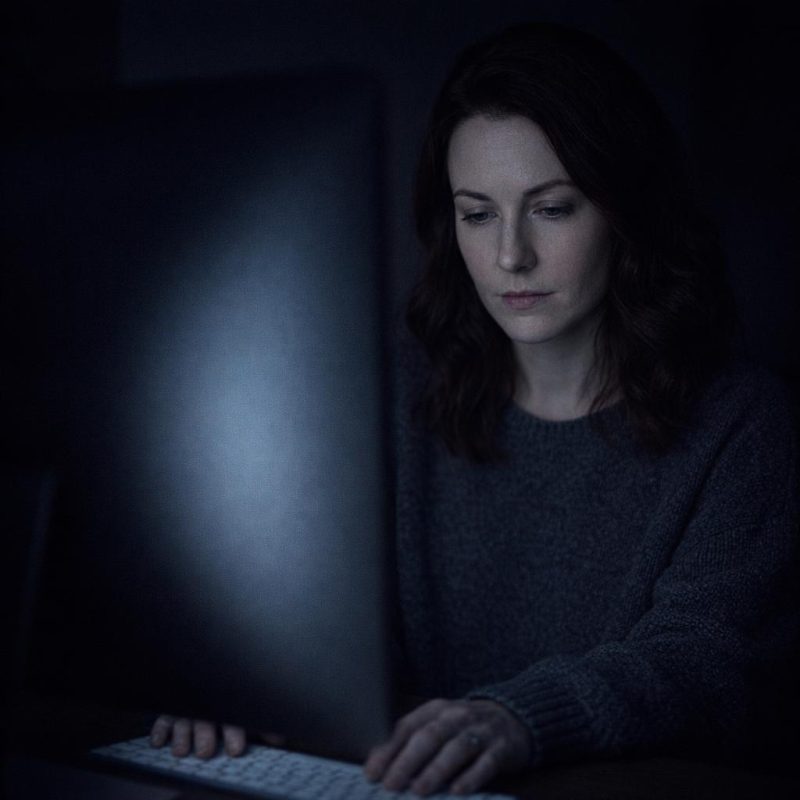 Image by RM AI
The Documents Barbara Wants
The email from Barbara arrived two days later, while I was still sitting with the locked accounts and the probate index I couldn't open. The subject line said 'Important — Time Sensitive,' which was the kind of subject line designed to make your heart rate go up before you'd read a single word. The message itself was brief and breezy in a way that felt completely at odds with the attachments — three of them, dense with legal formatting. Barbara wrote that these were routine estate documents that needed to be finalized, that my signature was required to 'close out certain family matters,' and that the sooner I returned the signed copies, the sooner everything could be resolved. Routine. That was the word she used twice. I opened the first attachment and immediately felt the particular helplessness of reading something in a language you almost speak. I could identify individual words — executor, grantor, fiduciary — but the sentences they built together were opaque in a way that was hard to parse. The second attachment was shorter but no clearer. The third one stopped me. It was two pages, and at the top, in plain bold text above all the dense legal language, was a label I didn't need a law degree to understand: Power of Attorney — Immediate Signature Required. I sat with that label on the screen in front of me, the cursor blinking, my hands very still in my lap.
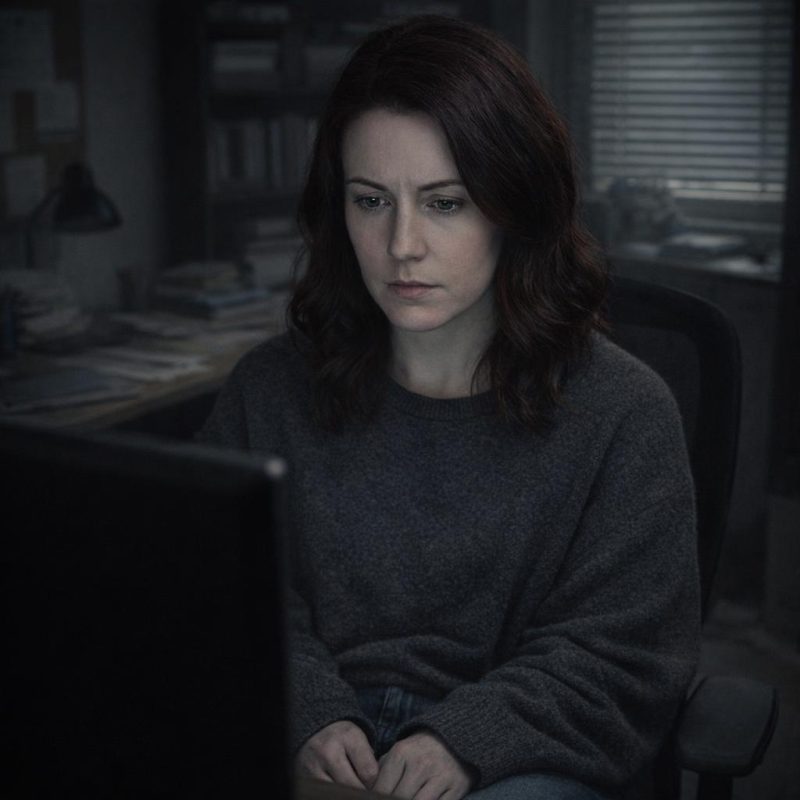 Image by RM AI
Refusing to Sign
I called her that evening. I'd rehearsed what I wanted to say, kept it simple: I wasn't going to sign documents I didn't understand, and I needed someone to explain them to me first. Barbara answered on the second ring, which meant she'd been expecting the call. She started in immediately — the documents were standard, her lawyer had prepared them, this was just how estate administration worked, and I was making things unnecessarily complicated. I asked her what the power of attorney was for, specifically. She said it was routine. I asked again. She said I was being paranoid and that this kind of thing happened in every family when there was an estate to settle. I told her I wasn't signing anything without understanding what I was signing. There was a pause — not a long one, but the kind of pause that has weight to it. When she spoke again, something had shifted. The warmth she'd been performing, thin as it was, was gone. She said that I was making a very simple process very difficult, and that if I continued to be uncooperative, there would be consequences I hadn't considered. She said it the way someone says a thing they've been holding in reserve. Then she told me I would regret making things complicated, and the line went quiet. Her voice had dropped to something I'd never heard from her before — flat and stripped of everything, like a door closing in an empty house.
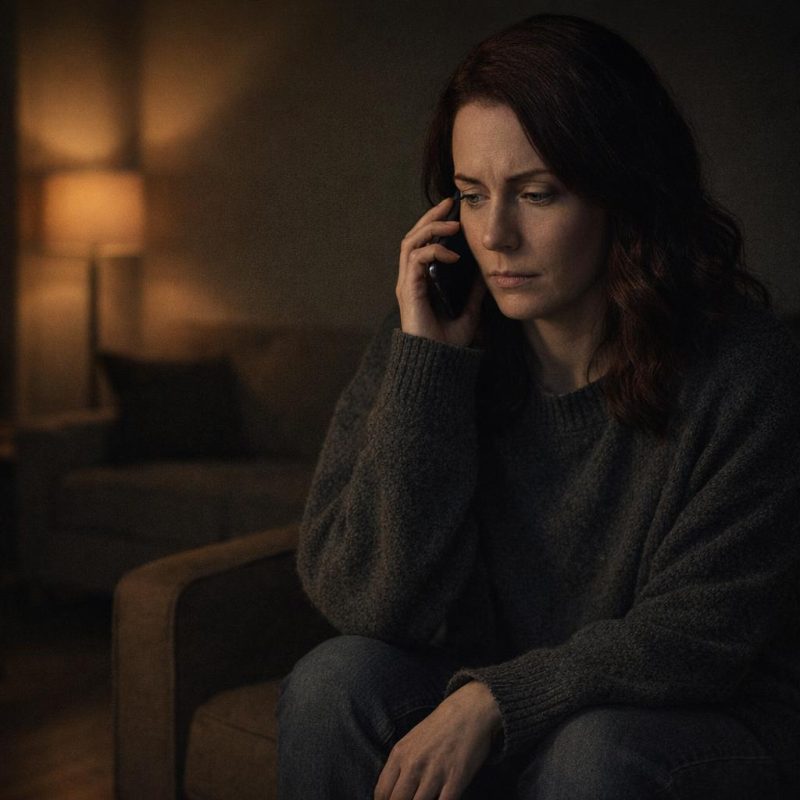 Image by RM AI
The Shift in the Air
I was at the café the next morning before Marcus had even flipped the sign to open. He took one look at me and didn't ask if I wanted coffee — he just made it and set it in front of me and waited. I told him about the documents, about the call, about the way Barbara's voice had changed at the end of it. I kept my voice even, but I could hear myself struggling to find the right words for something I didn't fully have language for yet. Marcus listened without interrupting, which was its own kind of kindness. When I finished, he said it sounded like a lot of pressure for something that was supposedly routine. I said that was exactly it — routine things didn't usually come with that kind of edge. I'd known Barbara my whole life. I'd seen her angry, disappointed, cold. But whatever that had been at the end of the call, it wasn't any of those things. It was something else. Something I didn't have a name for. Marcus asked if I had anyone I could talk to — a lawyer, maybe, someone who could look at the documents. I said I didn't know. I picked up my coffee cup and set it back down, and my hands were shaking enough that the cup rattled against the saucer.
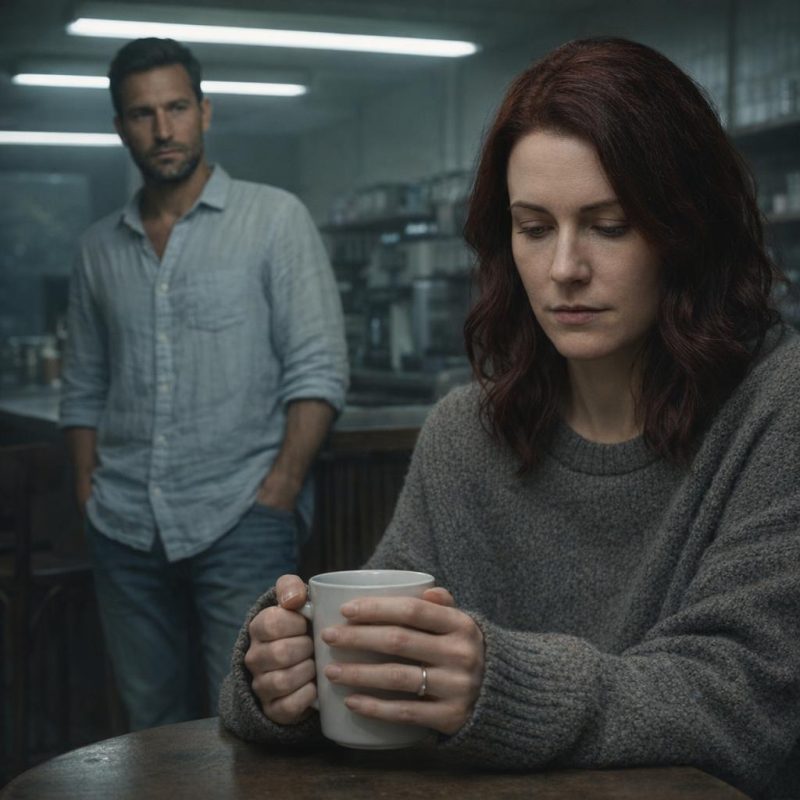 Image by RM AI
Speaking the Unspeakable
Diane was already waiting when I got to the beach, sitting on a low concrete wall with her shoes off and her feet in the sand. I'd texted her that morning with nothing more than 'can we talk?' and she'd said yes without asking why, which was exactly the kind of person she was. I sat down beside her and stared at the water for a long moment before I started talking. I told her about the documents Barbara had sent, about the locked accounts, about the way Barbara's voice had gone cold and strange when I said I wasn't ready to sign. I told her about the shaking coffee cup and Marcus's question about a lawyer. And then I said the thing I'd been circling for weeks without ever landing on it directly. I said that something was very wrong with my family. Not just difficult. Not just complicated. Wrong. The word sat between us like a stone I'd finally put down after carrying it so long I'd forgotten it wasn't part of my body. Diane didn't flinch. She didn't rush to reassure me or tell me I was overreacting. She just nodded slowly and said that trusting what I was feeling was the first step toward figuring out what to do about it.
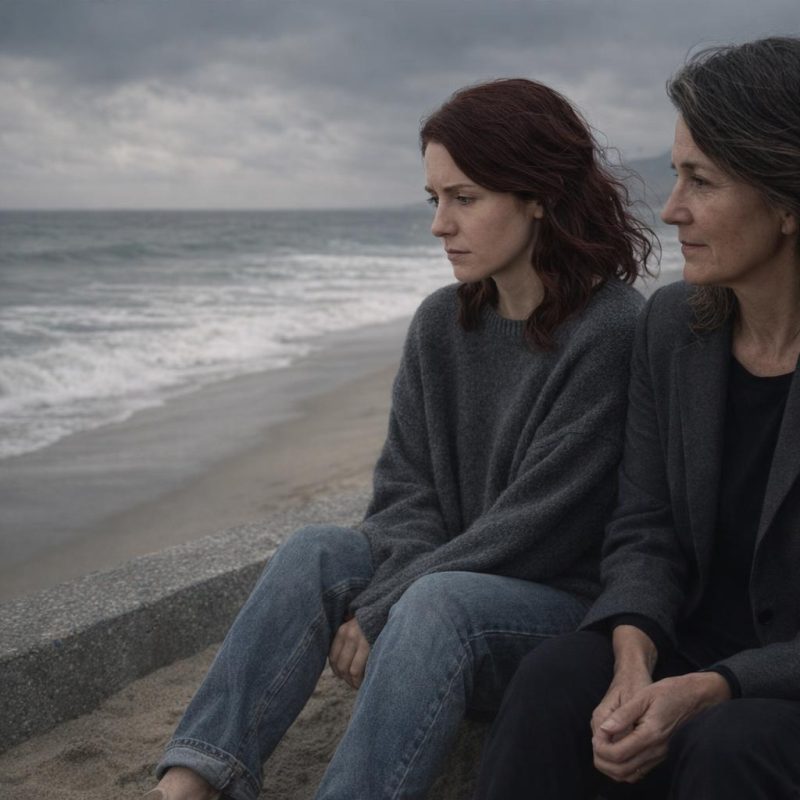 Image by RM AI
The Word Emma Couldn't Say
We stayed on that wall for a long time. The tide was coming in and neither of us moved back from it. Diane asked me, quietly, whether I'd ever had real control over my own finances — not just spending money, but actual access to accounts, to information, to decisions. I opened my mouth to say yes and then stopped. Because the honest answer was no. I'd had a debit card Barbara loaded when she felt like it. I'd never seen a tax return. I didn't know what bank held my father's estate, or whether there even was one. I'd just assumed Barbara handled it because Barbara handled everything. Diane let the silence sit for a moment and then said that controlling someone's access to money — cutting them off from financial information, making them dependent — was a recognized form of abuse. The word hit me somewhere behind the sternum. I wanted to argue. I wanted to say that Barbara was difficult, not abusive, that there was a difference, that my mother wasn't that kind of person. But the argument wouldn't quite form. Diane said I didn't have to decide what to call it right now. She said what mattered was that I protect myself. The word 'abuse' was still hanging in the air between us, and I couldn't find anything to put in its place.
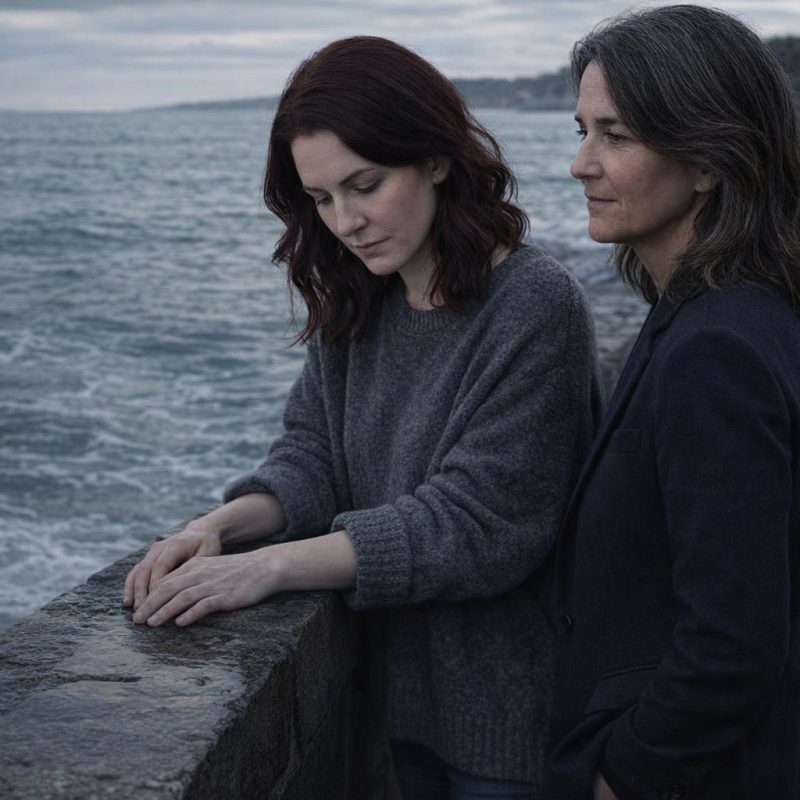 Image by RM AI
The Credit Report
Back in my hotel room that evening, I sat on the edge of the bed with my laptop open and the name of the credit reporting website Diane had mentioned typed into the search bar. I'd been staring at it for twenty minutes without clicking. The room felt very small. I kept thinking about all the reasons to wait — maybe tomorrow, maybe after I'd talked to a lawyer, maybe when I felt steadier. But I also knew that if I closed the laptop I might not open it again for another week, and I couldn't afford another week of not knowing. I navigated to the site and started filling out the form. Name, address, Social Security number, date of birth. My hands were shaking badly enough that I mistyped my own name twice. There was a moment before I hit submit where everything in me wanted to stop — where some part of me understood that whatever was on the other side of that button was going to change something, and that I couldn't un-change it. I clicked anyway. The screen refreshed to a confirmation page telling me my report would be available within minutes. A few seconds later, the email arrived in my inbox, subject line: Your Credit Report Is Ready.
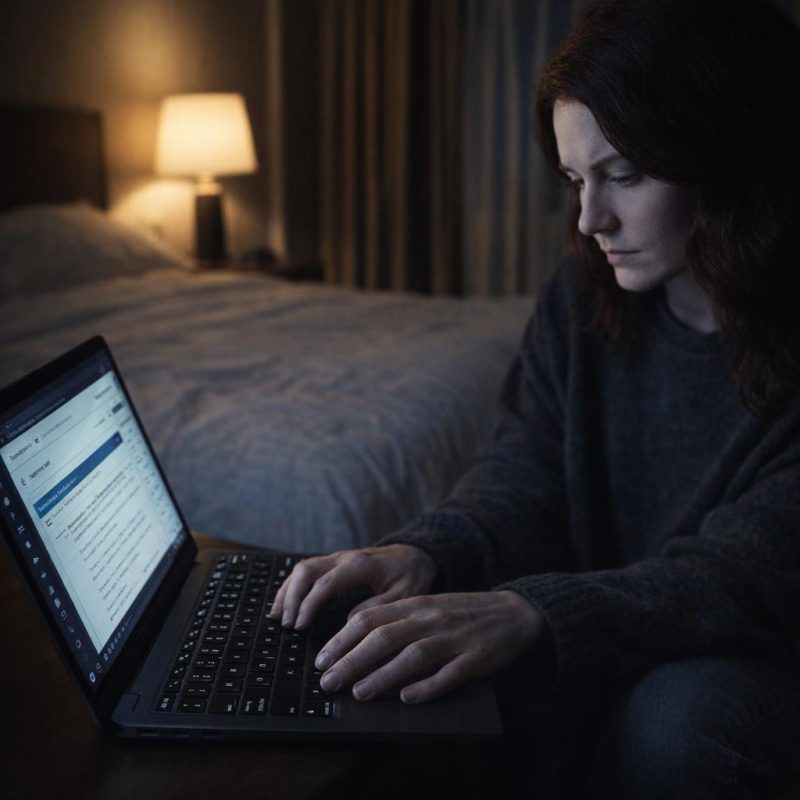 Image by RM AI
Accounts She Never Opened
I sat there for a moment with the email open, not clicking the link. Then I did. The report loaded slowly, and I scrolled through the header information — my name, my Social Security number, an address I recognized. But then there were addresses I didn't recognize. And then there were accounts. A store credit card opened seven years ago that I had no memory of applying for. A personal loan from a lender I'd never heard of. A second credit card with a five-year history of regular monthly payments, the kind of steady activity that looks responsible on paper, the kind that takes years to build. I scrolled back up and read the account holder name again. My name. My Social Security number. My date of birth. I hadn't opened any of these. I hadn't signed anything for any of them — at least not knowingly. There was also a recent entry: a large withdrawal from a line of credit I didn't recognize, dated three months ago. My stomach turned over. I kept scrolling, kept reading, kept hoping the next line would be something familiar. Then I reached a credit card account with an open date of exactly five years ago, a card I had never applied for, never held in my hands, never once used.
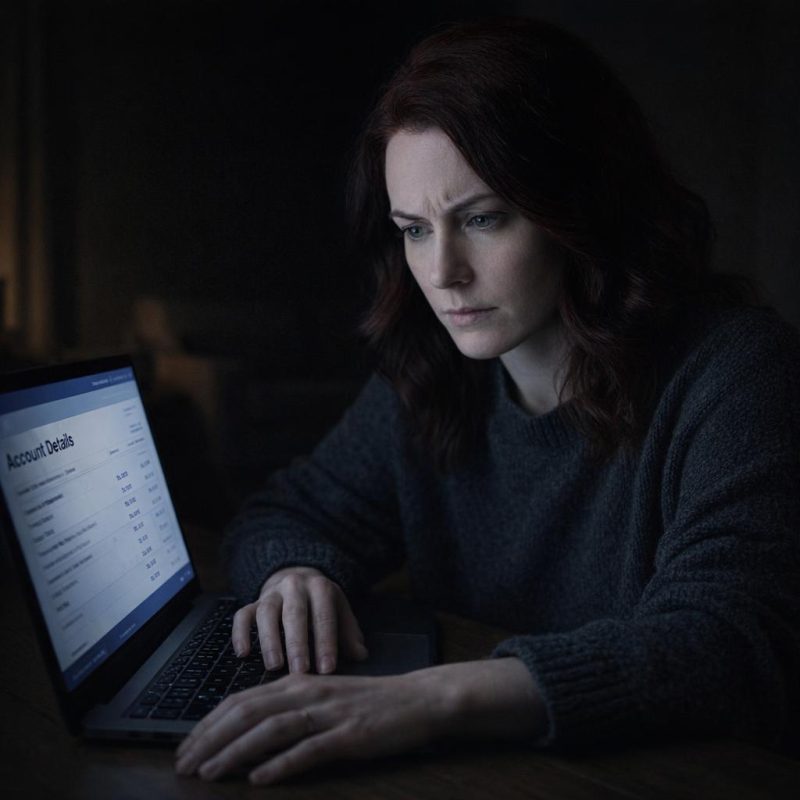 Image by RM AI
The Threat of Theft Charges
I was still sitting with the credit report open on my laptop when my phone lit up. It was past eleven. The text was from Barbara. I read it once and then read it again because the first time through I was sure I'd misunderstood. She wrote that I had left the house with property that didn't belong to me, that she had given me forty-eight hours to return home and surrender what I'd taken, and that if I didn't comply she would be filing a police report for theft. I sat there in the dark of my hotel room trying to work out what she meant. I hadn't taken anything that wasn't mine. I'd packed a suitcase. Clothes I'd owned for years, toiletries, my laptop, a few books. Things I'd bought with money I'd earned. And then it landed — she meant all of it. She was calling my own belongings stolen property. The audacity of it was so complete it almost looped back around to something else entirely. I wasn't going to call her. I wasn't going to text back. I set the phone face-down on the nightstand and sat in the quiet of the room, and the sheer cruelty of the threat settled into my bones like something cold.
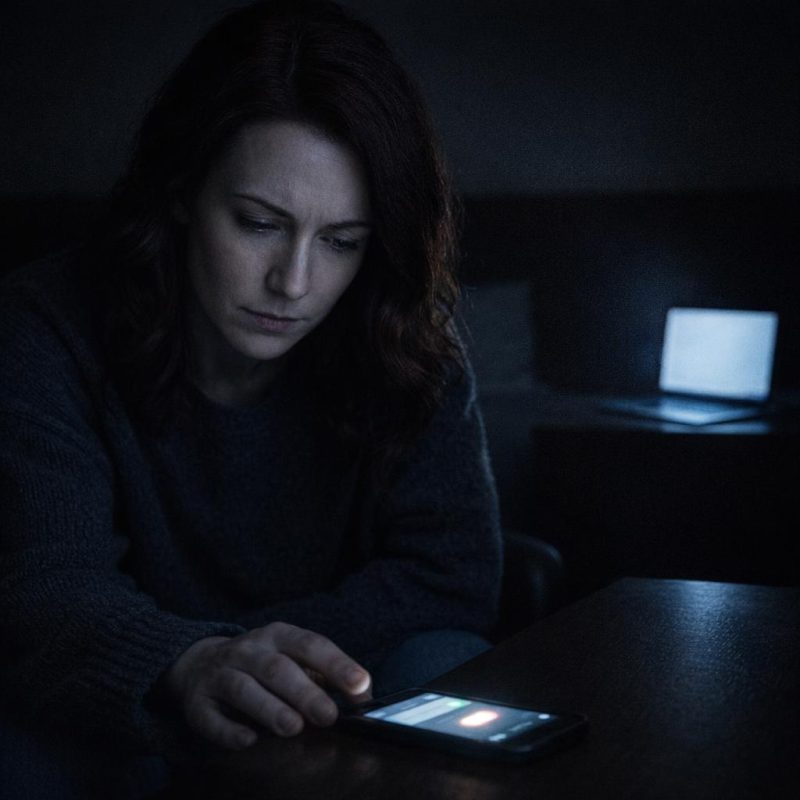 Image by RM AI
Breaking Point
I don't know how I made it to the café the next morning without falling apart on the street. I pushed through the door and Marcus looked up from behind the counter and whatever he saw on my face made him walk straight to the front door and flip the lock. He didn't say anything. He just guided me to the corner table and sat down across from me. I told him about the credit report — the accounts I didn't open, the loan I'd never taken, the five-year-old credit card with my name on it. I told him about Barbara's text. My voice held for most of it and then it didn't. I cried in a way I hadn't let myself cry in years, the kind that comes from somewhere deeper than sadness, the kind that's really just exhaustion finally running out of places to hide. Marcus didn't try to fix it. He didn't tell me what to do or offer theories or fill the silence with reassurances he couldn't back up. He got up once to get me a glass of water and a fistful of paper napkins, and then he sat back down. After a while the crying slowed and I just sat there, wrung out and hollow, and I felt the steady weight of his hand on my shoulder.
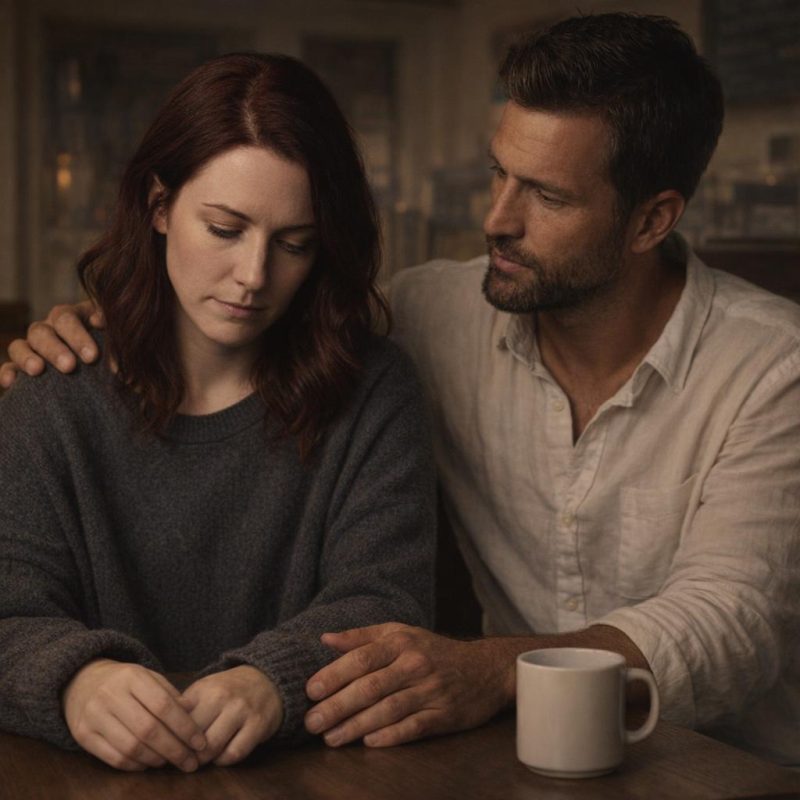 Image by RM AI
Searching for Family
That night I couldn't sleep. I lay in the dark for an hour and then gave up and opened my laptop again. I'd been thinking about something Barbara had said years ago — not to me directly, but in one of those conversations she had on the phone that she didn't realize I could hear. She'd said that my father's family was toxic and that she'd done what she had to do to protect us. I'd been maybe twelve. I hadn't thought about it in years. My father had a sister. Her name was Patricia. I remembered her only in fragments — a laugh, a particular shade of red in her hair, the way she'd called me 'little bird' once at a family gathering I could barely picture anymore. Barbara had cut off contact with my father's side of the family not long after he died, and I'd never questioned it because I was a child and children don't question those things. I searched his last name on three different platforms. I tried genealogy sites. I cross-referenced locations. And then, on a social media platform I almost never used, I found a profile — a woman in her early sixties, the right last name, living in the right part of the country, with a photo that made something in my chest go very still.
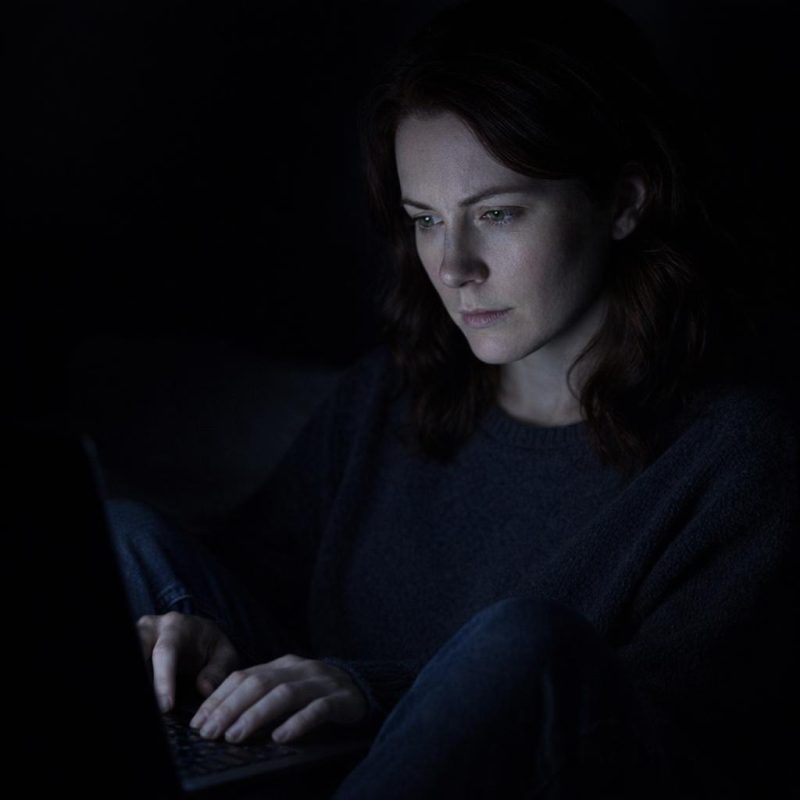 Image by RM AI
Reaching Out to a Stranger
I drafted the message eight times. The first version was three paragraphs long and explained everything. The second was two sentences and explained nothing. I kept deleting and starting over, trying to find the line between saying enough to be taken seriously and saying so much that a stranger would close the tab and never look back. In the end I kept it short. I said my name. I said I was her brother's daughter. I said I was trying to understand some things about my grandmother's estate and that I didn't know who else to ask. I said I was sorry if I was reaching out to the wrong person. I read it over four times and then sent it before I could talk myself out of it. Then I set the phone on the bed and stared at the ceiling. I'd been told my whole life that my father's family was dangerous, unstable, not worth knowing. Reaching out felt like stepping over a line Barbara had drawn so long ago it had started to feel like a wall. My phone buzzed. The notification showed that Patricia had read the message, and the small icon beneath it indicated she was typing a reply.
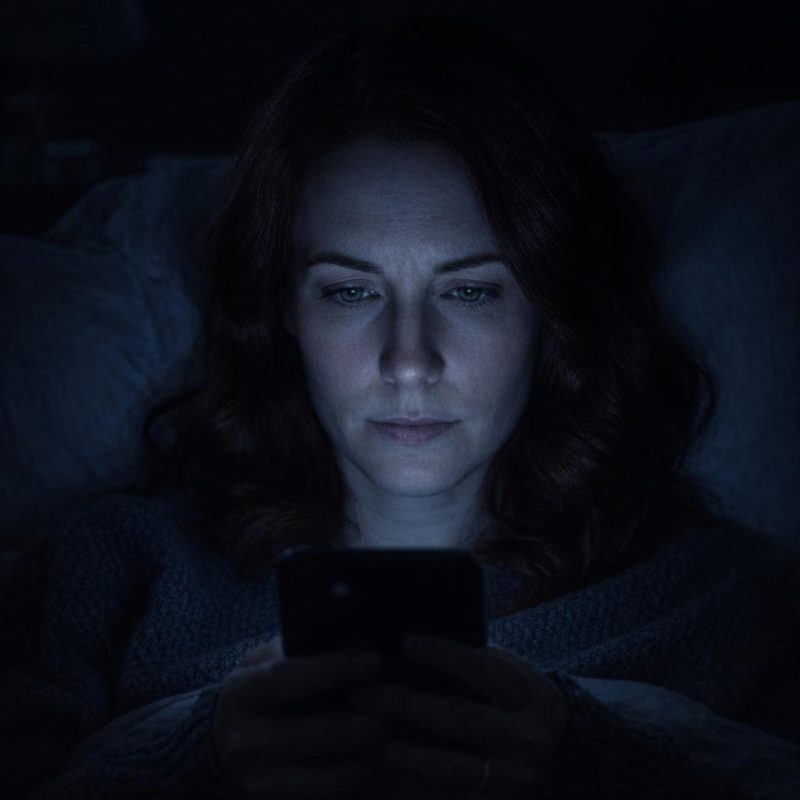 Image by RM AI
A Cautious Connection
Her reply came faster than I expected. I was still staring at the ceiling when my phone buzzed again, and I sat up so quickly I nearly knocked it off the bed. Patricia's message was long — longer than mine by a lot — and I had to read it twice before it fully landed. She said she'd thought about me more times than she could count. She said she'd wondered whether I was okay, whether I was happy, whether I even knew she existed. She said Barbara had cut off all contact with the family after my father's funeral, and that every attempt to reach me had been turned away. She wrote carefully, like someone choosing each word with both hands, making sure nothing would shatter on impact. She said she wanted to talk, that there were things she felt I deserved to hear, but that the conversation wouldn't be easy. She asked if I'd be willing to do a video call. I typed back yes before I finished reading the message. We agreed on a time two days out. I set the phone down and sat with the quiet of the room around me, turning her last line over in my mind: there are things you should know about your mother.
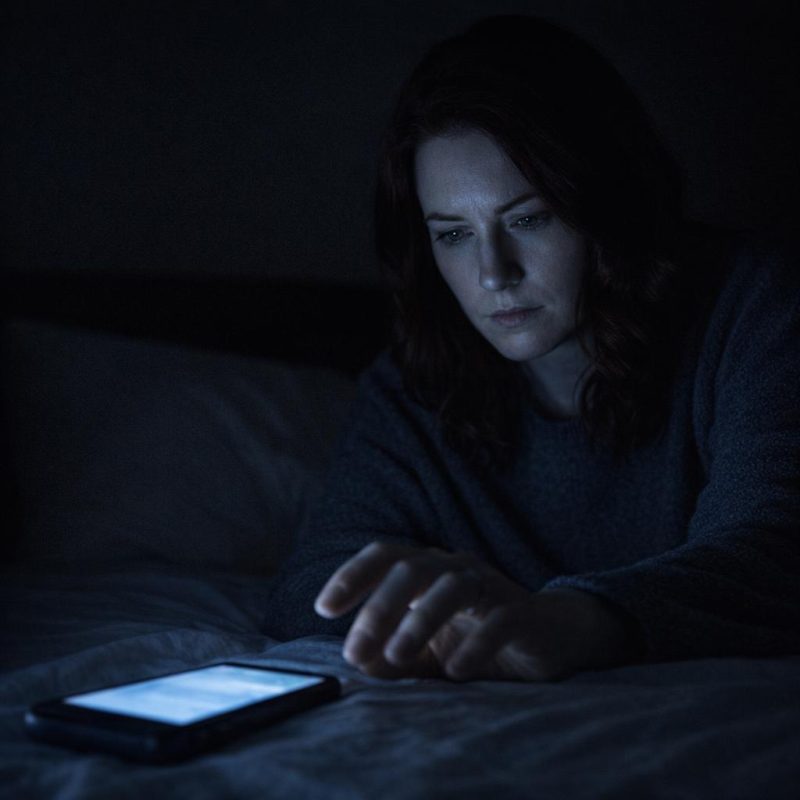 Image by RM AI
The Video Call
I set up my laptop on the small desk in my room and opened the call at exactly the time we'd agreed. The connection took a few seconds to stabilize, and then her face filled the screen. I wasn't prepared for it. Patricia had my father's eyes — the same shape, the same slight downward tilt at the outer corners — and for a moment I couldn't speak. She looked like a version of a photograph I'd carried in my head for years, slightly older, slightly softer, but unmistakably his. Her eyes filled almost immediately, and she pressed her fingers to her mouth like she was trying to hold something in. We stumbled through the first few minutes, both of us apologizing for things that weren't our fault, both of us trying to find solid ground in a conversation that had no real starting point. She told me she'd kept a photo of me from when I was small, that she'd found it in a box of my father's things after he died. She said the family had tried to stay in contact after the funeral — cards, phone calls, a letter from my grandmother. Barbara had sent a formal letter through a lawyer threatening legal action if anyone from my father's family attempted to contact me again. Then Patricia's voice steadied, and what she said next stopped me cold: Barbara had cut off the entire family within months of my father's death.
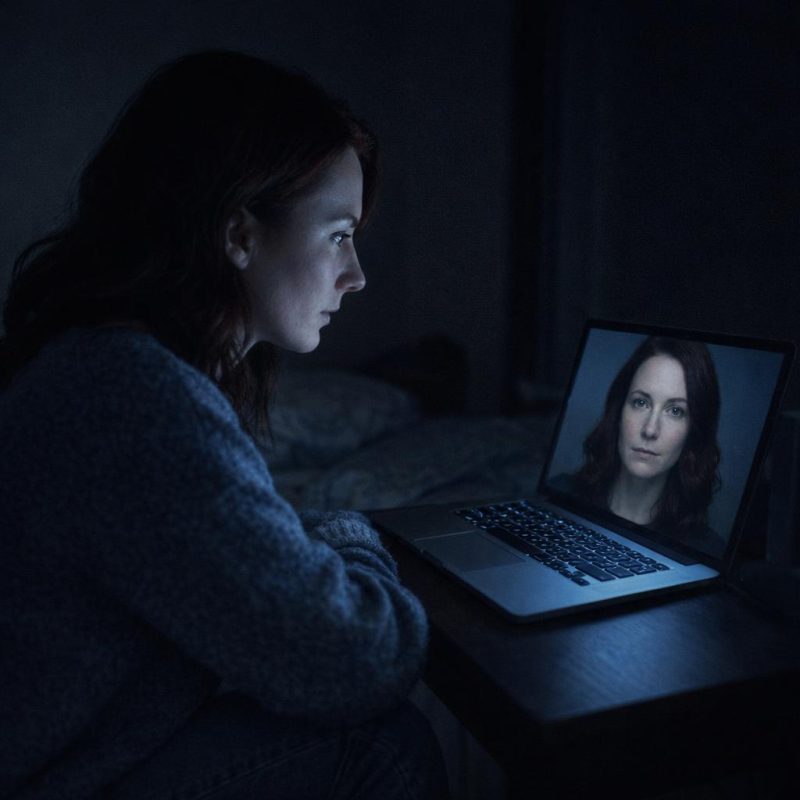 Image by RM AI
The Trust Fund
There was a pause after she said it, and I filled it with the wrong kind of silence — the kind where you're waiting for the part that makes sense of everything before it. Patricia asked, carefully, whether I had ever received anything from my grandmother's estate after she passed. I told her what I'd always been told: that there was nothing left after the funeral expenses, that the estate had been modest and the costs had eaten through it. Patricia went very still on the screen. She said that wasn't true. She said it slowly, like she was making sure each word reached me before the next one followed. My grandmother had set up a trust fund specifically for me, she said — substantial, not a token amount — because she'd worried about what would happen to me after my father was gone. The trust was structured so that Barbara would manage it until I was old enough to handle it myself. Patricia said the documents were clear: full control was supposed to transfer to me when I turned twenty-five. I heard myself ask when that was supposed to happen. Patricia looked at me with an expression I couldn't quite name. I turned twenty-five three years ago.
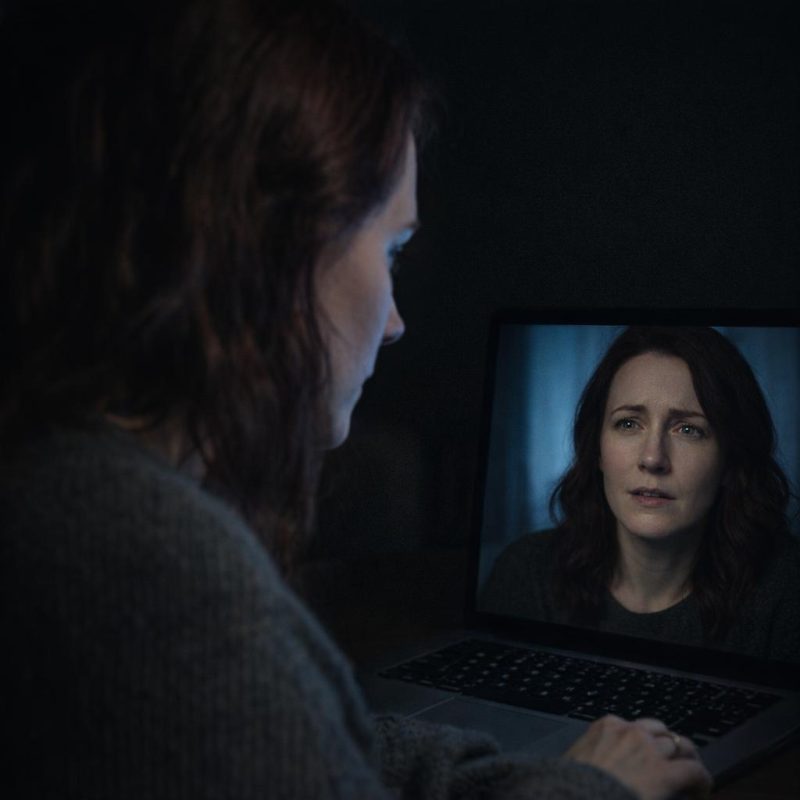 Image by RM AI
The Trustee
I asked her to say it again. Not because I hadn't heard her — I had, every word — but because some part of me needed the repetition to make it real. Patricia explained that Barbara had been named sole trustee because she was my mother, because at the time it had seemed like the obvious choice, the safe choice. The trust documents were explicit: when I turned twenty-five, full control was supposed to transfer to me. Patricia said the bank would have been required to send me official notification — letters, formal correspondence, something. I told her I had never received anything. No letters. No documents. Nothing with my grandmother's name on it, nothing from any bank, nothing that looked remotely like legal paperwork about an inheritance. Patricia's expression shifted into something that looked like it had been waiting a long time to arrive. She said she still had copies of the original estate paperwork — her brother's estate, my father's — and that she'd kept everything. Then she said she had copies of the original trust documents too.
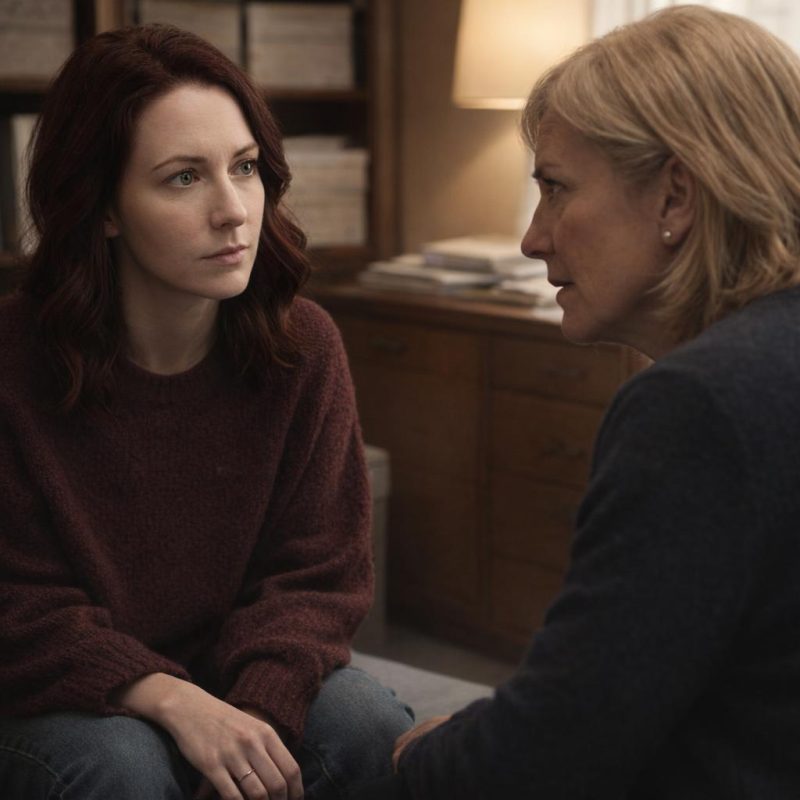 Image by RM AI
The Documents Arrive
The email arrived three hours later with four attachments. I downloaded them all at once and opened the first file with my hands steadier than I felt. The documents were scanned from paper originals, slightly skewed, the kind of copies that had lived in a filing cabinet for years. My grandmother's signature was at the bottom of the first page — neat, deliberate, the handwriting of someone who'd taken care with things. The date the trust was established was two months after my father's funeral. I read through the legal language slowly, going back over sentences I didn't fully understand and looking up terms I'd never needed to know before. The structure was straightforward once I got past the formal phrasing: a trust established for my benefit, managed by Barbara as sole trustee, with full control transferring to me at age twenty-five. Barbara's name appeared on the trustee line in clean typed letters. I kept reading. Near the end of the document, I found the original valuation — the amount my grandmother had placed into the trust when it was established. I sat back in my chair and looked at the number for a long time. Three hundred and twelve thousand dollars, and my name was the only beneficiary listed.
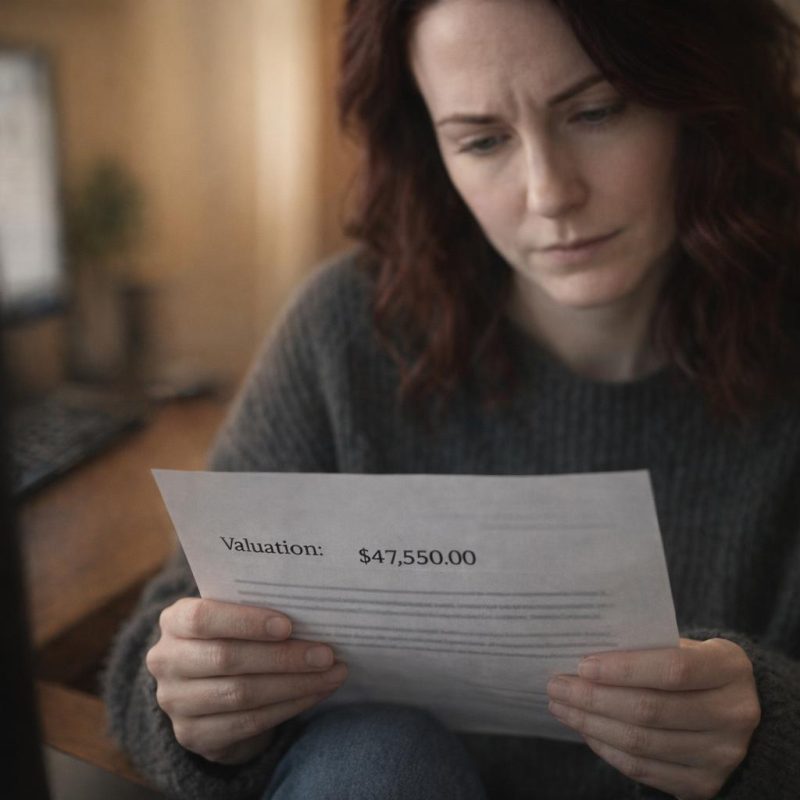 Image by RM AI
Calling the Lawyer
I called the number Patricia had given me the next morning. The office picked up on the second ring, professional and unhurried, and I asked for Attorney Mitchell by name. When he came on the line his voice was measured and calm, the kind of calm that comes from years of hearing difficult things without flinching. I told him I had documents related to a trust fund established by my late grandmother, that I was the named beneficiary, and that I had reason to believe the transfer of control that should have occurred three years ago had never happened. He didn't interrupt. He asked a few precise questions — my relationship to the trustee, whether I'd ever received any correspondence from the bank, whether I had the original documents. I told him I had scanned copies. He asked me to send them over while we were still on the call, and I did. I heard him open the files on his end. He asked about my relationship with Barbara, and I gave him the short version, which still took longer than I wanted it to. When I finished, he said the situation warranted immediate attention and that he would begin by contacting the bank directly. His voice stayed even and unhurried the whole time, and something about that steadiness made it easier to breathe.
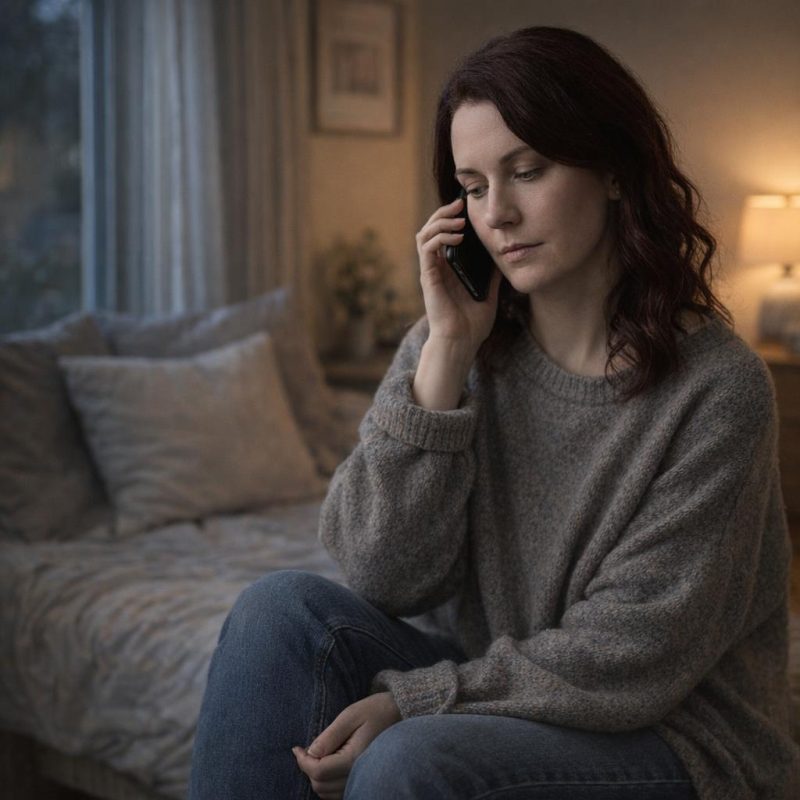 Image by RM AI
Confirmation
Mitchell called back two days later. I was sitting at the small table by the window when my phone rang, and I answered before the second tone finished. He said he'd spoken with the bank and confirmed that the trust fund was real, that it was still an active account, and that it had been established exactly as the documents described. He said Barbara had been the sole authorized party on the account since its creation. He said the bank's own records showed that notification letters had been generated and sent to an address on file when I turned twenty-five — but the address on file wasn't mine. He didn't elaborate on that yet, said he wanted to be careful about what he stated before he had the full picture. What he could say was that I had never been given access, that the account had remained under Barbara's sole control past the transfer date, and that the transaction history would tell the rest of the story. He said there were questions that needed formal answers, and that the right way to get those answers was through a process that couldn't be disputed later. He said he was requesting a formal audit of all account activity.
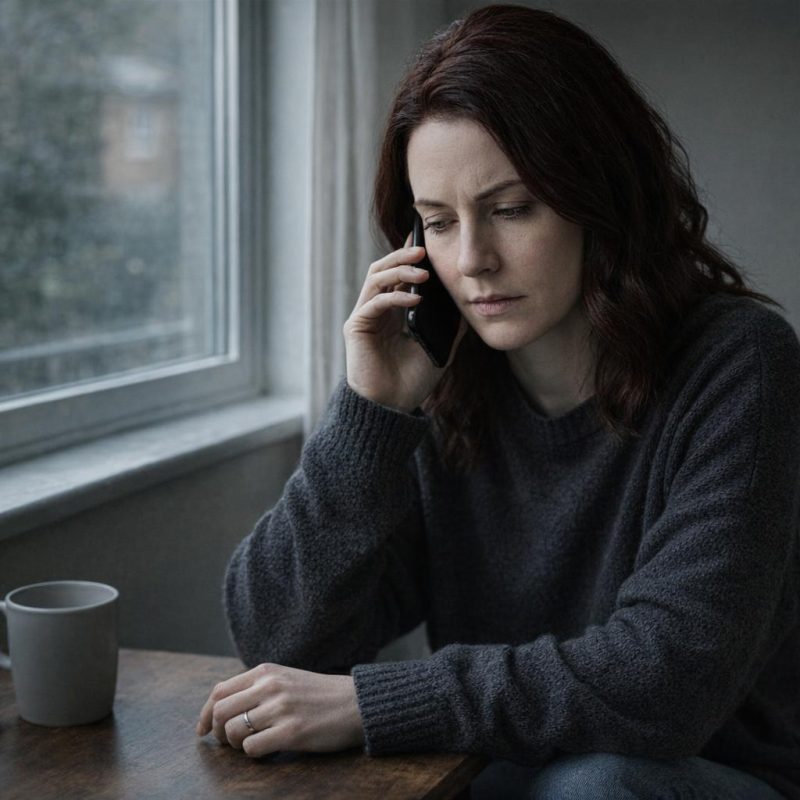 Image by RM AI
The Audit Begins
Mitchell walked me through what the audit would involve. It would take several days, he said — the bank needed to compile a complete record of every transaction, every withdrawal, every transfer in or out of the account going back to the date the trust was established. He said the audit would be thorough and that once it was complete, we would have a clear picture of exactly what had happened to the money. I asked him what happened if the balance wasn't what it should be. He said there were legal remedies available, but that he wanted to wait for the audit results before we discussed next steps — that it was important to have the full documentation in hand before making any decisions. I told him I understood. I thanked him and ended the call and sat with the phone in my lap for a while, looking at nothing in particular. The room was quiet. Outside, the afternoon light was doing something soft and indifferent to the street below, the way light does when it has no idea what's happening inside. I had done everything I could do for now. The audit was running. The truth, whatever shape it turned out to be, was already in motion, and in a matter of days I would know it.
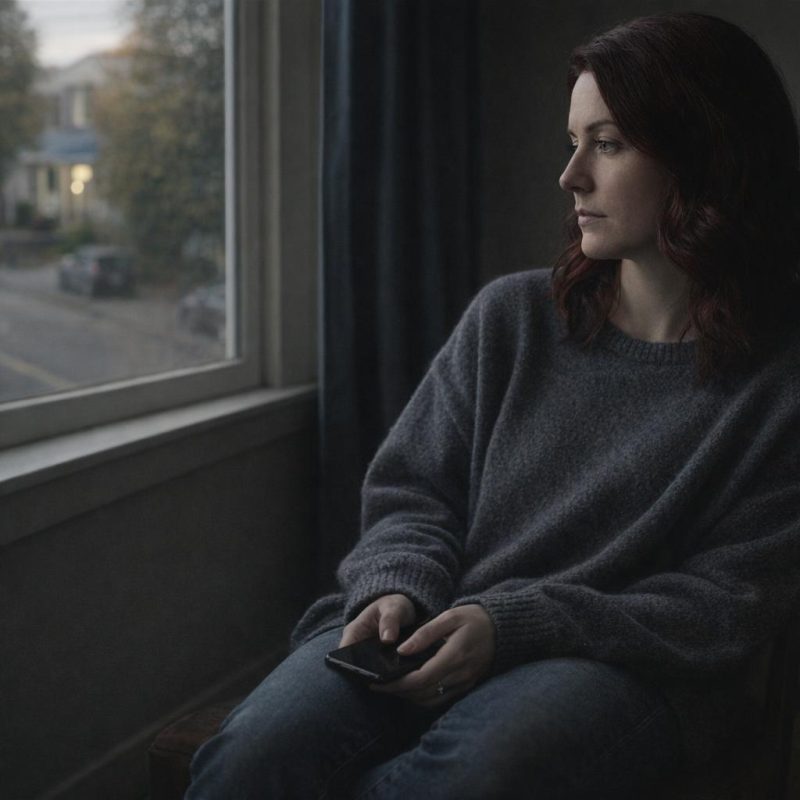 Image by RM AI
The Waiting Game
The days after Mitchell's call had a strange, suspended quality — like being stuck between floors in an elevator, waiting for the mechanism to decide which way to go. I kept showing up to the café, kept tying my apron, kept smiling at customers and calling out orders, because what else was I supposed to do. Marcus had me on the morning shift, and I was grateful for the noise and the steam and the smell of coffee grounds, all of it ordinary and grounding in a way I desperately needed. But every time my phone buzzed on the counter, my stomach dropped straight through the floor. A text from a friend. A promotional email. A weather alert. Each one landed like a small, stupid disappointment. I got a customer's oat milk latte wrong twice in the same hour and had to remake it both times, apologizing with a smile that felt like it was held on with tape. Marcus watched me from behind the espresso machine without saying anything, just refilled my water glass and set it close to my hand. He didn't ask. I didn't explain. The audit was running somewhere in a bank office I'd never see, and all I could do was wait. By the end of my shift, the waiting had settled into my body like something physical — a low, persistent ache that had nothing to do with tired feet.
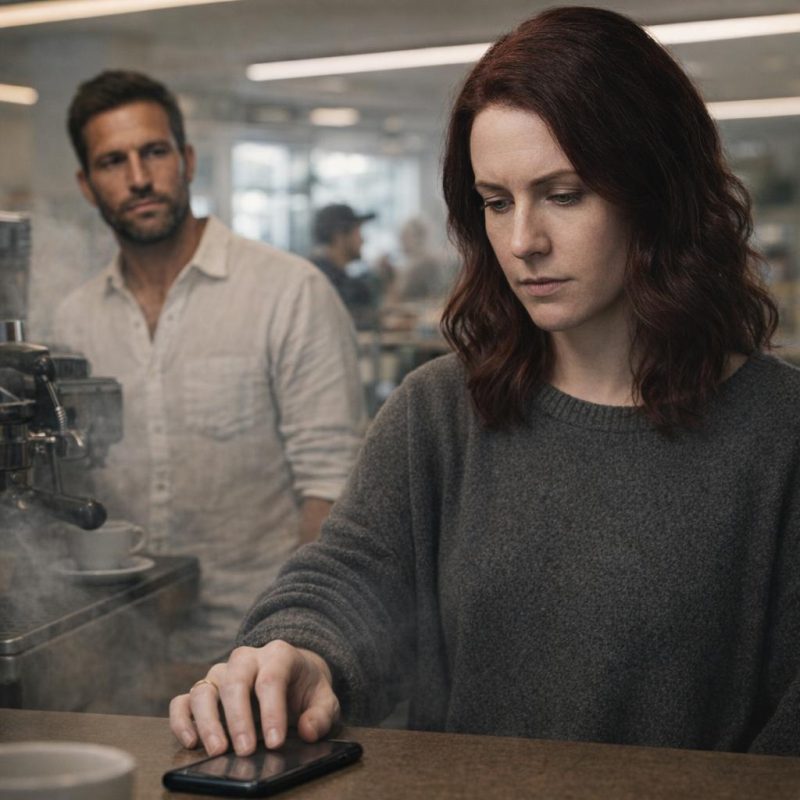 Image by RM AI
Barbara Senses the Investigation
I was wiping down the counter after my shift when my phone lit up with Barbara's name. I stood there for a second, just staring at it. Then I picked it up. She didn't bother with hello. Her voice came through clipped and fast, like she'd been rehearsing the opening line and couldn't wait to deliver it. She wanted to know what I was doing. I said I didn't know what she meant. She said I knew exactly what she meant. She asked if I'd been talking to lawyers. I didn't answer. She asked if I'd been in contact with anyone from my father's side of the family. I didn't answer that either. The silence seemed to make things worse. Her voice shifted — still controlled, but with something underneath it that I hadn't heard before, something that sounded almost like panic wearing a very thin disguise. She said that if I was making trouble, there would be consequences. She didn't say what kind. She didn't need to. I kept my voice flat and told her I had nothing to say to her right now. There was a pause — and then she was shouting, her voice cracking up into something louder and sharper than I'd ever heard from her: who had I been talking to, she demanded. Who.
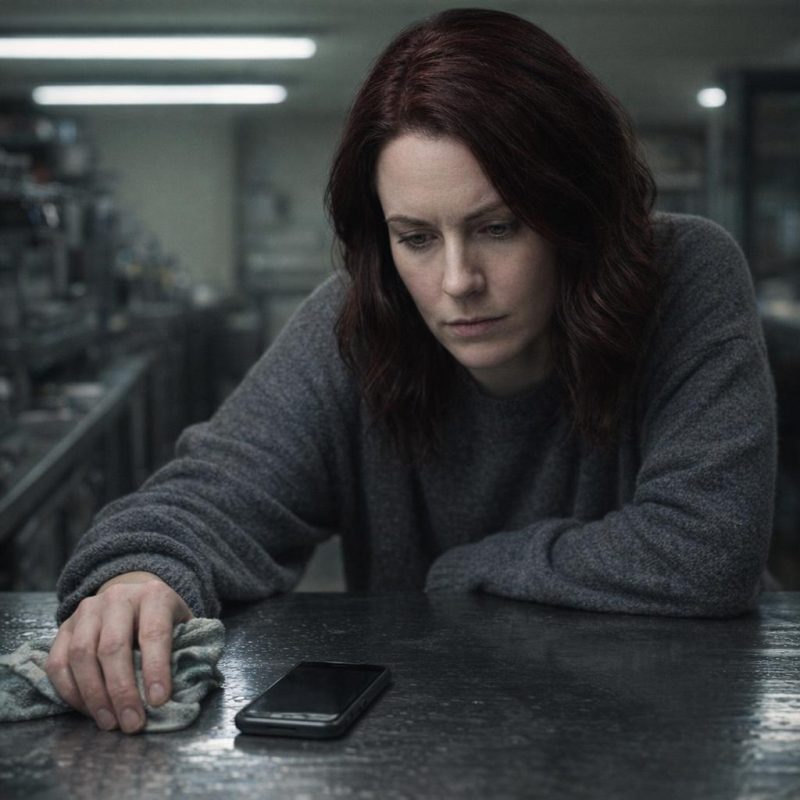 Image by RM AI
The Lawsuit Threat
Three days after Barbara's call, a certified letter arrived at my door. The return address was hers, but the letterhead inside belonged to a law firm I didn't recognize — somewhere downtown, the kind of name that was two surnames hyphenated together. I read it standing in my doorway, still holding the envelope. The letter accused me of making false and damaging statements about my family to third parties. It didn't specify which statements. It didn't specify which third parties. It was vague in the way that things are vague when the person writing them is hoping the vagueness itself will be frightening enough. There was language about my conduct causing reputational harm. There was language about my failure to cease said conduct upon request. And then, near the bottom, in bold type that someone had clearly decided should be the emotional climax of the whole document, were the words I was supposed to find terrifying: legal action for slander and defamation. I photographed every page with my phone, hands steadier than I expected, and forwarded everything to Mitchell before I'd even made it back inside.
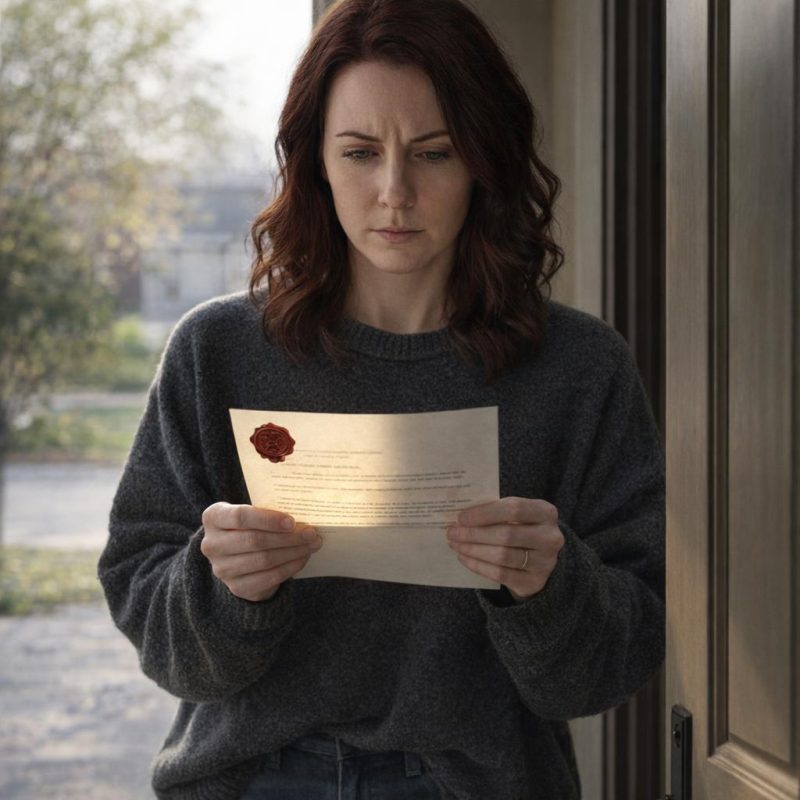 Image by RM AI
Mitchell's Warning
Mitchell called me within the hour. He'd read the letter, he said, and I should understand something important: this kind of correspondence was not the move of someone who felt secure. He walked me through it methodically — the vague accusations, the absence of any specific claim, the timing. He told me to save every text, every voicemail, every piece of mail from Barbara going forward, and to avoid responding to her directly under any circumstances. I asked him if I should be scared. He said I should be careful, which wasn't quite the same thing. He said Barbara's reaction suggested she was aware that something was moving in a direction she didn't like, and that as pressure increased, her behavior might escalate. I asked about the audit. He said the results were expected within twenty-four hours. Then he paused, and when he spoke again his voice was measured and deliberate, the way it got when he wanted me to hear something clearly: the nature of Barbara's response indicated she had something significant to hide.
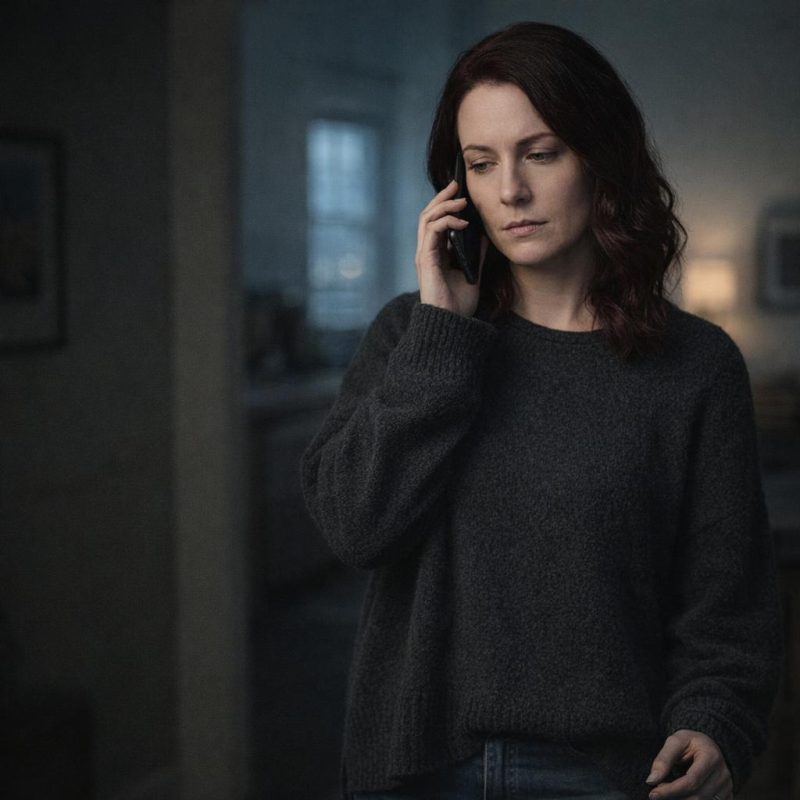 Image by RM AI
The Truth in Black and White
Mitchell called the next morning and asked if I was sitting down. I wasn't, but I sat down. He sent the audit report to my email while we were on the phone and walked me through it page by page. The withdrawals had started eleven months after my father died — small at first, then larger, then systematic, spaced out in a pattern that looked almost like a salary if you squinted at it the right way. There were documents in the file with my signature on them authorizing transfers. I had never signed those documents. Mitchell said the forensic analysis confirmed the signatures were forged. There were also investment statements in the file — quarterly reports showing the trust growing steadily — that had been fabricated entirely. The money, he said, had gone toward personal expenses, home renovations, and a significant portion toward private tuition payments and international travel. He read the figures carefully. Over ten years, the total came to just over three hundred thousand dollars. I didn't say anything for a long time. He let the silence sit. Then I asked him to tell me the current balance. He read it from the report: zero dollars and thirty-seven cents.
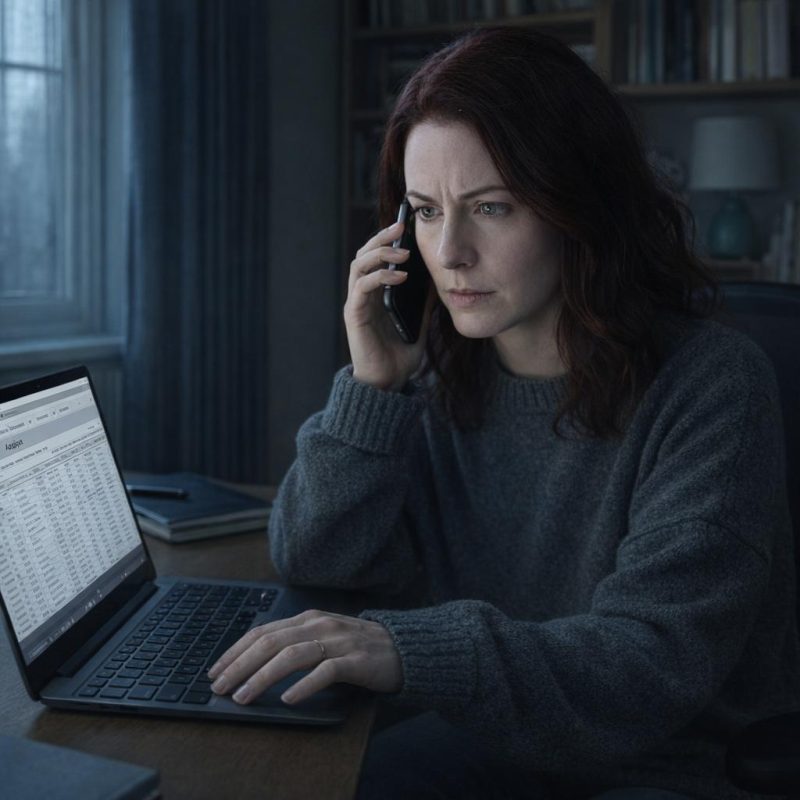 Image by RM AI
The Anatomy of Betrayal
After Mitchell and I hung up, I sat at my kitchen table with the audit report open on my laptop and read every page myself. I needed to see it without someone translating it for me. The withdrawals lined up with dates I recognized. The first large transfer — forty-two thousand dollars — came through the August that Chloe started her first year of college. Another cluster of withdrawals matched the semester she spent abroad in Florence, the one she'd posted about constantly, all cobblestones and aperitivo and golden light. There was a payment that corresponded almost exactly to the month Chloe got her car — the white one she'd shown off at Christmas, the one Barbara had called a practical necessity. The forged signatures were on every authorization form, my name rendered in handwriting that was close but not quite right, like someone had practiced it from memory rather than from life. And the fake investment statements were meticulous — quarterly reports, percentage gains, projected growth — a paper architecture built to make me believe something was being protected when it was being emptied. I sat there with all of it spread across the screen, and what settled over me wasn't rage, not yet — it was something quieter and more corrosive, the full weight of understanding exactly how little I had mattered in the accounting of that family.
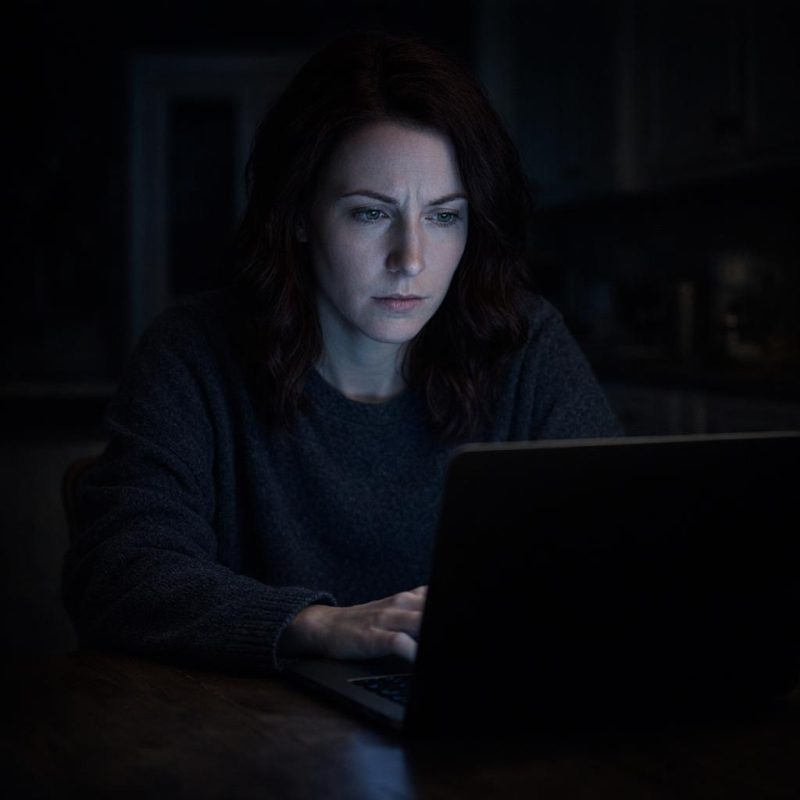 Image by RM AI
The Cost of Truth
I walked to the beach that afternoon because I didn't know what else to do with my body. The water was doing its indifferent thing — coming in, going out, completely uninterested in what I'd learned that morning. I walked for a long time without thinking in any organized way, just letting the facts move through me in no particular order. Three hundred thousand dollars. Ten years. My father had set that money aside for me — I knew that now with a certainty that felt almost physical — and for ten years it had been redirected, quietly and methodically, into a life that wasn't mine. Chloe's education. Chloe's apartment deposits. Chloe's semester in Florence with the cobblestones and the golden light. I had worked double shifts and eaten cheap and told myself I was just being responsible, that I was building something slowly, the way you're supposed to. And the whole time, the foundation I thought I was standing on had already been hollowed out. I thought about Barbara — not the threatening phone call version, not the letter version, but the earlier version, the one I'd spent most of my life trying to earn something from. That was the loss that didn't have a dollar amount. The grief and the rage arrived together, and neither one moved aside to make room for the other.
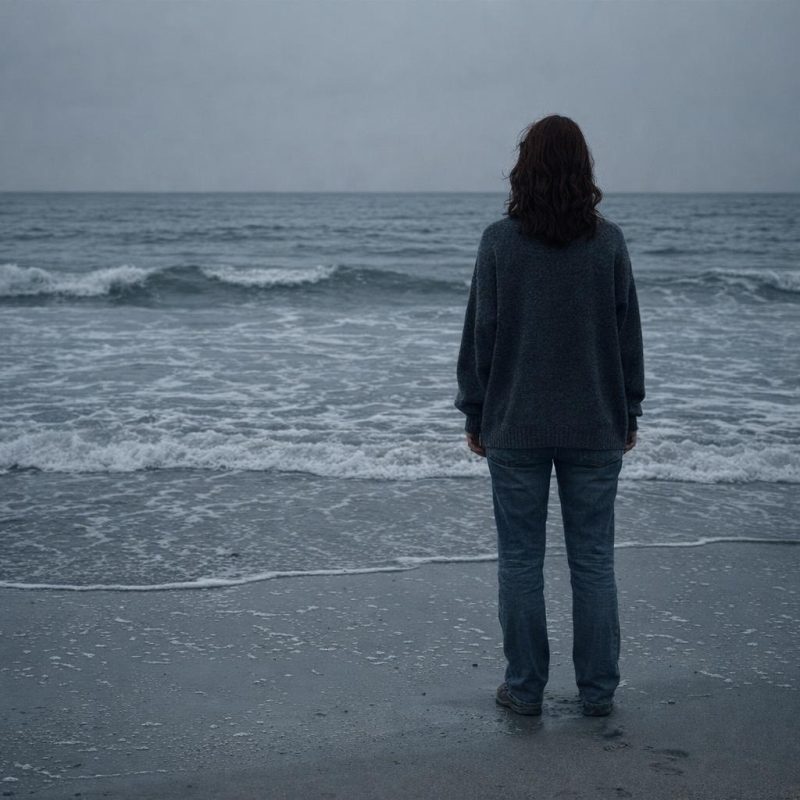 Image by RM AI
Choosing to Fight
I texted Marcus and Diane separately and asked if they could meet me at the café after closing. They both said yes without asking why, which was its own kind of kindness. I waited until Marcus had locked the front door and Diane had settled into the corner booth before I put the audit report on the table between us. I told them everything — the trust, the withdrawals, the forged signatures, the fake statements, the number. Marcus went very still in the way that people go still when they're working hard not to say the first thing that comes to mind. Diane didn't look surprised, exactly — she looked like someone who had suspected the shape of a thing for a long time and was now seeing it confirmed in sharper detail than she'd wanted. She reached across the table and put her hand over mine and didn't say anything for a moment. Marcus said, quietly, that whatever I decided to do, he was in. Diane said the same. I looked at the report sitting there under the café lights, at my father's name on the trust documents, at the zero-dollar balance on the final page. Something in me that had been wavering for days went very quiet and then very certain. I heard myself say the words out loud: I'm going to take her to court.
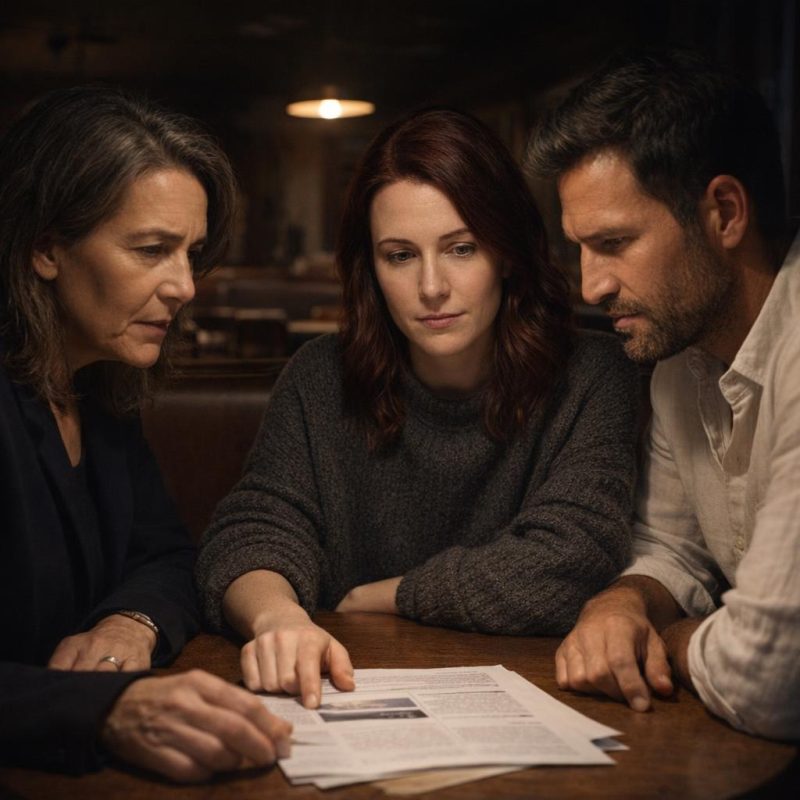 Image by RM AI
Building the Case
Mitchell's office smelled like old paper and expensive coffee, which felt appropriate for the kind of conversation we were having. He had the audit report, the trust documents, and a yellow legal pad covered in his careful handwriting spread across the desk between us. He told me we had a strong civil case — embezzlement, breach of fiduciary duty, fraud. The words landed with a weight I hadn't expected, even though I'd known they were coming. He asked me to document everything I could remember about my financial history with Barbara: the accounts I'd never had access to, the allowances that stopped without explanation, the years I'd asked about the trust and been told it was being managed. He said the district attorney's office had already been in contact, and that criminal charges were a real possibility depending on how the evidence developed. I wrote down everything he asked for, slowly and carefully, like I was building something that needed to hold. When I finally set the pen down, the grief was still there — it hadn't gone anywhere — but underneath it something else had taken root. A sense of direction. Of forward motion. Of my father's name meaning something again after all this time.
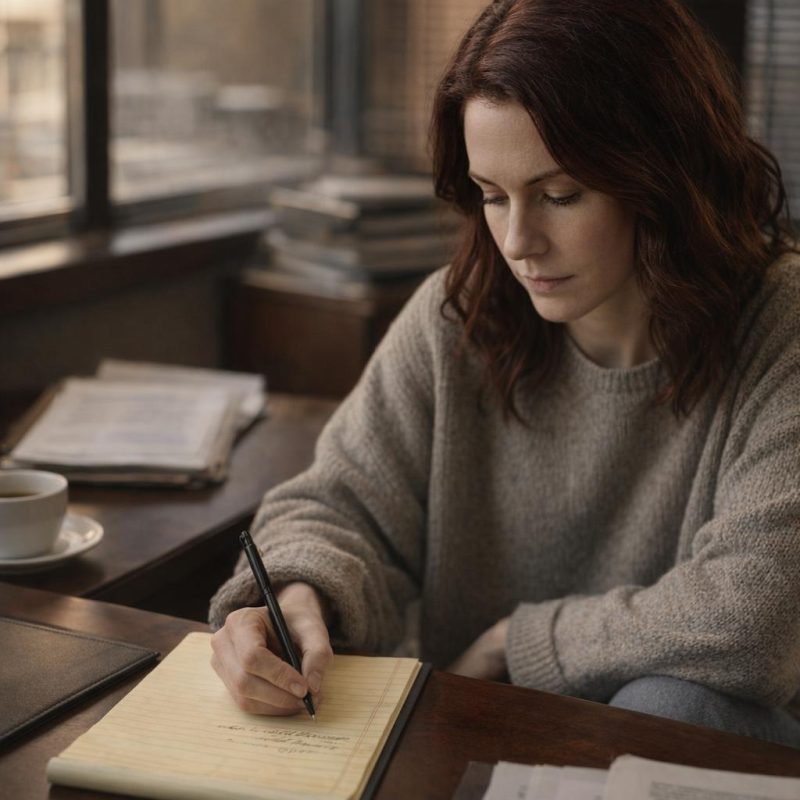 Image by RM AI
The Statement
Mitchell had asked for a written statement in my own words, and I sat down at the kitchen table with a blank document open on my laptop and stared at it for a long time before I started typing. I began at the beginning — the way I'd grown up understanding that my job in that house was to make things run smoothly, that my needs were logistical problems to be managed rather than things that mattered. I wrote about cooking dinners I didn't choose, cleaning rooms I didn't use, being handed a list of tasks the morning of every holiday like a catering invoice. I wrote about the Christmas demand — twenty-five people, a menu I hadn't agreed to, a sister who'd announced it like it was already settled — and the moment I'd finally said no and walked out the door. I wrote about finding the trust documents in Portugal, about the audit, about the phone call where the numbers stopped making sense and then made terrible sense all at once. My hands were steady the whole time, which surprised me. The last sentence I typed described the moment I opened the final audit page and saw the balance: zero dollars, and a transfer history that told me exactly where my father's money had gone.
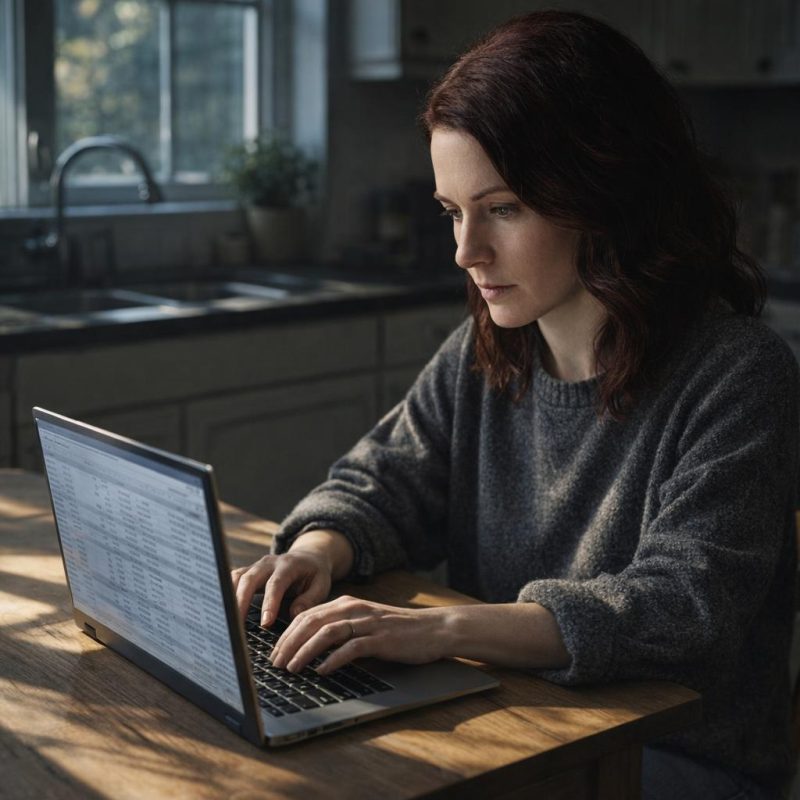 Image by RM AI
The Lawsuit is Filed
Mitchell called at ten in the morning, and I knew from the first word what he was going to say. The lawsuit had been filed. He walked me through the next steps in his measured, unhurried way — the process server would locate Barbara within the next few hours, the papers would be delivered, and then the clock would start. He said I should expect her to reach out directly, probably quickly, and that I should not engage without him present. I told him I understood. He said it again anyway, gently, the way people repeat things when they know the other person is holding more than they're letting on. After we hung up, I sat on the small balcony of my rental with a cup of tea going cold in my hands and looked out at the water. The town was doing its ordinary morning things — a dog walker on the path below, a fishing boat moving slowly across the horizon, the café sign swinging in the breeze. Everything looked exactly the same as it had yesterday. Somewhere on the other side of the country, a stranger in a suit was walking up to my mother's front door with an envelope that had her name on it.
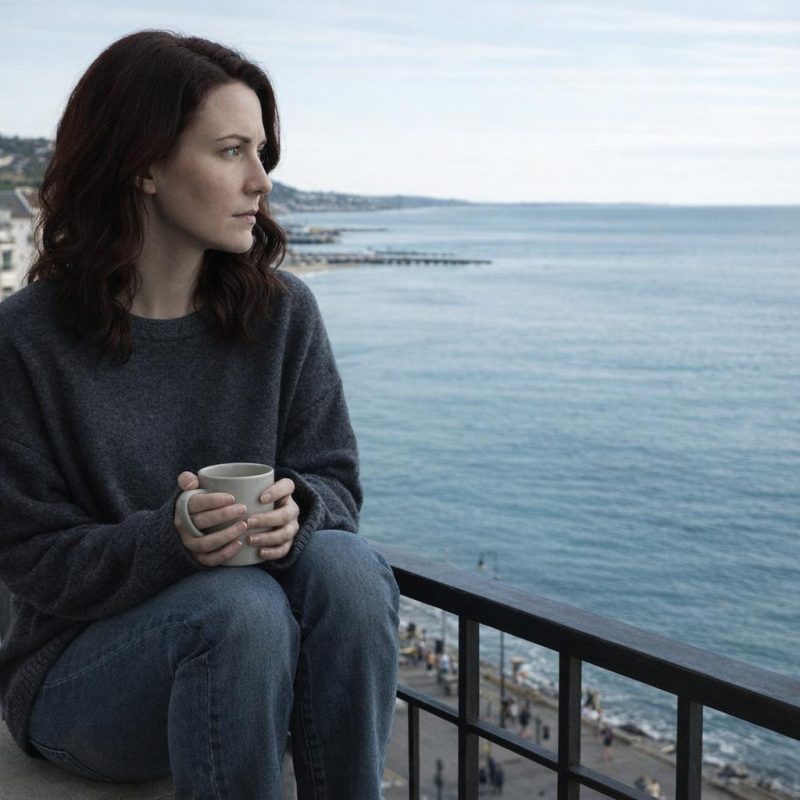 Image by RM AI
Barbara Arrives
I was restocking the pastry case when the café door opened and I felt the air in the room change before I even looked up. Barbara stood in the doorway in a cream-colored blazer and dark slacks, her hair perfect, her posture the kind that announces itself. She looked exactly like herself, which was somehow the most unsettling thing about it. Marcus was behind the counter and he moved toward me without a word, close enough that his shoulder was almost touching mine. Barbara's eyes swept the room and landed on me with the precision of someone who had rehearsed the moment. She said she needed to speak with me privately. I told her I wasn't going anywhere privately with her. She said this was a family matter and it needed to be handled like one. I said my attorney would disagree. A couple at the corner table had gone very quiet. Marcus didn't move. Barbara's composure was still mostly intact — the tailored jacket, the controlled voice, the careful posture — but something around her eyes had gone tight and hard, the kind of tight that comes just before something breaks. She stood in the café doorway with that look on her face, and I felt the full weight of what was about to happen settle over the room like weather.
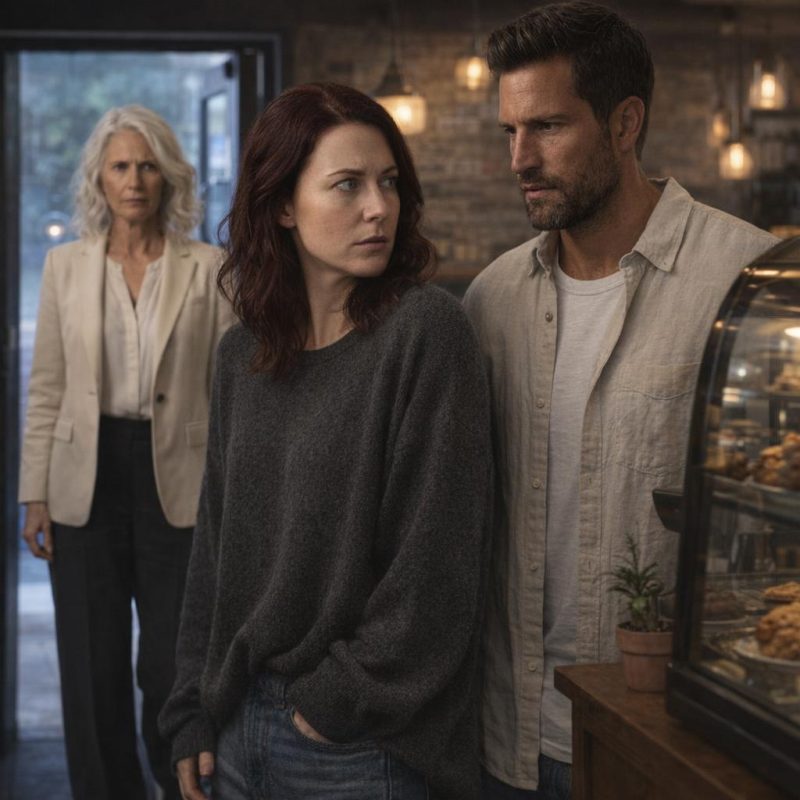 Image by RM AI
Face to Face
We sat at the table nearest the window, the three of us — Barbara across from me, Marcus beside me with his arms folded and his expression neutral in the way that meant he was paying close attention to everything. Barbara started talking before she'd even fully settled into her chair. She said the lawsuit was built on lies. She said my father's family had been poisoning me against her for years, that Aunt Patricia had always resented her, that I was being used by people who didn't actually care about me. Her voice was controlled and her hands were flat on the table and she looked like someone giving a very reasonable explanation for something that had a very reasonable explanation. I let her finish. Then I reached into my bag and set the audit report on the table between us — the full document, tabbed and highlighted, with the transfer records on top. I slid it toward her without saying anything. She looked down at it. The composure she'd carried through the door, through the parking lot, through the whole careful performance of the wronged and reasonable mother — I watched it shift in her face as her eyes moved across the first page.
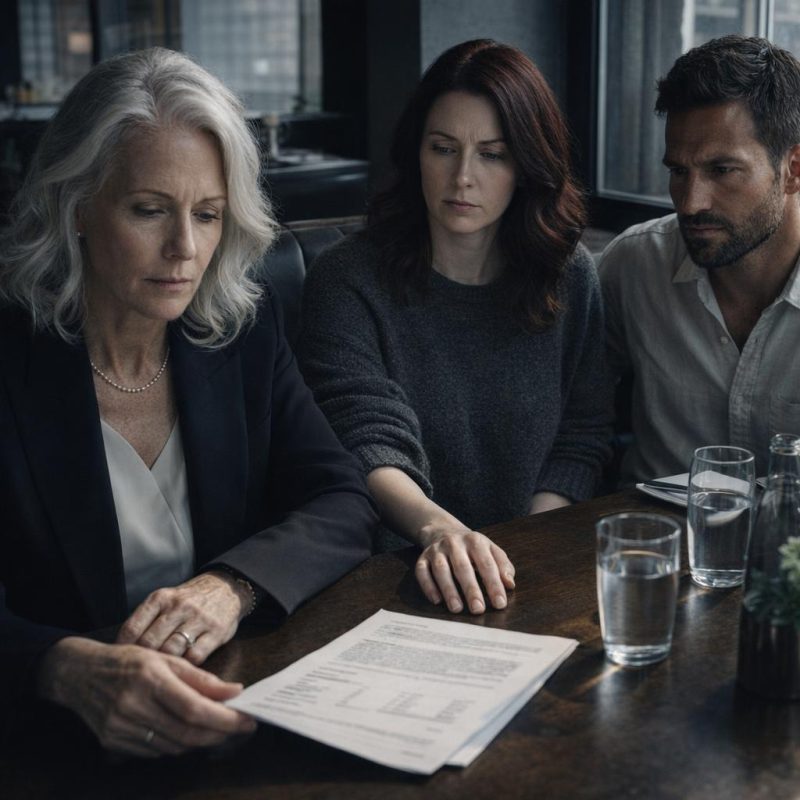 Image by RM AI
The Mask Drops
She didn't pick the report up. She pushed it back toward me, slowly, like it was something she didn't want to touch. Then she stopped pretending. The shift was almost physical — her shoulders dropped, her chin came up, and the wounded-mother performance fell away like a coat she'd decided she didn't need anymore. She said she had given up everything to raise me. She said she had worked and sacrificed and gone without, that my father had left her with nothing and she'd had to build a life from scratch with two children and no support. She said the trust money was compensation — that she had earned it, that anyone who understood what she'd been through would agree. I sat across from her and listened to all of it. Marcus was very still beside me. I noticed, distantly, that I didn't feel the old pull — the familiar undertow of guilt and obligation that her voice used to create in me without effort. I just felt tired, and clear, and very certain about what I was doing. She leaned forward and said it again, quieter this time, like repetition might make it land differently: that money was hers, that she had earned it.
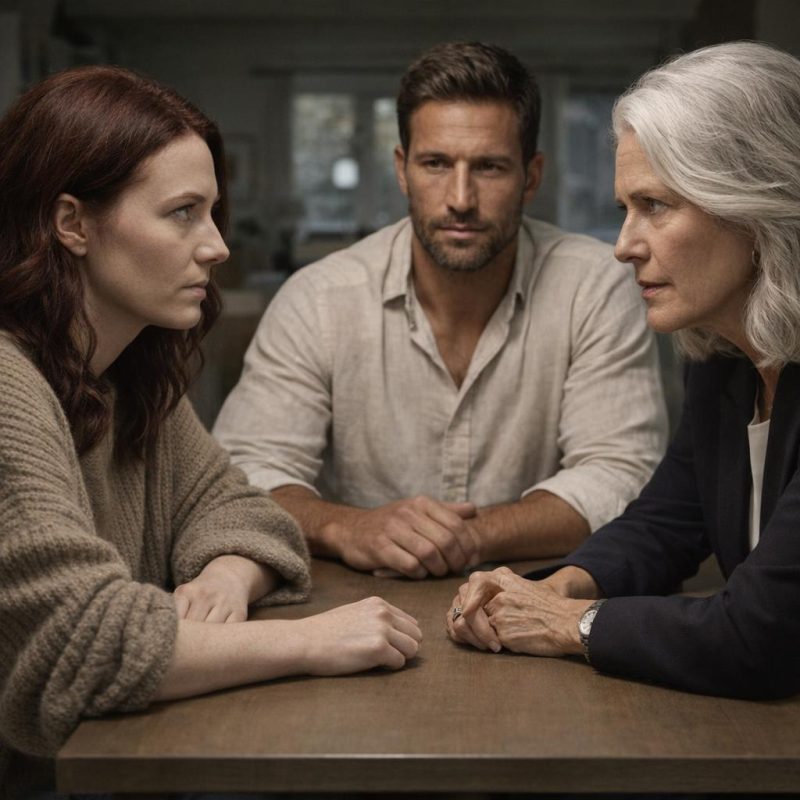 Image by RM AI
No Settlement
She shifted again after that — the justifications ran out and what replaced them was desperation. She said she would pay me back. Not all at once, but over time, quietly, between the two of us. She said we could keep it out of court, keep it out of the papers, keep the family name out of whatever this was turning into. She said a trial would be ugly for everyone, that it would follow me too, that I hadn't thought through what it would cost me personally to drag this into public. I let her talk. When she finished, I told her I wanted full restitution, documented and court-ordered, and I wanted the process to be on record. She stared at me. She said I was making a mistake. She said I was going to regret this. I looked at her across the table — at the woman who had managed my life like a ledger for thirty-some years, who had taken my father's last gift to me and spent it on my sister's tuition and her own comfort and whatever else she'd decided she deserved — and I heard myself say, clearly and without any particular heat, that I would see her in court.
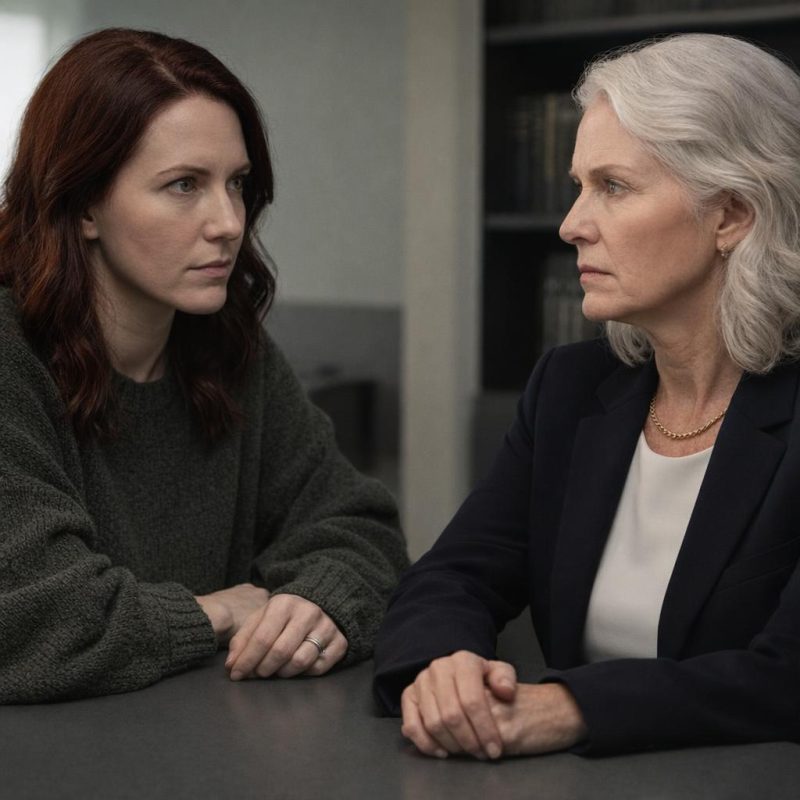 Image by RM AI
Chloe Learns the Truth
Chloe showed up two days after Barbara left. I saw her through the café window before she came in — she was standing on the sidewalk in a light jacket, looking pale and smaller than I remembered, her usual easy confidence completely gone. Marcus saw her too and glanced at me, and I nodded. She came through the door and sat down across from me without ordering anything. She said she'd found the lawsuit documents at the house. She said she'd read them. She asked me, in a voice I'd never heard from her before — quiet and stripped of its usual assurance — if it was true. I told her it was. I told her about the trust, about the audit, about the transfers, about the years of it. I watched her face as the full shape of it reached her — not just that Barbara had stolen from me, but what the money had paid for. Her college tuition. Her apartment. Her study abroad semester. The car. All of it. She put her hands flat on the table and stared at them, and the silence that settled over her face was something I didn't have a word for — not quite grief, not quite shame, somewhere in the space between the two where a person goes when the ground they thought was solid turns out to have been borrowed all along.
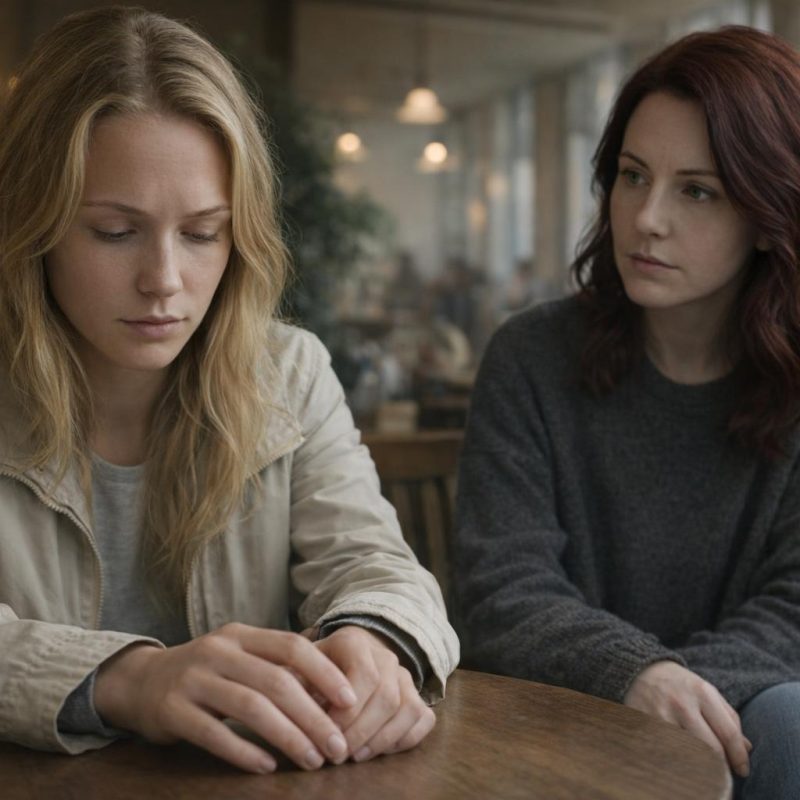 Image by RM AI
Settlement Reached
Mitchell called on a Tuesday morning, and I knew from the first second of silence before he spoke that something had shifted. He told me Barbara's attorney had reviewed the full audit — every transfer, every forged signature, every year of it — and had advised her to settle. She'd agreed. I sat down on the edge of my bed and just held the phone against my ear while he walked me through the terms: full restitution of every dollar taken from the trust, plus interest, financial monitoring for three years, and probation. No criminal trial. In exchange for the admission of wrongdoing and the repayment schedule, the DA had agreed not to pursue charges beyond what was already on record. Mitchell said it was a strong outcome. I asked him if it was real. He said it was legally binding and that my signature would make it final. I drove to his office that afternoon in a kind of suspended quiet, the way you feel after a storm has passed and the air hasn't settled yet. I read every page. I signed where he indicated. Mitchell slid the completed agreement across the desk — Barbara's signature already on it, next to a line that required her to repay every dollar she had taken from me.
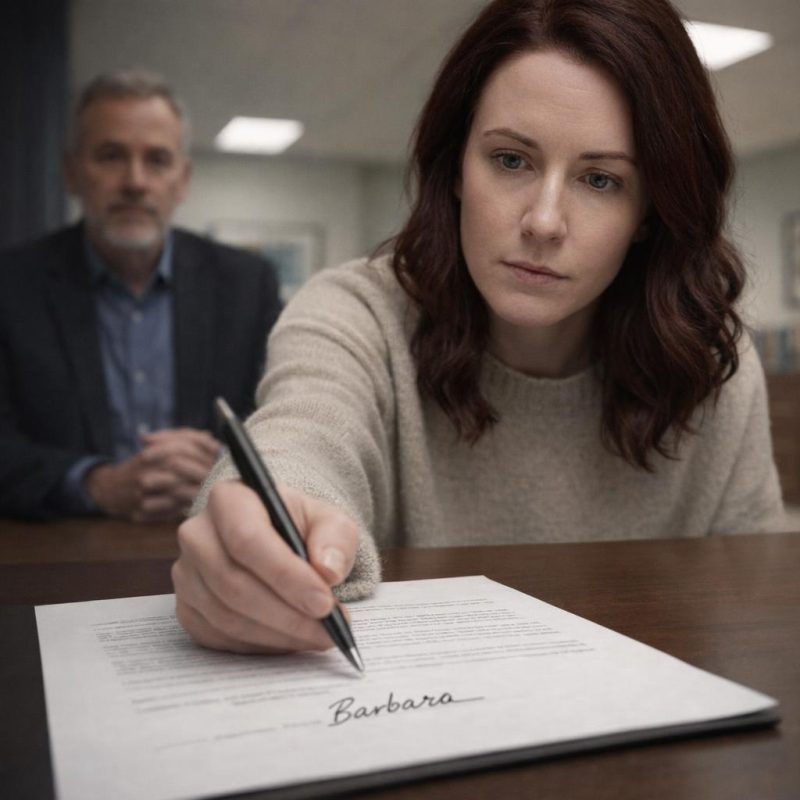 Image by RM AI
New Foundations
The first settlement payment cleared on a Thursday, and I sat in my car outside the bank for a long time after opening the new account. My account. My name, no one else's. I'd found the apartment two weeks earlier — a small place three blocks from the water, with a kitchen window that caught the afternoon light and a front door that locked with a key only I had. I signed the lease the same afternoon I viewed it. Marcus had offered me a permanent position at the café a month before, and I'd said yes without hesitating, which surprised me more than it surprised him. The day I moved in, Diane showed up with a box of kitchen things and a bottle of wine she said was non-negotiable. We sat on the floor of the empty living room and ate takeout while the sun went down through the bare windows. She didn't make a speech about it. Neither did I. There wasn't much to say that the moment didn't already say for itself. I'd spent so many years building things for other people — meals, holidays, comfort, the appearance of a family that worked — and now I was here, in a place that was mine, building something that would still be standing when I woke up tomorrow.
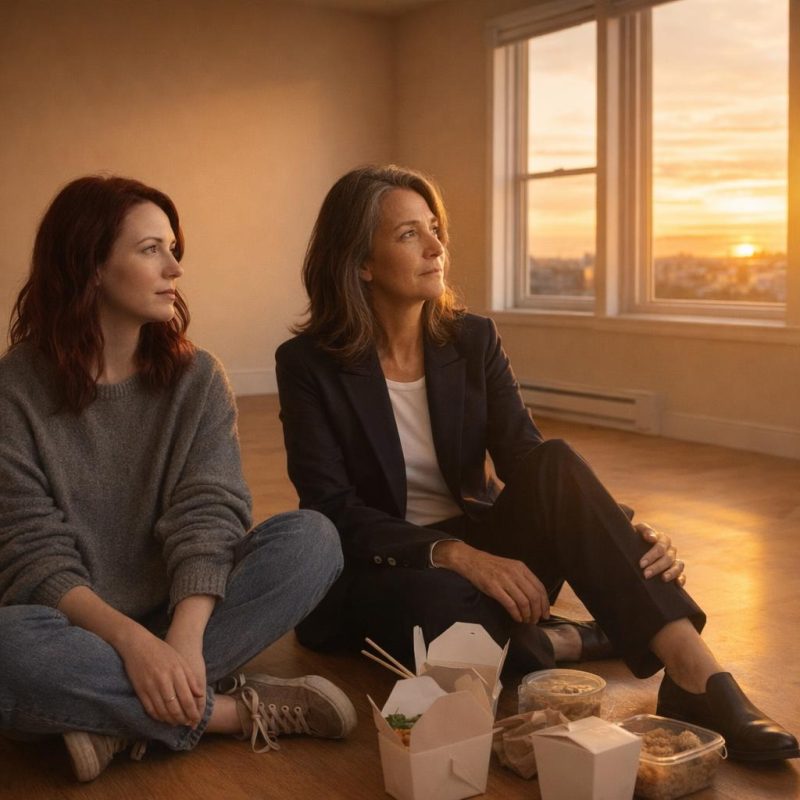 Image by RM AI
Chosen Family
I cooked Christmas dinner for the first time in my life without dread sitting in my chest like a stone. My apartment smelled like rosemary and garlic and something sweet Marcus had brought — a dessert his grandmother used to make, he said, and he'd been practicing it for two weeks. Diane arrived first, carrying wine and a poinsettia she'd clearly grabbed from a gas station and was completely unapologetic about. We put on music and got in each other's way in the small kitchen and laughed about it. At some point during dinner, I thought about the Christmas that had started all of this — the twenty-five strangers, the spreadsheet, my mother's voice on the phone telling me what I owed her. I thought about standing in that kitchen feeling like the walls were closing in, and then I thought about the airport, the one-way ticket, the salt air hitting me for the first time when I stepped off the plane. A year ago I had run away from a table I never wanted to sit at. Now I was sitting at my own, with people who had shown up because they wanted to, not because obligation had herded them here. The candles Marcus had lit burned low, and the warmth in that small room had nothing to do with the season.
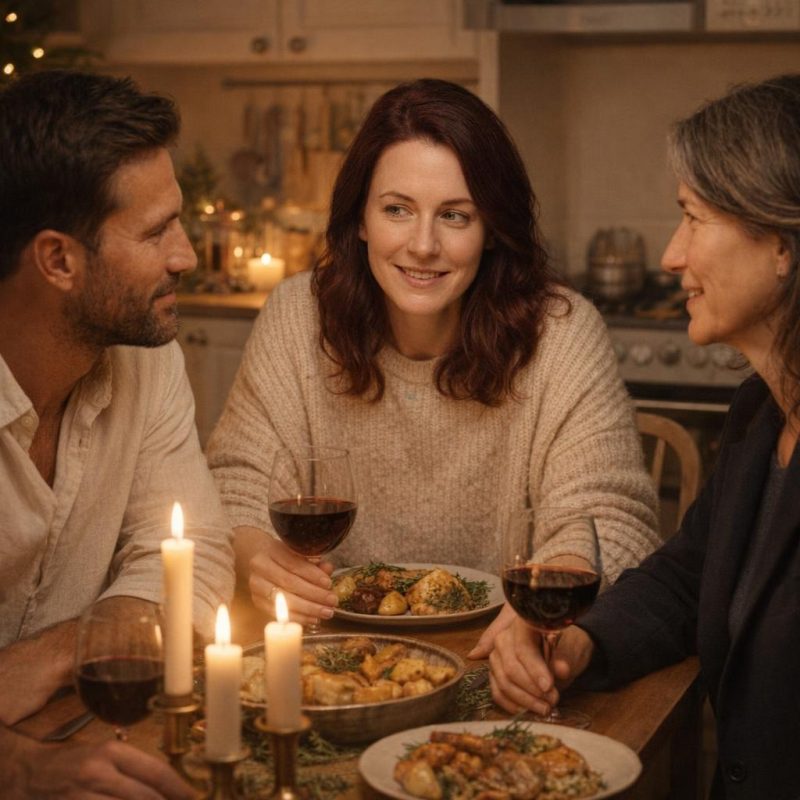 Image by RM AI
One Year Later
I woke before sunrise on the anniversary of the day I'd left. I didn't plan it — my eyes just opened in the dark and I knew what day it was, the way your body keeps its own calendar whether you ask it to or not. I pulled on a jacket and walked down to the beach while the sky was still that deep blue-grey that comes just before the light changes. I stood at the water's edge and thought about the woman who had stood in her mother's kitchen a year ago, hands shaking, staring at a spreadsheet of other people's expectations. I thought about the trust documents, the audit, the signed settlement. I thought about Chloe's face when she finally understood. I thought about Aunt Patricia, and Mitchell, and Diane showing up with a gas-station poinsettia like it was the most natural thing in the world. I heard Marcus's footsteps in the sand behind me before I saw him — he'd known I'd be here, somehow, the way he'd gotten good at knowing things about me without being told. He stood beside me and didn't say anything for a while, which was exactly right. Then the sun broke the horizon, and the water went gold all at once, and I felt something in my chest open like a window that had been painted shut for years.
 Image by RM AI
KEEP ON READING
The Origins Of 3 Common Sayings You Still Use Today
Etienne Boulanger on UnsplashMany of the phrases you use every…
By Rob Shapiro Apr 28, 2026
Was Caligula The Most Ruthless Roman Emperor?
Artur Matosyan on UnsplashRoman Emperor Caligula is one of ancient…
By Rob Shapiro Dec 18, 2025
1 Weird Fact About Every President
Washington, Lincoln, FDR. Most people know something about the lives…
By Robbie Woods Dec 3, 2024
10 Accidental Discoveries That Changed Maps & 10 That Changed…
Mistakes That Mattered. A lot of major discoveries did not…
By Cameron Dick Apr 15, 2026
10 Actors Who Perfectly Played a Historical Figure & 10…
Which Performance is Your Favorite?. Playing the role of a…
By Rob Shapiro Sep 15, 2025
10 Actors Who Perfectly Played a Historical Figure & 10…
Portraying a real person from history is one of the…
By Noone Dec 17, 2025