

I Paid Extra For An Aisle Seat Because Of My Knee Injury, But They Tried To Steal It
I Paid Extra For An Aisle Seat Because Of My Knee Injury, But They Tried To Steal It
The Seat I Earned
I'd actually felt proud of myself when I clicked the upgrade button three weeks earlier, paying the extra seventy-five dollars for that aisle seat. After the car accident last year left me with a knee that still aches in cramped spaces, I'd learned to plan ahead for long flights. This trip to Italy was my first real vacation in five years, and I'd promised myself I wouldn't skimp on the things that mattered. So when I boarded that plane at JFK, rolling my carry-on down the jetway with my reading glasses bouncing on their chain, I felt like I'd made a smart decision. The kind of decision that takes care of future-me. But when I reached row fourteen and checked my boarding pass one more time to confirm, my stomach dropped. A young couple had completely taken over my entire row. The woman sat in my aisle seat, legs crossed, scrolling through her phone while ring lights were clipped to both tray tables. Camera equipment filled the middle seat, and expensive-looking bags were piled near the window. I cleared my throat politely and held up my boarding pass, explaining that I had seat 14C. The woman—perfectly styled in designer athleisure that probably cost more than my entire suitcase—barely glanced up. Her boyfriend kept filming something on his phone, a smirk playing at the corners of his mouth like this was all vaguely amusing. She waved her hand dismissively and said the airline had already sorted it out, then went right back to her screen like I'd already disappeared.
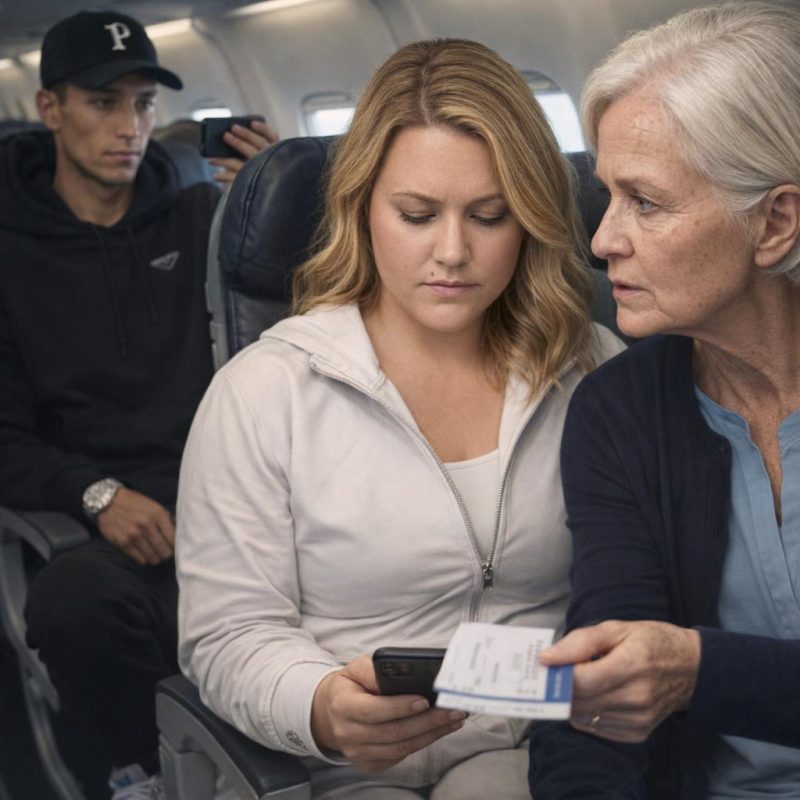 Image by RM AI
Special Status
I stood there for a moment, confused, then flagged down a flight attendant who was checking overhead bins a few rows back. She had that crisp airline uniform and a name tag that read Maria, and I assumed this would take thirty seconds to clear up. I smiled apologetically—I've always hated making a fuss—and explained that I'd paid for seat 14C but these passengers were already settled there. Maria walked over and checked my boarding pass, and I watched her expression shift from professional helpfulness to something that looked uncomfortably like dread. She glanced at the couple, then back at me, then lowered her voice. I'd been reassigned to a middle seat near the back of the plane, she said quietly. The couple had special status, and there had been an accommodation issue. I felt my eyebrows go up. Special status? What did that even mean? Other passengers were starting to watch now, some craning their necks to see what the holdup was. I asked Maria what kind of special status would override a paid seat assignment, keeping my voice level even though my knee was already starting to protest from standing in the aisle. Maria wouldn't meet my eyes. She said the decision had come from management, from above her level, and there wasn't anything she could do about it. When I asked what kind of special status would override a paid seat assignment, the flight attendant lowered her voice and said the decision came from above her.
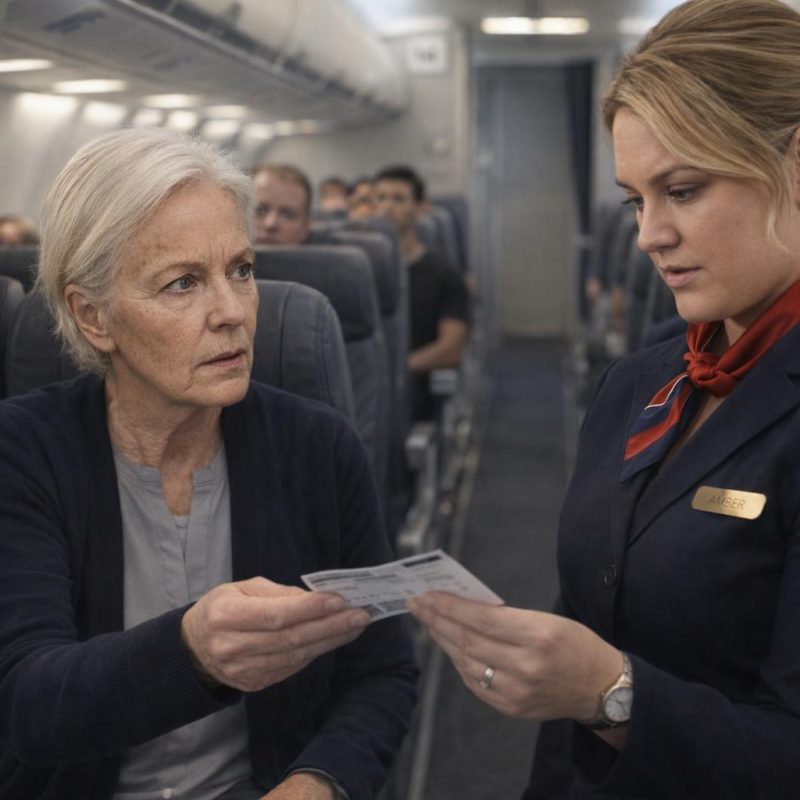 Image by RM AI
The Knee Nobody Cared About
I took a breath and explained about my knee. The car accident eighteen months ago, the surgery, the physical therapy that only partially worked. I told Maria I'd specifically paid for that aisle seat because cramped middle seats cause me genuine pain on long flights, and this wasn't just about preference or comfort. Her face softened with what looked like real sympathy, but she repeated that the decision was final. She mentioned that compensation had already been applied to my account, though she didn't specify how much or when I'd see it. I asked if I could get something in writing, some documentation explaining why my paid seat assignment had been overridden. Maria glanced nervously back toward the couple, then urged me not to delay boarding. The plane needed to stay on schedule. I felt tears starting to prick at the corners of my eyes, which made me angry at myself because I hate crying in public. But standing there in the aisle with a dozen passengers watching, some with sympathetic expressions and others just checking their phones impatiently, I realized I was being treated like an inconvenience. Like my medical need and my seventy-five dollars mattered less than whatever special status these two smug strangers had claimed. I felt tears threatening as nearby passengers watched me absorb the humiliation of being treated like an inconvenience compared to two smug strangers.
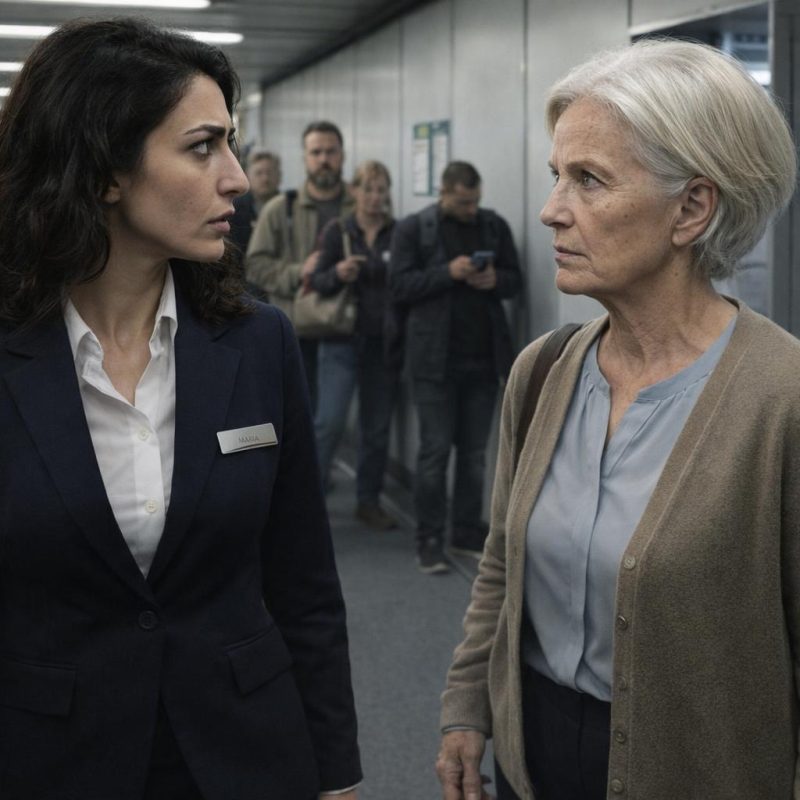 Image by RM AI
Paper Trail
Instead of making a scene—and believe me, part of me wanted to—I took a deliberate breath and made a different choice. Twenty-three years as a legal secretary taught me something important: people become far more careful when there's a paper trail. I stepped slightly to the side to let other passengers pass and pulled out my phone. First, I photographed my boarding pass, making sure the seat assignment and confirmation number were clearly visible. Then I opened my email and took screenshots of my original reservation, including the timestamp and the charge for the aisle seat upgrade. I opened my notes app and started typing everything I could remember from the conversation with Maria, including her exact words about special status and decisions from above. I noted the time, the flight number, even the row where the couple sat. My hands were shaking slightly, but my fingers kept moving across the screen with the methodical precision that used to drive my old boss crazy when I'd document every detail of a deposition. I took a photo of the couple from a distance, careful not to be obvious about it, capturing them still sprawled across my row with their equipment. Then I emailed everything to myself as backup, watching the little swoosh sound confirm it had sent. Something about this situation felt wrong in a way I couldn't quite name yet, and I wanted every detail preserved.
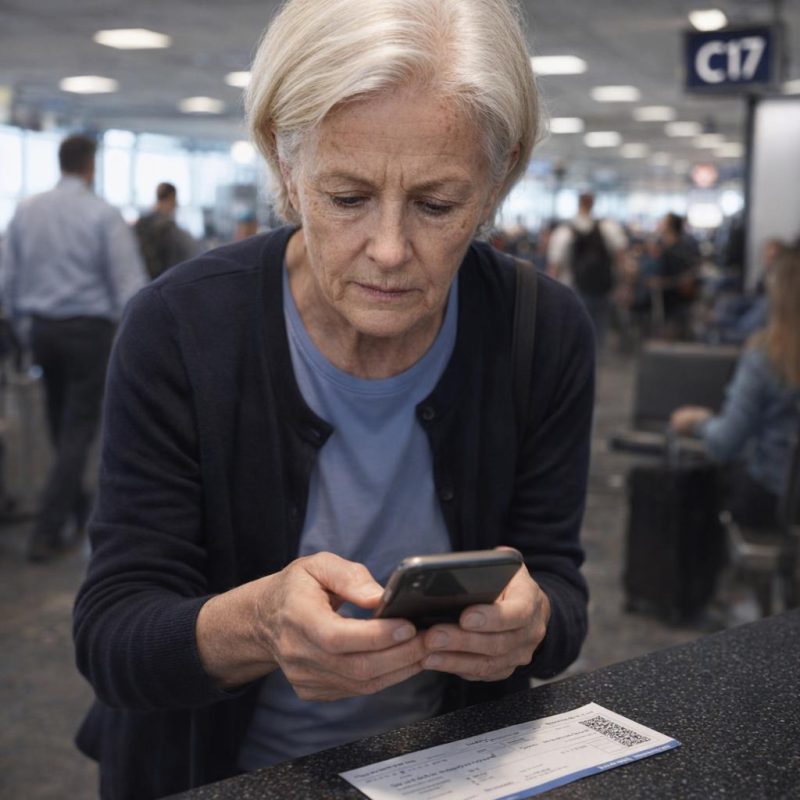 Image by RM AI
Cramped
I made my way down the narrow aisle toward the back of the plane, my carry-on bumping against seats as I passed. Row thirty-two was my new home for the next eight hours. The middle seat, wedged between two passengers who'd already claimed their armrests and settled in with books and headphones. I hoisted my bag into the overhead compartment, my knee protesting even that small effort, then tried to figure out how to squeeze myself into the cramped space. The man on my left was already leaning slightly into what should have been my territory, his shoulder taking up more than his fair share. I sat down and immediately felt the pressure on my injured knee. There was no room to angle my leg, no space to shift positions without bumping into strangers. I tried turning slightly to the right, but that made it worse. I tried straightening my leg into the aisle, but a flight attendant was coming through with a cart. Every position hurt in a different way. I looked up toward the front of the plane, where I could just barely see row fourteen. The couple sat comfortably in my paid aisle seat, probably already planning their next Instagram post. My knee throbbed in the tight space, and I found myself wondering if this was really just about airline logistics or something else entirely.
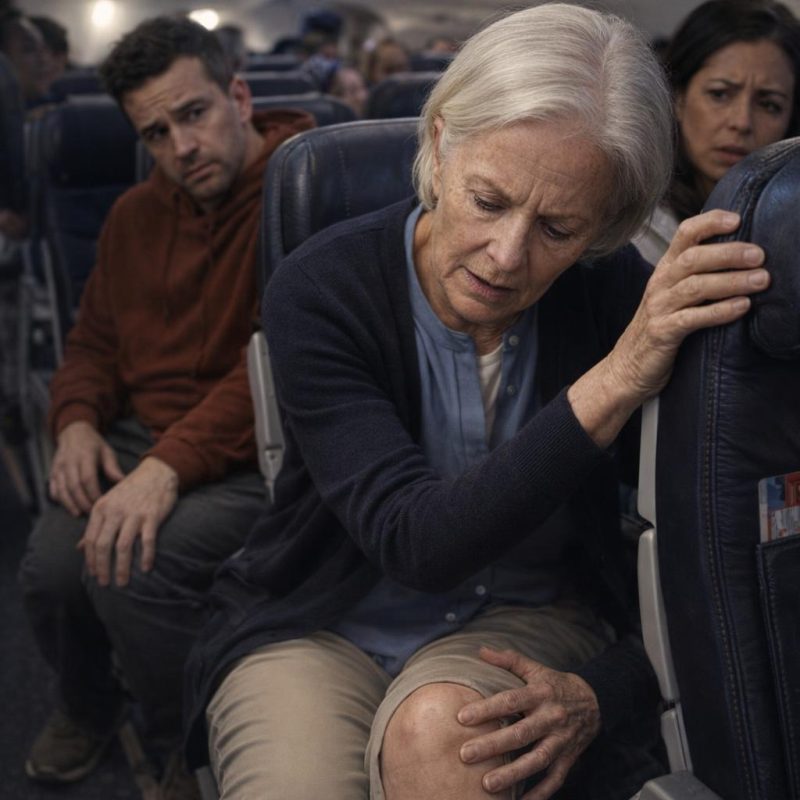 Image by RM AI
Venting to a Stranger
The woman in the aisle seat beside me noticed me wincing as I tried to find a position that didn't hurt. She leaned over slightly and asked if I was alright, her voice kind. I hesitated—I'm not usually the type to vent to strangers—but something about her genuine concern made the words start pouring out. I told her about paying for the aisle seat because of my knee injury. About finding that couple already spread across my entire row with their camera equipment everywhere. About the flight attendant's uncomfortable explanation that they had some kind of special status I'd never heard of. The woman, who introduced herself as Patricia, listened intently, her expression shifting from sympathy to something more focused. I described how dismissive the young woman had been, barely looking up from her phone when I'd shown her my boarding pass. How her boyfriend had just kept filming, smirking like the whole situation was entertaining. I mentioned the ring lights clipped to the tray tables, the expensive bags, the way they'd taken over three seats like they owned the plane. Patricia's face changed completely as I talked, her eyes widening with what looked like recognition. She pulled out her phone and started scrolling, then looked back at me with an expression I couldn't quite read. When I finished my story, the woman's expression changed completely, and she asked if I could describe the couple.
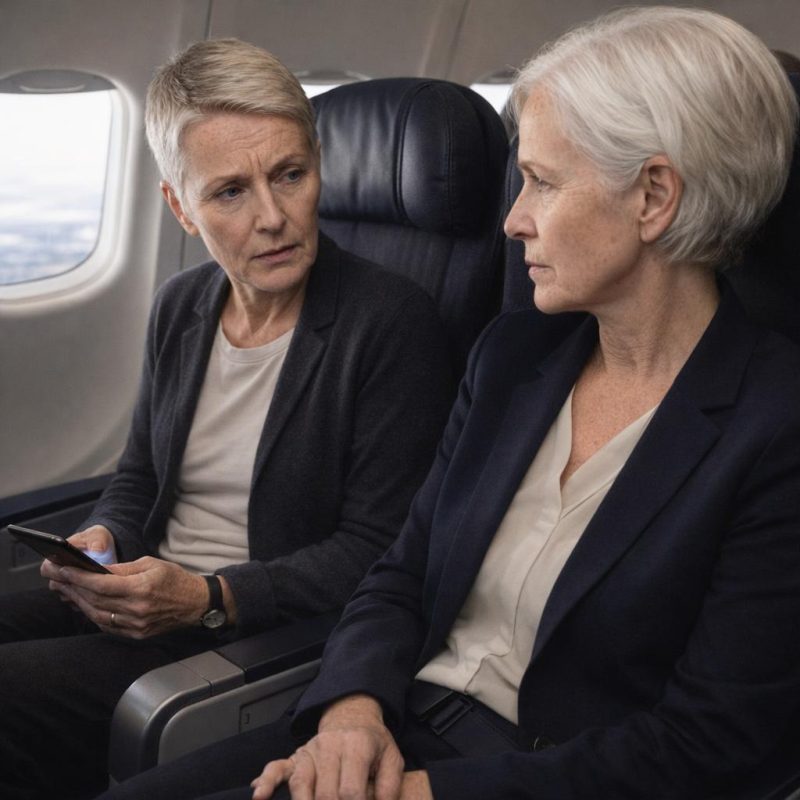 Image by RM AI
Recognition
I described them as best I could—the woman's perfectly styled appearance, designer athleisure, the way she held her phone like it was an extension of her hand. The man's expensive streetwear, his constant filming, that smirk that suggested he found everything vaguely amusing. Patricia's eyes widened and she immediately started tapping on her phone, navigating to Instagram. She turned the screen toward me, showing me a profile with thousands of followers and a verified checkmark. The photos showed the same couple in various luxury travel settings—business class seats, resort pools, hotel suites. I recognized them instantly. Same camera equipment, same confident expressions, same dismissive energy. Patricia explained they were travel influencers, known for posting about travel hacks and system manipulation. She'd seen their videos before, she said, her voice dropping. They had a reputation for being pushy with airlines, for posting content about getting upgrades and relocations. I scrolled through several posts, my hands starting to tremble slightly. The captions referenced knowing how to work the system, traveling like a boss, getting what you deserve. Many of the photos showed them in premium seats they clearly hadn't paid for, grinning at the camera like they'd won something. As I scrolled through their posts, my stomach dropped at the realization that their smug confidence suddenly made terrible sense.
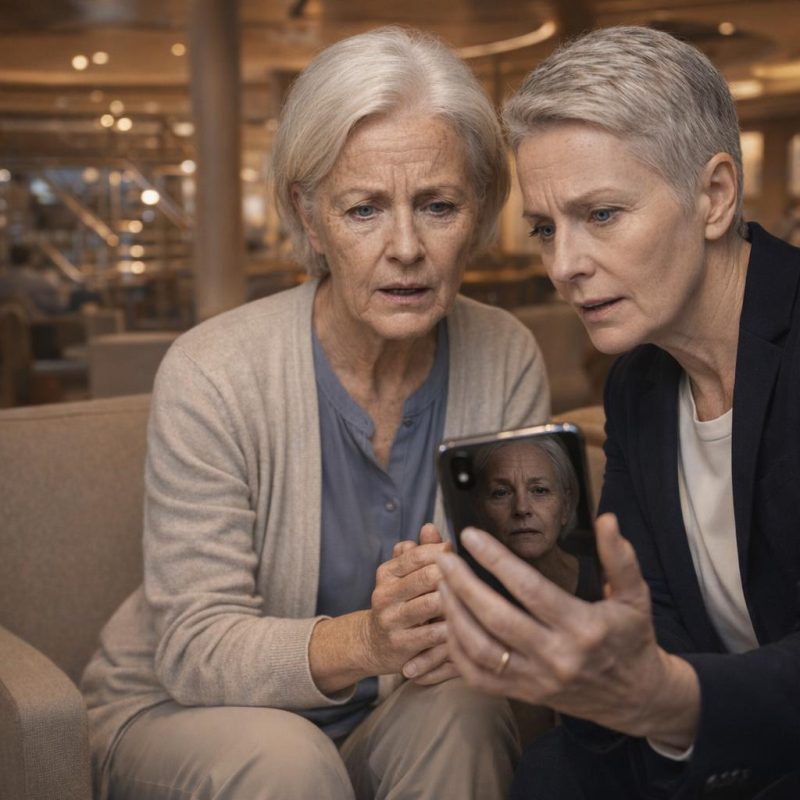 Image by RM AI
The Videos
Patricia navigated to a folder of saved videos on her phone, explaining she'd bookmarked them months ago when she'd first come across their content. The first video showed Amber at an airport lounge, talking directly to the camera about travel strategies for content creators. She emphasized the importance of window seats for natural lighting, then mentioned techniques for encouraging gate agents to be more accommodating. Another video showed them celebrating an upgrade to business class, with Amber's voiceover explaining that persistence pays off when dealing with airlines. One clip showed them moving from their assigned seats to a better row, with Amber saying they'd convinced the airline to relocate boring people who weren't creating content anyway. Tyler filmed himself joking about how customer service was always more responsive to influencers. But the video that made my stomach turn was the last one Patricia showed me. Amber leaned close to the camera, her voice dropping to a conspiratorial whisper, her expression almost gleeful. She was sharing advice with her followers, tips for getting what you want from airlines. In one video, Tyler filmed Amber whispering conspiratorially to the camera, the trick is making them think it's easier to move someone else than deal with you, and I felt sick.
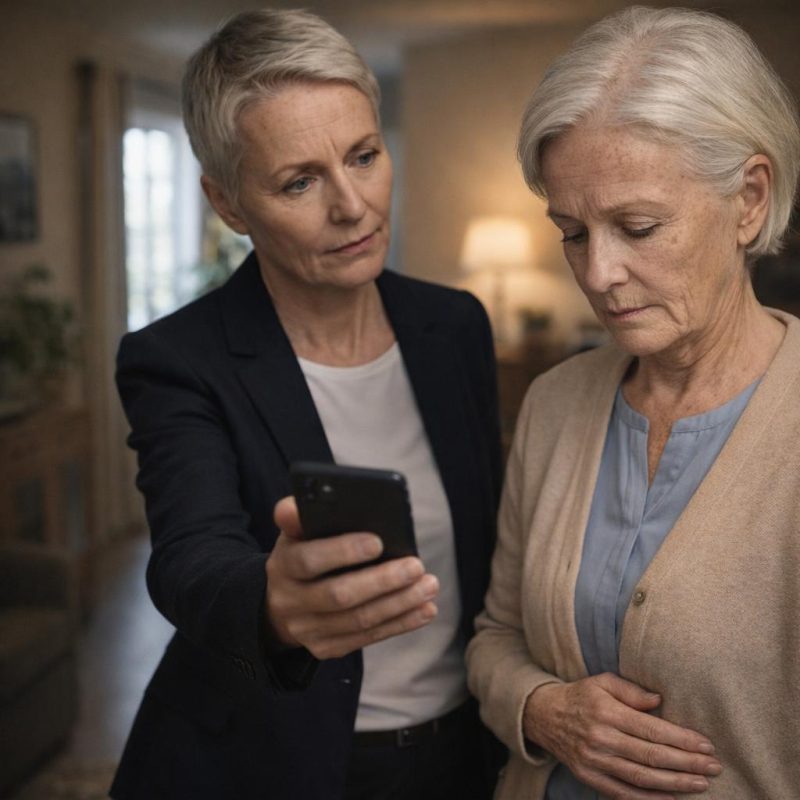 Image by RM AI
Entitled Boomers
Patricia scrolled to another section of saved videos, and what I saw next made my stomach drop in a way I hadn't expected. These weren't just travel tips or upgrade celebrations—these were compilations Amber had posted under titles like 'Travel Drama' and 'Entitled Passenger Chronicles.' Several clips showed her imitating older passengers with exaggerated gestures, her voice pitched high and whiny as she mocked people who'd apparently objected to her requests. The comments section was filled with laughing emojis and phrases like 'boomers can't handle anything' and 'old people ruin everything.' One video featured Tyler filming an older woman from behind as she moved down the aisle, her gait unsteady, and the caption read 'when you politely ask someone to switch and they act like it's the end of the world.' Amber used the phrase 'entitled older generation' constantly in her posts, always with that same dismissive tone. Patricia pointed out how many videos specifically focused on conflicts with middle-aged or elderly travelers, her voice quiet as she asked if I noticed the pattern. My hands started shaking as I held the phone, because I couldn't stop thinking about how easily Amber had dismissed me at the gate, barely looking at me before turning away. I thought about my silver hair, my reading glasses, the way I'd been limping slightly from my knee. A cold possibility crept into my mind—what if I hadn't been randomly reassigned at all? What if I'd been specifically chosen?
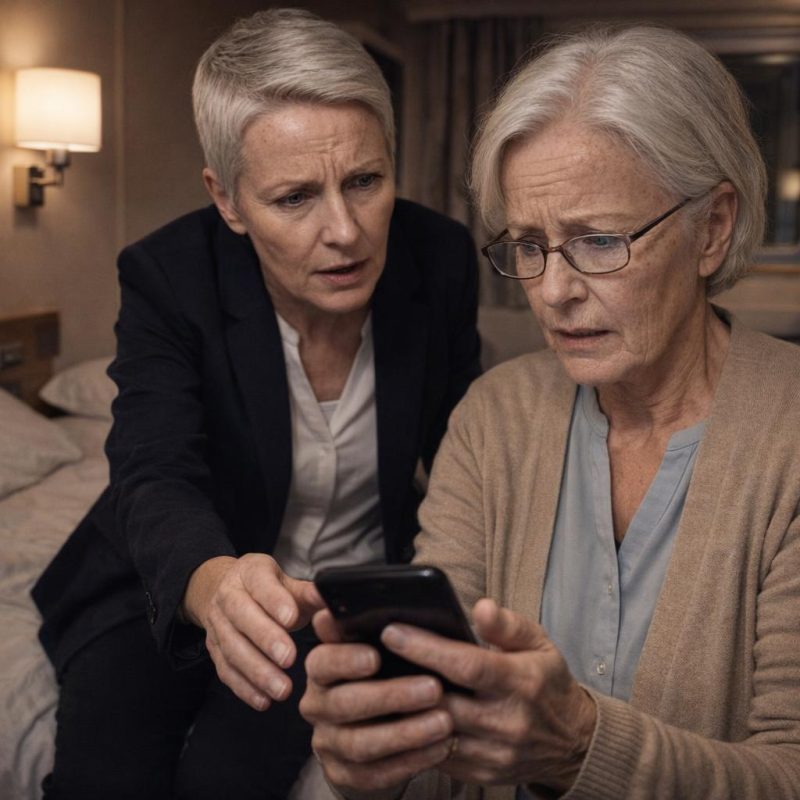 Image by RM AI
Premium Content
I looked up toward the front of the cabin where the couple sat in my assigned row, and what I saw made that cold possibility feel even more real. Amber was adjusting equipment with practiced ease, positioning a ring light at an angle that caught the window perfectly. Tyler filmed the view through the glass with professional focus, capturing sweeping shots of clouds and sky that looked like they belonged in a travel magazine. The window seat I'd originally paid for provided exactly the kind of natural lighting you'd need for high-quality content, and I noticed how carefully they'd arranged themselves across the entire row, using all three seats like it was their personal studio space. Other passengers glanced at their filming as they passed, but most just ignored it and kept moving. Amber held products up to the window light, apparently recording sponsored content, her smile bright and her movements smooth. Tyler captured everything from multiple angles, shifting his position to get different shots through my window. I couldn't stop wondering if the specific row had mattered—if they'd needed that exact window positioning for whatever content they were creating. Patricia whispered that window seats in that section were prime for travel photography, something about the angle and the light quality. I felt suspicion growing in my chest, heavy and uncomfortable, because my reassignment was starting to feel less random with every passing minute. Every time Tyler shifted his camera angle, I wondered if I'd been moved not because of their special status, but because I was in the way of their perfect shot.
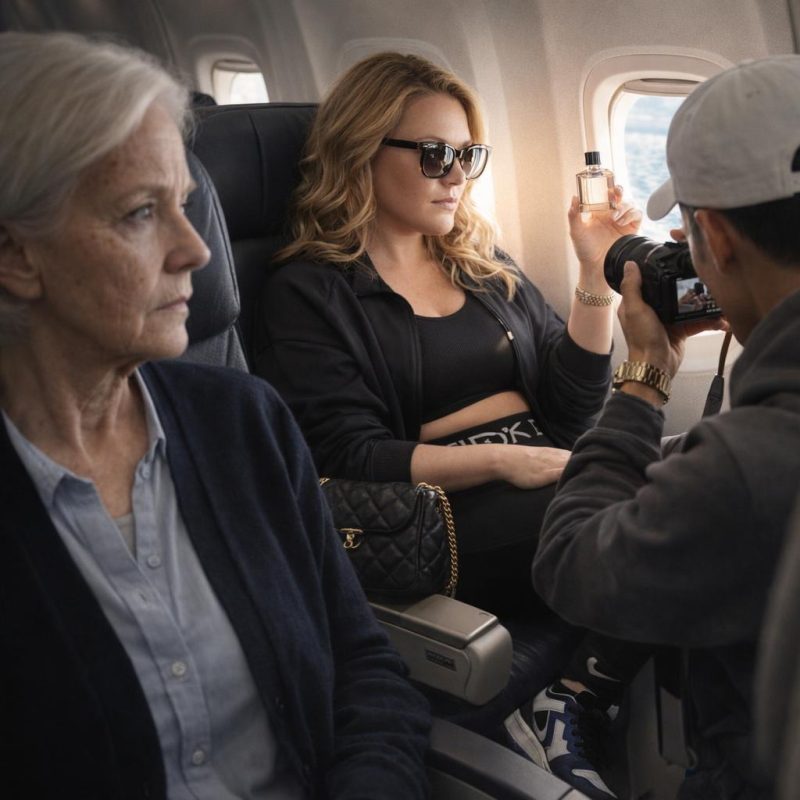 Image by RM AI
Refusing the Bait
I felt anger building as I watched them continue filming, that hot pressure behind my eyes that comes right before you lose your temper completely. Patricia must have noticed my expression because she leaned closer and asked quietly if I was thinking of confronting them. I admitted the urge was there—I wanted to march up to that row and demand my seat back, tell them exactly what I thought of their behavior. But Patricia warned me that might be exactly what they wanted, and her words stopped me cold. I thought about those videos we'd just watched, all those conflicts with other passengers that had been turned into entertainment for thousands of followers. Those confrontations probably started the same way, with someone who had a legitimate complaint and every right to be upset. I made a deliberate choice in that moment to deny them any dramatic reaction they could film and edit and post with some dismissive caption. I told Patricia I wouldn't give them the satisfaction of losing my temper, wouldn't let them turn me into another punchline for strangers online. She agreed that staying calm was the smarter strategy, even though I could see she understood how hard it was. I focused on breathing slowly, keeping my emotions controlled despite the cramped middle seat and my aching knee. I reminded myself that emotional reactions could be edited and manipulated, cut together to make anyone look unreasonable. Whatever I did next would be measured and documented, not impulsive. If they were hoping to turn me into another punchline for strangers online, they would have to be disappointed.
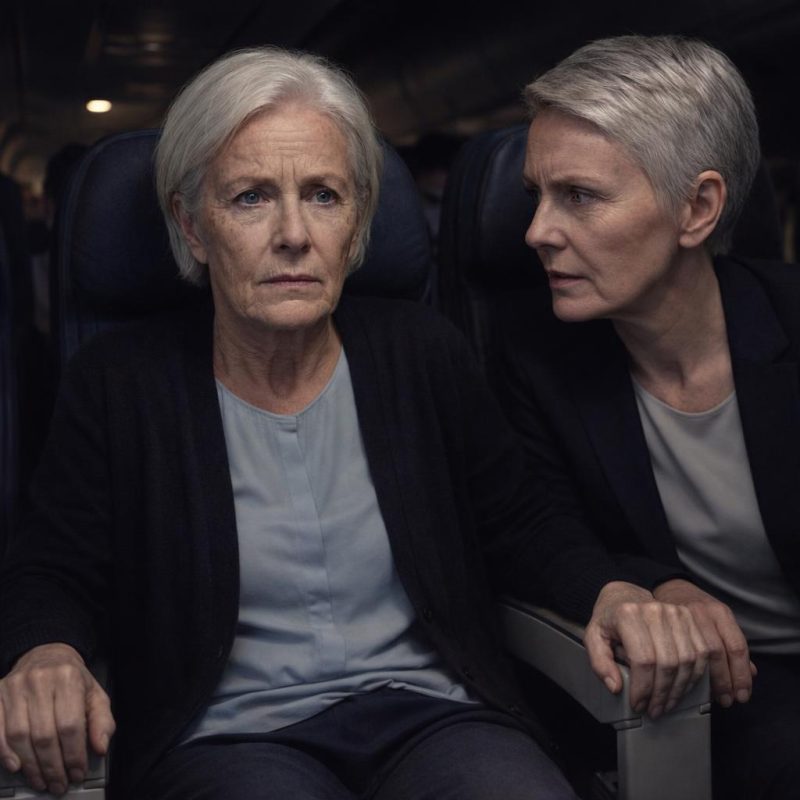 Image by RM AI
Building the Record
I opened my phone's notes app and created a detailed timeline, because if there's one thing my years as a legal secretary taught me, it's that documentation matters more than emotion. I recorded the exact time I'd approached my assigned row and found them sitting there. I took screenshots of multiple posts from Amber and Tyler's profiles, making sure to capture the dates and full captions. I copied links to specific videos showing their past behavior with airlines, the ones where they talked about convincing gate agents and getting better seats. I photographed the current time and their continued filming from my position, wanting proof of how long this had been going on. I wrote down Maria's name and physical description, along with the exact wording she'd used about 'special status' and 'decision from above.' I saved screenshots of my original booking confirmation showing the upgrade charge I'd paid for that aisle seat. I created a folder on my phone organizing all the evidence chronologically, labeling each item clearly. I added notes on what Patricia had told me about the couple's reputation and their history of similar situations. I documented my knee pain level and my current position in the cramped middle seat, because the physical discomfort was part of this too. I took detailed notes about the camera equipment I'd observed in my assigned row, the ring lights and tripods and professional setup. Whatever was really happening here, I wanted every detail preserved in case I needed it later.
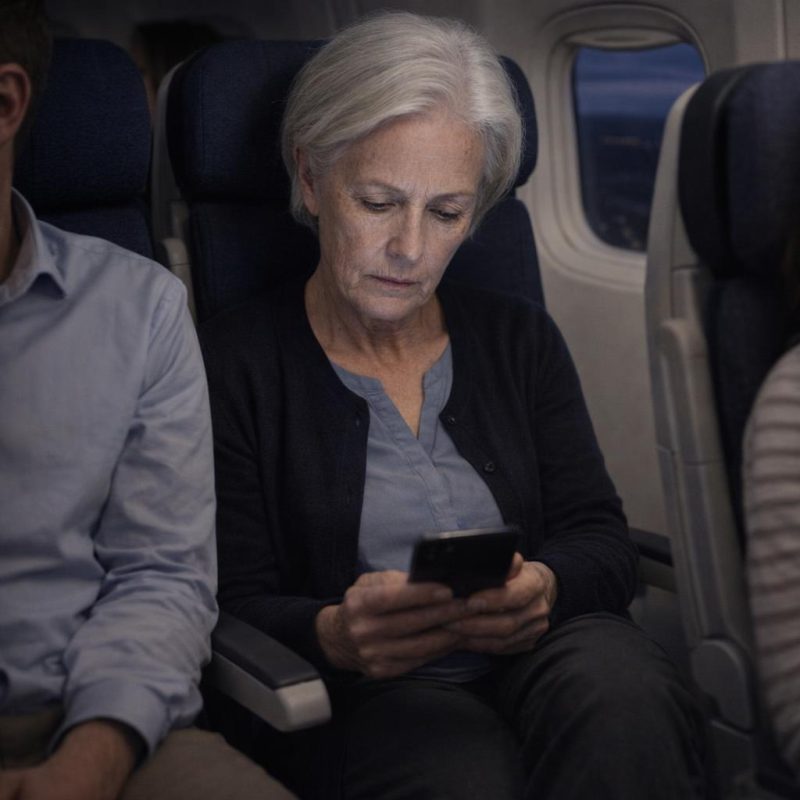 Image by RM AI
Calling Sarah
I connected to the in-flight WiFi and opened the messaging service, my fingers moving carefully across the screen as I composed a message to Sarah. I explained the seat reassignment as clearly as I could in a text, trying not to sound paranoid but needing her to understand this wasn't normal. I sent her links to Amber and Tyler's social media profiles and asked her to archive their public posts in case content got deleted later. I told her about the videos Patricia had shown me, the ones demonstrating their past behavior with airlines and other passengers. I mentioned Patricia's recognition of the couple and their reputation for exactly this kind of situation. Sarah responded within minutes, and I could practically hear the shock in her typed words as she processed what I was describing. She confirmed she could use archiving tools to preserve copies of their posts, that she knew how to create permanent records of social media content. I emphasized that I didn't want to confront them without being prepared, that I needed to be smart about whatever came next. Sarah warned me to avoid direct confrontation while I was still on the plane, to stay calm and keep documenting. I felt relief wash over me knowing someone on the outside was helping, that I wasn't alone in this anymore. Sarah promised to document everything and keep copies safe where they couldn't be erased. Sarah's response came quickly: 'Mom, this is insane—I'm on it, but you need to be careful what you say to them.'
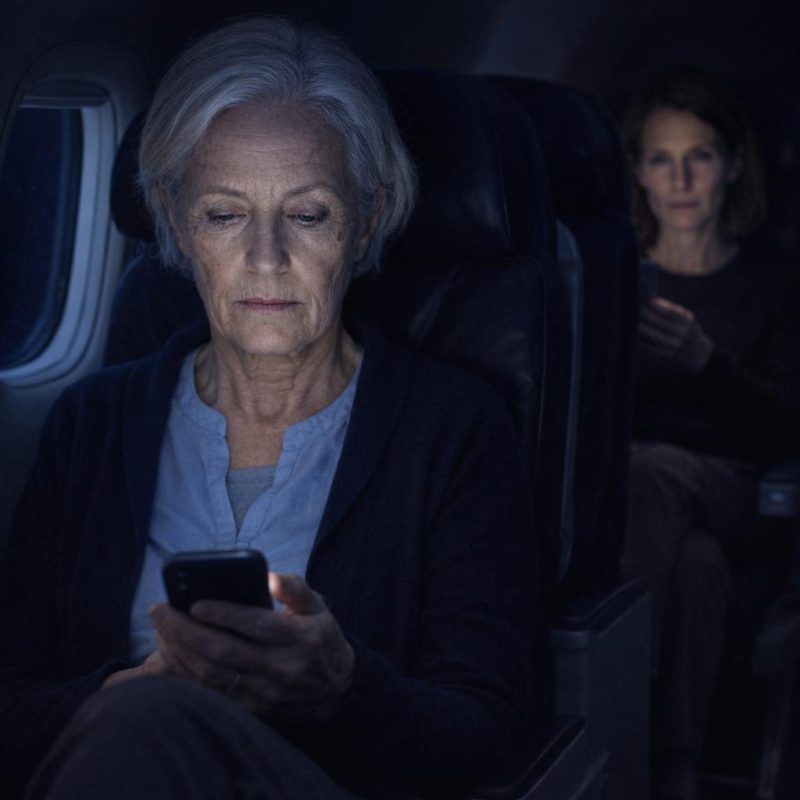 Image by RM AI
Archive Everything
Sarah sent screenshots showing she'd already captured multiple posts, working faster than I'd expected. She was using web archiving services to create permanent records, the kind that would exist even if the original content disappeared. She confirmed she was documenting dates, times, and full captions, preserving everything exactly as it appeared. I received images of the archived pages as proof she'd secured them, and seeing those screenshots made me feel like we were building something solid. Sarah mentioned she was also capturing comment sections where followers discussed the couple, and she noted several comments from people claiming similar experiences with them. She created a shared folder where we could both access the archived material, organizing it in a way that made sense. I felt validated knowing my daughter was taking this seriously, that she didn't think I was overreacting or being difficult. Sarah advised me to keep documenting but avoid confrontation, to stay patient and let the evidence speak for itself. I agreed to keep her updated throughout the flight, sending her information as I gathered it. The connection made me feel less alone in that cramped middle seat, less like I was imagining problems that didn't exist. I returned to watching the couple with a clearer head, feeling more prepared now that someone else understood what was happening. At least now if anything disappeared from their accounts, we'd have proof of what they'd said before they knew people were watching.
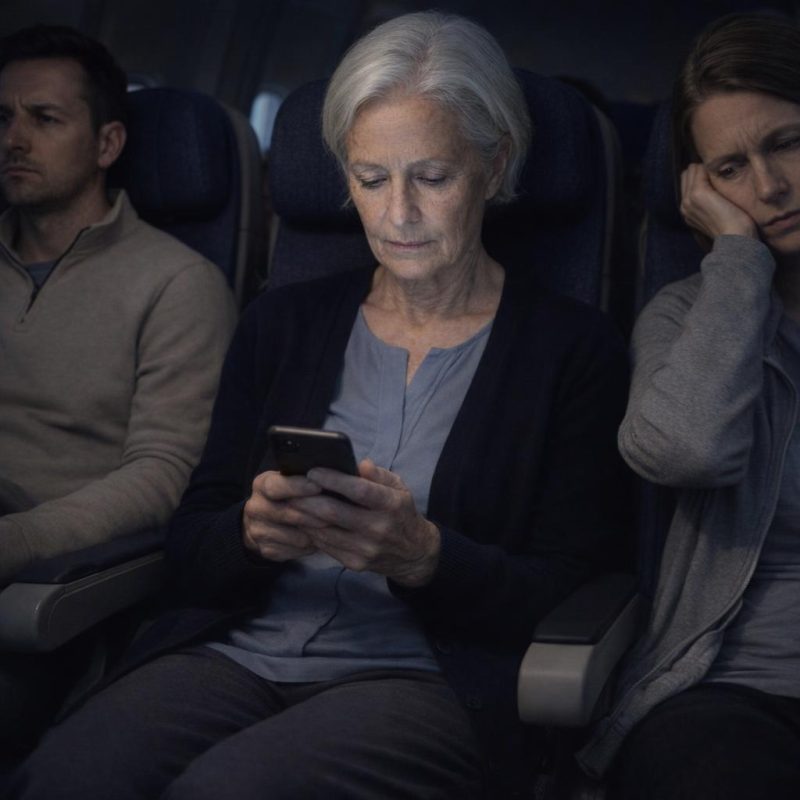 Image by RM AI
Deep Dive
Patricia and I spent the next stretch of flight reviewing more of their content together, scrolling through months of posts on her phone. We found video after video that suggested they'd done this before—relocating passengers, filming reactions, turning travel conflicts into entertainment for their followers. Multiple videos referenced 'convincing airlines' to accommodate them, always with that same casual tone like it was perfectly normal. One post showed them celebrating after what Amber called a 'successful gate negotiation,' champagne glasses raised in a first-class cabin. Another video featured Amber explaining how to 'position yourself' with airline staff, tips for getting what you want. Patricia pointed out subtle background shots of other passengers looking upset, people whose faces were partially visible in frames that focused on the couple. We noticed they filmed reactions without people's apparent knowledge, catching moments of frustration or confusion. I found a video where Tyler joked about 'clearing the row for content,' and the casual way he said it made my skin crawl. Several posts mentioned sponsors who provided travel perks, brands that seemed to reward their content creation. Patricia discovered comments from other passengers claiming they'd been moved to accommodate influencers, stories that sounded disturbingly familiar. I couldn't stop wondering how many times they'd pulled this off successfully, how many people had been relocated without understanding why. We were starting to see what looked like a pattern, not an isolated incident. The more we watched, the more I wondered how many other people like me had been moved around for their content without ever realizing what was happening.
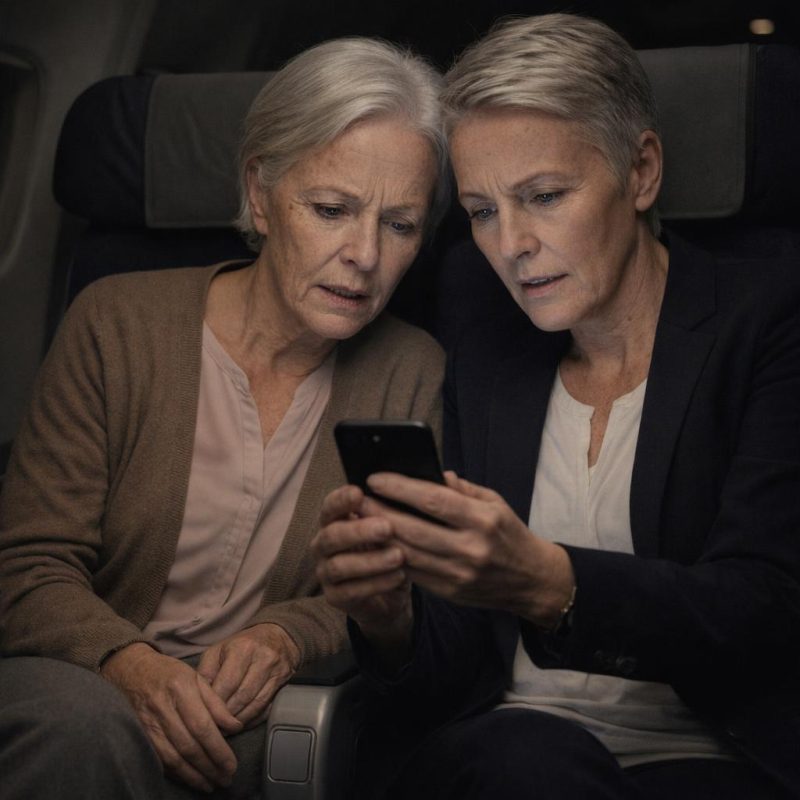 Image by RM AI
Watching Them Work
From my cramped position in the middle seat, I had a clear view of the couple continuing their filming routine throughout the flight. Amber repositioned ring lights for different angles, her movements efficient and practiced. Tyler filmed her holding various products with the window behind her, capturing that perfect natural lighting I'd paid extra to sit beside. They spread equipment across all three seats of the row, using the space like it belonged to them. Other passengers had to squeeze past their extended camera setup in the aisle, navigating around tripods and bags. A flight attendant politely asked them to keep equipment stowed during beverage service, and they complied with apologetic smiles, but resumed filming the moment the cart passed. Amber recorded herself talking to the camera with exaggerated gestures, her expressions animated and her voice carrying down the cabin. Tyler filmed out the window continuously, capturing cloud formations and changing light. They switched positions several times, always using the full row, never seeming concerned about the space they occupied. I noticed how comfortable they seemed doing this—no hesitation, no self-consciousness, just smooth transitions from one shot to the next. Another passenger trying to reach the bathroom had to wait while Tyler moved his tripod out of the aisle, and he barely acknowledged the inconvenience. The couple's ease suggested they'd done this many times before, that this was routine for them. They moved through their routine with such ease that it was impossible to believe this was their first time taking over someone else's space.
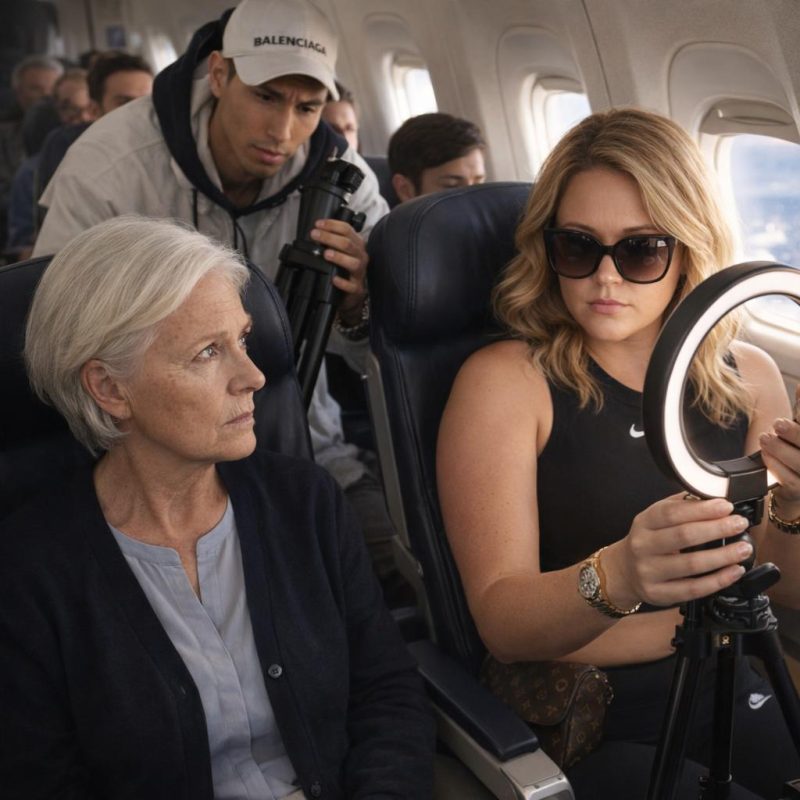 Image by RM AI
The Camera's Eye
I glanced up from my phone and caught Tyler holding his camera at an angle that pointed directly toward the back section of the cabin where I sat, noticing camera angles that felt too deliberate to ignore. He held the position for several seconds, the lens facing my direction, before shifting to capture something else. My stomach tightened. Patricia noticed my attention and followed my gaze just as Tyler repeated the action a few minutes later, his phone camera once again facing backward. I wondered if he was filming me specifically or just capturing general cabin footage for their content. Then I remembered those videos Patricia had shown me—the upset passengers visible in the background, their frustration immortalized for entertainment. Patricia leaned closer and whispered that it looked like Tyler was trying to capture reactions. I kept my expression completely neutral, refusing to give them anything usable. Tyler checked his phone screen, possibly reviewing whatever footage he'd just captured. The camera angles felt too pointed to be random scenic shots of the cabin. I quietly alerted Patricia each time I noticed the camera direction change, and we both maintained calm expressions, denying him any dramatic content he might be hoping for. A cold realization washed over me that they might be hoping I'd eventually lose my patience and confront them—giving them exactly the kind of content their followers loved.
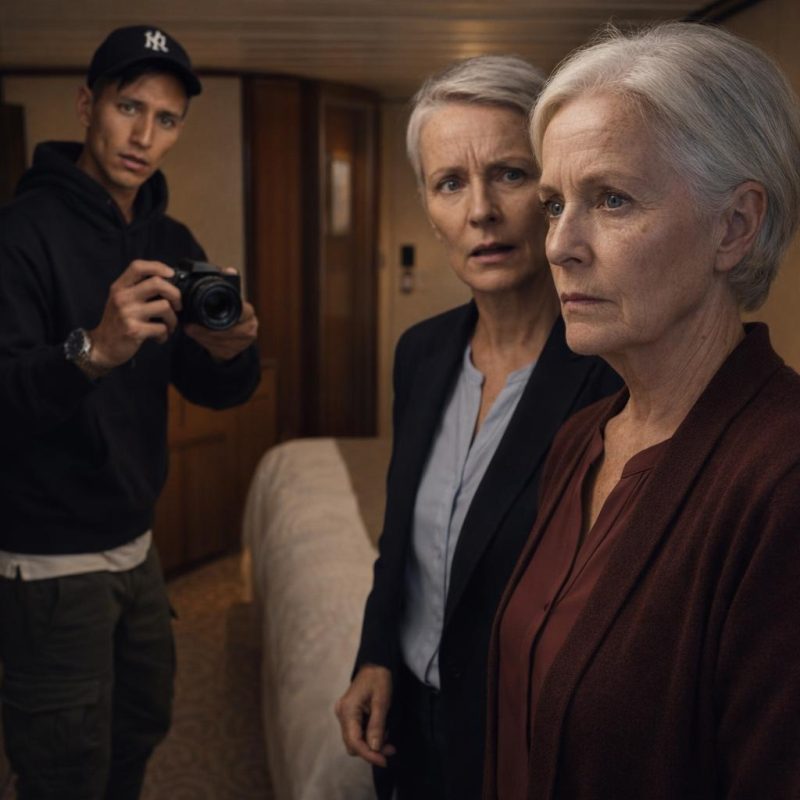 Image by RM AI
Denying Them the Show
I sat processing the pattern I'd observed over the past hour—the filming, the camera angles, their practiced ease with all of it, refusing to react the way they might expect. Patricia had shown me how their videos frequently featured conflicts with older passengers, and I wondered if I might fit their target demographic perfectly. A woman my age with a legitimate complaint about a paid seat and a knee injury would make compelling 'difficult passenger' content for their audience. Patricia confirmed that many of their viral videos followed this exact formula. I thought back to my initial humiliation at the gate, wondering if Tyler had filmed that interaction too. I remembered how easily Amber had dismissed me, as if she'd been expecting me to escalate the situation. My legal secretary training kicked in—I'd spent years observing how people manipulate situations in depositions and client meetings, watching attorneys guide witnesses toward specific responses. Something about their behavior felt familiar in that same way. I made a firm decision to deny them any emotional breakdown they might be hoping to capture. Patricia admired my restraint, saying most people would have exploded by now. I focused on maintaining neutral body language and expression, keeping my face calm whenever I looked in their direction. But I'd spent too many years observing how people manipulate situations to give them what they wanted—I would stay calm if it killed me.
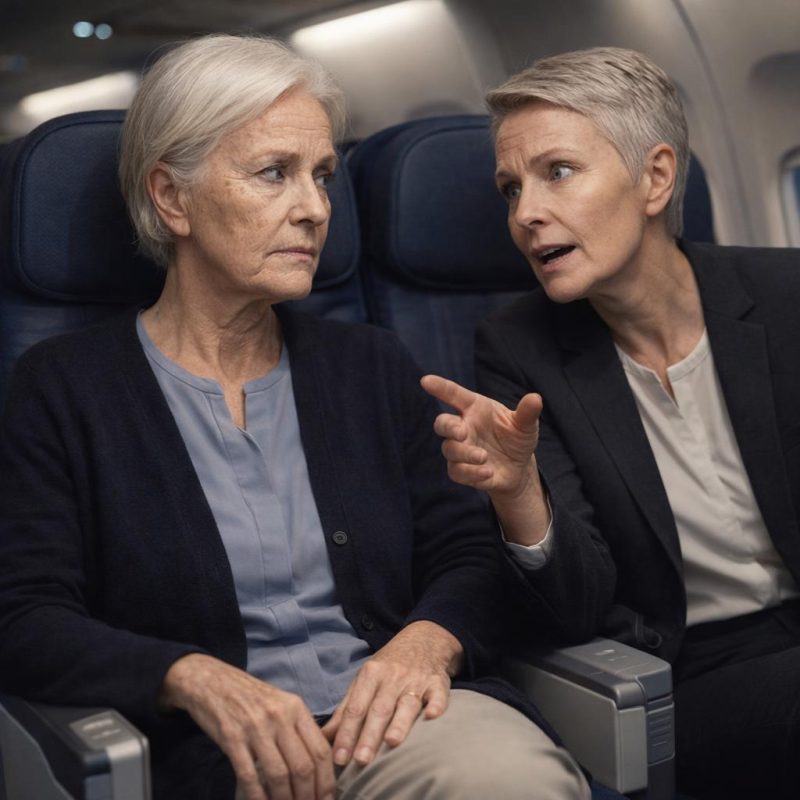 Image by RM AI
Strategic Patience
I continued taking notes on my phone about their filming patterns, staying strategic in how I documented every detail. I recorded timestamps of when Tyler's camera pointed toward my section. Patricia helped by noting their equipment changes and content adjustments throughout the flight. I kept my facial expression neutral whenever I looked toward their row, taking a deliberate breath each time frustration threatened to surface. I added observations about how other passengers reacted to the couple—some seemed annoyed by the constant filming, others appeared oblivious. I noted which flight attendants seemed uncomfortable around them, which ones avoided their row entirely. Patricia mentioned this level of restraint was probably unusual—most people would have complained to the crew again by now, demanded to speak with a supervisor, made their displeasure known. I felt my confidence growing as I maintained control over my reactions. I reviewed my documentation folder, now extensive and organized with photos, timestamps, and detailed observations. I realized I'd turned my initial humiliation into something methodical, almost like building a case file at the law office. Patricia and I quietly agreed to keep watching and recording their behavior. Let them film all they wanted—they'd find nothing but a patient woman who knew exactly what they were doing.
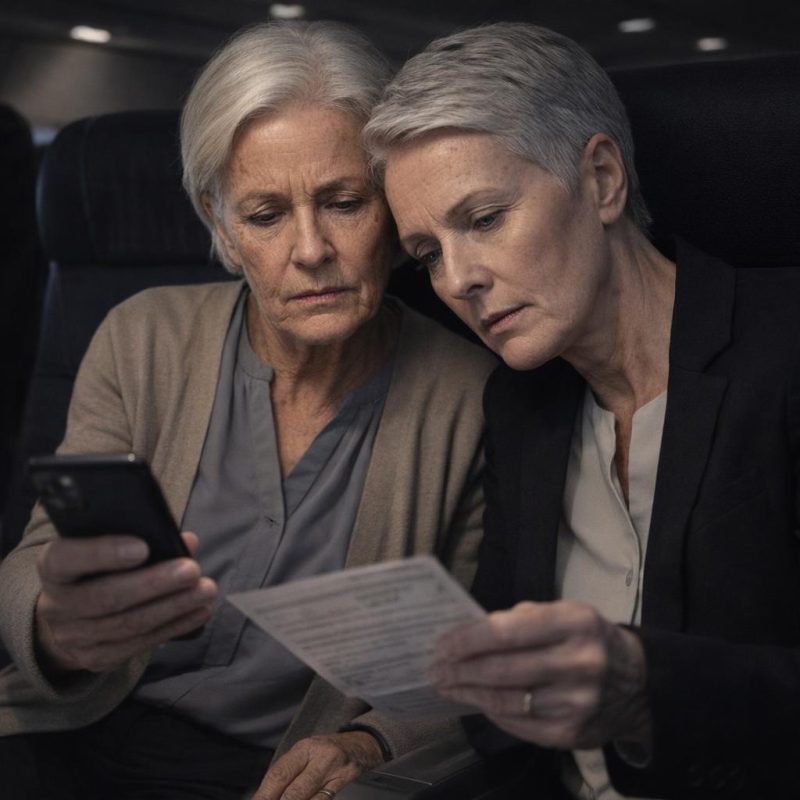 Image by RM AI
The Truth Emerges
A different flight attendant named James approached me quietly during a lull in service to ask if I needed anything, and I found myself pressing for truth about what had really happened. His tone carried genuine sympathy that made me seize the opportunity. I asked him directly about the real reason for my reassignment. James hesitated, looking uncomfortable as he checked that other passengers weren't listening closely. I pressed gently, mentioning I knew something wasn't right about the entire situation. James lowered his voice and admitted he wasn't involved in the decision but had heard about it from other crew members. He explained the couple had threatened to post about discrimination against content creators if they didn't get the seats they wanted. The threat suggested the airline would face viral backlash on social media, the kind that could trend for days and damage the brand. Supervisors decided moving passengers was easier than dealing with negative coverage before the flight even took off. James emphasized the decision came from management, not from the flight attendants themselves. I asked if this happened often, and James looked troubled but didn't answer directly. He apologized quietly before moving on to check on other passengers. James explained that supervisors moved passengers simply to avoid conflict before takeoff, and I finally understood that my paid seat had been sacrificed not for special status, but to prevent a threatened social media attack.
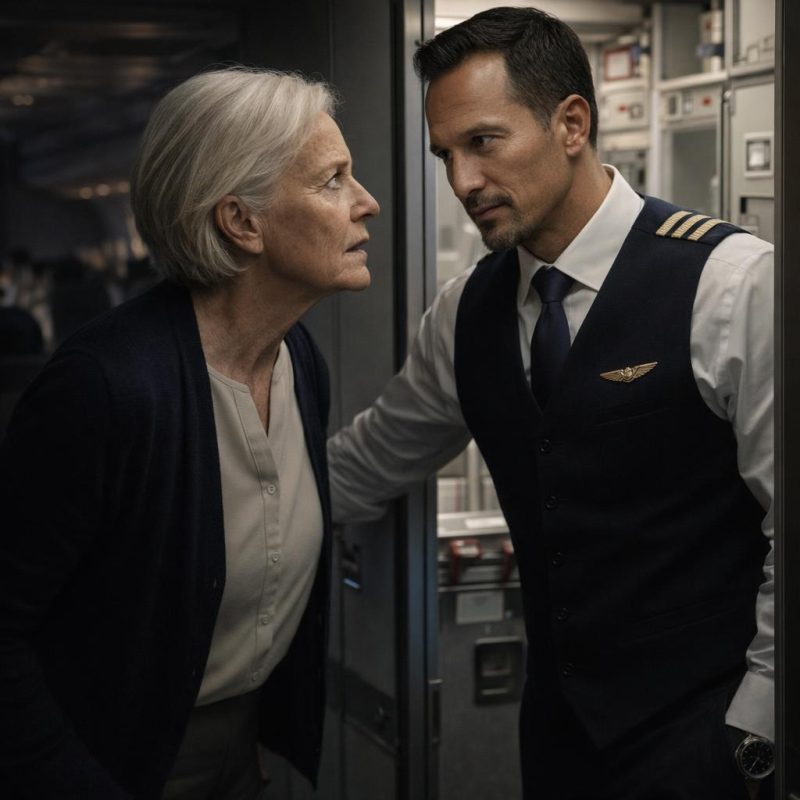 Image by RM AI
Processing the Threat
I told Patricia what James had just revealed about the discrimination threat, processing new information that reframed everything I'd experienced. Her expression shifted from sympathy to outright anger on my behalf. I tried to wrap my mind around the airline's decision-making process, struggling to understand how threatening social media coverage could carry such weight. Patricia pointed out that viral controversies can damage brands significantly—one trending hashtag could cost an airline millions in negative publicity. I realized the airline had chosen avoiding conflict over protecting paying customers like me. I thought about my medical need being dismissed simply to prevent potential online backlash from two people with cameras. Patricia suggested this probably wasn't the first time the airline had faced such pressure from content creators. I wondered how many other passengers had been moved for similar reasons, their legitimate needs sacrificed to appease someone's social media threats. I felt my situation transforming from a personal grievance into something much larger, a pattern that affected countless travelers. I added James's information to my growing documentation folder. Patricia and I quietly discussed what could possibly be done with this information. The airline had chosen to sacrifice paying customers rather than risk viral backlash, and I wondered how many times this had happened before anyone noticed.
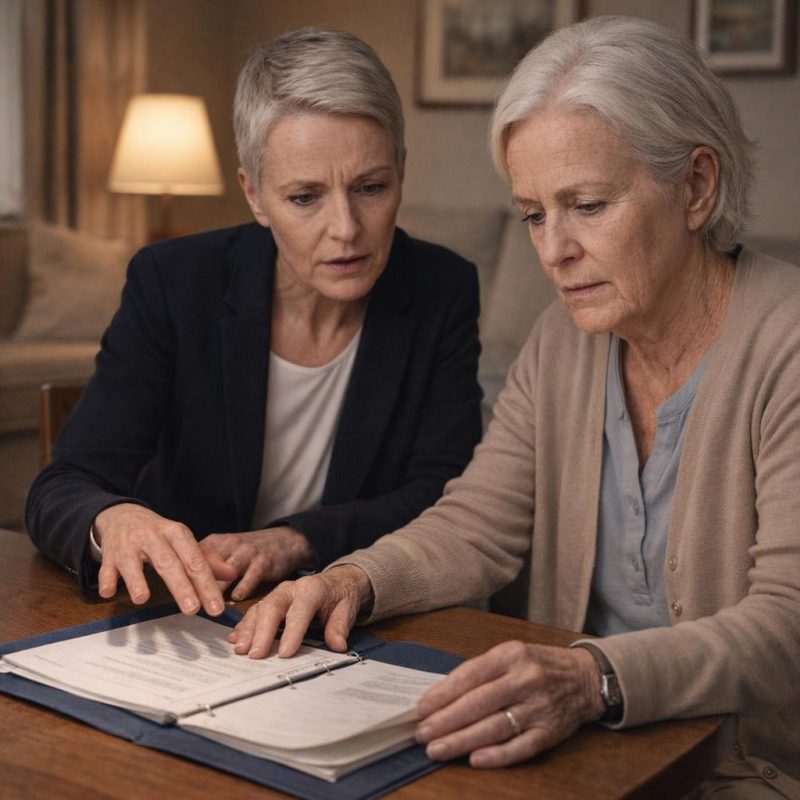 Image by RM AI
Meeting Robert Sullivan
Patricia excused herself briefly and returned with an older man she introduced as Robert Sullivan, a retired journalist in his late sixties, and I felt myself connecting with allies who might actually understand. Robert explained he'd noticed the commotion during boarding from his seat several rows back and had been taking his own notes because something about the situation felt wrong. I briefly explained the seat reassignment and what James had just revealed about the discrimination threat. Robert's expression became intensely focused as I talked, his eyes sharp behind reading glasses. He mentioned he'd been following stories about influencer behavior affecting regular travelers for the past few years. Robert said airlines had been struggling with how to handle social media threats, caught between protecting customers and avoiding viral controversies. I showed him some of my documentation on my phone—the photos, timestamps, and detailed observations I'd been collecting. Robert was genuinely impressed by my methodical evidence gathering, saying most people just complained without documenting anything concrete. He explained he still had connections in consumer advocacy journalism, editors who specialized in travel industry issues. Robert said he'd been watching airlines cave to influencer pressure for years, and if I was willing to share my documentation, he knew exactly who would want this story.
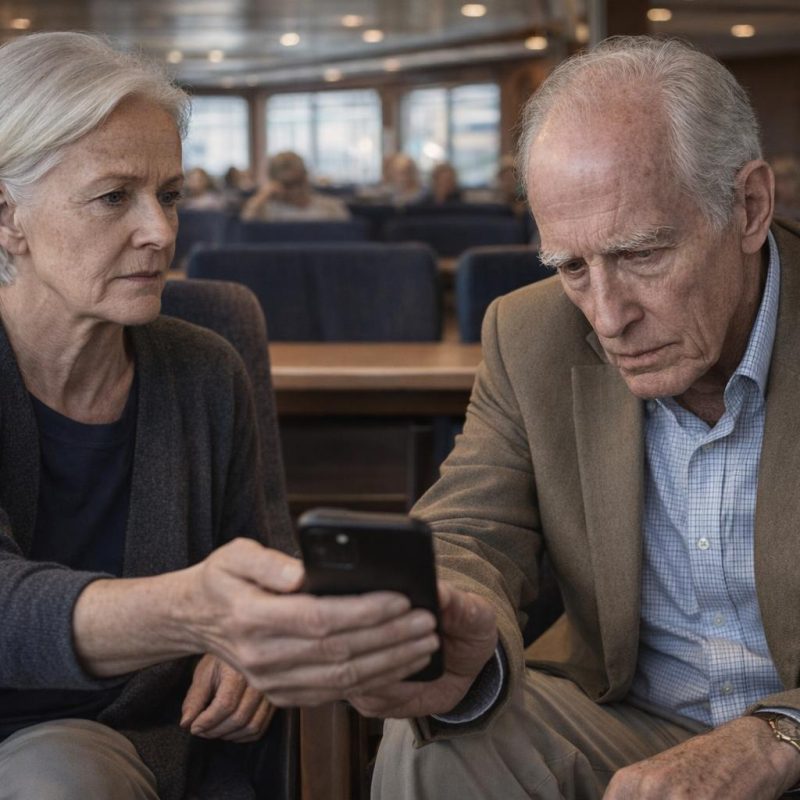 Image by RM AI
Bigger Than One Seat
Robert outlined how influencer culture had significantly impacted airline operations over the past several years, and I listened cautiously hopeful that my experience might mean something larger. He mentioned cases where content creators received special treatment that paying customers never saw. Airlines feared negative social media coverage affecting their brand image, he explained, and that fear had changed how they handled conflicts. Robert described how paying customers often absorbed the consequences of these decisions. He'd read articles about preferential treatment gradually eroding customer trust in the industry. I listened as my individual experience became part of a larger pattern Robert had been tracking. He emphasized the human cost—real people with real needs being dismissed to accommodate social media threats. Robert mentioned elderly and disabled passengers were particularly affected by these policies. I realized my medical need being ignored represented broader accessibility issues that went beyond just my knee injury. Robert said my documentation could provide concrete evidence for advocacy groups working on these problems. Patricia agreed that exposing this pattern could potentially lead to policy changes across multiple airlines. I felt cautiously hopeful that something good could come from this humiliating experience. As Robert described how this pattern affected ordinary travelers across multiple airlines, I realized my humiliation might actually help prevent this from happening to others.
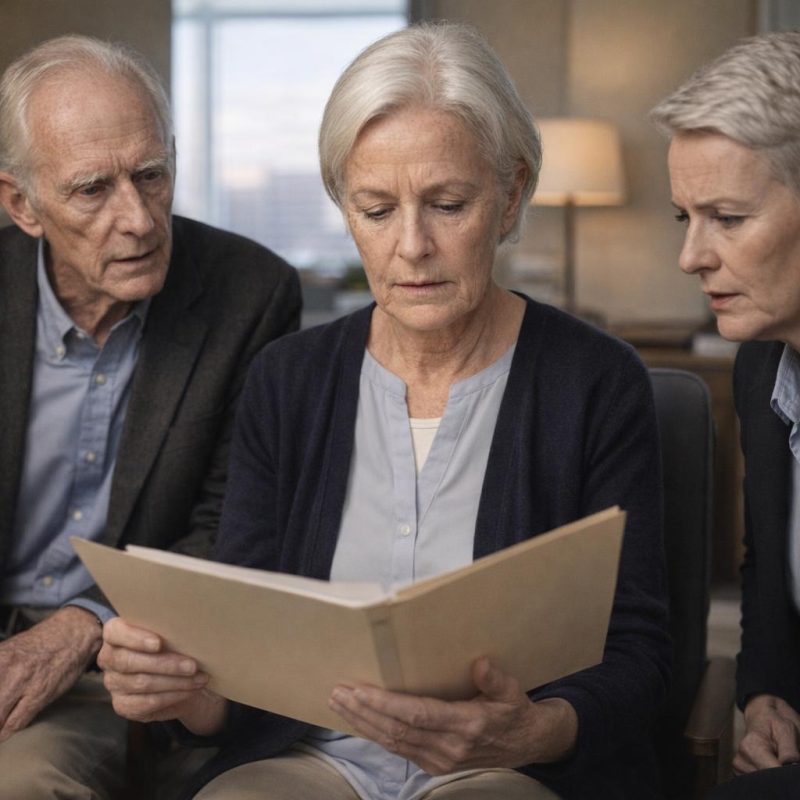 Image by RM AI
Quiet Investigation
Robert waited until the next service break to approach flight attendants, introducing himself professionally and mentioning his journalism background, and I watched him collaborating strategically with crew members who seemed relieved someone was asking questions. He asked about standard procedures for seat reassignments, keeping his tone conversational rather than accusatory. Maria appeared uncomfortable when he mentioned my case specifically, glancing nervously toward the couple's row. Another attendant spoke more openly about pressure from management regarding social media concerns. Robert took notes discreetly on his phone as they talked. James acknowledged speaking with me earlier but wouldn't elaborate with other crew members around. One attendant mentioned this wasn't the first unusual reassignment on recent flights involving content creators. Robert asked careful questions about policies regarding filming passengers without consent. I watched the conversations from my cramped middle seat, unable to hear the words but reading body language—some attendants seemed relieved, others nervous. Patricia observed that some crew members appeared grateful someone was finally asking these questions. Robert returned after several minutes to brief us on his initial findings, his expression thoughtful. I watched from my cramped seat as crew members spoke with Robert in hushed tones, some glancing nervously toward the couple's row before sharing what they knew.
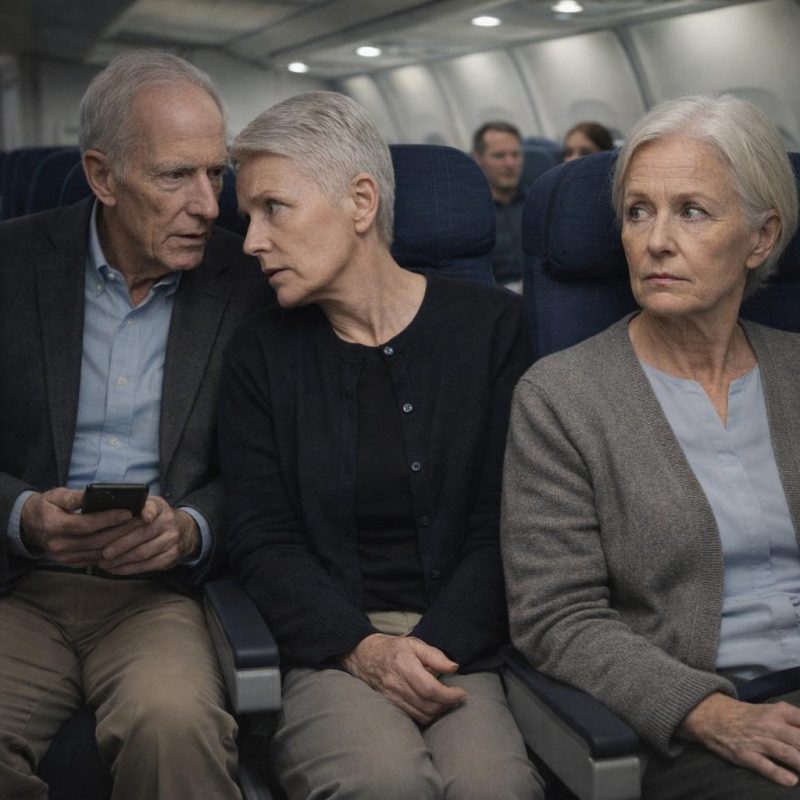 Image by RM AI
Banned Before
My voice dropped to a whisper as Patricia leaned closer, her phone screen glowing between us. She'd been scrolling through travel forums while I tried to process everything Robert had told us, and what she found made my stomach turn. According to multiple threads on FlyerTalk and other travel discussion boards, the couple had been temporarily banned by another airline after passengers complained about being filmed during what several people described as manufactured confrontations. She showed me the posts, her finger tracing down comment after comment from travelers who'd encountered them on previous flights. The discussions were months old, buried in forum archives, but the pattern was unmistakable—people describing situations that felt staged, cameras pointed at unsuspecting passengers, conflicts that seemed designed to escalate. One user mentioned filing a formal complaint after appearing in the background of one of their videos without consent. Another described watching them deliberately create a scene over overhead bin space. The airline had apparently investigated and issued a temporary ban, which should have been the end of it. But then Patricia found the follow-up posts explaining what happened next—the couple's followers had flooded the airline's social media with complaints, accusing them of discrimination and demanding the ban be lifted. Within weeks, it was quietly reversed. I stared at the screen, reading comment after comment from people who'd been caught in their orbit, and felt sick wondering what they'd done to those other passengers.
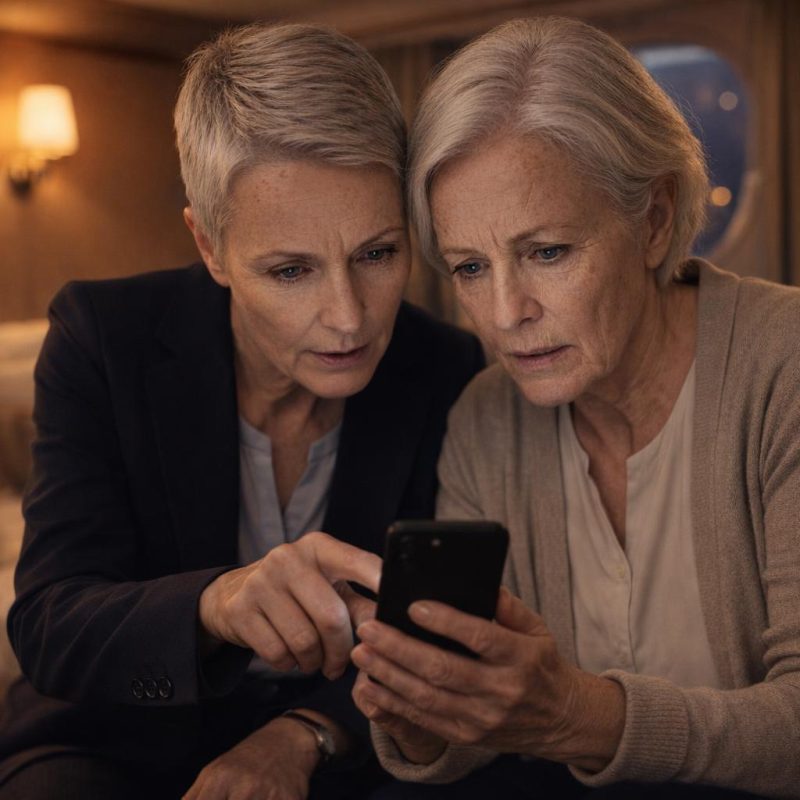 Image by RM AI
The Target Profile
As Patricia scrolled through archived discussions about the couple's past incidents, she started pointing out details I hadn't noticed at first. Comment after comment described conflicts specifically involving older travelers—people in their fifties, sixties, seventies—who'd been filmed without knowing they were becoming content for thousands of viewers. One forum thread analyzed the demographics of people appearing in their conflict videos, and the pattern was disturbing. Patricia showed me posts where users discussed how these passengers were portrayed in the final edited videos, always framed as overreacting to minor inconveniences or being unreasonably difficult about simple requests. Several forum users pointed out that the pattern seemed intentional, that older travelers made more viral content because viewers loved watching generational conflicts play out. I thought about how easily I could have been edited to look like an entitled boomer throwing a tantrum over a seat assignment, my legitimate medical concern twisted into something petty and ridiculous. I remembered the camera angles Tyler had used, how his phone seemed positioned to capture not just Amber but the entire section around them, including where I'd been standing in the aisle. Patricia found discussions suggesting that middle-aged and elderly passengers generated more engagement because people loved to debate whether they were justified in their complaints or just being difficult. I stared at descriptions of people who looked and sounded exactly like me, and wondered if my silver hair and reading glasses had made me exactly the type of person they hoped would react emotionally.
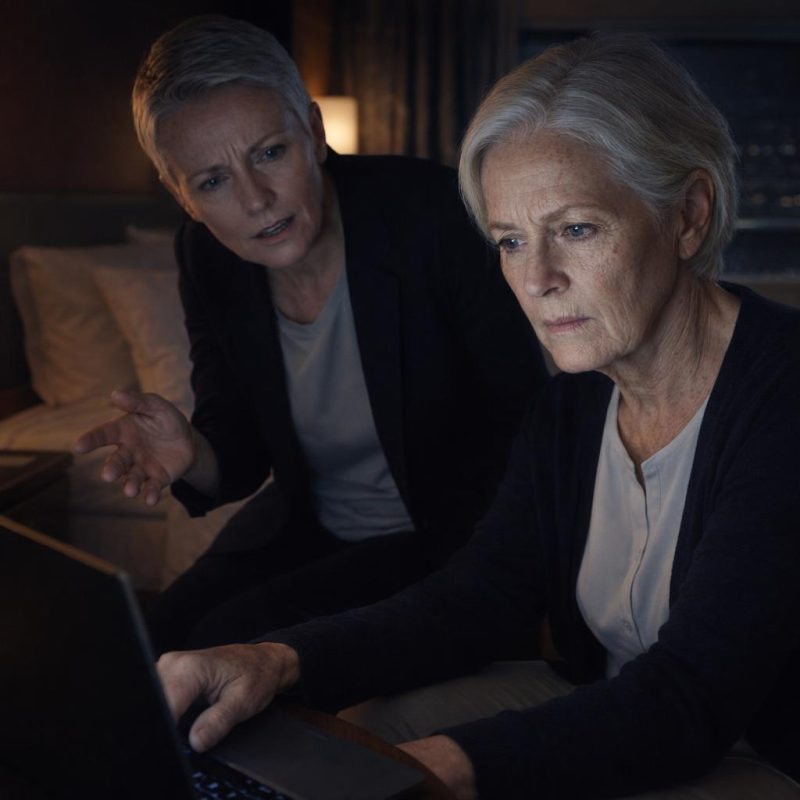 Image by RM AI
Not Alone
Robert returned to our section with his notebook open, his expression grim as he sat down across the aisle from Patricia and me. What he'd learned from the flight attendants made my stomach drop—he'd identified at least three other passengers on our flight who'd been moved from their original seats at the last minute, all within the same thirty-minute window before boarding closed. One was an elderly man displaced from an accessible aisle position he'd specifically booked because of mobility issues. A family had been separated to accommodate the seating changes, parents split from their young children for the duration of the flight. Robert mentioned a woman with a tight connecting flight who'd lost her preferred position near the front of the cabin. The crew members he'd spoken with admitted the reassignments happened in quick succession at the gate, all processed by the same two agents who'd seemed unusually stressed about getting everything finalized before boarding. Patricia helped identify where some of these passengers were seated now, scattered throughout the cabin in positions clearly less desirable than what they'd paid for. I felt less alone knowing others had experienced similar treatment, but I also felt worse realizing how many people had been inconvenienced. Robert noted that documenting multiple cases would strengthen any potential complaint we filed, that a pattern of displacement was harder for the airline to dismiss than a single incident. As Robert listed the affected passengers, I realized the couple's seating arrangement had created ripple effects throughout the cabin, and I wasn't the only one who'd paid for accommodations they didn't receive.
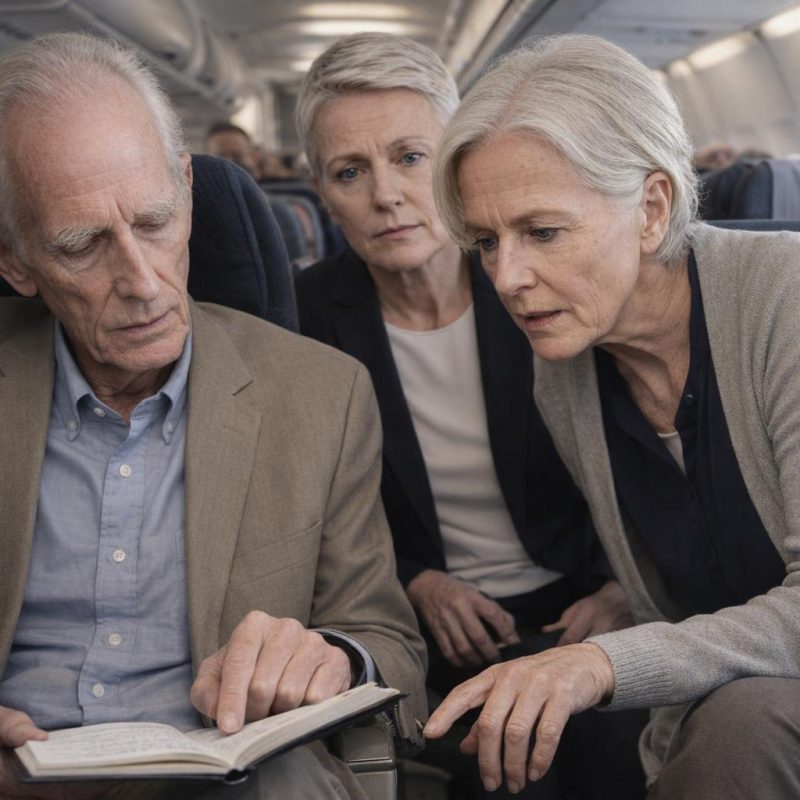 Image by RM AI
George Henderson's Story
Robert brought me several rows back to meet George Henderson, a quiet man in his early seventies who was wedged into a cramped window seat, his cane propped awkwardly against the wall. George had the kind of dignified bearing that made his current discomfort even more painful to witness—he sat with careful stillness, clearly trying not to shift positions too often. He explained with patient frustration how he'd booked an accessible aisle seat months in advance, specifically because he'd had hip replacement surgery three months ago and needed the easier access for standing and moving. At the gate, he'd been reassigned to this window seat with barely any explanation beyond vague mentions of operational necessity. The gate agent had apologized profusely, he said, but insisted the change was unavoidable. George hadn't complained to the crew because he didn't want to cause trouble, didn't want to be that difficult passenger everyone rolls their eyes about. When I shared my own story about the knee injury and lost aisle seat, his expression shifted from resignation to something like relief—someone else understood what this felt like. Robert documented everything, photographing George's booking confirmation showing the accessible seat he'd paid for. I watched George try to demonstrate how difficult it was to stand from the window position, the way he had to brace himself against the seat back and twist his body in ways that clearly caused pain. George said the gate agent had apologized profusely but insisted the change was necessary for operational reasons, and now he was struggling in a cramped window seat that made it nearly impossible to stand without pain.
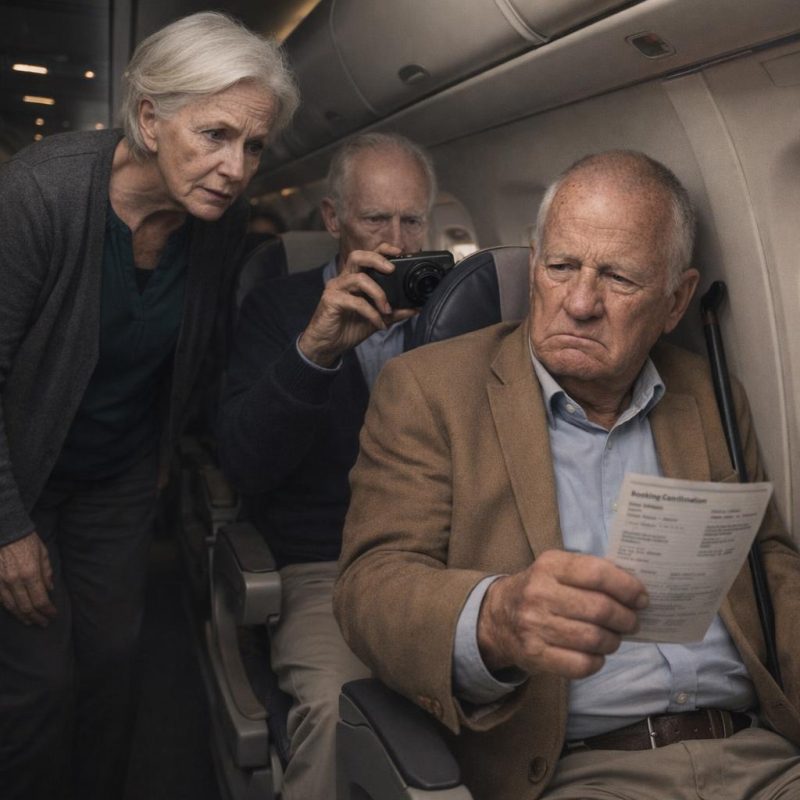 Image by RM AI
The Cascade
As Robert interviewed more displaced passengers throughout the cabin during the next hour, the full scope of what had happened emerged like a puzzle finally showing its complete picture. At least five people had been reassigned from their paid seats in the thirty minutes before boarding closed, creating a cascade of inconveniences that rippled through multiple rows. A woman had lost her bulkhead seat that she'd specifically booked because she was traveling with an infant who needed the bassinet attachment. Two passengers had been separated from their travel companions, people who'd deliberately booked seats together now sitting rows apart. Robert mapped out the original seat assignments versus the final positions, showing Patricia and me how the changes all pointed back to the same area—clearing seats in and around the couple's row, giving them exclusive access to their entire section near the windows. Every single displaced passenger had received the same vague explanations about operational necessity, but when we looked at the pattern, they all served one purpose. None of us had been offered real compensation before boarding, just apologetic gate agents who seemed rushed and uncomfortable. I realized that ordinary passengers like George and me had absorbed all the inconvenience so that Amber and Tyler could have their perfect filming setup. Patricia noted how the couple had ended up with premium space and lighting, an entire row to themselves with no one blocking their shots or appearing in their background footage. Every passenger Robert spoke with had received vague explanations about operational necessity, but when we mapped out the changes, they all pointed back to clearing the same three seats for Amber and Tyler.
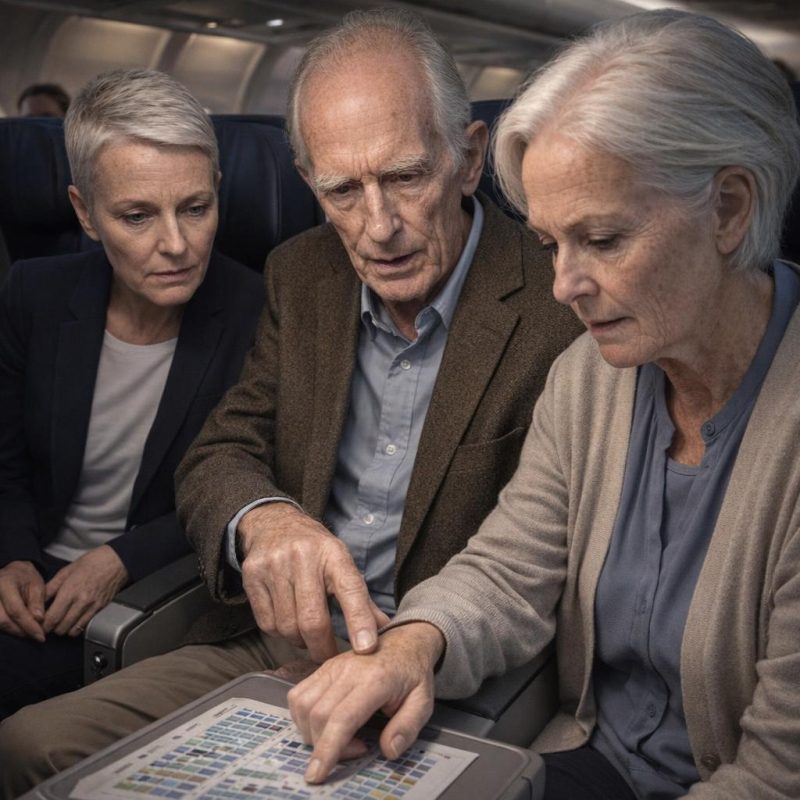 Image by RM AI
Building the Case
Robert methodically collected written statements from each displaced passenger over the next hour, moving through the cabin with the practiced efficiency of someone who'd built cases like this before. He asked each person to write down their experience in their own words, then photographed their boarding passes showing original seat assignments alongside their current positions. He documented the exact time each person was notified of changes, collected screenshots of booking confirmations with upgrade charges clearly visible. George provided medical documentation about his hip replacement that he'd brought in case of questions at security. Another passenger shared email correspondence with the airline about accessibility needs she'd communicated weeks in advance. Robert organized everything chronologically in a shared file on his tablet, creating a timeline that showed how all the reassignments clustered in the same brief window. I contributed my extensive documentation folder—the photos, screenshots, and detailed notes I'd been gathering since boarding. Patricia helped cross-reference statements to identify inconsistencies in the explanations different gate agents had given, noting how the stories didn't quite align. Robert documented which specific gate agents had handled each reassignment, building a record of who knew what and when. He noted that all affected passengers had paid for their original seats, some with additional fees for preferred positions or accessibility accommodations. Watching Robert work reminded me of my own evidence gathering, except he had decades of experience building cases that actually changed things.
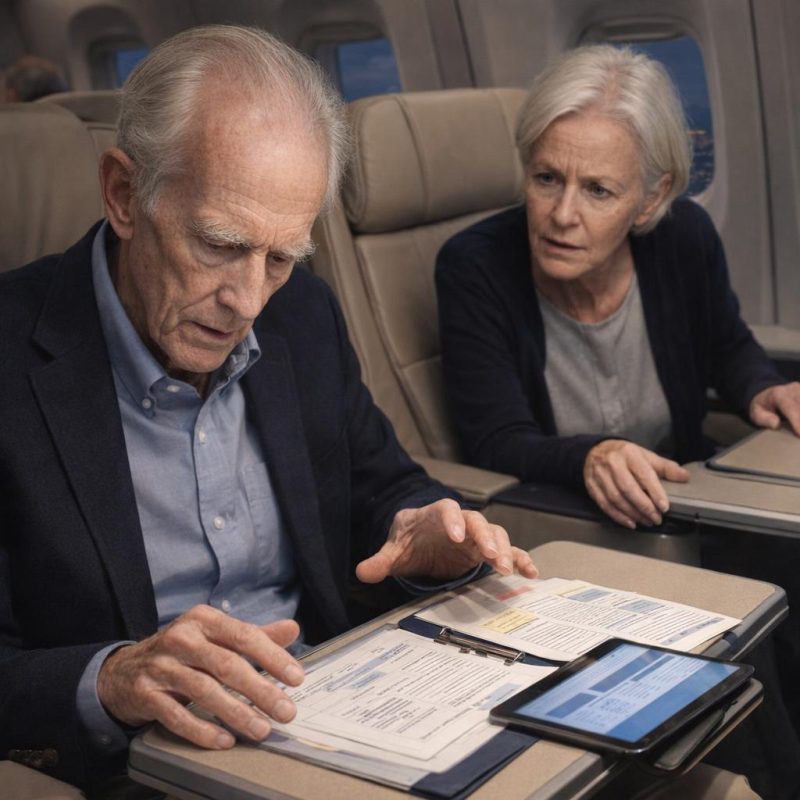 Image by RM AI
My Evidence Contribution
I sat with Robert in the galley area during a quiet moment and carefully walked him through my entire documentation folder, explaining each piece of evidence I'd preserved. I showed him the photos of my original boarding pass with the aisle seat clearly marked, the screenshots of my booking confirmation showing the upgrade charge I'd paid. I displayed the timestamps of my conversations with flight attendants, the notes I'd taken about Maria's uncomfortable explanation and James's later revelation about the couple's social media presence. Robert examined everything with the careful attention of someone who understood the value of proper documentation. I shared screenshots of the couple's social media profiles and recent posts, the ones I'd found while researching who they were. I walked him through my timeline of events from the moment I boarded and found them in my seat through every interaction that followed. Robert looked genuinely impressed as he scrolled through the organized folders on my phone, the way everything was labeled and timestamped. I explained that my legal secretary background had taught me to document everything in real time, to preserve details while they were fresh rather than trying to reconstruct them later. He said most people wait until after an incident to start gathering evidence, but I'd captured it as it unfolded, which made my documentation significantly more valuable than after-the-fact accounts. Robert asked permission to include my evidence in the coordinated case he was building. Robert looked genuinely impressed as he reviewed my work, saying most people wait until after an incident to document things, but I'd captured it in real time as it unfolded.
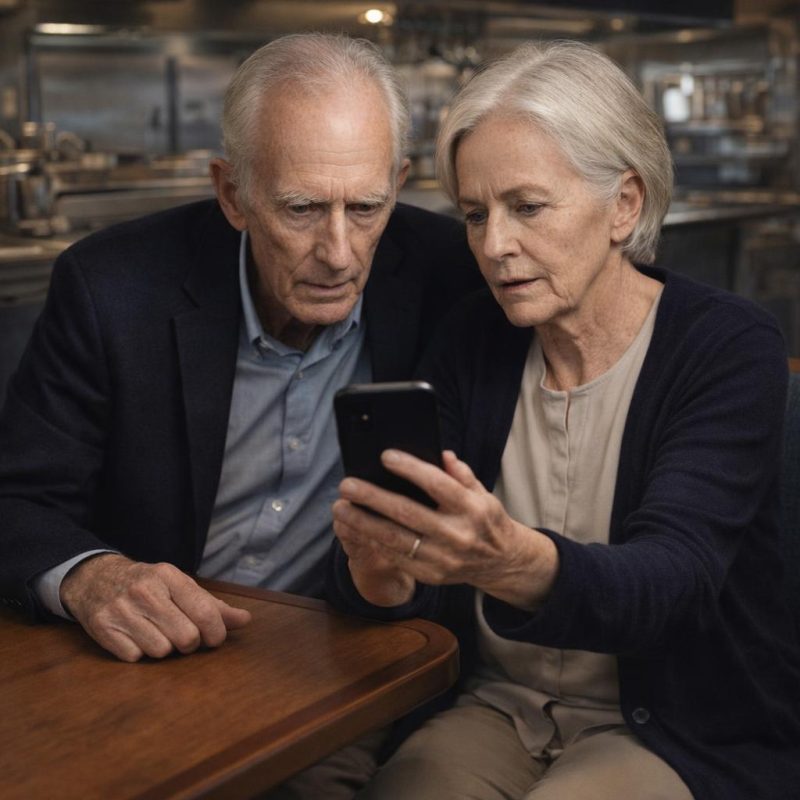 Image by RM AI
Staying Quiet
Robert gathered Patricia, George, and me for a quiet conference near the rear galley, his voice low and serious as he explained what needed to happen next. He emphasized the importance of continuing our documentation without alerting the couple to what we were doing, explaining that if they realized passengers were building a coordinated complaint, they might delete posts or change their story before we had everything preserved. The strategic approach made sense—we needed to maintain the element of surprise until after landing when we could take official action. Patricia agreed to keep monitoring their social media discreetly, watching for any new posts or stories that might provide additional evidence. George promised to remain patient despite his physical discomfort, understanding that confronting them now might jeopardize the case we were building. Robert instructed everyone to avoid approaching or engaging with the couple directly, to keep our meetings brief and inconspicuous so we didn't draw attention. He said appearing unbothered would prevent them from creating defensive content or crafting a narrative that painted them as victims. I maintained neutral body language when I glanced toward their row during the next service, careful not to stare or show any obvious interest in what they were doing. Patricia kept her phone angled away when checking their social media updates. The group coordinated to continue gathering evidence quietly, documenting everything while maintaining normal appearances. We all agreed to maintain normal appearances and keep our investigation quiet until after landing, though it felt strange sitting there calmly while gathering evidence against people just rows away.
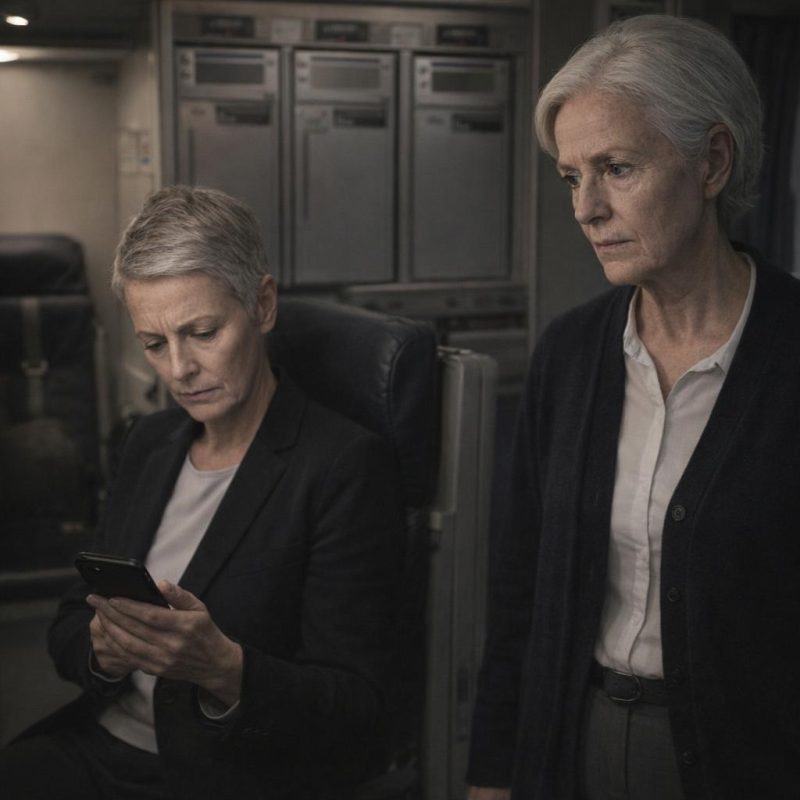 Image by RM AI
Performing for the Camera
From my position several rows back, I had a clear view of the couple's row whenever I glanced up from my tablet, and what I saw felt like watching a performance I hadn't paid to attend. Amber was arranging products along the window ledge with the kind of precision I'd seen Sarah use when photographing items for online sales—each bottle or compact positioned to catch the natural light streaming through the window I'd specifically paid extra to sit beside. She held up items one at a time, her smile bright and enthusiastic as Tyler filmed from multiple angles, shifting his position constantly to capture different perspectives. Between takes, her expression would go neutral, almost blank, before she'd reset and deliver the same bright smile again for another version of whatever she was saying. They recorded the same scene multiple times, reviewing footage together on Tyler's phone and occasionally laughing at something on the screen. Other passengers walking past their row would slow down, watching the filming process with curious expressions, but Amber never acknowledged them navigating around the equipment spread across all three seats. Tyler captured sweeping shots of the clouds through my window, the camera panning across the view I'd been looking forward to enjoying during this flight. The whole production used the space of three seats—my seat, George's seat, and the middle seat between them—all for content that would probably look effortless and spontaneous to their followers. I wondered how many of those followers had any idea what went on behind their perfect travel content, what it cost other people to make those polished posts possible.
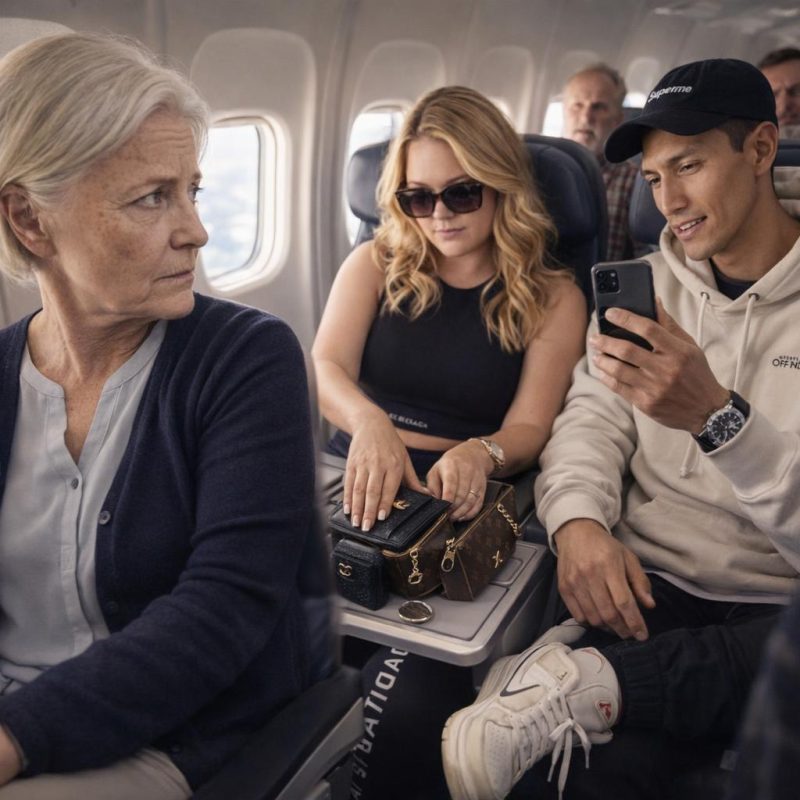 Image by RM AI
Overhearing Plans
About an hour later, I needed to use the restroom and stood carefully, favoring my left knee as I stepped into the aisle. The walk toward the front lavatory required passing directly by the couple's row, and I moved slowly because other passengers were retrieving items from overhead bins, creating a natural bottleneck. As I waited for someone to close their compartment, I was close enough to hear Amber speaking quietly to Tyler, her voice different from the bright, enthusiastic tone she'd been using for the camera. She mentioned something about capturing 'some good reactions earlier' and asked which clips he thought would work best for their next post. Tyler responded with something about editing choices and engagement metrics, his tone casual and businesslike. I kept walking as soon as the aisle cleared, my expression carefully neutral even though my heart was beating faster. The implication settled over me like cold water—they'd been filming reactions from displaced passengers, possibly including mine, as content material for their social media. I maintained my composure through using the restroom and washing my hands, but my mind was racing with questions about what footage they had and how they planned to use it. On the return walk, I deliberately avoided looking at their row, keeping my gaze forward as I passed. Back at my seat, I leaned toward Robert and Patricia, keeping my voice low as I quietly told them what I'd overheard about the couple discussing passenger reactions as potential content.
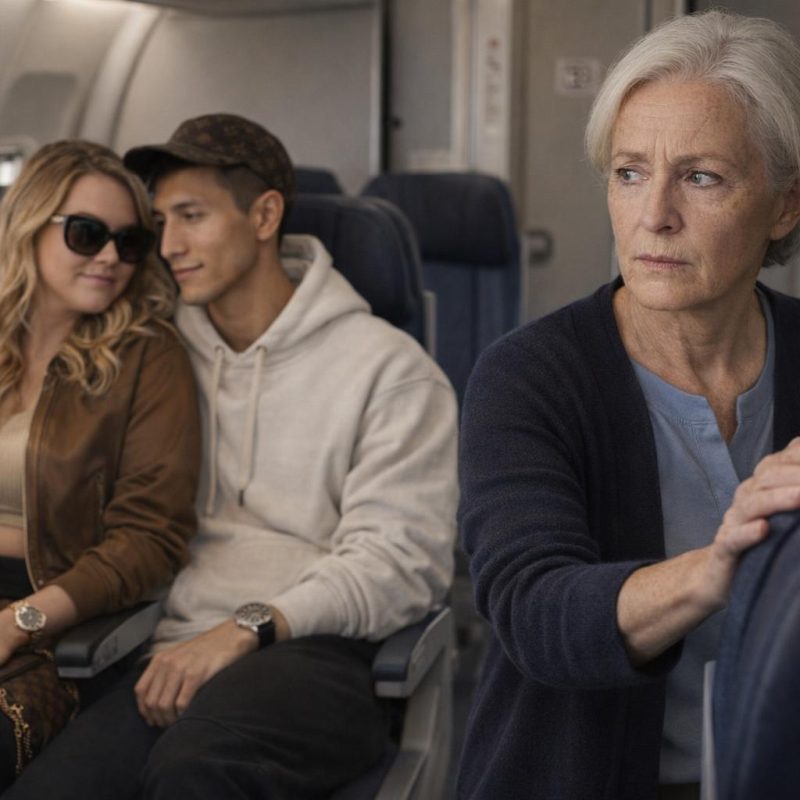 Image by RM AI
Making Contact
Robert excused himself shortly after I shared what I'd overheard, asking Patricia and me to watch his seat while he moved to the back galley area for privacy. I watched him pull out his phone as he walked, his posture suggesting he had a specific purpose in mind rather than just stretching his legs. He was gone for nearly twenty minutes, and when he returned, he slid back into his seat with a satisfied expression that made me lean forward with anticipation. He'd made initial contact with a consumer advocacy program that specialized in exposing problematic influencer practices, he explained quietly, an organization he'd worked with on previous cases involving deceptive marketing. The program focused specifically on situations where influencer behavior affected regular consumers, and Robert had provided them with a preliminary outline of our situation—multiple displaced passengers, documented evidence, and what appeared to be coordinated preferential treatment. They'd responded during the flight, he said, expressing strong interest in the case and requesting full documentation upon landing. The advocacy group was very interested in our case, Robert said, especially with the documentation we'd gathered and the multiple passengers affected. Patricia asked about the program's reach and influence, and Robert explained they had connections with major media outlets and regulatory agencies, which meant our complaint wouldn't just disappear into an airline's customer service system. I felt a surge of hope mixed with relief that professional advocates were taking this seriously, that we weren't just collecting evidence for our own satisfaction but building toward something that might actually create accountability.
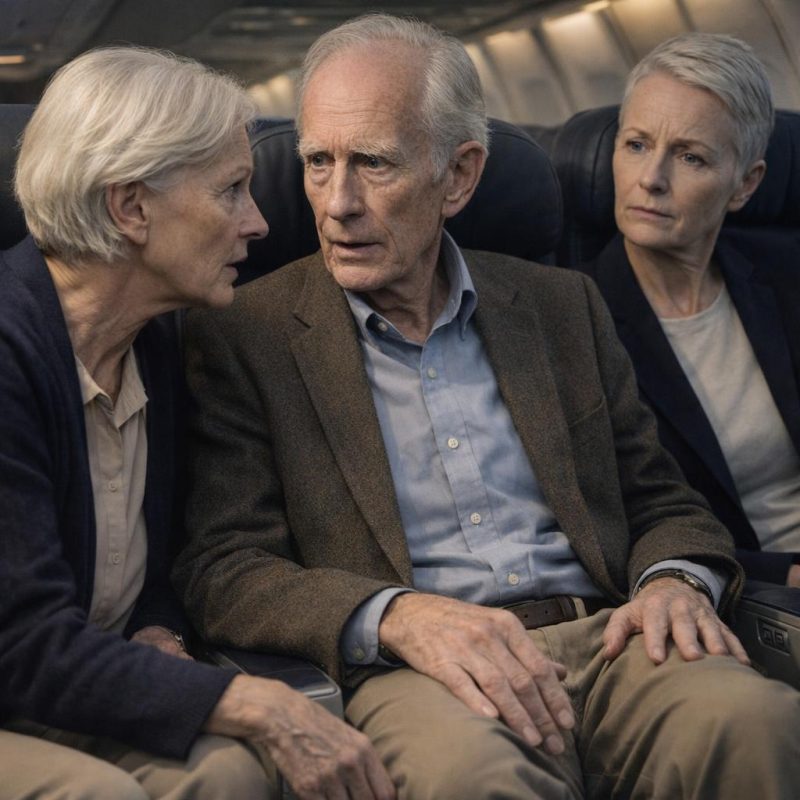 Image by RM AI
Sarah's Archives
My phone buzzed with an in-flight message notification, and when I opened it, I saw Sarah had sent a detailed message through the airline's WiFi system with several attached files. She'd preserved extensive archives of the couple's social media presence, she explained, including screenshots, archived web pages, and engagement metrics organized by date and platform for easy reference. The compressed files downloaded to my phone's storage while I read her notes about the archiving process. Sarah had noticed several posts were deleted since I first contacted her—content that had been visible when she started her research but had disappeared within the past few hours. The deleted material included references to passenger interactions and travel experiences, and one removed post specifically mentioned strategies for 'dealing with difficult passengers' during flights. She'd captured everything before it vanished, preserving not just the posts themselves but also the comments and engagement data that showed how their followers responded. Sarah confirmed she had backup copies stored securely at home and had organized everything chronologically so we could track any patterns in their content. I felt grateful I'd asked her to preserve everything before they could erase their trail, grateful for her thoroughness and technical competence that I'd never quite developed myself. I forwarded the archived material to Robert immediately, watching as he opened the files and began reviewing what Sarah had captured. Sarah noted that some of the deleted content specifically referenced 'dealing with difficult passengers,' and I felt grateful I'd asked her to preserve everything before they could erase their trail.
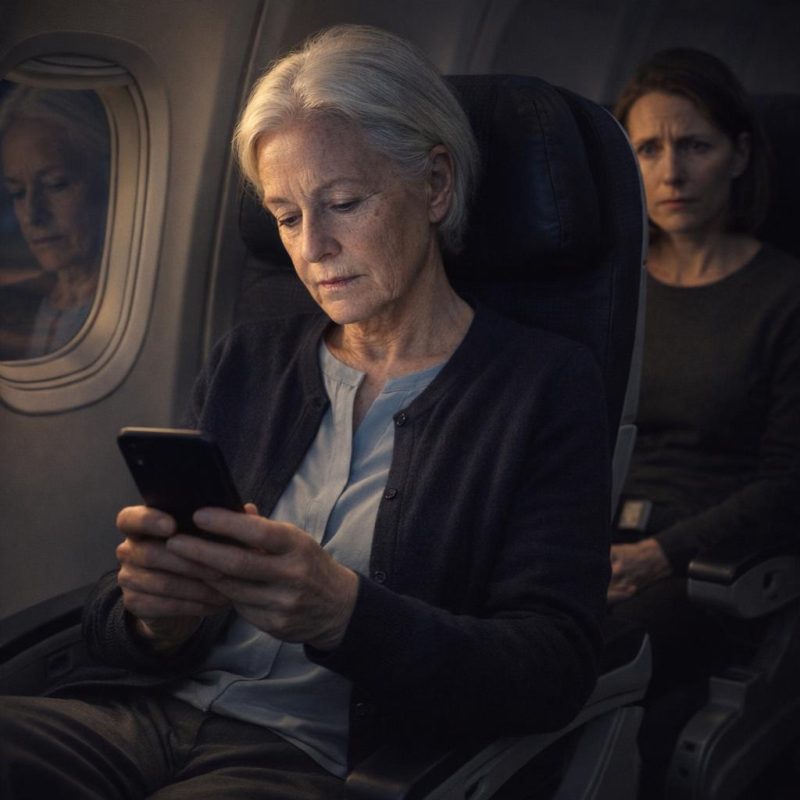 Image by RM AI
Policy Investigation
Robert spent the next stretch of the flight reviewing airline policies on his tablet, his reading glasses perched on his nose as he scrolled through official documents and cross-referenced statements. I watched as he highlighted passages and made notes in a separate document, his expression growing increasingly focused. He was comparing the airline's public policy statements about influencer partnerships with the actual treatment we'd experienced, looking for gaps between what the company claimed and what had actually happened. The airline's published policy promised protection for paid seat assignments and included specific language about accommodating medical needs and accessibility requirements. Official guidelines explicitly prohibited preferential treatment based on social media influence or celebrity status, Robert pointed out, showing me the relevant section on his screen. He found multiple statements about non-discrimination and passenger rights, all of which seemed to contradict the reassignments that had displaced George, me, and others. The contradiction between policy and practice was stark when laid out side by side—what the airline publicly promised versus what their management had actually done. Robert documented the specific policy violations for his case file, noting each instance where our treatment had diverged from stated principles. Robert looked up from his research with a concerned expression, saying the airline's public policy prohibited preferential treatment based on social media status, which made our reassignments even more difficult to justify.
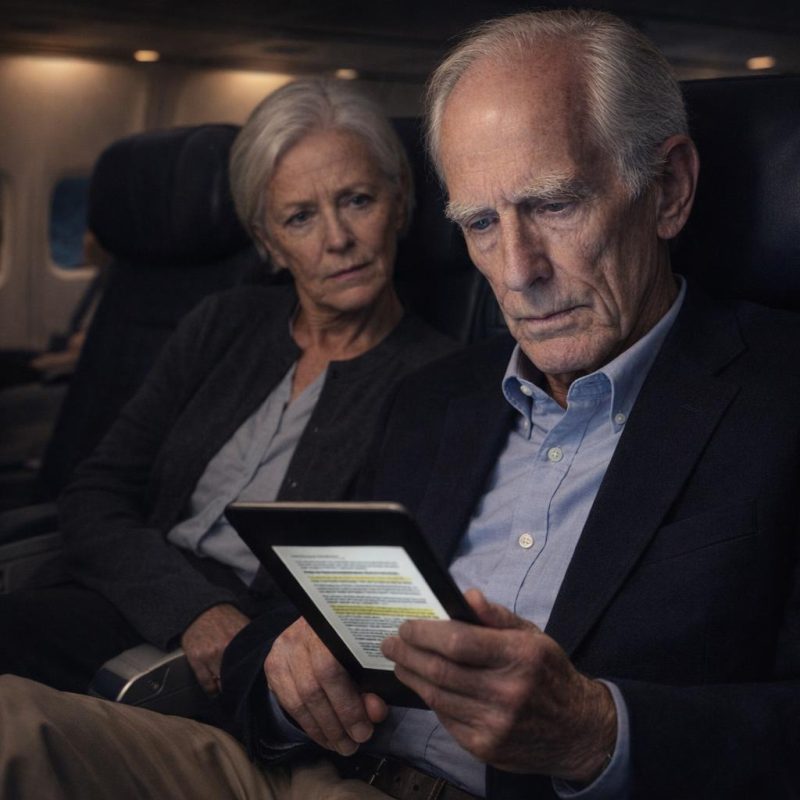 Image by RM AI
Pressure from Above
During another discreet conversation near the galley, a flight attendant quietly mentioned something to Robert that I overheard from my position nearby. The pressure to accommodate the couple hadn't come from the gate agents or flight attendants, the crew member said, but from higher management responding to something before boarding even began. I watched Robert's expression shift as he processed this information, asking careful questions about the normal chain of command for seat reassignments. The attendant explained that frontline staff had been given specific instructions to accommodate the couple, orders that came from higher up the management chain than usual for routine operational changes. Decisions were made before boarding, not in response to conflicts at the gate, which meant someone in management had identified specific passengers to move and planned the reassignments in advance. The crew member seemed frustrated by being overruled on passenger accommodations, emphasizing that this felt different from typical operational adjustments they handled regularly. When Robert asked what had prompted management's involvement, the attendant couldn't or wouldn't specify, only saying that instructions had come down from well above their level. The crew member couldn't or wouldn't specify what triggered the management intervention, but emphasized that frontline staff had been overruled by decisions made well above their level. Robert returned to his seat looking thoughtful, and when I asked what he was thinking, he said quietly that the pressure came from unexpected sources, which raised questions about what was really happening behind the scenes.
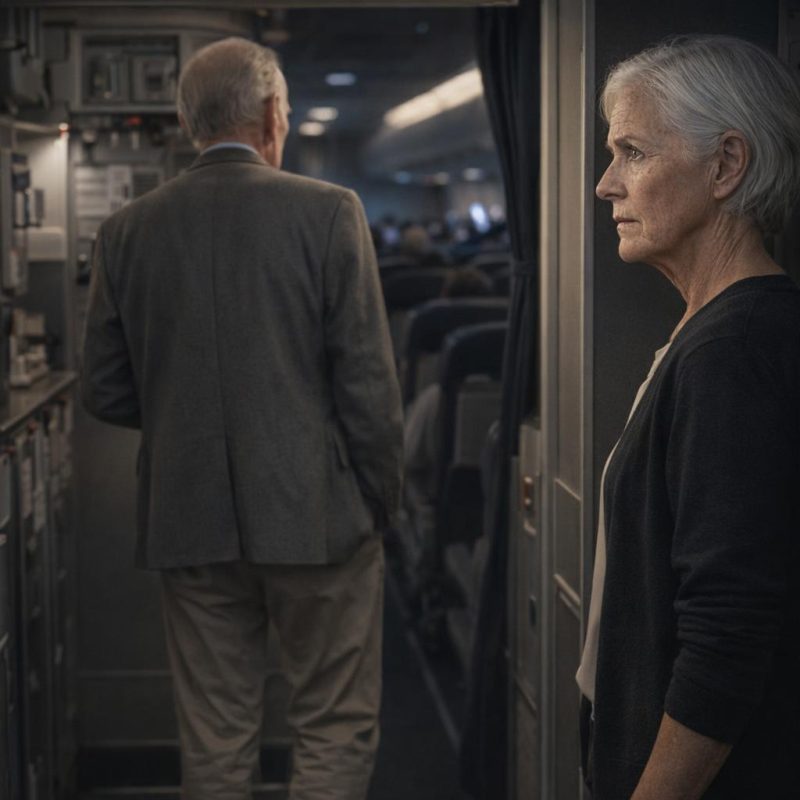 Image by RM AI
The Inconsistencies
Robert pulled up his timeline documentation on his tablet, laying out the sequence of reassignments with timestamps and comparing them against the airline's official explanations. He pointed out that all the changes had happened within a thirty-minute window before boarding, which seemed too coordinated to be routine operational necessity. Different passengers had received different explanations for their moves, he noted—I'd been told about the couple's 'special status' while George heard about 'operational necessity,' and another displaced passenger had been given a vague explanation about 'accommodation issues.' The inconsistent explanations suggested coordination rather than organic problems arising naturally, Robert said, because operational changes usually followed predictable patterns and standard language. These reassignments seemed targeted to specific individuals with tailored justifications for each one, as though someone had identified exactly who to move and what reason would be most likely to secure compliance. The timing bothered him particularly, he explained to Patricia and me, because it suggested advance planning rather than last-minute necessity responding to unexpected circumstances. How had management known which passengers to move before the couple even boarded, before any conflict could have arisen? I felt increasingly uneasy about the level of coordination involved, the sense that we'd been selected and managed without ever realizing it was happening. Something about the coordination bothered Robert, he said, as though someone had identified specific passengers to move and specific reasons to give each one, all before the couple even boarded.
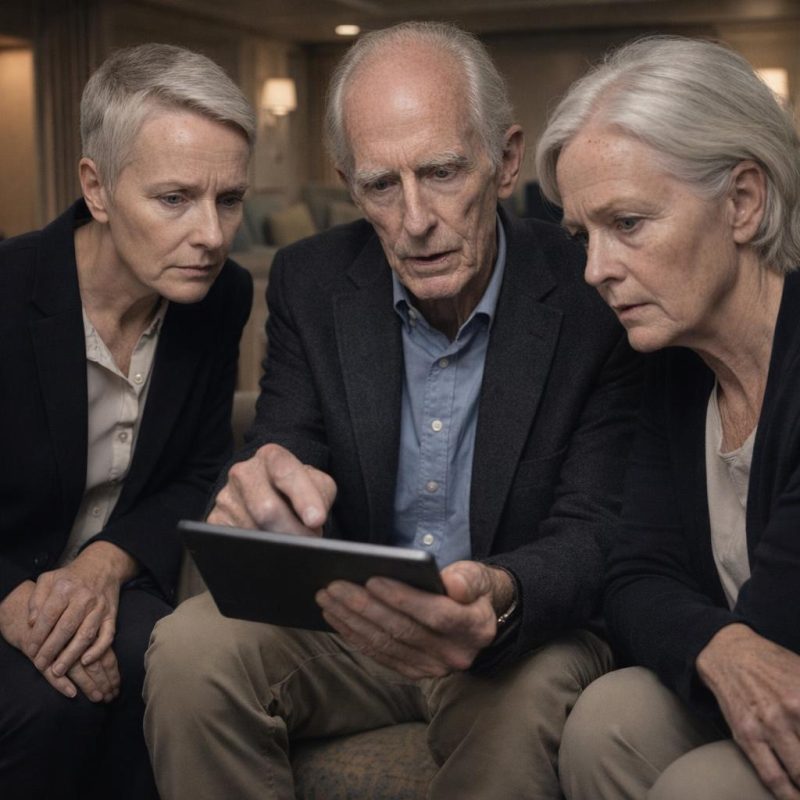 Image by RM AI
The Sponsorship Trail
Robert shifted his research focus to the couple's online presence, searching through their social media profiles for partnership disclosures and sponsored content tags. What he found painted a picture of content creators who'd built their entire lifestyle on maintaining industry relationships—extensive travel sponsorships, brand partnerships with hotel chains and booking platforms, and promotional relationships with tourism companies and destination marketing boards. He scrolled through posts tagged with #ad and #sponsored, showing Patricia and me how frequently the couple promoted specific airlines, travel brands, and tourism services. Multiple travel companies appeared repeatedly across their content, suggesting ongoing partnership agreements rather than one-off promotions. Robert explained that sponsored creators depended on maintaining good relationships with these brands, that their income relied on continued access to travel perks and promotional opportunities. Partnership agreements often included obligations to create positive content and maintain certain engagement metrics, he said, which meant the couple had strong incentives to protect their industry connections. I watched as he documented the network of relationships they'd cultivated, the web of brands and companies that benefited from their promotional content. Patricia noticed how some partnerships seemed particularly long-standing, with the same logos appearing in posts spanning months or even years. As Robert scrolled through disclosed partnerships and sponsored content tags, he said quietly that people with this many industry connections might have more leverage with airlines than we'd initially assumed.
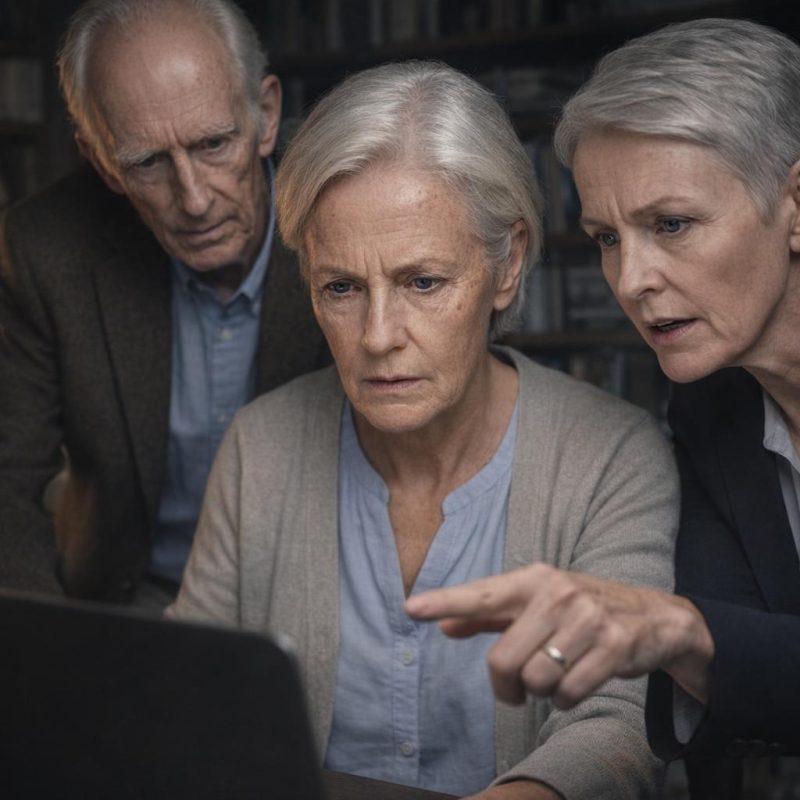 Image by RM AI
Third-Party Shadows
Robert shifted his focus to the business side of the couple's online presence, scrolling through their social media profiles with the methodical attention he'd shown throughout his research. He paused on certain posts, zooming in on the fine print beneath promotional content, and I watched as his expression grew more thoughtful. He pointed out tags I'd never noticed before—not just brand names, but other company names that appeared alongside them, names that didn't match the hotels or airlines being promoted. Patricia leaned closer as Robert explained these were third-party agencies, intermediary companies that connected brands with content creators. He pulled up several travel industry articles discussing how these agencies worked, describing networks that specialized in arranging partnerships between influencers and travel companies. The couple's posts occasionally tagged these agencies right alongside their brand partners, suggesting relationships that went beyond simple one-off sponsorships. Patricia found agency websites promising services like 'viral content generation' and 'measurable engagement outcomes,' language that made my stomach tighten without quite understanding why. Robert noted that some agencies specialized specifically in arranging travel perks for creators, though the exact mechanisms remained unclear. I wondered what these companies might offer beyond connecting influencers with brands, what value they provided that would justify their presence in this ecosystem. The connection between these agencies and airlines wasn't obvious from what we could see, but Robert admitted he needed more information before drawing any conclusions. I couldn't shake the feeling that we were looking at only part of the picture, like finding an edge piece of a puzzle without knowing how large the full image was.
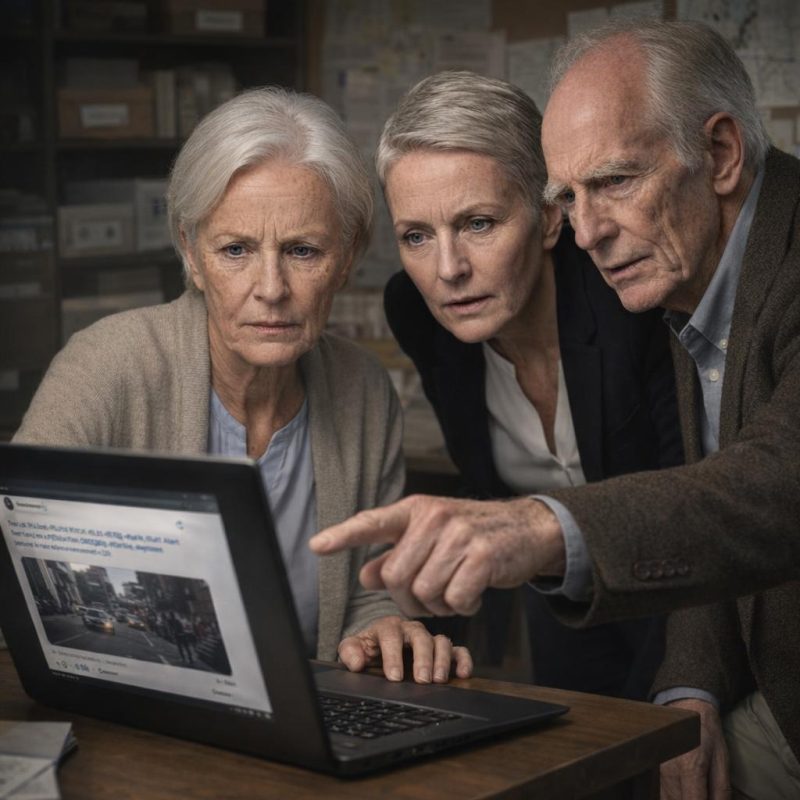 Image by RM AI
Promotional Whispers
Robert excused himself again, and I watched him approach James near the galley, their conversation brief and conducted in hushed tones that suggested careful discretion. When Robert returned, he relayed what James had mentioned—that he'd heard about promotional programs involving content creators, arrangements that went beyond standard sponsorship deals some passengers might recognize. James didn't know specifics, Robert explained, but he'd heard supervisors mention relationships with certain creators, programs that provided accommodations beyond what regular passengers saw. Robert had asked whether these arrangements might affect seat assignments, and James had hesitated before saying he couldn't confirm anything about this specific case, his caution suggesting he knew more than he felt comfortable sharing. I listened carefully as Robert described the conversation, noting how James's reluctance seemed to come from institutional pressure rather than lack of knowledge. The information suggested deeper connections between airlines and influencers than I'd imagined, relationships that operated behind the scenes in ways passengers never witnessed. Robert noted this aligned with the management pressure crew members had mentioned earlier, the quick decisions that overruled frontline staff without explanation. Patricia asked what kind of promotional arrangements would give creators that much influence, and Robert said he was still trying to understand the mechanisms involved. I documented the conversation in my notes while maintaining uncertainty about what it all meant, aware that I was building toward understanding without quite reaching it. I started to suspect that the pressure management felt might not have come from fear of social media backlash alone.
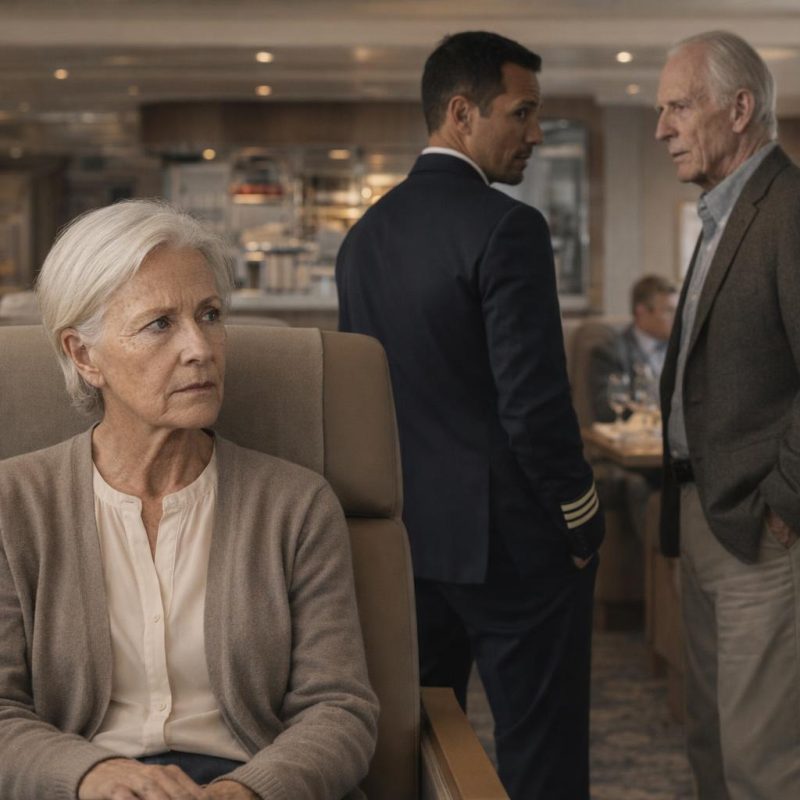 Image by RM AI
The Network Model
Robert shared what he'd learned about the influencer marketing industry's structure, explaining how agencies created networks connecting creators with travel brands for mutual benefit. These weren't simple one-time sponsorships, he said, but ongoing relationships where successful creators generated engagement that agencies could monetize across multiple partnerships. He described how some arrangements included guaranteed accommodations, perks that creators could rely on regardless of normal booking constraints. Airlines benefited from positive content reaching large audiences, he explained, content that felt more authentic than traditional advertising because it came from trusted personalities. I listened as Robert outlined the potential motivations for all parties involved—agencies earning fees for connecting brands with creators, influencers receiving travel perks and payment, airlines gaining promotional content that reached demographics they valued. Patricia asked if this explained why management had overruled frontline staff so quickly and thoroughly, and Robert said it might, if such relationships existed between this particular airline and the couple's representation. I felt the pieces starting to connect without achieving certainty, wondering if the couple's confidence at the boarding gate had come from knowing they had backing beyond their own follower count. Robert emphasized he was describing industry patterns rather than confirmed facts about this specific case, but the framework he outlined made too much sense to dismiss. The leverage the couple seemed to have, disproportionate to what I could see in their social media presence, suggested their influence came from something larger than personal popularity. It began to look like the couple's leverage over the airline might have roots deeper than their own social media following.
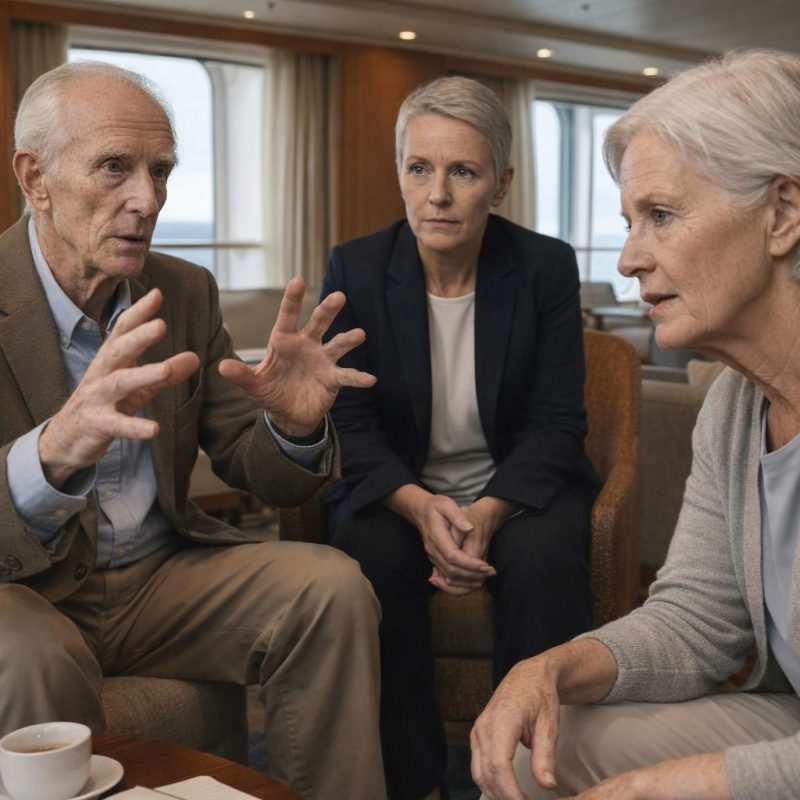 Image by RM AI
Evidence Suggests
Robert compiled the evidence he'd gathered, organizing it on his tablet in a way that showed patterns without proving conclusions. The couple's sponsorship history aligned with what he'd described about agency-managed creator networks, their partnerships showing the kind of consistency that suggested formal arrangements rather than casual collaborations. The timing and coordination of the seat reassignments suggested advance planning, Patricia noted, a level of organization that went beyond spontaneous accommodation requests. I recalled Amber's dismissive confidence at the boarding gate, how she'd seemed to expect compliance without question, as though she knew the outcome before the conversation began. Robert pointed out that their leverage had seemed disproportionate to their follower count from the start, that something about the airline's response had felt too immediate and too complete to come from simple fear of bad publicity. The evidence suggested their influence came from something beyond personal popularity, from connections or arrangements we couldn't quite see. I felt we were close to understanding but missing the final confirmation, the piece that would make everything click into place. Robert reached out to his consumer advocacy contacts for verification, sending carefully worded questions about industry practices and specific network arrangements. Patricia helped organize the circumstantial evidence we'd gathered, creating a timeline that showed how quickly events had unfolded once the couple boarded. I waited anxiously, documenting my suspicions while acknowledging I couldn't prove them yet. I had a bad feeling that when the full picture emerged, it would reveal something more troubling than simple entitled behavior.
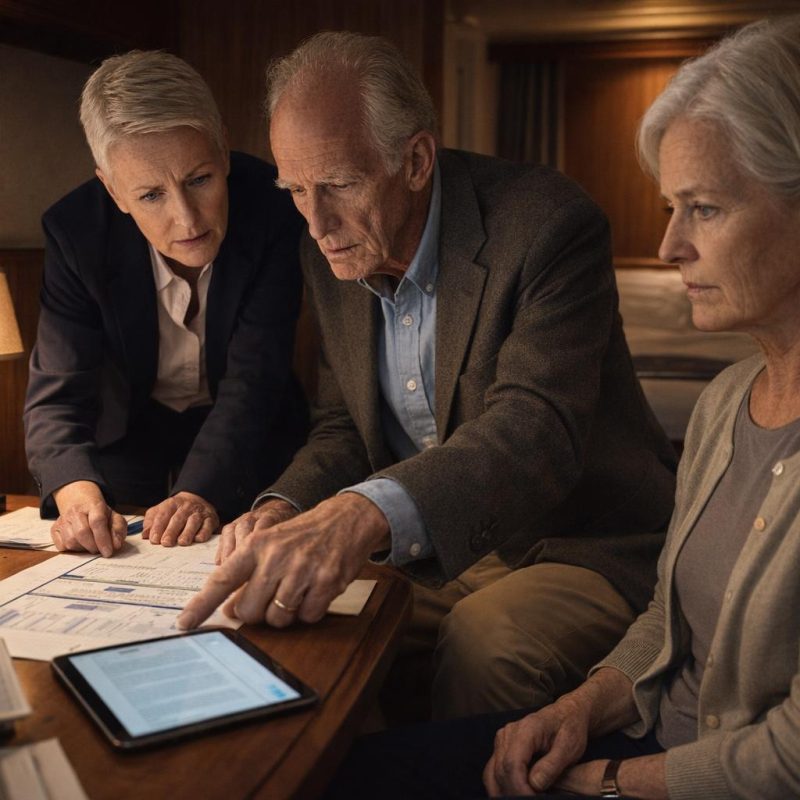 Image by RM AI
The Paid Network
Robert's tablet chimed with an incoming message, and I watched his expression shift as he read the response from his consumer advocacy contacts. He looked up at Patricia and me, his voice quiet but certain as he shared what he'd learned. The couple was registered with a third-party publicity agency specializing in travel content, he said, an agency that maintained formal promotional relationships with multiple airlines including this one. Influencers in this network received guaranteed accommodations and perks, Robert explained, and in exchange they generated viral engagement content featuring the agency's airline partners. He confirmed that this specific airline had an existing relationship with the agency, that the management pressure we'd witnessed came from protecting their promotional partnership rather than simply fearing social media backlash. Everything suddenly made terrible sense—why staff had been overruled so quickly and thoroughly, why the couple had seemed so confident, why my medical documentation and paid seat assignment had mattered so little in the final decision. The social media threat had been secondary, Robert said. The airline had been protecting business interests, contractual obligations to an agency that delivered measurable promotional value. Patricia expressed outrage that passengers had been sacrificed for marketing relationships, that our needs had been weighed against partnership agreements we'd never known existed. I realized my seat hadn't been taken from fear but from contractual obligation, that passenger complaints mattered less than agency partnerships in the airline's calculations. The airline hadn't simply caved to social media threats—they'd been protecting an existing promotional relationship that put ordinary passengers last.
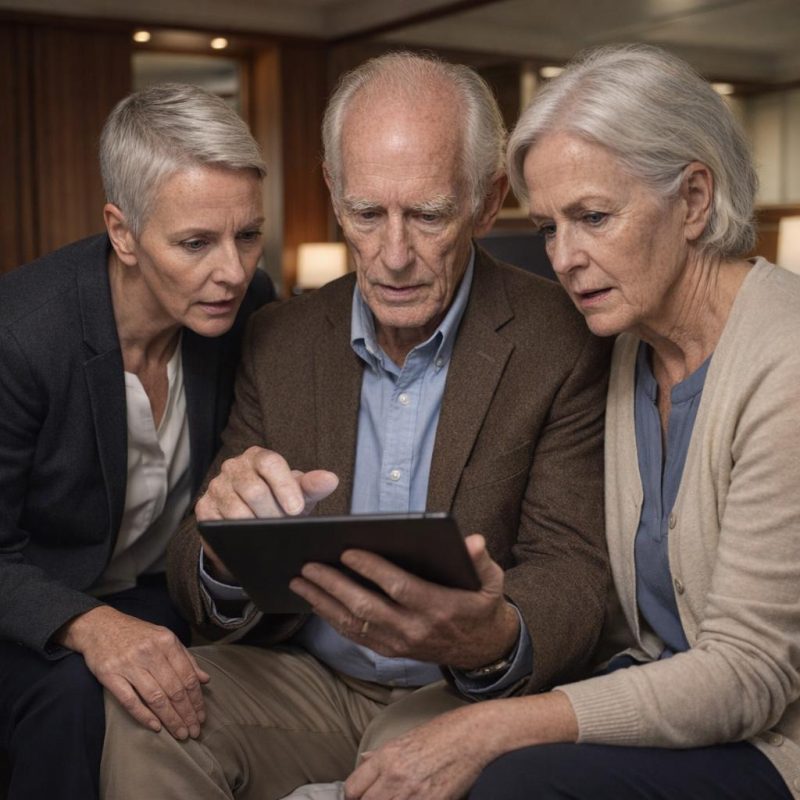 Image by RM AI
Following the Money
I shared the confirmed information with Patricia and George, watching George's face fall as he understood why his accessible seat had been taken from him. The airline had prioritized a marketing relationship over passenger medical needs, I explained, had weighed our documented requirements against their business arrangements and decided we were expendable. Robert detailed how the promotional arrangement worked between all parties—the agency connecting creators with airlines, the couple generating content that benefited both the agency and their airline partners, the guaranteed accommodations they received regardless of other passengers' needs. George asked quietly if the airline had known they were displacing passengers with disabilities, his voice carrying the weight of someone who'd spent a lifetime navigating systems that treated accessibility as optional. Robert confirmed that management would have known the implications of their decisions, that they'd chosen to prioritize the promotional relationship anyway. Patricia expressed disgust at passengers being treated as expendable for marketing purposes, at a system that valued viral content more than the people who'd paid for specific accommodations. I felt my understanding shift from personal grievance to systemic critique, recognizing that what had happened to us wasn't an isolated failure but a deliberate choice built into the airline's business model. The three of us sat together, displaced passengers who'd been deemed less important than a marketing contract, sharing our anger at being secondary to business deals we'd never been told about. The airline had weighed my medical needs against their marketing contracts, and I had lost without ever knowing there was a competition.
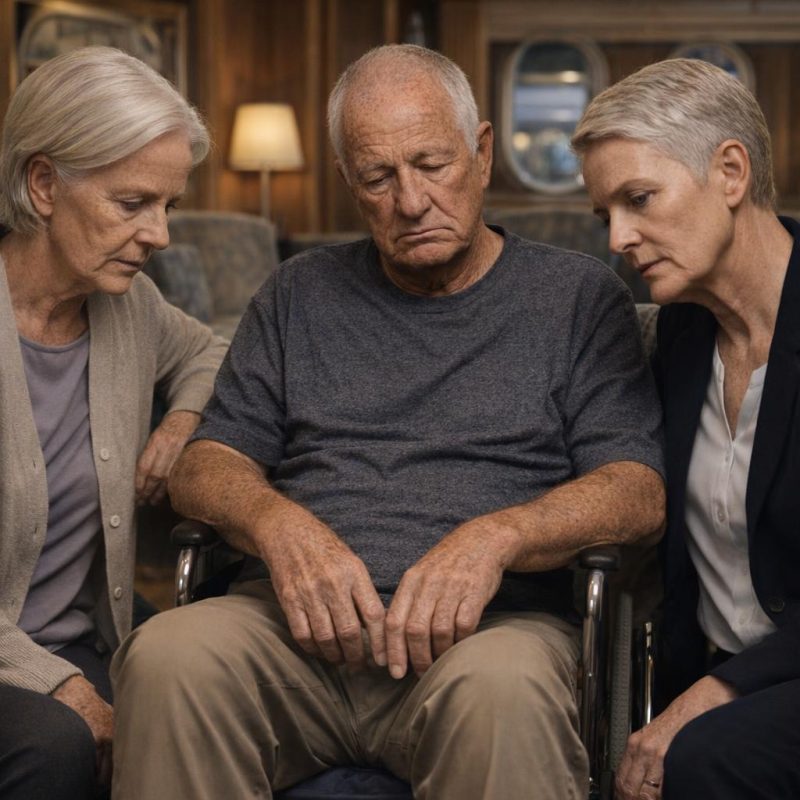 Image by RM AI
Why They Caved
The network evidence explained exactly why airline staff had caved so easily, Robert said, why crew members who clearly disagreed with the decisions had followed orders anyway. Maria's visible discomfort made sense now—she'd been following instructions to protect a business relationship, overruling her own judgment about passenger needs because management had made their priorities clear. James's reluctance to speak openly came from knowing the institutional pressure behind these decisions, from understanding that the couple's accommodations weren't negotiable regardless of who else suffered. Management's quick decision hadn't reflected fear of bad publicity but rather the need to protect a profitable promotional partnership, to ensure the agency relationship remained intact. The couple's confidence at the boarding gate had come from knowing they had contractual backing, that their requests would be honored because the airline had obligations beyond what passengers could see. Robert noted the evidence was strong enough for legitimate consumer journalism, that the consumer advocacy program would be very interested in documenting how promotional relationships affected passenger treatment. I felt my careful documentation had taken on new significance, that my instinct to preserve evidence had created the foundation for real exposure. Patricia helped organize everything we'd gathered, connecting the dots between the couple's agency representation, the airline's partnership obligations, and the systematic displacement of paying passengers. Robert outlined how the consumer advocacy program planned to use this information once we landed, the accountability measures they could pursue with solid documentation. Armed with this knowledge, I felt ready to ensure this system faced the exposure it deserved.
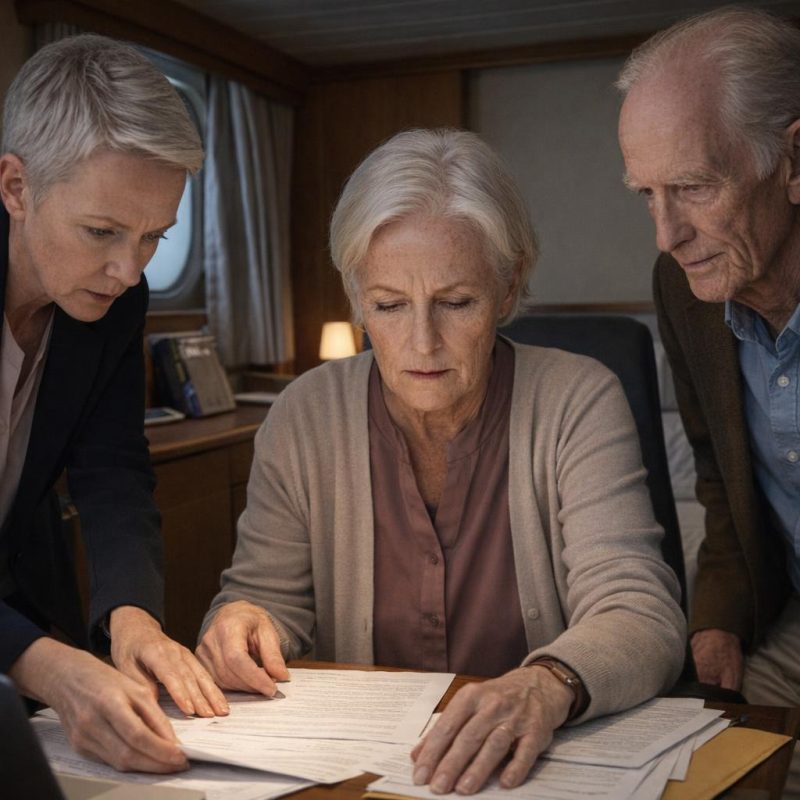 Image by RM AI
Sending the Evidence
Robert compiled all the evidence into an organized package on his tablet, working methodically to ensure nothing was missed. He included the marketing network confirmation from his contacts, the documentation proving the couple's agency representation and the airline's partnership obligations. Passenger statements from George, Patricia, and me were attached, our accounts providing firsthand testimony of how the system had affected real people with real needs. Sarah's archived social media content provided historical documentation of the couple's patterns, their promotional relationships and the agencies they worked with. Robert added his notes from conversations with crew members, the careful observations that had helped us understand the institutional pressure they'd faced. The airline policy contradictions were highlighted clearly, showing how official accommodation procedures had been abandoned to protect business relationships. He sent the package to the consumer advocacy program via encrypted transfer, and within minutes they confirmed receipt. The program expressed strong interest in the story, Robert told us, mentioning that this fit a pattern they'd been investigating about how airlines treated influencers versus ordinary passengers. I watched Robert work, feeling the weight of what we'd accomplished through patience and careful documentation. Patricia noted this wouldn't have been possible without my early instinct to preserve evidence, to document everything when I'd had no idea where it would lead. I felt vindicated knowing that our careful documentation would reach people with the power to hold the airline and the couple accountable.
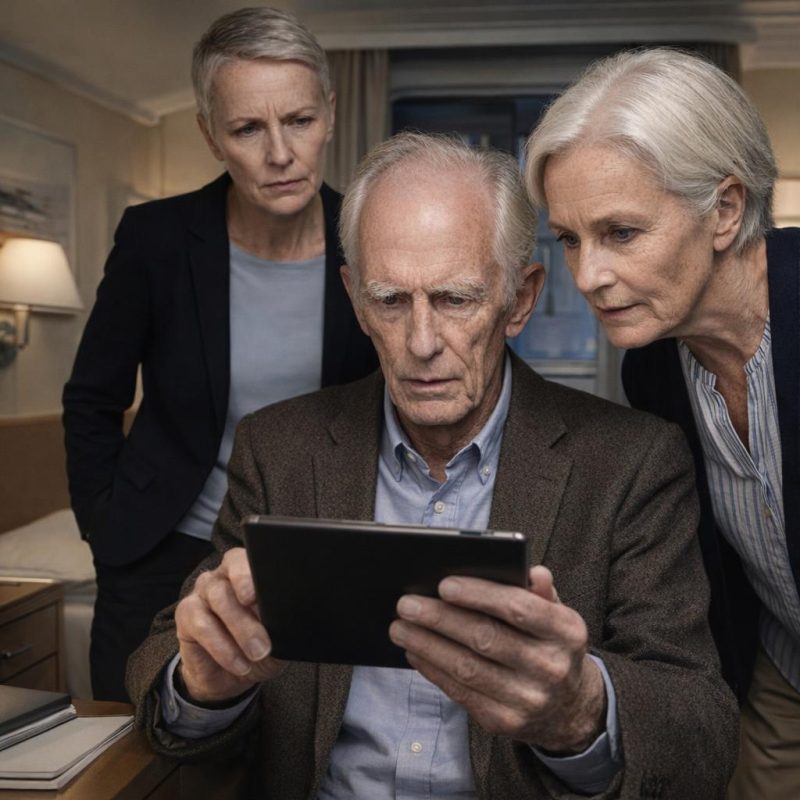 Image by RM AI
They Notice
The pilot's voice came through the speakers announcing our descent into Rome would begin soon, and I watched as Amber finally looked up from her phone and scanned the cabin with that practiced influencer awareness. Her eyes landed on Patricia, who was still taking notes in her precise handwriting, and I saw something shift in Amber's expression—a flicker of uncertainty that hadn't been there before. Tyler caught Robert photographing something on his tablet, and he nudged Amber urgently, his usual smirk replaced by something that looked almost like concern. The couple exchanged a worried glance, the first genuine emotion I'd seen from them that wasn't performed for a camera, and Amber leaned close to whisper something urgent in Tyler's ear. Tyler started scanning the cabin more carefully, trying to identify who else might be documenting their behavior, his confident posture suddenly defensive. When his gaze passed over me, I maintained my calm expression, giving nothing away even though my heart was racing with satisfaction. Amber began quietly packing some of their equipment, her movements quick and nervous rather than the leisurely content-creation pace she'd maintained throughout the flight. Tyler kept checking his phone repeatedly, scrolling and tapping with increasing agitation, and I could see their usual certainty crumbling as they realized they weren't being admired—they were being watched. For the first time since boarding, Amber and Tyler looked uncertain, and I felt a small satisfaction seeing their confidence waver.
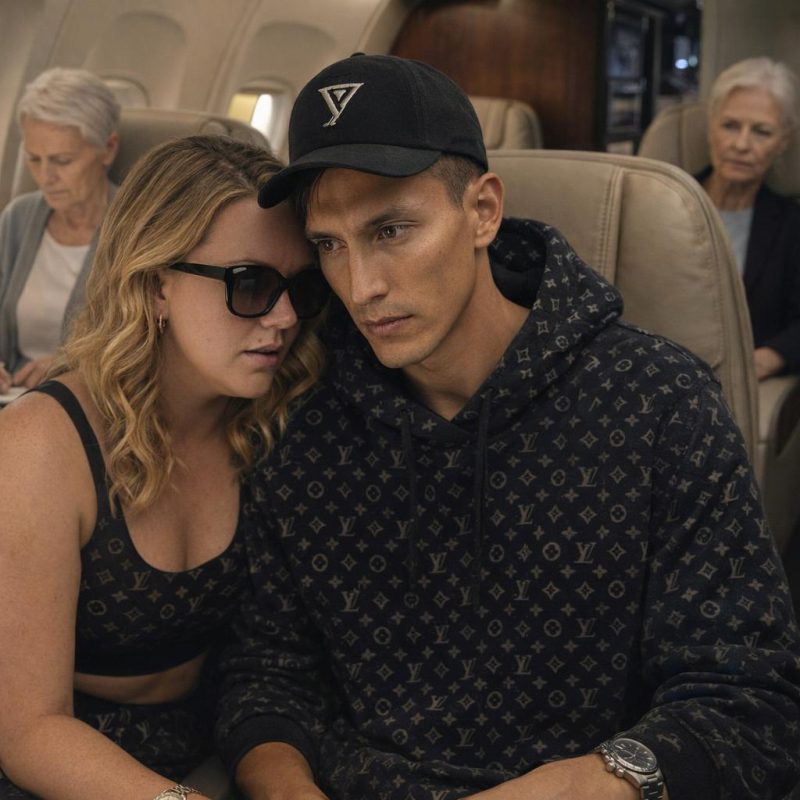 Image by RM AI
The Resolution Video
Amber unbuckled her seatbelt and walked toward the back of the cabin with that careful grace influencers perfect for their videos, and I knew something was coming before she even reached my row. She stopped beside me with a practiced sympathetic expression, the kind I'd seen in countless apology videos online, and introduced herself as if we hadn't already had our confrontation hours earlier. There might have been some misunderstandings about the seating situation, she said in a voice dripping with manufactured warmth, and she'd love to clear things up on camera so everyone could see there were no hard feelings. Tyler positioned himself in the aisle with his phone ready, angling for the perfect shot of what was clearly meant to be a heartwarming reconciliation moment. Amber mentioned how important it was to post positive resolutions, to show her followers that she was compassionate and willing to make things right, and her eyes were calculating even as her smile stayed perfectly in place. I noticed every detail of the performance—the tilt of her head, the concerned furrow of her brow, the way she touched her chest when she said she just wanted everyone to feel good about the situation. Patricia and Robert watched from nearby, ready to support me if needed, and I understood exactly what Amber was trying to accomplish. I recognized exactly what she wanted—another chance to control the narrative and turn me into content that served her image.
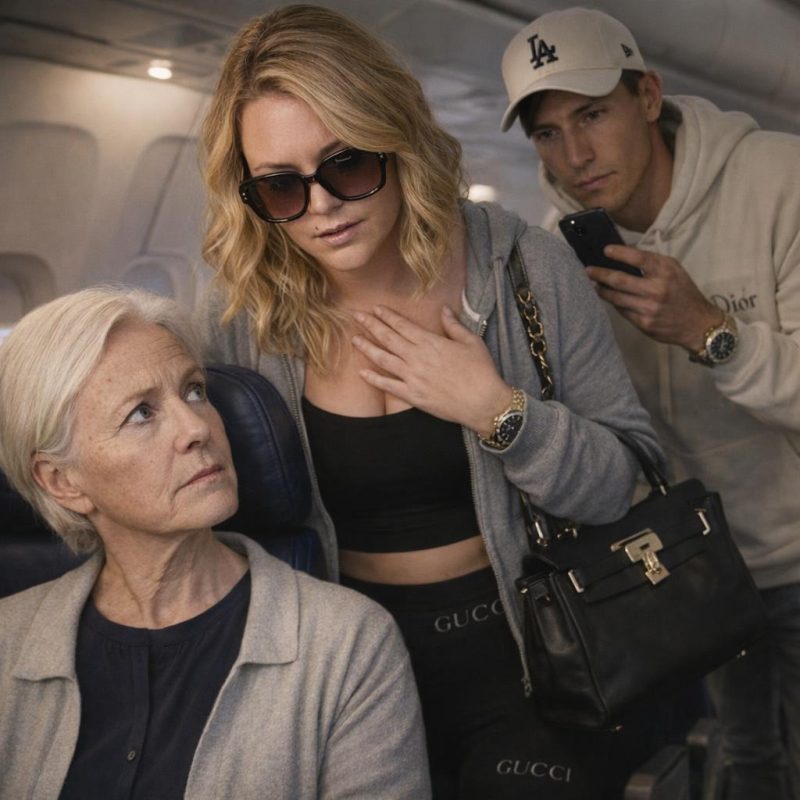 Image by RM AI
No Performance
I looked directly at Amber without hostility but without any warmth either, and told her in my measured tone that I had no interest in participating in any video. She blinked, her smile faltering slightly, and tried to maintain that friendly expression as I continued speaking. I stated clearly that I understood what she was attempting, and I wasn't going to be part of her content strategy. Amber insisted she just wanted to make things right publicly, that it would be good for both of us, but the strain was showing in the tightness around her eyes. I repeated my refusal, noting calmly that I'd documented everything I needed and was satisfied with how I'd handled the situation. Her practiced warmth cracked further as she realized I wasn't going to cooperate, that there would be no usable footage of a grateful older woman accepting her gracious apology. Tyler lowered his phone when it became clear the reconciliation performance wasn't happening, and Amber made one more attempt, suggesting in a slightly harder voice that I might regret this decision. I remained unmoved, telling her I was confident in my choices and had no regrets about refusing to participate. Amber retreated back to her seat, and I could see the frustration in her posture, the way her shoulders tensed and her movements lost their fluid grace. Amber's mask slipped for just a moment, revealing frustration beneath the practiced warmth, before she retreated back to her seat.
 Image by RM AI
Descent
The flight attendants announced final descent procedures and began collecting items, and I watched Amber and Tyler whisper urgently to each other, their body language showing anxiety rather than the smug confidence they'd displayed throughout the flight. Tyler kept checking the cabin, his eyes darting from passenger to passenger as he tried to assess who was watching them and what they might have documented. Amber stowed their equipment with jerky, nervous movements, nothing like the careful content-creator precision she'd shown earlier, and I could see her hands shaking slightly as she secured her phone. Robert quietly confirmed that the consumer advocacy program was ready for follow-up, his voice low but reassuring, and Patricia gave me an encouraging smile from across the aisle. My knee ached from hours in the cramped middle seat position, the pain a constant reminder of why I'd paid extra for an aisle seat in the first place, but I felt emotionally strong in a way I hadn't expected. The couple seemed to realize their usual tactics wouldn't work here, that they'd miscalculated badly by assuming everyone would either ignore them or be charmed by their influencer status. Other passengers noticed the tension between our groups, the way the couple kept glancing back nervously while we remained calm and prepared. I breathed steadily through the descent, maintaining my composure even as the plane dropped altitude, and reflected on how satisfying it felt to have refused to become the content they wanted. I held my ground in the cramped middle seat, knowing that whatever happened after landing, I had refused to give them what they wanted.
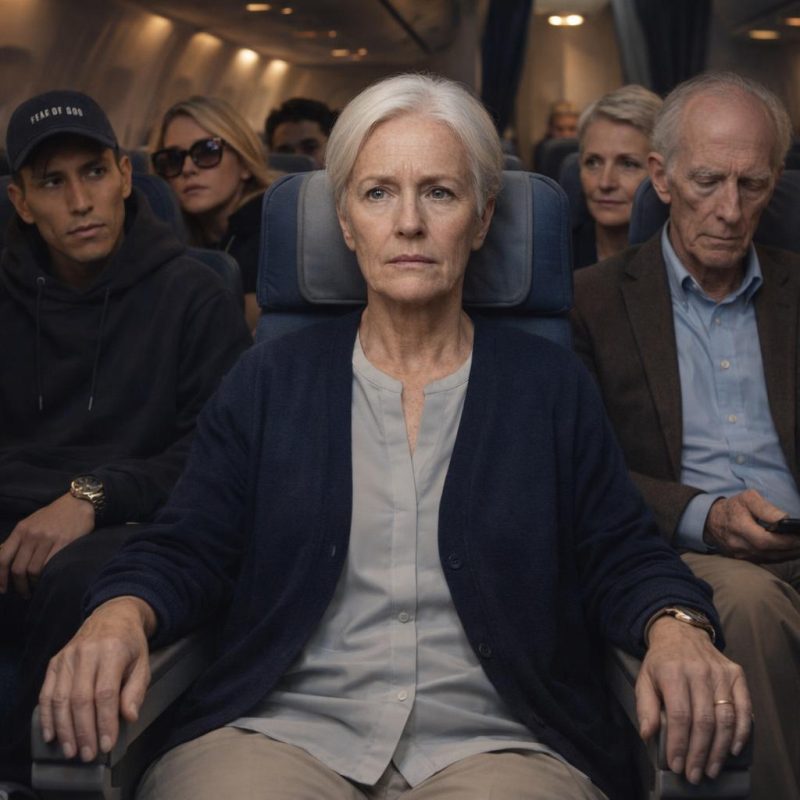 Image by RM AI
Touchdown
The plane touched down smoothly at Rome's airport and passengers applauded briefly in that tradition I'd heard about but never experienced, and I felt the tension in my body begin to ease slightly as we taxied toward the gate. Robert reviewed his phone for messages from the advocacy program, his expression focused and professional, while Patricia helped me gather my belongings and kept a discreet watch on the couple's row. George Henderson stood slowly from his window seat, still struggling with the mobility issues that should have kept him in an accessible aisle position, and I felt a fresh wave of anger at what the airline had allowed to happen. Through the small window I noticed figures waiting near the jet bridge, airline personnel in supervisor uniforms standing with serious expressions and tablets in hand. Robert quietly mentioned that the airline had been contacted about concerns during the flight, his tone suggesting he'd been more active behind the scenes than I'd realized. The seatbelt sign turned off with its familiar chime and passengers began standing to retrieve luggage from overhead bins, but I stayed seated momentarily, organizing my documentation one final time to ensure everything was in order. The couple remained in their seats too, not rushing to deplane like they usually would for their content schedule, and I wondered if they'd also noticed the reception waiting at the gate. I felt ready for whatever came next, my evidence secure and my resolve stronger than it had been in years. As passengers began standing to retrieve luggage, I saw airline personnel already waiting at the jet bridge through the window.
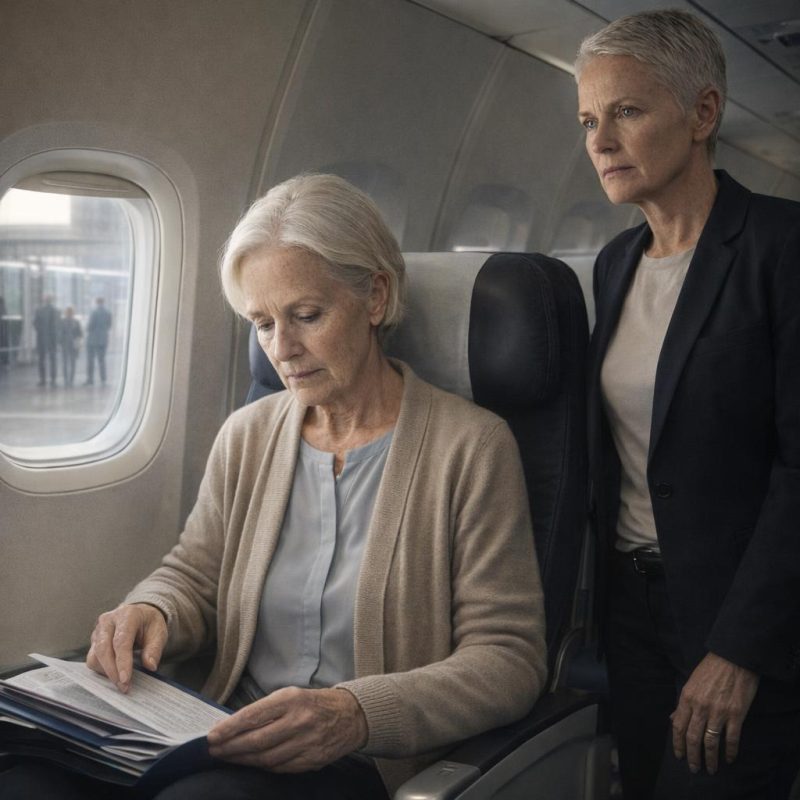 Image by RM AI
Reception at the Gate
I stepped off the jet bridge into the Rome airport terminal, my knee protesting after hours in the wrong seat, and immediately saw several airline personnel in supervisor uniforms waiting near the gate with serious expressions. A woman in her mid-forties stepped forward, her posture commanding yet professional, and introduced herself as Ms. Chen, explaining she'd been briefed on concerns raised during the flight. She asked to speak with the passengers who had filed complaints, and Robert confirmed he'd communicated with airline contacts during the flight, his journalist credentials apparently carrying weight. Another supervisor positioned himself near the jet bridge exit, clearly waiting for specific passengers to emerge, and I felt my pulse quicken with anticipation. Ms. Chen explained that they took these matters seriously, particularly when they involved accessibility needs and potential policy violations, and her tone suggested this wasn't just routine customer service. Patricia and George were acknowledged as affected passengers, their experiences validated by the airline's response, and I provided my name and seat assignment information when Ms. Chen turned to me. She noted that she already had documentation about the seating changes, which meant Robert's communications had been thorough and effective. The group waited as remaining passengers continued deplaning, some glancing curiously at the official reception, and I could hear the couple's voices still inside the jet bridge. I realized the airline had been preparing for this moment since Robert's communications during the flight, and I felt the weight of accountability finally arriving.
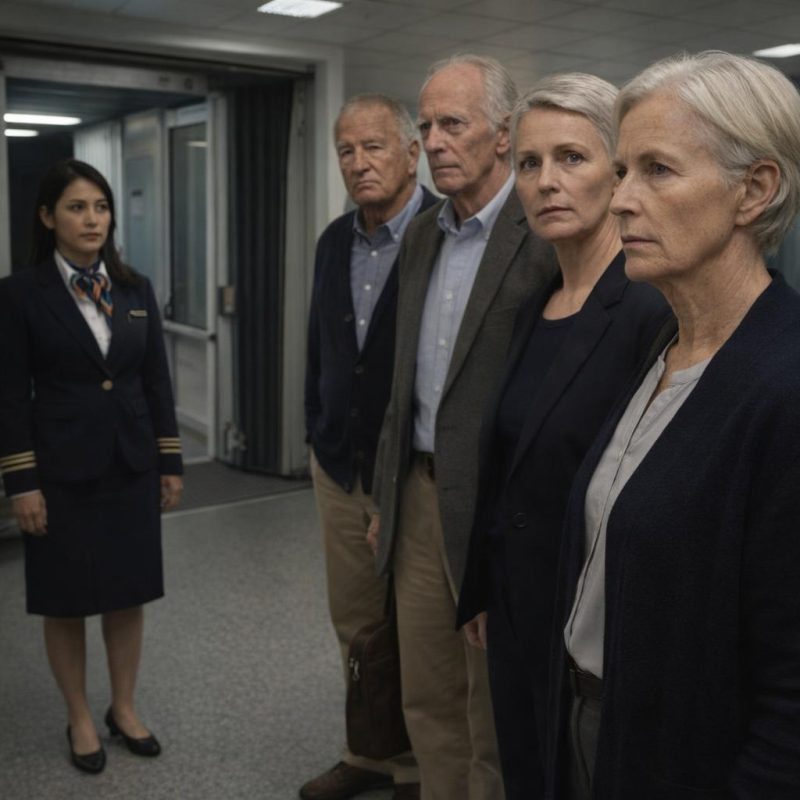 Image by RM AI
Under Investigation
Amber and Tyler finally emerged from the jet bridge and their expressions shifted immediately to alarm when they saw the supervisors waiting, all their influencer confidence evaporating in an instant. Ms. Chen approached them professionally but firmly, introducing herself and stating without preamble that they were under investigation for violating airline filming policies regarding other passengers and for their role in complaints that appeared to be fraudulent. Amber tried to interrupt, her voice rising as she claimed there must be misunderstandings, that they had a legitimate partnership with the airline, but Ms. Chen continued speaking over her objections. The supervisor stated clearly that the airline had documentation about their marketing network affiliations and the pressure that had been applied before boarding to accommodate their content needs. Tyler attempted to explain that their content partnership was authorized, his usual smug tone replaced by something defensive and uncertain, but Ms. Chen noted that no partnership authorized displacing passengers with documented medical needs. She mentioned that multiple passengers from this single flight had filed complaints, an unusual concentration that had triggered immediate review, and her tone made clear this was serious. Amber's perfectly styled appearance seemed to wilt under the professional scrutiny, and Tyler kept glancing at his phone as if considering whether to film this confrontation. I watched the scene unfold with quiet satisfaction, seeing them finally face consequences for their entitled behavior. Amber tried to object but Ms. Chen cut her off, stating the airline had documentation of their marketing network affiliations and the pressure applied before boarding.
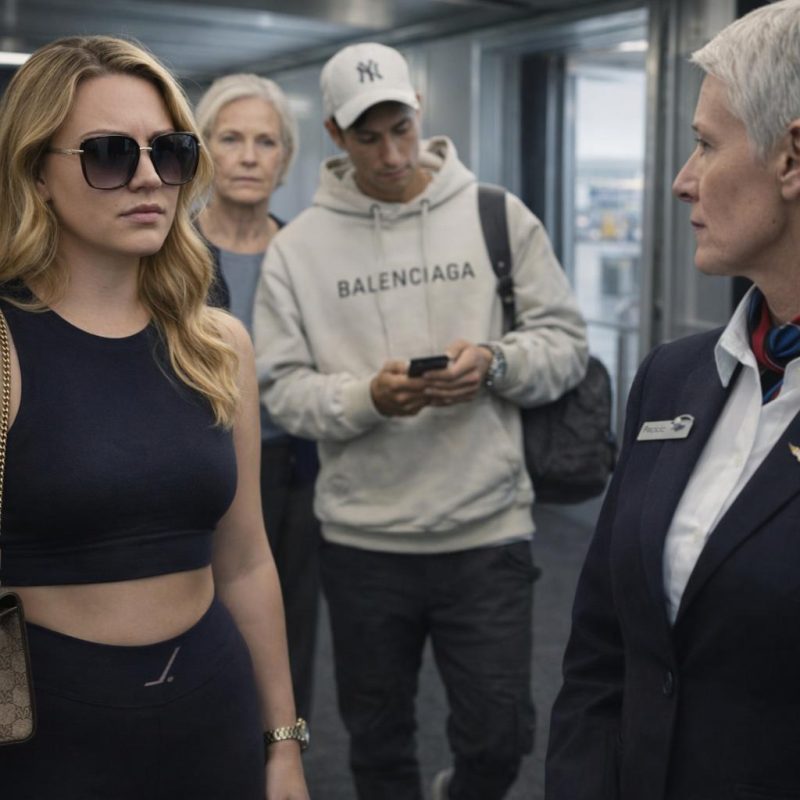 Image by RM AI
Statements Taken
Ms. Chen set up a private area near the gate for taking passenger statements, and I provided my account first, detailing how I'd specifically booked and paid extra for an aisle seat because of my knee injury. I described the reassignment to a middle seat and the vague explanations the crew had given, how I'd been told it was necessary without any real justification, and Ms. Chen noted everything carefully on her tablet. George gave his statement next, explaining about his hip replacement surgery and the accessible aisle seat he'd lost, his voice quiet but dignified as he described struggling in the window seat for hours. Other displaced passengers provided their own accounts, a pattern emerging of people with legitimate needs being moved to accommodate the couple's content creation, and I could see Ms. Chen's expression growing more troubled with each statement. Robert offered his documented evidence and his perspective as a journalist who'd observed the entire situation, and Patricia confirmed what she'd witnessed as a passenger advocate. The supervisor apologized on behalf of the airline for what we'd experienced, and her apology felt genuine rather than scripted, like she was personally troubled by what had happened. I showed my documentation including the photos and screenshots I'd carefully preserved, and Ms. Chen seemed impressed by how thoroughly I'd recorded everything. For the first time since boarding, I felt truly heard as the supervisor noted every detail of what had happened to me and promised a thorough investigation.
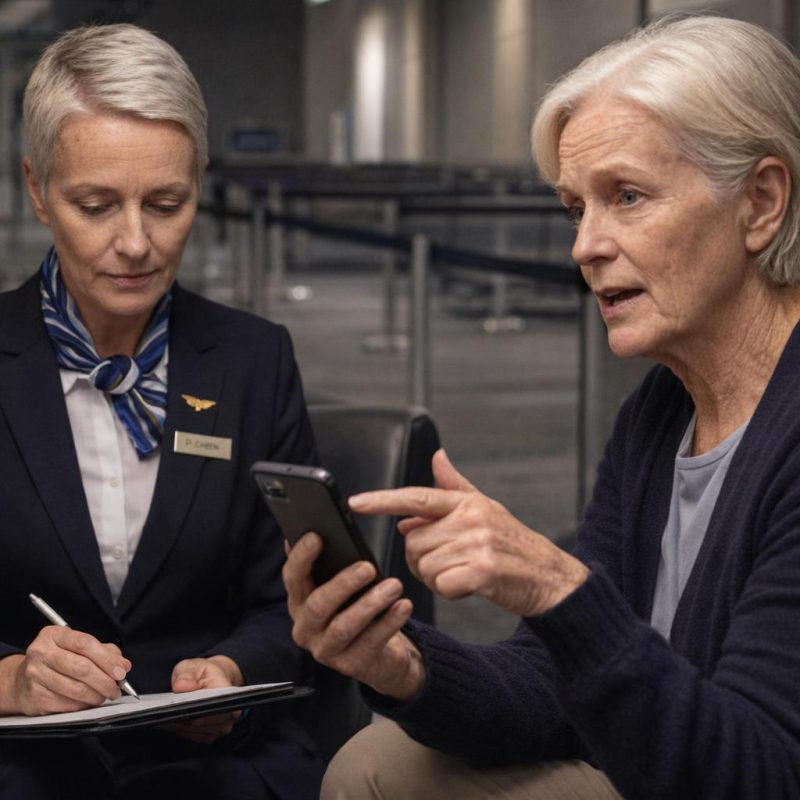 Image by RM AI
Separated
Security personnel joined Ms. Chen near where Amber and Tyler stood, their presence shifting the atmosphere from investigation to consequence, and I watched as the supervisor explained that the couple would need to accompany staff to an administrative area for further discussion. Tyler immediately tried to negotiate, mentioning their partnership with the airline's marketing network and their content schedule for the week, his voice taking on that smooth persuasive tone I'd heard him use with the flight attendants. Ms. Chen stated firmly that airline policies had been violated regardless of any marketing arrangements, and that those partnerships didn't exempt anyone from regulations protecting passenger rights and safety. Their expensive camera equipment was gathered and placed carefully into bags by staff members, each piece documented as it was collected, and I noticed Amber's hands trembling slightly as she watched her gear being handled. She looked back toward me as they were being led away, her expression mixing anger and something that looked almost like defeat, the perfectly curated confidence finally cracking. The couple disappeared into a corridor marked for airline personnel only, and other passengers who'd been watching whispered among themselves about what they'd just witnessed. I felt the exhaustion of the entire flight settling into my body all at once, my knee throbbing and my shoulders tight from hours of tension I'd been holding without realizing it. Patricia put a supportive hand on my shoulder and told me I'd done exactly the right thing by documenting everything so carefully. Robert confirmed that the consumer advocacy program would follow up within days with next steps, and George thanked me quietly, saying my documentation had helped everyone who'd been displaced. I watched the empty corridor where they'd disappeared, exhausted but hopeful that accountability would follow, knowing the real consequences were still to come.
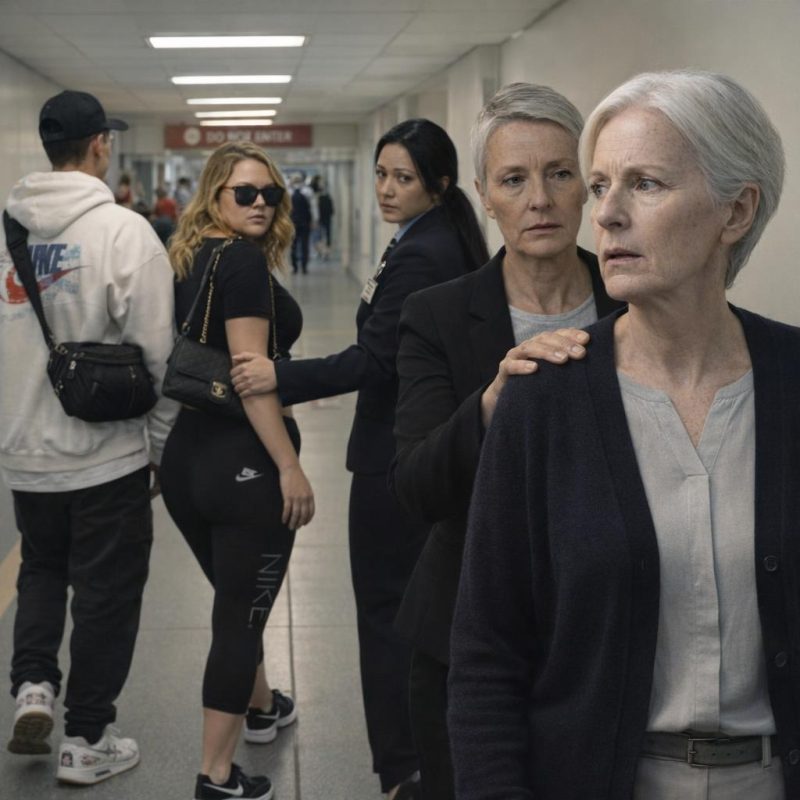 Image by RM AI
The Story Breaks
I returned home from Italy and followed up with Robert via email, sending him the complete timeline I'd compiled during my last days in Rome, and he responded that the consumer advocacy program was moving forward with their investigation. Within days, they released the full story with evidence that included documentation from multiple affected passengers, screenshots I'd provided, and archived posts revealing the couple's past behavior on other flights. The article exposed internal airline communications showing how management had handled the situation and revealed the marketing network connection that had given them special treatment in the first place. Media outlets began picking up the story almost immediately, amplifying it across their platforms, and I watched from my living room as it spread in ways I never could have imagined. Sarah sat beside me on the couch, scrolling through her phone and reading comments aloud, her voice mixing disbelief with satisfaction at how quickly public opinion had turned. Social media shares multiplied by the hour, with people expressing outrage specifically at how elderly passengers like George had been treated, displaced from accessible seats they'd paid for and needed. The couple's attempt to control travel narratives had backfired completely, their own documented words and actions becoming the evidence that exposed them. I saw my documentation cited as key evidence in multiple articles, journalists praising the thoroughness of what I'd preserved. Comments flooded in from people sharing their own experiences with entitled travelers who treated planes like personal studios, and I realized this story had touched something larger than just one flight. I watched from my living room as the story spread across social media, except this time the narrative wasn't controlled by the people who had tried to make me their punchline.
 Image by RM AI
Sponsors Flee
Brand sponsors began issuing statements within forty-eight hours, carefully worded press releases distancing themselves from the couple and their documented behavior toward fellow travelers. Partnership announcements disappeared from Amber and Tyler's social media feeds, deleted so quickly I wondered if they'd done it themselves or if the brands had demanded it. Sarah showed me that the third-party publicity agency had removed them from their roster entirely, their profiles scrubbed from the agency website like they'd never existed. Public comments on the couple's posts turned overwhelmingly negative, former supporters expressing shock at how they'd treated people like props for content, and I watched the shift happen in real time. Other travelers started sharing their own experiences with the couple on different flights, a pattern emerging of behavior that had apparently been going on for months. Patricia called me that evening, her voice bright with satisfaction as she celebrated the news and told me this was exactly the accountability she'd hoped to see. The couple lost their verified status on one platform pending review, and their follower count dropped significantly over several days, thousands of people unfollowing as the story spread. Some commenters specifically praised the passengers who'd documented everything, calling us heroes for standing up to influencer entitlement. Sarah helped me monitor the ongoing coverage, bookmarking articles and saving particularly satisfying comment threads. I felt satisfied watching accountability unfold through their own recorded words and leaked audio, knowing the couple's carefully constructed image was crumbling because of their own arrogance and the evidence they'd created themselves.
 Image by RM AI
Finding My Voice
The airline contacted me two weeks later with a formal apology and notification of a full trip refund, and they announced policy changes regarding influencer accommodations and passenger rights that would prevent similar situations. I read the apology carefully, noting it felt genuine even if it came too late to undo what had happened. Sarah told me the couple had posted a tearful apology video admitting they'd lost perspective and treated travelers like props, but when I watched part of it, the whole thing felt like damage control rather than genuine remorse. My daughter teased me about my unexpected detective skills, calling me a secret investigator who'd been hiding in plain sight all these years. I reflected on how I normally would have talked myself out of fighting back, convincing myself it wasn't worth the trouble or that I was overreacting to something minor. I thought about years of putting others' comfort ahead of my own, smoothing over conflicts and accepting inconvenience because it seemed easier than making waves. This time I'd stood up for myself and for others like George who'd been displaced and dismissed, and that felt like something significant had shifted inside me. The trip to Italy would always mean something more than sightseeing now, a reminder of the moment I finally prioritized my own needs. I felt genuinely proud of finding my voice at sixty-four, proving that patience and documentation were more powerful weapons than any dramatic confrontation they'd hoped to provoke. I finally understood that people like that survive by provoking emotional reactions they can twist into entertainment, and the one thing they never expected from a woman my age was patience long enough to outlast them.
 Image by RM AI
KEEP ON READING
The 20 Most Recognized Historical Figures Of All Time
The Biggest Names In History. Although the Earth has been…
By Cathy Liu Oct 4, 2024
10 of the Shortest Wars in History & 10 of…
Wars: Longest and Shortest. Throughout history, wars have varied dramatically…
By Emilie Richardson-Dupuis Oct 7, 2024
10 Fascinating Facts About Ancient Greece You Can Appreciate &…
Once Upon A Time Lived Some Ancient Weirdos.... Greece is…
By Megan Wickens Oct 7, 2024
20 Lesser-Known Facts About Christopher Columbus You Don't Learn In…
In 1492, He Sailed The Ocean Blue. Christopher Columbus is…
By Emilie Richardson-Dupuis Oct 9, 2024
20 Historical Landmarks That Have The Craziest Conspiracy Theories
Unsolved Mysteries Of Ancient Places . When there's not enough evidence…
By Megan Wickens Oct 9, 2024
The 20 Craziest Inventions & Discoveries Made During Ancient Times
Crazy Ancient Inventions . While we're busy making big advancements in…
By Cathy Liu Oct 9, 2024