

I Found Divorce Papers On My Kitchen Counter—Then My Dead Grandfather's Lawyer Called With A Secret That Changed Everything
I Found Divorce Papers On My Kitchen Counter—Then My Dead Grandfather's Lawyer Called With A Secret That Changed Everything
The Papers on the Counter
The coffee was already brewing when Claire walked into the kitchen that morning, the timer having done its job the way it always did. She was thinking about the grocery list, maybe, or the meeting she had later — nothing important, nothing that would explain why her eyes landed on the manila envelope sitting on the counter instead of the usual stack of mail. It was centered, almost deliberately so, though she told herself that was just how it had landed. Her name wasn't on it. There was no label at all. She set down her mug and picked it up, and the flap was already open, the papers inside folded in thirds the way legal documents always are. She pulled them out. The words at the top of the first page took a moment to arrange themselves into something she could understand. Petition for Dissolution of Marriage. She read it twice. Then a third time. The kitchen was exactly the same as it had been thirty seconds ago — same light through the window, same smell of coffee, same quiet hum of the refrigerator. She stood there holding the envelope, and it was heavier than paper had any right to be.
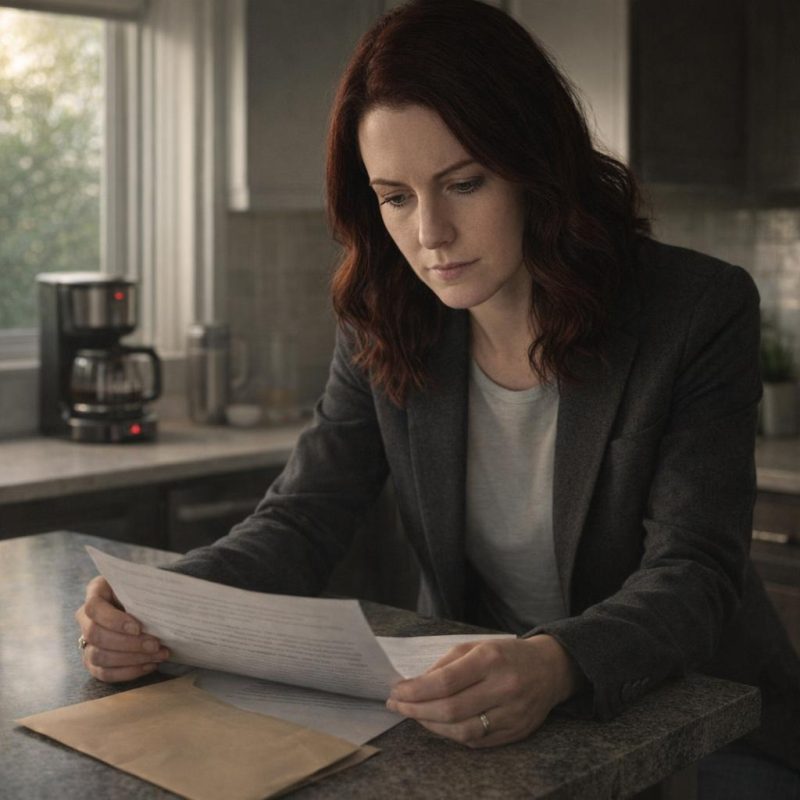 Image by RM AI
Reading the Fine Print
Claire sat down at the kitchen table because her legs made the decision before she did. The papers spread out in front of her, page after page of language she had to read slowly, the legal terms blurring every time she tried to focus. Irreconcilable differences. Division of marital assets. She kept stopping on phrases and then losing them, her eyes sliding off the words like they were written in something she almost knew but couldn't quite speak. The filing date was in the upper right corner of the first page — she had to look at it three times before it registered. Weeks ago. Someone had prepared these weeks ago, sat across a desk from an attorney and described their marriage in terms of what could be divided and what couldn't. Her hands were shaking by the time she reached the signature page, the papers trembling slightly in her grip. She smoothed them flat against the table and made herself look. Mark's signature was there at the bottom, clean and deliberate in blue ink, and next to it a date — three days ago.
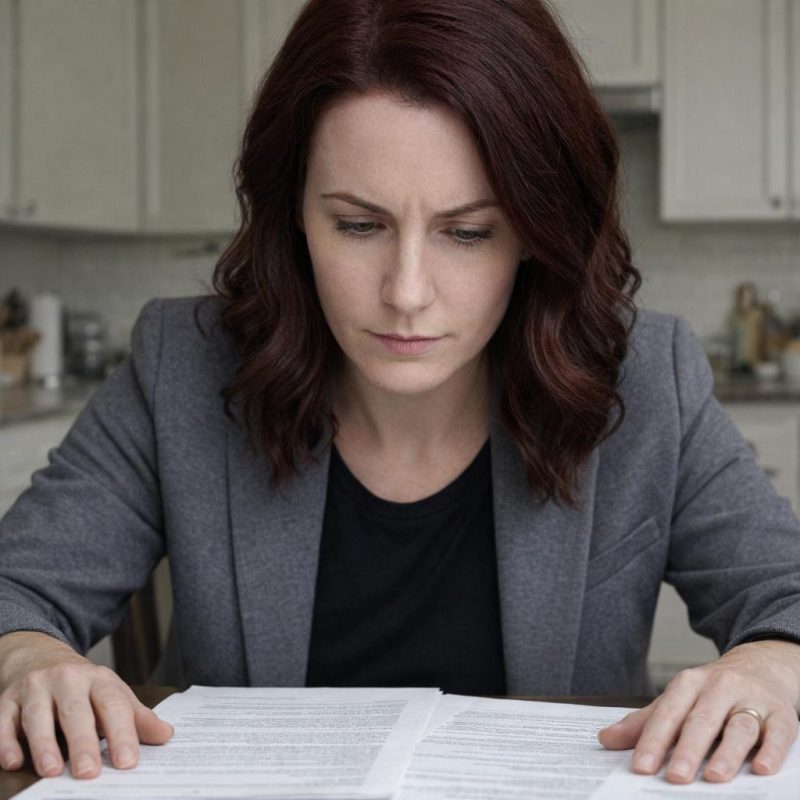 Image by RM AI
The Attorney's Call
Claire was still sitting at the table, the papers fanned out in front of her, when her phone rang. She almost didn't answer it. The number wasn't one she recognized — a local area code, but not a contact in her phone — and normally she would have let it go to voicemail. She wasn't sure why she picked up. Maybe because sitting in silence with those documents felt worse than anything a stranger could say. The man on the other end introduced himself as James Chen, and he said he was the estate attorney who had handled her grandfather Harold's affairs. She hadn't heard that name — James Chen — in the months since her grandfather's death, and hearing it now, in this kitchen, with those papers still spread across the table, felt like the world had tilted slightly off its axis. He said there was an urgent matter. He said it required her immediate attention. He said he was sorry for the timing. She told him she was having a difficult morning, and there was a pause, and then he said he understood, but that this couldn't wait. She asked him where. He told her. She said yes before she fully understood why, and then the call ended, and the kitchen went very quiet around her.
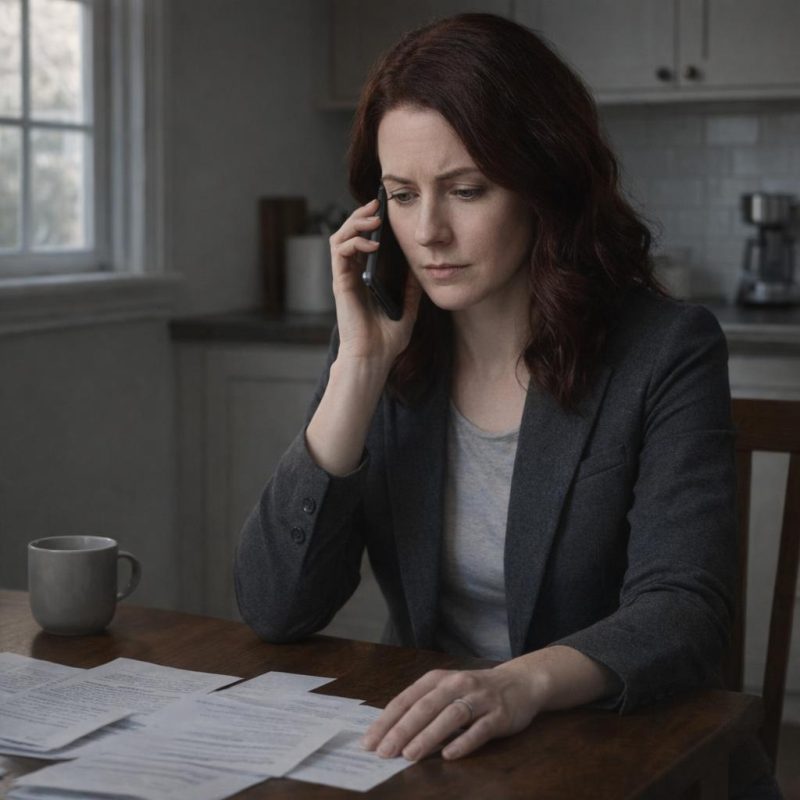 Image by RM AI
Two Crises
James had been patient on the phone, but patient in the way of someone who had already decided the outcome. He explained that her grandfather Harold had left specific instructions — not just a will, but a set of conditions that required her physical presence at the cabin, and required it soon. Claire asked if they could handle whatever it was remotely, over email or a video call, and he said no, gently but without any give in it. He said Harold had been very particular about this. He gave her the directions then, turn by turn, the kind of specific that told her he'd given them before or had them written down in front of him — the county road, the unmarked turnoff, the stand of birch trees that meant she was close. She wrote them on the back of a grocery receipt because it was the only paper she could reach without touching the divorce documents. She asked him how long she'd need to be there, and he said at least a few days, possibly more. She told him she'd come. She set the phone down on the table next to the papers, and the two things sat there together — the directions to the cabin, the end of her marriage — and the kitchen held all of it in a silence that felt almost solid.
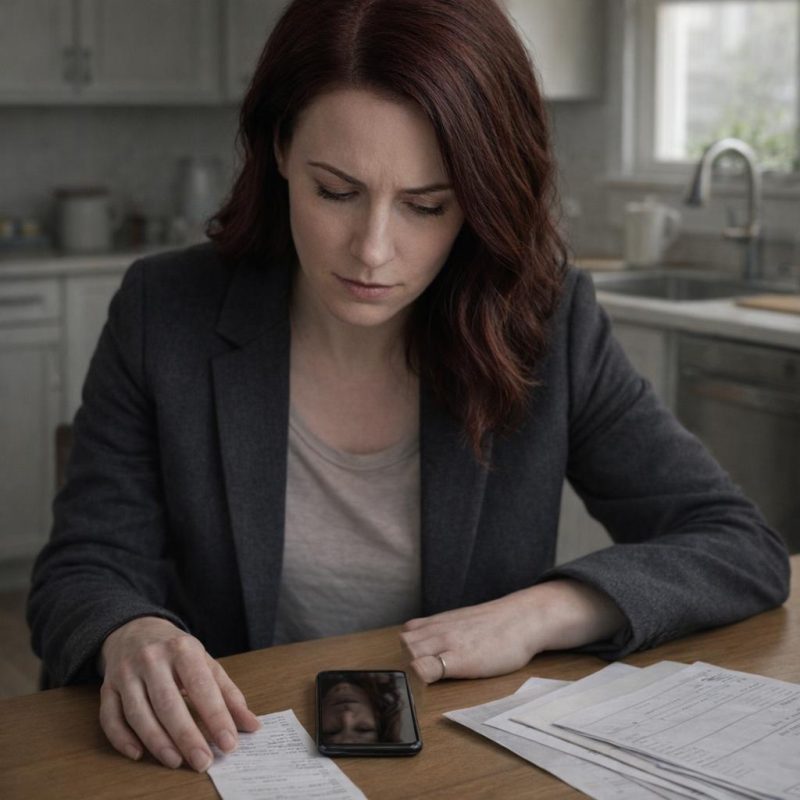 Image by RM AI
The Decision to Leave
Claire stood in the kitchen for a long time after that, looking at the grocery receipt with James's directions on one side and the divorce papers on the other, trying to think about what the right thing to do was. She could call Mark. She could sit here and wait for him to come home and ask him to explain the date on that signature page, ask him what irreconcilable differences meant to him specifically, ask him when exactly he had stopped thinking their marriage was worth saving. She could do all of that. Instead she went to the bedroom and pulled her overnight bag from the top shelf of the closet. The cabin felt like something she could handle. It had edges, a destination, a reason to move. Mark felt like standing at the edge of something with no bottom, and she wasn't ready for that yet. She packed without thinking too hard about what she was choosing, telling herself the estate matter was real and urgent and that the rest would still be there when she got back. She carried the bag to the front door and set it down. Then she walked back through the house to make sure she hadn't forgotten anything, and she passed the bedroom doorway, and there were his clothes still hanging in the closet, his side exactly as he'd left it.
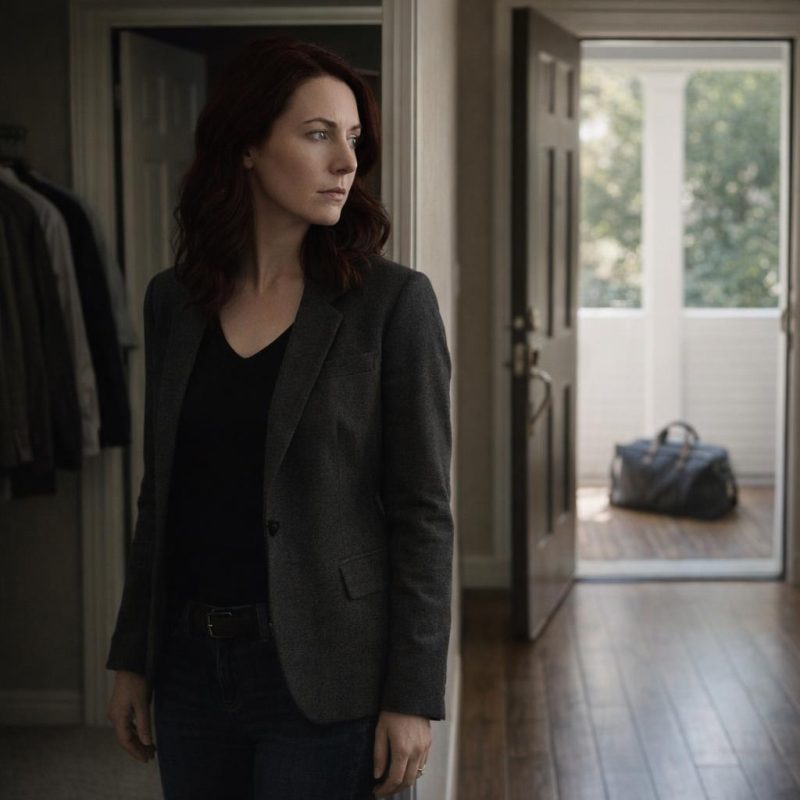 Image by RM AI
Packing in Silence
Claire pulled a small suitcase from the hall closet and set it open on the bed, and she was reaching for a sweater when her phone buzzed on the nightstand. Mark's name on the screen. She looked at it until it stopped. She folded the sweater and put it in the suitcase. She added a second one because the cabin ran cold even in mild weather, and then she went to the bathroom for the things she'd need — toothbrush, the face wash she always forgot when she traveled, the small bottle of ibuprofen she kept in the cabinet. Her phone buzzed again while she was in there. She didn't go back for it. By the time she zipped the suitcase and carried it to the front door, there had been a text too — she could see the notification banner when she finally picked the phone up, Mark's name above a preview of words she didn't read. She tucked the divorce papers into her bag alongside James's directions and checked that she had her keys. She was almost to the door when the screen lit up again, and then again, and she stood there with her hand on the strap of her bag watching Mark's name appear on the screen for the fourth time.
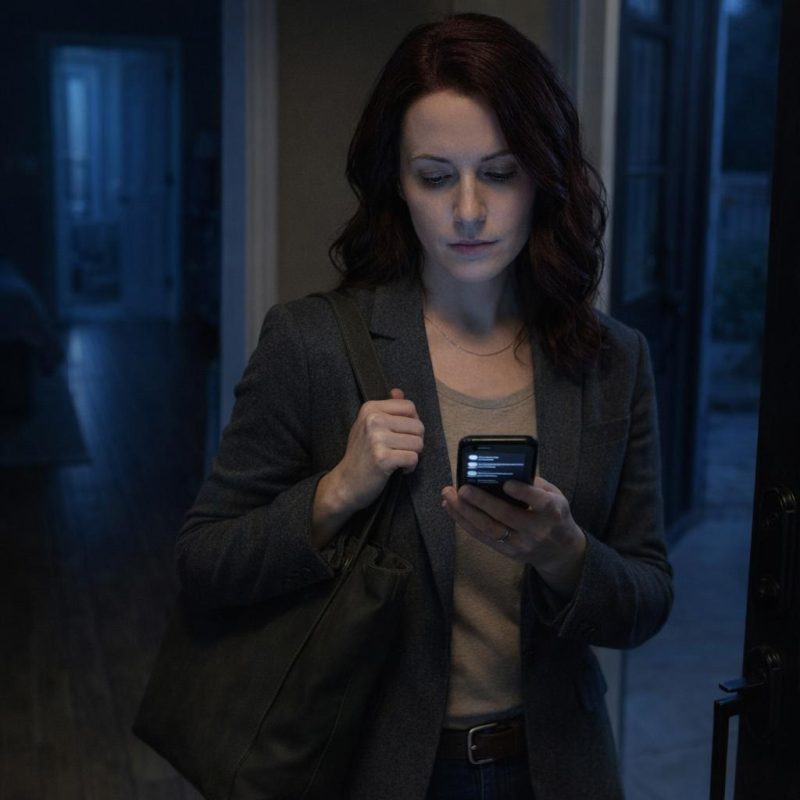 Image by RM AI
Memories on the Highway
The highway north was familiar in the way that things you've driven a hundred times become part of your body — the merge, the long curve past the industrial park, the place where the trees start to thicken on either side and the sky opens up. Claire had made this drive with Mark a dozen times over the years, usually in the fall, usually with coffee in the cupholder and something playing low on the radio. She kept the radio off today. The divorce papers were on the passenger seat in their envelope, and she was aware of them the way you're aware of something that shouldn't be there. She thought about the first year of their marriage, the apartment with the bad heat, the way they'd laughed about things that weren't funny because they were tired and young and still figuring out how to be two people sharing one life. She thought about the trip they'd taken for their fifth anniversary, the long weekend that had turned into a week because neither of them wanted to go home. She thought about how certain she had been, back then, that she knew him. The road stretched out ahead of her, and the miles came and went, and then she was passing the exit with the green sign for Millhaven — the one with the diner on the service road where they'd stopped the morning after their wedding, still in good clothes, laughing at nothing.
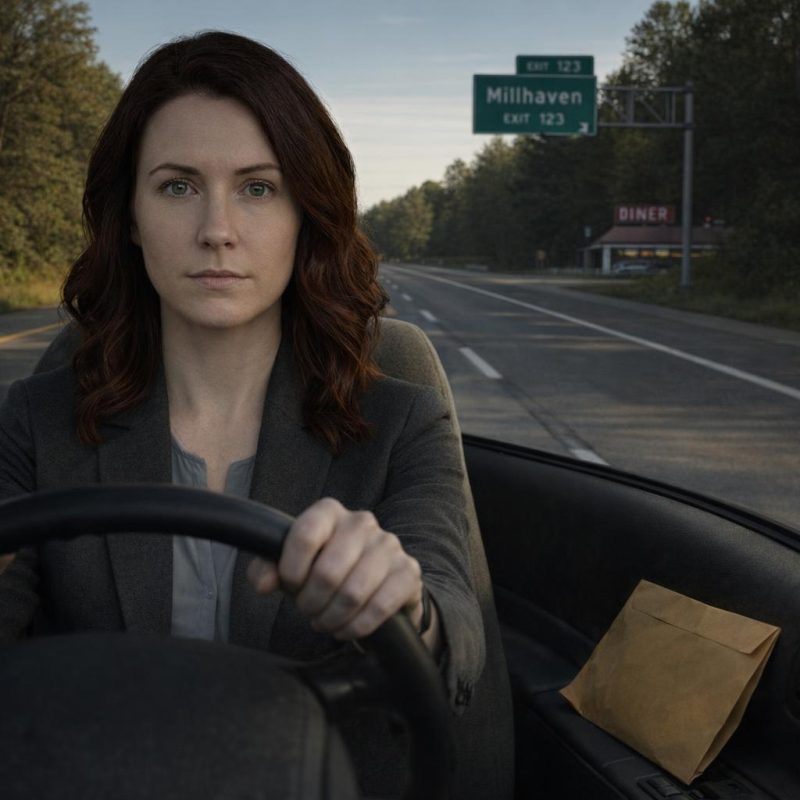 Image by RM AI
The Supply Stop
The general store sat at the edge of town like it had been there since before the town had a name — wood siding gone silver with weather, a hand-lettered sign in the window advertising night crawlers and propane. Claire pulled in and sat in the car for a moment before going inside. The aisles were narrow and the shelves were the kind of full that meant nothing was wasted, and she moved through them slowly, picking up coffee and bread and a few cans of soup, the kind of shopping that's really just something to do with your hands. The man behind the counter was older, unhurried, the type who'd ask how you were and actually wait for the answer. He rang up her items and asked where she was headed, and she told him her grandfather's property, the old cabin off the county road past the birch stand. He nodded like he knew exactly the one. She asked about the road conditions, whether it had been maintained. He thought about it for a second, bagging the soup cans. Then he said the road was fine, but that the cabin itself had been sitting empty since the old man passed — said he hadn't seen a car turn up that drive in months.
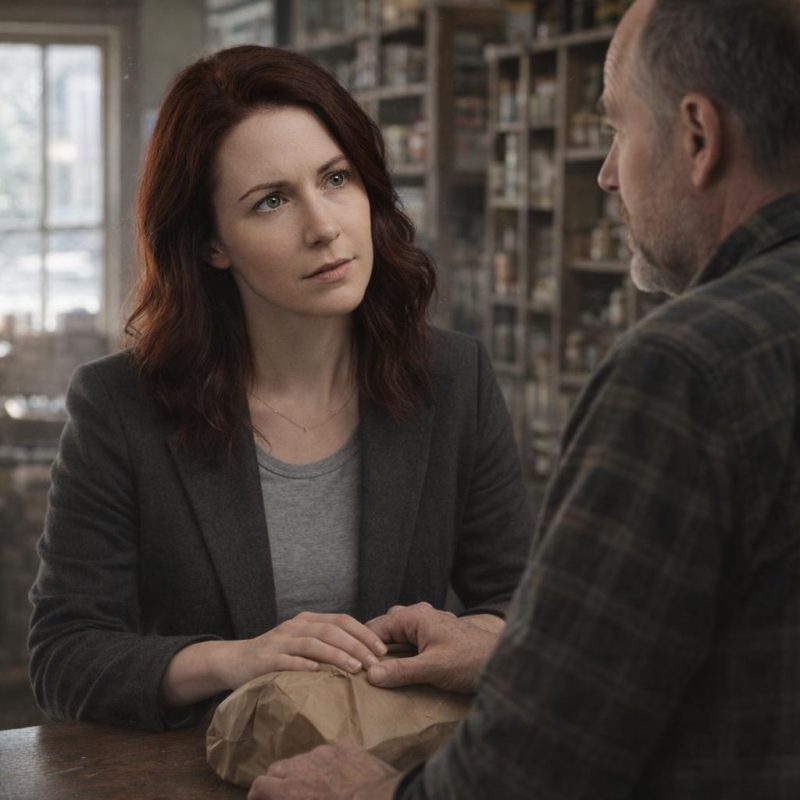 Image by RM AI
The Final Miles
The turn onto the county road felt like crossing into a different kind of quiet. The pavement gave way to packed gravel, then to something rougher — two tire tracks with grass growing up the middle, the kind of road that doesn't get maintained so much as tolerated. Claire checked her phone out of habit and watched the signal bars drop from two to one to nothing. She set it face-down on the passenger seat. The birch trees the man at the store had mentioned closed in on both sides, their white trunks pale and close in the fading afternoon light, and she couldn't see more than a few yards into the woods on either side. The last house she'd passed had been miles back — a farmhouse with a rusted mailbox and a dog that watched her from the porch without barking. After that, nothing. Just the road narrowing and the trees thickening and the sound of gravel pinging against the undercarriage. She kept both hands on the wheel and drove slowly, and the further she went, the more the weight of everything she hadn't resolved seemed to settle into the seat beside her, quiet and patient and heavy.
 Image by RM AI
Arrival at the Cabin
The cabin came into view around a long bend, and Claire stopped the car without meaning to. It looked exactly the way it always had — the same dark log walls, the same green metal roof gone slightly mossy at the edges, the same wide porch running the full length of the front. Her grandfather used to sit out there in the evenings in a wooden rocker that was probably still there, watching the tree line like he was waiting for something to come out of it. She sat in the car for a moment longer than she needed to. The key was under the flat stone to the left of the steps, just where James had said it would be, and finding it there — cold and small in her palm — made her throat tighten in a way she hadn't expected. Inside, the air smelled like woodsmoke and something faintly sweet, cedar maybe, and the furniture was all where she remembered it. His reading glasses were still folded on the side table. She didn't touch them. She stood in the middle of the main room and let the stillness of the place settle around her, and it was the kind of quiet that doesn't feel empty so much as held.
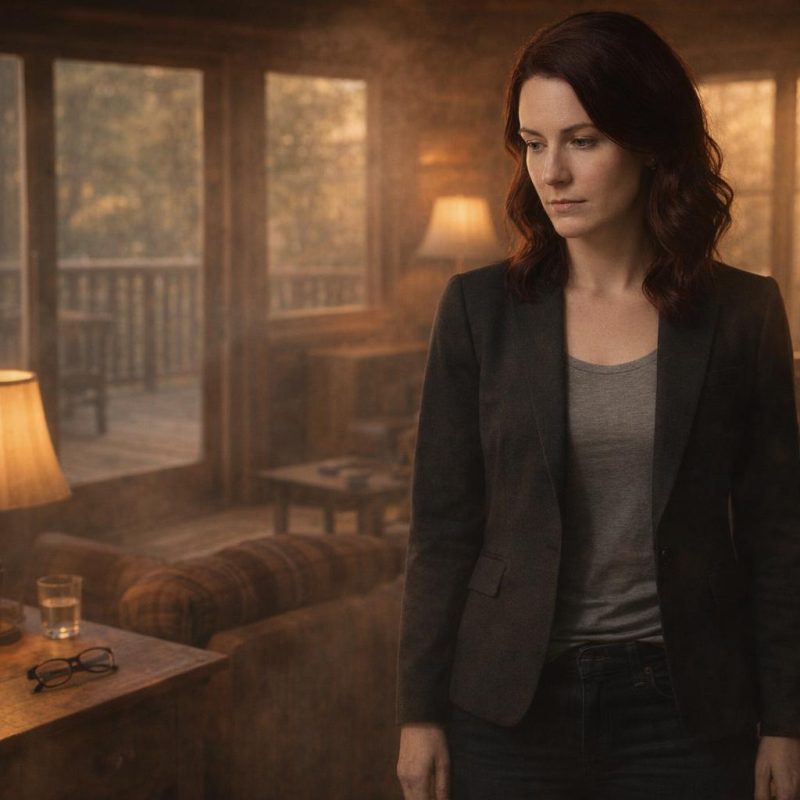 Image by RM AI
The Attorney Arrives
She heard the car before she saw it — tires on gravel, slow and careful, the engine cutting off at the edge of the clearing. James stepped out in a dark suit that looked slightly out of place against the tree line, carrying a leather folder under one arm. He looked the same as she remembered from the reading of the will — composed, unhurried, the kind of man who doesn't fidget. He shook her hand and said he was sorry for her loss, and the way he said it was quiet and genuine, not the reflexive kind people offer at funerals. He told her he'd been holding the folder since shortly after her grandfather passed, that the instructions had been explicit about timing and location — that it had to be here, and it had to be now. He didn't know the full contents, he said. Harold had sealed the inner envelope himself. James set the folder on the kitchen table and stepped back, giving her room. She unclipped the leather strap and lifted the flap. Inside was a single sealed envelope, cream-colored, her name written across the front in her grandfather's careful, slanted hand. She picked it up and held it, and the weight of it — slight as it was — felt like more than paper.
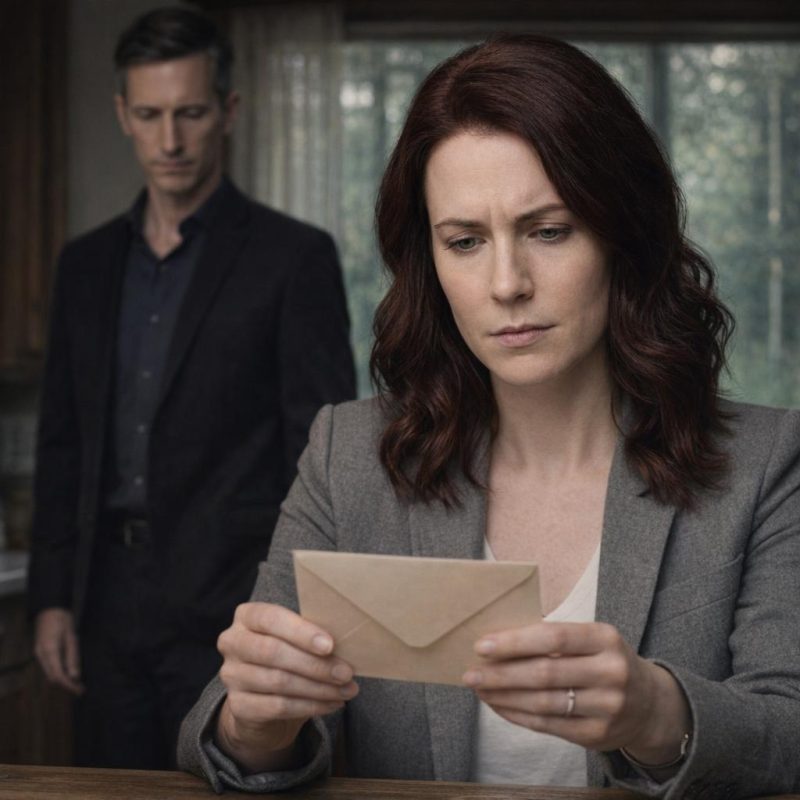 Image by RM AI
The First Letter
The envelope opened cleanly, like he'd sealed it with care. The letter inside was two pages, handwritten on the same cream stock, and she recognized his penmanship immediately — the deliberate loops, the way he pressed slightly harder on the downstrokes. She read the first paragraph twice before letting herself move on. He said he hoped she'd forgive the secrecy, that there were things he hadn't been able to say while he was alive, things that needed to wait until the right moment. He wrote that he'd spent a long time thinking about how to protect what mattered most, and that he trusted her to follow his instructions carefully, even if they seemed strange at first. James stood near the window, hands clasped, not reading over her shoulder. The letter went on for most of the first page in that vein — careful, measured, the voice she'd known her whole life — and then, near the bottom, the tone shifted. He said there was something he'd left for her. Something that couldn't be mailed or handed over in a lawyer's office. He said she would need to look beneath the old rug in the main room.
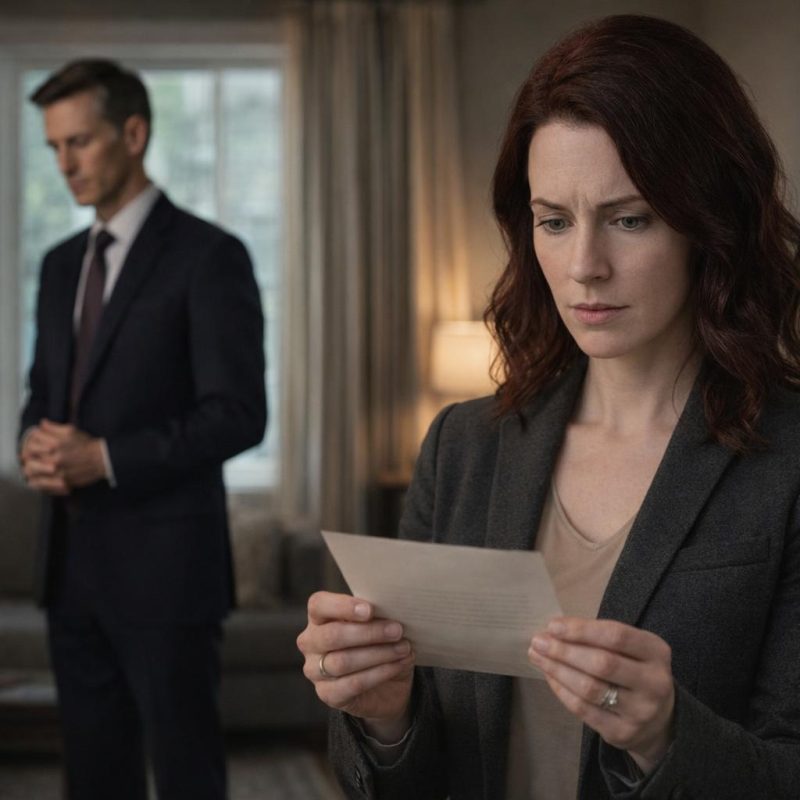 Image by RM AI
Her Grandfather's Voice
She went back to the beginning and read it again, slower this time. The second read was different. The first time through she'd been tracking the instructions, looking for the shape of what he was asking. The second time she heard him. He mentioned the summer she was eleven, when a storm had knocked out the power for three days and they'd played cards by lantern light until she fell asleep at the table. He said he'd carried that memory for years. He wrote about the way she used to ask questions about everything — the trees, the birds, the names of clouds — and said he'd always believed that curiosity was the best thing a person could have. He said he was proud of the woman she'd become, and that he was sorry he hadn't said it more plainly while he still could. There was an apology woven through the whole letter, quiet and careful, for the mystery of it, for asking her to trust him one more time without being able to explain why. James hadn't moved from the window. She folded the first page back and held both sheets in her lap, and the ache of missing him settled into her chest like something that had always been there, finally named.
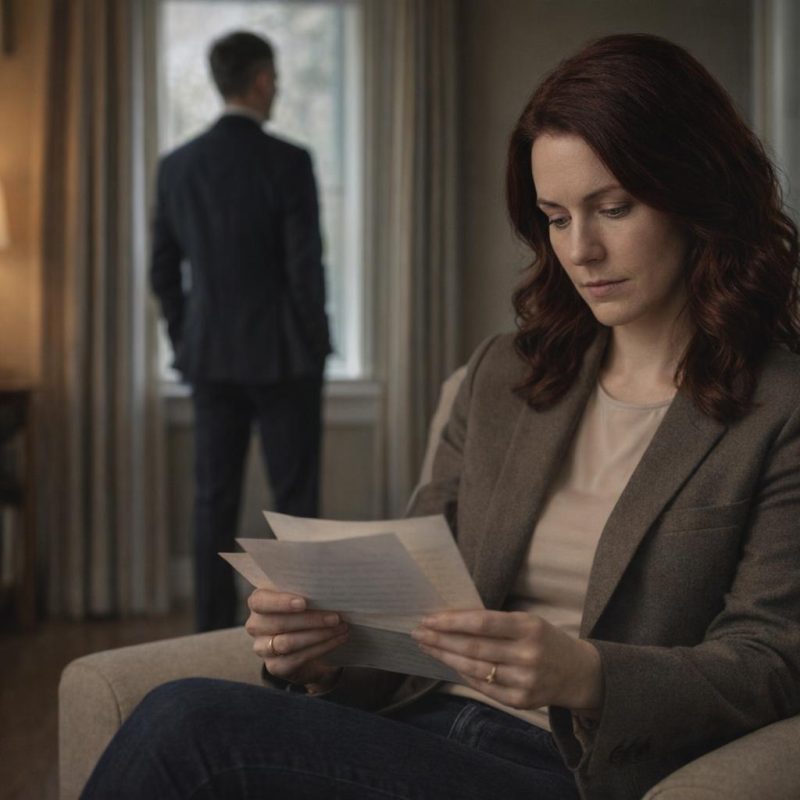 Image by RM AI
The Search Begins
She set the letter on the kitchen table and walked into the main room with it still in her mind. The braided rug was exactly where it had always been — centered under the coffee table and the two armchairs, the same faded pattern of dark reds and browns she'd known since childhood. It was bigger than she'd remembered, or maybe she was just thinking about what it would take to move it. James followed her in without being asked and they shifted the armchairs first, then the coffee table, setting each piece carefully on the bare floor to the side. The rug was heavy — the kind of heavy that comes from decades of use, fibers packed dense and close — and it didn't slide easily. They each took an end and folded it back on itself, then rolled it the rest of the way. The floorboards underneath were plain pine, worn smooth in the traffic paths, darker near the edges where the rug had kept them from the light. She stood there looking at the floor, letter in hand, James a step behind her. Neither of them said anything. The room felt different with the rug gone, more exposed somehow, and the stillness before they did anything more pressed in from all sides.
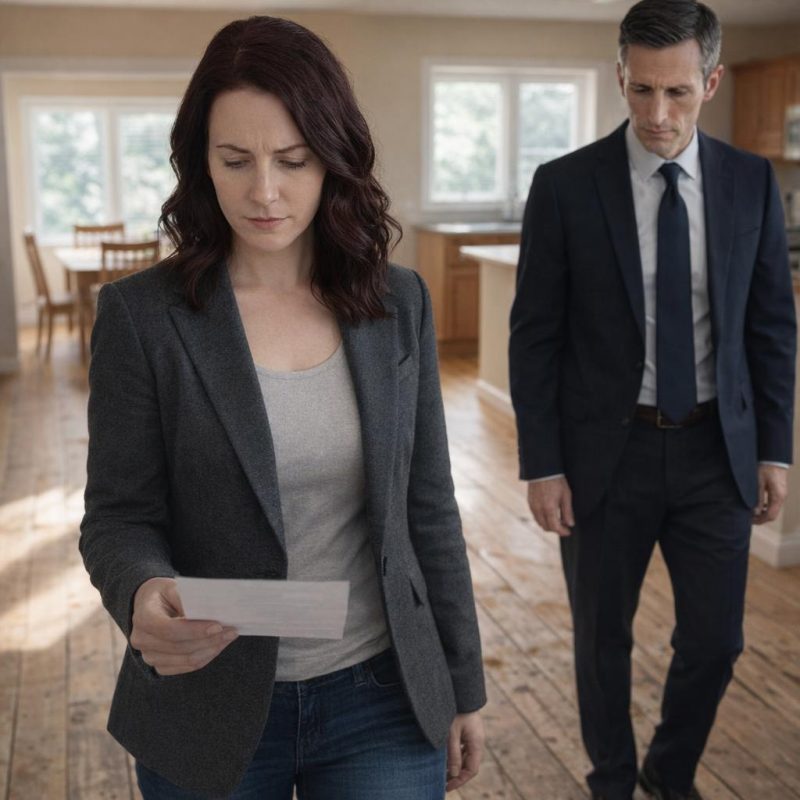 Image by RM AI
Beneath the Floorboards
The floorboards looked ordinary at first — just old pine planks, the same as the rest of the room. But when Claire crouched down and looked along the surface at a low angle, she could see it. Two boards near the center sat slightly differently from the ones around them. The grain matched, the color matched, but the edges were cleaner, less settled into the floor, like they'd been lifted and replaced more than once. There were faint marks along the sides where something had been worked in to pry them up — shallow grooves worn into the wood, not from age but from use. James knelt beside her and ran his finger along the edge of one board without touching the gap. He didn't say anything, just looked. She moved her hand along the seam between the two planks and felt it before she fully saw it — a give in the wood, a slight unevenness, and then the gap itself, narrow but deliberate, running the full length between them.
 Image by RM AI
The Hidden Safe
Claire worked her fingers into the gap and lifted. The board came up with less resistance than she expected, smooth at the edges, the underside clean — no splinters, no rot. James took it from her and set it aside. The second board came up the same way, and then there was a hollow space beneath the floor, maybe eight inches deep, lined on the sides with what looked like fitted wood. Sitting in the center of that space was a metal safe, roughly the size of a shoebox, dark gray and solid-looking. No dust on the surface. No cobwebs. It had been placed there with care and left that way. James sat back on his heels and let out a slow breath. She hadn't heard him make a sound until then. She reached down and touched the top of it — cool metal, slightly rough — and then she saw the front: a combination lock, round and brass-colored, set flush into the door.
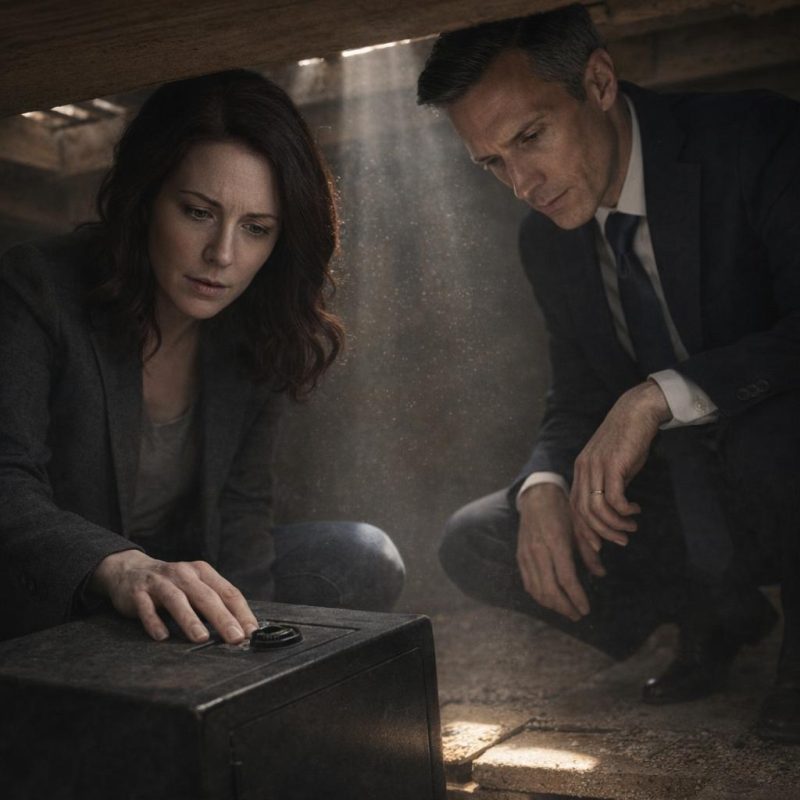 Image by RM AI
The Second Letter
I went back to the leather folder. I hadn't looked at it closely after James handed it to me — I'd been too focused on the floor, the boards, the safe sitting there in the dark. But now I could see there was a second envelope tucked behind the first, smaller, sealed the same way with a wax stamp pressed flat. My name was on the front in my grandfather's handwriting. I broke the seal carefully and unfolded a single sheet of paper. The letter was short — maybe eight lines. Harold's handwriting was steadier here than I expected, deliberate and unhurried. He wrote that the numbers were not random. He wrote that he had chosen them because they belonged to the people he loved most, and that I would know them when I saw them. He was right. The first number stopped me cold — it was my birthday, the day and the month compressed into two digits. The second was my grandmother's birthday, a date I had written on cards every year of my childhood. The third I had to think about for a moment, and then it came to me: the year my grandparents were married. I looked at James. He gave a small nod. I turned back to the safe, crouched down, and set my fingers on the dial.
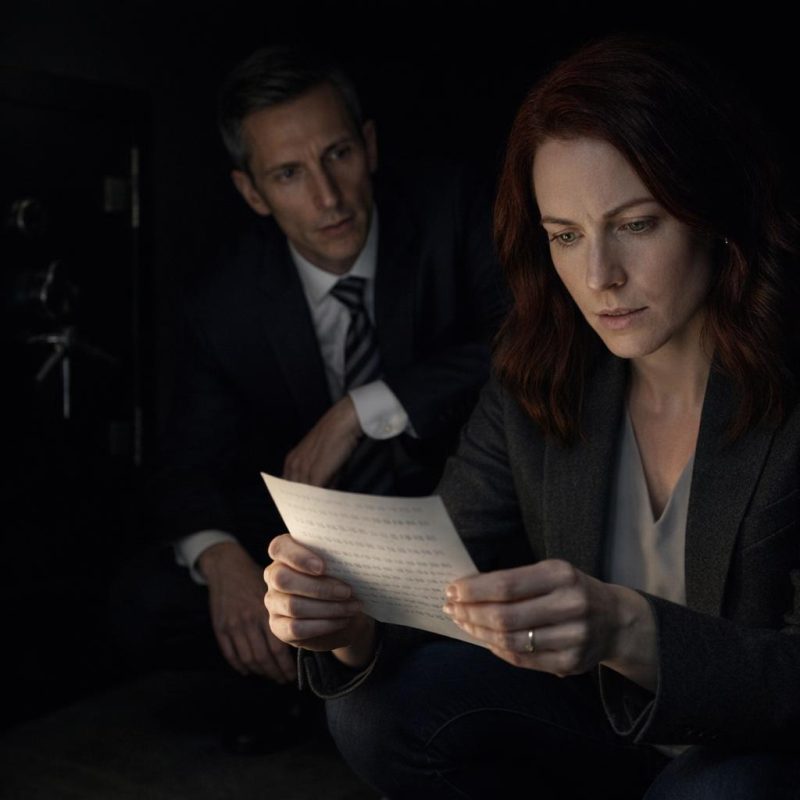 Image by RM AI
Opening the Safe
My hands were steadier than I expected. I turned the dial slowly to the right, counting under my breath until the first number lined up, then reversed direction for the second, then forward again for the third. The mechanism was smooth — no grinding, no resistance. When the final number clicked into place, I felt it more than heard it, a small definitive shift somewhere inside the door. I pulled the handle and the safe swung open on a hinge that moved without complaint, like it had been oiled recently. Inside, the space was lined with dark felt, and sitting in the center of it was a single manila envelope. Nothing else. No jewelry, no cash, no documents folded loose. Just the envelope, placed flat and centered as if someone had taken care with exactly how it landed there. I lifted it out with both hands. It was lighter than I expected and heavier than it looked, if that makes any sense — the kind of weight that comes from what something means rather than what it is. James hadn't moved. The attic around us had gone very quiet, just the faint sound of the house settling somewhere below. I held the envelope in my lap and sat with that quiet for a moment, not quite ready to break it.
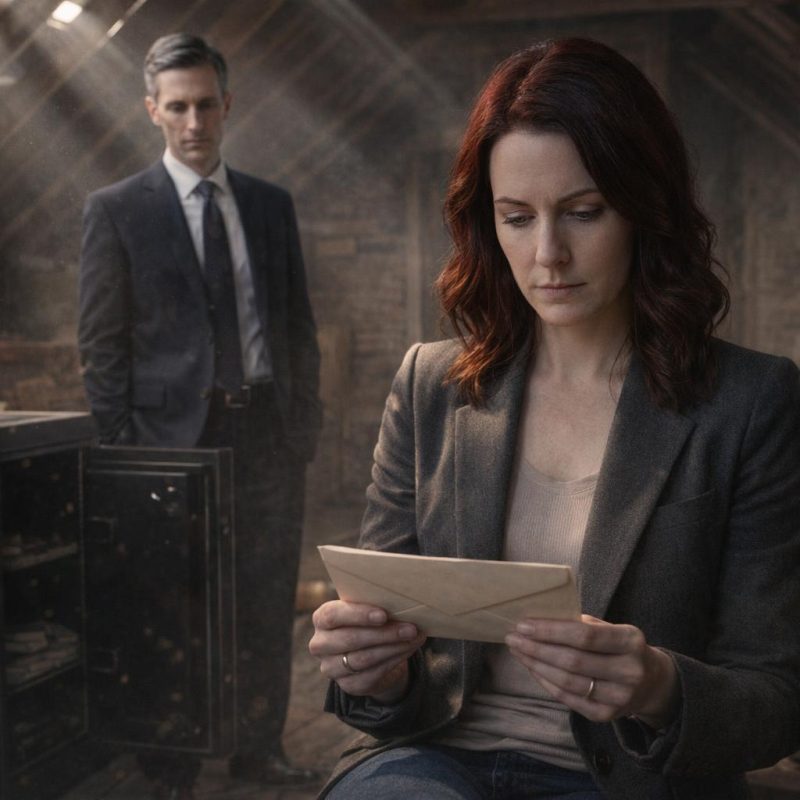 Image by RM AI
The Envelope
The envelope was sealed with clear tape across the flap, pressed down firmly at the edges — not the kind of thing you close in a hurry. There was nothing written on the outside. No name, no label, no return address. Just a plain manila surface, slightly worn at one corner as if it had been handled before being placed in the safe. I turned it over twice, running my thumb along the seam. James was still sitting across from me, his hands resting on his knees, watching without watching — the way someone looks when they're giving you space but haven't left the room. I noticed my hands had developed a faint tremor. Not bad, just enough that I could feel it when I held the envelope still. I pressed it flat against my thigh to steady it. The envelope was thicker than a single sheet of paper but not by much. Whatever was inside had some rigidity to it — not folded documents, something stiffer. I thought about my grandfather sitting in this attic, placing this envelope in that safe, turning the dial closed. I thought about how long it had been sitting there in the dark waiting. I took a slow breath in through my nose and let it out. The tape edge was right there under my thumbnail, and I held it, not moving yet.
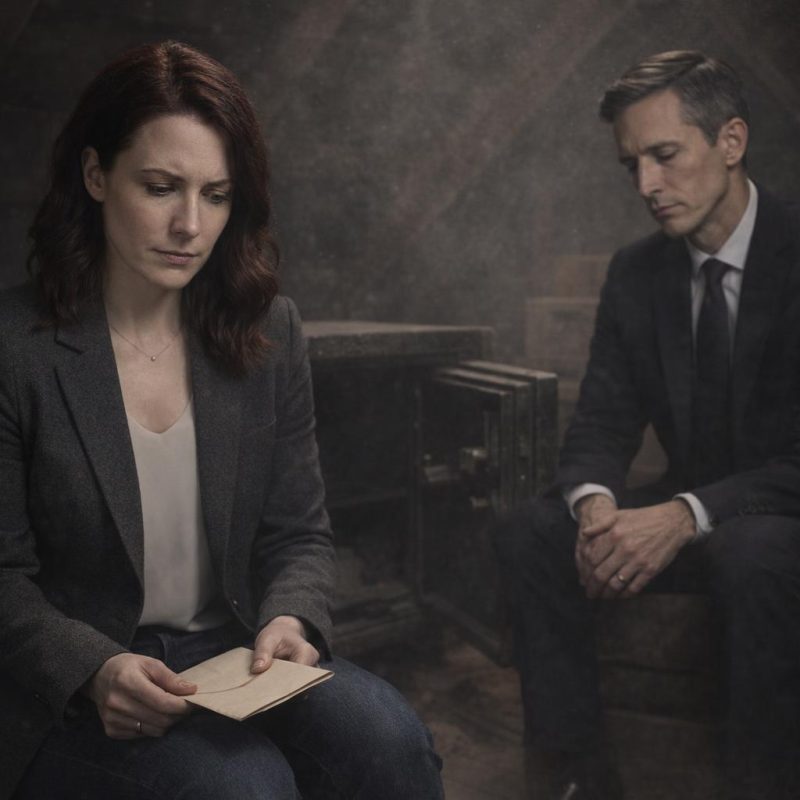 Image by RM AI
The Photographs
I worked my thumbnail under the tape and peeled it back in one slow strip. The flap came open without tearing. I tipped the envelope and let the contents slide out onto the floor beside the safe. What came out wasn't paper. It was photographs — a stack of them, maybe a dozen, printed on glossy stock and held together with a single rubber band. I pulled the band off and set it aside. The photos were face-down, so I flipped the stack over. The top image was dark at the edges, slightly grainy the way photos look when they're taken from a distance with a long lens. It showed the interior of a restaurant — white tablecloths, low lighting, the kind of place where the menus don't have prices on the side facing the customer. Taken from across the dining room, maybe from near the entrance. I couldn't immediately make out who was in it or what I was supposed to be looking at. I held it closer to the light coming through the attic's small window. There were two figures at a corner table, but the angle caught them mid-conversation, faces turned slightly away. I set that one down and reached for the first photograph to look again more carefully.
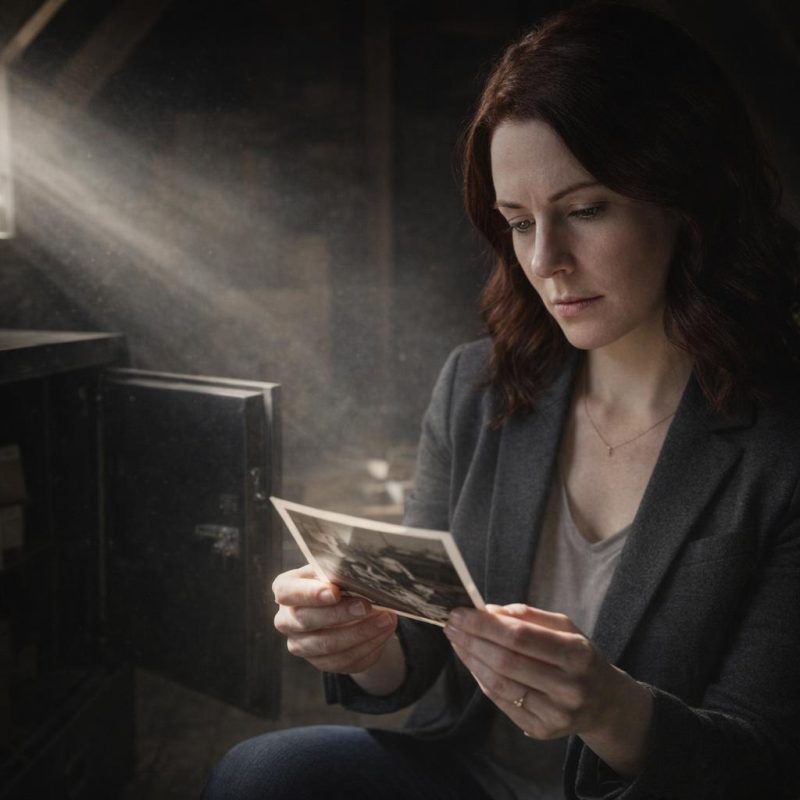 Image by RM AI
The Restaurant Photo
I brought the photograph up close and tilted it toward the window light. The image was clearer than I'd first thought — the grain was from distance, not from poor quality. The man on the left side of the frame was sitting straight-backed, shoulders squared, one hand resting on the table beside a water glass. It took me a moment, and then it settled into place: that was my grandfather. Harold, in a dark jacket I recognized, the one he wore to anything he considered worth dressing for. He looked alert, engaged, leaning forward slightly the way he did when a conversation had his full attention. In the corner of the photograph, printed small in white digits, was a timestamp — a date from eight months ago, four months before he died. He was looking toward someone outside the frame, someone the camera hadn't caught from this angle. The restaurant wasn't one I recognized. The décor was formal in a way that felt like another city — not somewhere local, not anywhere I'd been with him. I studied the tablecloth, the shape of the chairs, the light fixtures visible above his head. I had eaten with my grandfather in dozens of restaurants over the years, and something about the way he was sitting in this one — that particular quality of attention in his posture — felt completely familiar to me.
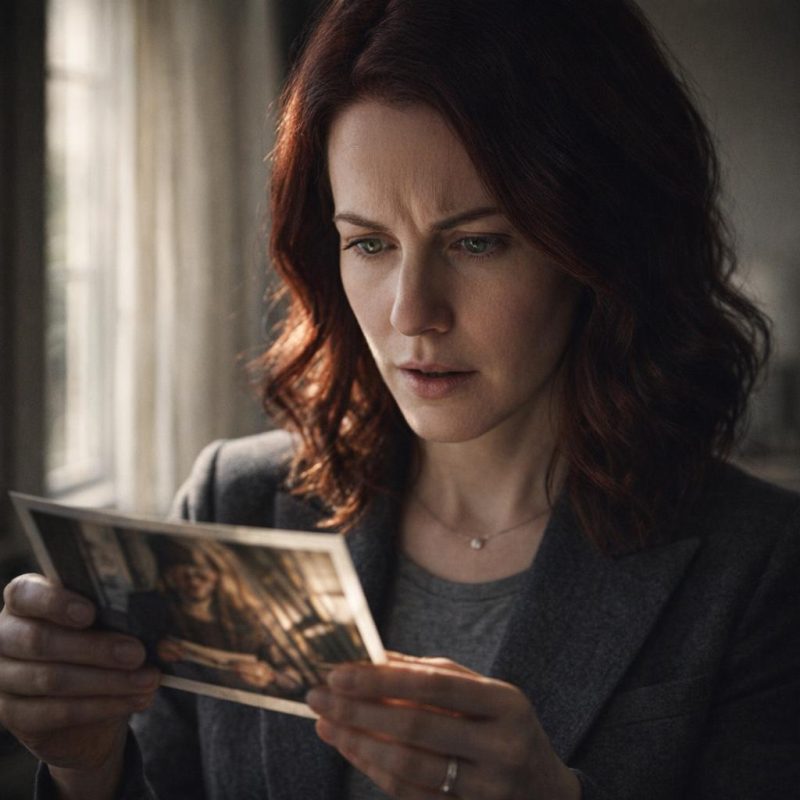 Image by RM AI
More Photos
I set the first photograph down and picked up the second. Same restaurant, different angle — this one taken from closer to the side wall, which meant the corner table was more fully in frame. My grandfather was there again, same jacket, same upright posture. And this time there was someone else visible at the table with him. A man, sitting across from Harold, his face turned at a three-quarter angle toward the window. I could see the line of his jaw, the set of his shoulders, the way he was leaning in with his elbows on the table. Not enough to place him. The timestamp on this one matched the first — same date, a few minutes later. Both men appeared to be deep in something serious. There were no drinks between them, no food visible, just the table and whatever conversation was pulling them both forward in their seats. I picked up the third photograph. Then the fourth. Each one showed the same two figures from a slightly different vantage point, as if whoever took these had moved carefully around the room to capture the table from multiple angles without being noticed. I set them out in a loose row on the attic floor and looked at them together. Something about the accumulation of images — the same scene, the same two men, documented so carefully — settled into my chest like a stone.
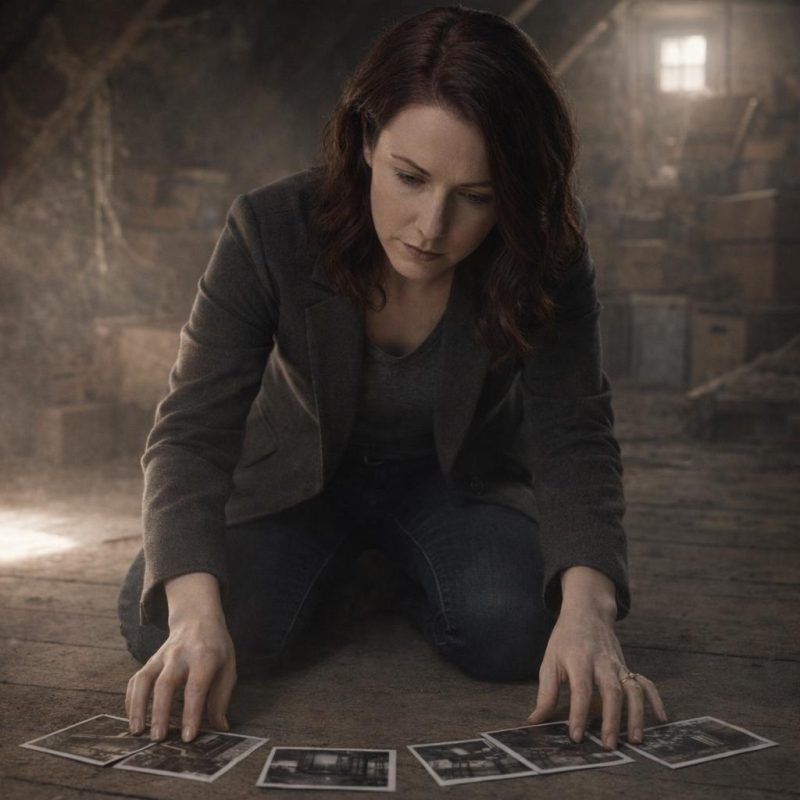 Image by RM AI
Recognition
I picked up the third photograph again. This one was sharper than the others — taken from a closer position, the lens aimed directly at the table rather than across the room. Both men were visible in full face. My grandfather on one side, that familiar posture, that particular quality of focus I had known my whole life. And on the other side of the table, turned just enough toward the camera that there was no mistaking the face — the dark hair at the temples, the set of the jaw, the slight forward lean of someone pressing a point. A face I had sat across from at my own kitchen table a thousand times. James hadn't moved. I was aware of him at the edge of my vision, still and quiet, watching me without pressing. My hands had gone cold. I turned the photograph over, checked the timestamp — eight months ago, the same date as the others — then turned it face-up again. I looked at it for a long moment, waiting for it to resolve into someone else, someone I didn't know. It didn't. The third photograph showed Mark sitting across from my grandfather, and his face was completely clear.
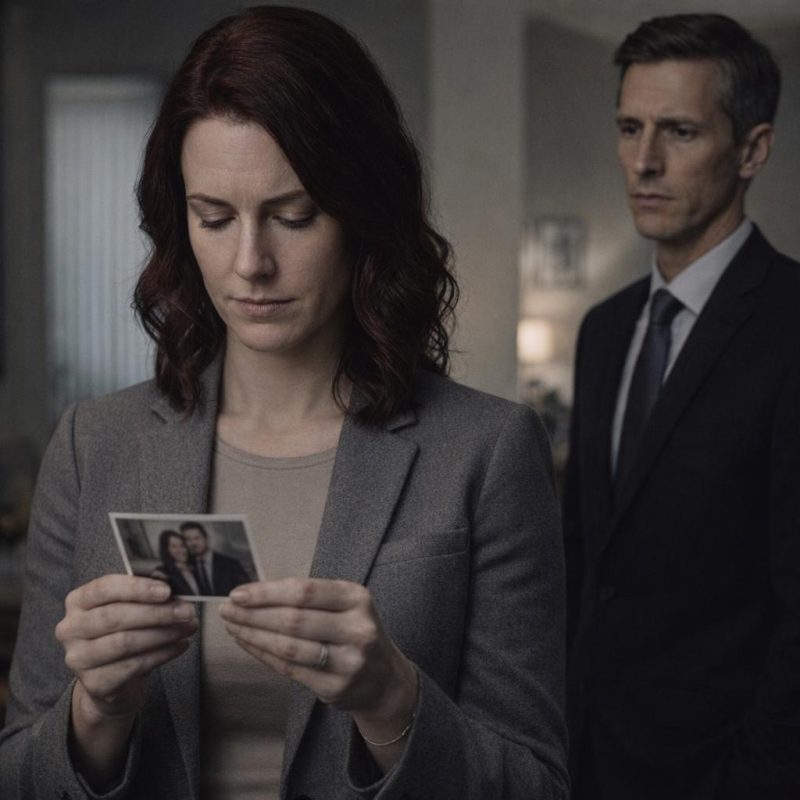 Image by RM AI
The Secret Meetings
I spread all the photographs across the attic floor in a rough grid, face-up, timestamps visible. A dozen images, maybe more. I went through them one by one, reading the dates printed in the corners. The first cluster was from eight months ago — the restaurant with the white tablecloths. But the next set showed a different location, a coffee shop with exposed brick and paper cups on the table. The timestamp on those was a month earlier. Then another set, another location, another month back. I kept going. My grandfather and Mark, sitting across from each other in booths and at corner tables and once, in what looked like a hotel lobby, both of them in coats. I laid the photographs out in order by date and crouched over them, moving from one end of the row to the other. The earliest timestamp I could find was from nearly twelve months ago. The most recent was six weeks before Harold died. I sat back on my heels and looked at the full span of them laid out like that — location after location, month after month, the two of them meeting in places that were not our home and not anywhere I had ever been invited. The dates on the photographs ran across nearly a full year.
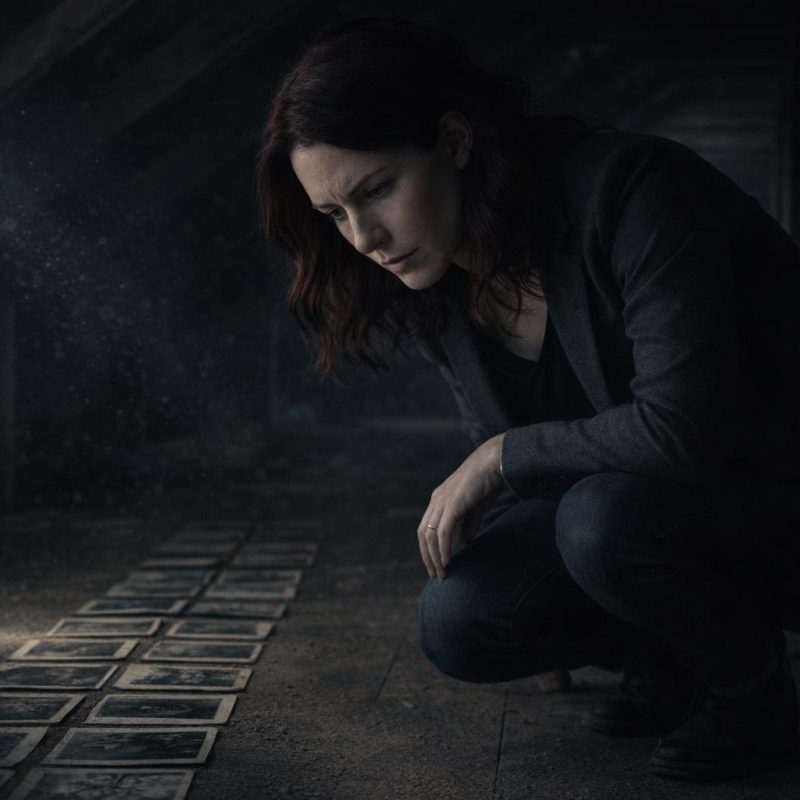 Image by RM AI
The Timeline
I went back to the beginning of the row and started again, this time reading only the timestamps. Thirteen months ago — that was the first one, a coffee shop I didn't recognize, both of them in winter coats. Then another, a month later. Then another. I moved down the line slowly, touching the edge of each photograph without picking it up. The meetings hadn't been occasional. They'd been regular, spaced out across the calendar like appointments someone kept. I pulled out my phone and counted the gaps between dates. Some were three weeks apart. Some were closer. A few had two meetings in a single month. Mark had never once mentioned stopping by to see my grandfather. Not once. Not during the holidays, not during the stretch when Harold's health started slipping, not ever. I thought about all the Sunday dinners where Mark had sat across from me and asked how Harold was doing, like he was hearing the updates for the first time. I moved to the end of the row and pressed my fingers against the last photograph — the one with the most recent timestamp. The date printed in the corner read one week before Harold died.
 Image by RM AI
Body Language
I picked up the photographs one by one and held each one closer to the light coming through the attic window. I wasn't looking at the dates anymore. I was looking at their faces. In the earliest images, Harold sat straight-backed the way he always did, but there was something in his expression I didn't associate with casual conversation — a tightness around his jaw, a focus in his eyes that I recognized from the few times I'd watched him handle serious business. Mark's posture in those early photos was different from how he carried himself at home. At home he sprawled, loosened his tie, left his shoes by the door. In these photographs he sat forward, elbows on the table, hands clasped or flat against the surface. Neither of them looked like two men catching up. In one image, Harold had a hand raised slightly, like he was making a point. In another, Mark's head was bowed just enough that it looked like he was absorbing something carefully. James had gone quiet beside me, and I was grateful for it. I set the last photograph down on the attic floor and sat with the two of them staring up at me — my grandfather's sharp, focused eyes and my husband's careful, attentive posture — and the intensity in both their faces settled over me like something I couldn't name.
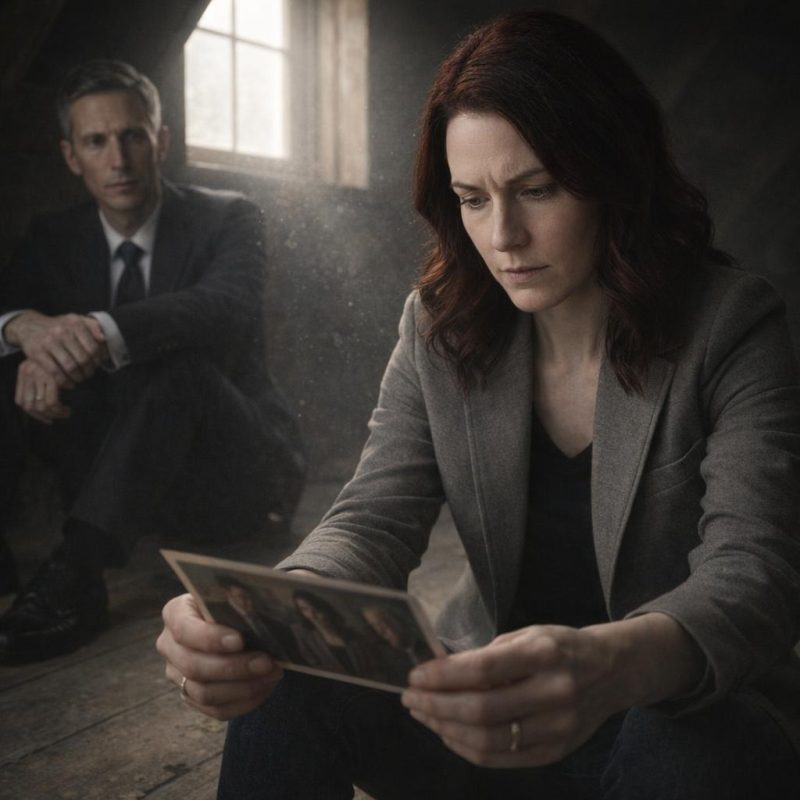 Image by RM AI
The Silence
I sat back and tried to think through the past year the way you'd retrace a route you'd driven a hundred times, looking for a turn you might have missed. Mark and I had talked about Harold regularly. I'd given him updates on the doctor's appointments, the medications, the slow narrowing of what Harold could manage on his own. Mark had listened. He'd asked questions. He'd said things like 'how's he holding up' and 'let me know if you need anything' and I had taken all of it at face value because why wouldn't I. Harold had called me every Sunday. We'd talked about the garden, about old photographs, about what he wanted done with certain pieces of furniture. He had never once said Mark's name in a context that suggested they'd seen each other. Not a passing mention. Not a 'your husband stopped by.' Nothing. A whole year of conversations between the three of us, running in parallel, and somewhere underneath all of it these meetings had been happening in coffee shops and hotel lobbies and restaurants I'd never been to. James shifted quietly beside me. I didn't look at him. I just sat there in the dust and the low attic light, and the silence that had surrounded all of those meetings pressed in around me from every direction.
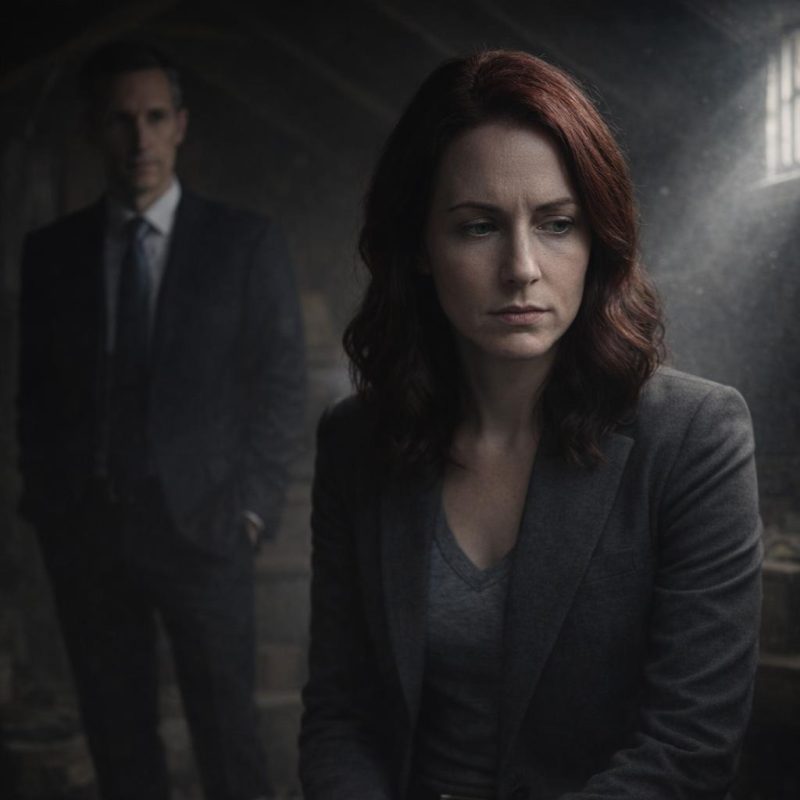 Image by RM AI
The Documentation
I picked up one of the photographs and turned it over, then flipped it back. The image was sharp — not the kind of sharp you get from a phone held up quickly in a crowded room. The framing was deliberate. Whoever had taken it had positioned themselves at an angle that kept both men in frame without drawing attention, catching them mid-conversation with the background slightly soft and the subjects clear. I picked up a second photograph. Same quality. Same careful framing. In one image, the camera appeared to have been positioned behind a partial wall or a divider — I could see the edge of something dark at the corner of the frame, like the lens had been partially obscured on purpose. These weren't pictures taken by someone at a nearby table who happened to recognize a familiar face. The angles were too consistent. The focus too clean. Someone had been in those rooms ahead of time, or had followed them in, and had stayed long enough to capture multiple moments across a single meeting. I looked at James. He was watching me work through it, his expression steady and unreadable behind his wire-rimmed glasses. I looked back down at the photographs spread across the attic floor — twelve images, multiple locations, a full year of meetings — each one captured with the same clean, unhurried precision.
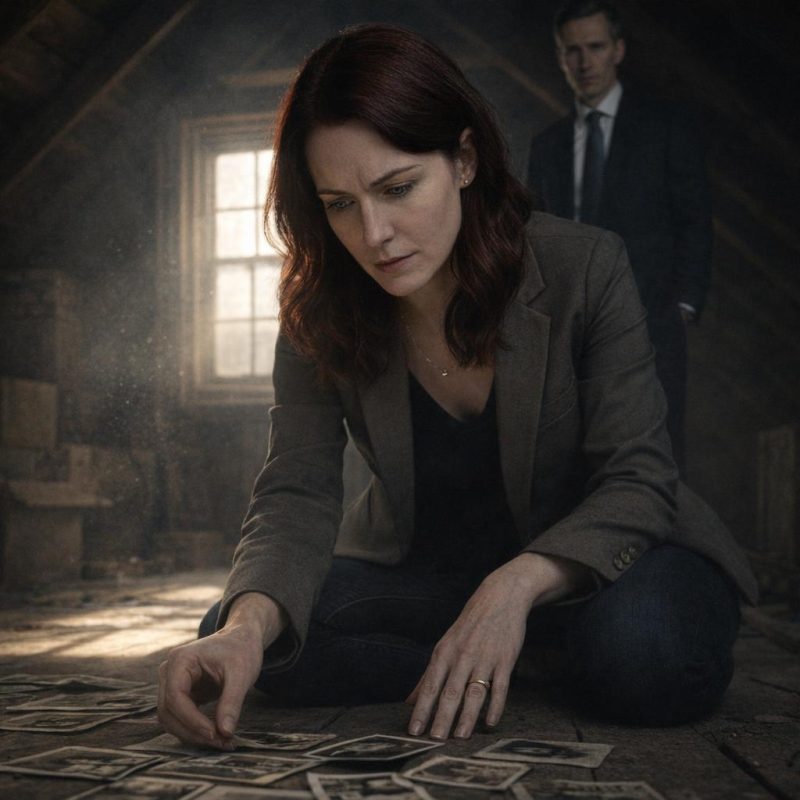 Image by RM AI
Coinciding Events
I reached for my phone and opened my calendar, scrolling back through the months. I held the first photograph next to the screen and checked the date. My stomach dropped a little. That meeting — the coffee shop with the paper cups — had happened four days after I'd gotten the call about my promotion. I'd come home that evening and told Mark over dinner, and he'd opened a bottle of wine and said he was proud of me. I set that photograph aside and checked the next cluster. The date on those images landed in the same week that Mark and I had sat at the kitchen table with a real estate printout between us, talking about whether we were ready to buy. I remembered that conversation. I remembered feeling like we were finally moving in the same direction. I kept checking. A third set of photographs was dated two days after Harold's birthday dinner — the one where Mark had given a toast and Harold had looked genuinely moved. I sat with the phone in one hand and a photograph in the other, going back and forth between the calendar and the images. I couldn't say what the overlap meant. Maybe it was nothing. Maybe the timing was coincidence. But the dates kept lining up, and I couldn't stop staring at how many of them did.
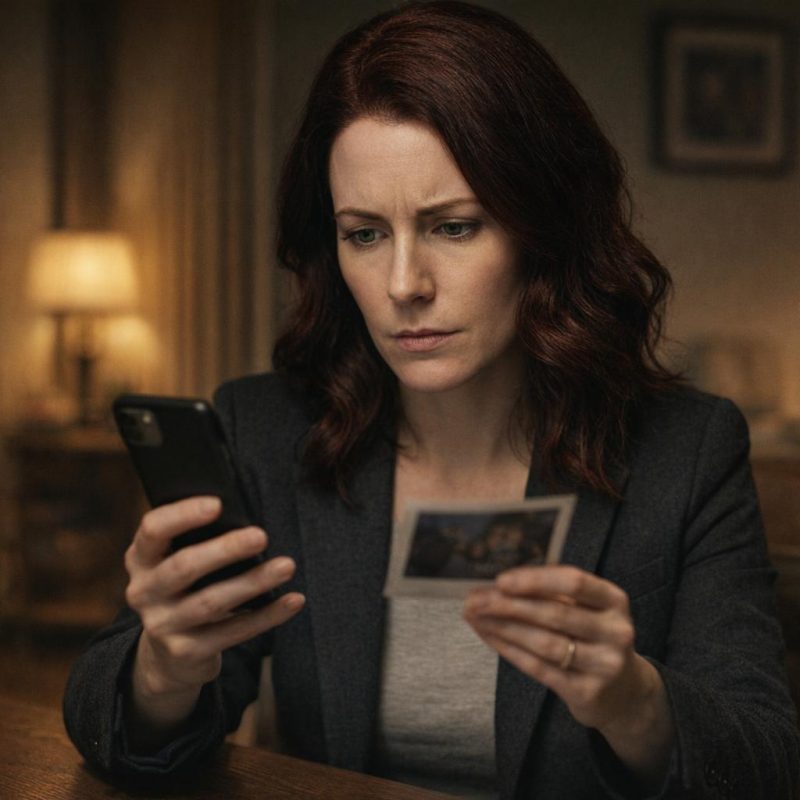 Image by RM AI
The Final Meeting
I picked up the last photograph again — the one with the most recent timestamp, one week before Harold died. I'd set it aside earlier but now I brought it close and looked at it properly. Harold looked different in this one. In the earlier images he'd been upright, focused, fully himself. Here his shoulders sat lower. There was a tiredness around his eyes that I recognized from the last few times I'd seen him in person, when the illness had started to show in ways he couldn't quite hide anymore. Mark's expression in this photograph was harder to read. His jaw was set. His eyes were on Harold with something that looked like strain. They were both leaning slightly toward the center of the table, the way people do when the conversation has gotten too important for the distance between them. I studied the table itself — the coffee cups, the edge of a napkin, the surface between them. And then I saw it. Sitting between them on the table, partially visible beneath Mark's forearm, was a manila envelope.
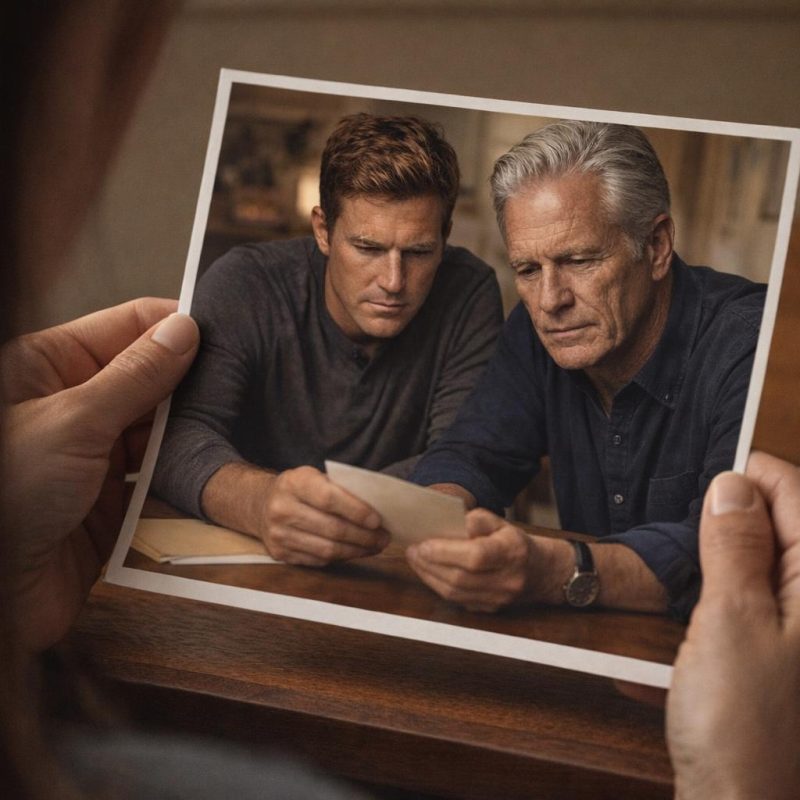 Image by RM AI
The Property Deed
I set the photograph down carefully and reached back into the safe. I'd assumed I'd seen everything — the photographs, the small notebook I hadn't opened yet — but my fingers found something else at the bottom, flat against the metal floor of the safe. I worked it out slowly. It was a folded document, heavier than regular paper, the kind of thick stock that legal paperwork comes on. I unfolded it on my knee. The header was formal — columns of text, official seals, the kind of dense language that makes your eyes want to slide off the page. I turned it toward the light from the attic window and tried to read through the first section. Beside me, James leaned forward. He didn't reach for it or ask to see it, but I noticed the shift in his posture — the way his attention sharpened when his eyes moved across the top of the page. Whatever it was, he recognized the format immediately. I looked back down at the document in my hands, at the crisp paper that showed no signs of age or wear, recently filed and carefully kept, and I sat there holding the weight of it across both palms.
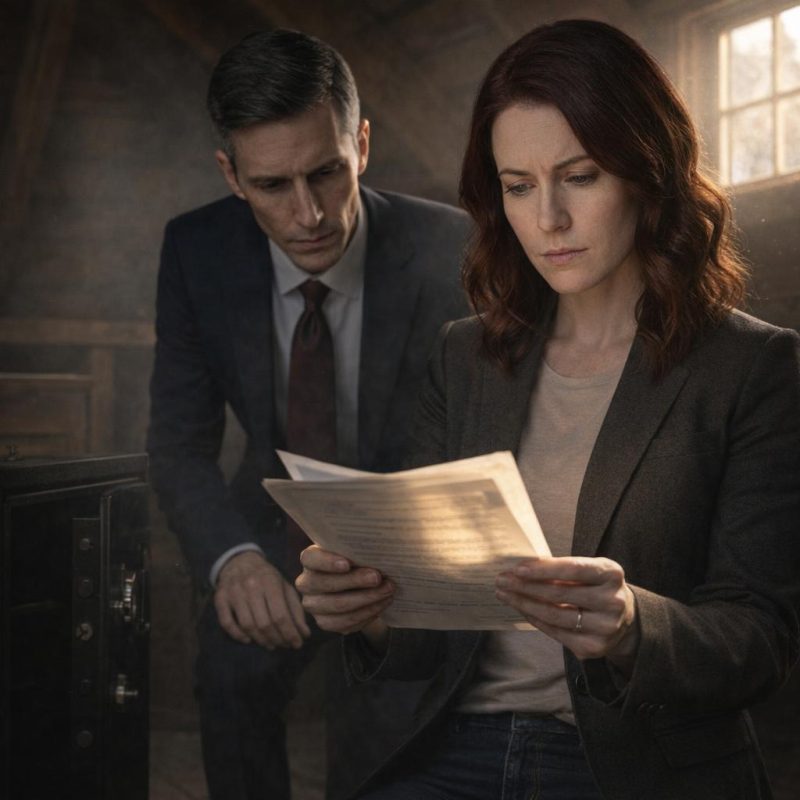 Image by RM AI
Mark's Purchase
I smoothed the document flat against my knee and started from the top, reading slowly. The legal language was dense and I had to work through it in pieces — party of the first part, property described as follows, consideration received. I found the section that listed the purchasing party and ran my finger along the line until I hit the name. Mark's name. Printed clearly in the middle of the page as the buyer of record. I kept reading. The property was described as commercial real estate — square footage, parcel number, a street address in a part of the city I associated with office buildings and small warehouses. I checked the transaction date. Six months ago. Six months ago Mark had purchased a commercial property, and I had known nothing about it — not the address, not the negotiation, not the closing. We had a joint account. We had shared finances. I turned to the section near the bottom of the document where the purchase price was listed, and the number printed there made me stop breathing for a moment.
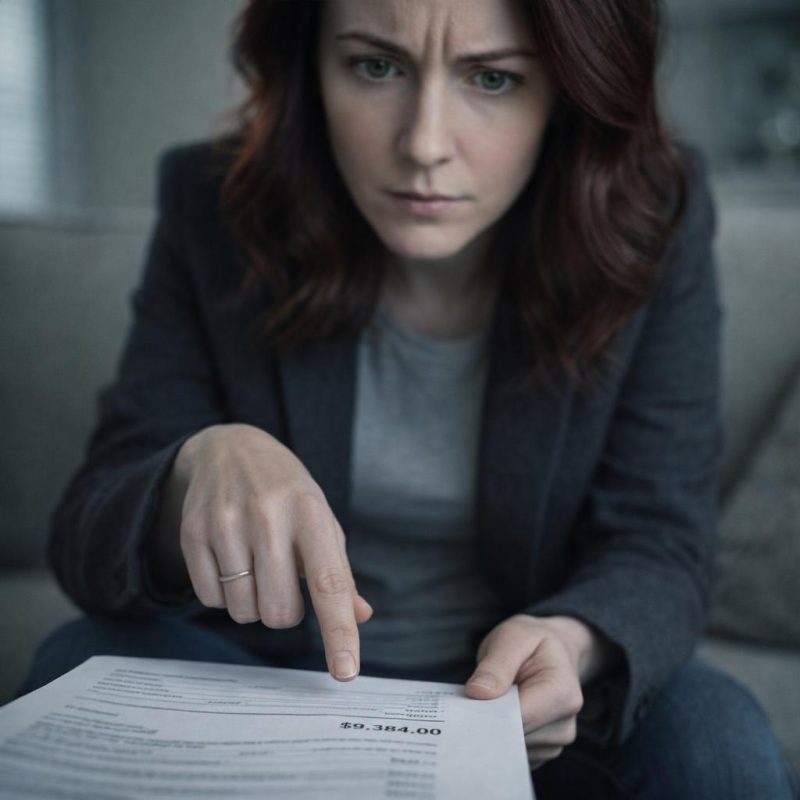 Image by RM AI
Registered in Her Name
I kept reading past the purchase price, past the legal descriptions, past the notary stamps. My eyes were moving but my brain had gone somewhere quieter, somewhere that was still trying to catch up. Then I hit the registration section — the part of the deed that listed the legal owner of record. I read the line once. Then I read it again. Then a third time, slower, my finger pressed flat against the paper like that might change what was printed there. Claire Mitchell. Sole proprietor. Just my name. Not Mark's name beside mine, not a joint registration, not a trust or an LLC with both our signatures attached. My name. Alone. On a property Mark had apparently purchased six months ago without telling me. I looked up at James, and something in his expression shifted — a small tightening around his eyes, like he was recalibrating something he'd assumed going in. "Is that — " I started. He held up one hand, not dismissively, just carefully. "Keep reading," he said. I looked back down at the page. My name sat there in clean black type, and I had absolutely no idea what it meant.
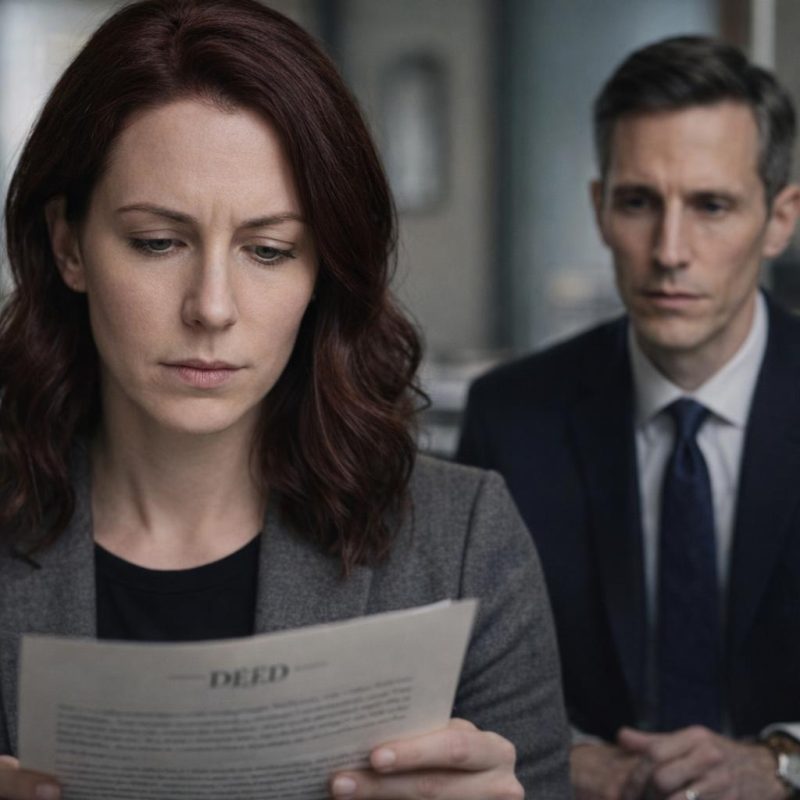 Image by RM AI
The Family Asset
James suggested I go back to the property description section, the part I'd skimmed past in my rush to find the ownership line. I turned the pages back and read it properly this time — the square footage, the parcel number, the zoning classification. And then the address. I read it once and felt nothing. Then something shifted, slow and cold, somewhere behind my sternum. I read it again. I knew that address. Not from a map or a business directory — I knew it the way you know a smell from childhood, the way a sound can pull you back twenty years before you've even registered what you're hearing. That building on Calloway Street, the one with the wide front windows and the old freight elevator that groaned every time it moved. My grandfather Harold had taken me there as a girl. He'd shown me the loading dock, the storage rooms, the office on the second floor where he kept a wooden desk the size of a dining table. He'd told me his father had built that business from nothing. That building had been in our family for two generations, and the address on the deed in my hands matched it exactly.
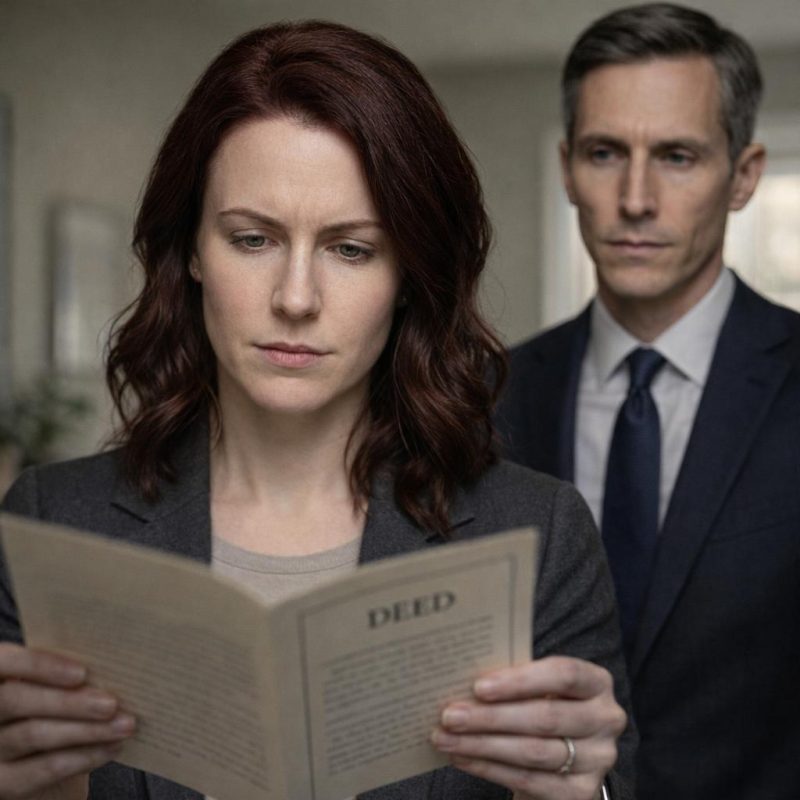 Image by RM AI
The Plan Takes Shape
I set the deed down on the floor and spread everything out — the photographs James had brought, the deed, the timeline I'd been building in my head. I looked at the photographs first. Harold and Mark, sitting across from each other at what looked like a restaurant table, both of them leaning in. Then Harold and Mark again, this time in what looked like an office. Then a third photograph, the two of them outside a building I now recognized as the one on Calloway Street. I looked at the dates stamped on the backs of the photographs, then at the transaction date on the deed, then thought about when the divorce papers had appeared on my kitchen counter. The meetings came first. Then the property transfer. Then Harold died. Then the divorce papers showed up. I sat there on the cabin floor with all of it laid out in front of me and tried to find an explanation that made the sequence feel accidental. I couldn't find one. I didn't know what any of it meant — not yet, not really — but the shape of it sat heavy in my chest, and the possibility forming at the edges of my thinking was one I wasn't ready to look at directly.
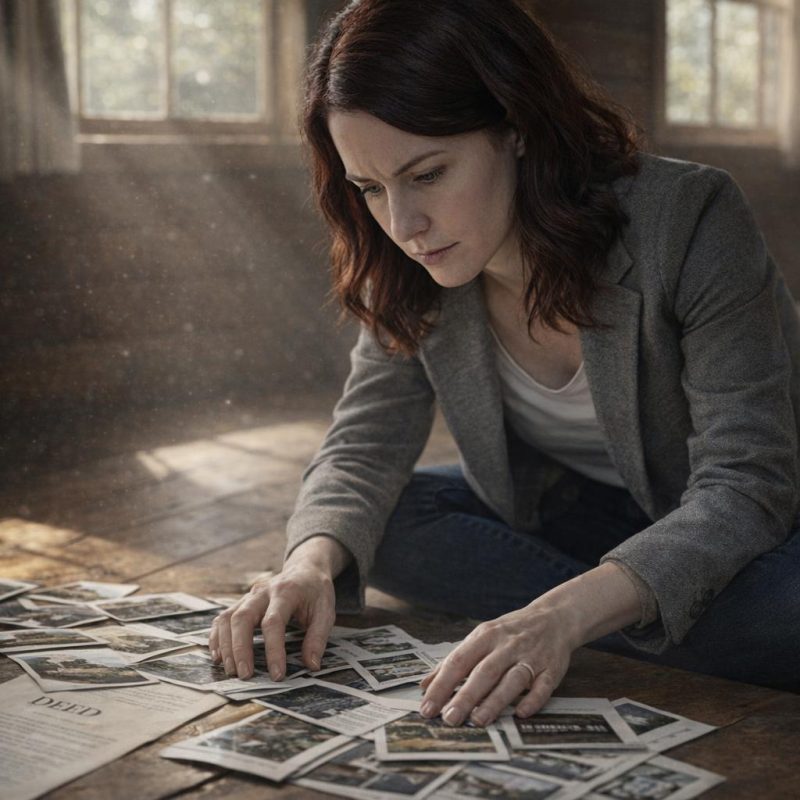 Image by RM AI
Searching the Cabin
I got up off the floor. I needed to move, needed to do something with my hands before the weight of everything I'd just laid out pressed me back down. "There has to be more here," I said, mostly to myself. James stood without being asked. I started with the shelves along the far wall — Harold's fishing books, a few old almanacs, a row of binders I pulled out one by one and flipped through. Nothing. I checked the closet near the door, pushed past the rain gear and the spare blankets, felt along the upper shelf. Still nothing. James had moved to the kitchen area and was quietly opening drawers. I crossed back to Harold's desk — the old one he'd had since before I was born, the one that smelled like cedar and pipe tobacco even now. I tried the top drawer first. Pens, a pocket knife, a folded gas receipt. I tried the wide center drawer. It stuck, then gave. Inside, beneath a road atlas and a folded piece of graph paper, was a leather journal, dark brown and worn soft at the corners, filled cover to cover with Harold's handwriting.
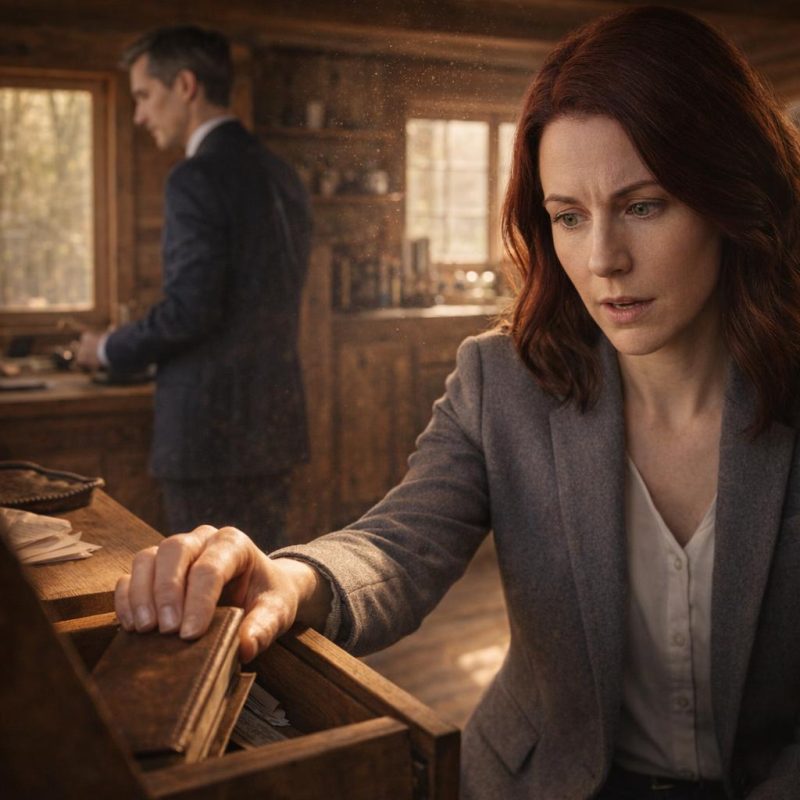 Image by RM AI
Journal Entries
I carried the journal to the chair by the window and sat down. James stayed where he was, quiet, giving me room. The handwriting was Harold's — I'd have known it anywhere, that particular mix of careful print and looping cursive he'd never quite settled between. I started at the beginning. The early entries were about the cabin itself, repairs he'd made, weather observations, notes about the property line. Then the tone shifted. He started writing about the family, about what he wanted to leave behind, about what he was afraid might get lost. He mentioned Mark by name more than once — not with anger, not with warmth exactly, but with a kind of careful assessment, like he was measuring something. He wrote about conversations they'd had. He wrote about Claire's future — my future — in a way that made my throat tighten, because he was already gone and here was his voice, still worrying. I turned the pages slowly, reading every line. Then I stopped. Near the middle of the journal, underlined once in Harold's deliberate hand, were two words that made my stomach drop: legal strategy.
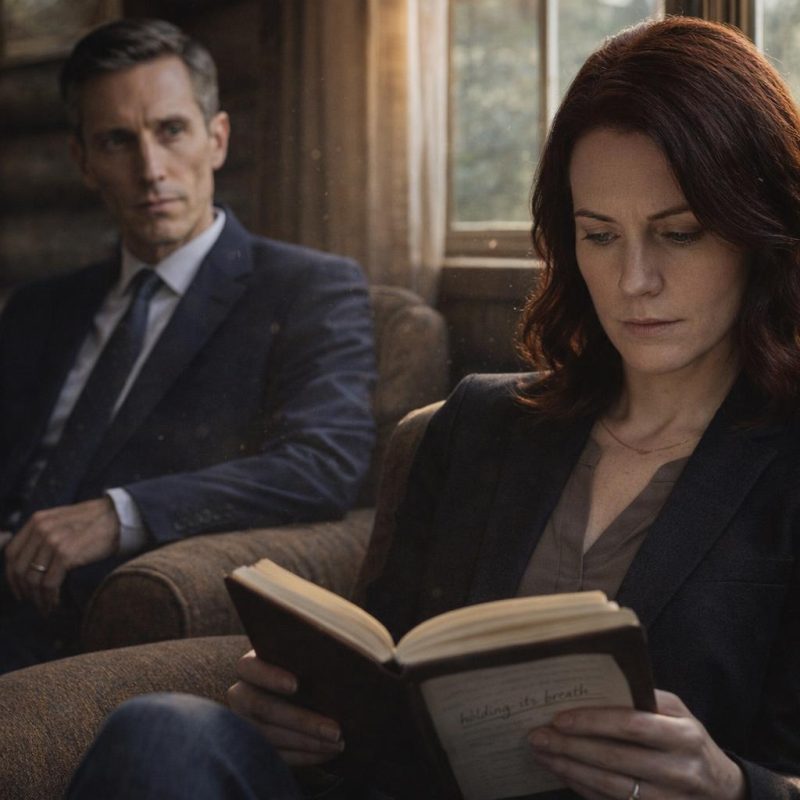 Image by RM AI
Protecting the Legacy
I kept reading past those two words, turning pages carefully, like the journal might fall apart if I moved too fast. Harold's entries grew more urgent as the months progressed — I could feel it in the handwriting itself, the letters pressed harder into the page, the margins filling up with notes he'd added later in a slightly different ink. He wrote about the family legacy in terms I hadn't heard him use out loud — not sentiment, but something closer to alarm. He used words like exposure and vulnerability. He wrote about assets that needed to be properly structured before it was too late. He never said too late for what. He never named what he was worried about losing the assets to, or who he thought might be coming for them. He just kept circling back to the same idea: that something needed to be done, and that time was shorter than people assumed. I looked up from the journal for a moment. The afternoon light had shifted across the cabin floor. James was sitting at the table, hands folded, watching me with the careful patience of someone who had already read everything I was reading now. The weight of what Harold had been carrying, alone, settled over me like something physical.
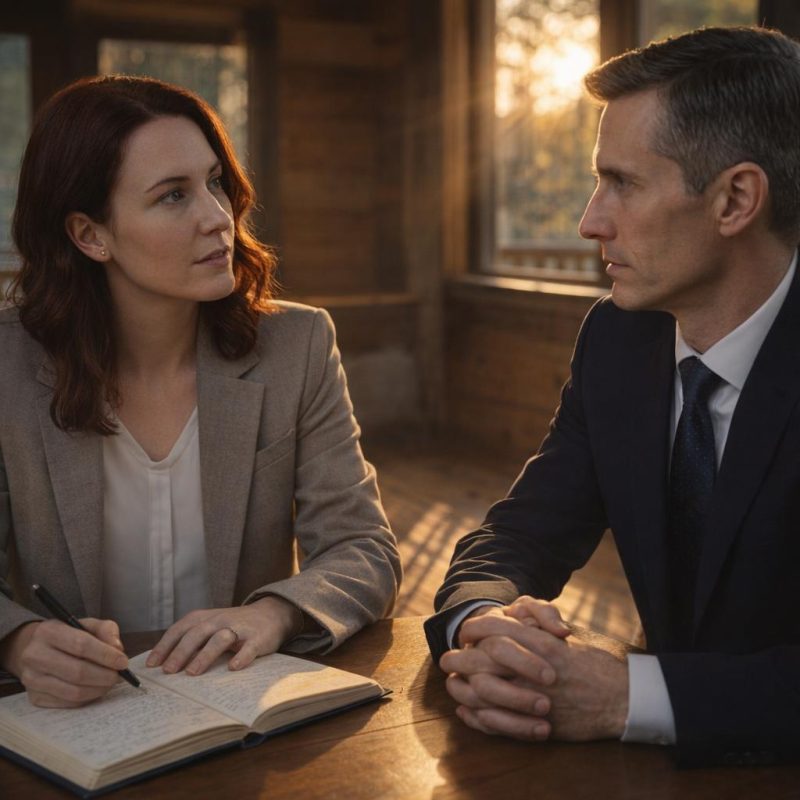 Image by RM AI
References to Strategy
I turned back to the journal and kept going. The references to legal strategy appeared again and again — sometimes in passing, sometimes as the entire focus of an entry. Harold wrote about consulting with attorneys, about the importance of getting the structure right the first time. He mentioned Mark in several of these entries, noting that Mark understood what was at stake and had agreed to cooperate with whatever needed to happen. He wrote about that cooperation with something that read like relief, like he'd been worried Mark might push back and was grateful he hadn't. There was an entry near the back that stopped me — Harold writing about the plan they'd developed together, expressing confidence that it would hold up, that it would do what it was supposed to do. He didn't say what it was supposed to do. He didn't explain the threat he kept circling. Every entry pointed toward something I couldn't quite see, like reading a letter with the key paragraph torn out. I closed the journal and held it in my lap. Harold had been afraid of something specific enough to build a legal structure around it, and somewhere underneath every careful, measured word he'd written, that fear was still there, waiting.
 Image by RM AI
The Call to Mark
I set the journal on the table and picked up my phone. My hands weren't entirely steady. James looked at me but didn't say anything. I found Mark's name in my contacts and pressed call before I could talk myself out of it. It rang once. It rang twice. He picked up on the second ring, and just hearing his voice — that familiar, careful hello — made something tighten in my chest. "I'm at the cabin," I said. "I have the deed. I have the photographs. I have Harold's journal." There was a pause on his end, just long enough to notice. "Claire — " "Don't," I said. "Don't do the thing where you manage me. I need you to tell me what was going on between you and my grandfather. I need to know what this legal strategy was. I need to know why my name is on that property and not yours." Another pause. When he spoke again, his voice came through pulled tight and low. "I can't explain this over the phone," he said.
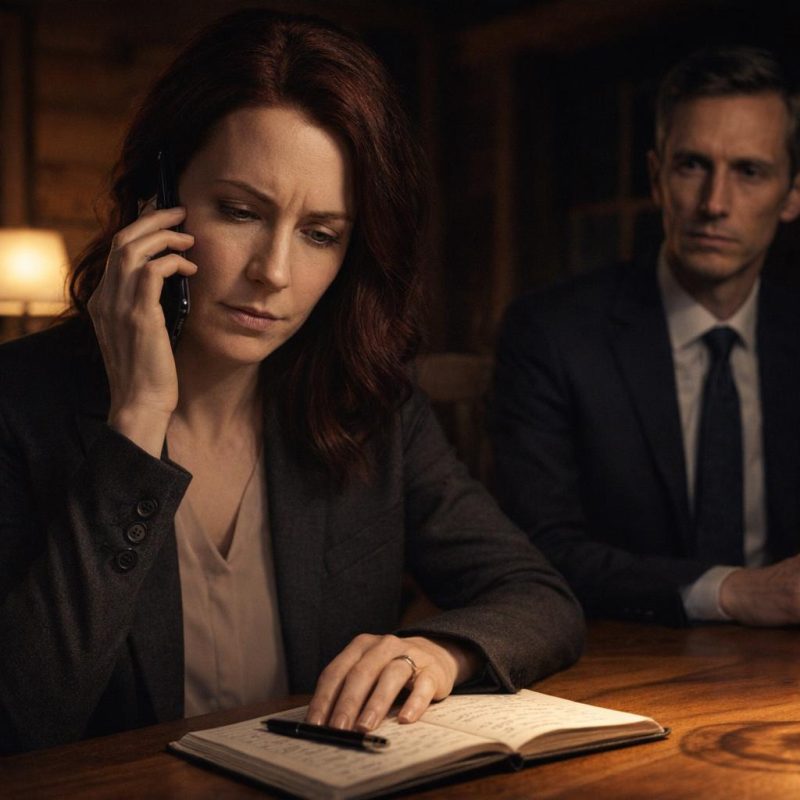 Image by RM AI
Mark's Refusal
"I can't explain this over the phone," he said, and something in my chest went very still. I pressed the phone harder against my ear. "Then explain it to me right now," I said. "Why were you meeting with my grandfather in secret? Why is my name on that deed and not yours? What is this legal strategy he keeps referencing?" Mark's breathing was audible on the other end. Measured. Like he was choosing every word before he let it out. "Claire, you need to finish reading everything he left you. All of it. Then we can talk." "That's not an answer." "I know it isn't." "Mark—" "Please," he said, and the word came out quieter than anything else he'd said. "Just finish reading. I promise it will make sense." And then the line went dead. I stood there holding the phone against my chest, staring at the far wall of the cabin. James hadn't moved from his spot near the table. He'd heard my side of it — the demands, the silences, the please — but not whatever Mark had said in between. The cabin held the quiet around me like something solid.
 Image by RM AI
The Insistence
James asked if I was alright. His voice was gentle, careful, the way you speak to someone standing too close to an edge. I told him what Mark had said — finish reading, all of it, then we can talk. James nodded slowly, like that tracked with something he already understood but wasn't going to say out loud. I looked at the floor. The photographs were still spread across it, Harold's journal open to the middle, the deed sitting at an angle where I'd set it down. The safe was still open behind me. I'd gone through most of it, but not all of it. Mark knew that. Harold had apparently counted on it. I felt caught between the two of them — my grandfather who was gone and my husband who wouldn't speak — both of them pointing me back toward a pile of papers on a cabin floor. James said he'd make more coffee. I didn't answer. I just kept looking at everything Harold had left me, all the pieces I hadn't yet turned over, and felt the weight of what I still didn't know pressing down on my shoulders.
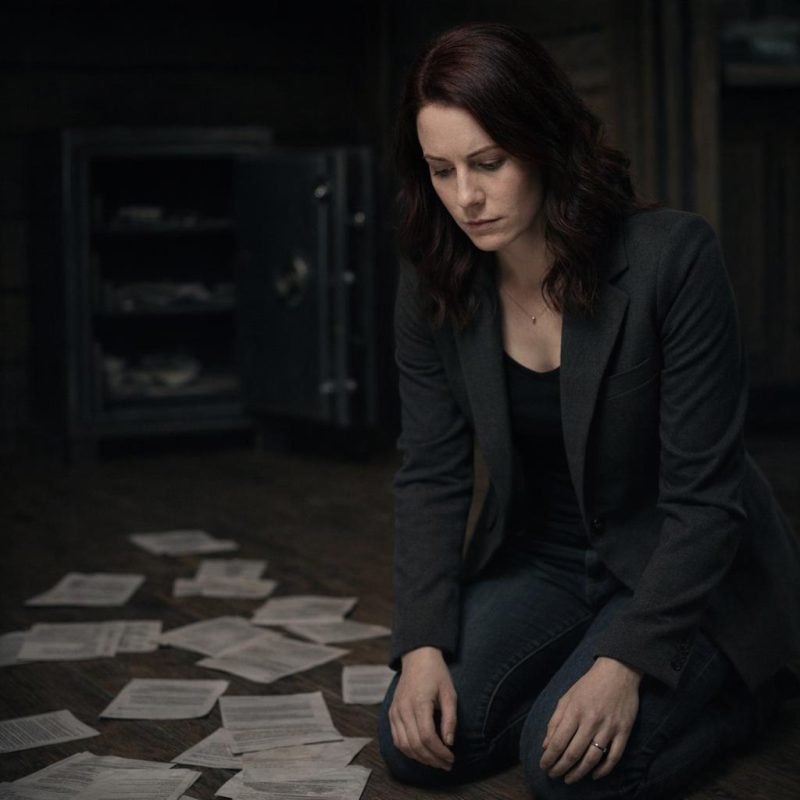 Image by RM AI
The Final Sealed Letter
I went back to the safe. I don't know what made me do it — some instinct that I hadn't looked carefully enough, that there was something I'd moved past too quickly. I crouched in front of it and ran my fingers along the interior walls, the floor of it, the corners. James watched from across the room without saying anything. My fingers found the lid's inner surface last. There was something there — a small envelope, taped flat against the metal, positioned so it would only be visible if you were looking up from inside. I had to work the edge of my thumbnail under the tape carefully, slowly, so I didn't tear what was underneath. It came free with a soft, dry sound. The envelope was small, cream-colored, and on the front, in Harold's handwriting — the same careful, deliberate script I'd been reading all afternoon — were four words: Final Letter — Read Last. I sat back on my heels and held it in both hands. The seal was still intact. I slid my finger under the flap and broke it open.
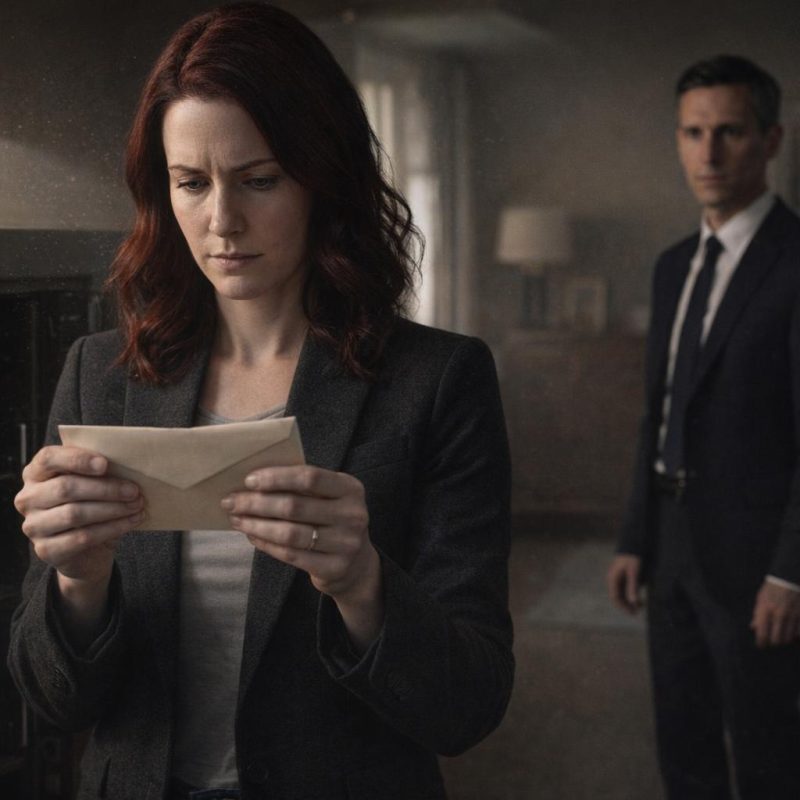 Image by RM AI
Harold's Final Words Begin
My hands were shaking as I unfolded the pages. Harold's handwriting filled both of them, dense and unhurried, the way he'd always written — like he had all the time in the world and wanted to use it carefully. The letter began with an apology. He was sorry for the secrecy. He was sorry I was reading this without him there to explain it in person. He wrote that everything that followed had been done with one purpose: to protect me. I had to stop and read that line twice. James had come to stand a few feet away, close enough to be present but far enough to give me the page. I kept reading. Harold wrote about Mark — about something that had happened with Mark's business, a situation that had grown serious enough that Harold had felt he had no choice but to act. He didn't name the full scope of it yet, not in that first paragraph, but the word he used was debt. Substantial debt. And then he wrote that by the time I was reading this, the plan to protect me from it would already be in motion. I looked up from the page. James met my eyes. I looked back down and kept reading.
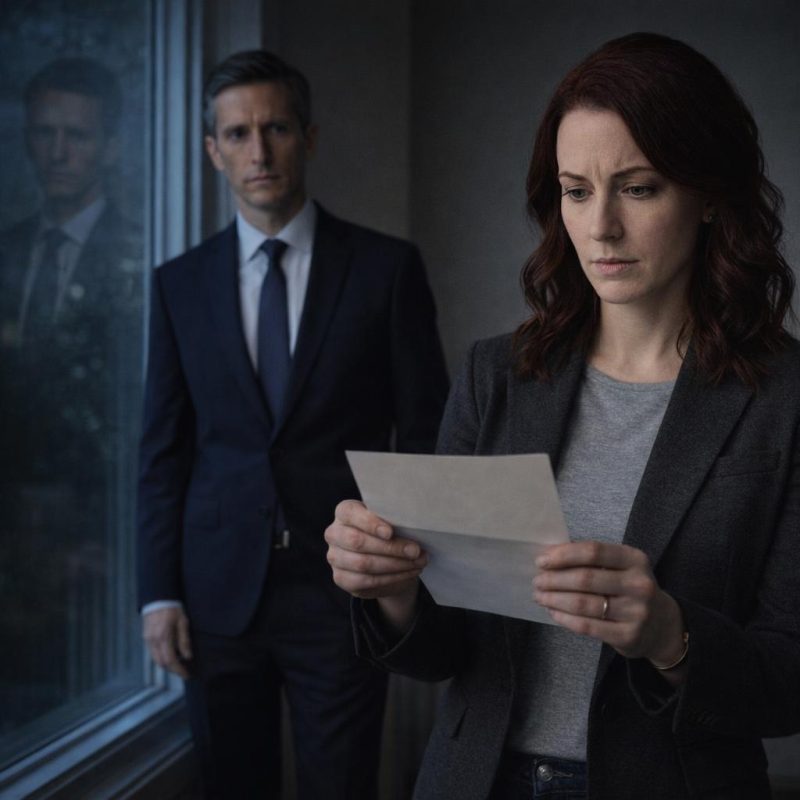 Image by RM AI
The Truth Revealed
Harold's letter laid it out in plain, careful language, the way he'd always explained hard things — no softening, no evasion, just the facts arranged so I could follow them. Mark's business had accumulated debts large enough to reach our shared assets. Under marital property law, creditors could have come for everything we'd built together — the house, the savings, the inheritance Harold had spent decades setting aside for me. So Harold and Mark had built a legal wall. The divorce filing wasn't abandonment. It was architecture. By establishing me as a separate legal entity, by transferring the family property into my name alone before the filing, they had drawn a line that creditors couldn't cross. Harold wrote that Mark had come to him first — before anyone else, before any attorney — because he didn't know what else to do and he trusted Harold's judgment. They had agreed together that I couldn't know. Not because they didn't trust me, but because the protection only held if it looked real. A divorce that appeared coordinated could be challenged. It had to look like a genuine dissolution. I set the pages down on my knee. The divorce papers on the kitchen counter, the silence, the months of believing he had simply stopped loving me — none of it had been what it looked like. All of it had been a wall built around me, and I had been standing inside it without knowing.
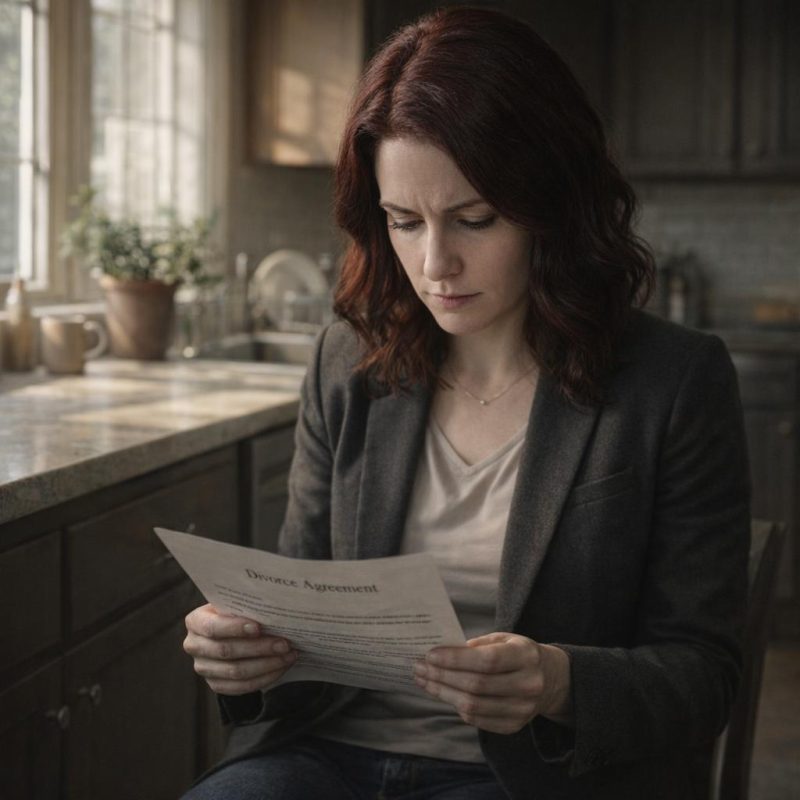 Image by RM AI
Mark's Business Crisis
I turned back to the letter. Harold had written the next section in the same measured hand, but I could feel the weight behind it — the way you can tell when someone chose every word twice. Mark's business partner had been running fraudulent accounts for at least two years before anyone caught it. When the partner disappeared, Mark was left holding the legal liability. Harold wrote the number. I had to read it twice to make sure I hadn't misread a digit. I hadn't. It was enough to take everything. Harold wrote that Mark had come to him fourteen months ago — fourteen months, which meant Mark had been carrying this while we were still having dinner together, still sleeping in the same bed, still talking about what we wanted the next ten years to look like. He had come to my grandfather before he came to me. I understood why, reading it — Harold was the one with the attorneys, the one who knew how these things worked — but the understanding didn't make it sit any easier. And then Harold had written the timeline. Every step, every date, laid out in a column down the margin of the second page, and the first entry read: Mark informed me — fourteen months prior to filing.
 Image by RM AI
The Protection Plan
Harold had consulted three separate attorneys before settling on the approach. He wrote that in the letter without any particular pride — just as a fact, the way he'd always reported the work he'd done behind the scenes. The property transfer had to come first. That was the foundation of everything. Moving the cabin and the family land into my name alone created a legal separation that predated the divorce filing, which meant it couldn't be read as a fraudulent transfer made to dodge creditors. The timing had been precise and deliberate — Harold's word, not mine. The divorce filing came after, establishing me as an independent legal entity with assets that were already, on paper, entirely mine. Creditors pursuing Mark could only reach what was his. James, standing near the window, said quietly that it was a sound strategy. Cleanly executed. I looked at him. He said Harold had clearly worked with people who knew what they were doing. I looked back at the letter. Harold had written that he'd spent four months getting the sequencing right — four months of meetings and revisions and contingency planning — all of it invisible to me, all of it aimed at making sure that whatever happened to Mark's situation, I would be standing on solid ground. The care that had gone into it settled over me like something I didn't have the right words for yet.
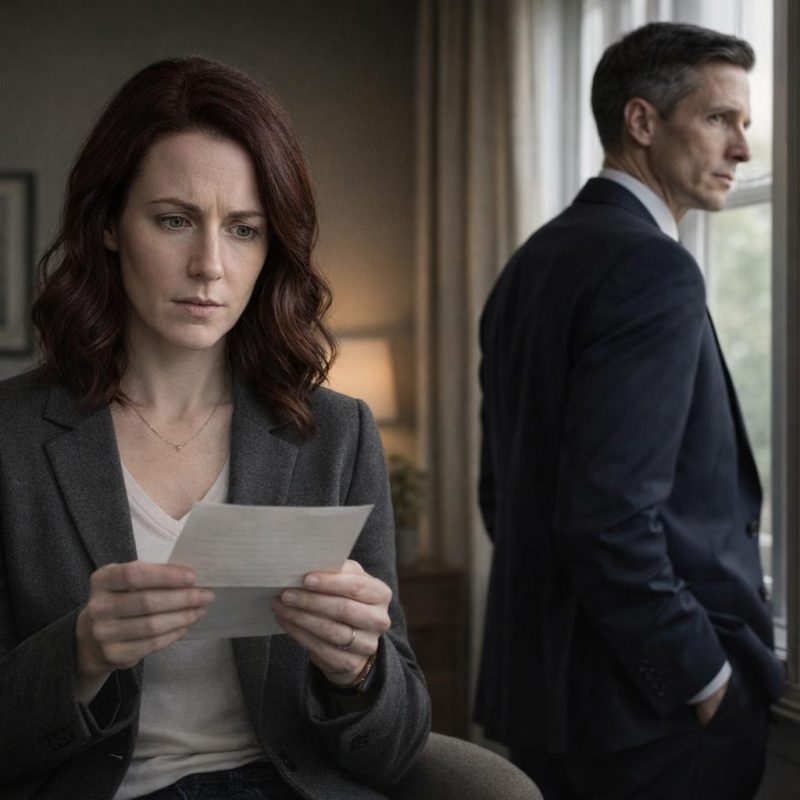 Image by RM AI
Mark's Sacrifice
Near the end of the letter, Harold's handwriting changed slightly — not in the letters themselves, but in the pressure behind them, like he'd been holding something back and finally let it through. He wrote about Mark's anguish. That was the word he used. Anguish. Mark had known, from the beginning, that I might not understand. That I might find the papers on the counter and believe exactly what they looked like — that he had stopped loving me, that he had chosen to leave. Harold wrote that Mark had accepted that possibility. He had accepted that I might hate him for it. The divorce papers had to be real documents, filed through real channels, because anything less would have left a gap that creditors or their attorneys could have found. Mark couldn't explain. He couldn't leave a note, couldn't pull me aside, couldn't give me anything that might later be used to argue the filing was coordinated. Harold had promised him that the truth would be here, in this cabin, waiting for me to find it. Mark had agreed to that. He had handed the explanation to a dead man and walked away, and trusted that I would eventually reach the end of the letter. I sat with the pages in my lap and felt the full weight of what that choice had cost him.
 Image by RM AI
Reviewing the Evidence
I spread everything out on the cabin table again — the photographs, the journal entries, the property deed, all of it — and this time I looked at each piece with what I now knew. The first photograph, the one that had made my stomach drop when I first found it, showed Harold and Mark sitting across from each other at a restaurant table. Harold's expression was serious, focused. I had read that as secrecy. Now I saw it for what it was: a grandfather doing the hardest kind of math, calculating how to protect someone he loved. The journal entries I had read as evidence of conspiracy now read as a record of determination. Harold had written about timelines, about creditor law, about the specific sequence of property transfer that would hold up under scrutiny. Every date was deliberate. Every step had been mapped. James stood quietly near the window, giving me space, and I was grateful for that. I picked up the final photograph — Mark at the signing, his jaw tight, his eyes carrying something I had mistaken for guilt. I understood now what that expression actually was. Every single thing Harold had left in this cabin had been an act of love, placed here so I would eventually find my way through to the truth.
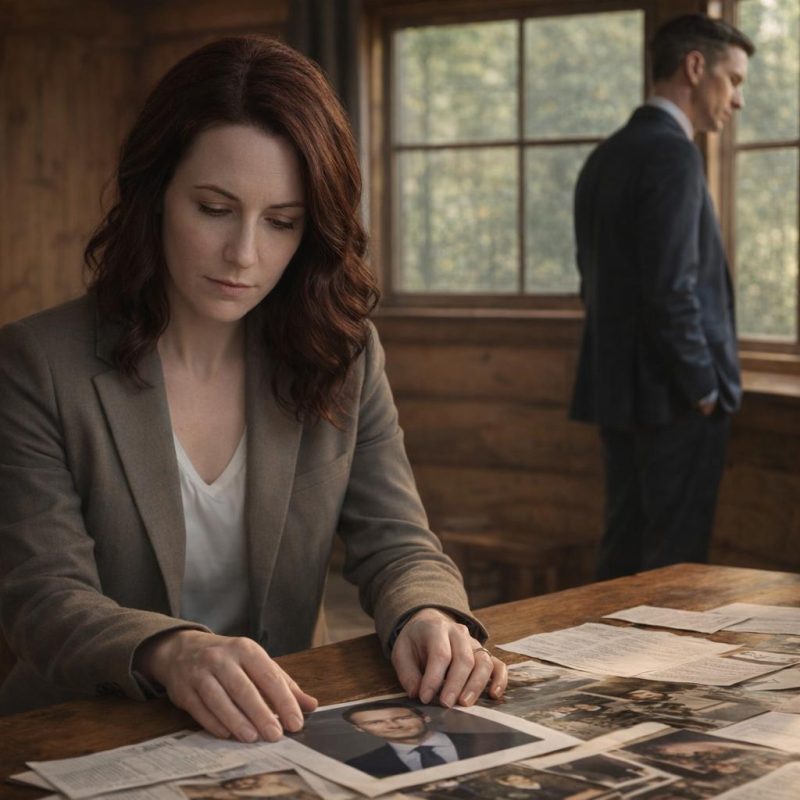 Image by RM AI
Preparing to Return
I stacked the documents carefully, the way you handle something you know matters. The photographs went in last, on top, and I pressed the folder closed with both hands. James watched from across the table, his expression patient and steady. 'If any legal questions come up when you get home,' he said, 'call me directly. Harold made sure I'd be available.' I thanked him — not just for today, but for following instructions written by a man who had been gone for months, for driving out here, for sitting with me through all of it without rushing me toward any particular conclusion. He nodded once, the way people do when they understand that some things don't need more words. I tucked the folder under my arm and looked around the cabin one last time. The fireplace, the worn rug, the window that faced the tree line. Harold had chosen this place carefully. He had known I would need somewhere quiet enough to hear what he was trying to say. I picked up my keys from the counter. I had arrived here running away from something. I walked out the door moving toward something instead.
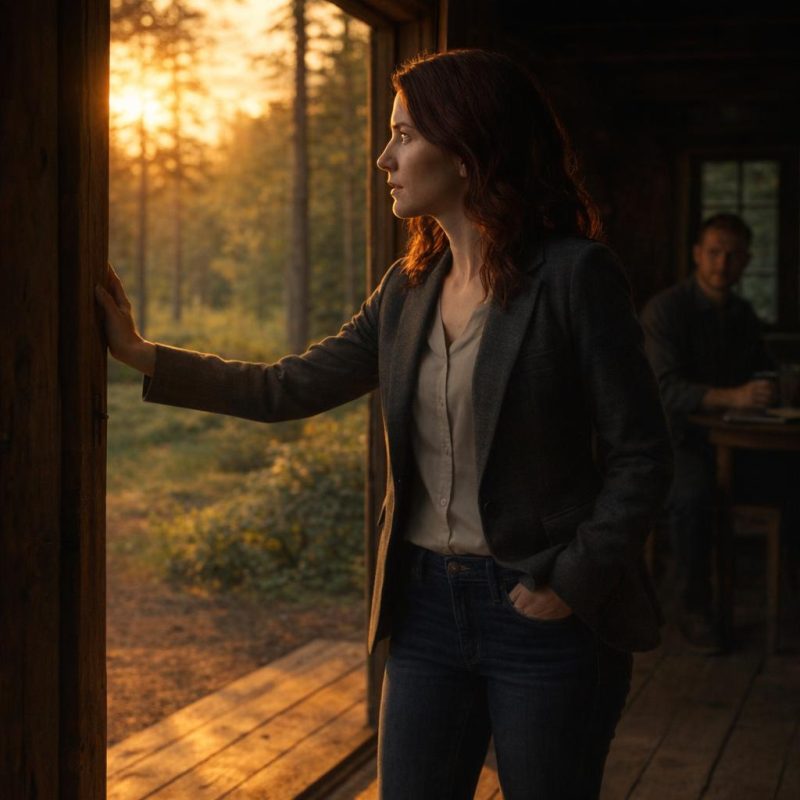 Image by RM AI
The Drive Home
The highway stretched out ahead of me, familiar and long, and I let the miles come without rushing them. The folder sat on the passenger seat where the divorce papers had ridden on the way up — same seat, completely different weight. I thought about the past year. The way Mark had grown quieter in increments, the way he'd stopped talking about the business the way he used to, the way he'd sometimes look at me across the dinner table with something in his eyes I couldn't name. I had read all of it as distance. I had been so certain I was watching someone fall out of love. The road curved and I followed it, hands easy on the wheel. I thought about what I was going to say when I saw him. I had rehearsed a few versions in my head, but none of them felt right — too formal, too careful, too much like a speech. What I kept coming back to was simpler than any of it. I just needed him to know that I had read every word. That I had followed the whole trail Harold left. That I understood what it had cost him to stay silent, and I was not going to make him carry that alone anymore.
 Image by RM AI
The Creditor's Arrival
I turned onto our street and saw the unfamiliar car first — dark, expensive, parked at an angle that felt impatient. Then I saw the two figures on the porch. Mark stood with his arms crossed, his posture the kind of tight and controlled that I recognized as him working very hard not to show anything. The other man was well-dressed in the way that announces itself, slicked-back hair, a suit that cost more than it should have. He was talking, and even from the driveway I could see the shape of the conversation — the forward lean, the hand gestures that were just a little too expansive. I had read enough of Harold's letter to know exactly what I was looking at. I pulled in slowly, cut the engine, and sat for just a moment with the folder in my lap. Robert Dawson. It had to be. Harold had described him precisely enough that there was no question. I got out of the car and started up the front walk, and that was when Mark saw me. The change in his face was immediate — not relief, not quite, but something more complicated than that, a flash of fear on my behalf that he couldn't fully hide before it settled into the tension already holding his shoulders rigid.
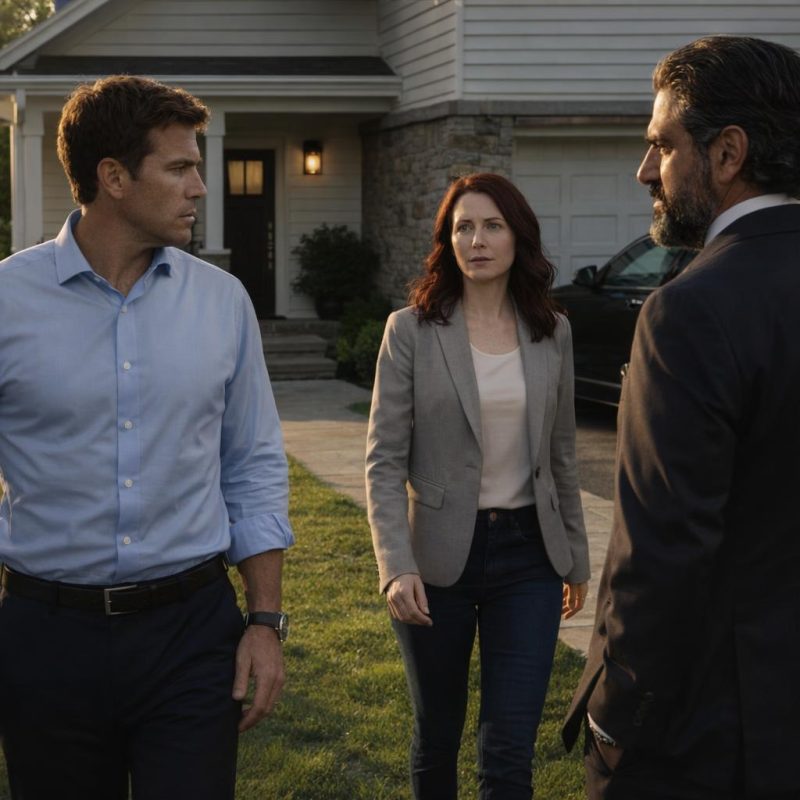 Image by RM AI
Standing Her Ground
I walked up the porch steps like I had every right to be there — which I did, because my name was on the deed. I kept my voice even when I introduced myself to Robert, and I watched his practiced smile adjust itself, recalibrating. 'I think there may be some confusion about what you're looking for here,' I said. I opened the folder and pulled out the divorce filing first, then the property deed beneath it. I laid them both out on the porch railing between us, smoothing the edges flat. I explained it the way Harold's letter had explained it to me — the legal separation of assets, the timeline of the property transfer, the fact that what Robert was looking for simply did not exist in the place he was looking. Mark stood very still beside me. I could feel him watching, but I didn't look over. I kept my eyes on Robert, who was scanning the documents with the focused attention of someone searching for a crack. There wasn't one. Harold had been too careful for that. When I finished, the porch went quiet, and I heard my own voice settle into the silence — steady, unhurried, backed by every page in that folder.
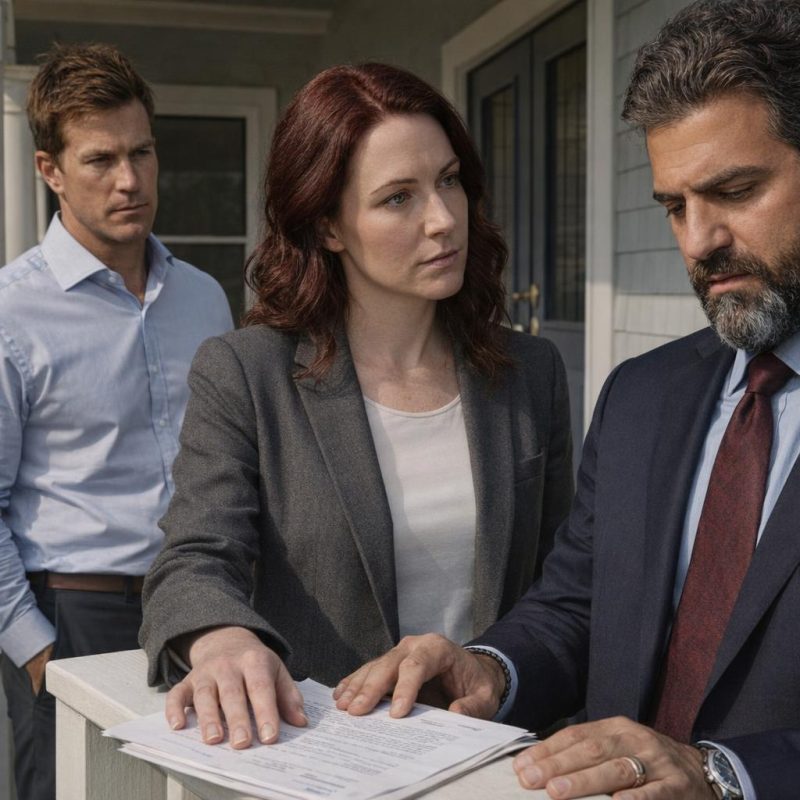 Image by RM AI
The Legal Shield
Robert picked up the deed and read it twice. I let him. The property transfer date was there in plain print, recorded weeks before the first creditor claim had been filed against Mark's business. I walked him through the sequence the way James had walked me through it — not to be kind, but because precision mattered here. The divorce filing established Mark and me as legally separate financial entities. The deed established that the property belonged solely to me, acquired before any of Mark's business liabilities had attached. Robert set the deed down and picked up the filing. He flipped to the back page, then the front again. I watched him look for the gap Harold had already closed. He checked the dates a second time. He looked at the notary stamps. He turned the deed over as if something useful might be printed on the back. Mark hadn't moved from his spot near the door, and I hadn't looked at him, but I was aware of him the way you're aware of someone standing close in a dark room. Robert finally set both documents down on the railing and straightened up, and the expression that crossed his face in that moment — the slow, flat recognition that there was nothing here for him to take — was something I had not expected to feel quite so much like relief.
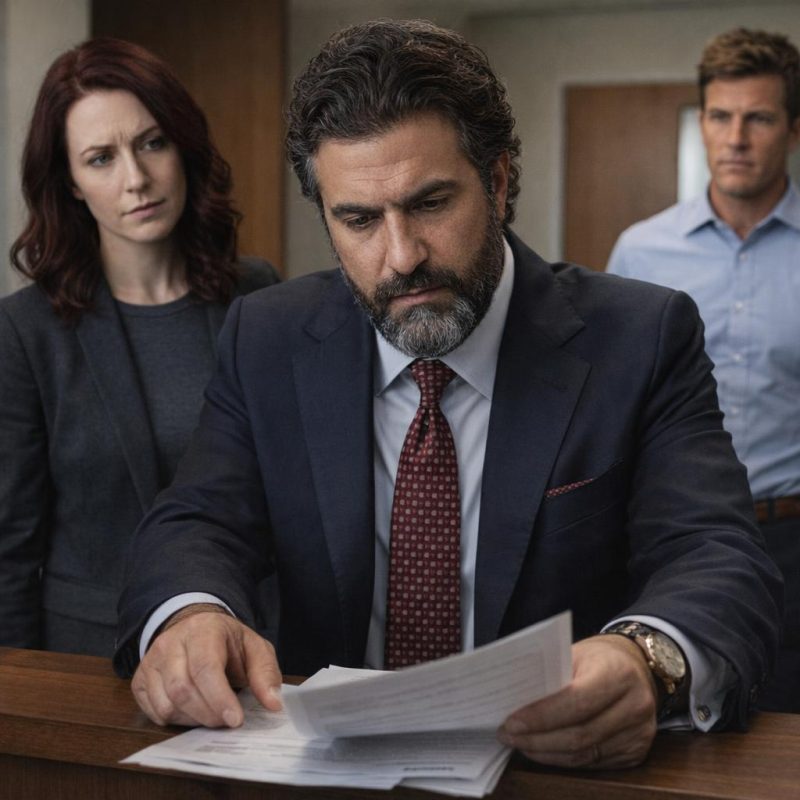 Image by RM AI
Mark Sees Her Strength
Robert was still standing at the railing, jaw tight, working through whatever his next move was going to be. I turned slightly toward Mark and cited the specific clause James had explained to me — the one Harold had insisted on, the language about sole ownership predating any joint liability. I used the exact phrasing from the letter. I watched Mark's face as I said it. He had gone very still. Not the defensive stillness from before, but something different — the kind of stillness that happens when something you've been bracing against suddenly stops pressing. I kept my voice directed at Robert, but my eyes found Mark's for just a second. Long enough. He looked at me the way you look at someone when you're trying to understand how much they know, and then his expression shifted — the fear draining out of it, replaced by something I hadn't seen on his face in a long time. I mentioned Harold's letter by name. I said it clearly, without hesitation, so there was no ambiguity about where I had been or what I had found. Mark's chin dropped slightly, just a fraction, and his eyes went bright in a way he couldn't control, and I saw the exact moment he understood that I had read every word.
 Image by RM AI
United Front
Mark stepped up beside me without a word, and we stood shoulder to shoulder at the railing. Robert made one more pass — asked about business accounts, about joint holdings, about anything that might still be reachable. Mark answered each one in the same measured tone, and I followed each answer with the document that backed it up. We moved through it like we'd rehearsed, which we hadn't, but ten years of knowing someone means you can sometimes follow their rhythm without needing to be told. Robert tried a different angle, suggesting that the transfer itself could be challenged as a fraudulent conveyance. I told him the timeline made that argument difficult to sustain, and I named the recording date again. Mark added the name of the attorney who had handled the transfer. Robert looked at the documents one final time, then straightened his jacket with both hands — the small, precise gesture of someone deciding to stop. He picked up his copy of nothing, because I hadn't given him anything to keep, and he walked down the porch steps, got into his car, and pulled out of our driveway without looking back.
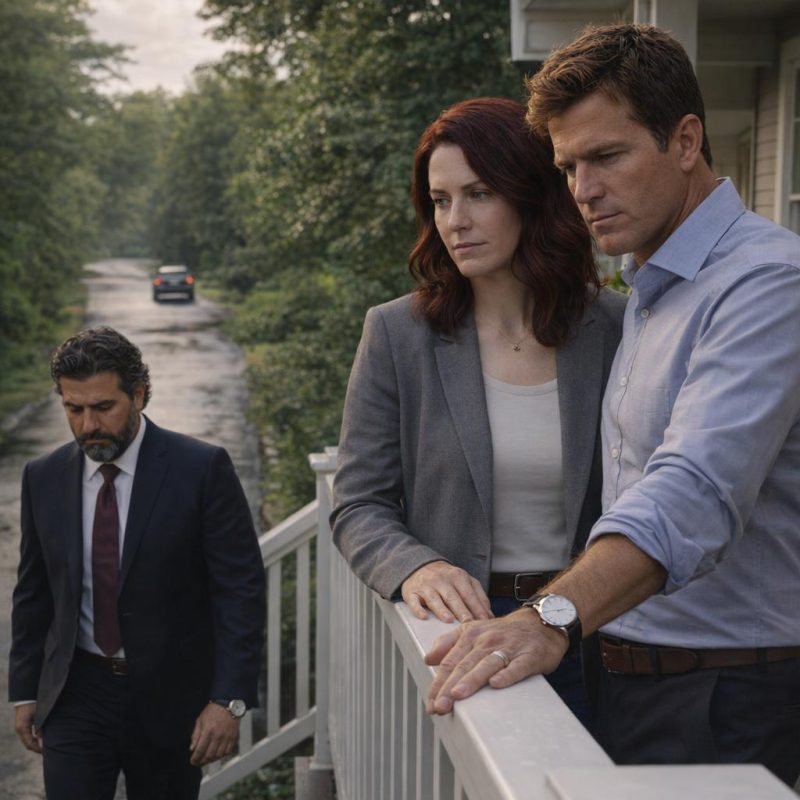 Image by RM AI
The Creditor Leaves
I watched his car reach the end of the street and disappear around the corner. Neither of us moved. The documents were still in my hands, edges slightly bent from where I'd been gripping them, and I became aware of how tightly I'd been holding everything — my breath, my posture, the careful measured calm I'd needed to get through the last hour. Mark stood beside me on the porch, close enough that I could feel the warmth of him, and neither of us said anything. The neighborhood was quiet. Someone's sprinkler kicked on two houses down. A bird crossed the sky above the tree line and was gone. The threat that had been building for months — the debt, the pressure, the thing that had driven Mark to Harold's door and Harold to his attorney and all of us into this strange, painful arrangement — had walked down our porch steps, straightened its jacket, and driven away. The inheritance was safe. The property was safe. Mark's debt remained, but it had no reach here anymore. I let out a breath I hadn't realized I was still holding. The silence where Robert's car had been sat between us, complete and absolute.
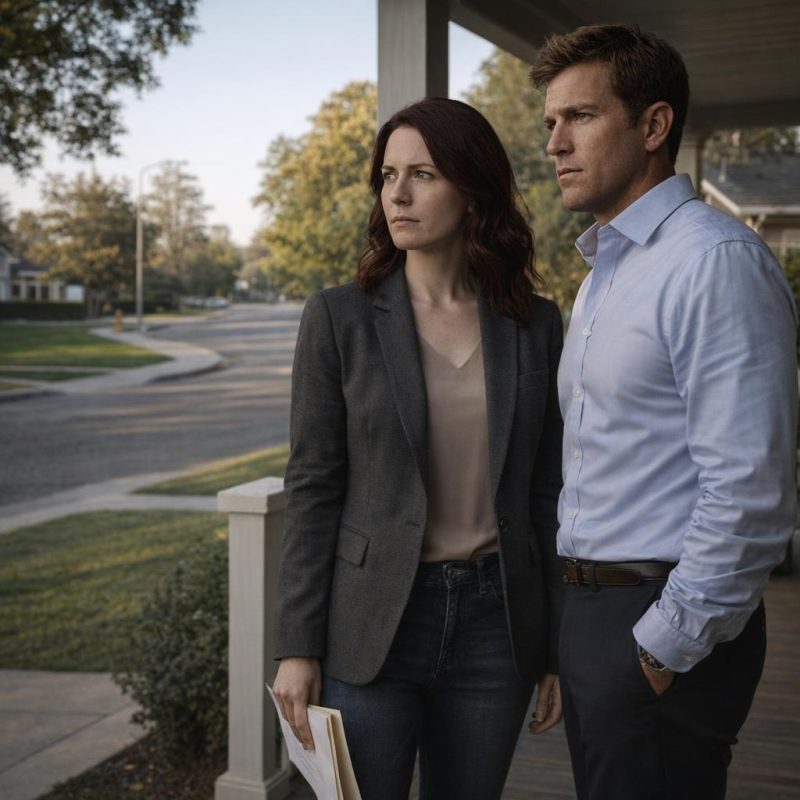 Image by RM AI
The Conversation
We went inside and sat at the kitchen table — the same table where I'd found the divorce papers what felt like a lifetime ago. Mark kept his hands flat on the surface, like he needed something solid. I asked him to tell me what it was like to sign them. He was quiet for a moment, then said it was the worst thing he'd ever done, and that he'd had to stop twice because his hands wouldn't cooperate. I told him what it was like to find them. I didn't soften it. I told him about the way the floor felt like it had dropped out from under me, about driving to the cabin in a state I probably shouldn't have been driving in, about sitting with Harold's letters and crying until I didn't have anything left. He listened without interrupting. When I finished, he said he was sorry — not the reflexive kind, but the kind that costs something. He told me about the meetings with my grandfather, how Harold had come to him first, how the plan had taken shape over months of careful, quiet work. I told him I'd read all of it in the letters. He nodded. We sat there in the honesty of it, and for the first time in a long time, nothing between us was hidden.
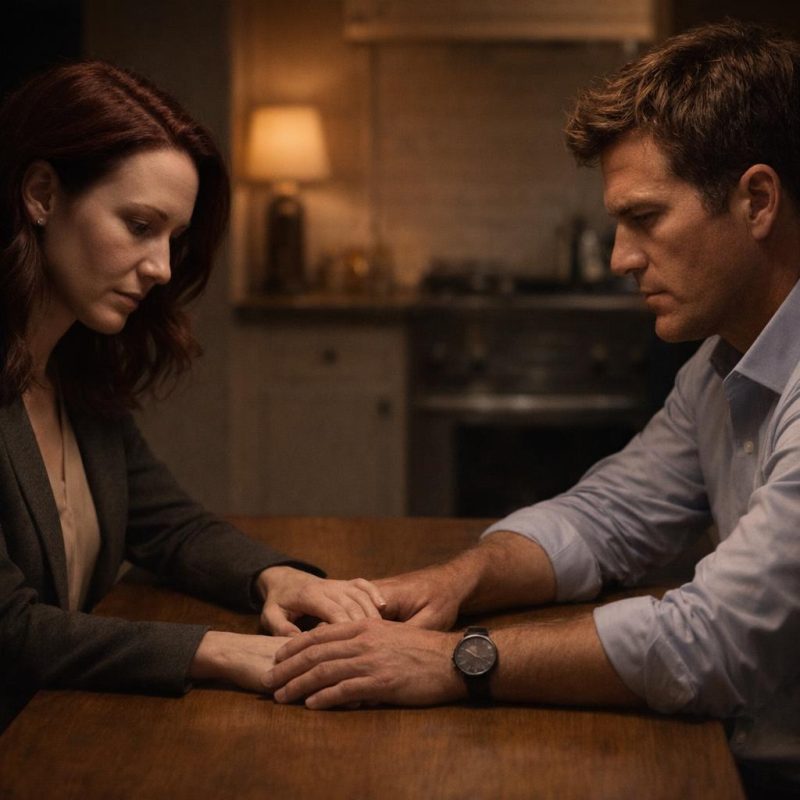 Image by RM AI
Moving Forward
Mark asked me if I could forgive him. Not for the debt — he'd owned that from the beginning — but for the deception, for the year of distance, for letting me believe something was broken between us when the truth was that he'd been trying to protect what we had. I told him I understood why he did it. I also told him that understanding and forgiving weren't always the same thing on the same day, and that I needed him to know that. He said that was fair. We talked about the legal steps — James had already outlined what voiding the filing would require, and it wasn't complicated, just paperwork and time. Mark said he'd call James in the morning. I said I'd be there when he did. He looked at me when I said that, really looked, the way he used to before everything got heavy. He promised me complete honesty going forward — no more managing things alone, no more protecting me from information I had a right to have. I told him the same. The marriage we were walking back into wasn't going to be the one we'd had before. It was going to be something we'd have to build more carefully, with both of us paying attention. That felt right to me. It felt like something worth doing.
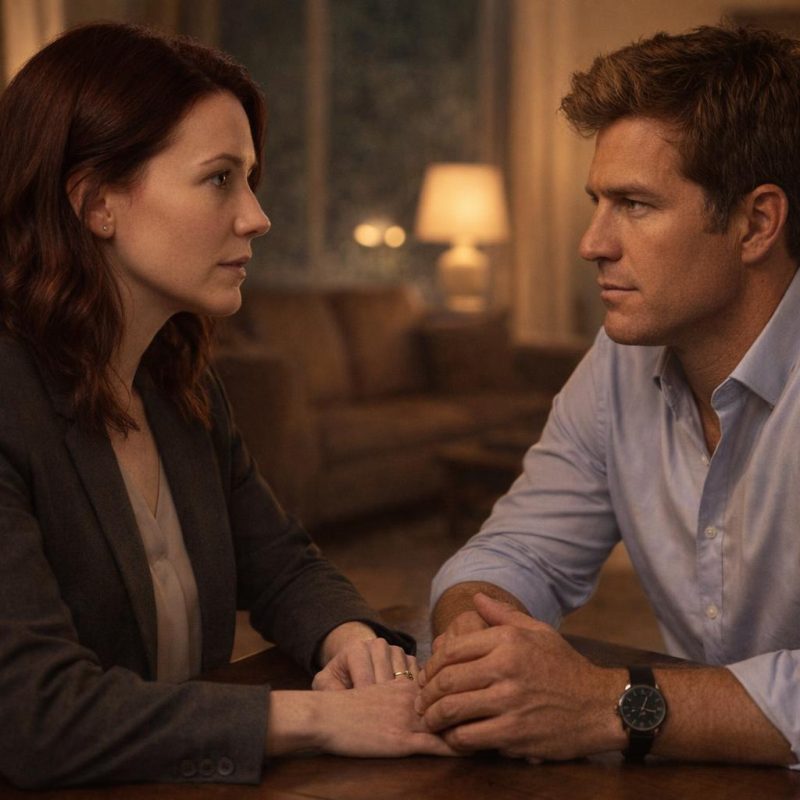 Image by RM AI
Harold's Gift
We drove to the cemetery on a Tuesday morning, when it was quiet and the light came in low through the trees. I brought nothing — no flowers, no prepared words. Mark stood beside me at my grandfather's grave and we were both still for a long time. I thought about Harold sitting across from Mark in some office, working through the details of a plan designed to outlast him. I thought about him writing those letters at the cabin, choosing every word. I thought about how he'd known, somehow, that the thing most worth protecting wasn't the property or the money — it was the marriage, and the person inside it. Mark said, quietly, that he wished he'd had more time with him. I said I did too. The family property was still in my name, exactly where Harold had put it. Mark's debt would be resolved over time, steadily, without touching what my grandfather had set aside. We would figure it out together, the way Harold had always believed we would. When we turned to leave, Mark reached for my hand. I took it. The path out of the cemetery stretched ahead of us, dappled with morning light, and Harold's name was carved in the stone behind us — steady and permanent, the way he had always been.
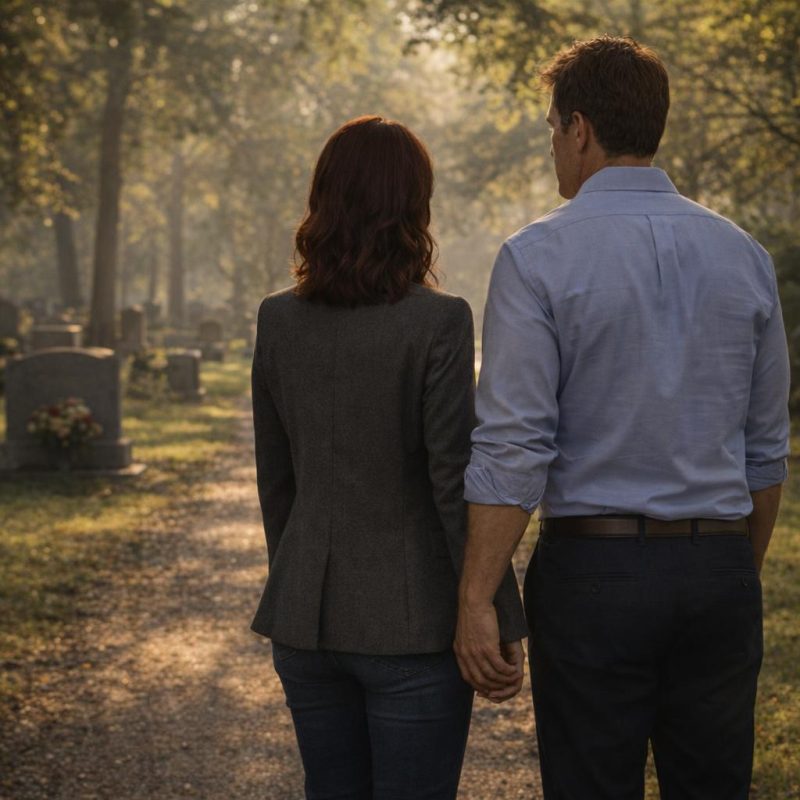 Image by RM AI
KEEP ON READING
The 20 Most Recognized Historical Figures Of All Time
The Biggest Names In History. Although the Earth has been…
By Cathy Liu Oct 4, 2024
10 of the Shortest Wars in History & 10 of…
Wars: Longest and Shortest. Throughout history, wars have varied dramatically…
By Emilie Richardson-Dupuis Oct 7, 2024
10 Fascinating Facts About Ancient Greece You Can Appreciate &…
Once Upon A Time Lived Some Ancient Weirdos.... Greece is…
By Megan Wickens Oct 7, 2024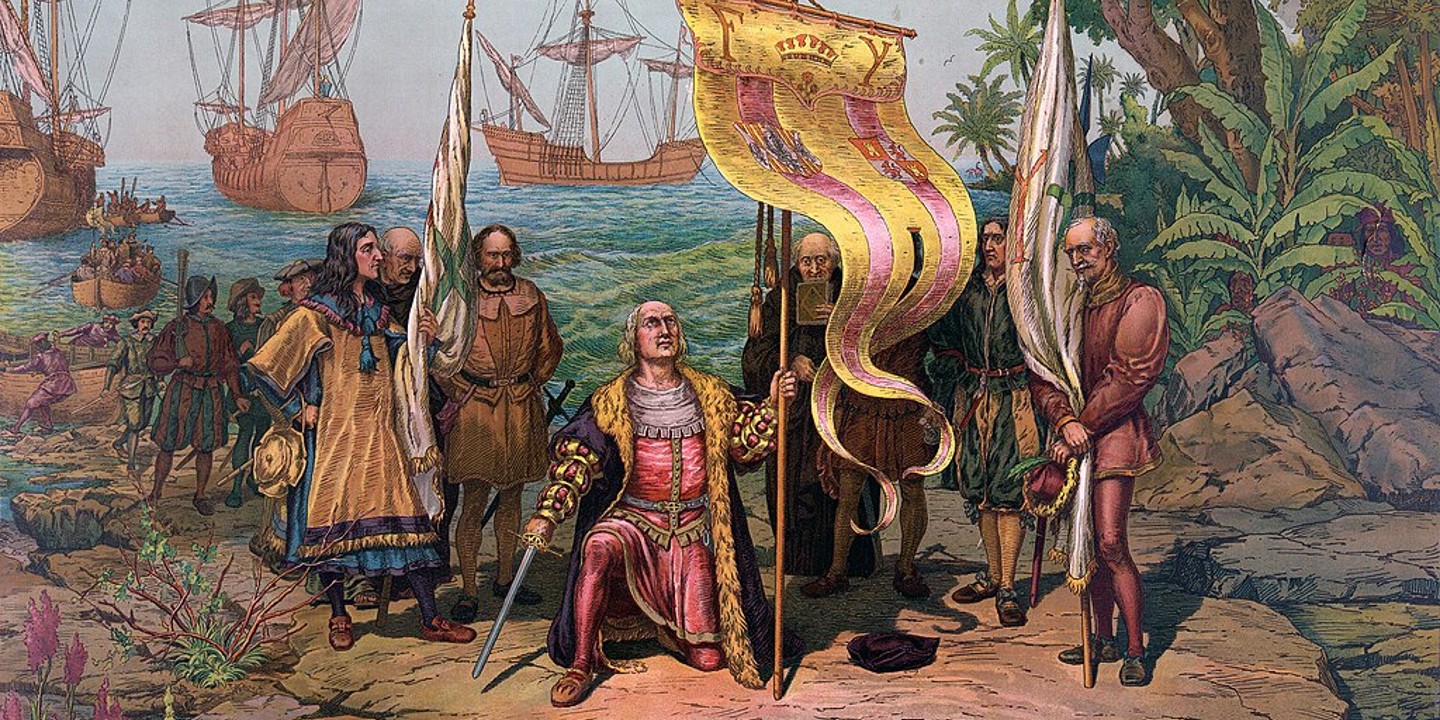
20 Lesser-Known Facts About Christopher Columbus You Don't Learn In…
In 1492, He Sailed The Ocean Blue. Christopher Columbus is…
By Emilie Richardson-Dupuis Oct 9, 2024
20 Historical Landmarks That Have The Craziest Conspiracy Theories
Unsolved Mysteries Of Ancient Places . When there's not enough evidence…
By Megan Wickens Oct 9, 2024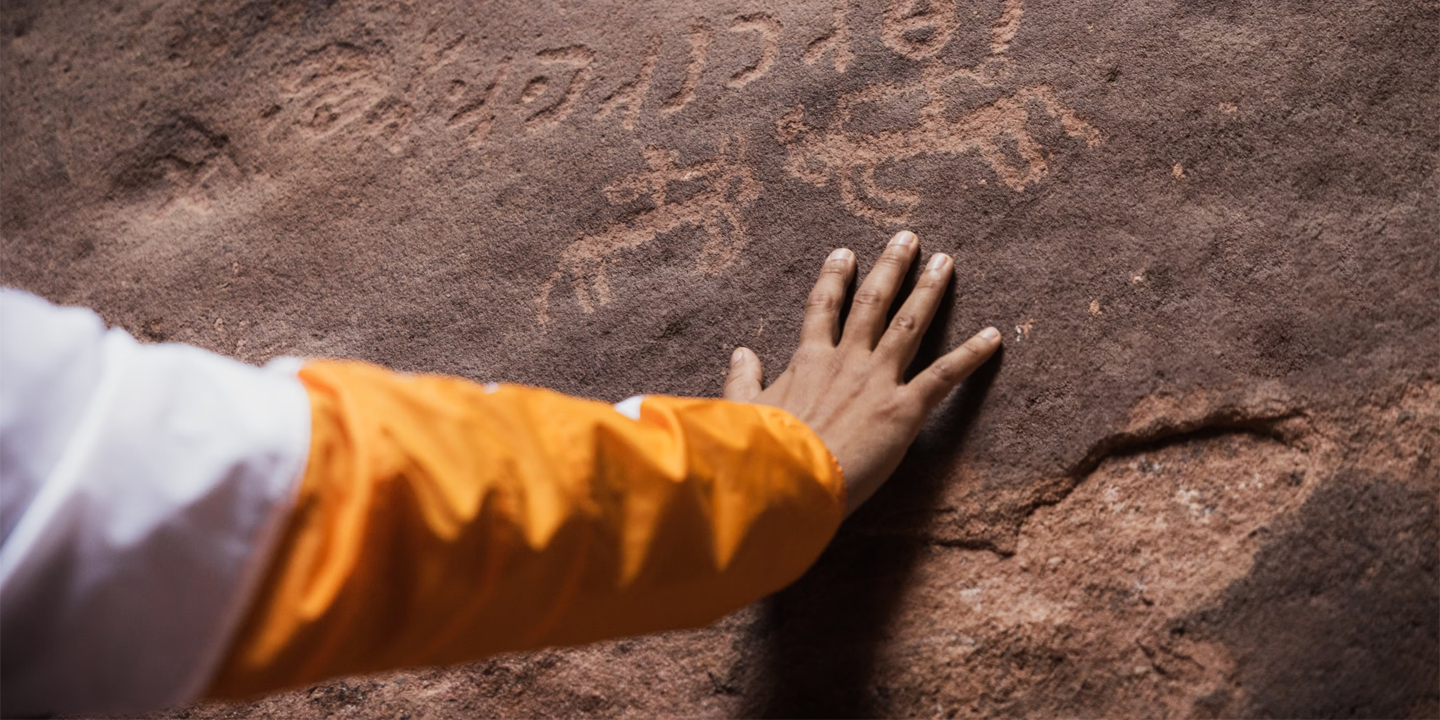
The 20 Craziest Inventions & Discoveries Made During Ancient Times
Crazy Ancient Inventions . While we're busy making big advancements in…
By Cathy Liu Oct 9, 2024