

The Sound of Silk in the Dark
The earliest memory I have of my mother is sound, not sight. I was maybe four or five, tucked under a heavy duvet in the dark, when something pulled me out of sleep — a soft, rhythmic whisper moving through the hallway outside my door. It took me years to name it: silk against hardwood, the hem of her robe trailing as she moved. I'd lie still and listen to her footsteps descend the stairs, slow and deliberate, one after another, until they faded into the ground floor below. Then the front door would open — barely a click — and close again just as quietly. I never called out. I never got up to look. I don't know if it was because I was too sleepy, or because some part of me understood, even then, that this was just how things were. She went somewhere at night. She always had. I'd pull the duvet up to my chin and stare at the ceiling until my eyes grew heavy again, listening to the house settle around me in her absence, the faint rustle of silk already swallowed by the dark.
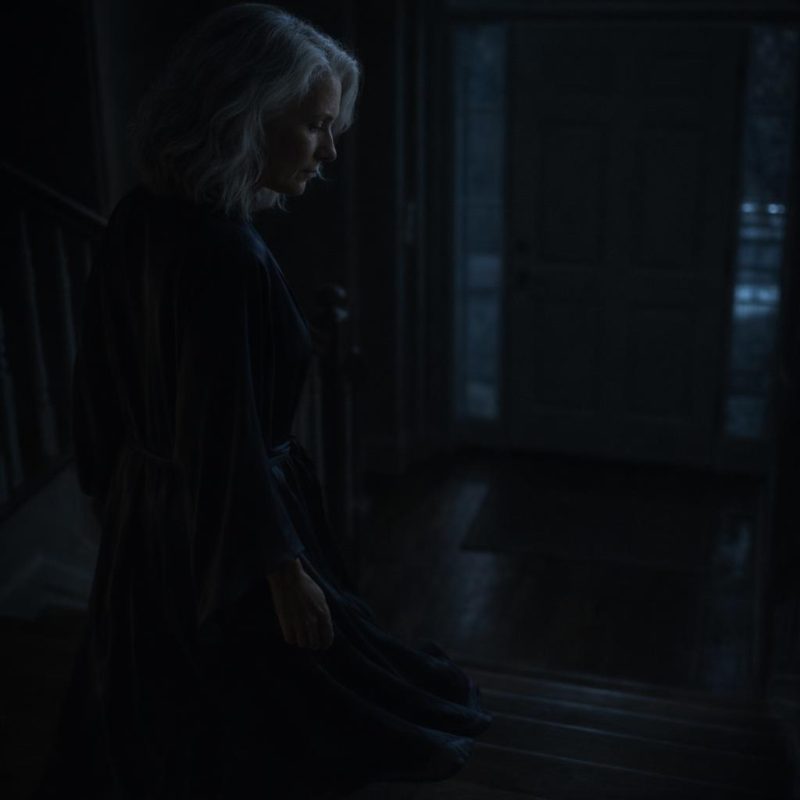 Image by RM AI
Morning Rituals in Expensive Fabric
I used to set myself up at the kitchen table before school, cereal bowl in front of me, backpack by the door, watching the front hallway like I was waiting for something I couldn't quite name. And then, just as the sky outside started going gray-pink at the edges, I'd hear the door. She'd come in still wearing her robe — always silk, always beautiful, deep jewel colors that caught the early light — and she'd move through the kitchen like she owned the quiet itself. Those few minutes were everything to me. She'd ask if I had homework due, whether I needed lunch money, whether my shoes still fit. Small questions, practical ones, but I answered them like they were gifts. I'd try to stretch it out, ask her something back, keep her there just a little longer. She'd smile — not unkindly — and tell me to eat before it got soggy. Then she'd set her cup in the sink, smooth the front of her robe with both hands, and head upstairs. I'd hear her bedroom door close. Then the lock. A small, firm sound that meant the conversation was over before I'd figured out how to really start it.
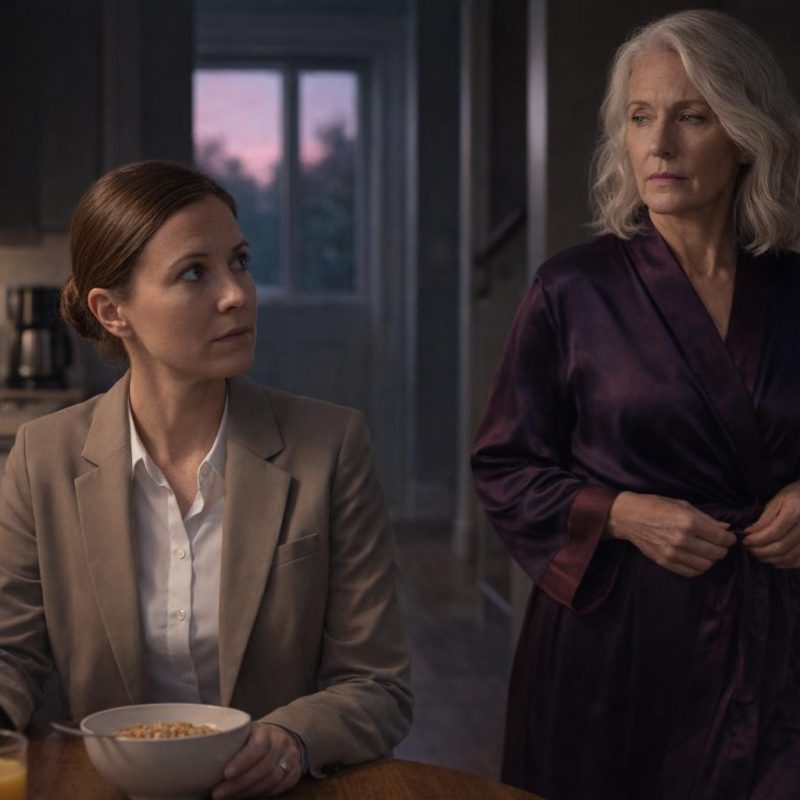 Image by RM AI
The House That Silk Built
Our house was the kind of place that made other kids go quiet when they walked through the front door. Marble floors in the entryway, cool and pale as winter light. An imported rug in the living room that I wasn't supposed to run on. Furniture that looked like it belonged in a magazine spread rather than a home where a child actually lived. My bedroom had a canopy bed with linen I couldn't have told you the thread count of, but I knew it was expensive because the nanny changed it carefully, like it mattered. My closet held clothes I mostly wore to school events — little dresses with French labels, shoes that came in their own dust bags. The kitchen was stocked with things I didn't always recognize: cheeses wrapped in paper, fruit that arrived in wooden crates, sparkling water in glass bottles lined up like soldiers. I ate cereal most mornings. I don't think my mother ate much of anything at home. She was rarely there when food was actually on the table. I grew up thinking this was normal — the abundance, the order, the careful maintenance of a beautiful space that nobody seemed to fully inhabit. It was only much later that I started to feel the weight of everything her absence had purchased.
 Image by RM AI
The Nanny Who Raised Me
There was a woman named Patricia who stayed with us for almost three years, which made her the longest of any of them. She had warm hands and a habit of humming while she cooked, and she knew without asking that I liked my sandwiches cut diagonally. She helped me with long division at the kitchen table, read to me from a battered paperback collection of fairy tales, and tucked the blanket tight around my feet the way I liked it. I loved her in the uncomplicated way children love people who show up consistently. But I also knew, even then, that she was not mine to keep. When Patricia left — a family situation, the agency explained — there was a brief gap, and then someone new arrived with a different name and a different way of doing things, and I adjusted, because that was what I did. My mother slept through all of it. The meals, the homework, the scraped knees, the nightmares. She was upstairs behind a closed door while Patricia read me one more chapter, while the next nanny learned how I took my tea. I didn't resent it, not at that age. But I remember lying in the dark one night, listening to the house, and realizing I couldn't picture a single memory of my mother ever being the one to turn off my light.
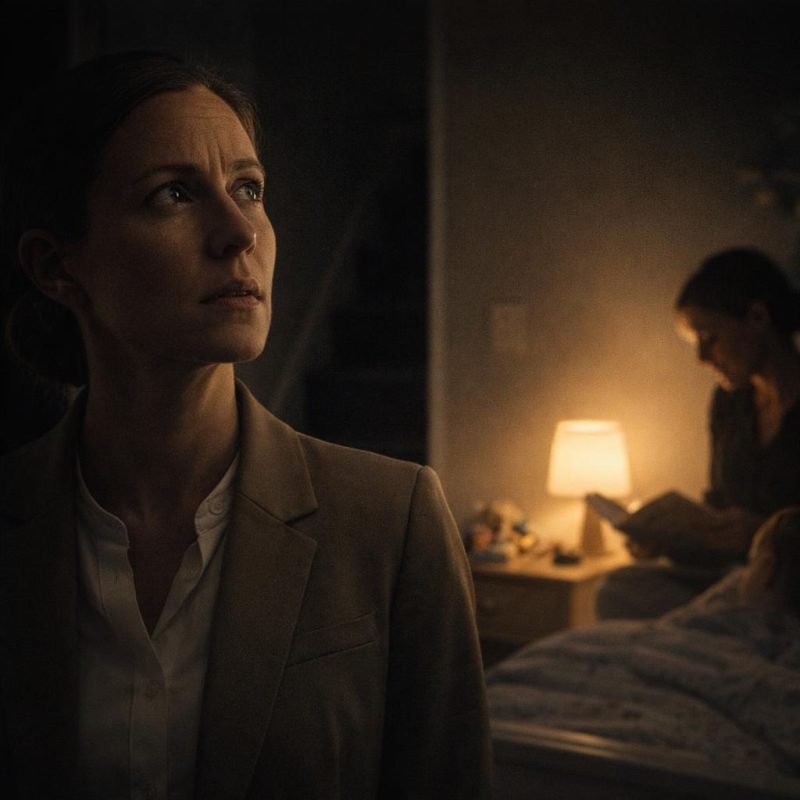 Image by RM AI
Breakfast at Dawn
There was one morning — I must have been around seven — when she actually sat down. Not just passing through, not setting her cup on the counter while she checked her phone. She pulled out the chair across from me and sat, her silk robe pooling around her on the seat, and for a few minutes it felt like something I'd been waiting for without knowing I was waiting. I asked her about her night, the way I'd heard other kids ask their parents about their day. She said it had been busy, that there were people she needed to speak with, that it was complicated to explain. I told her about a project I was doing at school — something about the water cycle, I think — and she nodded, and I thought she was listening, but then her phone lit up on the table and her eyes went to it. She said she needed to get some sleep, that we'd talk more later, and she stood and smoothed the front of her robe the way she always did. I watched her go upstairs. I finished my cereal alone. The nanny arrived at half past seven and started washing up around me. It wasn't until I was getting my coat on to leave that I noticed her coffee cup still sitting on the counter, the ceramic warm against my palm.
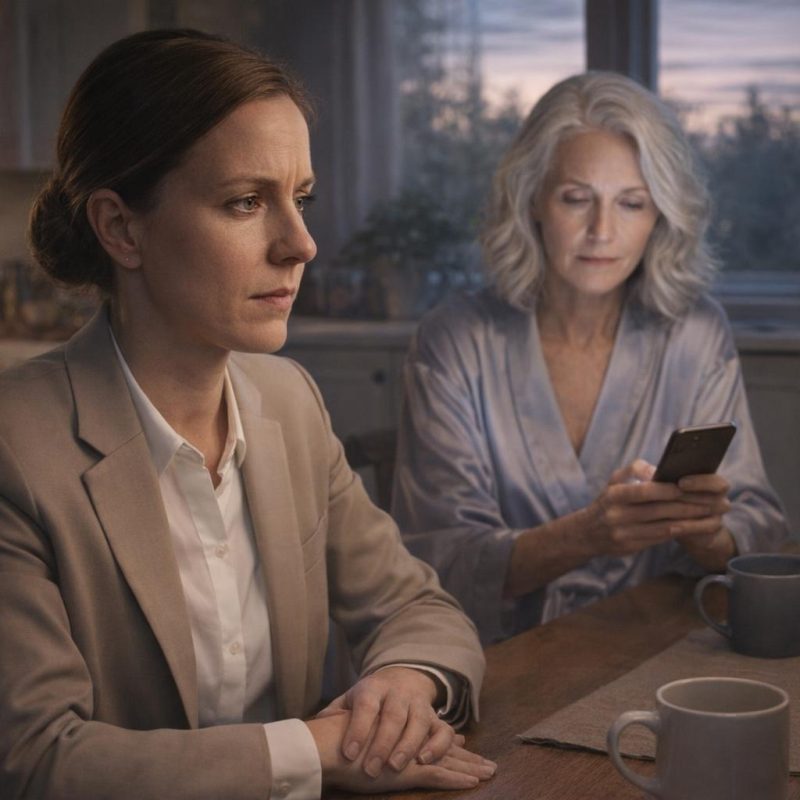 Image by RM AI
The Lies I Told at School
By third grade I had a whole system worked out. If a teacher asked why my mother hadn't come to the parent-teacher conference, I'd say she had an important meeting — international clients, time zones, the kind of work that didn't stop just because it was evening. I said it smoothly, the way you say something you've practiced without meaning to. The other kids mostly accepted it. A few pushed back, the way kids do. What kind of business? I'd shrug and say finance, or consulting, something that sounded serious and vague in equal measure. I was proud of those answers, in a way I didn't fully understand at the time. They made my mother sound important, which she was, even if I couldn't have explained why I was so certain of that. What I didn't have a good answer for was the nighttime part. Most important business happened during the day — everyone knew that. I'd deflect when it came up, change the subject, move on. Then one afternoon on the playground, a girl named Sophie mentioned that her mother worked nights too. I asked what she did. Sophie said she was a nurse, said it like it was the most ordinary thing in the world. I nodded and said that made sense. But on the walk home I kept turning it over — nurse, nights, a reason you could say out loud — and I couldn't find the word for what my mother did.
 Image by RM AI
Birthday Gifts Without Presence
I turned nine in April, and the dining room table was covered in presents by the time I came downstairs. Wrapped in thick paper with ribbon curled just so, the kind of wrapping that comes from a shop rather than someone's kitchen table. There was a telescope, a leather-bound journal set, a cashmere sweater in my favorite color — things that showed someone had paid attention to what I liked, even if that someone hadn't been there to watch me like them. My friends arrived at noon and we ate cake and played music too loud and it was, by most measures, a good party. The nanny had organized everything perfectly. I kept glancing at the ceiling, half-listening for movement from upstairs, but the house above us stayed quiet. After everyone left, I sat with the remaining wrapping paper and found the card propped against the fruit bowl. My mother's handwriting on the envelope, neat and precise. I opened it carefully, the way you open something you want to last. The card had a printed message inside about wishing someone a wonderful day. Below it, in the same neat hand: her name. Just her name. No sweetheart, no I love you, no sorry I missed it. I sat there holding it, reading it again as if I'd somehow missed something the first time.
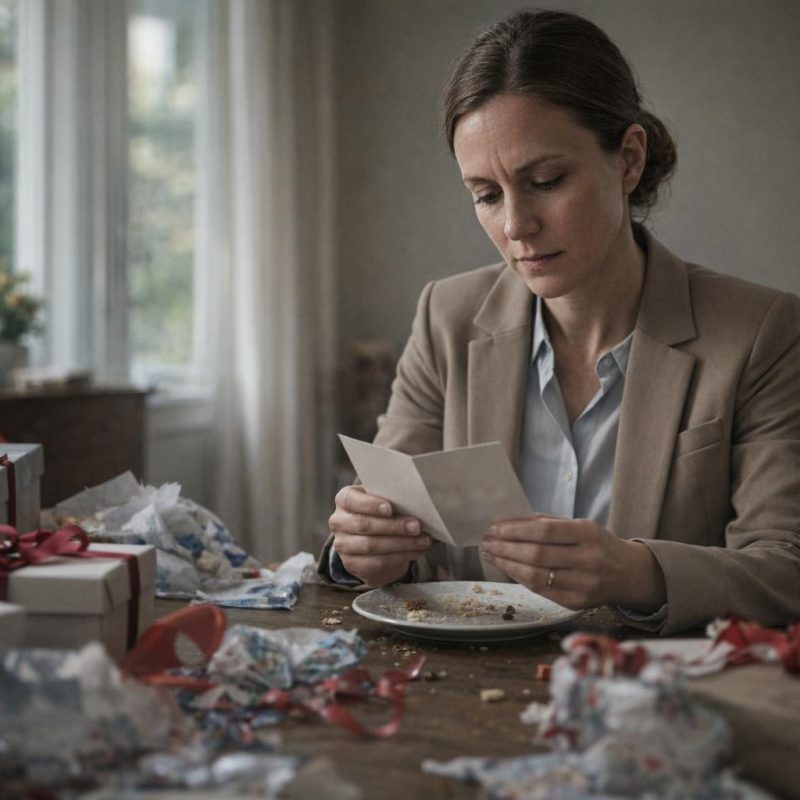 Image by RM AI
The Empty Seat in the Auditorium
I had twelve lines in the school play that year, and I knew every one of them cold by the second week of rehearsal. The nanny helped me run them at the kitchen table each evening, patient through every stumble, and on the night of the performance she was in the third row with a small bouquet of flowers and a smile that took up her whole face. I found her the moment I stepped out from the wings — you learn to find your people fast when you're standing under stage lights with nowhere to hide. I told myself I wasn't looking for anyone else. I told myself that so many times during the first act that it started to feel almost true. But between my scenes I'd stand in the wings and let my eyes move across the rows anyway, the way you do when you're hoping for something you've already half-given up on. The audience was full of parents with phones raised, recording. I performed my lines clearly, hit every mark, and when the curtain call came I smiled out at the room. The nanny stood and clapped like I'd done something extraordinary. And beside her, still empty through every scene and every bow, was the seat she had saved, just in case.
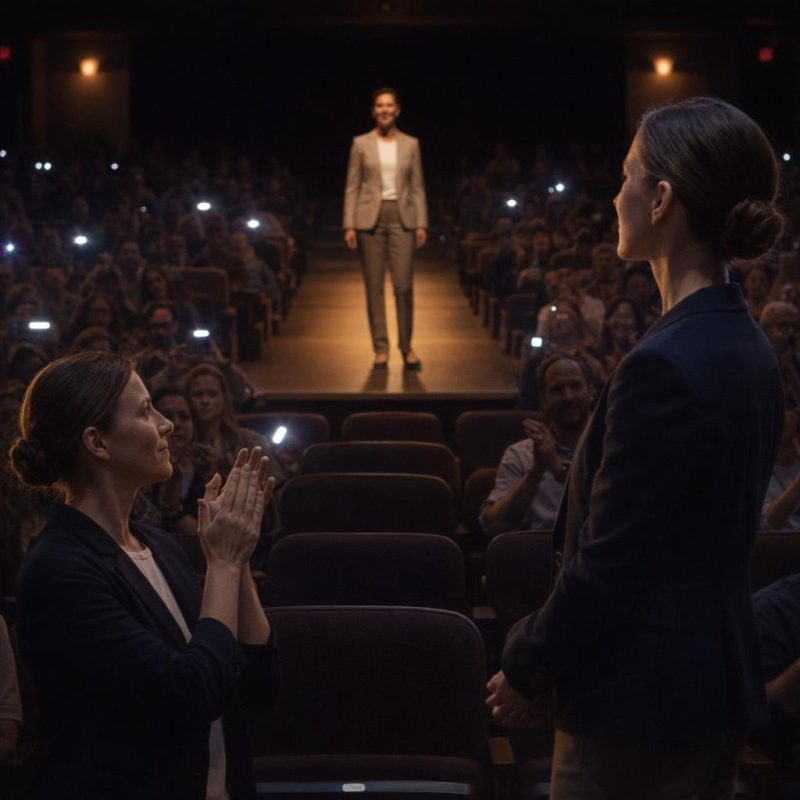 Image by RM AI
The Stories I Told Myself
I was maybe nine or ten when I built the whole story in my head and decided to live inside it. My mother wasn't absent — she was essential. That was the word I settled on. Essential. The kind of person that important systems couldn't function without. I pictured her in glass-walled conference rooms, men in expensive suits leaning forward to catch what she was saying. I told myself that her work touched things most people never thought about — supply chains, international agreements, decisions that kept other families fed and safe. The empty seat at the school play wasn't neglect. It was sacrifice. She was giving something up so that something larger could keep moving. I repeated this to myself the way you repeat a word until it stops sounding strange. And somewhere in the repetition, the story stopped feeling like a story. It became the explanation I reached for automatically, the one that made the math work. I believed it the way you believe something you've never once had reason to test — completely, and without noticing that you do.
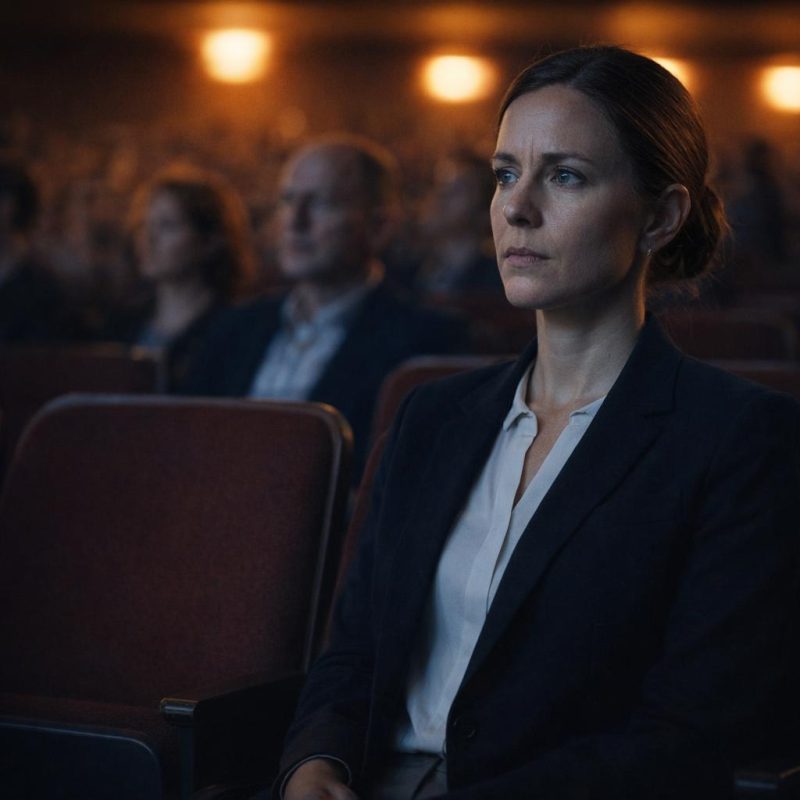 Image by RM AI
The Package with No Return Address
I came home from school one Tuesday to find a small box sitting on my bed, wrapped in dark green paper with a white ribbon tied so precisely it looked like it had been done by a machine. There was no card. No note tucked under the ribbon, nothing written on the paper. Inside was a thin gold bracelet I had pointed to once in a shop window, months earlier, not even sure anyone had been listening. It was exactly the one. I turned it over in my hands for a long time, trying to decide how I felt. Grateful, mostly. But also something else — something I didn't have a name for yet, the way a gift with no handwriting on it is still a gift but feels slightly different from one that is. I assumed it was from my mother. Who else would have known? I put it on and wore it to dinner and didn't mention it to anyone. Later that evening I took the trash out to the bin by the side gate, and at the bottom, half-covered by a paper bag, was an identical green-wrapped box — same ribbon, same dimensions — with a name on it that wasn't mine.
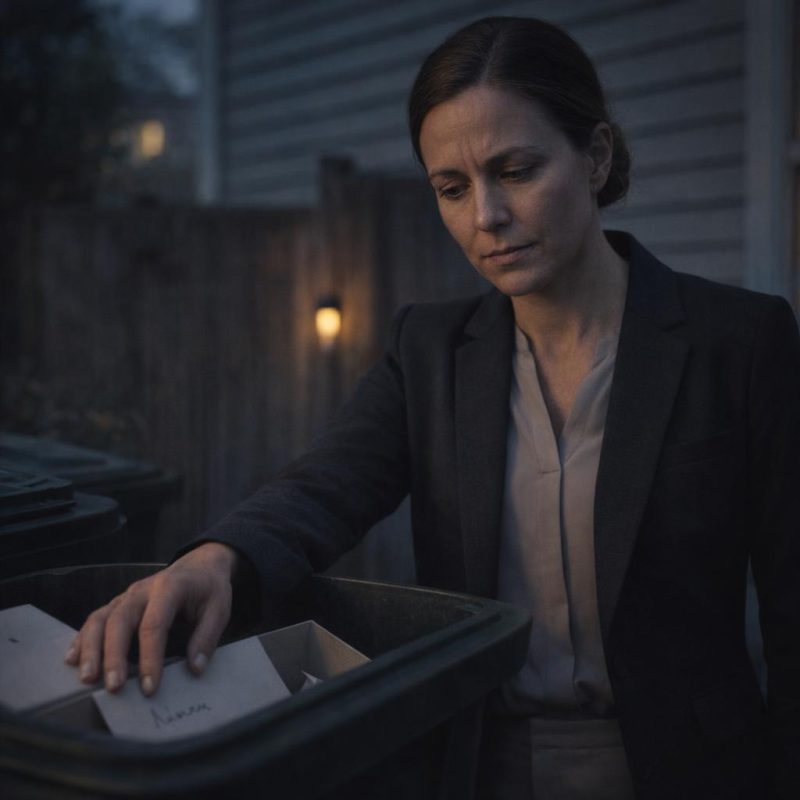 Image by RM AI
Comparing Mothers
My friend Claire's house smelled like garlic and something sweet baking, and her mother was in the kitchen when we walked in, already asking how our day had gone before we'd even set our bags down. She remembered the name of the teacher Claire had complained about the week before. She poured us juice without being asked and sat at the table with us while we did homework, not hovering exactly, just present — the way furniture is present, the way a room is present, something you don't notice until it's gone. When dinner was ready she called us in and we all sat together and she asked follow-up questions, real ones, the kind that meant she'd been listening to the first answer. Claire rolled her eyes at her mother twice during the meal, the easy eye-roll of someone who has so much of a thing they can afford to be annoyed by it. I watched all of it carefully, the way you watch something you're trying to memorize. On the drive home I kept turning it over — the juice, the questions, the hand that had rested briefly on Claire's shoulder without either of them noticing. My mother had never done any of those things. I had always called that normal. Sitting in the back seat in the dark, I wasn't sure anymore what to call it.
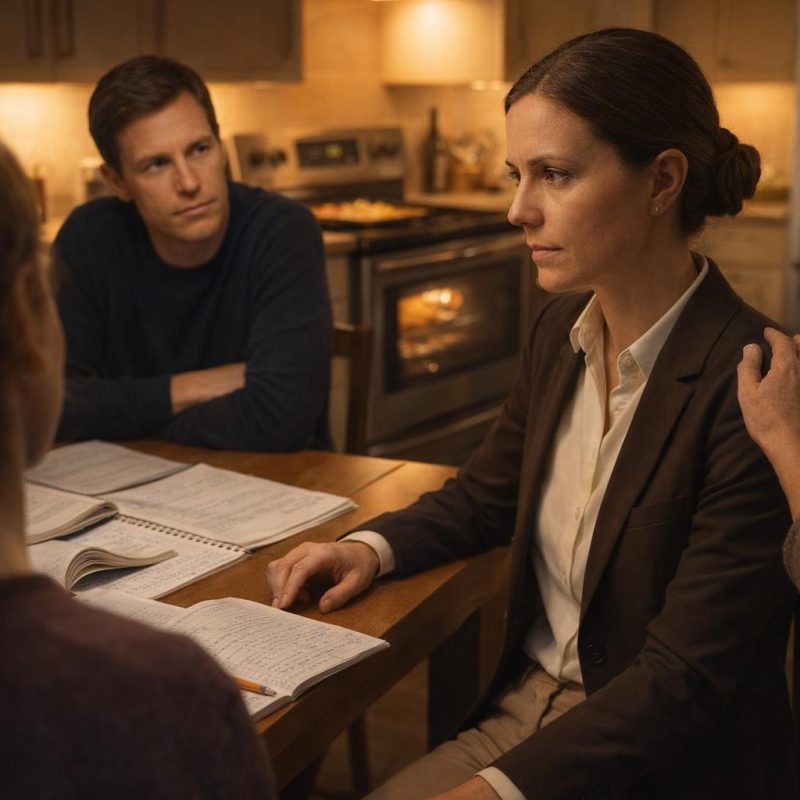 Image by RM AI
The Question I Finally Asked
She came downstairs just before dawn one morning, moving through the kitchen in that quiet, efficient way she had, and I was already sitting at the table. I'd been awake for an hour working up to it. She looked at me the way she always did — not unkindly, but from a distance, like there was a pane of glass between us that neither of us had put there. I asked her directly. I said I wanted to know what she actually did for work. Not the short version. The real one. She set her coffee cup down and there was a pause — not long, maybe three seconds, but I felt every one of them. Then she said she worked in logistics and supply chain management. She said it evenly, the way you say something you've said before. I asked what that meant, specifically. She said it meant coordinating the movement of goods between suppliers and clients, managing schedules, making sure things arrived where they needed to be. I asked why that required her to leave at two in the morning. She looked at me for a moment, then said global operations ran on different time zones. Then she picked up her coffee and told me she needed to sleep before her next call. I sat there after she'd gone upstairs, turning the phrase over: logistics and supply chain management.
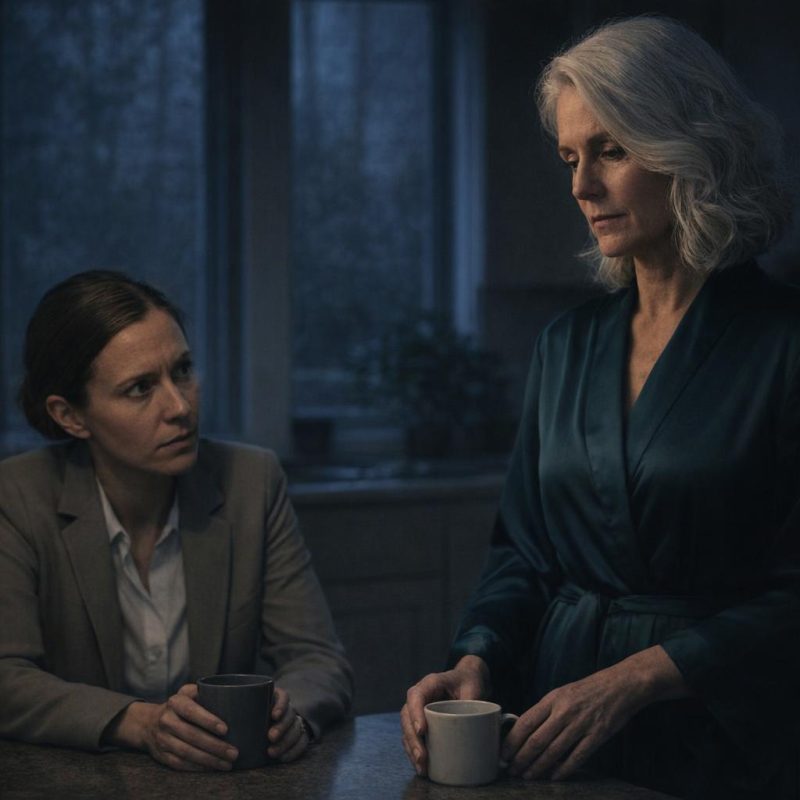 Image by RM AI
The Weight of Her Answer
I looked it up that afternoon on the school computer. Logistics and supply chain management. There were job listings, degree programs, industry associations. The descriptions talked about warehouse coordination, vendor relationships, freight scheduling, inventory systems. It all sounded reasonable on paper. Reasonable and completely ordinary — the kind of work that happened in fluorescent-lit offices during business hours, the kind that came with a company email and a parking spot. None of it explained the two a.m. departures. None of it explained the way she'd paused before answering, choosing each word the way you choose footing on uncertain ground. I read through three different job descriptions and kept waiting for something to click into place, some detail that would make her schedule make sense. It didn't come. I closed the browser and sat there for a while, listening to the hum of the computer fan. I told myself I was probably missing something — some specialized corner of the industry I didn't know about yet. But the feeling that stayed with me wasn't satisfaction. It was the particular quiet of a question that had been answered without being answered at all.
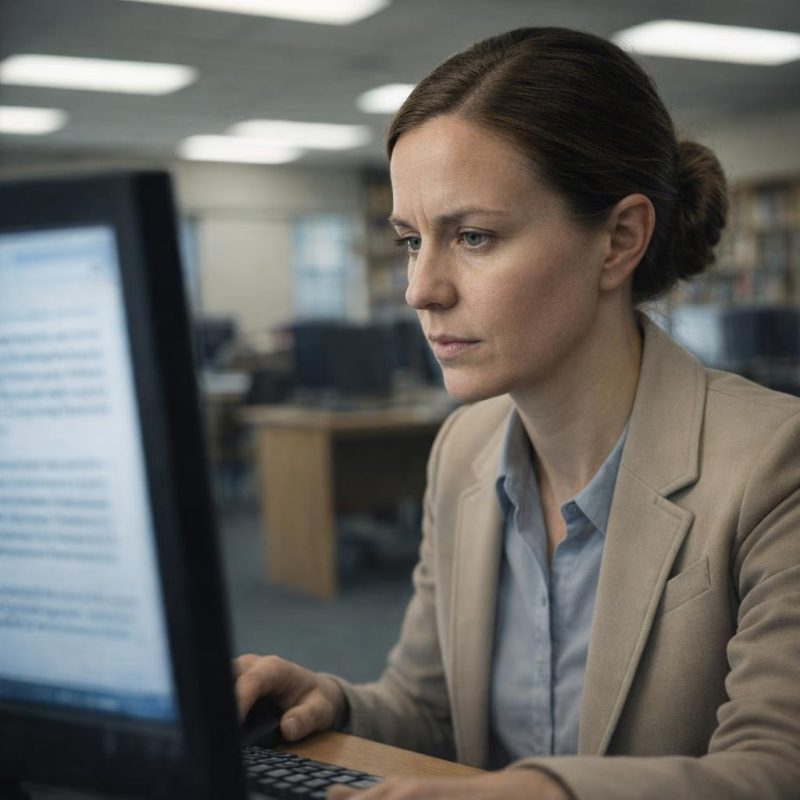 Image by RM AI
Coded Conversations
A few weeks later I woke up before five and couldn't get back to sleep. The house was dark and I lay still for a minute before I heard her voice — low and clipped, coming from somewhere downstairs. I got up and moved to the top of the stairs, staying back from the edge where the light might catch me. She was in the kitchen, I thought, or just off it. I could hear her clearly enough to catch the shape of what she was saying, if not always the words. She used numbers a lot. Short strings of them, delivered without explanation, like coordinates or codes. She said something about a Thursday window and something about the northern route. She said a word I didn't catch and then said confirmed, twice, with a pause between them. Her voice was nothing like the voice she used with me — it was flat and precise, stripped of anything that wasn't information. The call lasted maybe four minutes. Then the house went quiet again. I stood at the top of the stairs for a while after, trying to fit what I'd heard into the picture of conference rooms and vendor schedules I'd been carrying around. The pieces didn't line up the way I wanted them to.
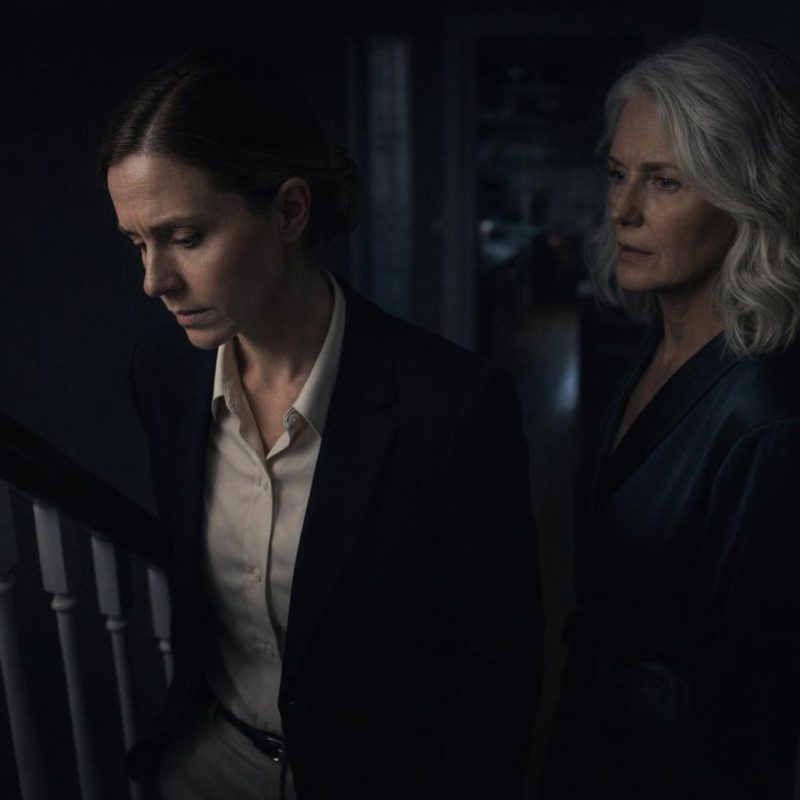 Image by RM AI
The Contents of Her Bag
She'd left her bag on the kitchen counter two mornings in a row, which was unusual — she was careful with it normally, kept it close. On the third morning I stood in front of it for a long time before I touched it. I went to the bottom of the stairs and listened. Nothing. Her door had been closed since just after three. I told myself I was just going to look, that I wasn't going to take anything or move anything out of place. The bag was soft leather, dark brown, heavier than it looked. Inside there was a phone I didn't recognize — smaller than hers, a basic model, the kind with no case on it. There were folded papers, dense with addresses and what looked like grid references, handwritten in a small tight script that wasn't hers. There was a set of keys on a plain ring with no fob, no label. I was moving carefully, keeping track of where everything sat, when my fingers found something near the bottom — a thick envelope, sealed, bound with a rubber band. I pulled it out slowly and worked the band off. Inside was cash, banded in stacks, more of it than I had ever held in my hands.
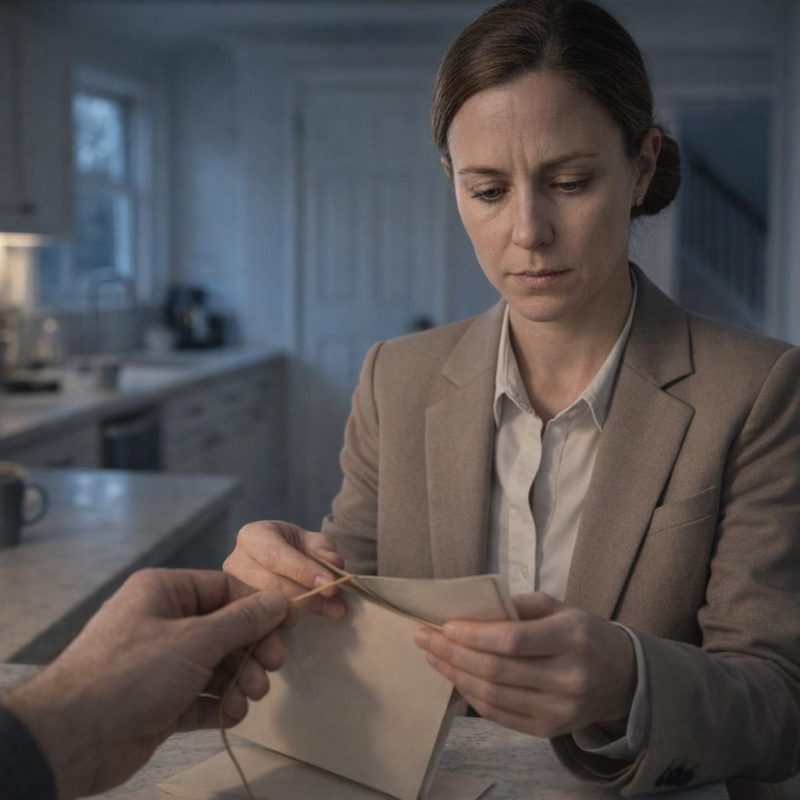 Image by RM AI
Watching Her Leave
I'd been watching her leave for years without really watching. That night I decided to actually pay attention. I set no alarm but kept myself awake, lying on top of the covers with the lamp off, listening to the house. Just after two I heard her moving — the soft pull of a drawer, the particular sound her wardrobe made when the left door caught. I got up and positioned myself at the edge of my window, far enough back that I'd be in shadow if she looked up. She came out the front door a few minutes later in dark trousers and a long coat, her hair up, the leather bag over one shoulder. She moved down the front path without hurrying, without looking around. She stopped at the end of the path and opened the bag, checked something inside — not quickly, deliberately, the way you check something you need to be certain of. Then a black car came around the corner and pulled up to the kerb. It wasn't our car. I'd never seen it before. She got in without a word to the driver, the door closed, and it pulled away.
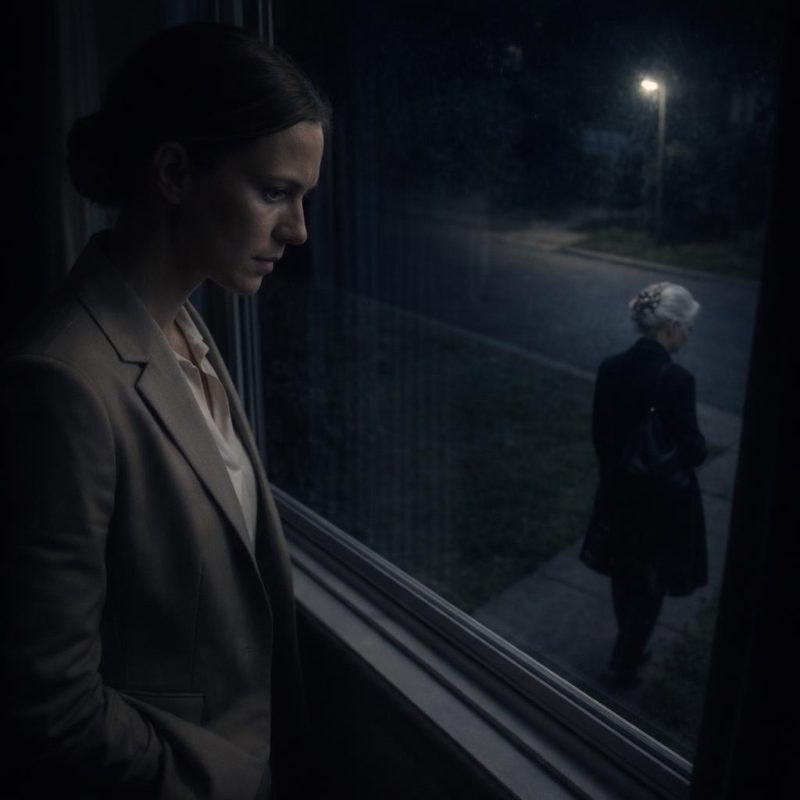 Image by RM AI
The Deflection
I brought it up at breakfast, as casually as I could manage. I asked her where her office was — not accusingly, just conversationally, the way you might ask someone what they had for lunch. I said I'd been thinking about it, that I'd never actually pictured where she spent her days, and I was curious. She looked up from her tea without any particular expression and asked why I wanted to know. I said I just did. She set the cup down and told me the location changed depending on client needs — that she worked from different sites, different meeting rooms, wherever made sense for the work at hand. Before I could ask what that meant exactly, she was already asking whether I'd eaten enough, whether I needed anything from the shops, whether I'd spoken to my friend who'd been unwell. The subject was gone before I'd had a chance to hold onto it. I sat there watching her pour more tea, her movements unhurried, her face giving away absolutely nothing.
 Image by RM AI
The Silence After Questions
I went back to my room and sat on the edge of the bed for a while, turning the conversation over in my head. It wasn't what she'd said — it was how she'd said it. The answer had come too quickly, too smoothly, and then the subject had simply vanished, replaced by questions about groceries and a friend she'd never shown much interest in before. I'd seen her do it before, I thought — redirect, reframe, move on — but I'd always assumed it was just her way, the particular kind of privacy that came with being a certain type of person. Now I wasn't so sure. Asking her directly wasn't going to work. That much felt obvious. Whatever she was willing to share, she'd already shared it, and it wasn't much. I thought about what I actually knew: a car I didn't recognise, late-night departures, an office with no fixed address. None of it added up to anything I could name. But I wasn't going to get answers by waiting for her to offer them. The gap between what I'd asked and what she'd given me settled around me like something I'd have to learn to carry.
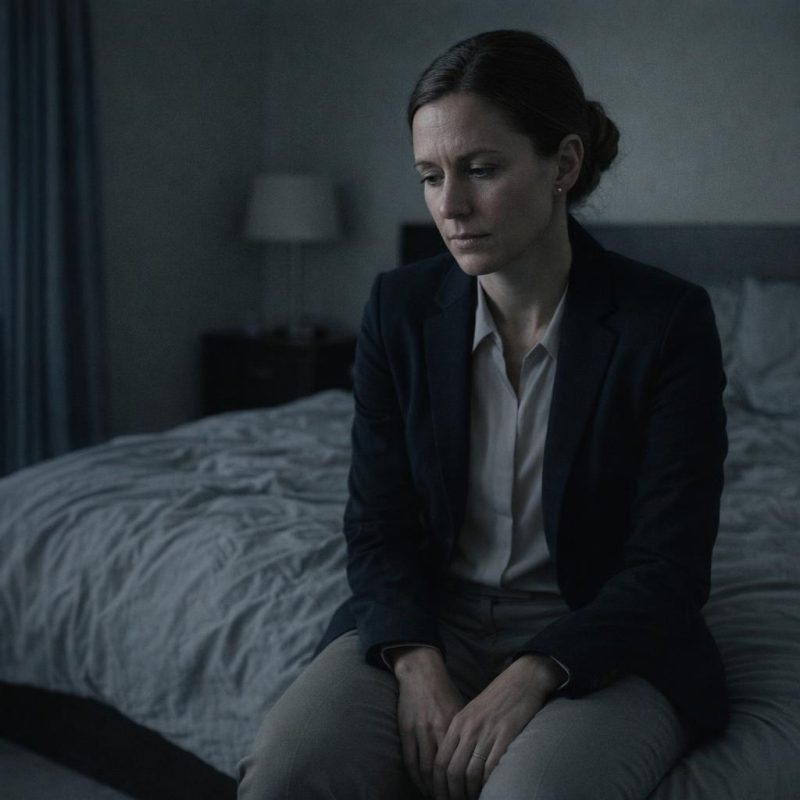 Image by RM AI
The Tense Call at Dawn
I woke just before five to the sound of her voice downstairs. That alone was enough to pull me fully awake — she was never loud, not in any room, not at any hour. But this was different. The words didn't carry clearly through the floor, just the shape of them, clipped and hard-edged, nothing like her usual measured cadence. I got up quietly and moved to the top of the stairs, staying back from the landing where the light might catch me. She was in the hallway below, phone pressed to her ear, speaking in short bursts. Something about a problem. Something about it being handled. Her voice had a quality I hadn't heard before — not raised exactly, but compressed, like pressure behind glass. Then silence. The call ended and she stood still for a moment before moving back toward the kitchen. I stayed where I was, not moving, not breathing much. I'd heard her manage difficult conversations before — with contractors, with solicitors, with people who'd disappointed her. But whatever that had been, it didn't sound like any of those. The edge in her voice stayed with me long after the house went quiet again.
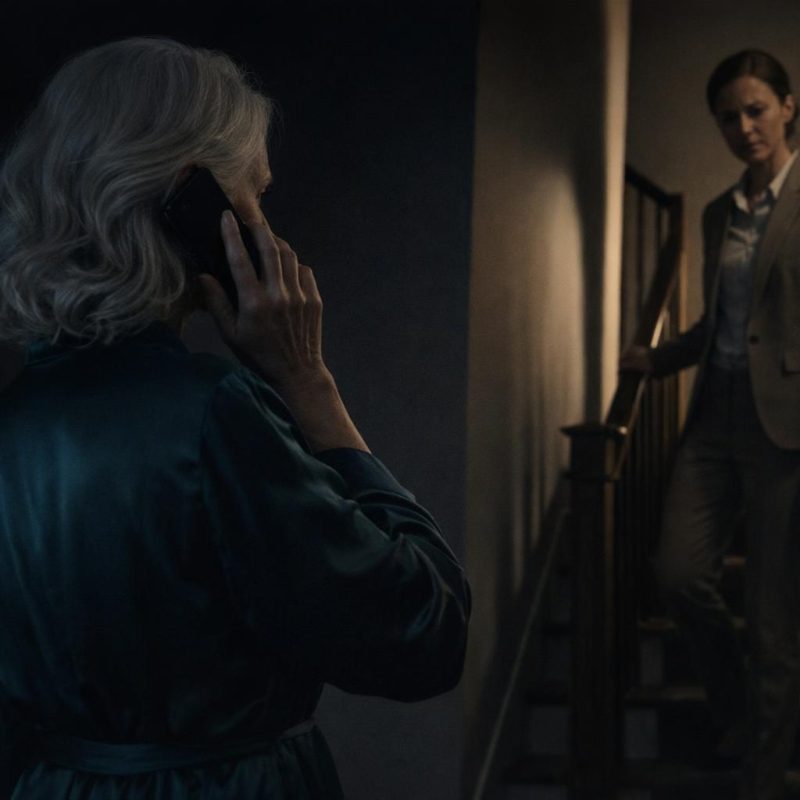 Image by RM AI
The Search Begins
I waited three nights before I went into her office. I needed to be sure she was properly asleep, not just quiet. On the fourth night I heard her go up just after ten, and by midnight the house had that particular stillness that meant she wasn't coming back down. I moved slowly, keeping to the edge of the hallway where the boards didn't creak. Her office door was unlocked. I didn't turn on the overhead light — just used my phone torch, keeping the beam low. The desk drawers were mostly unremarkable: stationery, a few folders with utility correspondence, a spare set of keys I didn't recognise. The bottom drawer was locked, but the lock was the kind that yielded to a letter opener with enough patience. Inside were financial documents — pages of figures I couldn't immediately parse — and beneath those, a small stack of paystubs, printed on plain paper, each one listing a company name I'd never heard of. I almost missed it. Near the bottom of the stack, one paystub listed a street address in the industrial district on the far side of the city.
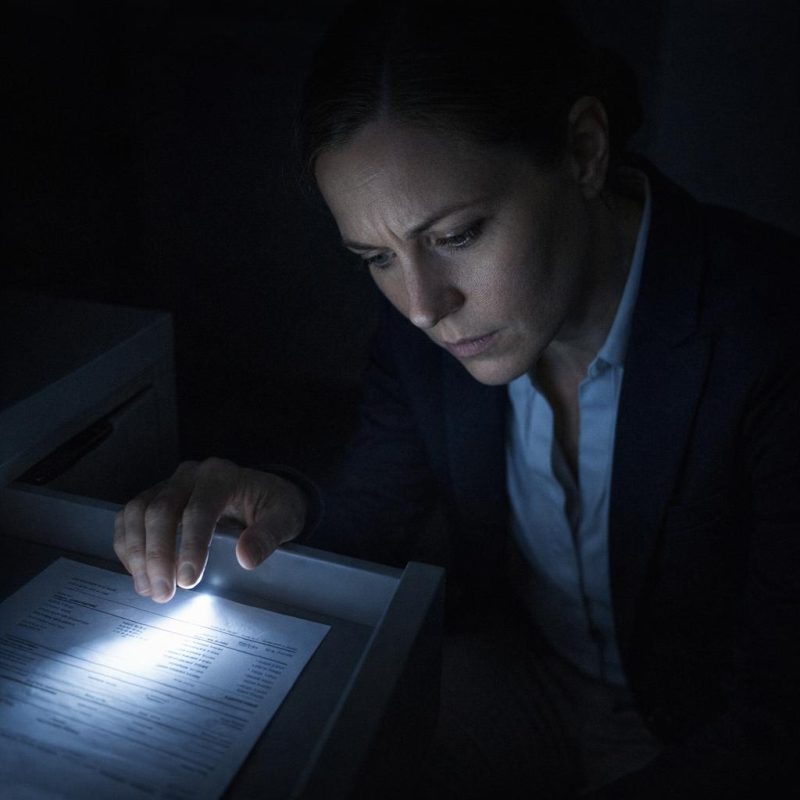 Image by RM AI
The Decision to Go
I photographed the address and put everything back exactly as I'd found it, relocked the drawer as best I could, and went back to my room. I sat with my phone in my hands for a long time, looking at the image. The street name meant nothing to me. I pulled up a map and found it — a grid of warehouse blocks and access roads, the kind of area you pass through on the way to somewhere else. I told myself it was probably nothing. A storage facility, maybe. A distribution point for whatever consulting work she did. There were reasonable explanations. I ran through them carefully, the way you do when you want to believe something. But I kept coming back to the same thought: she'd never mentioned this address, never mentioned this company name, and the paystub had been locked away with documents she clearly didn't want found. I decided I would go on a Thursday, when she usually slept late. I'd take the bus, find the building, look at it, and come home. That was all. Just look. I wasn't sure what I expected to find, but the decision felt like something I couldn't take back once I'd made it, and I made it anyway.
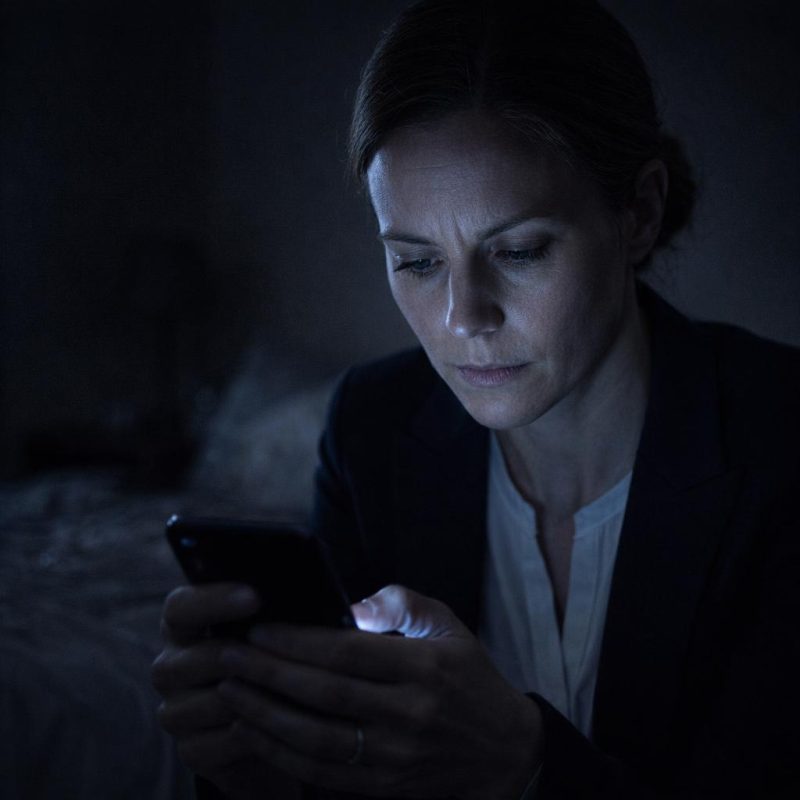 Image by RM AI
The Bus to the Industrial District
I left the house just after nine on a Thursday morning, telling myself I was going for a walk. I had the address written on a folded piece of paper in my jacket pocket, though I'd already memorised it. The bus took me east, through the parts of the city I knew well — the high street, the park, the stretch of terraced houses where a school friend had lived — and then further, into neighbourhoods I recognised less. The buildings got lower and further apart. The shop fronts changed: fewer cafes, more trade suppliers, more shuttered units with old signage still attached. At each stop, fewer people got on. By the time we reached the outer edges of the route, I was one of only a handful of passengers left, and the streets outside had taken on a different quality entirely — wider, quieter, the pavements cracked and mostly empty. Warehouses lined the road in long, flat rows. The sky felt bigger out here, or maybe just less interrupted. I watched the streets pass and felt the familiar city fall away behind me, replaced by something I didn't have a name for yet.
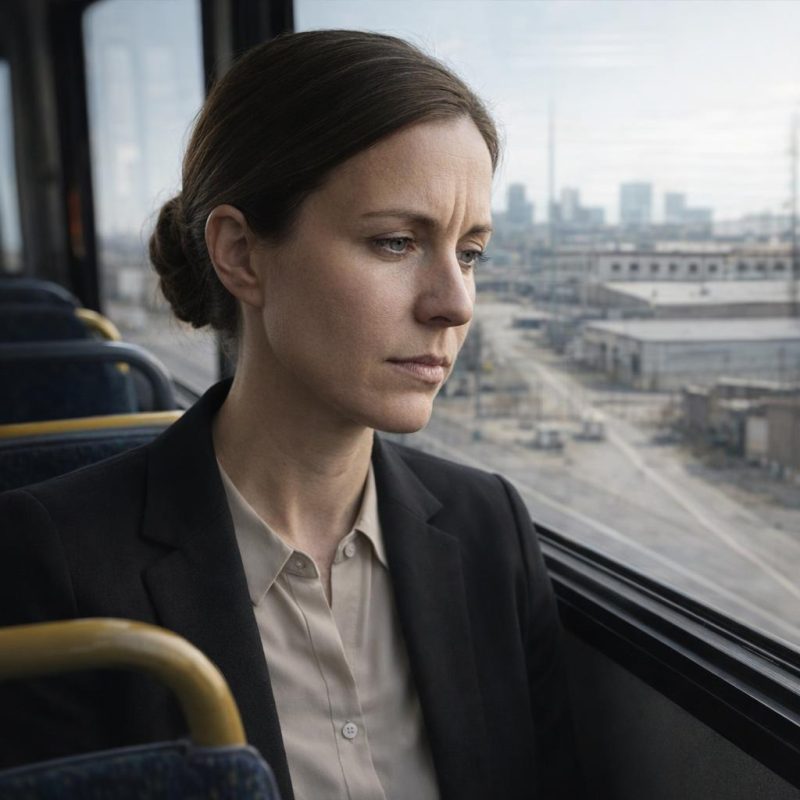 Image by RM AI
The Vacant Warehouse
I got off at the stop closest to the address and walked the rest of the way. The street was exactly what the map had suggested — a long road of industrial units, most of them unmarked or carrying the faded remnants of old company names. I found the number I was looking for on a large warehouse set back slightly from the road. There was no signage. The windows along the upper level were dark, filmed with grime, the kind of dirt that accumulates over years rather than months. The roller door at the front was down and padlocked. No cars in the forecourt. No sound from inside, or none that I could hear from the pavement. I walked around the side of the building, following a narrow service path, looking for any indication that the place was in use — a delivery note, a light, anything. There was nothing. Just brick and silence and a row of empty pallets stacked against the far wall. I came back around to the front and stood there looking at it. This was the address on the paystub. This was the place that was supposed to tell me something about where my mother spent her time, and it looked like no one had been here in years.
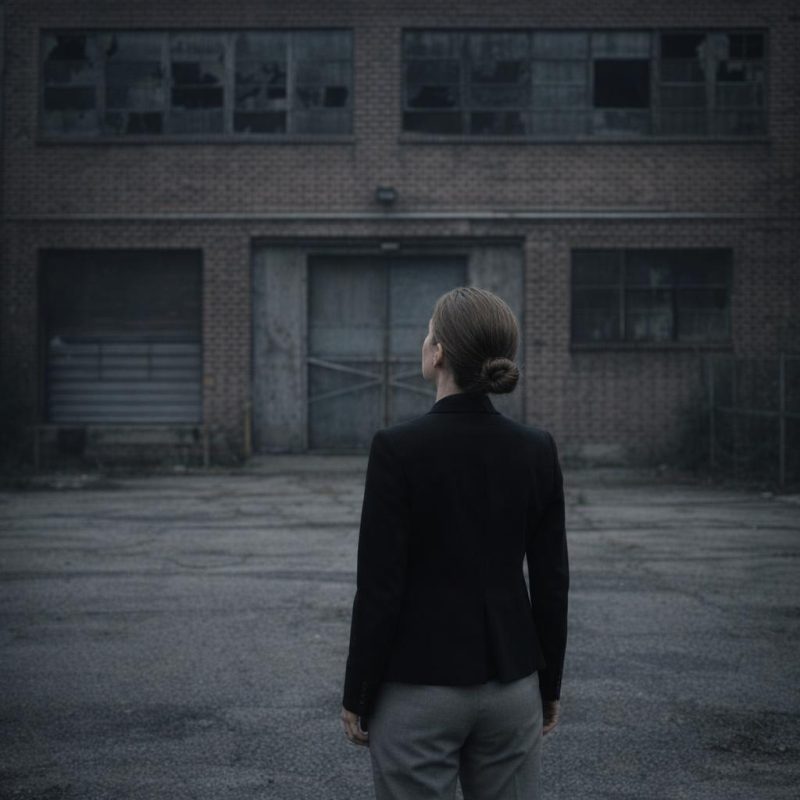 Image by RM AI
Checking the Address Again
I pulled the photograph up on my phone and checked the address again. The street name matched the sign on the corner behind me. I walked back to the front of the building and looked at the number fixed to the wall beside the roller door — the same digits, in the same order, as the paystub. I went around the block once more, slowly this time, checking the adjacent buildings for any possibility I'd miscounted or misread. I hadn't. I came back and stood on the pavement opposite, looking at the building from a slight distance, as if that might help me see something I'd missed up close. It didn't. I opened the map on my phone and dropped a pin on my current location. It landed exactly where the address said it should. The paystub in my photograph listed this building, on this street, in this district — and the building in front of me had dark windows, a padlocked door, and no sign that anyone had used it for anything in a very long time.
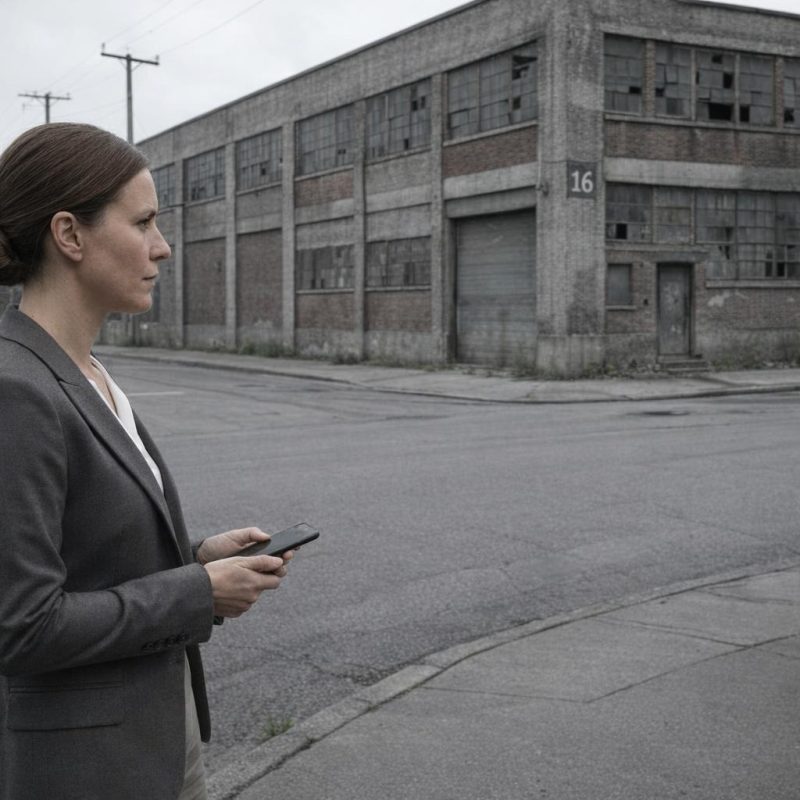 Image by RM AI
The Return Home in Silence
The bus ride home took forty minutes, and I spent every one of them staring out the window without seeing anything. I kept pulling the photograph of the paystub up on my phone and looking at the address, as if the numbers might rearrange themselves into something that made more sense. They didn't. I tried to think through the most obvious explanations first — maybe the paystub was old, from a previous location, before the company moved. Maybe my mother worked across multiple sites and this one had been decommissioned. Maybe I'd misread something, missed a digit, transposed a number somewhere along the way. But I'd checked the address three times on the street itself, and I'd checked it again on the map, and it matched. The building was real. The paystub was real. The padlock on the door was real. What wasn't real, as far as I could tell, was any connection between them that made sense. By the time the bus reached my stop, new questions were arriving faster than I could hold them — each one branching into two more before I'd finished forming the first.
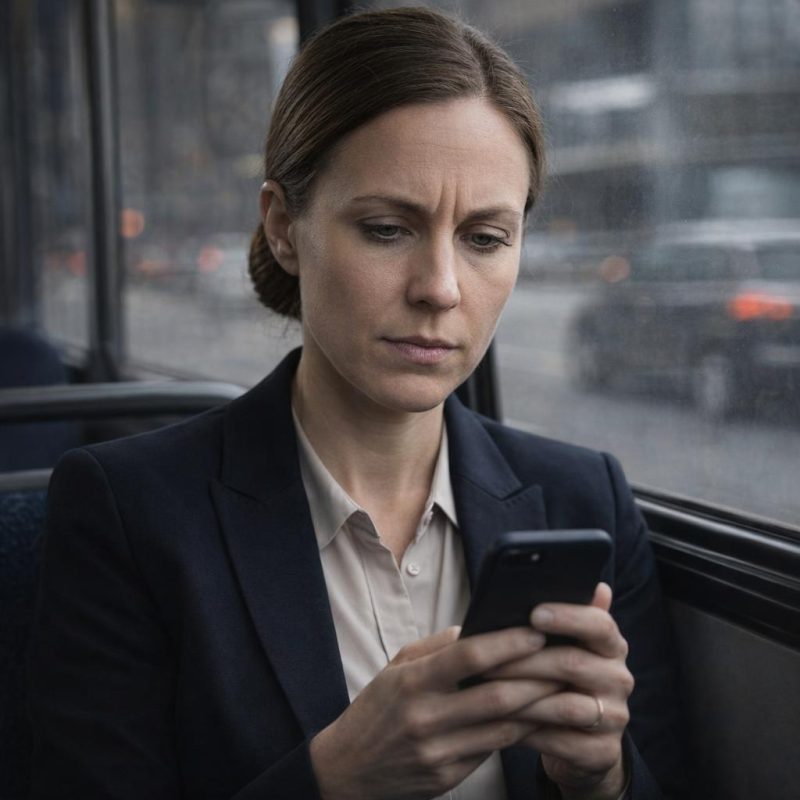 Image by RM AI
The Security Camera
I went back four days later. I told myself I just needed one more look, that I'd missed something obvious the first time and a second visit would settle it. I took a different route, approached from the far end of the block, and stood across the street the way I had before. The building looked exactly the same — dark windows, padlocked roller door, no signage, no movement. I was about to leave when something caught my eye above the main entrance. It was small, maybe the size of a fist, mounted flush against the brickwork just above the door frame. A camera. Not an old one, either — not the kind of yellowed plastic housing you see on buildings that haven't been updated since the nineties. This one was compact and dark-cased, and even from across the street I could see the lens was clean. I stepped back behind a parked van and stayed there for a moment, not sure what I was doing. Then I turned and walked away without looking back. But I kept thinking about it on the way home — that small, clean lens, pointed at a street in front of a building that was supposed to be empty.
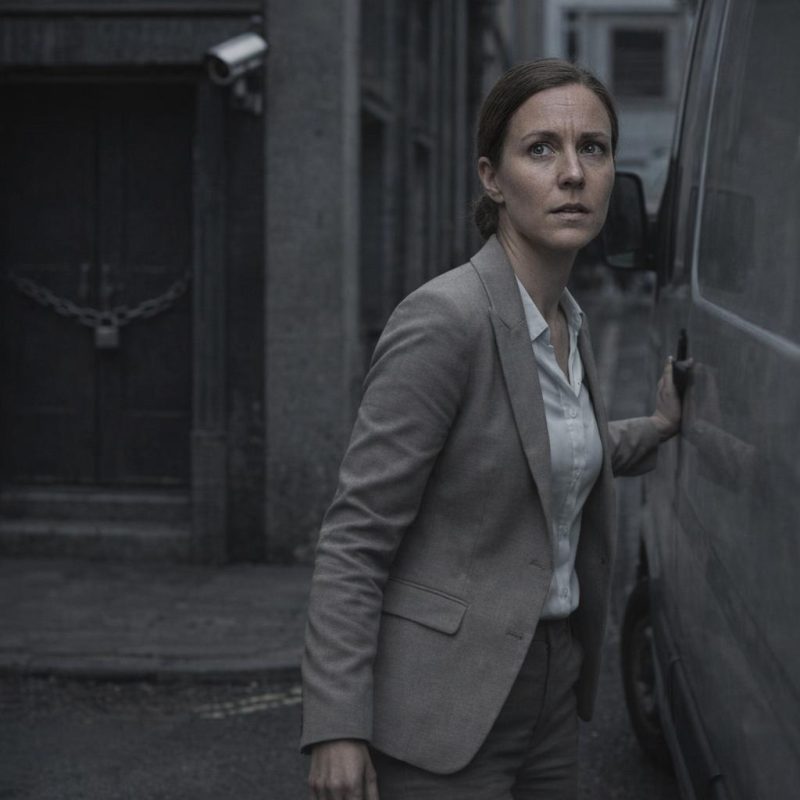 Image by RM AI
The Warning
She was already in the kitchen when I came downstairs the next morning, standing at the counter with her coffee, still in her silk robe. I said good morning and moved toward the refrigerator, and for a moment everything felt ordinary. Then she asked, without turning around, where I had gone on Thursday afternoon. I said I'd been at a friend's place, studying. She didn't respond immediately. She set her cup down on the counter with a small, precise click and turned to look at me, and her expression was exactly what it always was — composed, unreadable, giving nothing away. She said that was fine, but that she preferred I stay closer to home for the time being, and that there were parts of the city she'd rather I avoided until further notice. She didn't explain which parts. She didn't explain why. She just held my gaze for a moment longer than felt comfortable, then picked up her coffee and left the room. I stood at the open refrigerator for a long time after she was gone, not reaching for anything, just standing there with the cold air coming out, and the particular sharpness in her voice still sitting in the room around me.
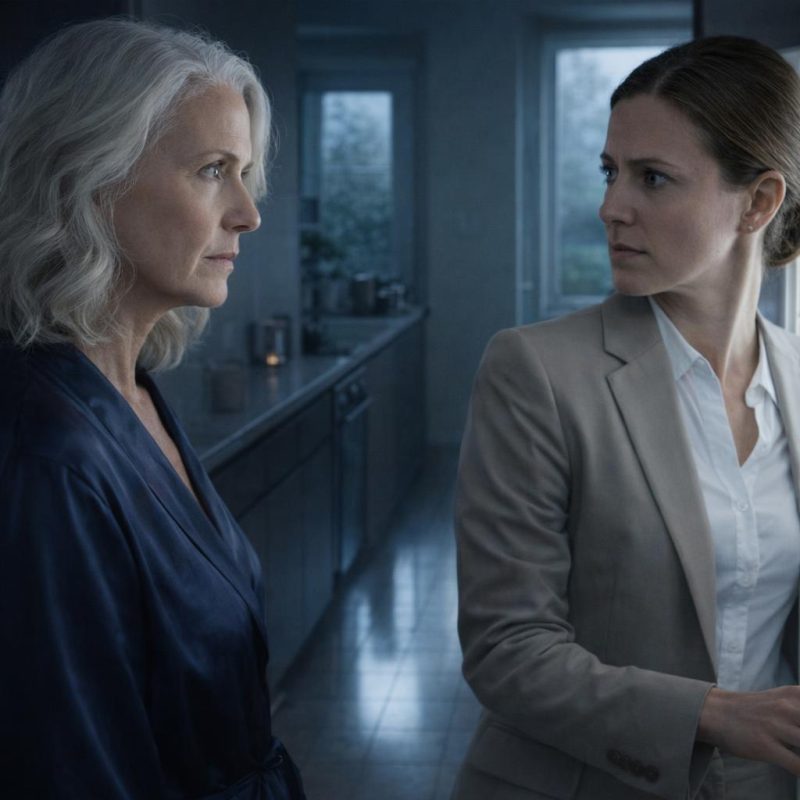 Image by RM AI
The Changed Combination
I waited until well past midnight, until the light under her bedroom door had been dark for over an hour. I moved through the hallway in socks, keeping close to the wall where the floorboards didn't creak, and eased the office door open the way I had before. The room smelled the same — paper and something faintly floral, her perfume caught in the curtains. I crossed to the safe behind the desk and crouched down in front of it. My hands remembered the combination from the last time: left, right, left, the same sequence of numbers I'd used before. I turned the dial carefully, feeling each click, and tried the handle. Nothing. I tried it again, slower, making sure I hadn't slipped a digit. Still nothing. I sat back on my heels and looked at the safe for a moment. Then I tried a third time, more deliberately, and the handle didn't move. The dial turned freely, the mechanism engaged, but the door stayed shut. I left the office the same way I'd entered and went back to my room and lay on top of the covers in the dark. The safe sat in my mind the way it had sat in that room — closed, immovable, the old combination no longer any use to me at all.
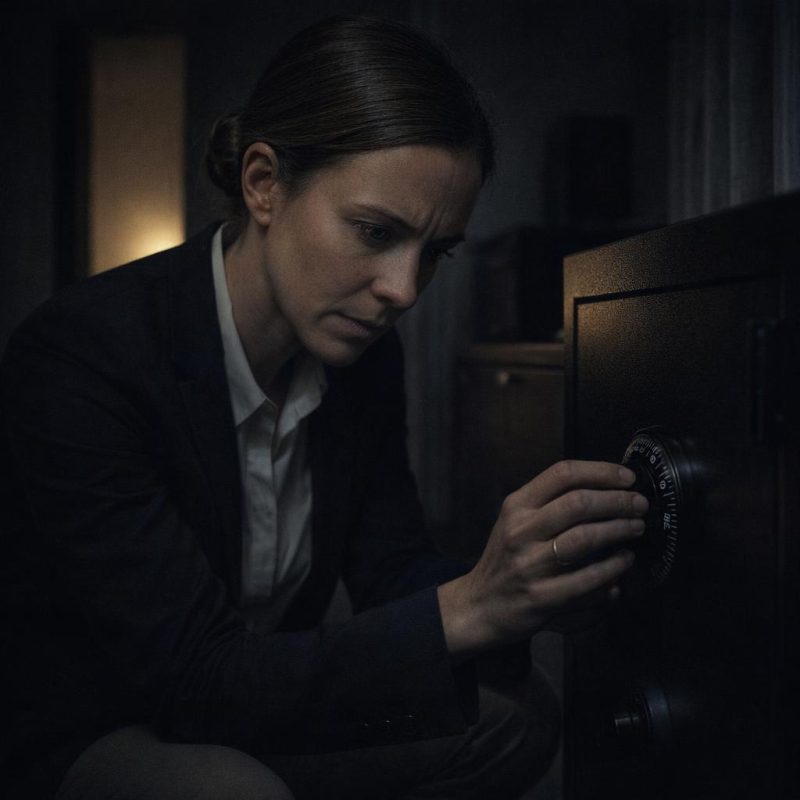 Image by RM AI
The Second Visit
I knew I shouldn't go back. My mother's warning was still fresh, and the camera above the door had unsettled me more than I wanted to admit. But something kept pulling at me, the kind of feeling that doesn't quiet down no matter how many times you tell it to. So I went back on a Tuesday morning, early, when the street was still mostly empty. The building looked the same from the outside — same dark windows, same padlocked roller door, same blank face. But I walked the perimeter this time, slowly, and when I reached the side that faced the gravel lot I stopped. The gravel had been raked. Not recently raked in the way a garden gets tidied, but leveled and smoothed in a way that looked recent. And cutting through it, from the edge of the lot to the loading dock door at the far end of the building, were tire tracks — wide ones, the kind left by something heavier than a passenger car. I stood at the edge of the lot and looked at them for a long time. There was no one there. No vehicles, no sound, no movement behind any of the windows. Just the tracks in the gravel, and the quiet, and the gap between what the building looked like and what I could see in front of me.
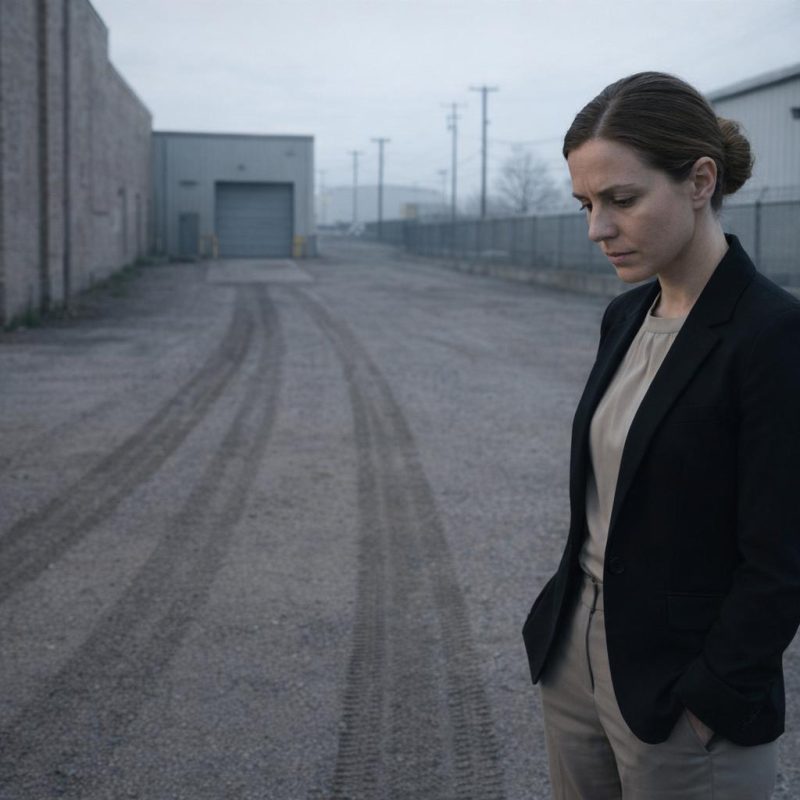 Image by RM AI
The Disproportionate Wealth
I started with a basic search — average salary for a logistics manager, filtered by city and years of experience. The numbers that came back were reasonable. Comfortable, even, at the upper end. But they weren't what we had. I sat at my desk and started writing things down: the house, which I knew from a property listing I'd found once was worth considerably more than I'd expected. The car my mother drove, which I looked up and priced out. The school fees I'd overheard her mention on the phone years ago, the ones she'd paid without apparent concern. The holidays we'd taken when I was younger — not extravagant, but consistent, and always to places that cost money to reach. I added what I could estimate and compared it to the salary range I'd found. Even at the most generous end, even accounting for bonuses or overtime or whatever else might push the number higher, the gap was significant. I sat back and looked at what I'd written. Maybe there was family money I didn't know about. Maybe there were investments, savings from years before I was old enough to notice. I didn't know enough about her finances to say. But I also couldn't explain the numbers in front of me, and that gap — between what a logistics manager earned and how we actually lived — wouldn't stop sitting there on the page.
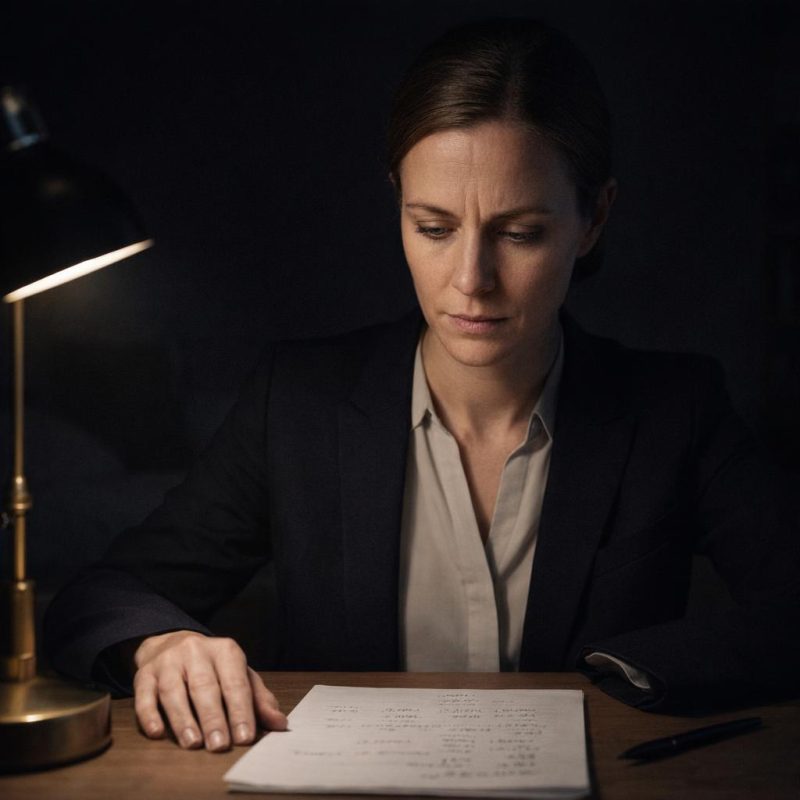 Image by RM AI
The Unmarked Package
The doorbell rang at just after nine on a Wednesday morning. My mother was still asleep — or at least her door was closed and the house was quiet — so I went down and answered it. The man on the step was wearing a dark suit, well-fitted, no tie. He was holding a package wrapped in plain brown paper, about the size of a shoebox but heavier-looking, the way he carried it with both hands and a slight adjustment of his weight. He asked for Victoria by name, and when I said she wasn't available he nodded once, as if that were the answer he'd expected, and said he'd leave it with me. He held it out and I took it. It was heavier than it looked. He didn't offer a company name or a receipt or any explanation of what it was or where it had come from. He just gave a small, professional nod and walked back down the front path without looking back. I stood in the open doorway for a moment after he'd gone, holding the package with both hands the way he had. Then I brought it inside and set it on the hall table for my mother. I didn't open it. I didn't touch it again. I just left it there and went back upstairs, and the weight of it stayed in my hands for the rest of the morning.
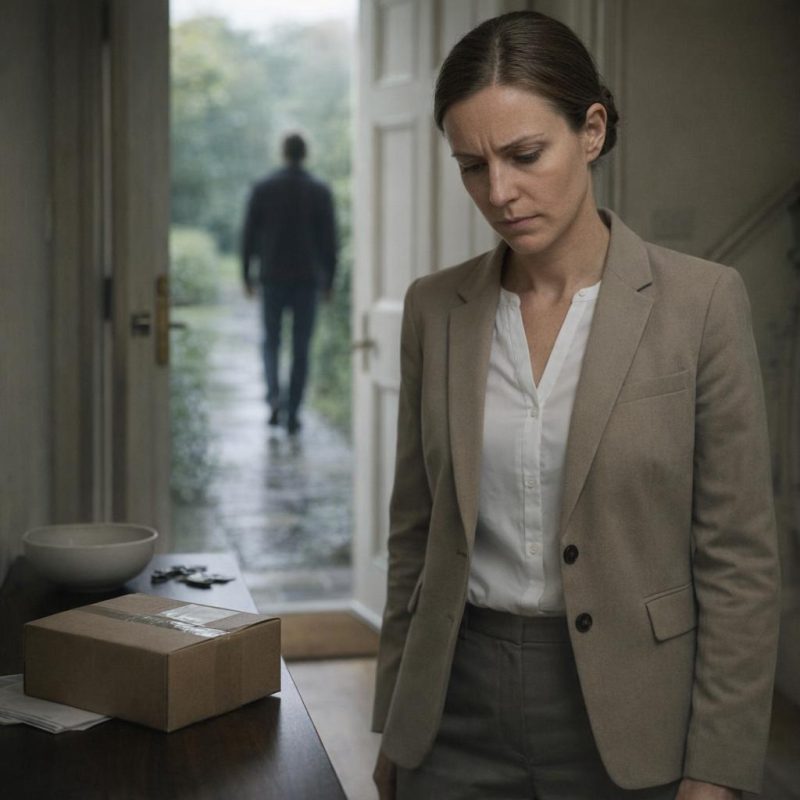 Image by RM AI
The Shell Corporation
I found the property records through a public database — the kind of site that lets you search by address and pulls up ownership history and tax filings. I typed in the warehouse address and waited. The record came back quickly. The listed owner was a company called Meridian Holdings LLC. I wrote the name down and searched for it separately. No website. No business listings, no reviews, no news mentions, no filings beyond the bare minimum required to exist on paper. I tried variations of the name, added the city, added the state, tried searching it alongside the warehouse address. Nothing came back that told me anything useful — no directors listed publicly, no registered office beyond a law firm's address that appeared to be a registered agent service, the kind used specifically to keep actual ownership at a distance. I sat back and looked at the name on my notepad. Meridian Holdings LLC. It had the shape of a real company — a name, a registration, a property on record — but every path I followed from it ended the same way, in a blank wall with nothing behind it.
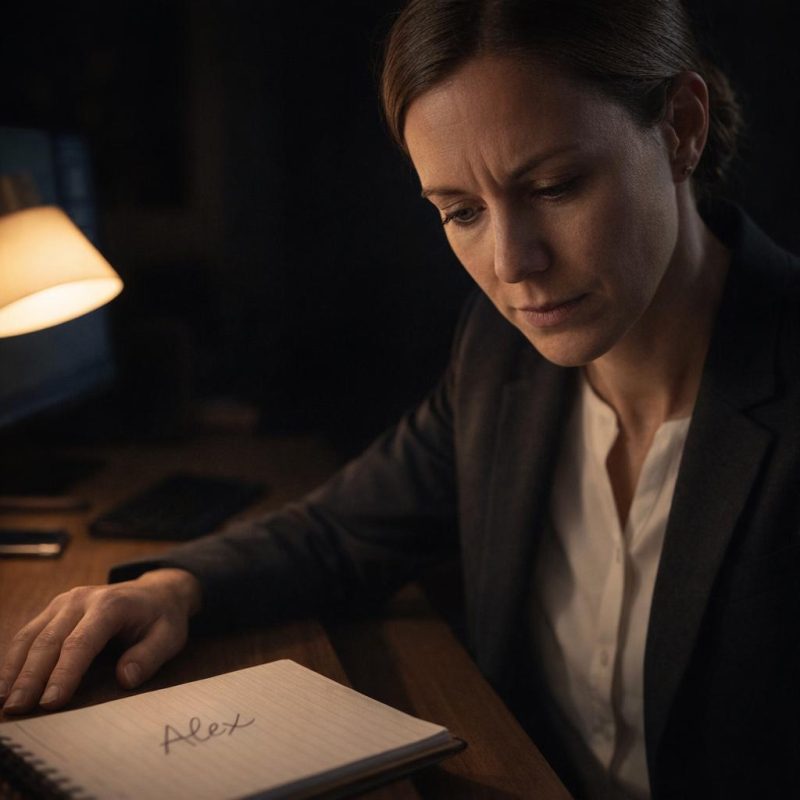 Image by RM AI
The Weight of Secrets
I spread everything out on my kitchen table that night — the paystub, the printout of the property record, the name Meridian Holdings LLC written in my own handwriting on a yellow notepad. I looked at it all for a long time. A warehouse I couldn't explain. A shell company with no public face. Security cameras pointed at a door I'd never been invited through. None of it added up to anything I could name, and that was the part that kept catching in my chest. I thought about calling someone — a friend, maybe, or even a lawyer — but what would I say? That my mother's name appeared on a paystub from a company that didn't seem to exist? That I'd found a warehouse and felt uneasy about it? I had no proof of wrongdoing. I had suspicion and a bad feeling and a list of questions nobody had answered. I thought about Victoria — the way she moved through rooms like she owned the air in them, the way she'd always kept me at arm's length without ever explaining why. Whatever was behind all of this, I couldn't ask her. I didn't know how. The table held its evidence quietly, and the apartment held its silence around me.
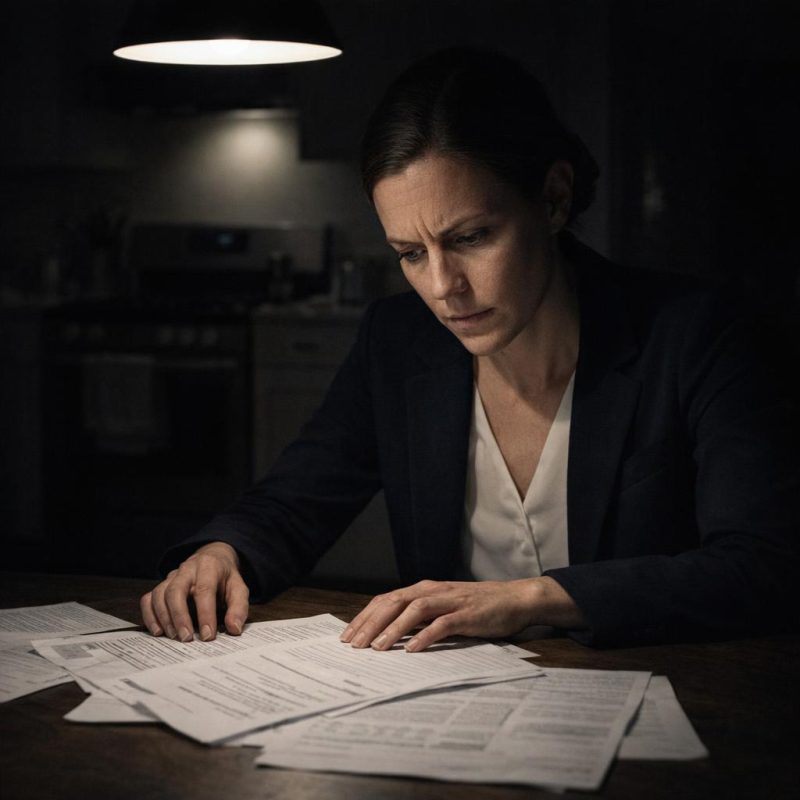 Image by RM AI
Preparing for Confrontation
I gave myself one day to think it through before I decided I was going to talk to her. Not hint at it, not circle around it — actually talk to her, directly, with the papers in my hand. I wrote the questions down in a notebook. What is the warehouse on Calloway Street? What is Meridian Holdings? Why is your name on a paystub from a company that has no public record? I read them back to myself and they sounded reasonable on paper. Then I said them out loud, standing in my kitchen, and they sounded like an accusation. I tried softer versions. I tried starting with something neutral, something that left room for a simple explanation. But every version I rehearsed either felt too timid to get a real answer or too blunt to survive the first thirty seconds. I knew how Victoria operated in conversation — the way she could redirect without seeming to, the way a non-answer could sound almost like one if you weren't paying close attention. I told myself I would go in the morning, before she had a chance to set the tone for the day. I laid the paystub and the property printout on the counter where I'd see them first thing. The words I'd practiced sat somewhere between resolve and dread, and I wasn't sure which one would show up with me.
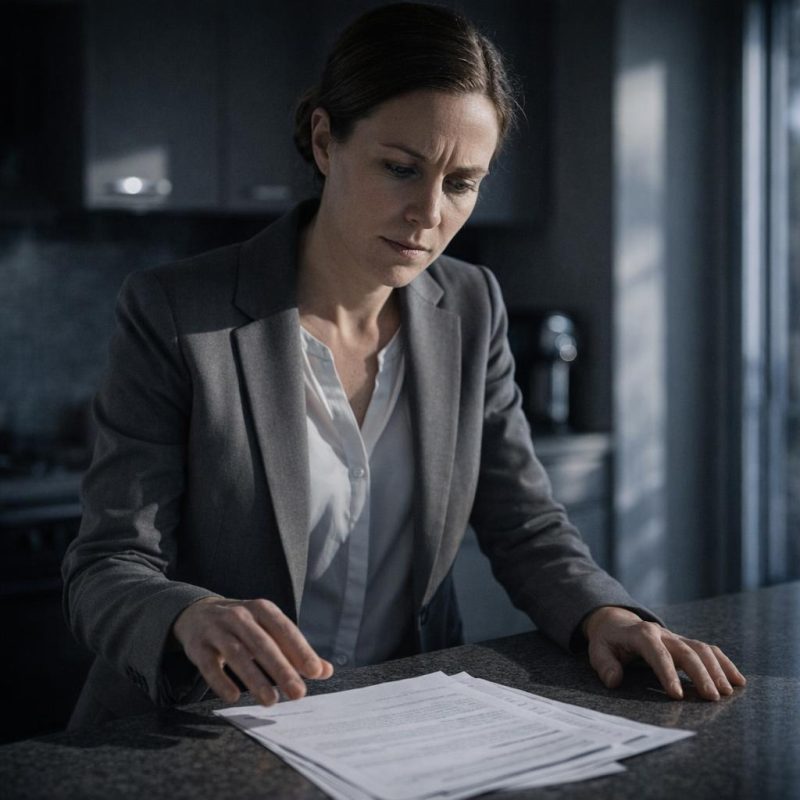 Image by RM AI
The Refusal
She was already in the sitting room when I arrived, dressed and composed, a cup of tea on the table beside her. I'd timed it deliberately — early enough that she wouldn't have somewhere else to be. I sat down across from her and put the papers on the table between us. I told her I'd found the warehouse on Calloway Street. I told her I'd looked up the address and found a company called Meridian Holdings, and that I couldn't find anything about it beyond a registration number and a law firm's address. I told her I'd seen the security cameras. I asked her what she was involved in. My voice stayed steadier than I expected. Victoria looked at the papers. She didn't pick them up. She didn't look at me. She sat with her hands folded in her lap and her expression completely still, the way a room goes quiet before a storm — except the storm never came. I waited. I asked again, softer this time. Nothing. She set her teacup down, smoothed the front of her robe, stood up, and walked out of the room as if I hadn't spoken a single word.
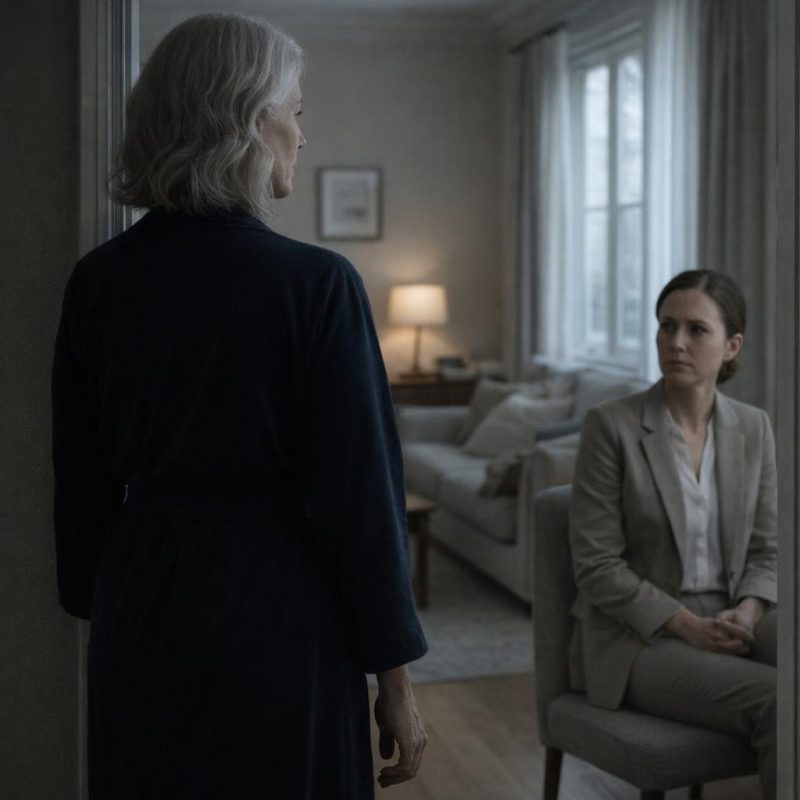 Image by RM AI
Following at a Distance
I borrowed my neighbor's car without explaining why — just said mine was in the shop and I needed to run errands. I parked it down the block from the house three evenings in a row before anything happened. On the fourth night, the black car appeared at the usual time, idling at the curb. I watched Victoria come out, unhurried, and get in. I gave it half a block before I pulled out and followed. I kept two or three cars between us and drove slowly enough to stay back without losing the thread of it. The route moved through the center of the city first, then angled south, away from the residential streets and toward the part of town where the buildings got lower and the streetlights got farther apart. I recognized the direction. I'd driven it before, the day I found the warehouse. My hands tightened on the wheel. The black car moved steadily, no hesitation at intersections, like it had made this trip many times. Then it turned onto an unlit side street and I lost it — the taillights gone before I could make the turn without being obvious. I pulled over and sat in the dark, the engine running, the route still tracing itself in my head, pointing back toward the industrial district.
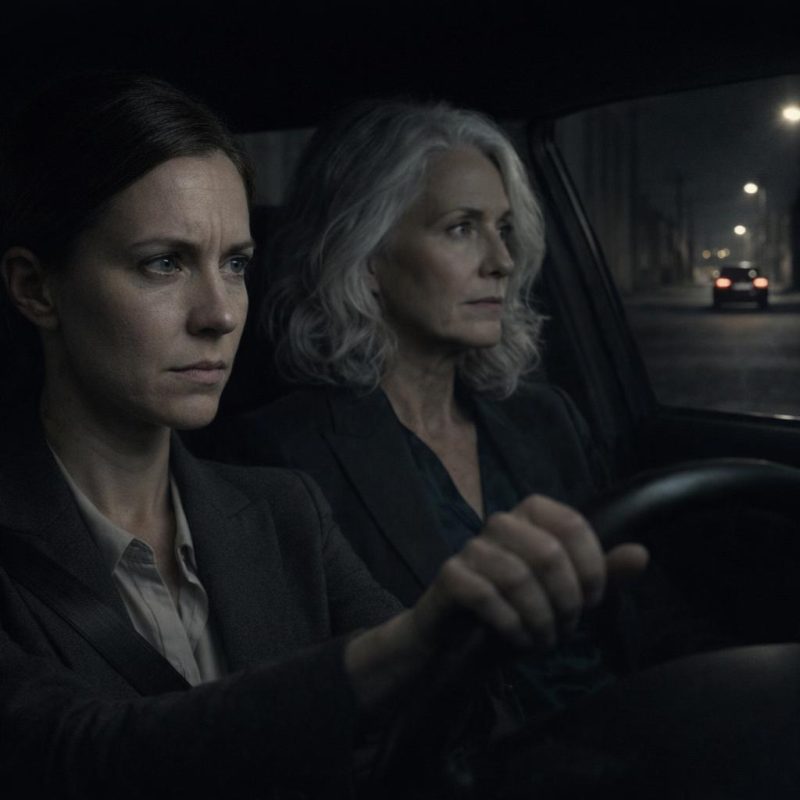 Image by RM AI
Documenting the Pattern
After that night I started keeping a log. I bought a small notebook and kept it in my bag, and every time I was near the house I wrote down what I saw. Departure time. Which car. How many minutes before it returned. I noted the packages that arrived — courier deliveries, no return addresses, signed for by someone I didn't recognize at the door. I wrote down the fragments of phone calls I caught when I visited, the clipped sentences that stopped when Victoria noticed me in the hallway. One afternoon I managed to photograph the black car's license plate from across the street, holding my phone low and pretending to look at something else. I wrote the plate number in the notebook and circled it. The log grew quickly. Within two weeks I had pages of it — times, dates, small details that individually meant nothing but together started to form a shape I couldn't quite see yet. I told myself I was being methodical. I told myself this was just observation, just facts. But I was checking the notebook first thing in the morning and last thing at night, and I'd started timing my visits to the house around Victoria's schedule rather than my own, and somewhere in the middle of the third week I looked at the filled pages and understood that whatever I was doing, it had stopped feeling like caution and started feeling like something else entirely.
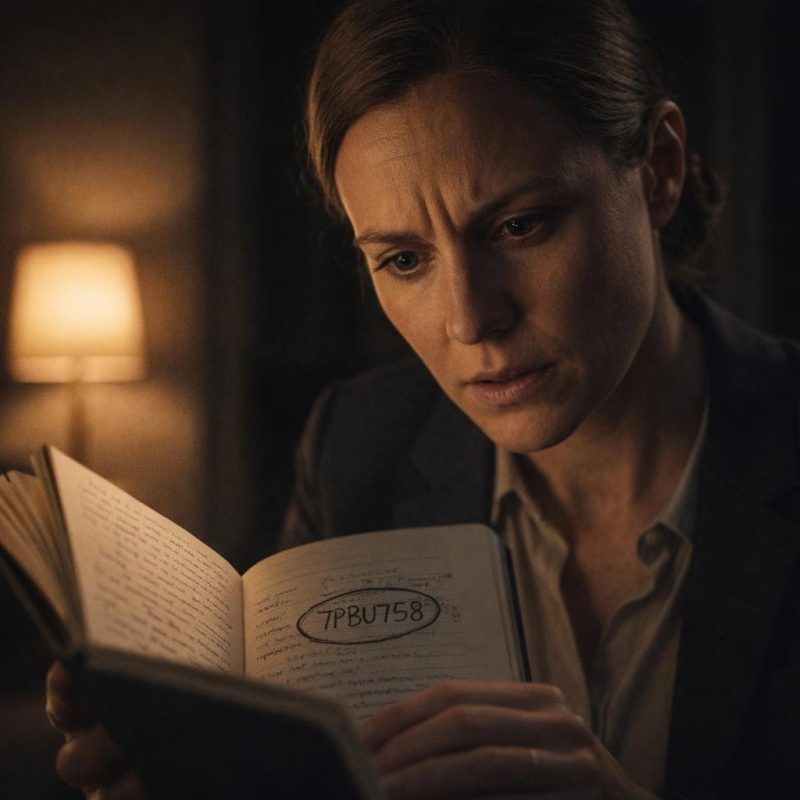 Image by RM AI
The Distance Grows
It started with a phone call. Victoria's voice was measured, almost gentle, which should have been my first warning. She said she'd been thinking about me — about how much time I spent coming back to the house, how it wasn't healthy for someone my age to be so tethered to home. She said I needed space to build my own life. She said she was going to increase my monthly allowance so I'd have more flexibility, more freedom. She made it sound like a gift. I stood in my apartment holding the phone and tried to find the version of this conversation that was just a mother worrying about her adult daughter. I couldn't quite get there. The timing was wrong. The phrasing was too careful. I'd been coming to the house my whole life and she'd never once suggested it was too much — not until I'd started asking questions, not until I'd put papers on the table between us and watched her walk away without a word. I told her I understood. I didn't argue. After I hung up, I sat on the edge of my bed and looked at the wall for a while. The house I'd grown up in was still standing a few miles away, and I was being told, very politely, that it was no longer a place I was meant to be.
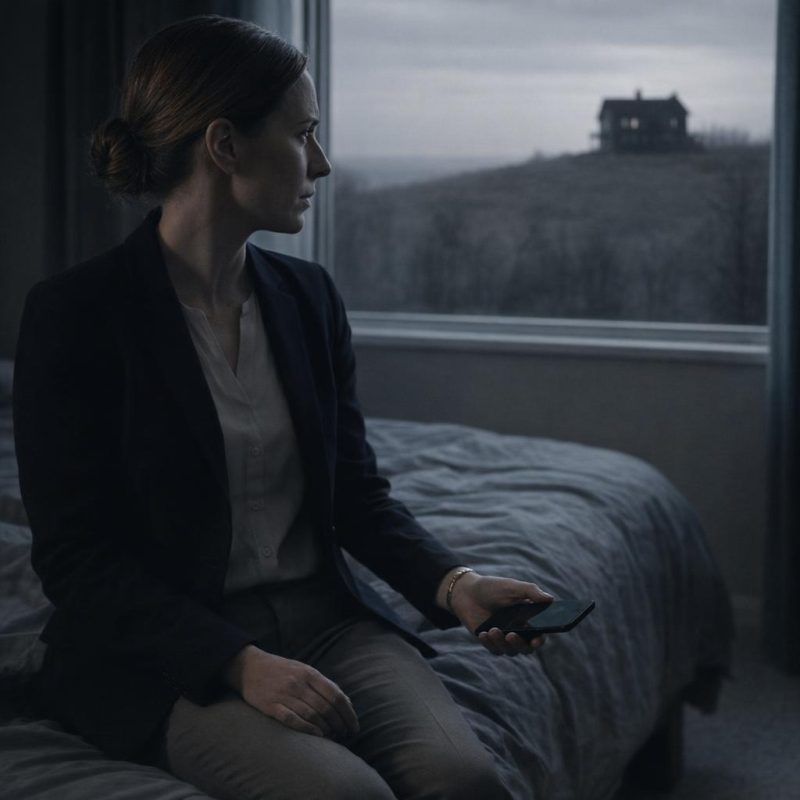 Image by RM AI
The Sudden Decline
The call came on a Tuesday morning, from a number I didn't recognize. A woman identified herself as a nurse at St. Clement's and asked if I was Victoria's daughter. I said yes before I'd fully processed the question. She told me Victoria had collapsed at home the previous evening and had been brought in by ambulance. She said a doctor would speak with me when I arrived. I asked if she was alright and the nurse said the doctor would explain, which told me enough. I grabbed my keys and my coat and was out the door before I'd thought to put on shoes that matched. In the car I kept running through the last time I'd seen Victoria — two weeks ago, maybe three, the phone call about independence and allowances, the careful distance she'd been maintaining. She hadn't mentioned feeling unwell. She hadn't mentioned anything. When I got to the hospital and found the right floor, a doctor met me in the hallway and told me Victoria had been managing a serious illness for the better part of a year. He said it quietly, the way doctors do when they're delivering something they know will land hard. A year. She had been sick for nearly a year and I hadn't known, hadn't been told, hadn't been given the chance to know.
 Image by RM AI
The Hospital Room
She looked smaller in the hospital bed. That was the first thing I noticed — Victoria, who had always seemed to take up more space than a room allowed, looked diminished against the white sheets and the pale light coming through the window. I pulled a chair close and sat beside her. I tried to talk to her the way I'd always wanted to — not carefully, not around the edges of things, but directly. I told her I wasn't angry. I told her I just wanted to understand. I asked about the warehouse, about Meridian Holdings, about the years of distance between us, and she looked at the ceiling or at the window or at her own hands, anywhere but at me. Her answers, when they came, were short and deflecting — she was tired, it wasn't the time, there was nothing to explain. I told her there was. I told her I'd been trying to reach her my whole life and I didn't know how much time we had left and I needed her to meet me halfway, just once. The room was very quiet. A monitor beeped steadily somewhere behind her. I leaned forward and reached for her hand, and she moved it — slowly, without looking at me — back beneath the sheet.
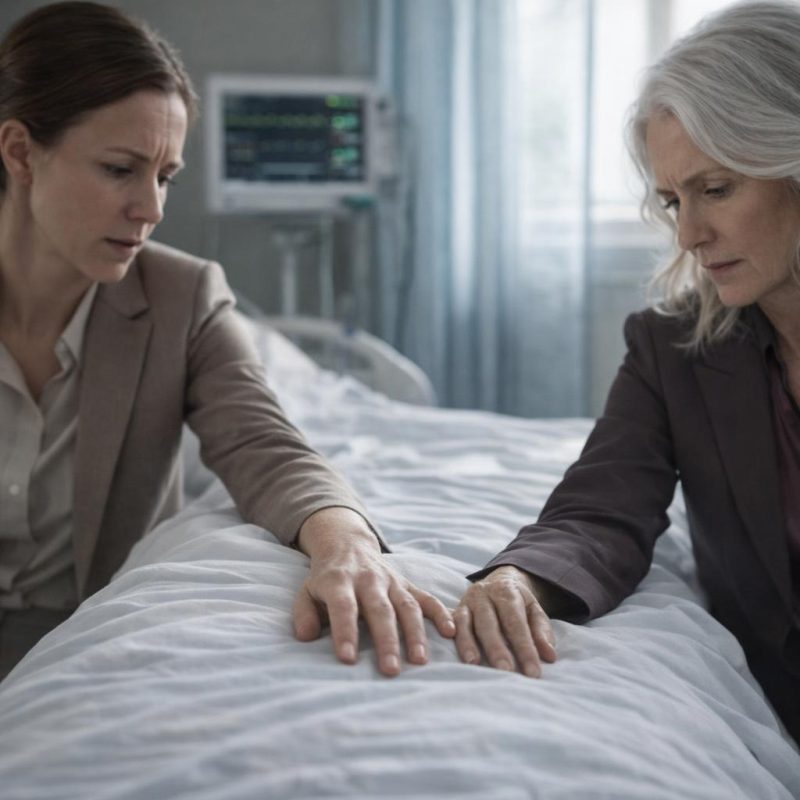 Image by RM AI
The Final Silence
I stayed through the night. The nurses came and went, adjusting things, checking readings, speaking in low voices that didn't require a response. Victoria drifted in and out, and each time her eyes opened I leaned forward, hoping. Around three in the morning she was awake and looking at the ceiling, and I asked her one more time — quietly, without pressure, just her name and then the question I'd been carrying for years. I asked her what the warehouse was. I asked her what she'd been doing all those nights she left. She turned her head toward the window. Not toward me. The monitor kept its steady rhythm. I sat back and held her hand anyway, even though she hadn't asked me to, even though she didn't squeeze back. Her breathing changed sometime before dawn — slower, with longer spaces between. I didn't call for anyone. I just stayed. When it stopped, the room didn't feel different the way I'd expected. The monitor flatlined and a nurse came in and said something I didn't fully hear. I was still holding her hand. The silence that settled over that room held every question she had taken with her.
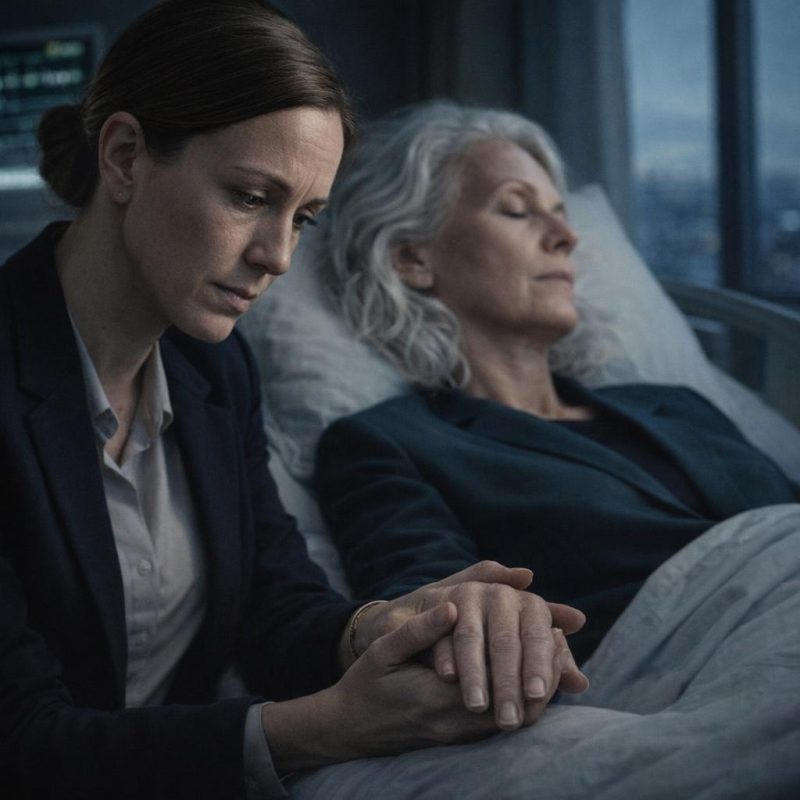 Image by RM AI
Arrangements in the Absence of Answers
The funeral home was quiet and beige and smelled faintly of something floral that wasn't quite flowers. A man with a soft voice walked me through options — caskets, flowers, readings, whether I wanted a reception afterward. I answered each question as it came. I chose things that seemed appropriate without knowing what Victoria would have wanted, because I didn't know. That was the part that kept surfacing: I didn't know. I went through her phone and found almost no personal contacts — a few numbers with no names attached, a doctor's office, a dry cleaner. No address book anywhere in her apartment. No letters, no Christmas cards saved in a drawer, no evidence of friendships I'd simply never witnessed. I put a small notice in the paper. I planned for a graveside service, short and simple, because I had no one to invite. I told myself that was fine. I told myself she had been a private person. I sat at her kitchen table the night before the service with a cup of tea I didn't drink, surrounded by the careful, expensive silence of a life I had never been allowed inside.
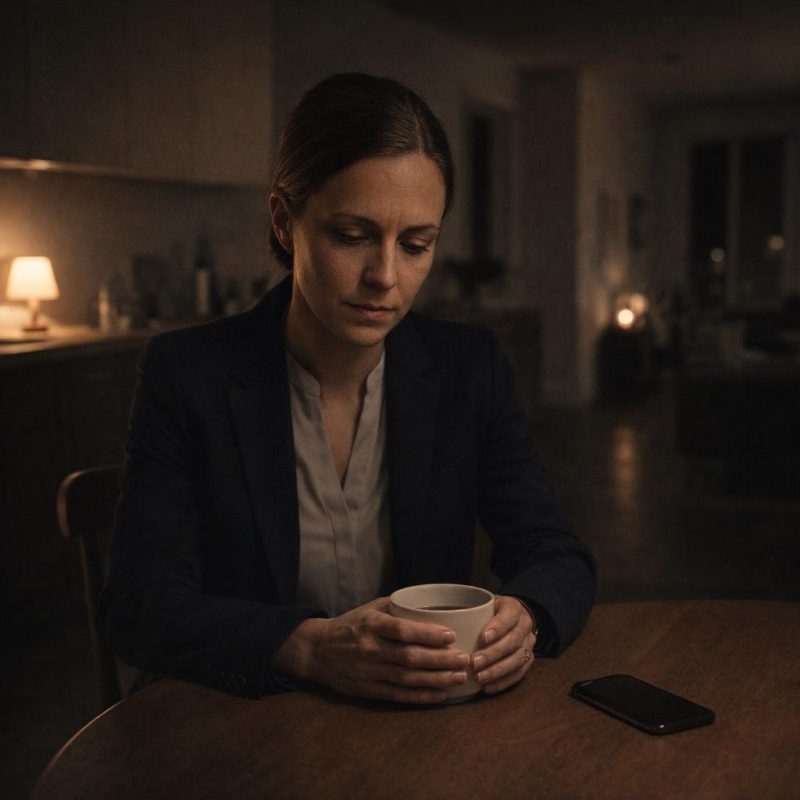 Image by RM AI
Three Men in Dark Suits
There were seven people at the graveside, including me and the officiant. A neighbor who had lived across the hall from Victoria for twelve years. Two women from the dry cleaner she'd used. A man I vaguely remembered from a building she'd owned. I stood at the edge of the grave and listened to words that were kind and general and didn't quite fit the woman I was burying. Three men in dark suits stood together near the tree line at the far edge of the cemetery — far enough to be separate from the service, close enough that they were clearly there for it. They stood without fidgeting, without checking phones, without any of the small restless movements people make when they're uncomfortable. They watched the service. They watched me. I didn't recognize any of them. They were older, composed, carrying themselves with a kind of weight that felt less like grief and more like something else I couldn't name. When the officiant finished and the neighbor touched my arm and said she was sorry, I thanked her. I watched the other mourners drift toward the parking lot. The three men didn't move — and then, as the last of the others cleared the path, they began walking toward me.
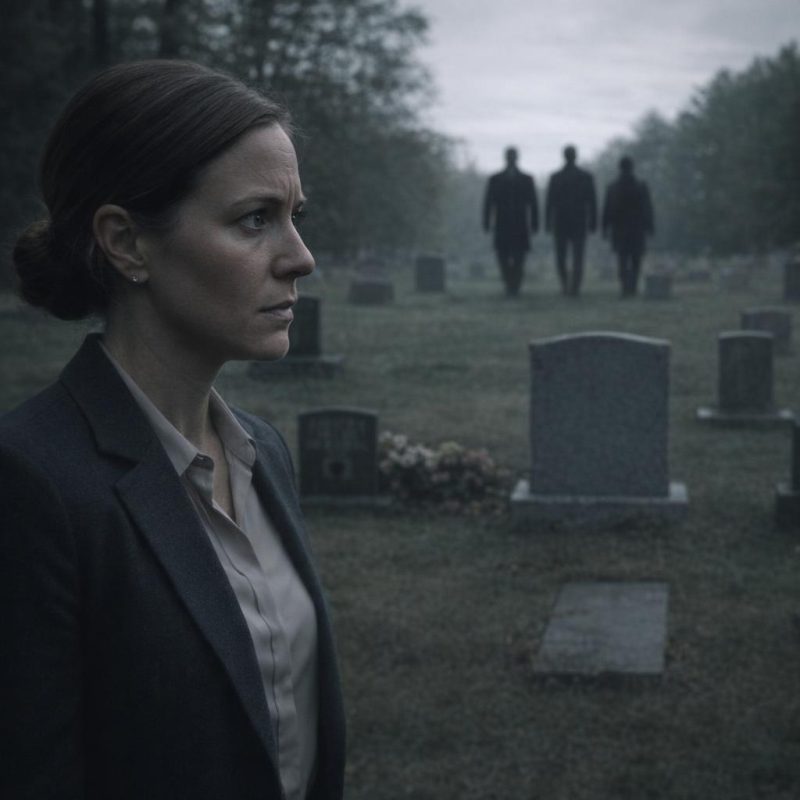 Image by RM AI
The Request for Privacy
The eldest of the three reached me first. He was tall, gray at the temples, with a posture that made the cemetery feel like a boardroom. He extended his hand and said his name was Marcus Reeves, and that he was sorry for my loss, and that he had worked closely with my mother for many years. His voice was measured and even, the kind of voice that didn't leave much room between sentences. The two men behind him were introduced briefly — Vincent, stocky and watchful, eyes moving across the grounds without settling; James, younger, with an expression that read as something closer to discomfort than the others. Marcus said there were matters related to Victoria's affairs that required attention, and that it would be better to discuss them privately. I asked what kind of matters. He said the kind that couldn't wait and shouldn't be handled in the open. I looked at the three of them — the careful suits, the stillness, the way none of them had signed the small guest book by the entrance. I didn't feel like I had a choice, though no one had said anything to suggest I didn't. Marcus turned slightly and gestured toward a dark car idling at the cemetery entrance.
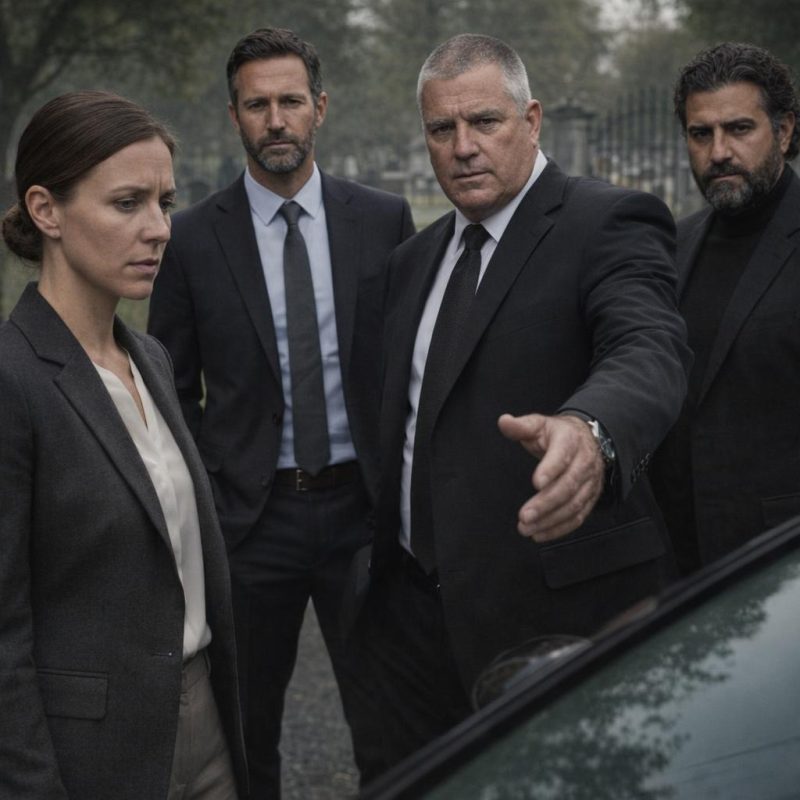 Image by RM AI
The Empire My Mother Built
We sat in the back of the car, Marcus across from me, Vincent up front, James beside me with his hands folded in his lap. Marcus spoke without preamble. He said Victoria had run a distribution network — black market, operating across the state for more than two decades. He said the warehouse I'd visited as a child was the central hub: intake, sorting, dispatch. Contraband goods, stolen property, illegal imports moving through a system she had built and controlled with what he called, without any apparent irony, remarkable precision. He said she was known in certain circles for two things: efficiency and the consequences she imposed when people failed her. He said she had kept me entirely separate from all of it, deliberately and consistently, from the time I was very small. I sat there and listened. I thought about the silk robes and the nighttime departures and the security cameras and the men who never introduced themselves. I thought about the gifts that arrived without explanation and the questions she deflected and the hand she moved back beneath the sheet. I had spent my whole life trying to understand the distance between us, and now Marcus was telling me the distance had a name, a structure, a ledger — and that my mother had been its architect. The woman I had been grieving cracked open into someone I had never met.
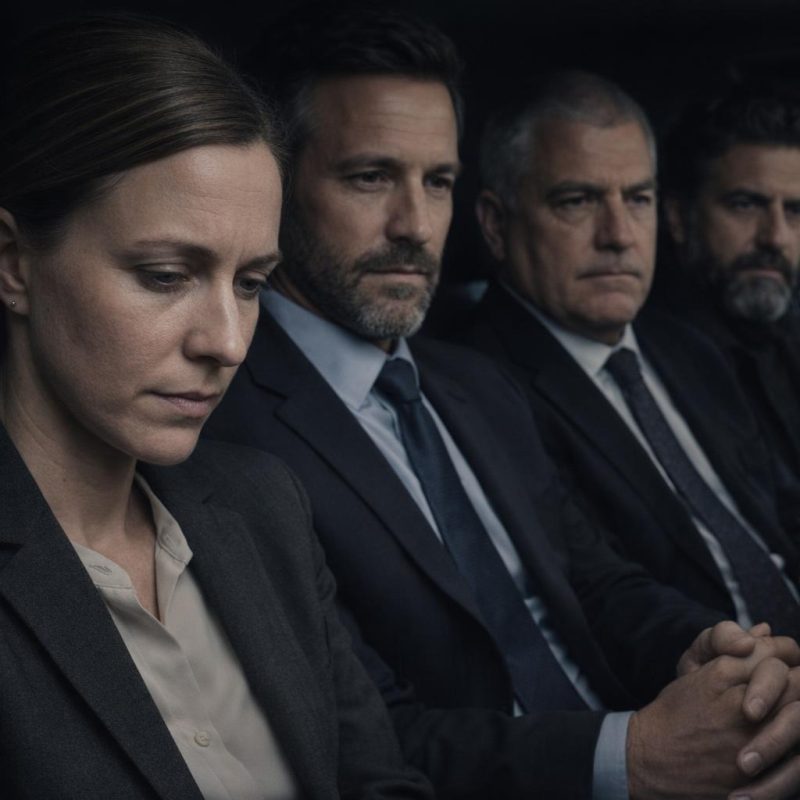 Image by RM AI
The Burner Phone
James reached into his jacket and produced a phone — small, plain, the kind with no brand markings. He held it out to me and said Victoria had recorded a message before she was admitted to the hospital. He said she had been specific: it was for me, and I should hear it before we discussed anything further. I took the phone. My thumb found the play button. There was a brief silence on the recording, and then her voice came through — clear and composed, the way it always was, the voice I had heard my whole life telling me to sit up straight and not ask questions at the table. She said my name once. Then she spoke in a register I had never heard from her: clipped, precise, referencing names and locations and transfer schedules in language that meant nothing to me on the surface and clearly meant everything to someone who knew how to listen. She said the organization had been built to last beyond her. She said the people in the room with me were loyal and had been vetted over many years. She said she was sorry she hadn't found another way. And then, in the same even tone she used for everything, she said she trusted me to be careful — and the recording ended, and I was sitting there holding a phone that contained a version of my mother I had never once been allowed to see.
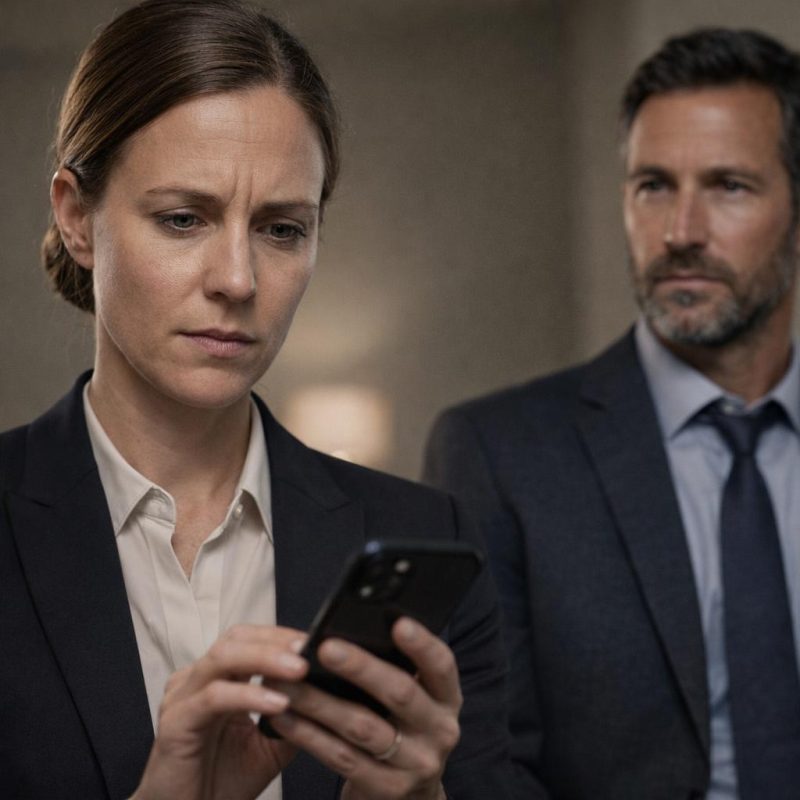 Image by RM AI
Rewriting Every Memory
They left me alone after that. I sat in the back of the car for a while after it pulled to the curb outside my building, and then I went upstairs and sat at my kitchen table and didn't turn on any lights. I thought about the silk robes — the way she wore them in the evenings when she was home, which wasn't often, and how I used to think they meant she was relaxed, that she was finally just my mother for a few hours. I understood now that those evenings were the exception, not the rhythm of her life. I thought about the warehouse — the cameras, the men who moved through it without speaking, the way she had watched everything with that flat, assessing look I'd always read as disappointment. It hadn't been disappointment. It had been vigilance. The expensive gifts, the private schools, the apartment that was always too quiet — those weren't the trappings of a successful businesswoman. They were the careful construction of a separate life for me, built at a distance from everything she actually was. She hadn't been cold. She had been afraid of what closeness might cost me. I sat with that for a long time in the dark, and it didn't make the loneliness smaller, but it gave it a different shape.
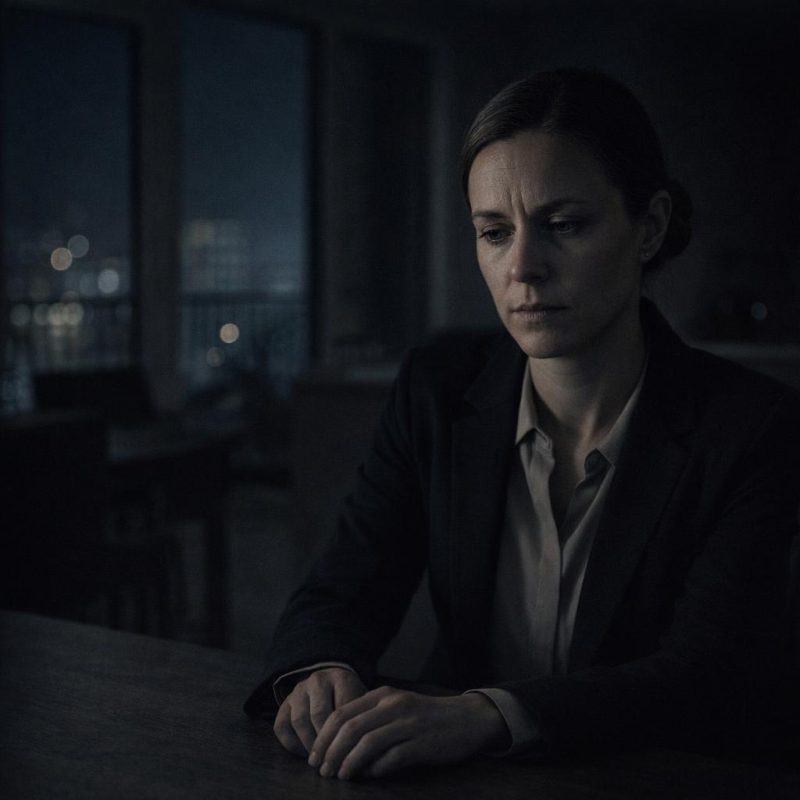 Image by RM AI
The Scope of Her Empire
Marcus came to my apartment the next morning with a leather folder and no apology for the hour. He sat across from me at the kitchen table and opened it without ceremony. Inside were maps — actual printed maps, the kind I hadn't seen anyone use in years — with routes marked in red and blue, clusters of dots at intervals across the state. He named cities I recognized and some I didn't. He described warehouses in four locations, a transportation network using commercial vehicles registered to shell companies, personnel organized in cells so that no single person knew the full picture. He said the organization moved stolen electronics, counterfeit goods, and untaxed imports. He said annual revenue, in a good year, exceeded eight million dollars. He said it as though he were reading from a report, which I suppose he was. I kept looking at the maps. The dots were everywhere — not just the city I'd grown up in, but the one I'd gone to college in, the one where I'd had my first apartment, the one where I'd taken a job I thought was a fresh start. I had moved through my life thinking I was building distance from her world. The map suggested I had never left it.
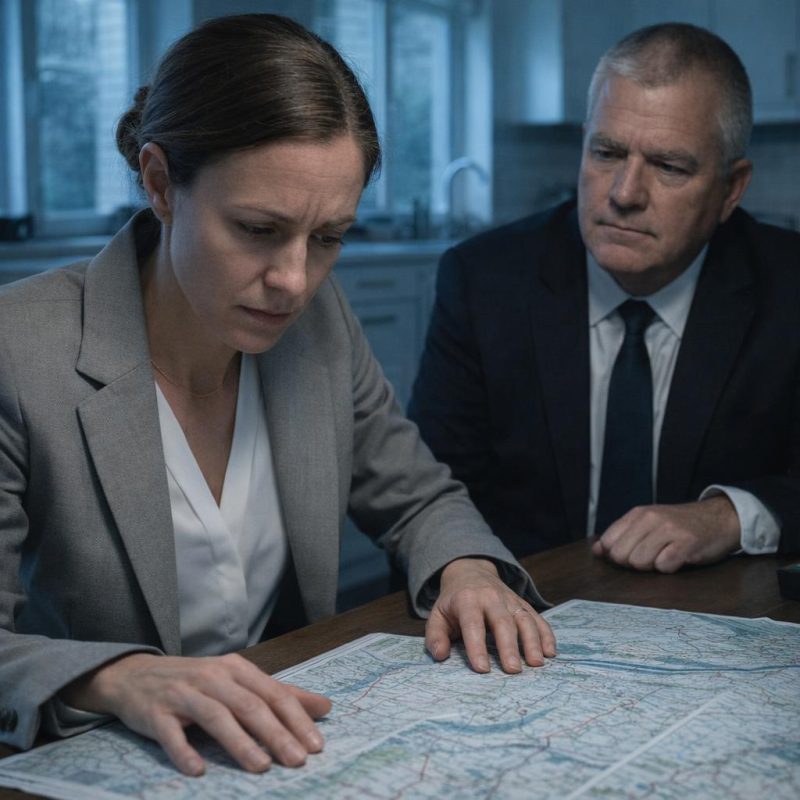 Image by RM AI
Stories of Fear and Efficiency
Vincent came alone that afternoon, which felt deliberate in a way Marcus's visits never did. He sat in the chair across from me without being invited and folded his hands on the table like a man who had given difficult briefings before and found them unremarkable. He talked about Victoria the way someone talks about a general — with a specific kind of respect that has fear built into its foundation. He said rivals in the network had a phrase for her response time when someone moved against her interests. He didn't translate it, but the meaning was clear enough. He told me about a supplier from the eastern corridor who had tried to reroute product and skim the difference, certain he was too far removed to be traced. Victoria had him traced in eleven days. Vincent described the consequences in plain language, the way you describe weather — not cruel, not satisfied, just factual. He said the man had been a warning, and that warnings in her world were meant to last. I asked what happened to him. Vincent looked at me steadily and said Victoria had given the order herself, and that the man was no longer part of any organization — any organization at all.
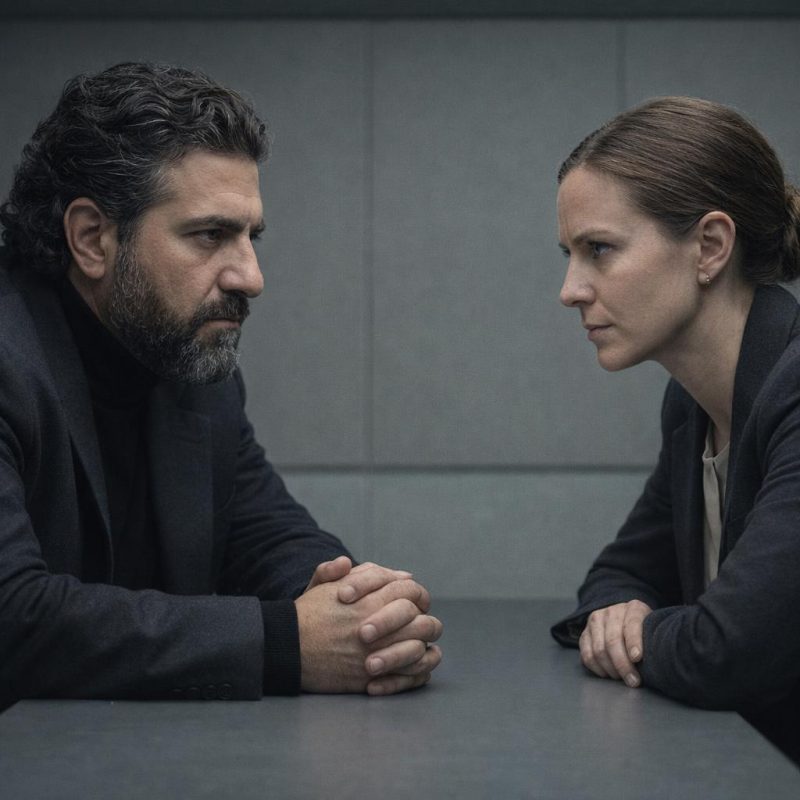 Image by RM AI
The Woman in Silk and the Woman in Shadow
After Vincent left I sat at the kitchen table for a long time without moving. I kept trying to line the two women up in my head — the one who sent me to the best schools, who left silk robes draped over chairs like shed skins, who once drove four hours to bring me soup when I had the flu and said almost nothing the entire visit — and the one Vincent and Marcus had been describing all week. The woman who ordered a man removed from the world. I thought about the birthday envelopes she always sent, always cash, always the exact right amount for whatever I needed that year, as if she had been watching without being present. I used to think that was love expressed in the only language she knew. Now I didn't know what language it was. I thought about the flu visit. She had sat at the foot of my bed and watched me sleep, and I had woken up to find her already gone. I used to find that painful. Sitting here now, I couldn't decide if the woman who sat at the foot of my bed and the woman who gave that order were the same person or two people sharing one face — and the not-knowing sat in my chest like something with weight.
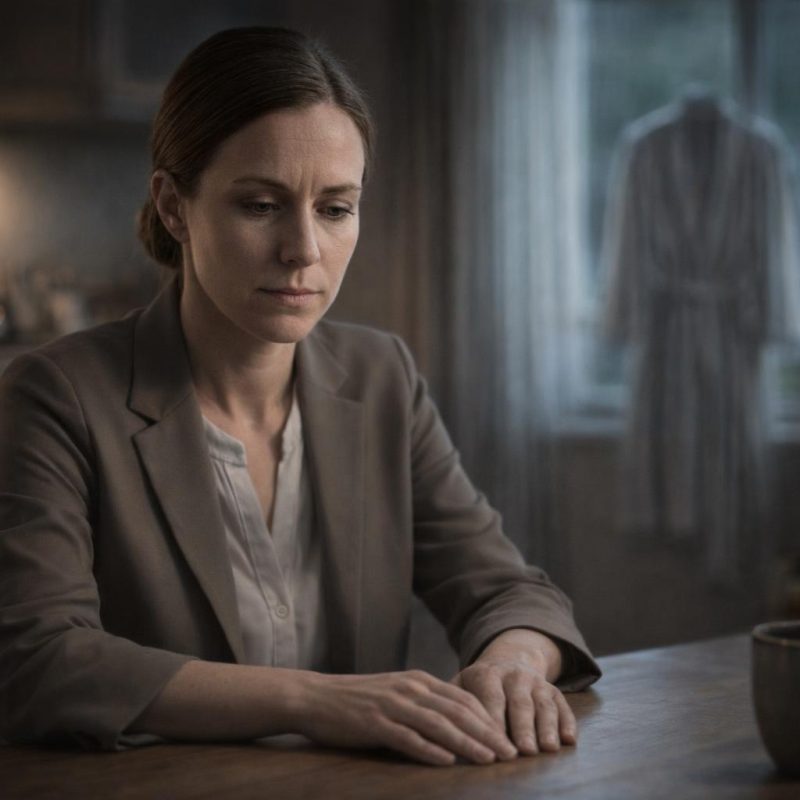 Image by RM AI
The Expectation of Succession
They came together this time — Marcus, Vincent, and James — and arranged themselves around my living room with the quiet coordination of people who had done this before. Marcus did the talking. He said Victoria's death had created a structural problem, that the organization operated on clear lines of authority and without them things would deteriorate quickly. He said Victoria had anticipated this. He said she had left instructions. He paused there, and I understood the pause was intentional, giving me time to understand what was coming before he said it. He said her instructions named me. He said the inner circle had discussed it and was in agreement. James looked at the floor. Vincent looked at me. Marcus said the word succession the way lawyers say estate — as though it were a neutral administrative term and not the thing it actually was. I asked him to say plainly what he meant. He said it plainly. They needed me to take her place. To run what she had built. To make the decisions she had made. I looked at the three of them arranged in my living room, and the weight of what they expected settled over me the way a sentence does when the judge has already decided.
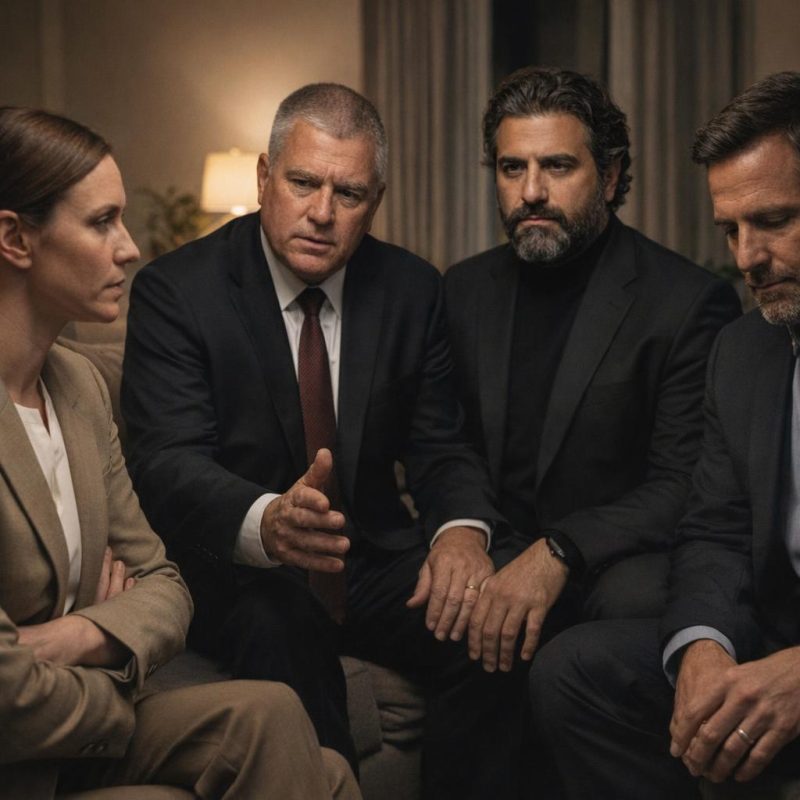 Image by RM AI
The Threat of Chaos
Vincent spread a hand-drawn diagram on my coffee table — territories marked in pencil, names I didn't recognize at the edges. He said three rival groups had already made contact with mid-level people in the network, testing whether anyone was still in charge. He said two of those groups had histories of absorbing operations by force when leadership was unclear. He used the word absorbing the way you use it when you mean something else entirely. He described what had happened to a similar organization two years prior when its leadership collapsed — the fracture, the scramble, the people caught in the middle who had no good options. He named the violence that followed with the same flat affect Vincent always used, as though he were reading a weather report for a city he didn't live in. He said the people in the network — the drivers, the warehouse managers, the people who kept their heads down and did their jobs — they would be the ones exposed if things fell apart. He said that was not a threat. He said it was a fact. I believed him. I sat with the diagram in front of me and the quiet understanding that my refusal would not simply be a refusal — it would be a door opening onto something I didn't want to be responsible for.
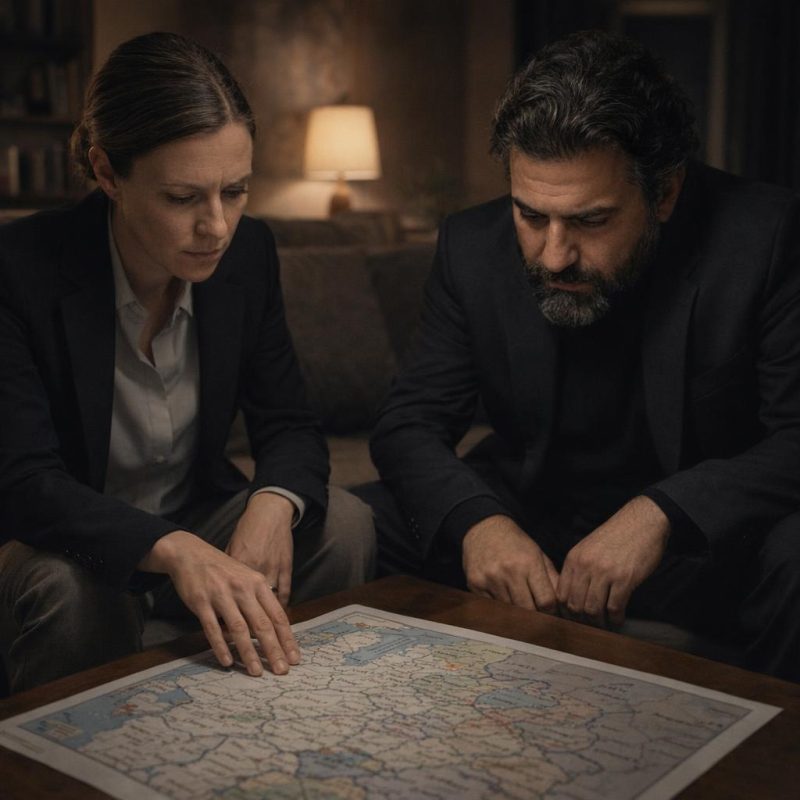 Image by RM AI
The Victims I Never Saw
I asked James to stay after the others left. I told him I needed the truth — not the operational briefing, not the succession argument, but the actual human cost of what the organization moved. He sat back down slowly. He said the electronics were stolen from distribution warehouses, which meant insurance claims and lost jobs at the bottom of the supply chain. He said the untaxed imports undercut legitimate businesses in communities that couldn't absorb the loss. Then he paused, and I told him to keep going. He said there were other goods. Controlled substances, moved through the same logistics network. He said Victoria had maintained strict rules about what categories she would and wouldn't touch, that she drew lines other organizations didn't, and that she believed this made her operation less harmful than the alternatives. He said it carefully, the way someone says a thing they half-believe. I asked him who got hurt anyway. He told me about a family in one of the warehouse cities — a detail that had come back to the organization through a contact, a father who had lost work, a daughter who had ended up in a situation nobody had intended. He said nobody had intended it. I sat with that for a long time — the gap between what was intended and what happened, and all the people living inside that gap.
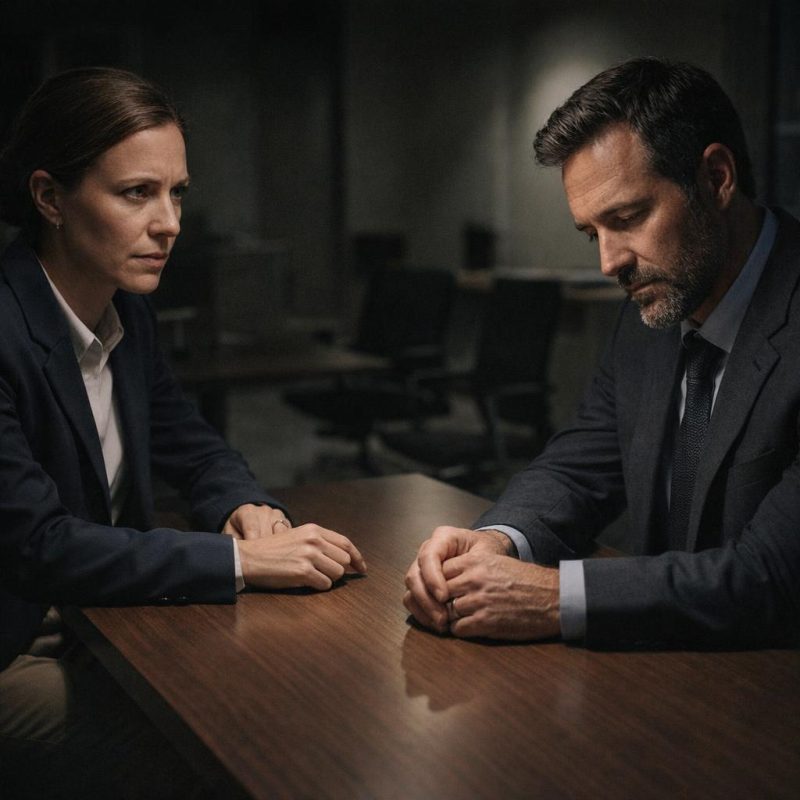 Image by RM AI
The Deadline
Marcus came back the next morning with his leather folder and his careful posture and the expression of a man who had already decided how the conversation would go. He said the inner circle had given me time to process, and that time had a limit. He said forty-eight hours. He said it without apology, the way you state a departure time — not cruel, just fixed. He explained that if I declined, they would move to install alternative leadership, someone from outside Victoria's trusted circle, someone whose methods and priorities he could not vouch for. He said Victoria had spent years building something that operated with a certain discipline, and that discipline was not guaranteed under different leadership. He said he was telling me this not to pressure me but because he believed I deserved the full picture. I almost laughed at that. He closed the folder, stood, and straightened his jacket with the small precise gesture I had come to recognize as his version of punctuation. He said he hoped I would make the right decision. He left without waiting for a response. I stood in the middle of my apartment after the door closed, and somewhere in the silence the forty-eight hours had already begun.
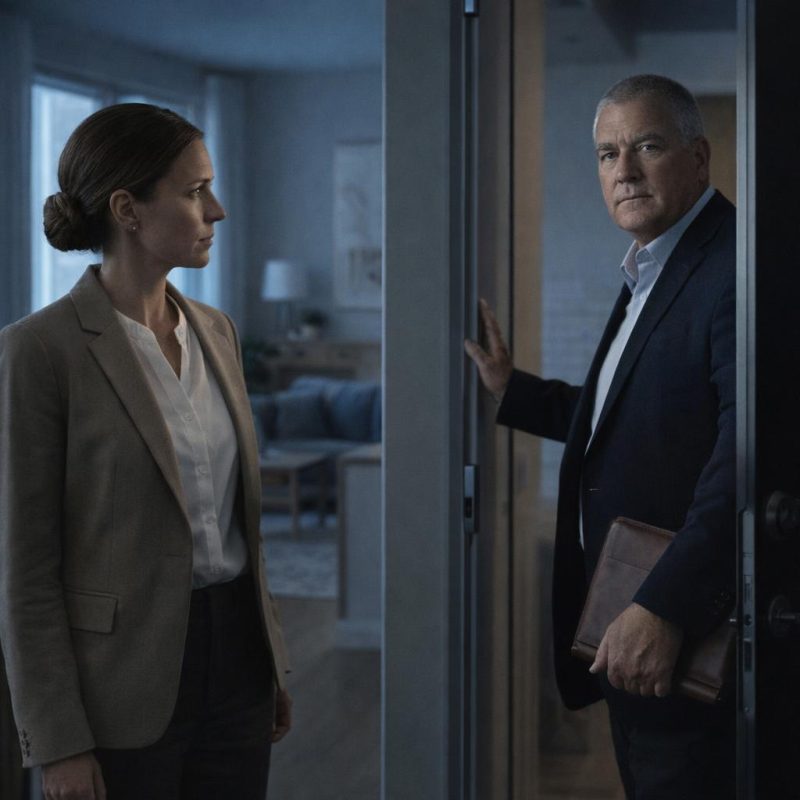 Image by RM AI
External Threats Closing In
Vincent came back that evening with a manila envelope and set it on the table without preamble. Inside were printed pages — surveillance logs, I thought at first, but they were something else. Intercept summaries. Names of federal agents assigned to an active investigation. Dates going back fourteen months. He said law enforcement had been building a case for over a year and that Victoria's death had accelerated their timeline rather than slowed it. He said two warehouse managers had been picked up in the past three weeks. He said a driver in the northern corridor had disappeared — not arrested, just gone — and that the rival group from the eastern territory had moved into two distribution points that Victoria's network had held for six years. He laid it out without drama, the way a doctor describes a scan. He said the organization had weeks before the pressure became unmanageable. He said that was a conservative estimate. I looked at the pages spread across my table — the agent names, the dates, the gaps where people used to be — and the shape of what was already collapsing was right there in front of me, documented and undeniable.
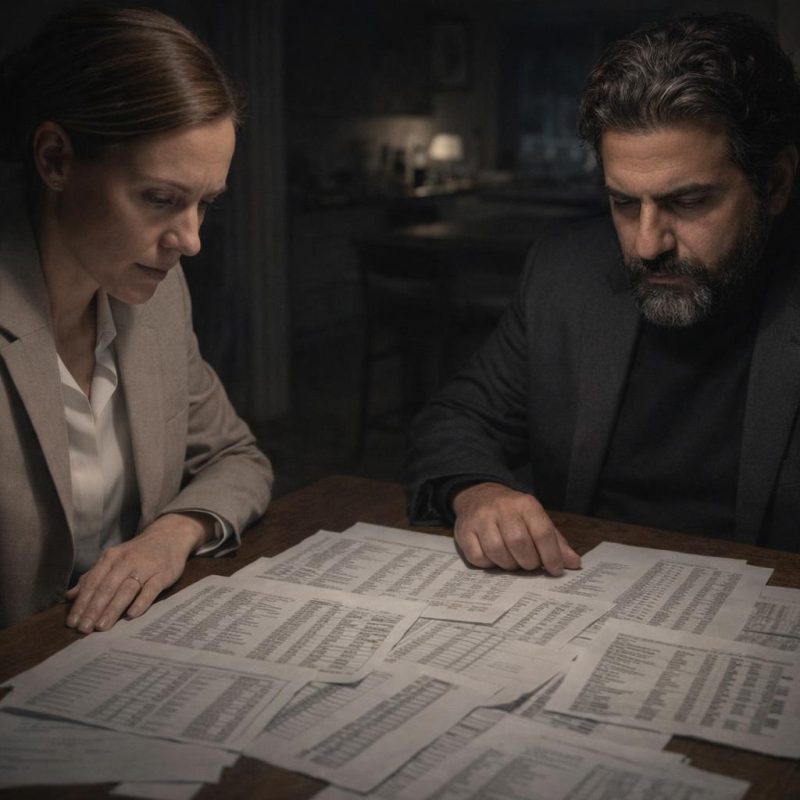 Image by RM AI
What Taking Her Place Would Mean
I sat alone that night and tried to think it through honestly. Not what Marcus wanted, not what Vincent had laid out on my table, but what it would actually mean — for me, in my body, in my daily life — to say yes. I thought about the decisions Victoria had made. The supplier Vincent described, the order she gave, the eleven days it took. I asked myself whether I could do that. Not in the abstract, not as a hypothetical, but as a real question about who I was. I thought about the double life — the silk robes and the shell companies, the birthday envelopes and the warehouse maps, the way she had sat at the foot of my bed and watched me sleep while running something I was only now beginning to understand. I thought about what it would take to hold all of that together, to smile at the right moments and give orders at others, to become fluent in a language I had spent my whole life not knowing she spoke. I thought about the distance in her eyes, the way she was always slightly elsewhere, and I understood for the first time that the distance wasn't a flaw in her — it was the cost of what she carried. And sitting there in the dark, I saw myself behind her eyes, wearing the same expression, already gone.
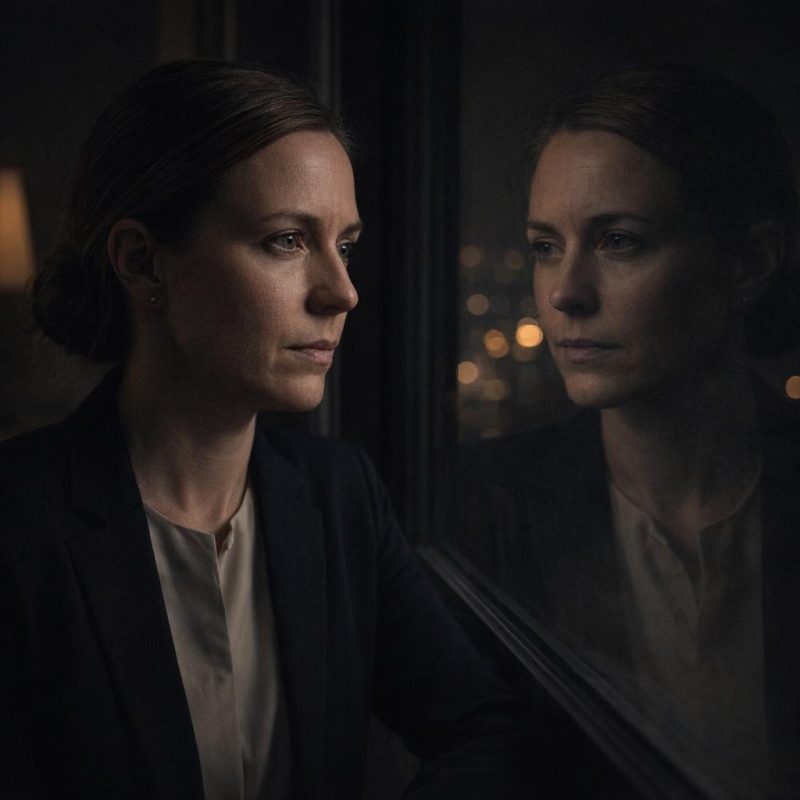 Image by RM AI
The Choice
I called them in the morning — Marcus, Vincent, James — and asked them to come at noon. No agenda given, no hint of what was coming. I needed them in the same room when I said it, because I needed to say it once and mean it once and not have it filtered through anyone else's interpretation before it landed. They arrived within minutes of each other. Marcus stood near the window, hands clasped behind his back. Vincent took a position by the door, as he always did. James sat at the table and looked at me with something I could only read as dread. I stood at the center of the room and I did not sit down. I told them I had spent the night thinking about what Victoria had built, what it had cost her, and what it would cost me. I told them I understood the organization — its structure, its reach, its logic — and that understanding it had made my decision easier, not harder. I was not going to take control. I was not going to manage a transition that kept the operation running under a different name or a different face. I was walking away, and I was taking nothing with me that belonged to that world. The room held very still. Then I said: "Dismantle it, or do what you need to do without me — but my name ends here."
 Image by RM AI
Immediate Consequences
James came back the next day with a folder of documents — transfer agreements, liability waivers, a formal severance from every shell company my name had been attached to without my knowledge. I signed each page without reading them twice. I trusted James enough by then, and more than that, I was done deliberating. Marcus coordinated whatever came next on his end; he didn't tell me the details and I didn't ask. Vincent disappeared entirely, which I took to mean he was handling something I was better off not knowing about. Within a week, I could feel the structure shifting around me — not collapsing exactly, but reorganizing, redistributing, like water finding a new level. People I had never met stopped calling numbers I hadn't known were connected to me. A storage unit in my mother's name was cleared out by men I never saw. The empire Victoria had spent decades building didn't fall apart dramatically. It just quietly became something else, something I was no longer part of. I sat at my kitchen table the evening after the last document was signed, and the silence in the apartment felt different — not empty, but settled, like a room after furniture has been moved and the walls have finally stopped echoing.
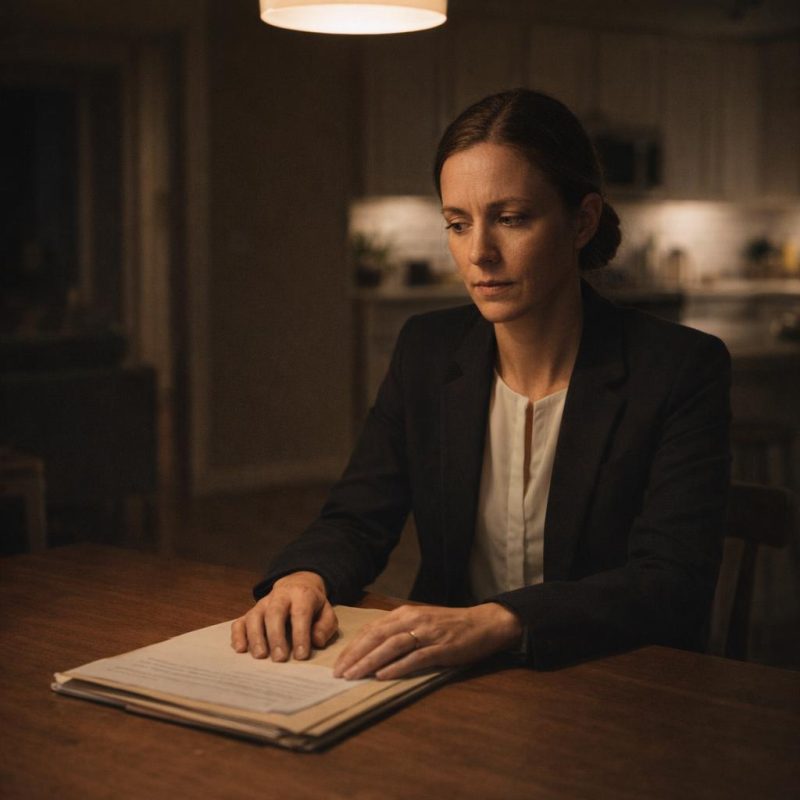 Image by RM AI
Understanding Without Condoning
I kept coming back to the image of her at the foot of my bed — watching me sleep, silk robe pooled around her, expression unreadable. For years I had read that image as absence, as proof of everything she withheld. But sitting with it now, I thought I understood something different. She had stood there because it was the one moment she could be near me without the weight of what she was pressing into the space between us. She had kept me out of her world on purpose, and that exclusion — which had felt like rejection my whole life — was the most deliberate protection she knew how to offer. She was not a good person by any measure I could apply cleanly. She gave orders that hurt people. She built something that ran on fear and leverage and silence. And she also, in her way, loved me — not softly, not openly, but with the particular ferocity of someone who had decided that keeping me ignorant was the same as keeping me safe. I didn't have to agree with her logic to recognize it as hers. I didn't have to forgive the distance to understand what it cost her to maintain it. The grief I carried wasn't for the mother I lost — it was for the one I never quite had, and somewhere in that distinction, I finally found a place to set it down.
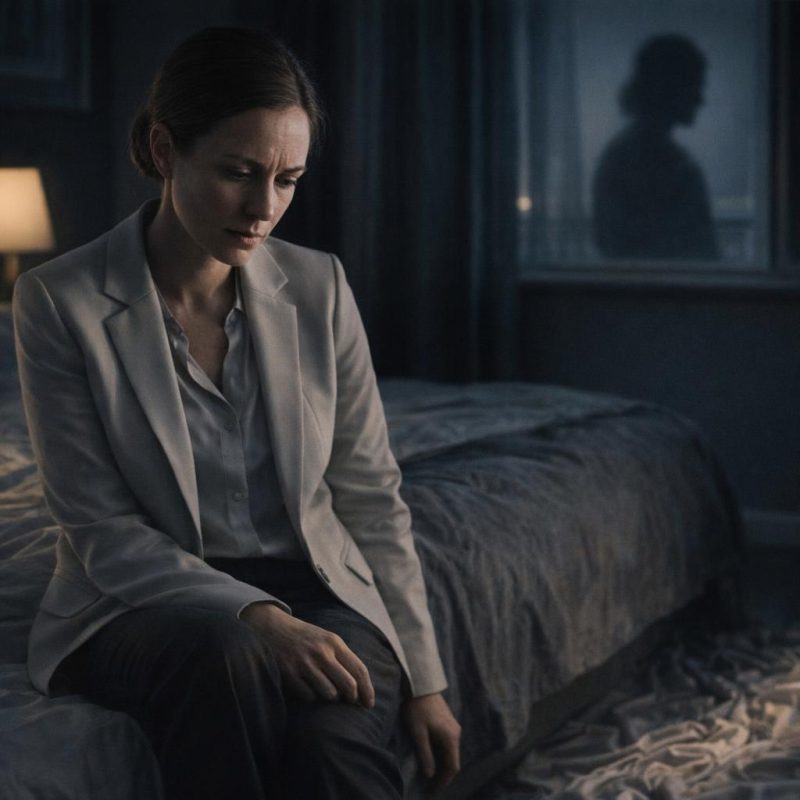 Image by RM AI
The Legacy I Choose
I kept one silk robe — deep burgundy, the one she wore on Sunday mornings when she thought no one was watching — and a photograph taken before I was old enough to remember it being taken. In the photo she is laughing at something off-camera, head tilted back, completely unguarded. I had never seen her look like that in person. I packed everything else into boxes for donation or estate sale, and I let the lawyers finish what the lawyers needed to finish. The apartment I had grown up in sold in three weeks. I didn't go back for the closing. I found a smaller place across the city, filled it with my own furniture, my own books, my own particular disorder. I took a job I had been putting off accepting because some part of me had been waiting — for what, I couldn't have said. Permission, maybe. Or just an ending clear enough to feel like one. I thought about Victoria sometimes, the way you think about a place you grew up in — not always fondly, not always painfully, but with the specific weight of knowing it made you. I was her daughter and I was nothing like her and both of those things were true at once. The life I was building had no silk robes in it, no shell companies, no men standing at doors — only the choices I made in my own name, on ground that was mine alone.
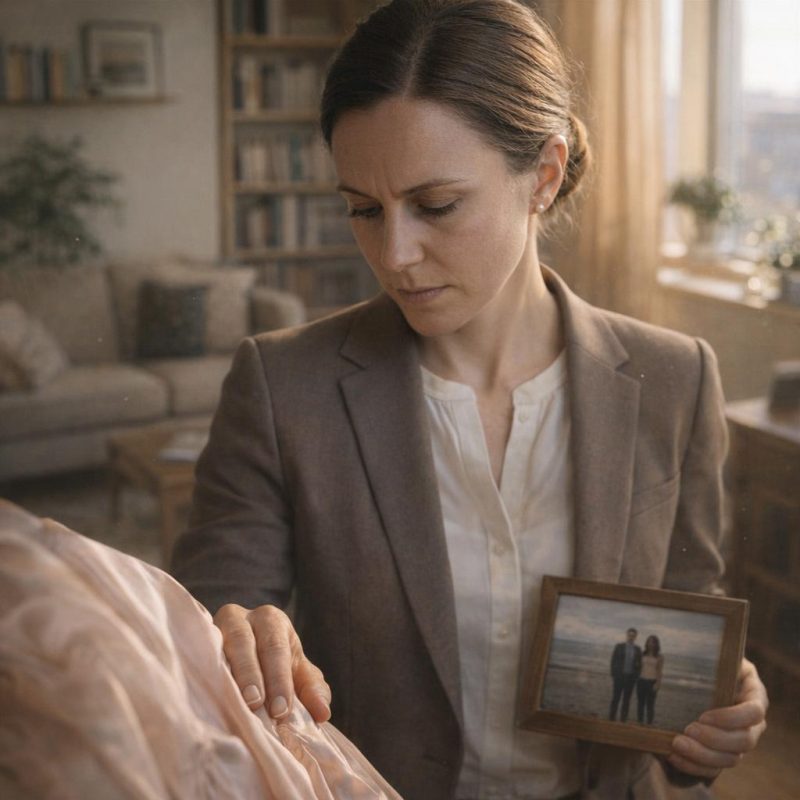 Image by RM AI
KEEP ON READING
The 20 Most Recognized Historical Figures Of All Time
The Biggest Names In History. Although the Earth has been…
By Cathy Liu Oct 4, 2024
10 of the Shortest Wars in History & 10 of…
Wars: Longest and Shortest. Throughout history, wars have varied dramatically…
By Emilie Richardson-Dupuis Oct 7, 2024
10 Fascinating Facts About Ancient Greece You Can Appreciate &…
Once Upon A Time Lived Some Ancient Weirdos.... Greece is…
By Megan Wickens Oct 7, 2024
20 Lesser-Known Facts About Christopher Columbus You Don't Learn In…
In 1492, He Sailed The Ocean Blue. Christopher Columbus is…
By Emilie Richardson-Dupuis Oct 9, 2024
20 Historical Landmarks That Have The Craziest Conspiracy Theories
Unsolved Mysteries Of Ancient Places . When there's not enough evidence…
By Megan Wickens Oct 9, 2024
The 20 Craziest Inventions & Discoveries Made During Ancient Times
Crazy Ancient Inventions . While we're busy making big advancements in…
By Cathy Liu Oct 9, 2024