

The Sound Keeps Changing Because the Tools Keep Changing
Music history is not just a story about talent. It's also a story about machines, formats, and inventions that completely changed how artists could express themselves and how listeners could hear their music. Sometimes one new piece of technology opened the door to an entirely new genre, and other times it quietly reshaped the business before everyone realized what had happened. If you really want to understand why music sounds the way it does now, you have to look at the tools that kept rewriting the rules. Here are 20 pieces of tech that completely changed music.
1. Musical Notation
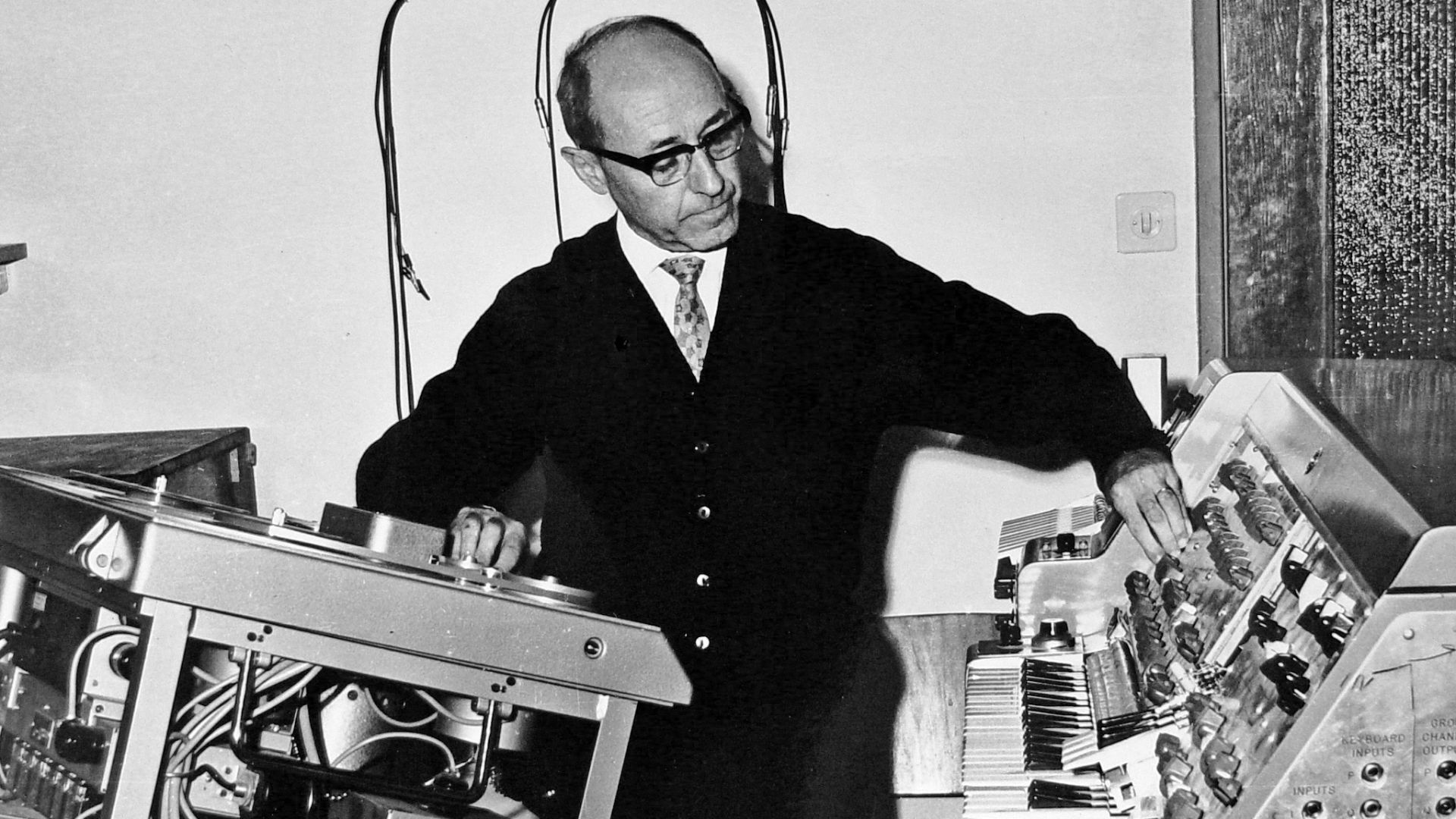
Before notation became established, music had to be passed along mostly by memory and direct teaching. That made it harder to preserve complex works accurately over time. Once written notation was developed, composers could record ideas in a way that others could study and perform later, turning music into something that could survive generations.
2. The Pipe Organ
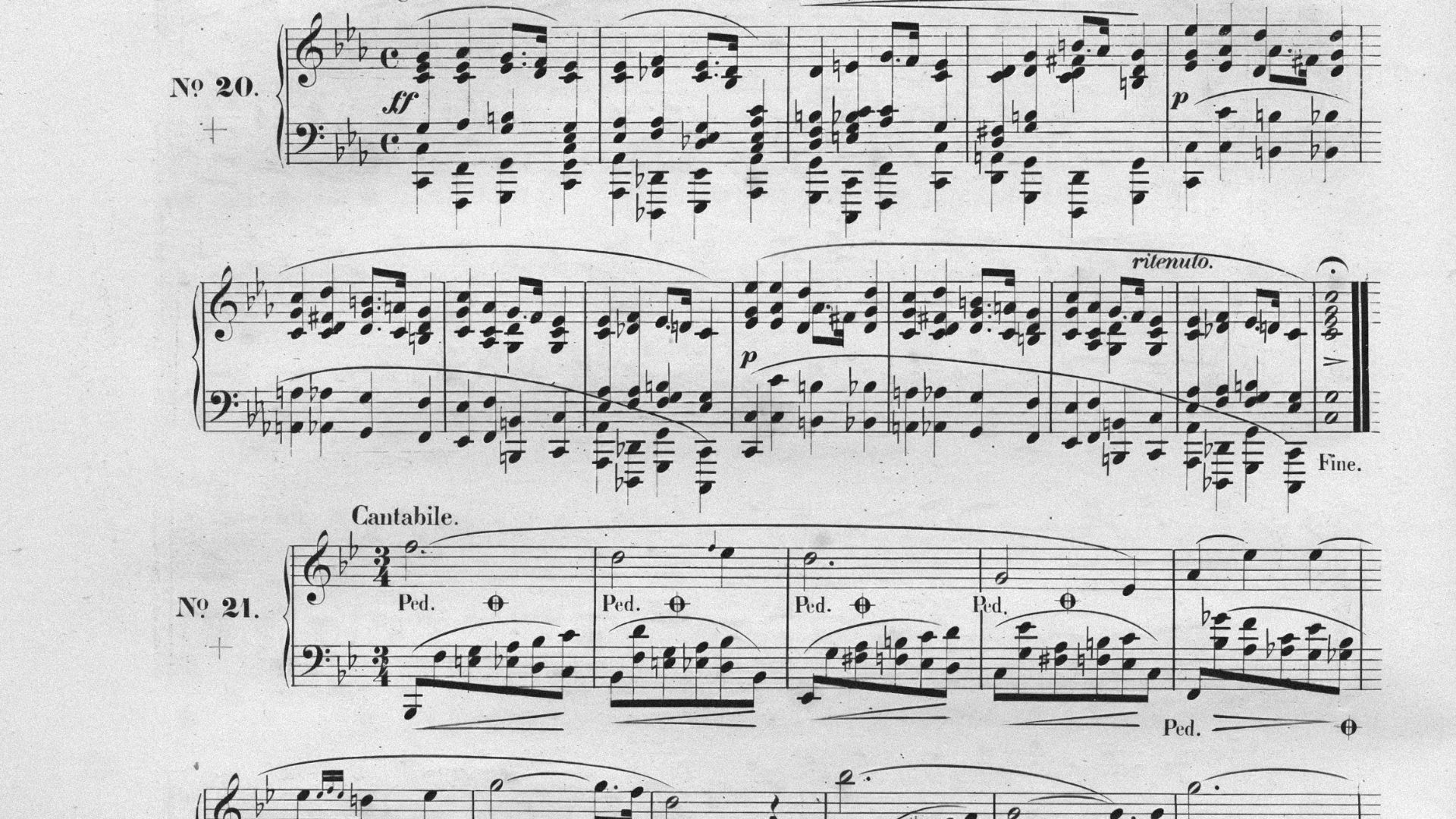
The organ changed expectations around volume, harmony, and musical grandeur. It could fill large churches and public spaces in a way smaller instruments simply could not. That gave composers new possibilities and helped shape sacred music for centuries.
3. Industrial Manufacturing
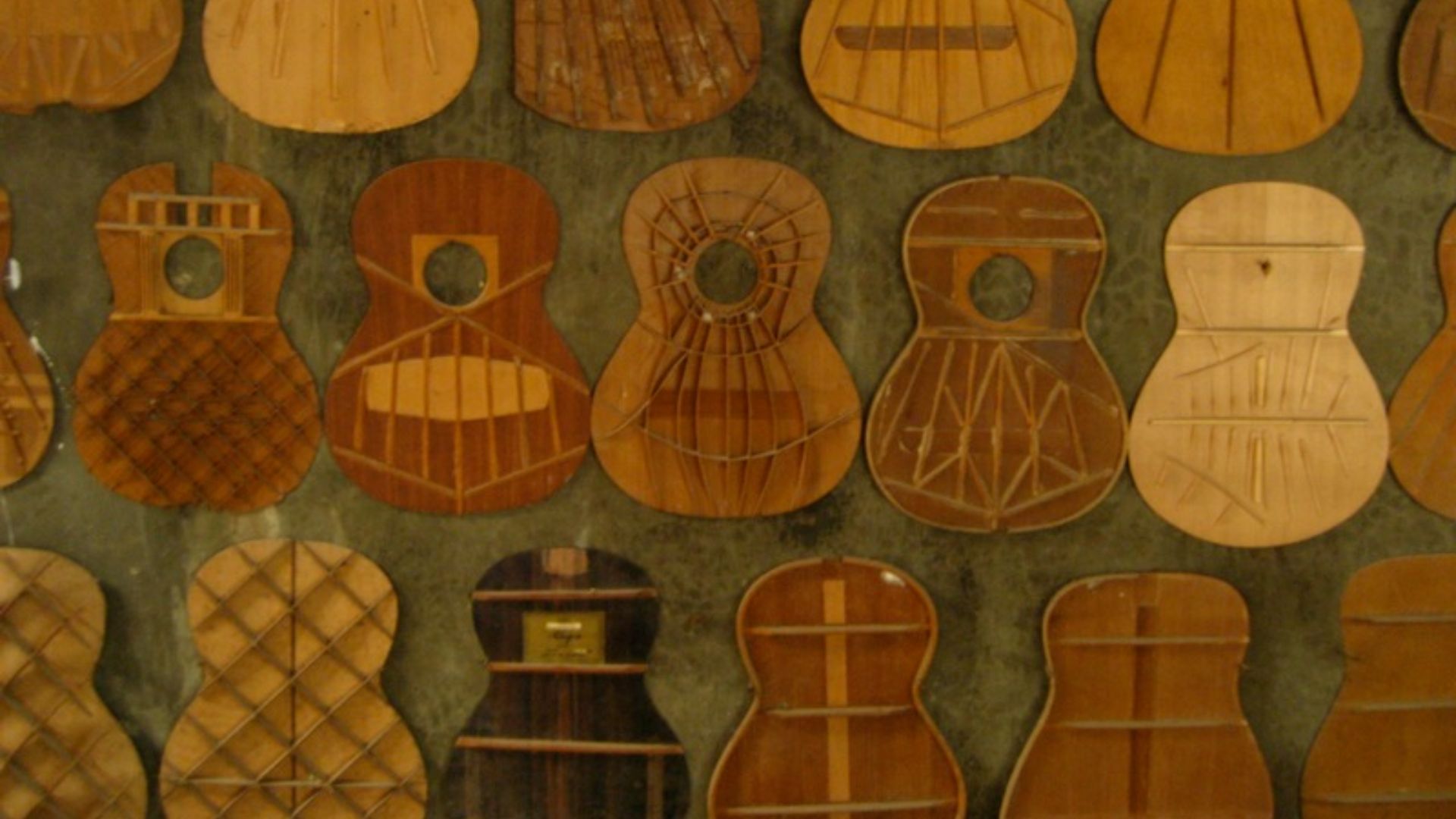
As manufacturing improved in the nineteenth century, instruments became more standardized and often more affordable.
That meant music-making was no longer limited to the same narrow groups as before. More households could own instruments, and more students could learn on reliable versions of them.
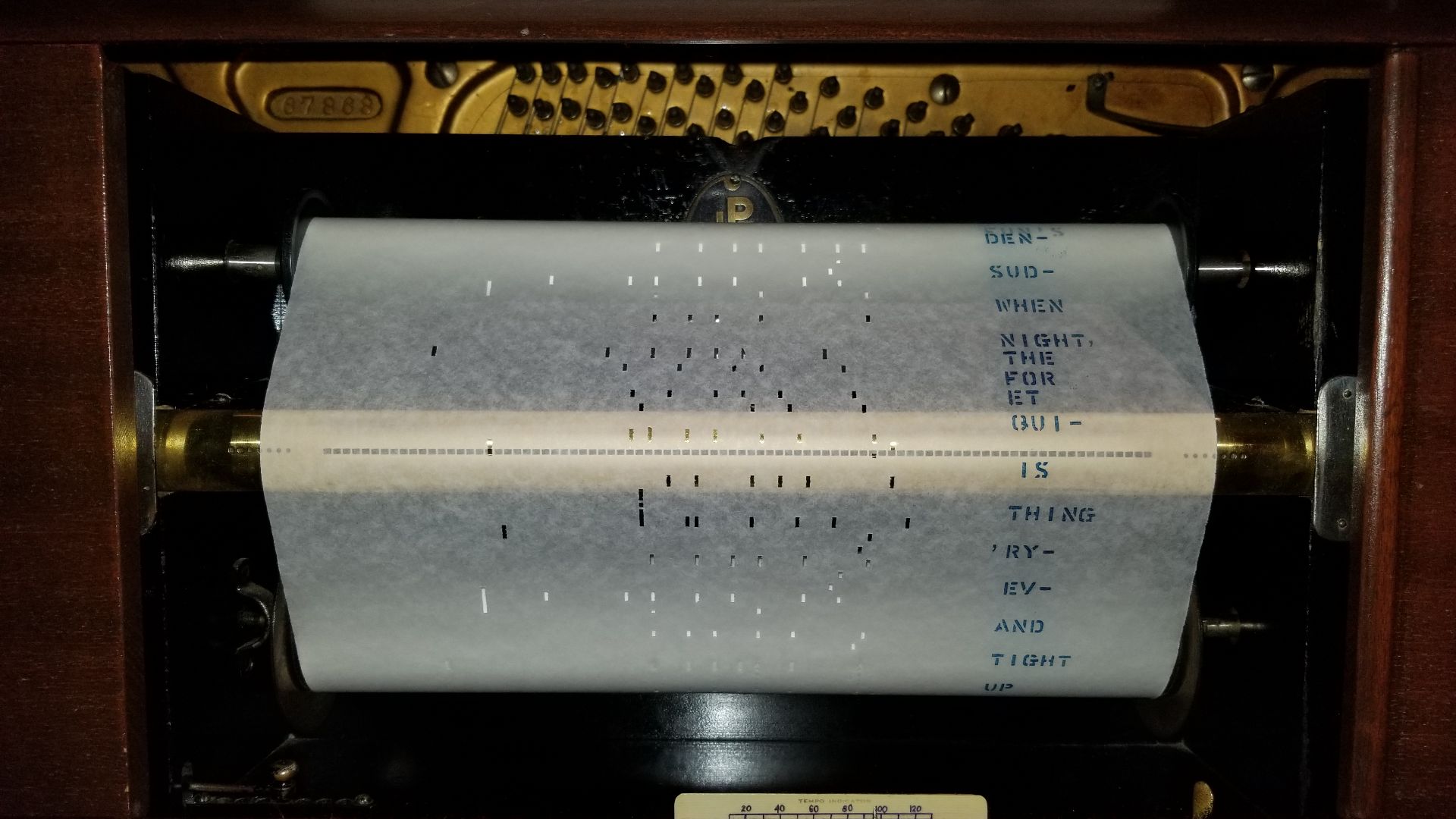
4. The Player Piano
The player piano let households enjoy complex piano music without always needing a skilled pianist in the room. That changed domestic music culture and made mechanical reproduction part of everyday listening.
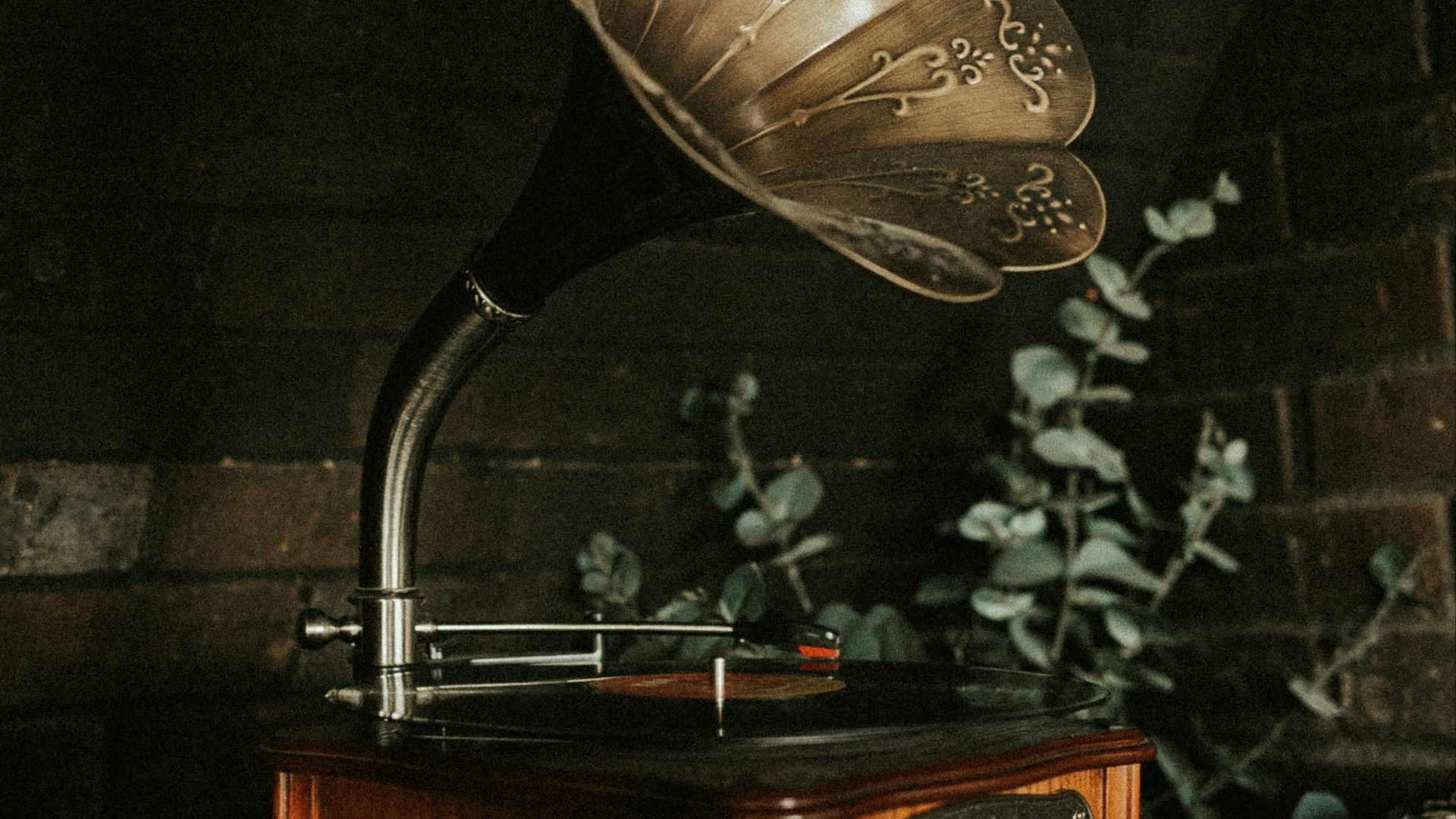
4. The Phonograph
Before recorded sound, music mostly existed in the moment and then disappeared. The phonograph changed that by making it possible to capture a performance and play it back later, which was a radical idea at the time. That shifted music from something purely live into something repeatable, collectible, and commercial.
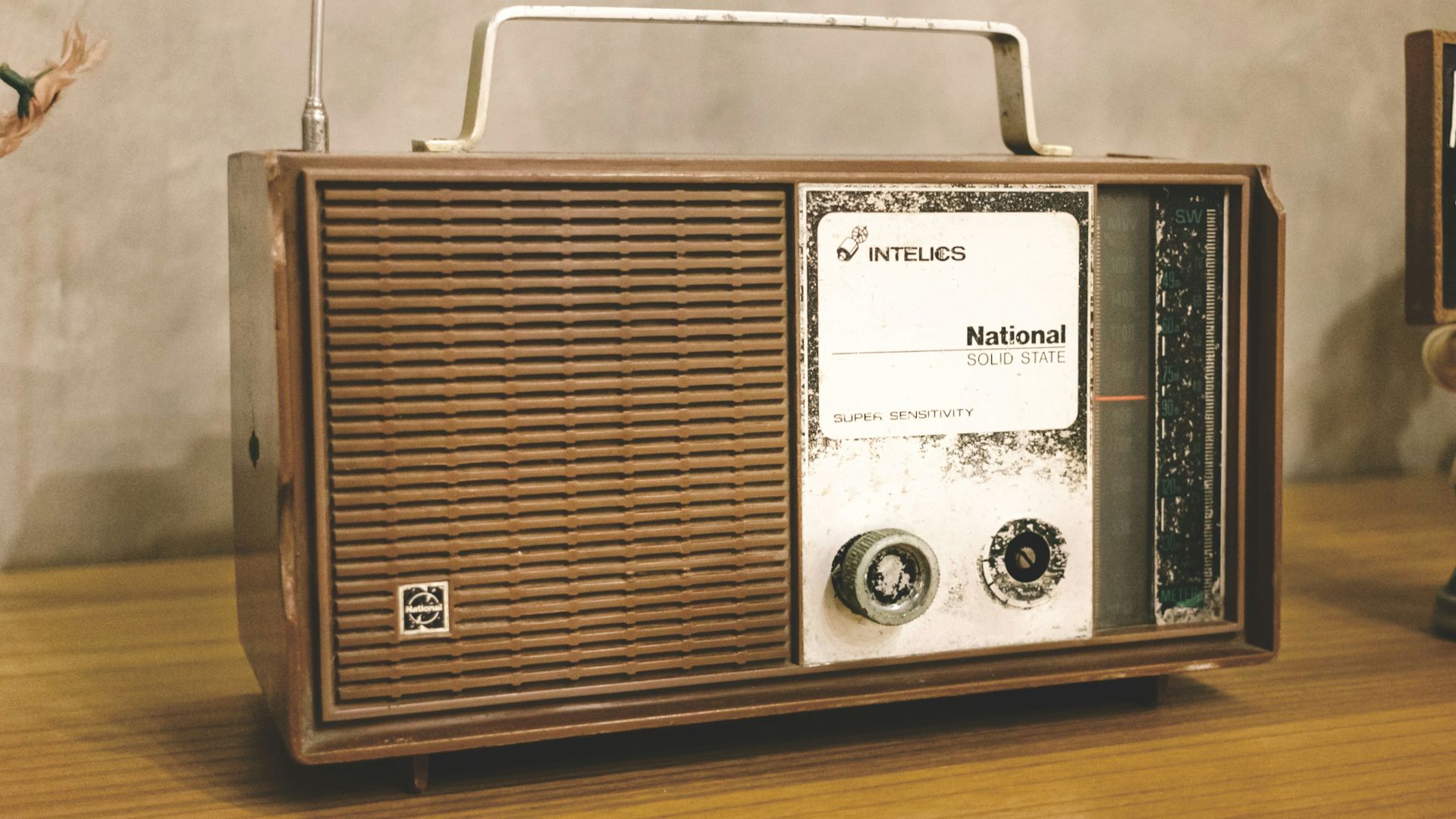
5. The Radio
Radio didn't just make music easier to hear. It made it easier for huge numbers of people to hear the same song at the same time. That helped create stars on a much larger scale and gave labels a powerful way to spread hits quickly. If you wanted to understand how pop culture started moving in sync, radio had a lot to do with it.
6. Electrical Recording
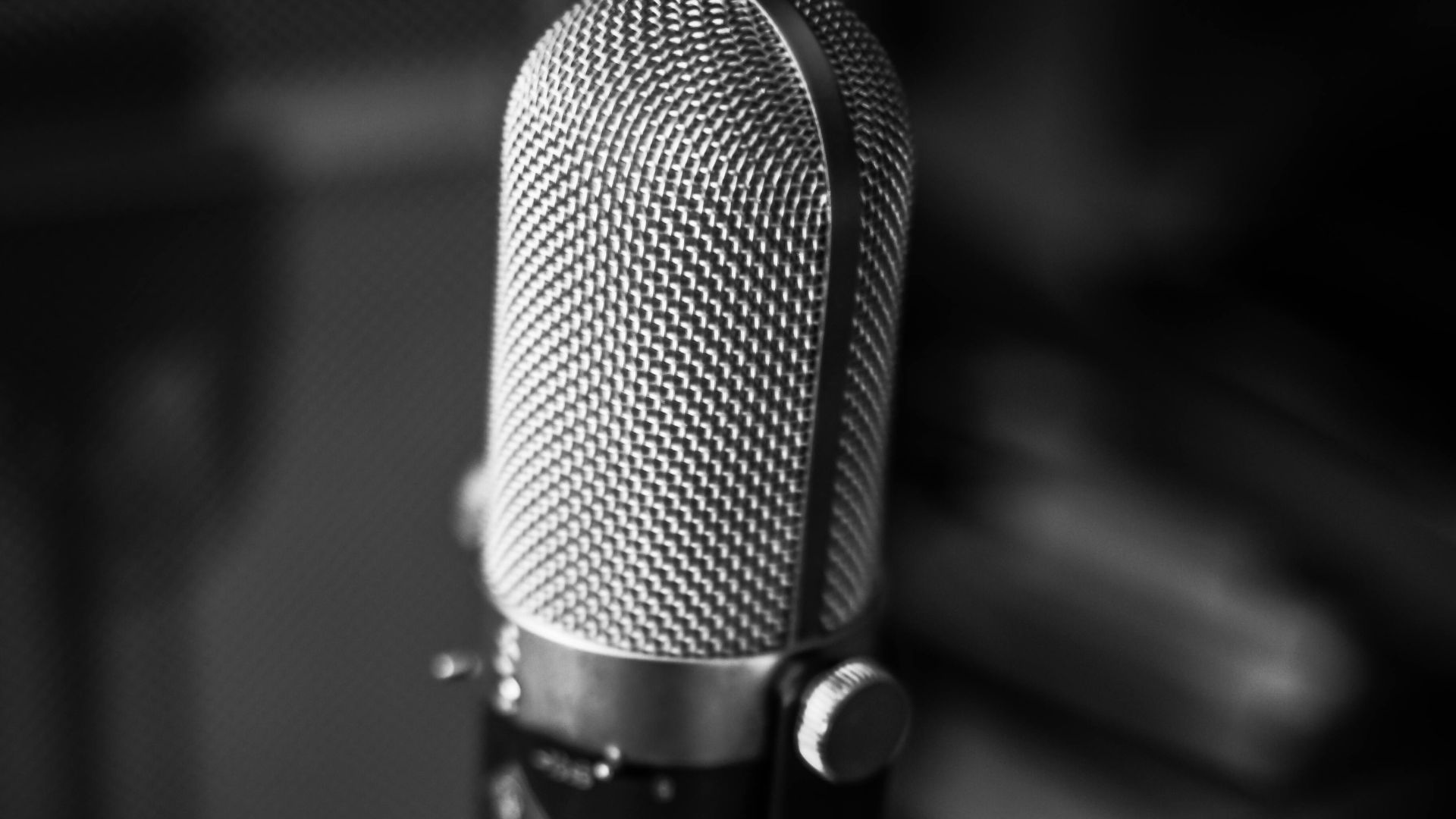
Early recording was limited and often thin-sounding, but electrical recording brought microphones and amplifiers into the process. That improved sound quality and allowed more nuance, especially in vocals and softer instruments.
Singers no longer had to belt it out just to be captured properly.
7. The Electric Guitar
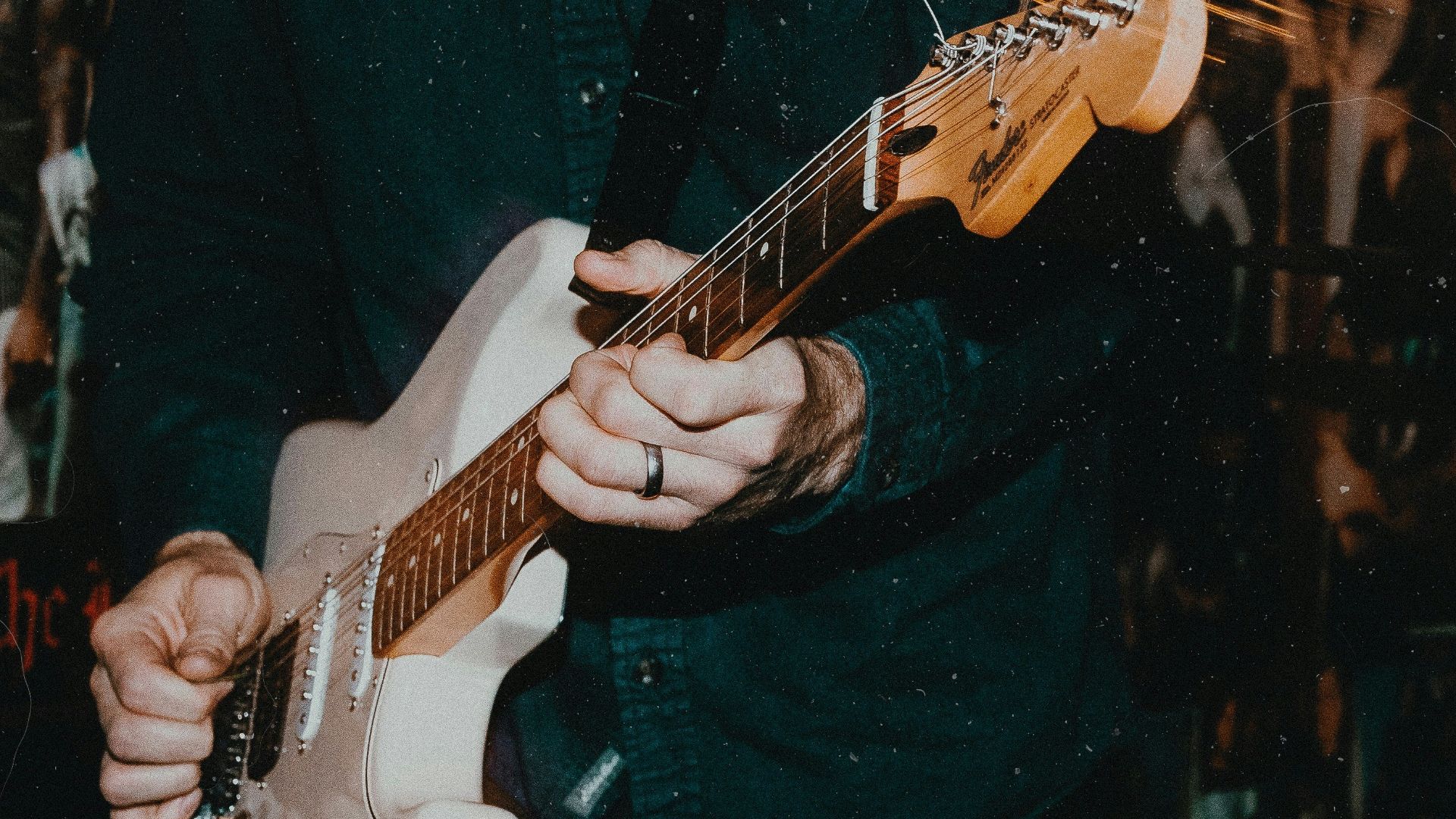
Once the guitar could be amplified, it stopped being stuck in the background. The electric guitar gave players more volume, sustain, and attitude, which helped fuel blues, rock, metal, and countless offshoots.
8. Magnetic Tape
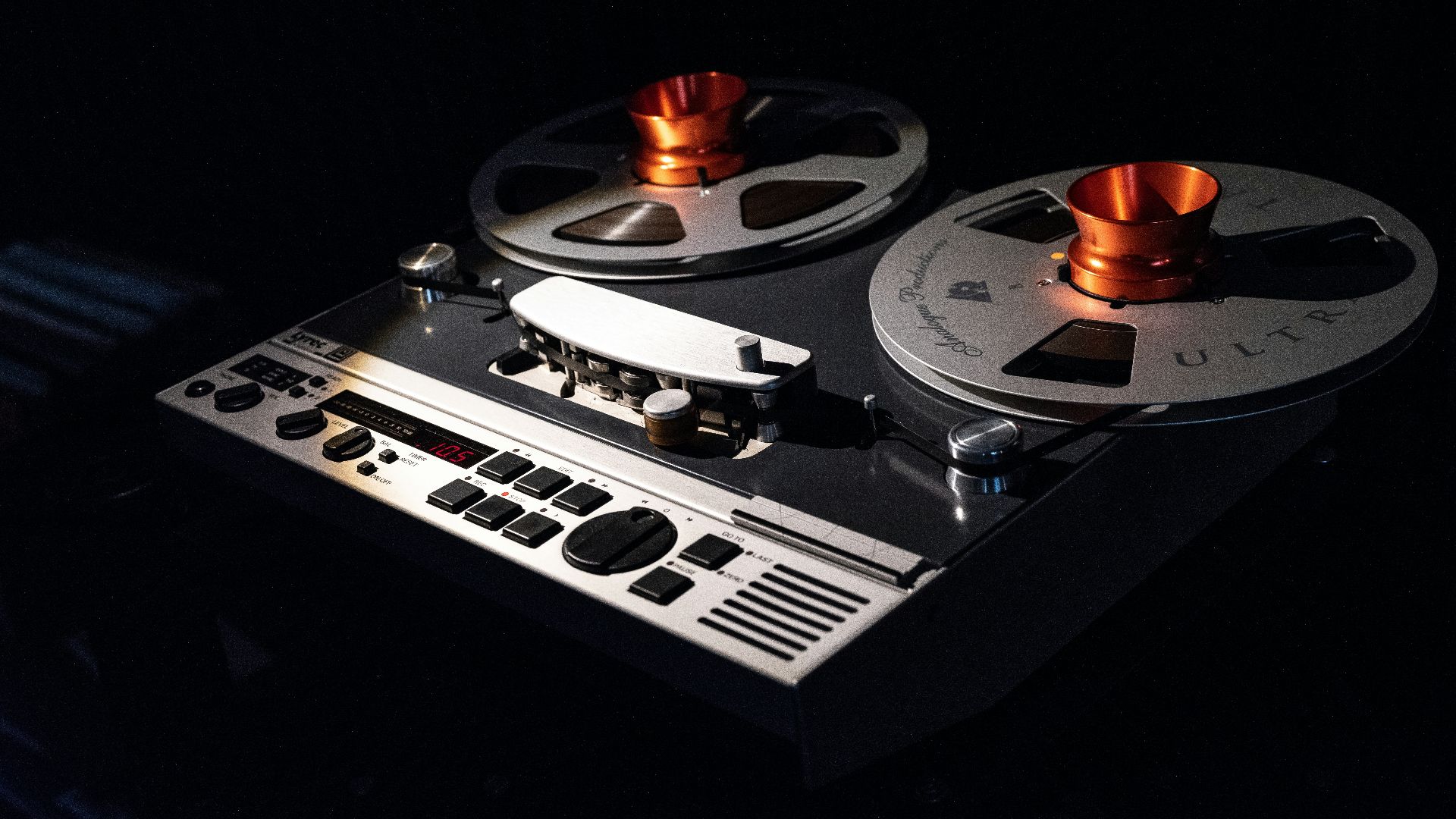
Tape recording gave musicians and producers a lot more control than earlier methods allowed. They could cut, splice, overdub, and reshape performances in ways that opened up a completely new creative world. Music no longer had to be captured as one fixed event from start to finish, which pushed studio production into a much more imaginative era.
9. Multitrack Recording
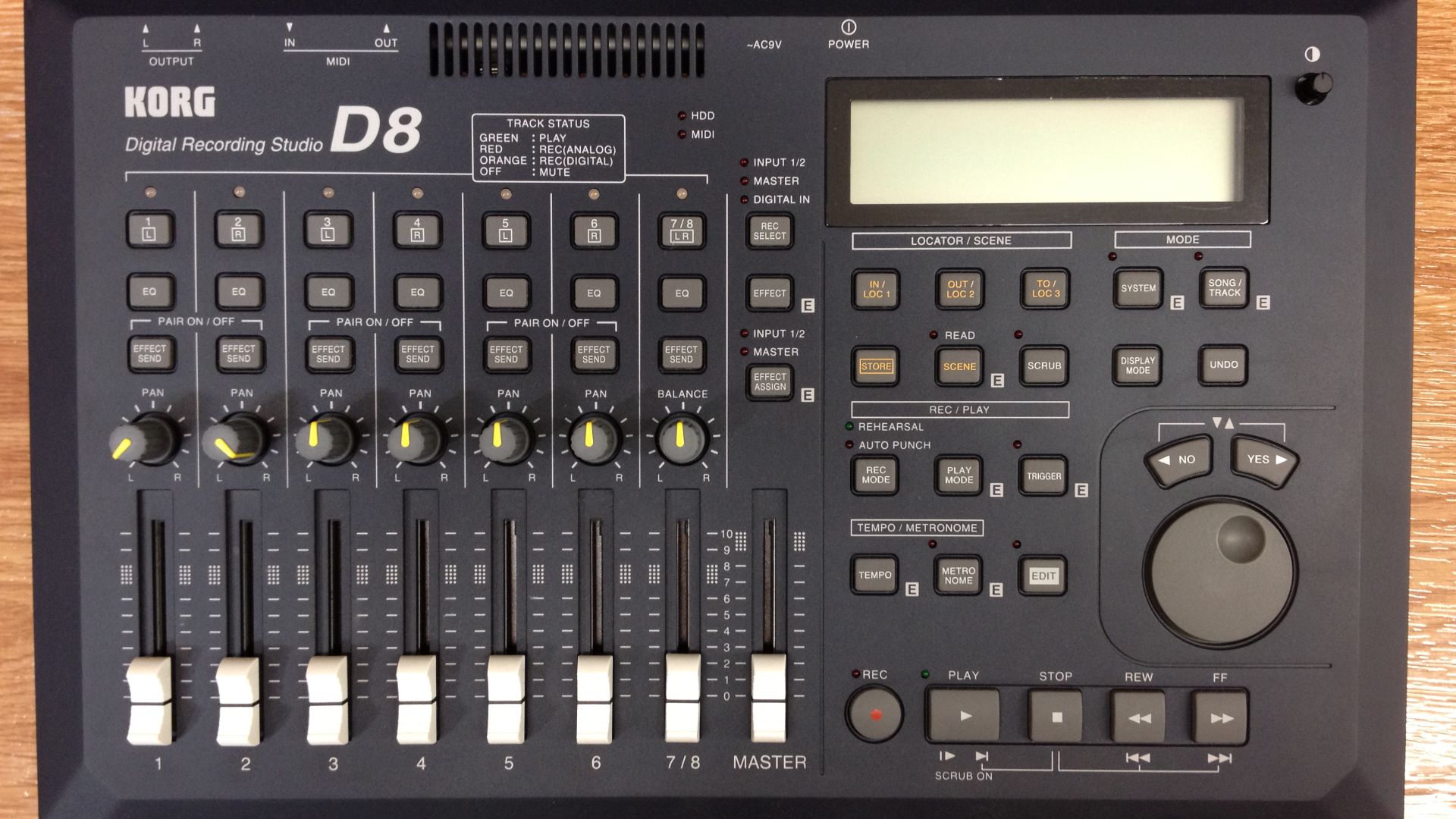
Once sound could be recorded on multiple separate tracks, music production changed dramatically. Artists could layer harmonies, instruments, and effects without having to perform everything live in one take. That made arrangements more complex and gave producers a far bigger role in shaping the final result.
10. Synthesizers
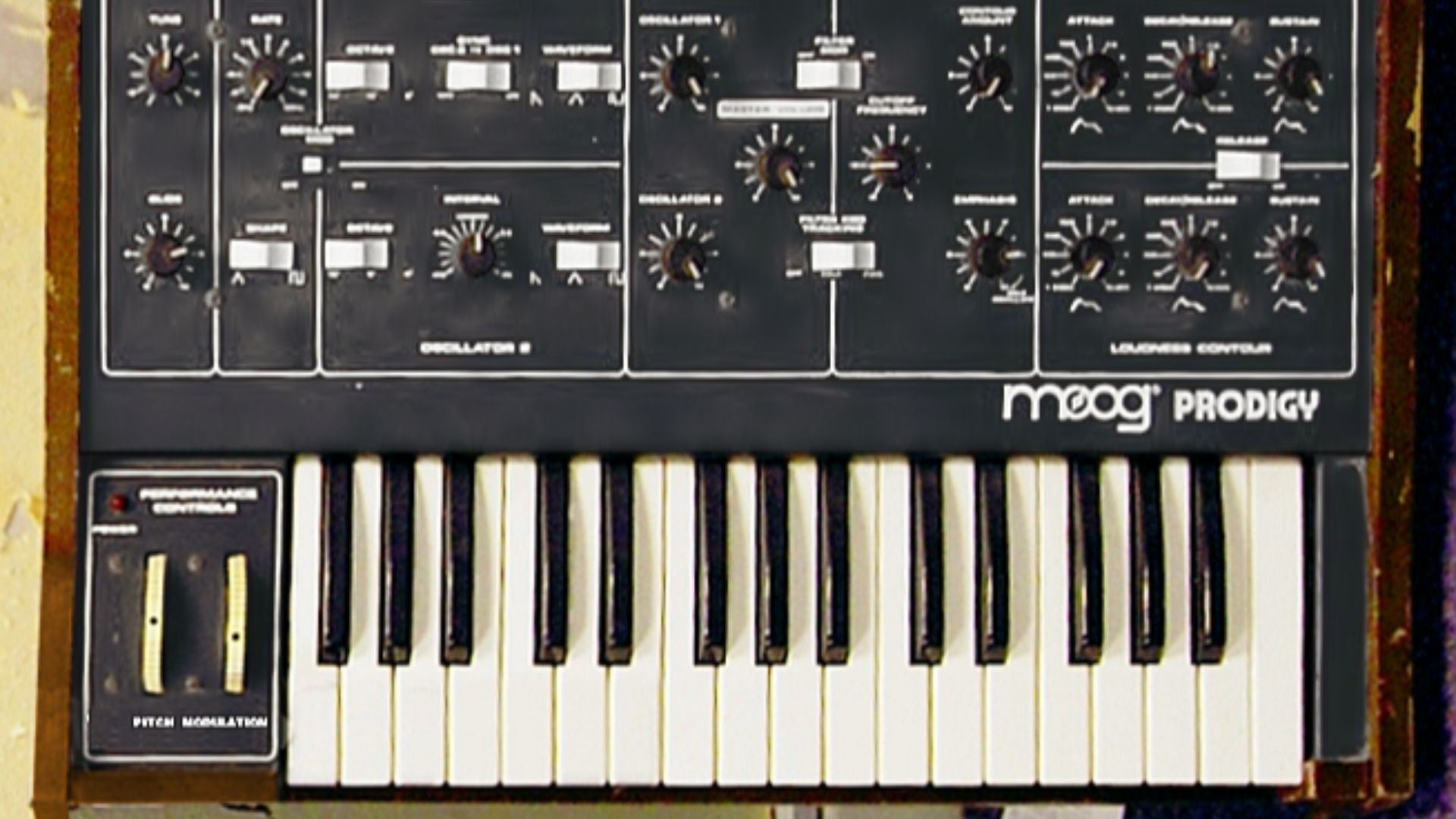
Synthesizers allowed musicians to create tones that traditional instruments simply could not make. That changed not just production, but songwriting, genre boundaries, and the emotional feel of popular music. Electronic music, synth-pop, ambient, and a lot of modern film scoring all grew because these machines gave artists a different palette. Once synthetic sound entered the mainstream, there was really no going back.
11. Drum Machines
Drum machines did more than replace drummers in a few sessions. They helped define the sound of hip-hop, pop, electro, house, and countless other styles by introducing precise, programmable rhythm. Their feel was different from live drumming, and that difference became part of the appeal.
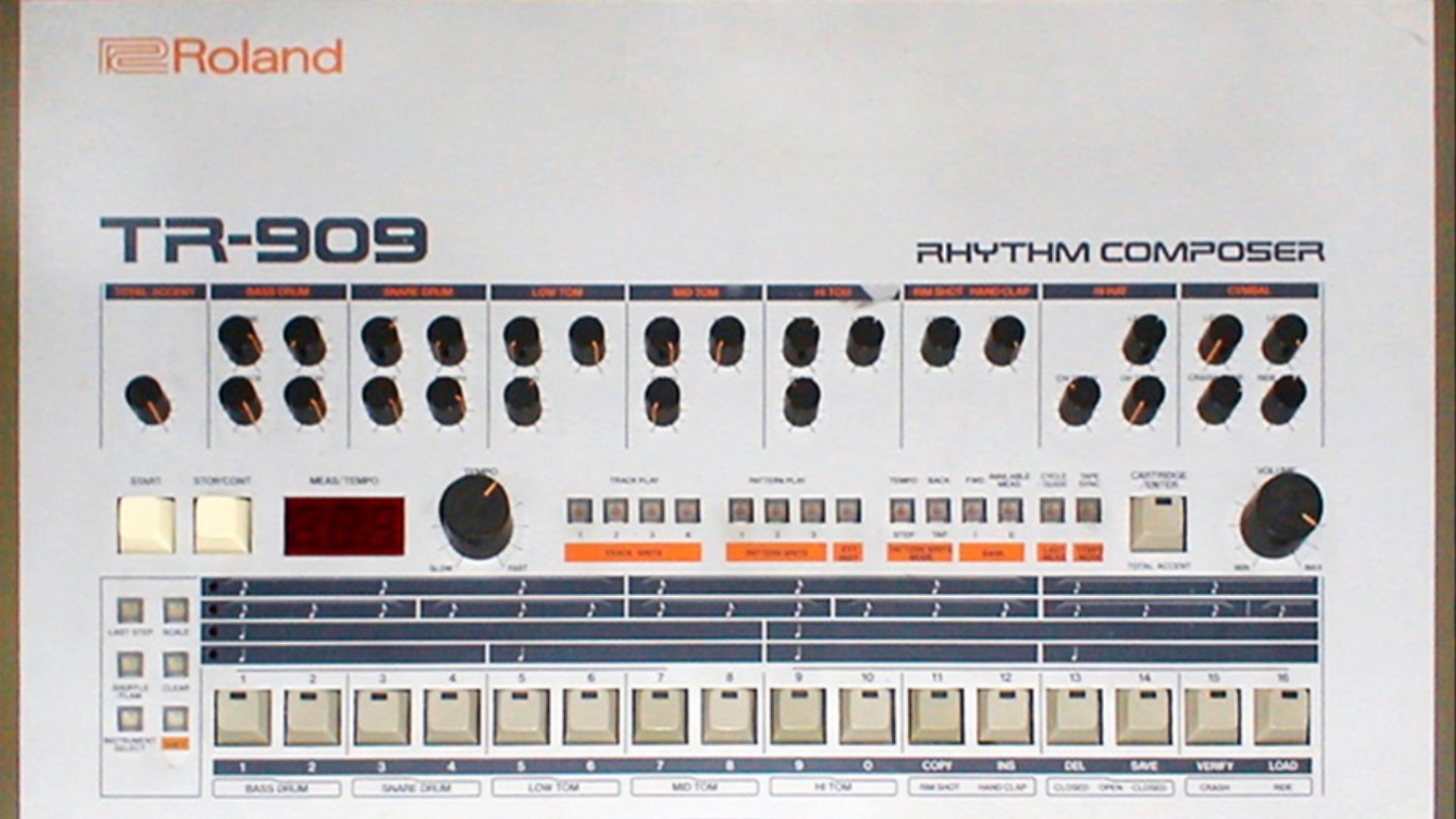 Metoc~commonswiki on Wikimedia
12. The Turntable
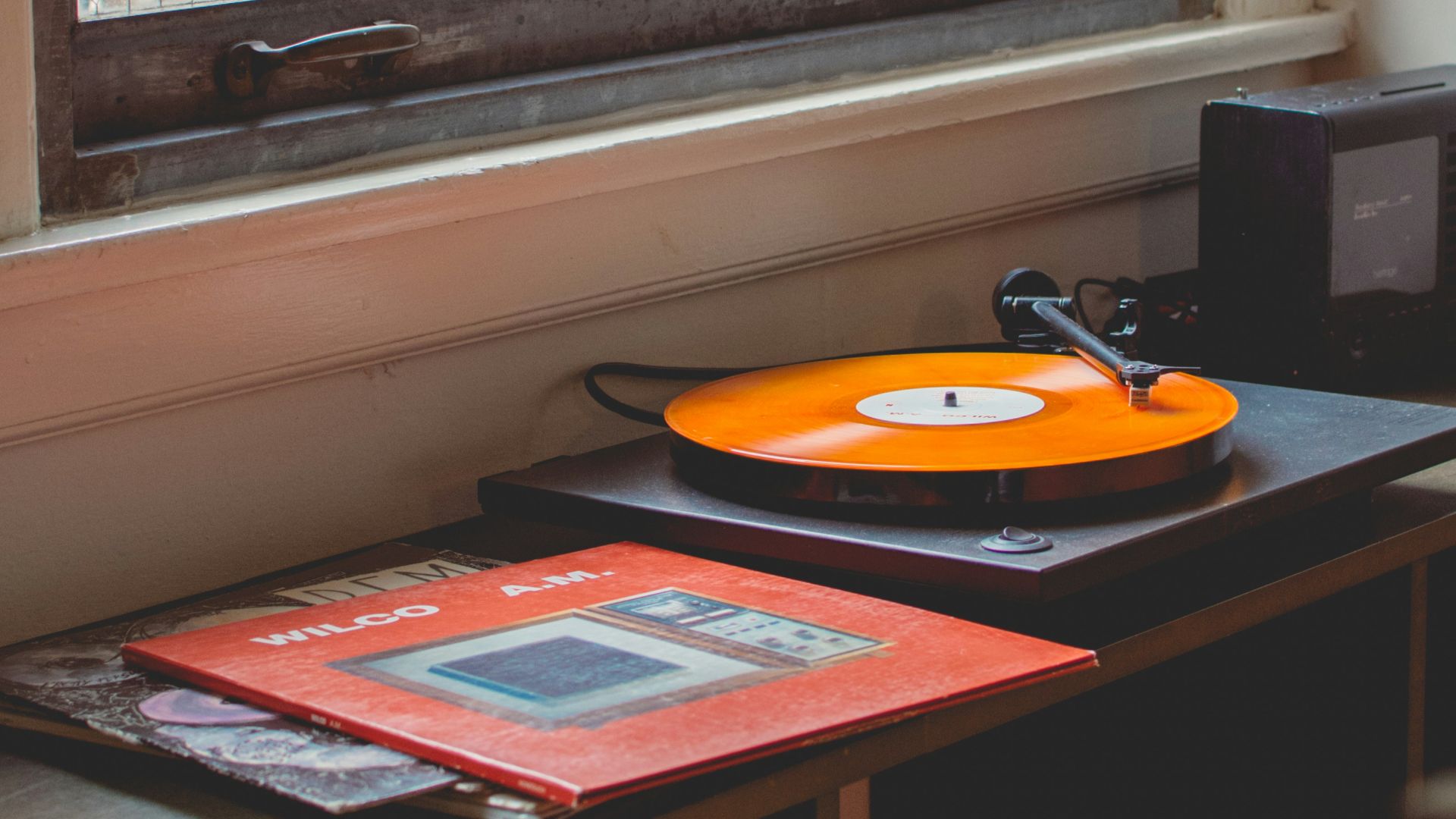
At some point, DJs stopped being people who simply played records and started transforming them. With scratching, beat juggling, and creative mixing, the turntable became a performance tool rather than just playback equipment. That had a huge impact on hip-hop and electronic music culture more broadly. It also proved that technology can get repurposed in ways the original inventors never saw coming.
13. MIDI
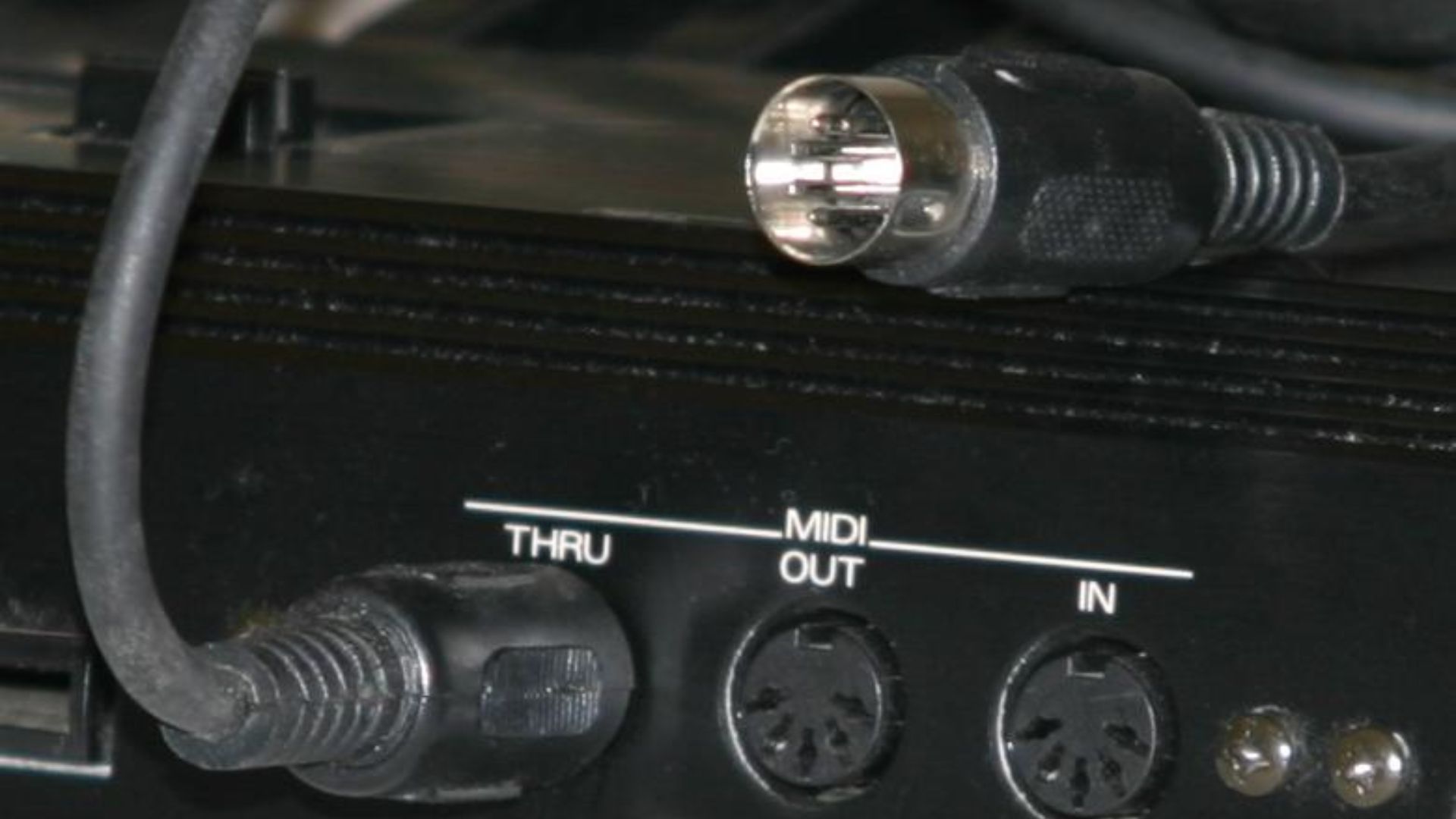
MIDI didn't make sound on its own, but it changed music production by allowing electronic instruments and computers to communicate. That meant musicians could sequence, sync, and control multiple devices with much more precision. Suddenly, a setup with keyboards, drum machines, and computers could act like one connected system. It made electronic and pop production far more efficient and flexible.
14. Samplers
Sampling transformed older recordings into raw material for new songs. Instead of starting from silence, artists could build tracks from fragments of funk, soul, jazz, spoken word, or almost anything else they could grab. That changed hip-hop especially, but its influence spread much further than one genre.
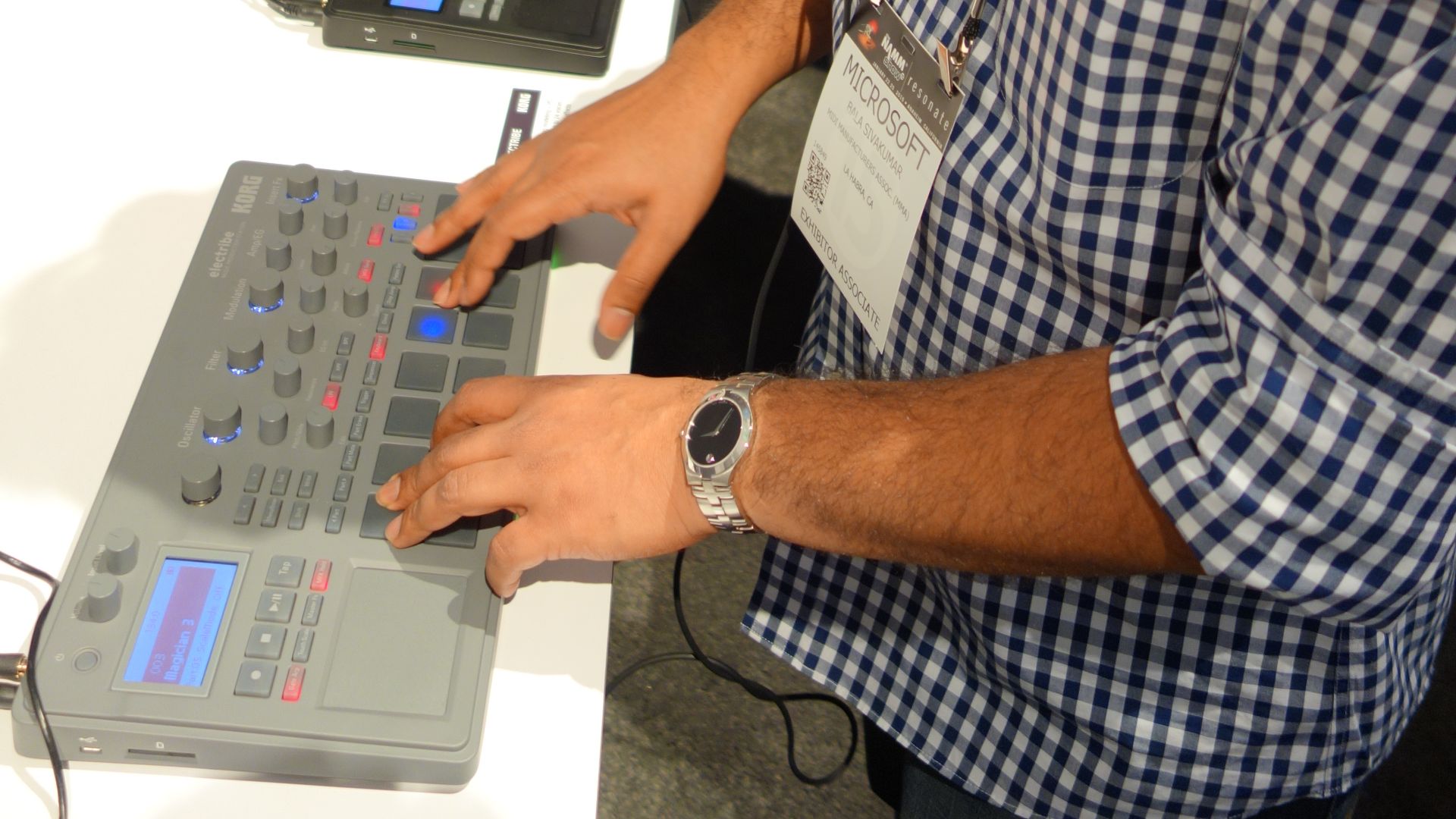
15. The CD
CDs brought cleaner playback, greater durability, and easier track access compared with vinyl and cassette formats. For a lot of listeners, they also made music feel more modern, portable, and polished. The industry loved them because they were profitable, and consumers embraced them because they felt convenient. For a while, the CD looked like the final form of music ownership.
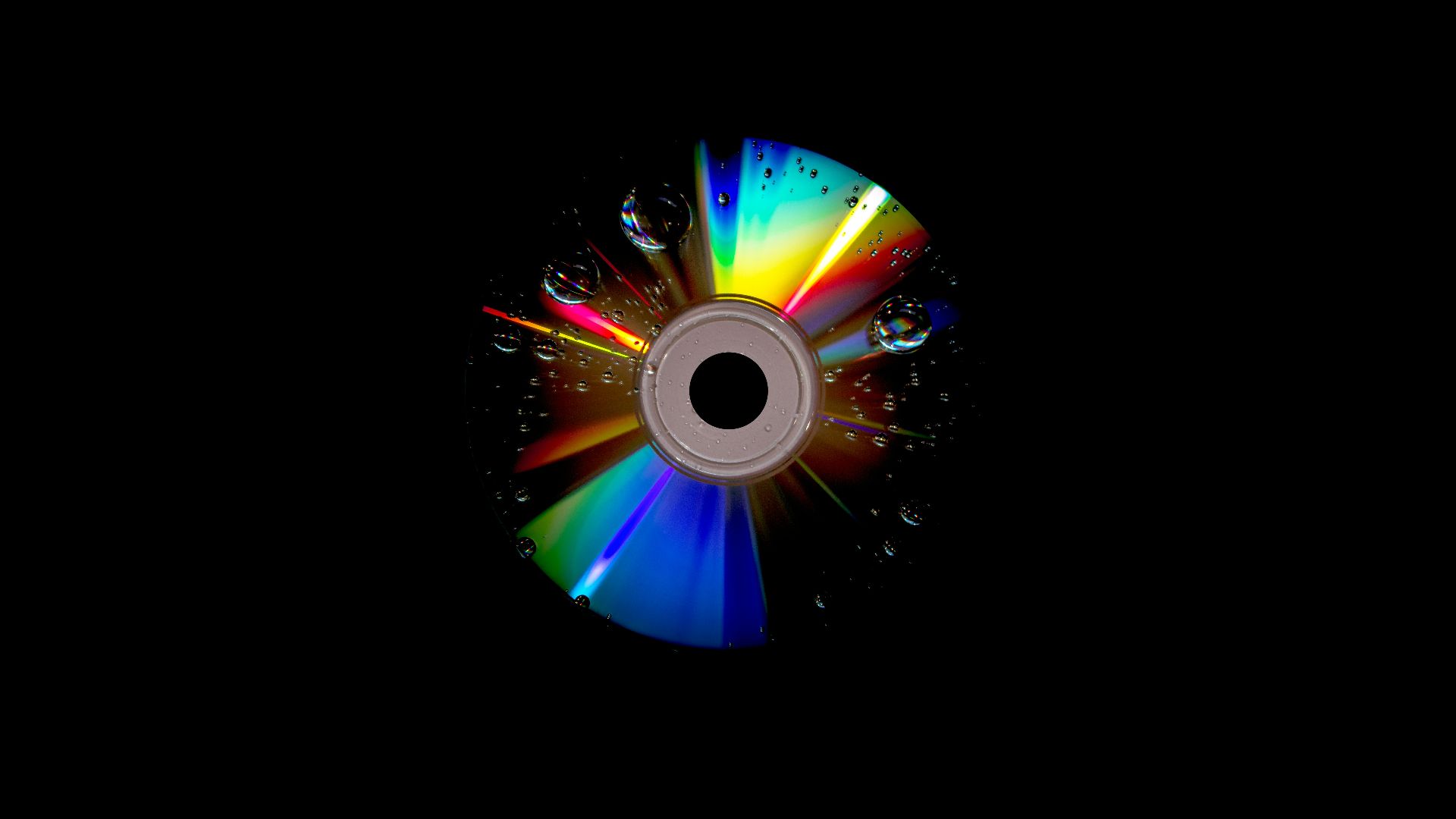
16. Home Recording Gear
Once decent recording equipment became more affordable, musicians no longer needed major studios for every step of the process. Demos, albums, and experiments could happen in bedrooms, basements, and spare rooms instead. That lowered barriers and allowed more independent artists to create on their own terms. It also helped loosen the grip of traditional gatekeepers.
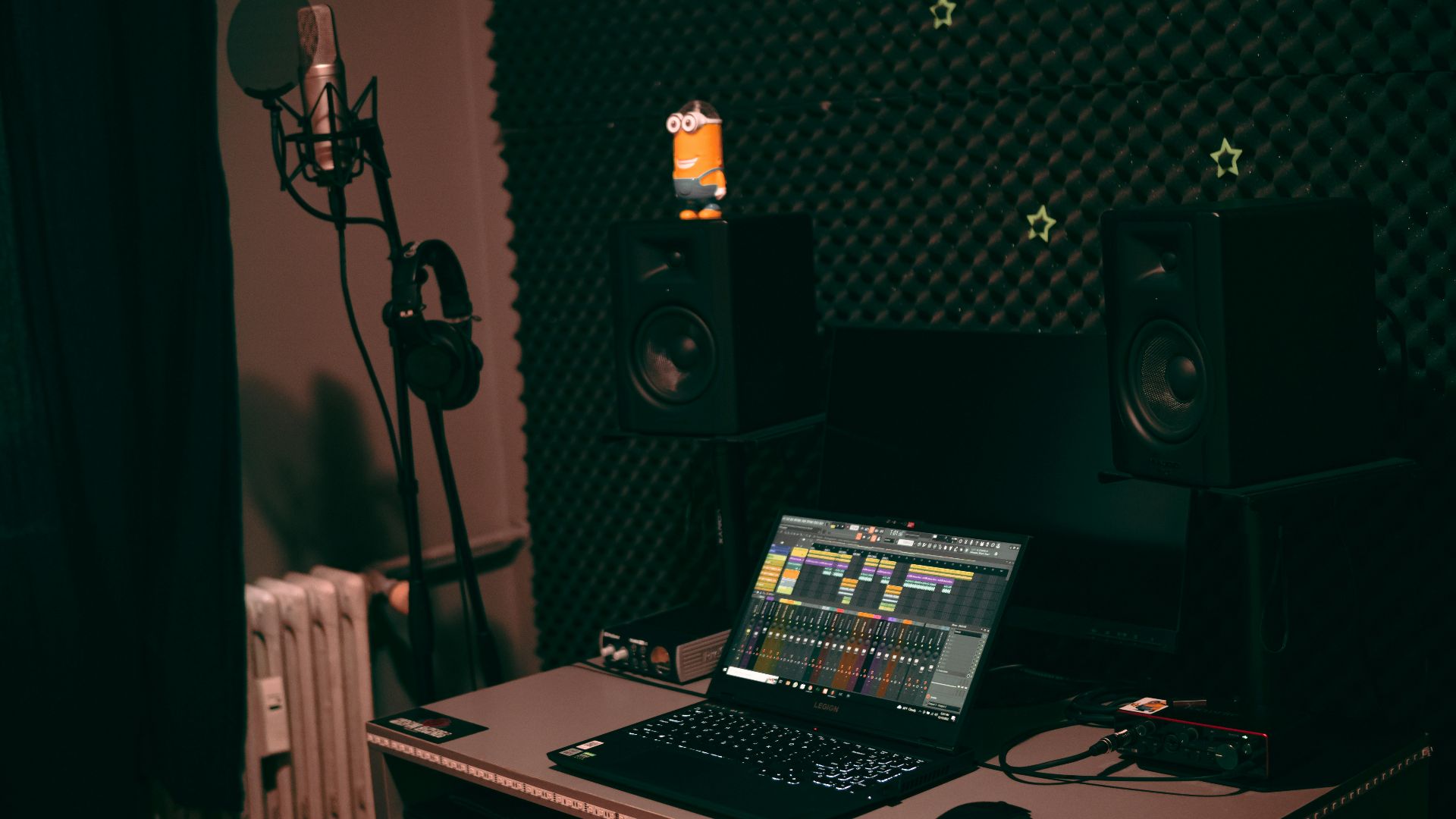
17. Auto-Tune
Auto-Tune started as a pitch-correction tool, but it quickly became a defining sound in its own right. Some artists used it invisibly, while others leaned into the artificial texture and made it part of their style. That reshaped how people thought about singing, vocal perfection, and studio polish. Whether people loved it or hated it, it changed pop music permanently.
18. MP3 Compression
MP3 technology made audio files small enough to share, store, and carry far more easily than before. That changed how listeners built libraries and how songs spread online.
Convenience won big, even if some sound quality was lost in the trade. Once music became lightweight digital data, the whole industry had to start adjusting.
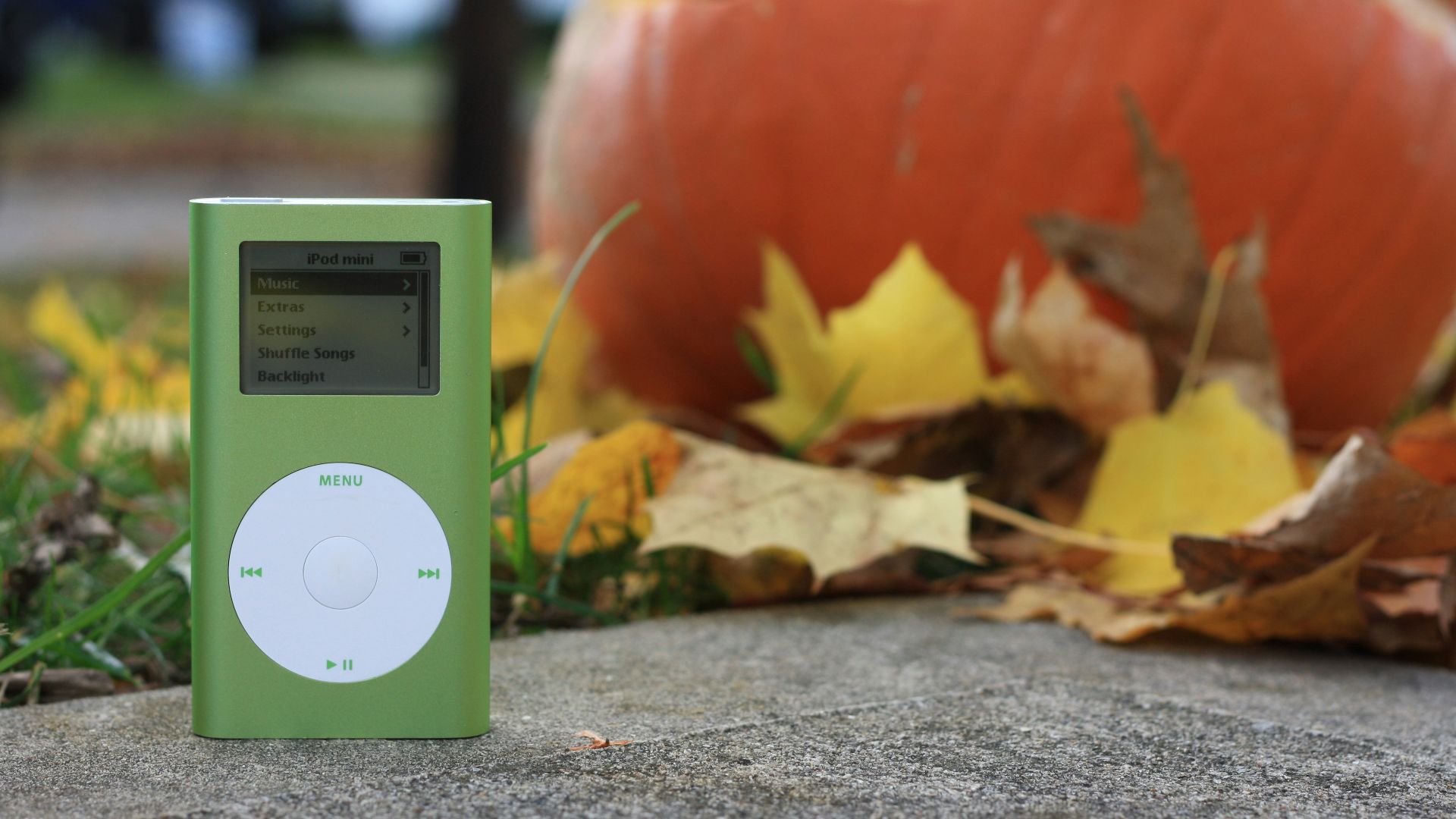
19. Streaming
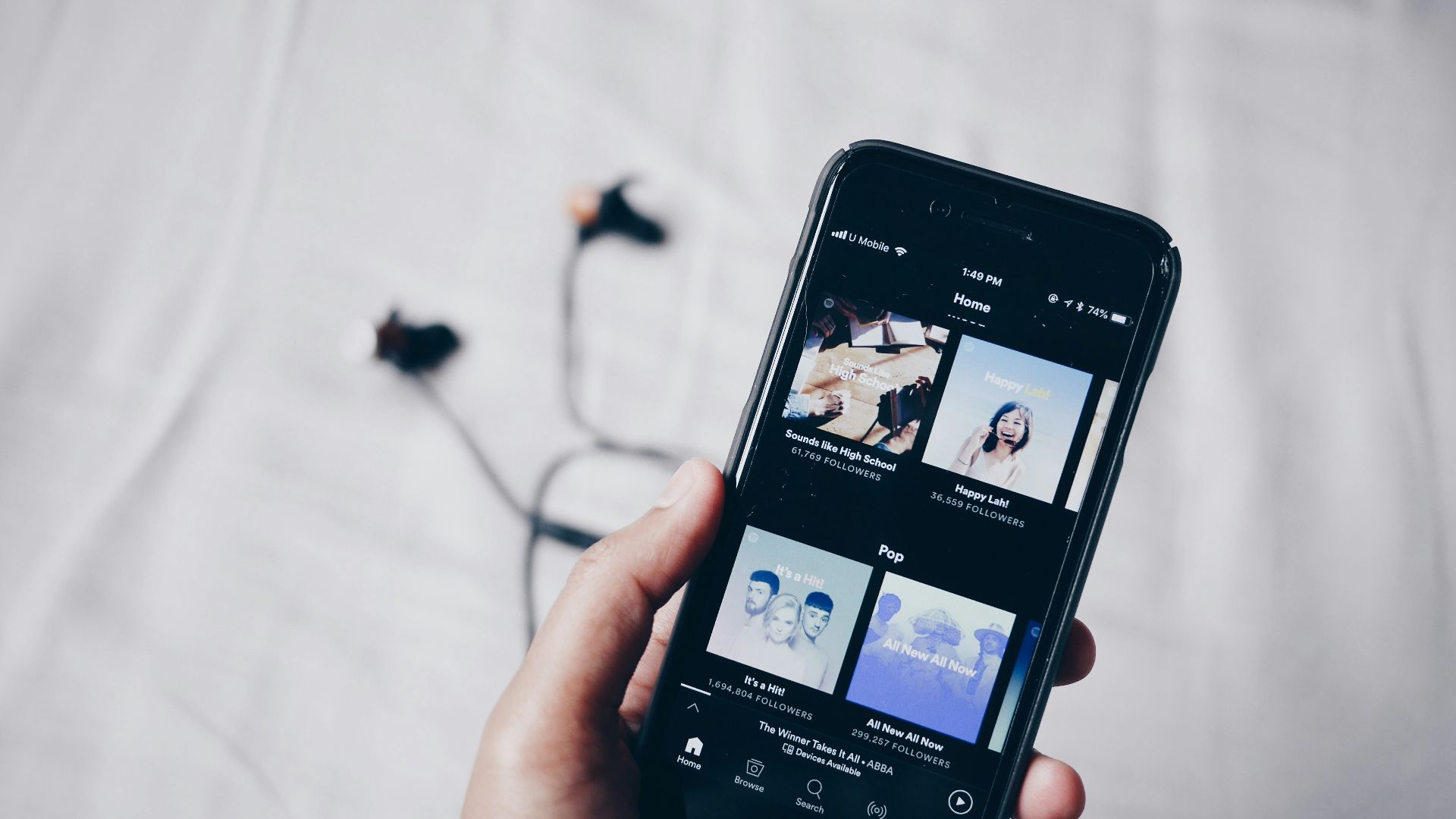
Streaming changed music from something many people owned to something they accessed on demand. With enormous catalogs available instantly, listening became less about the collection on your shelf and more about what you could summon in seconds. That shift affected everything from album structure to artist pay to listener attention spans. It made music easier to reach than ever, while raising entirely new questions about value.
20. YouTube
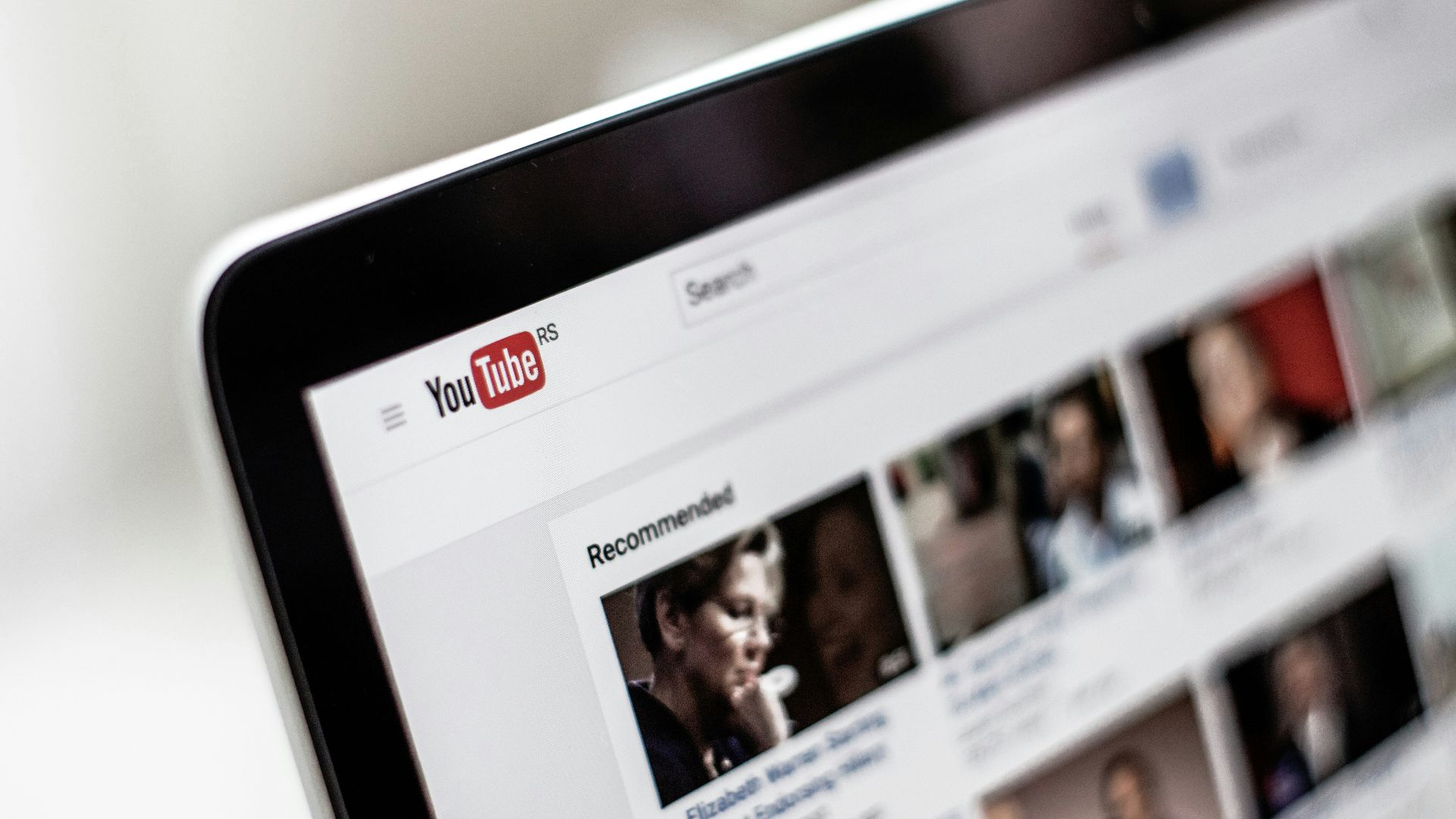
YouTube gave artists a way to reach listeners directly while also turning music videos, live clips, and viral moments into major discovery tools, meaning a song no longer needed traditional radio support to find an audience. At the same time, visuals became even more tied to the success of a track. For many listeners, music stopped arriving only through audio channels and started showing up through the full online culture around it.
KEEP ON READING
The story of Ching Shih, the Woman Who Became the…
Unknown author on WikimediaFew figures in history are as feared…
By Emilie Richardson-Dupuis Dec 29, 2025
Einstein's Violin Just Sold At An Auction—And It Earned More…
A Visionary's Violin. Wanda von Debschitz-Kunowski on WikimediaWhen you hear…
By Ashley Bast Nov 3, 2025
This Infamous Ancient Greek Burned Down An Ancient Wonder Just…
History remembers kings and conquerors, but sometimes, it also remembers…
By David Davidovic Nov 12, 2025
The Mysterious "Sea People" Who Collapsed Civilization
3,200 years ago, Bronze Age civilization in the Mediterranean suddenly…
By Robbie Woods Mar 18, 2025
The Love Story Behind the Taj Mahal Was Also a…
Koushik Chowdavarapu on UnsplashThe Taj Mahal is often introduced as…
By Emilie Richardson-Dupuis Apr 2, 2026
20 Soldiers Who Defied Expectations
Changing the Rules of the Battlefield. You’ve probably heard plenty…
By Annie Byrd Feb 10, 2026