Reading Between Centuries
History does not reward memorization. It rewards judgment. Professional historians spend far less time collecting facts than deciding how those facts behave together, where they bend, and where they break. Skills matter here because evidence rarely arrives clean or cooperative. The list ahead focuses on how historians think, question, and decide under pressure. Read it less like a checklist and more like a set of instincts worth training, especially once the past starts arguing back.

1. Chronological Sequencing
Ancient historians like Herodotus already understood why order matters. Chronological sequencing acts as mental scaffolding, helping historians track duration and succession. Because timing anchors interpretation, causality becomes clearer, continuity and change stand out, and anachronistic errors lose room to hide.

2. Source Authentication
Leopold von Ranke pushed history toward verification for a reason. Confirming authorship, origin, and reliability separates evidence from myth. Distinguishing primary material from interpretation matters too, because arguments collapse quickly once citations fail to exist or prove misattributed.

3. Bias Detection
Illustrations in medieval manuscripts carried ideology as quietly as modern headlines do. Bias detection exposes those distortions. By identifying prejudice embedded in records, historians strengthen credibility and critique textbooks and media portrayals without mistaking representation for reality.

4. Contextual Embedding
Surface narratives rarely explain collapse or survival. Climate data tied to the Mayan decline proved that. Embedding events within social, economic, and cultural frameworks deepens analysis. This approach also keeps AI-assisted reconstructions grounded in conditions that shaped the original meaning.
5. Causality Mapping
Since revolutions resist single explanations, historians need to map cause and effect to visualize interaction across time, avoiding rigid determinism. Models built around treaties like Versailles even inspired strategy games, which proves how layered causality helps explain outcomes that unfold slowly rather than suddenly.
 Startup Stock Photos on Pexels
6. Comparative Analysis
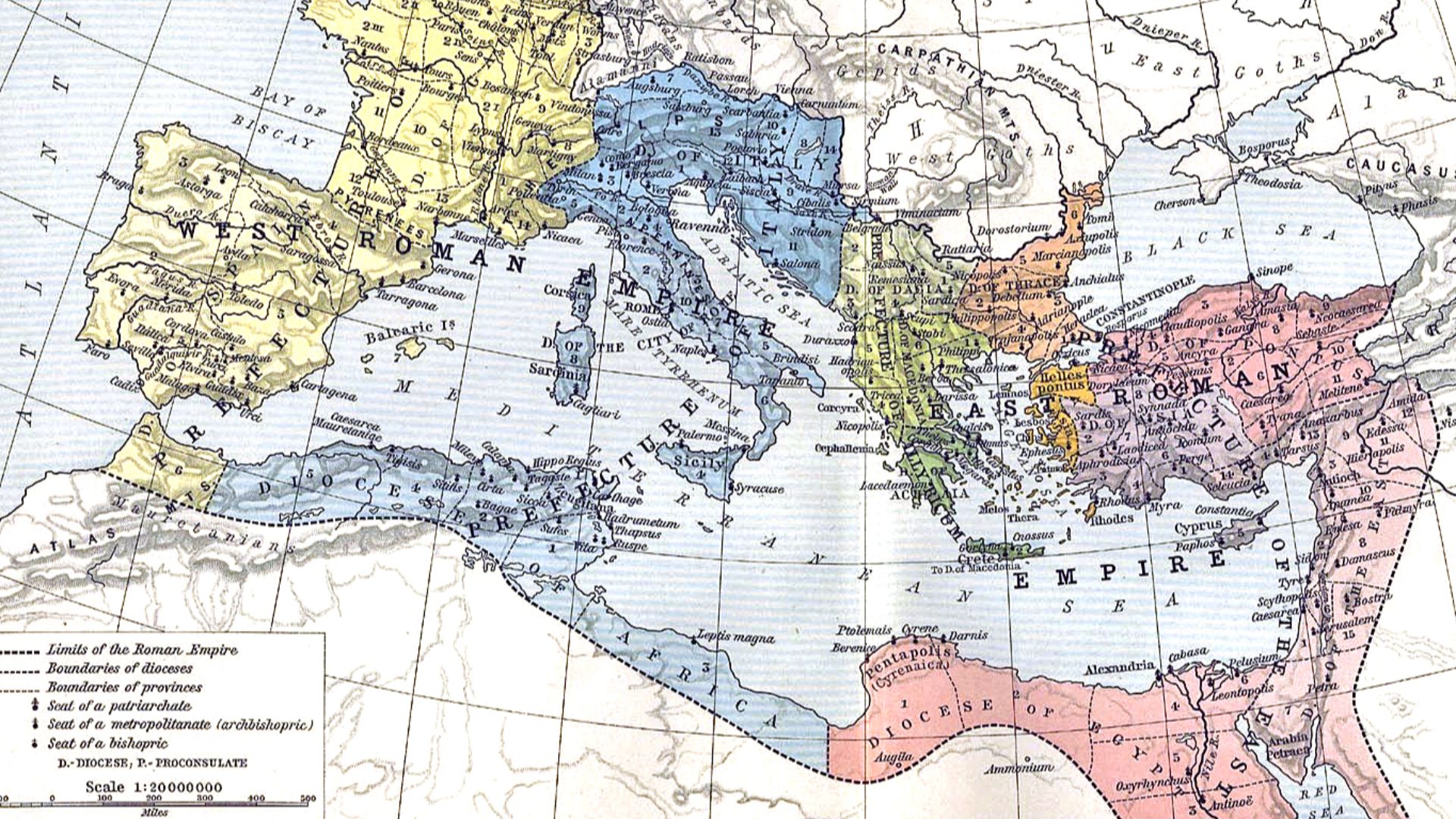
Comparing Rome with the Soviet Union works because historians stop chasing neat parallels and start watching pressure build. Each case stays intact. Context stays loud. Placed side by side, patterns emerge slowly, explaining revolutions through structure rather than dramatic coincidence.
 William Robert Shepherd on Wikimedia
7. Narrative Construction
Evidence rarely arrives in order. Notes contradict, gaps appear, and meaning hides between fragments. Narrative construction pulls those pieces into something readable without sanding down the truth. Done well, it guides audiences through complexity while maintaining ethics and honest interpretation.

8. Archival Navigation
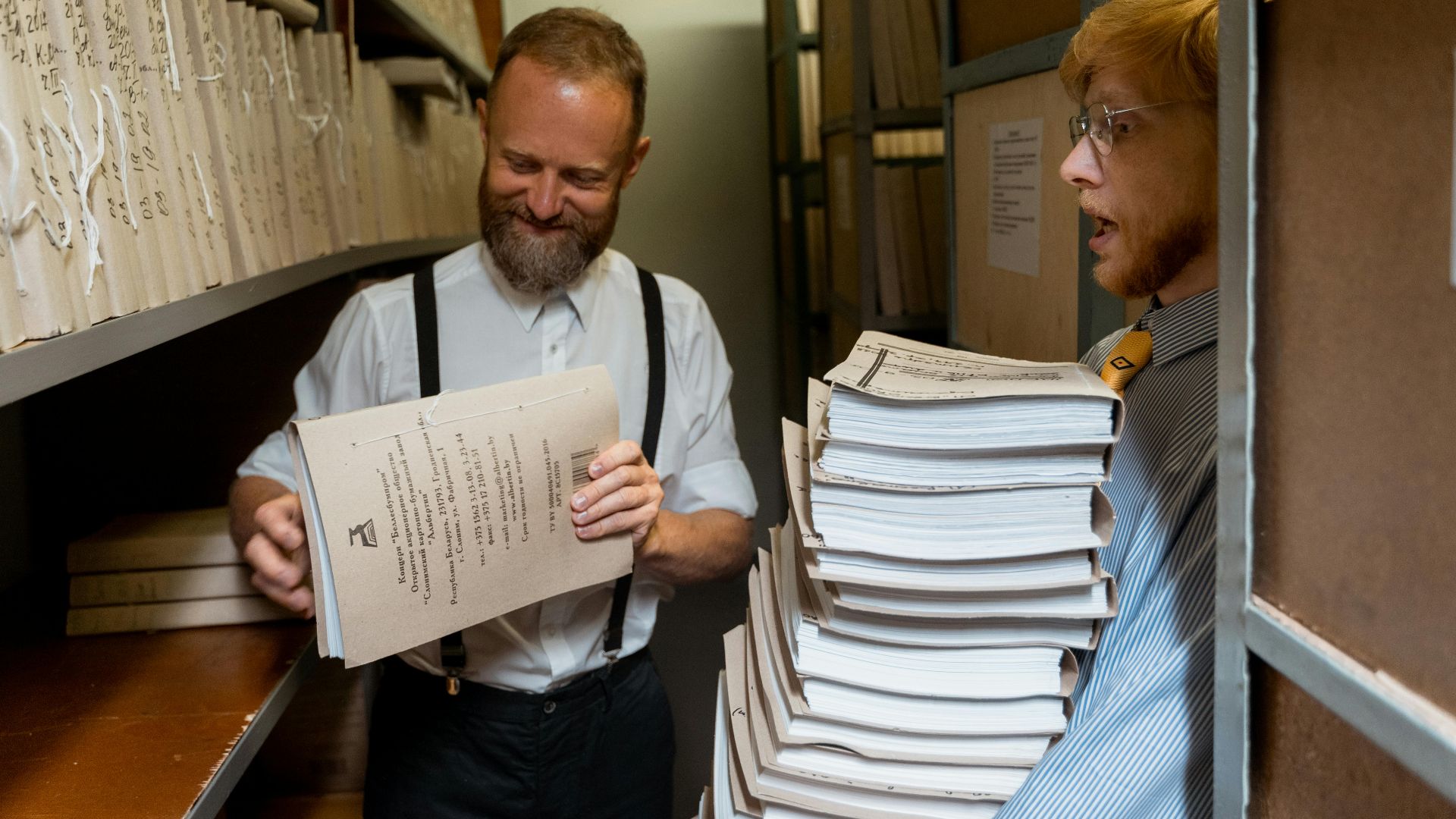
Research momentum often depends on knowing where not to dig. Therefore, finding aids quietly shape outcomes, and archivists save more time than search bars ever will. Digital collections add another layer, where born-digital records demand structure or risk disappearing into searchable noise.
9. Paleographic Proficiency
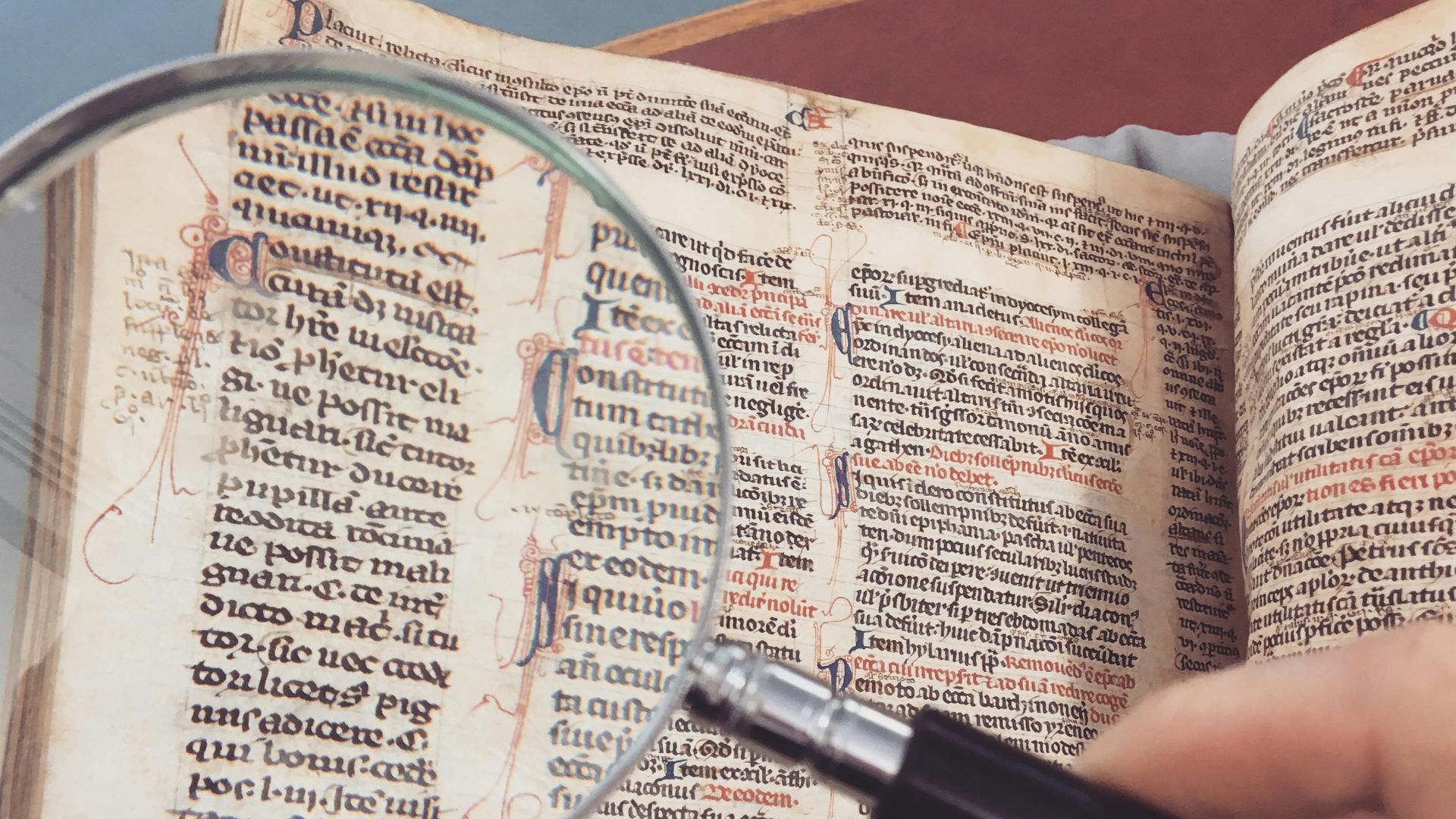
Before interpretation even starts, handwriting sets the pace. Letters also resist modern eyes, forcing patience and repetition. That slow entry unlocks material most scholars never touch, which explains why original translations still reshape accepted narratives centuries after the ink dried.
 Bernard Quaritch. on Wikimedia
10. Quantitative Interpretation
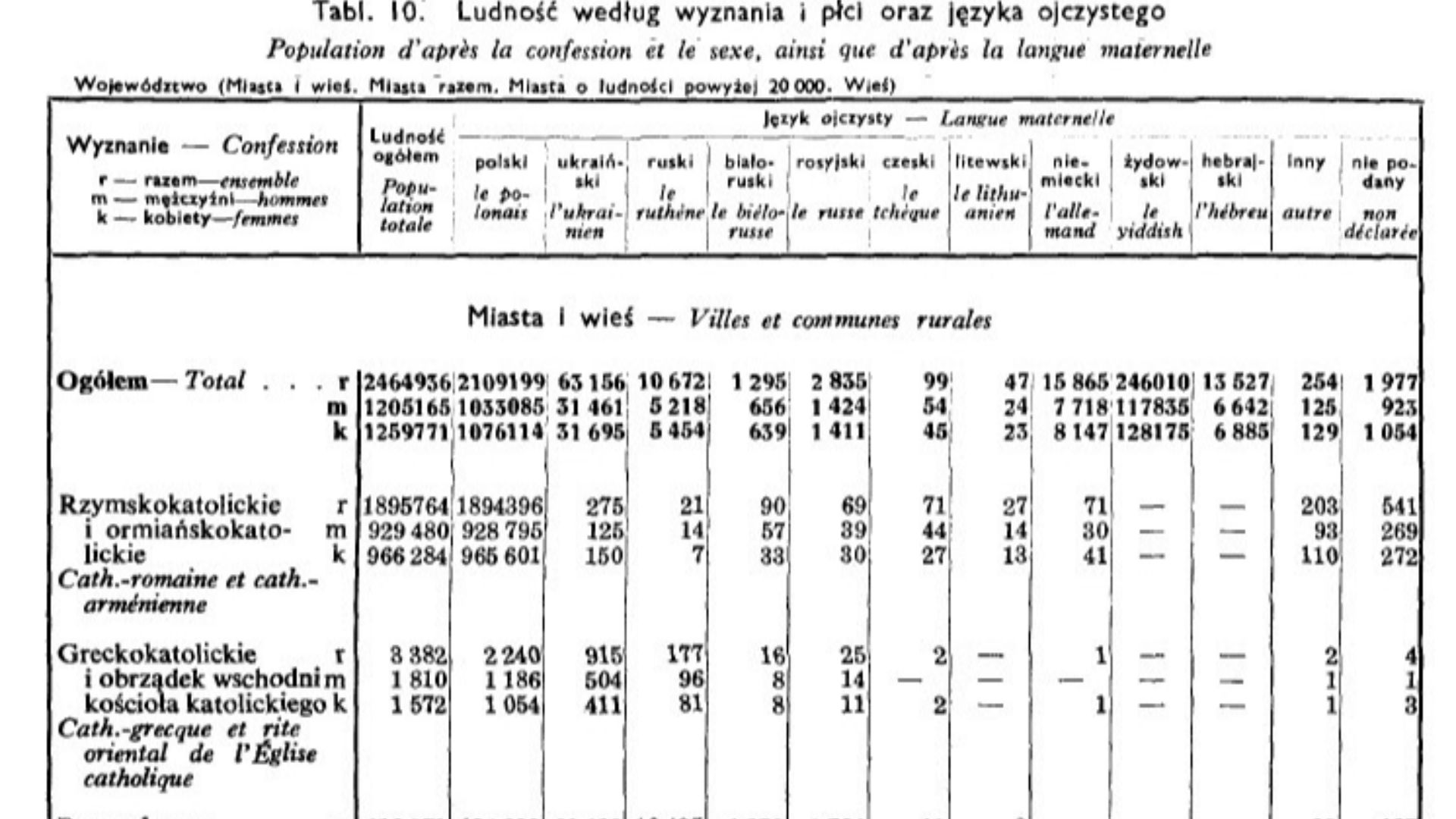
Census tables reveal repetition long before narratives start wobbling. Stories still matter because numbers never explain motive on their own. This skill sits in the tension between scale and meaning, where economic records challenge claims and restraint stops correlation from masquerading as historical explanation.
 Central Stastical office of the Polish Republic. on Wikimedia
11. Qualitative Synthesis
Some histories survive through memory rather than paper. Oral accounts also carry detailed numbers that never touch. Qualitative synthesis pulls those voices into wider analysis, allowing patterns to surface across studies while preserving lived experience, especially where written records remain incomplete or deliberately absent.

12. Ethical Dilemmas Resolution
Not every source wants to be uncovered. Decisions around privacy, consent, and repatriation carry weight beyond publication. Ethical judgment asks historians to pause because research affects living communities. After all, responsibility does not end once evidence is verified or arguments feel persuasive.

13. Interdisciplinary Integration
History works better when it borrows intelligently. Economic theory clarifies labor systems. Computing reshapes archives. Collaboration stretches thinking beyond comfort. Interdisciplinary integration keeps historians adaptable, ensuring analysis survives outside academia and holds relevance across education and applied research settings.

14. Digital Archiving
Digital records decay quietly because formats vanish. Metadata decides what survives. Archiving now requires technical care alongside historical judgment. Remote collaboration further accelerated this shift, which forced historians to preserve authenticity while managing born-digital material that resists traditional storage logic.

15. Public Speaking Mastery
Conference rooms punish rambling fast, and audiences tune out before footnotes arrive. Contrastingly, public speaking turns research into something listenable without flattening ideas. Voice control matters. Structure matters more. And confidence grows through repetition, not talent, even for historians who prefer quiet archives.

16. Scholarly Writing Precision
Arguments fall apart fastest on the page. Therefore, precision in writing keeps interpretation separate from opinion, while strong verbs carry authority. Positioning new work against existing scholarship matters too, because clarity shows command long before conclusions ever try to persuade.

17. Grant Proposal Crafting
Reviewers respond to confidence built through clarity. Significance narrows attention, and a realistic timeline reduces uncertainty. Successful proposals lower that resistance without overselling, allowing curiosity to turn into trust and trust into the resources that keep historical work moving forward.

18. Language Acquisition
Primary sources encoded in original languages preserve semantic precision lost during translation. Language acquisition allows direct engagement with syntax and idiom, reducing interpretive distortion. As a result, analytical outcomes often change at the evidentiary level rather than merely gaining contextual texture.
19. Crisis Response Adaptability
Access disappears without warning. Archives close. Methods break. Adaptability keeps work alive during disruption, whether pandemics or political shifts. Historians draw on past crises for insight, turning instability into a lens rather than a dead end.

20. Media Literacy
Public memory now forms through images and headlines as much as archives. Simplification creeps in quietly, then sticks. Media literacy helps historians pause and evaluate how stories are framed, which matters because credibility depends on recognizing when presentation drifts away from what evidence supports.
 Karolina Grabowska www.kaboompics.com on Pexels
KEEP ON READING