Yes, Female Gladiators Existed, And Here's Everything You Need To Know About Them
Yes, Female Gladiators Existed, And Here's Everything You Need To Know About Them
History of Women in Combat
Most people picture gladiators as muscular men fighting to the death in the Colosseum. That image isn't wrong, but it's also incomplete. Women also fought in Roman arenas. These female gladiators existed in the historical record, mentioned by multiple ancient writers and immortalized in archaeological evidence that survived two thousand years. Here's what history tells us about them.

1. The Earliest Records Date to Emperor Nero's Reign
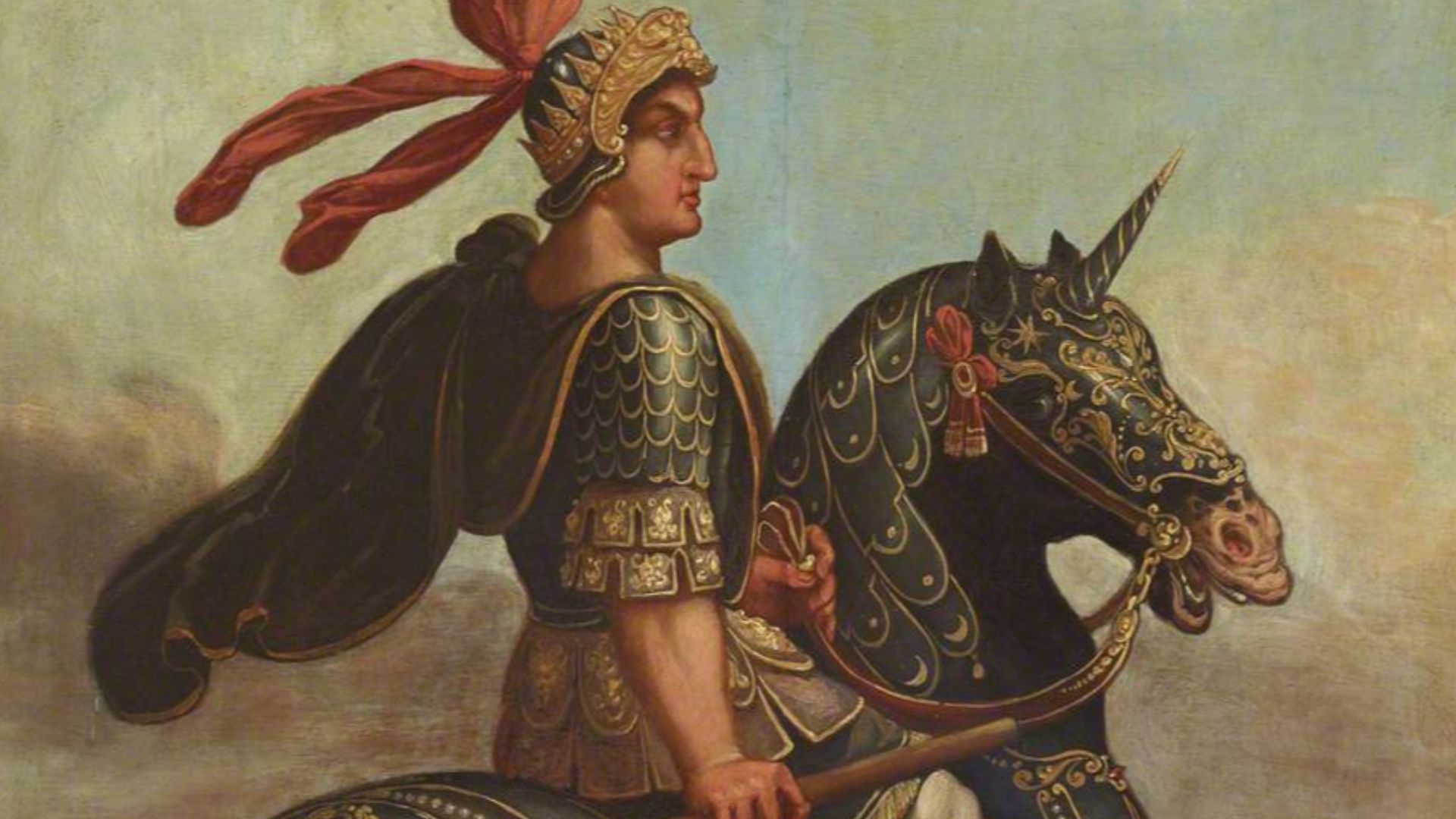
Nero’s reign between 54 and 68 CE produced the earliest records of women in gladiatorial combat. Ancient writers noted their presence at festivals, marking the first time female fighters appeared in official Roman spectacles.
2. Nero Expanded Their Roles Beyond Simple Combat
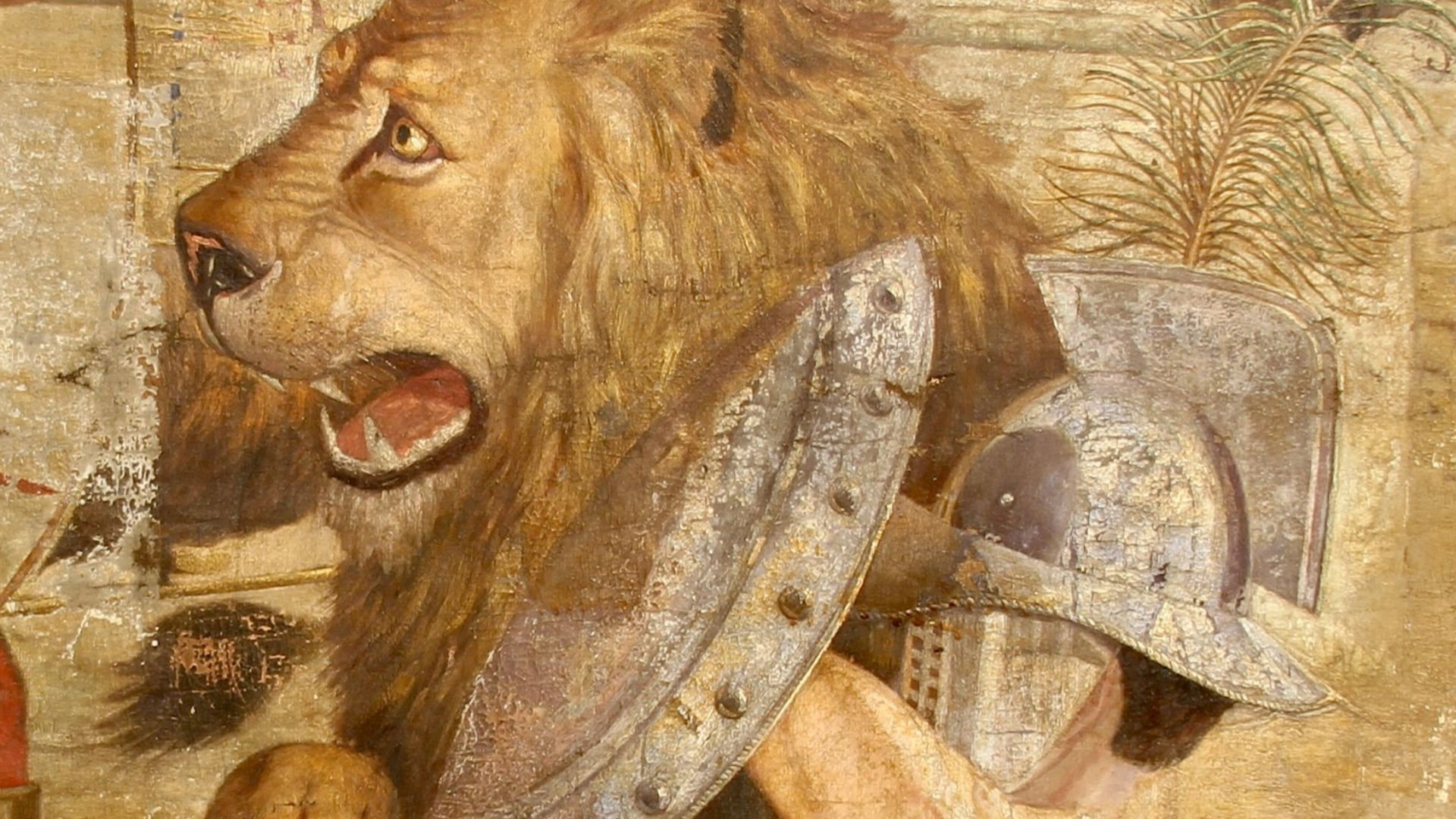
Women in Nero’s games didn’t just fight each other with swords. They also drove chariots at dangerous speeds and hunted wild beasts in venationes. This expansion of female participation went far beyond basic duels. Suetonius documented these diverse activities.
 Studio artist of Firmin Didot on Wikimedia
3. They Appeared Rarely as Novelty Acts
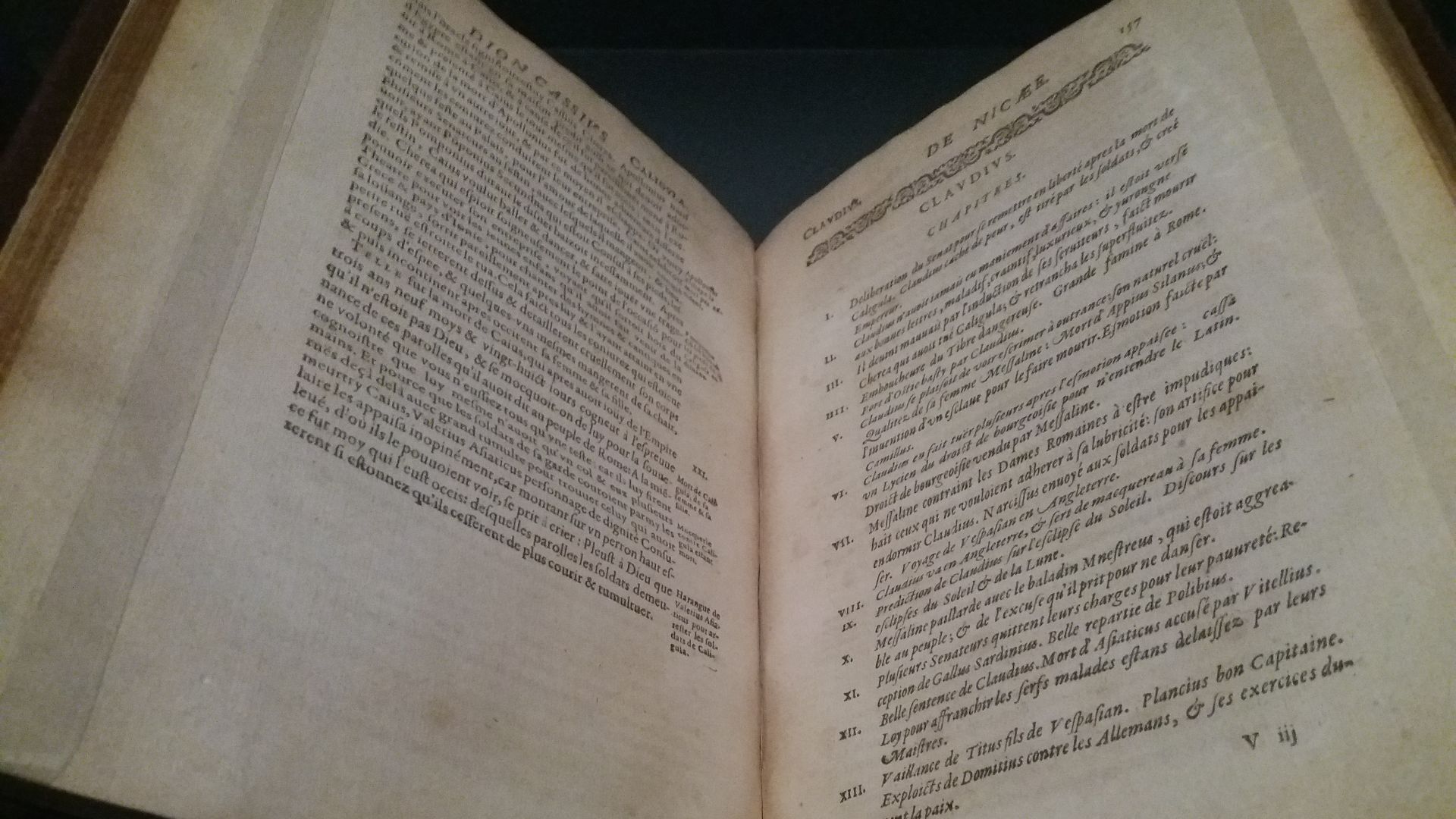
Female gladiators never became common fixtures in Roman games. Historical accounts from Cassius Dio make clear they appeared occasionally as lavish additions to special spectacles, often funded by emperors marking important occasions. Archaeological evidence reflects this scarcity. Inscriptions and reliefs featuring women comprise a tiny fraction compared to the overwhelming documentation of male gladiators throughout the empire.
4. The Most Famous Evidence is a Marble Relief
A first or second-century marble relief from Halicarnassus, now in the British Museum, shows two armored women mid-fight. The women wear shields, carry daggers, and have leg guards—concrete archaeological proof that female arena combat actually happened. It was discovered in modern-day Turkey during the nineteenth century.
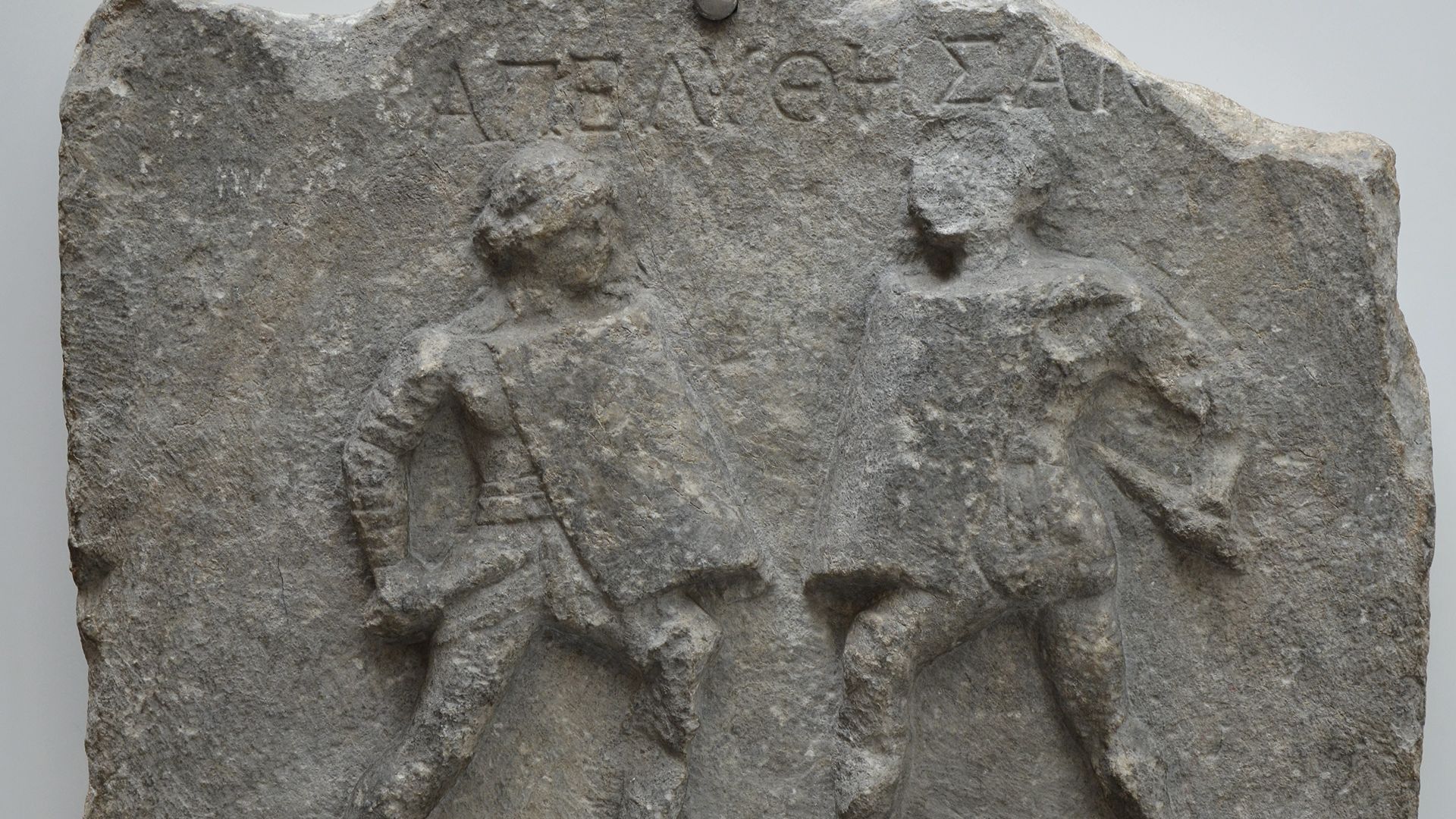 Carole Raddato from FRANKFURT, Germany on Wikimedia
5. The Fighters Were Named Amazon and Achillia
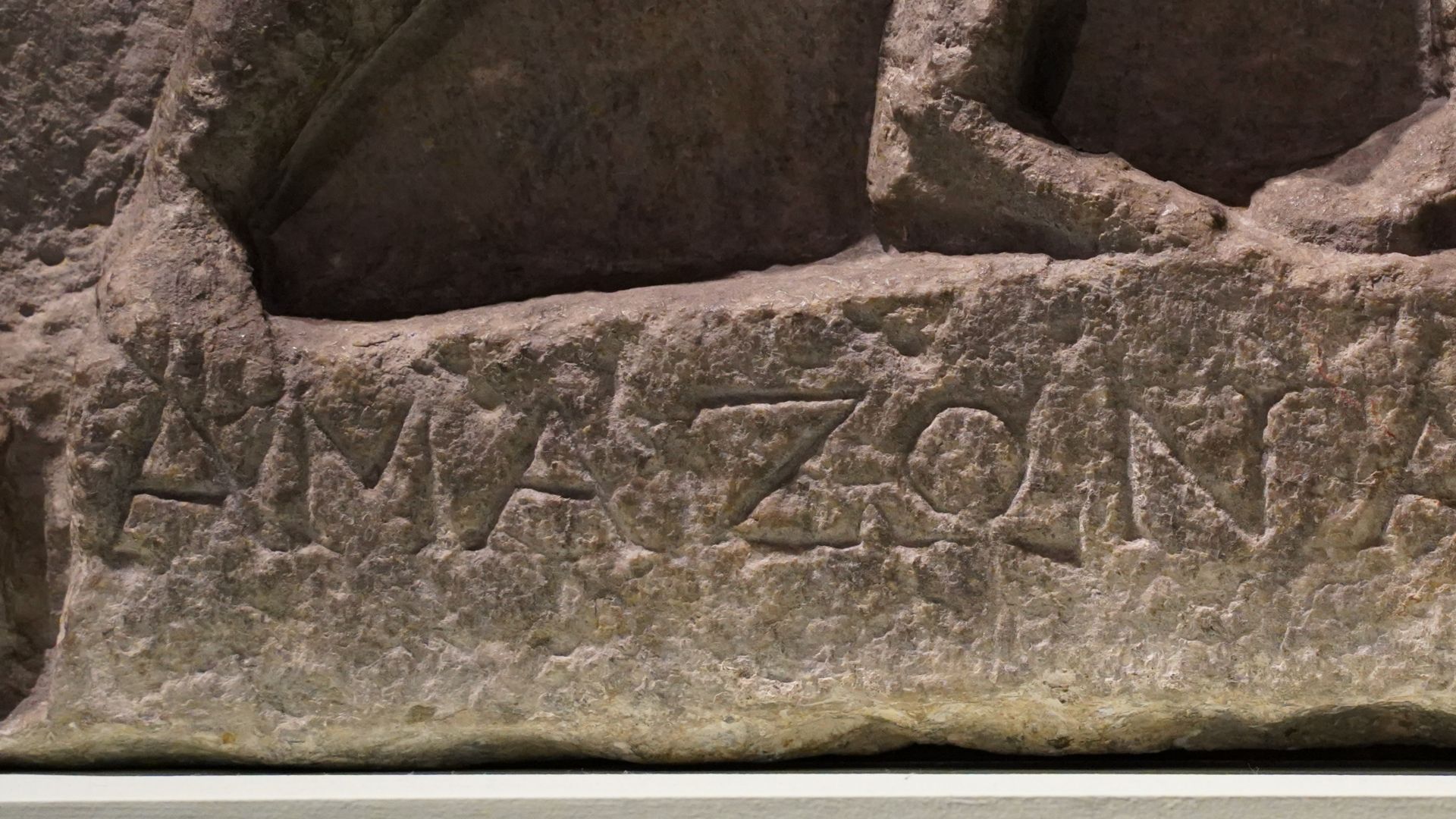
Stage names labeled on the Halicarnassus relief drew from Greek mythology to add dramatic flair to the spectacle. "Amazon" evoked legendary warrior women, symbolizing strength and exoticism that enhanced audience appeal. "Achillia" referenced the Greek hero Achilles.
6. Their Fight Ended Sometimes With an Honorable Release
The Halicarnassus relief shows both women being spared, with an inscription confirming they were released honorably. This "missio" proves female combats followed similar rules to male fights, where mercy could be granted, and survival wasn’t automatically denied.
7. Domitian Staged Bizarre Matchups For Shock Value
Emperor Domitian's games between 81 and 96 CE featured women battling dwarfs in torch-lit night fights designed to amuse and shock crowds. Suetonius documented these spectacles as evidence of Domitian's taste for bizarre entertainment. These outlandish events inspired satirical commentary mocking how emperors turned serious arena combat into circus acts purely for laughs.
8. Emperor Septimius Severus Banned Them in 200 CE
In 200 CE, Emperor Septimius Severus imposed an empire‑wide ban on women in gladiatorial combat and beast hunts. Cassius Dio noted it followed crude jokes at female athletic events, with Severus fearing damage to respect for women and Roman social order.

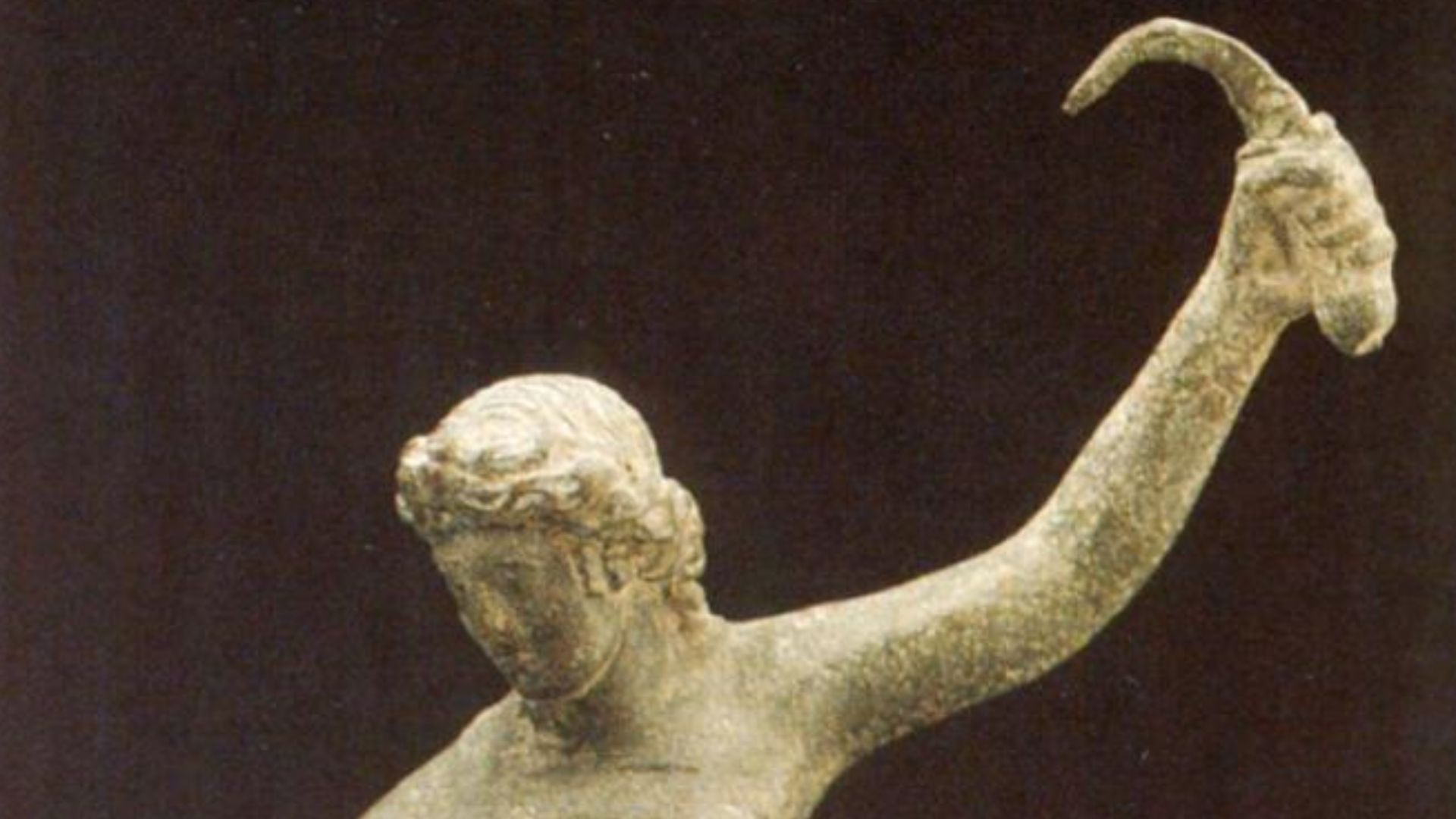
9. Some Were Upper-Class Volunteers Seeking Thrills
Elite women from senatorial ranks participated voluntarily under emperors like Nero. Such participation led to legal restrictions, including Tiberius's 19 CE decree preventing high-status women from degrading themselves in arena roles that brought social disgrace to their entire families.
 Anonyme (IIIe siècle ap J.-C.) on Wikimedia
10. Others Were Slaves and Prisoners Forced to Fight
Many female gladiators belonged to the legally despised "infames" class—slaves, prisoners of war, or convicts forced into arenas. As infames, they lost all legal rights, which made them expendable entertainment just like male slaves in gladiatorial schools.

11. No Dedicated Training Schools Existed For Women
Unlike well-documented male facilities, no specialized gladiator schools existed for training women fighters. The absence of female "ludi" reflects their marginal role, with training likely occurring outside formal institutional structures. Women appeared in male schools as companions called "ludiae," but not as official trainees due to strict gender segregation.
 Ethan Doyle White on Wikimedia
12. They Trained Privately
Elite women likely trained in private estates using personal tutors who taught combat skills justified publicly as health exercises. Informal groups might have drawn from youth organizations, teaching basic swordplay in unofficial settings away from public scrutiny.
13. Standard Drills Built Technique and Strength
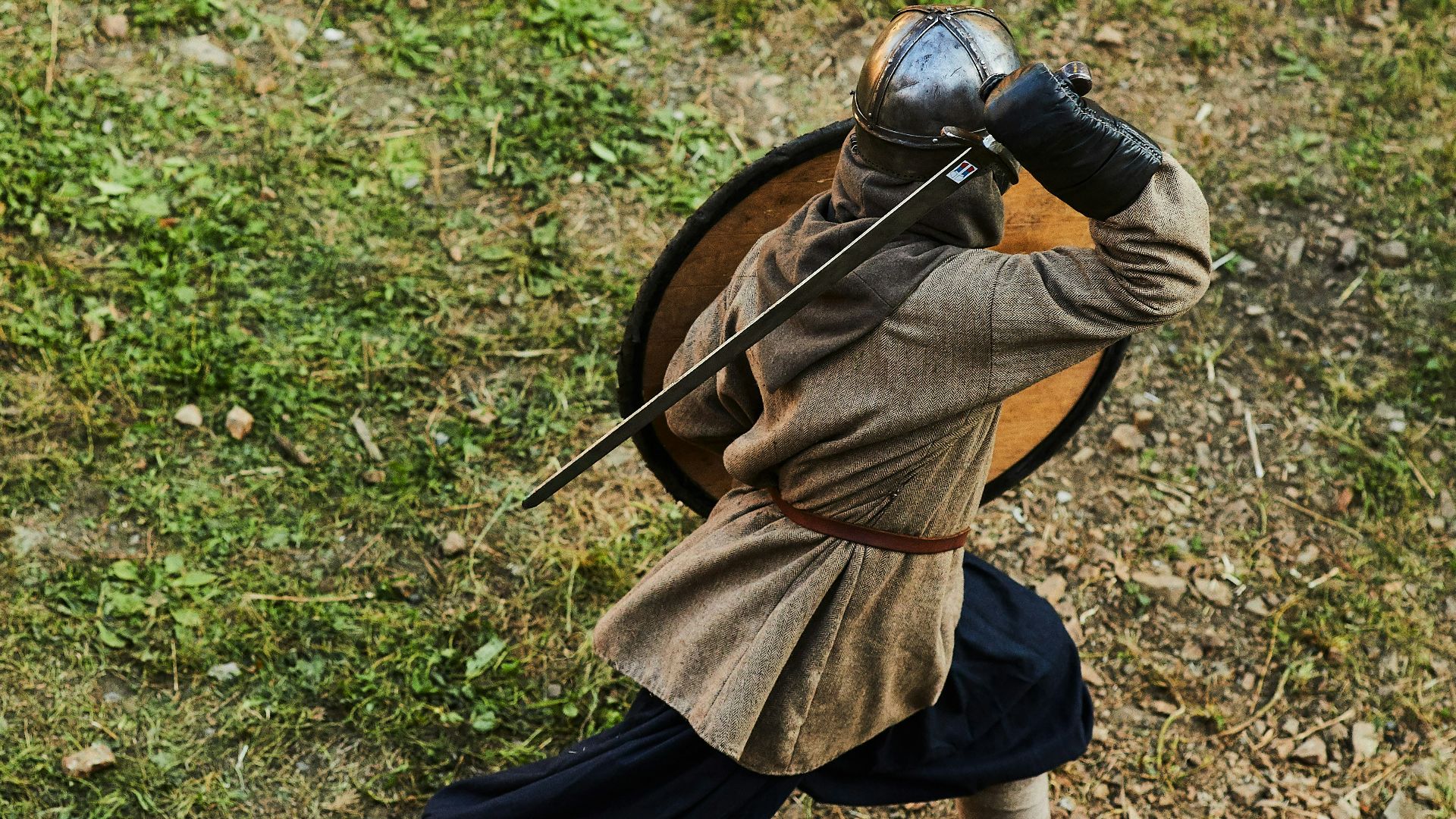
Female trainees practiced striking wooden posts called "palus" with wooden swords that mirrored male training methods. These drills focused on strikes and defenses to prepare for actual arena combat, adapted slightly for women's builds by emphasizing agility over brute force.
 Arild Nybø from Førde, Norway on Wikimedia
14. Physical Conditioning Focused on Endurance and Agility
Training focused on stamina for prolonged fights, aligning with Roman views that women's fitness aided reproduction and childbirth. Muscle building through weights and various exercises prepared them for wielding weapons effectively, though training intensity remained less extreme than men's programs.
15. Their Equipment Mirrored Male Gladiators
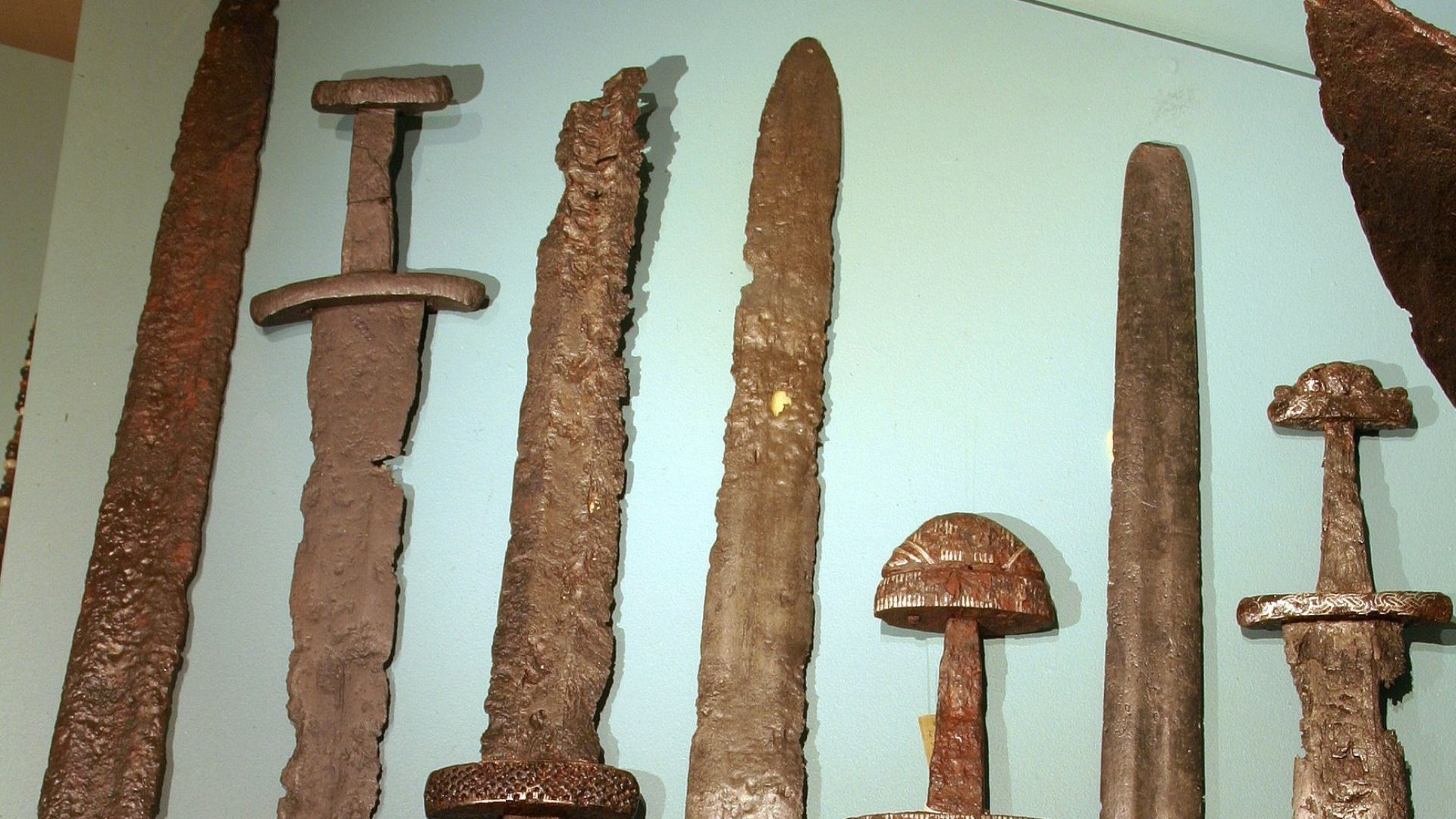
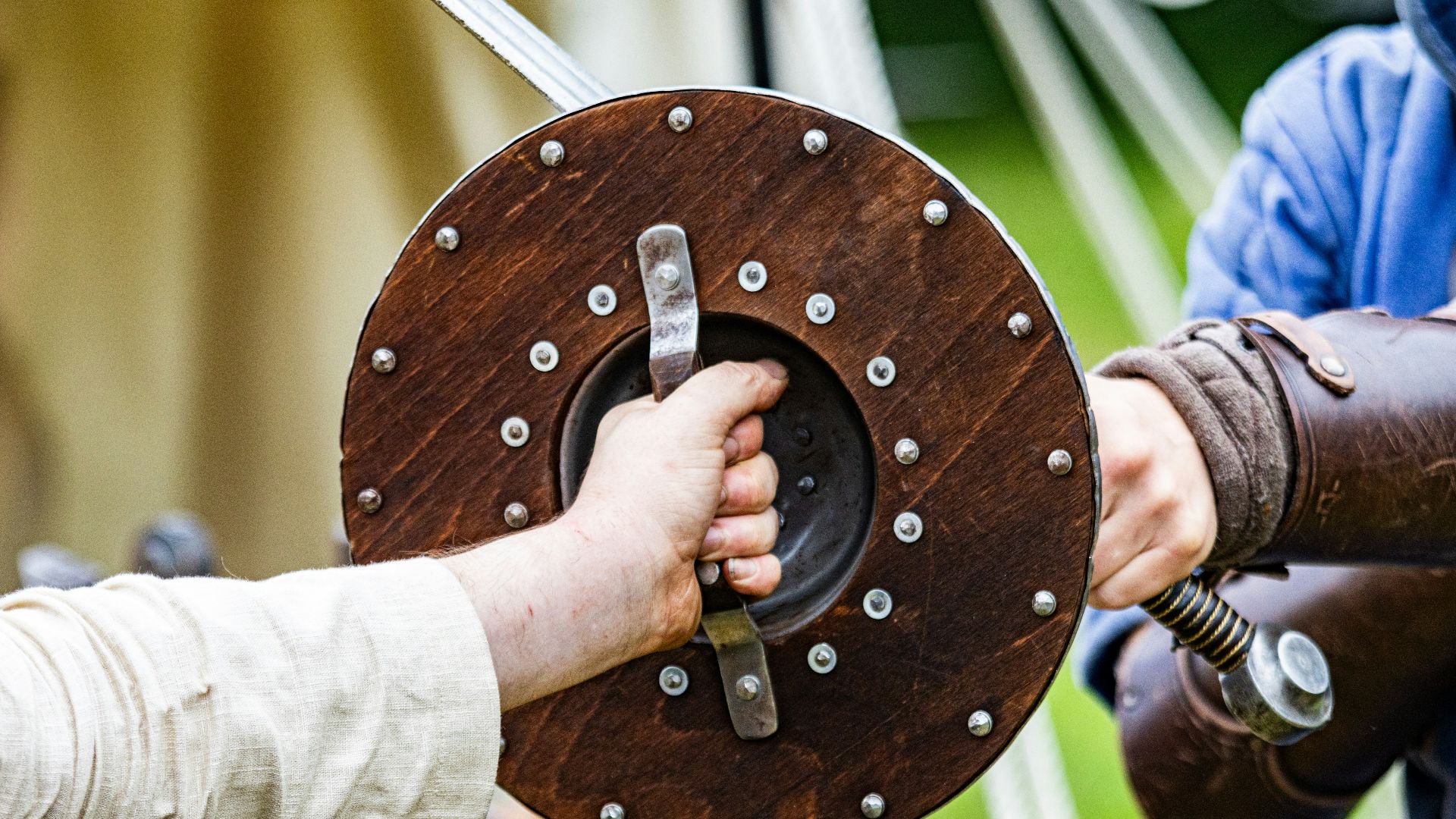
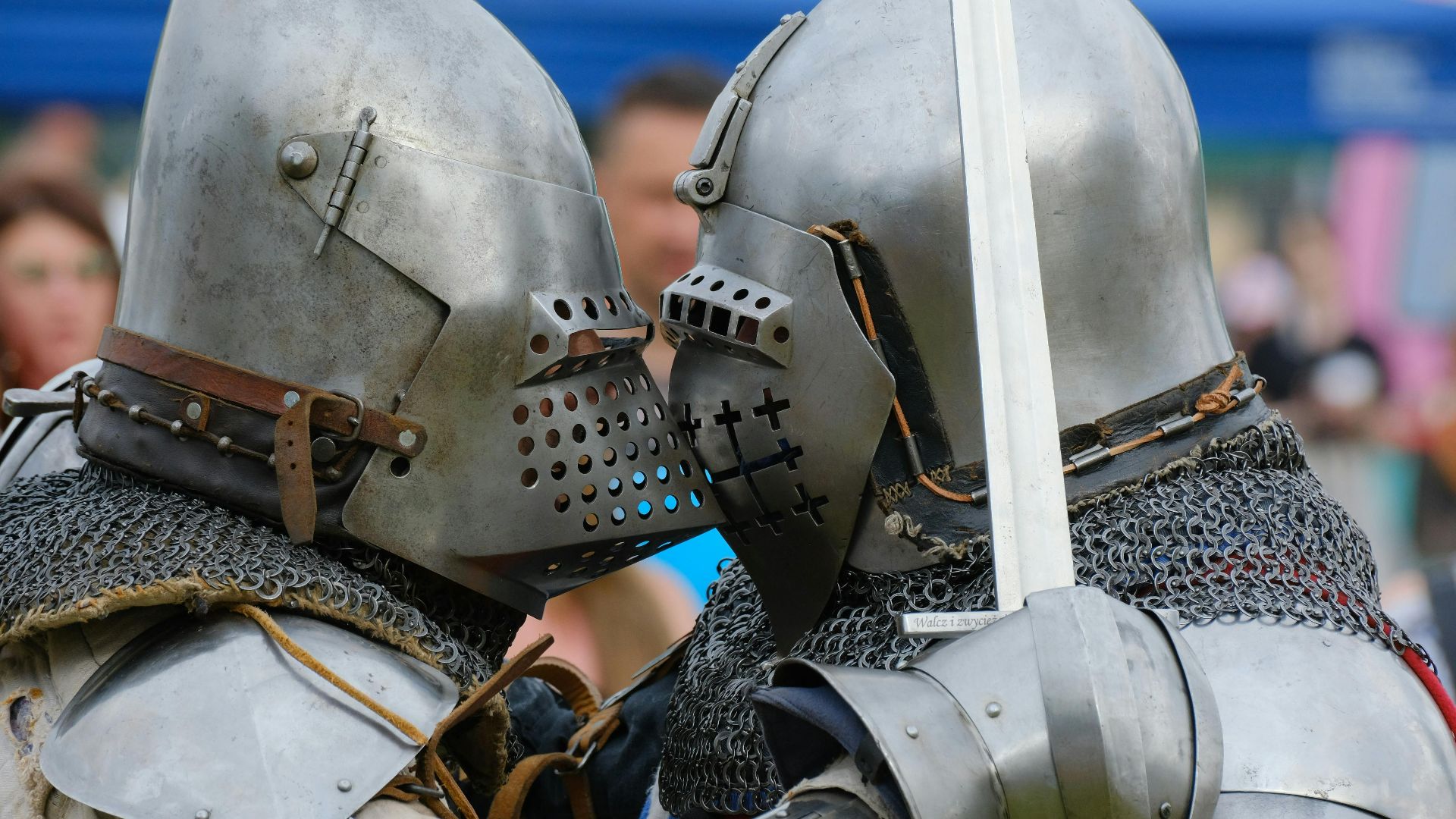
Helmets, shields, swords, leg guards called greaves, and arm protectors known as manicae—female gladiators wore identical gear to men. The British Museum's Halicarnassus relief shows standardized combat equipment with no gender-specific modifications noted in any archaeological evidence.
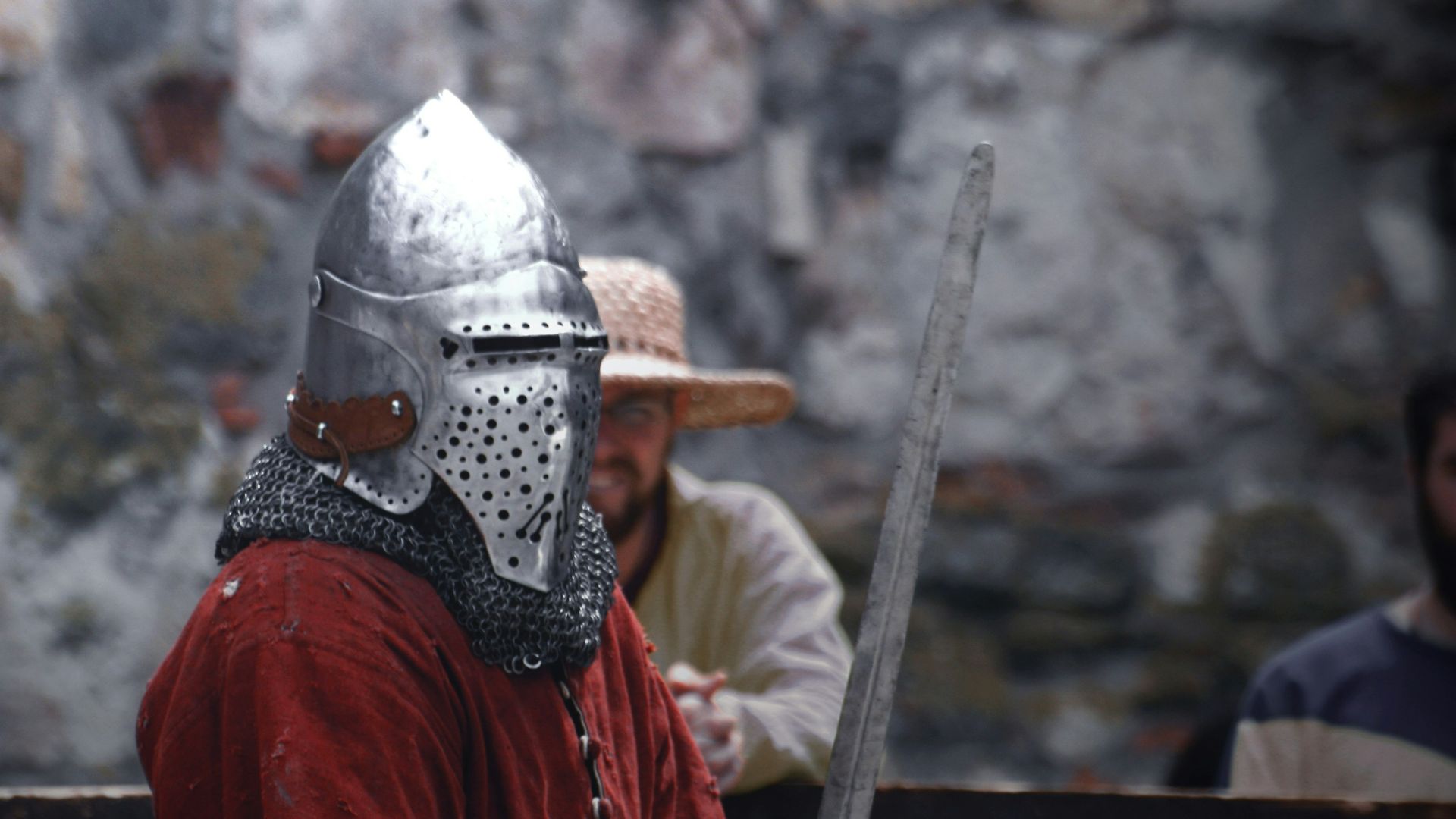 Slejven Djurakovic on Unsplash
16. Fight Outcomes Were Decided By Sponsors and Crowds
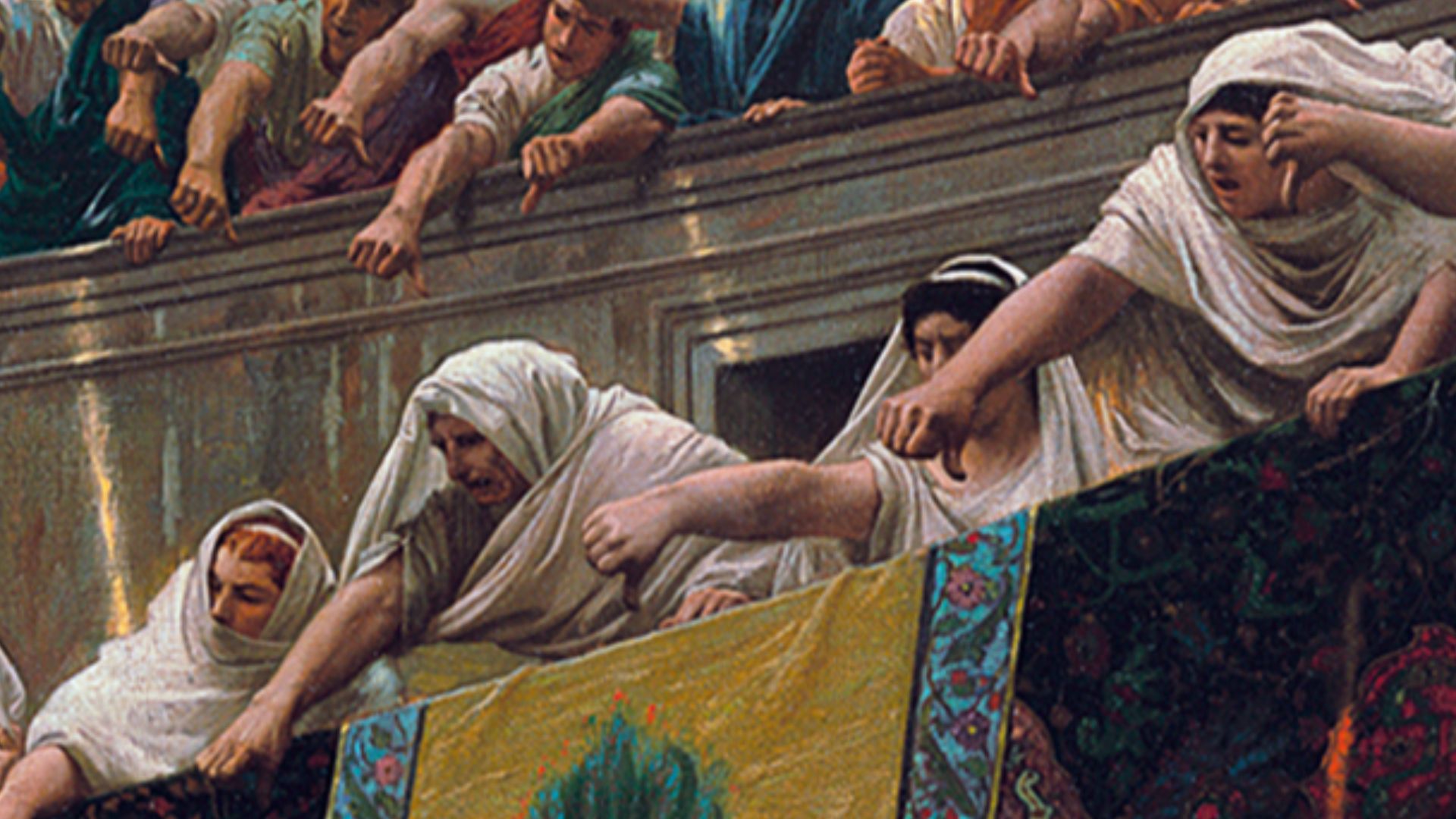
Regulated spectacles could end in death, mercy signaled by "pollice verso" (turned thumb), or honorable draw decided by sponsors and audience reactions. Crowds influenced the editor's decision about whether fighters lived or died based on performance quality.
17. A London Grave May Belong to a Female Gladiator
A first-century grave in Southwark containing exotic goods and remains of a non-local woman has been tentatively linked to female gladiators, though this remains heavily debated. The grave included lamps depicting gladiators and Anubis, suggesting arena connections, with the woman possibly from outside Britain.

18. An Ostia Inscription Records Municipal Female Fights
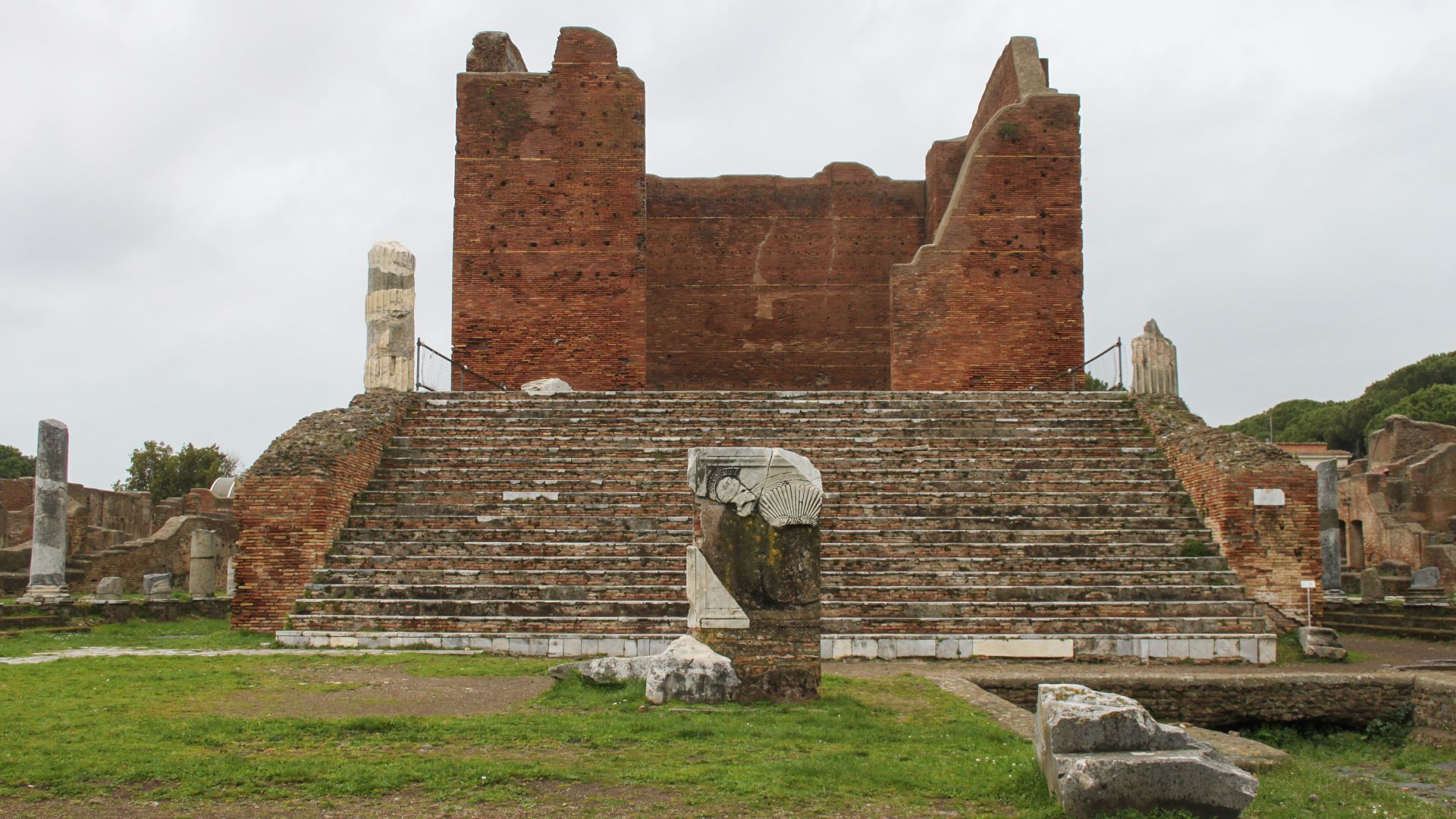
A mid-second-century inscription from Ostia shows a local magistrate proudly boasting about providing "women for the sword" in public games. The Latin phrase "mulieres ad ferrum" specifies sword combat, which aligns with gladiatorial traditions rather than theatrical performances.
19. They Functioned as Special Attractions Drawing Crowds
Female gladiators were rare enough to boost attendance significantly at games that would otherwise feature only male fighters. Imperial games prominently featured women as highlights, with their exotic appeal noted in accounts by Cassius Dio and others.
 Unknown authorUnknown author on Wikimedia
20. They Sometimes Performed Mock Battles
Female gladiators occasionally appeared in staged combats that served as warm-up entertainment before the day's featured male fights began. These choreographed performances were less about genuine danger and more about theatrical display.
KEEP ON READING