

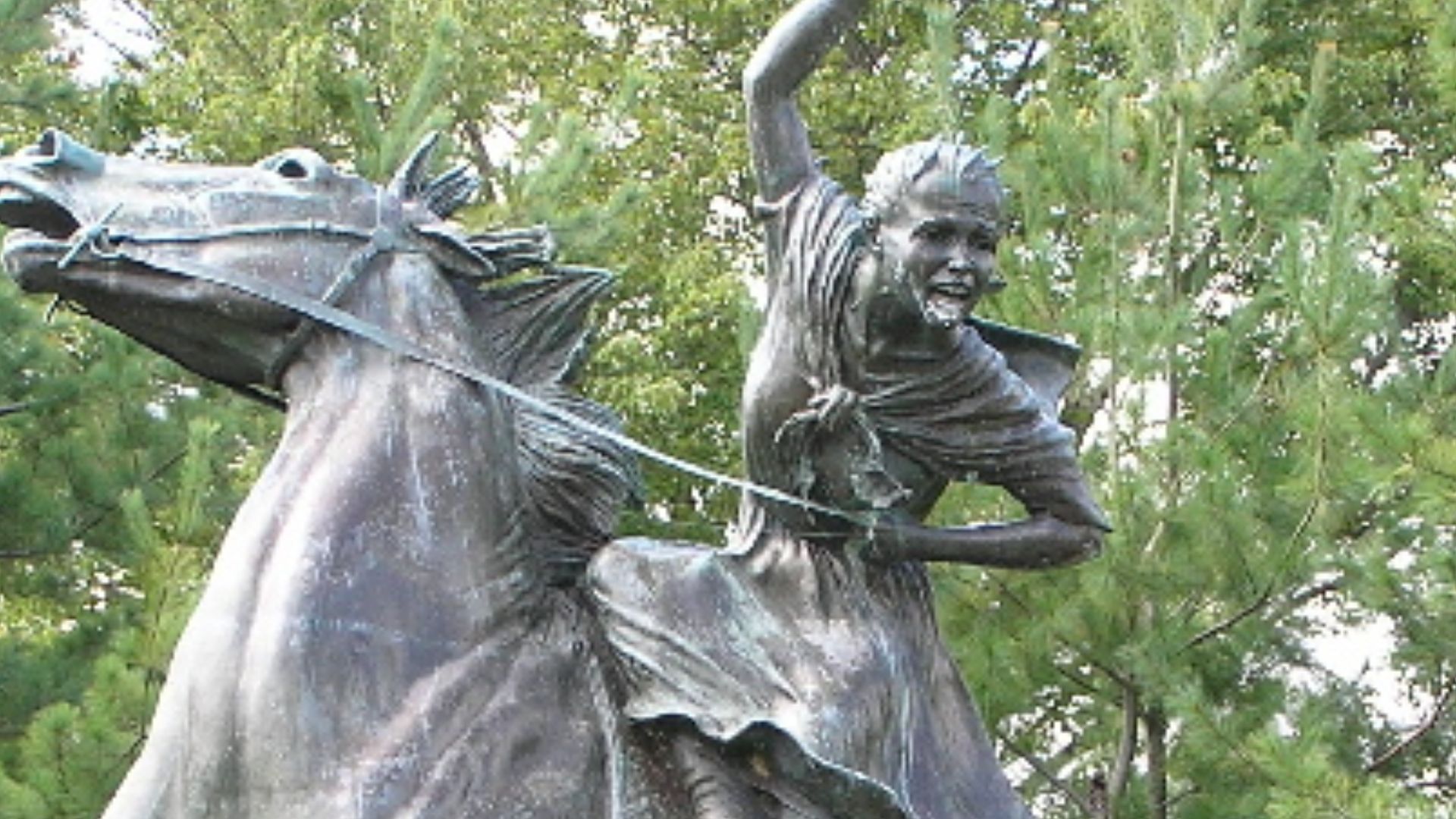
 Anthony22 (photograph)Anna Hyatt Huntington (statue) on Wikimedia
When you flip through the pages of a standard history textbook, you’re usually met with a curated list of inventors, explorers, and politicians who shaped the modern world. However, there’s a recurring pattern where the contributions of brilliant women are quietly moved to the footnotes or credited to their male colleagues. Sybil Ludington is one such figure whose daring exploits during the American Revolution rival those of Paul Revere, yet her name often remains absent from the mainstream narrative of the war.
It’s truly a shame that such a high-stakes story of bravery hasn't been given the same cinematic treatment as other legendary midnight rides. While Revere is a household name for his warning in Massachusetts, Sybil covered twice the distance through a pouring rainstorm at just sixteen years old. Taking a moment to rediscover her journey isn't just about correcting the record; it’s about appreciating a teenager who showed more grit than most seasoned soldiers.
A Midnight Ride Built on Pure Grit
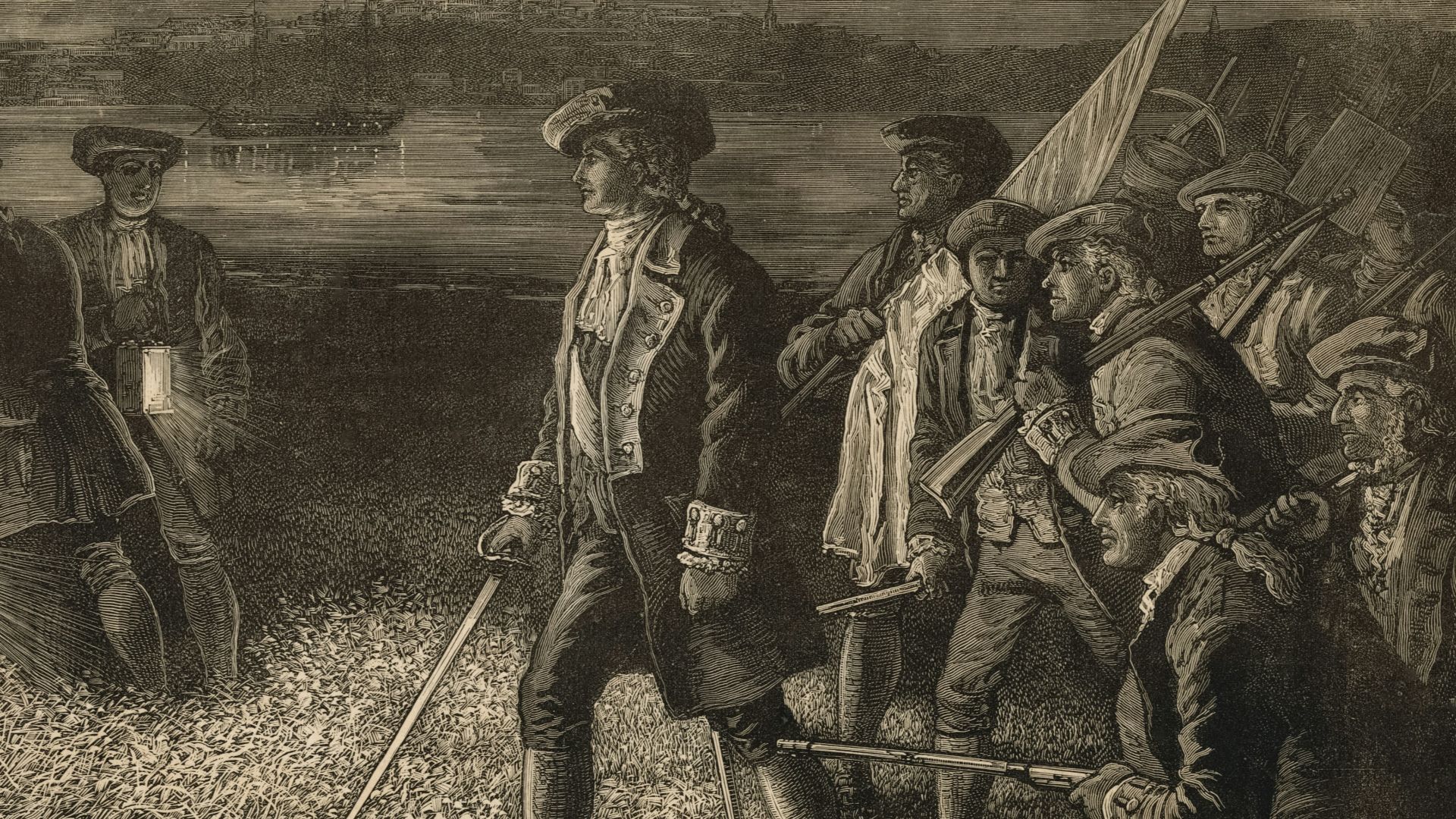 The New York Public Library on Unsplash
The evening of April 26, 1777, started out as a quiet night for the Ludington family until a frantic messenger arrived with news that British forces were burning the town of Danbury. Sybil’s father, Colonel Henry Ludington, was tasked with rallying the local militia, but he couldn't leave his post to gather the men scattered across the countryside. Without a moment of hesitation, Sybil volunteered to take his horse, Star, and ride into the darkness to sound the alarm for the nearby troops.
You have to imagine the sheer terror of riding through the woods of New York and Connecticut in the middle of a torrential downpour with no streetlights to guide the way. She didn't have a paved road or a GPS; instead, she had to navigate muddy paths while avoiding loyalist bandits who were known to roam the area. Armed with only a small stick to prod her horse and knock on the doors of sleeping farmers, she began a journey that would eventually span forty miles.
Most people don't realize that she was traveling through territory that was crawling with British sympathizers who would’ve gladly captured her if they’d caught wind of her mission. She rode until dawn, successfully summoning hundreds of men to join her father’s regiment to fight back against the advancing Redcoats. It was a feat of physical endurance that showed the world exactly what a determined young woman could achieve under extreme pressure.
The Invisible Legacy of a Patriot
Oddly enough, even though General George Washington personally thanked her for her service, Sybil’s legend didn’t take off in the years after the war. Instead of reading about her ride in dispatches, her story lived on through oral tradition among her family and friends. In fact, it would be hard-pressed to find her name mentioned in a history book for nearly 100 years. Even today, she is largely glossed over or regarded as a quaint footnote to America’s fight for independence.
How unusual is it that history remembers the people who have the best PR teams or celebrity poets write about them? Or that history only remembers the people who fit neatly into a preconceived narrative that society is comfortable with? Paul Revere got a poem written about his ride decades after he passed and voila, there’s your patriot. Poor Sybil, on the other hand, married and went on to have a relatively quiet life as a mother and businesswoman of her time. She never asked to be remembered, but her male counterparts seem to wake up famous in the historical record.
There is a bronze statue of her in Carmel, NY, for anyone interested in checking it out. Other than that, she is rarely celebrated for her efforts. In fact, most people graduate from school without ever hearing of her amazing deed. That is how you know history has overlooked her contribution. Give the woman some credit—people fought for independence too.
Why We Should Keep Her Story Alive
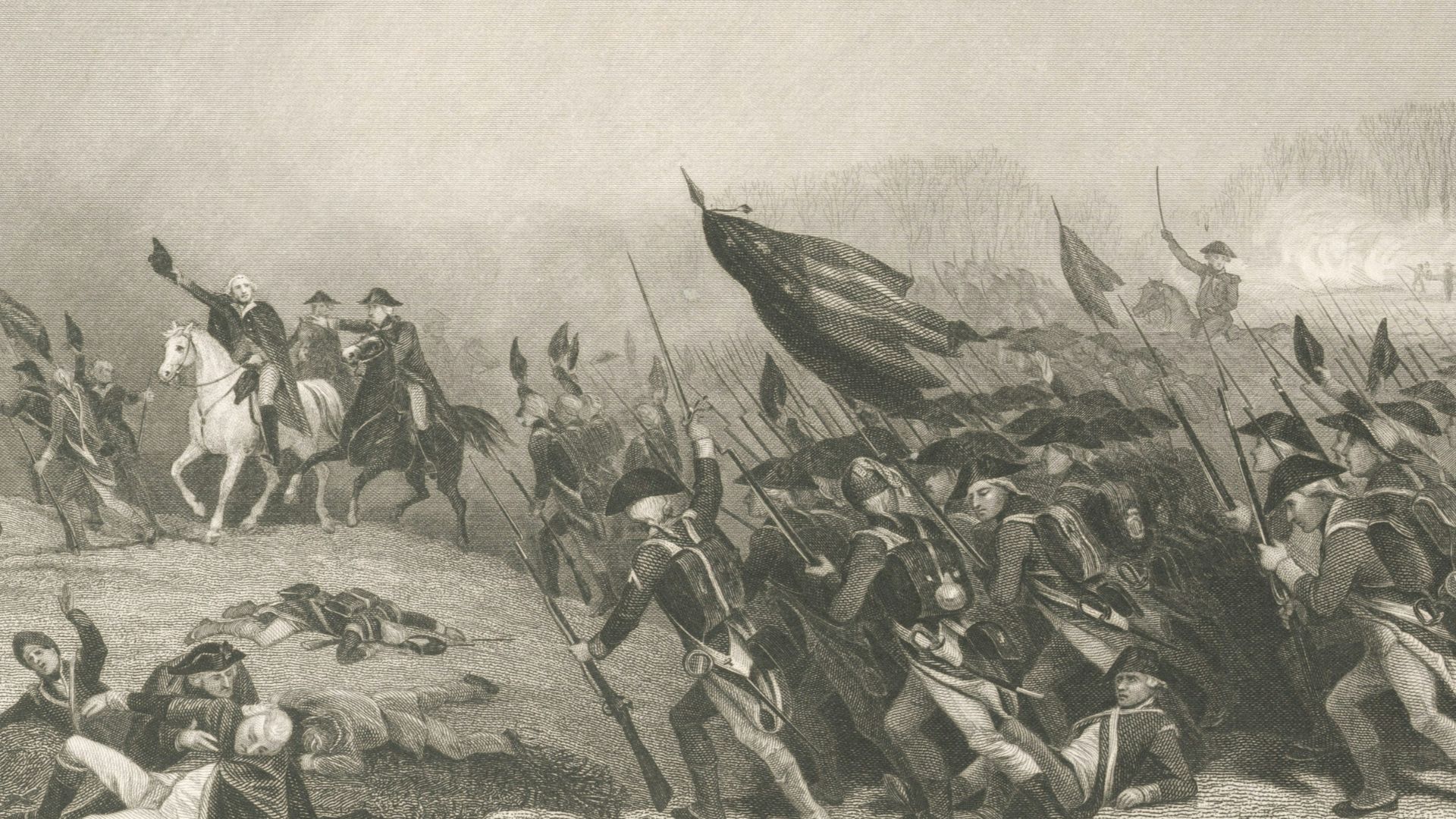 The New York Public Library on Unsplash
Remembering Sybil’s story is important because it reminds us that age and gender have never disqualified anyone from being a hero. By spreading the word, it shows others that history is not a story about only certain people getting to be the heroes. It is an invitation to dig deeper and realize that there are many unknown women like Sybil for every widely recognized historical figure.
She is also incredibly inspirational because she was a teenager who stood up when adults around her stood still. People connect with her story because it rests on the common ground of human bravery. She didn’t set out to be brave; she simply did what needed to be done. Her example shows that there is no age limit on changing a community for the better.
Names are important, but what matters most is remembering the kind of character it took to construct the world that exists today. Sybil Ludington is the figure that history books often fail to emphasize, but she is the kind of hero worth remembering. Keeping her story alive ensures that future generations understand that courage has never been limited by recognition.
KEEP ON READING
The Most Miserable Century To Be Alive
Pierart dou Tielt (fl. 1340-1360) on WikimediaWhen people talk about…
By Emilie Richardson-Dupuis Apr 14, 2026
The Woman History Wants You To Forget
Anthony22 (photograph)Anna Hyatt Huntington (statue) on WikimediaWhen you flip through…
By Sara Springsteen Apr 14, 2026
20 Famous Figures Who Were Obsessed With The Occult
They Believed in Demons. You've probably learned about these famous…
By Sara Springsteen Apr 14, 2026
20 Powerful Women from the Middle Ages
Women in Power. The Middle Ages are still too often…
By Christy Chan Apr 14, 2026
The Long, Weird History of People Sleeping in Two Shifts
Ron Lach on PexelsFor much of early modern Europe, sleep…
By Breanna Schnurr Apr 14, 2026
The Forgotten Expeditions Of Early Polar Explorers
Unknown authorUnknown author on WikimediaThe story of early polar exploration…
By Rob Shapiro Apr 14, 2026