

Women in Power
The Middle Ages are still too often presented as a world governed almost entirely by kings, warriors, and clerics, with women appearing only at the fringes of the story. But the historical record tells something far more layered: across courts, kingdoms, convents, and imperial capitals, women exercised power in various ways. Some led armies or held thrones; others shaped policy, preserved history, redirected institutions, or gave intellectual force to ideas that outlasted their own age. When you look closely, powerful women weren't marginal figures in medieval history; they were, in part, essential to the story they helped build.
1. Theodora
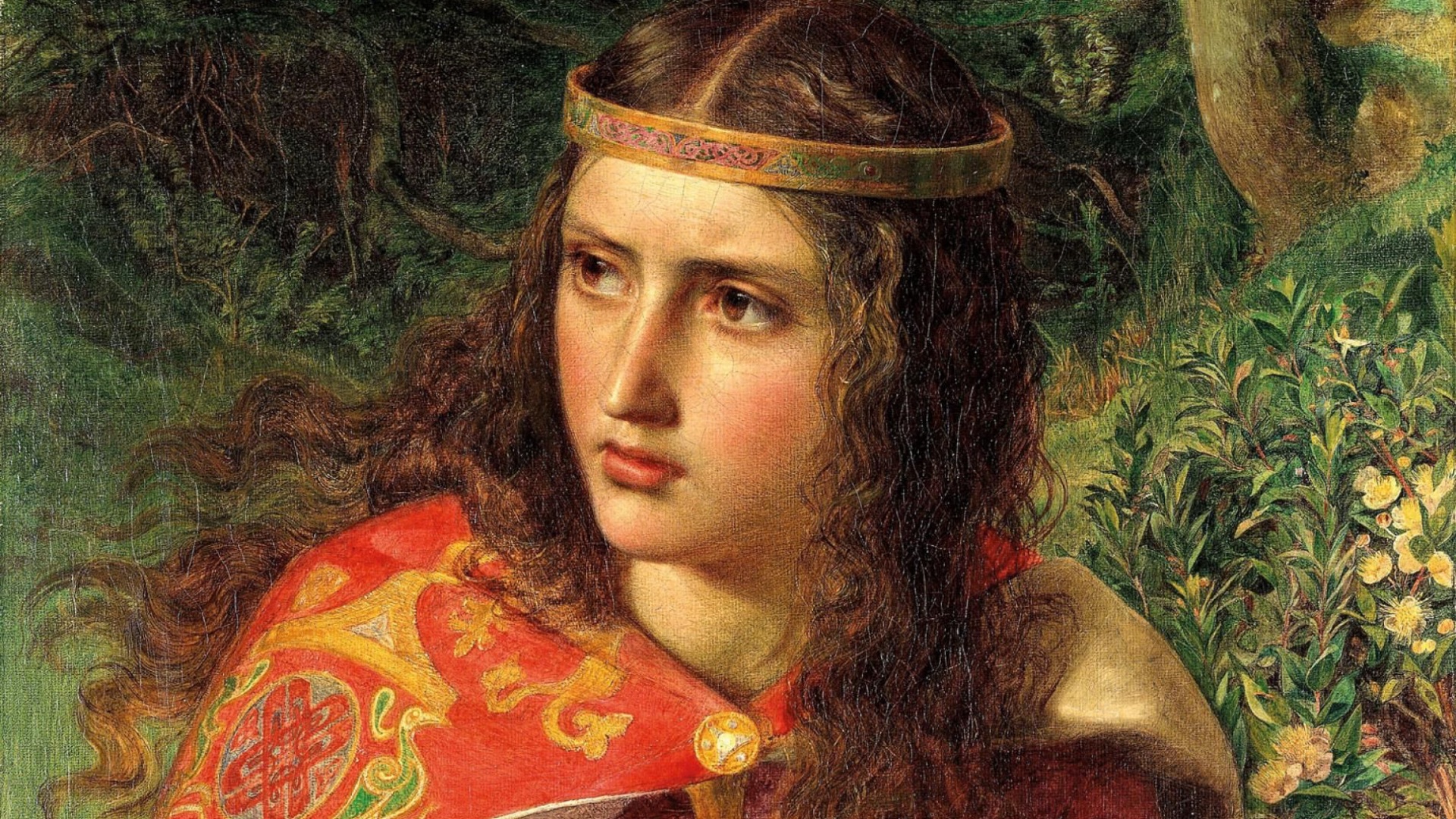
Theodora, empress of Byzantium, rose from an unconventional background to stand at the center of one of the most powerful courts in the medieval world. As the wife and political partner of Justinian I, she was far more than a ceremonial figure, and her influence was especially visible during the Nika Revolt, when her resolve helped preserve the regime at a moment of extreme danger. She also played a role in legal and social reforms affecting women, particularly in areas tied to marriage, protection, and status. In her, imperial authority took on a sharper, more formidable shape.
2. Olga of Kiev
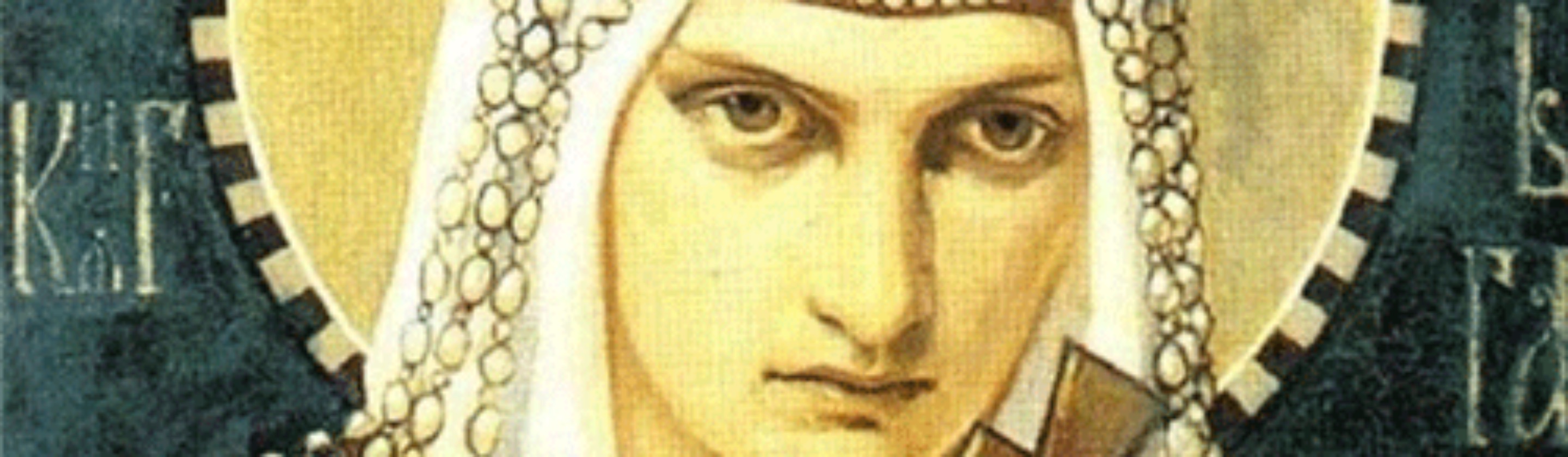
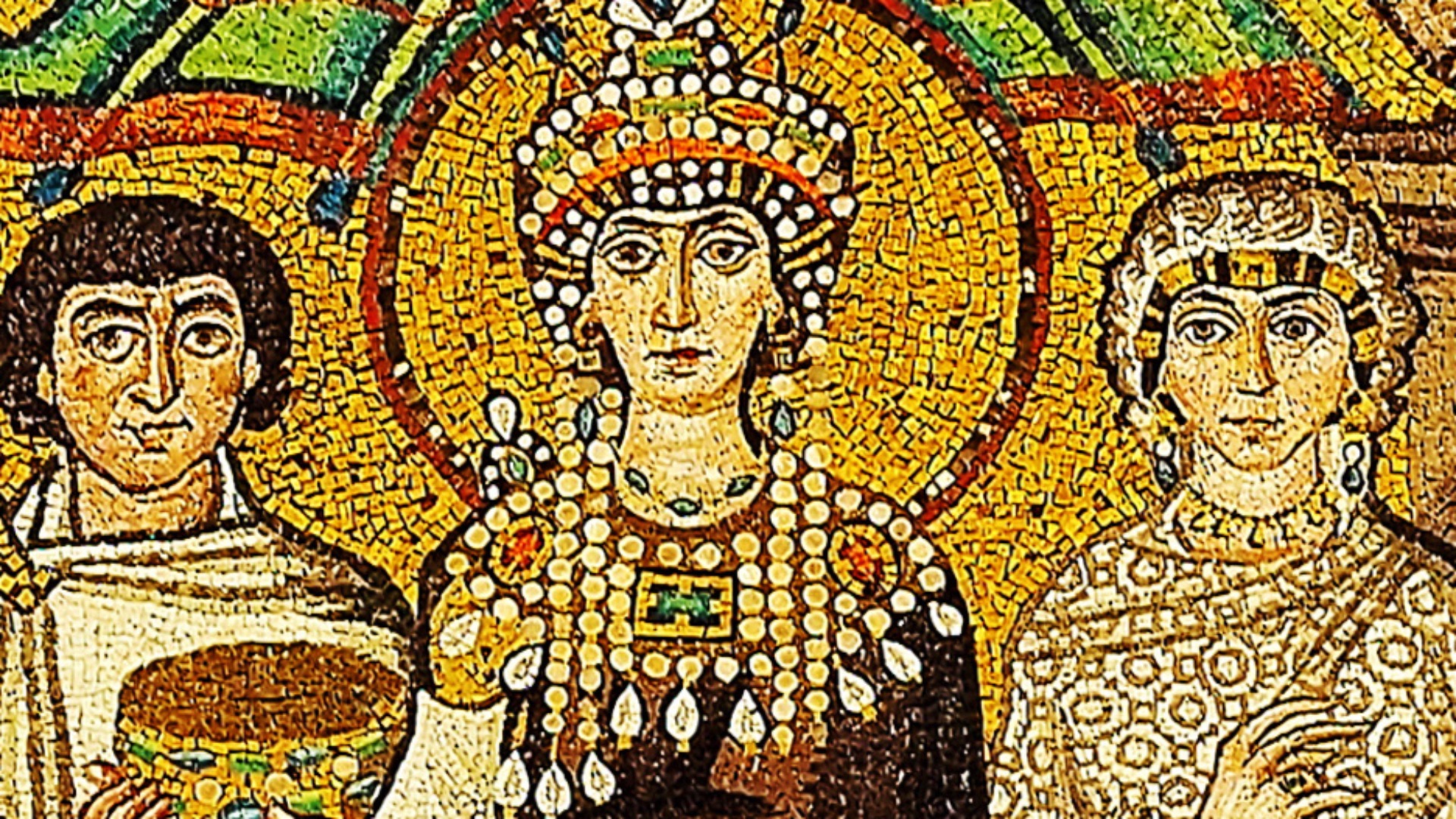
Olga of Kiev ruled in a political world where weakness could be fatal, and nothing in her career suggests she was ever willing to be underestimated. After the death of her husband, she governed as regent and established herself as a commanding force in the early history of Kyivan Rus. Her later conversion to Christianity gave her influence beyond the realm of politics, placing her within the larger religious transformation of Eastern Europe.
3. Empress Matilda
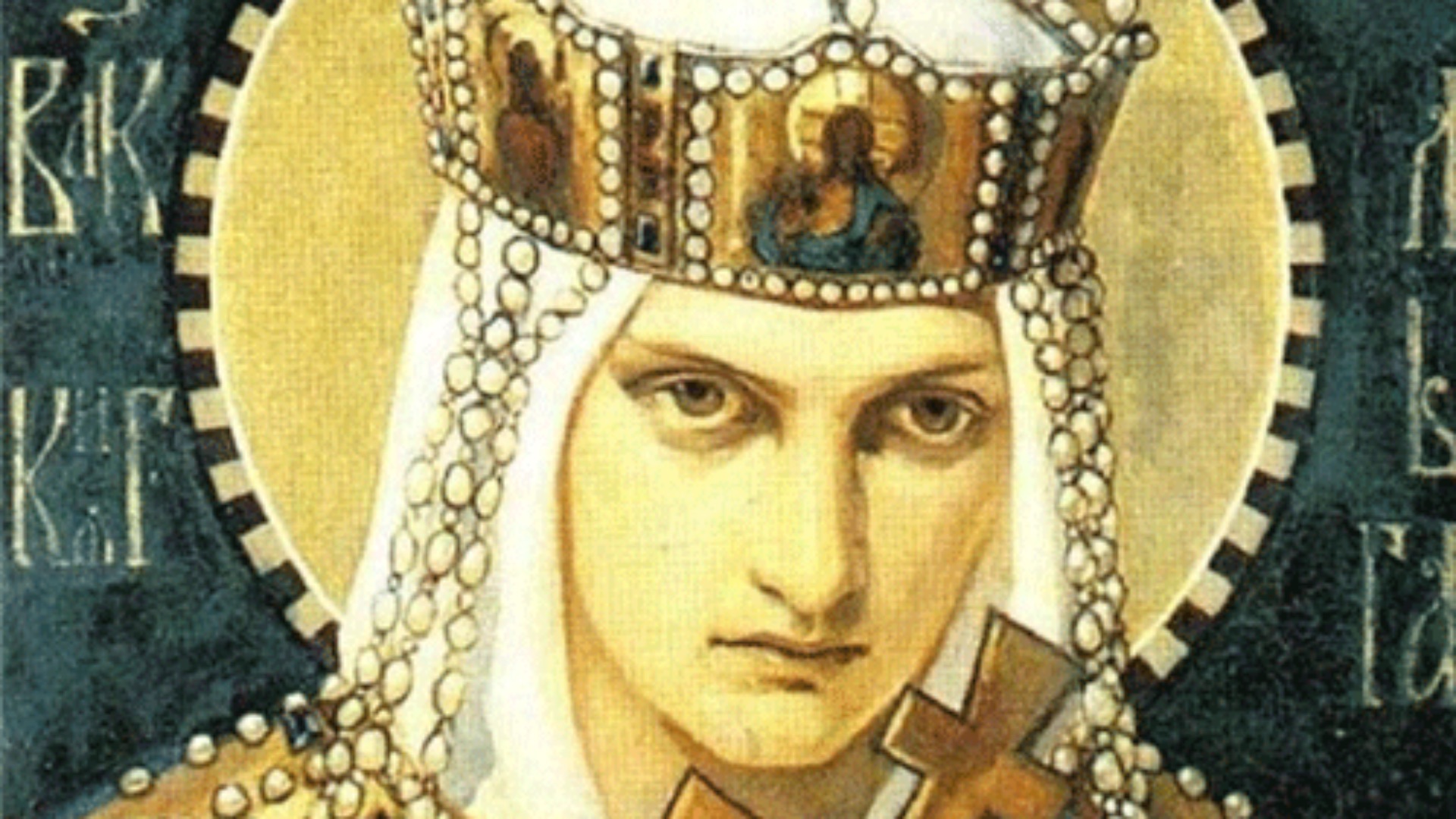
Empress Matilda never wore the English crown in an uncontested way, yet it would be a mistake to measure her importance only by what she failed to secure. Her struggle against Stephen during the period known as the Anarchy forced the Anglo-Norman political order to confront a question it was reluctant to answer: could a woman rule in her own right? She pursued that claim with persistence, strategic intelligence, and a refusal to disappear from the contest even when power shifted against her. The dynasty that followed through her son, Henry II, only confirms how consequential her fight had been.
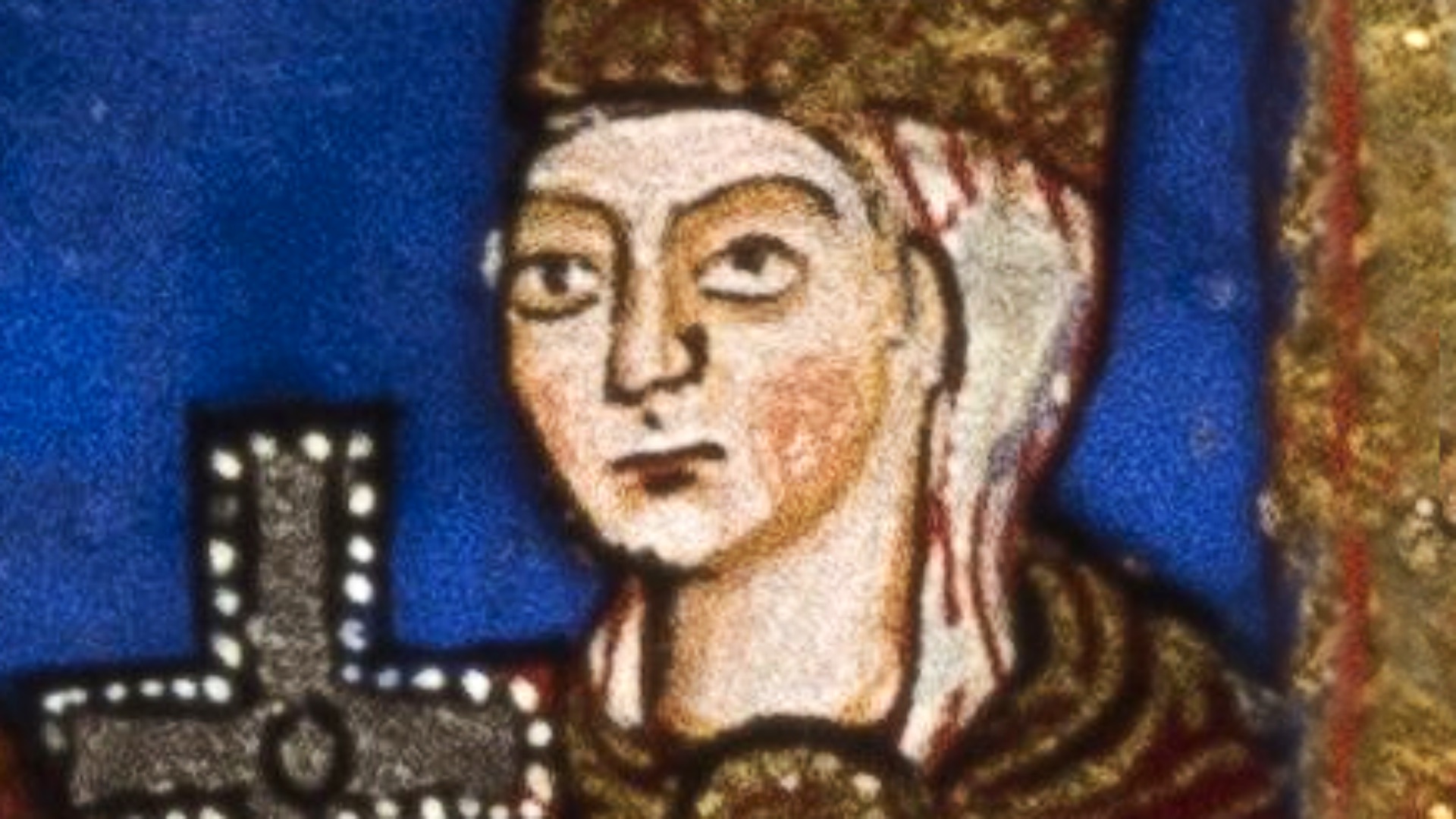 Artist unknown; the Gospels of Henry the Lion on Wikimedia
4. Matilda of Tuscany
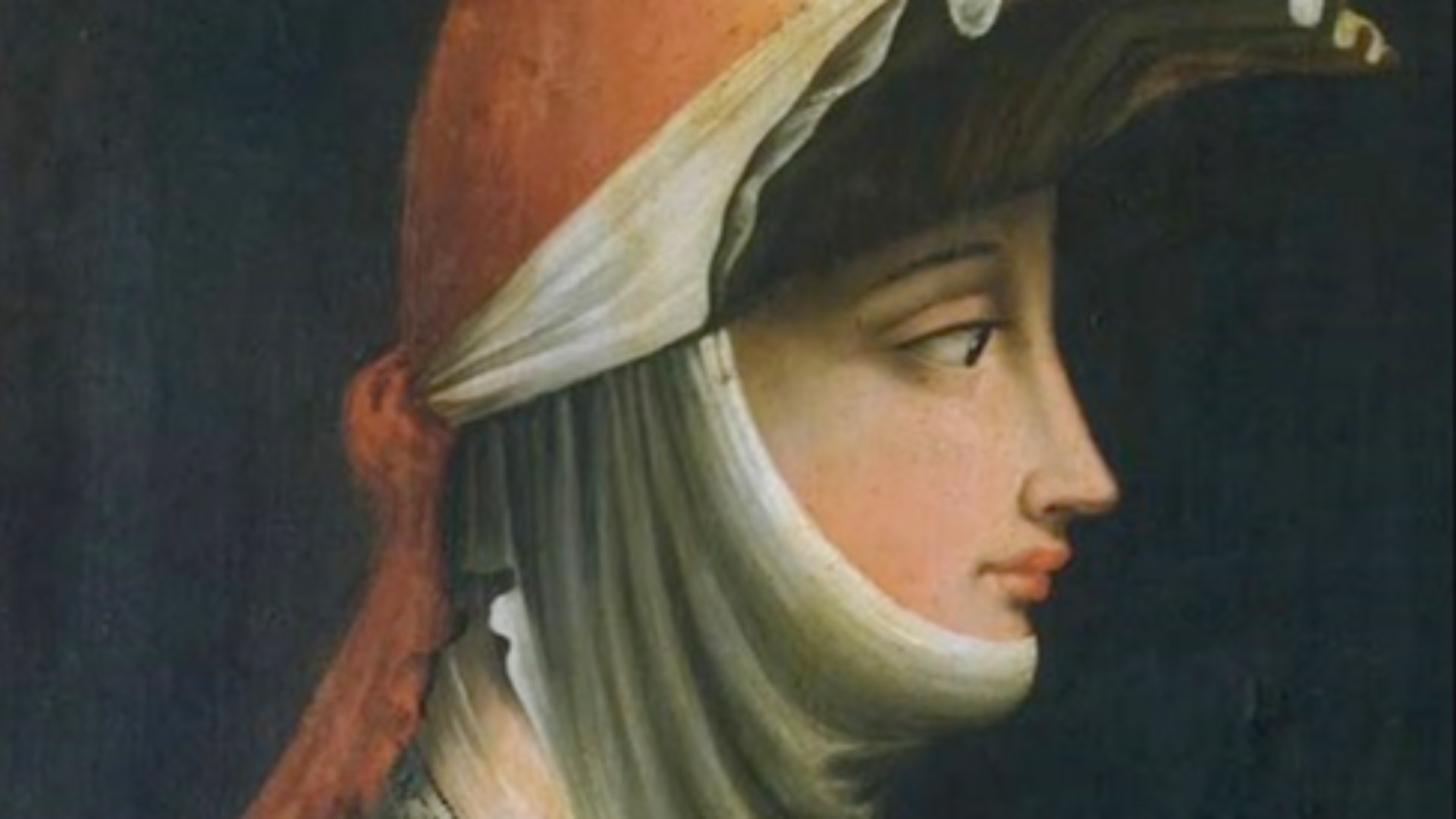
Matilda of Tuscany stood at the heart of one of medieval Europe’s defining political conflicts, and she did so not as an observer but as an essential participant. As a major territorial ruler in Italy, she threw her support behind the papacy during the Investiture Controversy and became one of its most important secular allies. The famous encounter at Canossa unfolded within her sphere, which is a reminder of how central her lands and loyalties were to the struggle between pope and emperor. Matilda’s career reveals how power could be exercised through territory, military support, and steadfast political alignment.
5. Anna Comnena
Anna Comnena didn't rule an empire, but she shaped how one of the great medieval empires would be remembered. A princess of Byzantium and the daughter of Emperor Alexius I, she wrote the Alexiad, a history that remains indispensable for understanding the politics of her father’s reign and the early Crusades. Her work is valuable not only for the events it records, but for the cultivated intelligence behind it, a mind deeply engaged with questions of legitimacy, ambition, and imperial order. In a period often narrated by male chroniclers, Anna claimed historical authority with unusual confidence.
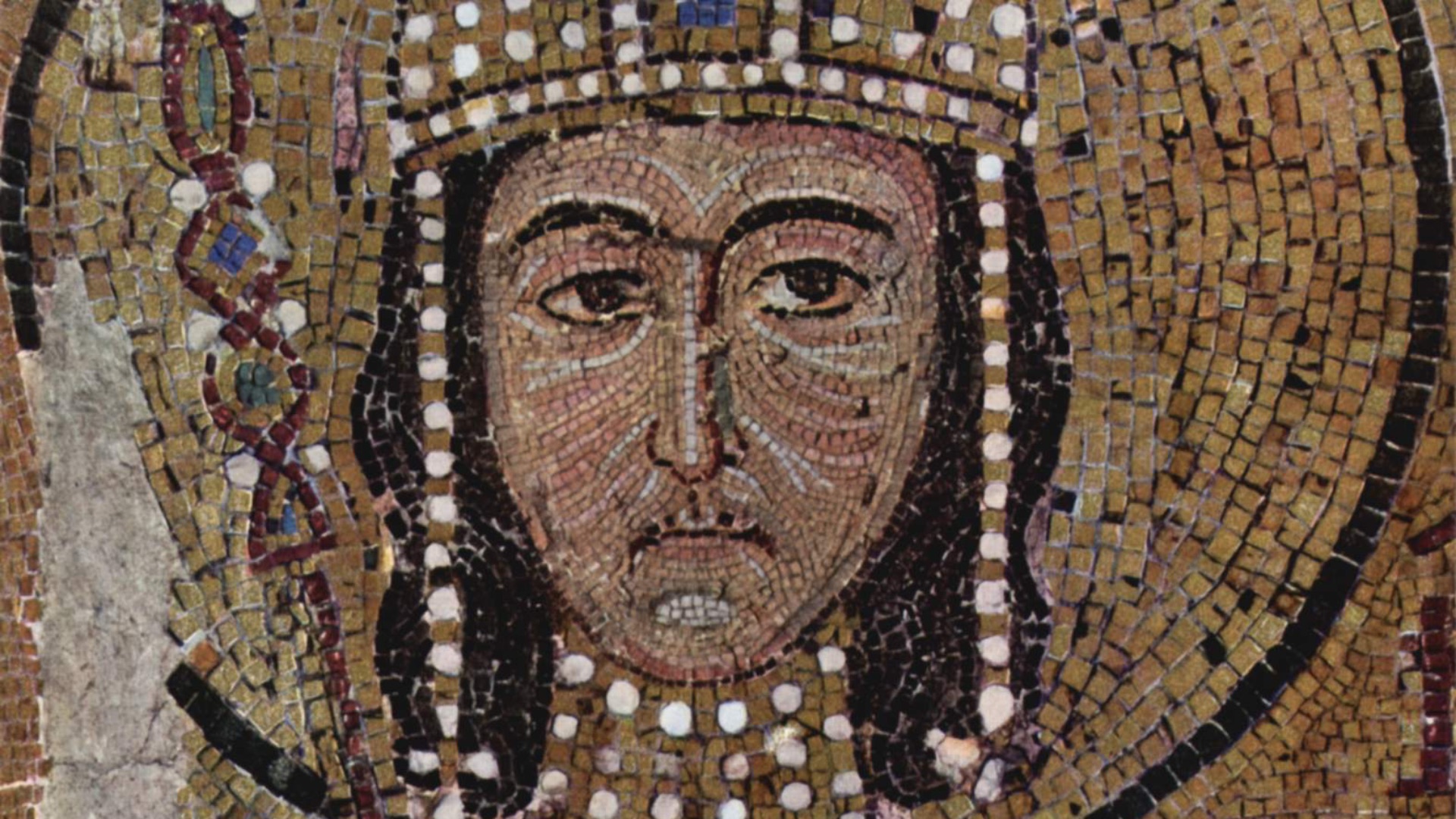 Byzantinischer Mosaizist um 1122 on Wikimedia
6. Hildegard of Bingen
Hildegard of Bingen belonged to the religious life of medieval Europe, but her influence reached well beyond the walls of the convent. She was an abbess, visionary, composer, and writer whose works moved across theology, music, medicine, and spiritual reflection, while her correspondence connected her to popes, emperors, and church leaders. What makes her so remarkable isn't simply the range of her achievements, but the authority with which she carried them.
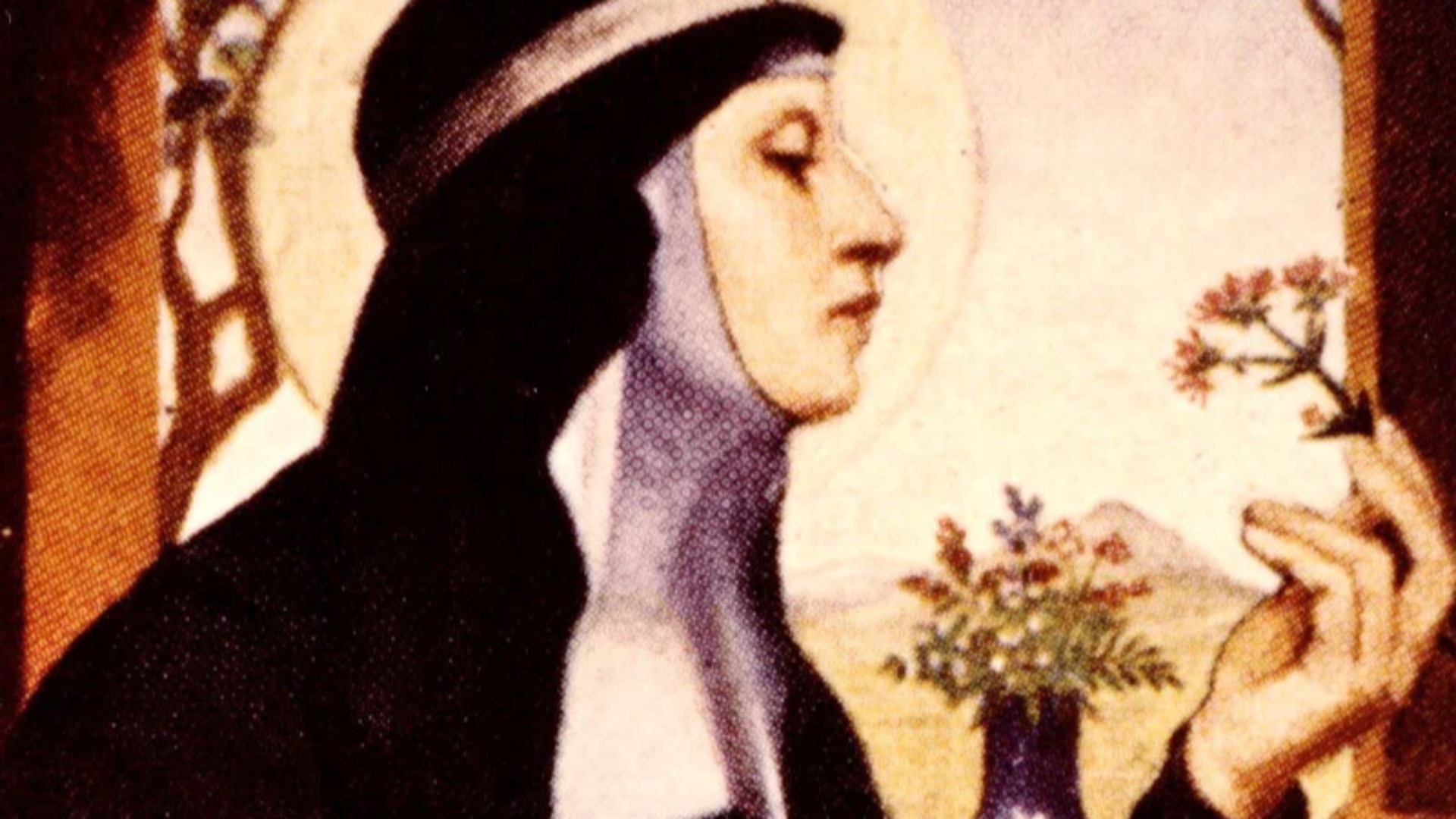 Beloved female saints on Wikimedia
7. Eleanor of Aquitaine
Few figures better illustrate the scale and complexity of medieval female power than Eleanor of Aquitaine. Duchess of Aquitaine in her own right, queen first of France and then of England, and mother to kings, she moved through the central political dramas of 12th-century Europe with unusual force. Her life touched crusade, inheritance, rebellion, marriage diplomacy, and dynastic succession, and she remained politically significant across decades in which rulers rose and fell around her. Eleanor’s power was rooted not only in rank but in presence, endurance, and a clear sense of what her position allowed her to shape.
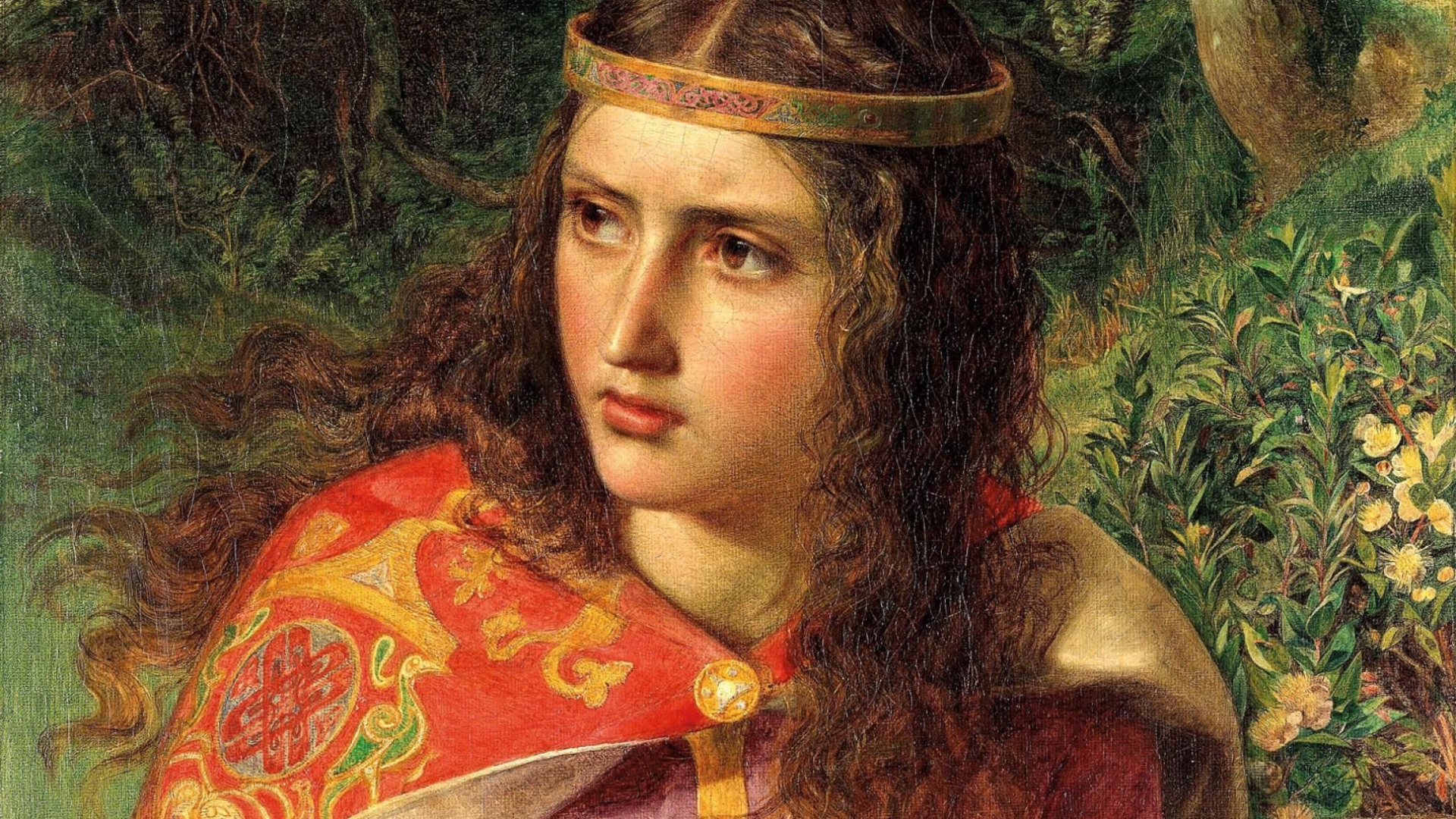
8. Melisende of Jerusalem
Melisende of Jerusalem ruled a kingdom that could not afford passivity. In the fragile and militarized setting of the Crusader East, she emerged as a serious ruler whose authority extended well beyond symbolism or court ceremony. She governed with political intelligence, shared in the management of a vulnerable state, and demonstrated that queenship in Jerusalem could be practical, strategic, and fully engaged with the burdens of rule. Melisende’s reign is a reminder that medieval female authority was often tested in the hardest possible conditions.
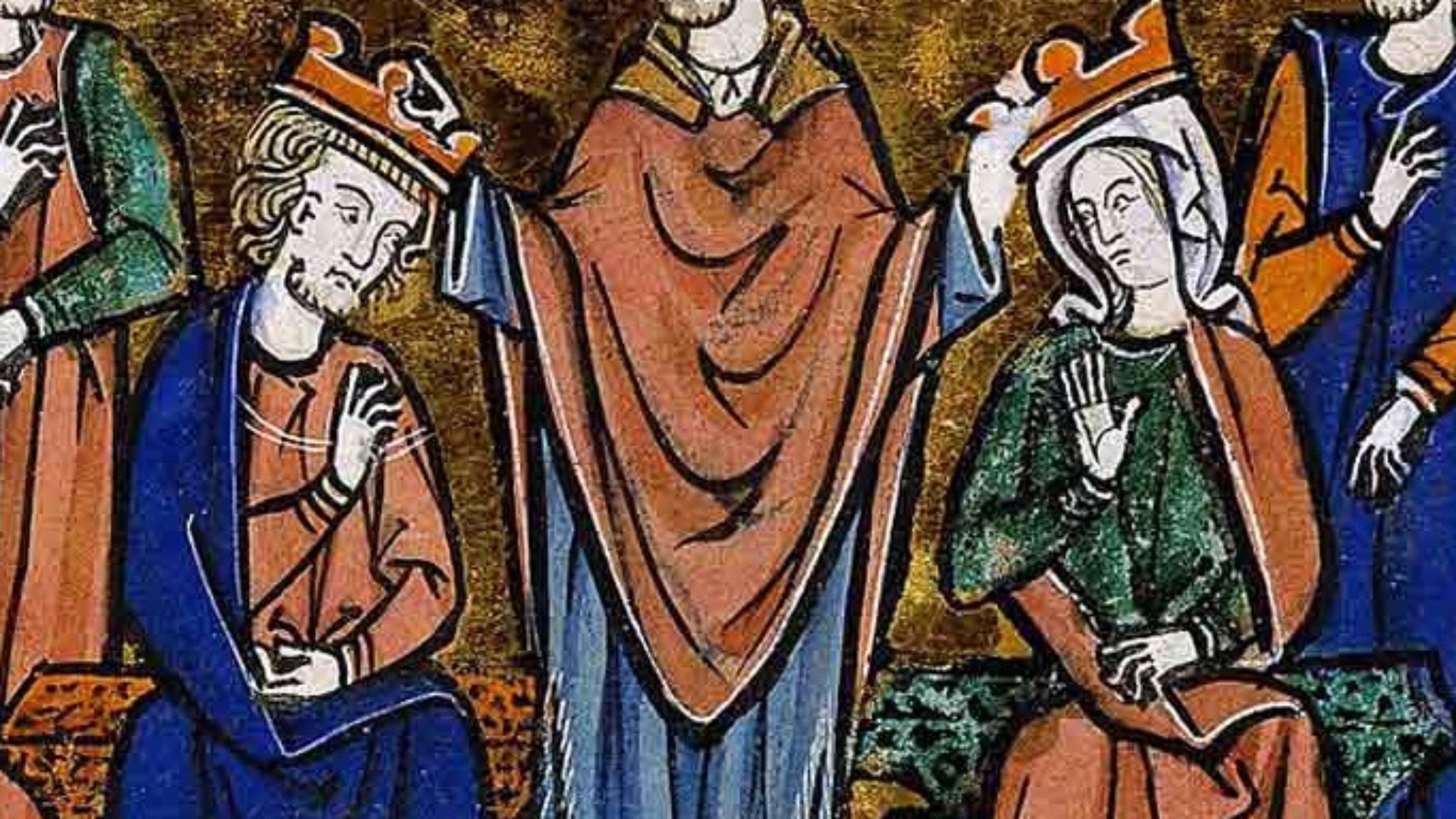 AnonymousUnknown author on Wikimedia
9. Tamar of Georgia
Under Queen Tamar, Georgia entered what later generations would remember as a high point of power, prosperity, and cultural prestige. Her reign was marked by military success, territorial reach, and a flourishing court that gave lasting shape to Georgian political memory. Tamar became, in effect, the face of a golden age, which is one of the clearest signs that her authority was never seen as incidental.
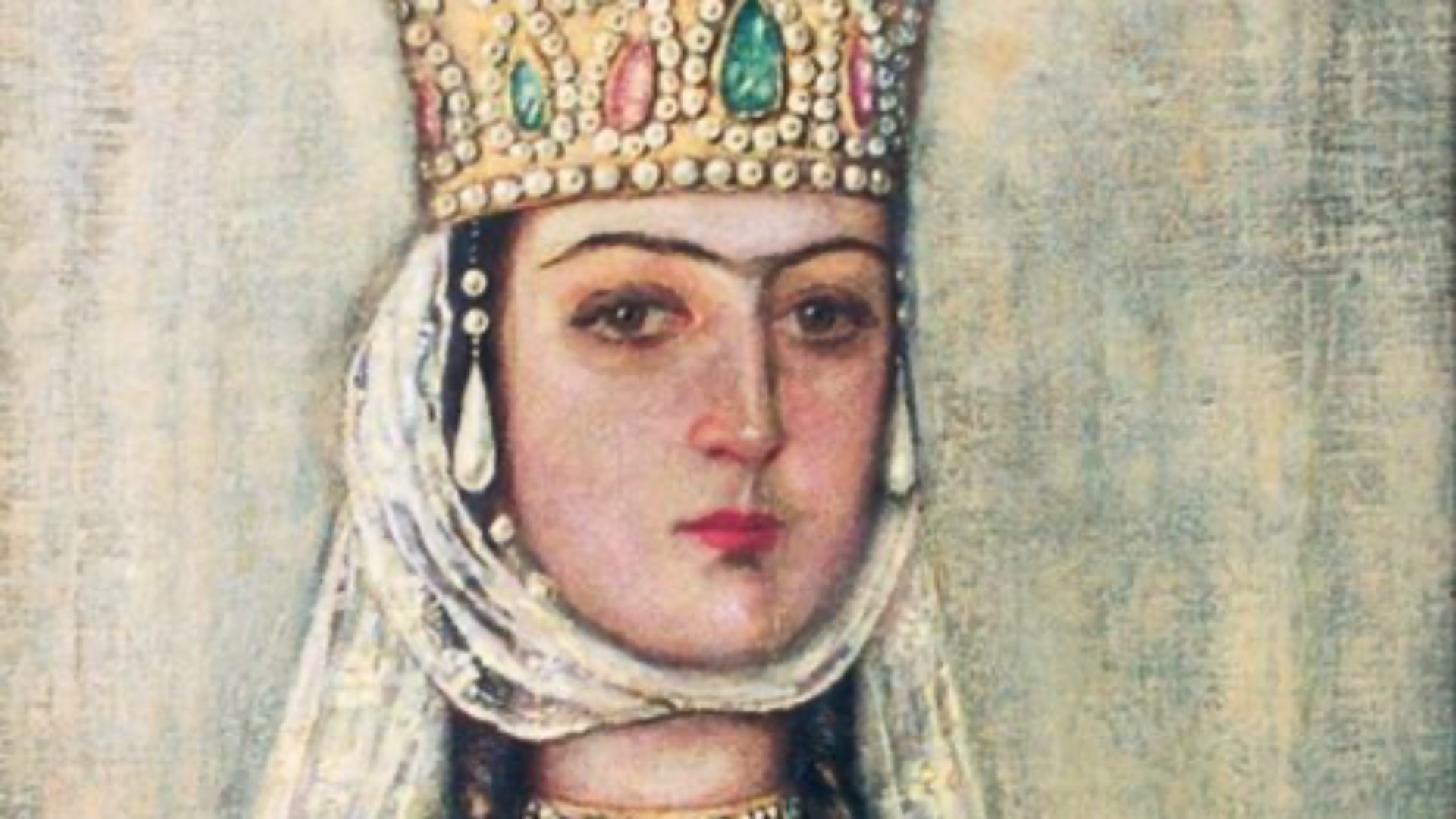 Unknown authorUnknown author on Wikimedia
10. Joan of Arc
Joan of Arc entered history with startling speed and left it with equal drama, yet her brief life altered the course of late medieval France. Claiming divine guidance, she emerged during the Hundred Years’ War and became a figure of military inspiration at a moment when the French cause desperately needed one. Her significance lay not only in action on the battlefield, but in the force of belief she brought with her, the sense that legitimacy and destiny might still be reclaimed. Joan’s story has never lost its power because it fused politics, religion, war, and conviction in a way the medieval world could neither ignore nor contain.
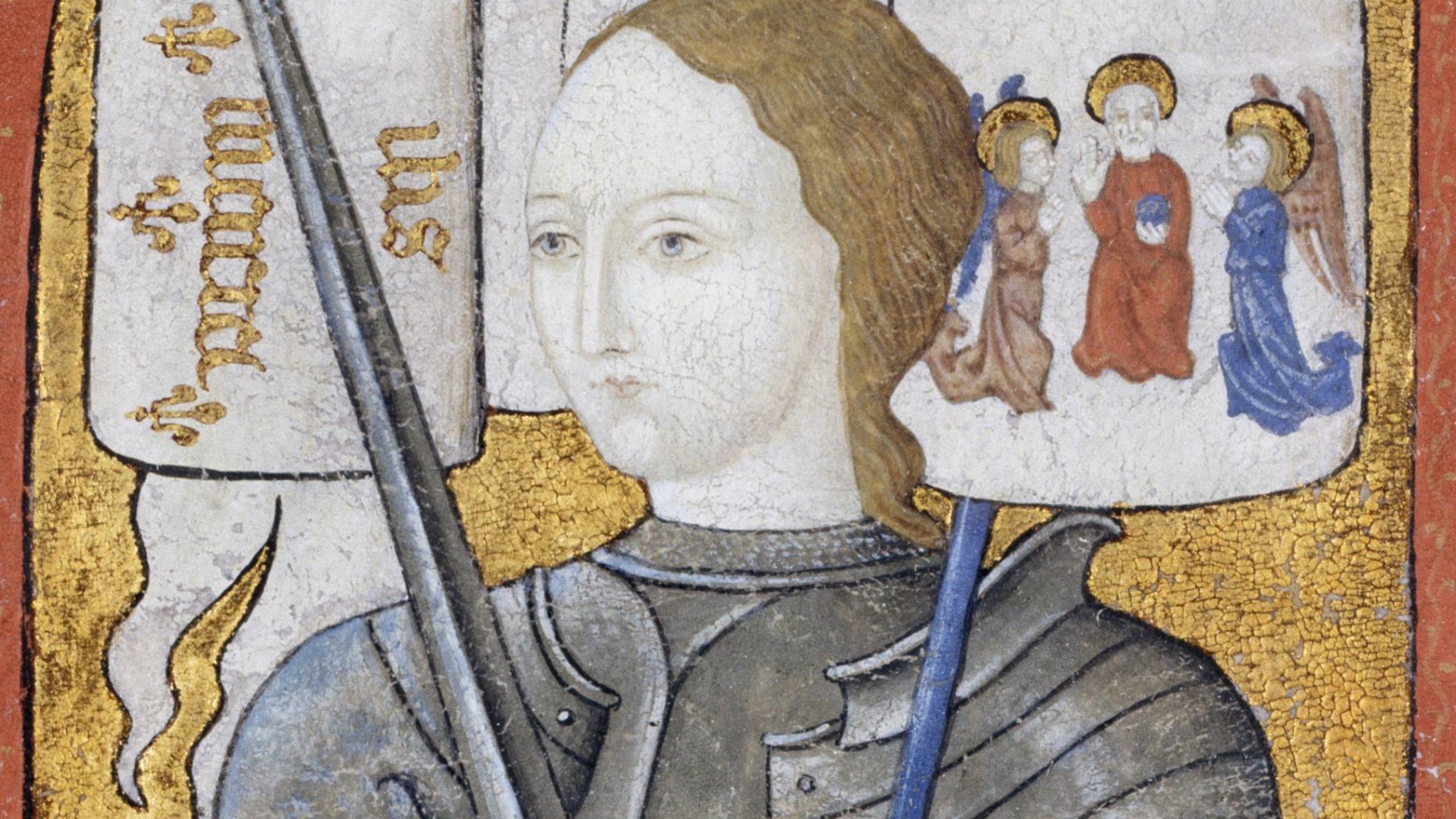
11. Isabella of France
Isabella of France has often been reduced to dramatic legend, but the historical figure is far more politically significant than the legend allows. As queen of England, she became a central actor during the collapse of Edward II’s rule and played a decisive role in the upheaval that led to his deposition. Her involvement transformed her from consort into political operator, a shift that reveals how queenship could become newly forceful in times of royal failure. Isabella’s reputation may be contested, but her impact on the English monarchy isn't.
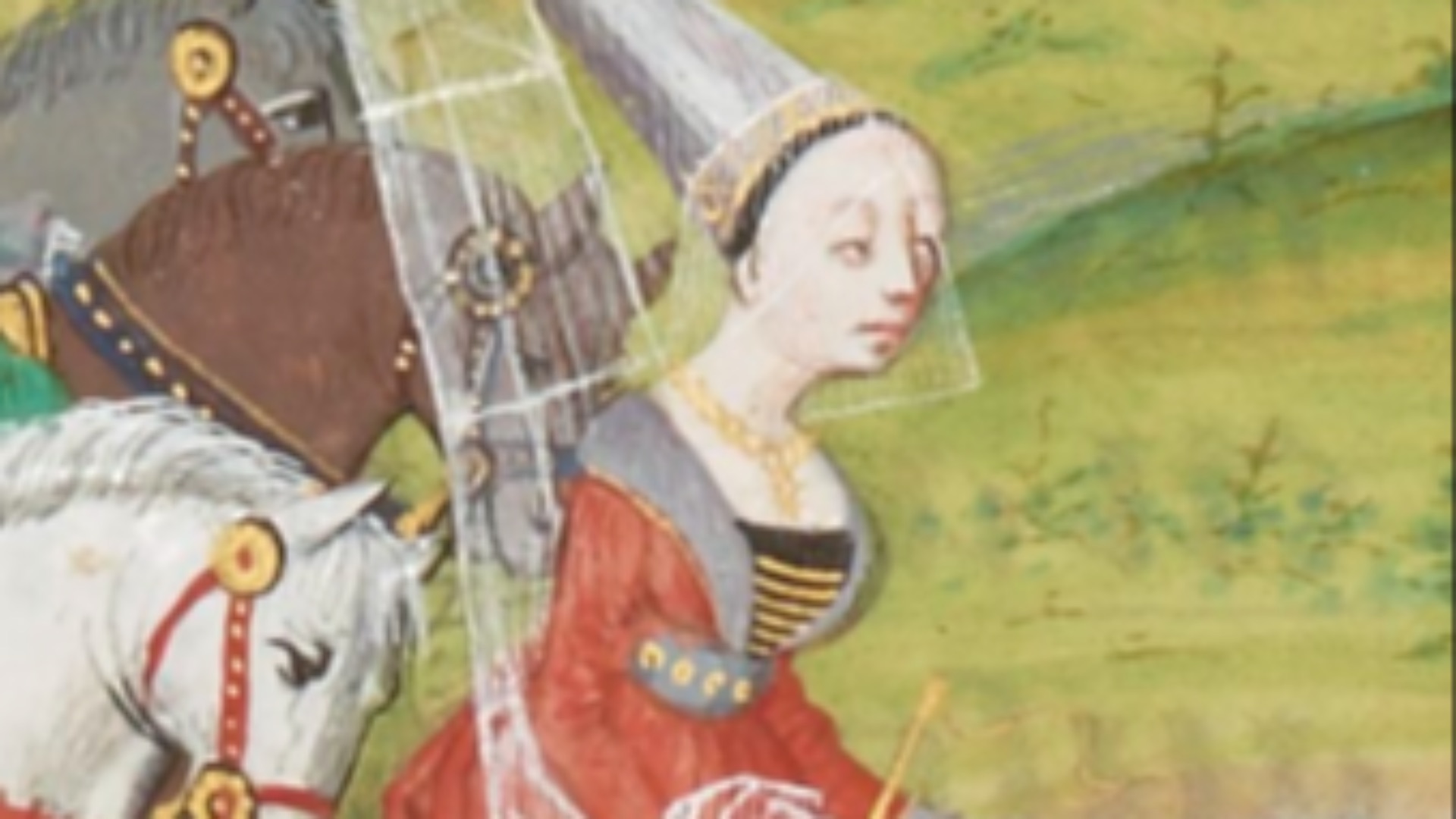
12. Julian of Norwich
Julian of Norwich never exercised power through office or inheritance, yet her influence has proven enduring in a different register altogether. Living as an anchoress, she wrote Revelations of Divine Love, one of the most profound and original works of medieval English spirituality. Her writing approached suffering, hope, and divine love with a calm intellectual depth that gave her theology unusual staying power. Julian’s legacy suggests that in the Middle Ages, authority could also take the form of vision disciplined into language.
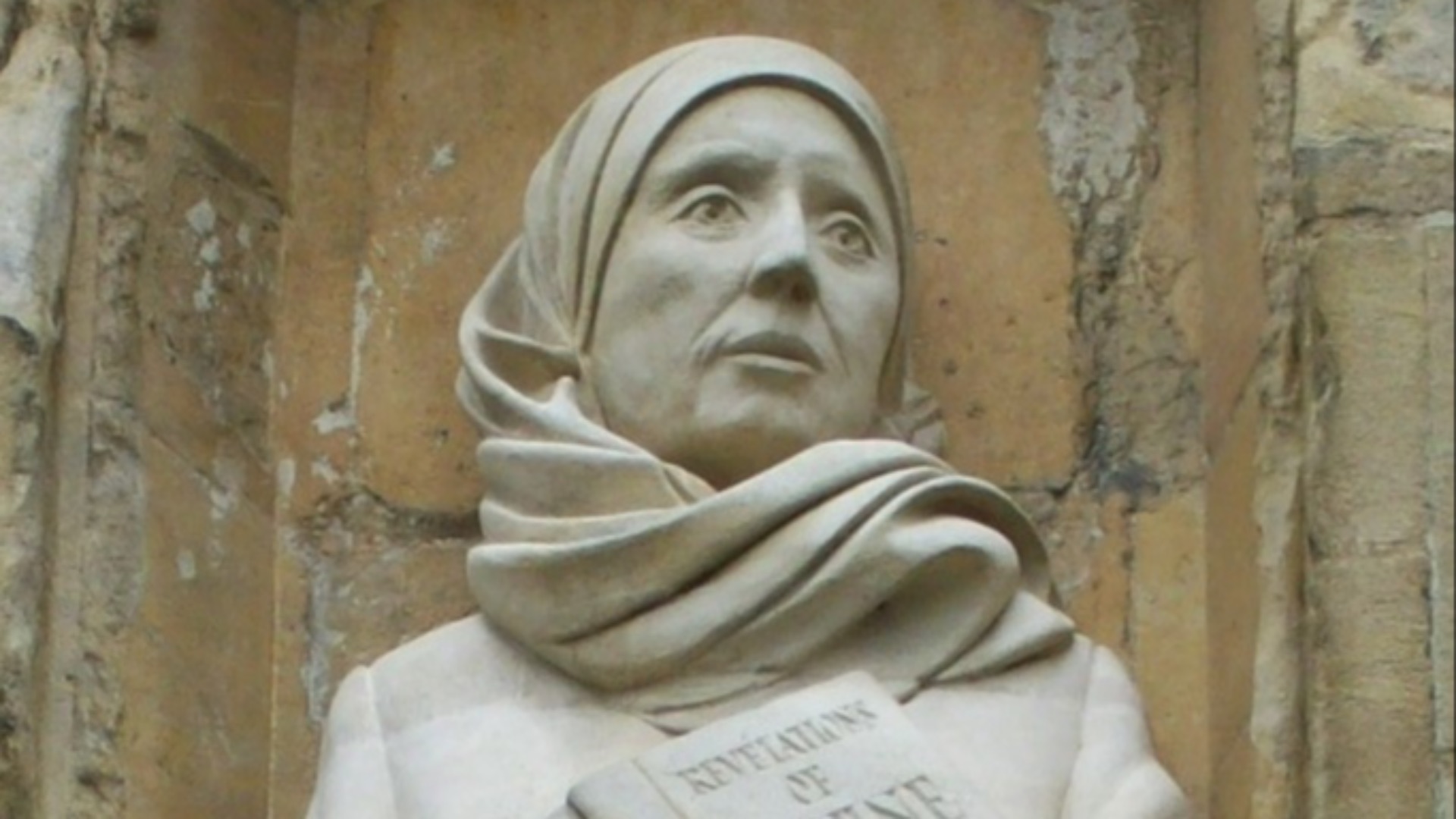
13. Catherine of Siena
Catherine of Siena brought together spiritual authority and public engagement with extraordinary intensity. Known as a mystic, reformer, and writer, she also intervened in the political and ecclesiastical disputes of her time with a confidence that made church leaders pay attention. Her letters were acts of persuasion, not private devotion alone, and they show a woman convinced that moral authority carried obligations in the world.
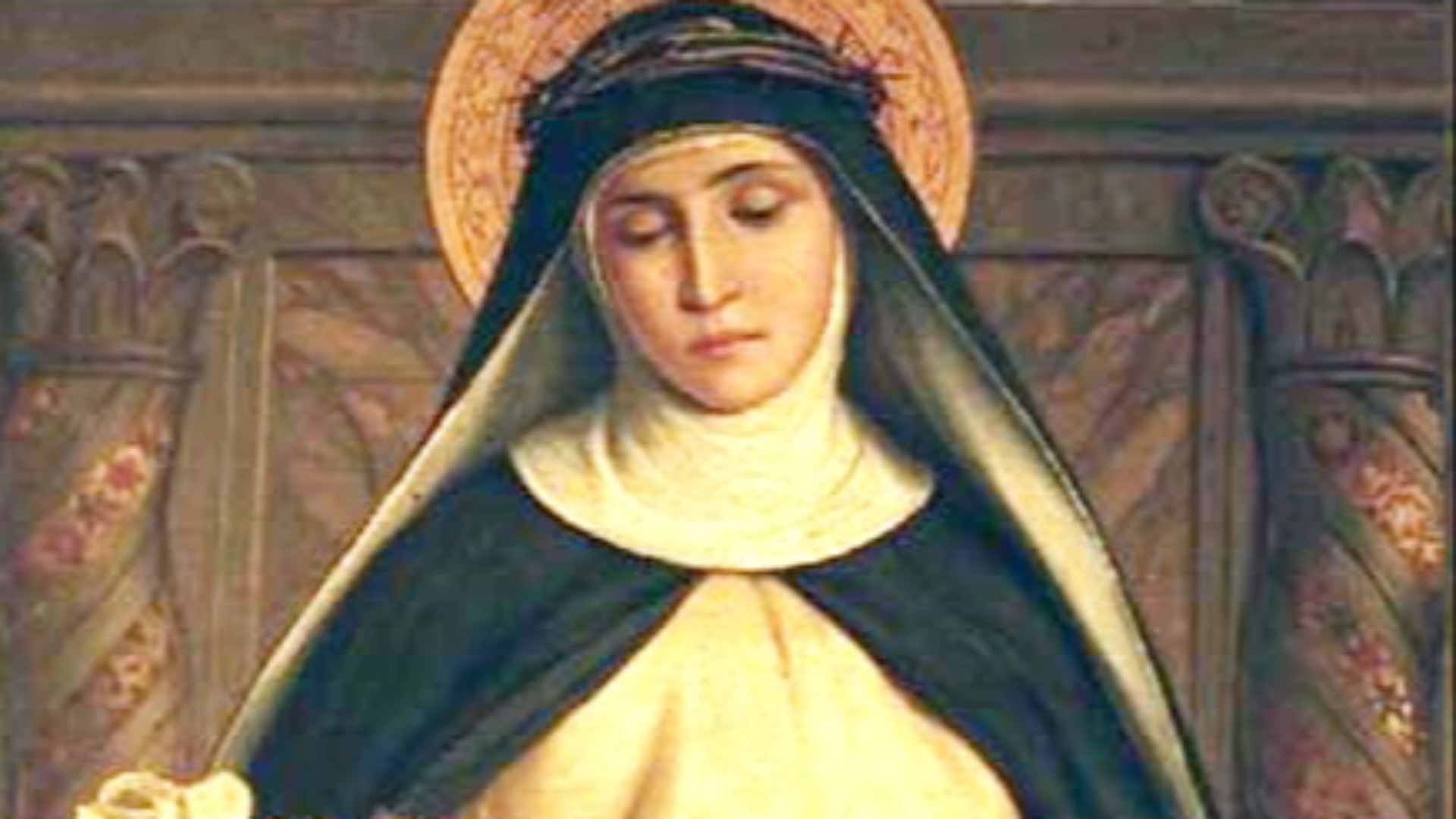 Unidentified painter on Wikimedia
14. Christine de Pisan
Christine de Pisan made her place in medieval literary culture by refusing to accept the terms on which women were usually represented within it. Writing across poetry, political commentary, biography, and moral prose, she built a career of unusual scope in the late medieval period. Her Book of the City of Ladies remains especially important because it answered misogynistic traditions with learning, structure, and a deliberate recovery of women’s achievements.
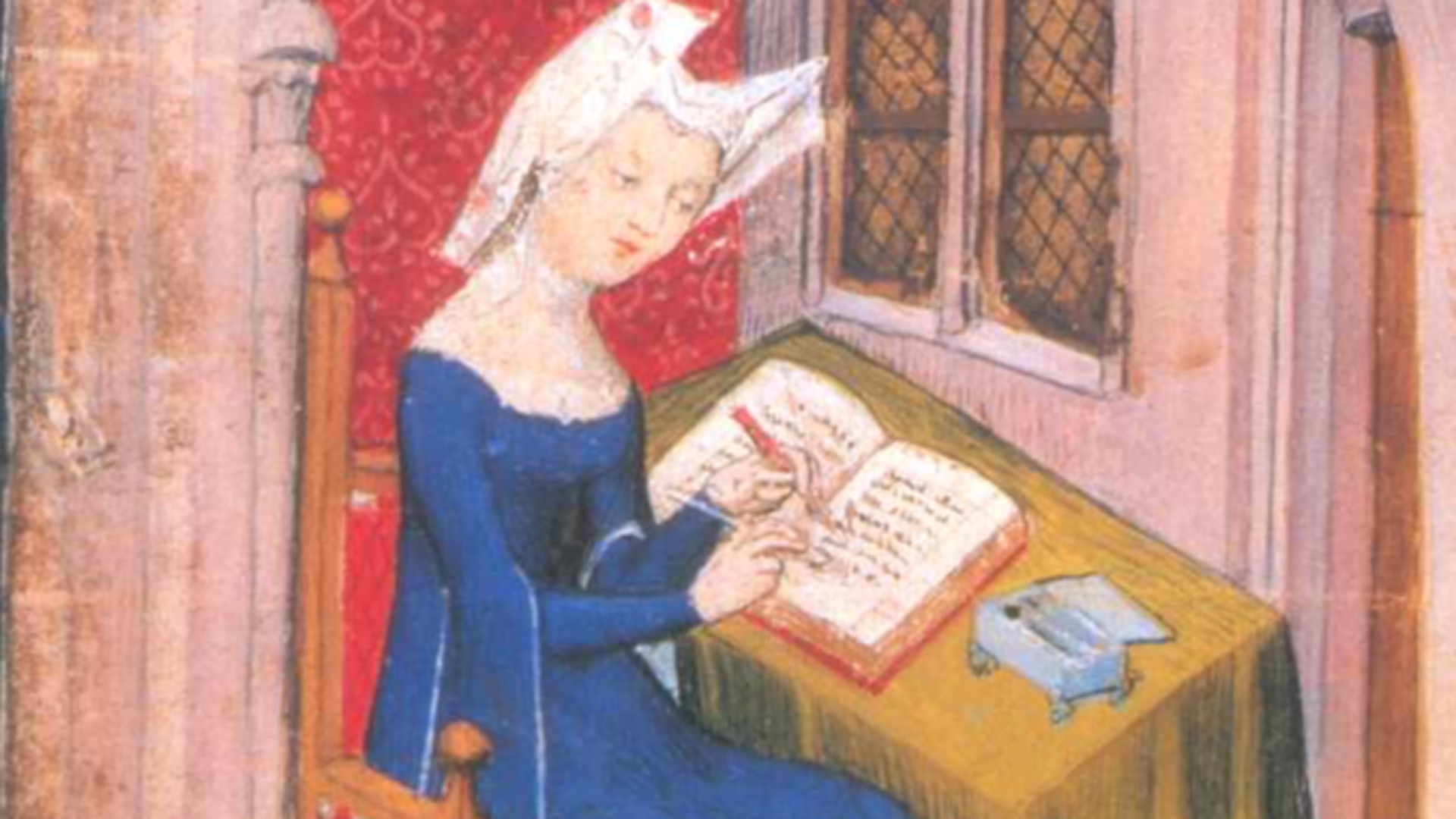 The original uploader was Kelson at French Wikipedia. on Wikimedia
15. Margaret I of Denmark
Margaret I of Denmark was one of the most effective political minds of late medieval northern Europe. Through regency, diplomacy, and calculated dynastic management, she brought Denmark, Norway, and Sweden into the Kalmar Union, creating a new political framework that would shape the region for generations.
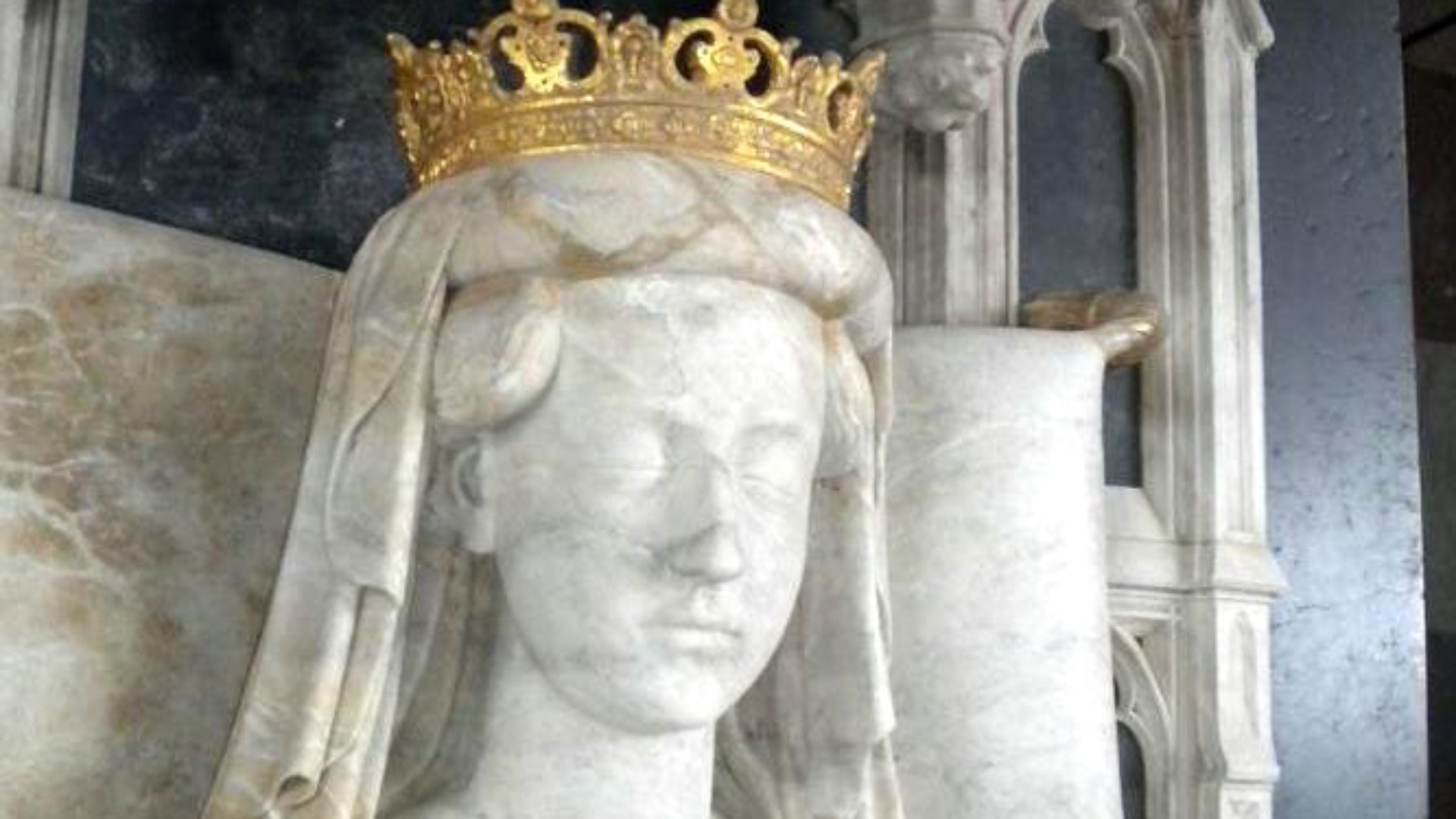 Jacob Truedson Demitz for Ristesson on Wikimedia
16. Jadwiga of Poland
Jadwiga of Poland ruled at a turning point when dynastic choices could reshape entire regions, and her reign did exactly that. Crowned as monarch, she became central to the political union of Poland and Lithuania through her marriage to Jogaila, a development that carried major consequences for Eastern Europe. Her historical significance rests not only in royal symbolism or later sanctity, but in the durable political realignment associated with her rule.
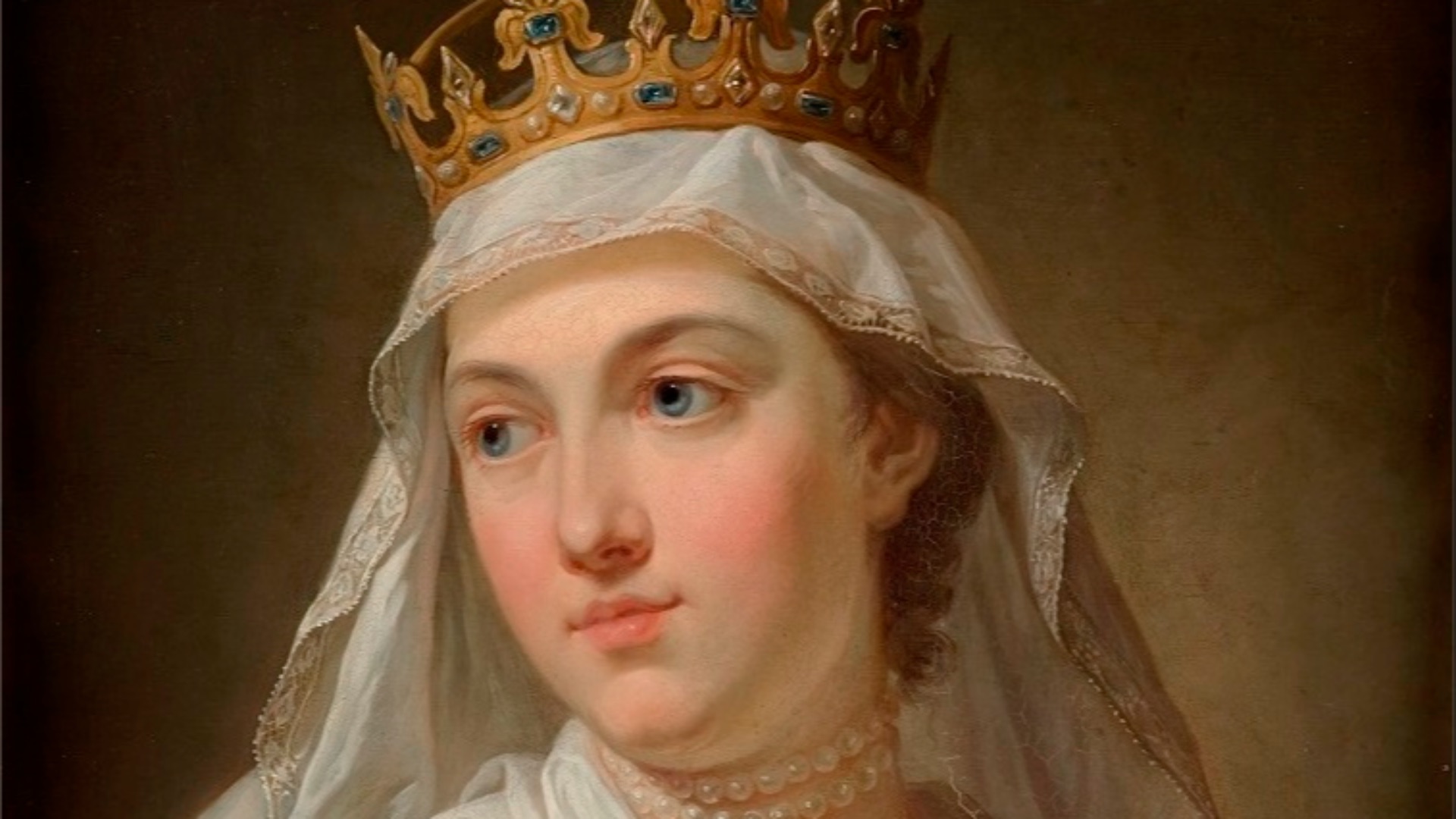 Marcello Bacciarelli on Wikimedia
17. Razia Sultan
Razia Sultan ruled in defiance of a political culture that didn't want to imagine female sovereignty, much less submit to it. Selected by her father as the most capable heir, she took the throne of the Delhi Sultanate despite strong opposition from nobles who resisted a woman’s rule. Her reign was brief, but it exposed the instability of the assumptions used to exclude women from power. Razia matters because she demonstrated, in unmistakable terms, that authority and legitimacy didn't belong to men by nature alone.
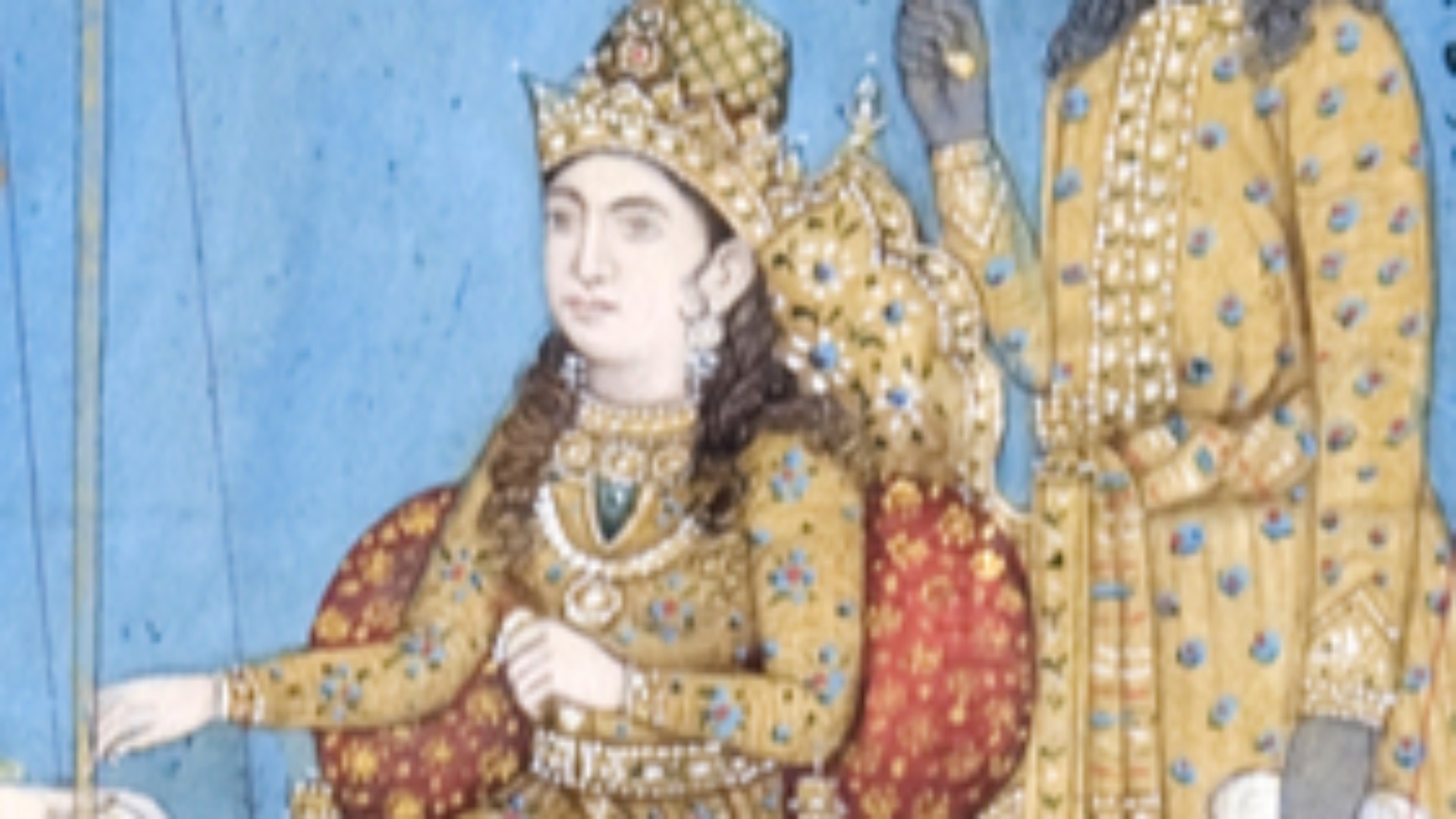
18. Shajar al-Durr
Shajar al-Durr emerged in a moment of crisis, and like many figures who rise in such moments, she revealed how political systems can bend under pressure. Following the death of al-Ṣaliḥ Ayyūb, she briefly ruled in Egypt and played a critical role in the transition that helped usher in Mamluk rule. Her authority was contested and short-lived, yet it was substantial enough to place her at the center of one of the most consequential political shifts in the medieval Islamic world. Shajar al-Durr’s story shows how power could become available to women when dynastic certainty gave way to emergency and strategy.
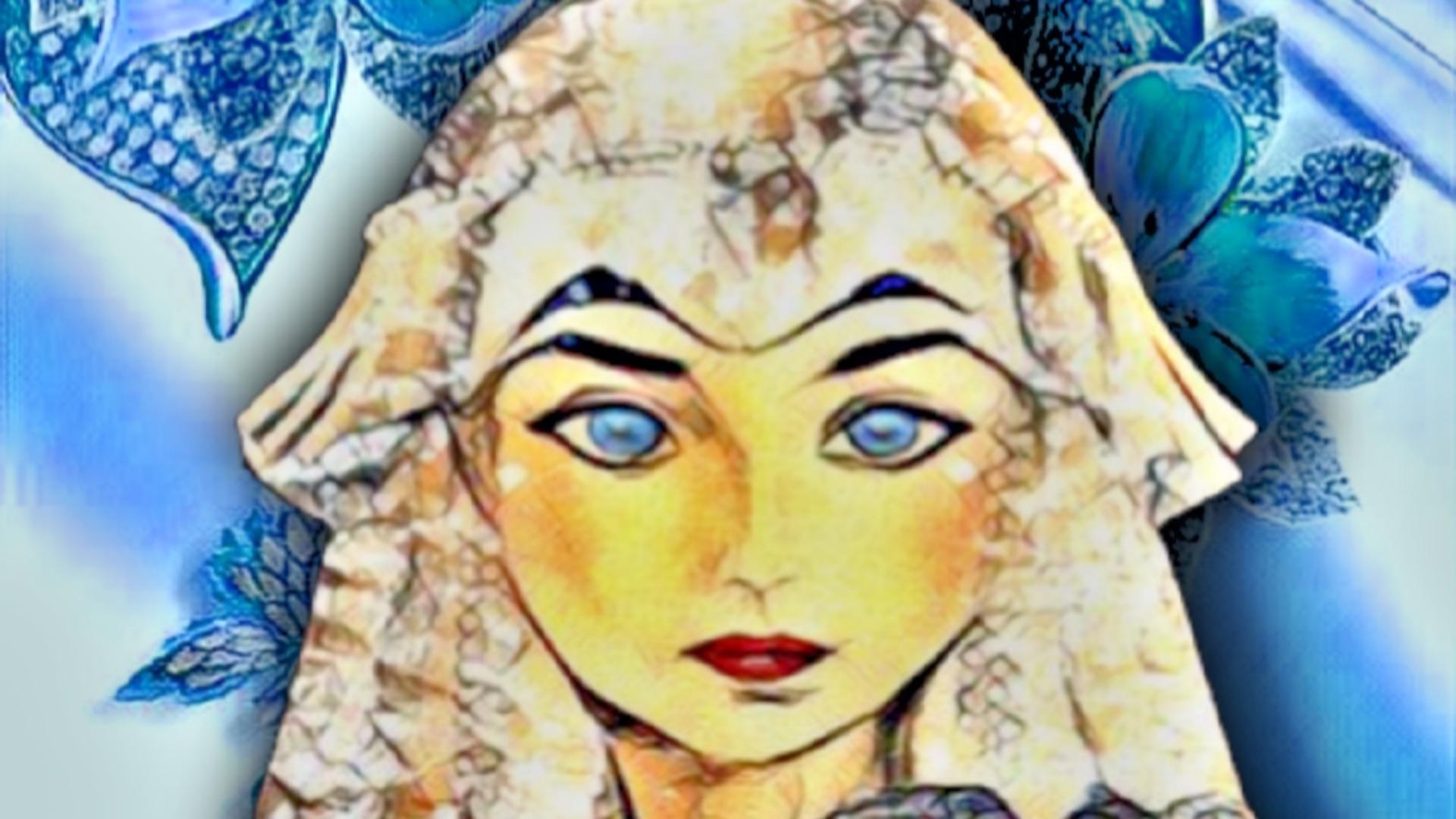
19. Wu Zetian
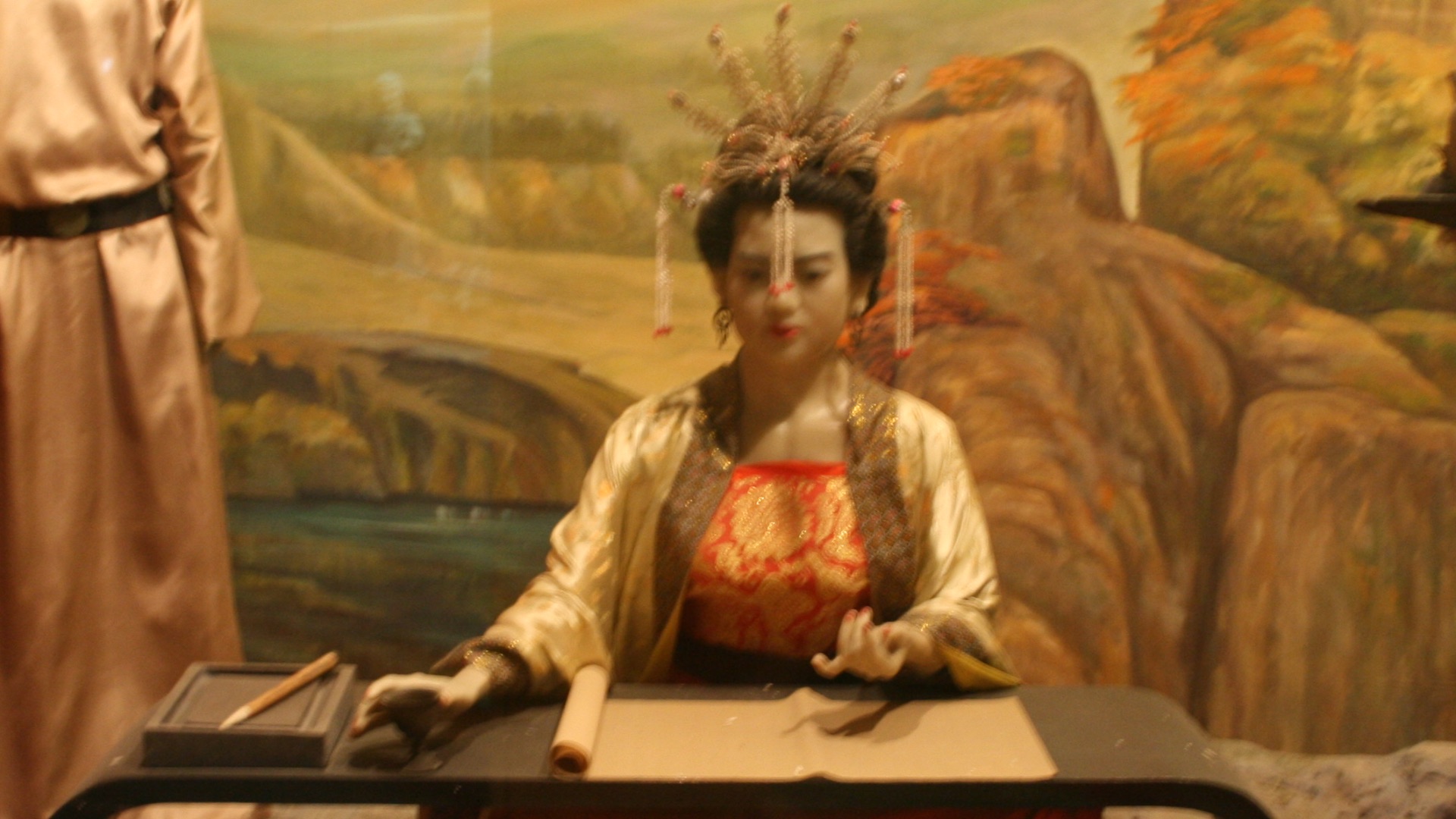
Wu Zetian occupies a singular place in history because she did what no other woman in China would do: rule as emperor in her own name. Her ascent through the Tang court was gradual, disciplined, and politically masterful, ending in a claim to supreme authority that she exercised with full awareness of its implications. She understood how governance, image, ideology, and institutional control could reinforce one another, and she used them to secure her position. Wu’s reign stands at its center as one of its clearest challenges to inherited assumptions about gender and sovereignty.
20. Irene of Byzantium
Irene of Byzantium represents one of the most striking examples of female sovereignty in the medieval Mediterranean. She ruled not simply as regent or imperial consort, but as emperor, adopting a title that left no doubt about the seriousness of her claim to authority. Her reign was politically charged, controversial, and bound up with broader shifts in the balance of imperial power, including the world in which Charlemagne’s imperial status emerged. Irene’s importance lies partly in what she did and partly in what her rule forced others to confront: that a woman could occupy the highest office of empire itself.
KEEP ON READING
The 20 Most Recognized Historical Figures Of All Time
The Biggest Names In History. Although the Earth has been…
By Cathy Liu Oct 4, 2024
10 of the Shortest Wars in History & 10 of…
Wars: Longest and Shortest. Throughout history, wars have varied dramatically…
By Emilie Richardson-Dupuis Oct 7, 2024
10 Fascinating Facts About Ancient Greece You Can Appreciate &…
Once Upon A Time Lived Some Ancient Weirdos.... Greece is…
By Megan Wickens Oct 7, 2024
20 Lesser-Known Facts About Christopher Columbus You Don't Learn In…
In 1492, He Sailed The Ocean Blue. Christopher Columbus is…
By Emilie Richardson-Dupuis Oct 9, 2024
20 Historical Landmarks That Have The Craziest Conspiracy Theories
Unsolved Mysteries Of Ancient Places . When there's not enough evidence…
By Megan Wickens Oct 9, 2024
The 20 Craziest Inventions & Discoveries Made During Ancient Times
Crazy Ancient Inventions . While we're busy making big advancements in…
By Cathy Liu Oct 9, 2024