

 Unknown authorUnknown author on Wikimedia
The story of early polar exploration is often told through a handful of famous names, yet many important expeditions have faded from broader recognition over time. These lesser-known journeys were not insignificant failures or side notes, but serious scientific and geographic efforts carried out under extreme conditions. They helped shape how later explorers approached the Arctic and Antarctic, even if they didn’t achieve headline-making milestones. When you look closer, it becomes clear that exploration was built on far more than just the most celebrated successes.
Many of these forgotten expeditions contributed valuable data, corrected geographic misconceptions, and revealed the true risks of polar travel. They also exposed the limits of early planning, technology, and endurance in environments that were still largely unknown. While some ended in tragedy, they still advanced understanding in meaningful ways. Recognizing these missions gives you a more complete picture of how polar exploration actually developed over time.
The Lady Franklin Bay Expedition (1881–1884)
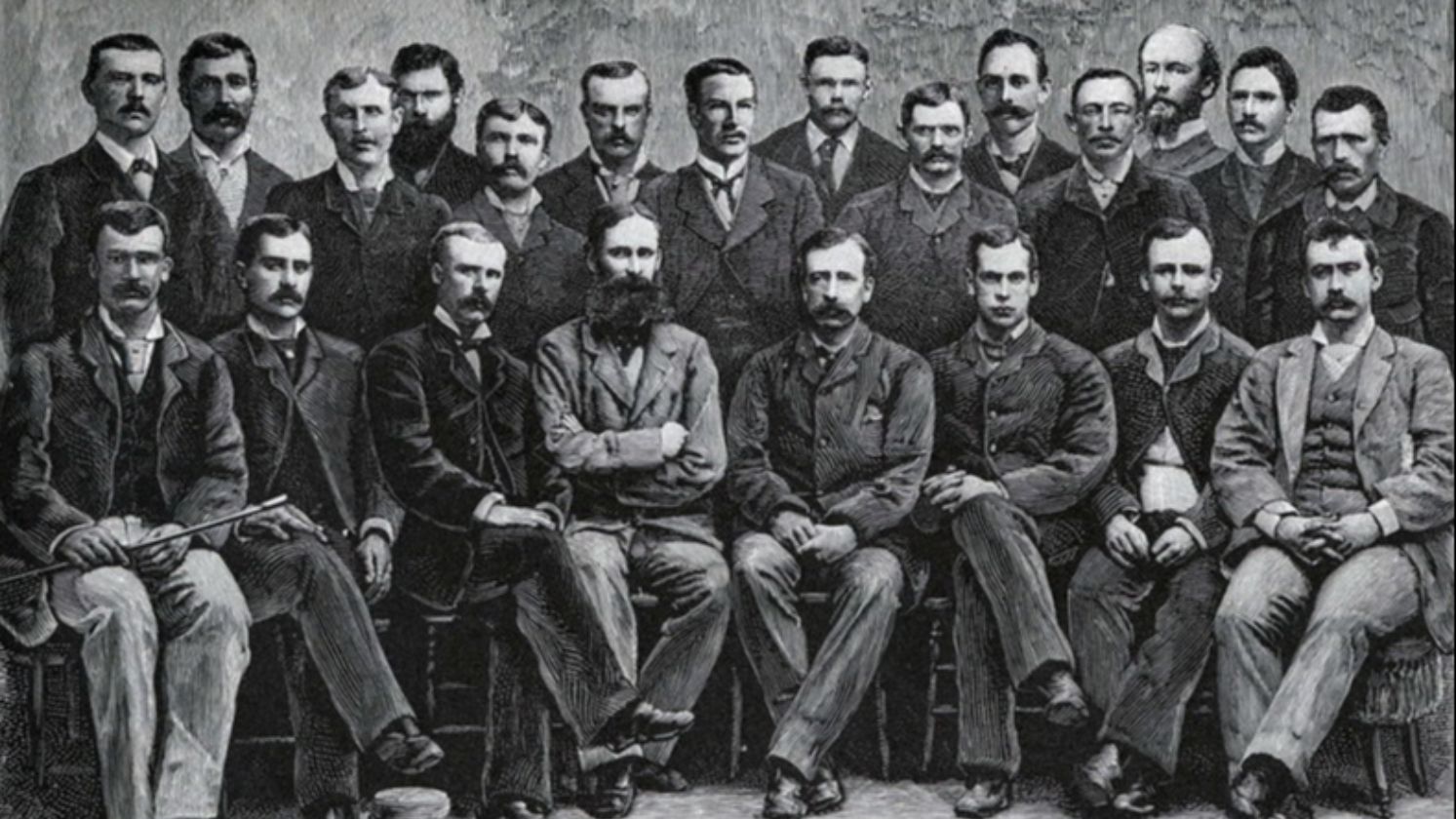
Adolphus Greely’s Lady Franklin Bay Expedition was part of the First International Polar Year, an effort focused on coordinated scientific observation in the Arctic. Stationed at Fort Conger on Ellesmere Island, the team carried out extensive work in meteorology, astronomy, and geography over several years. They also pushed exploration farther north than most previous expeditions, reaching a record latitude at the time.
The expedition’s fate changed dramatically when scheduled resupply missions failed to reach them due to heavy ice conditions. Without adequate provisions, Greely and his team were forced to abandon their base and attempt to survive further south with limited resources. Conditions deteriorated rapidly, leading to starvation, illness, and the loss of most of the crew. By the time a rescue party arrived, only a small number of survivors remained. The ordeal became one of the most tragic episodes in Arctic exploration.
Despite its devastating outcome, the expedition produced significant scientific data that contributed to long-term research efforts. The records collected during their time at Fort Conger were used by scientists for years afterward. It also forced future explorers to rethink the importance of reliable logistics and contingency planning. While it is often remembered for its tragedy, its contributions to science and exploration were substantial. This expedition stands as both a warning and a foundation for future Arctic missions.
The Belgica Antarctic Expedition (1897–1899)
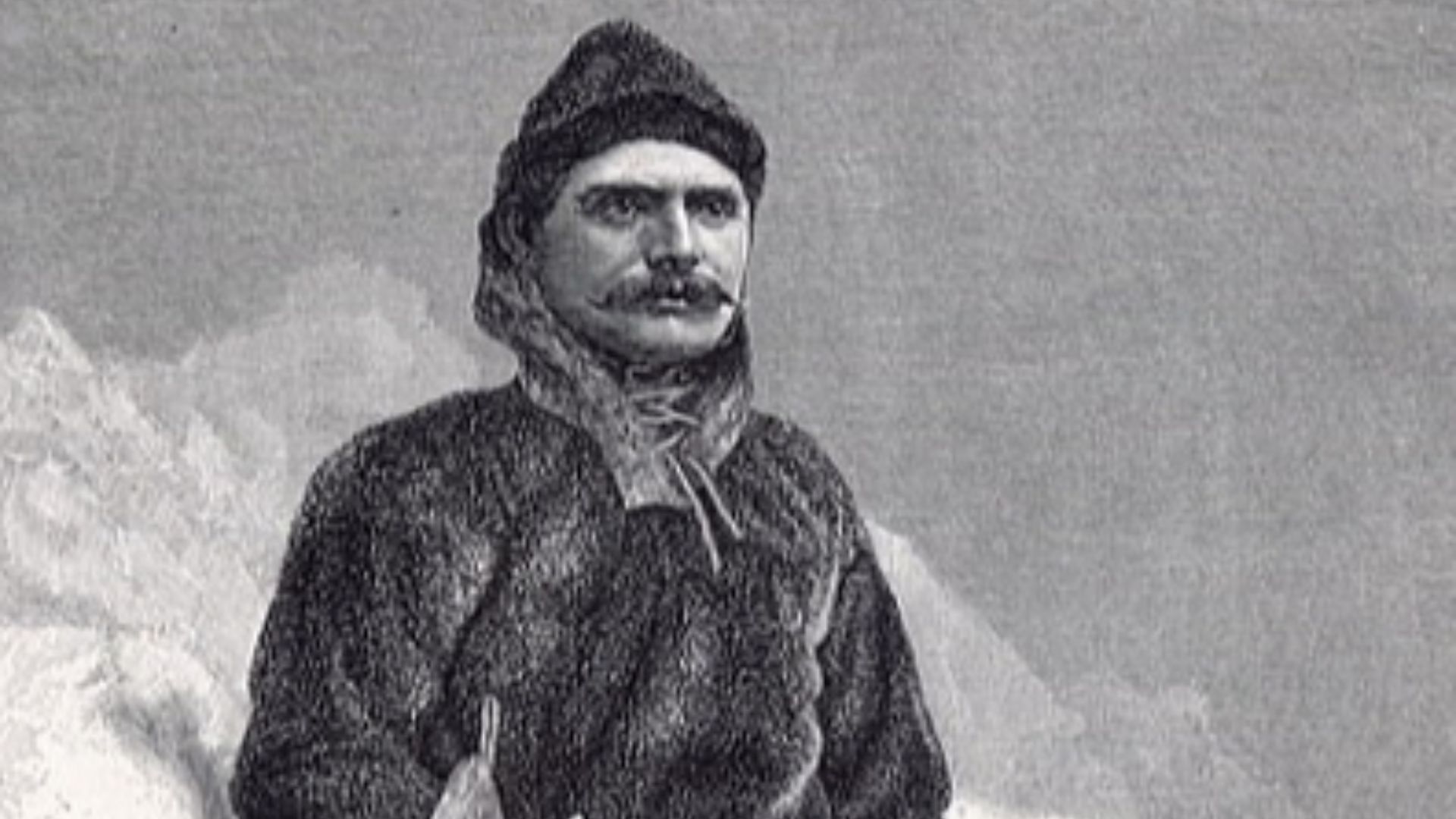
The Belgica Antarctic Expedition, led by Adrien de Gerlache, was one of the earliest serious scientific missions to Antarctica. Aboard the ship Belgica, the crew set out to explore largely uncharted southern waters while conducting research. Their journey took an unexpected turn when the ship became trapped in pack ice, forcing the expedition to overwinter in Antarctica.
The crew faced months of darkness, extreme cold, and deteriorating health due to limited nutrition and isolation. Many suffered from what is now recognized as seasonal depression and vitamin deficiencies. Despite these hardships, the expedition continued to collect scientific observations whenever possible.
Although it did not achieve a major geographic milestone, the Belgica expedition had a lasting impact on Antarctic exploration. It demonstrated that extended scientific work in Antarctica was possible, even under extreme conditions. It also provided valuable firsthand experience to future explorers, including Roald Amundsen, who was part of the crew.
The Australasian Antarctic Expedition (1911–1914)
 National Library of Australia from Canberra, Australia on Wikimedia
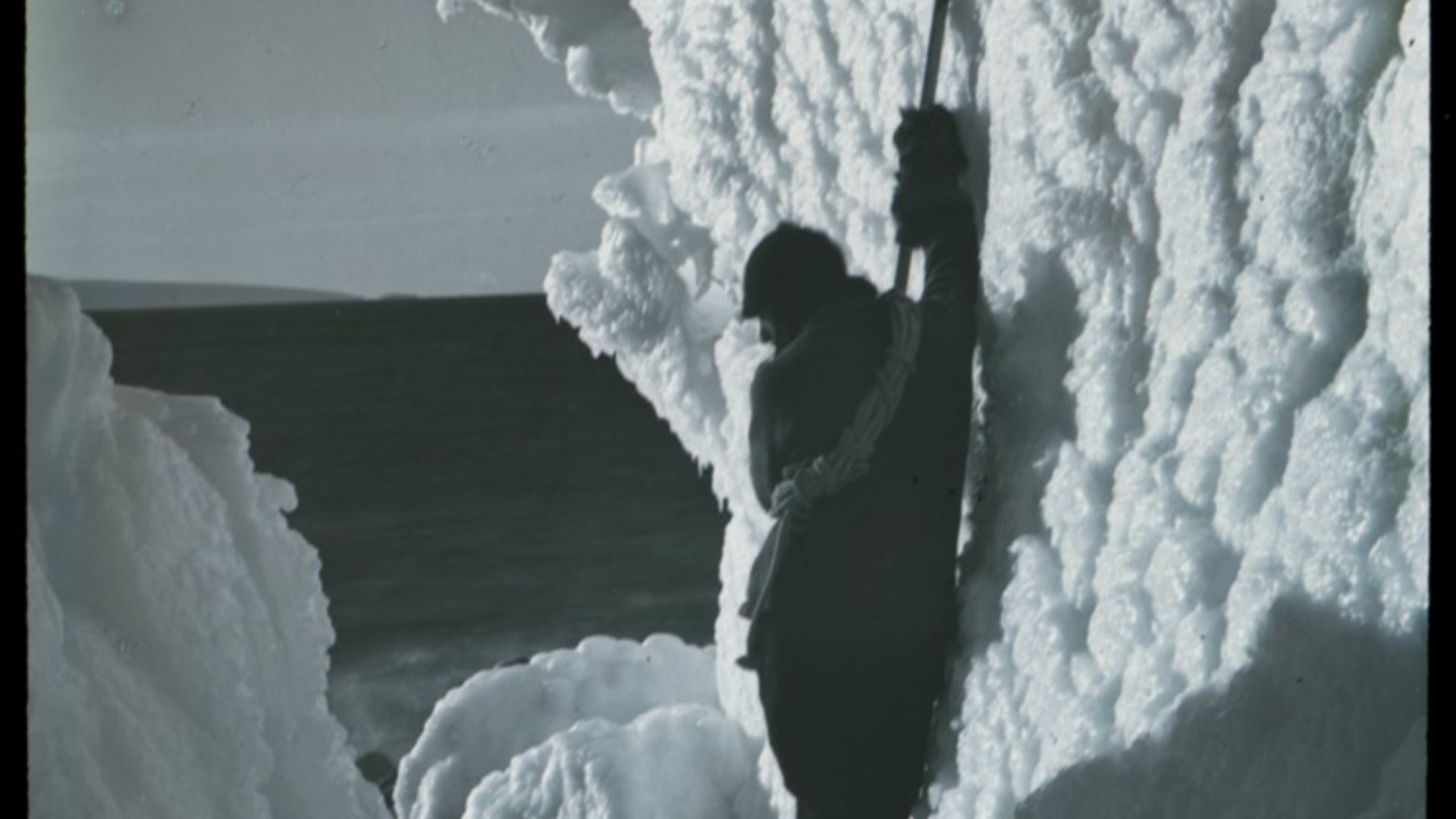
Led by Douglas Mawson, the Australasian Antarctic Expedition focused heavily on scientific research rather than simply reaching new geographic extremes. The team established multiple bases along the Antarctic coast, allowing them to conduct studies in meteorology, geology, and magnetism. Their work helped fill significant gaps in knowledge about the region.
The expedition is often remembered for Mawson’s personal survival story after a sledging journey went disastrously wrong. Two of his companions died during the journey, leaving Mawson to make a solo return under extremely harsh conditions. He endured starvation, exhaustion, and dangerous terrain while continuing to document his experience.
In reality, the Australasian Antarctic Expedition was one of the most scientifically productive missions of its time. The data collected during the expedition contributed to long-term research in multiple fields and helped establish Antarctica as a site for ongoing scientific study. It also demonstrated the importance of combining exploration with structured research goals.
The legacy of these forgotten expeditions shows that exploration is not defined solely by famous victories or well-known names. Each of these missions contributed to a deeper understanding of polar regions, often through difficult and costly experiences. Their challenges forced future explorers to adapt, improve, and rethink their approaches. By recognizing their role, you gain a more complete and accurate view of how exploration evolved. These stories deserve to be remembered not just for their hardships, but for the knowledge they helped uncover.
KEEP ON READING

The 10 Youngest Monarchs In History & The 10 Oldest
Age Is Just A Number. Imagine being crowned king or…
By Chase Wexler Mar 11, 2025
You Think You Have Problems? These Royal Families Were Cursed
Boasson and Eggler St. Petersburg Nevsky 24. on WikimediaHeavy is…
By Ashley Bast Dec 5, 2025
You Can Thank This Greek-Canadian For Creating Pineapple On Pizza…
Love it or hate it, pineapple on pizza sparks debate…
By David Davidovic Dec 1, 2025
Yes, Female Gladiators Existed, And Here's Everything You Need To…
History of Women in Combat. Most people picture gladiators as…
By David Davidovic Jan 17, 2026
Yes, Australians Once Lost A Battle Against Flightless Birds
David Clode on UnsplashIn 1932, the Australian military went to…
By David Davidovic Nov 24, 2025
The Y2K Bug: Why Did Everyone Think Year 2000 Was…
Alan W on UnsplashOn December 31, 1999, people all over…
By Christy Chan Dec 22, 2025