

Good Intentions Can Take an Unexpected Turn
Many inventions begin with the goal of improving everyday life, advancing knowledge, or making the world safer and more connected. However, history shows that technology doesn’t exist in a vacuum, and innovations created for peaceful purposes can be repurposed during times of conflict. Governments and militaries have often adapted civilian tools to gain strategic advantages. These shifts highlight how intention and application don’t always align, especially when global tensions rise. Here are 20 inventions designed for peace that ended up in wars.
1. The Internet
Originally developed as ARPANET, the internet was meant to allow researchers to share information more efficiently. It was designed to improve communication between institutions. Over time, it has also become a tool for cyber warfare and intelligence gathering. Governments now use it for surveillance, propaganda, and digital attacks.
 Glenn Carstens-Peters on Unsplash
2. GPS Technology
Global Positioning System technology was created to provide accurate navigation for civilian and scientific use. It revolutionized travel, mapping, and logistics. However, it’s also widely used in military operations to guide missiles and coordinate troop movements. Its precision makes it a powerful strategic asset in warfare.

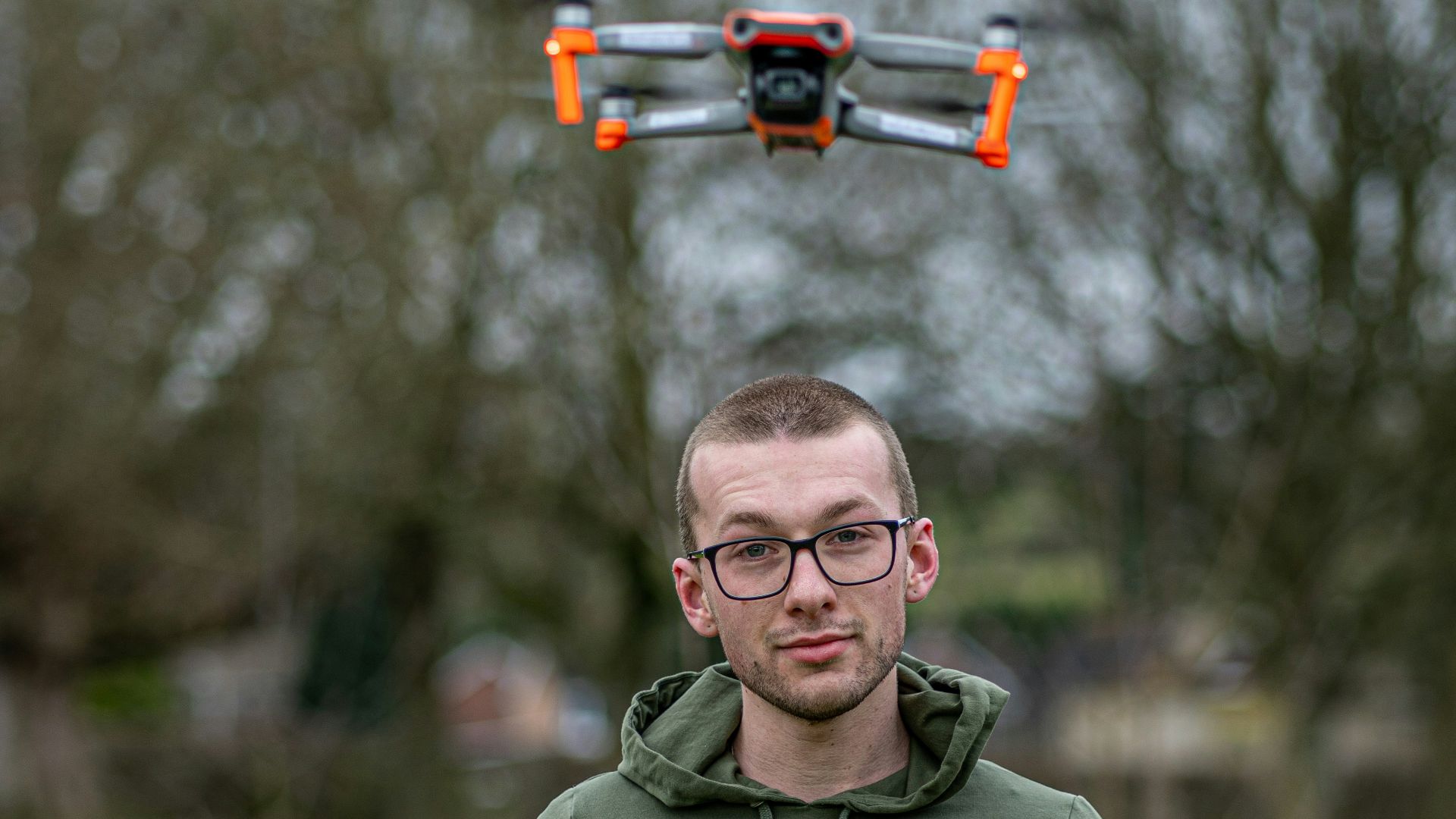
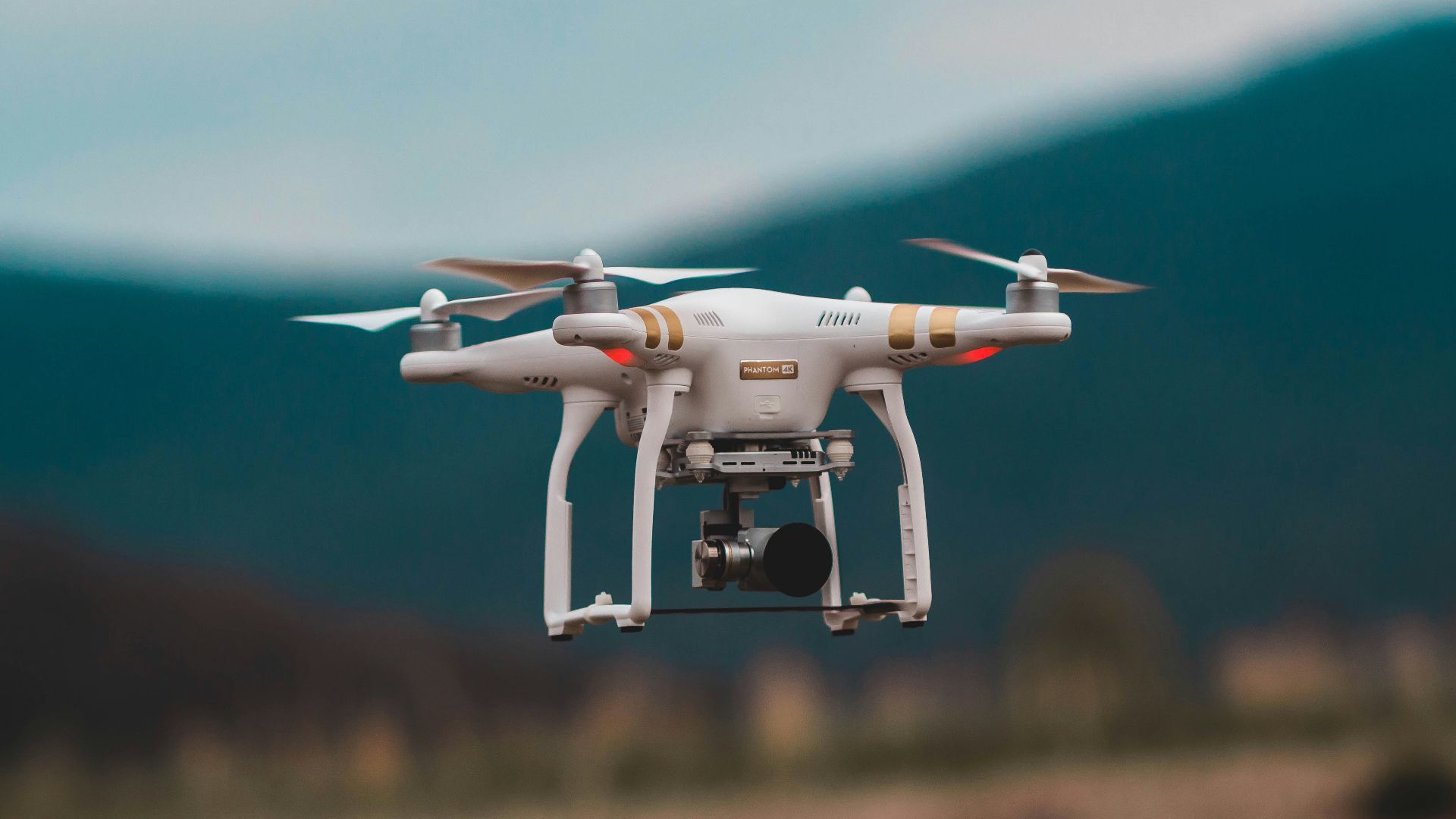
3. Drones
Unmanned aerial vehicles were initially developed for research, photography, and environmental monitoring. They offered a safer way to gather data in difficult locations. Over time, drones have been adapted for surveillance and targeted strikes in military settings. This shift has raised ongoing ethical and legal concerns.
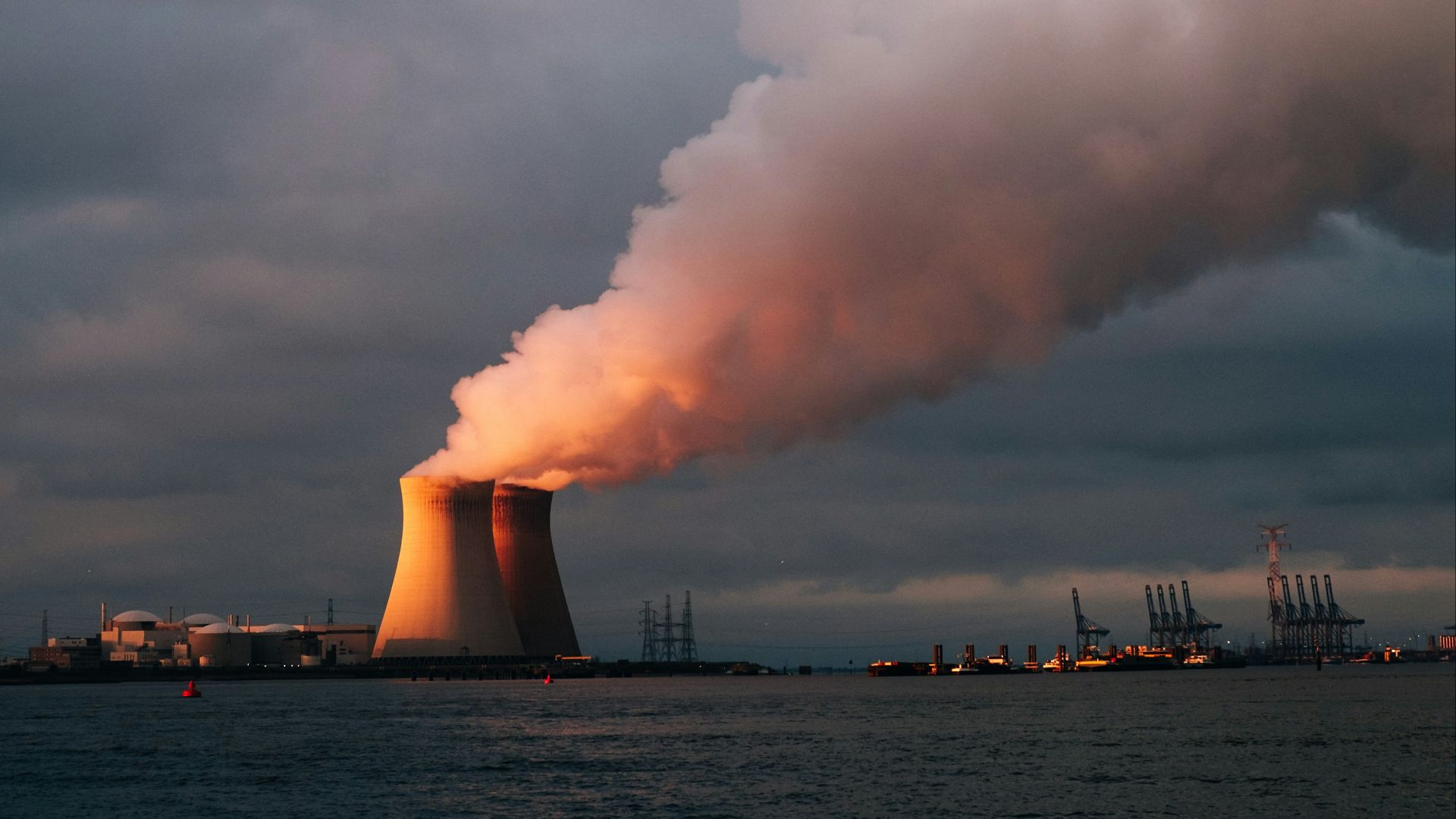
4. Nuclear Energy
Nuclear technology was first explored as a way to generate large amounts of energy. Scientists aimed to create a reliable power source for civilian use. However, the same principles led to the development of nuclear weapons. This dual-use nature remains one of the most serious global concerns.
5. Dynamite
Alfred Nobel invented dynamite to make construction and mining safer and more efficient. It reduced the risks associated with earlier explosive materials. Despite this intention, dynamite was quickly adopted for military use. It became a key component in warfare and weapon development.

6. The Airplane
Early airplanes were created to revolutionize transportation and connect distant regions. They opened up new possibilities for travel and commerce. Soon after their invention, aircrafts were used in World War I for reconnaissance and combat. Today, they remain central to modern military operations.

7. Radio Communication
Radio was developed to improve long-distance communication. It allowed people to share information quickly without physical connections. During wartime, it became essential to coordinate military strategies and transmit orders. It also played a role in propaganda and psychological operations.
8. Chemical Fertilizers
Fertilizers were created to boost agricultural productivity and address food shortages. They helped support growing populations around the world. However, the chemical processes behind them also contributed to the development of explosives. This overlap became especially significant during major conflicts.

9. The Rocket
Rocket technology was originally explored for scientific research and space exploration. It allowed humans to study the atmosphere and eventually reach space. At the same time, rockets became the foundation for missile systems. These weapons now play a major role in global defense strategies.
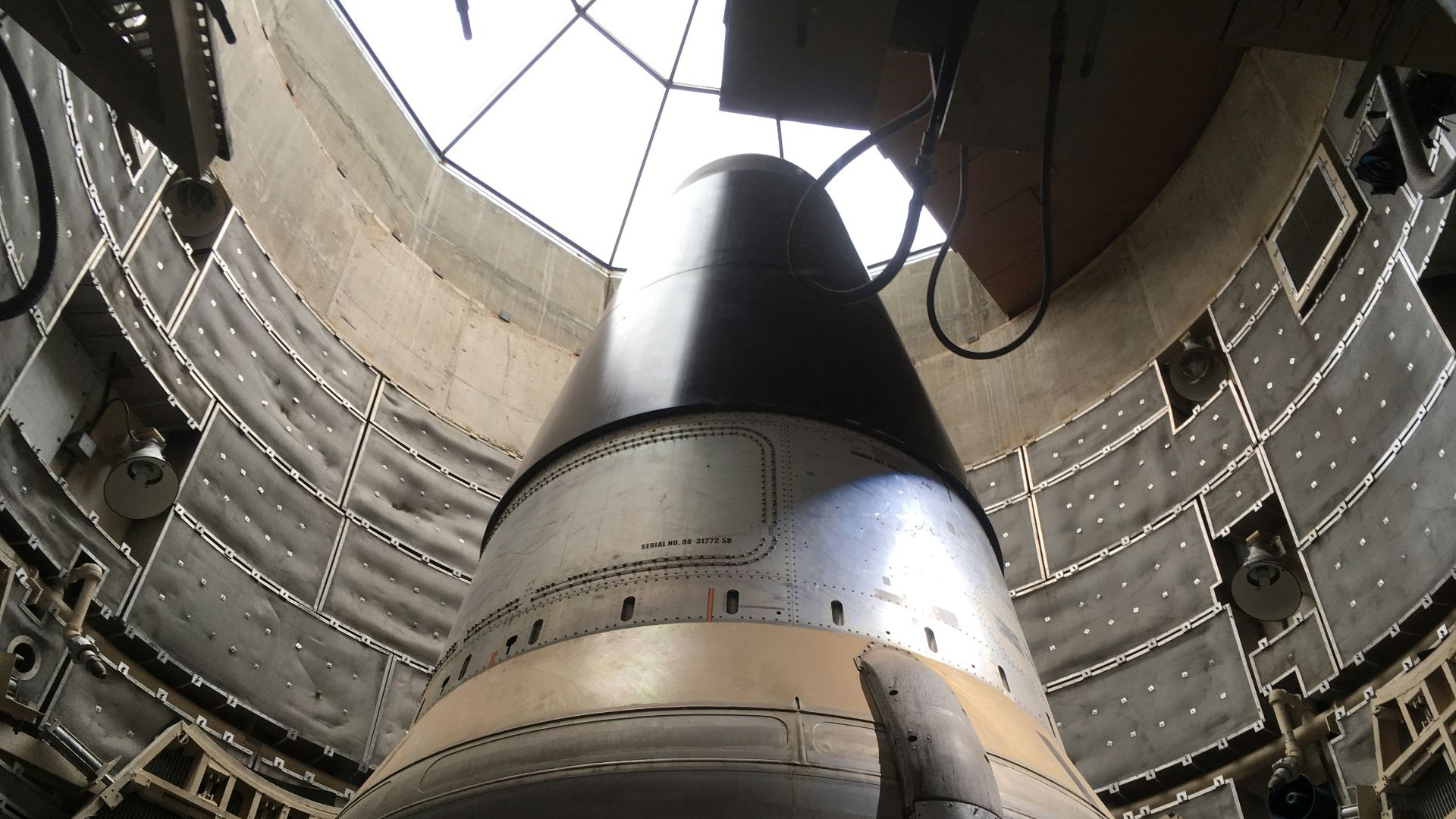
10. Satellites
Satellites were designed to improve communication, weather forecasting, and global observation. They provide essential services for modern life. In military contexts, satellites are used for surveillance, navigation, and intelligence gathering. Their role in warfare continues to expand.

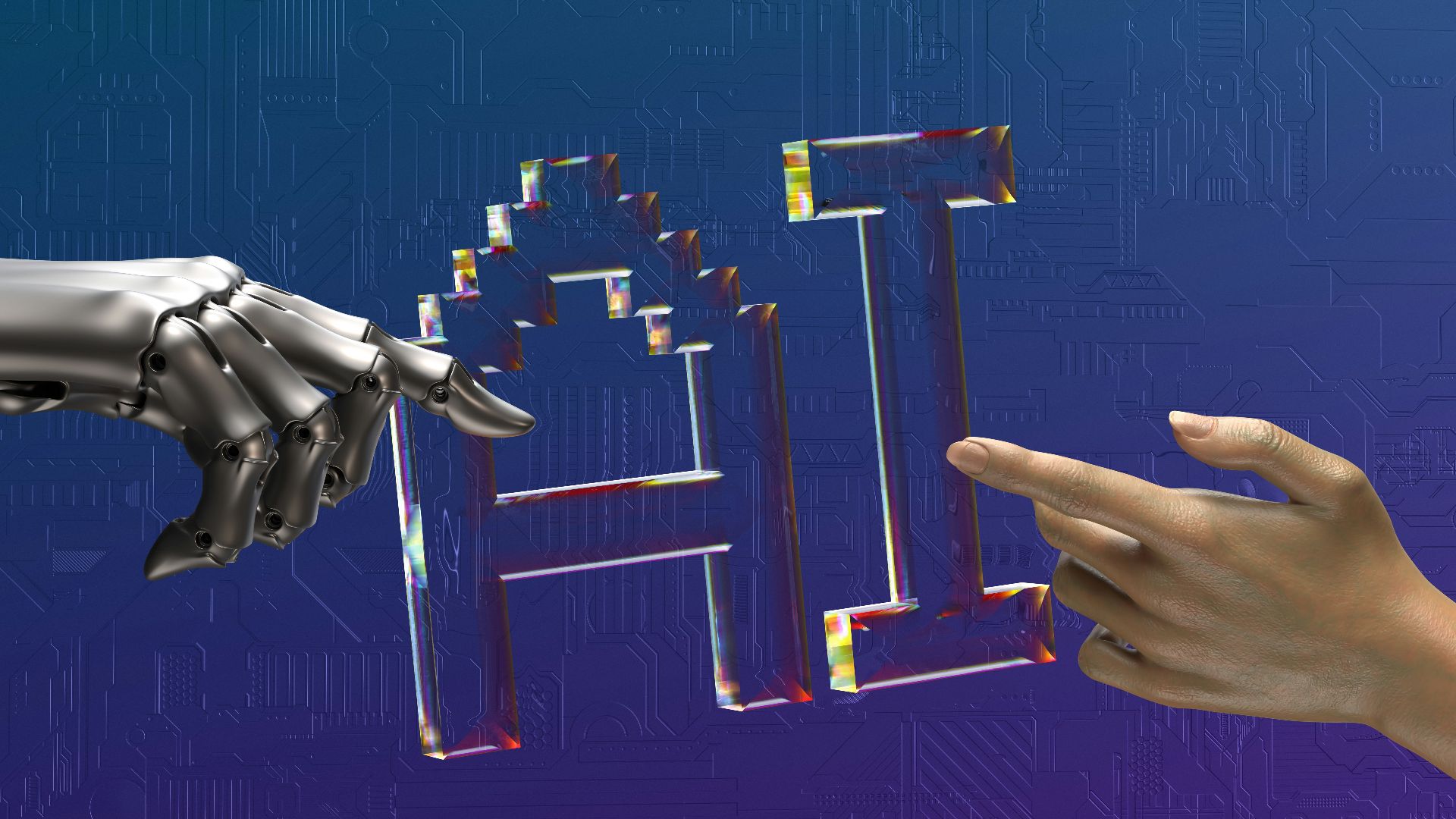
11. Artificial Intelligence
AI was developed to improve efficiency in industries like healthcare, finance, and transportation. It helps analyze data and automate complex tasks. However, it’s also being integrated into military systems, including autonomous weapons. This raises serious ethical and safety concerns.
12. The Telegraph
The telegraph was one of the first technologies to enable instant communication over long distances. It transformed business and personal communication. During wars, it became a critical tool for relaying military commands. Its speed gave armies a significant advantage.
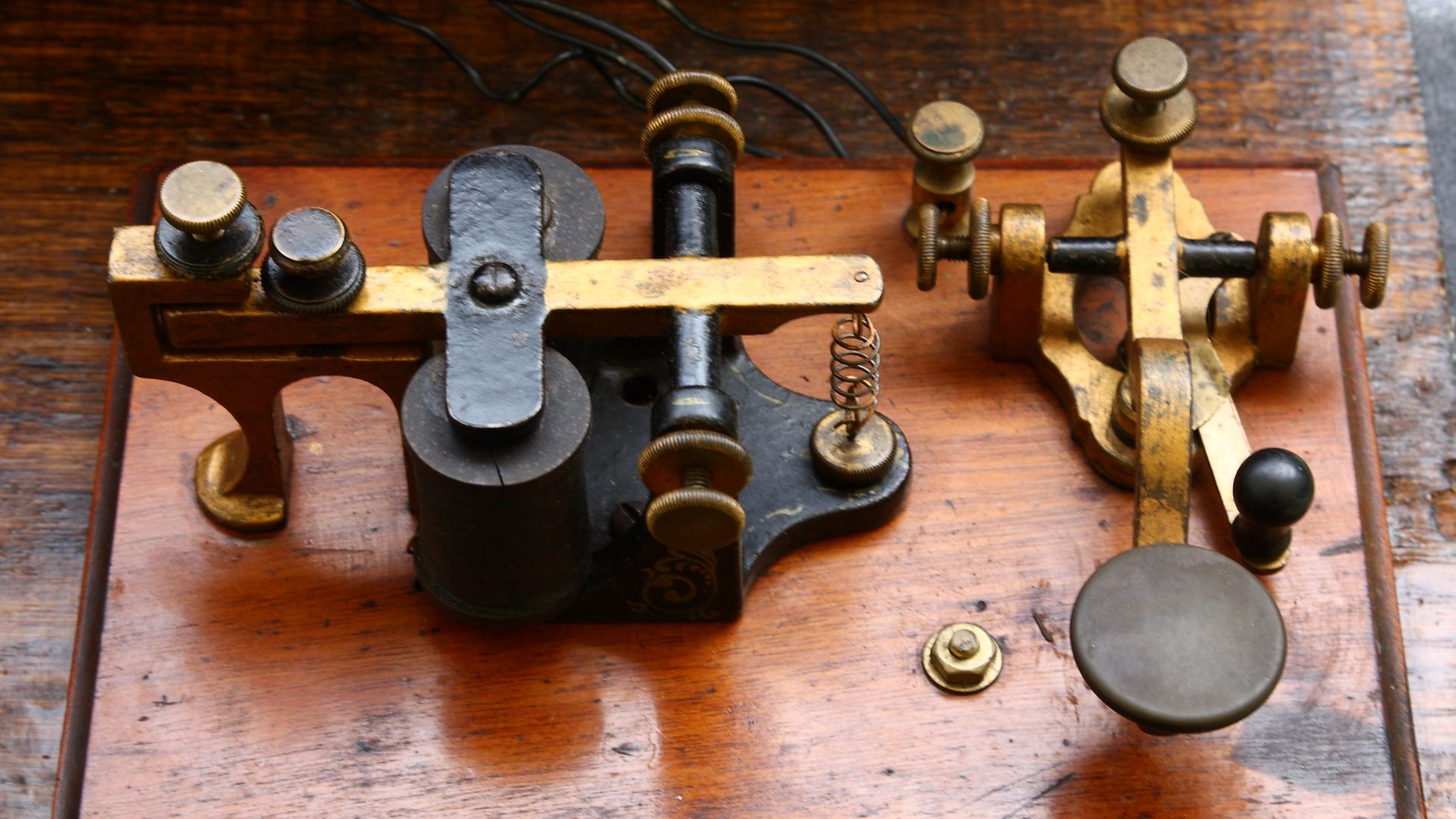 John Schanlaub from Lafayette,IN, USA on Wikimedia
13. Penicillin Production Techniques
Penicillin was discovered as a life-saving antibiotic. Its mass production techniques were developed to treat infections and save lives. While not a weapon, these advancements influenced biological research. Some of that research later contributed to biological warfare.
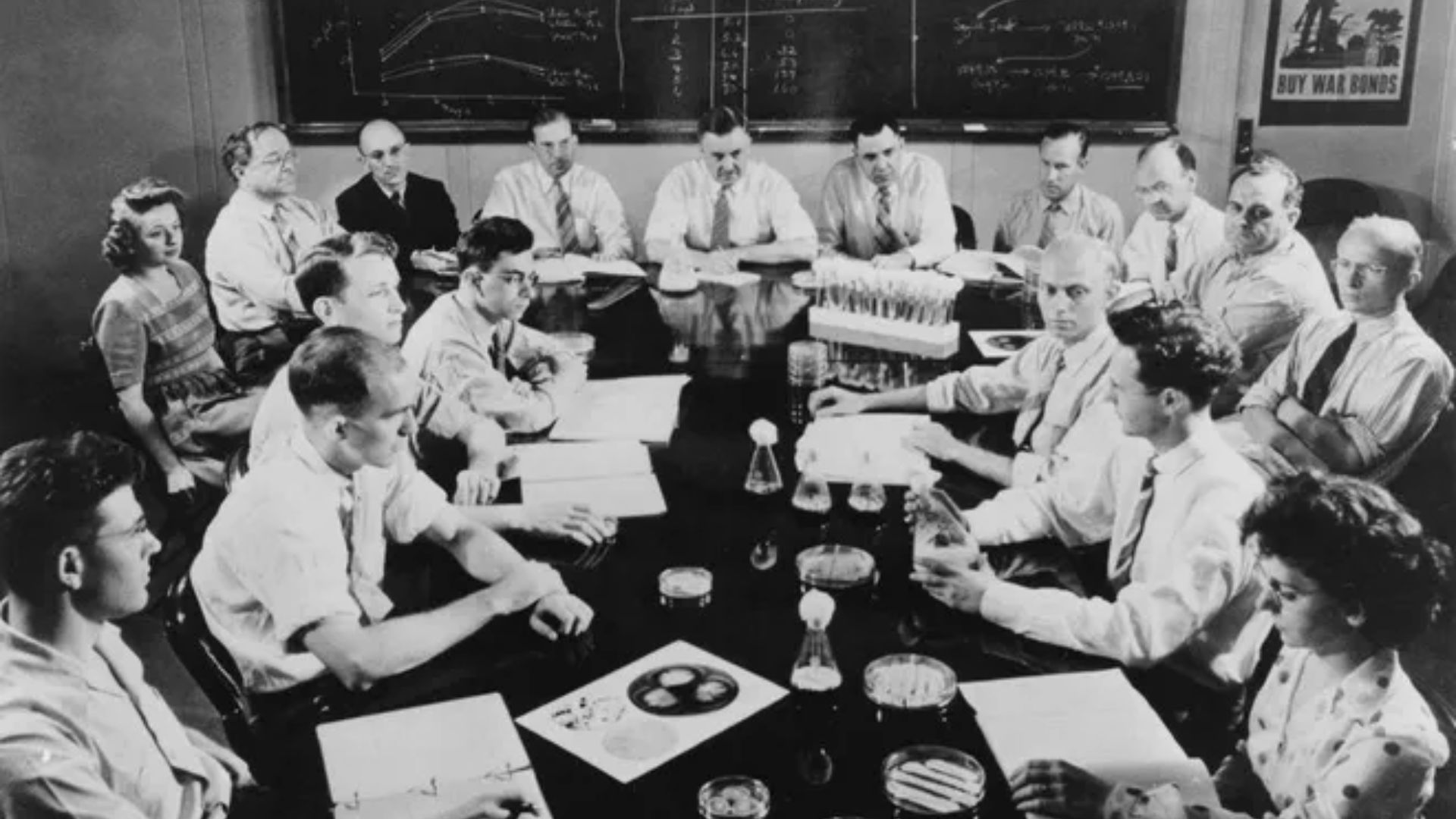 United States Department of Agriculture on Wikimedia
14. The Camera
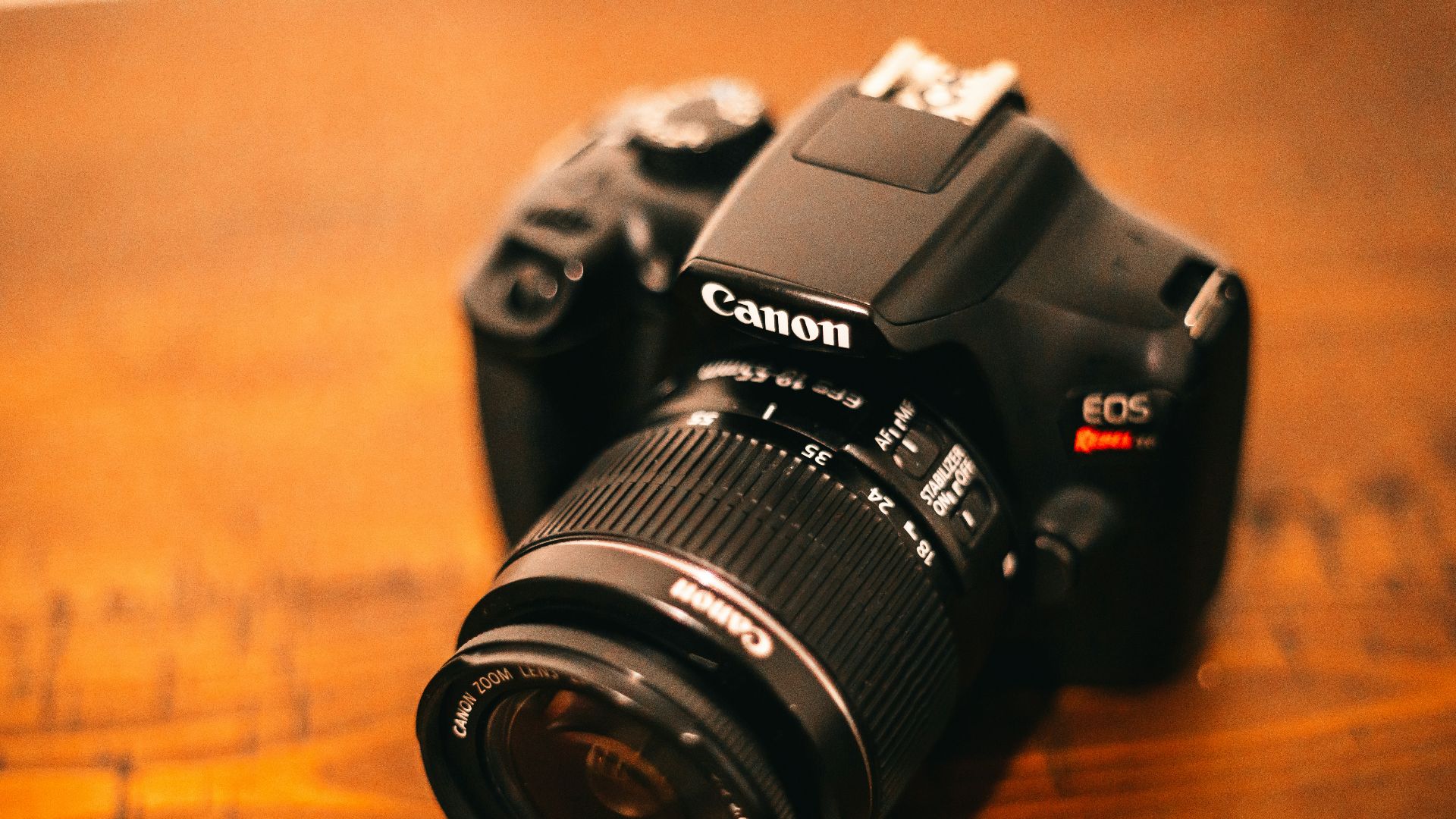
Cameras were invented to capture and preserve moments. They became important tools for art, journalism, and documentation. In military settings, cameras are used for reconnaissance and intelligence gathering. Aerial photography has played a key role in planning operations.
15. The Automobile
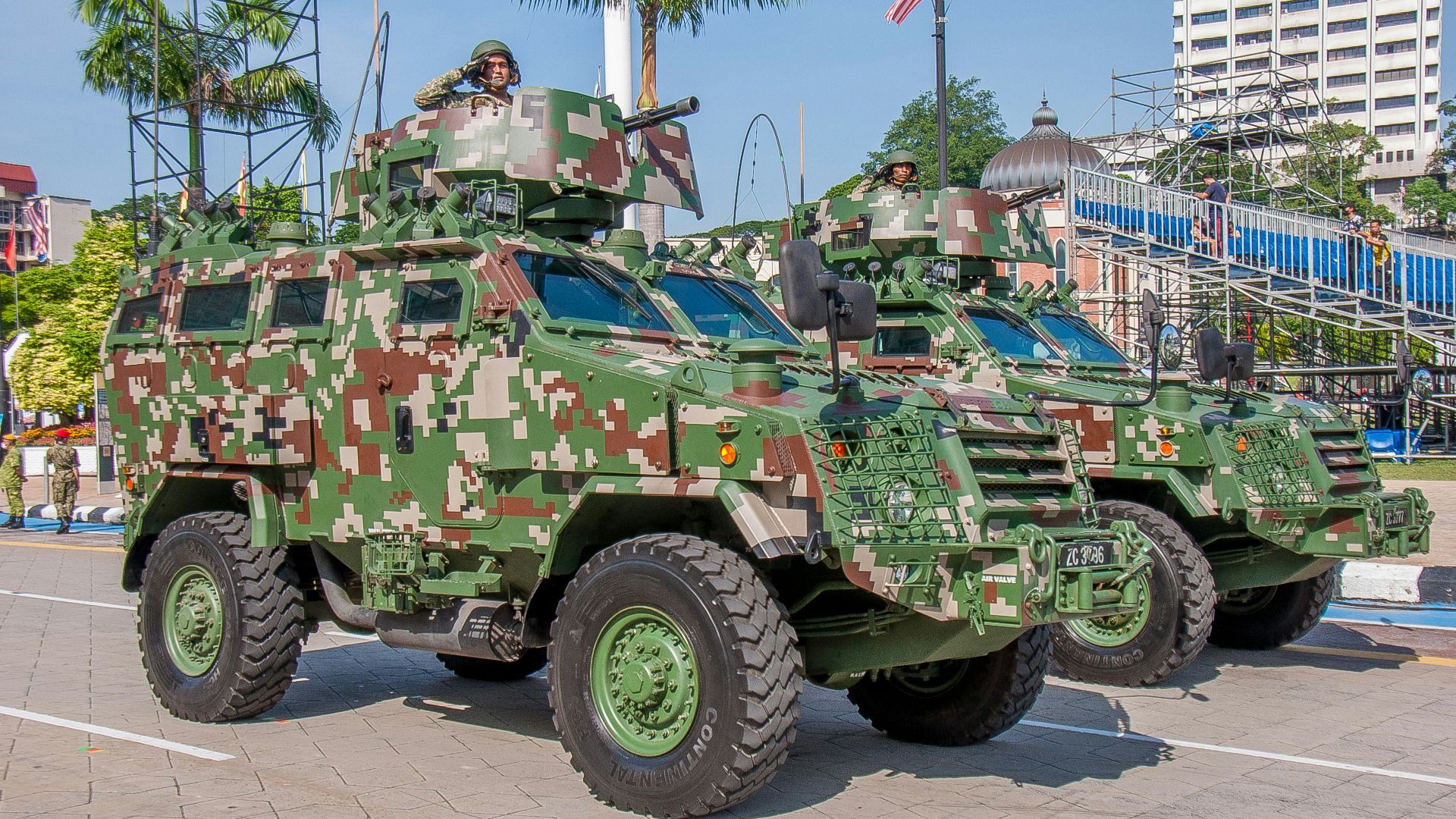
Cars were designed to improve transportation and mobility. They made travel faster and more accessible. During wars, automobiles were adapted for troop transport and military logistics. They also led to the development of armored vehicles.
16. The Laser
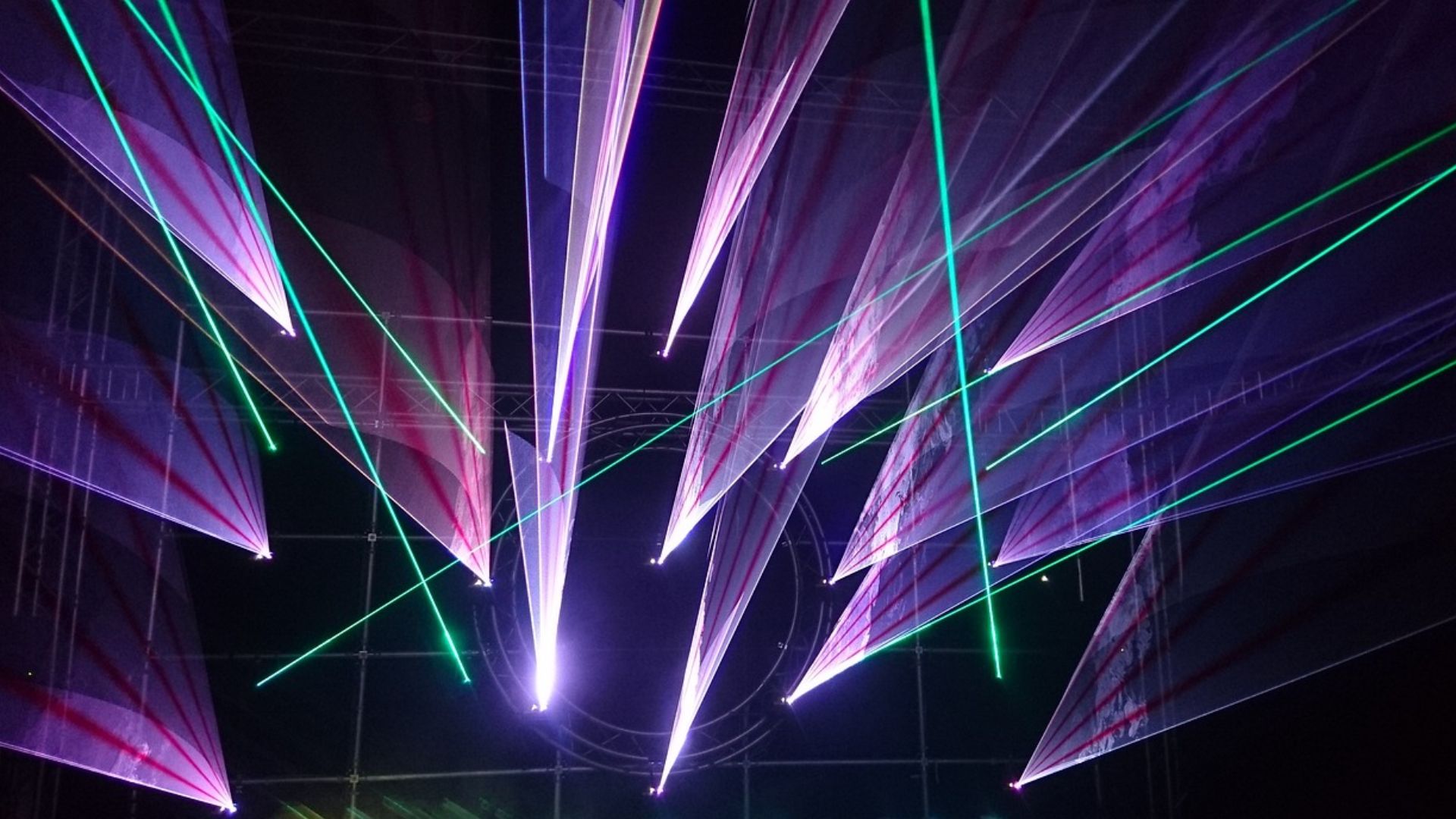
Laser technology was initially developed for scientific and medical applications. It’s used in surgery, communication, and manufacturing. However, lasers have also been adapted for military targeting and weapon systems. Their precision makes them highly effective in combat scenarios.
17. The Compass
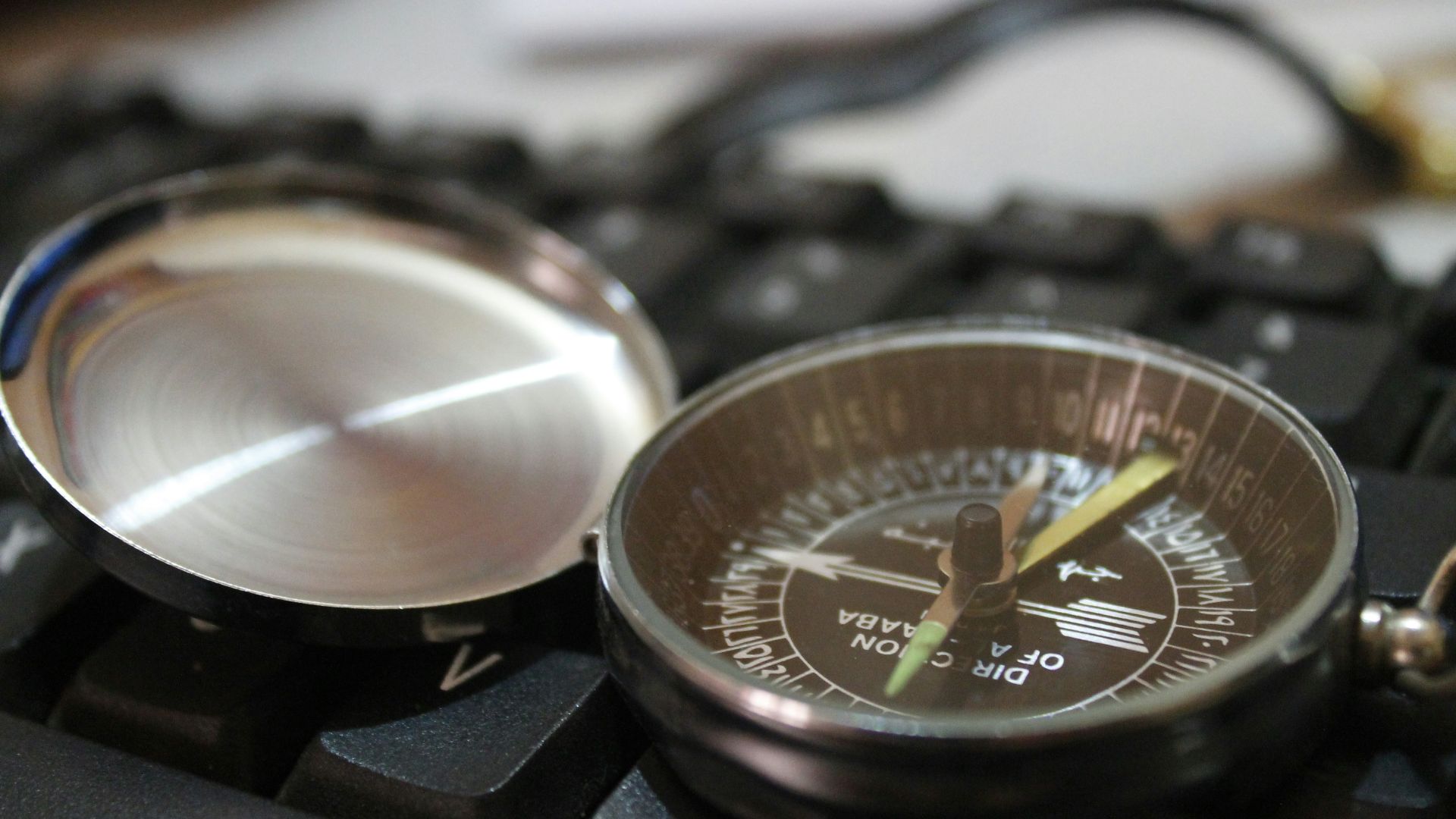
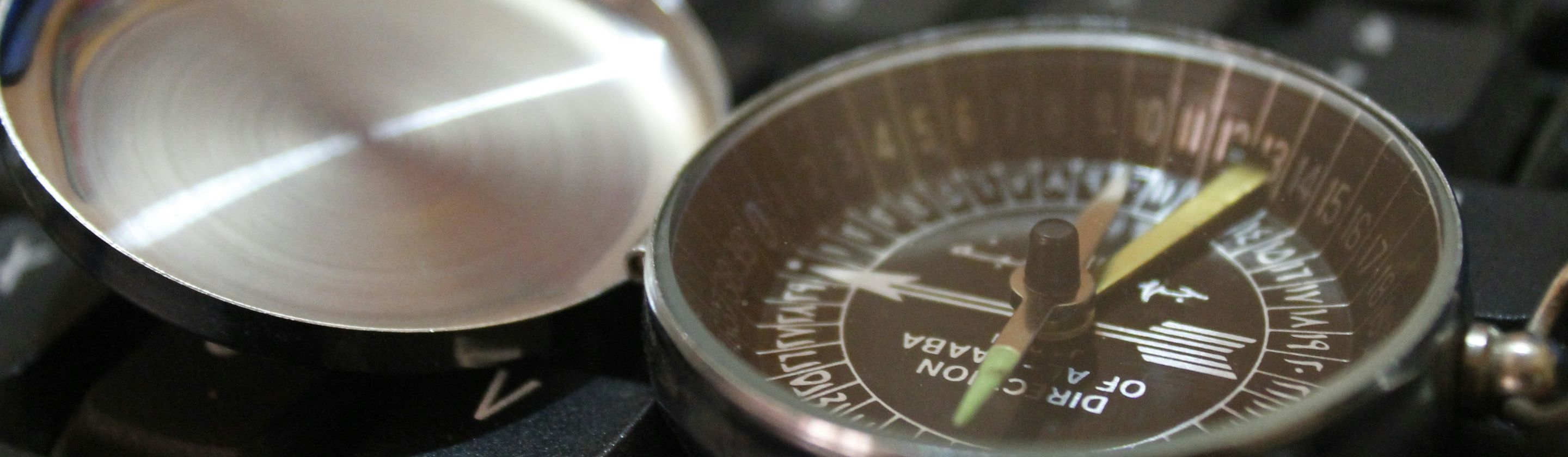
The compass was created to aid navigation and exploration. It allowed travelers to move more confidently across unknown terrain. In warfare, it became an essential tool for planning and executing military campaigns. Its reliability made it invaluable on the battlefield.
18. The Computer
Computers were developed to process information and solve complex problems. They transformed industries and everyday life. In military contexts, they are used for strategy, simulation, and cybersecurity. Their role in modern warfare is fundamental.
19. The Submarine
Submarines were initially explored for underwater research and transportation. They offered a new way to study the ocean. Over time, they became powerful military vessels used for stealth operations. They now play a key role in naval warfare.

20. The Jet Engine
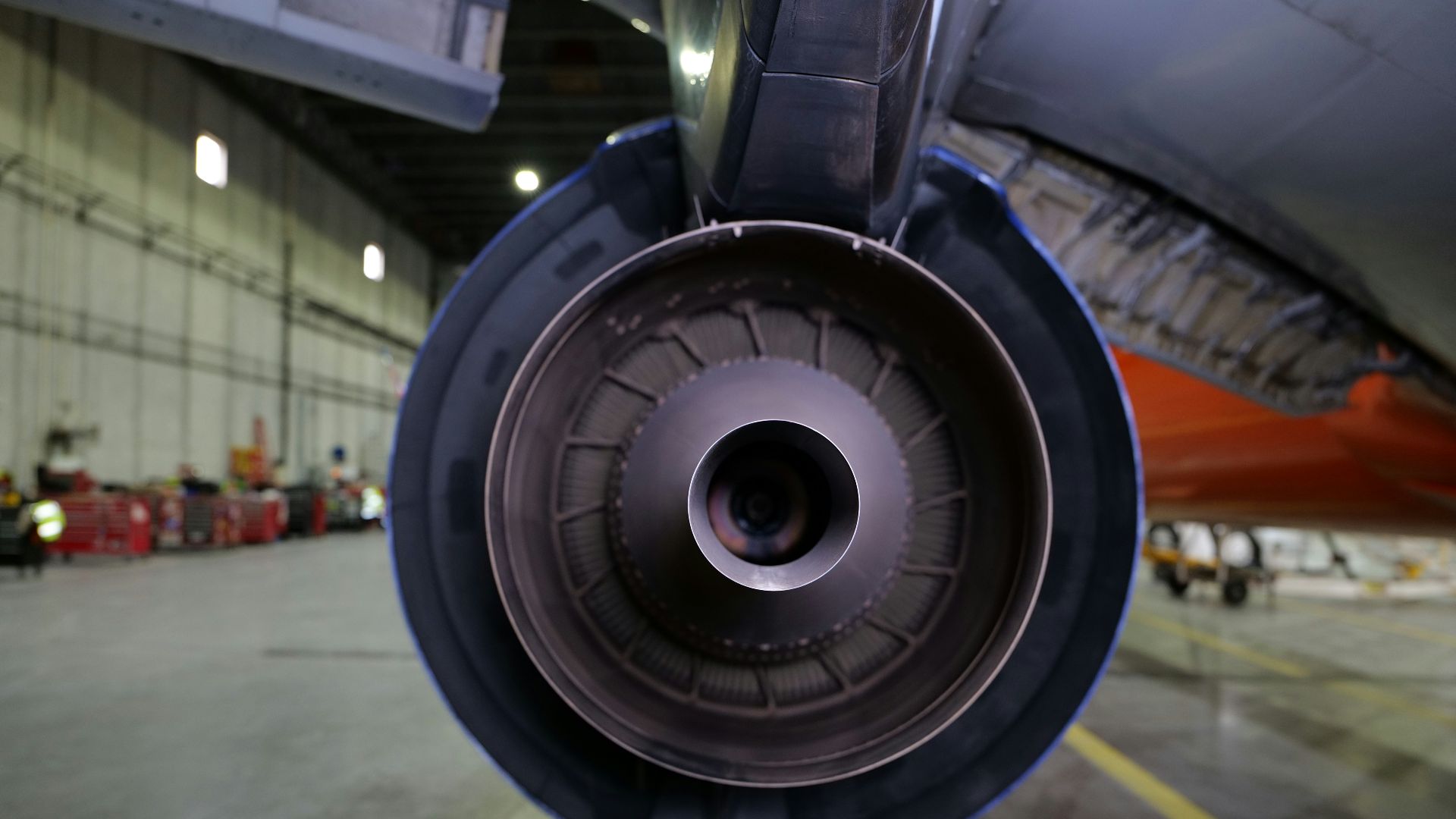
Jet engines were created to improve the speed and efficiency of air travel. They revolutionized commercial aviation. However, they were quickly adopted for military aircraft. Fighter jets and bombers rely on this technology for performance and range.
KEEP ON READING
20 Inventions Designed for Peace That Ended Up in Wars
Good Intentions Can Take an Unexpected Turn. Many inventions begin…
By Rob Shapiro Apr 13, 2026
20 Superstitions That Used To Run Our Lives
Everyday Luck And Fear. For a long stretch of human…
By Cameron Dick Apr 12, 2026
20 Music Rivalries That Changed An Entire Genre
Rewriting The Sound Of An Era. Music rivalries tend to…
By Elizabeth Graham Apr 10, 2026
The 20 Most Brutal Injuries To Ever Happen In Baseball…
Opening Pitch. Take us out to the ball game, right?…
By Annie Byrd Apr 10, 2026
20 Strangest Last Requests Of Historical Figures
He Really Asked For That?!. When most people think about…
By Sara Springsteen Apr 10, 2026
20 Times Science Changed the Course of War
How Innovation Has Shaped Military Outcomes. Throughout history, scientific breakthroughs…
By Rob Shapiro Apr 10, 2026