For much of early modern Europe, sleep didn’t seem to have followed the single, unbroken pattern we use today. A large body of historical evidence points to many people sleeping in two stretches, with a section of their night dedicated to personal time. Historian A. Roger Ekirch helped bring that pattern back into view by collecting hundreds of references to “first sleep” and “second sleep” in diaries, court records, and medical writing, and a Virginia Tech summary of his work says he found more than 500 of them.
That history is solid, but it isn’t as neat as the most popular retellings can make it sound. The strongest evidence points to a common pattern in parts of preindustrial Western Europe, not a rule that every person in every place followed in the same way. A 2023 article in Medical History argues that some of the evidence behind segmented sleep can also support a more varied picture of early modern rest.
Before Sleep Became One Solid Block
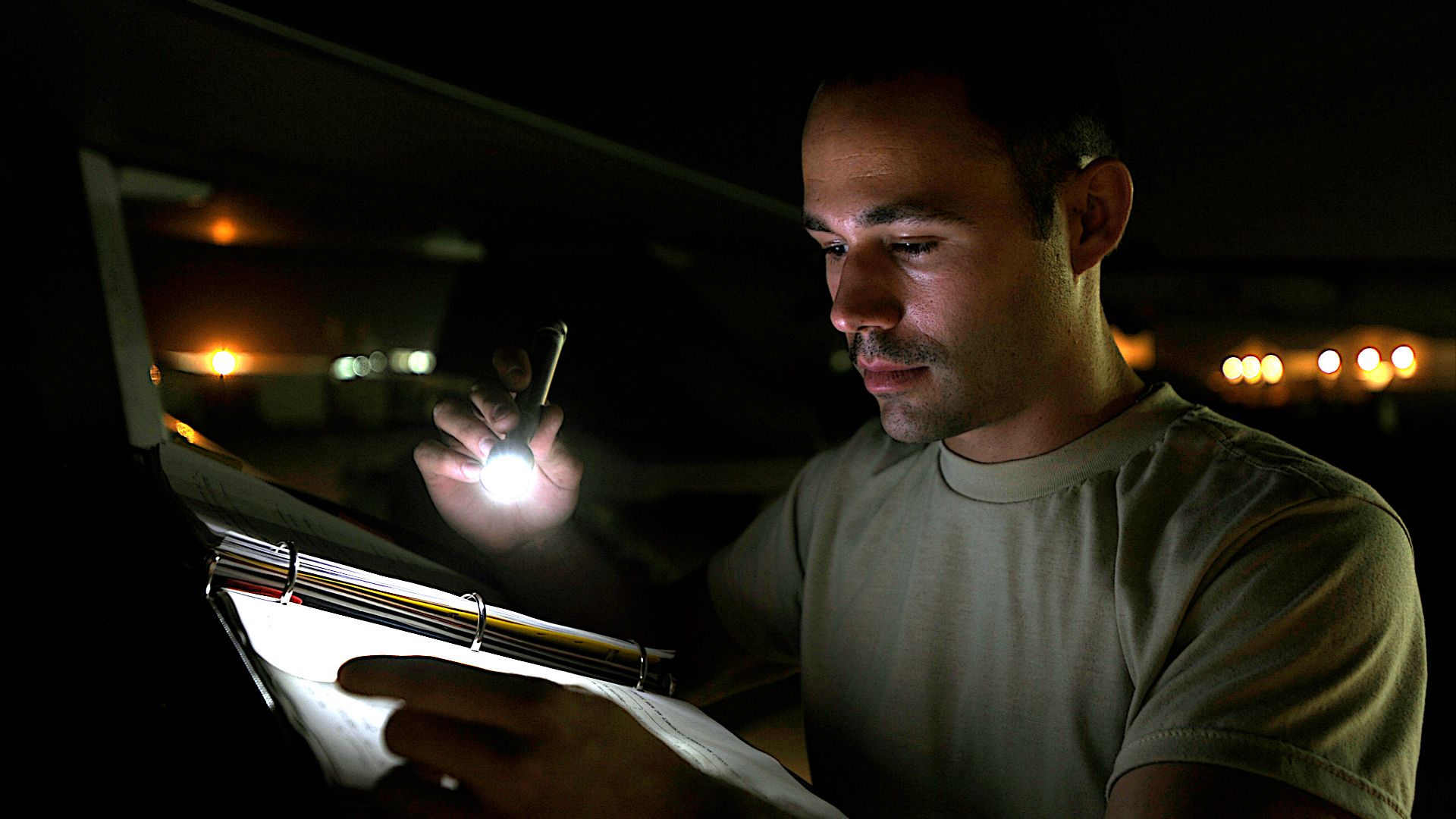 Senior Airman Jason Epley on Wikimedia
The case for segmented sleep gets persuasive once you look at how often the language appears in historical sources. Ekirch’s archive includes repeated references to people waking after a first stretch of sleep, doing something in the middle of the night, and then returning to bed.
Some of the best examples are plain and practical. A 1714 smallpox guide advised readers to take part in a remedy “after the first Sleep,” and other period texts refer just as casually to drinking water, taking medicine, or waking around midnight after an initial stretch of rest. This doesn't tell us why folks were waking up in the middle of the night, but it does tell us that it was normal.
That said, the safest version of this history leaves room for variation. Niall Boyce’s reassessment doesn’t deny that segmented sleep existed. It argues that some early modern references may have meant different things in different contexts, and that reading every mention of “first” and “second” sleep as proof of one universal pattern can flatten a more complicated reality. Put simply, two-part sleep was well documented and likely common in parts of Europe, but it wasn’t a single script that everyone followed.
What People Did in the Midnight Gap
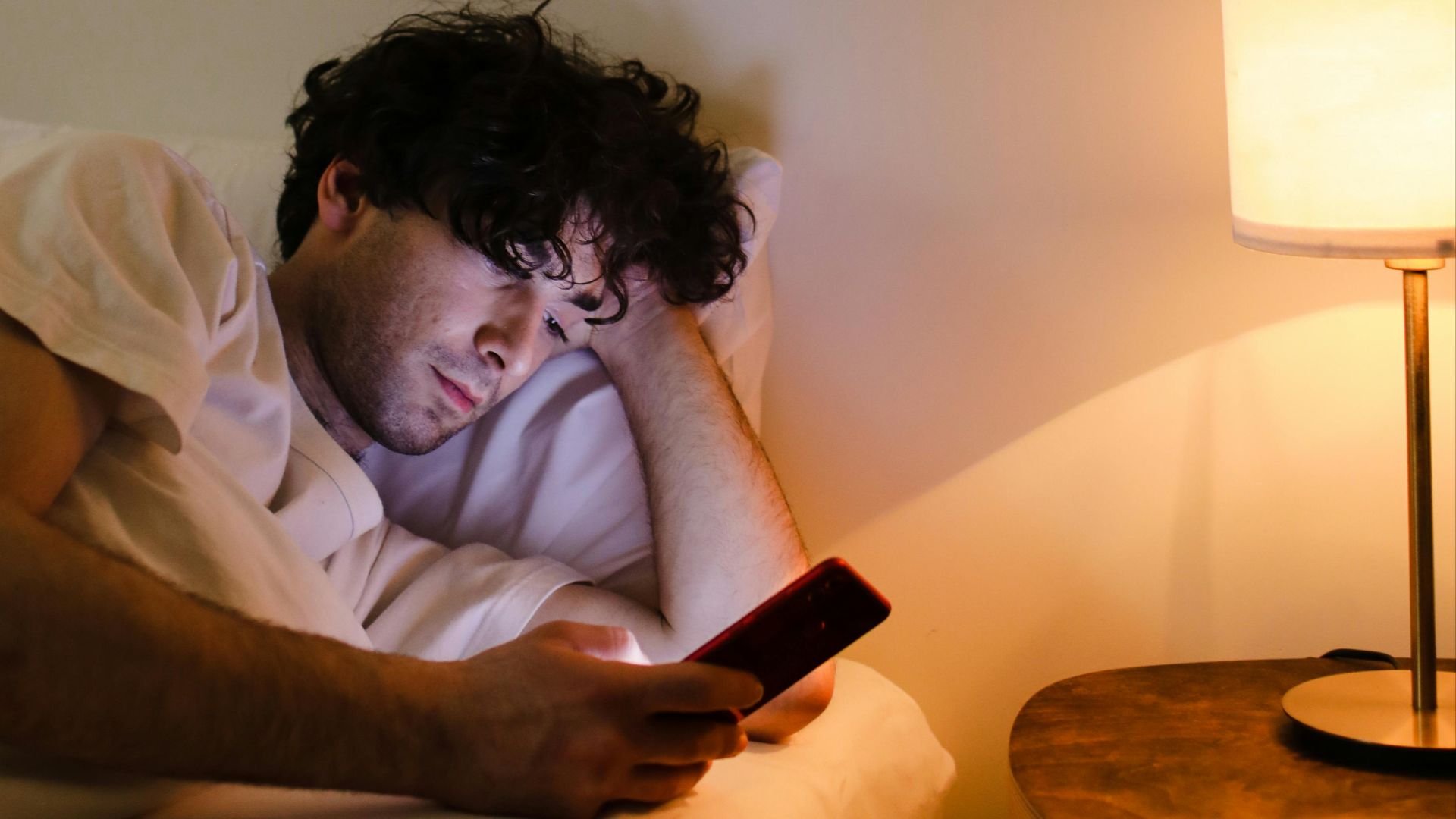
The waking period between sleeps was maybe what we could consider our "self-care" time. Ekirch’s evidence points to people using that interval for prayer, quiet talk, tending the fire, using the privy, or simply lying awake and thinking. A Virginia Tech profile of his research says the gap could last an hour or more, and that people used it for “anything and everything imaginable."
Some sources are more specific and a little more intimate. On Ekirch’s archive site, one 1703 text advises a husband to sleep through his first stretch, then wake and begin an “amorous discourse” with his wife before intercourse. Other references mention people praying after the first sleep or planning small routines around that quiet window in the night.
The lighting around people mattered, too, and that part still feels very modern. A study in the Journal of Clinical Endocrinology & Metabolism found that ordinary room light before bed delayed melatonin onset in 99% of participants, shortened melatonin duration by about 90 minutes, and suppressed melatonin by more than 50% during the usual sleep period in most trials. That doesn’t prove one ancient sleep truth, of course, but it does show how a darker night could support a different rhythm from the one modern people live with now.
Why the Pattern Faded, but Never Really Disappeared
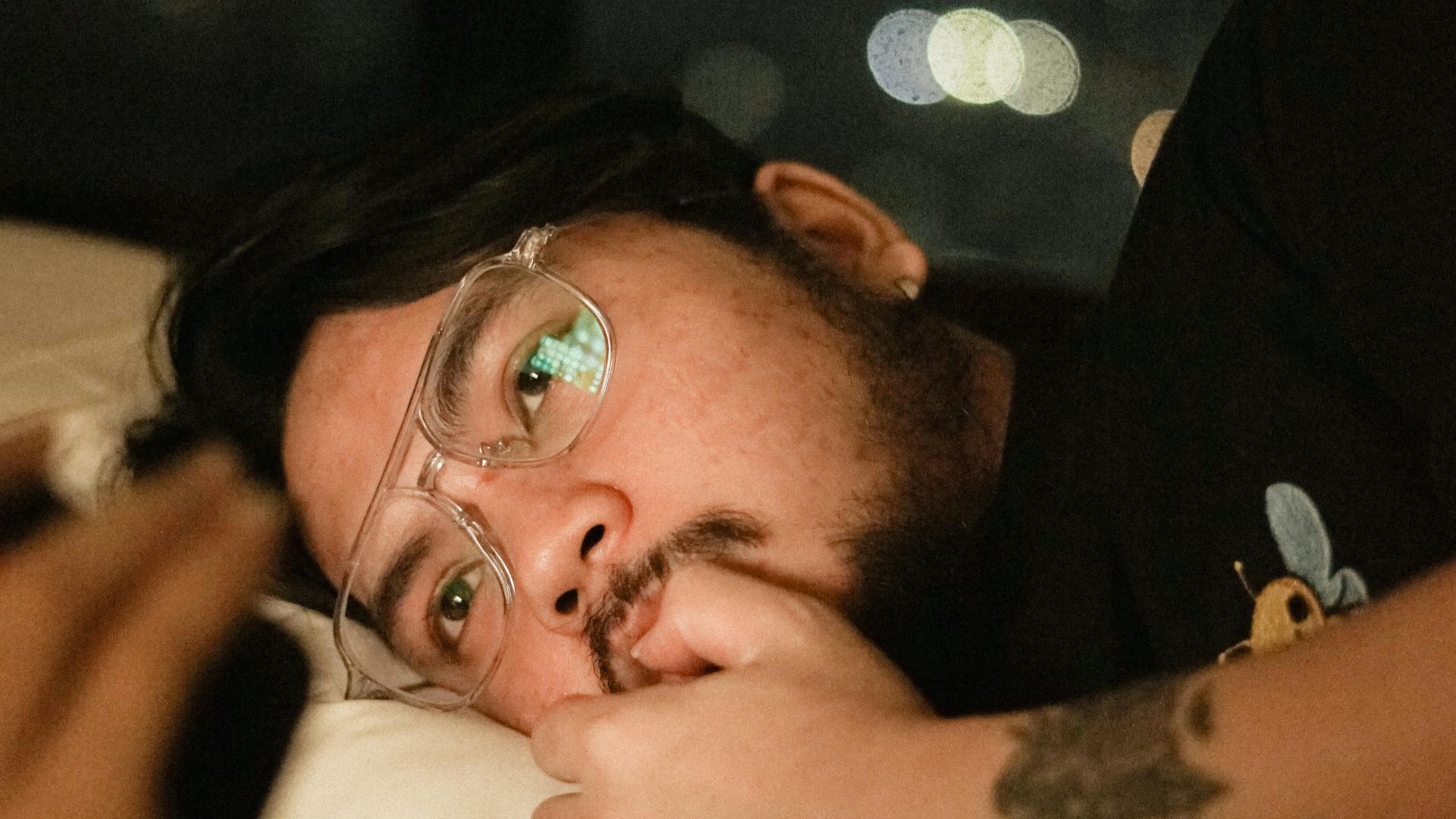
The move toward one consolidated block of sleep didn’t happen all at once, and it didn’t happen for only one reason. Changes in work, timekeeping, and artificial light all pushed sleep toward a tighter schedule. The Smithsonian’s history of industrial timekeeping notes that factory labor replaced looser rhythms with stricter, clock-driven routines, and that workdays were often 12 to 14 hours long. Once daily life started running on bells, shifts, and wages, there was a lot less room for a quiet hour in the middle of the night.
Modern sleep research makes the story more interesting, not less. The American Academy of Sleep Medicine says adults should sleep seven or more hours a night regularly, which is a recommendation about total sleep, not about fitting yourself into one exact cultural format. Thomas Wehr’s well-known experiment also found that when people were exposed to long periods of darkness, they often drifted into two sleep bouts with a one-to-three-hour waking interval in the middle.
At the same time, later research doesn’t let us declare segmented sleep the one natural human default and call it a day. A study of three preindustrial societies found similar sleep organization across groups in Tanzania, Namibia, and Bolivia, while a separate study in rural Madagascar documented segmented sleep in a non-electric small-scale agricultural community. Put together, those findings point less to one fixed rule than to a pretty flexible human capacity for sleeping differently under different conditions. Waking in the night isn’t automatically abnormal, even if ongoing sleep trouble is still something worth taking seriously.
KEEP ON READING