


The Stars Who Ignored The Rules
The artists who changed music rarely came up by playing nicely. They pushed against record labels, radio standards, genre snobbery, TV censors, and the whole stale idea that a performer had to look or sound a certain way to matter. Some of them were loud about it, some were strange on purpose, and some just kept making the work they wanted until the rest of the culture had to catch up. These 20 musicians got famous by breaking the rules, and music’s been more interesting for it ever since.
 Birgit Fostervold on Wikimedia
1. Little Richard
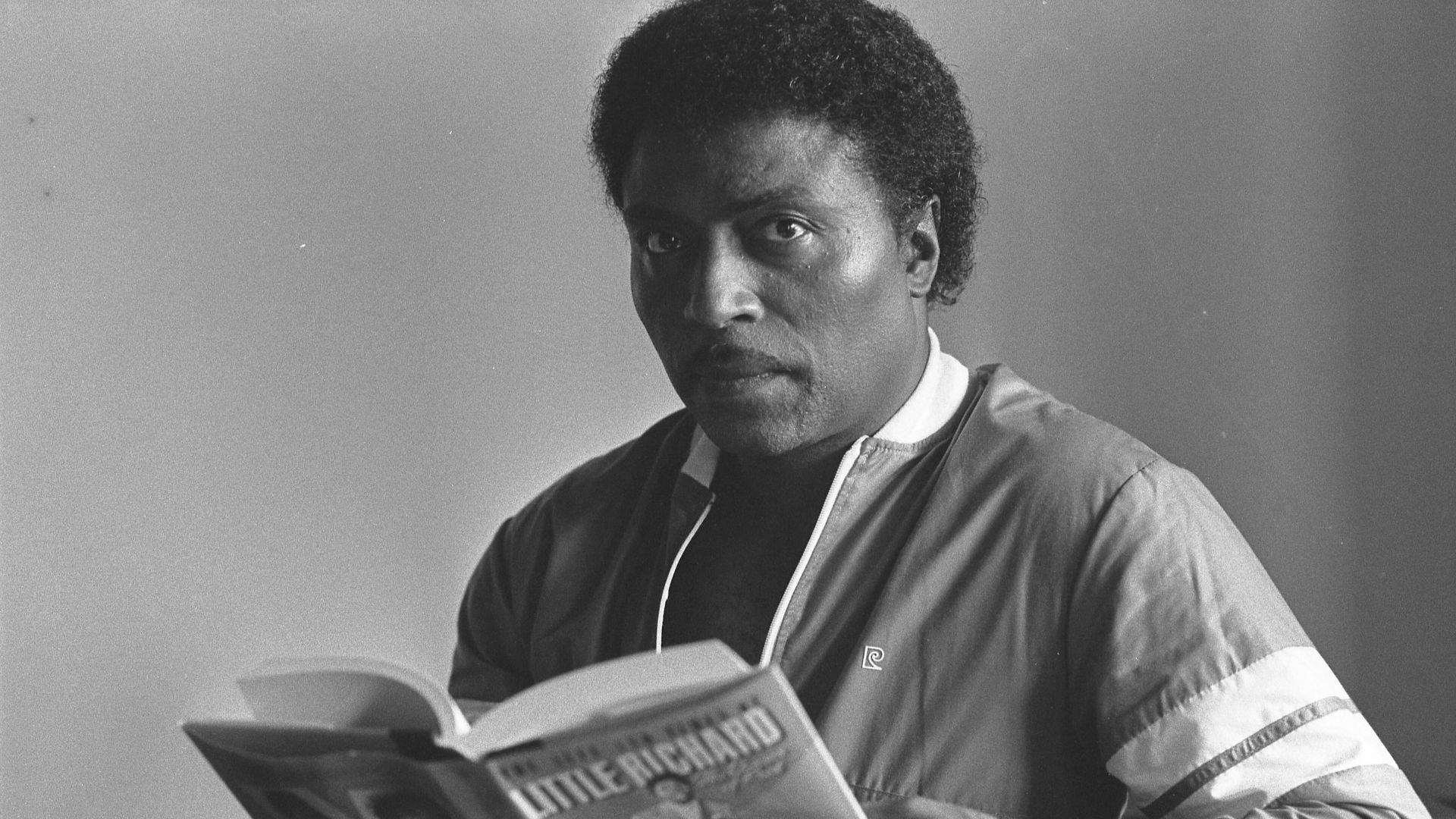
In the 1950s, Little Richard turned rock and roll into something sweaty, wild, and impossible to ignore, especially on records like “Tutti Frutti” and “Long Tall Sally.” He showed up with towering hair, a pounding piano, and a voice that sounded nothing like the cleaner pop acts of the period.
 Ian Dryden, Los Angeles Times on Wikimedia
2. Chuck Berry
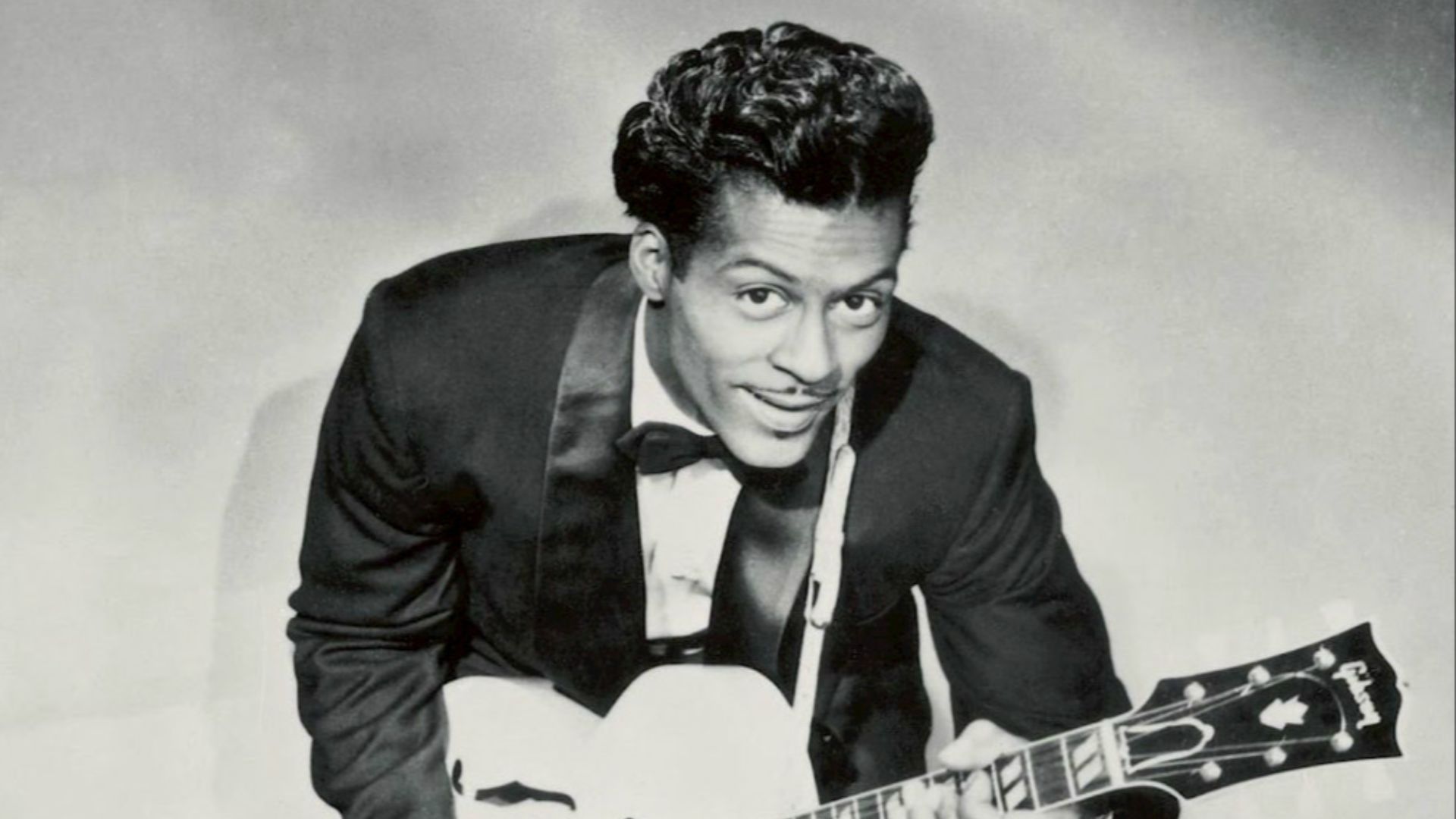
Chuck Berry didn’t just score hits in the 1950s; he helped shape the whole grammar of rock with sharp guitar riffs, fast storytelling, and that duck walk people still copy now. Songs like “Johnny B. Goode” made teenage life feel worth writing about.
3. Iggy Pop
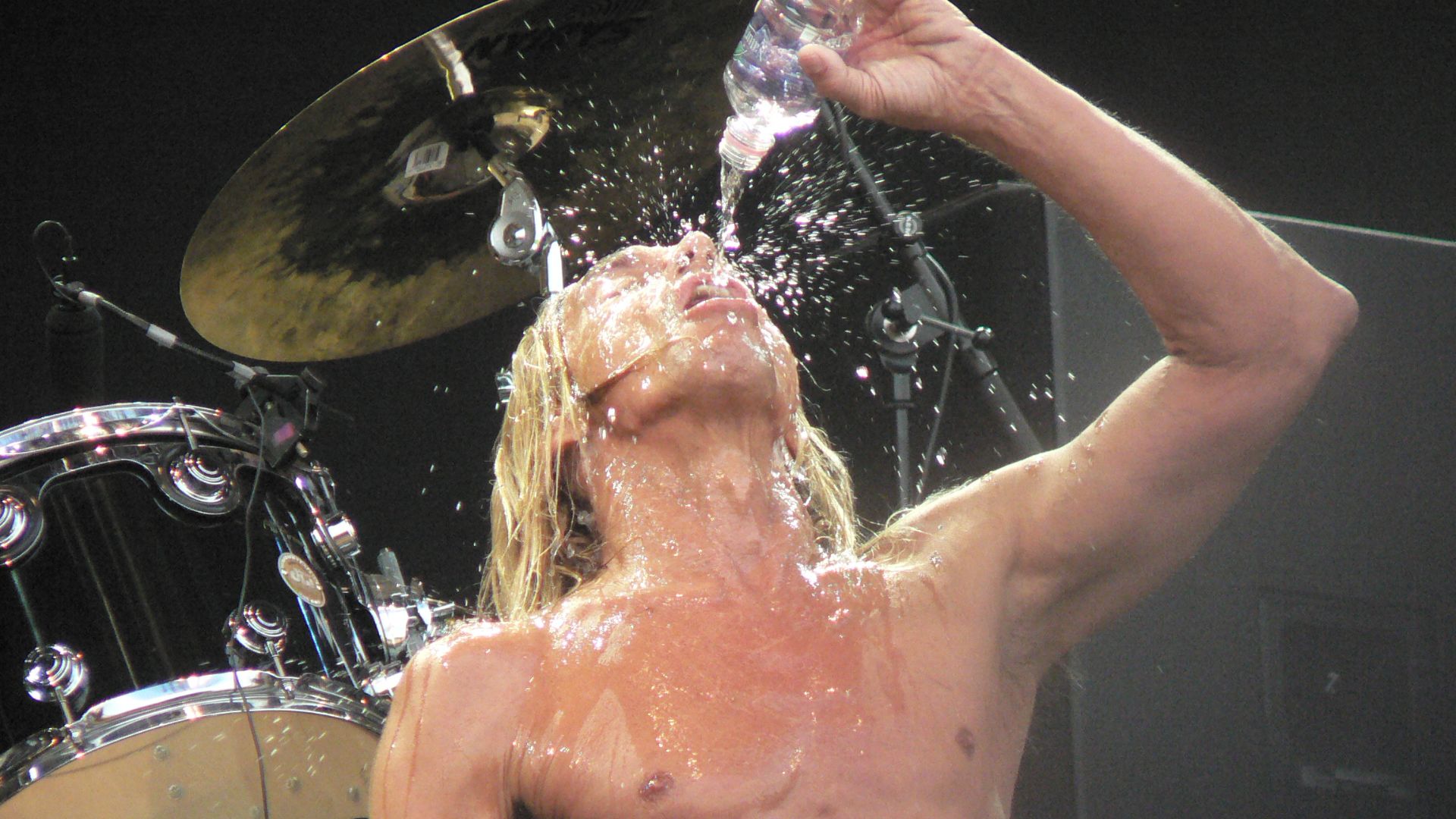
By the late 1960s and early 1970s, Iggy Pop was fronting the Stooges like he had no interest in behaving like a normal rock singer. He threw himself into performances so hard that the whole thing felt tense and half out of control, and that rawness became a huge part of punk’s early DNA.
 Derzsi Elekes Andor on Wikimedia
4. David Bowie
Bowie spent the 1970s changing styles so often that people stopped expecting him to settle down at all, from Ziggy Stardust to the plastic soul years to the Berlin records. He made androgyny, reinvention, and theatrical self-invention part of mainstream rock.
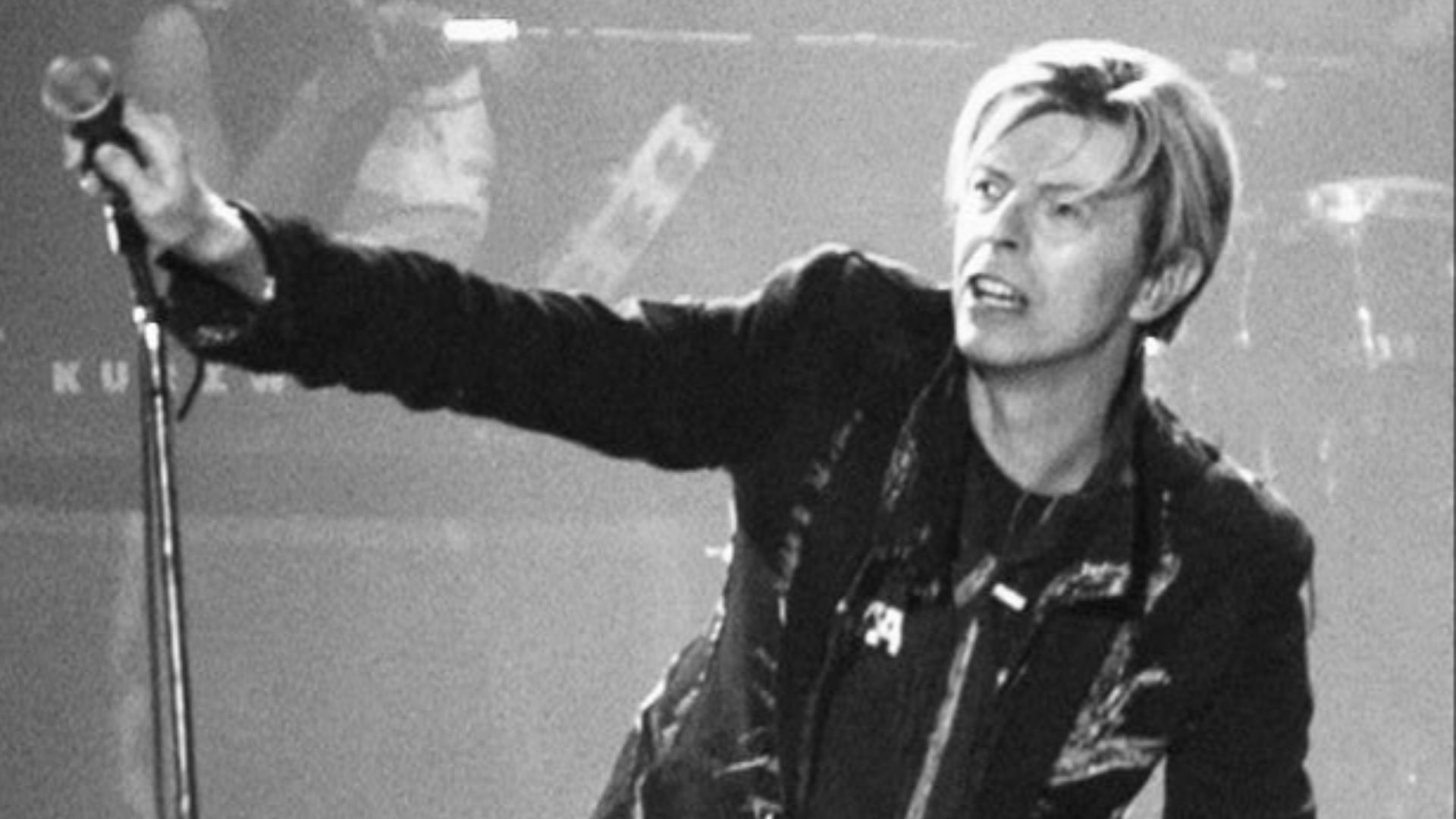
5. Patti Smith
When “Horses” came out in 1975, Patti Smith didn’t sound like the polished singer-songwriters or arena rock stars around her, and that was the point. She brought New York poetry, garage-rock energy, and a kind of blunt emotional force that made plenty of male-dominated rock culture look small and dated.
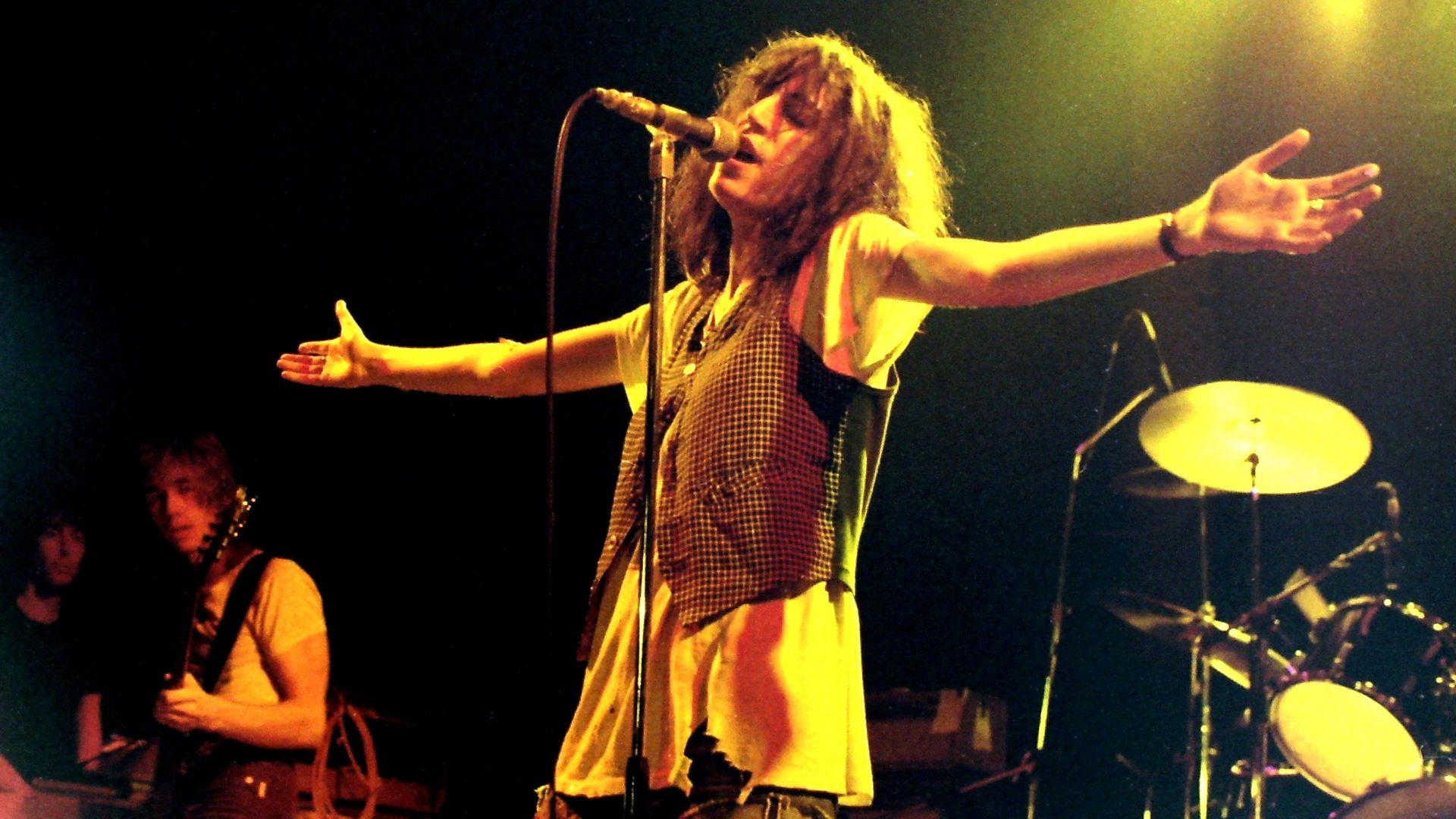
6. Prince
Prince was only 19 when “For You” came out in 1978, and he’d already written, arranged, produced, and played the material himself. That level of control was unusual enough on its own, and it set up the rest of his career, where fights over ownership, authorship, and creative freedom became part of the story.
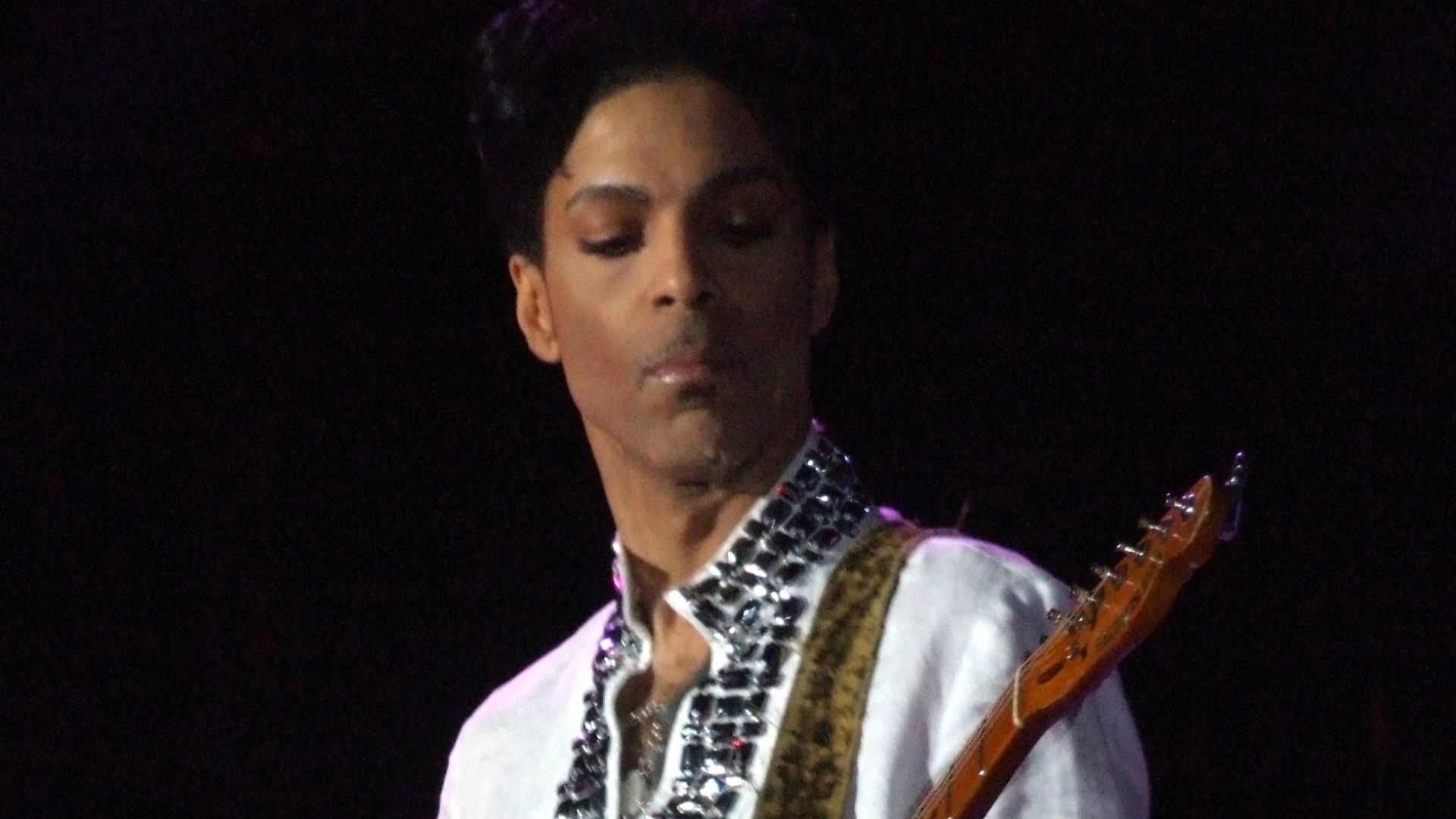
7. Madonna
Madonna’s whole rise in the 1980s came with people clutching their pearls, from “Like a Virgin” to the “Like a Prayer” era at the end of the decade. By 1989, she’d mixed religion, sexuality, and pop spectacle so effectively that the backlash only made her bigger.
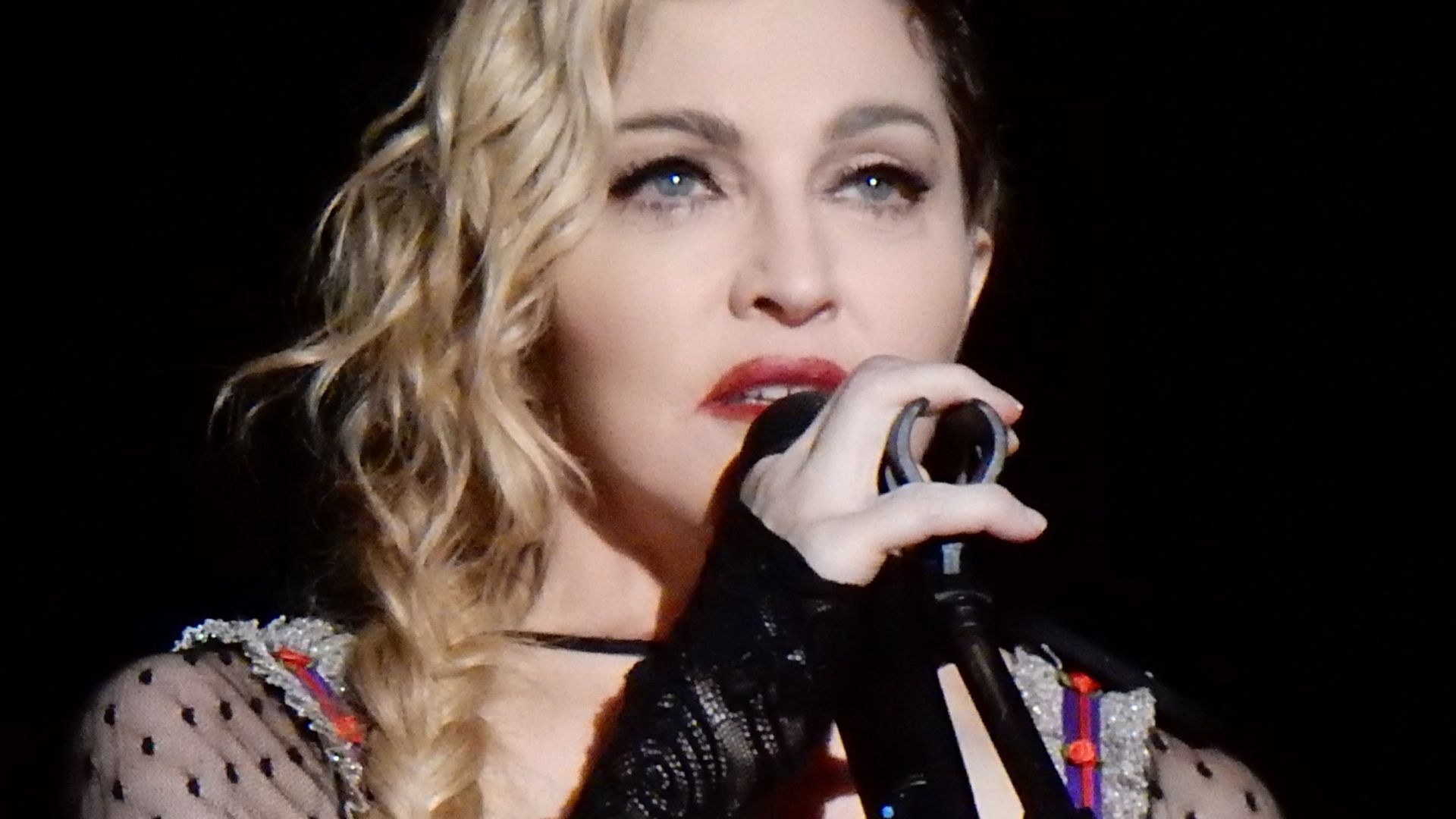
8. N.W.A.
“Straight Outta Compton” hit in 1988 with language, anger, and street detail that mainstream America wasn’t used to hearing that plainly. The group didn’t soften any of it, and when the FBI objected to “F*** tha Police,” that only cemented their place as artists who weren’t interested in making people comfortable.
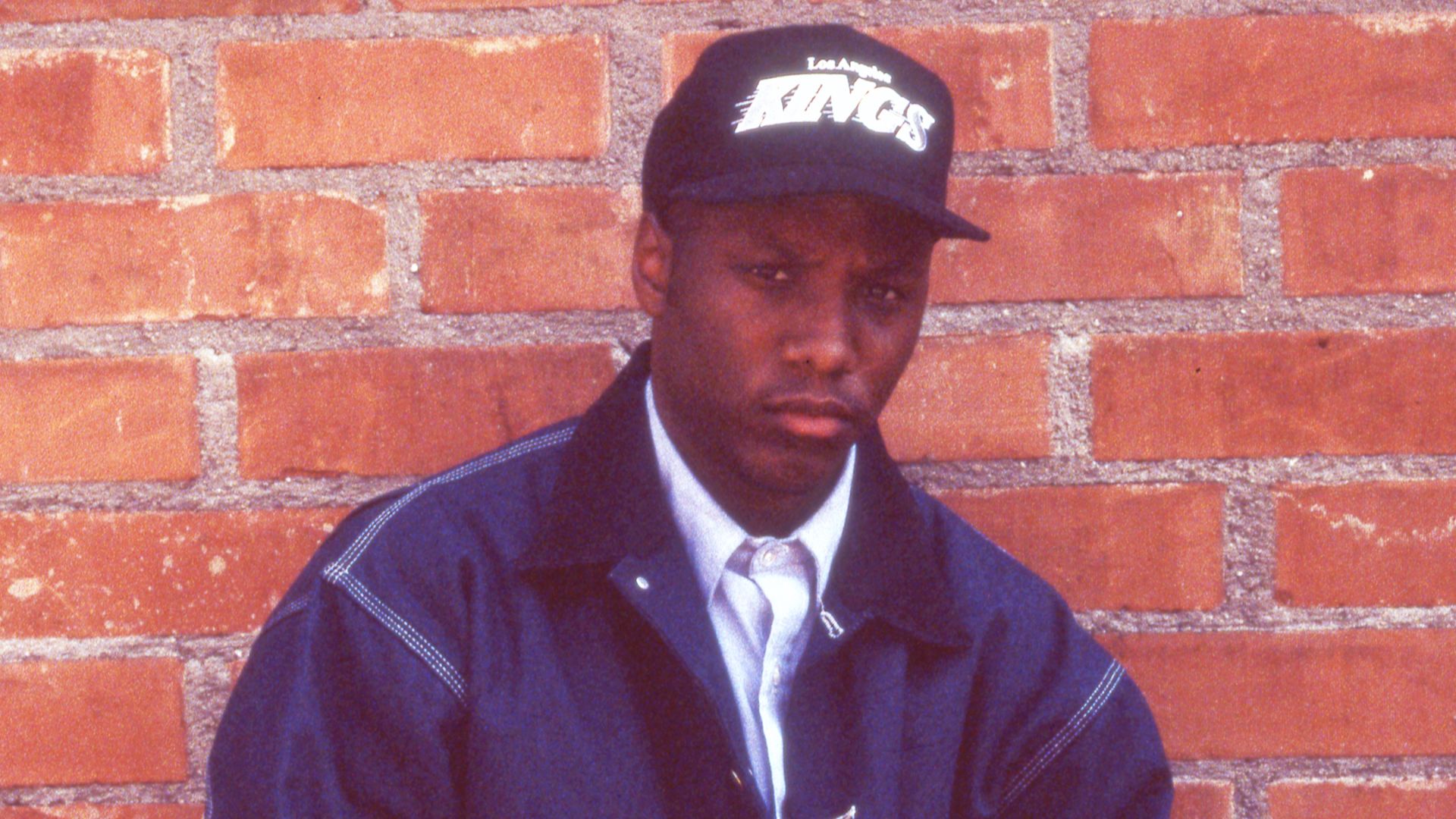 IthakaDarinPappas on Wikimedia
9. Kurt Cobain
When “Nevermind” blew up in 1991, Cobain didn’t arrive looking like the polished rock stars MTV had spent years promoting. He looked tired, uncomfortable, half amused by the whole machine, and that anti-glam presence helped grunge feel like a real break from the hair-metal leftovers still hanging around.
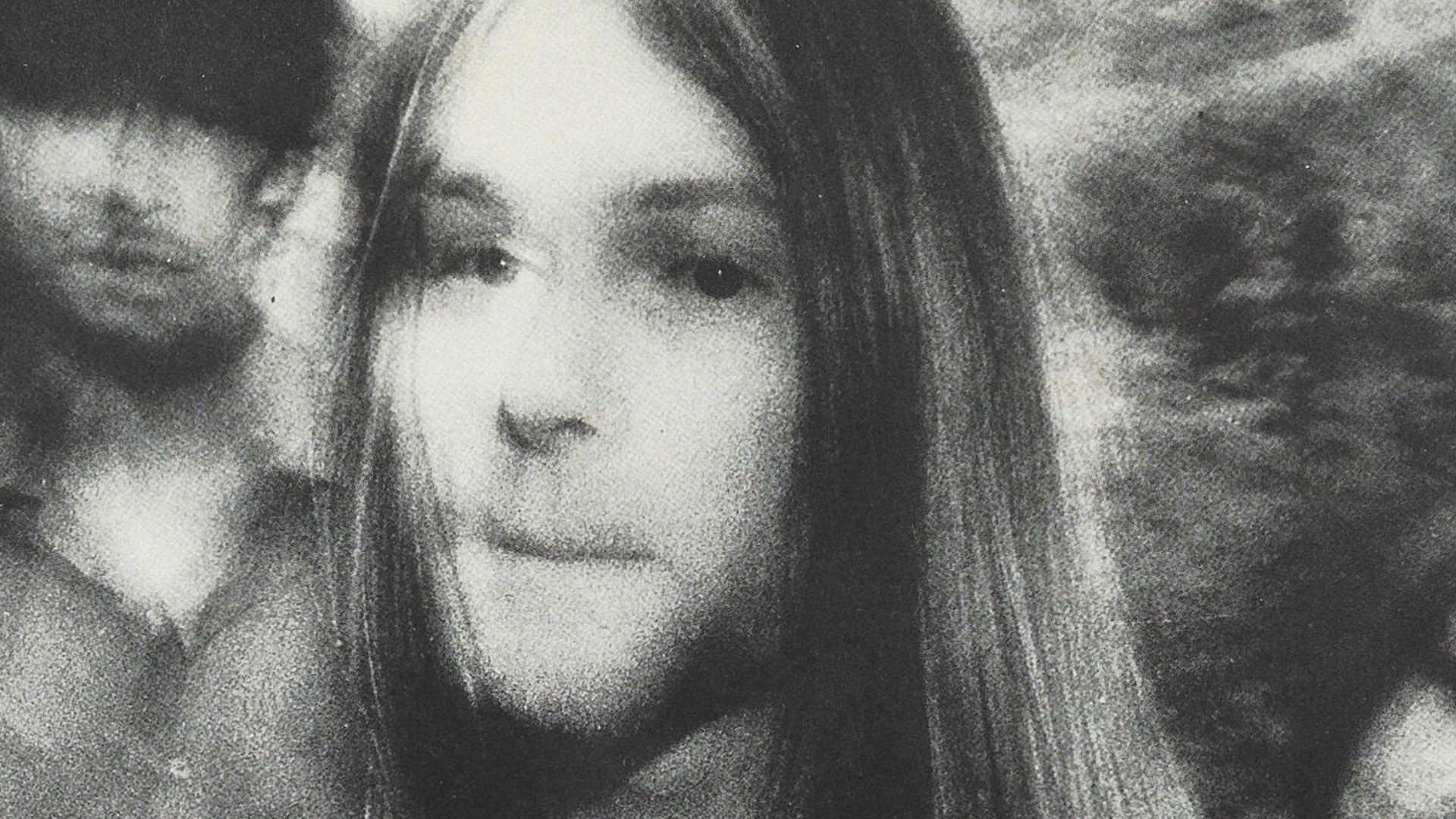
10. Radiohead
After “OK Computer” in 1997, Radiohead had every reason to keep making big, anxious guitar records and cash the checks. Then “Kid A” showed up in 2000, packed with electronics, abstraction, and songs that seemed built to frustrate anyone waiting for the obvious sequel.
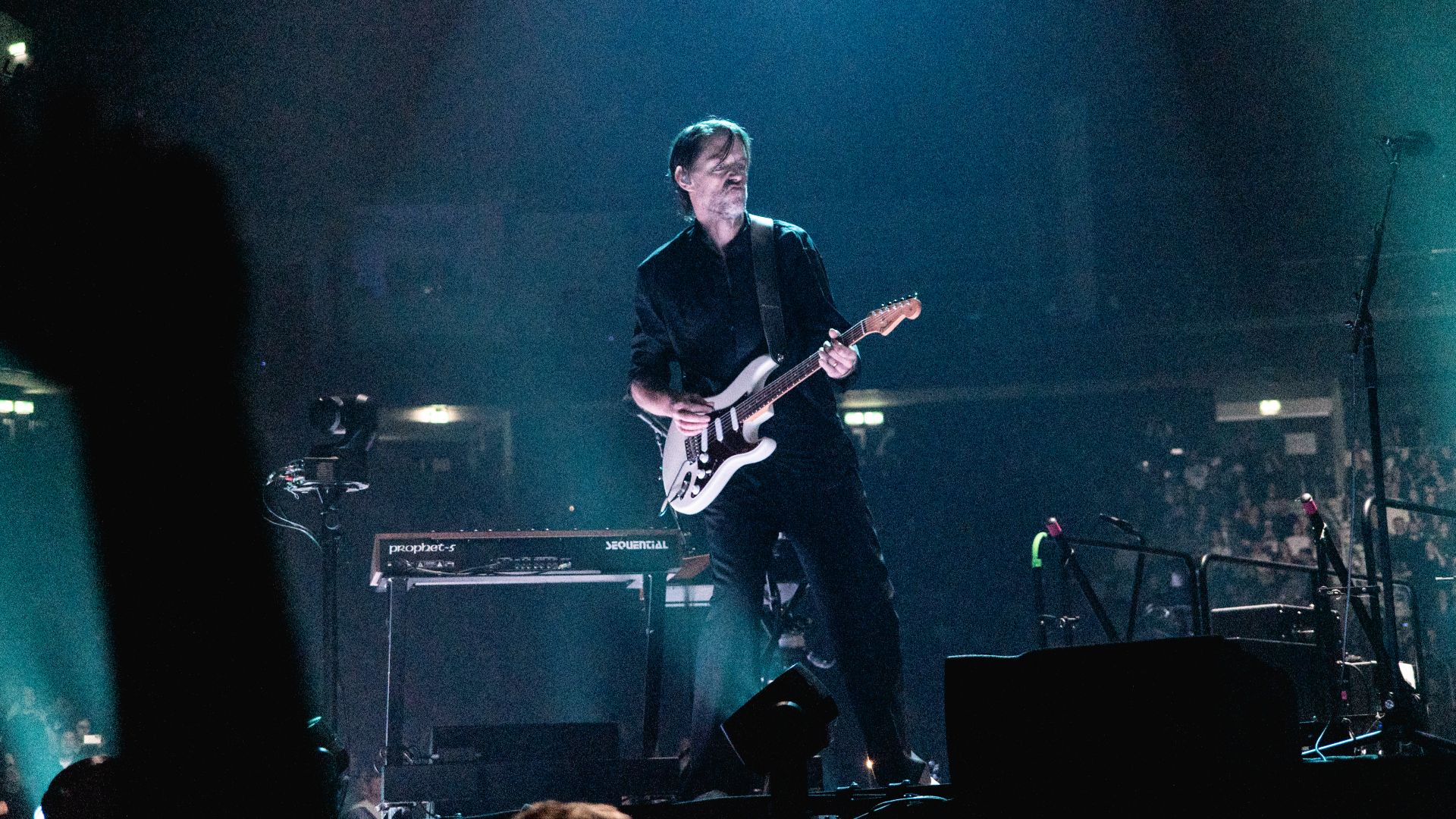
11. Eminem
When Eminem broke through in the late 1990s and early 2000s, critics, politicians, and parent groups spent a lot of time talking about his lyrics, and not in a flattering way. He kept going anyway, and because the technical skill was there on records like “The Marshall Mathers LP,” the controversy never swallowed the music.
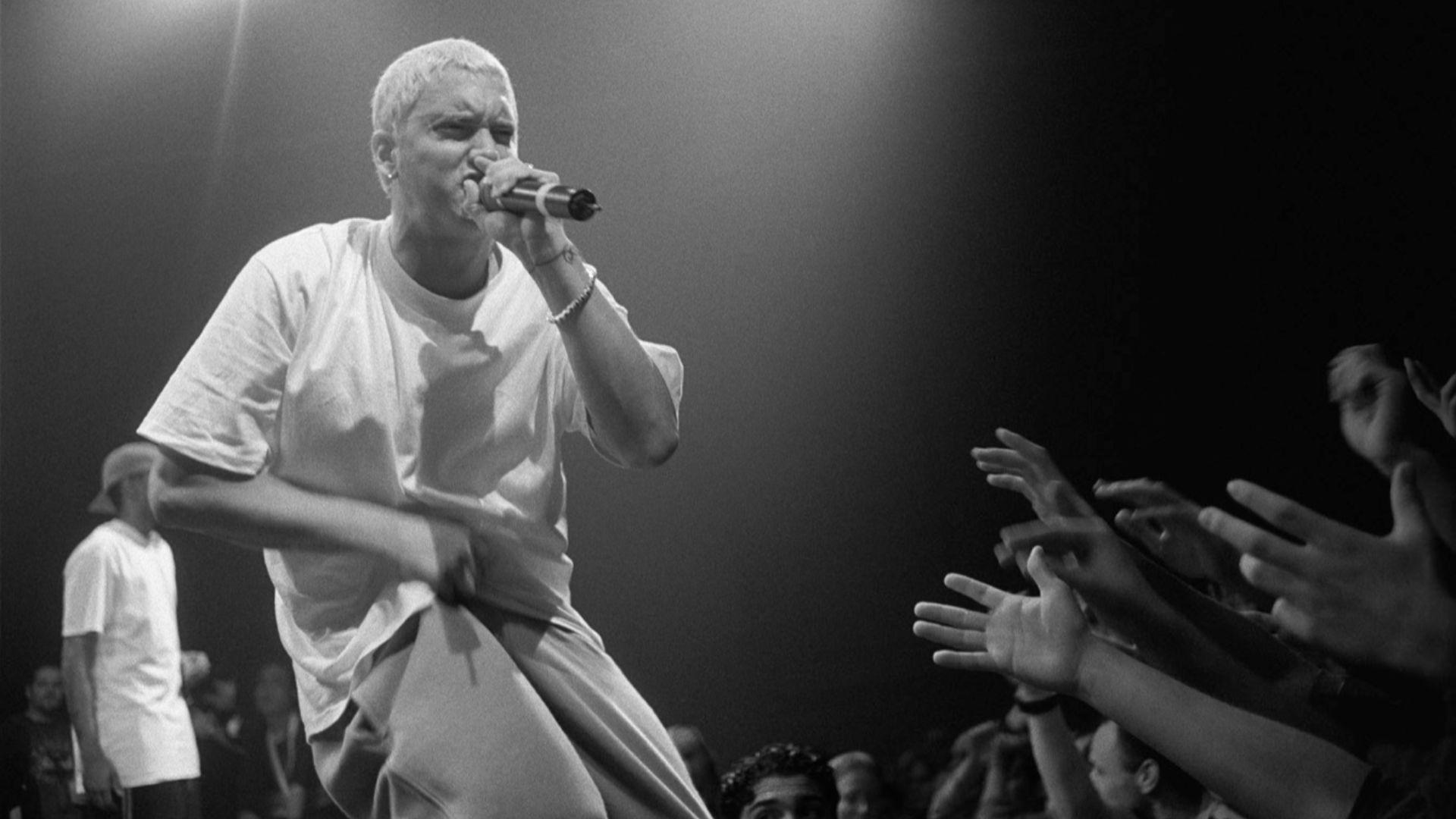
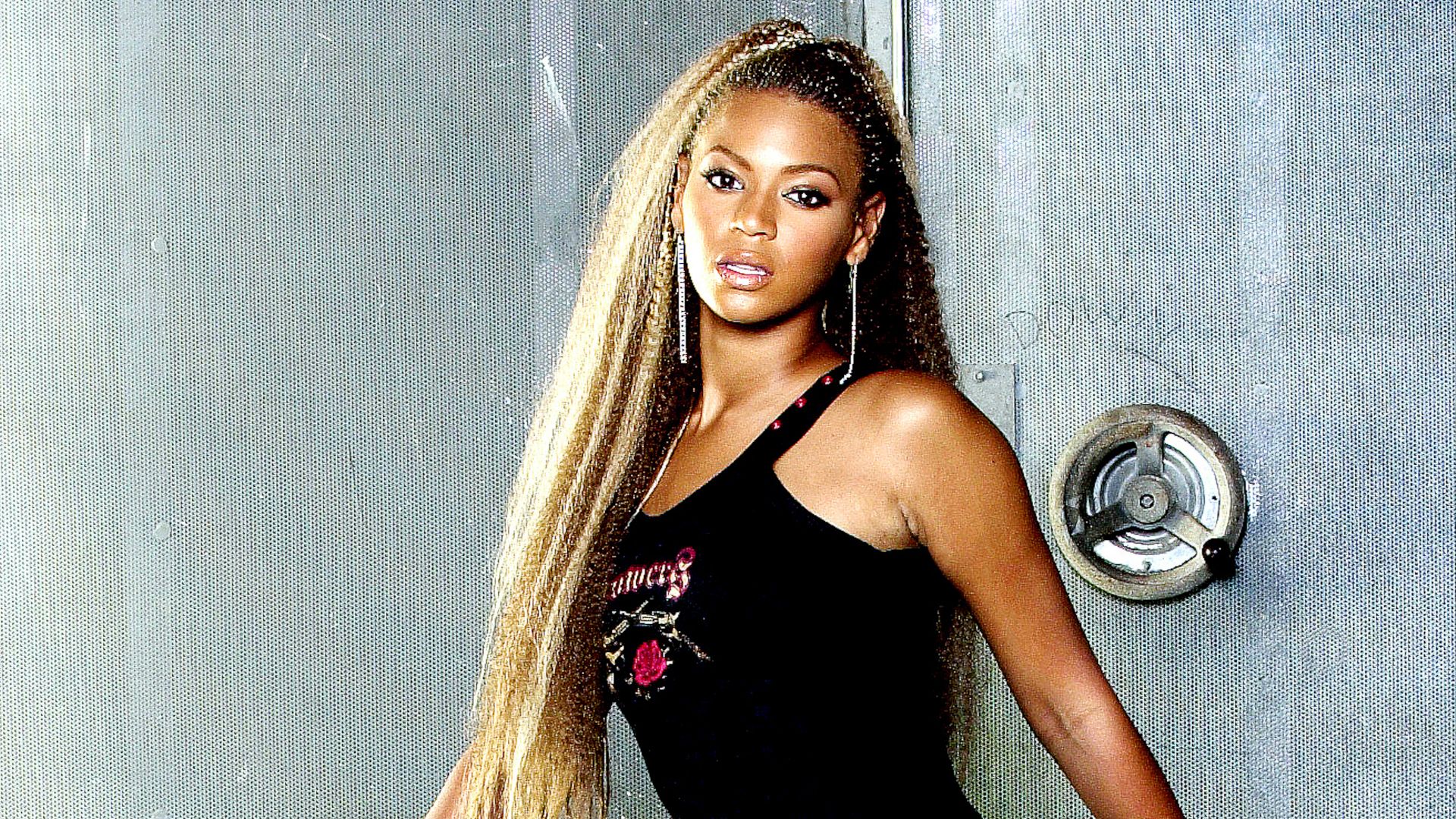
12. Beyoncé
By the time “Lemonade” landed in 2016, Beyoncé didn’t need the usual months of promo or the old magazine-cover rollout. She dropped the project with an HBO film and immediate streaming access, and the release felt tightly held together from top to bottom.
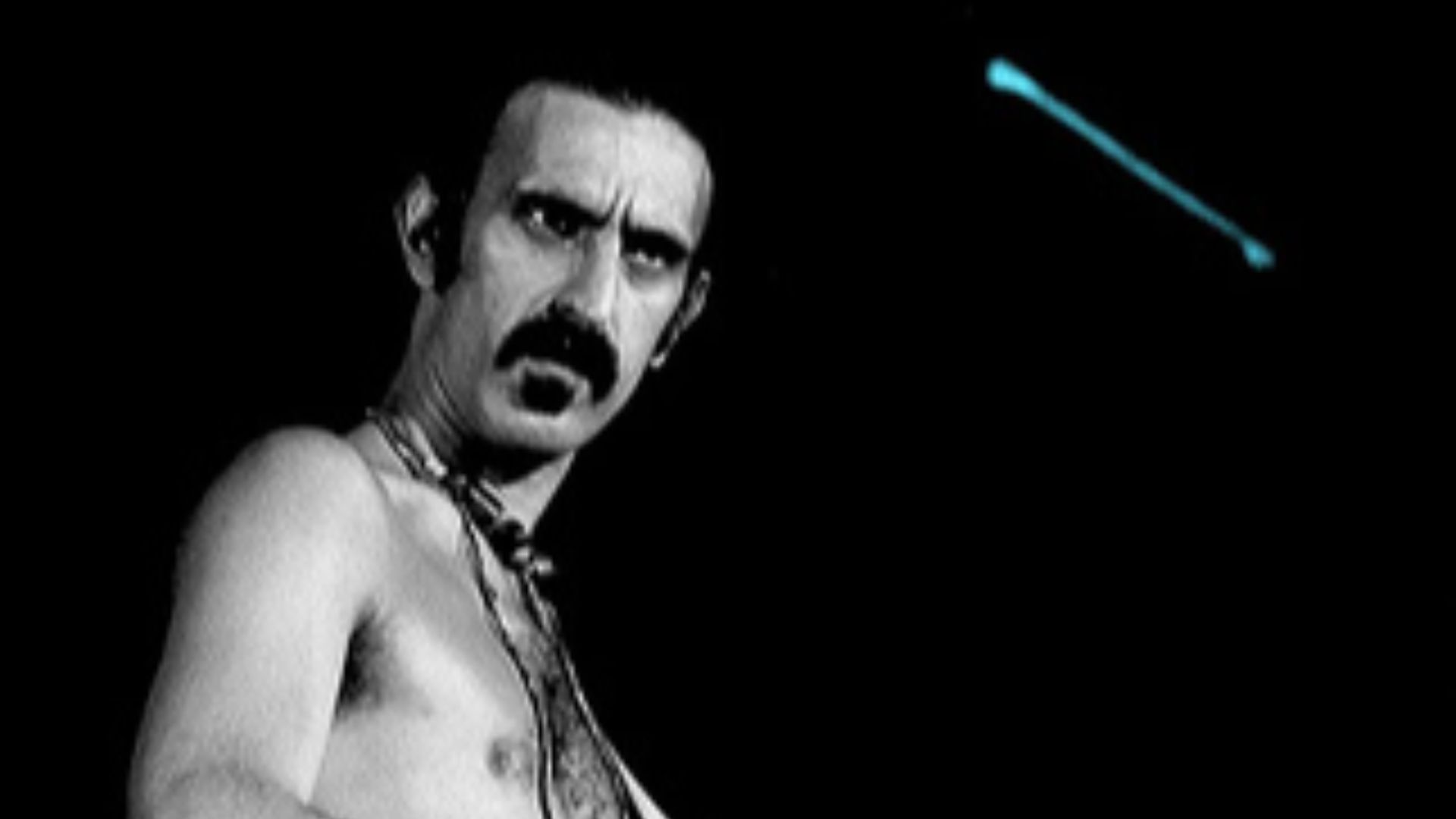
13. Frank Zappa
Zappa spent the 1960s through the 1980s bouncing across rock, jazz, orchestral music, and satire with zero interest in sounding easy to market. That made him hard to categorize, which probably suited him fine, and it also made him one of the clearest examples of an artist who never saw rules as especially sacred.
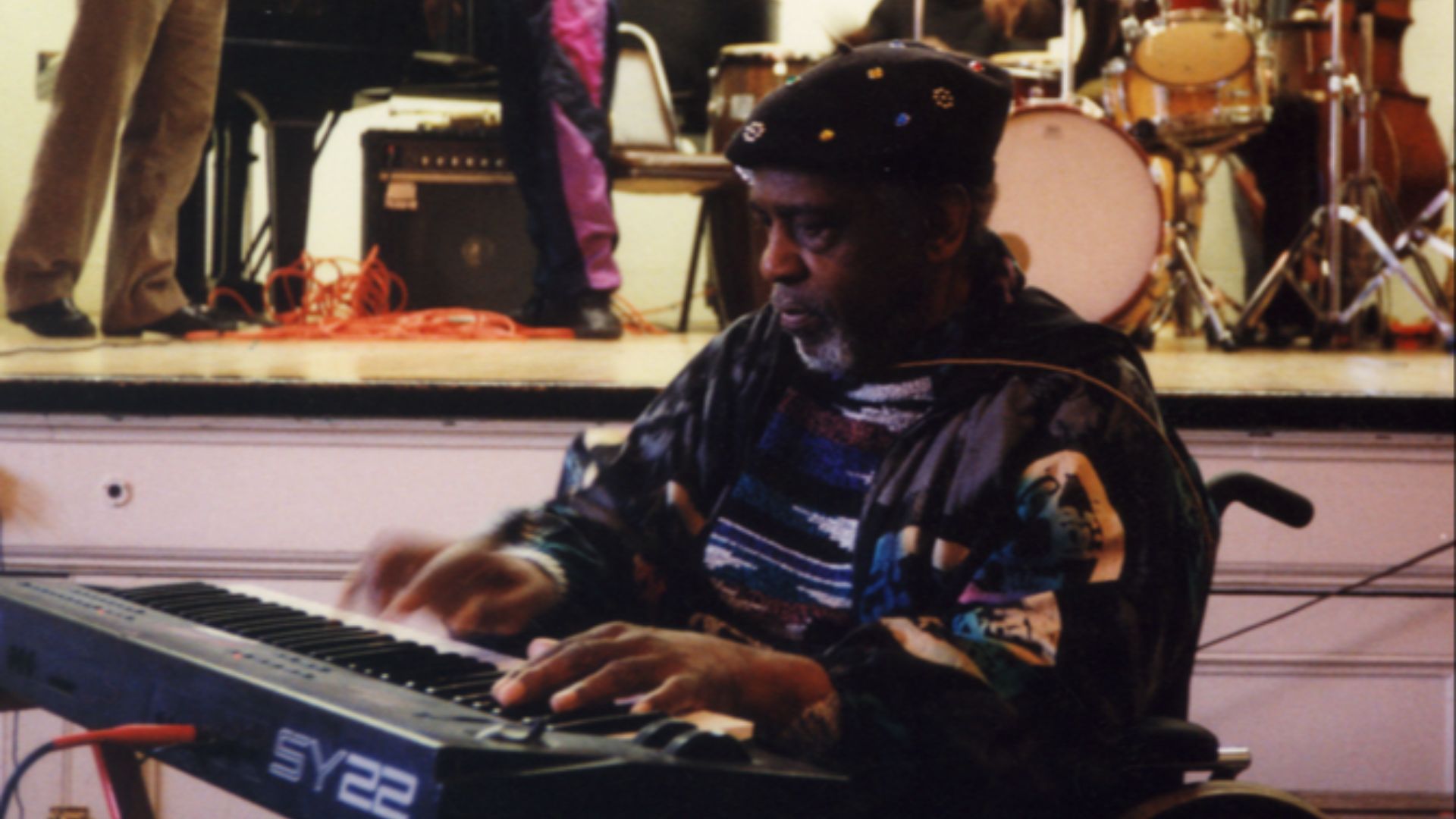
14. Sun Ra
Sun Ra didn’t just make adventurous jazz in Chicago, New York, and Philadelphia; he built a whole cosmic identity around it over several decades. Between the Saturn mythology, the robes, the Arkestra performances, and the leap into freer jazz forms, he made the music feel inseparable from a bigger vision of Black futurity.
 Pandelis karayorgis at English Wikipedia on Wikimedia
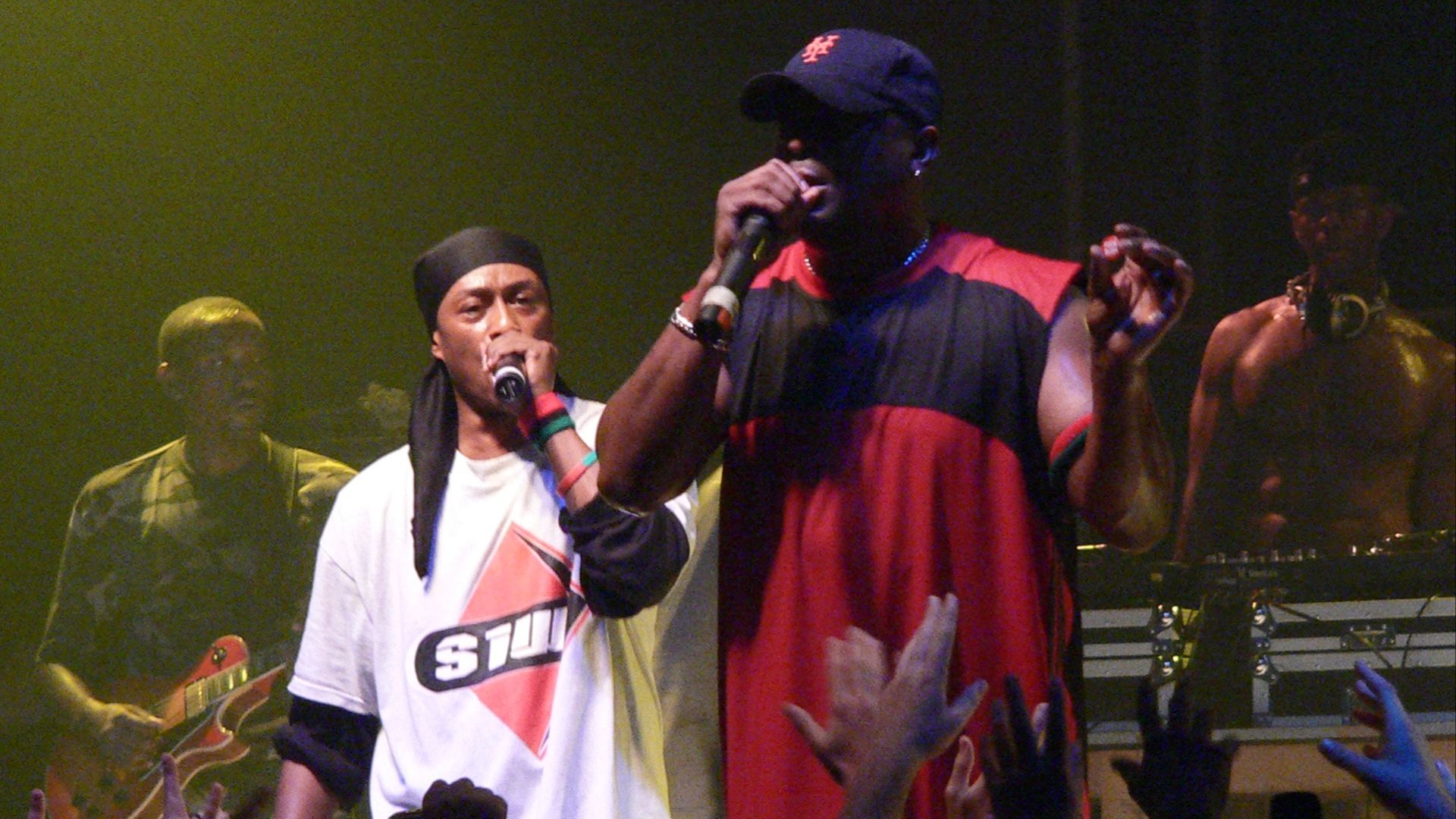
15. Public Enemy
“When It Takes a Nation of Millions to Hold Us Back” came out in 1988, Public Enemy sounded dense, noisy, angry, and completely unwilling to smooth any of that over for pop radio. Chuck D’s voice, Flavor Flav’s chaos, and the Bomb Squad’s production made the group feel like a public argument set to music.
16. The Sex Pistols
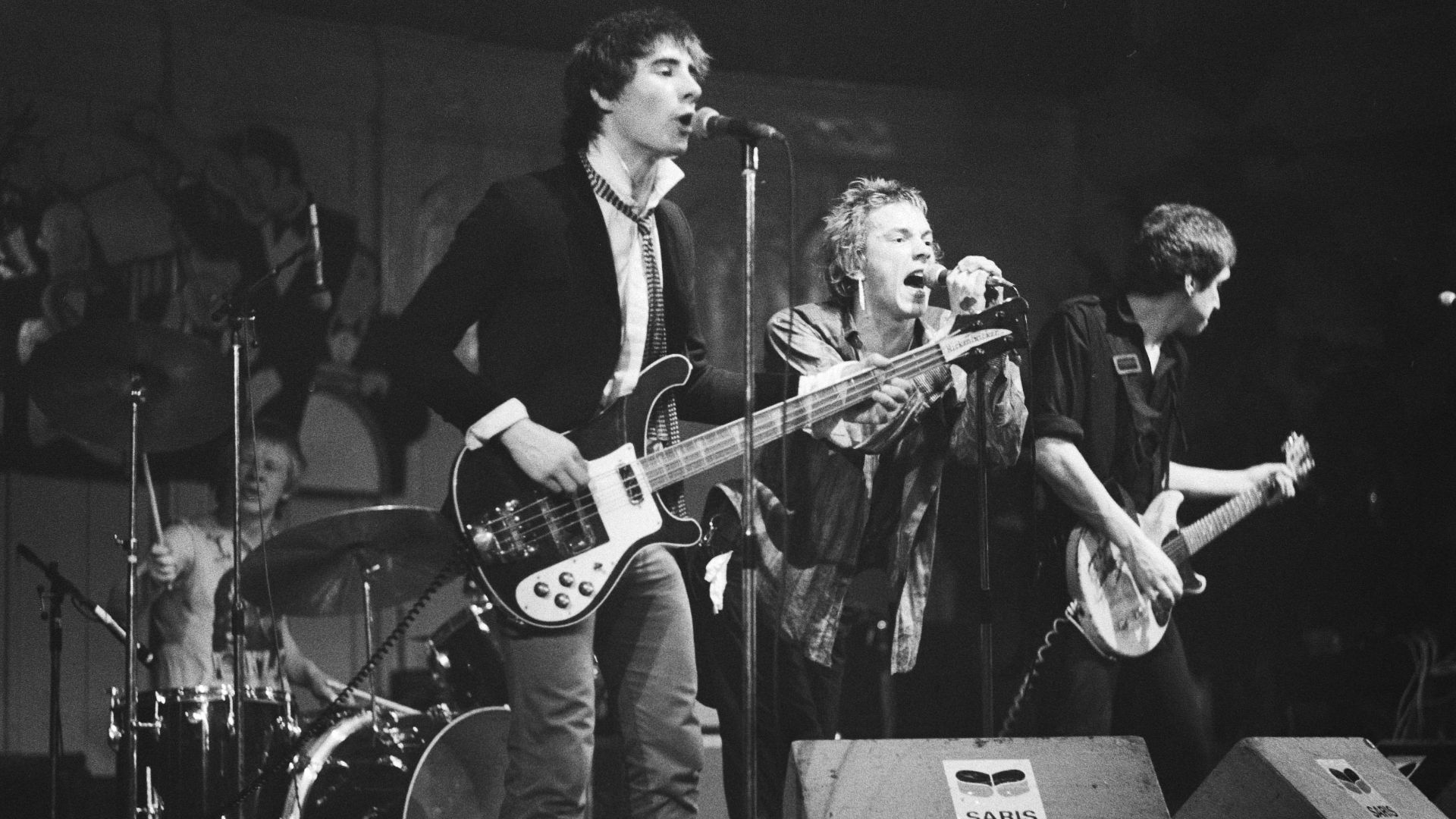
The Sex Pistols were built for offense, and Britain got that message after their foul-mouthed 1976 appearance with Bill Grundy on live TV. That one moment helped turn punk from a scrappy scene into a national panic, which, from the band’s point of view, was probably close to perfect.
17. Run-DMC
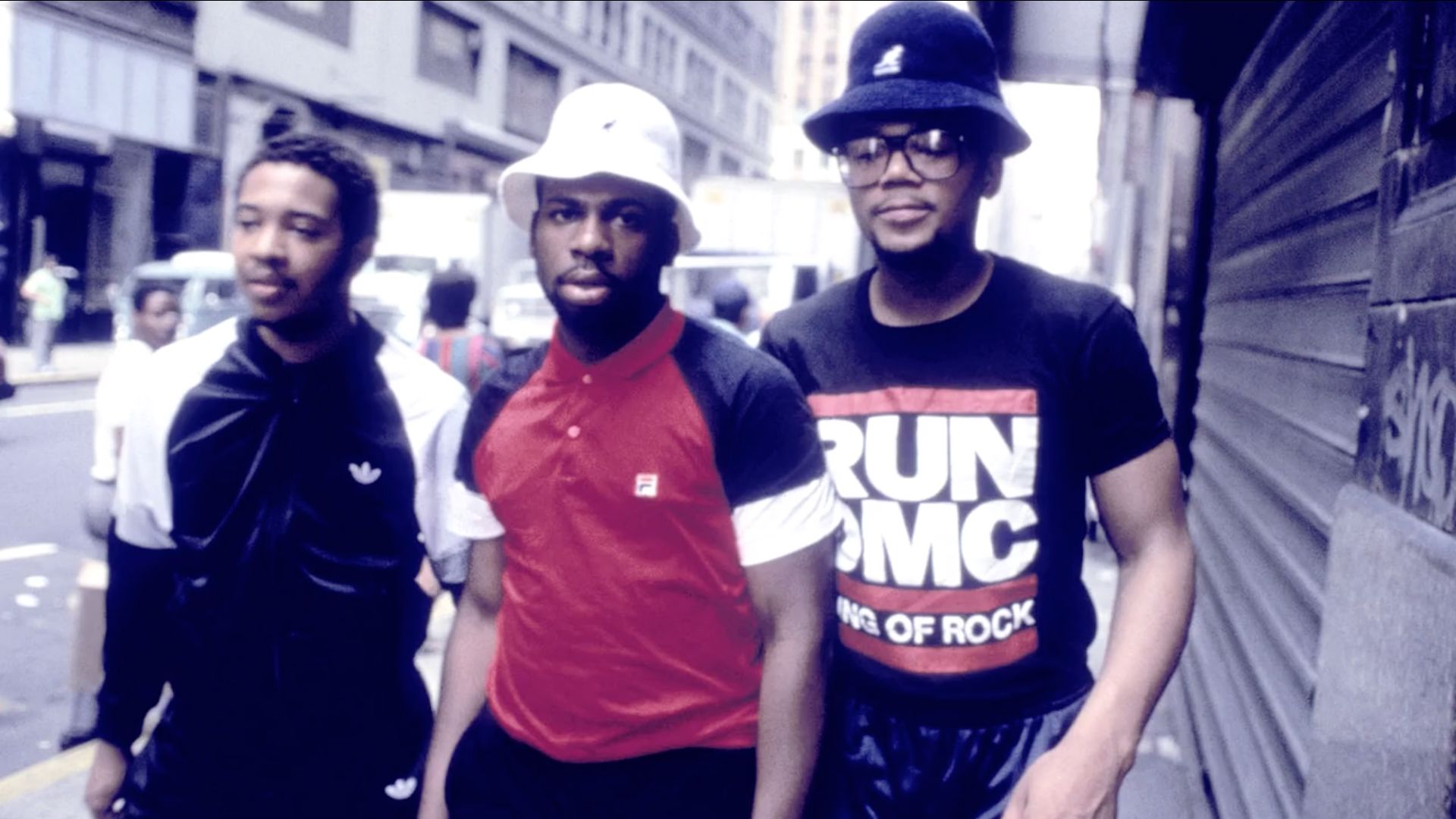
Run-DMC showed up in the mid-1980s wearing black leather, Adidas sneakers, and street clothes that looked like real life, not stage costumes picked by nervous executives. Then “Walk This Way” with Aerosmith hit in 1986 and helped drag rap and rock into the same room in a way the mainstream couldn’t shrug off anymore.
18. Tracy Chapman
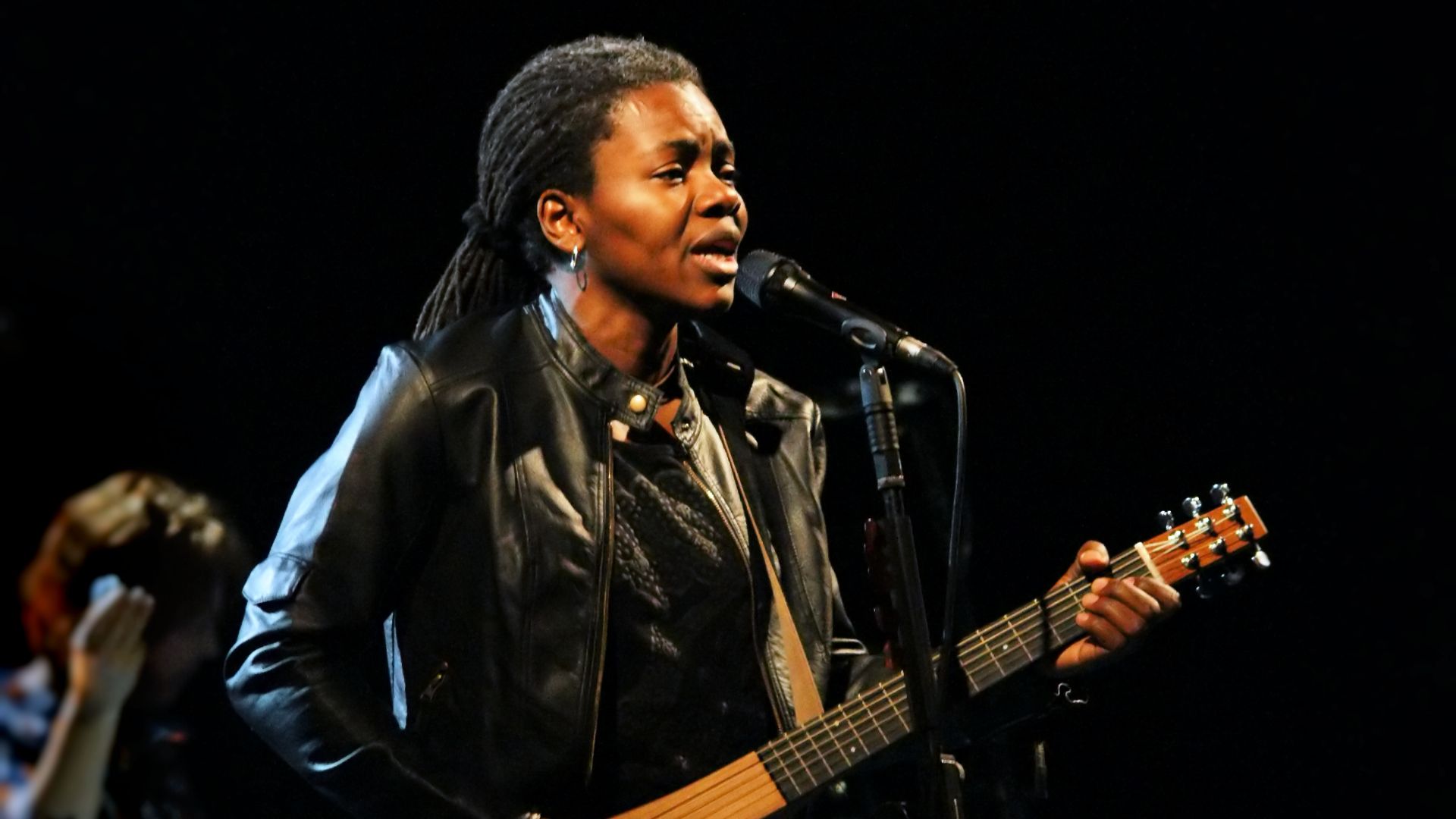
Chapman’s 1988 debut arrived when a lot of pop was still running on glossy production and big synthetic surfaces, and she cut straight through that with voice, guitar, and songs that felt close to the bone. “Fast Car” didn’t need much dressing up, which is part of why it landed so hard in the first place.
19. Johnny Rotten
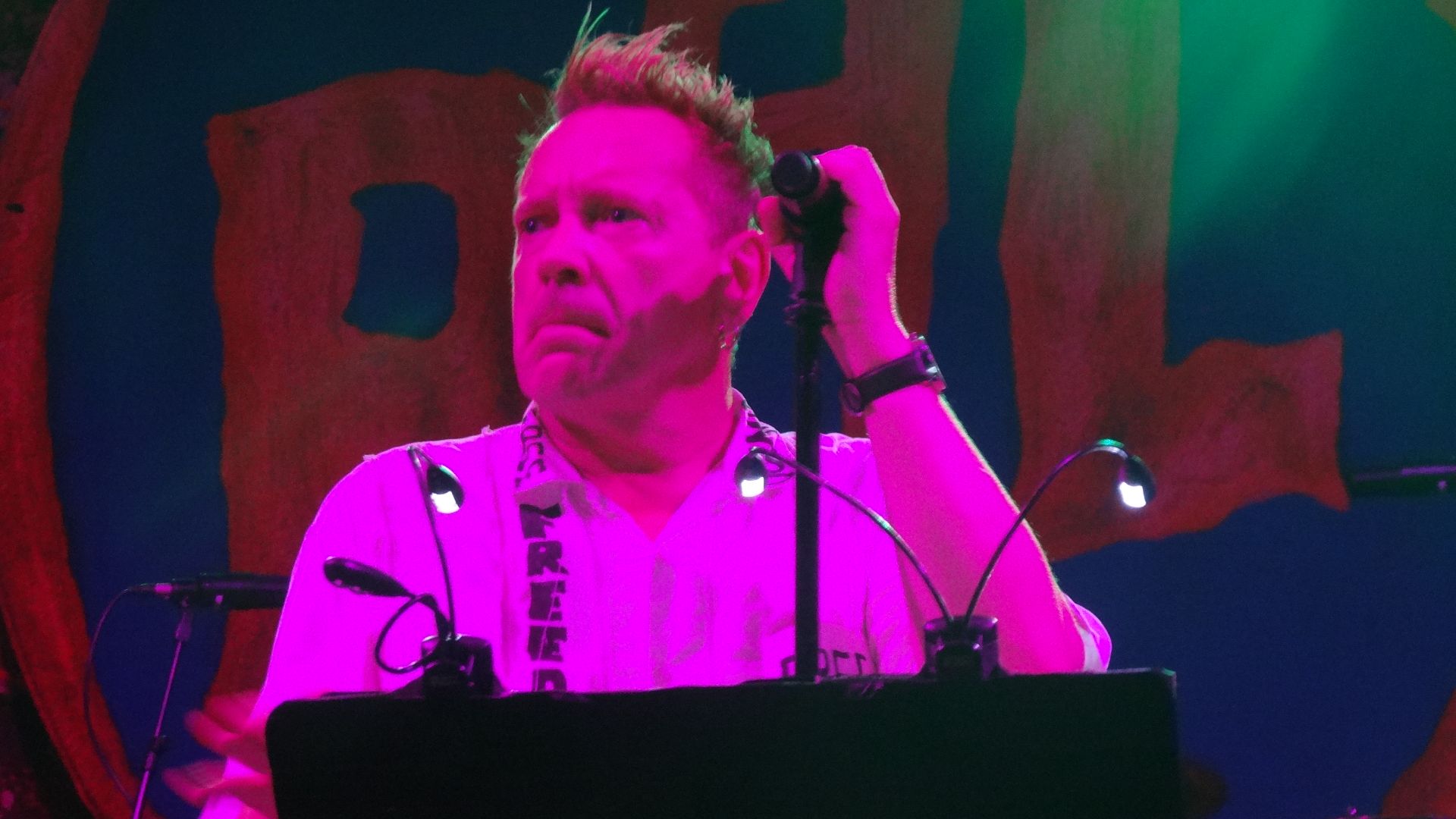
John Lydon, still widely known as Johnny Rotten during the Sex Pistols years, built his image around sneering at rock-star polish and the business wrapped around it. When he ended the band’s final U.S. show in San Francisco in 1978 with “Ever get the feeling you’ve been cheated?”, it sounded bitter, funny, and weirdly fitting all at once.
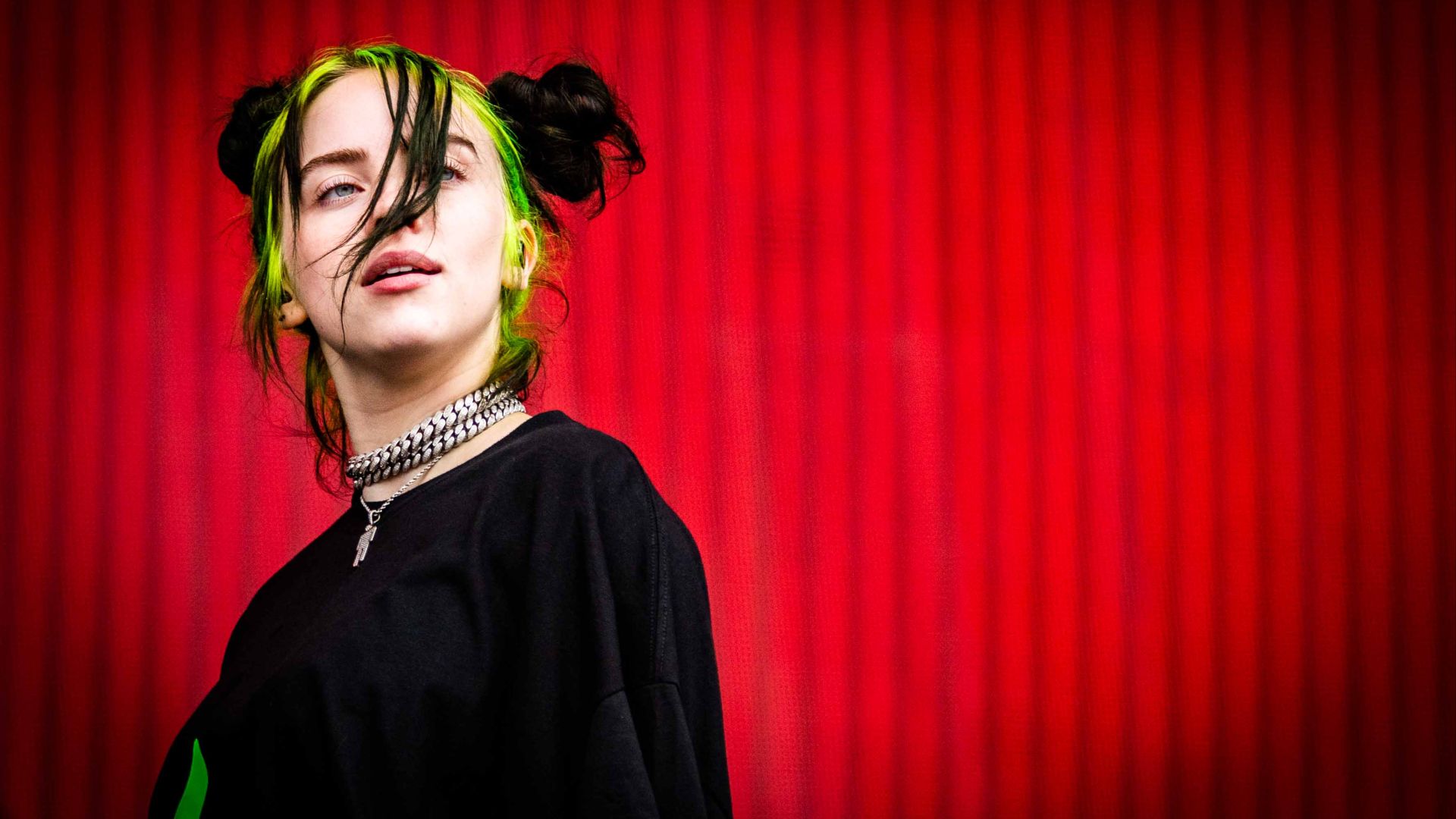
20. Billie Eilish
When “When We All Fall Asleep, Where Do We Go?” came out in 2019, Billie Eilish was still a teenager, and the album didn’t chase the oversized diva-pop model people were used to. The whispery vocals, bedroom production with Finneas, and eerie, stripped-back sound gave her a lane that felt personal and a little exposed, which is probably why so many people connected to it.
KEEP ON READING

20 Weirdest Historical Objects in Museums
Check Out the Pickled Heart of a Saint. Museums carry…
By Rob Shapiro Oct 1, 2025
20 Scariest Missing Persons Cases in History
Eerie Disappearances. There's something uniquely unsettling about a person who…
By Christy Chan May 1, 2026
20 Greatest Ancient Athletes In History
Ancient Olympics. Long before modern stadiums and multimillion-dollar endorsements, athletes…
By Sara Springsteen May 1, 2026
10 Phenomenal Mythical Creatures & 10 That Are Just Plain…
Legends Both Majestic And Peculiar. Do you ever wonder why…
By Chase Wexler Oct 1, 2025
10 Presidents Who Never Served In The Military & 10…
Commanders And Civilians In Office. Power can rise from very…
By David Davidovic Sep 1, 2025
20 Wars That Could Have Ended Much Sooner Than They…
Wars That Lasted Far Too Long. Wars are often remembered…
By David Davidovic Sep 1, 2025