

We All Owe Henry Ford A Huge Thanks For Popularizing This Life-Changing Invention
We All Owe Henry Ford A Huge Thanks For Popularizing This Life-Changing Invention
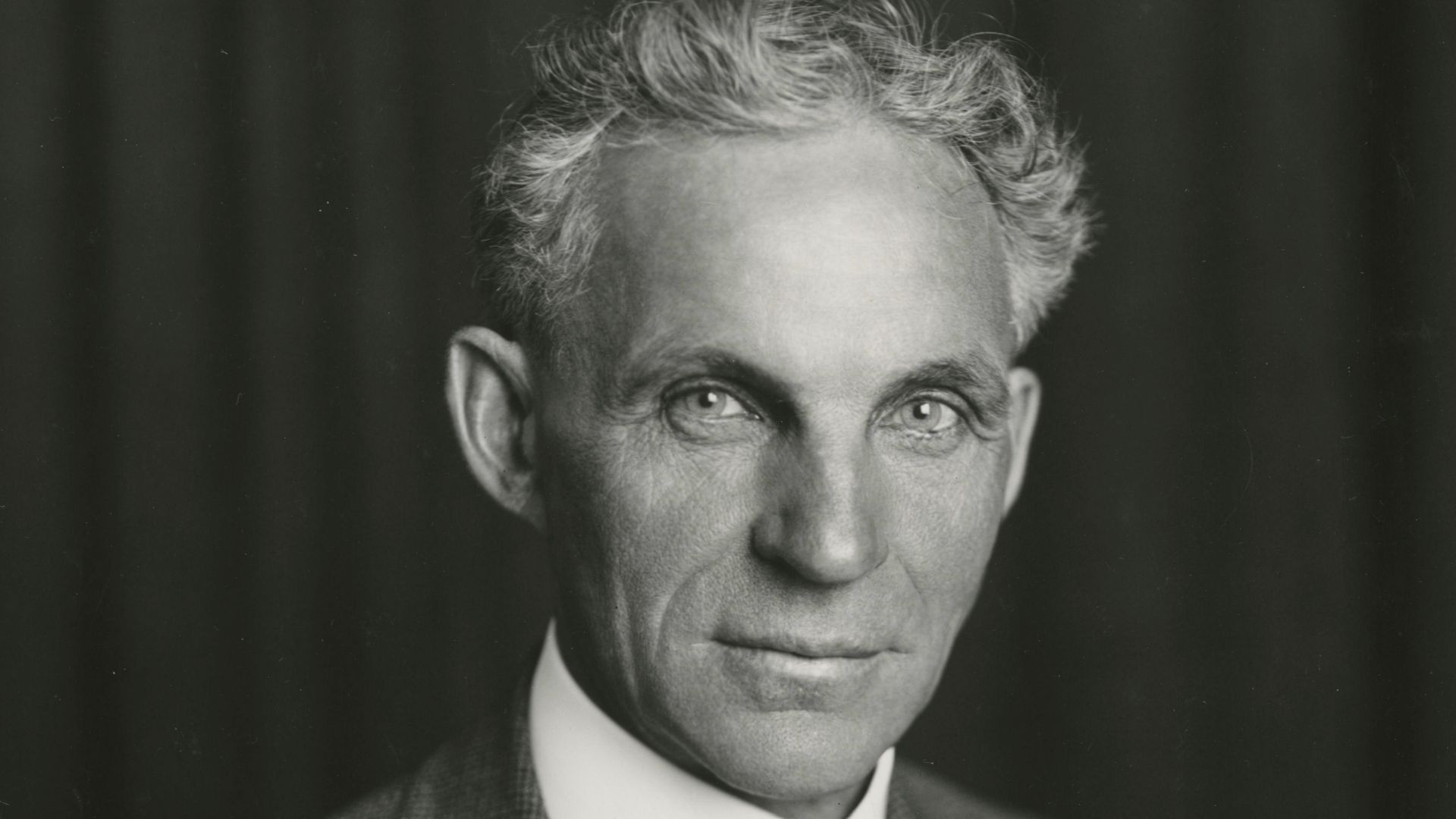 Ford Motor Company. Photographic Department on Wikimedia
For most of modern history, life for the average worker ran on a brutal rhythm—six long days of labor, one short day of rest. Then along came Henry Ford, who quietly turned that schedule upside down.
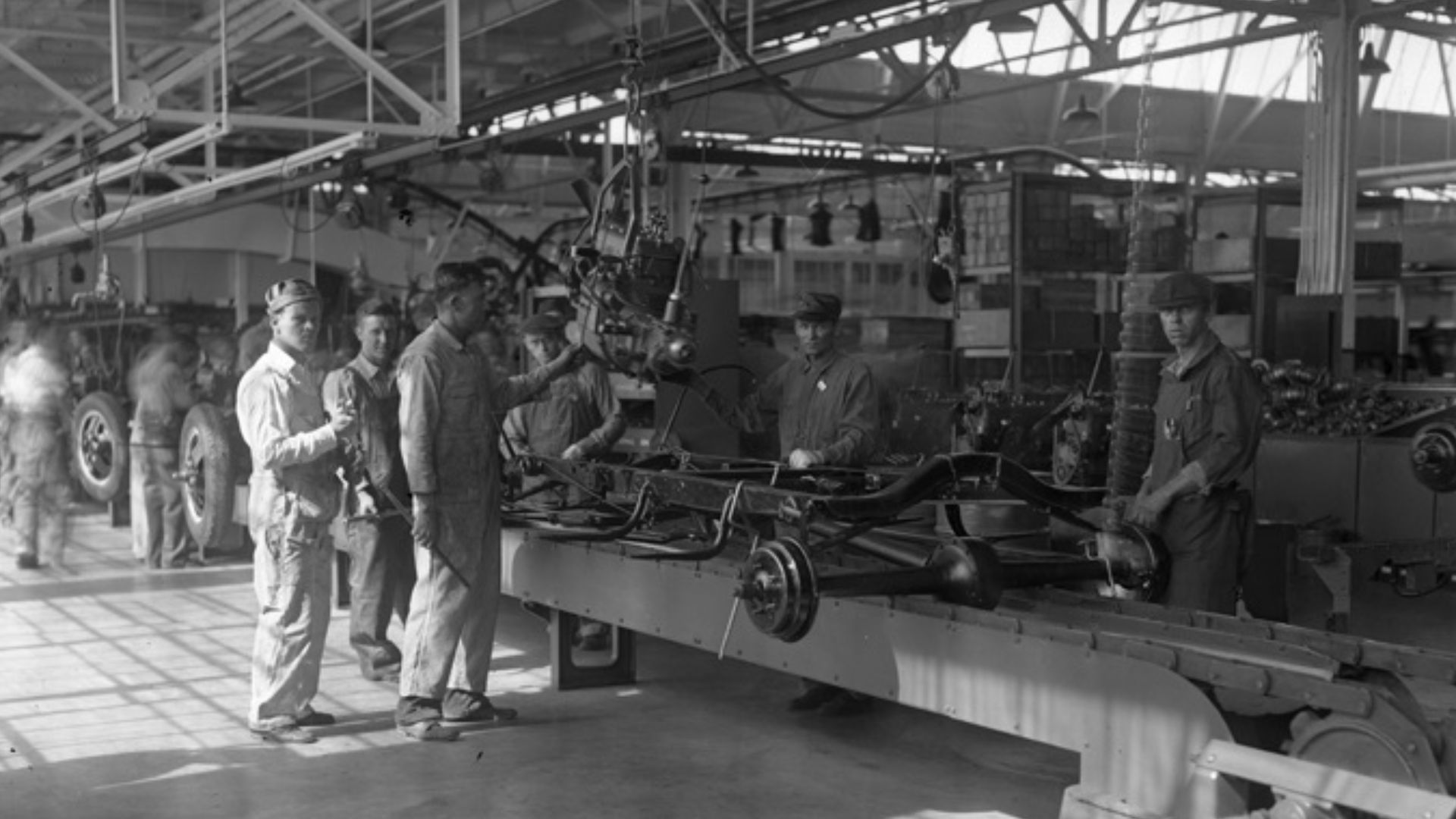
You can smell the motor oil and hear the clang of machines when you imagine Ford’s factories in the 1920s, bustling with men in coveralls, with their sweat glinting under electric lights. Yet in 1926, Ford shut those machines down every Saturday and gave his employees something shockingly rare—time off.
It wasn’t a holiday or charity. It was a strategy. That bold choice gave birth to the two-day weekend millions enjoy today. And yes, whether you spend yours watching football or driving down a quiet highway, you owe a nod of thanks to the man who saw freedom in the calendar.
Ford’s Five-Day Work Revolution
In May 1926, Henry Ford’s Motor Company cut the standard six-day workweek to five. Workers now clock in Monday through Friday, eight hours a day. The news stunned industrial America, to which Ford explained his move plainly: rested workers were sharper, healthier, and more loyal. By working less, they could accomplish more. It was a radical thought in an age that measured success in hours.
This shift didn’t come without logic. Ford recognized that people needed energy and mental clarity, not endless grind. He once stated that “leisure is an indispensable ingredient in a growing consumer market.” That idea reshaped how America worked and lived. While other companies feared lower productivity, Ford’s factories proved the opposite as the output rose, and efficiency improved. His experiment soon became a model others couldn’t ignore.
The Weekend’s Ripple Effect
Once Saturdays became sacred, the nation took notice. Stores saw heavier weekend traffic. Automobiles rolled farther afield as families explored highways and small towns. The open road became a symbol of liberty—wind in your hair and miles under your tires.
This pattern of rest and recreation boosted both morale and money flow. People weren’t just working for their livelihood anymore—they were living for their leisure. Time became a commodity, and spending it well became the new American dream. Ford understood that giving workers more hours of freedom was the spark that fueled consumer society.
A Legacy That Still Holds Strong
Over time, Ford’s experiment grew into policy. By 1938, the Fair Labor Standards Act—influenced by Ford's model alongside broader labor union efforts—enshrined overtime protections for hours over 40 into law (with the cap formalized in 1940), sealing his legacy beyond automobiles.
With that, the rhythm of modern life, with the sigh on Friday night and the groan on Monday morning, was cemented. Today’s idea of “work-life balance” owes its structure to that pivotal decision nearly a century ago.
So next Friday, when the clock strikes five and your week winds down, tip your hat to Henry Ford—the man who turned the grind into a getaway.
KEEP ON READING

20 Weirdest Historical Objects in Museums
Check Out the Pickled Heart of a Saint. Museums carry…
By Rob Shapiro Oct 1, 2025
20 Ocean Mysteries We Still Haven’t Solved
Unanswered Questions Of The Ocean. The ocean covers most of…
By David Davidovic Sep 1, 2025
20 Historical Figures That Cheated Death
Luck or Intervention?. History is packed with wild stories of…
By Sara Springsteen Apr 1, 2026
10 Phenomenal Mythical Creatures & 10 That Are Just Plain…
Legends Both Majestic And Peculiar. Do you ever wonder why…
By Chase Wexler Oct 1, 2025
20 Historical Predictions That Turned Out To Be True
Crystal Ball Moments In History. Do you wonder what it's…
By Chase Wexler Sep 1, 2025
10 Presidents Who Never Served In The Military & 10…
Commanders And Civilians In Office. Power can rise from very…
By David Davidovic Sep 1, 2025