The Teenage Girl in the Dutch Resistance Who Seduced and Killed Nazis
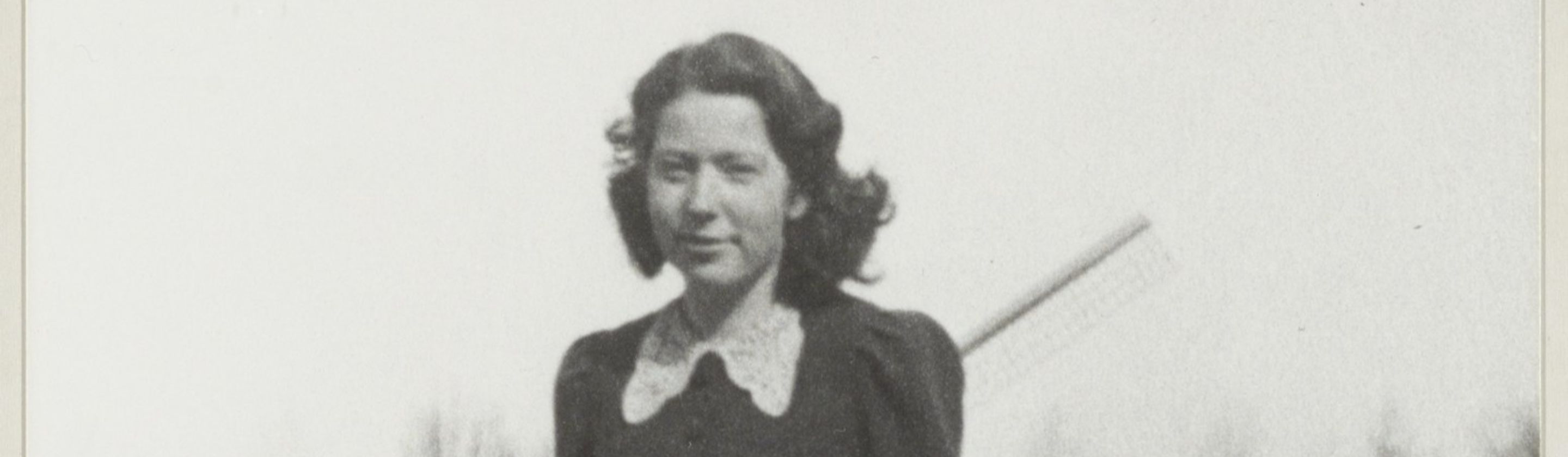
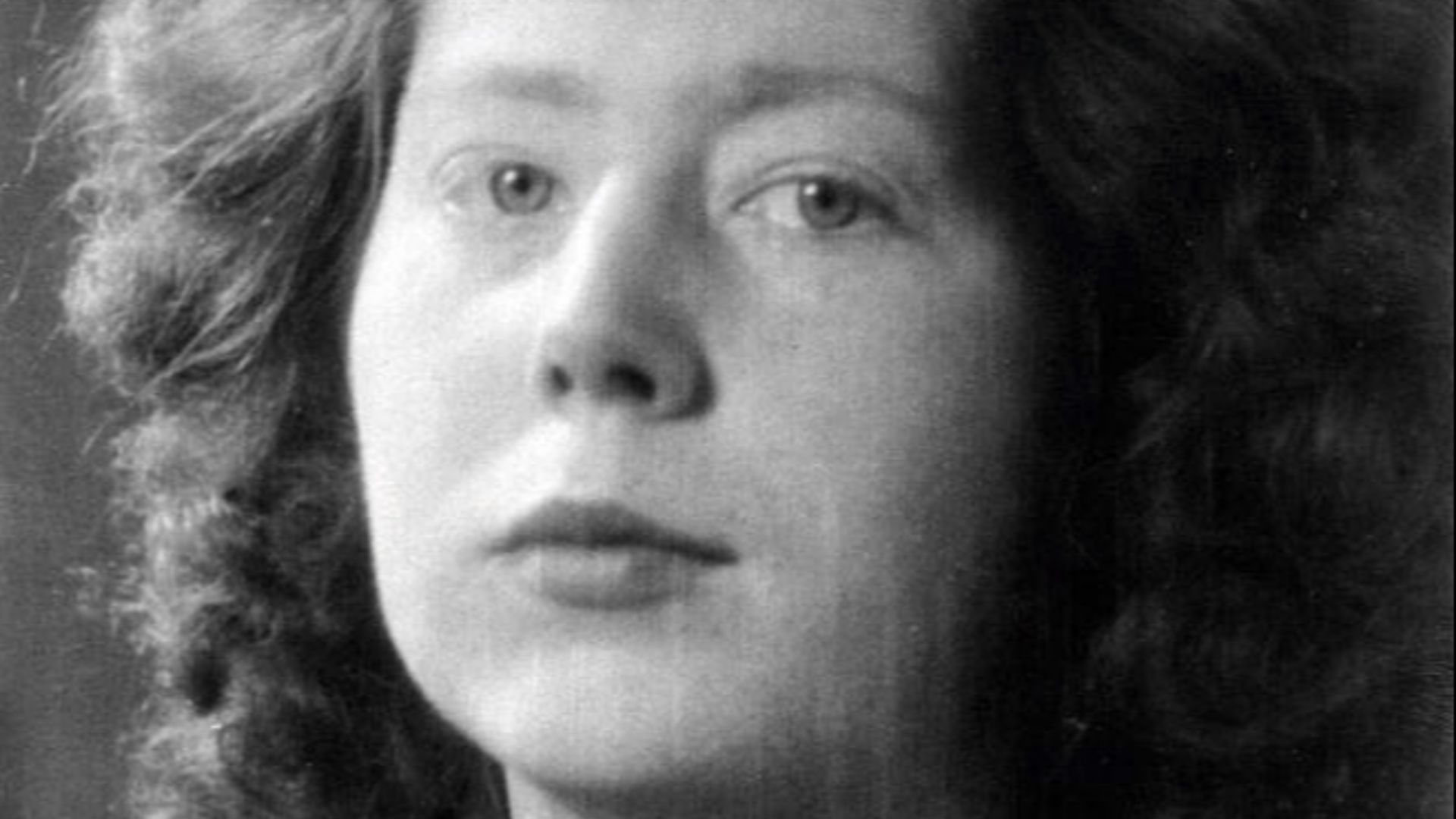 UnknownUnknown (NIOD, Nationaal Archief and others all state
Hannie Schaft was twenty years old when she started killing Nazis. Twenty. Using her youthful good looks, she would lure German officers into dark alleys with a smile and shoot them point-blank before they realized what was happening. The Nazis knew her only as “the girl with the red hair,” a reference to her striking auburn curls. Hitler himself reportedly ordered her capture. Before she was even old enough to rent a car, she had become the most wanted woman in the occupied Netherlands.
She Started with Stolen ID Cards
Hannie Schaft was born in Haarlem on September 16, 1920, to parents who were deeply invested in social justice. Her father was attached to the Social Democratic Workers' Party, her mother was a Mennonite with strong Christian Socialist beliefs.
By 1938, she was studying law at the University of Amsterdam, where she became close friends with two Jewish students, Philine Polak and Sonja Frenk. When the Nazis occupied the Netherlands in 1940, everything changed fast. The occupation authorities required students to sign a loyalty declaration in 1943. Eighty percent of students refused, including Hannie. That was the end of her education, at least officially.
Her resistance work started small with little acts like stealing ID cards to give to Jewish friends who needed false papers. She also covertly helped raise money for the resistance and assisted people in hiding from the Nazis.
Then She Joined the Council of Resistance
Late in 1941, she joined the small, Communist-leaning Raad van Verzet Raad van Verzet (Council of Resistance) cell in Haarlem, one of the most militant resistance groups in the Netherlands.
Hannie didn't want to be a courier or a messenger; she wanted to work with weapons. Other members taught her how to shoot and plan an assassination. The thing about being a young woman in 1940s Europe was that German officers didn't see you as a threat.
Her targets were German Nazi officers and Dutch collaborators who'd sided with the occupiers. The moral calculations were straightforward in a way they rarely are: these people were actively participating in genocide and occupation.
Her First Kill Went Wrong
The resistance leadership gave Hannie and another fighter named Jan Bonekamp an assignment: kill Willem Ragut, a Dutch police chief and Nazi collaborator in Zaandam. Hannie would shoot first, and Bonekamp would follow up if needed. They rode their bikes to the location, found their target, and Hannie fired.
She hit him in the back, wounding him. Bonekamp moved in to finish the job, but Ragut managed to shoot back, hitting Bonekamp in the stomach before he went down. Hannie fled, allowing Bonekamp to be captured. He was promptly taken to a hospital, and under the influence of medication and psychological manipulation, he gave away Hannie's address.
To pressure her into confessing, the Nazis arrested her parents and sent them to Vught concentration camp. Hannie stopped working for the resistance for two months until her parents were released. The psychological toll was immense, and when she resumed resistance work, she dyed her distinctive red hair black and wore thick-rimmed glasses.
The Nazis Eventually Found Out Who She Really Was
 Unknown authorUnknown author on Wikimedia
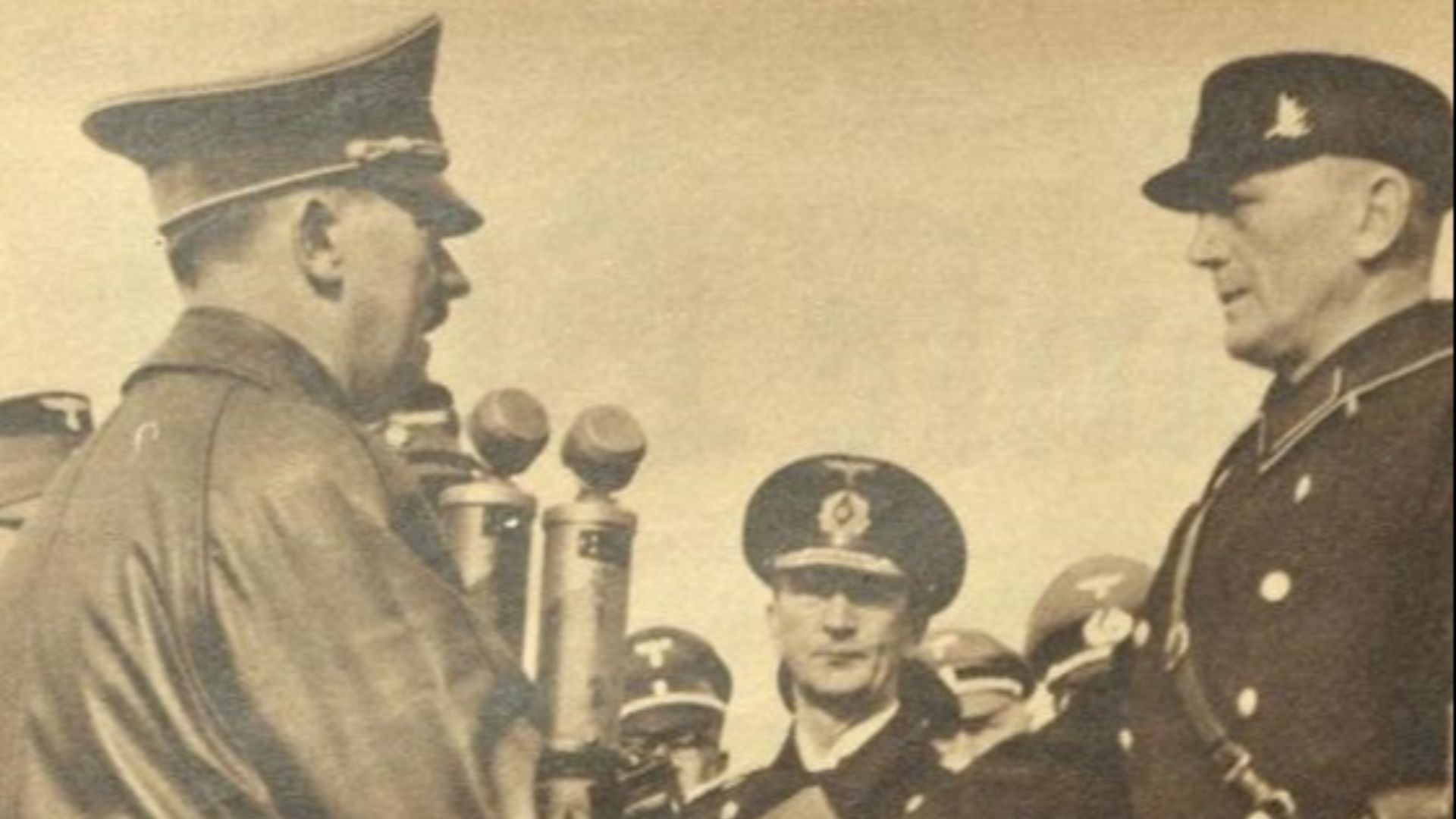
Three weeks before liberation, Schaft was arrested at a military checkpoint in Haarlem on 21 March 1945 while distributing the illegal communist newspaper de Waarheid ('The Truth'), which was a cover for secret documentation for the Resistance.
Despite their brutal interrogation techniques, she didn't break. Finally, as the weeks dragged on, they identified her by the red roots growing in at her scalp.
On 17 April 1945, Schaft was executed by Dutch Nazi officials in the dunes of Bloemendaal. The first shot only wounded her. According to multiple accounts, her last words were some version of, "I shoot better than you" before the executioner fired again.
Her Body Was Found Among Four Hundred Men
After the war, they excavated the dunes where the Nazis had buried resistance fighters. The remains of 422 members of the resistance were discovered, including 421 men and one woman, Hannie Schaft. She was given a state funeral and buried in the Honorary Cemetery in Bloemendaal. President Eisenhower decorated her with the Medal of Freedom, and Israel named her Righteous Among the Nations in 1967.
What's striking about Hannie's story isn't just the bravery, but how quickly she went from ordinary university student to resistance fighter. She didn't have special training or some dramatic backstory. She merely saw what was happening to her friends, to her country, and decided she couldn't live with herself if she didn't act.
KEEP ON READING