When History Turned Into a Long-Term Feud
History isn’t only shaped by big ideas and lucky breaks; it’s also shaped by people and powers that simply couldn’t stand losing to each other. Some rivalries were personal and petty, others were geopolitical and world-altering, and a few managed to be both at the same time. Here are 20 of the most famous rivalries that helped steer politics, culture, science, and war.
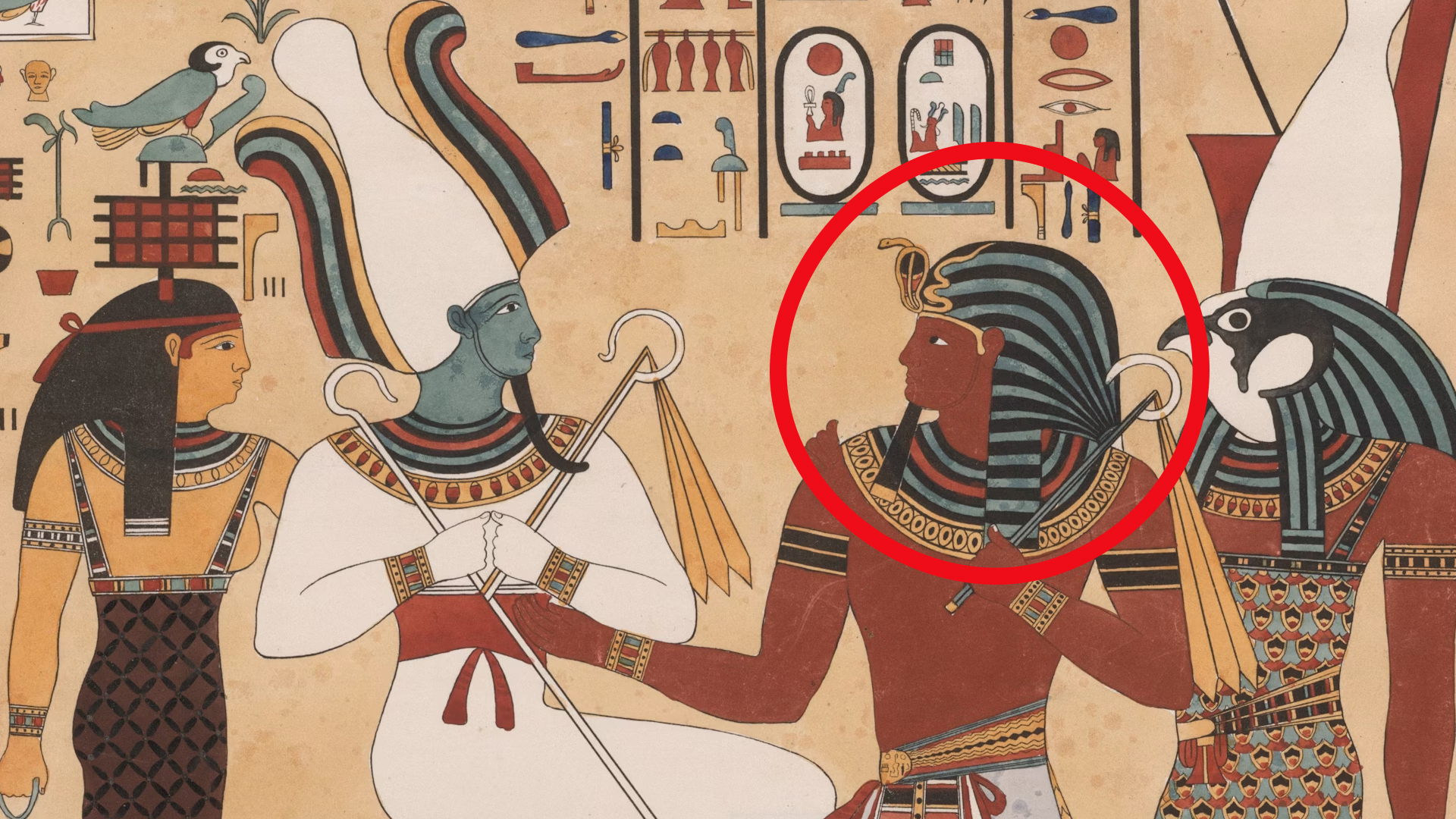
1. Alexander Hamilton vs. Aaron Burr
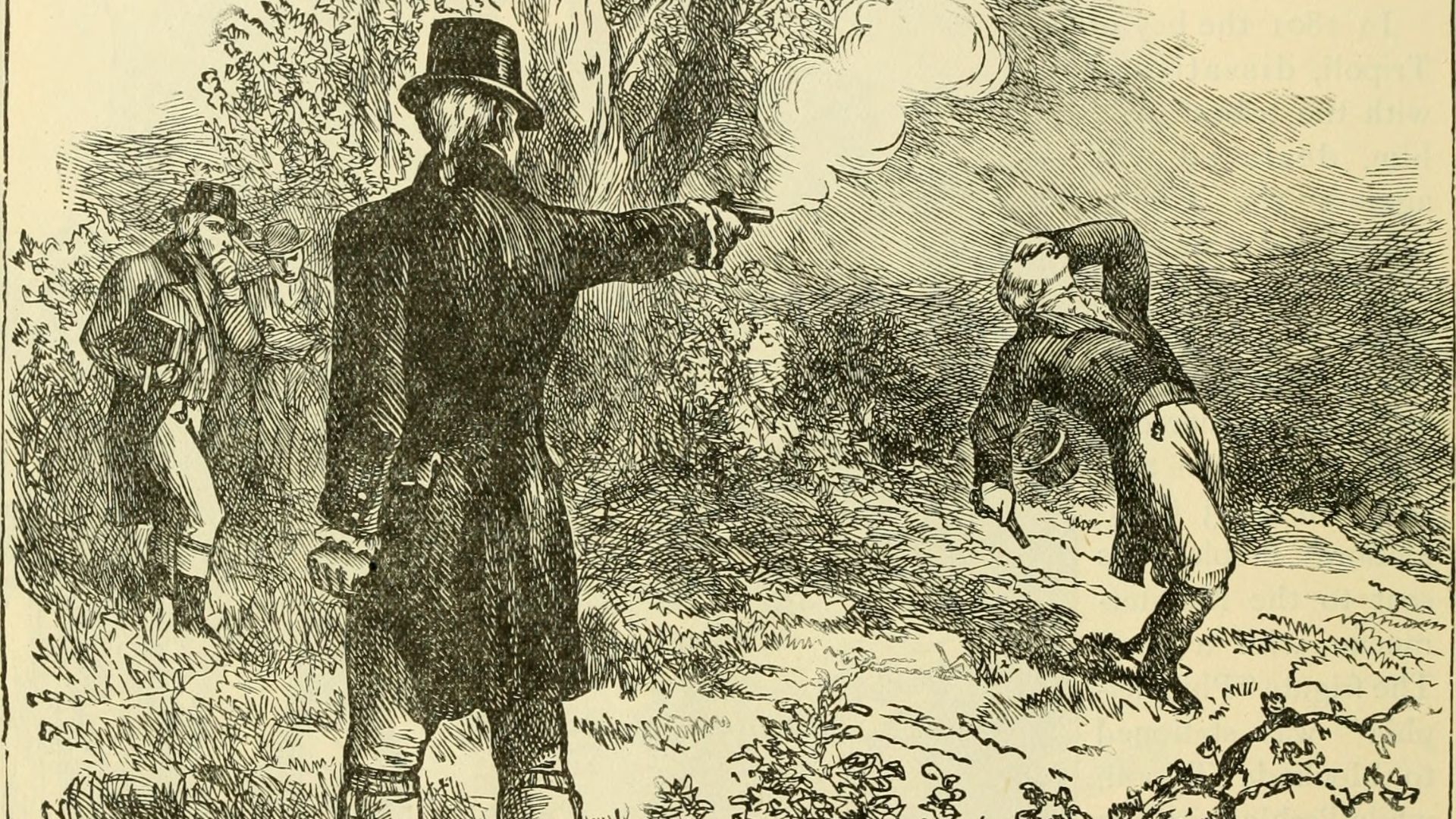
These two started as political peers and ended as a cautionary tale with pistols. Their rivalry mixed ideology, ambition, and personal slights until it became impossible to separate the politics from the emotions. Burr’s duel with Hamilton in 1804 didn’t just settle a score, it permanently stamped both names into American lore and ended Hamilton's life.
 Internet Archive Book Images on Wikimedia
2. Julius Caesar vs. Pompey the Great
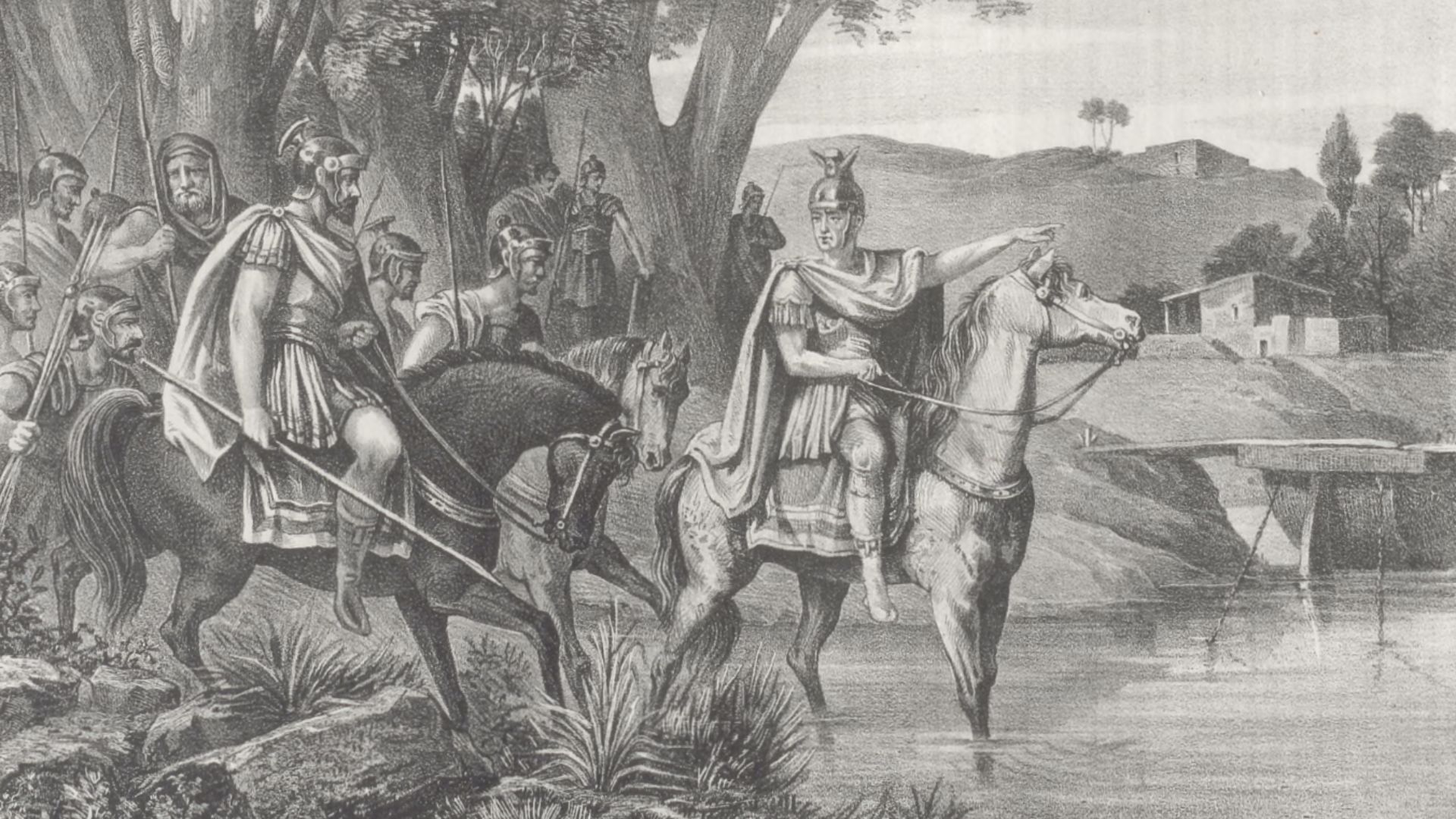
Rome’s power duo turned into its biggest problem when Pompey's admiration became jealousy. Caesar and Pompey didn’t simply disagree, they competed for the soul of the Republic and the loyalty of its armies. The resulting civil war helped end the old political order and cleared the runway for imperial rule. It’s the kind of feud where the whole country gets dragged into the argument.
3. Thomas Edison vs. Nikola Tesla
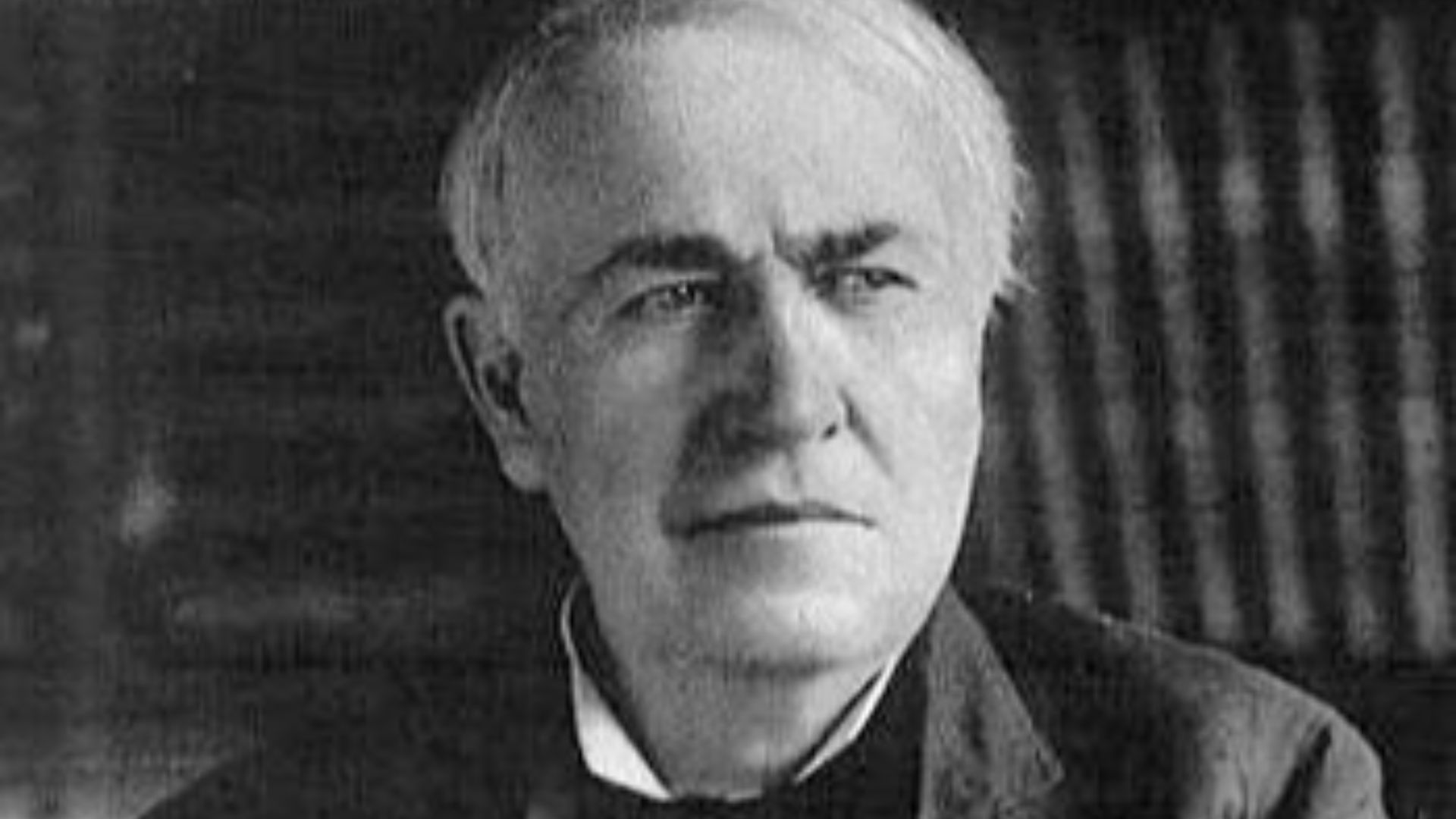
This rivalry is often told as a clash between a business-savvy inventor (Edison) and a visionary engineer (Tesla). Their competition over electrical systems helped shape how modern power was distributed and marketed. Beyond the tech, the story stuck because it’s also about credit, money, and who gets remembered as “the genius.” In the end, Tesla's Alternating Current (AC) sytem prevailed, but Edison is still remembered as the "Father of Electricity" anyway.
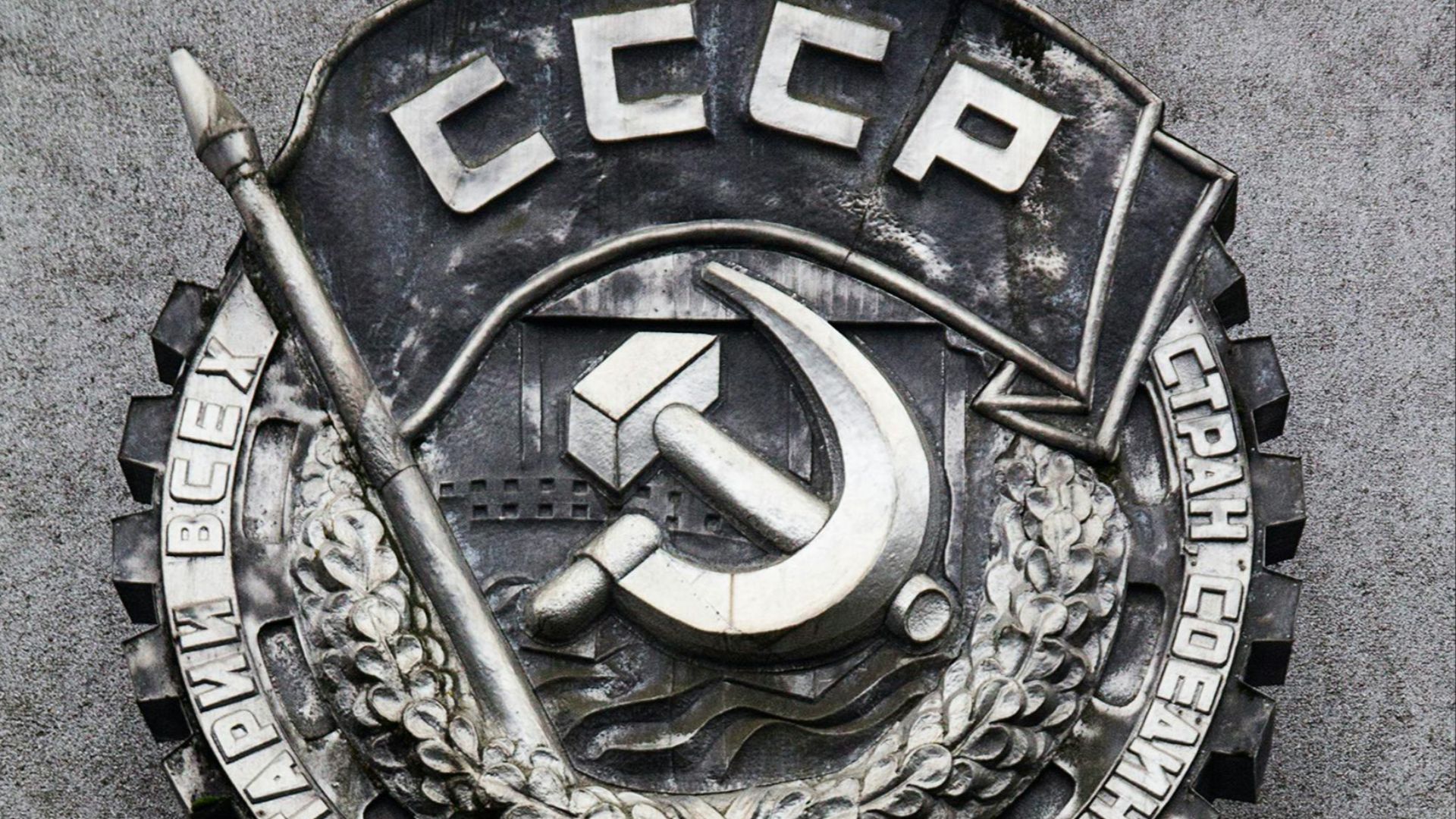
4. The United States vs. the Soviet Union
The Cold War rivalry turned politics, science, and even sports into a global scoreboard. Instead of open war, it played out through proxy conflicts, espionage, and the constant fear of nuclear escalation. It also fueled massive advances in aerospace and technology because neither side wanted to look second-best.
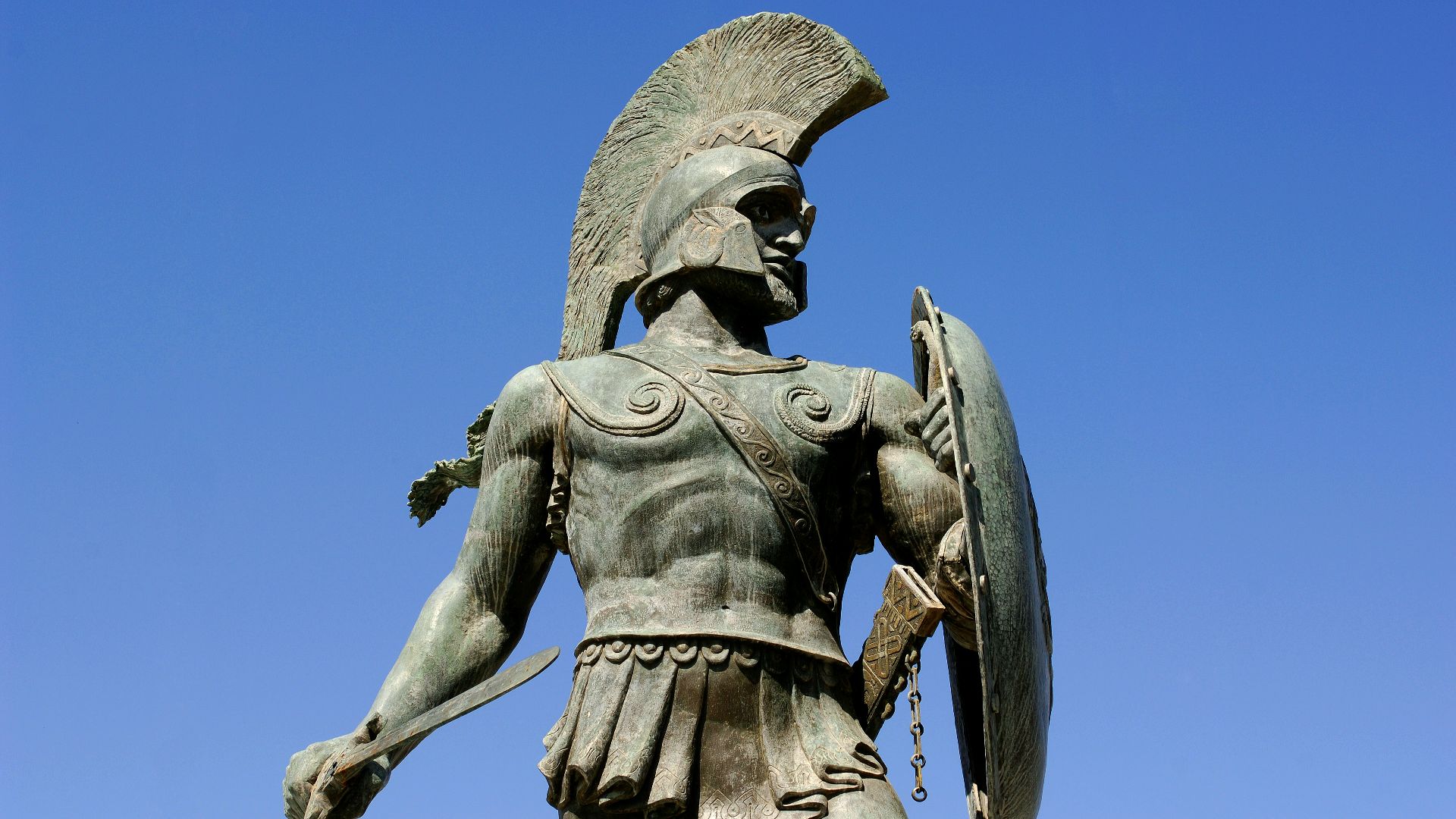
5. Athens vs. Sparta
Ancient Greece gave us philosophy, theater, and a rivalry that was basically “culture vs. discipline.” Athens and Sparta represented different models of society and power, and neither was interested in admitting the other had a point. Their rivalry culminated in the Peloponnesian War, which weakened the Greek city-states dramatically.
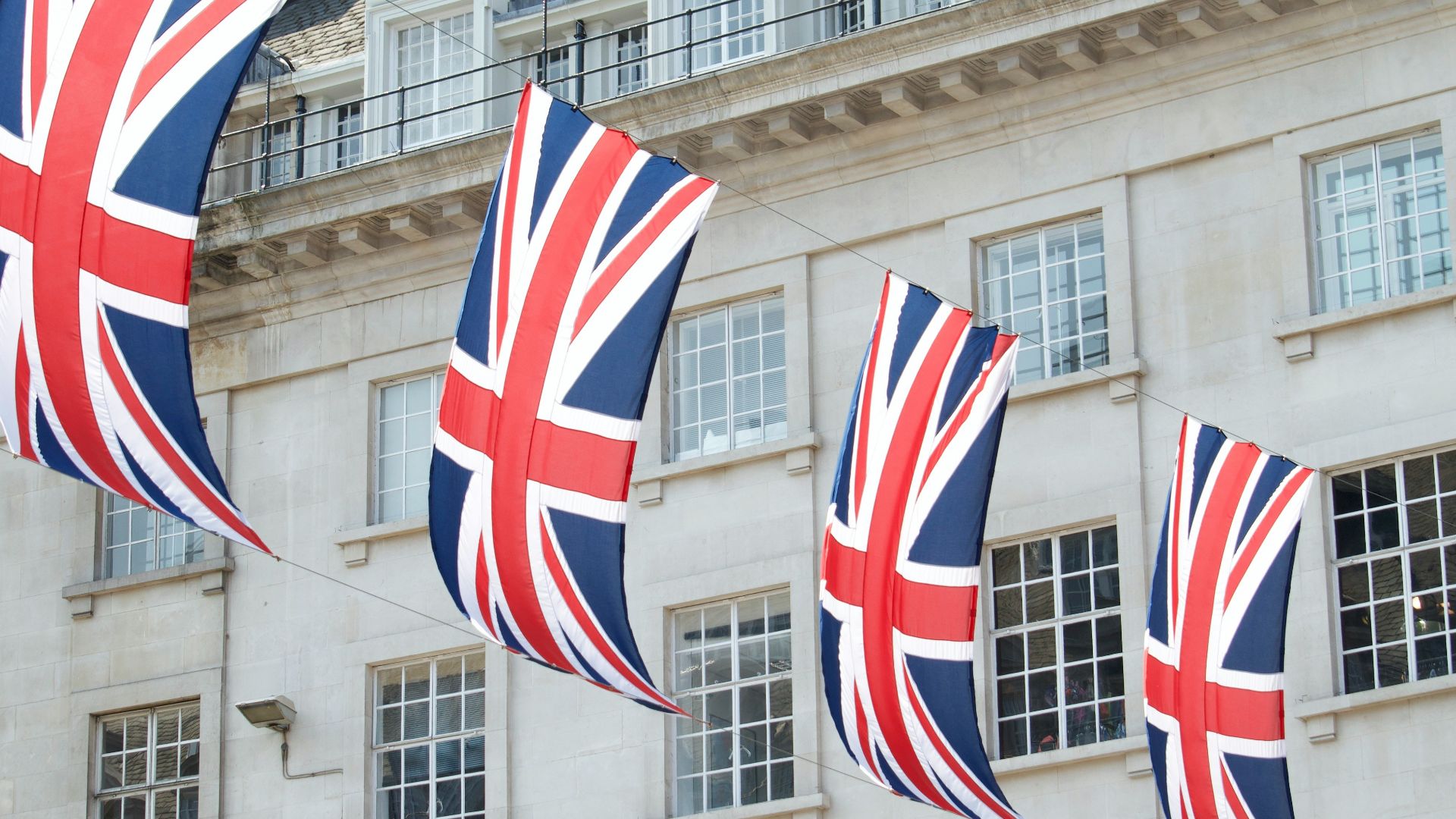
6. England vs. France
For centuries, these two kingdoms treated each other like the default opponent. Their rivalry involved wars, colonies, royal marriages, and enough battlefield drama to fill an entire bookshelf. Even when they weren’t openly fighting, they were often competing for influence and prestige.
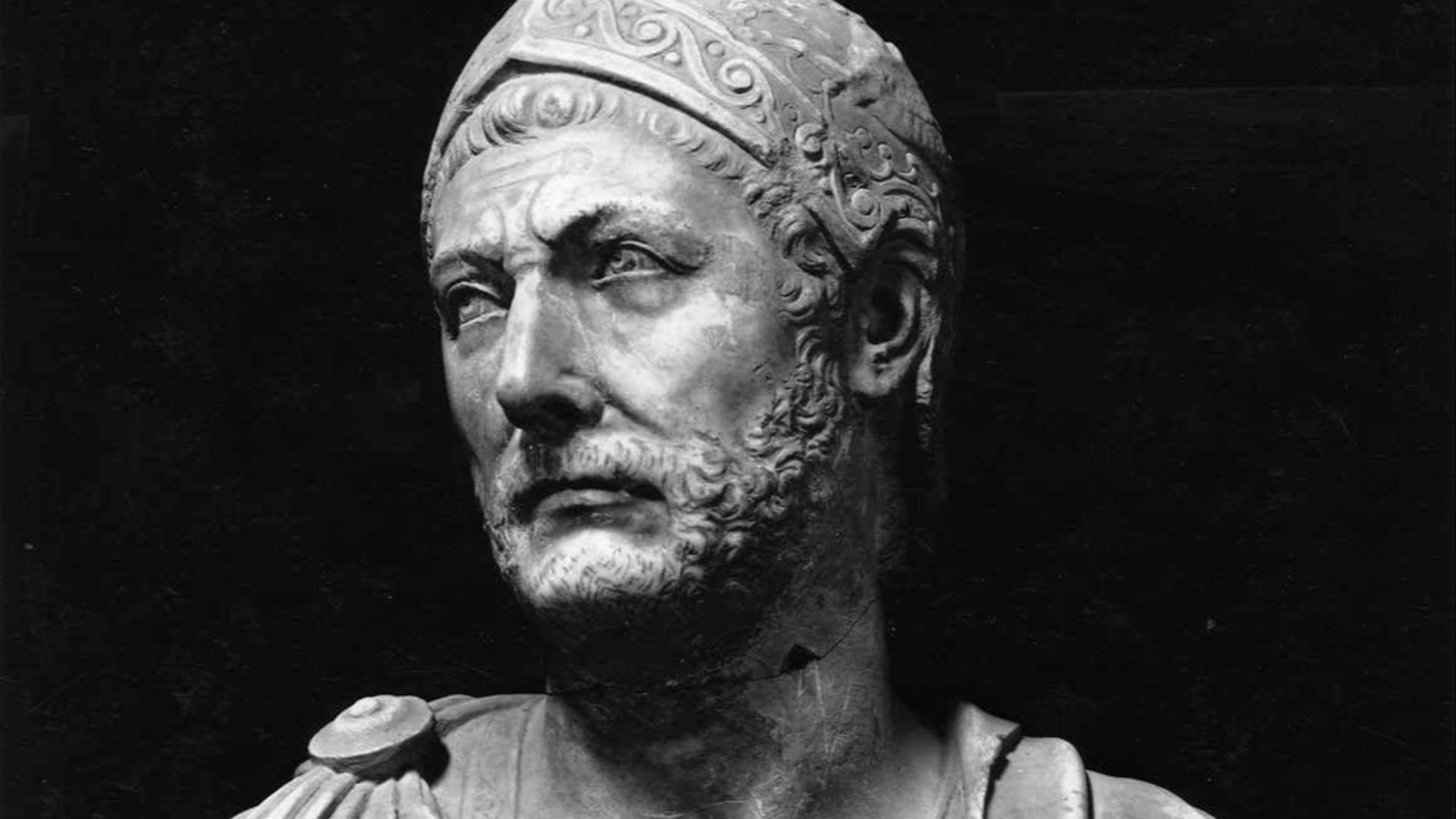
7. Rome vs. Carthage
This rivalry gave the world the Punic Wars and the unforgettable image of Hannibal crossing the Alps with elephants. Rome and Carthage fought for dominance in the Mediterranean, and the conflict pushed both sides into taking extreme measures. By the end, Carthage was destroyed, and Rome’s path to empire widened significantly. All because of the notion that “there can be only one.”
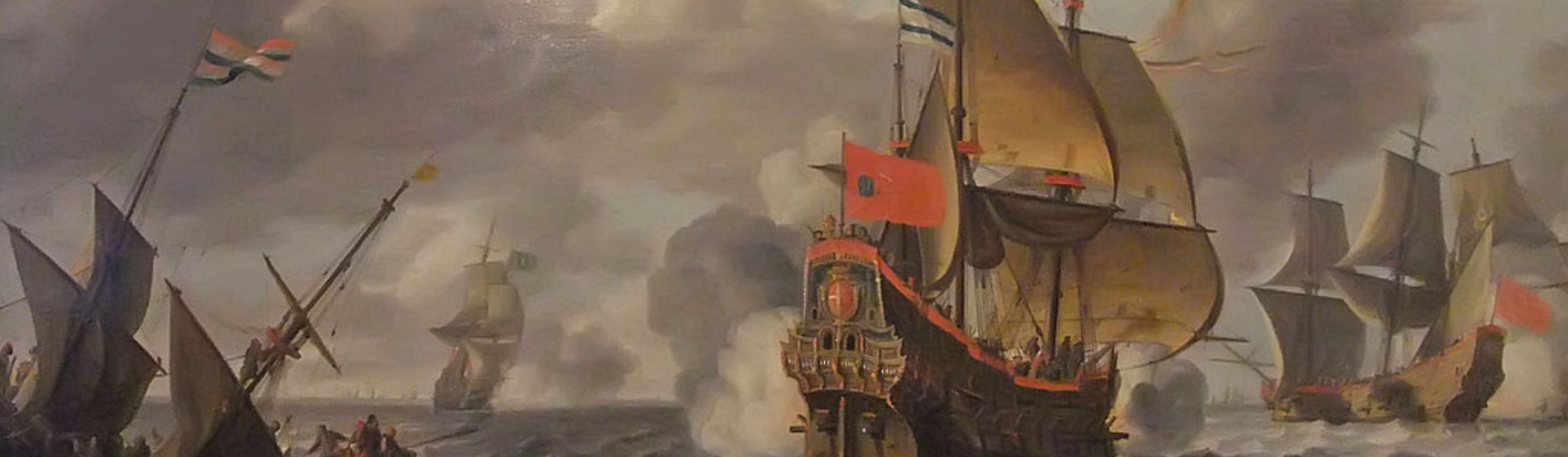
8. Spain vs. England in the Age of Exploration
As global exploration and empire-building ramped up, Spain and England competed fiercely for wealth, territory, and naval control. The Spanish Armada is the famous flashpoint, but the rivalry extended through privateers, colonies, and religious tension. It shaped trade routes and helped determine which languages and cultures spread where. If you like history with ships and high stakes, this rivalry delivers.
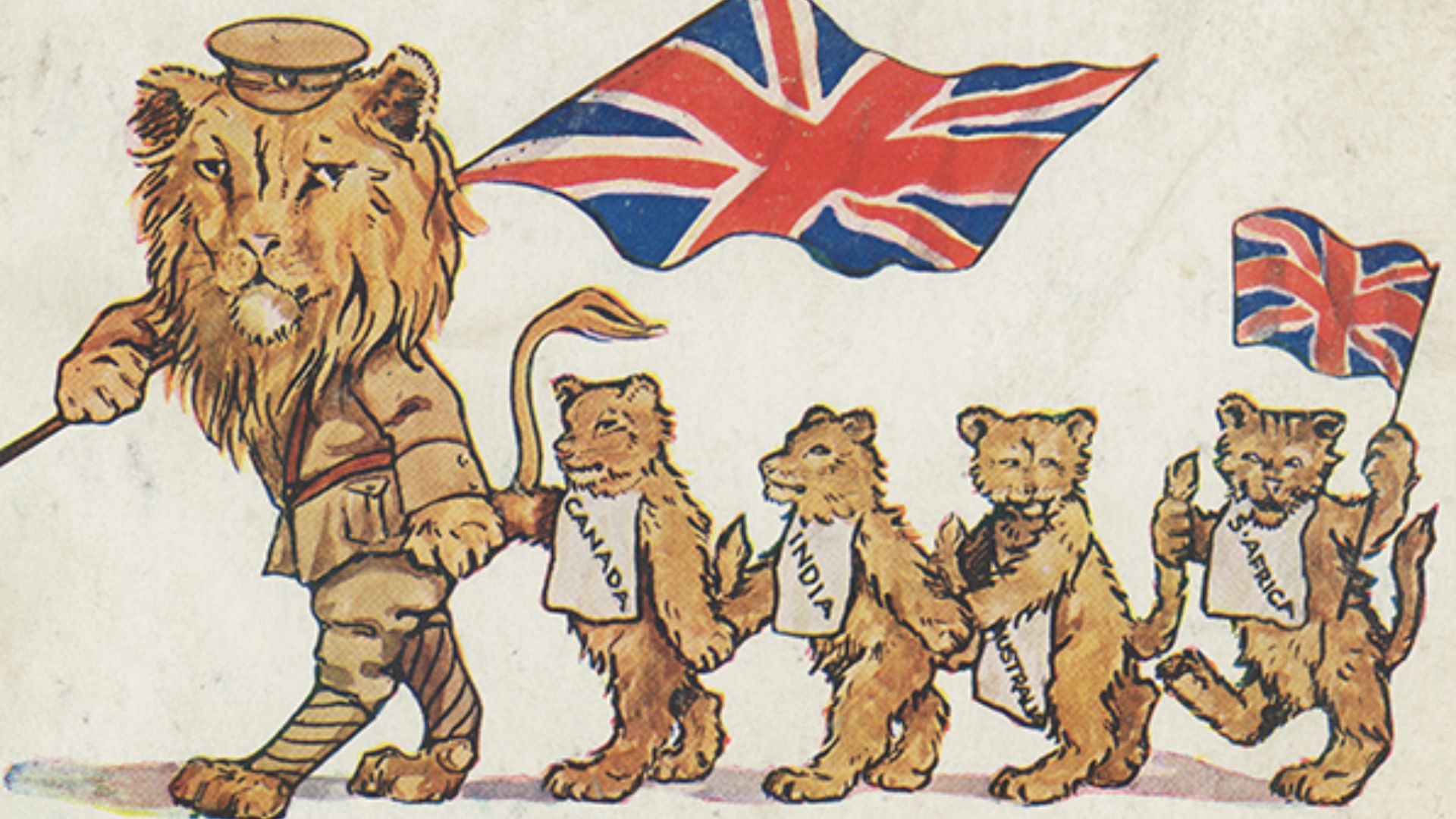 WW1 Poster 1914-1918 on Wikimedia
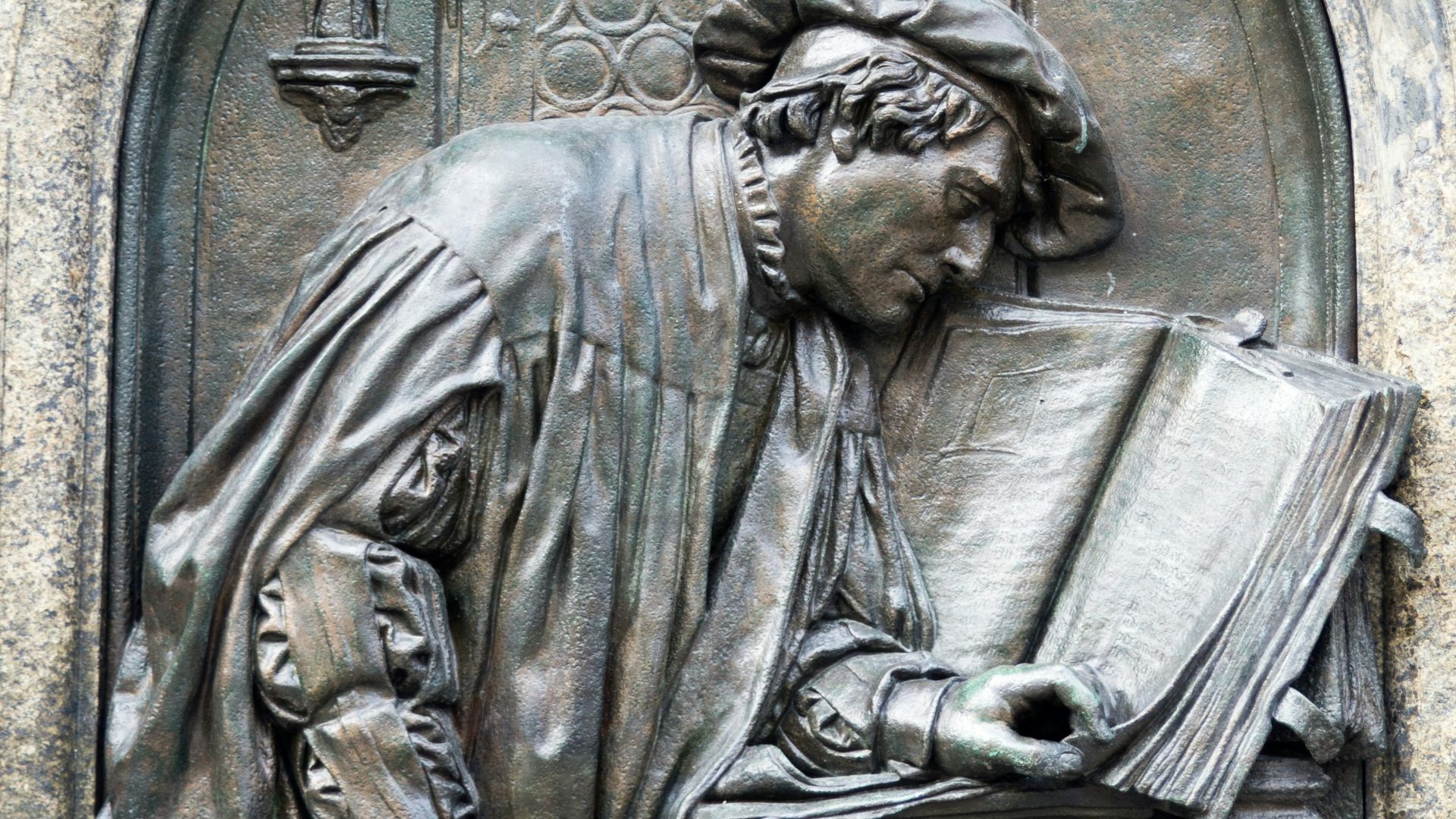
9. The Catholic Church vs. Martin Luther
This rivalry didn’t stay personal for long, because it quickly became a continent-shaping split. Luther’s criticism of Church practices ignited the Protestant Reformation, and the response from religious and political authorities created decades of conflict and the ripple effects altered Europe permanently.
10. Elizabeth I vs. Mary, Queen of Scots
This was part political chess match, part personal anxiety, and part public drama. Mary, Elizabeth's Catholic cousin's claim to the English throne made her a constant threat to Elizabeth’s rule. Intrigue, plots, and rival factions turned their relationship into a high-stakes standoff. It ended with Mary’s execution; however Mary's son took the throne after Elizabeth.
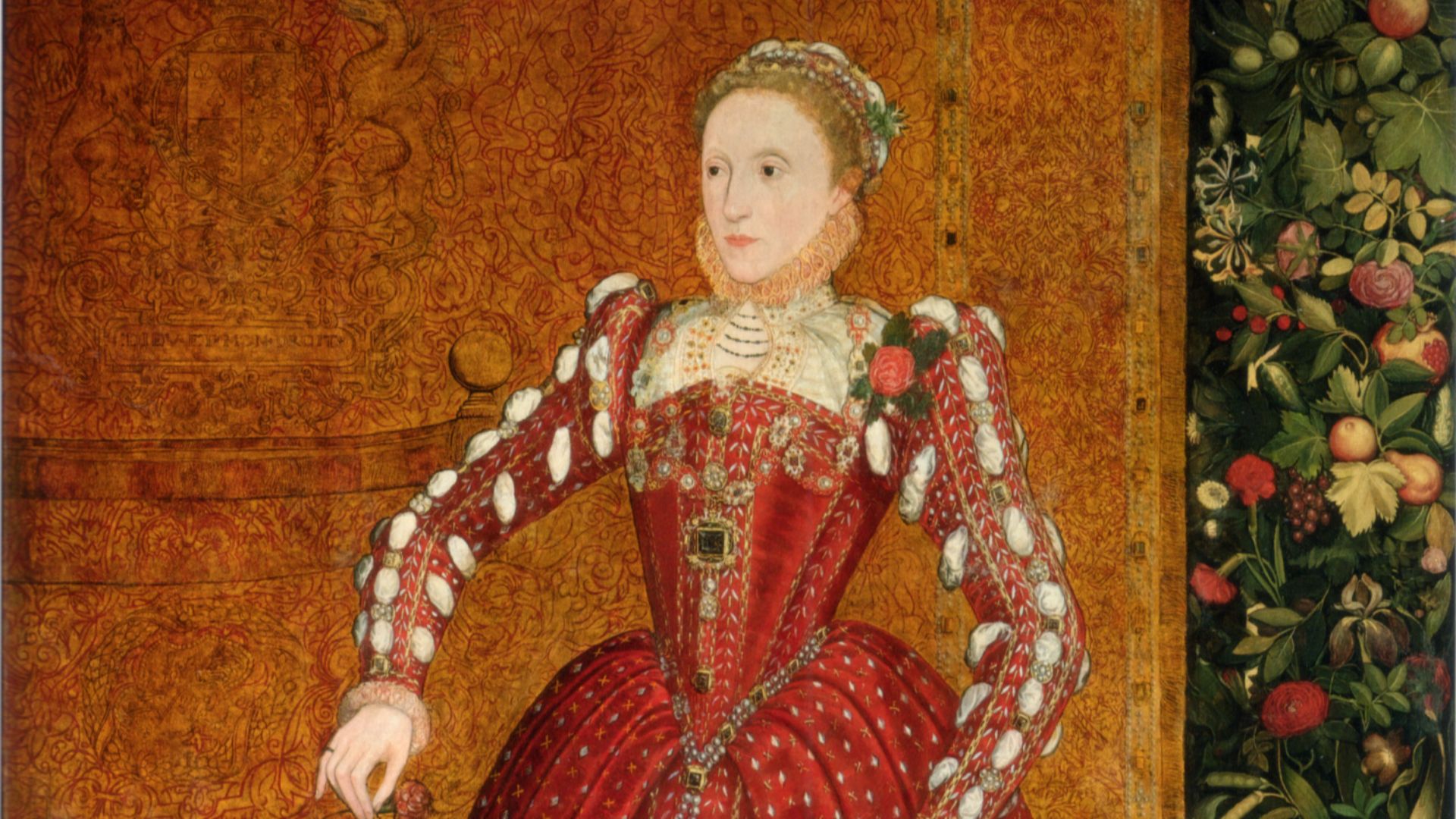 Attributed to George Gower on Wikimedia
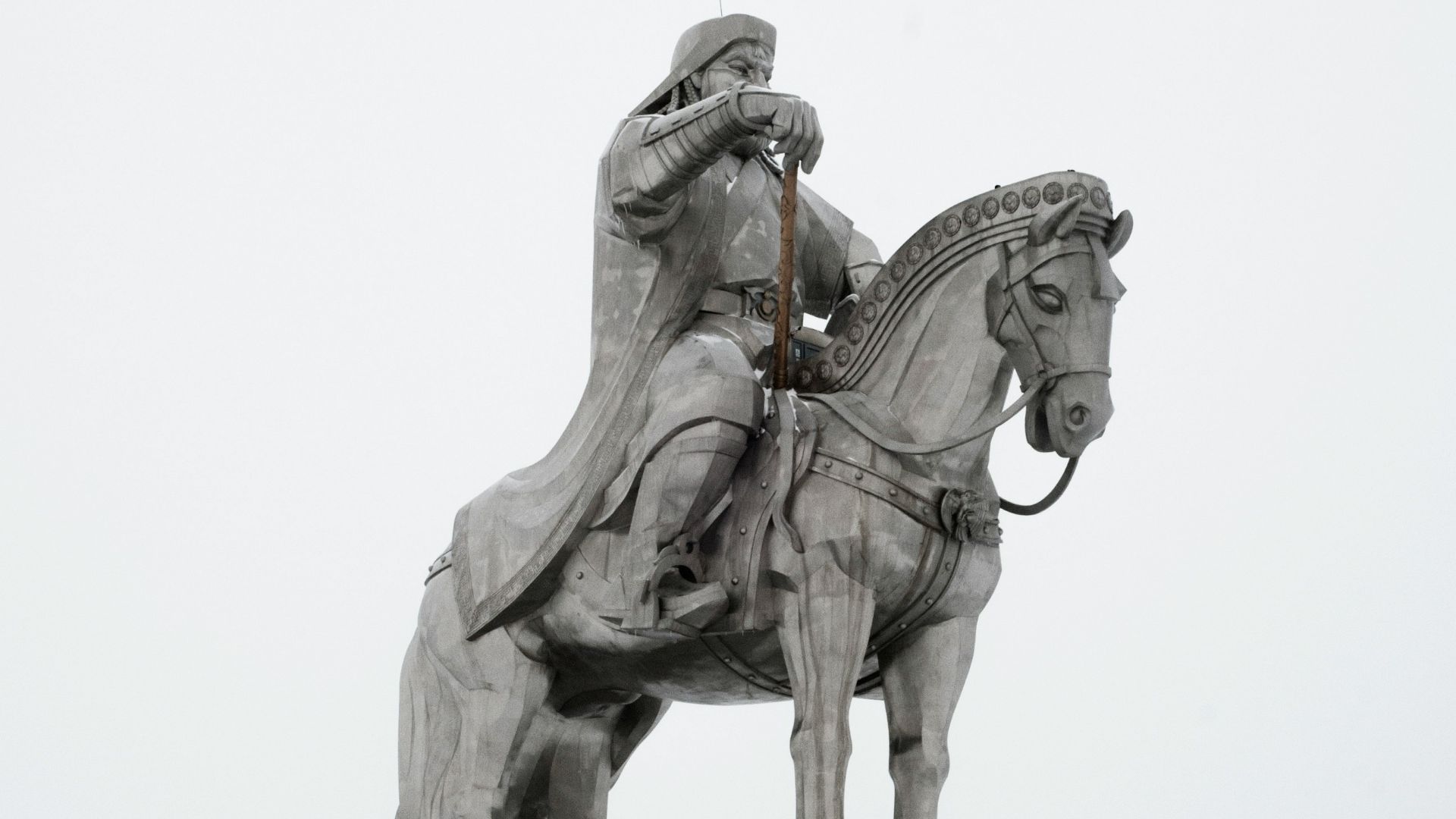
11. Genghis Khan’s Mongols vs. the Khwarazmian Empire
Sometimes rivalries form quickly because one side makes a decision that can’t be walked back. After diplomatic tensions escalated, the Mongols launched a devastating campaign against the Khwarazmian Empire, which was completely destroyed. The conflict reshaped power across Central Asia and demonstrated the Mongols’ military reach.
12. Napoleon vs. the British Empire
Napoleon’s ambitions kept running into Britain’s naval dominance and economic power. While he conquered much of continental Europe, Britain resisted through alliances, blockades, and persistent opposition. The rivalry influenced strategy on land and sea and culminated in major turning points like Trafalgar and Waterloo. The Napoleonic Wars ended with Britain emerging victorious, expanding its colonies and reshaping the balance of power in Europe.
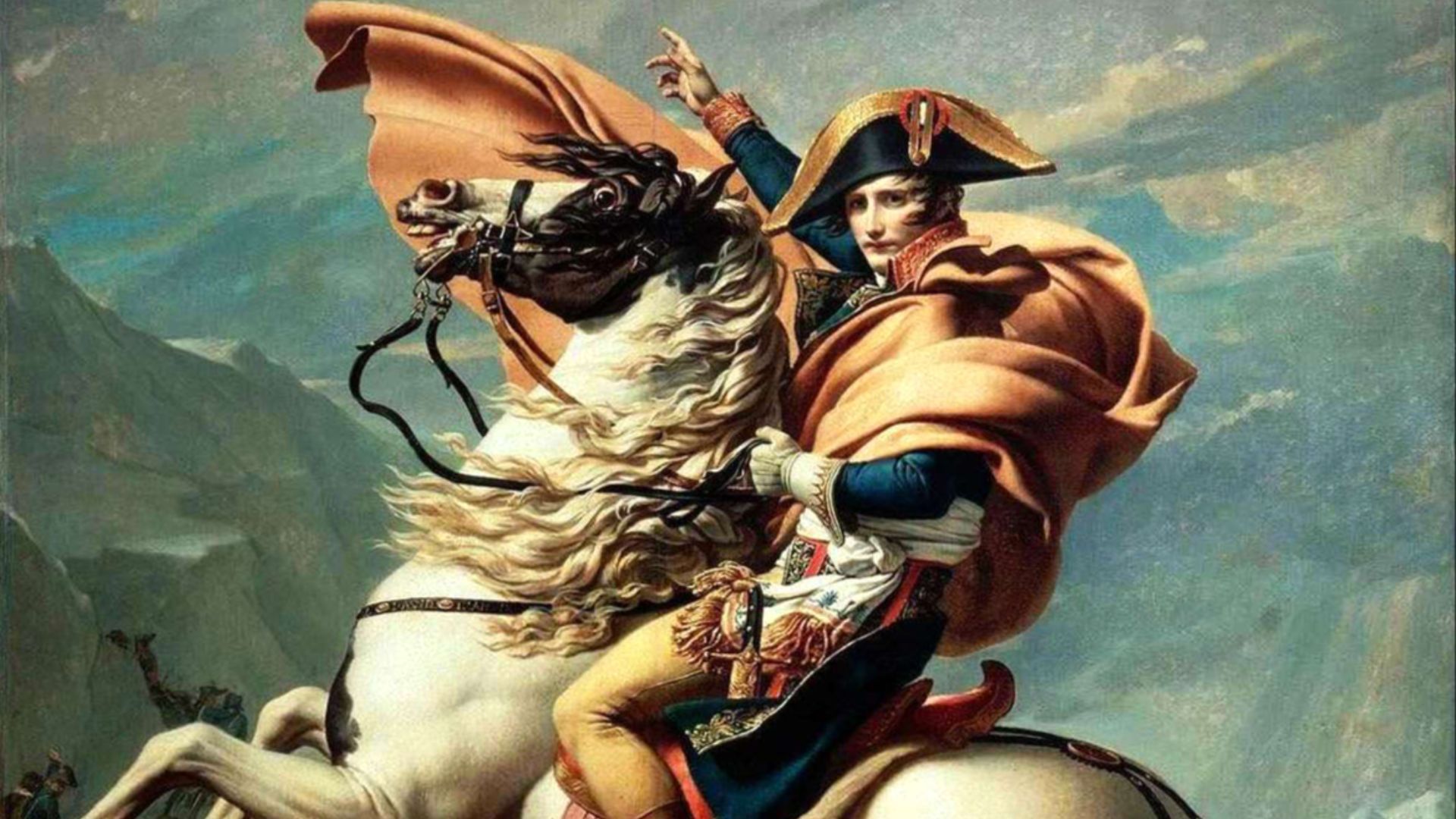 Jacques-Louis David on Wikimedia
13. The Ottoman Empire vs. the Habsburgs
This rivalry was a long contest between two major powers over Central Europe and the Mediterranean world. It included battles, sieges, shifting alliances, and constant pressure along borders. The rivalry mattered because it shaped the political map of Europe for generations. In the end, the Ottoman Empire's influence persisted in some areas, while the Habsburgs solidified their control over others.
14. The Ming Dynasty vs. Japanese Wokou Pirates
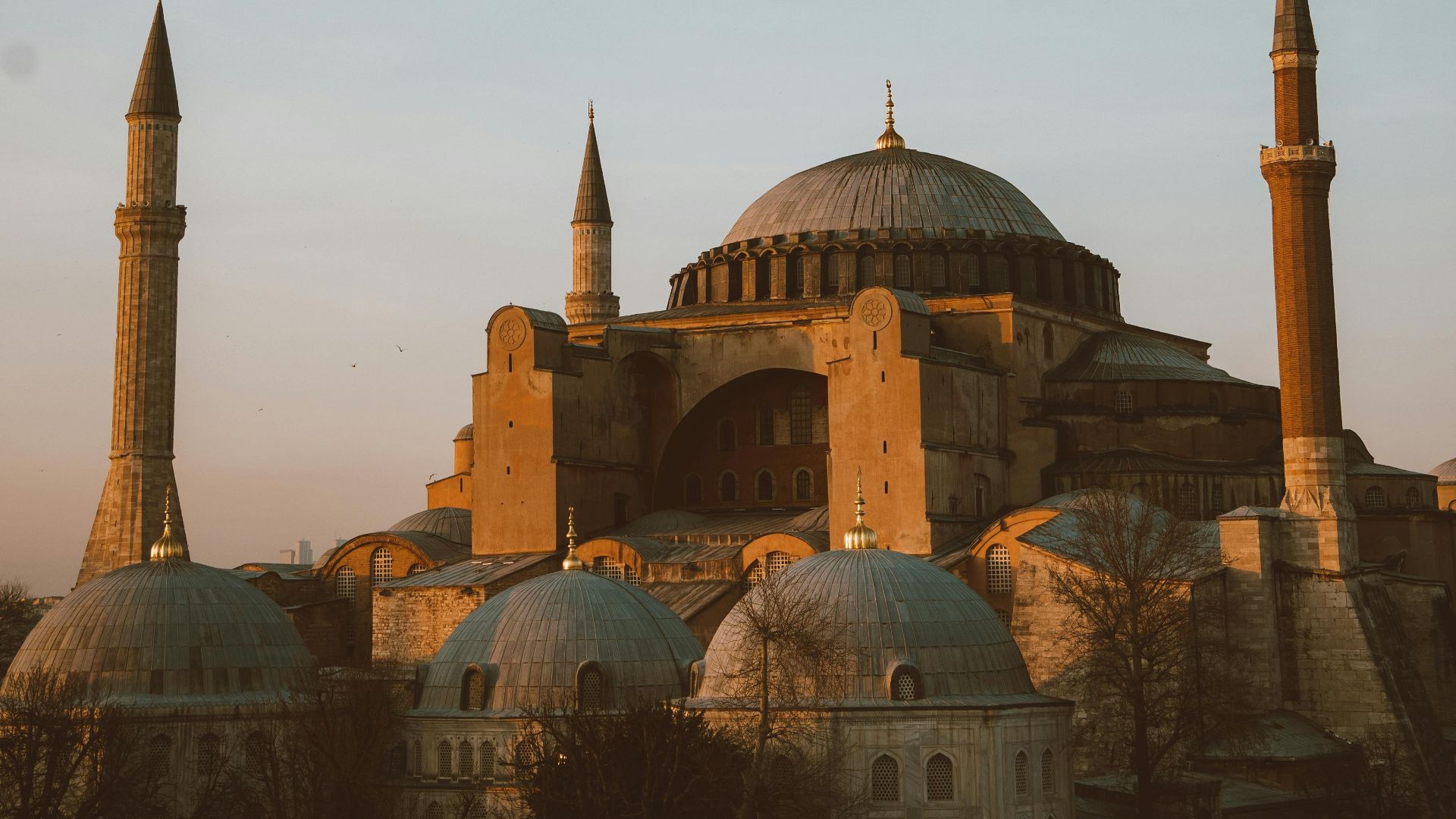
Not every rivalry is between equal states, and this one involved relentless coastal conflict. The Ming government spent decades trying to curb raids and illegal trade tied to pirate networks, some with Japanese connections and some more mixed than the label suggests. It became a persistent struggle over security, commerce, and control of the seas.
15. Leonardo da Vinci vs. Michelangelo
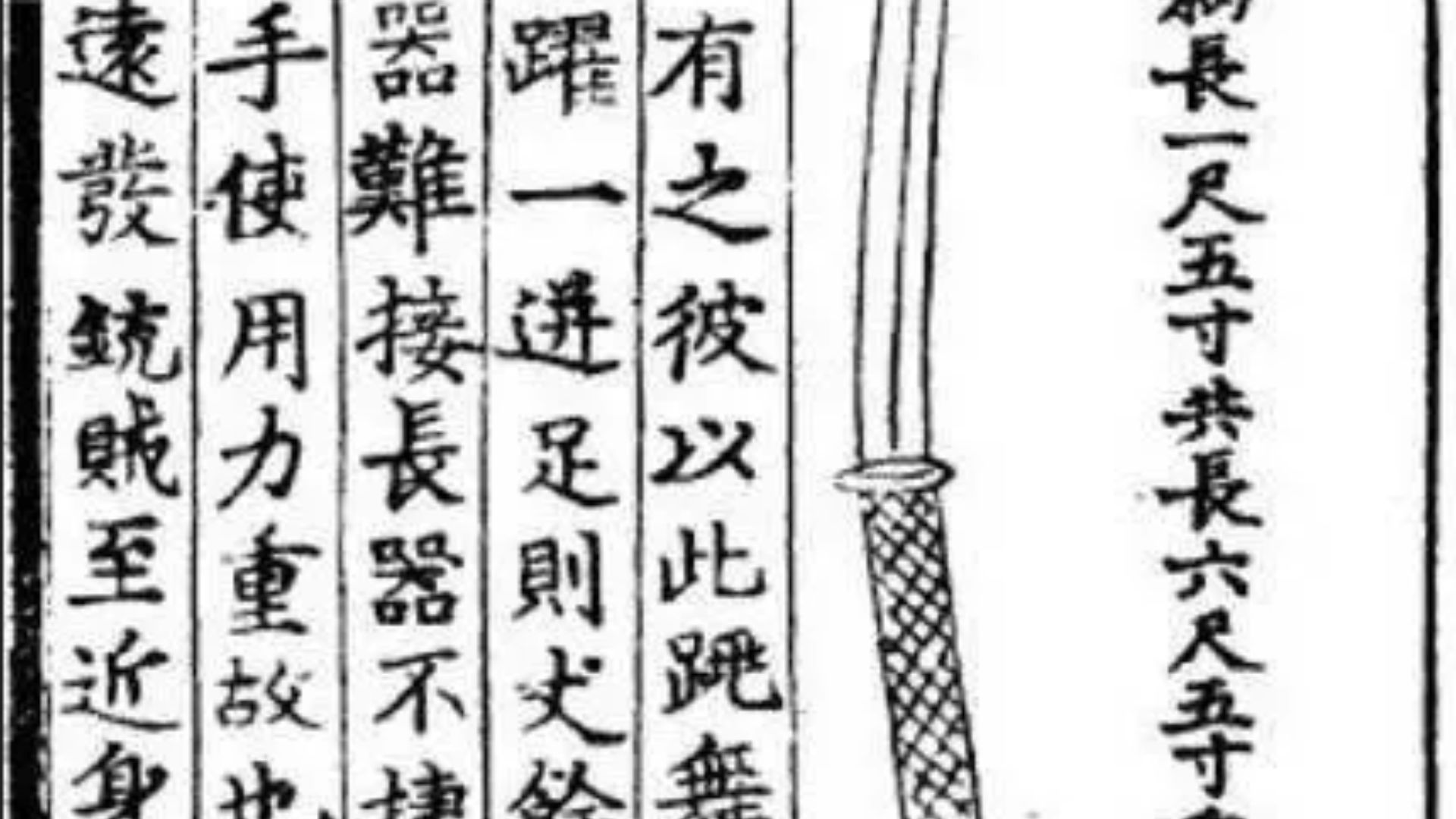
This rivalry had real artistic stakes and plenty of personal edge. Both were celebrated geniuses in Renaissance Italy, but they had contrasting philosophies. Their competition reflected different styles, temperaments, and approaches to creative fame, with Michaelangelo being the intense, prolific, antisocial artist, and da Vinci being the charismatic, perfectionist polymath.
16. The Wright Brothers vs. Glenn Curtiss
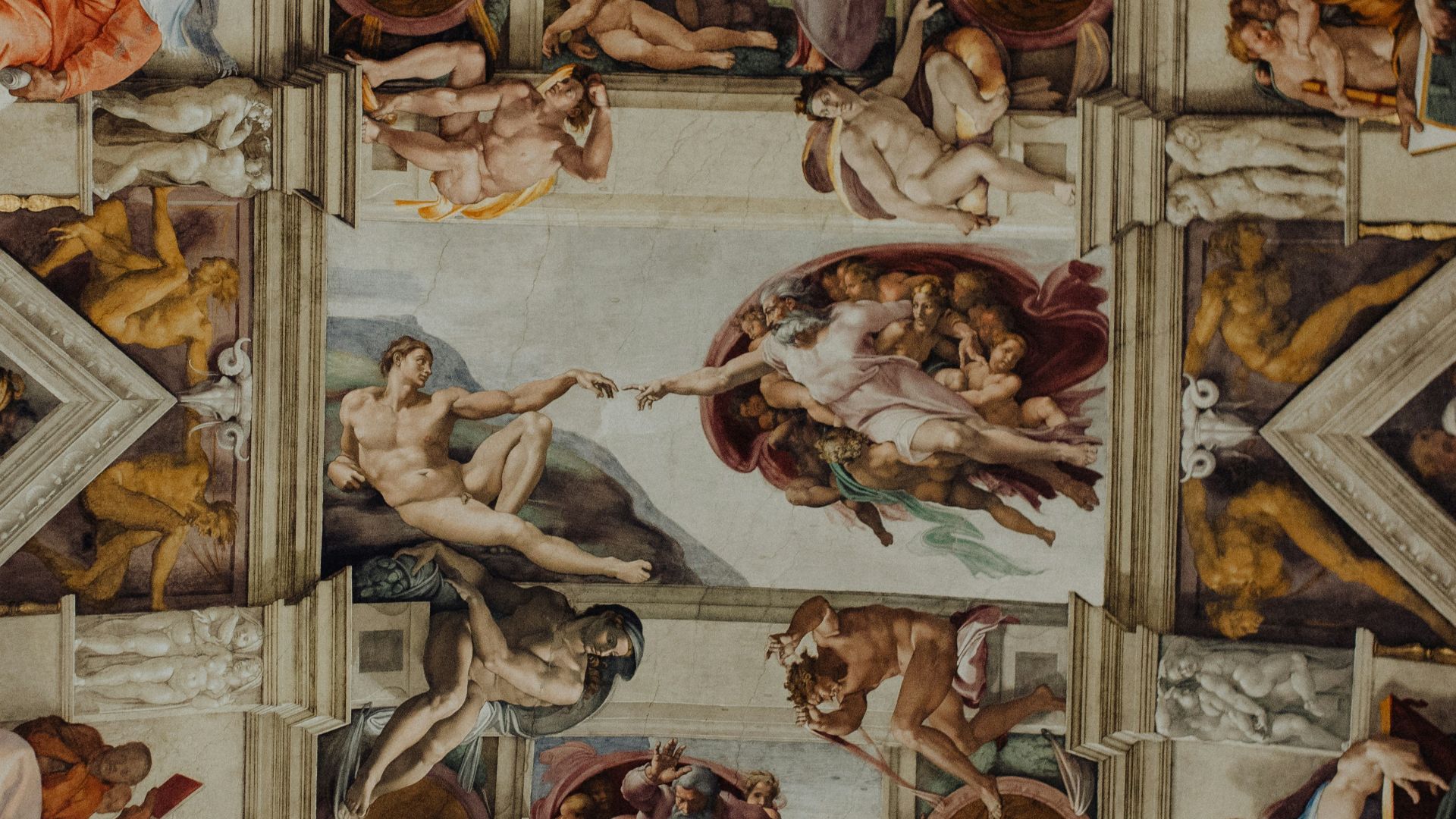
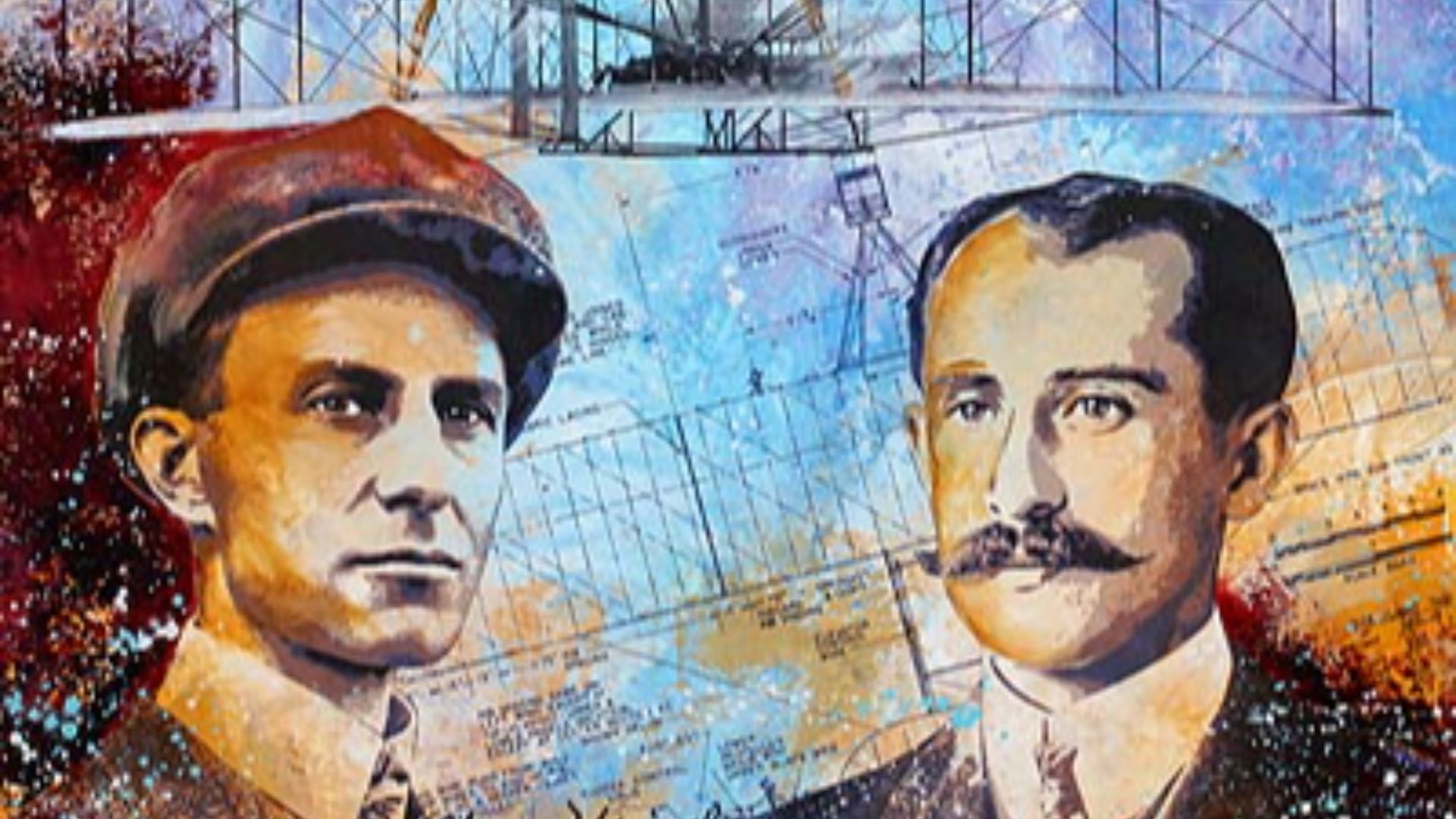
Early aviation wasn’t only about flying, it was about patents, money, and who deserved credit. The Wright Brothers’ legal battles with Glenn Curtiss helped shape how aviation technology was controlled and commercialized in the U.S. Their rivalry mixed innovation with courtroom strategy.
17. Coca-Cola vs. Pepsi
This is one of the most famous business rivalries because it turned soda into brand identity. Both companies competed through advertising, pricing, and cultural campaigns that made consumers feel like they had to pick a side. The rivalry helped shape modern marketing and made “cola wars” a real phrase.

18. The Beatles vs. The Rolling Stones
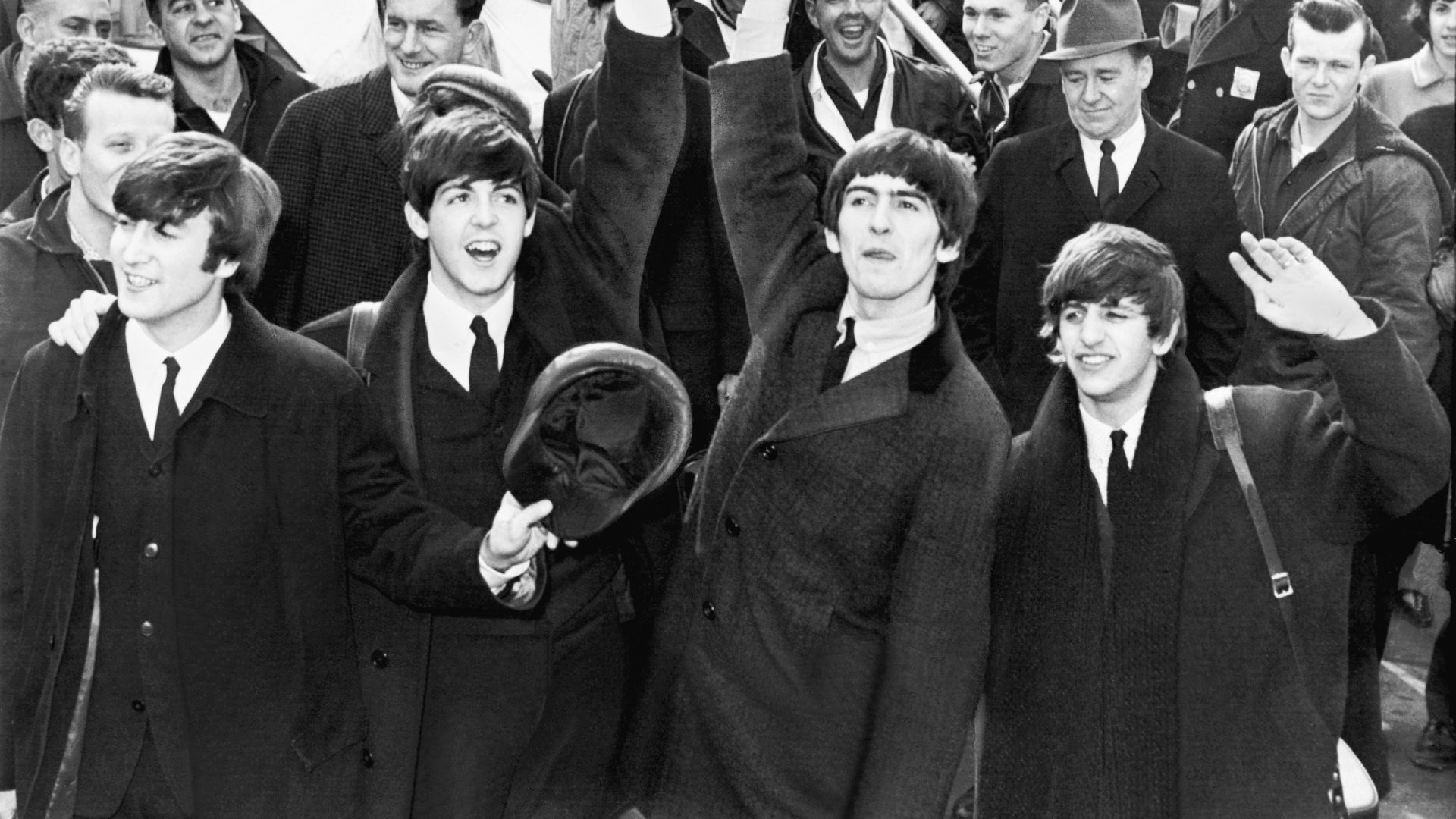
This rivalry was partly media hype and partly genuine contrast in style and image. The Beatles were often framed as polished and innovative, while the Stones leaned into a tougher edge. Fans loved the idea of choosing a camp, even as the bands’ relationships were more complicated than the headlines.
 United Press International on Wikimedia
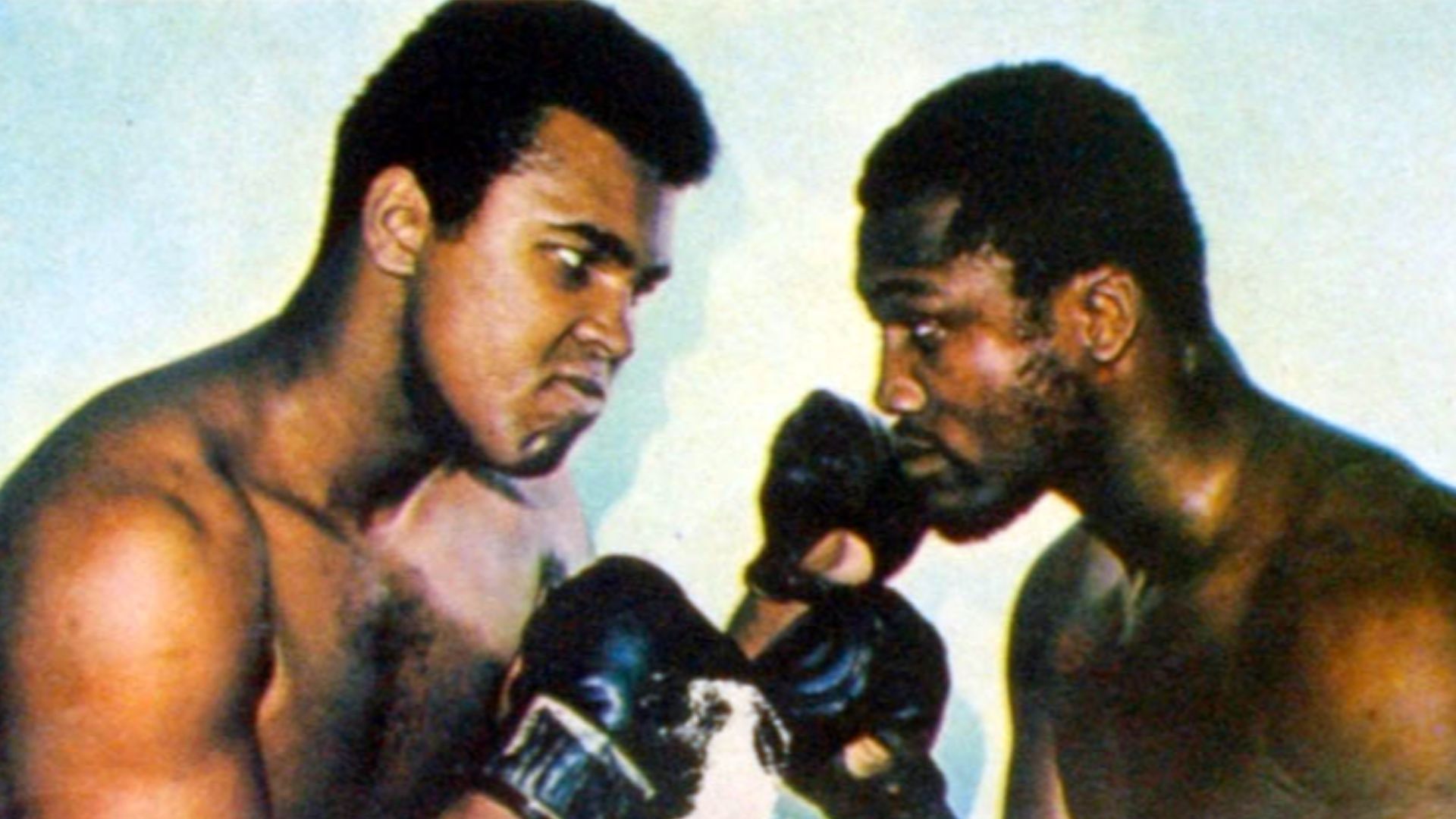
19. Muhammad Ali vs. Joe Frazier
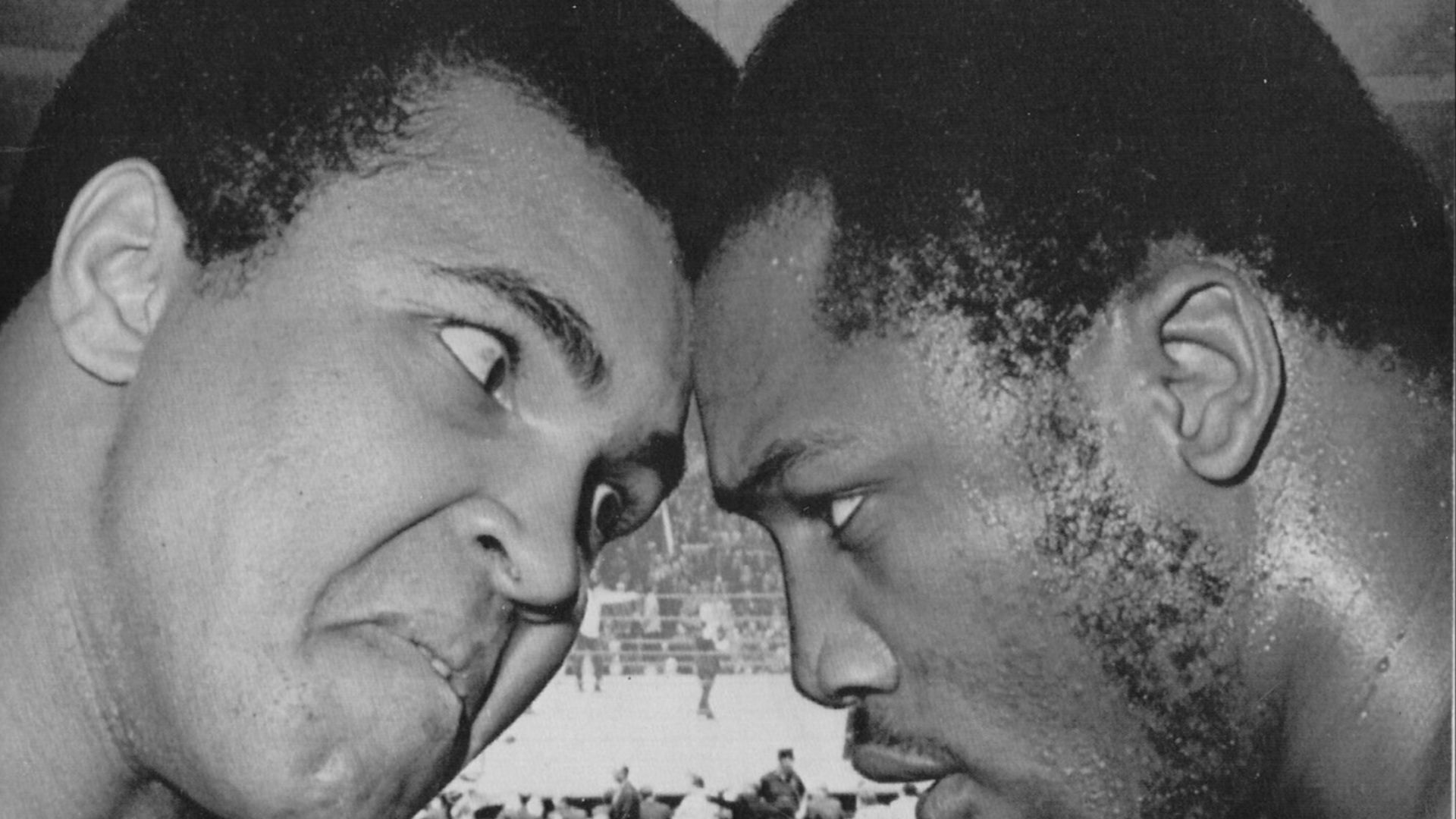
Sports rivalries can feel intensely personal, and this one became legendary because it mixed skill, pride, and cultural weight. Ali and Frazier, whose personalities and fighting style couldn't have been more different, fought three times, and each match carried its own story of pressure and identity. The rivalry wasn’t just about winning, it was about what each man represented to the public.
20. IBM vs. Apple
This rivalry represents two different philosophies of computing that shaped modern technology. IBM’s corporate, enterprise-driven approach faced off against Apple’s consumer-focused, design-led identity. The contrast influenced how people thought about personal computers and what they should feel like to use.
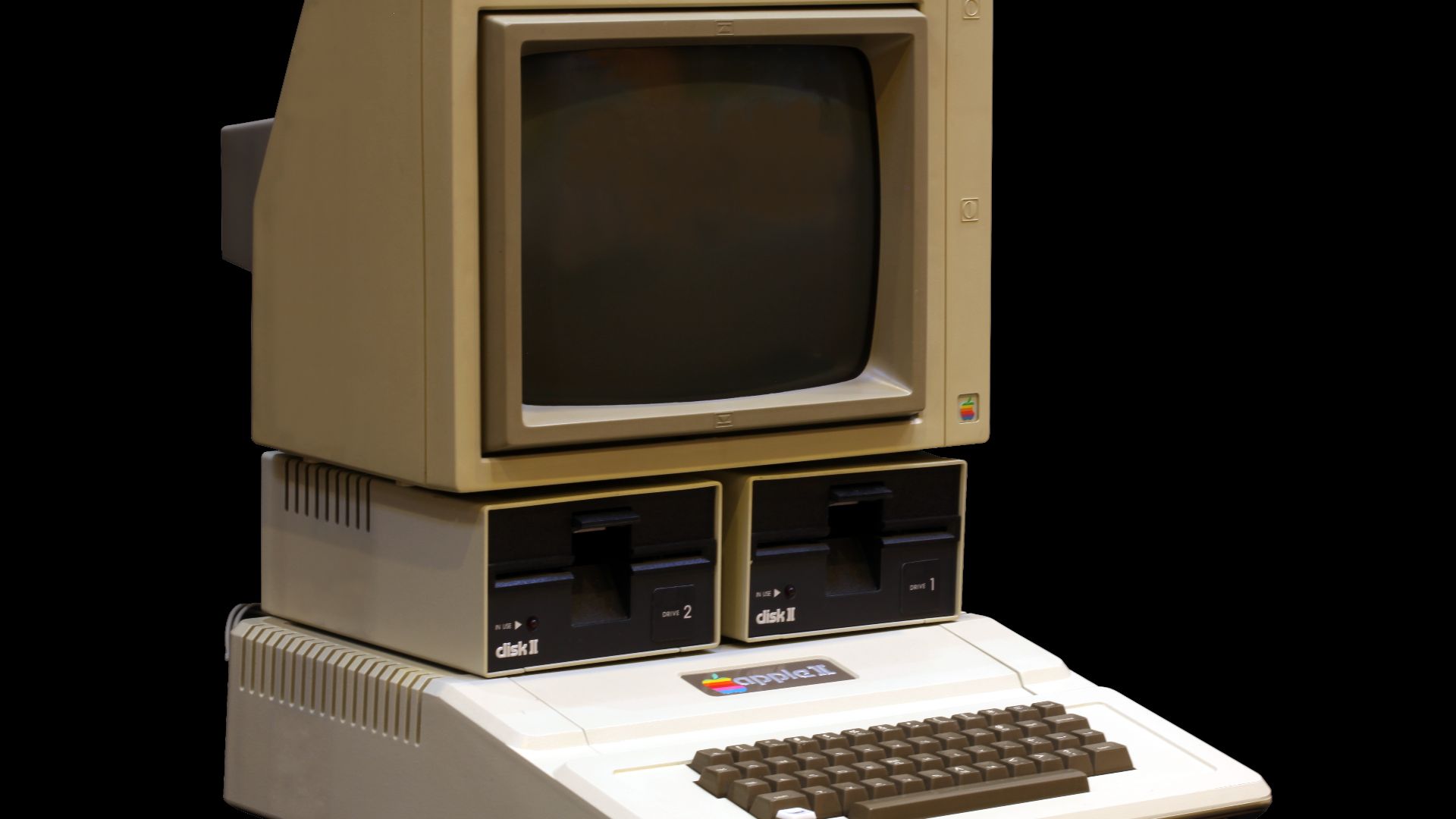 Rama & Musée Bolo on Wikimedia
KEEP ON READING