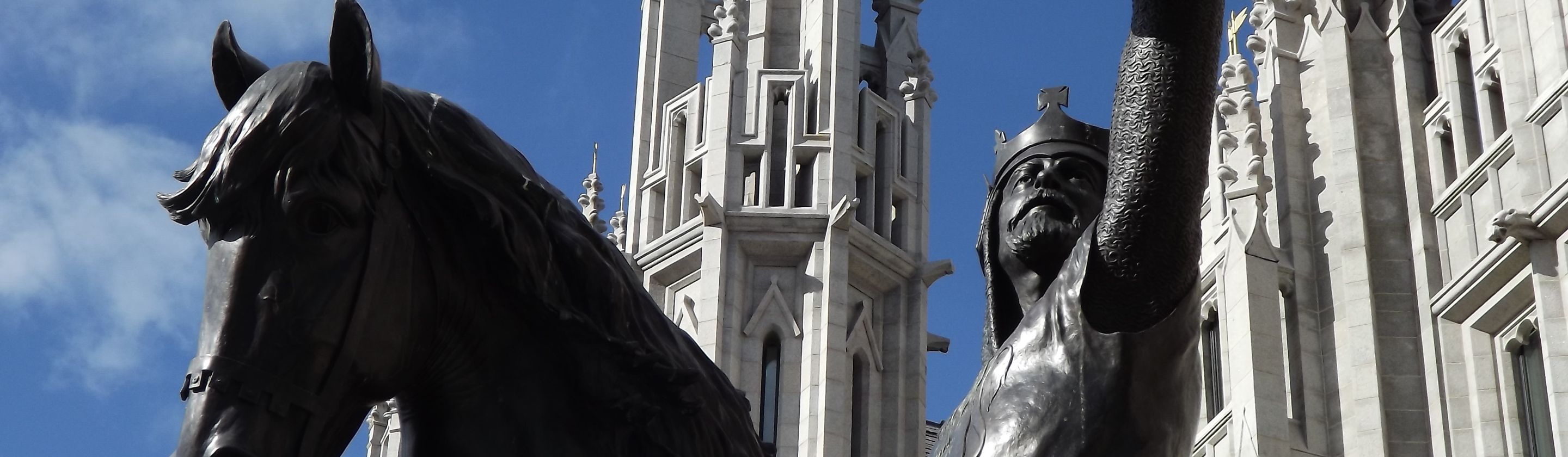
The Real Braveheart: The Story Of How Robert The Bruce Freed Scotland
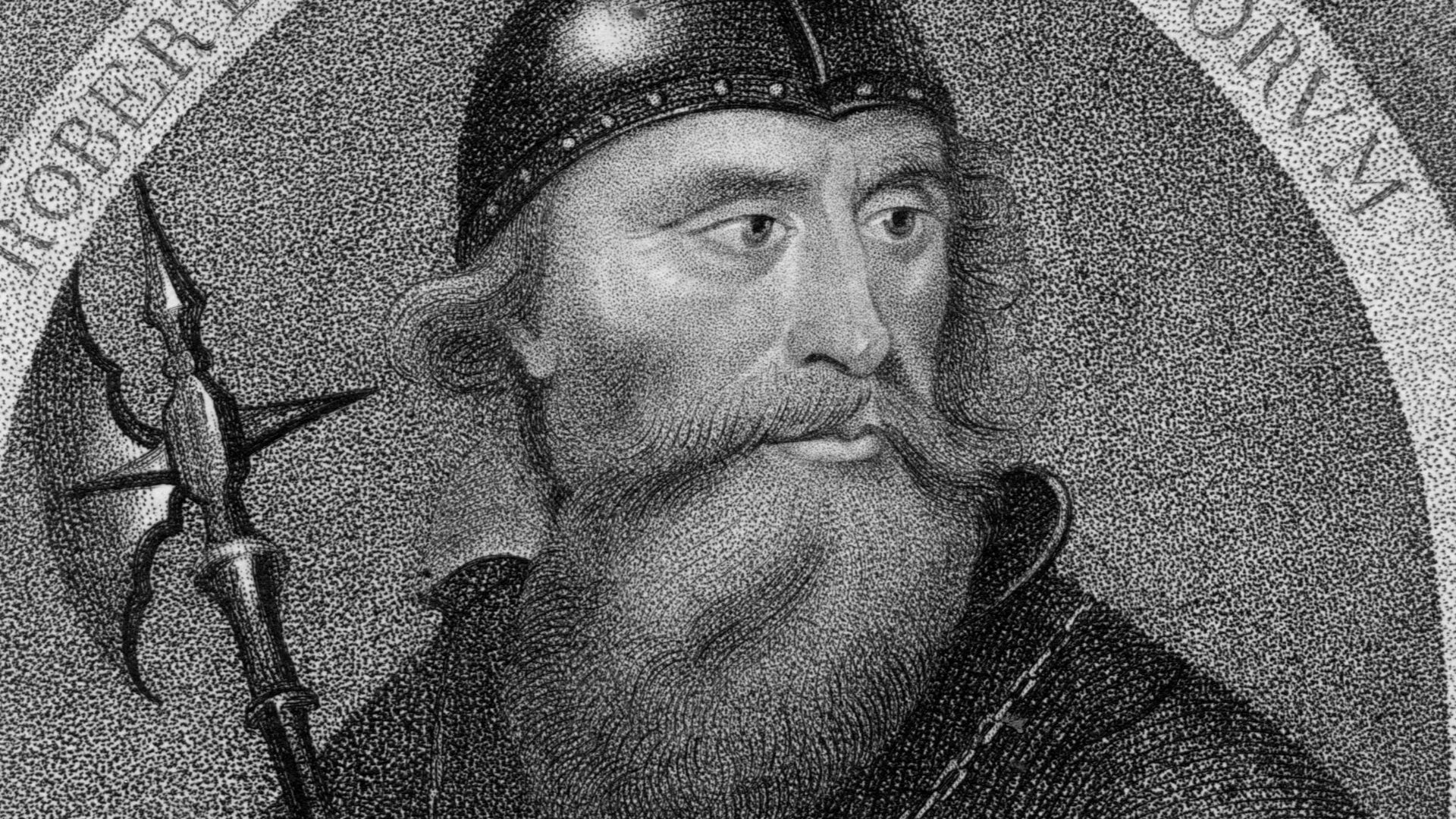
Every country remembers the people who refused to bow down when freedom was at stake. For Scotland, that figure was Robert the Bruce. His story may not shine with the same cinematic flair as the famous movie hero who borrowed his legend, yet the real man behind the name carried a courage that shaped a nation.
His choices weren’t always perfect, but his heart for Scotland never faltered. If you’ve ever wondered how one person’s persistence could change history, his journey is the reminder you’ve been looking for.
From Nobleman To Outlaw
Robert was born into nobility in 1274, part of a powerful family with deep roots in Scottish politics. Back then, Scotland’s throne had become a prize in a tug-of-war between English power and Scottish independence. The English crown claimed the right to rule over Scotland, and many noble families found themselves torn between loyalty and survival.
Robert initially supported the English king, even fighting against Scottish rebels, but as opportunities arose, he shifted allegiance decisively toward independence, driven by ambition and a desire for his country to stand on its own.
That decision didn’t make life easier. For a while, Robert lived as a fugitive—hunted by the English and forced to fight with almost nothing left. At his lowest, he fled into the wild and hid among the hills, unsure if his cause would ever see daylight again. Yet it was during that time in hiding that his true leadership took root.
A later legend, popularized in the 19th century, tells of him watching a spider persistently spin its web after failures, symbolizing the resolve that inspired his return to rally his people.
Turning Hope Into Action
Robert’s comeback was fierce. He gathered support from scattered clans and began to reclaim Scottish lands piece by piece. His confidence breathed life back into exhausted fighters who had nearly given up on freedom.
The turning point came in 1314 at the Battle of Bannockburn, near Stirling. Against far greater English numbers, Robert’s smaller army fought with strategy and heart rather than brute force. When the dust settled, Scotland stood victorious. That triumph became a symbol of hope that echoed far beyond the battlefield.
Robert’s leadership didn’t rely only on power. He built alliances and worked to unite a divided nation. After years of struggle, his persistence culminated in the Declaration of Arbroath in 1320, which proudly asserted Scotland’s right to rule itself. This landmark moment paved the way for official recognition of independence through the 1328 Treaty of Edinburgh‑Northampton.
The King Who Refused To Quit
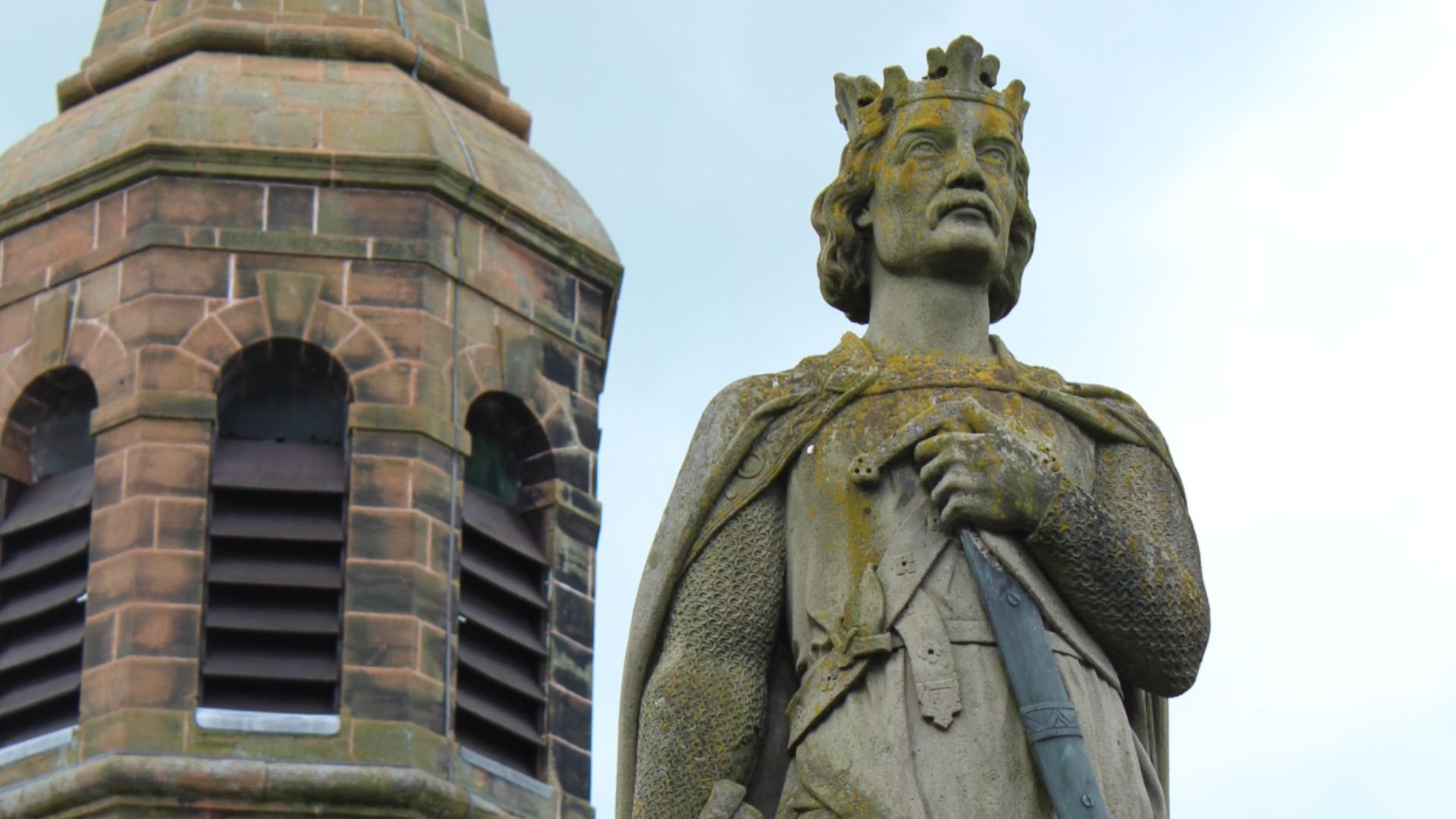
Robert died in 1329, but his story never faded. He was a man who rose from failure, adapted to every setback, and believed in his country until the end. His courage reminds us that freedom is earned through endless resolve and faith in something larger than comfort.
So when life feels like a losing battle, think of the man who fought through exile and defeat to lift a nation back on its feet.
KEEP ON READING