

 Herbert E. French on Wikimedia
Herbert Hoover was brilliant, organized, and by nearly every administrative measure enormously capable. He had coordinated food relief across a war-ravaged Europe, reformed the Commerce Department from the inside out, and managed some of the most complex logistical operations in American history. What he could not do, with any convincing ease, was walk into a room full of strangers and make them like him.
Historians have described Hoover as, in the words of biographer William A. DeGregorio, aloof, shy, wary of crowds, and awkward at superficial social relations. He was a Quaker-raised introvert in a profession built for extroverts, and he knew it. His campaign managers in 1928 knew it too, which is why they reached for the oldest trick in human social dynamics. They gave him a dog to stand behind.
The Most Useful Dog in American Political History
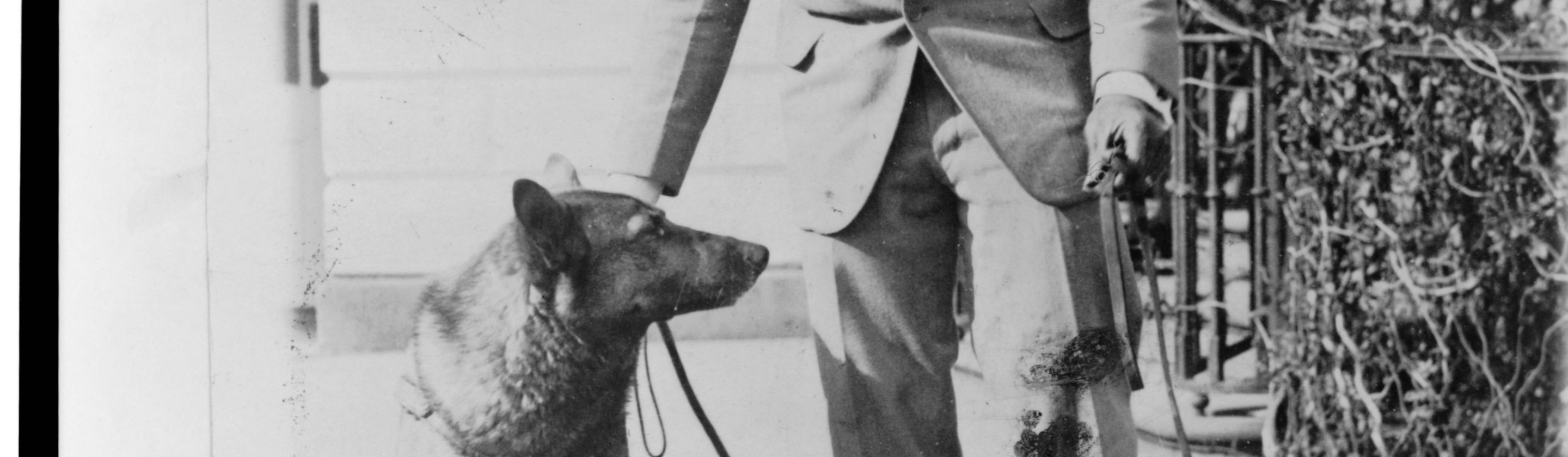
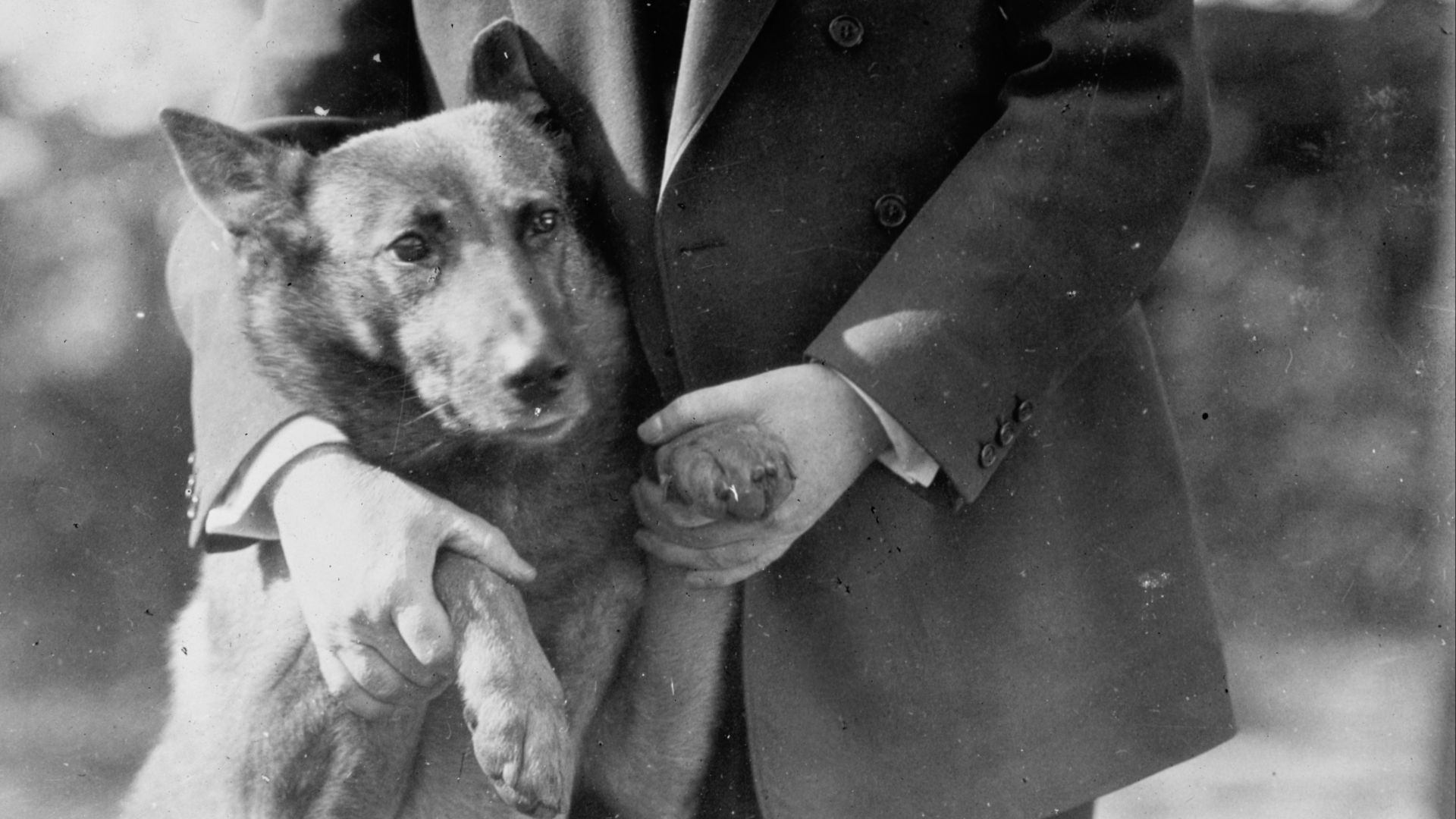
King Tut was a Belgian Malinois, a breed commonly used as police dogs, and Hoover had acquired him years earlier while in Belgium on assignment for President Wilson, running relief operations after the First World War. By the time Hoover was running for president in 1928, King Tut was a fully grown, imposing animal with a calm temperament around his owner. The campaign team recognized an opportunity. Hoover's affection for King Tut was so evident that autographed photographs of the two were distributed in an attempt to warm up Hoover's steely demeanor among voters during the 1928 presidential campaign.
The photograph shows a smiling Hoover holding up the dog's front paws, as if Hoover were begging for votes himself, which was a calculated piece of political image-making that would look entirely familiar today. Once the photograph was released, thousands of copies were not only published but also purchased by citizens, and the New York Times described it as one of the happiest pictures ever made of the president. For a man who fished in a full suit and struggled to appear warm in almost any other context, King Tut was doing the heavy lifting that no speechwriter could manage.
The White House Historical Association credits the image of Hoover with King Tut as instrumental in getting him elected.
Hoover won the 1928 election decisively, capturing more than 21 million popular votes and 444 electoral votes. Whether King Tut deserves partial credit for that margin is impossible to measure, but the dog genuinely moved public perception of a man who couldn't move it himself. A photograph of a person with their dog communicates ease, warmth, and trustworthiness in a way that a handshake photo or a podium speech rarely does, and Hoover's team understood this before most.
A Man Built for the Job, Not the Room
Hoover was an introverted personality in a profession that rewards extroverts. He was shy, modest, and humble, not given to boasting. He enjoyed the work of the presidency and the potential for significant accomplishments, but he did not enjoy campaigning and boasting about himself. That profile describes an enormous number of competent people who are quietly miserable at networking events, and it also describes a specific vulnerability in democratic politics, where likability often matters as much as competence, and sometimes more.
Dogs solve a particular social problem for people built this way. They provide an anchor point for conversation that isn't about you. When a dog is in the room, you can talk about the dog, attend to the dog, let other people approach you through the dog.
As Claire McLean, founder of the Presidential Pet Museum, has noted, every president who has had a pet seems to be better liked by the public, with the perception that they are more real and down-to-earth if they have the same kind of everyday behavior as the average family. For Hoover, King Tut wasn't just a companion. He was a social buffer, a subject change, and a proof of humanity all in one animal.
What Happened When the Dog Was Gone
After moving to the White House, King Tut took on the full-time responsibility of guarding both the president and the grounds. The White House security chief considered him a sergeant rather than merely a sentry as he made his rounds each night. Unfortunately, being on guard around the clock began to stress the dog deeply. Tut sulked and stopped eating, and Hoover sent him to a quieter residence hoping he would recover. He died in late 1929.
Hoover didn't make the death public for several months. The stock market had already crashed and people were suffering the effects of what would become the Great Depression. Under those circumstances, Hoover didn't think it appropriate to grieve publicly over a dog. That decision was in keeping with everything Quaker-private about his character, and it was also politically disastrous by accident.
The one asset that had humanized him to an otherwise skeptical public was gone, and Hoover had no replacement for what King Tut had given him.
By 1932, much of the public's perception of the humanitarian and awe-inspiring expert they had known in 1928 had hardened into that of a heartless automaton unable to halt the nation's widespread suffering. Franklin Roosevelt, who exuded warmth and had his own famous dog in Fala, defeated Hoover in a landslide. The lesson was the same one that got Hoover elected in the first place, delivered again in the opposite direction. Sometimes a dog is doing more political work than anyone in the room realizes.
KEEP ON READING

20 Greek Gods We Don't Often Talk About
Step Aside, Zeus. Greek mythology isn’t only about Zeus and…
By Elizabeth Graham Jan 16, 2026
10 Historic Courtship Practices That Should Be Brought Back &…
Old-School Dating Was a Mix of Charming & Unhinged. Historic…
By Emilie Richardson-Dupuis Jan 20, 2026
Pooches Of The Past: Extinct Dog Breeds
Unknown authorUnknown author on WikimediaDogs have been showing up in…
By Elizabeth Graham Jan 27, 2026
The 20 Craziest Silent Films Ever Made
When Silence Let the Madness Speak. Silent cinema didn’t just…
By Chase Wexler Jan 5, 2026
Legendary Tales: 20 Most Fascinating Mythical Creatures from Folklore
Mythological Beasts. Stories about mythical creatures endure for a simple…
By Christy Chan Jan 16, 2026
The three most expensive historical artifacts ever sold at auction
Attributed to Leonardo da Vinci on WikimediaAuctions are where history…
By Emilie Richardson-Dupuis Jan 9, 2026