

When Power Meets “Everyone Is Plotting Against Me”
Some rulers handled power with steady nerves, and others handled it like they were one whisper away from a full-blown meltdown. Paranoia in leadership can come from real threats, bad advisors, brutal politics, or just a personality that shouldn’t have been given an army. Either way, once a ruler starts seeing enemies everywhere, the results usually include purges, secret police, locked doors, and a lot of false confessions. Here are 20 of history’s most famously paranoid rulers, and the anxious choices that made them stand out.
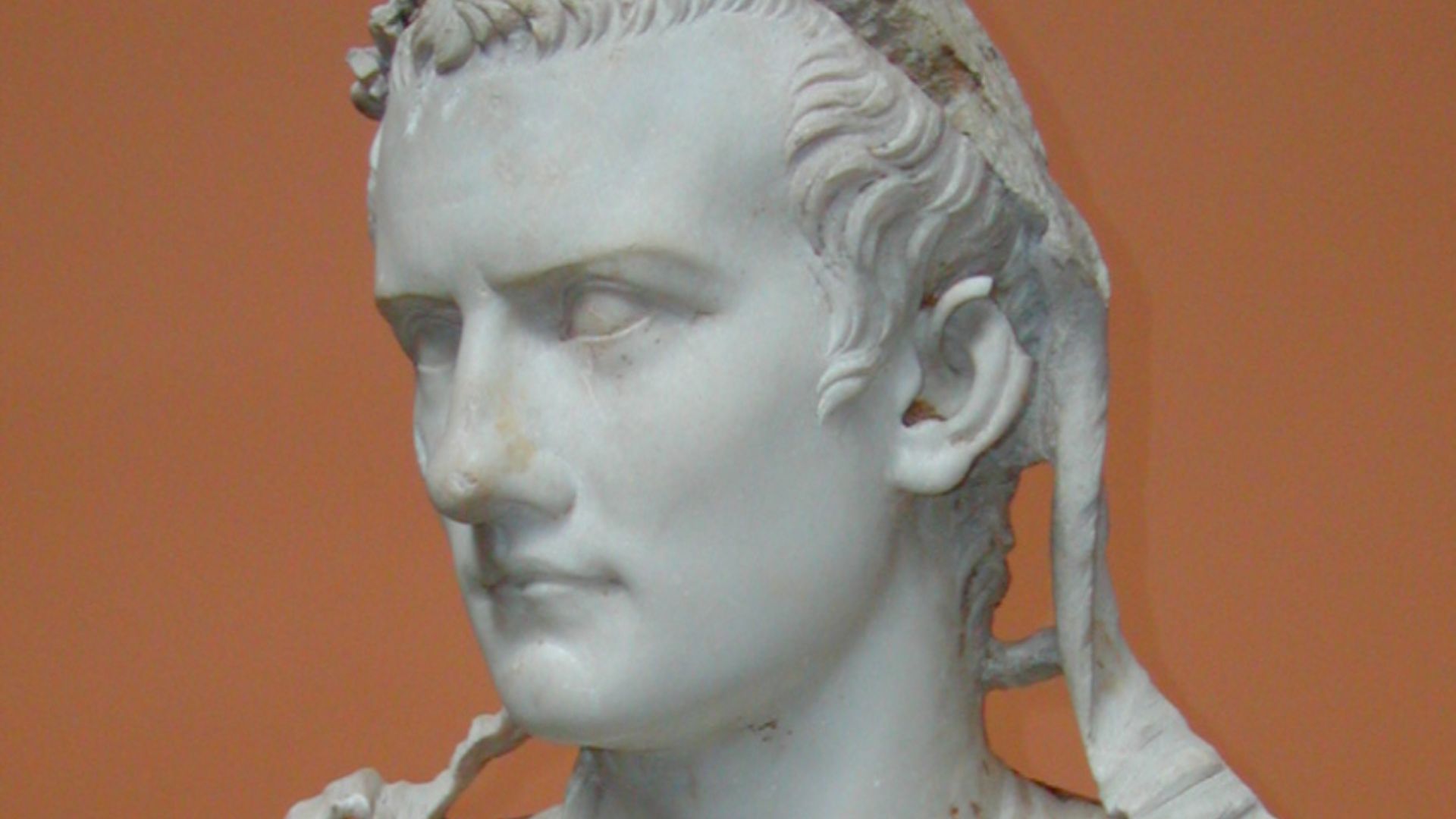
1. Caligula (Roman Empire)
Caligula’s reign became infamous for erratic behavior and a deep suspicion of anyone with influence. He reportedly treated perceived disrespect like treason, which is a rough way to run a government. When a leader starts punishing people on a whim, everyone gets nervous.
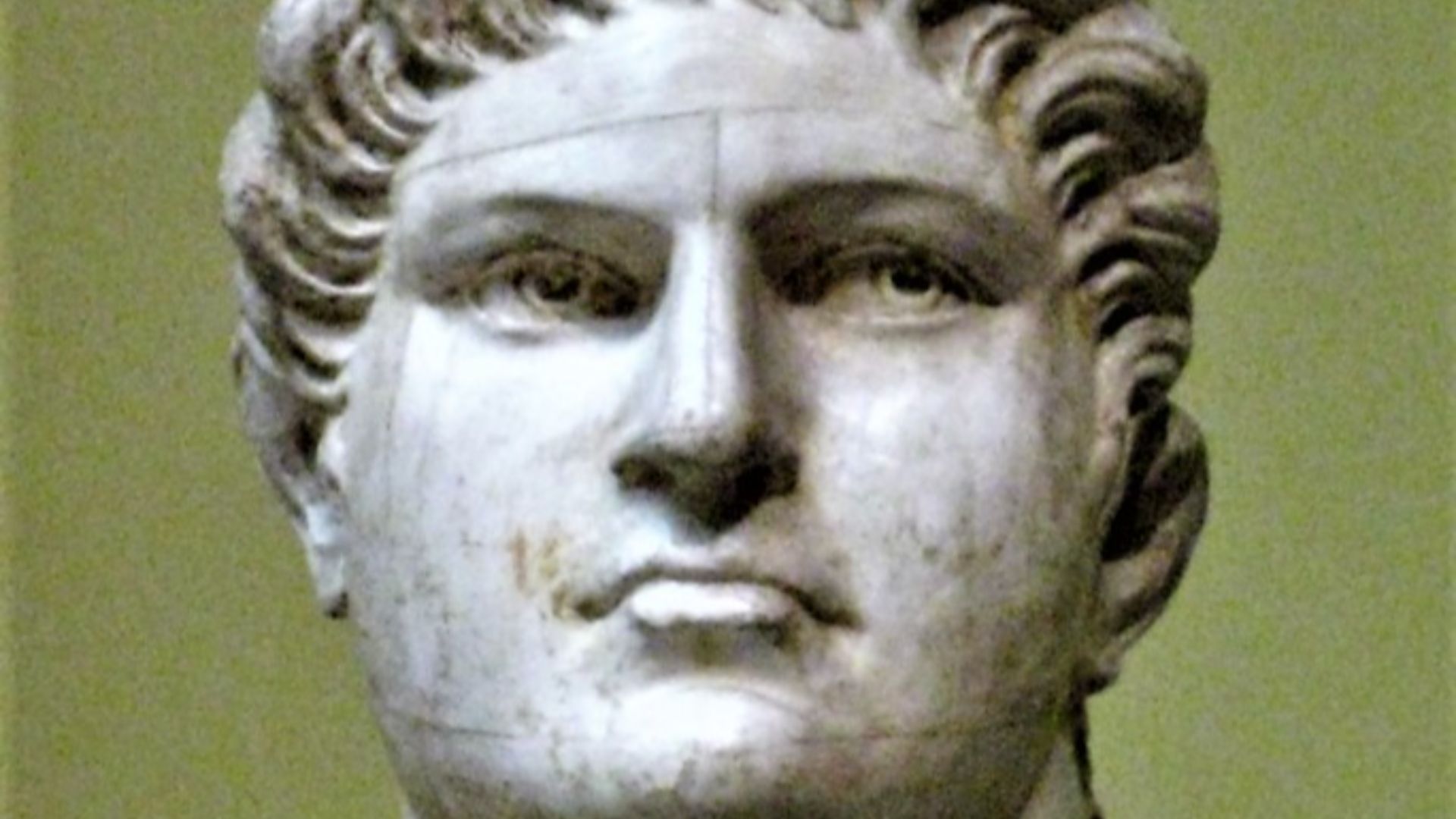
2. Nero (Roman Empire)
Nero’s rule is filled with stories of fear-driven decision-making and ruthless reactions to threats. He leaned on accusations and harsh punishments when he believed loyalty was slipping. Even the people closest to him weren’t always safe once suspicion took hold. When a ruler can’t trust anyone, conspiracies become self-fulfilling.
3. Domitian (Roman Empire)
Domitian is remembered for turning Rome into a place where flattery was safer than honesty. He took plots seriously, but he also expanded the category of “enemy” until it could include almost anyone. Informers thrived because fear creates a market for tattling. If you were a senator then, you probably learned to say nothing.
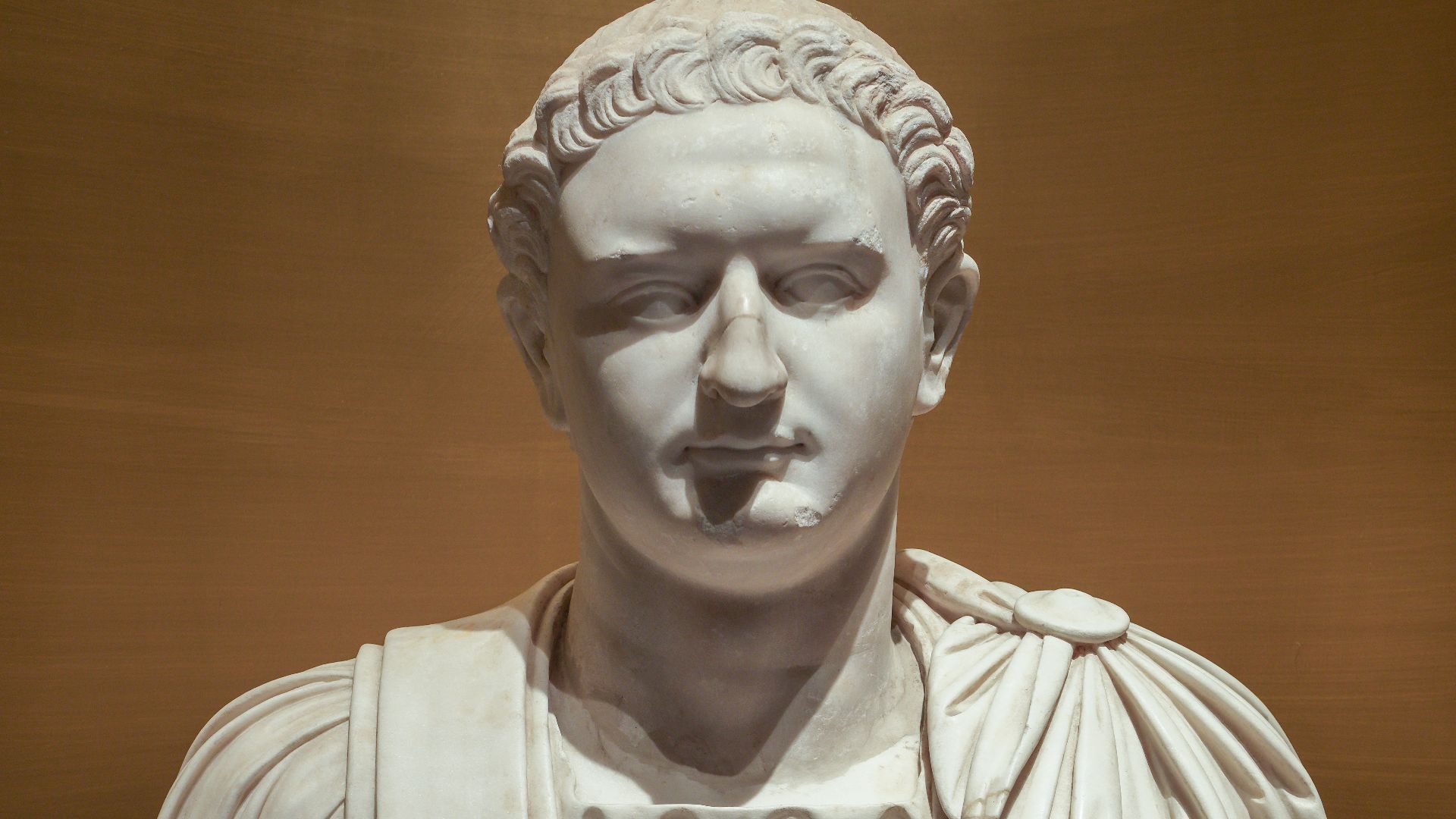
4. Qin Shi Huang (Qin Dynasty)
Qin Shi Huang unified China, but he also famously feared assassination and obsessed over staying alive. He traveled with heavy security and searched for ways to achieve immortality. That kind of fear can push a ruler into extreme choices, especially when they believe death is negotiable. If your boss is terrified of dying, everyone ends up working overtime.
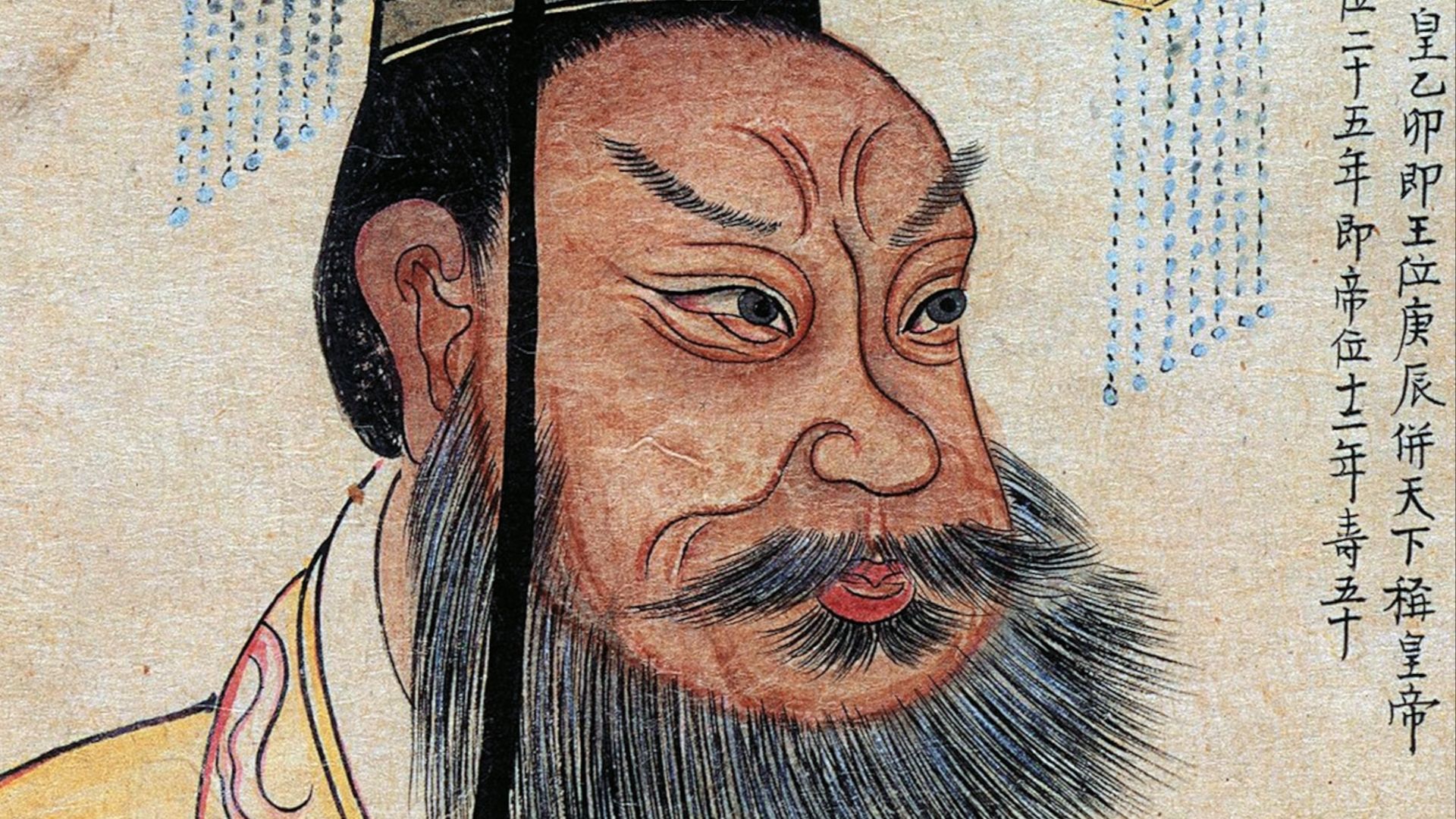
5. Tiberius (Roman Empire)
Tiberius developed a reputation for suspicion and a gloomy view of human nature. As his reign went on, treason accusations and political fear became common themes. He relied heavily on surveillance and punishments that made elites feel permanently on probation. When the ruler expects betrayal, people learn to act like it.
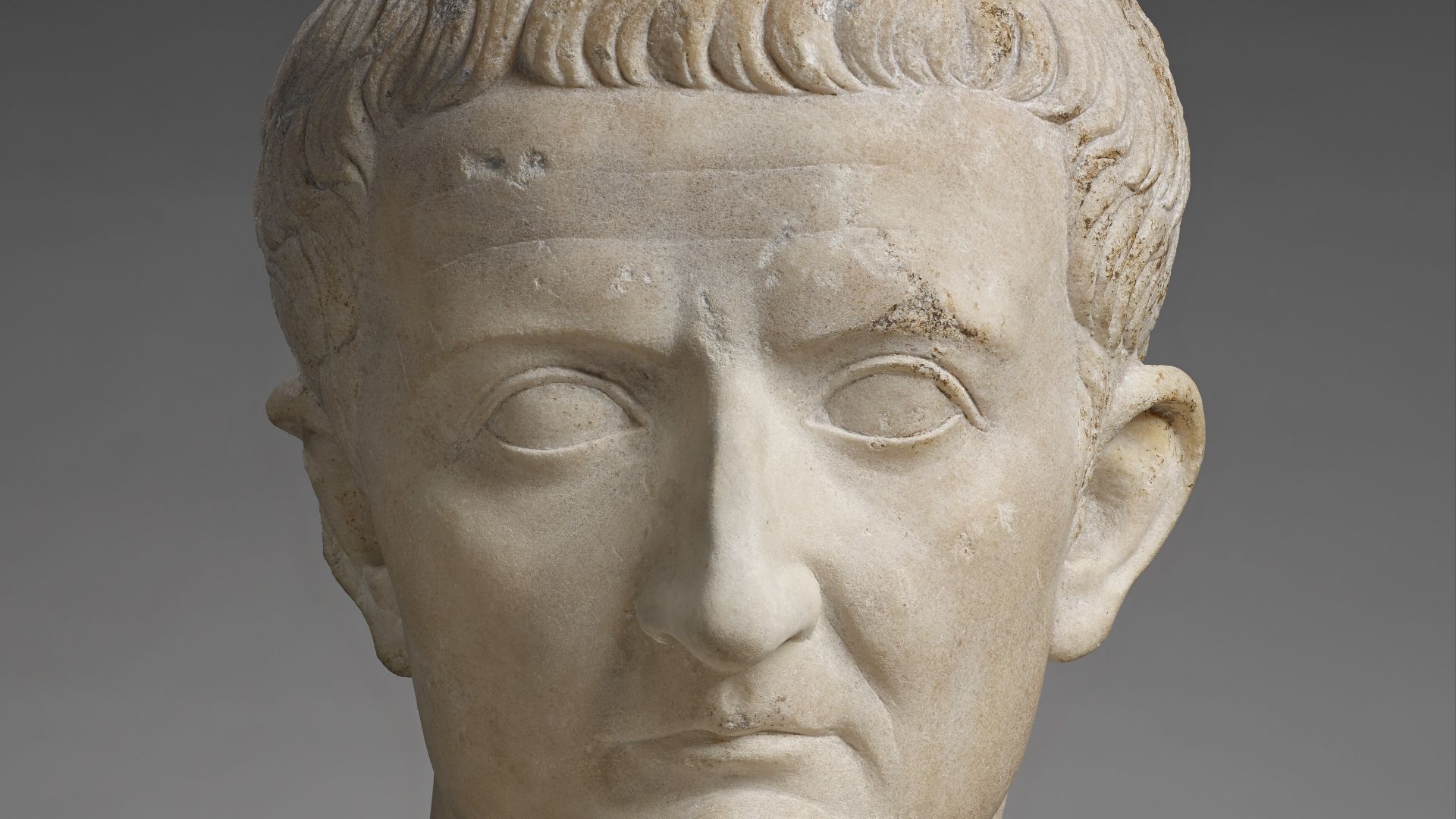 J. Paul Getty Museum on Wikimedia
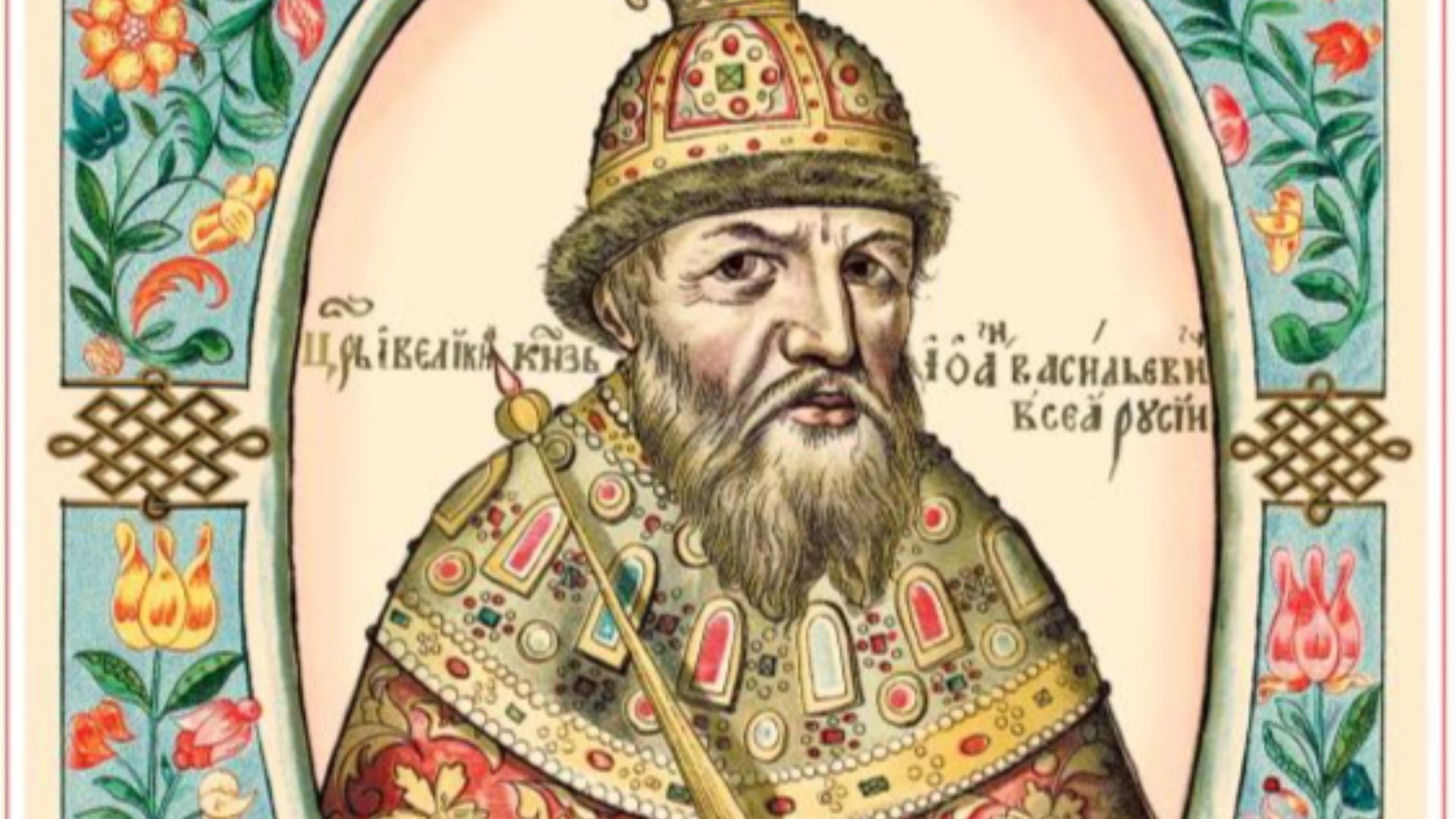
6. Ivan the Terrible (Russia)
He wasn't called "the Terrible" for nothing. Ivan IV is one of history’s most recognizable examples of paranoia turning into policy. He created a feared force to root out “traitors,” and the atmosphere of suspicion spread through the state. Once terror becomes the tool, nobody knows what behavior is safe anymore.
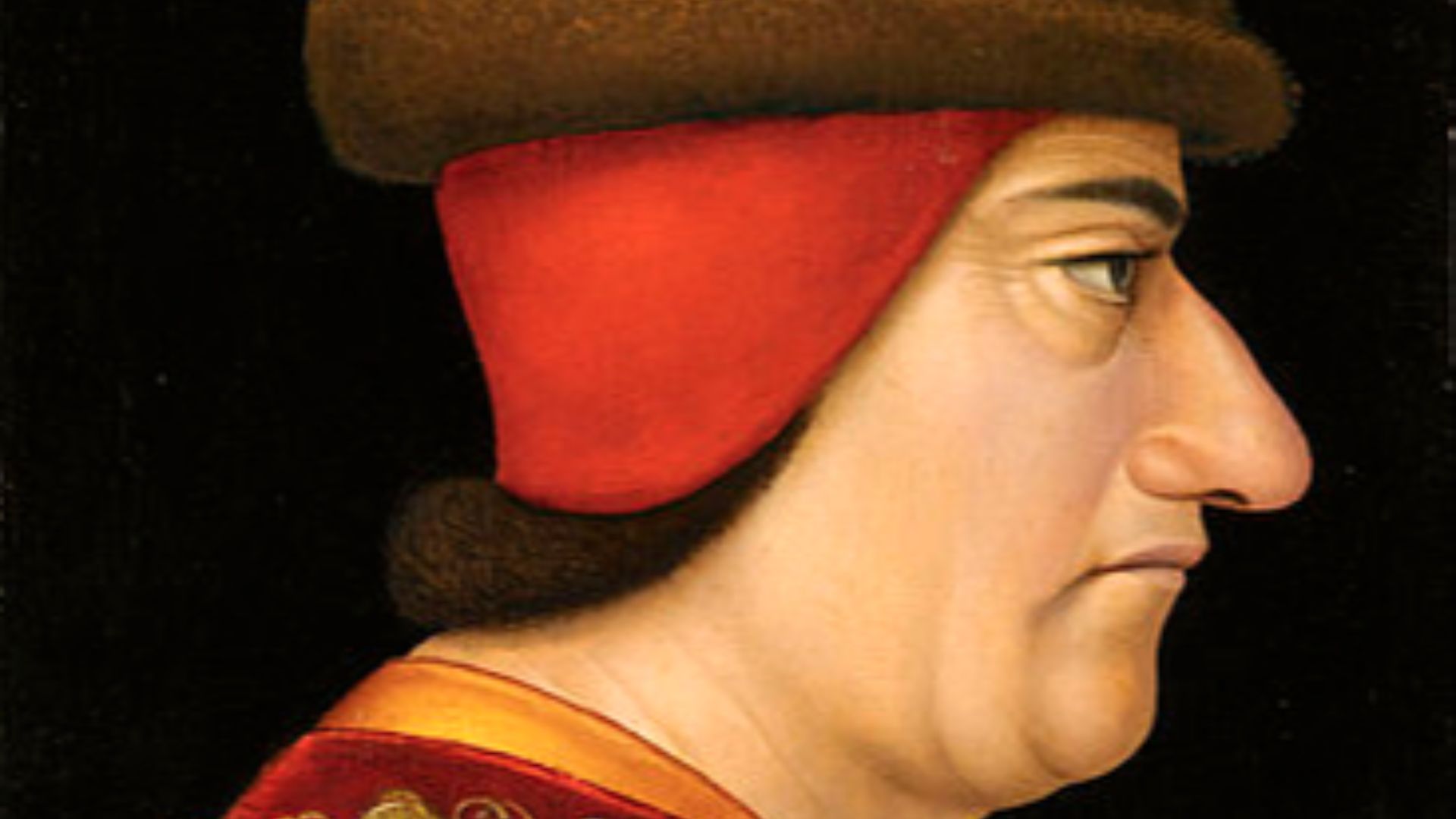
7. Louis XI (France)
Louis XI was nicknamed “the Universal Spider” for his network of spies and political webs. He tended to assume plots were everywhere, and he invested heavily in information and control. Rulers who fear betrayal often prefer whispers to open conversation. If you were a noble at his court, privacy was basically a myth.
 Alain.Darles et anonyme on Wikimedia
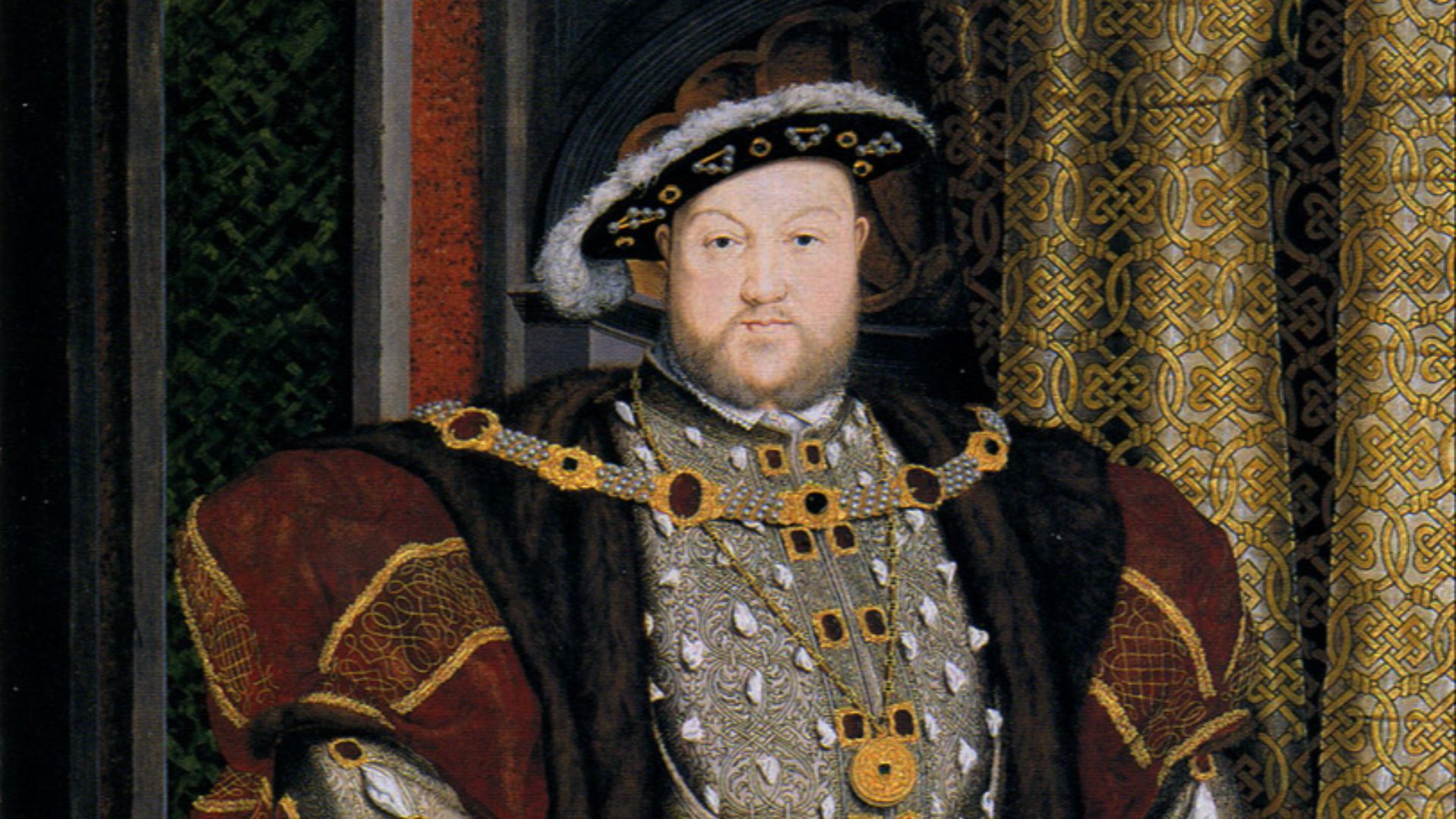
8. Henry VIII (England)
Henry VIII’s later years show what happens when insecurity meets absolute power. He became deeply suspicious of advisors and even queens, and accusations could turn deadly quickly. Court life became a high-stakes guessing game about what the king wanted to hear. When fear drives relationships, nobody relaxes, including the ruler.
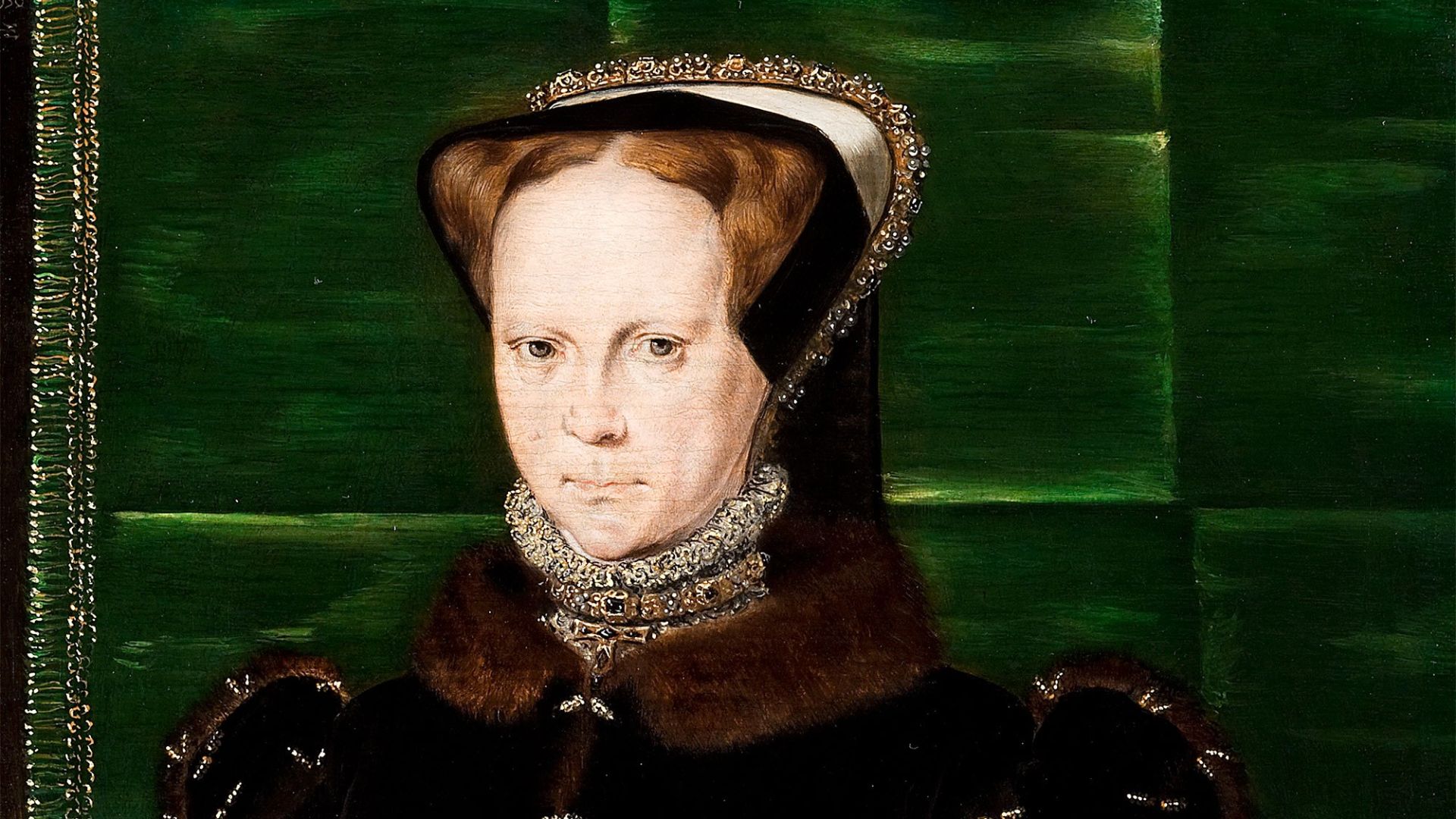
9. Mary I (England)
Mary I ruled during a time of intense religious conflict, and she treated opposition as a serious threat to stability. That environment fed suspicion, because political disagreement and religious difference blurred together. The pressure to secure her reign made her harsh toward perceived enemies. It’s hard to govern calmly when you believe your legitimacy is constantly under attack.
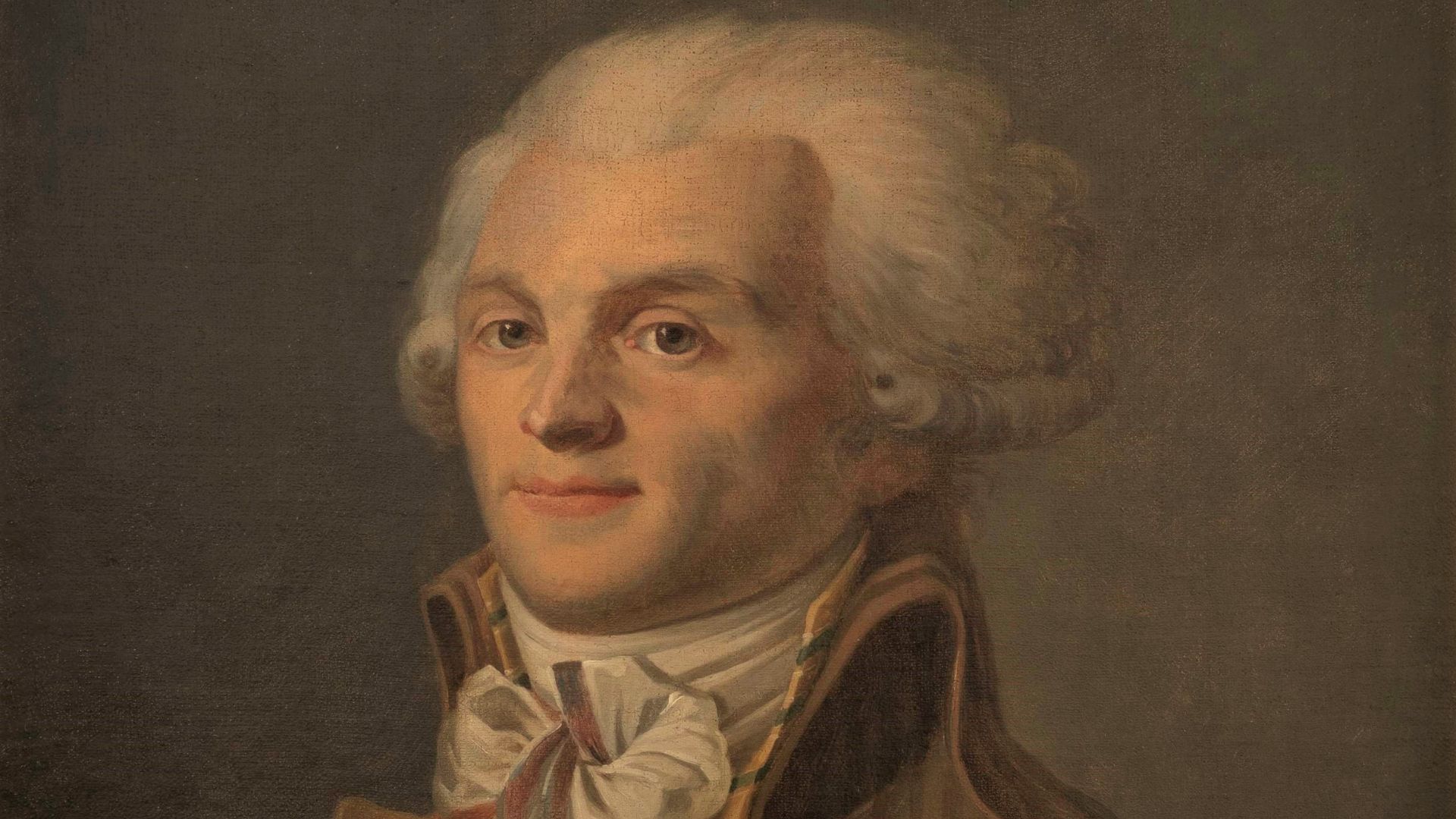
10. Robespierre (France)
Robespierre wasn’t a king, but he became one of the most powerful figures during the French Revolution. He helped shape a system where suspicion was treated as evidence, and fear became a political resource. Once “enemy of the people” becomes a flexible label, almost anyone can qualify. Eventually, the paranoia turns inward and eats its own.
 Unidentified painter on Wikimedia
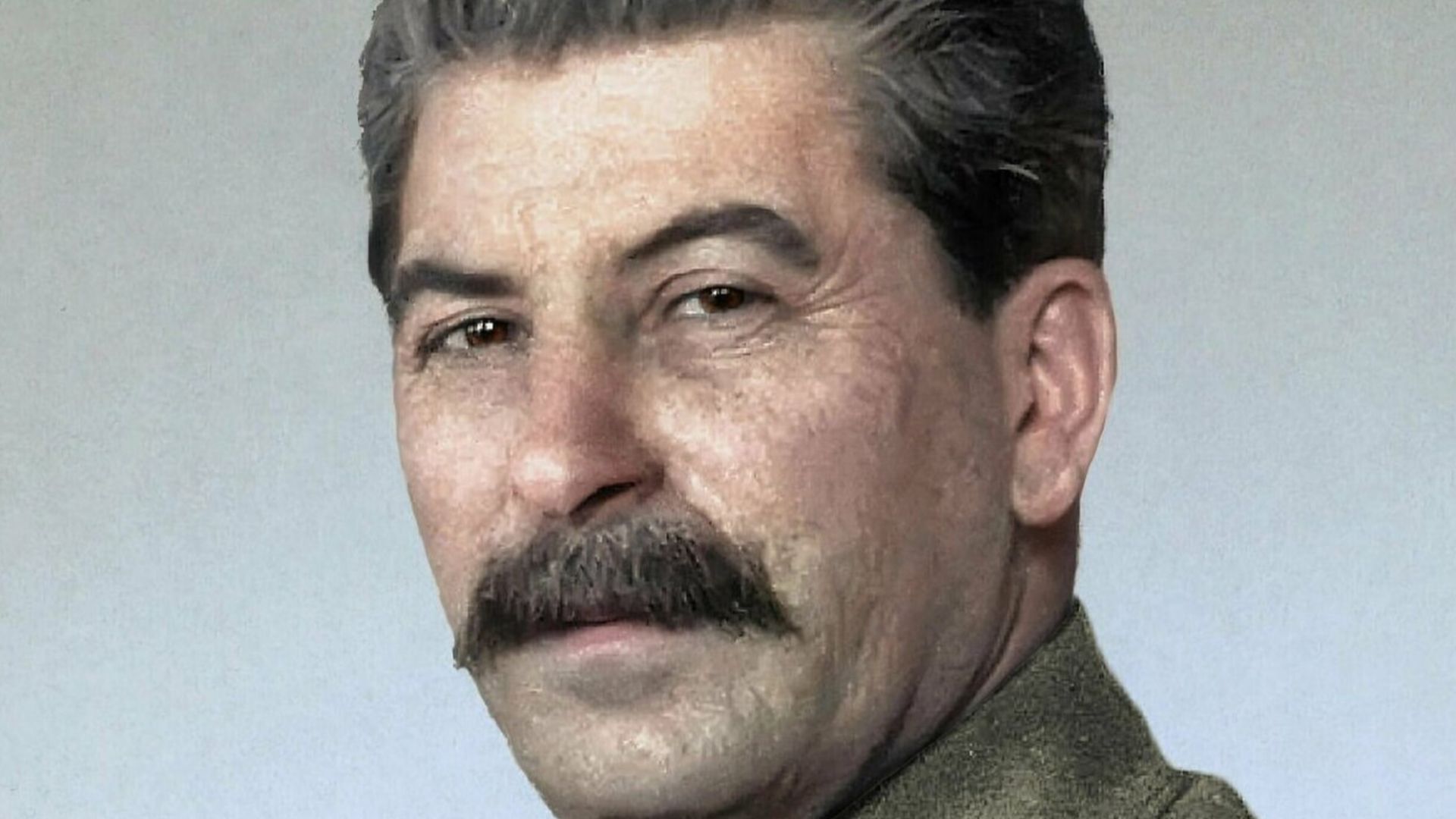
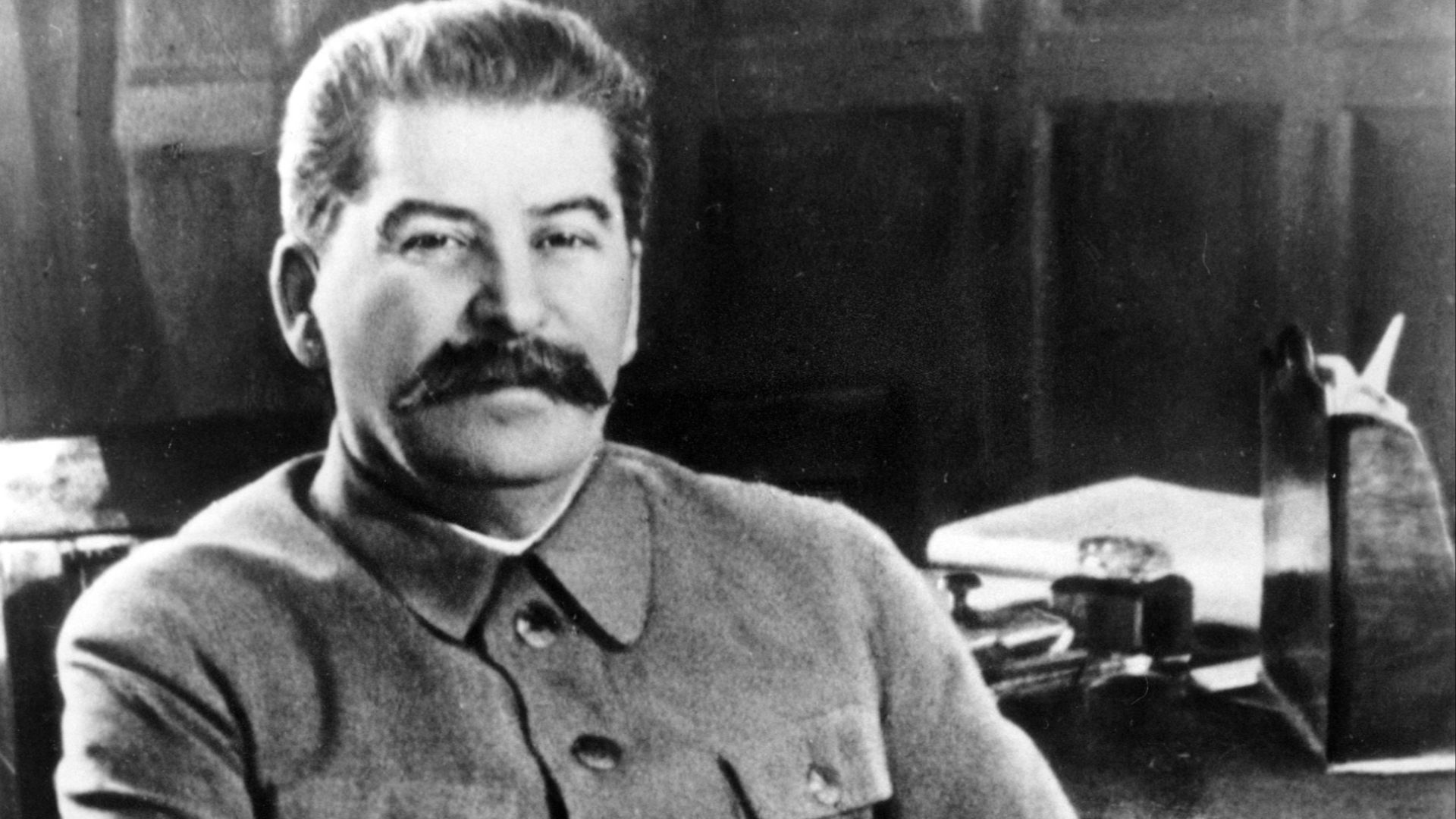
11. Joseph Stalin (Soviet Union)
Stalin’s paranoia became institutional, which is a terrifying upgrade from ordinary fear. He relied on purges, secret police, and constant suspicion to maintain control. Even loyal allies could become targets if they looked too competent or too popular.
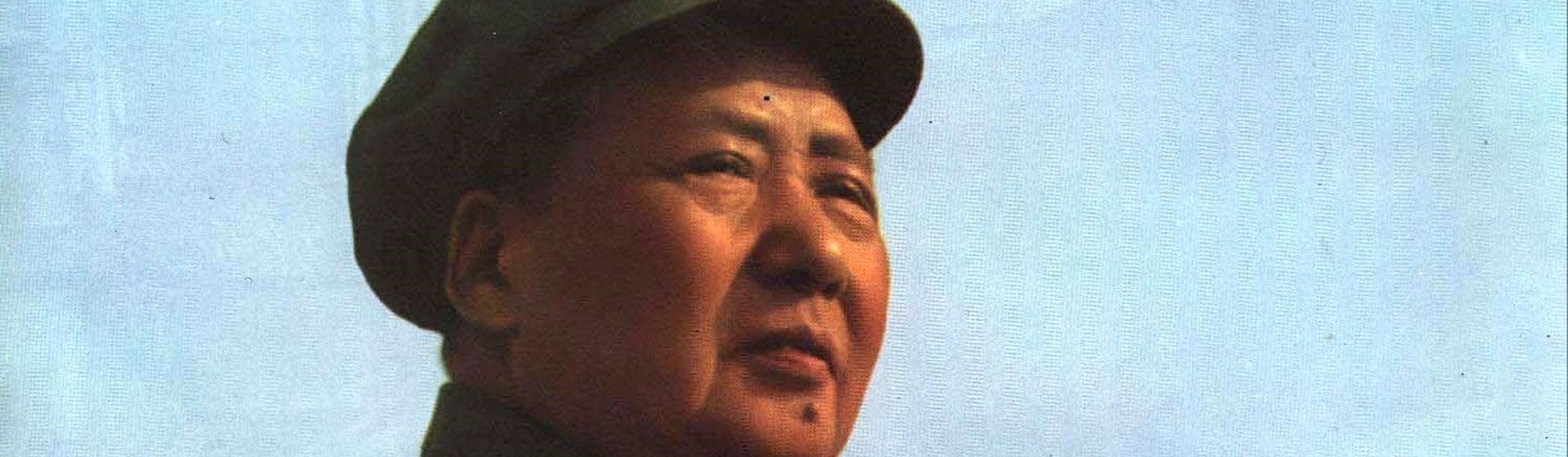
12. Mao Zedong (China)
Mao’s later political campaigns helped create an atmosphere where accusations could escalate fast. Rivalries, ideological purity tests, and fear of “enemies within” made paranoia feel like a governing style. When everyone is pressured to prove loyalty, ordinary life becomes political theater, and a system built on suspicion tends to produce more suspicion.
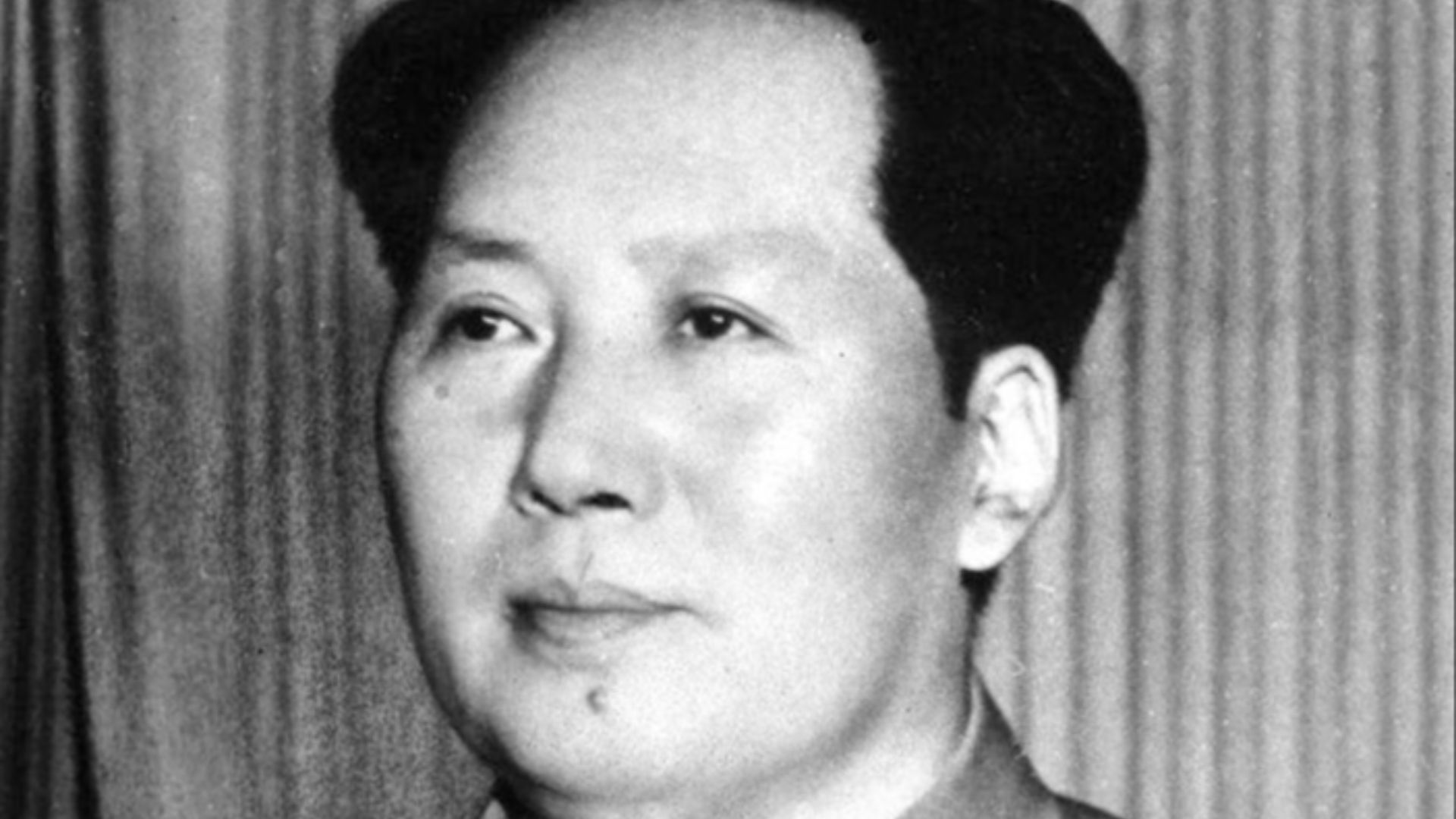 Chen Zhengqing (1917–1966) on Wikimedia
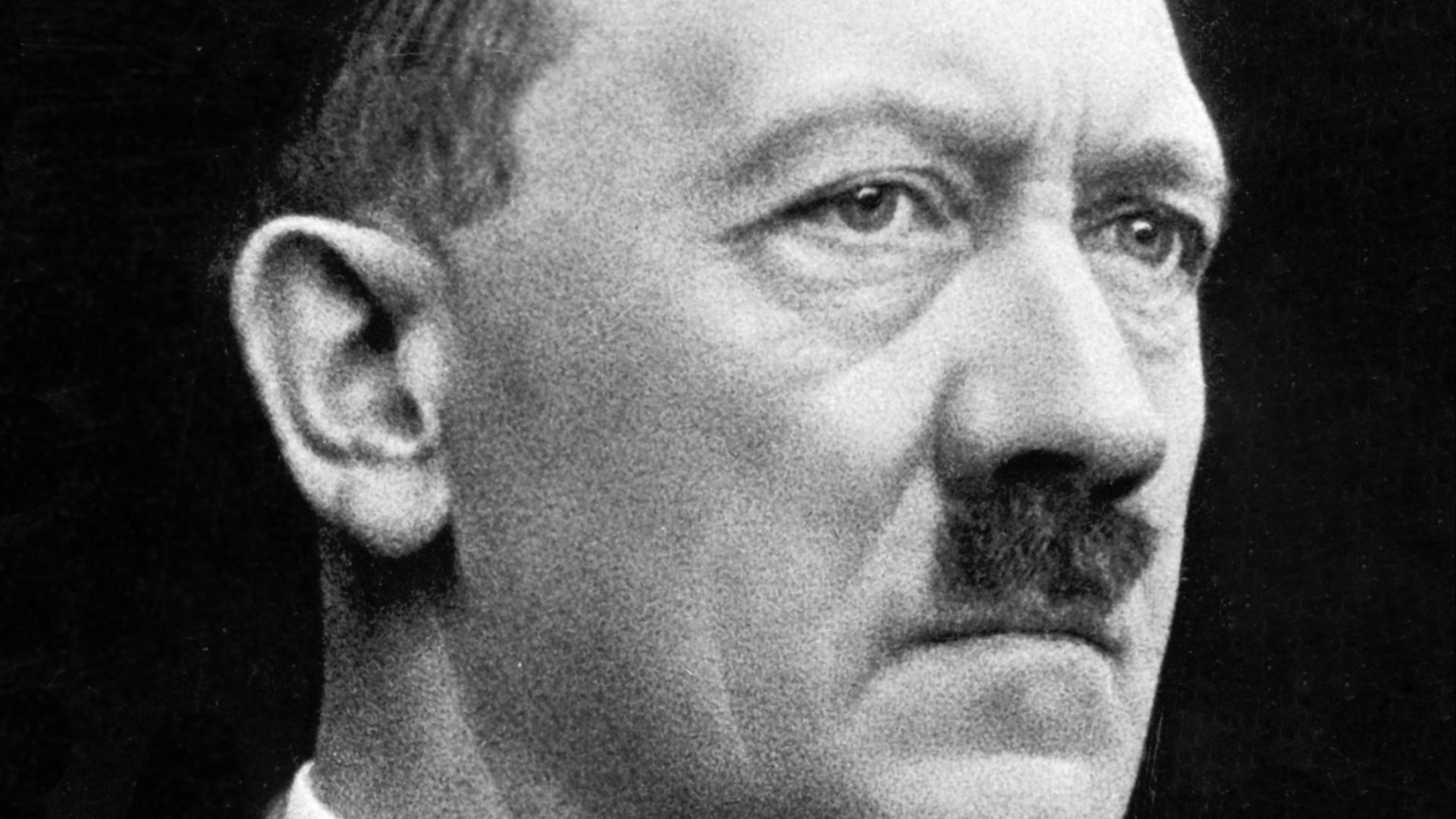
13. Adolf Hitler (Nazi Germany)
Hitler grew increasingly distrustful of generals and inner-circle figures, especially as the war turned against Germany. Assassination plots and internal resistance were real, but his reactions also intensified into broader crackdowns. As his confidence narrowed, his circle tightened and his decisions became more rigid.
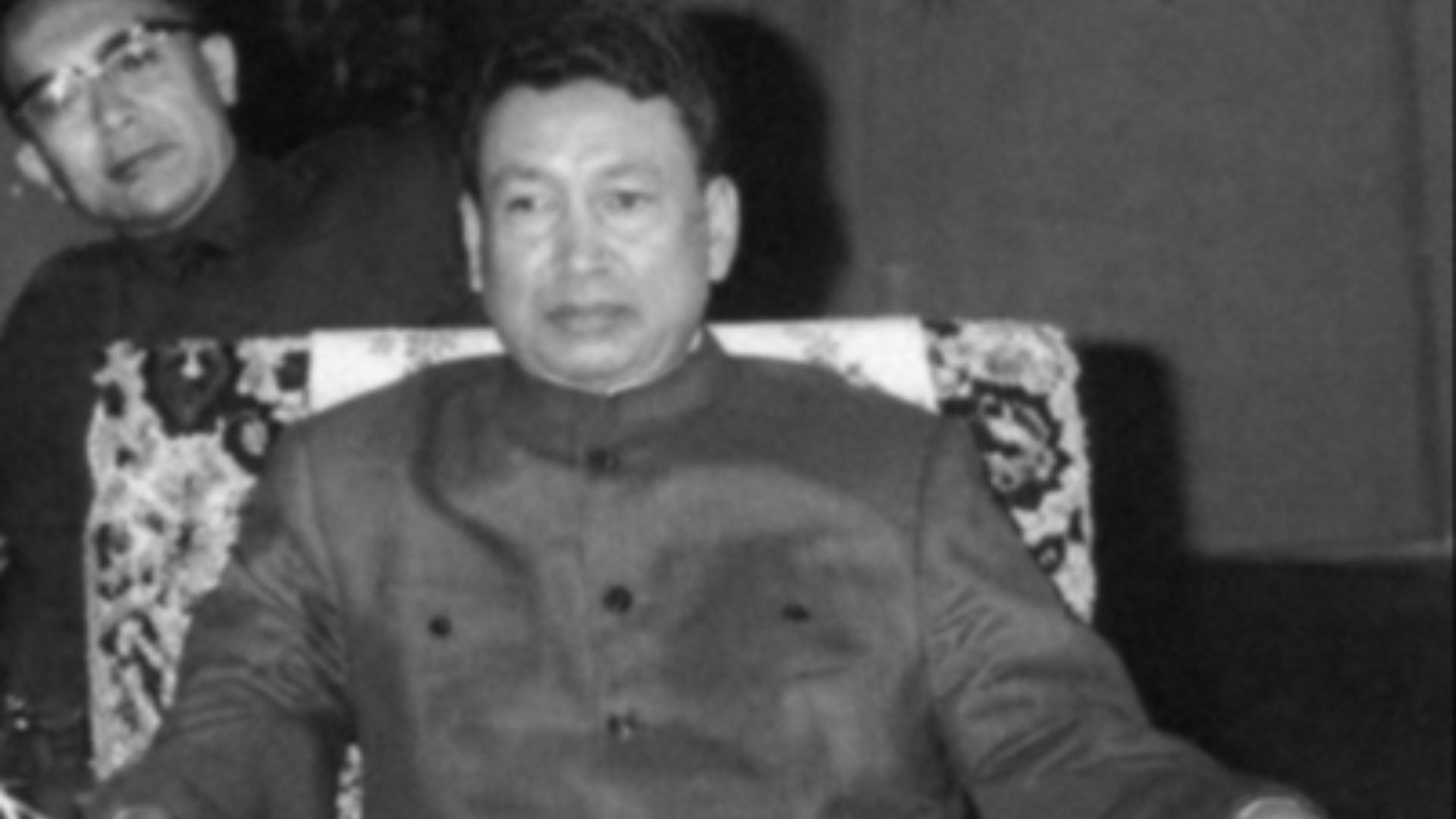
14. Pol Pot (Democratic Kampuchea)
Pol Pot’s regime became notorious for treating imagined enemies as real ones. Suspicion of internal “traitors” fueled brutal purges, including within the movement itself. When a government starts seeing betrayal in everyone, it becomes obsessed with cleansing rather than building.
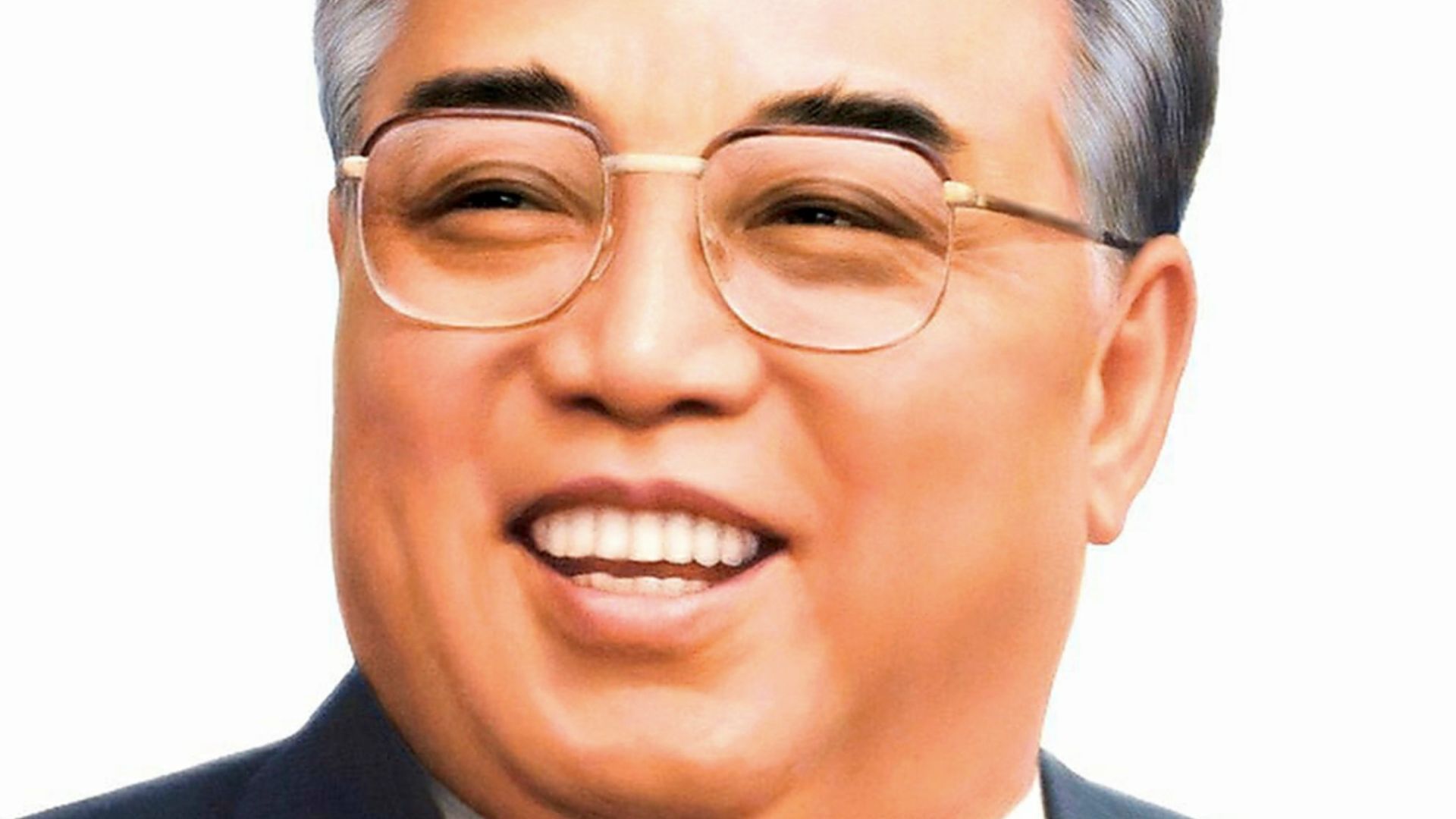
15. Kim Il-sung (North Korea)
Kim Il-sung built a system where control depended on surveillance, loyalty rituals, and removing rivals early. Paranoia isn’t always loud; sometimes it’s structural and permanent. By shaping institutions to prevent challenges, he made fear part of everyday governance.
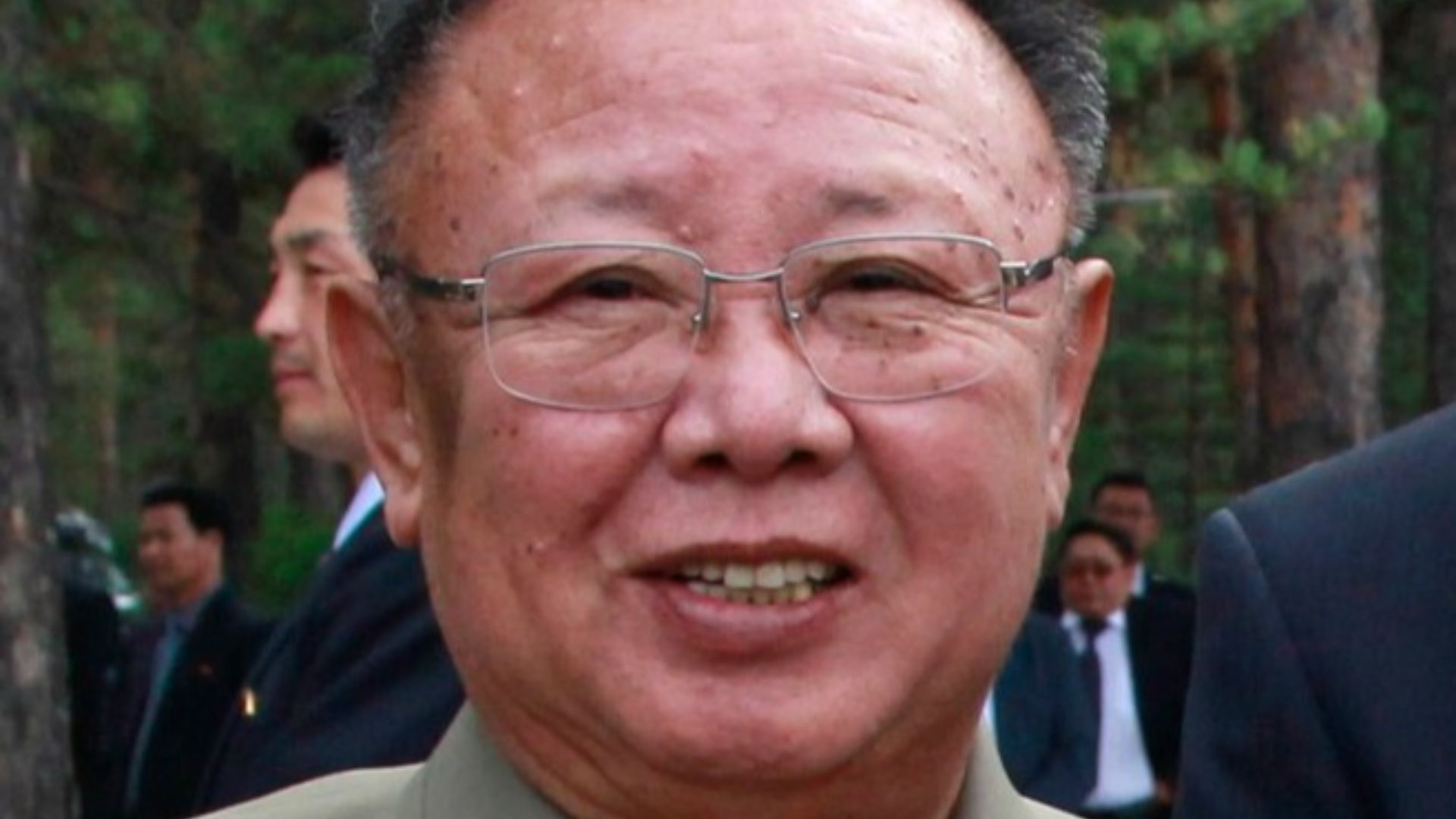
16. Kim Jong-il (North Korea)
Kim Jong-il inherited a security-heavy state and maintained strict control over information and internal competition. Rulers in tightly controlled systems often assume any openness could turn into danger. That mindset encourages constant monitoring and harsh consequences for perceived disloyalty. If your regime is built on total control, suspicion becomes routine maintenance.
 Presidential Press and Information Office on Wikimedia
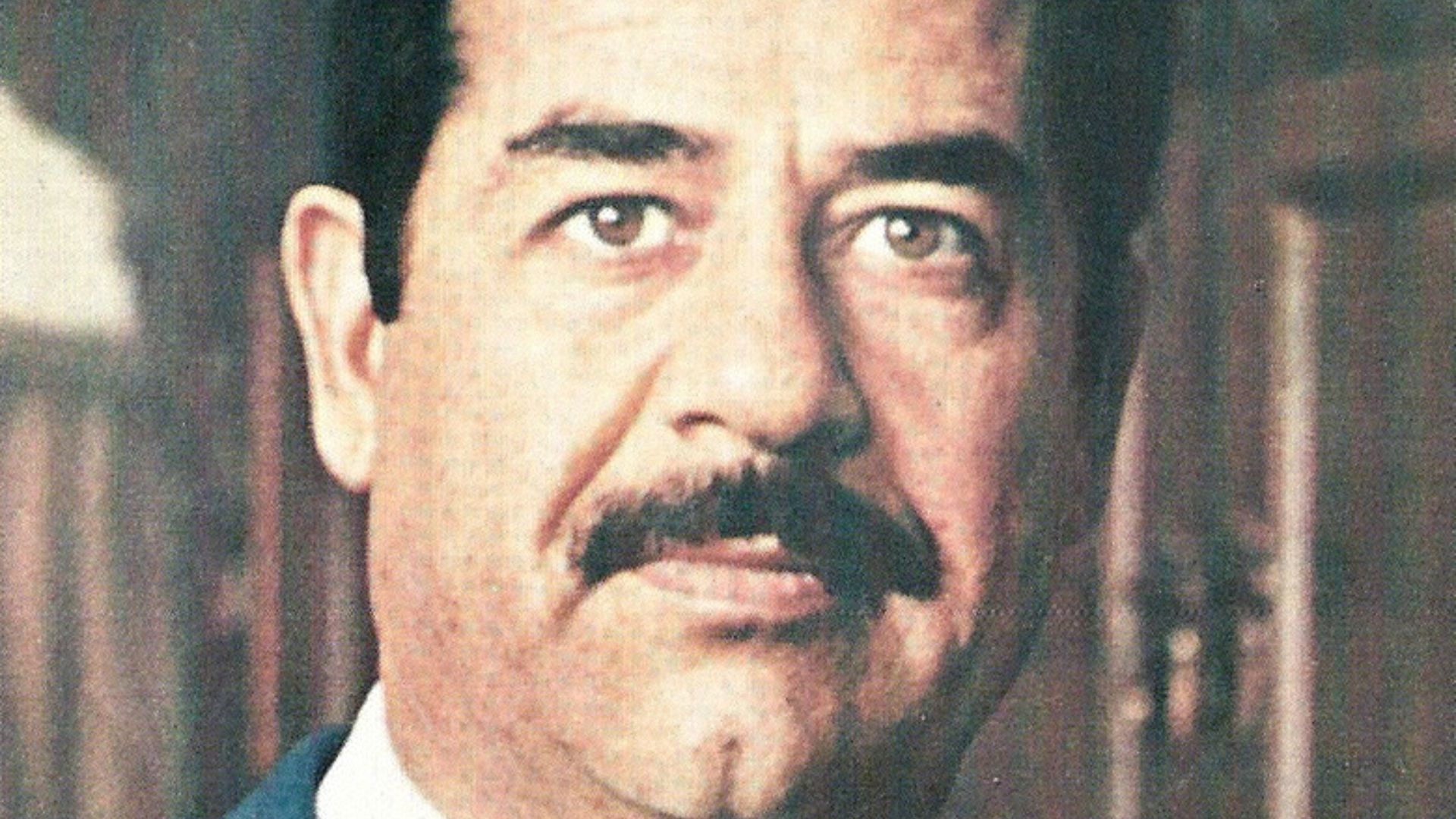
17. Saddam Hussein (Iraq)
Saddam is widely remembered for extreme suspicion of coups and betrayal, especially within his own ranks. He used purges and intimidation to keep potential challengers off balance. When a leader expects a palace coup around every corner, loyalty tests never end. Fear can keep power for a while, but it also guarantees resentment.
 INA (Iraqi News Agency) on Wikimedia
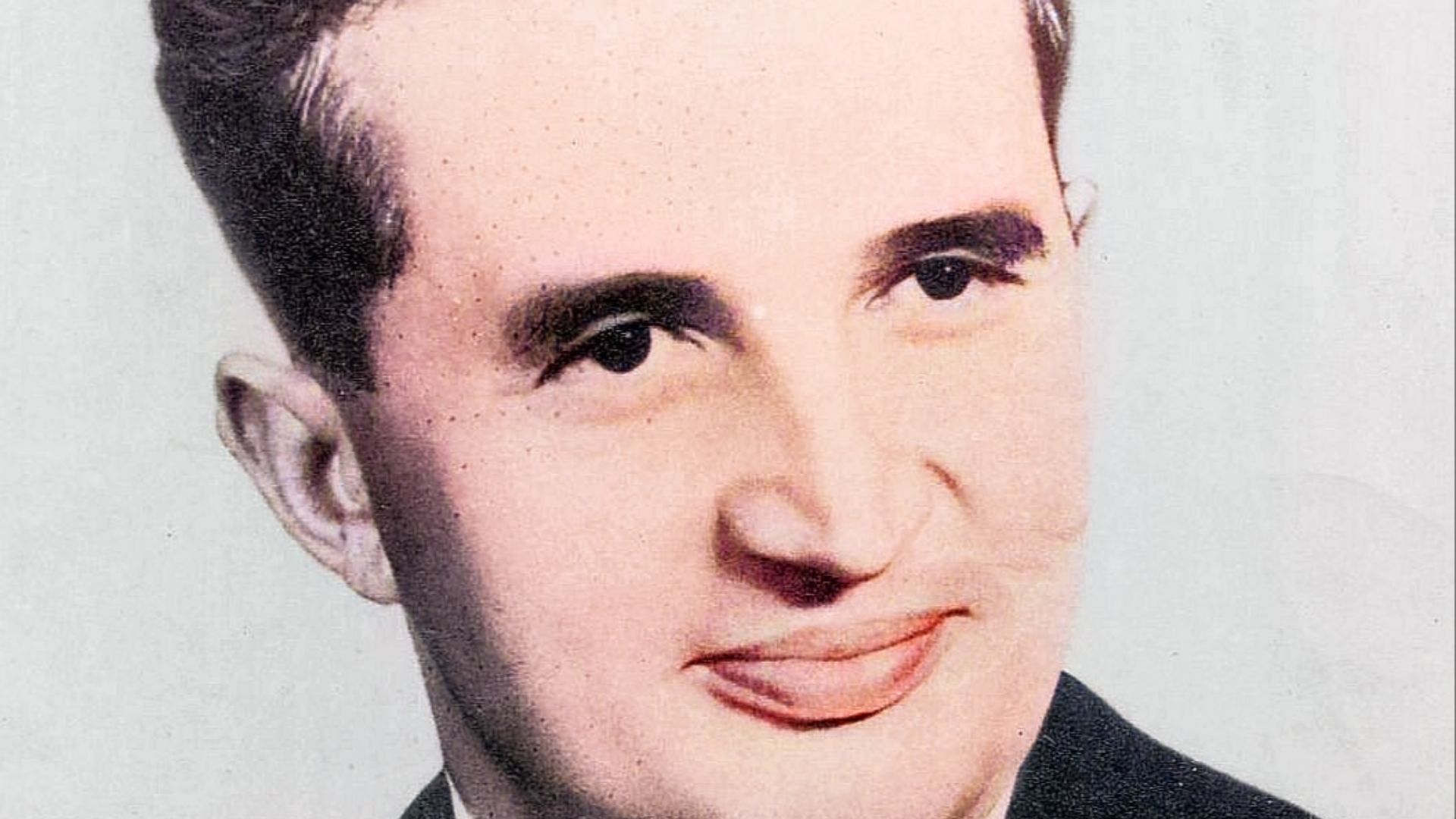
18. Nicolae Ceaușescu (Romania)
Ceaușescu maintained a highly intrusive security apparatus and promoted a culture of surveillance. Leaders who fear dissent often treat private life as a threat, which turns everyday people into suspects. As public frustration grew, the gap between official narratives and reality became impossible to ignore.
19. Emperor Commodus (Roman Empire)
Commodus ruled with the kind of insecurity that turns criticism into danger. He was known for punishing perceived threats and leaning into spectacle and control. When a ruler needs constant validation, anyone who doesn’t clap hard enough looks suspicious.
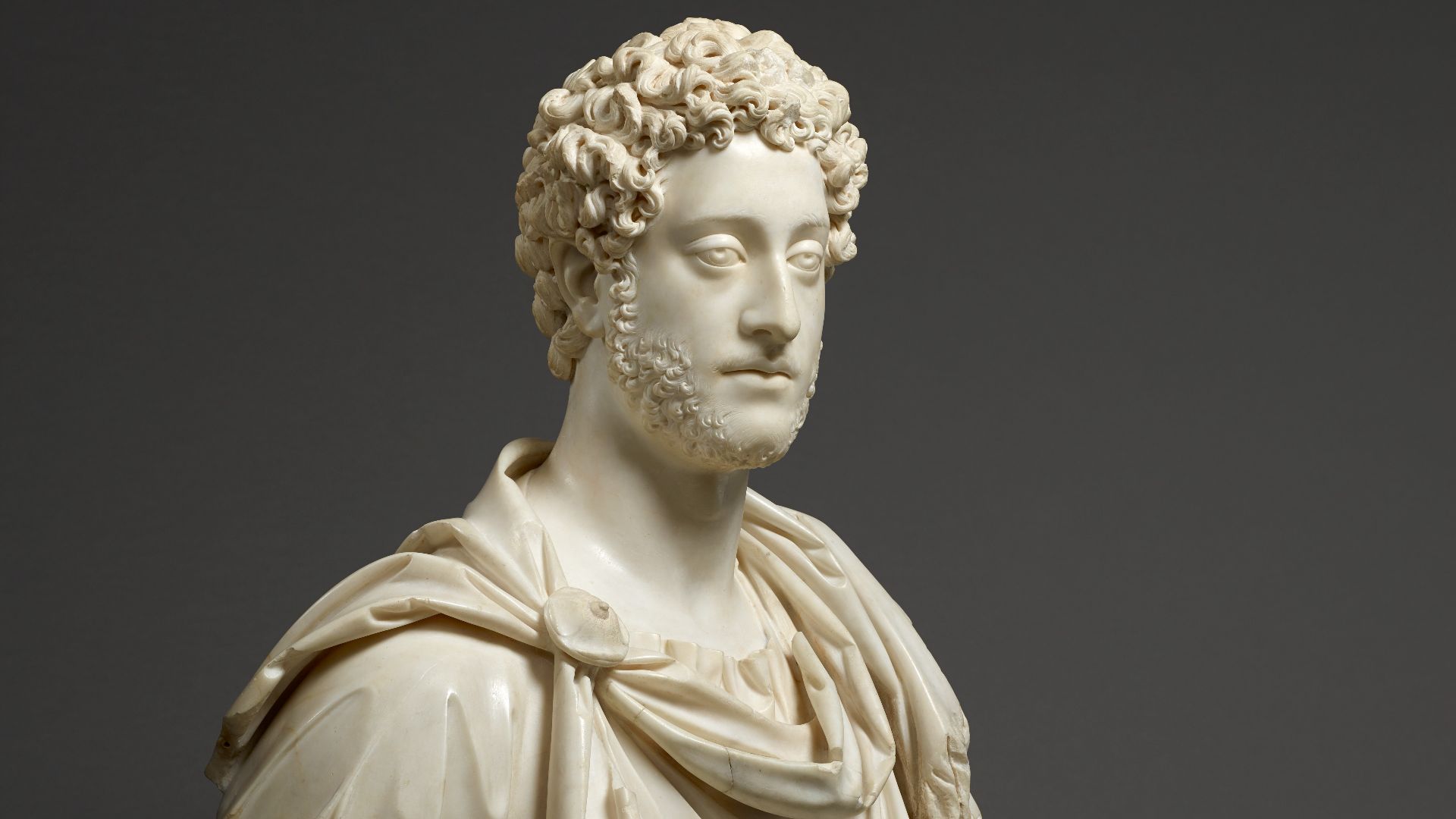 J. Paul Getty Museum on Wikimedia
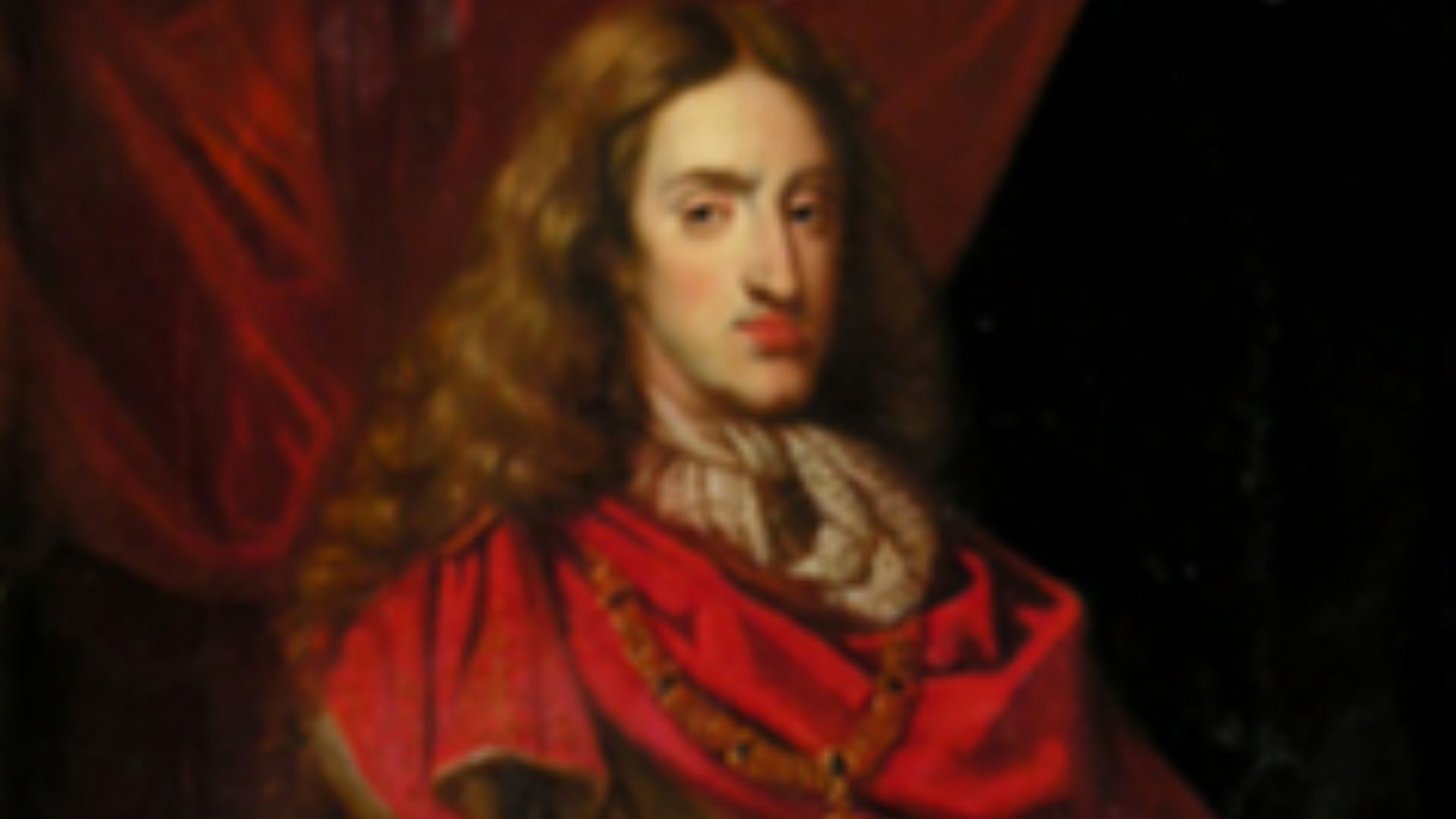
20. Charles II (Spain)
Charles II’s reign was shaped by serious health challenges and intense court factions fighting for influence. In that environment, paranoia thrives because everyone around the throne has motives. Advisors and rival groups competed aggressively, and the king’s condition made manipulation easier.
KEEP ON READING
The Origins Of 3 Common Sayings You Still Use Today
Etienne Boulanger on UnsplashMany of the phrases you use every…
By Rob Shapiro Apr 28, 2026
Was Caligula The Most Ruthless Roman Emperor?
Artur Matosyan on UnsplashRoman Emperor Caligula is one of ancient…
By Rob Shapiro Dec 18, 2025
1 Weird Fact About Every President
Washington, Lincoln, FDR. Most people know something about the lives…
By Robbie Woods Dec 3, 2024
10 Accidental Discoveries That Changed Maps & 10 That Changed…
Mistakes That Mattered. A lot of major discoveries did not…
By Cameron Dick Apr 15, 2026
10 Actors Who Perfectly Played a Historical Figure & 10…
Which Performance is Your Favorite?. Playing the role of a…
By Rob Shapiro Sep 15, 2025
10 Actors Who Perfectly Played a Historical Figure & 10…
Portraying a real person from history is one of the…
By Noone Dec 17, 2025