

Courage Across the Centuries
Bravery doesn’t always look like charging into battle with a sword raised, though history certainly has plenty of that. Sometimes it looks like refusing to move from a bus seat, hiding people from danger, telling the truth, or standing up to an empire with nothing but conviction and an alarming amount of nerve. The bravest people in history weren’t fearless; they simply acted even when fear had every reason to show up. Here are 20 of the bravest people in history.
 Dante Gabriel Rossetti on Wikimedia
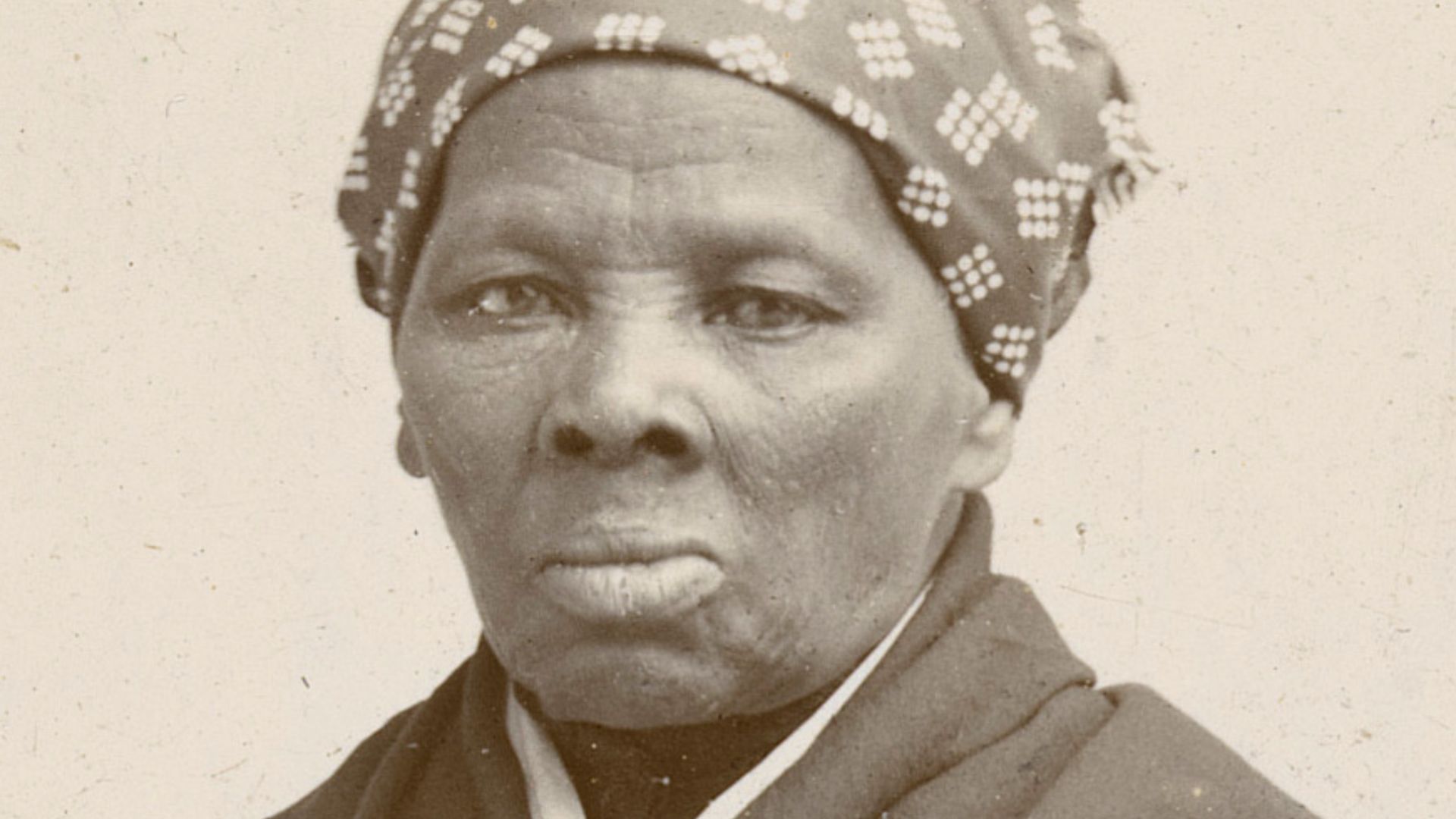
1. Harriet Tubman
Harriet Tubman escaped slavery, then repeatedly risked her life to guide others to freedom through the Underground Railroad. She knew capture could mean torture or death, but she returned again and again because freedom wasn’t something she wanted to keep only for herself. During the Civil War, she also served as a scout, spy, and nurse for the Union.
 Horatio Seymour Squyer on Wikimedia
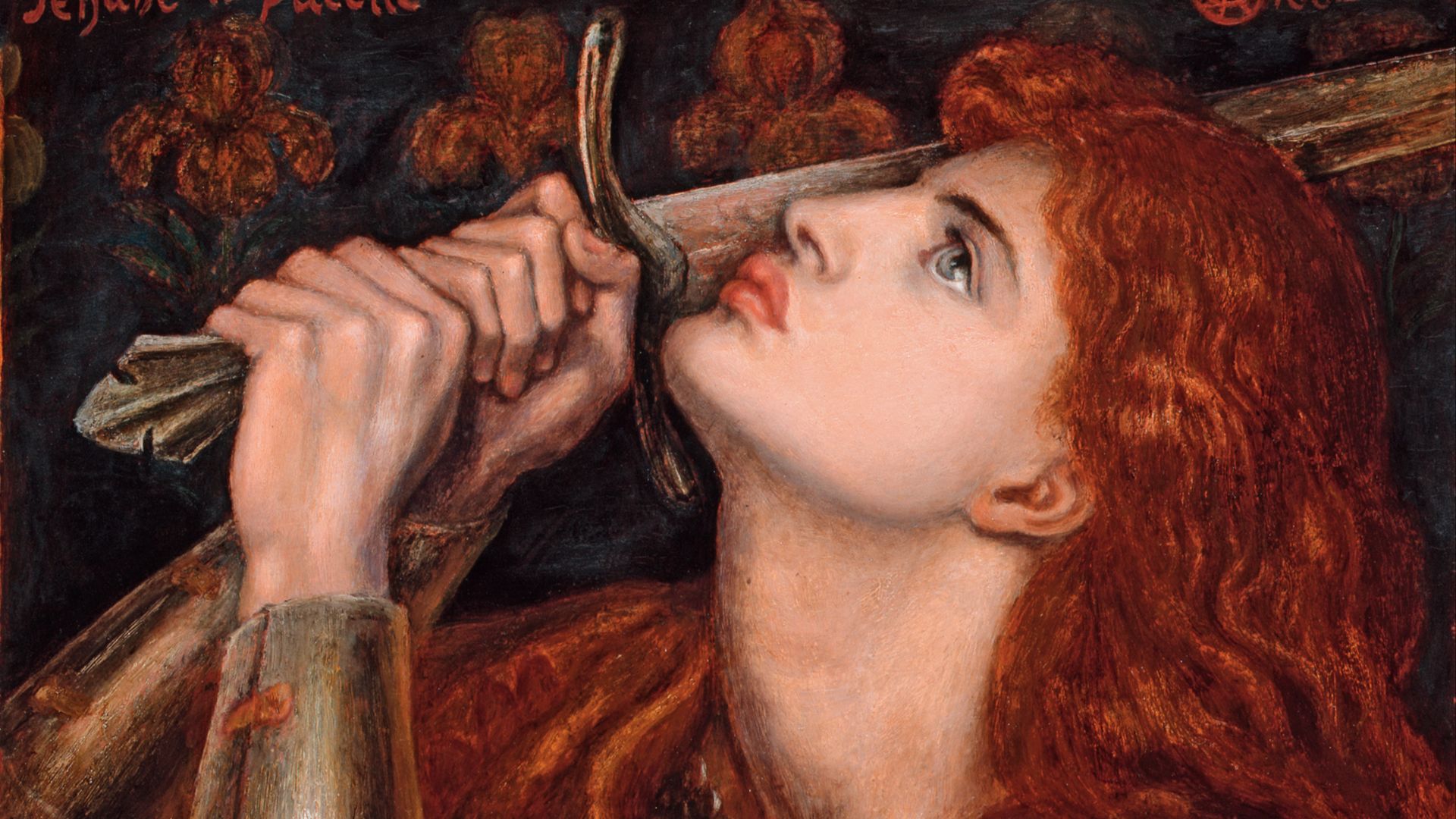
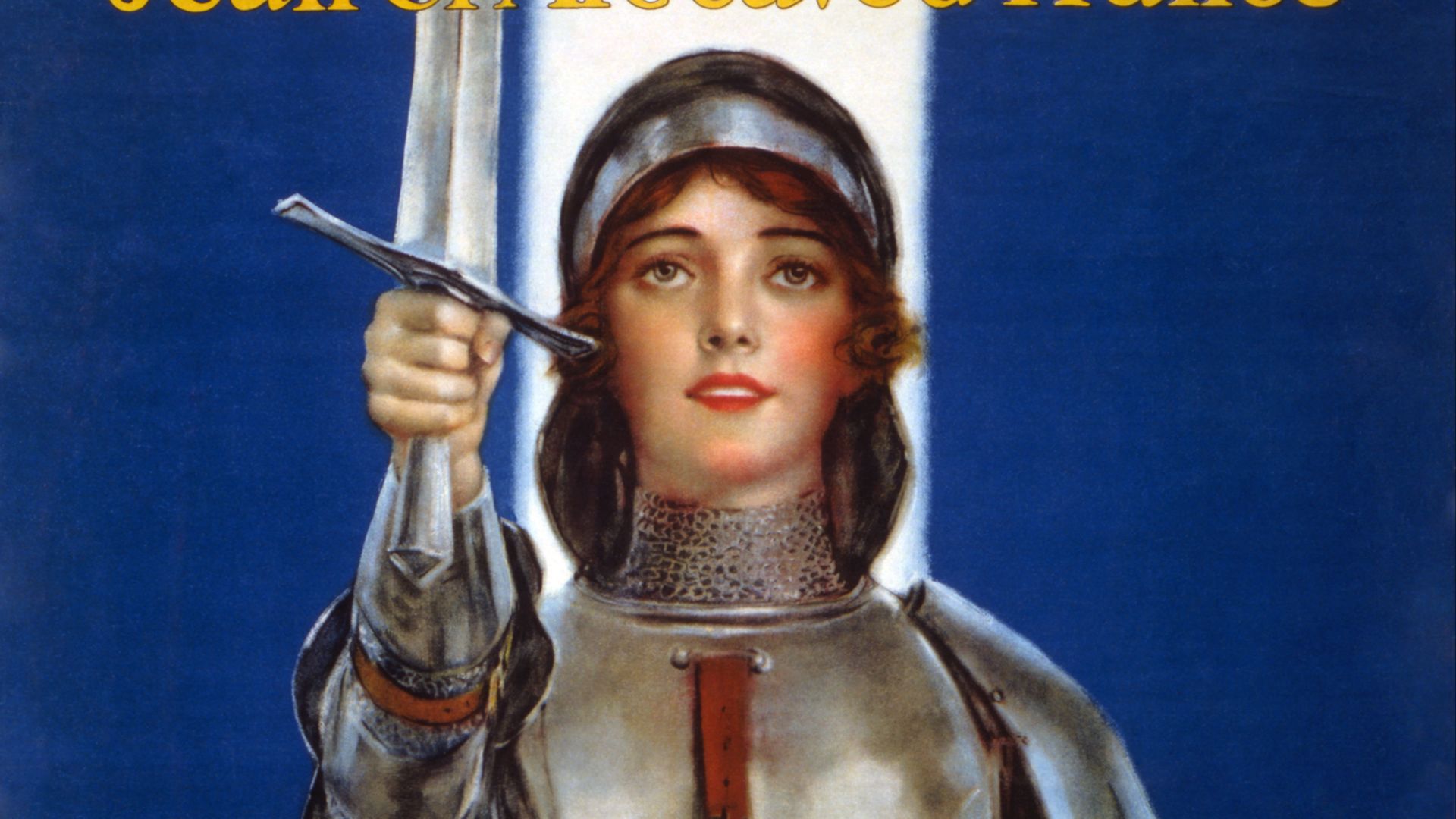
2. Joan of Arc
Joan of Arc was a teenage peasant girl who stepped into a brutal war and convinced soldiers, nobles, and a future king to take her seriously. She helped lead French forces during the Hundred Years’ War and became a symbol of resistance when France badly needed one. Captured by Burgundian forces who were allies of the English, she refused to abandon her beliefs even under trial and threat of death.
 William Haskell Coffin on Wikimedia
3. Nelson Mandela
Nelson Mandela spent 27 years in prison for opposing apartheid in South Africa. He could have left that experience bitter enough to seek revenge, but instead, he helped guide the country toward democracy and reconciliation, which means he had the strength to think beyond personal suffering. His bravery wasn't just in resisting injustice, but in imagining a future larger than punishment.
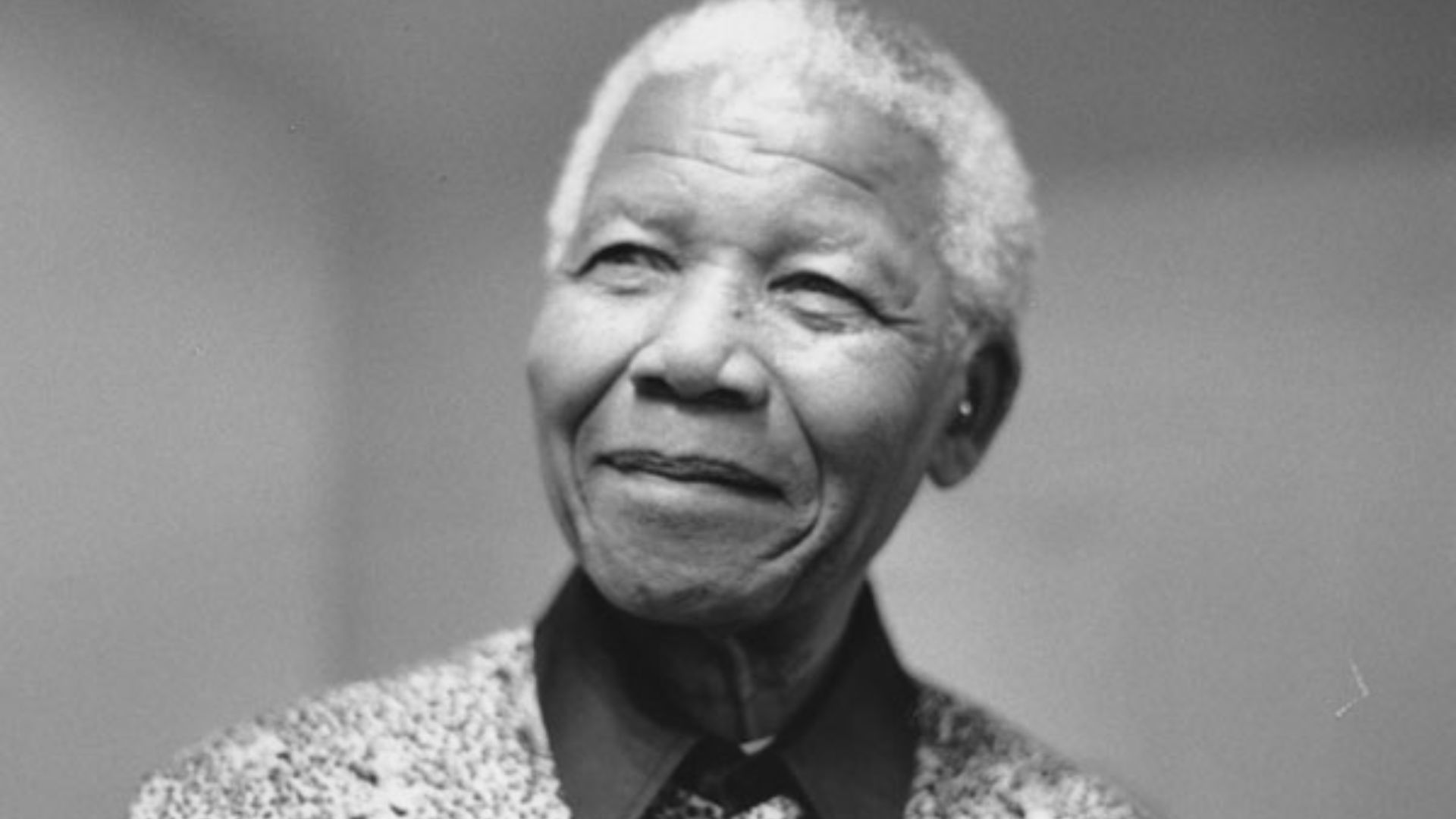 Library of the London School of Economics and Political Science on Wikimedia
4. Rosa Parks
Rosa Parks became a civil rights icon when she refused to give up her bus seat to a white passenger in Montgomery, Alabama. Her quiet act of defiance helped spark the Montgomery Bus Boycott, one of the major turning points in the American civil rights movement. Parks had already been involved in activism, so this wasn’t a random moment of stubbornness but a disciplined act of courage against an unfair system.
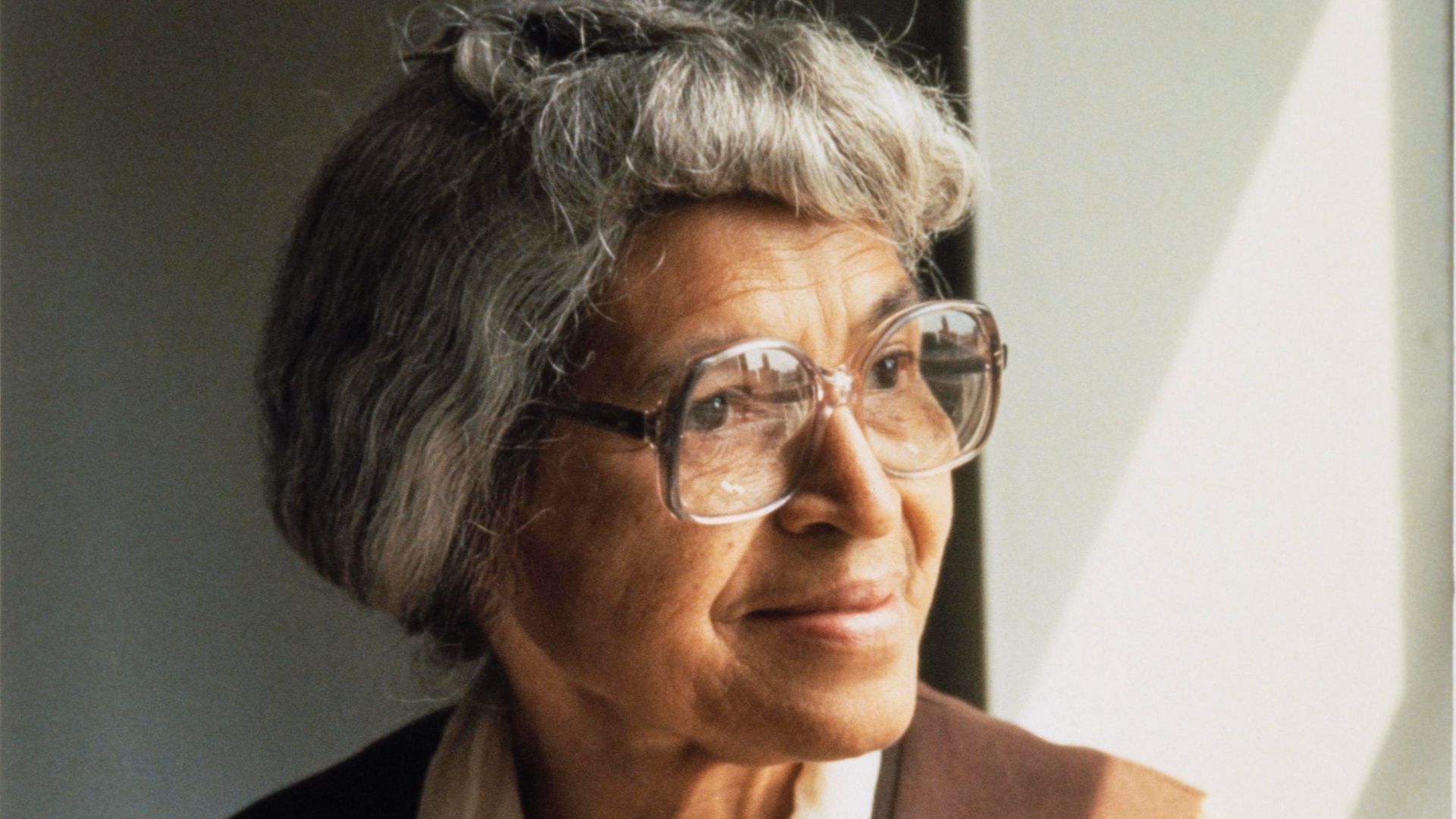 Schlesinger Library, RIAS, Harvard University on Wikimedia
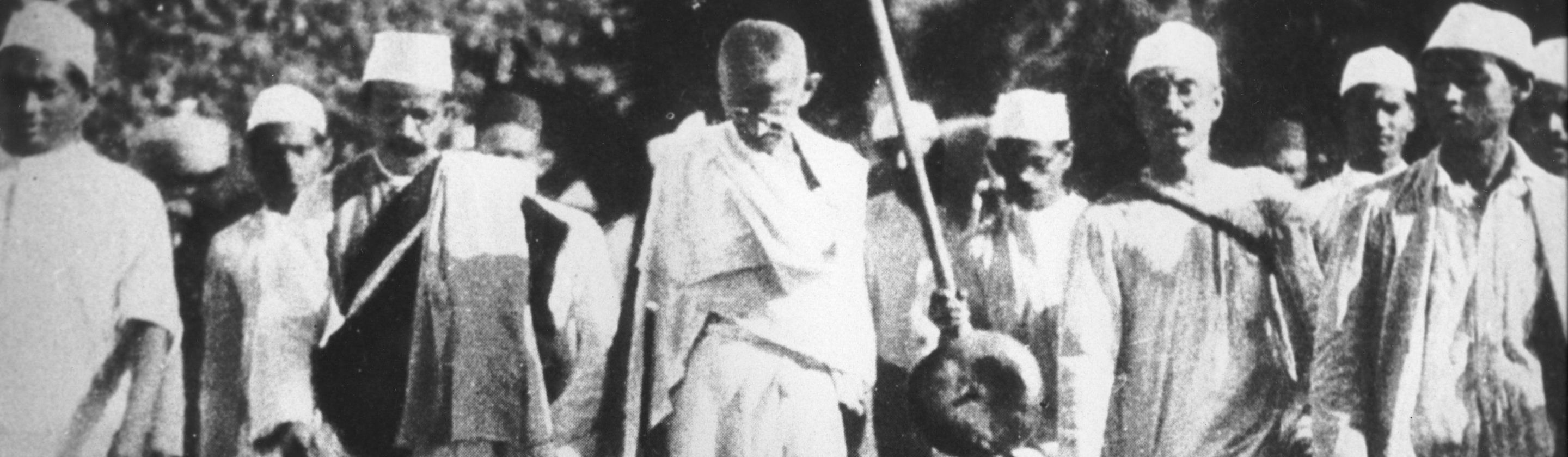
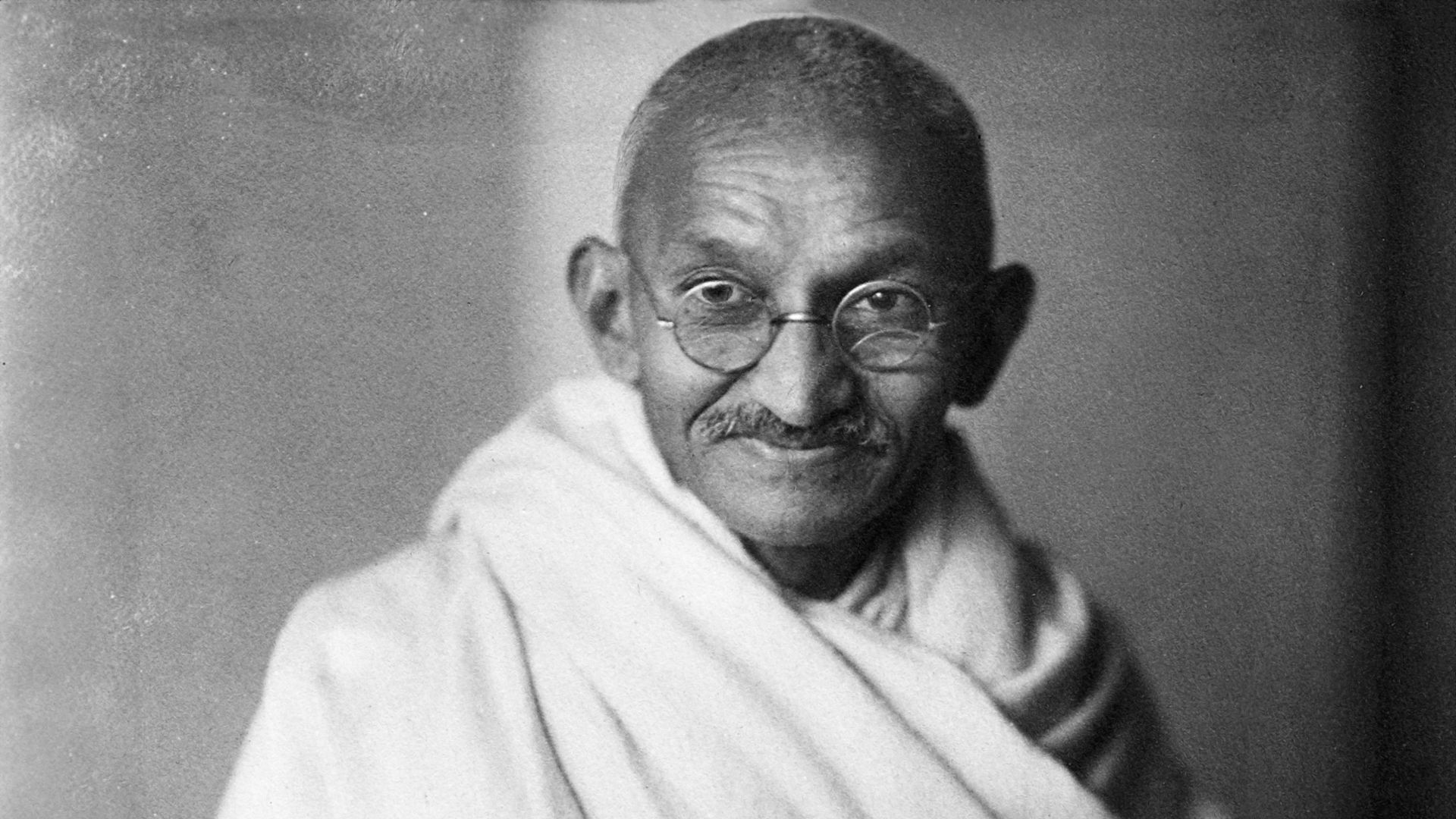
5. Mahatma Gandhi
Mahatma Gandhi challenged British colonial rule in India through nonviolent resistance. It’s one thing to face force with force; it’s another to face batons, jail, and bullets while refusing to answer in kind. His campaigns inspired millions and helped push India toward independence.
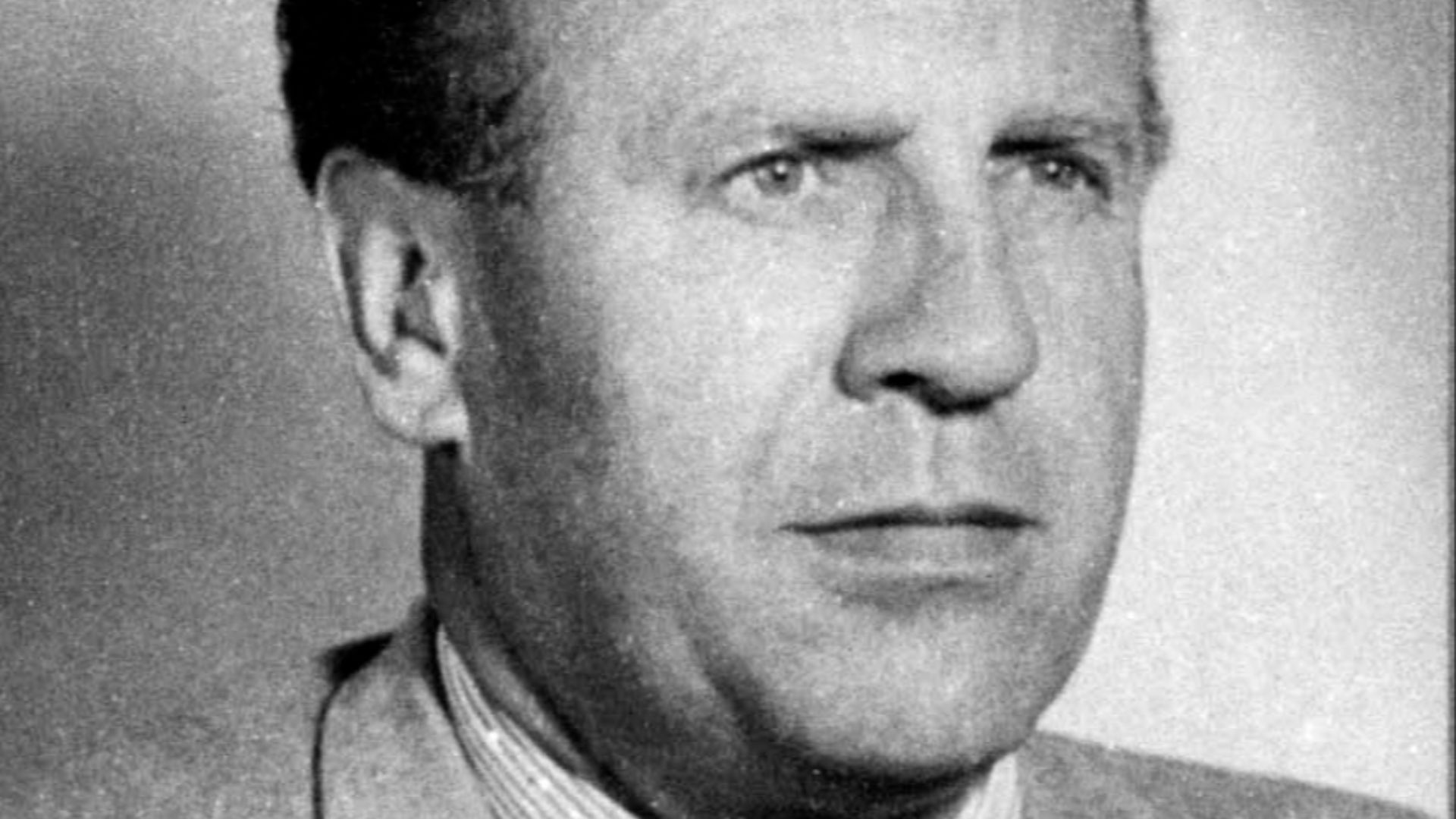
6. Oskar Schindler
Oskar Schindler began as an unlikely hero, a businessman and member of the Nazi Party who profited during World War II. Yet he used his factory, money, charm, and connections to save more than 1,000 Jewish people from deportation and death. His choices put him at serious personal risk in one of history’s most murderous regimes.
7. Malala Yousafzai
Malala Yousafzai spoke publicly for girls’ education in Pakistan even after the Taliban threatened her. In 2012, she was shot by a gunman on her school bus, but she survived and continued her activism on a global stage. Many people would have chosen silence after such violence, but Malala chose to keep speaking, which made her courage impossible to ignore.
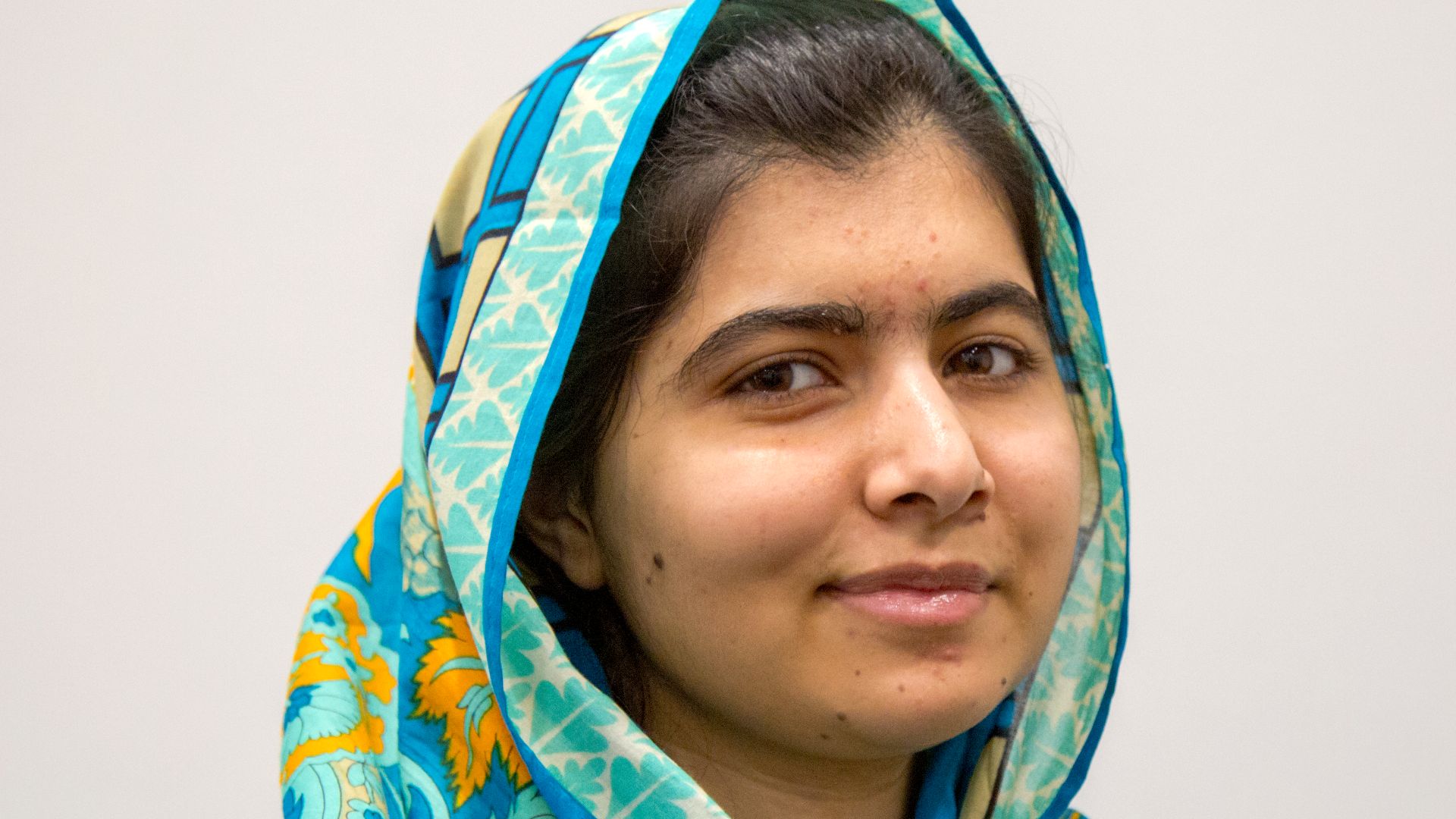 DFID - UK Department for International Development on Wikimedia
8. Martin Luther King Jr.
Martin Luther King Jr. knew that leading the civil rights movement put his life in danger, and he kept going anyway. He faced arrests, threats, bombings, surveillance, and constant public pressure while calling for justice through nonviolent protest. His speeches are famous now, but they were not delivered from a comfortable distance. King’s bravery came from standing in the storm and asking a nation to become better than it was.
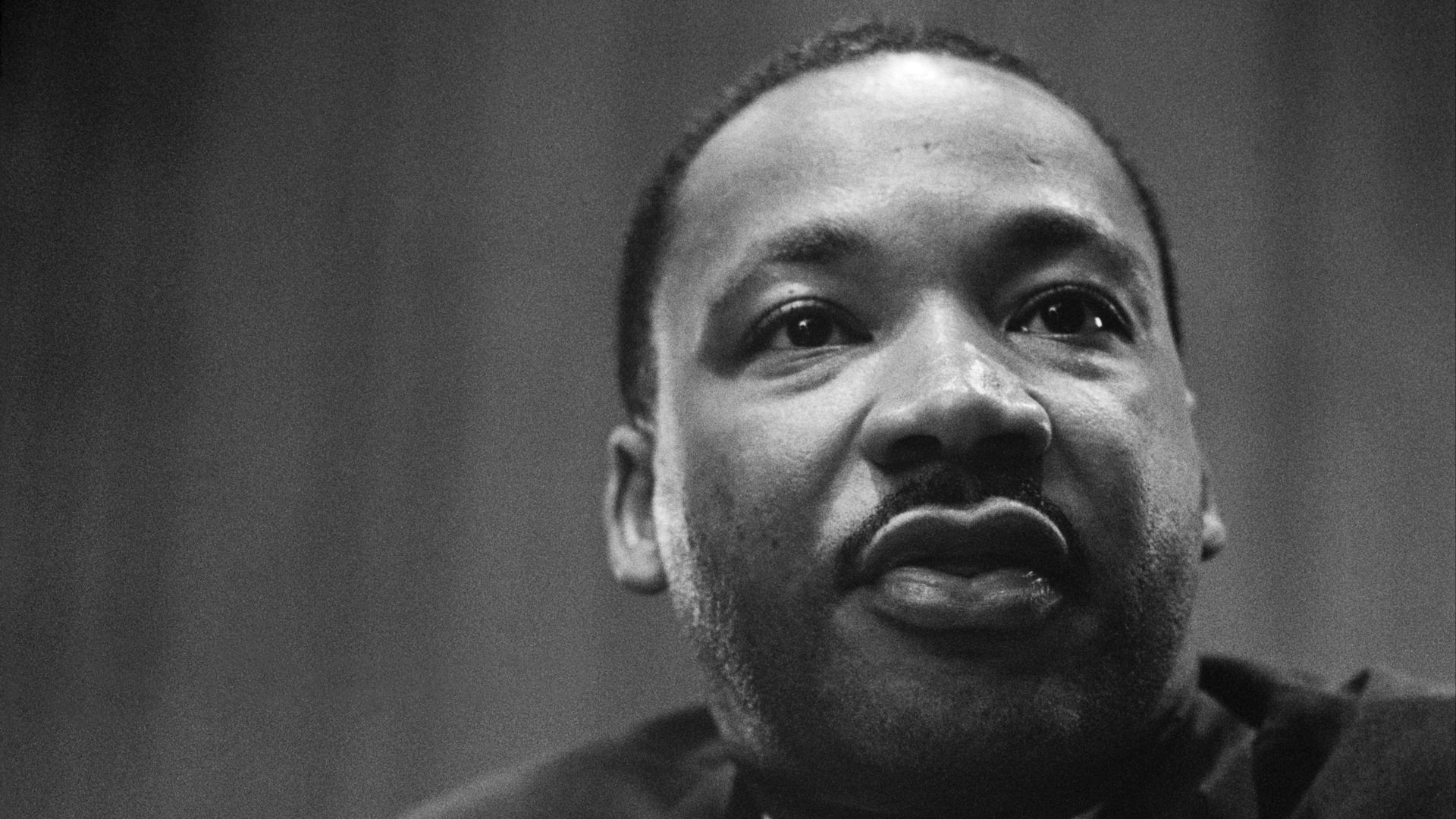 Marion S. Trikosko on Wikimedia
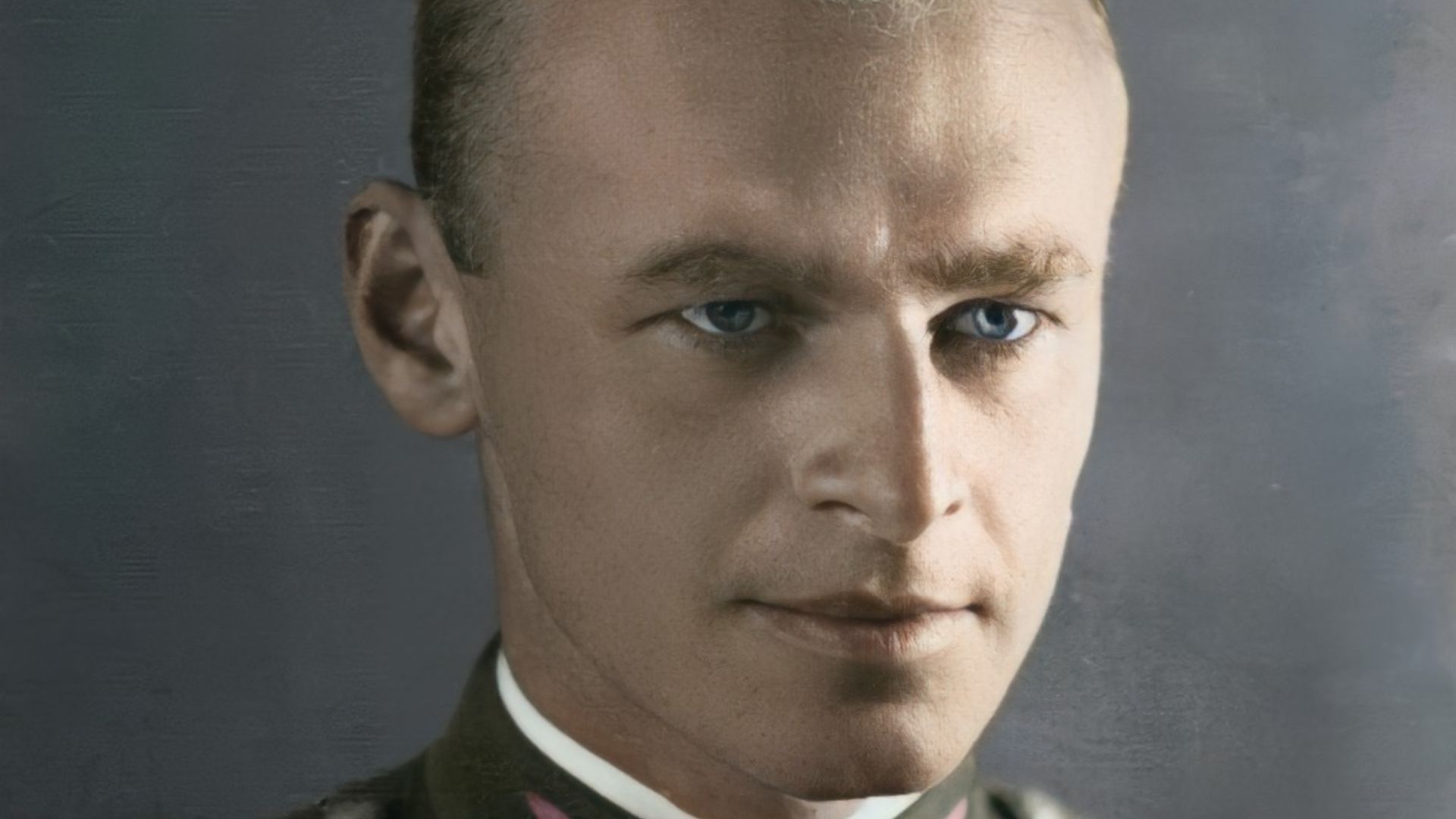
9. Witold Pilecki
Witold Pilecki was a Polish resistance fighter who voluntarily allowed himself to be captured and sent to Auschwitz. His goal was to gather intelligence, organize resistance inside the camp, and report Nazi crimes to the outside world. Pilecki later escaped, but his life remained marked by sacrifice and danger.
10. Sophie Scholl
Sophie Scholl was a German student and member of the White Rose resistance group during Nazi rule. She helped distribute anti-Nazi leaflets that called on Germans to reject Hitler’s regime. Captured with her brother Hans, she faced interrogation and death with striking composure. She was executed at 21, leaving behind an example of moral courage that still cuts through history.
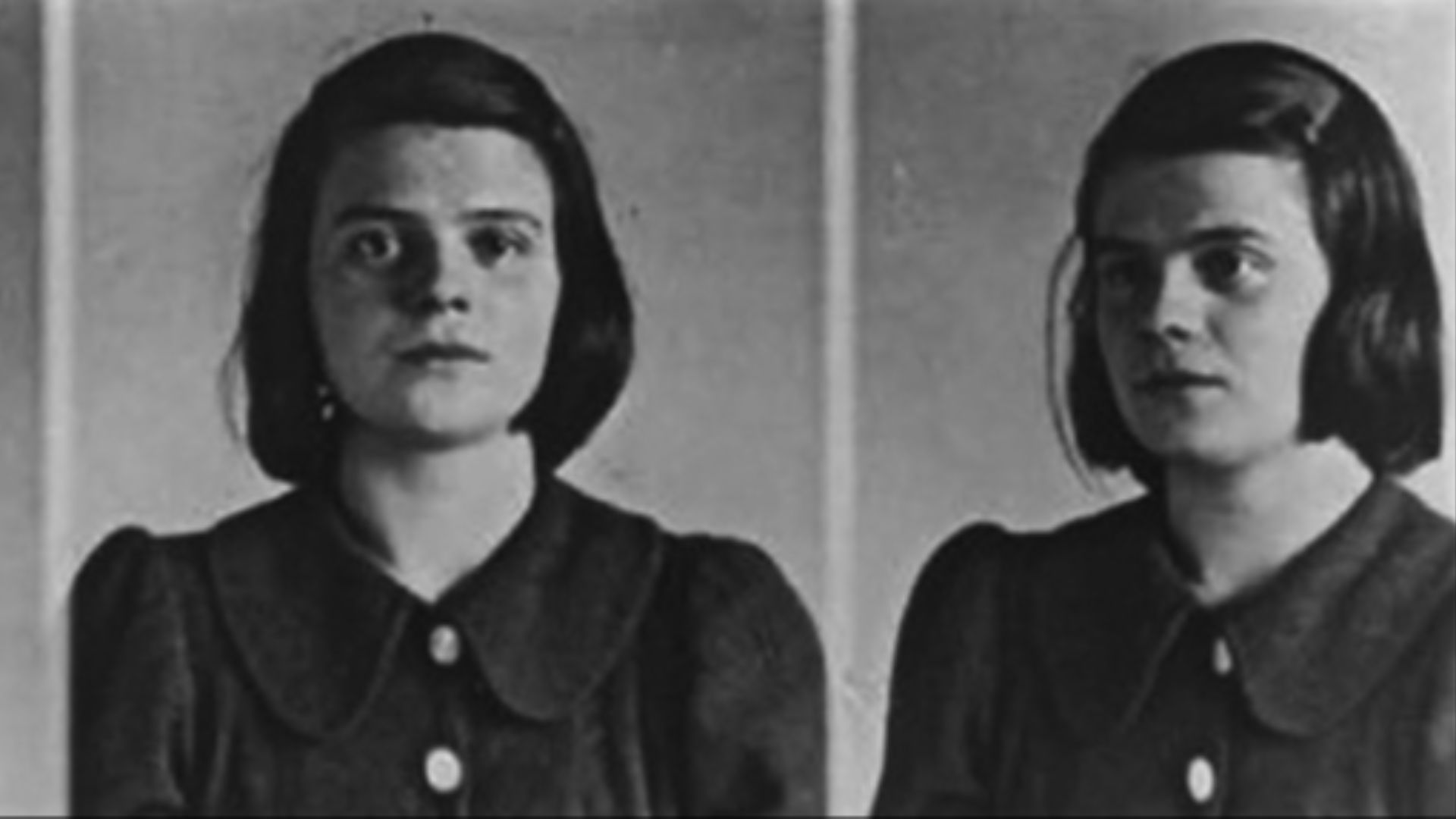 Unknown German police officer on Wikimedia
11. Frederick Douglass
Frederick Douglass escaped slavery and became one of the most powerful abolitionist voices in American history. Speaking publicly about slavery as a formerly enslaved man required enormous courage, especially when slave catchers and racist violence were real threats. His writing and speeches exposed the brutality of slavery with intelligence, force, and unforgettable clarity.
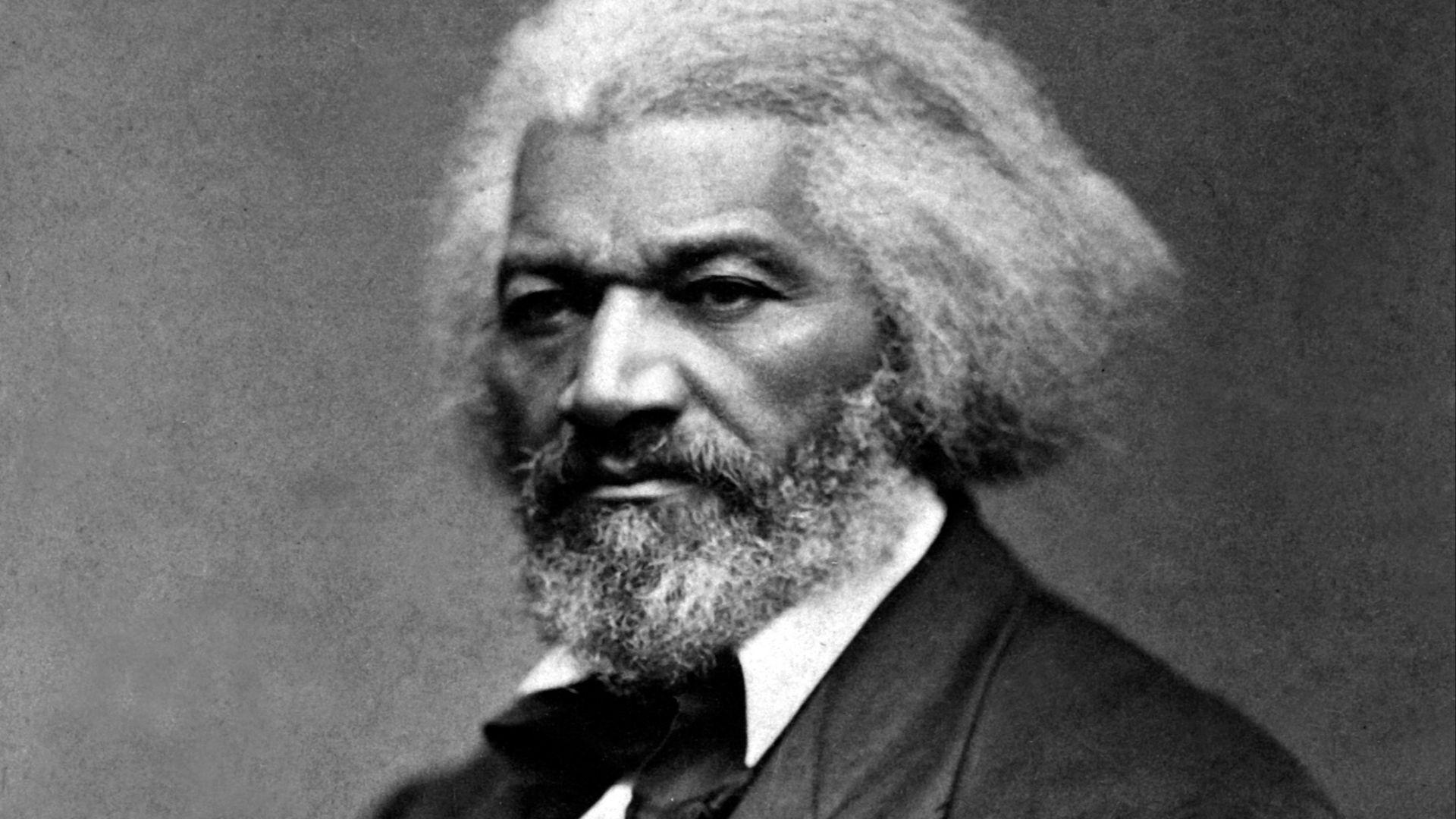 George Kendall Warren on Wikimedia
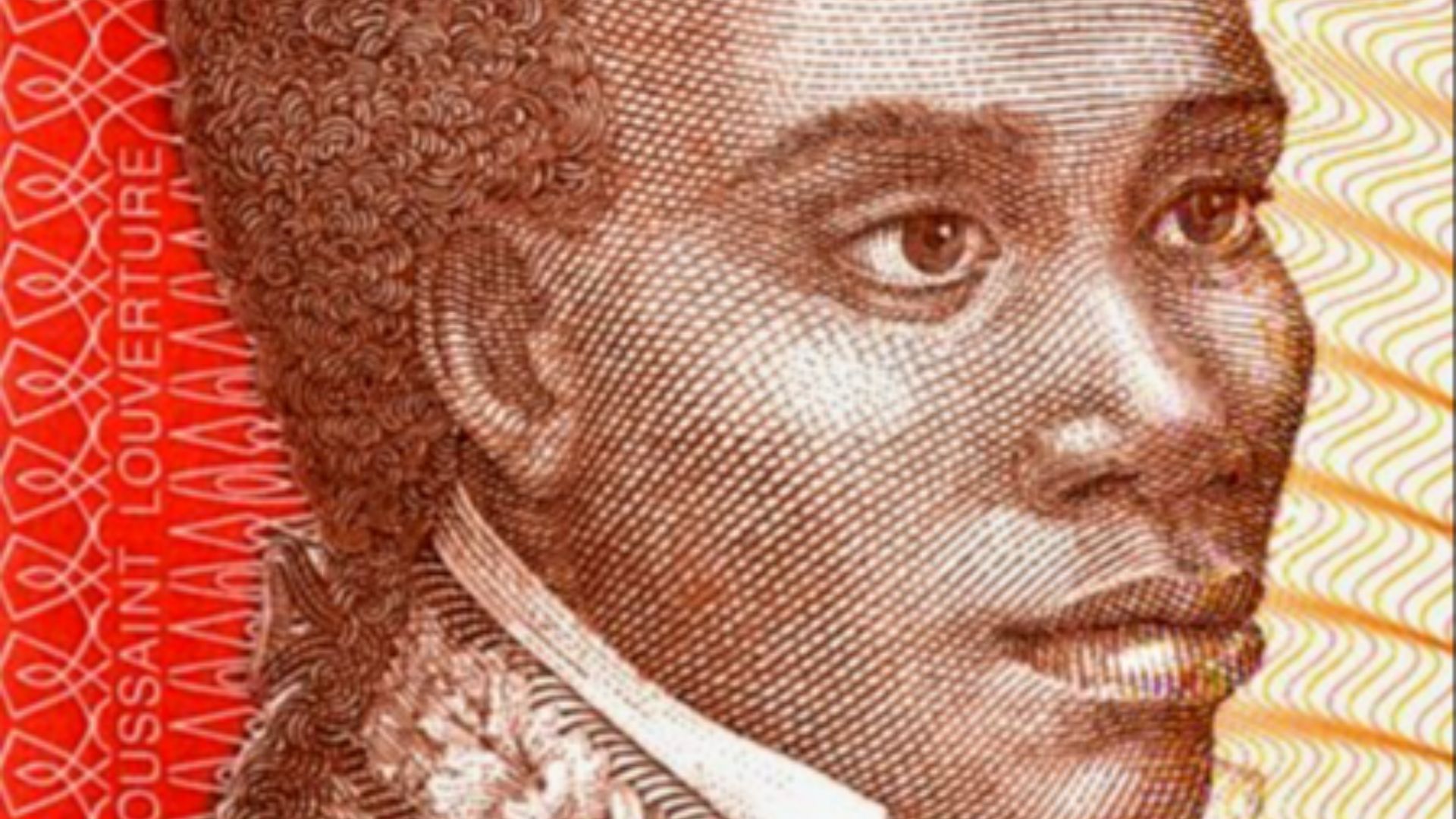
12. Toussaint Louverture
Toussaint Louverture rose from slavery to become the most important leader of the Haitian Revolution. He helped turn a revolt of enslaved people into a disciplined military and political movement that challenged French, Spanish, and British power in the Caribbean. His leadership helped push Saint-Domingue toward the abolition of slavery and eventual Haitian independence, even though he died before Haiti officially became free.
13. Galileo Galilei
Galileo Galilei challenged powerful religious and intellectual authorities by defending heliocentrism, the idea that Earth moves around the sun. In a world where such views could bring serious consequences, he continued to observe, write, and argue based on evidence. He was tried by the Roman Inquisition and spent his later years under house arrest.
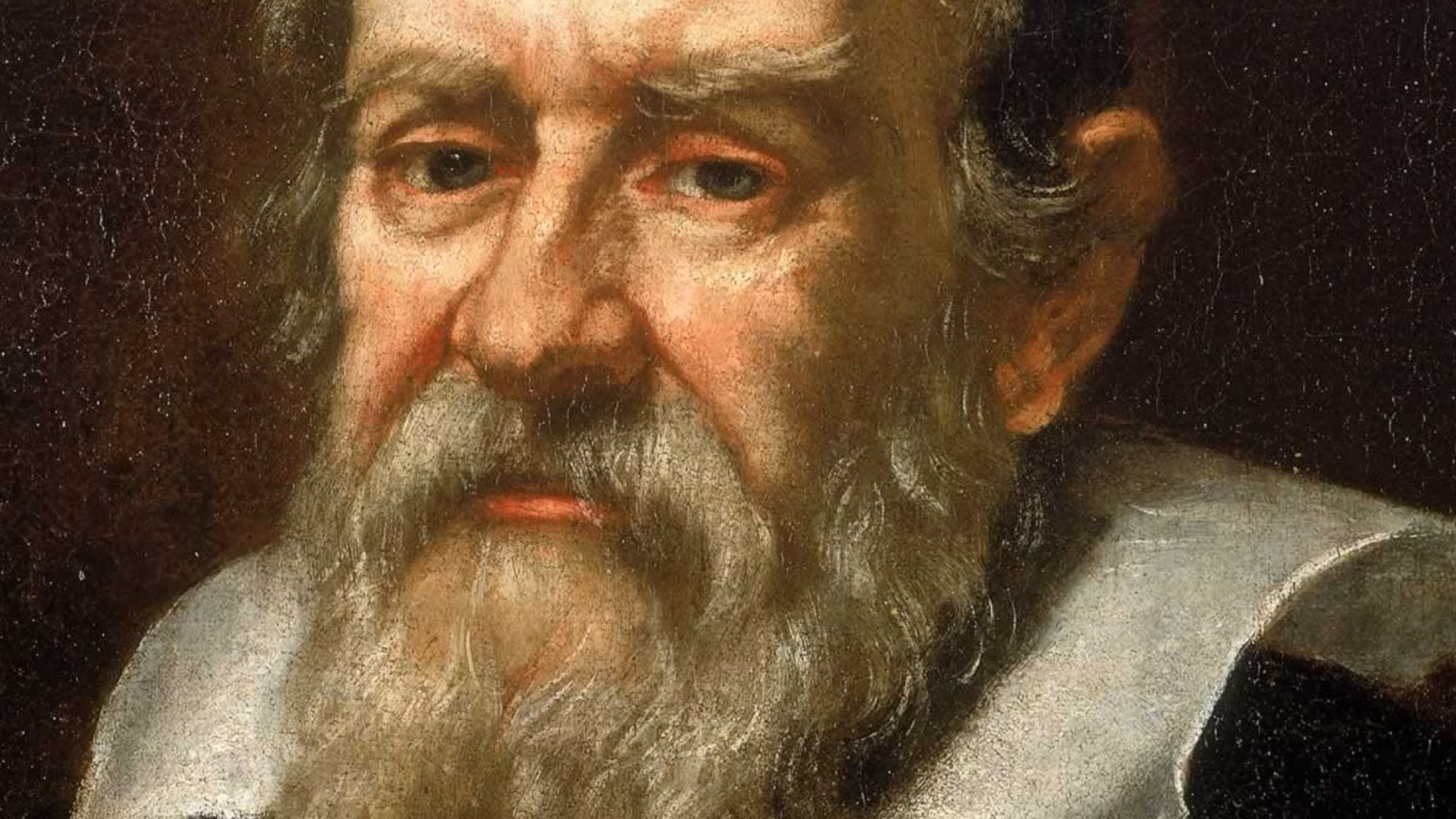 Justus Sustermans on Wikimedia
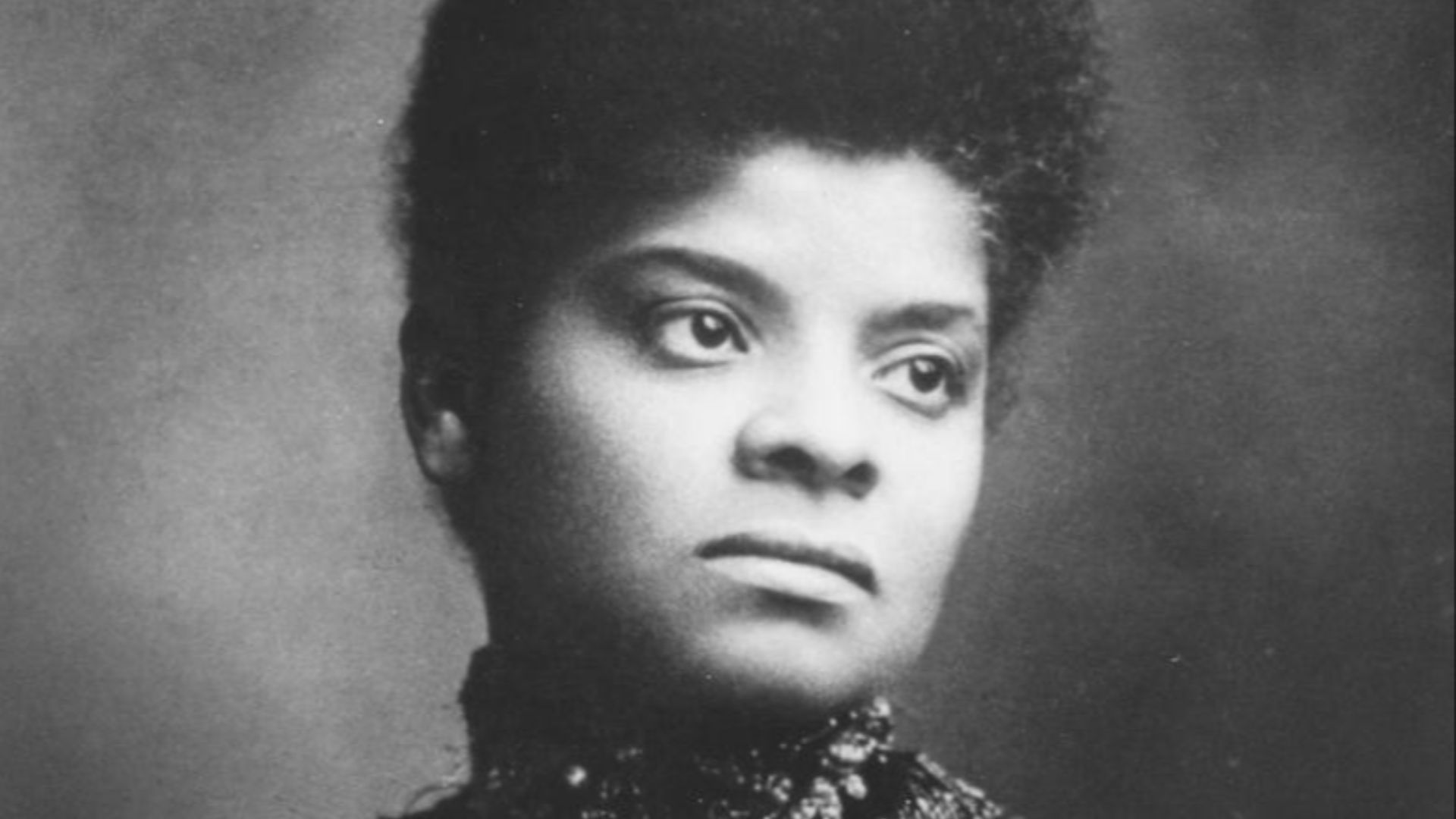
14. Ida B. Wells
Ida B. Wells investigated and exposed lynching in the United States when doing so put her in direct danger. She wrote fearlessly about racist violence, named names, and refused to soften the truth for public comfort. Her newspaper office was destroyed, and she received threats, but she kept working.
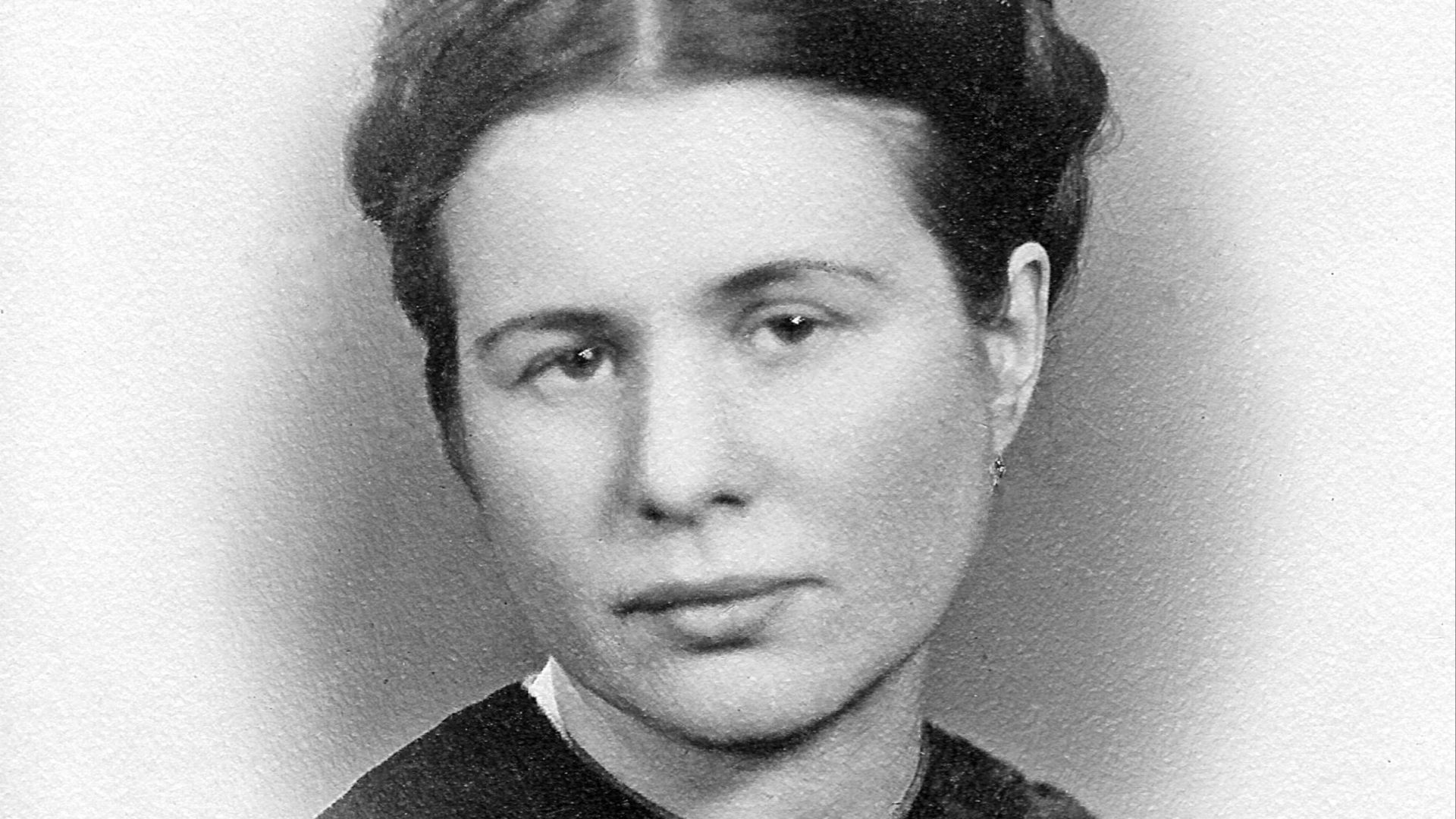
15. Irena Sendler
Irena Sendler was a Polish social worker who helped rescue Jewish children from the Warsaw Ghetto during the Holocaust. She and her network smuggled children to safety and recorded their real names so families might one day be reunited. Arrested and tortured by the Gestapo, she refused to betray her contacts or the children she had saved.
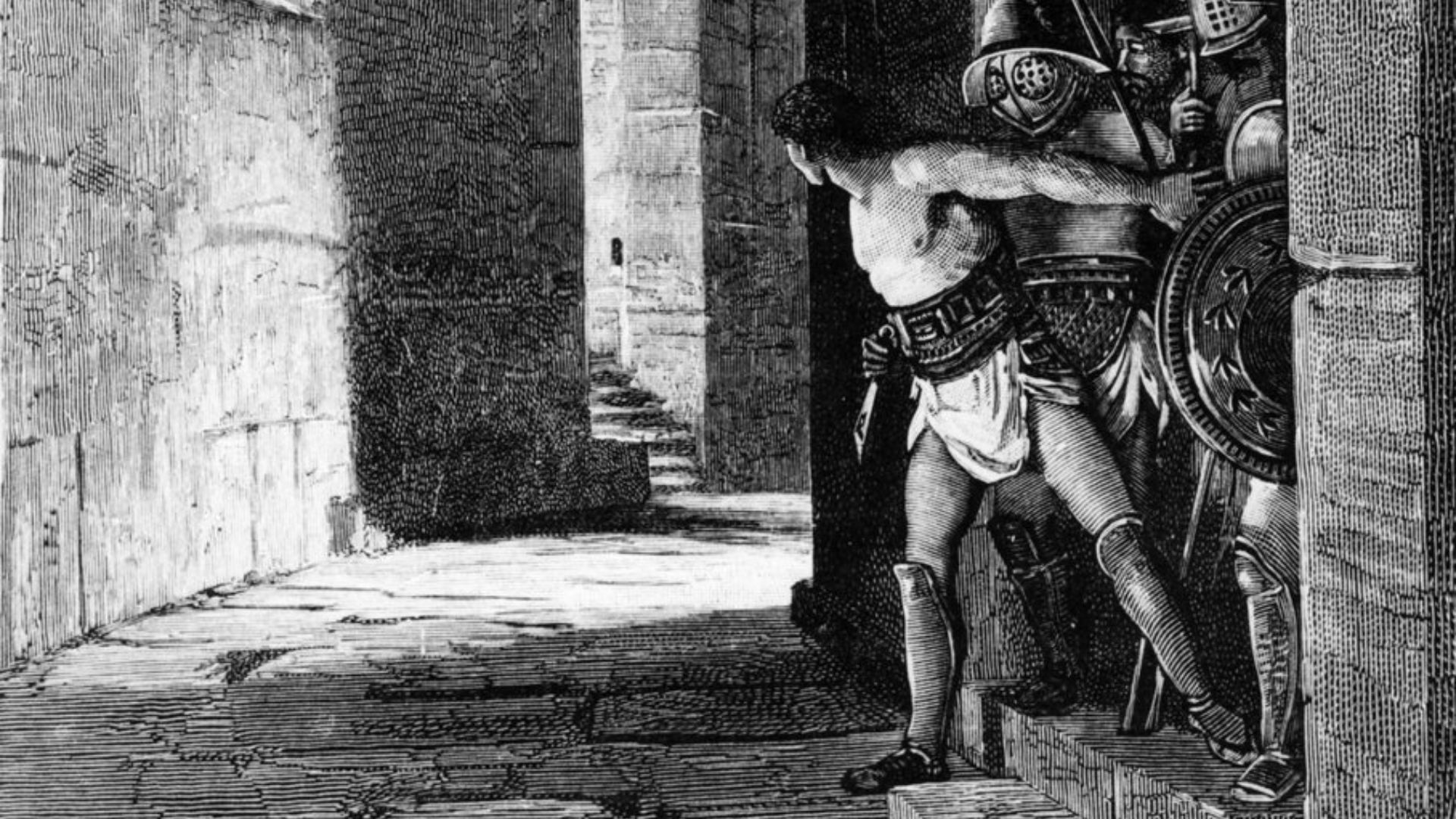
16. Spartacus
Spartacus led one of the most famous slave rebellions in ancient history against the Roman Republic. As a gladiator, he was already forced into a brutal life, but he chose resistance over submission. His uprising grew into a major challenge to Roman power and terrified the ruling class. Though the rebellion was eventually crushed, Spartacus became a lasting symbol of defiance against oppression.
 Lodovico Pogliaghi on Wikimedia
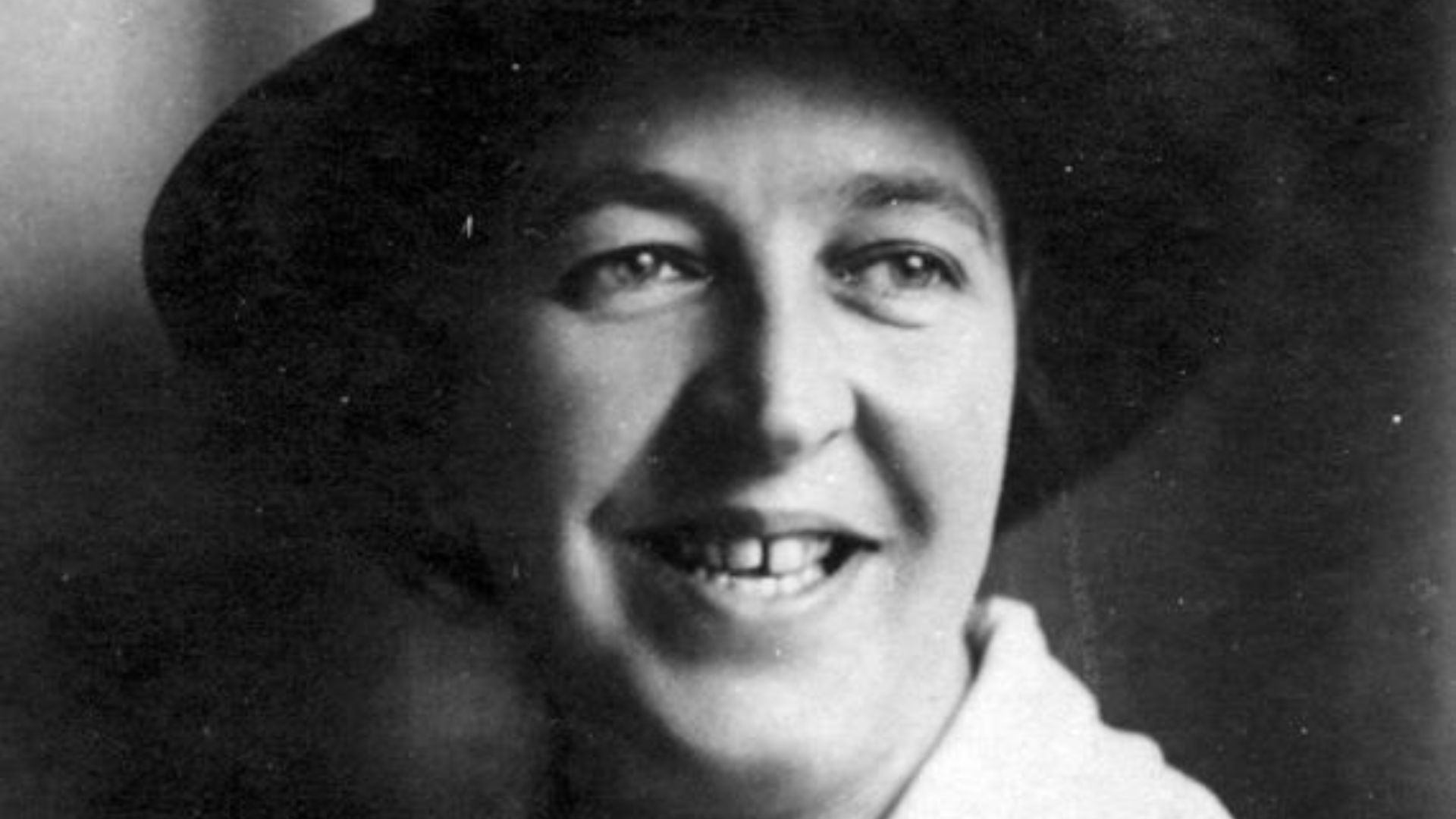
17. Corrie ten Boom
Corrie ten Boom and her family hid Jewish people from the Nazis in the Netherlands during World War II. Their home became a place of refuge, even though discovery could mean imprisonment or death. Corrie was eventually arrested and sent to a concentration camp, where she endured terrible suffering, but survived.
 Unknown photographer on Wikimedia
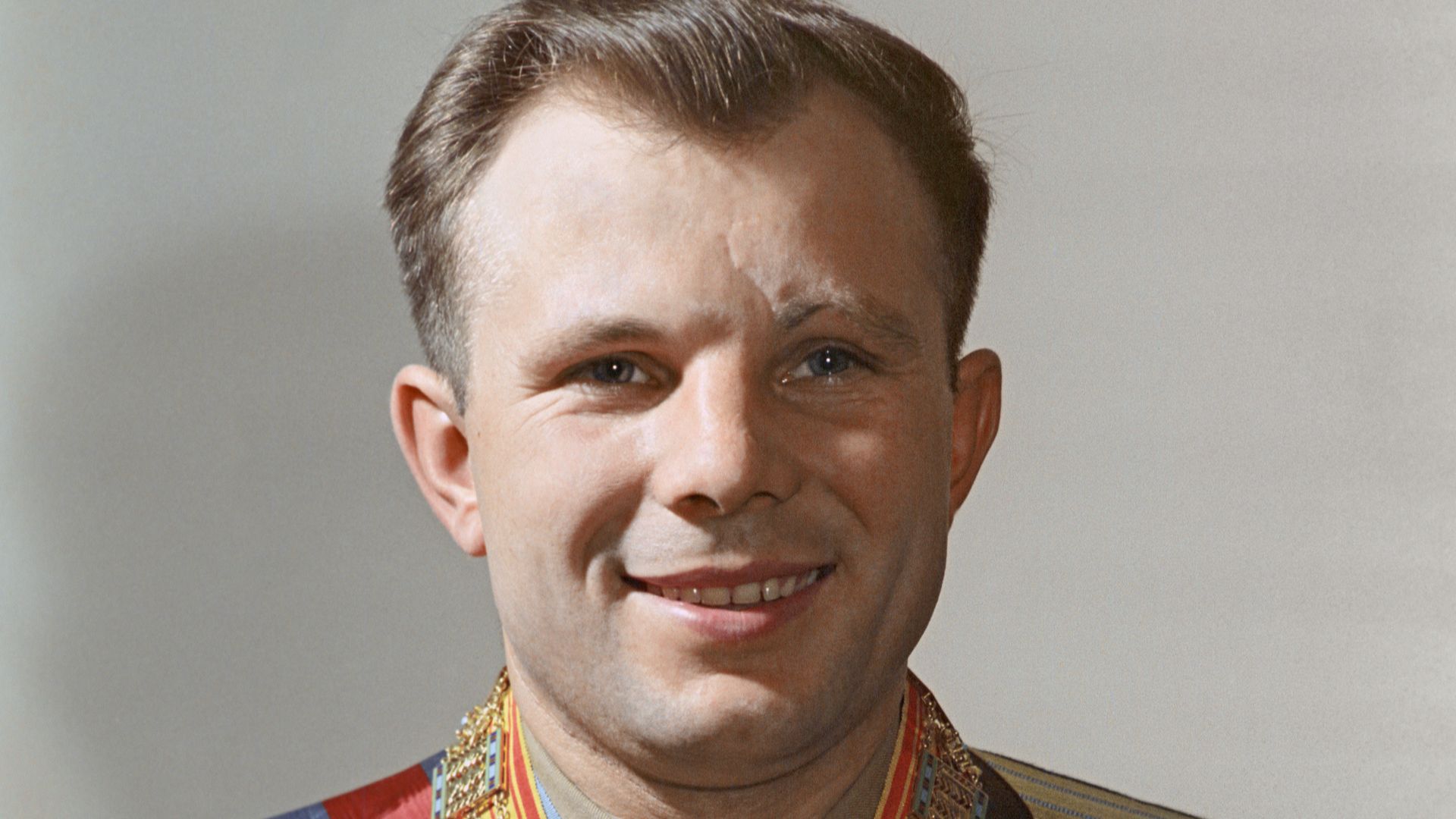
18. Yuri Gagarin
Yuri Gagarin became the first human to travel into space in 1961. He climbed into a spacecraft knowing no human had ever done what he was about to attempt. Gagarin’s bravery helped open the space age and gave humanity one of its most thrilling firsts.
 Александр Моклецов / СовИнформБюро on Wikimedia
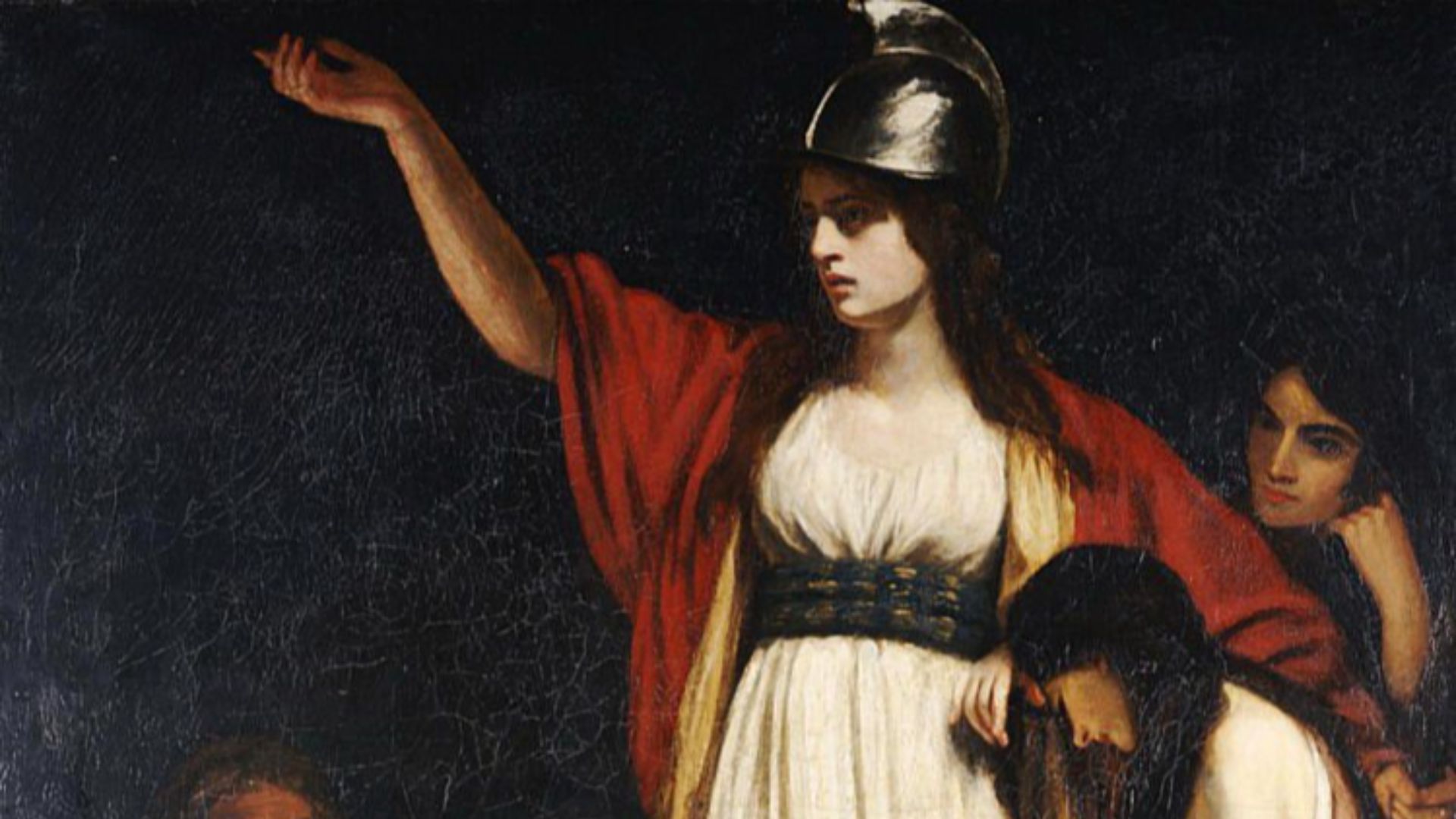
19. Boudica
Boudica led a major uprising against Roman rule in Britain after her family and people were violently mistreated. She rallied tribes, challenged imperial power, and became one of ancient history’s fiercest symbols of resistance. Her rebellion was eventually defeated, but her name survived because she dared to confront one of the strongest empires in the world.
20. Desmond Doss
Desmond Doss served as a medic in World War II and refused to carry a weapon because of his religious beliefs. During the Battle of Okinawa, he repeatedly risked his life to rescue wounded soldiers under heavy fire. He saved dozens of men while staying true to his conscience, which made his courage both physical and moral.
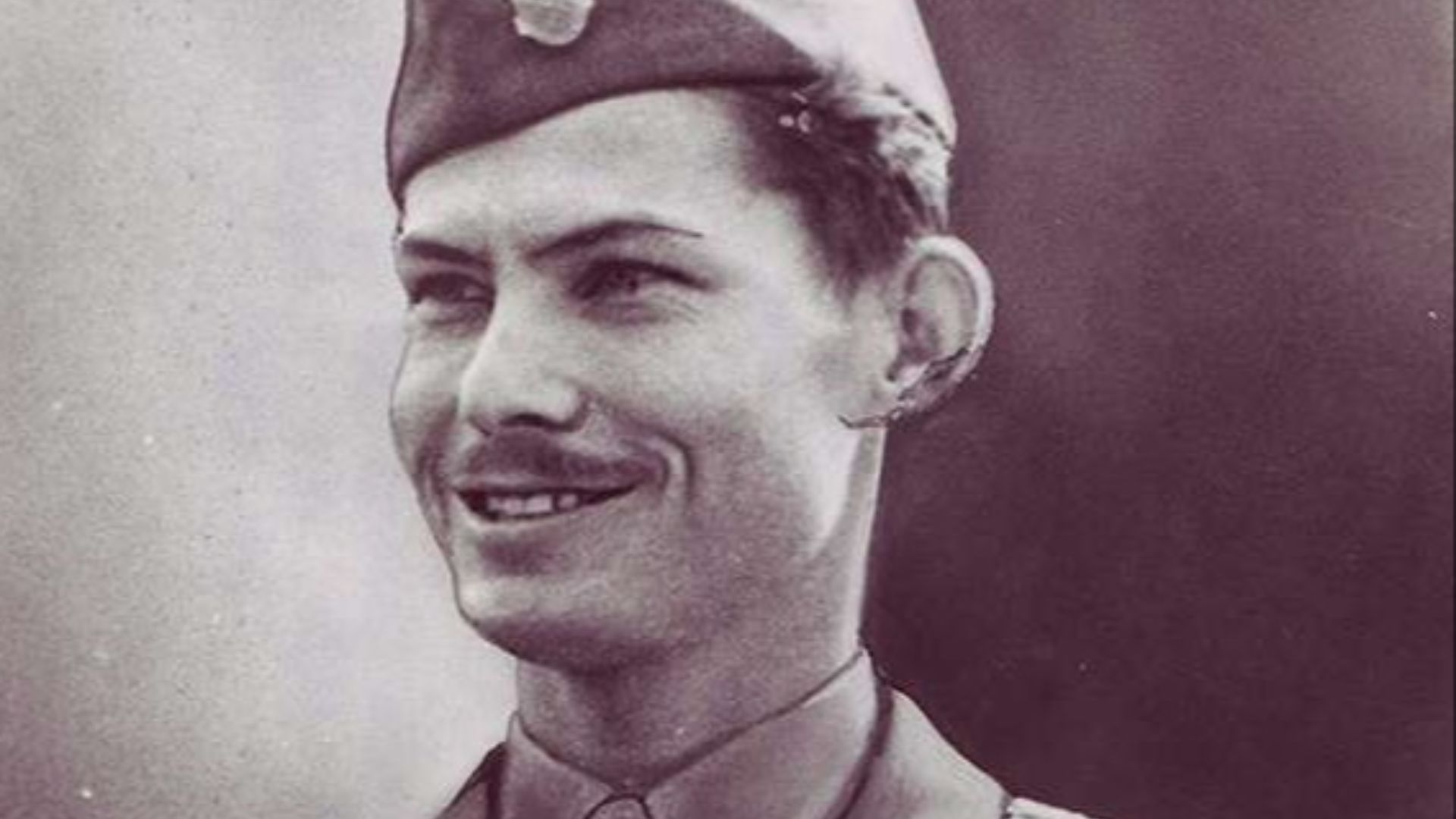 United States Army (courtesy of the US National Archives) on Wikimedia
KEEP ON READING

From Heroes To Zeroes 20 Historical Figures Whose Heroism Was…
History is full of legends, but not every hero lived…
By Noone Feb 25, 2026
The Clueless Crush: How I Accidentally Invited a Hacker Into…
Fluorescent Lights and First Impressions. My name is Tessa, I'm…
By Ali Hassan Nov 4, 2025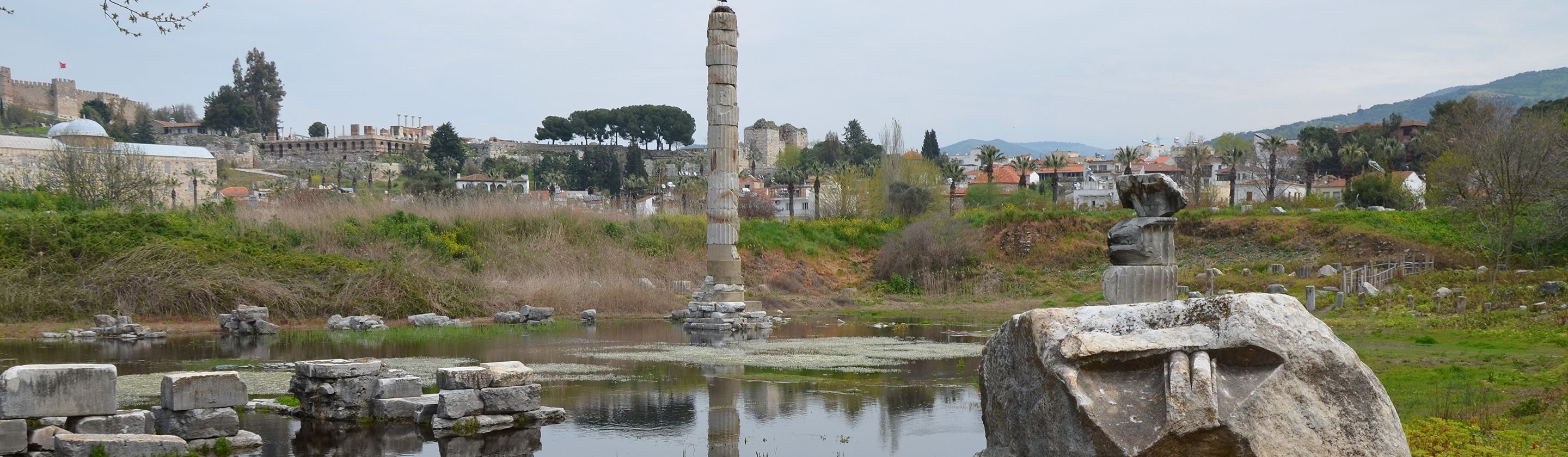
This Infamous Ancient Greek Burned Down An Ancient Wonder Just…
History remembers kings and conquerors, but sometimes, it also remembers…
By David Davidovic Nov 12, 2025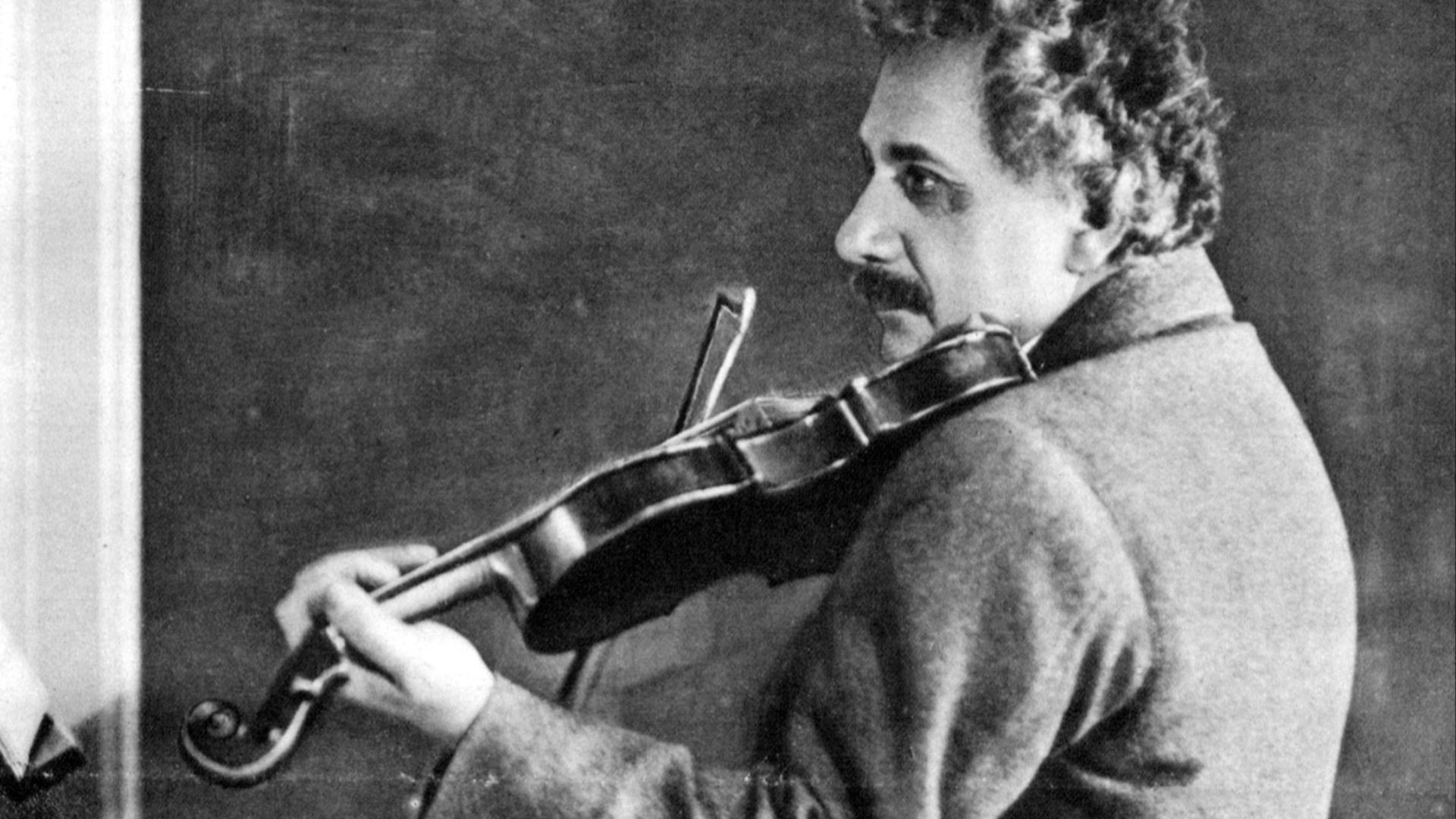
Einstein's Violin Just Sold At An Auction—And It Earned More…
A Visionary's Violin. Wanda von Debschitz-Kunowski on WikimediaWhen you hear…
By Ashley Bast Nov 3, 2025
The Mysterious "Sea People" Who Collapsed Civilization
3,200 years ago, Bronze Age civilization in the Mediterranean suddenly…
By Robbie Woods Mar 18, 2025
There Have Been 5 Mass Extinctions. Are We Entering the…
Yasser Mokhtarzadeh on UnsplashEarth has a flair for dramatic resets,…
By Emilie Richardson-Dupuis May 19, 2026