


That One Time 12th Century Nobility Literally Drowned In Human Waste

In the summer of 1184, nobles from across the Holy Roman Empire traveled to Erfurt, expecting nothing more than a tense political negotiation. They came dressed in their finest armor and silks, prepared to argue on the points they believed in, not die.
Yet historical tales like this one have a way of twisting the ordinary into the unbelievable, and on that day, the floor beneath them was holding a secret that centuries later still feels too grotesque to be real.
A Gathering That Carried Too Much Weight
The assembly had been called by Henry VI, the future emperor, who hoped to settle a feud between two powerful rivals. The room chosen for this mediation sat on the upper floor of a building near Erfurt Cathedral—an elegant enough space, but not a structure built to withstand the weight of dozens of knights standing shoulder to shoulder.
As arguments flared and tempers swelled, the crowd pressed in further. The floorboards groaned, the way old timber does when pushed to its limits, though no one seemed to believe the creaking meant anything more than age. After all, these were nobles used to asserting their presence; they were not accustomed to being cautious about where they stood. But beneath their boots was a hidden danger: a massive latrine pit that medieval buildings relied on to collect human waste. And while the discussions continued above, decay quietly worked its way through the beams below.
The moment of collapse felt instantaneous. Eyewitnesses later described it as the ground opening its jaws. Timber snapped, and then came a plunge so sudden that many never even had the chance to move. In seconds, a political council turned into one of the most horrifying accidents recorded in medieval Europe.
Inside The Pit No Noble Should Ever See
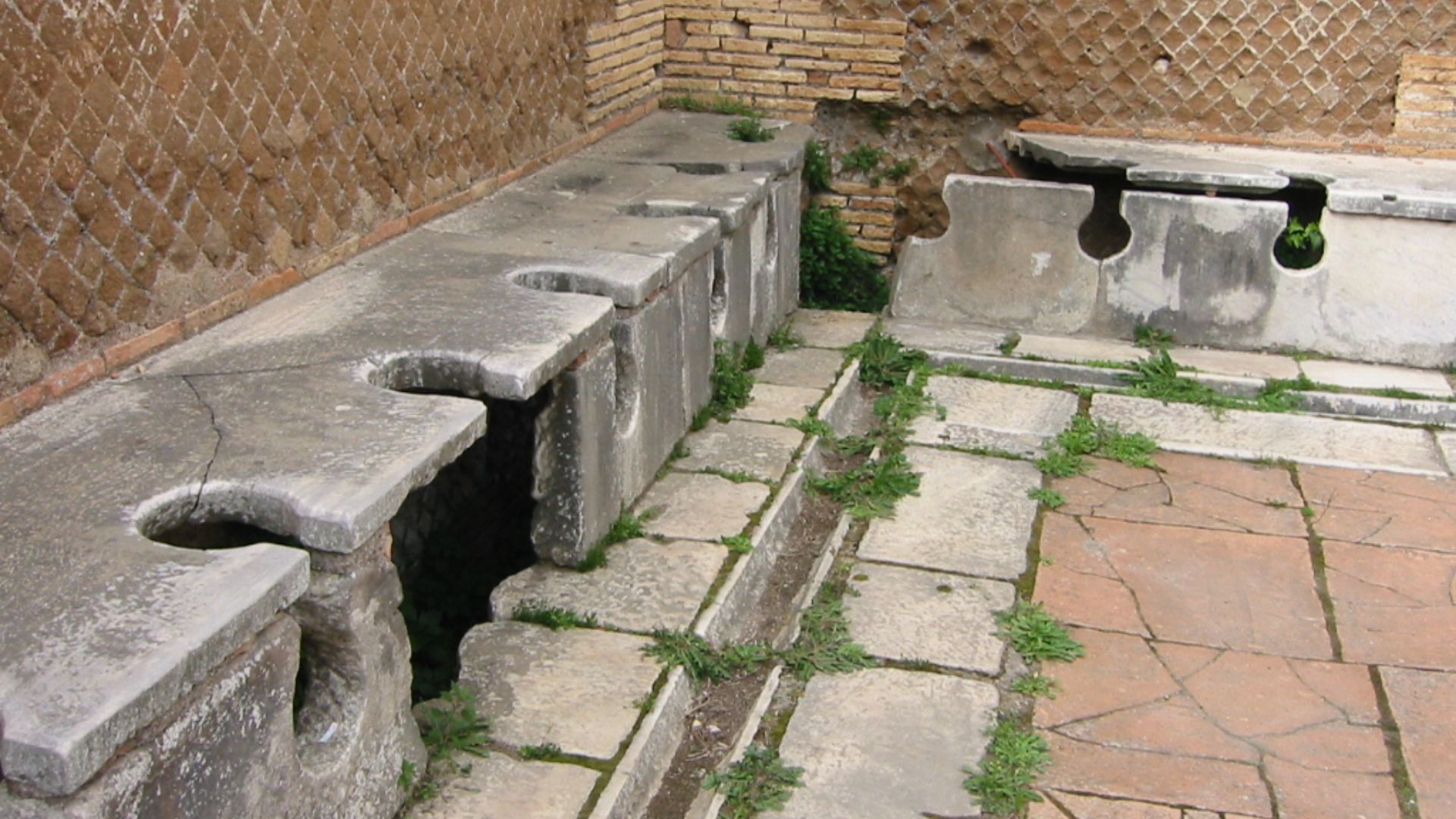
What waited below was a thick and enormous cesspit several meters deep, filled with the accumulated waste of the building and the surrounding structures. Those who fell were weighed down by armor and cloaks. Many didn’t even land on their feet; they tumbled into darkness, trapped beneath broken beams and the bodies of those who had fallen before them.
Some tried desperately to climb out, clawing at slippery stone walls, but the combination of filth and heavy metal made survival nearly impossible. Roughly sixty nobles died that day. Those who had been standing near the edges of the room—Henry VI included—were spared only because they were positioned by a stone alcove that remained intact during the collapse. They could do nothing but listen to the echoing screams below.
And as the story circulated through folklore and historical accounts, it grew into an unexpected lesson. Medieval Europe may appear grand in illuminated manuscripts and romantic retellings, yet the infrastructure supporting that world was often dangerously fragile. Buildings were repaired when necessary, but sanitation pits were frequently out of sight and out of mind—until they became a deadly trap.
KEEP ON READING
The 20 Most Recognized Historical Figures Of All Time
The Biggest Names In History. Although the Earth has been…
By Cathy Liu Oct 4, 2024
10 of the Shortest Wars in History & 10 of…
Wars: Longest and Shortest. Throughout history, wars have varied dramatically…
By Emilie Richardson-Dupuis Oct 7, 2024
10 Fascinating Facts About Ancient Greece You Can Appreciate &…
Once Upon A Time Lived Some Ancient Weirdos.... Greece is…
By Megan Wickens Oct 7, 2024
20 Lesser-Known Facts About Christopher Columbus You Don't Learn In…
In 1492, He Sailed The Ocean Blue. Christopher Columbus is…
By Emilie Richardson-Dupuis Oct 9, 2024
20 Historical Landmarks That Have The Craziest Conspiracy Theories
Unsolved Mysteries Of Ancient Places . When there's not enough evidence…
By Megan Wickens Oct 9, 2024
The 20 Craziest Inventions & Discoveries Made During Ancient Times
Crazy Ancient Inventions . While we're busy making big advancements in…
By Cathy Liu Oct 9, 2024