

 Unknown authorUnknown author on Wikimedia
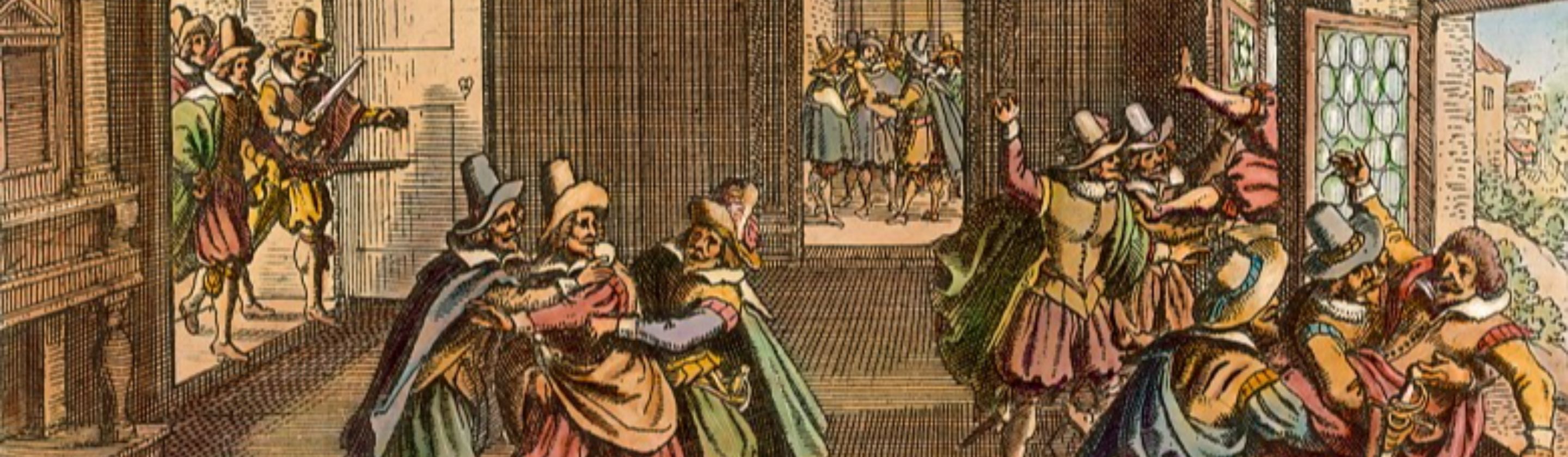
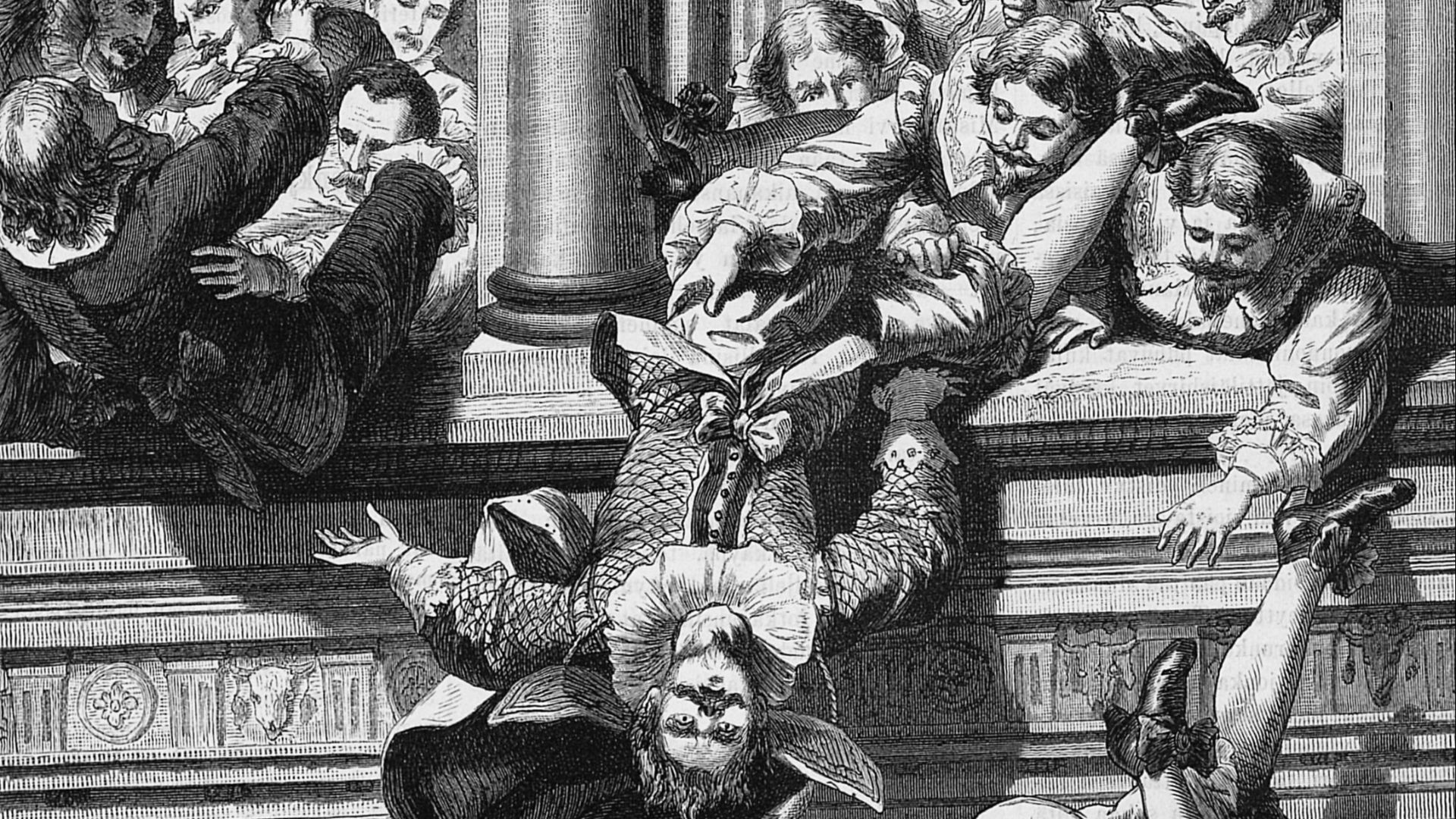
On May 23, 1618, a group of Protestant nobles in Prague did something that would have been considered comical had it not kicked off one of the most devastating conflicts in European history. They threw two Catholic imperial regents and their secretary out of a window in Prague Castle. The officials survived the seventy-foot drop, landing in a pile of manure or possibly a moat, depending on which account you trust, and the whole incident became known as the Defenestration of Prague. This event was the match that lit thirty years of religious and political warfare that would eventually kill roughly eight million people across Central Europe.
The Letter of Majesty Promised Religious Freedom
Emperor Rudolf II had granted Bohemian Protestants the Letter of Majesty in 1609, guaranteeing them religious freedom and the right to build churches on royal lands. When his successor, Ferdinand II, a devout Catholic, ascended the throne, the Protestant estates in Bohemia could see where things were headed.
Ferdinand's regents started restricting Protestant worship and demolished two Protestant churches. The Protestant nobility had watched Ferdinand consolidate Catholic power in his other territories, and they knew their turn was coming.
The Letter of Majesty represented decades of negotiation and compromise in a region where religious tensions had been simmering since Jan Hus got burned at the stake two centuries earlier.
The Defenestration Was Deliberately Symbolic
 Unknown authorUnknown author on Wikimedia
Bohemians had thrown people out of windows before, most famously in 1419 when Hussites threw seven members of the town council out of Prague's New Town Hall. That earlier defenestration had sparked the Hussite Wars, so everyone involved in 1618 knew exactly the precedent they were following.
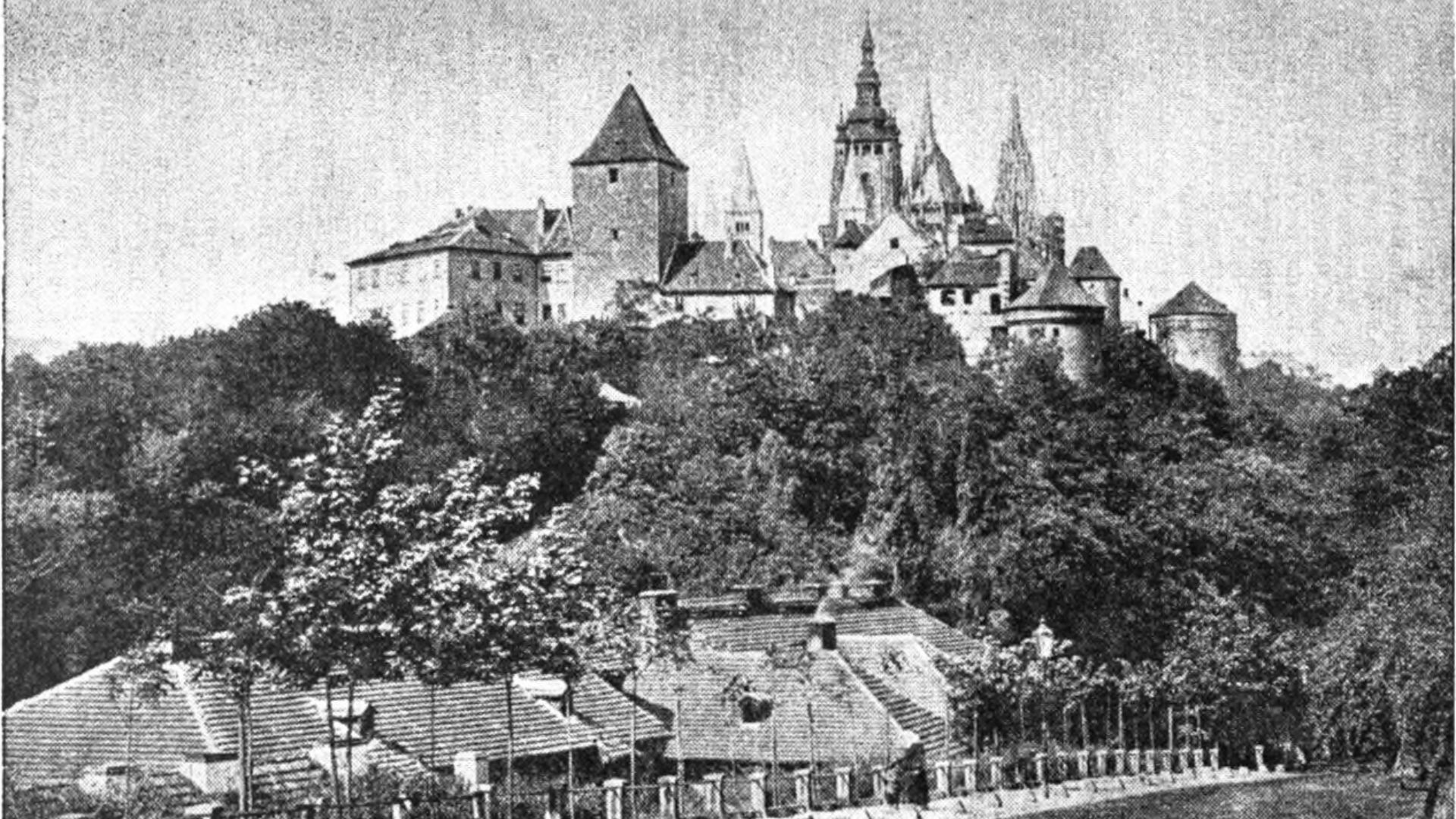
The Protestant nobles who stormed Hradčany Castle weren’t a ragtag mob, but an organized group led by Count Thurn, and they'd come to confront the regents Jaroslav Bořita of Martinice and Vilém Slavata about violations of the Letter of Majesty.
When the regents refused to listen, they grabbed them along with their secretary, Philip Fabricius, and hurled them out of the window.
Ferdinand's Election Triggered Open Rebellion
The Bohemian estates had the right to elect their king, and they were not about to choose Ferdinand. They formally deposed him in 1619 and elected Frederick V of the Palatinate instead, a Protestant who was married to the daughter of England's King James I.
That same year, after Emperor Matthias died, Ferdinand II was elected Holy Roman Emperor. The Bohemian Protestants rejected him right before and after that election, which made their rebellion a direct challenge to imperial authority.
Frederick V's acceptance brought in Protestant powers from across Europe who saw a chance to push back against Catholic Habsburg dominance.
The Battle of White Mountain Crushed Bohemian Independence
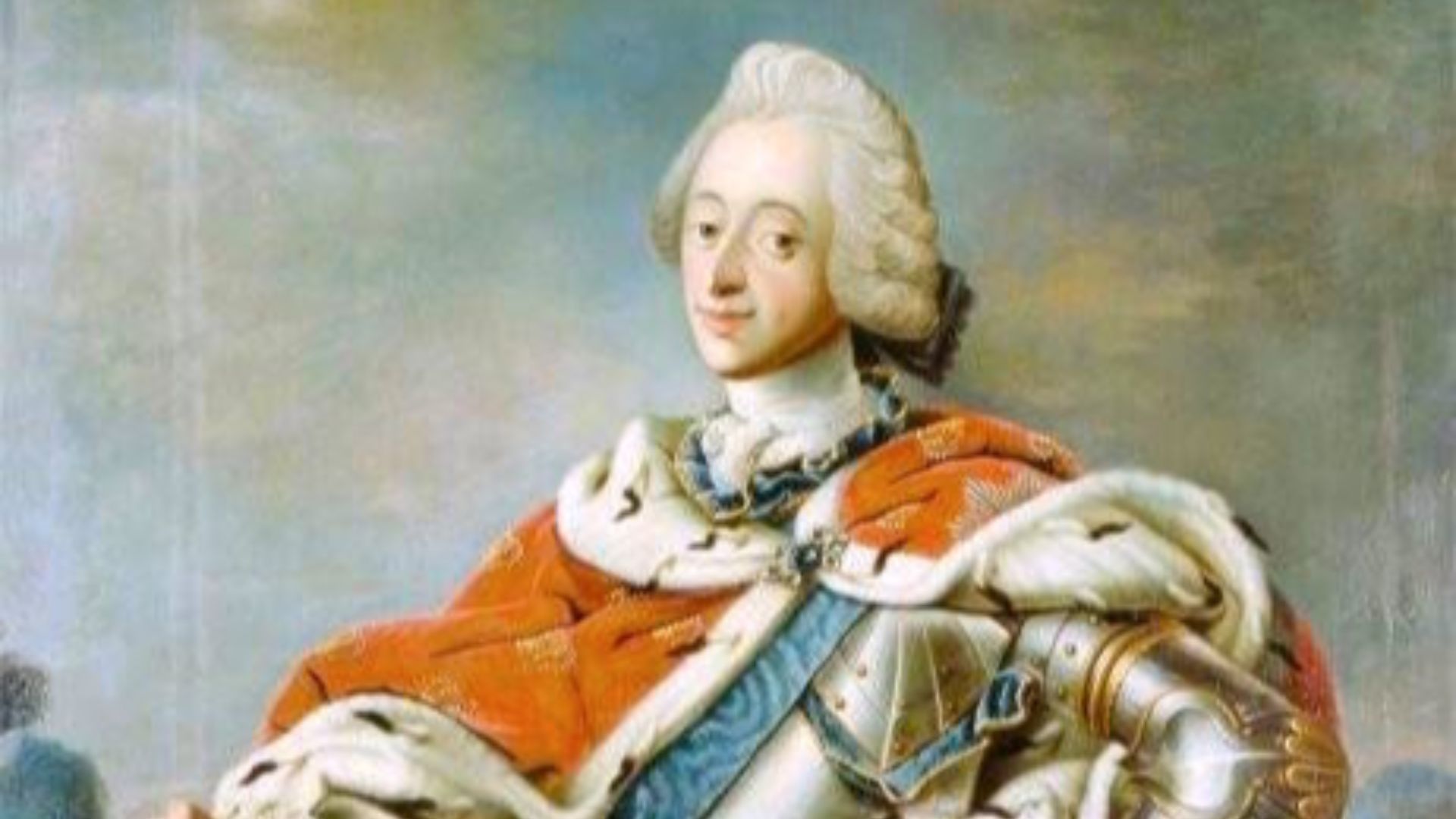
In November 1620, Catholic forces under General Tilly demolished the Bohemian army at the Battle of White Mountain just outside Prague. The whole thing was over in about two hours, and Frederick fled so quickly that he earned the nickname "the Winter King" for his short reign.
Twenty-seven leaders of the Bohemian revolt were executed in Prague's Old Town Square in June 1621. Their heads were displayed on the Charles Bridge for a decade as a warning. Ferdinand systematically stripped Protestant nobles of their lands, redistributed property to Catholic loyalists, and essentially destroyed Bohemian political autonomy for the next three centuries.
With the Bohemian rebels crushed, you’d have thought that would have been the end of it. However, the war had already spread beyond Bohemia's borders, pulling in Denmark, Sweden, France, and eventually turning into a massive free-for-all that had as much to do with political power as religious conviction.
Religious Conflict Became Political Opportunism
By the time the war finally ended with the Peace of Westphalia in 1648, the initial religious motivations had mostly given way to straightforward power politics. Catholic France spent the last phase of the war fighting against Catholic Spain and the Catholic Holy Roman Emperor because the Habsburgs had gotten too powerful and the French weren't having it.
The war's final phases also devastated the German states. Some regions lost up to half their population through violence, disease, and famine. The Swedish army alone spent seventeen years marching through German territories because Sweden's King Gustavus Adolphus wanted to dominate the Baltic and weaken the Habsburgs.
That seventy-foot drop in Prague Castle had consequences nobody standing in that room could've imagined. What those Protestant nobles thought was a local confrontation with imperial regents became the spark for a conflict that ultimately redrew the map of Europe.
KEEP ON READING
The 20 Most Recognized Historical Figures Of All Time
The Biggest Names In History. Although the Earth has been…
By Cathy Liu Oct 4, 2024
10 of the Shortest Wars in History & 10 of…
Wars: Longest and Shortest. Throughout history, wars have varied dramatically…
By Emilie Richardson-Dupuis Oct 7, 2024
10 Fascinating Facts About Ancient Greece You Can Appreciate &…
Once Upon A Time Lived Some Ancient Weirdos.... Greece is…
By Megan Wickens Oct 7, 2024
20 Lesser-Known Facts About Christopher Columbus You Don't Learn In…
In 1492, He Sailed The Ocean Blue. Christopher Columbus is…
By Emilie Richardson-Dupuis Oct 9, 2024
20 Historical Landmarks That Have The Craziest Conspiracy Theories
Unsolved Mysteries Of Ancient Places . When there's not enough evidence…
By Megan Wickens Oct 9, 2024
The 20 Craziest Inventions & Discoveries Made During Ancient Times
Crazy Ancient Inventions . While we're busy making big advancements in…
By Cathy Liu Oct 9, 2024