

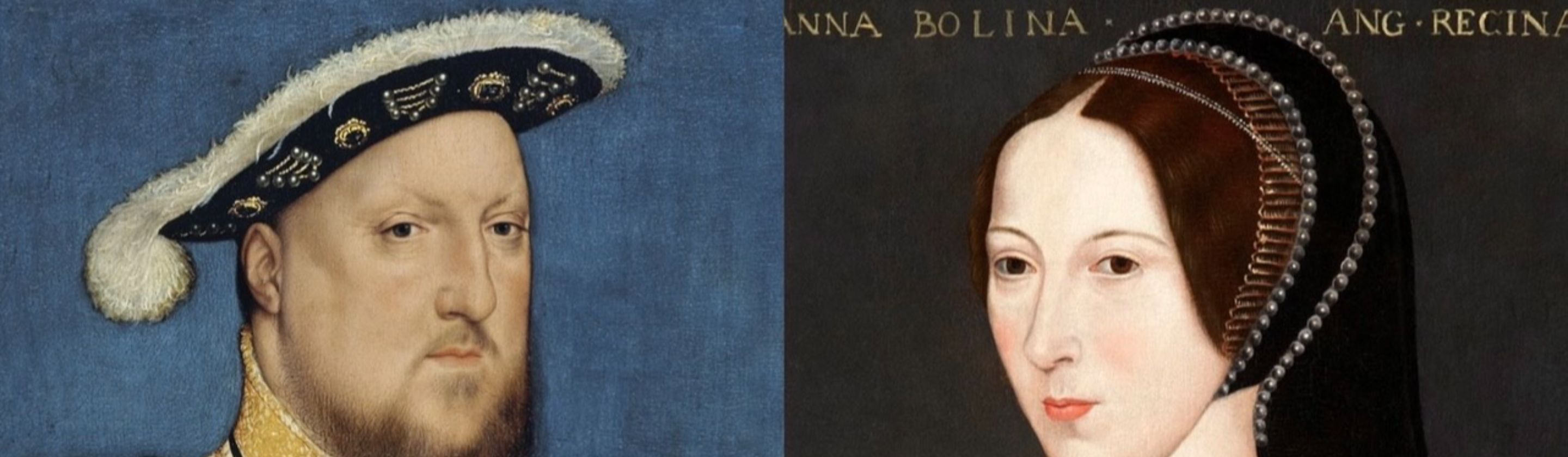
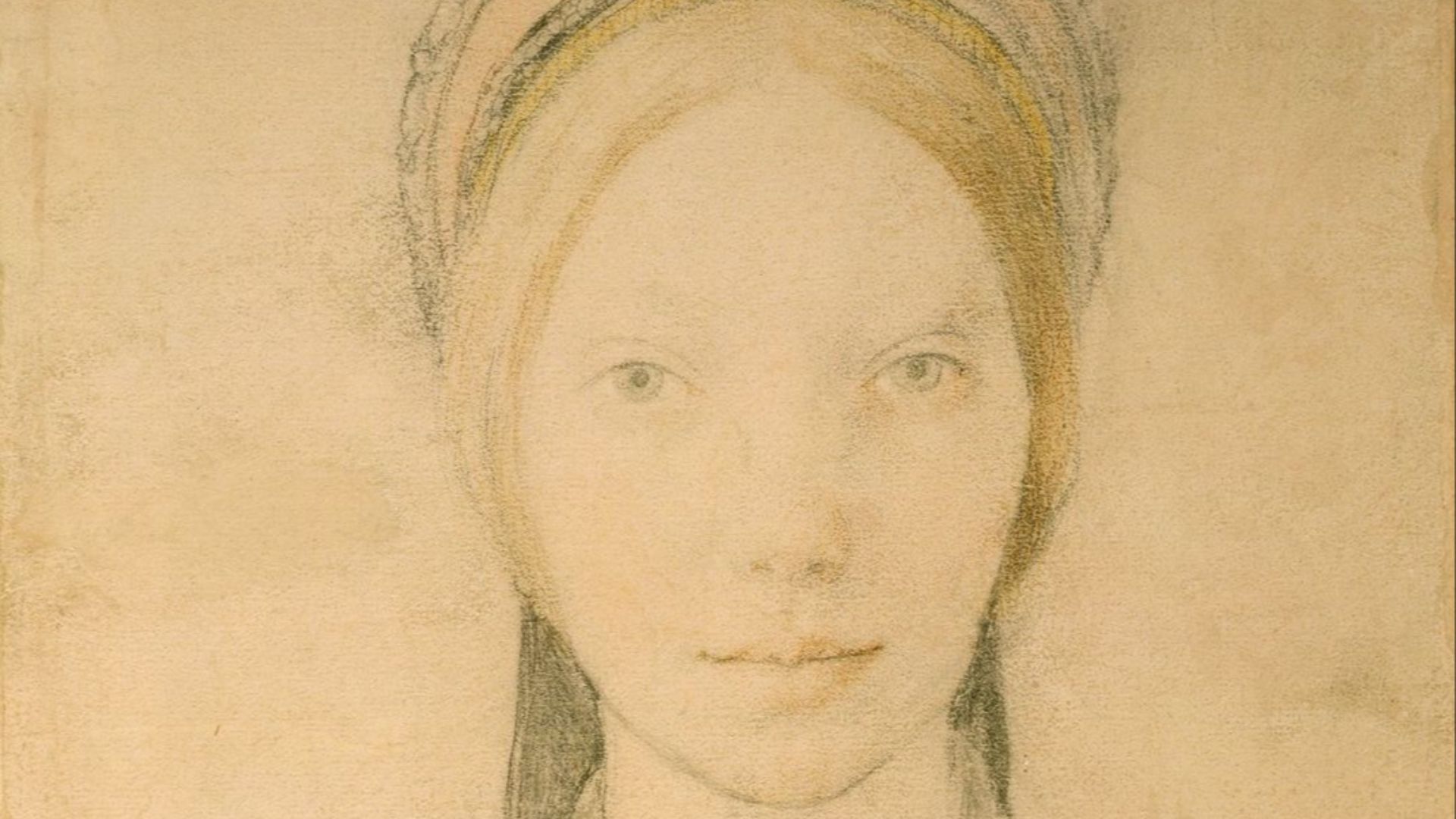
 Hans Holbein the Younger on Wikimedia
Jane Boleyn, Viscountess Rochford, is one of the most infamous figures from the turbulent court of King Henry VIII. She's often branded as a traitor who betrayed her husband and sister-in-law to their deaths. However, modern historians argue that much of her reputation was actually orchestrated after her death. So, was she really a villain or just a woman, working and trying to survive under one of Britain's biggest tyrants?
Born Jane Parker around 1505 to Henry Parker, 10th Baron Morley, Jane entered court service as a young girl. She married George Boleyn, brother of Anne Boleyn, in 1526, securing her a place at the center of Henry VIII’s inner circle. She served five of Henry VIII's six wives.
Although little is known about Jane and George's marriage, the couple remained childless, leading historians to assume it was an unhappy partnership. Some evidence suggests, however, that Jane and Anne became close.
Anne became queen in 1533 by marrying the king in secret, after Henry VIII managed to annul his first marriage. However, her reign was short-lived as lies spread about her adulterous activities, including with her own brother, George. It was long thought these lies were spread by Jane, either out of jealousy or something more sinister. However, modern historians now note that these narratives were likely shaped by Elizabeth I’s court and post-Tudor writers who were eager to preserve Anne and Henry's reputation, using Jane as a convenient scapegoat.
Historians suggest Jane is "a voyeur, sex-mad, driven by perverse desires, and after that, she's reported as simply mad," Phillipa Gregory, author of Boleyn Traitor, told the BBC. "I don't think Jane was driven by lust or any other sin; I think she was just a normal woman in extraordinary circumstances, trying to survive and prosper."
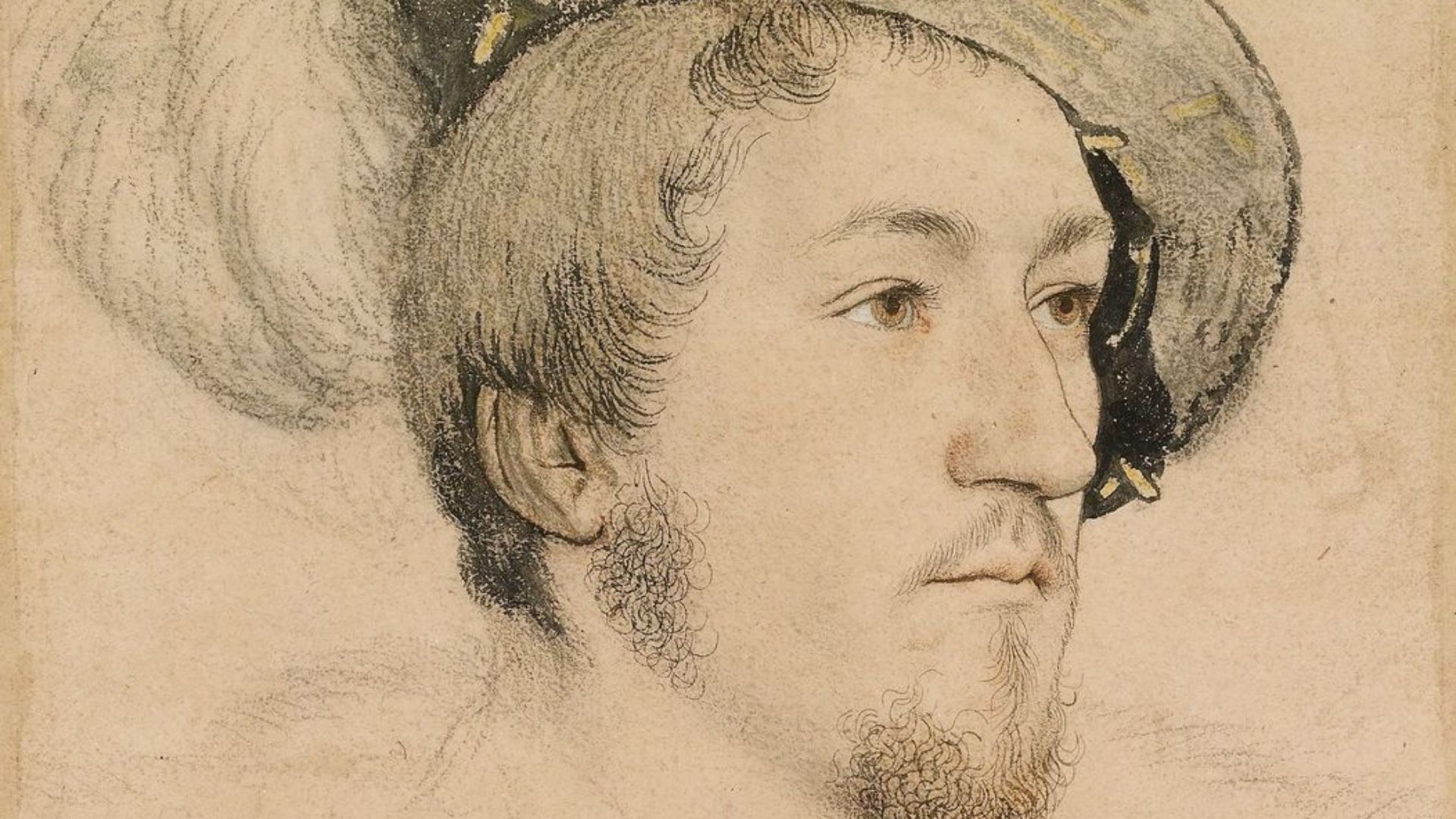 Hans Holbein the Younger on Wikimedia
After Anne and George's executions, Jane continued to serve in court as lady-in-waiting for three more of Henry's wives, Jane Seymour, Anne of Cleves, and Catherine Howard. In fact, she thrived in court after their death, her continued prominence further fueling speculation about her loyalties.
Additionally, a letter she wrote to the king's chief minister, Thomas Cromwell, who organized Anne's arrest, makes it appear that he kept her position safe in exchange for information. But whether she really had a choice in the matter or was simply forced into it by Cromwell, a man in a position of considerable power, is another point of contention.
Her fate was eventually sealed, however, when she got involved with Catherine Howard's love affair with the handsome noble, Thomas Culpeper. Jane appears to have facilitated their secret meetings, even encouraging them, perhaps out of deep care for Catherine, who was her dear friend and who was married to a then fat and impotent, much older king. Once the adultery came to light, all three of them were sentenced to the chopping block.
Jane reportedly went insane while being kept in the Tower of London, which should have prevented her from being executed, but the King changed the law two days before her death, just so he could exact his revenge. Jane was executed alongside Catherine in 1542.
Today, many historians argue that Jane Boleyn’s reputation as one of Tudor England’s most hated women tells us more about how history was written than about who she actually was. Rather than a jealous schemer, she may have been a noblewoman navigating a treacherous court, simply trying to survive.
KEEP ON READING
The Brutal Realities Of Gladiator Life Beyond the Arena
David Cruz asenjo on PexelsWhen most people think of gladiators,…
By Rob Shapiro Mar 31, 2026
The Volcano Winter That Nearly Toppled Europe
Collin Ross on UnsplashMost people, if asked to name a…
By Cameron Dick Mar 31, 2026
From School Plays To Starting A Cult: 20 Of The…
The Books That Made Us. Many people will tell you…
By Farva Ivkovic Jan 31, 2025
20 Facts About Jane Grey, The Forgotten Queen Of England
A Quick, Messy, and Tragic Reign. Lady Jane Grey never…
By Maria Cruz Jan 31, 2025
20 Priceless Historical Art Pieces Rescued By The Monuments Men
Protecting Human History. While the soldiers on the front lines…
By Sara Springsteen Mar 31, 2026
Almost Every Ancient Statue Has a Missing Nose, And It's…
Gary Todd from Xinzheng, China on WikimediaWalk through the classical…
By Elizabeth Graham Mar 31, 2026