

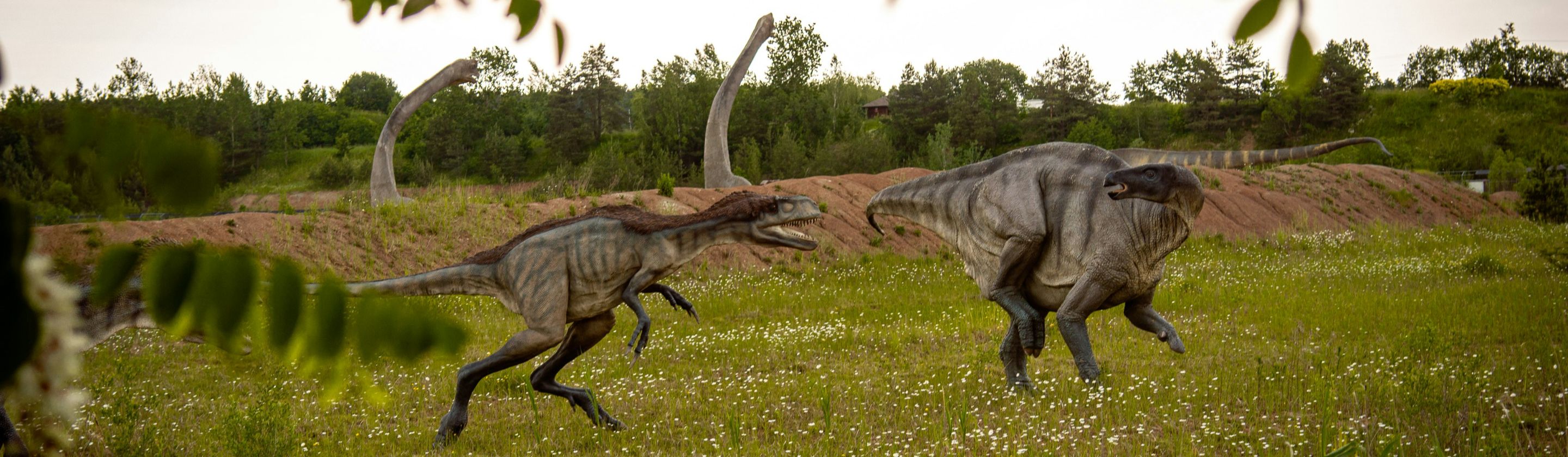
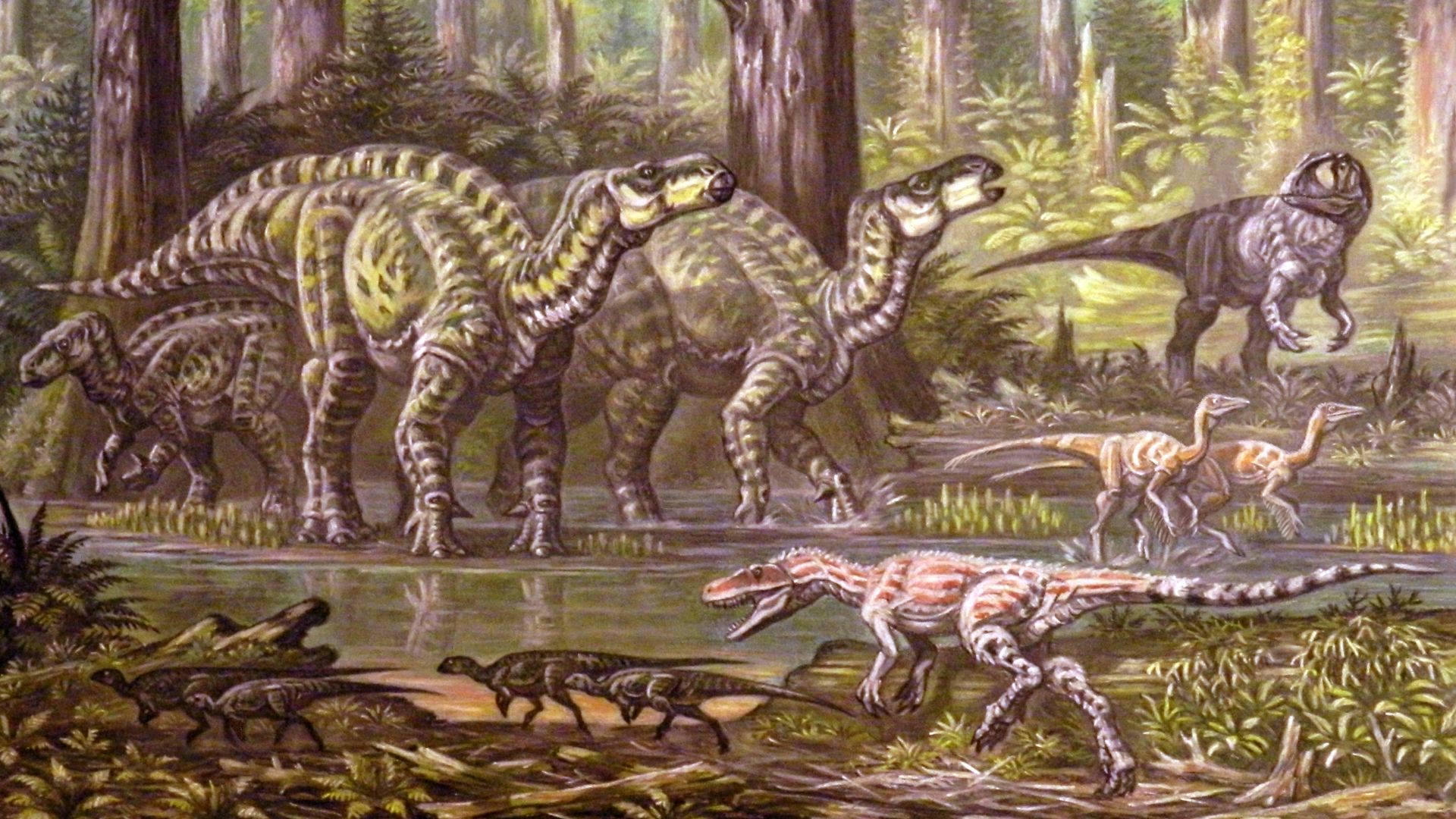
 ABelov2014 (https://abelov2014.deviantart.com/) on Wikimedia
It is strange to imagine a world where rain didn’t simply arrive in passing storms but settled in for a long stay.
Nearly 234 million years ago, during the Triassic Period, Earth entered a chapter scientists now call the Carnian Pluvial Episode. Such a dramatic climate swing offers a glimpse into the planet’s ability to reinvent itself, so let’s take a closer look at what really happened.
Rain Arrives, And Everything Starts To Change
For millions of years before this episode, Earth was mostly arid. Then, massive volcanic activity in a region we now refer to as the Wrangellia Large Igneous Province pumped carbon dioxide into the atmosphere. That buildup warmed the planet, pulled more moisture into the air, and set the stage for rainfall that didn’t let up easily. Instead of seasonal storms, Earth experienced a long stretch of rain-soaked conditions.
These wetter conditions caused erosion on a scale rarely seen in earlier periods. Plants and animals that had relied on dry, stable environments found themselves living in a world that no longer behaved the way it once had. Some species adapted by shifting habitats, while others disappeared entirely.
As the rain reshaped the terrain, it also changed the chemistry of the oceans. Fresh water flowing into marine environments altered salt levels, nutrients, and oxygen availability. Coral reefs that once thrived collapsed as their delicate balance broke apart.
An Ecological Shakeup Clears Room For New Life
Among the biggest winners of this transition were dinosaurs. Before the rainfall era, they were only minor players in the animal world. After the climate rework, they stepped into a newly opened ecological space and began to diversify in ways that would define the rest of the Mesozoic Era.
Plants evolved as well. Conifers expanded into fresh territory as moisture patterns changed. They created forests that supported new herbivores. Insects followed these vegetation shifts. Even the soil changed as different plant communities took root and microbial life adjusted to wetter conditions.
In the oceans, the collapse of older reef systems made room for modern-style reefs that relied on different species and structures. These reefs supported marine reptiles and invertebrates that would thrive far beyond the Triassic. This period also influenced the carbon cycle. As vegetation spread and oceans adjusted, carbon began moving through the planet in new ways. Some of that carbon became locked in rocks, sediments, and biomass.
Legacy Of A Climate Shift

When the rains finally eased, Earth emerged from the Carnian Pluvial Episode carrying new life forms and ecological patterns that set the tone for the rest of the Mesozoic.
The episode also left behind a detailed trail for scientists to study. Fossils show which species managed to adapt, which faded away, and which branched into entirely new groups. When researchers assemble these pieces, a picture forms of a planet whose systems constantly influence one another in ways that still shape life today.
KEEP ON READING

20 Times A Pest Changed Human History
Small Creatures, Enormous Consequences. History tends to credit kings, generals,…
By Cameron Dick Jun 9, 2026
How Franz Reichelt Architected His Own Demise
Unknown authorUnknown author on WikimediaHistory is full of eccentric inventors…
By Sara Springsteen Jun 9, 2026
When People Could Commit The Crime of Celebrating Christmas
Rawpixel on WikimediaChristmas is such a staple in North America…
By Elizabeth Graham Jun 9, 2026
20 People In History Who Were Betrayed By Their Closest…
When Trust Became the Dangerous Part. History is full of…
By Emilie Richardson-Dupuis Jun 9, 2026
The Origins Of Public Holidays And How They Began
Fatih Güney on PexelsPublic holidays are so deeply woven into…
By Rob Shapiro Jun 9, 2026
20 Historical Figures Who Died Of A Broken Heart
Grief Became Too Much. The phrase “died of a broken…
By Annie Byrd Jun 9, 2026