

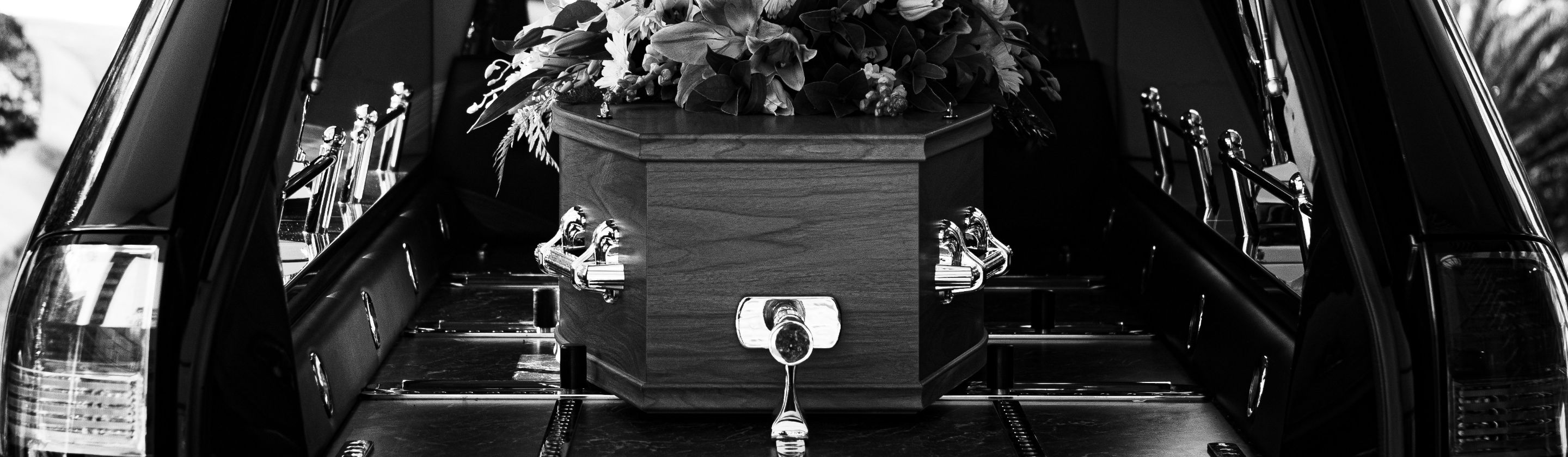
Sin Eaters: 20 Bizarre Jobs in History Created To Deal with Death
Making a Living Off the Afterlife
Death has always been a messy business, but our ancestors came up with some truly wild ways to handle the grimmest parts of mortality. Throughout history, communities relied on a strange cast of characters who took on bizarre, taboo, or downright stomach-turning jobs just to keep the spirit world happy and the living safe. From people who literally ate your sins to professional mourners who cried on command, these morbid occupations were a standard part of everyday life for centuries.
 Juan Antonio Ruiz Rivas on Wikimedia
1. The Sin Eater
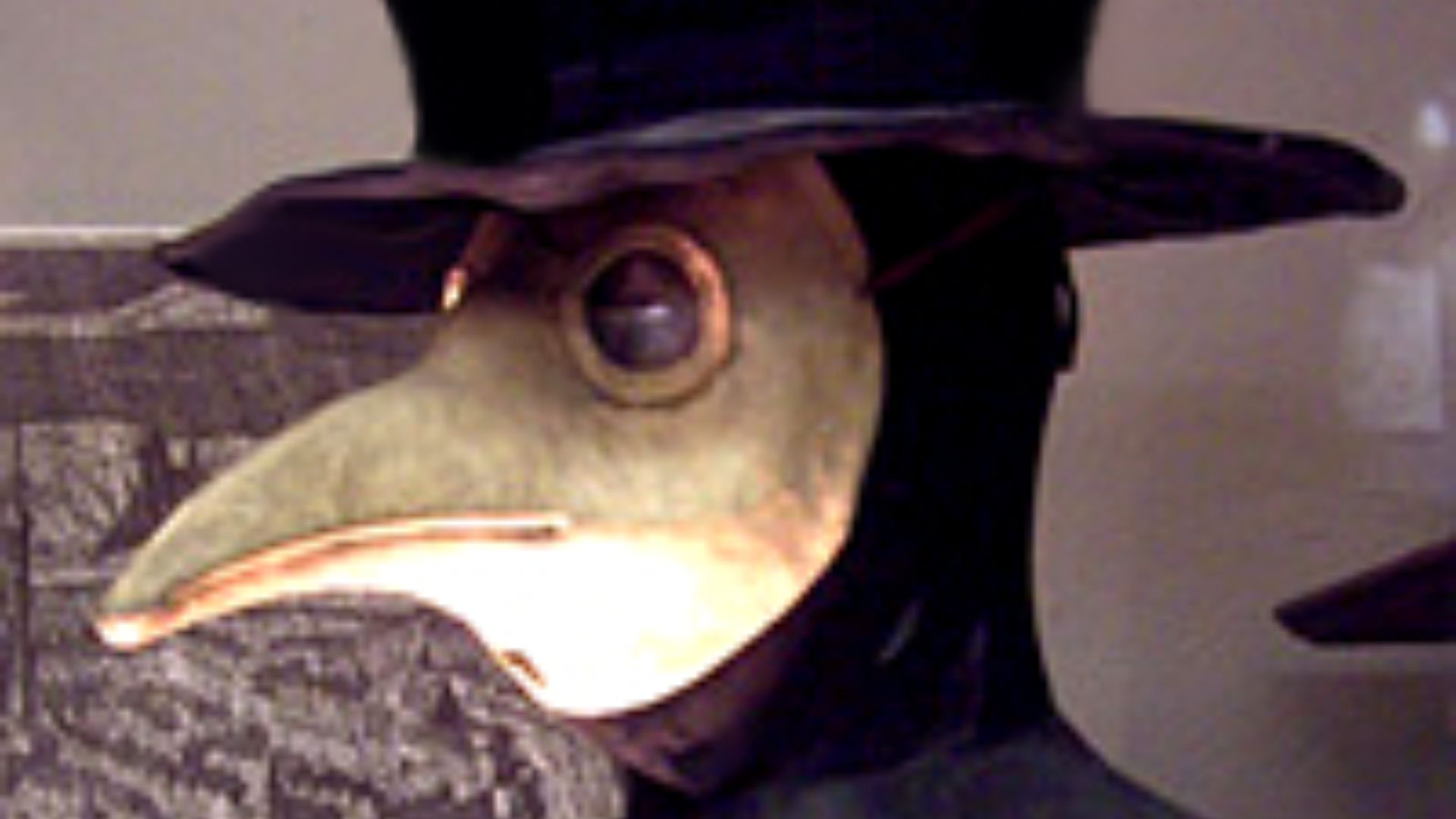
Employed in England and Wales, these unfortunate souls were hired by families to sit by the deceased during their wake and eat a literal piece of bread and drink that was placed atop the coffin. The community believed the sins of the dead were magically absorbed by the worker’s body and soul.
2. Resurrectionist
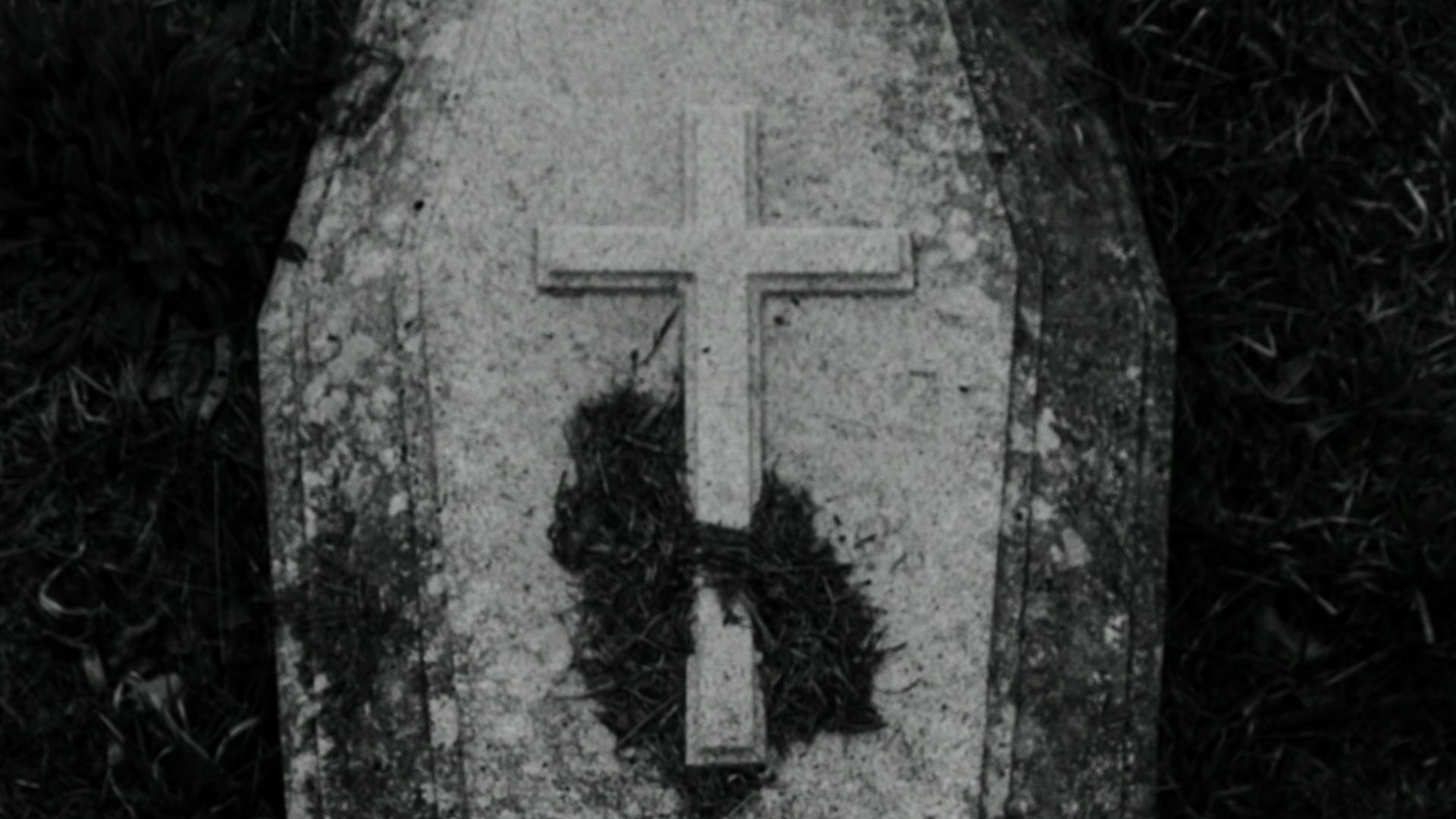
During the nineteenth century, medical schools desperately needed human corpses for anatomy classes, but legal supplies were incredibly scarce. These graveyard entrepreneurs filled the gap by sneaking into cemeteries under the cover of darkness to dig up fresh graves. They made a fortune selling the stolen bodies to doctors.
3. Professional Mourner
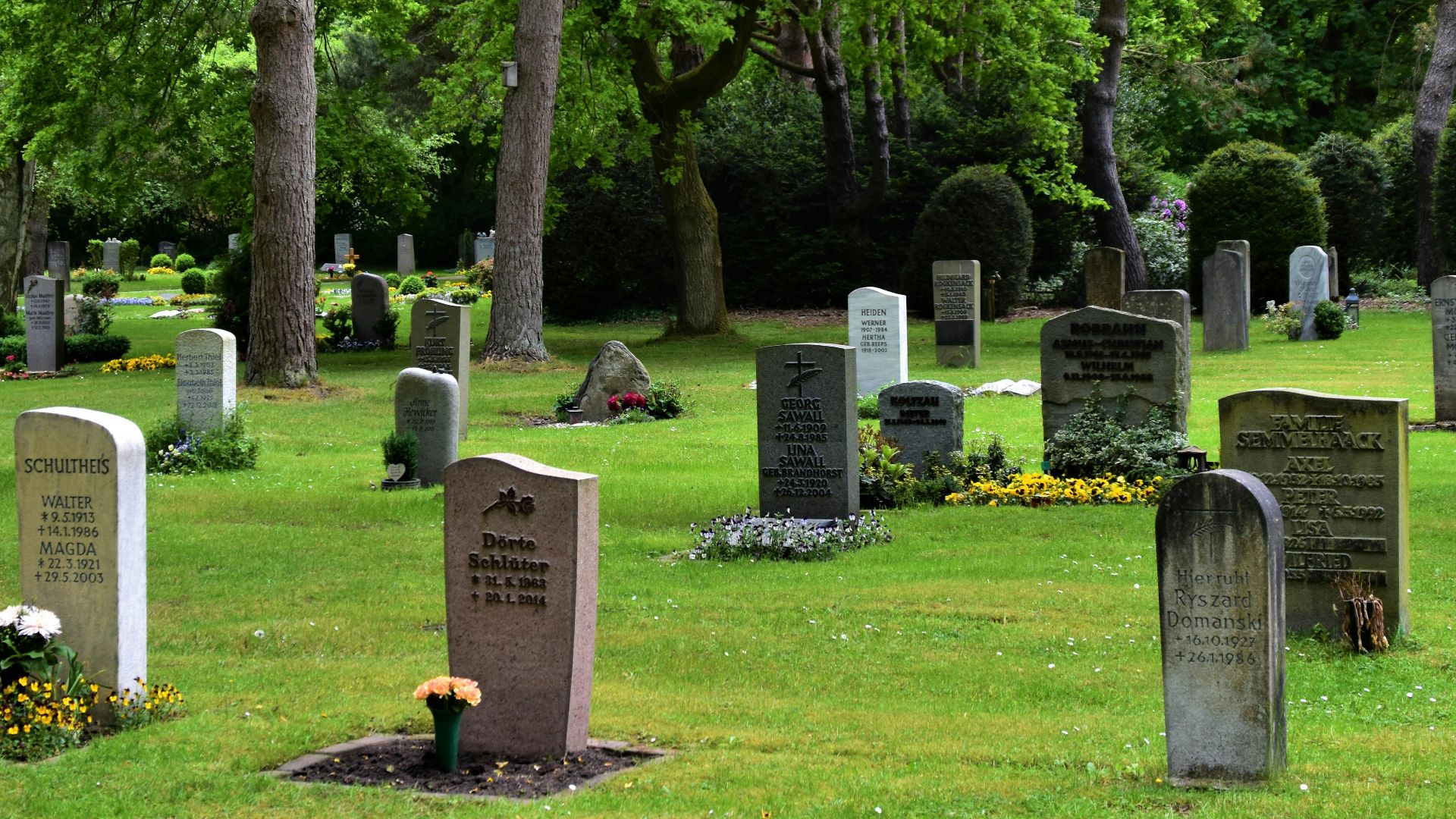
If you wanted your family to look important at a funeral in ancient Rome, you hired a troupe of these performers to wail and tear their hair out in the streets. The women received payment based on how loudly they wept. Which meant they put on a massive, dramatic show for the neighborhood.
 The Good Funeral Guide on Unsplash
4. Anatomy Ripper
Working directly inside early medical theaters, these assistants were responsible for the initial opening of human cadavers before the professor took the stage. The job required a strong stomach because they had to handle poorly preserved remains. They bore the brunt of the physical labor while the wealthy doctors took all the credit.
5. Gallows Groom
Executioners in medieval Europe needed assistants to perform the awkward, heavy preparation work before a hanging could take place. This unfortunate worker spent their mornings testing the ropes, grease-coating the traps, and ensuring the wooden scaffolding was structurally sound.

6. Bone Picker
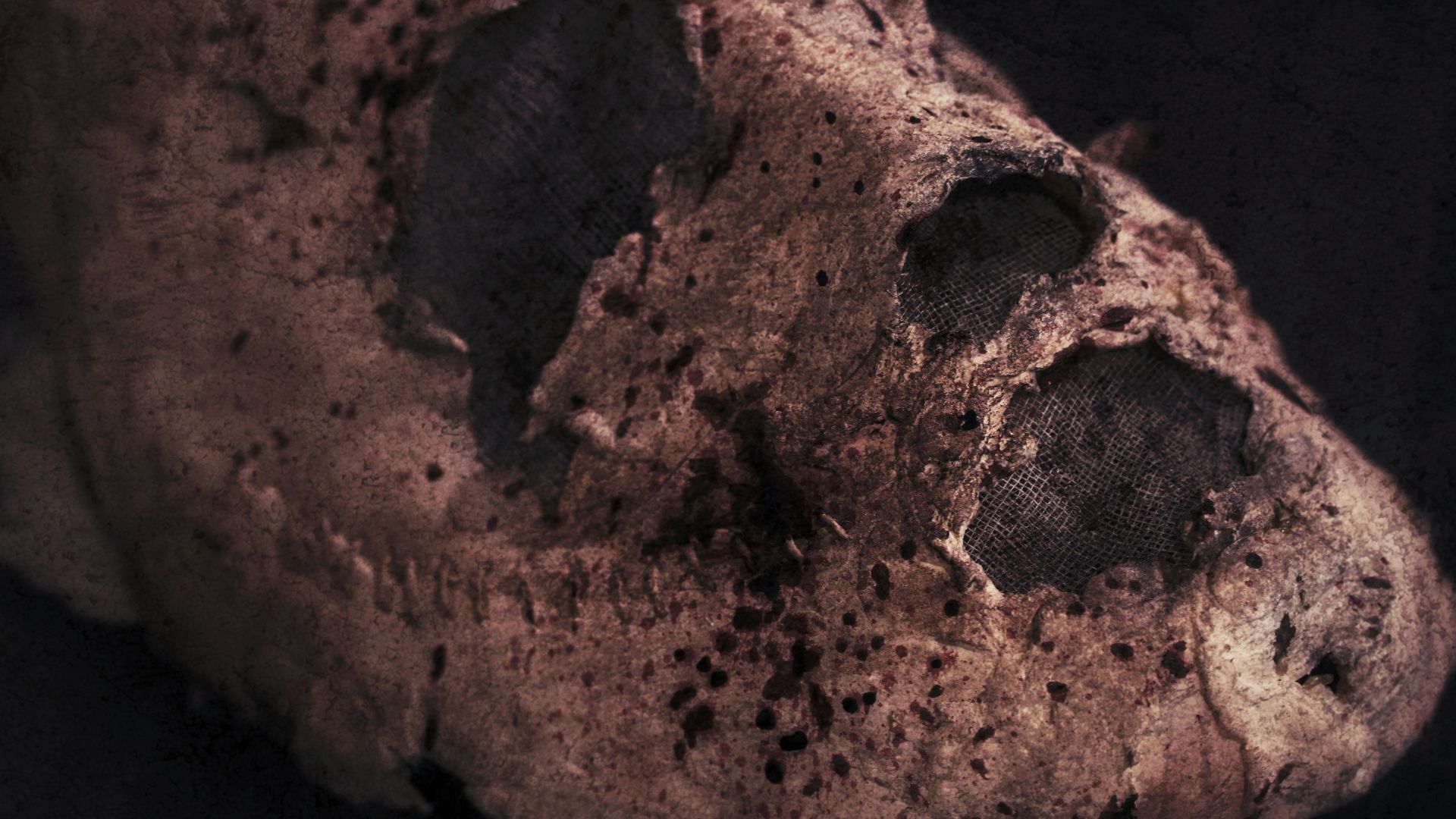
Choctaw tradition in the eighteenth century involved a revered class of tribal members who used their long fingernails to strip the bodies of deceased relatives. Once the skeleton was completely clean, the worker wrapped the bones in boxes for a grand, communal burial ceremony. It was considered a highly sacred position.
7. Corpse Messenger
Before modern communication existed, European towns employed a specific crier to walk the streets dressed in black while ringing a heavy iron bell. This official shouted out the names of the recently deceased and invited the community to attend the upcoming funeral service. The entire neighborhood knew exactly when someone passed away.
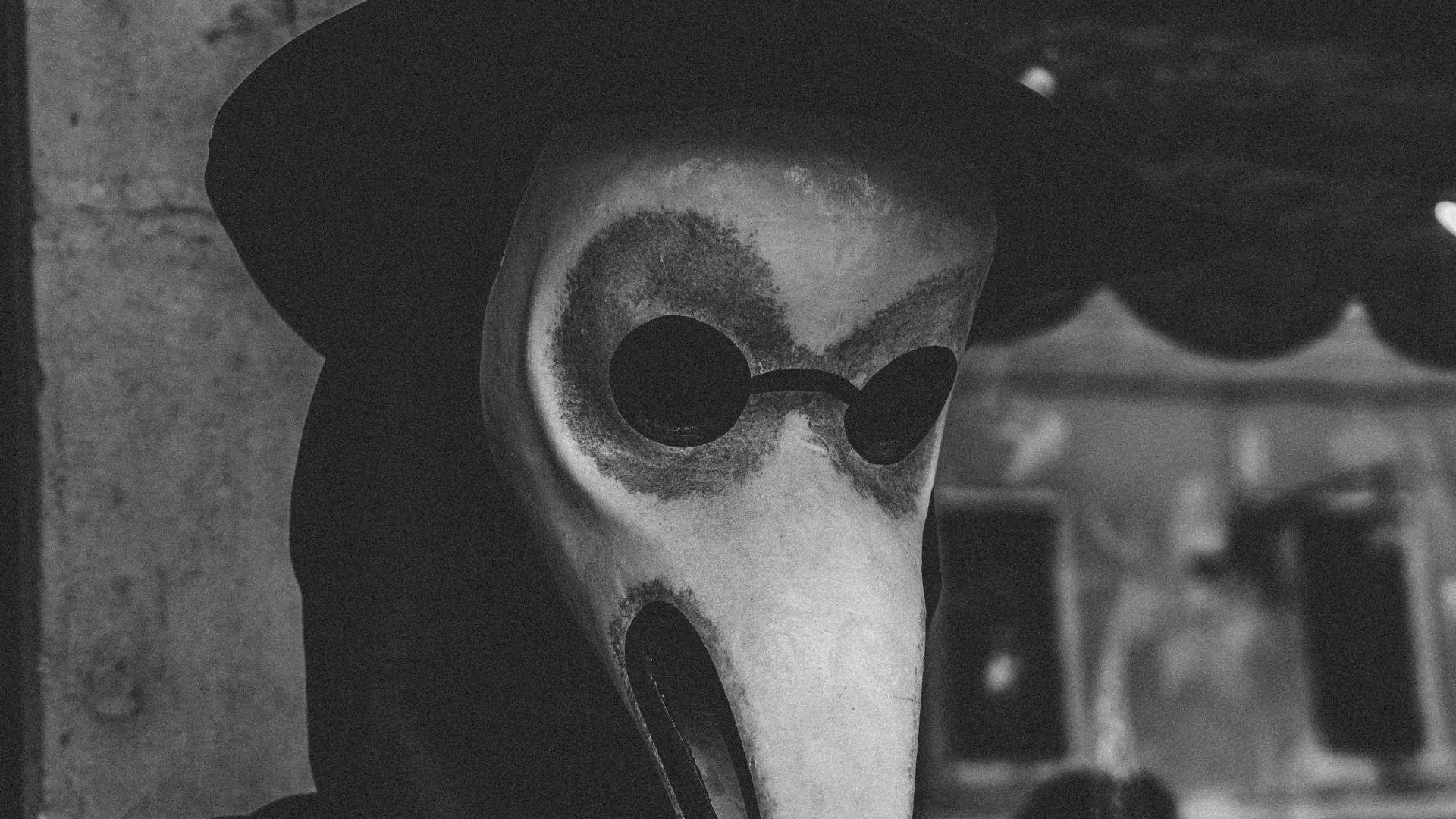
8. Plague Burier
When the Black Death tore through London, ordinary citizens fled the city while these desperate workers took high-paying jobs collecting the infected corpses. They drove heavy wooden carts through the midnight streets. Shouting for residents to bring out their dead for mass burial.
9. Leech Collector
While not directly working with corpses, these individuals waded into swampy bogs to let blood-sucking parasites latch onto their bare legs. Doctors used these creatures for bloodletting rituals on dying patients to balance their bodily fluids. The collectors spent their days cold and wet.

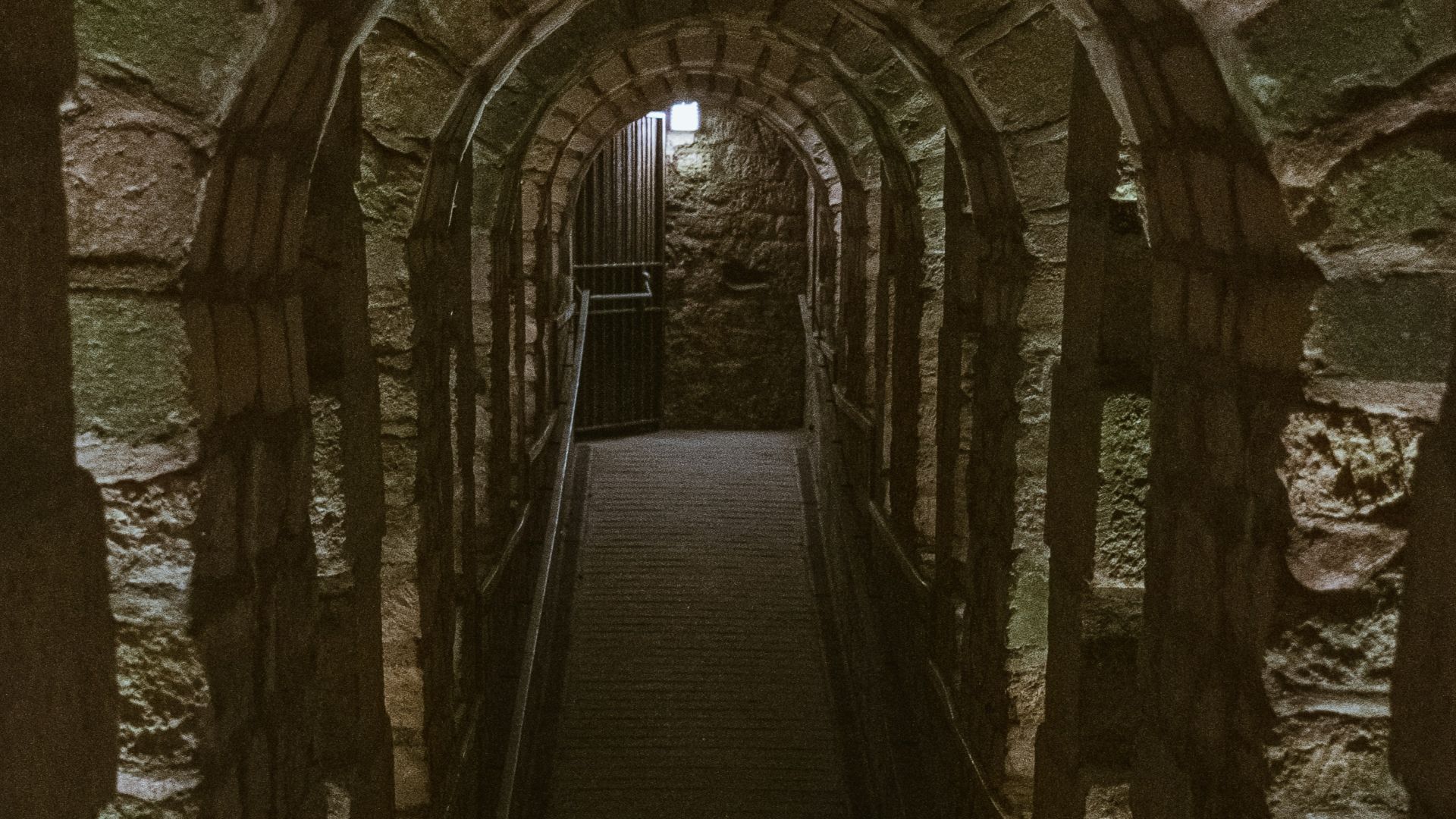
10. Catacomb Arranger
The underground ossuaries of Paris required dedicated laborers to organize millions of human skeletons that were transferred from overflowing city graveyards. Instead of just piling them up, these workers artfully stacked rows into decorative walls. They turned a public health crisis into a bizarre, permanent underground tourist attraction.
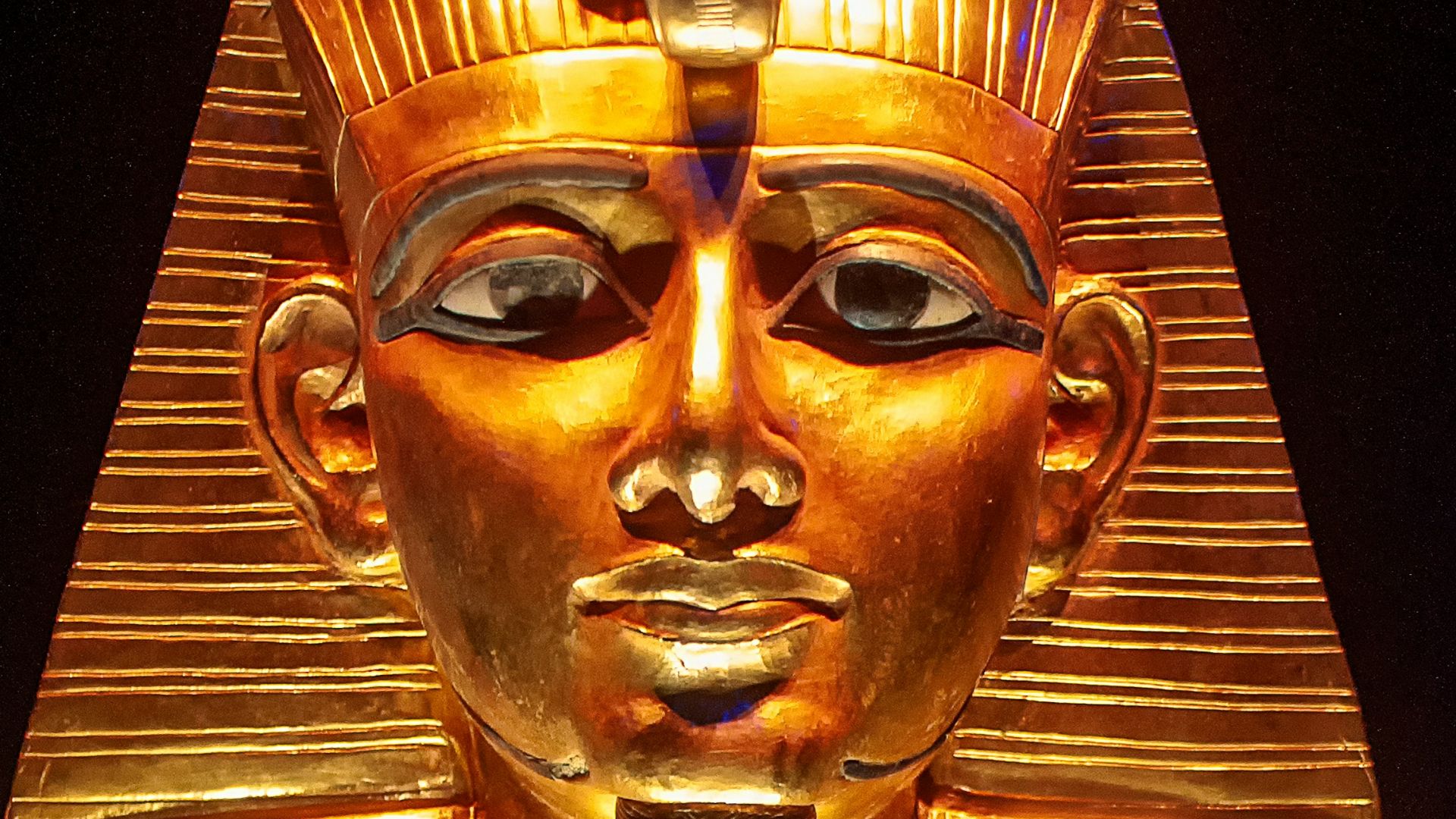
11. Mummy Thresher
During the Victorian era, Egyptian mummies were imported to Europe by the thousands. Workers in factories had the dusty job of unwrapping these ancient bodies and grinding them down into a rich brown paint pigment or agricultural fertilizer. You could easily spend your entire shift breathing in the pulverized remains.
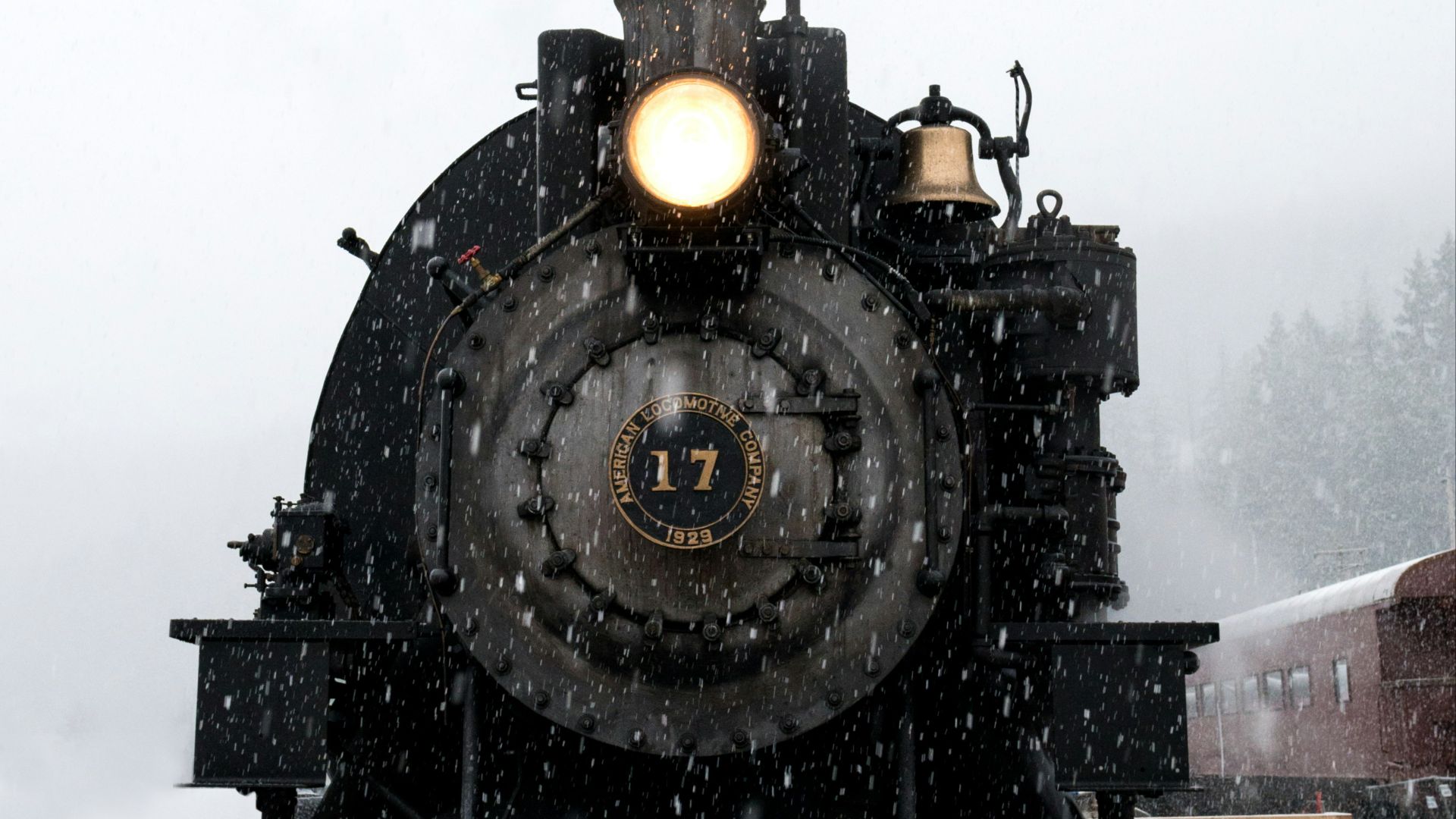
12. Necropolis Railway Conductor
London opened a dedicated train line in the 1850s that existed solely to transport dead bodies and their grieving families out to a massive suburban cemetery. The conductors of these trains had to manage a highly unique passenger list consisting of stacked coffins divided by social class and religion. It was a bizarrely bureaucratic commute.
13. Skhizis Practitioner
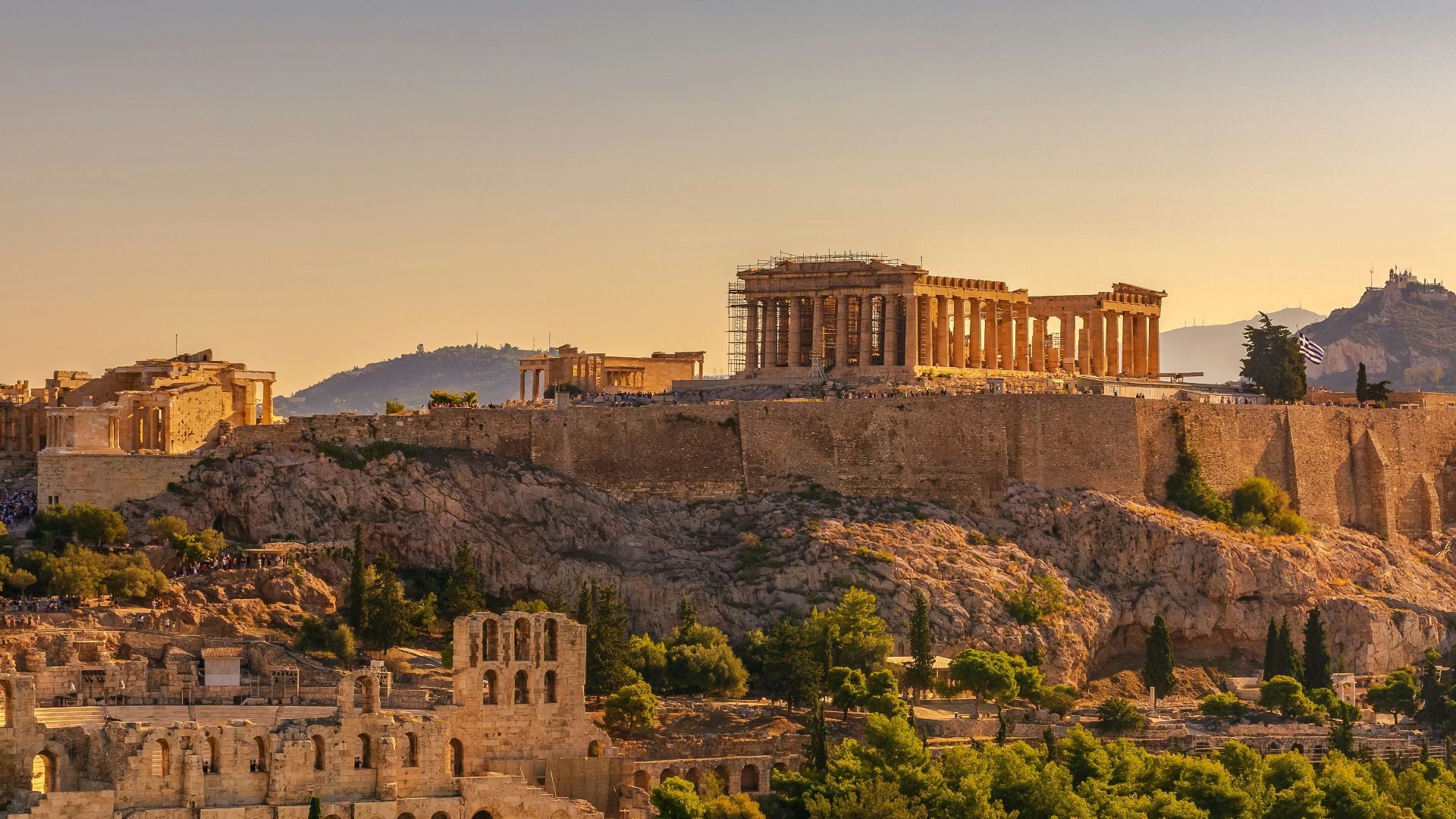
In ancient Greece, certain individuals specialized in the post-mortem cracking open of chest cavities to inspect the internal organs for spiritual signs. They looked for specific blemishes or markings. For them, this might reveal if the deceased had been cursed by the gods before their passing.
 Constantinos Kollias on Unsplash
14. Death Mask Molder
Before photography became widespread, artists were rushed to the deathbeds of famous individuals to capture their final facial features using wet plaster. The artisan had to work quickly before rigor mortis set in. Carefully applying the mixture over the cold skin of the prominent citizen.
15. Ice Cutter
Nineteenth-century undertakers relied heavily on frozen blocks to keep corpses from decomposing during warm summer viewings. Laborers spent their brutal winters harvesting thick sheets of river ice and packing them into insulated sawdust warehouses for later use. It was a freezing, dangerous job.

16. Charnel House Keeper
Medieval churches often ran out of burial space, requiring a keeper to dig up older graves to make room for new arrivals. This worker cleaned the older bones and organized them inside a stone chapel located right on the church grounds. A person would constantly live and work surrounded by the exposed remains of the town's ancestors.
17. Victorian Mute
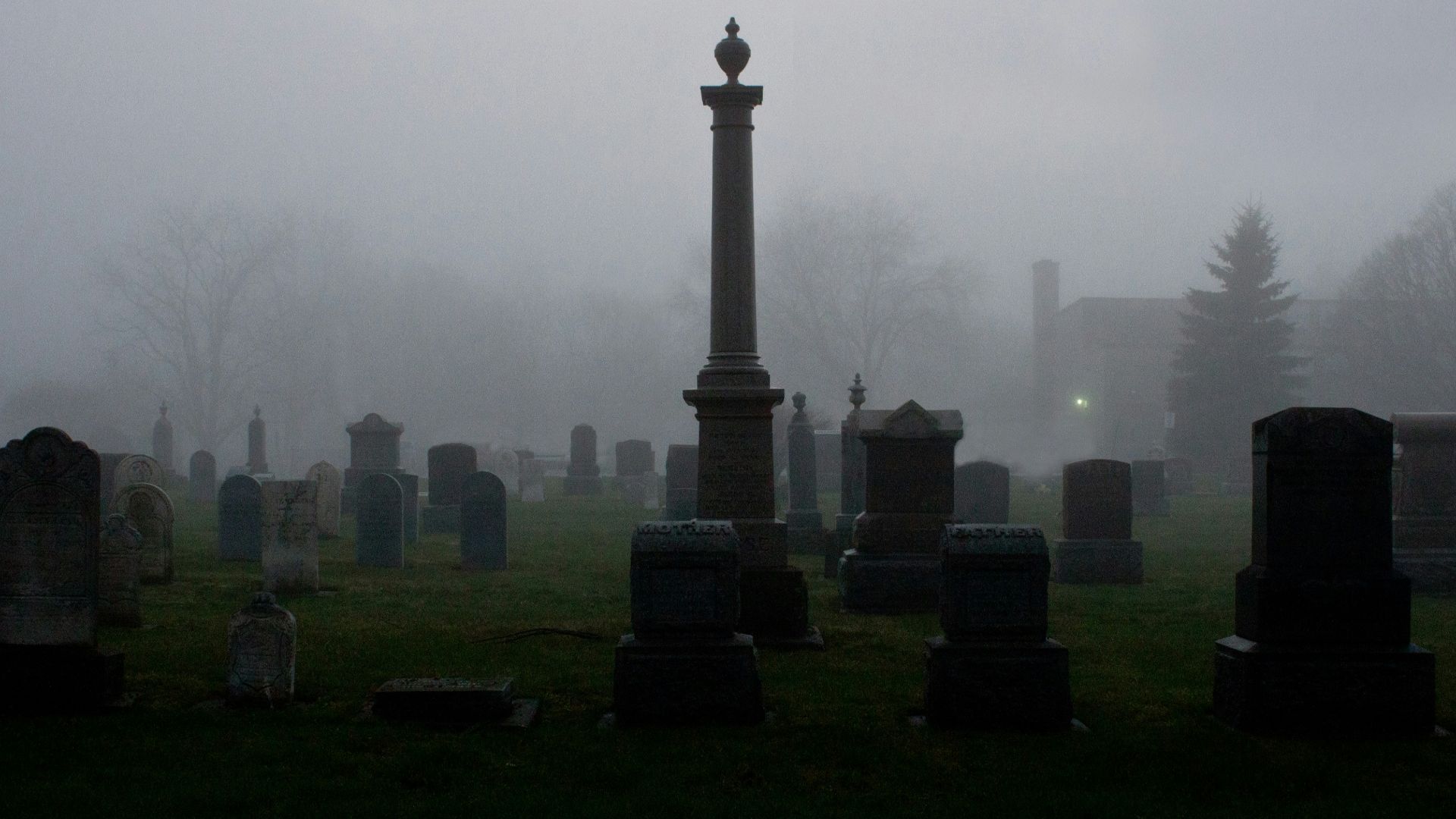
Wealthy families in nineteenth-century England hired these somber men to stand completely silent and motionless outside the front door of a house of mourning. Dressed in full black regalia with top hats, their entire job description was to look incredibly sad. They acted as human props to signal to the public that a wealthy person had passed away.

18. Sexton
As the official caretaker of a churchyard, this individual spent the majority of their days manually digging deep graves with a shovel and a pickaxe. They had to know the layout of the cemetery perfectly to avoid accidentally striking older coffins. It was a lonely, backbreaking career.
19. Body Washer
Long before professional morticians took over the funeral industry, local women in the community were called upon to prepare a body for home viewing. They washed the skin, dressed the deceased in their finest clothes, and plugged any wounds. This intimate, respectful task was done out of necessity.

20. Gallows Bird Scavenger
Following a public execution, these opportunistic collectors hung around the scaffolding to gather the discarded clothes and belongings of the deceased criminal. The law technically granted these items to the executioner. Who then hired workers to clean and resell the bloodstained garments to second-hand shops.

KEEP ON READING
The 20 Most Recognized Historical Figures Of All Time
The Biggest Names In History. Although the Earth has been…
By Cathy Liu Oct 4, 2024
10 of the Shortest Wars in History & 10 of…
Wars: Longest and Shortest. Throughout history, wars have varied dramatically…
By Emilie Richardson-Dupuis Oct 7, 2024
10 Fascinating Facts About Ancient Greece You Can Appreciate &…
Once Upon A Time Lived Some Ancient Weirdos.... Greece is…
By Megan Wickens Oct 7, 2024
20 Lesser-Known Facts About Christopher Columbus You Don't Learn In…
In 1492, He Sailed The Ocean Blue. Christopher Columbus is…
By Emilie Richardson-Dupuis Oct 9, 2024
20 Historical Landmarks That Have The Craziest Conspiracy Theories
Unsolved Mysteries Of Ancient Places . When there's not enough evidence…
By Megan Wickens Oct 9, 2024
The 20 Craziest Inventions & Discoveries Made During Ancient Times
Crazy Ancient Inventions . While we're busy making big advancements in…
By Cathy Liu Oct 9, 2024