From School Plays To Starting A Cult: 20 Of The Most Influential Non-Religious Texts Throughout History
From School Plays To Starting A Cult: 20 Of The Most Influential Non-Religious Texts Throughout History
The Books That Made Us
Many people will tell you a certain religious book is a historical bestseller, and they’re probably right. But there are plenty of non-religious texts out there that have been just as influential. With that in mind, here are 20 revolutionizing historical texts that have shaped our society.
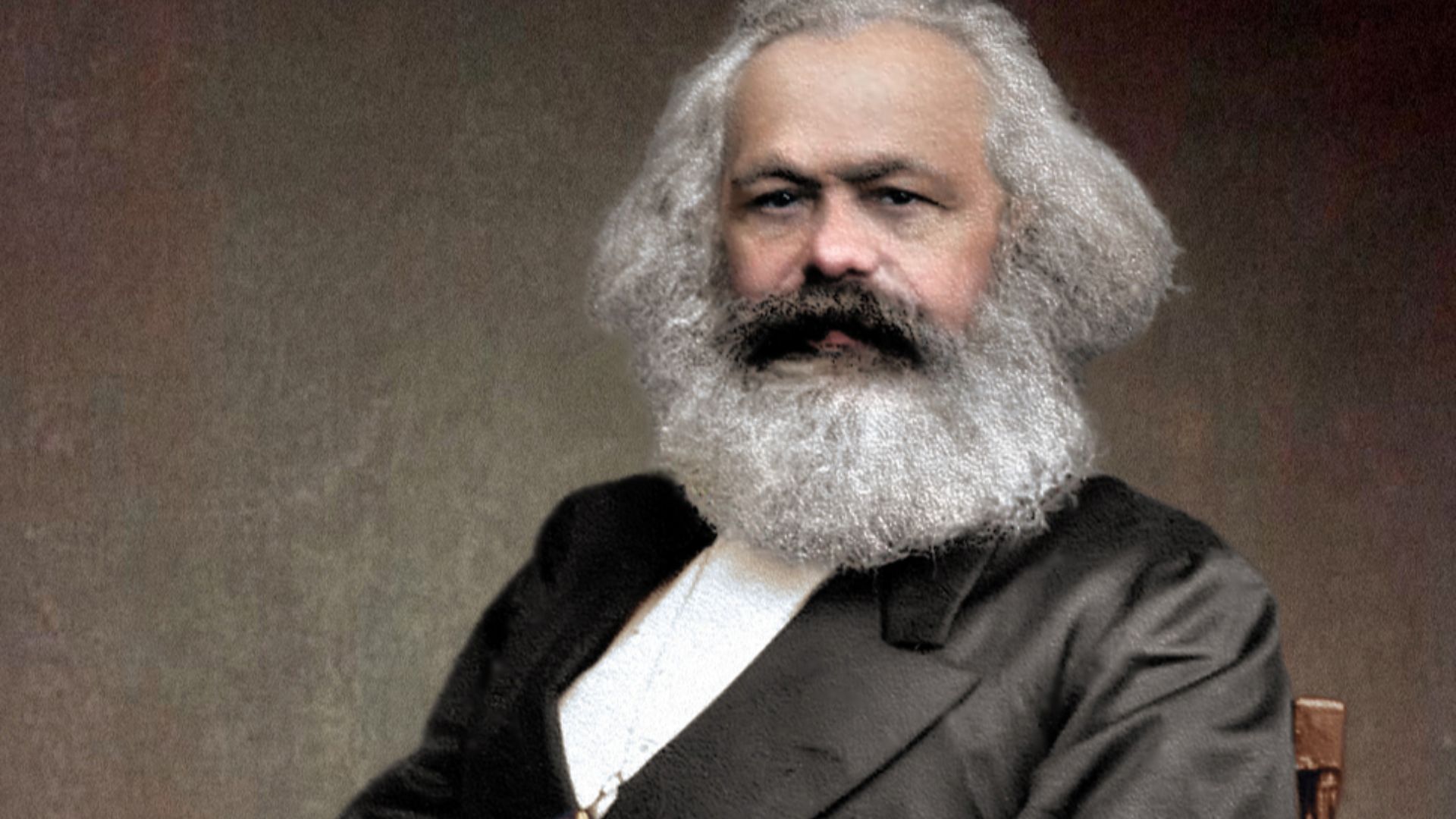 photo by John Jabez Edwin Mayall, colored by Olga Shirnina on Wikimedia
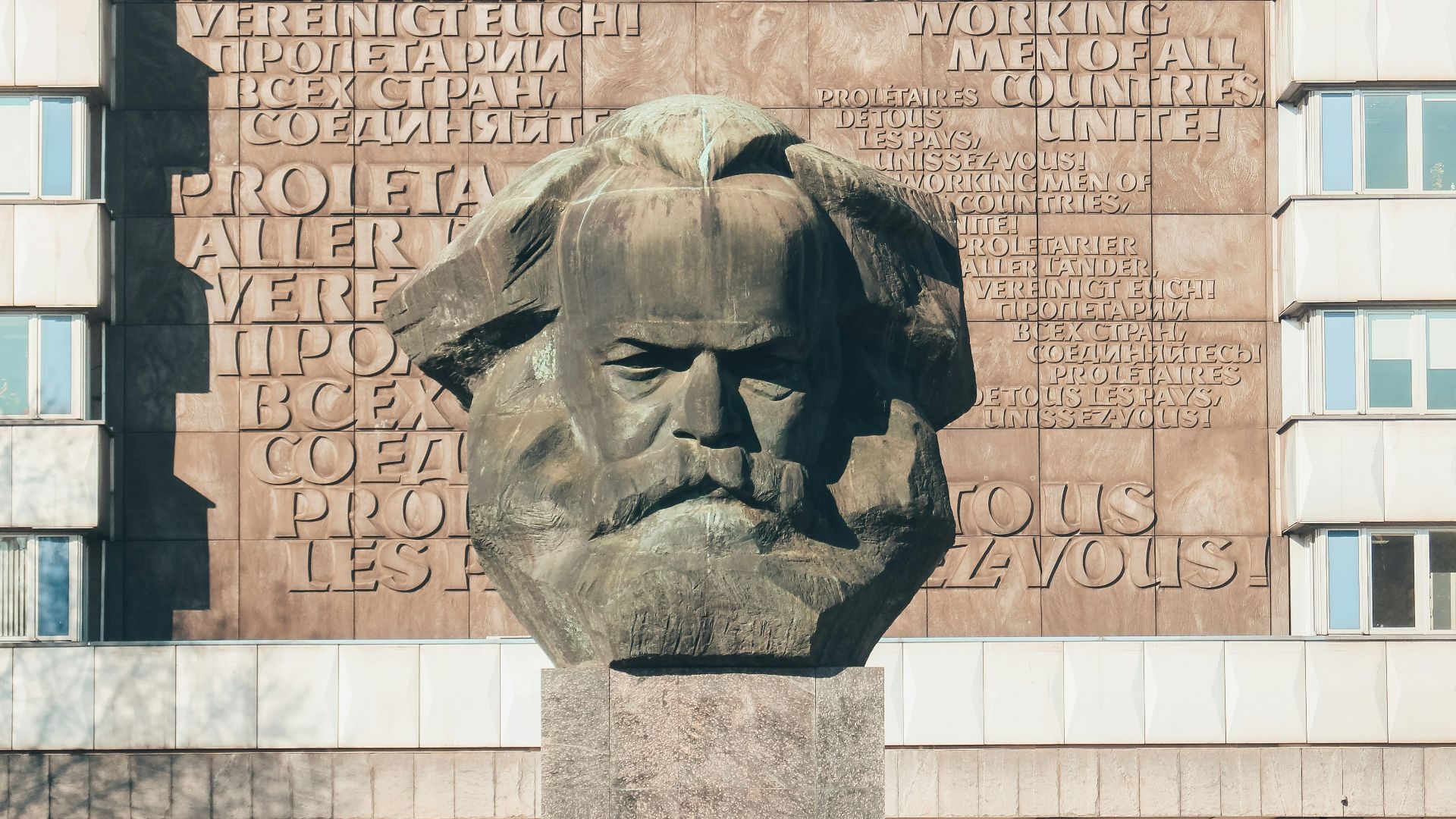
1. The Communist Manifesto by Karl Marx
The Communist Manifesto was published in 1848 by Karl Marx and Friedrich Engels. With their combined expertise in philosophy, social sciences, and political theory, they set out to advocate for the working class and overthrow the ruling class. This was one of the most significant and influential political texts ever written and has inspired a number of movements worldwide.
 Maximilian Scheffler on Unsplash
2. The Iliad by Homer
The ancient Greek poet Homer is known for many great works, but his magnum opus is undoubtedly The Iliad, which was published in the 8th century BCE. This poem tells the tale of the Trojan War, which has gone on to inspire many modern retellings, movies, and books.

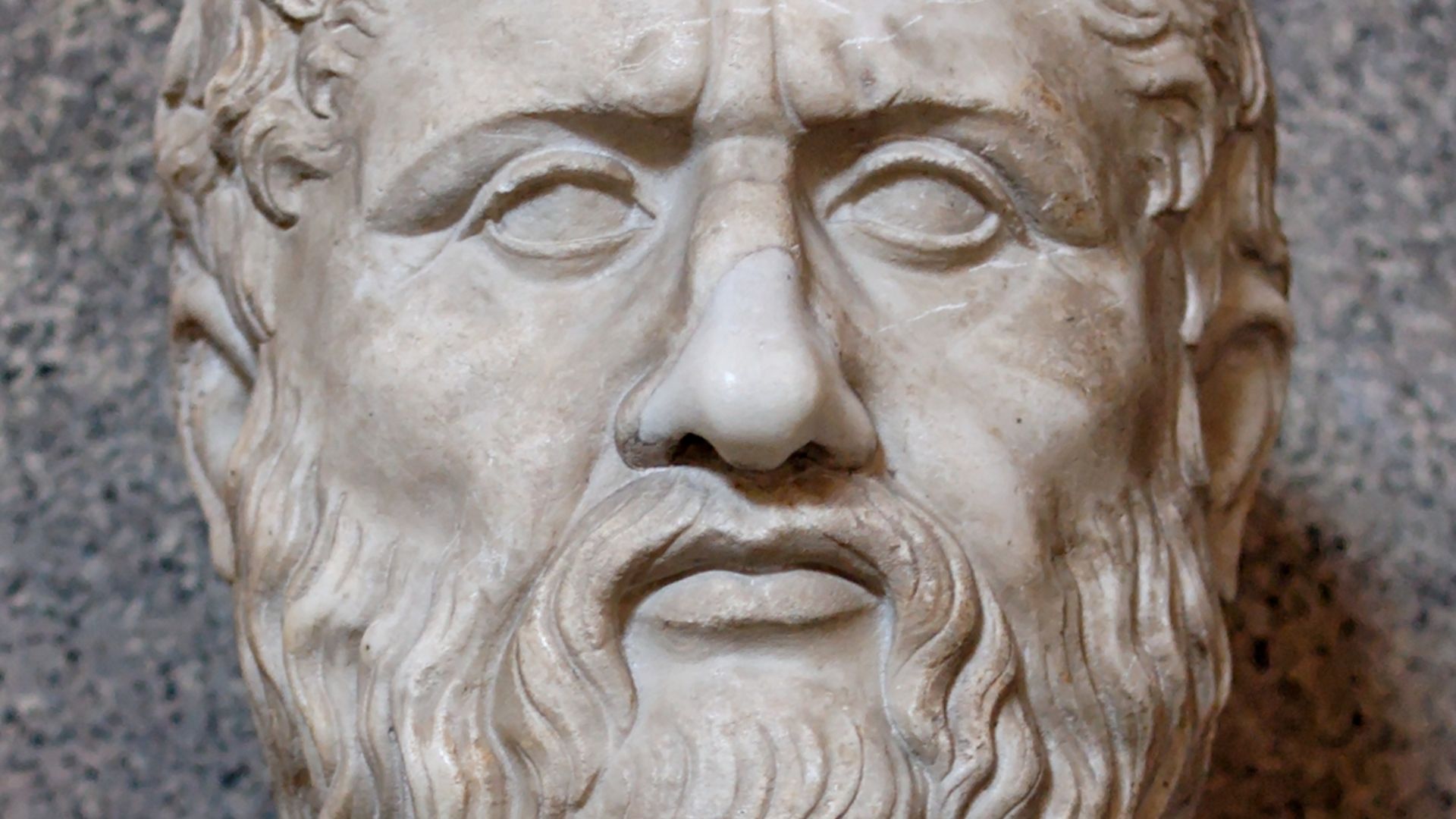
3. The Republic by Plato
Published in 375 BCE, The Republic was written by Plato, who was a student of Socrates and a notable Greek philosopher in his own right. This work explores ideologies surrounding justice, governance, and what makes the perfect society. Nowadays, this work is used to inform teachings on political philosophy.
 Unknown artistUnknown artist on Wikimedia
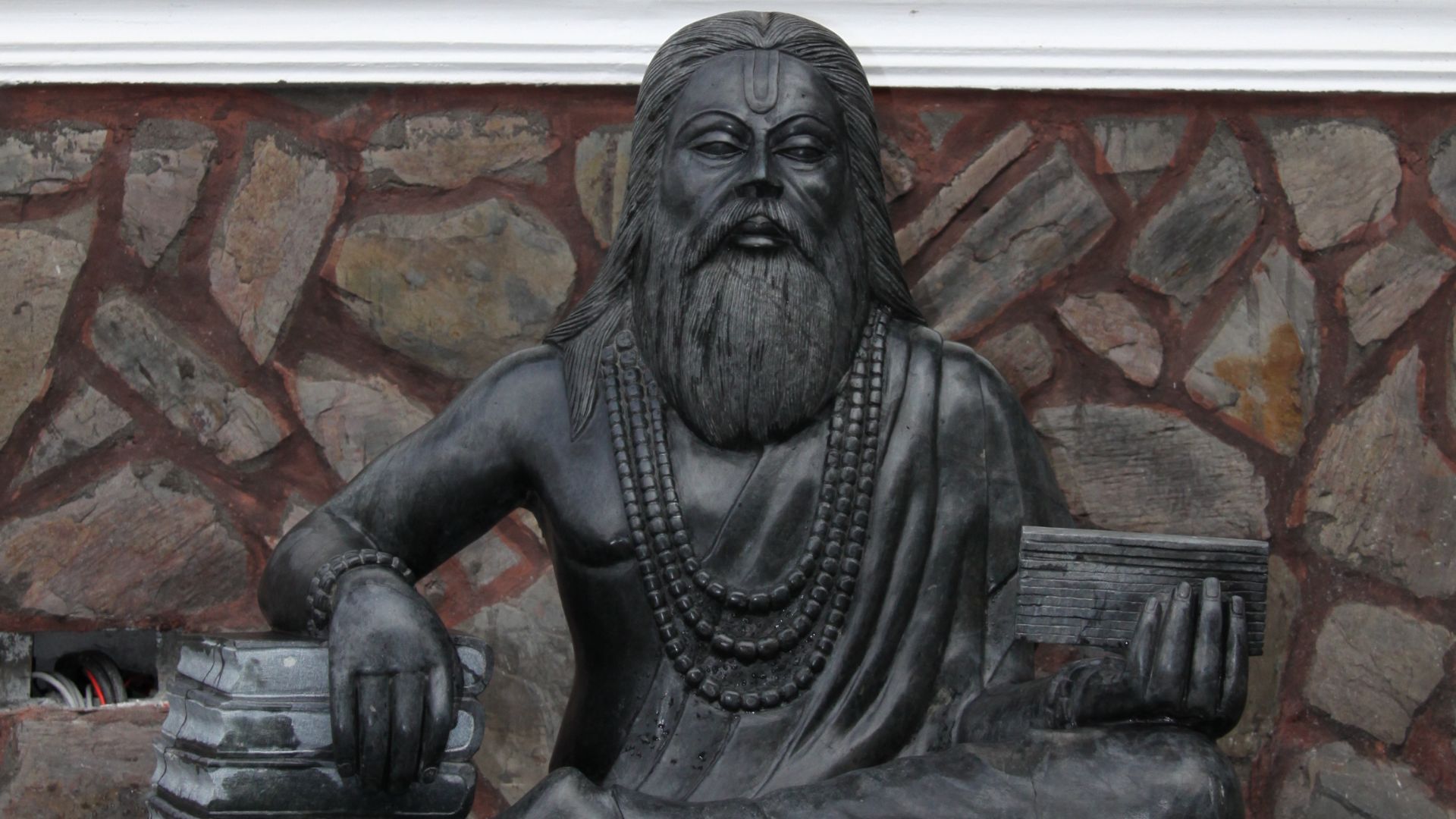
4. The Kama Sutra by Vatsyayana
Most people are familiar with The Kama Sutra, which was originally published between the 3rd and 5th centuries. This work is credited to Indian philosopher Vatsyayana, who identified common themes and lessons in matters of love and relationships. Many people turn to this work to understand human intimacy, and it has shaped the cultural perspective on love.
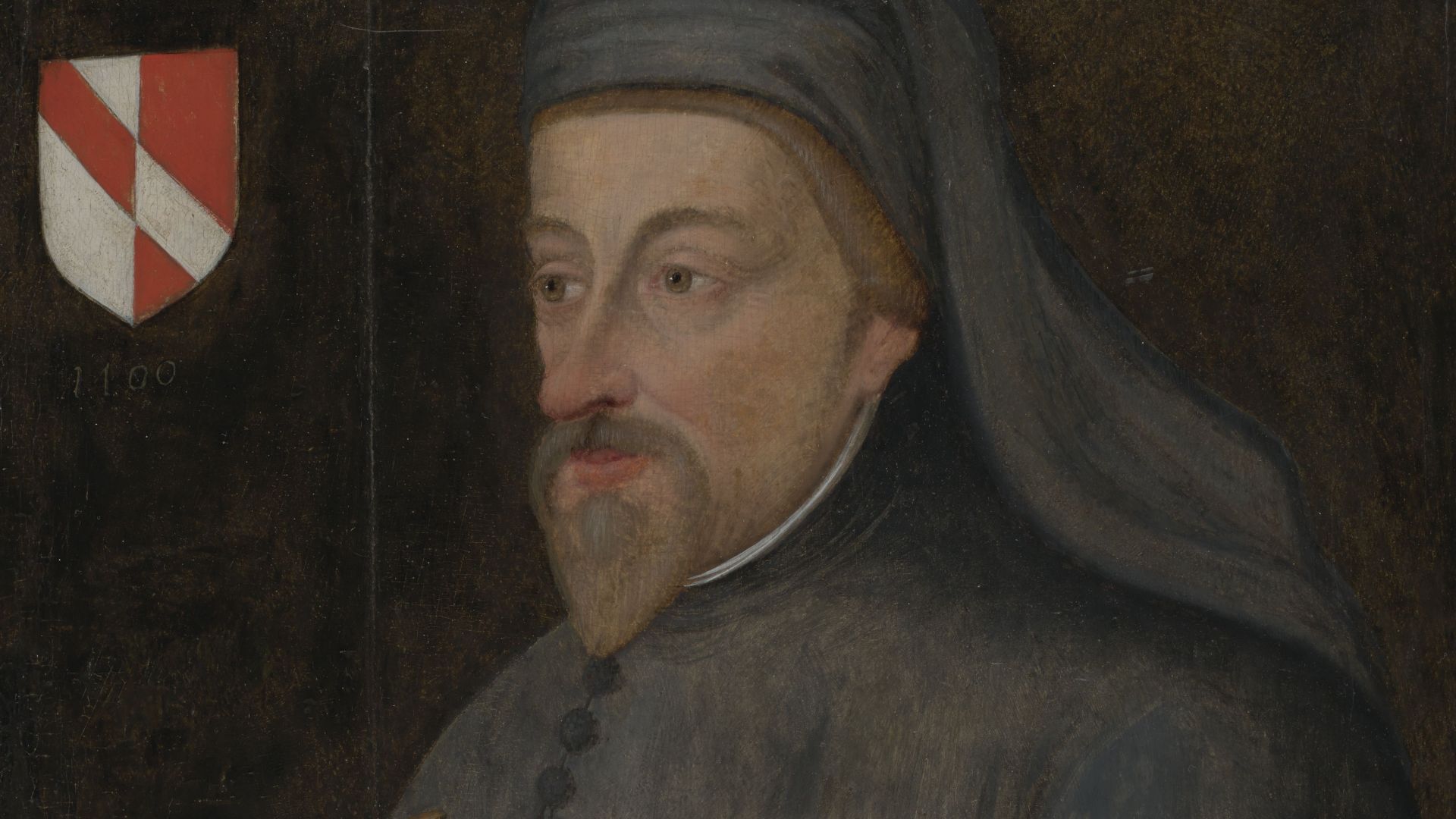
5. The Canterbury Tales by Geoffrey Chaucer
Written in the 14th century, The Canterbury Tales is studied in schools to provide insights into medieval English society. This work is used to explore story structures and common literary themes of the time, and Chaucer is often referred to as the "Father of English Literature."
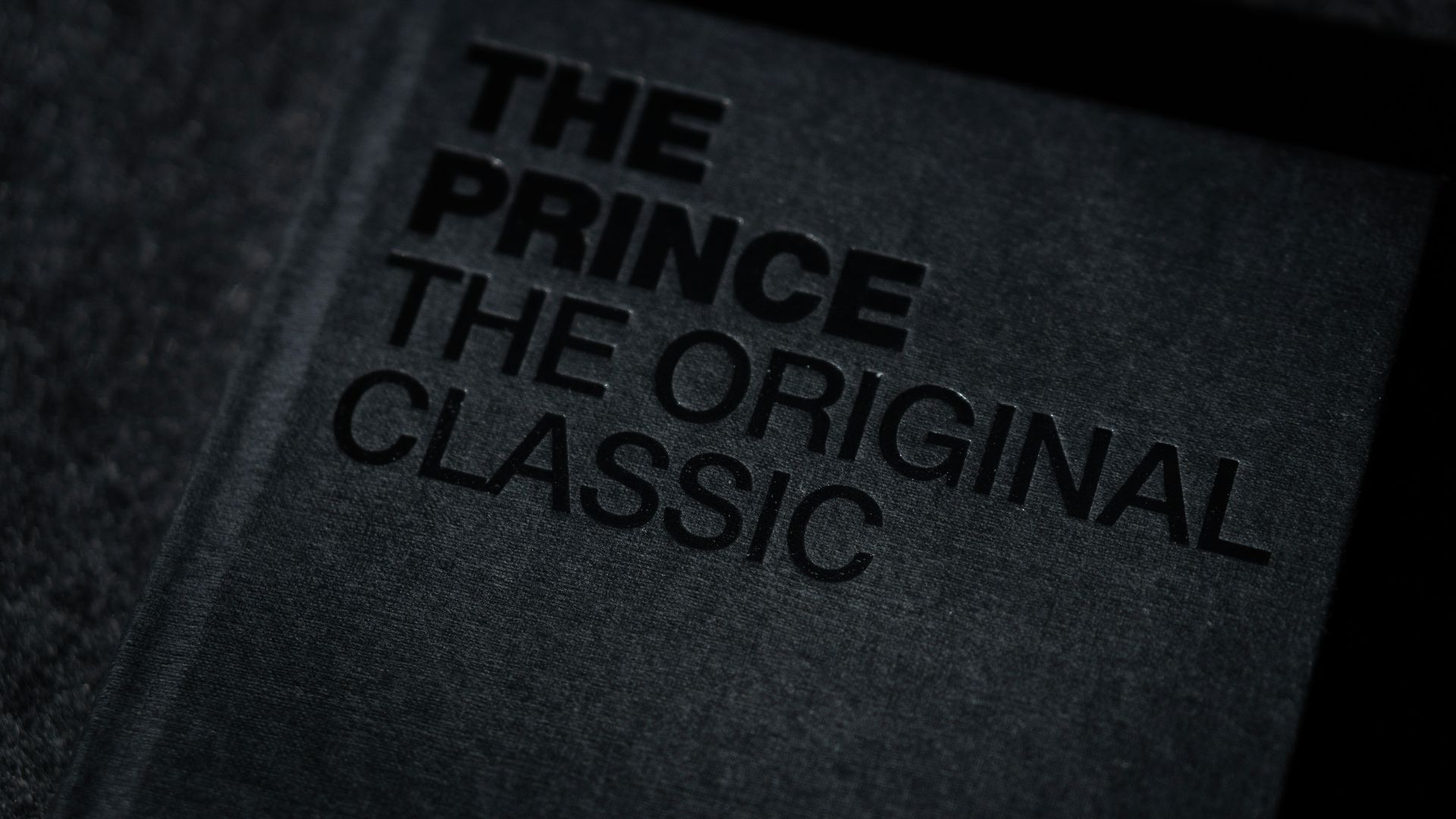
6. The Prince by Niccolò Machiavelli
Providing insights on political regimes and approaches to power, Niccolò Machiavelli’s The Prince was originally published in 1532. This work served as a treatise meant to advise and inform rulers and now continues to shape modern understandings of the structure of leadership. For instance, the popular phrase “the ends justify the means” stems from this work.
7. The Epic of Gilgamesh by Unknown
The Epic of Gilgamesh has stood the test of time since 2100 BCE to today. The exact origin of this epic is not known, but its roots can be traced back to ancient Mesopotamia. It tells the story of Gilgamesh, a king who seeks immortality, and it is considered to be one of the earliest works of literature.
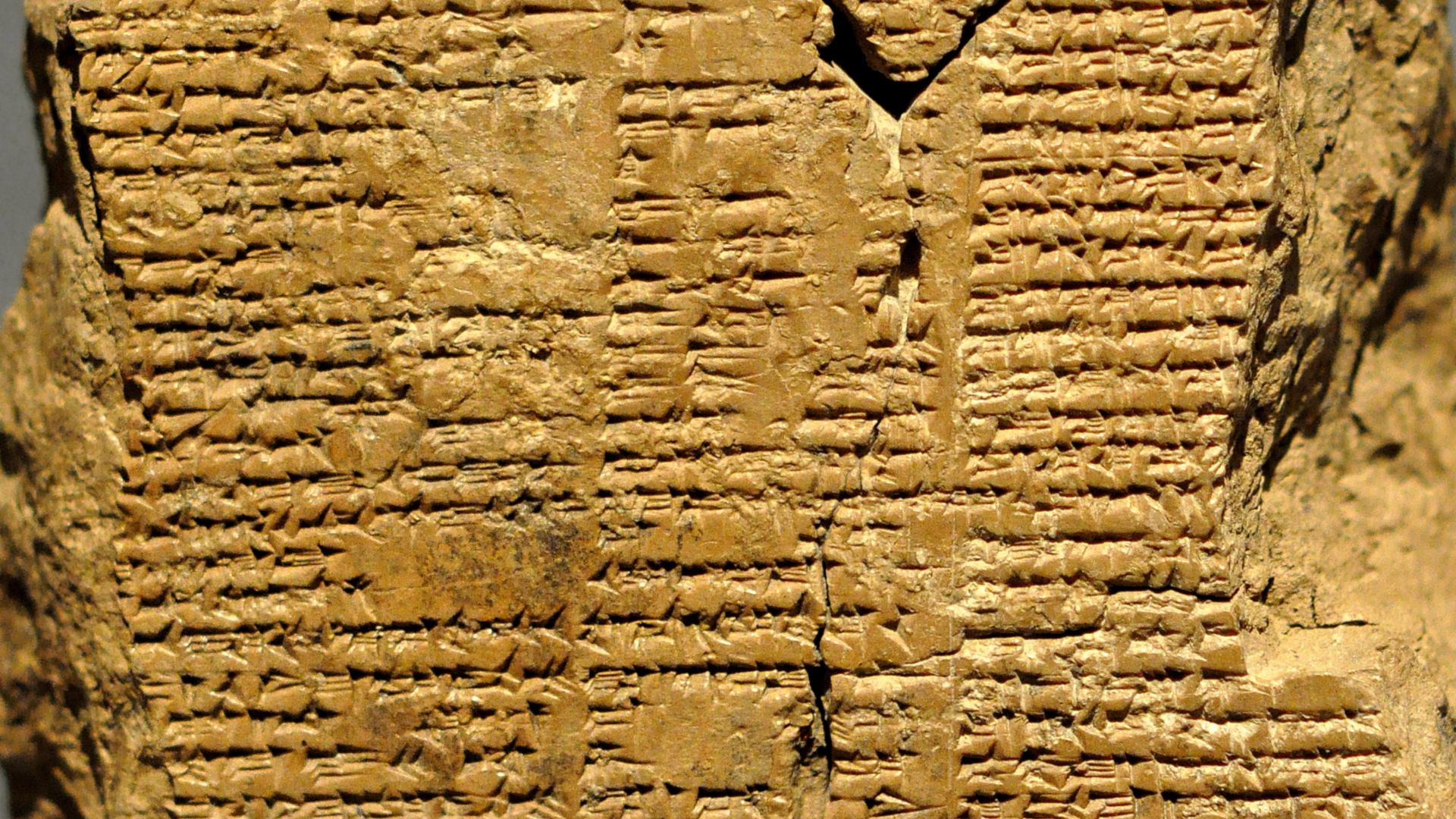 Osama Shukir Muhammed Amin FRCP(Glasg) on Wikimedia
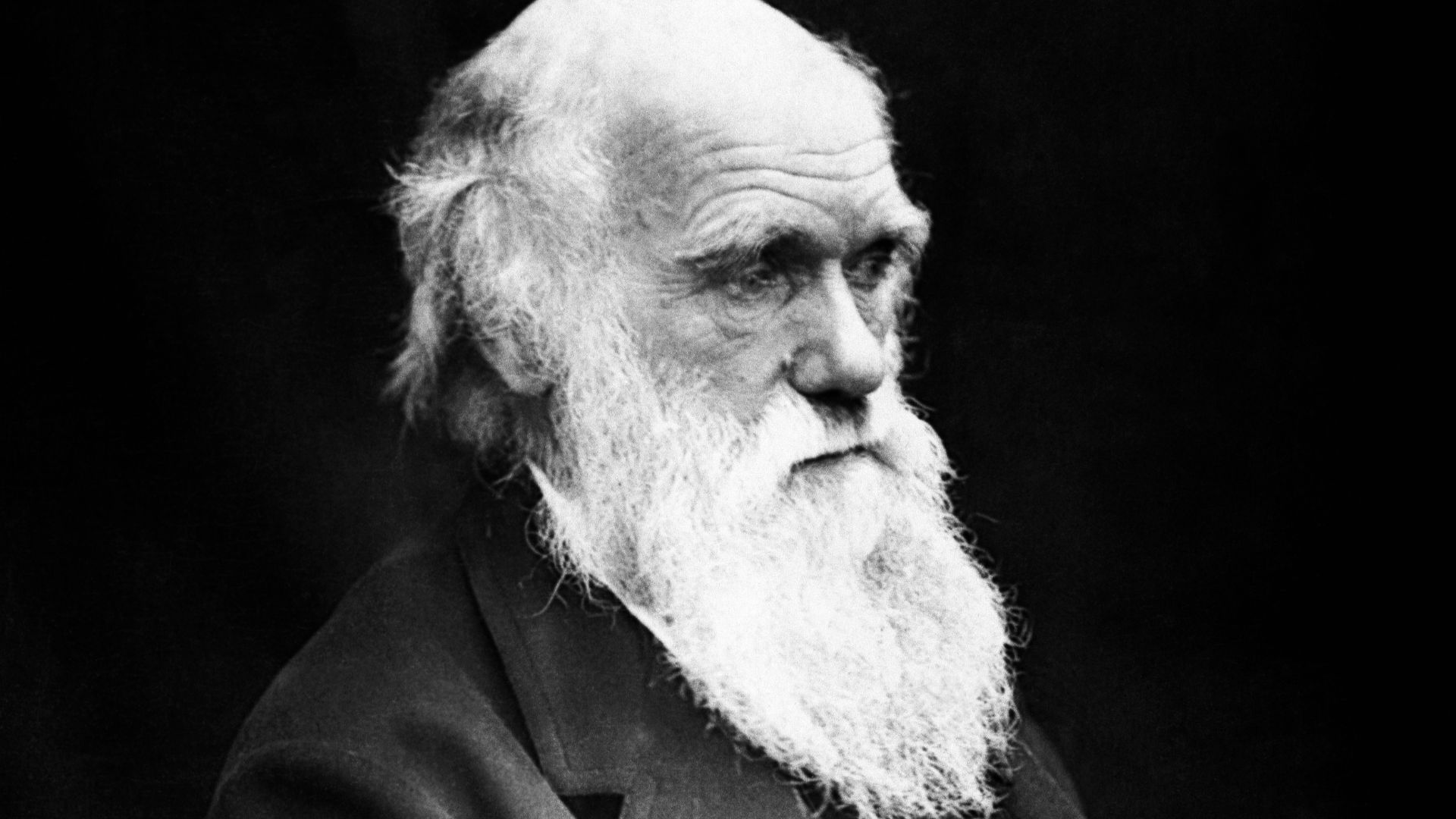
8. On the Origin of Species by Charles Darwin
Darwin was a British naturalist known worldwide for his theory of evolution by natural selection. His work On the Origin of Species was published in 1859 and is considered to have revolutionized biology and our understanding of human origins and genetics.
 Julia Margaret Cameron on Wikimedia
9. Beowulf by Unknown
This poem was written between the 8th and 11th centuries CE. It tells the epic tale of the warrior Beowulf, who fought monsters. Considered to be one of the most important works in English literature, this poem has influenced heroic and fantasy writing ever since.
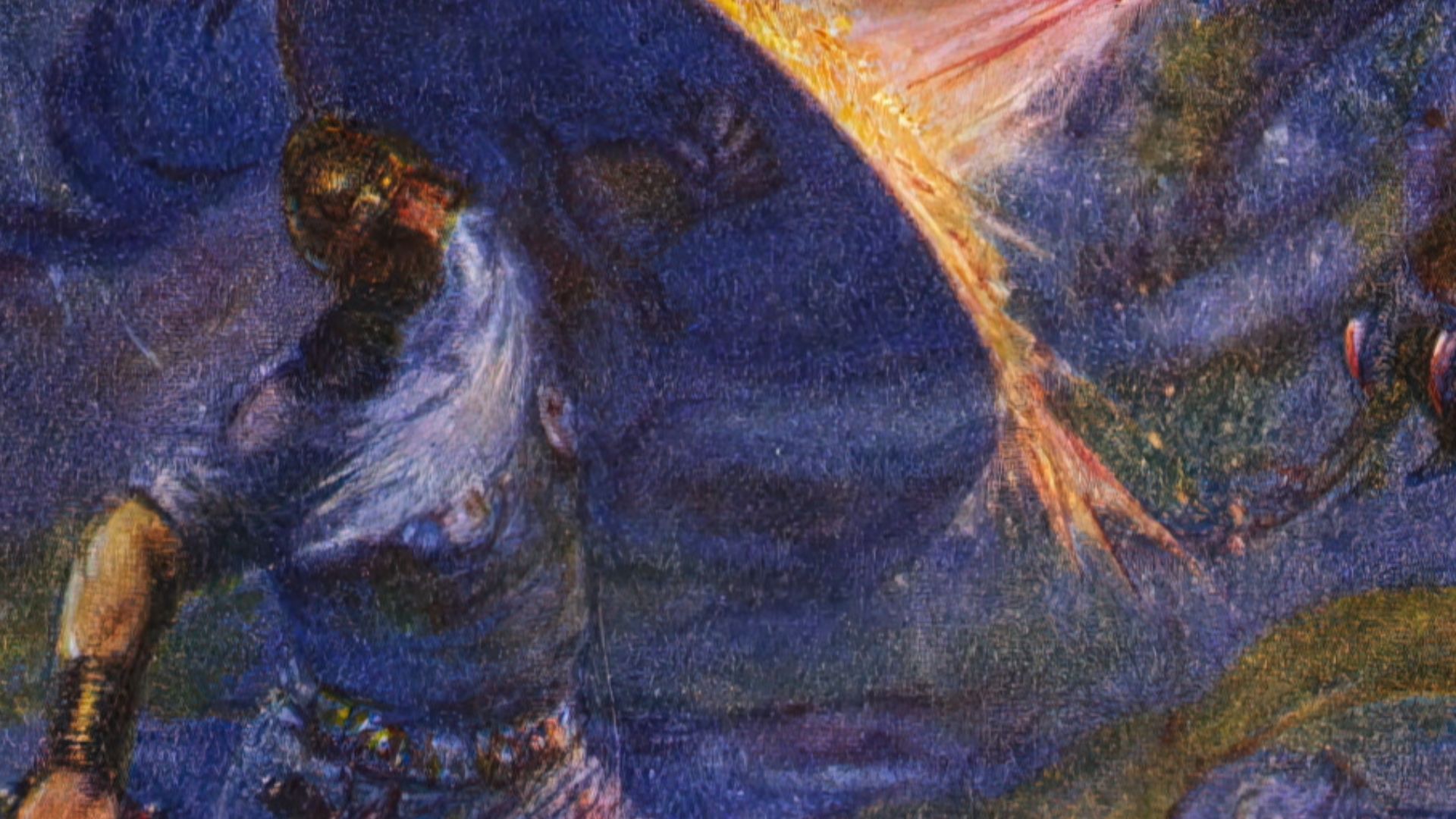
10. Frankenstein by Mary Shelley
Mary Shelley was one of the first authors to venture into science fiction writing. Frankenstein follows a scientist, Victor Frankenstein, and his efforts in creating sentient creatures from corpses, leading to tragic consequences. This piece of fiction was an incredible turning point in novel writing and has inspired others to explore new themes and genres of writing.

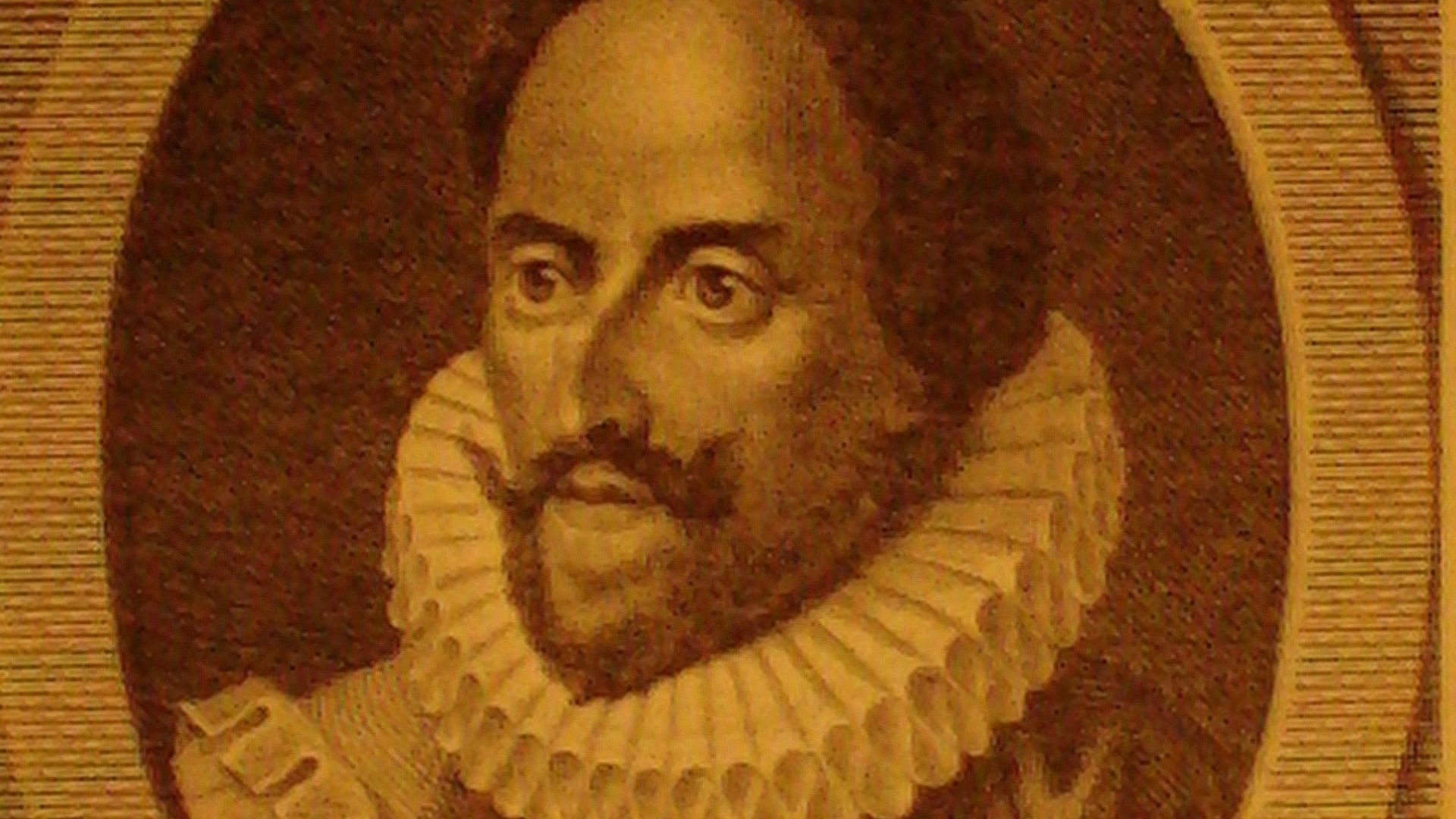
11. Don Quixote by Miguel de Cervantes
Published in two parts, first in 1605 and then in 1615, Don Quixote was Miguel de Cervantes’ masterpiece. It’s a comic tale of an aging nobleman embarking on adventures. Often described as a major influence on modern novels and metafiction, Don Quixote is an important part of history.
 Kl833x9~commonswiki on Wikimedia
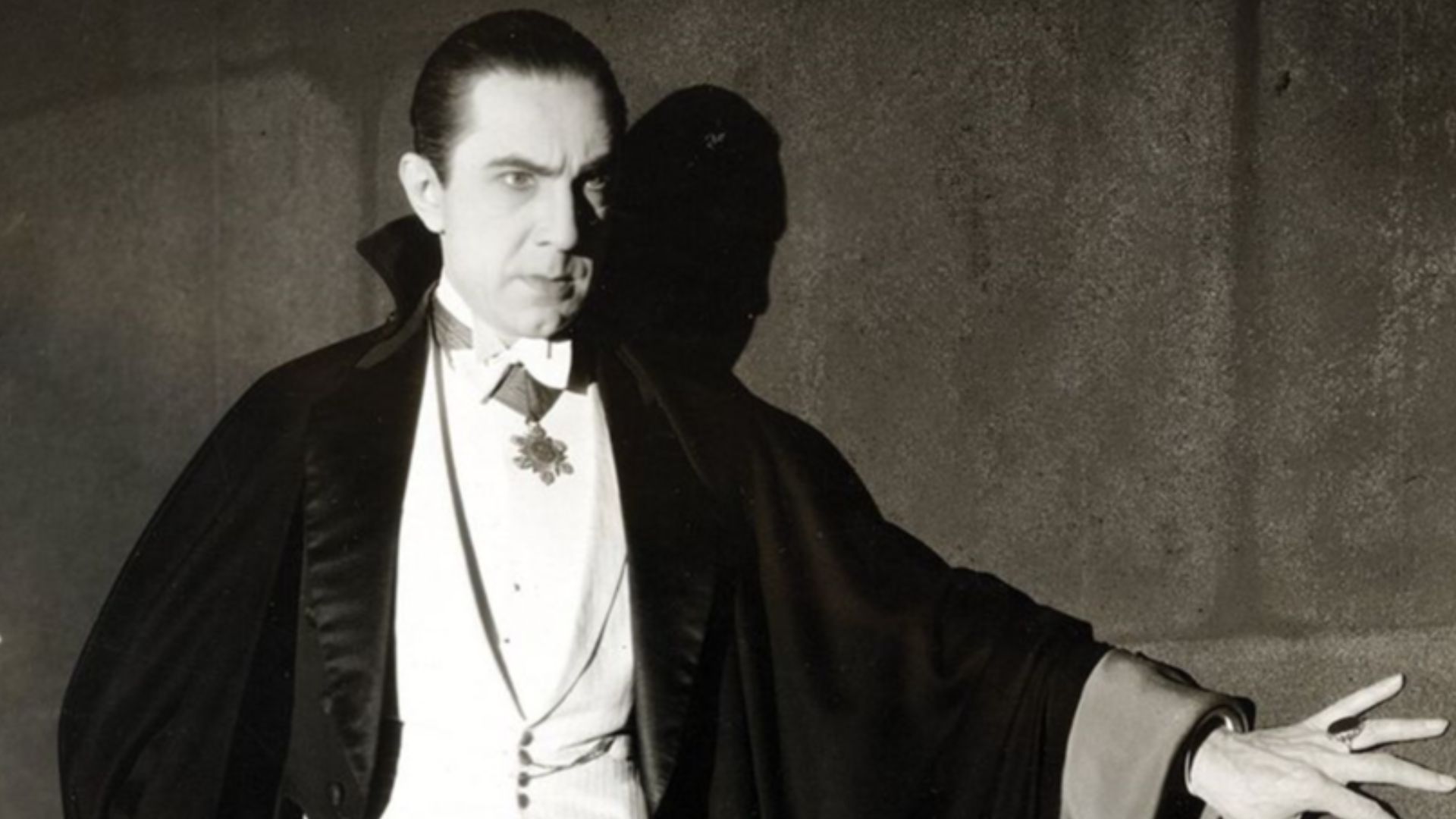
12. Dracula by Bram Stoker
Dracula is the most famous vampire name in any part of the world. Published in 1897 by Bram Stoker, he was the original creator of the Count. This horror novel has defined vampire fiction and horror literature.
 Unknown authorUnknown author on Wikimedia
13. 1984 by George Orwell
George Orwell was a British writer and an incredibly critical journalist. He decided to publish his novel, 1984, which tells the story of a totalitarian government controlling people’s behavior and thoughts. His work has sparked discussions about government control and surveillance.

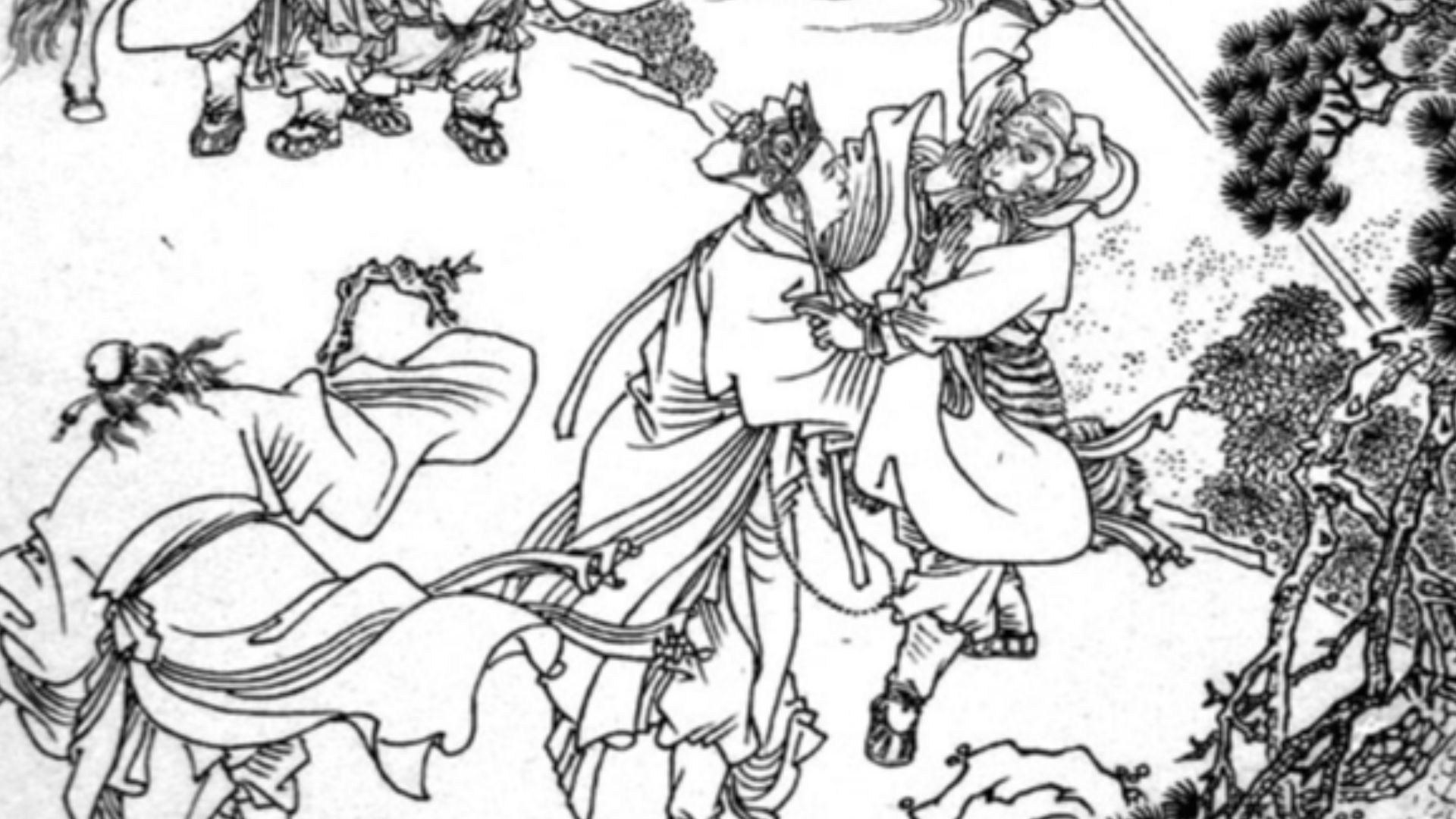
14. Journey to the West by Wu Cheng’en
Published in the 16th century by Ming dynasty novelist Wu Cheng’en, Journey to the West is a Chinese-inspired novel. We follow a fantasy adventure of the Monkey King and a Buddhist monk. It’s one of the most beloved novels of Chinese origin and has influenced a number of adaptations.
 Unknown authorUnknown author on Wikimedia
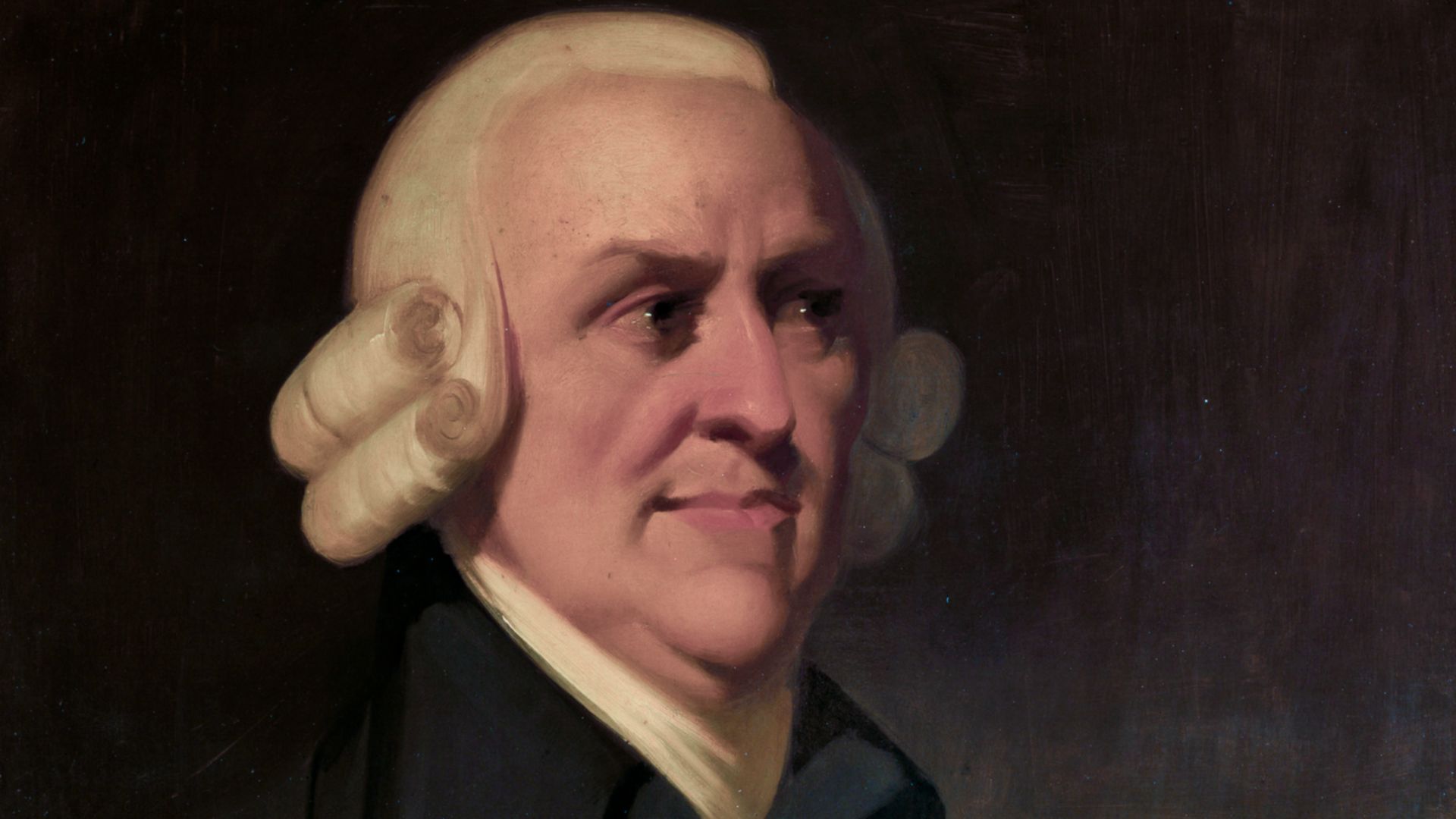
15. The Wealth of Nations by Adam Smith
The author of The Wealth of Nations, Adam Smith, was a Scottish philosopher and economist who is often referred to as the “Father of Capitalism.” He published his book in 1776, introducing us to the free-market theory that made nations wealthy. This book has shaped modern capitalism and economic thought.
 Unknown authorUnknown author on Wikimedia
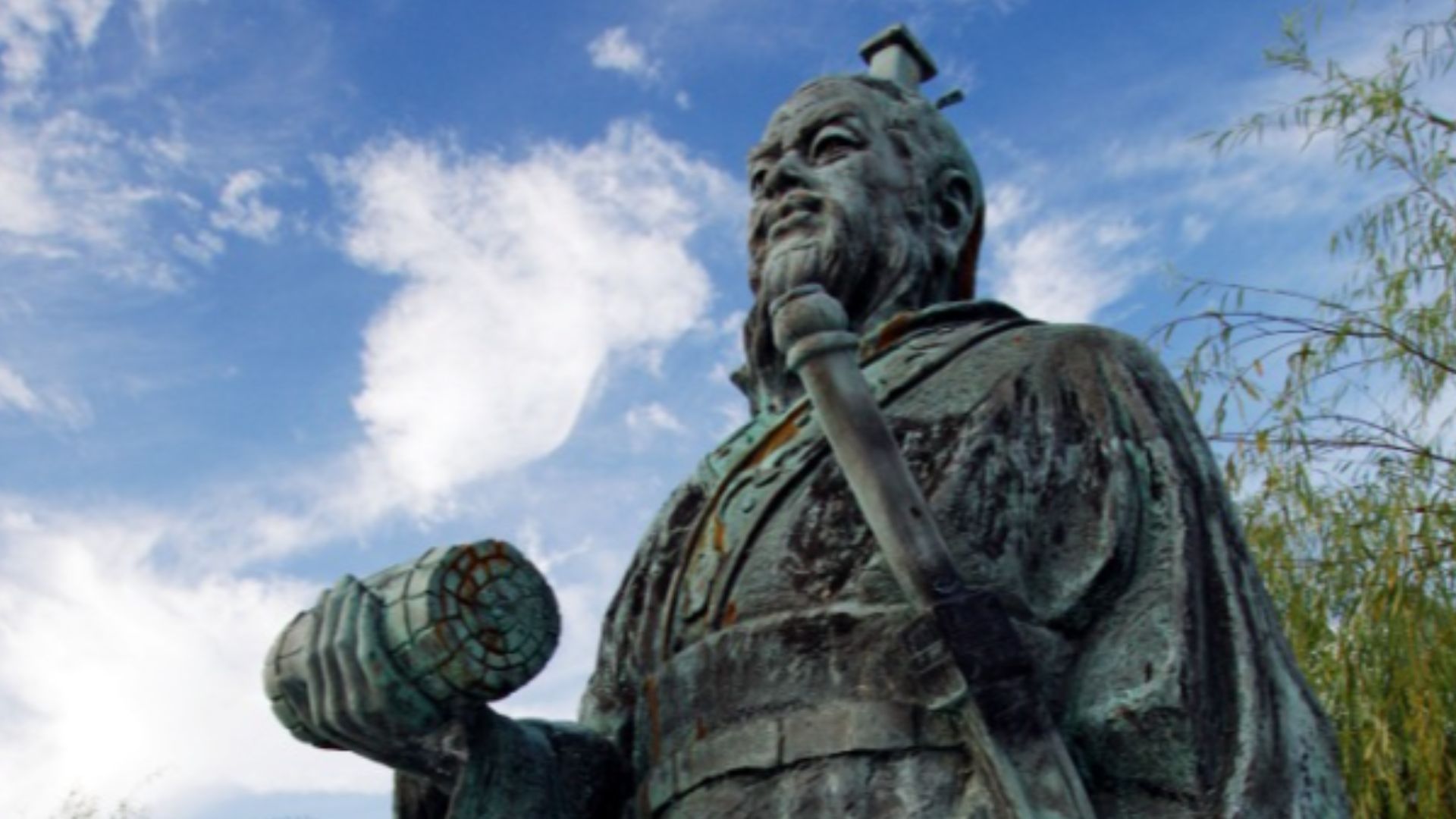
16. The Art of War by Sun Tzu
Sun Tzu was a Chinese military strategist and the author of The Art of War. This book was made to serve as a military strategy guide that shows how strategy and intelligence overcome brute force. It has since been used in business, politics, and warfare worldwide.
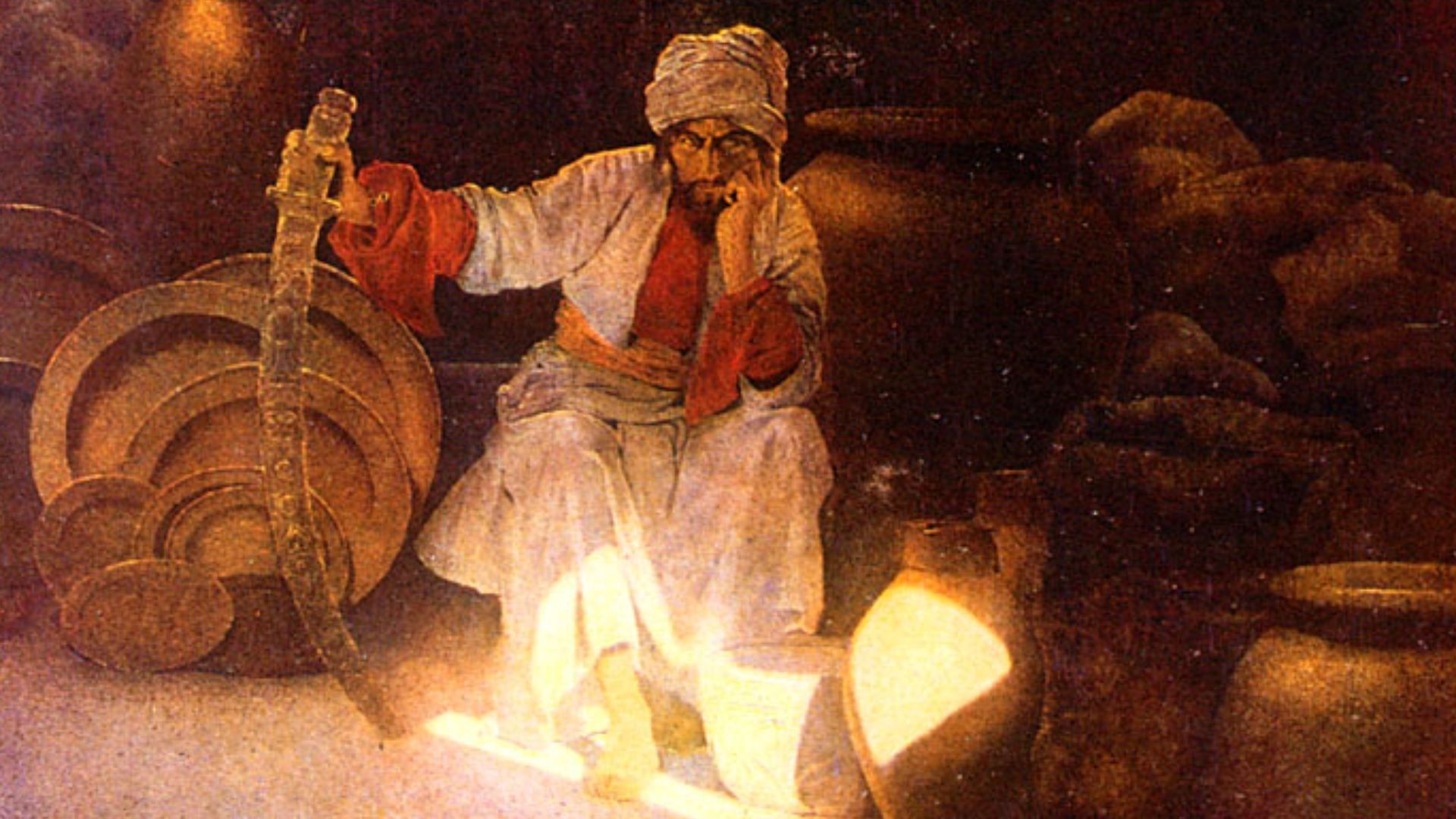
17. One Thousand and One Nights by Unknown
One Thousand and One Nights is a compilation of stories written between the 8th and 14th centuries. Folktales such as Sinbad and Aladdin, as well as many other Middle Eastern tales, can be found in this collection. It has had a great influence on storytelling and fantasy.
18. The Rights of Man by Thomas Paine
Thomas Paine’s book, The Rights of Man, was published in 1791 and has shaped revolutionary movements since. The book outlines the importance of democracy and individual rights. It is one of the most influential pieces of literature that focuses on the flaws and advantages of different forms of government.
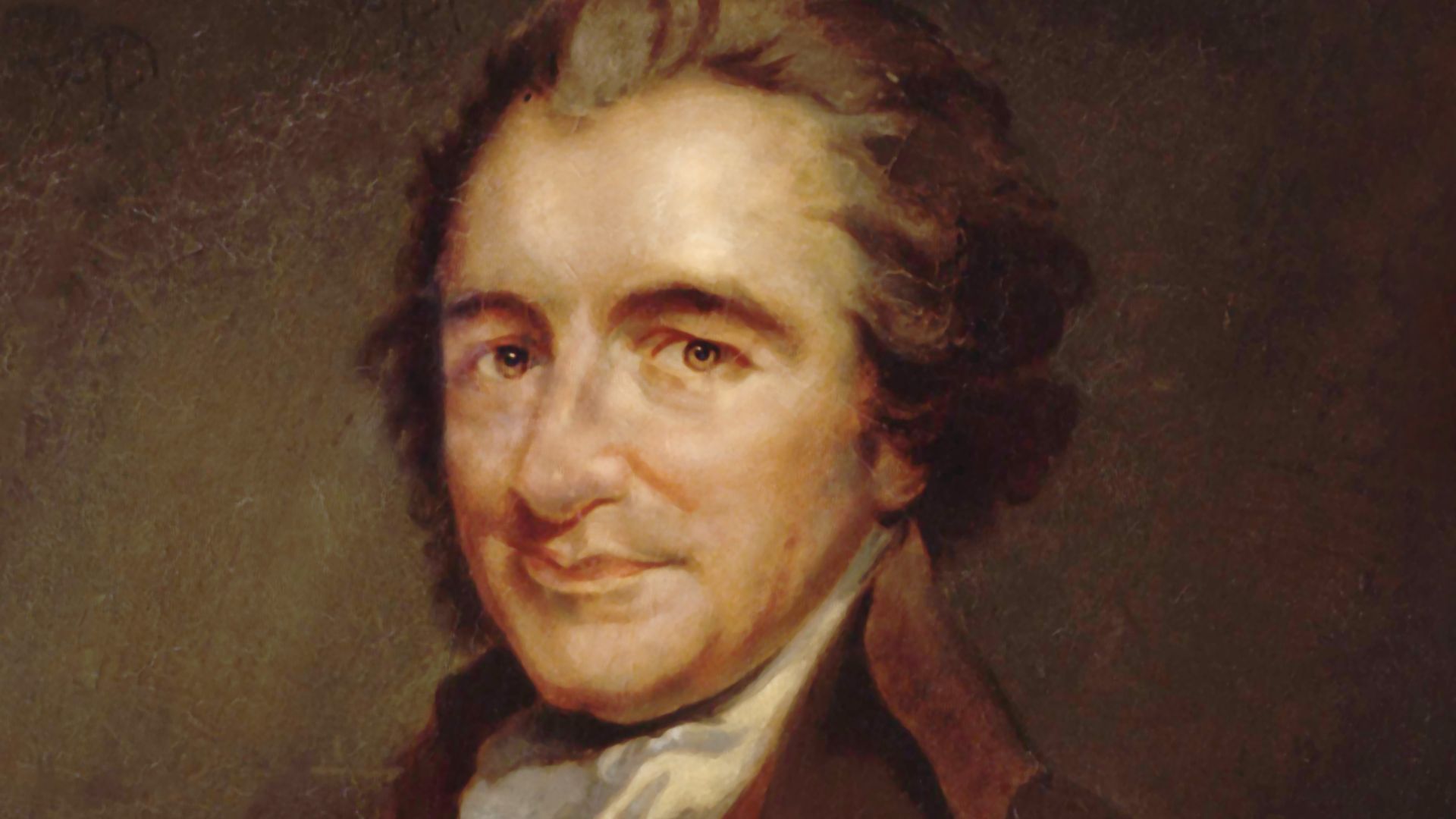 Auguste Millière / After George Romney / After William Sharp on Wikimedia
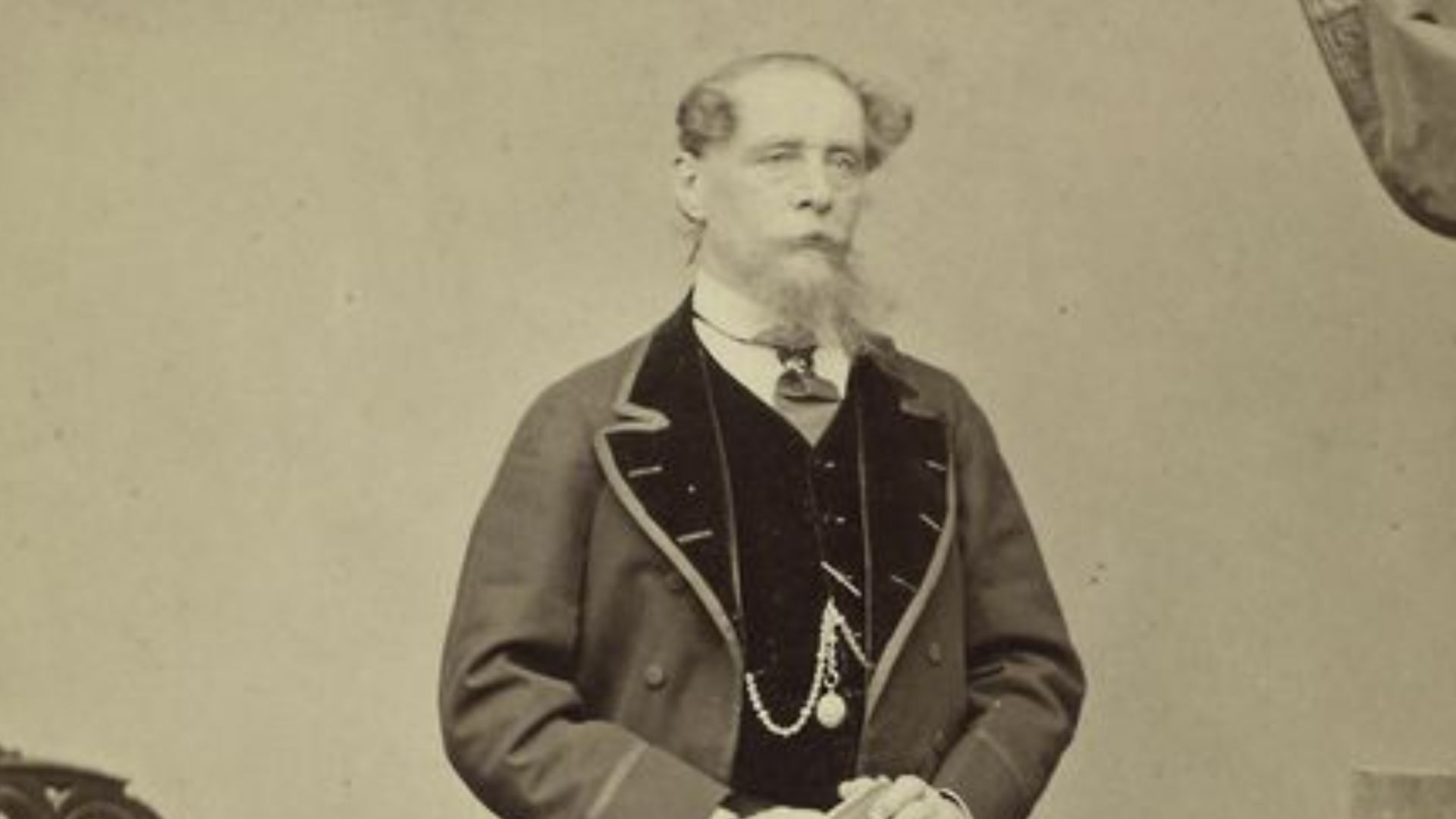
19. A Christmas Carol by Charles Dickens
A household name and world-renowned author, Charles Dickens wrote and published A Christmas Carol in 1843. It tells the story of Ebenezer Scrooge and his redemption. This novella has defined modern Christmas traditions.
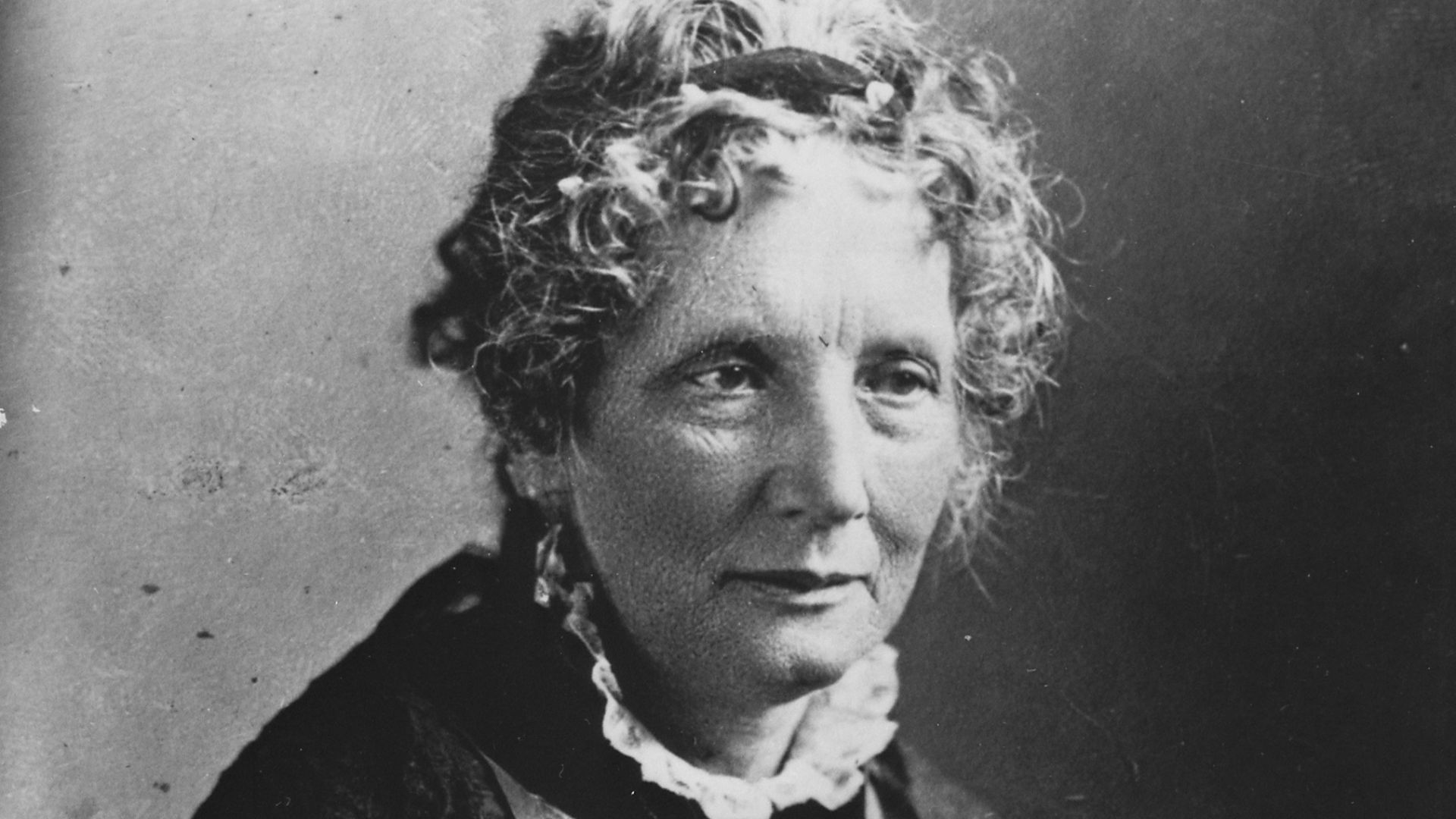
20. Uncle Tom’s Cabin by Harriet Beecher Stowe
Uncle Tom’s Cabin was the best-selling novel of the 19th century in the United States. Written by Harriet Beecher Stowe in 1852, it exposed the horrors of slavery. This novel successfully fueled abolitionist movements in the U.S.
KEEP ON READING