The Last Samurai: The True Story Of Saigō Takamori And The End Of An Era
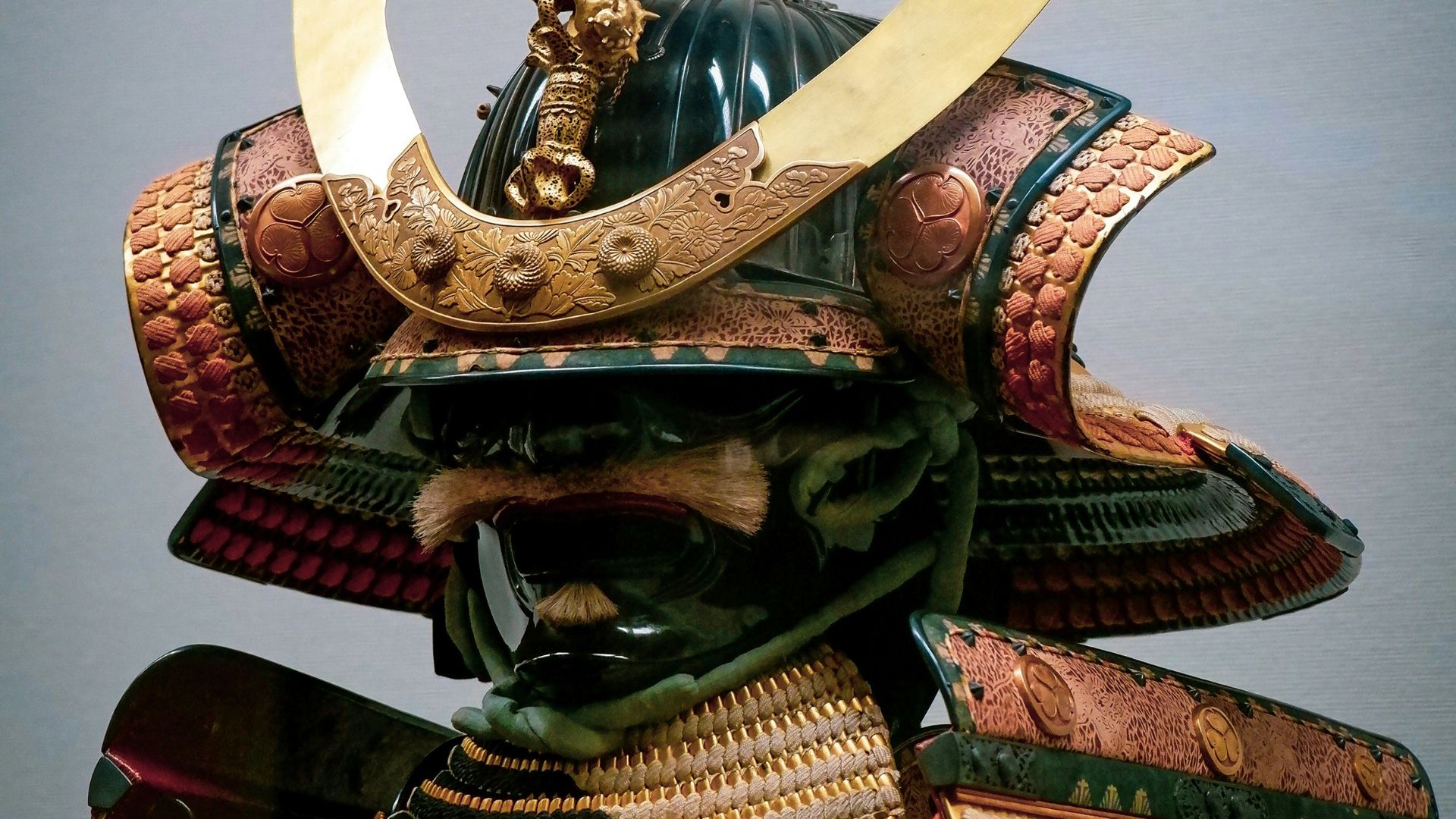
You probably imagine a samurai as a gruff-looking warrior dressed head-to-toe in ceremonial armor, casually flashing his deadly katana back and forth. While Hollywood might be partially responsible for this romanticized image, Japan's struggle into the modern age was not as beautiful as fiction makes it seem. Saigō Takamori was at the forefront of the country's monumental change, and his life story represents Japan as a nation caught between its past and its future.
Ironically, the samurai many remember as the "Last Samurai" helped lead the charge that eventually abolished his namesake. Interestingly enough, Saigō was initially one of the leaders of the Meiji Restoration, which returned political power to the Emperor and updated Japan's outdated practices. As the Japanese government began to strip the samurai of their privileges, Saigō started to feel conflicted between serving his new country and honoring his ancestors.
The Architect Of A New Nation
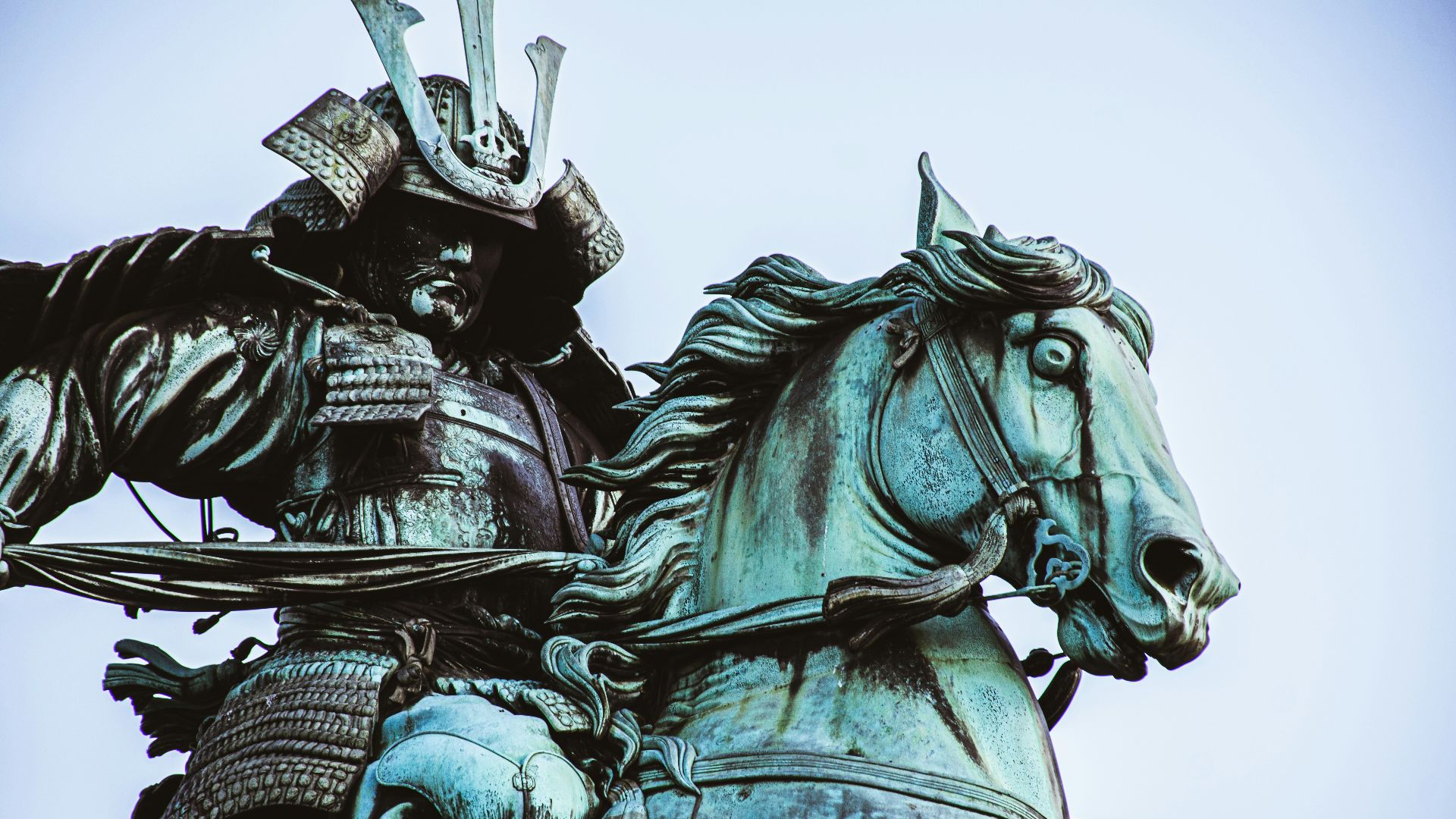
Saigō Takamori wasn't born into a life of high-ranking luxury, but his immense physical presence and natural leadership skills quickly earned him a reputation as a formidable commander. He played a pivotal role in the military campaigns that ended the centuries-old Tokugawa Shogunate, effectively ushering in the dawn of the Meiji era in 1868. You can imagine him standing at the crossroads of history, believing that a stronger, centralized Japan was the only way to protect the islands from Western colonial interests.
However, the rapid pace of Westernization soon began to clash with Saigō's deeply held Confucian values and his belief in the traditional samurai code of bushido. While his colleagues in the government were busy adopting European fashion and industrializing the economy, he remained a vocal advocate for the preservation of the warrior spirit. He eventually resigned from his high-ranking government position in a fit of frustration over a failed diplomatic mission involving Korea. This dramatic exit signaled a growing rift between the idealistic warrior and the pragmatic bureaucrats who were now running the country from Tokyo.
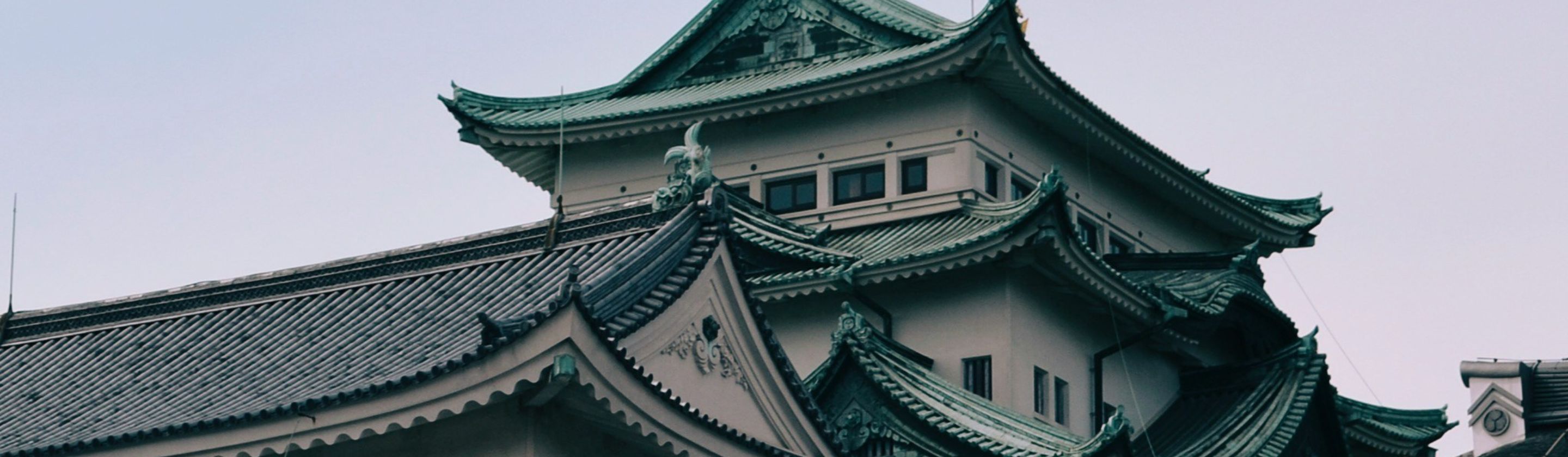
Returning to his home province of Satsuma, Saigō established a series of private military academies that focused on physical training and classical Chinese literature. Thousands of disaffected samurai flocked to his side, seeing him as a beacon of hope in a world that no longer seemed to have a place for them. You might see this period as the calm before a massive storm, as the tension between the traditionalists and the modernizers reached a boiling point. The government viewed these schools with increasing suspicion, fearing that Saigō was building a private army capable of challenging the emperor's newfound authority.
The Tragedy Of The Satsuma Rebellion
The battle lines were drawn when the Japanese government made a failed attempt to take the weapons and gunpowder stored in Satsuma's provincial weapons depot. Saigō's students rose up in rebellion and dragged their beloved general into war with the emperor once again. It's funny how life has a way of throwing us into situations we never see coming. Despite holding tactical advantages in training and battlefield experience, the samurai were no match for Japan's modernized army. The new conscript army used innovative technology such as telegraphs, steamships, and even Gatling guns to overwhelm the samurai defenses.
Although the samurai had superior swordsmanship skills, the imperial troops felt no hesitation in firing volleys at them. It must have been a harrowing sight to watch hundreds of men run headlong into a storm of bullets with only their swords raised. War is war, but this was a sad occasion to watch the last of the samurai fall while defending their code. You have to imagine how Saigō felt as he led his troops into almost certain peril, fighting a war that no one truly wins.
After months of retreating across Japan, Saigō Takamori and the remnants of his army were driven into the mountains of Shiroyama. Once there, the imperial army cut off any escape and bombarded the small hill with artillery. The samurai put up one last desperate defense that claimed nearly all of its participants. Saigō was shot multiple times in the stomach but remained defiant to the end, ultimately taking his own life in accordance with his beliefs about honor. His death signaled the true end of the samurai era in Japan.
The Legend Beyond The Battlefield
Despite passing away on the battlefield as a rebel against the Emperor, Saigō remained a beloved figure to the Japanese people. His death was so tragic that the government officially pardoned him of his crimes after he died. If you've ever been to Tokyo, you've probably seen his gargantuan statue located in Ueno Park. Takamori's statue isn't dressed in armor but instead wears a humble kimono while walking his favorite dog. He will forever be remembered as a man of the people because he didn't let his short time in power go to his head.