

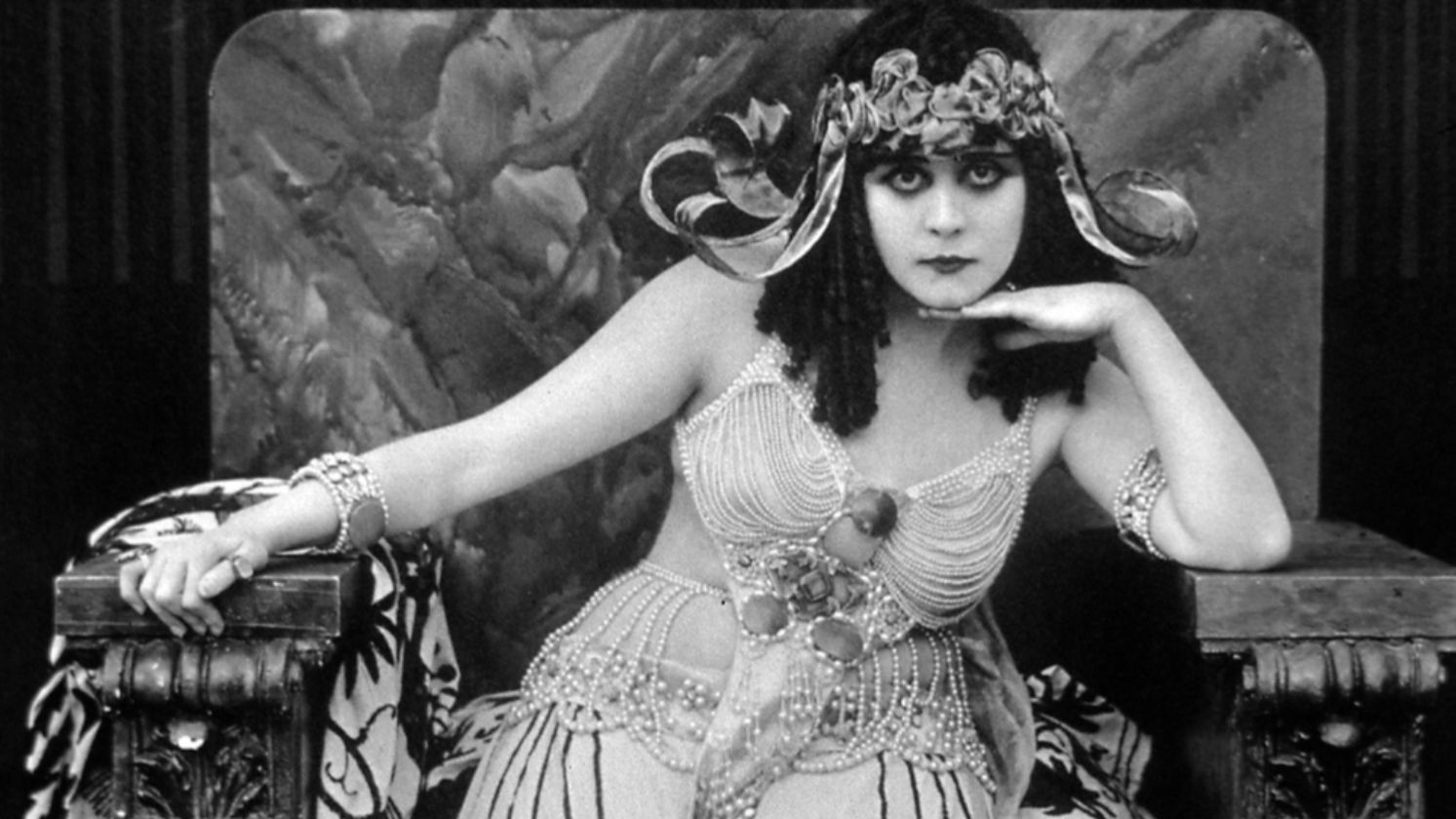
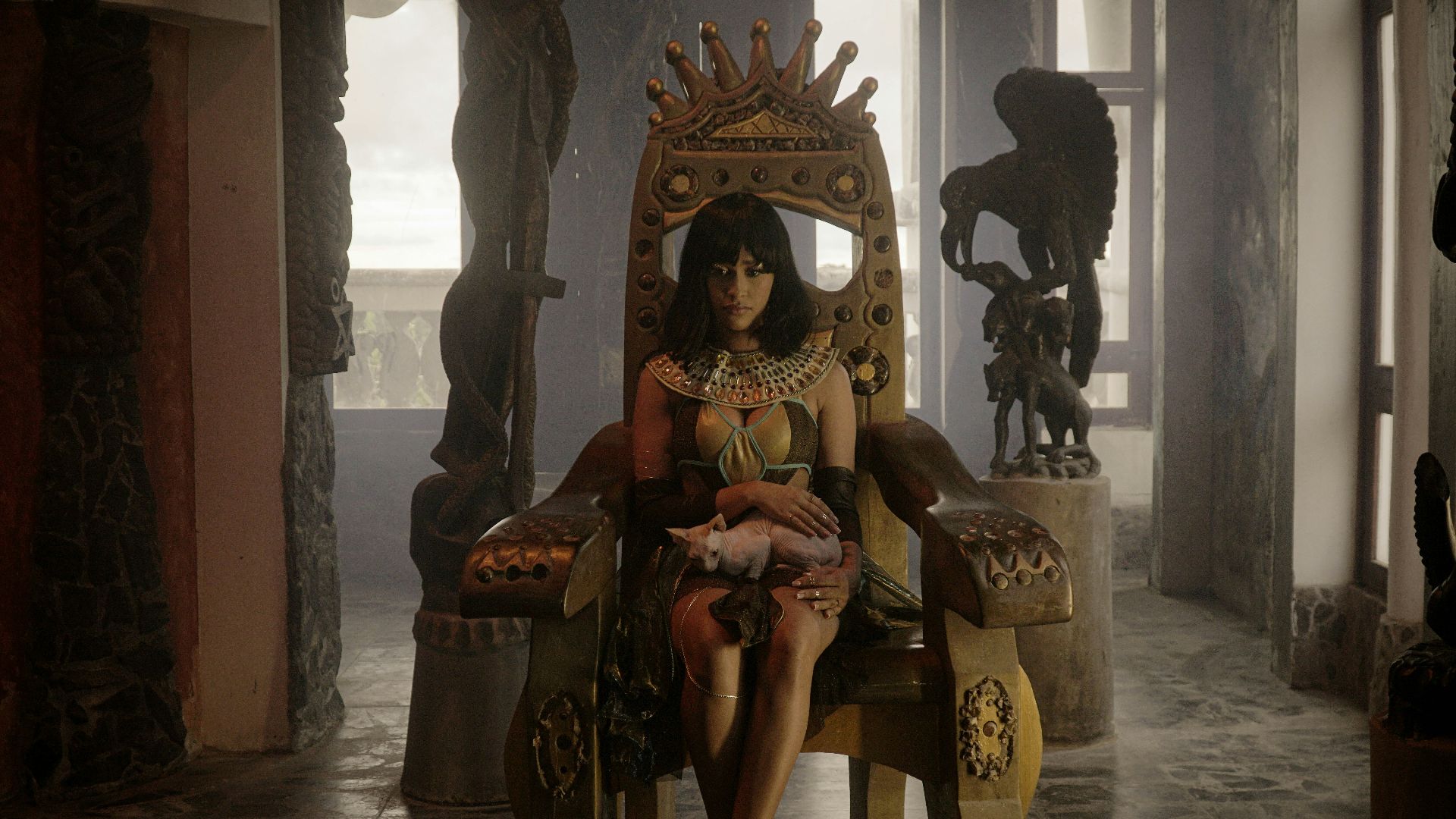
Cleopatra VII, the last active ruler of the Ptolemaic Kingdom of Egypt, remains one of history’s most studied and debated figures. While much is known about her political alliances and dramatic death, the location of her tomb continues to be one of archaeology’s enduring mysteries. You might assume that such an important figure would have a clearly identified burial site, but that’s not the case. Despite centuries of interest, no confirmed discovery has been made. Her legacy has continued to grow through literature, film, and historical analysis.
At the same time, ongoing research and excavations continue to offer new clues. Historians and archaeologists rely on ancient texts, geographical evidence, and modern technology to narrow down possible locations. The search for Cleopatra’s tomb isn’t just about finding a burial site; it’s about understanding the final chapter of a powerful ruler’s life.
What Ancient Sources Actually Tell Us
Most of what we know about Cleopatra’s burial comes from Roman historians such as Plutarch. He wrote that Cleopatra was buried alongside Mark Antony after both died in 30 BCE following their defeat by Octavian, later known as Augustus. According to his account, the tomb was constructed as a monument fit for royalty and likely located near Alexandria. While this provides a starting point, it doesn’t give a precise location.
You’ll also find that ancient descriptions of Alexandria differ from what exists today. Much of the ancient city, including royal districts, has been lost due to earthquakes and rising sea levels. This has made it difficult to match historical accounts with modern geography. As a result, even well-documented clues can be challenging to interpret accurately. Archaeological layers have been disrupted over centuries of rebuilding. Coastal changes have further altered the original layout of the city. These factors complicate efforts to pinpoint exact locations.
It’s important to remember that Roman writers often had political motives when documenting Cleopatra’s life. Their accounts may contain biases or omissions, especially given her role as a rival to Rome. While their writings are valuable, they aren’t always fully reliable. This uncertainty adds another layer of complexity to the search.
Cleopatra’s portrayal in Roman texts was often shaped by propaganda.
The Leading Theories and Excavation Sites
One of the most prominent theories places Cleopatra’s tomb at Taposiris Magna, a temple complex located west of Alexandria. Archaeologist Kathleen Martinez has led excavations there for years, uncovering artifacts linked to the Ptolemaic period. Some findings, including coins bearing Cleopatra’s image, suggest the site had royal significance. However, no definitive tomb has been discovered so far.
Another possibility is that Cleopatra was buried within the submerged areas of ancient Alexandria. Underwater archaeology has revealed structures and artifacts beneath the Mediterranean Sea, including parts of the royal quarter. If her tomb were located there, it would explain why it hasn’t been found on land. Exploring these underwater sites presents significant technical challenges. Divers and researchers must work in difficult conditions with limited visibility.
There’s also the idea that Cleopatra chose a hidden or protected burial site to prevent desecration. Given the political turmoil following her death, it’s plausible that her tomb was intentionally concealed. This theory aligns with practices seen in other ancient cultures. Still, without direct evidence, it remains speculative. Some historians suggest secrecy would have been a practical choice under Roman control.
Why the Tomb Remains Undiscovered
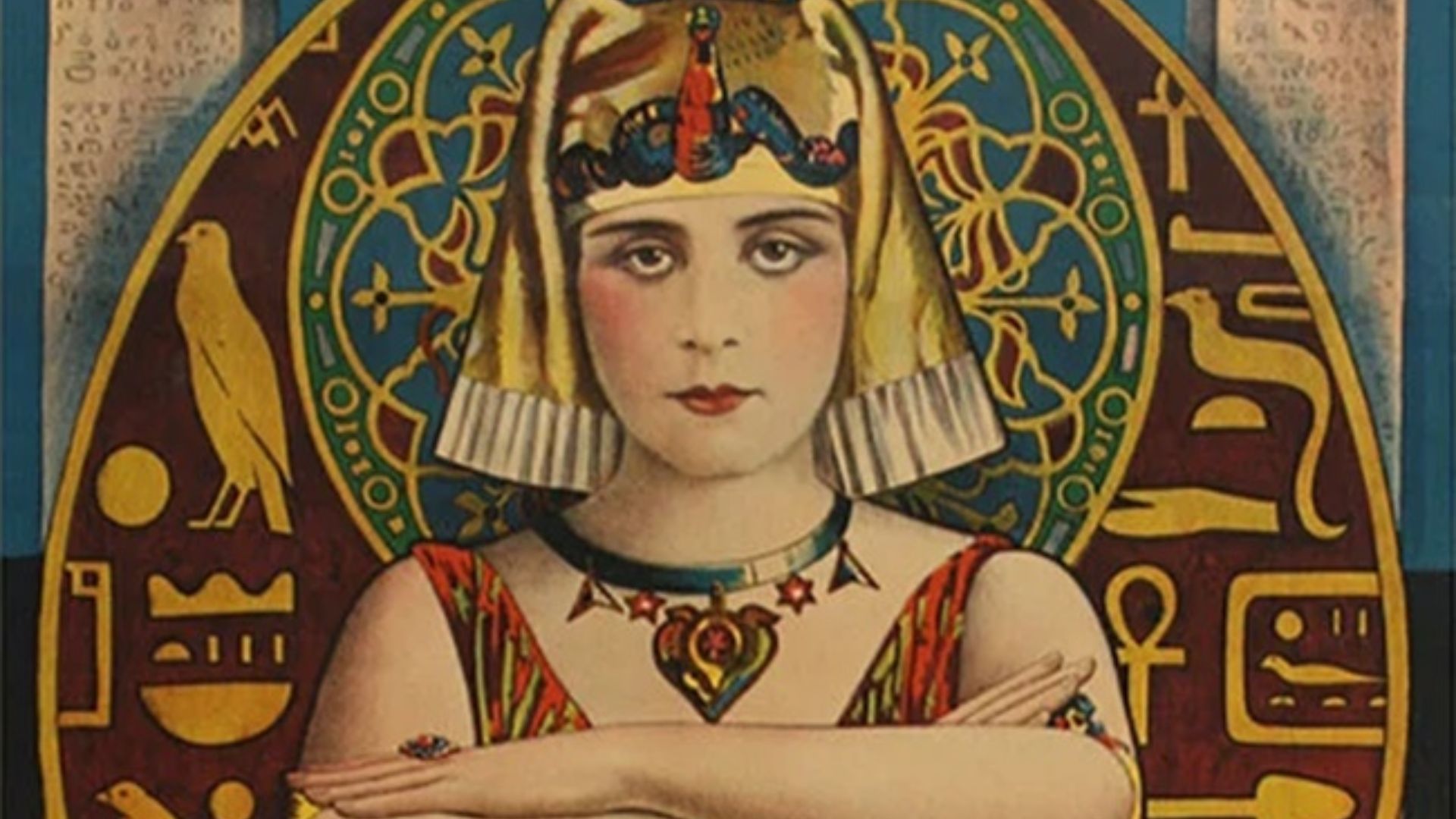
One of the main reasons Cleopatra’s tomb hasn’t been found is the transformation of Alexandria over time. Natural disasters, urban development, and centuries of rebuilding have altered the landscape dramatically.
Areas that once held royal structures may now be underwater or buried beneath modern infrastructure. This makes excavation both difficult and limited. Modern construction often restricts where archaeologists can dig.
You should also consider the scale of archaeological work required to locate such a site. Excavations take years, sometimes decades, and don’t always lead to clear results. Even when promising clues appear, they can lead to dead ends or require reinterpretation. The process is slow and often dependent on funding and resources. Teams must carefully document every finding to avoid damaging historical evidence. This level of precision takes time and careful planning. As a result, progress can feel gradual rather than immediate.
Finally, there’s the possibility that the tomb may never be found in a complete or recognizable form. Time, environmental factors, and human activity may have damaged or destroyed key evidence. While new technologies continue to improve search methods, they don’t guarantee discovery. For now, Cleopatra’s tomb remains one of history’s most compelling mysteries.
Cleopatra’s tomb continues to stand at the intersection of history, archaeology, and public fascination because it represents far more than a missing burial site. It reflects the unresolved end of a ruler whose life shaped the politics of Egypt and Rome during a pivotal historical moment.
Although ancient texts offer clues and modern excavations have produced promising leads, the evidence still falls short of a confirmed answer.
KEEP ON READING
The story of Ching Shih, the Woman Who Became the…
Unknown author on WikimediaFew figures in history are as feared…
By Emilie Richardson-Dupuis Dec 29, 2025
Einstein's Violin Just Sold At An Auction—And It Earned More…
A Visionary's Violin. Wanda von Debschitz-Kunowski on WikimediaWhen you hear…
By Ashley Bast Nov 3, 2025
This Infamous Ancient Greek Burned Down An Ancient Wonder Just…
History remembers kings and conquerors, but sometimes, it also remembers…
By David Davidovic Nov 12, 2025
The Mysterious "Sea People" Who Collapsed Civilization
3,200 years ago, Bronze Age civilization in the Mediterranean suddenly…
By Robbie Woods Mar 18, 2025
10 Historical Figures Who Were Notoriously Bad Dressers & 10…
When Style Made the Legend Better or Much, Much Worse.…
By Emilie Richardson-Dupuis Apr 15, 2026
20 Soldiers Who Defied Expectations
Changing the Rules of the Battlefield. You’ve probably heard plenty…
By Annie Byrd Feb 10, 2026