

10 Historical Figures Who Were Notoriously Bad Dressers & 10 Who Were Fashion Icons
10 Historical Figures Who Were Notoriously Bad Dressers & 10 Who Were Fashion Icons
When Style Made the Legend Better or Much, Much Worse
History tends to remember people for war, power, art, scandal, and genius, but clothing has always helped shape the image, too. Some famous figures knew exactly how to use fashion to build mystique, signal status, or simply look unforgettable, while others seemed almost committed to dressing in ways that confused, annoyed, or disappointed everyone around them. Here are 10 people from history known for their inability to put together an outfit and 10 who were famously snappy dressers.
 International News Service on Wikimedia
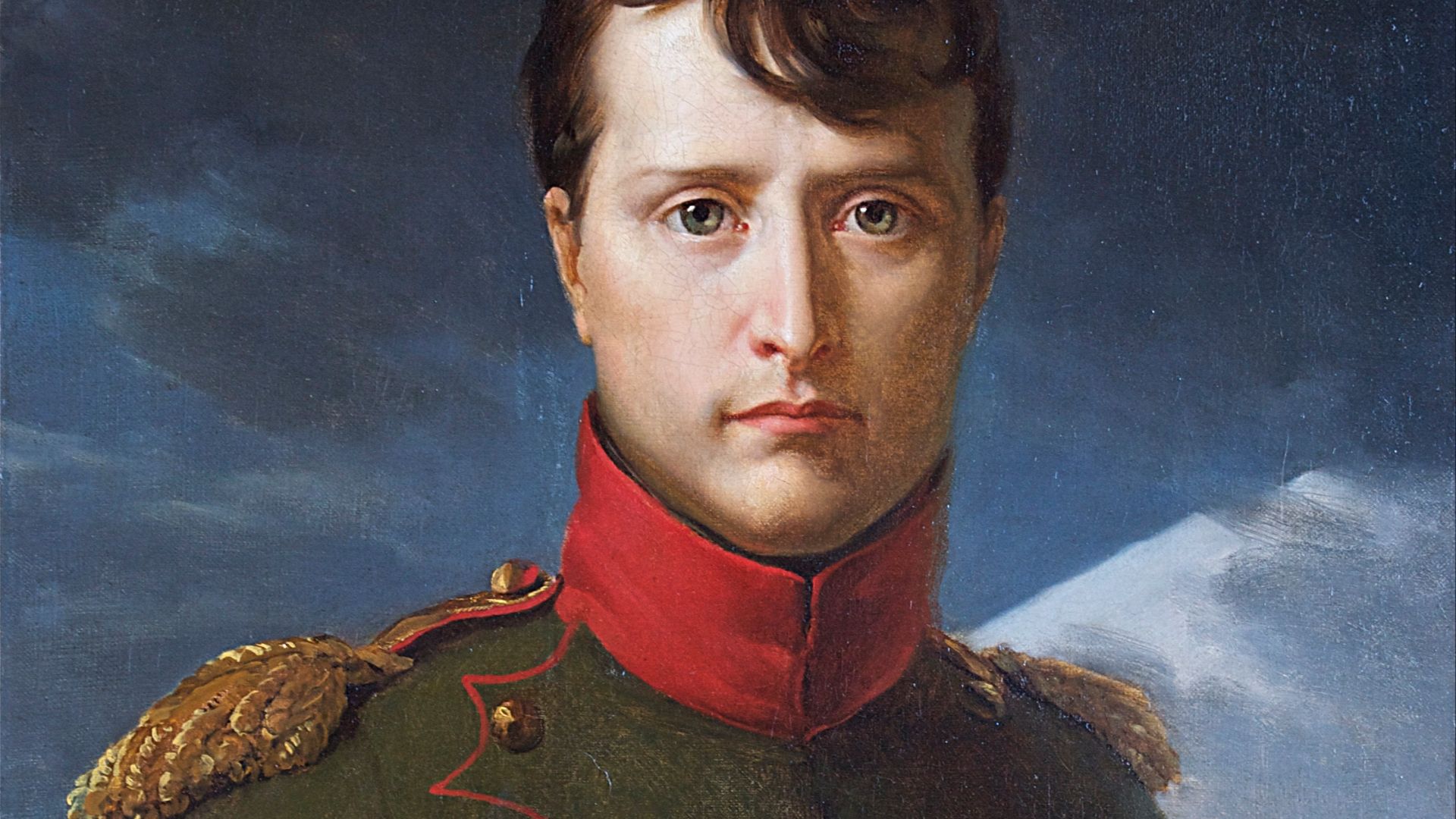
1. Napoleon Bonaparte
Napoleon had enormous presence, but nobody would call him flashy in the peacock sense. He often favored practical military dress and famously stuck to familiar, fairly plain uniforms when he could have leaned much harder into imperial extravagance. That choice may have helped his image as a disciplined commander, though it did not exactly make him a fashion darling.
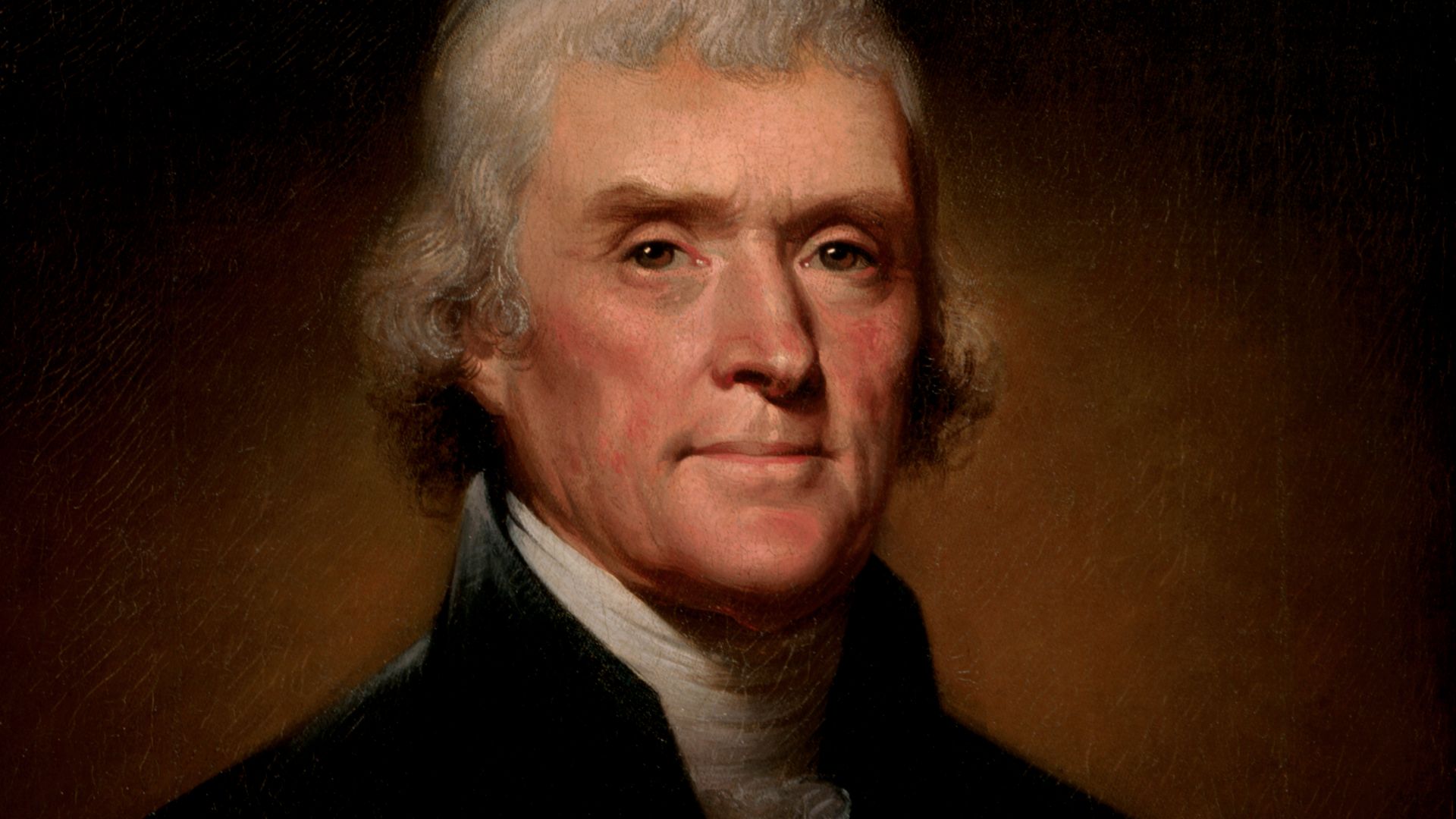
2. Thomas Jefferson
Jefferson cared deeply about ideas, architecture, and image in the broad sense, but his clothing style was often described as less than impressive in person. He could appear awkwardly plain, underwhelming, or just not especially polished next to the standards of elite European-influenced society. For a man of his status and cultivated tastes, his fashion sense was surprisingly uninspired.
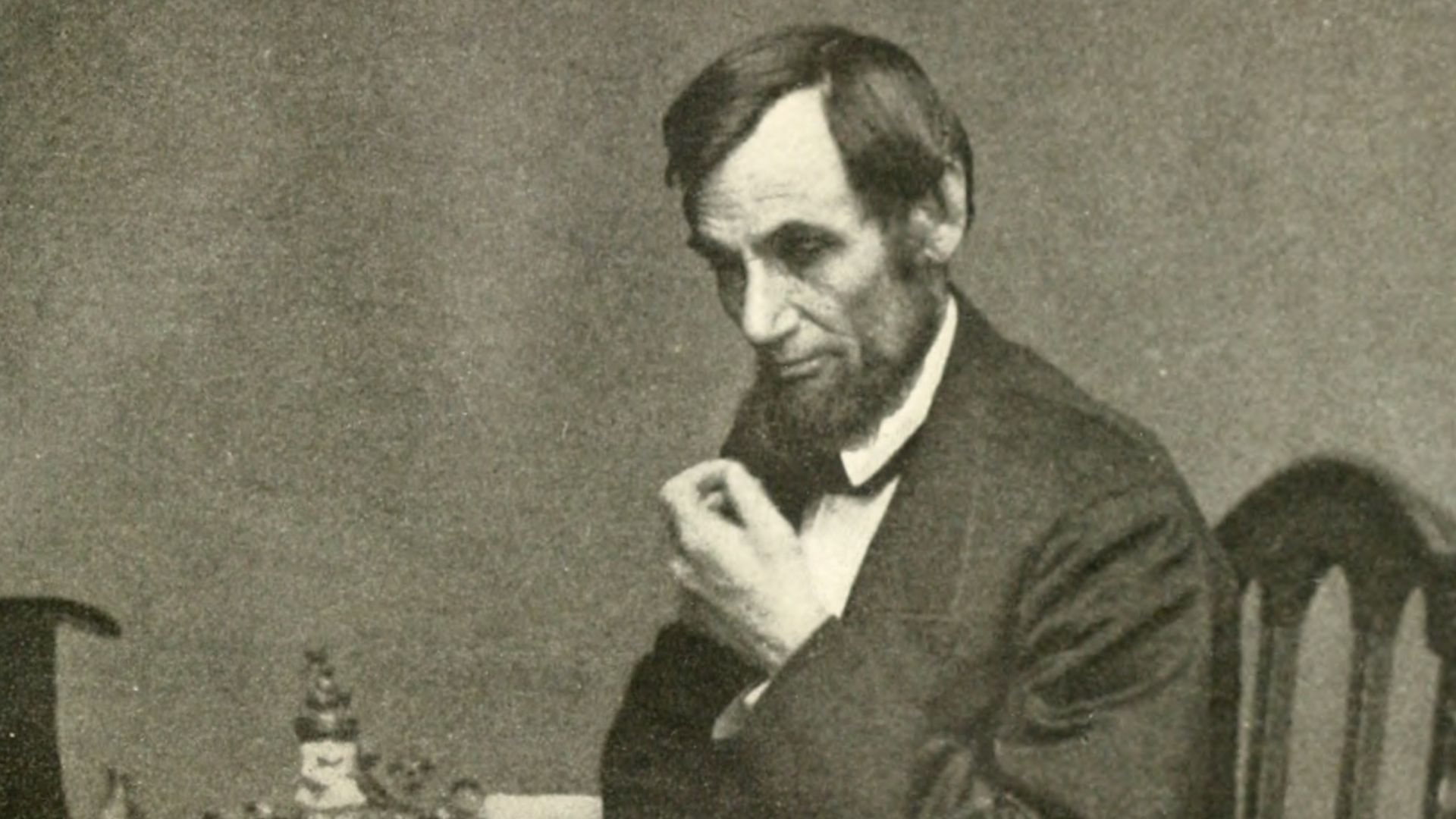
3. Abraham Lincoln
Lincoln had many strengths, but elegant dressing was not really one of the headline items. His clothes often looked a little rumpled on his very tall frame, and his overall appearance could seem more functional than refined. Of course, that didn't stop him from becoming one of the most visually recognizable presidents in American history. Still, being iconic and being well dressed aren't always the same thing, and Lincoln proves that rather clearly.
 Internet Archive Book Images on Wikimedia
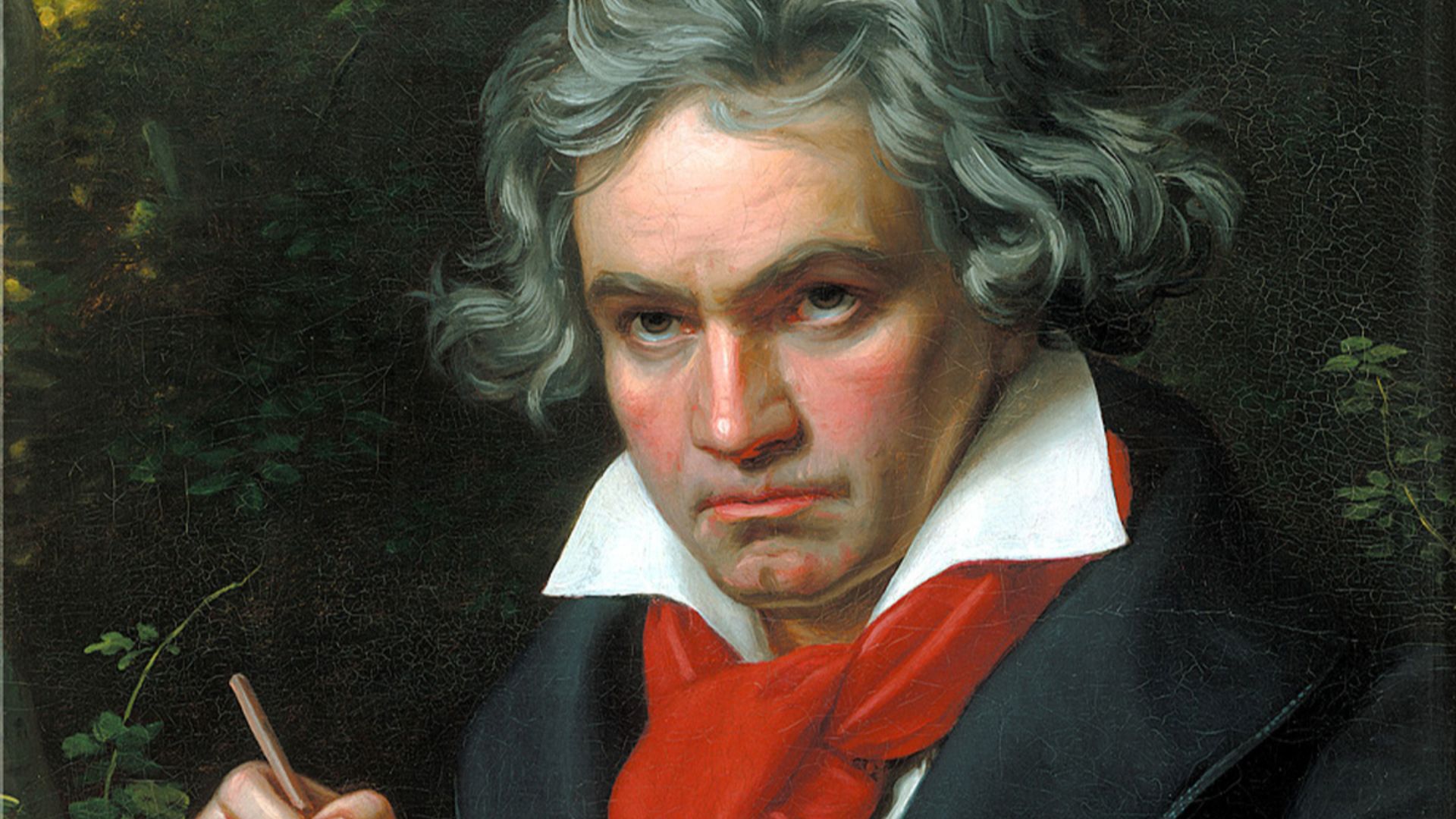
4. Ludwig van Beethoven
Beethoven’s appearance often reflected the chaos and intensity of the life he was actually living. Contemporary descriptions regularly mention disheveled clothing, poor grooming, and an air of someone too consumed by music to care whether his coat agreed with the rest of the outfit. If you had met him, you probably would have remembered the hair before anything else.
 Joseph Karl Stieler on Wikimedia
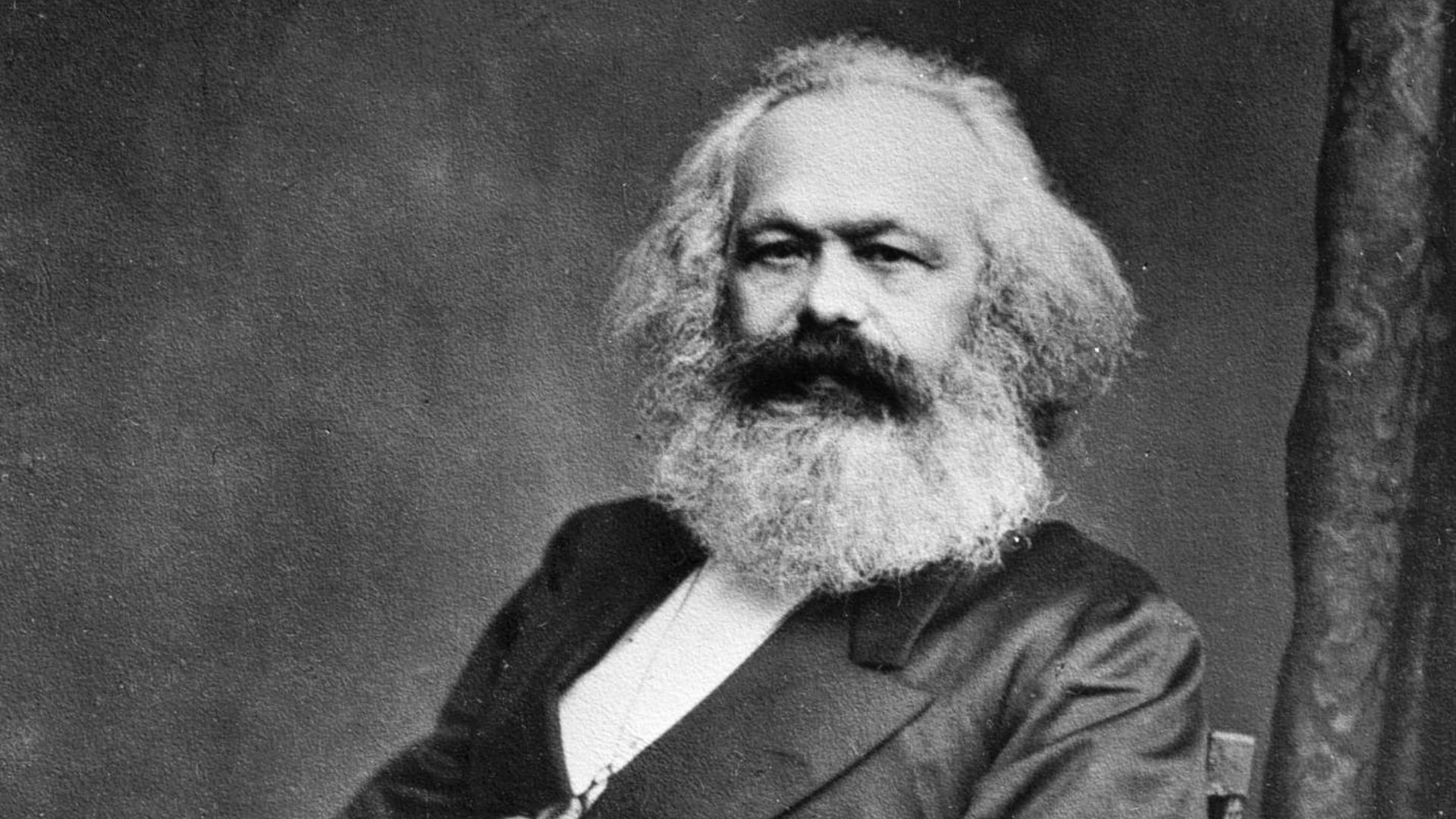
5. Karl Marx
It seems only appropriate that the architect of communism should not give a darn about fashion. Karl Marx had a tendency toward a heavy, somewhat neglected appearance that fit the stereotype of the overworked intellectual who's against the very concept of worldly possessions. His famous beard did a lot of the visual lifting, and not always in a way that helped the rest of the ensemble.
 John Jabez Edwin Mayall on Wikimedia
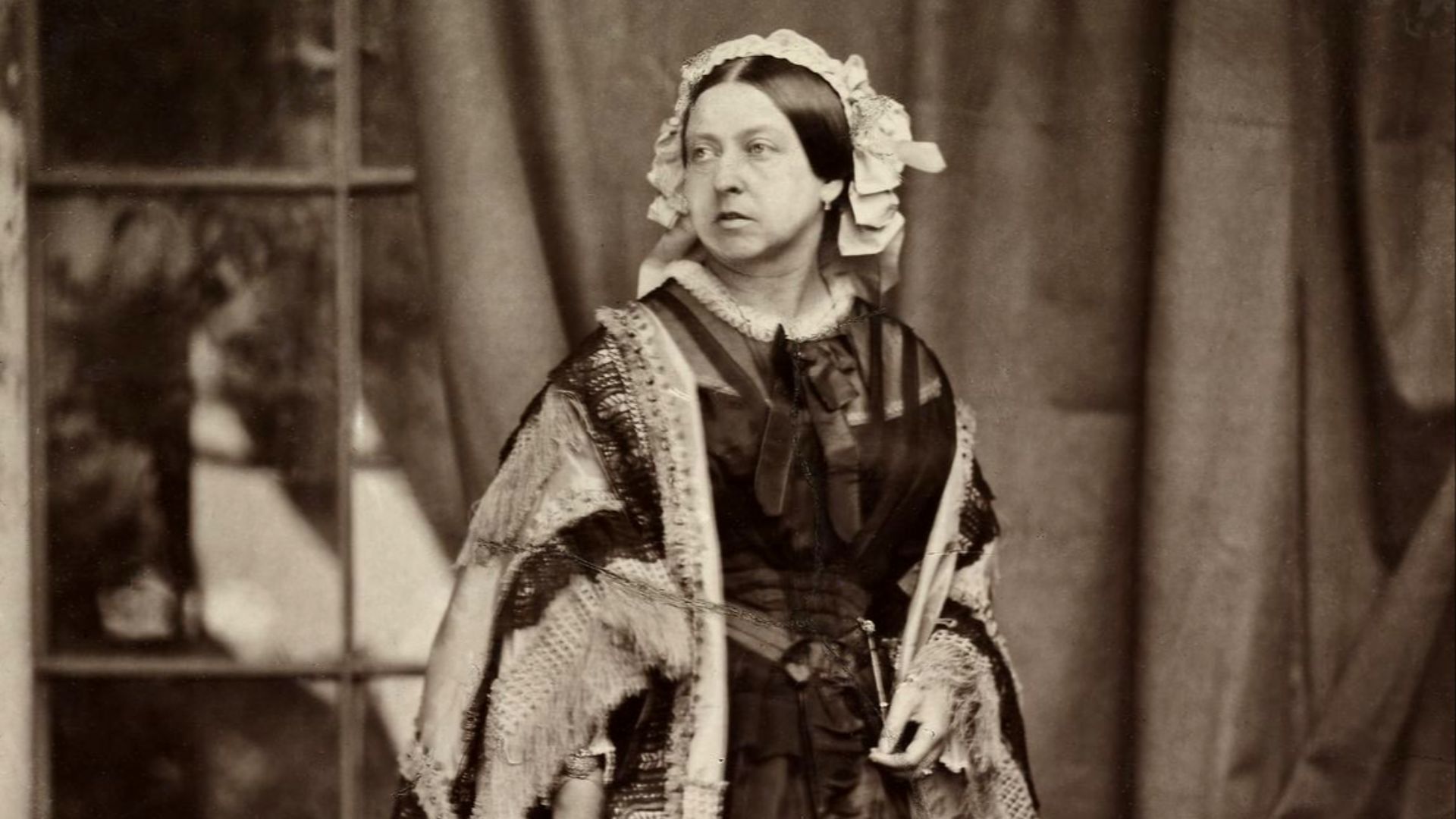
6. Queen Victoria
Queen Victoria’s later-life wardrobe was not built around glamour. After Prince Albert’s death, she spent decades in deep mourning clothes that were emotionally understandable yet visually severe and famously repetitive. The historical meaning mattered far more than style innovation, and that's exactly why she belongs on this side of the list.
 John Jabez Edwin Mayall on Wikimedia
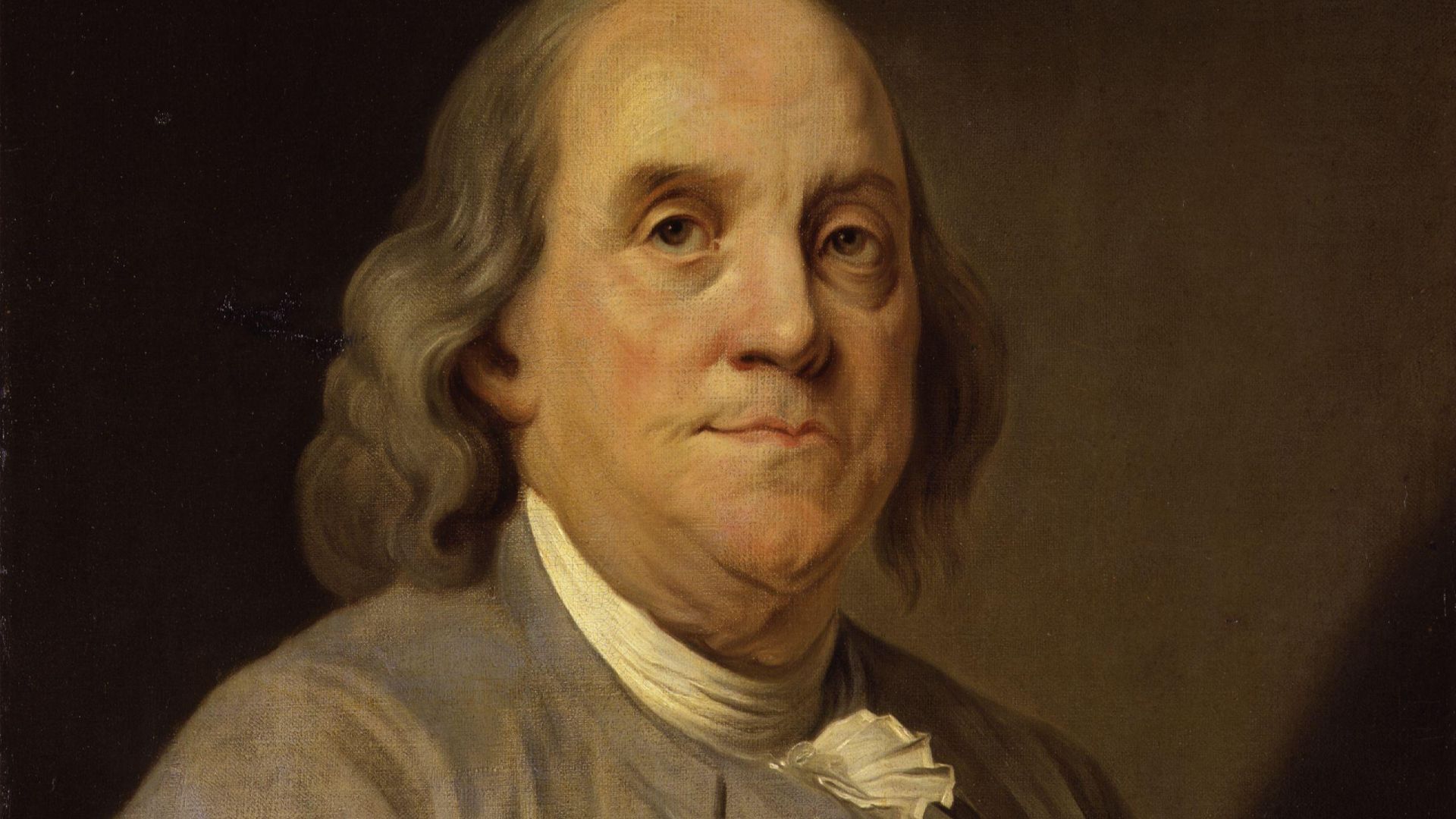
7. Benjamin Franklin
Franklin was clever enough to use clothing strategically, especially in France, but his actual look could drift toward frumpy practicality. He wasn't trying to win a best-dressed contest so much as project homespun wisdom and republican simplicity.
 After Joseph-Siffred Duplessis on Wikimedia
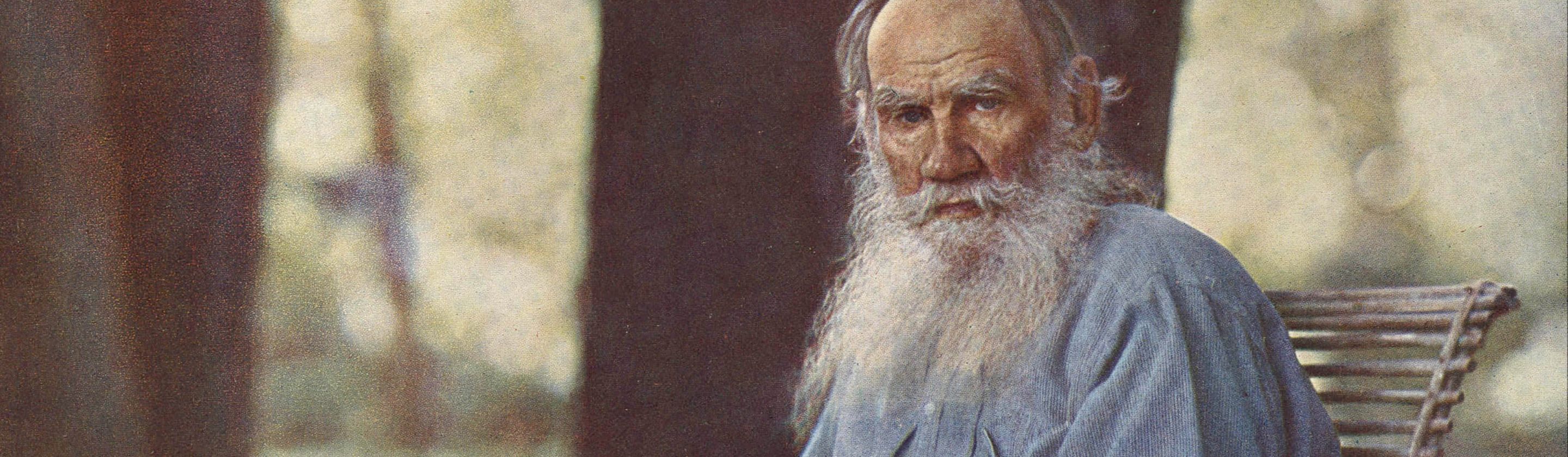
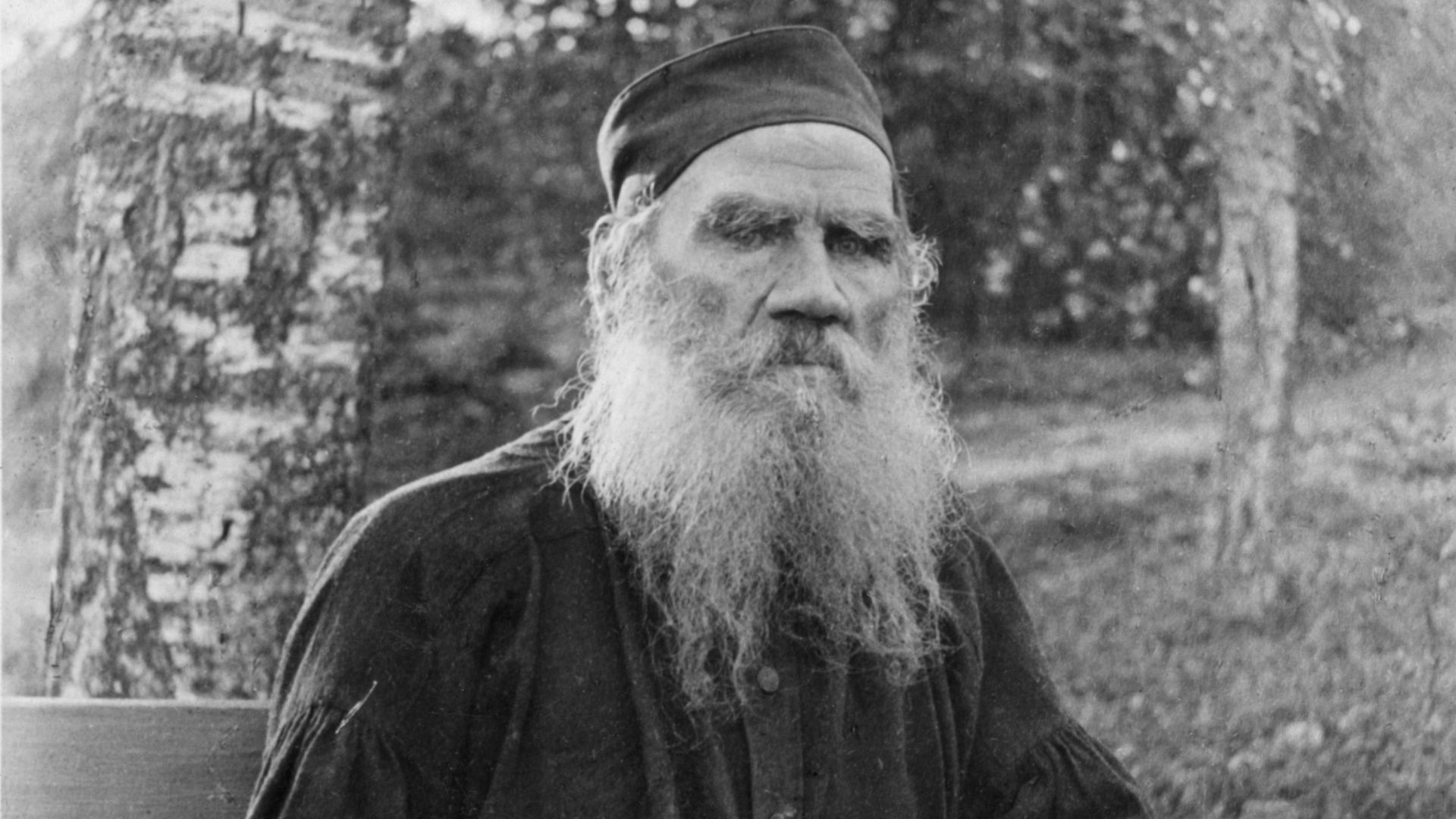
8. Leo Tolstoy
Tolstoy’s later rejection of wealth and aristocratic pretension showed up in his clothes in a big way. He embraced simple peasant-style garments as part of a moral and philosophical shift, which made a statement but didn't exactly read as visually refined. The point was sincerity, not elegance, and he committed to that point very thoroughly.
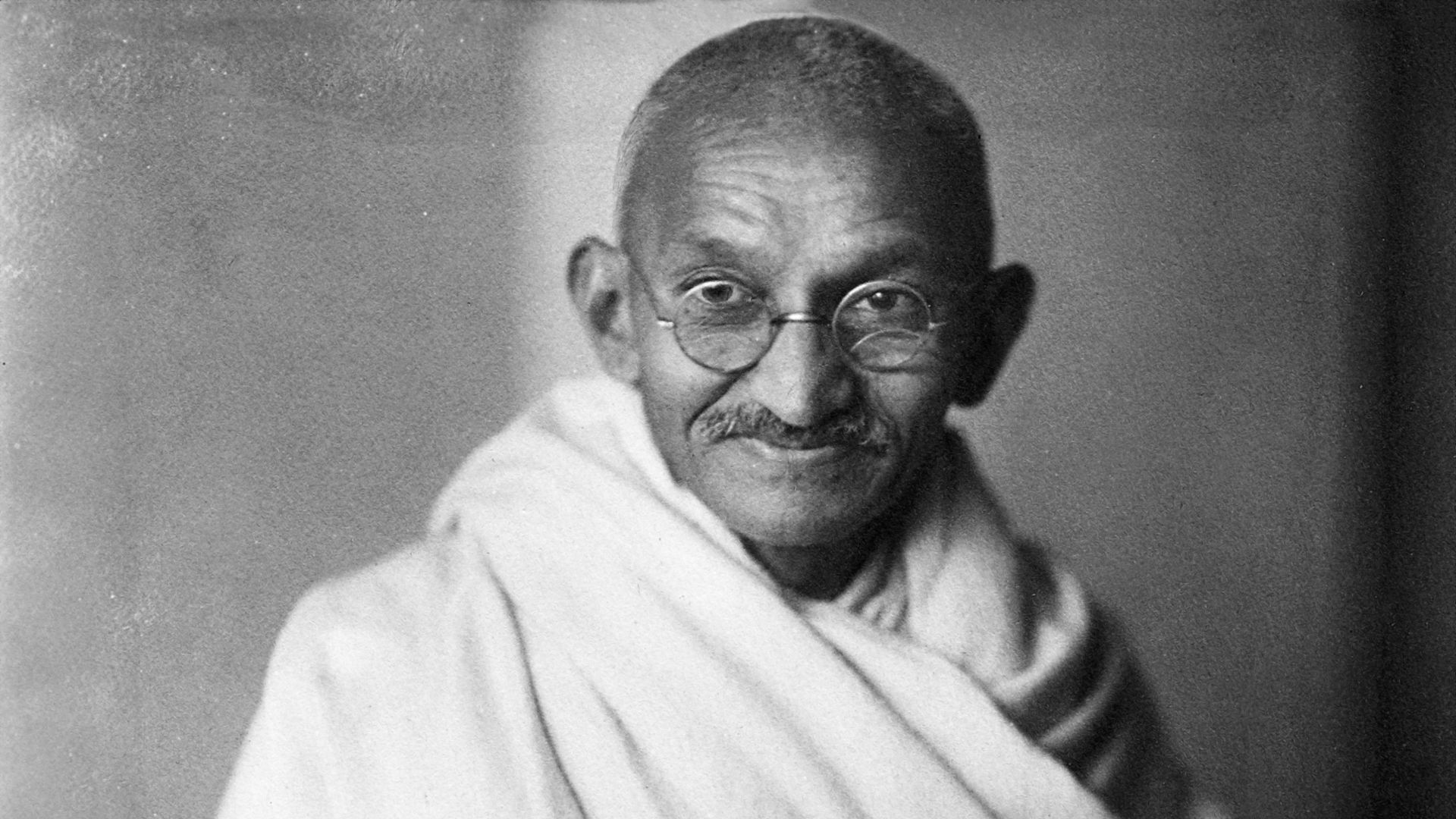
9. Mahatma Gandhi
Gandhi’s clothing was intentionally minimal and politically charged, not accidentally unfashionable. He chose simplicity as a statement about colonialism, self-reliance, and solidarity, and in that sense,e his dress was deeply effective. Even so, if the category is "fashion icon" in the aesthetic sense, he clearly belongs elsewhere.
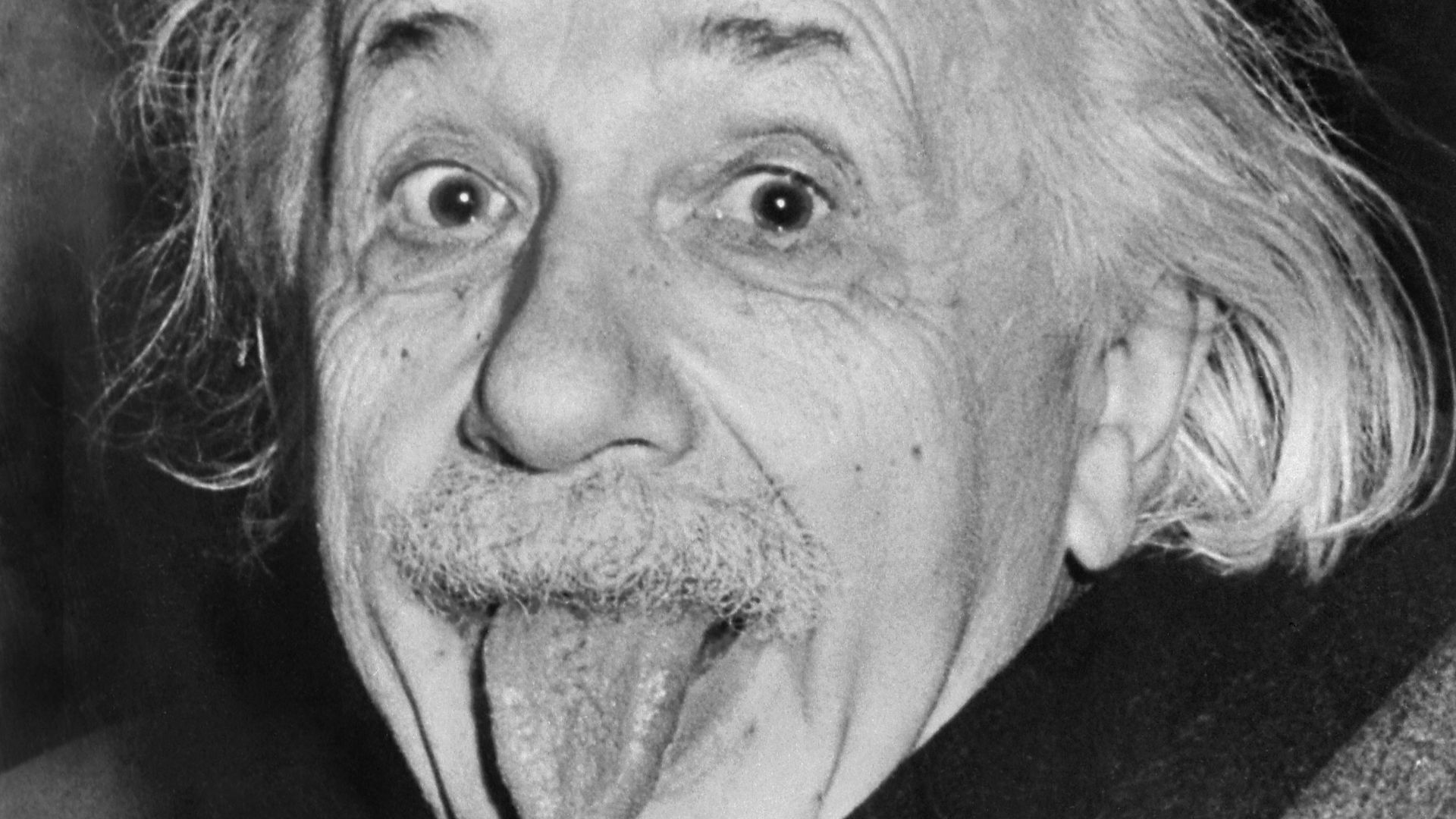
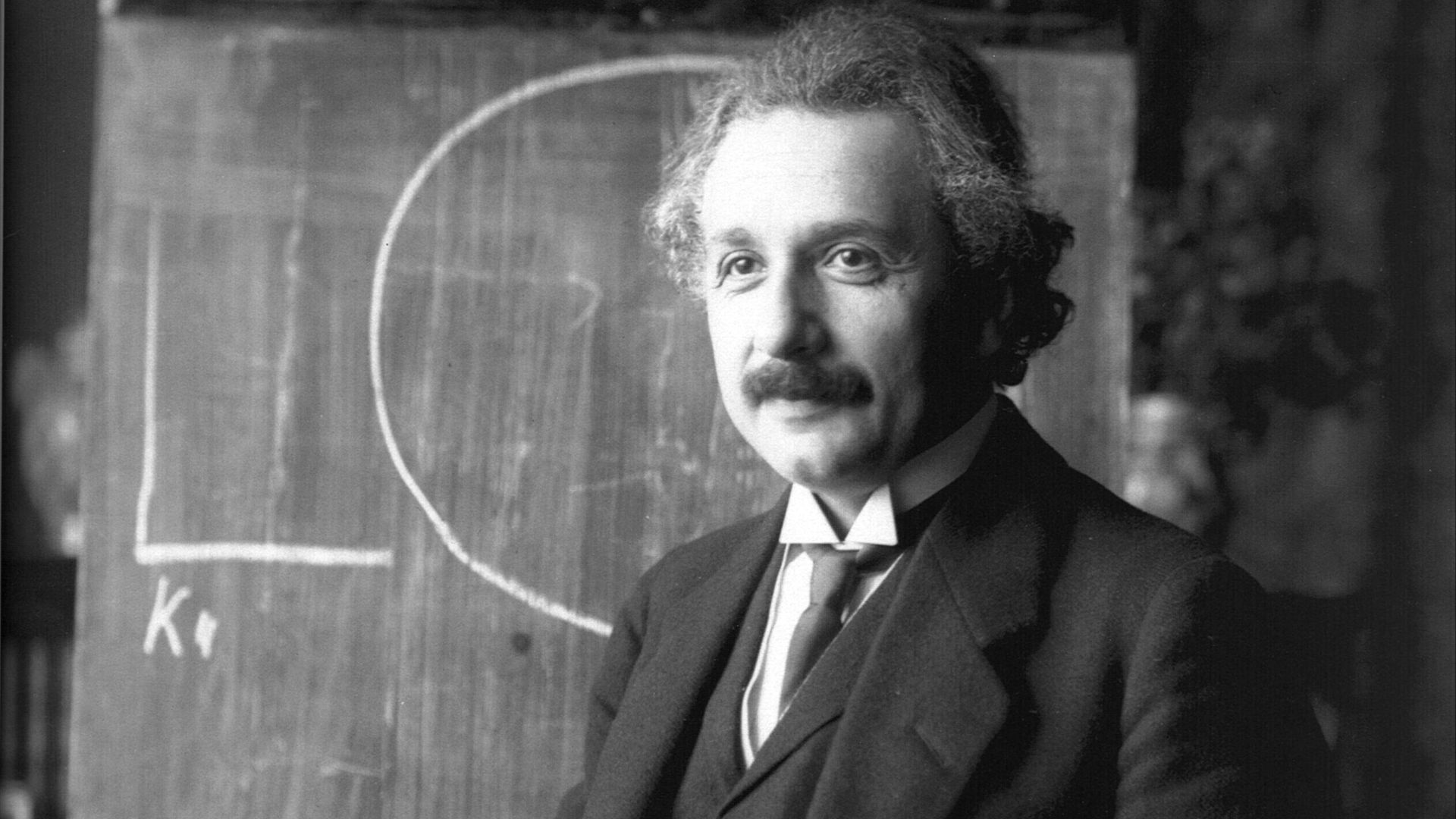
10. Albert Einstein
Einstein had the hairstyle of a legend and the wardrobe habits of a man who had a million other things on his mind. He was known for dressing casually, sometimes carelessly, and generally without much interest in refinement. You got the sense that if his socks matched, it was probably by accident.
 Ferdinand Schmutzer on Wikimedia
Now that we've covered the historical figures who were known for being poor dressers, let's talk about the ones who knew how to put together a fit.
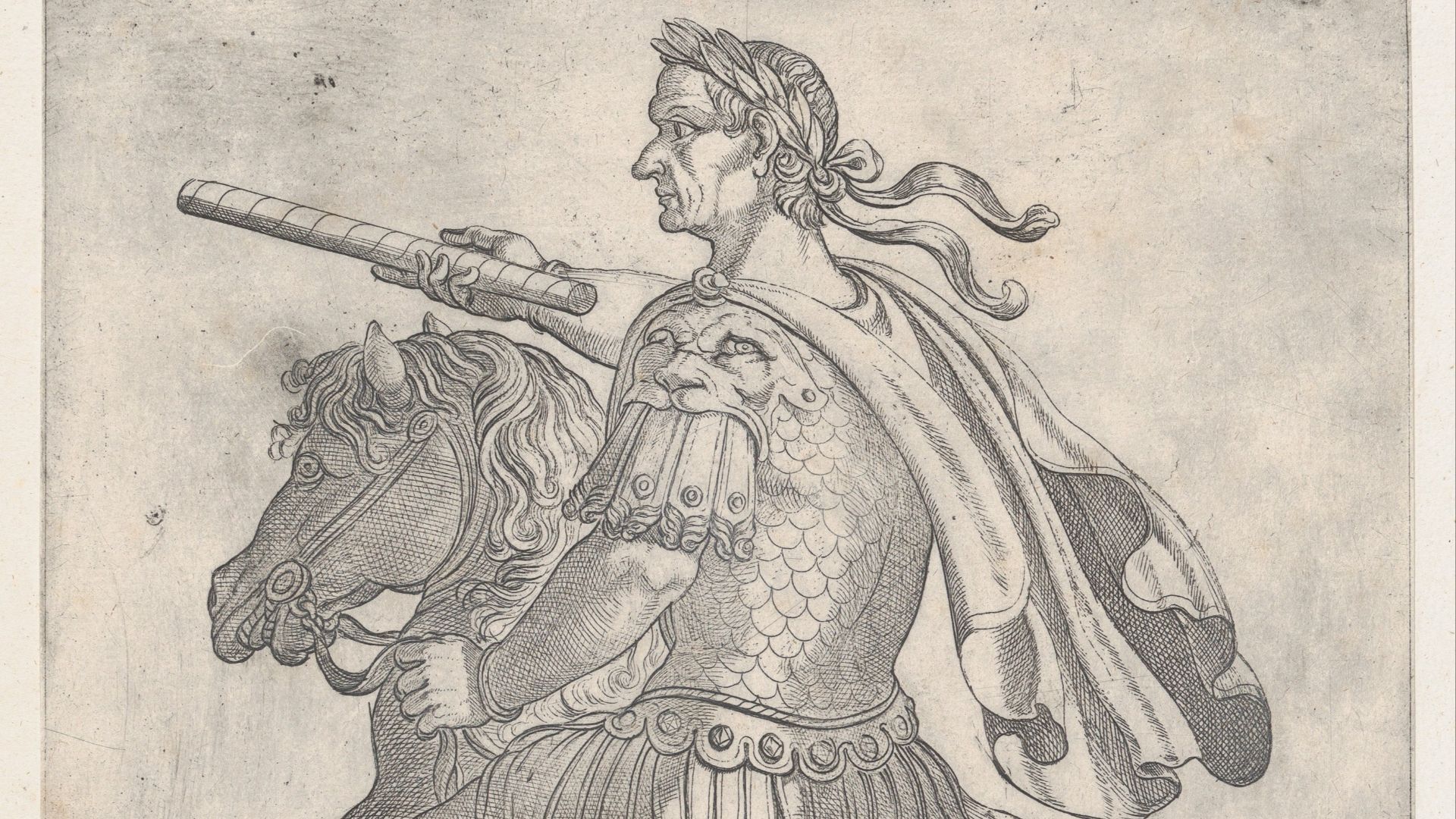
1. Julius Caesar
Caesar understood that clothing was part of power, and he used it accordingly. Ancient writers noted his attention to personal appearance, and he had a reputation for wearing his toga with a degree of flair that some critics found suspiciously polished. In a world where public image mattered enormously, that sort of visual control was no small thing.
2. Elizabeth I
Elizabeth I treated clothing as political theater, and she was exceptionally good at it. Her gowns, jewels, wigs, and carefully crafted visual symbolism turned her body into part of the state’s messaging apparatus. She understood perfectly that appearance could project majesty, chastity, wealth, and control all at once.
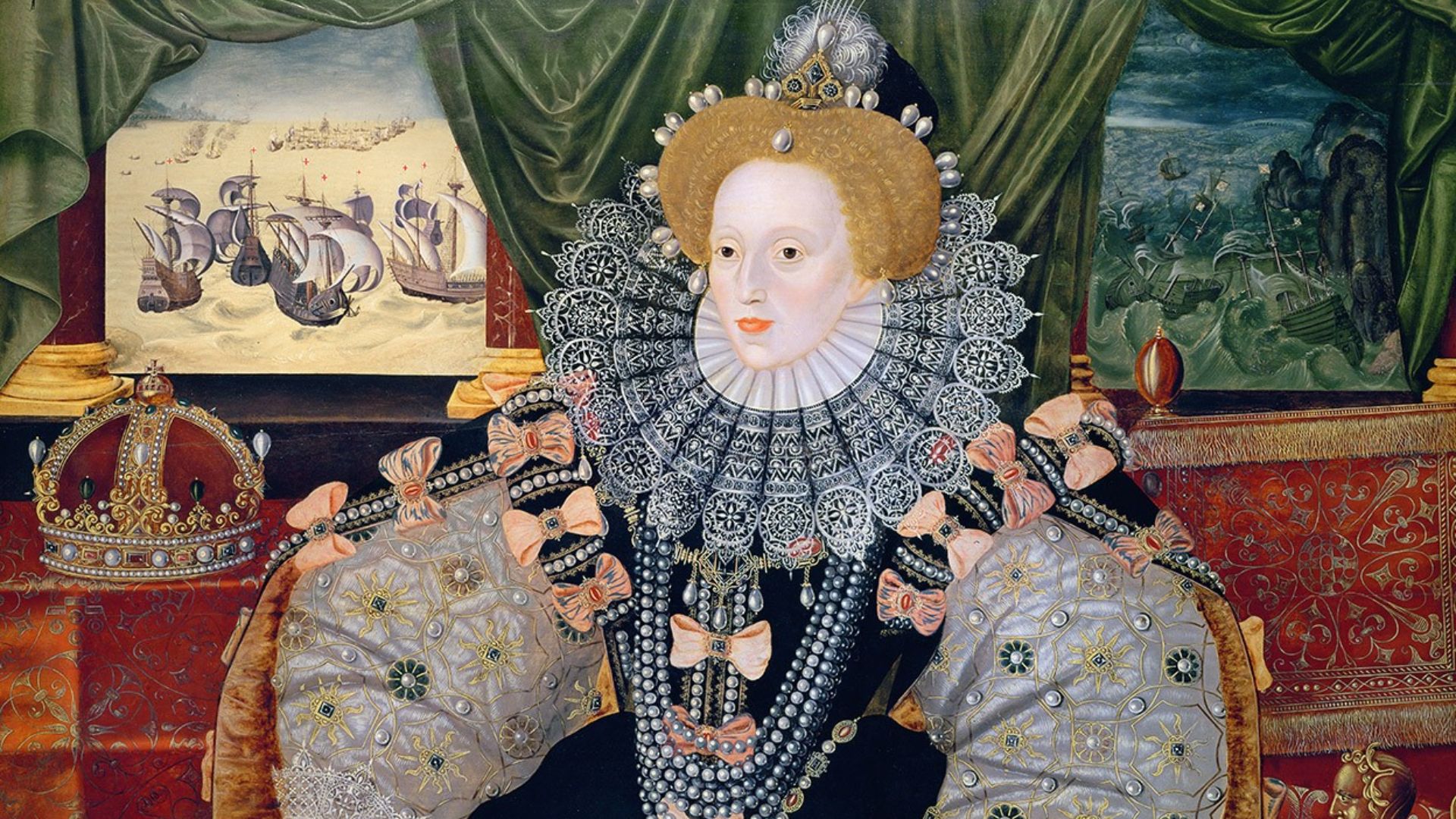 Formerly attributed to George Gower on Wikimedia
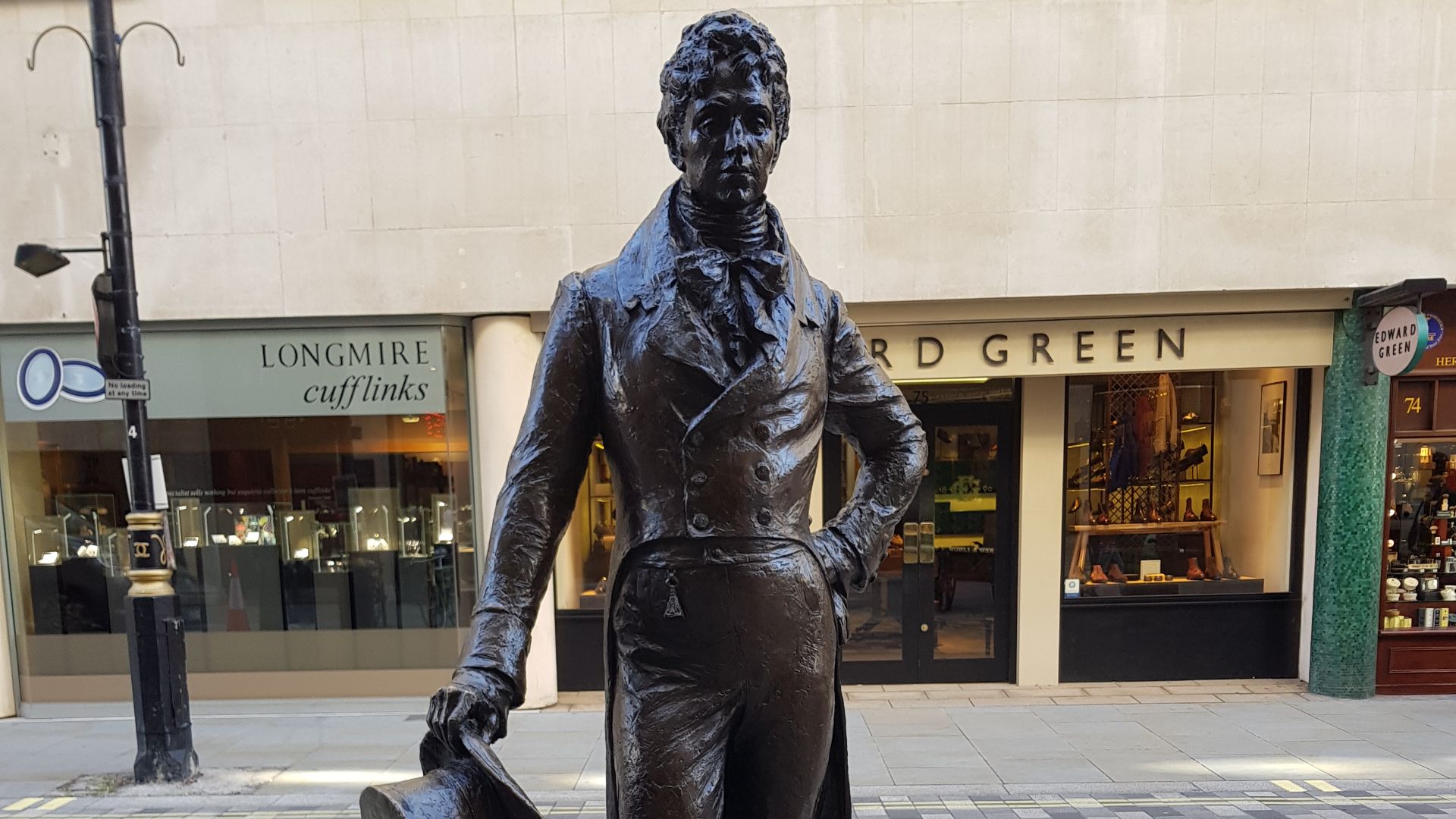
3. Beau Brummell
Beau Brummell may be one of the clearest cases on this whole list because style was basically his main historical job. He transformed men’s fashion in Regency England by pushing cleaner tailoring, understated elegance, and an obsessive attention to fit and grooming. The modern suit owes more to his influence than a lot of people realize. If you're talking about men who changed how stylish dressing even works, he has to come up.
4. Marie Antoinette
Marie Antoinette’s fashion legacy is so large that it almost overshadows everything else about her. Her clothes were extravagant, playful, impractical, and often politically disastrous, but they were also wildly influential. The fact that her style helped fuel public resentment only proves how powerful it was.
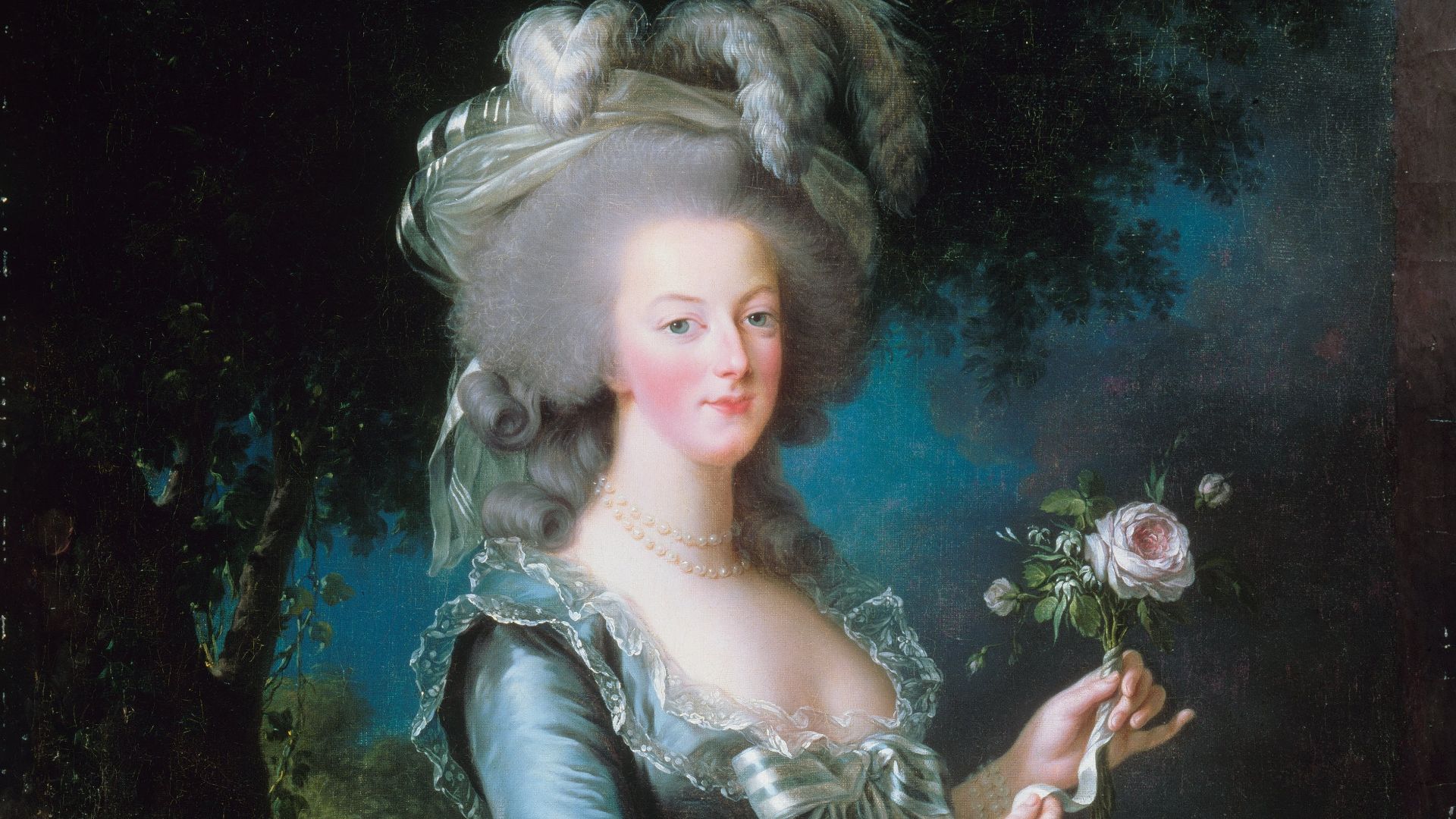 Élisabeth Louise Vigée Le Brun on Wikimedia
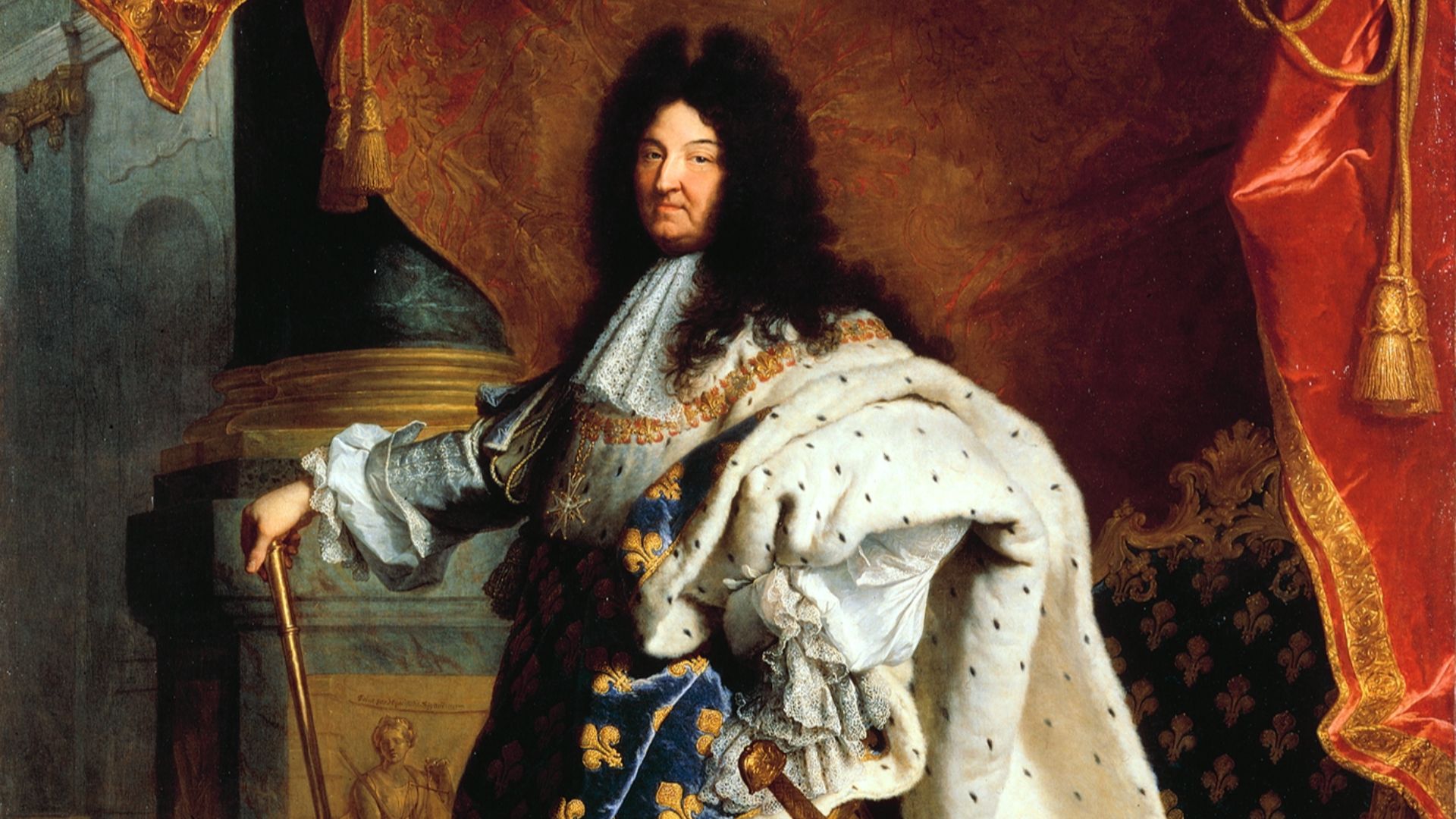
5. Louis XIV
Louis XIV understood better than almost anyone in history that clothing could be used as a weapon of power. He turned the French court into a stage where luxury, ornament, heels, wigs, and elaborate fabrics all helped reinforce his authority and control. Nothing about his style was accidental, because every detail was meant to project magnificence and remind people who stood at the center of everything.
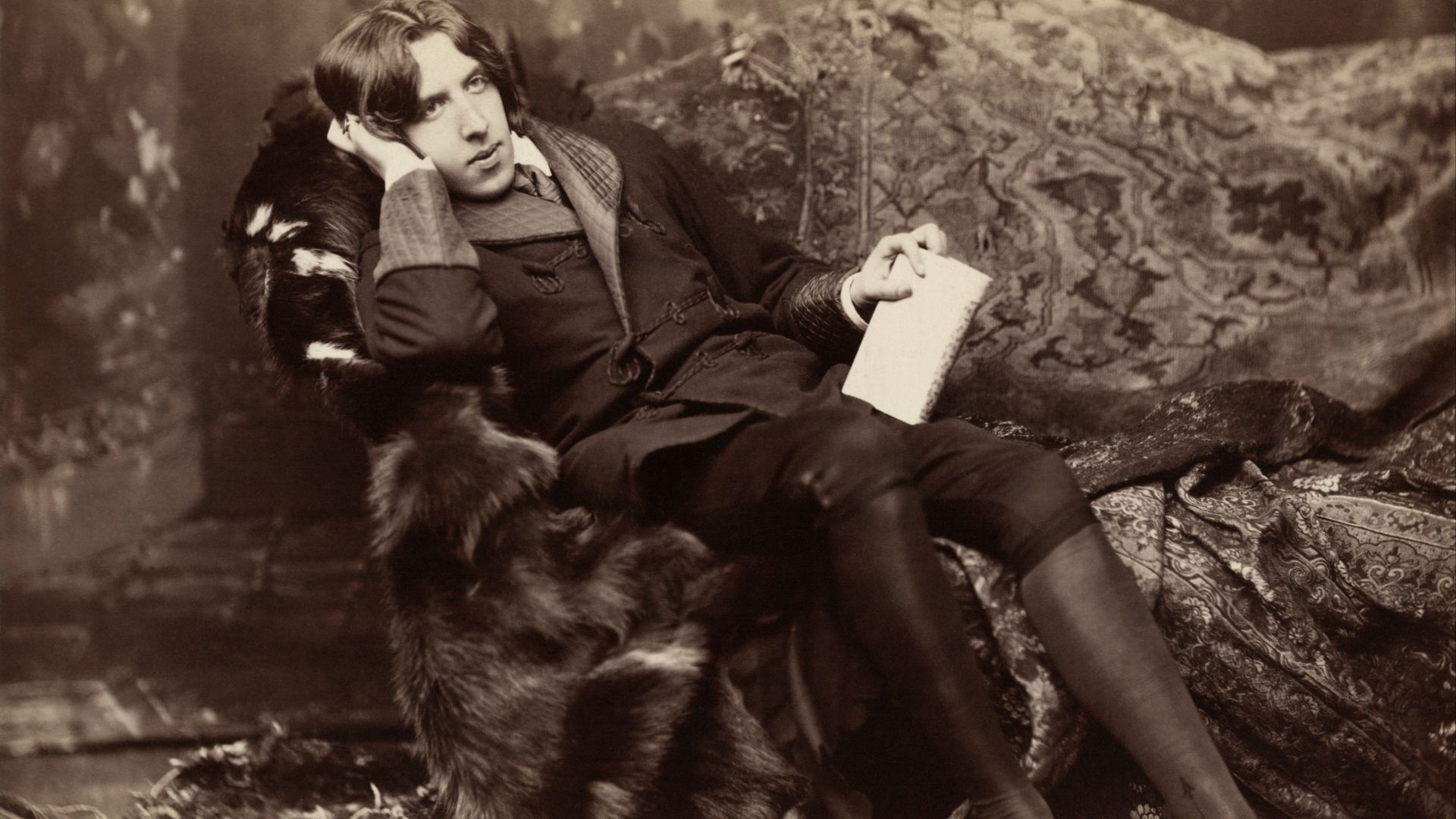
6. Oscar Wilde
Oscar Wilde dressed with the same theatrical confidence he brought to his writing and public persona. He embraced velvet, silk, unusual details, and a general sense that his clothing ought to say something interesting before he even opened his mouth. For better or worse, that made him stand out in a culture that wasn't always delighted by men who enjoyed beauty so openly.
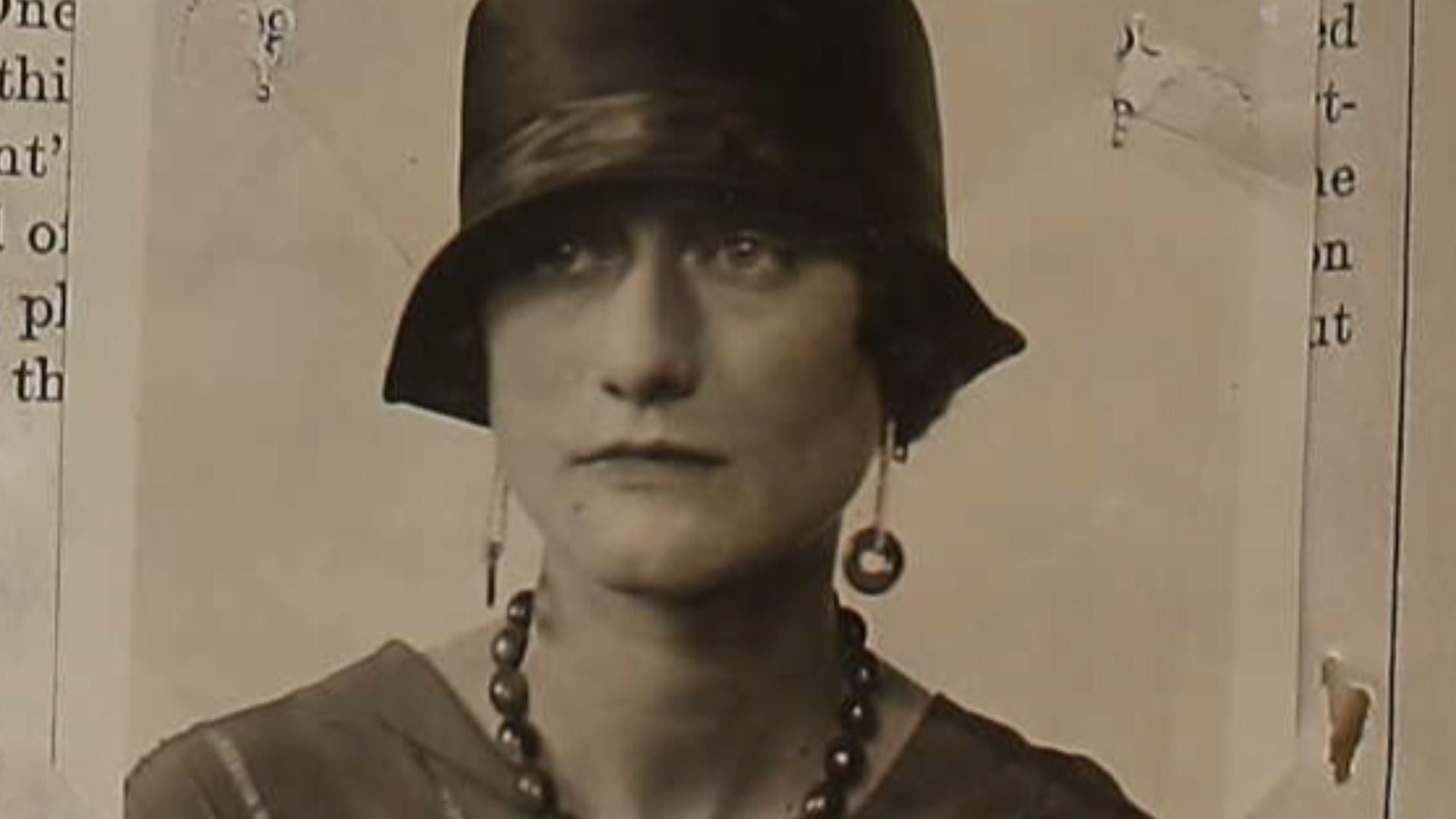
7. Wallis Simpson
Wallis Simpson had the kind of polished, disciplined elegance that fashion history never really forgets. She favored clean lines, impeccable tailoring, and a sophisticated restraint that made almost everything she wore look expensive even before you knew the details. Plenty of people disapproved of her life, but even her harshest critics often admitted she dressed beautifully.
8. Jacqueline Kennedy Onassis
Jackie remains one of the easiest names to place on the icon side because her style still feels instantly recognizable. She had a talent for clothes that looked refined, modern, and graceful without seeming weighed down by too much fuss. Whether she was in pillbox hats, oversized sunglasses, or sharply cut coats, she always looked composed in a way people wanted to copy.
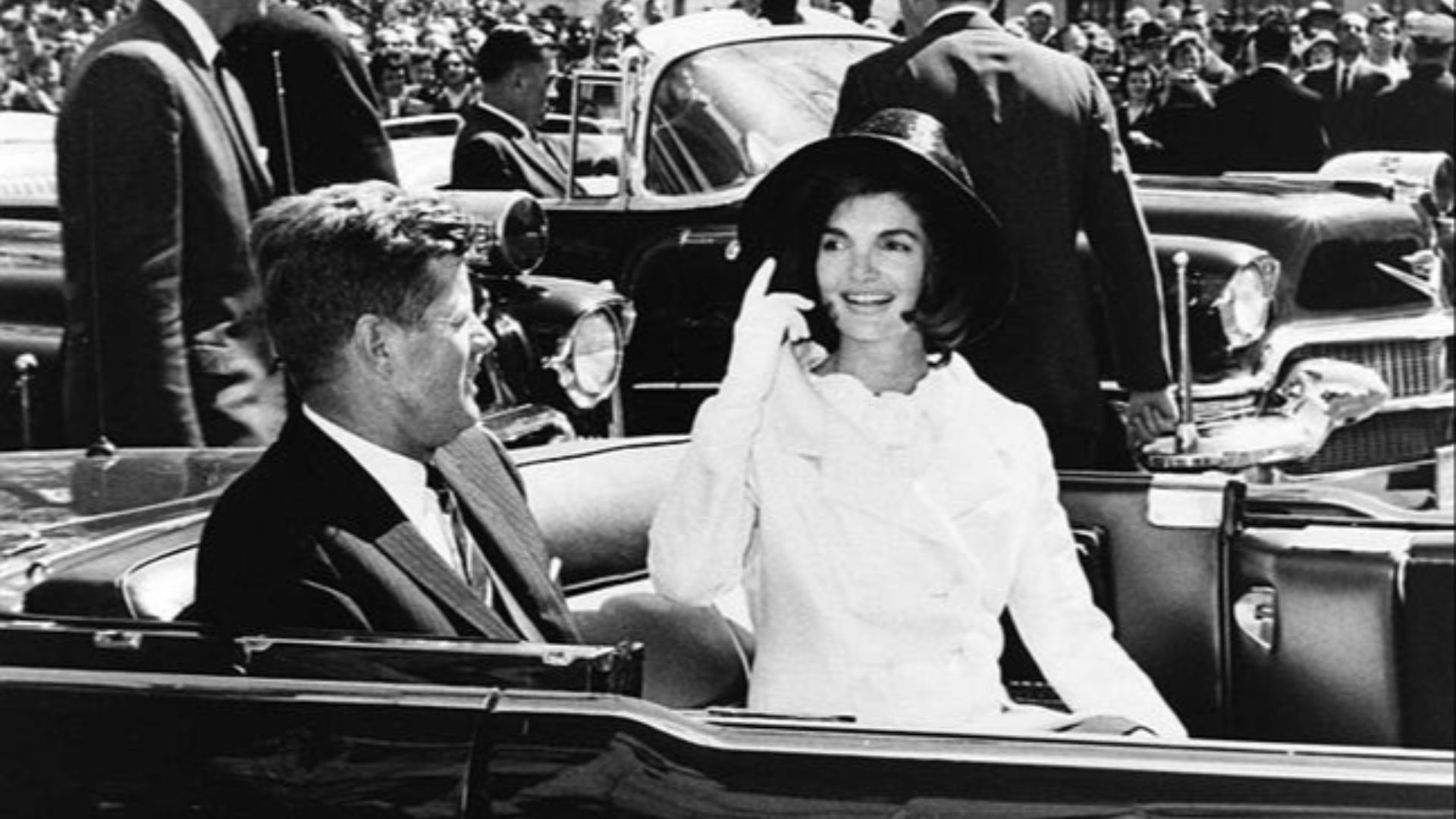 Abbie Rowe, National Park Service on Wikimedia
9. Princess Diana
Princess Diana evolved from a shy young aristocrat to one of the most photographed and influential style figures of the twentieth century. Over time, she learned how to use clothes to project warmth, glamour, independence, and a newly confident public image. Her evening gowns, casual looks, and revenge-dress-era precision all helped shape the legend.
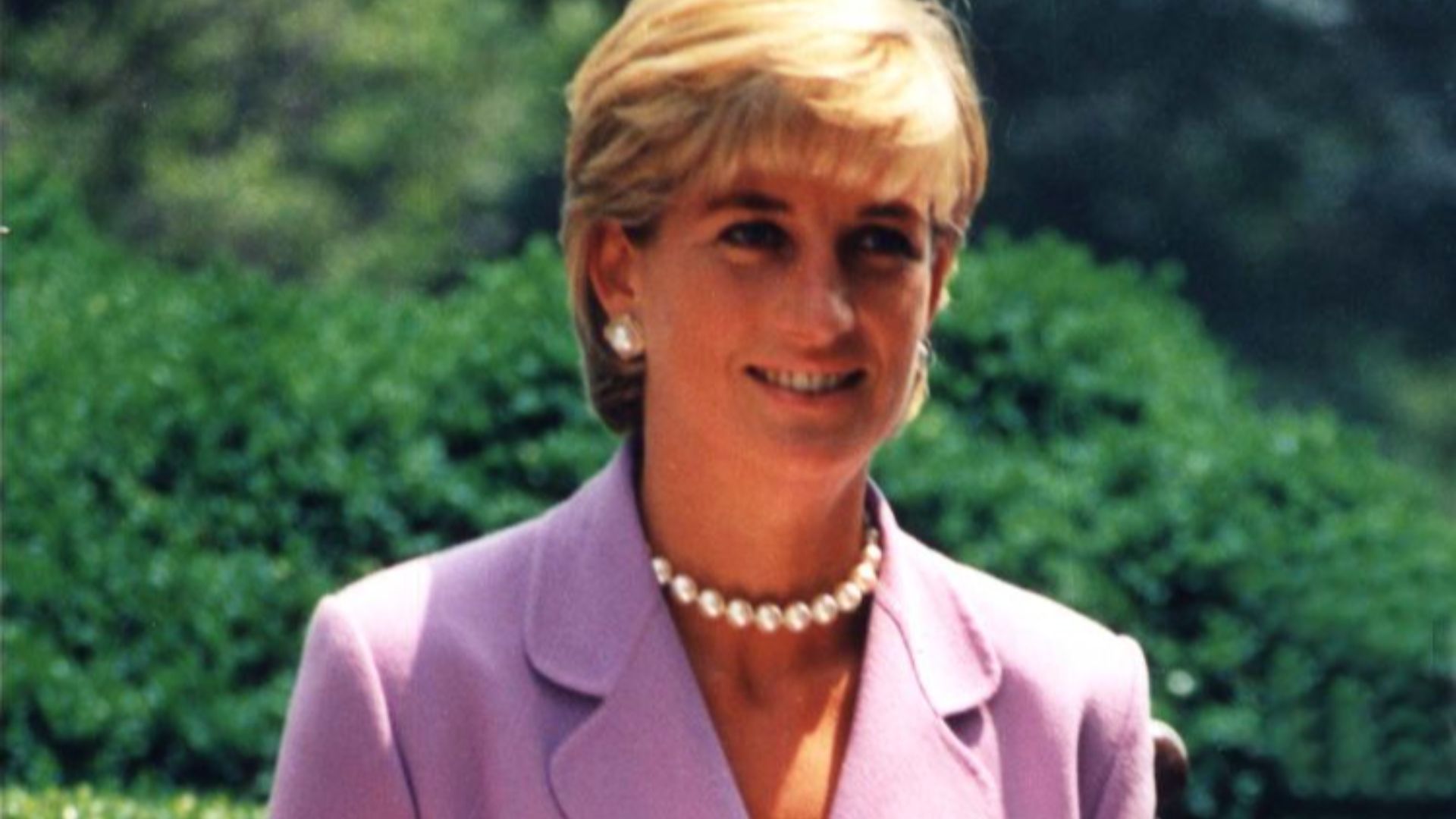 John Mathew Smith on Wikimedia
10. Josephine Baker
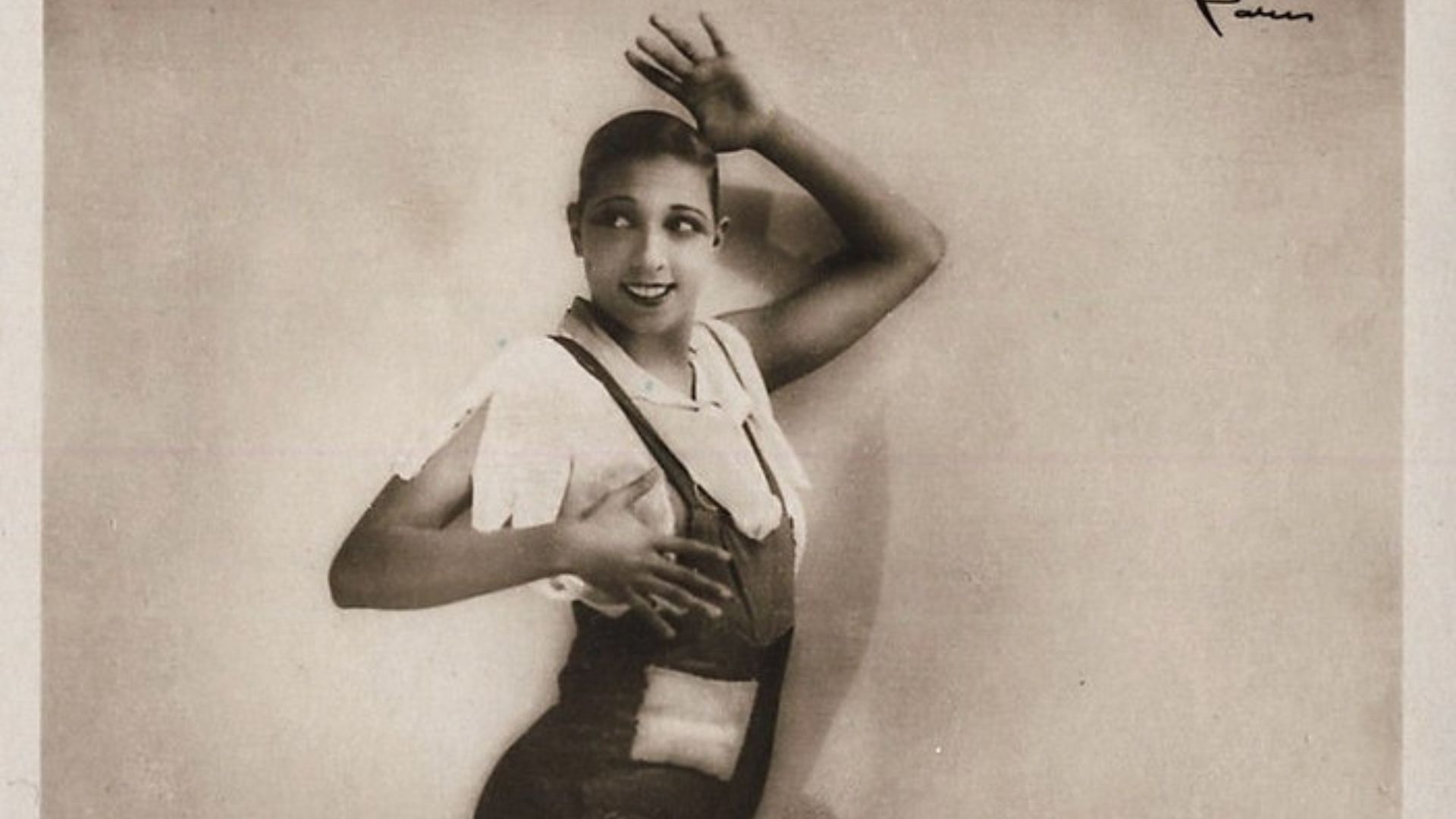
Josephine Baker brought daring, wit, sensuality, and total command to the way she dressed. Whether onstage or off, she understood how fashion could amplify charisma and turn performance into a complete visual event. Her style could be playful one moment and devastatingly elegant the next, which made her impossible to flatten into one look.
KEEP ON READING
The 20 Most Recognized Historical Figures Of All Time
The Biggest Names In History. Although the Earth has been…
By Cathy Liu Oct 4, 2024
10 of the Shortest Wars in History & 10 of…
Wars: Longest and Shortest. Throughout history, wars have varied dramatically…
By Emilie Richardson-Dupuis Oct 7, 2024
10 Fascinating Facts About Ancient Greece You Can Appreciate &…
Once Upon A Time Lived Some Ancient Weirdos.... Greece is…
By Megan Wickens Oct 7, 2024
20 Lesser-Known Facts About Christopher Columbus You Don't Learn In…
In 1492, He Sailed The Ocean Blue. Christopher Columbus is…
By Emilie Richardson-Dupuis Oct 9, 2024
20 Historical Landmarks That Have The Craziest Conspiracy Theories
Unsolved Mysteries Of Ancient Places . When there's not enough evidence…
By Megan Wickens Oct 9, 2024
The 20 Craziest Inventions & Discoveries Made During Ancient Times
Crazy Ancient Inventions . While we're busy making big advancements in…
By Cathy Liu Oct 9, 2024