

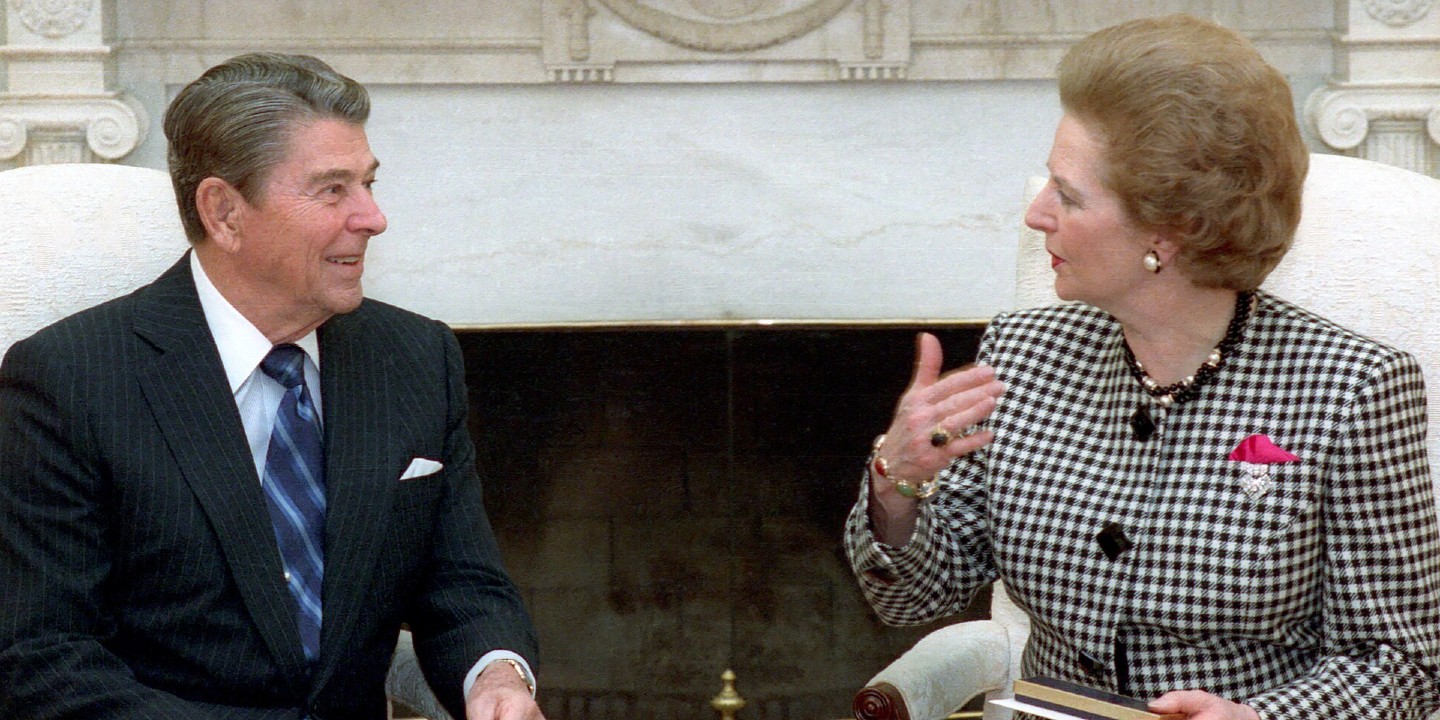
Margaret Thatcher’s Controversial Career Was All But Destroyed By Her Questionable Friendships And Riot-Inciting Policies
Margaret Thatcher’s Controversial Career Was All But Destroyed By Her Questionable Friendships And Riot-Inciting Policies
An Impressive Rise Marked By Scandals
Love her or hate her, Margaret Thatcher covered a lot of ground in her career. She was given the nickname "The Iron Lady," and was recognized for everything from helping create soft serve ice cream in the 1940s to introducing policies so controversial they caused chaos in the streets. However you remember her, here’s everything you need to know about this well-known name.
 Unknown photographer on Wikimedia Commons
1. She Had Humble Beginnings
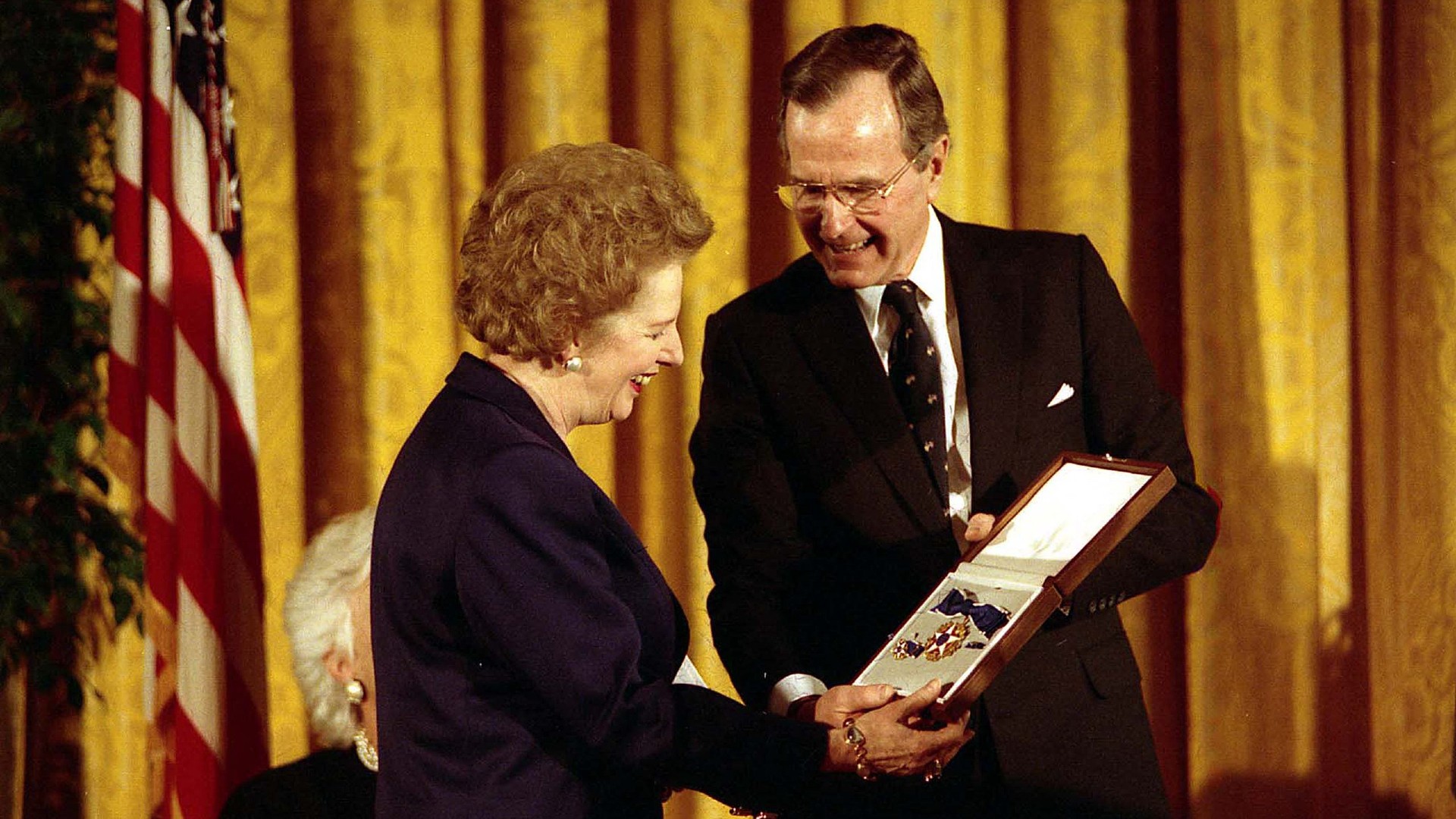
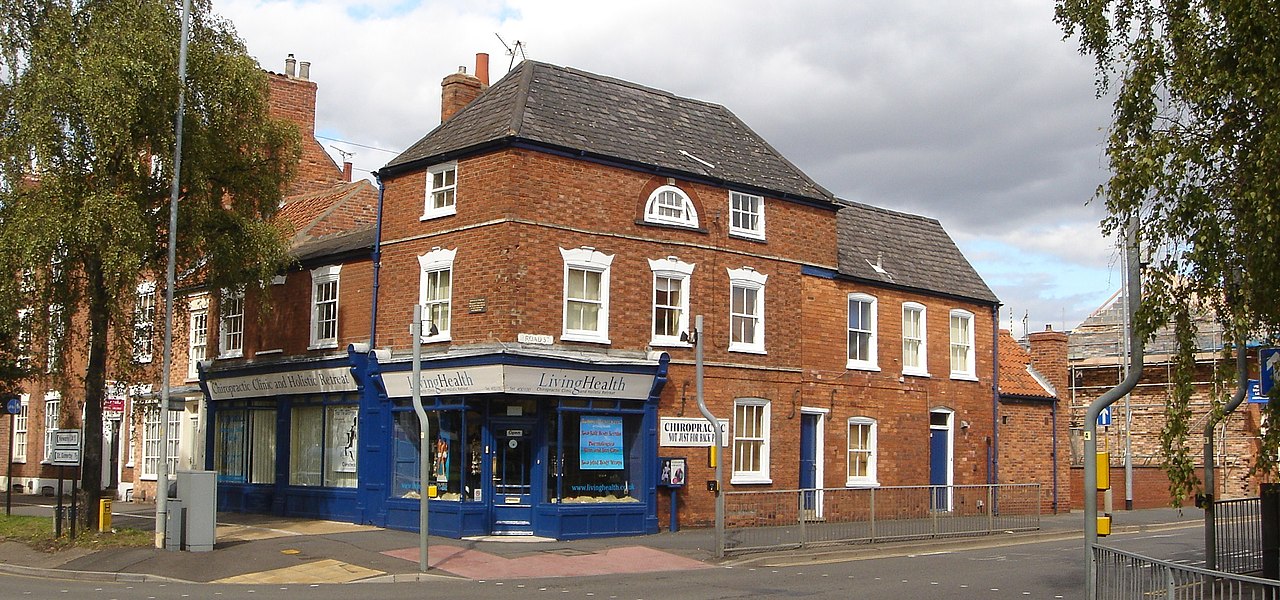
Born Margaret Hilda Roberts, she spent the majority of her childhood in Grantham. Her family owned a small apartment above her father’s corner store, though it lacked basic essentials like running water and central heating.
 Thorvaldsson on Wikimedia Commons
2. She Initially Worked as a Chemist
Before diving into politics, Thatcher graduated from Oxford with a degree in chemistry. She put it to good use and worked as a research chemist at BX Plastics in 1947. By 1949, she was a research chemist for J. Lyons and Co., where she played a part in developing soft-serve ice cream.

3. She Was the Youngest Female Candidate
In 1950, she became the country’s youngest (and only) female candidate running for the Labour seat of Dartford. She ran again in 1951 after losing the first time, but lost the following year as well.
 Robert J. Dole Institute of Politics on Wikimedia
4. She Wasn’t Voted In Until 1959
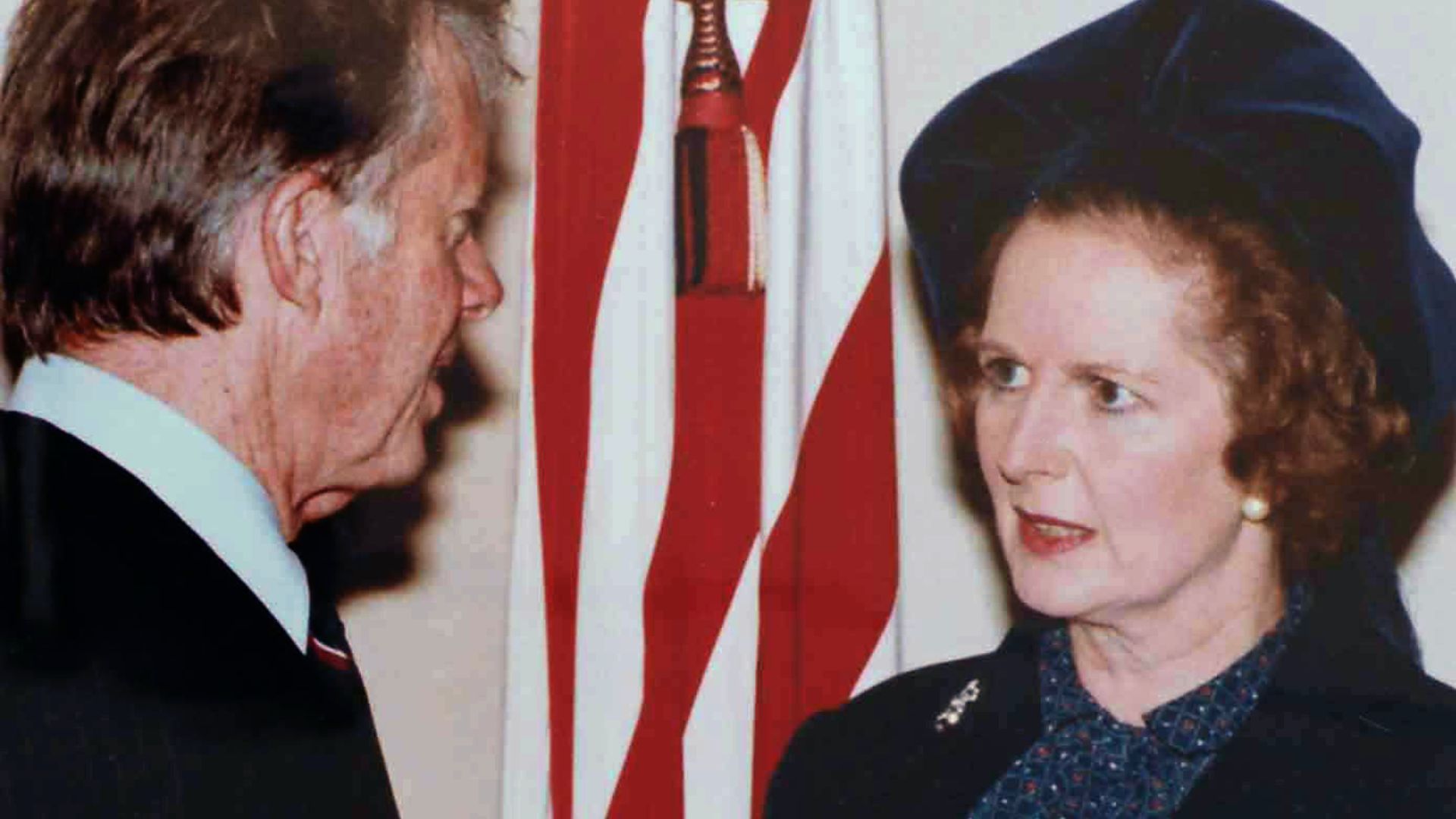
It wasn’t until 1959 that she finally secured a seat in the House of Commons; she became the Conservative MP for Finchley. However, though she worked her way into politics, it’d be nearly a decade before she’d lock in a more prominent position.
 White House photo office on Wikimedia
5. She Was a Parliamentary Secretary
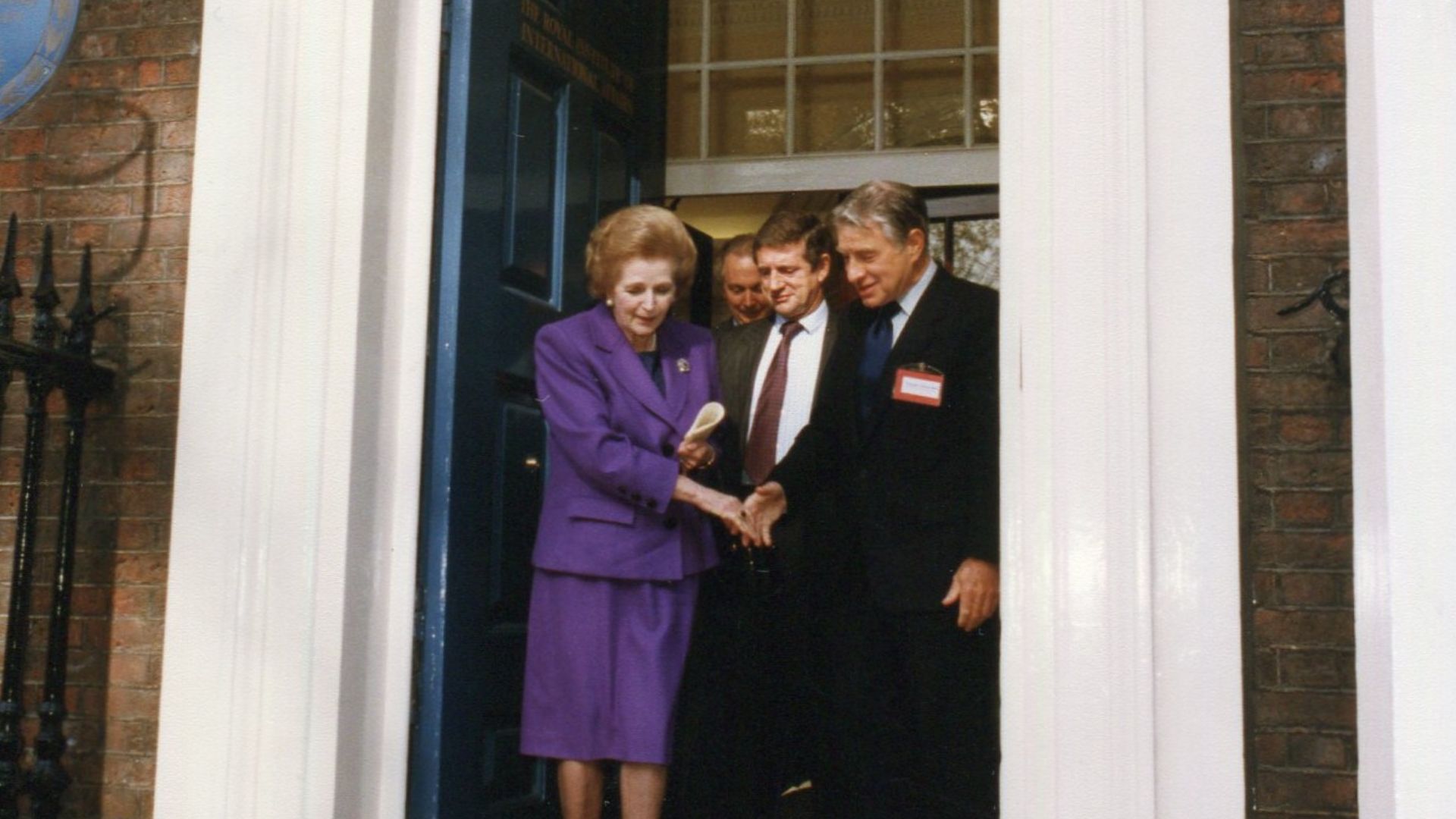
Before her big break in 1970 as Secretary of State for Education and Science, she worked as the Parliamentary Secretary to the Ministry for Pensions—and was the youngest woman in history to get the job. Around this time, people started referring to her as a PM in the making.
6. Mrs. Thatcher, Milk Snatcher
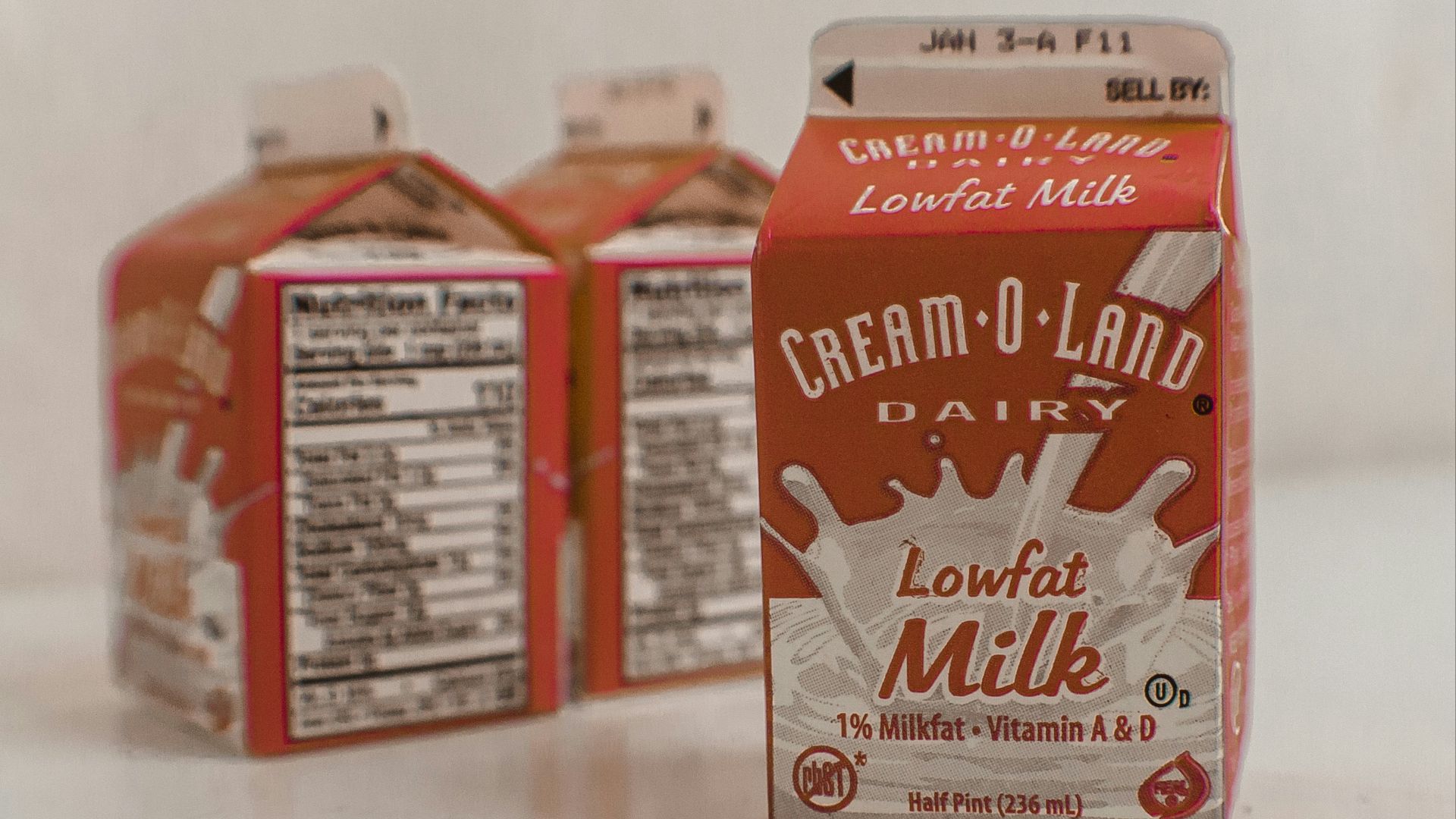
When she landed her role as Secretary of State for Education and Science, Thatcher quickly made some controversial moves. Despite the fact that her predecessor had done the same for older children, she called for the abolition of free milk for schoolchildren between seven and eleven—earning herself the nickname “Mrs. Thatcher, Milk Snatcher.”
 Shannon VanDenHeuvel on Unsplash
7. Laurence Olivier Had Advice for Her
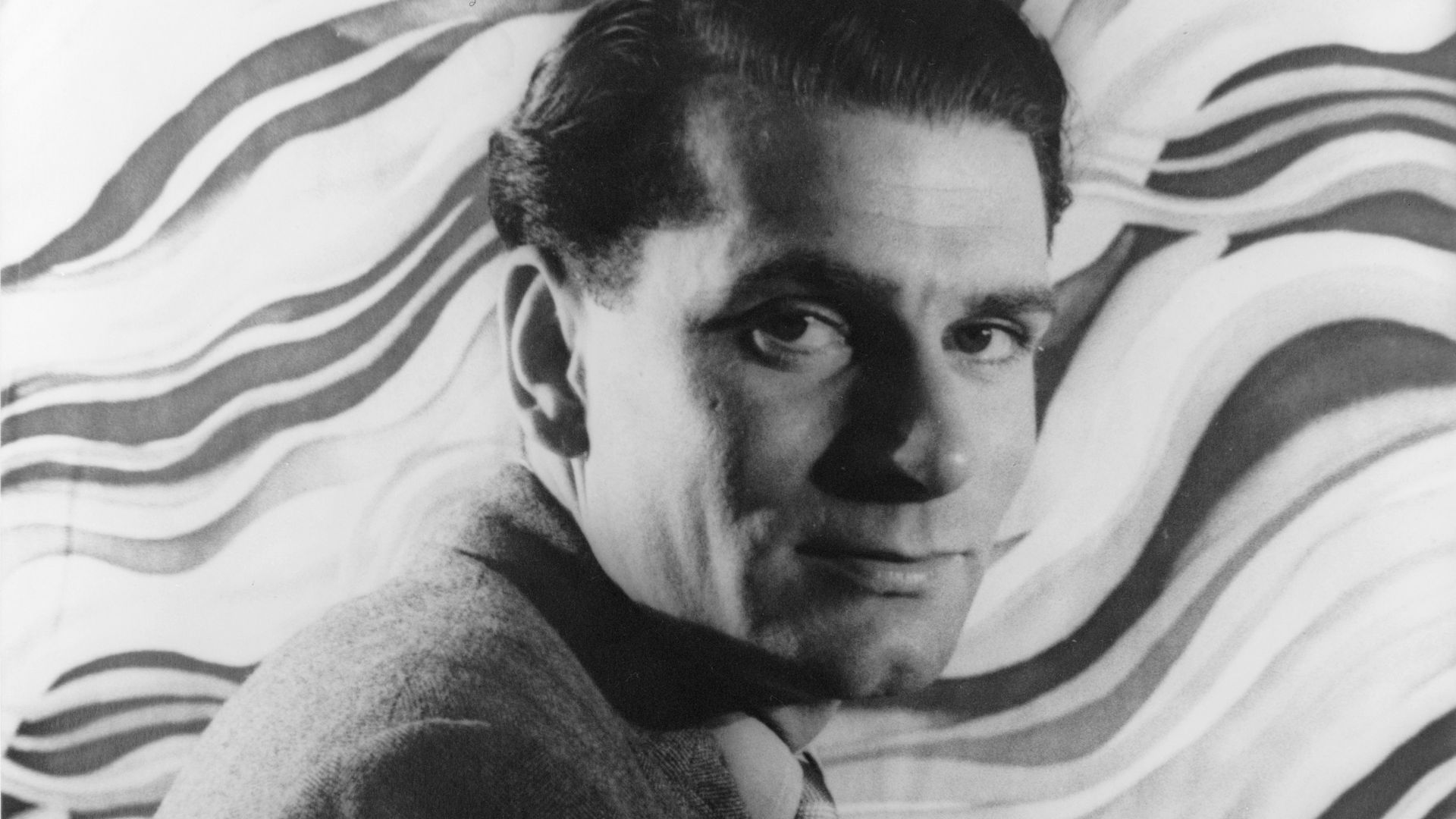
In 1973, the local press criticized the sound of her voice, and it was comments like those that led her advisor Gordon Reece to fear she’d lose votes. However, he stumbled upon famous actor Laurence Olivier who suggested she work with his voice coach, which she did, and the results had a major impact on her presence.
8. “The Iron Lady”
1976 marked the year Thatcher publicly attacked the Soviet Union, calling it “bent on world dominance.” That foreign policy speech was the very one that earned her the nickname “the Iron Lady,” and it followed her throughout her career.
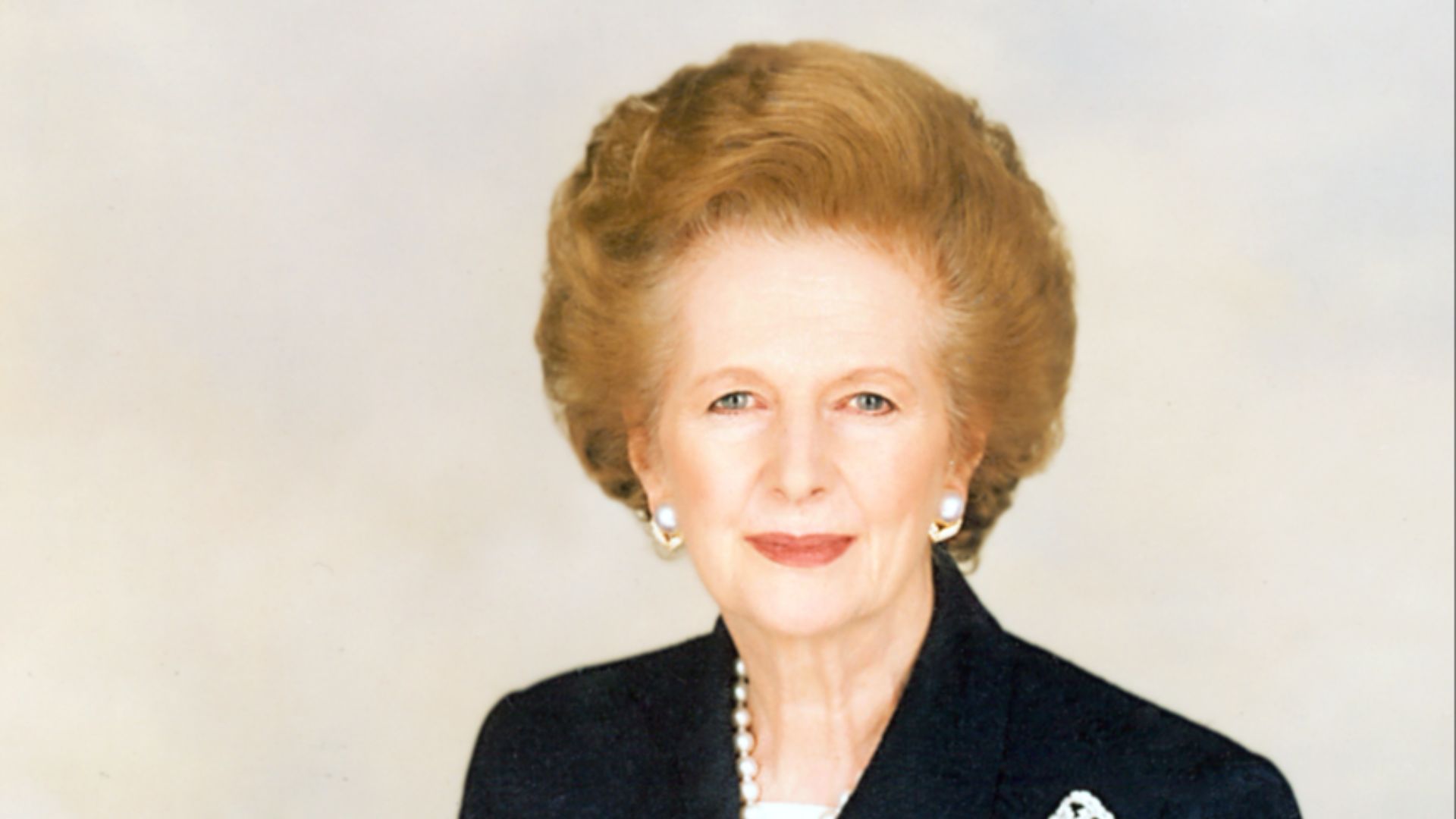 derivative work by Begoon on Wikimedia
9. She Became the Conservative Party Leader
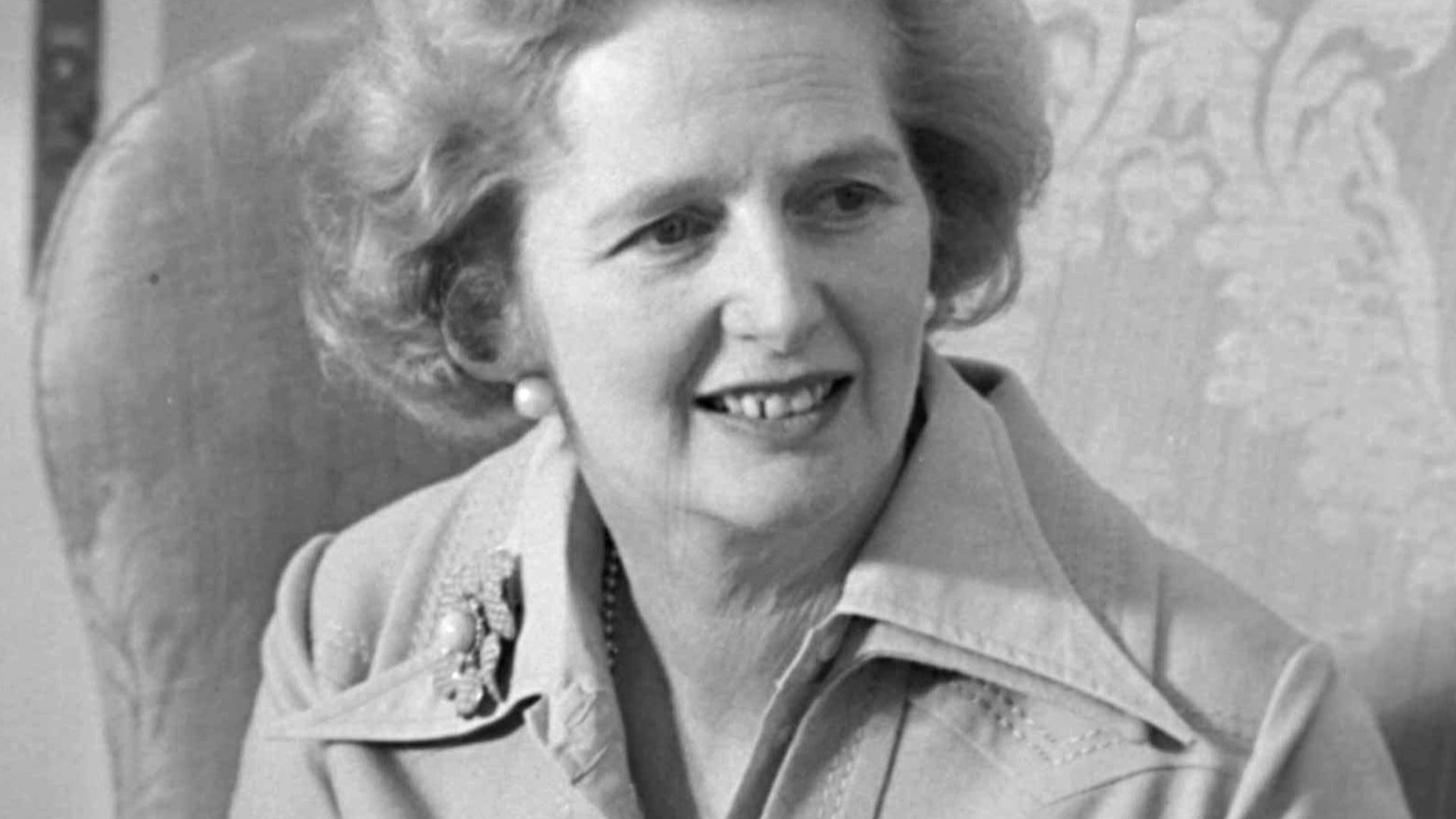
In 1979, she became prime minister—the victory was monumental as it marked Britain’s first female PM. Though there were natural naysayers, her speech at the 1980 Conservative Party Conference coined her famous phrase, “The lady’s not for turning!” By the end, her words earned a five-minute standing ovation.
 Marion S. Trikosko on Wikimedia
10. The Housing Act 1980
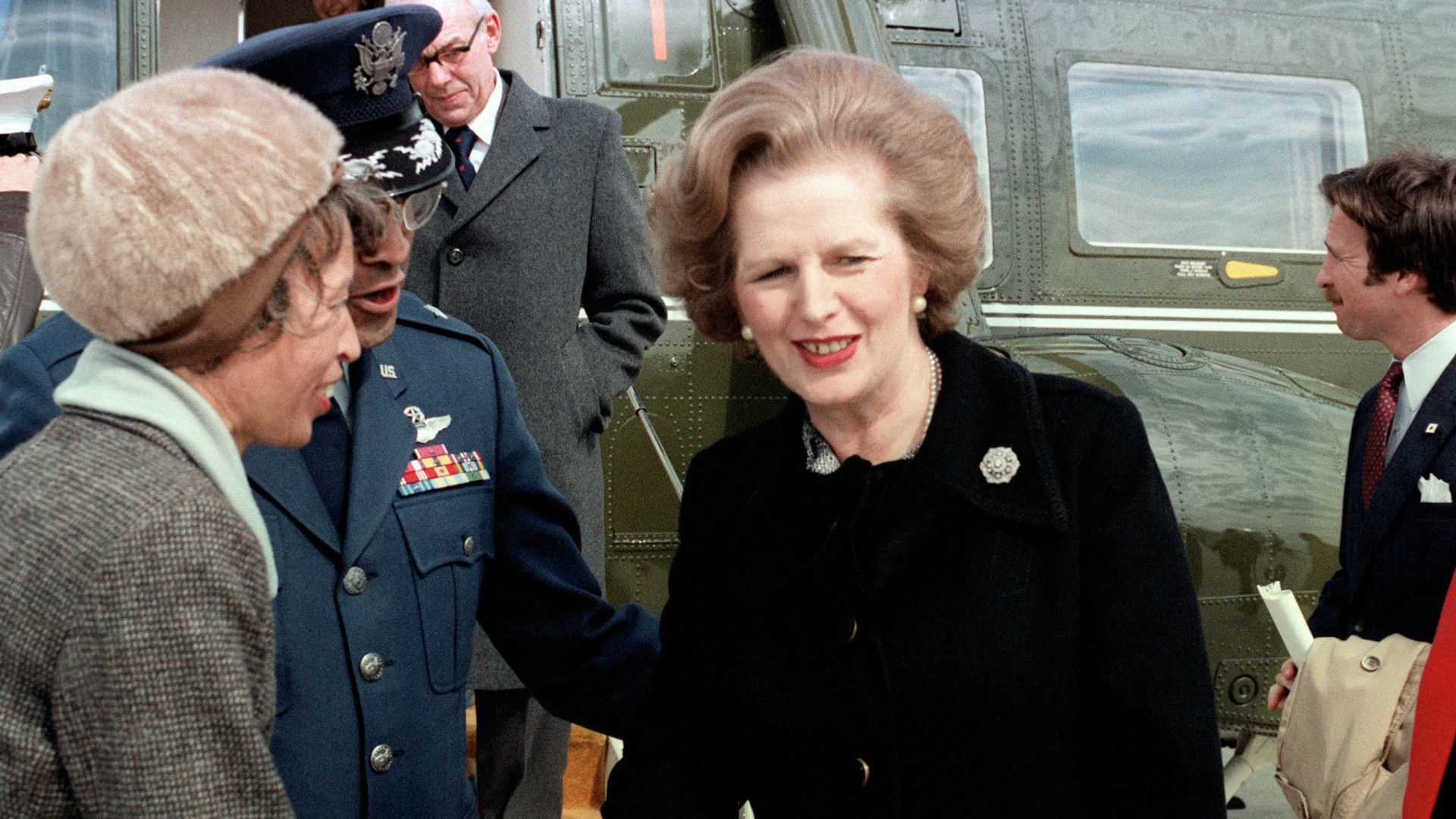
One of Thatcher’s biggest acts was the Housing Act 1980, which allowed council house tenants to buy their property. That said, it didn't exactly bring about the best results. Long-lasting effects caused an uptick in homelessness, significant drops in social housing, and massive rent hikes.
 Williams, U.S. Military on Wikimedia
11. She Met With the Queen a Lot
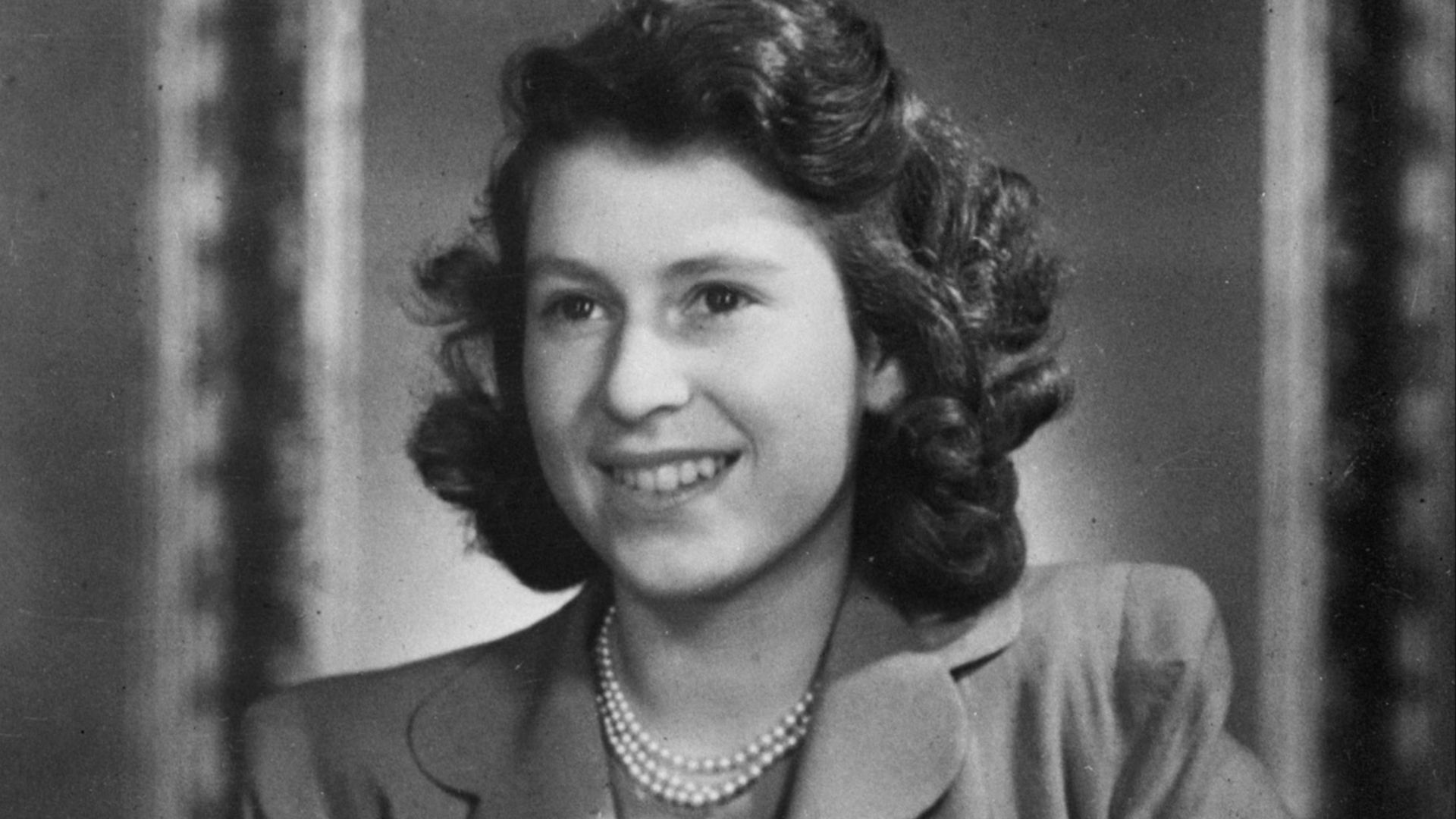
During her time as PM, Thatcher had weekly meetings with Queen Elizabeth II. While it may seem like an accomplishment, their relationship soon raised eyebrows. Whispers spread about their tense meetings and by the mid-1980s, it came out that the Queen actually found some of Thatcher’s policies uncaring.
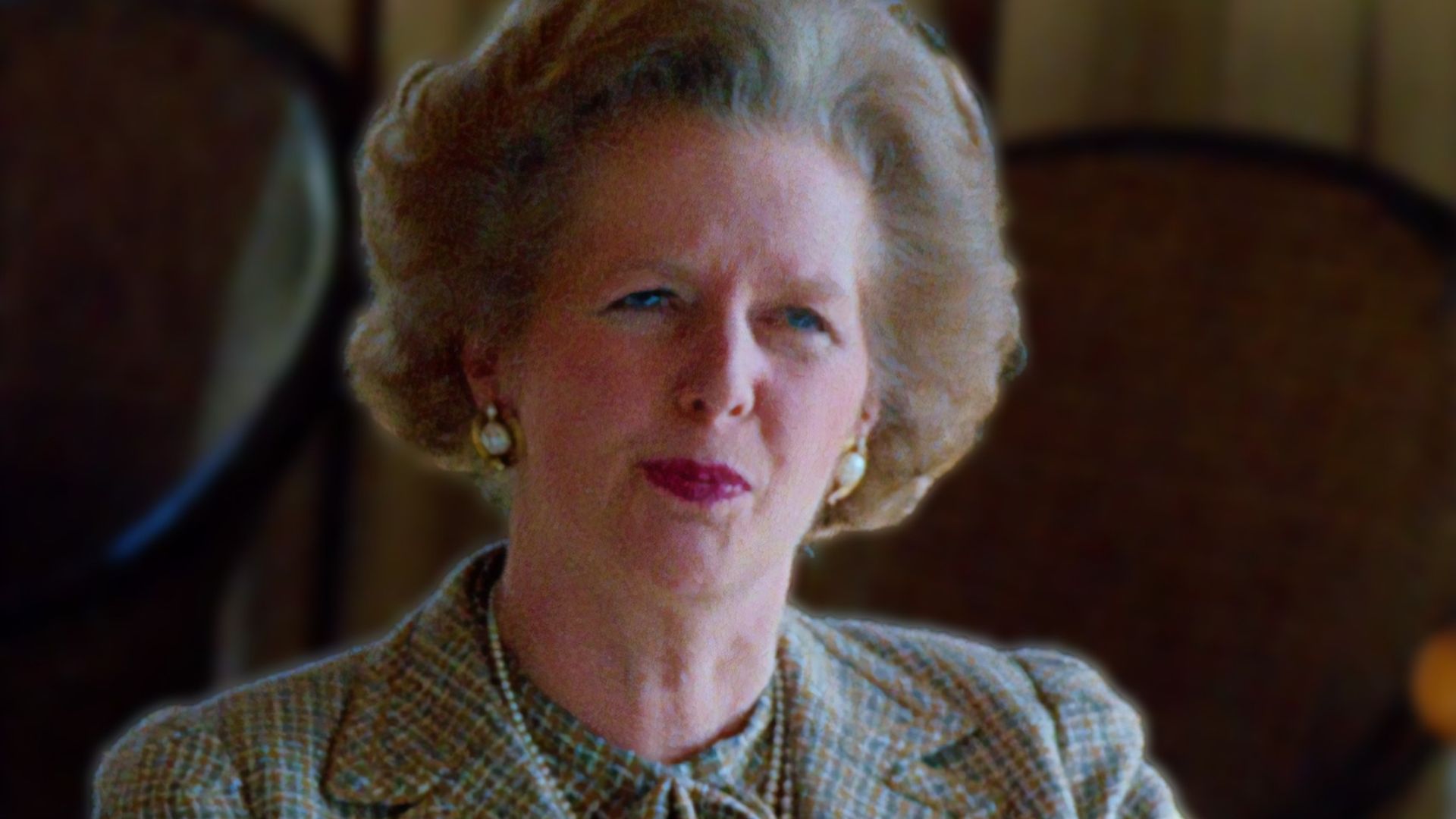
12. The IRA Tried to Assassinate Her
The higher you rise in power, the more people try to bring you down, and that was a hard lesson Thatcher learned while preparing for a Conservative Party conference in 1984. At the time, she was rooming at a Brighton hotel, where she barely escaped a bomb planted by the IRA. It was one that claimed the lives of several people.
 Unknown photographer on Wikimedia
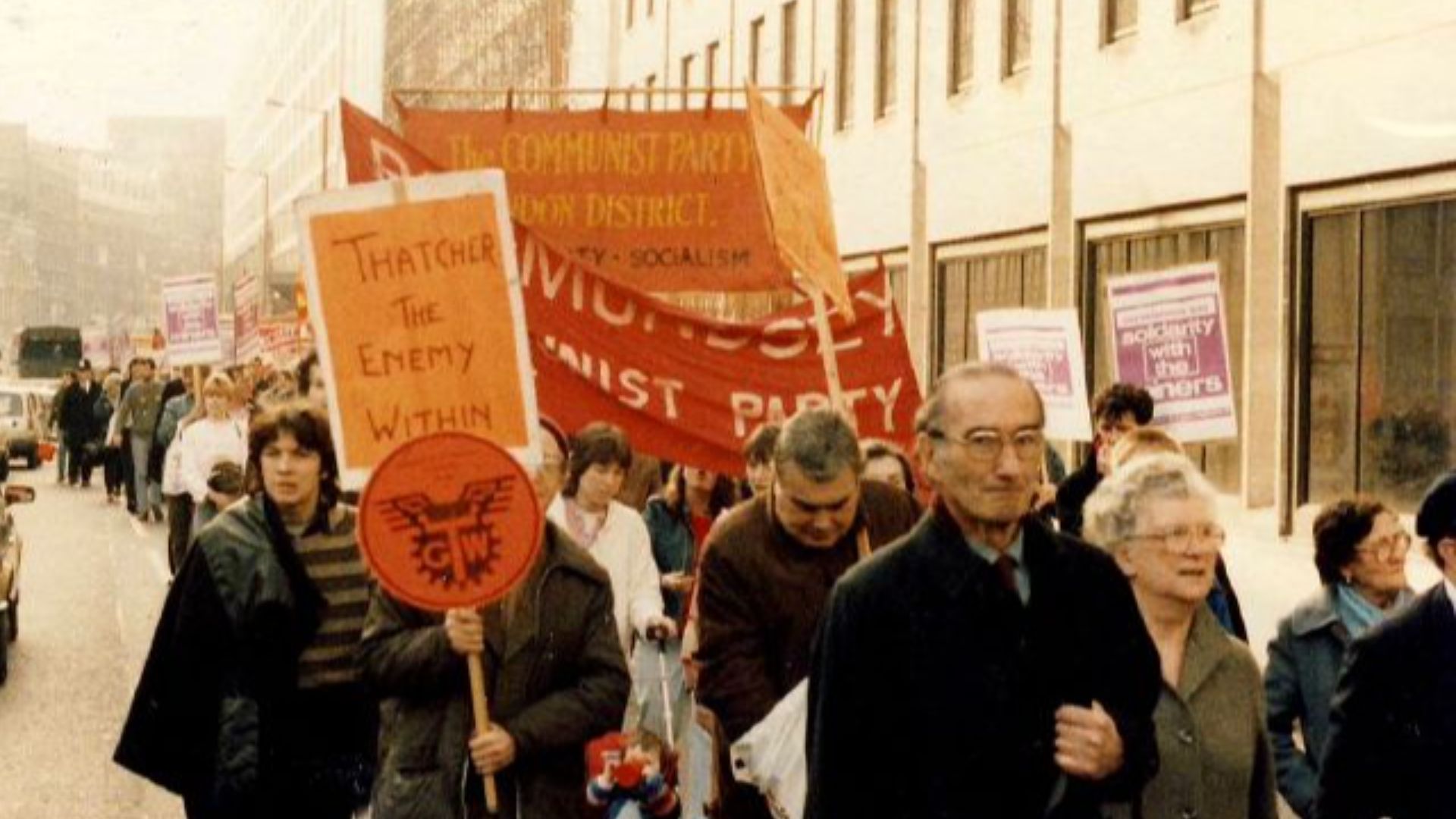
13. The Unions Fought Her
Thatcher was no friend to unions and her policies often put her at odds with the working class. Her government vied to close dozens of coal mines and put tens of thousands of people out of work, leading to a historic 1984 protest that resulted in violence, arrests, and nearly every coal mine getting shut down over the next 20 years.
 Nick from Bristol, UK on Wikimedia
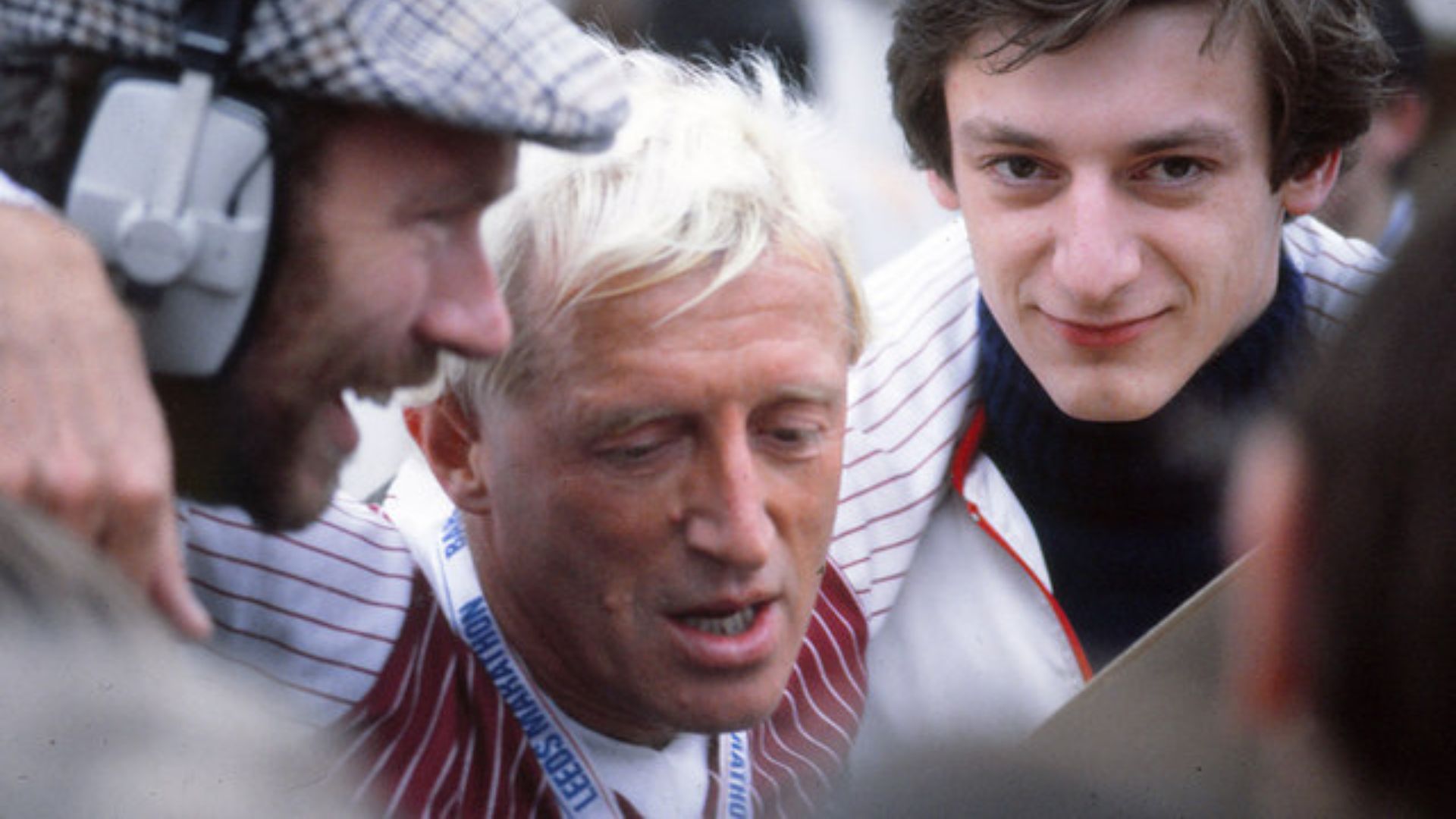
14. She Insisted Jimmy Savile Be Knighted
Thatcher was close to famous children’s entertainer (and notorious criminal) Jimmy Savile. She continuously called for his knighthood despite her request getting denied several times. It wasn’t until 1990 that it finally happened.
15. She Introduced Section 28
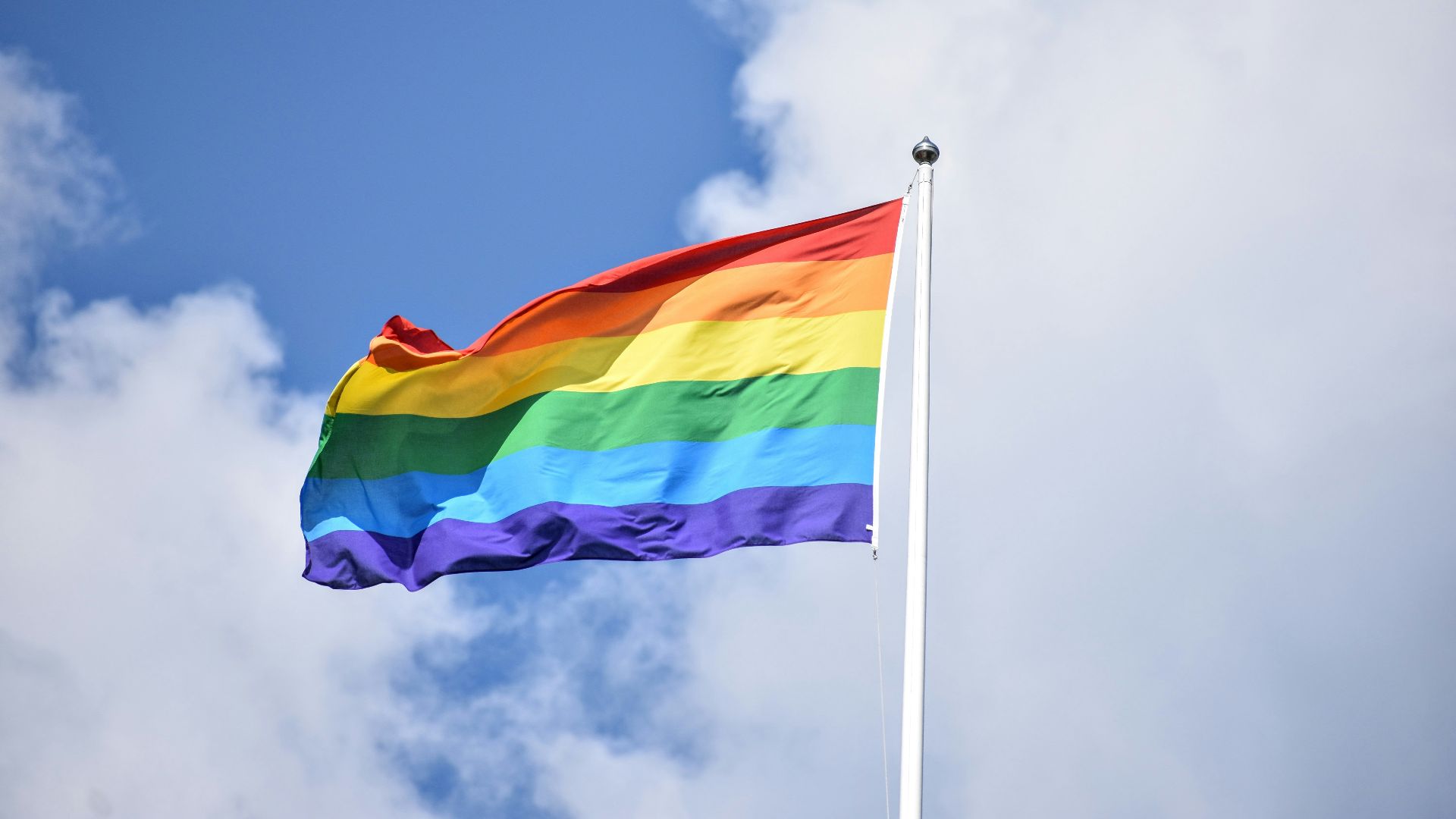
Section 28 was a controversial part of the Local Government Act 1988; it stated that local authorities couldn’t “promote homosexuality.” The ruling led to all kinds of LGBTQ support group closures and even the erasure of discussing anything in schools.
16. She Was Accused of Racism
Left-wing politicians and scholars long considered Thatcher a proponent of racism. During her World in Action interview, she claimed people were growing more scared of immigration, which led to heated headlines everywhere. In a 1978 House of Commons meeting, Thatcher was even taunted by people shouting, “Racist!”
17. She Was the Longest-Serving PM
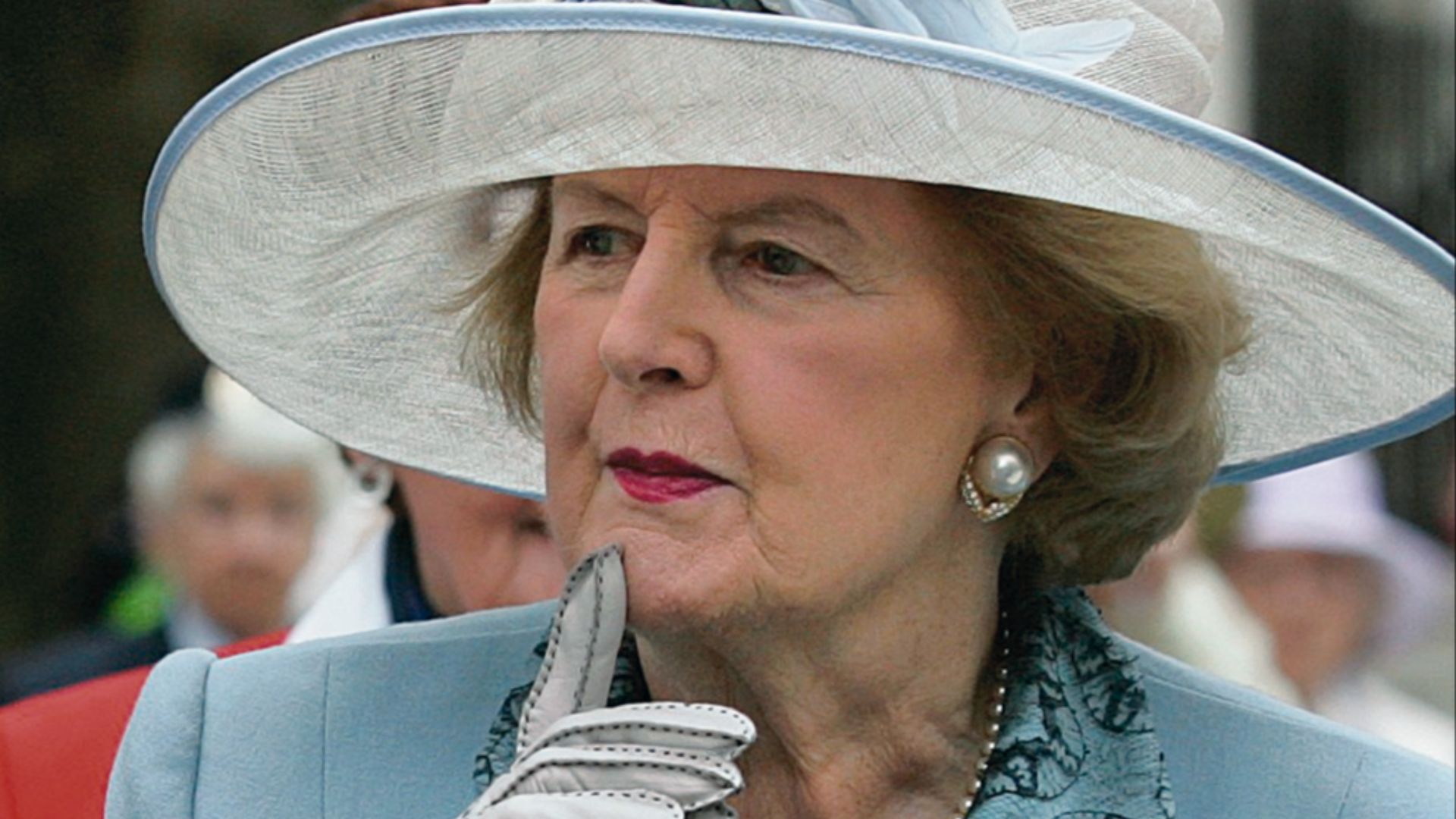
Despite all the controversies attached to her name, Thatcher didn't go anywhere for a long time. Serving nearly 12 years in office, she's Britain’s longest-serving prime minister of the 20th century. The last person to stay that long was back in the 1800s.
 Marion S. Trikosko on Wikimedia
18. She Has Several Memoirs
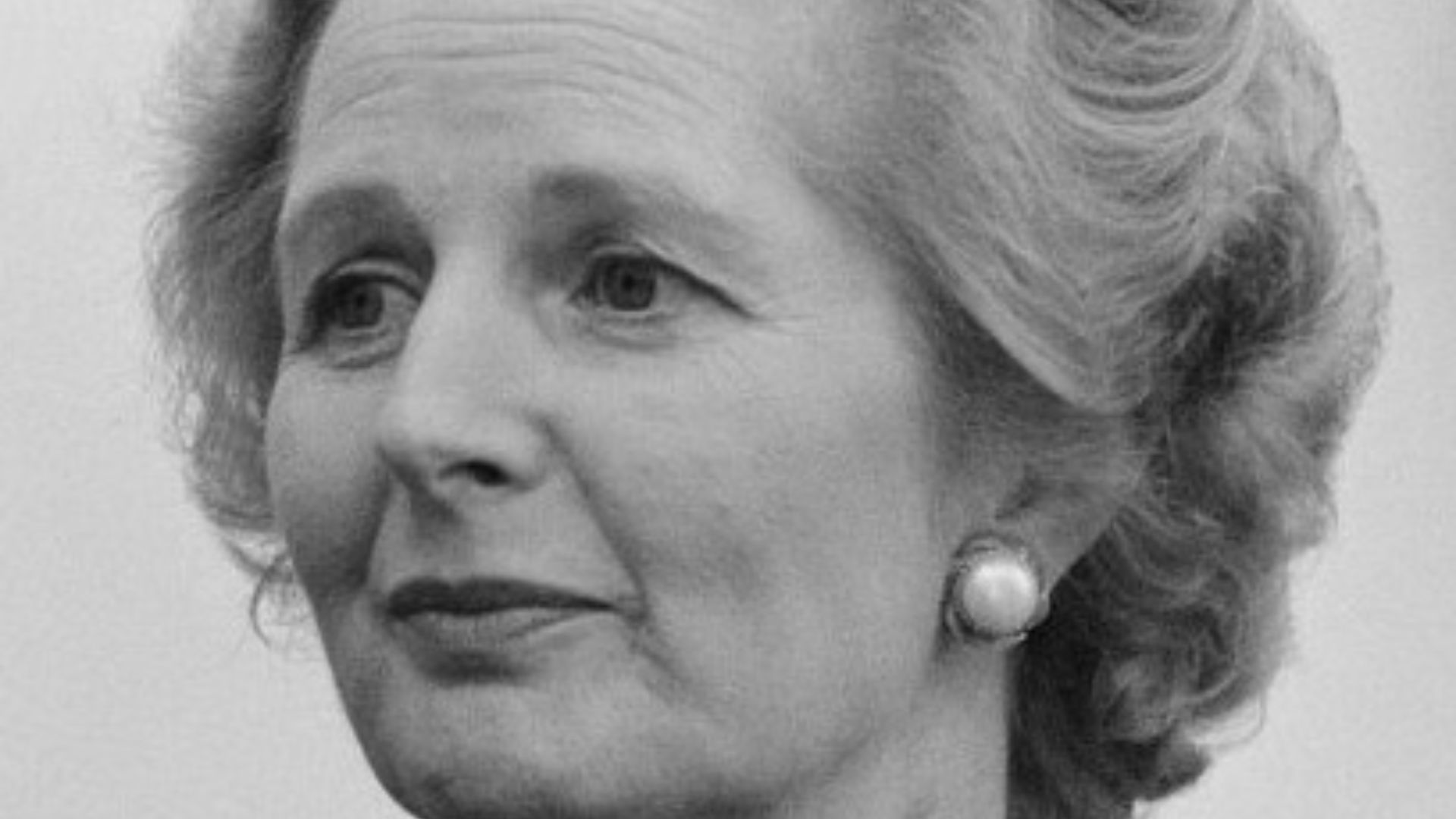
She has two memoirs, one titled The Downing Street Years and another called The Path to Power. The latter discusses her life until she became prime minister whereas The Downing Street Years primarily focuses on her time as PM.
 Unknown photographer on Wikimedia
19. She Passed Away in 2013
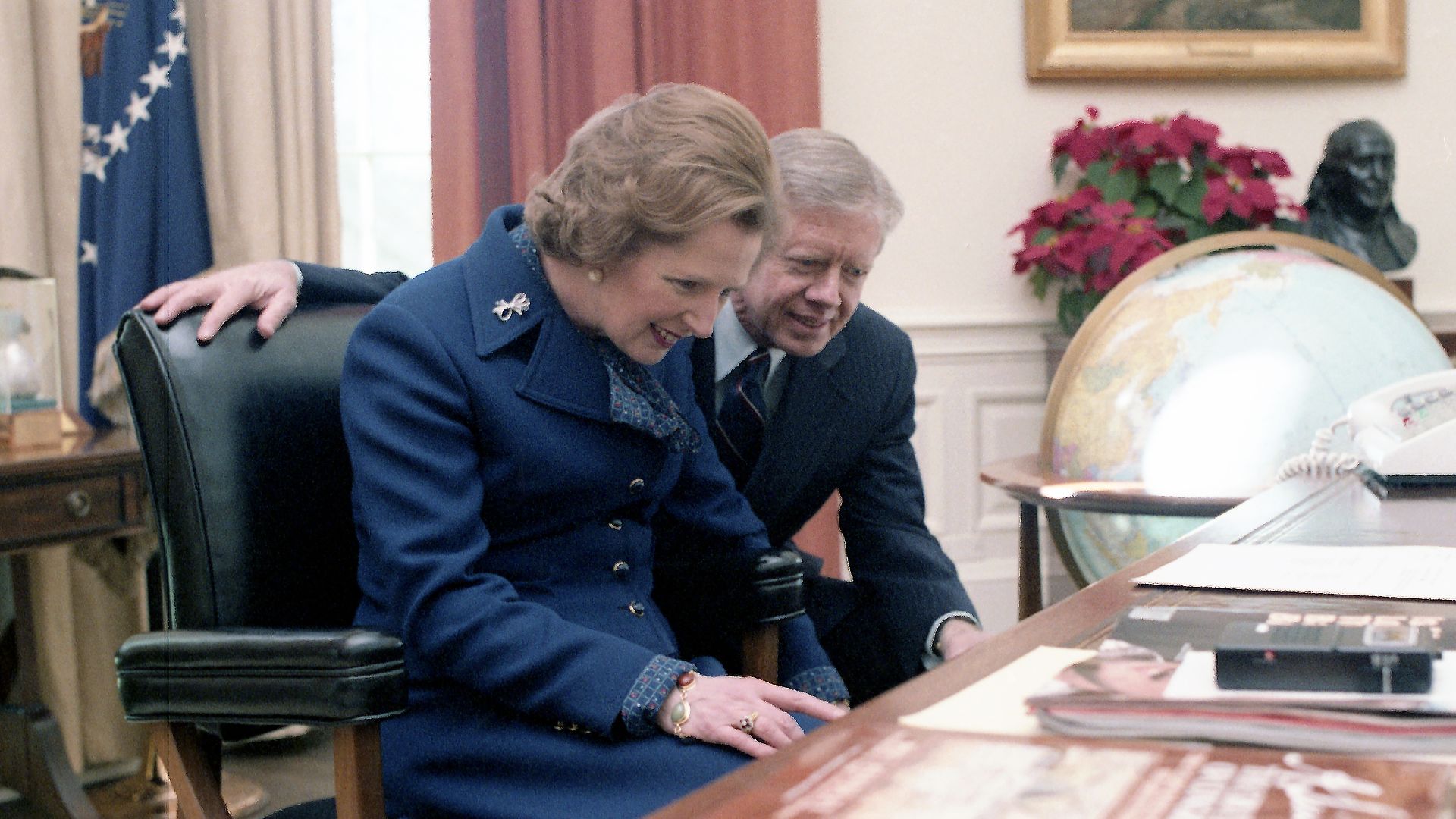
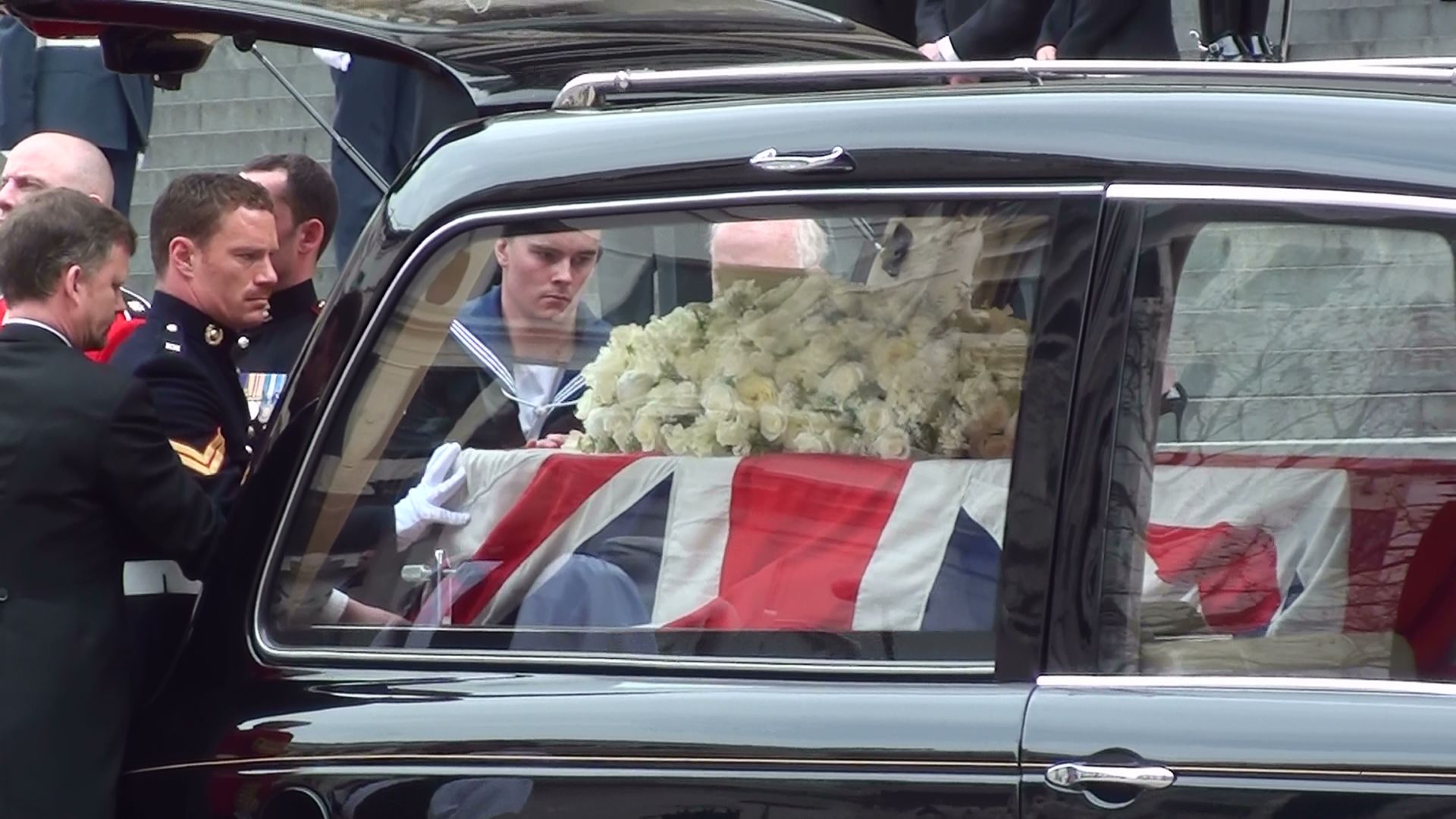
Thatcher lost her life in April 2013 after suffering a stroke. News of her passing was met with both admiration for her reign and public hatred. However, Queen Elizabeth II attended the funeral, which was the second and final time she did so for a former PM—only after Churchill.
20. She Has Her Own Day
It might not be a public holiday, but that hasn’t stopped the Falkland Islands from celebrating Margaret Thatcher Day. In 2015, a bust of her was unveiled, and islanders today continue to pay homage to her January 10 visit.


KEEP ON READING
The Love Story Behind the Taj Mahal Was Also a…
Koushik Chowdavarapu on UnsplashThe Taj Mahal is often introduced as…
By Emilie Richardson-Dupuis Apr 2, 2026
JFK's Last Meal Is A Testament To His Character
Walt Cisco, Dallas Morning News on WikimediaHistory often focuses on…
By Sara Springsteen Apr 2, 2026
Public Executions Were Once the Most Attended Events in Town…
Georg Heinrich Sieveking on WikimediaFor centuries, a public execution could…
By Breanna Schnurr Apr 2, 2026
20 Old Hollywood Feuds That Went Beyond The Studio Lot
When The Smiles Stopped. Old Hollywood sold a polished fantasy,…
By Breanna Schnurr Apr 2, 2026
The Coup Triggered by a Pop Song
Matheus Ferrero on UnsplashMost political upheavals have a trigger that…
By Cameron Dick Apr 2, 2026
How The Black Death Spurred the Renaissance
Art Institute of Chicago on UnsplashThe Black Death, which swept…
By Rob Shapiro Apr 2, 2026