


This Iconic Historical Figure Was Considered A Failure In His Time
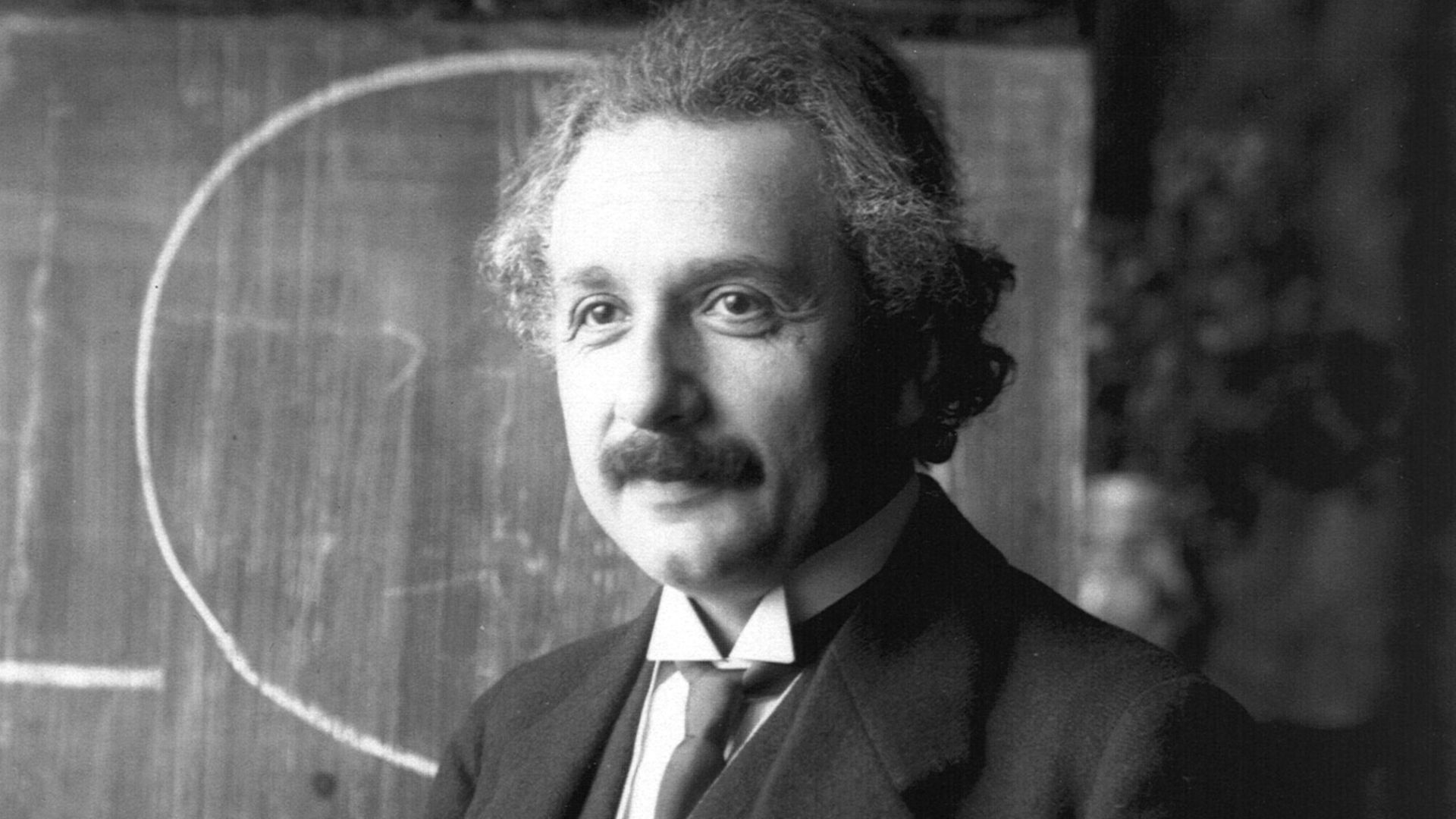 Ferdinand Schmutzer on Wikimedia
History is full of people whose achievements were unrecognized during their lifetimes. Some of the most influential figures we celebrate today were once seen as failures, misunderstood or dismissed by their contemporaries. Their stories are a reminder that immediate success isn’t always the measure of greatness.
One such person is Albert Einstein, now known worldwide as the genius behind the theory of relativity. While he is revered today, he wasn’t always celebrated in his own time. Understanding his struggles and the skepticism he faced helps us appreciate just how remarkable his eventual impact truly was.
Early Struggles and Misunderstandings
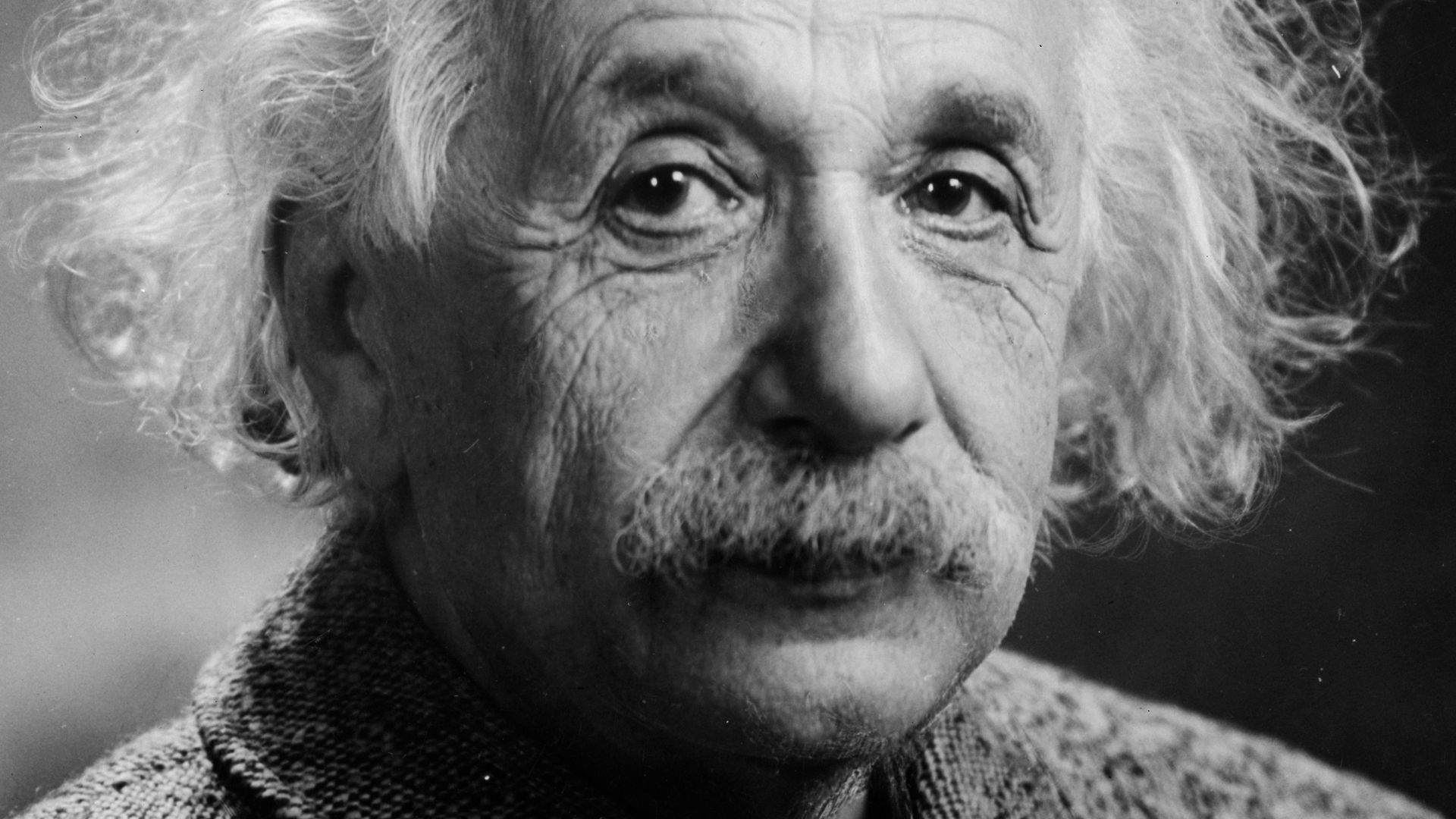
Einstein’s early life didn’t hint at his later brilliance. Teachers described him as slow, and he struggled with the rigid education system of his youth. Some even suggested he would never amount to much, as his unconventional thinking clashed with traditional schooling methods.
After completing his studies, Einstein faced difficulty finding an academic position. Despite his extraordinary ideas, he worked at the Swiss patent office, a job far removed from the scientific recognition he deserved. During this period, he continued his research independently, often late at night, driven by curiosity rather than fame.
Even when he published early papers, many were ignored or met with skepticism. His theories challenged established scientific thought, which naturally made him a controversial figure. While others dismissed his work as speculative, Einstein persisted, laying the groundwork for what would later revolutionize physics.
Revolutionary Ideas Ahead of Their Time
The concept of relativity, which eventually became Einstein’s signature achievement, was initially difficult for the scientific community to grasp. People were accustomed to Newtonian physics, and the idea that time and space were relative seemed almost impossible. This resistance made him appear out of touch or overly ambitious.
Einstein also faced criticism for his unconventional methods. Unlike many scientists who relied strictly on empirical experiments, he often used thought experiments and theoretical reasoning. While this approach eventually proved revolutionary, early reactions ranged from confusion to outright dismissal.
His revolutionary ideas weren’t just ignored, they were sometimes ridiculed. Colleagues and journals hesitated to embrace a theory that fundamentally altered humanity’s understanding of the universe. It wasn’t until years later, after experimental verification, that his ideas gained the recognition they deserved.
From Rejection To Iconic Status
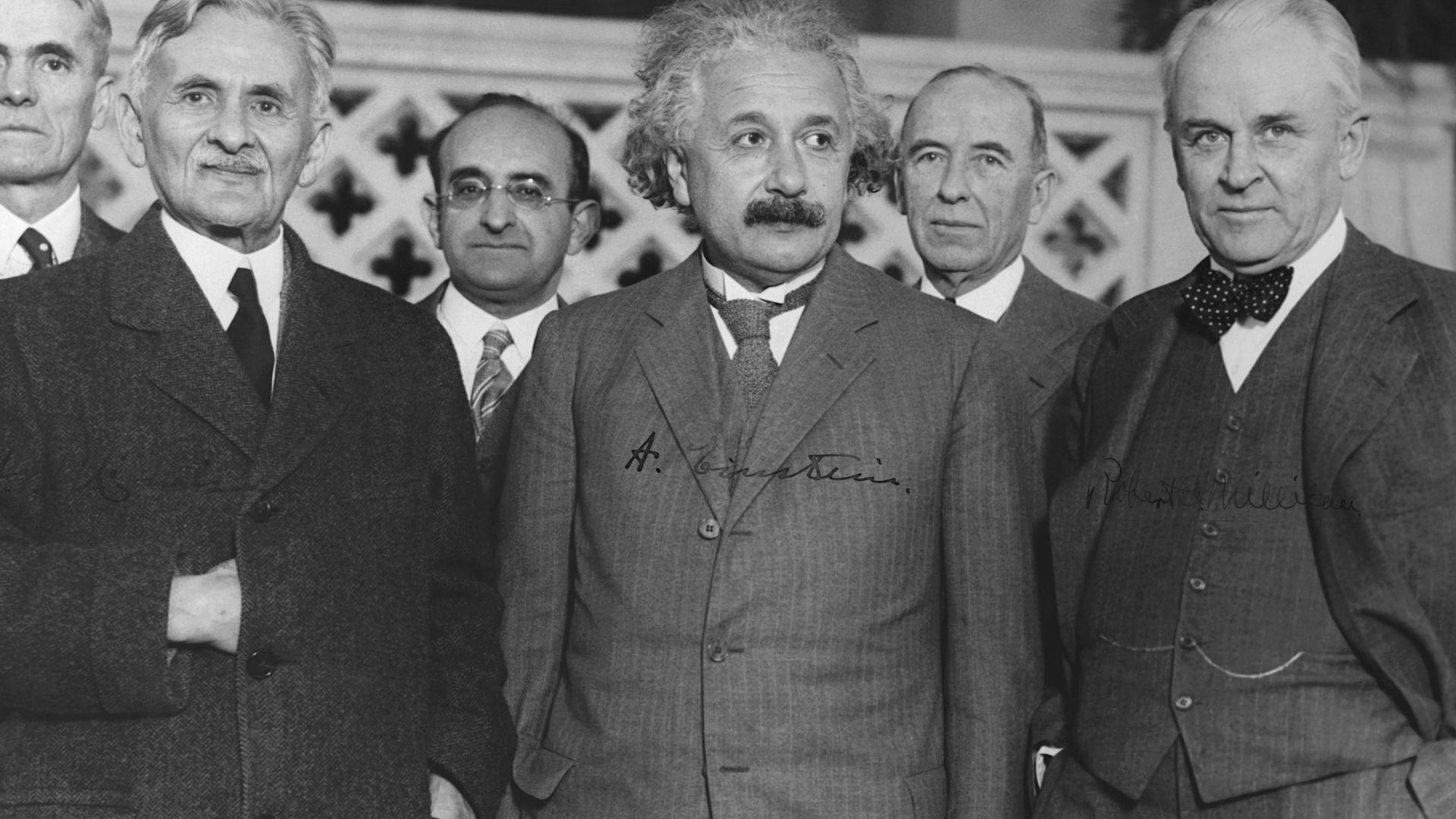 Smithsonian Institution, Photographer: unknown Restored by: Bammesk on Wikimedia
Despite early rejection, Einstein’s persistence paid off. Once his theories were confirmed, the world began to acknowledge the magnitude of his contributions. Today, his name is synonymous with genius, and his work influences physics, technology, and even popular culture.
Einstein’s journey highlights the value of resilience. He faced repeated doubts and setbacks, yet he continued exploring ideas that others couldn’t yet comprehend. His success serves as a reminder that societal perception of “failure” can often be misleading, especially when someone is pushing the boundaries of knowledge.
His story also emphasizes the importance of patience. True innovation often requires time, and immediate acceptance isn’t always possible. Einstein’s eventual acclaim underscores the idea that enduring impact matters far more than temporary validation.
Albert Einstein’s life shows that even individuals considered failures in their own time can leave an indelible mark on history. His early struggles, misunderstood theories, and persistence in the face of skepticism illustrate a universal lesson about perseverance and vision.
Being ahead of one’s time can feel isolating, but it can also lead to monumental breakthroughs. Einstein’s experience encourages anyone pursuing unconventional ideas to keep going, even when immediate recognition seems impossible. His story proves that innovation and dedication can eventually triumph over doubt and misunderstanding.
Ultimately, the measure of achievement isn’t how others perceive you in the moment, it’s the lasting impact your ideas and actions create. Einstein’s journey from underestimated patent clerk to global icon reminds us that visionaries often face rejection first, only to shape the future later. His life is a testament to the fact that what may seem like failure today can become the foundation for extraordinary success tomorrow.
KEEP ON READING

20 Weirdest Historical Objects in Museums
Check Out the Pickled Heart of a Saint. Museums carry…
By Rob Shapiro Oct 1, 2025
20 Ocean Mysteries We Still Haven’t Solved
Unanswered Questions Of The Ocean. The ocean covers most of…
By David Davidovic Sep 1, 2025
10 Phenomenal Mythical Creatures & 10 That Are Just Plain…
Legends Both Majestic And Peculiar. Do you ever wonder why…
By Chase Wexler Oct 1, 2025
20 Historical Predictions That Turned Out To Be True
Crystal Ball Moments In History. Do you wonder what it's…
By Chase Wexler Sep 1, 2025
10 Presidents Who Never Served In The Military & 10…
Commanders And Civilians In Office. Power can rise from very…
By David Davidovic Sep 1, 2025
20 Wars That Could Have Ended Much Sooner Than They…
Wars That Lasted Far Too Long. Wars are often remembered…
By David Davidovic Sep 1, 2025