


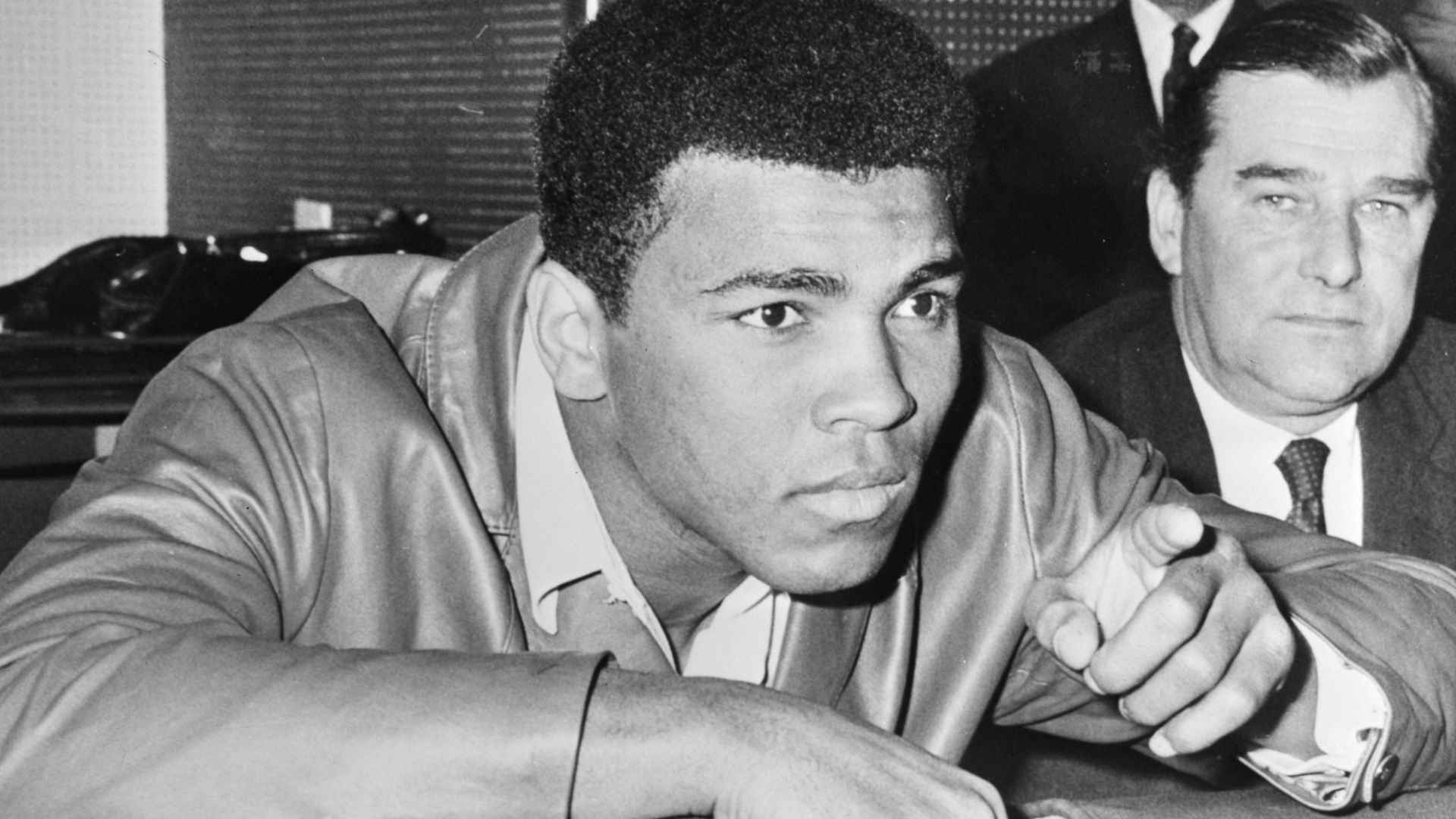
Boxing is a sport full of legends, from Mike Tyson to Floyd Mayweather, each leaving their mark on the ring. But when you start talking about the greatest boxer in history, one name keeps rising above the rest: Muhammad Ali. His combination of skill, charisma, and courage made him more than just a fighter; he became a cultural icon whose legacy still influences the sport today.
Even decades after retiring, Ali’s record and reputation remain unmatched in many ways. Fans and analysts debate the details, comparing him to modern champions, but the truth is that his influence and dominance are hard to replicate. In this article, we’ll look at why Ali’s greatness hasn’t faded, why he still serves as the standard for excellence, and what makes him virtually unbeatable in the eyes of boxing history.
Dominance in the Ring
Ali’s dominance in the ring wasn’t just about raw strength—it was about skill, strategy, and adaptability. He had a unique style that combined speed, agility, and precision. Unlike many heavyweights of his era, he could dance around the ring, dodging punches while landing clean, powerful counters that kept opponents on their heels.
His record speaks for itself. Winning heavyweight titles three separate times in an era full of talented fighters wasn’t just luck. Each era presented new challenges, from Sonny Liston’s raw power to George Foreman’s intimidating presence, and Ali found ways to triumph every time.
Ali’s mental game also played a key role in his dominance. He knew how to get into the heads of his opponents with clever trash talk and psychological tactics. By predicting moves, controlling the pace, and forcing mistakes, he often won fights before the first punch even landed. That combination of brains, speed, and power is a recipe that’s difficult to replicate, even in modern boxing.
Cultural Impact and Influence
Beyond his physical prowess, Ali’s influence stretched far beyond the ropes. He became a symbol of courage, standing up for his beliefs during the Vietnam War and speaking out on issues of race and equality. His charisma and confidence made him a global figure, showing that being great in the ring could also mean being fearless outside of it.
This cultural impact also shaped the sport itself. He brought attention to boxing like no one else, attracting fans who might not have followed the sport otherwise. People tuned in not just for the matches but for the personality and showmanship that Ali brought, making every fight feel like a major event.
Ali’s influence also inspired generations of fighters. Champions like Mike Tyson, Lennox Lewis, and even contemporary stars like Anthony Joshua have cited him as a model for what a boxer can achieve both physically and mentally. His style, courage, and attitude continue to shape training methods, strategies, and even marketing in boxing today.
Records, Feats, and Legacy

When you look at the numbers, Ali’s achievements remain impressive even decades later. With a professional record of 56 wins and only 5 losses, he dominated an era stacked with talent. But it wasn’t just the wins—it was how he won. Knockouts, tactical victories, and legendary matches against some of the toughest opponents of his time cemented his place in history.
One of his most famous feats, the “Rumble in the Jungle” against George Foreman, demonstrated his ability to combine strategy, patience, and courage under pressure. Ali allowed Foreman to tire himself out before striking with precision in the later rounds, a tactic that still gets analyzed in boxing schools today. It’s a clear example of why his success wasn’t just physical.
Even decades later, Ali’s legacy is unmatched. No boxer has combined technical skill, showmanship, and cultural influence in quite the same way. He remains the benchmark for greatness, the fighter that others are measured against but rarely reach. You can study records, watch old fights, or read biographies, and still, his combination of talent and persona feels untouchable.
The Intangible “Ali Factor”

Part of what keeps Ali untouchable is something you can’t measure in stats alone. Call it the “Ali Factor”—his mix of charisma, confidence, and resilience that made him more than a boxer. He had a presence that demanded attention, whether he was stepping into the ring or speaking to the media.
That intangible factor also affected opponents psychologically. Many fighters admitted being intimidated by Ali before the first bell even rang. His ability to project strength, predict moves, and stay calm under pressure gave him a mental edge that complemented his physical abilities. You can train strength and speed, but replicating that kind of aura is almost impossible.
Finally, Ali’s enduring relevance in culture keeps him unbeatable in the public imagination. Even today, people reference his quotes, mimic his style, or study his fights to understand boxing mastery. Few athletes achieve that kind of lasting recognition, which is why, in many ways, Ali still can’t be beat, not just as a fighter but as an icon of excellence.
In the end, calling Muhammad Ali the greatest boxer in history isn’t just about wins and losses. It’s about dominance, influence, strategy, and an unshakable presence inside and outside the ring. His achievements, both tangible and intangible, created a standard that modern boxers admire and strive to reach. Even with new champions emerging every decade, Ali’s combination of skill, courage, and charisma ensures his place at the top of boxing history, and why, for many, he truly still can’t be beat.
KEEP ON READING

The 10 Youngest Monarchs In History & The 10 Oldest
Age Is Just A Number. Imagine being crowned king or…
By Chase Wexler Mar 11, 2025
You Think You Have Problems? These Royal Families Were Cursed
Boasson and Eggler St. Petersburg Nevsky 24. on WikimediaHeavy is…
By Ashley Bast Dec 5, 2025
You Can Thank This Greek-Canadian For Creating Pineapple On Pizza…
Love it or hate it, pineapple on pizza sparks debate…
By David Davidovic Dec 1, 2025
Yes, Female Gladiators Existed, And Here's Everything You Need To…
History of Women in Combat. Most people picture gladiators as…
By David Davidovic Jan 17, 2026
Yes, Australians Once Lost A Battle Against Flightless Birds
David Clode on UnsplashIn 1932, the Australian military went to…
By David Davidovic Nov 24, 2025
The Y2K Bug: Why Did Everyone Think Year 2000 Was…
Alan W on UnsplashOn December 31, 1999, people all over…
By Christy Chan Dec 22, 2025